
That ain’t no place for a supercar.
We all have stories of taking cars to places where they really have no right to be, but every now and then a legend comes along and takes it to the next level. The ‘Tax the Rich’ guys in the UK are a great example, with their ruthless thrashing of luxury vehicles on privately-owned estates.
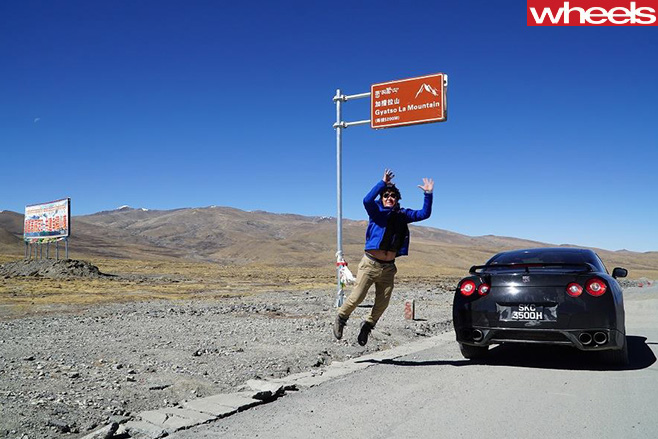
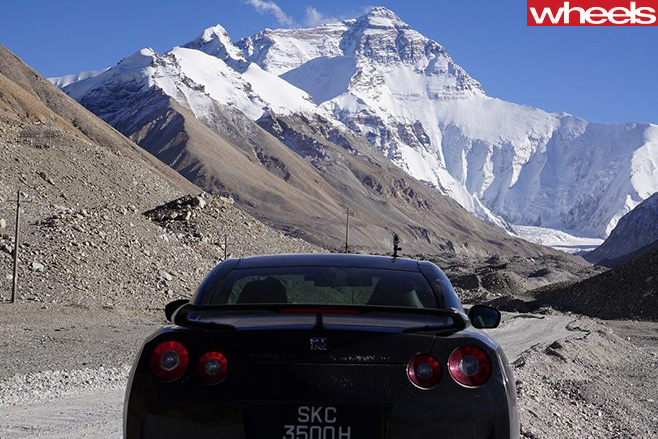
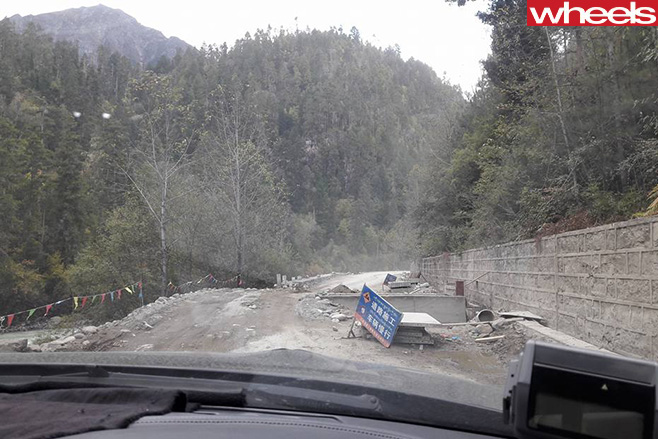
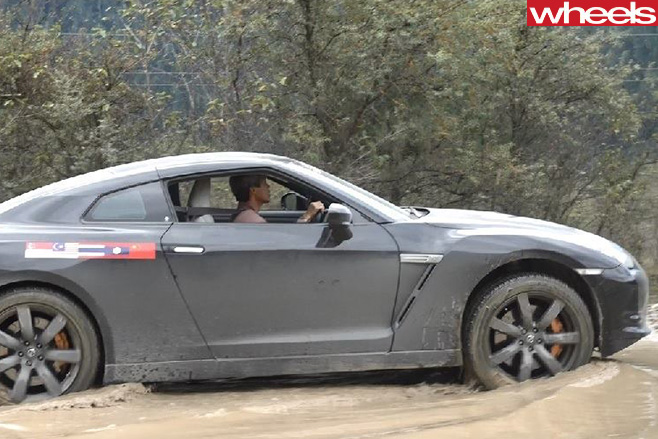
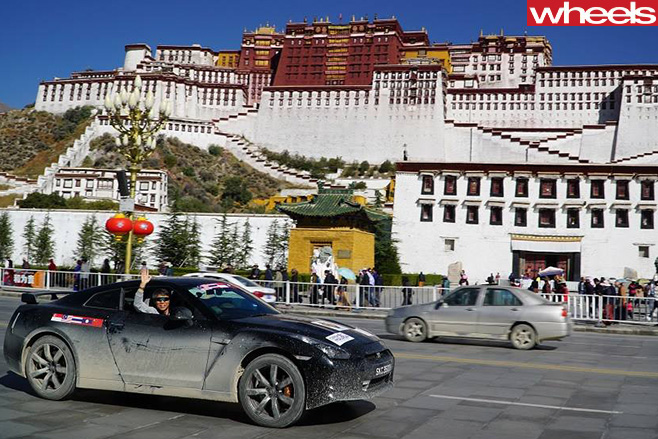
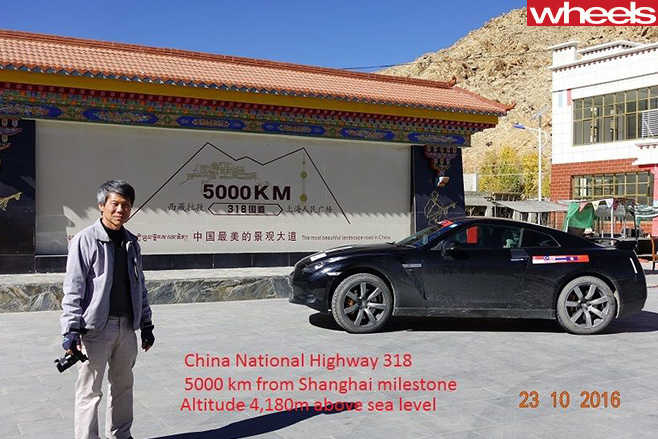
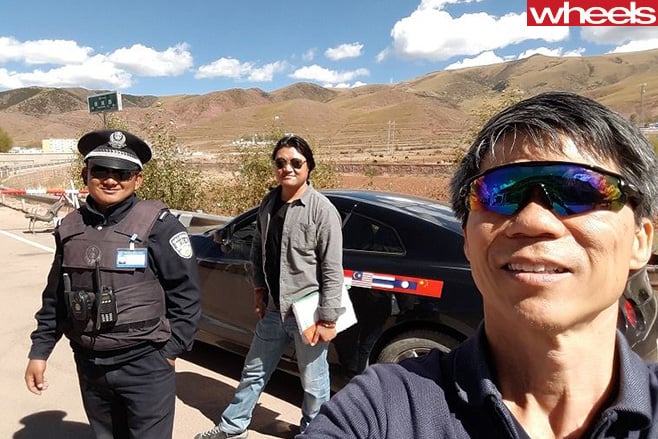
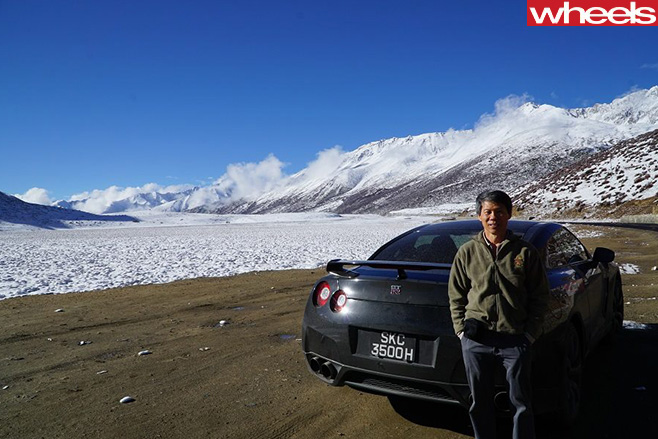
What a bloody legend!
Mercedes may have started the large luxury segment with the M-Class in 1997, but six years later it was BMW that initiated the mid-sized equivalent – with the X3.
The BMW remains one of the most popular SUVs despite the rapid expansion of rivals, with more recent competitors including the Lexus NX and Porsche Macan (both since 2014), as well as the Jaguar F-Pace, released only in September.
Incredibly, Mercedes-Benz didn’t feature a contender in the class until late 2015 – after an engineering oversight on the GLK prevented conversion from left- to right-hand drive.
It’s already making up for the lost time with the new GLC leading the way in 2016 sales, with Land Rover’s Discovery Sport using a better badge and a segment-exclusive seven-seater layout to fare significantly better than the former Freelander 2.
Here, WhichCar provides a guide to any changes planned or expected for the segment’s top four models during the next 18 months – to help you pick the perfect timing for buying one.
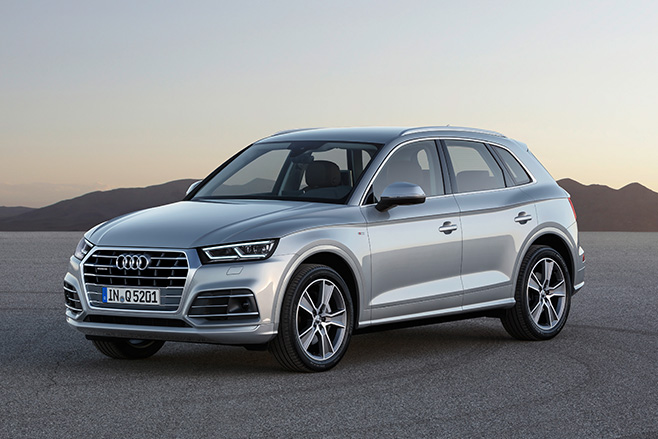
AUDI Q5The Q5 has previously been Australia’s best-selling luxury SUV, though has more recently slipped out of the highest sales placings as it has matured. A second-generation model, however, arrives in the second half of 2017. Audi’s second iteration of the Q5 was unveiled at September’s 2016 Paris Motor Show with a sharper-looking evolution of the original’s design. Dimensions grow slightly though the Q5 is also up to 90kg lighter depending on model, owing to a new body constructed from a mixture of high-tensile steel and aluminium.
New options for the five-seater will include air suspension, LED Matrix headlight system and Virtual Cockpit graphic instrument display. Audi Australia will be able to choose from five engines to offer initially, comprising three, four-cylinder turbo diesels with outputs of 110kW, 120kW and 140kW, a V6 diesel with 210kW, and a 2.0-litre turbo petrol with 185kW.
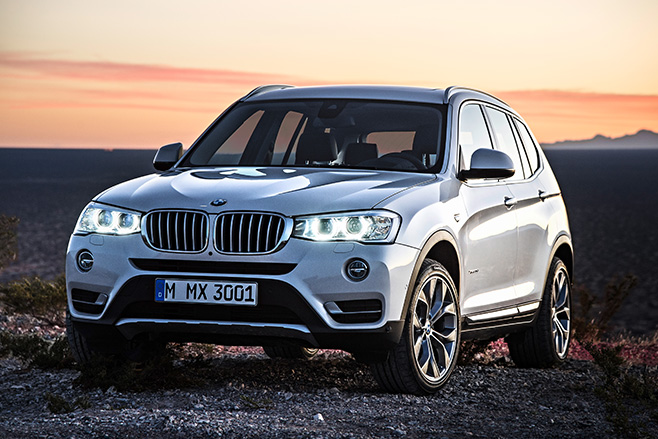
BMW X3The second-generation version of BMW’s mid-sized SUV has been around since 2010, so an all-new replacement expected in 2017 is well timed. Codenamed G01, the next X3 is understood to be switching from its current 3 Series-based platform to the company’s new ‘Cluster’ architecture that will underpin a wide range of models. A plug-in hybrid is highly likely to be part of the drivetrain mix, while for performance fans the big news is that the X3 is finally set to get a flagship M variant. Positioned as a smaller sibling to the X5 M, the X3 M is tipped to be powered by a twin-turbo six-cylinder engine and has already been spotted testing in Europe.
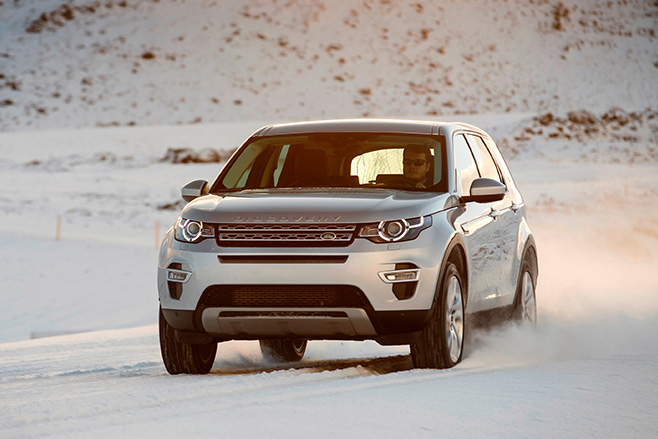
LAND ROVER DISCOVERY SPORTThe junior Discovery was a new model in early 2015, replacing the Freelander 2. In October it was given a raft of MY17 updates. A key change under the bonnet says goodbye to Land Rover’s ageing 2.2-litre cast-iron turbo diesel and hello to the company’s new 2.0-litre aluminium version from its Ingenium family. It produces either 110kW/380Nm in the TD4150 or 132kW/430Nm in the TD4180, with both offering better fuel consumption of 5.3 litres per 100km. The same family will provide a 177kW 2.0-litre turbo petrol, though it won’t be available in Australia until the second half of 2017 at the earliest.
MY17 Discovery Sports also add Low Traction Launch to their off-roading capabilities. The feature allows the driver to manually match the vehicle’s electronic driving assistance systems to the prevailing surface conditions, such as gravel or snow. Lane Keep Assist becomes a new, camera-based optional driving aid, and also helps to monitor driving behaviour to assess for potential drowsiness behind the wheel.
On the infotainment side, Land Rover’s most advanced system – InControl Touch Pro – is now available on SE and HSE grades as part of an Entertainment Package. Integrated to both standard and optional infotainment systems is Tile tracking – a system that allows owners to attach Bluetooth tracking tags to essential items such as keys. Using a combination of the Tile smartphone app and InControl Touch, owners will be alerted if the items are not detected in the vehicle – so they don’t drive off without them.
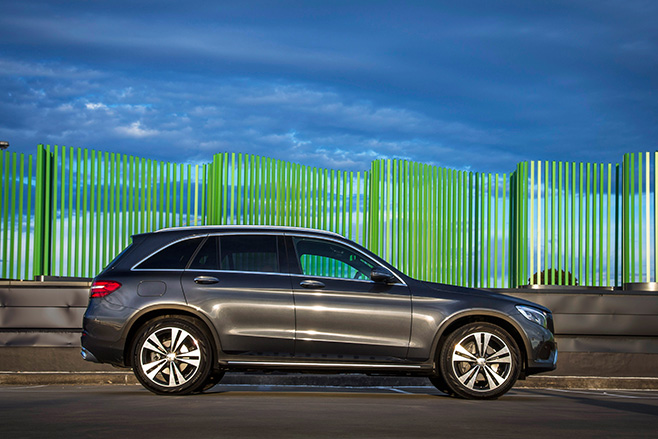
MERCEDES-BENZ GLCThe GLC is still relatively hot off the assembly-line press, having been released at the very end of 2015. It was a much-needed SUV for the German car maker in Australia, which has had to cope without an offering in the mid-size segment due to the previous GLK being available only in left-hand-drive markets.
Three engine choices are presently offered, comprising the $64,500 125kW/400Nm 220d diesel, $69,900 150kW/500Nm 250d diesel, and $67,900 petrol 250 with 155kW/350Nm. The range will be joined by a GLC43 AMG featuring a twin-turbo V6 and a flagship GLC63 AMG powered by a twin-turbo V8. In November/December 2016, a GLC Coupe will also enter showrooms. Confirmed pricing adds a significant premium for the sportier-styled spin-off, which starts from $77,100 for a range that will mirror the regular GLC engine line-up, although adds more standard features. These include AMG Line body kit and Dynamic Body Control.
BEHOLD: the first track-capable factory SS Commodore.
Yep, it might be the last of the lion line, but this here SS-V Redline is really the first time a stock-standard Commodore has been specced to cope with a track day. In the old days, you’d probably have to put bigger brakes on your SS and maybe even tweak the engine for a bit more breathing, but in the case of the SS-V Redline, you’d probably be wasting your time. Yep, the standard car is that good.
We’re pretty well versed with the Series 2 SS Commodore; the 6.2-litre, 304kW upgrade has made a huge difference to the way the car goes and feels, not to mention how it sounds. If you go for the Redline package, you also get those whopping great six-piston Brembos up front.
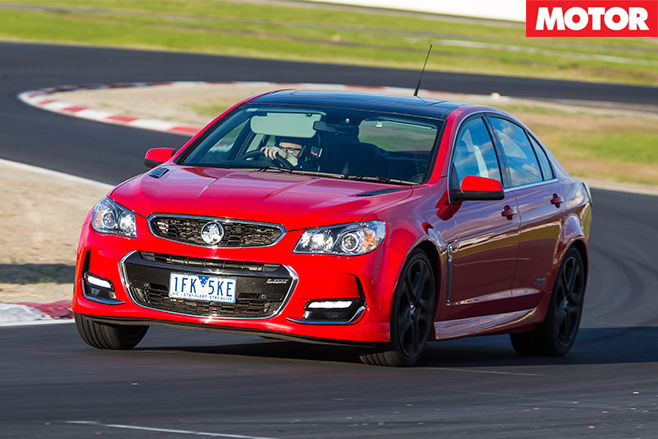
That’s not the end of the good news. The steering is now accurate and seems sharper than ever before – the whole gadget feels neutral and balanced. That’s no doubt a function of that long Zeta-platform wheelbase, but there’s still an immense feeling of poise and chuckability built into the Holden. If fun was the only criteria at work here, the SS-V Redline might have done even better.
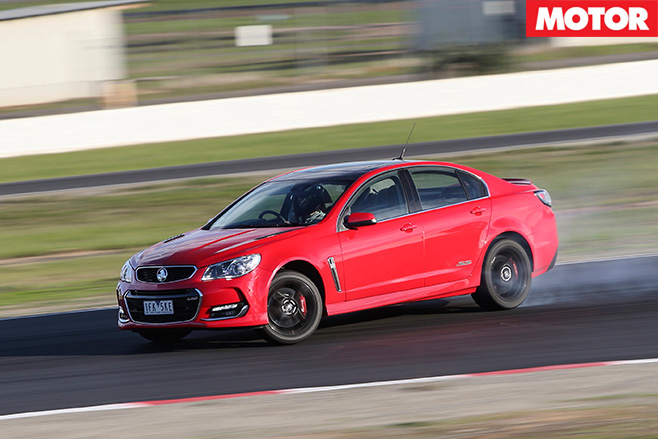
Against the rest of the $50K-and-up crowd, the Redline isn’t the quickest by any means. In fact, it’s nought to 100 time was anything but near the top of the crop (although we did manage to match Holden’s claim of 4.9 seconds). To 400m, the relatively heavy kerb mass, combined with two-wheel drive and lots of torque amount to a car that’s reasonably tricky to launch hard. Even when you do get it near enough to right, it’s still on the wrong side of 13 seconds. Okay, it’s a low, low 13, but against this crew that doesn’t count for a whole lot.
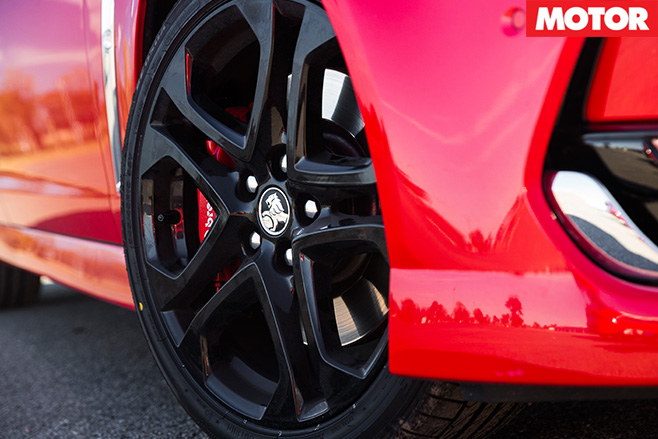
But rather than rely on caution and making sure you don’t overstep the mark, the Redline absolutely thrives on (as a South Australian Supreme Court judge infamously remarked back in 1993) rougher than usual treatment. There’s plenty of ‘whoa’ to match the go and hauling down this much car from 100km/h in 35-and-a-bit metres proves the Brembos are well worth the admission.
And here’s something else to think about: where previous Commodore SSs have thrown their BFYB chances away at the racetrack, not a single judge this year (and a motley but speed-loving bunch they were) placed the SS-V Redline any further south than fourth place in this price category. But while it’s full marks to Holden for putting in the time, effort, and bucks to turn the SS Commodore around, it happened just in time to pull the plug on production. Bittersweet barely covers it.
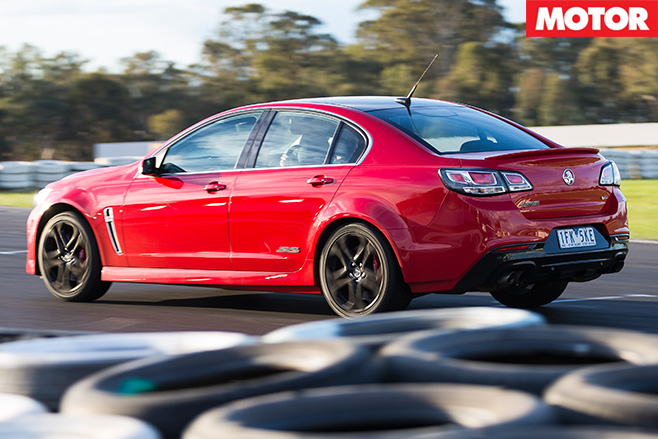
JUDGES’ COMMENTS 02. David Morley “Going out with a bang: Gotta love that.”
03. Dylan Campbell “304kW world-class muscle car for $55K. Man, we’ve got it good. For now.”
03. Louis Cordony “Holden’s finest Commodore given the grunt, and growl, it deserves.”
02. Scott Newman “I love this car. For what it’s meant to do, it’s just about perfect.”
SCORES Price: $54,490 Bang Index: 97.9 Bucks Index: 129.8 BFYB Index: 169.2
WARREN LUFF SAYS 02. “They have not given up developing to try to improve and make the car better”
“WHILE the lights are about to go out on the Aussie car industry over the next 18 months, some people are prepared to burn brightly while they still can. This is a really fun good car on the track and it does everything that you would expect of the more fancy European rivals.
“It has that great exhaust note and crackling roar that goes through the car. Honestly, it makes the hairs on the back of your neck stand up and gives you something to be excited about. While the car industry is not going to be with us for much longer, the guys at Holden have done something to make us all proud that we can make cars that are comparable with some of the world’s best car manufacturers.”
Want more? Check out the rest of 2016 Bang For Your Bucks.
Mazda isn’t resting on its laurels with its top-selling medium SUV.
The mid-sized SUV market is up there with small cars in terms of competitiveness, with new and improved models arriving think and fast leaving little room for stagnation.
So much so, Mazda is previewing its second-generation CX-5 less than four years since it first introduced the popular crossover in 2013 – compare that to the decade between the two generations of the larger Mazda CX-9.
The CX-5 a leading seller in many markets, however with much of its competition including the Subaru Forester, Toyota RAV4, Honda CR-V, Volkswagen Tiguan being refreshed for 2017, Mazda isn’t waiting for it to become the dimming star.
Such is the short time between the two generations that the cosmetic changes don’t appear to be too great, judging by the teaser pics released ahead of the CX-5’s world debut at next month’s Los Angeles Auto Show.
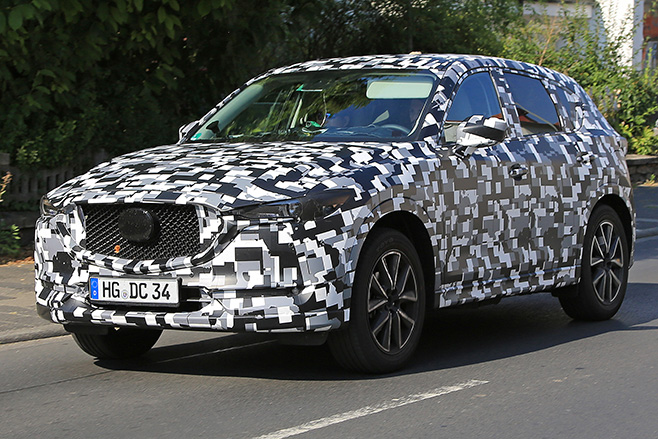
‘Refined’ usually means subtle changes and as recent spy pics also suggest, with Mazda taking a more evolutionary design philosophy with cues taken from the CX-9.
Some of the noticeable features discernable from the spy pics and the latest official teaser image are sharper headlights and grille treatments, a longer bonnet, deeper side windows for better vision, a more pronounced rear hip line, sleeker tail-lights, and a tailgate featuring the CX-9’s concave surface treatment.
The new KF series CX-5 will also share the seven-seater’s SkyActiv underpinnings and chassis advancements including improved sound-deadening measures, to help quell the road noise and vibration issues associated with the current model.
This should leave plenty of room should Mazda want to step up the changes to continue ahead of the curve.
It’s expected to be powered by improved versions of the current 2.0-litre and 2.5-litre SkyActiv-G four-cylinder petrol units along with the somewhat quieter 2.2-litre SkyActiv-D turbo-diesel that will be under the bonnet of some MY17 Mazda 6 variants.
Expect a heap of new driver assist technology to make its way into the CX-5 range, too, including AEB-R – Autonomous Emergency Braking in Reverse, which stops the car while you’re reversing if it detects something in or crossing its path.
Entry pricing is expected to remain below $30,000, though Australian pricing and specifications will be released shortly before it’s Australian launch next year.
Mazda is expected to launch the new CX-5 at Los Angeles on November 16.
A nice set of wheel rims can set your car apart from the pack.
This is advertiser content.
There is no one thing that can personalise and change how your car looks like a set of alloy wheels. But how do you go about finding the perfect wheels for your vehicle? Mitch Crosher, General Manager of FUEL AUTOTEK, exclusive Australian distributor of premium brands such as TSW Alloy Wheels, MOMO Italy and Black Rhino Hard Alloys, provides his tips.
Consider increasing the diameter and width of your wheels
Wheel sizing plays a key role not only in vehicle appearance but can also enhance your vehicle’s performance. The right sized wheels will fill out the wheel guards perfectly and give the car a more aggressive look; the wrong sized wheels may not correctly support your vehicle or foul against the guards or brakes and negatively affect steering.
It is important to understand that if you opt for aftermarket wheels that have a larger diameter than the OE wheel, that the tyre size must be adjusted accordingly with a lower aspect ratio or sidewall to ensure that total rolling diameter is consistent. This means your speedo will remain accurate.
For rear wheel drive vehicles, consider maintaining or adopting a staggered fitment, which involves fitting a wider wheel to the rear of the vehicle (compared to the front) and therefore a wider tyre which results in improved traction.
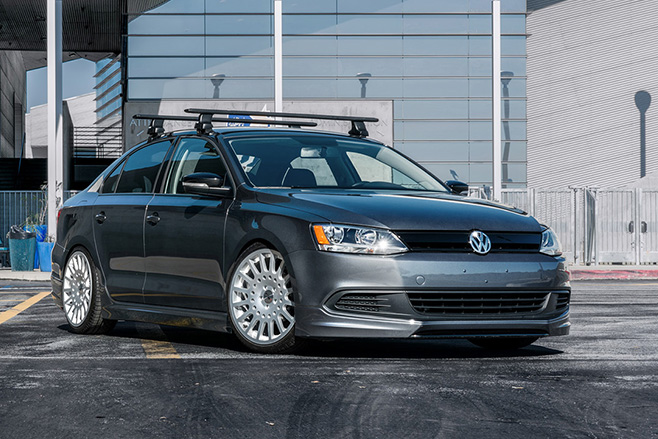
First and foremost you must be aware of your vehicle’s stud pattern, or Pitch Circle Diameter (PCD) as this will dictate which wheels will fit and which will not. In order to find a set of wheels that fit your vehicle, the PCD of the wheel must match that of the vehicle.
It is also critical that you understand the applicable offset range for your vehicle. A wheel’s offset refers to the distance between the mounting surface and the centre line of the wheel. The offset is measured in millimetres and results in a positive, negative, or zero offset.
Finally, different vehicle makes have different centre bore specifications and this will also impact of the variety of alloy wheels available to suit your vehicle.
Determine the most suitable manufacturing technique
Alloy wheels are produced in a number of different ways and these manufacturing techniques can affect the performance of the wheel. One-piece cast alloy wheels are made through the pouring of molten aluminium inside a mold to form the wheel. Forged wheels employ a technique of forcing a single piece of aluminium into place with extreme pressure resulting in a wheel that is very strong and ultra-light, which can enhance vehicle performance. Multi-piece wheels are assembled using different methods for producing the rim and centre, offering the ability to custom-tailor wheels for special applications that would not be available otherwise.
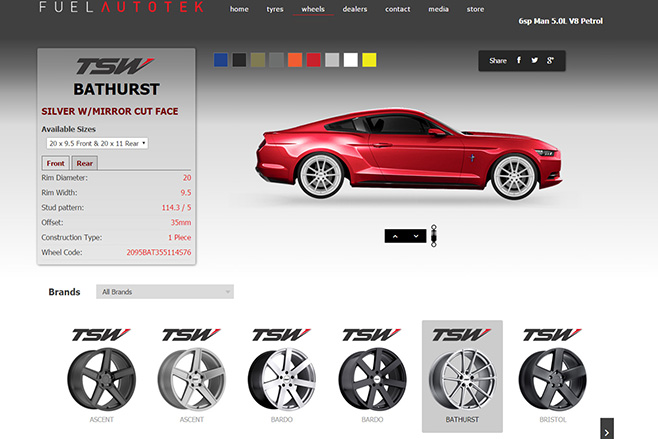
Some alloy wheel manufacturers use proprietary techniques, for example TSW Alloy Wheels employ Rotary Forging, which involves forging the wheel at high pressure while it is spun at high speed. This process results in a significantly reduced rotational mass, which improves vehicle acceleration and handling.
Select a design and finish
Finally, you must find a design and finish that you feel will best suit your vehicle. There are countless alloy wheel designs currently available to Australian consumers but the most popular include variations of five spoke, multi-spoke and mesh designs.
Depending on your vehicle’s fitment specifications you may be able to select a wheel with a deep lip or concave, which will give your vehicle an aggressive appearance. Popular alloy wheel finishes include Silver with a Mirror Cut Face, Matte Black, Gunmetal and Gunmetal with a Mirror Cut Face.
To help determine the best looking wheel for your vehicle why not use FUEL AUTOTEK’s Interactive Wheel Selector and Fitment Guide.
A Jeep isn’t a Jeep unless it can go off-road, right? It makes sense, then, that the Berg Jeep Revolution BFR-3 go-kart for kids comes with the full kit and caboodle including four gears, including reverse, a swing axle and off-road capable air tyres (including a spare).
Power is from a two-cylinder pedal engine (aka bike pedals) and a gear-shift which not only allows riders speed on-road, but can also make pedalling easier once they get onto more difficult terrain.
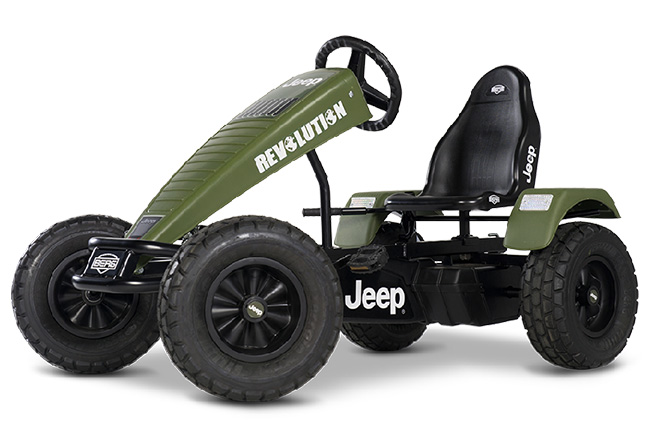
As well as a reverse function through the brake pedals, the mini Jeep also includes adjustable seats and steering, a Jeep-signature front grill and pedal-brakes.
There are also a bunch of options available, including an extra passenger seat, roll bar, spare wheel and a light set.
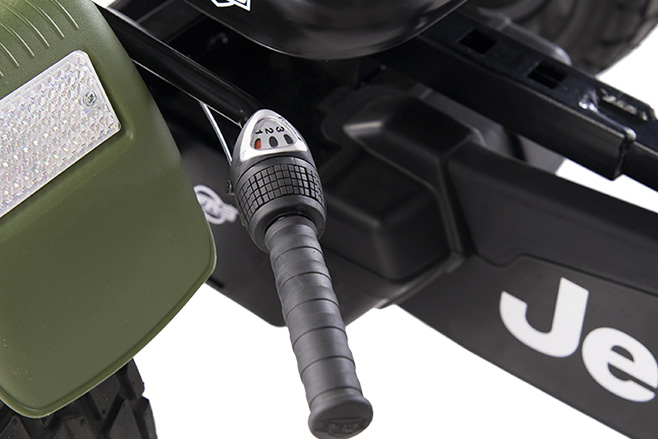
The Jeep Revolution BFR-3 is just one of three models, with the Compact Jeep Adventure and Junior Jeep Junior also for sale through Berg Toys.
The Berg Toys’ Jeep Revolution BFR-3 Go-Kart is priced at around $1000, without accessories, and is available in Australia from selected Berg Toys dealers.
Can’t get enough? Now read about the Tesla Model S for kids.
American manufacturers, GM in particular, are certainly taking this whole Nurburgring malarkey seriously.
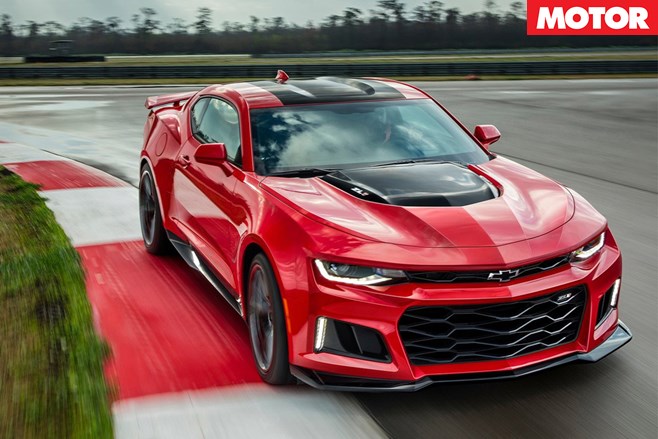
First the Dodge Viper ACR, then the Chevrolet Corvette Z06 and now the Chevrolet Camaro ZL1 have all set lap times around the Green Hell that only a few years ago would have been the preserve of mega-dollar exotica.
To put the new Camaro ZL1’s 7min29.6sec effort in perspective, it’s a similar time to the likes of the Porsche Carrera GT and the Nissan GT-R’s 2008 time that caused such a stir between itself and Porsche.
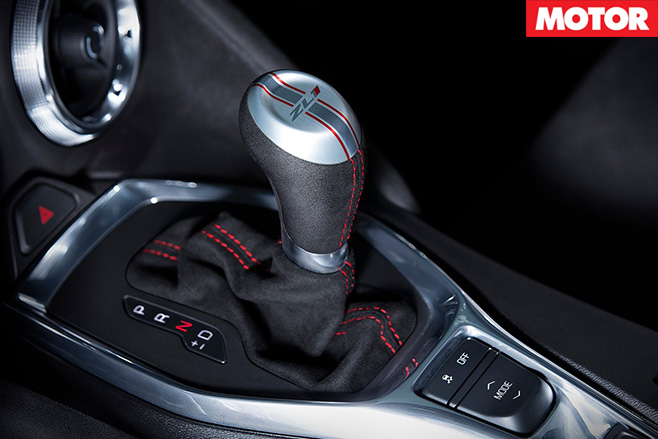
Then again, that automatic is part of the secret to the Camaro’s success, as the ZL1 is equipped with GM’s new 10-speed auto.
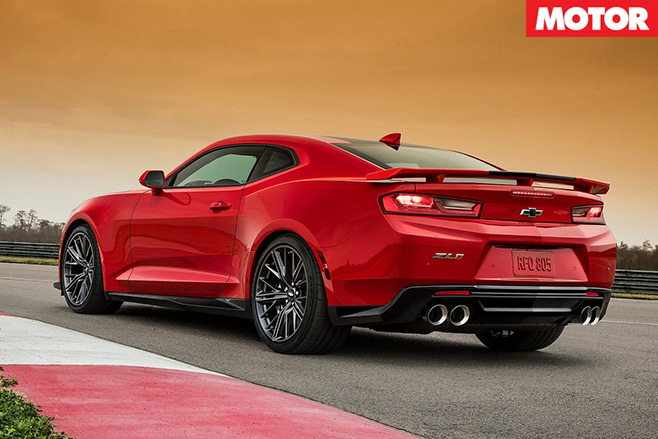
Other Camaro highlights are Magnetic Ride dampers like those in the HSV GTS, huge Brembo brakes and massive Goodyear tyres measuring 285/30 ZR20 at the front and 305/30 ZR20 ar the rear.
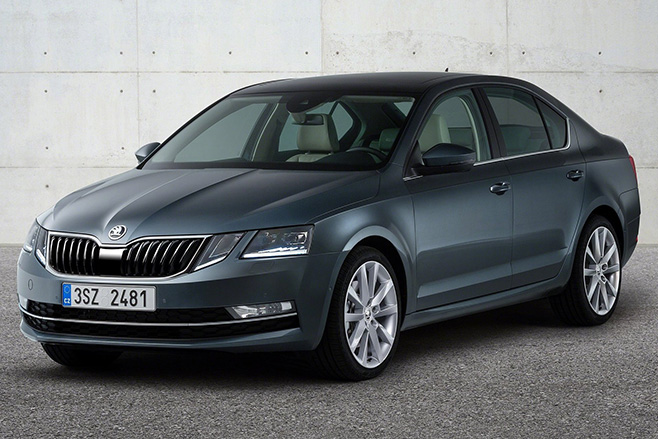
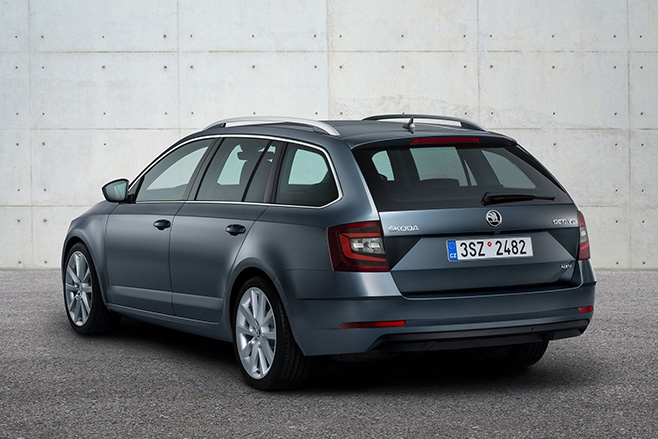
Skoda has given its Octavia sedan and estate variants a nip and tuck at each end, the most noticeable features being the a more streamlined bonnet, full-length lower grille and a strip of bodywork separating each LED headlamp – which will divide in more ways than one.
Other aesthetic changes include redesigned tail-lights and range of newly drawn 16i-, 17- and 18-inch wheels.
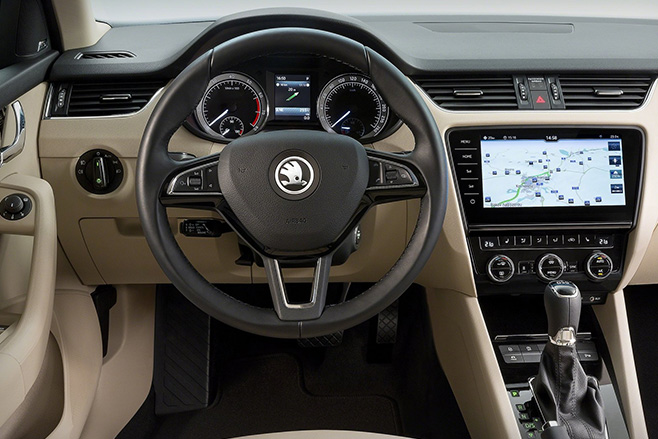
The update also brings three new infotainment systems: Bolero, Amundsen and range-topping Columbus, which, along with the currently available Swing system, all have a 9.2-inch glass touchscreen that’s more responsive to lighter touches.
The Columbus features a WLAN hotspot and, if desired, and SIM card module with LTE speed for an ultra-fast connection to the Internet.
Each system is linked through Skoda Connect with optional breakdown and emergency assistance.
Updated driver assistance technology options include radar blind spot detection and rear traffic alert, predictive pedestrian protection and trailer assistant, which will automatically steer when you’re slowly reversing making you look like a trailer-reversing god.
Other features include a key that will allow multiple drivers to save their own vehicle preferences, bottle holders designed to make opening bottles easier, and a removable torch in the boot of the Skoda Octavia estate.
The engine line-up consists of 1.0-litre and 1.4-litre TSI petrols, and 1.6-litre and 2.0-litre TDI diesels, with the bigger versions of each most likely to again to be selected for the Australian range.
The 2017 Octavia range isn’t due for Australian release until mid-next year, however some of the new tech is expected make its way into the Skoda Octavia RS 4×4, which launches here next month.
Australian range specifications and prices for the 2017 Octavia range will be revealed closer to launch.
Click here to read the full review on the current model Skoda Octavia and Octavia RS.
BMW’s Nurburgring Nordschleife taxi rides are thrilling, but nowhere near as this.
BMW granted a lucky few who had won a Shell Helix competition the chance to strap in its DTM-spec M4. They then were plonked next to Augusto Farfus before being pushed out for an attack of the infamous ‘Green Hell’.
Farfus didn’t attack the full 20.8km of track, instead staying hot from only the Bridge to Gantry section of the track. It cut his attempt by 1.7km, but still saw him clock the section in six minutes and 14 seconds.
As a BMW factory driver who not only set pole there in 2014 in a GT3-spec Z4, but won the Nurburgring 24 Hour in a M3 GT2 racer, yeh, Farfus knows his way around the place.
The cars, too, are wild beasts. Filled with 360kW of V8 and pushing 1000kg of aero-honed carbon fibre, today’s DTM racers are more NASA than road car.

But what can we deduce from the time? Not much. The car carried extra human ballast, one which Farfus took time to converse with various times, making the attempt hardly a qualifier.
The internet moots this shortened ‘bridge-to-gantry’ lap is 15-20 seconds faster than a full lap. Putting the DTM-spec M4, even with passenger, at around 6:40 over the entire 20.8km.
The fastest production vehicle around the Nurburgring Nordschleife is Porsche’s 918 Spyder, at 6:57, while the fastest racing lap was taken by Stefan Bellof in a Porsche 956, at 6:11.13.
Comparison aside, there’s still Farfus’ riveting helmet-footage to drink in. Sit back and enjoy the ride.
The Nissan Navara ute line-up has been expanded and upgraded with the introduction of a new variant, equipment changes and suspension tweaks for dual-cab ute models.
Nissan’s update arrives 16 months after its latest, NP300 Navara was released into showrooms, and is based on customer feedback received since.
The biggest changes are reserved for the popular dual-cab Navara. A new SL model slots into the middle of the 4×4 offerings, priced from $43,990. It sits between the entry-level RX (from $39,990) and ST (from $46,990), with specification more closely related to the latter. The Nissan Navara ST-X, from $51,990, remains the range-topper.
Nissan has also revised the suspension of the dual-cab models that are commonly bought as lifestyle vehicles rather than just purely workhorse utes.
New dampers, rear coil springs and rear rebound dampers are designed to improve ride and handling, as well as stability when the Navara is carrying a payload in its tray.
A few spec changes to the dual-cab range include the ST-X’s sunroof being made optional rather than standard, while fold-out, floor-level cupholders are removed from the rear cabin. The RX dual-cab and single-cab both ditch carpet for a more durable vinyl floor, and the ST grade adds navigation as standard.
The RX 4×4 cab chassis is now available with the Navara’s seven-speed auto as an option to the standard six-speed manual transmission.
Both transmissions remain linked to one of three unchanged engines: a 2.5-litre petrol with 122kW of power and 238Nm of torque; a 2.3-litre turbo diesel with 120kW and 403Nm; and a twin-turbo version of the 2.3L, producing 140kW and 450Nm.
Prices increase by $1000 for a number of models in a Navara range that now comprises more than 30 variants to help its battle against a large group of competitors including the Toyota HiLux, Ford Ranger and Mitsubishi Triton.
Prices range from $19,490 to $55,490 before on-road costs are added for a model.
