
Determined not to be outdone by Toyota’s Australian recall of 324,000 cars this week, Mitsubishi has one-upped its Japanese rival with a recall of around 430,000 vehicles built between 2009 and 2016. The largest recall in Australian history covers virtually every model sold during that period for a variety of technical issues related to electrical systems, power steering, electric motors and fuel tanks.
The recall isn’t related to Mitsubishi’s fuel-consumption test numbers scandal that led to its recent takeover by Nissan.
The numbers can be deceptive, as some vehicles are subject to a number of simultaneous recalls. A Mitsubishi spokesman said, “There are multiple recalls on the same vehicle, so although a really big number has been reported, some cars, such as the Lancer for instance, are being doubly counted. There have been no confirmed incidents, accidents or injuries relating to any of these recalls and the recalls are issued as a precautionary measure.”
In all there are seven separate recalls. Mitsubishi’s i-MiEV opens proceedings with a recall for 2010 and 2012 model year cars for a brake vacuum pump fix. Some who own a 2012 model i-MiEV are also notified of a recall over a defect in the insulated base of the Motor Control Unit which could make it impossible to charge or start the car.
A total of 1513 Mitsubishi Colts are also being recalled over a potentially defective terminal in the power steering system which could cause the power steering to fail and increase steering effort.
A fuel tank fix has been mandated for 85 Lancer Evo 10s and 90 Lancer Ralliart models built between 2014 and 2015 over concerns that a brake cable could abrade the fuel tank’s rustproof coating. In a worst case scenario, this could cause the tank to rust and leak.
The 2016 Outlander is being recalled over a defective electric trailer brake harness. 55 cars are affected but owners of Outlander PHEV are in the clear.
By far the largest recall concerns Challenger, i-MiEV, Lancer Sedan, Lancer Sportback, Outlander, Pajero and Triton models. This affects a total of 383,379 vehicles, all affected by turn signal and light connector terminals that are insufficiently rigid and which could corrode. If conduction fails, the headlamps, turn signal lamps, parking lamps, fog lamps, tail lamps, number plate lamps and cabin lamps could all fail, or operate intermittently.
To discover the VIN ranges of the affected vehicles click here.
Owners of recalled vehicles will be contacted via mail and are advised to present their vehicle at a local dealer for free of charge fixes. For more information, contact Mitsubishi Motors Australia on 1300 131 211.
Mitsubishi Australia has added a seven-seat option to its four-wheel drive Pajero Sport line-up; adding foldaway third-row seating to the two higher-spec models in the 2016 range.
While the base GLX model will remain a five-seater, the GLS and Exceed models will gain the extra seats as well as full-length curtain airbags, extra roof-mounted cooling vents and an under-floor cargo box.
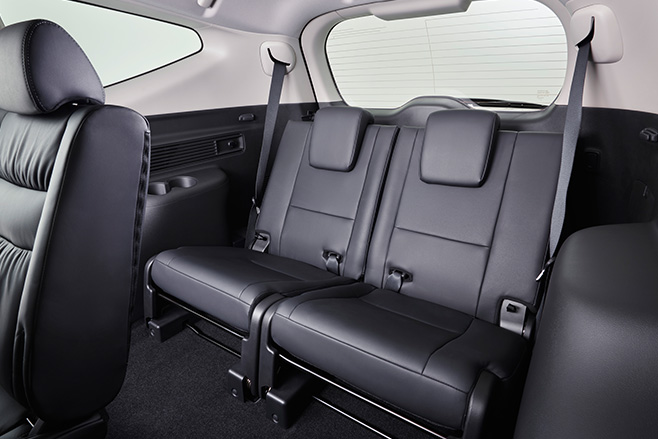
On sale today and with the recommended retail prices remaining unchanged, the seven seater’s second-row seats boast a fold-and-tumble option for optimal rear-seat access, as well as also being able to be stowed away for maximum cargo capacity.
Despite the Mitsubishi Pajero Sport range’s added flexibility edging it closer to the firm’s long-standing Pajero, Mitsubishi Australia remains adamant the additions don’t spell the beginning of the end for the ageing Pajero.
“They’re completely different platforms,” explained Mitsubishi’s Shayna Welsh, who said the firm has been pushing its parent company for a seven-seater Sport since its launch. “While the Sport serves as our flagship off-road SUV, the Pajero is still part of our line-up and it will be for some time.”
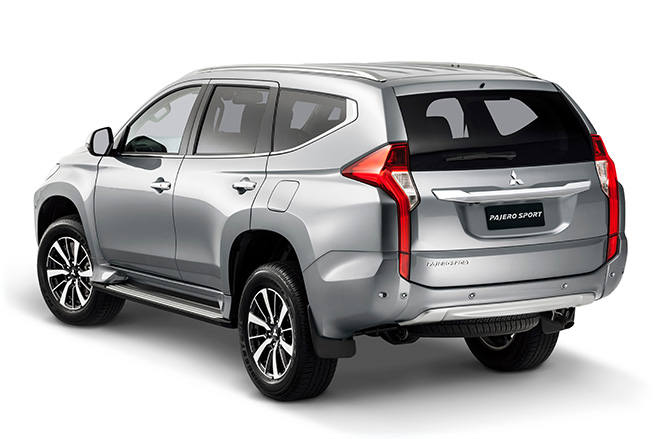
All three models boast seven airbags; driver and front passenger, side, side curtain and driver’s knee, they are all powered by the same 2.4-litre turbo-diesel engine and all offered only with the firm’s eight-speed automatic transmission and selectable four-wheel drive system.
The five-seat Pajero Sport GLX starts at $45,000, followed by the seven seat-equipped GLS and Exceed models which are priced from $48,500 and $52,750 respectively.
There’s a lot of force generated when your everyday 1.5-tonne car hits a pothole at 100km/h. To stop a car being bounced off the road when it happens, suspension – in the form of springs, was invented. These springs absorb a lot of that energy as they compress during those violent encounters. But that energy has to go somewhere and, if it wasn’t for the suspension dampers, the springs would go on oscillating (bouncing) for the next kilometre or the next pothole, making everybody in the car seasick.
Try this at home; drop a tennis ball (itself a form of spring) on to a concrete path and see how many times it bounces. Basically the same thing would happen in your car without dampers. The dampers use friction to turn some of that bouncing energy into heat and slow the car’s spring, returning it to a relaxed state, ready for the next bump. Watch a cricketer take a catch in the outfield. See how when the ball lands in their hands, they move their hands back towards themselves to slow the ball rather than stopping it instantly? They’re actually using their hands and that slowing movement as a damper to stop the ball and soak up some of its not inconsiderable energy in the process.
Dampers wear out with age and kilometres but they need to be checked regularly because they’re vital to you having control over the car. Oil all over the body (tube) of the damper is the first sign all is not well.
Now find out how suspension arms work.
Even if you’re one of America’s – hell, the world’s premier car collectors and a heck of a nice guy to boot, sometimes it’s just not your day.
Jay Leno’s afternoon started well enough; after all, he was ticking an item off his mist-do list he’d wanting to do since he was a kid.
Stuntman Bob Riggle, now 80 years old, had caught a young Jay’s eye with his performances in the famed Hurst Hemi under Glass machine, a series of mid-engined Plymouth Barracudas built by Hurst Performance between 1965 and 1975.
Based around a Hemi V8 drag engine making a modest 2,500bhp shoved through the passenger door and into the rear seat with sole intention of ripping off some sick wheelies, Jay had lined up a ride alongside the octogenarian stuntman in one of three replicas of a 1968 machine for his TV show.
Up until that point, Bob had only crashed once in his long and illustrious career… but that was all about to change.
From the vision, it looks like the rear of the Barracuda got unsettled over a bump, shortening Bob’s braking margin and forcing him into an early turn, where the big, stiff car caught an edge on a small banked part of the track and flipped over.
Both gents emerged from the upright roll unharmed, though, we’d suggest they’d both need some Nurofen in the morning.
The car will need a reshell, but the monster motor apparently survived to wheelie another day.
TESLA has warned owners that its self-driving cars are still in an experimental phase as news broke overnight that the US had recorded its first-ever fatality behind the wheel of an autonomous vehicle.
The warning comes as the US road safety watchdog, the National Highway Traffic Safety Administration, says it will launch an investigation into the death of a Tesla Model S owner who collided with a truck while using the self-driving mode.
Tesla does not report its sales in Australia, so only the carmaker knows how many of its vehicles are on our roads. When asked if the self-driving features would be suspended here until the US investigation had ended, a spokesman for the carmaker told Wheels it had “nothing further at this stage” to add to the controversy.
“We learned yesterday evening that NHTSA is opening a preliminary evaluation into the performance of Autopilot during a recent fatal crash that occurred in a Model S,” Tesla said in a statement posted on its global website a few hours ago.
“This is the first known fatality in just over 130 million miles (210 million kilometres) where Autopilot was activated.”
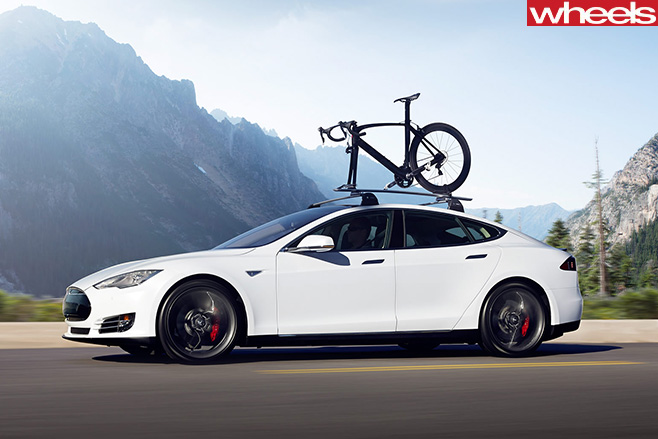
“Neither Autopilot nor the driver noticed the white side of the [prime-mover and] trailer against a brightly lit sky, so the brake was not applied,” Tesla said.
“The high ride height of the trailer combined with its positioning across the road and the extremely rare circumstances of the impact caused the Model S to pass under the trailer, with the bottom of the trailer impacting the windshield of the Model S.
“Had the Model S impacted the front or rear of the trailer, even at high speed, its advanced crash safety system would likely have prevented serious injury as it has in numerous other similar incidents.”
Tesla remotely gave the Model S a software update in October last year – including sending it to all vehicles in Australia – switching on a number of dormant self-driving modes on the car.
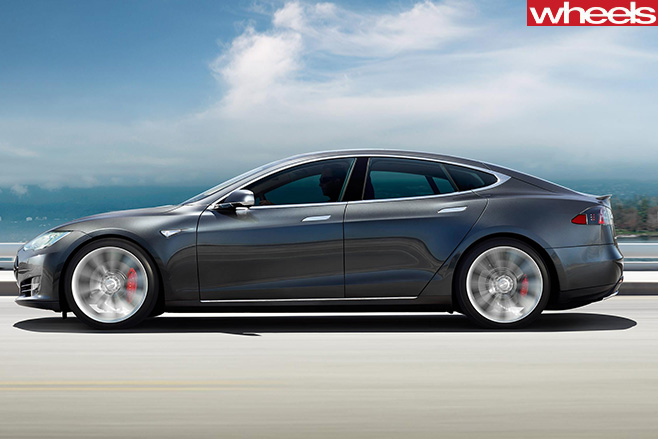
Tesla said Autopilot was disabled by default, and needed the driver to agree to using it.
“It is important to note that Tesla … requires explicit acknowledgement that the system is new technology and still in a public beta phase before it can be enabled,” it said.
“Autopilot is getting better all the time, but it is not perfect and still requires the driver to remain alert.”
Swedish car maker Volvo last year said it would assume all liability if ever one of its autonomous cars was to crash while the driver was not in control.
Volvo Car Group president Hakan Samuelsson told an autonomous car conference in October last year – the same month that Tesla rolled out its self-driving functions – that Volvo was “one of the first car makers in the world to make such a promise”.
Volvo is back in the big luxury-car business with the S90 (sedan) and V90 (wagon), targeting the BMW 5 Series set with progressive safety, engineering, driveability, and design. Both are a massive leap forward from the V70 and S80 they replace.
WHAT IS IT? Volvo understands that to achieve real respectability against the luxury German marques, it must design and engineer a car worthy of taking on the tremendously capable BMW 5 Series and Mercedes-Benz E-Class. That’s what the S90/V90 are aiming to do, and with an intriguing Swedish twist.
WHY WE’RE TESTING IT As Sweden’s remaining mainstream carmaker, Volvo reckons it can carve a slice of the larger premium sedan/wagon cake with a distinctly Scandinavian take on styling, performance, efficiency, dynamics, and safety. What’s different from before is that the all-new S90/V90 also strive to meet, or exceed, the segment highpoints. So have the Swedes finally broken into the premium premier league?
MAIN RIVALS Audi A6, BMW 5 Series, Infiniti Q70, Lexus GS, Mercedes-Benz E-Class
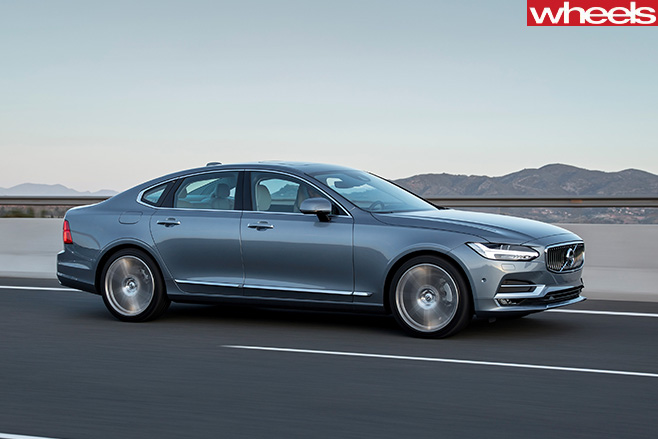
PLUS: Design, steering, handling, ride (with optional air suspension), safety, comfort, refinement, packaging, individuality MINUS: Progress means prices have soared, some equipment omissions, minor ergonomic glitches, jerky T6 auto
THE WHEELS REVIEW RECENTLY, a car-company boss confirmed what many have long suspected: that respectability only arrives when “you get your 5 Series rival right”.
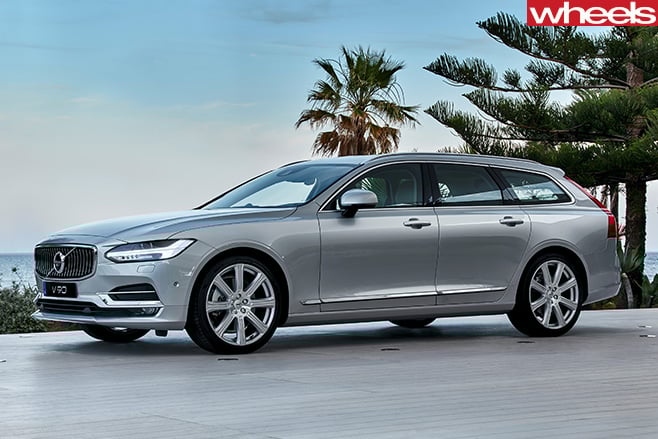
Sharing about 40 percent of parts with the latest XC90 launched last year, the S90 actually drove the initial development of the all-new SPA Scalable Platform Architecture when work commenced during the dying days of Ford control in 2008. “Sedan buyers are very fussy, so we had to get its proportions exactly right first,” according to the ‘Cluster 90’ senior director, Kent Falck.
Even Volvo admits that outside of Sweden nobody was exactly aching for S80 and V70 replacements, so the S/V90 couldn’t just be BMW clones, but something different and compelling. Benchmarked against “basically the Germans”, they embrace Volvo’s controversial 2.0-litre four-cylinder powertrain strategy, with a circa-300kW/640Nm petrol-electric plug-in hybrid arriving later in 2017.
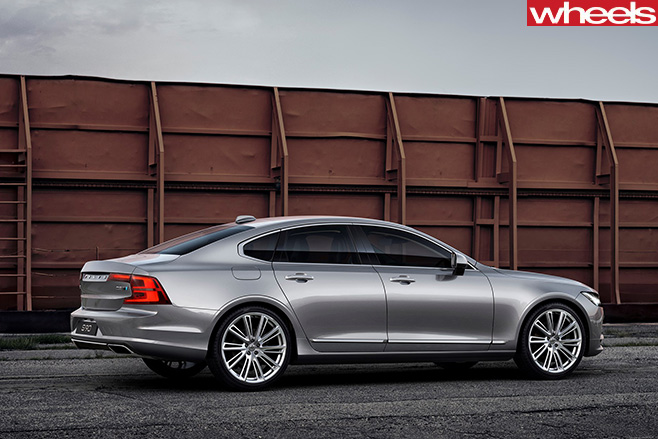
Almost in defiance of its 1969cc capacity, the T6 AWD is certainly no slouch, leaping forward into action and maintaining a cracking pace as long as you don’t spare the accelerator pedal. Maximum power tops out at a fairly highly-strung 5700rpm, but you rarely hear the four-pot turbo shriek otherwise, since there’s a sizeable wad of torque and smartly spaced gear ratios to keep things humming along sweetly. Conversely, the auto’s occasional jerky downshift, propensity to not upshift in Dynamic, and lack of wheel paddles sully an otherwise slick mechanical ensemble.
Yet it is the brawny D5 AWD that really – and literally – blows expectations clean away, thanks to the patented PowerPulse tech. Using compressed air to multiply turbine speeds, it slashes turbo lag for a strong and stirring stream of performance stamina, and without the off-boost blues to impede progress.
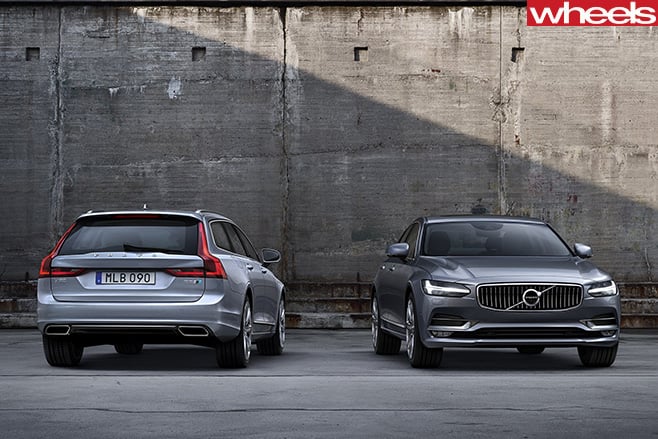
As with the XC90, the ‘Drive Select’ offers overly light and softly suspended ‘Eco’ and ‘Comfort’, but in the pitch-perfect ‘Dynamic’ setting, the whole car gels terrifically. Thank the optional 20-inch rubber, lower centre of gravity, or reduced mass, because poise and response are the happy by-products. Turn-in is instant and linear, the handling receptive, and the chassis planted. Even the wagon shrinks around you blasting along a tight and twisting hairpin. Extra-cost rear air suspension also helps impart a supple and isolated ride, further boosting our admiration.
Neither model is actually sporty, but there is a newfound athleticism that keen drivers can work with. Volvo calls it “Relaxed Confidence”. Let’s hope such comfort and control translates on Aussie roads.
The Inscription series for both the D5 and T6, equals interior sumptuousness – meaning this S/V90’s hushed cabin is more than a match for most rivals. Similar, but better resolved than the XC90’s lush leather and walnut, brushed aluminium and chrome meld seamlessly with the tech-heavy (and initially intimidating until familiarisation sets in) multi-screen displays, gorgeous instruments, truly lavish seating – front and rear – and detailing exquisite enough to impress Audi. A big audio volume knob is such a luxury nowadays. The thing reeks of opulence. At nearly five metres long, the same number of six-footers will also fit, despite the sedan’s sloping roofline.
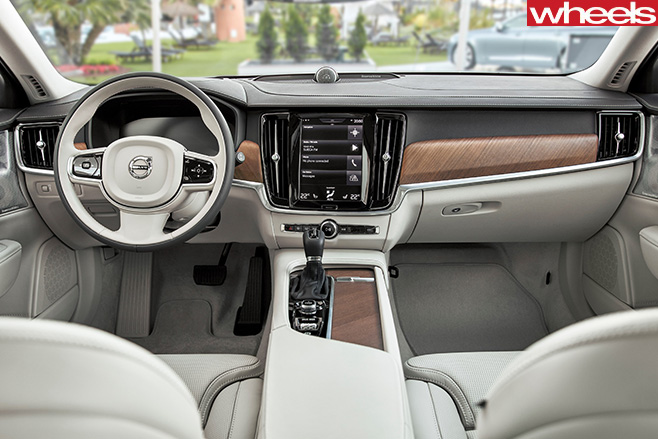
From $79,900, the S90 T5 Momentum includes adaptive cruise; lane keep assist; blind-spot monitoring; reverse camera; automatic parking; leather seating; four-zone climate control; keyless start; electric front seats with memory; an electric boot lid; and LED headlights with bending tech. The Inscription, meanwhile, from $96,900 in the D5 AWD ups the ante with more performance and grip, 19-inch alloys (up from the base 18s), Nappa leather, and ambient lighting. The T6 equivalent adds another $2K.
Expensive for a Ford-era Volvo perhaps, but the Geely-funded S/V90 twins might have just made it as blinding BMW 5 Series botherers. Maybe not top of the heap but certainly Vi-kings of the hill.
SPECS Model: Volvo S90 T6 AWD Inscription Engine: 1969cc 4-cyl, dohc, 16v turbo Max power: 235kW @ 5700rpm Max torque: 400Nm @ 2200-5400rpm Transmission: 8-speed auto Weight: 1915kg 0-100km/h: 5.9sec Fuel economy: 7.2L /100km Price: $98,900 On sale: October
The Renault Alaskan has been unveiled to become France’s first ever one-tonne ute.
Renault’s new addition to its established light-commercial vehicle range follows the Alaskan concept shown in 2015 and is twinned with the Nissan Navara as part of the French-Japanese auto alliance.
The production Alaskan is inevitably toned down slightly from the more extreme-looking show vehicle, though while it wears the Renault family design ‘face’ it looks suitably tougher than a Clio or Renault Megane.
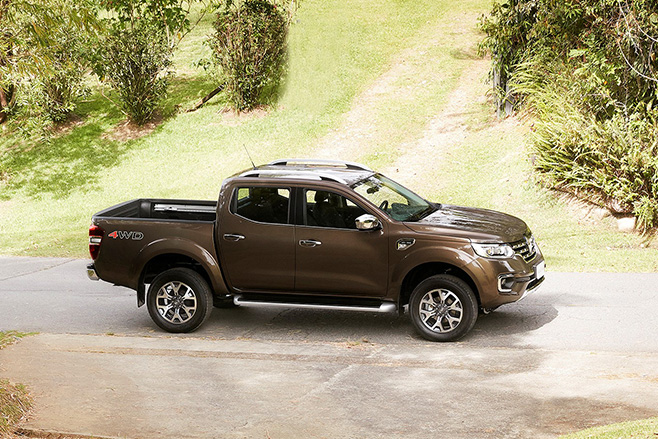
There will be multiple variants including 4×2 (rear-wheel drive) and 4×4 models. As with the Navara – with which it shares its underpinnings – the dual-cab version features a car-like rear multi-link suspension, instead of the more common leaf-spring arrangement.
Renault says this improves refinement, handling and ride comfort without compromising off-road or workhorse abilities.
The tray – which will be available in two lengths depending on market – offers a one-tonne-plus payload, and includes quick-fit hooks and 12v power supply.
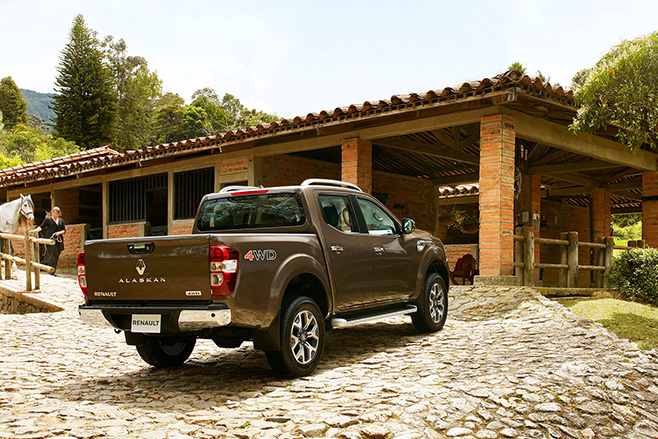
Off-road credentials are boosted by the presence of a lockable rear differential, hill-start assist, hill-descent control and an electronic limited-slip differential that can brake spinning wheels to improve traction. There’s also 230mm of ground clearance.
A towing capacity of 3500kg matches the segment benchmark offered by rivals such as the Holden Colorado and Ford Ranger.
As a major point of difference from its competitors though, Renault is claiming best-in-class fuel economy from the Alaskan’s 2.3-litre four-cylinder twin-turbo diesel engine, which is available with 120kW or 142kW and borrowed from the brand’s Master van.
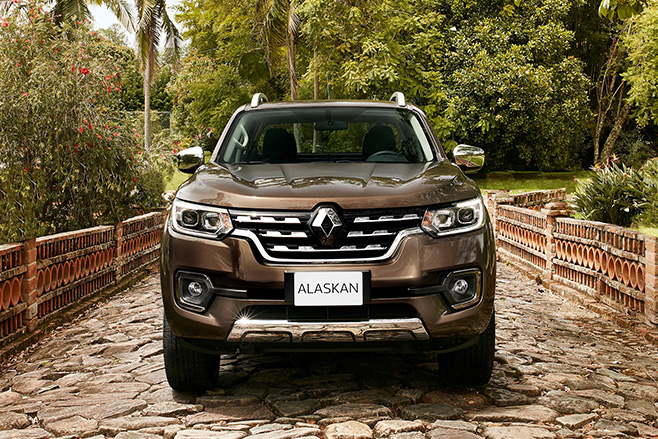
A 120kW 2.5-litre petrol and two 2.5-litre diesels will also be offered in some markets.
The Renault Alaskan interior follows the ute trend for car-like interiors owing to their multi-purpose use that commonly sees them being used as family vehicles at weekends.
The front seats are available with up to eight-way adjustment and lumbar support, and Renault says the rear seats offer a generous 589mm of legroom.
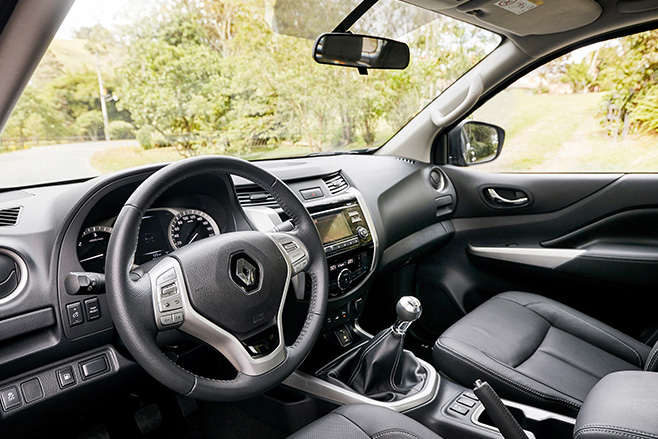
A 5-inch TFT colour display is standard, though some markets – one of which would be expected to be Australia – will also offer a 7-inch colour touchscreen.
Customers will also be able to opt for a four-camera system that can provide a 360-degree view of the car for easier manoeuvring.
The Renault Alaskan will be built in Mexico, Spain and Argentina. It will initially go on sale in Colombia towards the end of 2016 and is expected to go on sale here in 2017.
Benz has gifted the AMG treatment to its new-gen C-Class coupe, but this isn’t just a two-door C63 S sedan – it’s an even tougher, burlier, better performance car.
WHAT IS IT? Yet another variant of Mercedes-AMG’s excellent C63 S line-up, joining the sedan and wagon launched last year, and to be accompanied by a C63 S convertible later this year.
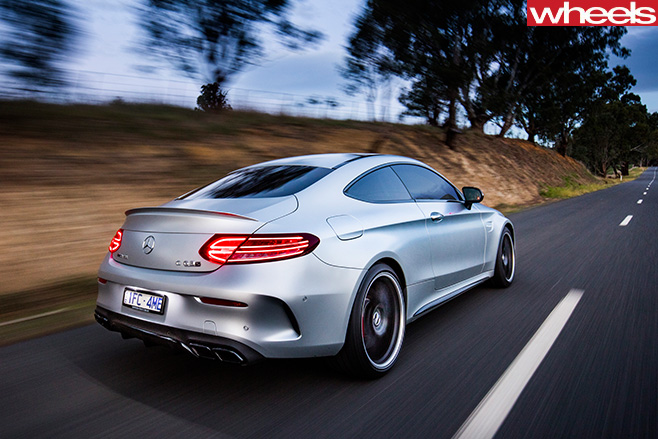
MAIN RIVALS BMW M4, Audi’s ageing RS5 Coupe (expect a Frankfurt 2017 debut for the new one, and a V6…) and Lexus’s RC-F coupe if we’re simply comparing cylinders and doors.
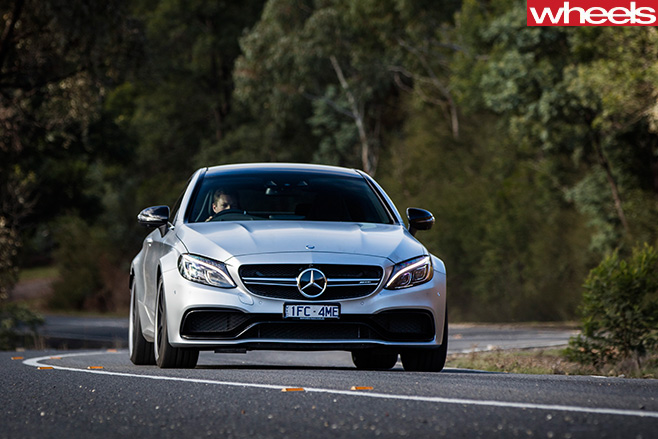
PLUS: A level up on the already superb sedan; sweeter suspension tune; greater poise and confidence. MINUS: Rear seat feels even smaller than the previous coupe’s, but is still useable; curiously heavier than the sedan
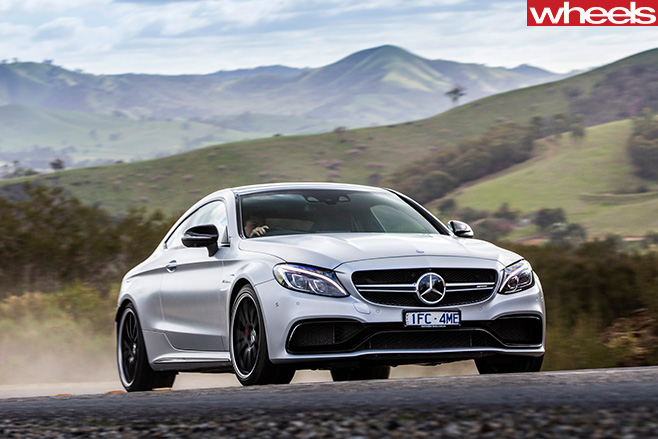
Beneath its sleeker, sexier bodywork – and not all parties agree here – hides a significantly altered and noticeably improved C63 S. Not that there was anything wrong in the first place; it’s just that this broader and burlier two-door version is simply better.
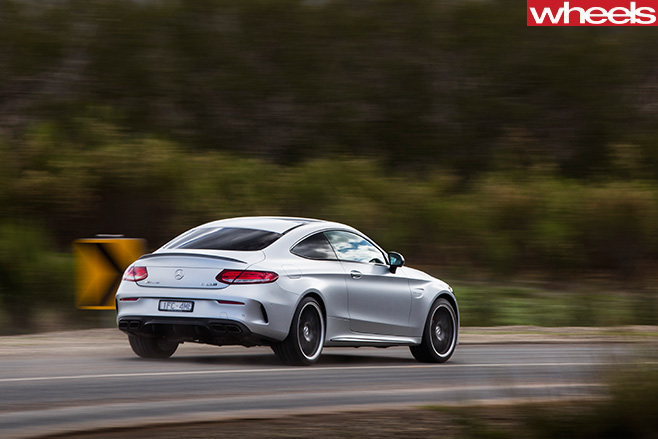
Up front, the C63 S Coupe features 255/35ZR19 Michelin Pilot Super Sports (10mm wider than the sedan’s), while at the rear, chubby 285/30ZR20s fill the Coupe’s rear arches. So the rear rubber is not only 20mm meatier than the sedan’s, it’s also mounted on 20-inch rims. Mixed width and diameter. The C63 S Coupe must be special.
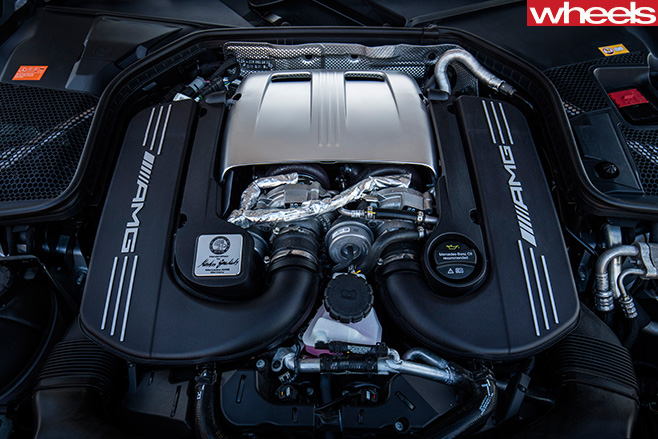
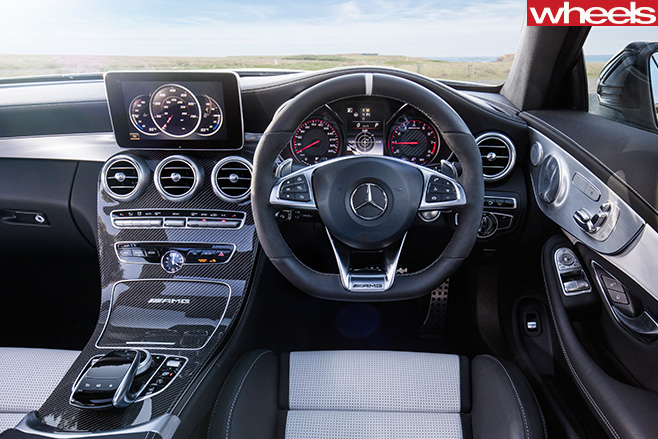
Other differences are purely down to opposing body types. I adore the sedan’s side profile but can’t quite love its droopy taillights (I prefer the wagon’s derriere), whereas the Coupe is much more elegant, at least in standard form.
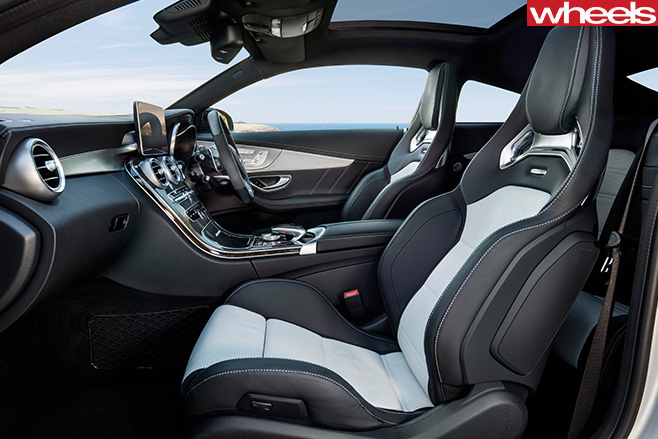
SPECS Model: Mercedes-AMG C63 S Coupe Engine: 3982cc V8 (90°), dohc, 32v, twin-turbo Max power: 375kW @ 5500-6250rpm Max torque: 700Nm @ 1750-4500rpm Transmission: 7-speed automatic Weight: 1725kg 0-100km/h: 3.9sec (claimed) Fuel economy: 8.7L/100km Price: $162,400 On sale: Now
Today, turbo lag isn’t the blight on power delivery that it was during the infancy of the technology in cars in the 1970s and ’80s.
But as long as a centrifugal air compressor is driven by exhaust gases, there will be a delay in throttle response no matter how highly developed the system.
The solution, of course, is easy. Stick with a big naturally aspirated engine, or adopt a crank-driven supercharger. We’ve nothing against a big blower, however there’s something appealing about harvesting otherwise wasted exhaust gas energy and using it to boost engine power output, which is exactly what a turbocharger does.
Atmo power, meanwhile, is fine in a high-performance car. But motoring mainstream (even the supercar) is downsizing, with turbo boost making up for engines’ smaller capacities.
The trouble with this approach in a conventional small car that has adopted, say, a 1.4-litre turbo in place of an atmo 2.0-litre is that the resulting lag, however slight, can range from a disappointing dilution of crisp throttle response to an outright urban annoyance.
Old-school turbo tragics aside, the world seems to be aligned to the belief turbo lag is a bad thing. And Audi has an answer so simple it is astonishing no-one has brought it to market until now. Basically, an electric motor is used to spin a supplementary air compressor to fill the low-rpm boost hole – and therefore the engine’s torque hole – that a conventional exhaust-driven fan can’t.
In the background, a 48 volt electrical system provides the power needed to spin an electric motor-driven centrifugal compressor in a fraction of a second. The compressor boosts the engine’s exhaust-driven turbo (the smallest of them, if it’s a sequential set-up) to provide supercharger-like shove from little more than idle speed.
In the first road-going application of the system – in Audi’s upcoming twin‑turbo 4.0-litre V8 SQ7 super-SUV, due third quarter of 2016 at an estimated $180K – you get 900Nm at 1000rpm, with 7.4L/100km official economy. Wow!
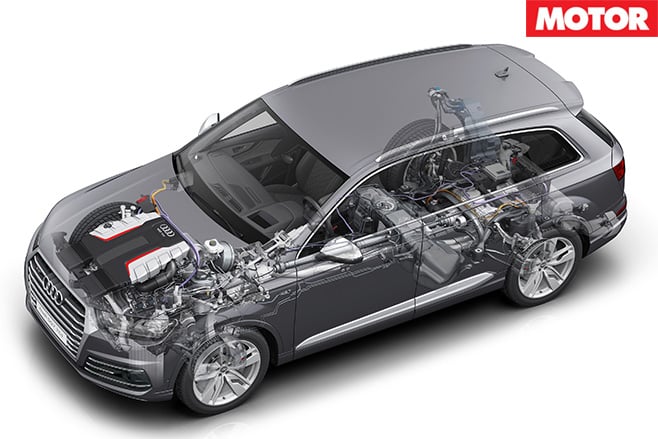
Incidentally, the electric ‘turbocharger’ isn’t actually a turbo, because that name technically refers to an exhaust-turbine-driven compressor. Audi calls its unit an electric-powered compressor (EPC) and the system e-boost.
Why it took the automotive industry so long to engineer the electro-compressor for production – and why Audi saw fit to debut it on a porky SUV – remain question marks, but what’s certain is the tech is set to become increasingly common on future high-performance cars.
Audi’s ‘e-boost’: 5 steps to energy redeployment
1. Charging Brake energy is harvested from slowing of the car – rather than wasting it as friction-derived heat in conventional brakes – and stored in lithium-ion batteries. Some cars use such systems, but Audi’s SQ7’s e-boost technology converts this chemical energy into boost via an electric compressor.
2. Elec-tricks A 48 volt electrical system is one of the fundamentals of the e-boost system. It provides up to 13kW to quickly spin the 7kW electric motor-driven compressor up to speed. Audi says it hits 70,000rpm (therefore boost) in 250 milliseconds.
3. Loaded gun The electric compressor preloads the engine’s turbo with boost – on the SQ7’s V8, it pressurises the smaller of two sequential exhaust-driven turbos – to kick off the 900Nm peak torque plateau from just a few hundred revs above idle. Audi claims 0-100km/h in just 4.8sec.
4. Top end Traditionally, an engine’s turbo would be sized to suit the whole power band. But with the EPC unit (and the smaller sequential turbo) taking care of bottom-end response, the main turbo (or turbos) can be sized with less focus on throttle response and more on peak power.
5. Day-to-day? Downsides? Few, except weight: EPC adds about 20kg. It would perhaps be more beneficial on a regular passenger car than a hi-po one but the system – at least for now – adds cost, so expect to see it on more weapons-grade machinery before it’s adopted for city cars.
Soaking up excess heat
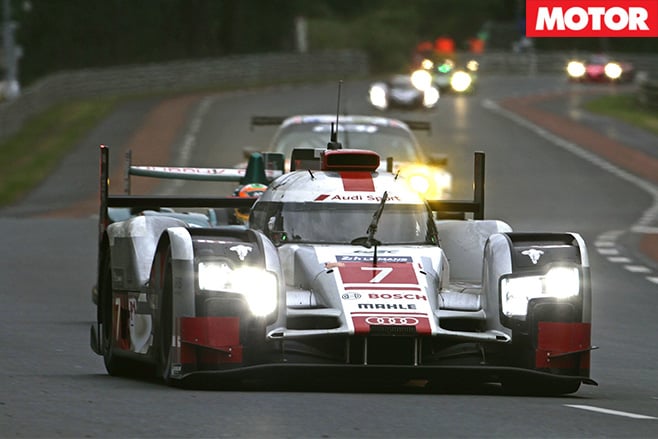
THE SQ7 will be the first production Audi to feature the e-boost system. However, the tech was previewed on Audi TT Turbo and RS5 TDI concepts and features in the Ingolstadt brand’s R18 e-tron quattro LMP1 car.
The endurance racing machine takes energy harvesting to a new level in the pursuit of efficiency. As well as a brake-energy regeneration system, the R18 e-tron’s conventional turbocharger is connected to a system that lets it recover thermal energy (heat) from exhaust gas the turbo can’t use (when the engine has hit peak boost).
The energy harvested from both the braking and exhaust-gas systems can be redeployed as electric turbo boost.
Congratulations to the winner, Roger W. from Hinchinbrook NSW!
To celebrate the launch of FUEL AUTOTEK, Australia’s official distributor for TSW Alloy Wheels and MOMO ITALY products, we are giving one lucky reader the opportunity to win:
- A hot lap experience in a Prodrive Racing Australia V8 Supercar
- MOMO ITALY gear shift knob
- A collectible 50th Anniversary MOMO T-Shirt
View our Privacy Policy.
