
Subaru’s facelifted BRZ will debut fresh connectivity options, a new sports steering wheel and optional Brembo brakes and Sachs dampers – although sadly the latter duo will not be offered in Australia.
The MY17 BRZ will arrive locally in the fourth quarter of this year, mostly following the changes to its Toyota 86 twin, but with secrets of its own.
As detailed to MOTOR by 86 chief engineer, Tetsuya Tada, shared changes include: raising power by 4kW/9Nm to 151kW/214Nm, lowering the manual’s final drive ratio, stiffening the rear body shell and retuning the suspension and stability control, with the latter’s Sport mode replaced by a Track mode.
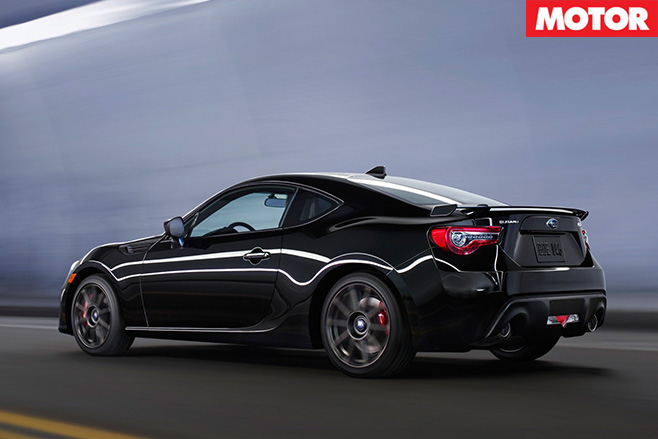
A small upside is that only Subaru is detailing cabin changes to the facelifted coupe, including new connectivity options that will see our shores. Toyota, by contrast, is keeping quiet on interior alterations to its 86.
The 6.2-inch ‘Starlink’ touchscreen adorning most new Subaru models is the infotainment upgrade highlight, replacing the aftermarket-looking optional sat-nav screen used before. It now offers Pandora and Aha internet radio app integration and a first-for-BRZ rear-view camera.
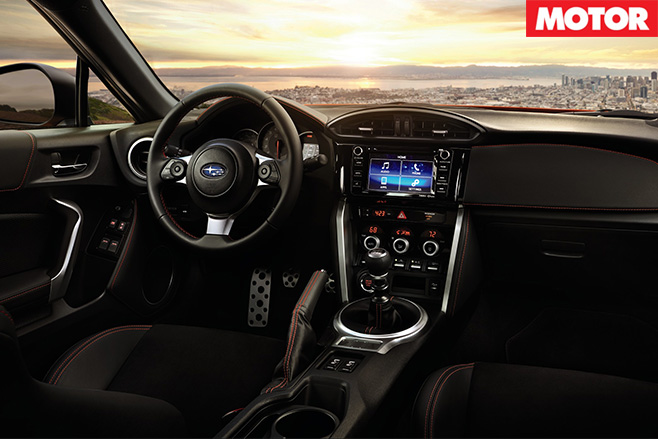
Replacing the red monochromatic screen used previously, the new display includes graphs for lateral Gs, accelerator position, braking force, steering angle, oil and water temperature and battery voltage gauges, plus a lap timer.
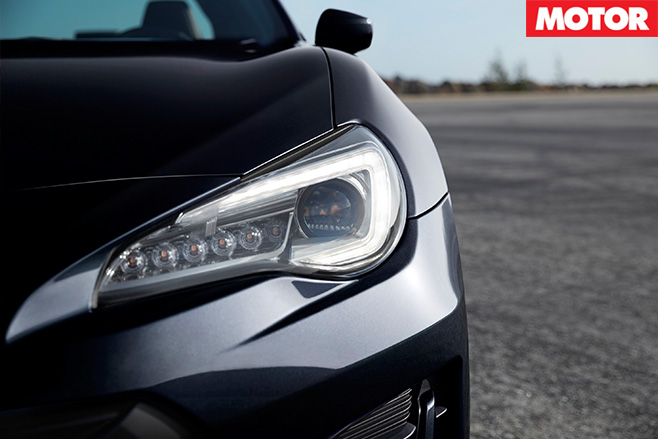
Subaru Australia confirms the facelifted BRZ will arrive in the fourth quarter of this year, up to three months behind the revised Toyota 86, with pricing tipped to remain similar to the current $34,220 driveaway sticker.
WANT TO become a licensed racing driver, but don’t want to leave the comfort of your living room?
Well, good news, as Australia’s peak governing body for motorsport, the Confederation of Australian Motor Sport (CAMS), has signed on to make that a possibility.
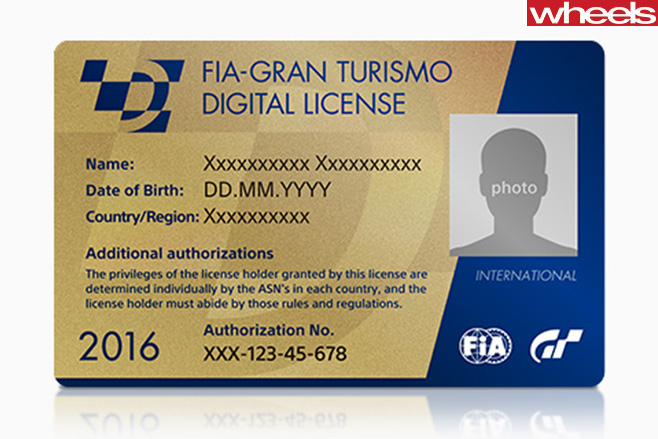
CAMS has registered its interest to take part in a program approved by global motorsport head-honchos – the FIA – to allow gamers to earn real-world racing licenses in a virtual setting, through the latest iteration of iconic racing-sim Gran Turismo.
Gran Turismo Sport is slated for a mid-November release date, and is touted as one of the most realistic simulations of real-world racing ever seen in a video game.
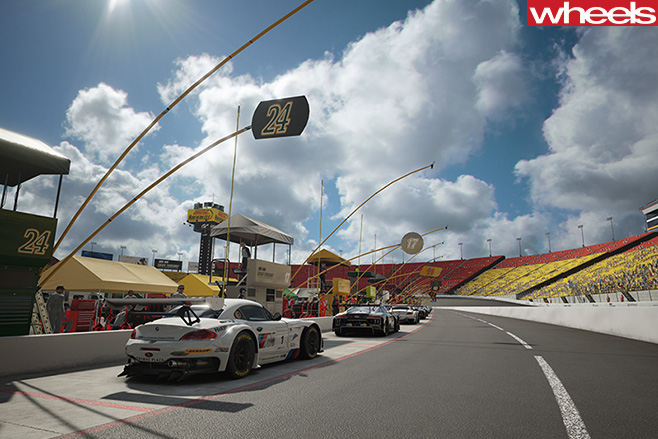
Gamers wanting to obtain licenses will need to complete lessons in racing etiquette in the game’s Campaign Mode, as well as reaching a certain level in the virtual Sport Mode.
The FIA says the license will hold the same value as one achieved in the real world, with 22 national sports authorities from around the world signing on for the program.
“We are really excited by the Gran Turismo Online Championship concept and expecting more detail from the FIA in coming months in relation to the competition structure and licencing,” Murphy said.
“It will give CAMS (along with other ASNs around the world) an opportunity to connect with motor sport fans and hopefully increase interest and participation in the sport at all levels.”
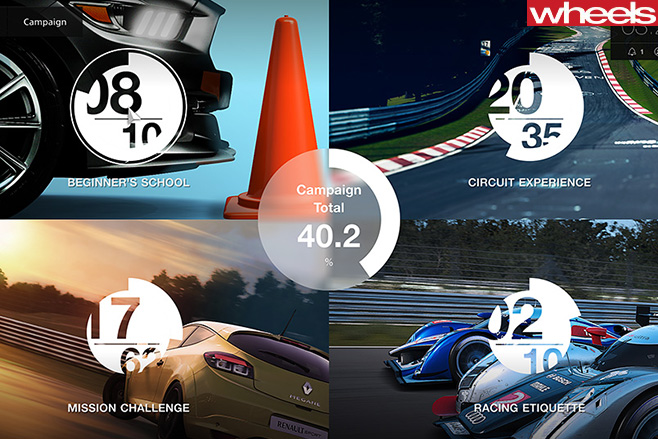
The new game hopes to offer in-game training on basic performance driving, as well as racing etiquette, and will have a number of online leagues.
These leagues will be split between allowing gamers to represent their country in a “Nations Cup” competition, or their favourite brand in a “Manufacturer Fan Cup”.
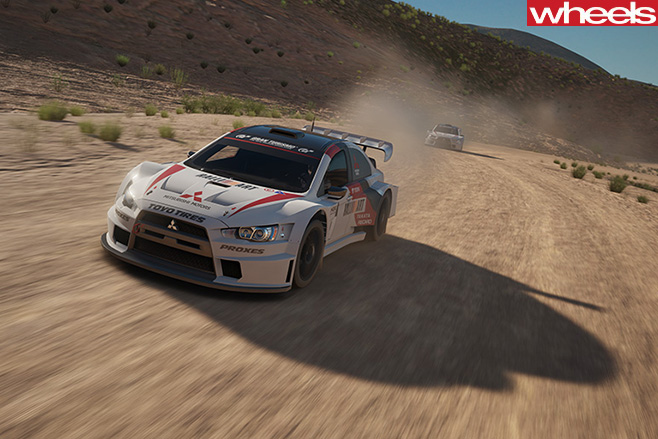
The news comes as Nissan confirms it will back the GT Academy program once more in 2016.
The brain child of former NISMO global motorsport boss Darren Cox, the GT Academy has turned gamers from around the world into bona-fide racing drivers, with two graduates of the program making up the three-driver squad which claimed outright honours at the 2015 Bathurst 12 Hour.
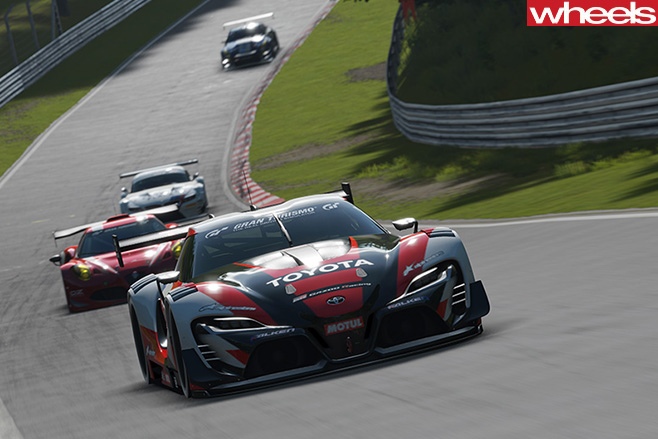
The program uses Gran Turismo to pick finalists, who qualify through online races.
Gran Turismo Sport will only be available on the Sony Playstation 4.
Subaru has smashed its own lap record at the famous Isle of Man TT course, completing the 60.75km circuit in 17min35.139sec for an average speed of 207.26km/h.
Former British rally champion and James Bond stunt driver Mark Higgins was the man behind the wheel of the highly modified Subaru WRX STI, purpose built to tackle the world’s longest and most difficult racetrack.
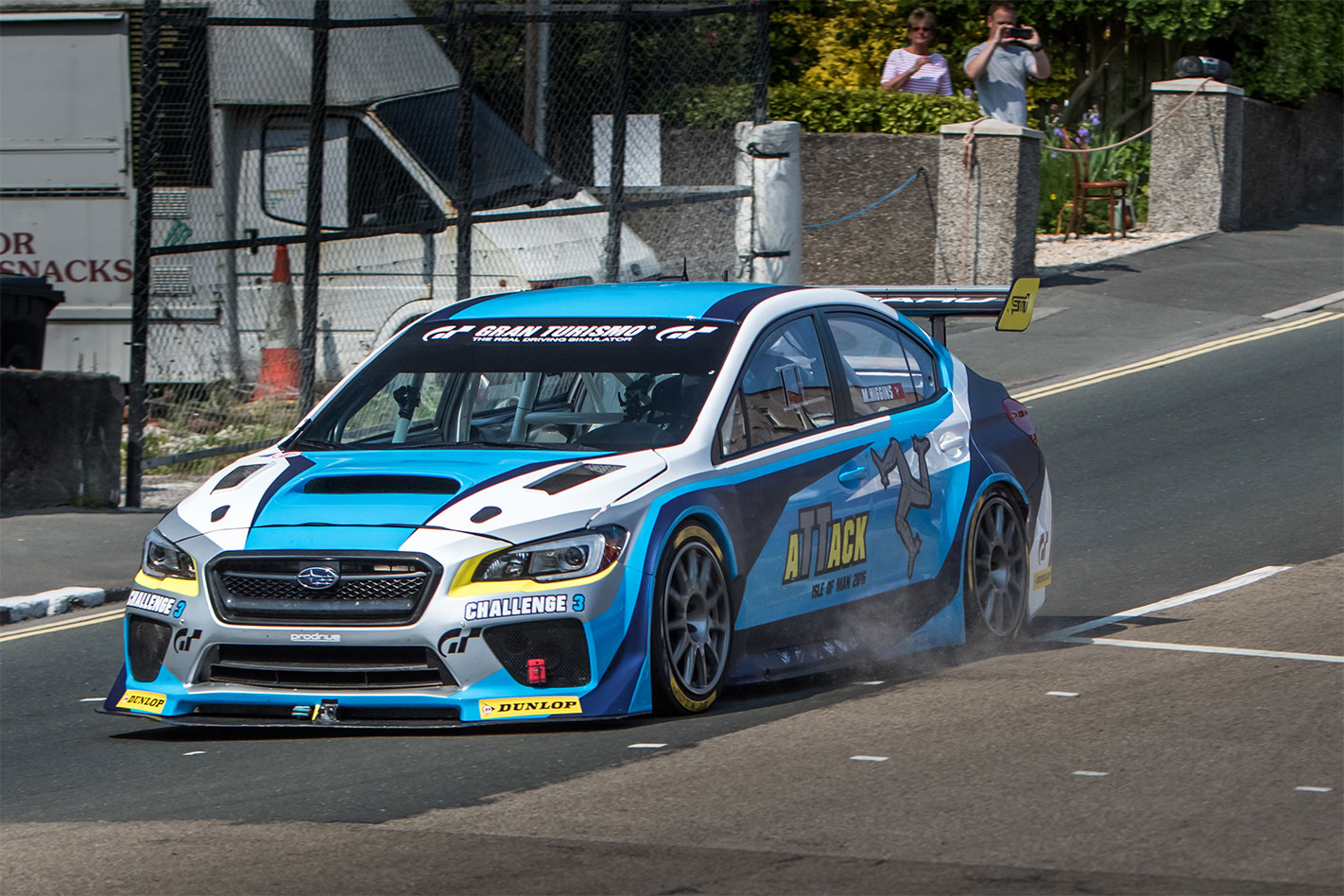
Plenty of WRC know-how went into the new machine, including a 450kW 2.0-litre turbo engine that revs to 8500rpm, WRC-spec paddle-shift gearbox, Exe-TC suspension and massive wings to keep the car pinned at its 290km/h top speed.
Higgins’ average speed was not too far off Michael Dunlop’s incredible new two-wheeled record of 214.76km/h, however to bridge that gap would take an enormous jump in car performance.
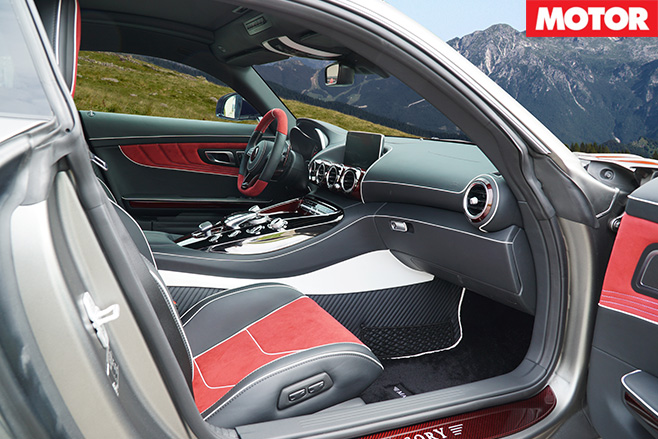
Mansory’s injected Mercedes-AMG GT S with an attitude usually reserved for GT3 cars.
The German tuning firm revealed overnight a GT-S with aggressive aero and power tweaks it’s specially created for a customer named ‘Bandar’.
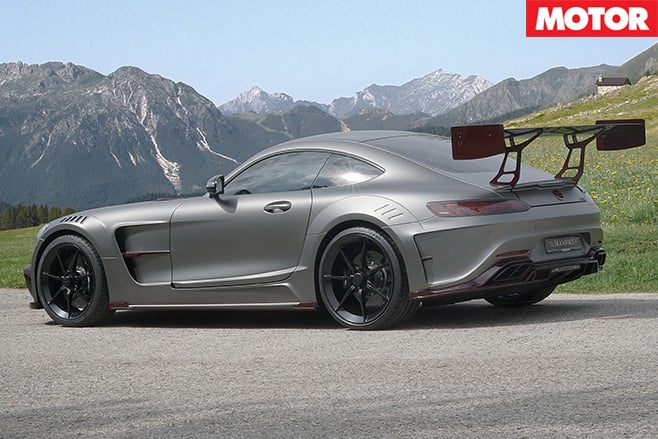
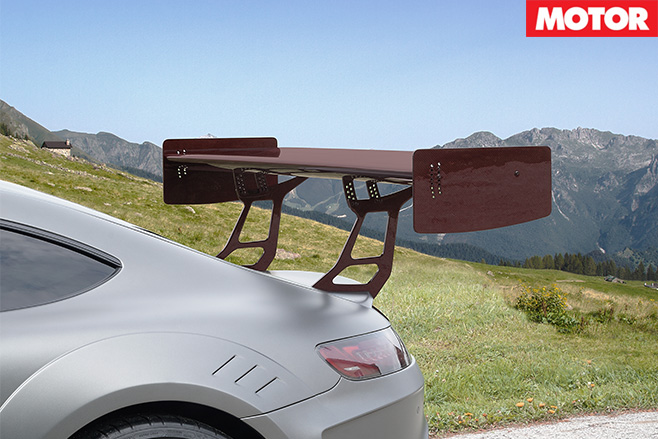
Mansory claims the ‘remodelled’ wing “is an impressive testament to the urge – and ability – to take corners at race speeds.” Speeds, of course, determined by how brave you are with its fettled 4.0-litre twin-turbo V8. Larger turbochargers have been dropped in its vee, and with new filters and exhaust system the unit makes 537kW.
No word exists on a torque figure, but its 305/25 rear rubber should provide chance of taming its new outputs. And combined with 245/35 front treads, the Mansory GT S is said to sit lower than the stock car. But besides that no suspension tweaks have been made.
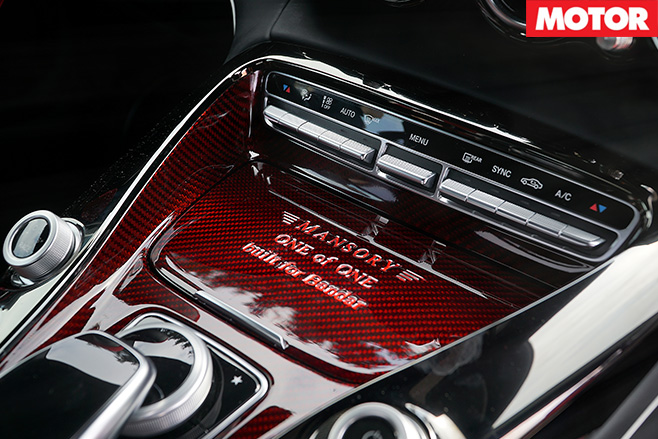
The dual-clutch gearbox is now commonplace, you probably own one yourself, but which manufacturer was the first to introduce the technology?
A variety of names are used – DSG, PDK, DCT – but all work in a similar way. As the name suggests, there are two clutches, each connected to a shaft. One shaft connects to the even-numbered gears, the other to the odd.
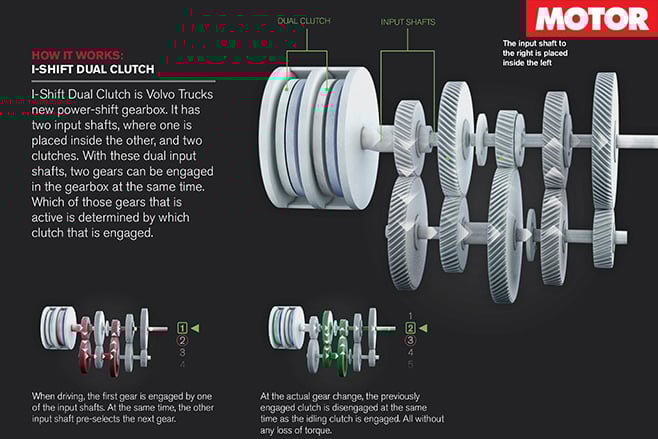
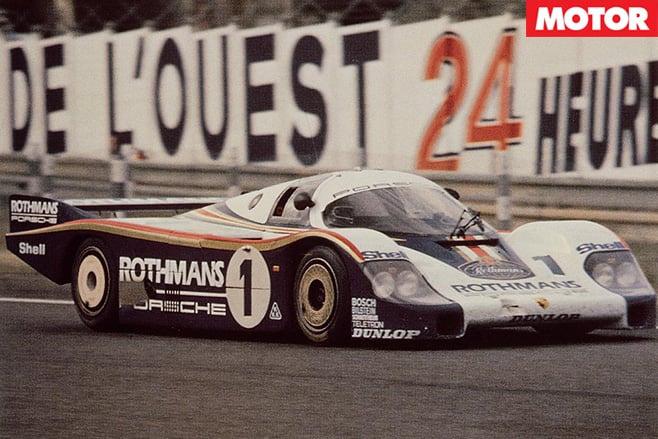
The basic concept has been around since before World War II, the original idea credited to French engineer Adolphe Kegresse, but Porsche was the first to use the technology in its 956 endurance race car. Prototypes ran as early as 1983 but proved spectacularly unreliable and little faster than the conventional manual.
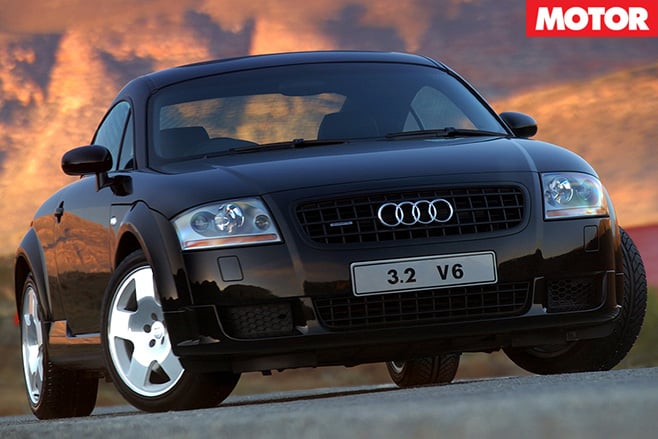
Audi also won the race to put dual-clutch technology into a road car, a six-speed DSG appearing as an option for the TT 3.2 V6 in 2003, though VW can share the honour as the identically-engined Golf R32 arrived at the same time.
The Sydney CBD will trial new pavement ‘traffic’ lights as the NSW Government attempts to combat the increasing problem of inattentive pedestrians who are busier looking at their smartphones, rather than where they’re going.
Five unspecified locations in the business district will feature the lighting system, which is embedded into the pavement and illuminates red if it is not safe for pedestrians to cross the road.

Centre for Road Safety executive director Bernard Carlon told ABC radio station 702 Sydney the six-month trial – which will start in December and cost $250,000 – that every opportunity is being considered for making cities safer for pedestrians.
“The lights are aimed at pedestrians using mobile phones who are not looking where they are walking,” said Carlon. “They will serve as another layer of warning on top of existing lights and signals to let pedestrians know when it is safe to cross the road.”

The German cities of Augsburg and Cologne recently introduced similar technology to cater for walking-and-texting pedestrians, who have been given labels such as ‘petextrians’ and ‘smombies’.
The NSW Centre for Road Safety says 61 pedestrians were killed in Australia in 2015 – almost a 50 per cent increase on 2014’s figure.
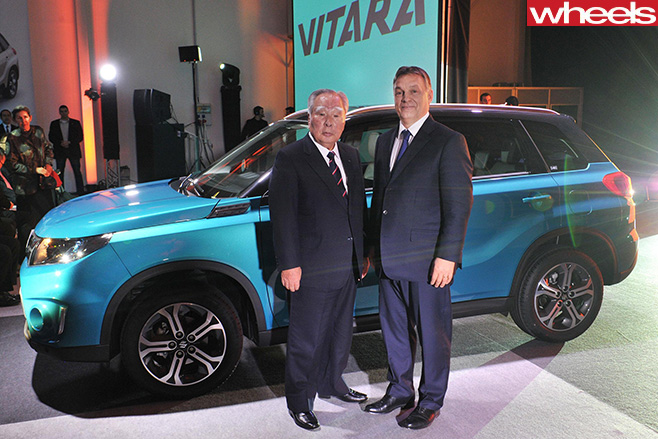
THE ONGOING global fuel emission scandal has claimed another scalp, with Suzuki Motor Corp’s Chief Executive and Chairman, Osamu Suzuki, announcing he will step down as CEO.
Mr Suzuki will retain his position as Chairman, the company said, noting Executive Vice President Osamu Honda will also retire.
Both announcements are expected to be ratified by shareholders at the company’s Annual General Meeting on June 29th.
The fourth-biggest car maker in Japan admitted to using the wrong tests to calculate fuel mileage for its vehicles for six years, with figures created from indoor tests performed on individual parts, and not from vehicle coasting tests.
The Company has stated it plans to introduce better training for engineers, strengthen its mileage testing systems, and encourage whistle-blowing after it admitted to the breaches.
However, Suzuki did say the real economy figures weren’t too far removed from what had been originally claimed.
Mr Suzuki has served as the CEO since 1978.
The news follows a decision by the South Korean government to pursue criminal charges against Nissan for fuel emission cheating.
APPLE’S annual meeting of the minds – the 2016 Worldwide Apple Developers Conference – took place in San Francisco’s Silicon Valley yesterday. While there’s no formal announcement that the software and computing giant is working on its own version of a car, there are clues as to how it wants to become more integrated into vehicles.
Here’s five things flagged in the conference to watch out for.
1. SOFTWARE DEVELOPERS CAN NOW PLAY AROUND WITH SIRI
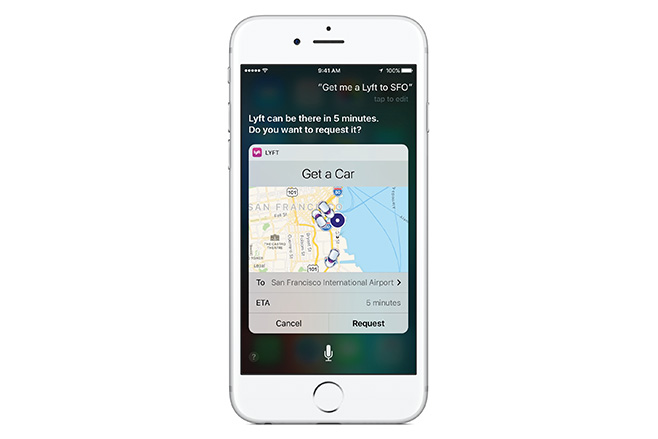
Up until now, Apple’s voice recognition system, called Siri, has been a closed shop to developers. It’s made life a bit difficult for carmakers, who have had to restrict their smartphone connectivity to whatever Apple thought the software needed, and not what carmakers wanted. What does it mean? Well, for carmakers it will lead to a golden age of hands-free functionality, as they will be able to see how Siri works and build in their own wants and needs. For car owners, it means one day you won’t even need to get your phone out of your pocket to, say, summon your fully imported Holden Commodore out of the garage and into the driveway before you even walk out the front door. And if you don’t own a car, it means that ride-sharing app developers such as Uber will be able to let you book one without even having to unlock your phone’s screen.
2. APPLE MAPS WILL SOON STEER YOU TO HELP
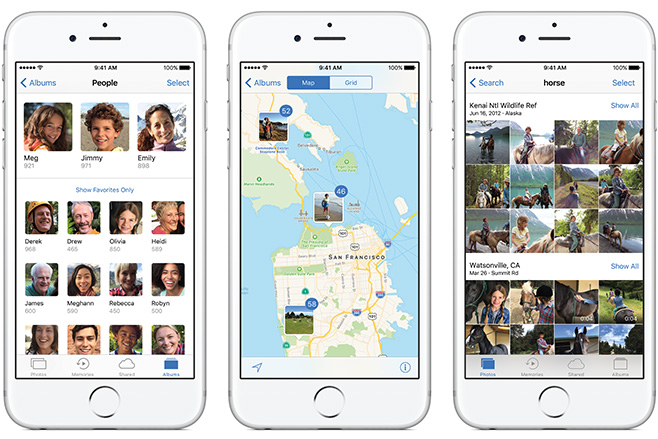
Okay, it sounds like such a small thing, but for Apple’s Maps, it’s a big step forward. Mapping rival Google is streets ahead of the Apple set in terms of building smart mapping software that helps users deal with everyday problems such as where to buy lunch, how long it will take to get to the next meeting, and where’s the nearest place to top up the tank.
Like Siri, Apple has announced it will open up its mapping software to developers, giving carmakers a chance to integrate apps more closely with the driver. An example: A tyre pressure warning appears on the dash of your BMW 3 Series. The car’s onboard computer will assess how fast the run-flat tyre is losing pressure, and steer you via its map interface to the nearest service centre to have a replacement fitted.
3. APPLE WATCH IS GETTING SLIGHTLY MORE USEFUL
It’s still a long way from Dick Tracy’s wrist radio, but the tech giant is making a few improvements to its Apple Watch that will make it work faster, and with more functions aimed at improving productivity and minimising distractions. As you’re driving a non-smartphone-friendly Volkswagen Beetle, you’ll be able to glance at an incoming call flagged on your wrist, and decide to either take it or send a canned response such as “Sorry, I’m unable to talk right now, I’m stuck in the 20th century” as a text message. However, the Apple Watch still appears to be a halfway step between you and your smartphone.

4. APPLE’S LAPTOPS ARE ADDING SIRI
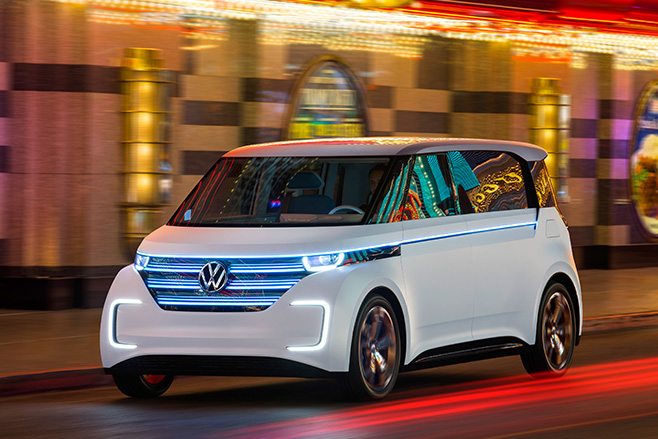
Volkswagen earlier this year flagged that it wanted to add the Internet of Things to its cars, via the BUDD-e concept unveiled at this year’s Consumer Electronics Show in Las Vegas. Internet of Things? It’s this idea that everything has internet connectivity, from your fridge at home to your car. It’s a bit pie in the sky at the moment, but we can imagine a day in the near future where you’re busy at work and Australia Post phones to say your limited edition Marty McFly 50th anniversary hoverboard has arrived, where would you like it delivered? Not a problem. Just ask your laptop to grant keyless access to Australia Post so the delivery person can open the boot of your vehicle in the work car park, and drop the parcel straight in. All without closing that important spreadsheet.
5. APPLE LAUNCHES “HOME”
What’s that saying? Home is where the car is? Your home is a thing, and Apple’s push to integrate the internet of things with its software means your smartphone is likely to become an even more important part of getting out of bed each day. Apple wants to own this space, which is why it is launching a new app – the equivalent of its CarPlay software for cars – unimaginatively called Home. The IoT, as it’s known in its short form, will extend to things such as garage doors and charging stations for electric cars, which Apple hopes will one day be controlled via Home. It means you’ll be able to check the charge status of your Nissan Leaf while you lie in bed wondering if the coffee machine has woken from its electronic slumber to make a brew.
Well, that’s it. From a car point of view, the Worldwide Apple Developers Conference shows the software and computing giant is really just kicking tyres rather than making a serious investment in the carmaking world with iCar. Let’s see what next year brings.
The weather has started to drop, the sun has lost its shine and ominous clouds settle in for the next three months. It’s that time of the year when we pray for the soothing sound of rain to help us fall asleep, but dread its slippery havoc on our roads.
When it rains, there’s always the risk it’ll pour, and it can be an unnerving experience. But there are some things you can do to make sure you, your car and your passengers keep safe during the wetter months.
1. USE YOUR HEADLIGHTS
First things first – you should regularly check your car’s headlights are working at the front and the back.
When storm clouds cover the sun and things start to get a little bit dark, your beams should be on. So when it starts to rain, and visibility is low, you know which way you should flick the switch – on. Most new cars come with automatic lights these days, but flick them on manually if you’re unsure they’re working.
Avoid using fog lamps during the rain too. The light through the speckled water can cause glare for other drivers.
2. ALLOW MORE TRAVEL TIME
There’s no point risking an accident to rush to a destination while the roads are slippery. There are more accidents on the road during the rain, and people are generally driving slower, so everything will take a bit longer than usual. Allowing enough time will mean you can account for the rainy traffic and also take it slow to avoid ending up in an accident.
3. SLOW YOUR SPEED
On the note of travel time, if Mother Nature has sent a roaring storm with flood-like rains, slow your speed. Similar to driving on icy roads, your speed should be half of the dry-weather speed. Don’t be in a rush; chances are everyone will be late to the same meeting.
4. KEEP YOUR DISTANCE
Your stopping distance is increased during wet weather. In fact, it’s almost double. On dry roads, stopping distance should be measured at two seconds. In the wet, you need to allow four seconds between you and the car in front.
Also, try following tyre tracks of the car in front of you. It’ll avoid you creating your own path in slipperier parts of the road. The same thing should be done through mud and snow.
5. AQUAPLANING
Aquaplaning is a frightening experience, regardless of how skilled a driver you are. When your tyres lose contact with the surface of the road because water occupies the space between rubber and tarmac, your car can very quickly lose control.
It’s hard not to panic but there are steps you can take to avoid it ending in disaster: First of all, be aware that after dry weather the roads are slippery and avoiding big masses of water on the road will reduce the risk of aquaplaning. If you do happen to lose control, gently take your foot off the accelerator and continue pointing the steering wheel in the right direction, while keeping your eyes fixed on where you want to go. Don’t slam on the brakes, as this will cause your tyres to lock. If you absolutely have to brake, push your foot on and off the pedal to pump your brakes.
6. PULL OVER
If the rain gets too heavy and you’re finding it difficult to see through your windscreen, then pull over to the side of the road, throw on your hazard lights so other traffic can see you, and wait for the clouds to move on. Nothing is worth risking an accident and your nerves will be better for it.
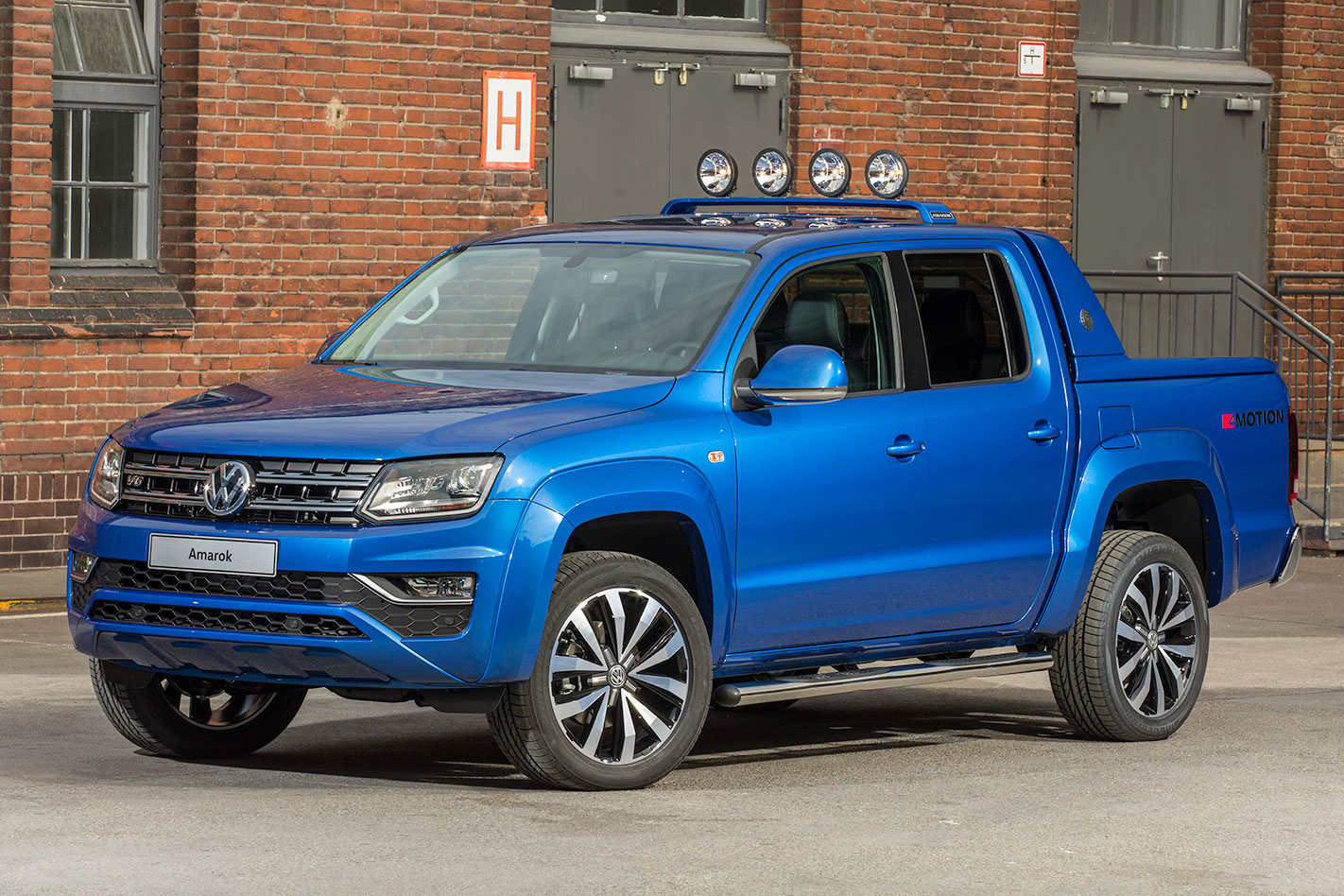
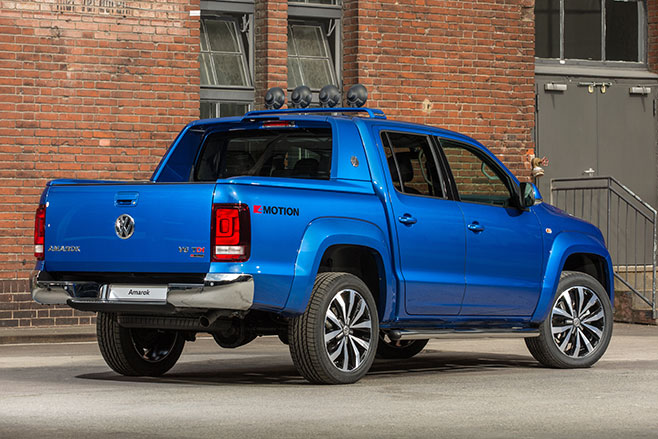
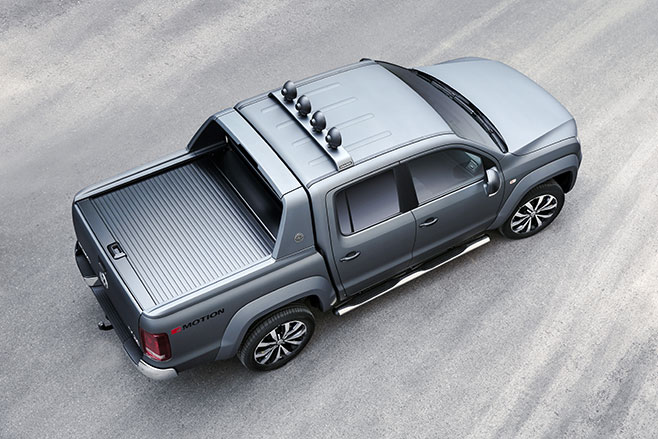
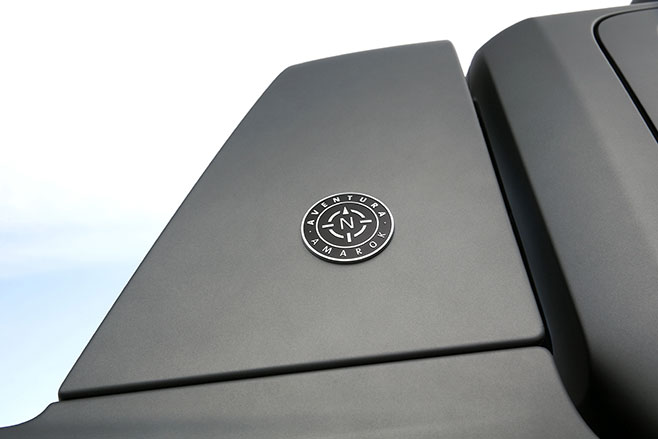
THE Volkswagen Amarok will soon add a 3.0-litre turbo diesel V6 variant to sell alongside its 2.0-litre twin-turbo four-pot ones. To celebrate it will launch a limited-edition dual-cab Amarok called the Aventura, which is shaping up to become the most expensive tradie’s workhorse ever launched on the Australian market.
WHAT IS IT? The Aventura is a bespoke-badged, limited-run celebration of the Amarok engine that many were crying out for – a diesel V6. It will temporarily sit above a V6-engined Highline model, a four-cylinder Comfortline model, and the fleet-friendly four-cylinder Trendline. Until Mercedes-Benz stumps up its Nissan Navara-based GLT in 2018, the Amarok looks like standing alone as the only bent-six light truck on the Australian market. It should have plenty of showroom appeal, as the Highline currently accounts for two of every five Amarok sales here.
WHY WE’RE TESTING IT Because of two numbers: 165kW and 550Nm. The new diesel V6 has an extra 33kW and a stonking 130Nm edge over the Amarok’s current high-performance four-pot mill.
MAIN RIVALS Toyota Hilux, Ford Ranger, Holden Colorado, Mazda BT-50, Nissan Navara, Isuzu D-Max, Mitsubishi Triton
THE WHEELS VERDICT More power, and in particular a better spread of high-end torque, have always been on the wanted list for Volkswagen’s Amarok. The V6-engined version, then, is late to the party but worth the wait.
PLUS: Ups performance ante, better steering feel, in-cabin comfort MINUS: Heavy, expensive, still no rear airbags, auto-only, can’t compete on towing capacity
THE WHEELS REVIEW ABOUT four years ago Volkswagen had a very different set of problems to those troubling it today. Deadlines for tougher Euro 6 diesel emissions standards due in late 2016 were closing fast, and it had vehicles that needed to comply with the new regulations.
One, the twin-turbo 2.0-litre four-cylinder engine used in the Amarok, was particularly troublesome for the carmaker’s commercial vehicle arm. The cost of bringing the engine up to Euro 6 standards was ruled prohibitive, so it had to find something in the wider Volkswagen Group that was already Euro 6 friendly.
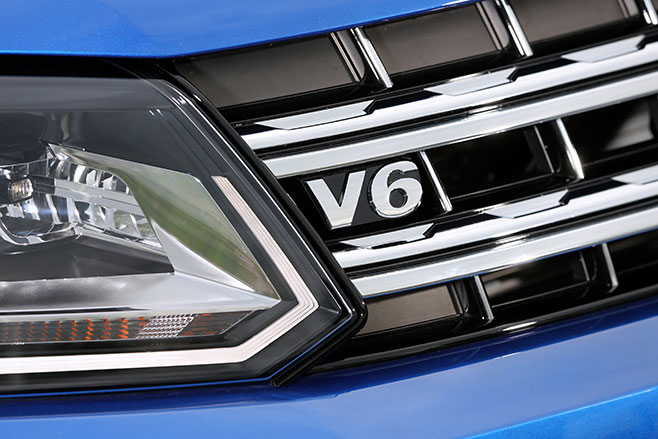
VW’s solution was a versatile single turbo 3.0-litre diesel V6 launched in 2014 as a next-generation passenger car powertrain. The engine had already been used in products as diverse as Audi’s A4 and Q7, and even the performance-honed 193kW/580Nm Porsche Cayenne S Diesel.
For Amarok, the diesel is tuned to produce 165kW and 550Nm, enough to make it the most powerful trade ute on sale in Australia. As a bonus, the engine will temporarily tip into overboost, providing an extra 50Nm for overtaking.
To mark the V6’s arrival, and as part of a mid-life spritz that marries the Amarok’s looks into the rest of VW’s commercial vehicle range and makes the interior even more car-like, Volkswagen will build a launch edition of the ute called the Aventura. It gains larger 20-inch alloys, a tub-mounted sports bar and the choice of two matte colours: blue and grey. In Australia, it will temporarily sit at the top of the Amarok tree above a Highlander-badged V6, as well as two base 2.0-litre versions. However, the addition of V6 power won’t come cheaply: When Aventura lands here late this year, it will become Australia’s most expensive trade ute.
At the moment, there are no suspension changes for the V6 compared with the four-cylinder one, despite the extra 80kg the bigger engine adds over the front wheels. That said, the extra poke does bring bigger front brakes to haul it all in, as well as disks replacing the rear drums that will remain on four-cylinder variants.
Aventura gains what will arguably be the most comfortable front seats in the business. Lifted from the Passat, they include 14-way electric adjustment, and snug bolstering that goes a long way to counter the body roll the tall, heavy ute can’t hide while cornering.
You’ll still need a key to crank the Amarok’s new V6, but the needles in the analogue instrument cluster now give a Golf GTI-like playful flick across the dials on start-up.
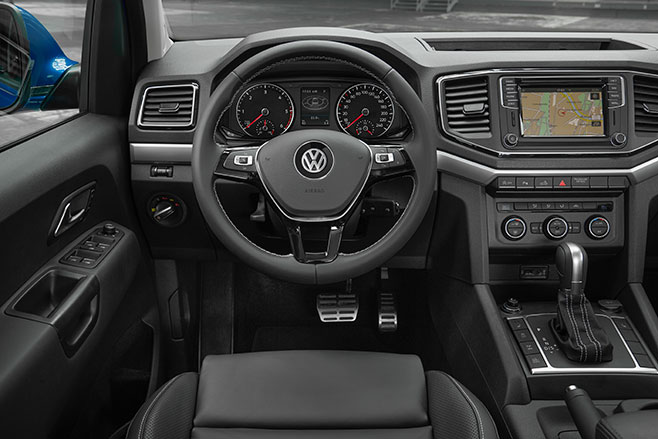
The V6 engine is impressive. Strong from low revs and willing, it works with the eight-speed automatic transmission to deliver a decent rush of acceleration – and if you’re rolling, once the Aventura sorts out which gear it wants to select. A better way is to use the almost comically small steering wheel-mounted paddle shifters to manually pick the appropriate gear. Jump on the brakes and the Aventura washes speed quickly, playfully blipping the throttle to match revs on lower-gear downshifts.
Ride, too, is well sorted on the standard 20-inch alloys clad in Bridgestone Dueler H/P Sport rubber and despite the hefty 2.3-tonne kerb weight. However, this was on smooth German roads as part of the Aventura’s international drive program, so we’ll make a more comprehensive assessment when the ute arrives here. There’s noticeable body roll in faster cornering, but the speed-sensitive Servotronic steering – a first for the Amarok – is well weighted provides plenty of car-like feedback.
And it wouldn’t be Germany without testing the Aventura’s claimed 195km/h top speed – officially only 26km/h slower than the Porsche Cayenne Diesel. The V6 hit it easily with a sense it could go even harder if asked.
As our recent ute mega-test shows, the Volkswagen Amarok is already a Wheels favourite, and the V6-engined Aventura – feeling more like a sports ute and less like a building site workhorse – does little to change that.
SPECS Model: Volkswagen Amarok Aventura Engine: 2967cc 6cyl, dohc, 24v, turbo diesel Max power: 165kW @ 4000rpm Max torque: 550Nm @ 1500-2750rpm Transmission: 8-speed automatic Weight: 2320kg (est) 0-100km/h: N/a Fuel economy: 7.6L/100km (EU, claimed) Price: $68,000 (est) On sale: November
