
Mercedes-AMG has introduced a new Edition R+ version of the C 43, bringing a more aggressive design and added performance-focused features to the brand’s mid-range sports sedan.
While the mechanical package remains unchanged, the Edition R+ distinguishes itself through a series of visual upgrades and additional equipment aimed at drivers seeking a sharper, more track-oriented feel.
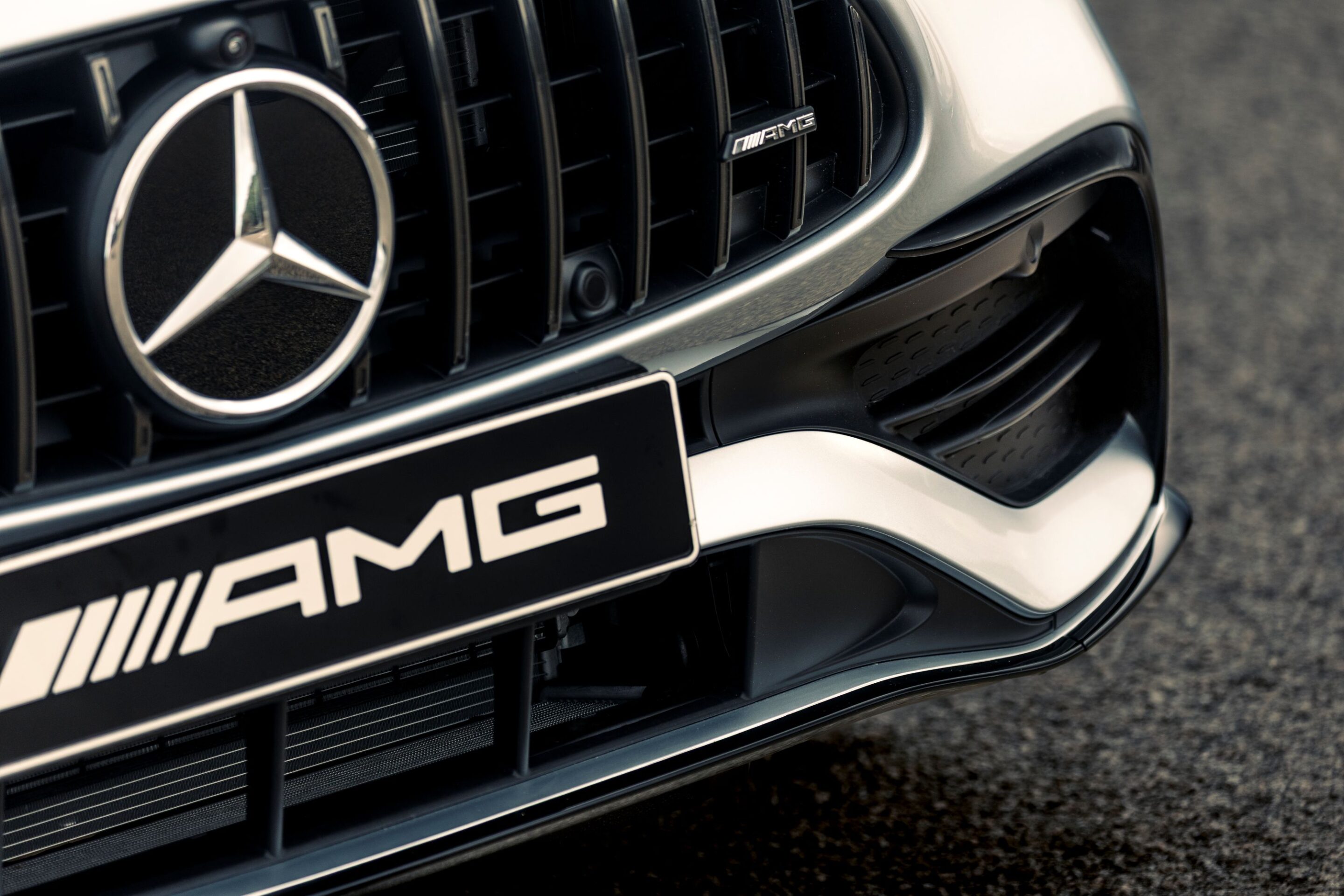
The most obvious changes come in the form of the AMG Styling Package, offered on the C 43 for the first time. This adds a range of high-gloss black aerodynamic elements, including a revised front apron with a prominent splitter and air inlet detailing, giving the car a more assertive stance. At the rear, a larger spoiler lip and diffuser design – borrowed from the more potent C 63 S E Performance – reinforce the connection to AMG’s higher-performance models.
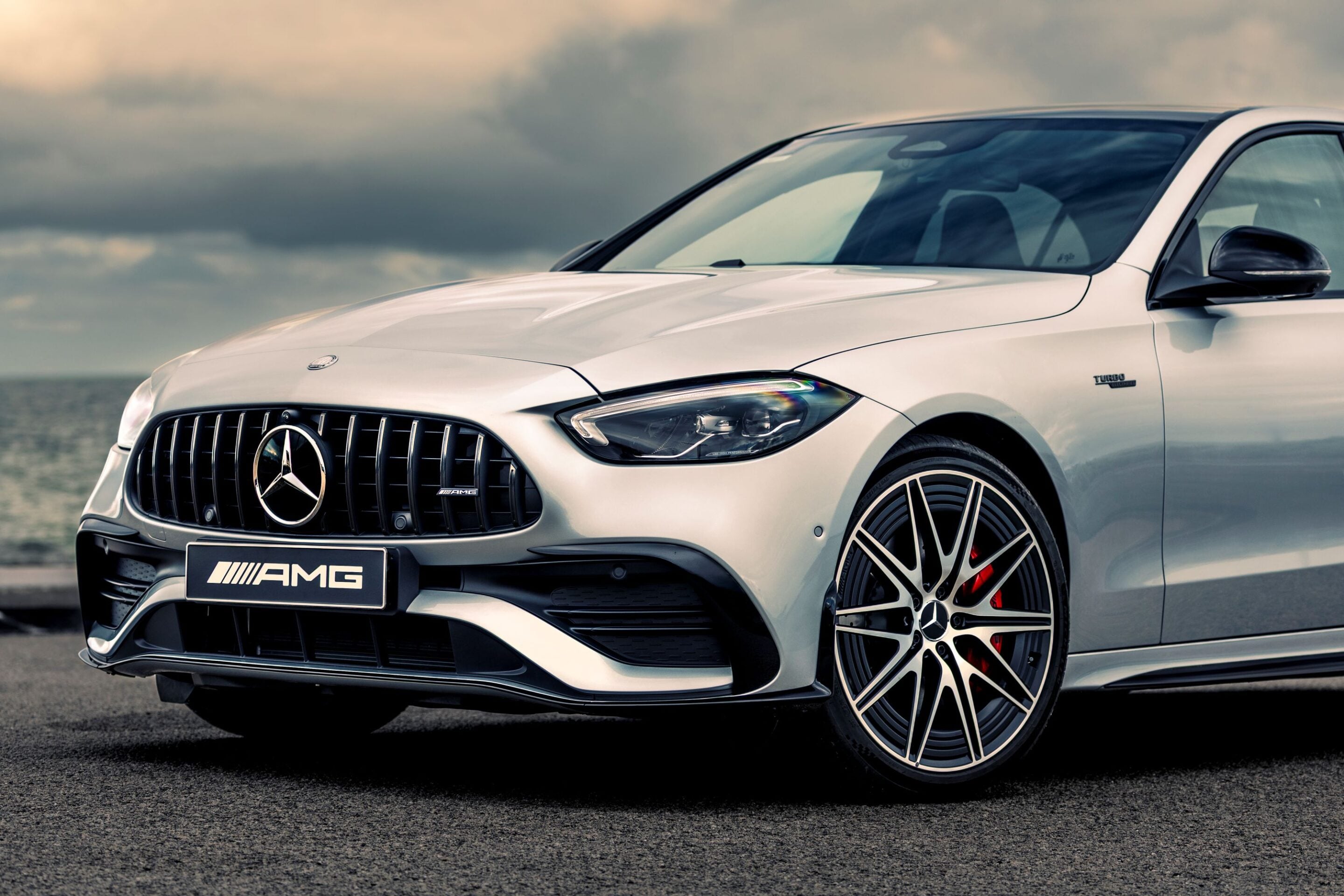
These updates are complemented by the inclusion of the Night Package and Night Package II, which extend the blacked-out theme across the exterior. Matt black 20-inch alloy wheels with red brake callipers complete the look.
Under the bonnet, the Edition R+ retains the AMG-developed 2.0-litre turbocharged four-cylinder engine with an electric exhaust gas turbocharger and 48-volt assistance. Outputs stand at 310kW and 500Nm, delivered through a nine-speed automatic transmission and all-wheel drive system.
Performance upgrades come via standard inclusion of the AMG Dynamic Plus Package, which adds features such as dynamic engine mounts and an additional ‘Race’ driving mode alongside existing Sport and Sport+ settings. The system is designed to improve responsiveness and driver engagement, particularly under more demanding conditions.
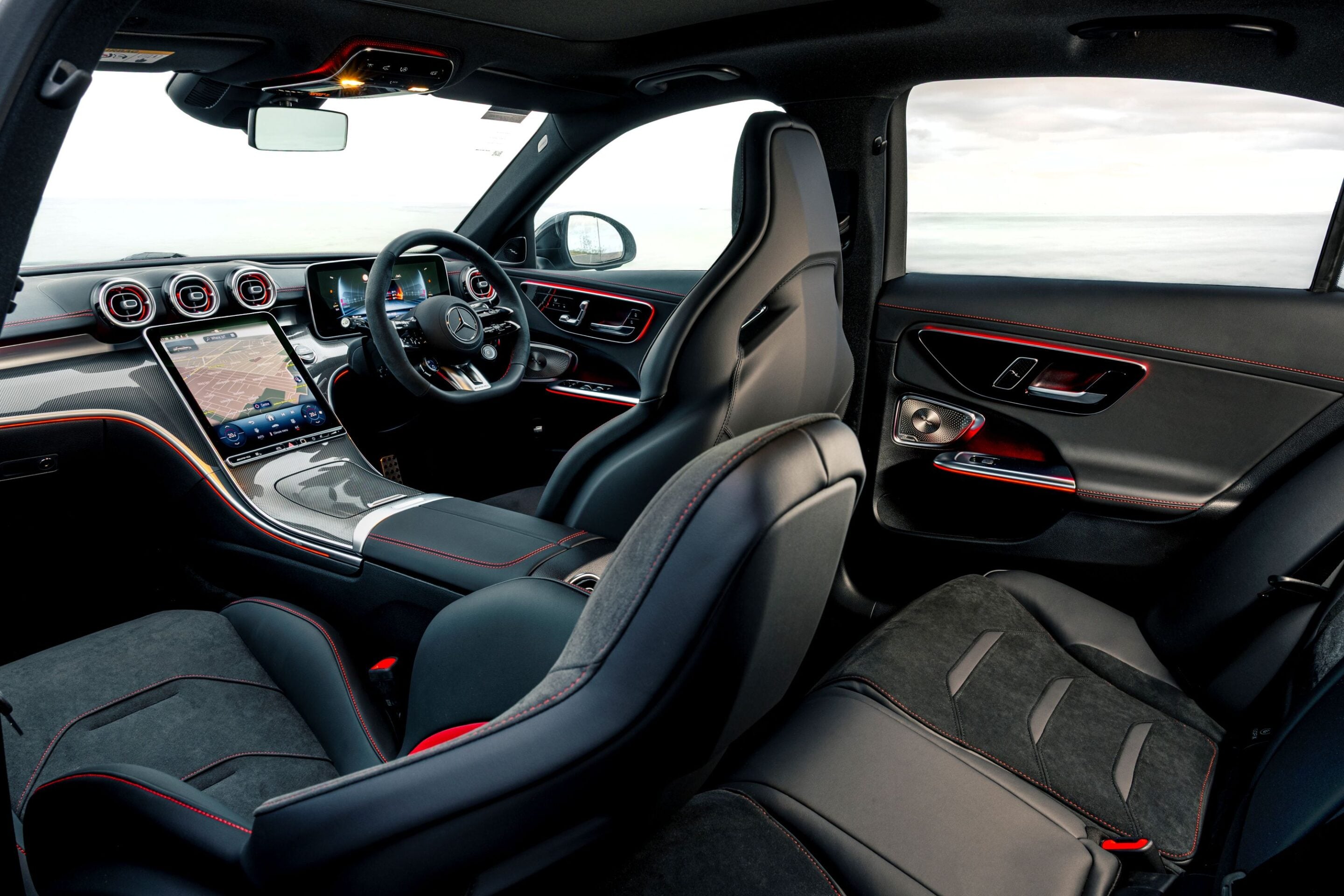
Further enhancing its track credentials is AMG Track Pace, which allows drivers to monitor and analyse detailed vehicle data during circuit driving.
Inside, the Edition R+ builds on the C 43’s existing specification with features such as the latest MBUX infotainment system, a head-up display, Burmester surround sound system and panoramic sunroof. AMG Performance seats, trimmed in a mix of synthetic leather and microfibre, provide added lateral support.
Ride and handling are supported by adaptive suspension and rear-axle steering, both standard.
The Mercedes-AMG C 43 Edition R+ is available in limited numbers in Australia, priced from $121,200 before on-road costs.
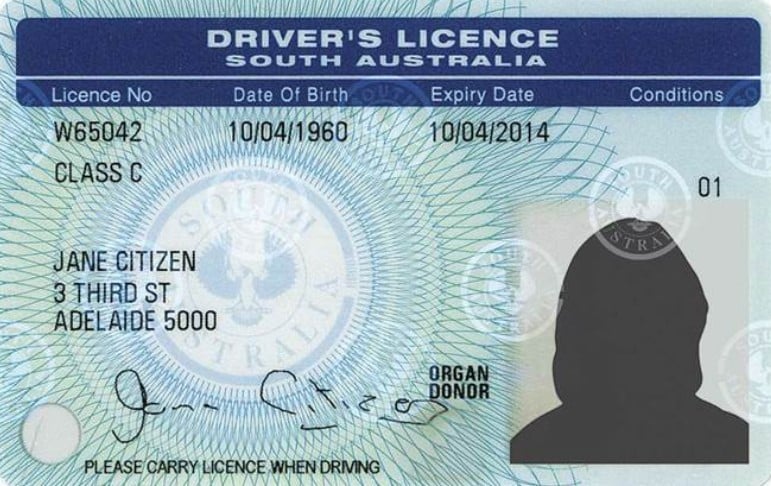
South Australia is leading a renewed push to boost organ donation rates across the country, urging other states to follow its lead by allowing Australians to register as donors through their driver’s licence.
The proposal comes as SA continues to record the highest participation rate in the nation, with around 74 per cent of eligible residents signed up. Crucially, about 90 per cent of those registrations have been made during driver’s licence applications – highlighting the effectiveness of integrating the process into a routine, everyday interaction.
Premier Peter Malinauskas and Health Minister Blair Boyer say the model removes barriers and encourages people to make a decision at a familiar point in time. With national registration numbers lagging, they argue the approach could deliver significant gains if adopted more broadly.
The push comes against a concerning backdrop. Only around two per cent of people who die in Australian hospitals meet the criteria for organ donation, while roughly 2000 Australians are currently waiting for transplants. A further 14,000 rely on dialysis due to kidney failure, underlining the ongoing demand for donors.
South Australia is now the only jurisdiction to retain donor registration within its licensing system. Other states phased out similar schemes following the introduction of the national Australian Organ Donor Register in the early 2000s, with most removing the option entirely by 2012.
However, falling registration numbers have prompted a rethink. In 2025, new sign-ups to the national register dropped by 15 per cent compared to the previous year, according to DonateLife.
Victoria and Queensland are now exploring ways to reverse the trend, including reintroducing licence-based registration and expanding public awareness efforts. In Victoria, reforms could also see organ donation education introduced in schools, targeting younger Australians before they reach driving age.
Advocates say the South Australian system offers a simple, proven solution. By prompting a decision during licence applications or renewals, it normalises the conversation and increases participation without adding complexity.
With multiple states signalling openness to change, South Australia’s model could form the blueprint for a national approach – one that aims to lift donor numbers and, ultimately, save more lives.
Overview
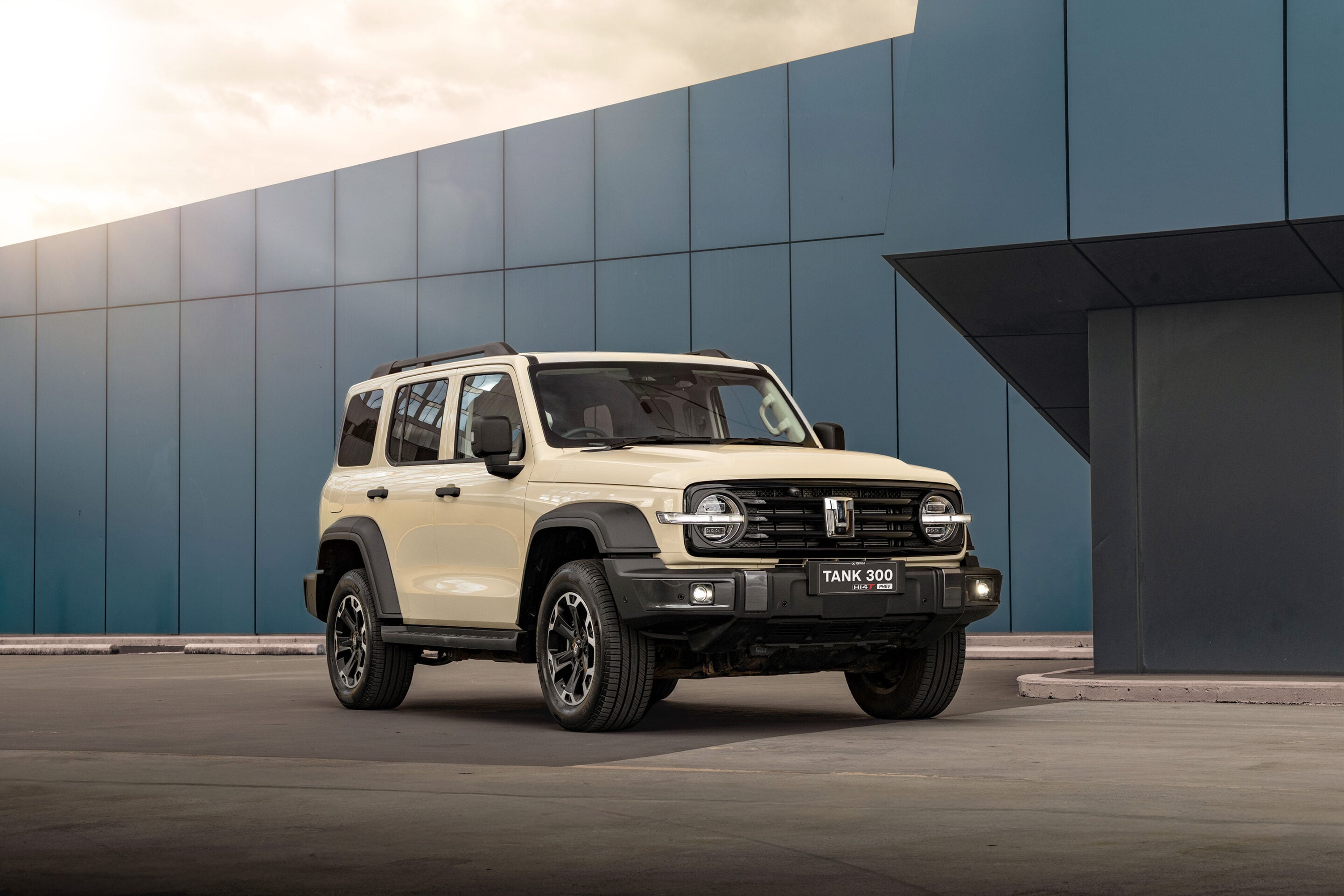
In what could be a case of impeccable timing, Chinese auto giant GWM has launched another variant into its popular Tank 300 line-up. And it’s a plug-in hybrid.
The off-road focussed SUV has been a winner for the brand, last year alone accounting for over 5000 sales, a 27 per cent increase over 2024. This year, the Tank 300 is again poised to better its yearly result, already sitting at almost 1200 sales for the first quarter of 2026, up almost 39 per cent compared with the same period last year. Clearly, the Tank 300 has been a hit with buyers wanting off-road capability in a package that blends rugged looks with the current trend for boxy profiles. In short, the GWM Tank 300 looks the goods.
Adding a plug-in hybrid to the range only enhances its appeal, bringing fuel efficiency to a 4×4 segment not always known for it. So is the plug-in hybrid a case of right time, right Tank? Let’s find out.
How much is the Tank 300 PHEV?
Two trim levels, with sharp driveaway pricing, underpin the Tank 300 Hi4-T plug-in hybrid line-up. Pricing starts from $55,990 for the Tank 300 Lux, while the Ultra asks for $59,990. The four grand difference comes down to equipment levels, with both variants enjoying healthy lists of standard inclusions.
Exterior equipment highlights across both Lux and Ultra trim levels include 18-inch two-tone alloy wheels, side steps, roof rails, two-piece bash plate, LED head- and tail-lights, and keyless entry.
Inside, leather-appointed seats, an electric sunroof, power adjustable front seats, dual-zone climate control, rear privacy glass, and ambient interior lighting are standard across both Tank 300 grades. So too a 12.3-inch touchscreen, another 12.3-inch digital driver display, wireless Apple CarPlay and Android Auto, wireless smartphone charging, and a nine-speaker sound system.
A full suite of GWM’s advanced driver assist and safety systems along with seven airbags – including front centre – underpins the broader Tank 300 range’s five-star ANCAP safety rating, awarded in 2022.
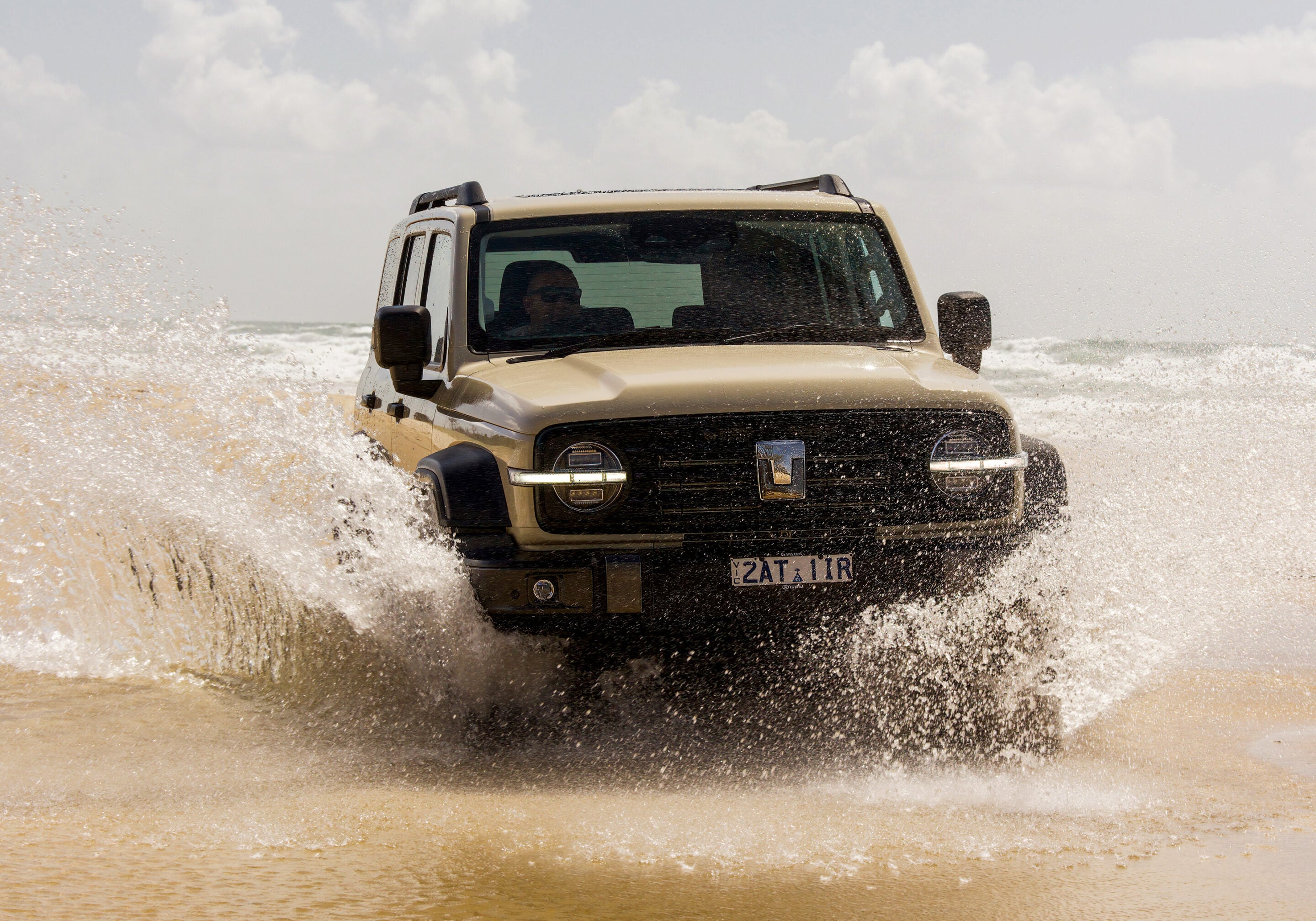
The Ultra’s extra $4k spend brings some nice-to-haves such as Nappa leather seats, heated steering wheel, heated and cooled front seats, memory and massaging functions for the driver’s seat, and power-adjustable under-thigh support. The big ticket item, however, comes under the skin where the Tank 300 Ultra scores a lockable front-diff (the Lux has an open front diff) while both models feature a lockable rear differential. Other off-road goodies across both grades run to part-time 4×4 (with 2H, 4H and 4L), a low-range transfer case, and all-terrain and crawl drive modes.
What engine does the Tank 300 PHEV have?
GWM isn’t new to plug-in hybrid technology, the Tank 300 Hi4-T the third PHEV model in the brand’s line-up, joining the Haval Jolion and Cannon Alpha dual-cab ute.
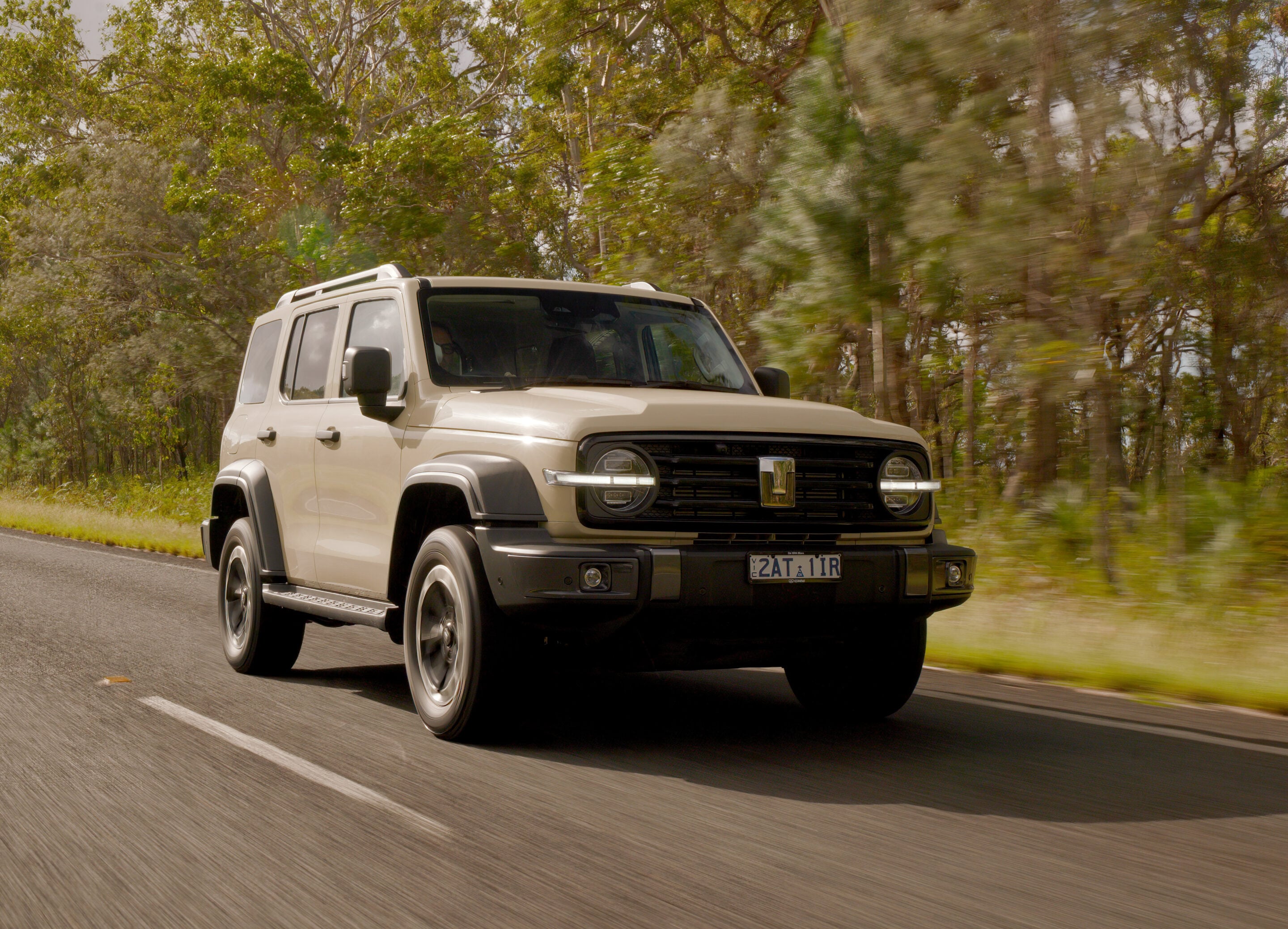
The Tank 300 uses the same Hi4-T plug-in hybrid powertrain as the Cannon Alpha, a 2.0-litre turbo-petrol and single electric motor for combined outputs of 300kW and 750Nm. A 37.11kWh battery delivers, according to the more lenient NEDC laboratory testing, around 115km of range.
DC charging is capped at 50kW, meaning the NMC (nickel-maganese-cobalt) lithium-ion battery can be replenished from 30 to 80 per cent in around 24 minutes. AC charging on a home-installed wallbox is claimed to take around 6.5 hours from 15-100 per cent, suggesting AC charging speed is capped at around 5kW.
WhichCar by Wheels tested GWM’s DC charging claim and it came up trumps. Using a 55kW public charger, we topped up from 13 to 100 per cent in a smidge over 44 minutes. We noted that just over 30 minutes had elapsed when the battery’s state of charge hit 80 per cent, which suggests that GWM’s 24-minute claim from 30 per cent is bang-on the money.
The Tank plug-in hybrid’s off-road and camping focus means it’s also capable of powering small appliances and power tools, with a quoted 6kW vehicle-to-load capability.
Is there anything interesting about the Tank 300 PHEV’s design?
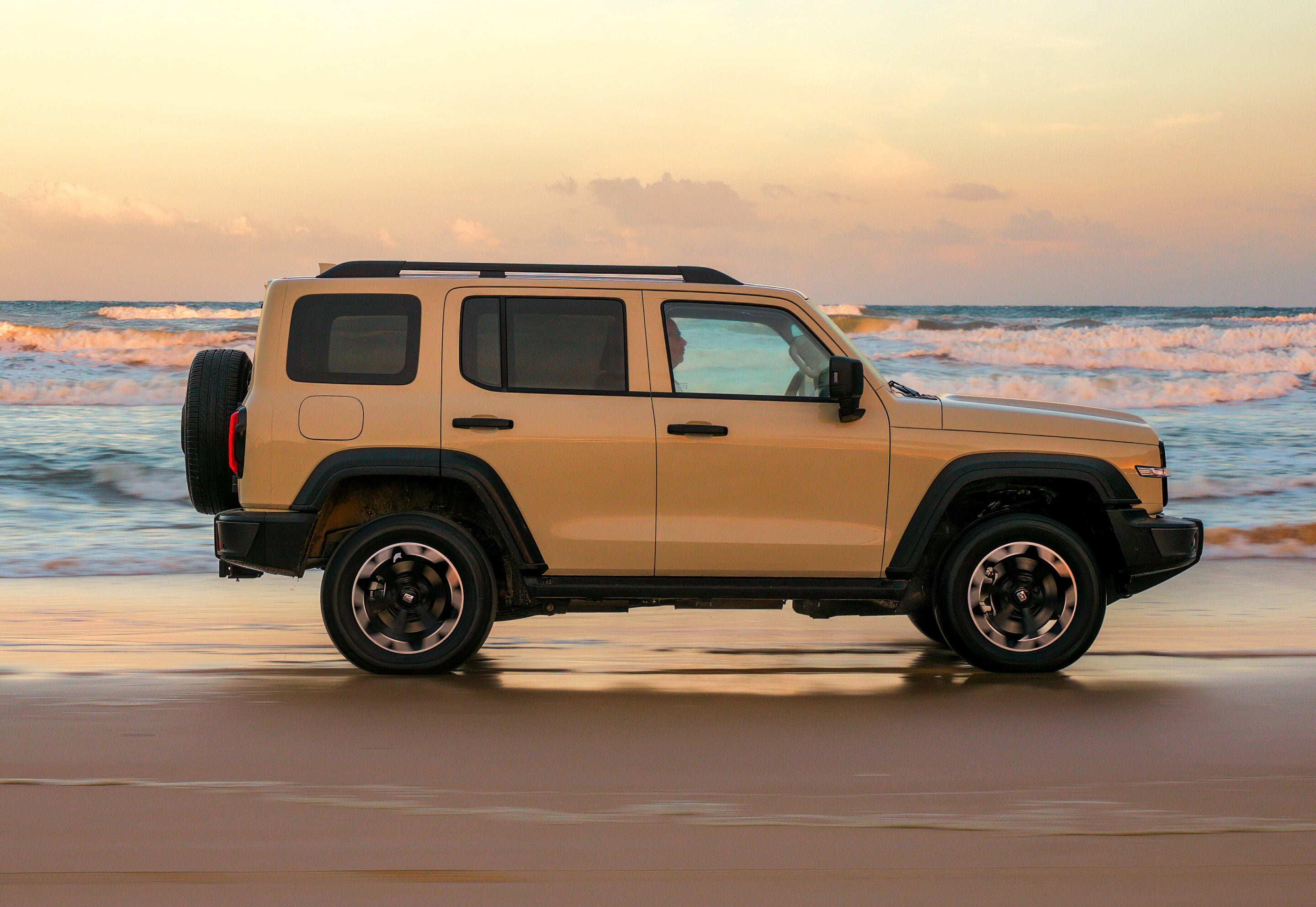
It’s in the name, because the Tank 300 looks and feels as solid as a, well, tank. Its boxy proportions tap right into today’s trend for rugged off-roaders, where blunt trumps sleek and utility overcomes cutting-edge design. This is no bad thing, the Tank 300 one of the better looking retro-inspired, off-road SUVs.
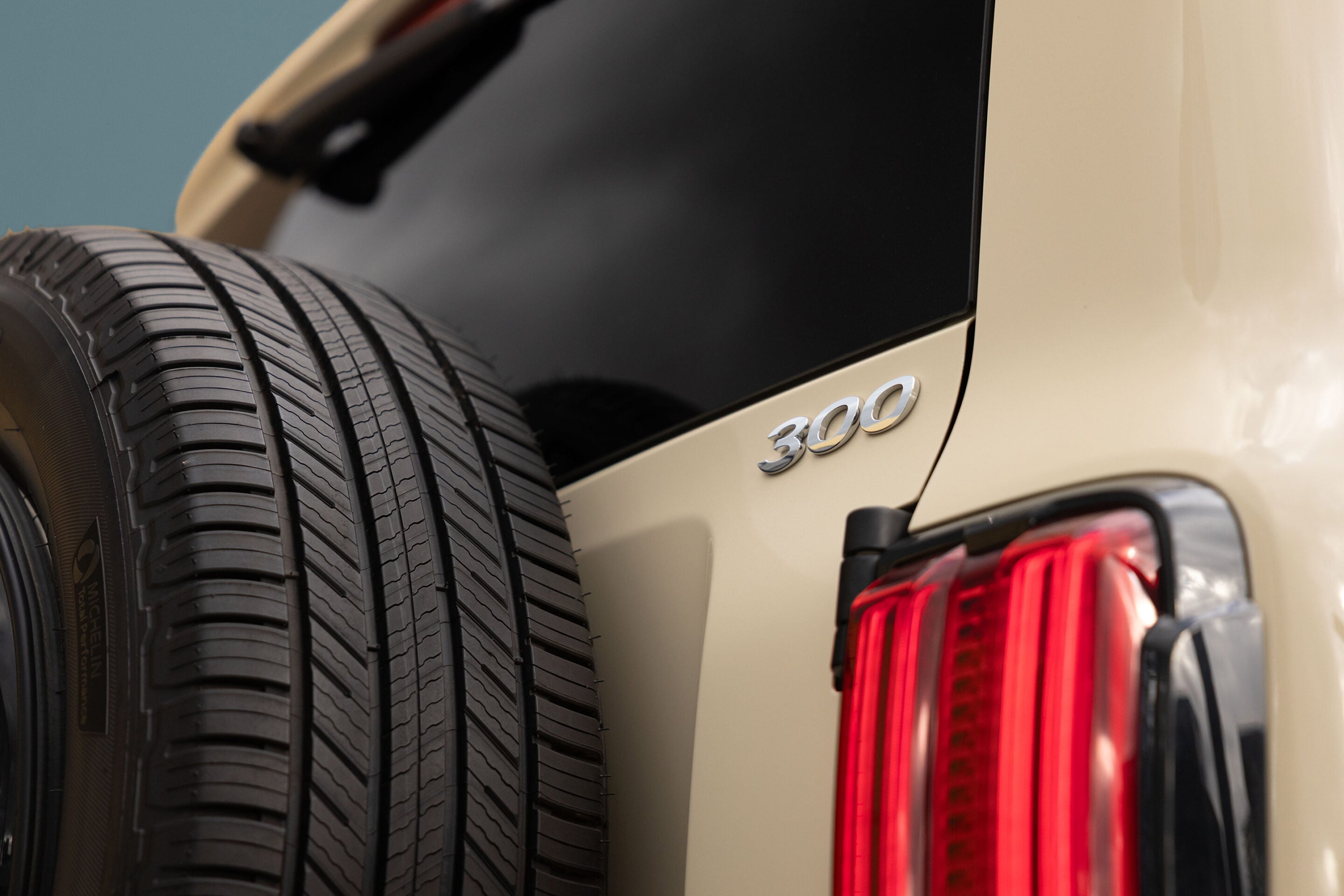
From its imposing face, squared-off bonnet, its unashamed height and near identical width (the Tank 300 is just 3cm wider than it is tall), the off-roader has the looks to match GWM’s claimed 4×4 show. Throw in chunky side steps, blacked out roof rails and a full size spare hanging off the tailgate, and it’s clear the intent of the Tank 300 is to tackle gnarly trails and imposing climbs.
The theme continues in the cabin where GWM hasn’t messed with its macho formula, the design carried over from the regular Tank 300 range instead of adopting the more fashion-forward and sleeker interior found in some overseas markets. Case in point, the reassuringly tactile gear selector that looks like it’s been lifted straight out of a jet fighter. It remains in Australia, while some international markets now feature the gear selector on a steering-column mounted stalk.
The front seats, Nappa leather in the case of our tester, are comfortable and supportive, with decent bolstering including the oft-overlooked area of under-thigh. The seats are positioned nice and high in the cabin too, affording a commanding view over the Tank 300’s blunt bonnet.
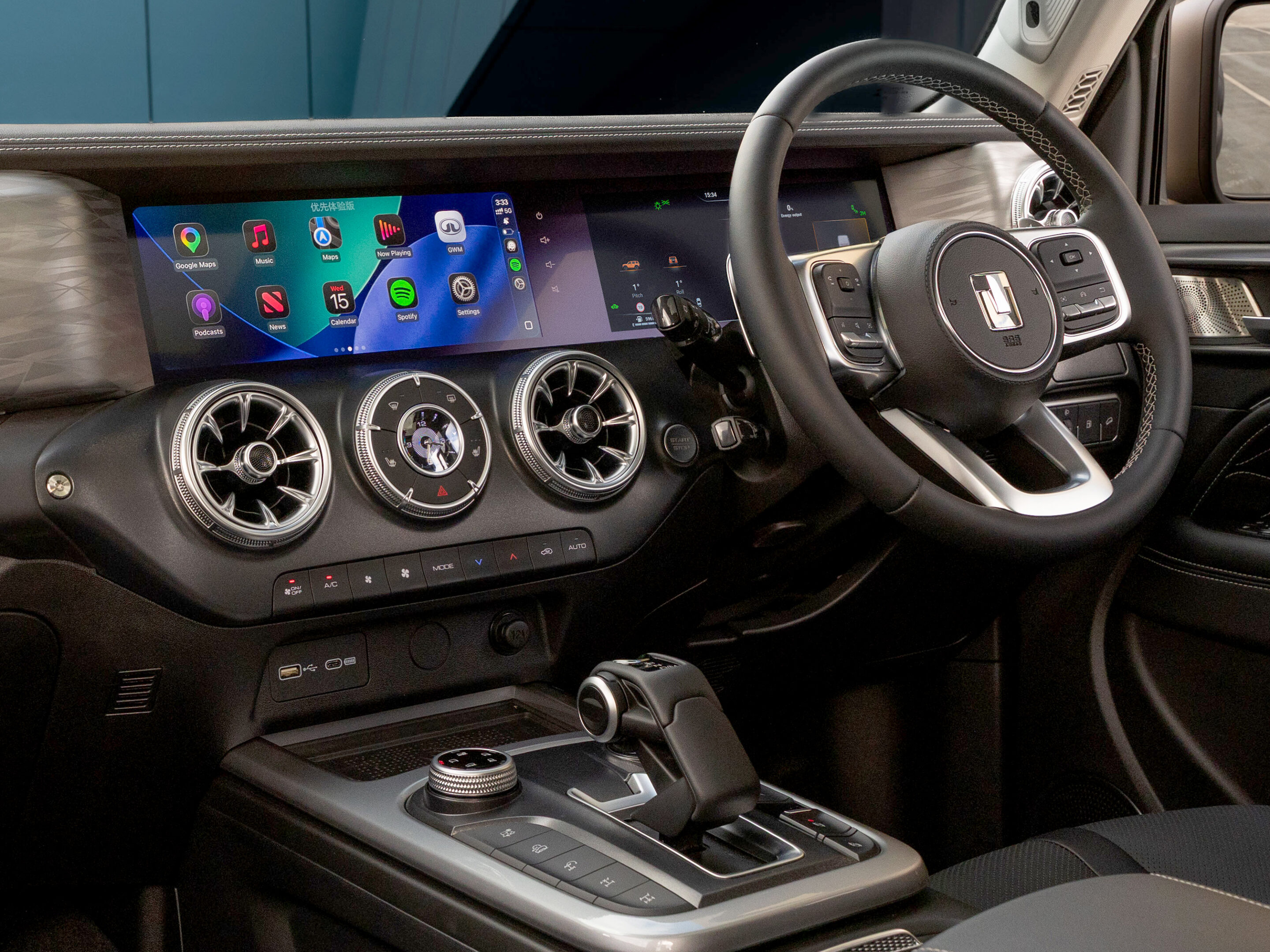
Material quality throughout is good, although the dash fascia – fashioned out of a chintzy faux-metallic plastic – looks at odds with the rest of the cabin where soft-touch surfaces look a cut above.
Chunky switchgear and dials are a welcome inclusion including buttons and switches for climate controls, increasingly a novelty and throwback to simpler times. Nice one, GWM.
Second row comfort is good with ample room in all key areas. The second row bench sits nice and high too, affording decent visibility in all directions.
The cargo area is a bit of a letdown, with just 360 litres of storage capacity with the second row in use. The boot is a victim of the battery array located at the rear of the Tank 300, robbing the big SUV of valuable storage space. Fold the back seats away, and you’re greeted by 1520 litres. A 10-amp, 250V household socket in the boot is a welcome addition.
What technology comes with the Tank 300 PHEV?
While other markets receive a new and larger 14.6-inch infotainment screen, GWM has persisted with the incumbent 12.3-inch unit for Australia. And it’s a good one, with sharp graphics and a clear display and a mostly intuitive interface.
Wireless Apple CarPlay is standard as is Android Auto while smartphones are well-served by wireless charging. Using CarPlay wirelessly proved a breeze, the system quick to pair and then faster still to reconnect at every start-up.
An array of cameras cover all angles and GWM’s nifty see-through view, which projects a transparent view of the 300’s chassis onto the screen so you can see where the wheels are positioned and what’s happening underneath the big SUV, might seem like a novelty. But considering the off-road focus of the 300, it’s not hard to imagine this a useful feature.
Off-road specific screens offer a wealth of information including an Expert Terrain mode which offers detailed and real-time data for things like tyre pressures, a compass, the state of the differentials, altitude, atmospheric pressure as well as pitch and roll angles.
The 12.3-inch instrument cluster provides the usual array of information with several scrollable screens that toggle through critical driving data such as battery state-of-charge, fuel and energy consumption, and tyre pressures. We’d love a bit more configurability, but there’s enough data to hand to not leave you wondering.
What’s the new Tank 300 PHEV like to drive?
Breaking down the Tank’s 300kW and 750Nm combined outputs reveals a 2.0-litre turbo-four petrol engine good on its own for 180kW/380Nm. But it’s joined by a single electric motor making 120kW and 400Nm, located deftly between the petrol engine and the nine-speed automatic transmission.
And straight off the bat, in hybrid mode, where the Tank 300 drives and reacts like a regular closed-loop hybrid (such as those powering almost every Toyota), is a punchy and willing accomplice on the daily grind. Moving away from standstill is best described as brisk. GWM quotes a 0-100km/h time of just 6.3 seconds which is in the realm of some hot hatches. Certainly, moving away from traffic lights with some urgency highlights the 300’s straight-line mumbo as both the electric motor and petrol engine work together for maximum outputs.
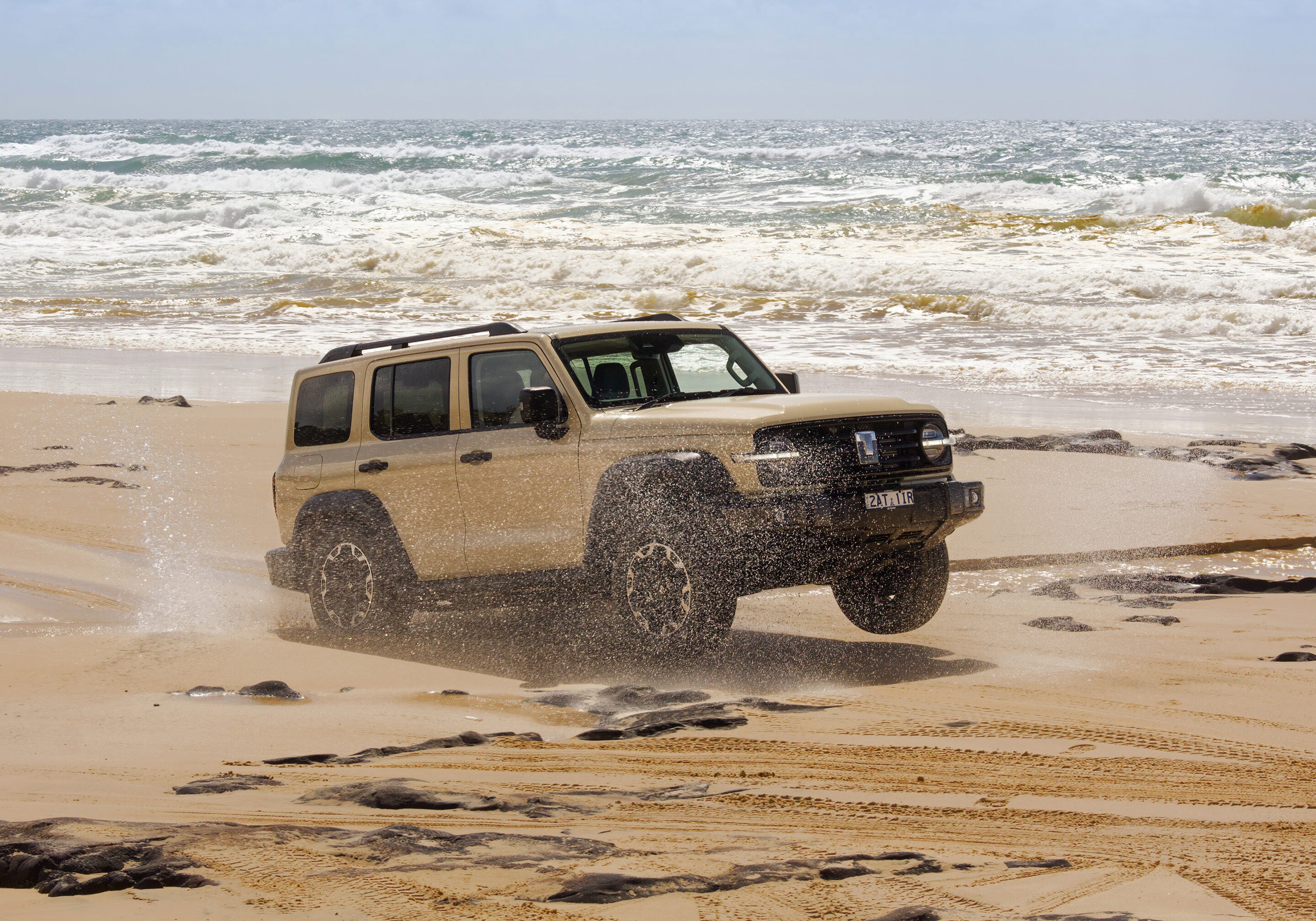
But does it work as a hybrid? Certainly, being more judicious with the throttle at take off means the electric motor alone provides the motivation. But it doesn’t take too much pressure on the accelerator for the internal combustion engine to fire up.
But the system can be caught out, especially during a stab on the loud pedal for some rapid overtaking or merging into traffic. Here, the petrol engine can take a moment too long to fire up, leaving a big torque hole that can feel a little un-nerving for just a moment. There’s room for refinement.
Of course, the appeal of a plug-in hybrid lies in its pure electric abilities. And here the news is better, the electric motor when working alone more than enough for most daily driving scenarios. Power delivery is smooth and effortless while a sense of calm and quietude permeates the cabin.
Ride comfort is good without being a standout. There’s a propensity for the stiffly sprung Tank to skip over minor road imperfections such as expansions joints or patchworked road repairs which is at odds with the otherwise quite floaty nature of the big SUV over smoother surfaces. Here, the 300 remains nicely compliant, riding over undulations with composure while tackling bigger obstacles, such as speed humps, is done with minimal fuss, with body control kept nicely in check.
But perhaps our biggest complaint about the drive experience isn’t about the powertrain. Instead, the over-eagerness of the Tank 300’s many and varied driver assist systems proved intrusive and unwelcome. Being reminded – audibly and visually – to ‘Take a Break’ within five minutes of setting out on a drive is laughable. But the joke ends pretty quickly when the same reminder appears like clockwork every two minutes or so, despite remaining resolutely focussed on the road ahead. Worse still, Interspersed between the multitude of ‘Take a Break’ reminders, the alarmingly red warning to ‘pay attention to the road’ when again, eyes remained steadfastly forward, felt like a being scolded by that one teacher in high school who, no matter what you did, seemingly had it in for you.
Swiping and scrolling through multiple screens to disable both functions was an exercise in futility since despite setting the digital toggle to ‘off’, both systems continued to flash their alarming warnings at about one-minute intervals. For the entire loan period of the Tank 300. Even my shotgun-riding 11-year-old was moved to say, ‘this car beeps a lot’. And she wasn’t wrong.
It marred what was an otherwise decent and surprisingly refined driving experience – at least mechanically – and sadly, something that is becoming increasingly common in this modern age of techno-nannies where ticking the ‘included’ box seems to over-ride the efficacy of various driver assist and safety systems.
How much fuel does the Tank 300 PHEV use?
The beauty of any plug-in hybrid with a usable EV-only driving range is in its ability to cover most daily commutes on electrons alone, leaving the petrol tank in a state of stasis while the battery provides the propulsion.
In the case of the Tank 300 PHEV, a quoted driving range of 115km derived from the less-stringent NEDC laboratory testing when compared with WLTP, proved optimistic. Realistically, we powered through 70-75km on electrons alone before the turbo-petrol would waken from its slumber and chip in to help. That’s still enough to cover the daily commute for the vast majority of Australians, leaving the petrol tank on call for those longer drivers we all have to take sometimes.
In terms of raw numbers, with the electric juice [almost] running out at 72km, we saw an indicated 3.3 litres per 100km for the first hundred kays of driving, climbing to 5.5L/100km by the time the Tank came to rest in the driveway. That’s at once over and under the manufacturer’s claim, GWM quoting 1.9L/100km with the battery starting at 100 per cent, before dropping to 8.3L with the battery in a lower state-of-charge. Whichever way you look at it, those are decent numbers, especially considering the size and weight (2615kg kerb) of the Tank 300. As a bonus, the big SUV is happy drinking 91-octane regular unleaded.
What’s the verdict on the Tank 300 PHEV?
On the one hand, the Tank 300 plug-in hybrid does a commendable job of minimising fuel use, especially considering its size and heft. And that’s something to consider in these oil-shock times we find ourselves in.
It drives nicely enough on the road (off-road testing will have to wait) with punchy performance and mostly refined road manners while remaining pleasingly quiet inside the cabin.
The intrusion of safety alerts proved not only frustrating, but distracting, heightening the danger on the road rather than mitigating it. It spoiled what was an otherwise fuel-friendly and comfortable SUV on both urban duties and out on the open road. If GWM can find a remedy for these annoyances, then the Tank 300 PHEV is the answer to a lot of today’s fuel-starved questions.
Specifications GWM Tank 300 PHEV
| Price | From $55,990 driveaway |
|---|---|
| Engine | 2.0-litre four-cylinder turbo petrol plug-in hybrid |
| Peak power | 300kW (combined) |
| Peak torque | 750Nm (combined) |
| Transmission | 9-speed hybrid automatic. AWD |
| Battery | 37.11 lithium-ion (NMC) |
| Range | 115km (NEDC) |
| Peak charge speed | 50kWh |
| DC fast charge time (30-80%) | 24 minutes |
| Fuel consumption (claimed) | 1.9L/100km (battery full state-of-charge) / 8.3L/100km (low state-of-charge) |
| Fuel consumption (as tested) | 3.3L/100km (full state-of-charge) / 5.5L/100km (low state-of-charge) |
| Fuel type | 91RON |
| Fuel tank | 70 litres |
| CO2 emissions (claimed) | 43g/km (full state-of-charge) |
| Dimensions (l/w/h/wb) | 4760/1930/1903/2750mm |
| Boot space | 360 litres / 15020L |
| Kerb weight | 2615kg |
| Braked towing capacity | 3000kg (braked) / 750kg (un-braked) |
| Warranty | 7-year/unlimited km |
| Servicing costs | $2610 for first 5 years/70,000km |
| On sale | Now |
Zeekr is setting its sights firmly on the premium SUV segment with the 8X, a plug-in hybrid powerhouse that combines enormous performance figures with an equally impressive suite of technology and interior luxury.
Headlining the 8X’s appeal is its extraordinary output. In range-topping form, the SUV pairs a 2.0-litre turbocharged petrol engine with three electric motors to deliver a staggering 1030kW, enabling a claimed 0–100km/h sprint of around three seconds. For a vehicle weighing well over 2.5 tonnes, the straight-line pace is remarkable.
Backing up that performance is a substantial 70kWh battery – larger than many fully electric vehicles – which enables an estimated electric-only driving range of up to 240km in real-world conditions. That figure comfortably outpaces most plug-in hybrids currently on sale and adds genuine usability to the electrified setup.
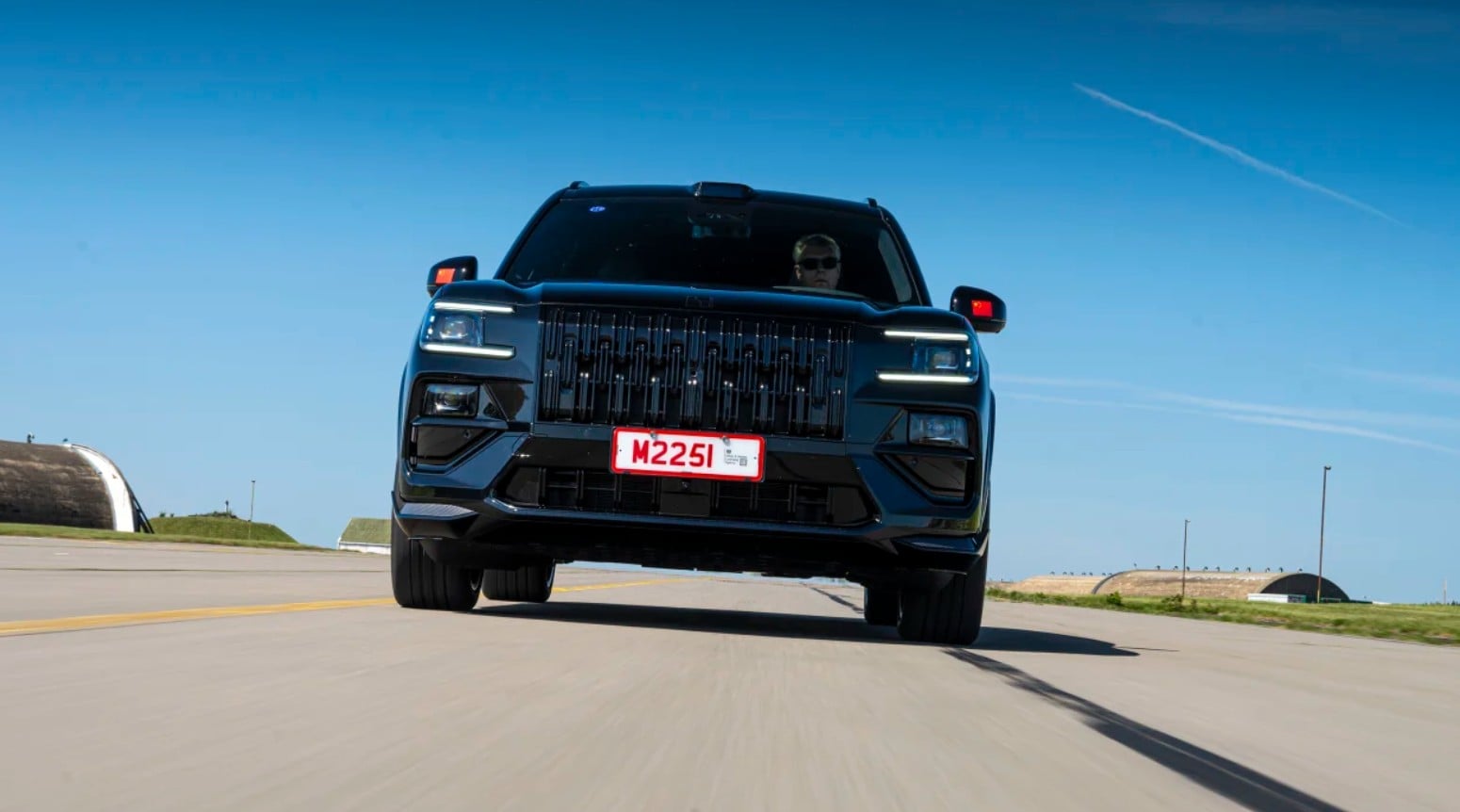
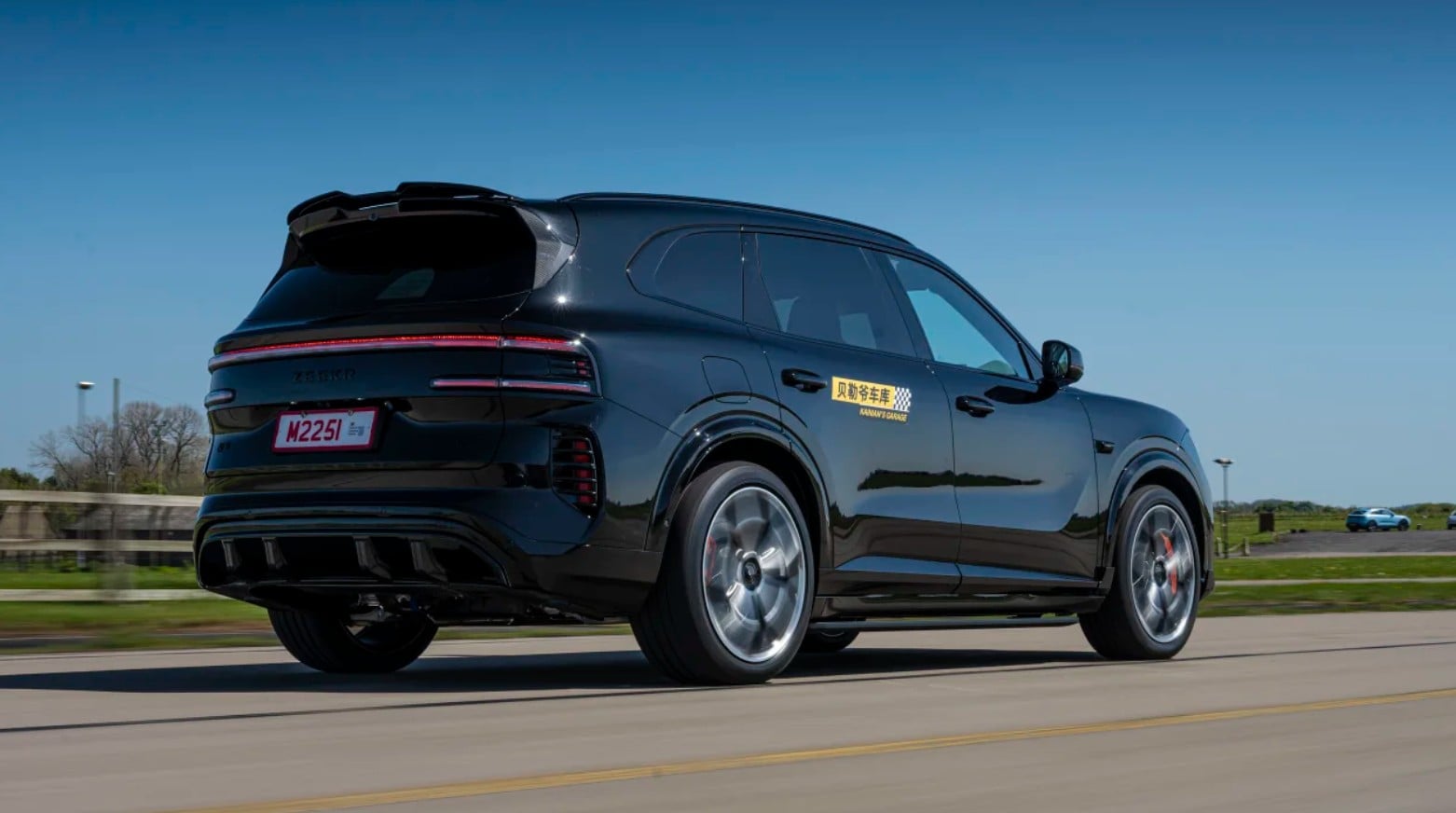
Visually, the 8X leans toward a European-inspired design, with cues reminiscent of established luxury SUVs. Large 22-inch wheels, intricate lighting elements and premium detailing give it a strong road presence, while features such as powered doors and a deployable rear spoiler highlight its tech-heavy focus.
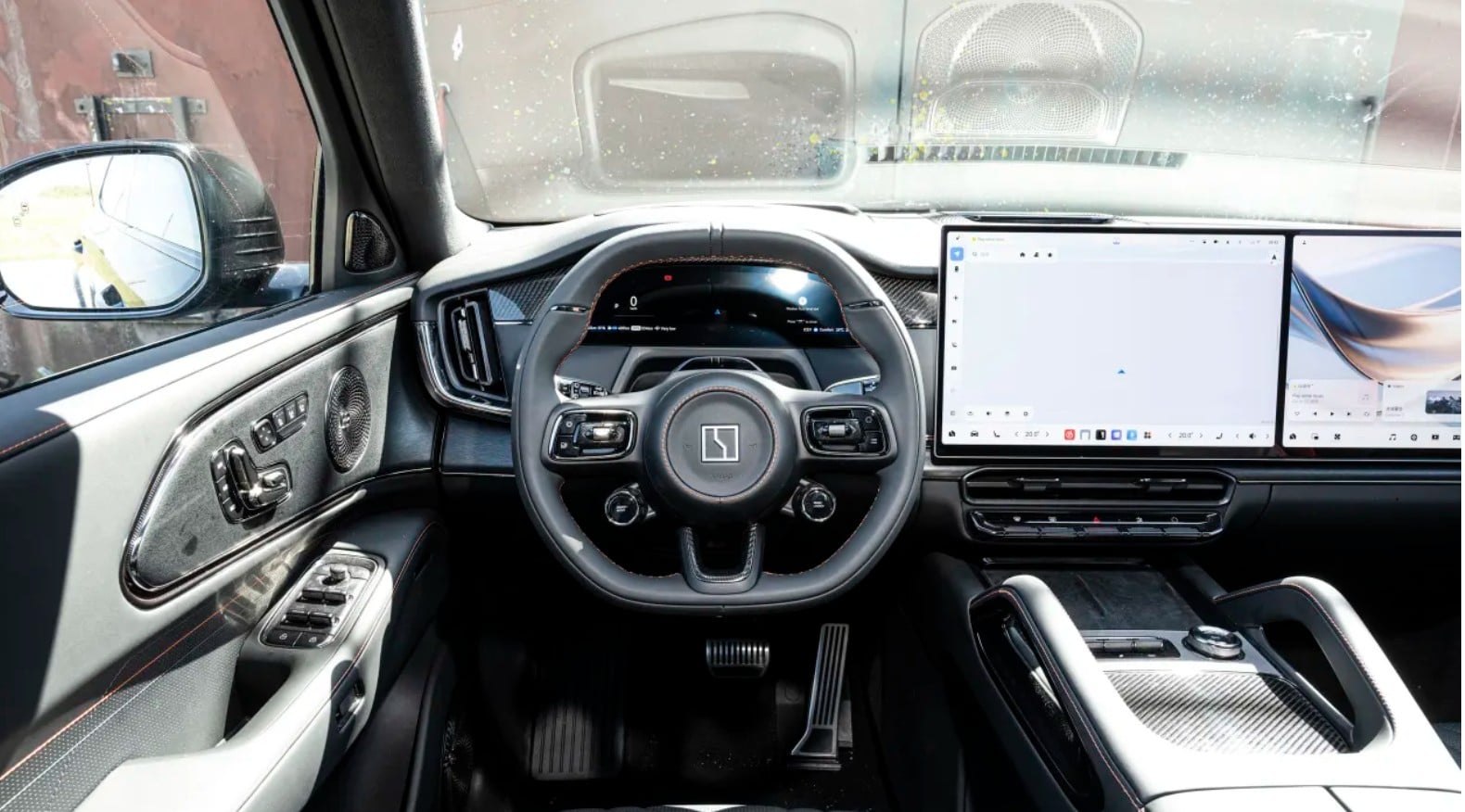
Inside, the cabin, soft-touch materials and high-quality finishes create a premium atmosphere, while front and rear occupants benefit from heated, ventilated and massaging seats. A pair of large 16-inch displays dominate the dashboard, offering a responsive, intuitive interface, although key functions such as climate control are integrated into the touchscreen rather than physical buttons.
Rear-seat comfort is a particular highlight, with generous legroom comparable to large luxury sedans, along with a fold-down entertainment screen, advanced audio system and even a temperature-controlled storage compartment. However, this focus on passenger comfort comes at the expense of boot space, which is less generous than some rivals.
On the road, the 8X delivers strong ride comfort thanks to its air suspension, but its considerable weight becomes apparent in corners. Steering feel is light and the vehicle lacks the sharp body control of European competitors, positioning it more as a high-speed grand tourer than a dynamic driver’s SUV.
Up to now, the brand’s line-up has been centred around fully electric models such as the compact X, the 7X mid-size SUV and the 009 people mover, but the 8X marks a shift into plug-in hybrid territory. It effectively slots between the 7X and the larger, more luxurious three-row 9X, while also forming part of a new dual-flagship approach alongside that range-topping model. Unlike its EV siblings, the 8X introduces a high-performance hybrid drivetrain to broaden the brand’s appeal, targeting buyers who want electrification without fully committing to battery-only driving.
At the recent Beijing Motor Show, Zeekr confirmed both the Zeekr 8X and flagship 9X were locked in for local showrooms in late 2026 or 2027.
Specs
| Model | Zeekr 8X Yaoying |
|---|---|
| Price | $135,000 AUD (est) |
| Powertrain | 2.0-litre 4cyl petrol, 3 e-motors |
| Power/torque | 1030kW / 1400Nm |
| Transmission | Single-speed automatic, all-wheel drive |
| 0–100km/h | 3.0 seconds |
| Top speed | 230km/h |
| Size (L/W/H) | 5100 / 1998 / 1780mm |
| On sale | Early 2027 |
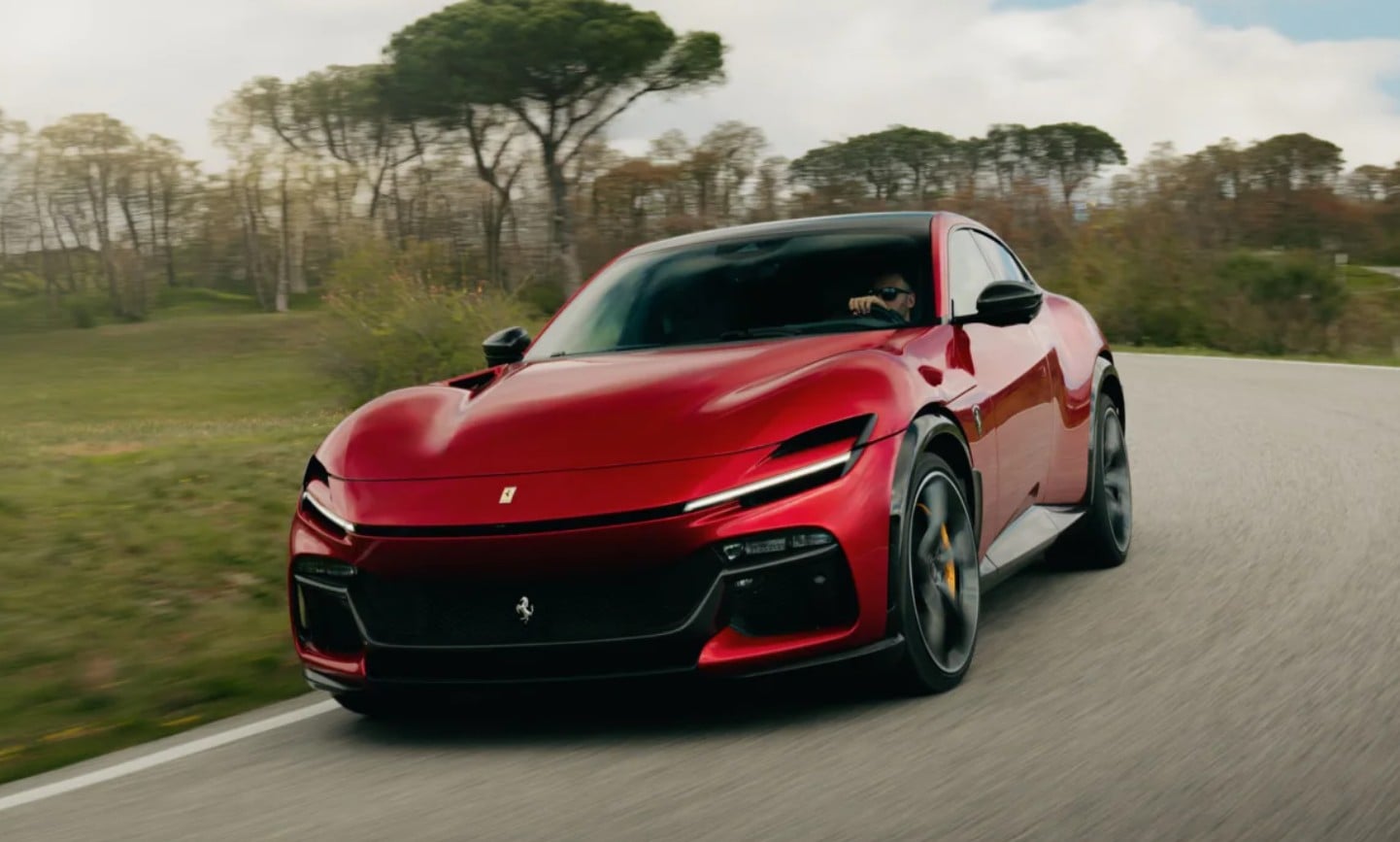
Ferrari has unveiled the Purosangue Handling Speciale, introducing a more driver-focused take on its compact SUV crossover model with targeted chassis upgrades and a more immersive in-cabin experience.
Rather than a limited-run “special series” variant, the Handling Speciale is offered as an optional configuration, bringing a series of mechanical and dynamic enhancements designed to elevate the driving experience. It follows a similar philosophy to Ferrari’s track-focused option packs, delivering performance tweaks without altering the core identity of the car.
At the heart of the update is a recalibrated active suspension system, which Ferrari says reduces body roll and pitch by around 10 per cent. The result is improved composure and greater agility, building on what is already an impressively nimble package for a large, all-wheel-drive vehicle.
Gearshift behaviour has also been revised, with faster and more assertive shifts – particularly noticeable in Race mode and at higher engine speeds above 5500rpm. Inside the cabin, Ferrari has fine-tuned the sound experience, amplifying the character of the naturally aspirated V12 for a more engaging soundtrack.
Importantly, the powertrain remains unchanged. The 6.5-litre V12 continues to produce around 533kW and 716Nm, delivering a 0–100km/h sprint in approximately 3.3 seconds. Top speed is listed at more than 309km/h, ensuring the Handling Speciale retains the formidable straight-line performance of the standard Purosangue.
While several carbon-fibre elements have been introduced, overall weight remains similar at just over 2000kg. Visual updates are subtle but distinctive, including unique diamond-cut alloy wheels, carbon-fibre exterior detailing, black exhaust tips and a bespoke interior plaque identifying the specification.
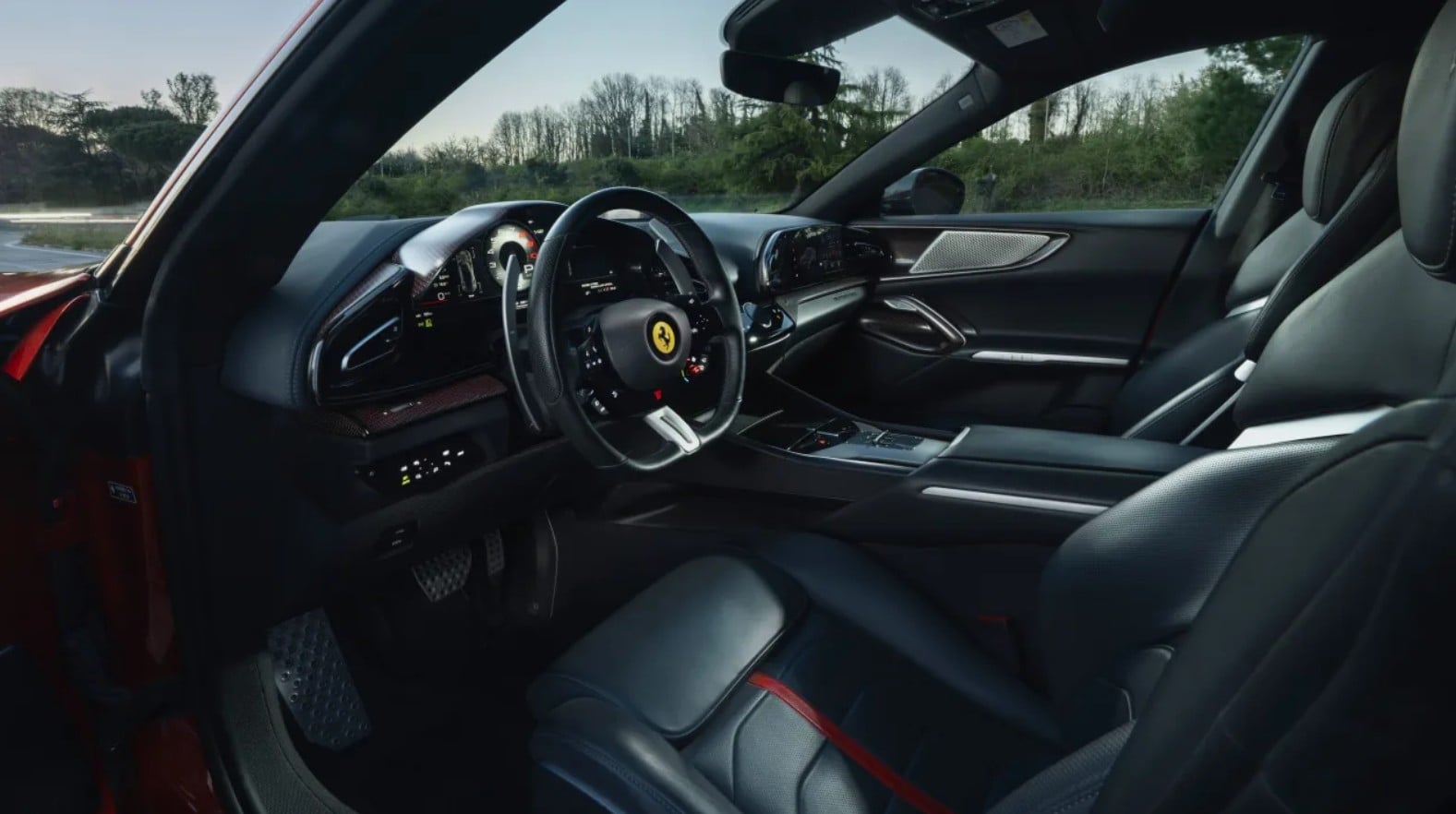
The introduction of the Handling Speciale helps keep the Purosangue fresh as Ferrari prepares for its next major step: the launch of its first fully electric model. Expected to feature more than 735kW and a design-led interior developed in collaboration with renowned designer Sir Jony Ive, the upcoming EV signals a new chapter for the brand.
For now, the Purosangue Handling Speciale reinforces Ferrari’s commitment to delivering performance-focused driving experiences – no matter the body style.
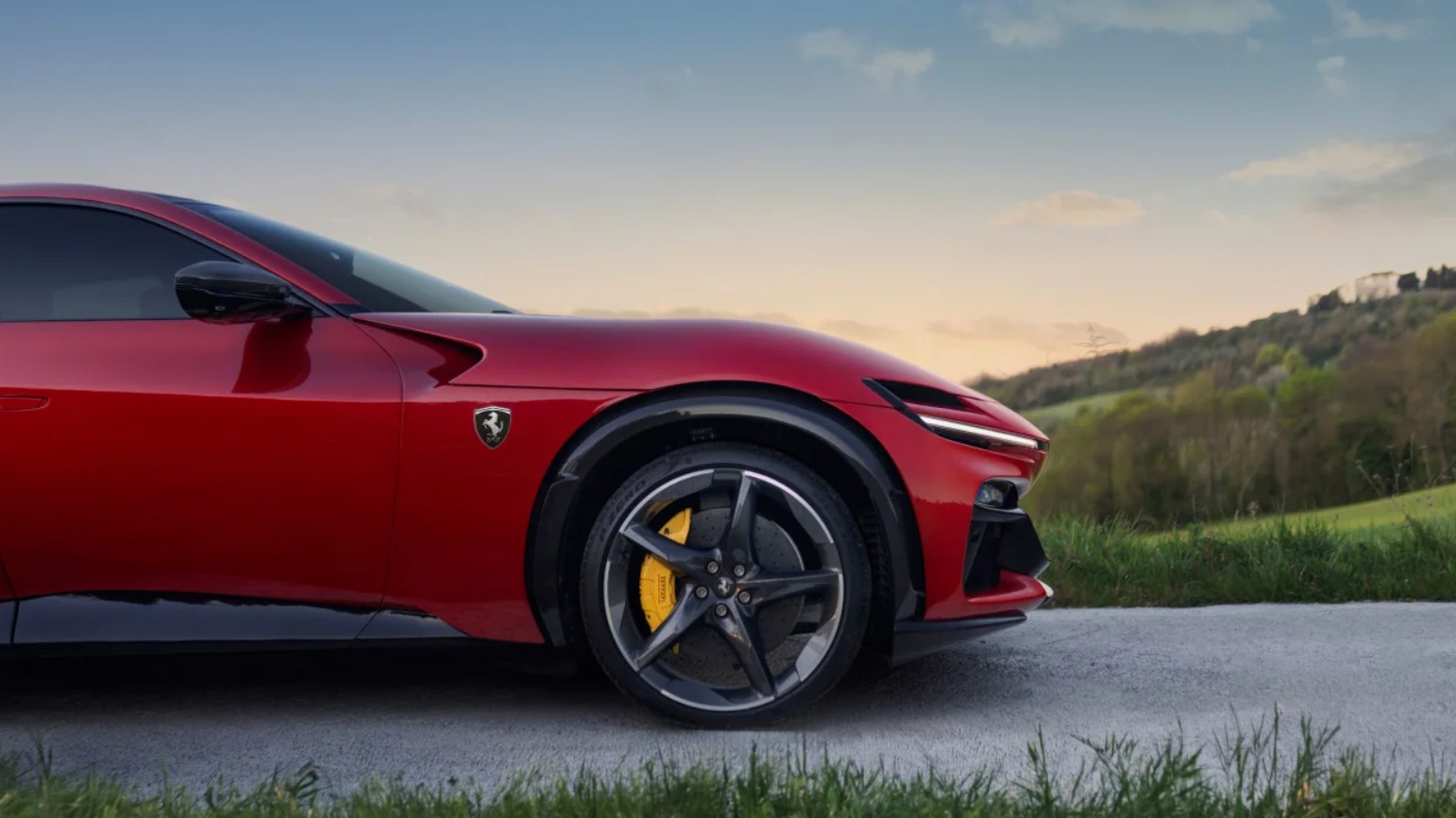
Overview
You know the score. Medium SUVs are the most popular passenger car segment and Toyota dominates, latterly with an outdated RAV4 that was well due for the update it has now received. Meanwhile, it’s fair to say quietly, Honda has been tweaking it’s already-excellent CR-V, a premium take on the segment, without the premium price tag. Is this updated CR-V hybrid strong enough to take on RAV4? Honda’s boss in Australia thinks so and he’s set his team the challenge to chase down the segment leader.
The medium SUV segment is a fierce battleground, and you could argue it was pioneered by Toyota and the RAV4. That vehicle has grown – as has the segment with it – and now just about every manufacturer has at least one option in a category that allows them to claim market dominance if it can succeed.
The news from this first drive of the CR-V is very much focused on pricing and specification. It’s big news too, with the price of admission dropped by a significant $10,000, three new variants, standard AWD for the e:HEV RS grade, and hybrid power standard on all but two variants across the six model grade range. That means hybrid power now steps from one to four CR-V variants within the range. Factor in the first five years of servicing costing just $199 each year, and Honda has a very competitive value proposition on its hands.
How much is the Honda CR-V?
Buyers can choose from six different variants within the CR-V range, with the price of hybrid technology costing $49,900 drive away. Or, $44,900 drive away is all it takes to get into a CR-V, without the hybrid powertrain, while the range-topping e:HEV RS AWD costs $64,400 drive away.
| CR-V VTi X | $44,900 (up $3000) |
|---|---|
| CR-V e:HEV X | $49,900 (new) |
| CR-V e:HEV L | $53,900 (new) |
| CR-V VTi L7 | $54,900 (up $1400) |
| CR-V e:HEV LX AWD | $58,900 (up $1400 vs old non-hybrid VTi LX) |
| CR-V e:HEV RS AWD | $64,400 (up $4500 vs old RS FWD) |
We drove 2WD and AWD hybrid models at launch, and if you’re looking to be smart about how you spend your hard-earned, the entry hybrid is absolutely the way to go. Crucially, it doesn’t feel like a stripped-down, base model either.
You don’t really need AWD in this segment, either, so keep that in mind if you’re looking to be sharper about how much you spend. It’s also worth notingthat while the entry-grade car is compelling for less than 45 grand drive away, WhichCar by Wheels would recommend the extra spend to get into the hybrid, especially if you’re planning on longer term ownership.
What engine does the Honda CR-V hybrid have?
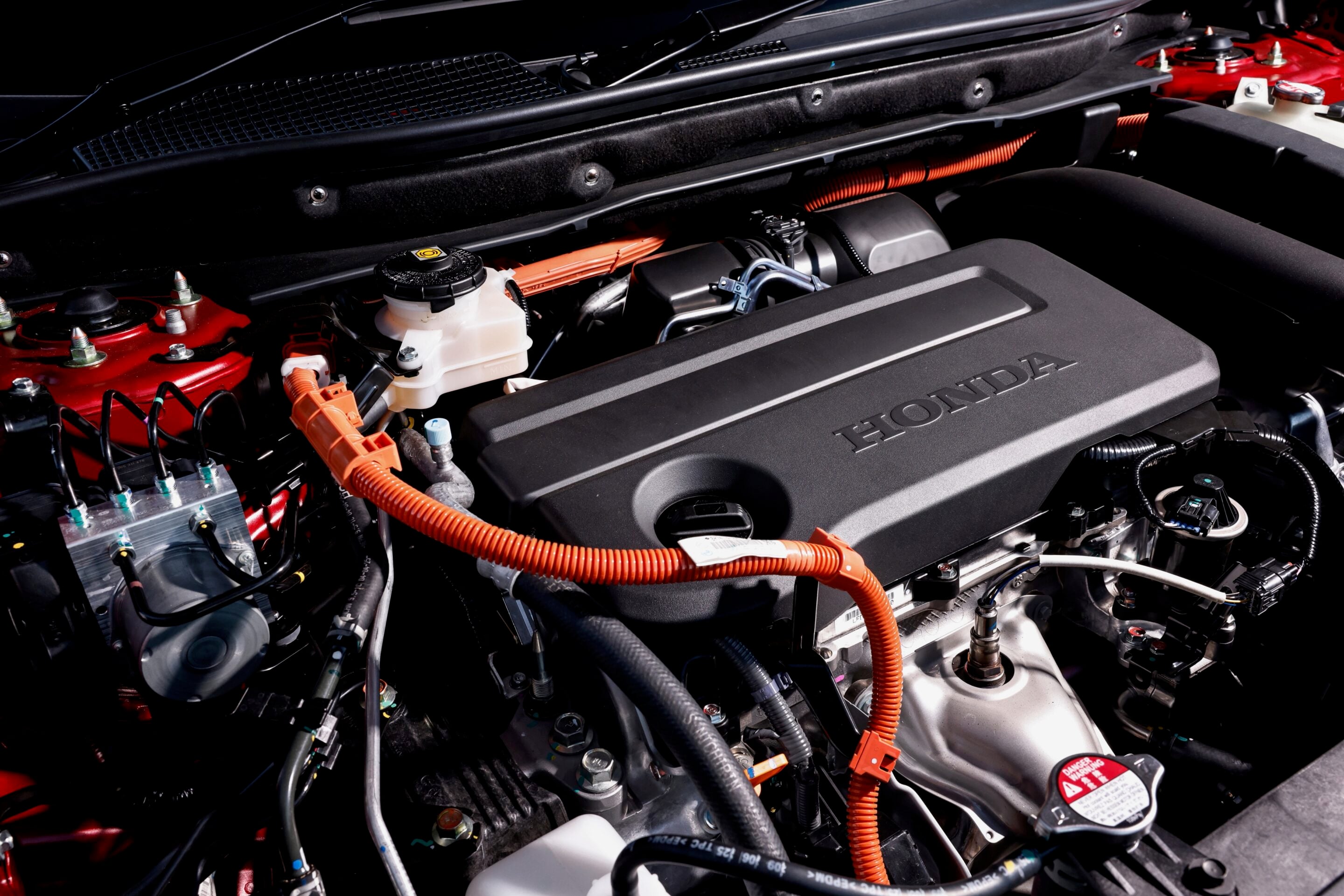
Hybrid power means efficiency, with Honda claiming just 5.5L/100km on the combined cycle for the FWD model and 5.7L/100km for the AWD model. The powertrain is a 2.0-litre, naturally aspirated four-cylinder petrol engine, with a single electric motor and E-CVT automatic. Combined outputs are a useful 135kW and 335Nm.
The battery is a 1.1kWh lithium ion high-voltage pack and can power the CR-V at low speed for short distances. If you opt for the non-hybrid CR-V, you get a 140kW/240Nm, 1.5-litre turbocharged petrol four-cylinder engine and a regular CVT automatic.
Is there anything interesting about the CR-V’s design?
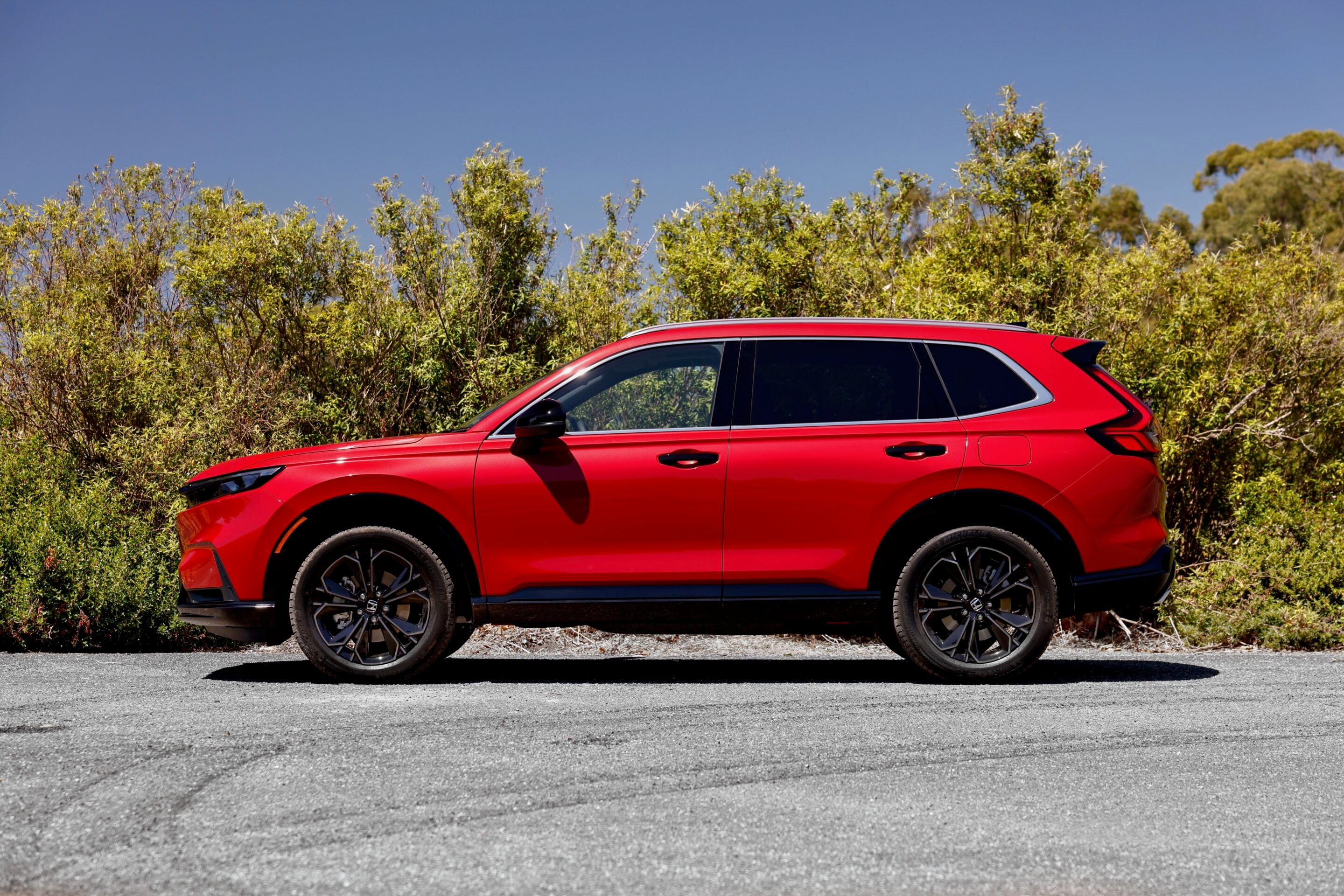
You’ll be familiar with the styling of the Honda CR-V. The focus both inside and out is the way in which Honda has delivered an SUV that looks premium, feels that way from inside the cabin, and perhaps most crucially, feels like you’ve spent more money than you actually have.
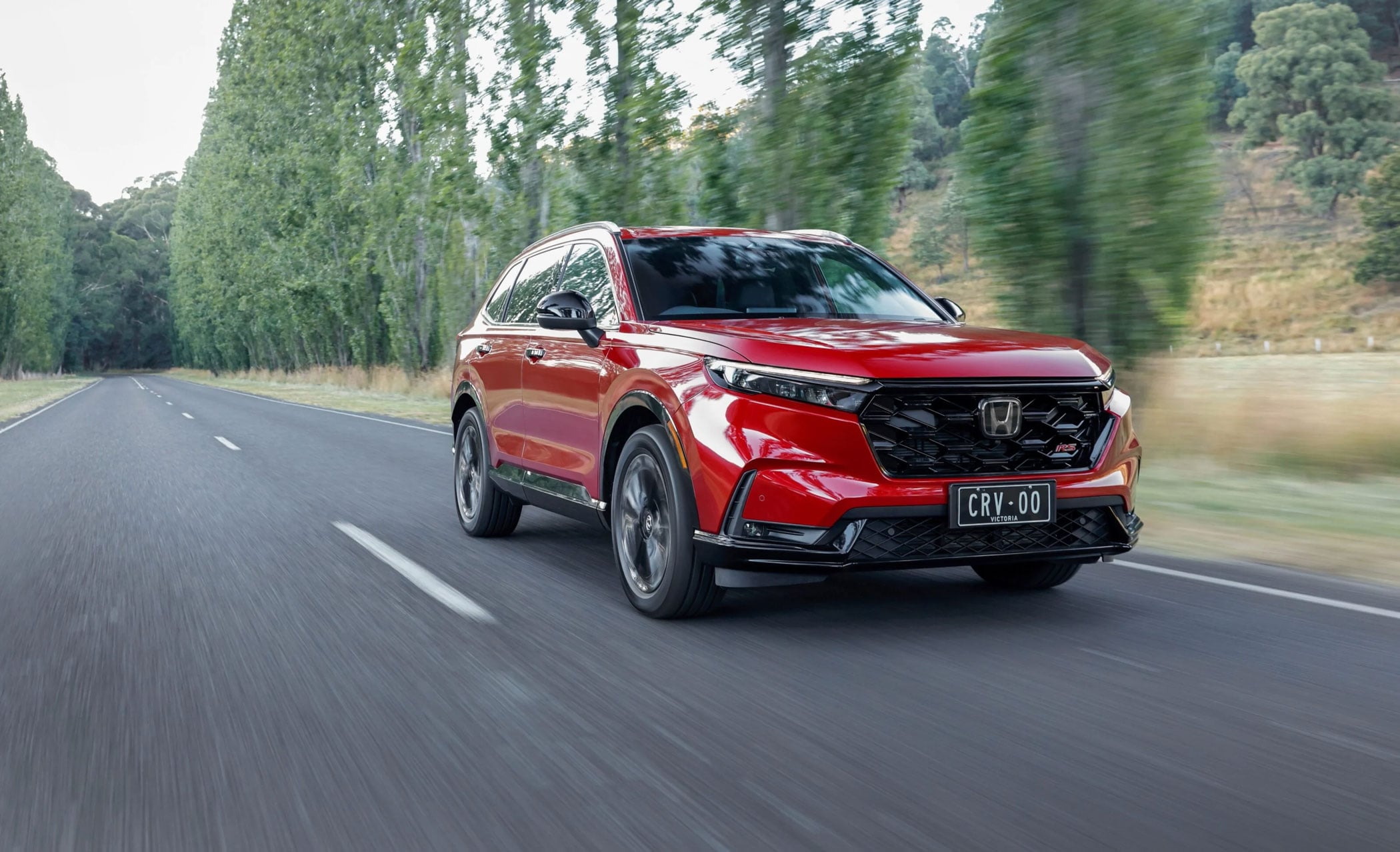
What’s most interesting is when you see the CR-V on the road, you instantly know it’s a Honda. In a sea of somewhat bland SUV blobs, the Honda’s clean lines, elegant profile and sharp lighting signatures ensure that it stands out.
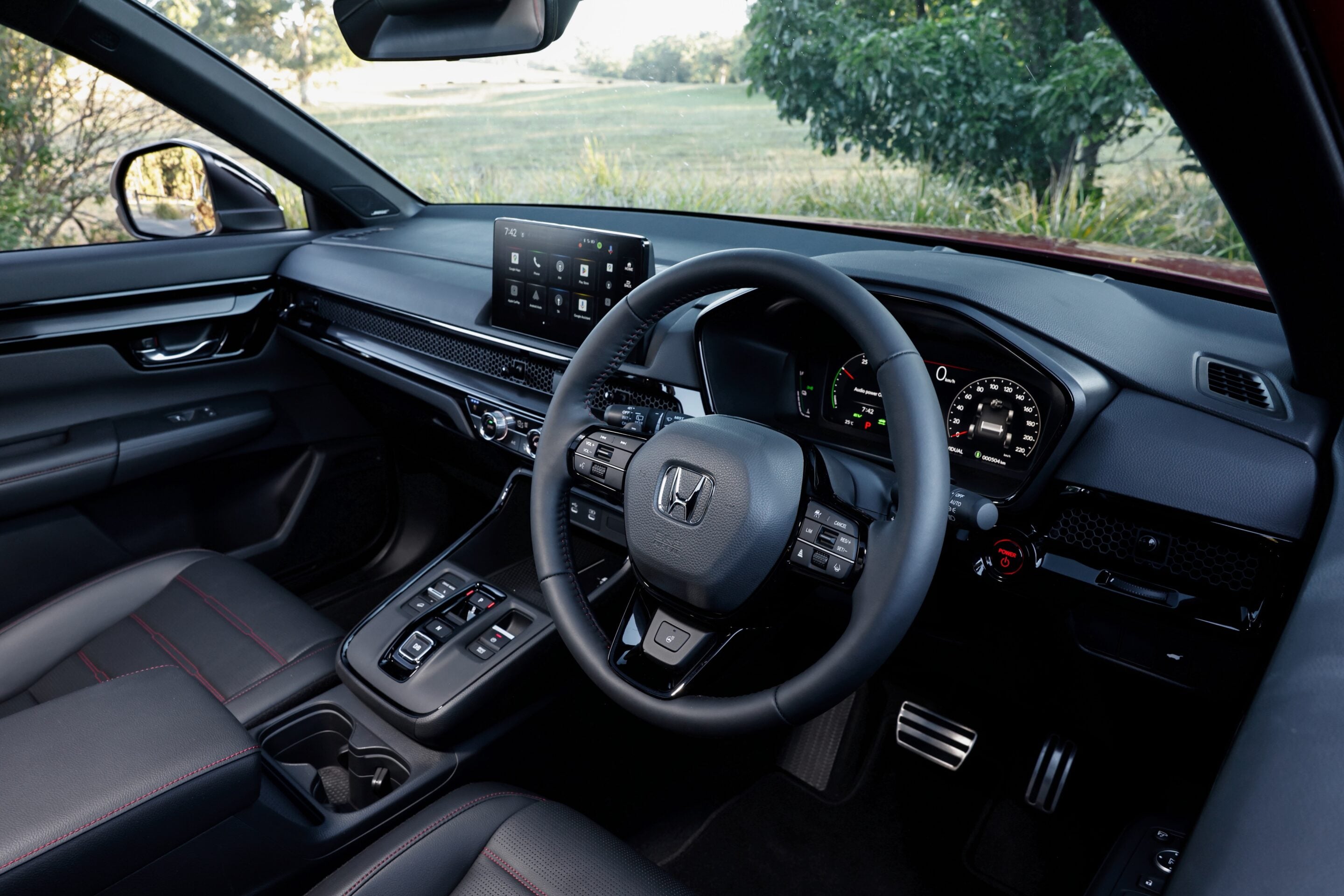
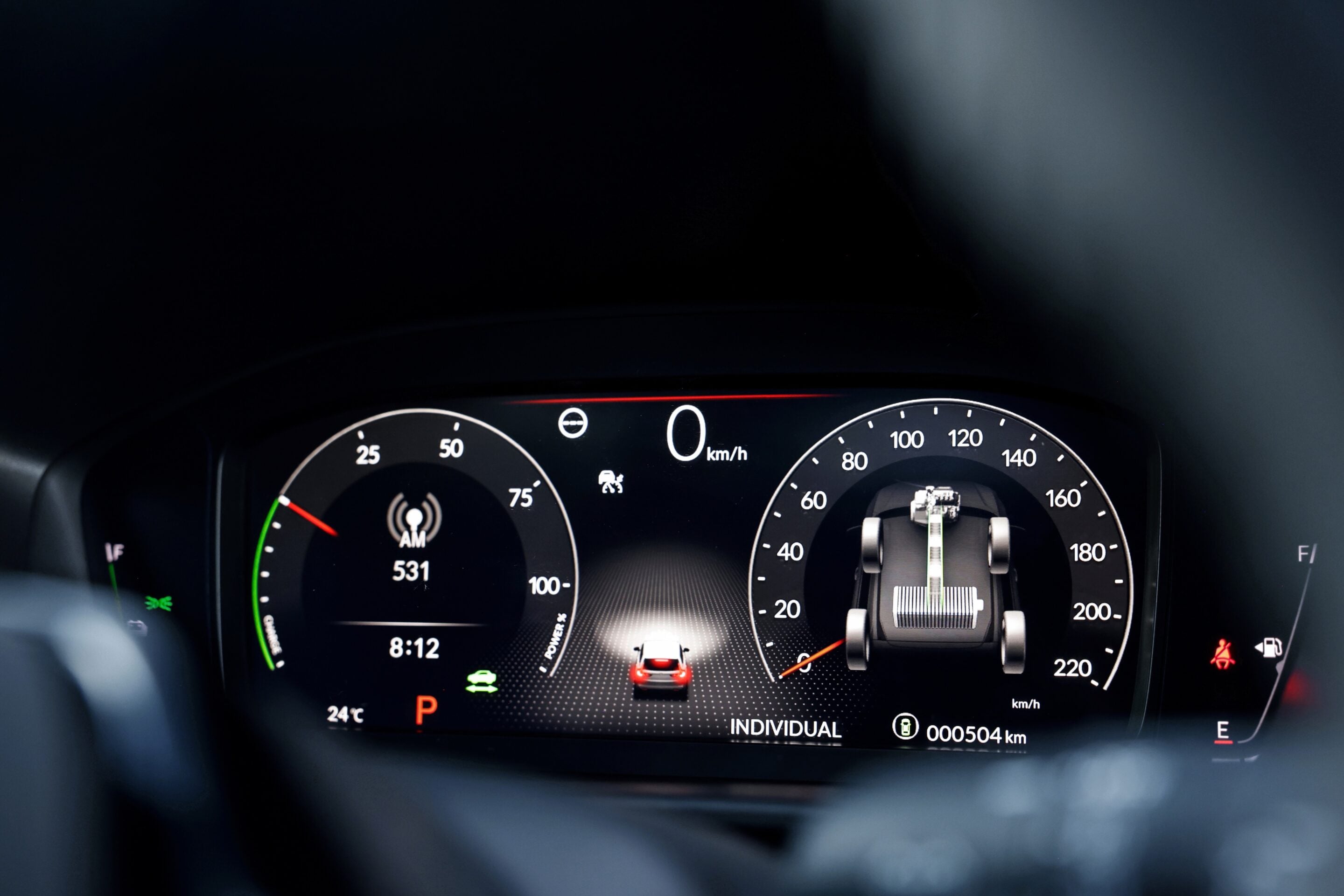
Inside the cabin, it’s comfortable, roomy and practical. For example, Honda’s infotainment screen isn’t as big as some, at 9.2 inches, but if you’re not in the car to watch TV, and a screen of this size displays exactly what you need clearly, why does it need to be any bigger? Physical buttons and switches for the main controls are appreciated, and the 10.2-inch widescreen digital driver’s display is a good one – clear and delivering the information you want in an easy to decipher way.
Go back to the Honda Jazz and its Tardis-like cabin, and you’ll remember that Honda has a way of making a lot out of a little. In that sense, the cabin execution is excellent. Storage aplenty means devices, bottles, wallets and keys are accommodated, and wireless charging sits next to another phone storage shelf, so two can be safely held without flying around the cabin.
The seats are excellent with plenty of room in the second row, and even the cloth trim in the most affordable grades is beautifully finished and comfortable. The most affordable hybrid still gets Honda’s clean centre console shift selection arrangement, steering wheel paddles, front door acoustic glass, and a leather-trimmed steering wheel.
A good few hours in the seat on a drive out into rural Victoria illustrated the CR-V’s chops as a road trip companion beyond it’s competence in the city serving time for the daily commute. It’s easy to understand why Aussies love this segment as much as they do, and the CR-V deserves to be considered up there with the best of them.
What technology comes with the Honda CR-V?
Apple CarPlay and Android Auto are standard – wired or wireless – and we tested both at launch. Wireless allows you to use the wireless charging, and both were flawless on test. Switch over to cabled, and you don’t need to charge wirelessly but the connection remained rock solid. It’s again worth noting that although the screen is smaller than some, I love the simplicity of the operation, and the clarity of the information it displays. Up front, you’ve got two USB-C outlets to keep devices charged up on the go.
Step up through the range and you add tech like a 360-degree camera, auto-dimming rear-view mirror, four-way power adjustable passenger seat – eight way adjustable driver is standard – and auto dipping passenger side mirror when in reverse gear.
The range-topper gets a head-up display, panoramic sunroof, ventilated front seats, heated outboard rear seats, a heated steering wheel, and individual drive mode functionality. While you undoubtedly get more when you spend more, it’s worth noting again here, that the base CR-V doesn’t feel cheap, in any way.
What’s the Honda CR-V Hybrid like to drive?
In one sense, I hate it when the marketing spin hits the mark, because then we can’t criticise the fantasy that is otherwise pedalled. However, we must also concede when a manufacturer has lived up to its own hype. And here, Honda has absolutely nailed it. The advertising campaign for the hybrid CR-V will focus on how smooth it is, and that’s the word that best describes everything about it.
The way the electric motor and petrol engine work in concert is fantastic, quiet, almost imperceptible and smooth – there’s that word again. What it means, is you get a drive experience that is serene at any speed. The powertrain being so quiet means the cabin is as quiet. And that makes for a relaxing drive at any speed on any road.
While the power and torque figures won’t pin you back in your seat when you nail the throttle pedal, they get the CR-V moving rapidly enough to outpace modern traffic if you need to get away from the lights or dart into a side street across traffic. The ride quality, bump absorption and chassis control are all excellent, once again ensuring the CR-V’s positioning as a luxury alternative without the luxury price.
If insulation, competence, and all-round quality are the hallmarks of premium motoring, Honda has delivered with this CR-V, ably assisted by the efficient hybrid system. We loved the bump absorption of the most affordable hybrid’s 18-inch gloss black wheels with chubby tyres, but even stepping up to the AWD RS with its 19-inch gloss black rims only saw a slight firming of the ride over nasty bumps.
Whether your driving is mainly around town transporting the family to and from school, negotiating peak hour on your way to the office, or longer distance B-road touring, the CR-V is positioned to handle all of them with ease, and certainly for us, it’s comfort on country roads is a considerable bonus.
How much fuel does the hybrid CR-V use?
Honda quotes 5.7L/100km for the AWD on the combined test cycle, and on rural roads up to 100km/h, with a decent push through the twisty sections, I couldn’t push the average consumption beyond 6.3L/100km. Back in city traffic, the life readout was showing 5.4L/100km – in other words, impressively efficient in the real world.
What’s the verdict on the Honda CR-V hybrid?
Honda’s boss in Australia reckons this hybrid CR-V has the armoury to take on RAV4 for segment honours and on paper, that’s a fair assessment. What’s most impressive is the way that plays out in the real world. Back to back testing awaits, but the hybrid CR-V is an impressive medium SUV.
It looks stylish, is efficient in the real world, feels premium inside the cabin, and delivers the sense that you’ve paid more than you did at the dealer. All those factors add up to a genuinely impressive medium SUV. It’s a tough segment, there’s no doubting that, but the hybrid CR-V is as good as, if not better than, any of them.
Specs
| Engine | 2.0-litre, N/A petrol, four-cylinder, single electric motor |
|---|---|
| Peak power | 135kW |
| Peak torque | 335Nm |
| Transmission | E-CVT auto |
| Fuel consumption (claimed) | 5.5L/100km |
| CO2 emissions (claimed) | 125g/km |
| Fuel type | 91 RON |
| Dimensions (l/w/h/wb) | 4704mm/1866mm/1681mm/2700mm |
| Boot space | 580L to 1600L (second row folded) |
| Warranty | Five years/unlimited kilometres |
| Servicing costs | $199 per year (five years) |
| On sale | Now |
Ford has pushed electric performance into new territory, with its Mustang Cobra Jet 2200 claiming the title of the quickest and fastest electric drag car in the world over a quarter-mile straight, covering the approximately 402m in 6.87 seconds at 357.85km/h (222.36mph).
Unveiled in action at the 2026 NHRA 4-Wide Nationals in North Carolina, the all-electric drag racer delivered a series of record-breaking runs, headlined by the blistering quarter-mile pass. These figures place it firmly at the forefront of EV drag racing, eclipsing previous benchmarks set by both Ford’s earlier Cobra Jet programs and rival electric builds.
The Cobra Jet 2200 represents the latest evolution of Ford Performance’s electric drag racing efforts, following the Cobra Jet 1400 and Super Cobra Jet 1800. But where those models proved the potential of battery-powered acceleration, the new car takes a decisive leap forward in both outright pace and consistency.
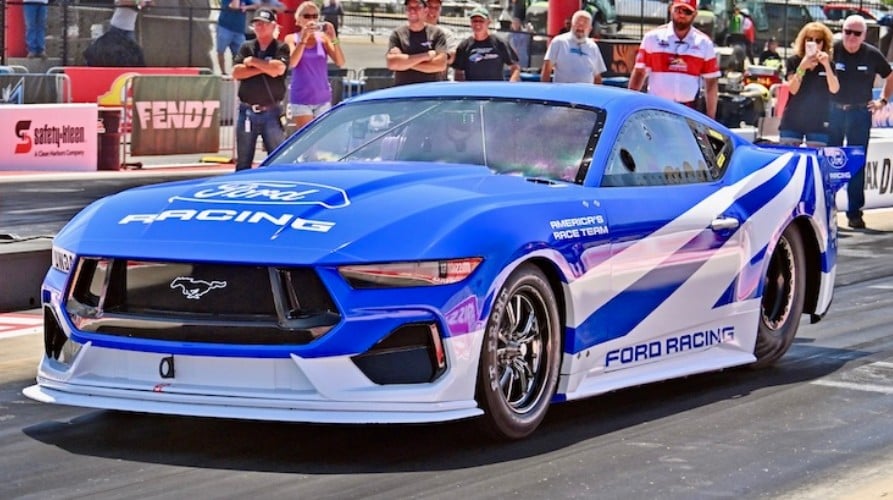
Key to its performance is a combination of advanced battery technology, high-output electric motors and a unique drivetrain setup. Unlike many EVs, the Cobra Jet 2200 employs a patented clutch system paired with a multi-speed transmission, helping optimise power delivery across the run and contributing to its exceptional elapsed times.
Across a full weekend of exhibition passes, the car demonstrated remarkable repeatability, with multiple sub-seven-second runs and speeds consistently above 320km/h. That level of consistency underscores the maturity of the technology and the depth of engineering behind the program.
While electric drag racing has been steadily gaining credibility – thanks in part to pioneers like Don Garlits and Steve Huff – the Cobra Jet 2200 marks a turning point. Rather than simply proving EVs can compete, Ford’s latest machine shows they can dominate.
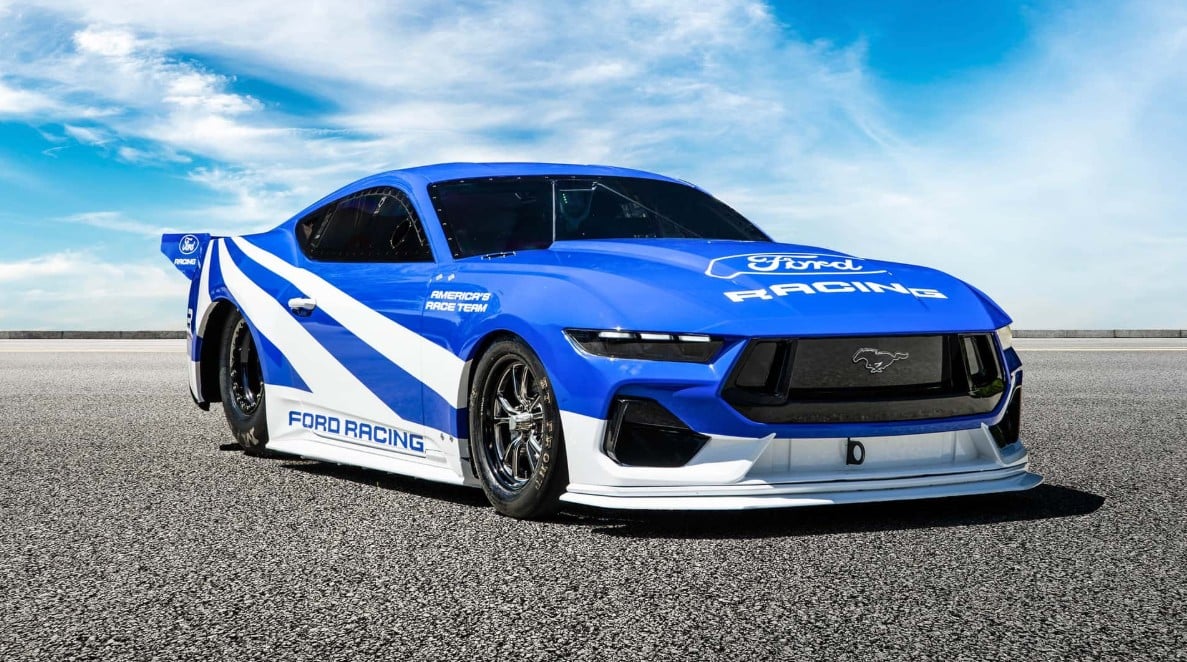
The program also highlights the broader trajectory of electric performance, as rapid advancements in battery systems, motor output and control software continue to unlock new levels of capability.
If current progress is any indication, the future of drag racing may be defined as much by electrons as it is by horsepower.
Chery is ramping up its Australian ambitions, confirming a wave of new sub-brands – Lepas, iCaur and Freelander – as part of an aggressive expansion strategy that will significantly broaden its local footprint over the next few years.
The Chinese automotive has established itself in Australia with its core Chery brand alongside Omoda and Jaecoo, but it’s now preparing to introduce multiple new marques targeting distinct buyer segments. The move reflects both the rapid growth of Chinese brands locally and Chery’s intent to diversify its offering across price points, technologies and vehicle types.
Leading the charge is Lepas, expected to arrive first, with timing pointing to a late 2026 launch. Positioned as a more design-led and expressive brand, Lepas is aimed at buyers seeking something beyond traditional practicality.
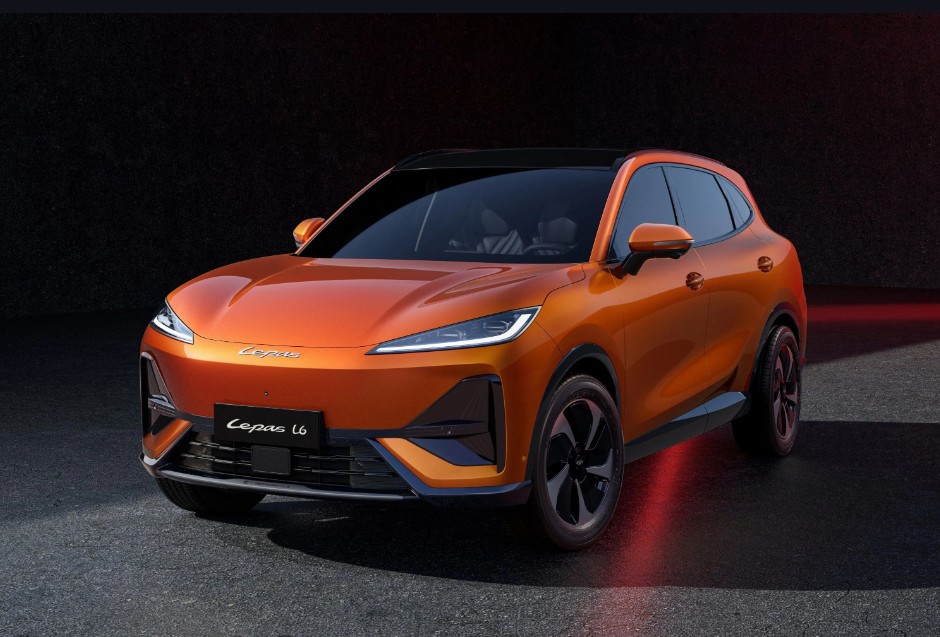
Overseas, the brand has already previewed a family of models including the L2, L4, L6 and L8, ranging from compact to large SUVs. The L6 mid-size SUV (above), smaller L4 and flagship L8 large SUV are among the strongest candidates for Australia, offering a mix of petrol, hybrid and electric powertrains on shared Chery architecture. Positioned as a more design-led and youth-focused brand, Lepas is expected to lean heavily on styling and personalisation to stand apart from Chery’s existing Tiggo range.
Further down the pipeline is iCaur (also referred to as iCar), Chery’s electrified off-road-focused brand tipped to bring rugged, lifestyle-oriented vehicles to market. iCaur’s global portfolio includes models such as the iCar 03, the large V27 SUV (below) and the boxy V23, both under consideration for Australia. These electric SUVs combine rugged styling with modern EV tech, including dual-motor all-wheel drive options and claimed driving ranges of up to around 500km (CLTC). The V23 in particular, with its retro-inspired design and off-road intent, is tipped as a key launch model to establish the brand locally in 2028 or later.

Perhaps the most intriguing addition is Freelander, a revived nameplate developed through Chery’s partnership with Jaguar Land Rover. Set to launch in Australia around 2027, Its first model is expected to be the Freelander 8, a large electrified SUV measuring over five metres long and offered with battery-electric, plug-in hybrid and range-extender powertrains. Previewed by the Concept 97, it will feature advanced technology including dual-motor all-wheel drive and next-generation battery systems, positioning it as a more upmarket alternative within Chery’s expanding ecosystem.
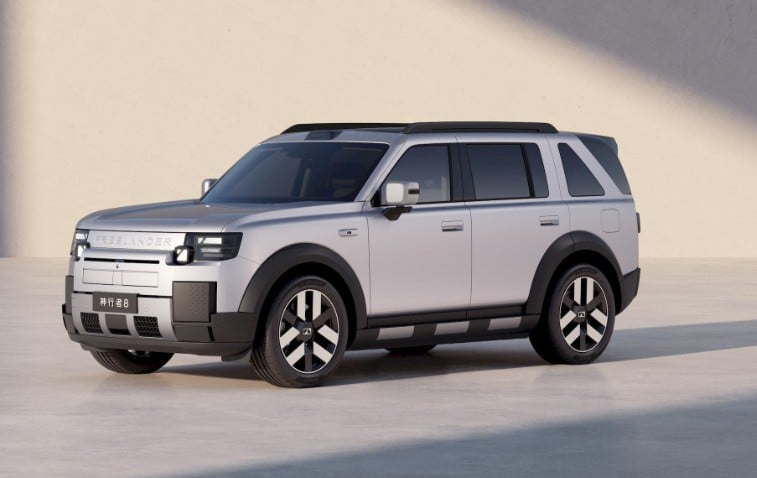
Chery’s multi-brand strategy mirrors the approach taken by several Chinese automakers, using distinct sub-brands to target niche audiences and accelerate growth in export markets. In Australia alone, the company is preparing to launch up to four new marques within the next two years, highlighting the scale of its ambitions.
Chery’s expanding portfolio signals its intent to become a major player in Australia by offering a diverse mix of SUVs, electrified vehicles and lifestyle-focused models across multiple segments.
Reigning Wheels UOTY winner, the BYD Shark 6, has become a common sight on Australian roads – and with good reason. As the UOTY judges discovered, when assessed in the way that Australian buyers use their dual cabs, the PHEV Shark 6 makes a hell of a lot of sense in the real world.
At the moment, though, only three PHEV dual cabs are available in Australia. More manufacturers should be offering a PHEV option in the range, especially given the popularity of the two Chinese-built entrants.
Here are the three options:
BYD Shark 6
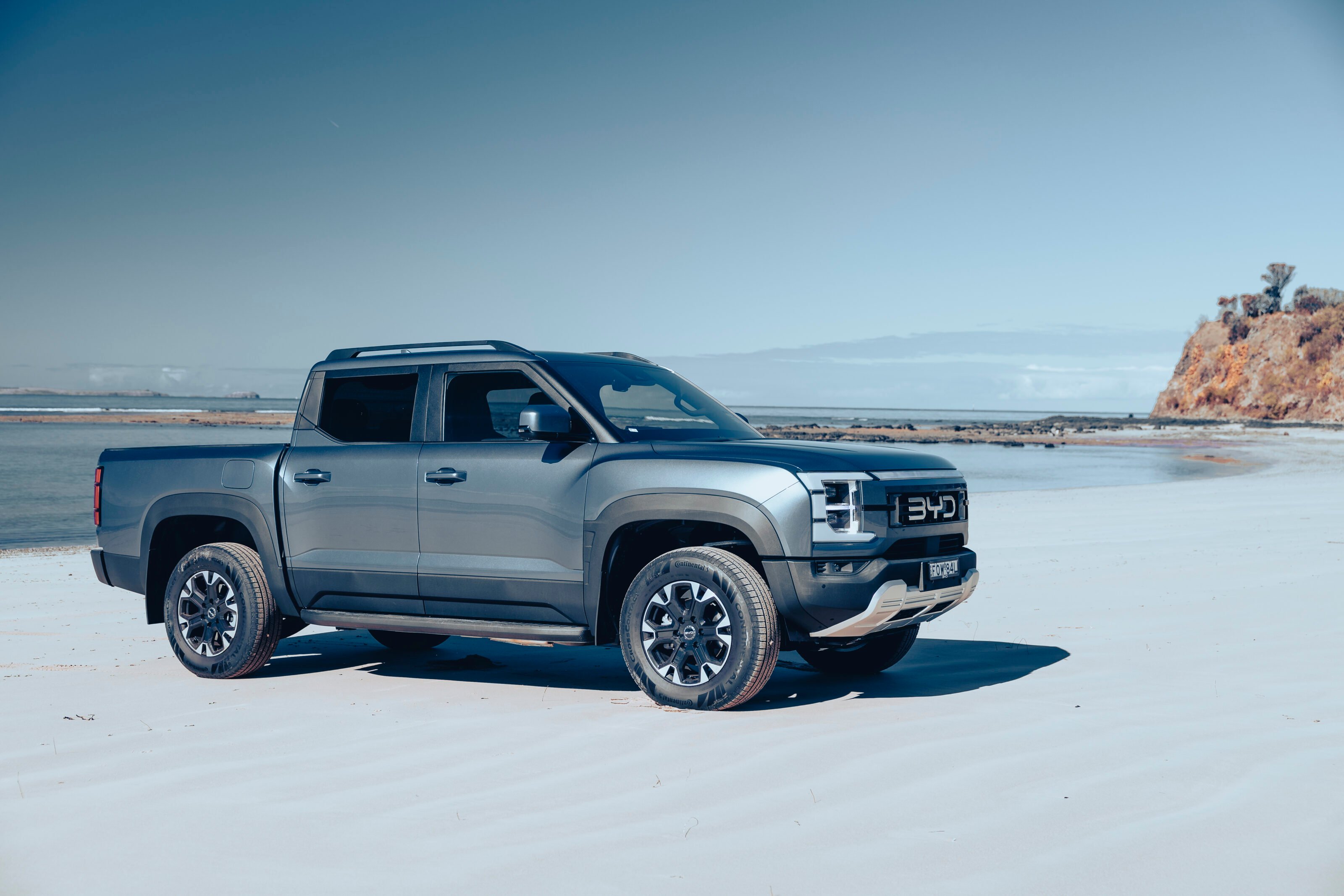
Price: From $57,900 plus ORC
Drivetrain: 1.5L turbo petrol four-cylinder engine, dual electric motors
Power: 321kW
Torque: 650Nm
EV range: 80km
Battery capacity: 29.6kWh
Fuel consumption: 7.9L/100km (low battery)
Tow capacity: 2.5-tonne braked
The inaugural winner of the Wheels Ute of the Year award was named so because it does a lot of things well – it’s quiet, refined, laden with technology that works, will complete more than the average Aussie commute on pure electricity alone, has a spacious cabin, and drives in a way that makes it enjoyable to use day-to-day in traffic.
There’s a refinement and premium feel to the Shark 6’s driving behaviour that no diesel dual-cab can match. The cabin is quiet, the ride is excellent, even unladen, the steering and braking feel more like a large SUV than they do a truck, and there’s an effortless nature to the way in which it settles into a relaxed cruise.
GWM Cannon Alpha PHEV
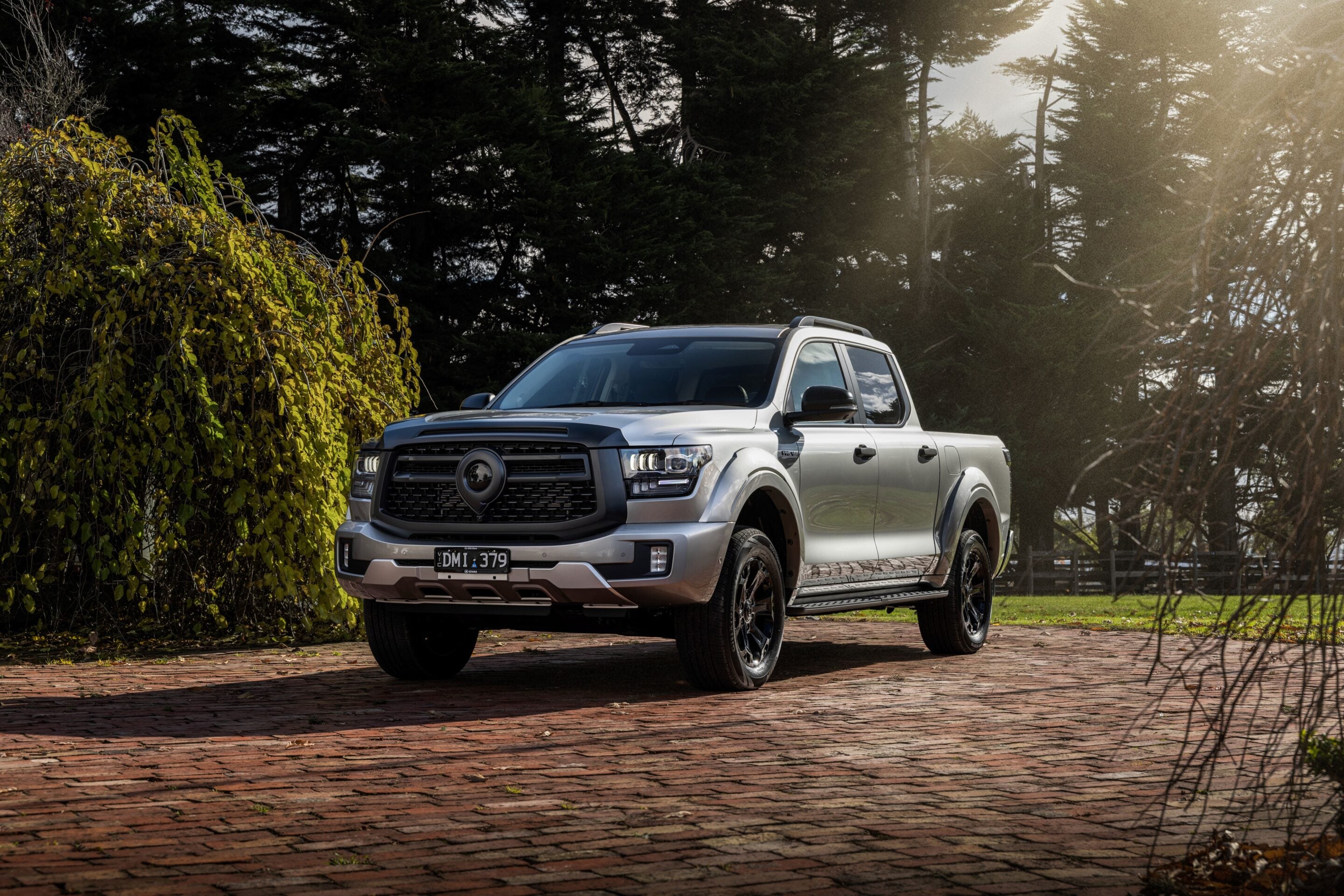
Price: From $57,490 drive away
Drivetrain: 2.0L turbo petrol four-cylinder engine, single electric motor
Power: 300kW
Torque: 750Nm
EV Range: 110km
Battery capacity: 37.1kWh
Fuel consumption: 7.9L/100km (low battery)
Tow capacity: 3.5-tonne braked
Made its way into the Australian new car market late in 2025 as the second plug-in hybrid dual-cab available behind the Shark 6.
Buyers can choose between two specification grades of the Alpha PHEV – Lux and Ultra. Even at Lux specification, there are plenty of standard equipment highlights including a 12.3-inch infotainment screen, 360-degree camera, digital driver’s clusters LED headlights, LED tail lights, dual-zone AC, selectable 4WD, a locking rear diff and electrically adjustable ‘leather look’ seat trim.
In regard to electric driving, GWM claims 115km – based on the NEDC testing regime – but expect to see closer to 100km electric range in the real world. What that means, for most of you, is that you could easily commute to and from work each day without using any fuel, and then charge back up overnight with a regular wall socket at home.
Ford Ranger PHEV
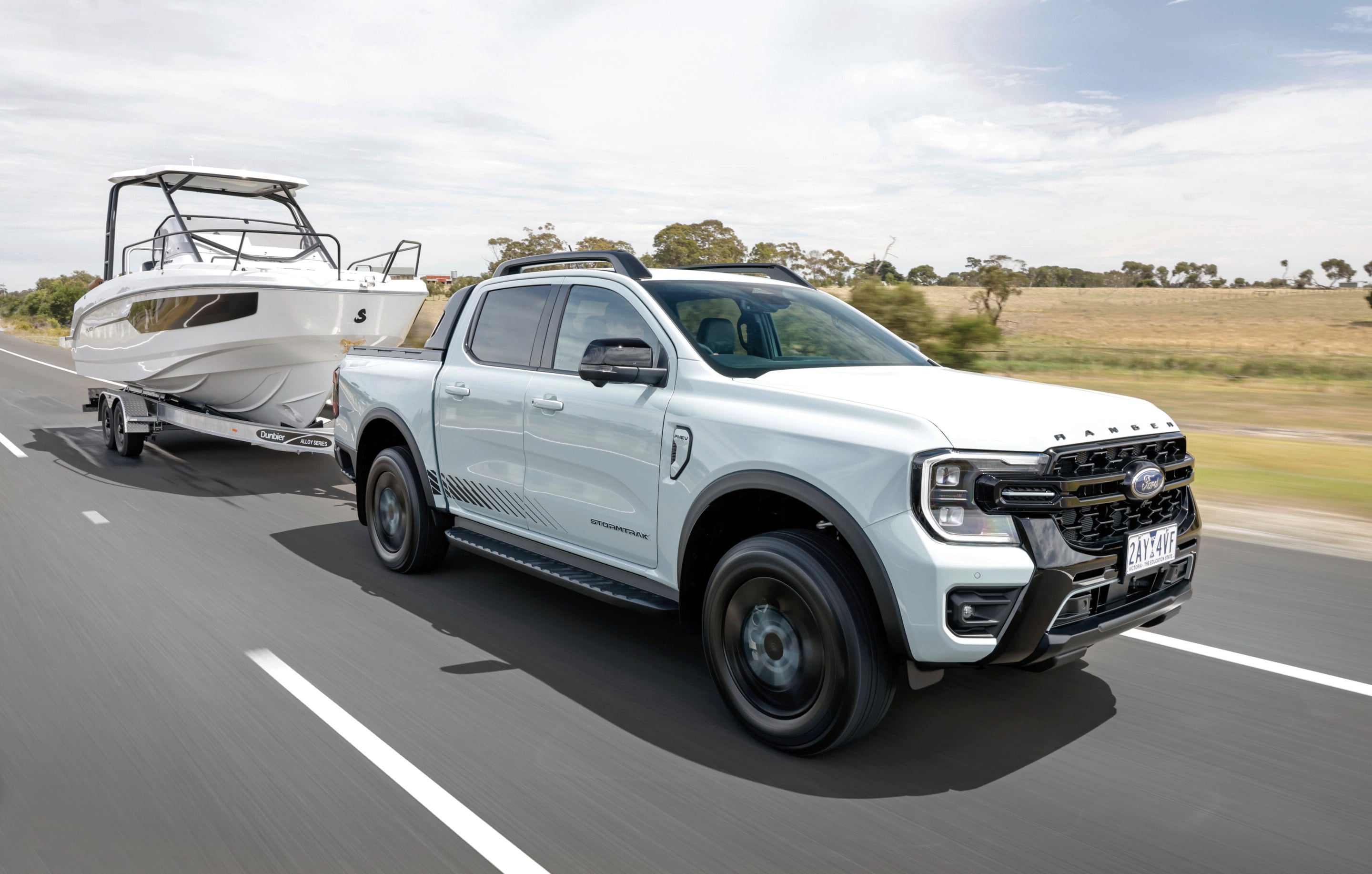
Price: From $62,000 drive away
Drivetrain: 2.3L turbo petrol four-cylinder engine, single electric motor
Power: 207kW
Torque: 697Nm
EV Range: 49km
Battery capacity: 11/8kWh
Fuel consumption: 7.8L/100km (low battery)
Tow capacity: 3.5-tonne braked
Arriving in the Australian market in the middle of 2025, the Ford Ranger PHEV is equipped with an 11.8kWh (useable) battery to complement its 138kW/411Nm 2.3-litre Ecoboost petrol engine. Together they develop a healthy-looking system output of 207kW/697Nm. But make no mistake, that battery is tiny. It’s just over half the size of the 20kWh cell pack you’d get in a Mitsubishi Outlander PHEV and a long way shy of the 29.58kWh blade battery you get in a BYD Shark 6.
Four variants are offered, from the fleet-targeted XLT, followed by the more consumer-focused Sport, Wildtrak and flagship Stormtrak models. Leaving aside the purely cosmetic trim parts, key highlights of the Sport (over XLT) include LED lights, 18-inch alloys, a power-adjustable driver’s seat, traffic sign recognition heated front seats and leather-accented seating trim.
In the details
All three come at the PHEV concept from slightly different angles. Firstly, charging every night at home should be par for the course to best access the efficiency that these dual-cabs offer. In the case of the Ranger, its paltry 49km electric-only range claim can’t match the other two, but will still get the average Aussie motorist to work and back under EV power alone. In testing, the Shark 6 has achieved 80km in pure EV mode, while the Cannon ran up to 95km in EV mode. Those figures indicate that keeping your PHEV battery topped up, is absolutely the smart way to use one, once you’ve bought it.
All three ‘feel’ like an EV when the batteries are fully charged, offering the swift, silent response and acceleration you’d expect of an EV, with effortless punch at any speed.
There’s also a level of refinement that comes with the system (underpinned by petrol engines, of course) that the regular diesel dual-cab brigade can’t match. Even when the petrol engines are working, all three are more refined than a regular diesel dual-cab.
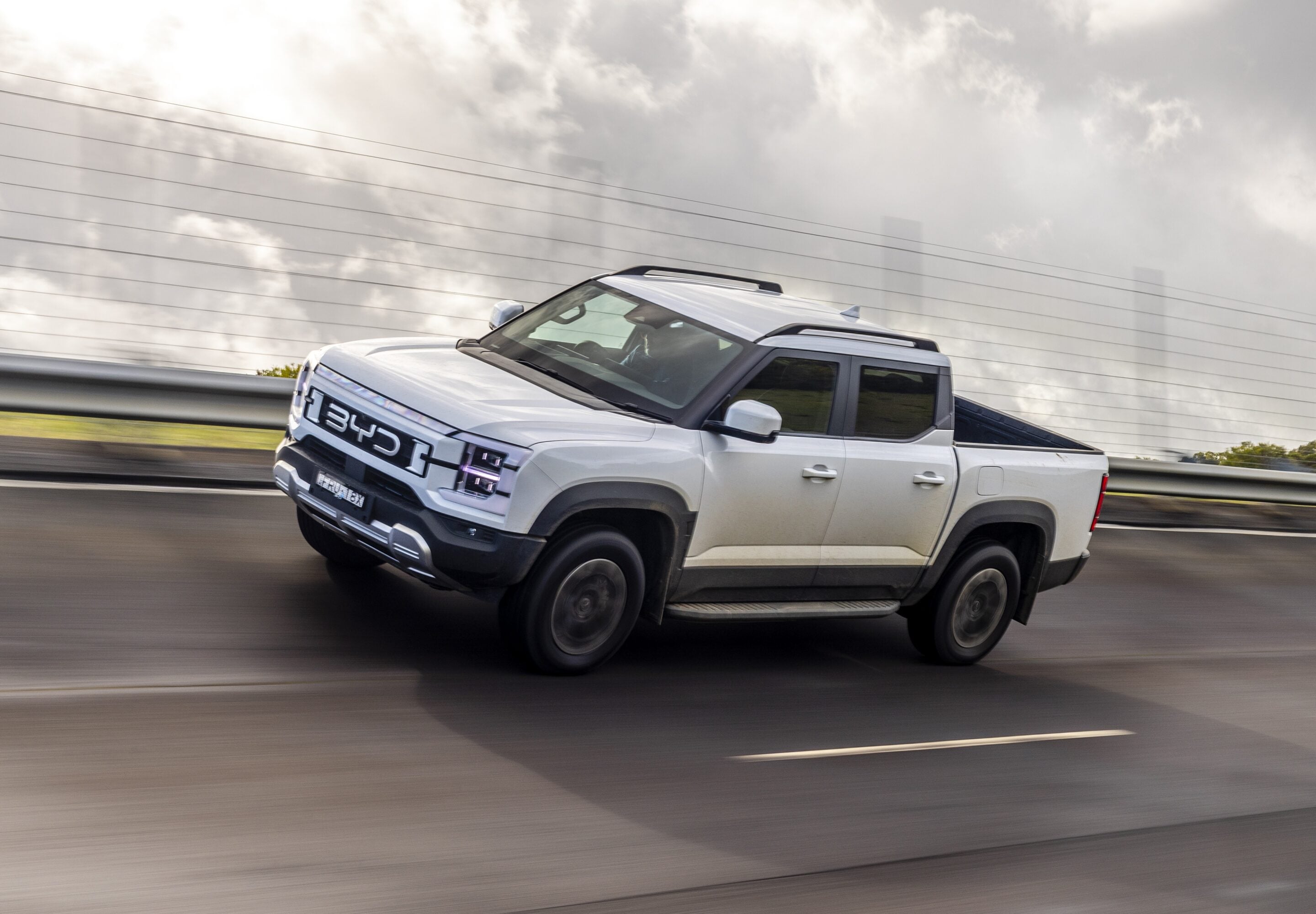
The Shark 6 can’t match the other two in regard to tow ratings or off-road capability, but if you don’t engage in either of those pursuits, the Shark was the pick in UOTY judging and remains the case now. There’s a level of cabin refinement, technology integration and driving smarts that set the BYD Shark 6 apart.
What’s most interesting, though, is the immediate success of what at the moment is a mini-segment, certainly in the case of the Shark 6, which hit the ground running with serious sales figures and has continued on its merry way. For a segment that was weighed down by diesel tradition, where anything other than a decently-sized turbo diesel was laughed at, Aussie buyers have rushed to buy what is still new technology for this segment. Showing that what’s ‘required’ in theory, doesn’t necessarily translate to sales figures.
What’s next?
This segment should expand significantly – and it should do so quickly if other manufacturers want in on the sales spoils. Chinese manufacturer JAC is bringing a Hunter PHEV to the market in mid 2026 with a petrol engine and electric motor at the rear.
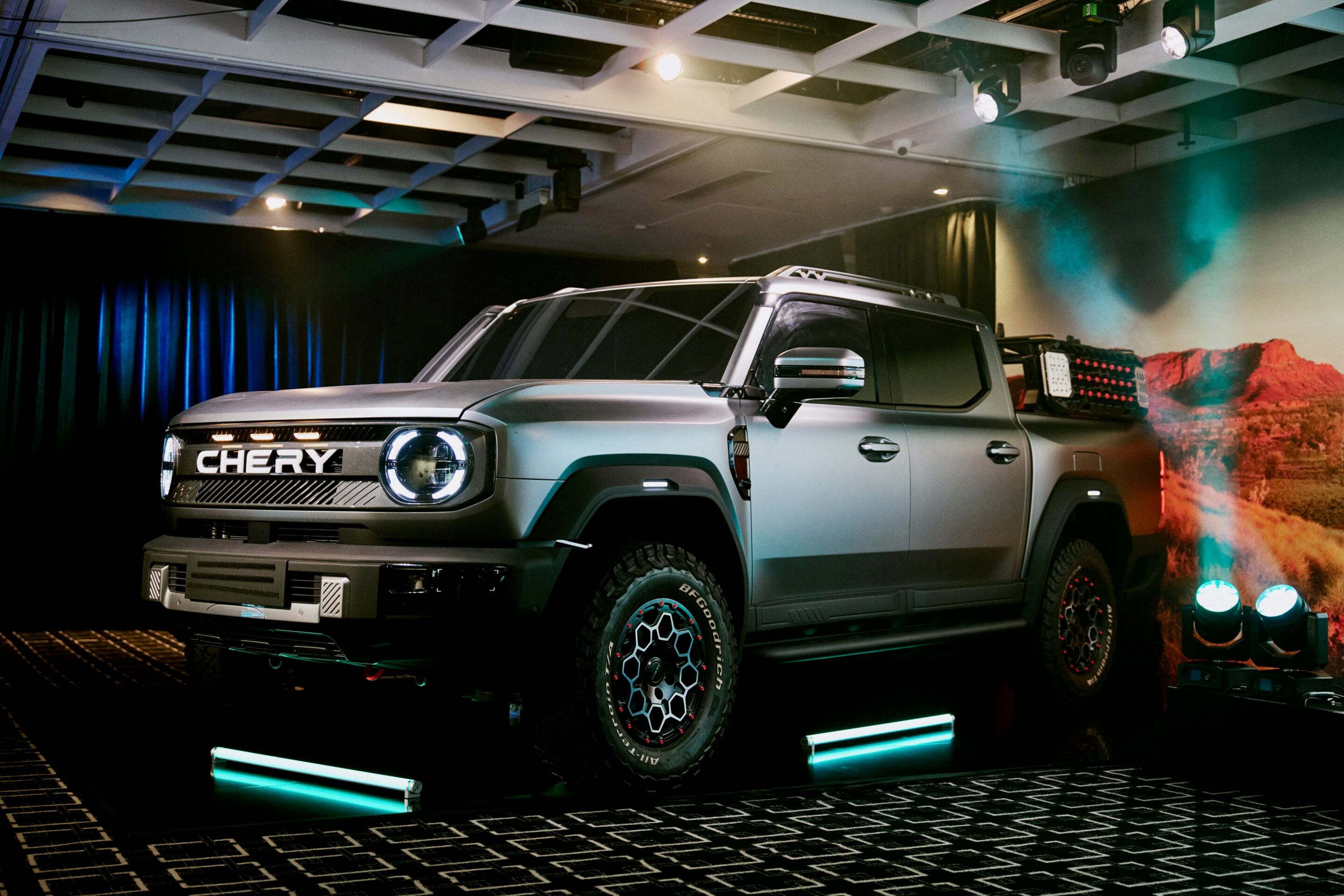
Chery will launch a PHEV (the brand’s KP31 concept model pictured above) – with a diesel engine – in late 2026, which looks to be the most traditional take on the concept. A diesel engine is a first for the segment, and Chery reckons capability and real world usage are both key for its dual-cab PHEV.
A new entrant is likely to arrive some time in 2027 in the form of the Jetour F700, also likely with a diesel engine, and also focusing on capability. Lastly, LDV is working on PHEV variants of its next-generation T70, T60 and Terron 9 dual cabs, some if not all of which, are likely to head down under.
Geely has unveiled a new off-road vehicle platform designed around artificial intelligence and electrified powertrains, positioning it as a future rival to models such as the BYD Shark in markets like Australia.
The new architecture, shown at the Beijing Auto Show, introduces a suite of off-road technologies including AI-controlled torque distribution, selectable terrain modes and an automated recovery system designed to help vehicles extract themselves from difficult conditions. It also features active body control that adjusts ride height and posture depending on terrain.
The timing is notable, as electrified utes begin to establish a foothold in Australia. The BYD Shark, the first plug-in hybrid dual-cab ute to reach local showrooms, has already begun reshaping expectations with its mix of electric motors and petrol power. Geely’s new platform signals its intention to compete in this emerging segment.
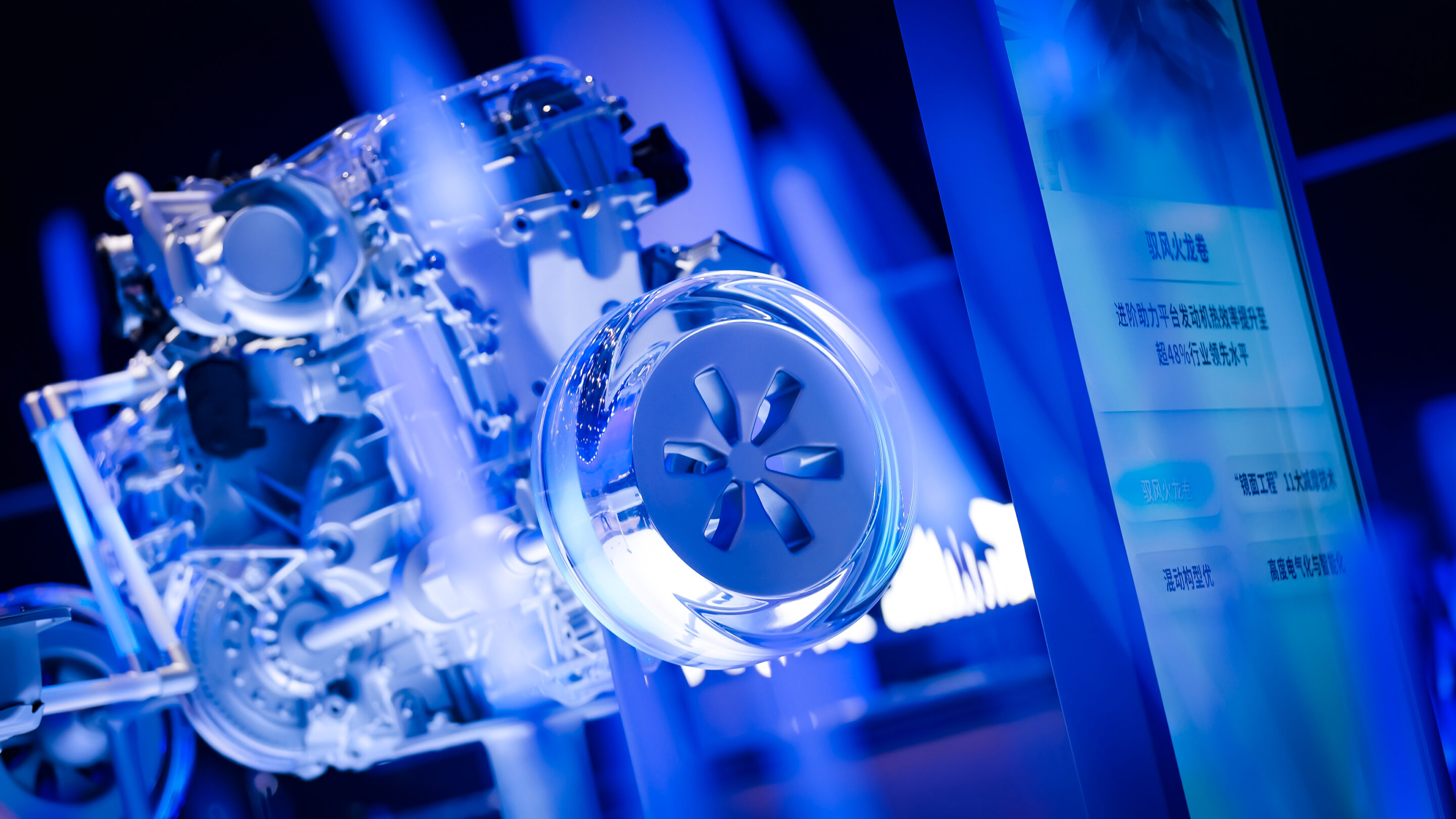
Geely’s presence in Australia currently consists of the electric EX5 and plug-in hybrid Starray EM-i medium SUVs. It also plans to introduce China’s best-selling car, the EX2 electric hatchback, later in 2026. The new off-road architecture could underpin future models aimed at markets where dual-cab utes and rugged SUVs remain popular.
Unlike conventional ladder-frame utes adapted for electrification, the platform has been developed specifically for new-energy vehicles. It uses a three-motor setup – one at the front and two at the rear – delivering more than 745kW and enabling precise torque delivery to each wheel.
The layout is designed to balance off-road ability with everyday usability, with a near 50:50 weight distribution and packaging that preserves cabin and cargo space. Safety has also been prioritised, with a protected battery structure and separation of key systems to reduce risk in harsh conditions.
Geely says the platform is intended to support a new generation of electrified off-road vehicles, combining traditional capability with the advantages of electric drivetrains as competition intensifies in global ute markets.
