
Jaecoo Australia has announced that it’s adding a new variant to its J8 large SUV, with two features it’s not yet offered: A seven-seat layout and plug-in hybrid drivetrain. Due on sale in Australia in the third quarter of 2026, the Jaecoo J8 SHS is the first seven-seater that the brand has offered locally.
Jaecoo Australia is yet to announce full pricing and specifications yet, but has confirmed that the J8 SHS will use the same plug-in hybrid powertrain as the Omoda 9. In that car, it pairs a 1.5-litre turbocharged four-cylinder petrol engine with three electric motors and a 34kWh battery.
In the Omoda 9, total outputs for the drivetrain are 395kW of power and 650Nm of torque, which is enough grunt for a claimed 4.9-second 0-100km/h sprint time. Thanks to the large battery, the claimed WLTP electric-only range is 145km in the Omoda 9.
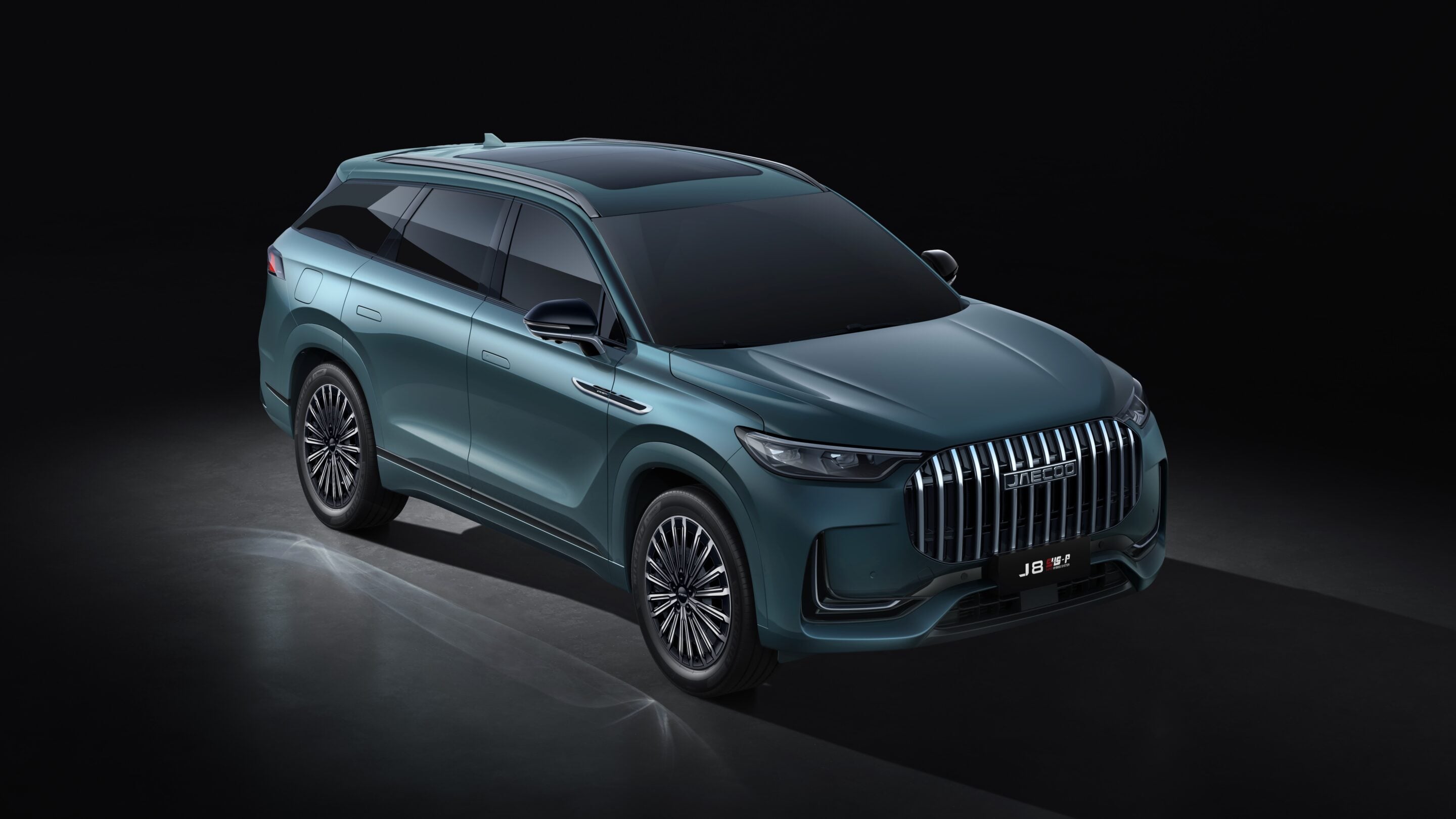
It’s the first time that the J8 will be offered with a plug-in hybrid drivetrain and a seven-seat layout, both of which were left in China when the J8 launched locally in 2025.
Currently, the J8 is only offered in five-seat form with a 183kW 2.0-litre turbo-petrol engine, with power being sent to the front, or all four wheels. Pricing for the petrol J8 starts at $49,990 driveaway for the entry-level Track and $54,990 driveaway for the top-spec Ridge.
“Our customers have been asking for a 7-seat SUV and we’re more than happy to meet their demands with the compelling J8 SHS,” said Roy Munoz Chief Commercial Officer, Omoda Jaecoo Australia. “With a striking design, luxurious interior and advanced hybrid technology, the J8 SHS ticks all the right boxes for not just families, but a wide variety of Aussie buyers.”
Australian pricing and full specifications for the Jaecoo J8 SHS will be announced closer to its third quarter local on sale date.
As Fernando Alonso rolls to the end of the pitlane at Albert Park, ready to start his 23rd grand prix season in the most-anticipated new car of the 2026 Formula One championship, one superfan will be paying very special attention.
He is not an Alonso man, or an Aston Martin supporter, nor a convert from Drive to Survive or even a follower of Adrian Newey, the most successful F1 designer of all time and father of the all-new Aston contender for ’26.
Jay Joseph is all-in on Honda and will be waiting in anticipation for the first official appearance of the new Japanese V6 hybrid powertrain fitted to the Aston Martin AMR26, eager to hear how it sounds and see how it performs.
“I became a huge Formula One fan in time for Honda’s golden era. It just imprinted on me as ‘the brand’,” Joseph tells Wheels.
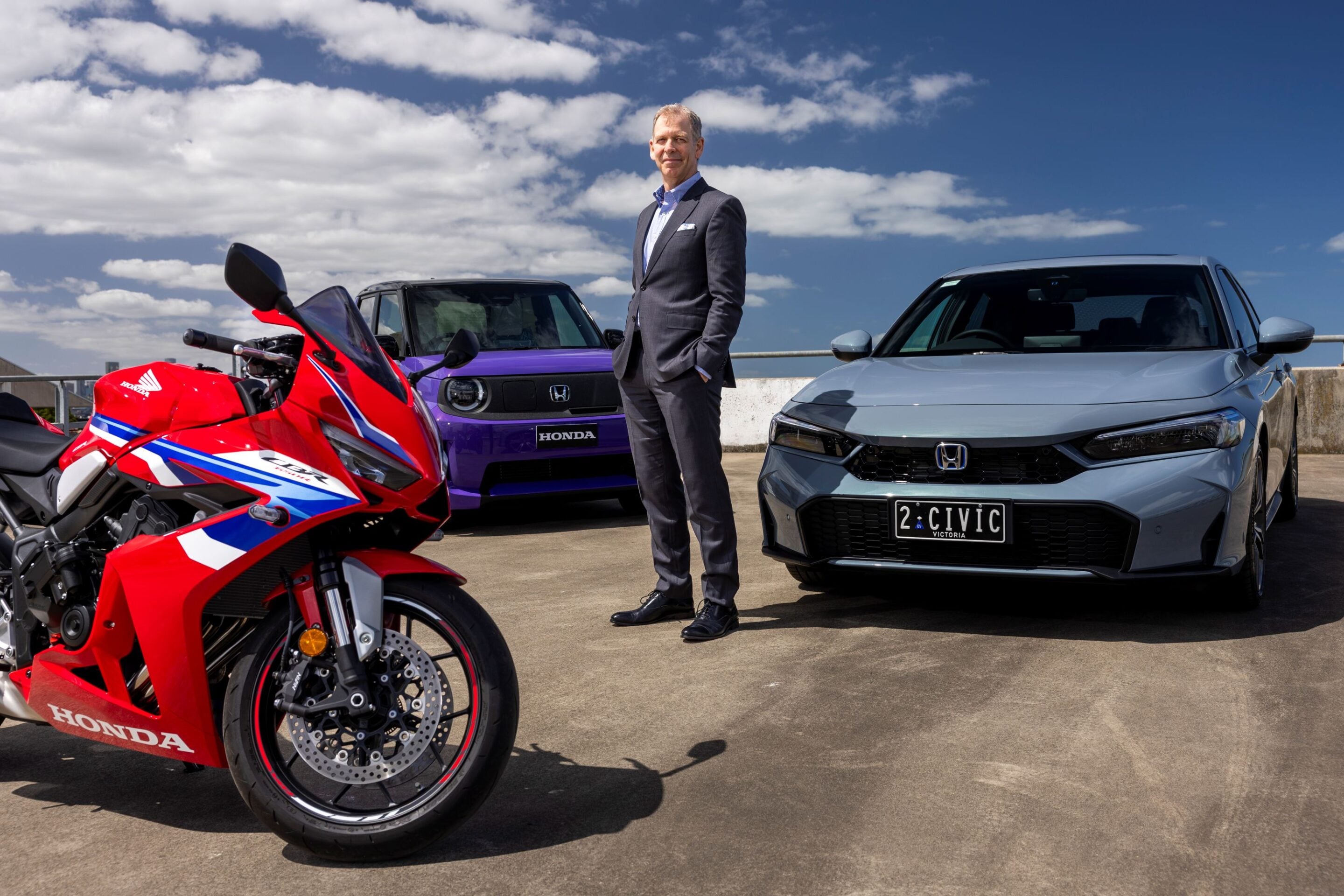
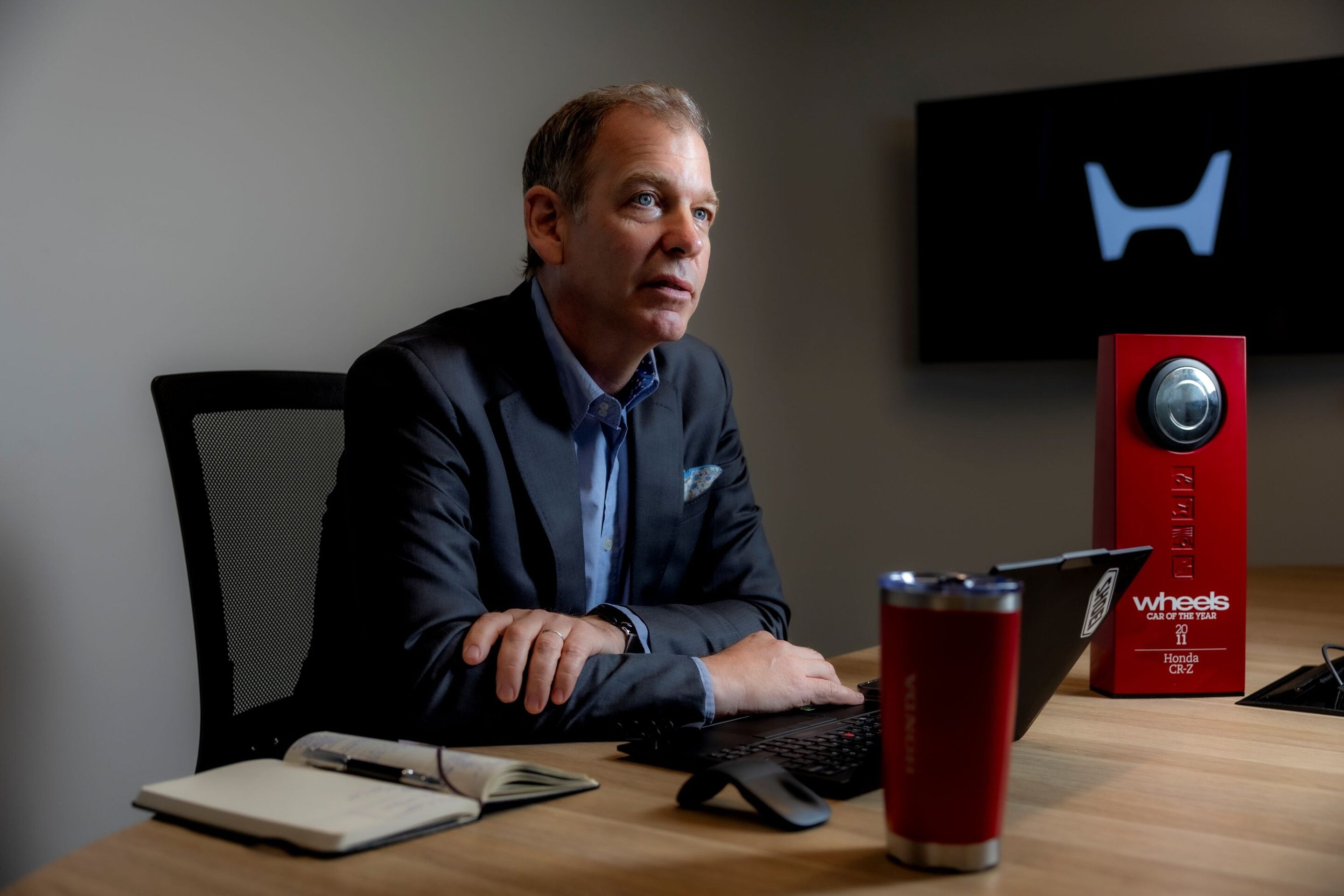
His F1 interest is now fuelled by his life at Honda. He has more than 25 years on the books with the Japanese company and currently sits in the big chair in Australia with responsibility for everything sold with the H badge – from cars to motorcycles, outboard engines, lawn mowers, generators and more.
Joseph is the first non-Japanese CEO at Honda Australia and the first person in living memory to hold all the strings from all the divisions. It’s become a very big job, even if Honda cars have been in decline on Australian roads for more than 10 years. The brand peaked at 60,629 sales in 2007 and delivered just 15,383 in 2025, at least up from the miserable 14,092 in ’24.
For Joseph, those numbers are part of the challenge – and the opportunity.
“It’s time. Leadership is not just held in Japanese hands. It’s part of Honda becoming an even more global company. Look at the opportunity I’ve got here. I’ve been so fortunate in so many ways at Honda. I’m the first to have this job,” he says.
Joseph’s role in Australia has plenty of parallels with the Aston Martin activity in F1. He’s hit the reset button on a company which has been going backwards but has history and talent and a commitment to going forward in 2026 and beyond.
“I want steady and sustainable growth,” he states simply.
What about Joseph’s own history? He is 55 years old and was born in Madison, Wisconsin. It’s the state capital and a university town which gave him an old-fashioned upbringing. He’s been married to Theresa for 25 years and, with their daughter just starting college and a son in high school, he is running solo for the moment in Melbourne.
“It’s a nice little bubble that doesn’t change a lot,” Joseph says of Madison. “My grandfather started
collecting cars in the 1950s before it was fashionable and my dad never had less than a dozen cars. When I was 14, the shop where I was working owed me a pay check. Instead, they gave me the title to a Triumph TR3 (sports car). It had lots of body filler but it also had a roll hoop. I sold the TR3 and bought Datsun Fairlady roadsters.”
Then came a Toyota Corolla, on the way to a classic BMW 2002 and a crazy story.
“The Corolla was nappy brown. It was rusty enough that you could see through it. And, I kid you not, I sold it to a guy called Rusty Rust.”
By this time he had already jumped into the Honda world, firstly with a Cub motorcycle since “we were riding Honda trail 70s between the corn fields”, and then a CB350 for road use.
After moving away from Madison for college, where he banked a Bachelor of Science in communication with minors in art and design, he headed west. All the way west.
“My first job was in Los Angeles, doing public relations for Mitsubishi Motors. I interviewed for an
internship with all the Detroit companies, but it was a tough market. There was an opportunity in LA, so I took it,” he says.
He quickly learned the value of relationships and two of his earliest colleagues – Joe Jacuzzi, recently retired from GM, and Scott Vazin, currently head of PR at Toyota USA – are still close buddies.
“I also learned the value of having fun at work. It wasn’t just that I met two colleagues who became lifelong friends, it’s that we had a lot of fun working together. We came up with fun ideas, we worked hard to pursue them, and we laughed a lot. Those guys taught me that it was okay to blow off work once in a while to clear our heads.”
He moved on to Nissan’s PR agency, worked for a time at a boutique agency, then got an opening at Honda and a shove from his then-girlfriend, now wife.
“She said ‘If you want to work at Honda, work at Honda’. She told me exactly what I needed to hear.”
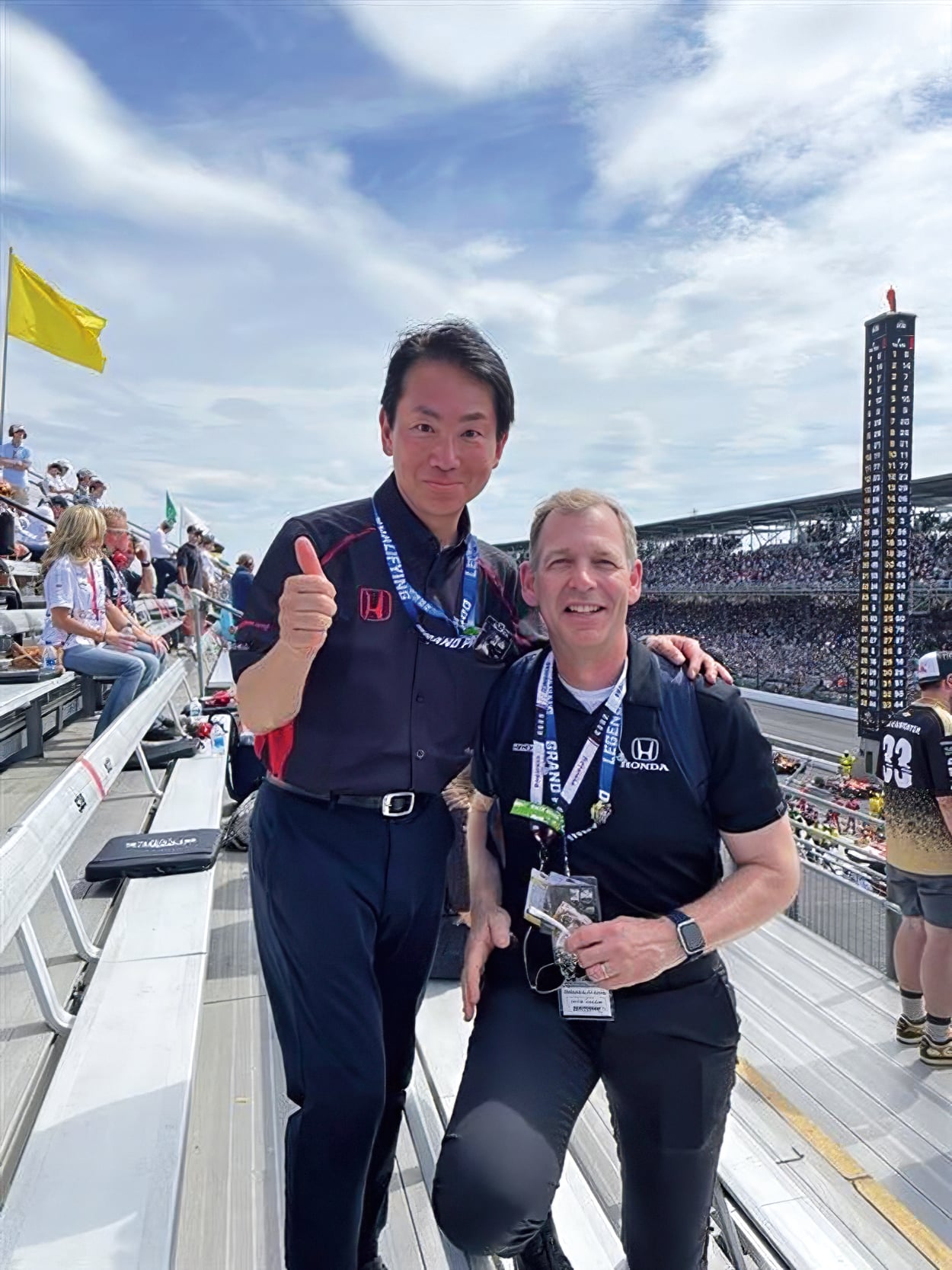
One of his earliest colleagues was Koji Watanabe (below). They bonded while driving swiftly in a sporty Acura at Whistler in Canada and then stopping to chat beside the road.
“He told me: ‘In Honda, network is everything’. I also learned the lesson of not having too much fun at work. Sparing the gory details, I was fortunate enough to have someone or other looking out for me that turned some risk-taking experiences into valuable lessons rather than career-ending mistakes.”
And he moved into product planning. “I did that for a few years. You have to fall in love with the data to be a good product planner. It’s not your opinion that matters, it’s the business plan.”
There were plenty of other lessons as he worked his way around Honda in the USA, from external communications and product planning to safety and regulations, dealer communication, training and technology in the auto division, automotive marketing and, most recently, on sustainability issues and business development.
“You can find joy in anything, and you need to get out of bed every day,” he says.
It adds up impressively but there is something even more important to Joseph’s time in Australia. He says he will not be just another fly-in, fly-out CEO using Australia for a box tick to take the next step up the corporate ladder internationally.
“I didn’t come in with a bag of magic dust from North America. The brief was very simple: stabilise the business and get on a sustainable growth curve.
“I love the people, I love the market, and actually, I’m really enjoying Melbourne.”
He said the toughest times are done at Honda Australia, through contraction in the car company and its model line, as well as the move to the ‘agency model’ – also in place at Mercedes-Benz – that effectively fixes prices.
“We’ve put the sharp things away. We’re not dropping anything. We did that. We’re in building mode.”
His early Australian research had been as simple as talking – and listening.
“I’m interested in what motivates people to make decisions. What I keep hearing is ‘Yeah, I had a Honda’, but it’s always in the past,” he reveals.
“It quickly became clear to me that we have to change that perspective. We have to get it to ‘I want a Honda, I need a Honda’. We have so much potential. I’ve noticed here that Hondas stay in the family, and that’s something we need to tap into.”
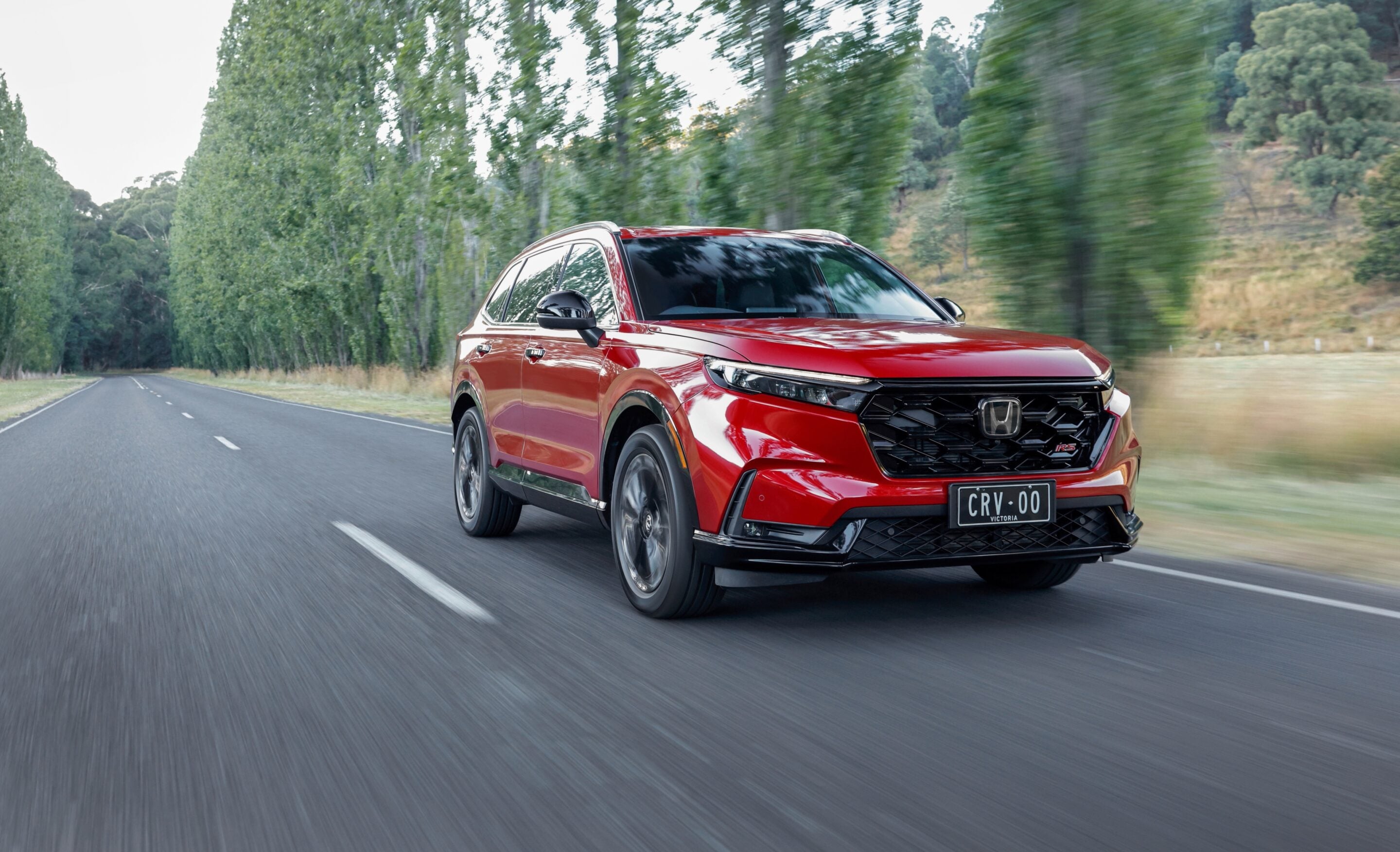
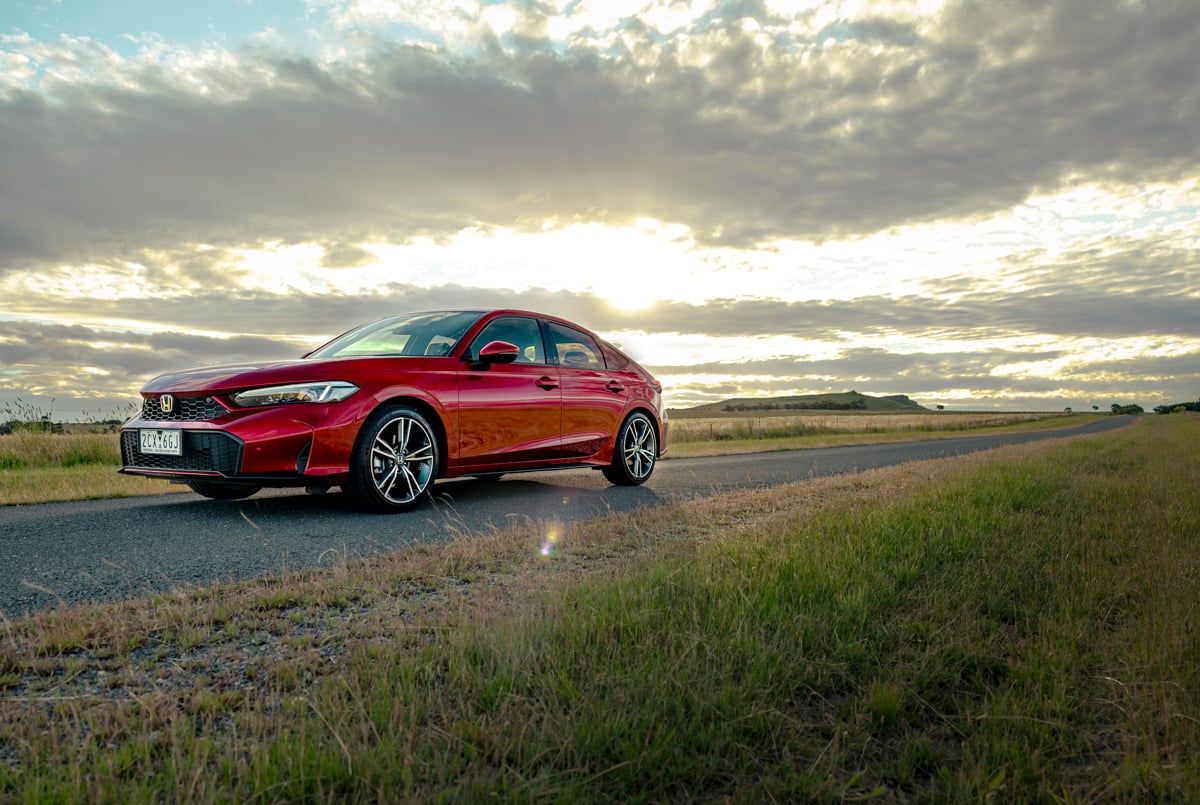
He is expecting three important new models through 2026, the baby Super One, smooth Prelude comeback coupe and “something coming at the end of the year at the higher end of the market”. It’s part of a planned and progressive product drive.
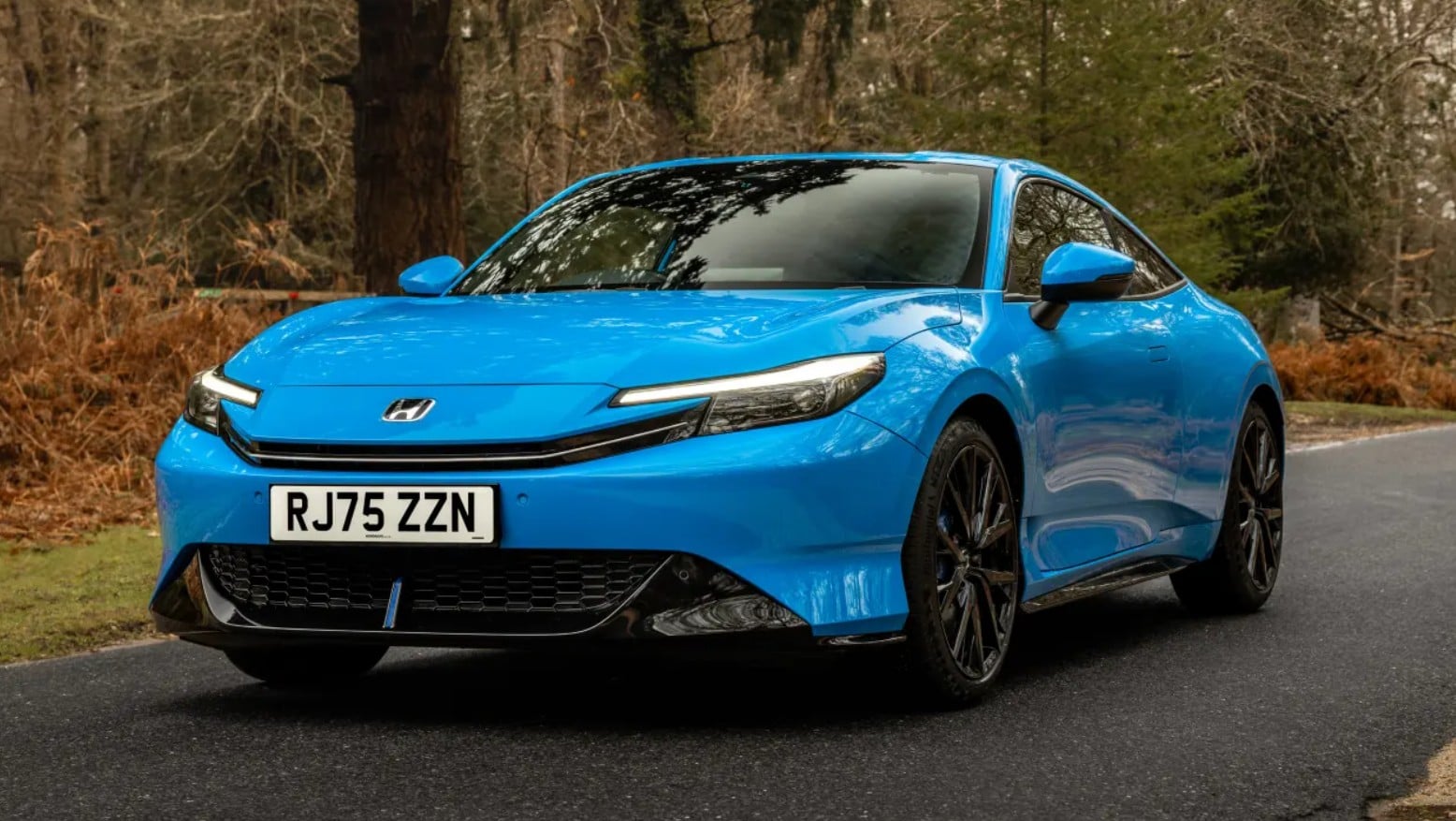
“There is nothing new next year, then three models with significant potential.”
But don’t expect a price fighter baby Jazz.
“Jazz was not good business for us,” he states. “I would love to have something more affordable, but we don’t have that right now. Everything has to make sense and contribute to profitability. It’s not the easiest market in the world. We’ve made some very adult business decisions.”
Why then, in a market increasingly driven by Chinese newbie brands, should somebody turn – or return – to Honda?
“Number one: we make a great car. We make cars that are not just good value but also have good values. Our cars are enjoyable to drive. It should engage you in the act of driving and reward you for driving well. We take care of our customers. If that’s not what somebody is looking for, they should look somewhere else.”
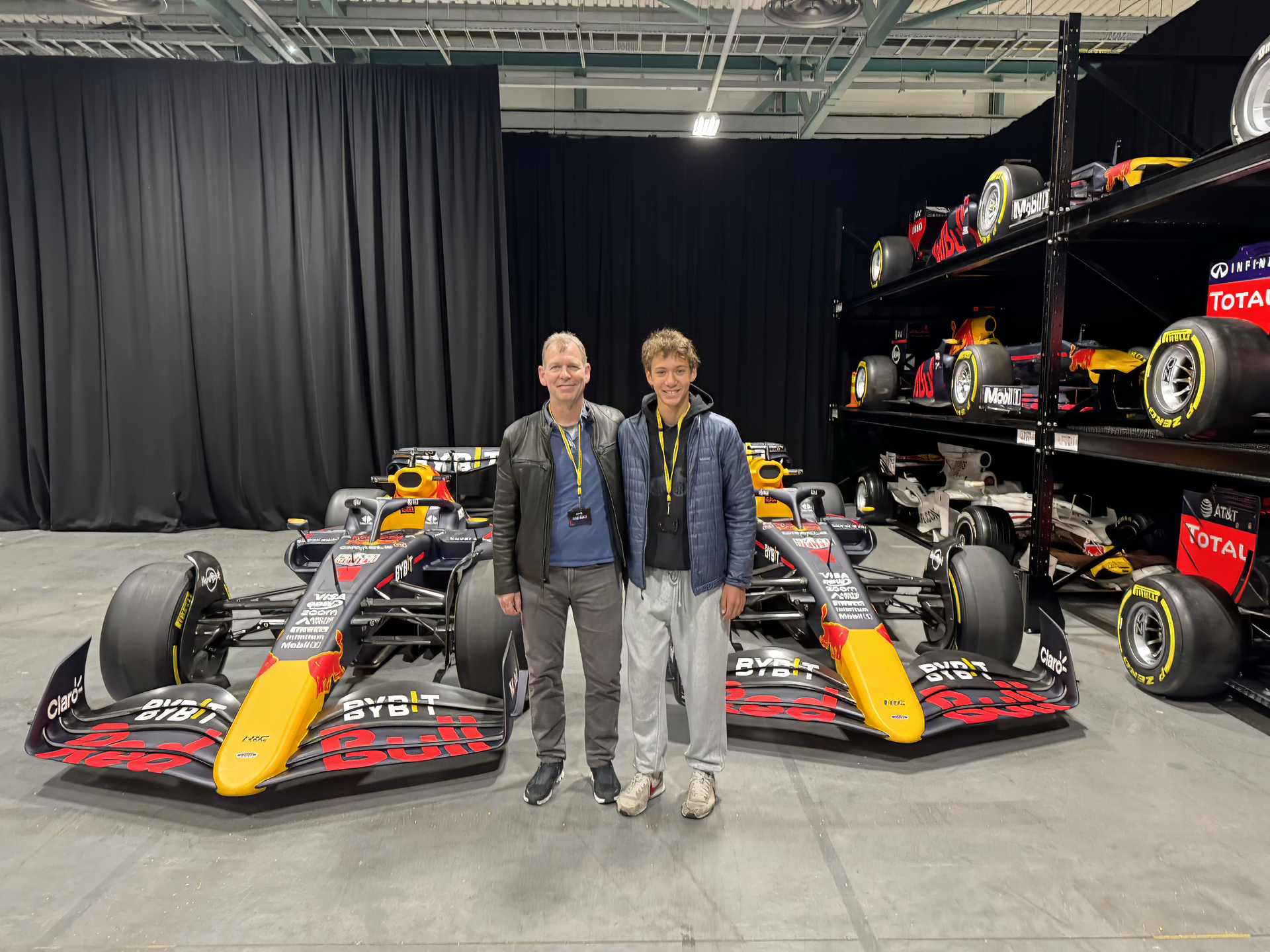
Honda Australia is the big job for Joseph, but he also has incredible enthusiasm for Honda in F1. Starting with his old mate Koji Watanabe.
“He is now head of Honda Racing Corporation,” Joseph says, looking to the Australian Grand Prix. “Soichiro Honda said ‘Without racing there is no Honda’.
“This is the time to do it. We’re back in at just the right time. It’s a story we need to tell. We are working to intertwine the technical challenge of F1 with the passion and the engineering. And then connect with road cars.
“I don’t have any special insight. But I’m excited to see what happens. Anything could happen. I just kinda lose my mind in the car racing.”
But he cannot resist one jibe: “There are no Chinese brands in F1”.
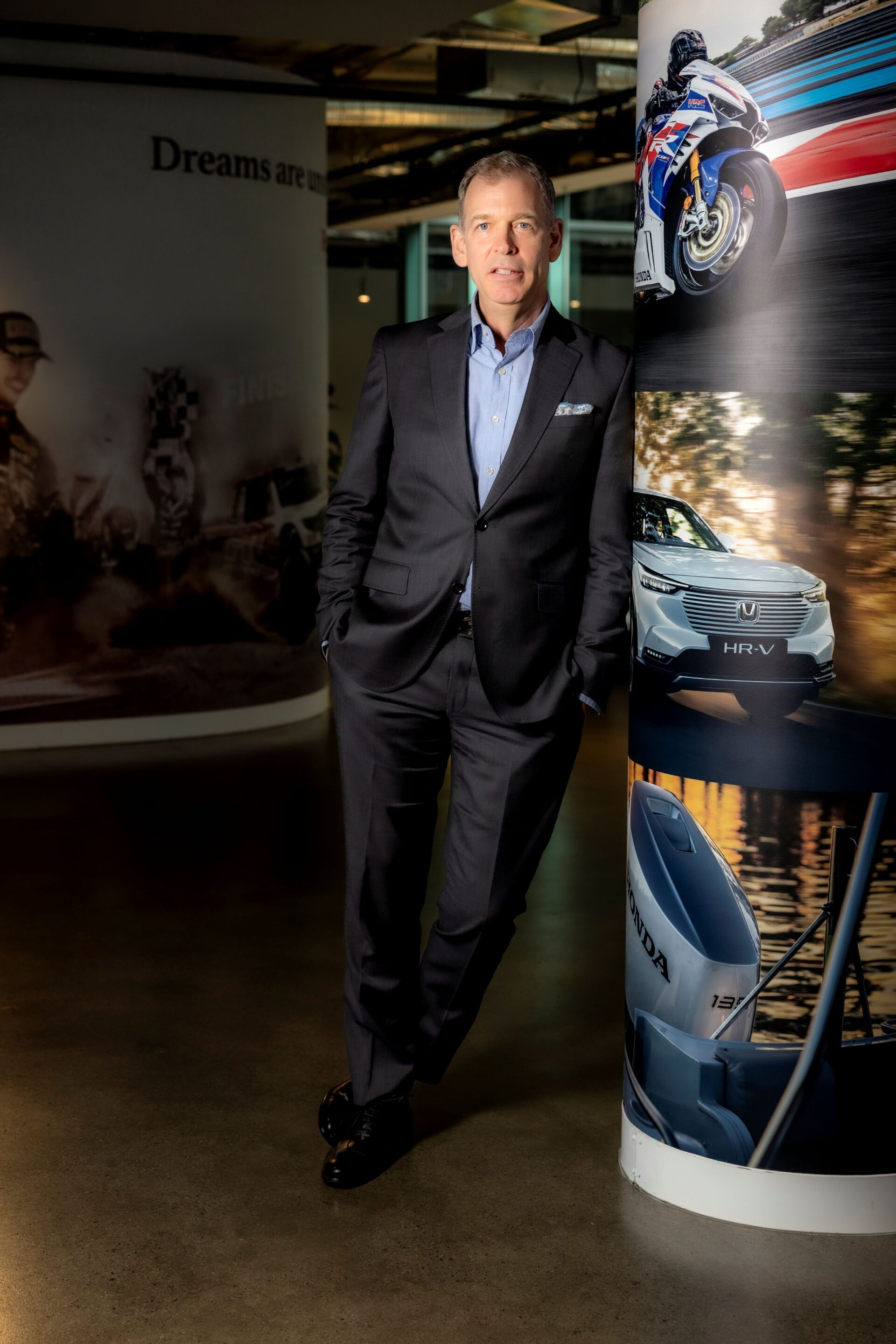
And he still needs to focus on the day-to-day for a business which now sells 200,000 units – cars, motorcycles, brush cutters, lawn mowers and the rest – from its headquarters at Somerton in Melbourne.
“Big changes shock the system and people don’t adapt. What I’d really like to see is somewhere
between 10 and 15 per cent growth a year.”
Jay Joseph is experienced and focussed, but there is something that tells you even more about the man and his plan. His company car in Australia is not a corporate bland-mobile but a Civic Type R, and he also has an adventure bike for weekends as well as a classic droptop Honda S2000 sports car waiting for him back in the ’States.
“I did a lot of work years ago on driver distraction and ergonomics. Manual transmissions are wonderful for keeping drivers aware and alert. You’re so much more in tune with the car.”
Australia’s peak motoring body has renewed calls for a federal investigation framework into road fatalities, warning the nation’s rising death toll demands a more rigorous, evidence-based response.
According to new data cited by the Australian Automobile Association (AAA), 1326 people were killed on Australian roads in the 12 months to March 31, an increase of 39 deaths compared with the same period a year earlier. The figure marks the 34th consecutive monthly rise in the rolling annual road toll and represents a 20.9 per cent increase since the National Road Safety Strategy 2021–30 was introduced, which aims to eliminate fatalities and serious injuries by 2050.
Pedestrians and cyclists remain particularly vulnerable. Pedestrian deaths climbed 16.4 per cent over the past year, while cyclist fatalities rose 4.4 per cent, highlighting growing risks for non-vehicle road users.
In a pre-budget submission, the AAA has urged the federal government to fund a pilot program for “no-blame” crash investigations, similar to those conducted in the aviation sector. The organisation argues that independent, detailed investigations into road deaths could uncover systemic causes and lead to more effective safety measures.
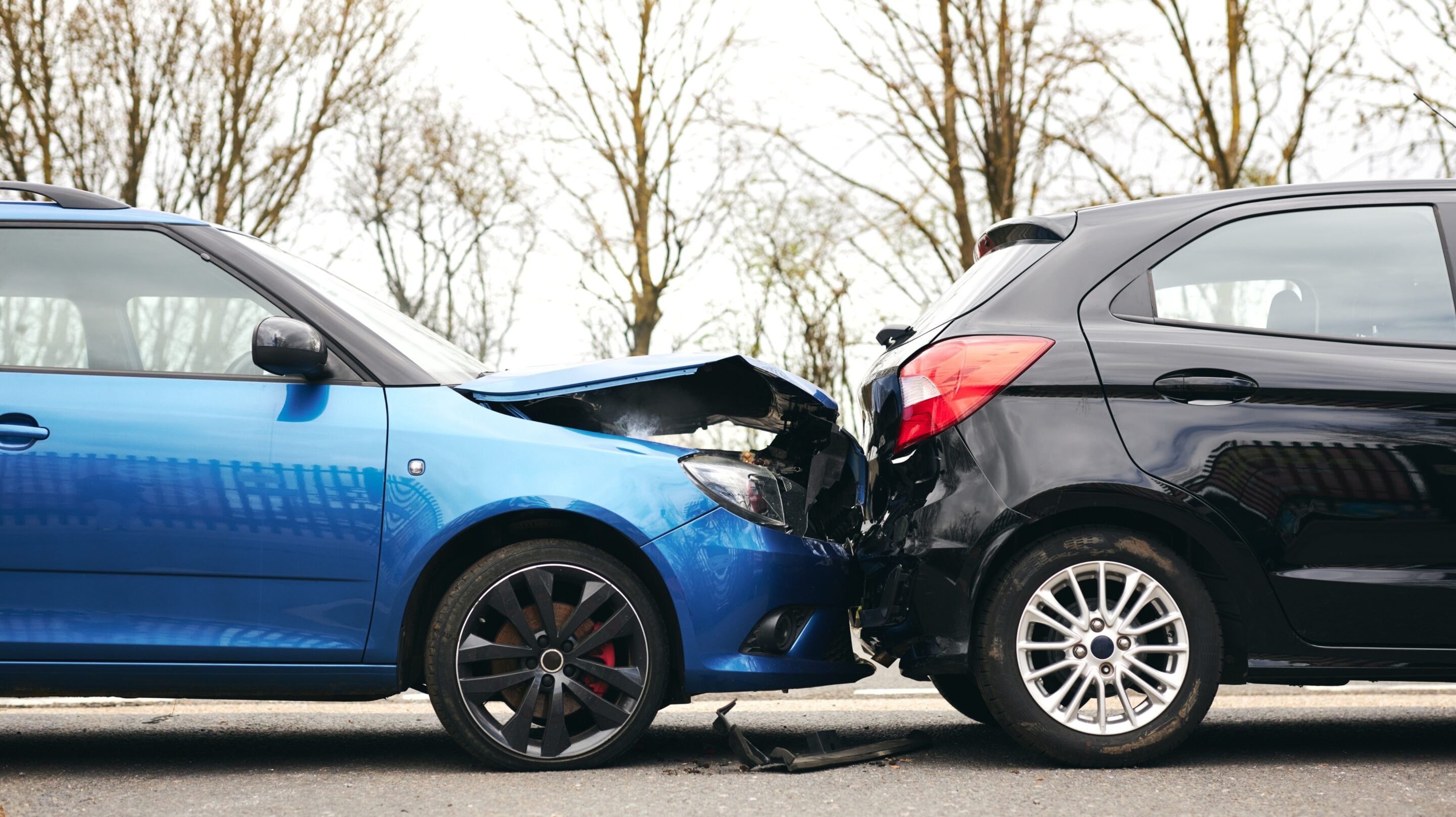
AAA managing director Michael Bradley said current approaches rely too heavily on assumptions rather than comprehensive analysis. He noted that while various theories exist to explain the increase in road deaths, there is insufficient evidence to determine the primary causes or why trends differ between states.
Australia already has established investigative bodies such as the Australian Transport Safety Bureau for aviation and the Australian Maritime Safety Authority for marine incidents. The AAA believes expanding similar investigative powers to road crashes would provide critical insights.
The Northern Territory recorded the highest fatality rate per capita despite a decline in total deaths, followed by Tasmania and Western Australia. New South Wales and Victoria reported comparatively lower rates.
The proposed investigations would examine factors such as heavy vehicle incidents, pedestrian impacts and the role of emerging transport modes. Researchers have also pointed to the growing dominance of SUVs and utes – now accounting for four in five new vehicle sales –as a potential contributor, given their larger size and greater impact forces in collisions.
Peugeot has revealed two new concept cars at the 2026 Beijing International Auto Show, using the event to outline its future direction in electric and software-driven vehicles.
The French carmaker’s return to Beijing comes as global brands intensify their focus on China, now the world’s largest market for electric vehicles and a key centre for in-car technology development. Peugeot said the show provides an opportunity to preview models that could shape its upcoming large sedan and SUV line-up.
The two concepts, named Concept 6 (below) and Concept 8, point to replacements for the brand’s flagship models. Industry reports suggest they preview successors to the Peugeot 508 sedan and a new large SUV, aligning with broader trends highlighted across the Beijing show toward electrification and aerodynamic design.
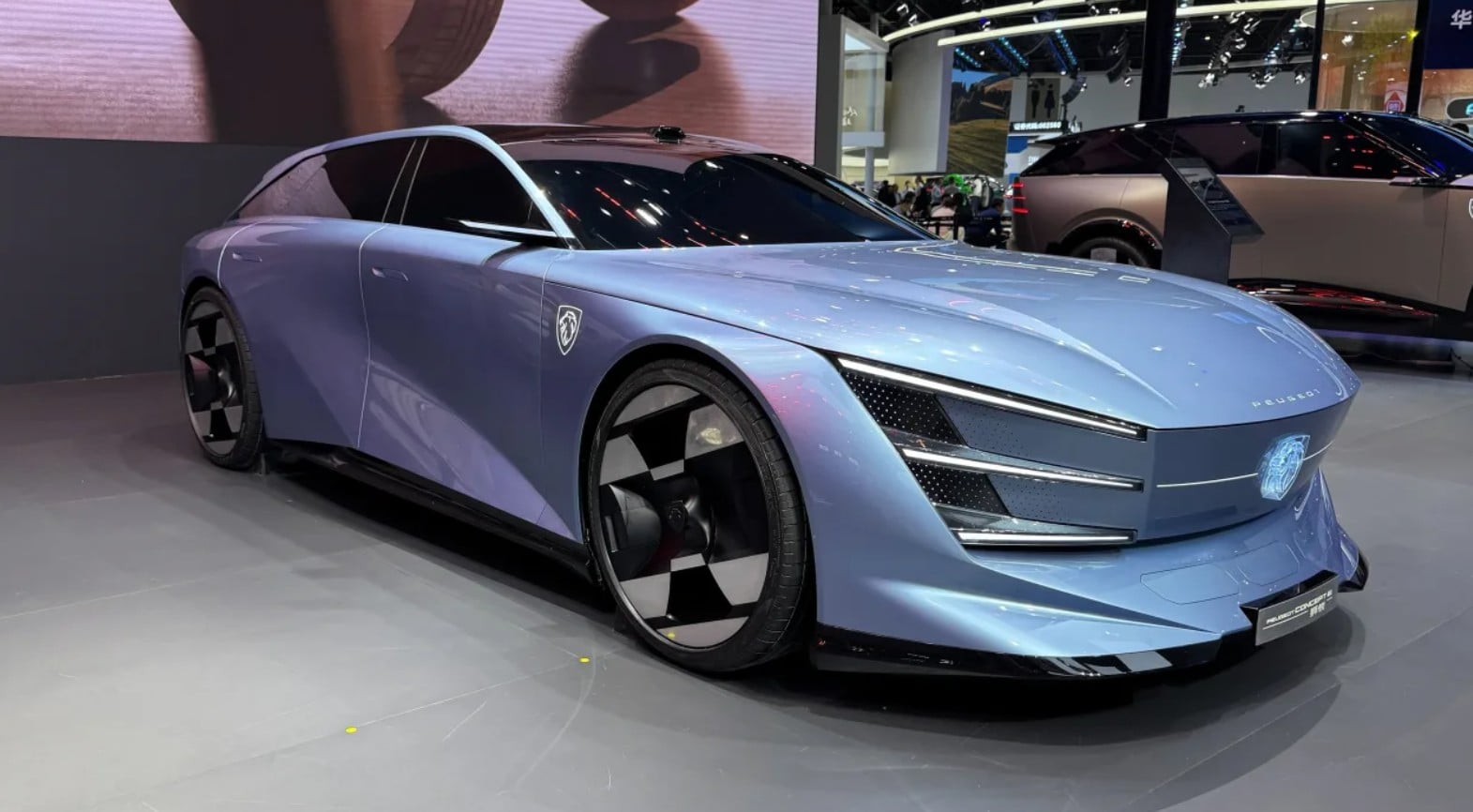
Concept 6 is a low-slung large sedan with styling that blends traditional saloon proportions with elements of a shooting brake. The design emphasises a longer roofline and a more streamlined profile, reflecting a shift toward efficiency-focused electric vehicles while retaining a sporty appearance.
Concept 8 (below), by contrast, explores Peugeot’s future in the large SUV segment. It features a more upright stance but with smoother surfaces and a simplified design aimed at improving aerodynamics. The company says the model focuses on space and usability, while also incorporating advanced driver-assistance and connectivity technologies.
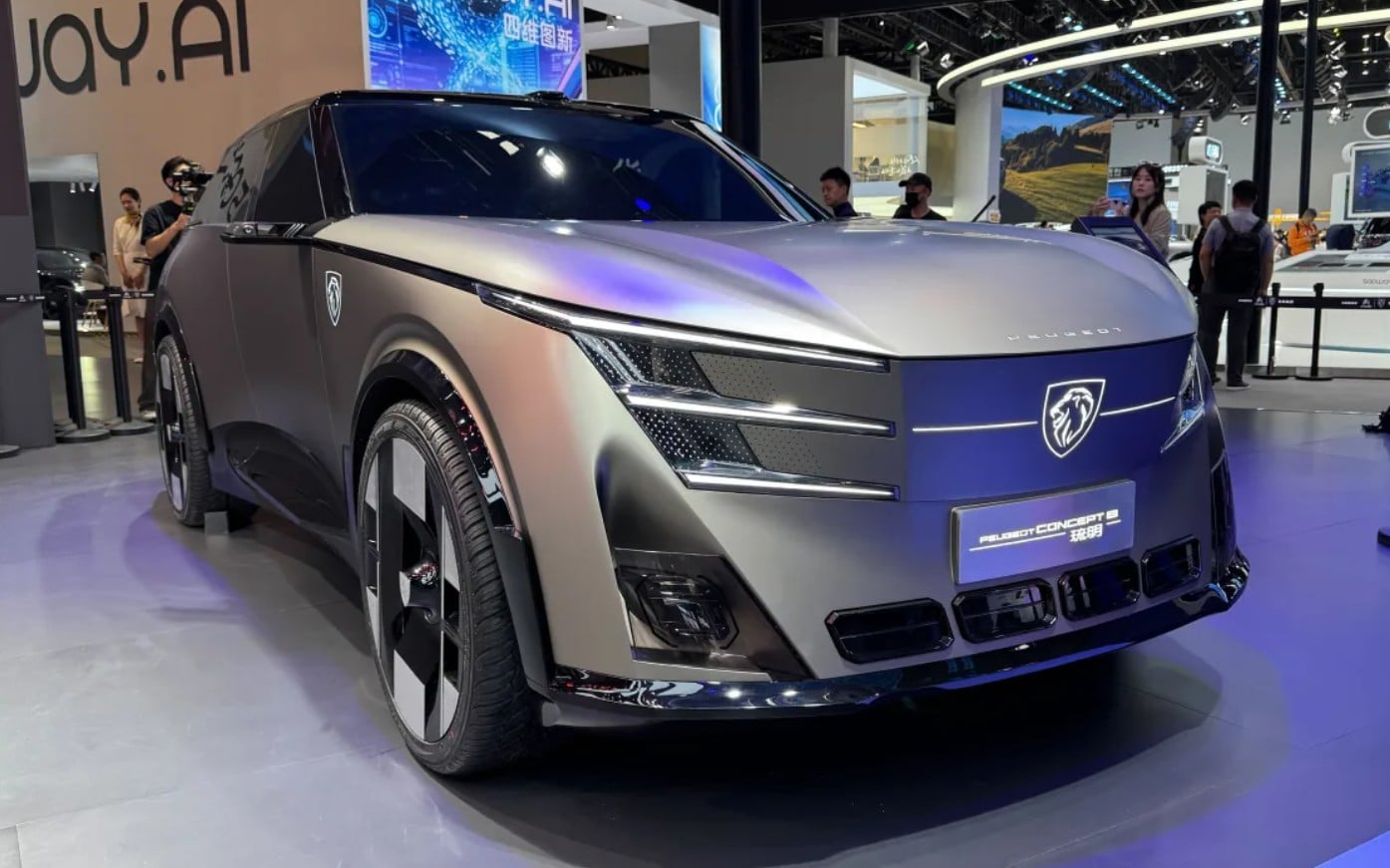
Both concepts are expected to influence production vehicles developed in partnership with Dongfeng, Peugeot’s Chinese joint-venture partner. Future models based on these designs are likely to be built in Wuhan for both domestic sale and export markets.
Peugeot’s presence at the show mirrors a broader push by European brands to remain competitive in China, where local manufacturers are advancing rapidly in electric drivetrains and digital features.
The company did not confirm production timelines, but the concepts indicate that its next generation of flagship vehicles will be developed with China as a primary market rather than an afterthought.
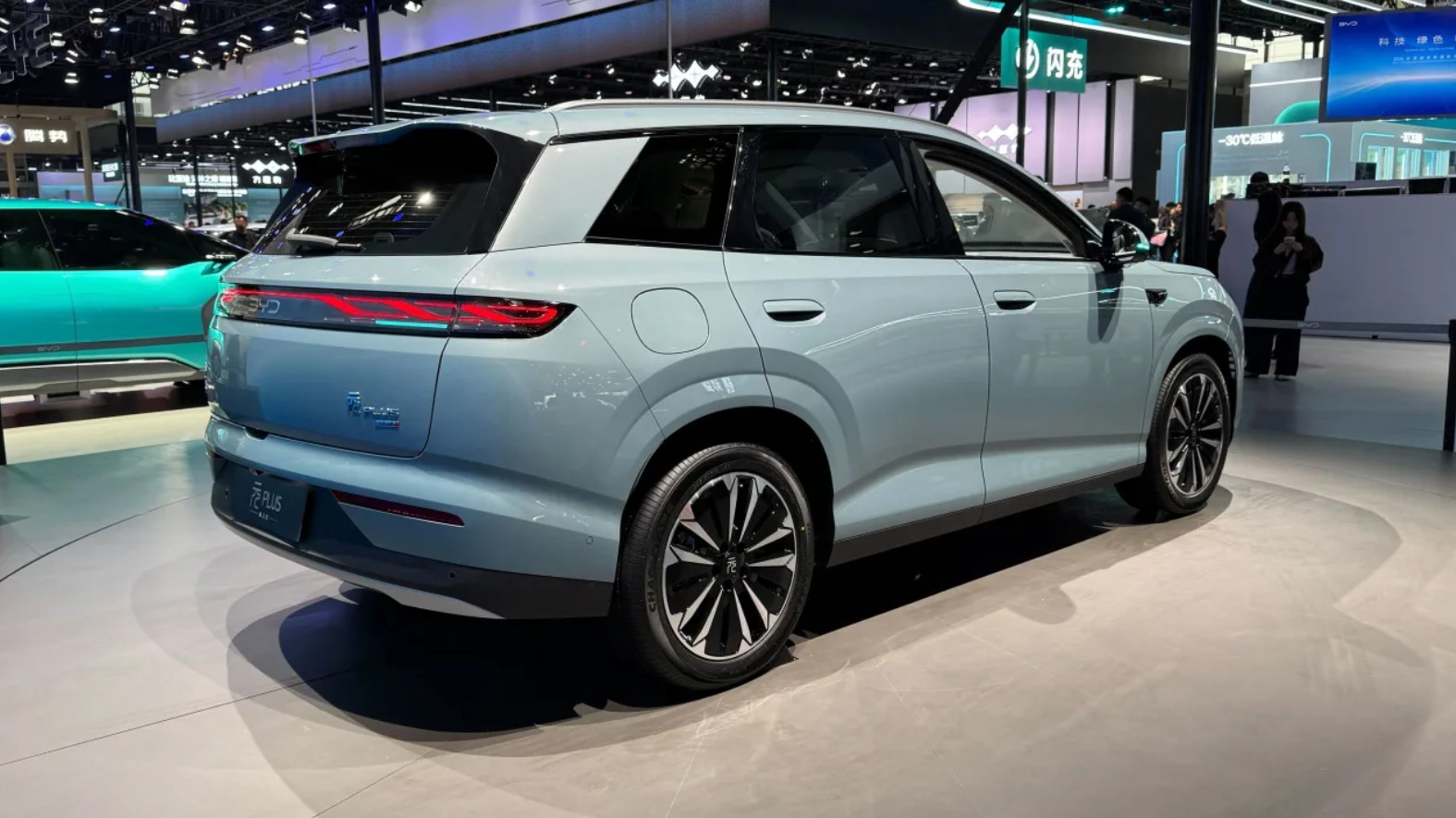
The third-generation BYD Atto 3 marks a significant shift for the brand’s popular electric SUV, moving well beyond the incremental updates seen in recent years. Revealed at the 2026 Beijing Auto Show, the new model grows in size, adopts a more assertive design and introduces updated battery and technology systems.
Dimensionally, the changes are substantial. The new Atto 3 is almost 200mm longer, slightly taller and wider, with a longer wheelbase that pushes it closer to mid-size SUV territory. That places it more directly alongside rivals such as the Tesla Model Y, rather than the smaller SUV class the outgoing model occupied.
The design has also been overhauled. The softer, rounded look of the previous car has been replaced by sharper lines and a more upright stance. Details such as flush door handles, slimmer lighting and reduced exterior cladding give the new model a more premium appearance, while a roof-mounted sensor signals the addition of advanced driver assistance systems.
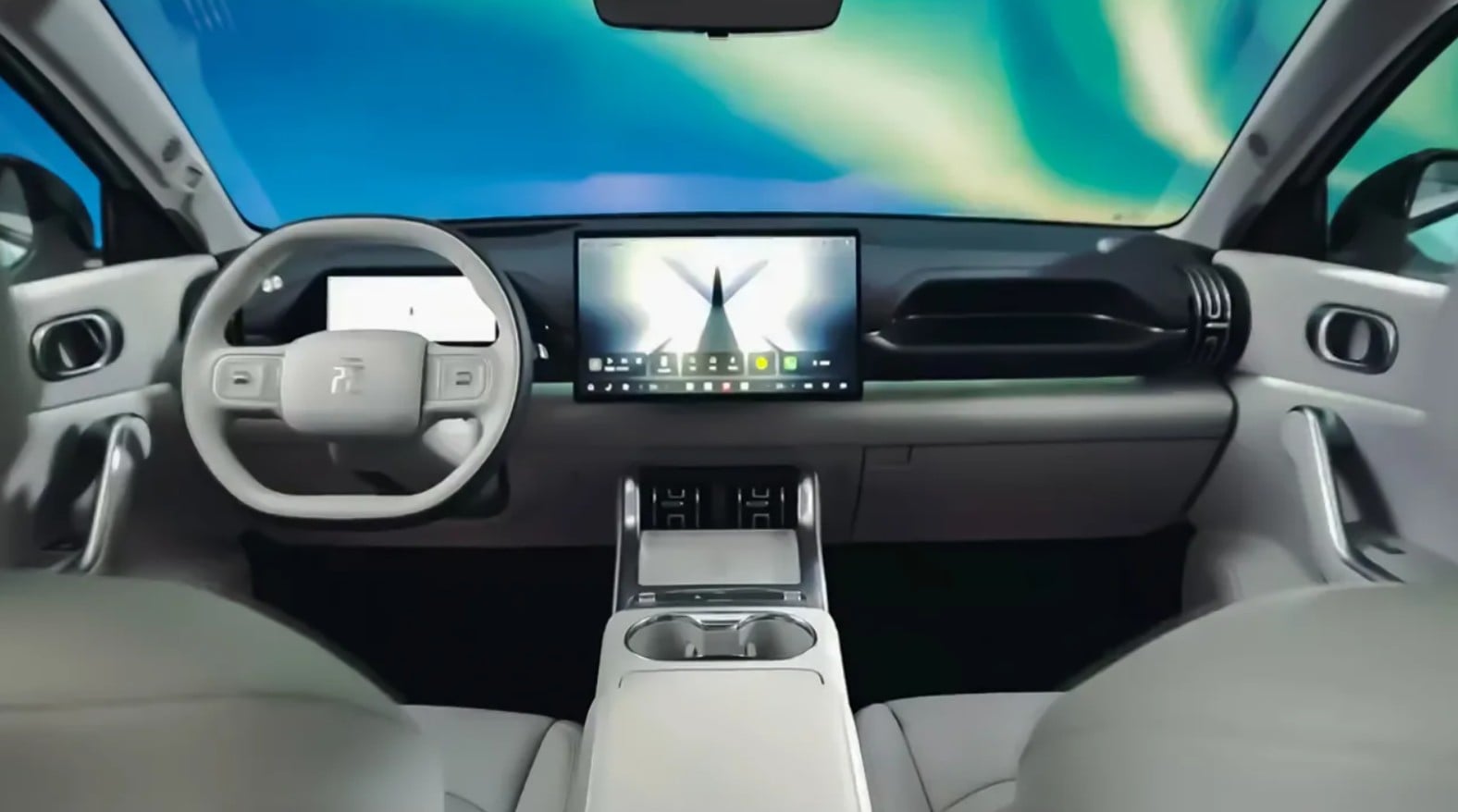
Inside, the cabin follows a more minimalist direction. A large central touchscreen dominates, with most functions controlled digitally, although some physical buttons remain. The materials and layout appear more restrained than before, with ambient lighting and metallic finishes aimed at lifting perceived quality.
The increase in size brings clear benefits for practicality. Boot capacity is said to jump to around 750 litres, with additional storage under the bonnet and throughout the cabin. Rear-seat space is also expected to improve thanks to the longer wheelbase.
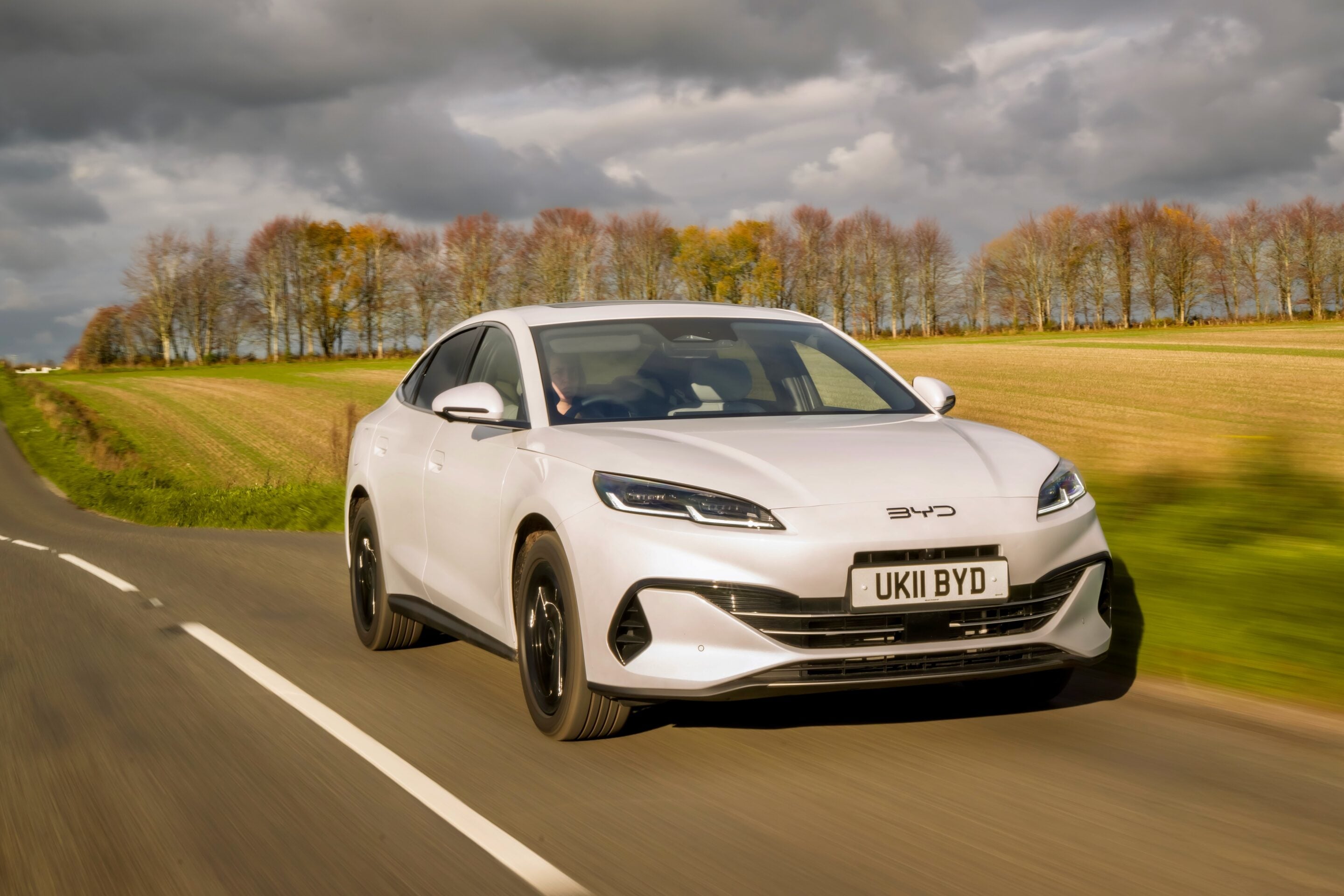
Under the skin, the Atto 3 adopts an updated version of BYD’s Blade battery technology. Two battery options are expected, offering ranges of roughly 540 to 630 kilometres (CLTC), though real-world figures are likely to be lower. Faster charging is also anticipated, although exact performance figures have not been confirmed.
Power outputs are set to increase, with the top variant producing around 240kW.
While the new Atto 3 represents a clear step forward in size, technology and design, its real-world performance and efficiency will ultimately determine how competitive it is in an increasingly crowded EV market.
The ongoing Middle East conflict has seen sales of battery electric vehicles (BEV) surge in Europe, now accounting for over 20 per cent of the new car market.
According to this week’s data released by the European Automobile Manufacturers’ Association (ACEA) – which collates monthly new car registration data from the European Union (EU), member nations of the European Free Trade Agreement (EFTA) and United Kingdom – electric vehicles accounted for 21.7 per cent of the total new car market on the back of 344,064 registrations. A total of 1,581,169 new vehicles were registered across Europe in March.

Battery electric vehicles accounted for 344,064 new registrations in March, edging ever closer to petrol-powered vehicles which racked up 352,700 new registrations for the month, a massive drop of 10.2 per cent when compared with the same time last year.
New diesel registrations also continue to plummet, down 14 per cent year-on-year.
The strong demand for BEVs has resulted in an overall market share of 21.8 per cent, just half-a-percent shy of petrol’s 22.3 per cent. Last year, the gap between new and old energy was 10.5 per cent.
Hybrid vehicles continue to dominate the European market, now accounting for 38.4 per cent of all new car registrations in March, an increase of 1.3 per cent measured against March 2025.
Plug-in hybrids are also growing in popularity, up 31.9 per cent year-on-year on the back of 158,377 new registrations in March, representing 10 per cent of the total market, and helping electrified vehicles (BEV, hybrid and plug-in hybrid) capture 70.2 per cent of the total new car market.
The push towards BEVs has also been felt in Australia where a total of 15,839 sales for the month of March represented 14.6 per cent market share, a significant increase compared with March 2025 when BEVs accounted for 7.5 per cent of total sales, effectively doubling their market share year-on-year.
Victorian motorists are set to receive a one-off 20 per cent rebate on car registration as part of a broader push to ease cost-of-living pressures linked to rising fuel prices.
As reported by AAP, the rebate will return up to $186 per vehicle, or as much as $372 for households with two eligible cars, with the measure to be confirmed in the upcoming state budget. The discount applies to light vehicles under 4.5 tonnes, including cars and utes, and can be claimed on up to two vehicles registered in an individual’s name.
The move comes as global oil markets remain volatile following escalating conflict in the Middle East, which has disrupted supply and driven up prices at the bowser. With households under pressure, the Victorian government has turned to registration costs as a way to deliver direct financial relief ahead of the November election.
Annual registration fees in Victoria are currently about $930, meaning the rebate offers a modest but immediate saving. The measure is expected to cost around $750 million in foregone revenue and follows earlier cost-of-living initiatives such as reduced public transport fares.
Premier Jacinta Allan said the policy was designed as short-term support. “This won’t fix everything, but it’s immediate action I can take to make a difference,” she said.
The rebate comes alongside broader federal efforts to ease pressure on motorists. In 2026, the federal government moved to temporarily cut fuel excise as part of a package of measures responding to the same global price shocks. The reduction was aimed at lowering pump prices in the short term, helping offset the impact of surging oil costs driven by instability in the Middle East.
That decision followed a sharp escalation in the conflict, including disruption to key shipping routes such as the Strait of Hormuz, which plays a critical role in global fuel supply.
In parallel, the federal government has worked to secure additional fuel shipments and strengthen domestic reserves, including extra diesel supplies for regional areas.
Together, the state rebate and federal excise cut reflect a coordinated response to rising transport costs, as governments seek to cushion motorists from ongoing global energy volatility.
British sports car maker Morgan has revealed its latest model, which also happens to be the most powerful car it’s ever produced. Called the Supersport 400, Morgan’s latest product supersedes the Supersport that began production in 2025, which had replaced the Plus Six from 2019. Due to go into production starting next month, Australian sales prospects are unknown at this stage.
Like the Supersport, the Supersport 400 uses BMW’s 3.0-litre ‘B58’ turbocharged inline-six petrol engine but as the 400 part of the name suggests, this time making 402 horsepower – 300kW – and 500Nm of torque. While torque is unchanged, the Supersport 400 makes 50kW more power than the Supersport, and a new high-flow exhaust system is now fitted for extra aural drama.
A ZF eight-speed automatic transmission sends power to the rear wheels and as is the case for all Morgan products, the Supersport 400 is a relative lightweight weighing in at just 1170kg.
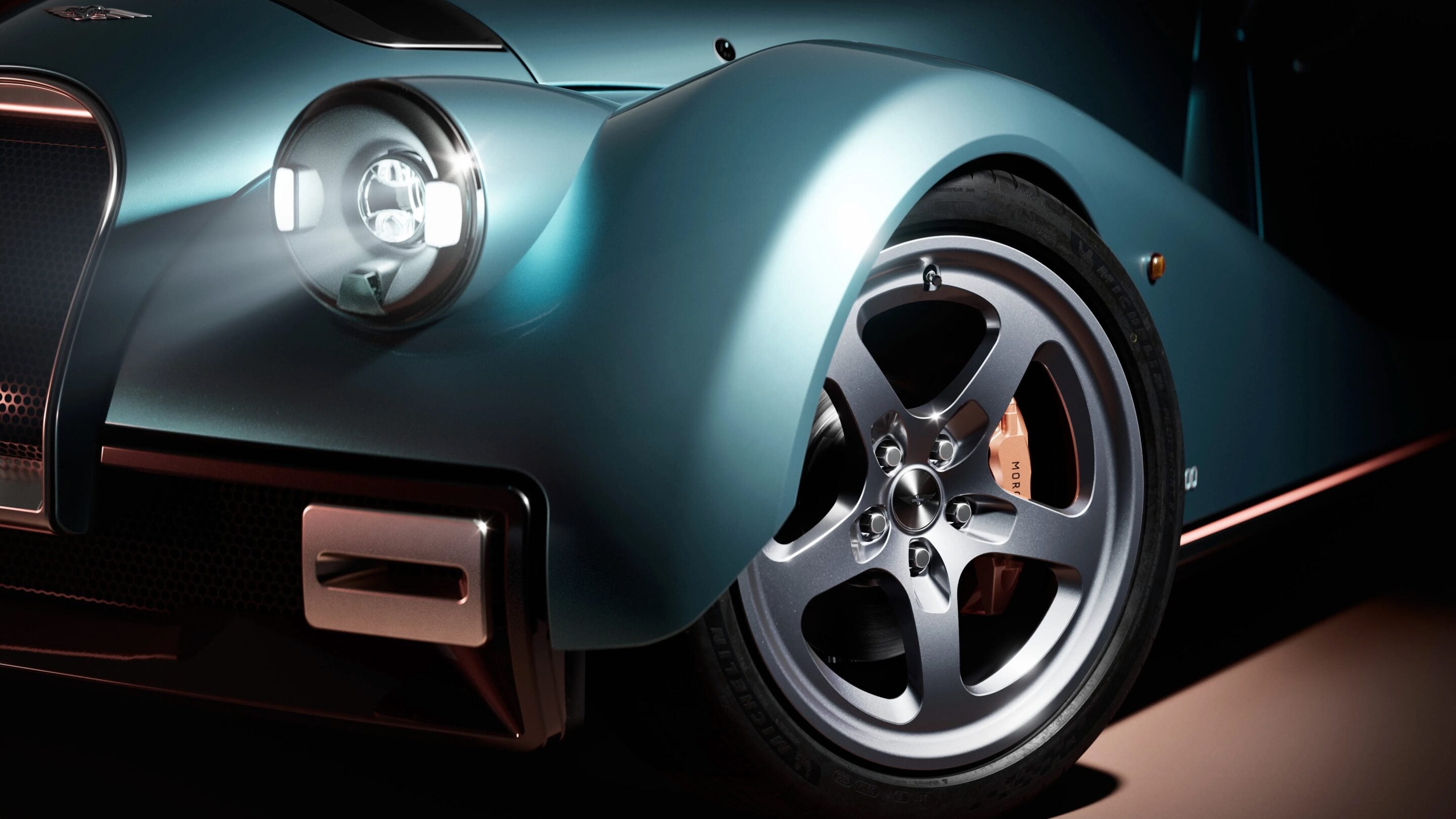
According to the company, the Supersport 400 sprints to 100km/h in just 3.6 seconds – a 0.2 second improvement on the Supersport – and a 23km/h-higher top speed of 290km/h.
In addition to the extra power, the Supersport 400 has also been given a number of chassis changes like revised suspension for increased controllability. The previously-optional Dynamic Handling Package is now standard too with adjustable Nitron dampers, which provide 24 different levels of adjustment. Lightweight 19-inch alloy wheels with Michelin Pilot Sport 5 tyres are also newly standard, while a limited-slip differential is optionally available as well.
Externally, the Supersport 400 has been given vents on the top of the front wheel arches, gloss contrasting lower trim, bespoke interior trims and suede upholsteries.
The Morgan Supersport 400 will start production in May 2026, with volumes to be “carefully managed” to preserve exclusivity.
Thanks to continued instability in the crude oil-producing Middle East, high petrol and diesel prices are likely here to stay quite a while, and that only adds further to everybody’s budgeting and stress. For those of us who are lucky enough to be considering a new car, there are many options to reduce your reliance on fuels, like switching to a hybrid or electric car.
Unlike even just five years ago, there are plenty of cheap electric cars of varying sizes, including hatchbacks, small SUVs and even medium SUVs. Here are five of the best cheap EV options for those wanting to save money on their transportation:
BYD Atto 1
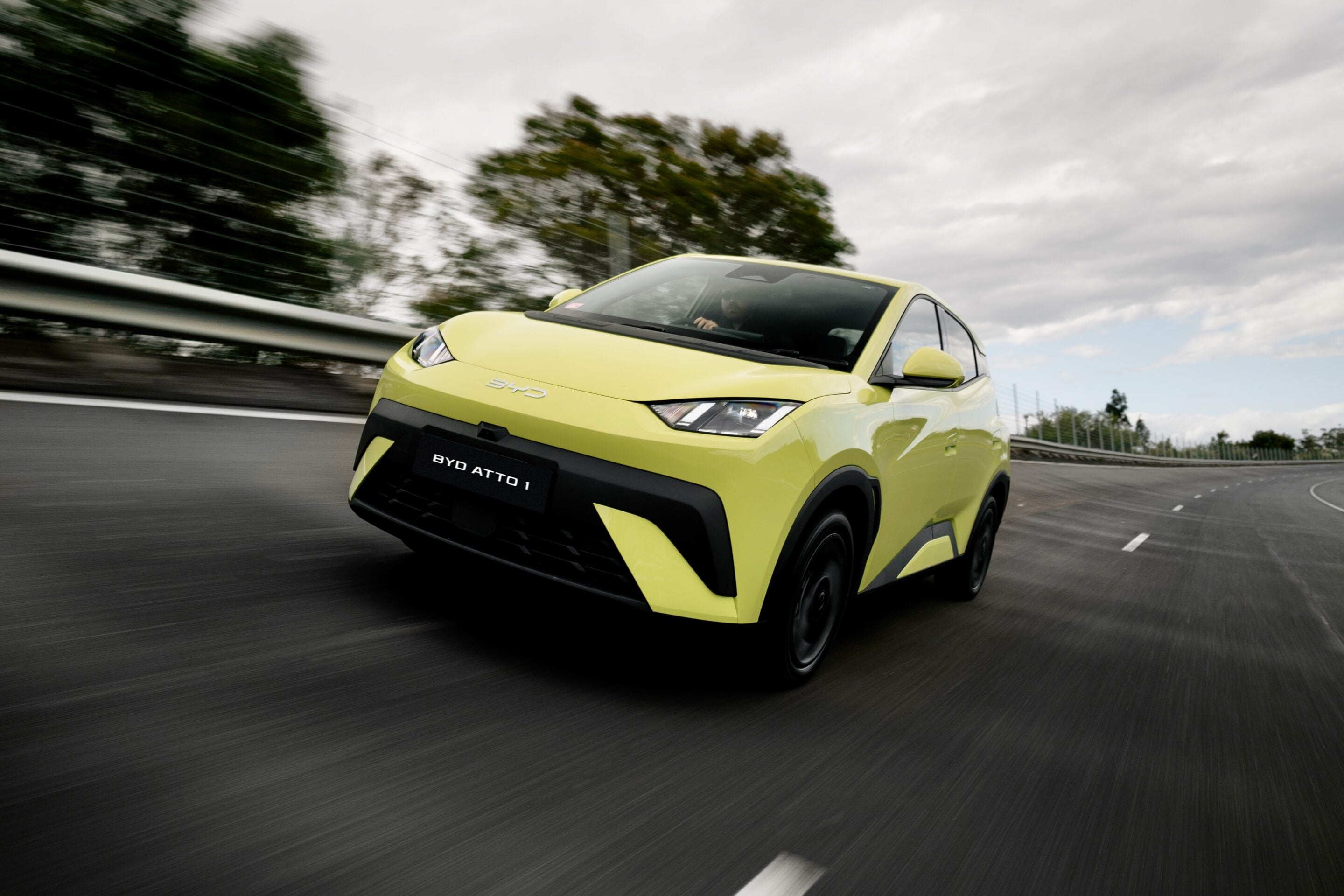
Price: From $23,990 plus on-road costs
Drivetrain: Front-mounted single motor, 65kW – 115kW, 30kWh and 43kWh batteries
Range (WLTP): 220km – 310km
BYD shocked in late 2025 by launching the cheapest electric car in Australia, priced from just $23,990 plus on-road costs. The BYD Atto 1 is priced similarly to other light cars such as the Kia Picanto and MG 3, but it’s actually electric. The base Essential employs a 30kWh battery (for a claimed 220km of range) and a 65kW electric motor, which is more than enough for most. Those wanting more range and grunt can jump up to the Premium with its more powerful 115kW motor, larger 43kWh battery and healthier 310km of range.
BYD Atto 2
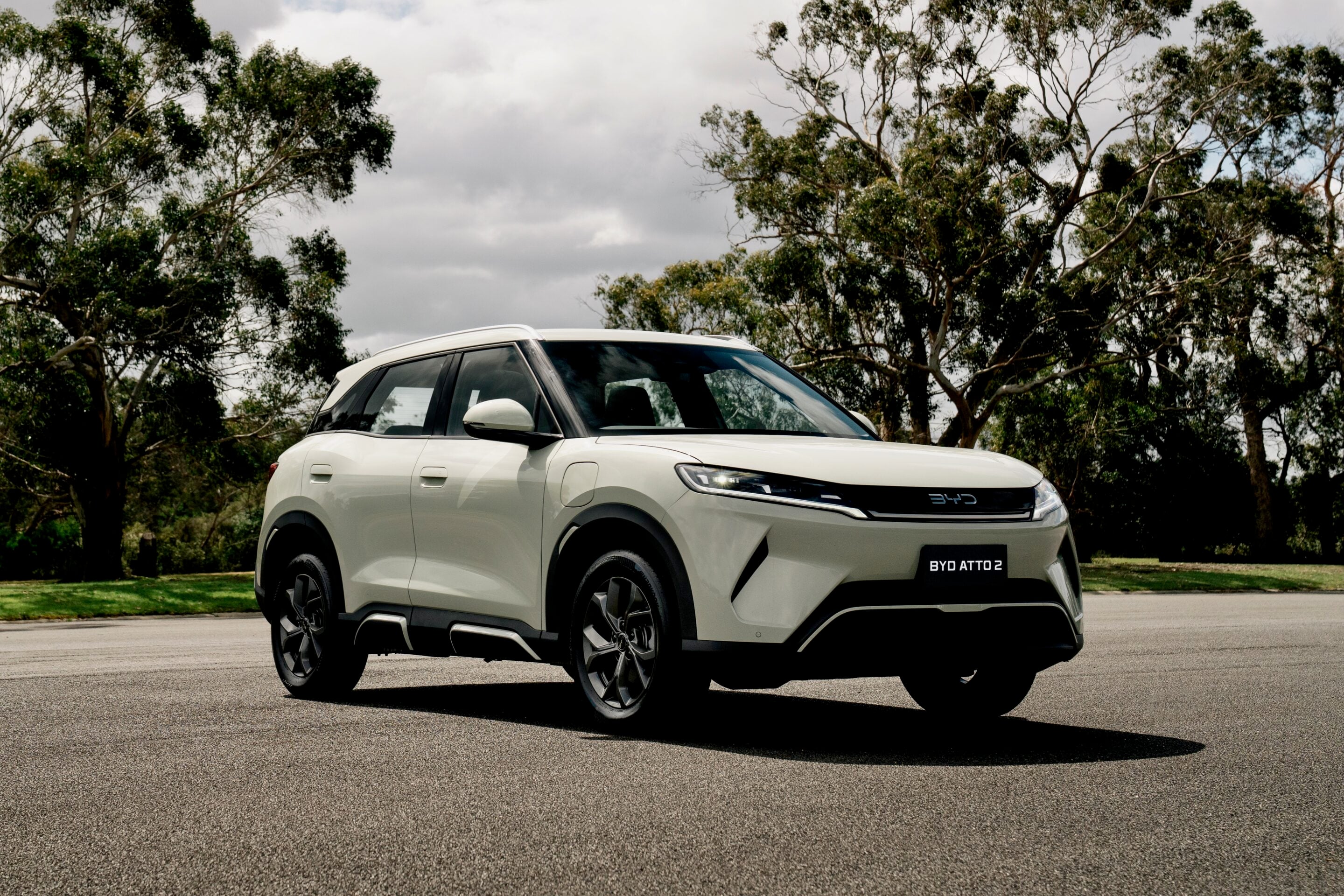
Price: From $31,990 plus on-road costs
Drivetrain: Front-mounted single motor, 130kW, 51kWh battery
Range (WLTP): 345km
The BYD Atto 2 is the cheapest electric SUV in Australia so far, and has won many fans since its late 2025 launch. Pricing starts from just $31,990 plus on-road costs for the entry-level Dynamic and $35,990 +ORC for the better-specced Premium, and both use the same drivetrain with a 51kWh battery for a claimed 345km range, while a 130kW motor drives the front wheels. Both Atto 2 variants are well equipped and it uses good quality materials on the inside as well. It’s practical, too, with a largish boot a rear seat that can easily hold two taller adults thanks to its tall roof.
MG 4 Urban
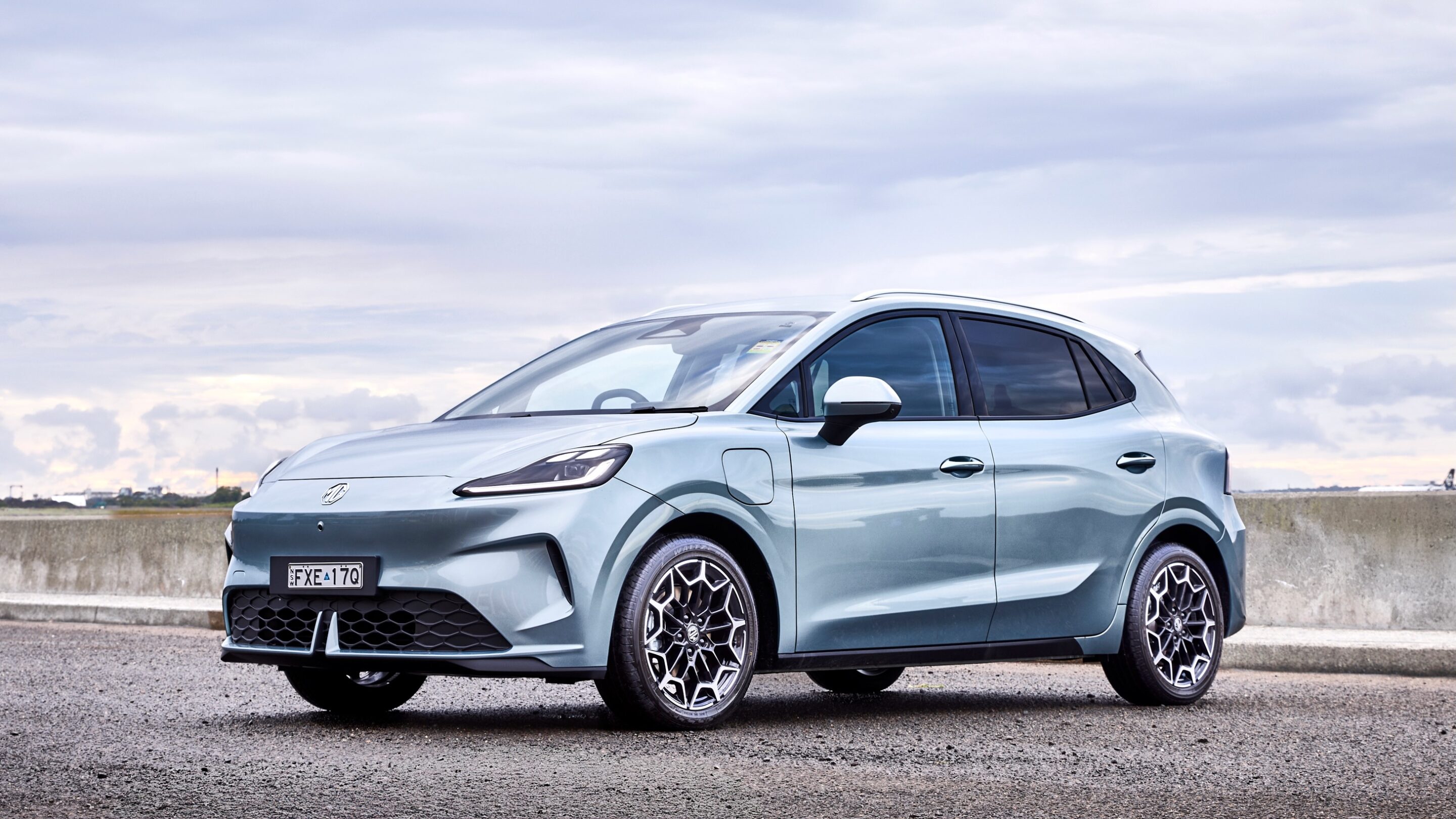
Price: From $31,990 driveaway
Drivetrain: Front-mounted single motor, 110kW-118kW, 43kW or 54kW batteries
Range (WLTP): 316km – 405km
When is an MG 4 not an MG 4? When it’s the new MG 4 Urban, which is a second version of the MG 4. It shares almost nothing with the regular MG 4, instead, it’s a cheaper, more practical and less sporty alternative. It’s very good value for money, priced from just $31,990 driveaway, and it’s also very well equipped – even features like heated seats and a heated steering wheel are standard. Two models are available with up to 118kW of power and 405km of driving range, which is plenty for urban driving as its name suggests.
MG 4
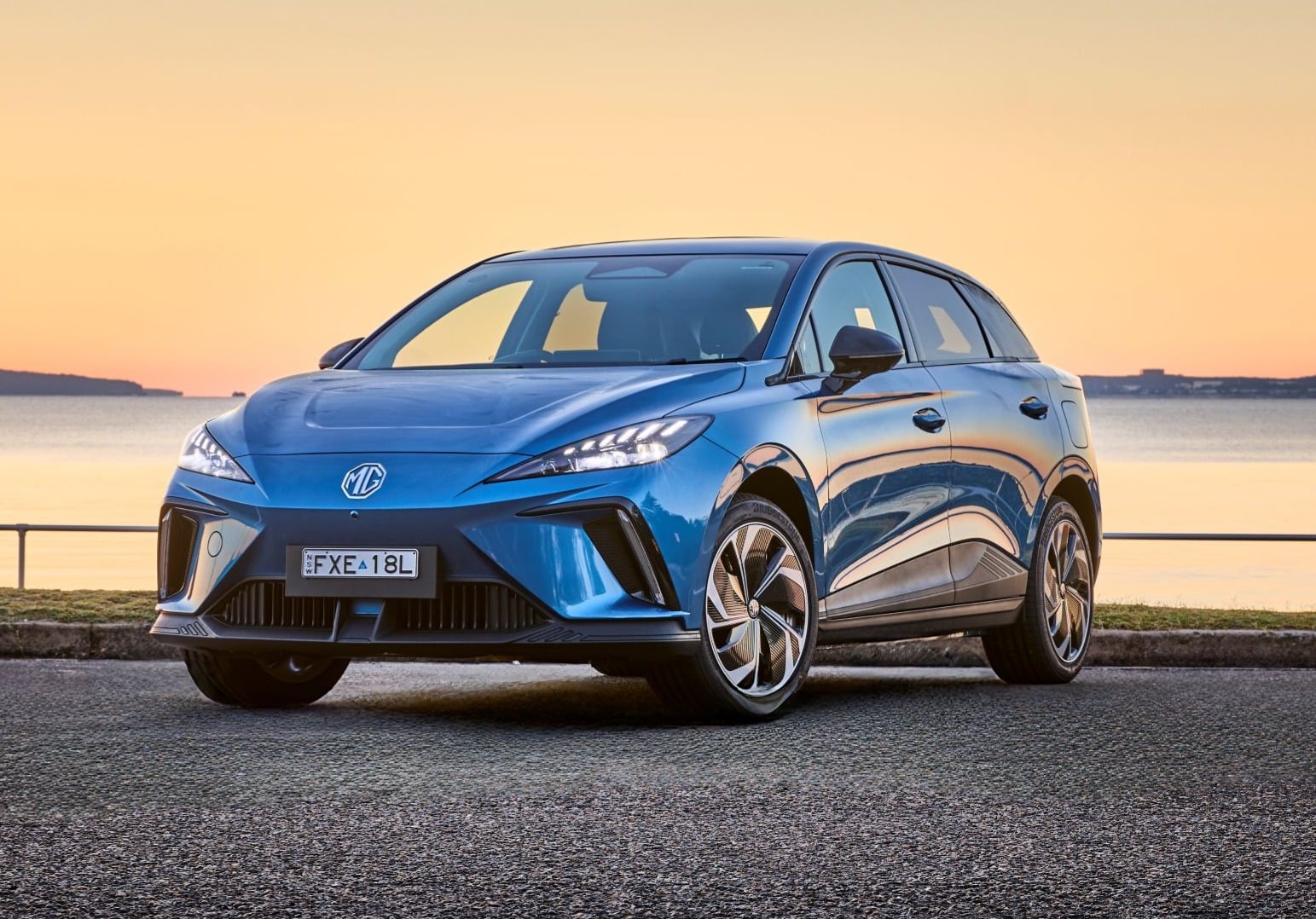
Price: From $39,990 driveaway (Essence 64), $47,990 driveaway (XPower)
Drivetrain: Rear-mounted single motor or dual-motor all-wheel drive, 140kW-320kW, 64kWh battery
Range (WLTP): 405km – 452km
The MG 4 has been one of the more popular EVs we’ve seen so far in Australia thanks to its sporty driving experience, practical cabin and the great value we’ve come to expect from the MG brand. It’s just been given a mid-life update with a new dashboard that’s higher quality, more tech-filled and more practical, while thanks to the new MG 4 Urban above, just two models remain in the line-up: The Essence 64 and hi-po XPower. Pricing starts at $39,990 driveaway and the WLTP-rated range of 452km is quite reasonable for the money, too.
Geely EX5
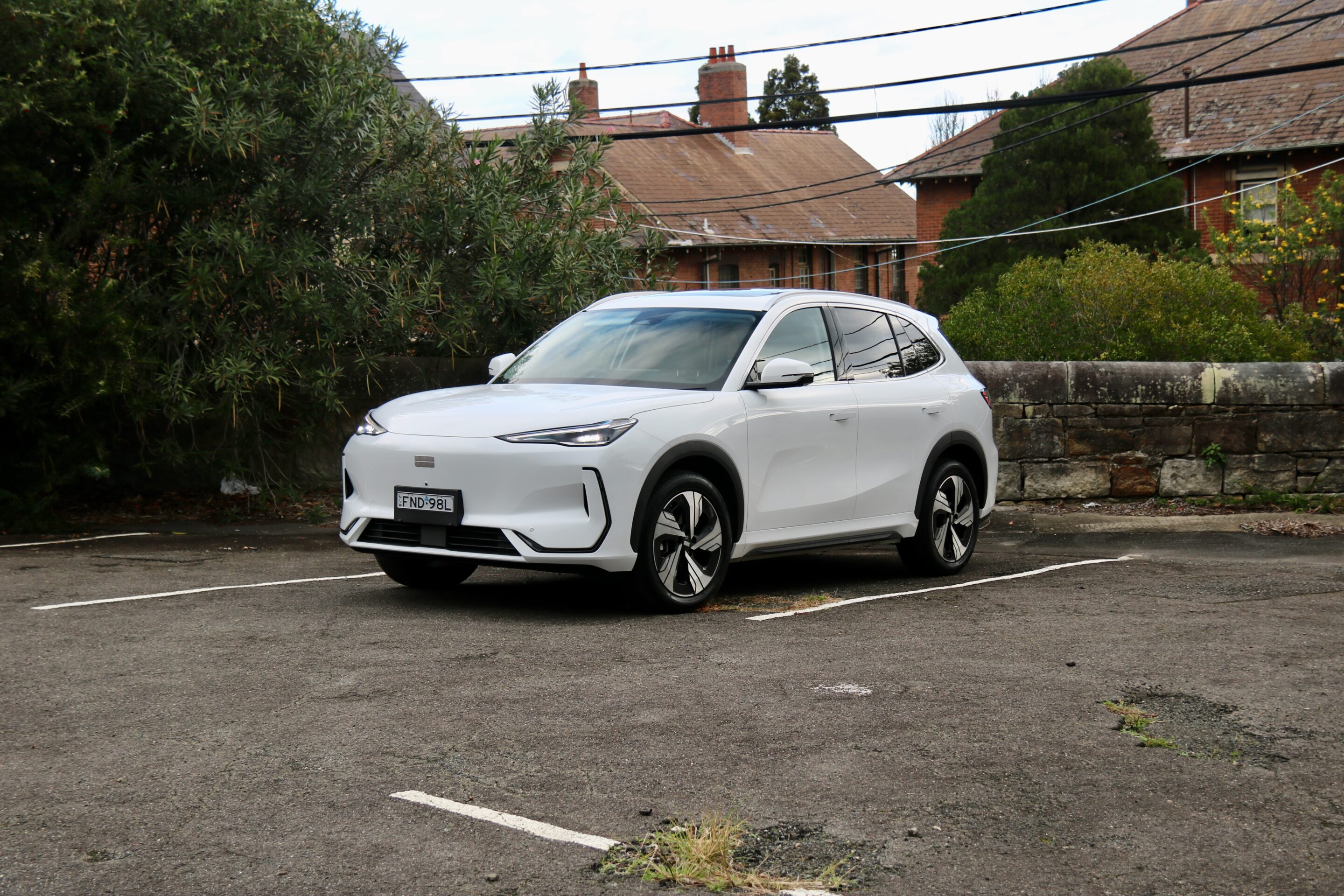
Price: From $41,990 plus on-road costs
Drivetrain: Front-mounted single motor, 160kW, 68.39kWh battery
Range (WLTP): 450km – 475km
While Geely is still a newcomer to Australian shores, products like the EX5 prove that it deserves success in our market because it’s a good all-rounder that’s excellent value for money. Prices start at $41,990 plus on-road costs for the entry-level Complete and the recently-enlarged battery gives up to 475km of range, with a 160kW electric motor providing ample performance. The EX5’s cabin is good quality and practical, and while the suspension is too soft, it’s still quite comfortable and easy to drive.
Victoria will introduce seven-character licence plates for the first time later this month, beginning with a limited, high-end auction targeting collectors and enthusiasts.
The inaugural release, branded “Seven Reserve”, will take place on May 26 at the Park Hyatt in Melbourne, with a small selection of premium plate combinations offered to registered bidders both in person and online.
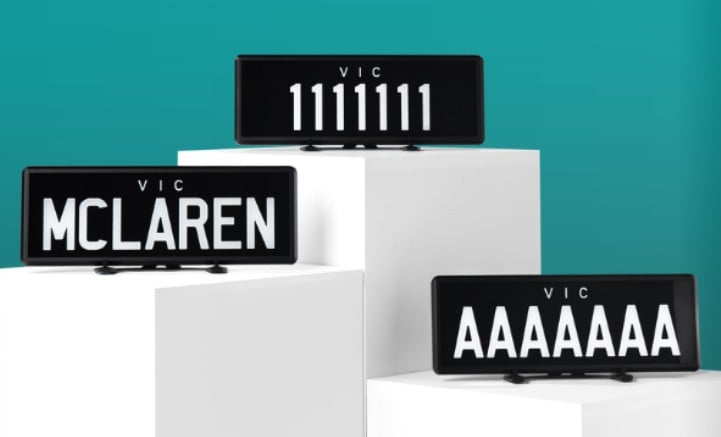
The move marks a shift for Victoria, which until now has been limited to six-character custom plates, while other Australian states have long allowed longer formats. The additional character expands the scope for personalisation, enabling combinations that include longer names, business branding and more complex number sequences.
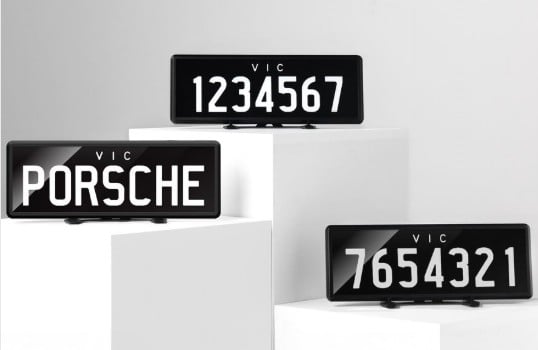
VicRoads has confirmed that the first release will be tightly controlled, with just 12 lots available. These include 11 pre-selected combinations – such as repeated number sequences and recognisable words – alongside a “Winner’s Choice” option, which allows the successful bidder to create a custom seven-character plate, subject to approval rules.
VicRoads Registration and Licensing Services chief executive Giles Thompson said the rollout had been deliberately designed as a premium offering. “Seven-character plates unlock a new tier of personalisation for collectors who value uniqueness and distinction,” he said.
The auction format reflects the perceived value of early access, with organisers positioning the first batch of plates as highly exclusive. Buyers will effectively be among the first motorists in the state to display the new format.
While the initial release is limited, VicRoads has indicated broader availability is under consideration, though no timeline has been confirmed.
The introduction comes amid growing demand for custom licence plates in Victoria. Of the state’s more than 6.8 million registered vehicles, around 1.7 million already display non-standard plates – roughly one in four cars.
Authorities have also clarified that plate combinations featuring brand names or recognisable terms do not indicate any official endorsement or affiliation.
For now, the focus remains on the initial auction, which is expected to attract interest from collectors and buyers seeking rare or highly personalised plates, as Victoria expands its offering in the custom registration market.
