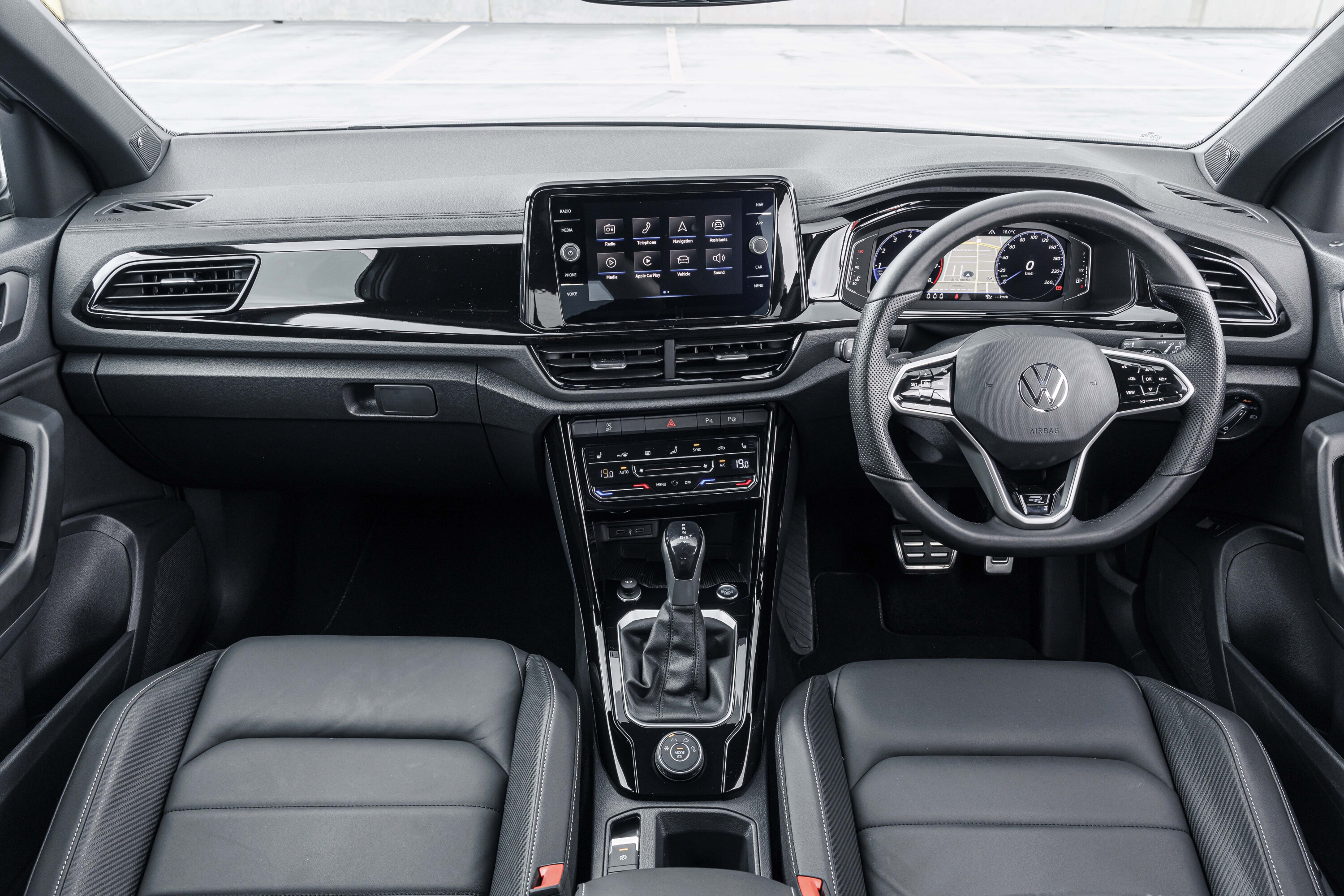
The VW T-Roc R-Line is a mid-range model in the German car maker’s small SUV line-up, priced from $45,200.
It adds some sportier touches and a more powerful engine over the entry Style, for what is one of the more dynamic offerings in the dense small-SUV segment.
The T-Roc R-Line asks a $8100 premium over the Style, and immediately goes some way to justifying that jump with a bigger engine with more power, plus all-wheel drive rather than front-drive.
The R-Line’s 2.0-litre four-cylinder produces 140kW compared with 110kW for the Style’s 1.4L.
A sportier aesthetic is created by R-Line exterior and interior styling, 18-inch wheels with a different alloy-rim design. Unseen is a firmer suspension tune.
Inside, the R-Line cabin gains an enhanced digital driver’s cluster and an expanded infotainment system with integrated navigation.
Options include a Black Style package that adds an array of extras, the most notable of which are adaptive dampers, 19-inch alloy wheels, auto tailgate, and a Beats audio system.
A panoramic sunroof and Nappa leather uphostery are other options.
5
Safety
The Volkswagen T-Roc was awarded a five-star ANCAP rating in 2017 – which will expire at the end of 2023 owing to the crash-test body’s six-year date-stamp policy.
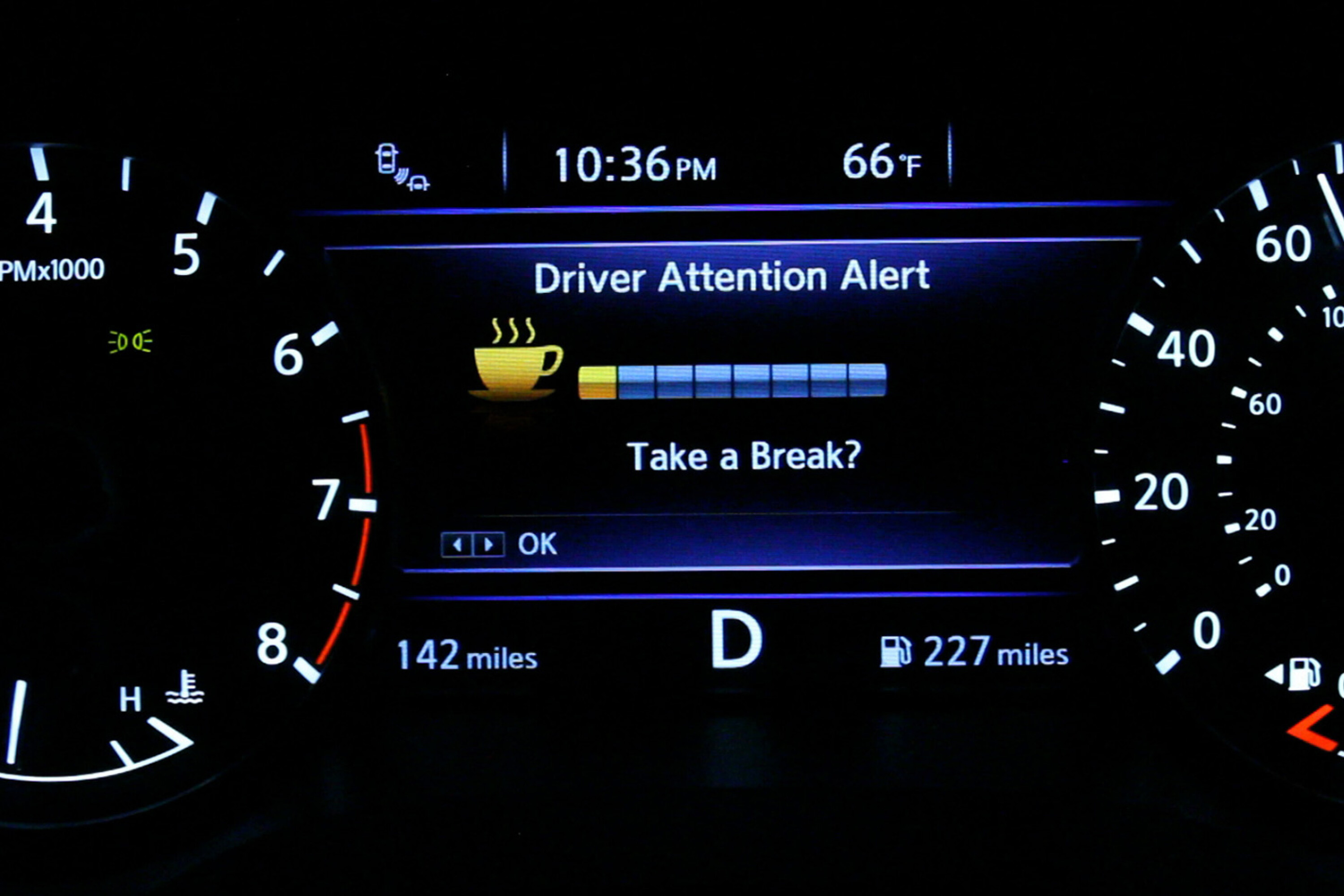
Safety features include fatigue monitoring, Front assist with pedestrian monitoring, lane assist, blind spot monitoring, adaptive cruise control with Travel Assist temporary auto-steering, and parking assistance.
The main difference to the Style is that the R-Line’s all-wheel drive will offer extra assurance in slippery conditions.
The R-Line’s ride isn’t as plush as that of the T-Roc Style, though its firmer suspension and more powerful engine are more suited to the VW’s sporty handling characteristics. If you’re a keen driver looking for a small SUV under $50,000, the T-Roc R-Line is one to consider.
Believe it or not, car manufacturers tend not to major on introspection.
The sort of excoriatingly honest appraisal process that Nissan went through in the late 1980s is rare.
Ferrari undertook such an exercise in self-flagellation when it realised the Honda NSX had made its 348 look rather half-baked and Mercedes-Benz similarly realised that it needed to pull its lederhosen up when the Lexus LS400 whispered into its purview.
While both of these regenerations were prompted by rivals, the impetus behind Nissan’s development of the 300ZX was, if anything, even harsher. Without much in the way of external prompting, it realised it had been selling mediocrity. It had become lazy, bloated on easy profits from undemanding buyers in boom years that would never last. So it changed.
The story behind this rebirth has a manic zeal to it, much of which was supplied by one man, Katsuo Yamada, the 300ZX’s chief designer. Imagine a car designer today and you’ll probably picture gym-toned men who look annoyingly well groomed and tailored and who’ll talk your ear off about nonsense like aspirational luxury or fundamental gravity.
1
The role of the chief designer at Nissan was very different. That position meant you were the father of the car. No apologies for the patriarchal tone – that was just the way it was.
Yamada’s remit was almost total. “Before it was very common for top management to be very widely responsible for new model decisions,” he said in a Wheels feature at the launch of the car in 1989. “They only vaguely knew the market. Now the program manager can decide almost everything, not just design but pricing too. So if my Z car sells badly it is 100 percent my responsibility, for I can have no excuses.”
It’s perhaps a little easier to be willing to bear such weight of responsibility when you have a car that was designed almost from a clean sheet of paper with little in the way of compromise.
1
What’s most incredible about the 300ZX is that it debuted just 19 years after the 240Z.
Yes, the basics of the engine were carried over from the underwhelming Z31 predecessor, but the fact that the normally aspirated version of the iron-block 3.0-litre V6 made almost as much power as the turbocharged version of its forebear should clue you in to the fact that the engine work had accounted for some significant budget.
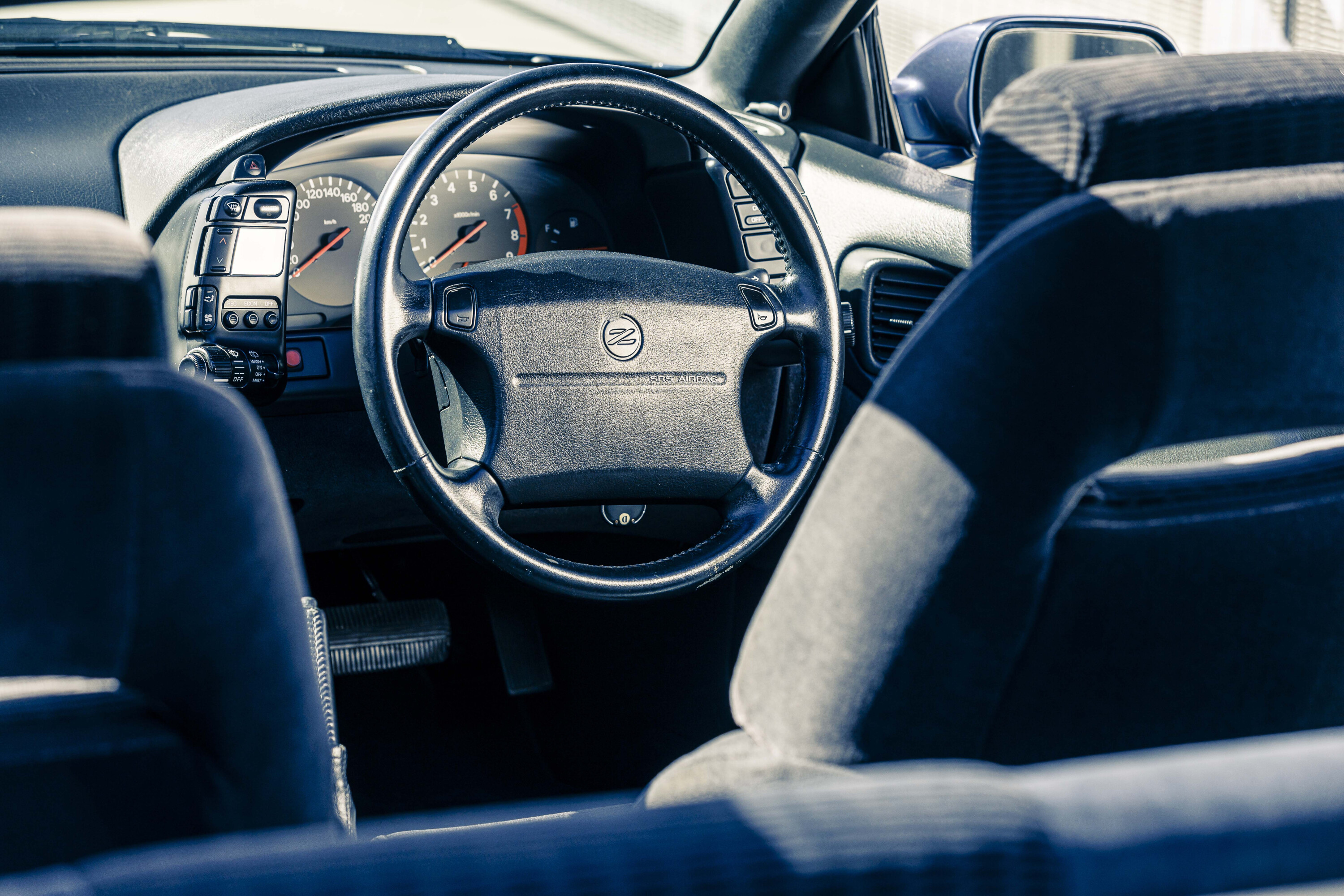
What’s most incredible about the 300ZX is that it debuted just 19 years after the 240Z. Consider that Yamada’s baby featured rear-wheel steering, a supercomputer-designed chassis, twin turbochargers, a viscous LSD and a distributorless fuel-injection system and twin airbags.
The 240Z had rear drum brakes and a wooden steering wheel. Wind the clock back 19 years from now and we’d be driving a 350Z, a car which still donates some of its architecture to today’s Z car.
The shape came as a result of a three-way competition between two Japanese proposals and one design out of Nissan’s California design studio that concluded in 1986.
Ridley Scott’s banned ad
Nissan aired ‘Dreamer’, a commercial during Super Bowl 24 in 1990 spruiking the 300ZX Twin Turbo. A-list director Ridley Scott created a dream sequence where a 300ZX driver is chased (in vain, obvs) by a sports bike, a sports car prototype and a jet fighter before leaping over the camera.
Lobby groups went berserk and it never aired again, the IIHS’s president Brian O’Neill saying that “This is the worst example of an out-and-out speed ad that we have ever seen.” Worst or best?
1
After full-size clay models were built and a good deal of chin-stroking was completed, one of the Japanese designs was chosen, credited to Isao Sono and Toshio Yamashita.
The shape bore no real resemblance to any prior Nissan design language, with its close-set headlamps and organic curves.
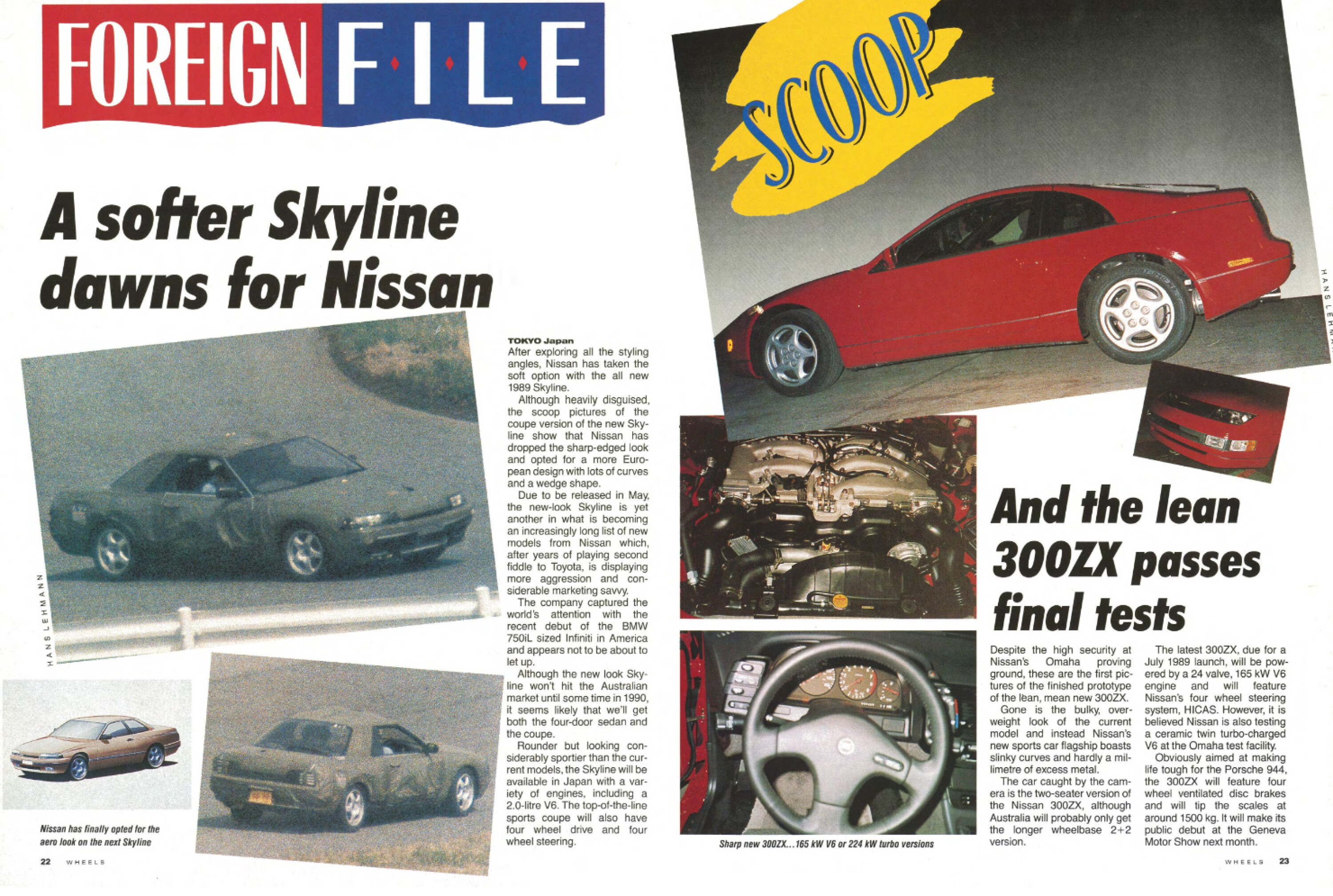
Wheels commissioned John Lamm to drive the car at Nissan’s Tochigi track. As a former editor of Road & Track, Lamm knew a good car when he saw one. “After a decade or more of testing new cars, you begin to recall how it was when the few great ones came along,” he noted. And Nissan had earnestly striven to make the Z32 300ZX great.
Yamada set about with the unashamed goal of building the world’s “number one sports car”, benchmarking what he saw as the best competitor cars in market – the Porsche 944 Turbo and the Chevrolet Corvette C4.
1
A set of mule cars with butchered Z31 bodies completed over 160,000km of testing in the US, Japan and Europe, and Ron Grable was commissioned in the US to further fettle the chassis.
Ron who? If Grable’s name doesn’t immediately ring a bell you’re probably not alone. Turns out old Ron was a bit of an automotive renaissance man, turning his hand to journalism, race driving and engineering, later becoming Motor Trend’s tech editor. Grable set a series of benchmark lap times at Willow Springs Raceway in the Corvette, before eclipsing them quite comfortably in the turbo version of the 300ZX.
166kW at 6400rpm and 268Nm at 4800rpm was nothing to be sniffed at. This was a time when a 5.0-litre V8 VN Commodore made 165kW.
1
Australia never got the VG30-DETT powered Turbo with its brace of Garrett blowers delivering 224kW and 398Nm. Instead we had to be content with the VG30-DE normally aspirated unit that worked with our ditchwater-grade fuel. Still, 166kW at 6400rpm and 268Nm at 4800rpm was nothing to be sniffed at. Remember, this was a time when a 5.0-litre V8 VN Commodore made 165kW. And a Porsche 944 S2 a mere 155 kilowatts.
It was this Porsche that faced the 300ZX in our first domestic comparo and at first glance, it appeared a bit of a mismatch. Not only was the Nissan more powerful, but it was also priced at $62,950 against the S2’s $107,706. Game over before it had begun?
Not according to the redoubtable Michael Stahl, who found that the transaxle Porsche’s 280kg weight advantage, superior torque and sweeter gearbox contributed to it being a more rewarding and involving driver’s car. The magazine’s most ardent Porschephile decided that the 300ZX was closer in concept to cars like the BMW 635CSi and Porsche 928 S4.
Given that it was $139,500 cheaper than the 928 at the time, perhaps that’s no faint praise.
1
Things might well have been different had we been offered the twin-turbo car
Or the more nimble short-wheelbase two-seater (2+0 in Nissan’s parlance). But no, Australia got the Z32 combination with the feeblest power-to-weight figure.
Almost every domestic writer curiously tried to make a case for it being the sweetest option of the lot. Spoiler alert: it isn’t. This car comes alive with the added herbs of a couple of blowers.
1
The impact that the twin-turbo 300ZX had on its key target market was profound.
Car & Driver put one up against the all-conquering Corvette Z51 and were shocked to report that “the world’s best-selling 148mph sports car has hardly been knocked flat on its back, but it has been dealt a blow. If this news leaves you reeling, we understand.
“Throughout the Corvette’s 37-year history, virtually nobody has laid a glove on its handsome, fiberglass beak. Perhaps GM didn’t see the punch coming. After all, the decisive uppercut came out of the rising sun.”
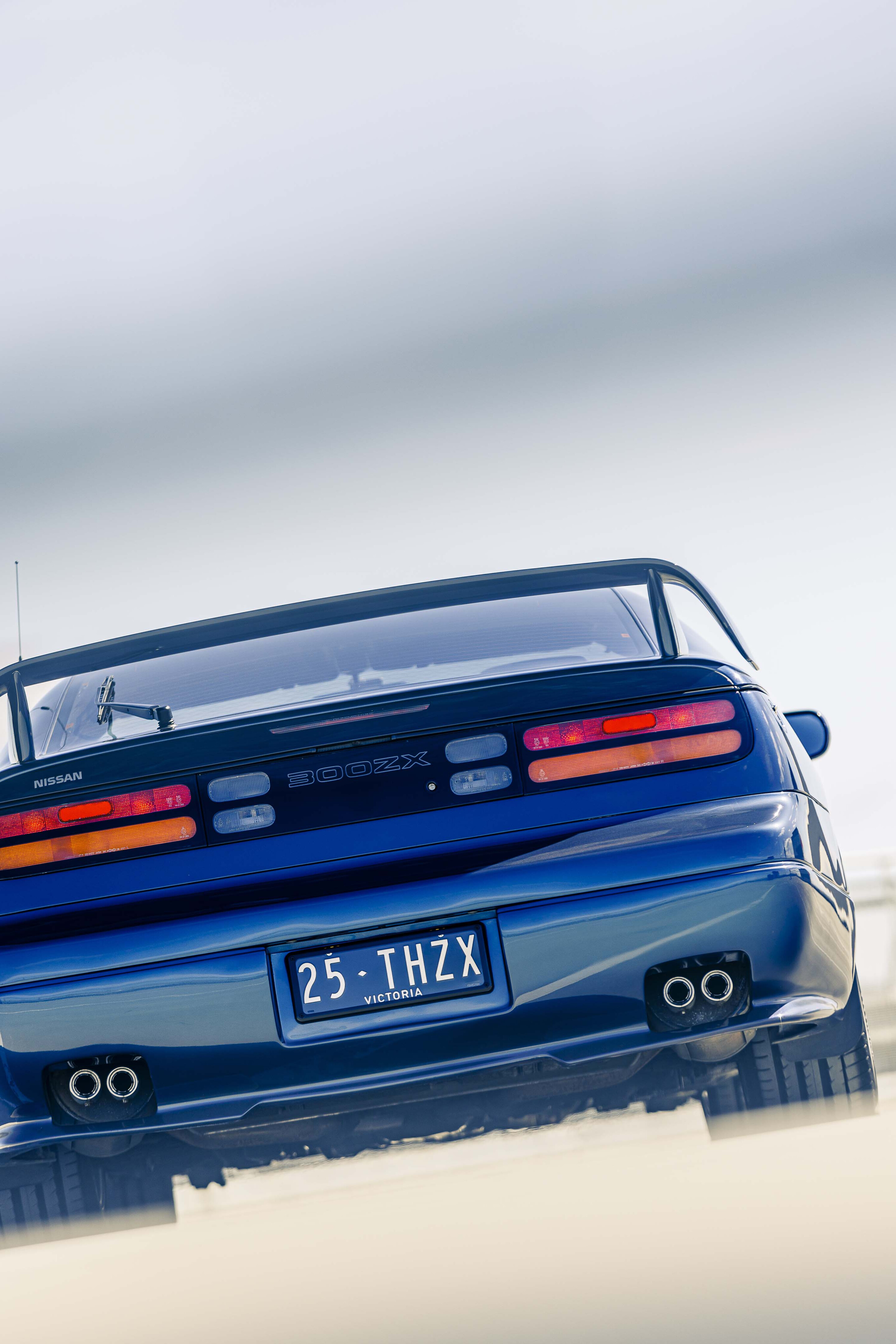
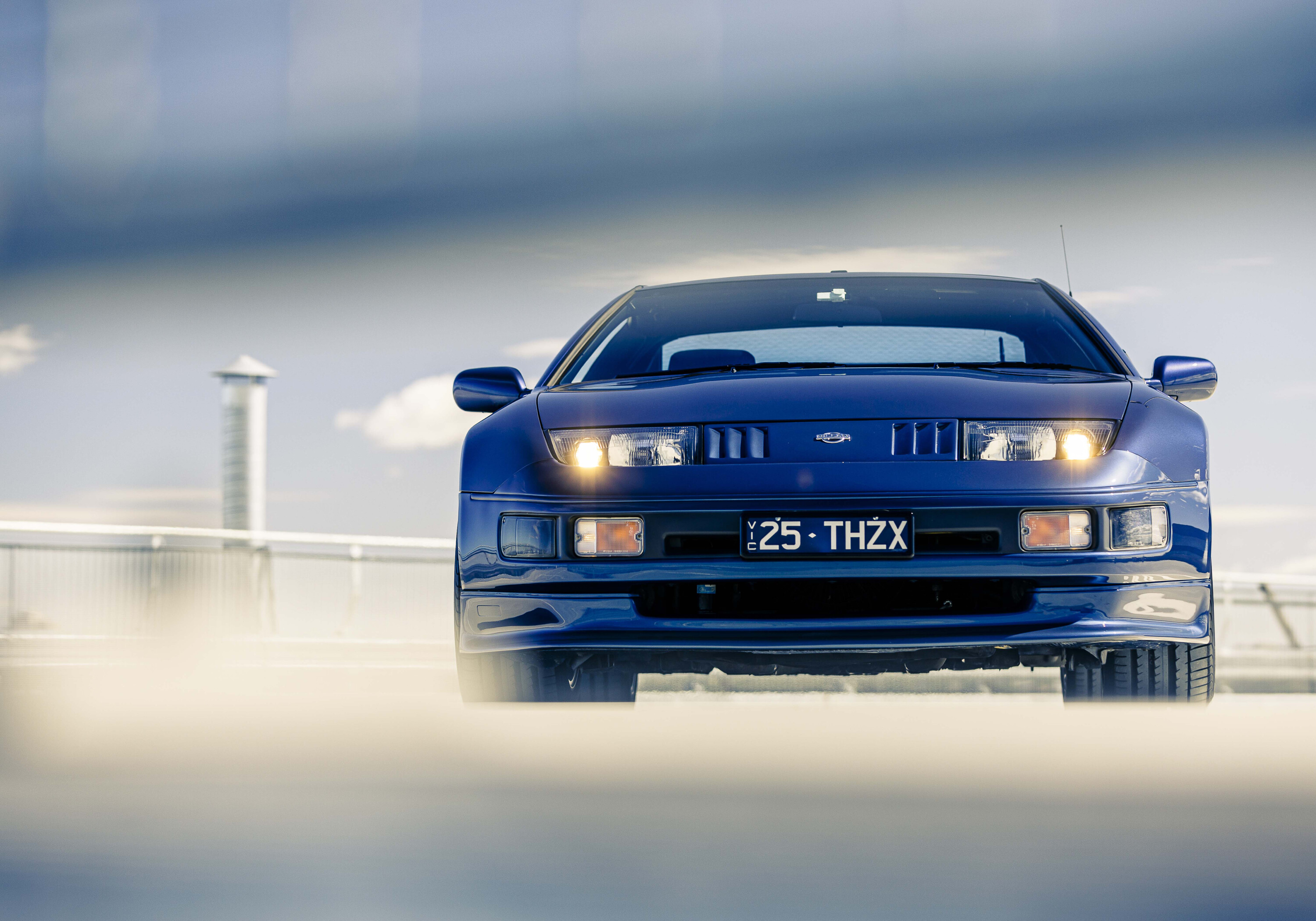
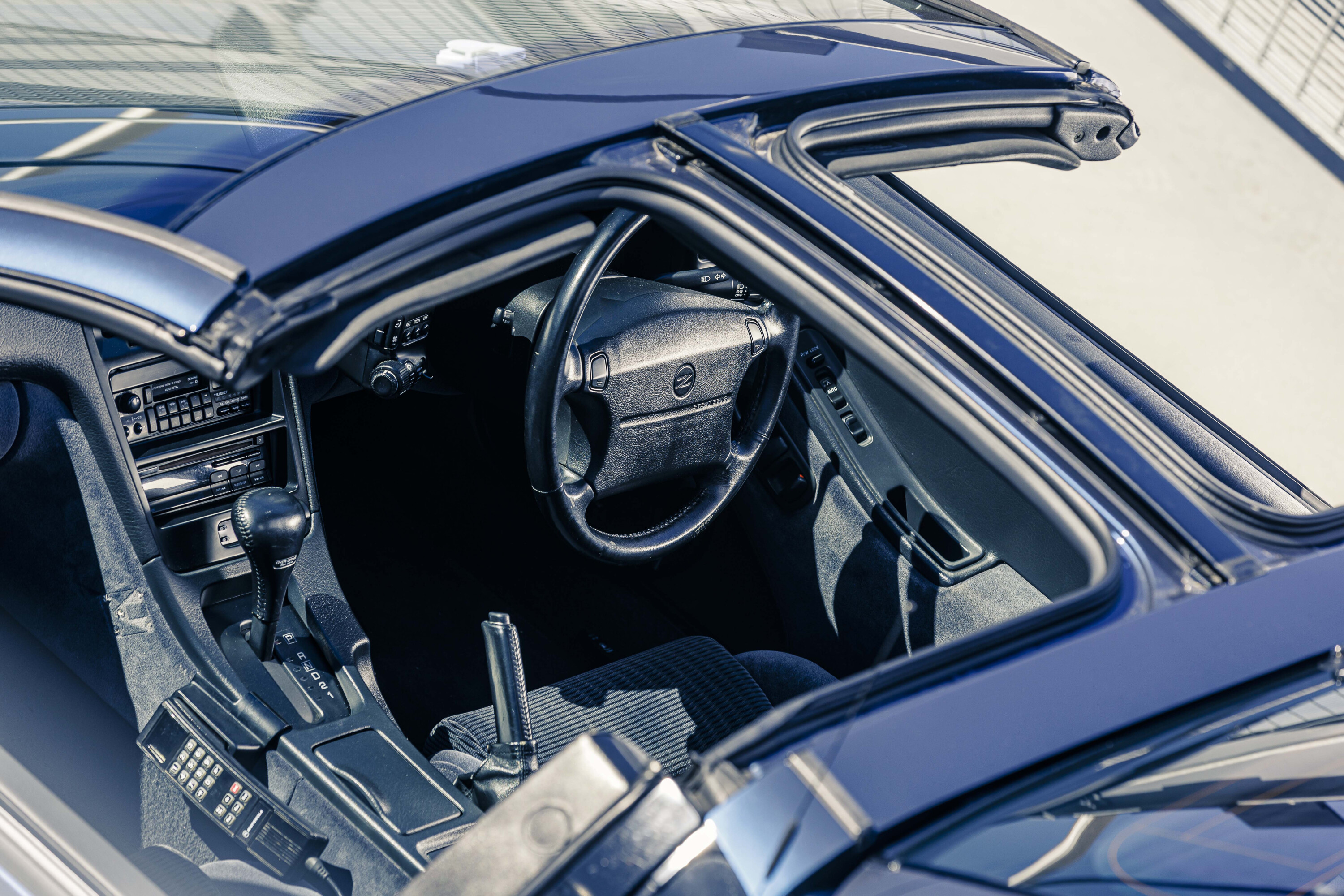
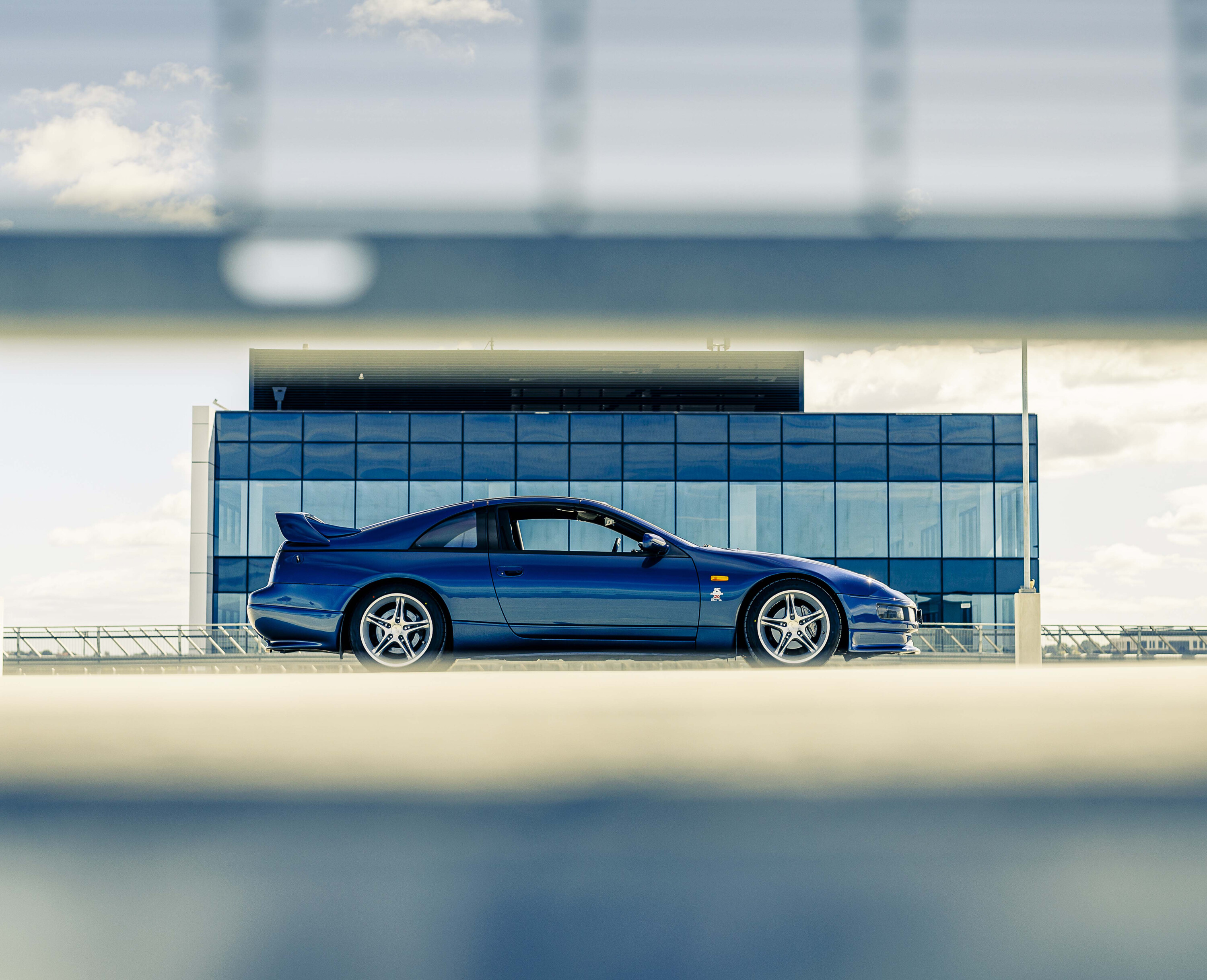
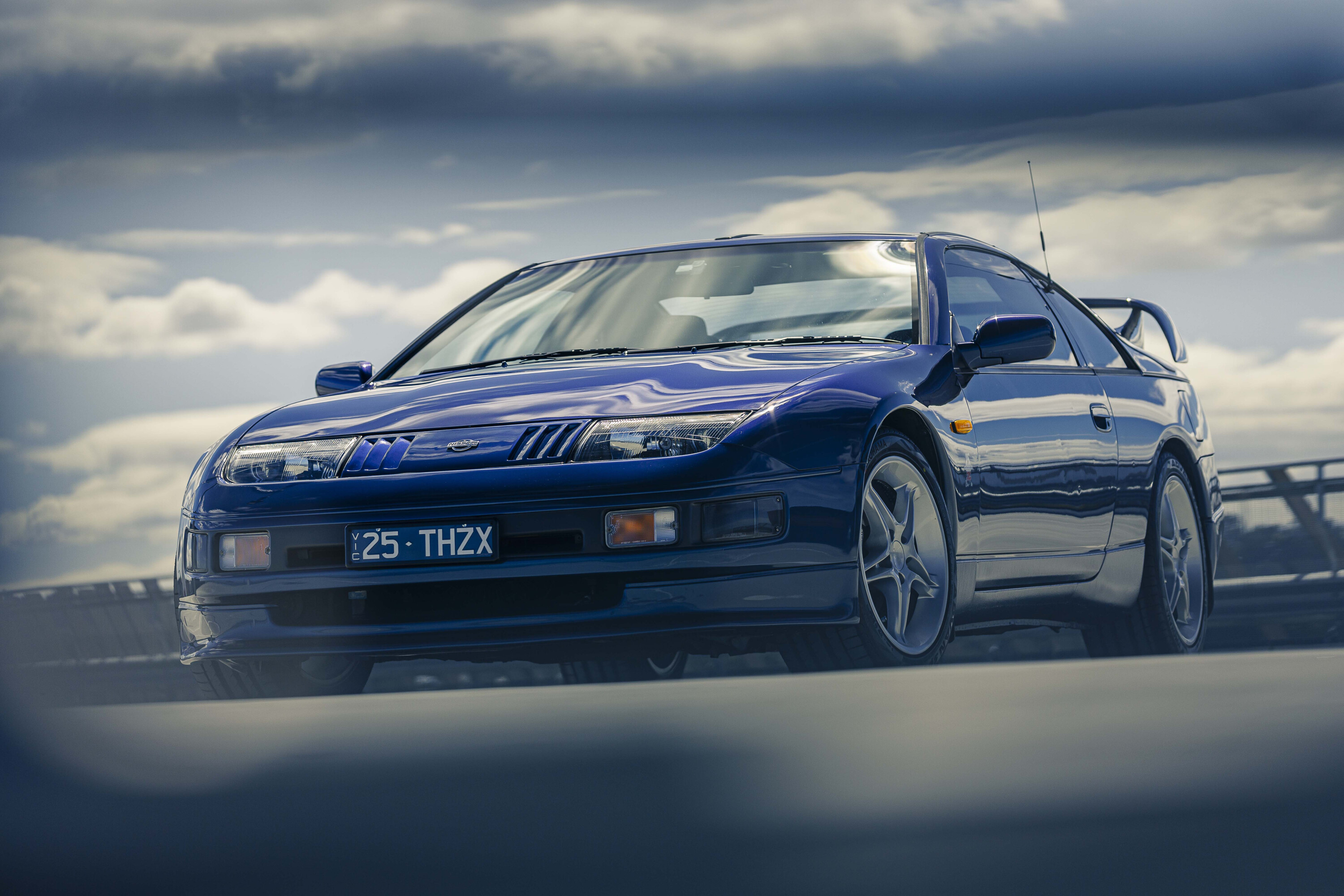
The most prized 300ZX models brought to Australia were the Steve Millen Edition Z32 25th Anniversary cars, which arrived in 1995. These celebrated a quarter of a century since the original 240Z, and a mere 40 were made.
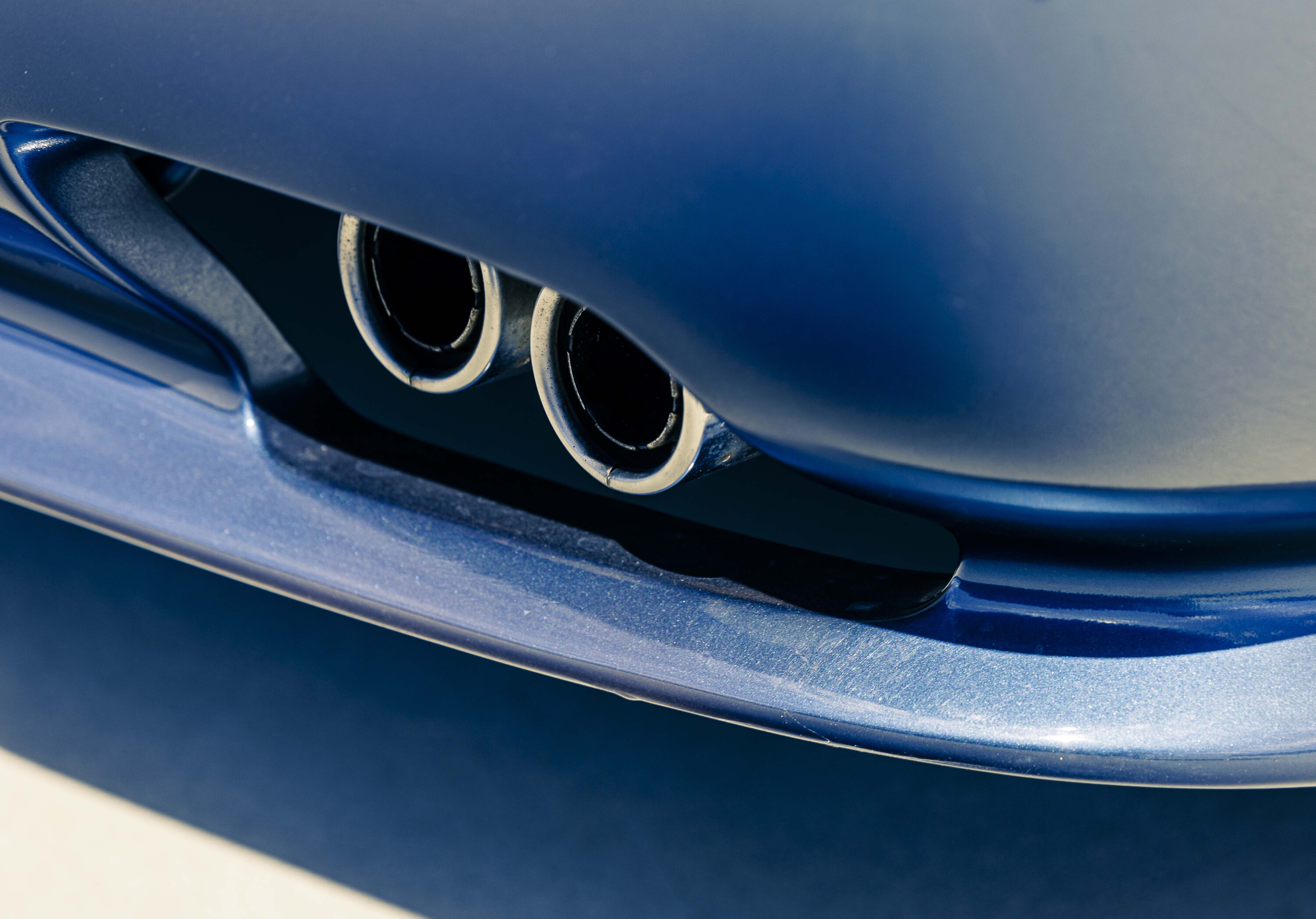
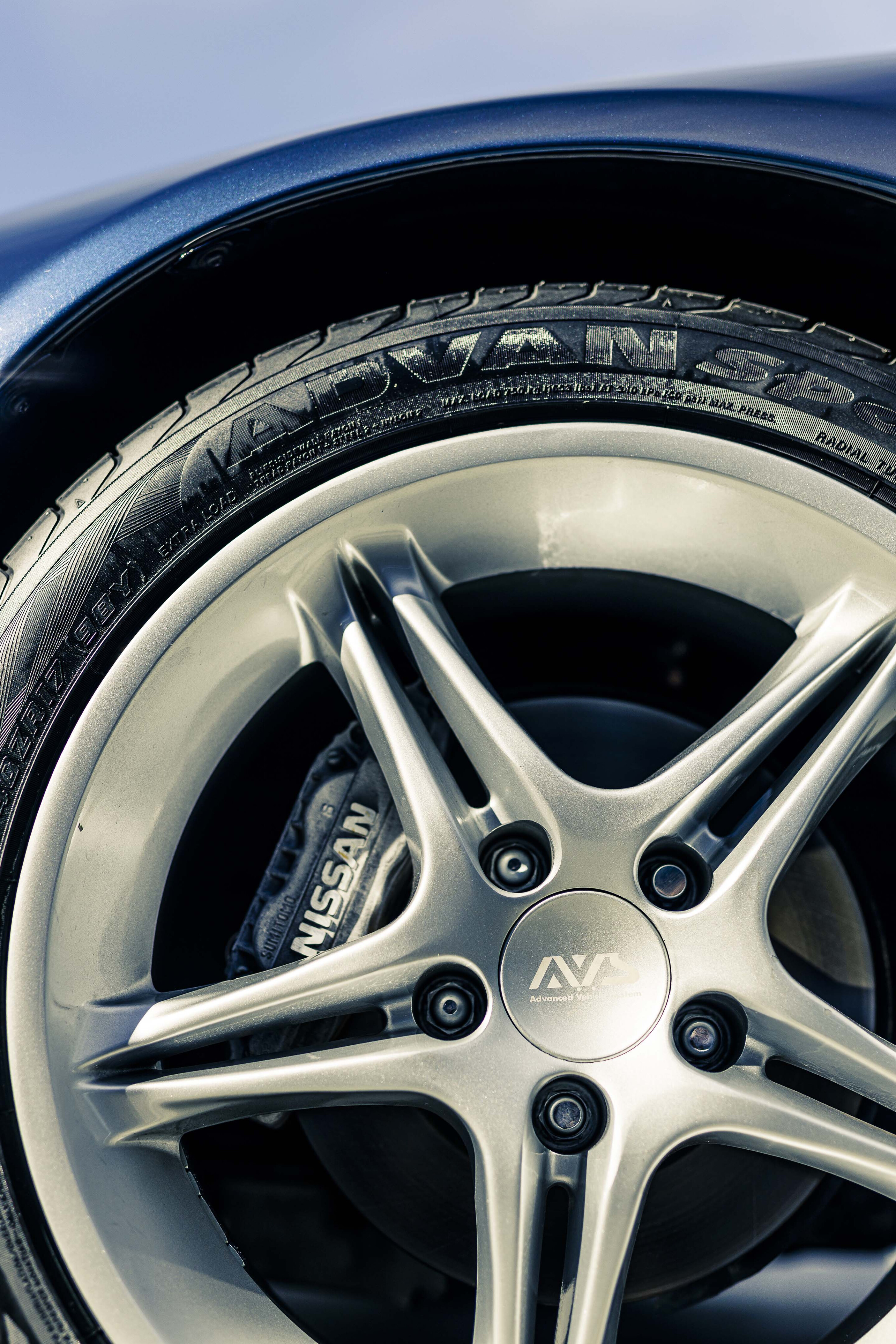
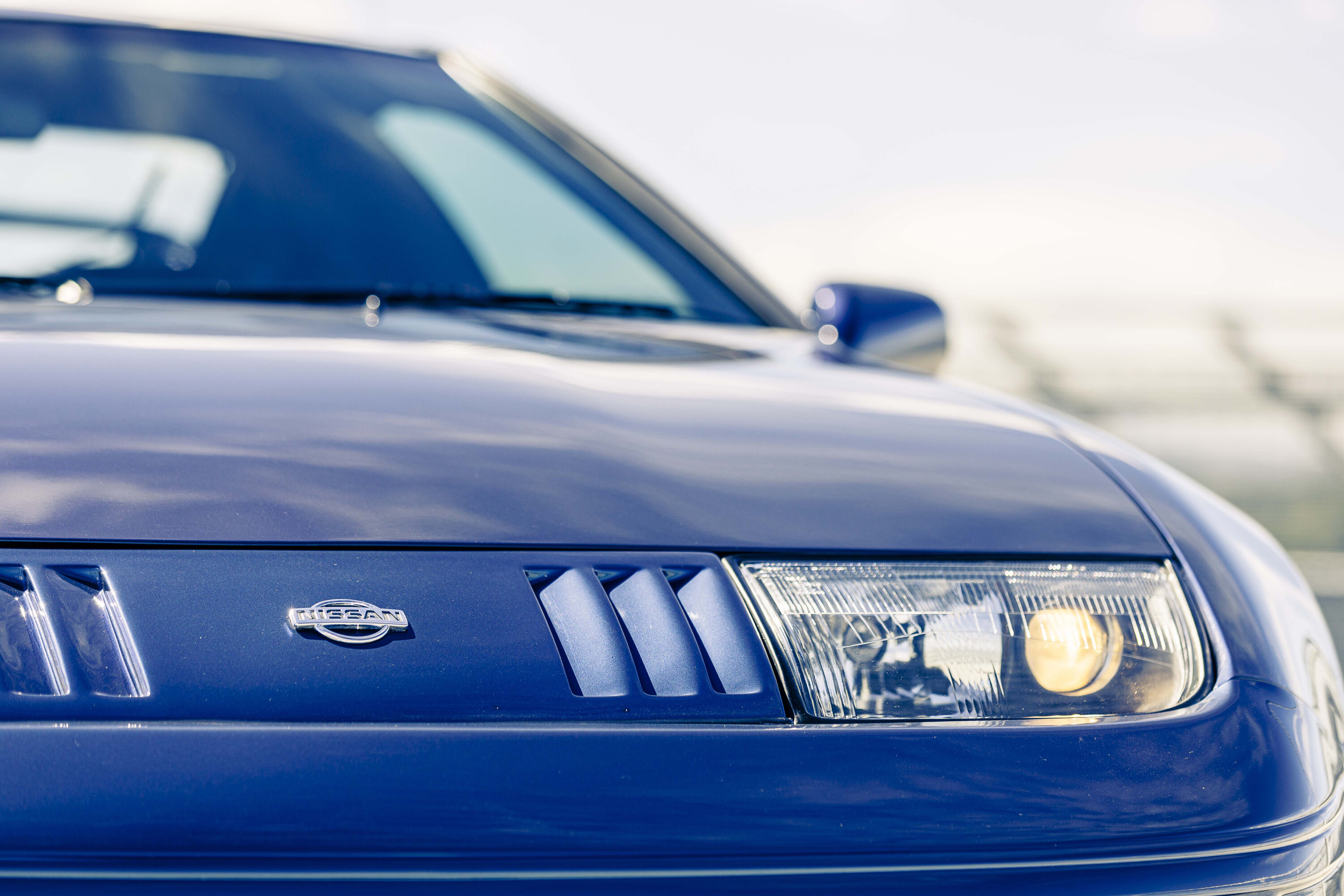
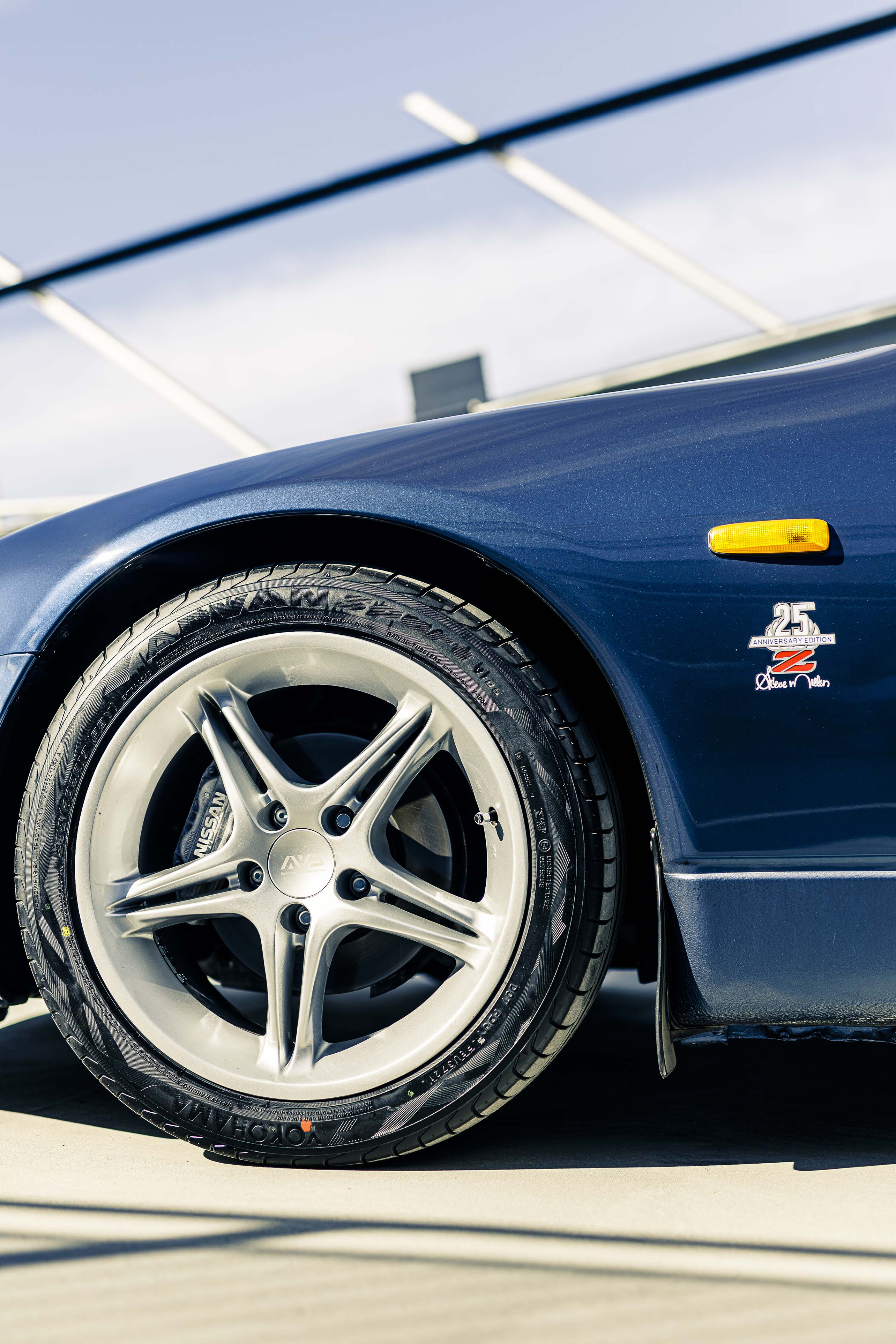
Nissan Australia roped in Goold Motorsport using a Stillen package that included AVS 17×9 alloy wheels shod with 255/40 Yokohama tyres, a body kit that comprised front and rear bar lips, a modified deck spoiler and slatted front panel, 25th Anniversary decals and a 30mm ride height drop.
The price? A healthy $5K increase over the standard 300ZX, so $88,300 for the manual and $92,995 for the automatic. Neglected for some time, these cars now fetch figures not far off that original asking price.
The Kiwi connection
In 1995 and 1996, Steve Millen Motorsports (Stillen), developed an upgraded SMZ model, sold through selected Nissan dealers in the US and Canada.
Good for 365hp, the vehicle was covered by a factory warranty and featured Skyline GT-R brakes, improved breathing via a revised intake system and exhaust, plus an increase in boost. In total, 104 SMZ models were built, priced at a $14K premium over the Z32 Twin Turbo.
1
The owner of the 25th Anniversary pictured here, Wayne Couacaud, is working on a register to track down as many of the 40 originals as possible.
The count currently stands at 18. If you have one, get in touch and we’ll pass your details on.
Was the 300ZX a success? That’s up for debate, but it’s more an issue of macroeconomics than any shortcoming on Nissan’s part. Here in Australia, the 240Z and 260Z sold nearly 4500 units between them.
The 280ZX recorded 3465 registrations between 1979 and 1984, while the Z31 and Z32 models of the 300ZX clocked up 4455 sales between 1984 and 1997. The 350Z was a strong performer, finding 4990 owners from 2003, while its successor the 370Z was in market from 2008 and contributed 5244 sales.
1
In terms of outright numbers the 370 is the champ, but in terms of sales per calendar year, it’s unlikely Nissan will ever top the 350Z, on these shores at least.
Globally, it’s a whole different kettle of kippers. The problem is that the best-selling Z cars in their key market of the US have a distinctly shaky correlation with those considered by enthusiasts as the best generations.
The 260Z and the Z31 300 both sold in huge numbers in America, but the Z32 version couldn’t reprise the success of its predecessor. It sold around 7000 units per year Stateside, versus the 45,000 a year figure of the Z31.
1
To put those numbers in perspective, the Z31 shifted over 73,000 units in 1984, whereas the Z32’s biggest year was 1990 when it sold just over 22,000 cars.
When the Z32 was being developed, an American dollar bought 200 Japanese yen. By the time the car rolled into dealers, that dollar bought a mere 125 yen.
Where the Z31 could be marketed as a budget alternative to a Corvette, the Z32 was expensive, like most of its compatriots, arriving in US showrooms at around $1000 more than a ‘Vette. Even a March 1989 cover of Road & Track with a story that opened with: “I’ve just driven the best sports car in the world” wasn’t enough to generate anything like the sales to depose the doughty Corvette.
In Australia, the base normally aspirated 2+2 version was $63,000 in 1990, which, adjusted for inflation, would be nearly $150K now. That would buy you power and torque figures easily eclipsed by a $37,500 Ford Escape soccer-mom SUV today.
1
Perhaps that partly explains why the standard 300ZX was left a little adrift in the recent crazily spiralling Japanese sports coupe inflation.
It was a lovely thing, but never quite enjoyed the moment that Nissan envisaged. Its legacy might have been a little more burnished had it not been launched in the same year as the original Mazda MX-5, a car which scooped virtually every sports car award available. Or if the Japanese bubble economy hadn’t burst.
Circumstance was never kind to the Z32 300ZX. The passage of time? That could well prove a little more benign for one of the most endearing sports coupes Japan ever built.
Inwood was sceptical. I’d just written a cover feature on how the new Giulia Quadrifoglio had wiped the floor with the M3 and the C63, and the then-Wheels editor clearly thought I’d taken leave of my senses.
He was right to be so cautious. After all, Alfa hadn’t had much of a form line immediately prior to that point.
“So you reckon it’s better than both of ’em?” he queried for the third time. I didn’t just reckon. It was. And by a margin that made the BMW and Mercedes look a bit stupid.
I knew I was going out on a limb, fully aware of the fact that no matter how good the Giulia was, it was going to be utterly trounced in the sales charts by the Germans and would, upon cursory hindsight, appear an also-ran.
But all I could do was report as I found. On that road, on that day, it was fundamentally superior.
Read Enright’s comparo below
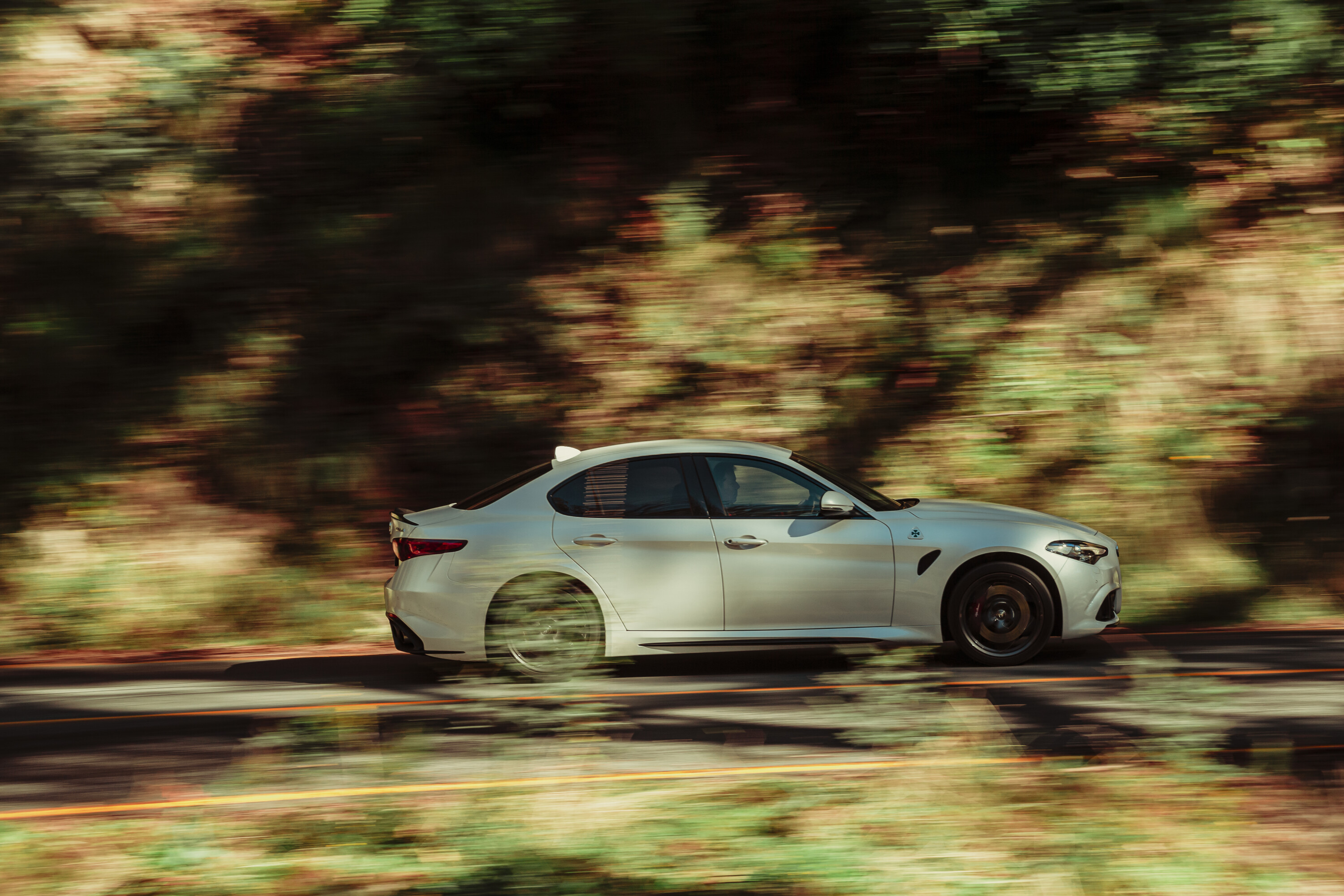
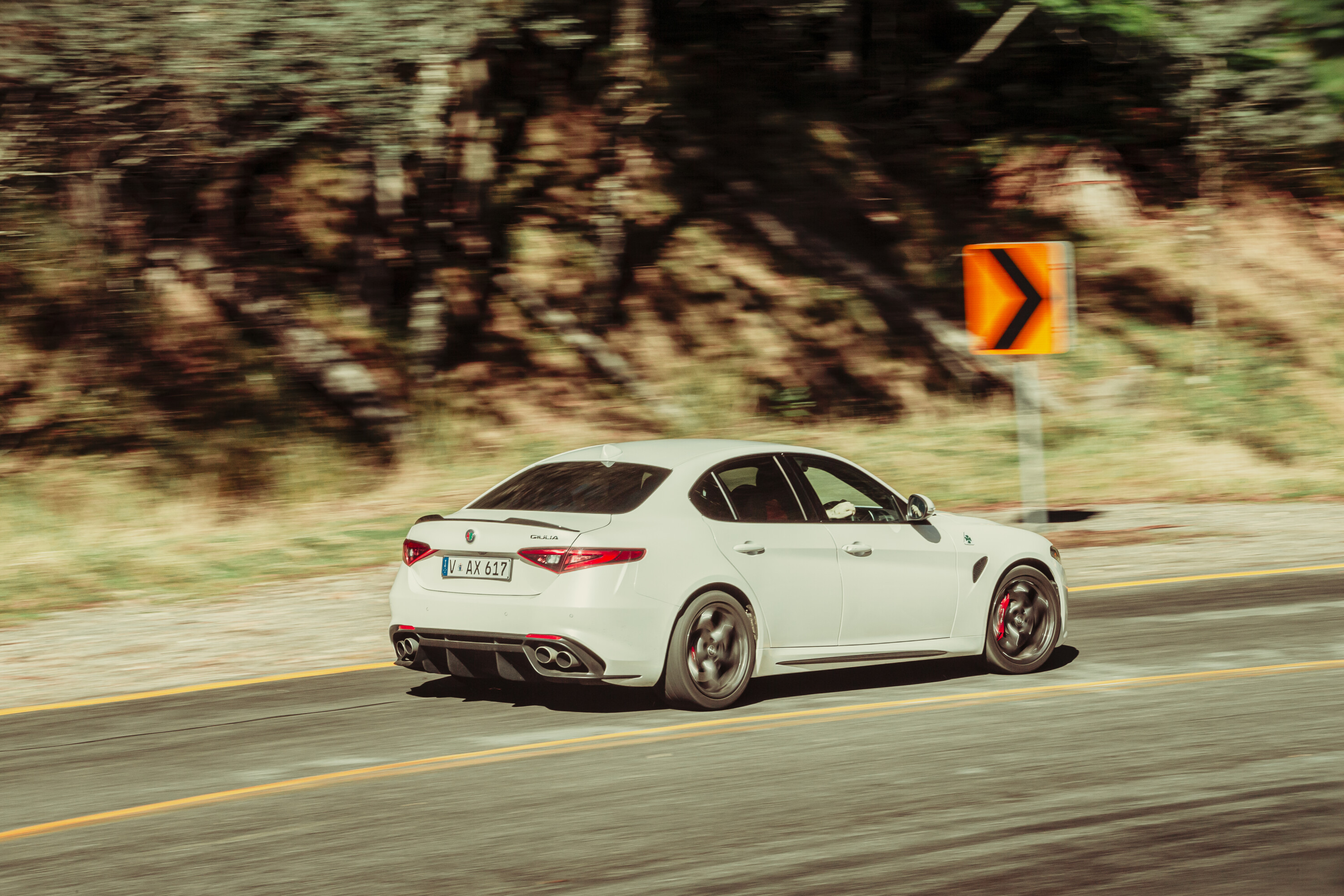
The reason I bring this April 2017 test up is because I recently had an excuse to jump into a Giulia Q again. It came about by accident.
Dylan Campbell had gone in to collect a car that, it turned out, had been double-booked – so he was given the Alfa for a few days as a stop-gap. I was anxious to nick the keys and see how the intervening six years had altered my views on it. The Giulia Q certainly didn’t feel as concussively fast as it did back then.
Driving potent EVs on a fairly regular basis tends to alter your perceptions on what constitutes impressive acceleration. Its drive mode system also felt silly, the most fun setting for road use also switching off all stability control. At normal speeds, there was little in the way of X-factor at all.
It felt rather tame. Doubt started to gnaw at me. Inwood’s words rang in my ears again. “Are you sure about this?”
1
Pointing the Alfa’s nose up a challenging and deserted hill route brought the memories cascading back.
It was the ride quality and tractability of the engine at low speeds that lulled you into thinking that the Giulia lacked focus. It doesn’t. It has bandwidth. Stacks of it.
It reignited memories of how the BMW and AMG roared, bucked and kicked back impotently as they saw the Italian car disappear up the road, all buttery-smooth compliance and well-signalled limits. When extended, the Alfa felt alive and thrilling, agile and charismatic.
Hindsight also tells us that the F80 M3 was perhaps the least lovely in that nameplate’s near-40 year history. And that the W205-generation C63’s weight, and distribution thereof, meant that it would never be able to level with the Alfa when the going got twisty.
Putty Road – the venue for that 2017 comparo – certainly does twisty with some considerable élan. The Giulia was, and is, something rare and joyous. The expensively-developed Giorgio platform that underpinned both Giulia and Stelvio was also a financial disaster, which is why we may never see its like again.
Thing is, six years is a long time.
1
The Alfa Giulia Q is not long for this world, but we’ll miss it when it’s gone
The Giulia launched at a time when chassis engineers were just beginning to figure out how to make a heavy car with liquorice-strap tyres ride well.
Now we have vehicles like the G80 BMW M3 which is 200kg heavier than the Giulia yet almost as supple, or the Porsche Cayenne Turbo GT, a two-tonne monster that feels like a gym-bulked hot hatch.
The Giulia’s relative simplicity now smacks of a throwback, but is no less lovely for that. It’s not long for this world but we’ll miss it when it’s gone. The most capable car Alfa Romeo ever built still feels a class act. It still sells in trickles.
And I still absolutely stand by that original verdict.
Victoria’s Transport Accident Commission (TAC) is urging new car buyers to prioritise safety features when choosing their next car, in light of recent accidents involving vehicles aged older than ten years.
The TAC’s latest safety campaign stresses the importance of active safety features, highlighting the importance of safety mechanisms, including autonomous emergency braking (AEB), lane keep assist, blind spot monitoring along with a comprehensive suite of airbags.
The campaign was triggered after new data revealed that 56 of 92 fatal accidents in Victoria, in 2023 so far, have involved a vehicle aged 10 years or older. The TAC goes on to suggest that, “if everyone drove the safest vehicle in [their] class, deaths and serious injuries would be reduced by up to a third”.
1
Joe Calafiore, CEO of the TAC, adds: “remember, a state-of-the-art sound system and leather seats won’t save your life in the event of a crash but having advanced safety features can truly be the difference between life and death.”
Both active and passive safety arenas have benefitted from a huge surge in development over the past few vehicle generations, with the TAC pointing out that new and used vehicles, even at a similar price point, can vary wildly in their fitted safety suites.
The TAC is encouraging people to visit howsafeisyourcar.com.au [↗] to compare new and used vehicles by registration or by safety rating.
1
The TAC’s latest safety campaign will appear across radio, print, digital and outdoor advertising and run until June 30, coinciding with National Road Safety Week.
Newser, safer vehicles is a key pillar in Victoria’s ambitious Road Safety Strategy which targets a 50 per cent reduction to the road toll by 2030.
While the call for buyers to opt for the newest, safest car possible is a noble one, new car buyers continue to suffer lingering logistical delays pertaining to the new car supply chain.
Many manufacturers report that the delivery process is perpetually improving, but certain in-demand models still endure lengthy wait times.
1
Squeezes on new car supply over the past few years saw values of many secondhand vehicles buoyed and inflated.
While used car values, generally speaking, have stabilised from the dizziness of peak-Covid restrictions, good, safe, secondhand vehicles that were buoyed due to difficulties with new car availability, are still a costly purchase for many Australian motorists.
Interested in what the latest wait times are for the most popular models in Australia? Check out our New Car Delays page below.
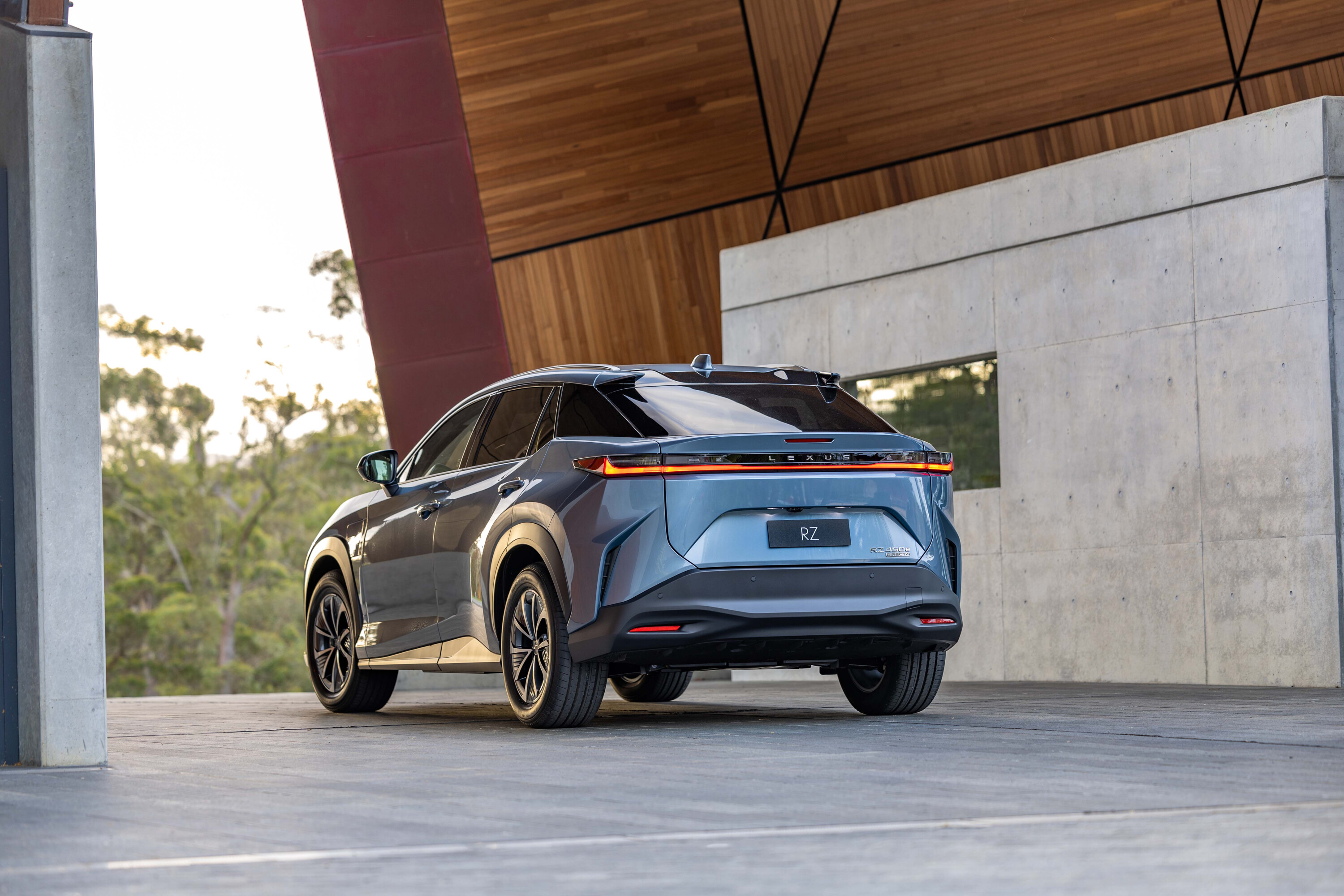
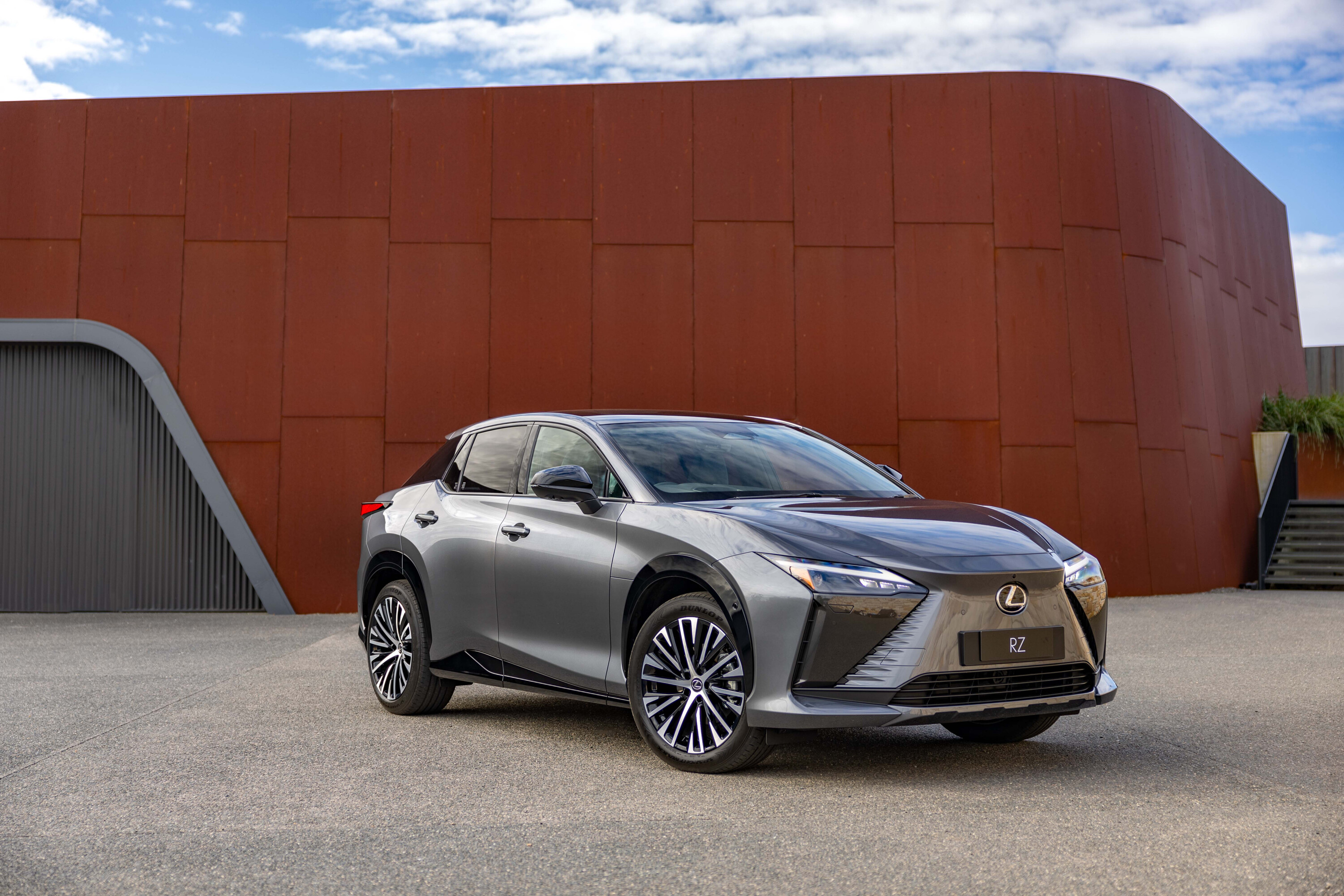
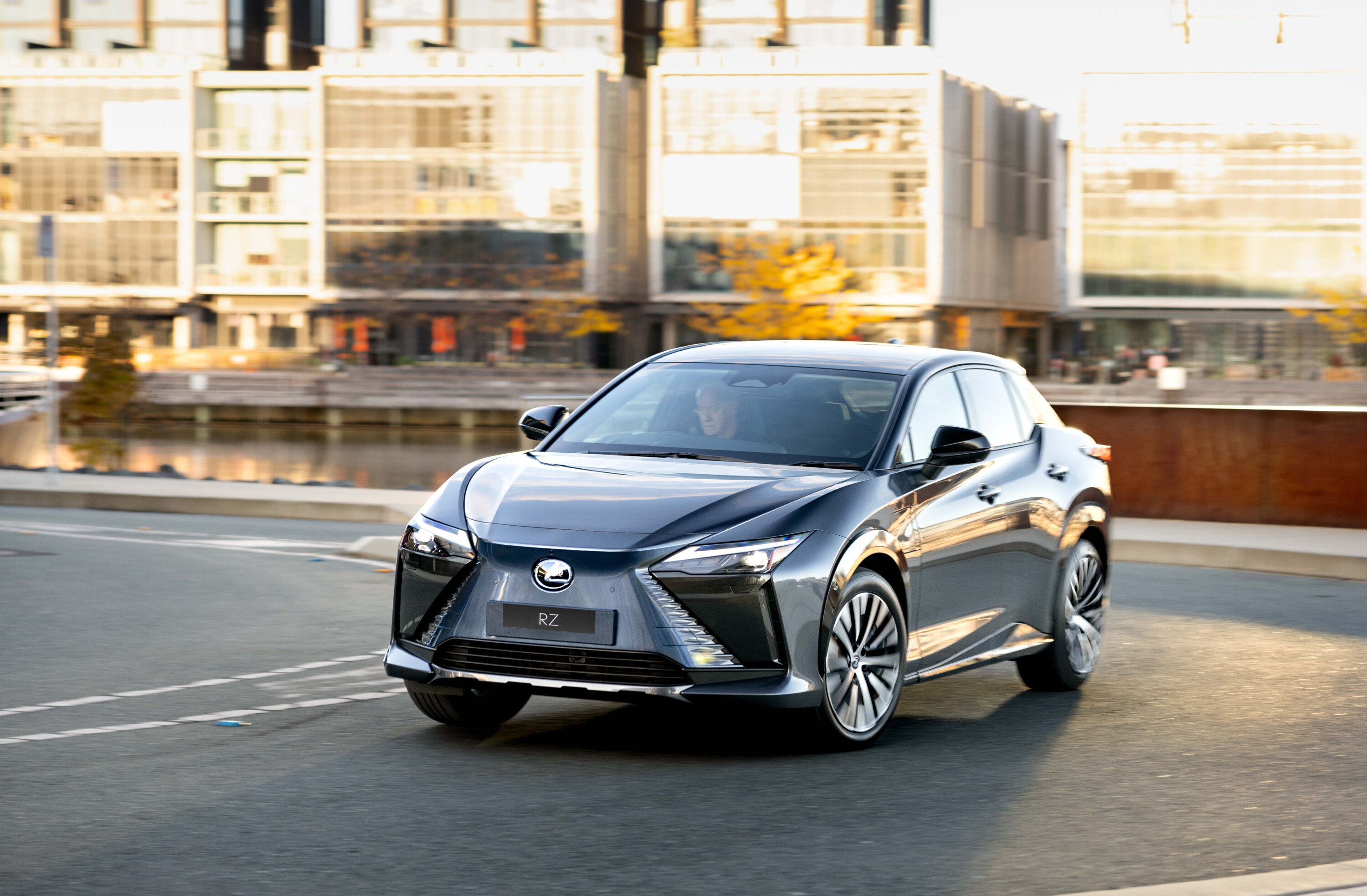
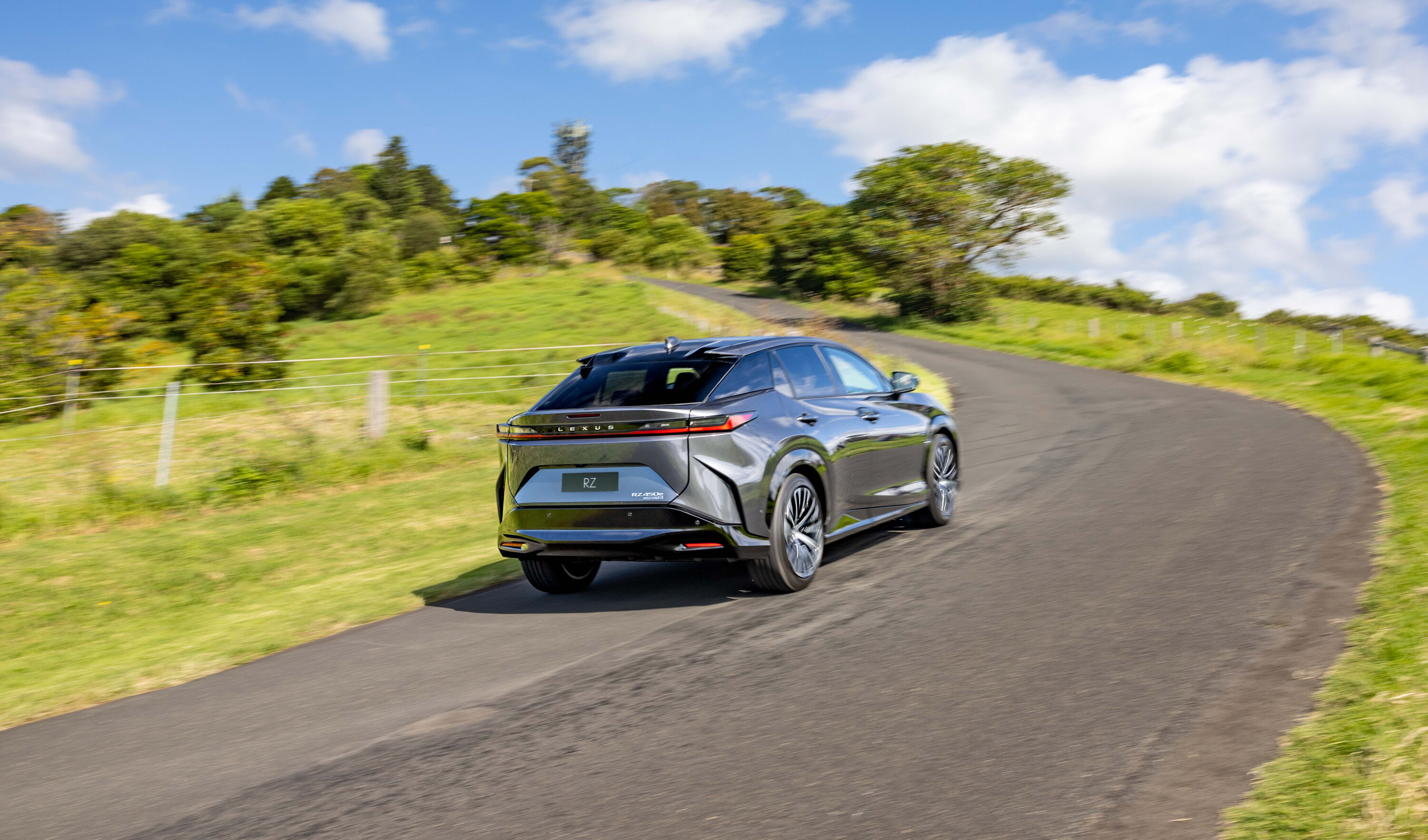
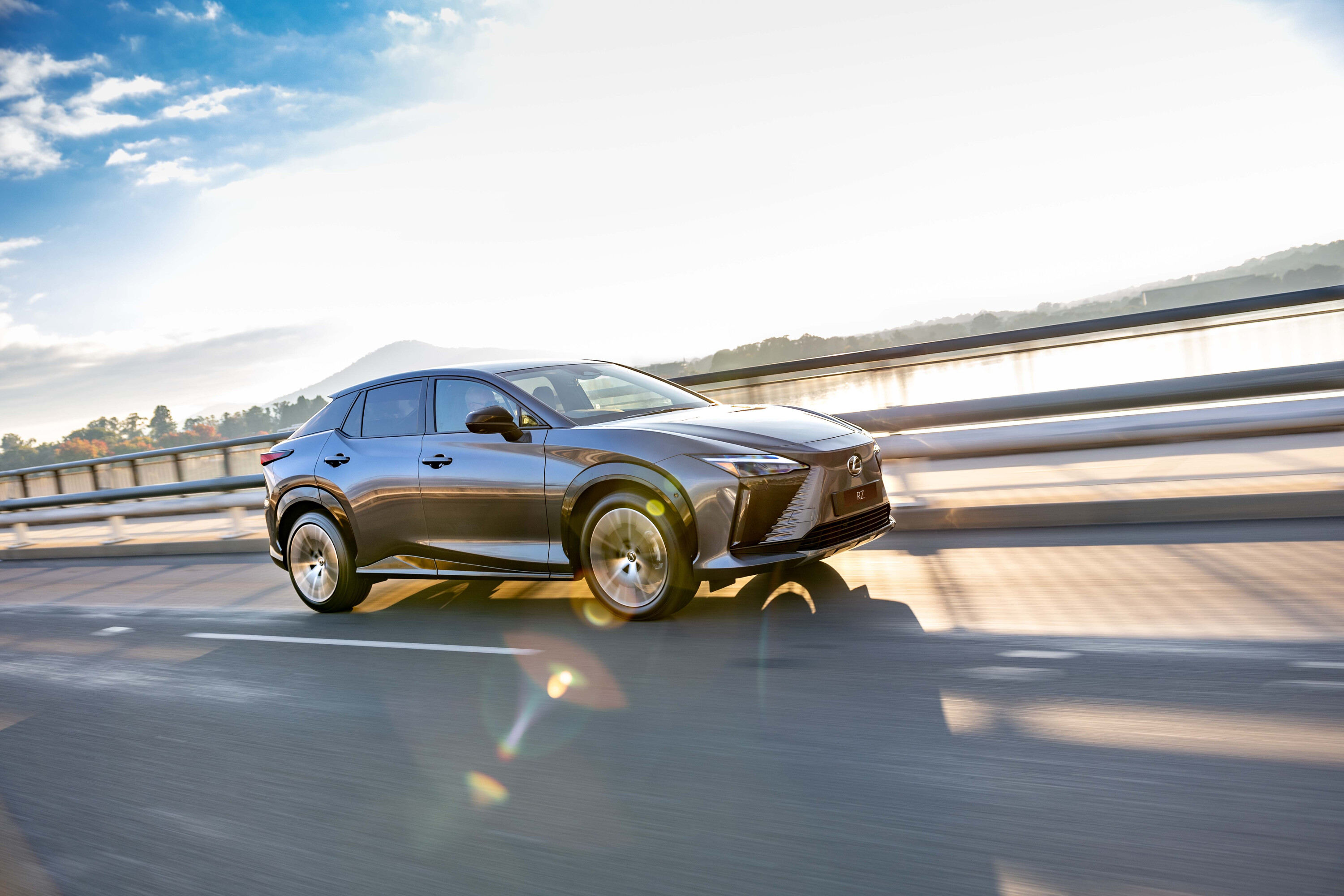
The 2023 Lexus RZ is great to drive, let’s get that out of the way first – but it’s too expensive and misses out on many innovations we’ve come to expect from electric cars.
Starting at $123,000 before on-road costs, the RZ is built on the same all-new, dedicated electric vehicle (EV) platform as the incoming Toyota bZ4X and Subaru Solterra. It’s not the first electric Lexus, that honour going to the UX300e compact SUV. But when the world’s biggest car manufacturer Toyota enters the new-age EV race after years of sitting on the sidelines, you pay attention.
We’ve been waiting to see, too, how the Japanese interpret this new EV thing. We’ve seen how the Americans, Britons, Germans and South Koreans imagine the electric vehicle of the future. How might the Japanese, a powerhouse nation of automotive design and engineering, move the EV game forward? What fresh thinking might they bring?
1
In order to find out, we headed to Adelaide to drive the new Lexus RZ. Just 500 are coming initially, and Lexus said 150 are already sold.
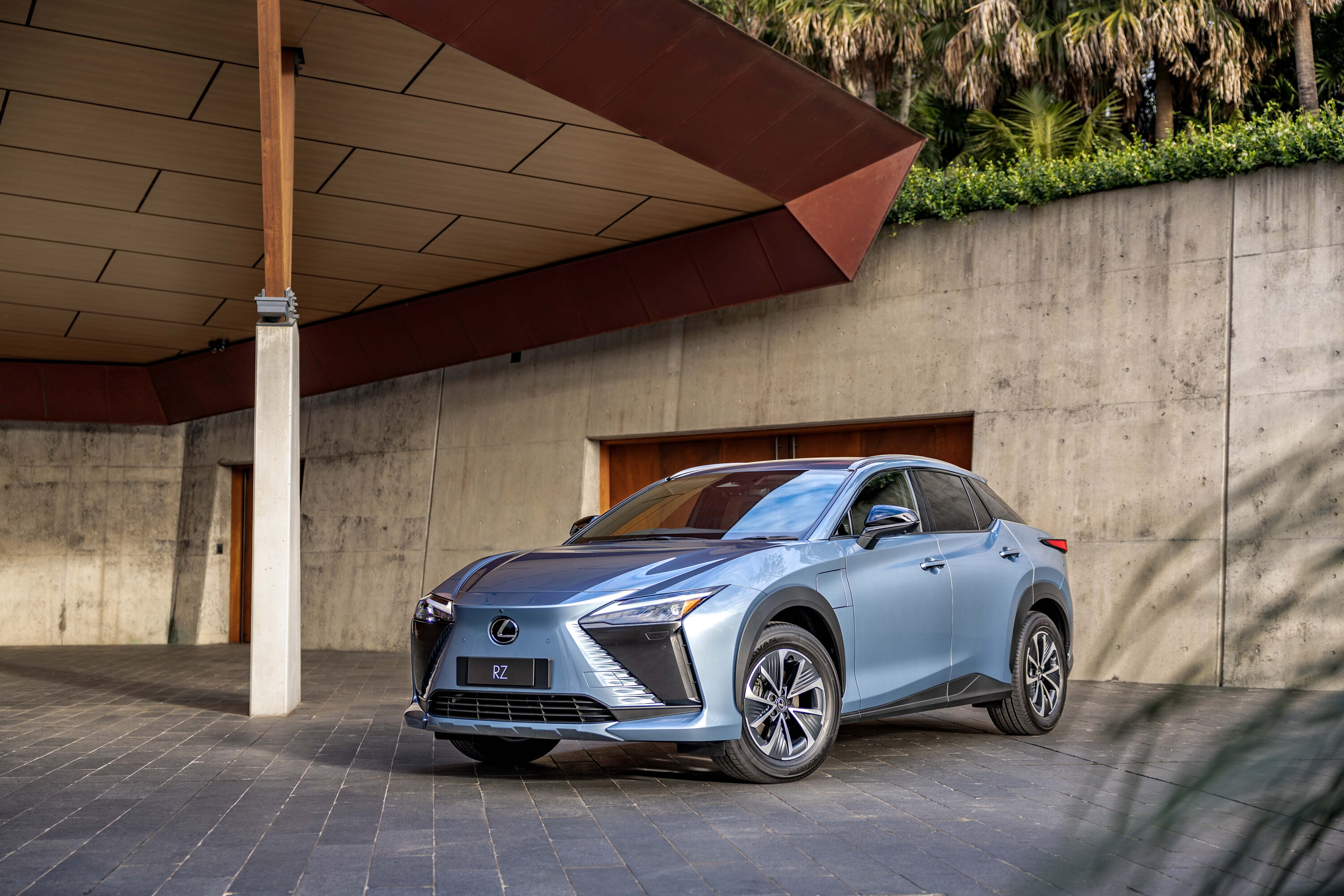
The RZ measures 4910mm long, 1895mm wide and 1635mm high, making it almost as big as its RX large SUV stablemate. Aerodynamics matter a lot in the world of EVs and so the RZ’s drag coefficient of 0.28Cd hardly has us falling off our chair. A Tesla Model Y, while admittedly almost egg-shaped, is 0.23Cd.
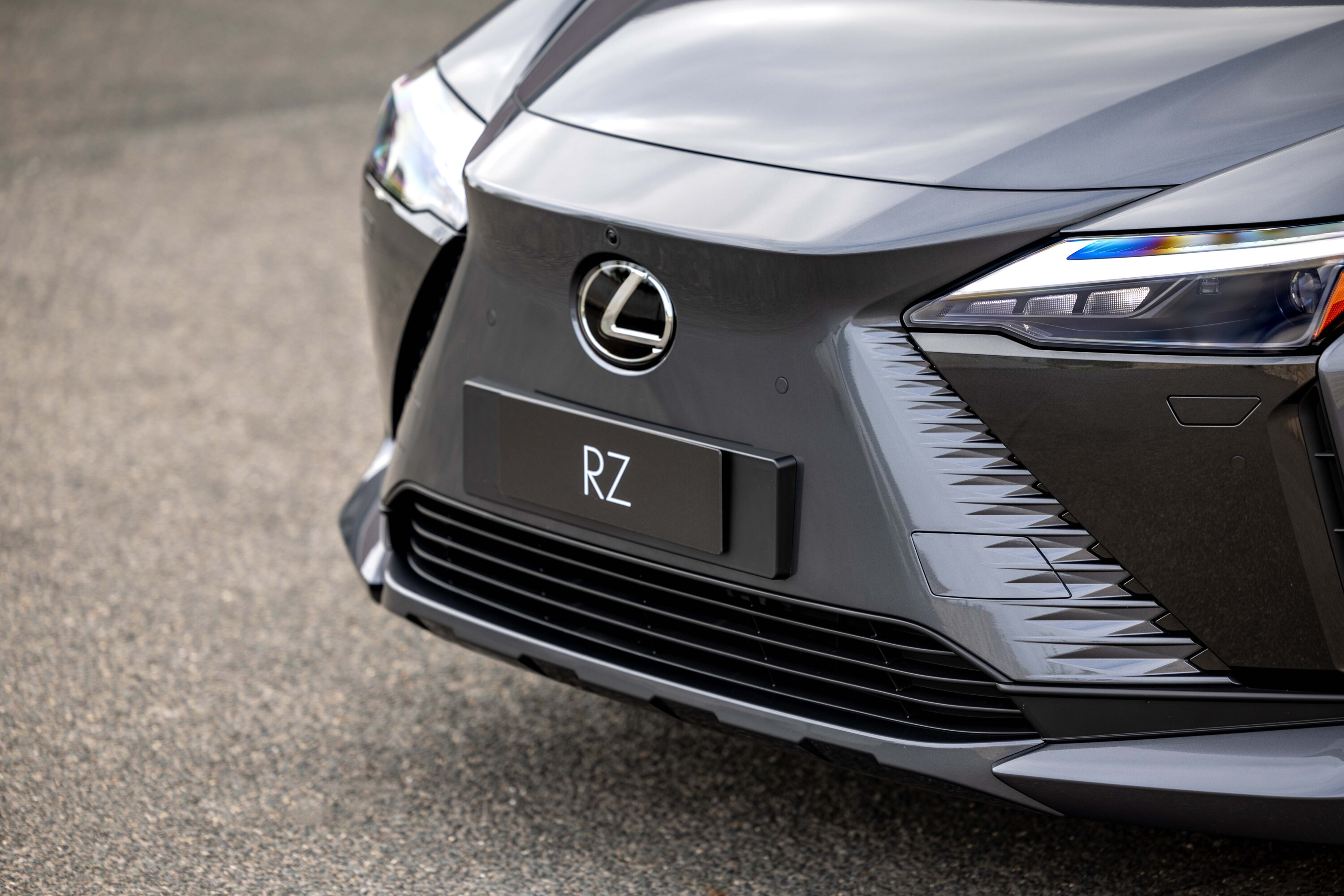
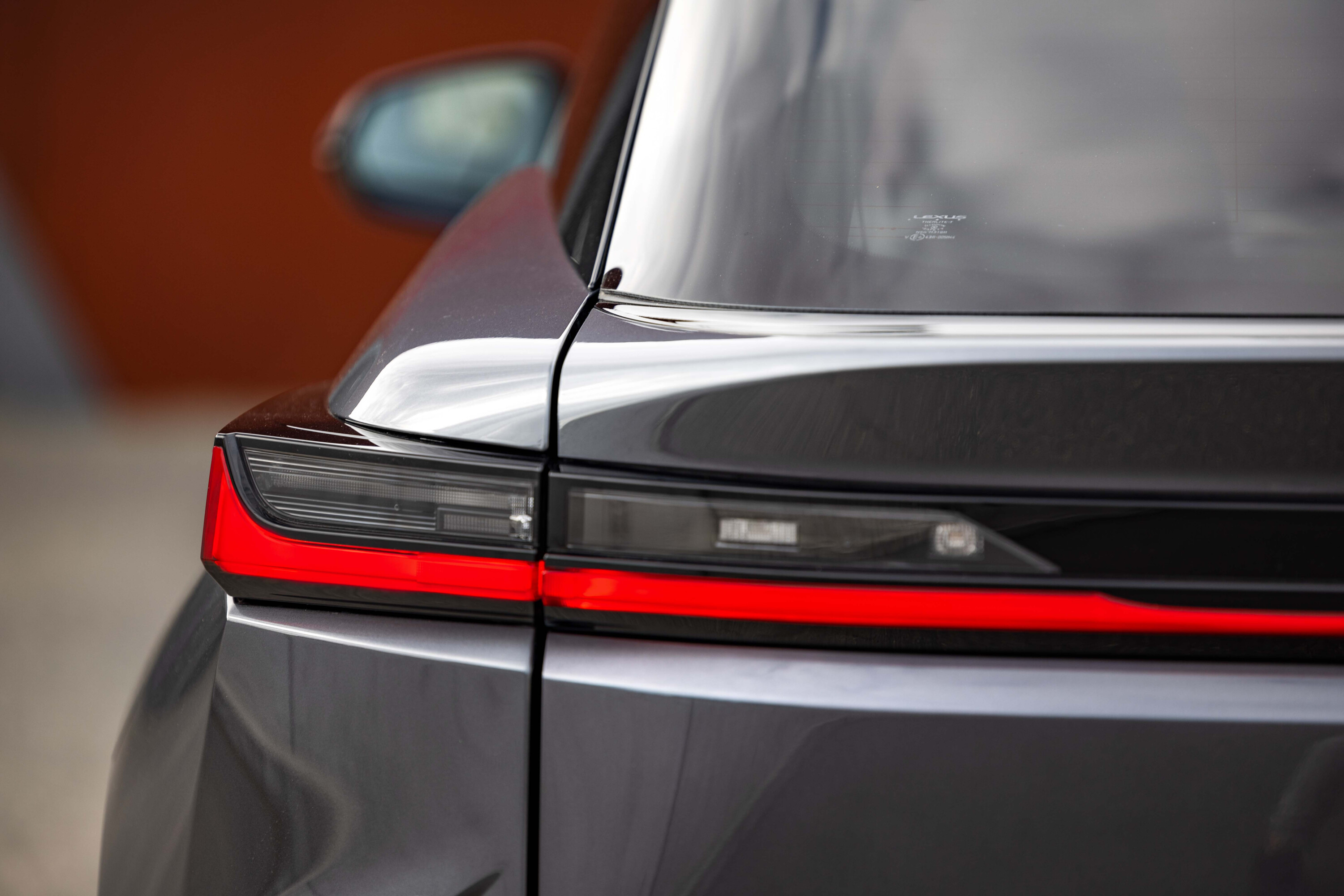
Styling is of course subjective, so maybe we’ll keep to ourselves that we think the RZ’s narrow daytime running lights (DRLs) make it look a bit cross-eyed; or that its little bulging bonnet forehead reminds us of a beluga whale; or that in the metal, the beltline looks a bit too high and the headlights too low. Let us know in the comments if you agree…
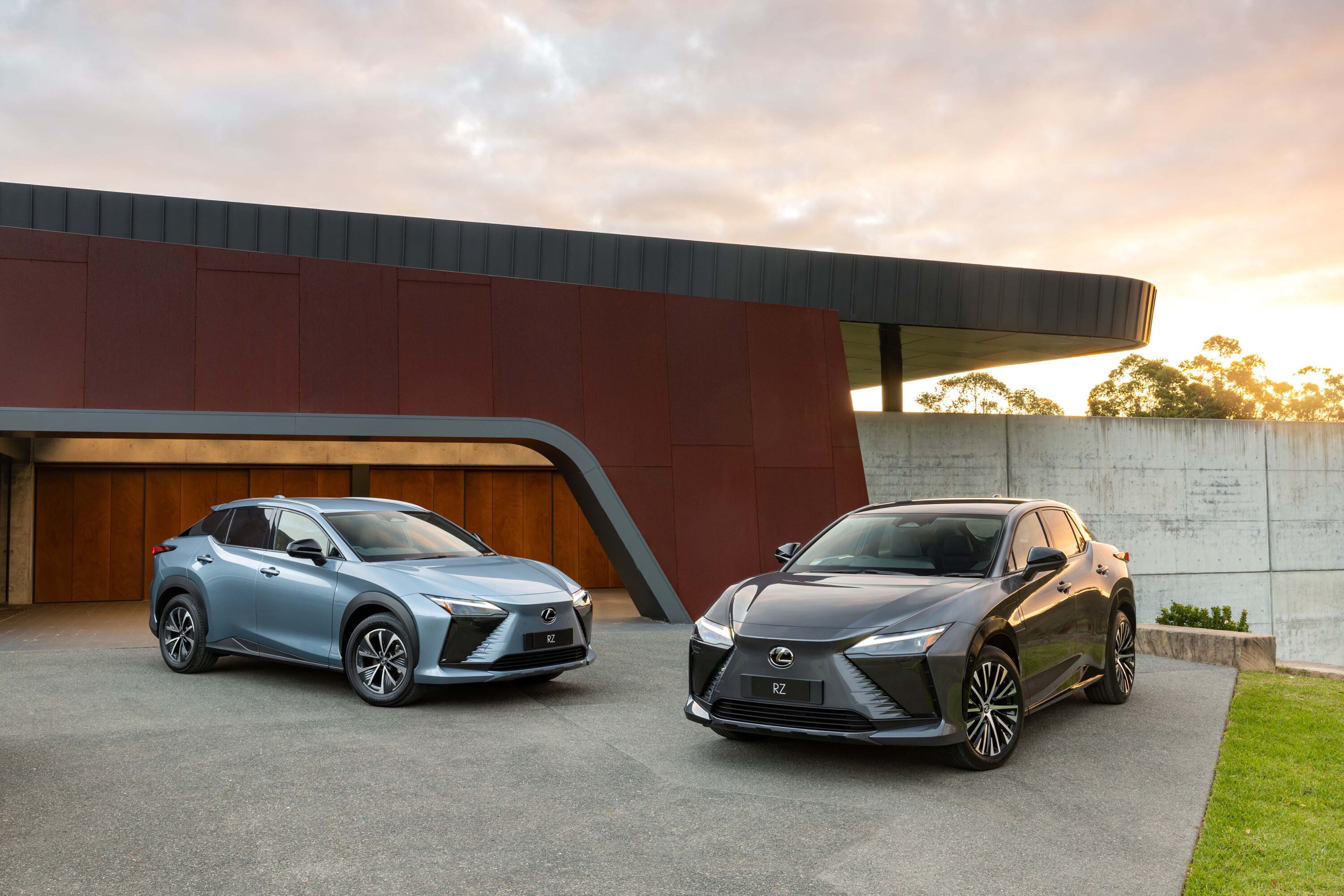
For now, there are two RZ450e variants – the $123,000 Luxury and $135,000 Sport Luxury – both prices excluding on-road costs.
Both are powered by the same 230kW/435Nm, dual-motor, all-wheel-drive electric powertrain. There’s a single 71.4kWh lithium-ion battery option granting about 400 kilometres of WLTP range. The RZ’s platform could technically support a cheaper, single-motor model but Lexus said there were no plans for such a vehicle in Australia.
Each of the RZ450e grades comes with Lexus’s advanced Safety Sense tech, which we’ve outlined in detail below.
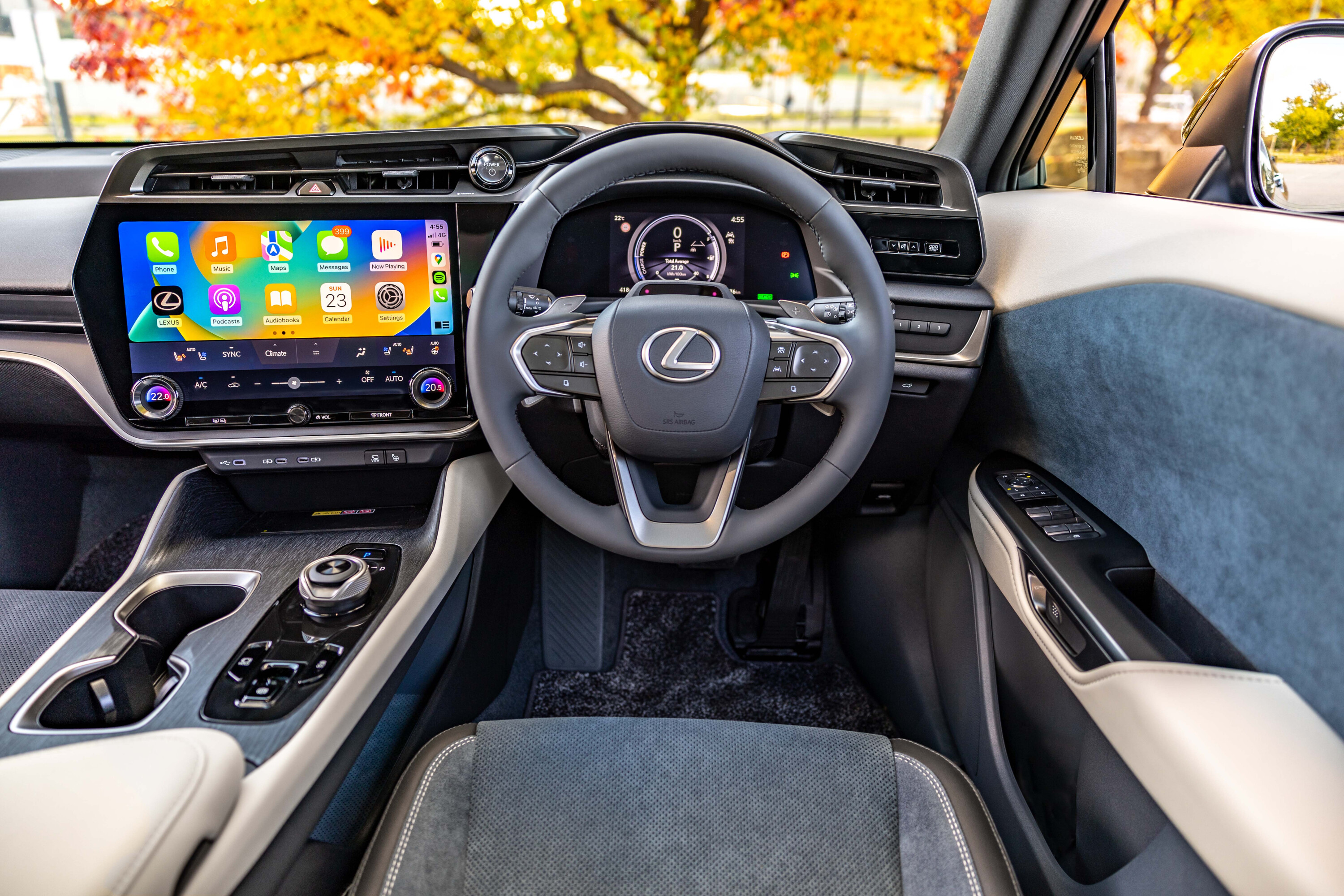
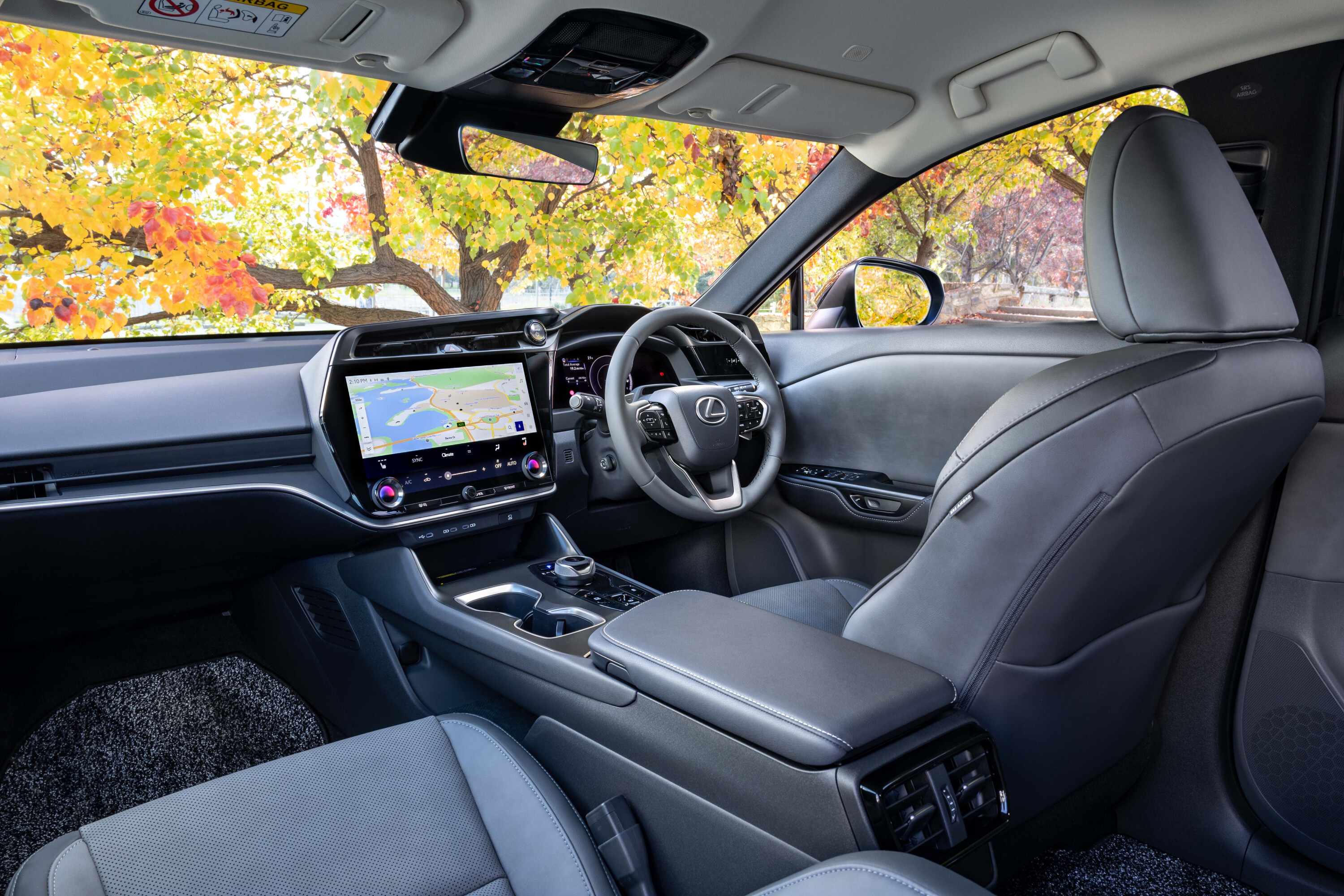
The Sport and Sport Luxury are packed to the brim with standard equipment. There’s a giant 14.0-inch central touchscreen infotainment system with wireless Apple CarPlay and wired Android Auto, LED lighting galore, eight-way adjustable powered front seats, electric rear tailgate and, in the Sport’s case, vegan upholstery – although we wouldn’t recommend eating it.
1
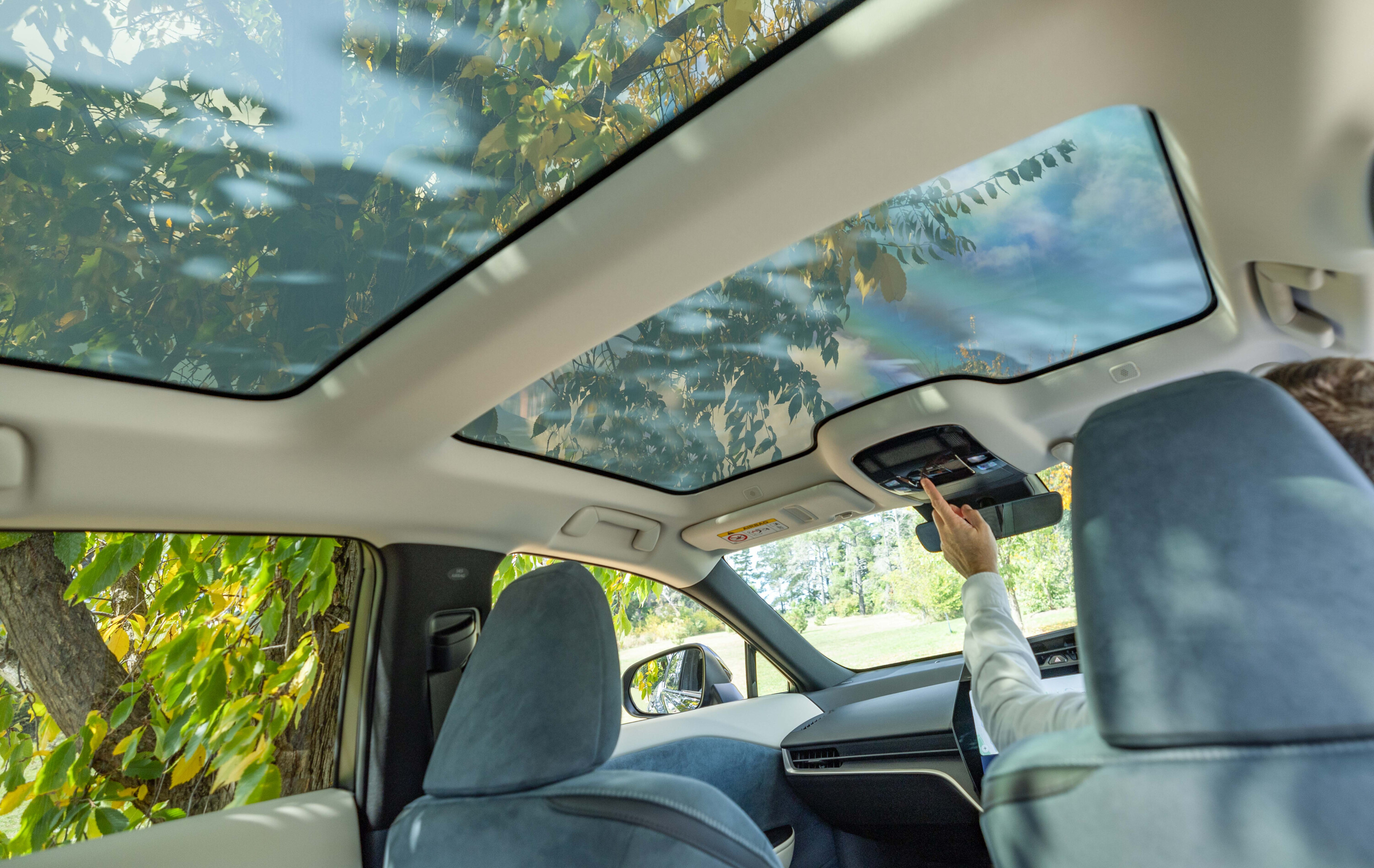
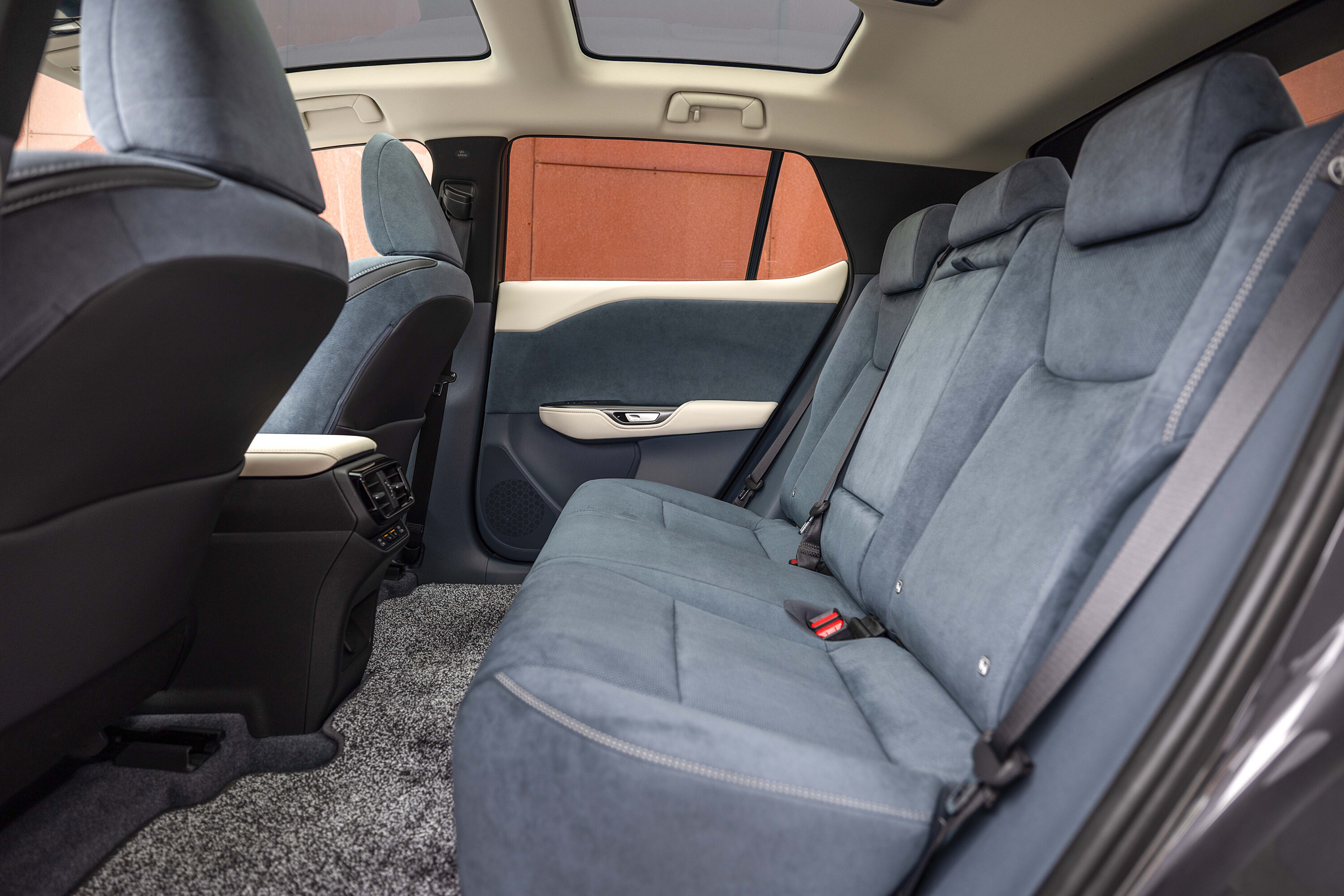
For an extra $12,000 the Sport Luxury gives you 20-inch wheels (to the Luxury’s 18s), much nicer Ultrasuede interior trim, twin-opening sunroof, head-up display, auto-levelling and cornering headlights, front and rear acoustic glass (making it quieter inside), ventilated front seats, front radiant heating panels and heated outboard rear seats. The driver’s seat also gets three memory settings, while a 13-speaker Mark Levinson audio system replaces the 10-speaker Panasonic system of the Luxury.
The Sport Luxury grants the (sort of gaudy) $4200 option of two-tone, copper and black hero paintwork.
For both grades, the price includes a free 7kW home charger (and installation), three years’ free subscription to the Chargefox public charger network and a three-year membership to the Lexus Encore Platinum program.
1
Over three years, Encore Platinum grants you four loans of vehicles within the Lexus range, for up to eight days at a time.
For up to five years, Lexus will also come to your home or workplace and swap your RZ with a loan vehicle when services are due. Five years of roadside assistance is also included.
While the RZ’s e-TNGA platform can offer vehicle-to-load (where you can plug in a 240-volt appliance like a laptop) it’s not available on the RZ.
Lexus fancies the RZ as a competitor against premium electric vehicles such as the Audi E-Tron, BMW iX and Mercedes-Benz EQC. All are about the same price, or a bit more expensive.
Built on a conventional vehicle platform and retrofitted with electric motors and batteries, the Audi E-Tron 55 Quattro has 436km of range from its 95kWh of energy storage. It can do 0-100km/h in 5.7 seconds thanks to its dual motors producing 300kW/664Nm. It costs $147,400 before on-road costs. There was a cheaper E-Tron 50 Quattro but it was dropped.
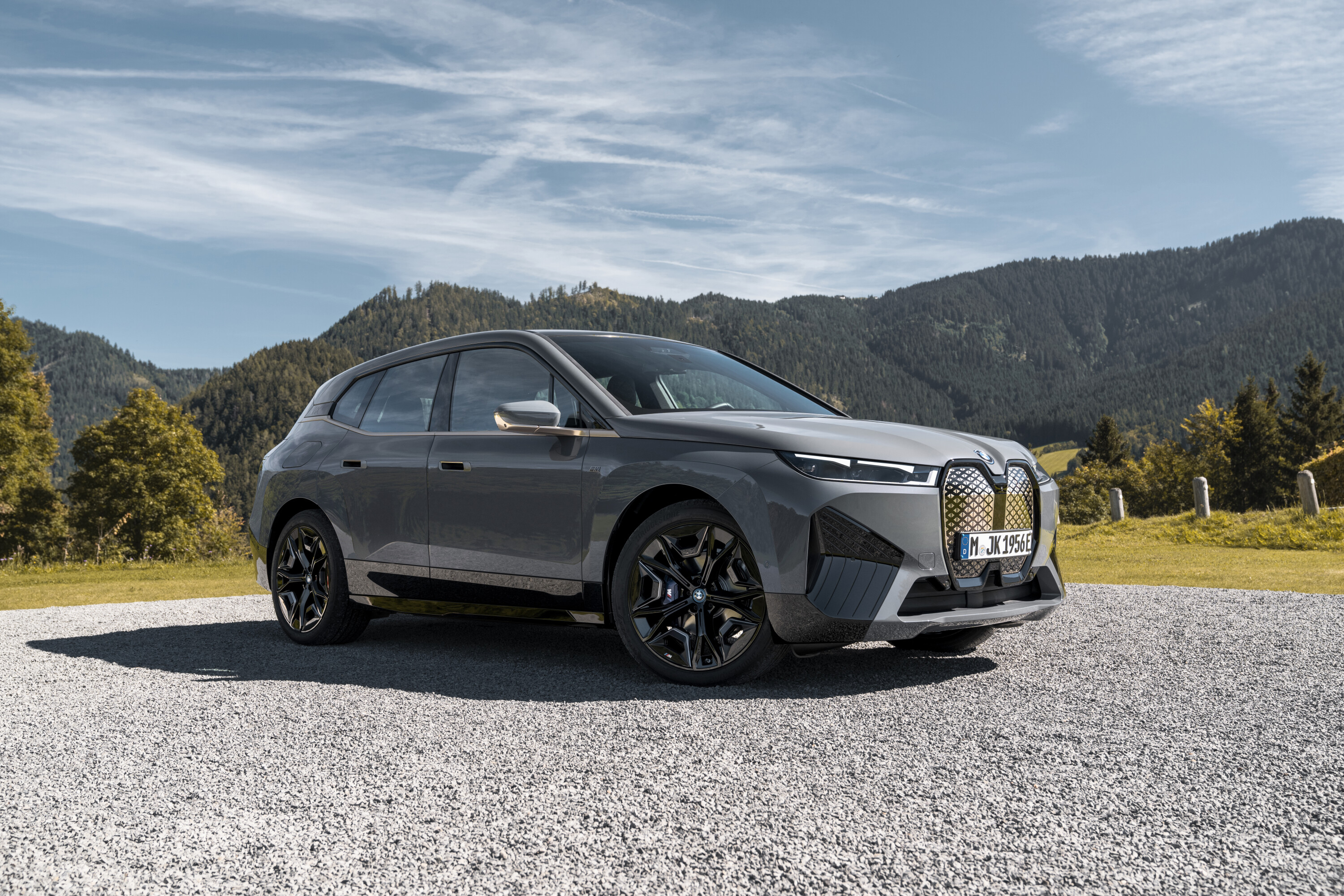
The BMW iX is built on a dedicated electric vehicle architecture and in entry-level xDrive40 guise is $135,900 before on-road costs. Its dual electric motors produce 240kW/630Nm and can propel the big Bimmer from zero to 100km/h in 6.1 seconds. ADR claimed range from its 74.1kWh battery is 426km.
1
The Mercedes-Benz EQC is another vehicle built on a conventional internal combustion platform, retrofitted with EV gear. The entry-level EQC 400 uses twin motors producing 300kW/760Nm – good for zero to 100km/h in 5.1 seconds. At $128,000 before on-road costs, it comes with an 80kWh battery that provides an ADR range of 445km.
While Lexus undoubtedly loves being mentioned in the same breath as Audi, BMW and Mercedes, it’s difficult not to compare the RZ to the (significantly cheaper) Genesis GV60 Performance AWD.
At $110,700 before on-road costs, the GV60 Performance packs a 360kW/700Nm dual-motor powertrain good for 0-100km/h in a scalding 4.0 seconds, while its 77.4kWh battery offers up to 466km of range. The boot is a bit smaller, but the interior is just as nice as the Lexus – and it’s just as richly equipped. It’s just as safe, offers vehicle-to-load capability, 350kW DC fast-charging capability (versus the RZ’s 150kW) and a seven-year full vehicle warranty to five years from Lexus.
It’s really nice – especially the Sport Luxury which ditches the vegan upholstery for the lovely Ultrasuede.
The vegan upholstery almost looks and feels like the kind of cheap vinyl you’d get in a Toyota Corolla. You’d shell out the extra $12K for the nicer upholstery alone.
The front seats are superb – Lexus does amazing seats – while the steering wheel is pleasantly upholstered. The floor mats are so deep pile and plush, you could just about lose your phone in them. Indeed, Lexus also does the best floor mats in the business.
Both variants get the statement-making 14.0-inch central touchscreen. Pleasingly, Apple CarPlay (wireless) fills the entire screen, save for some climate controls along the bottom.
Sort of cheaply, the Sport gets a small 4.2-inch digital instrument display screen whereas the Sport Luxury gets a that’s-more-like-it 7.0-inch screen.
Perched on top of the steering column – almost blocking the bottom of the digital instrument display depending on your seating position – is a poorly integrated driver monitor.
1
It’s constantly in your line of sight, which is unfortunate, as it’s hideous. It’s kind of weird as well that it uses facial recognition and is unceasingly ‘watching’ you, but that’s beside the point.
Two cool interior highlights are the Sport Luxury’s sunroof which can instantly switch from transparent to opaque just by pressing a button; and the same grade’s radiant heating which uses infrared panels under the steering column – and where the glovebox lid would be – to gently warm your knees. This saves having to blast the heater on cold days, reducing overall energy consumption, says Lexus.
Overall, though, the RZ interior is pleasant.
In the back seat, meanwhile, there’s plenty of knee-room but the seat base is perched low so you feel to be sitting more on a milk crate than an armchair. With limited under-thigh support, you want to stretch out your legs but toe-room, with no under-seat ‘foot garage’, is limited.
1
Overall, though, the RZ interior is pleasant.
An adult sitting in the back on a long journey may begin to resent any adult sitting in the front. Luckily, there are two USB-C outlets, two AC vents with flow control only, and the Sport Luxury offers outboard rear seat heaters.
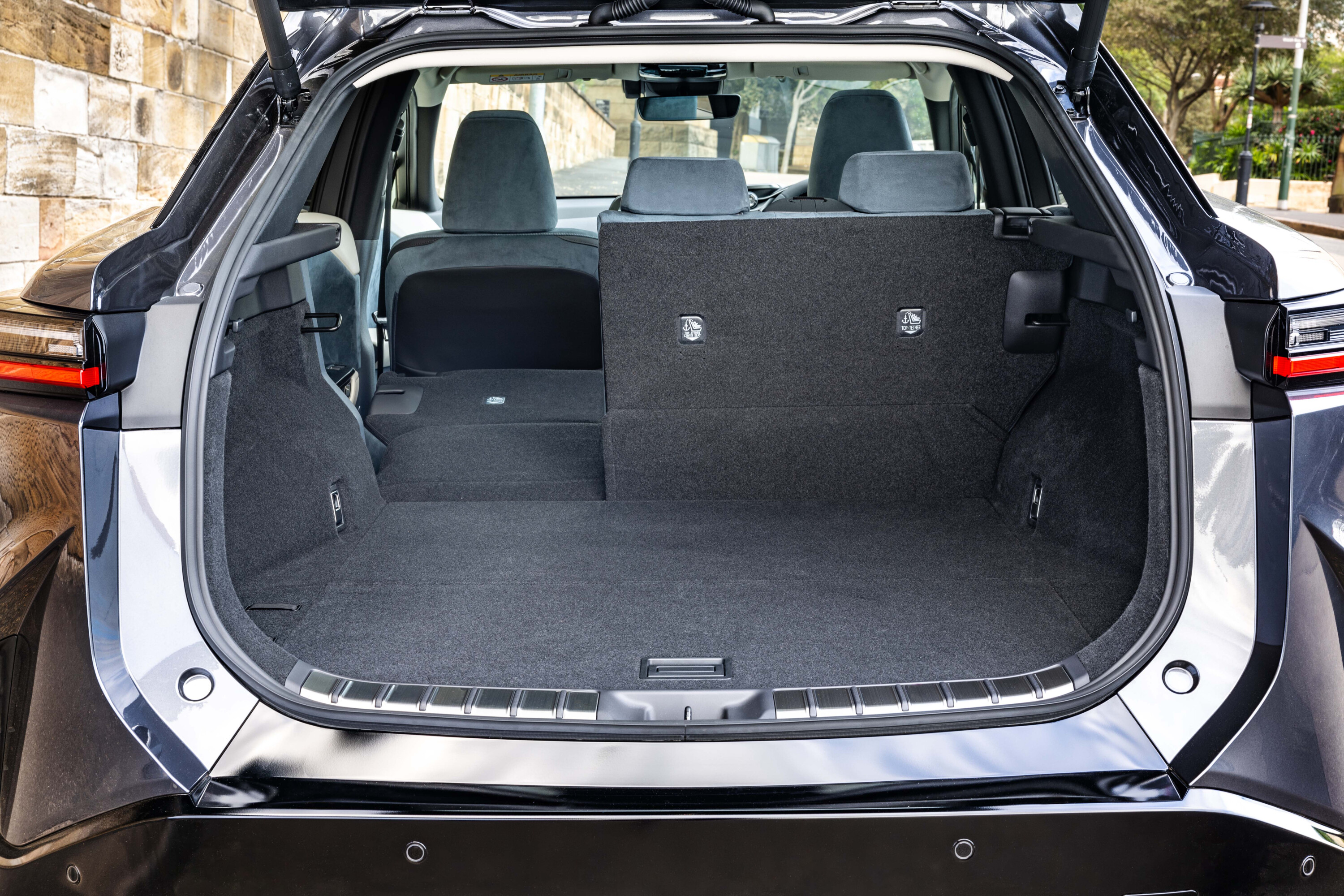
Practicality is okay. The rear seat itself is not tilt or slide adjustable and offers only a 40:60 split-fold with no ski port. There are no boot-situated buttons or levers to fold the rear seats down. At 522 litres the boot is decent – by internal combustion vehicle standards. There’s some underfloor storage, but it’s taken up by the charging cable. And the user manual, oddly, as there’s no glovebox. At all.
There’s also no under-bonnet storage, either, unlike many other electric models.
Much has been made about the Formula One-style Lexus steering ‘yoke’ which replaces a conventional wheel and uses steer-by-wire – with no mechanical connection to the front wheels – to make things like U-turns a mere flick of the wrists. Lexus said it was still 12-18 months away from Australia and would be offered on the RZ as a cost option.
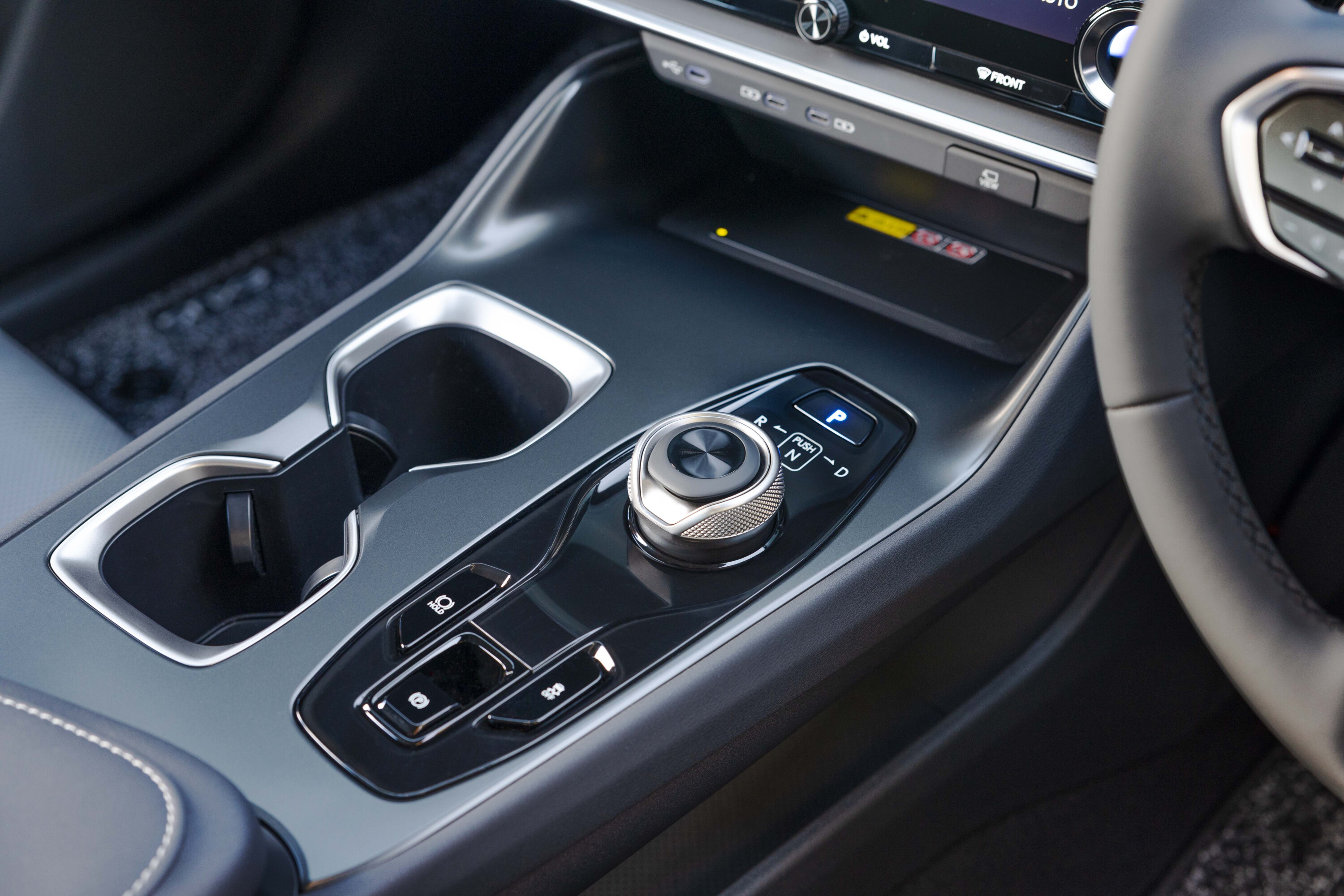
Surprisingly easy – even fun. As you get in, you thumb the starter button, select Drive and you’re good to go. The electric motors are smooth and responsive, and when driving at lower speeds it’s almost eerily quiet.
As the speed increases, so does the tyre noise and a bit of wind noise from the A-pillars, but you’re bound to notice things like this in a car with no engine whatsoever.
The Lexus RZ doesn’t use adaptive dampers, but the ride quality is still good. Unlike a lot of other newer electric vehicles – which use quite stiff springs, resulting in a skateboard-like ride – the RZ is fairly soft, making for great bump absorbency. That said, it can get a little pogo-stick-like over bigger undulations and bob around before settling.
While the base Sport uses 18-inch wheels to the Sport Luxury’s 20s, there is minimal difference in ride quality as the 18s use a 60-profile tyre and the 20s, a 50-profile.
1
The RZ couldn’t be easier to operate around town.
The steering is light and fast, while forward visibility is excellent courtesy of the thin A-pillars, little quarter-light windows and door-mounted side mirrors. Rearward visibility is a bit more slit-like but still fine.
The electric motors make this a fun vehicle to drive around urban centres, with more than enough power and traction to pounce from the front row of traffic lights – and silently. Lexus claims the RZ can do 0-100km/h in 5.3 seconds; we are yet to independently verify this. The acceleration is strong and brisk – about that of a hot hatch – if not explosive.
Find yourself on a winding road and the RZ is surprisingly engaging. While there’s obvious body roll – requiring a bit of patience at times – the weight feels relatively low. Pleasingly, the RZ feels to pivot around its centre almost like a coupe. The steering and brakes offer decent feel, while the electric motors punch nicely out of corners, even if there’s an initial skerrick of front wheelspin before the rear motor tidies things up.
2
Pop it into Sport, which also heavies up the steering, and the RZ pumps a polite, almost Jetsons-like artificial noise through the speakers.
The front motor having more power than the rear is obvious; the torque is noticeably front-biased. The RZ is not permanently all-wheel-drive, instead reserving the right to constantly vary motor output as needed.
Under full throttle in Normal mode, there is merely a bit of electric motor whine and the steadily increasing sound of tyres and wind. But pop it into Sport – which also heavies up the steering – and the RZ pumps a polite, almost Jetsons-like artificial noise through the speakers. Unlike other manufacturers, Lexus certainly hasn’t overdone it in this department.
The RZ offers four levels of regenerative braking, adjustable using steering wheel paddles. There’s no ‘one-pedal’ mode like many other electric models, although the strongest setting gets you about halfway there and should be fine for most.
Compared to rivals, the RZ’s range is merely okay. Both Lexus RZ variants claim up to 400km of WLTP range from their 71.4kWh batteries.
Depending on use, owners can realistically expect to get between 300km and 400km from a full charge.
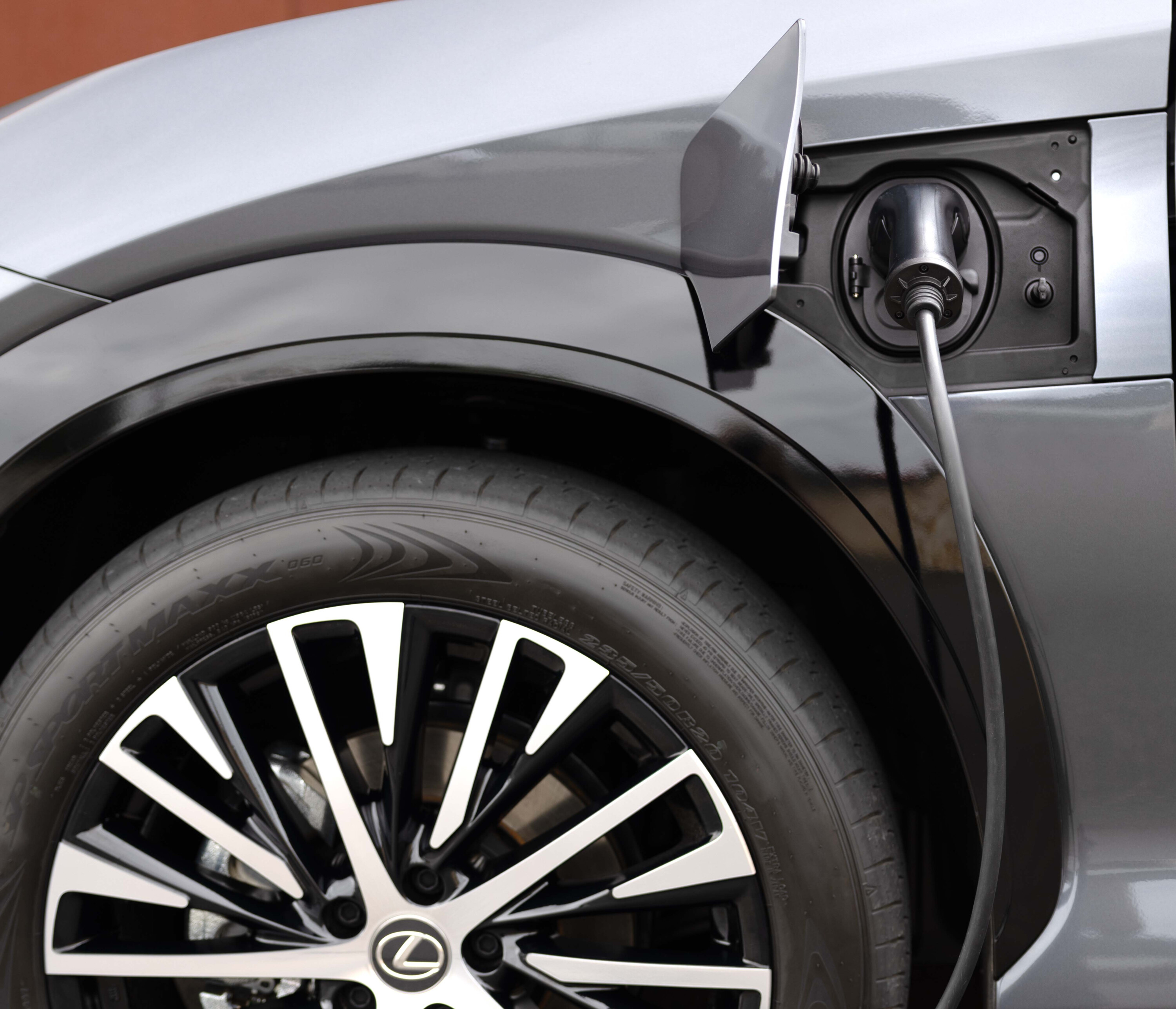
All RZs come with a built-in 11kW charger and use a CCS Type 2 plug. Recharging at 11kW takes 6.5 hours when using three-phase power. The maximum DC fast-charging speed is 150kW which can recharge the car from near flat to 80 per cent in as little as 30 minutes.
About as safe and advanced as modern cars come, as far as features go. All RZs come with 10 airbags and a full high-tech suite of safety features.
The autonomous emergency braking (AEB) system can automatically slow or stop the vehicle at interurban speeds to try to avoid or mitigate a collision. It also can detect cyclists (day and night) and pedestrians. The RZ also has reverse AEB up to 15km/h and rear-cross traffic alert. It’s as good as AEB systems get.
Another piece of cyclist detection tech can warn the driver before opening the door into the path of an oncoming bike after parking.
The RX has not yet been crash-tested by the Australasian New Car Assessment Program (ANCAP).
1
Like Toyota models, Lexus Connected Services can automatically contact an emergency call centre in the event of airbag deployment, and the RZ has a ceiling-mounted SOS call button that can connect occupants to the same call centre at the press of a button.
This all works provided there is mobile reception and the system uses the Telstra network.
When the cruise control and lane-tracing functions are active, the RZ can brake itself to a halt automatically with the hazard lights on, and unlock the doors when stopped, in the event that the driver monitor detects the driver is incapacitated.
A curious safety omission is the lack of external speakers, front or rear, warning pedestrians with a low hum (like other electric models) that the RZ is approaching. Selecting reverse activates a loud, continuously chiming interior noise but there is no external speaker warning that the near-silent vehicle is moving.
How long is the warranty and what are the running costs like?
Lexus offers a five-year, unlimited-kilometre warranty with an additional five years (unlimited kilometres) on the battery, subject to an annual battery ‘health check’.
Lexus said customers can expect a 90 per cent battery capacity retention after 10 years but does not warrant against degradation.
Capped-price servicing of $395 per interval is offered over five years. Service intervals are every 12 months or 15,000 kilometres.
By replacing the internal combustion engine with smooth, quiet, responsive electric motors, Lexus has made a better Lexus. The RZ is surprisingly well-sorted to drive, especially its handling. The interior, in Sport Luxury trim at least, is lovely – making it the grade to get. If you’re happy to stump up the not-inconsiderable asking price, you’re unlikely to be too disappointed.
We did hope for a bit more. The 400km claimed range is hardly class-leading, while the lack of glovebox seems a missed opportunity. The RZ, for a vehicle built on an all-new electric platform, doesn’t really move the electric vehicle game forward in any meaningful way.
There’s no vehicle-to-load capability and 150kW DC fast-charging falls short of the 350kW available from the much cheaper E-GMP platform EVs from Genesis, Hyundai and Kia. The back seat packaging feels a bit compromised for adults and the lack of external speakers to warn pedestrians seems a safety oversight (especially reversing).
1
There are simply better, more forward-thinking and innovative electric models.
A Tesla Model Y, for example, is built on a dedicated electric vehicle platform and is about the same size as the RZ – shorter, in fact. But it packages a 117-litre front boot in addition to a huge 854-litre rear boot. Why couldn’t Toyota – the world’s biggest car manufacturer – manage something similar with its e-TNGA platform, on which the RZ is built?
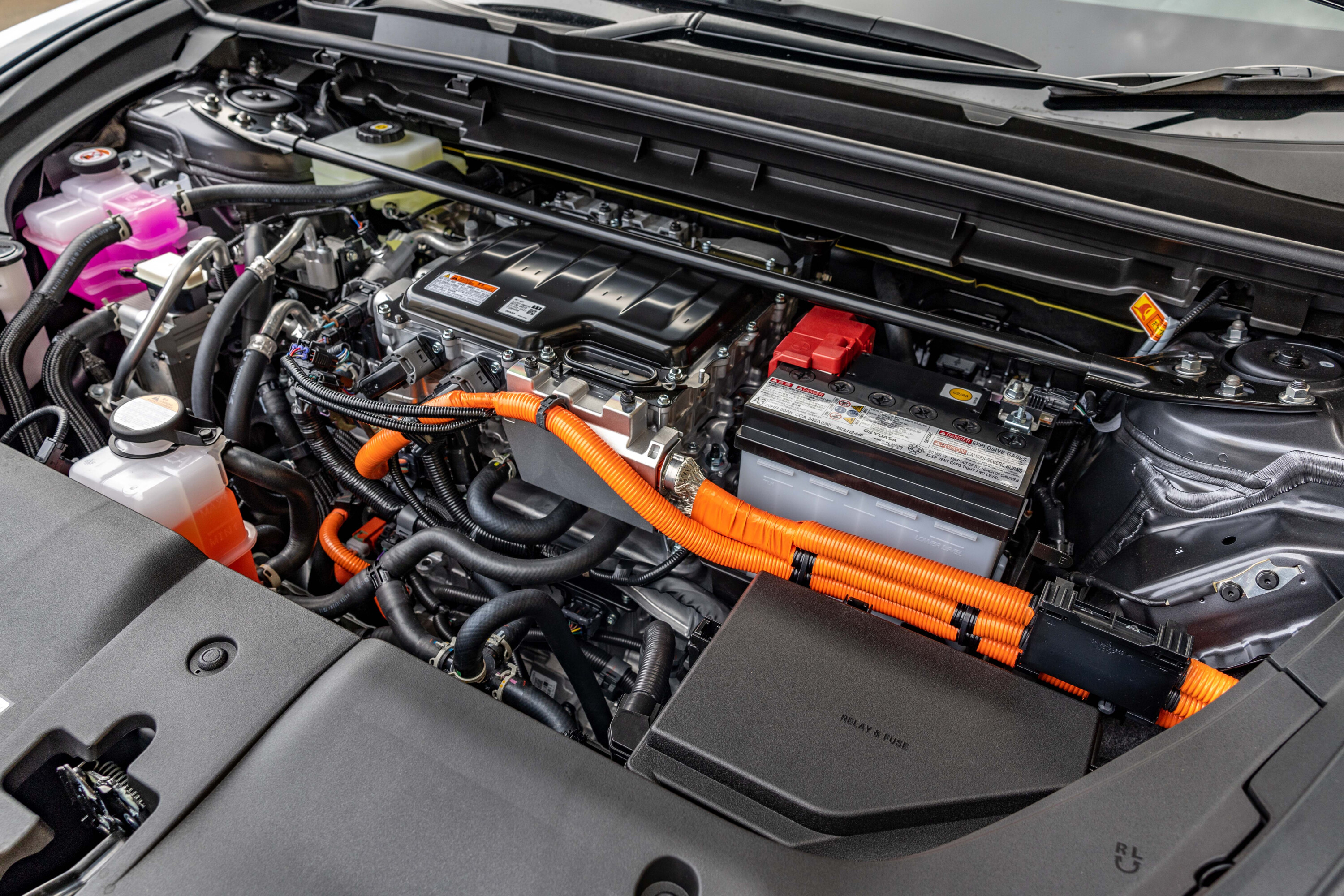
Popping the bonnet to see only an electric motor makes the RZ feel like it was produced on a conventional internal combustion architecture, like the UX300e. It’s not like the RZ packages a full-size spare wheel, either. Like a Tesla Model Y, it uses a puncture repair kit.
1
The RZ could have been an Ioniq 5 moment for Lexus, but it isn’t.
Driving the Lexus RZ reminded us a lot of the Genesis GV60. It’s worth checking out the Genesis if you’re considering an RZ, and not just because you stand to save $25K.
Much like other first EV efforts from manufacturers like the BMW i3 and Jaguar I-Pace, the RZ is likely to be a niche blip in the greater electric vehicle revolution, if for no other reason than its price.
The Electric Vehicle Council (EVC) has suggested a range of measures to address Australia’s often patchy and unreliable EV public charging infrastructure.
Snapshot
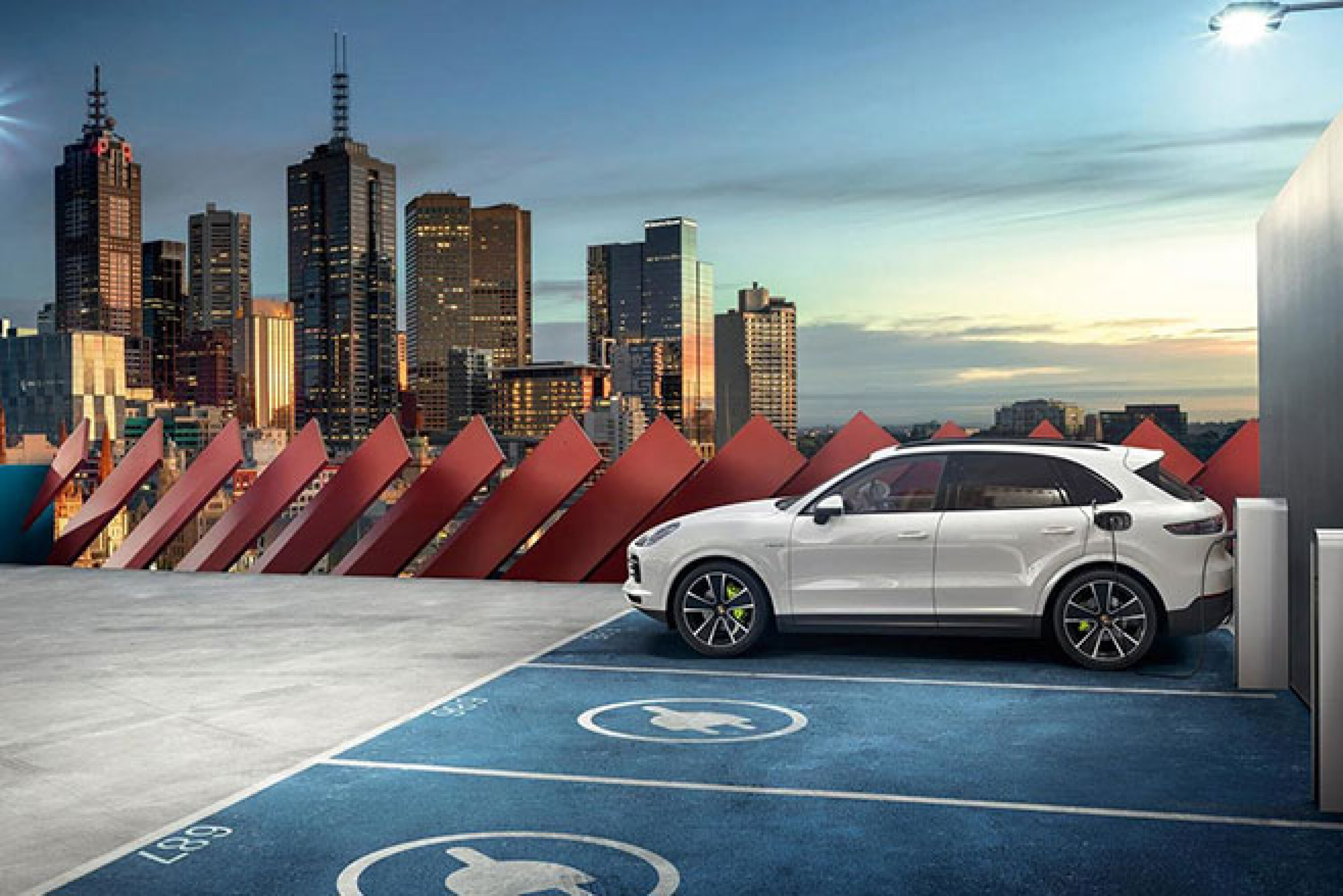
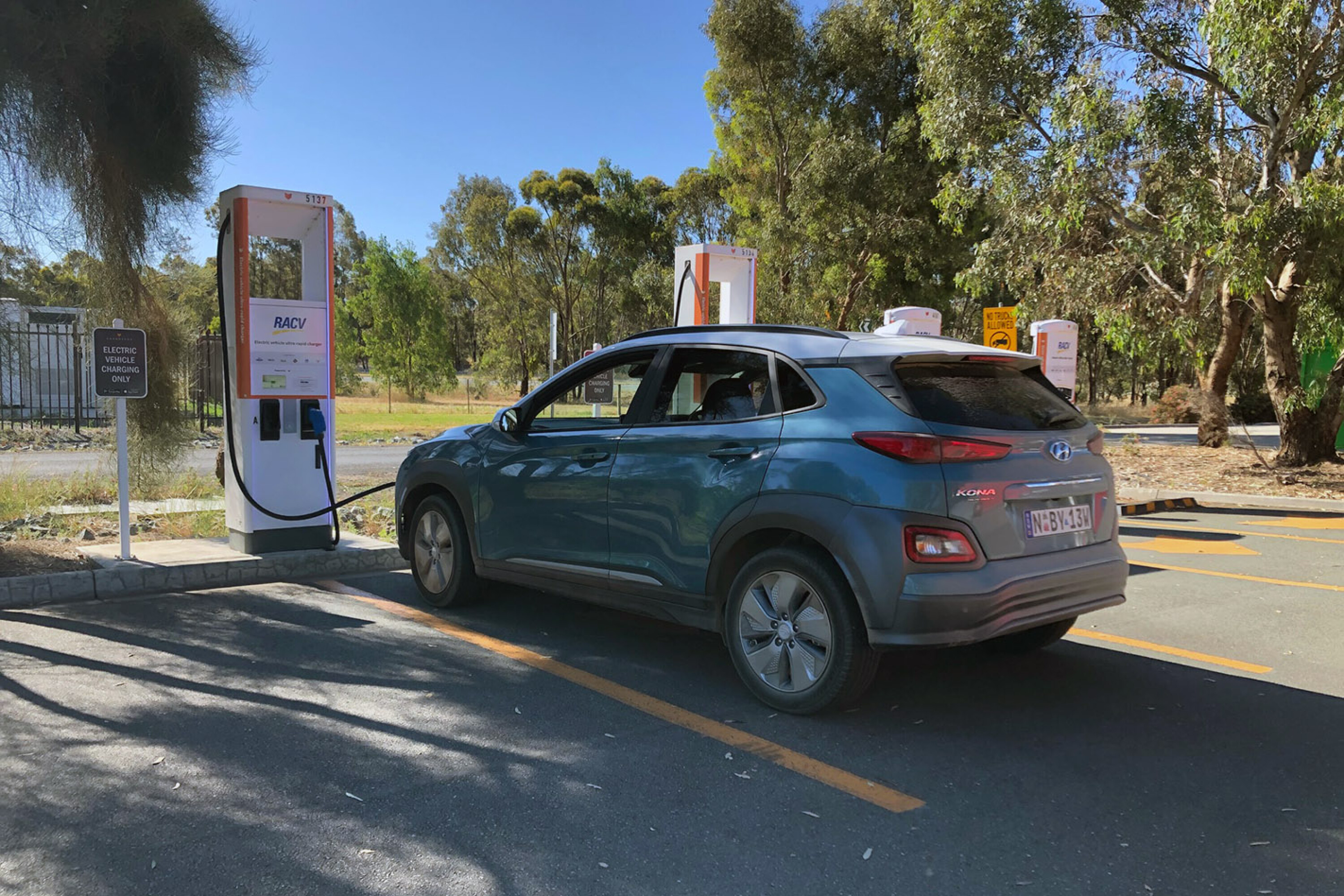
EVC suggests more EV charging stations needed at each location
Charging site needed at least every 70km apart on highways, 5km apart in metro
Importantly, the lobby organisation emphasised the glaring need to have more ‘redundancy’ at each charging location, akin to a supermarket checkout or fuel station.
“Multiple EV chargers at a location, each with 95 per cent uptime, will almost certainly deliver better consumer outcomes in terms of availability than a single EV charger with 99 per cent uptime,” the EVC white paper said [PDF ↗].
The EVC recommended having multiple DC fast-charging stations at each site – with each location spaced at most 70 kilometres apart on highways or up to 5km in metropolitan areas – to reduce the likelihood of queuing, while providing backups for any out-of-order stalls.
Currently, most charging providers in Australia only offer one or two stations at each site. But some feature four or more stalls, especially along major interstate highways and all Tesla Superchargers.
1
Other failsafes were also recommended, including:
A backup modem or SIM card for constant connectivity
on-site backup power
Maintenance plans to tackle vandalism
Managing vegetation and cleaning
Enforcing parking infringement notices
The EV Council also warned charging networks to consider the potential impacts from natural disasters, such as flooding and bushfires.
To combat such emergencies, networks should consider having temporary stations capable of around 100kW DC (powered by a carbon-neutral biofuel generator) ready for deployment as needed.
The white paper publication comes as the EVC made a series of recommendations for the federal government, which is currently drafting its promised fuel efficiency standards – intended to finally set a carbon dioxide exhaust emissions limit based on the average of all vehicles each car manufacturer sells.
Echoing the Solar Citizens advocacy group, it called for:
Setting ambitious targets from 2024 until at least 2030 in order to catch up with countries overseas
Conducting regular reviews
A strict financial penalty for exceeding the threshold
Separate standards for passenger cars, off-road SUVs and LCVs u2013 but with the same goal to have EVs be at least half of new car sales nationally by 2030.
When legislated, the major public policy will encourage carmakers to bring more zero- and low-emissions model supply and choice to Australians.
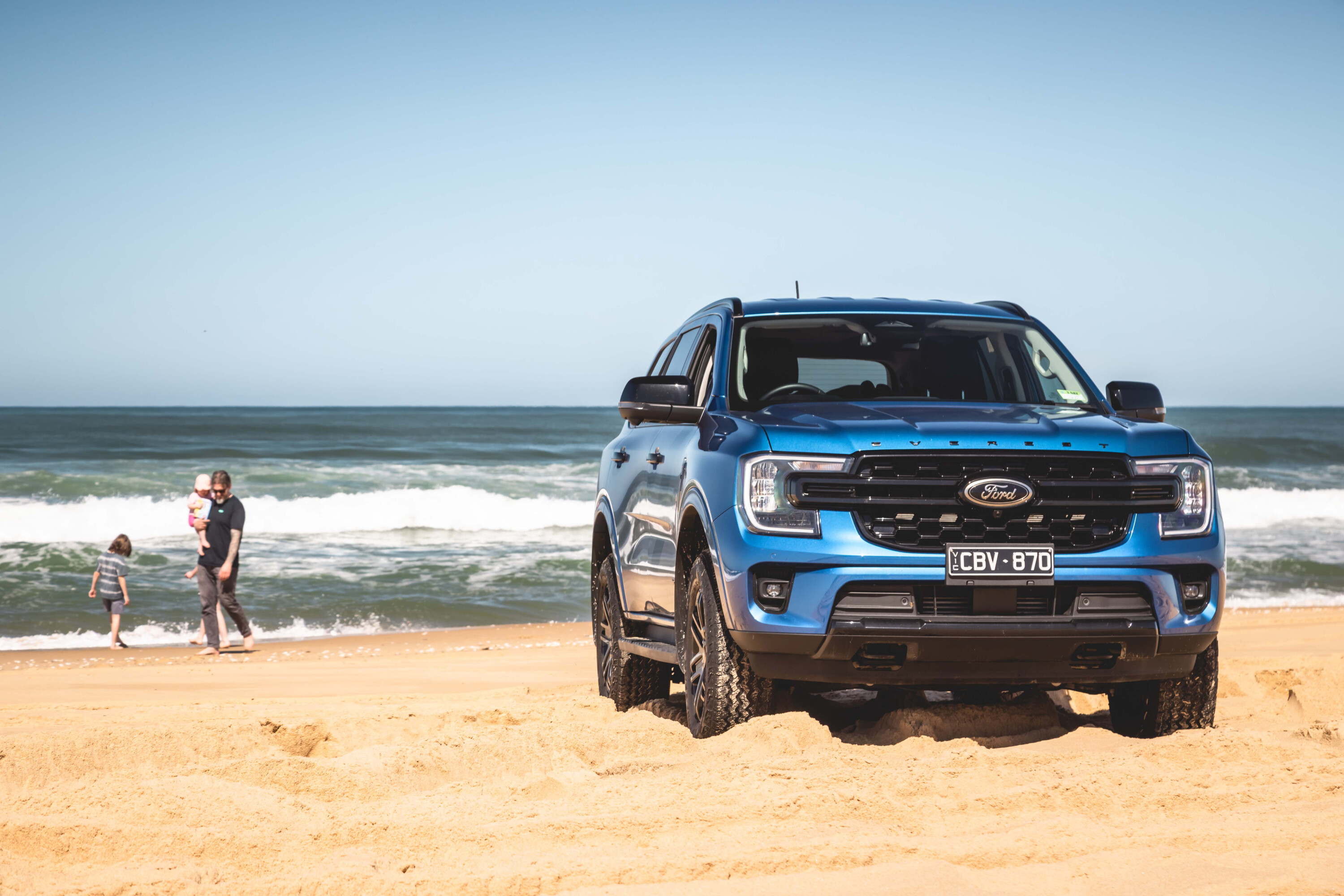
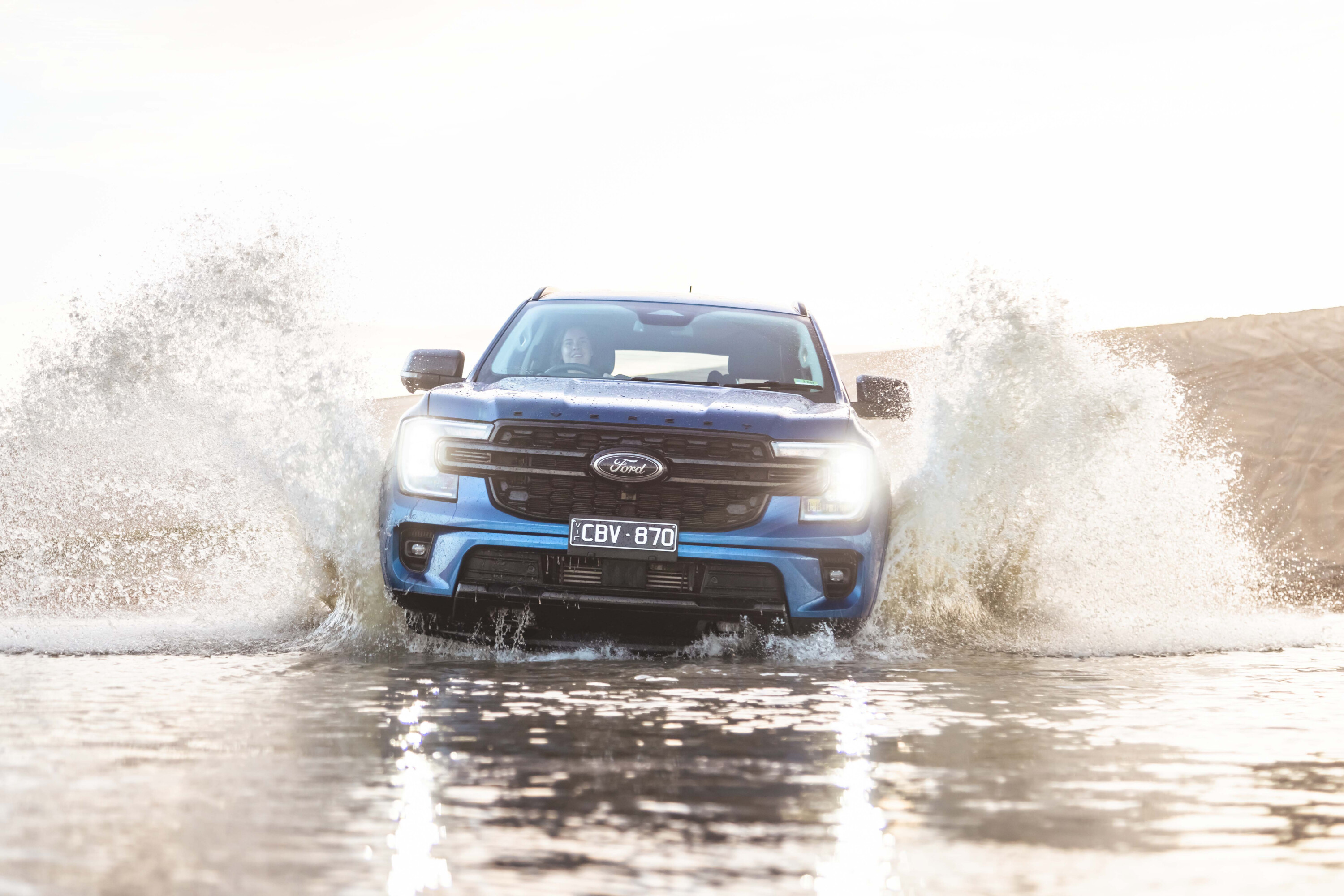
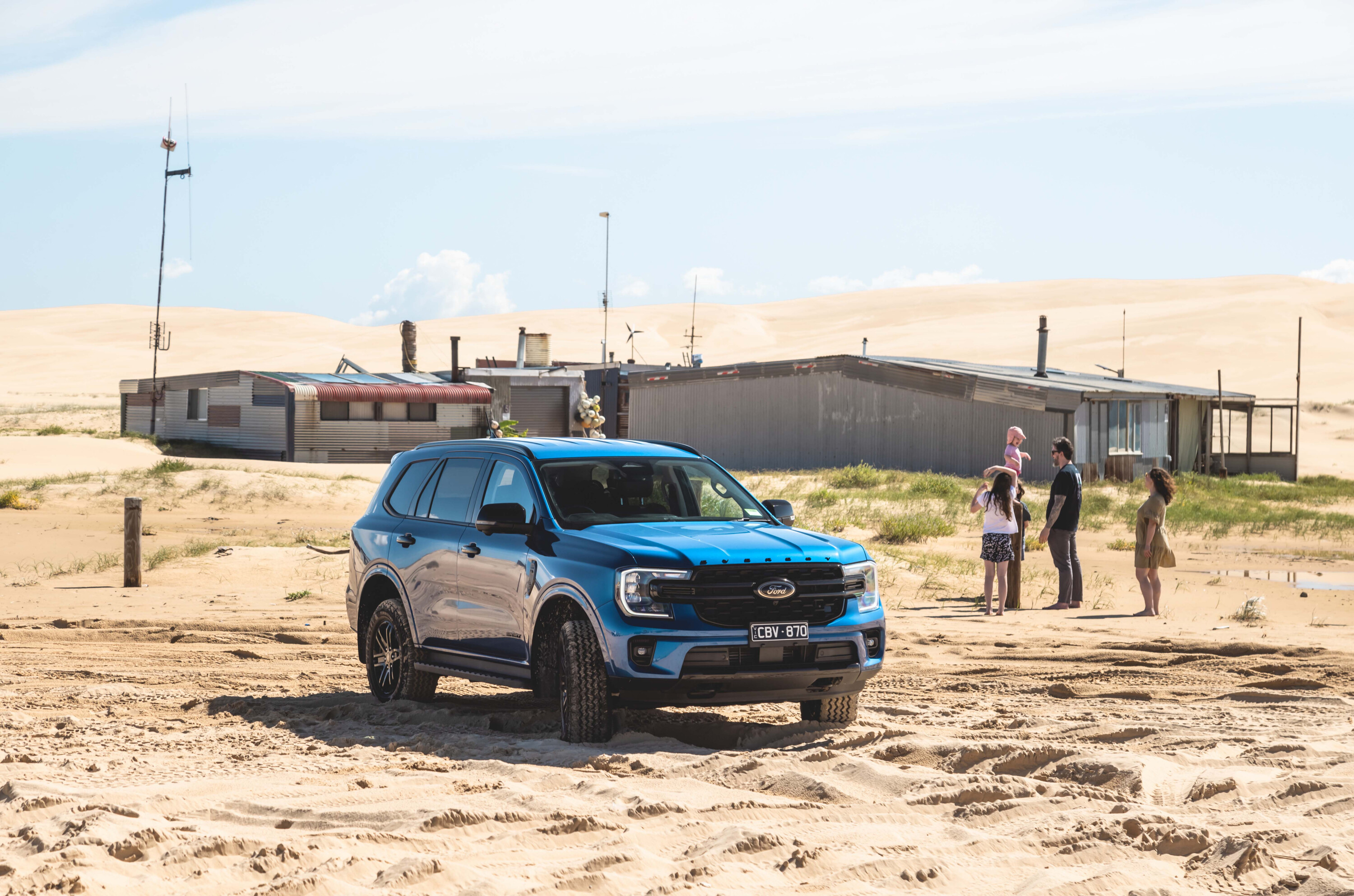
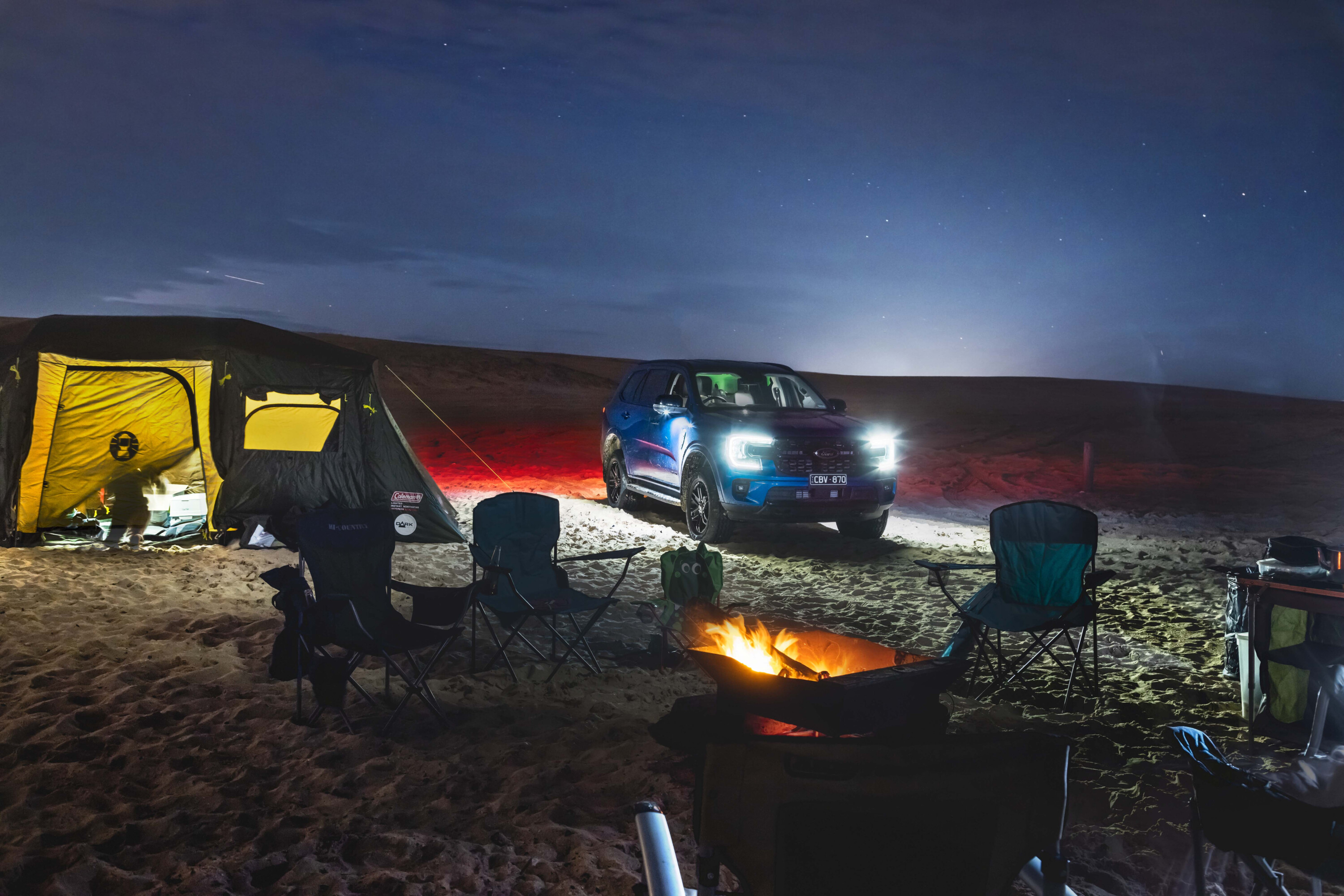
My two-year-old daughter dinosaur-stomps towards the Ford Everest in our driveway, no doubt wondering which benevolent fairy delivers award-winning 4WDs while she naps.
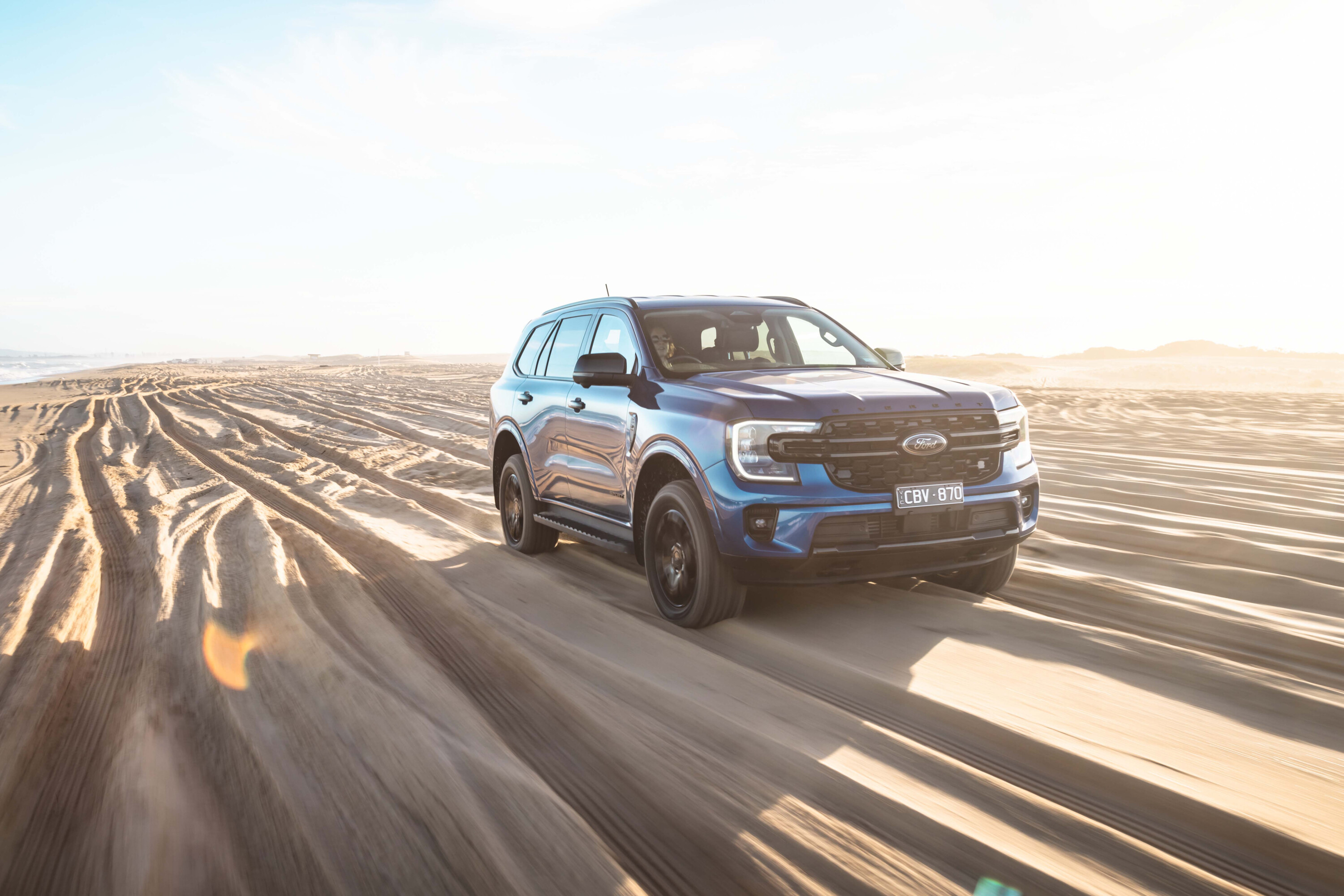
It’s certainly a visual feast, all shimmering cobalt and cooler-than-thou black detailing conveying nothing but confidence. Nice, I think to myself, as I spot the bloke across the road rubbernecking while hosing his caravan. You wish, mate.
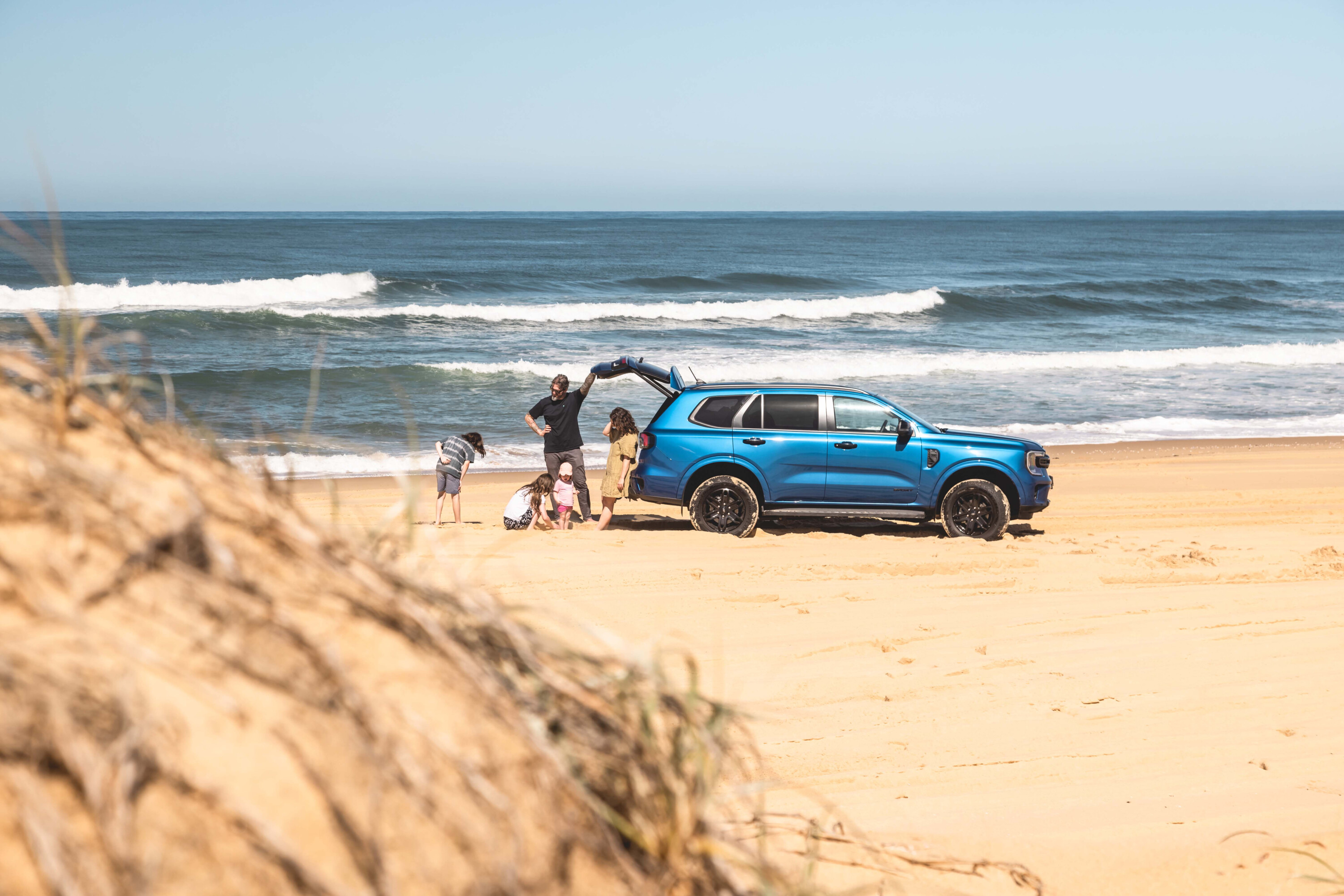
A few hours later, it’s loaded with camping gear and we’re cruising up the M1, the work week behind us and the dunes of Stockton Beach somewhere out in front.
The kid is bopping merrily to Taylor Swift, her big brother and sister sitting alongside with space enough for limbs and devices despite the bulk of her car seat. We munch Shapes and talk about the things we might see on this micro-adventure to an iconic destination. “Wait, what? The beach is the road!?” Oh, they’re in for a treat.
1
On the road
The Everest is a dream on the open highway; quiet, comfortable and responsive in a way that belies its utilitarian roots.
Driver assist features help to mitigate the chaos of a family road trip and it’s not lost on me that this car is doing its best to keep us safe.
Radar cruise control and lane keep assist stay on duty as we navigate the undulating motorway bends north of Sydney with a gazillion other Friday afternoon escapees.
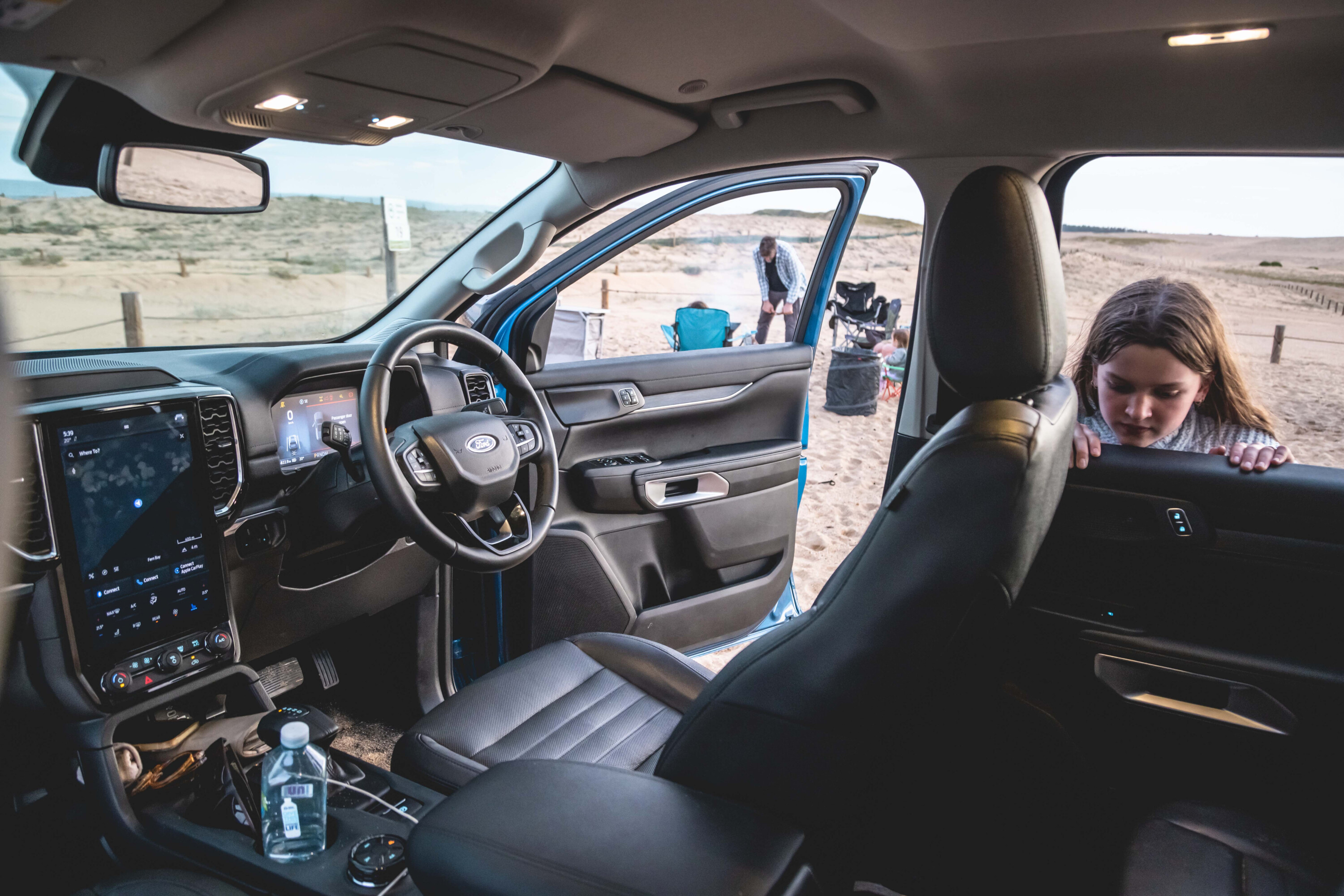
When the toddler reaches the end of her tether and starts screaming, I silently thank whatever genius invented air con vents in the seat.
I’m almost keeping my cool as I bark “Wiggles” at the wireless Apple CarPlay, bringing out the big guns to get us through the final leg.
Those skivvy-clad dinguses pop up on the huge 12-inch control screen and she is appeased – for now, at least.
Of course, for anyone over the age of three, the drive to Stockton from Sydney is entirely palatable. A snackable 2.5 hours, in fact. You can be sending your last email at four and sipping a sundowner with the sand between your toes by seven. And with a car like the Everest in your garage, that transition from the daily grind to weekend adventure is seamless.
1
Arriving at Stockton Beach
Stockton Beach is a 32km sandscape stretching from Newcastle to Port Stephens and is a wonderland for off-road enthusiasts.
At its widest it’s a kilometre across and is considered the largest expanse of shifting sand dunes in the Southern Hemisphere.
There are 19km of beachfront open to 4WDs, with three access points. From south to north, these are: Fern Bay (closest to the camping area); Lavis Lane, Williamtown; and Gan Gan, Anna Bay. We opt for Lavis Lane so we can head north and explore a little before doubling back to make camp.
But first, we pull into the servo on the corner of Lavis Lane to buy our beach driving permit, which is mandatory for all vehicles on Stockton Beach. It’s good for three days at $33, with a yearly permit option for $88. For a full list of local outlets selling permits, click here [↗].
A tip on beach driving!
Generally, we recommend steering clear of saltwater when you’re driving along the sand, as it’s not great for your 4×4. However, if you do happen to get it wet, be sure to give it a thorough wash when back in town – particularly the underside of the vehicle.
1
In the Stockton Beach car park we meet up with my brother, AKA Good Old Uncle Mikey, as he was once anointed by a precocious child.
We drop the tyres down to 15psi, flick the Everest’s 4WD system into ‘Sand’ mode (dummy-proof, much appreciated) and bounce along the track onto the beach.
The kids giggle with glee as the Everest ploughs over the sand, bouncing and sliding happily towards the sea like a Labrador liberated from a leash. I’d been a little nervous about hitting the soft stuff, but the Big Blue Car reassures me with its steady footing and confidence on the sand. Fun? Yes. Capable? Absolutely.
I’d asked Uncle Mikey to throw in his MaxTrax and recovery kit, but we never came close to needing them.
1
Exploring Stockton Beach
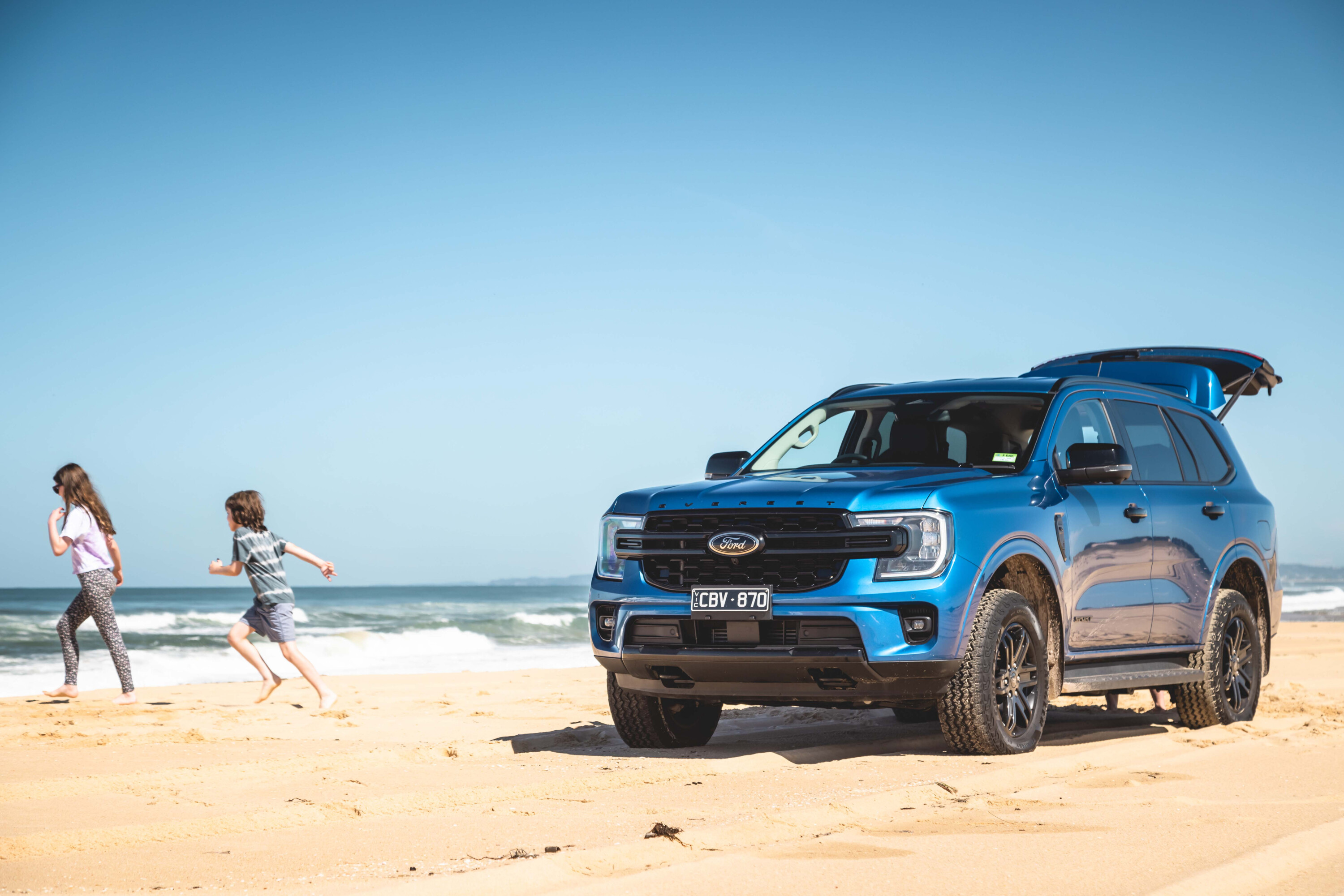
Having found our footing surprisingly easily, we’re cruising confidently up the beach in no time.
An immense expanse of sand dunes unfolds to our left, sprinkled in low lying shrubs and dune grasses punctuated by sweet little flowers.
There’s an area of the dunes open to vehicles in the south (more on that in a moment), but for the most part you cannot drive on the dunes – although you can park and explore on foot.
It’s part of the Worimi Conservation Lands and is managed by the local Worimi Traditional Owners, together with the NSW National Parks and Wildlife Service.
1
Stockton Beach has been home to the Worimi people for thousands of years. With the ocean, estuaries, and coastal bushland to sustain life, it’s not hard to see the appeal of this diverse environment. And clues of this ancient inhabitation remain.
The sand dunes move up to 4m each year, both uncovering and concealing cultural artifacts and shell middens as they go. These sites are protected by law, so visitors should be sure not to touch or move objects.
In more recent years, Stockton Beach’s proximity to RAAF Base Williamtown has seen it serve as a bombing and shooting range during World War II, as well as a dumping area for unused bombs by aircraft returning from training. It was fortified against potential attack by Japanese amphibious craft, with ‘tank traps’ comprised of barbed wire entanglements and concrete pyramid-shaped blocks positioned along the beach. Yikes!
1
Thankfully these have been relocated out of harm’s way, but it’s thought some remain submerged beneath the low tide line. Surfers beware! Thankfully the Everest encounters neither a bomb nor a tank trap on the half-hour drive north to Tin City.
And what the devil is Tin City, you ask? Just a little post-apocalyptic flavour to your coastal wilderness experience. Y’see, this stretch of coast was so perilous and prone to shipwrecks that, in the 19th Century, a pair of tin shacks were built to accommodate castaways.
Then, when the Great Depression hit, squatters took up residence and added a few ramshackle buildings of their own. They’ve been passed down to said squatters’ family members ever since, with people still residing in them today. Presumably people who spend a lot of time shoveling sand, fishing for dinner and squinting in the sun.
Hard to believe we’re so close to Sydney in this strange and beautiful place.
1
We pull up the Everest and explore a little on foot, being sure to keep a respectful distance from what looks like a film set but is in fact people’s homes. As the wee one splodges happily in a giant puddle, I take a moment to reflect on the incredible diversity of this place.
Turn your back on the ocean and you could be forgiven for thinking you were deep in the Sahara, or lost on the desert planet, Dune. Gazing out at Tin City, I can imagine a buggy full of steampunk babes careening around the corner, or a giant sand worm bursting from below to make a meal of us.
And this cinematic quality isn’t in my head; scenes from the original Mad Max film were shot here in the 1970s. Hard to believe we’re so close to Sydney in this strange and beautiful place.
1
Camping on Stockton Beach
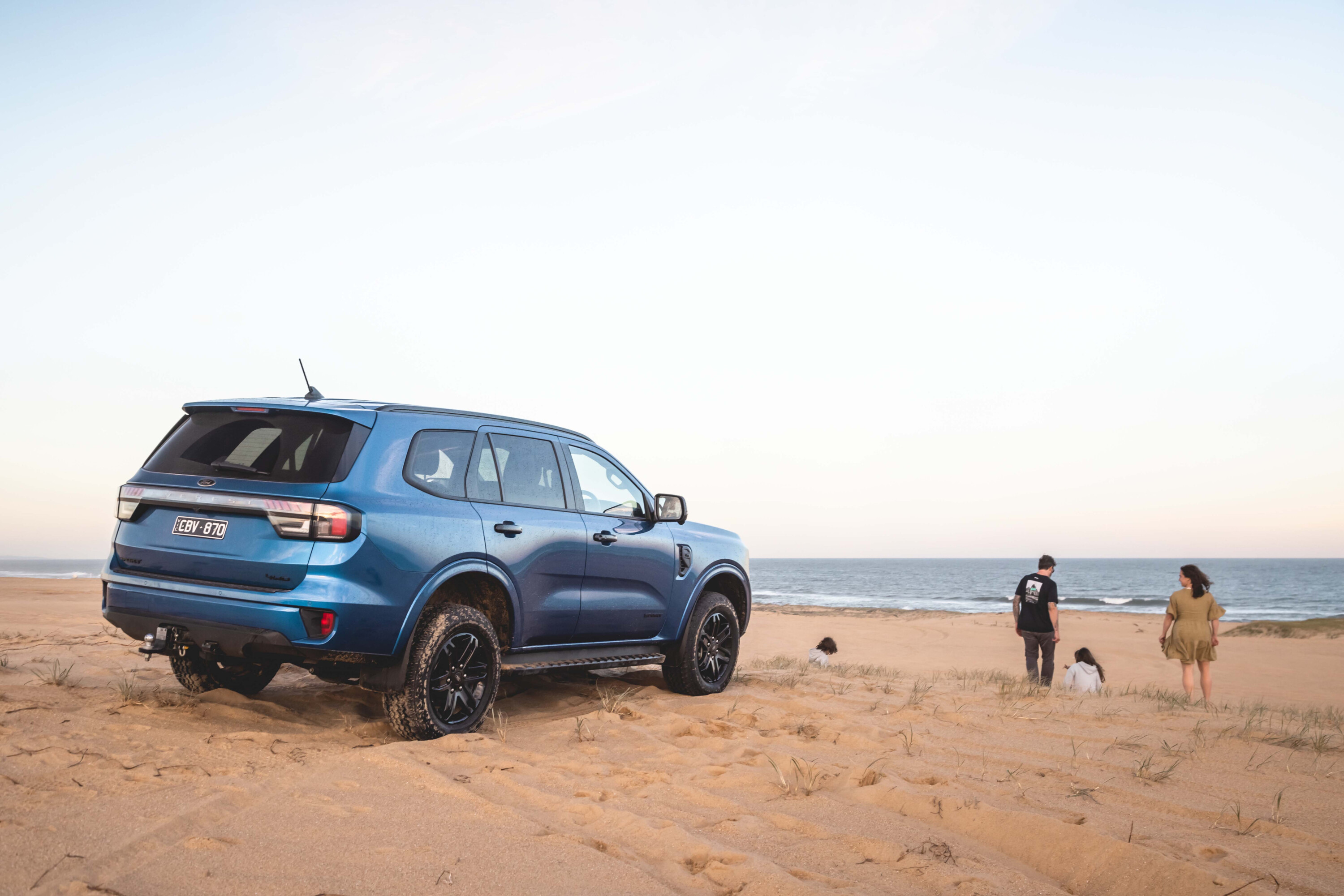
After a car-side snack, we spin the Everest around and continue back down the beach towards the Ganyamalbaa Beach Camping Area.
Prior to 2012, camping on Stockton was largely unrestricted with devastating impact on the environment and cultural sites. Camping was banned in 2012, before being reintroduced in 2019 in the form of the Ganyamalbaa Beach Camping Trial.
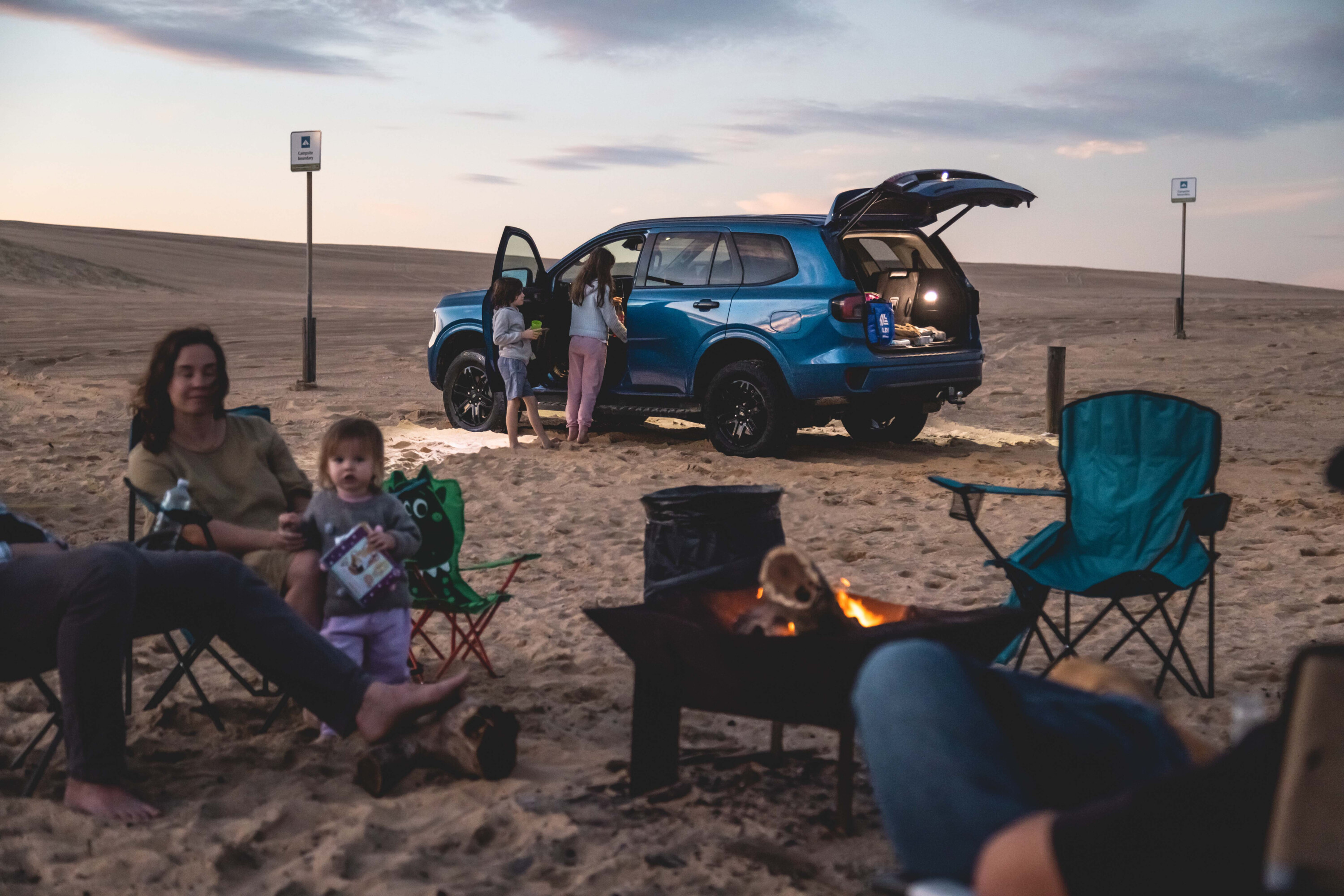
There are now 26 campsites, spaced well apart in clusters of 2-4. The sites must be pre-booked and are pleasantly sprawling at 20x20m each. They’re good for two vehicles and up to eight people and come complete with a firepit. But it’s BYO absolutely everything else, including firewood, fresh water and a camp toilet – the latter a requirement to camp here.
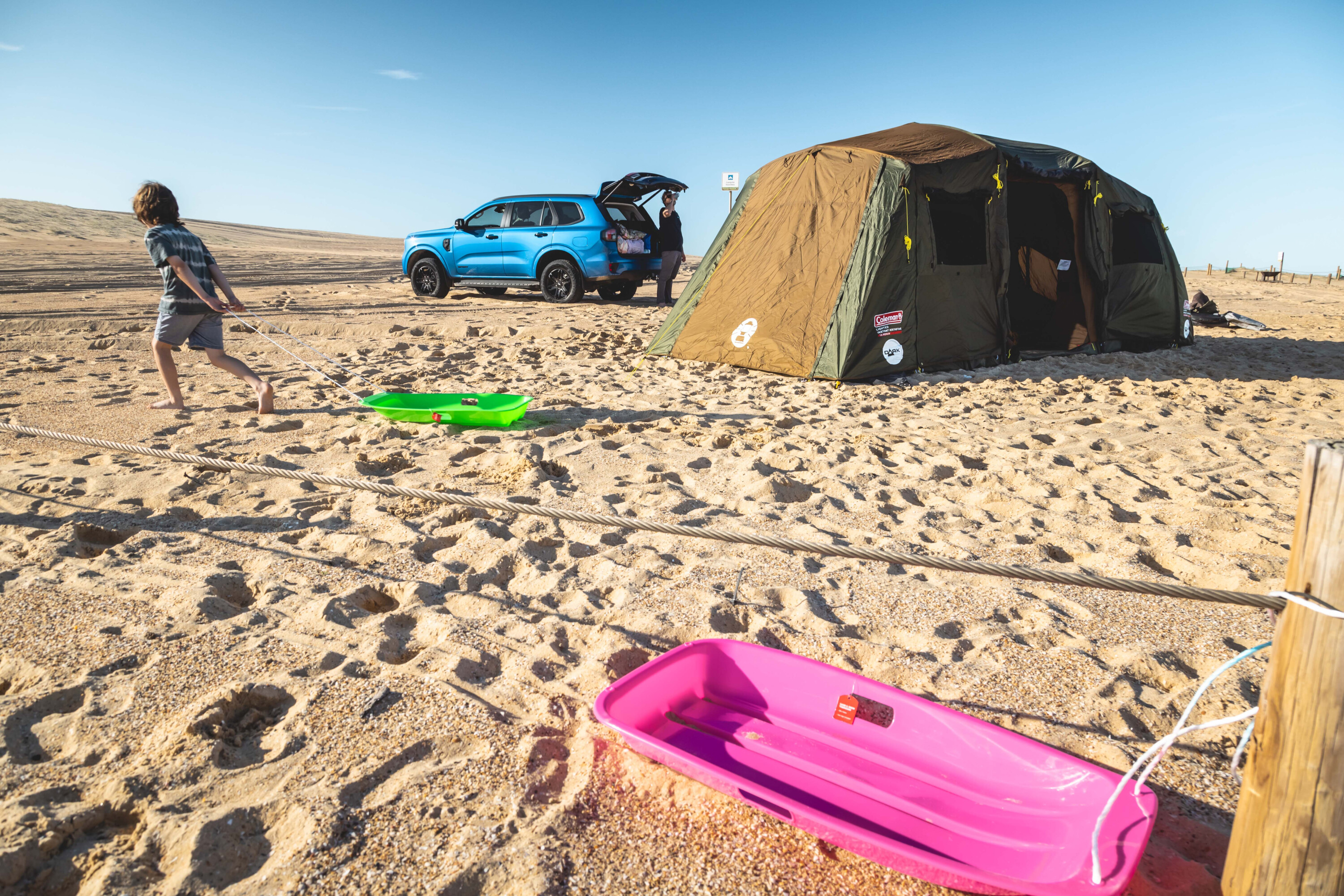
With all those boxes ticked, we pull up and assess the lay of the land. Unfortunately for us the wind has picked up considerably, and our brand new “instant up” tent takes over an hour to assemble. Much laughter and some bad language ensued as we used body weight and relentless optimism to tame the flapping canvas into submission.
1
I won’t lie, there was a moment when I wondered if the comfort of the Everest extended to an overnight stay for a family of five. Thankfully it didn’t come to that!
But let this be a cautionary tale: sand pegs are expensive but don’t skimp and only buy a few thinking that’ll be adequate. It won’t. Stockton Beach will render your standard pegs useless and laugh in your face.
Of course, you might have trouble getting the few chunky sand pegs you do have through the narrow eyelets in your tent. In this instance I don’t know what to tell you other than the bleeding obvious, which is that you should have checked before you left home.
You’re in a pickle, aren’t you? My best advice is to crack a beer, watch it billow and hope the wind dies down with the impending sunset. It worked for us.
1
Under the Milky Way tonight
With the sky ablaze in pink and orange, we head off to play in the Everest. There are 350 hectares of dunes to explore by 4WD in the Recreational Vehicle Area surrounding the campsites, so we’ve no shortage of terrain to test the Everest over.
Steep dunes with hair-raising crests and rollercoaster descents? Check. Freshwater pools to splash into, to the hilarity of the offspring? Check. The whole thing feels like a transgression, and we’re drunk on it. Even the bambina, who cackles madly with every bump and slide through the sand, truly her mother’s daughter.
By now we’re hungry, so it’s back to camp to make a fire and get our pre-slow-cooked brisket warming in the camp oven. A few fresh white rolls and some coleslaw and we’re feasting under a glittering sky, not another camper in sight. In no time the big kids are loading marshmallows onto sticks and we’re passing around a block of chocolate.
1
Her belly full, my baby snuggles against me and looks up at the Milky Way, dazzling in all its glory above us. She has delighted in the novelty of the whole experience, from driving on the beach to setting up her “adventure bed”, and I reckon this is what family camping is all about.
There’s nothing like sharing unique experiences together in beautiful, hard-to-reach places like this. And that’s why you buy a car that can get you there. Not because it looks badass and is fun as hell to drive (it does, and it is), but because you’ll make lifelong memories with the people who matter most.
For information on the Ford Everest range and features please visit here [↗].
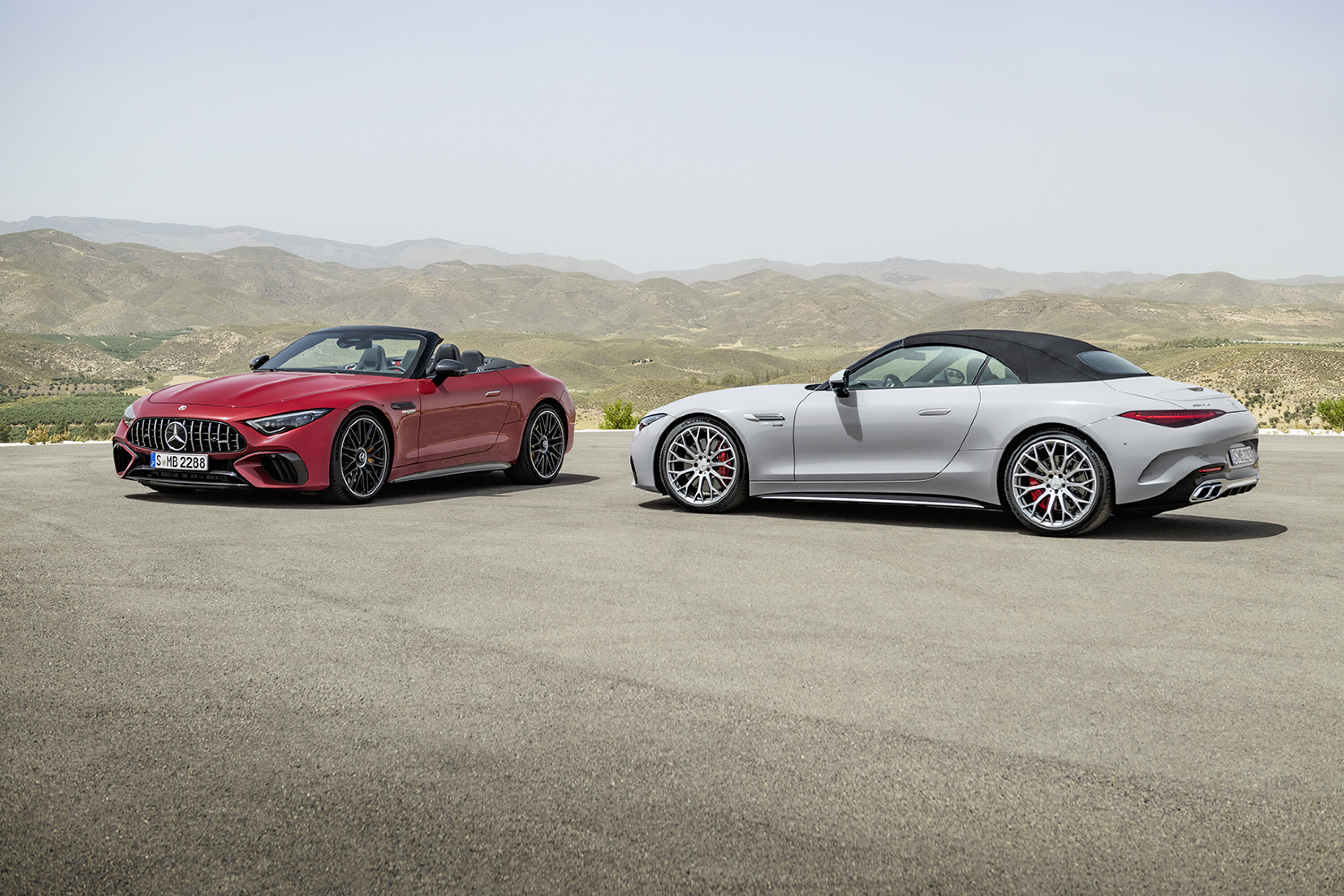
The 2023 Mercedes-AMG SL will arrive in Australia later this year.
Snapshot
2023 Mercedes-AMG SL: Full Australian details
Two-door AMG roadster available with sole V8 option
Priced from $374,900 plus on-roads
Mercedes-Benz Australia has confirmed the latest SL will be offered in flagship 63 form only, with the less-powerful AMG 43 and 55 variants not planned for our market at this stage.
It is priced from $374,900 before on-road costs – $1721 more than the SL 63 last offered in Australia five years ago.
Developed from the ground up by Mercedes-Benz’s high-performance division, the SL 63 is powered by a hand-assembled 4.0-litre twin-turbo V8, matched to a nine-speed multi-clutch automatic transmission and all-wheel drive.
It produces 430kW and 800Nm, with a claimed 3.6-second 0-100km/h sprint time and 315km/h top speed.
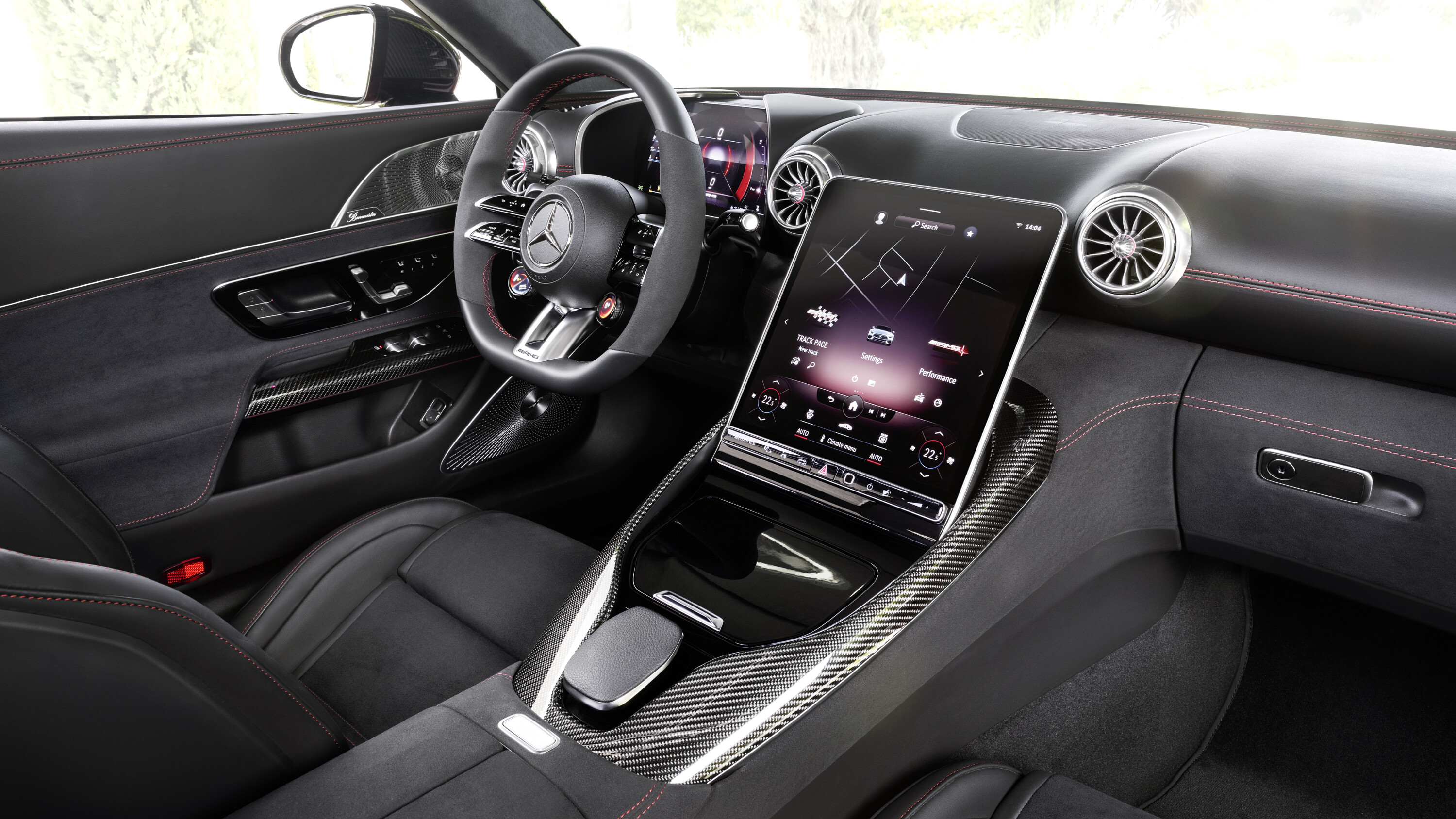
Like the S-Class limousine, the SL features rear-axle steering and a similar interior with a portrait-orientated MBUX infotainment system – but it is underpinned by a unique lightweight composite chassis expected to be shared with the second-generation AMG GT.
1
According to the brand, the latest SL has 50 per cent higher transverse rigidity than the previous AMG GT Roadster, while longitudinal rigidity is 40 per cent higher.
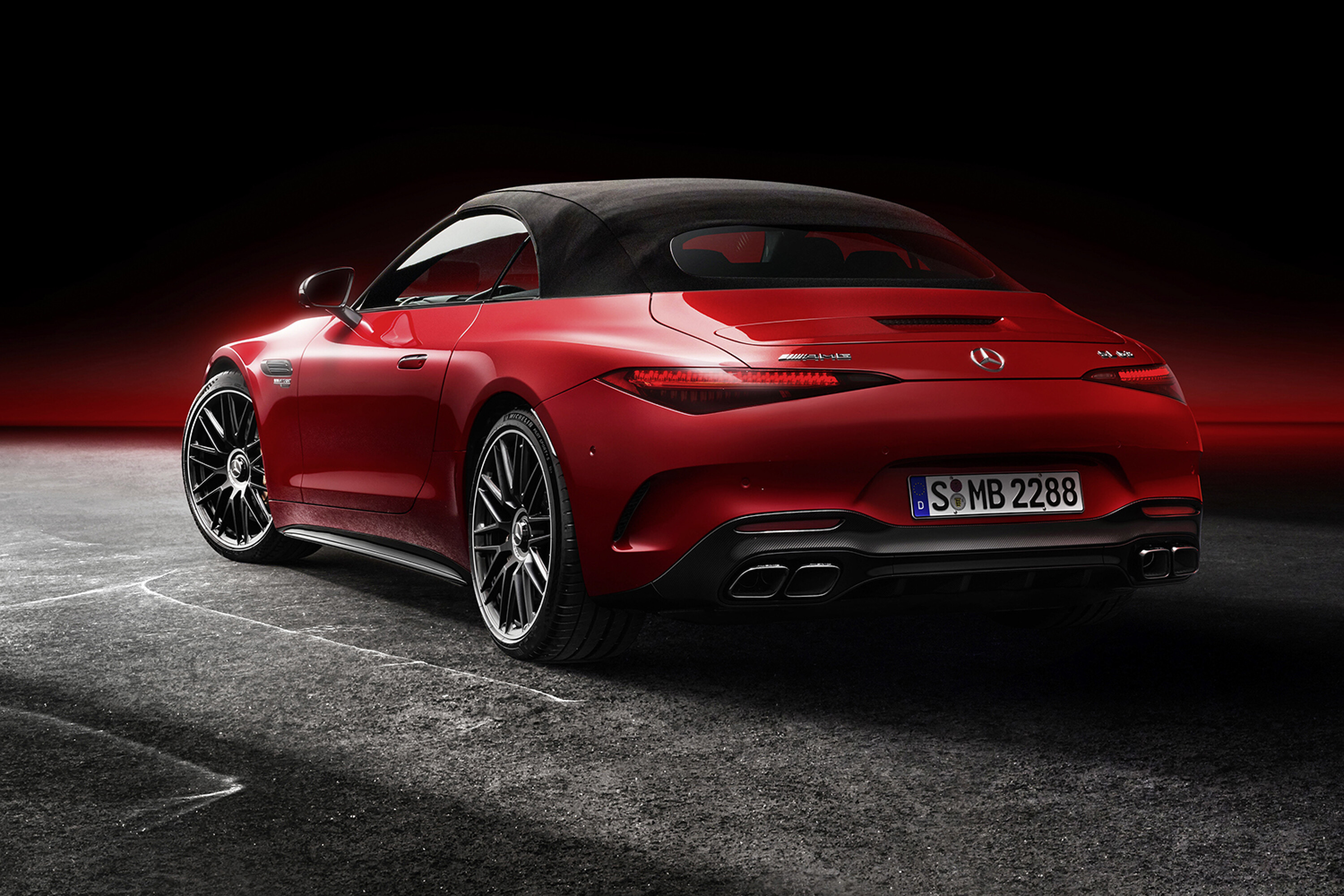
The SL sports 21-inch AMG 10-spoke alloy wheels, while buyers can choose from 12 paint options: opalite white (bright or matte), patagonia red, alpine grey, spectral blue, obsidian black, hyper blue, high-tech silver, spectral blue, selenite grey, monza grey matte, or sun yellow.
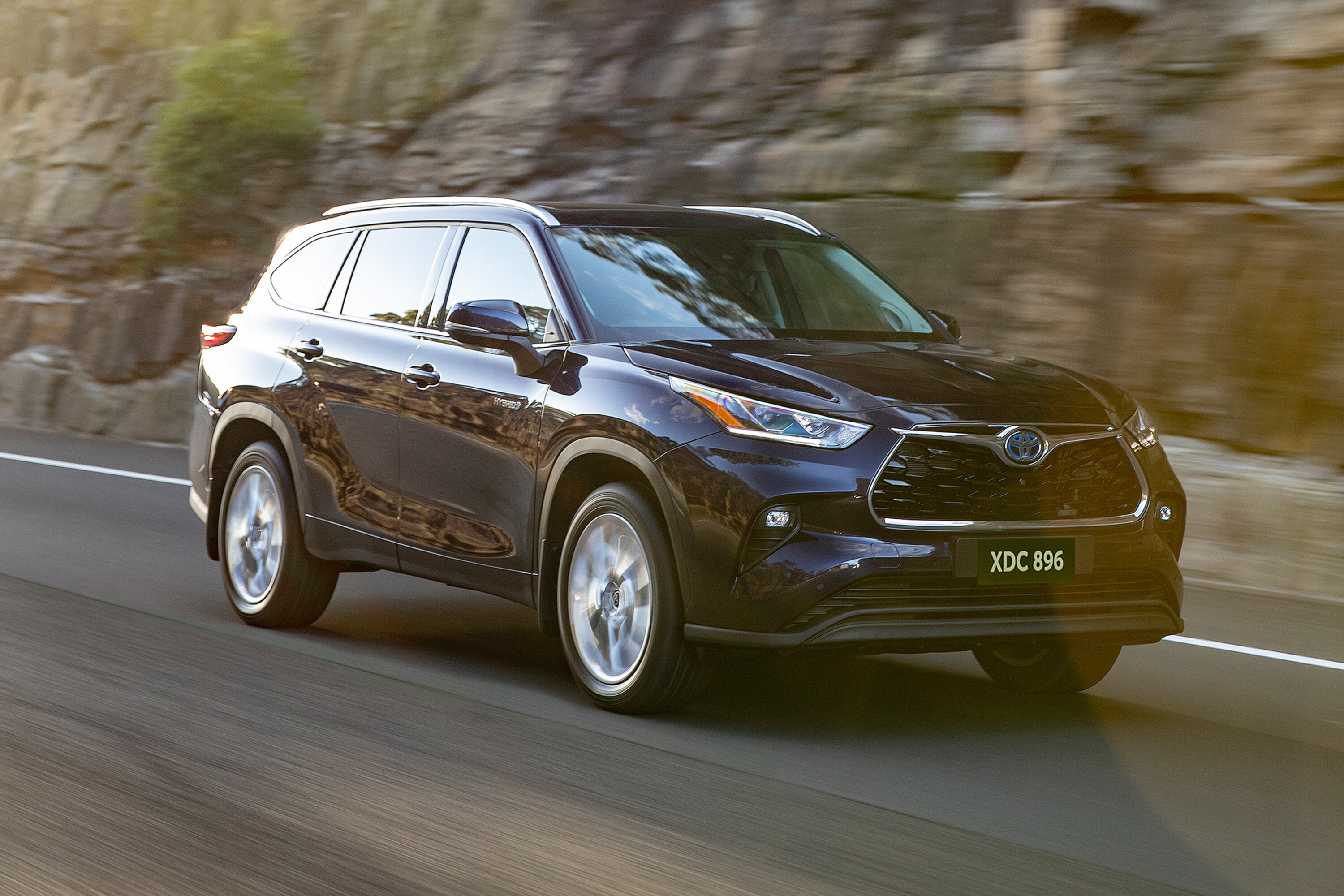
Wheels tested the Toyo A43 Open Country in the urban environment around Healesville in country Victoria, as-fitted to a 2023 Toyota Kluger.
As well as helping the big Toyota deliver a soft and comfortable ride (thanks to the pillowy 65-profile), the A43 Open Country also assisted the Kluger in being quiet at an urban amble.
In very extreme dynamic testing on a winding road, the A43 Open Country showed off ample grip and roadholding.
In this particular test, we didn’t get to test the A43 Open Country in wet conditions, off-road or unsealed conditions, or assess highway road noise. Watch for more on those aspects to come in the near future.
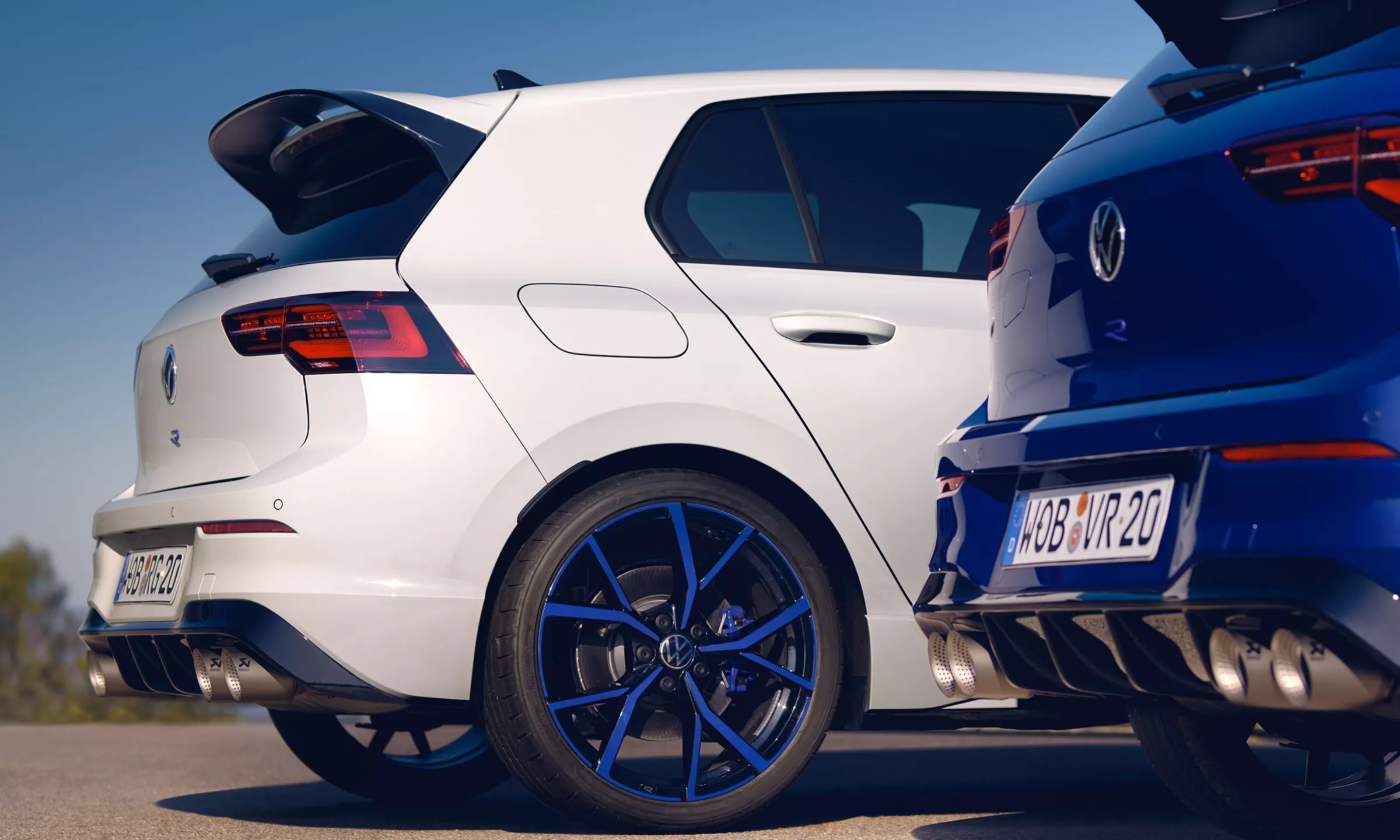
Golf R 20 Years that celebrates two decades since R32 was launched arrives after delay
50 units only, priced from $77,490
Gains drivetrain upgrades, sportier exhaust, and other extra features
The fastest version of the Volkswagen Golf R yet has been priced from $77,490, bringing performance upgrades and extra features for an $10,500 premium over the regular version of the hot-hatch.
VW’s Golf R 20 Years goes on sale on 13 July, limited to 50 units. The special edition was confirmed for Australia in May 2022 and was due to arrive in late 2022 before supply issues interfered.
The 2023 timing is neater, however, as the R32 that began the Golf R lineage reached Australia a year later than Europe – 2003.
In addition to small hikes in outputs for the R’s 2.0-litre turbocharged engine, the 20 Years becomes the first Golf R to adopt an Akrapovic sports exhaust system.
Power increases by 10kW to 245kW and by 20Nm to 420Nm – now matching the torque of the Golf R wagon.
A more aggressive upshift action has also been introduced for the seven-speed dual-clutch gearbox when using the right paddle lever in S or S+ modes.
VW says the Golf R 20 Years can reach 100km/h from standstill in 4.6 seconds.
There has been an expectation that the regular Golf R would receive the upgraded drivetrain, though Wheels believes this is most likely to happen with the Golf Mk8 facelift anticipated for 2024.
The Golf R 20 Years also gains a panoramic sunroof and a Harman Kardon audio system. VW Australia says these features in addition to the $6K Akrapovic exhaust and performance upgrades account for the higher cost over the $66,990 Golf R hatch.
The premium will shrink from 1 July when the regular Golf R increases to $68,990 before on-road costs.
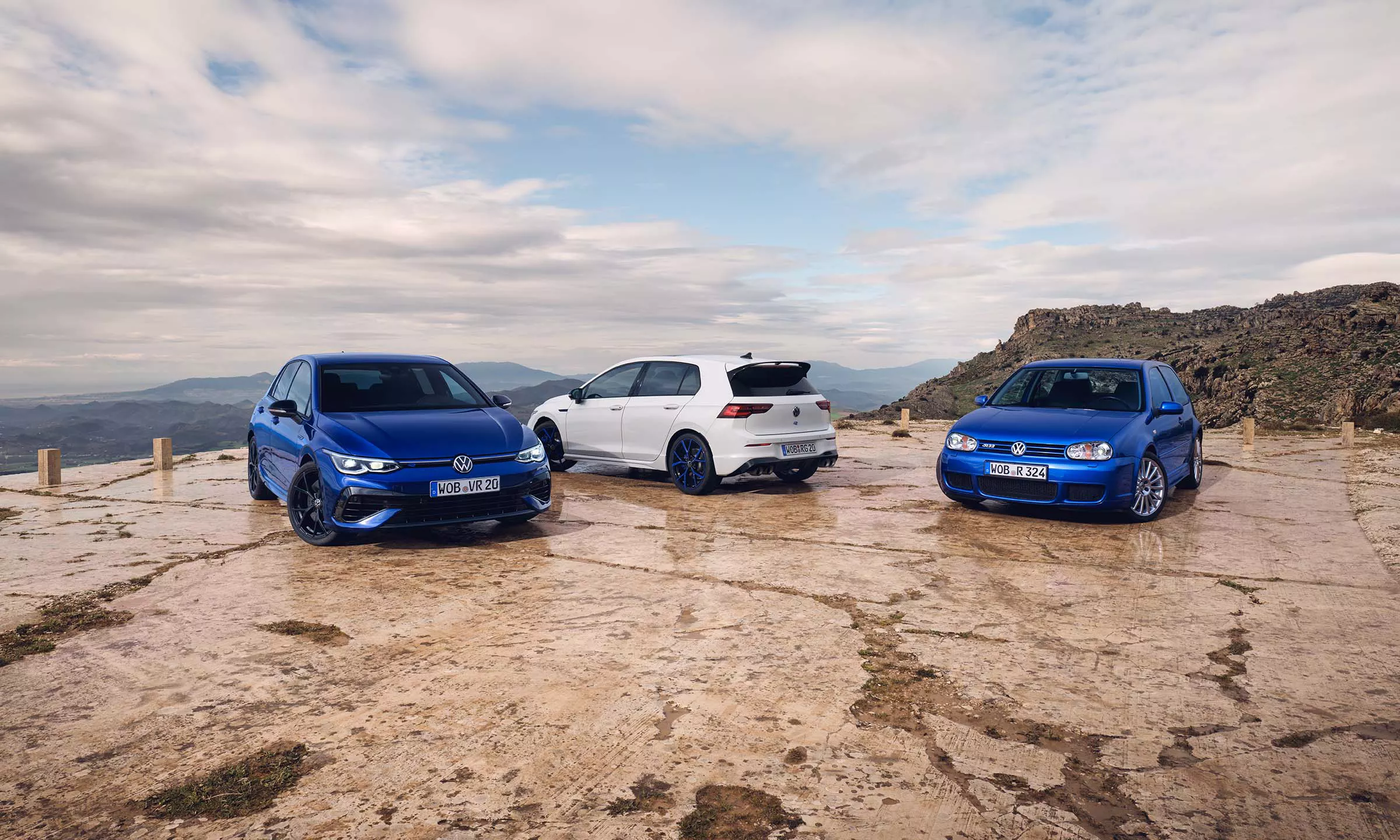
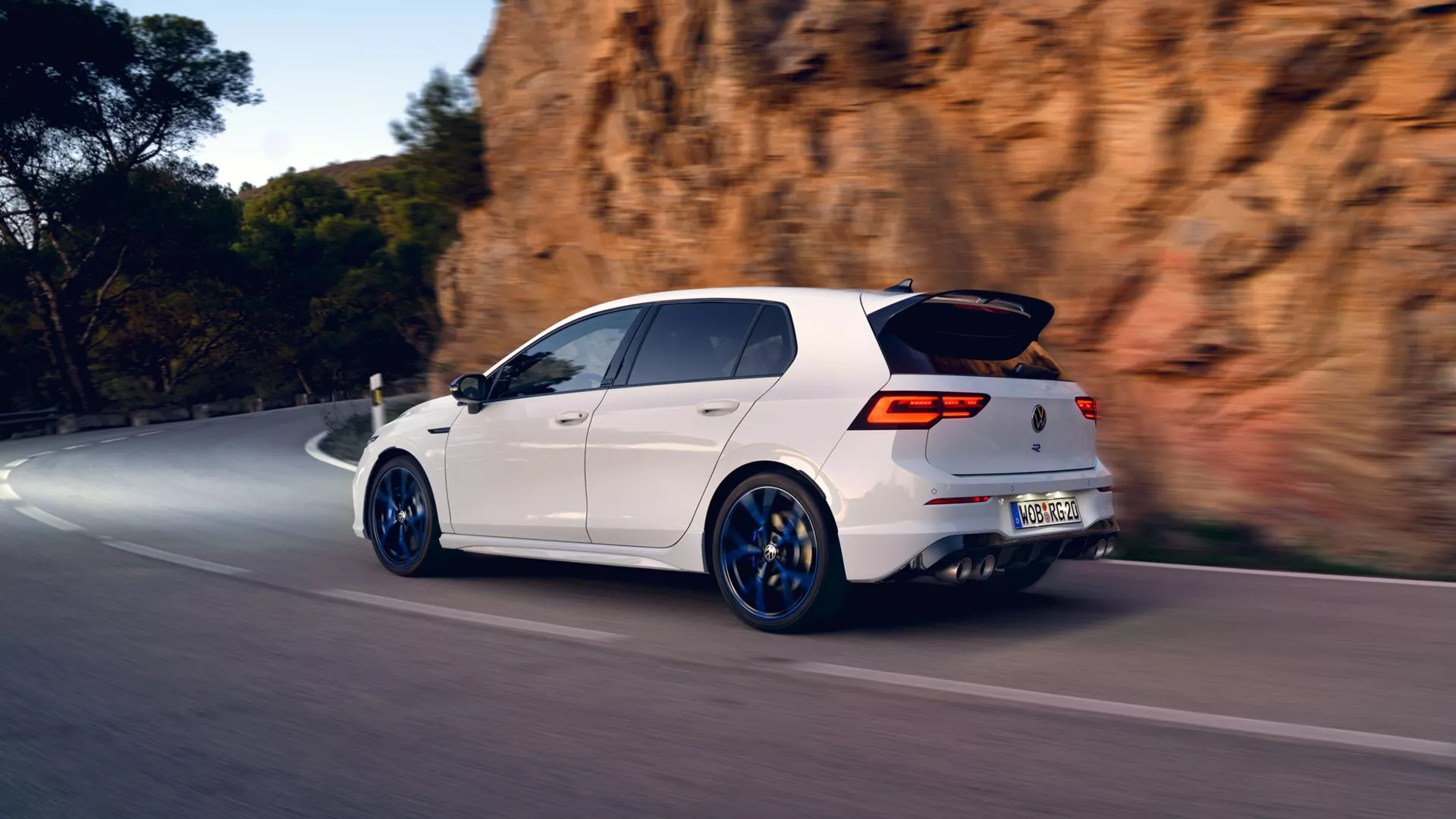
The 20 Years limited edition will be sold online only from 13 July, with orders delivered via VW dealerships. Two colours are available: Lapiz Blue metallic (for 32 of the units); Pure White (other 18 units).
May 2022: Golf R 20 Years confirmed for Australia
The Volkswagen Golf R is turning 20, and Wolfsburg reckons that’s worth celebrating with a limited-run variant of its hot hatch.
Starting in 2002 with the Mk4 Golf R32, the ‘R’ badge has been stuck on Volkswagen’s hottest Golfs ever since, running through five generations of the hatchback up to, and including, the latest Mk8.
Two decades down the line, Volkswagen has launched a special edition variant of the Golf R to celebrate. Simply called the ‘Golf R 20 Years’, it’s based on the current-generation five-door, retaining its EA888 2.0-litre, four-cylinder turbocharged engine, but with an extra kick – now producing 10kW more power to increase its outputs to 245kW and 420Nm.
As with all Golf Rs, an all-wheel drive system will distribute the power to the four wheels, delivered through a seven-speed, dual-clutch automatic transmission.
The increase in power nips one-tenth of a second off the Golf R Performance pack’s 4.7-second 0-100km/h sprint time, although its top speed of 270km/h is likely to be unchanged and governed by an electronic limiter.
3
While 20 Years examples finished in lapiz blue retain the ‘Estoril’ black 19-inch wheel design, those ordered in pure white score gloss blue rim faces, as well as blue mirror caps.
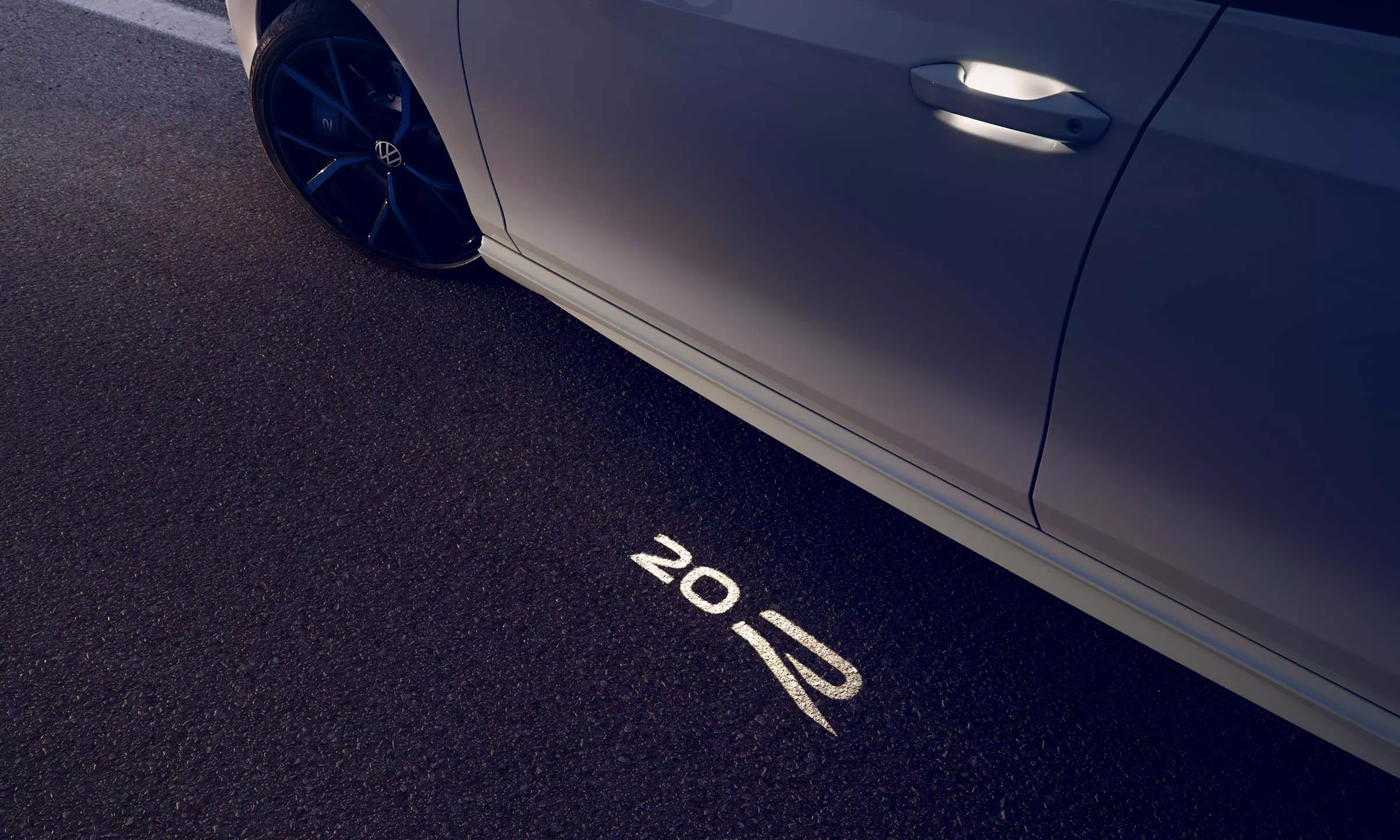
B-pillars now gain ’20’ badges, which complement the ’20 R’ puddle light projection shown off when opening the front doors.
Although European buyers get the usually-optional Akrapovic exhaust as standard, it’s unclear as to whether the louder back-box will be available to Australian customers given it’s not a part of Volkswagen’s local parts catalogue.
4
Inside, the cabin changes are minimal, with larger, and easier to reach, shifter paddles behind the steering wheel – paired with a host of carbon fibre trimmings in the dash and door cards.
For those with a dislike of their neighbours, an ‘Emotion Start’ setting lets the Golf R 20 Years rev up to 2500rpm on start-up – a party trick which has been developed alongside a more aggressive software map for the car’s gearbox, providing a more noticeable feel when going up through the gears.
2
Volkswagen Australia has confirmed to MOTOR the 20 Years edition will come to the local market in the third quarter of this year (July to September inclusive), albeit in slightly different spec to those seen overseas.