
The $75K three-car garage? Mine’s a $40K Subaru BRZ, a $10K E39 BMW 528i wagon and a $25K well-seasoned Prado. But I commend your mid-life crisis. It’s a good ‘un.
Snapshot
- 77kWh battery pack powering either single or dual motors
- AWD VZ model with claimed 5.6sec performance
- Available tech includes 15-inch touchscreen and Sennheiser 12-speaker audio
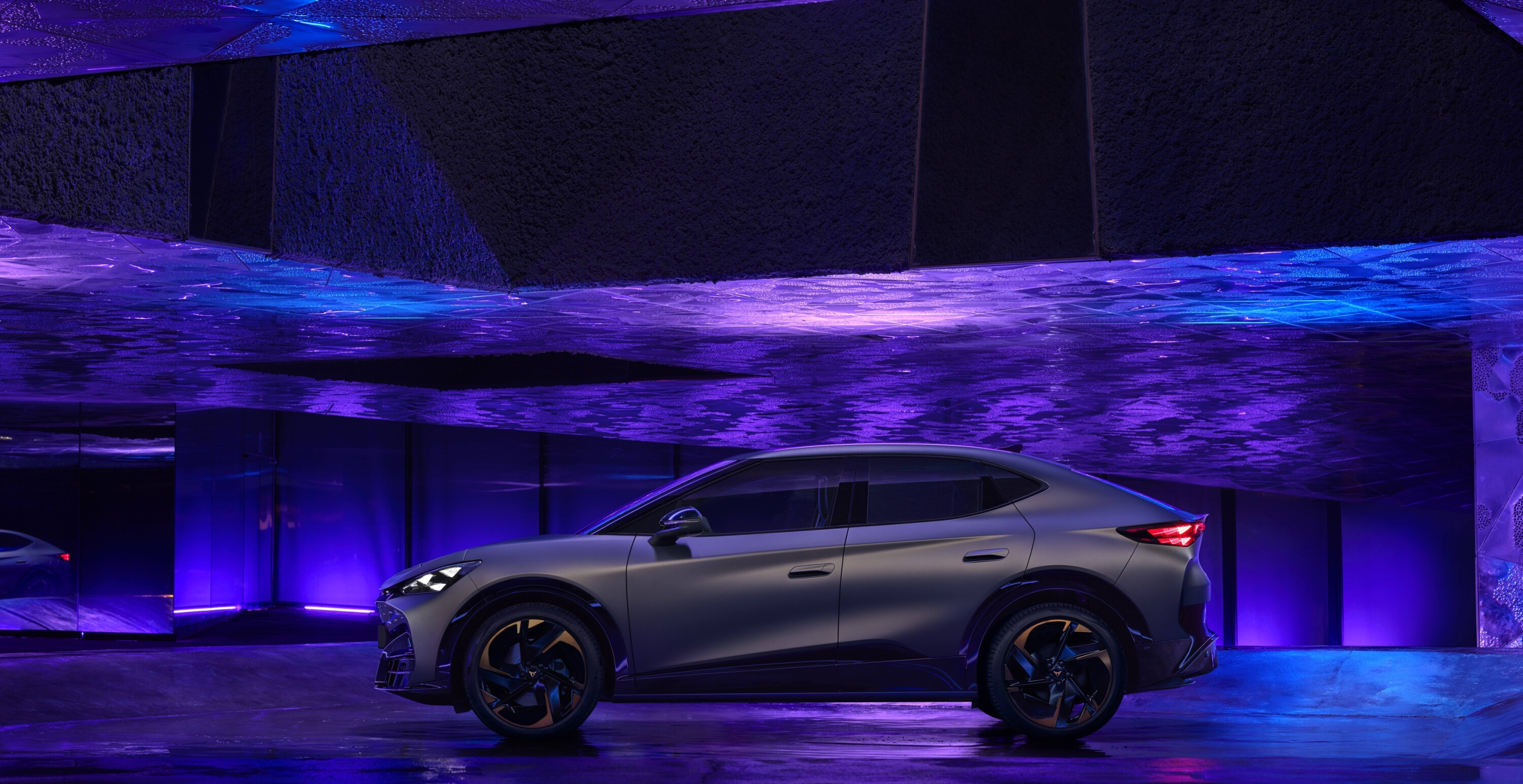
Young Spanish brand Cupra has fully revealed the Tavascan, its largest SUV yet that will be exclusively electric and is due in Australia in 2025.
The Cupra Tavascan is the company’s second electric vehicle following the Born hatch that goes on sale locally in May, and will target rivals including the Tesla Model Y and Hyundai Ioniq 5.
A singular image has previously been teased but now Cupra has released a full complement of pictures along with technical details.
1
The Tavascan shares the VW Group MEB electric architecture with models such as the Volkswagen ID.4 and Skoda Enyaq that will arrive a year earlier in Australia, in 2024.
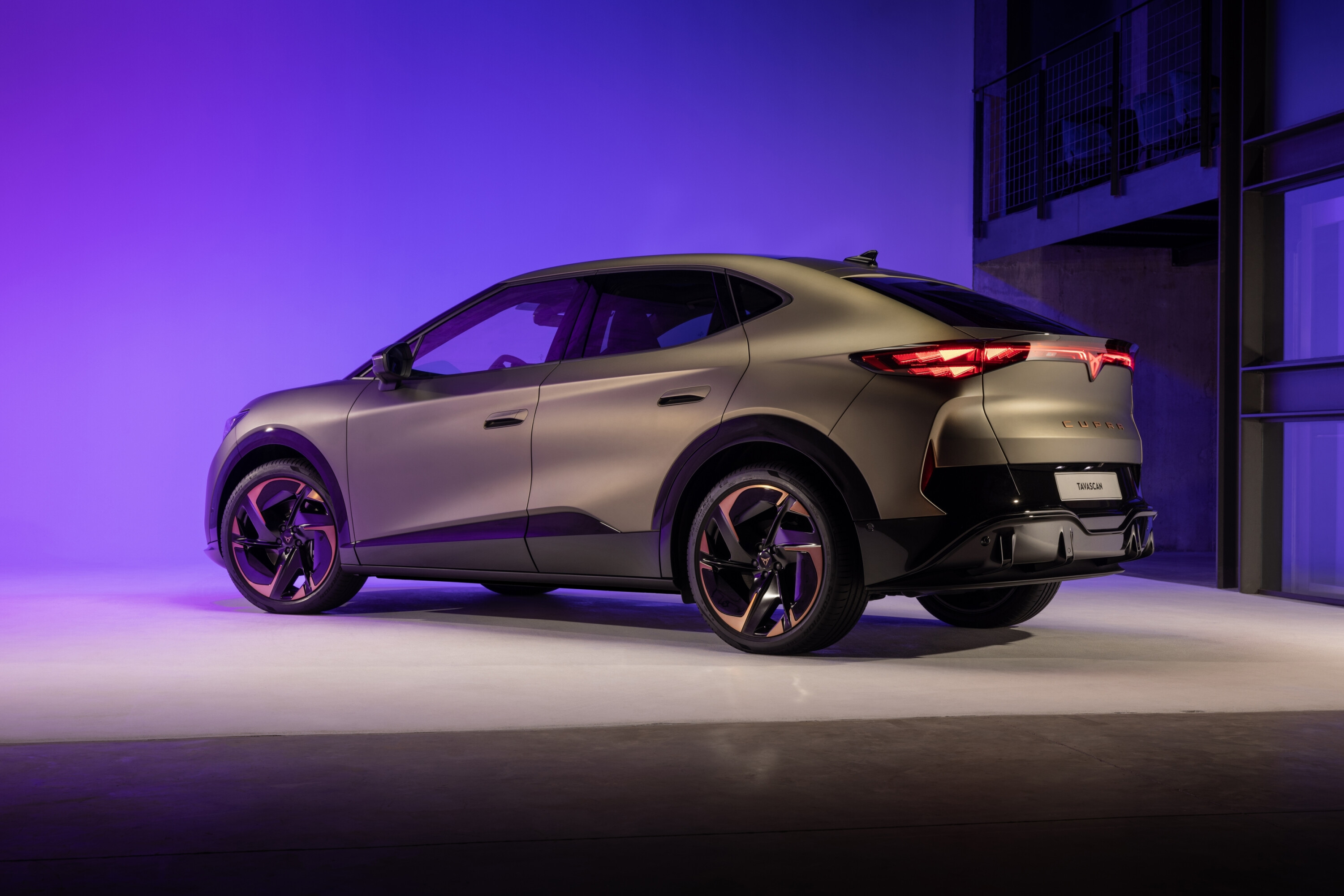
It is slightly larger than the ID.4 with a length of 4644mm compared with 4584mm for the VW. The Tavascan’s wheelbase is 5mm shorter at 2766mm.
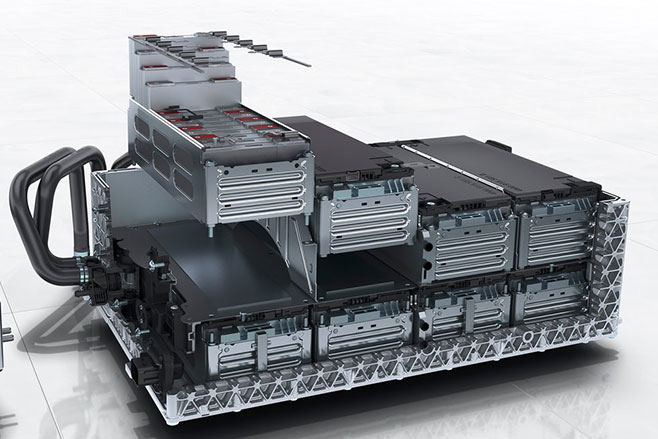
It uses the same 77kWh battery pack, powering a single electric motor in the base 210kW rear-wheel-drive model or two motors in the 250kW all-wheel-drive VZ variant.
Cupra says the RWD Tavascan has an electric range of about 549km, or 517km for the AWD model.
1
The Tavascan VZ can accelerate from 0-50km/h in 2.4 seconds and from 0-100km/h in 5.6 seconds, according to Cupra.
A sporty drive is further promised by adaptive sports suspension and performance tyres that are up 255mm wide front and rear when wrapped around the biggest wheels – 21-inch forged alloys.
Other wheel sizes are 19 and 20 inches.
1
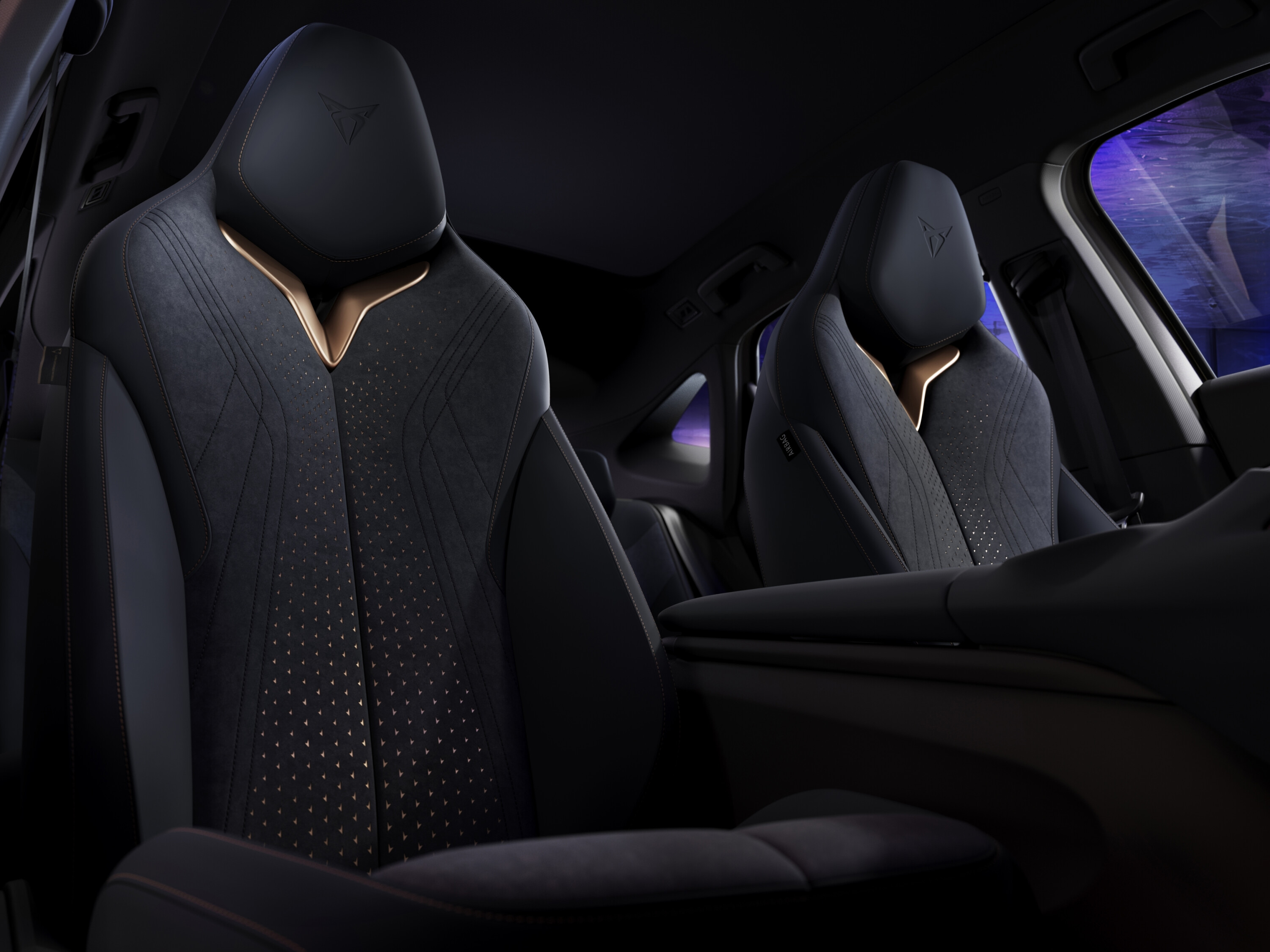
Inside, every Tavascan comes standard with bucket-style sports seats, covered in either textile or microfibre.
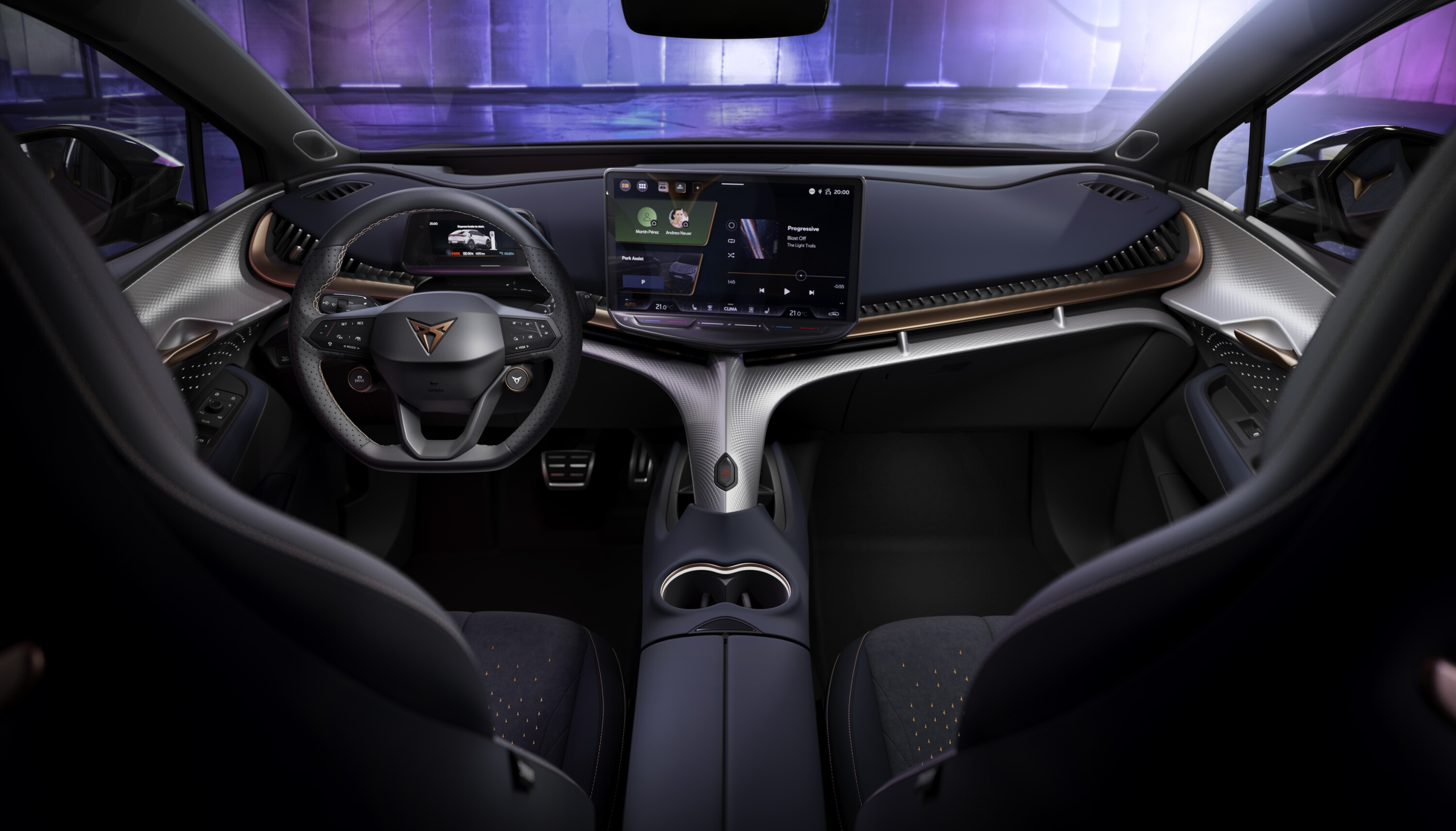
A 15-inch centre display is the largest infotainment screen to feature in a Cupra and features a new HMI (human machine interface).
The driver also gains a 5.3-inch digital display directly ahead.
1
The Tavascan, which will be built in China, will debut a new Sennheiser 12-speaker audio system, though it’s not clear whether this will be standard on all models.
Other available technology includes Matrix LED headlights, and an electric tailgate that accesses a 540-litre boot. This provides increased luggage capacity over the petrol/plug-in hybrid Formentor (up to 450L) and electric Born hatch (385L), and slightly down on the 549L offered by its most direct twin, the VW ID.5.
Cupra is aiming for about 7000 sales in Australia by 2025, the year the Tavascan will arrive along with the Urban Rebel compact electric car and Terramar plug-in hybrid SUV.
As Aussie authorities honourably yet tepidly pursue ‘Towards Zero’ road fatality programs, the focus is on the same old five culprits: speeding, drug and alcohol use, not wearing a seatbelt, fatigue, and distraction.
I’d like to propose a sixth: People not giving the remotest damn about driving.
In Australia, this is endemic. It’s baked into Australian driving culture like that bit of lasagne crust on the casserole dish that refuses to budge. In terms of driving being a skill, the average Aussie thinks of it in a binary way: once you merely know how to do it, you’re Max Verstappen.
Amusingly, the NSW Government’s strategy of reaching zero road fatalities is the ‘Safe System Approach’ focusing on safer roads, safer speeds, safer vehicles and safer people. ‘Safer people’ is glazed over with no thought given to making them better drivers who think for themselves when behind the wheel.
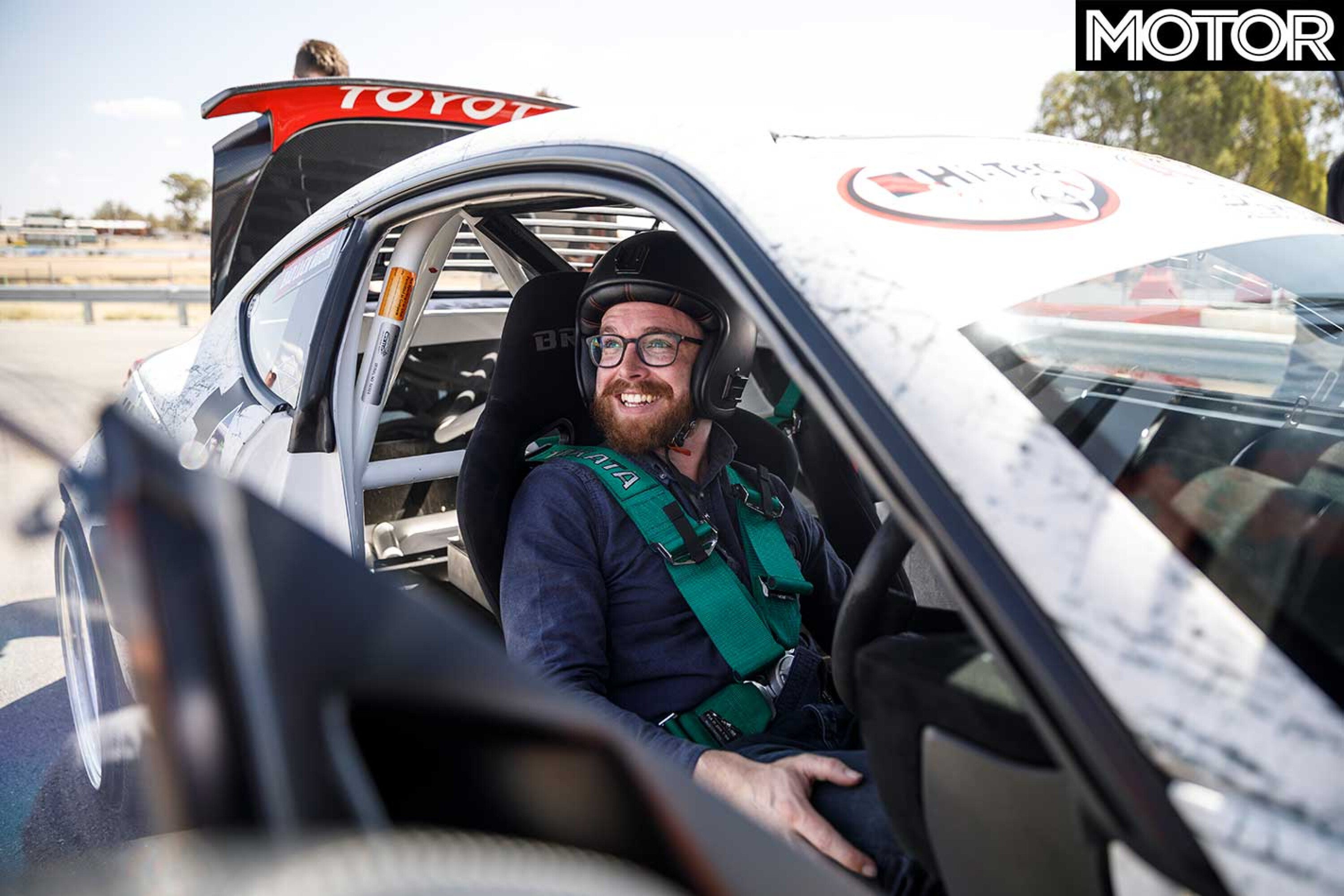
In Australia, mindless driving is endemic. It’s baked into Australian driving culture like that bit of lasagne crust on the casserole dish that refuses to budge
1
If the authorities really wanted to lower the road toll – which hasn’t gone down since 2011 – they’d do well to encourage people to respect the craft again.
When you get behind the wheel, it’s not an opportunity to let your mind wander wherever it wants to go – the last place being, the task of operating what is effectively a two-tonne projectile.
New cars, to be fair, aren’t helping. They could be making us even worse drivers (and we were starting from a low base). Technologies such as lane-keep assist and autonomous emergency braking are great on balance, but they mean you don’t have to think as you dawdle down the freeway or reverse out of your driveway. And few people do.
Lowering the speed limit – as is common in Victoria, where I live – seems to have the effect of making people not think behind the wheel. They’re so low, and modern cars so capable, you just do whatever the sign says and try not to nod off.
Back in the day, the speed limit was a maximum and it was up to you to judge and discern, in an engaged way, whether it was safe. Not any more.

1
What’s the answer, then? Better training, obviously.
But, by the time that’s reformed and a new licensing system implemented, we’ll all be heads in jars hanging out with our AI mates in the metaverse.
The kale-nibblers of the world celebrate mindful everything – mindful eating, mindful walking, mindful window-licking… but they might actually be on to something. What about mindful driving?
An advertising campaign would help: ‘Drive mindfully, not mindlessly’. When you get behind the wheel, it’s a chance to immerse yourself back in reality – away from whatever screen you’ve just spent hours glibly staring at. Relax your eyes, look out the windows.
1
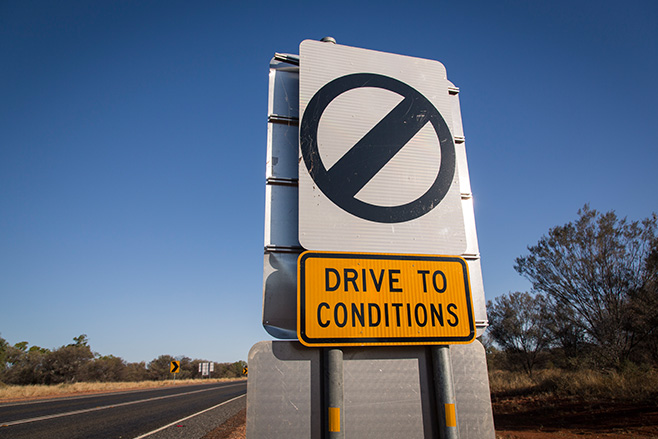
An advertising campaign would help: ‘Drive mindfully, not mindlessly’
Pay attention to the feelings of the controls; scan the road ahead for the next thing ready to jump out. Here’s your chance to be in the moment and calm the mind – remember that feeling when you couldn’t be contactable on a plane, before they all got wi-fi? That could be driving.
Australia could switch from a culture of not caring about being in charge of a car, to taking great pride in it. And that could be as simple as being reminded it’s the most dangerous, complex task most of us do everyday. Don’t forget to use your brain, not just your hands and feet.
That would at least bridge us to autonomous cars. You might shiver at the thought of getting into a vehicle without a steering wheel and trusting a computer to shuttle us around at 100km/h, but in future people will think putting humans in charge of these same vehicles was insanity.
Drive 10 minutes around an Australian urban centre and you’d probably agree.
Wheels magazine has always had a passionate audience, with a thriving letters section. Here’s the latest from our readers. And while we’re talking about the mag, have you subscribed?
Fleet footed
1
Cliff Wheatley, Upwey, Vic
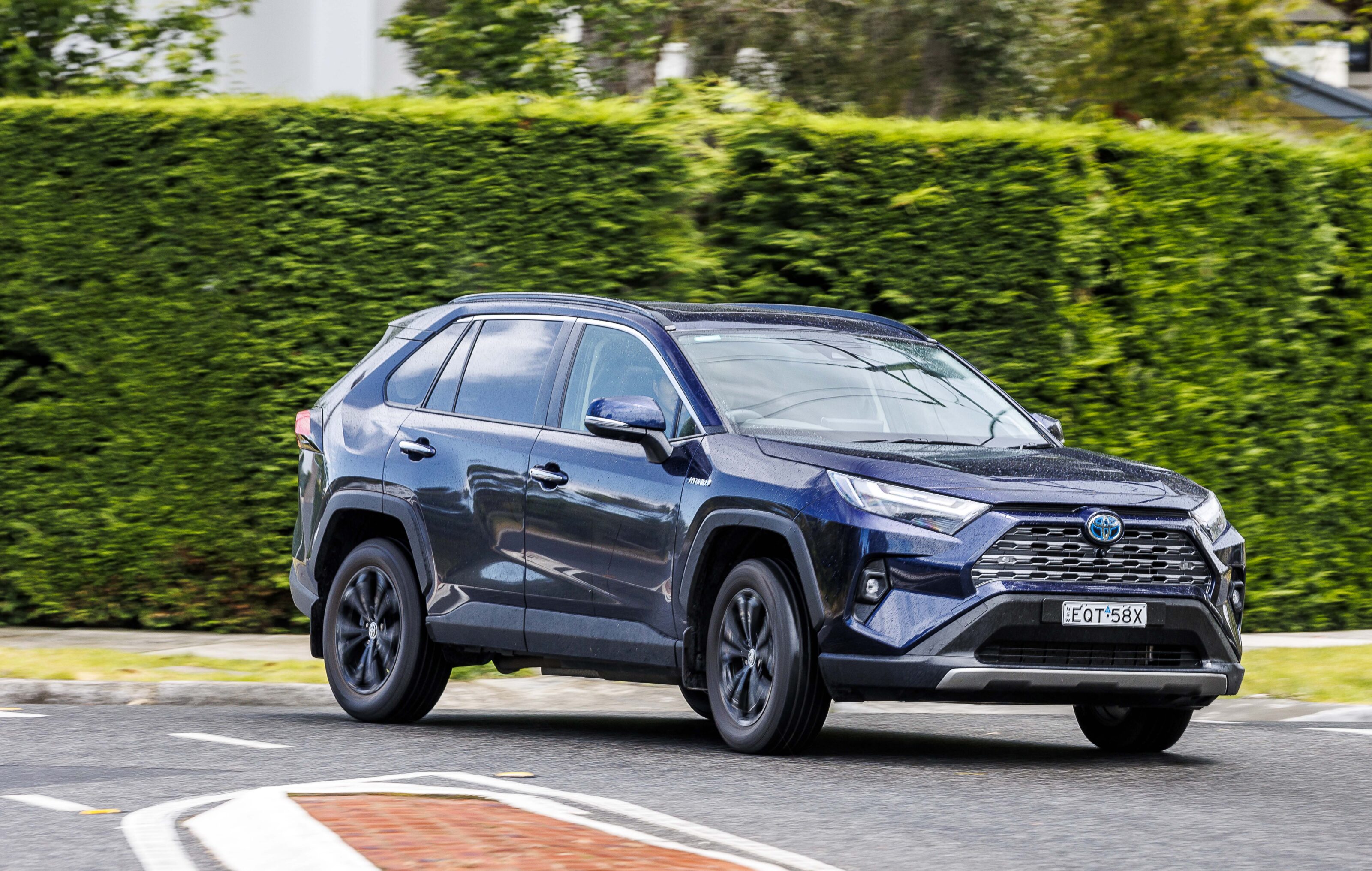
I have embarked on a journey to reach motoring Nirvana – a place where my driving desires are no longer left unfulfilled. What triggered this? I was staggered to see that a hybrid RAV4 would set me back $75K when shopping for a car.
For those dollars I would get a competent SUV but it would only be a daily commuter. I couldn’t throw it around a track. It wouldn’t stir the emotions. I’d be too afraid to park it at a shopping centre where, sadly, scrapes are now the norm.
1
Some synapses fired off. Neural pathways started forming in long-dormant parts of my brain. Instead of focusing on the purchase of one car, I considered the experiences I wanted to have for my $75K. I bought a WRX STI to carve up some corners.
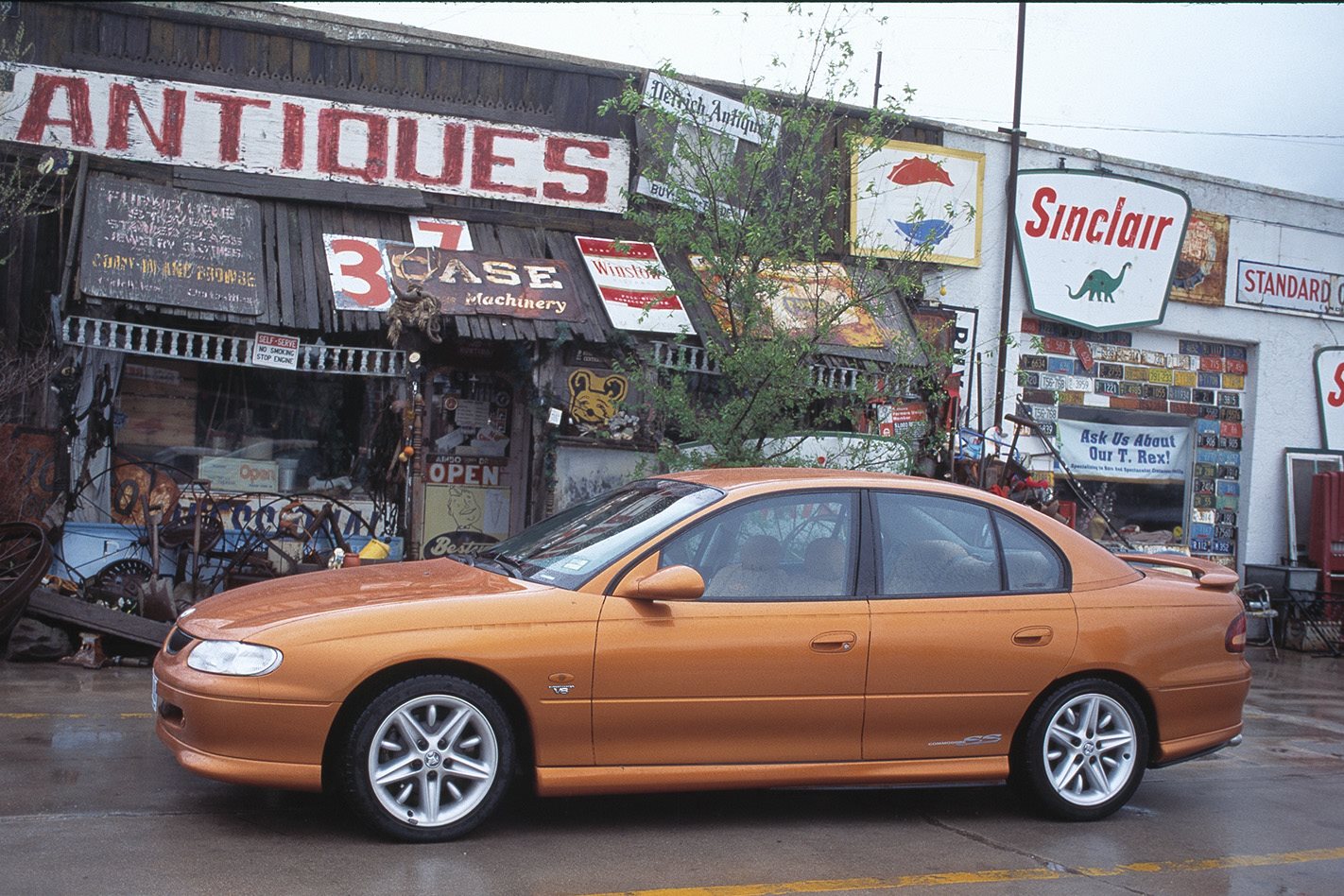
I rolled the auction dice and was the highest bidder on a 1997 V8 Commodore. I picked up a cheap X-Trail as my daily hack. I now have a car for each use case in my driving life. I’ve reached contentment.
My family and friends possibly see it as a mid-life crisis. Either way, I’m happy.
ud83dudede Editor Andy
Dipping a tow
1
Shaun, Burpengary, Qld
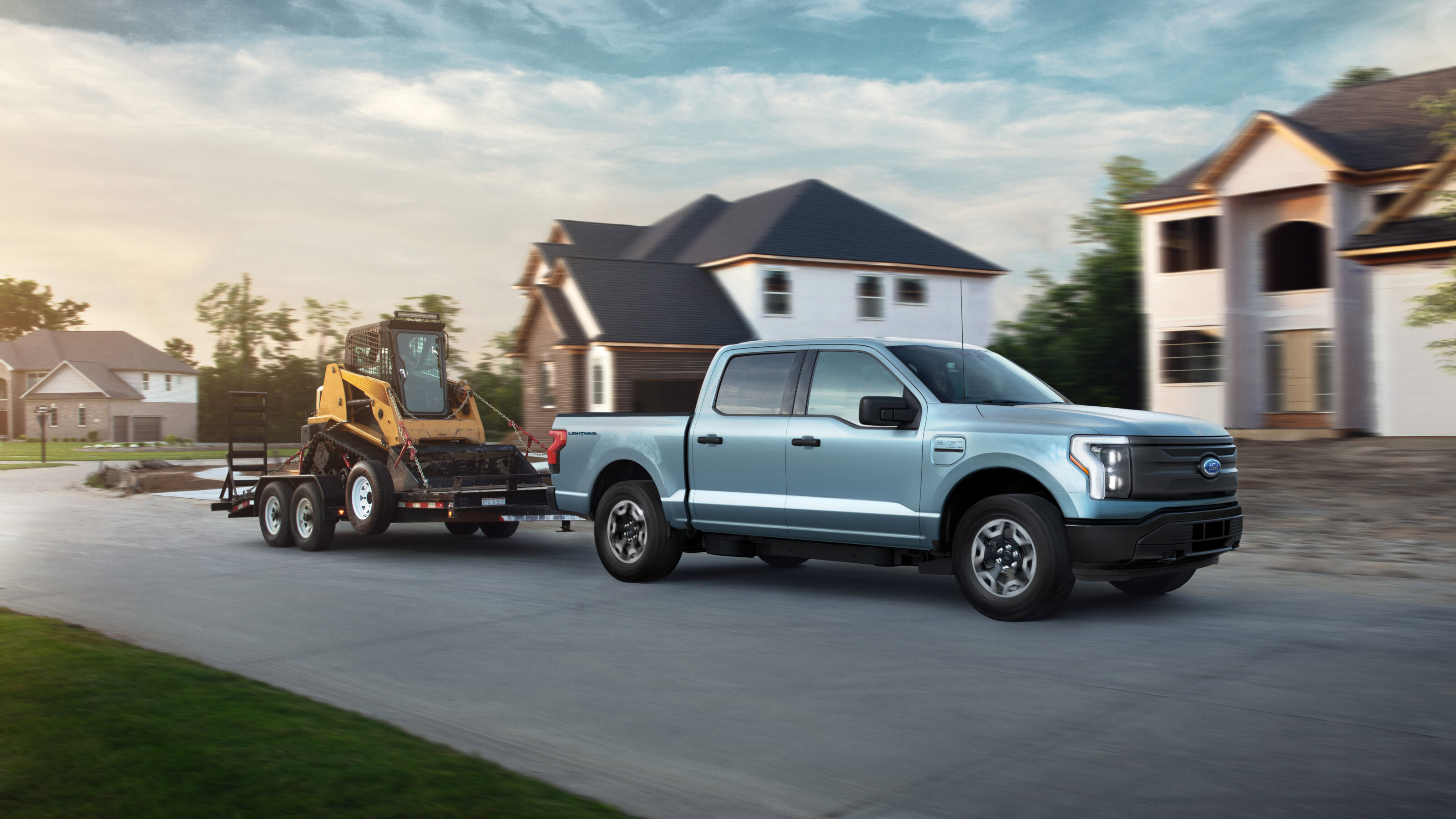
We are clearly in a transition period between ICE and EV vehicles, however, EVs have a pragmatic problem when it comes to towing.
The recent EV Showdown feature (Wheels Yearbook, 2022) raised a couple of questions. How will these EVs tow a trailer, or a technology-enriched caravan that can source its power via the EV?
What would be the impact on range? How will you charge at a public station with a trailer hitched (the current infrastructure doesn’t cater for this) and can driver-assist functions still be engaged? Until the Ford, Rivian, LDV or the doubtful Cybertruck counterparts arrive on showroom floors, we’ll continue to use hydrocarbons to fill this niche, which is evident in the new-car sales figures.
ud83dudede Editor Andy
It’s a legitimate concern and the answer is, as you suggest, badly. Car and Driver tow tested the Ford F-150 Lightning, the Rivian R1T and the GMC Hummer EV. The claimed ranges of these three EVs are 483km, 505km and 529km respectively.
When towing a 2767kg trailer at 112.6km/h (70mph in old money), the ranges on a full battery dropped to 160km in the Lightning, 177km in the R1T and 225km in the Hummer.
So yes, you can tow and with the torque on tap it’ll feel great, but you won’t be going too far from home or a DC charging station anytime soon.
Hourly rate
1
Elardus Mare, Manning, WA
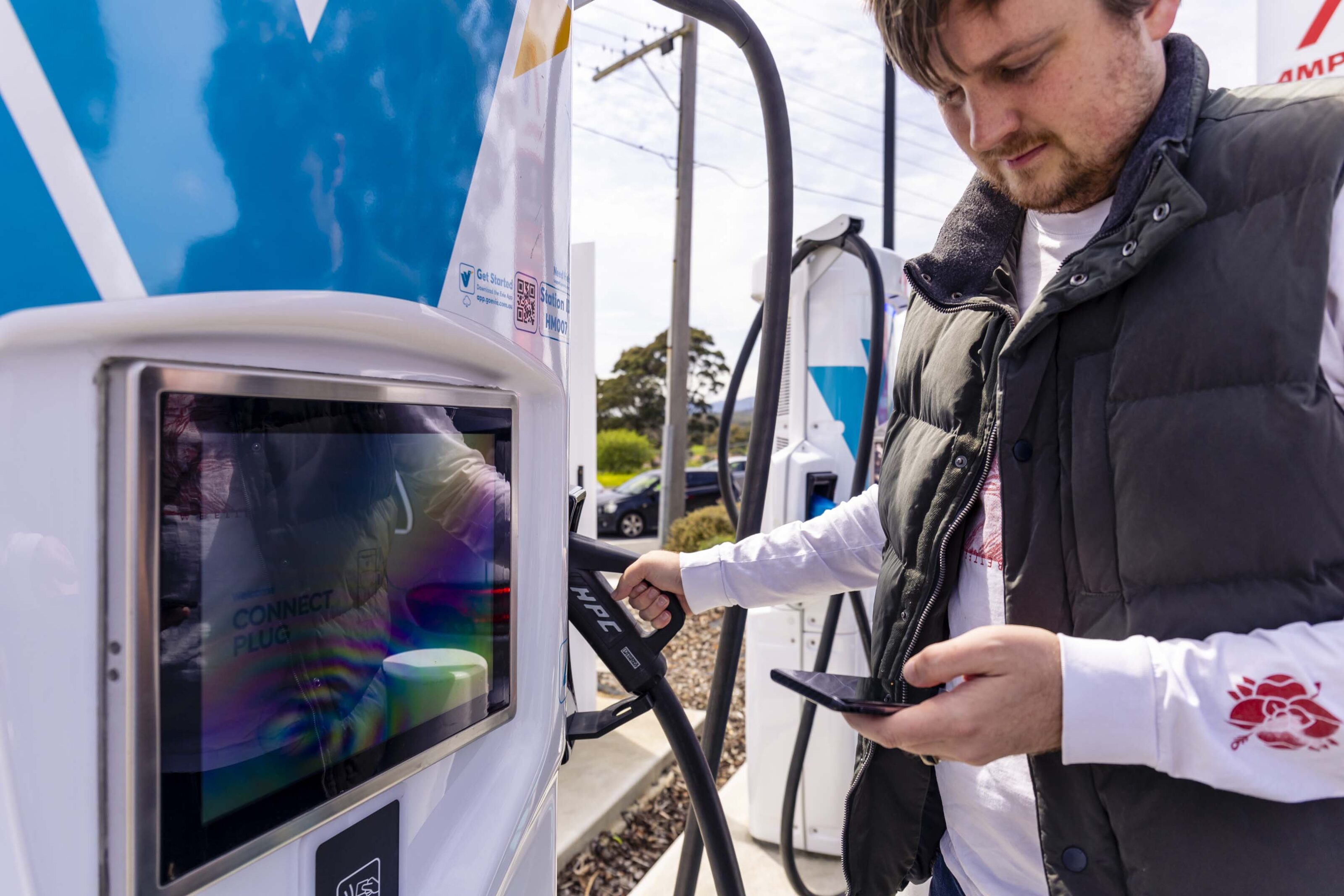
Even at only 7kW charging, I’d also grab the chance to plug in a thirsty EV (Cameron Kirby’s EV6 GT Line in Garage, January 2023) if I was going to spend some time in a pub.
Cameron clearly understands something about charging and I could feel his frustration having to explain to others the nuances of it.
1
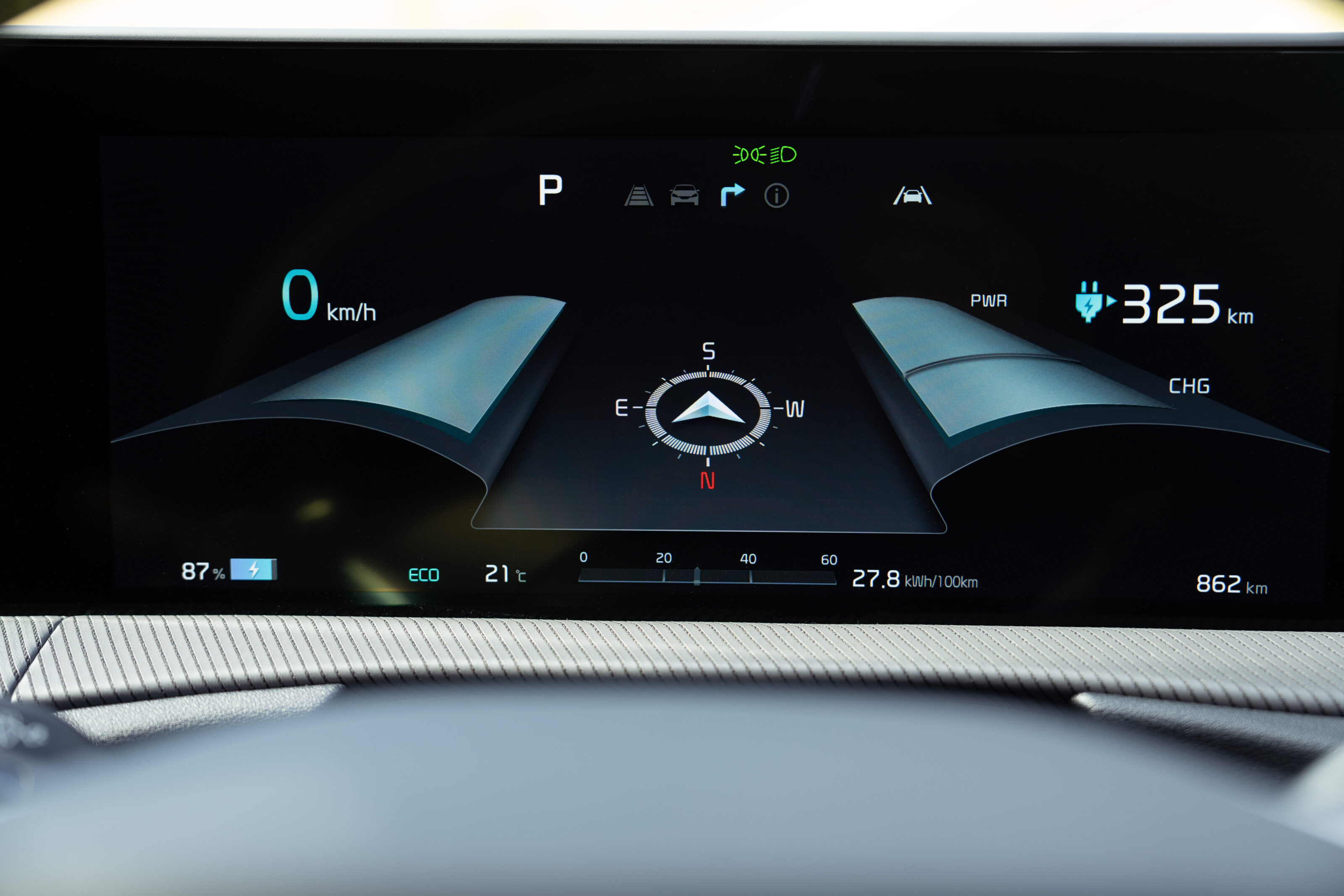
However, I felt equally frustrated to read that after two hours of lazy 7kW charging, he described returning to the Kia ‘with 14kW of extra charge’. No, Cameron, I’m sure you meant to say ‘with 14kWh of extra charge’ having added a theoretical 82km of range.
The crucial role of the ‘h’ distinguishing between kW and kWh is as misunderstood as charging etiquette, so do be more careful not to don’t help spread charging theory ignorance in telling your readers about interesting real-life charging experiences!
ud83dudede Editor Andy
Ah, that pesky h! You are, of course, absolutely correct. A kW measures power while kWh is an expression of energy, the total amount of energy used or the capacity to use. These two measures are interrelated via time.
Should you charge an EV for half an hour on a 50kW charger, you will have added 25kWh (kW x hours = kWh).
As Cam rightly mentions, the peak charging acceptance rate of the vehicle should also be taken into account, hence the frustration at finding Hyundai Konas on ultra-fast DC chargers when more suitable options are available to them.
His swede ride
1
Peter Hellings, email
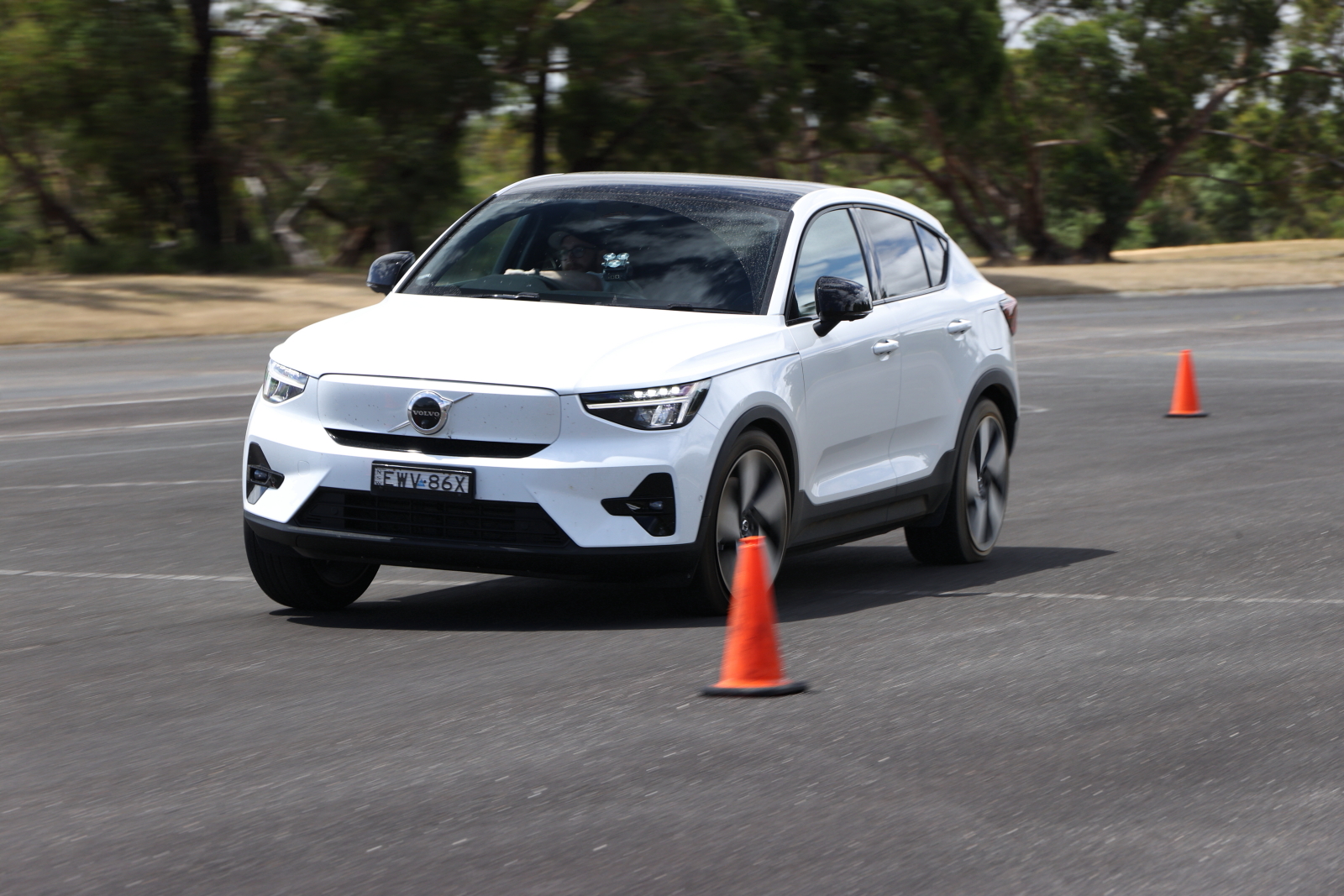
I enjoyed reading your EV Showdown (Wheels Yearbook, 2022) of available electric cars in Australia. I was happy to see my Volvo XC40 Recharge acquired in February this year got a good rating because I really love it.
Just a couple of points, though. I feel that the suspension’s compromise between firmness and compliance is about perfect, and not too firm as your review suggests.
Also I love the full one-pedal driving although it took me a few months to operate it really smoothly. I’m surprised that so many car makers seem not to offer this.
Lastly, I agree that the energy consumption is a bit heavy. But as three free chargers have recently opened within walking distance of my home I’m not too concerned!
ud83dudede Editor Andy
When an EV works for your lifestyle, it’s a rare thing of joy. And the XC40 Recharge is a bit of a gem.
The Wheels question to you
1
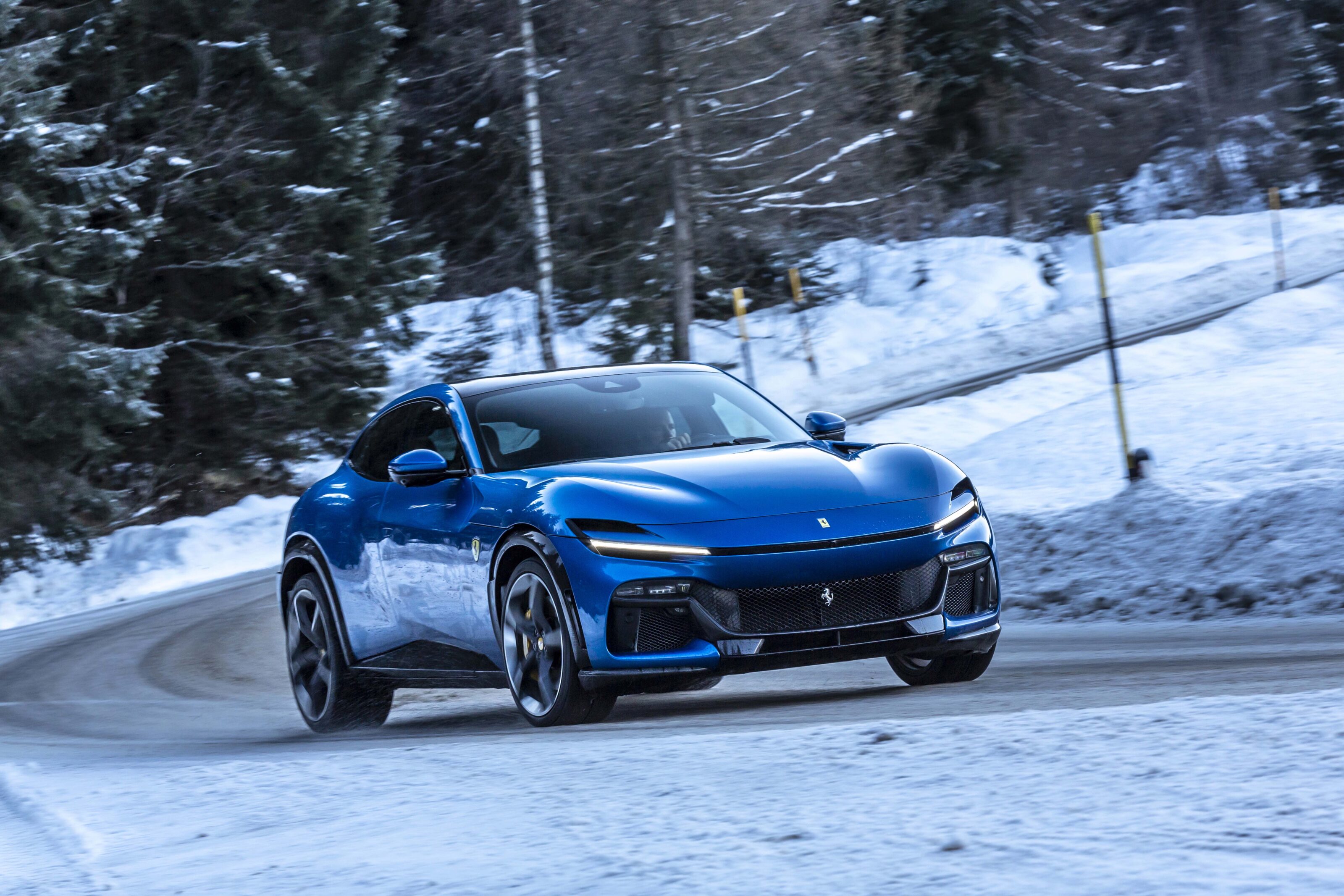
Ferrari Purosangue: Sacrilege or spectacular?
For
- Ray Meaden, NSW: I was absolutely expecting to hate the Purosangue but then I saw it and read the reviews and now I kind of get it. Itu2019s like a Roma on u2018roids that you could use every day. Iu2019m down with that. But Iu2019m also $700K short.
Against
- Alan Loughlin, Vic: Is nothing sacred? Sergio Marchionne was right and this should never gave been built. With the profit figures it already realises, itu2019s clear that Maranello needs an SUV like a fish needs a bicycle.
Want to have your say? Keep it tight (no more than 200 words) and include your suburb if via email: [email protected]. You can also chime in on Facebook & Instagram.
Chinese automaker Build Your Dreams (BYD) has revealed the tiny Seagull electric hatch.
Snapshot
- BYD Seagull electric city car unveiled
- Priced around AU$20,000 in China
- Up to 405km range, LFP-based BYD Blade Battery
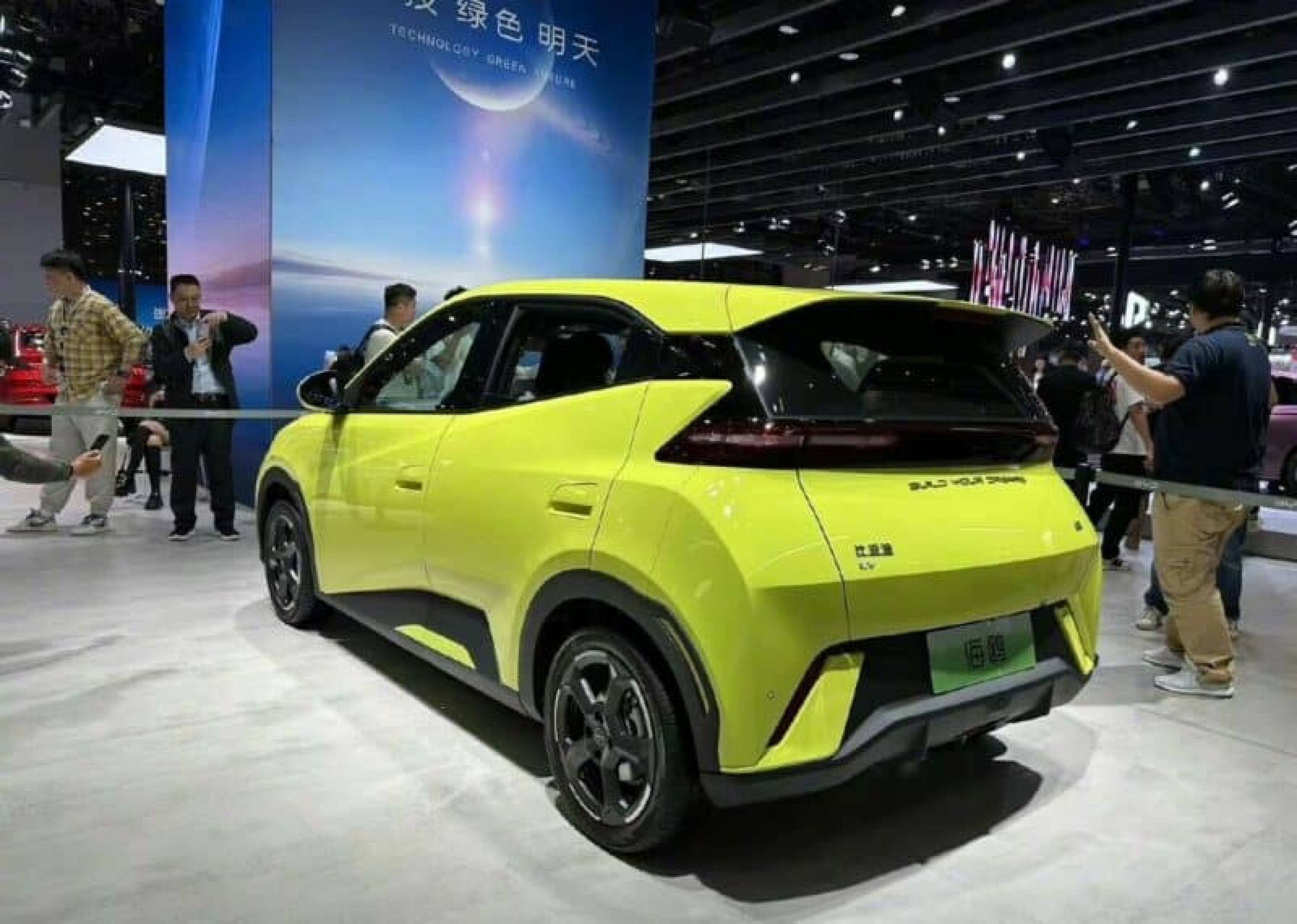
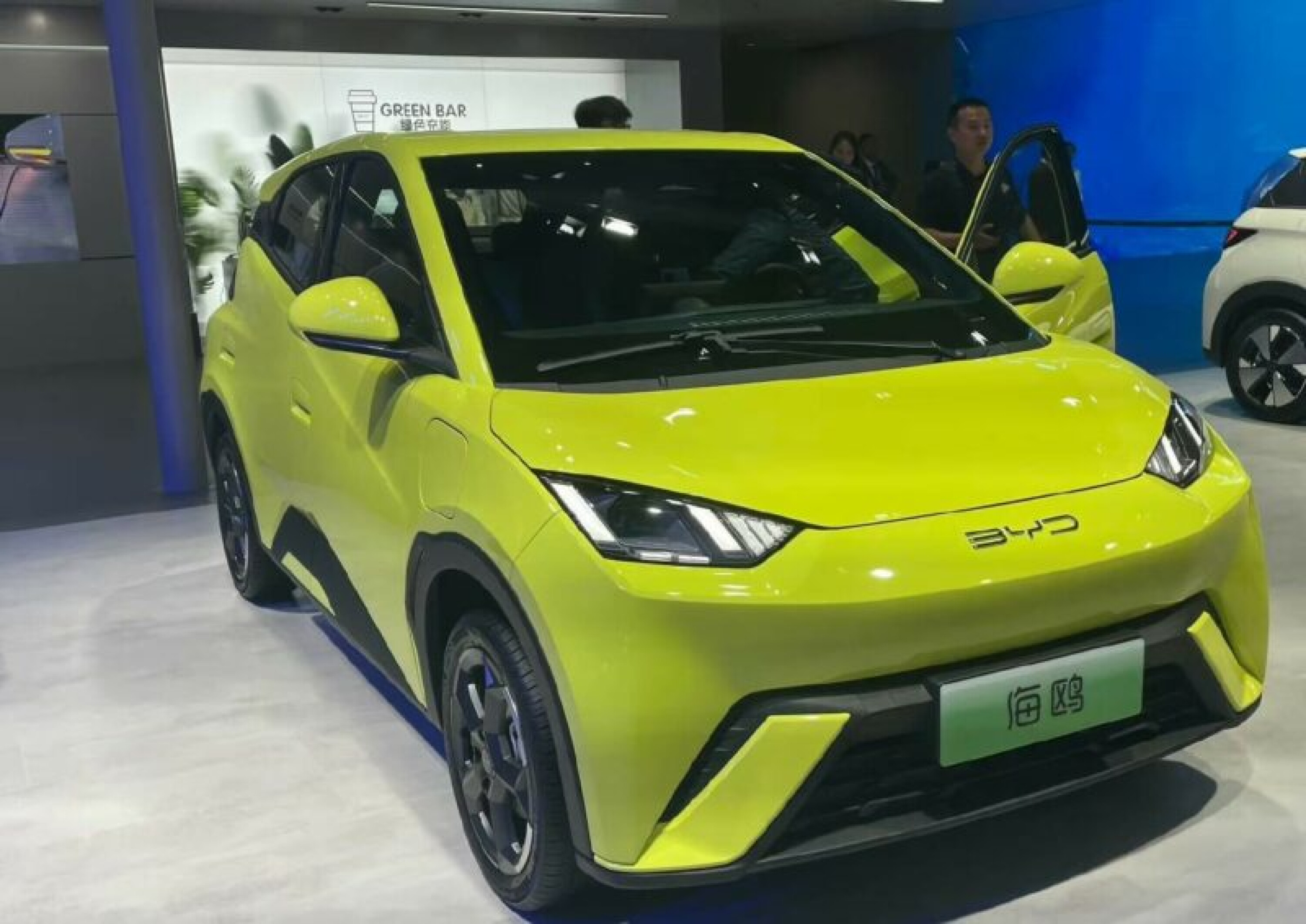
Unveiled at this week’s Shanghai Auto Show, the Seagull is a Kia Picanto-sized electric hatch positioned below the Dolphin small car.
The BYD Seagull is the latest addition to its Ocean series and will be sold in China priced from 78,800 to 95,800 RMB (AU$17,060 to $20,740).
According to CarNewsChina[↗], it adopts the company’s E-Platform 3.0 and safer lithium-iron-phosphate (LFP) structural Blade Battery technology in two sizes.
This includes a 30kWh or 38kWh unit with up to 305 or 405 kilometres of claimed driving range, respectively, on the lenient China light-duty vehicle test cycle (CLTC).
1
Previous rumours of the Seagull debuting a sodium-ion battery haven’t eventuated yet.
The city-focussed micro EV is powered by a 55kW electric motor with a 130km/h top speed.
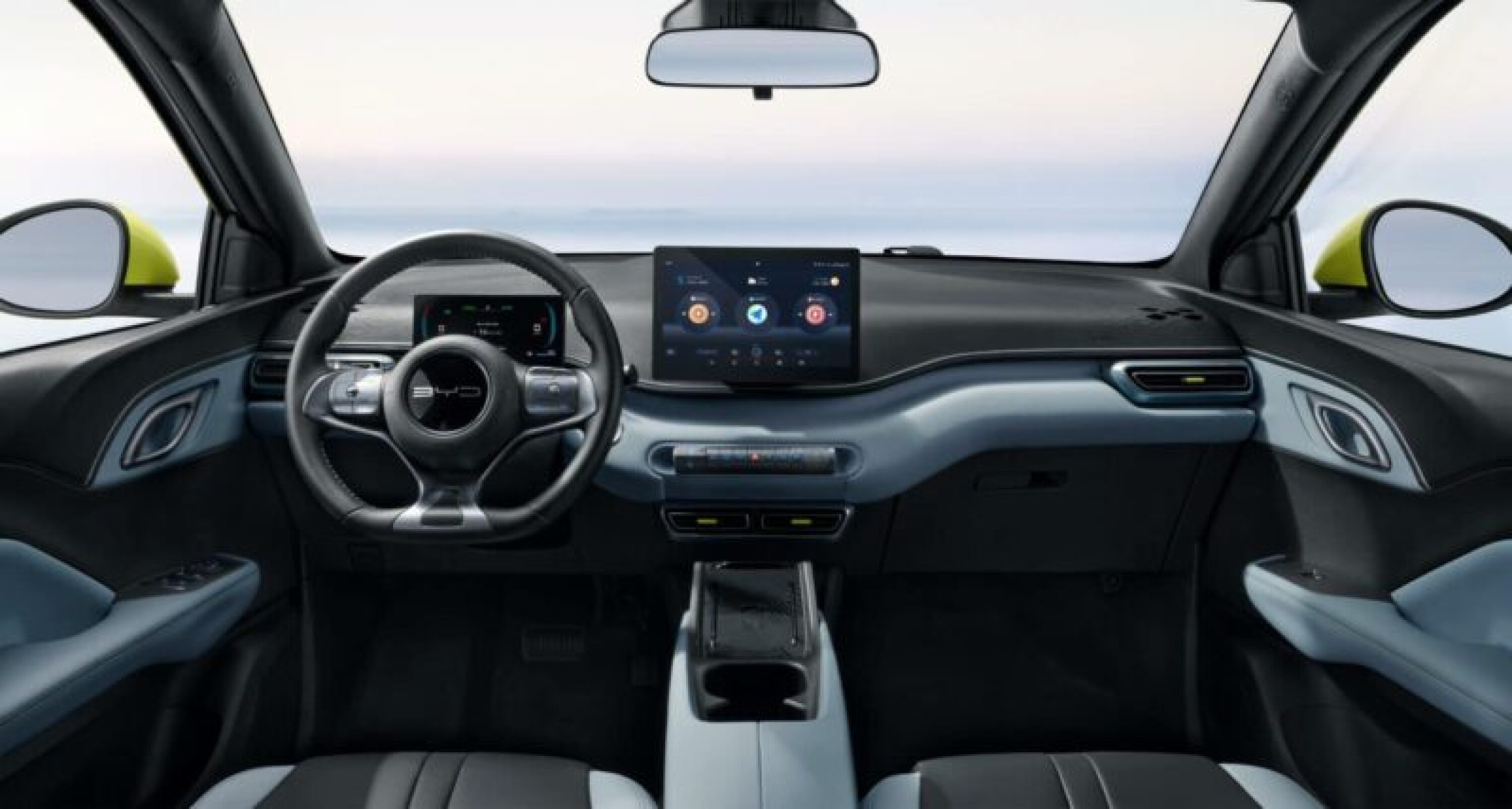
Inside, it features the company’s signature rotating 12.8-inch touchscreen and five-inch digital instrument display, a Qi wireless charging pad, and a similar flat-bottom steering wheel to the Atto 3 small SUV.
Four exterior colours are also available and are matched to three different interior trim colours, with a funky angular design, full-width LED tail-lights, and flush door handles.
1
BYD Seagull key specs
The Seagull faces electric competitors in China, including the Wuling Bingo and the even smaller but top–selling two-seater Wuling Hong Guang Mini EV.
It also rivals Europe’s pricier Honda E, Mini Cooper SE, and Fiat 500e electric city cars.
But, compared to Australia’s best-selling micro car, the Kia Picanto, the BYD Seagull is still 185mm longer, 120mm wider, and 55mm higher with a 100mm longer wheelbase.
| BYD Seagull key specifications | |
|---|---|
| Length | 3780mm |
| Width | 1715mm |
| Height | 1540mm |
| Wheelbase | 2500mm |
| Seats | Four |
| Battery size | 30kWh / 38kWh |
| Claimed range (CLTC) | 305km / 405km |
1
Will the BYD Seagull come to Australia?
A global rollout for the BYD Seagull hasn’t been announced. It is currently unknown if the Seagull meets stricter ANCAP and Euro NCAP safety standards, which could affect its prospects for Australia and Europe.
Local distributor EVDirect is expected to release the BYD Dolphin small hatch, followed by the BYD Seal sedan later this year to join the popular Atto 3 small SUV.
MORE
Everything BYD
⚡ More EV stories to help you choose the best car for your needs
Electric cars: You’ve got questions. We’ve got answers.
For a lot of people, electric cars an exciting prospect, while for others they’re a confusing concept, alien in so many ways to everything they’ve ever known about motoring. For others still, EVs seem like a frustrating compromise, especially when it comes to driving range and the ongoing debate over just how green they truly are.
In this guide, we’re working to answer the most common questions. The truth is that there are still a lot of unknowns about how electric cars will fit in with Australia’s motoring needs, but for those who think they might be getting close to a switch, this guide might have the answers you seek.
JUMP AHEAD
- Will EVs get cheaper to buy brand-new?
- Is the electricity grid ready for more EVs?
- How much does it cost to run an EV versus an ICE car?
- Are EVs really that ‘green’?
- Are EVs cheaper to service?
- Are EVs more expensive to insure?
- When do the batteries need replacing?
- Do EVs hold their value?
- Should I consider a second-hand EV?
- Can an EV power my house as a battery?
- Can I charge my EV on the street?
- Are more public charge points being built?
- Are EV batteries more dangerous than petrol?
- Will ICE cars be banned? If yes, when?
- What happens if I run out of charge in the middle of nowhere?
- What’s this I hear about solid-state batteries being the next big thing?
- What’s happening with hydrogen Fuel Cell Electric Vehicles (FCEVs)?
Will EVs get cheaper to buy brand-new?
More affordable models from mainstream brands are in the pipeline, while economies of scale as larger volumes of EVs are produced industry-wide will lower costs and accessibility of EVs in Australia.
EV purchase price is projected to be on par with ICE models in the US by 2024, and Europe by 2027, so may reach parity in Australia shortly after.
Is the electricity grid ready for more EVs?
It’s debatable. Australia’s National Energy Market (NEM) covers 21 million Australians as the largest grid in the world and is in the midst of its own revitalisation, as many coal-fired stations are approaching their end-of-life. Debate over what to replace them with continues – EVs may help stability by feeding into the grid.
1
How much does it cost to run an EV versus an ICE car?
High initial expense and personal charging infrastructure make total cost of EV ownership generally more expensive for now.
However, in terms of basic ‘fuel’ costs, EVs are much cheaper. Wheels’ own real-world tests of five EVs against ICE equivalents in 2020 found an average cost advantage of 60.6 percent to charge an EV over filling an ICE’s tank.
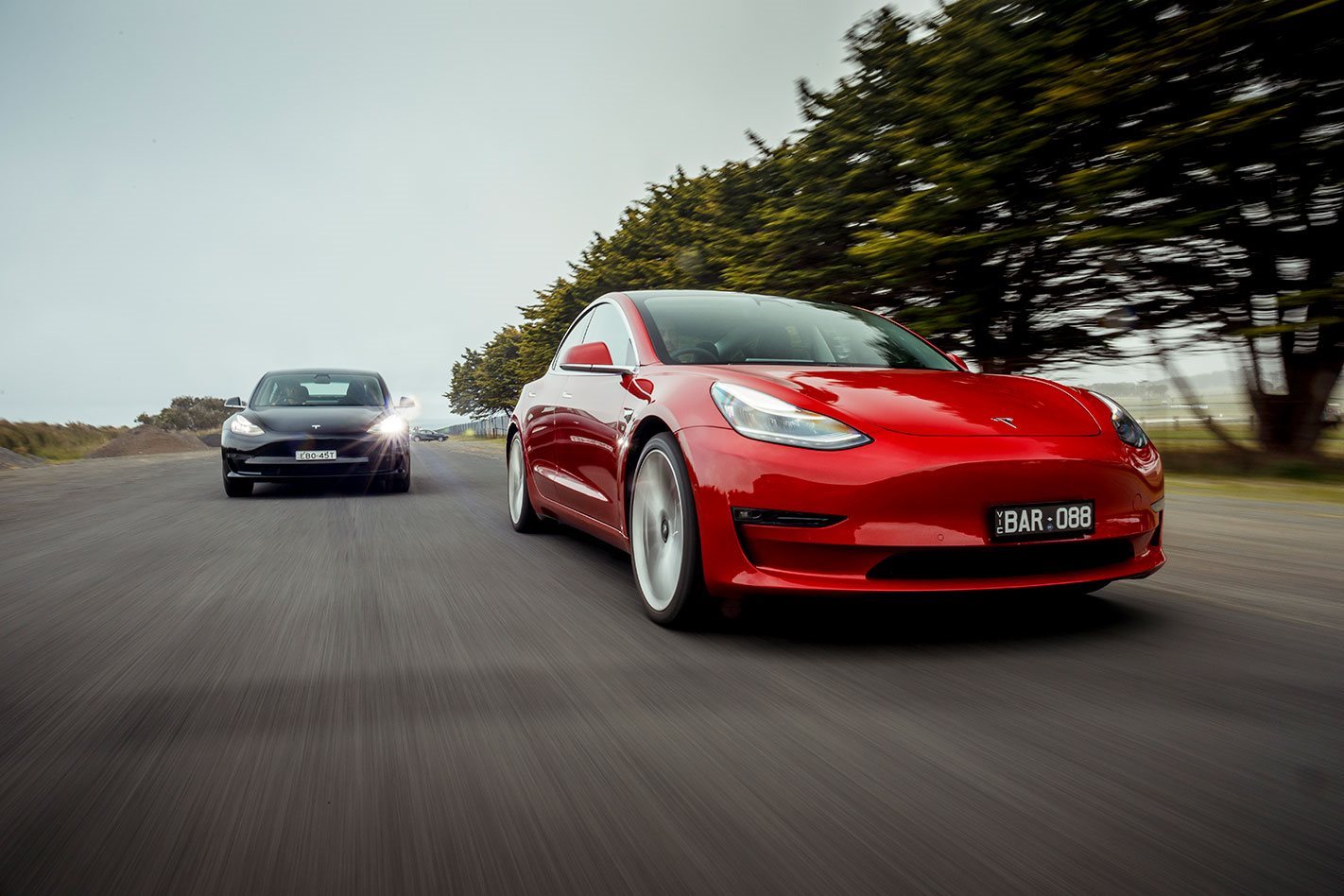
For example, in our own testing, driving ‘normally’ we achieved 15.0kWh/100km in the Tesla Model 3 Long Range. In terms of other luxury four-door sedans, to get close to the Tesla’s 4.6sec 0-100km/h acceleration for the $78K price, your only option is really a $76K, twin-turbo V6 Genesis GV70. In normal driving we’ve tested it at 10.2L/100km. It does 0-100km/h in 4.7sec.
1
Let’s say you do 1000km in each car, again driving ‘normally’, at Melbourne’s 95RON and peak home electricity prices (as this issue of Wheels closed for press). It would cost $28 in the Tesla and $160 in the Genesis. Use Tesla’s Supercharger network and the Model 3’s cost would be $78.
If you care less about acceleration, a $78K four-cyl BMW 330i (0-100km/h in 5.9sec) would cost $103 to do 1000km. That’s using the optimistic ADR consumption figure of 6.6L/100km.
Obviously, there are countless variables making this anything but scientific or definitive. For example, sign up to a special off-peak EV electricity plan or install home solar and your EV costs plummet further.
Are EVs really that ‘green’?
It’s true that EVs have a greater impact on the environment when produced. However, this can balance out with lower operational impact for a reduced overall footprint. The major factor in determining when an EV becomes better for the environment in its lifespan against an ICE model is the source of electricity.
For Australians, that means in NSW and Victoria, which rely heavily on fossil fuel, it takes far longer to cross that threshold than in South Australia, with 58 percent of power renewable, or Tasmania, where this soars to 98 percent.
Battery disposal is also an ever-growing issue, and while there are recycling processes in place, in Australia we only recycle around two percent of the 3300 tonnes of lithium-ion waste created annually. The CSIRO has forecast this waste to grow to as much as 188,000 tonnes by 2036.
1
Are EVs cheaper to service?
EVs have fewer moving parts and require less significant servicing.
Thanks to their characteristic ‘single-pedal’ driving operation, brake wear is reduced, too. While there is still wear on tyres, suspension components and electronic items, ‘serviceable’ physical parts are reduced for generally lower cost.
OTA (Over-the-Air) updates will increasingly offer smartphone-like software upgrades for consumers, which can bring efficiency improvements and longer driving ranges, but there are still many serviceable items on EVs, known as ‘consumables’.
Tyres, suspension, brakes and filters still need replacing, wheel bearings degrade, windscreens still break, electrics and various motors can fail…
1
Are EVs more expensive to insure?
Comprehensive insurance for an EV is marginally more than the equivalent ICE. As with an ICE model, this reflects the higher purchase/replacement cost of the vehicle.
What also factors into EV insurance premium is the higher cost of repair, which encompasses expensive battery parts as well as fewer qualified repair workshops – this will change over time.
When do the batteries need replacing?
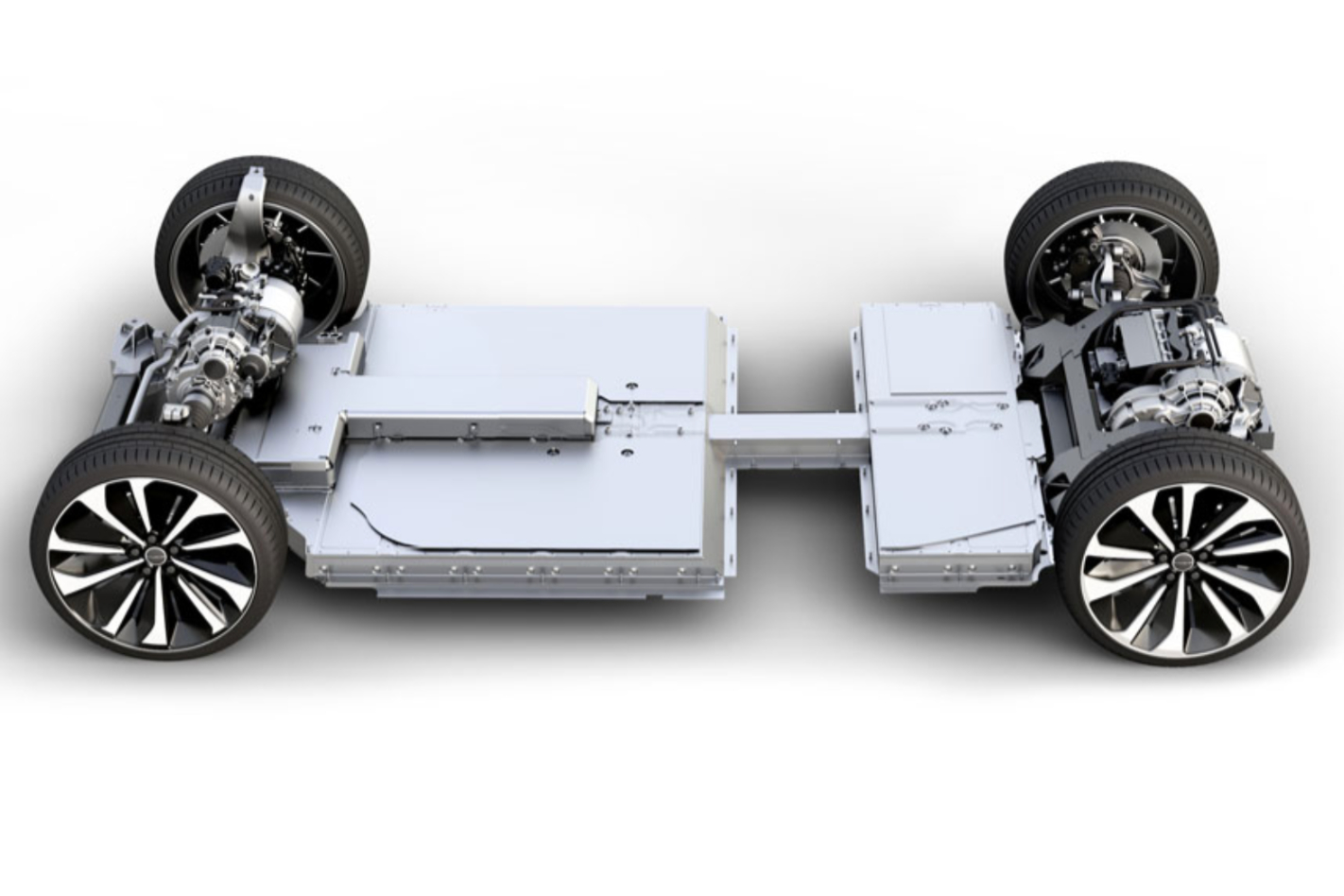
Battery life varies between makes and models and charging/driving use, especially when looking at older models with earlier battery technology. Toyota offers a 10-year warranty on its batteries, while Nissan, Mitsubishi and Hyundai offer eight-year coverage.
This doesn’t mean the batteries fail, but typically it covers capacity. Most manufacturers guarantee 80 per cent capacity for the warranty period. BMW says its battery packs can last up to 15 years.
In the story below, see the section on battery life.
1
Do EVs hold their value?
The relative rarity and increasing acceptance of EVs in Australia means they hold their value favourably against ICE vehicles, in some cases better.
With only a small pool of used EVs to choose from, and a lot of excitement about making the big leap, residuals have so far remained relatively strong.
EVs are subject to the market forces too, of course, such as the arrival of a new, more capable model.
Conversely, collectability is there, too, with prices of the original 2011 Tesla Roadster beyond $150K – not far off the original $206K ask.
In the story below, see the section on depreciation.
Should I consider a second-hand EV?
Absolutely. A second-hand EV can make an excellent purchase, but it’s a matter of research and knowledge, just as buying any new or used car. Subsidies and benefits in some states may apply to used EV models, too.
Can an EV power my house as a battery?
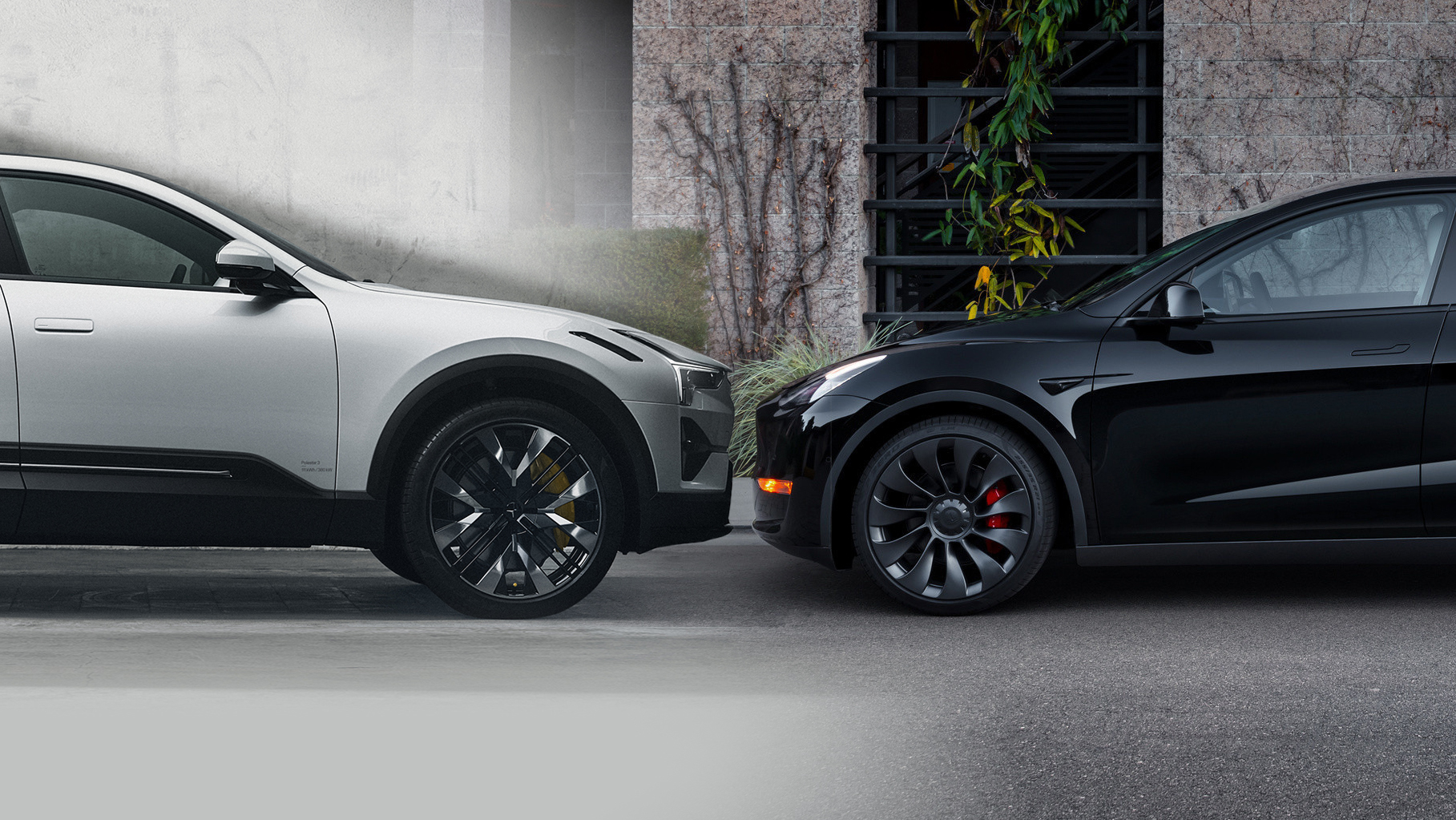
V2G (Vehicle to Grid) charging has been touted as great way to return excess renewable power to an electricity grid. Generally, first-generation EVs are uni-directional, and cannot feed back into the grid.
Second-gen EVs, like the Nissan Leaf e+, have bi-directional power and can act as a residential battery system to potentially power your home – or a portion of it.
2
Can I charge my EV on the street?
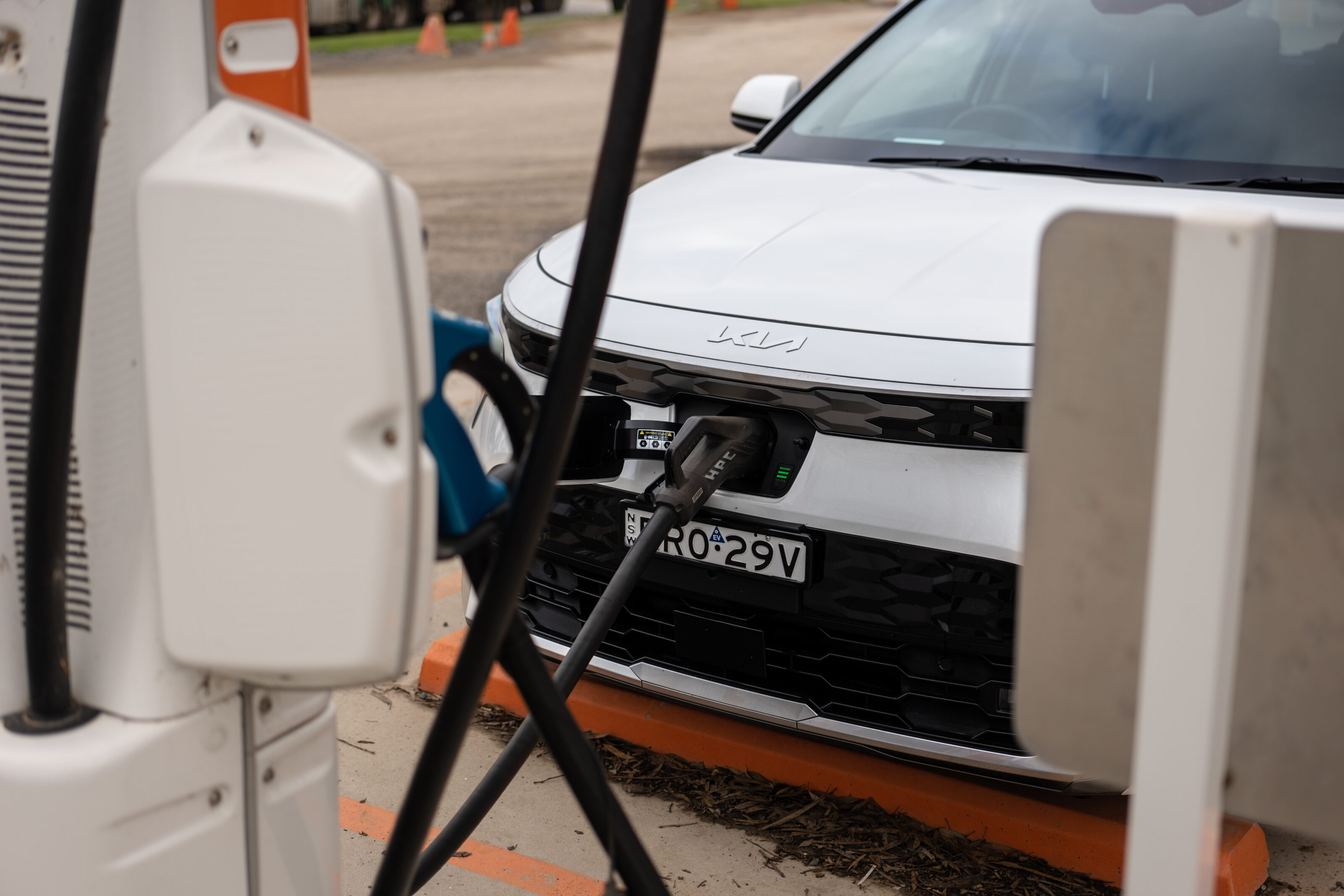
Theoretically, yes, but it’s not ideal… you can charge most EVs by a regular 240v socket, but that method is slow, and a long extension-lead from your home to the car may not be the best idea.
Are more public charge points being built?
There are currently more than 3000 public EV charging points at 1650 locations across Australia, and that’s set to more than double in the next few years. US company Jolt announced in August a plan for 5000 public chargers, while the Future Fuels fund announced a plan for 400, and Ampol plans to add chargers to its servo forecounts.
Charging stations can be found via numerous apps, and already enable coverage of both the eastern and western seaboards. That doesn’t mean seamless long-distance travel for EVs, but does make them far more practical in urban settings.
1
Are EV batteries more dangerous than petrol?
Numerous battery fires are bringing the crash safety of EVs into the spotlight, but should you be worried?
The short version is that while EV fires are always a big story when they occur, the technology and statistics paint a different picture. An answer is yet to be presented through comparable figures and statistically valid real-world incidents, many electric vehicle authorities believe that EVs are destined to be safer than combustion power in every regard, not just the likelihood of fire following a crash. See our in-depth story at the link below.
Will ICE cars be banned? If yes, when?
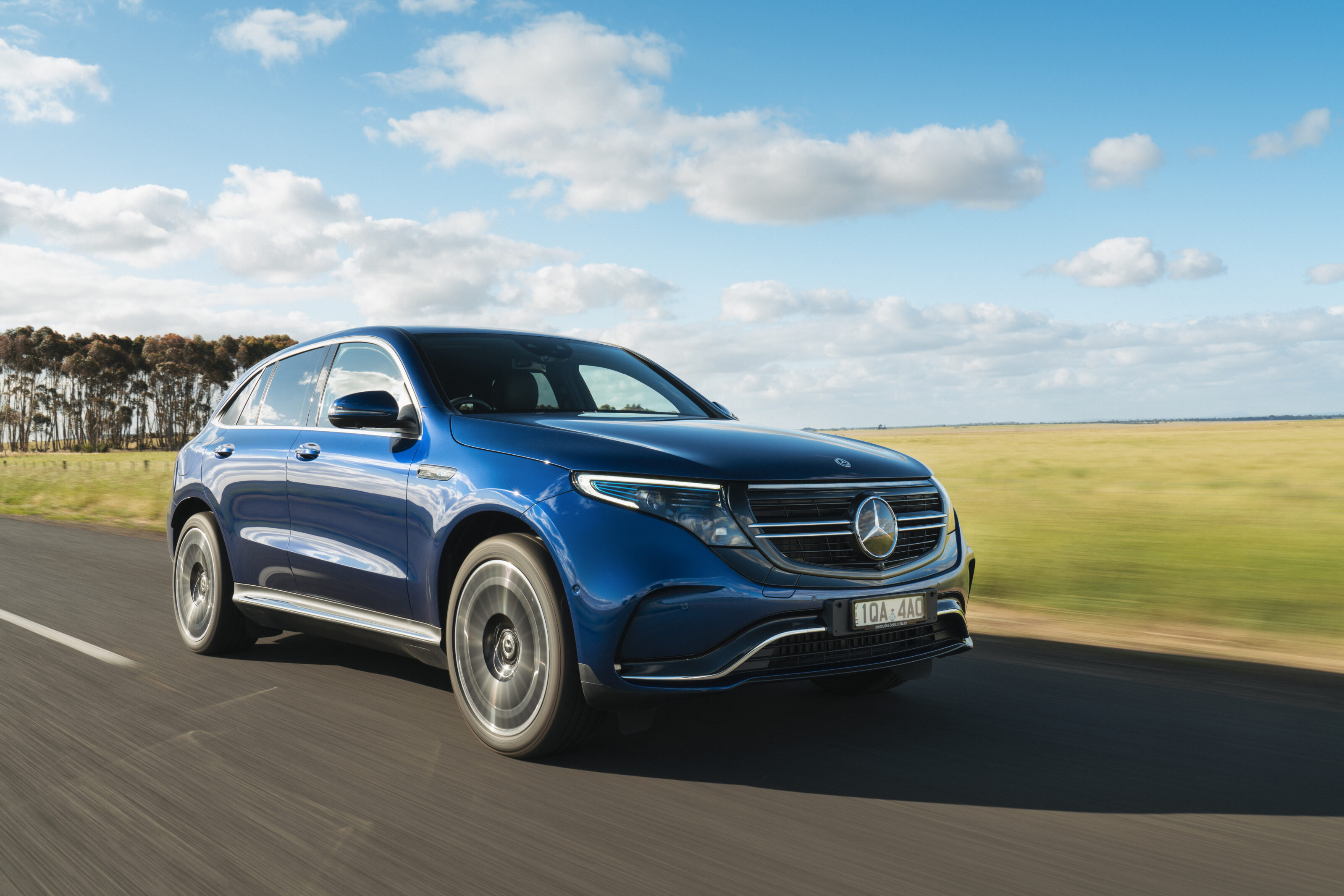
More than 20 countries have announced the end of ICE over the next 20-30 years. Australia is not (yet) one of them.
Locally, South Australia has the most ambitious target, aiming for all new-car sales to be EVs by 2035. Victoria has a target of 50 percent of all new-car sales to be EVs by 2030, similar to New South Wales (53 percent).
Yet millions of existing ICE vehicles will remain on our roads as the transition takes place, while alternative lower-carbon e-fuels being developed may also prolong the use of ICE.
1
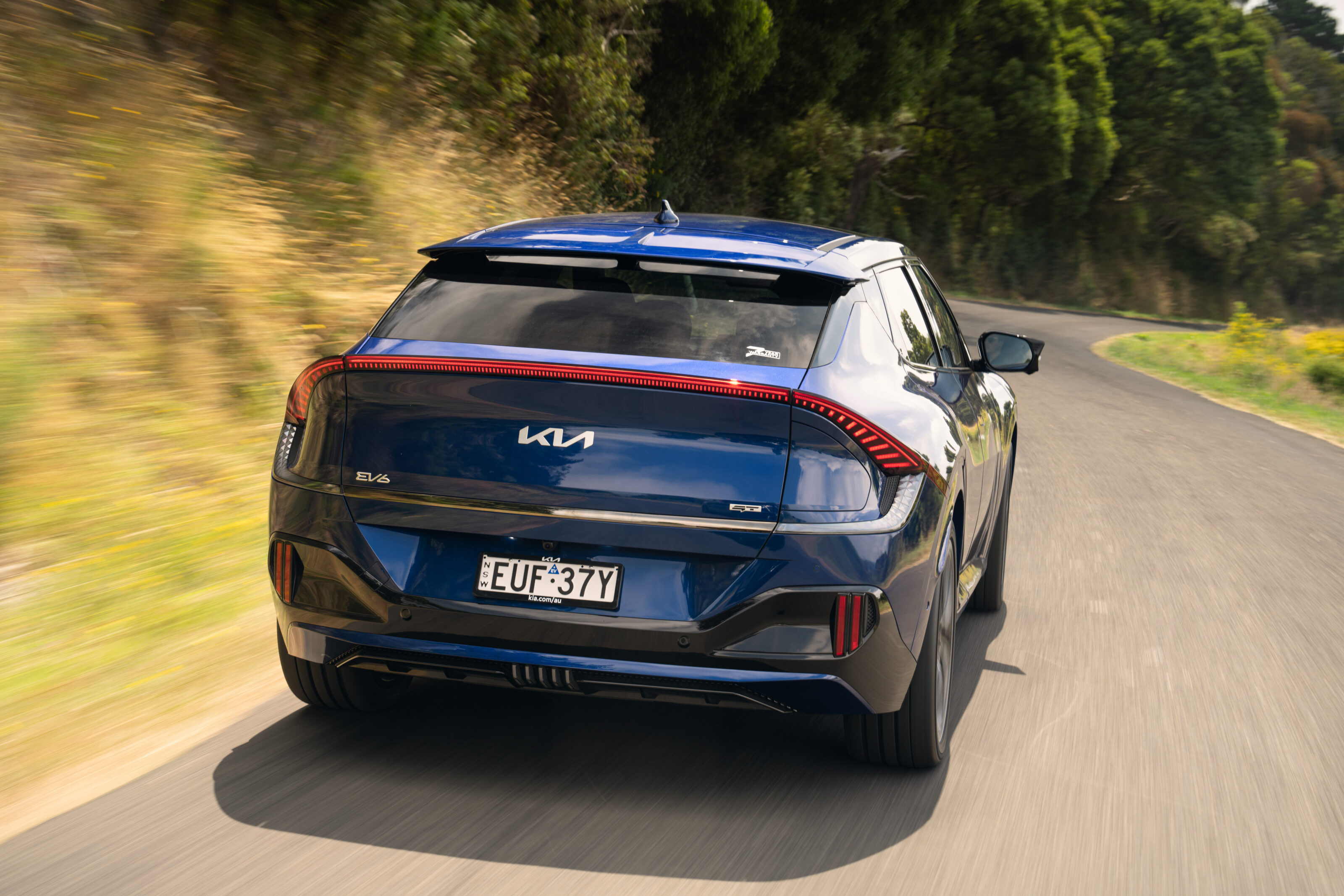
What happens if I run out of charge in the middle of nowhere?
If you ignore the warnings and distance-to-empty gauges, your EV will stop just like an ICE vehicle. The biggest difference is that you can’t simply call a friend to rescue you with a can of petrol.
Some roadside assist organisations have EV-specialist mobile units to rapid-charge your EV to get you moving again.
2
What’s this I hear about solid-state batteries being the next big thing?
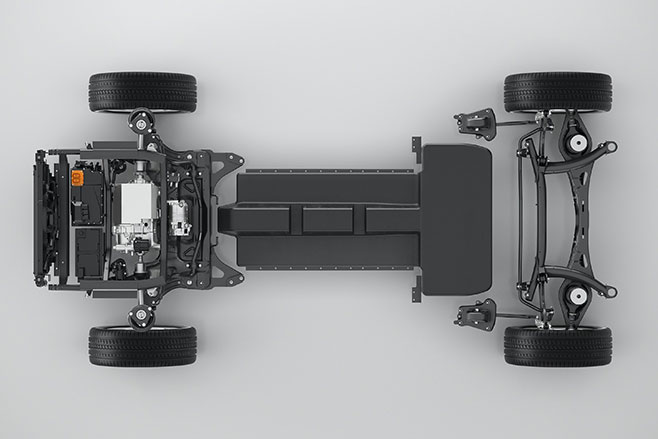
Imagine an EV that can travel twice as far as the equivalent li-ion battery EV, maintain 90 percent of its capacity for up 30 years, and recharge from empty to full in 10 minutes.
This is the promise of solid-state batteries, with these figures from Toyota, which is working with Panasonic on solid-state batteries and has more than 100 patents on them, as is Volkswagen, among others.
1
What’s happening with hydrogen Fuel Cell Electric Vehicles (FCEVs)?
Deloitte has predicted that FCEVs will be cheaper to run than ICE and BEVs by 2030, with Mercedes-Benz, Toyota, Hyundai and SAIC (MG in Australia) among major brands that see FCEVs as the way forward.
FCEVs use hydrogen to produce electricity, meaning they don’t require a heavy battery pack. This brings advantages for range, as well as packaging in the initial design, while refuelling takes a similar time as an ICE vehicle. The only tailpipe emission is water vapour.
Infrastructure is extremely limited, with only three public hydrogen refuelling stations in Australia, while the Toyota Mirai and Hyundai Nexo FCEVs unavailable to public buyers until more refuelling stations appear. Watch this space.
NEED MORE? VISIT OUR EV LANDING PAGE
The Queensland Government has today doubled its electric vehicle rebate to $6000 with more models eligible – less a year after the scheme went online.
Snapshot
- $6000 one-off EV subsidy for households earning less than $180,000 annually
- EV model eligibility cap raised up to $68,000 RRP, excluding dealer delivery
- Previous $3000 rebate recipients can re-apply for new amount
The updated Zero Emission Vehicle Rebate Scheme includes new measures to entice the EV switch, including lifting the eligibility cap to $68,000 (previously $58,000) on the recommended retail price of a model, which now excludes ‘dealer delivery’ fees.
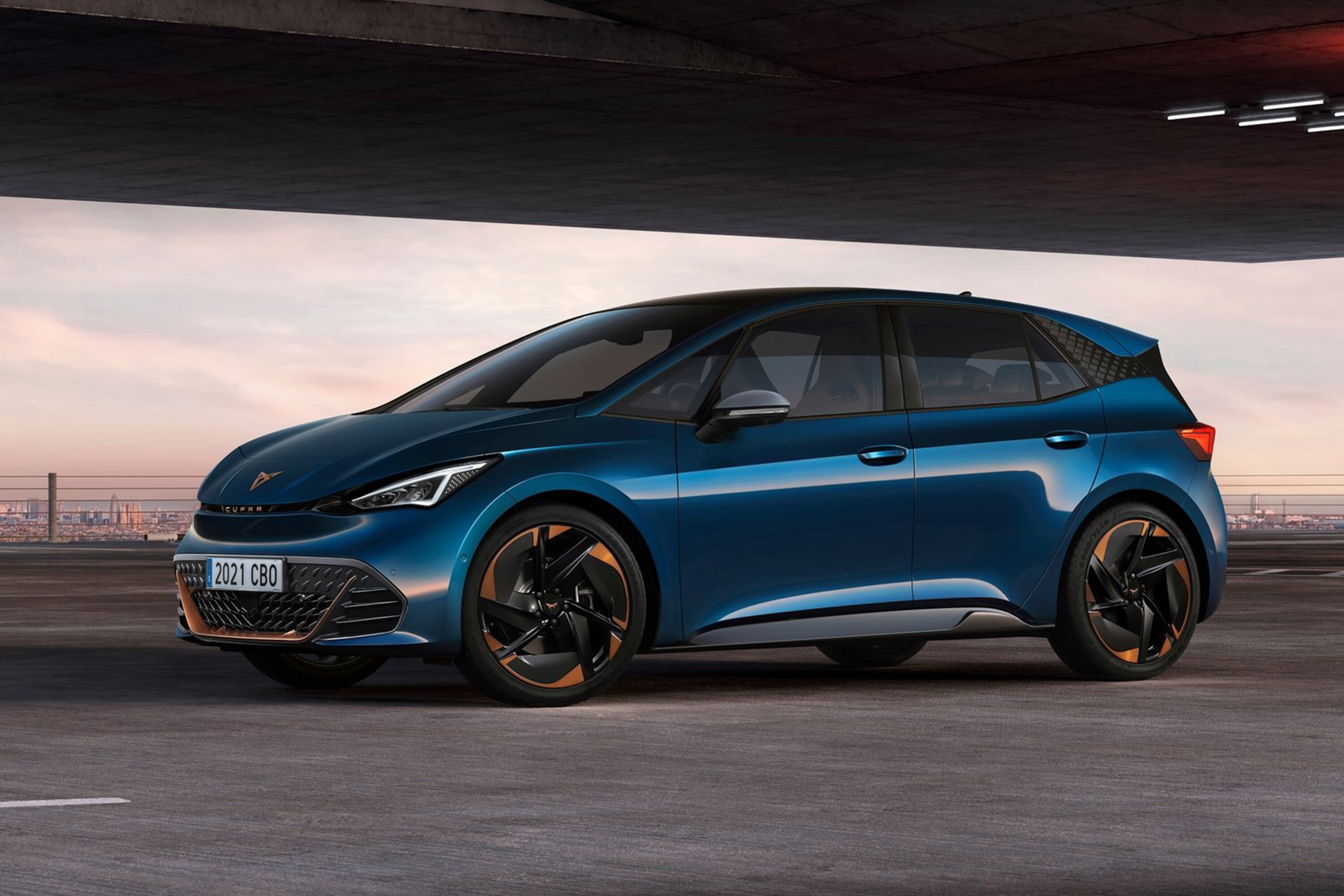
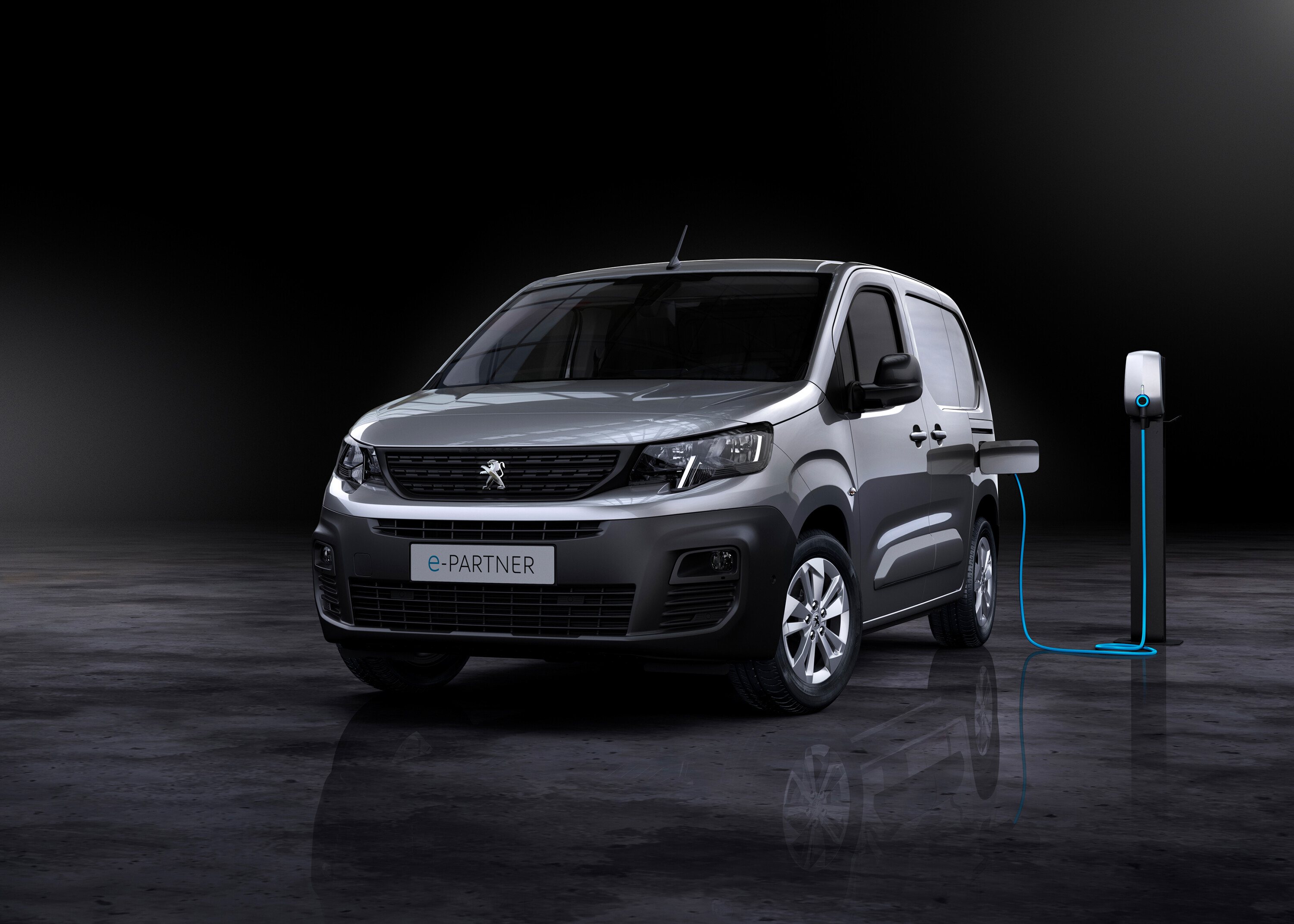
This means, pure EVs such as the Tesla Model 3 RWD sedan, Cupra Born hatch, and Peugeot E-Partner light commercial van (excluding options and accessories) are now eligible for the one-off rebate.
Households earning a total gross income of up to $180,000 per year will be eligible for a $6000 EV subsidy – representing the largest amount being given out to new EV owners compared to other states in Australia.
1
Queenslanders who have already applied and received the previous $3000 rebate and are under the total gross income threshold can apply for a reassessment to receive an additional $3000.
Meanwhile, households that earn more than the $180,000 annual threshold can still claim a $3000 rebate provided other eligibility requirements are met.
State Minister for Energy, Renewables and Hydrogen, Mick de Brenni, said the change to public policy was catalysed by growing inflation.
1
“We’re seeing the prices of EVs fluctuate on the back of rising materials costs and inflation left by the Morrison Government,” de Brenni said.
“This is about making EVs more affordable and more accessible to all Queenslanders to slash emissions and act on climate change with cleaner technology… We are committed to reducing the cost-of-living pressures of high petrol prices.
“We also want to see fleets transition to further drive down emissions. That’s why Queensland businesses can apply for up to five rebates per financial year, providing an opportunity for local businesses to make the switch to electric fleets.”
Advice
Australia’s best electric cars for 2023
We’ve tested nearly every EV below six figures in Australia to rank the best on sale today
According to the state government, 1135 EV rebates have already been approved, with the scheme set to expire after 15,000 eligible claims from new battery-electric vehicle owners.
The news follows the federal government committing to setting a fuel efficiency standard this week in line with nearly all developed countries globally.
It will legislate a carbon emissions target for the average of all new light vehicles sold by each manufacturer, which ultimately encourages car companies to bring lower-emitting engines and boost EV supply to Australia.
MORE
Electric Cars
⚡ More EV stories to help you choose the best car for your needs
The MG HS medium SUV has received a facelift in the UK with a fresher design and improved technology, following Thailand last year – and it’s expected to land in Australia in the second half of this year.
Snapshot
- HS facelift confirmed for Oz in second half of this year
- Bolder design, improved tech
- Launched in Thailand in March 2022
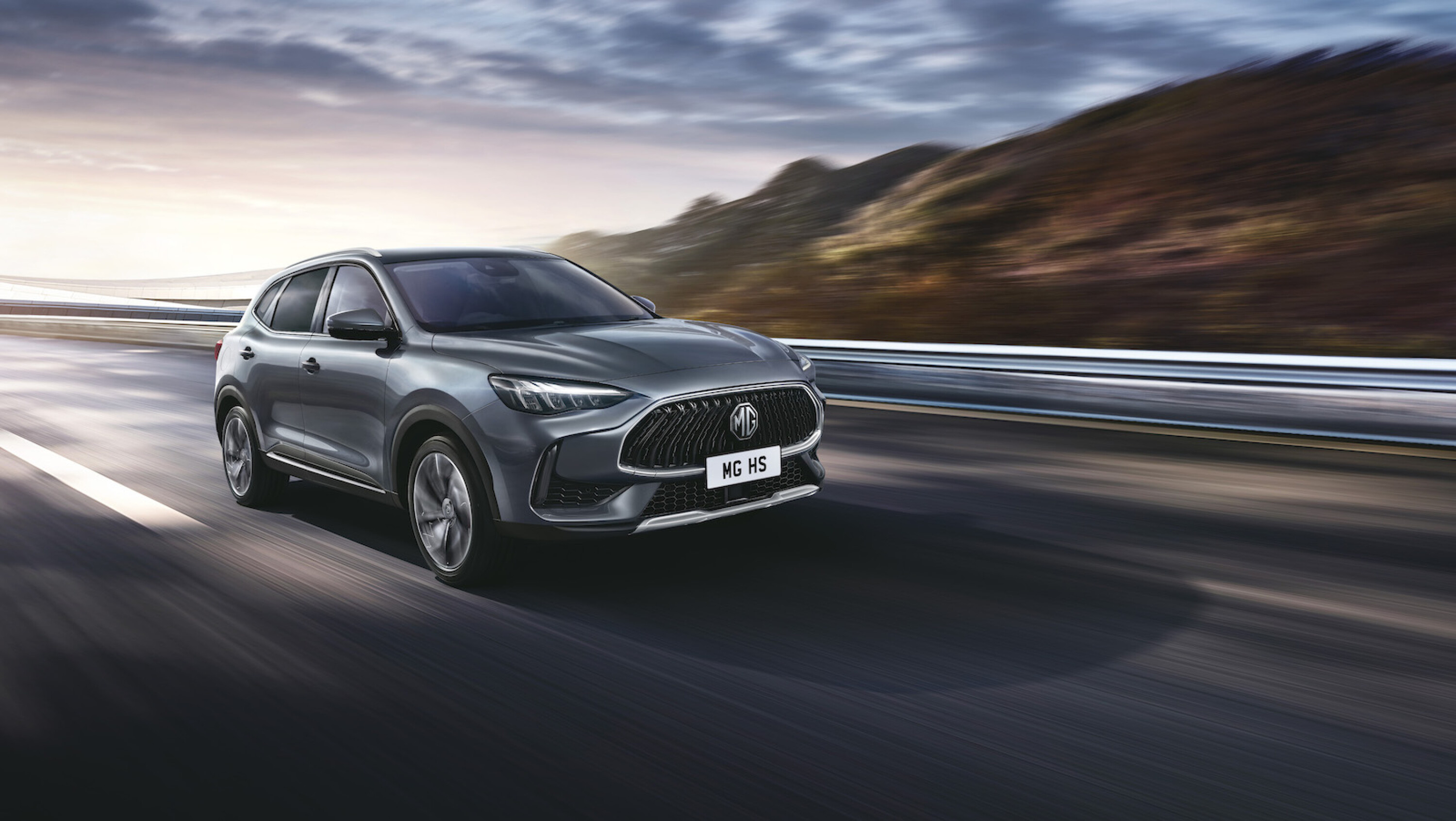
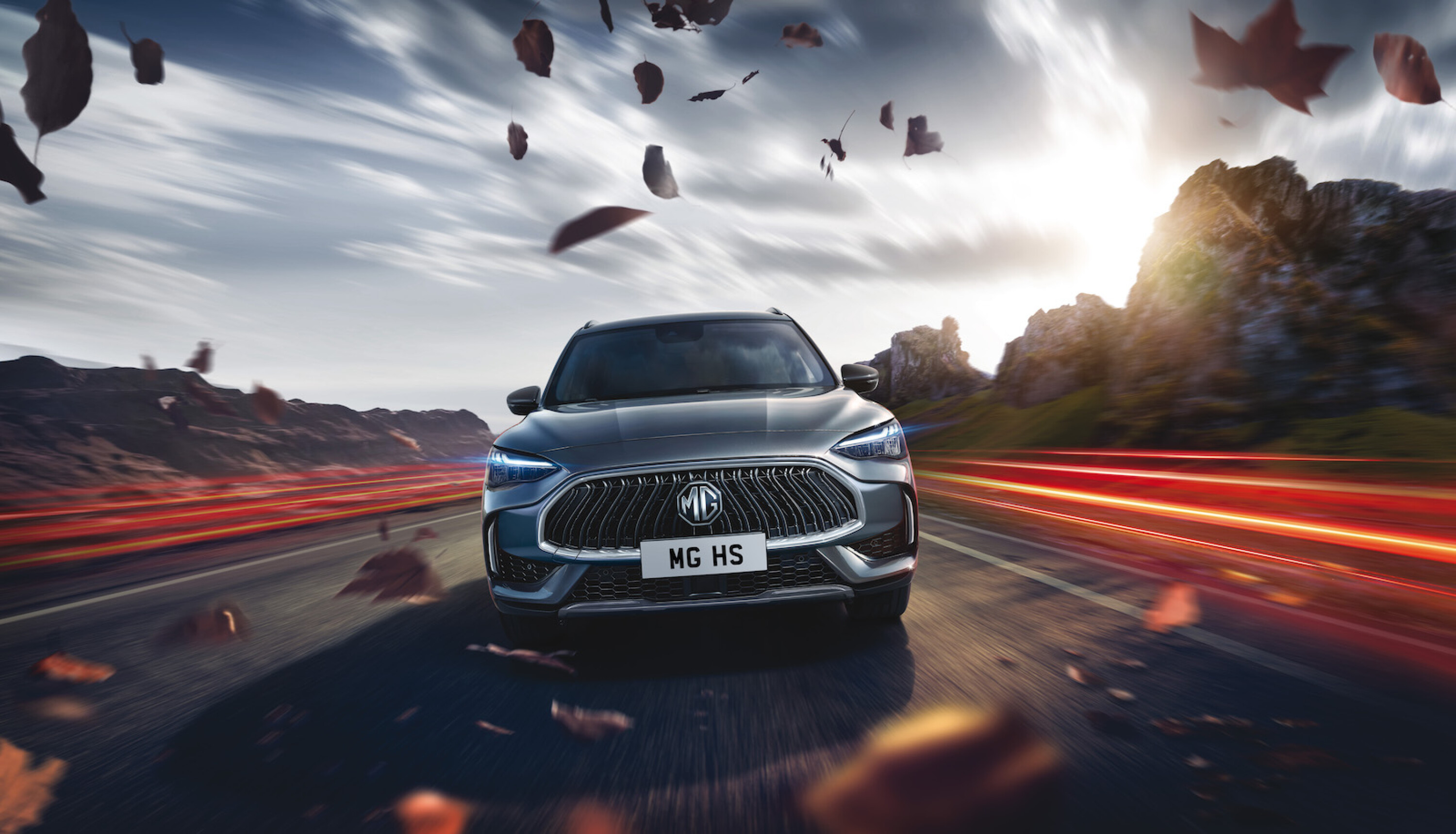
While both petrol and plug-in hybrid drivetrains remain the same, the updated HS and HS Plus EV ditches the diamond grille for a larger vertical wave-like pattern, gains sportier front and rear bumpers, bolder LED headlights, and tweaked full LED taillights.
Thailand-spec models offer a new 17-inch alloy wheel design on the standard HS, with new 18-inch wheels on the plug-in hybrid SUV.
Interior changes are limited to softer materials and carryover 10.1-inch touchscreen and 12.3-inch driver’s instruments – but are now powered by a new operating system with improved performance.
There’s also augmented reality (AR) navigation in the instrument display, over-the-air software update capability, MG’s iSmart connected smartphone app, and a two-tone Monaco Blue/Arctic White interior option in Thailand.
1
When will the new-look MG HS launch in Australia?
A MG Motor Australia spokesperson confirmed to Wheels that the facelifted HS and HS Plus EV will likely arrive in the second half of this year (July to December inclusive).
“We are currently evaluating and considering all variants of the facelifted HS range for Australia and hope to see them arrive in H2 this year (2023). Any updates to this will be made in due course,” the MG spokesperson said.
The facelift was launched in Thailand back in March 2022 and is now rolling out in the UK.
1
HS a sales success in Australia as buyers look for space and features at a budget-friendly price
In Australia, the Chinese-made medium SUV has continued to climb the sales charts, with 10,948 sold in 2022 – up from 6828 in 2021 and a mere 2600 units in 2020.
The HS Plus EV was also the best-selling plug-in hybrid vehicle locally last year.
MORE
Everything MG
MORE
SUV Buyers Guide
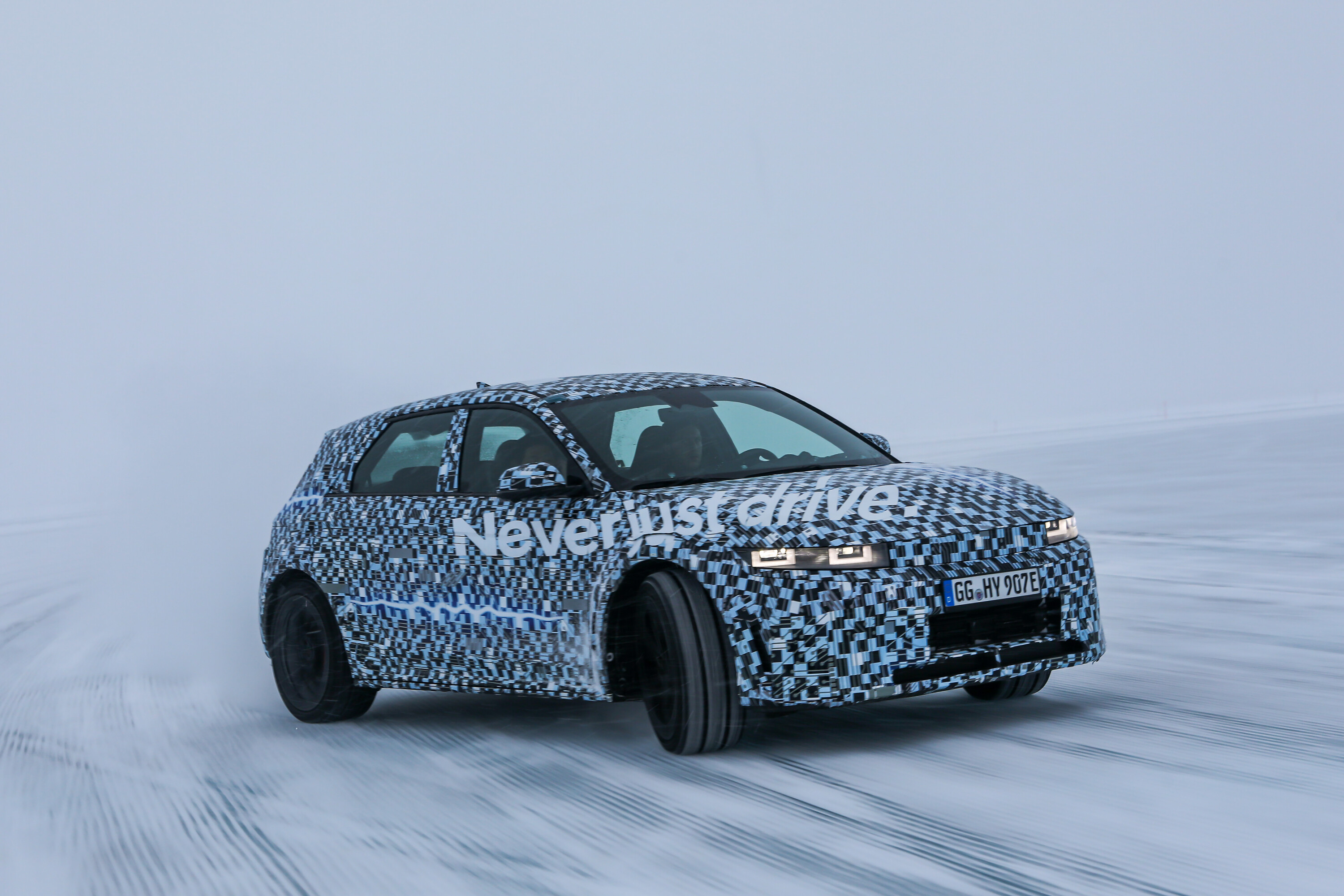
Hyundai’s EV focus will grow this year, with new expanded availability of its IONIQ 5 and new IONIQ 6, along with the coming introduction of the new-gen Kona EV and next year’s launch of the big IONIQ 7.
Snapshot
- 3000 EVs expected for Hyundai in Oz this year
- New Kona EV due in late 2023
- Next year should see 6000 order slots available
In an email to its existing and hopeful customers this week, Hyundai said it would now be able to offer its IONIQ 5 electric SUV and IONIQ 6 electric sports sedan “on an ongoing basis”.
“You asked, we listened. After the thrilling back-to-back releases of the IONIQ 5 and 6, we’re excited to announce that stock for both models will be released on an ongoing basis,” the email reads.
“As a result of our stronger stock position, far more Australians will now have the opportunity to power their future with the IONIQ of their choice. Imagine that.”
Advice
Australia’s best electric cars for 2023
We’ve tested nearly every EV below six figures in Australia to rank the best on sale today
The email doesn’t dive into numbers, but local Hyundai boss John Kett told Wheels editor Andy Enright at March’s IONIQ 6 launch that the brand expects to have around 3000 EVs available to sell in 2023 – up from just 700 in 2022.
That number that was split over a series of tiny allocations, angering many buyers who weren’t quick enough to secure a spot on the production line. To help with demand, the company has recently added used IONIQ 5s to its stock of used cars.
4
Hyundai hasn’t said how many of those 3000 builds will be IONIQ models, or what the split might be – but a spokesperson has confirmed that shipments this year will be a mix of pre-ordered cars in popular trims to facilitate faster customer deliveries where possible, while others will be built to order as needed.
The new-generation Kona EV will also reach Australia in mid-2023 and some of the 3000 slots are likely to go to that model as well.
“When you overlay that (the 700 EV received in 2022) with 30,000 people on an interest list, there’s going to be some disappointed people,” Kett said. “We really wish we could have had 30,000 vehicles last year but, alas, we couldn’t. We took some learnings.”
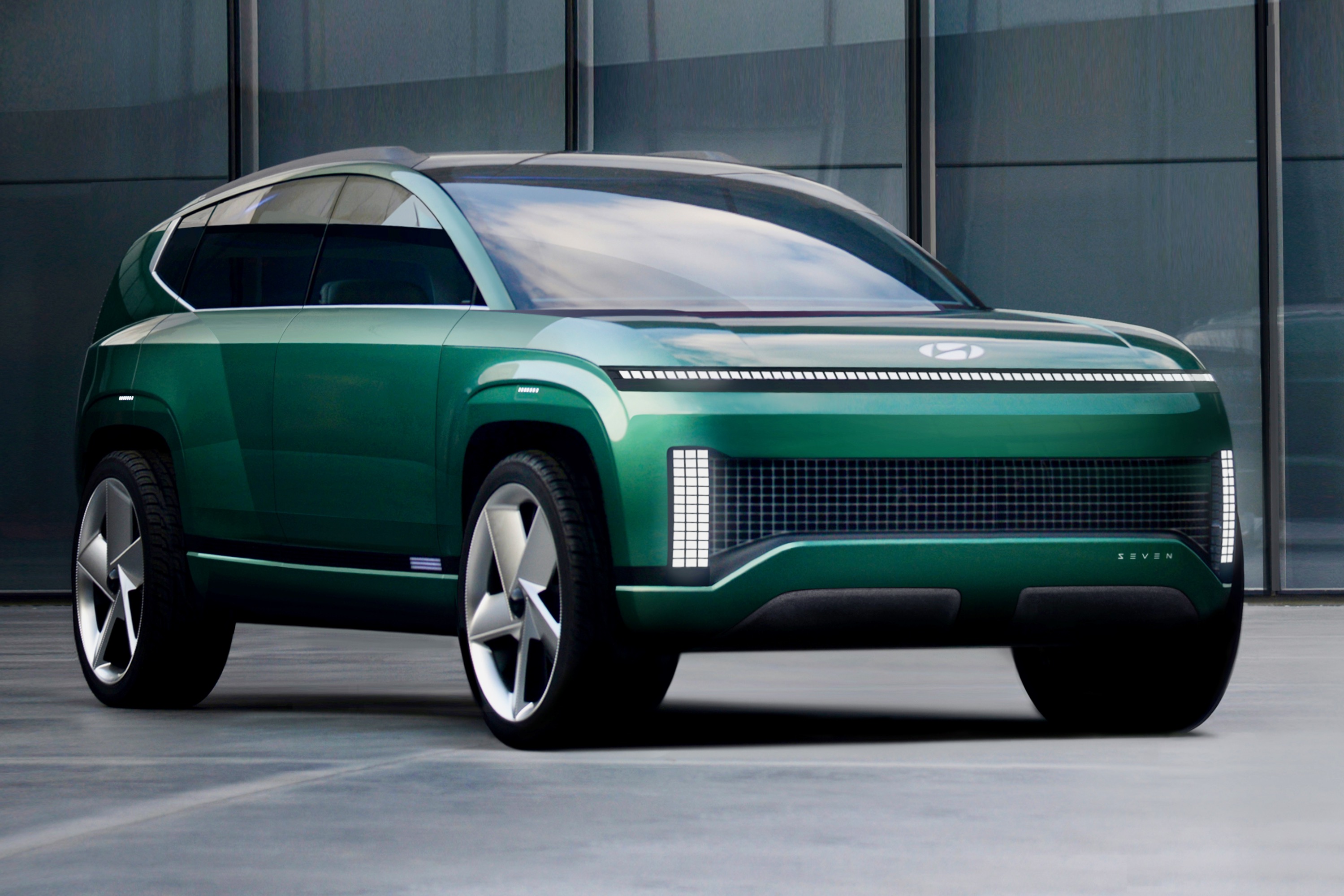
The brand expects to build on that number in 2024, growing supply to 6000 EVs – which by that time will also include the huge IONIQ 7 SUV, a platform mate to the recently revealed Kia EV9. The coming IONIQ 5 N is likely to stir up some interest, too.
1
However, if Hyundai’s claims of 30,000 people “on the interest list” are to be believed, even 6000 EVs won’t be enough – although there’s little chance that anywhere near the full 30,000 interested hopefuls would convert to a sale.
The entire Australian market saw ‘only’ 33,410 EV sales in 2022 – most of those going to Tesla – but with just about all other brands suffering restricted supply, the sales numbers can’t easily be considered an accurate representation of buyer intent.
⚡ More EV stories to help you choose the best car for your needs
A four-door electric Jaguar GT that will be the brand’s most powerful car yet will spearhead another revival for the British marque from 2025.
Snapshot
- Electric GT to be most powerful Jaguar yet
- First of three new electric Jags
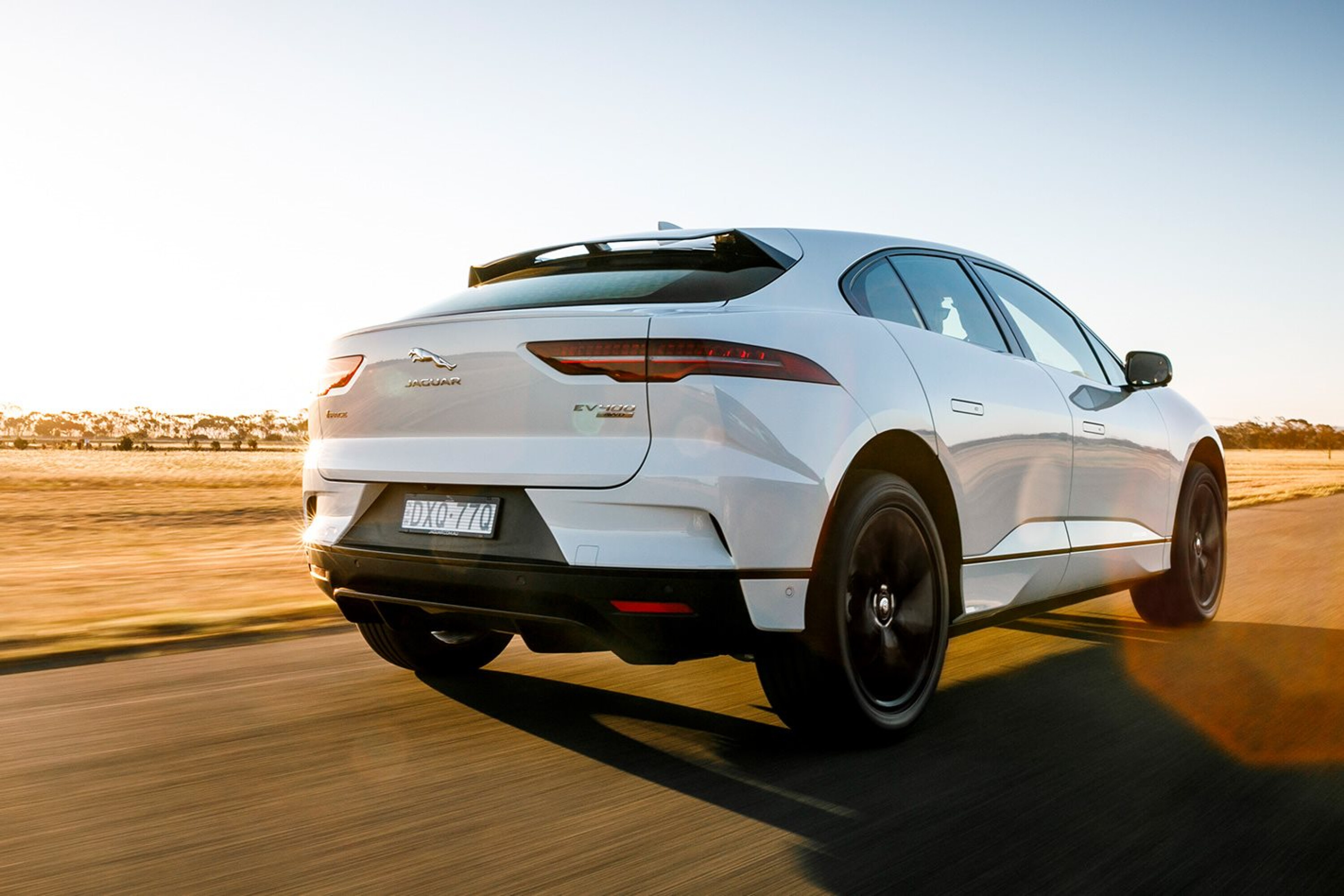
- Jaguar hasn’t released any EVs since the 2018 i-Pace
Jaguar Land Rover, which this week rebranded as JLR, said the GT will be the first of three new electric Jaguar models to sit on a bespoke electric architecture, with a range of up to 700km.
The company provided indicative pricing of £100,000-plus, meaning the GT could cost more than $250,000 in Australia with the luxury car tax factored in. The F-Type R that costs £107,000 in the UK is priced from nearly $280,000 here.
Jaguar will reveal more details on the GT later this year but has confirmed it will go on sale in selected markets in 2024 with deliveries starting the following year. It will be built at JLR’s Solihull plant in the UK.
The GT is expected to feature twin electric motors and all-wheel drive to offer a “higher power output than any previous Jaguar”.
2
JLR had already announced in 2021 that the Jaguar line-up would go all electric by 2025.
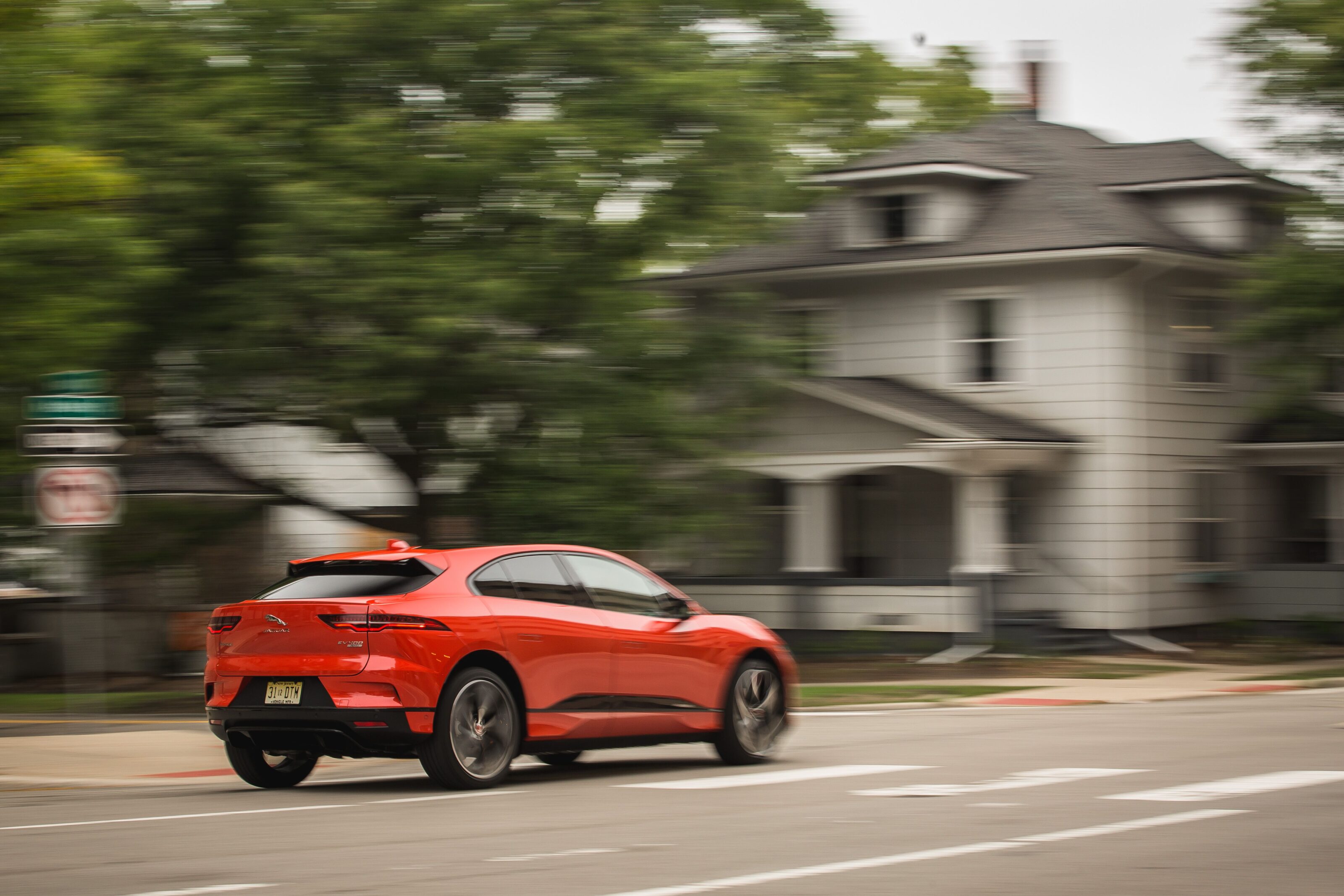
Jaguar hasn’t launched an electric vehicle since the i-Pace SUV (above) in 2018, while luxury rivals such as Audi, BMW and Mercedes-Benz have continually rolled out EV offerings in recent years.
The British brand previously dropped plans to build an electric version of its XJ limo flagship.
Land Rover will continue to offer combustion engine and hybrid versions of models such as the Range Rover and Range Rover Sport going forward.
JLR is investing £15 billion ($28b) over the next five years to accelerate what it calls its “modern luxury electric-first future”. It’s not clear how much of that money will be dedicated to the Jaguar brand.
JLR has been heavily affected by the global component supply crisis, though it’s difficult to gauge how much of an influence this has had on poor Jaguar sales in Australia.
Jaguar sold only 700 cars last year locally and just 55 vehicles in the first quarter of 2023.
⚡ More EV stories to help you choose the best car for your needs
Toyota and Exxon Mobil have teamed up to develop low-carbon synthetic fuels, which could cut as much as 75 per cent in greenhouse gas emissions compared with regular petrol.
Snapshot
- Auto and fuel giants partner to develop synthetic fuels
- Could eventually cut up to 75 per cent greenhouse gas emissions
- Touted as low-cost alternative to decarbonise transport quickly
The fuel giant told Automotive News[↗] that the blend is currently in the early testing stages and is made from existing feedstocks, such as renewable biomass and ethanol produced using ‘cleaner processes’.
It’s being touted as a low-cost alternative to decarbonise the transportation sector quickly, using existing internal combustion engine technology.
The announcement comes after Germany successfully lobbied the European Commission to explicitly allow carbon-neutral synthetic fuels beyond the 2035 ban on the sales of new combustion engine vehicles.
1
Synthetic fuels (or e-fuels) still emit exhaust emissions, albeit reduced, but since the process of producing the petrol is made using renewable energy and carbon capture, then it is offset to be ‘carbon-neutral’ for the environment.
In contrast, battery-electric vehicles don’t emit any harmful exhaust pollutants, are more efficient to drive and cheaper to own over time, but current battery technology requires unsustainable and costly raw materials – and the carbon footprint of each vehicle also depends on its supply chain, manufacturing processes, and charging power source.
1
The partnership aligns with Toyota’s aim to offer a variety of low- or zero-emission powertrain types to suit each market, even though its newly-appointed CEO has vowed to prioritise a battery-electric push.
Toyota, along with carmakers such as Hyundai and BMW, are also developing hydrogen fuel-cell tech in parallel – which crucially provides longer driving range and uses a similar production process to synthetic fuels.
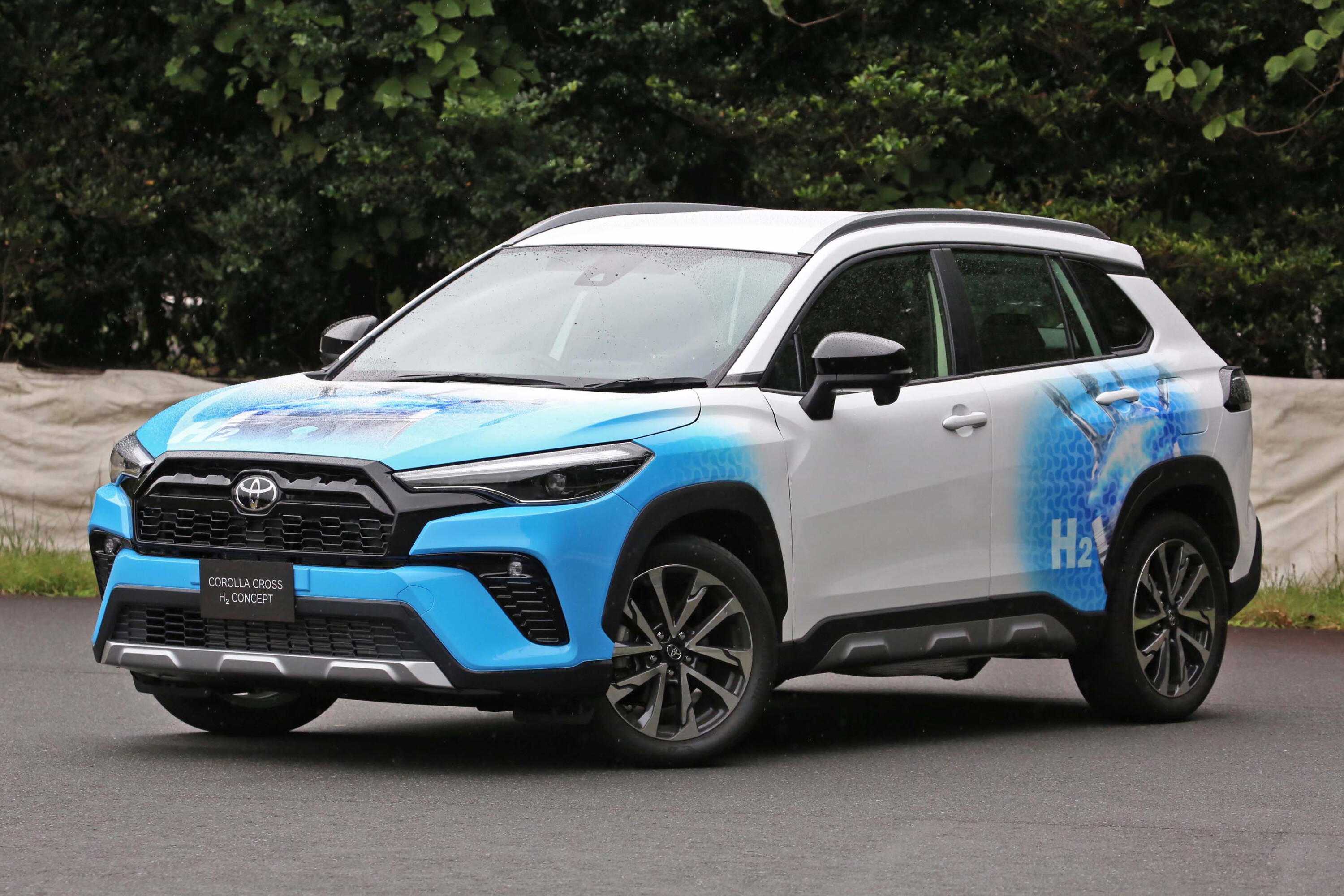
Meanwhile, the Japanese carmaker has also invested in hydrogen-combustion engine propulsion, as demonstrated on the Corolla Cross H2 concept.
MORE
Everything Toyota
