
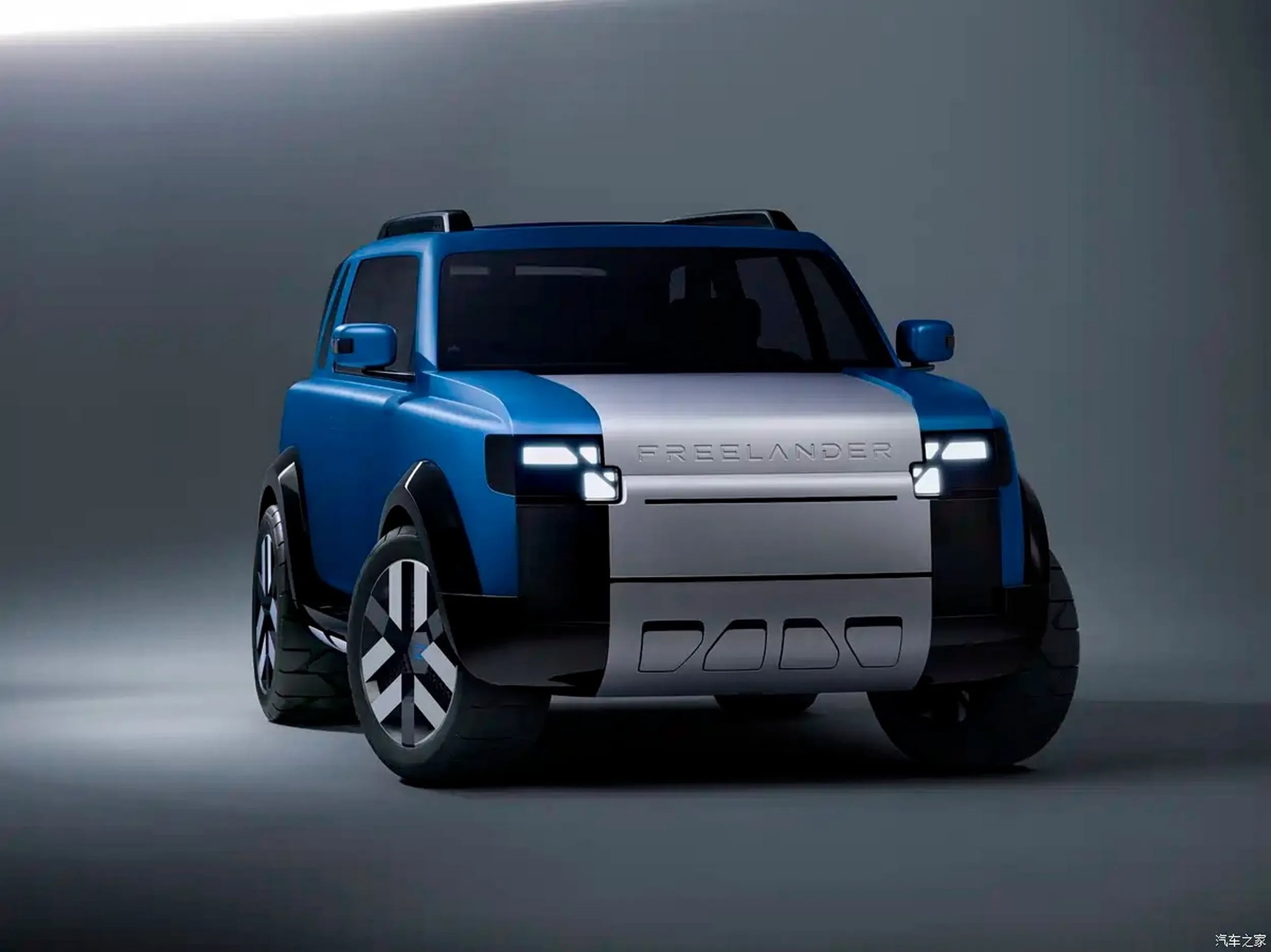
Chery and JLR have launched their new joint venture originally announced in 2024, called Freelander. However, it’s not the former Land Rover Freelander that ended production in 2015, rather, a whole new brand based in China that will eventually offer a range of SUVs globally.
The model previewed is called the Concept 97 (1997 was the first year of production of the original Land Rover Freelander) and it’s a three-row electric or hybrid large SUV. Styled by the brand’s new design studio in Shanghai, overseen by former head of JLR design Gerry McGovern, the Freelander 97 concept shows the clear influence of Land Rover products and echoes the original Freelander.
For example, the shoulder line has been influenced by the original Freelander, and ditto the triangular window behind the C-pillar and triangular design touches all over the car. The interior of the Concept 97 is clearly influenced by JLR’s current designs, though with a huge wrap-around landscape screen sitting at the bottom of the windscreen that will likely reach production.
Using a six-seat three-row layout, the rear bench in the Concept 97 looks like a couch. Second-row passengers will enjoy a large drop-down screen, and the 97 features the latest Qualcomm Snapdragon 8397 chip and Huawei’s latest intelligent ADAS system.
The interior adopts a three-row six-seater configuration, with a rear bench that looks like a couch. A pillar-to-pillar display is mounted on the base of the windshield, joined by a large infotainment touchscreen. We can also see a pair of rotating dials and physical buttons on the steering wheel, alongside traditional stalks.
When production starts from later this year, the real version of the Concept 97 will use the same 800V platform as next-generation Chery products like the Tiggo 9, and will be offered in fully electric and plug-in hybrid forms with the latter likely the next-generation of Chery’s ‘Super Hybrid’ system.
After it debuts, Freelander reportedly has another five production models of differing sizes waiting in the wings and will launch a new model every six months. China is the first market Freelander will launch in, with an expansion into many global markets planned for afterwards.
Australian plans are not yet known, but considering how big Chery is locally and that its products will likely be made in right-hand drive for JLR’s UK home market, we’re expecting a local launch at some stage over the next few years.
Interest in electric vehicles is accelerating in Australia, with new data pointing to a sharp spike in consumer activity as fuel prices rise and supply concerns persist.
Figures from NRMA Insurance show EV insurance quote requests jumped 42 per cent in March 2026 alone, and are up 81 per cent compared with the same time last year. The surge coincides with global oil price volatility and ongoing uncertainty around fuel availability.
The increase has been most pronounced in New South Wales, Queensland and South Australia – states where driving distances and fuel dependency remain high.
NRMA’s head of automotive research, Shawn Ticehurst, said the data reflects a shift in how Australians are thinking about vehicle ownership.
“It’s clear consumer sentiment towards EVs is shifting,” he said, pointing to the current fuel situation as a catalyst for change.
Price shocks in the oil market have historically influenced long-term behaviour, and the latest spike appears to be having a similar effect. As petrol prices climb, more drivers are weighing the potential savings offered by electric vehicles, particularly in day-to-day running costs.
The shift is also being supported by changes within the EV market itself. Compared to just a few years ago, buyers now have access to a broader range of models across different price points, as well as a growing second-hand market.
Earlier research in 2024 suggested only a small proportion of Australians were seriously considering an EV, largely due to concerns around cost, driving range and charging infrastructure. Those barriers now appear to be easing, with improved charging networks and greater familiarity helping build confidence.
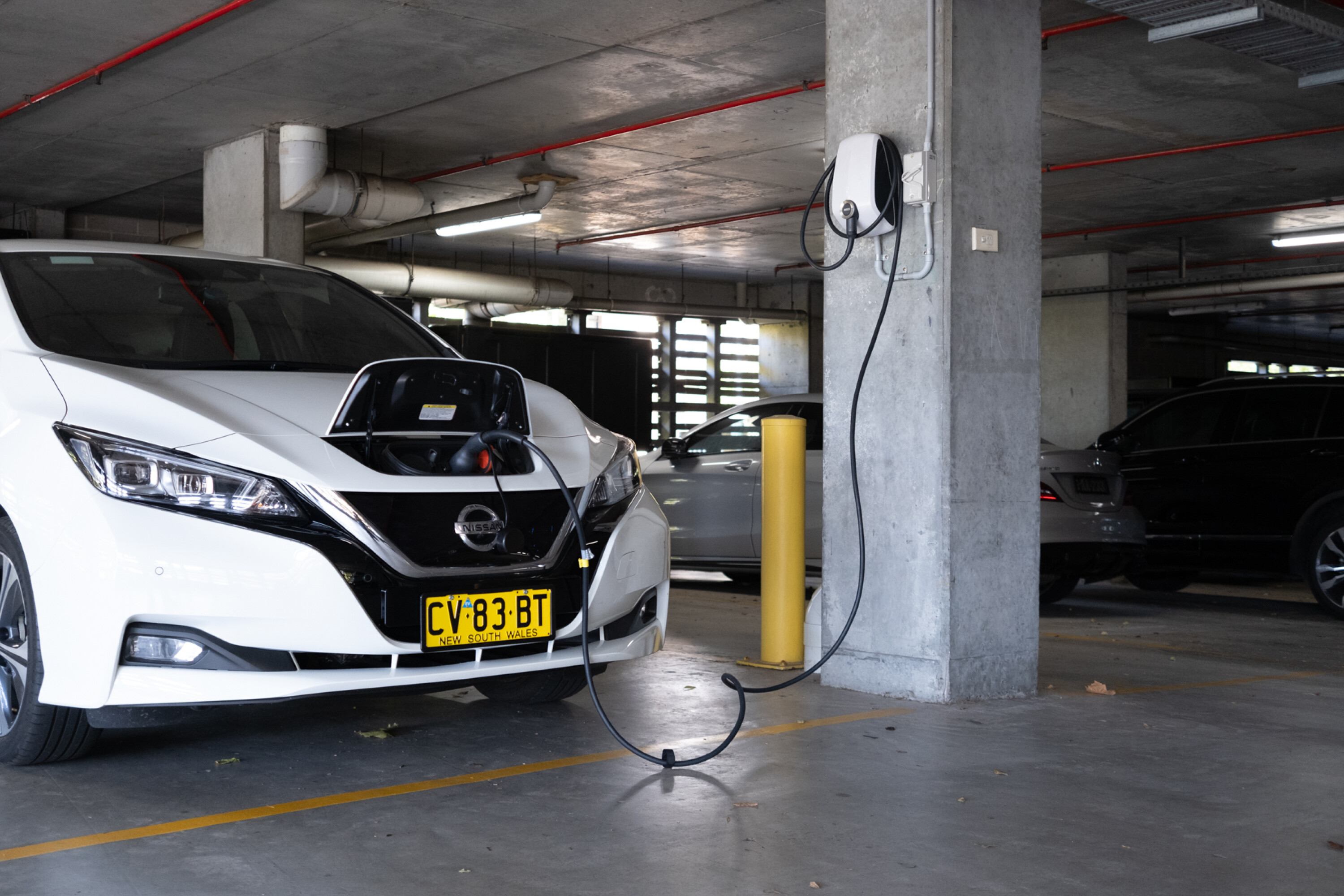
While EVs still make up a relatively small share of insured vehicles – around 2 per cent within NRMA’s broader portfolio – that figure is expected to rise significantly over the next decade.
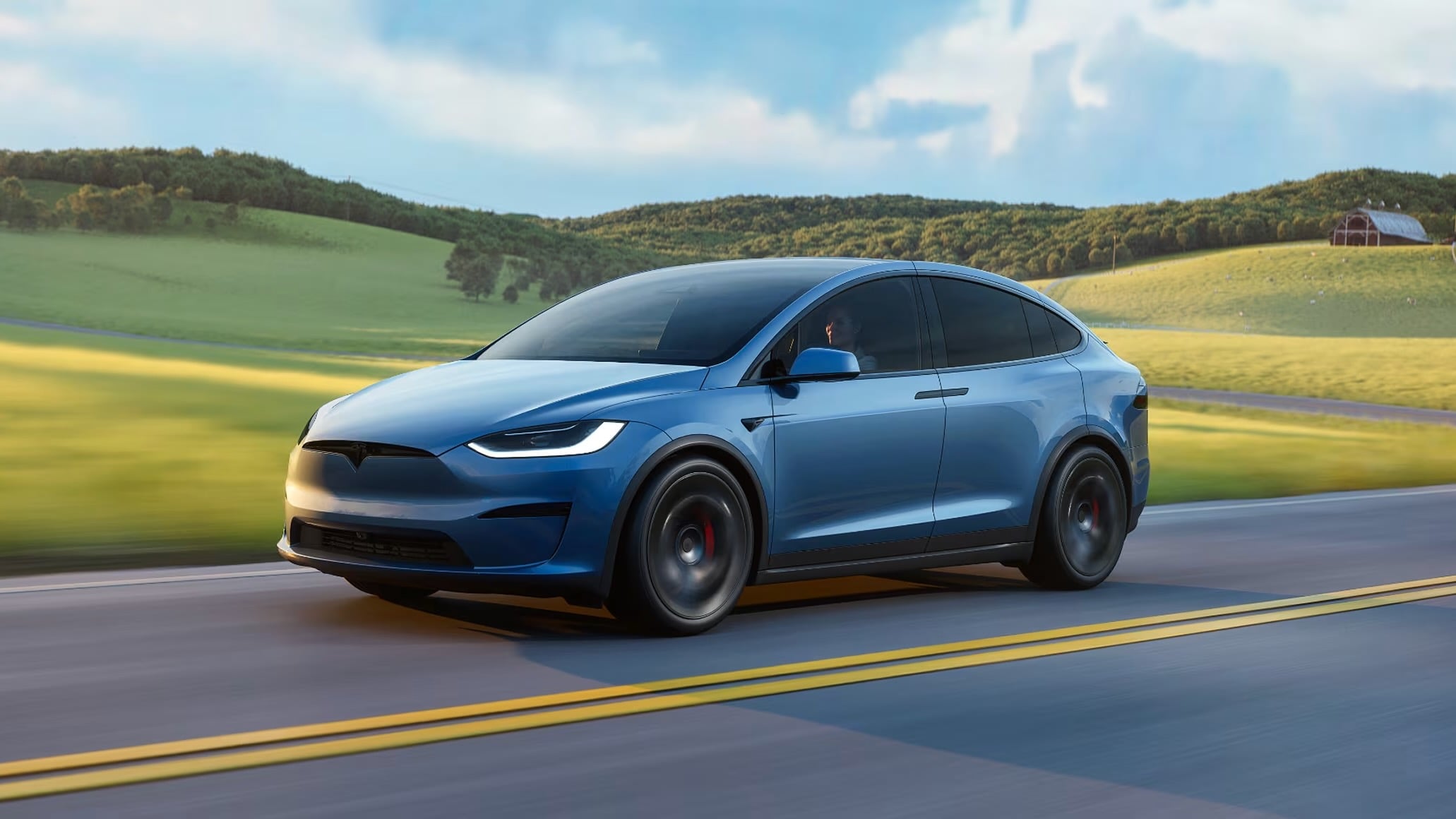
Tesla currently dominates the electric vehicles insured by the group, accounting for the majority of policies, though newer brands such as BYD, MG and BMW are gaining traction.
The data adds to growing evidence that Australia’s fuel crisis is not only impacting short-term driving habits, but may also be accelerating a longer-term shift toward electrification.
Hyundai’s performance-focused IONIQ 6 N has been named World Performance Car at the 2026 World Car Awards, continuing the brand’s recent run of success at the global event.
The award was announced at the New York motor show, where a panel of international automotive journalists selected the IONIQ 6 N as the standout performance vehicle of the year.
The result marks another milestone for Hyundai’s N division, which has been expanding its presence in the electric performance space. It also highlights the growing recognition of electric vehicles in traditionally petrol-dominated performance categories.
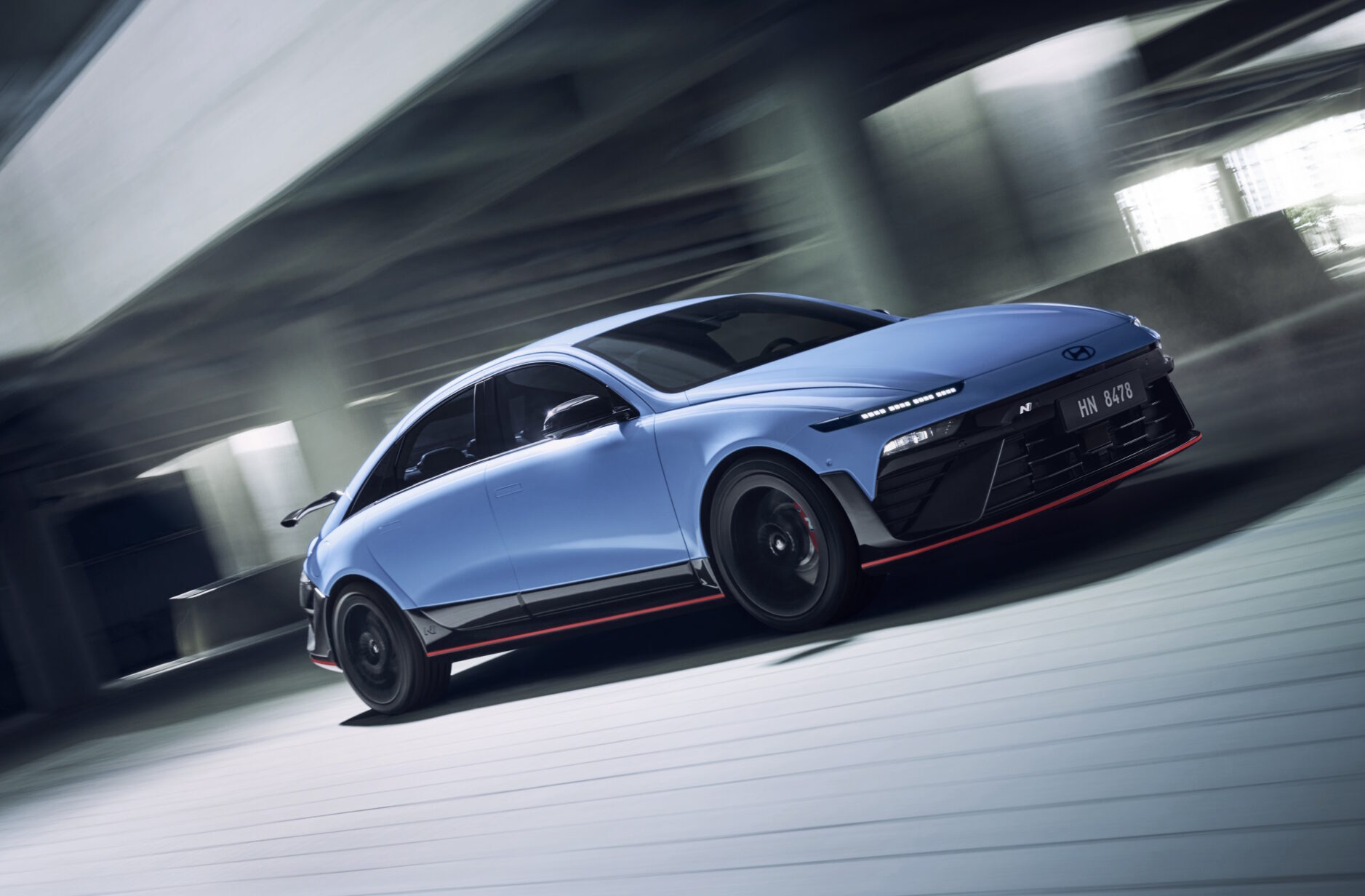
The IONIQ 6 N is built around a dual-motor electric drivetrain producing up to 478kW when its temporary boost function is activated. Hyundai claims a 0–100km/h time of around 3.2 seconds, placing it firmly in the high-performance bracket.
Alongside outright power, the model introduces features designed to replicate aspects of traditional performance cars. These include simulated gear shifts and artificial sound profiles aimed at enhancing driver engagement – an area where electric vehicles have often faced criticism.
The car also uses an 84kWh battery pack, with fast-charging capability allowing it to recharge from 10 to 80 per cent in under 20 minutes under ideal conditions.
Judges typically assess not only performance figures, but also how effectively a vehicle delivers its driving experience. In this case, the IONIQ 6 N appears to have stood out for combining strong acceleration with a focus on driver interaction – a balance manufacturers are still refining in the EV era.
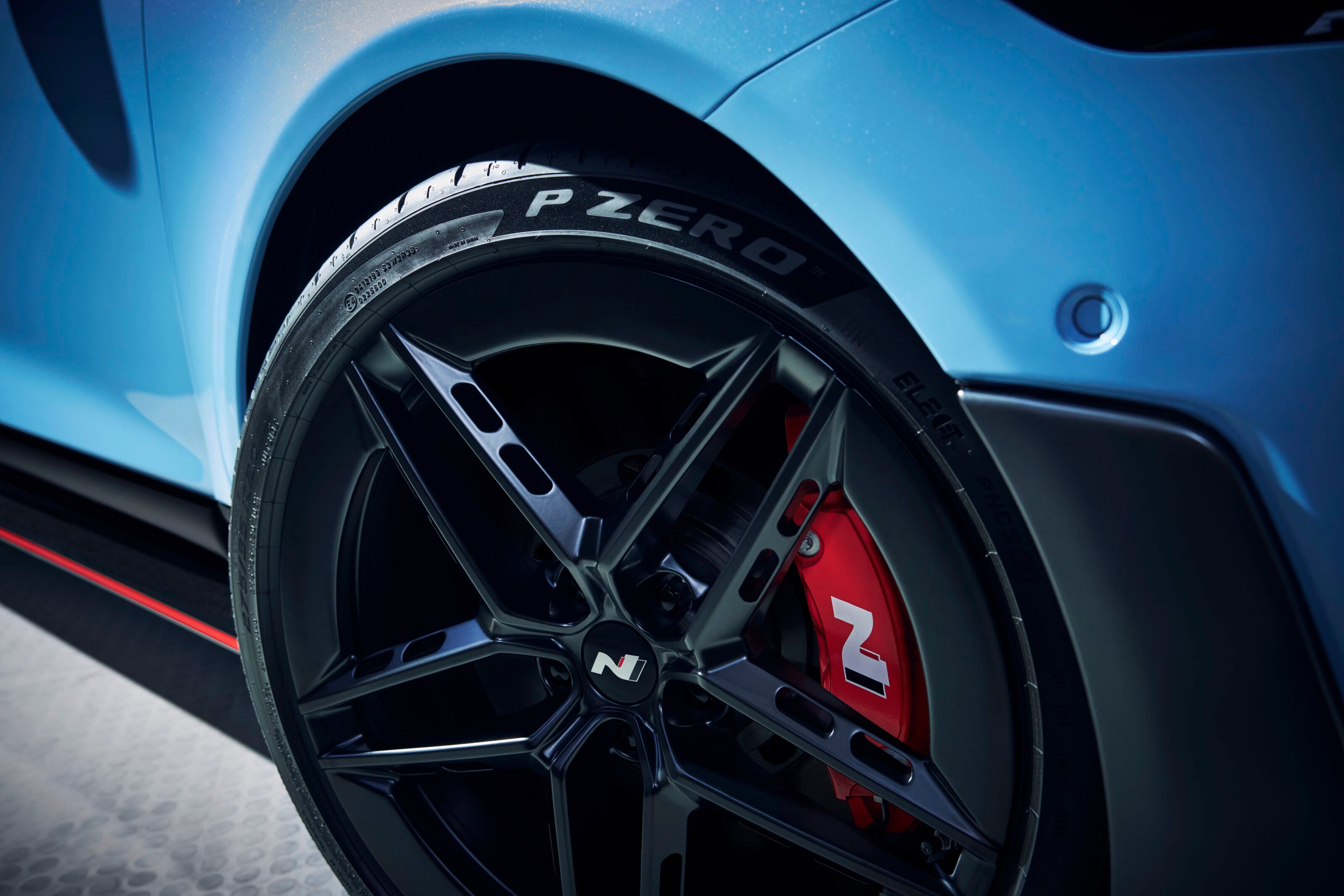
The win continues Hyundai’s strong showing at the World Car Awards in recent years. The brand has collected multiple major titles since 2022, including overall World Car of the Year and World Electric Vehicle awards for earlier IONIQ models.
The recognition reflects a broader shift in the performance segment, where electric vehicles are increasingly competing with – and in some cases outperforming – traditional internal combustion rivals.
As more manufacturers invest in high-performance EVs, the IONIQ 6 N’s win suggests that the category is quickly gaining credibility among both buyers and industry experts.
The Mazda 6e has been named 2026 World Car Design of the Year, marking the third time the Japanese brand has taken out the award.
Announced at the New York motor show, the result was decided by a panel of 98 automotive journalists from around the world, who assessed a field of 90 eligible vehicles. It follows previous wins for Mazda with the MX-5 in 2016 and Mazda3 in 2020.
The 6e is one of Mazda’s first dedicated steps into electric vehicles, and its design has been a key focus as the company transitions toward electrification. Rather than adopting a completely new visual identity, the 6e builds on Mazda’s existing design language, adapting it to suit an electric platform.
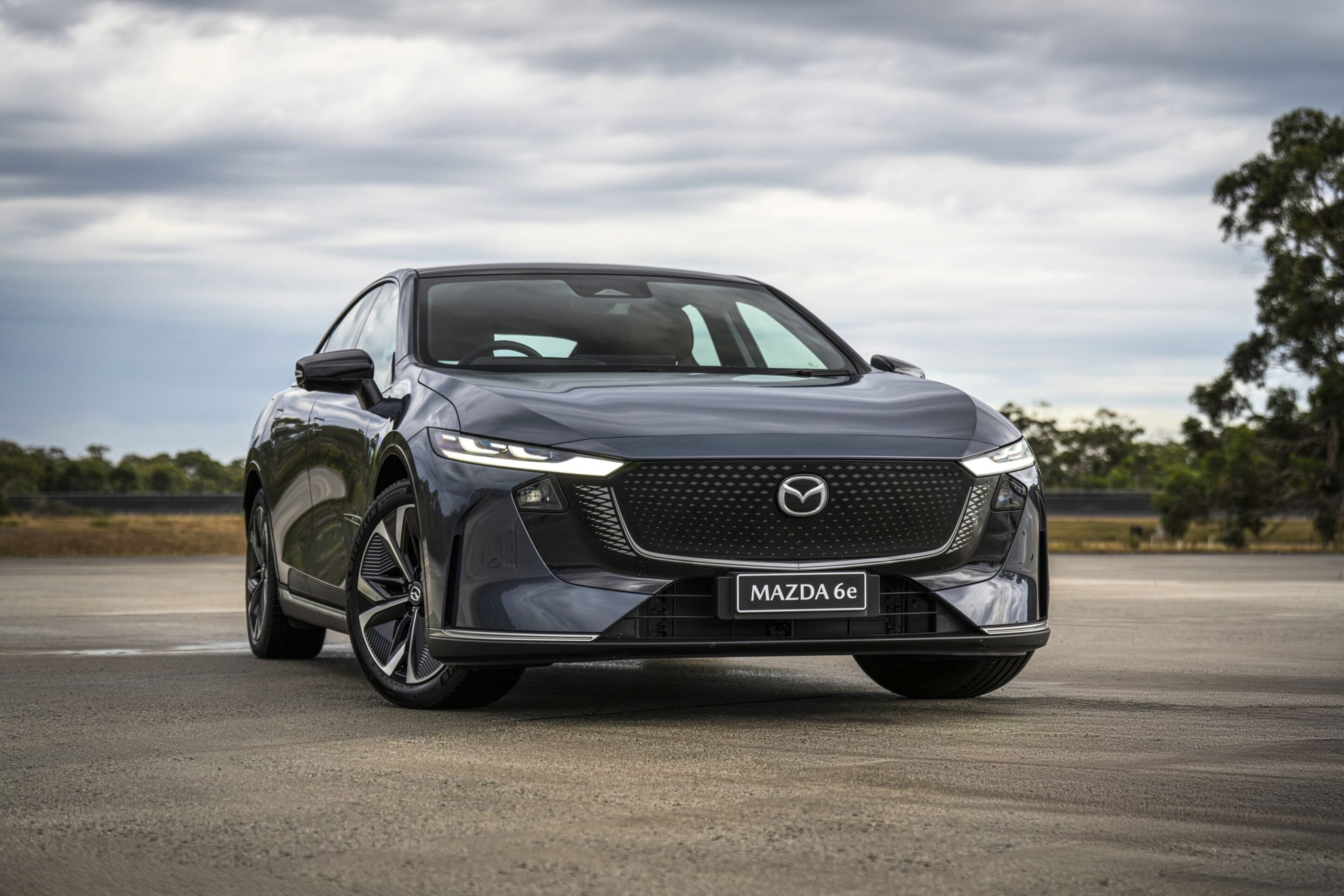
The sedan features a low, coupe-like profile and relatively clean surfacing, with proportions that differ from many EVs, which often prioritise packaging efficiency over styling. Mazda has instead leaned into more traditional design cues, aiming to retain a sense of familiarity while introducing more modern elements.
This approach appears to have resonated with judges, who typically assess not just styling, but also how design integrates with function and overall vehicle concept.
The 6e’s development reflects a broader challenge facing many carmakers – balancing established brand identity with the shift to electric vehicles. In Mazda’s case, that has meant evolving its existing “Kodo” design philosophy rather than replacing it outright.
Beyond design, the 6e also signals a deeper collaboration on technology, with the model incorporating electric and digital systems developed with external partners. Full technical details for the Australian market are yet to be confirmed, but the vehicle is expected to play a key role in Mazda’s local electrification plans.
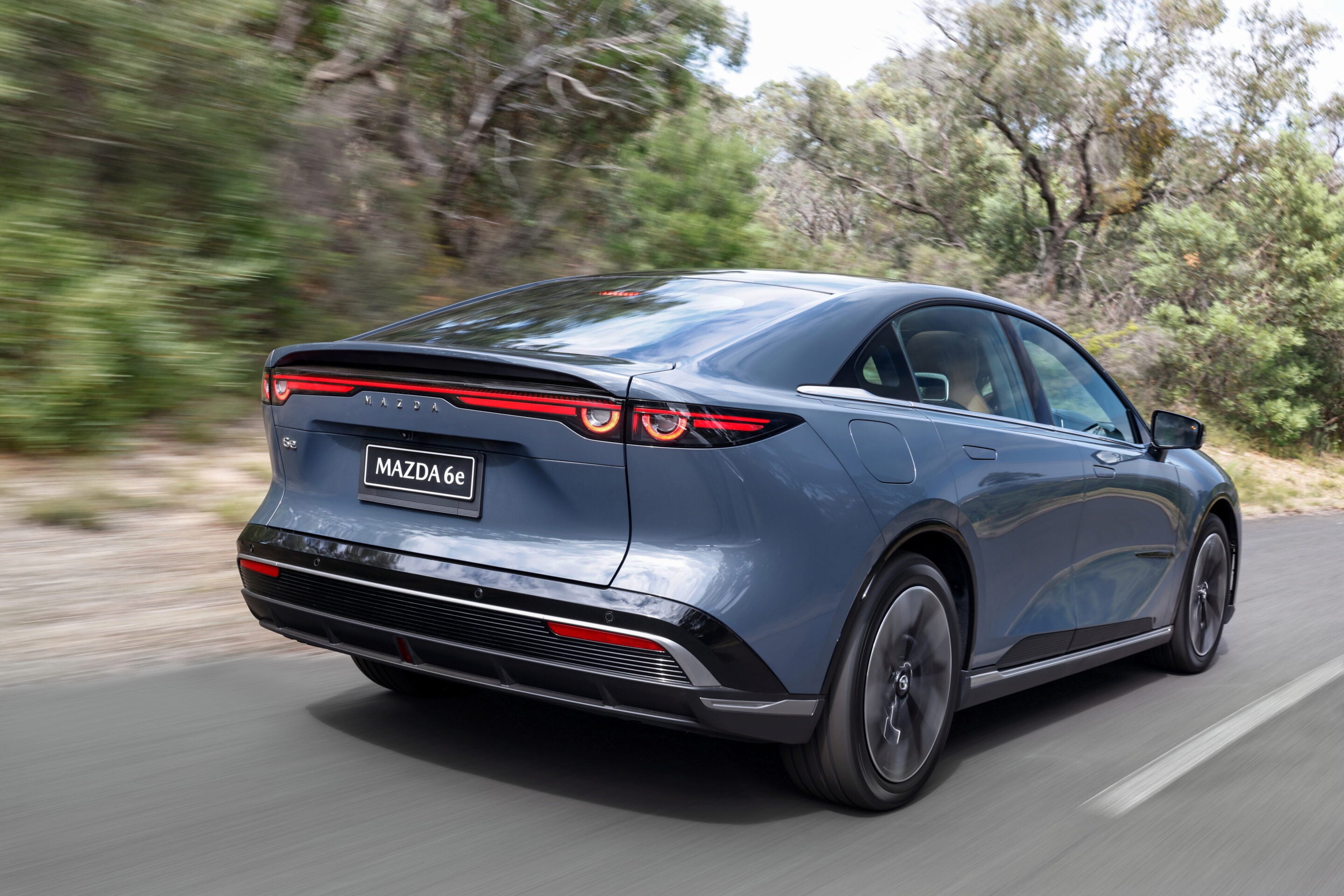
The model is already open for pre-order in Australia, with deliveries scheduled to begin around the middle of the year.
While design awards don’t always translate directly into sales success, they can influence perception — particularly for newer electric models competing in an increasingly crowded market.
For Mazda, the win provides early validation of its approach to EV design, as it looks to carry its established identity into a new generation of vehicles.
GWM has introduced a new development program aimed at tailoring its vehicles more closely to Australian and New Zealand driving conditions, with the first models now arriving in local showrooms.
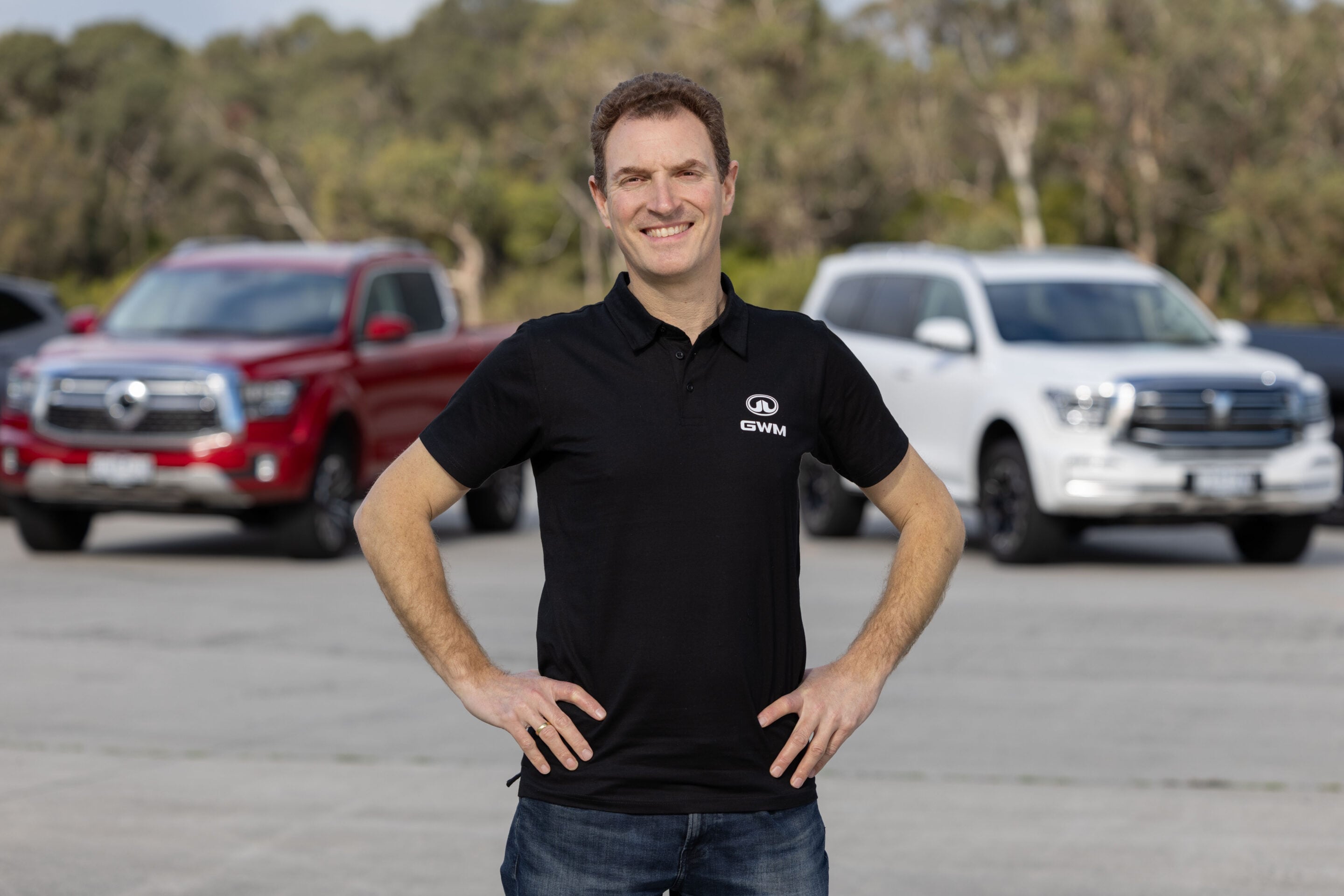
Known as AT-1, the initiative centres on refining ride, handling and overall driving behaviour using local testing and engineering input, rather than relying solely on global development programs. The approach is being led by GWM’s Australian engineering team, headed by industry veteran Rob Trubiani (below).
The move reflects a broader push by carmakers to localise vehicle tuning for specific markets, particularly in regions like Australia where road conditions and usage can vary widely.
AT-1 is not a single update or model-specific change, but an ongoing development process that feeds into multiple vehicles. It focuses on areas such as suspension calibration, steering feel, driver assistance systems and towing performance, with the aim of making vehicles better suited to real-world use.
The first model to adopt the program is the Haval H6, which has undergone extensive local testing and calibration. According to GWM, engineers developed multiple variants of suspension and steering setups to suit different powertrains and driveline configurations.
That process involved dozens of damper calibrations and thousands of individual adjustments to steering systems, highlighting the level of detail involved in adapting vehicles for local conditions.
Rather than delivering a one-off improvement, the AT-1 program is designed as a continuous loop, with vehicles refined over time based on feedback and further testing.
Trubiani, who previously held senior roles at Holden and HSV, has been central to shaping the program. In a recent interview with Wheels, he outlined the importance of tuning vehicles on Australian roads, noting that local conditions often expose weaknesses not seen in global testing environments.
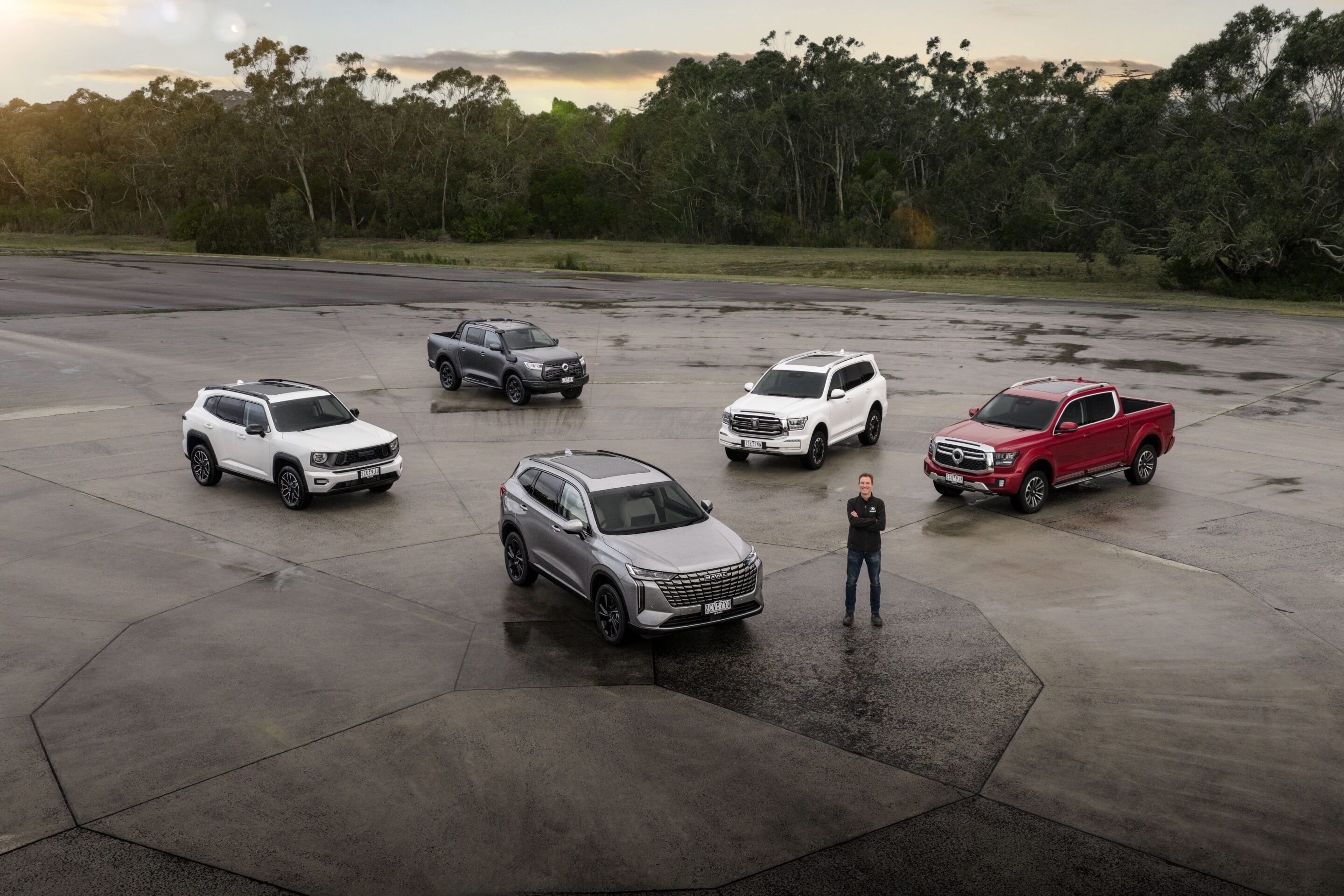
His involvement signals a shift for GWM, which is increasingly positioning its Australian operation as more than just a sales market, but also as a contributor to global vehicle development.
Insights gathered through the AT-1 program are expected to feed back into GWM’s broader engineering efforts, influencing future models beyond the local market.
As competition intensifies, particularly among emerging brands, localised tuning programs such as AT-1 may become an increasingly important differentiator for buyers.
Subaru USA has combined both its hybrid technology and its Wilderness off-road brand with the new Forester Wilderness Hybrid off-road medium SUV. Revealed at the New York Auto Show\, the new Forester Hybrid Wilderness now gives buyers of the Wilderness off-road range the option of a hybrid drivetrain, which is not something they’ve had before. Subaru Australia is yet to confirm it for local sales, but given that Wilderness is now part of the new Outback range, we’d be surprised if it didn’t end up offered locally at some stage.
Up until now, the Forester Wilderness in North America was only offered with the petrol Forester’s 136kW 2.5-litre petrol engine without any electrical or turbocharging assistance. But with the hybrid system now part of the Wilderness line-up, Subaru claims that off-road adventuring can now be up to 25 per cent more efficient and there’s a healthy power boost to match.
Mechanically, the Forester Wilderness Hybrid mixes elements from the regular hybrid Forester and the Wilderness. It therefore features a 145kW 2.5-litre ‘Strong Boxer’ hybrid drivetrain and CVT gearbox, a mechanical all-wheel drive system, 17-inch alloy wheels wrapped in Yokohama Geolander all-terrain tyres and revised and lifted suspension with 236mm of ground clearance.
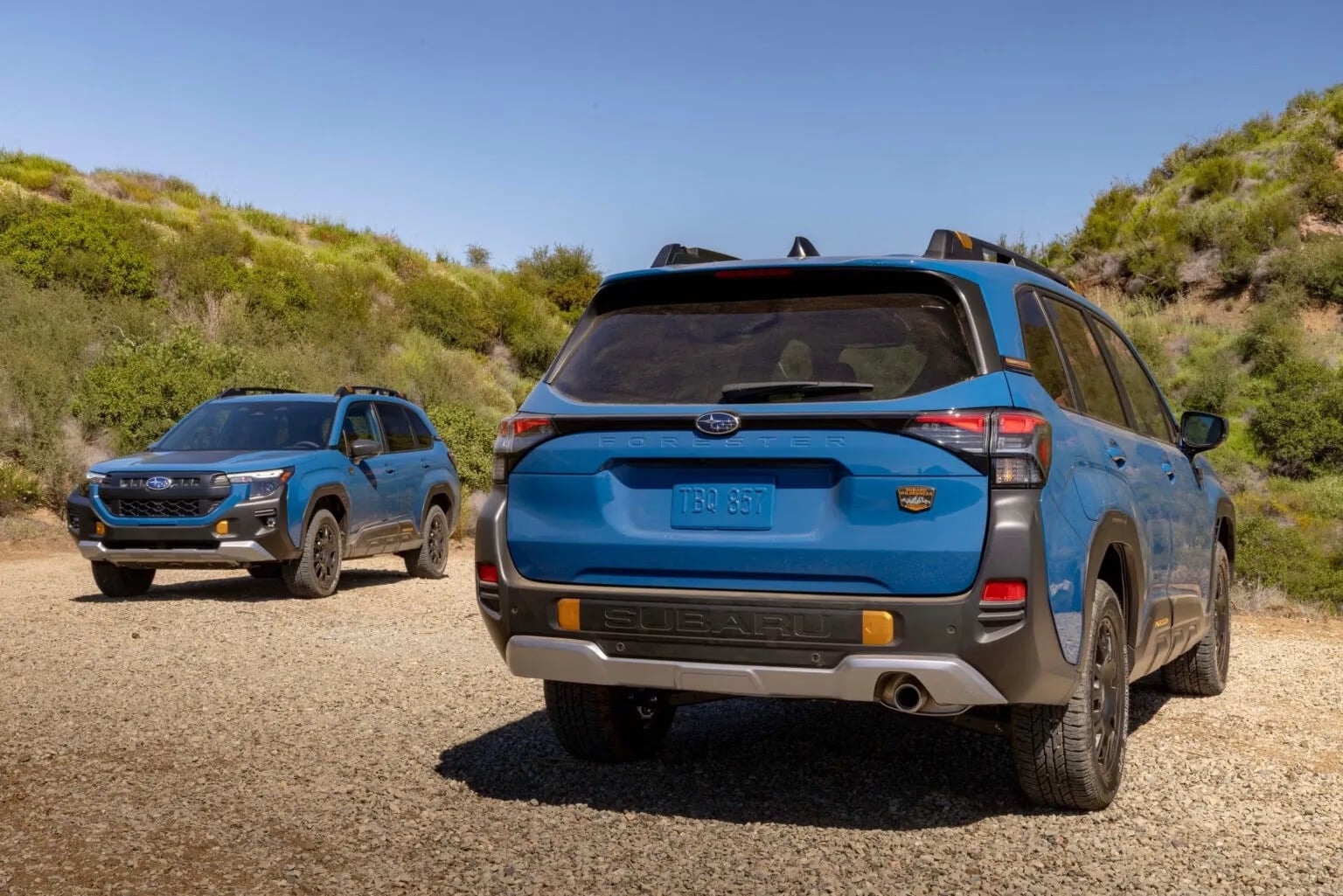
Subaru’s ‘X-Mode’ off-road system also features with driving modes like deep snow/mud and snow/dirt and the revised bodywork gives improved approach (23.5 degrees vs. 19 degrees) and departure (25.5 degrees vs. 24.6 degrees) angles. Raised roof rails give the Wilderness versions of the Forester a 362kg weight carrying capacity too.
Inside, the Forester’s familiar 11.6-inch portrait touchscreen and 12.3-inch digital driver’s display remain, as does the Wilderness’ ‘StarTex’ weather-resistant materials, easy-clean surfaces and standard all-weather mats and cargo area protector.
The Subaru Forester Wilderness Hybrid will go on sale in North America in late 2026, with an Australian debut yet to be announced.
Hyundai has stepped into new territory with the unveiling of its Boulder Concept, a rugged off-road SUV revealed at the New York motor show that signals the brand’s ambitions in the hardcore 4WD segment.
While still a concept, the Boulder offers a preview of a potential production model that could eventually take on established off-roaders like the Toyota LandCruiser, Ford Bronco and Land Rover Defender. Hyundai has also confirmed plans for a body-on-frame ute using the same platform, with production targeted before the end of the decade.
The Boulder Concept represents a shift away from Hyundai’s typical SUV design language, adopting a more purpose-built off-road aesthetic. It features exaggerated wheel arches, a high-riding stance and large all-terrain tyres, suggesting serious off-road intent. However, it also introduces distinctive styling touches, including wraparound rear glass and unique roof glazing, giving it a more modern and experimental edge.
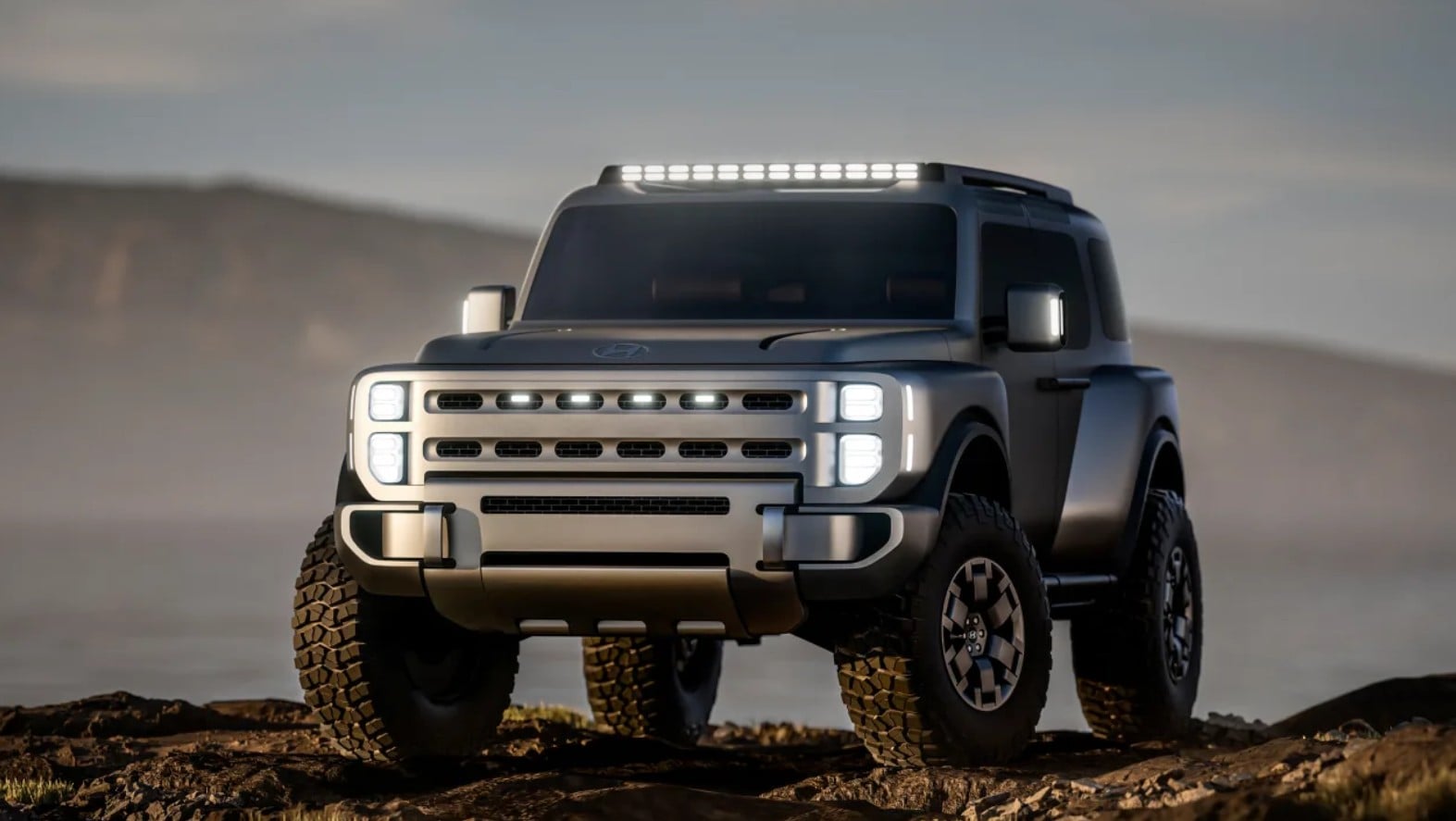
In terms of capability, the concept pushes things further than most production vehicles. Its proportions and ground clearance hint at extreme off-road potential, comparable to heavily modified expedition vehicles. While a future showroom version would likely be toned down, Hyundai has indicated that much of the design direction will carry through.
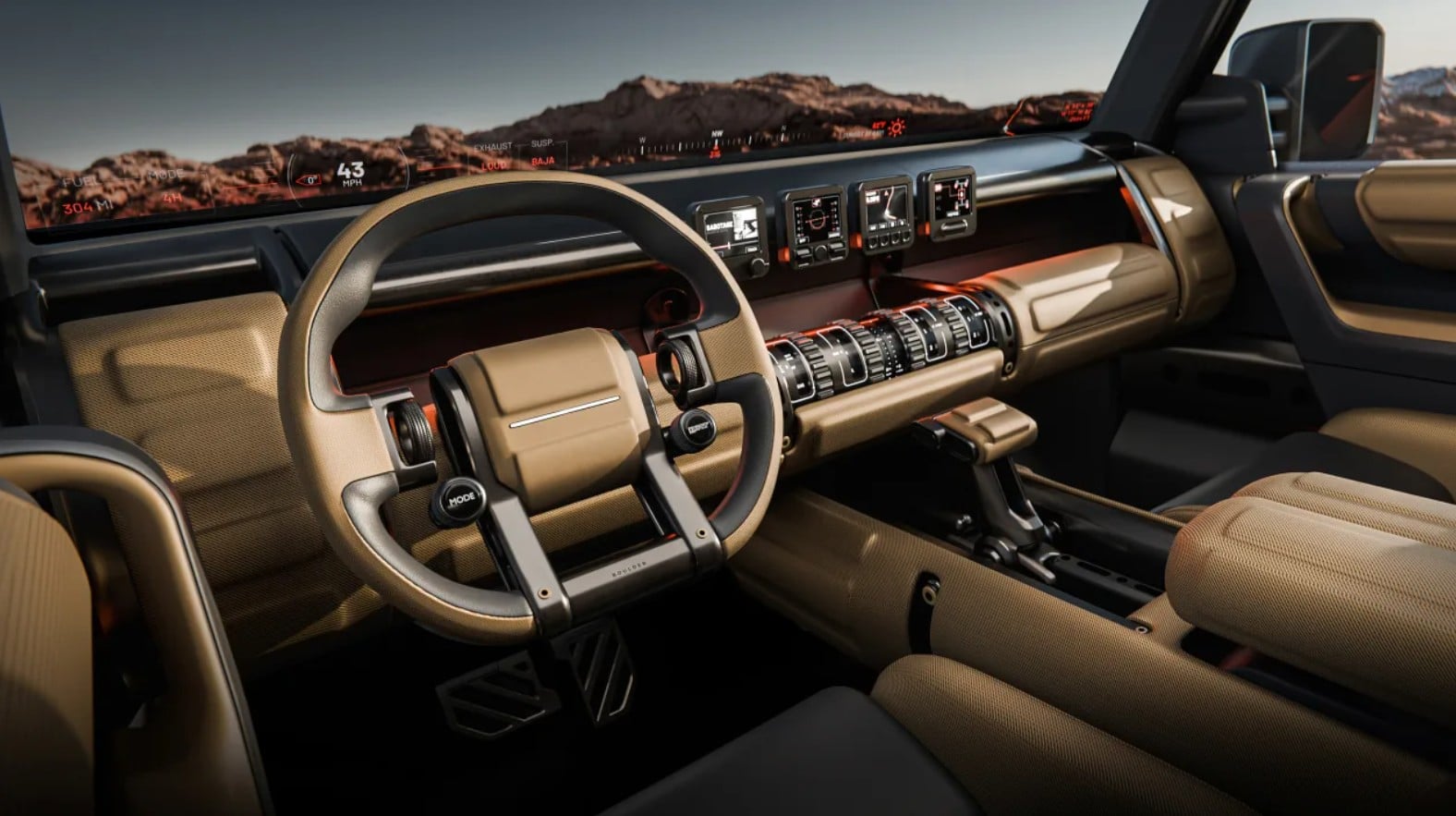
Inside, the Boulder takes a minimalist, concept-driven approach. Instead of a traditional instrument cluster, a series of small digital displays sit centrally on the dashboard. Physical controls remain a key feature, particularly for off-road functions such as differential locks, low-range gearing and four-wheel drive settings – a sign Hyundai is targeting serious off-road use rather than just lifestyle appeal.
Development of the platform is being led in the United States, where demand for rugged SUVs and utes continues to grow. Hyundai has confirmed the ute version will be built in the US by 2030, with the SUV expected to follow.
While there’s no confirmation yet for markets like Australia, the increasing popularity of dedicated off-road vehicles locally could make a production version a viable option.
The Boulder also points to broader ambitions within the Hyundai group, with its luxury arm Genesis potentially using similar underpinnings for a future off-road model of its own.
Australia could face fuel restrictions within weeks, with analysts warning the country is edging closer to supply shortages as global disruptions continue to tighten availability.
While the federal government has so far resisted imposing limits, there is growing expectation that some form of restriction – either voluntary or enforced – may be introduced shortly after the Easter holiday period. Officials have been cautious about triggering panic ahead of one of the busiest travel periods of the year, but that stance may soon shift.
A report in the Australian Financial Review quotes MST Marquee energy analyst Saul Kavonic, who foreshadowed more emphasis on working from home, using public transport and even driving restrictions to maintain fuel for critical industries.
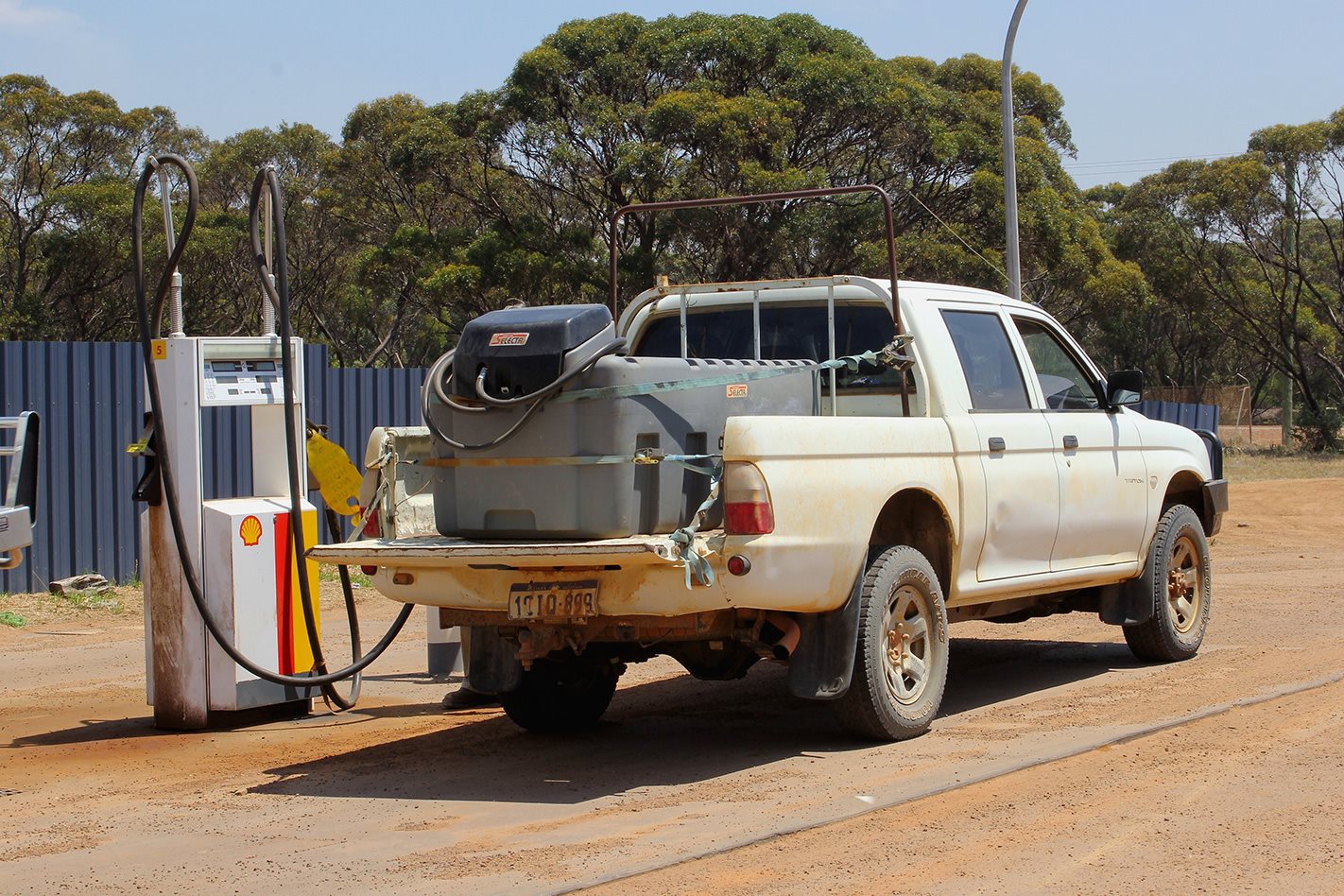
“The second half of this month is where the real crunch point is on supply,” Kavonic told the AFR. “The 30 to 40 days of fuel stocks is not fuel in a tank ready to go because it includes stuff in trucks and ships and not at every servo. The truth is we will face a structural shortage by the time stocks get to around 15 days.”
As reported by a number of media outlets, authorities have stopped short of outlining a clear trigger point for rationing, instead signalling that decisions will depend on how supply and demand evolve in coming weeks.
Current estimates suggest Australia has around 30 to 40 days’ worth of fuel supply, though analysts caution this figure includes fuel already in transit or distributed across the network – not all of it immediately available at service stations.
Some experts warn that once reserves fall closer to two weeks’ supply, more direct intervention may become unavoidable.
The challenge is not only rising prices, but uncertainty around securing shipments. Ongoing geopolitical tensions have disrupted key supply routes, including the Strait of Hormuz, through which a significant share of global oil flows. Even where buyers are willing to pay higher prices, there are concerns about whether fuel can be delivered reliably.

In response, the government has begun coordinating with states and industry under a national fuel security framework, aimed at maintaining supply and prioritising critical sectors such as healthcare, emergency services and freight.
Treasurer Jim Chalmers has indicated the government is working to avoid “COVID-style” restrictions, but acknowledged the situation represents a significant economic shock.
Analysts suggest initial measures could include encouraging working from home, increasing public transport use and reducing non-essential driving. More structured approaches – such as limiting fuel purchases or introducing number plate-based driving restrictions – have also been raised as possible scenarios.
Regional and agricultural communities are expected to be among the most affected, particularly given Australia’s growing reliance on imported diesel following refinery closures in recent years.
For now, the focus remains on managing demand and securing supply. But with pressure building, the prospect of fuel restrictions – once considered unlikely – is now being treated as a real possibility.
The 2026 Zeekr X launches in Australia with an updated, sharper design profile, new colours and an extended list of standard features – plus, lower pricing by the tune of up to $8000. Measuring in at 4432mm long, 1836mm wide, 1566mm high, and riding on a 2750mm wheelbase, Zeekr X shares the same platform as stablemate Volvo’s EX30.
More powerful electric motors are also now standard, with the single motor X generating 250kW through the rear wheels, combined with a Lithium Iron Phosphate (LFP) battery and claimed 405km range on the WLTP cycle. The AWD steps that up with a 115kW front motor, and 250kW rear motor for a combined system output of 365kW, paired with a Nickel Cobalt Manganese (NCM) battery and a WLTP claimed 415km driving range. Those power figures represent a 50kW gain for both RWD and AWD models.
As a result, the Zeekr X is a rapid SUV. The RWD will sprint from 0-100km/h in 5.6 seconds, while the AWD makes the run in just 3.7 seconds.
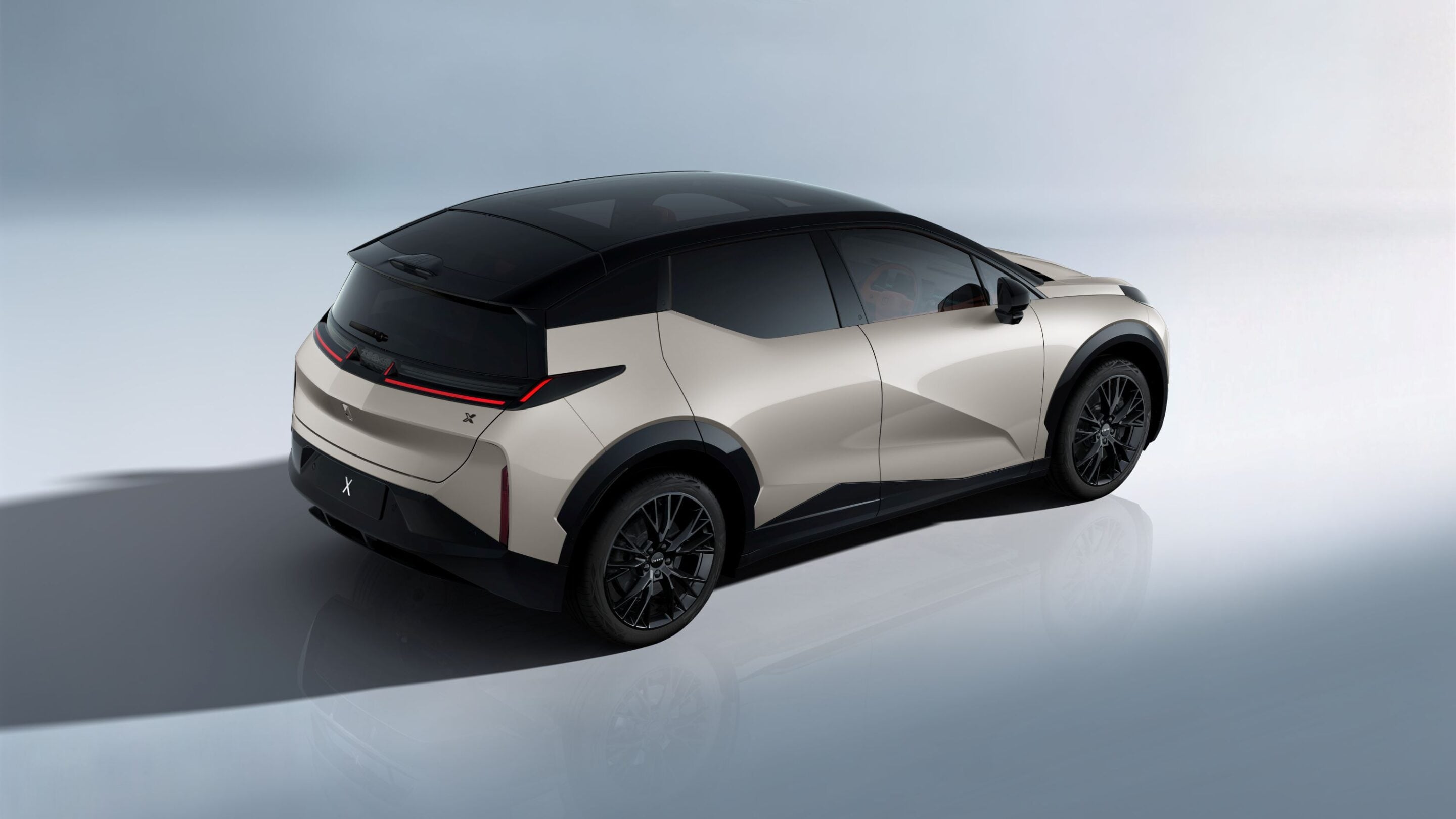
Zeekr claims 230kW fast charging capability for the LFP battery in the RWD, with 10-80 percent achieved in 18 minutes, while the 150kW charging capability for the AWD means 10-80 percent charging in 30 minutes.
Changes also include a new matte khaki green and onyx black exterior colour option for the AWD model, black forged 20-inch rims also for the AWD model, and optional automatic doors for the AWD model.
Updates for the 2026 model include a deeper level of standard equipment including heated first and second row seats (RWD and AWD), inductive steering wheel controls (RWD and AWD), a 13-speaker Yamaha surround sound audio system (RWD and AWD). The 14.6-inch touchscreen now runs Zeekr’s newest 5.5 operating system, which is snappier, and brings improved functionality and a richer user experience.
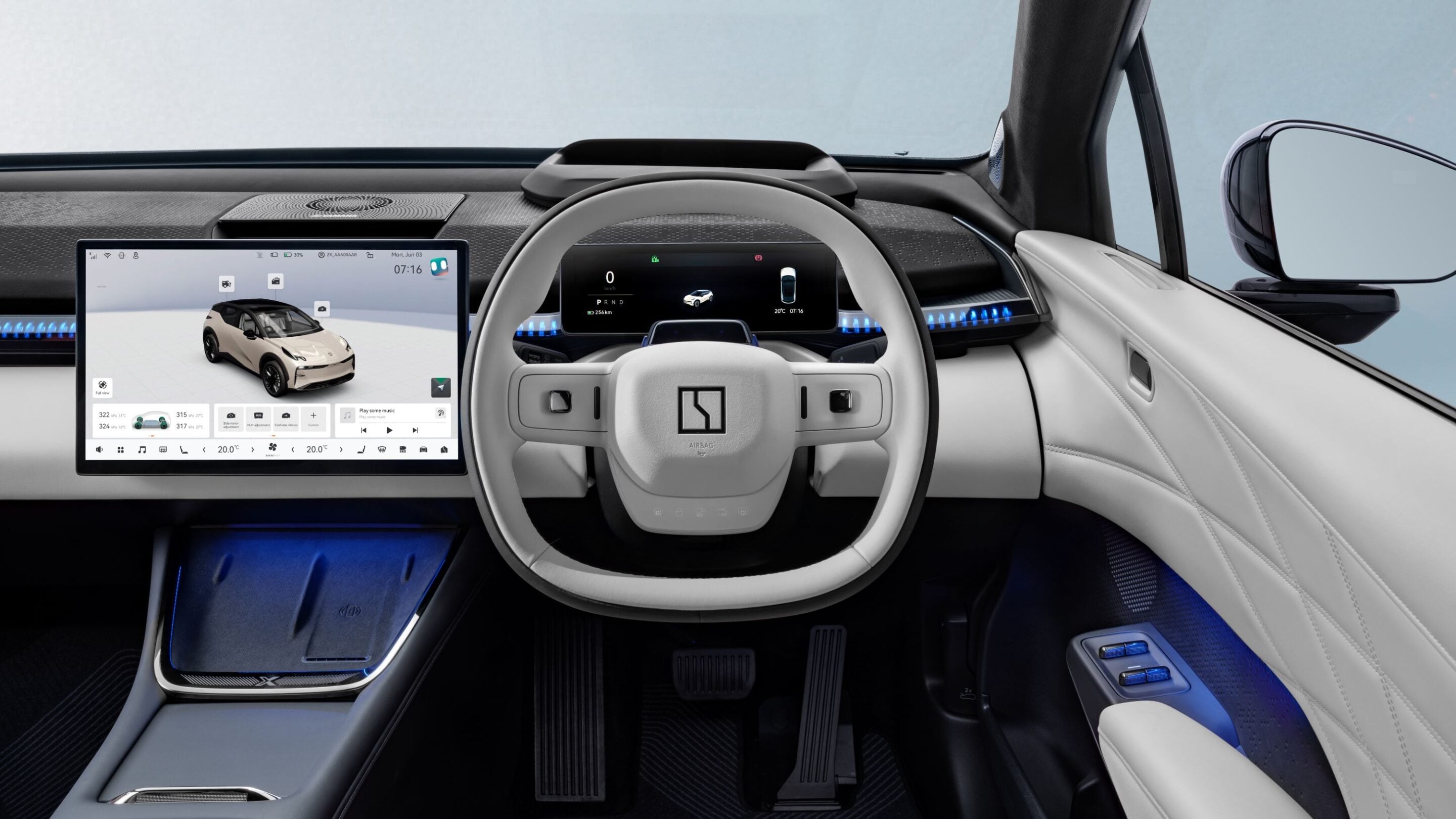
In addition, AWD models get first row massage seats, and a temperature controlled fridge mounted under the armrest in the centre console. Across the range, X models get Zeekr’s advanced driver assistance system, ‘Zeekr AD’, which includes five high definition cameras, five millimetre wave radars, 12 ultrasonic sensors and remote parking assist.
2026 Zeekr X pricing (driveaway):
- RWD: $48,900
- AWD: $57,900
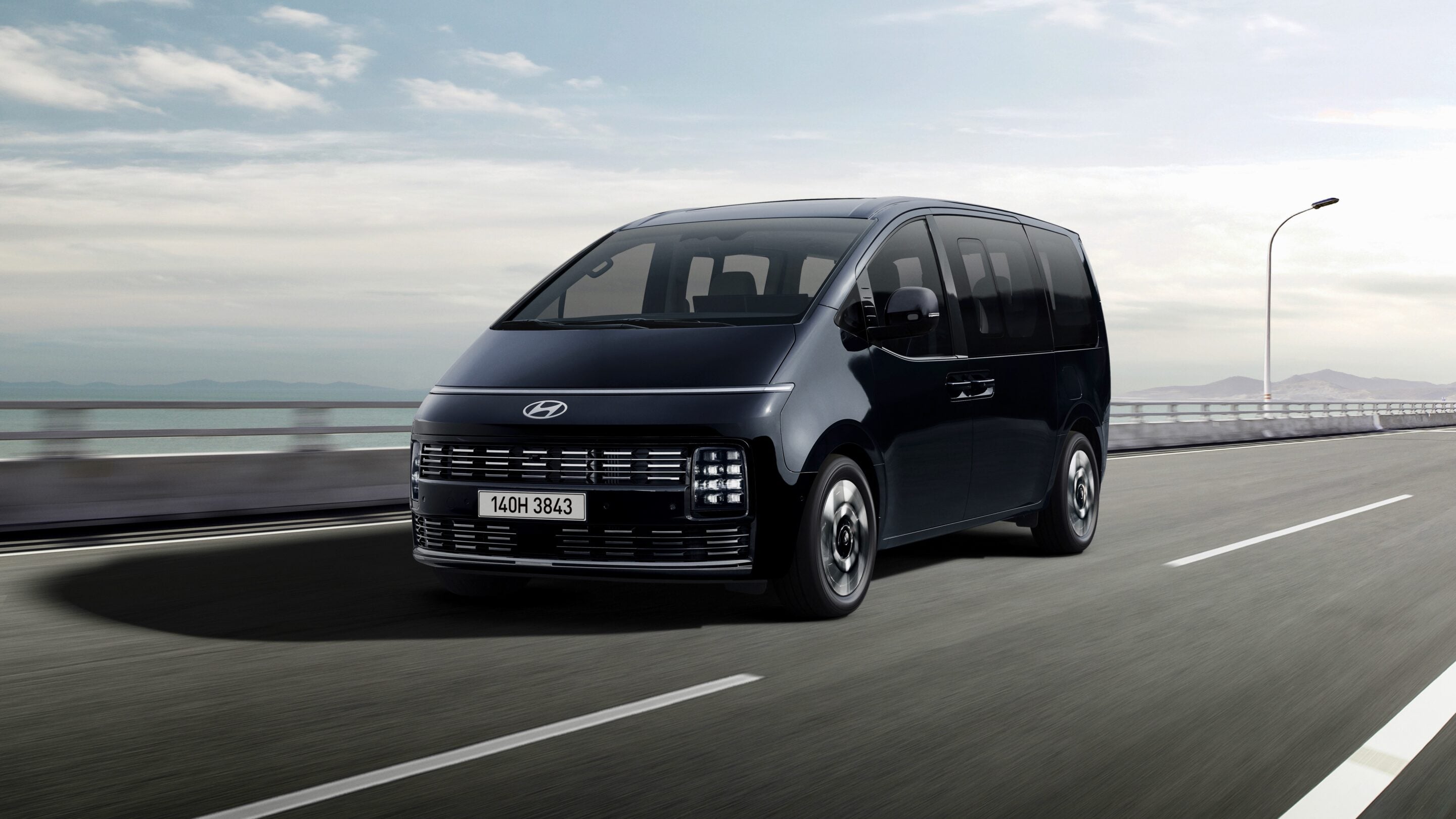
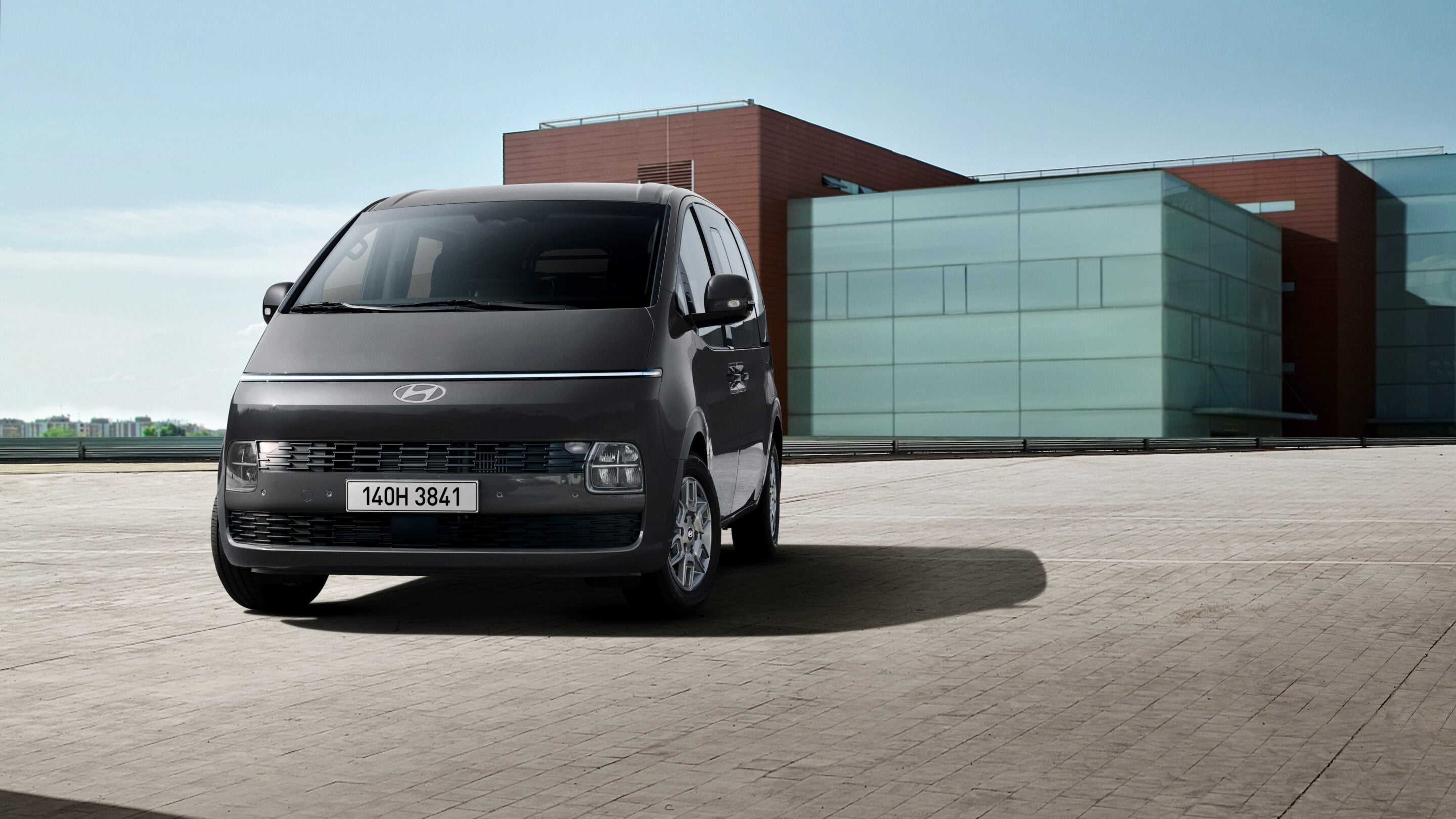
Hyundai Australia has revealed local pricing and specifications for the mid-life facelift of its Staria people mover and its Staria Load van sibling. Highlights for the update include freshened styling, a revised model line-up, a new hybrid drivetrain and the promise of an electric variant in the Load range later in 2026. Due to the range reshuffling and new features, pricing has risen across the board and now starts at $49,990 plus on-road costs for the Load and $54,300 +ORC for the Staria.
The biggest news on the range is the addition of the new 1.6-litre turbo-hybrid drivetrain, which is available in the base model and Premium versions of the Load, and the new Lounge variant in the Staria range. Making 180kW of power, it’s not quite as powerful as the 200kW 3.5-litre V6 option still available in the Staria, but it’s bound to be significantly less thirsty.
Hyundai Australia is yet to reveal fuel consumption figures for the hybrid, but in the related Kia Carnival, the same drivetrain uses just 5.8L/100km on the combined cycle.
The 130kW 2.2-litre turbo-diesel and aforementioned 3.5-litre V6 engine options continue unchanged, though the diesel is now front-wheel drive (not all-wheel drive) for a 1L/100km fuel saving to 7.2L/100km. A 160kW electric Load will also be launched later in 2026.
The futuristic twins have also received light styling changes, such as a new front grille and new 18-inch alloy wheels, plus new tech changes inside like a 12.3-inch touchscreen with Hyundai’s latest ‘ccNc’ infotainment system with connected services and over-the-air updates, as well as a 12.3-inch digital driver’s display.
The brand has reshuffled both ranges too, with the base Load and upper-spec Load Premium remaining as before and the previous Staria Elite and Highlander shelved, with the new Lounge replacing the Highlander at the top of the range.
Compared with the regular Staria, the Lounge adds two chairs in the second row with electric adjustment, heating and ventilation, as well as Nappa leather upholstery (in black, burgundy or beige colouring), an acoustic laminated windshield and front door glass reduce wind noise, privacy side glass, satin chrome door handles, door scuffs, unique alloy wheels, ambient mood lighting, sat-nav and suede-finished headliner and pillars.
The entry-level Load has also picked up a lot of standard features, including keyless entry with push button start, sat-nav, single-zone automatic climate control and a battery heating system.
Hyundai Staria update pricing (excluding on-road costs):
| Load diesel | $49,990 (+$2250) |
|---|---|
| Load hybrid | $53,490 (new) |
| MPV diesel or V6 | $54,300 (+ $3800 for the V6, + $800 for the diesel) |
| Load Premium hybrid | $61,240 (+ $8500 on the previous diesel Load Premium) |
| Lounge hybrid | $73,740 (new) |
| Load EV | TBC (new) |
