
Porsche has expanded its infotainment retrofit program to include vehicles produced between 2003 and 2008.
The upgraded system, called ‘Porsche Classic Communication Management Plus’, will be offered to 2005-08 997 911, 2005-08 987 Boxster and Cayman, and 2003-08 Cayenne vehicles.
It follows the successful launch of a 3.5-inch display for classic vehicles, and a 7-inch screen for the older 996 911 and 986 Boxster, in 2020.
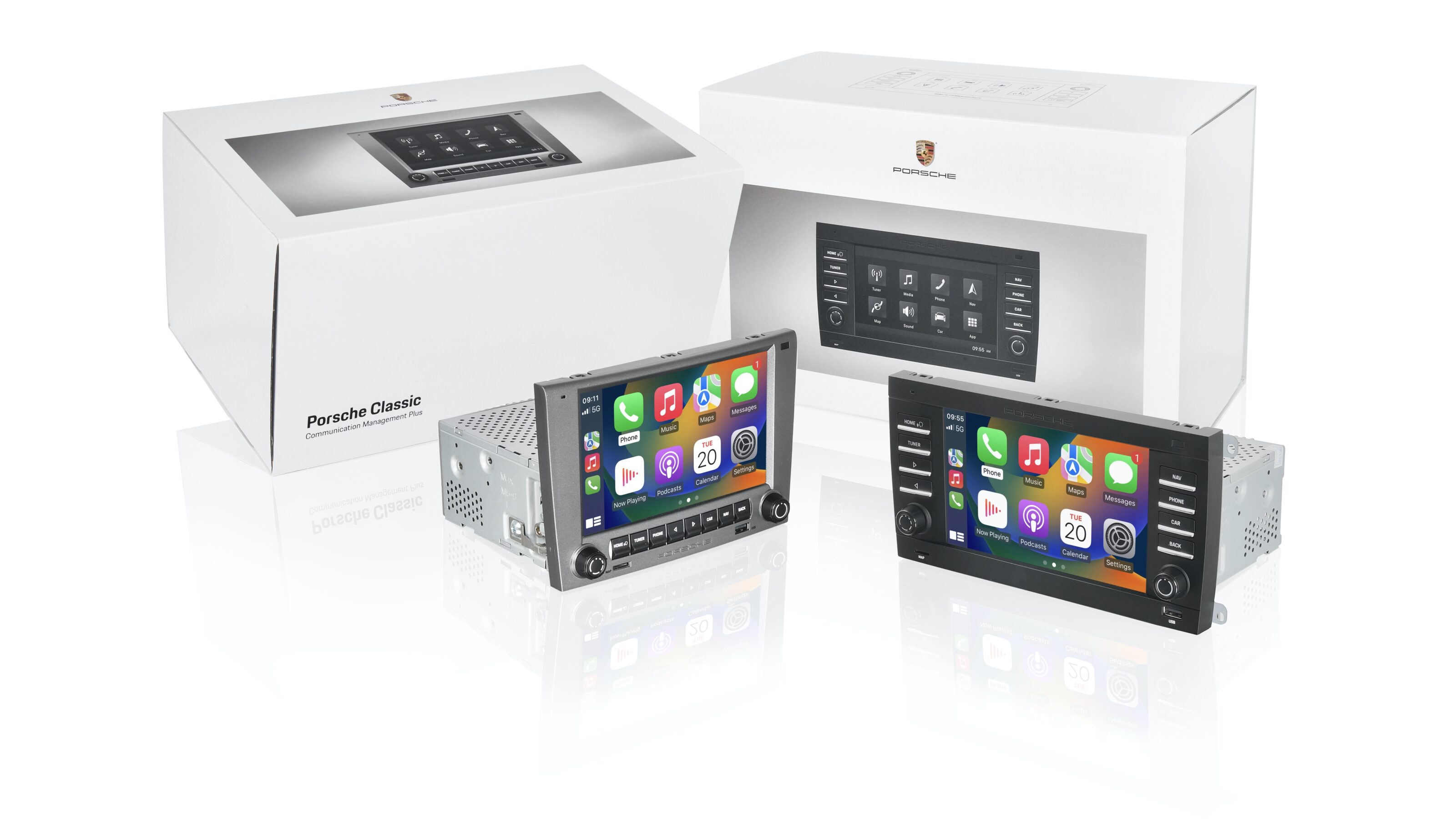
The focus of the enhancement is the addition of a 7.0-inch touchscreen with Apple CarPlay and Android Auto, while DAB+ digital radio is available for Europe and Australia, or SiriusXM satellite radio for the US and Canada.
There’s also updated satellite navigation with the latest maps, points of interest, and a 2D or 3D view. USB media playback is also supported.
In addition, the 911, Boxster and Cayman support a memory function that can be used for the lights, windscreen wipers, climate control and locking settings.
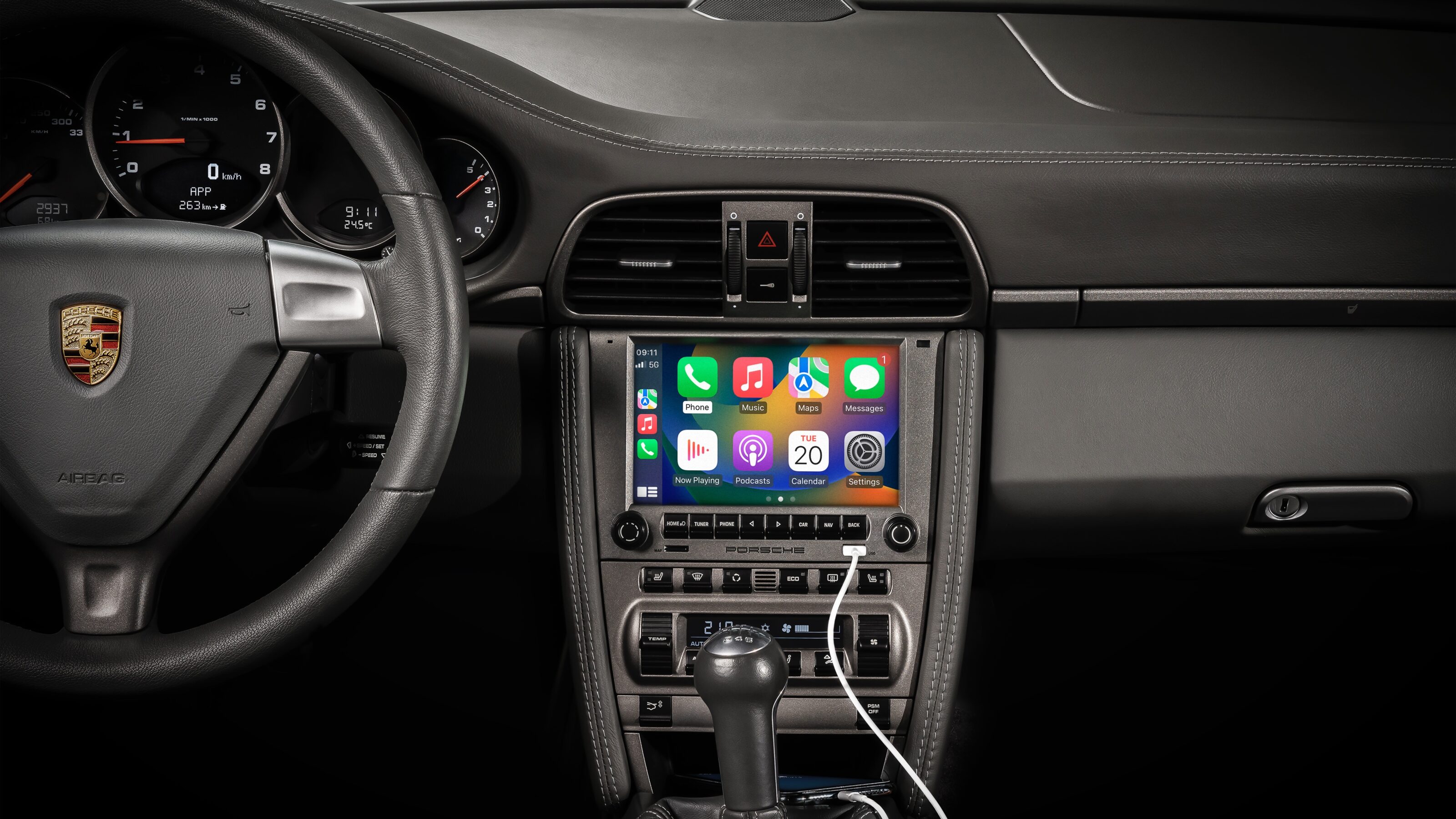
Porsche says the “look and feel are based on the components already installed in the car, such as the climate control panel or the push buttons,” while existing peripherals – such as the amplifier, speakers and antenna – are compatible with the updated system.
“There is huge demand for contemporary networking of our timeless classics. And soon after the successful launch of the infotainment systems for retrofitting, we received corresponding queries from owners of early 911 generation 997,” said Ulrike Lutz, director of Porsche Classic.
“This is why we’re now significantly extending our range of Porsche Classic Communication Management Plus devices for retrofitting.”
The updated system is priced from €1520.37 (AU$2380), and is available for purchase and installation from a Porsche dealer in Australia.
Picture this, you’re driving along, minding your own business, and you come across an intersection with traffic lights, but there is a hitch – the lights aren’t working.
Instead of the normal solid red, amber, or green light, you are greeted with a flashing yellow, or even no light at all. What do you do?
You’d be forgiven for being uncertain on protocol here. As drivers we are so used to traffic lights taking care of busy intersections without fault.
It’s a rare occurence, but the rule of probabilities dictates you likely to be forced to navigate an intersection with malfunctioning traffic lights at some point during your driving career.
Sometimes, there will be police or traffic control on site to direct vehicles, but that won’t always be the case. So, what do you do when you find yourself in the sticky situation?

Thankfully, the answer is blissfully simple. When traffic lights aren’t operational (and there aren’t police directing traffic), treat the intersection the same way you would if it had ‘give way’ signs.
This means give way to traffic on your right.
If the intersection with non-functioning traffic lights is a T-intersection, again, treat it the same as you would a traditional intersection without lights.
It should be noted, the flashing yellow light can also be an indicator to proceed with caution. So don’t go blasting through at full speed, even if you have right of way.
It’s a common rule across all states and territories in Australia.
If the traffic light failure occurs during peak hour, remember to keep your cool and remain patient. It might take longer than usual to get through the particular intersection, but getting home safely is more important than rushing and being involved in an accident, only worsening the situation for yourself and everyone else.
June 2023: EVs could be free from LCT under EU trade deal
The price of some European-made electric vehicles could dramatically reduce as the Australian Government considers cutting or abolishing the Luxury Car Tax (LCT).
Story continues: How much does LCT add to the price of a car?
The election of a new federal government in 2022 has once again put the Luxury Car Tax (LCT) in focus.
Opponents say it is no longer needed as a way to protect Australian vehicles, though contrary to popular belief that was never its purpose – there is a five per cent duty on vehicles built in Europe, India, South Africa, and some South American countries originally that’s still in place.
However, it is worth noting that said tariff was axed from UK imports in 2021 following a Free Trade Agreement being made, and the new Australian Labor Government has also made plans to scrap it for electric vehicles priced under the LCT limit.
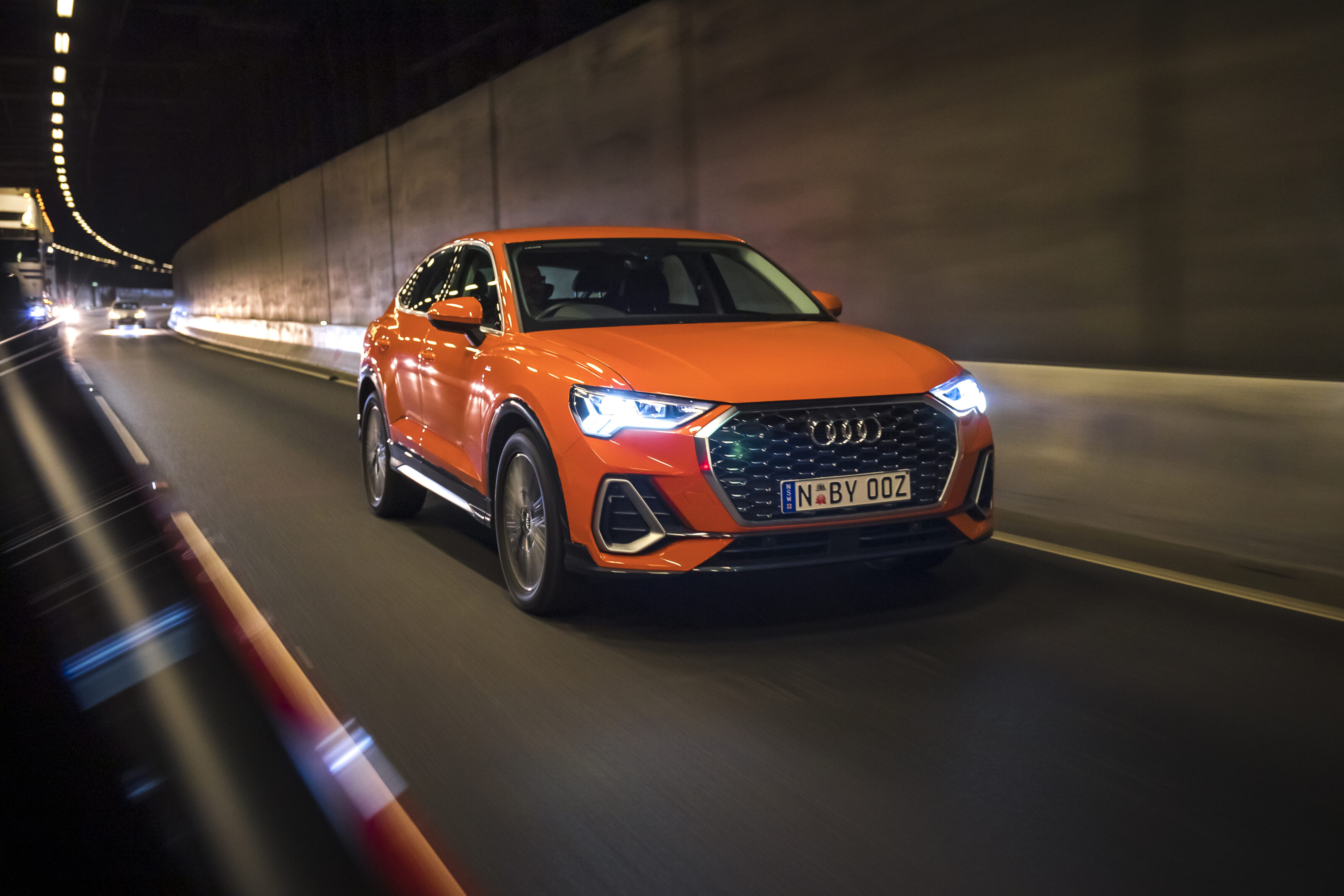
A more valid argument against the LCT is that it provides a disincentive for people to invest in cars with the latest safety technology and efficient electrified powertrains that still add a significant premium to a vehicle’s price.
Former Liberal Treasurer Josh Frydenberg said it will eventually be scrapped, but not until the budget can afford it. As yet, his Labor successor Jim Chalmers has not confirmed a position on it.
Any changes however could be years away, so here’s our guide to increase your understanding of all things LCT.
What is the Luxury Car Tax?
The Australian Tax Office (ATO) describes the Luxury Car Tax (LCT) as a tax on cars with a GST-inclusive value above the LCT threshold.
Still awake? In other words, a car less than two years-old with a GST-inclusive price tag above a certain value will attract an LCT of 33 per cent.
That means, any car you’re buying with a value above the threshold, you’ll pay an extra third on the amount that’s above the threshold. This tax isn’t listed anywhere, it’s already built into the manufacturer’s retail price. Sounds confusing, but hang with us as we delve into it.
Does it only apply to luxury cars?
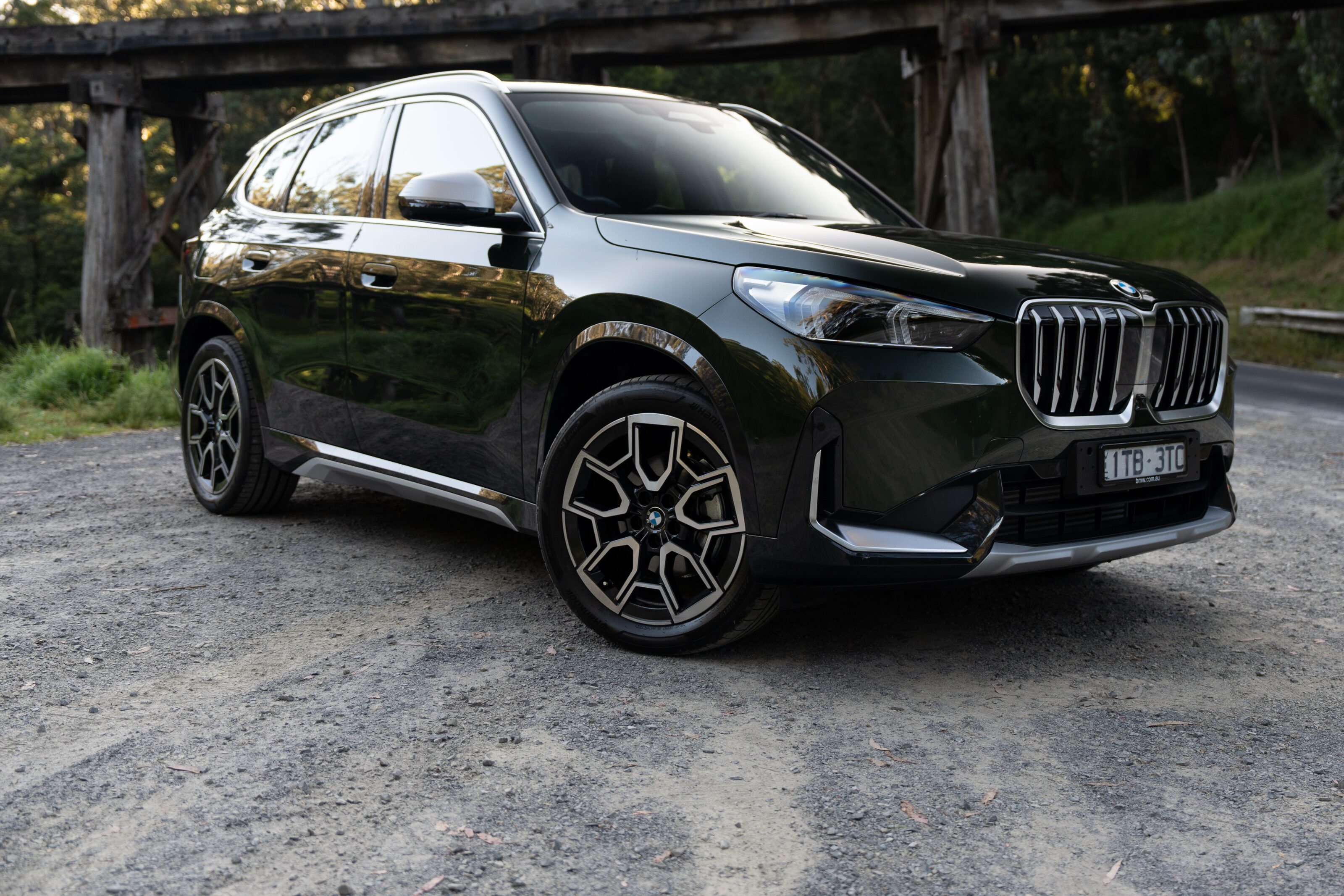
No, it’s purely about price – not how soft the seats are. In short, it’s a car sold by a registered car dealer valued above the threshold. In fact, some cars you’d consider to be luxury – some variants of the Audi Q3, Volvo XC40 or BMW X1, for instance – don’t attract LCT because they’re priced under the threshold.
Does it apply to Australian-built cars?
Yes, if they’re valued above the threshold. Though these days you can’t buy a new Australian car so it won’t matter.
What is the threshold?
The threshold is indexed and goes up a little bit every financial year. For 2022-23 it is $71,849, however for fuel-efficient cars with a combined economy rating of 7L/100km or better, the LCT doesn’t kick in until $84,916.
Interestingly, while the LCT threshold for gas guzzlers has risen by around $14,000 since 2010, the threshold for fuel efficient vehicles only went up by $526 for most of the that time before incremental changes started to be made since 2020.

So you pay 33 per cent of the total price?
Thankfully, no. The LCT is charged on the amount over the threshold, not the entire price of the car. So if you’re buying a car that drinks 9L/100km for $75,000, the LCT applies to the $3151 over the $71,849 threshold.
That seems pretty simple
Kind of. There’s also the matter of GST which has to be factored in, so it’s not as simple as charging 33 per cent on the difference. It’s also worth noting that the LCT is charged to the seller not the buyer, but they will invariably pass it on to the buyer.
So, if Joe Bloggs Motors sells that $75,000 car, it must pay the LCT to the ATO.To work out the LCT they need to calculate:
(LCT value − LCT threshold) × 10 ÷ 11 × 33%
($75,000 − $71,849) × 10 ÷ 11 × 33%
$3151 × 10 ÷ 11 × 33%
= $945.30
The total price of the $75,000 car will now be $75,945.30 plus any other on road costs such as registration.
Are there any exemptions?
Yes. These include:
- If the car is for a business and qualifies to be purchased under a company ABN
- If the car was manufactured in Australia more than two years before the sale
- If the car was imported more than two years before the sale
- If the car was exported as a GST-free export
- A car that is (or is intended to be) registered for use as an emergency vehicle such as an ambulance, firefighting vehicle, police vehicle, or search and rescue vehicle
- A motor home or campervan, or a commercial vehicle designed mainly for carrying goods and not passengers
- A car with modifications for people with a disability
- A car being sold more than once within two years will be exempt unless it goes up in value. You will need proof that LCT was already paid.
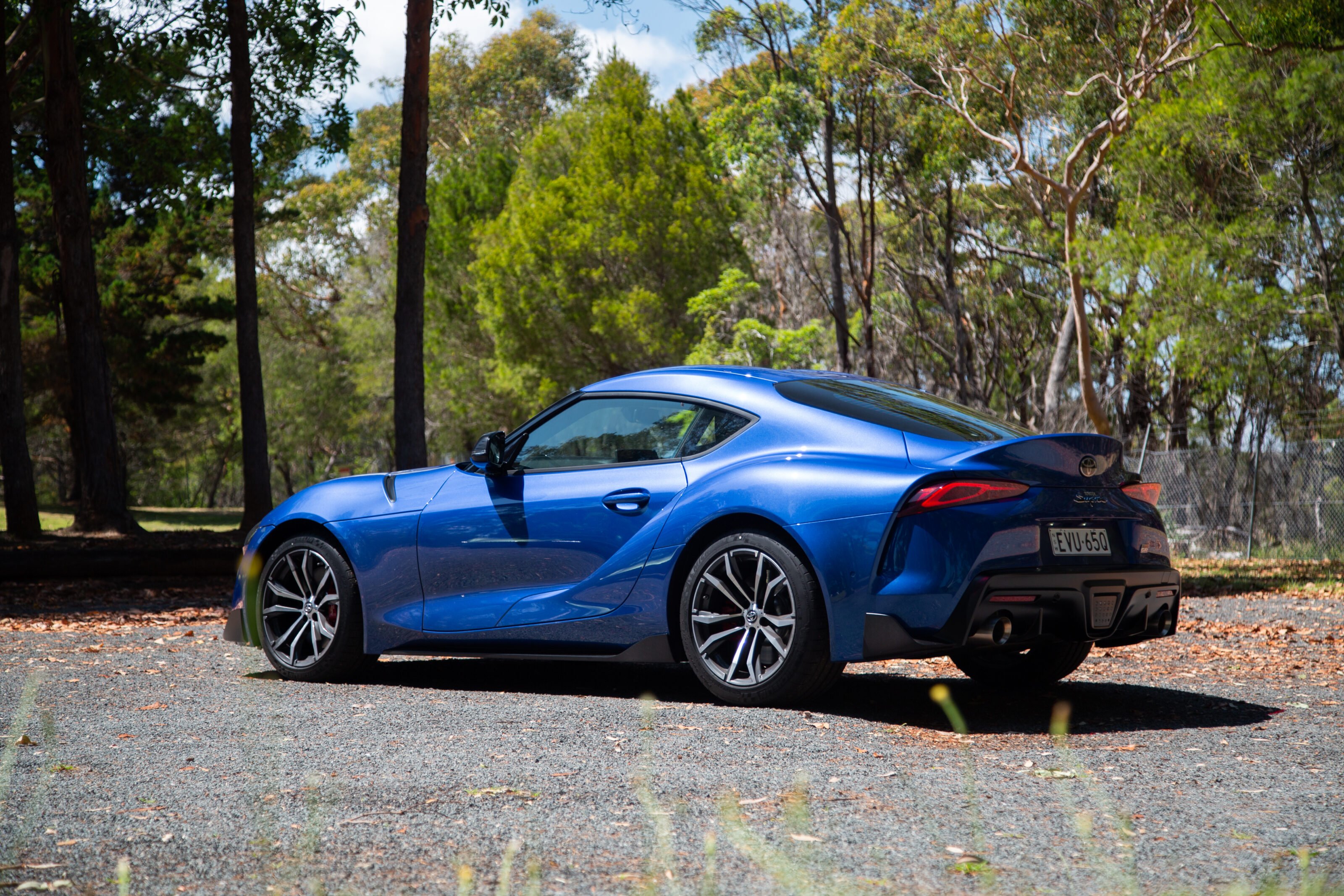
It’s always an occasion sinking down into a Toyota Supra.
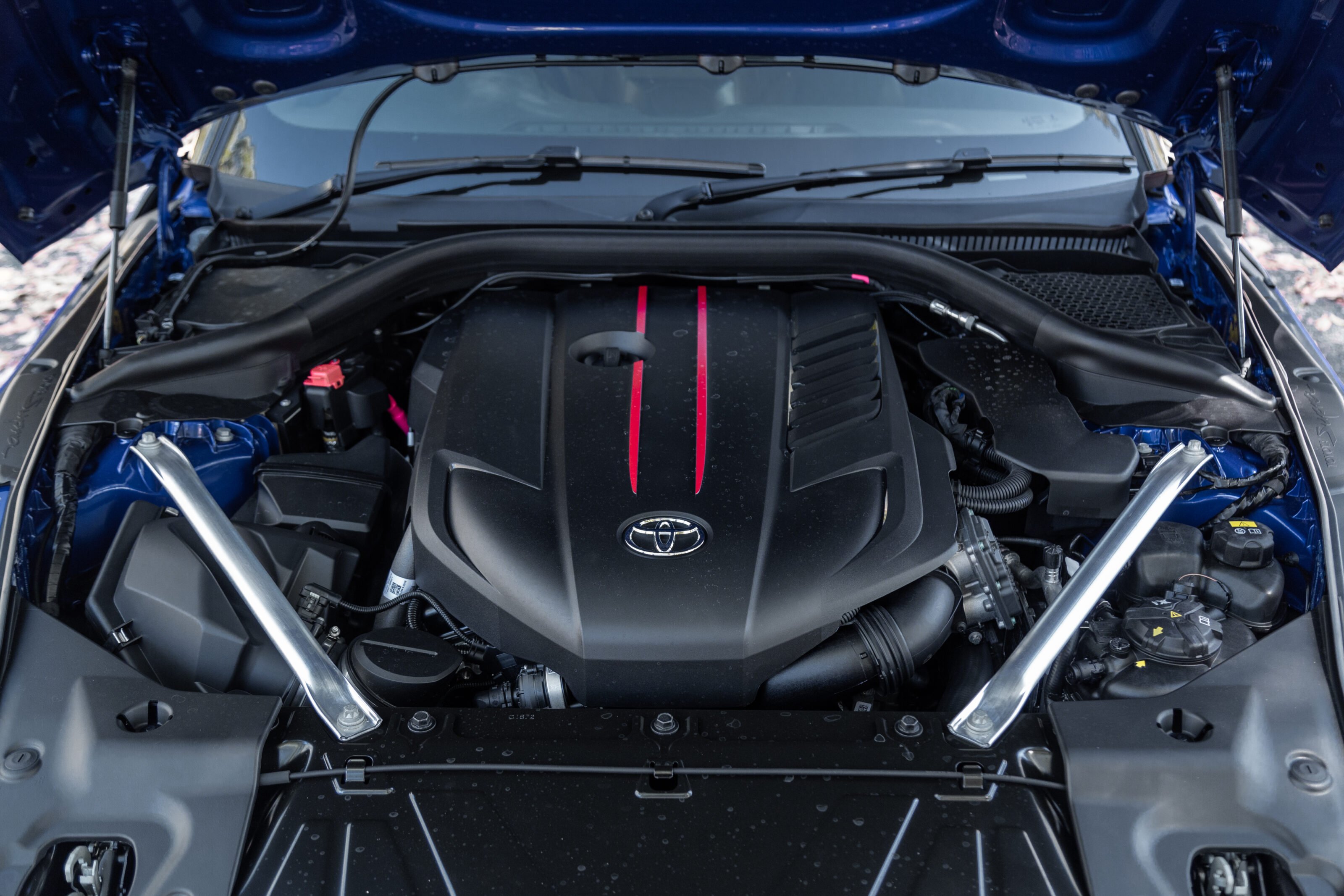
The low, curving roof requires respect in the form of a deft head tilt as you descend into the sports seat, then cast your eyes over the long bonnet that nestles a 3.0-litre turbocharged straight-six beneath.
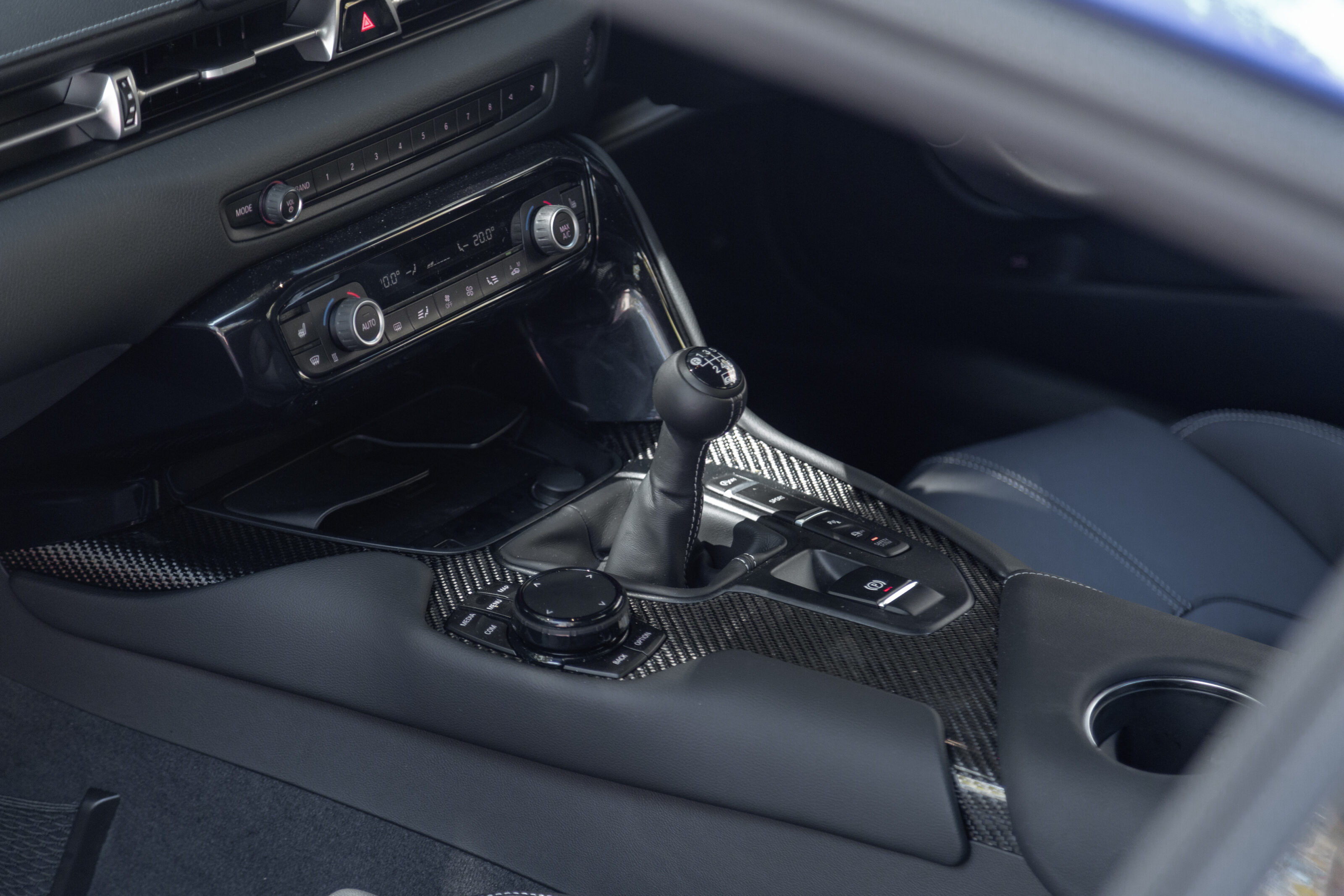
The sense of occasion only gets better with the arrival of the 2023 GR Supra’s six-speed manual transmission, something punters and journos alike begged for despite initial calls it would never be done.
Skimming over Toyota’s press release may have you believe it’s a whole new gearbox from the ground up – it isn’t.
The six-speed manual in question – dubbed GS6L50TZ – sources parts from ZF’s ‘S6-53’ series of transmission, with its six ratios identical to those in an F87 BMW M2 or F80 BMW M3 (that box codenamed GS6-53BZ).
Toyota has tailored the ZF ’box with a host of little tweaks, so in a way, it is unique. There’s a newly developed clutch, less sound-deadening material in the transmission, revised linkages and a 200g weighted shift knob (painstakingly selected after BMW’s 68-gram unit was deemed too flighty).
It results in a 17kg weight reduction over the eight-speed automatic GR Supra – it now tips the scales without pilot at 1503kg – not to mention ultimate control for the driver and a more satisfying (if still very much BMW) shift feel than in the thankfully short-lived BMW Z4 sDrive20i manual. It’s better than an F87 M2 as well.
To save the driver’s knuckles, Toyota had to carve out some extra space ahead of the shifter and redesign the carbon-wrapped centre console. The outcome is mostly effective; just don’t rush that change from second to third as you’ll still tap your knuckles on the HVAC controls.
Other revisions are made to the colour palette (including the tested Azure Blue), along with suspension tweaks, updated electronic power steering programming, a revised ESC tune to flatter dodgy clutch releases and auto rev-matching on downshifts.
Toyota Supra GT: The basics
| Engine | 3.0-litre six-cylinder turbo-petrol |
|---|---|
| Power | 285kW @ 5800-6500rpm |
| Torque | 500Nm @ 1800-5000rpm |
| 0-100km/h | 4.4 seconds (claimed) |
| Transmission | 6-speed manual |
| Body | 2-door, 2-seat coupe |
| Fuel / tank | 95 RON / 52 litres |
| Fuel consumption | 8.9L/100km (ADR combined) |
| Boot space | 290L |
JUMP AHEAD
- How much is it, and what do you get?
- How do rivals compare on value?
- Interior comfort, space and storage
- What is it like to drive?
- How is it on fuel?
- How safe is it?
- Warranty and running costs
- VERDICT
- Specifications
How much is it, and what do you get?
The 2023 GR Supra retains the same two variants as at launch, kicking off with the tested $87,000 (before on-road costs) GT and rising to $95,000 (before on-road costs) for the GTS. We don’t get the limited edition tan interior in Australia.
If you’ve caught the coverage of the GR86 and BRZ there may be some raised eyebrows that Toyota has priced manual and automatic at parity again.
The good news is, with the Supra you retain all-speed front auto emergency braking, lane-keep assist and blind-spot monitoring on the GT, only losing adaptive cruise and reverse AEB from the automatic’s spec sheet.
It’s also harder to knock Toyota down for this, as the development and homologation processes for a new gearbox (that we were all so hungry for) probably won’t see the same return on investment as the GR86; it’s really chief engineer Tetsuya Tada’s passion project, with only a third of European buyers expected to get the six-speed.
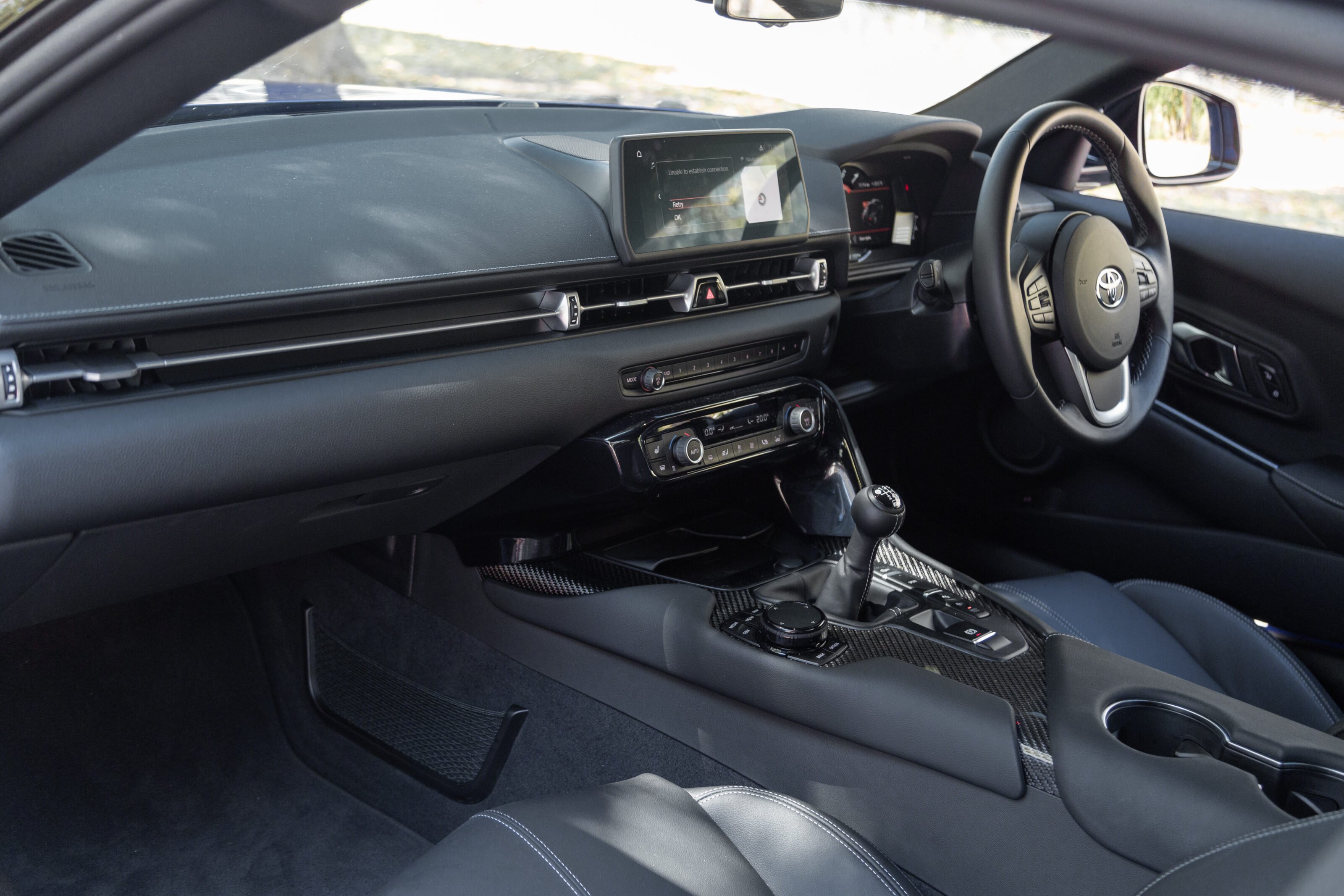
Australian Supras also differ somewhat from those found elsewhere, particularly the USA. Our base GT is equipped with luxuries such as heated, electrically adjustable leather seats with memory whereas North Americans get Alcantara upholstery and manually-adjustable buckets.
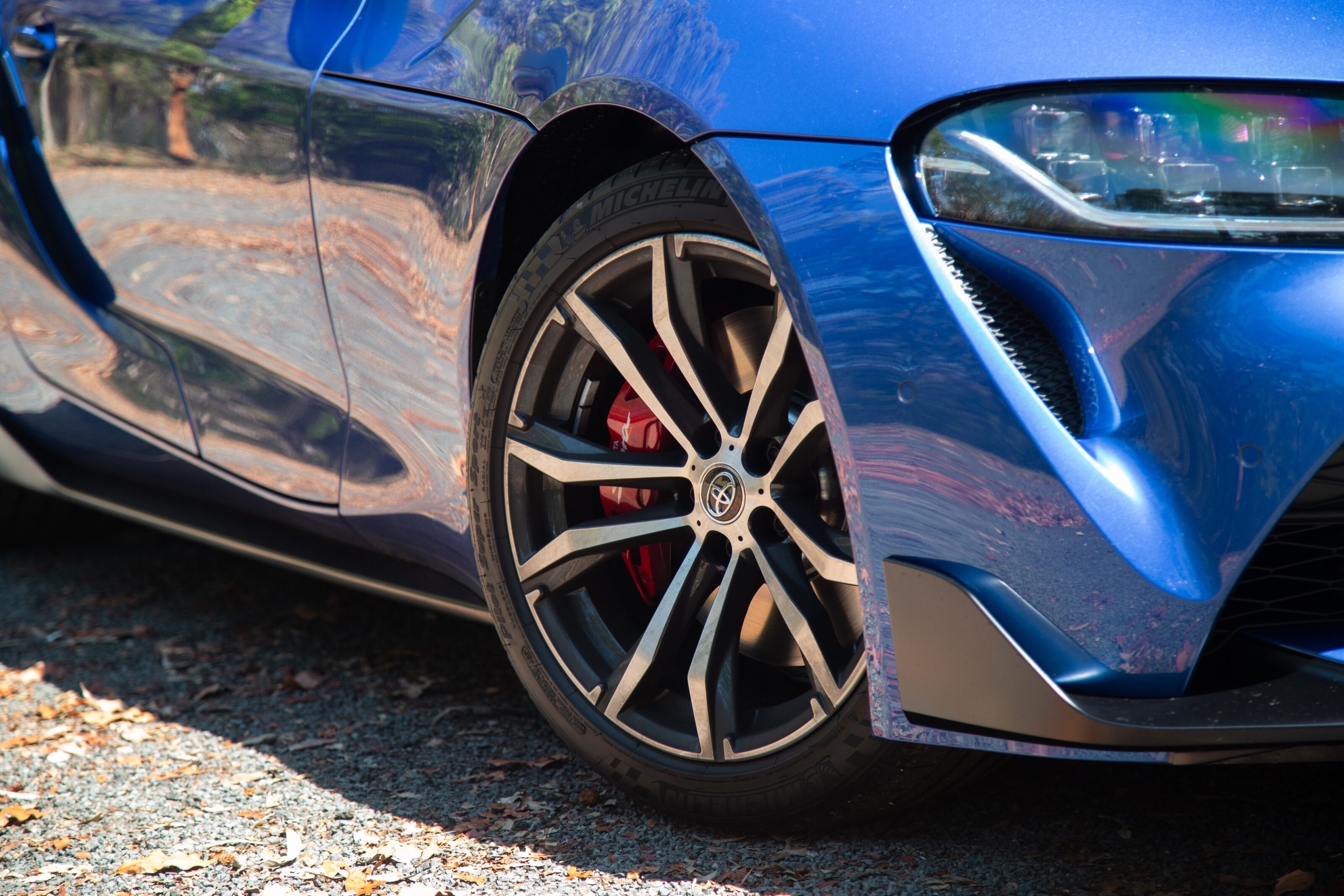
However, GTs sold in Australia are fitted with downsized 18-inch alloy wheels that look gaudy on ‘our’ Azure Blue test car – one reason to step up to the GTS with its sexy forged 19-inch alloys.
The GTS also gets its four-piston front brake calipers finished in red, and 345mm rear brake rotors to the GT’s 330mm items. The standard 10-speaker sound system in the Supra GT also does a decent job, helping feed into the grand tourer vibe of the car.
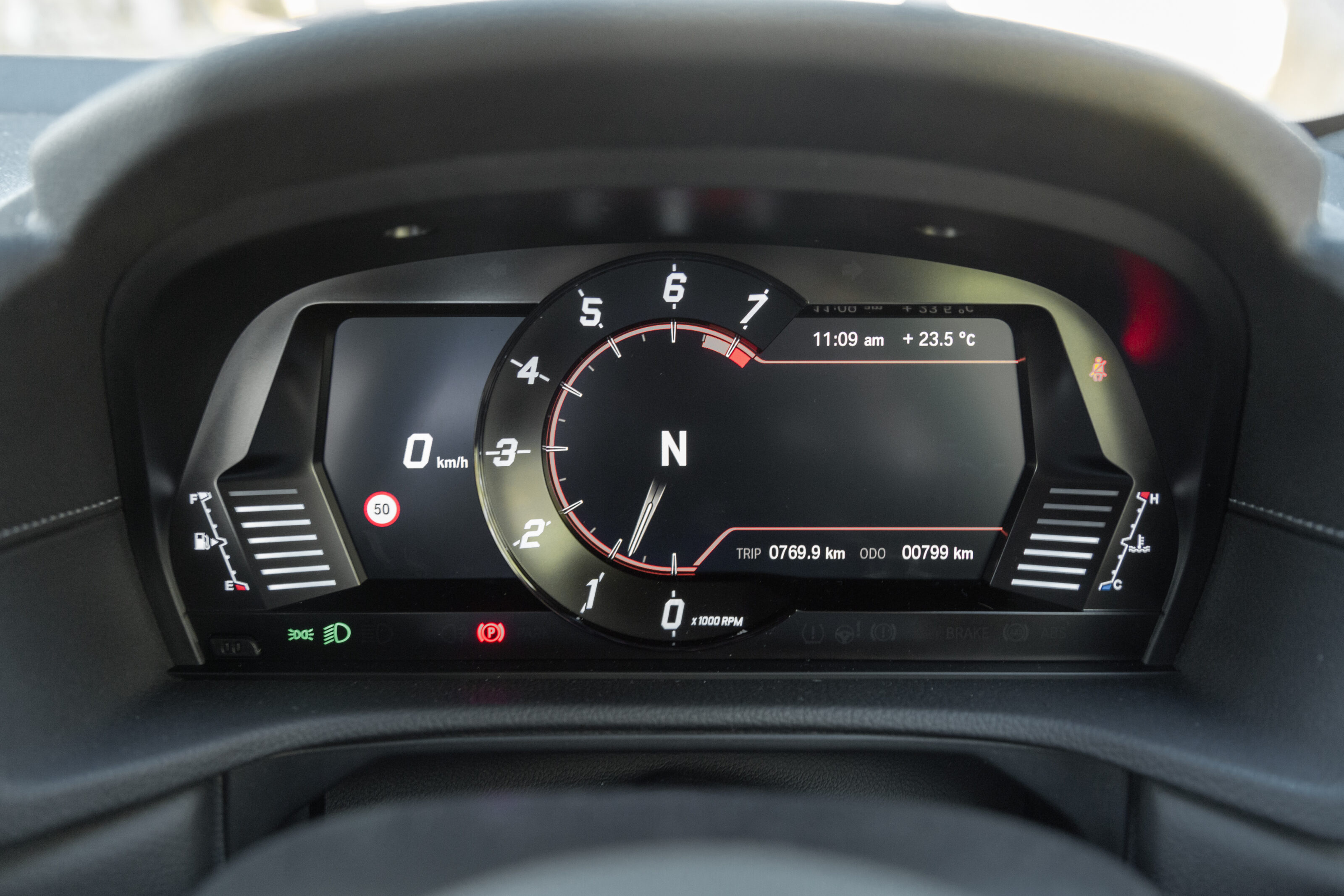
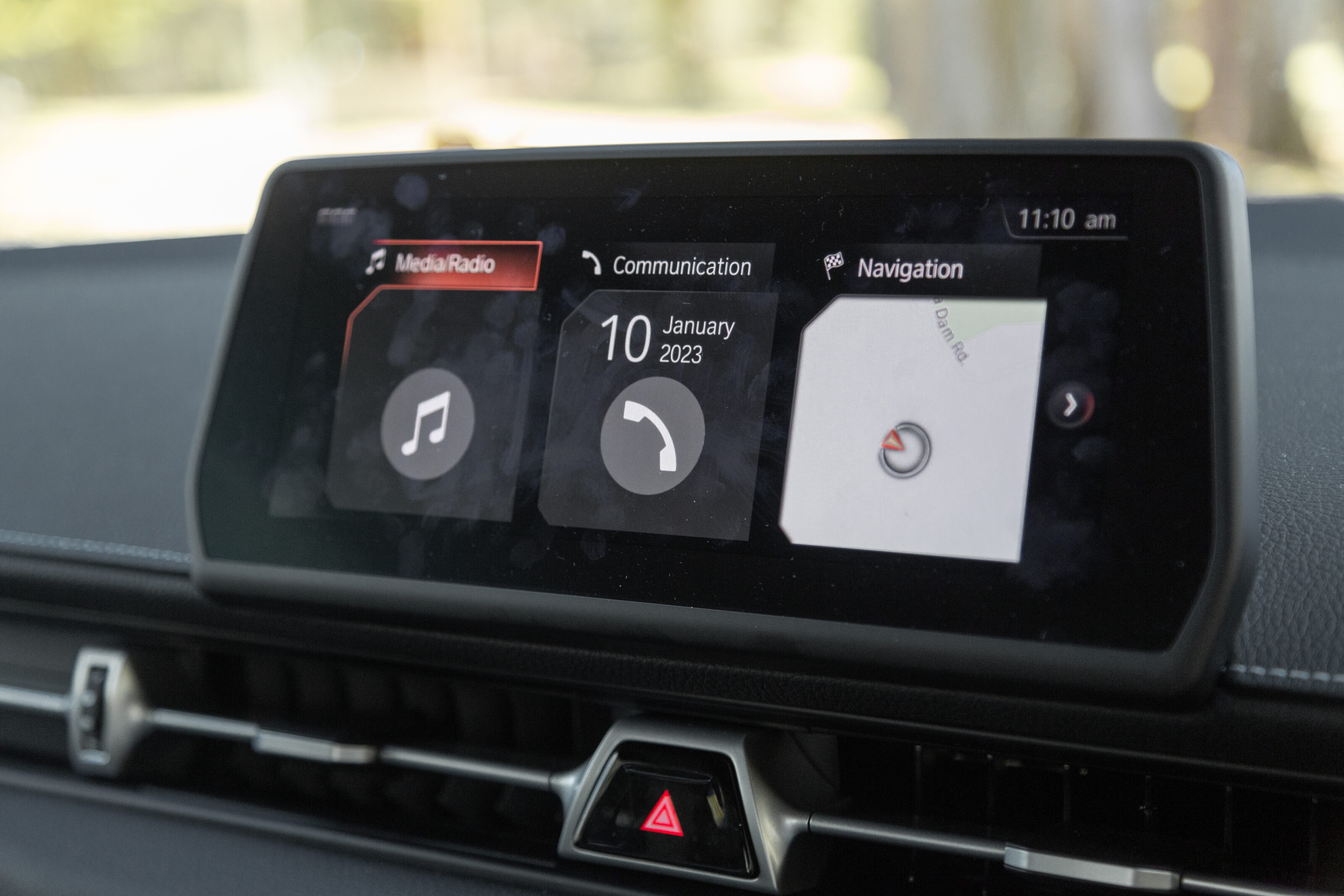
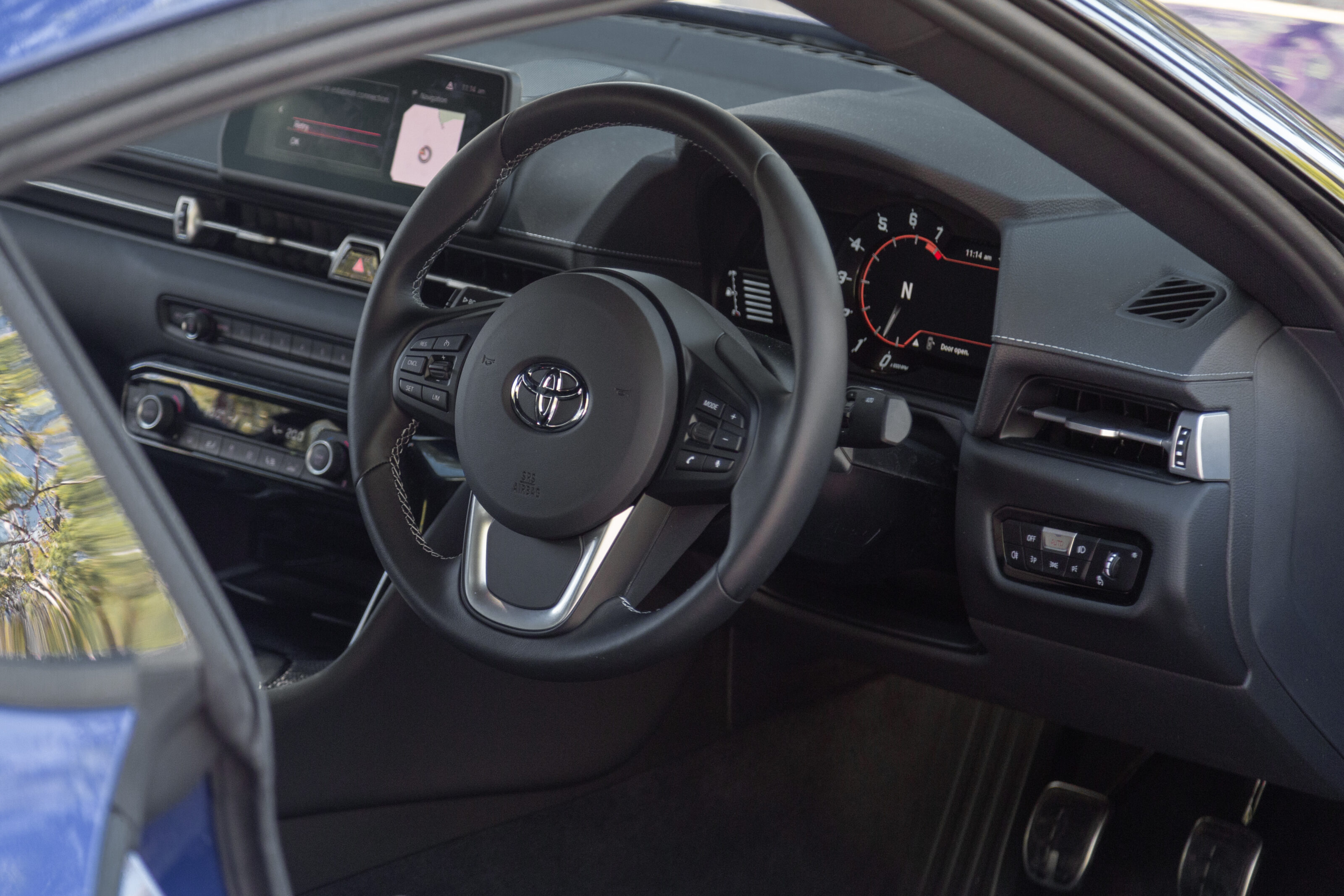
BWM takes care of in-car technology with an 8.8-inch touchscreen running previous-gen iDrive software, although the pictures and animations are at least Supra-centric. The digital driver’s display is also pleasingly different from any BMW with a focus on the rev counter, speed and gear selection.
How do rivals compare on value?
Compared to the other two-door Japanese sports cars on sale, the Supra is helpfully the most modern – even if teaming up with BMW did bring its fair share of internet controversy.
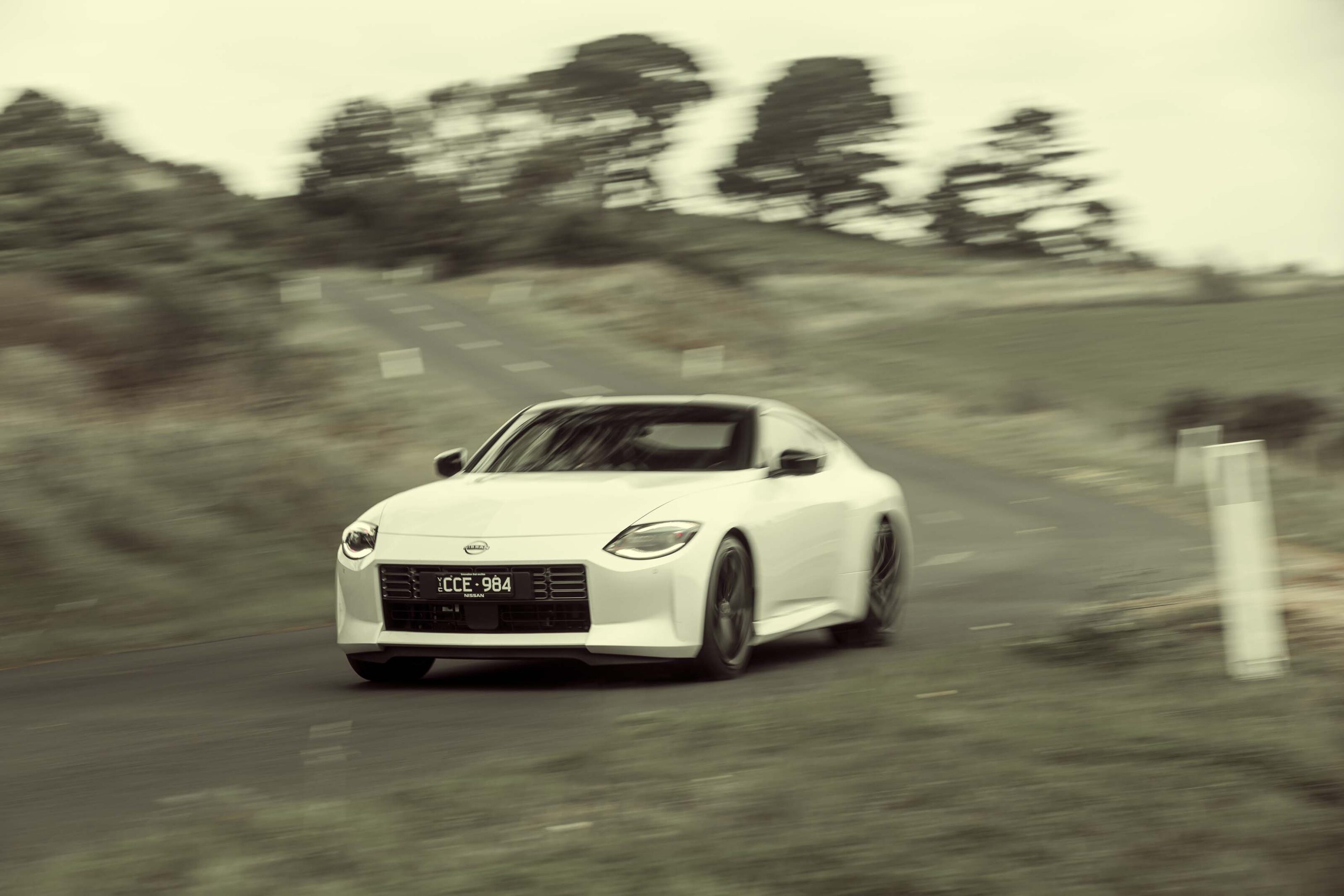
The latest Nissan Z ($73,300 before on-road costs) is effectively a re-revamped version of the 350Z that launched in 2005. The GR86 GTS ($45,390) is also a heavy facelift of the 2012 original, while the Supra was truly all-new for Toyota at its 2019 launch.
People who want a bit of American muscle will have to wait for the next-gen Mustang to launch later this year with pricing to be confirmed. If you want Supra’s sweet ‘B58’ straight-six in a more practical but softer-edged package then there’s also the luxurious M240i xDrive ($94,900), though it really misses the Supra’s sense of occasion. It’s the same with the ludicrously rapid Audi RS3 sedan ($93,900) and Mercedes-AMG A45 S ($106,900) – all before on-road costs.
Interior comfort, space and storage
Unlike a Porsche 911, Mustang or GR86, the two-seat Supra is a car only for two.
With Tada-san’s focus on the ‘golden ratio’ of track width to wheelbase, the Supra’s 1854mm breadth makes for generous shoulder room with a broad transmission tunnel separating driver and passenger.
There’s a good amount of headroom for those above 180cm thanks to that double-bubble roof, too, and seat comfort is ace. Where the Supra continues to be a touch frustrating is in the inconsistent plastic graining.
For example, the Supra’s dash is distinctly BMW in its sharp design and grained plastic, but the swoopy door cards look more C-HR than sports car.
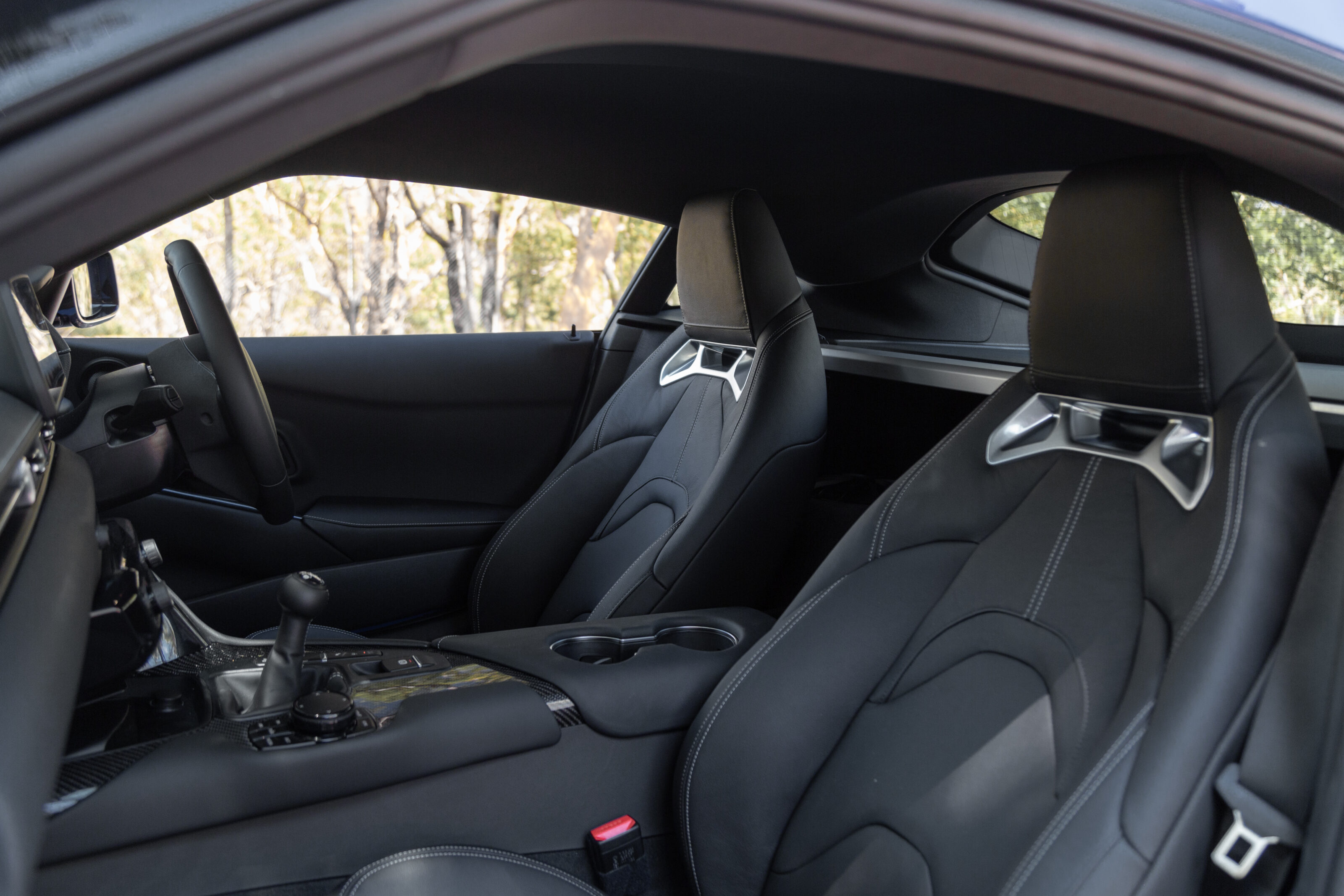
Cabin storage is not great either. The Supra’s door pockets will fit a phone, a tube of paw paw ointment and your fuel receipts, but not much else. There are two cup holders in the centre and, providing the water bottle is in the rear of the two you can still easily operate the ’box.
There’s a clever wireless charging pad ahead of the shifter that cradles your phone properly under acceleration, braking and cornering but only one USB-A charge point.
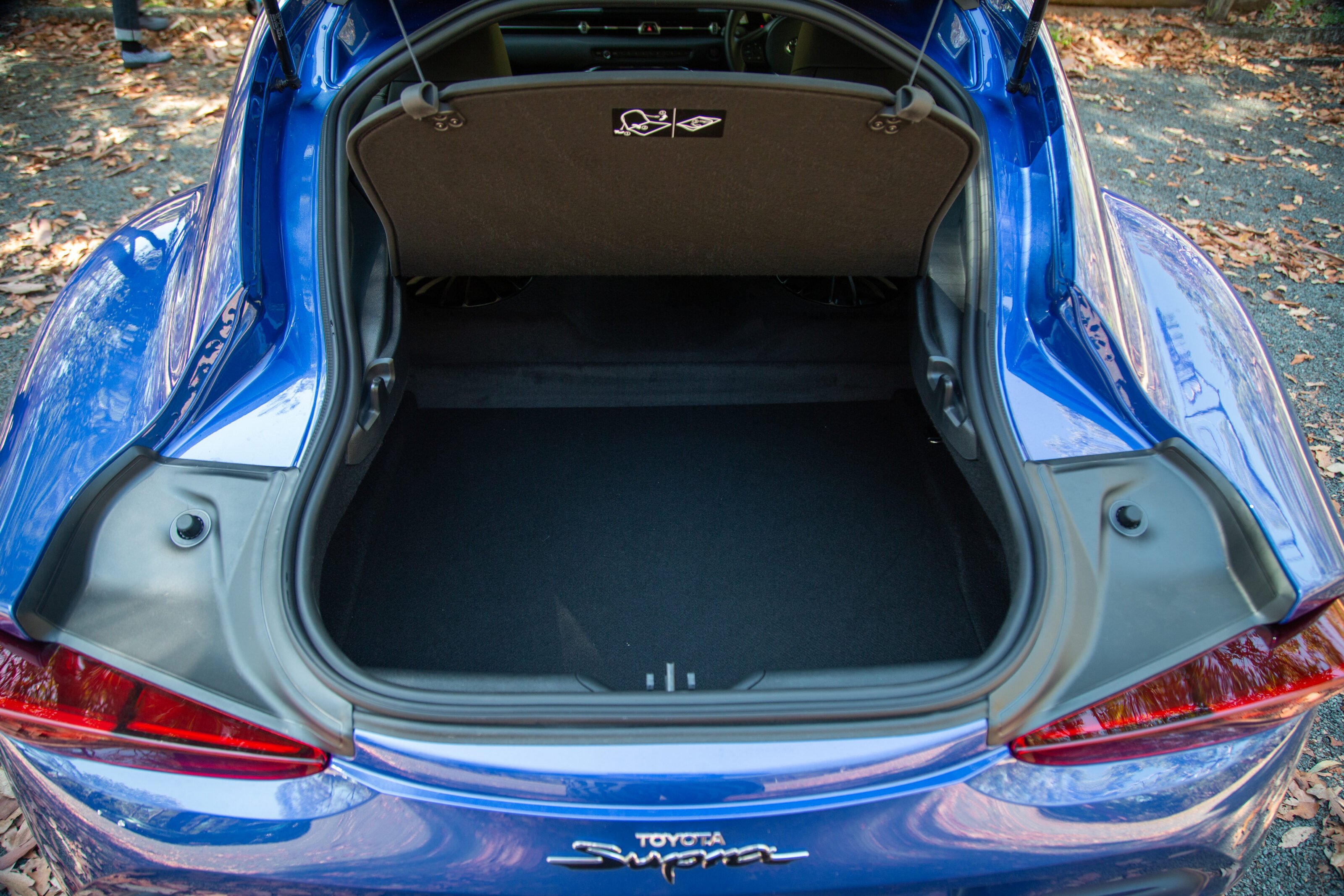
Boot space is an interesting one for the Supra. Rated at 290L (VDA) there’s room aplenty for a couple’s weekly shopping or some pretty decently-sized soft bags. Unlike the practical GR86, though, longer items will be hard to carry due to the intrusive strut brace and speakers.
What is it like to drive?
Harnessing the Supra with a manual transmission changes things.
Instead of the anonymous wall of speed, the added punctuation between each ratio lets one savour each hit of turbocharged glory from the 285kW/500Nm 3.0-litre turbo-petrol inline-six.
It’s not a tricky manual to drive, either. There’s that long and forgiving (typically BMW) clutch pedal (though it’s Toyota’s own, lighter clutch, which you can feel when shifting quickly) and well-matched control weights with well-spaced pedals for heel-and-toe downchanges.
In default Comfort mode, Toyota’s iMT system is there to help smooth changes too. Not only does it blip the throttle on downshifts, but also blends the throttle in on upshifts for serene urban operation.
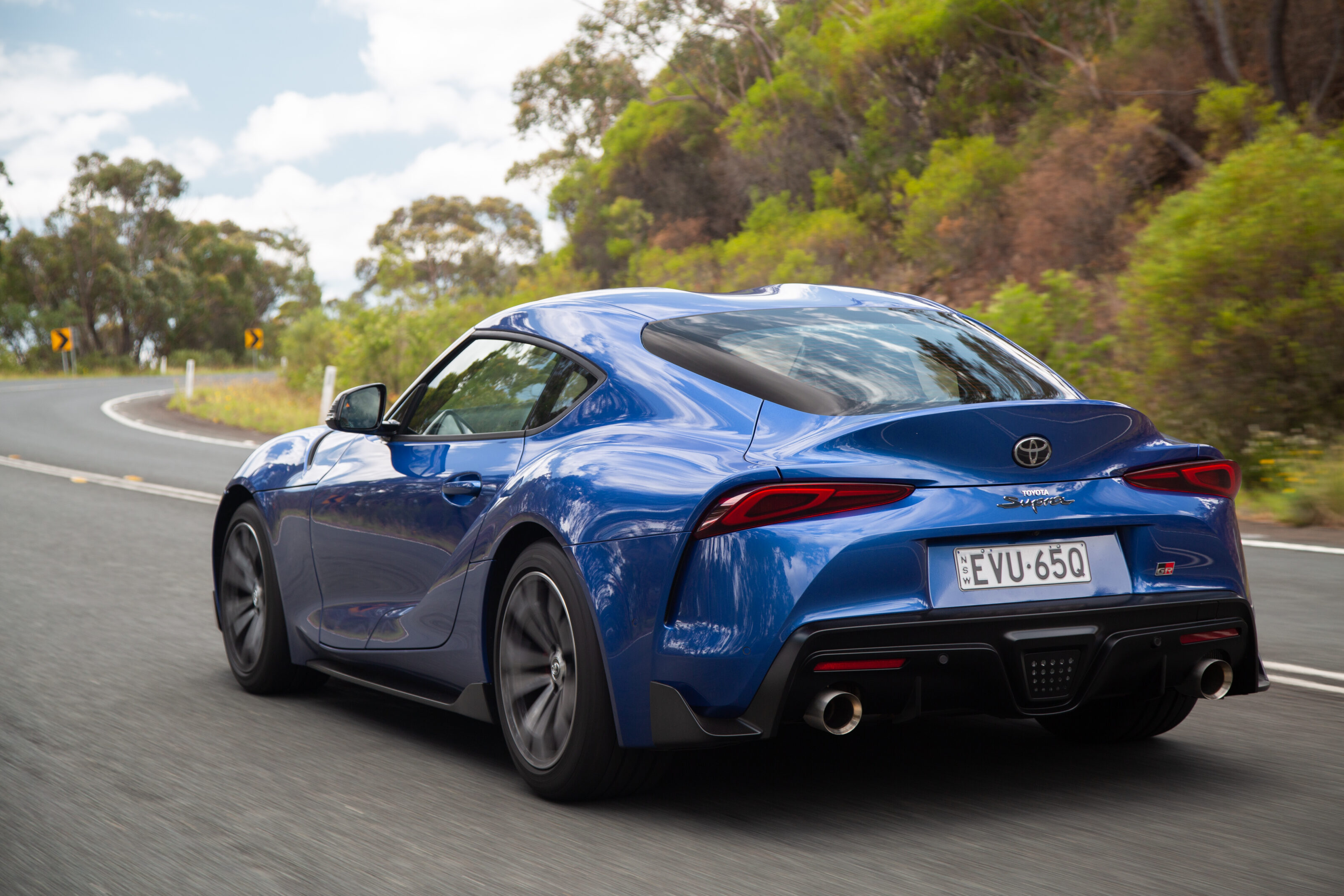
It’s easy to disable rev-matching in Sport Individual mode. In fact, with the manual transmission, the Supra is delightfully devoid of drive mode complication. It’s Comfort for cruising, Sport Individual for going quickly, and there is an easily accessible ESC button for the track.
Does going manual make the Supra better? It definitely makes the experience a little slower as the claimed 0-100km/h drops from 4.1 to 4.4 seconds (though if you’re equipped with mechanical sympathy the manual will likely be slower again).
And it’s not like the ubiquitous ZF eight-speed automatic is in any way a bad transmission. It may not have the alacrity of a Porsche PDK, but it’s damn good.
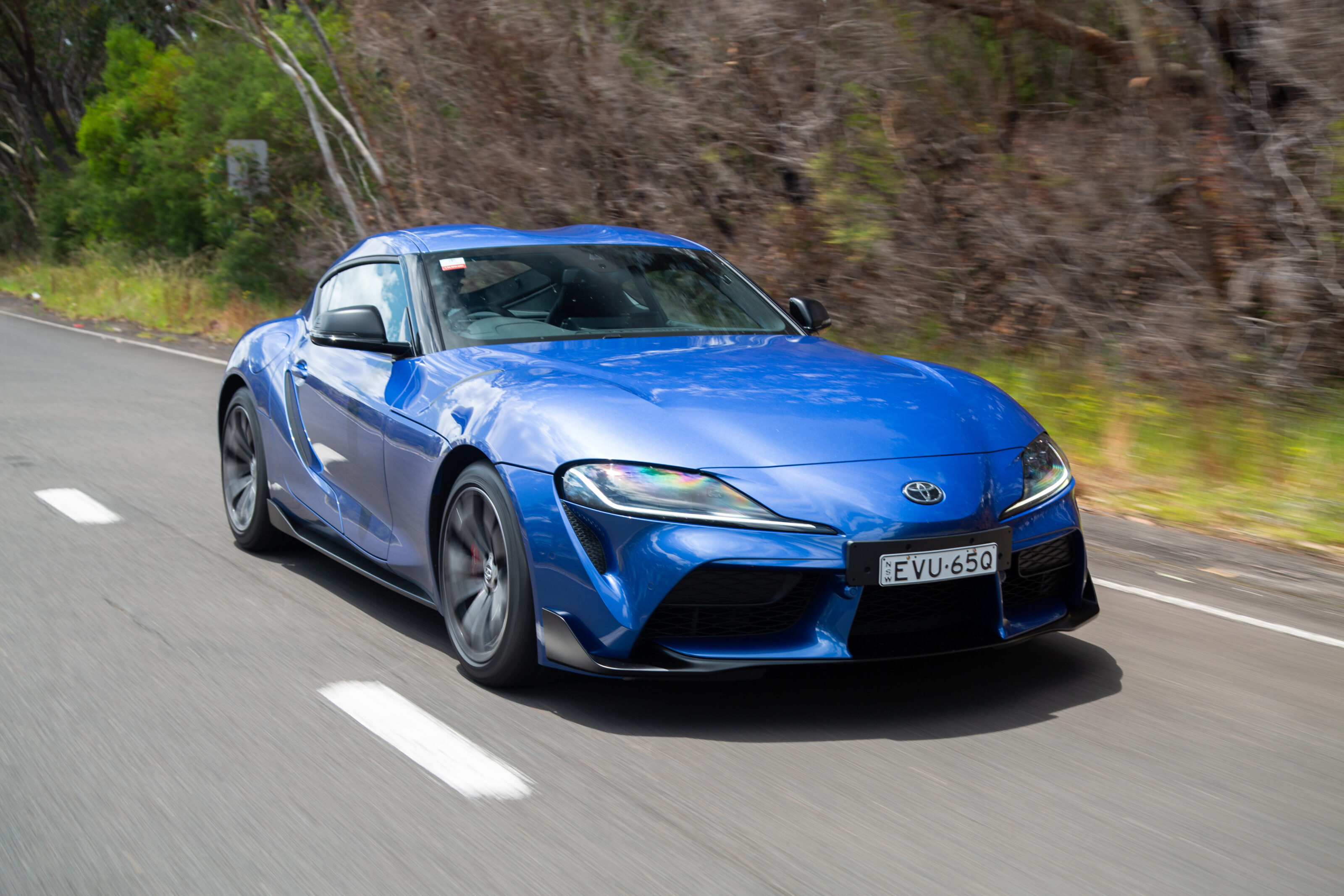
So good is the automatic Supra that the manual really does need to be perfect in its action to be a winner.
It is, but there’s still a lot of BMW feel in the shifter’s action. It’s slicker, with tighter gates and less rubberiness than the M2’s slightly disappointing affair, but it’s not quite a match for Porsche’s benchmark of slick yet mechanical-feeling satisfaction.
Leaving the gearbox aside for the moment, the Supra remains a serious tool. The re-tuned steering feels a touch more natural than before and retains its sharp two turns lock-to-lock.
Although the electrically assisted steering doesn’t give much feedback, the communicative chassis telegraphs all the info you need as a driver.
There’s less edginess from the rear end, too, thanks to stiffer anti-roll bar bushes and revised damper rates that allow you to explore the Supra’s scalpel-sharp chassis.
Still, the Supra grows in playfulness with the ESC in its middle Sport setting. It’s addictive when the electronically-controlled clutch-type limited-slip differential makes the rear 275/40R18 Michelin Pilot Super Sports squirm on the tarmac as you explore further reaches of the throttle, in full confidence that there’s an excellent safety net there to catch you.
Adding a manual dramatically ups the Supra’s interaction levels at all speeds. From enjoying the meaty shift quality and hearing the revs rise and fall around town, to the added challenge and control on a good back road.
How much fuel does it use?
Perhaps one of Supra’s best party tricks is its respectable fuel consumption.
Despite all that grunt and delightfully smooth baritone engine sound, we saw 10.2L/100km after 987km of driving.
That not only took in urban crawling, highway driving and high-revving antics, but we also picked this Supra up with just 30km on the clock – so we had to run it in.
It bodes well for a consistently decent fuel figure of 10L/100km, which although shy of Supra’s 8.9L/100km is respectable for a sports car with this kind of punch. The Supra will also accept 91 RON at a pinch, but prefers premium 95.
How safe is it?
The Supra has not been safety tested by ANCAP or Euro NCAP.
The Supra’s close relation, the BMW Z4, was awarded five stars in Euro NCAP safety testing in 2019.
Although you could argue that poor side and rear visibility comes with the territory on a coupe, the A90 is extremely poor, especially for taller drivers.
Just as well, then, that Toyota outfits the Supra with a solid set of safety aids. In manual form, it gets AEB with pedestrian and cyclist detection, blind-spot monitoring, reverse camera, lane-keep assist, front and rear parking sensors and seven airbags.
The automatic Supra goes two steps better adding radar cruise (though the omission of radar cruise suits the manual Supra’s more analogue approach) and reverse AEB.
Warranty and running costs
Wearing a Toyota badge instead of a BMW roundel, the Supra has been covered by a five-year, unlimited-kilometre warranty since its 2019 launch.
Servicing is also scarily affordable for this sort of car with Toyota charging $415 per service for the first five years, a total of $2075 over the duration. Maintenance is due every 12 months or 15,000km.
There is one gripe with the Supra being a Toyota product, and that’s the care taken in the pre-delivery stage.
Each car will vary, of course, but our Supra arrived with the incorrect front number plate holder fitted. One of the screws had entered the hole at roughly a 10-degree angle and appeared cross-threaded, too, while the rear plate was fitted off-centre.
Little things, yes, but when you’re paying the best part of $100K on the road, a little extra care before pick-up goes a long way.
RELATED VIDEO
VERDICT
The 2023 GR Supra GT retains all the grand touring effortlessness you expect from Toyota’s hallowed nameplate, but the A90 is now a hint sharper and more tied down than when it launched.
It is an exciting sports car, and one we’re very glad exists. The question is, would we take a manual?
Even though the automatic is still a cracking transmission and a better everyday companion, the answer is yes.
The six-speed’s extra level of engagement, added challenge on a back road and the punctuation between each hit of straight-six grunt makes the GR Supra even more special.
Toyota GR Supra GT manual specifications
| Price | $87,000 + on-road costs |
|---|---|
| Drivetrain | |
| Engine | 6cyl, dohc, turbo, direct-injected 24v |
| Layout | front engine (north-south), RWD |
| Capacity | 2998cc |
| Power | 285kW @ 5800-6500rpm |
| Torque | 500Nm @ 1800-5000rpm |
| Transmission | 6-speed manual GS6L50TZ |
| Chassis | |
| Body | 2-door, 2-seat coupe |
| L/W/H/Wu2013B | 4379/1854/1299/2470mm |
| Track (F/R) | 1594/1589mm |
| Weight | 1503kg (claimed) |
| Boot | 290L |
| Fuel/tank | 95 RON / 52 litres |
| Fuel consumption (ADR combined) | 8.9L/100km |
| Fuel consumption (tested) | 10.2L/100km |
| Suspension | Front: double joint struts, coil springs, anti-roll bar. Rear: multi-link, coil springs, anti-roll bar |
| Steering | electric rack and pinion |
| Front brakes | 4-piston caliper, ventilated discs (348mm) |
| Rear brakes | 1-piston floating caliper, ventilated discs (330mm) |
| Tyres | Michelin Pilot Super Sport |
| Tyre size (F/R) | 255/40R18 / 275/40R18 |
| Safety | |
| ANCAP rating | unrated |
| Performance | |
| 0-100km/h | 4.4 seconds (claimed) |
Advice about which new car to buy and how to go about purchasing one is not hard to come by, but there’s little chatter about what to do after you take delivery of your new pride and joy.
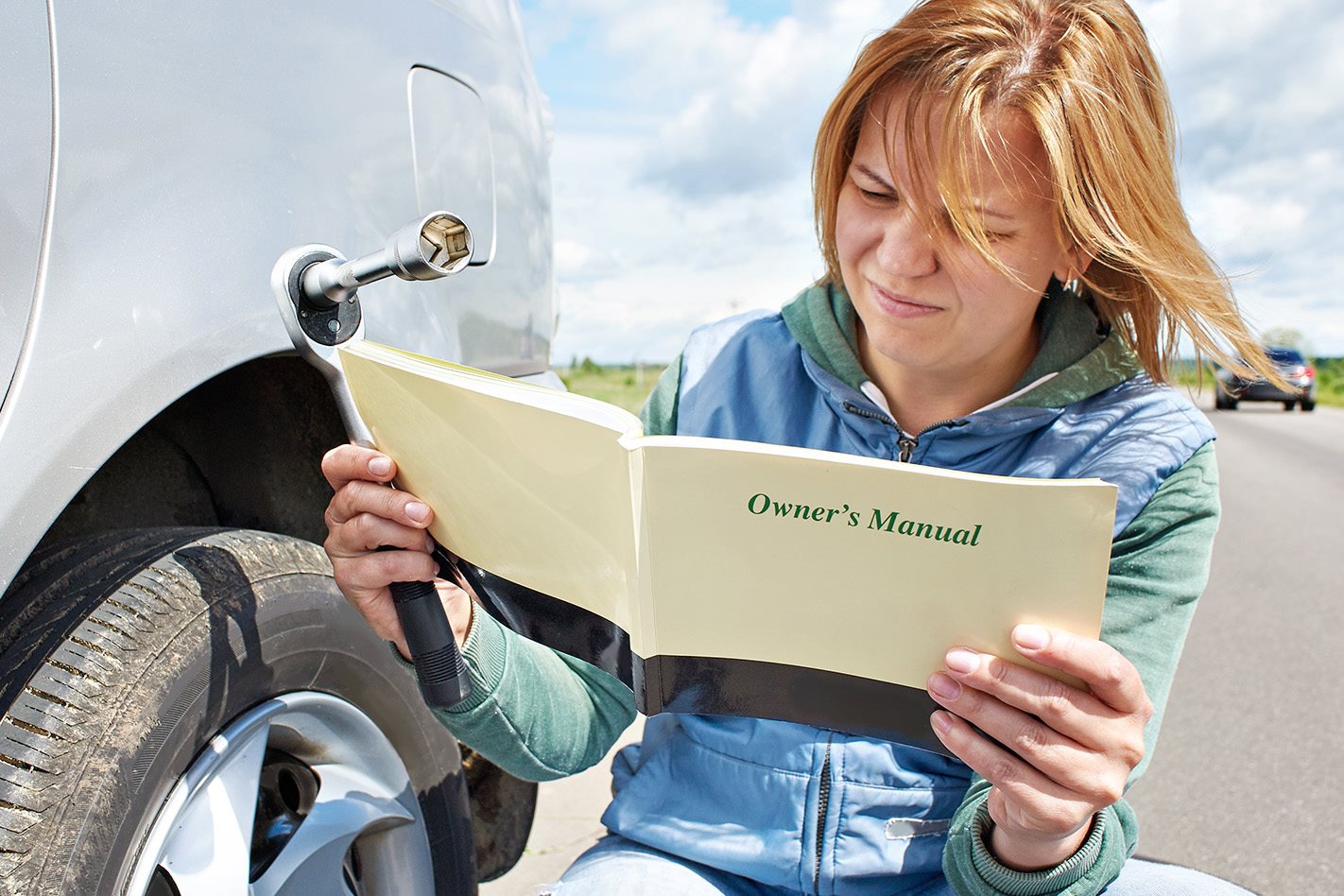
It’s old-school advice, but setting an hour-or-so aside to read the owner’s manual can be invaluable – especially for newer cars with their increasingly complex arrays of buttons, switches and touchscreens. A good dealership will be willing to help with some pre-delivery pointers, so come armed with plenty of questions.
Features such as adaptive cruise control, active safety system controls and infotainment user interfaces can vary hugely across new cars. Certain new vehicles, such as the Volkswagen Golf, have semi-customisable infotainment systems, allowing you to add shortcuts that can be extremely helpful.
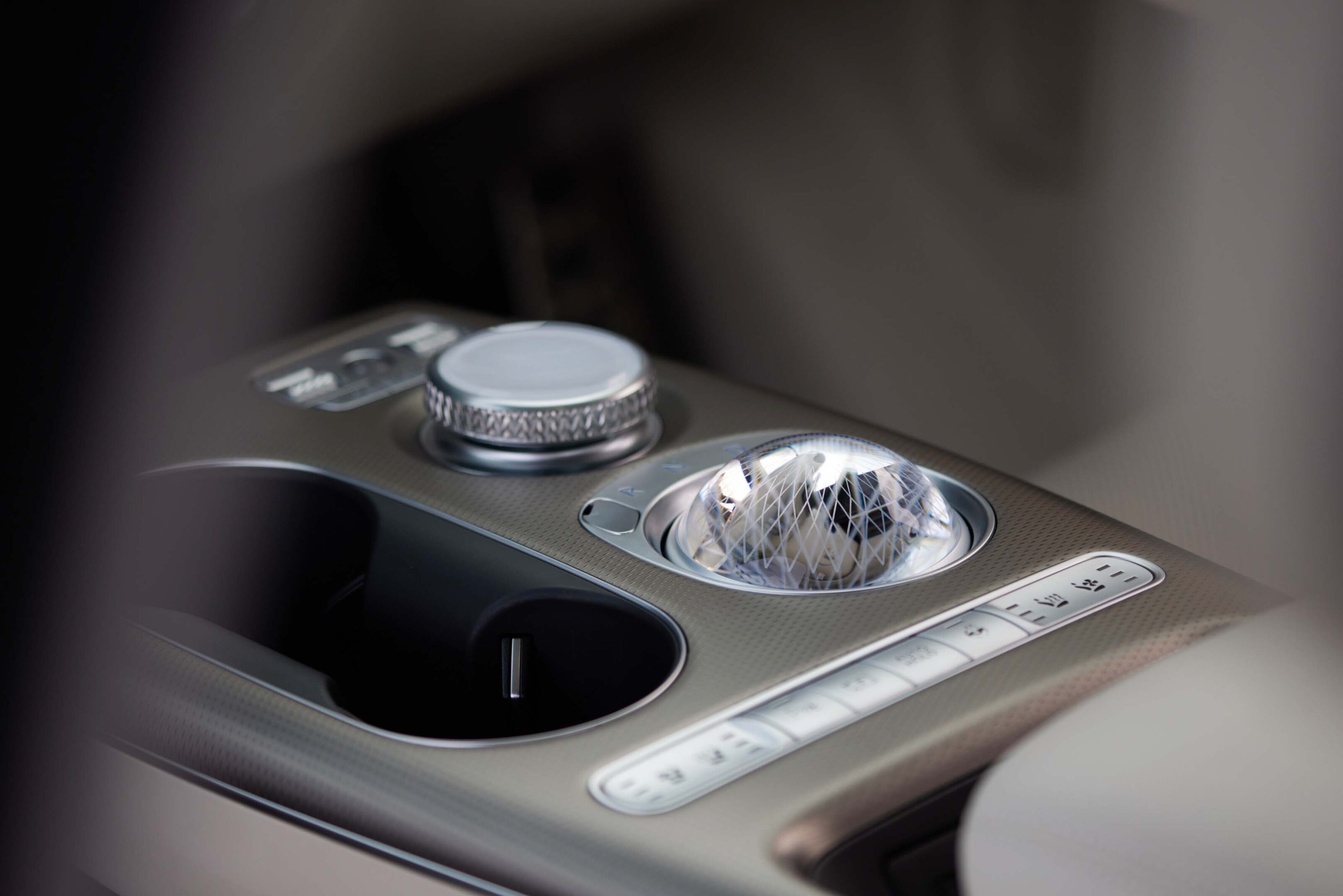
Lately, even gear shifters have gone rogue – you can get everything from a simple five-speed manual in a Kia Picanto to a rotary selector in the brand’s flagship Kia Sorento GT-Line, or even a ‘Crystal Sphere’ selector in the Genesis GV60. So it’ll pay dividends to study the owner’s manual, or at least sit and familiarise yourself with the cabin, before setting off.
Should I take it easy for the first month?
New engines don’t need to be run in at slow speed like they used to, but it’s a good idea to treat a new car gently within its first 1000 kilometres. This includes:
| Avoid driving at a constant speed for long distances |
| Not over-revving the engine |
| Avoiding towing |
| Allowing the brakes to bed in by avoiding harsh braking |
It’s also worth knowing what to expect from your new car as parts wear in so you’re not alarmed. You may experience the odd burning smell when new parts, such as brakes and plastics in the engine bay, heat up for the first few times. And fuel and oil consumption may be higher before engine parts have fully loosened up.
Should I take any other precautions?
You don’t want to be taken for a ride by snake-oil peddlers, but there are some preventative extras that will help your car last longer and look better in the process.
| Ceramic paint coating |
| Paint protection film |
| Quality floor mats (rubber or carpet) |
| Consider investing in a car cover |
The popularity of electric cars is booming, but there’s another metric that’s also going north at an alarming rate: how much they weigh.
While nearly every modern car is heavier than the one it replaces due to customers demanding increased space and advanced safety equipment, nowhere is this weight gain felt more keenly than in the world of EVs.
It’s not uncommon for an electric car to be 35 per cent heavier than traditional petrol models, for example.
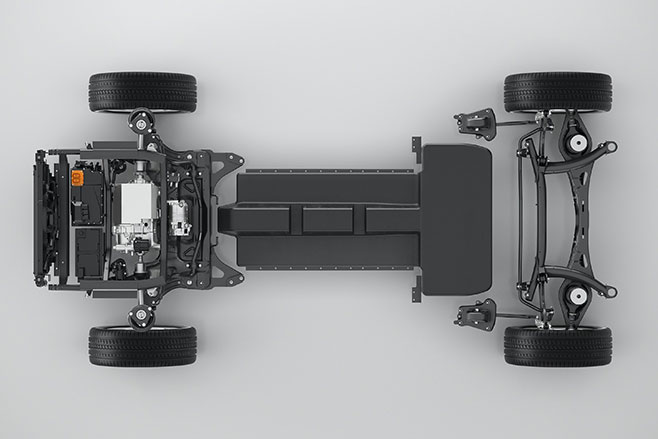
Bigger battery packs and multiple electric motors are key drivers behind the weight gain, with the kerb weight of many electric SUVs increasing to such a degree that carmakers often have to reengineer them with more complex, and heavier, crash structures.
Heavier cars bring a multitude of other issues, too. They’re less efficient, tyres and other consumable components like brake pads and suspension bushings wear more quickly, they degrade roads at a faster rate and some safety bodies have also raised concerns around the damage they may cause if they collide with lighter, traditional cars.
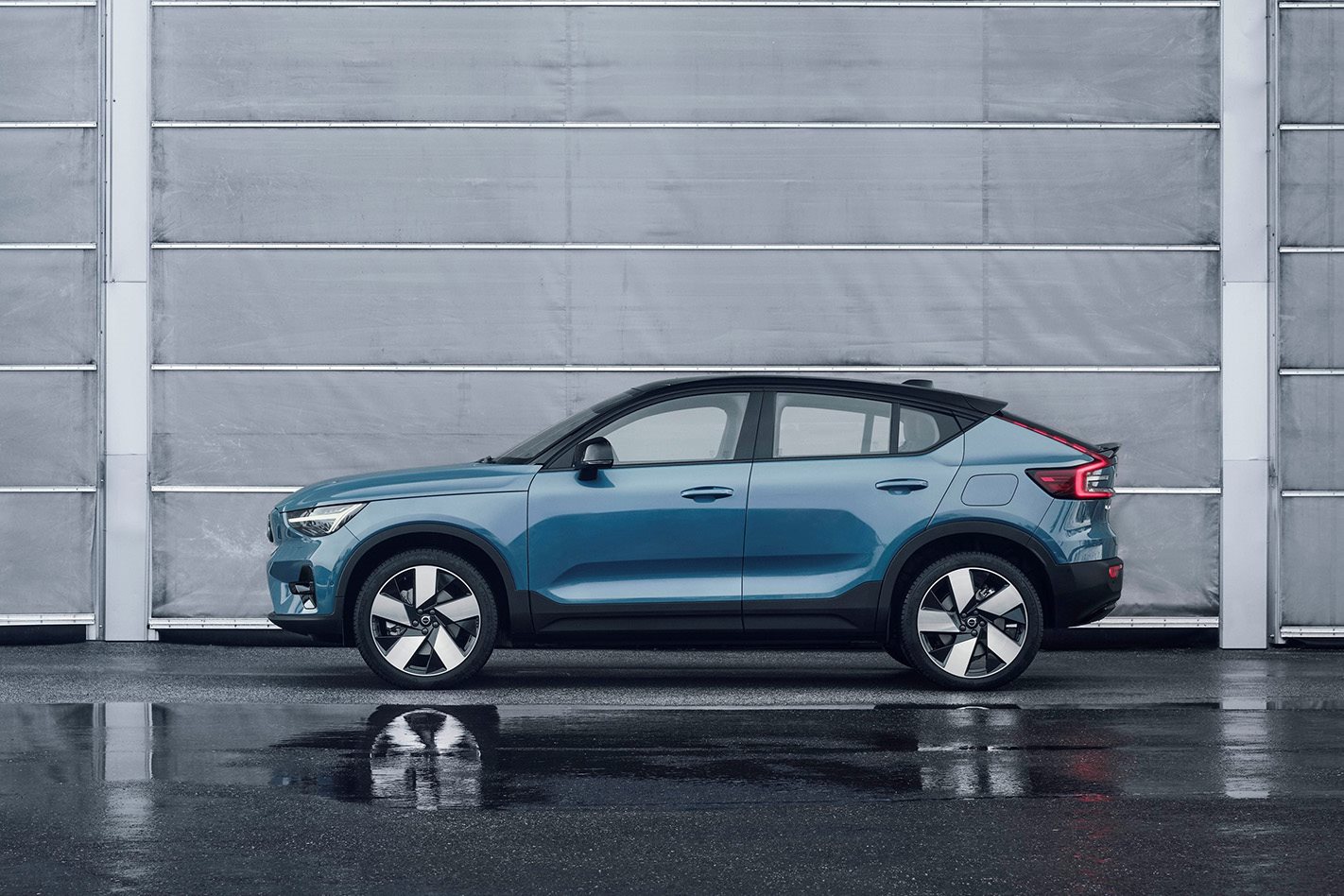
The good news is that the weight gain could soon end. Volvo is one carmaker keen to reduce the weight of its future models with the company’s global boss, Jim Rowan, telling Wheels there are multiple ways it plans to start shedding the kilos.
“The thing that electric cars hate more than anything else is weight, high Cd [poor aerodynamics] and big tyres with high rolling resistance,” said Rowan. “So we’re constantly trying to measure how do you get the geometry right without it looking a wedge? How do you get the weight out of the car and how do you reduce the rolling resistance of the car itself?
“Right now we’re managing to offset the additional weight by better aero and battery chemistry but it’s something that’s constantly a battle for us,” he added.
Rowan cited Volvo’s move to lithium-iron phosphate (LFP) batteries as a replacement for traditional lithium-ion units as a positive step forward, but said the real reductions will come from an increased use of composite materials.
More advanced active safety systems and manufacturing processes will also play a role, with Rowan hinting they could allow carmakers to shave valuable kilos out of a model’s crash structure.
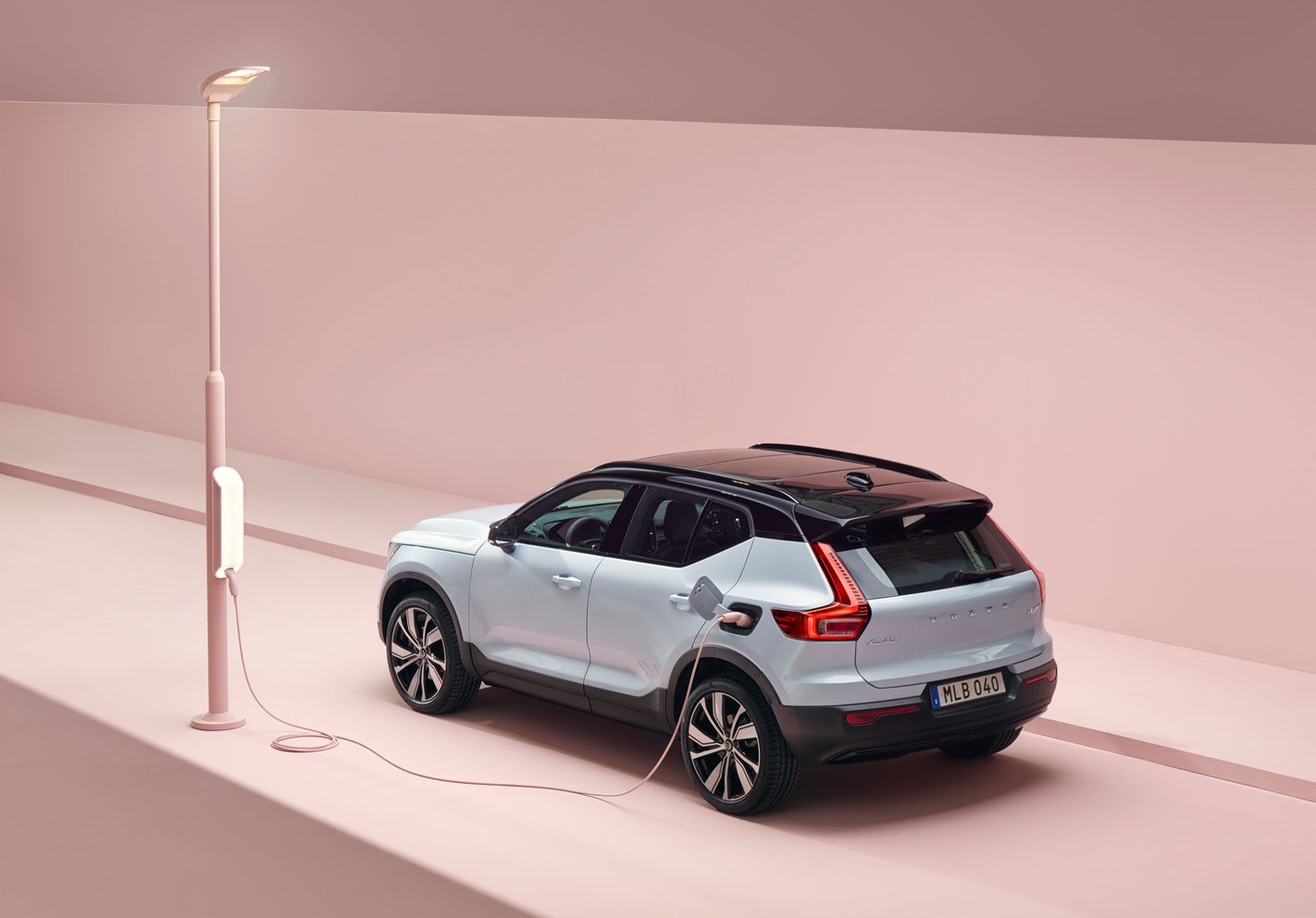
“LFP is a really good technology and it’s much cheaper, too, because you get rid of the cobalt and rid of the magnesium so environmentally it’s also a better choice,” said Rowan. “And when we really get to more differentiated, more sophisticated and advanced safety systems like LIDAR and radar and the confidence of a crash becoming less severe because you can intervene to the point where you can slow the car down where even if there’s still an impact it’s slowed down.
“We’re also putting a lot of aluminium into our cars now, which is more expensive, but it’s less weight, so that’s a benefit. And we just put in mega-casting [a manufacturing process of casting large components in a single piece] in some of our new models and that takes out a lot of weight.
“But I think it’s going to be a combination of a bit of battery chemistry, a bit of improved aero and the better use of composite materials to take the weight out.”
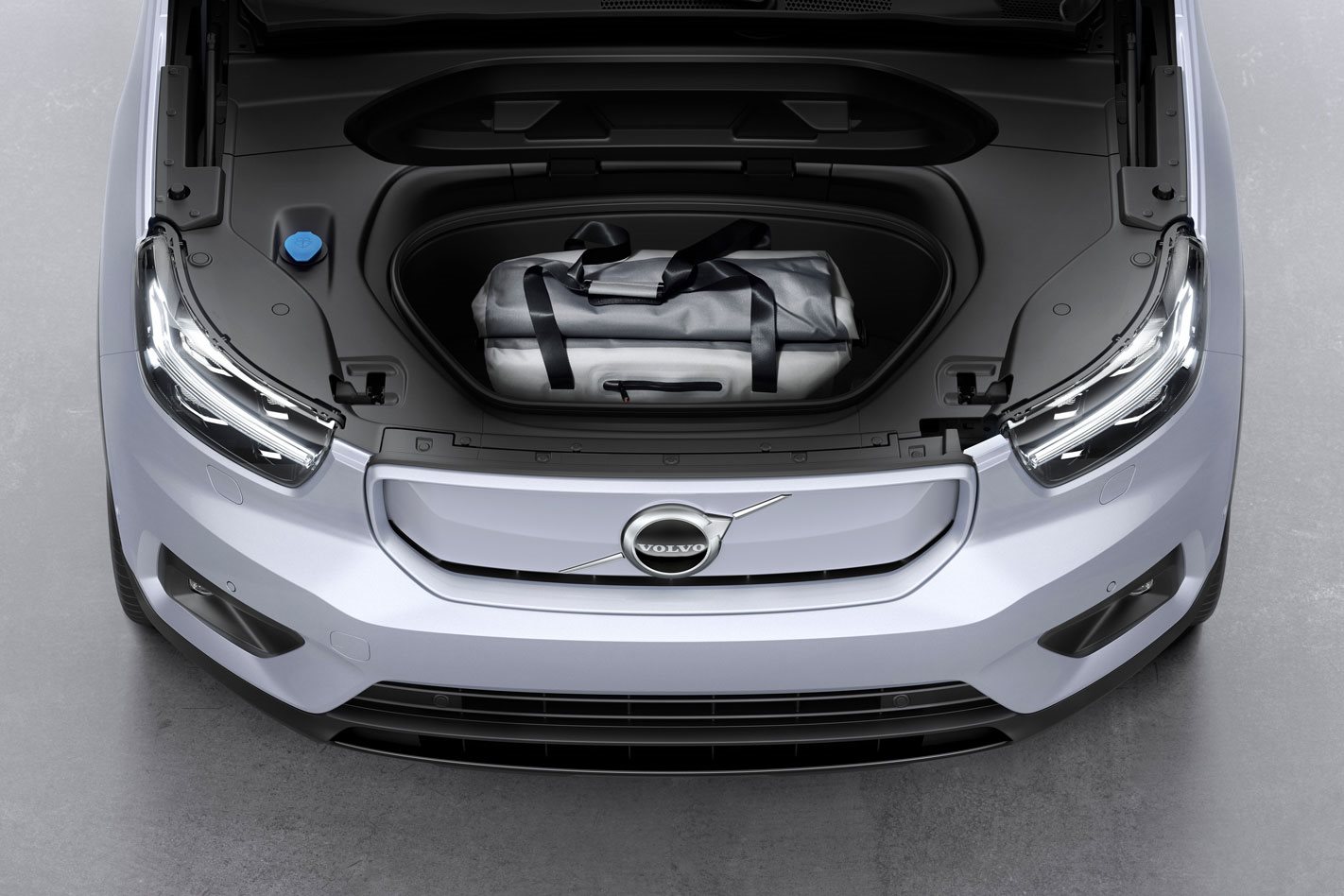
Another key contributor to weight loss – and lower prices for electric cars – will be a move towards fitting EVs with smaller battery packs. Batteries that offer long ranges are currently a priority for many customers but, according to Rowan, improvements in infrastructure to make charging faster and easier will soon see manufacturers offer models with multiple battery sizes.
“As soon as you put the infrastructure in place, range is no longer a problem,” he said. “Now what we’re looking at is you don’t want to be putting in 100kWh batteries in a lot of cars. You want to be putting in 50kWh or 30kWh. As long as you’re comfortable enough you can charge at home for the short commute and there’s decent infrastructure why would you put in more cost and weight? That’s the next stage.
“So what you’ll see, as infrastructure builds out more efficiently, is us and other companies will offer a 35kW option, a 50 or 60 or 70 version. And if you’re somebody who uses it a lot you’ll still get your 100 or 110kWh battery, but that will be one of the choices people can make to take out the cost and weight.”
UPDATE: Mazda teases sound of CX-90’s engine
As the full release of the 2023 Mazda CX-90 edges closer, Mazda has let us sample the sound of the three-row large SUV’s 254kW inline-six engine – the most powerful ever fitted to a Mazda.
The video, from Mazda USA, follows the ‘unboxed’ theme of the first minute long video, this time featuring TV mechanic Ant Anstead.
“Our commitment, as Mazda, to deliver this pure driving performance was reflected in the CX-90 by saying: ‘we’re going to commit to putting an inline-six into a front-rear, longitudinal lay-out’… it’s a much more natural way for vehicles to behave”, says Jay Chen, manager, powertrain performance.
There are additional nuggets throughout the video, including how Mazda tweaked the packaging of the transmission and torque converter to fit the longer engine. It also dives into how Kinetic Posture Control (KPC) works.
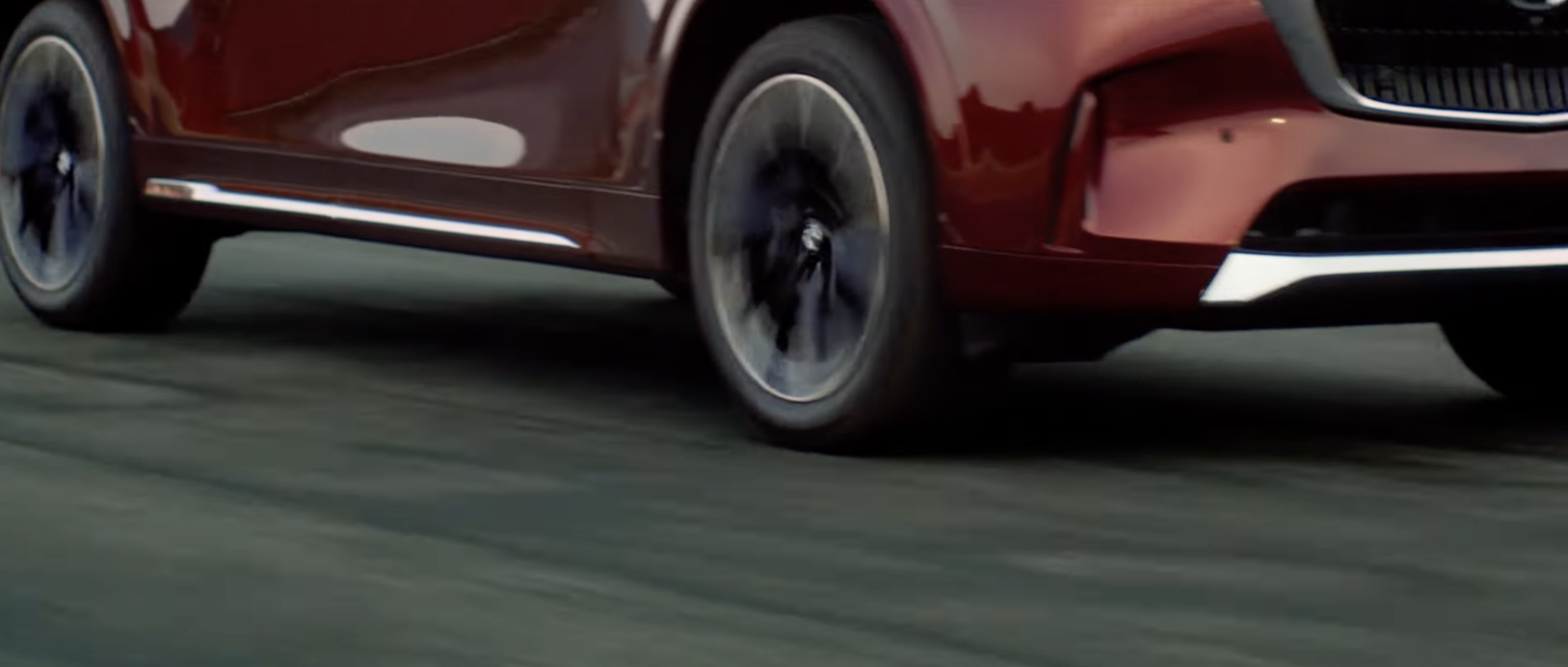
The Mazda CX-90 will be fully revealed on February 1. Stay tuned to Wheels for the latest updates.
Our original story, below, continues unchanged.
The story to here
January 18, 2023: Mazda has confirmed the 2024 CX-90 three-row large SUV will use a more powerful version of the CX-60’s ‘G40e’ 3.3-litre turbo-petrol inline six.
Ahead of the CX-90’s official unveiling on February 1, Mazda confirmed output bumps to 254kW of power between 5000-60000rpm, and 500Nm from 2000-45000rpm, or 45kW of power and 50Nm of torque more.
As in CX-60, the engine features a 48-volt mild-hybrid system for improved efficiency. All CX-90s will be fitted with Mazda’s kinetic posture control (KPC) system first seen on MX-5.
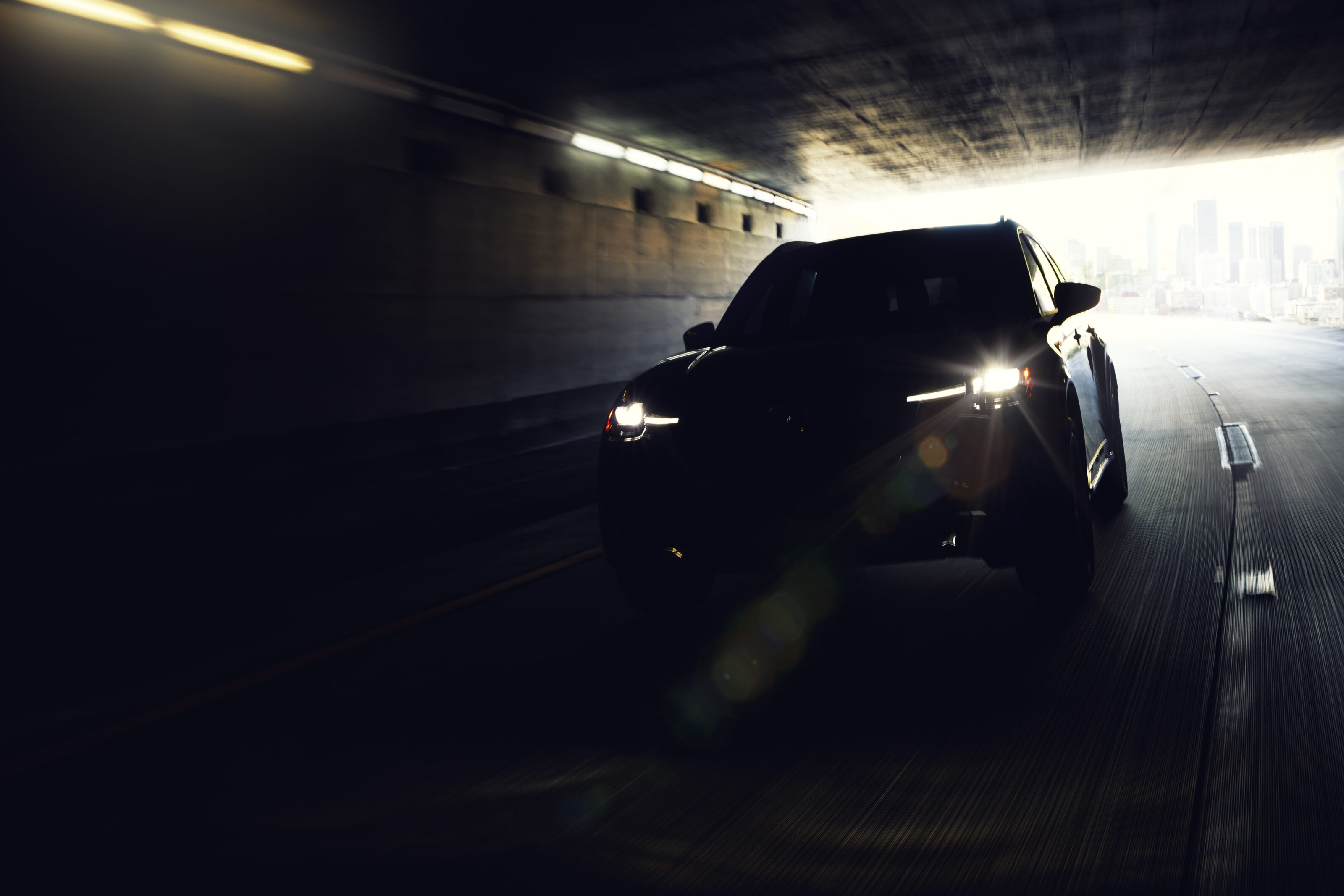
Potentially a red herring, the file name of the teaser image distributed by Mazda is ‘CX-90_Teaser3_Performance’, so perhaps the six-cylinder petrol will be available in a sporty guise, not unlike the CX-9 GT SP.
Mazda has not confirmed further details about the CX-90’s promised plug-in hybrid powertrain, but with power bumped for the petrol, the same could be true of the hybrid.
Accompanying the power confirmation was another teaser image. The familial resemblance in the headlights between CX-90 and CX-60 is clear to see, however the large SUV appears to have pronounced flares around its fenders and a tougher stance.
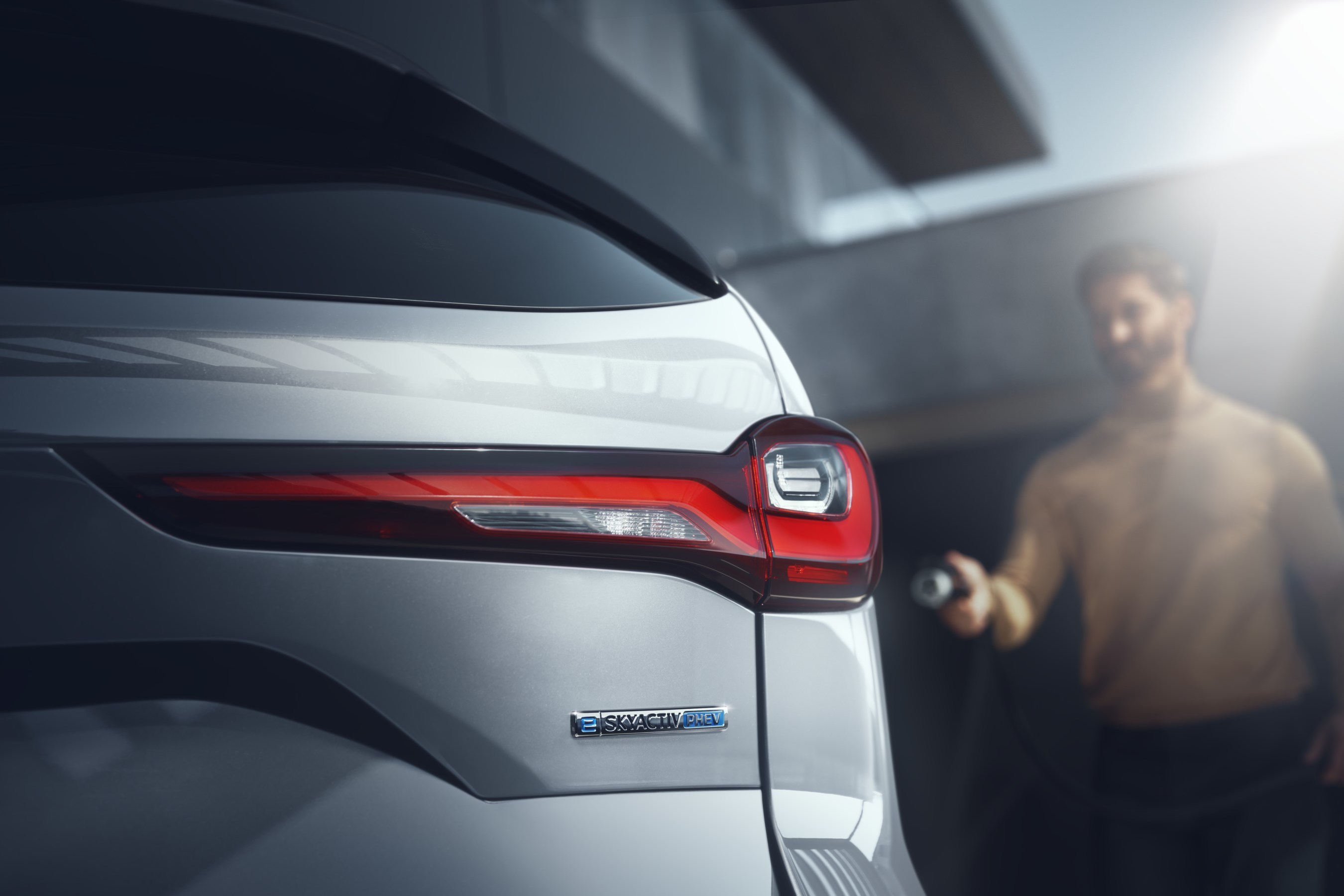
All will be revealed on February 1, with an Australian launch expected in the second half of the year. Keep up to date with Wheels for the latest info.
Our original story, below, continues unchanged.
January 2023: Mazda CX-90 to debut on February 1, ‘unboxed’ in new teaser
The upcoming 2024 Mazda CX-90 will be unveiled in February, the brand has confirmed.
It will debut in the early hours of February 1 in Australia, with Mazda’s US division releasing the first of several ‘unboxing’ teaser videos overnight.
The campaign, which stars Japanese actor Hiroyuki Sanada, will detail several components, starting with its engine, wheels, centre console and dashboard assembly.
The 2024 Mazda CX-90 is expected to launch in Australia in the second half of the year, so stay tuned to Wheels for the latest information as it emerges.
Our earlier story, below, continues unchanged.
December 14, 2022: 2024 Mazda CX-90 teased again ahead of reveal
Mazda’s upcoming CX-90 large SUV has been teased again ahead of its debut next month.
A set of tightly-cropped images posted overnight reveal the tail-light design of the CX-90, with clear familiarity to the smaller CX-60, and confirm a plug-in hybrid will be available.
Mazda USA said the “performance-orientated” PHEV powertrain in the CX-90 has been “tuned specifically for the North American market”, suggesting it could be more potent than the CX-60’s electrified system.
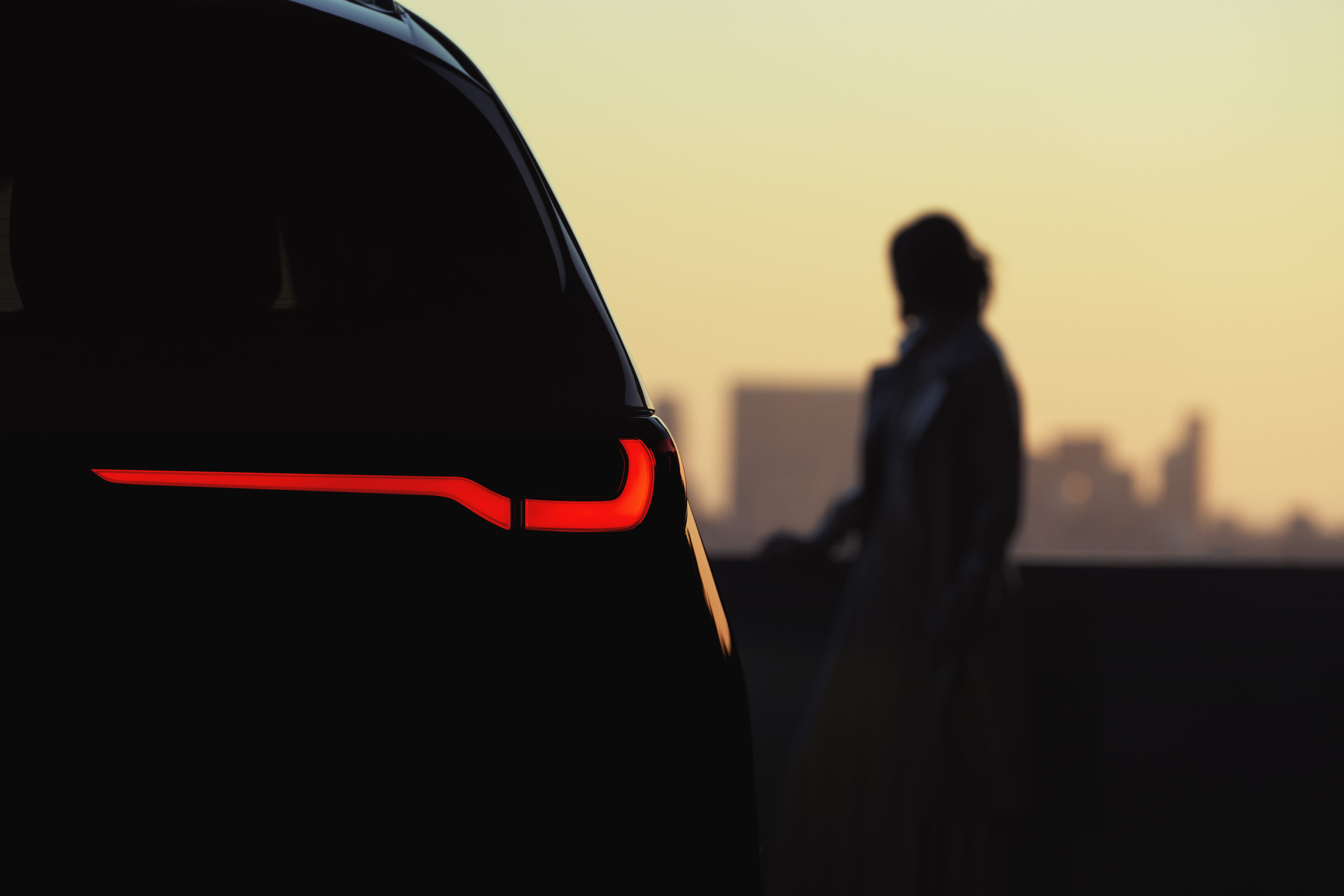
In the CX-60, the plug-in hybrid system comprises a 2.5-litre naturally-aspirated petrol engine matched with a 129kW electric motor and a 17.8kWh lithium-ion battery, producing 241kW and 500Nm in total.
It has an electric-only driving range of approximately 60 kilometres.
A 3.3-litre turbocharged inline-six petrol engine is also likely, with the mill producing 209kW and 450Nm in the CX-60. Both engines will be matched with an eight-speed torque converter automatic.
Full details for the 2024 Mazda CX-90 will be revealed next month, so stay tuned to Wheels for the latest.
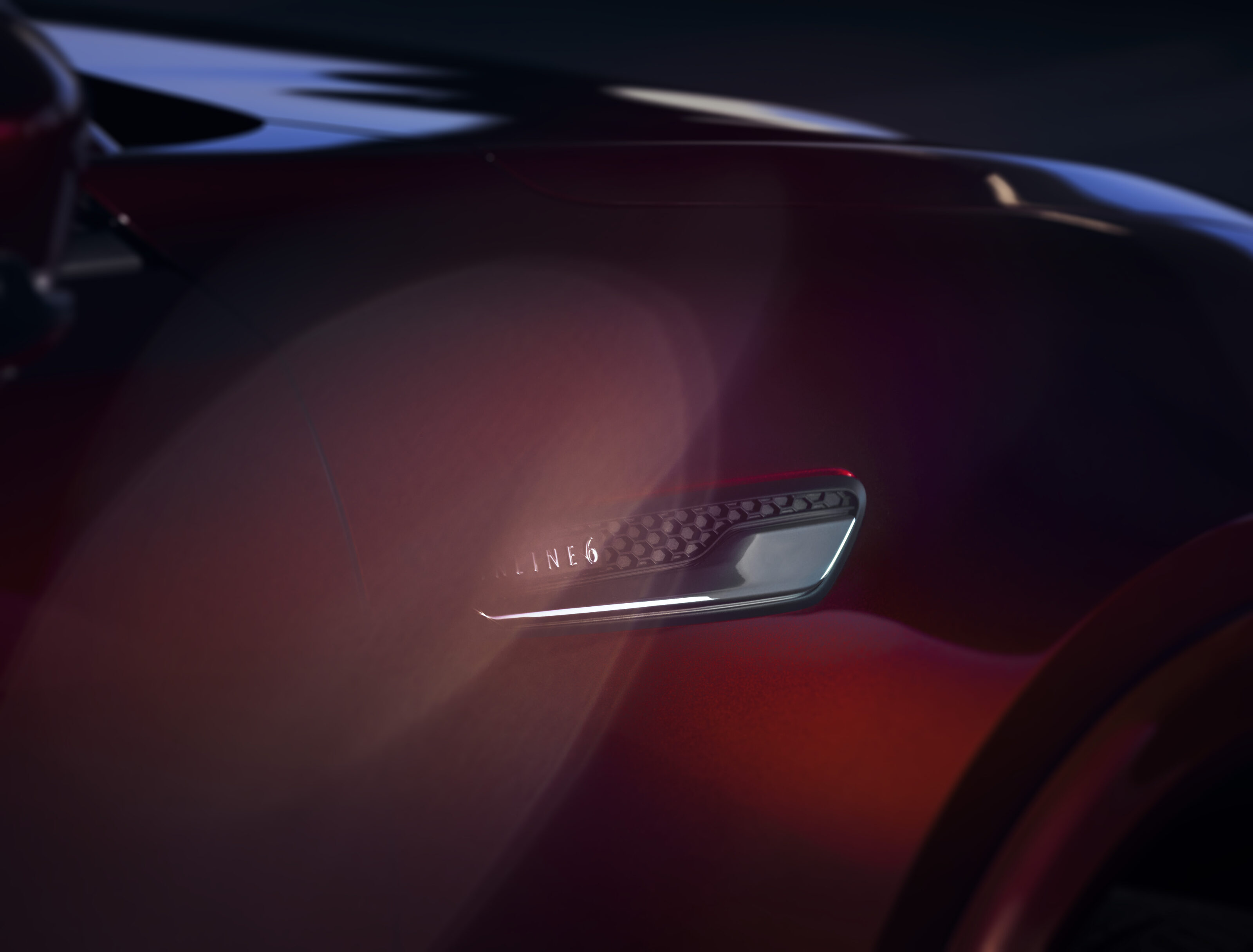
November 16: 2024 Mazda CX-90 teased, confirmed for Australia
The upcoming 2024 Mazda CX-90 large SUV will debut in January, the brand confirmed today.
In a new teaser, Mazda announced the large-platform, rear-biased SUV will have “wider, longer and more aggressive proportions than any current Mazda,” with the model expected to replace the current, second-generation CX-9 unveiled in 2015.
“Following an initial preview of the First-Ever Mazda CX-90, Mazda Australia is excited to confirm that it will welcome the all-new model to its local range as the second entrant to join the large-platform family,” said Mazda’s local arm.
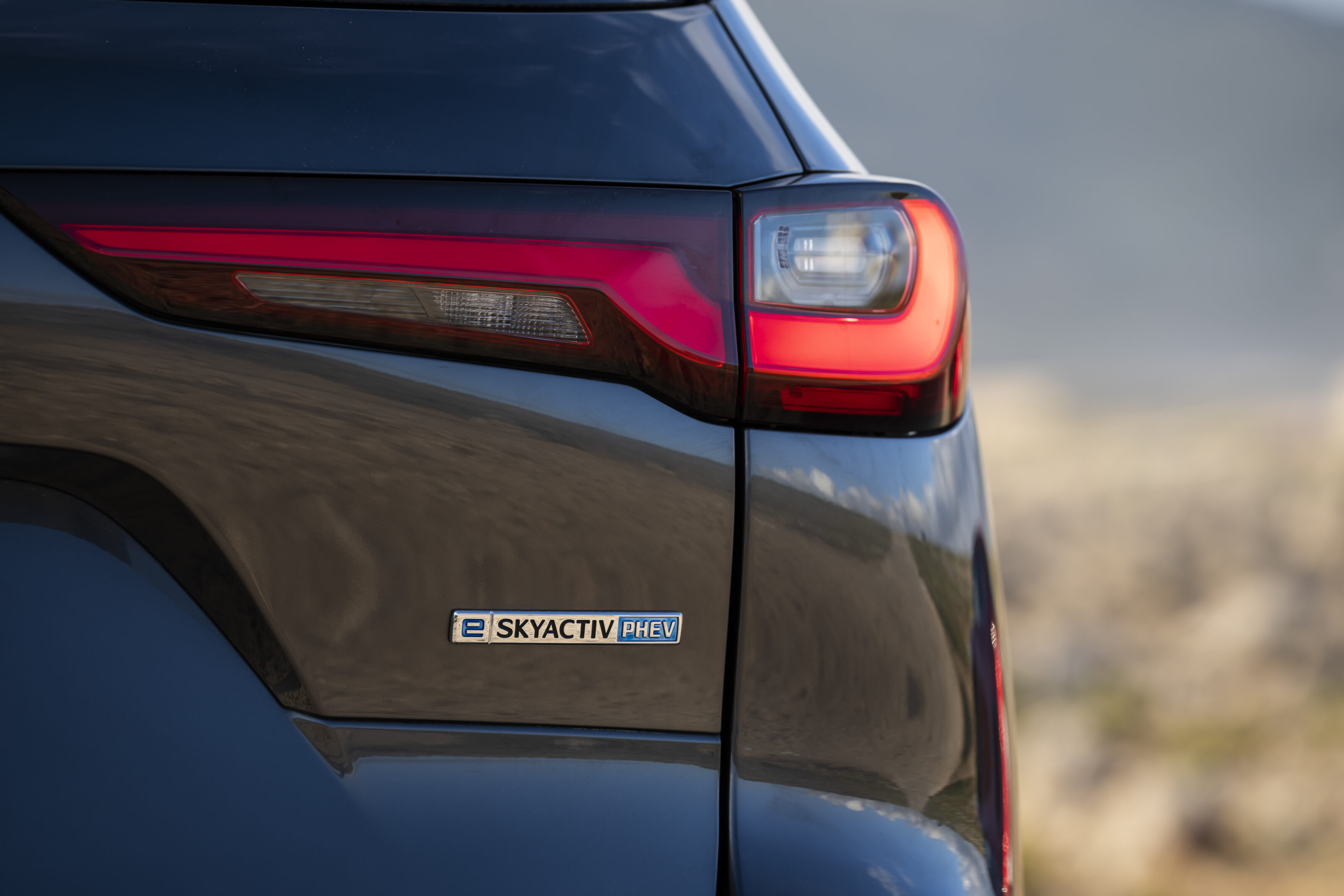
The first teaser – an image of its front fender – reveals the CX-90 will be powered by an inline-six engine, likely the 48-volt mild-hybrid 3.3-litre turbo-petrol set to debut on the CX-60.
In the medium SUV, the petrol-six produces 209kW and 450Nm – up 39kW and 30Nm over the current CX-9’s 2.5-litre four-cylinder turbo-petrol – with the potential for a power bump in the larger CX-90.
It is likely to offer a 2.5-litre plug-in hybrid option, which produces 241kW and 500Nm in the CX-60, with a claimed 60-kilometre electric-only driving range.
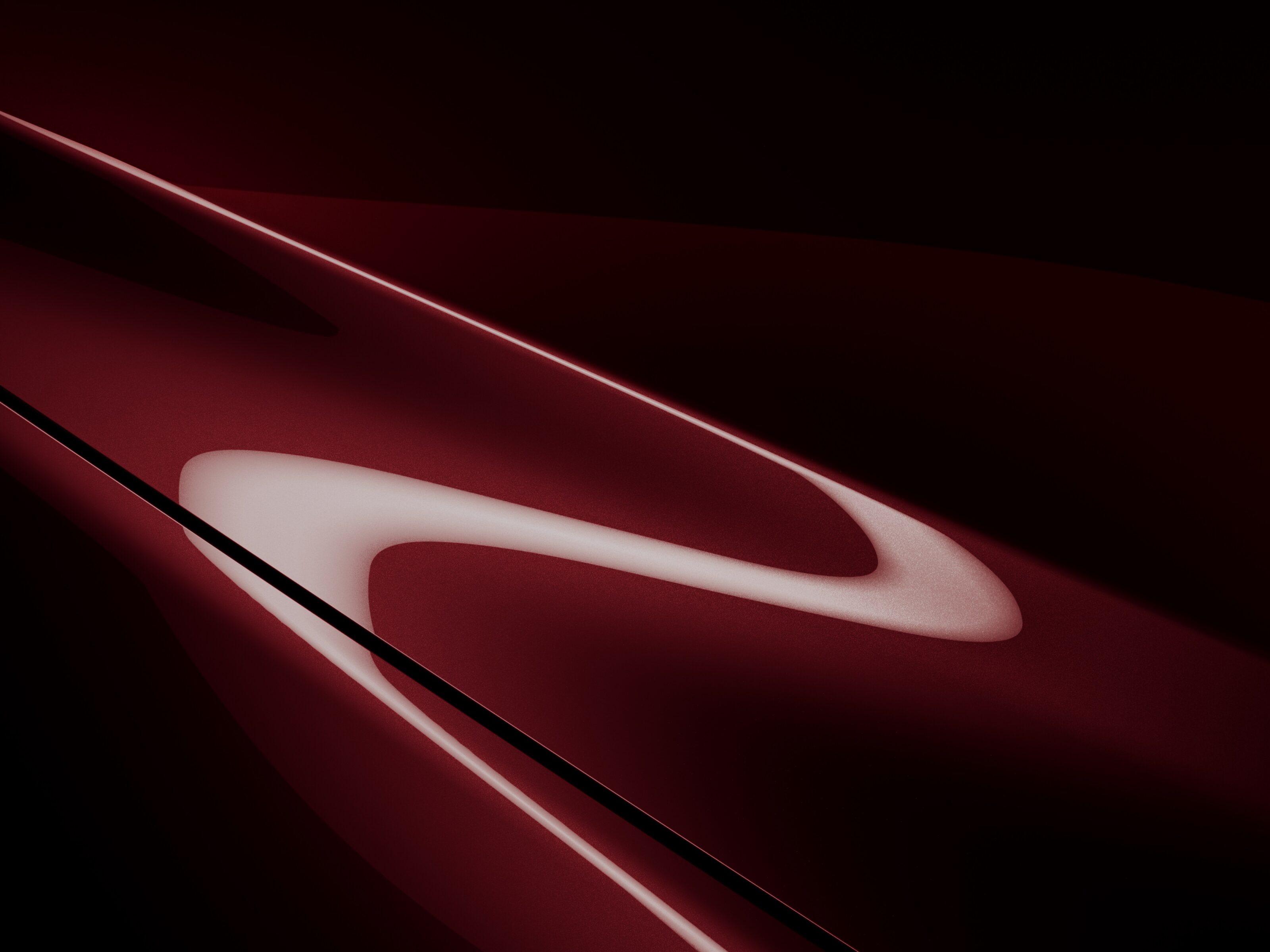
Mazda will also debut a new paint colour, artisan red, with the CX-90. It says the colour has been designed for its large platform vehicles, expanding to include the North American-focused CX-70 and the Europe-bound CX-80 in the coming months.
It says the colour will also feature across its current line-up, such as the CX-5 and CX-8 in a similar fashion to its rhodium white finish, which debuted on the CX-60 earlier this year.
Little else is known about the CX-90 at this stage, but spy photos published by The Fast Lane Car in the US suggest it will look similar to the CX-60, but with a longer, wider body and three rows of seating.
Its smaller brother, the CX-60, will not be offered in North America, with the CX-70 set to become a shorter, five-seat version of the wider CX-90, while the CX-80 will be a longer, seven-seat version of the CX-60 for Europe and Japan.
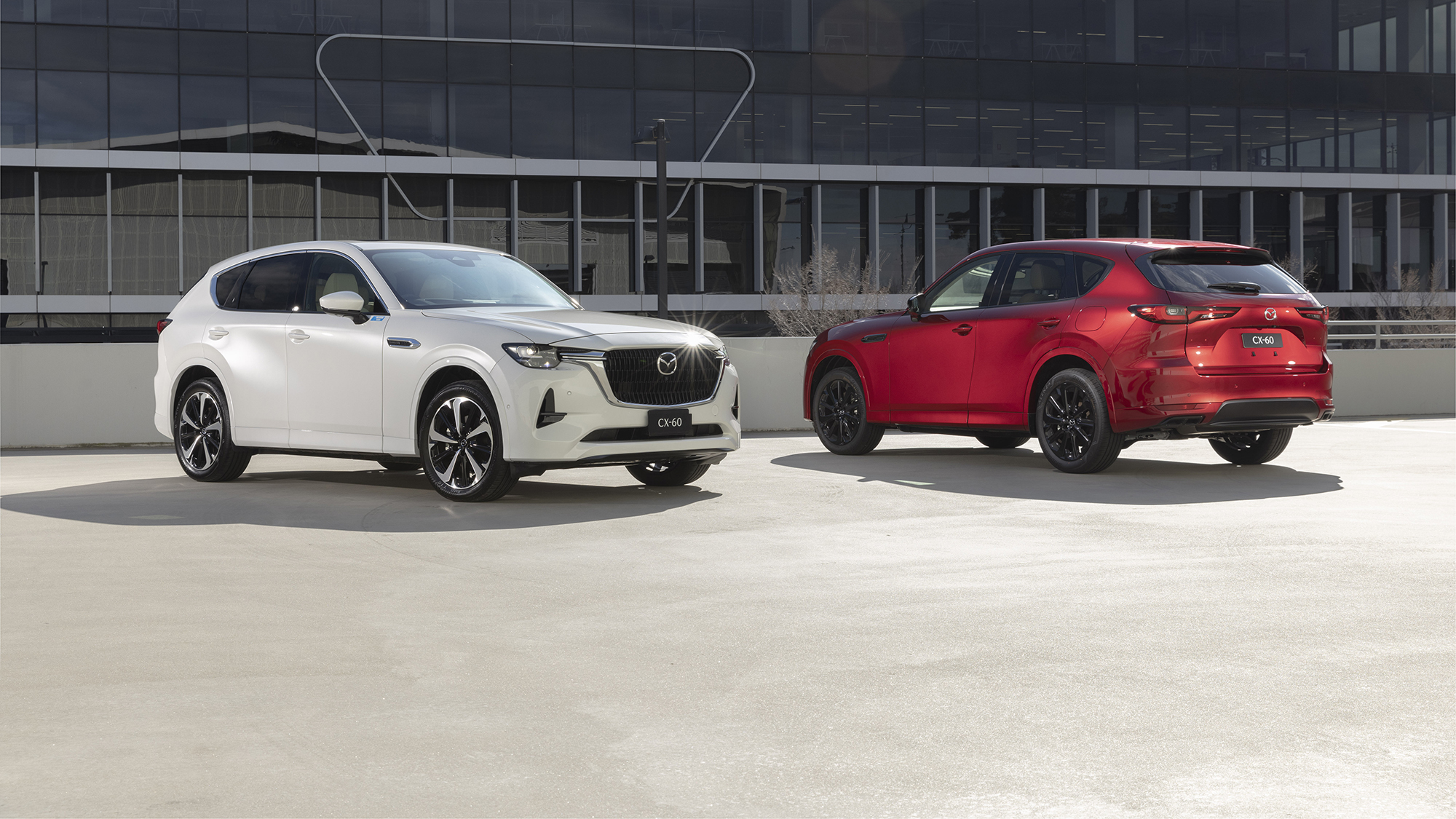
Mazda Australia has not confirmed if it will sell the CX-70 or CX-80, but the local presence of the CX-60 and CX-90 means both are unlikely for Australia.
The brand is expected to continue offering the CX-5 medium SUV and CX-8 large SUV – set to receive a mid-life facelift in March – in Australia, while the larger CX-9 is thought to make way for the CX-90, with a price rise likely to accommodate for its rear-wheel drive underpinnings and newly-developed powertrains.
The 2024 Mazda CX-90 will be unveiled in January 2023, with more details on its Australian launch to be announced at its reveal event.
Snapshot
- Subaru to reportedly stop PHEV development to reduce costs
- Weak PHEV sales and strict regulations are said to be key factors
- Focus on traditional hybrid and all-electric instead
Subaru will reportedly stop developing plug-in hybrid electric vehicles (PHEV) and instead shift its focus on all-electric and traditional hybrid cars.
According to Nikkei Asia, the move aims to reduce costs for the Japanese automaker amid weak PHEV sales globally.
PHEV models accounted for only two per cent of global new car sales in 2022, and only made up around 0.54 per cent of Australian sales last year.
Another factor is increasingly strict fuel-efficiency and emissions standards in Japan and in other developed countries such as Euro 7 – which are forcing the hand of car manufacturers to transition to only selling pure battery-electric vehicles (or other alternative zero-tailpipe emitting powertrains).
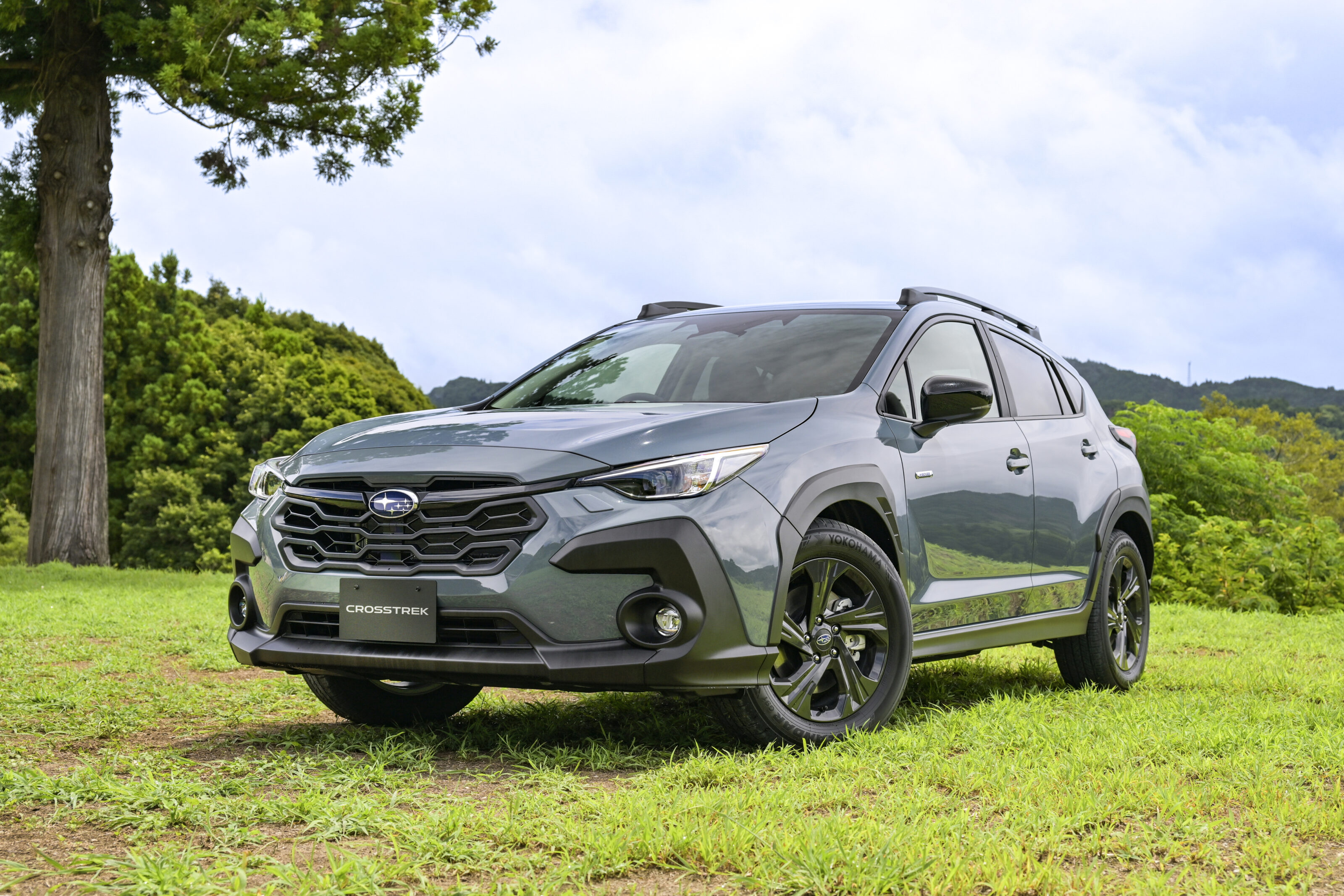
Subaru currently sells the Crosstrek PHEV small SUV in North America, whereas Australia only gets traditional hybrid versions of the upcoming all-new Crosstrek and Forester mid-sized SUV.
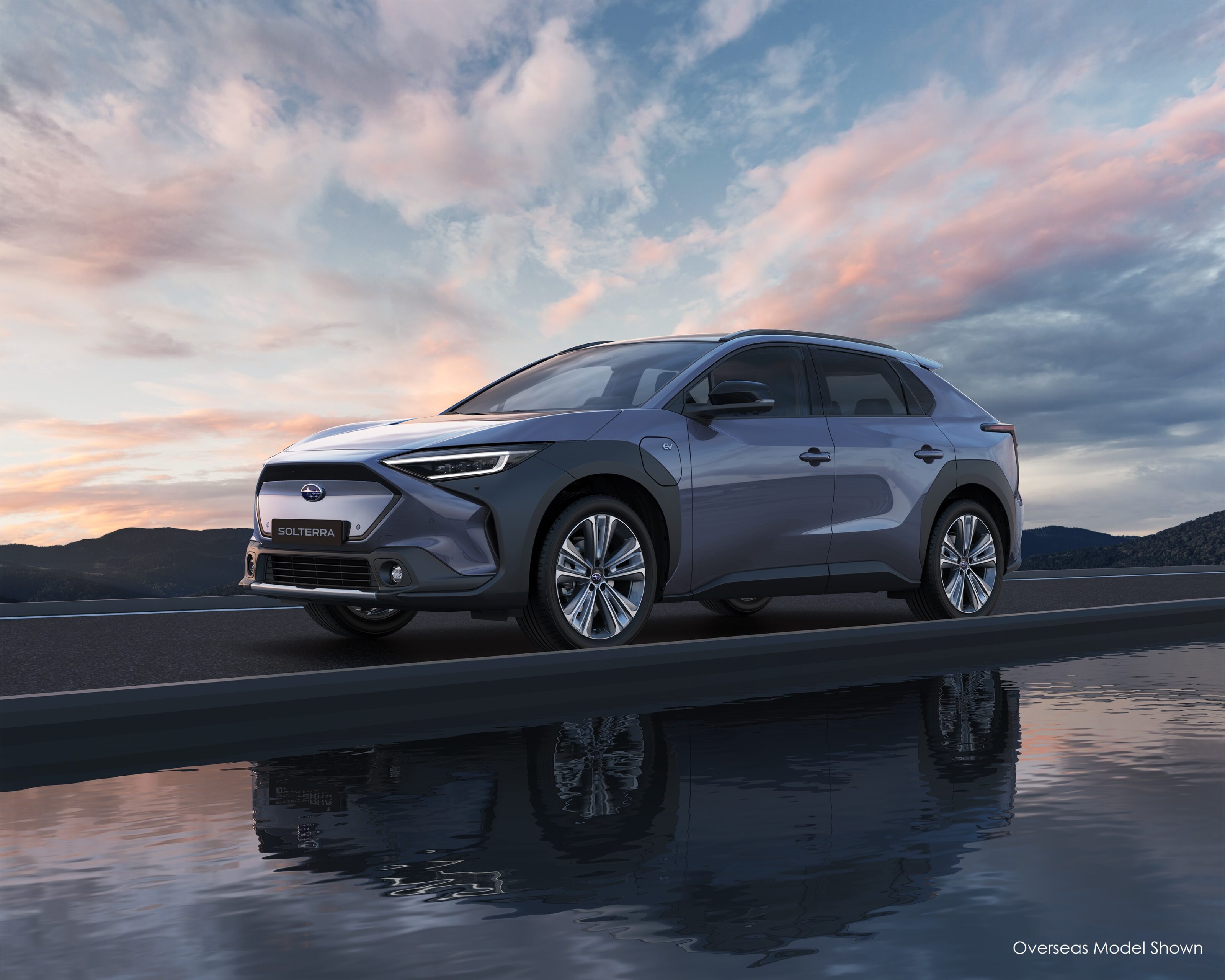
The Subaru Solterra will launch later this year as its first all-electric model using Toyota’s e-TNGA underpinnings shared with the Toyota bZ4x and Lexus RZ, since it has a 20 per cent stake in Subaru.
But unlike Toyota, which stresses that it’ll offer a variety of powertrains to suit each market, Subaru will focus on the development and production of EVs by investing around AU$2.8 billion (¥250 billion) over the next five years.
It will also build a dedicated EV factory in Gunma, north of Tokyo, in 2027.
German luxury automaker Mercedes-Benz has already pledged that it will stop developing new PHEVs from 2025 due to the high cost of fitting two drive units.
PHEVs are mooted as the stopgap between pure combustion engines and all-electric vehicles by combining both powertrains to offer electric-only driving backed up by fuel, while benefiting from the lower running costs, emission-free, and instant torque of an EV.
There’s a thread that runs through an entire bloodline of supercars that we can tease at during their lifetimes but which only really makes itself apparent through the lens of hindsight.
Underrated, misunderstood, underbacked or merely out of place and time when they were launched, cars like the BMW M1, the Porsche 964 Carrera RS, the Ferrari F50, the McLaren 12C and the BMW i8 all needed time beyond their respective production runs for us to appreciate them for what they achieved.
The Honda NSX could well join their ranks. It certainly counts as overlooked, here in Australia especially. “We want to deliver one less than demand,” said engineering project leader Jason Bilotta in 2016, perhaps unintentionally parroting Enzo Ferrari.
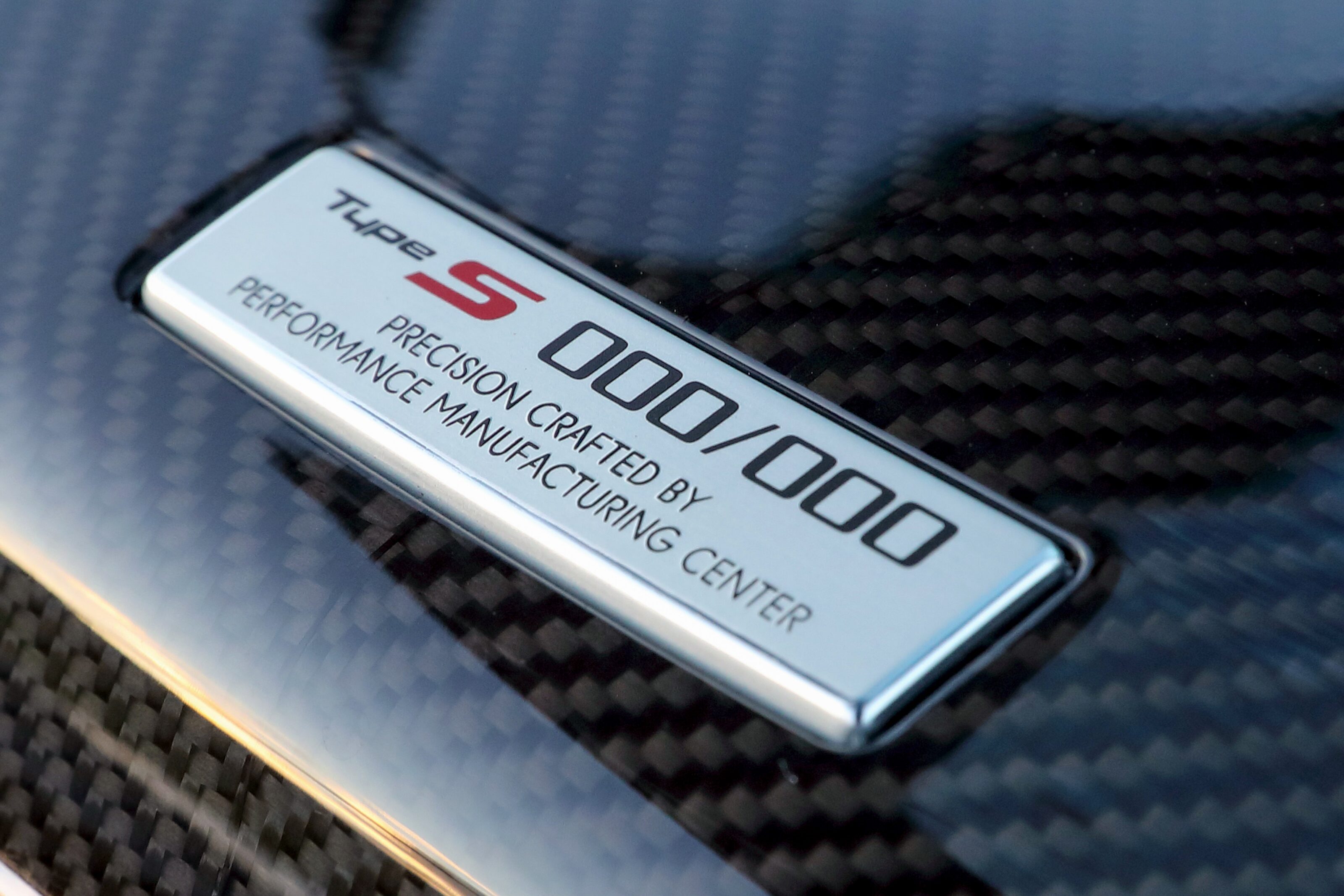
The build capacity was just eight cars per day, with the first cars making landfall in Australia in late 2017. Two cars found owners in that year. Another two vehicles were registered in 2018. Sales improved by 50 percent in 2019, with three cars arriving. 2020 sales were nearly as strong, shifting only three units less, for a grand total of zero.
While the sales of rivals supercars tanked in COVID-blighted 2021, the NSX’s figures held absolutely steady, still recording zero sales, a level of continuity that carried over to 2022. So, seven units in almost five years on sale. Owners’ club meets must be pretty intimate affairs.
Forgive the snark because supply over here semi-officially dried up in late 2020. The NSX has continued to be sold in its key markets since then, with a run-out 449kW/667Nm Type S edition for 2022.
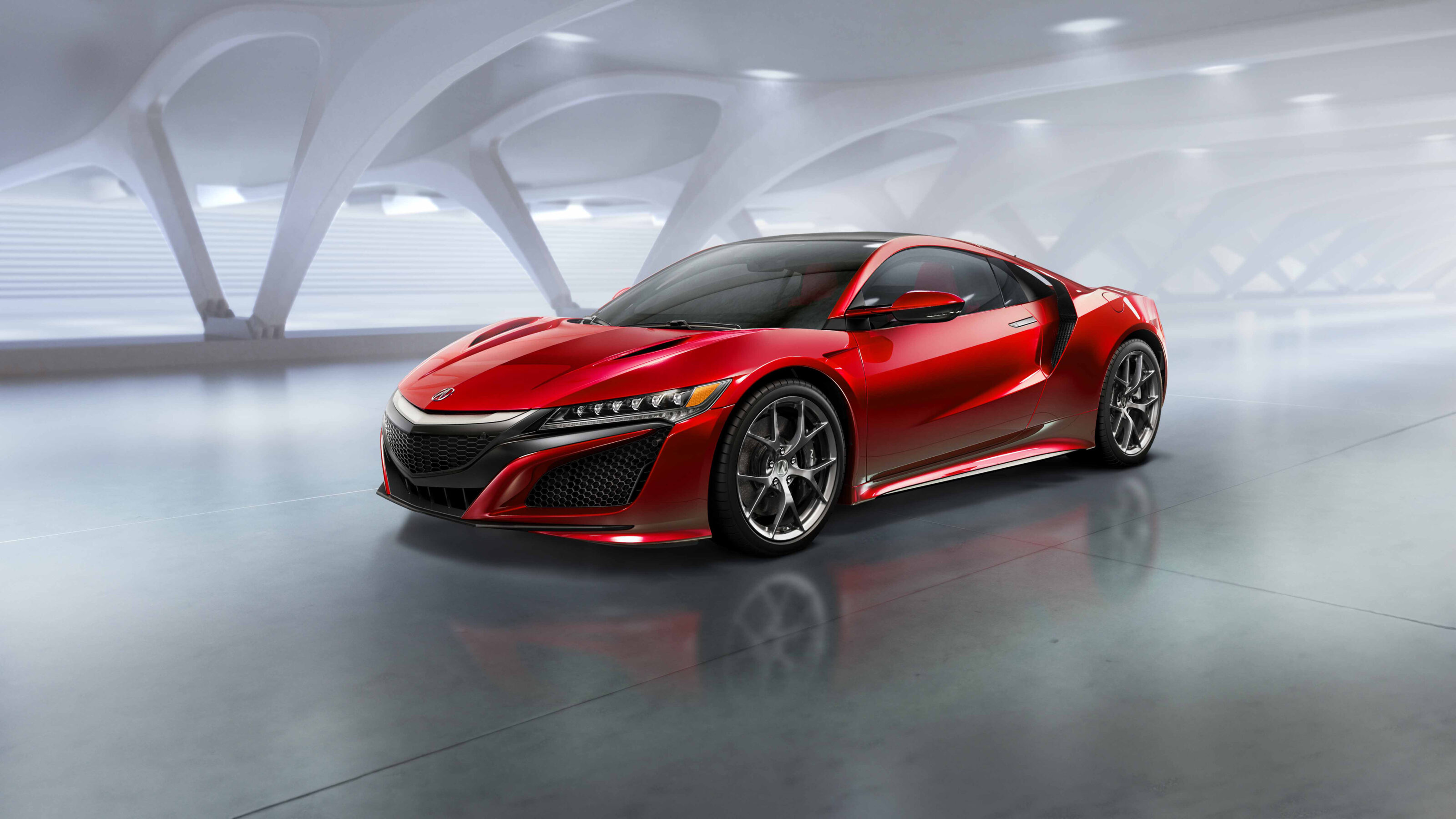
Even in standard guise, the NSX was and is a serious piece of kit. A Cosworth-developed dry-sumped V6 with both direct and port injection, electric torque vectoring, a nine-speed dual-clutch transmission by Ricardo, all contributed to Honda being confident that on any objective metric that mattered, the NSX would beat the development benchmark, the Ferrari 458.
In the interim, Maranello rediscovered the joys of forced induction and the NSX arrived to face the Ferrari 488 GTB, a considerably quicker car.
Developed to be able to drive in an Ohio winter, the NSX was sold with some underwhelming Continental tyres and a bias towards safe understeer in anything other than track mode, Honda hobbling the car’s genius for an outlier use-case. Had some relatively superficial development decisions undone much of Honda’s incredible engineering efforts? There’s an MBA case study in there somewhere.
Snapshot
- Audi Q5 55 TFSIe confirmed for a mid-2023 arrival in Australia
- Sees Audi return to the PHEV market after being absent for a number of years
- Q5 55 TFSIe the most powerful Q5 Audi has ever offered
- Prices start at $102,900 positioning it as a technology flagship
Audi is primed to return to the plug-in hybrid segment in Australia, with the German brand today confirming the Q5 55 TFSIe PHEV for a mid-2023 arrival.
Set to be offered in both SUV and Sportback body styles, the Q5 55 TFSIe will be positioned as a technological flagship – thanks to its thrifty efficiency credentials and hefty performance outputs that rival the sporty SQ5.
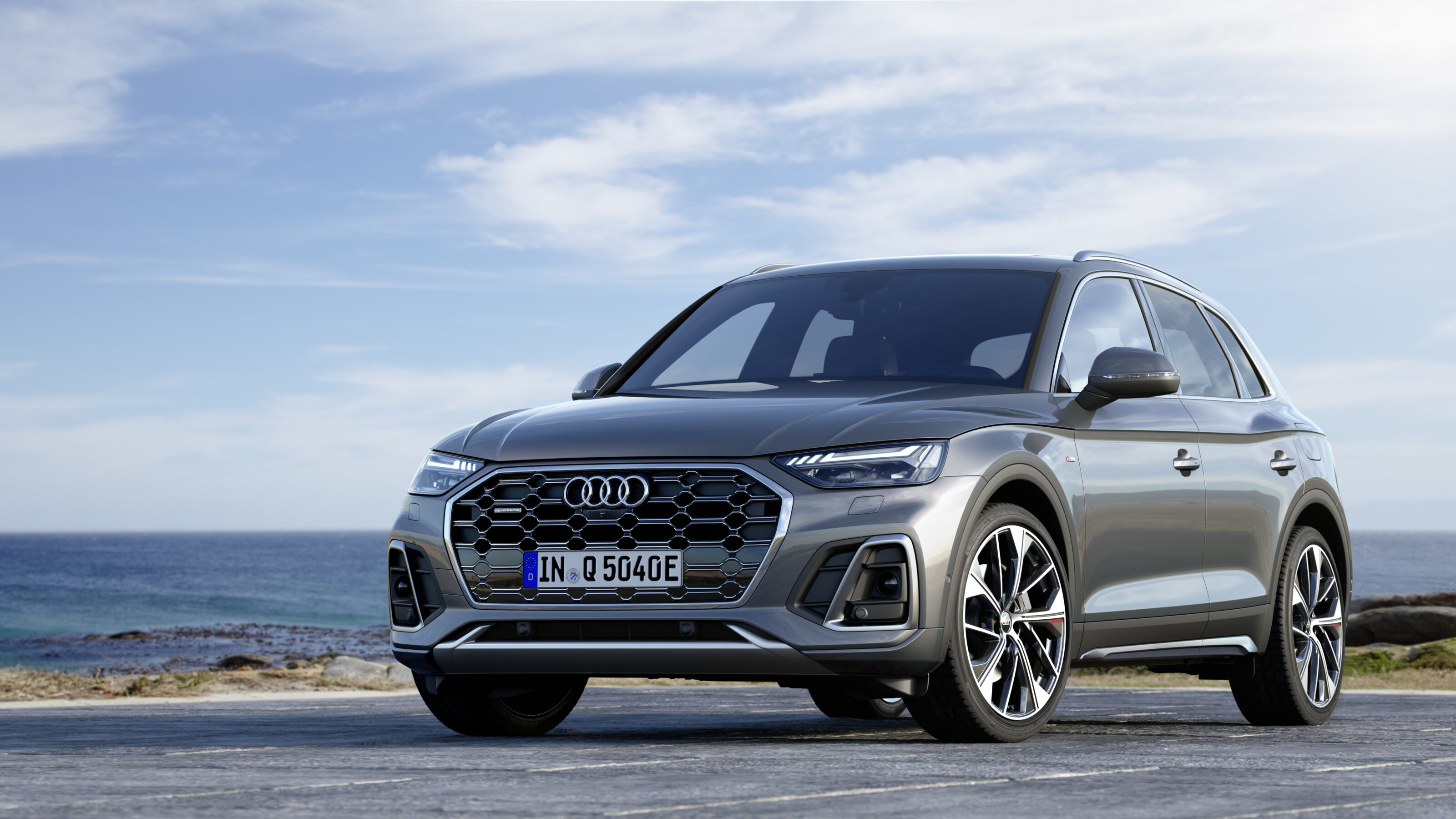
Prices start at $102,900 for the Q5 55 TFSIe SUV, while the sleek and more richly equipped Sportback commands a $7300 premium at $110,200.
That pricing places the Q5 55 TFSIe above the existing petrol-powered 45 TFSI Quattro and diesel 35 TDI, 40 TDI and 50TDI, leaving only the SQ5 TDI at the top of the range.
| Q5 variant | Price (before on-road costs) |
|---|---|
| 35 TDI SUV | $66,900 |
| 40 TDI SUV/Sportback | $74,200/$82,000 |
| 40 TDI Sport SUV | $80,200 |
| 45 TFSI SUV/Sportback | $74,500/$90,600 |
| 45 TFSI Sport SUV | $81,500 |
| NEW: 55 TFSIe SUV/Sportback | $102,900/$110,200 |
| SQ5 SUV/Sportback | $110,400/$116200 |
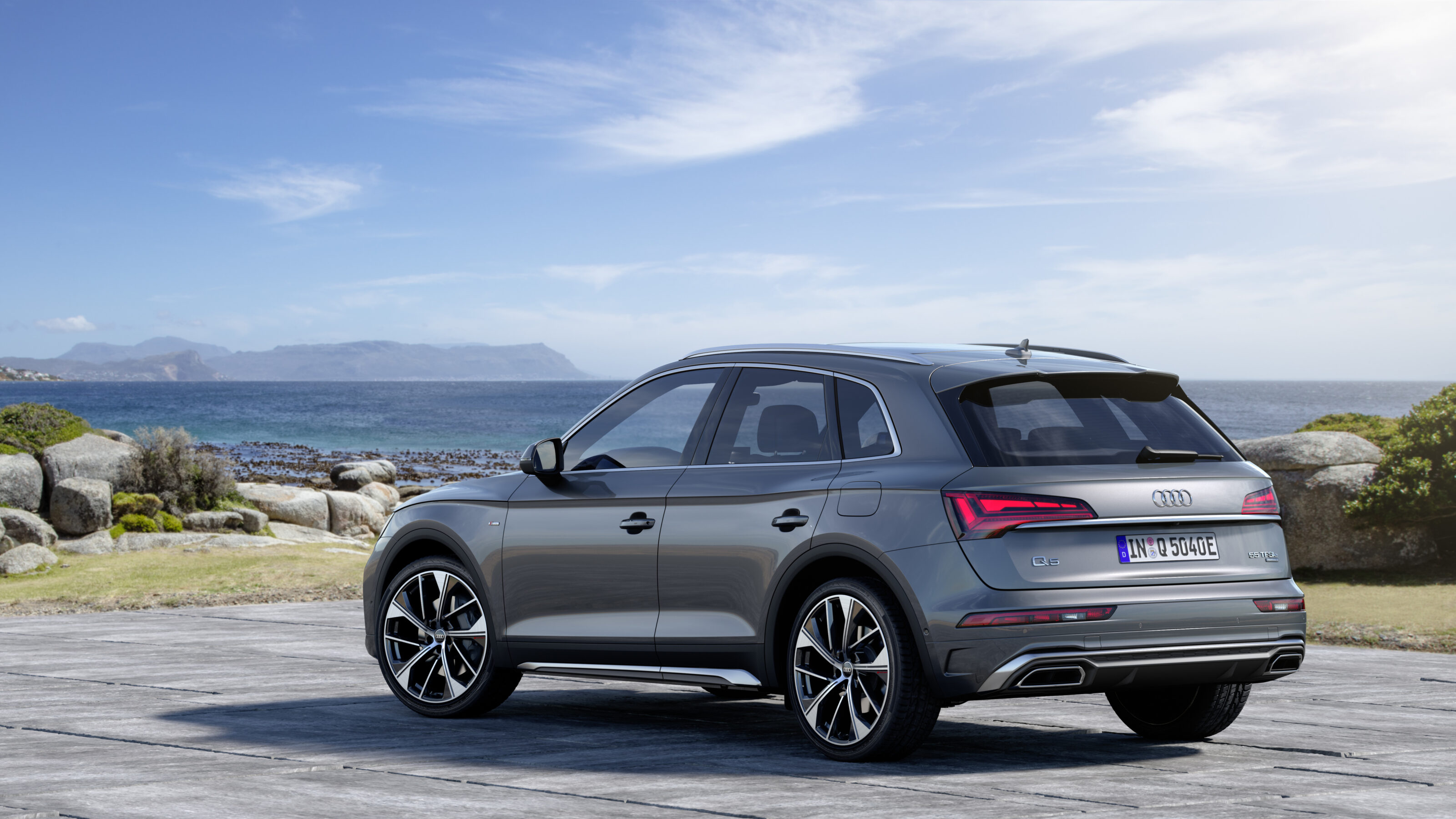
Both versions of the Q5 55 TFSIe share the same powertrain, which combines a 2.0-litre turbocharged four-cylinder petrol engine with a 17.9kWh (gross) battery and a single electric motor.
Outputs are muscular at 270kW/500Nm, making it the most powerful Q5 Audi has ever offered. By comparison, the SQ5 delivers 294kW and 550Nm from its 3.0-litre turbo V6.
The Q5 55 TFSi claims a 0-100km/h time of 5.3 seconds, which is only two tenths adrift of the otherwise sportier diesel-powered SQ5.
“People really wanted it to be a performance vehicle as well an as efficiency vehicle,” Audi’s head of product planning, Peter Strudwicke, told Wheels.
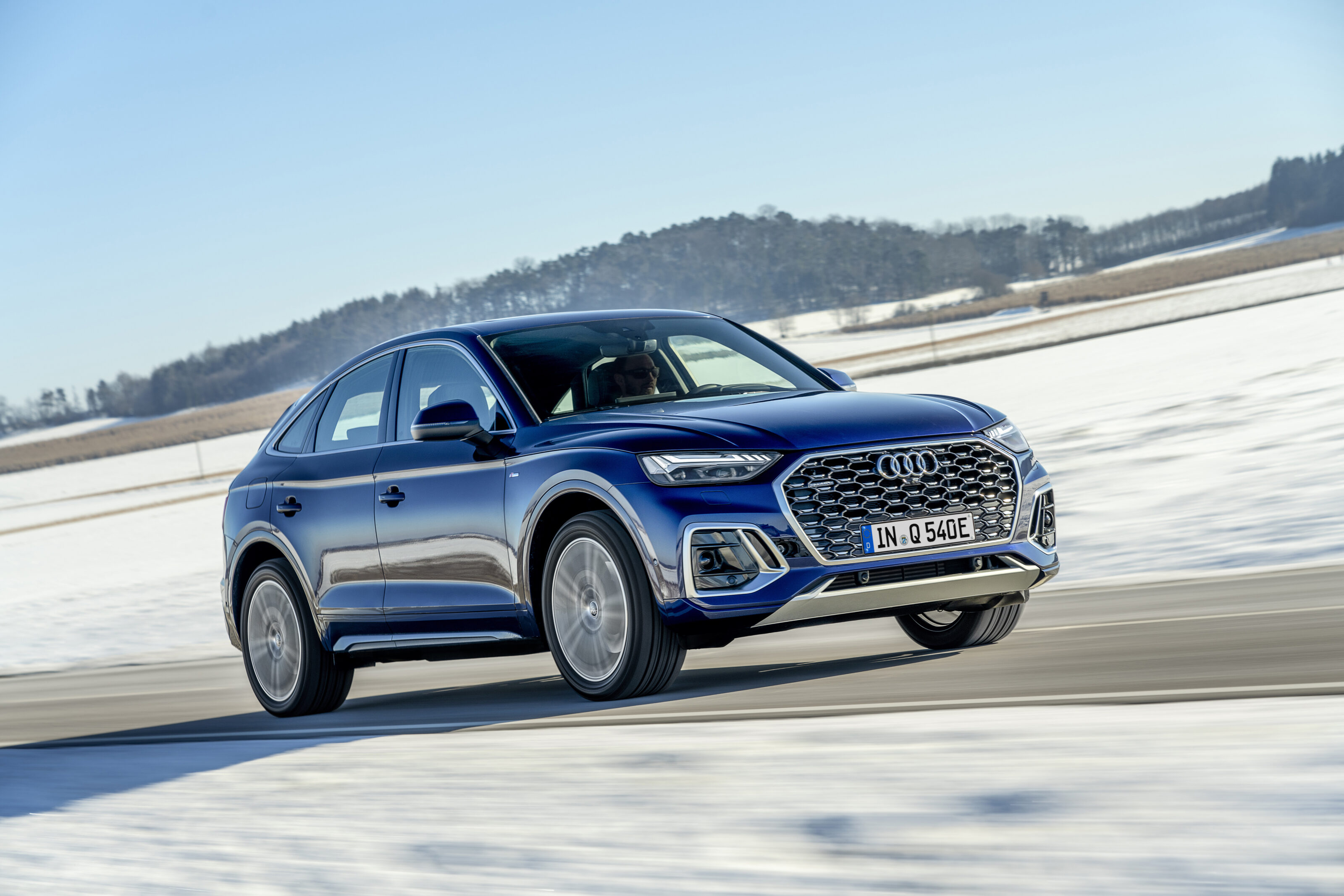
On the efficiency front, the Q5 55 TFSIe drinks 2.0L/100km on the combined cycle and offers between 53-55km of WLTP electric only range at speeds up to 135km/h.
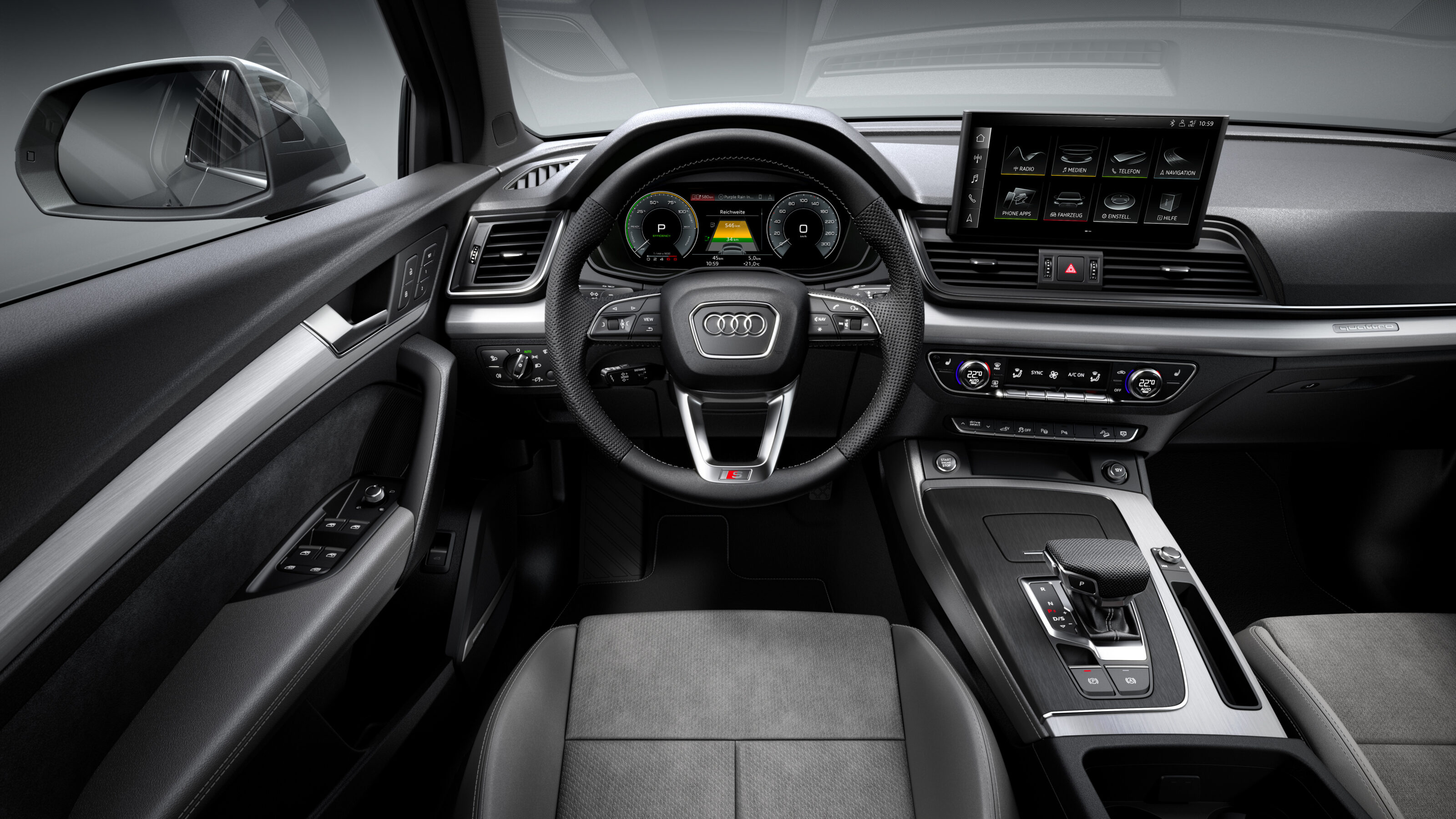
As you’d expect given its flagship positioning, standard equipment levels are high across both models with some subtle differences between the two.
2023 Audi Q5 55 TFSIe SUV equipment and features
| S-Line exterior | Ambient lighting |
| 20-inch wheels | Illuminated door sills |
| Panoramic sunroof | Audi connect plus |
| Privacy glass | Wireless CarPlay/Android Auto |
| Red brake callipers | 10-speaker 180W sound system |
| Leather appointed upholstery | Adaptive cruise control |
| Sports front seats with memory function | Swerve/park assist |
| Three zone climate control | 360 surround view camera |
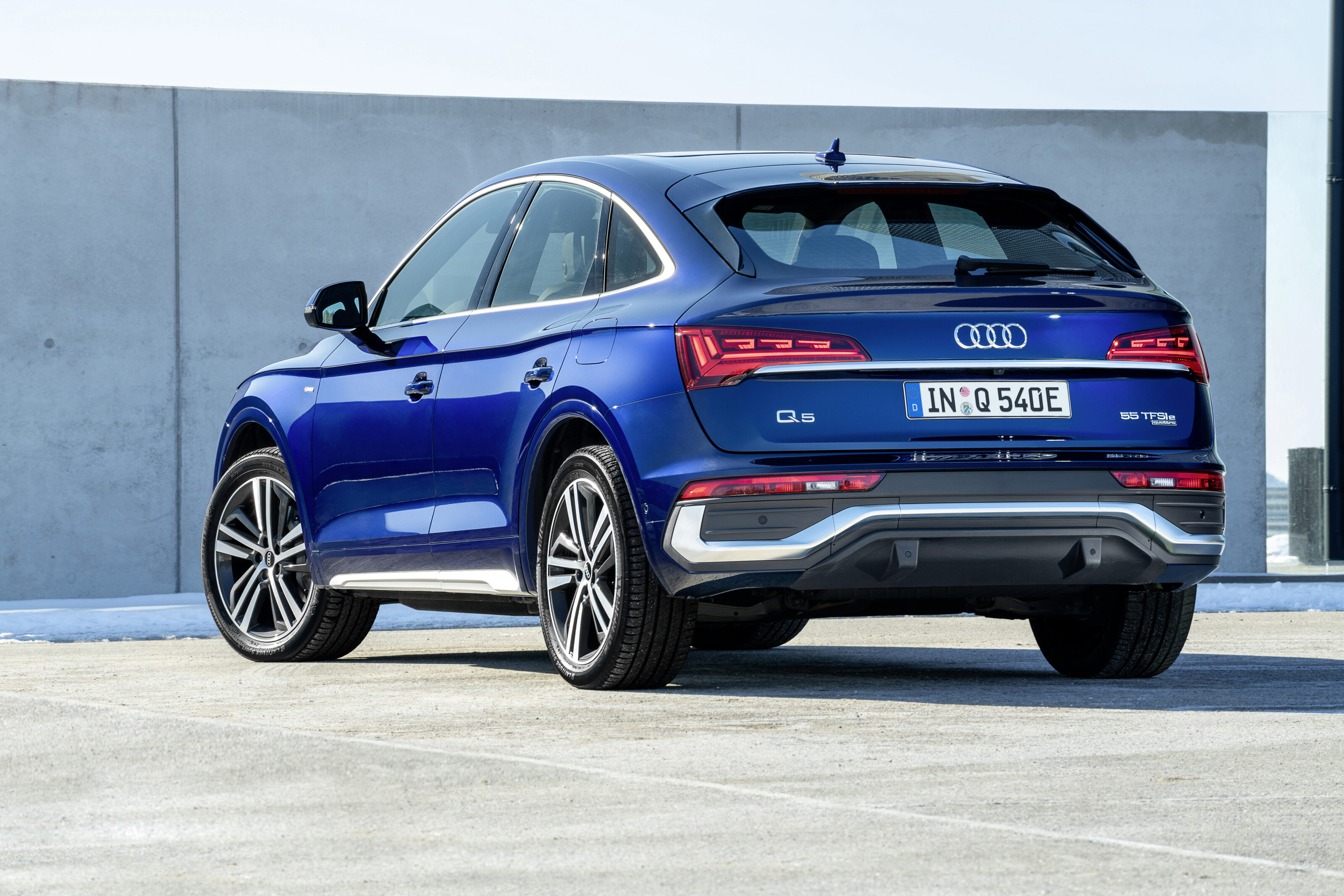
The Q5 55 TFSIe Sportback is more richly equipped as standard and adds:
| Matrix LED headlights |
| S-Line interior |
| Nappa leather upholstery with contrast diamond stitching |
Another notable equipment difference is that roof racks are standard on the SUV, but optional on the Sportback.
Australia’s growing interest in electrified SUVs
Audi hasn’t offered a plug-in hybrid electric vehicle (PHEV) in Australia for a number of years since it deleted the slow-selling A3 e-tron and Q7 e-tron models from the local line-up.
Since then, though, demand for electrified SUVs has exploded and the premium mid-size segment is now overflowing with PHEV options.
Key rivals for Q5 55 TFSIe include the Volvo XC60 Recharge Ultimate ($100,990), Mercedes-Benz GLC 300e ($94,124), Peugeot 3008 GT PHEV ($84,790) and Lexus NX 450h+ F Sport Plug-in ($88,323).
“We did try, as you know, A3 and Q7 PHEV in the past – that was our first foot in the door for electric vehicles, and they hit our requirements,” said Audi Australia product manager Matthew Dale. “It was good, I mean, that was 2015-16 when we were testing the market.
“Right now is probably when the market is starting to grow. We’re starting to see rapid growth – like, from 2020-21 the market grew 300 percent in just EV and that’s plug-in hybrid and BEV [battery electric]. And then last year, we saw a 65 per cent increase. So the Australian market is growing and the only way from here is north.”
“The Australian [PHEV] market is growing and the only way from here is north.”
Don’t, however, think that the Q5 PHEV’s arrival foreshadows an influx of plug-in variants across Audi’s Aussie range.
When asked if a Q3 plug-in hybrid could also make its way Down Under, Audi’s Aussie managing director, Jeff Mannering, all but ruled it out.
“I’d say no, probably not. We’ll leave that one out,” he said. “There might be a bigger SUV that we’re talking about at the moment and we’ll just see how we go with that one. But Q5, for us, is important because it’s in a particular price range. It’s the most popular car in our range.”
