
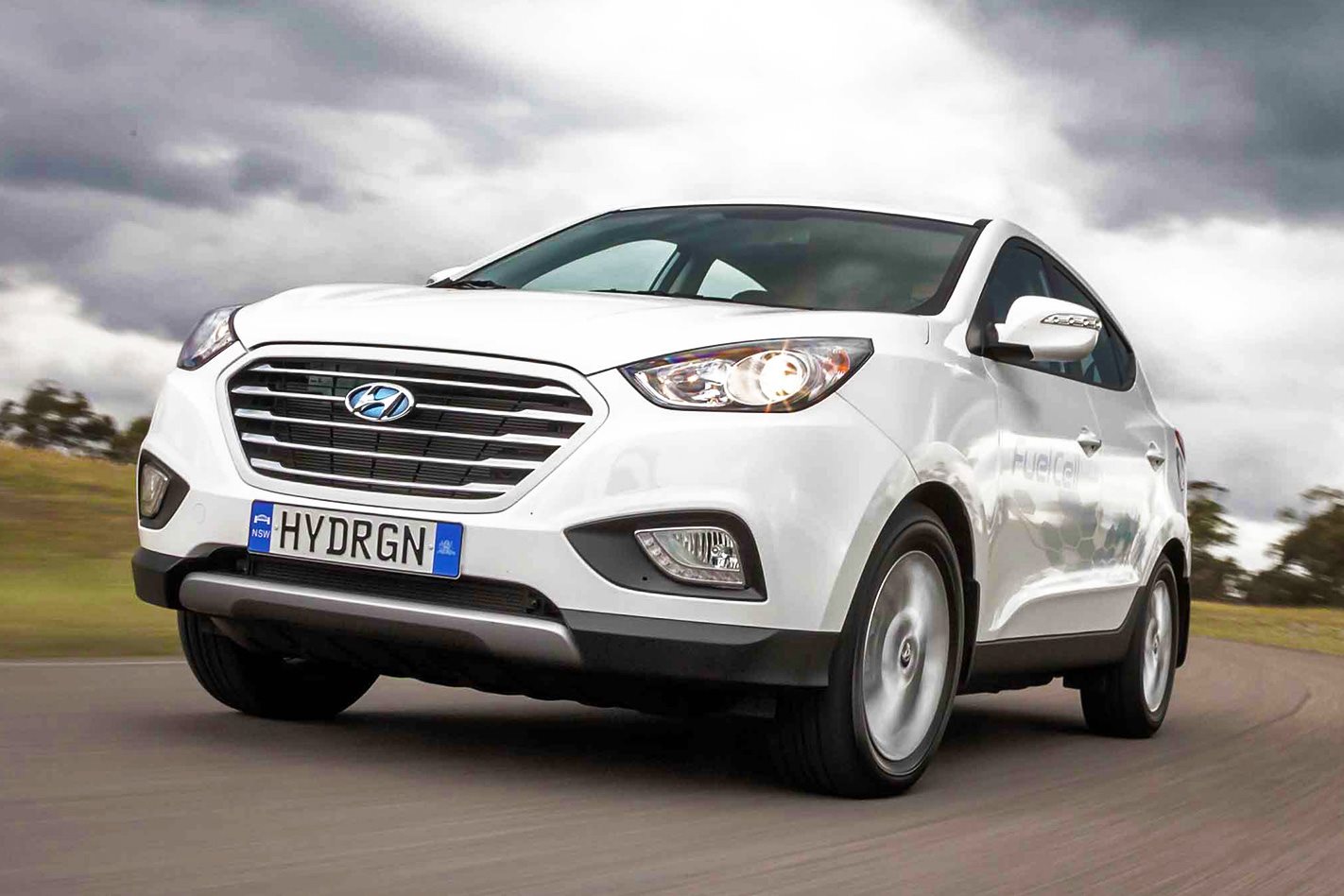
Hyundai Australia is recalling 19,541 examples of its ix35 model due to a potential fire risk with the braking system.
The manufacturing defect is said to impact ix35s made between 2014 and 2015.
According to the Department for Infrastructure, which issued the recall notice, the circuit board in the anti-lock braking system (ABS) module may short circuit when the components are exposed to moisture – which could result in a vehicle fire even when the vehicle is turned off.
It’s worth noting that the issue doesn’t impact the actual functioning of the brakes, but a vehicle fire may increase the risk of serious injury or death to vehicle occupants, other road users and bystanders, and/or damage to property.
A list of VINs for affected vehicles is available here.
Affected vehicles should be parked in an open space, not in a garage, and away from flammable materials and structures.
Owners are warned that if their vehicle displays an engine warning light to stop driving and contact their local Hyundai dealer.
Hyundai will contact owners in writing asking them to make an appointment with their preferred authorised Hyundai dealership to have the ABS inspected and fixed, free of charge.
Alternatively, Hyundai can be contacted on 1800 186 306.
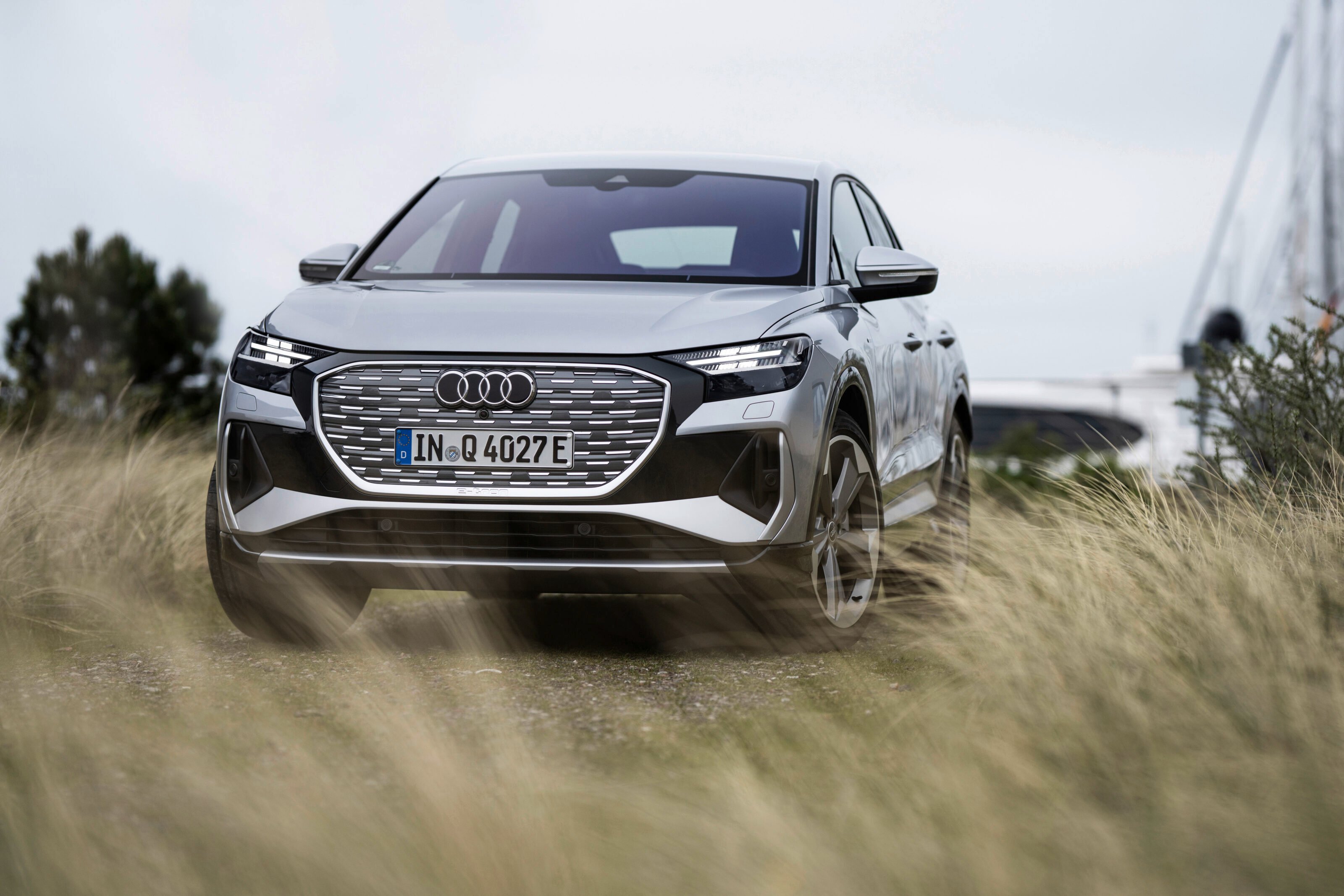
The Audi Q4, launched internationally in 2021, is an important step for the German automaker.
The battery electric SUV is roughly Q3-sized, and represents the brand’s approachable and, crucially, more affordable product within the burgeoning E-Tron range.
It remains unconfirmed for Australia due to macroeconomic factors, though that Audi flew us to Germany for an international drive including the Q4 E-Tron provides a strong indication of its future chances.
Why hasn’t the Q4 E-Tron been confirmed for Australia?
A spokesperson for Audi Australia told Wheels that limited Q4 production capacity means international markets with stricter CO2 emissions targets take priority.
Despite the best efforts of the local outpost, sadly, the lack of decisive action means 2024 is, at this stage, the earliest we can expect the Q4 to arrive in Australia.
How much is it and what do you get?
Upon European launch, the Q4 E-Tron range opened at €41,900, which directly equates to AU$65,279.
This sits inline with previous comments from Audi Australia boss, Jeff Mannering, who has quoted “probably around the $60-$80,000 mark which is where the competition is, where the volume is”.
The range comprises three powertrain configurations, and your choice of two body styles: a conventional square-backed SUV, and a more dynamically styled ‘Sportback’.

The entry level Audi Q4 35 E-Tron boasts a 52kWh battery pack, a single 125kW motor and a WLTP range of 341km, or 349km in the more aerodynamic Sportback.
The Q4 E-Tron 40 nets the larger 76.6kWh battery pack, with a single 150kW motor and a WLTP claim of 521km, or 534km in the Sportback.
The flagship Q4 50 E-Tron quattro harnesses the same 82kWh battery, but gains two motors yielding all-wheel drive and a combined 220kW. Range is quoted at 488km for the SUV and 497km in the Sportback.
The small-battery Q4 35 E-Tron possesses a maximum DC charging rate of 110kW while the 76.6kWh battery-equipped Q4 40 and 50 E-Tron are able to ingest a maximum of 130kW, charging from five to 80 per cent in around 30 minutes.

In the UK market, even entry-level models net LED headlights, gloss black window surrounds and aero wheels. Given Australia’s propensity for high-spec vehicles, expect features such as 20-inch alloys and adaptive dampers.
Most recent range updates also add augmented reality navigation assistance in the heads up display and replaces the previous 10.1-inch infotainment screen with a larger 11.6-inch display.
Advanced Matrix LED headlights are optionally available overseas, and allow the owner to select between four different daytime running light signatures, a novel example of how car makers are increasingly finding ways to inject character into their products in lieu of a combustion powerplant and engine note.
Today, there is no Q4 35 present, with us sampling the Q4 40 E-Tron and Q4 50 quattro E-Tron Sportback on the motorways and back-roads of Germany.

How do rivals compare on paper?
Expected pricing, whenever the Q4 does find its way to Australia, pegs it inline with popular rivals such as the Tesla Model Y (priced from $72,300 + on-roads) and Volvo’s recently updated XC40 Pure Electric ($72,990 + on-roads) and Volvo C40 Recharge ($74,990 + on-roads).
Best Electric Cars Under $65k: Affordable EVs Rated
Welcome to part one of three price-based EV buying guides, this one focused on the most affordable electric cars available in Australia today
Interior comfort, space and storage
Those dissuaded by BEVs that are deliberately distinct (read: weird) will feel right at home in the Audi Q4, with most major controls and touchpoints mirroring familiar combustion-powered Audis of recent memory.
Drivers are greeted by Audi’s virtual cockpit digital instrument cluster and a wide central infotainment touchscreen. HVAC controls eschew the secondary haptic touchscreen of larger Audis, with clearly legible switchgear handling climate as well as seat heating functions.
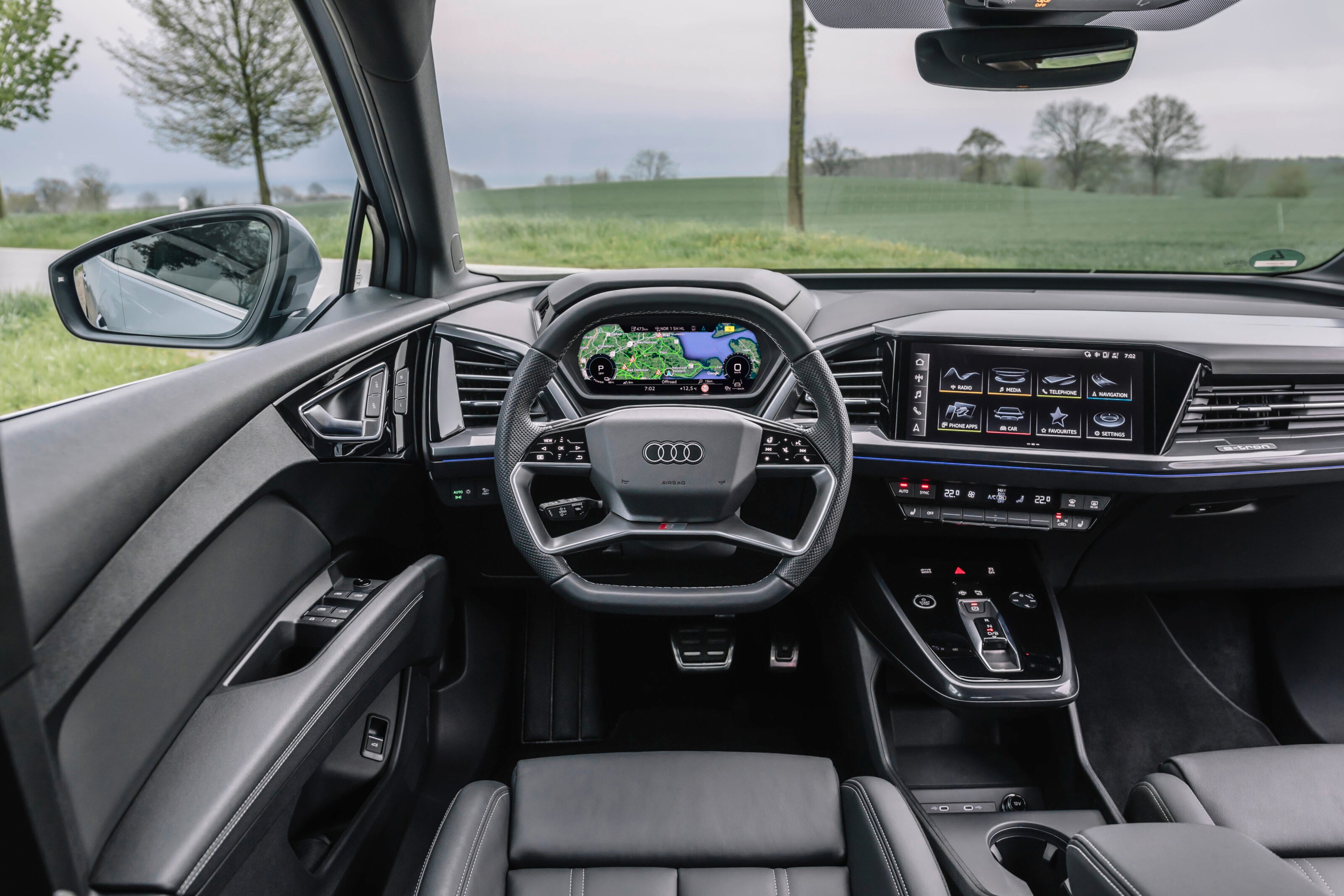
It’s a deceptively large cabin, with a tunnel-free floor delivering ample space and an airy feel.
The Drive Select toggle switch features centrally on the ‘tunnel’, flanked by the start/stop button and a funky four-way multimedia disc that harks back to vintage iPods, tracing the edge to adjust volume.
There are more haptic controls on the vaguely hexagonal steering wheel, with instrument controls on the left and media controls on the right.

The dashboard imbues familiar geometric lines of Audi’s design language, with customisable inserts running across the passenger side, and a large amount of real estate between the dashtop and the base of the windscreen. Each door has a pocket for a large water bottle.
In the swoopy Sportback body, rearward visibility is marginally affected, with decent rear headroom (enough for six-foot-tall folk) and more than adequate amounts of legroom.
2023 Audi Q4 E-Tron boot space
The boot measures 520 litres in the SUV, while the Sportback boasts 535 litres.
What is the Q4 E-Tron like to drive?
| Audi Q4 40 e-tron | Audi Q4 50 e-tron quattro | |
|---|---|---|
| Body | 4-door, 5-seat, SUV | 4-door, 5-seat, SUV |
| Drive | single-motor rear drive | twin-motor all-wheel drive |
| Battery size | 82kWh | 82kWh |
| Max power | 150kW | 220kW |
| Max torque | 310Nm | 460Nm |
| Energy consumption | 19.1kWh/100km (claimed) | 19.7kWh/100km (claimed) |
| Weight | 2020kg | 2020kg |
| L/W/H/W-B (mm) | 4588/1865/1632/2864 | 4588/1865/1632/2864 |
| Price | N/A | N/A |
| On sale | TBA | TBA |
Despite the airy cabin, the Q4 occupies a rather small footprint, with a squat stance and its four wheels pushed far outboard of the body.
This lends itself to an overall feeling of nimbleness despite both the Q4 40 and 50 E-Trons tipping the scales at a touch over 2.2 tonnes.
A linear and unstressed delivery of torque contributes to its ease of pace, lacking the lightswitch head-smack standing start of a more performance-oriented EV, but its more than spritely enough to easily get ahead of traffic at the traffic lights, or overtaking on the autobahn.
The single 150kW motor Q4 40 E-Tron does the 0-100km/h dash in about 8.5-seconds, which feels about right. The quicker Q4 50 quattro leverages its dual-motor all-wheel drive for a noticeably quicker jump from a standstill – with a 6.2-second 0-100km/h manufacturer claim – and feels to have markedly longer legs on a high-speed motorway.
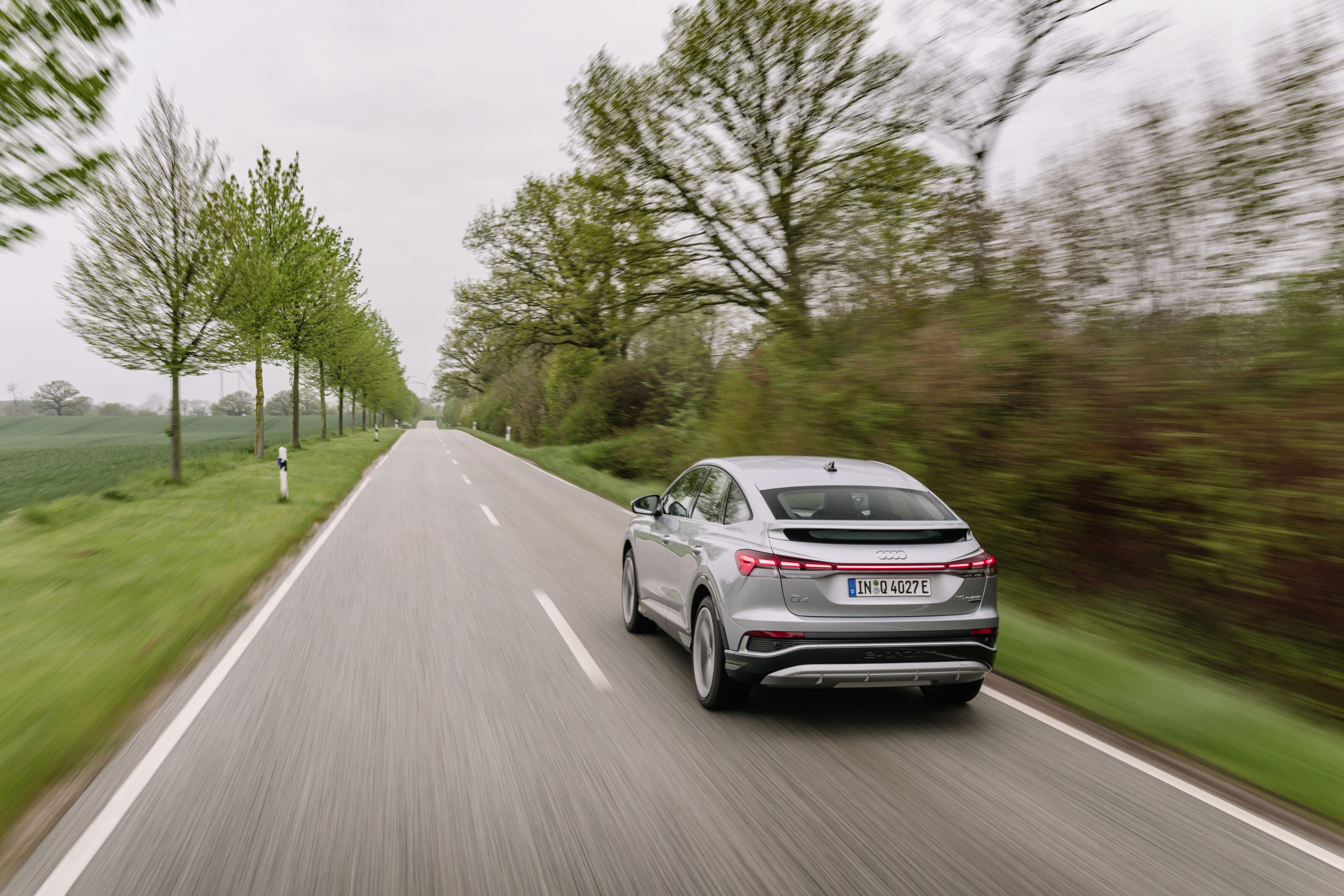
Audi quotes the top speed of the Q4 40 and Q4 50 at 160km/h and 180km/h respectively. On unrestricted stretches of the German autobahn, we managed an indicated 164km/h and 195km/h, respectively.
Steering has those hallmark Audi traits of a light steering weight and effortlessly quick ratio. The lack of heft can feel overly artificial, but this is subjective and its tremendously easy and effective once you become accustomed to the lack of tactile feedback.
Regenerative braking defaults to ‘coast’ mode, with no detectable native regeneration, but you can cycle between three levels of ferocity with the column-mounted paddles.

Curiously, these boast a reverse layout to other BEV rivals but, again, quickly becomes second nature.
The braking system itself does a good job of arresting over two tonnes of electrified German metal, and feels stable at high speeds with only little amounts of corrective steering lock required under transient braking circumstances on long motorway sweepers.
Overall visibility is good thanks to the large glasshouse, with the Sportback penalised only marginally in rearward visibility. The D-pillar, however, is quite large in some instances.
Our test cars were also fitted with Audi’s side camera system, replacing conventional side mirrors with a divisive camera and monitor system. Again, reviews of these cameras are mixed but, in Europe at least, they are optional and aren’t fitted to every Q4.

Even on larger alloy wheels, both Q4 40 and 50 E-Trons, ride well with impressive body control for such a heavy vehicle.
The Q4 50 quattro seems to be more heavily damped, and presents a little more unforgiving in Dynamic mode than the more approachable Q4 40 E-Tron.
Away from the motorway, we chose to eschew the open speed limits for a chain of German backroads between Audi’s home base of Ingolstadt, and our return to Munich.
On smaller lanes, the Q4’s cleverly disguised mass does come to the fore, with more rapid changes in direction, succeeding much more aggressive braking zones yield movement under braking and a small moment of head toss when steering is sharply centred. It’s a confident drive, and an effective one, but one that lacks that final tenth or two of engagement and dynamic finesse.

How efficient is the Q4 E-Tron?
Audi claims a WLTP-accredited energy consumption figure of up to 19.1kWh/100km and 19.7kWh/100km, for the Q4 40 and 50 E-Trons, respectively.
Over three days of testing, we registered similar 24kWh/100km readings from both of our test cars, though that must be tempered by more than a few less-than-economical runs on the German autobahn.
How safe is it?
With no plans, as of yet, for an Australian launch; the Audi Q4 has yet to be submitted for local testing by ANCAP.
Euro NCAP, however, has tested and awarded the Audi Q4 E-Tron with Five stars.
The 2023 Audi Q4 E-Tron is equipped with 11 airbags, comprising dual front, side head (front and rear), side chest (front), side pelvis (front) and centre (front) airbags.
Overseas Q4 E-Trons are also equipped with forward collision warning, automatic emergency braking, lane departure warning, blind-spot monitor, rear cross traffic alert and front and rear parking sensors.
Higher-spec overseas models equipped with Matrix LED headlights also gain access to an advanced automatic high beam system (which can selectively ‘block out’ oncoming cars), and traffic sign recognition.

VERDICT
The Audi Q4 E-Tron has the potential to be a successful model for Audi as an approachable, well-built SUV that lowers the barrier to entry of the E-Tron brand to its most affordable position, yet.
It’s a shame Australian vehicles still seem to be some time away, with Volkswagen Group stablemates such as the VW ID.4 also on the future arrivals cards, and hoping to encroach into local territory dominated by newcomers such as the Kia EV6.
Good things come to those who wait, they say? The Audi Q4 is good, and Australia, certainly, is waiting.

Specifications
| Q4 40 e-tron | Q4 50 e-tron quattro | |
|---|---|---|
| Battery size | 82kWh | 82kWh |
| Drive | single-motor rear drive | twin-motor all-wheel drive |
| Power | 150kW | 220kW |
| Torque | 310Nm | 460Nm |
| Driving range | 488km/497km* | 488km/497km* |
| 0-100km/h | About 8.5 seconds | 6.5 seconds |
| Charging speed | up to 125kW DC | up to 125kW DC |
| Charging time | 5-80% 38min DC | 5-80% 38min DC |
| *=Sportback body variant |
UPDATE, December: New Kona officially unveiled
Well, it turns out we were pretty close with these renderings. The new Kona has been revealed, and you can see it – and read all about it – at the link below. What do you think of its new look? Also… there’s something you need to know about the flagship Kona N model.
The story to here: New Kona rendered
Snapshot
- New Kona small SUV imagined!
- 2023 release anticipated
- Petrol, electric and hybrid power expected
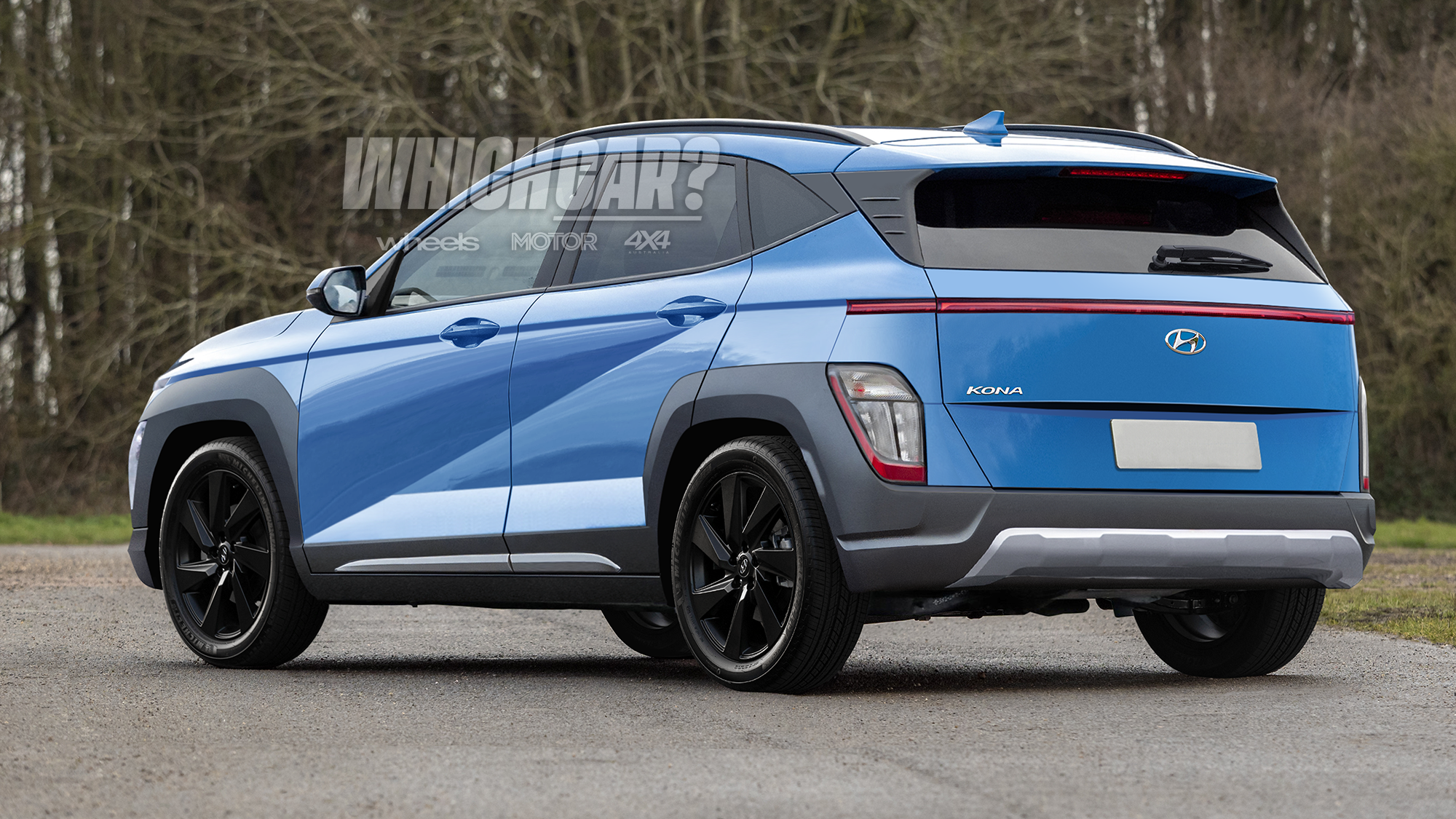
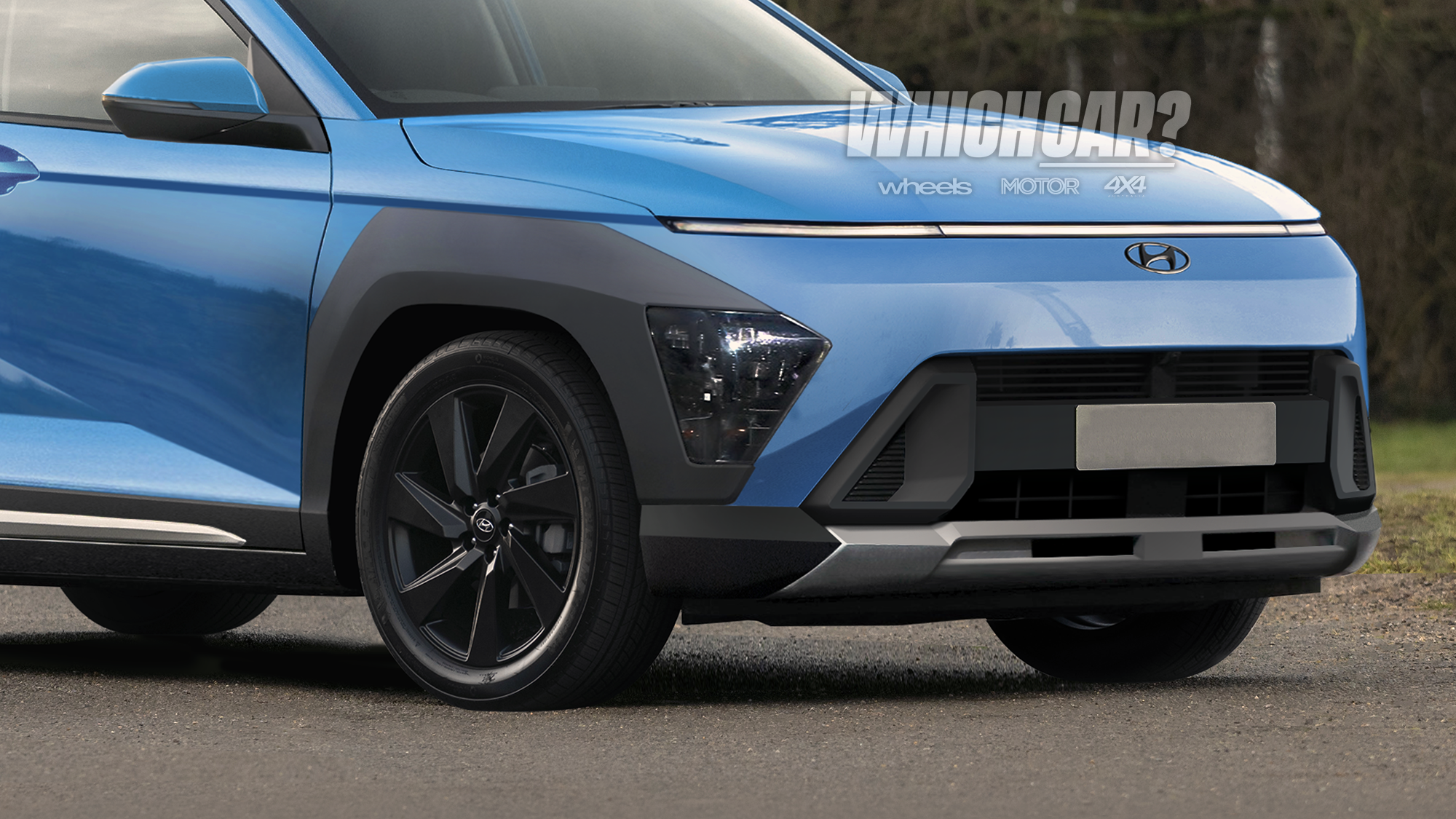
The 2023 Hyundai Kona has been spied testing ahead of its expected launch next year – and to help visualise the final product, we commissioned renderings from digital artist Theottle.
Based on spy shots taken, the Kona takes cues from Hyundai’s current design language including the concave crease linking from the cladded wheel arch to door handle, which is a nod to the Tucson medium SUV and i30 Sedan.
The lighting features also tip their hats to the current Kona, with full-beams located in bezels where you’d typically see fog lights, and a liquorice strip of LED daytime running lights at the front and back.
Proportionally the new Kona is expected to be a little larger, jumping onto the same underpinnings as the new i30 Sedan and Kia Niro, rather than the current car’s older i30 hatch platform.
Next Kona likely to offer hybrid in Oz
The Kona is already available with a broad spread of powertrains, from an Atkinson-cycle 2.0-litre to Otto 1.6-turbo petrol four-cylinder, as well as full electric power – but what about a petrol-electric hybrid?
“We’ve got a couple of surprises that are coming our way. But, having said that, the real transition for the rest of our product lineup is: Tucson; Santa Fe; Palisade… what we’ve done with Santa Fe [hybrid] will probably replicate itself over time”, Hyundai Australia COO, John Kett, told Wheels.
What that means is, for each of those SUV’s next product updates, we can expect a hybrid powertrain. This isn’t confirmed, but if supply is there and a solution feasible, these vehicles will probably offer some form of hybrid in the near future.
“By 2024 we’re going to have a large SUV that’s electric [Ioniq 7] there, so 5 and 7 will have those segments covered. Your new Kona next year will have EV covered.”
And while Kona hybrid wasn’t discussed specifically, Kett added: “There’s constant other programmes in the background that we can’t share, and I’m sure there’s many others that haven’t been shared with us.”
In the UK, the Kona has been available with a 1.6-litre petrol-electric hybrid developing 104kW of power since 2019. It’s the same powertrain found in the current Kia Niro with a six-speed dual-clutch transmission sending grunt to the front wheels.
The popularity of Toyota’s Corolla Cross and C-HR hybrid in the small SUV space suggest it would be prudent for Hyundai to sell a partially electrified option in the segment, and would give Kona a leg up over the Kia Seltos in efficiency terms.
New Hyundai Kona details
Underneath the new ‘SX2’ Kona’s sheet metal, the SUV is slated to share underpinnings with the i30 Sedan. It’s an evolution of the hatch platform currently under Kona, but a significant one.
Spy pictures suggest the interior will split the difference between futuristic Ioniq products, and art deco-inspired i30 Sedan. Like the new Tucson, expect the Kona to grow in length, width and height for greater occupant comfort.
It’s expected the Kona electric will continue to be the price-leader EV for Hyundai with its 39.2kWh and 64kWh battery packs for up to 484 kilometres of driving range (WLTP) with smaller Ioniq models not expected to launch until after the Ioniq 6 next year, and Ioniq 7 in 2024.
The Hyundai Kona performs strongly in the small SUV category, racking up 11,082 sales this year for a 9.9 per cent segment share, behind the MG ZS, Mitsubishi ASX and Mazda CX-30.
Lamborghini’s junior supercar line ended when the 410th and last Jalpa rolled out of the Sant’Agata Bolognese factory on the 22nd July 1988. Few realised that it would be 15 years before the next understudy to the iconic V12 supersports models would appear.
That can largely be attributed to the chaos that reigned at Lamborghini at the time. Then-owners Chrysler binned not only the Jalpa but the Gandini-styled P140 prototype that was slated to replace it. Chrysler then sold the company for US$25.2m in 1994 to Indonesian conglomerate MegaTech, which then divided it 60/40 between V’Power and Malaysian concern Mycom Sedtco.
The Italdesign Cala shown at the 1995 Geneva Motor Show was the car many believed would be the next baby Lamborghini. Powered by a 294kW mid-mounted V10 engine, the Cala was built on the chassis of Gandini’s stillborn P140 prototype and offered a way back into the market, but there were many obstacles still in its path. Enter ex-Bugatti engineering maestro Maurizio Reggiani.
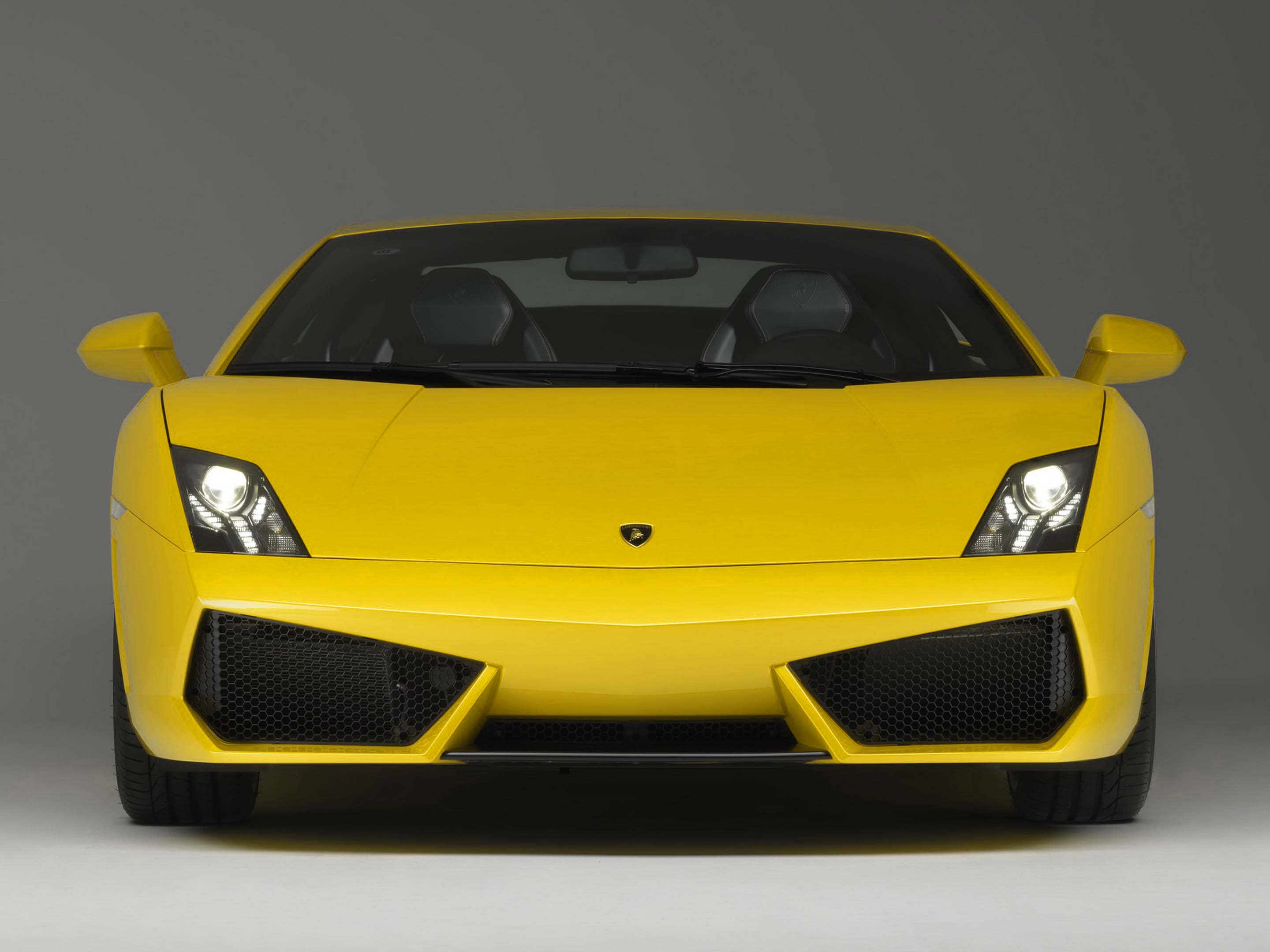
“I was the man who went to Audi in order to ask them if they could supply a powertrain to us,” he said in a 2019 Hagerty interview.
“The idea came because this time around, we started to think about a second model line we called Baby Diablo.
This is what became the Gallardo, and [because] our shareholder was an Indonesian company, we didn’t have the capital for a big investment like a new powertrain.
“Inside Lamborghini, we realised that one possible powertrain we could have used was the Audi A8’s. Rotate it by 180 degrees, put it in the rear, and with the front differential, you only change the direction. We approached Audi to ask if they could supply us with it.
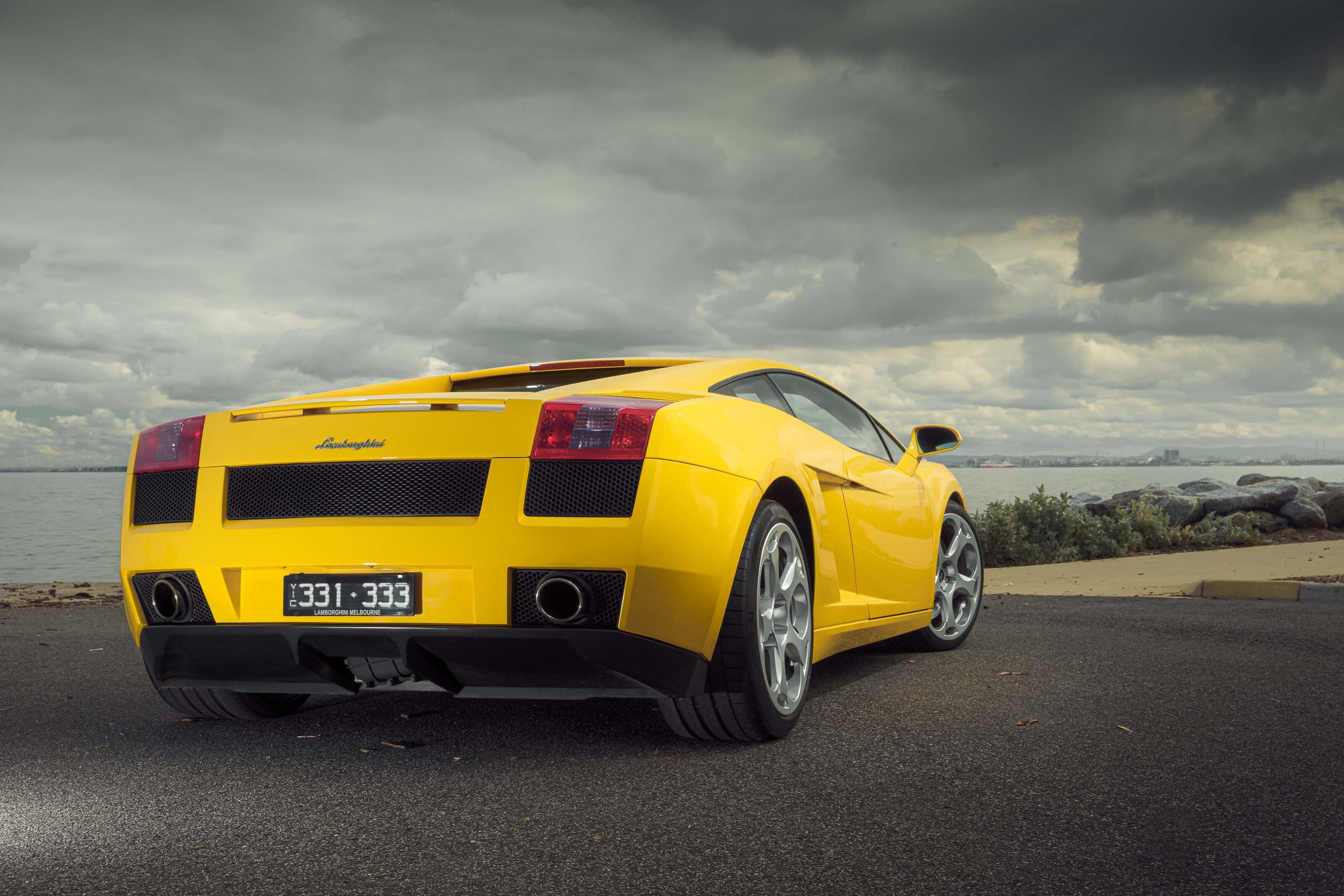
We worked on this for seven or eight months. After that came the proposal to buy Lamborghini instead, and luckily, our shareholders agreed. After this, the V8 project got shelved, and we started working on the Gallardo,” he said.
“As for the Gallardo, the V10 engine, the aluminium space frame, everything was new. And that V10… we developed in-house in Sant’Agata. Not just that, but all the support structures, the chassis, all the engineering was done in Sant’Agata.”
Audi’s takeover of Lamborghini was completed in 1998 and Lamborghini’s director of design, Luc Donckerwolke (now at Hyundai) takes up the story. “We launched the project in 1999, asking Italdesign Giugiaro to come up with a design proposal.”
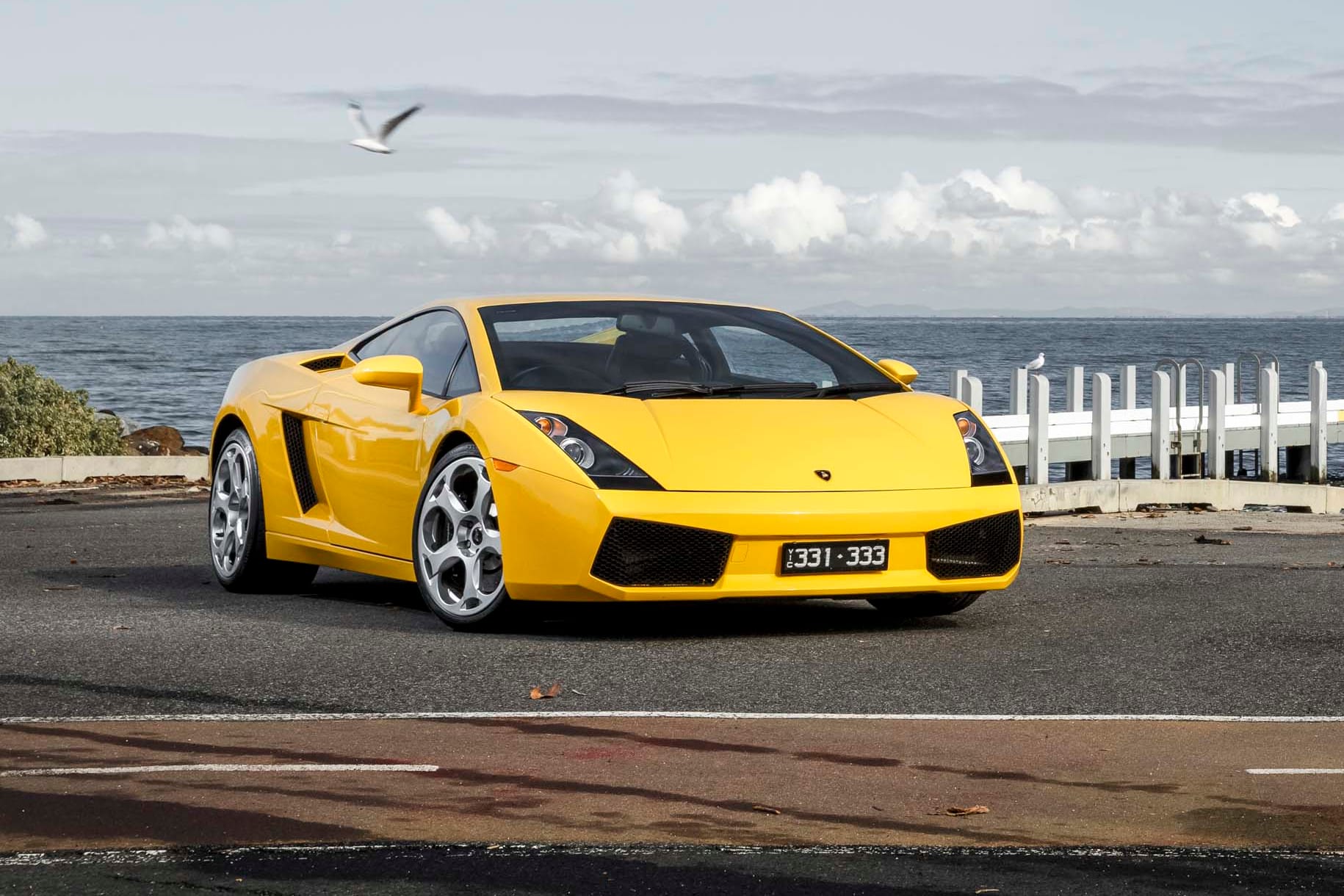
Italdesign’s Fabrizio Giugiaro recalls a very loose brief.
“We were given a very free hand. They simply asked us “How do you imagine a new, smaller Lamborghini”? They did want it to be extremely innovative, but still faithful to the brand’s tradition.”
The short nose and characteristic Countach-derived flyline were incorporated in Italdesign’s first proposals , but Donckerwolke’s team wanted a more chiselled, architectural look. “Italdesign’s idea was very interesting, but naturally a brand has to manage its own image,” he said.
The tail and flanks were cleaned up when compared to Italdesign’s 1:1 chalk model. “If you change one thing, you have to modify other items to go with it,” noted Donckerwolke.
“We also had to ensure that the project complied with Audi quality standards, as well as keeping a watchful eye on the integration of carry-over components.”
When the silks were whipped off the Gallardo at the 2003 Geneva show, everybody forgot about the Cala. Instantly. Here was something decisively more modern, with taut surfacing and classic Lamborghini proportioning but which looked as if it had been run on a hot wash cycle.
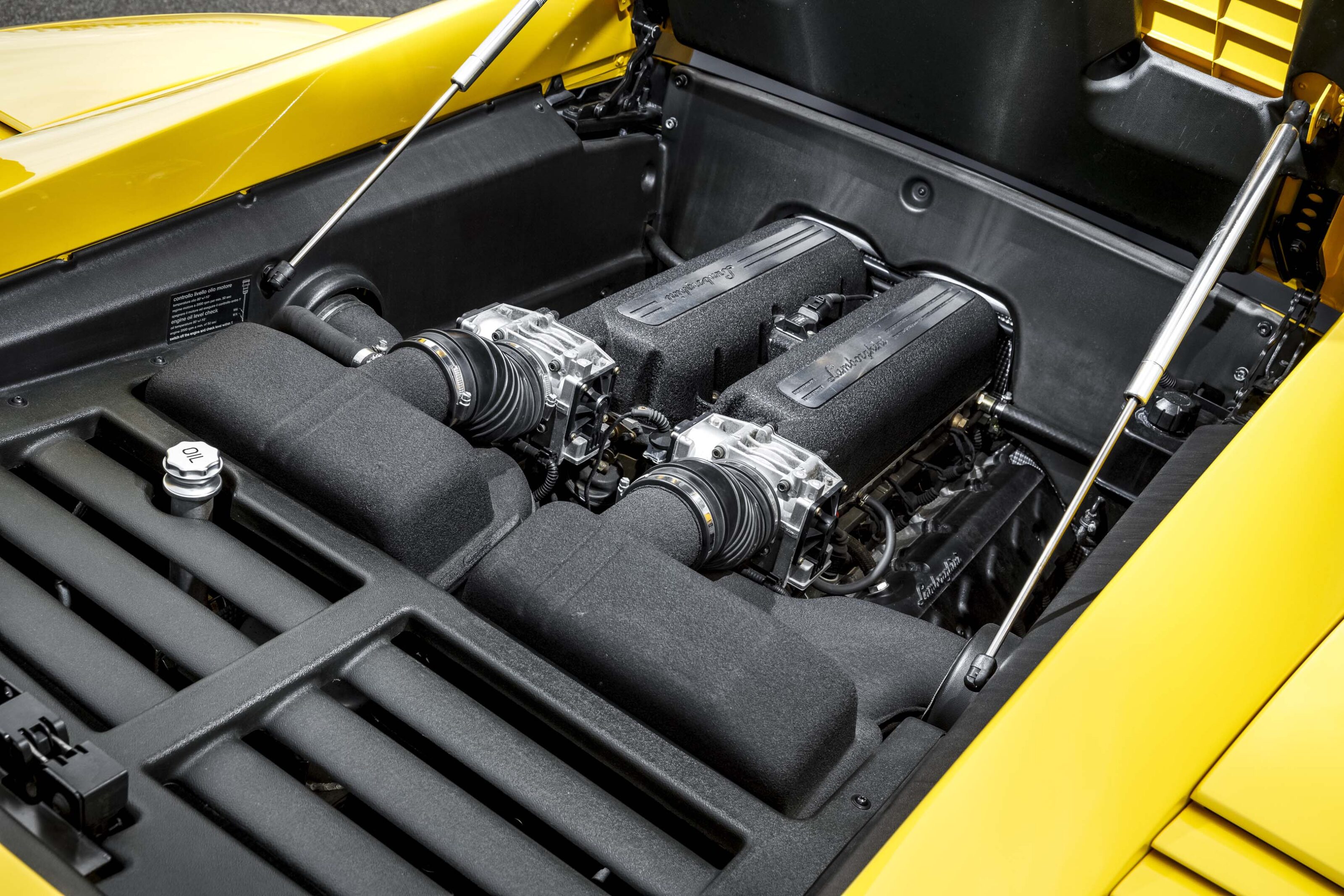
The Gallardo was tiny. At 4300mm long, it’s comfortably shorter than a Ford Focus, and represented a refreshing change from the leviathan V12 halo models.
Yet it packed a 368kW V10 at a time when Ferrari was delivering its 360 Modena with just 294kW. Even the racy Challenge Stradale version could only manage 313kW.
Lamborghini had decisively one-upped Maranello, knowing that the Gallardo’s power and torque also eclipsed the forthcoming F430. Power for the Gallardo was lifted to 382kW in a 2005 update, which also tweaked the suspension, steering and exhaust, with the Spyder open-top version arriving in 2006.
Ferrari clapped back with the 375kW F430 Scuderia track-oriented version at the 2007 Frankfurt Show, but Lamborghini had again got its revenge in first, spiking Ferrari’s guns just a few months earlier at the Geneva show with the 390kW Gallardo Superleggera.
While Sant’Agata held a clear power advantage over its key rival, it’s up for debate whether the first generation Gallardo was a better car to drive than the F430.
The Superleggera was a step in the right direction, but the Lamborghini lacked the adjustability and tactility of the Ferrari. All-wheel drive made it a rocket off the line but on a track the V8 Ferrari offered keen drivers a subtler palette of options.
The soundtracks are markedly different too. Where the V8 Ferrari has a purer, cleaner note, the Gallardo – especially those models with the updated post-’05 exhaust system – is an angrier and arguably more dramatic thing.
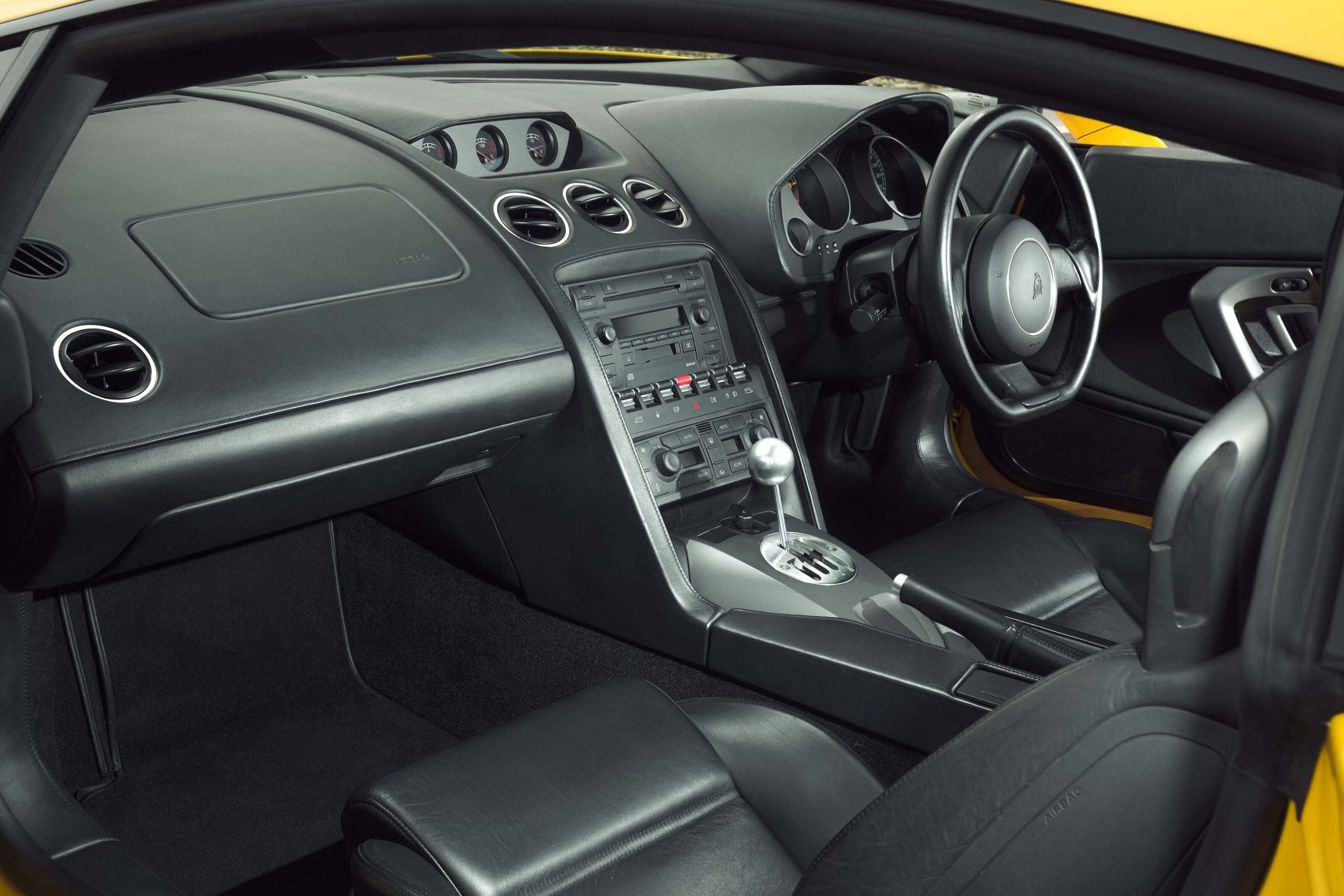
Audi’s influence could be clearly felt inside, where materials quality reflected the uptick seen in the Ingolstadt-influenced Diablo 6.0-litre. Although those in the know could identify the Audi parts, that was no bad thing given the ergonomic catastrophes that Sant’Agata had unleashed in the past.
Reliability was also much improved, but early clutches could prove problematic. The clutch materials grew progressively better until Lamborghini cracked the problem with a sintered plate on the ‘05 models. Likewise prematurely wearing anti-roll bar bushes were improved with better materials.
The biggest change to the Gallardo came in 2008 when a facelifted second-generation car was launched. Although there are many who feel that the update lost some of the original’s design purity, the fitment of a more powerful 5.2-litre direct-injection V10, good for 412kW/540Nm provided ample recompense.
It need to as well, as the second-gen Gallardo would enjoy just a year in market before Ferrari launched the magnificent 419kW/540Nm 458 Italia and gained a superiority in this sector that hasn’t been ceded since.
Both the coupe and the Spyder versions of the refreshed Gallardo were suffixed with the LP 560-4 identifier, indicating Longitudinale Posteriore (longitudinal rear mounted), 560PS and four-wheel drive. The LP 570-4 Superleggera arrived in 2010, equalling the 458 Italia’s power and torque outputs, with the even lighter Performante arriving the following year.
Perhaps the most interesting versions were the rear-drive models, the first Lamborghinis to send power solely rearwards since the Diablo. The LP 550-2 versions also arrived in 2011 in both coupe and Spyder forms, following limited-run Balboni and Bicolore editions.
There’s a befuddling cornucopia (some 32) of limited-run specials, especially later in the Gallardo’s life as Lamborghini desperately tried to keep the car relevant.
Gold edition, Tricolore, Nera, 50th Anniversary, Noctis, Bianco Rosso, Singapore, SE, Malaysia, India, Bianco Canopus, Hong Kong 20th Anniversary and Nero Nemesis models all came and went, but perhaps the key version of note was the LP 570-4 Super Trofeo Stradale of 2011.
Only 150 units were built, based on the facelift LP 570-4 Superleggera. Fully 70kg lighter than a standard Gallardo, the ‘STS’ tipped the scales at a mere 1340kg and incorporated many of the performance features from the Super Trofeo track car.
Only two were earmarked for export to Australia and buyers chose from Rosso Mars, Grigio Telesto or Bianco Monocerus contrasted with an optional gloss black roof. The rear spoiler generated triple the downforce of the standard Gallardo, and the engine cover featured a racing-style quick-release system for rapid access.
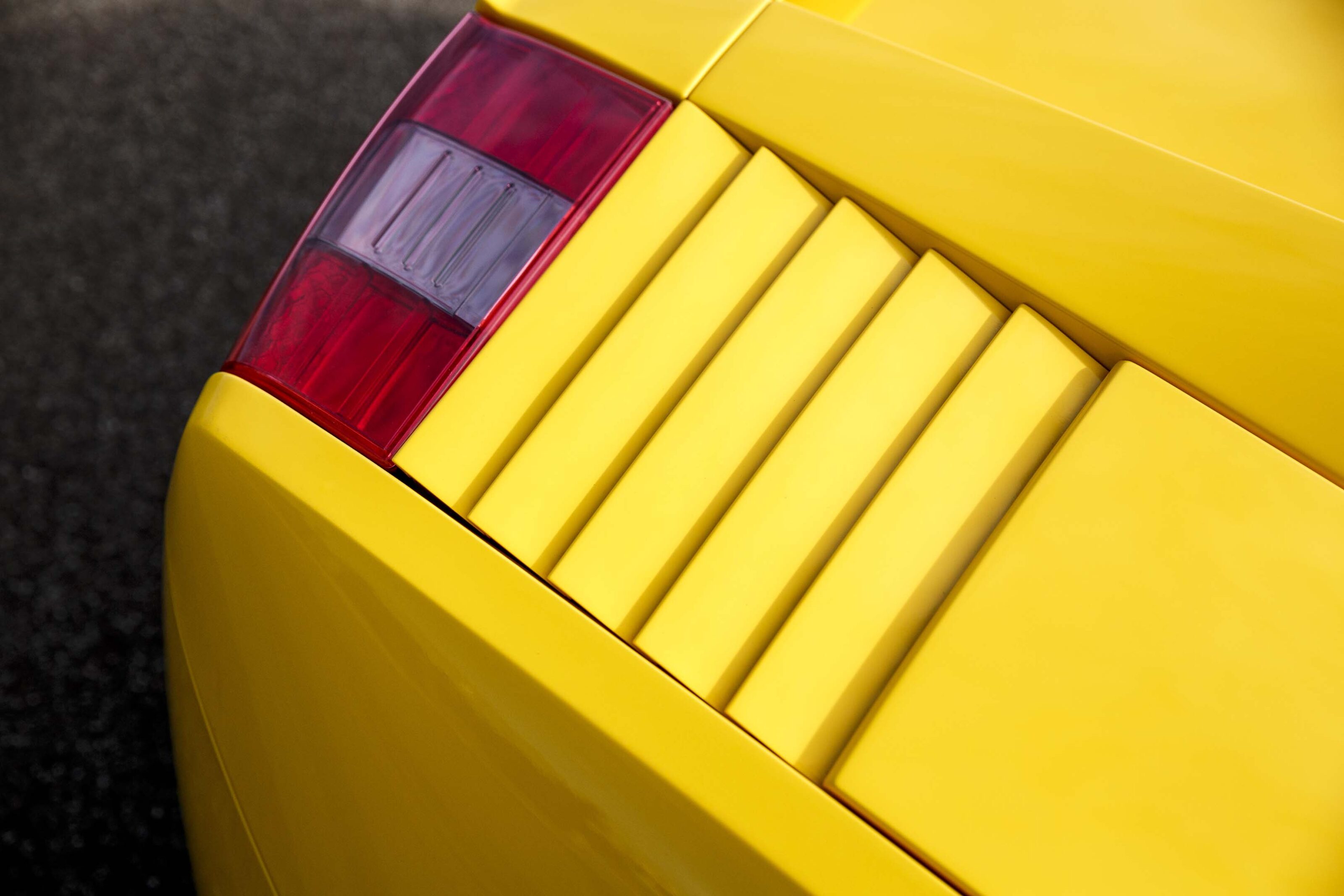
With an e-gear transmission and an extended carbon/Alcantara interior finish, the STS ran on special Pirelli P Zero Corsa tyres and most were specified with the optional four-point harnesses and roll cage. This car was then mildly revised to become the Squadra Corse.
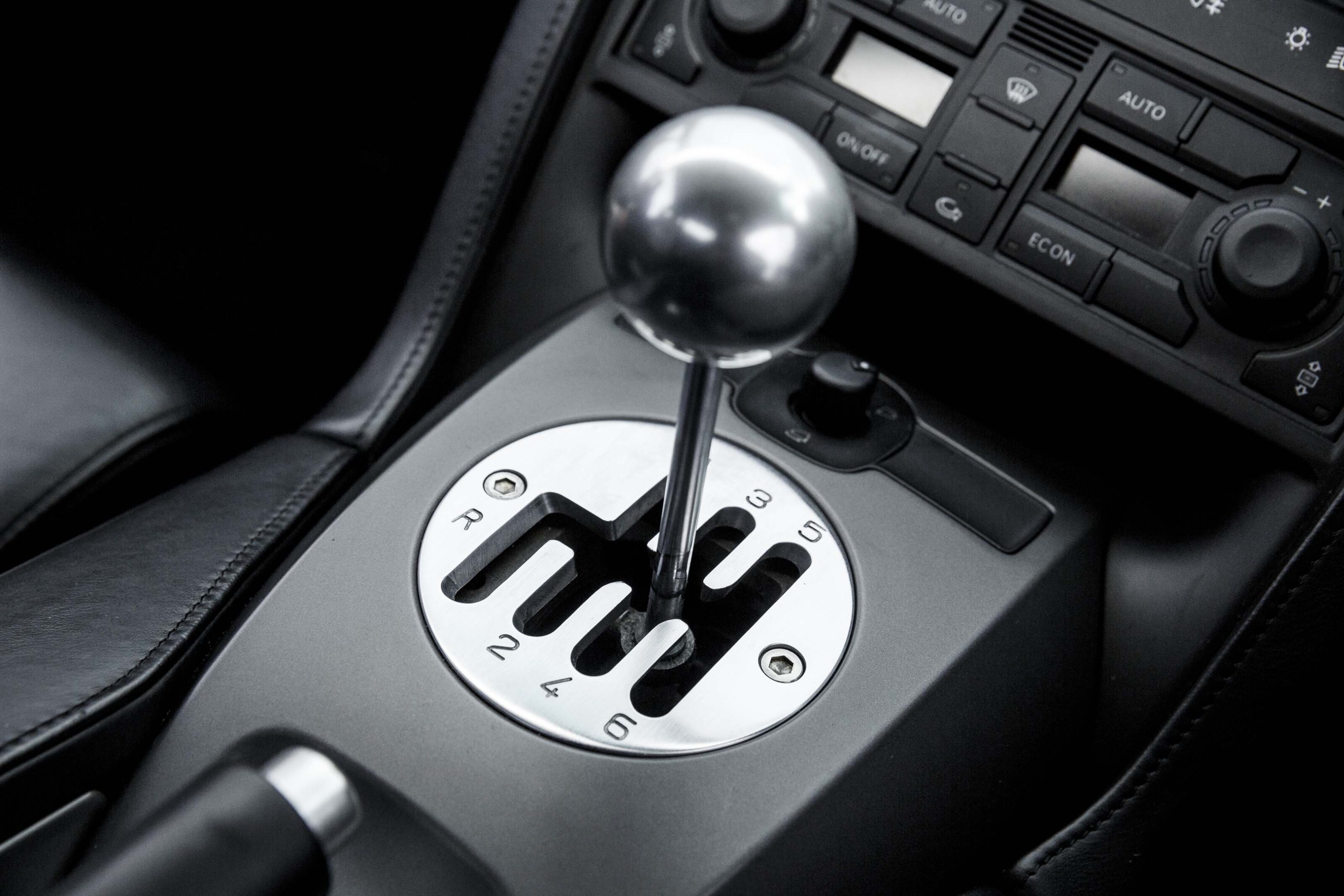
While Ferrari’s junior supercars had dispensed with the gated six-speed manual transmission when the F430 was shuffled out to grass in 2009, Lamborghini persisted with offering its customers a three-pedal option right up until Gallardo production ended.
The last vehicle built was a red LP 570-4 Spyder Performante which, in November 2013, drew down the curtain on a decade and 14,022 cars being built. That’s not bad going considering that between them, its Jalpa, Silhouette and Urraco predecessors combined for just 1255 units.
It would also pave the way for the success of its replacement, the Huracán, which managed to outsell the Gallardo within just five years of release.
The Gallardo thus secured its legacy as arguably the most pivotal sports car, at least from a commercial standpoint, that Lamborghini ever built. It’s recognised now as an exemplar of purity, offering, by today’s standards at any rate, a lightweight, aggressively packaged, normally-aspirated sports coupe or cabrio that in any guise was never less than an event.
So what that the doors didn’t open upwards?
The triumph of the Gallardo was that despite the Audi influence, it had enough about it to make you want to believe that it was Lamborghini to its boots. In an inevitably electrified future, a screaming V10 and that chiselled styling makes an increasingly desirable combo.
As it embraces modern classic status, the Gallardo seems to make ever more sense, or at least as much sense as an Italian supercar ever can. More power to it.
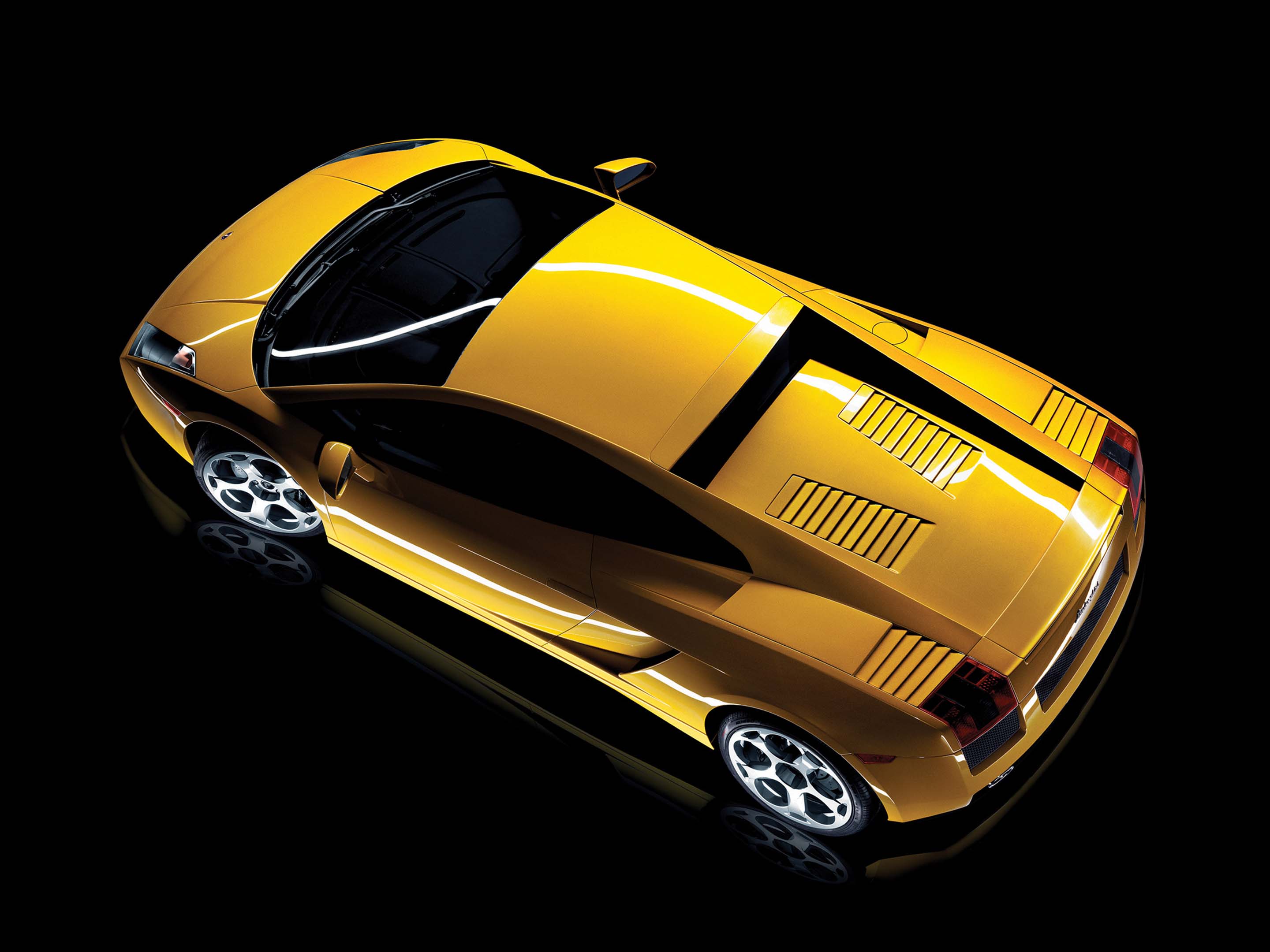
Max Attack on the Apple Isle
The Gallardo carved its own piece of Aussie motorsports history by claiming outright wins at Targa Tasmania four times. The Gallardo won in 2010, 2012, 2013 and 2015, all with the combination of Jason White driving and John White navigating.
Their Super Trofeo Stradale burnt to the ground in 2014 while competing in Targa West, with the 2015 victory coming at the wheel of its replacement, a 2013 Gallardo Squadra Corse. Point proven, the Whites then defected to Dodge, winning multiple events in a Viper ACR.
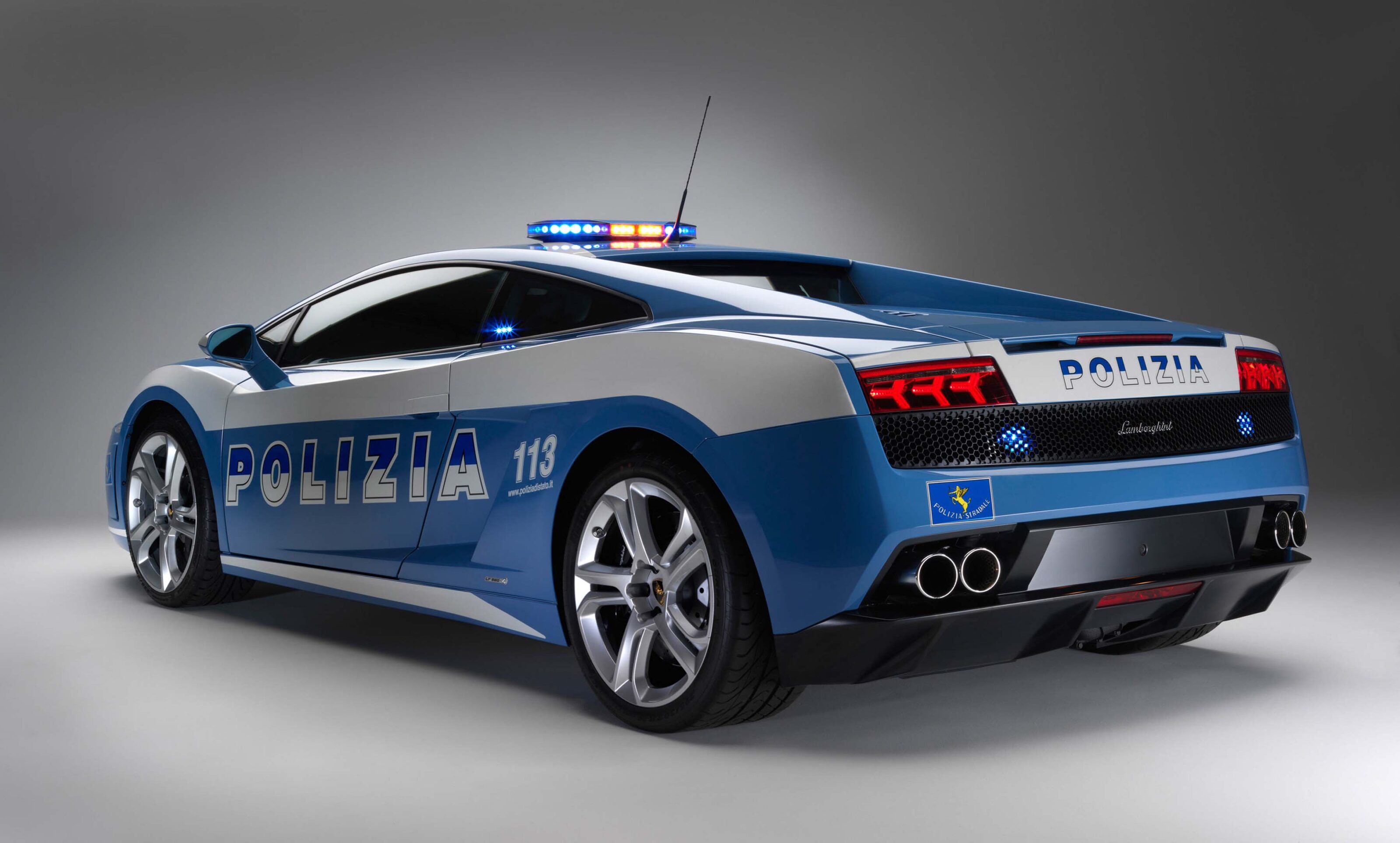
Blues and Twos
Yes, the Italian police really did get functional Gallardo police cars. A pair of 2005 cars racked up over 100,000km each for Bologna and Rome’s plod, while in 2008 a pair of second-gen cars were bought for the Lazio division.
Unfortunately, one was written off a year later when a SEAT Ibiza ambled out of a servo and the fast-moving Lambo glanced off it into a row of parked vehicles. The other continued to be used for high-speed duties, was equipped with a defibrillator and was sometimes utilised for human organ transportation.
The upcoming 2024 Chevrolet Corvette E-Ray hybrid has leaked on the brand’s configurator website.
A post shared to CorvetteForum by a user who caught pictures of the electrified version on social media has revealed the new colours and options available for the hybrid, all-wheel-drive Corvette E-Ray.
The configurator has since been taken down, but the post remains active, with a Chevrolet spokesperson telling the forum: “Looks like the holidays came early for a few astute Corvette fans. Stay tuned for more.”
https://www.instagram.com/p/Cl7oXAUufiJ/
While the visualiser didn’t reveal the Corvette E-Ray’s specifications, it is expected to feature a version of the push-rod ‘LT2’ 6.2-litre naturally-aspirated V8 found in the regular C8 Stingray, but with an electric motor – or two – mounted to the front axle.
It appears to utilise the same widened body as the hotter ‘Vette Z06, albeit with some body-coloured trim in place of gloss black elements, ‘E-Ray’ badging on the rear-quarter panel, and quad tailpipes at each end of the rear bumper.
The configurator also shows carbon-fibre wheels, a ZER Performance Package adding Michelin Pilot Sport 4S tyres and other upgrades, and what appears to be carbon-ceramic brakes.
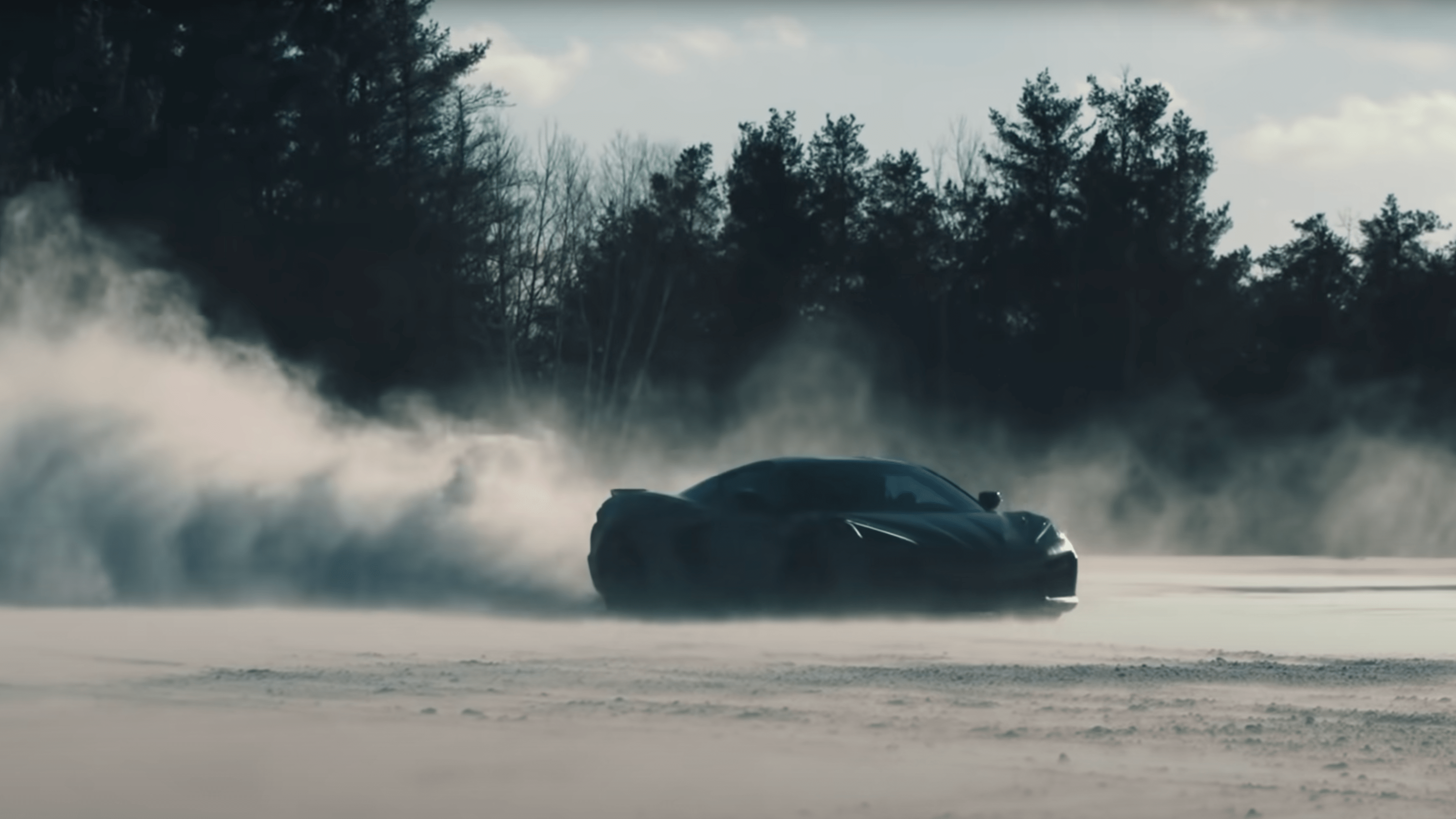
Earlier this year, General Motors confirmed the mid-engined Corvette C8 would gain a hybrid variant, with its V8 engine set to be paired with an electric motor to boost outputs as well as reduce emissions.
However, the hybrid Corvette will be eclipsed shortly after by a fully-electric model, potentially based on the dedicated Ultium platform. It is expected to be joined by a range of Corvette-badged electric vehicles, including a performance SUV and a four-door coupe, from 2025.
According to the configurator, the 2024 Chevrolet Corvette E-Ray will become available in the United States in mid-2023. A local launch has yet to be confirmed; stay tuned to Wheels for the latest information when it is officially revealed.
Earth’s population recently passed eight billion. An incredible, jaw-dropping stat – until you learn Hot Wheels got there first.
Hot Wheels production reached 8 billion in a little over five decades, too, with its very first miniature car having rolled out of the factory in 1968.
Nowadays, there’s one made every 16 seconds; that’s a rate of around 500 million cars each year, with the ecosystem surrounding their design, engineering and manufacturing looking every bit as mature as those for the full-size cars they mimic.
So much more than a toy, Hot Wheels has become a phenomenon. In the case of those now occupying significant roles at parent company Mattel, it’s how their entire love of cars sprung into life.
Hot topic
- Over 8 billion Hot Wheels cars made
- Today, it’s one every 16 seconds u2013 500 million per year
- The brandu2019s first car was a blue Custom Camaro
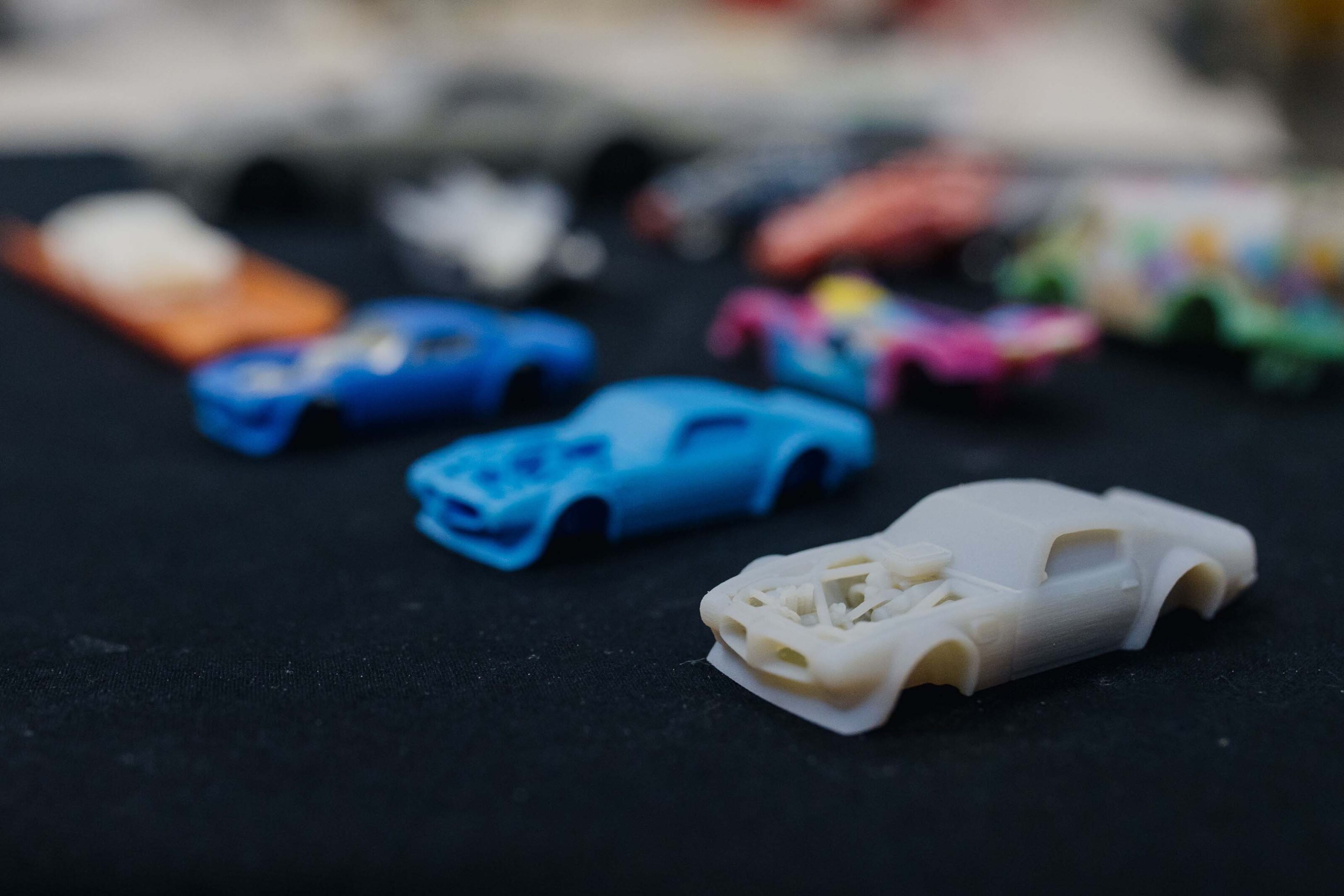
“My first Hot Wheels car was the Z-Whiz [based around a Datsun 240Z] and my first Matchbox car was a Land Rover Defender 90,” says brand director Jimmy Liu.
“I love both dearly and still have them. Collecting these cars as a kid kept an interest in cars going into my adult life.”
It’s the expertise of Jimmy and his team that helps decide which cars occupy the blister packs hanging tantalisingly at the supermarket, perilously close to the wandering mitts of your kids. Or your own hands still engrained with the muscle memory of how much fun these things were in your youth.
“We look at trends in the market and really try to stay relevant with the industry,” Jimmy says with an assuredness you’d normally associate with more prosaic product lines.
“Since cars span across so many different sub-cultures, and we have long development lead times, it’s often difficult to predict what will be popular by the time we get the product in market.”
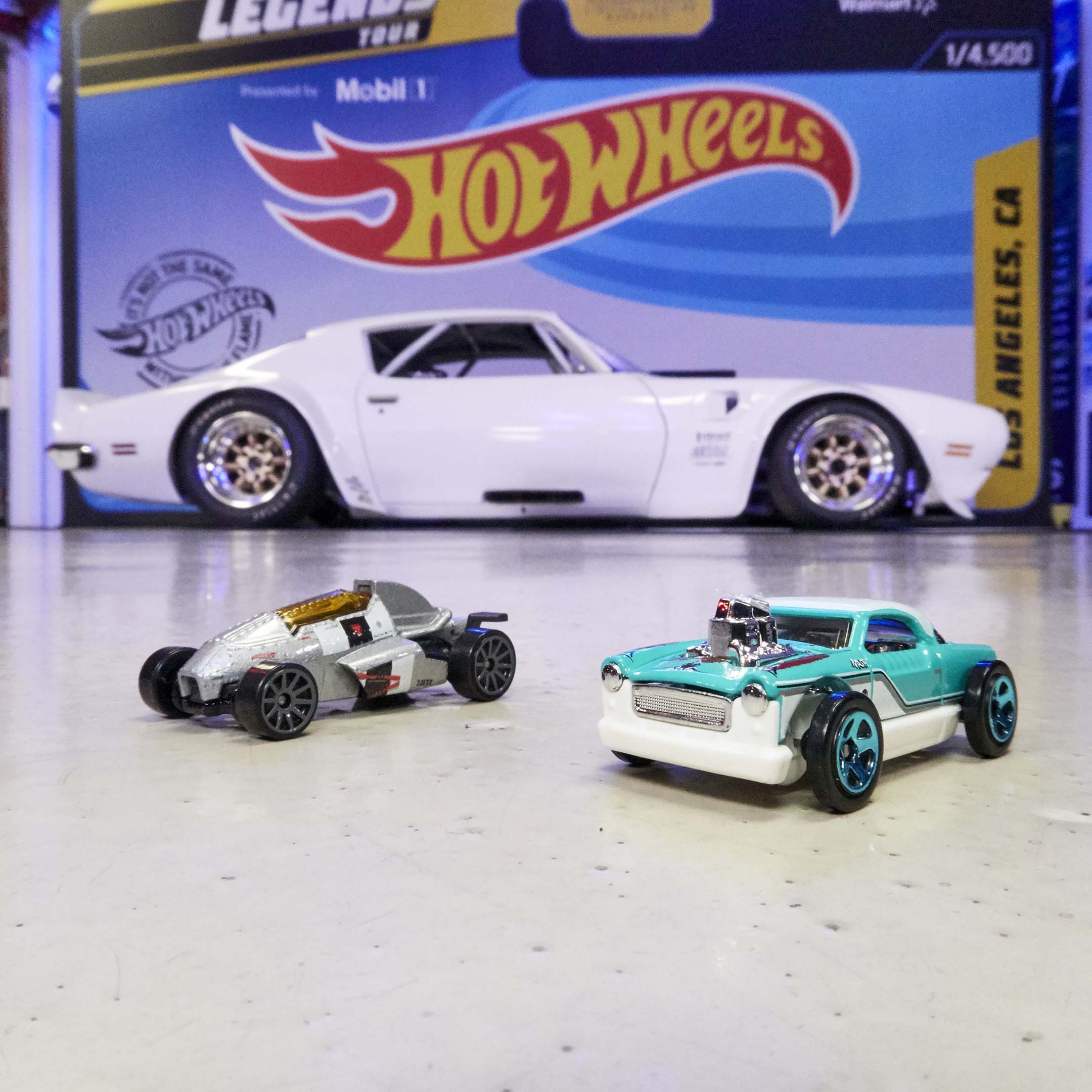
“If we’re targeting adults, then we skew towards real-life cars. However, our Basic range has a balance of both Hot Wheels Originals and licensed models. We like to insert some of our own personal favourites in the line occasionally, but at the end of the day, we’re trying to do what’s best for the consumer.
I personally love speaking with collectors and always welcome suggestions.”
A typical annual Hot Wheels range contains about 450 cars, of which around half will be brand new that year.
A recent addition to the company’s more premium line – which typically means a metal base, rubber tyres and an artfully designed pack that’s less likely to be ripped apart as the car’s flung at the skirting board – is a detailed recreation of the Alfa Romeo 155 DTM racecar of the Nineties.

Helping bring it to life was designer Mark Jones.
Known as The Godfather within his team, Mark’s CV includes design stints at full-size car manufacturers, something many – but not all – of Hot Wheels’ staff can claim. He’s been at Mattel for 36 years and can attach his name to over 300 cars in that time, with a beautiful ‘circle of life’ feel to how he ended up in the role.
“There was a Mattel toy years ago call the Vac-U-Form. You’d plug it in and vacuum-form little car bodies. I got it for Christmas aged 11.
“I made little signs and stuff. Then my dad showed me how to draw sections and make a little balsa wood buck.
So I started making bodies and putting them onto my slot cars.” Is it absurd to essentially be doing now what he was doing then? “Yeah, it’s kinda scary! I tried to escape into making real cars but I ended up coming back to toys.”
https://www.instagram.com/p/CUvTEa2PmlS/
Nowadays, there’s one Hot Wheels car made every 16 seconds; that’s a rate of around 500 million cars each year
Designing Hot Wheels for a living is a touch more involved, however, with a 12 to 18 month sequence of design and verification prototypes that mimics the wider car industry. Mark’s career has seen vast changes and advancements, with the dawn of digitised design and 3D-printing (for prototypes, not the end product) sharpening the overall process considerably.
Mark will work with Mattel’s digital sculpting team to draw up models of the cars he’s replicating, occasionally having to alter some of the detailing along the way. It’s not simply a case of shrinking a real-life car down to a 1:64 scale mould; the design team must dig deeply into the character of the car they’re making in order to retain – and occasionally exaggerate – its key traits.
“One of the major hurdles with our development is we have standard-sized wheels, so we have to proportion the car around them. Sometimes we’ll move things around with the body if it won’t mess up the character lines too much.
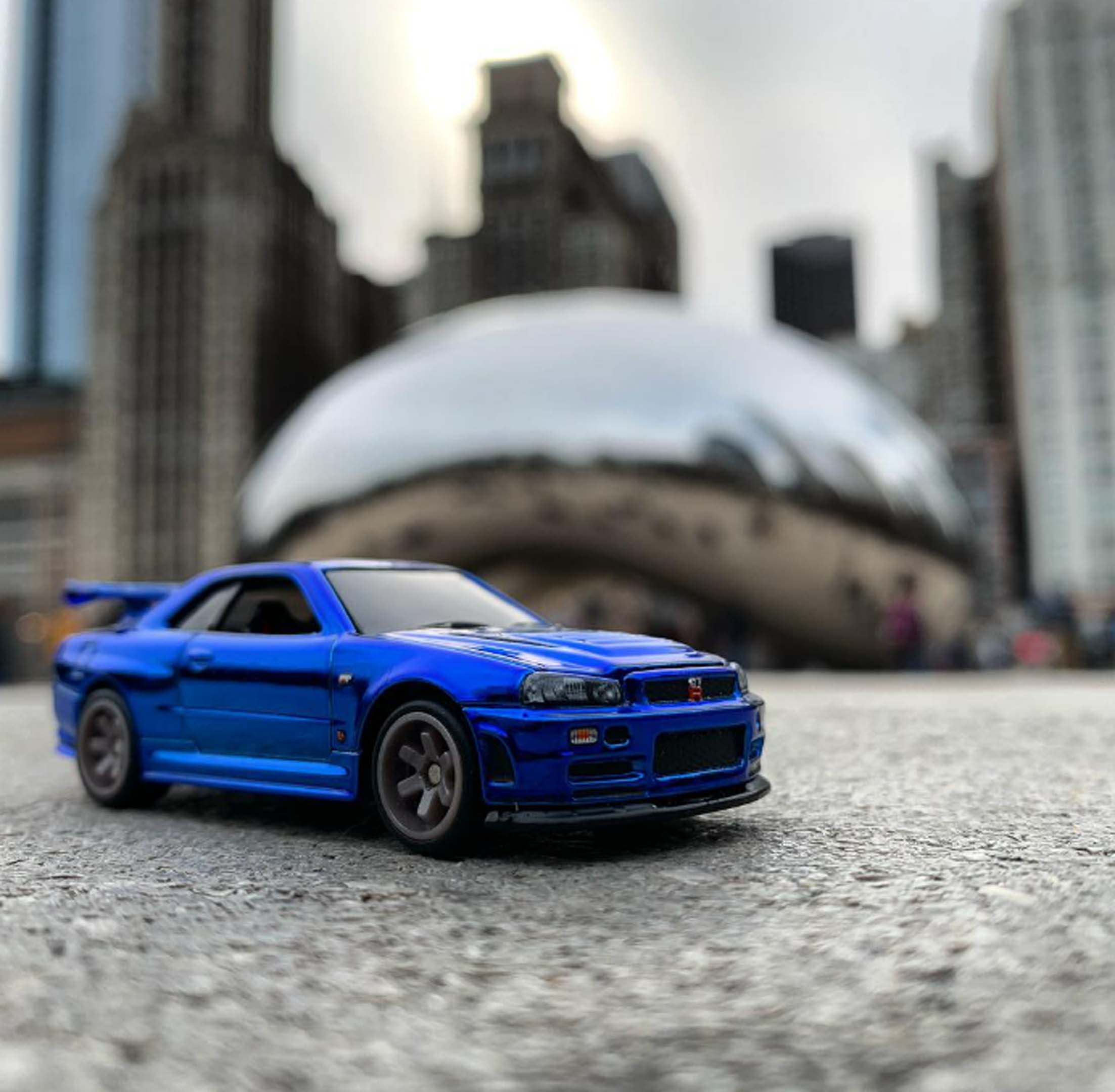
“Hot Wheels is not known for scale; we’re trying to fill up our blister packs and give people good value while still trying to make the car look correct.”
“We need a 30-thousandths clearance [0.76mm] between the tyre and the body for rolling along the floor, too. We’re trying to get that lower, especially on the premium stuff.”
Indeed, every new product is tested on the brand’s iconic orange tracks (of which 6000 miles are sold every single year, incidentally) to make sure it can be played with as well as ogled.
Battles between design ambition and production reality amusingly parrot those of the ‘grown up’ car world, and it’s an area where the input of the manufacturers involved – and their inevitable right to sign off Hot Wheels’ recreations of their models – can prove a helping hand to Mark’s team rather than a stumbling block.
“The gentleman at Alfa Romeo was a designer himself which meant he could be a little more critical of what we’d done. I was able to use his input to force my manufacturing people to do the things I really wanted in the first place. It’s nice to be two-against-one in that scenario.”
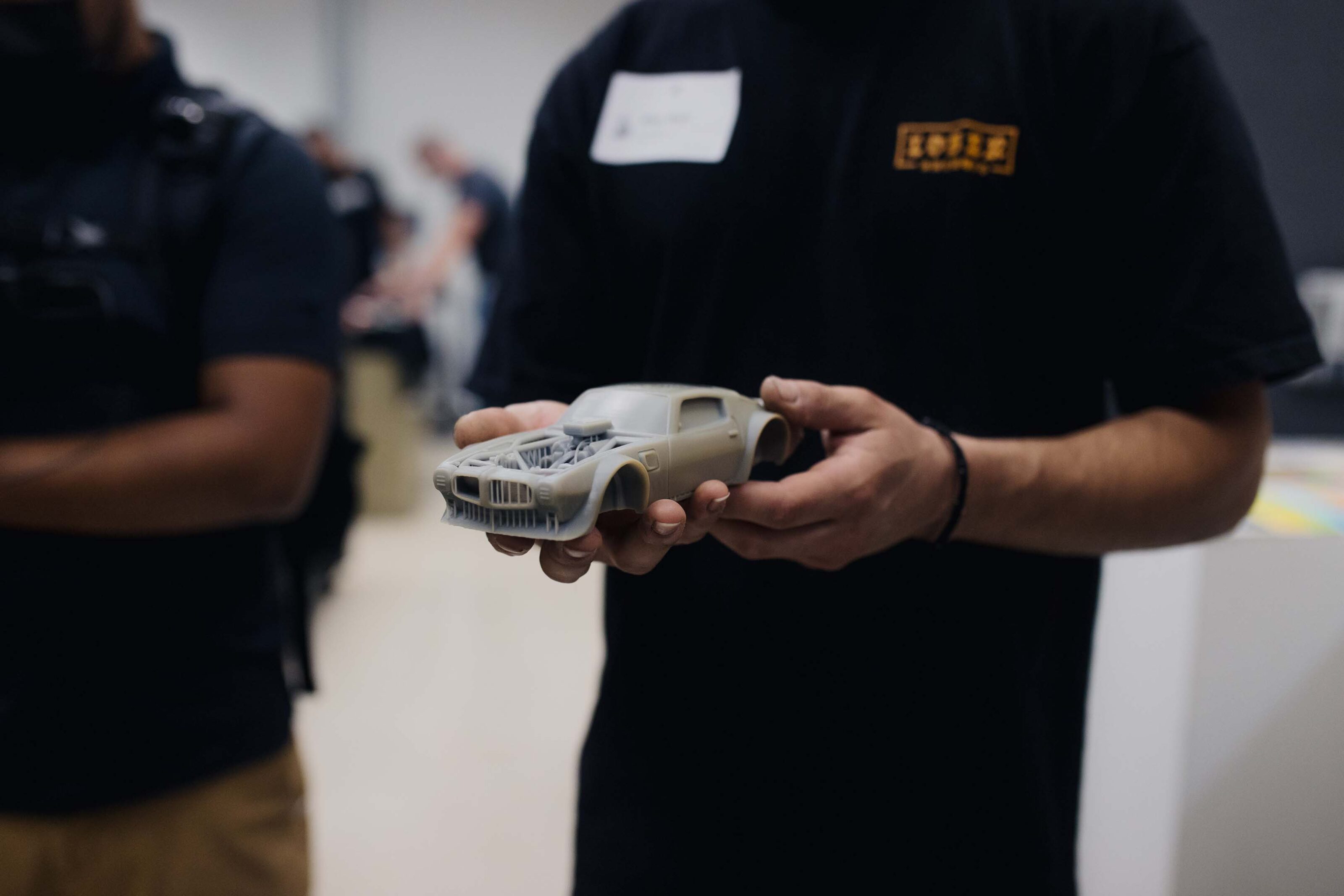
And how complex is it to replicate a racecar livery?
“Some companies own the rights to everything which allows us to use the whole livery. But then it’s limited by our production budget and how many colours we can do. We’re running the production line so fast we don’t apply them as decals, we do a tampography rubber stamp or a laser print instead.
“This 155 looks like it has full tampo, which is a little tighter in detail than the laser. Lasering gives fuller coverage of the car.
“I was able to use his input to force my manufacturing people to do the things I really wanted in the first place. It’s nice to be two-against-one in that scenario.”

“I like race cars. So I have to try and control myself when we’re deciding what to make. We’re trying to hit all our customers’ wishes and desires. When I was first doing Basic cars I did a GT1 Porsche, Le Mans Mercedes, even an Alfa Bat. But at that time, race cars like that maybe weren’t big sellers. The main race cars that Jimmy recognises are like the Alfa 155.”
He knows that if this generation of kids wants to see a motorsport line, they want to see something more recognisable as a production car than a prototype racer. The computer games have really helped us; they’ve helped broaden our audience’s awareness of these cars.
“Those who were too young to see them run in races have now driven them in games. We’re two industries going hand-in-hand with our growth.”
“I managed to do the Lancia Stratos Group 5 with the big fenders. The only reason I got that gig is that – to Jimmy – it was also a Transformers character called Wheeljack.
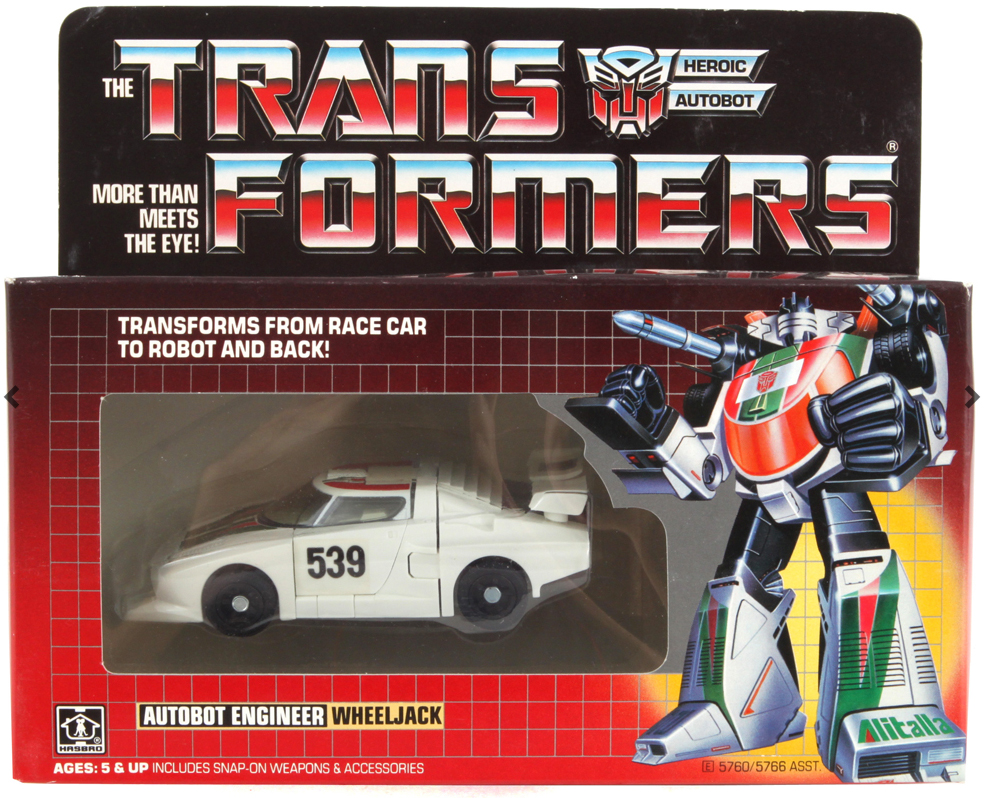
“He remembered it, so we figured other people would remember it too. And I was thrilled because I got to do a pretty whacked-out race car that I love!”
As heroically accurate as his race cars undoubtedly appear, it’s the wild and wondrous little Hot Wheels Originals that illuminate the eyes of some enthusiasts.
Ian Callum is the designer responsible for huge handfuls of modern Aston Martins, Fords and Jaguars, and is proud of the way Hot Wheels sparked his creativity along the way.
“I loved the idea of custom cars and hot rods,” says Callum, who began collecting Hot Wheels in his early teens. “I bought them because they represented something which I admired and wanted to be a part of. They were the quickest line into having American car culture in my life.

“I fell in love with hot rods in general because they were rebellious. I was at that age in the Sixties when it was good to be rebellious; I had long hair and clothes my father didn’t approve of, and so my Hot Wheels cars were indicative of a lifestyle that suited me. They were aspirational. And I’m glad to say I ended up owning cars that looked a bit like them.
“Hot Wheels are always exaggerated and that’s what I always liked about them. It’s something I’ve tried to take though my design career – to always make the most of design features. I grew a love for oversized wheels and details at a young age.”
Ian has his own ‘circle of life’ moment, too, with the Jaguar F-Type among his numerous designs that have now been replicated in Hot Wheels.
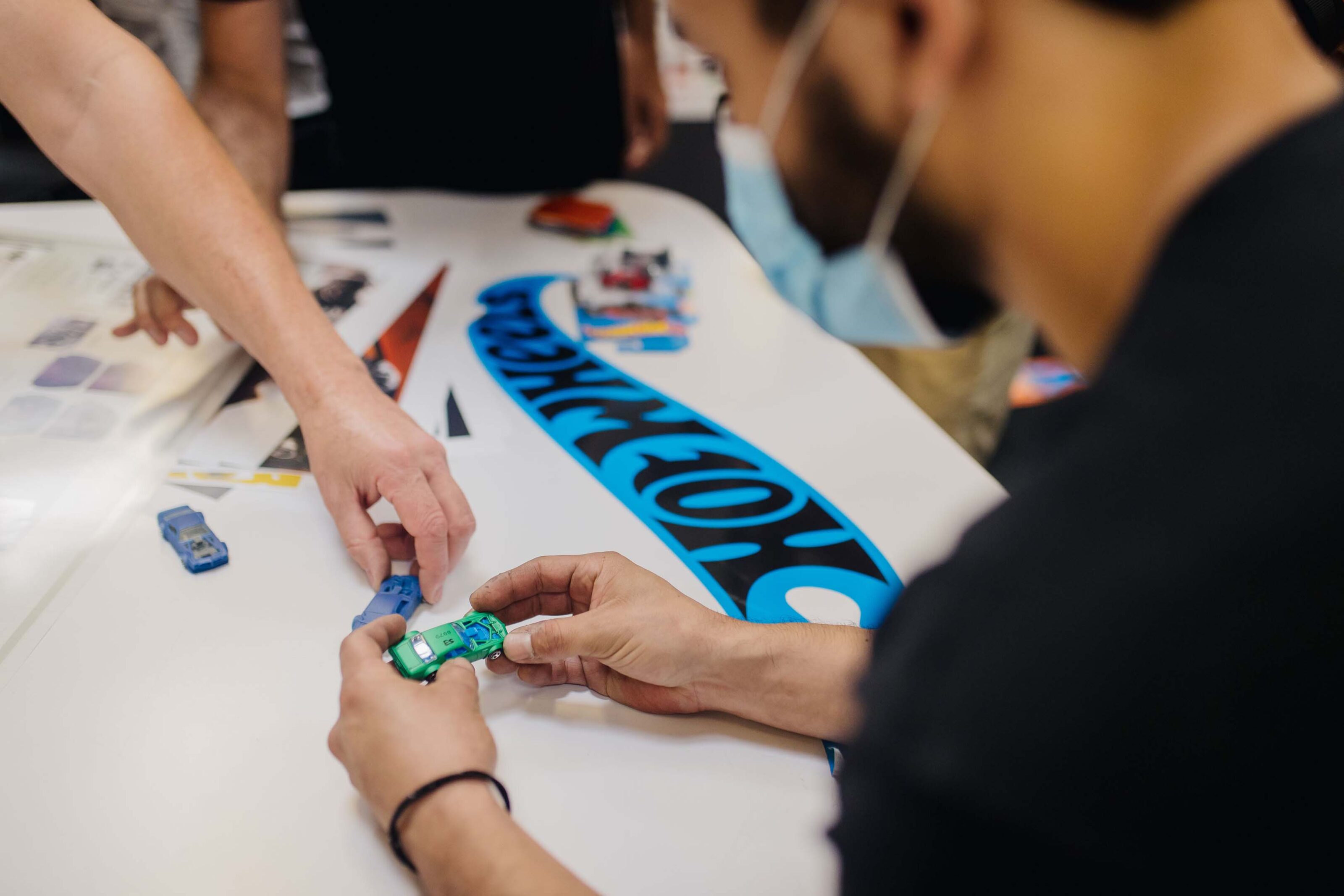
“I saw this reel on Instagram that says there are only two people in life you need to impress: your eight-year-old self and your 80-year-old self.
“That a car I’ve worked on is now available as a Hot Wheels toy is very flattering. It’s that notion that you’ve become a part of the world that inspired you in the first place. I can look back at my younger self and think ‘you’ve done alright, kid’.”
We couldn’t possibly pin down how many of those eight billion Hot Wheels made their way through the Callum household, but there’s a rich seam of fully driveable sports cars which can lay some thanks at the door of Ian’s early automotive love.
Told you it was so much more than a toy.

A little more…
Elliot Handler: The El of Mattel.
The company’s name is a portmanteau its two founders, Harold ‘Matt’ Matson and Elliot Handler, though the latter (and his wife Ruth) bought out the former a few years in.
The Handlers are credited with the development of some pioneering toys; Ruth introduced the world to Barbie, named after their daughter Barbara, but it’s the dawn of the Hot Wheels brand in 1968 that blips Elliot’s name loudly on our radar.
The brand’s first car was a blue Custom Camaro, with thousands of model lines – and billions of sales – following since. Handler lived to 95 and got to celebrate his 90th birthday at Mattel HQ.
The most valuable Hot Wheels
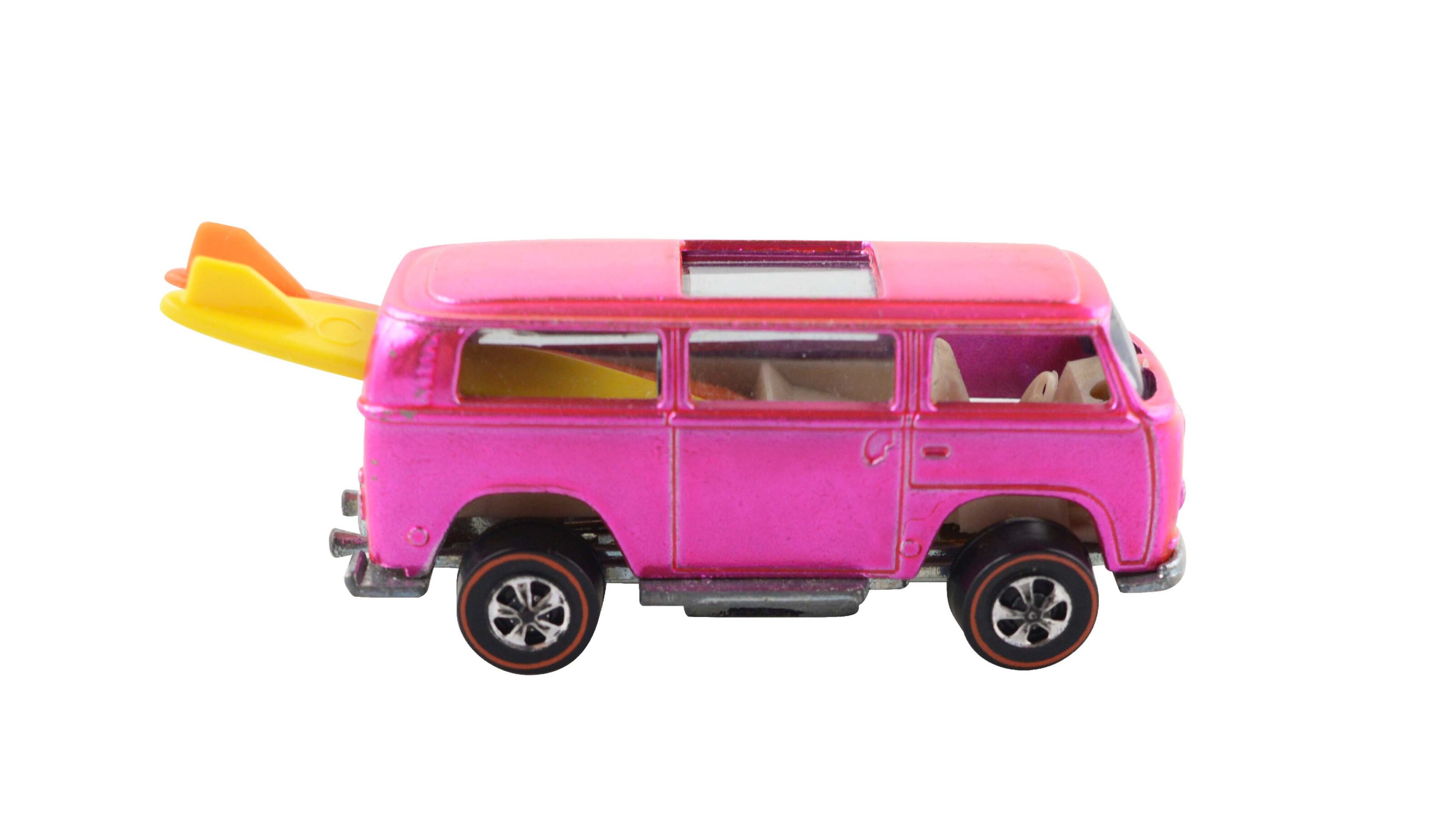
With eight billion Hot Wheels cars having left Mattel factories, there are plenty (quite literally) knocking around households globally. But some are naturally rarer than others, and woe betide any nippers who get their hands on this Beach Bomb and whoosh it mercilessly across the kitchen floor.
Made in 1969, it was a pink VW bus that came complete with a rear-loading surfboard but proved too top-heavy to truly work on track.
The design was modified for production, but those original, flawed prototypes are actually the ones to have – if you have a spare $250,000, anyway.
You’ve braved the malls and shops, but you still need to find that last gift or four?
Instead of a one-off gift they can rip open on Christmas morning, get them something that’ll keep giving for months to come, with a subscription to Australia’s favourite car magazines.
With offers starting from $29 for three issues, that’s a saving of 26 per cent over buying it off the shelf.
Subscriptions are also available for 12 and 24 months, providing a saving of up to 43 per cent.
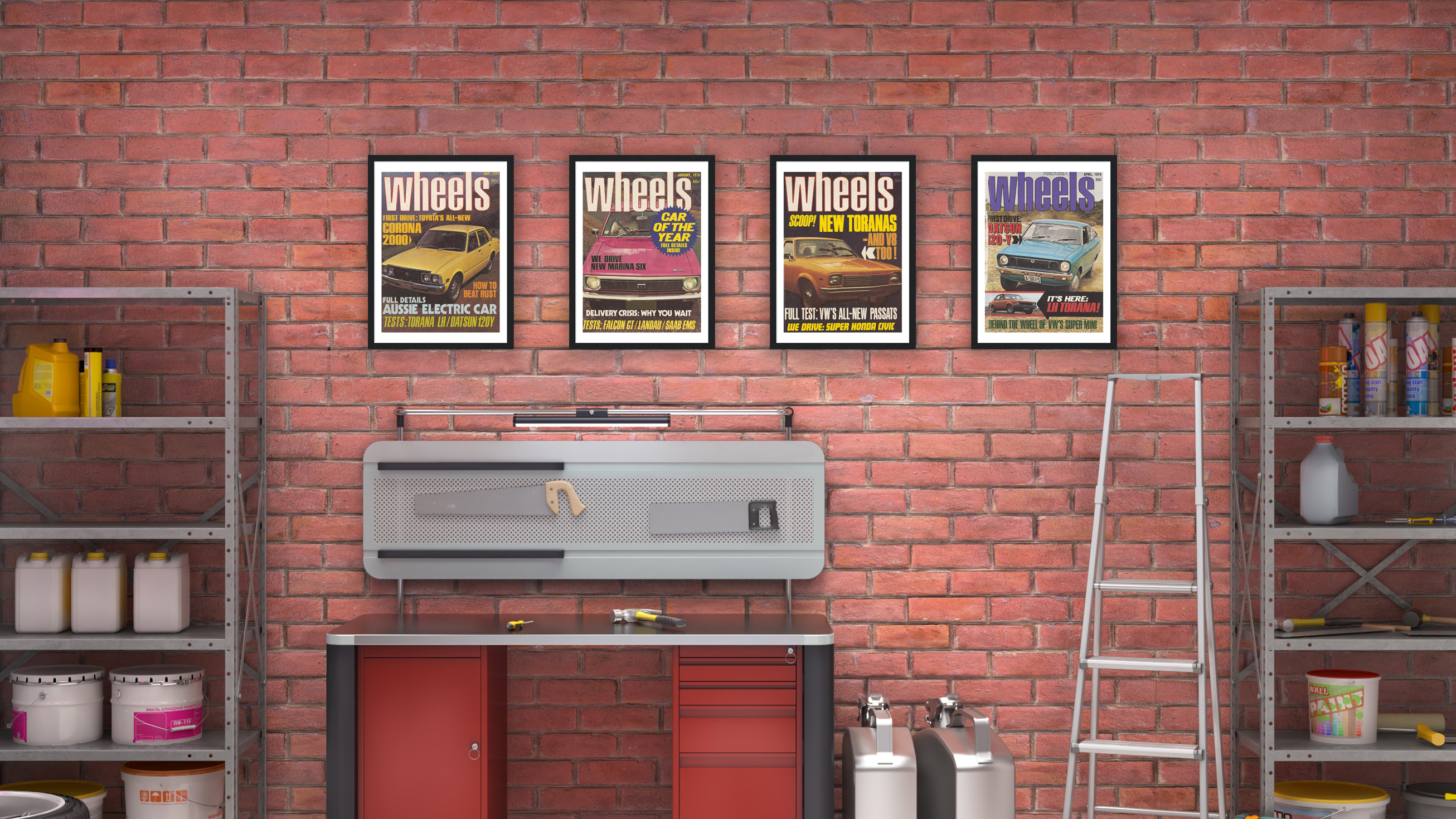
Framed retro Wheels covers
Perhaps they’d love something to add to their home, with a framed vintage Wheels cover now available for 50 per cent off. These posters have arrived just in time for Christmas gifting so grab your loved one a piece of automotive history by obtaining a poster of their favourite classic, or maybe a cover from the month of their birth.
Covers are available right now for issues from the 1950s through to the ‘70s, with more recent decades joining the list soon.
The print includes:
- Premium, 200gsm semi-glossy paper
- Wooden frame in a colour of your choosing
Dimensions
- 30 x 40 cm / 12 x 16 inch
- 20-25mm thickness
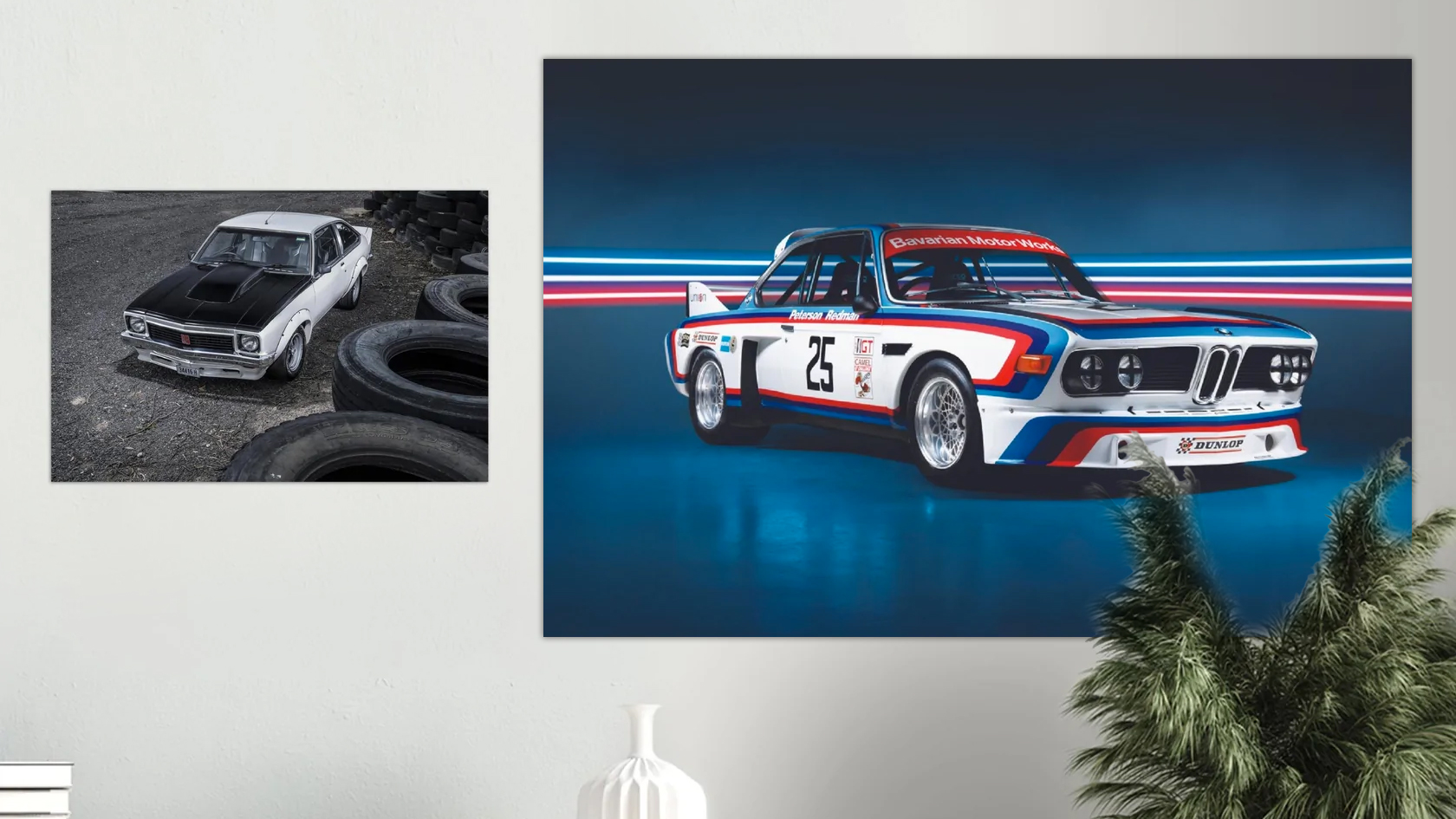
Premium photo prints
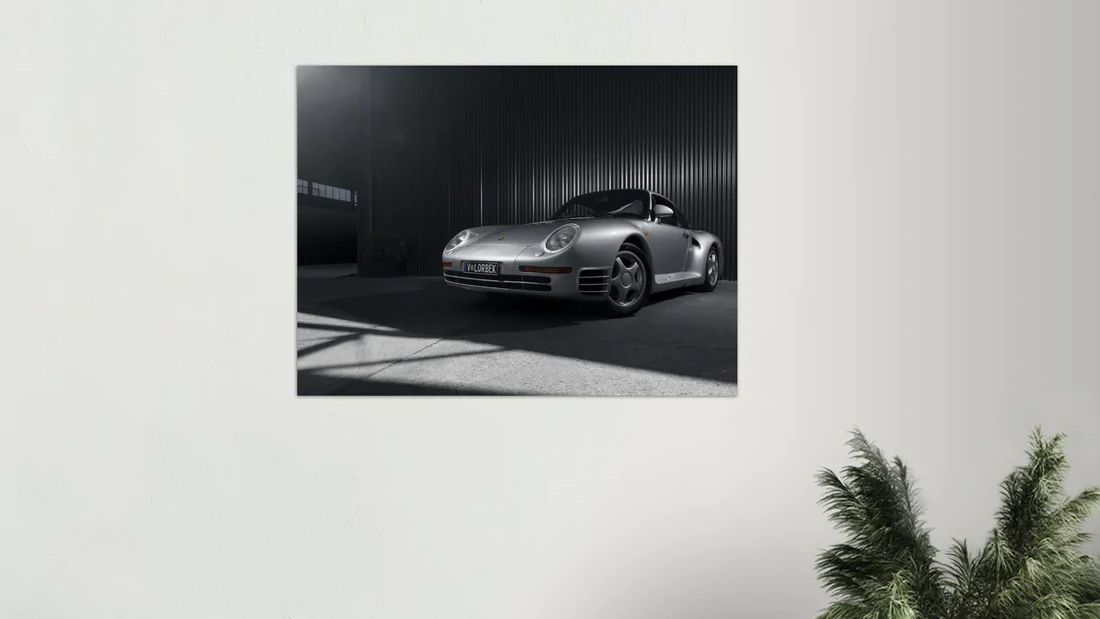
Another favourite new addition to the WhichCar Shop is our premium wall art, featuring favourite photos of classics such as the Porsche 959 and the A9X, available in a high-quality print from just $29.
Sizing and prices
Poster: Printed on premium, semi-glossy paper, and shipped in sturdy packaging so that it’s ready-to-hang immediately.
- 28 x 43 cm – $29
- 40 x 60 cm – $39
- 60 x 90 cm – $49
Canvas: Printed on a beautiful canvas and stretched across a 2-3 cm thick wooden frame. Shipped in protective packaging with a mounting kit included.
- 30 x 45 cm – $59
- 45 x 60 cm – $79
- 60 x 90 cm – $119
Hit the link below to take a closer look, and watch for more prints to join the collection in the weeks and months ahead.

For more great gear from our titles, like mag subscriptions, t-shirts, hoodies, beanies, keyrings and loads more, head to shop.whichcar.com.au!
Any blue-blooded rally enthusiast will remember 2007: the launch of Subaru’s third-gen Impreza, and with it that gawky WRX hatch.
How could that blobby grocery-getter ever live up to the wide-bodied, big-winged, bonnet-scooped ‘hawk-eye’ STI of 2006?
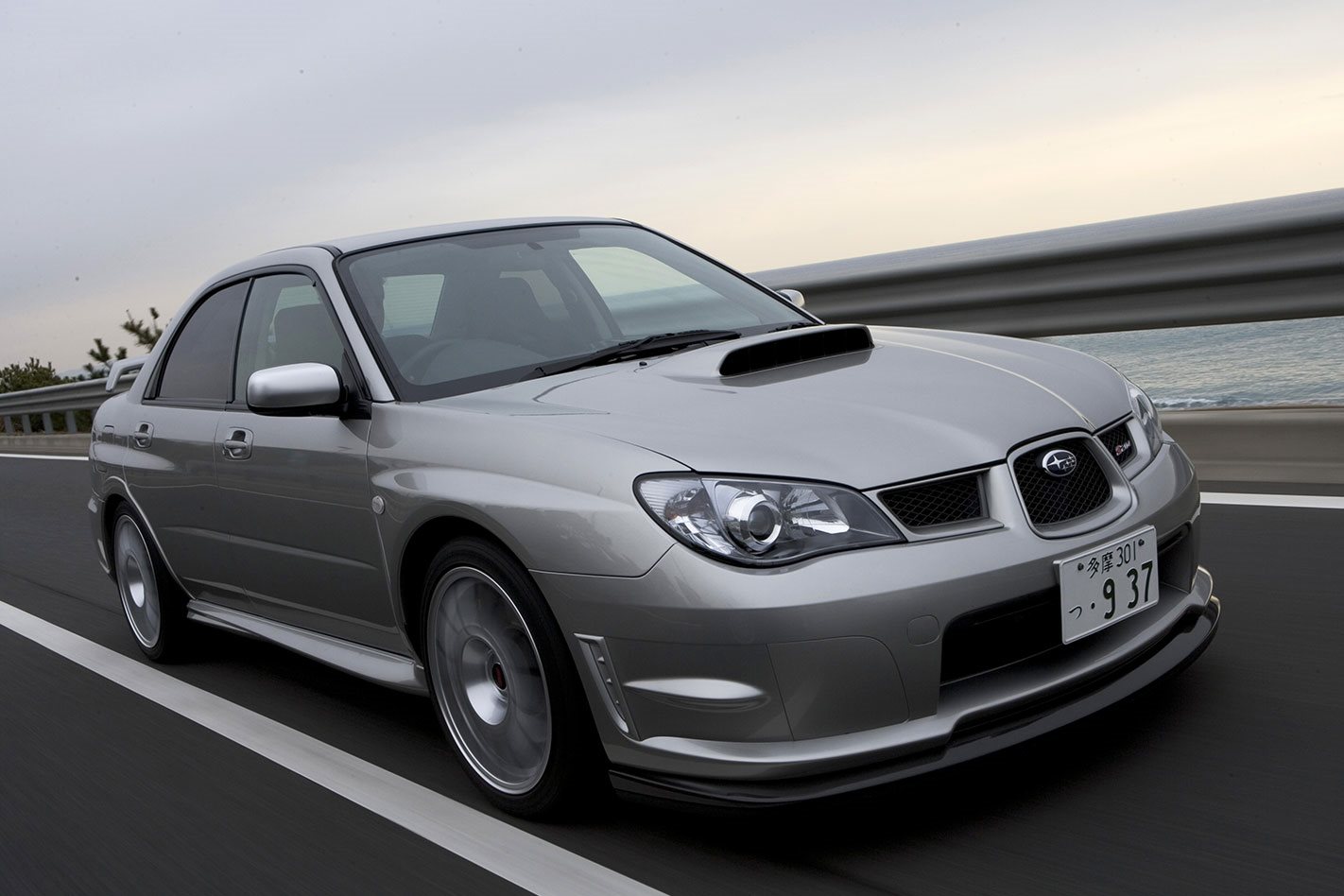
Well, the hatch grew on us over time – especially when the wide-body STI arrived – but it didn’t stop Subaru returning to its roots with the WRX sedan.
Still, the impending launch of the new Impreza hatch got us thinking: what would a modern WRX hatch in the old Impreza tradition look like?
So we commissioned some renders from digital artist, Theottle, and everyone at the Wheels office reckons the result is rather, well, excellent.
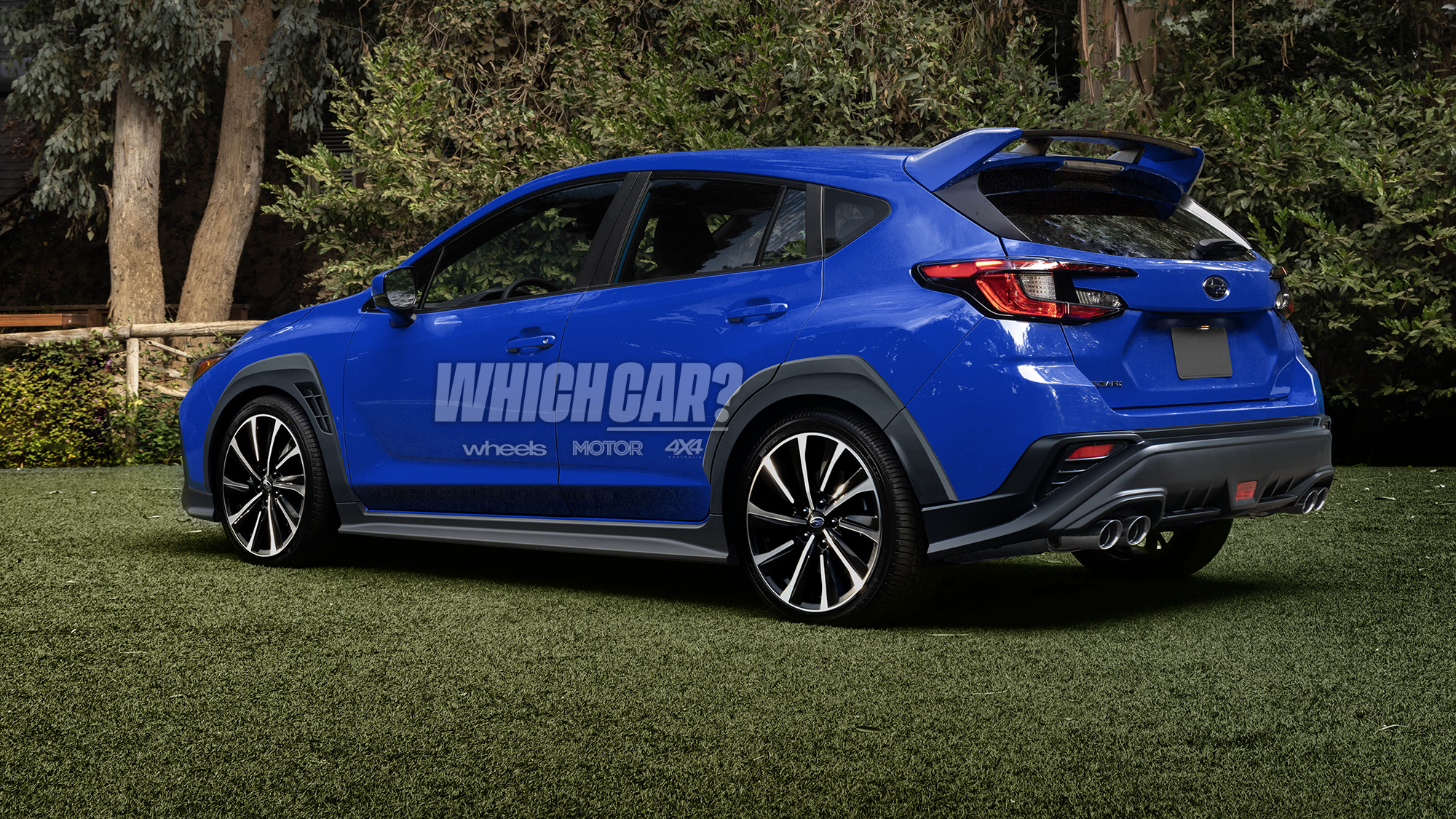
The underlying shape is lifted from the MY23 Impreza hatchback with its broader front grille. Turning it into a WRX meant larger alloys from the tS Sportswagon, with the sedan’s controversial golf-ball cladding around the arches and – naturally – a bonnet scoop.
Hiding the wider wheels are subtly flared front and rear fenders to give the WRX hatch a classic rally-car stance.
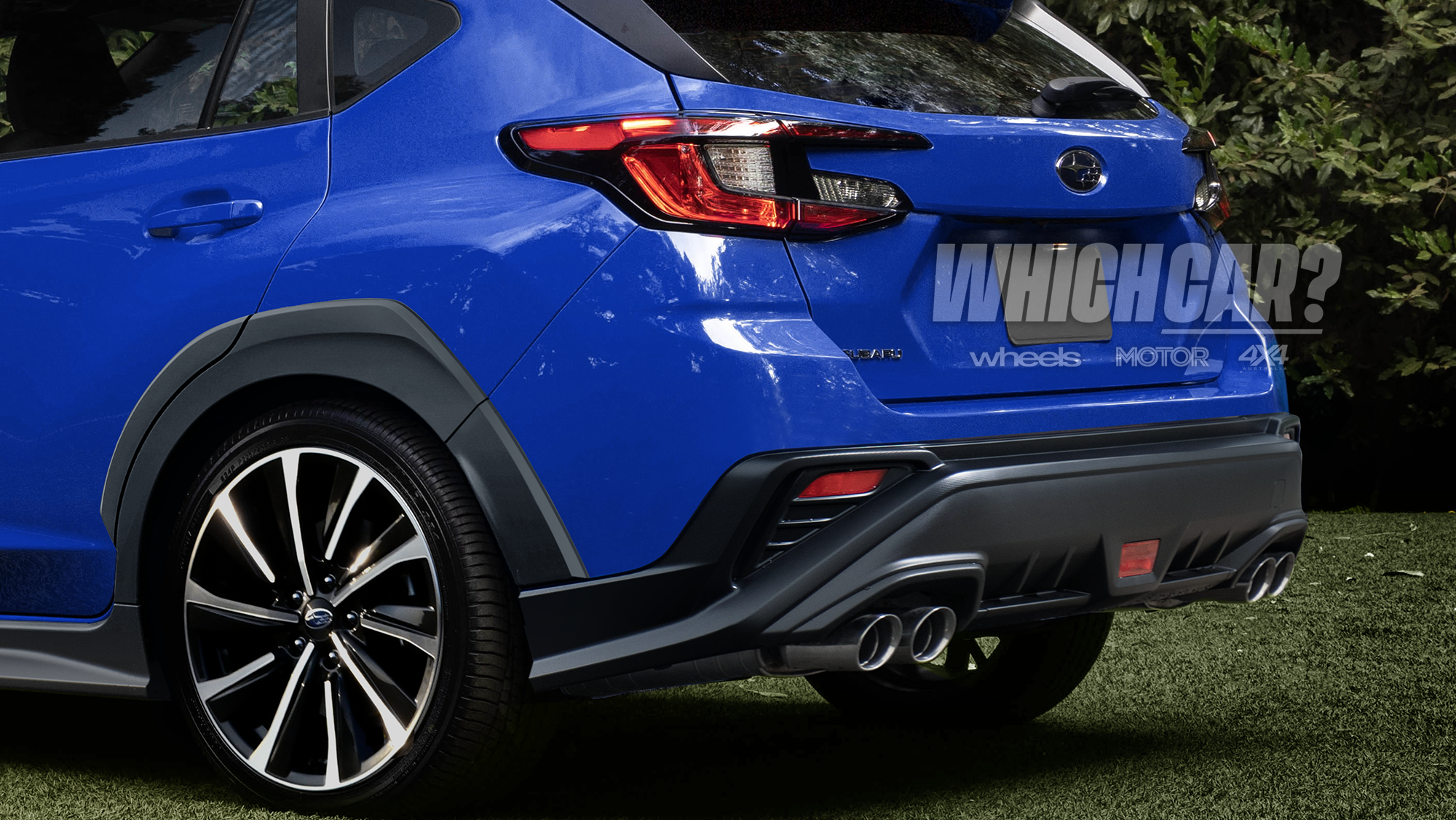
Around the rear, we’ve got the WRX sedan’s rear diffuser with quad tailpipes and central rain-light all rounded out with a must-have roof spoiler. Overall, the treatment gives the WRX hatch a certain Mk3 Ford Focus RS swagger.
The renderings are of course, purely speculative – a bit of fun – with no WRX hatch suggested, in the pipeline, or spied out testing.
But would you prefer this WRX hatch to the Sportswagon? Let us know in the comments below!
The Christmas Gift Guide for Car Enthusiasts!
The weather is finally deciding to warm up, which can only mean one thing for us southern hemisphereans: the season of gifting is upon us all. (Oh, and merriment and catching up with family, etc…)
Are you struggling to find the perfect gift for the car enthusiast in your life? Look no further!
In this article, we’ve compiled a list of top gift ideas for car lovers. From car accessories to gadgets and tools, we’ve got something for every type of car enthusiast.
Whether they’re a professional mechanic or just a casual car lover, these gifts are sure to rev their engines and put a smile on their face this holiday season.
If, somehow, you don’t find the right gift in our big list below, be sure to check out our gear guide.
Photo at top of story: Annie Spratt on Unsplash
JUMP AHEAD
- Books & prints
- Apparel & wearables
- Tech
- For the kids (big & small)
- Lego
- Tools
- Car cleaning gear
- Big spender
Books & prints
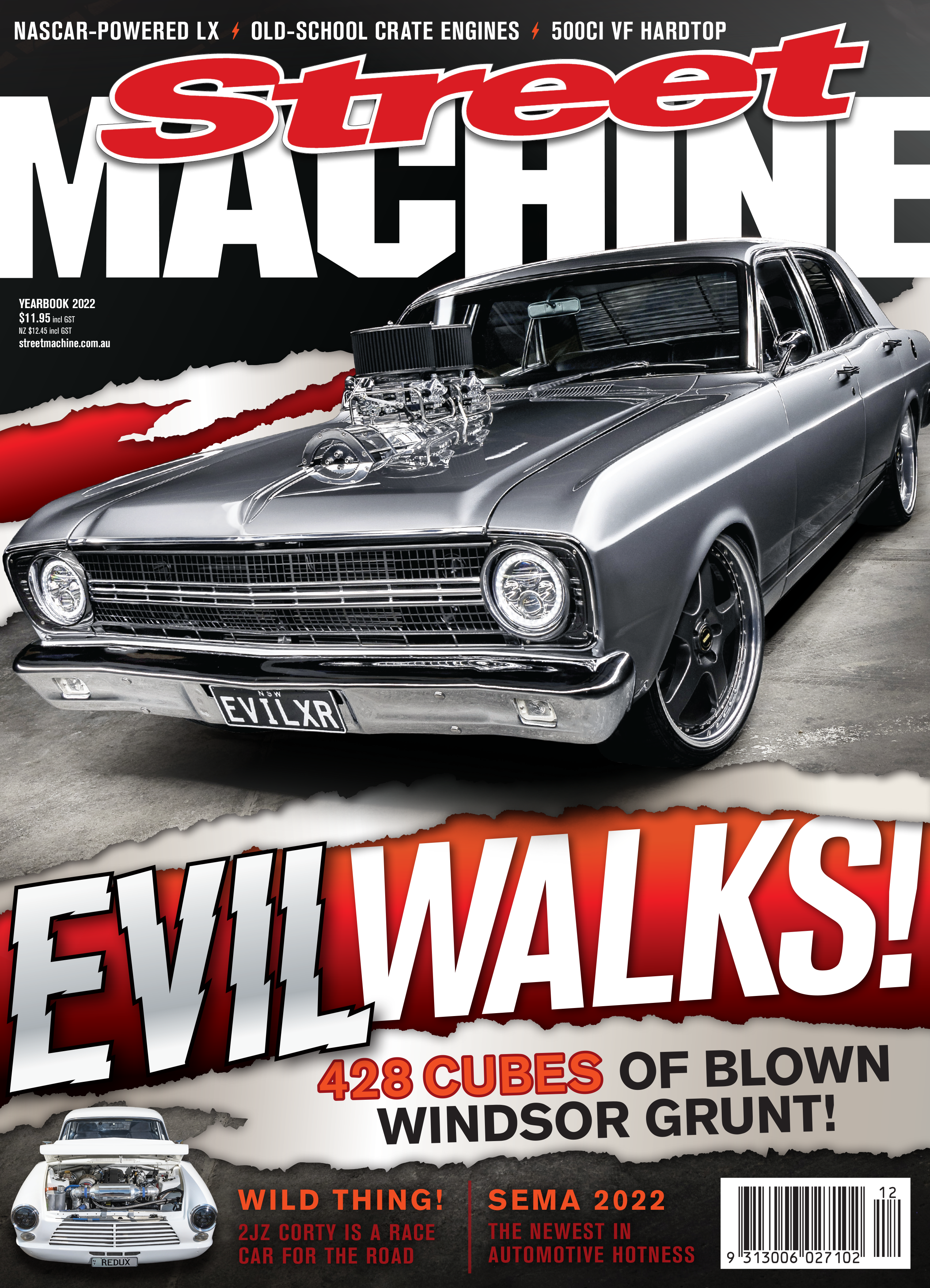
Street Machine 2022 Yearbook
Have the year perfectly summarised by taking delivery of Street Machine’s 2022 Yearbook, featuring reader vehicles such as Valiants, Cortinas, and HK Monaros. The Yearbook is on sale now.
From our own shop: Premium wall art prints
Got a hall that needs decking? Our very own shop has prints of our most popular photos, such as the Torana L34 or the BMW Batwing. Prints are available in various sizes and prices begin at $29 for a 28 x 43cm photo.
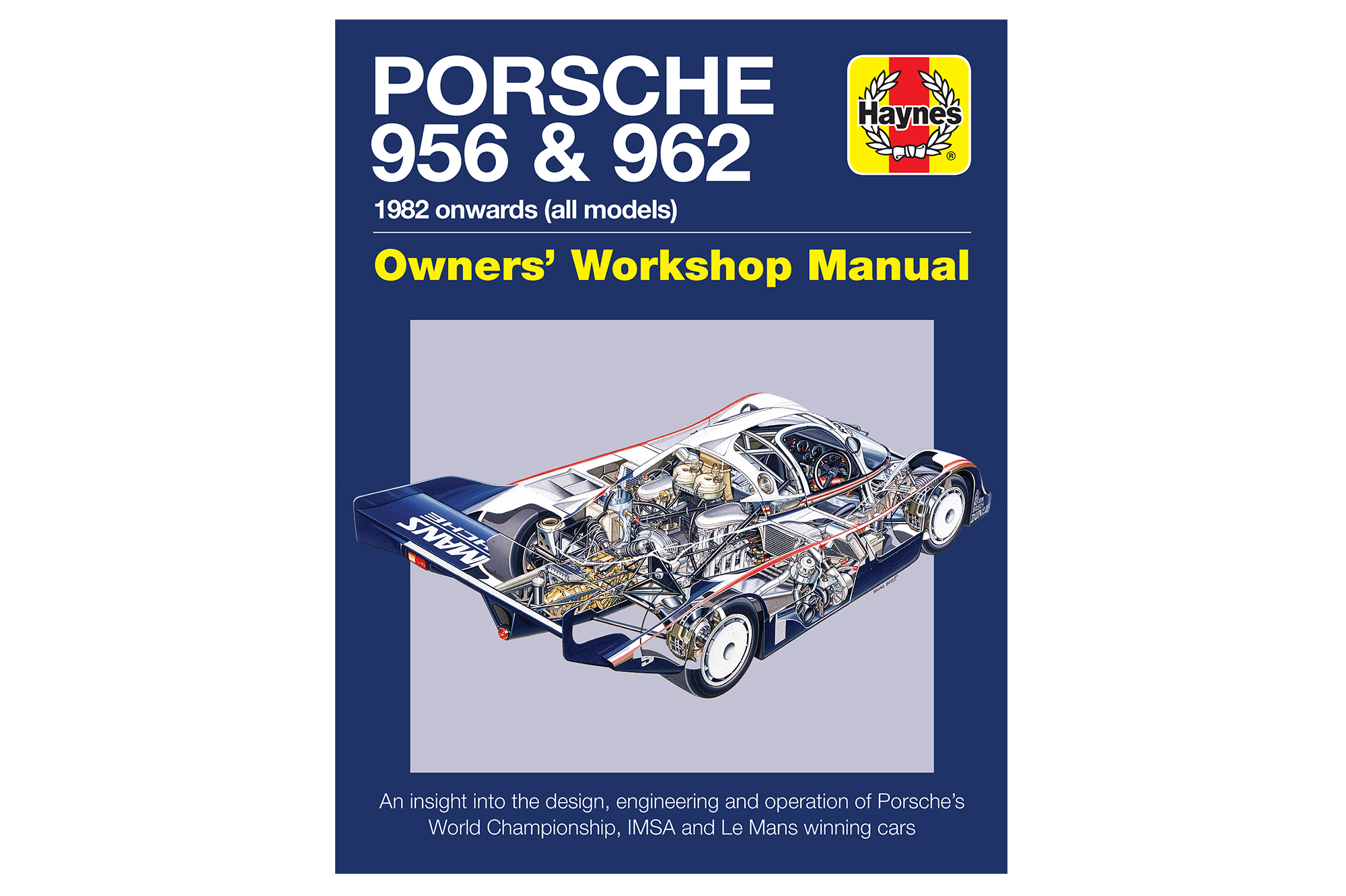
Haynes Workshop Manual – Porsche 956/962
Main dealer servicing bills crucifying you? Haynes has the perfect way to save a few bucks when servicing your Porsche prototype. haynes.com
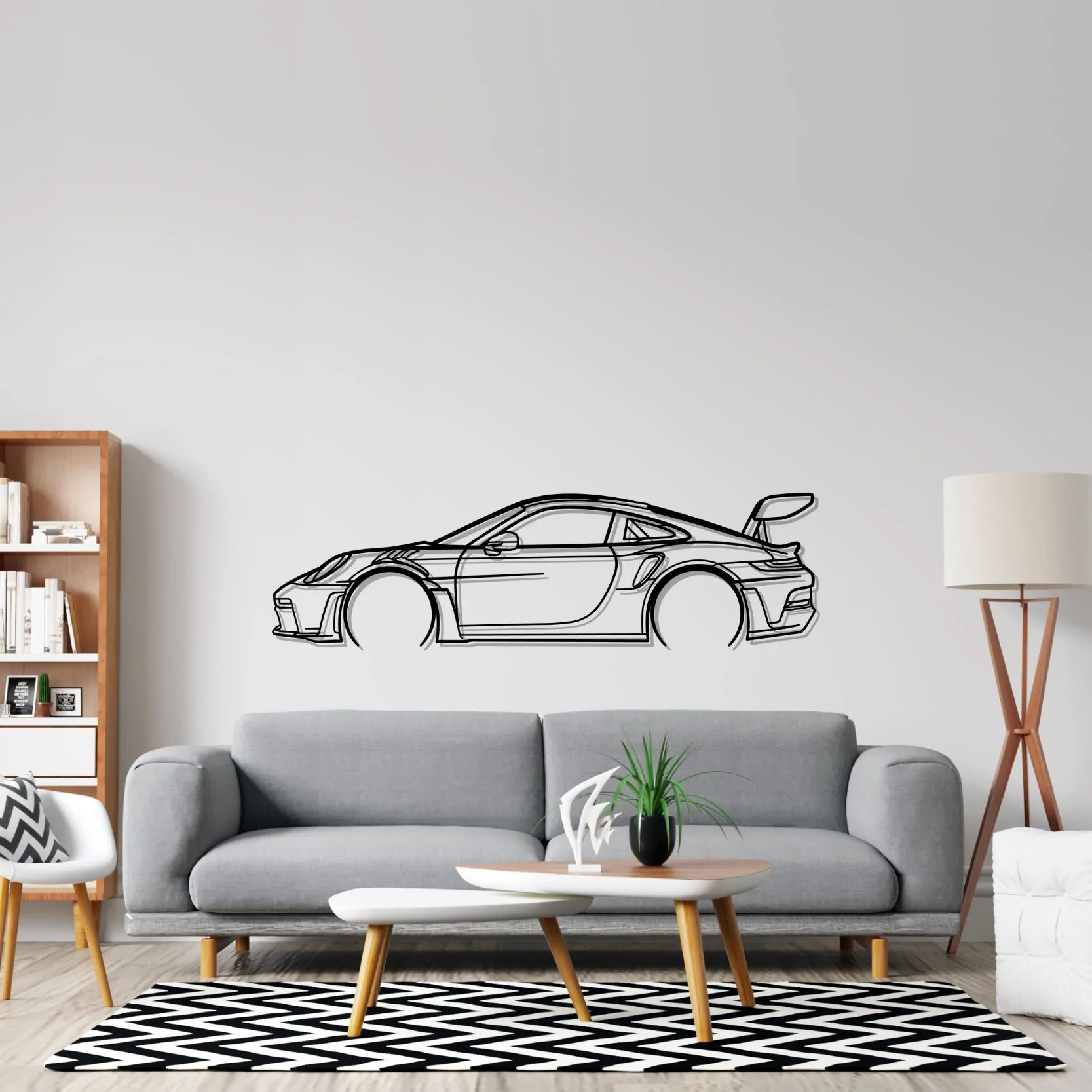
Car silhouettes from Petrol Vibes
After decking your halls with our photo prints, perhaps you’d like to deck another part of your home with these minimalistic car silhouettes from petrolvibes.com. These pieces are powder-coated steel and would be a unique addition to any space in the home.
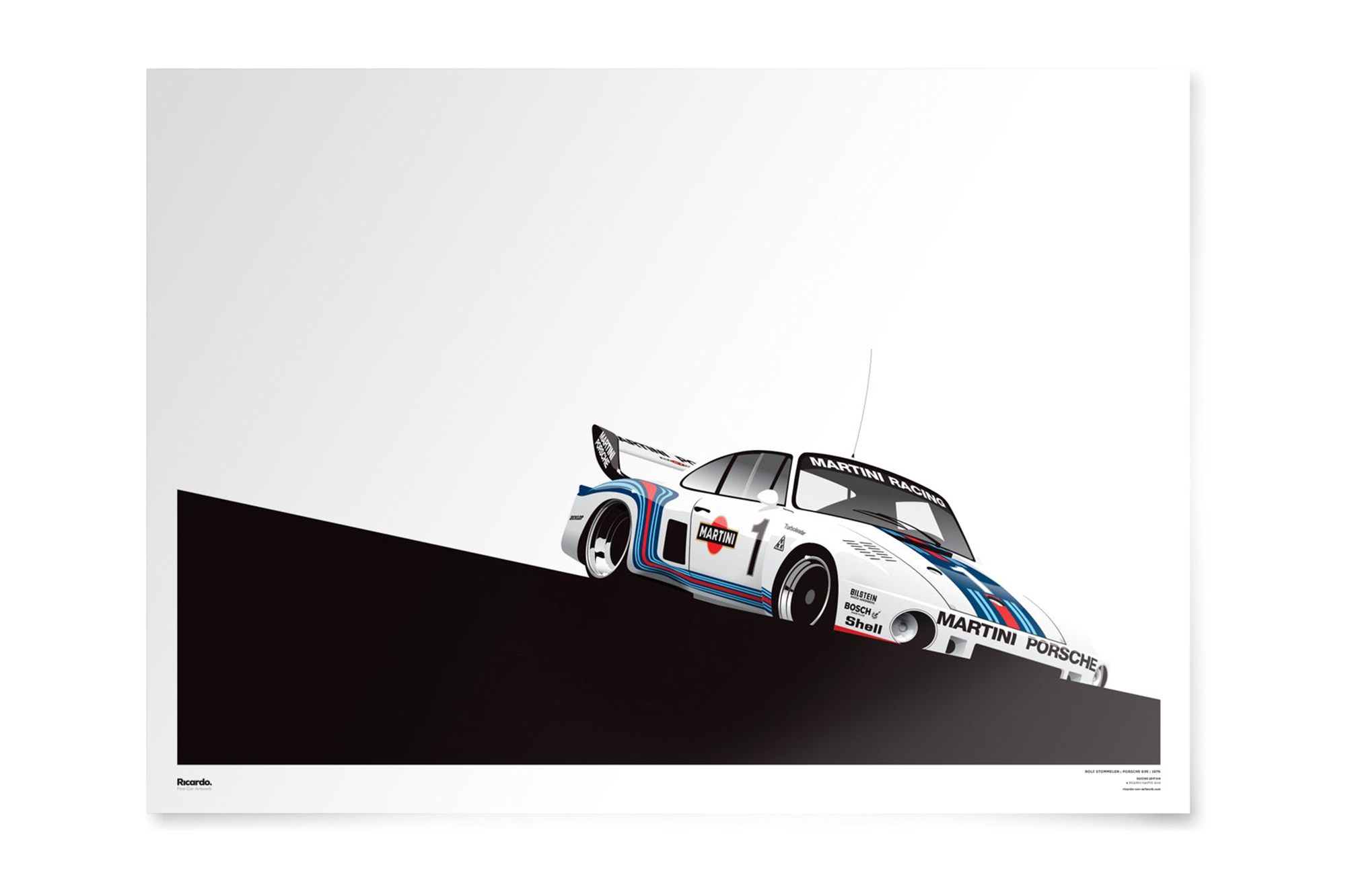
Rolf Stommelen 1976 Porsche 935 Print
Ricardo Santos is a Portuguese graphic designer producing stunning art pieces featuring some of motorsport’s biggest icons. ricardo-car-artwork.com
Car cave art
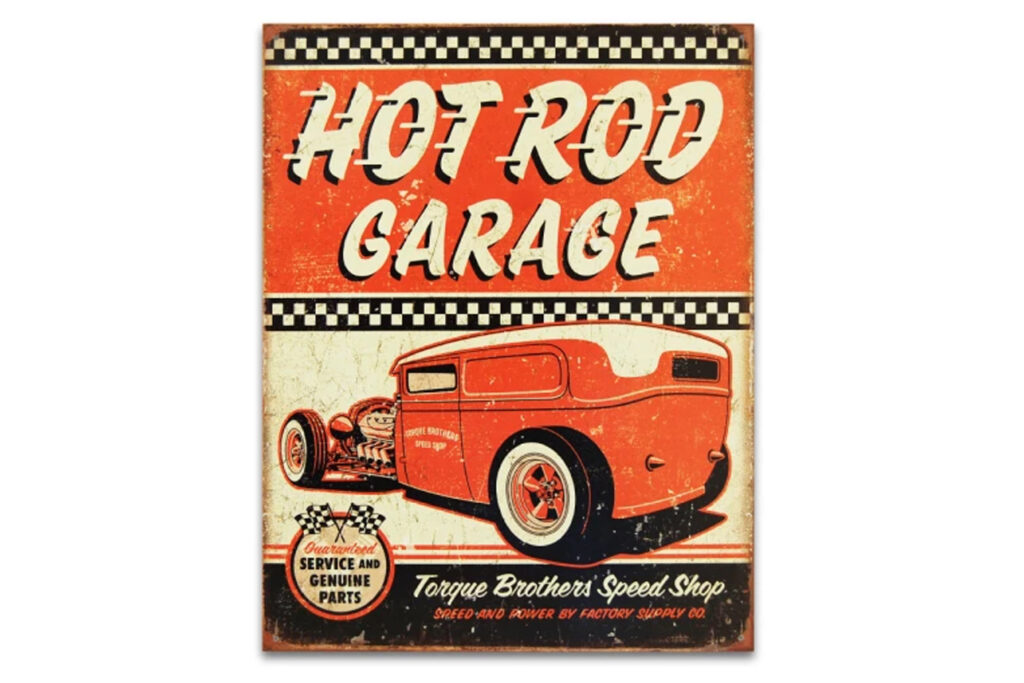
Most old fellas love decorating their man cave with sweet automotive ephemera, and there’s a whole bunch to choose from on Hard to Find.
We dig this ‘Hot Rod Garage’ sign, but there’s plenty to choose from to suit just about any dad.
Apparel & wearables
Car pins from Leen Customs
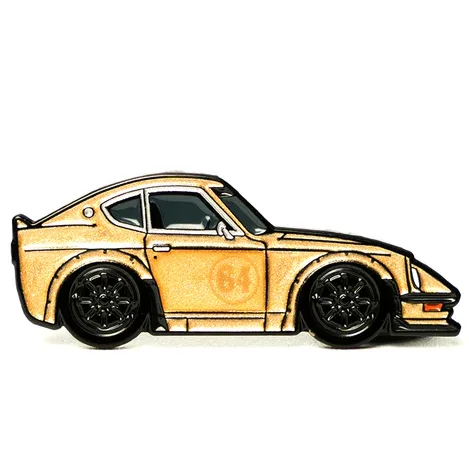
These stylised badges offer a unique design and feature many cars from the McLaren 720S and the Ferrari 458. Also available (while stocks last) are limited edition badges designed after different cult classics, such as the S15 200SX (or Sylvia), Nissan 280Z and the Mitsubishi Evo 5. Prices start from $15.
V-Max Socks – $16
This mob creates the socks you won’t mind getting for Christmas. This pair taps 80s cult SEGA video game OutRun with pixelated palm trees, fictional Testarossa Spider and all. heeltread.com

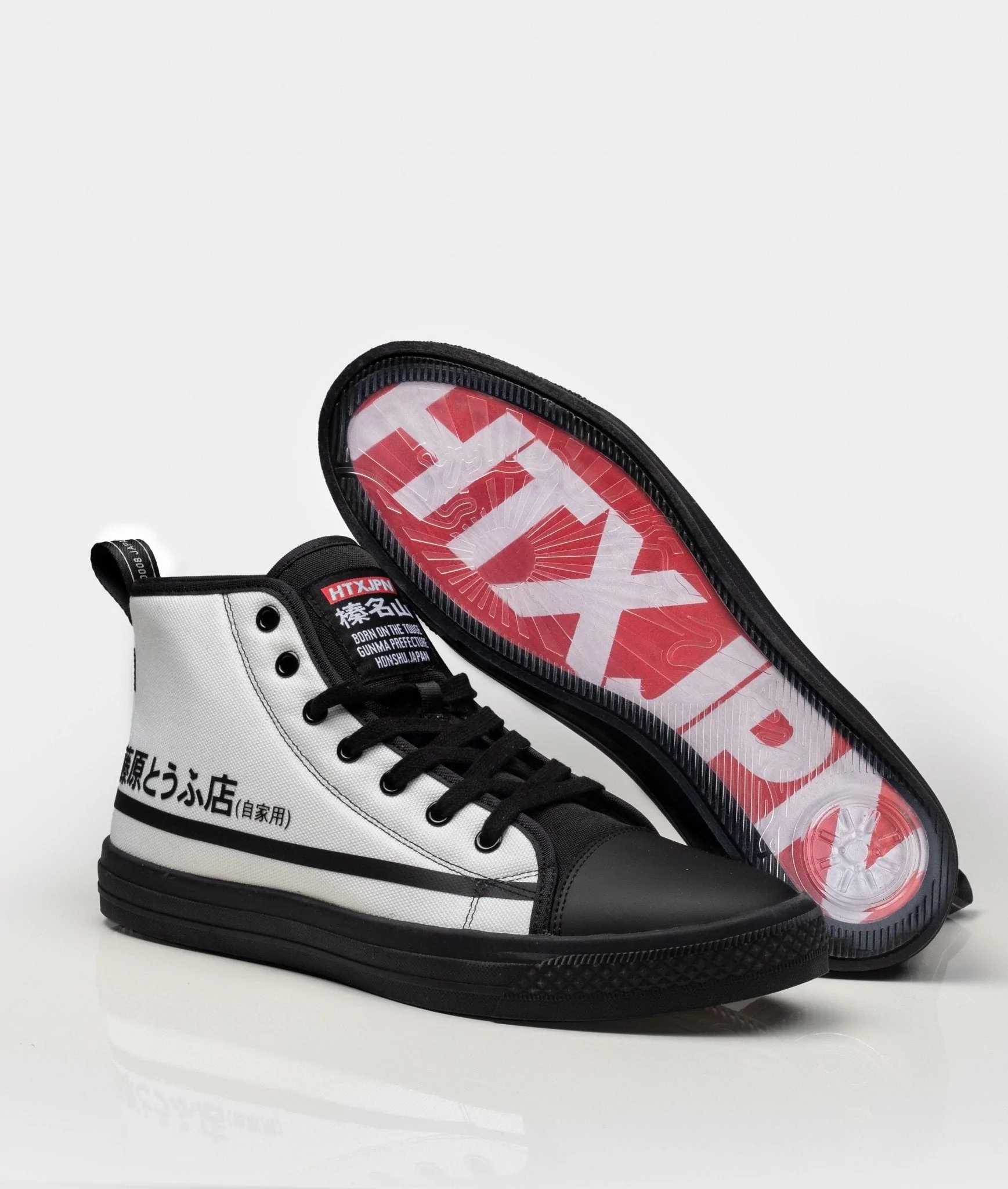
AE86-themed kicks from Hardtuned
The cult classic car that grew to prominence due to racing with minimal traction gets a fair and proper tribute from Hardtuned in the form of footwear – that presumably has good traction. A fan of the plucky little Toyota, or even someone who enjoys the Initial D manga or drift culture would enjoy these additions to their feet.
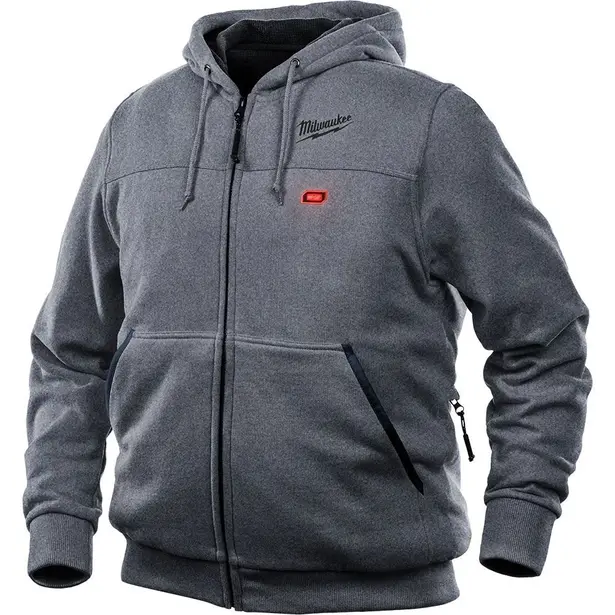
Milwaukee heated jackets and hoodies – from $99
Not so useful for the typical Aussie Christmas, but think ahead to all those cold days in the garage with these hoodies from Milwaukee (available from Total Tools) and you’ll quickly see why these heated jackets would be handy for the tinkerer. Good for eight hours of heat, these jackets will help keep the wearer warm without needing to add multiple bulky layers.
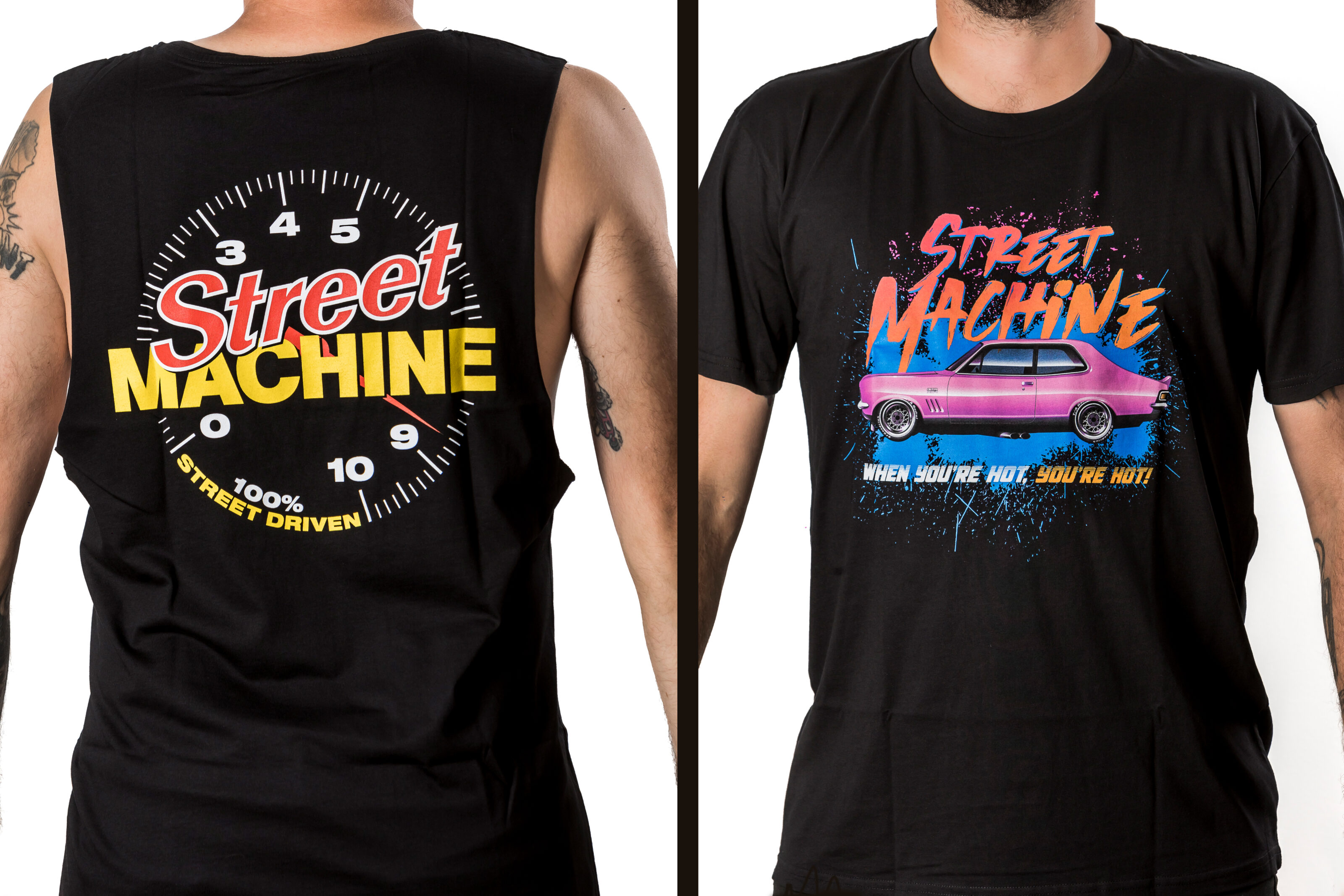
Street Machine merch!
We’ve just launched a brand-new Street Machine merchandise website and have dropped some fresh new merch to get your mitts on. Our new Torana GTR XU-1 T-shirt features a killer design by Ten Tenths Creative, the artist behind the awesome HQFORU image that graced the cover of our September ’21 mag.
The Strike Me Pink Torry rocks killer sidepipes and Hotwire mags, and the shirt also sports the famous Torana slogan from the 70s. We’ve also thrown our super-popular SM tacho design onto tank tops – perfect for summer. Both shirts are made from high-quality AS Colour material and printed right here in ’Straya, available in unisex adult sizes S to 5XL. You can browse all our merch, as well as order any SM back issues you may have missed, at shop.streetmachine.com.au.
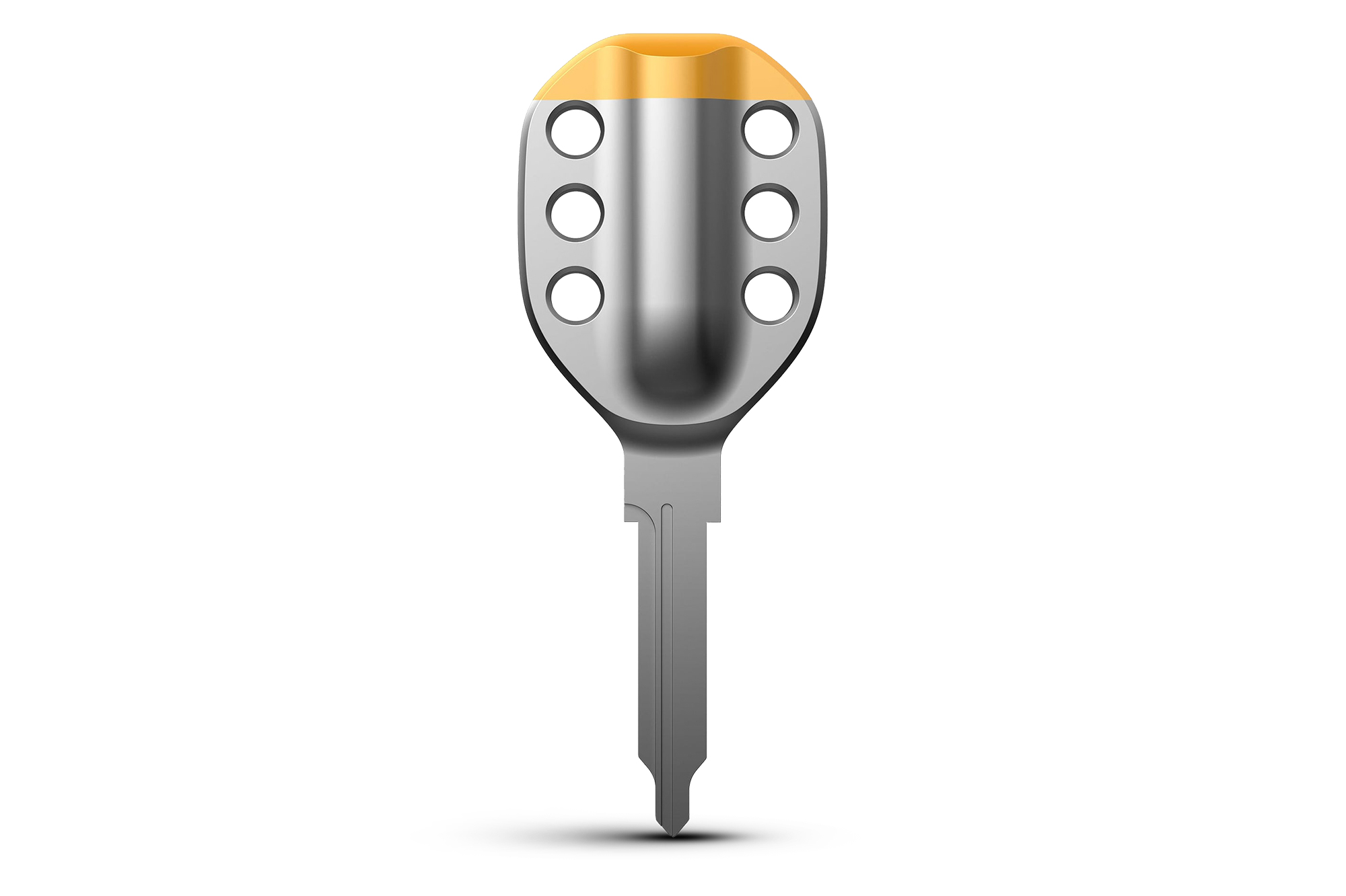
Formawerx 911 Homage Key – $400
These finely finished key blanks from Formawerx, for the classic 911, reference Porsche’s Group 6 prototypes with a range of colour options. formawerx.com
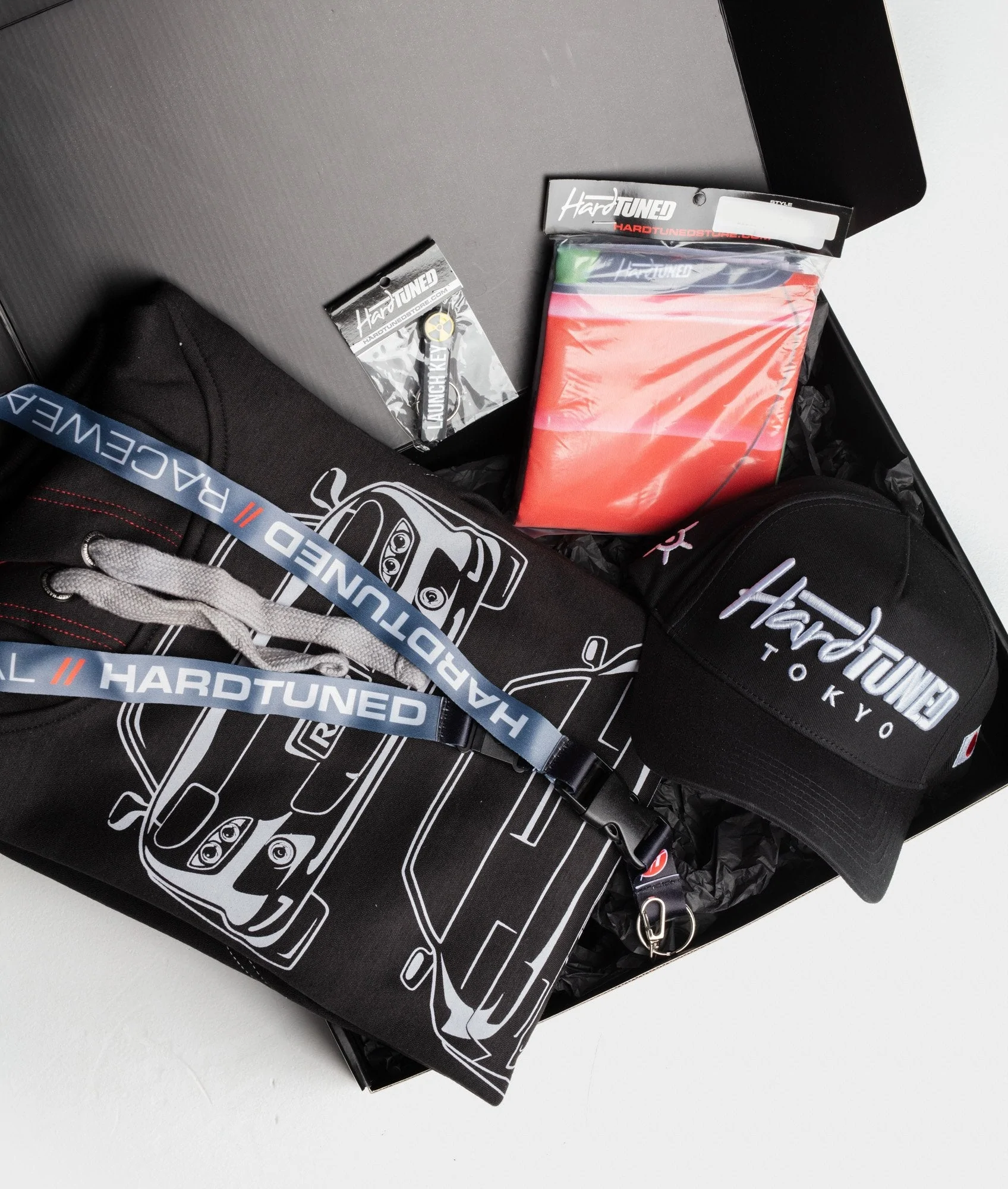
Gift bundles for your favourite car from Hardtuned
A fan of the classic FD RX-7, or perhaps the drift icon AE86 Trueno? Hardtuned offers gift bundles themed around these cars and more. Gift packs are currently on special for $149.95 and contain themed hats, hoodies, lanyards, flags and other merchandise.
Tech
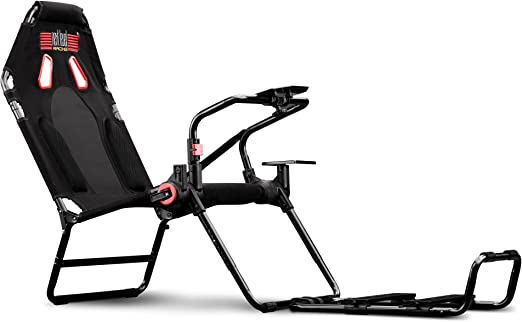
Next Level Racing GT LITE Racing Cockpit
In order to get a little bit deeper into Gran Turismo on PlayStation 5 (if you can find one), or to immerse yourself into any of the other top racing games this racing cockpit from Next Level Racing adds that little extra layer that cannot be replicated with just a couch and controller – steering wheel and pedals sold separately.
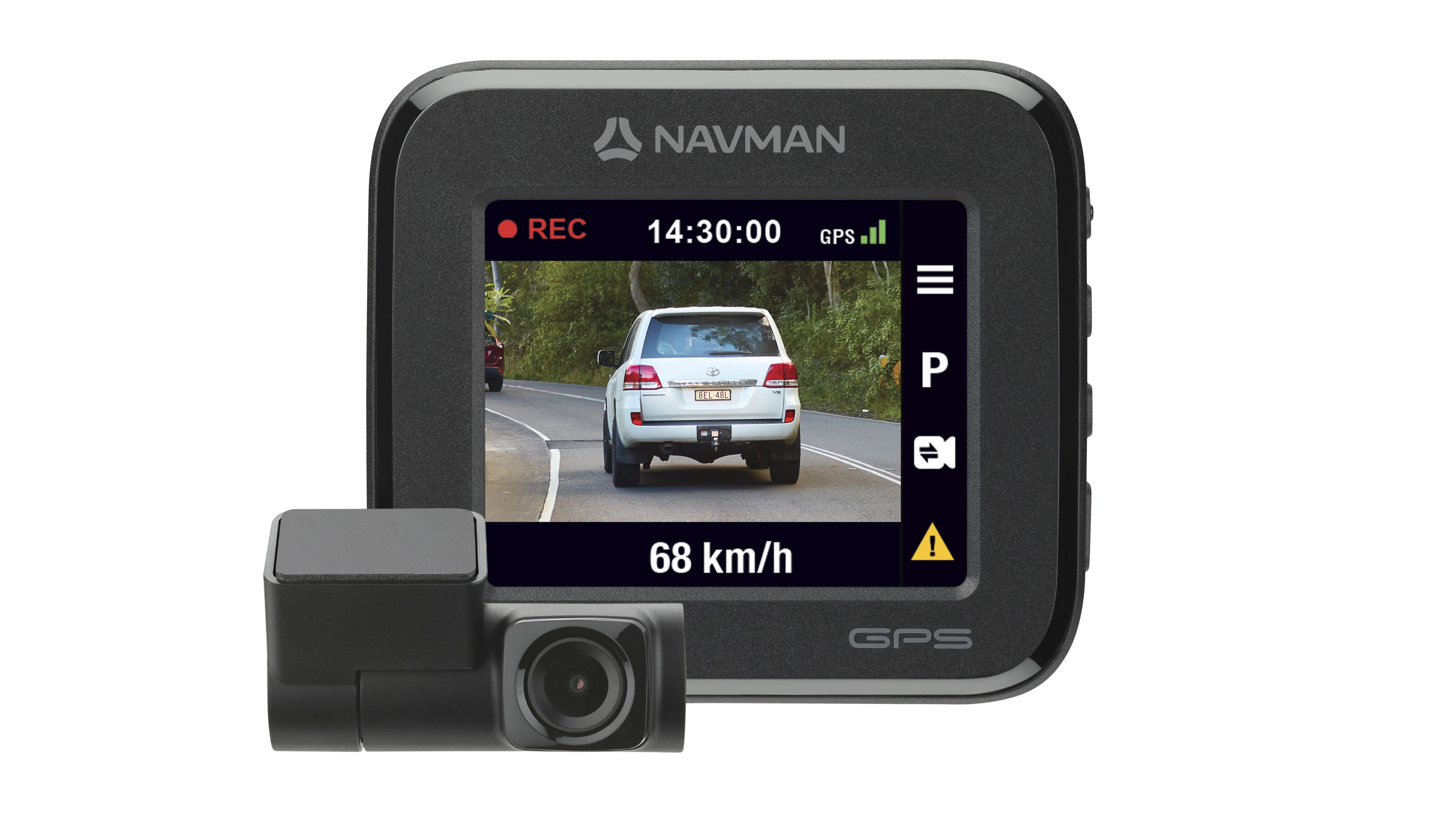
Navman Mivue 900 Dual Camera dashcam
Some might say dashcams are a little like most safety features – you don’t think you need them until something happens, and then you’re glad you had ’em.
Navman’s Mivue 900 Dual Camera (DC) system includes, as its name suggests, two cameras – one facing forward and one to position at the rear of your vehicle, both recording in 1080p full HD at 30 frames per second. The front camera is also equipped with a Premium Starvis Ultra Low Light Sensor, designed for ideal recording in dark settings. navman.com.au
Car cleaning gear
Showwheels wheel & aluminium cleaner
The wheel wizards at Showwheels have stepped into the car care world with a whole new range of cleaning products. Given the company’s roots creating killer custom spinners, it’s no surprise that one of the new products is Showwheels’ Car Care Wheels & Aluminium Cleaner, perfect for keeping your car’s wheels and metal surfaces looking mint.
Simply spray onto any metal trim or wheel, wipe with a microfibre cloth, buff it off with a second cloth and you’re done! It can be used as often as needed, and because Showwheels has formulated it for use on its own custom-made wheels, you know it’s a professional-standard product. A 500ml bottle costs just AU$22.95, and you can grab one now at showwheels.com.au.

Car washing kits – from $79.95
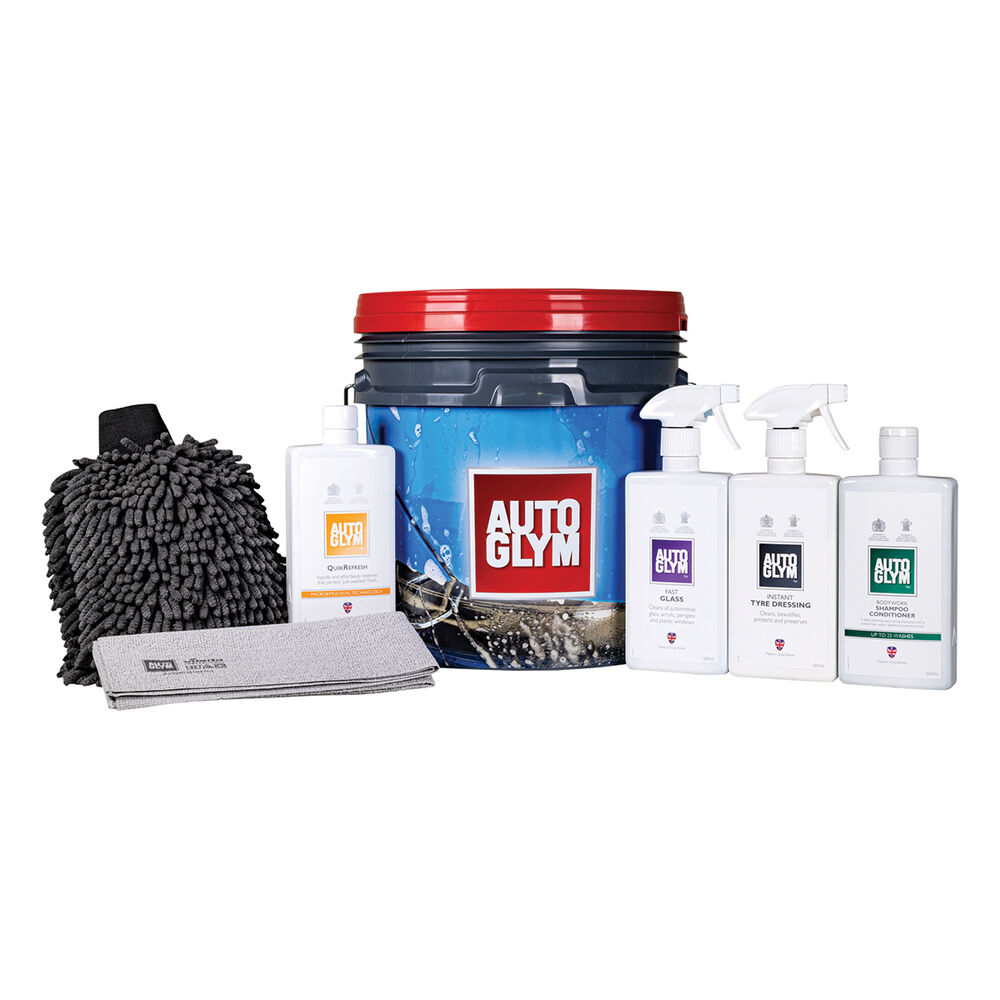
The pride and joy needs proper care, and not just a lazy sail through the local Happy Wash. These professional car care kits from CarCareProducts can provide everything from proper towels and microfibre clothes to glass cleaners and tyre finishing gel, keeping the car in that perfect showroom condition.

Bowden’s Own Little Intro kit – $189.99
Continuing with car washing, Supercheap Auto offers this car care kit as an introduction to the world of car detailing. The kit includes a car wash bucket with a mesh barrier to prevent sponges from grabbing silt as you plunge in, wash solution, microfibre towels, and a glass cleaning mitt.

Autoglym Fast Wonder Wash Kit – $59.99
Rounding out this car detailing section of the gift guide is the Autoglym Fash Wonder Wash kit, also available from Supercheap Auto. This kit is great for those with limited garage space or access to a hose.
Tools
Milwaukee 3/8th socket set
Most car-mad folks will already have a 1/2in drive socket set in their shed, but not everyone has a quality 3/8th drive set – and boy, they can be handy in a tight spot or double as a small emergency tool kit when you’re out and about.
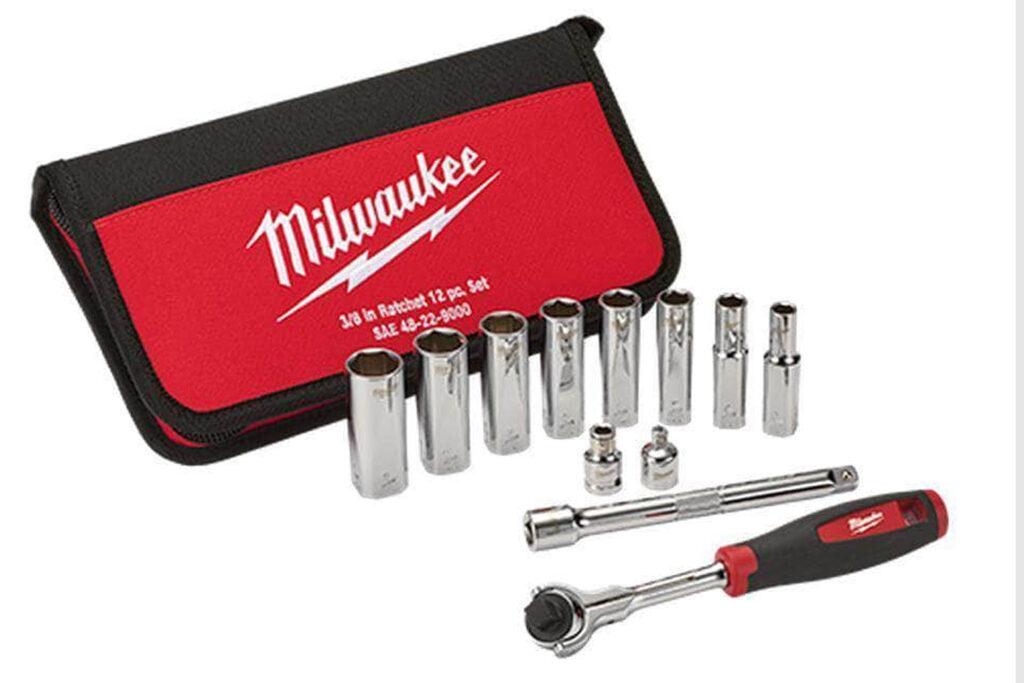
Milwaukee’s 12pc 3/8” Drive Ratchet Set delivers ultimate versatility and access. The slim-profile ratchet features a pivoting head that can be used as a ratchet, a nut driver, or any angle in between. Milwaukee’s proprietary sockets feature a parallel flat design for wrench compatibility and to deter rolling. Socket sizes are stamped into the flats for improved visibility. The kit is stored in a soft-sided carrying case that includes a socket rail to keep sockets and accessories organized, both on and off the jobsite.
Ryobi 18V inflator
The Ryobi digital pressure inflator is arguably one of our most used tools in the Carnage workshop, because it’s literally as big and light as a drill but can pump car tyres, bikes tyres and just about anything else. They are way more practical than a 12V compressor and once you’ve tried one, you’ll never go back.
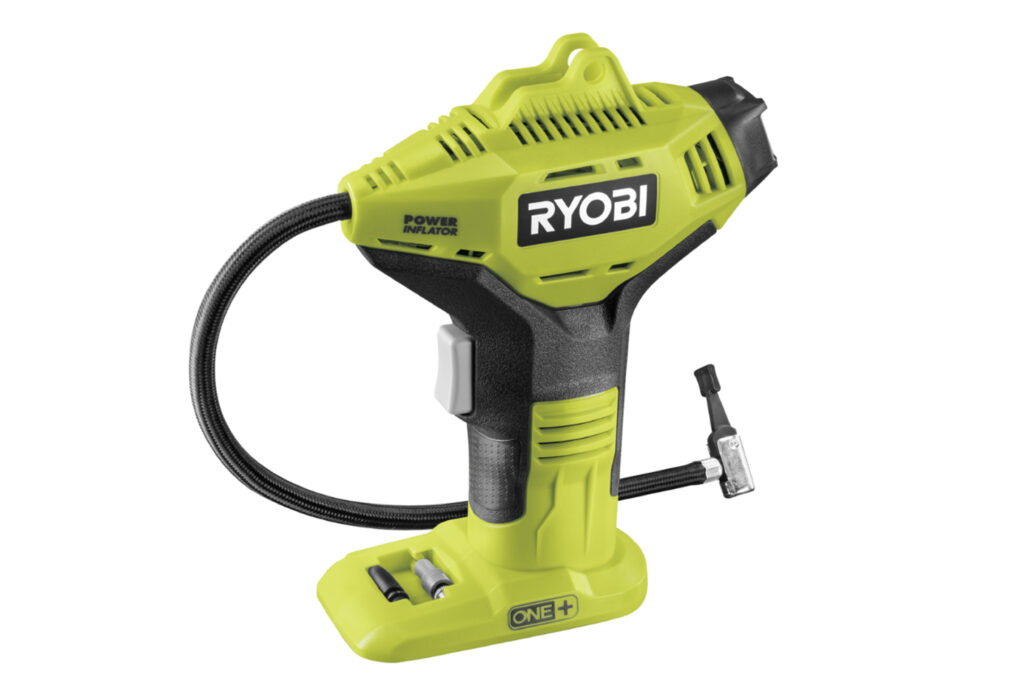
Inflate tyres quickly and easily with a RYOBI 18V ONE+ Digital Pressure Inflator.
This pressure inflator’s 35mm digital gauge shows an accurate reading of the current pressure (both BAR and PSI), so you’ll know exactly when to stop inflating.
Ryobi hand vacuum
Just like the air compressor above, Ryobi have found a way to condense what’s normally a big, plug-in tool into a super simple and portable battery powered deal with this hand vacuum. It will make detailing the interior of dad’s car a joy.
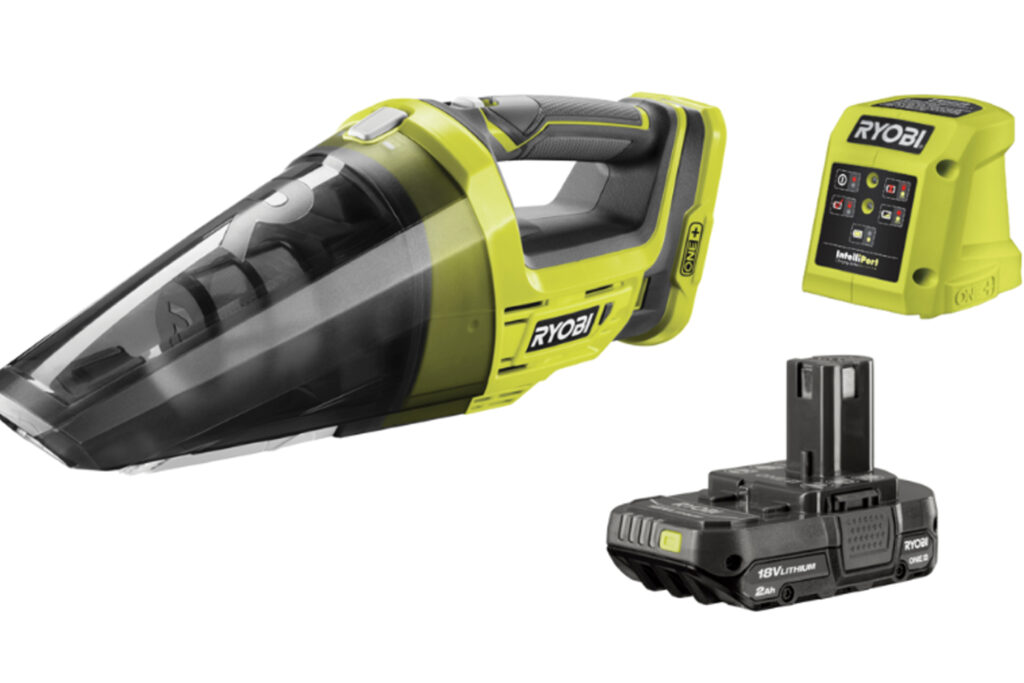
The RYOBI 18V ONE+ Hand Vacuum is a lightweight yet powerful cleaning tool for the home, car or workshop. This kit also includes an 18V ONE+ 2.0Ah Lithium-Ion Battery and 18V ONE+ 1.5A Charger.
For the kids (big & small…)
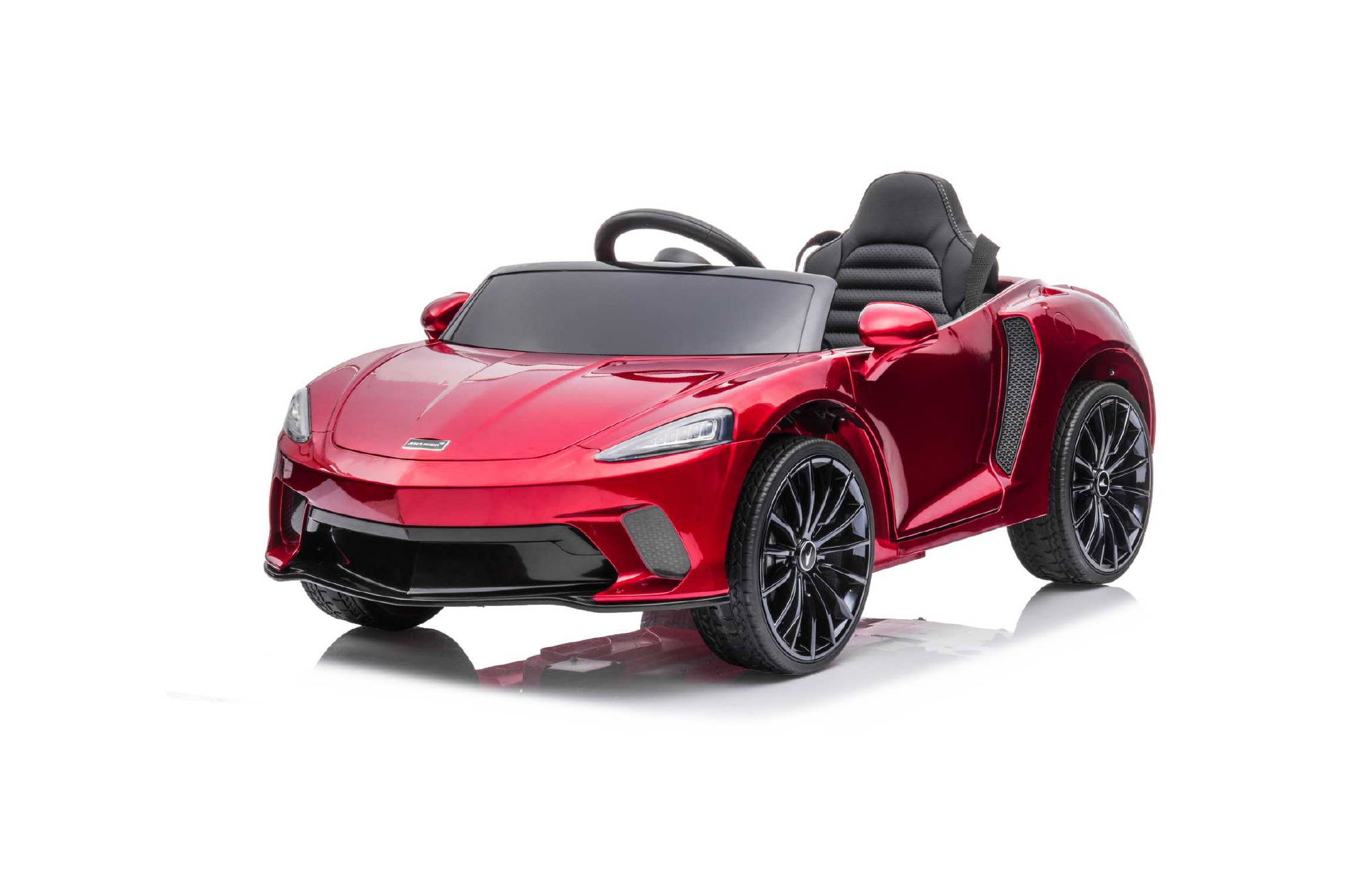
Mclaren GT 12v ride-on car
Start the little ones young with the most stylish ride-on car around. Standard equipment includes dual motors, leather trim, MP3 player and LED lighting. littleriders.com.au
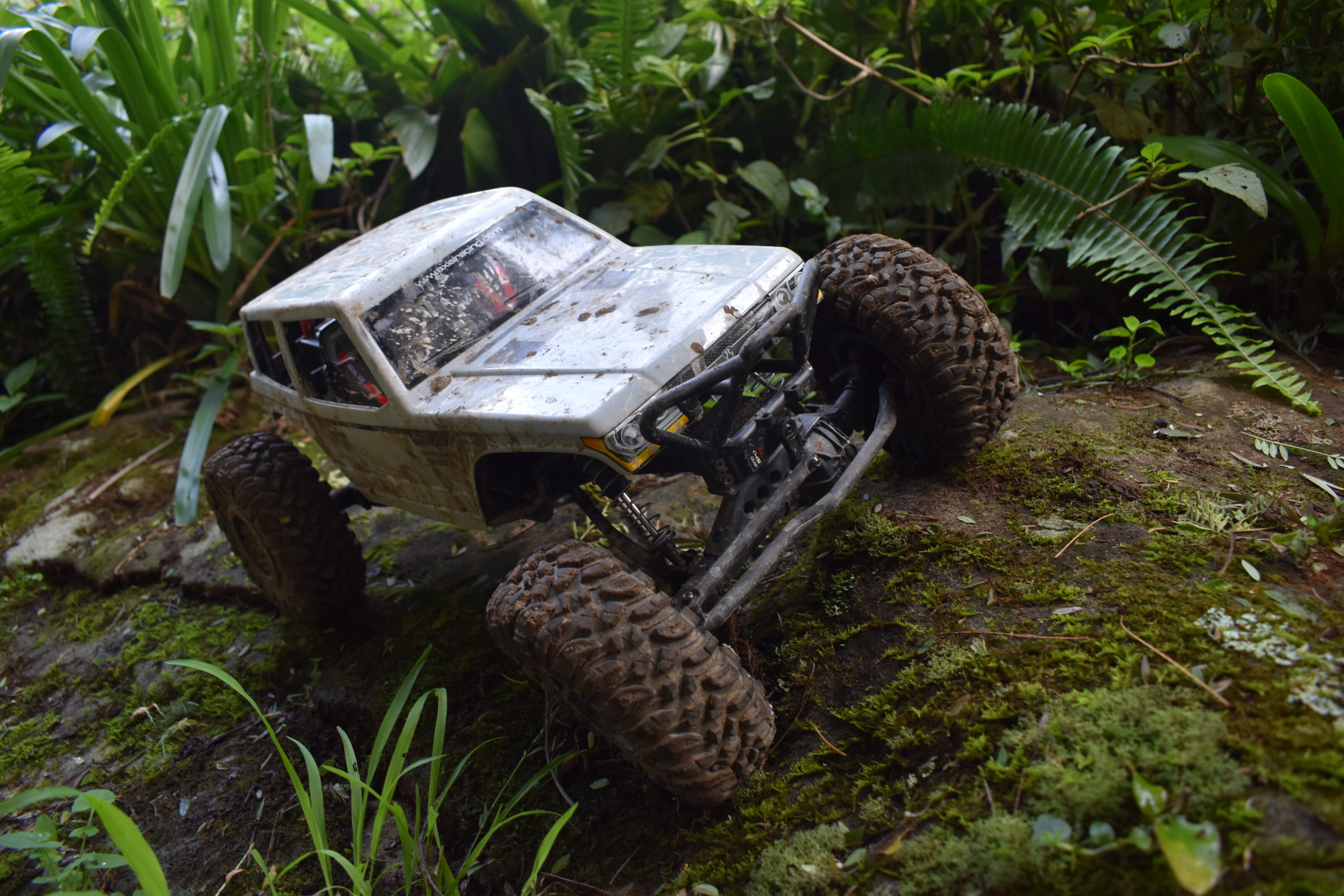
Axial Wraith Spawn – approx $750
Fancy the idea of off-roading but don’t relish the idea of expensive repairs, hard digging or inflation kits, then this rock crawler will take you off the beaten track for a fraction of the price. This heavy-duty RC was put through a 12-month test during COVID, and you can read the findings here.
Felix Rotor Head plush toy – $10
Know that one Wankel head who spins up whenever they talk about rotaries? Now you can give them a cuddly companion to clutch while they warm up their classic FD RX-7. AtkinsRotary.com

LEGO! ?
Optimus Prime
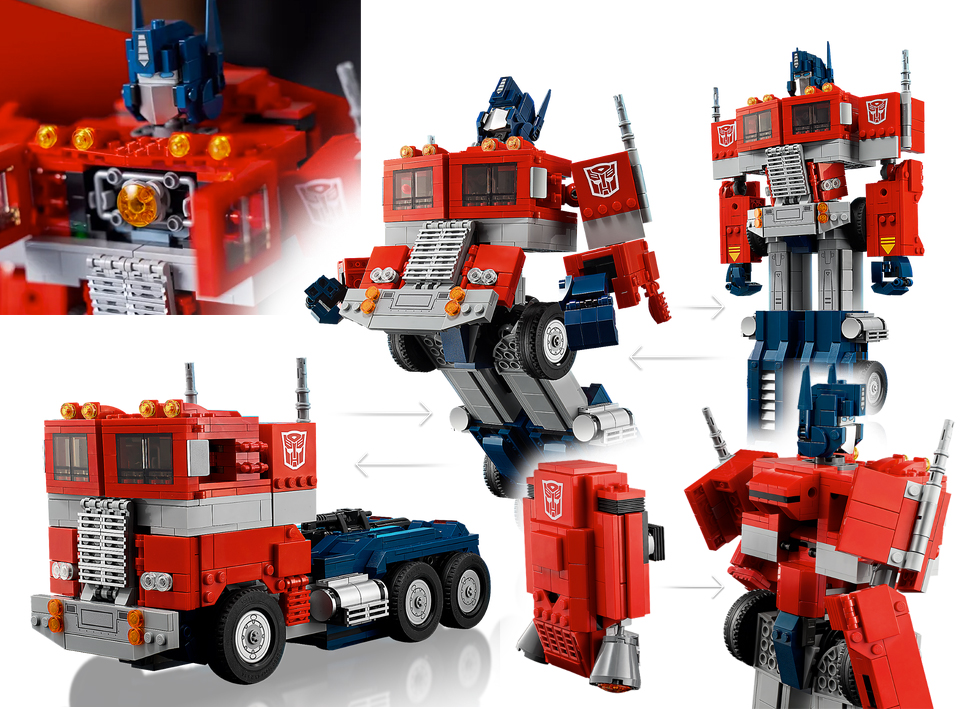
“Now, all we need is a little energon, and a lot of luck.”
Every ’80s dad identifies with Optimus Prime, so you can’t really go past this new model – and it actually transforms, without having to disassemble and reassemble. That is next-level stuff, and your dad or hubby is sure to lose his mind. (It even has an opening chest chamber with the Autobot Matrix of Leadership inside. Come on!)
1508 pieces, 18+ build rating. Can’t go wrong.
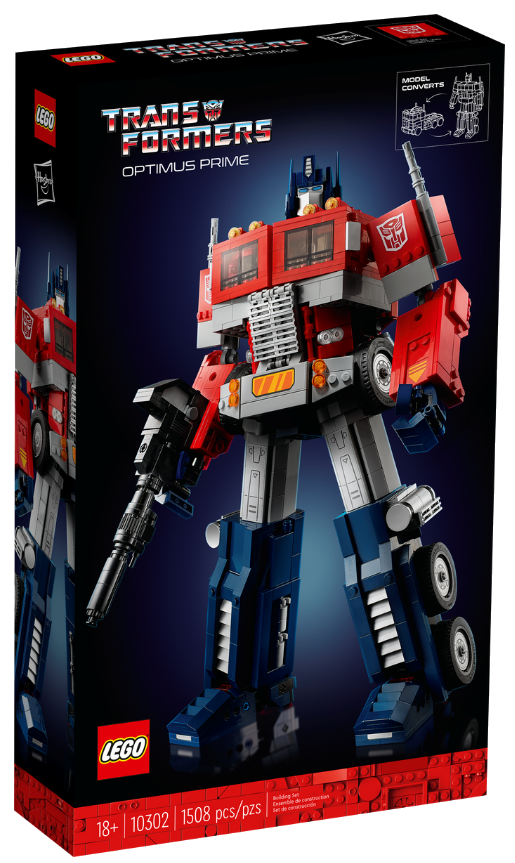
- In truck mode, the model measures over 5.5 in. (15 cm) high, 10.5 in. (27 cm) long and 4.5 in. (12 cm) wide. In robot mode, the model stands over 13.5 in. (35 cm) tall
- 1508 pieces
- In truck mode, the model measures over 5.5 in. (15 cm) high, 10.5 in. (27 cm) long and 4.5 in. (12 cm) wide. In robot mode, the model stands over 13.5 in. (35 cm) tall
- 1508 pieces
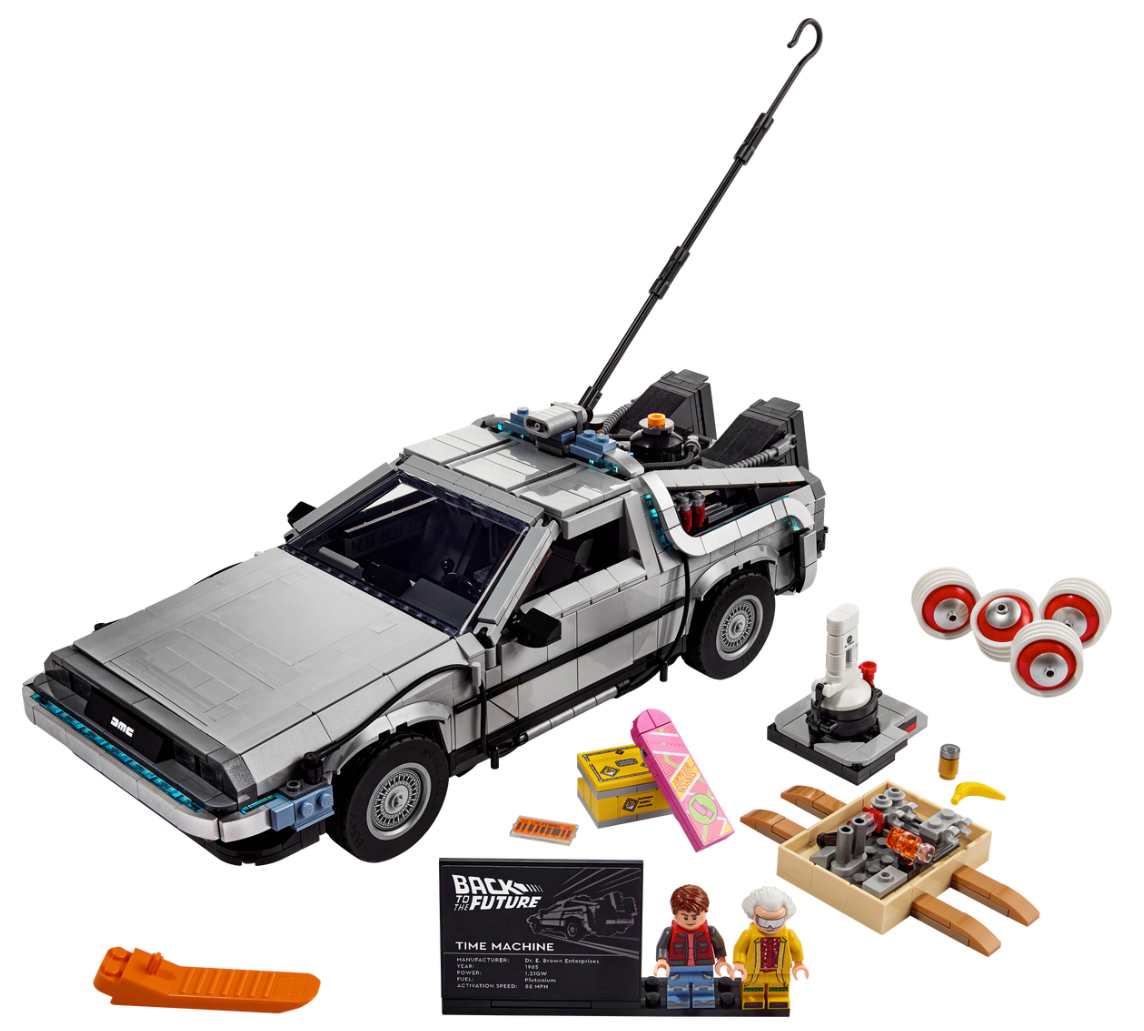
“Wait a minute, Doc, are you telling me…”
We all love some nostalgia, so what better way to send your loved one back to the past with a bit of Back to the Future?
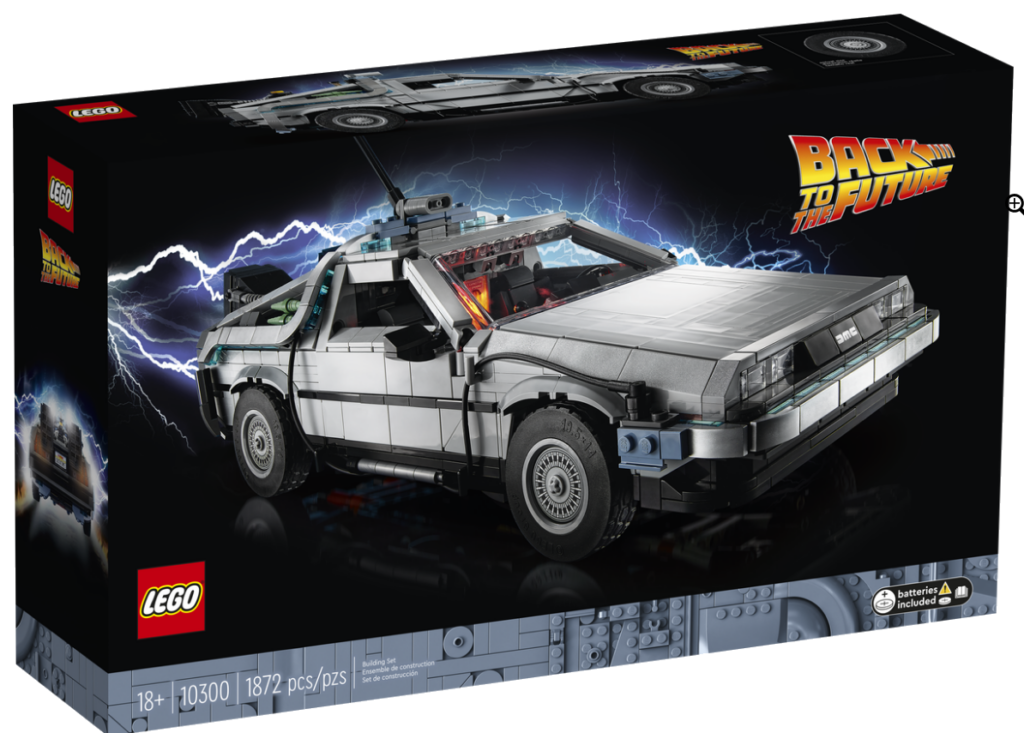
This ‘Back to the Future Time Machine’, which we guess they weren’t allowed to namecheck as a DeLorean, comes with all the parts needed to spec it out in films I, II and III modes. That is properly rad.
1872 pieces, 18+ build rating. Get in. (Don’t worry, the doors open.)
- The model measures over 4.5 in. (12 cm) high, 14 in. (35 cm) long and 7.5 in. (19 cm) wide
- 1350 pieces
- The model measures over 4.5 in. (12 cm) high, 14 in. (35 cm) long and 7.5 in. (19 cm) wide
- 1350 pieces
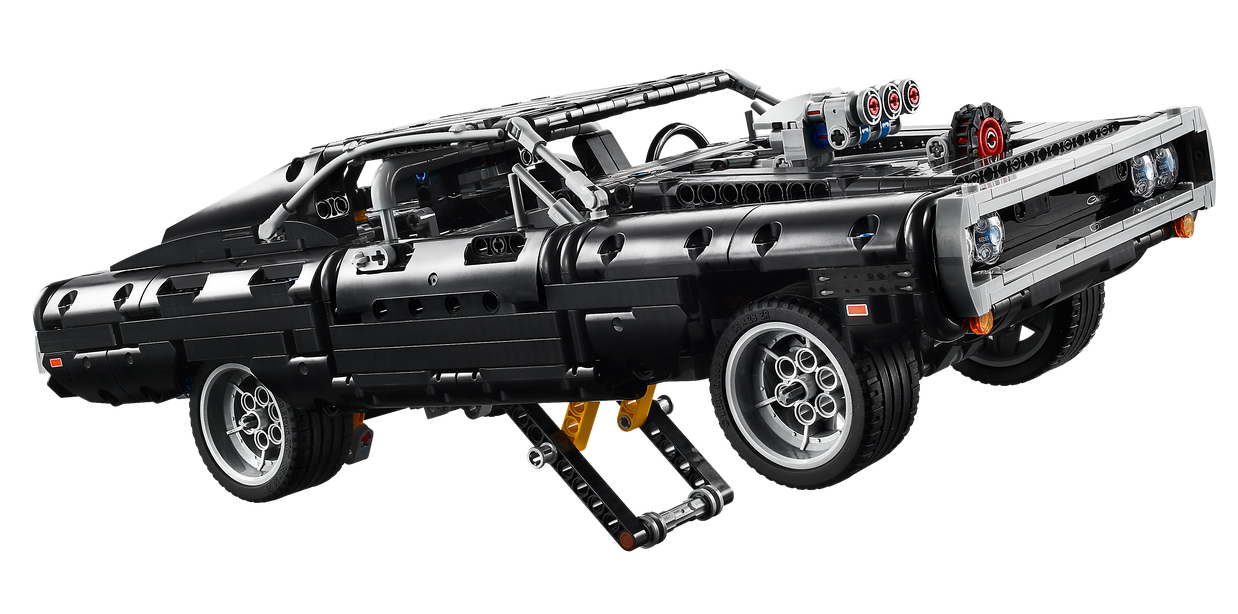
“I live my life a quarter-mile at a time.”
The Fast & The Furious hit cinema screens (remember those?) in 2001, so it’s actually possible your dad was just the type of young fella Universal Pictures was targeting with what would blow up into an insanely popular (and polarising) franchise.
Of course, along with Brian’s orange Supra, Dom’s Charger was without question one of the big stars of the film. So why not get one into Dad’s hands?
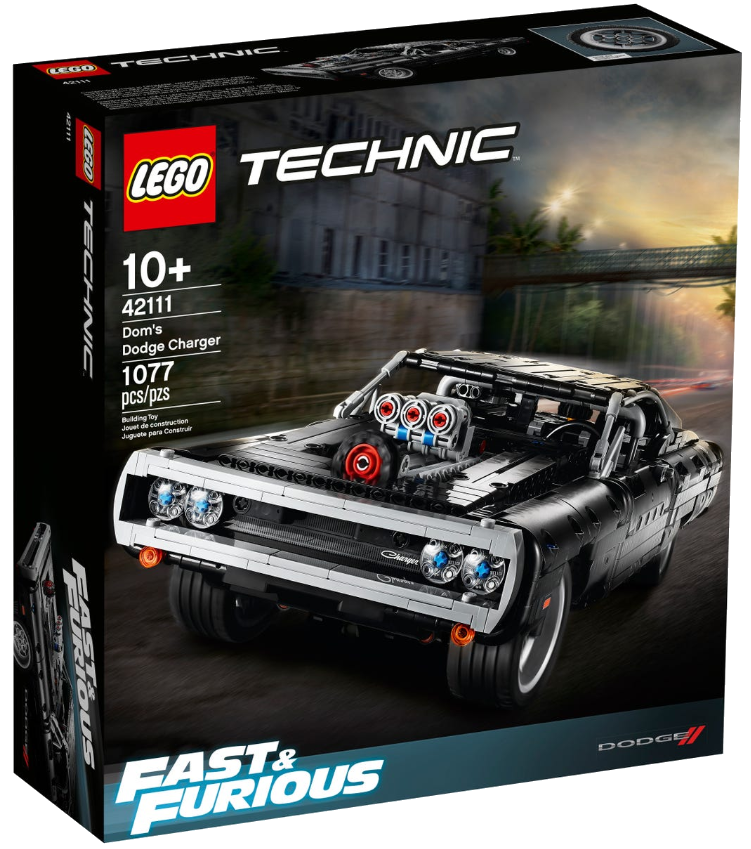
- Measuring 15” (39cm) long, 6” (16cm) wide and 4” (11cm) high
- 1077 pieces
- Measuring 15” (39cm) long, 6” (16cm) wide and 4” (11cm) high
- 1077 pieces
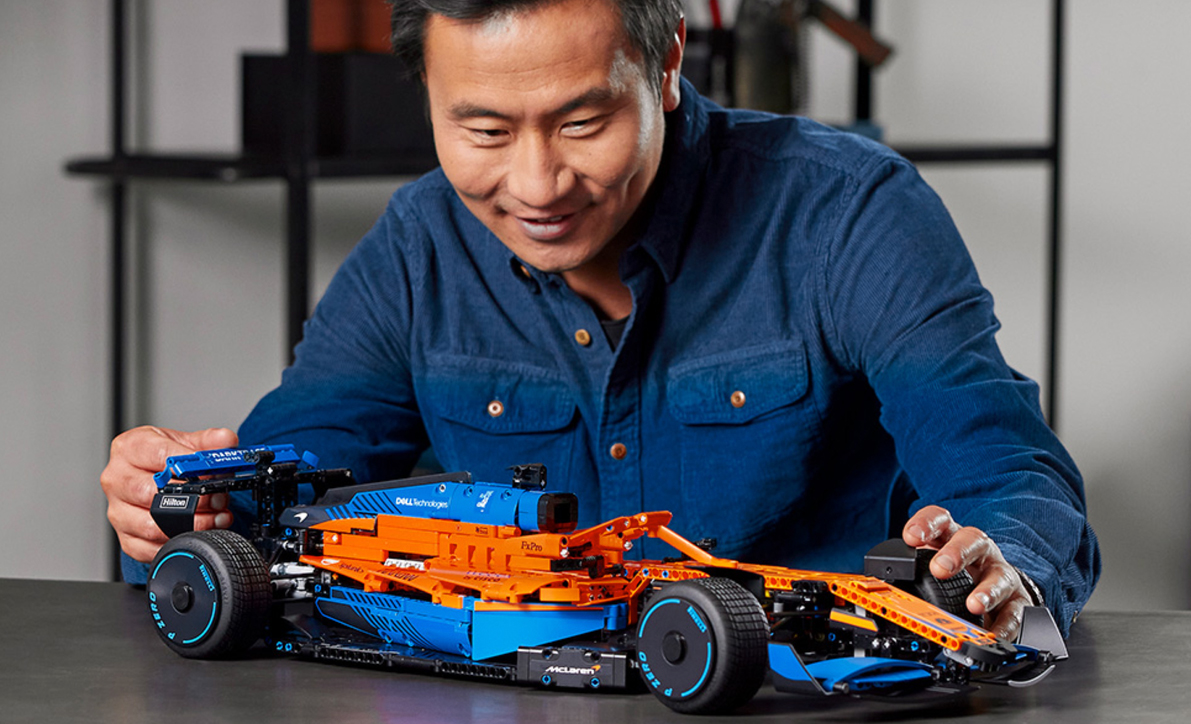
Did you dream of being a racing driver? Come on, who didn’t? Well, if you didn’t get there, you can at least live your dreams at a smaller scale – although you’ll be more of an engineer than a driver by the time you’re done!
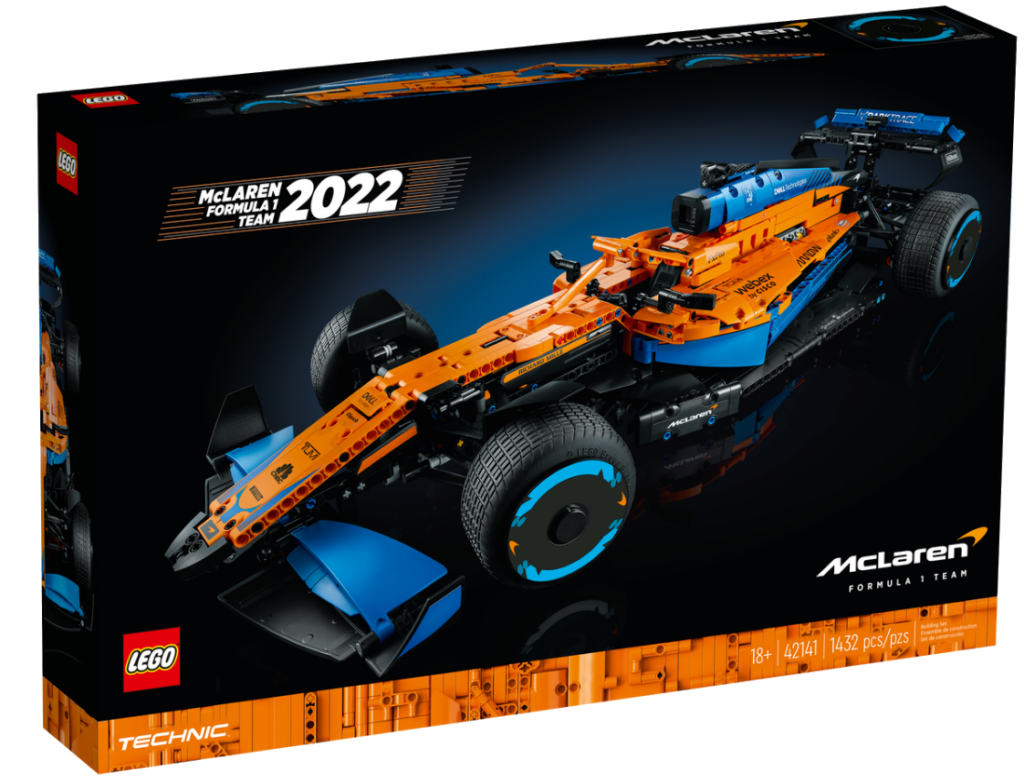
- Measures over 5 in. (13 cm) high, 25.5 in. (65 cm) long and 10.5 in. (27 cm) wide
- 1432 pieces
- Measures over 5 in. (13 cm) high, 25.5 in. (65 cm) long and 10.5 in. (27 cm) wide
- 1432 pieces
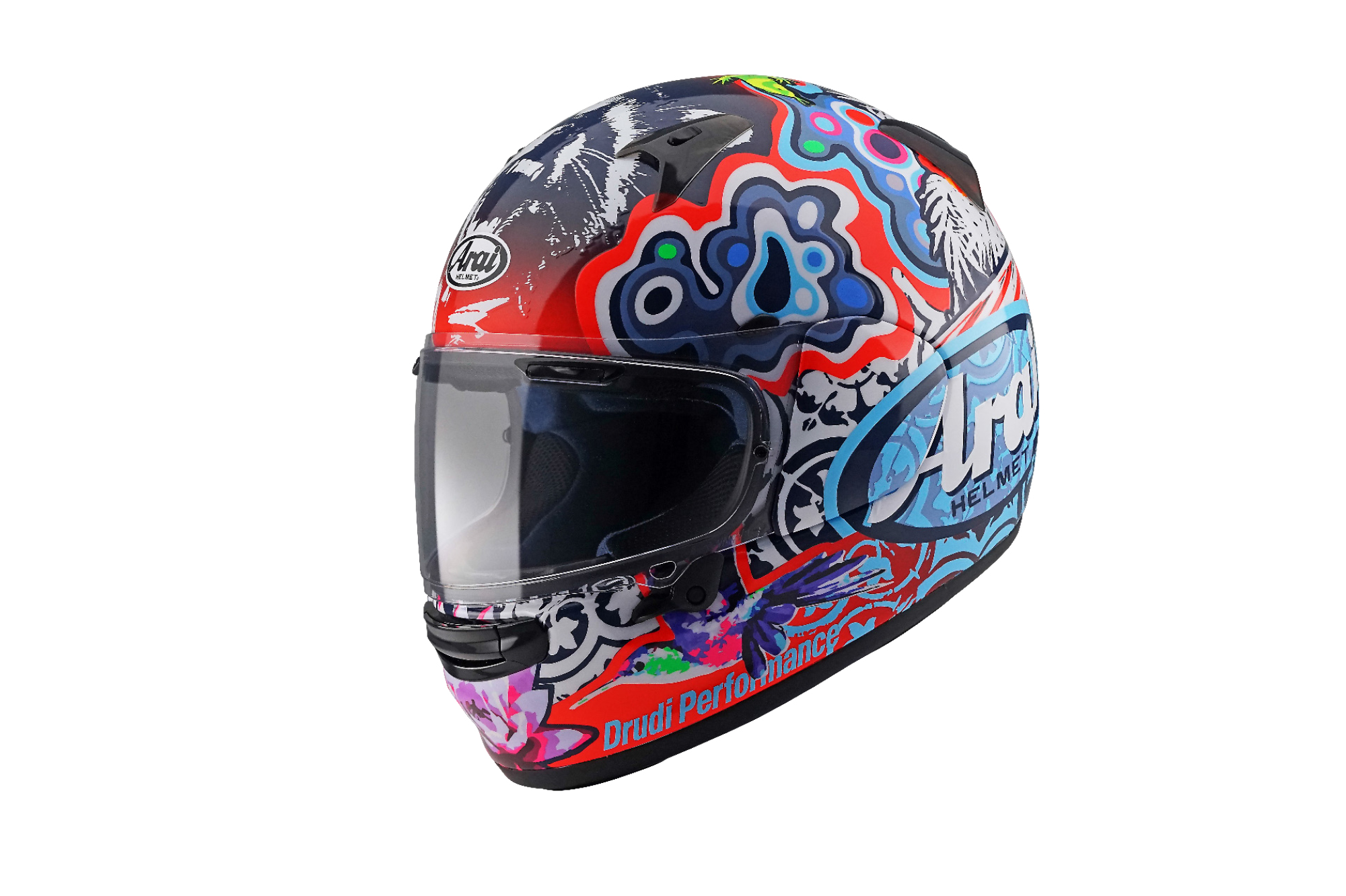
Arai Profile-V Jungle 2 helmet – $720
Add some colour to your track day pack with this eye-catching Arai motorcycle helmet. Comes with European standard ECE 22-05 certification. easyr.com.au
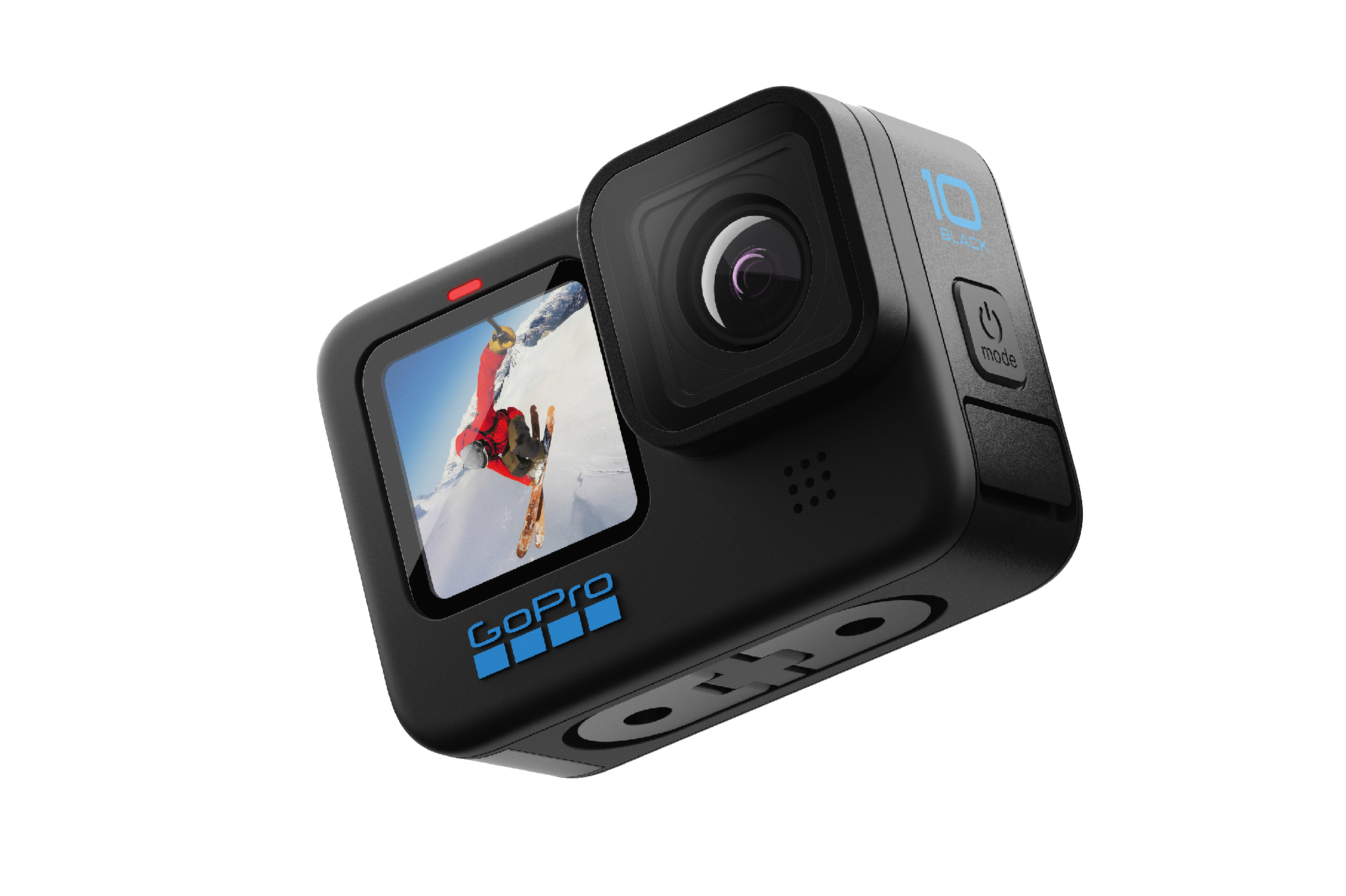
GoPro Hero10 Black – $749
Did you really set a PB if you don’t publish the in-car footage on Facebook? GoPro’s latest action cam outputs 23MP photos and 5.3K video with patented HyperSmooth 4.0 video stabilisation. Cloud connectivity with waterproof (10-metres) construction, the Hero10 will handle almost anything you can throw at it.
It won’t survive being run over by a car, though. Ask us how we know… jbhifi.com.au
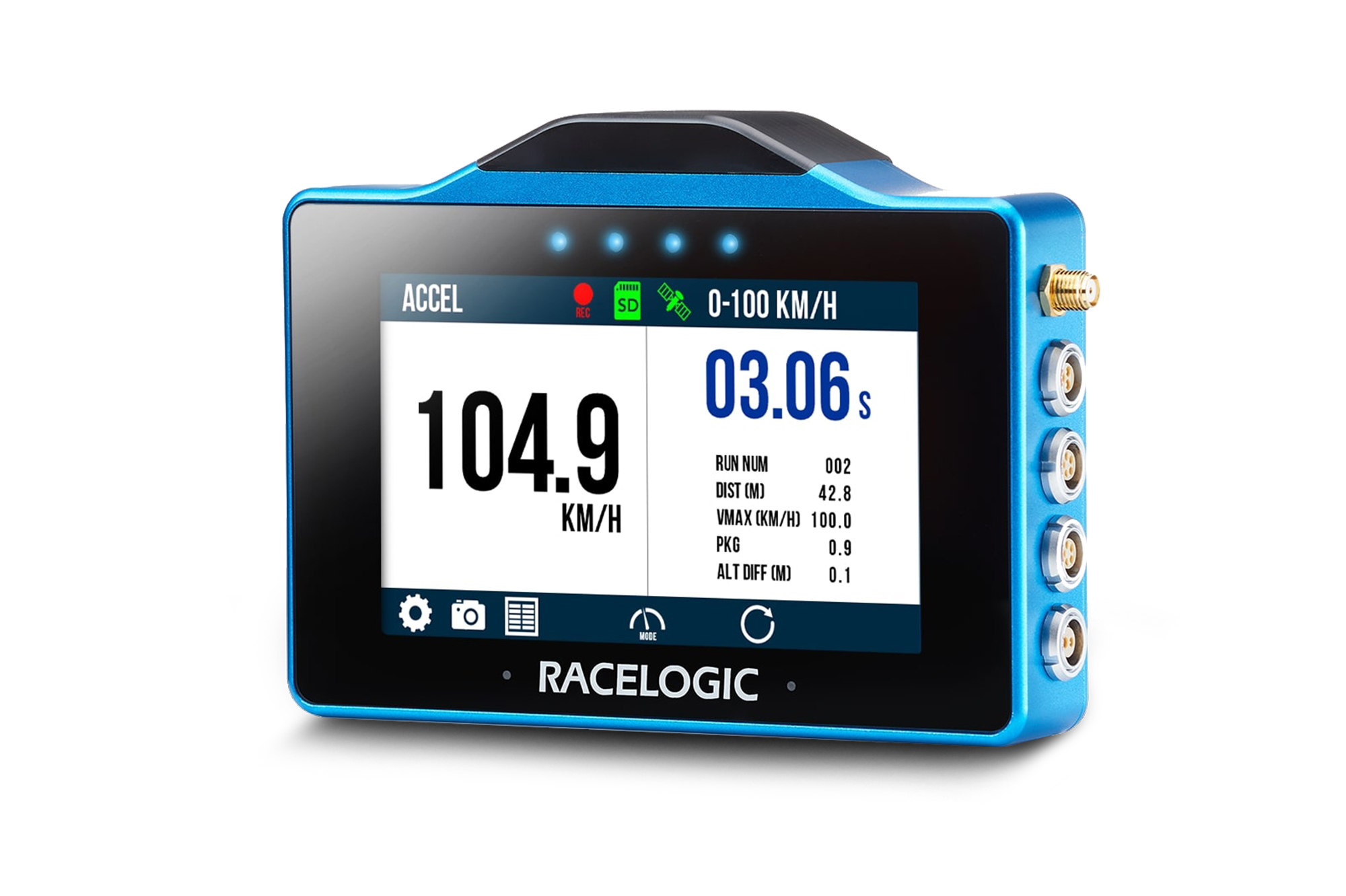
RaceLogic Performance Box Touch – $1099
GPS-based data capture system tracks your vehicle’s speed, g-force and handling and can greatly aid on-track driver development. vboxaustralia.com.au
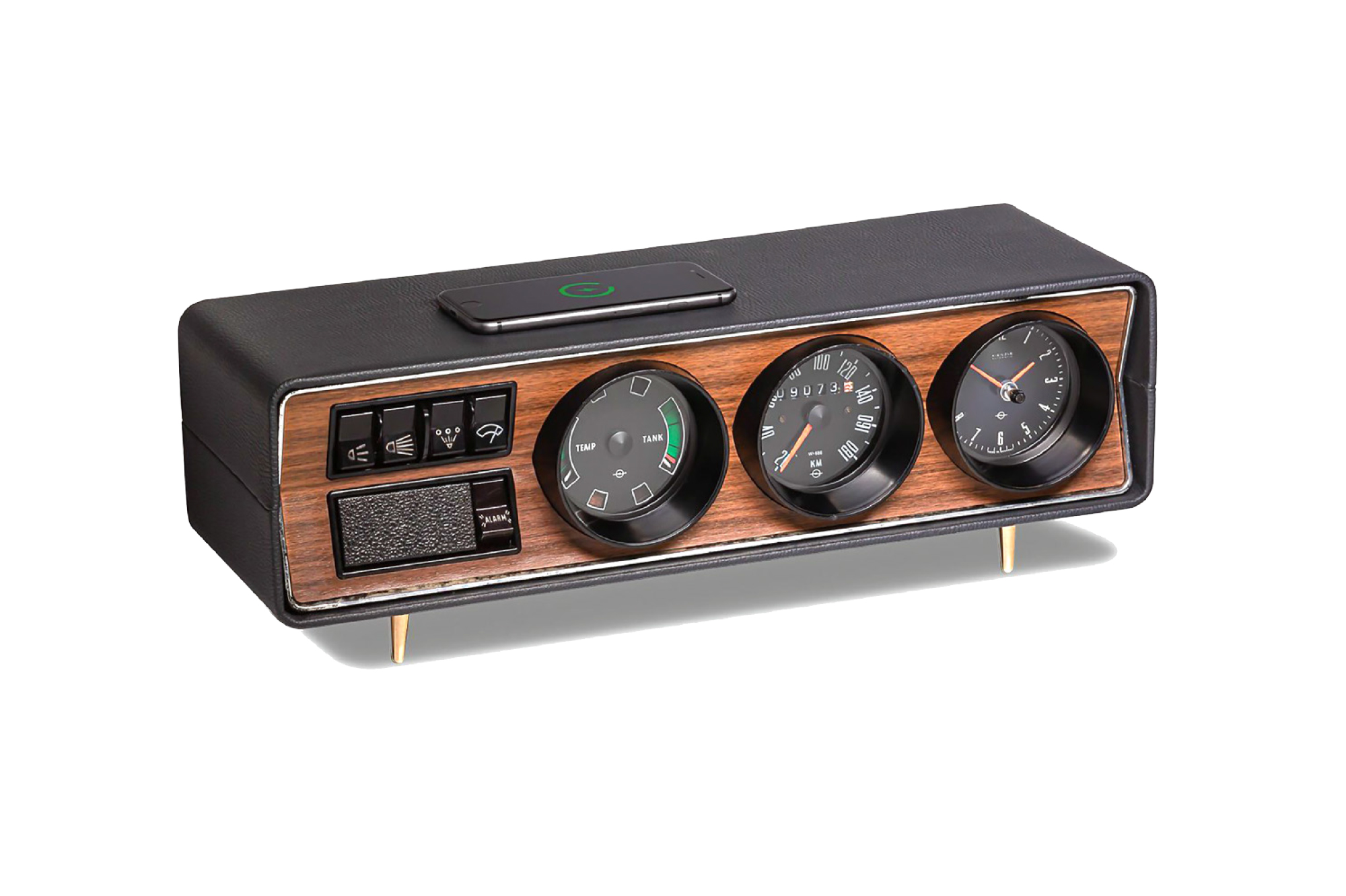
Re-Engauge ‘Bochum’ Desk Clock – $1375
Polish startup repurposes vintage analogue automotive instruments into charming desk clocks with added wireless charging capability. shop.classicdriver.com
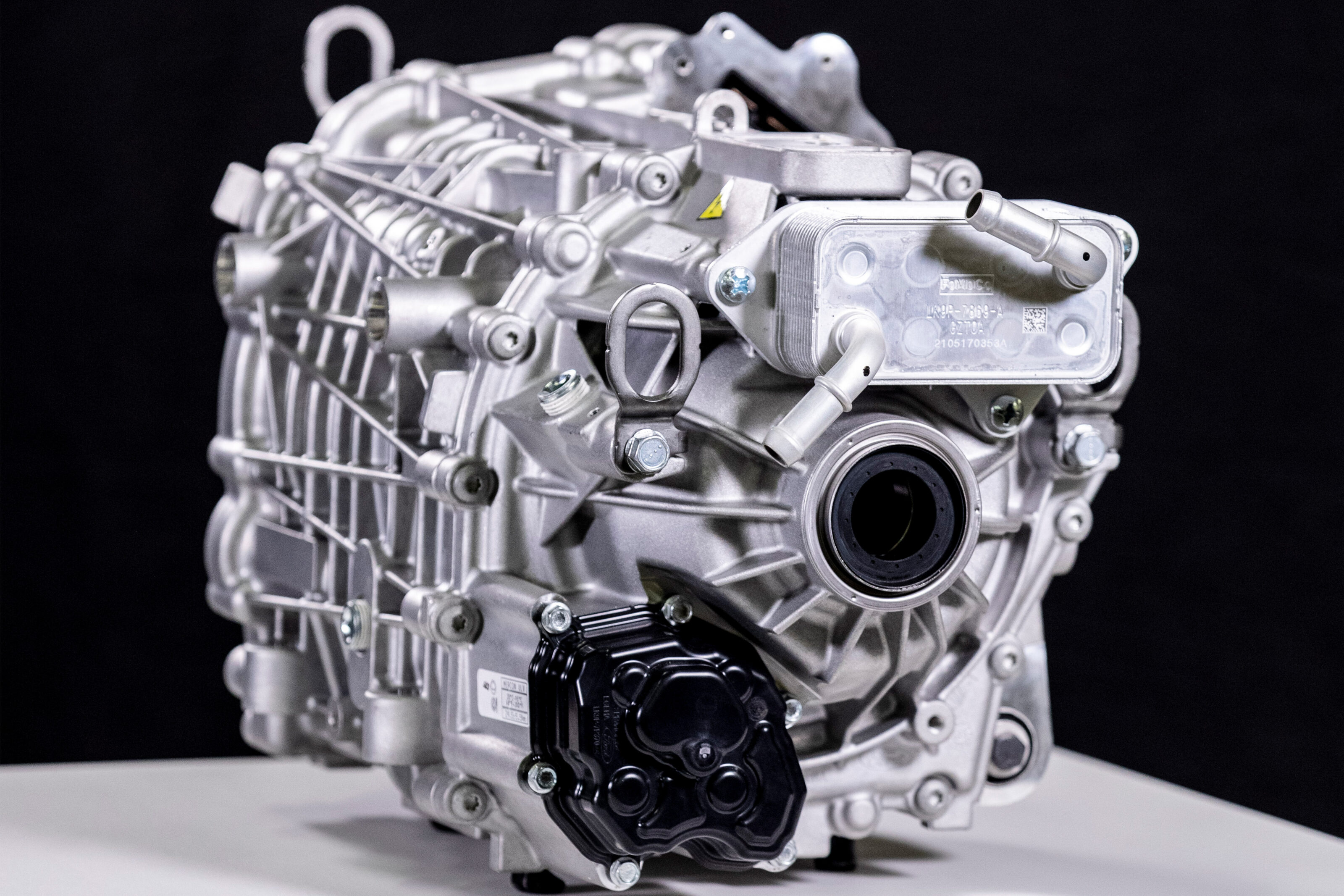
Ford Eluminator electric crate engine from Eagle Auto Parts – $6750
Even though many still turn up their noses at the thought of EV-powered hot rods, the reality is that they’re coming. At SEMA last year, Ford debuted its Eluminator electric crate motor, shoved into a 1978 F100. After initially selling out Stateside, the Eluminator has now made its way onto our shores with the crew at Eagle Auto Parts in Melbourne.
Created by Ford Performance, the EV motor packs 281hp and 317ft-lb of torque, and weighs in at just 93kg. Those are just baseline figures though, as that Eluminator-powered F100 was quoted at 480hp and 634ft-lb, so with the right combo of batteries and EV jazz, these motors can be a pretty potent thing.
They’re in stock at Eagle right now for just AU$6750 a piece, which is a fraction of the price of plenty of internal combustion crate motors. If you’re not scared of the future and want to know more, give Eagle a call on (03) 8710 3000 or visit eagleautoparts.com.au.
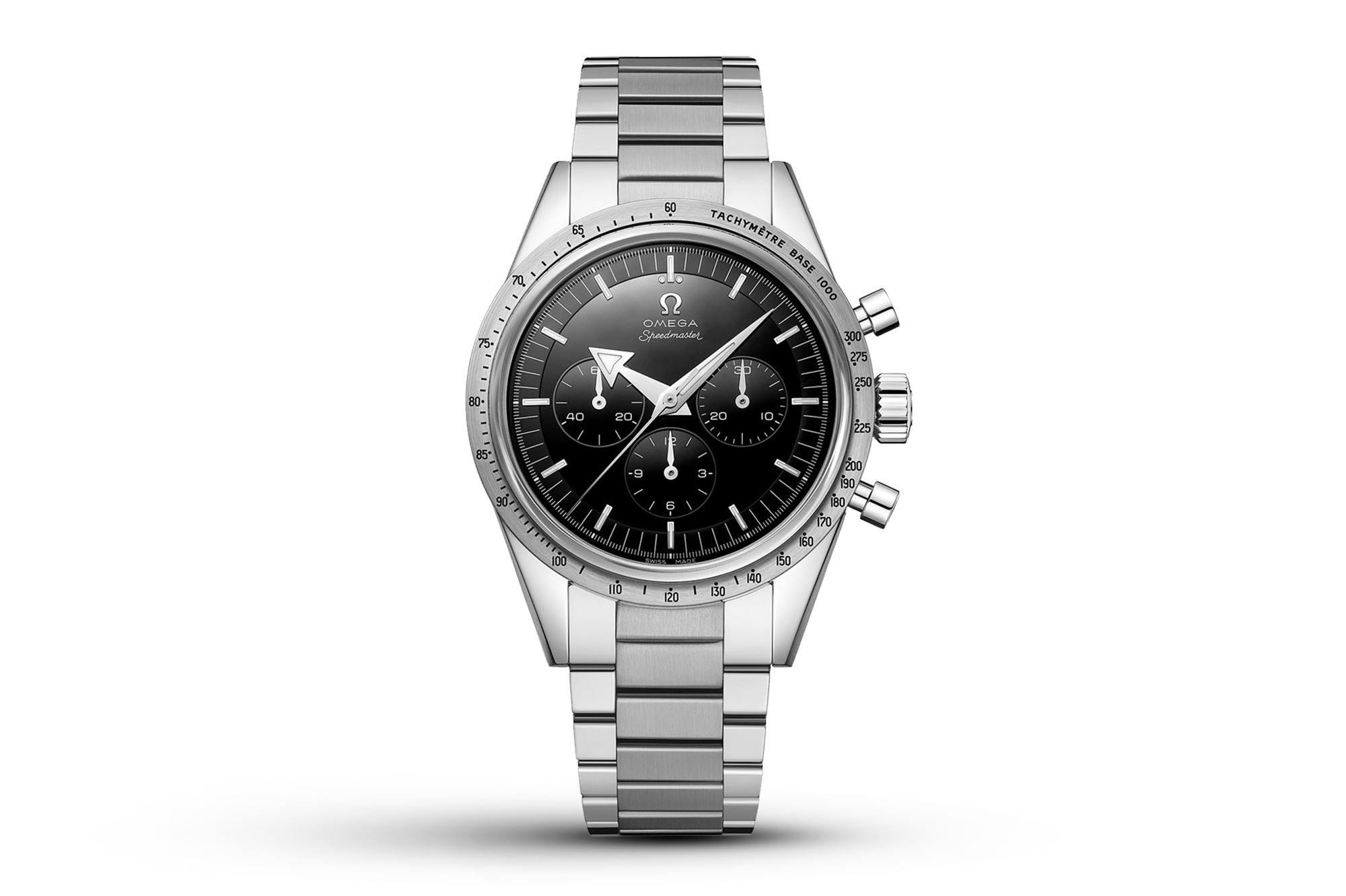
Omega Speedmaster 65th Anniversary – $123,750 ?
Broadarrow hands, the historic recently-revived Calibre 321, straight lugs, Dot-over-90 tachymeter bezel; this white ‘Canopus’ gold anniversary special ticks all of the Omega collecting boxes while flying well under the radar. omegawatches.com
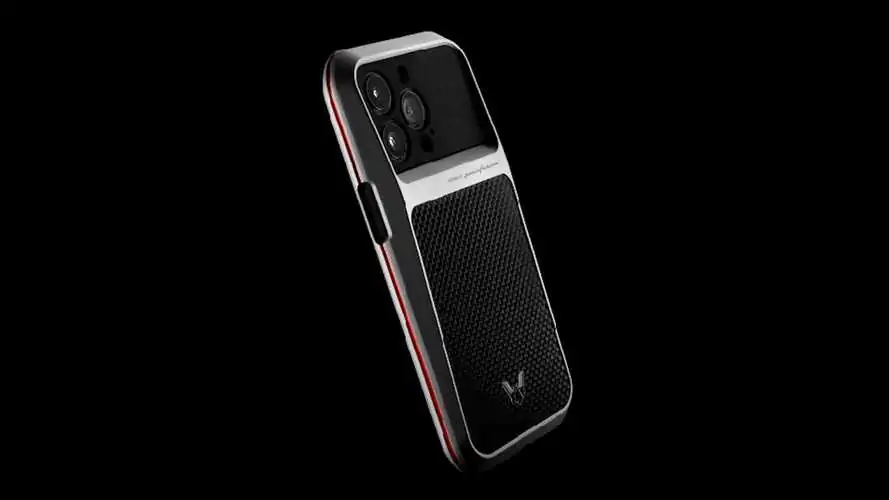
Pininfarina-designed iPhone case – from $15,000
Famous for being the design house behind Italian exotics, Pininfarina has teamed with Inkar to design something a little more modest, comparatively speaking – if you can call a $15,002 iPhone case “modest.”
These cases for iPhone 13 Pro and iPhone 14 Pro are the result of a collaboration between Inkar and the famed Italian design house, with only 99 available for each model. Be quick, if you have that kind of money lying around.
Vintage keychain – from $75
These are all sold out at the moment, but if you don’t want to have your keys just hanging around with some pleather attachment or bottle opener, you can register to be notified for when these pieces of automotive history are back in stock.
Mr Cupps provides authentic vintage keychains from European brands such as BMW, Alfa Romeo and Bentley (with varying degrees of wear and tear), ready for you to give to that superfan you know.
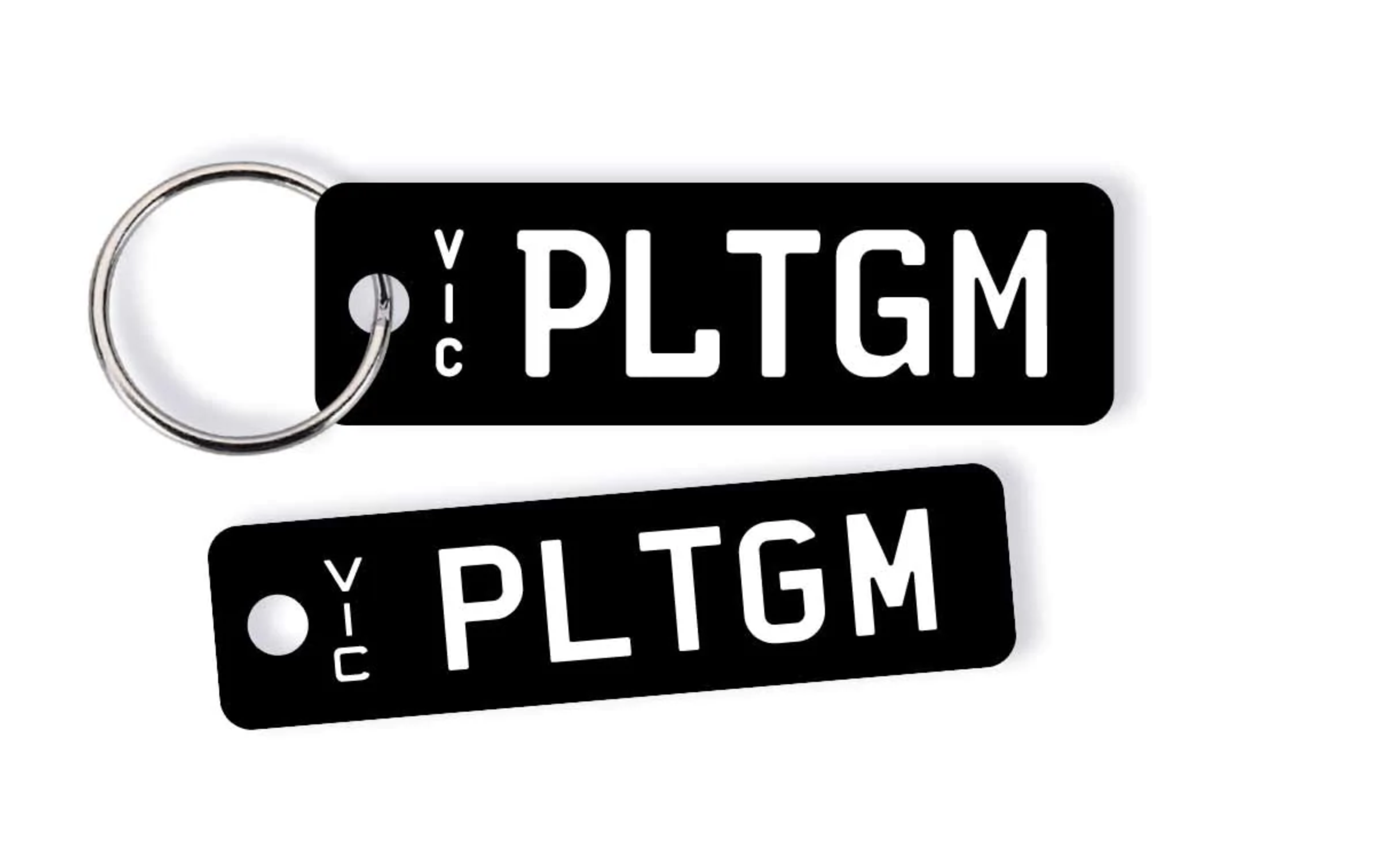
Customised Vic plate keychain – $36
For those of you in the Education State, you can match your actual number plate with the one on your keys by ordering a custom keychain from Plate Game. Other state plates are available if you’re not from The Place to Be, so there’s no need to feel left out.
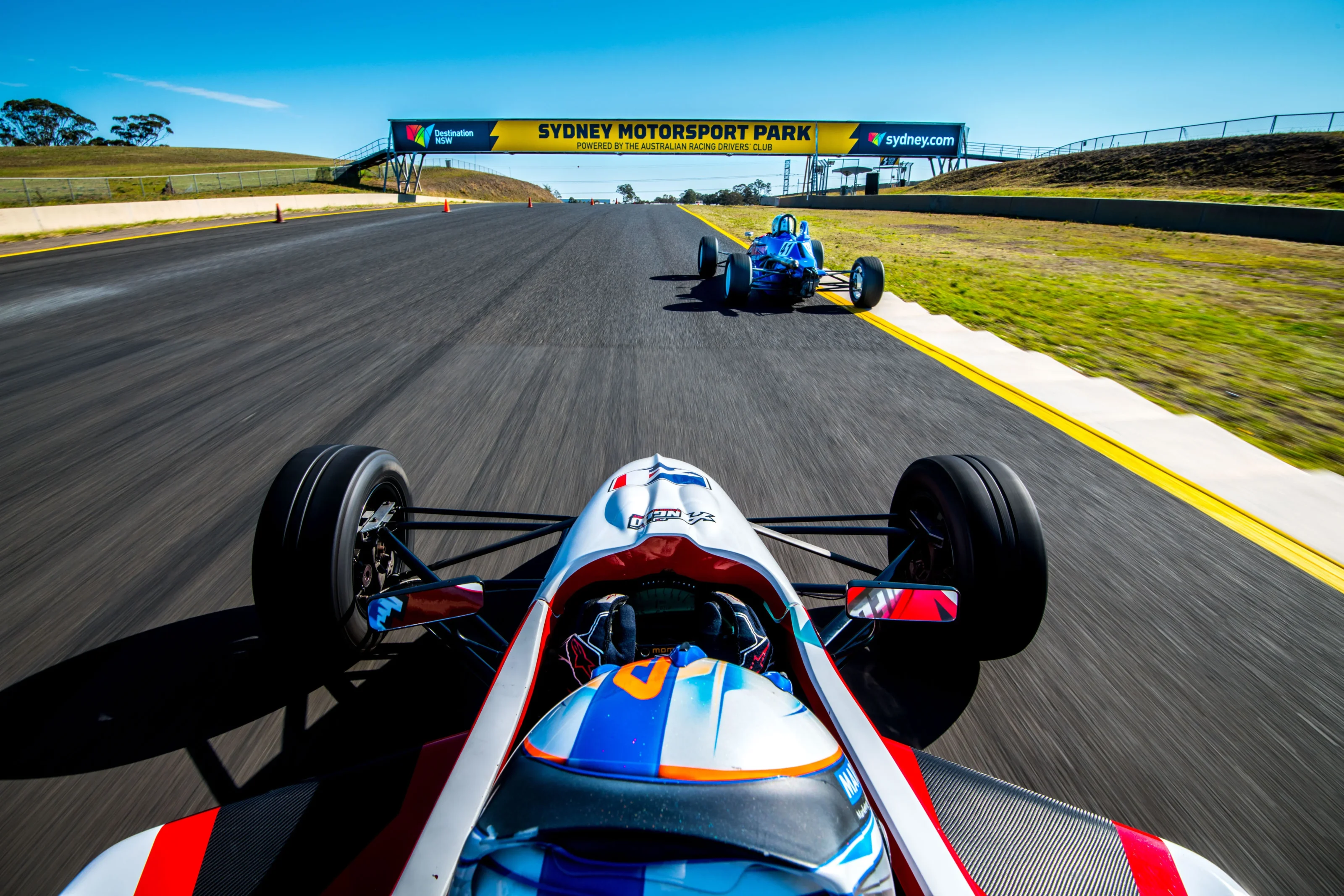
Open wheeler drive at Eastern Creek – $299
Material things are nice and all, but it’s experiences that stay with you forever. For $299 you can provide the gift that you’ll hear about for years, with Adrenaline providing five laps at Eastern Creek raceway in a Formula Ford racecar.
All race gear and helmets are provided, and instruction is handled by real race car drivers, so the gift recipient is in good (and safe) hands.
Happy shopping, and from all at Wheels Media, we wish you a Merry Christmas!
The new 2023 Nissan Z is good, but is it as good as the 2022 Ford Mustang California Special?
Read on, as Nissan’s newest star athlete takes aim at Australia’s sports car king.
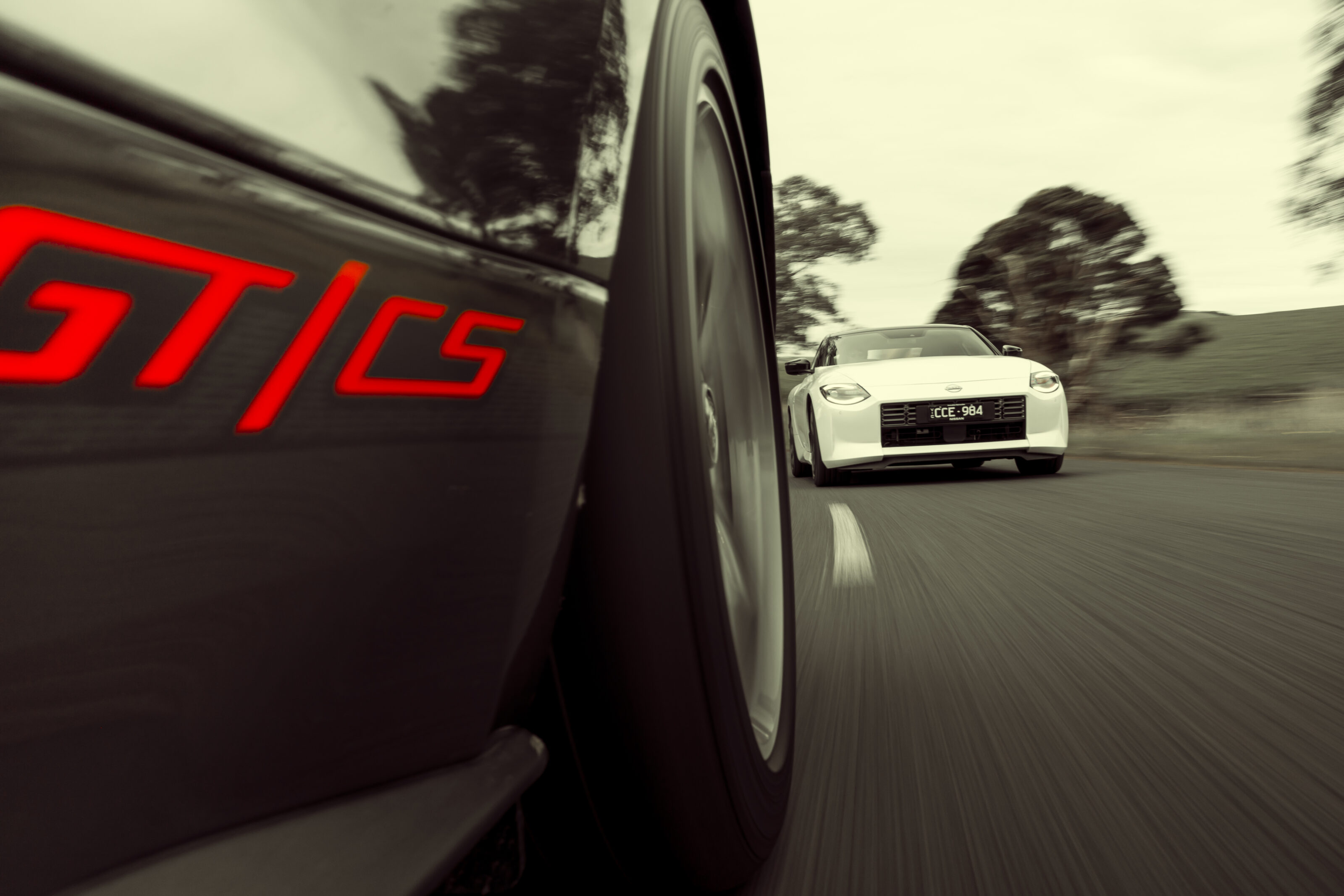
An old adage says that if you want to be the best, you have to beat the best; and the Ford Mustang has held the crown as Australia’s best-selling sports car ever since this sixth-generation vehicle lobbed onto the local scene in late 2015.
Since then, Ford Australia has sold more than 33,000 examples of its perennial pony car. So if Nissan’s new Z is targeting sub-$100k two-door sports car buyers, statistically speaking, this is the car it has to beat.
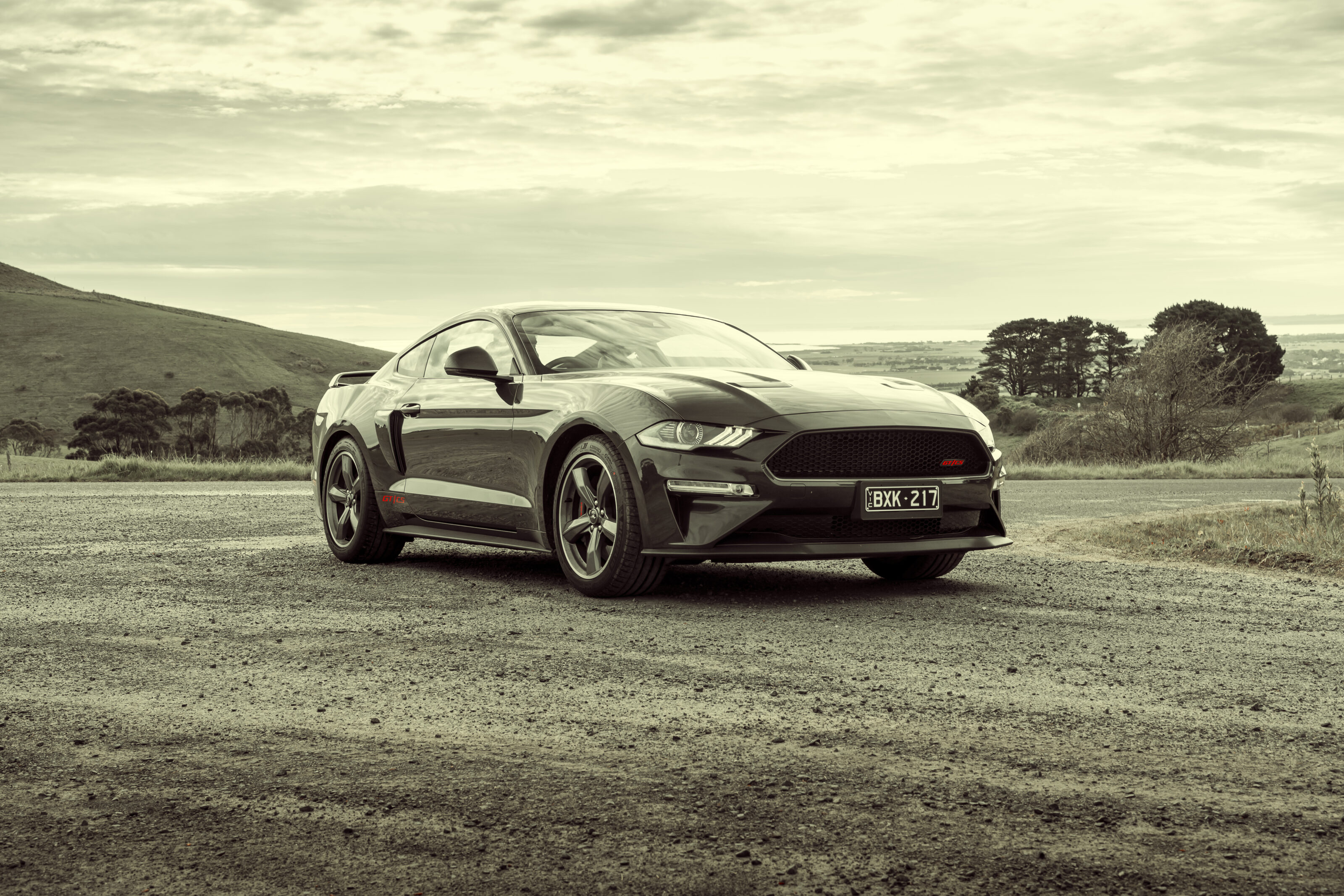
Making this two-door showdown even better? This is a driver’s test, with both cars featuring their own rev-match compatible three-pedal six-speed manuals, backdropped by the Victorian High Country to see which of these similar, but distinct, sporting coupes has more to offer the discerning enthusiast.
Both are retro renditions of 60s icons that made their international debuts in New York – the Mustang at the 1964 World’s Fair, the ‘Fairlady Z’ in the Pierre Hotel’s Grand Ballroom five years later.
In those days, the United States was the prime target of both of these cars. These days, however, in a more globalised auto industry, a sports coupe’s survival requires success in multiple markets.
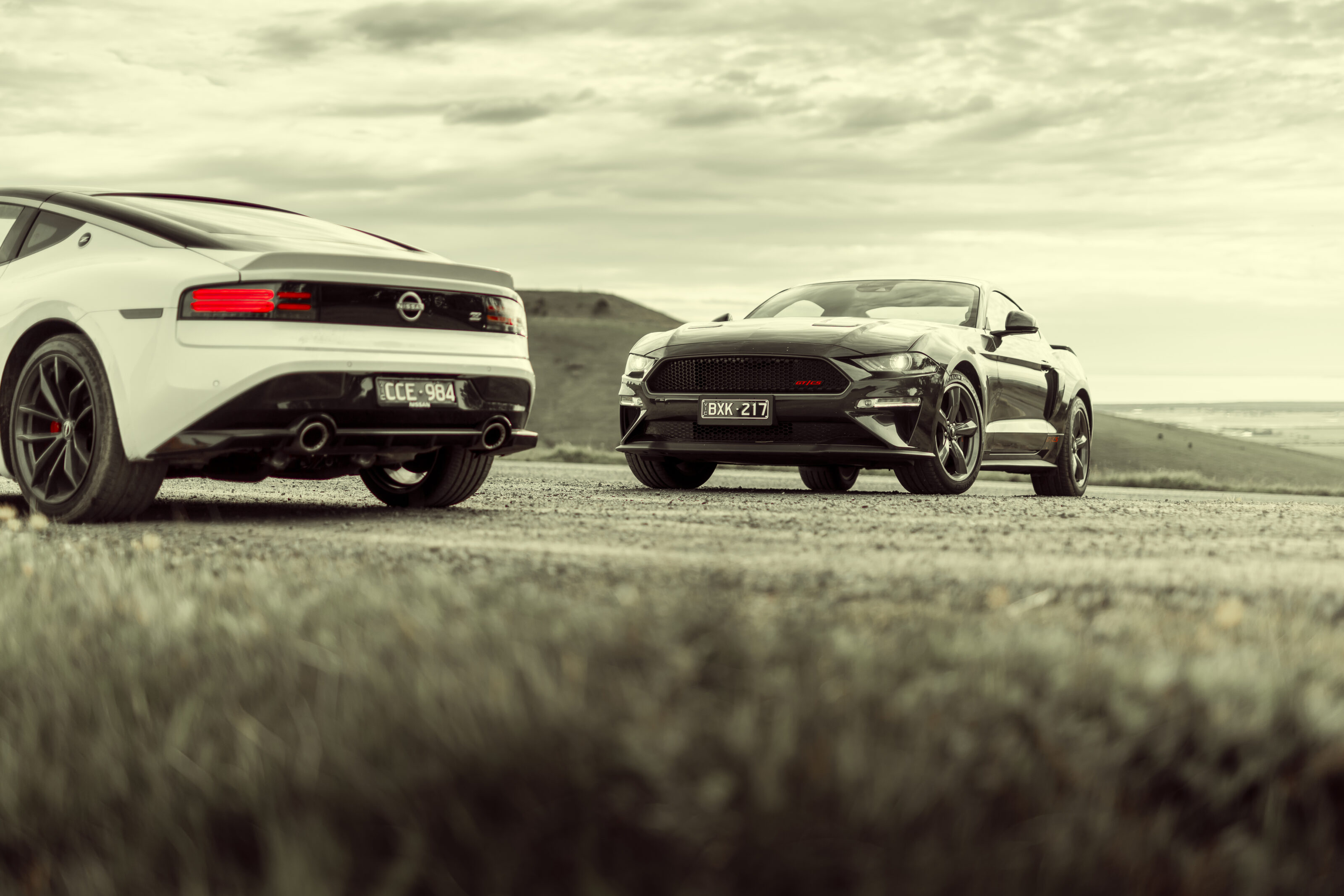
Ford is already a few steps ahead of Nissan in that regard. The sixth-generation Mustang, now seven years old, was an embodiment of the “One Ford” plan, the first Mustang to be factory-produced and sold globally in both left- and right-hand-drive markets.
Nissan’s Z comes from a lower base, and has always been positioned as a more exotic and exclusive machine. Even in its 1971 debut year, the Z’s 45,000 US sales paled in comparison to the near-300,000 Mustangs let loose across America that same year.
The success of the upcoming seventh-generation Mustang is all but assured. But recent decades of financial hardship meant Nissan’s new Z remained in question until relatively recently, and it needs to succeed here and now.
JUMP AHEAD
- How much are they, and what do you get?
- Interior comfort, space and storage
- What are they like to drive?
- How are they on fuel?
- How safe are they?
- Warranty and running costs?
- VERDICT
- Specifications
- Related videos
How much are they, and what do you get?
| 2022 Ford Mustang GT California Special | 2023 Nissan Z |
|---|---|
| 19-inch alloy wheels | 19-inch alloy wheels |
| 8.0-inch touchscreen infotainment system | 8.0-inch infotainment touchscreen |
| Active exhaust | Active noise cancellation |
| Adaptive cruise control | Adaptive cruise control |
| Ambient lighting | 12.3-inch digital instrument cluster |
| Apple CarPlay, Android Auto | Apple CarPlay, Android Auto |
| Automatic headlights | Autonomous emergency braking with pedestrian and cyclist detection |
| Automatic high-beam | Blind-spot monitoring |
| B&O Play 12-speaker premium sound system | Eight-speaker Bose sound system |
| Dual-zone climate control | Electronic rev matching (manual only, activated with ‘S-Mode’ button) |
| Illuminated sill plates | Front and rear parking sensors |
| Keyless entry and start | Lane departure warning |
| Leather upholstery (suede in California Special) | Leather-accented upholstery |
| Leather-wrapped steering wheel and shifter | Heated front seats |
| LED headlights, tail lights and front fog lights | LED headlights and tail-lights |
| Rain-sensing wipers | Launch control (automatic only) |
| Reversing camera with rear parking sensors | Mechanical limited-slip differential |
| Satellite navigation | Rear cross-traffic alert |
| Six-way power heated and cooled front seats | Reversing camera |
| Tyre pressure monitoring | Standard and Sport modes (auto only) |
This 2022 Ford Mustang GT California Special taps a 1968 dress-up edition of the same name. Just like the original, the Mustang CS/GT gains no more power than a standard Mustang GT, and mechanically presents just as your normal 5.0-litre V8 GT Fastback would.
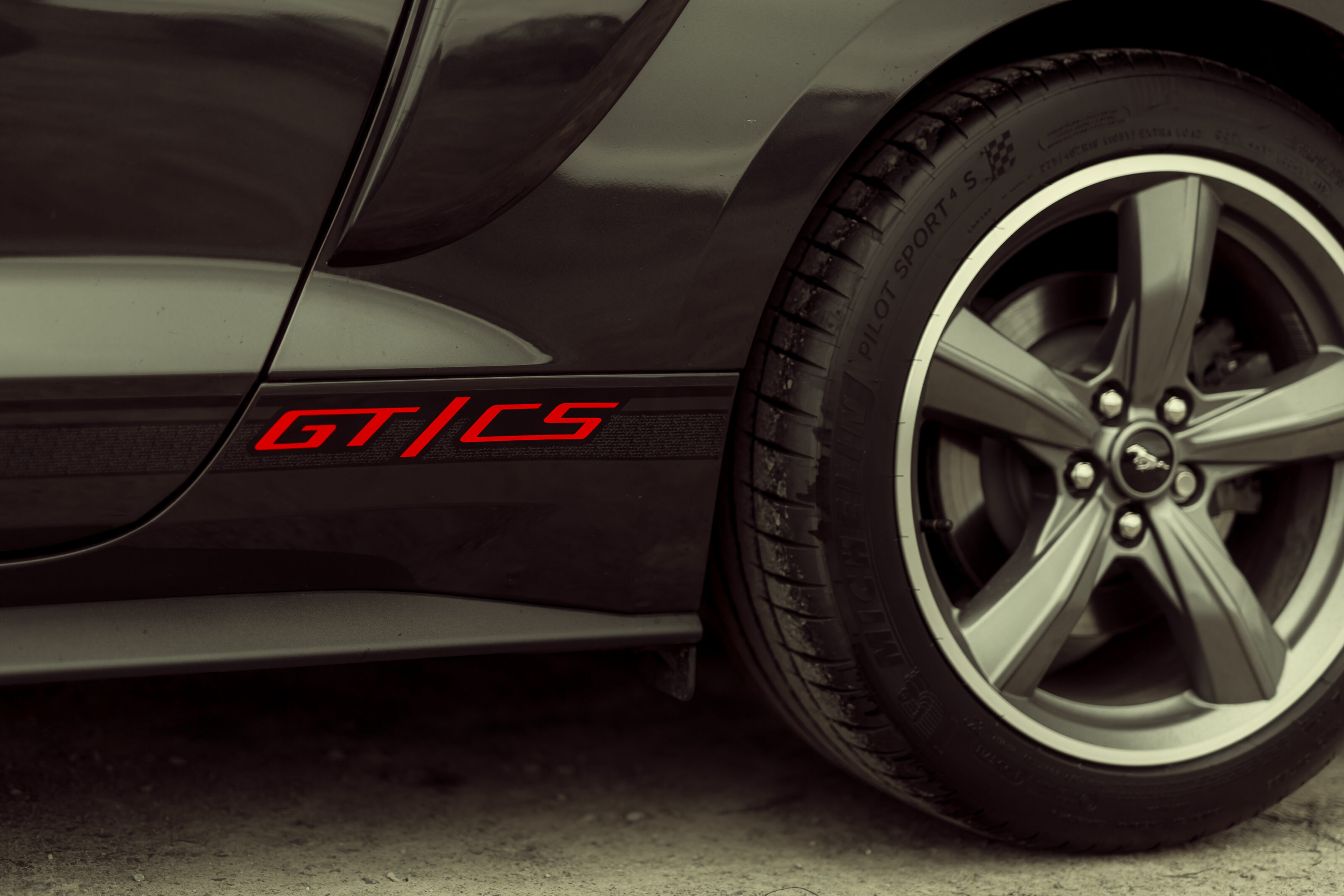
Asking $67,290 before on-road costs – $2000 more than a standard GT manual – the California Special nets you unique five-spoke 19-inch alloy wheels, a heritage-inspired side stripe sticker, enlarged side scoops and unique CS/GT badging at the rear and on the black honeycomb front grille.
California coupes and convertibles gain a GT Performance front splitter as standard, while California Coupes also gain a single-plane rear spoiler as standard.
Inside, the instrument panel is finished in carbon hex aluminium while the door trims and seats gain black suede inserts, red stitching and special embossed iconography.
Of course, all Mustang California Specials also gain a serialised interior plaque. Range-wide updates for all Australia-bound MY22 Mustangs included a standard-fit Line-Lock function and new paint options.
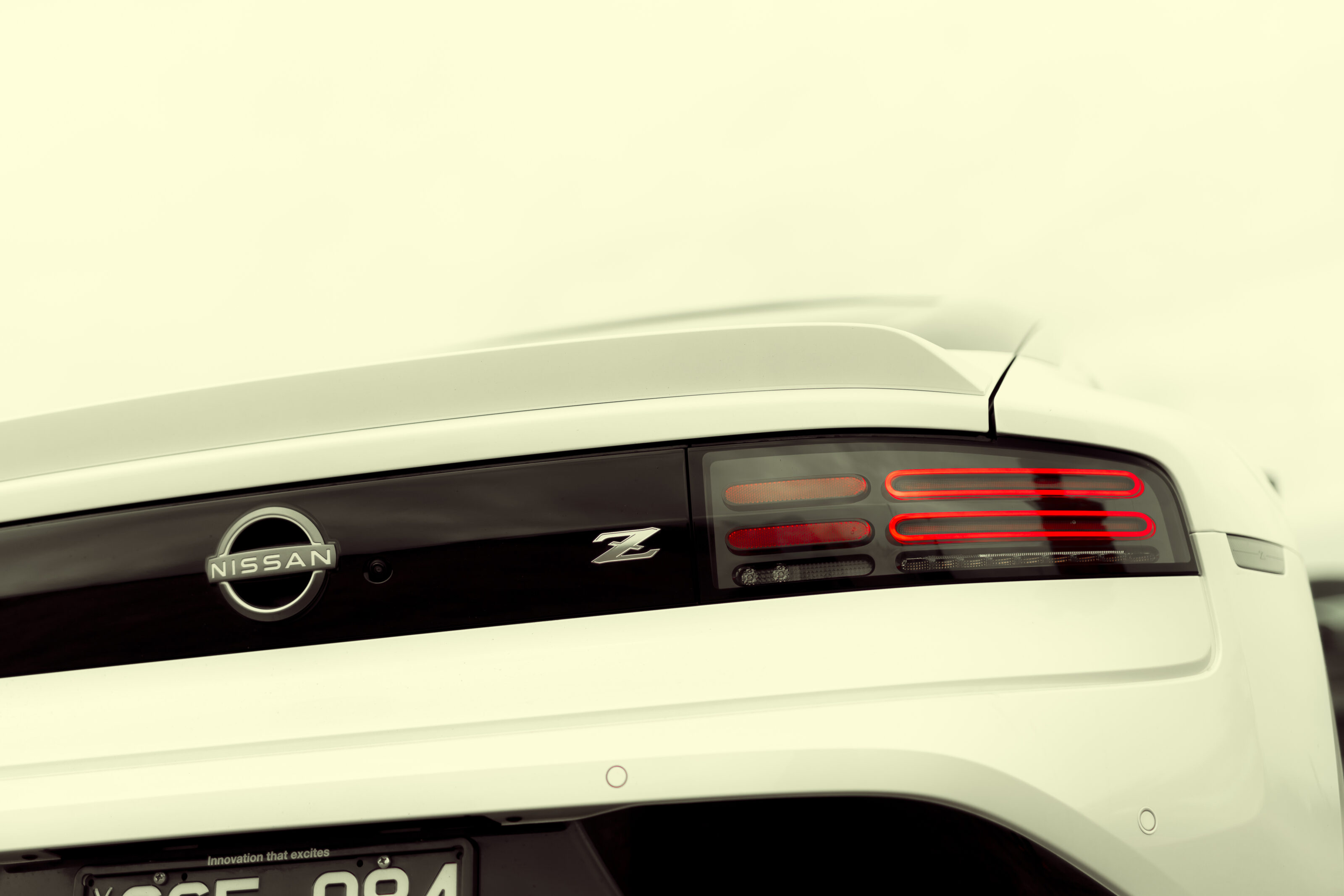
At $73,300 (before on-road costs), with no price disparity between the slick six-speed manual or Mercedes-sourced nine-speed auto, the Nissan Z occupies a compelling space within the five-figure sports coupe arena – asking $6010 over Ford’s Mustang CS/GT manual but undercutting the more focused Toyota Supra by about $14,000.
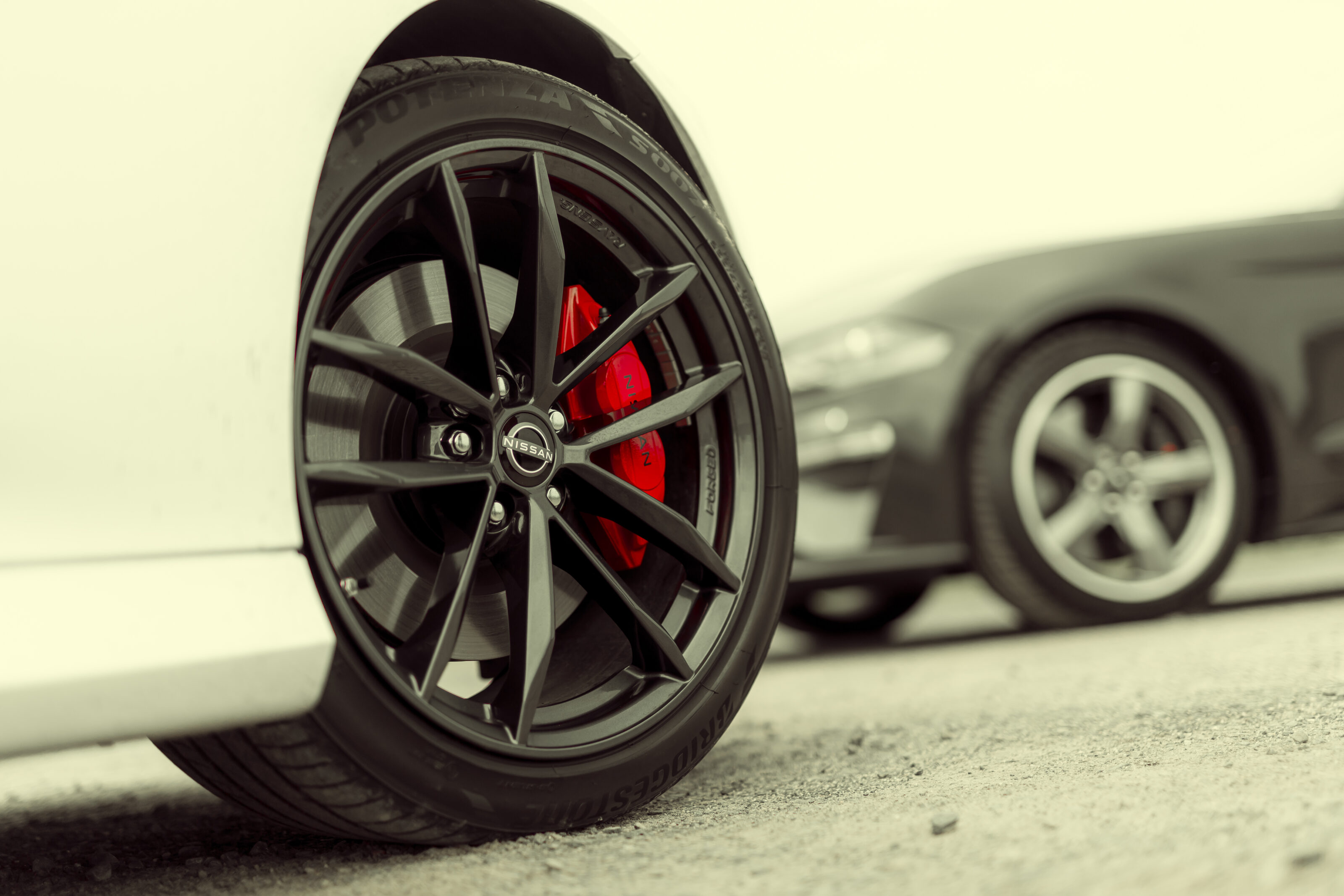
New Z pricing represents an almost 14 per cent increase over the superseded flagship 370Z Nismo, but the Australian-spec car is packed standard with all the bits you want: limited-slip diff, four-pot Akebono brakes, boot lip spoiler, 19-inch wheels and power-adjusted seats.
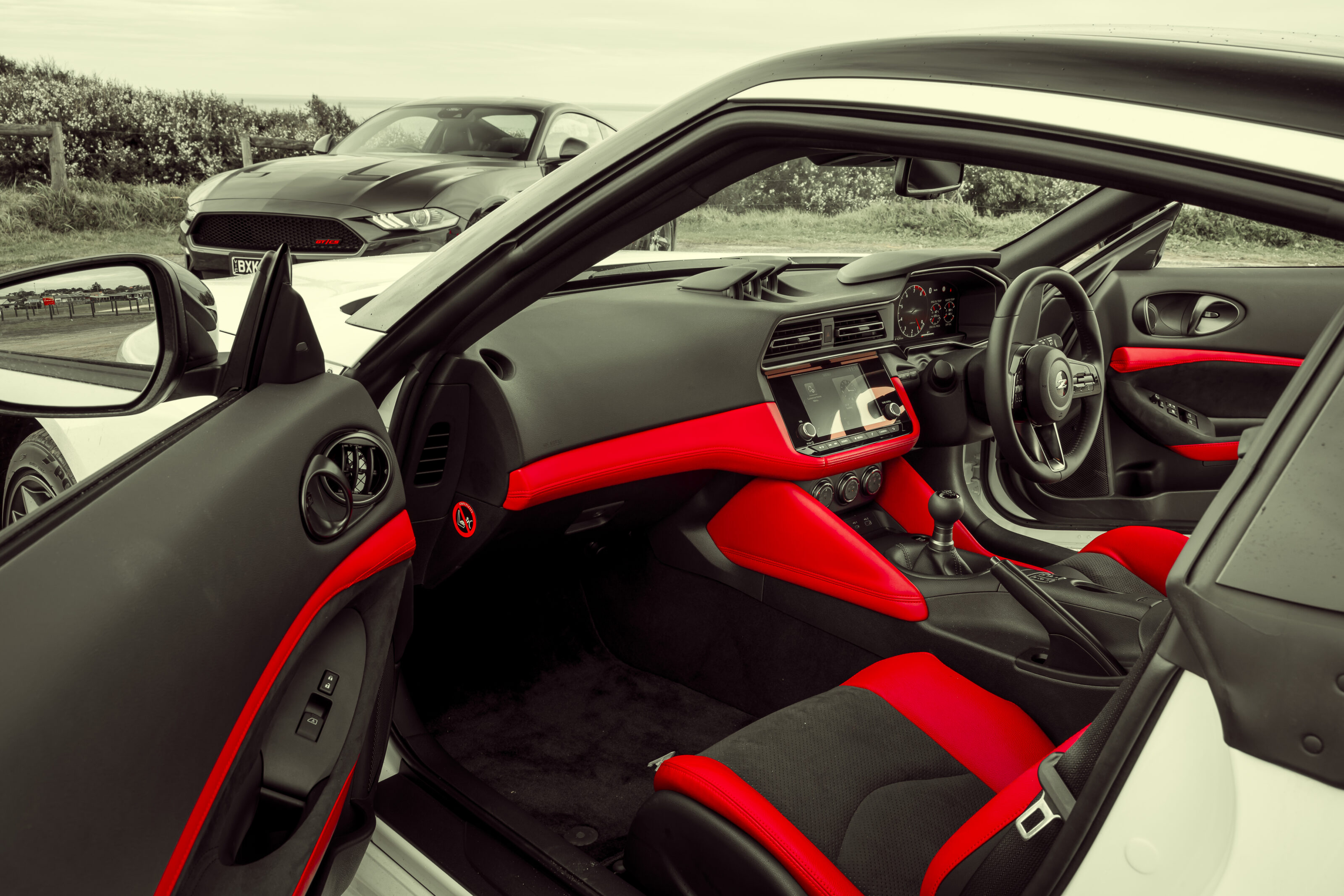
Despite constrained development budgets, the rejuvenated cabin of Nissan’s sports coupe presents impressively, with the 12.3-inch digital multi-function driver display and 8.0-inch central touchscreen doing the heavy lifting of modernising the faithful Z.
We observed carryover bits, yes, but Nissan has executed this redesign deftly. The triple dash-top gauges remain and, frankly, we’d be sad if they didn’t.
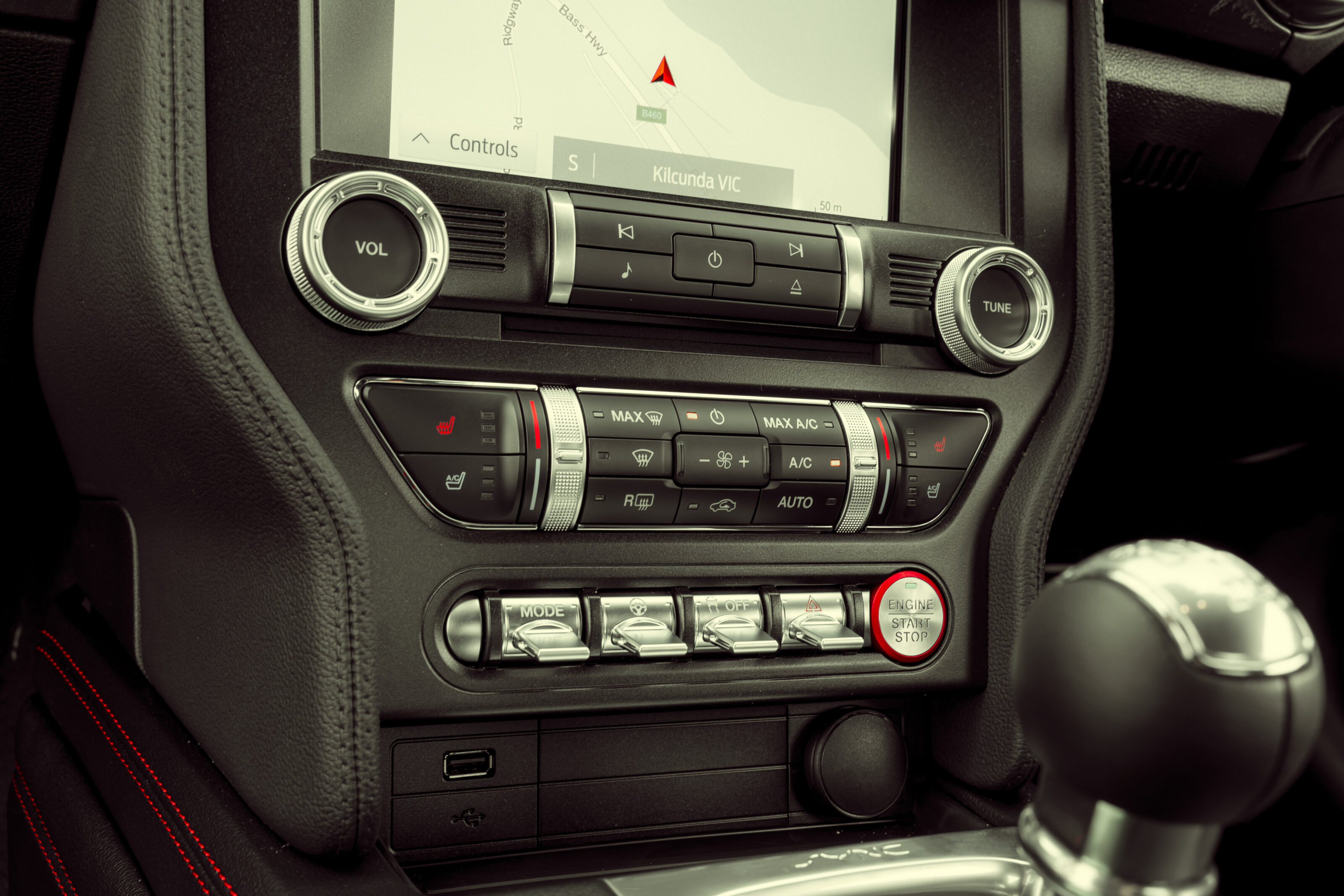
The Mustang’s cabin leans a little heavier into its retro charm, with super-sized dials and large Nokia-like buttons but also boasts an 8.0-inch central screen and a similar 12.0-inch digital driver display. Both vehicles’ digital clusters can be switched between various graphic layouts with many further personalisation options.
It must be noted, though, that Ford’s Sync3 system is noticeably more rich in features, as well as in graphic and haptic response. The Nissan’s navigation-free infotainment is perhaps the biggest giveaway to its reskinned roots, but wired Android and Apple smartphone mirroring makes the best of both vehicles’ screens.
The Ford system does have in-built navigation, though, and both have heated seats (Ford also has cooling functions). Both are left wanting for a wireless phone charger, however.
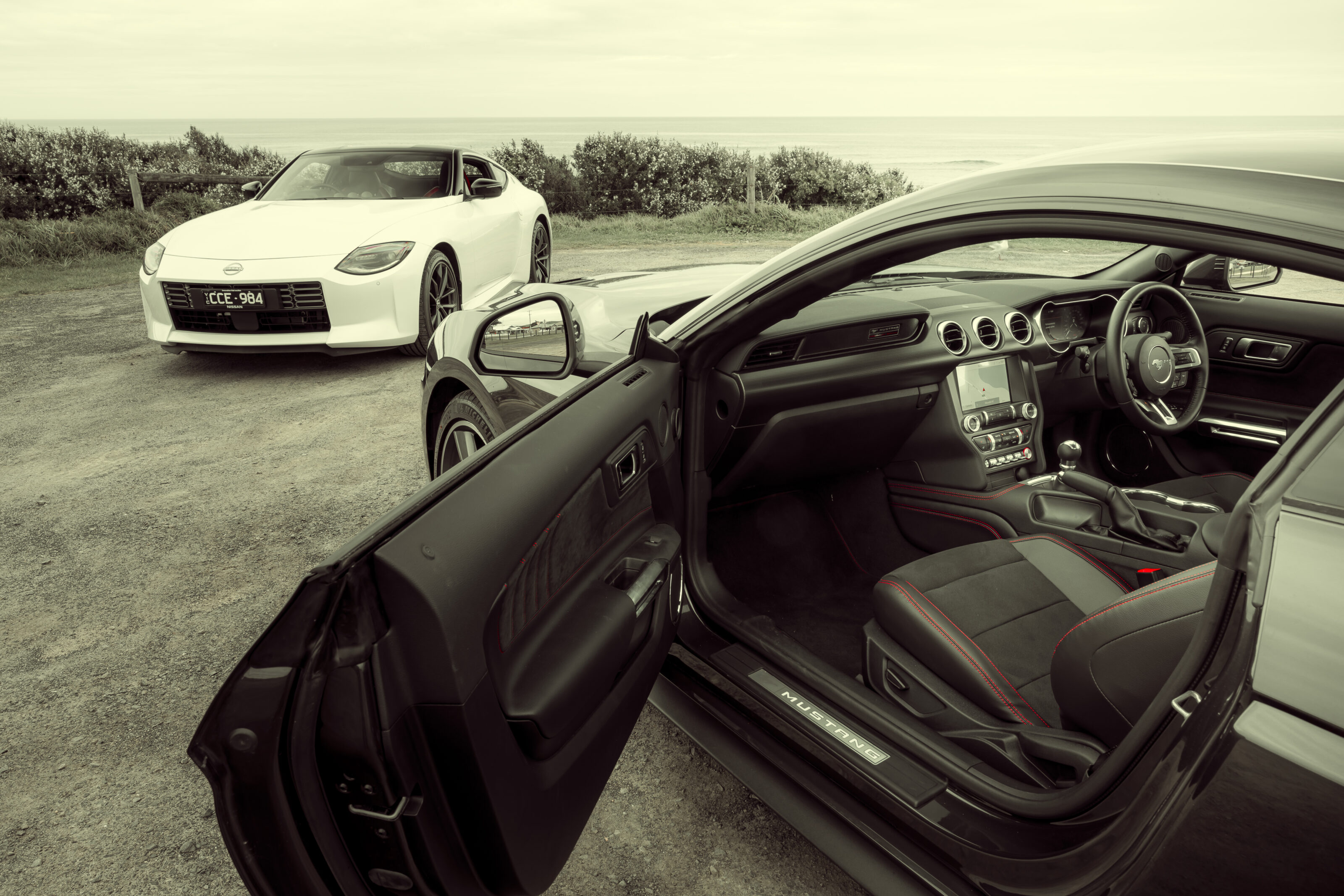
Mustang vs Nissan Z: Interior comfort, space and storage
While standard feature sets are rather similar between these two coupes, inherent packaging differences may present unavoidable quirks for some.
The Z, for instance, is purely a two-seat affair and there will be buyers for whom this is an irredeemable trait when measured against the pragmatic needs of daily life.
As a driver’s comparison between two manually shifted coupes, this is of less weighting here – but it’s a fact we’d be remiss not to mention.
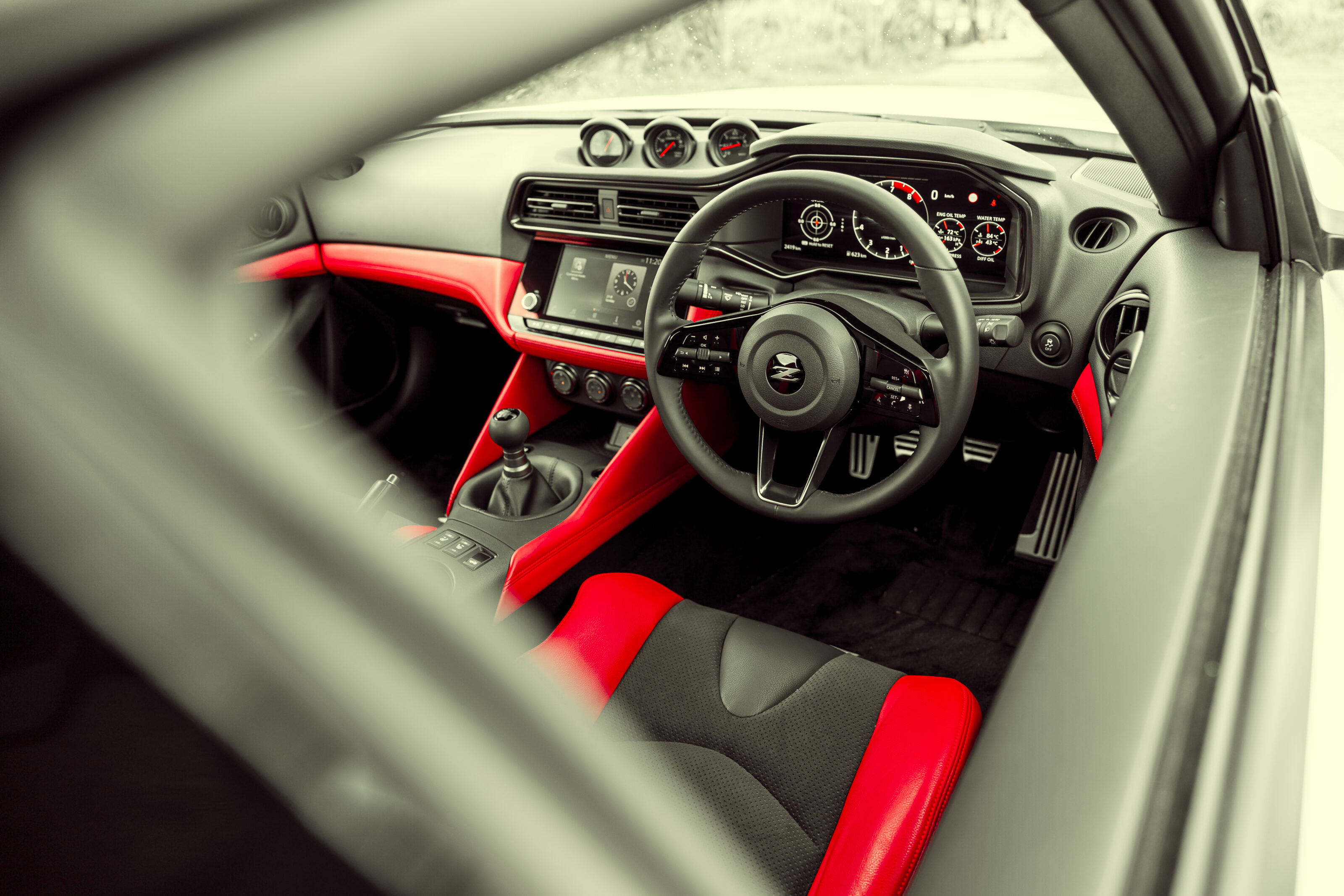
Elsewhere, the Z’s heated seats are nicely bolstered with manual lumbar and thigh support, plus power-adjustable slide and tilt. The seats have nice and grippy suede-like centre inserts and red leather outers. Despite its two-seat status, the Nissan’s cabin has agreeable headroom for taller folk.
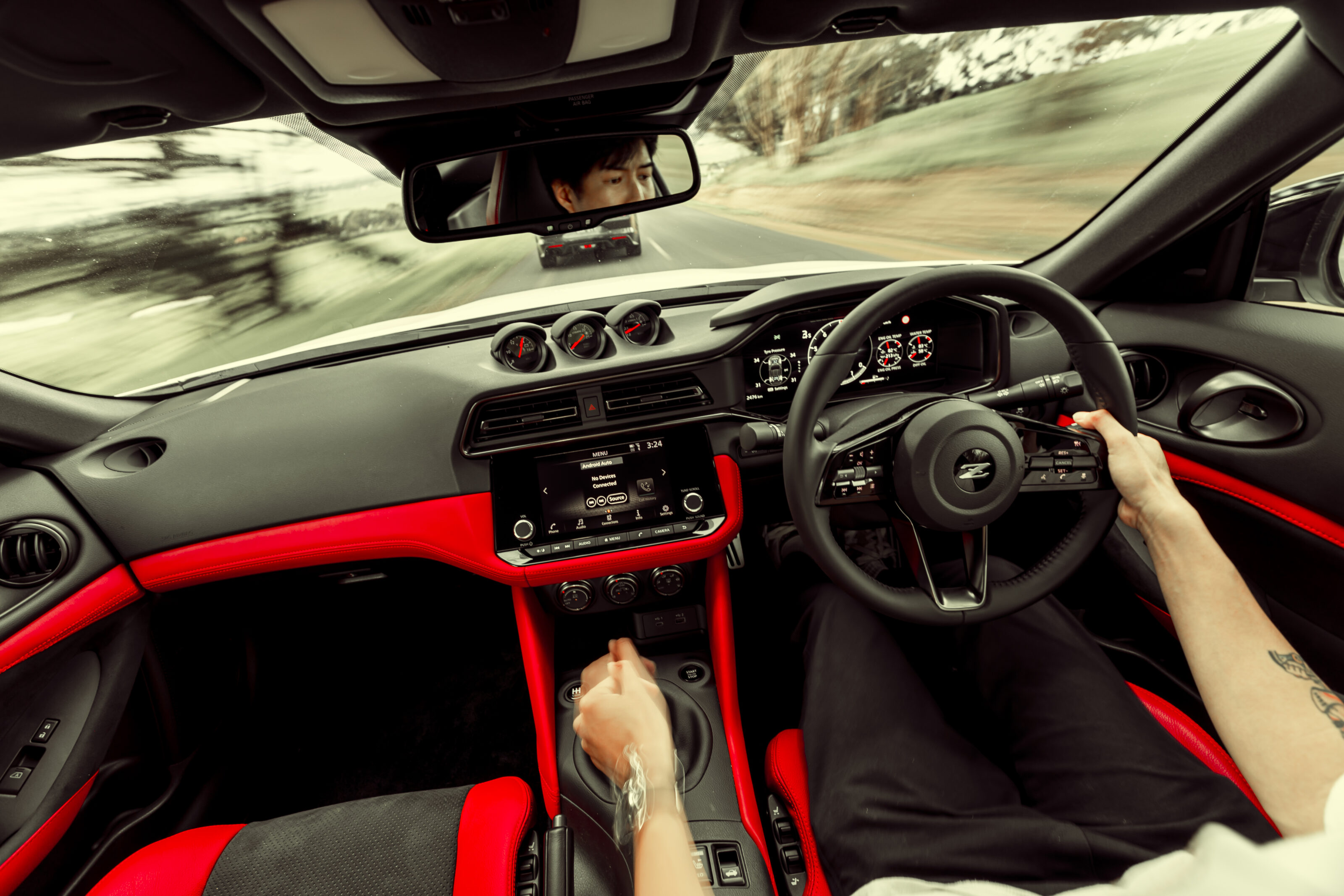
The driving position is spot on, with the ability to mount yourself low and close, virtually sitting on top of the car’s hip point. The shifter is close to hand, and the action is among the best on sale today.
Designed to match the steering wheel of an old R32 Skyline in profile and diameter, the Z’s wheel feels positively wonderful in your hands.
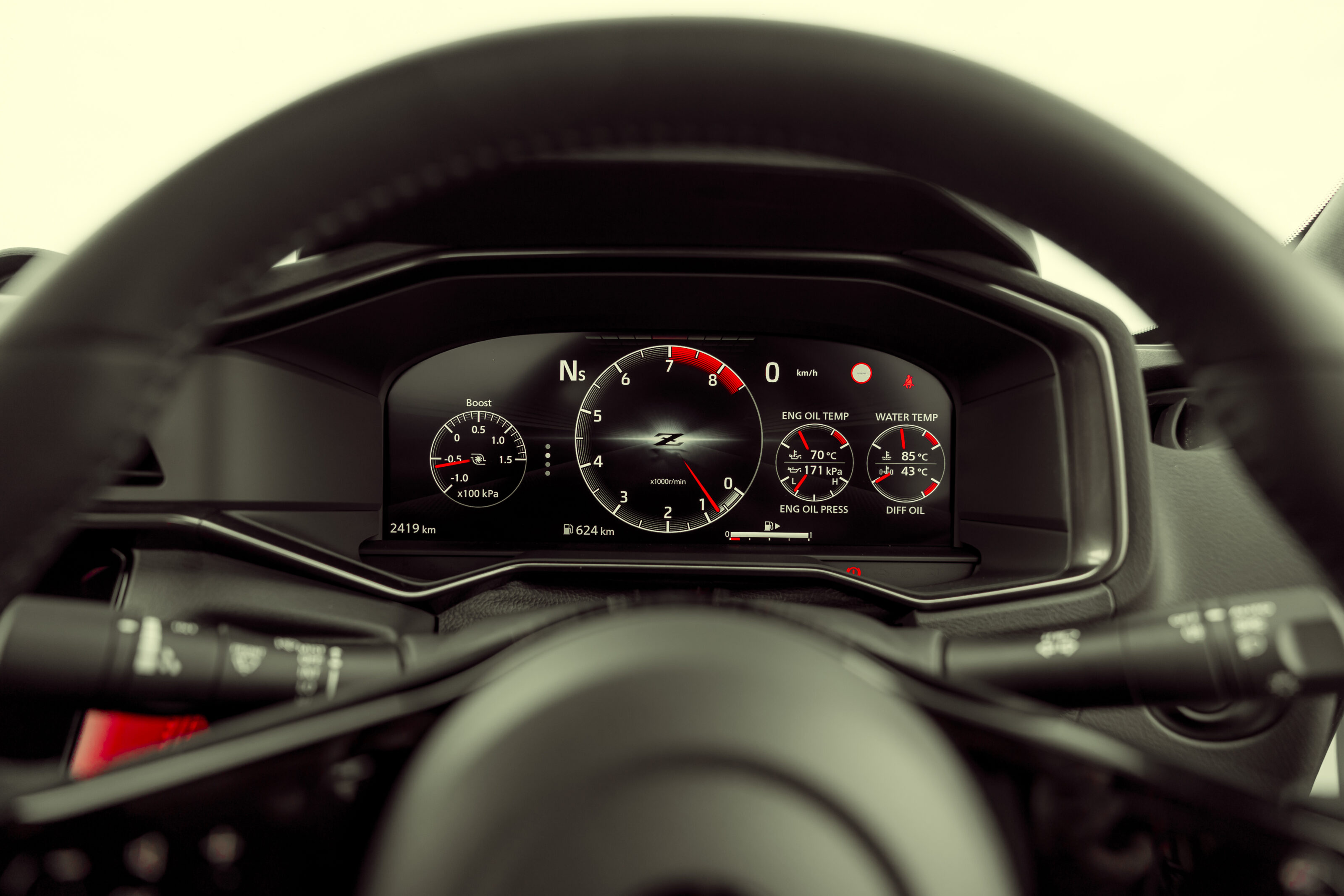
Functionally, the cabin works to great effect with easy steering-wheel-mounted shortcuts for cruise control and media, three simple climate control dials and some handy physical shortcut buttons below the central 12.3-inch touchscreen.
Nissan provides two cup holders, bottle pockets in the doors and both USB-A and USB-C ports up front for phone connectivity in the Z. A large storage pocket sits behind each front seat as well.
The Mustang’s cabin is a familiar setting, with nice materials and comfy wide-set seats that don’t offer quite the same lateral support as the Nissan. This California Special’s suede upholstery does look and feel very smart, however.
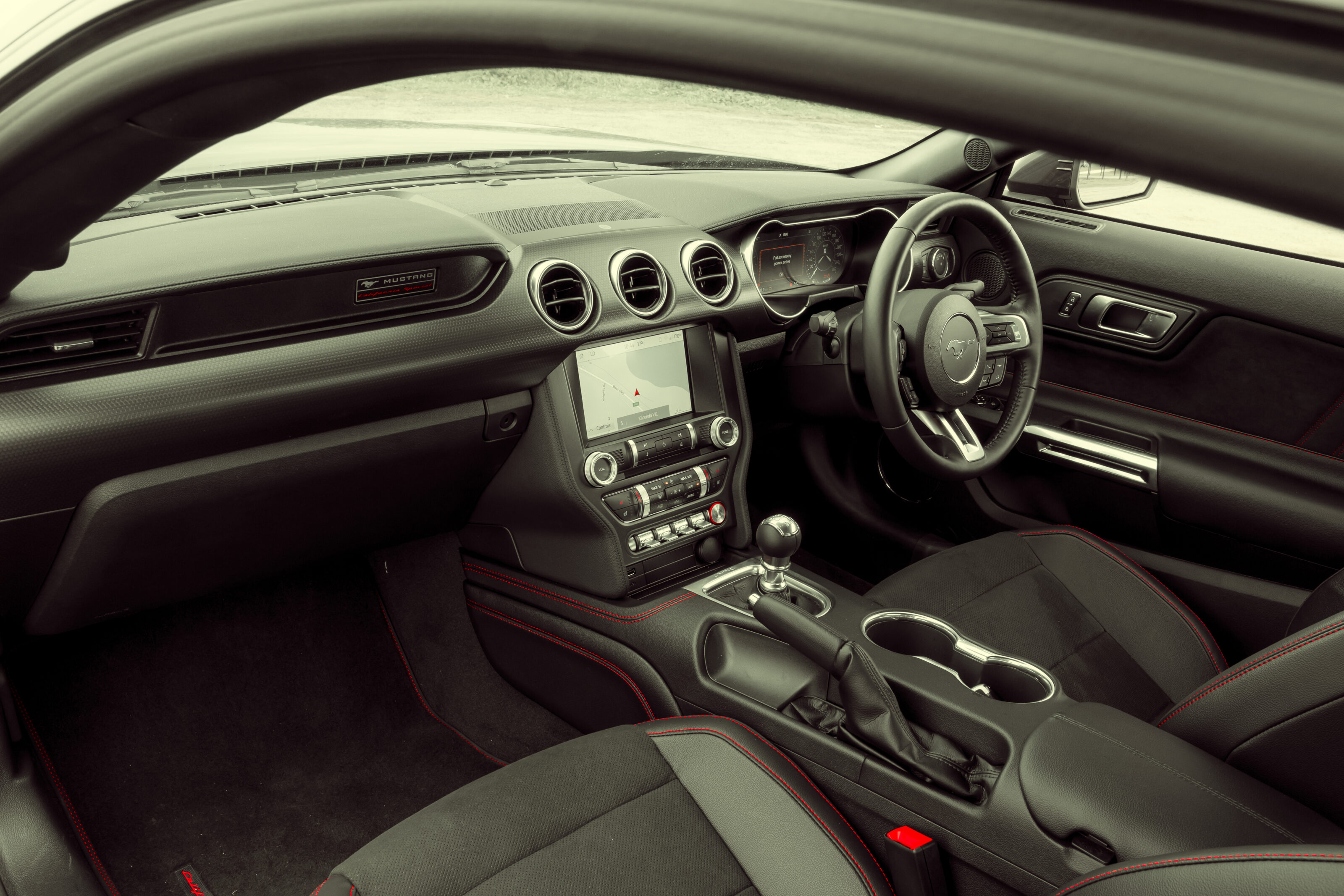
You’ll also find a USB-A port and a 12-volt plug beneath the centre stack, however, unlike the Nissan, there is little storage beyond what looks to be a small coin or key tray.
On the other side of the shifter, however, sit two large central cup holders and a storage bin with a second USB port beneath the armrest.
Further back, the Mustang’s rear seats offer limited use cases beyond the transport of children. Legroom isn’t the problem, it’s headroom, though against the Z, it’s better than nothing.
The Ford Mustang’s measures in at a respectable 408 litres while Nissan’s more specialised Z offers just 241L.
What are they like to drive?
| Ford Mustang GT California Special | Nissan Z | |
|---|---|---|
| Drive: | rear-wheel | rear-wheel |
| Power | 339kW @ 7000rpm | 298kW @ 6400rpm |
| Torque | 556Nm @ 4600rpm | 475Nm @ 1600-5600rpm |
| Transmission | six-speed manual (w/ rev-match) | six-speed manual (w/ rev-match) |
| Weight | 1702kg | 1602kg |
| Fuel/tank | 98 RON / 61 litres | 98 RON / 62 litres |
| Economy | 13.79L/100km (tested) | 11.38L/100km (tested) |
On urban transit roads out of town, the Mustang is effortless, with tall gears, boatloads of torque and a rocking soundtrack to match.
This CS/GT misses out on the optional $2750 Magneride adaptive dampers, which are an all-but-essential option for any owner with long-distance intentions for their new Mustang.
Standard fixed-rate dampers are firm but palatable at low urban speeds, with a short stroke and quick damping action quickly wrangling body movements over bumps. Faster highway speeds over potted and poorly surfaced roads, however, can cause crashing and quickly becomes tiring.
The Nissan, by comparison, breathes down the road more comfortably and feels to have a longer damping stroke with body movements lingering a touch longer than the tightly-sprung Ford.
More pronounced vertical movements and moments of slight head toss occur at higher speeds when the Z is faced with road imperfections but there’s composure to the Nissan, quickly regaining confidence and never succumbing to any hint of bump steer or tramlining.
Despite carrying over Nissan’s internal chassis designation of ‘Z34’, Nissan has made considered improvements in all the right places. The suspension has been revised to handle the massive increase in torque, with new damper mounts, modified bump stop touch points, increased front caster, and increased front and rear spring rates, though the dampers are softened by 20 per cent.
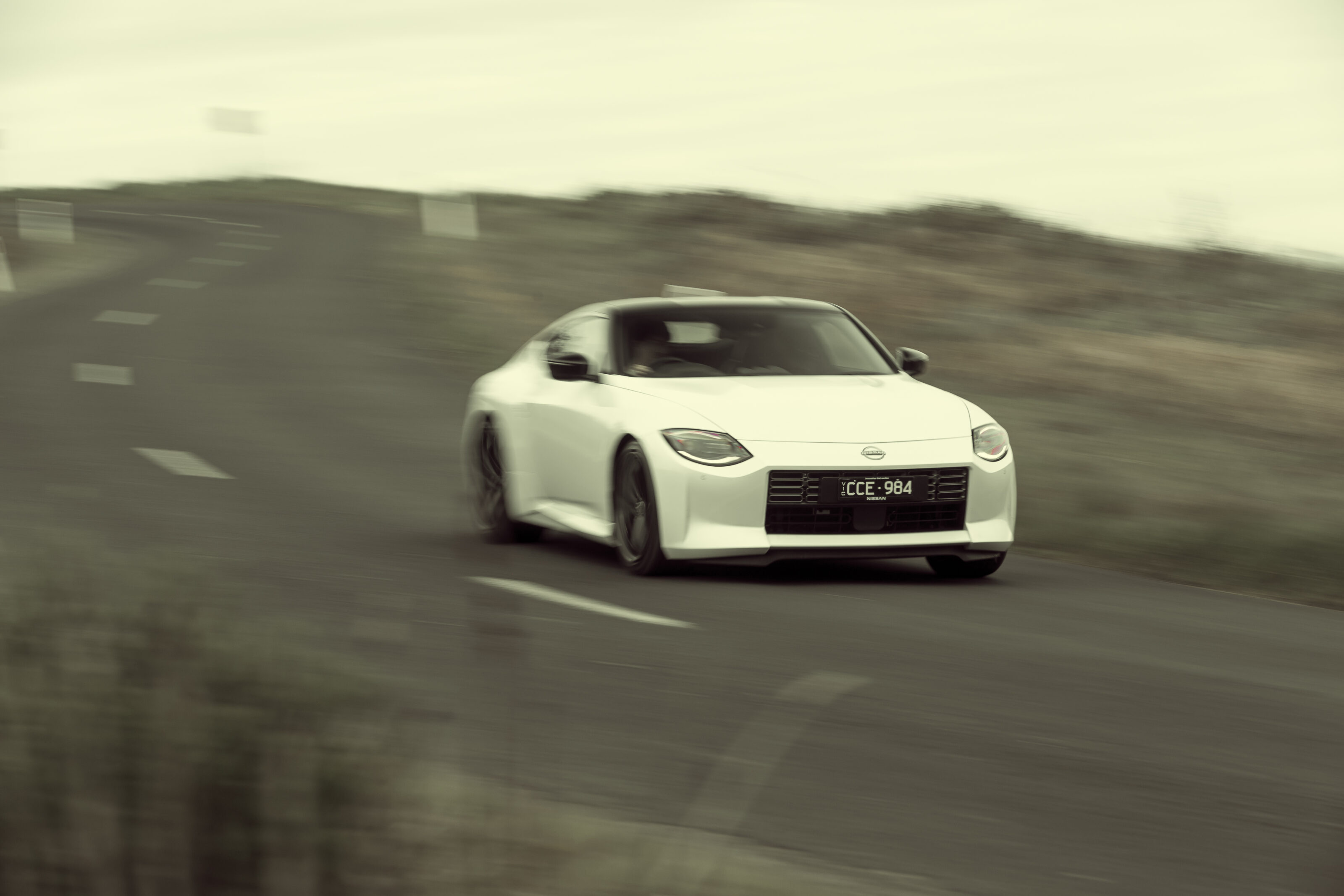
Front crash structures, part of the front firewall, rear subframe and most of the rear hatch have been redesigned and braced, with torsional stiffness increased by 10.9 per cent over the preceding 370Z.
All are necessary revisions to cater for that powerhouse 298kW/475Nm 3.0-litre twin-turbo V6. The Infiniti-sourced VR30DDTT engine leverages an 18 per cent increase in power and 28 per cent increase in torque over the old 370Z and is the biggest transformer of the new Z’s character.
The trusty Mustang, by comparison, is very familiar to Australian motorists, having enjoyed consistent success over the past seven years on sale.
Spec-savvy readers will notice that, despite the Z’s new twin-turbo V6, the Mustang’s 339kW/556Nm outputs comfortably outgun Nissan’s newest star athlete.
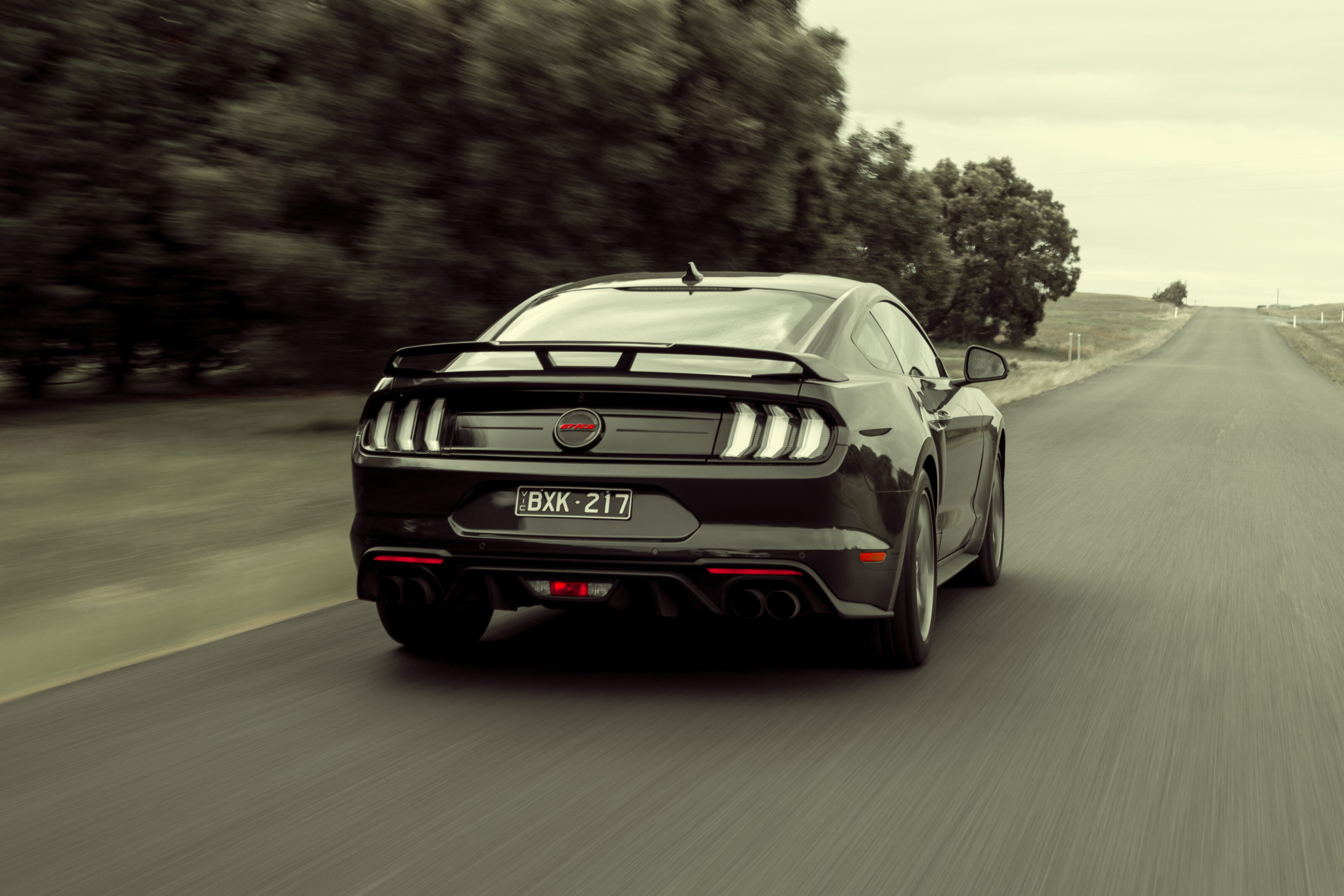
In both performance and pure strength of character, the Mustang’s V8 overwhelms the Z’s twin-turbo V6, which in isolation is an effective powerplant that doesn’t feel in any way weak or slow.
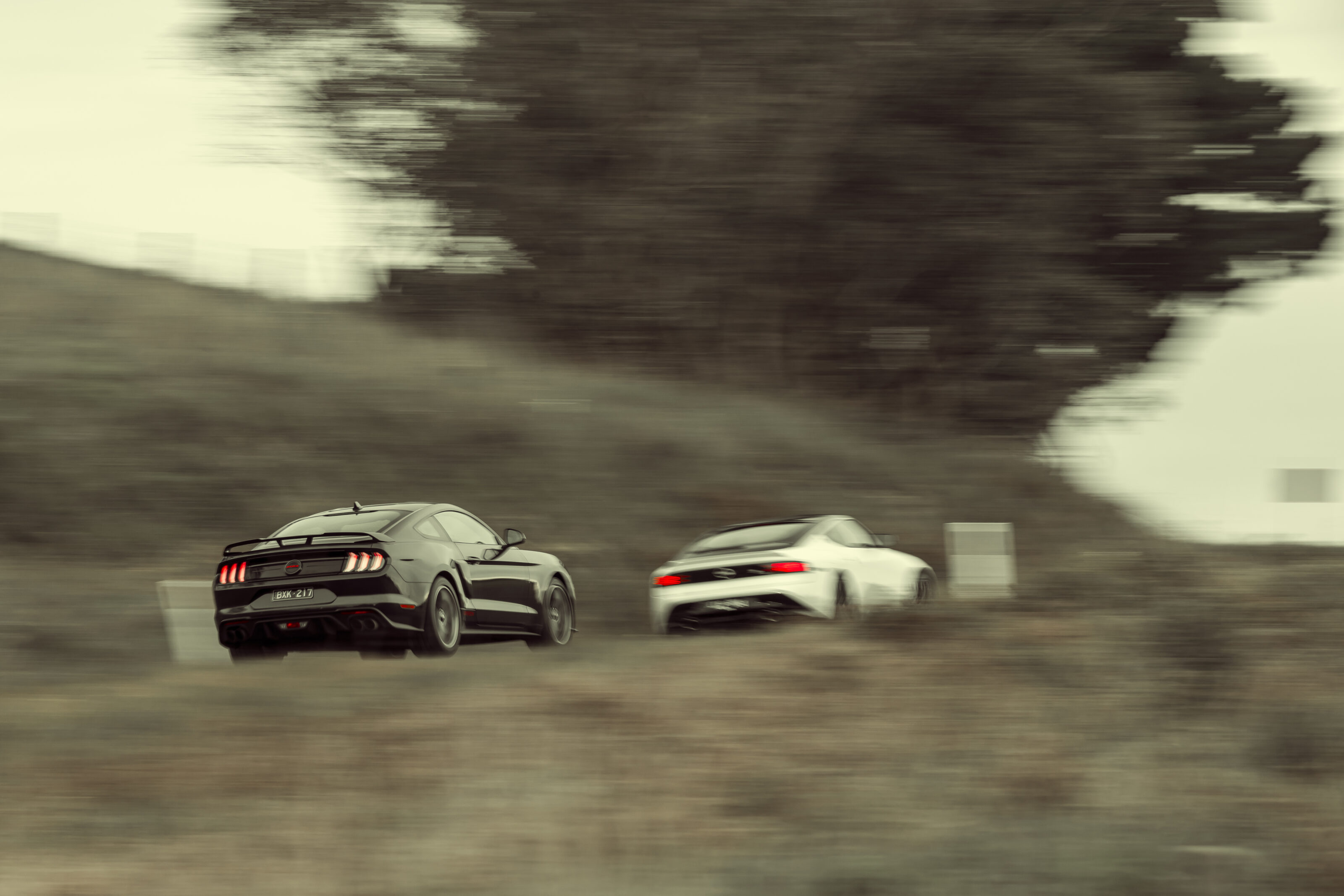
But driving the Z behind the Mustang during the early highway and transit stages of our test, the Nissan’s zippy V6 was simply inaudible behind the backdrop of Ford’s almost antisocial 5.0-litre soundtrack.
In isolation, it must be said, the Z’s V6 is a satisfying unit with a classically-charged charm of its own. A measure of tangible turbo lag doesn’t feel out of place here, with a mid-range wave of torque swelling from 1600rpm and peaking at 5600rpm.
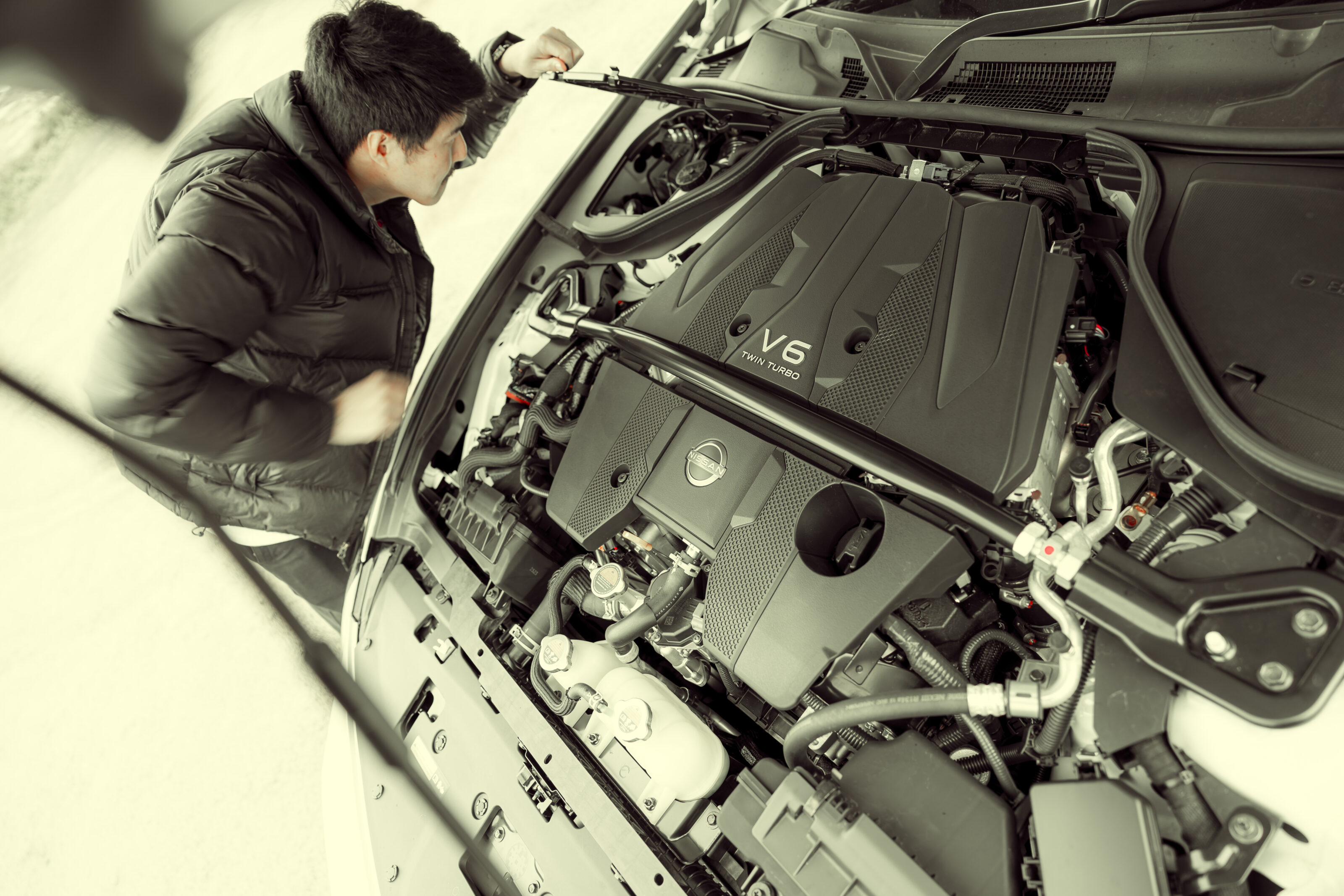
It’s initially underwhelming that the Z’s engine never quite crescendos, with increased revs signalled more by induction noise than any meaningful exhaust vocality, but you can bet that, in true Z fashion, there are already more aftermarket options under development than you can poke a stick at.
The Z Coupe might weigh a neat 100kg less than the Mustang but, in the real world, the Mustang has a superior power-to-weight ratio of 199kW/tonne, compared to the Z’s 186kW/tonne, and frequently puts car lengths on the Nissan both from a standstill and often on corner-exit – leaning lazily on those long gears without any affliction of boost-induced lag.
Ford’s Coyote V8 makes a higher peak torque at 4600rpm, a whole 1000rpm lower than the Nissan VR30DDTT. Nevertheless, it did come as a bit of a surprise to see the Mustang shrinking ahead from behind the wheel of the Z.
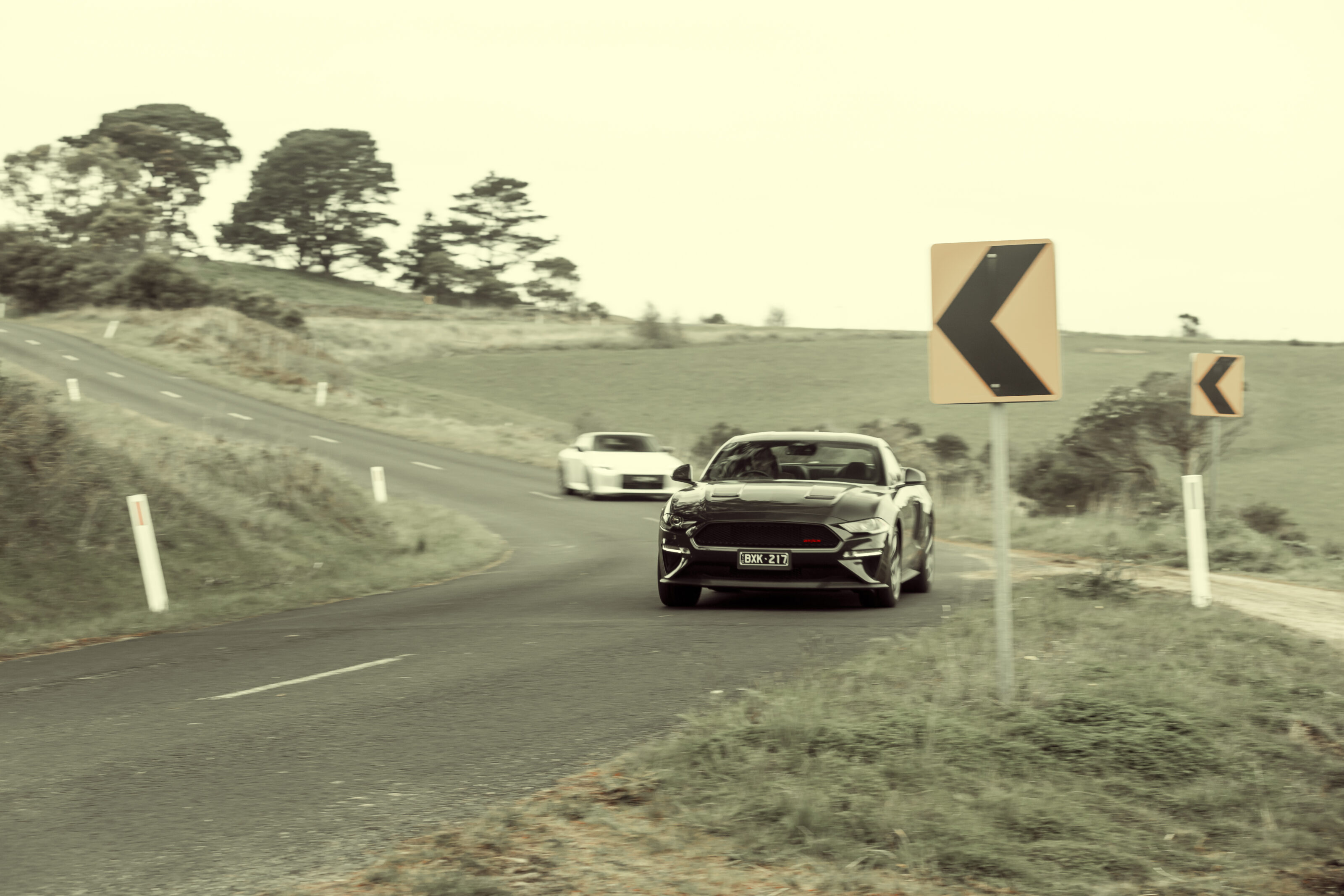
Early points go to the Mustang for its straight-line prowess, and perhaps its initial charisma, but there’s a lot more to unpack here.
Both cars’ rear axles are shod with 275-section tyres, but the Mustang makes more meaningful progress with superior Michelin Pilot Sport 4S tyres, while the Z’s softer Bridgestone Potenza S007 hoops more often devolve into wheelspin under corner exit power down.
It must be said that the ESC calibrations of both of these cars are rather loose, with frequent hints of slip and yaw requiring corrective lock, even when all systems are on.
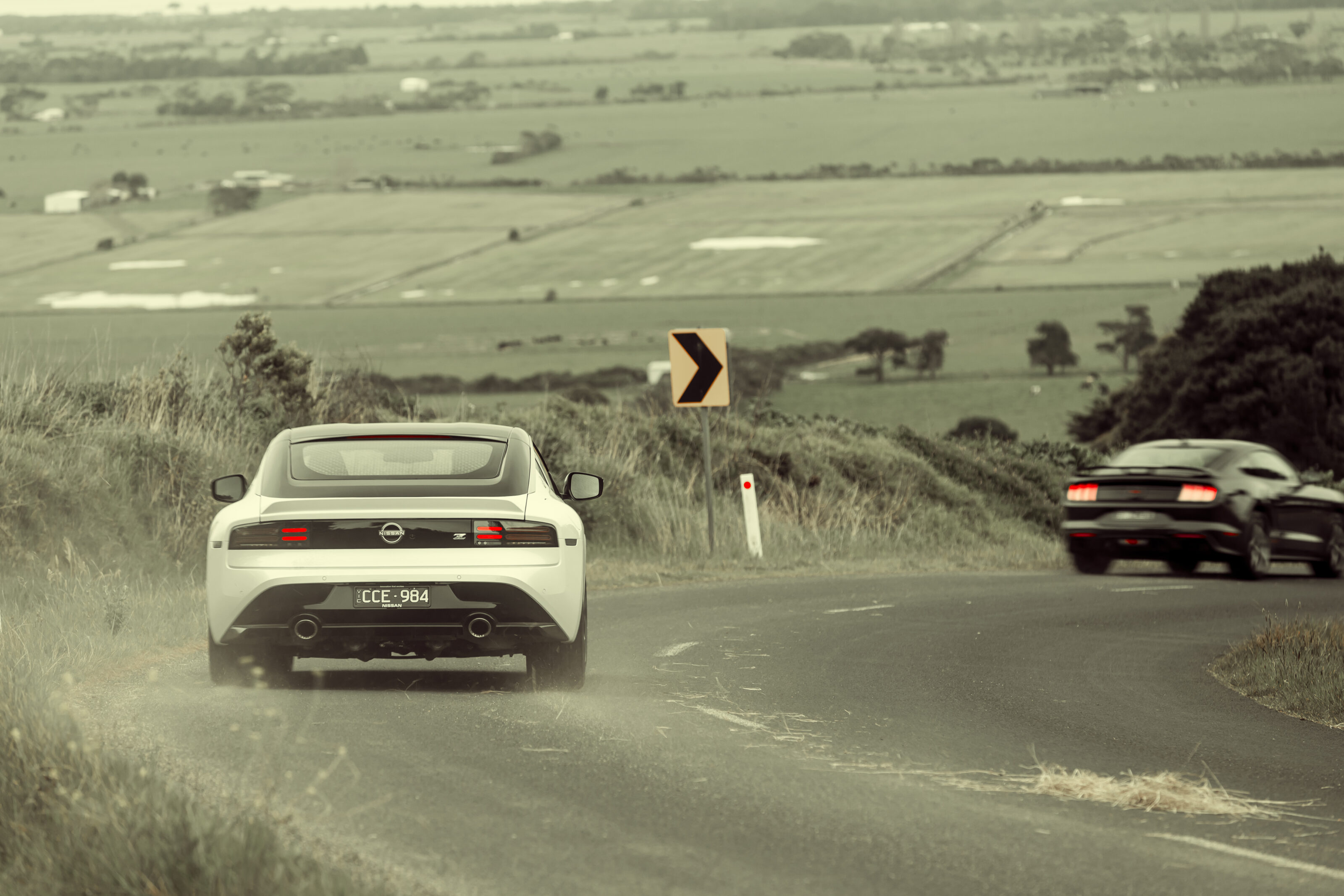
The Mustang delivers bigger moments, delivering a more rapid pendulum effect given its larger kerb weight and longer wheelbase.
Both vehicles will catch you if they think you’ve tipped it over the edge, but get comfortable with the confines of both systems and both of these vehicles will allow you to satisfyingly steer into yaw while feathering the throttle – as long as you don’t get too out of shape.
It sure makes for an entertaining drive, though. And when push comes to shove on a twisting Australian back road, these two coupes diverge.
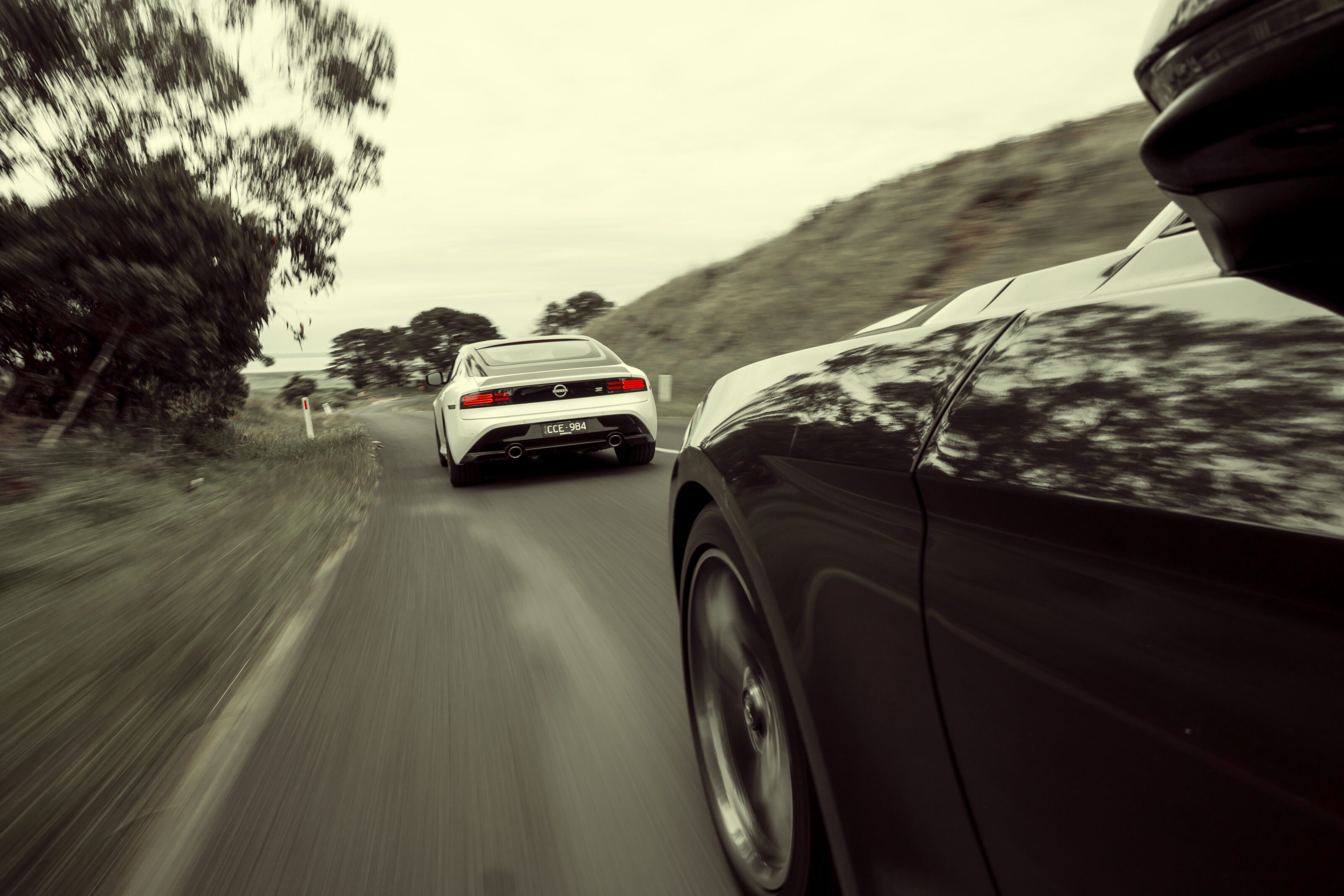
The Mustang feels big on the road and is never entirely comfortable being pushed beyond seven-tenths.
The steering is heavy by default and translates little road texture and shape to the hands, with little variance in feel as the pace increases.
Sportier steering modes add needless heft and no tangible benefit in terms of feel but there is a Light option you can set up under custom, which is preferred at urban speeds but exacerbates the lack of front-end feedback under dynamic circumstances.
Fixed-rate dampers are inherently firm but well-judged when pressing on, with body control maintained and recovering quickly when upset by sharp mid-corner bumps.
The Mustang’s ergonomics, however, don’t make hustling this horse a comfortable affair, with wide-set seats that lack lateral support for those slighter of frame and a shifter that feels high and too far back for someone who likes to sit low and close.
An enduring highlight is the six-speed Getrag’s burly shift action and though the spacing of brake and throttle pedals doesn’t make heel-and-toe actions a natural affair, the auto-blip is mightily effective and satisfying to engage with when rowing down gears on a hot corner entry.
By contrast, the Nissan’s pedal box is more heel-toe friendly but you have to be deep in the brakes to make it fluid. Still, the Z feels totally different in this setting; lithe, agile and nails everything that the Mustang GT just misses the mark on when it comes to being a serious drivers car.
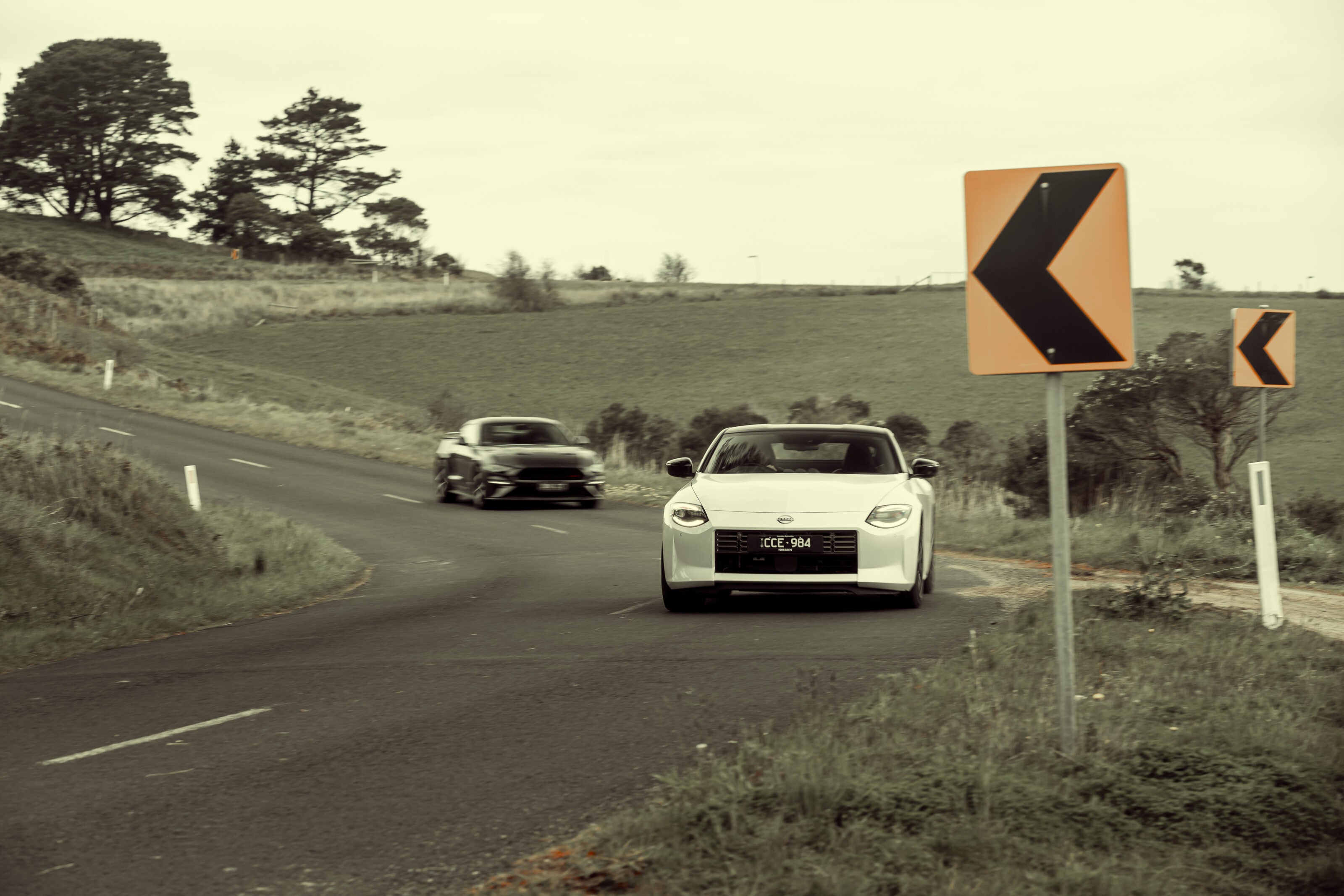
The lighter steering doesn’t significantly load up in weight through a corner, but is filled with texture and communicates the road surface to your hands in detail.
A tighter spread of ratios requires more gear changes and produces much more engagement with the machine. There’s also a quicker steering ratio (15:1 v 16:1) in the Z, which lends itself to an overall feeling of nimbleness and agility, while the Mustang’s slower steering exacerbates its lack of front-end accuracy.
The Nissan’s soft suspension produces large body motions at speed, but the car’s contact patch never wavers. The Bridgestone-clad rears of the Z may break away earlier than the Mustang’s French hoops, but they do so with progression and a level of adjustability beyond the reach of the blunt-force Blue Oval coupe.
How are they on fuel?
Over the course of our test with the new Nissan Z and Ford Mustang GT California Special, it was the Z that came out the lighter drinker of the two.
The Nissan Z registered 11.38L/100km, against the V8 Mustang’s 13.79L/100km.
Nissan’s official combined fuel claim for the Z coupe is 10.8L/100km, while Ford claims a combined 12.7L/100km for the Mustang GT.
How safe are they?
The Nissan Z is yet to be assessed by ANCAP and remains unrated.
Nevertheless, it has taken a big step up in passive and active safety features and includes as standard: adaptive cruise control, auto emergency braking (AEB) with pedestrian detection, forward collision warning, rear cross-traffic alert and lane departure warning.
It features six airbags comprising dual front, side and curtain units.
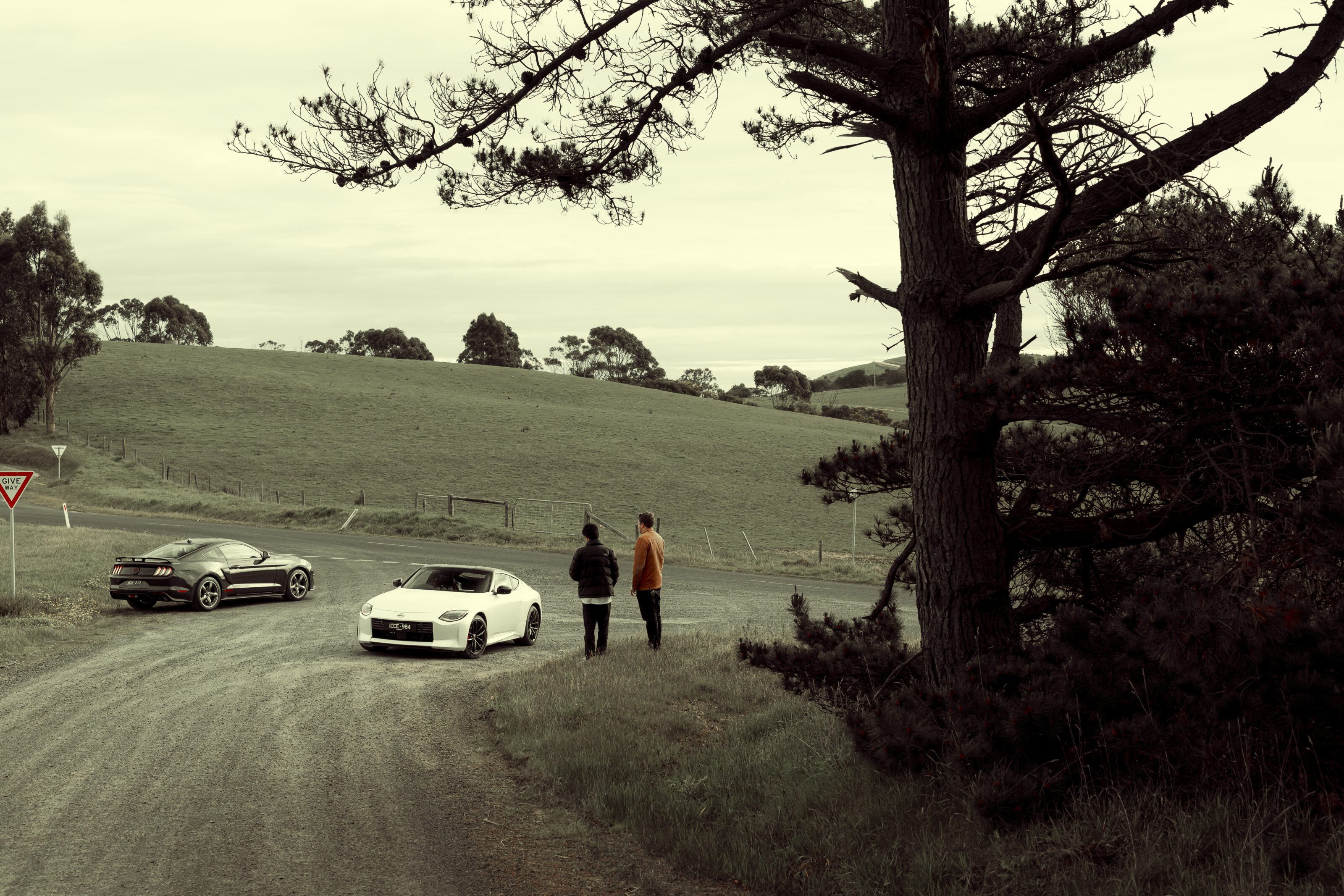
The Ford Mustang GT wears a three-star ANCAP rating based on tests conducted in 2017.
Standard with the Mustang are adaptive cruise control, AEB with pedestrian detection, forward collision warning, lane departure warning and lane-keep assist.
The Mustang also features front, front-side, curtain and driver’s knee airbags.
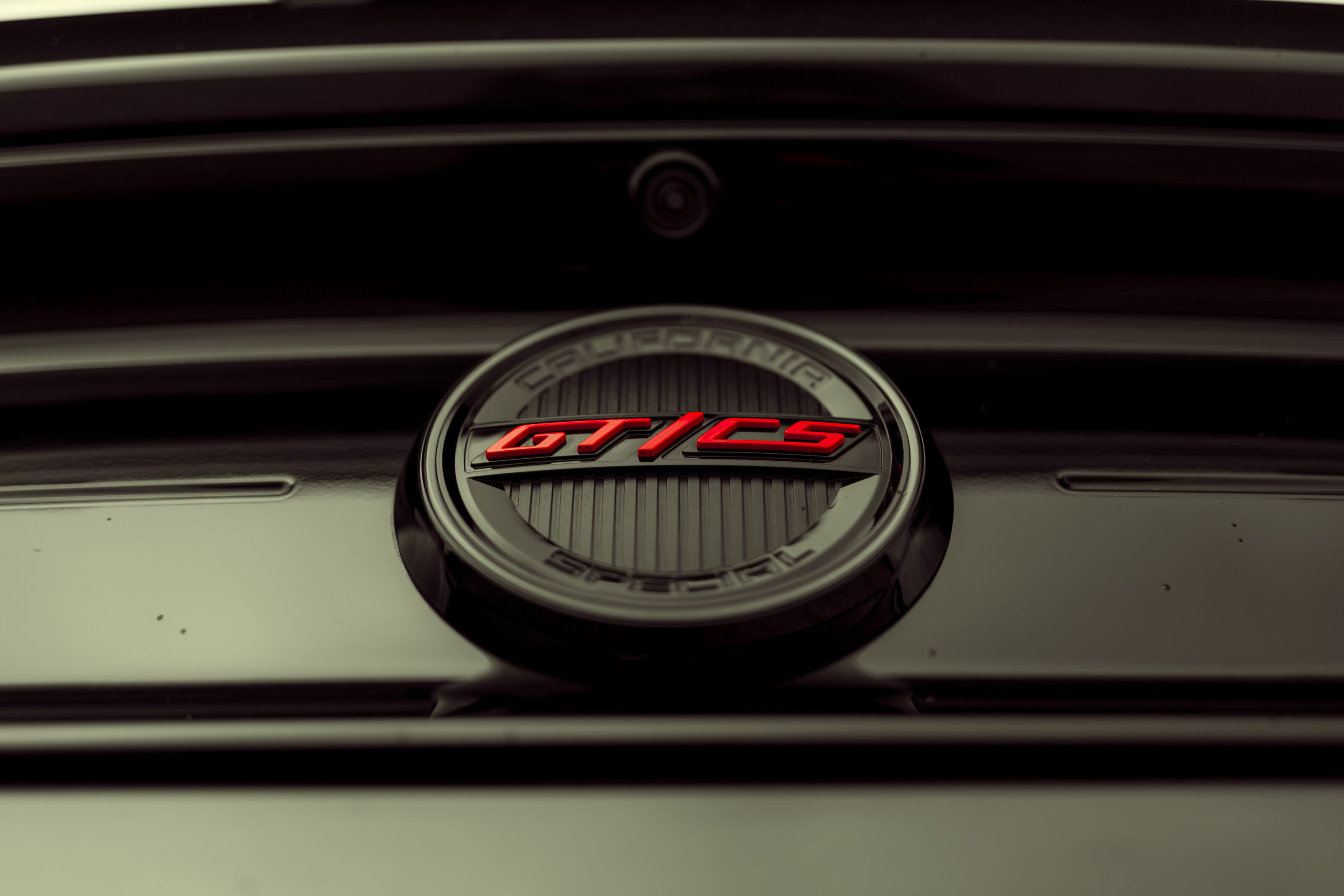
What about warranty and running costs?
The Nissan Z is covered by Nissan Australia’s five-year, unlimited-kilometre warranty, with service intervals occurring every 12 months or 10,000km, whichever occurs first.
Ford Australia also offers a five-year, unlimited-kilometre warranty, though the Mustang’s service intervals better suit high-milers as they run every 12 months or 15,000km (whichever occurs first).
Both cars here run on a 98 RON fuel diet.
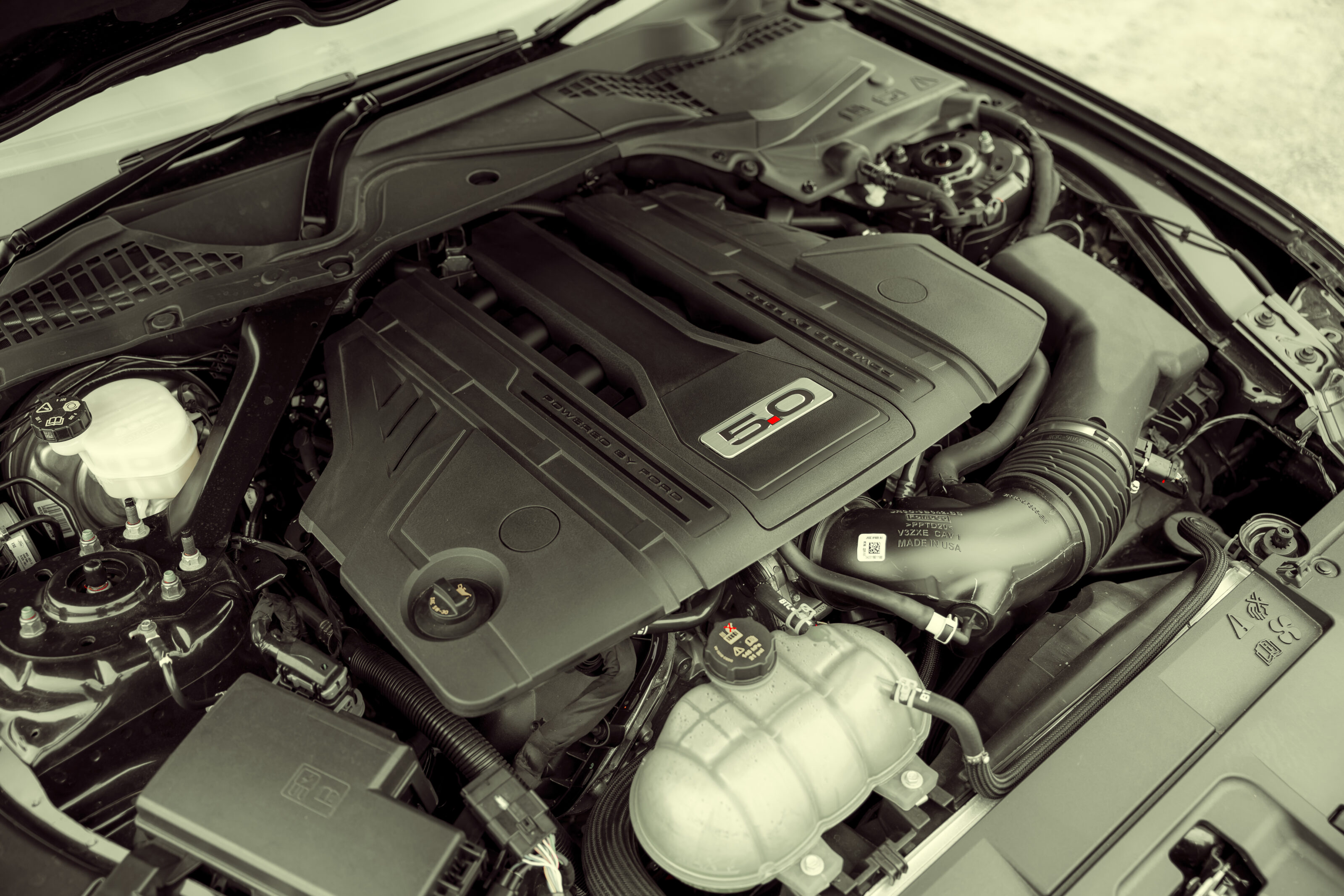
VERDICT
Pushing the Mustang on the road can be unnerving; pushing the Z is wonderfully addictive.
Throughout a day of back-to-backs on some of our favourite roads in Victoria, a trend emerges by day’s end. Whoever got in the Nissan would naturally motion the Mustang ahead. The brutish Ford deploys more power and torque through better tyres and is more often able to hold a higher mid-corner speed than the Z.
You’ll be in the Nissan coupe and the Ford might be slowly producing a gap ahead, but you won’t care. Pushing the Mustang on the road can be unnerving; pushing the Z is wonderfully addictive.
If you’re a car buyer and all you care about is engines, or if all you want to know is how to acquire the most kilowatts for the least amount of dollars – read no further and buy a Mustang, you’re going to have a wonderful time.

Upon reflection, while these two sports coupes may have lived an adjacent existence, they are two distinct products for two distinct buyers.
The Ford Mustang, especially as this fetching California Special, offers its ownership payoff in the strength of its character, in the way the rev-flare tickles your neck every time you fire up the V8, and the way it makes you feel – whether you’re crawling along in traffic or munching kilometres on the highway.
Nissan’s intriguing new Z, however, is a comparatively multi-dimensional thing and, against the Mustang’s shock and awe, could be misinterpreted as initially soft or underwhelming. There’s more to unpack here though, and as an owner, it’ll beg you to set early Sunday morning alarms, to go driving and to subtly peel back its layers.
It’s a close fight, but here and now, in the High Country, Nissan’s Z emerges as the sharper and more intoxicating tool.
But the war is not lost. Next year Ford will swing back with a new-generation Mustang, and we know there are harder, more focused Z variants in the pipeline.
This feud, almost 60 years in the making, will wage on. Long may it continue.
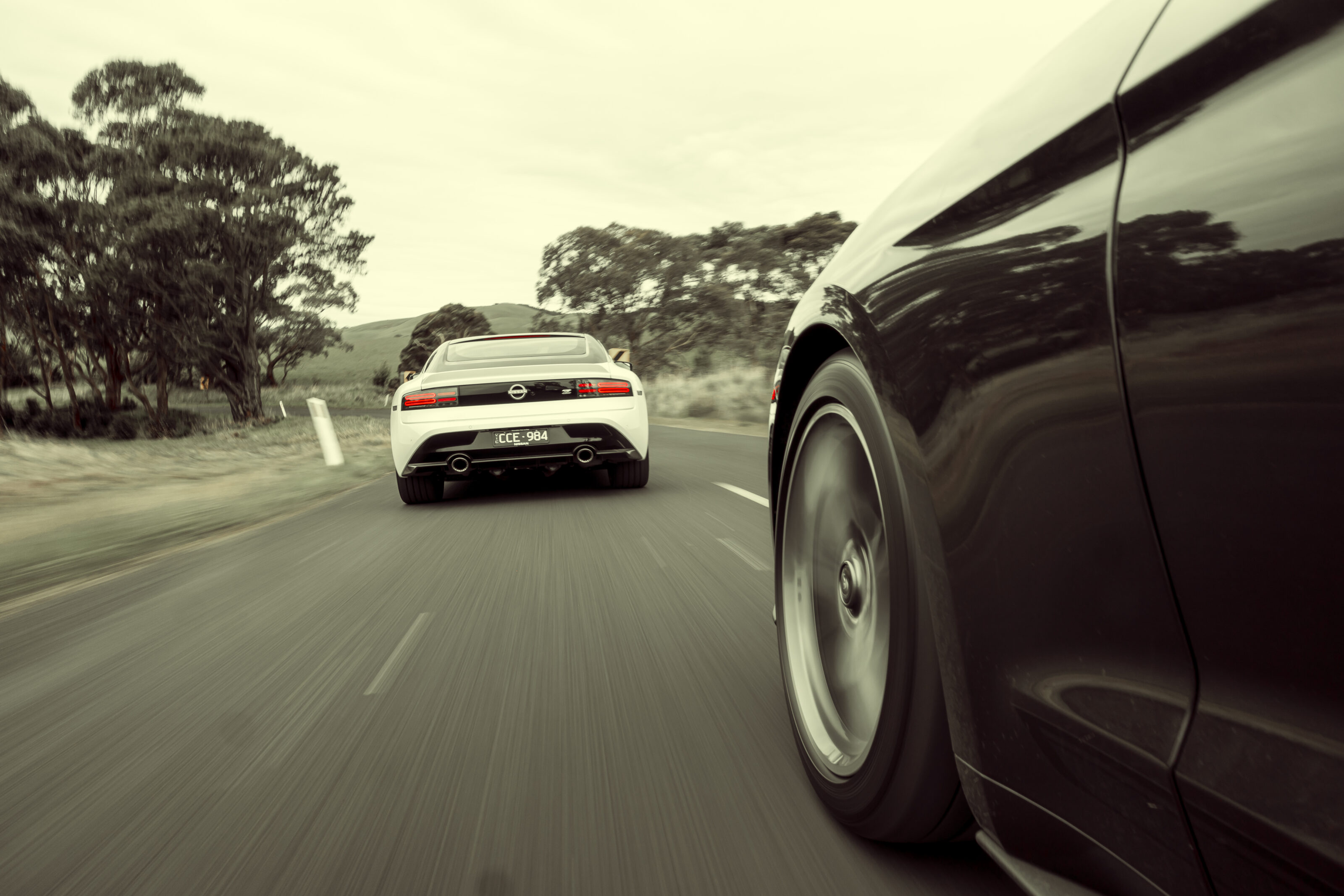
SCORING
Nissan Z: 8.5/10
What we liked
- Ride and composure
- Breadth of talent
- Chassis balance
Not so much
- Lacks engine vocality
- Dated infotainment
- Stock tyres aren’t the most focused
Mustang GT CS: 8.0/10
What we liked
- The vibes
- V8 soundtrack
- Power-per-dollar equation
Not so much
- Back-seat headroom
- Firm fixed-rate dampers
- Dull front axle
Specifications
| Ford Mustang GT California Special | Nissan Z | |
|---|---|---|
| Price | $70,290 (as tested) + on-road costs | $73,300 (as tested) + on-road costs |
| Drivetrain | ||
| Engine | V8, dohc, direct-injected 32v petrol | V6, dohc, direct-injected, 24v twin-turbo petrol |
| Layout | front engine (north-south), rear-wheel drive | front-engine (north-south), rear-wheel drive |
| Capacity | 5038cc | 2997cc |
| Power | 339kW | 298kW |
| Torque | 556Nm | 475Nm |
| Gearbox | six-speed manual + auto rev match | six-speed manual + auto rev match |
| Chassis | ||
| Body | steel, 2-door, 4-seat coupe | steel, 2-door, 2-seat coupe |
| L/W/H/Wu2013B | 4789/1916/1396/2720mm | 4380/1845/1315/2550mm |
| Track (F/R) | 1642mm | Front: 1555mm. Rear: 1565mm |
| Weight | 1702kg | 1602 |
| Boot | 408L | 241L |
| Fuel/tank | 98 RON / 61 litres | 98 RON / 62 litres |
| Economy | 13.8L/100km (tested) | 11.4L/100km (tested) |
| Suspension | Front: struts, coil springs, anti-roll bar. Rear: multi-link, coil springs, anti-roll bar | Front: double wishbone, coil springs, anti-roll bar. Rear: multi-link, coil springs, anti-roll bar |
| Steering | electric, rack and pinion | electric, rack and pinion |
| Front brakes | ventilated discs (380mm) | ventilated discs (356mm) |
| Rear brakes | ventilated discs (330mm) | ventilated discs (351mm) |
| Tyres | Michelin Pilot Sport 4S | Bridgestone Potenza S007 |
| Tyre size | Front: 255/40R19. Rear: 275/40/19 | Front: 255/40/19. Rear: 275/35/19 |
| Safety | ||
| ANCAP rating | 3 stars | unrated |
| Performance | ||
| 0-100km/h | 4.6sec (tested) | 4.7sec (estimated) |
