
January 2023: Kia EV6 GT driven in Australia
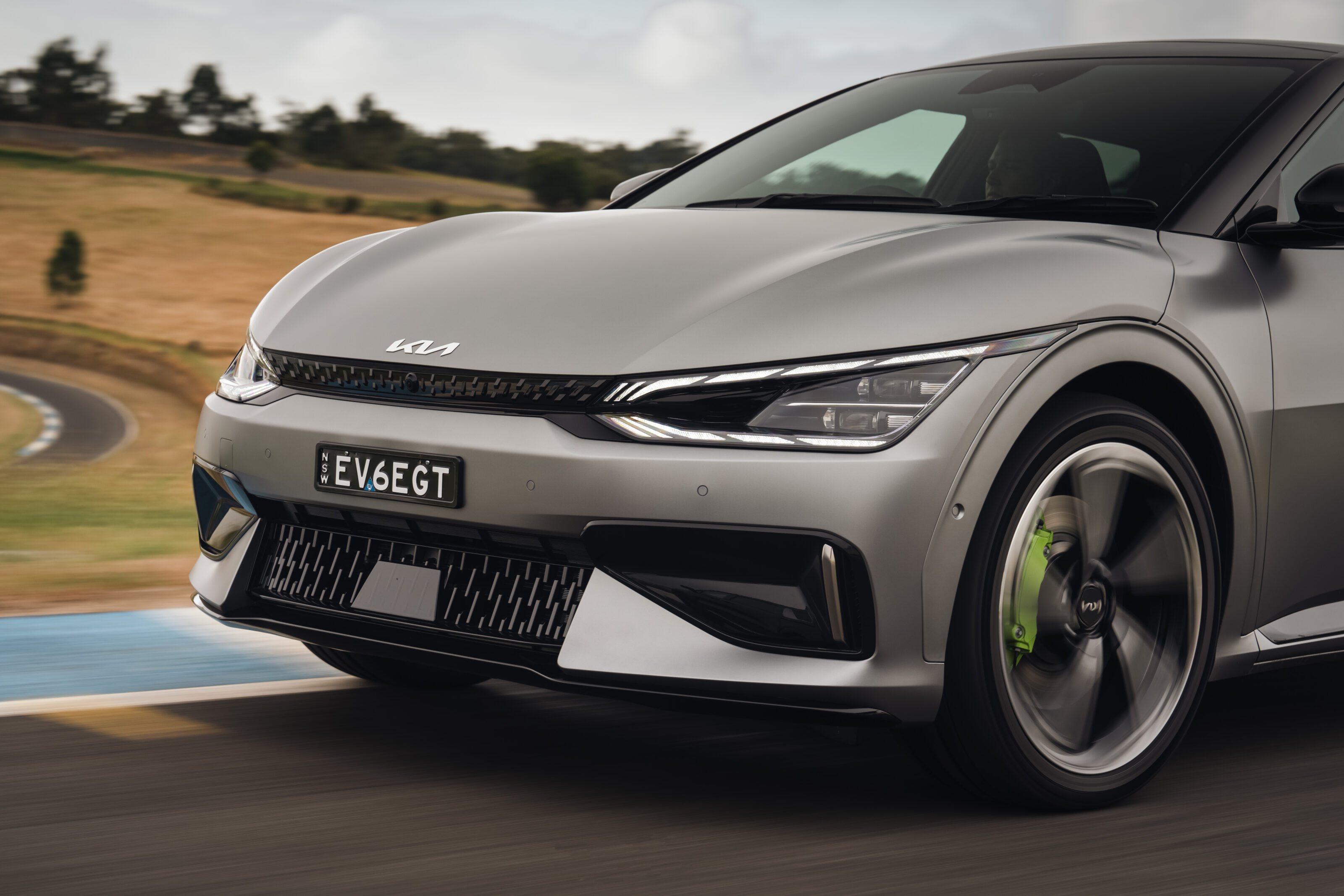
“This isn’t even my final form”, chuckled the 239kW & 605Nm EV6 GT-Line last year. Now we understand… see our first drive review of the flagship EV6 GT, including a track test, at the link below.
The story to here
EV6 GT is on the way, but Australia will keep Stinger
Snapshot
- Kia EV6 GT labelled u201cspiritual successoru201d to the Stinger in the UK
- Fuel efficiency standards in the UK have contributed to its demise
- Kia says itu2019s u201cbusiness as usualu201d for Stinger in Oz
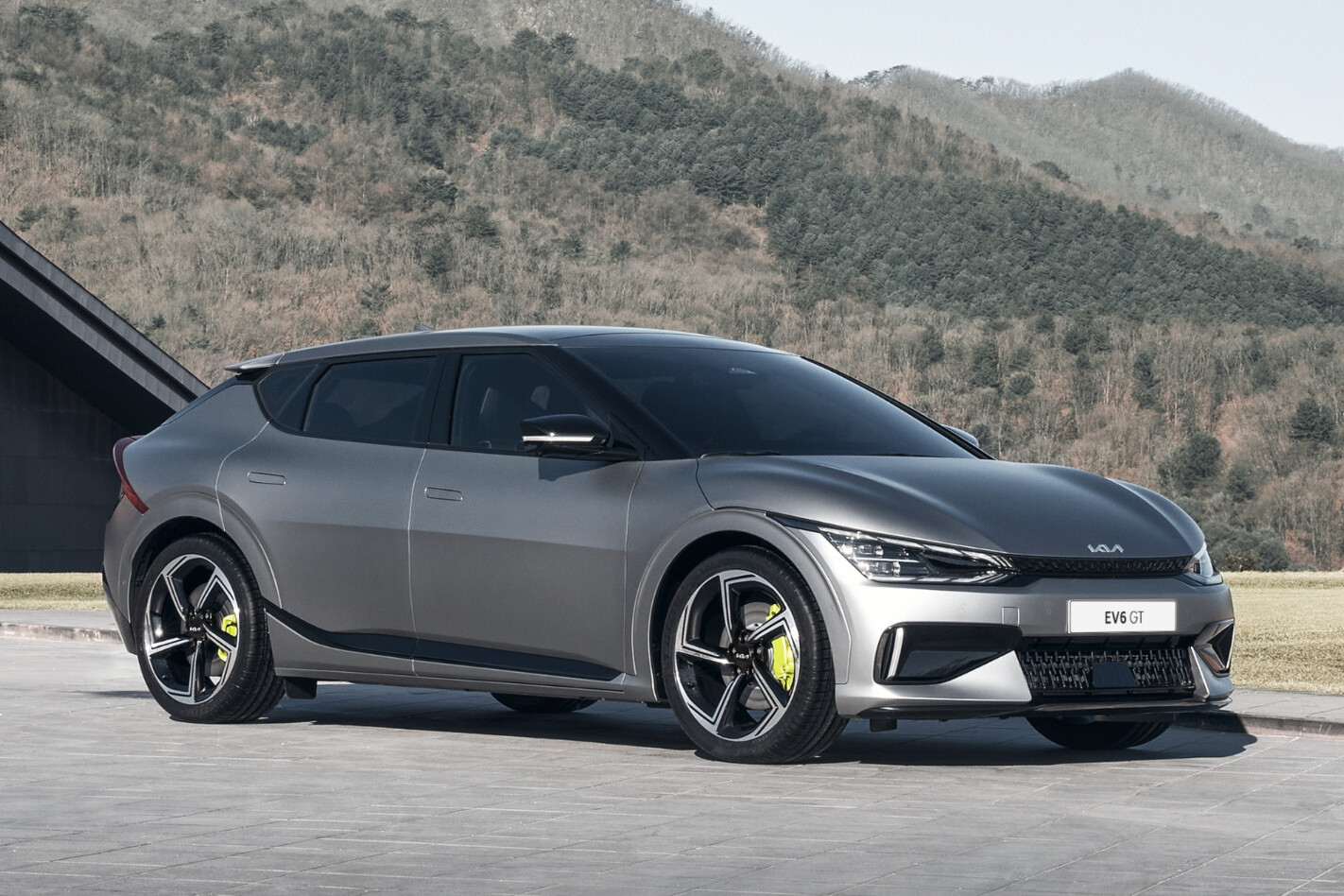
The Kia Stinger liftback will continue to be sold in Australia, despite the United Kingdom axing it in favour of the pure-electric 430kW EV6 GT.
The Kia EV6 GT has landed in Australia for suspension tuning, and is likely to go on sale in the first half of 2023, but the Stinger isn’t going anywhere yet.
“Kia UK’s decision will have very little, if any, impact on Australia… the UK has CO2 regulations and effectively Stinger is not a big seller in that region,” general manager product planning at Kia Australia, Roland Rivero said.
“We don’t anticipate their decision resulting in any dramatic changes to our supply. For Kia Australia it continues to be business as usual for Stinger unless we hear something official from Kia HQ,” Rivero added.
This echoes the sentiments of the local arm’s chief operating officer Damien Meredith in June following rumours that the Stinger would not live on for long.
“We haven’t heard anything official from Korea about the end of [Stinger] production; the longer it goes on, the better it is for us as a company – it’s amazing, given the [supply crisis] circumstances, that this car is doing [about] 350 sales a month,” Mr Meredith told Wheels.
A paltry 2300 Stinger’s have sold in the UK since its 2017 launch. In contrast, 9473 examples have been registered in Australia since its debut to the end of October 2022.
The South Korean company has seen continued sales growth Down Under with a 35 per cent increase in Stinger sales year-to-date compared to the same period 2021.
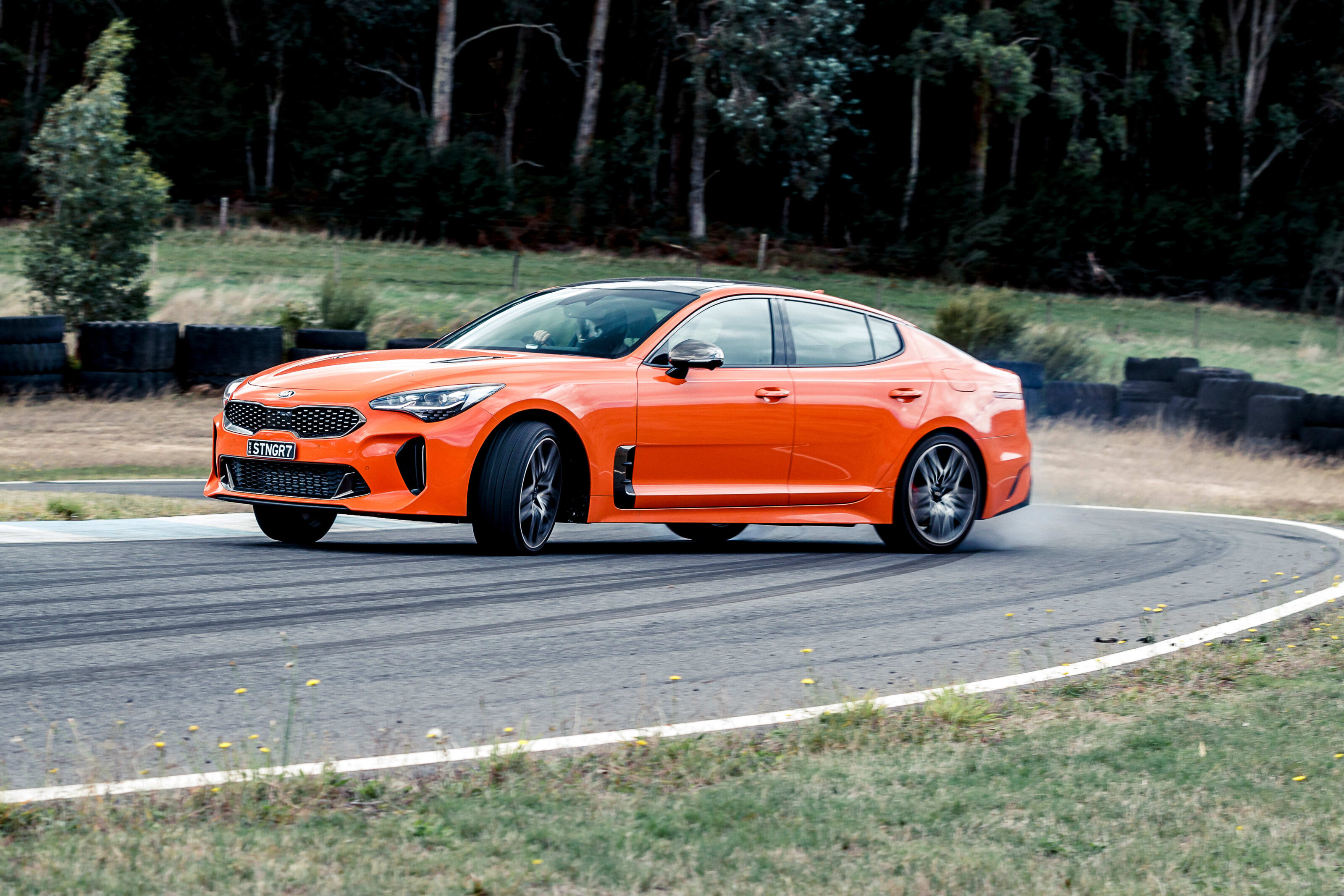
The rear-wheel driven liftback debuted in late 2017 as Kia’s new flagship model to rival the European-made ZB Holden Commodore. But, the bespoke EV6 electric car took its reigns as the hero model in 2022.
In the most popular Stinger GT range-topper, it mates a twin-turbocharged 3.3-litre six cylinder petrol engine and eight-speed torque-converter automatic, producing 274kW of power and 510Nm of torque to the rear wheels.
In comparison, the forthcoming EV6 GT flagship – which is expected to lob early next year – gets dual electric motors outputting 430kW and 740Nm to all four wheels.
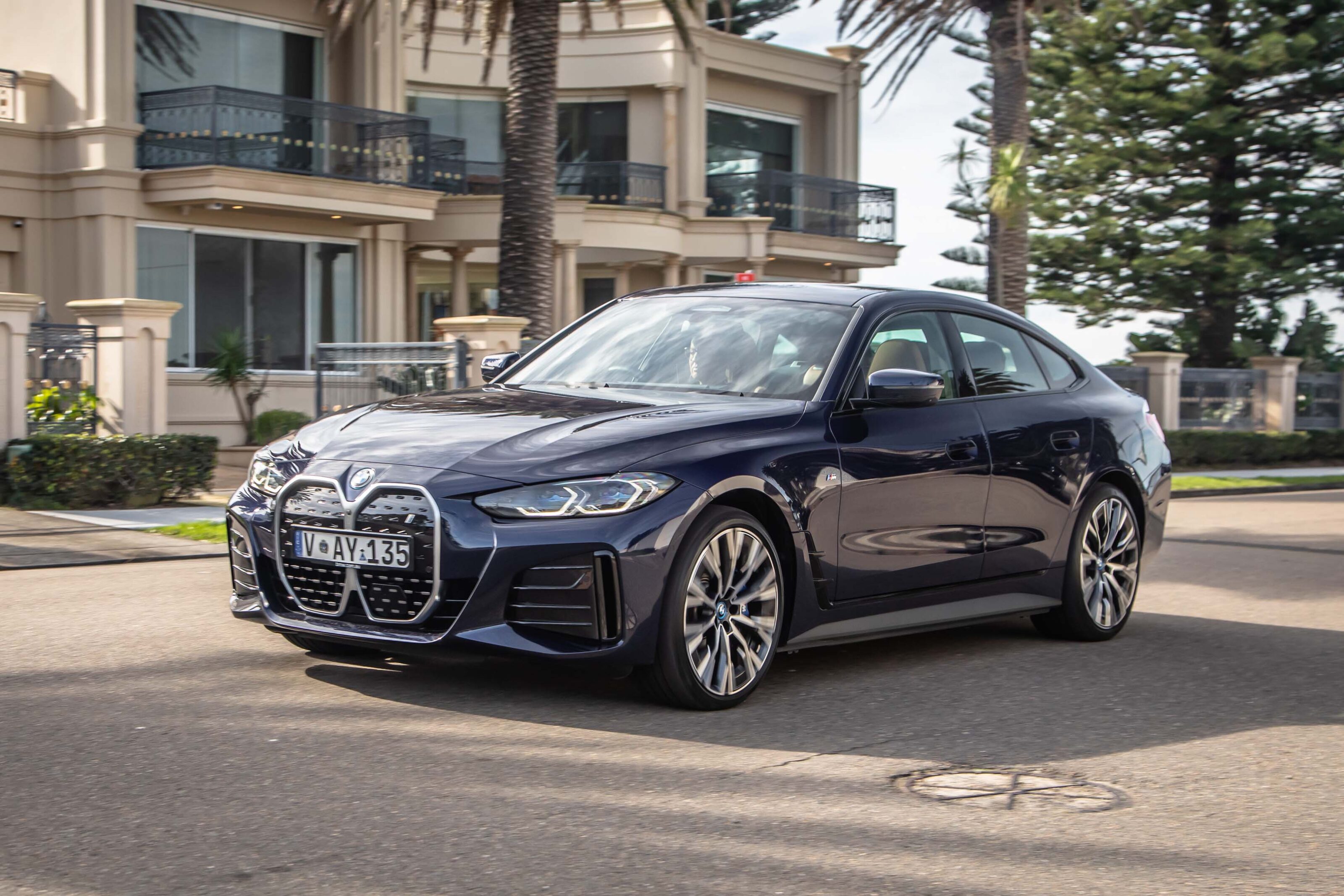
BMW Australia has issued a recall for its 2022 i4 and 2021-22 iX electric vehicles due to a fire risk.
The issue affects six i4 and five iX units. To the end of October, BMW has registered 203 i4s and 380 iXs in 2022.
According to the recall notice issued by the Department of Infrastructure, the high-voltage battery may not meet specifications and could discharge due to a “manufacturing defect”.
As a result, BMW says this could lead to a vehicle fire, increasing the risk of serious injury or death to vehicle occupants, other road users and bystanders, and property damage.
BMW will contact affected vehicle owners and request they make an appointment with a service centre to replace the affected high-voltage battery cells free of charge.
The company can be contacted directly by calling 1800 243 675 or by visiting a dealership, found here.
A VIN list for the affected i4 vehicles can be found here, while the affected iX vehicles can be found here.
UPDATE, November 2022: New-gen Prius unveiled
Toyota has revealed its new-generation Prius hybrid, revealing what is surely the most stylish iteration yet of what has historically been an awkwardly styled line of cars. Alas, this is also the first generation of Prius that won’t come to Australia. Get all the details at the link below.
Story continues
New Toyota Prius teasers go official
Andy Hunt
Toyota has confirmed its next-generation 2023 Prius will be revealed on November 16, just a couple days before the start of the Los Angeles Auto Show.
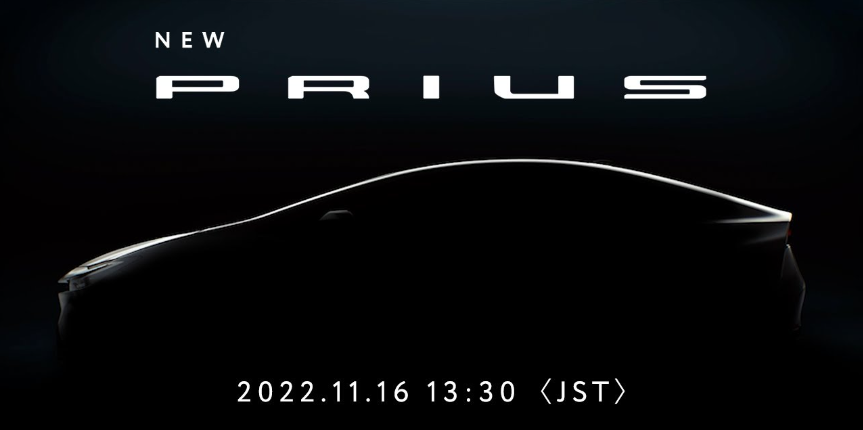
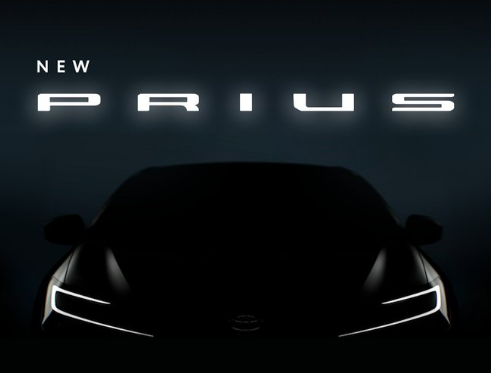
The announcement was accompanied by new teaser images, showing the shape of the LED running lights in the headlight cluster, along with the overall profile of the hybrid’s sleek new shape.
The new image shows a little more than the initial silhouette provided, and reveals some sculpting around the headlights that differs slightly from the previous-generation Prius.
Extra lighting in the picture reveals more detail toward the rear of the car, showing a high tail and shallow-angled line over the c-pillar area that’s reminiscent of the (dearly?) departed model. This could hint that the letterbox-style view out the rear window will remain on the new model.
From the front, the design looks wider than before – creating a lower appearance, like the current Corolla rather than the narrow look of the previous Prius, although the creases in the bonnet are typical for the hybrid.
Toyota has historically prioritised the reduction of drag on its Prius models to maximise fuel efficiency, possibly – as some would suggest – at the expense of style, but it would appear the Aichi-based maker is seeking to refresh the pioneering hybrid with a more conventional yet exciting look.
It remains to be seen whether the new styling will help the Prius shirk all the labels it has picked up over the generations, but a Prius that doesn’t look like it was styled solely by a wind tunnel should be a welcome change.
Will the new Prius come to Australia?
Toyota, even more than most brands, is famous in the media for never commenting on future models and launch plans – leaving us, for now at least, to speculate on whether this new model will be offered here.
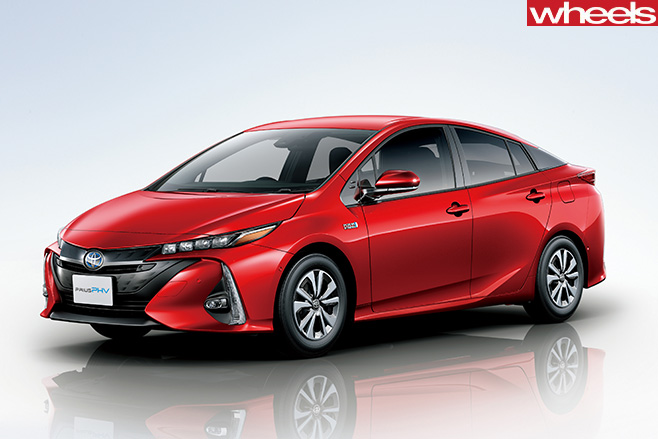
The ‘current’ fourth-generation Prius was retired in May, and the company offered no word at the time if it would consider future versions of the Prius.
If Toyota continues to use the Prius brand as a future-focused platform for alternative energies, shifting perhaps to a version of full-electric power somehow different to the BZ4x SUV already in the Toyota line-up – or, perhaps more likely, becoming a hydrogen FCEV-focused range to either accompany or replace the Mirai – it could still have a place in Australia as a flagbearer for the further greening of the Toyota brand.

Of course, Toyota already offered a plug-in hybrid ‘Prime’ version of the Prius that never came to Australia – and even now, Lexus remains the only brand in the group with PHEV technology – so Toyota may still choose to focus on its broad new hybrid range rather than spend any more time and marketing on the Prius.
There is some hope, though. In 2021, before the current Prius was retired, Toyota Australia sales boss Sean Hanley told Wheels:
“Yes, we are rationalising the Prius line-up…but have no intention of dropping the [Prius] nameplate.
“There’s a lot of history in Prius for us. It was the launch of hybrid [technology], and it has proved to be one of the greatest investments we ever made, in my opinion, moving towards [our] Beyond Zero [range of pure electric vehicles]. Prius started the journey for us.
“Clearly, we’re now expanding our range [of hybrid vehicles]…Prius will still play a role, but a different role going forward.”
You’d think that sounds positive, but Hanley was quick to confirm that none of the above represents a commitment to the next generation.
“We haven’t really got any commentary around when that may or may not be for the next-generation Prius,” added the company’s product planning and development general manager, Rod Ferguson.
“Just to reinforce that, globally, Prius has a role. It will evolve. It will take on a different mission. But we haven’t got any announcements around the timing of the change of model for Prius.”
Right.
November 11: Is this the new Prius?
The Toyota Prius departed Australia in May this year without a clear replacement, but an image posted to Twitter by the Japanese carmaker suggests a new one mightn’t be far away.
The picture in question (below) shows only a sharp C-shaped LED headlight with script on the body reading “Hybrid Reborn”.
Another odd detail is the red reflector on the front right wheelarch. Side reflectors aren’t required in Japan, but have often taken a form like this in the United States, where ‘side markers’ are mandatory (and Prius is popular).
Toyota has not said the vehicle in question is the new Prius, but hints include another image that shows the new silhouette. To us, the sloping sedan fastback shape looks near identical to the old Prius.
Launched in 1997, the Prius was the first mass-market petrol-electric hybrid to make a real impact. 25 years later, could a new Prius challenge perceptions again?
It may seem like an odd choice in a world transitioning to BEVs, but there is still demand for hybrid vehicles. The new car could also build on the Prius Prime plug-in hybrid.
Toyota has created a landing page for the new car, underneath it reads “2022.11.16”, suggesting the new vehicle will be revealed next Wednesday in Japan.
Whether this is indeed a new Prius, and if it will come to Australia, remains to be seen.
Snapshot
- New Accord unveiled for North American market
- Fourth-gen hybrid system brings more torque
- Reworked global platform promises a better drive
- No Australian plans, North America only for now
Honda has unveiled the new 11th-generation 2023 Honda Accord in full, with crisper styling, new hybrid powertrain and lofty sales ambitions in North America.
The 11th-gen Accord rides on an updated version of Honda’s Global Architecture, and although the new car is 70mm longer at 4971mm, its 2830mm wheelbase is unchanged.
Honda says the underpinnings have been stiffened and refined to improve the 11th-gen Accord’s ride and handling characteristics.
The left-hand drive Accord is built locally for the North American market. Our Aussie Accord, which launched in 2019, is built in Thailand and while related, does not follow the same product cycles as the American car.
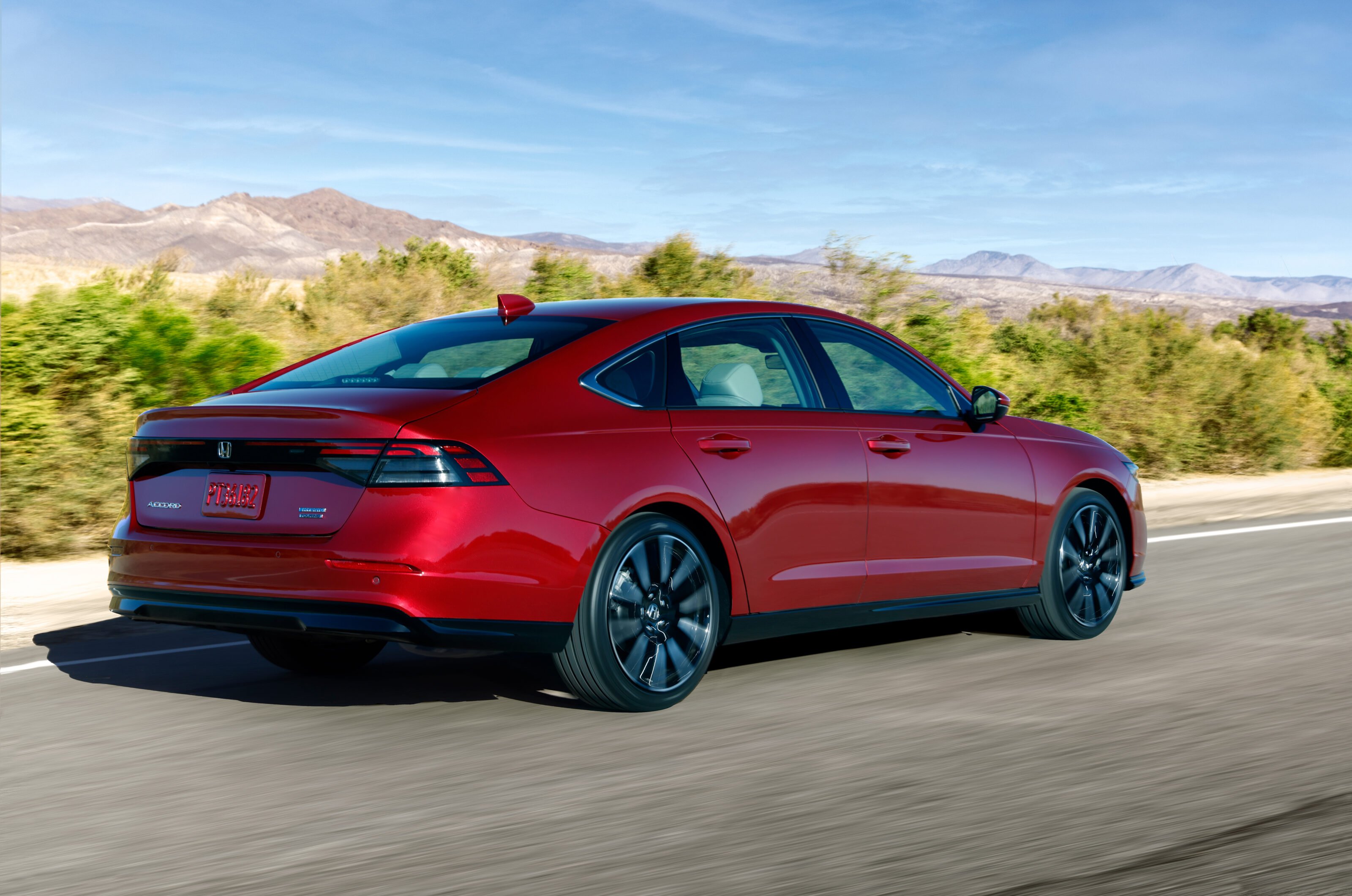
New powertrains for 2023 Accord
Honda North America expects the new fourth-generation hybrid system to account for 50 per cent of total Accord sales. The hybrid powertrain comprises a 2.0-litre petrol four-cylinder engine and two electric motors for 152kW of power and 335Nm of torque.
Twisting force is up 20Nm from before thanks to direct-injection for the petrol engine and side-by-side configuration of the electric motors.
The North American Accord’s outputs differ from the Australian Accord, which produces slightly more power at 158kW, but 20Nm less torque (315Nm) from a similar powertrain layout.
Also available in North America is a 1.5-litre turbo-petrol four-cylinder developing 142kW of power. Both powertrains employ CVT automatics.
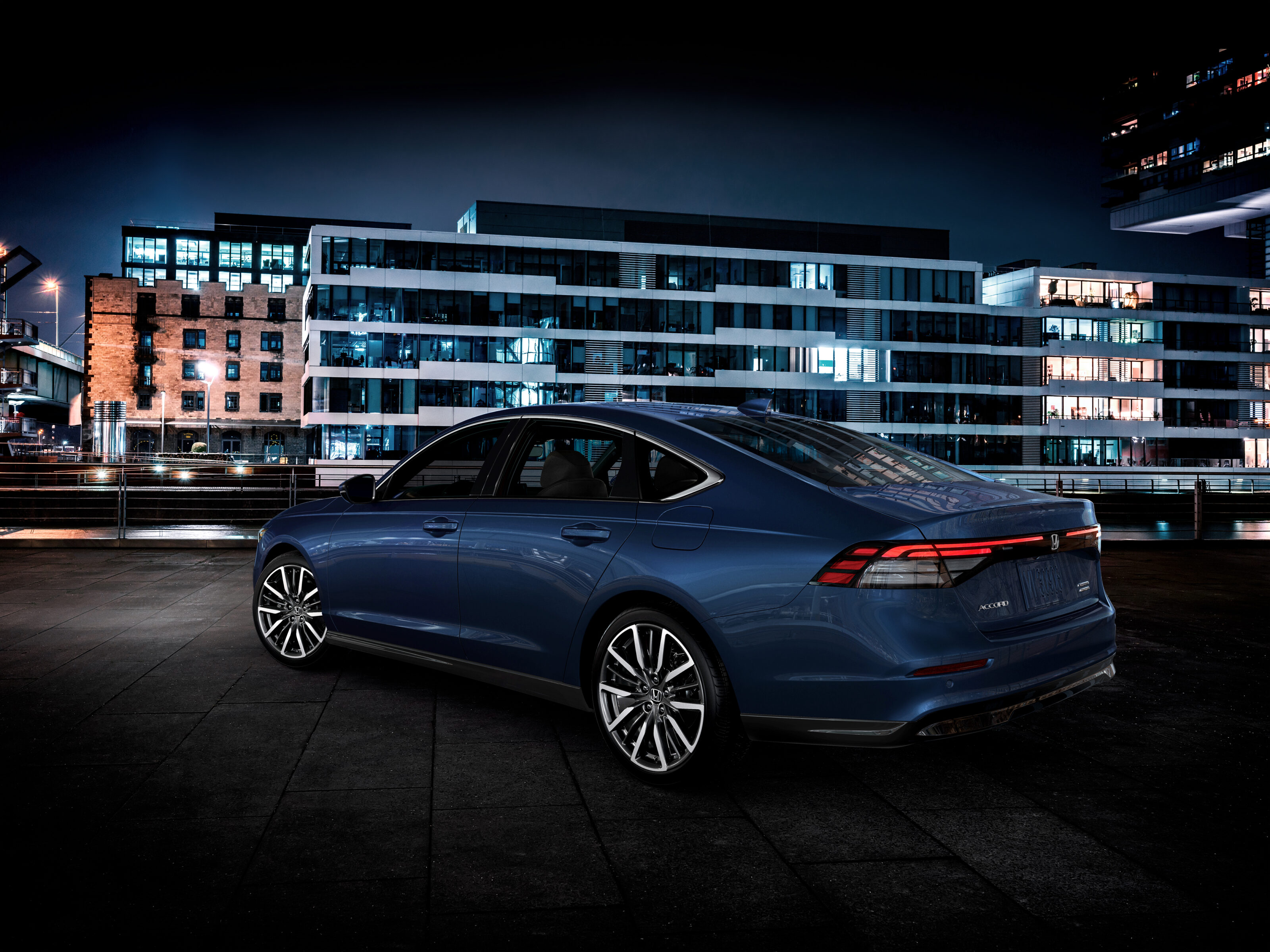
What trim levels and tech does the Accord get?
The North American Accord is available in six trim levels opening with LX, followed by EX and Sport with the petrol engine. The EX-L, Sport-L and Touring are fitted with the hybrid powertrain.
Inside the Accord there are a host of changes to technology, including a 10.2-inch digital driver’s display across the range, and generous 12.3-inch touchscreen running updated software with on Sport trims and above, while the flagship Touring gets native Google assist.
The cabin has been redesigned in line with Honda’s latest style with the touchscreen bezel nestled into a soft touch dashboard, as well as the steering wheel lifted from the latest Civic and HR-V.
Materials in the Accord look to have moved a cut above, with optional white leather upholstery for an airy cabin feel.
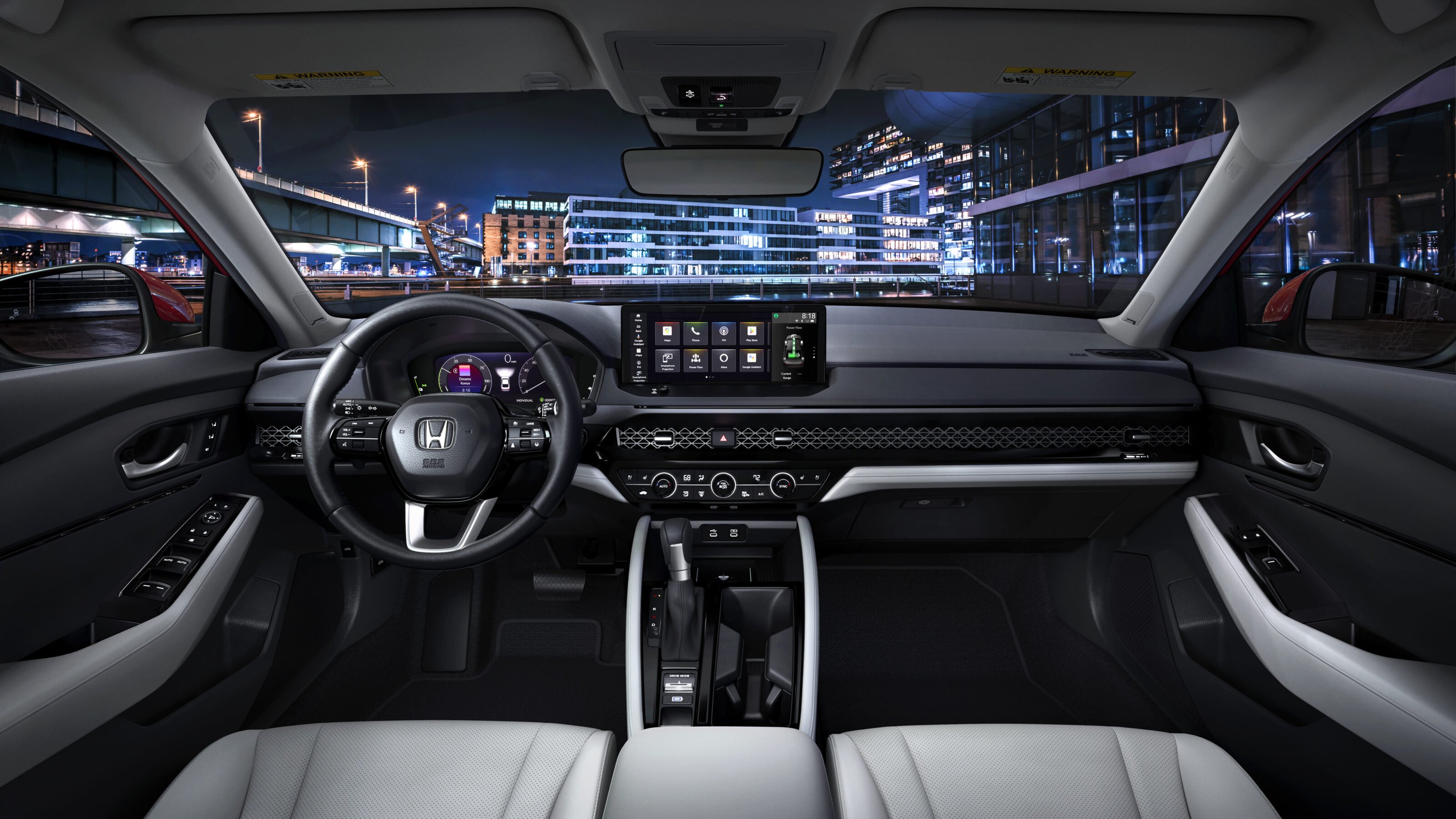
There are eight colours offered in total and new wheel designs. The Accord’s rear track is also wider by 10mm, enhancing handling and giving a broader stance to the sedan.
The Accord is available to buy in North America now. It’s understood the tweaks won’t be hitting the Australian market any time soon, but the smaller Civic hybrid is due to land this year.
Snapshot
- Volvo XC60 and XC90 Recharge plug-in hybrid recalled in Australia
- Model-year 2022 and 2023 units affected
- Internal-combustion engine could fail to restart while driving
Volvo Australia has issued recall notices for its XC60 and XC90 plug-in hybrid vehicles due to a software issue.
The issue affects 925 units produced between 2021 and 2022, affecting model-year 2022 and 2023 vehicles.
According to the recall notice issued by the Department of Infrastructure, a software programming error in the engine control module could prevent the internal-combustion engine from restarting while driving.
As a result, Volvo says the vehicle could lose power if the high-voltage battery used by the hybrid system is depleted.
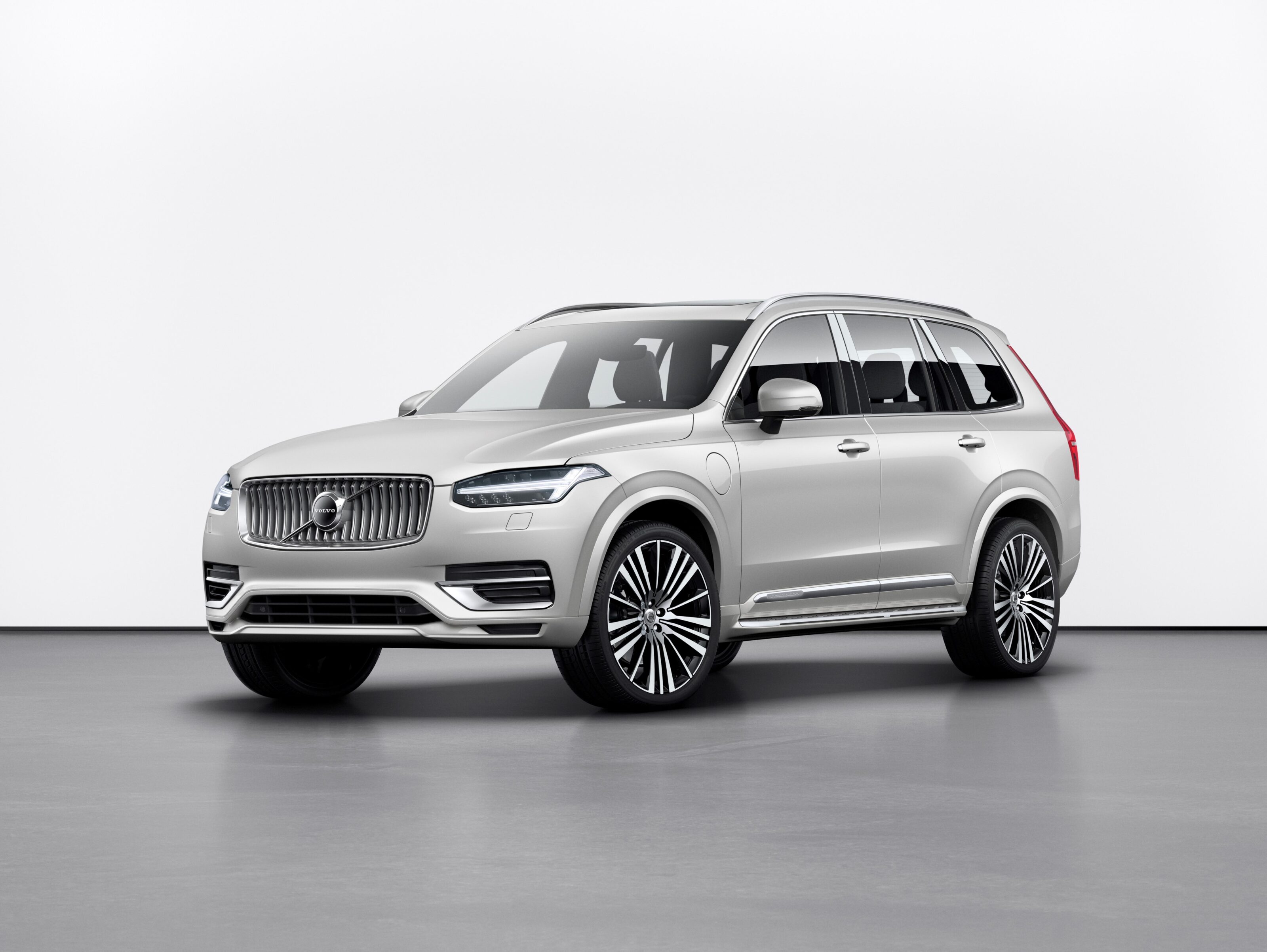
Volvo says the issue will be rectified through an over-the-air software update for the affected XC60 models, and MY23 XC90 vehicles.
Alternatively, if an owner does not wish to install the update or cannot do so, it can be taken to a dealership to resolve the fault.
The company can be contacted directly by calling 1300 787 802 or by visiting a dealership, found here.
A VIN list for the affected vehicles can be found here.
Key Points
- Renault will divide into five unique operations improving profitability and competitiveness
- Splitting ICE and EV teams is the key strategy
- Analysts concerned about complexity
- Questions raised about future of Nissan alliance
Renault CEO Luca de Meo has announced the French carmaker will divide its operations into five independent businesses at its investor day.
Key to de Meo’s strategy is splitting internal combustion engine (Power) and electric vehicle operations (Ampere). In addition to separate units for sports cars (Alpine), recycling and mobility (The Future is Neutral), and financing (Mobilize) will emerge.
Renault says the goal is to boost profitability, improve efficiency and better compete in the industry by having distinct businesses – each with its own CEO and profit-loss accounts – and specialised teams leveraging external partners and investors.
Power – the combustion engine arm – will partner with Chinese auto-giant Geely in a 50-50 joint venture, while electric business Ampere has already partnered with computer chip manufacturer Qualcomm and Google for in-car Android Automotive tech.
“Renault hopes to win medals in those different sports instead of remaining at an average level in all five,” de Meo said.
Regarding its existing alliance with Nissan and Mitsubishi, inside sources told Reuters that Nissan is wary of sharing its technology with too many outsiders such as Geely, which also owns indirect rivals Volvo Cars, Polestar and Lotus.
But, de Meo said it will give a new perspective to the partnership, and said like marriage “it is important for us to have our own hobbies and our own life.”
However, analysts are concerned with the move as unclear and potentially adding complexity.
“The separation of combustion engine/electric operations is critical to the investment case, but the split into five different units… introduces undue complexity for governance and valuation,” Jefferies analyst, Philippe Houchois said.
Auto analyst at S&P Global, Romain Gillet, noted there was a lack of clarity in where cross-business operations – such as human resources and customer support – would fall in the five individual businesses.
In March, Ford announced a similar restructure to create two new divisions – Ford Blue for combustion engines and Ford Model E for electric vehicles – alongside Ford Pro which handles commercial and government vehicles in the USA.
Companies such as Volkswagen, Mercedes-Benz and Stellantis will not have separate EV entities.
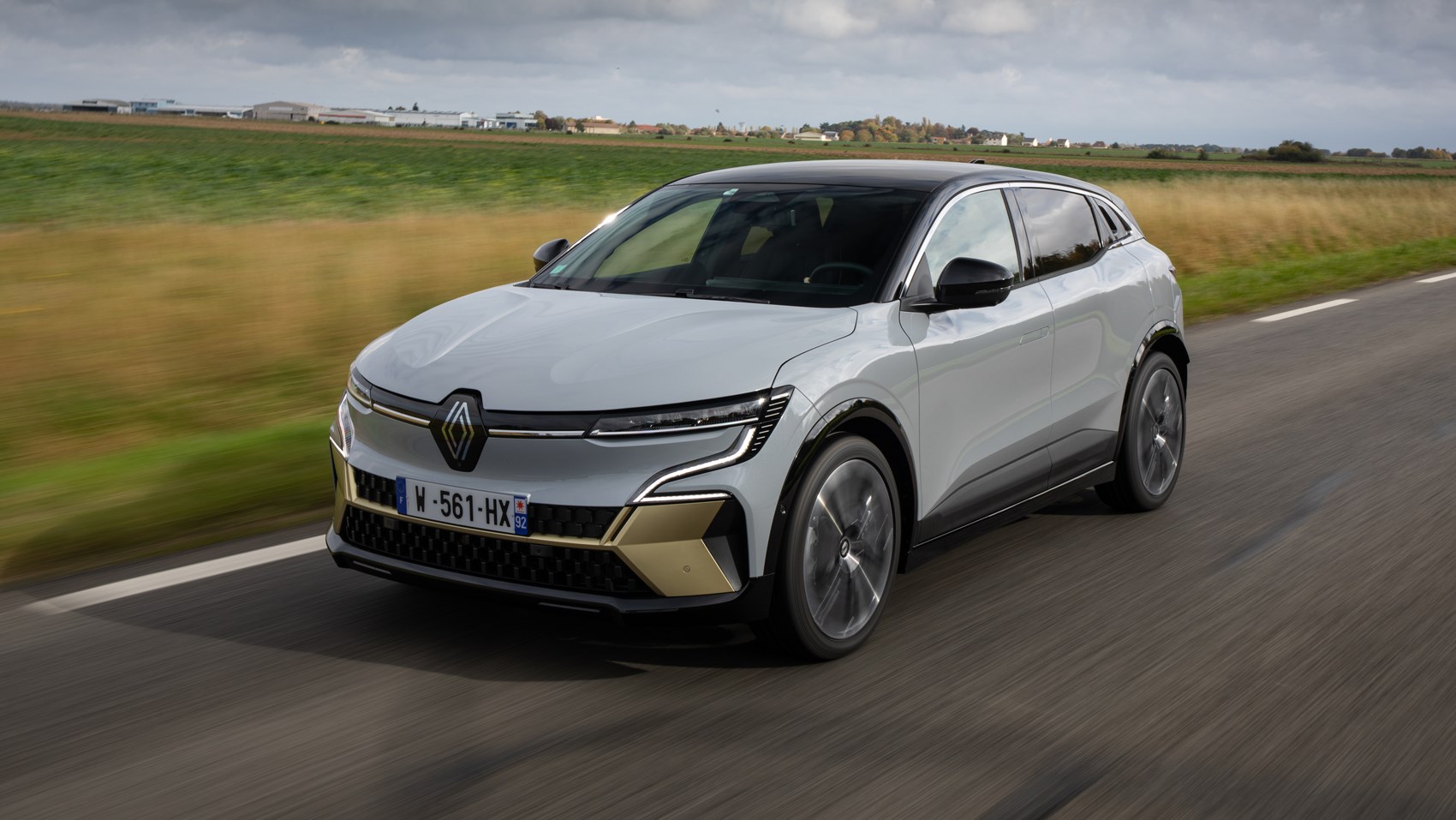
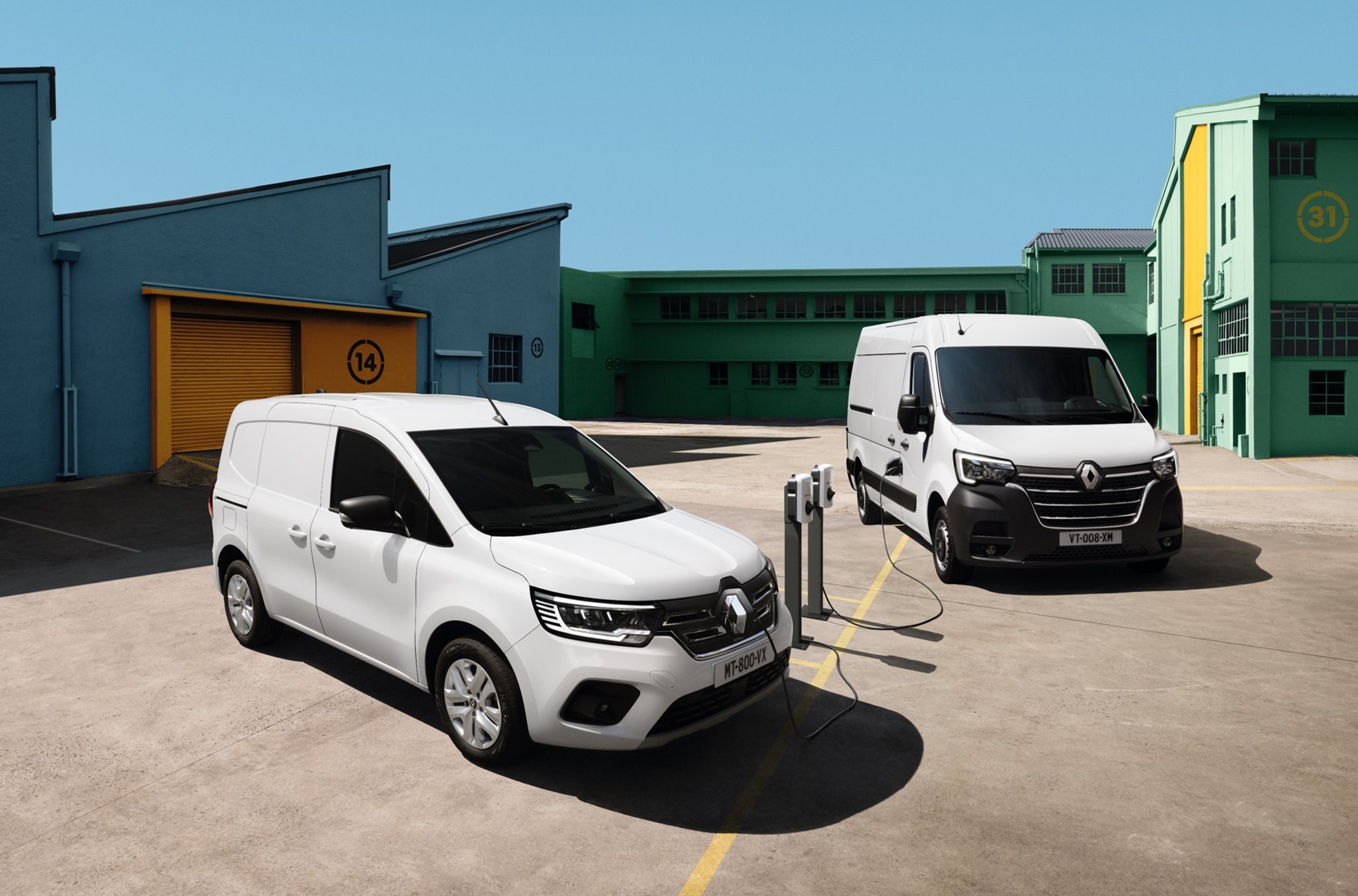
Renault is gearing up release the second-gen Renault Kangoo E-Tech light commercial van and Megane E-Tech small crossover EVs in Australia next year via independent distributor Ateco.
UPDATE: Abarth 500 EV revealed in leaked photos!
Instagram user Carzturbo has shared more spy shots and video of the all-new Abarth 500 EV while on a commercial shoot in Italy.
It reveals the bright lime-green electric hot hatch will again boast a horizontal line pattern spelling the ‘Abarth’ brand along the side skirts, iconic black scorpion emblem behind the doors, and a panoramic glass roof.
The overall silhouette is largely the same as its regular three-door Fiat 500e hatch donor car with a rounded aesthetic, full LED head- and tail lights and seemingly a tight turning circle.
What do you think of the Abarth 500’s look, hot enough? Tell us in the comments below!
Source: Carzturbo on Instagram

https://www.instagram.com/p/CkwhcbJteoS
The story to here
November 10: Abarth 500 EV teased
Key Points
- u201cAbarth New 500u201d EV set to be shown-off in a fortnight
- Big wheels, artificial driving sounds and lime yellow paint set apart the electric hot hatch
- Unclear whether itu2019ll come to Oz, though Fiat 500e is confirmed for 2023
Abarth is about to return with an all-new 500 EV hot hatched teased ahead of its November 22 global unveil.
The Italian performance sub-brand published a teaser video on Twitter showcasing its large silver rims with a prominent Lime Yellow scorpion centre-lock wheel nut and what seems to be artificial electric vehicle whirring sound.
The circular headlights are similar to the Fiat 500e city car on which it’s based on and is consistent with the leaked factory photo from last week showing that the “Abarth New 500” (as labelled in the video) will have a more aggressive honeycomb front lower grille and ‘Abarth’ lettering in lieu of a traditional badge.
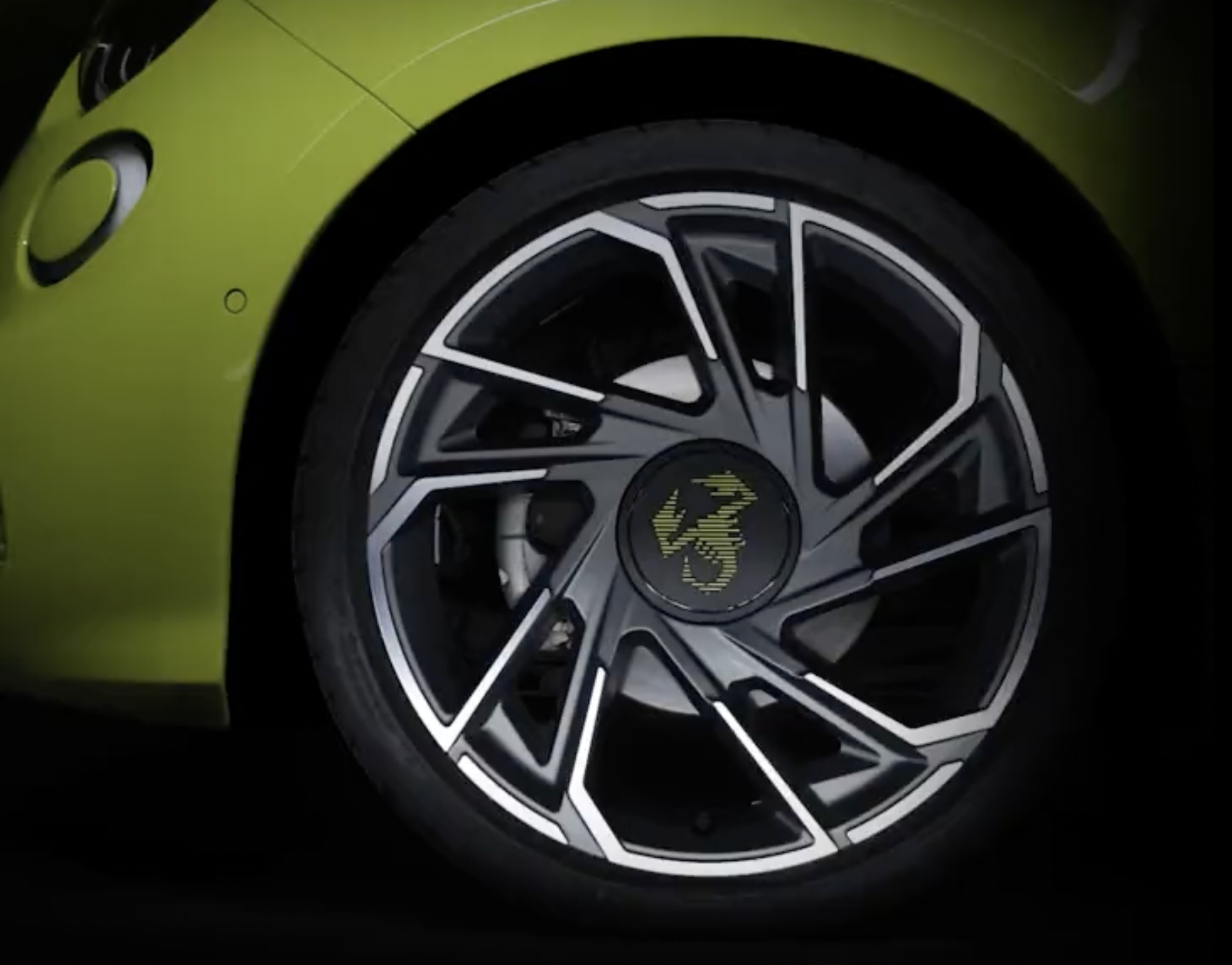
With parent company Stellantis confirming that the regular 500e will land in Australia next year – three years after its debut in Europe – there’s some hope that this hi-po electric Abarth will make it here, too.
The top-spec Fiat 500e overseas features a 37.3kWh (usable) battery pack for a 235km driving range in the combined WLTP cycle. The 500e uses a single front electric motor outputting 87kW of power and 220Nm of torque able to sprint from 0-100km/h in 9 seconds.
That’s compared to the current flagship Abarth 695 Competizione with its 1.4-litre turbo-petrol four-cylinder producing 132kW and 250Nm with a 0-100km/h time as low as 6.7 seconds.
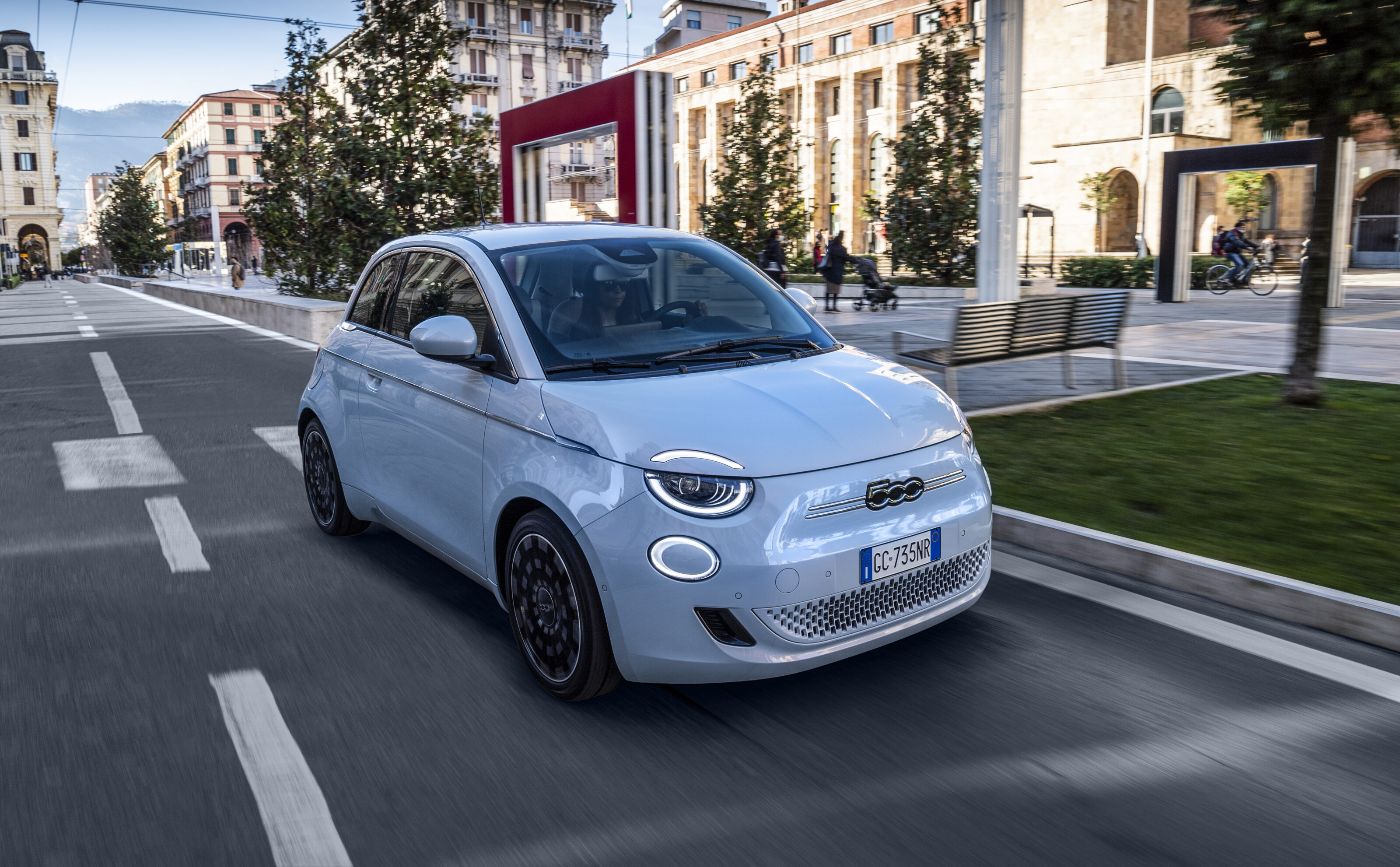
It’s unclear what kind of punch Abarth’s EV will pack given the smaller ‘500’ designation, but don’t expect it to match the combustion-powered hatch’s light 1055kg tare weight.
The new electric hot hatch will be a welcome upgrade from the pocket rocket that dates back to 2011. For the first time, it’ll likely be available with full LED headlights, a 10.25-inch Uconnect 5 infotainment system with wireless Apple CarPlay and wireless Android Auto, safety assistance systems and more.
It’s unclear whether the petrol-powered Abarth will remain on sale like the combustion Fiat 500 in Europe.
The Abarth 500 EV doesn’t have many like-for-like competitors when it does debut, besides the slightly larger Cupra Born, MG4 and Mini Electric.
It’s a changeable day in Sicily when we arrive to test the Maserati MC20 Cielo.
This morning, scattered wisps of white paraded across the azure sky, propelled by a light Mediterranean breeze stirring leaves in the sunny olive groves. Now the afternoon sun is obscured by low and darkly threatening clouds. It looks like it could rain…
You’re always aware of the weather in a car like this. Top down, obviously. It is a convertible, after all. But roof up?
Press the touch button on the two-seater’s central display to find out. First the rear-hinged cover behind the passenger compartment swings open and erect. Then the roof emerges silently from its niche above the mid-mounted engine and swings into place above. Finally, with a faint snick, the latches engage. It all takes just 12 seconds.
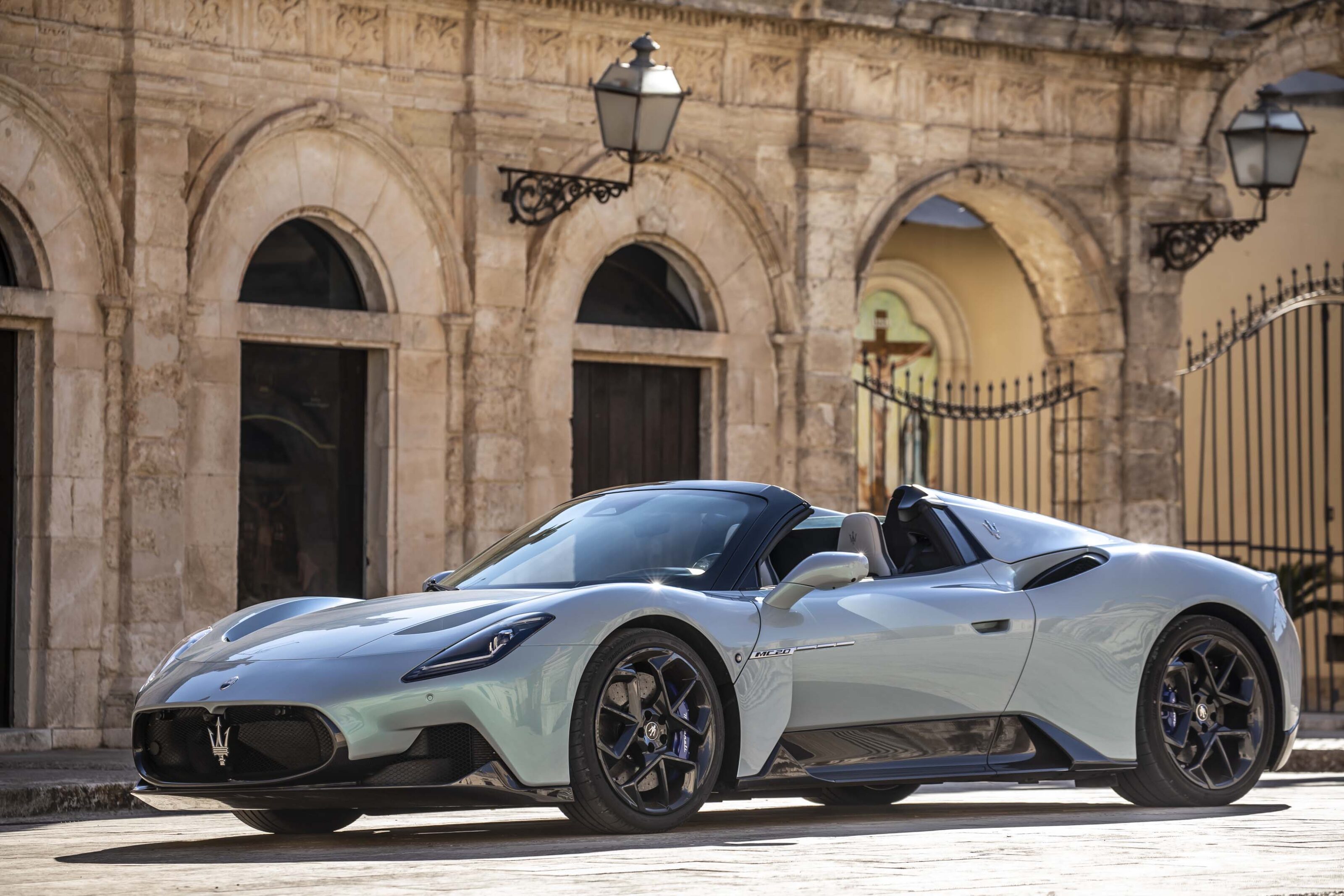
Now there’s more than half a square metre of glass above your head. It’s transparent now, but this isn’t its permanent state. Layered into the glass is a film of polymer-dispersed liquid crystal tech, and it’s there to give you choice; light or shade, as you prefer. Tap the button on the centre display, and the transformation is instant.
None of this car’s small group of super sports convertible rivals have anything like this, Maserati claims. And they came up with a name to subtly suggest superiority.
Cielo translates literally as ‘sky’, figuratively as ‘heaven’. Either way, it’s apt. Quickly say ‘chee-ay-lo’ if you want to sound Italian.
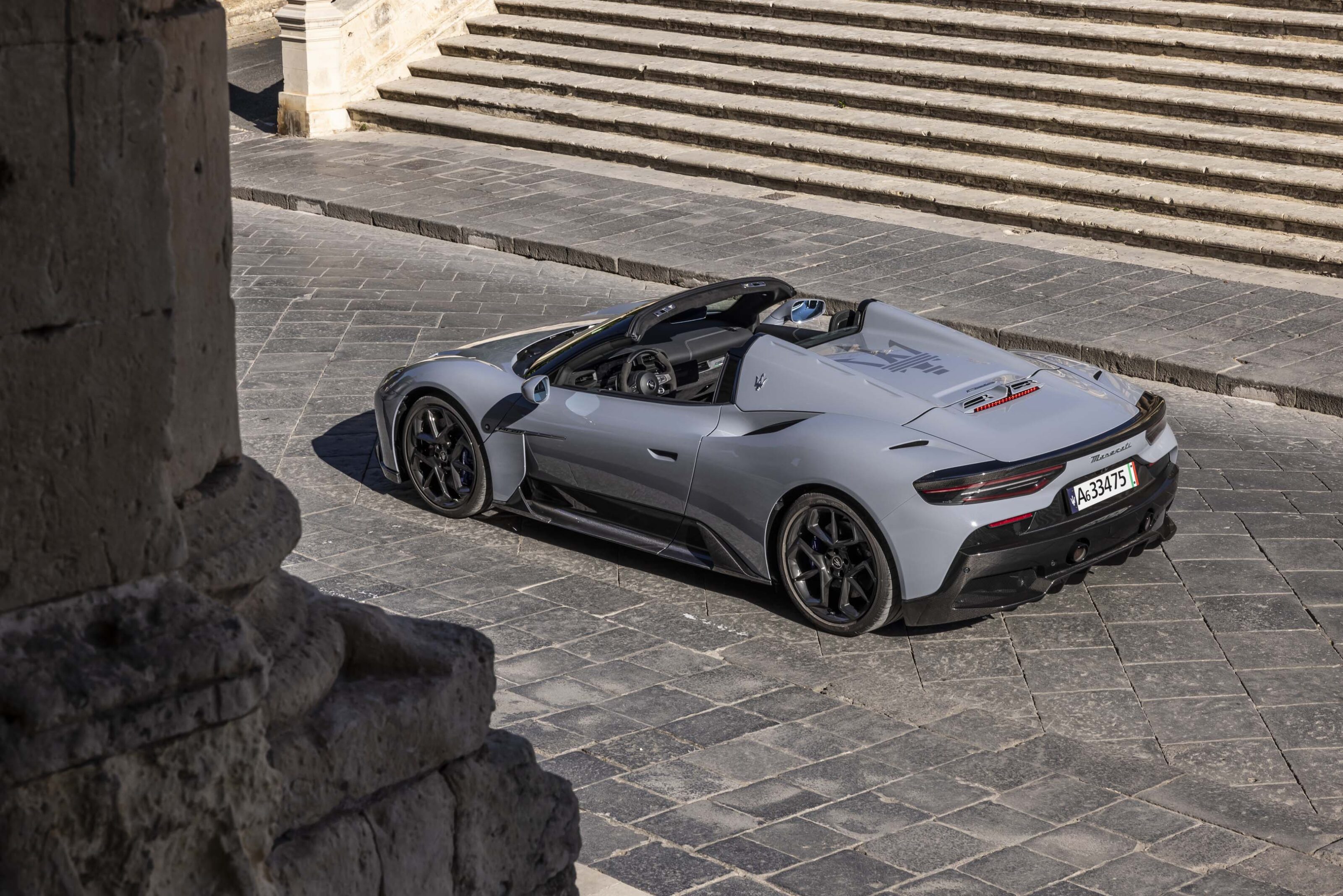
More than just the name of this car is clever. With its carbon-fibre monocoque, aluminium front and rear subframes and carbon-fibre panels, the MC20 coupe is no heavyweight. And the Cielo doesn’t change this. At 1560kg, it’s only 65kg or so more than the coupe, says product development man Gianluca Antinori.
Part of the explanation is that the design of the monocoque is basically identical for both closed and open versions. So Maserati’s engineers didn’t need to add extensive reinforcements.
What does change is the lay-up of the carbon fibres that are the source of the versatile structure’s strength. Different lay-up alterations will also be made to the monocoque for the coming MC20 Folgore EV.
MC20 Cielo pricing and basics
- Hard-top MC20’s price increased by $29,000, now $467,000
- Topless MC20 Cielo on sale from $528,000, first arrivals expected next year
| Model | Maserati MC20 Cielo |
|---|---|
| Motor | 2992cc V6 (90u00ba), dohc, 24v, twin-turbo petrol |
| Max power | 463kW @ 7500rpm |
| Max torque | 730Nm @ 3000-5500rpm |
| Transmission | 8-speed dual-clutch |
| Weight | 1560kg |
| 0-100km/h | 2.9s (claimed) |
| Economy | not yet available |
| Price | $528,000 + on-road costs |
| On sale | Q2 2023 |
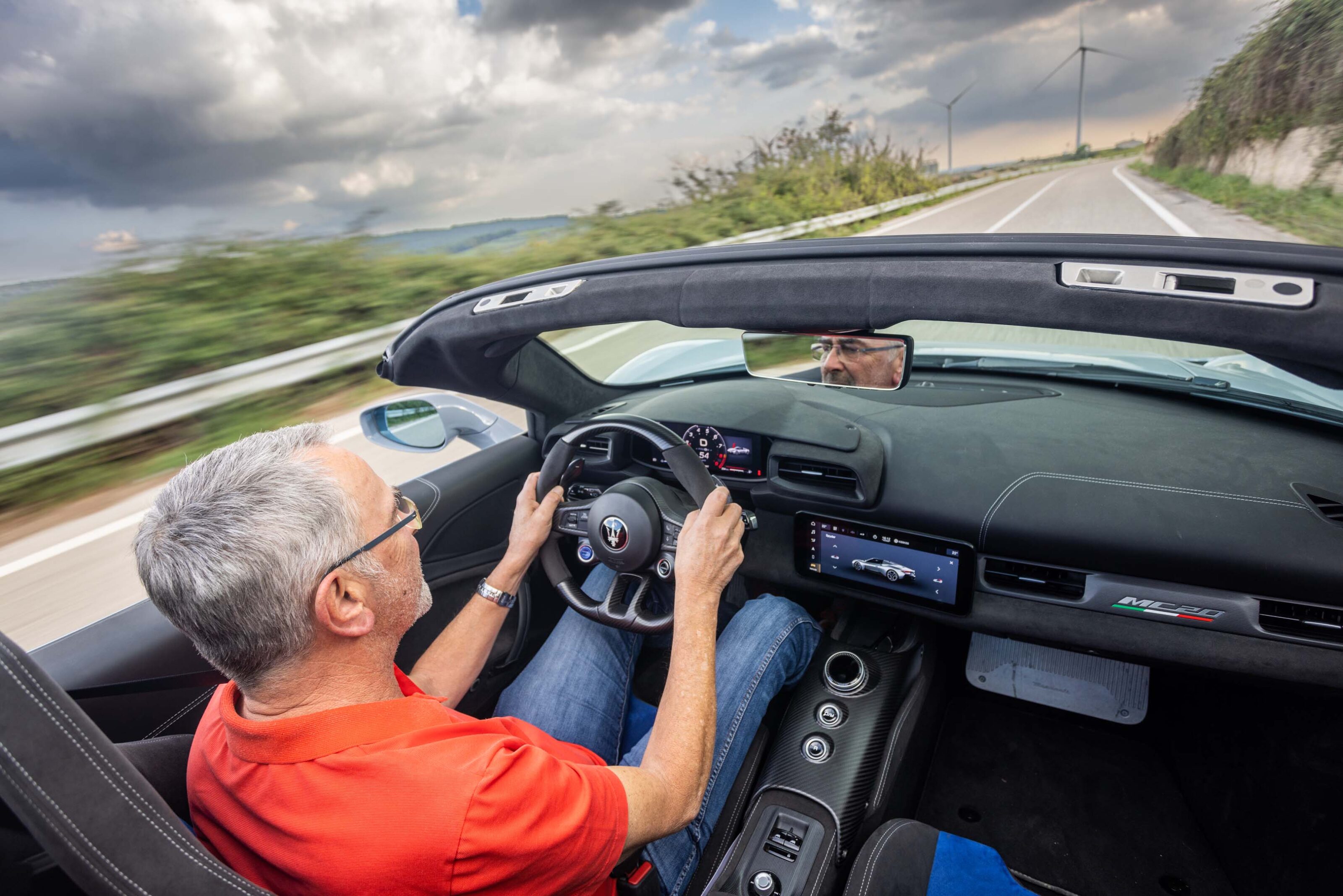
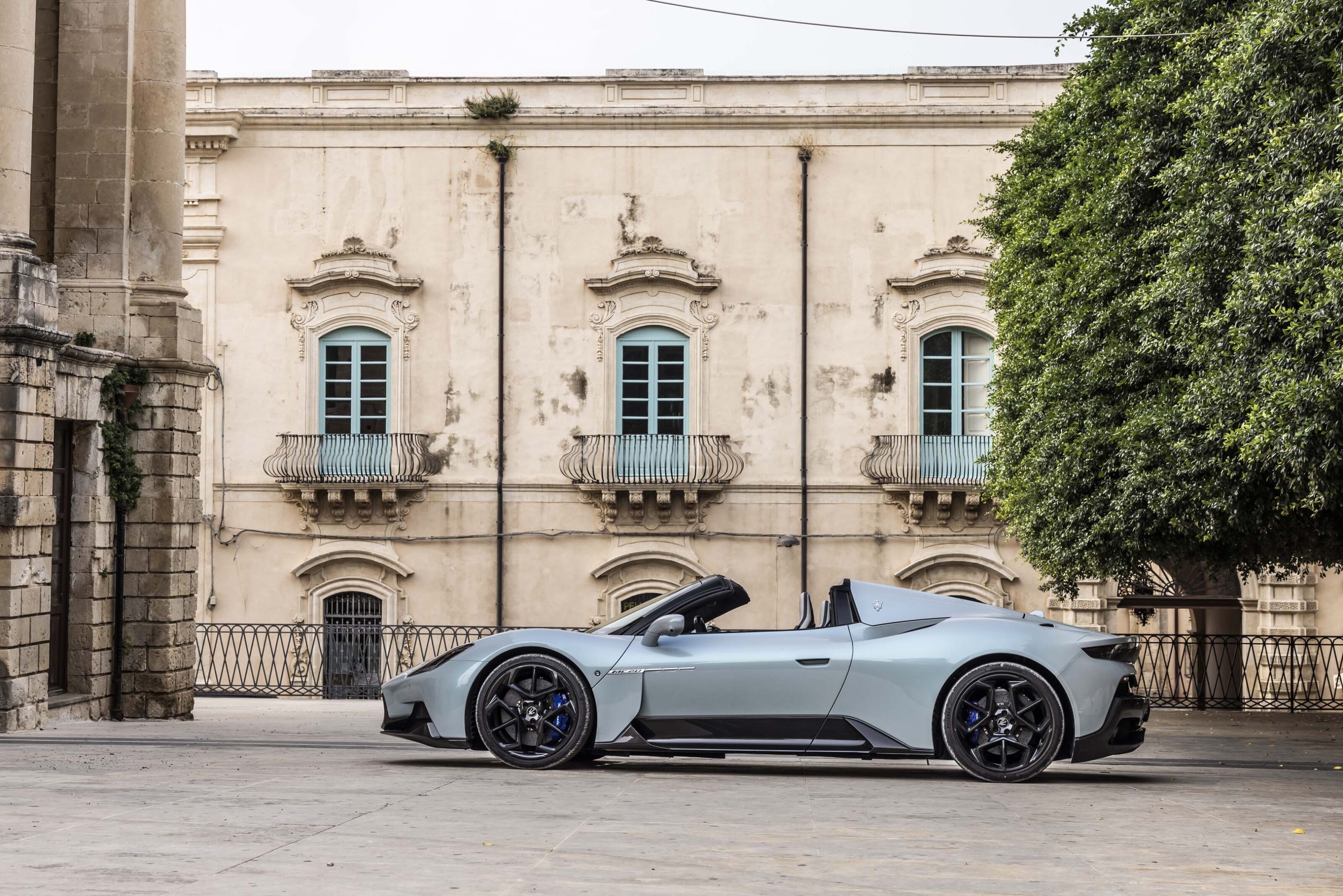
Inevitably, the rear of the Cielo is bulkier than the MC20 coupe’s. The task of ensuring the convertible looked lovely all over was assigned to a young German designer at Maserati Centro Stile in Turin, Nikolai Schröck.
He massaged the shape of the rear guards to better blend them with the roof cover, which sits higher than the see-through polycarbonate engine cover of the MC20 coupe. Also altered is the angle of the B-pillar, which for the Cielo leans forward whereas the coupe’s is vertical.
This, explains Schröck, is to visually suggest an arc above the passenger compartment even when the roof is down. There’s a curve to the top of the windscreen frame to complete the effect.
The program of subtle changes works. The Cielo loses very little of the elegance of the MC20 coupe, and none of its 100-litre rear luggage compartment capacity.
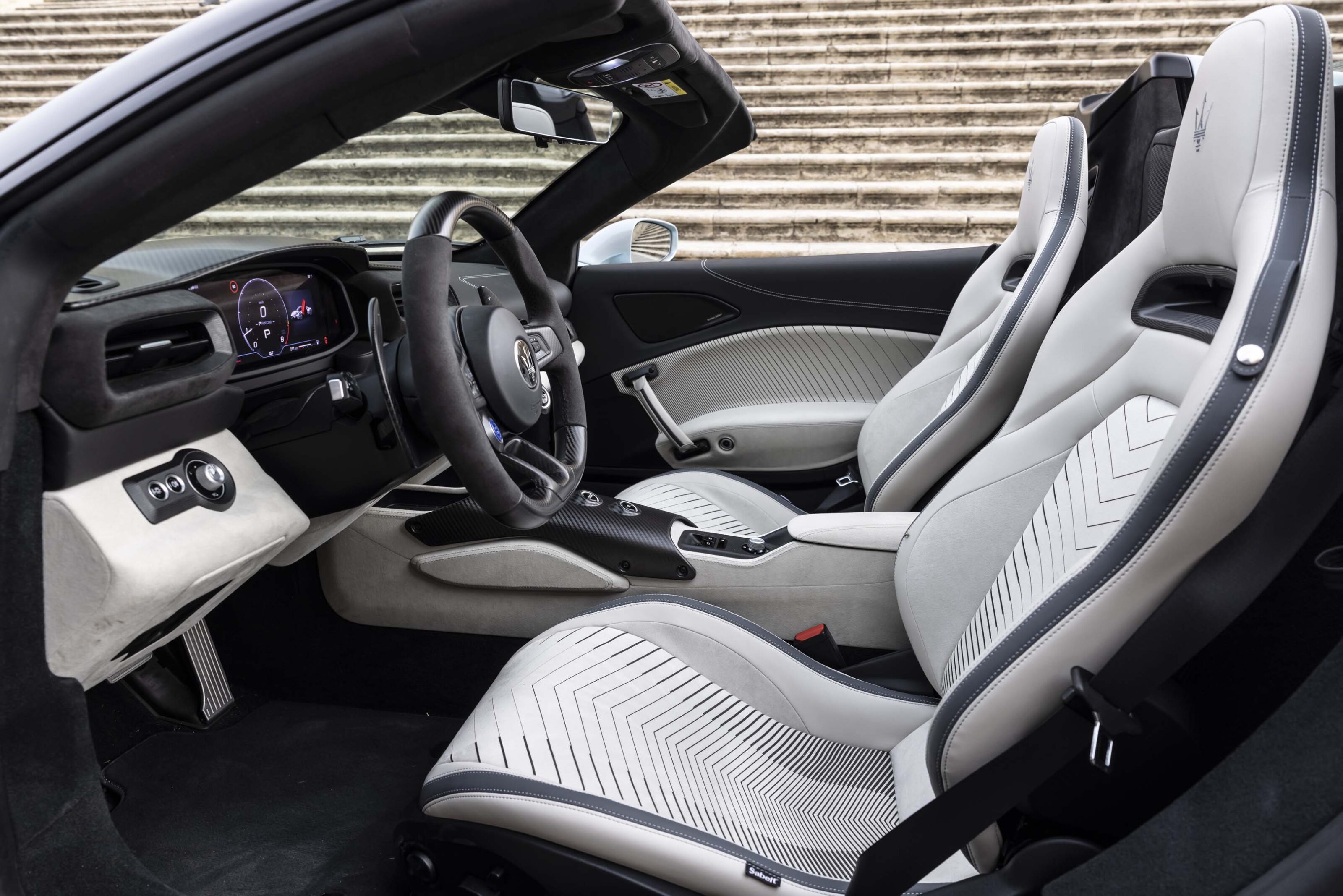
Inside, the Cielo introduces a number of improvements that will also apply to the coupe from the 2023 model year.
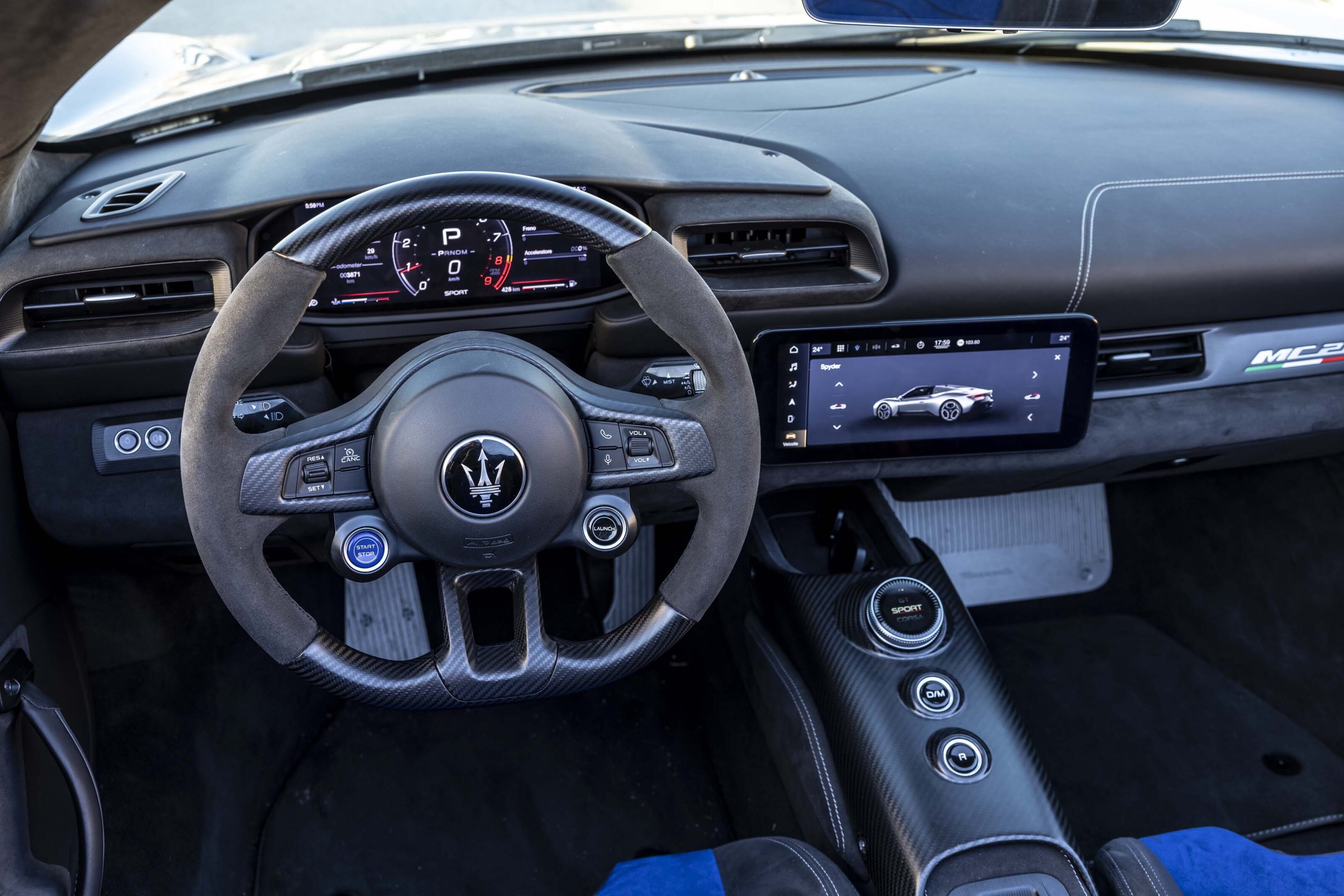
Most noticeable of these is the new driving mode dial on the centre tunnel. Its top is a touchscreen that’s swiped for access to different menus; alternative damper settings, for example.
The Alcantara-wrapped steering wheel is a new design, too. Less obvious is that most of the wands and switches are new, and better, than before.
No changes are made to the convertible’s drivetrain. It has exactly the same dry-sumped version of the twin-turbo 3.0-litre Nettuno V6 engine as the MC20 coupe, and the same Tremec-made eight-speed double-clutch transmission.
So, after swinging open the butterfly door and dropping into the verging-on-minimalist interior, the sound when the blue starter button is pressed is familiar.
This particular car’s extras make it something of a carbon sink. It has the optional carbon-fibre steering wheel and gorgeous column-mounted shift paddles, plus optional carbon-ceramic brakes.
Rearwards vision is terrible, but the centre mirror can switch roles to display an unobstructed view from a rear-facing camera in the Maserati’s tail. Better…
While the loudness of the Nettuno’s voice varies according to the selected drive mode – the exhaust system’s active valve opens above 5000rpm in default GT and Wet, above 3500rpm in Sport and always in Corsa – the V6 isn’t the greatest of singers.
There’s some rock and roll rasp above 5000rpm up to the 8000rpm cut-out, but this is no opera tenor of an engine.
But there’s no questioning the quantity or quality of its thrust. It’s elite grade. And though the transmission feels dozy and reluctant in GT mode, it’s perfectly responsive in Sport and manically eager to please in Corsa.
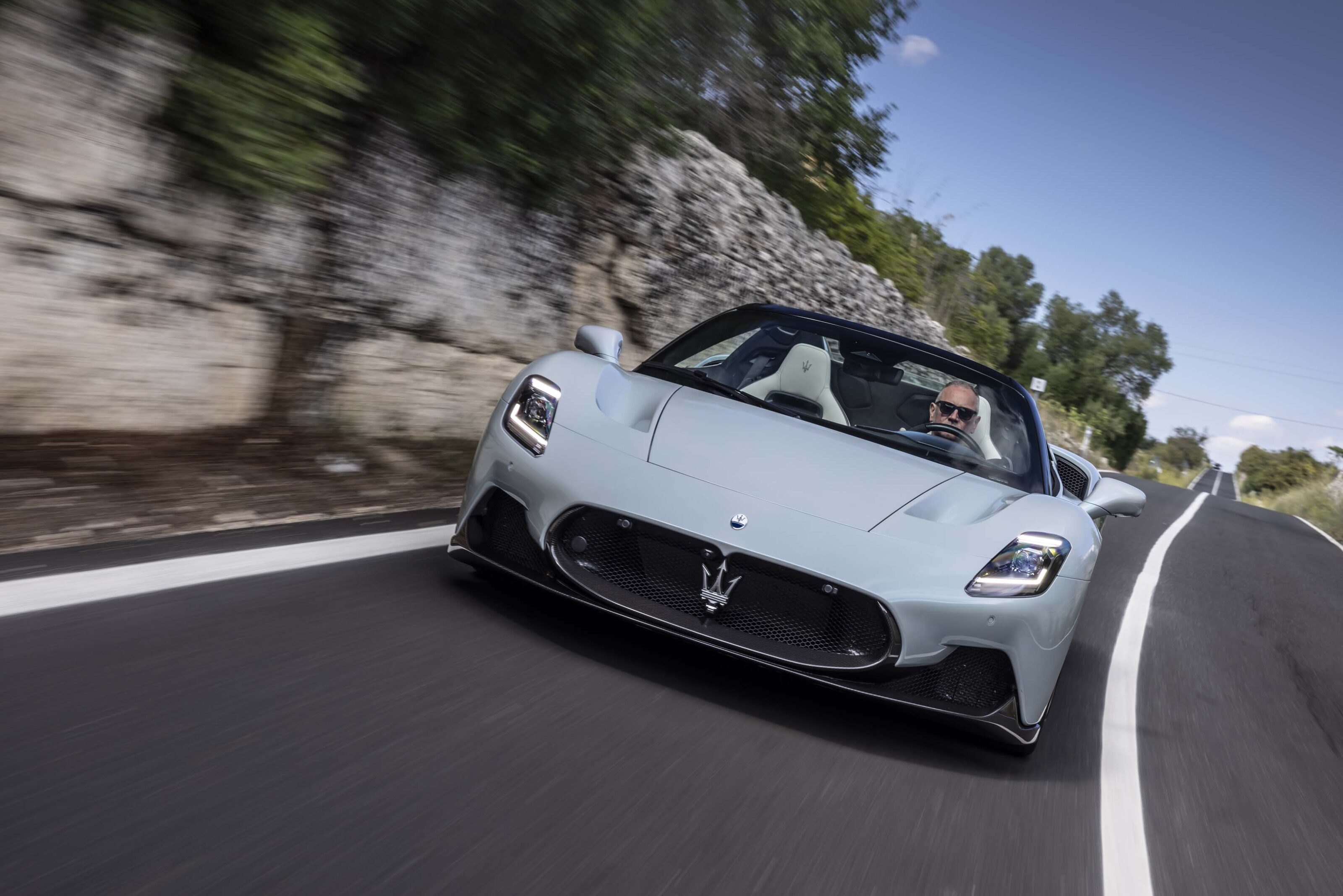
In this car, though, the chassis is the star. There’s a wonderful harmony to the way this Maserati grips, steers, brakes and accelerates.
On the often-awful roads of rural Sicily, the optimal set-up was Sport (for drivetrain responsiveness) combined with Soft damping (to keep the rubber in contact with the bumpy bitumen).
Calibration of the Maserati’s three-step adjustable dampers is simply superb, enabling even poor roads to be driven very quickly with great confidence. The direct and perfectly weighted steering is communicative and the brake-by-wire Brembos are brutally brilliant.
This may sound Italian supercar normal, but the Maserati has its own distinct character. Especially in GT mode, its nature is more relaxed and easygoing. Turn up the dial, though, and it has a competitive level of athletic aggression. It can chill, as well as thrill.
VERDICT
When it launched last year, the MC20 was a real surprise. No one – myself included – expected serial disappointers Maserati to deliver a mid-engined supercar so capable, cohesive and charming. After all, it was getting on for 20 years since it had last built anything remotely comparable.
The new convertible loses none of what makes the MC20 so seductively special.
Perhaps the wind has changed for Maserati at last. Looking up at the cielo from the driver’s seat of the Cielo, it does seem the clouds are moving in a new, very positive, direction.
2023 Maserati MC20 Cielo specifications
| Model | Maserati MC20 Cielo |
|---|---|
| Motor | 2992cc V6 (90u00ba), dohc, 24v, twin-turbo petrol |
| Max power | 463kW @ 7500rpm |
| Max torque | 730Nm @ 3000-5500rpm |
| Transmission | 8-speed dual-clutch |
| Weight | 1560kg |
| 0-100km/h | 2.9s (claimed) |
| Economy | not yet available |
| Price | $528,000 + on-road costs |
| On sale | Q2 2023 |
The 2023 Subaru Impreza will be revealed at next week’s Los Angeles Auto Show on November 17 by Bucky Lasek, Subaru Rally Team USA driver.
But we’ve got a sneak peak of what to expect. Subaru has teased a familiar, hatchback silhouette. The new Impreza’s grille also appears larger, and set slightly deeper into the fascia following the trend set by Crosstrek.
The new Impreza looks more like an evolution, or deep facelift, of the current small car rather than an all-new vehicle. All will be revealed in time.
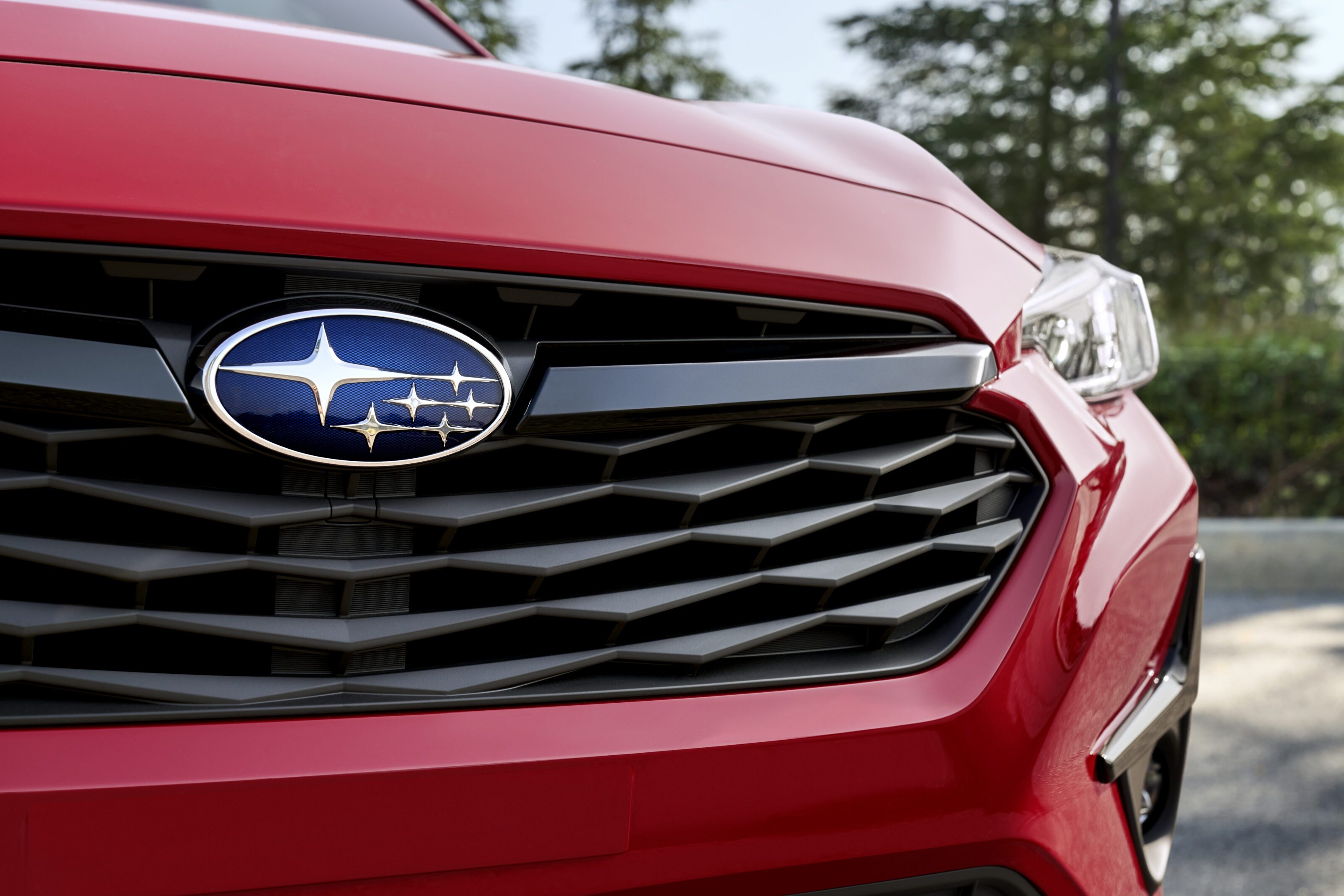
As the Impreza follows the release of the Crosstrek small SUV – formerly XV in Australia – we can infer plenty of information about Subaru’s new small car, as the pair typically share features outside and under the skin.
The new Crosstrek is confirmed to get a hybrid powertrain option, as well as retaining Subaru’s famed symmetrical AWD system.
A big point was made of safety for the new Crosstrek, with nine airbags, new driver monitoring system and deeply upgraded Eyesight technology. There’s also a generous portrait-oriented 11.6-inch touchscreen inside the Crosstrek with wireless smartphone mirroring.
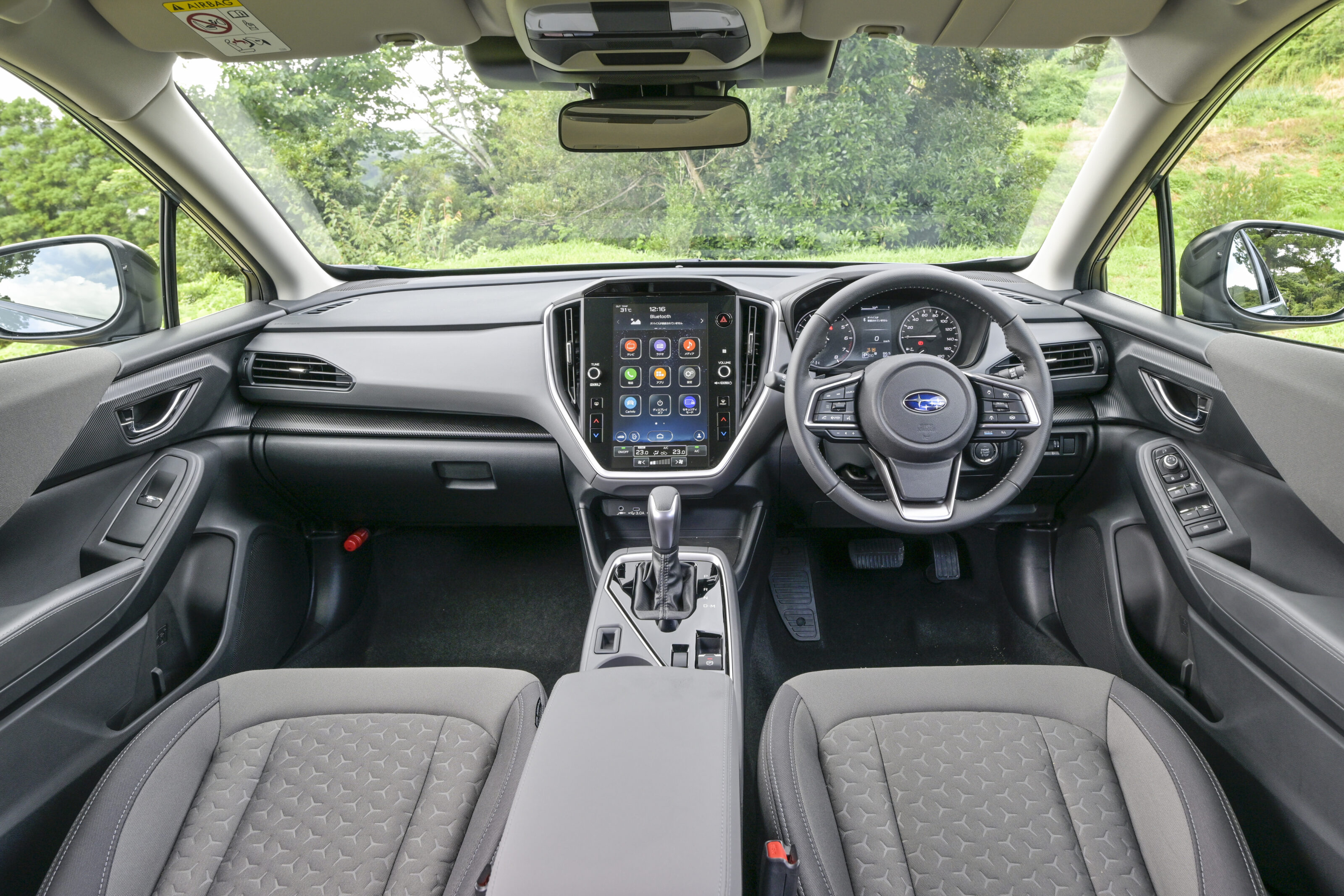
Although Subaru had previously stated the new WRX would be the last new car to use the current iteration of Subaru Global Platform (SGP), the Crosstrek appears to use the same underpinnings. It’s therefore likely the Impreza will be SGP-based as well.
We can expect the Impreza to hit Australia in 2023, but Subaru’s Australian importer has not made any concrete announcement yet.
The new Impreza – a rival for Toyota Corolla, Volkswagen Golf and Mazda 3 – will be revealed on a livestream at 4:25am AEDT on Friday November 18.
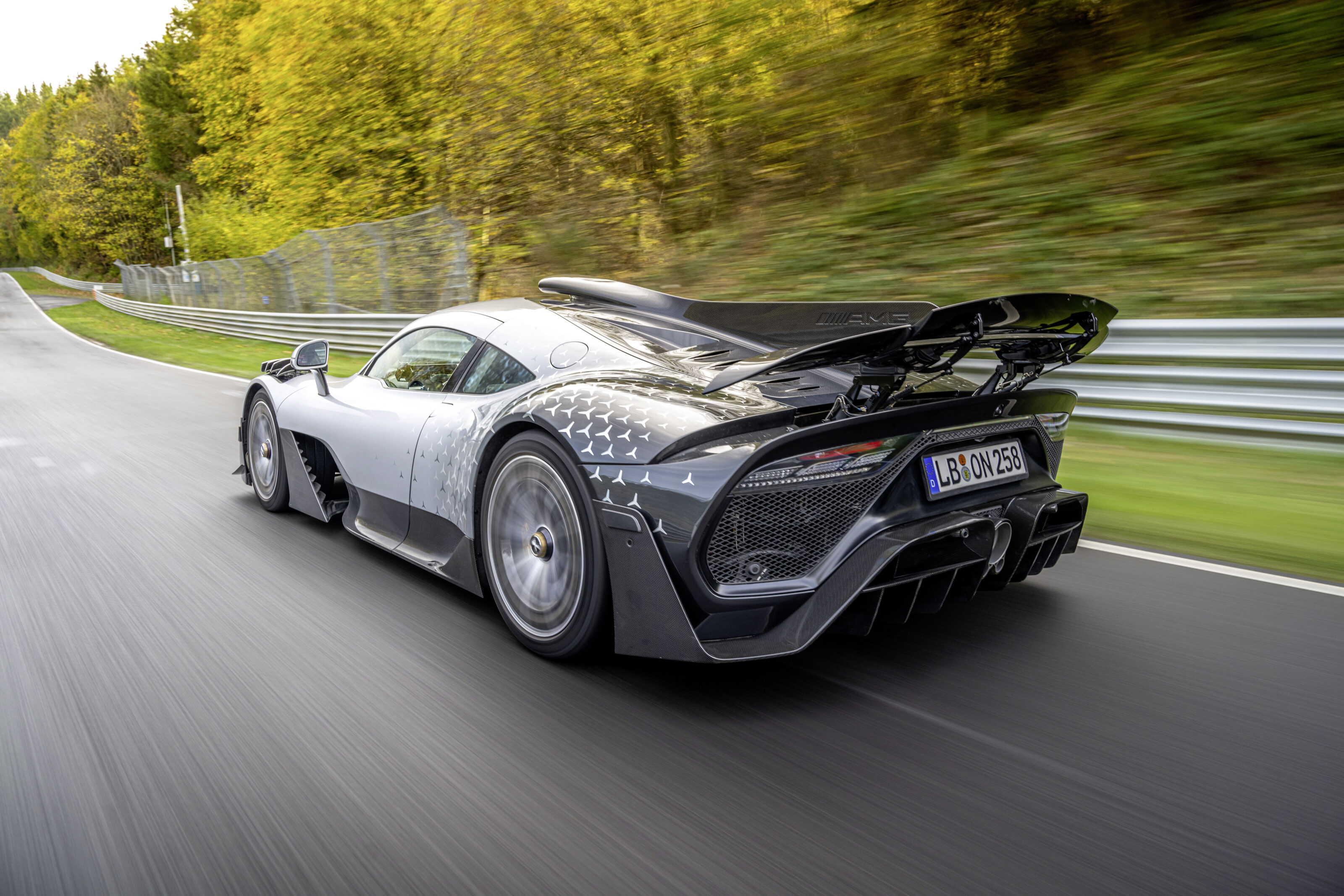
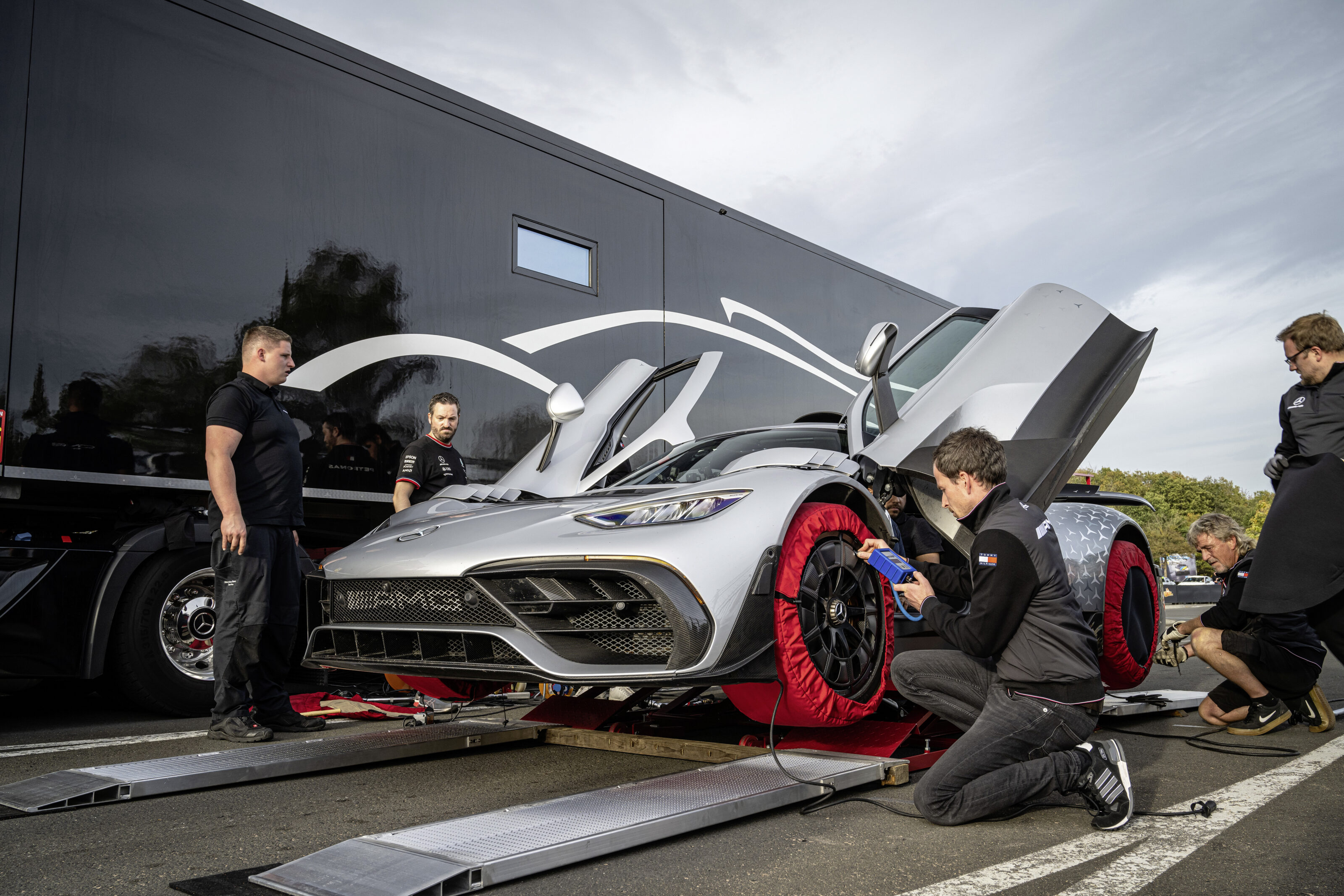
The Mercedes-AMG One hypercar has completed a lap of the hallowed Nurburgring Nordschleife in 6:35.18 minutes in the hands of GT3 racer, Maro Engel.
Previously held by the Porsche 911 GT2 RS MR (tweaked by tunehouse Manthey Racing), the AMG One took the production car lap record by eight seconds.
The Nordschleife’s 20.832km layout is almost closed for the year as European winter descends, and the conditions were not perfect for the One’s lap.
Make sure to watch the full lap below
Mercedes-AMG had the Nordschleife booked for the record attempt until 5:15pm, but with conditions still damp Engel left it until 5:14pm to head out for the lap.
Coming through Kesselchen, you can see Engel wasn’t able to push through a wet patch on the track – so there’s probably even more time on the table.
Regardless, the AMG One looks decidedly planted and confidence inspiring on the ’Ring. From the onboard it looks like Engel is driving a stuck-down GT3 racer compared to the busy record attempts set in the Lamborghini Aventador SVJ and Porsche 911 GT2 RS.
What is the AMG One?
You can read all about the Mercedes-AMG One – including that eight examples are coming to Australia – here.
But a quick recap on this hybrid AWD hypercar: it’s powered by a 1.6-litre V6 and a pair of electric motors, combining for 782kW of power, a 352km/h top speed and 0-100km/h sprint of 2.9 seconds.
Just 275 will be made, and it borrows heavily from Formula One technology in its powertrain and aero tricks – including driver-activated DRS.
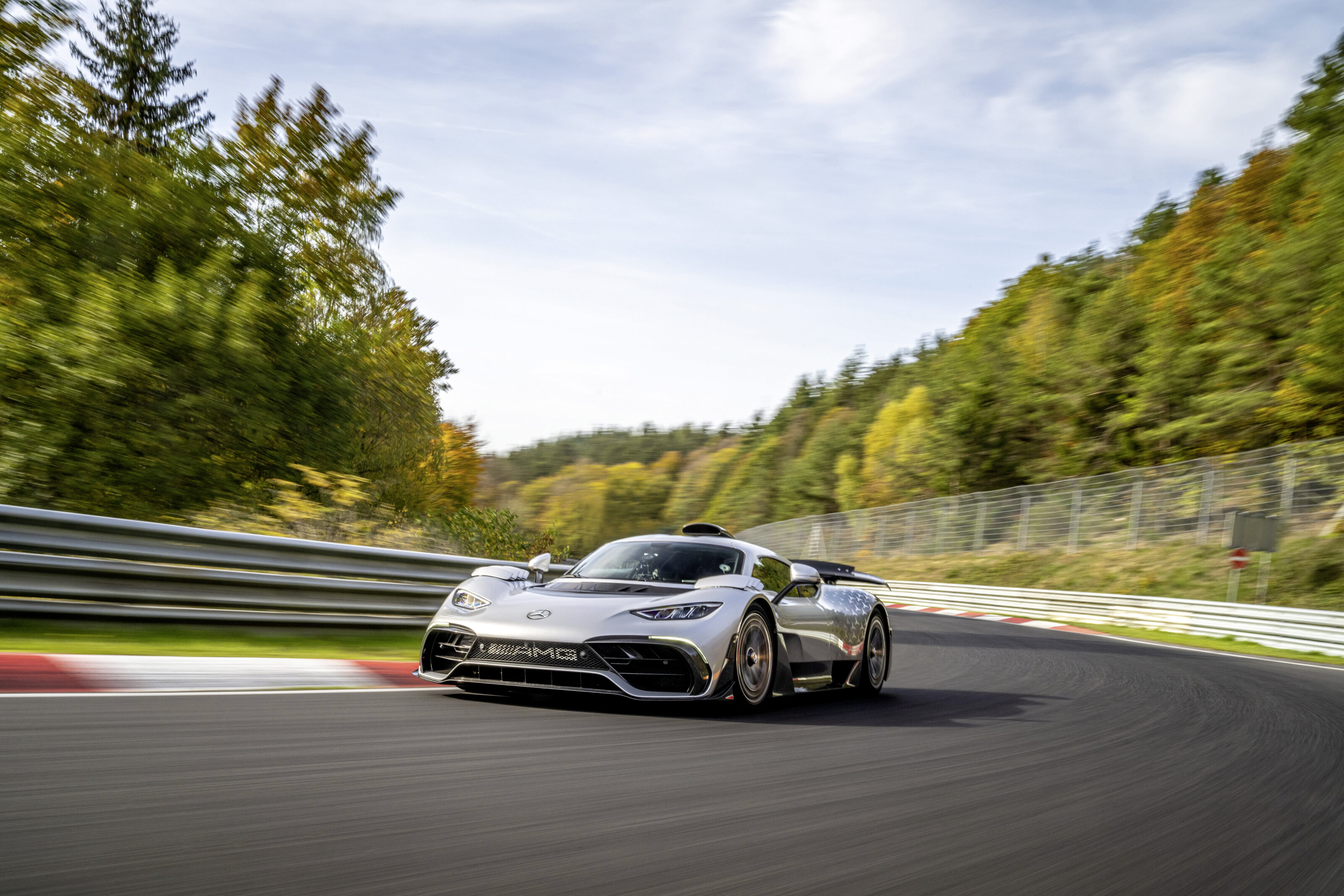
But without rules, the AMG One is able to have active ride height adjustment, with Race Plus mode dropping the front axle 37mm, and the rear 30mm. The One rides on specially-developed Michelin Pilot Sport Cup 2 MO tyres.
The AMG One allocation is all sold out, even at a price of €2.8 million (A$4.3 million), so even if you wanted to recreate Engel’s lap time, you won’t be able to now.
The Mercedes-AMG One is a special vehicle, and not to take away from how impressive the AMG One’s time is, but it puts in perspective how incredible Porsche’s sports cars are.
The AMG One is a bespoke hypercar with Formula One tech; the Porsche GT2 RS is ‘only’ a 911 with some big turbochargers, a wing, sticky tyres and a madman at the helm.
