Vietnamese manufacturer VinFast has announced Australia is still on its radar – despite packing up its local operations last year.
Even though the firm had taken on a raft of former Holden, Ford, Toyota and Jaguar Land Rover employees in 2019, as well as purchasing the ex-Holden Lang Lang test track in 2020 and establishing a local research and development facility in Port Melbourne, its Australian arm closed last year, citing the global COVID-19 pandemic as the driving factor.
However, Wheels now understands VinFast is keeping an eye on the local market, saying it “still considers Australia as one of its strategic markets”.
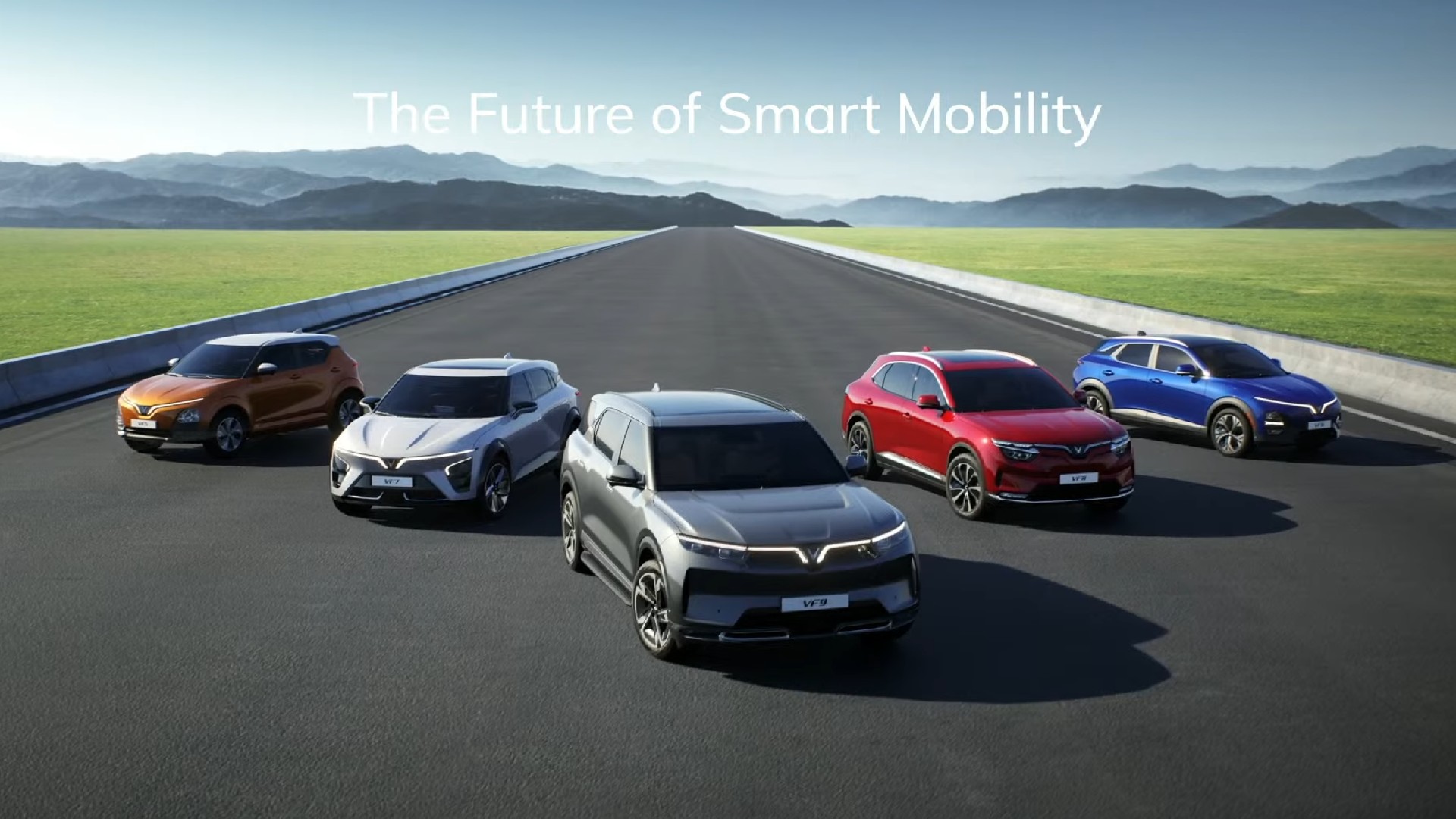
After establishing itself in its local Vietnam, VinFast has pinned its hopes of becoming a world-leading electric vehicle manufacturer in the North American market, announcing an aggressive launch later this year – which will include five SUVs for the US.
At present, VinFast only manufactures its EVs for left-hand-drive markets, ruling out countries such as Australia and the United Kingdom for its immediate expansion.
The manufacturer is expected to become one of the first EV-makers to adopt solid-state batteries, having announced an investment and partnership with ProLogium to develop and utilise the revolutionary battery tech in its models from 2024.
Stay tuned for updates from Wheels on what VinFast’s future plans hold for Australia.
Snapshot
- New CR-V continues major styling makeover for Honda
- 1.5 petrol and hybrid models available
- Australian shoppers will be waiting a long time
The new-generation 2023 Honda CR-V has been unveiled today, rounding out a series of key changeovers in the Japanese brand’s line-up.
The big reveal of Honda’s new medium SUV follows the launch of new-gen Civic and HR-V models.
With the popular Odyssey now gone from production, along with models like the Jazz and City, we can effectively consider Honda’s core 2023 line-up complete. Including the Accord sedan, this is the smallest range Honda has offered in generations.
UPDATE: Australian launch more than 12 months away
A Honda Australia spokesperson today confirmed it will be more than a year before we see the new CR-V in local showrooms.
“While the new model will initially launch this summer for the left-hand-drive domestic North American market, launch timing for Australia is yet to be confirmed as it is more than 12 months away,” the spokesperson said.
Story continues
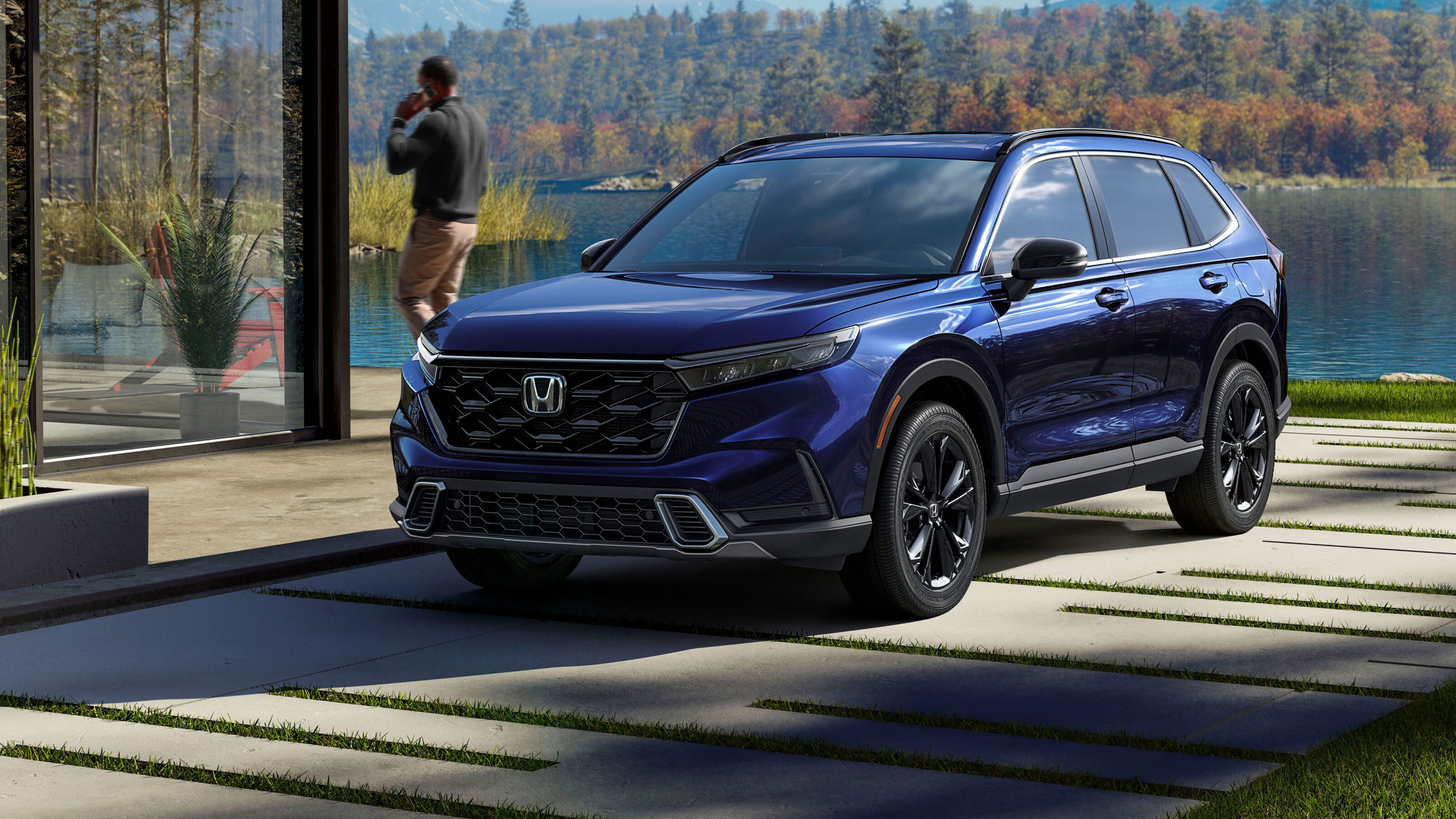
For its sixth generation, the CR-V takes on its most conventional look yet, with a hint of last-gen Mitsubishi Outlander in the profile and a flattering touch of angular Volvo lines at the rear – although the L-shaped pillar lighting is a theme Honda has used for generations.
Up front, there’s a sized-up Civic look, with long slender headlights reaching away from a six-point grille patterned with a strong, oversized honeycomb effect.
Inside, the CR-V again showcases a look that first debuted with the new Civic, with the digital instrument cluster, dash-mounted 9.0-inch infotainment screen and steering wheel pulled across from its stablemate.
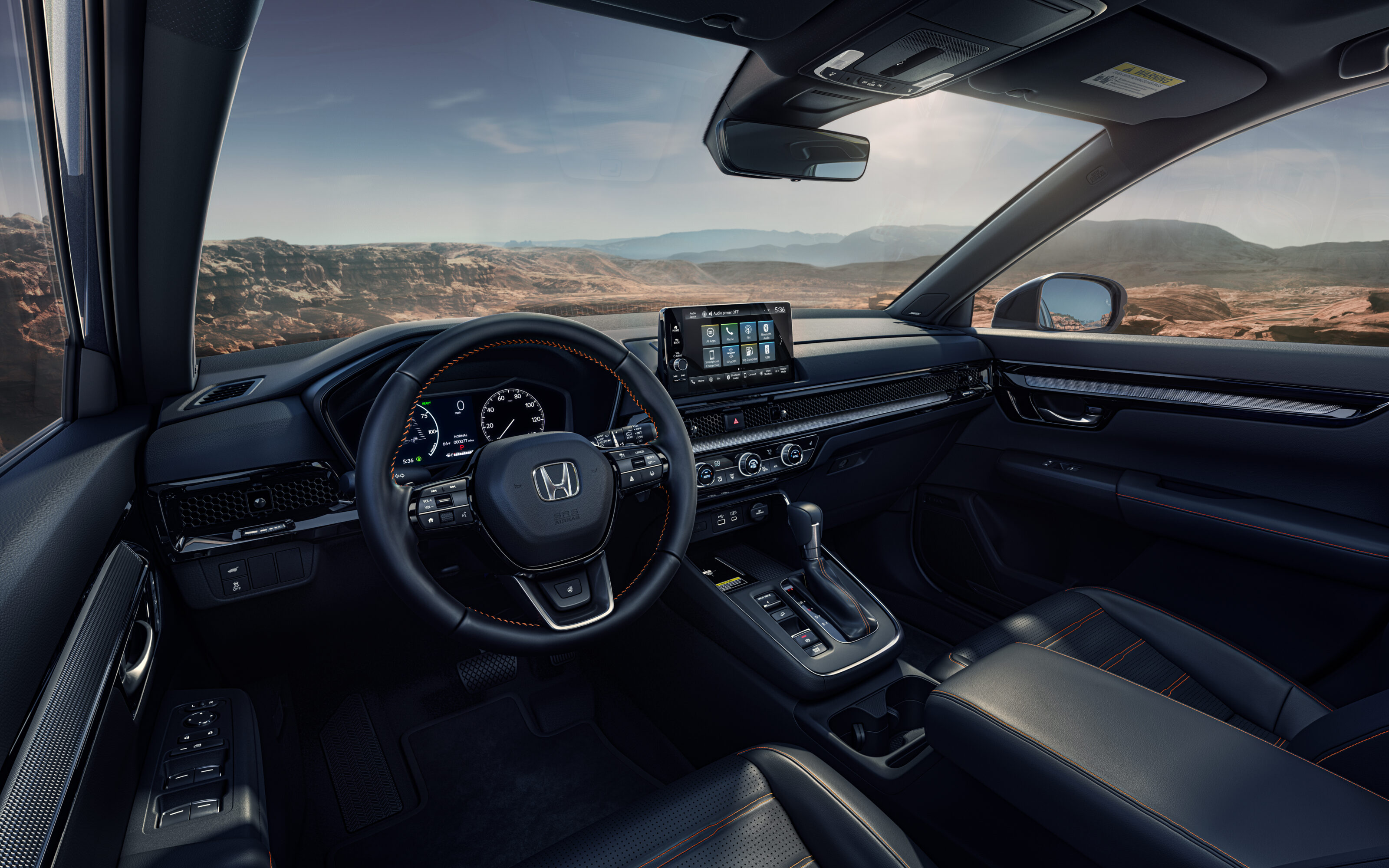
This is without question the most premium-looking CR-V to date, inside and out – and pricing of the Civic and HR-V suggest the new CR-V will push into a somewhat premium pricing position.
In its current form, the CR-V range opens at $35,300 drive-away for the 2.0-litre Vi grade and tops out with the 1.5-litre turbo petrol AWD VTi-LX at $53,200 drive-away.
If Civic and HR-V are any indication, buyers shouldn’t be surprised to see the CR-V offered in only one or two high-specification grades, with pricing starting somewhere around $50,000. It would be hard to imagine the CR-V starting below the $47,200 (drive-away) Civic VTi-LX.
This time, the hybrid model should also be an immediate starter for Australia.
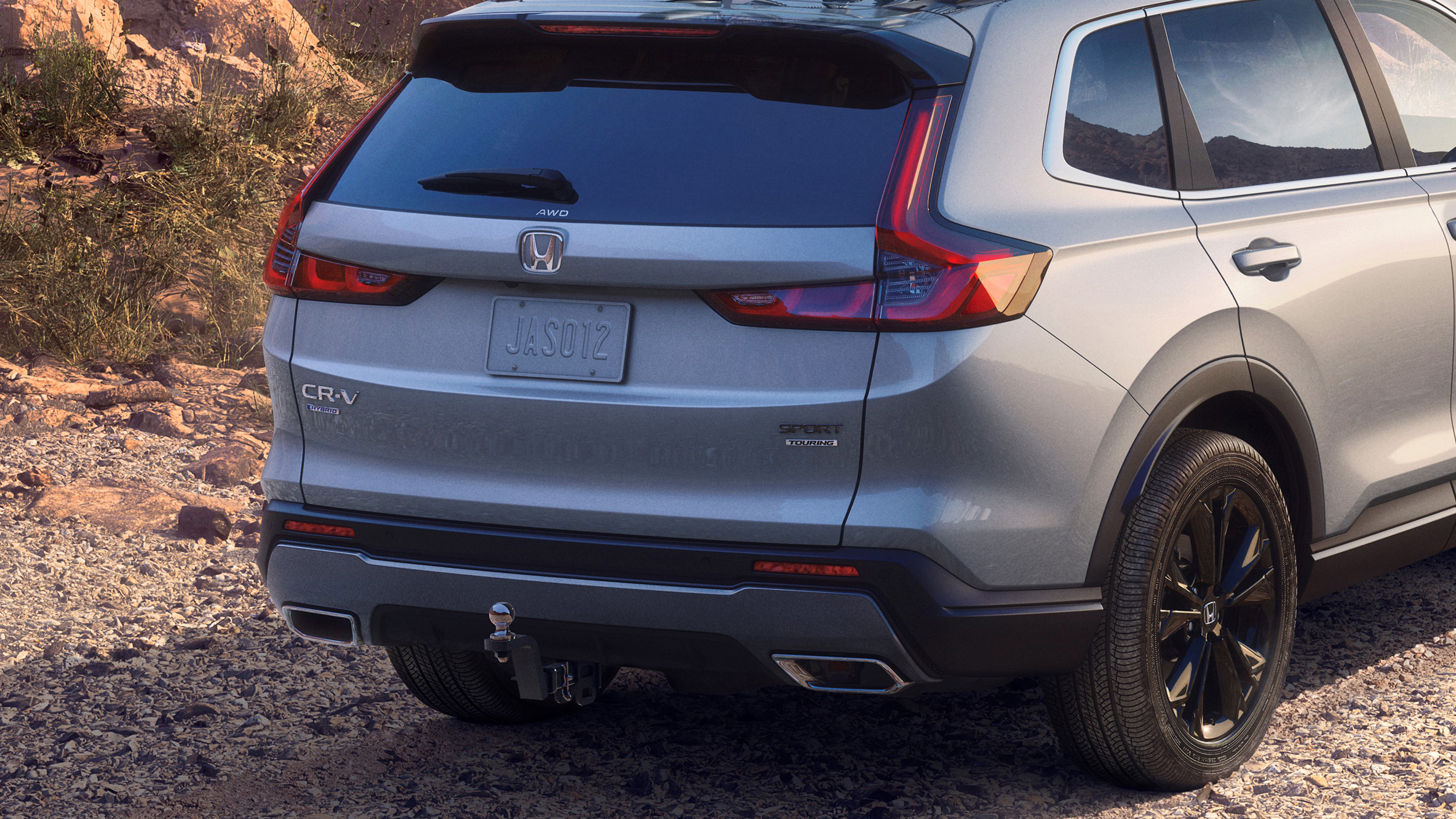
Powertrains
Power is again provided by two choices, the first being a 1.5-litre turbo petrol engine producing 142kW and 243Nm. Maximum power comes in 400rpm higher than before at 6000rpm, and peak torque now begins lower at 1750rpm – down from 2000rpm – and runs through to 5000rpm.
A CVT automatic is again the only transmission on offer, along with front- and all-wheel drive configurations.
In its Hybrid form, the CR-V pairs a 2.0-litre Atkinson-cycle petrol engine with an electric motor for total system output of 152kW, with the electric motor contributing 335Nm of torque.
Space
No surprises, the new CR-V is bigger than its predecessor. It measures 4694mm long and rides on a 2700mm wheelbase, making it 69mm longer and with a 41mm longer footprint.
Width is up 10mm to 1864mm and height grows 2mm to 1692mm.
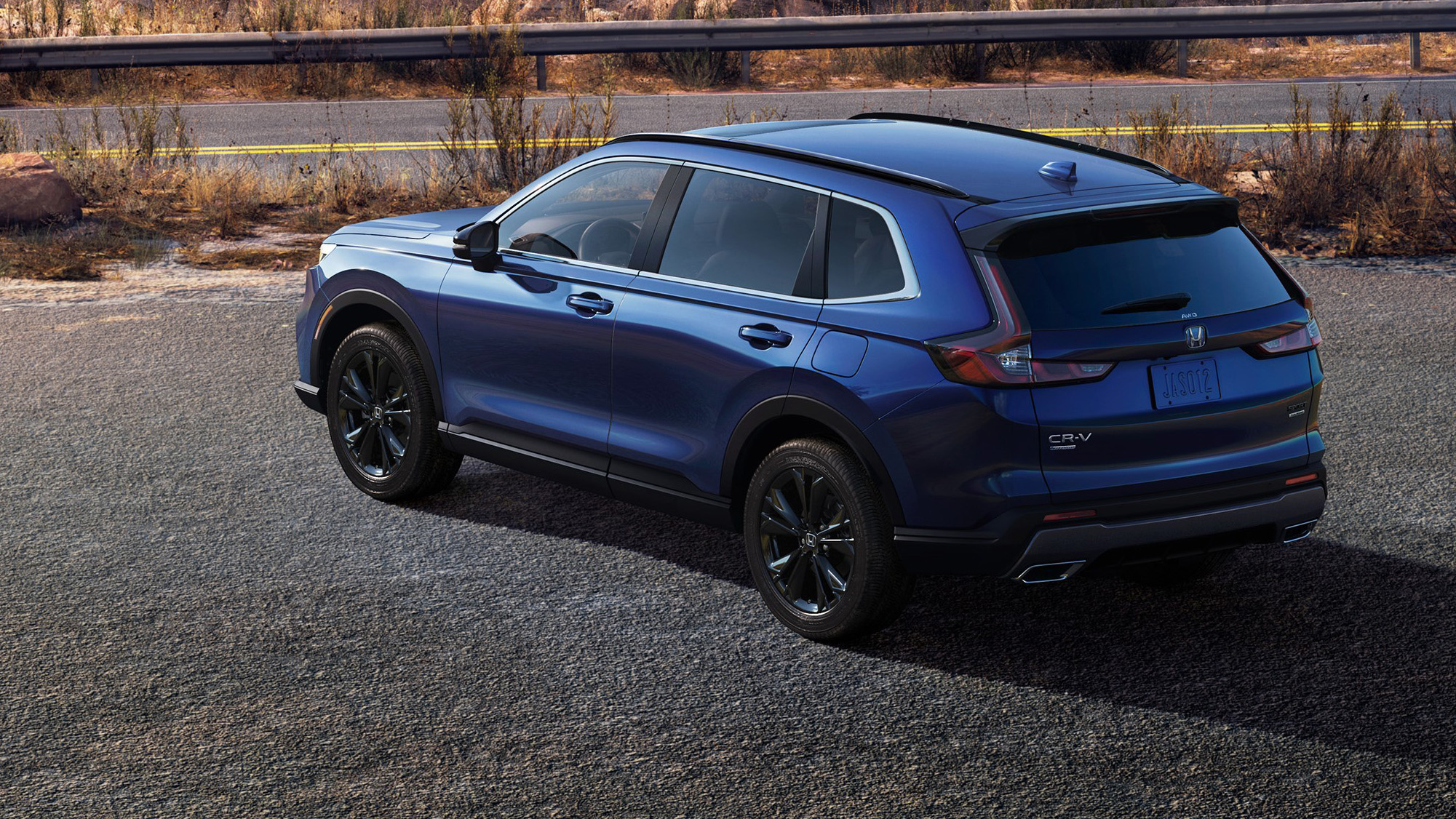
Trim grades
In its North American form, the new CR-V is specified as follows. Dimensions and basic mechanical details will likely be identical for the Australian market, although trim grades will definitely differ.
2023 CR-V Key Specifications and Features – North America
| ENGINEERING | EX | EX-L | Sport | Sport Touring |
|---|---|---|---|---|
| Engine Type | 1.5-liter turbocharged inline 4-cylinder | 2.0-liter inline 4-cylinder and two-motor hybrid system | ||
| Displacement | 1498 cc | 1993 cc | ||
| Horsepower | 190 hp (SAE net @ 6000 rpm) | 204 hp1 (combined system, ISO net) | ||
| Torque | 179 lb.-ft. (SAE net @ 1700-5000 rpm | 247 lb.-ft. (@ 0-2000 rpm) | ||
| Drive Modes | ECON / Normal / Snow | ECON / Normal / Sport / Snow | ||
| Transmission | CVT | Two-motor hybrid systemw/two-stage lockup | ||
| Ratio Range | 2.645-0.405 | N/A | ||
| Final Drive | 5.64 | 4.438 | ||
| Suspension u2013 Front / Rear | MacPherson Strut / Multi-Link | |||
| Wheels | 18-inch alloy, silver | 18-inch alloy, Berlina Black | 19-inch alloy, black | |
| Tires (all-season) | 235 / 60R18 103H | 235 / 55R19 101H | ||
| EXTERIOR MEASUREMENTS | EX | EX-L | Sport | Sport Touring |
| Wheelbase (in.) | 106.3 | |||
| Length (in.) | 184.8 | |||
| Height (in., front/rear) | 66.2 / 66.6 | |||
| Width (in.) | 73.4 | |||
| Track (in., front/rear) | 63.4 / 64.0 | |||
| KEY FEATURES | EX | EX-L | Sport | Sport Touring |
| Honda Sensingu00ae | u2022 | |||
| Advanced Compatibility Engineeringu2122 (ACEu2122) Body Structure | u2022 | |||
| 10 Airbags, Including Next-Generation Driver and Front Passenger Front Airbags | u2022 | |||
| 7-inch Driver Information Interface Screen | u2022 | |||
| Apple CarPlayu00ae and Android Autou2122 Integration | u2022 | Wireless | u2022 | Wireless |
| Wireless Charging | u2022 | u2022 | ||
| 7-Inch Color Touchscreen with Volume and Tuning Knobs | u2022 | u2022 | ||
| 9-inch HD Color Touchscreen with Volume Knob, Customizable Feature Settings and Smart Shortcuts | u2022 | u2022 | ||
When will the new CR-V come to Australia?
A Honda Australia spokesperson today confirmed it will be more than a year before we see the new CR-V in local showrooms.
“While the new model will initially launch this summer for the left-hand-drive domestic North American market, launch timing for Australia is yet to be confirmed as it is more than 12 months away,” the spokesperson said.
I’m sweating. Breathing hard, too.
Unless you’re attempting a triple stint at Le Mans, driving a modern performance car quickly is actually pretty easy. Physically, I mean.
Hustle a grippy car up a sweeping section of road and the only physical stamina you really require is the strength to reach for the air-con controls. Just in case you get a smidge warm.
But this? This is hard work. I’m sweating. Breathing hard, too. And my forearms hurt. And yet, as I pitch the gorgeous Porsche 356 into another corner and feel its narrow 15-inch tyres start to slide, ever so gently, I can’t help but think modern cars might have lost something. Because this is about as good as driving gets…
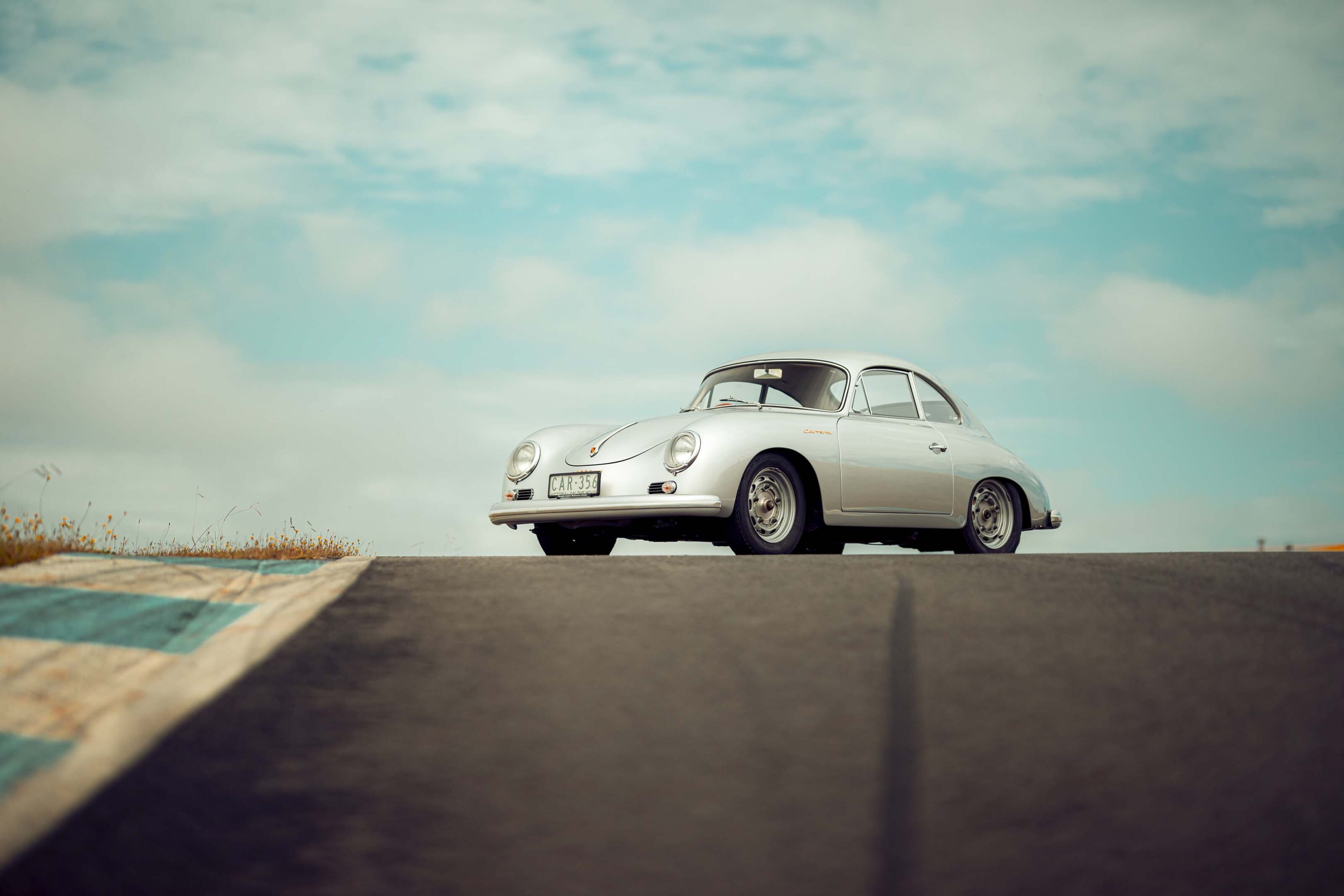
The 356 inflicting the physical discomfort/euphoria is no ordinary old Porsche. If you know your classic Porkers you’ll probably have already spotted the extra horizontal louvres sliced into the engine cover, the slimmer chrome bumpers and the worn leather straps that operate perspex windows.

All of which indicate this is a 356 Carrera GT.
Today Porsche will happily sell you a lightened, hardcore model adorned with an exotic engine taken from its motorsport department. It’s called the 911 GT3. But if you wanted that exact same thing back in the 1950s, well, you had to buy a 356 Carrera GT.
It’s lighter than a regular 356. More focused. And its engine isn’t the usual pushrod 1.6L unit but a more powerful and fiendishly complicated four-cylinder boxer designed by the legendary Dr Ernst Fuhrmann for the 550 Spyder.
It’s also tiny, almost dainty. It’s so small that it makes the modern GT3 we’ve brought along for this test look cartoonish and enormous. Philosophically the 992 GT3 is a direct descendant of the 356, but in appearance, it looks more like a distance cousin than great grandson.
It’s so small that it makes the modern GT3 we’ve brought along for this test look cartoonish and enormous.

We all know modern cars have become bloated and enormous but it’s not until you clock this pair side-by-side that the growth of time really hammers home. Next to the petite and unadorned 356, the modern GT3 looks like a fighter jet.
It’s impossibly wide, voluptuous and with its collection of slats, vents and intakes, it verges on sinister. And don’t even get me started on its tyres. Dropping to the ground to examine the rubber on offer is like seeing a goldfish swim into the shadow of a whale.
Like the 356, this particular GT3 is something special. Officially it’s dubbed (deep breath time) the Porsche 911 GT3 Touring 70 years Porsche Australia Edition. Like the 356 it’s rare – only 25 examples exist for the princely sum of $494,400 – and naturally they’re all sold.
Next to the petite and unadorned 356, the modern GT3 looks like a fighter jet.

But this GT3 is still worth exploring for a couple of reasons: it’s the first time Porsche has allowed a market outside of Germany to make a special edition based on a GT car, and the spec changes are tastefully done. It’s also our first chance to experience the 992 Touring package on Aussie soil.
The spec changes made to create a 70 Years edition are all cosmetic.
‘70 years’ decals feature on the door sills and dash inlay, a plaque is stuck to the B-pillar, the cabin is trimmed with unique leather work and the exclusive alloy wheels have their outer edge finished in body colour. Just don’t nick one a gutter. We shudder to think what the repair bill would be…

Oh yes, the paint
It’s an important visual change because it provides yet another link to the 356.
Officially Porsche calls the colour Fish Silver Grey Metallic (in the metal it’s actually a beguiling shade of green) and it pays homage to the very first Porsche imported into Australia in the 1950s – a pretty 356 Cabriolet.
So it’s not just engineering philosophy linking this pair of Porsches. Time ties them together, too, and it’s this connection, forged over 70 years, that we want to tease out.

Let’s drive
At low speed, it’s grumpy. Peevish.
We start in the 356, mostly because it feels right to tackle them chronologically, but also because I sense it’s going to ask some uncomfortable questions about what’s happened to driver involvement over the last seven decades…
Initially it feels wrong to drive the 356 hard. Porsche only made around 100 GS and Carrera GTs between 1958-59 and just three of those were right-hand drive. That rarity makes it incredibly valuable – at least $1.2 million in today’s market by Porsche’s estimation.
Plus, car years are like dog years and by any measure the 356 is a pensioner.
At low speed, it’s grumpy. Peevish. Drivability and tractability are not strong suits but I quickly realise this is my fault, not the car’s. Fuhrmann’s engine was built to tolerate the abuse and stresses of racing, not to be coaxed around at low speed. It idles, lumpily, at 1000rpm and below 4000rpm it feels concerningly flat.

I was expecting undertones of Beetle, but the Carrera GT has a soundtrack all of its own.
It’s not until you get it on cam that it truly starts to come alive. It’ll spin all the way to 7500rpm and once you realise you need to keep it high in the rev range, it feels, and sounds, genuinely exciting. The exhaust has fewer baffles than a regular 356 and the soundtrack is unlike anything else I’ve experienced.
I was expecting undertones of Beetle, but the Carrera GT has a soundtrack all of its own. There’s plenty of volume but it’s the way the exhaust note hardens as the power builds that makes it so addictive.
Outputs aren’t huge. We only have 86kW and 135Nm to play with – but remember, the Carrera GT is light.
The body is based on the same Reutter-built steel shell as the 356A but everything that swings – the doors, the bonnet and the engine lid – are all made from alloy or aluminium.

Officially Porsche says the kerb weight of the 356 is around 880kg, but it feels lighter than that. By modern standards, though, this is a slow car.
Acceleration is swift rather than fast (0-100km/h takes around 11.0sec) but not once did I find myself wishing for more speed or power.
Most of that is down to how physical it is to pedal quickly. The steering, which you tackle via an impossibly large and skinny Nardi wheel, is unassisted, slow and alive in your hands. The drum brakes, which initially feel heavy and ineffective, are surprisingly powerful once you learn they respond best to a bit of force.
And because the tyres are skinny 165-section Michelins, the level of grip on offer is actually quite low. But that’s part of its beauty. Because you don’t have the power or grip to barreling into corners at Defcon 5 you can initiate slides and catch them with the confidence of knowing that if you really do balls it up, there’s a good chance you won’t write off something worth more than your house.
Providing you don’t live in Sydney, that is. It’s intoxicating, visceral, and a vivid reminder of the immediacy and feedback we’ve lost in many modern cars.

And then there’s the cabin
This isn’t a Singer-esque recreation but the restoration work, carried out by Porsche Australia, has been handled so sensitively that the quality and attention to detail is bloody close.
The pedals stand proud of the firewall, the dash is stunning in its simplicity and clarity and the seats are aluminium buckets that grip and support in equal measure.
A five-point racing harness speaks to the Carrera GT’s intent, but the cabin highlight is the spindly gearstick. Its length is matched only by the distance of its throw but it’s a joy to use: light, accurate and involving.

Issues? The steering wheel is so big that anyone with long legs will struggle to squeeze them below the rim. The driving position never feels quite right, either, and if it rains, the wipers are next to useless.
But it’s such an event to drive. For all their comfort, speed and computing power, modern cars lack the sensations, the buzzes, the connection that you get when you drive the 356.
Would I have one over the glut of supercars currently on sale with a gazillion horsepower? Absolutely. Would I have it over a 992 GT3 Touring? And can you feel the engineering link between the 356 and Porsche’s latest motorsport special? Those questions require further exploration…

Jumping into the modern GT3 requires a swift recalibration.
After the heavy-set pedals in the 356, the 992’s clutch is so light and springy that I stall it immediately. And even though it feels enormous compared with the old car – the 992 is the largest GT3 ever thanks to a body that’s 11mm longer and 8mm taller – it reacts so quickly to your inputs that, initially at least, it verges on hyperactive.
Credit that to seven decades of engineering progress but also to the chassis changes made for this generation of GT3. The front suspension now compromises double wishbones instead of the previous strut arrangement and the nose of the car is noticeably more eager.
Four-wheel steering also contributes to the newfound sense of agility and the level of grip on offer from sticky Michelin Pilot Sport Cup 2s (255/35 ZR20 up front, 315/30 ZR21 out back) is absolutely immense.

Just don’t make the mistake of thinking the ‘Touring’ spec means it’s softer in any way.
This car is just as hardcore as the regular be-winged GT3 with no concessions in the suspension set-up for comfort. That means it can feel overly stiff on gnarly b-roads but the trade-off to this tautness is incredible precision and control.
Happily it also means the powertrain is exactly the same 4.0-litre flat six as you get in the regular GT3, too. Power and torque haven’t changed dramatically compared with the old 991 GT3 but with outputs of 375kW and 470Nm this remains a seriously quick car.
And just like 356, the GT3’s magic lies in how the power builds to the 9000rpm redline, the linearity of the delivery and the crispness of the throttle response.

Unlike the previous GT3 Touring, which was manual only, Porsche is offering a 7-speed PDK this time around. It’s a fantastic gearbox but we’re pleased to report the majority of owners of the 70 Years edition went for three pedals: 17 manual vs 8 PDK.
It’s a smart decision. The manual is crisp, accurate and even though it’s slower than the auto, it adds an extra layer of involvement as you try to wring every last rev out of the 4.0-litre flat six.
Pedal the GT3 hard after driving the 356 and it’s not so much on another level for grip, power and poise as it is on another planet. Yet there are still similarities between them.
Both get better the harder you drive them. Both have engines that demand revs and deliver sonorous top ends. And because those engines are behind you, they way they feel over bumps and how they need to be driven to extract their best is eerily similar, too.
We might think of Porsche’s GT Division as a relatively recent phenomenon, but the 356 shows the same kind of thinking was well and truly alive back in the ’50s.

So which would I have?
Well, by every objective measure, the 992 GT3 is superior. It’s quicker, grippier, more capable, safer, cheaper and by modern standards, is incredibly visceral to drive quickly.
And even though the 70 Years is officially sold out, the silver lining is you can buy a regular GT3 Touring for around $125K less and still revel in exactly the same driving experience.
But with the day drawing to a close, it’s the 356 I find myself edging towards for a final few laps. It’s more engaging, more fun and without question, more special.
As the 356 buzzes and fizzes its way around the track, it’s hard to deny they haven’t. Progress is relentless, but sometimes we get so caught up in what we’re gaining that we lose sight of the things that gradually fade away. And sometimes the biggest gains can be found by looking back. Now, time to give my forearms one last workout…

Bad finance
Only three 356 Carrera GTs left the factory in right-hand drive in 1959 and this particular example was first owned by Victorian farmer David Calvert. He ordered it with ‘Field Green’ paintwork – and it has racing provenance, having been campaigned by Harry Firth at Sandown in the early 1960s.
Gradually the car fell into disuse over the decades and was no longer in running order when it was bought by then Myer CEO and successful businessman Peter Bartels in the 1980s.
Since then it’s undergone a bare-metal restoration and engine rebuild, but Bartels found the car required more attention than he could give it so he swapped it with Porsche Cars Australia for a then-new 911 Carrera 4S.
Time shows that wasn’t the smartest financial decision. Price of a Carrera 4S Now? Around $180K. The 356? $1.2 million. Ouch.
Museum piece
Worried there are so few examples of the 70 Years edition that you’ll never see one in the wild? Well if you absolutely have to see one, head to Germany.
The car we drove for this story is actually a museum piece and once we were finished with it, Porsche packed it onto a ship to be put on display in Stuttgart.
If you do happen to see it, grab a selfie and email us a photo!
Snapshot
- Kia increases prices of EV6 range
- Entry-level Air grade now starts at $72,590 before on-road costs
- Flagship GT-Line AWD variant tops out at $87,590
The hot-in-demand 2022 Kia EV6 has become the latest victim of a price increase, hit by an adjustment earlier this month.
Launched in Australia back in February, the EV6’s features and specs remain unchanged despite Kia’s price rise, which has resulted in all three variants going up by $4600.
Kia’s new prices for the EV6 push the entry-level Air RWD variant above the $70,000 marker, now starting at $72,590 before on-road costs, while the GT-Line RWD grade retains its $7000 premium above its counterpart with a list price of $79,590.

Originally put up for sale at a price of $82,990, the flagship GT-Line AWD is now $87,590 before on-road costs, raising questions about just how much the performance EV6 eGT will go for when it lands in Australia in late 2022 or early 2023.
Last month, the Australian arm of Kia confirmed it was aiming to deliver roughly 100 more examples of its electric vehicle to local buyers this year, following on from its initial allocation which was capped around 600 units.
The EV6 also beat its Hyundai Ioniq 5 cousin to take the top prize in this year’s Wheels Car of the Year awards, becoming the first Korean manufacturer to do so in the competition’s 60-year history.
If, instead of Porsche’s impressive facility in Stuttgart, the 992 911 family was actually grown on vines and finished in oak barrels, the Carrera would be a fresh young Riesling and the Carrera S would be a bold Durif, while the Turbo siblings would sit on the top shelf in grappa bottles.
But what if you want the hearty warmth of an interesting red, distilled into something that still has the trademarks of the winery but more strength and just the right amount of complexity and sweetness?
That’s where the Porsche 911 GTS comes into play. With a little extra power and sophistication without having to stretch to the eye-watering pace and price of the Turbos, the mid-range variant is the 911 equivalent of vermouth.
Until now, there was about a $110,000 gap between the Carerra 4S coupe and Turbo coupe, or narrowed to $73,000 if you jump up to the more track-focused GT3 coupe.
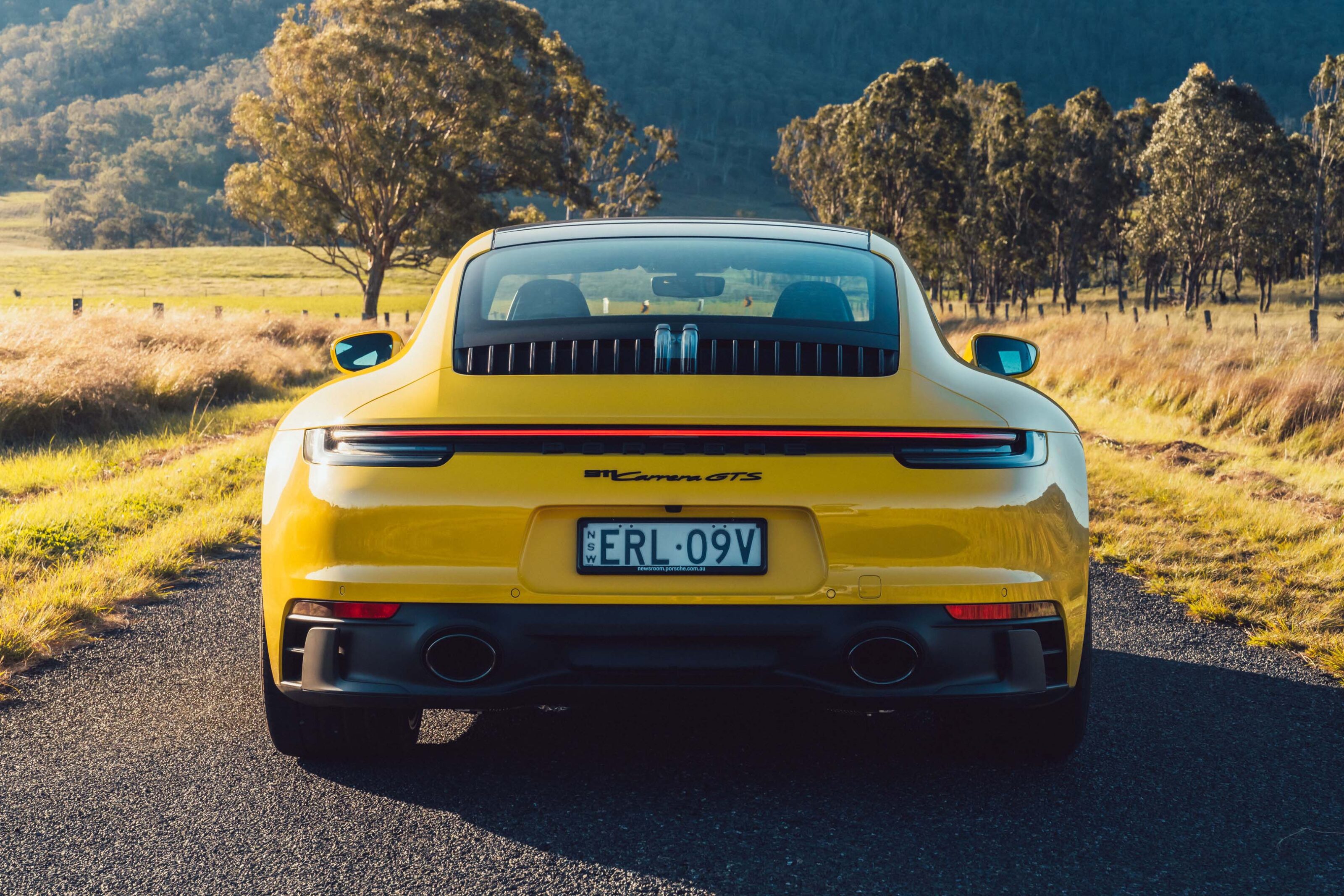
That has just changed with the Australian arrival of this GTS version of the resoundingly good 992 911. Its performance, luxuries and styling are sharpened for $314,800 – a step up of just $18,000 over the 4S coupe.
If you’re getting a sense of deja vu at about this point, so am I. That’s because I’ve already driven the new 911 GTS at its international launch in 2021, describing it at the time as “just a little faster and louder without spoiling the power delivery, it’s that little bit sharper on the road without compromising comfort, and it adds small luxury touches without becoming vulgar”.
Adding to the familiarity, I even slipped another wine analogy into the video.
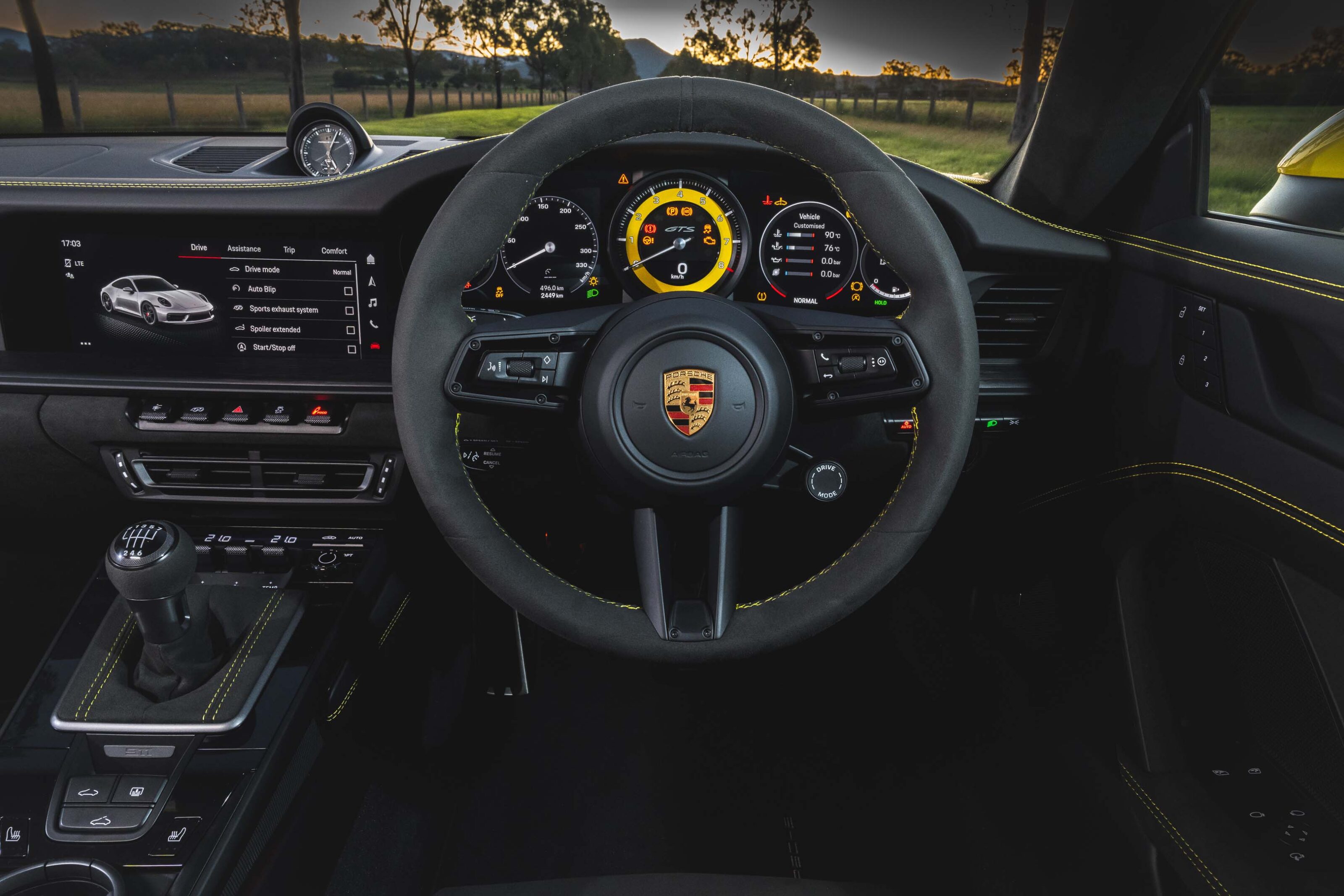
For a reunion on home turf, therefore, I was expecting none of the glowing first impressions to have changed and instead of covering the same ground a second time, let’s focus on filling in the blanks and something I didn’t manage to get my hands on in the other hemisphere – the manual.
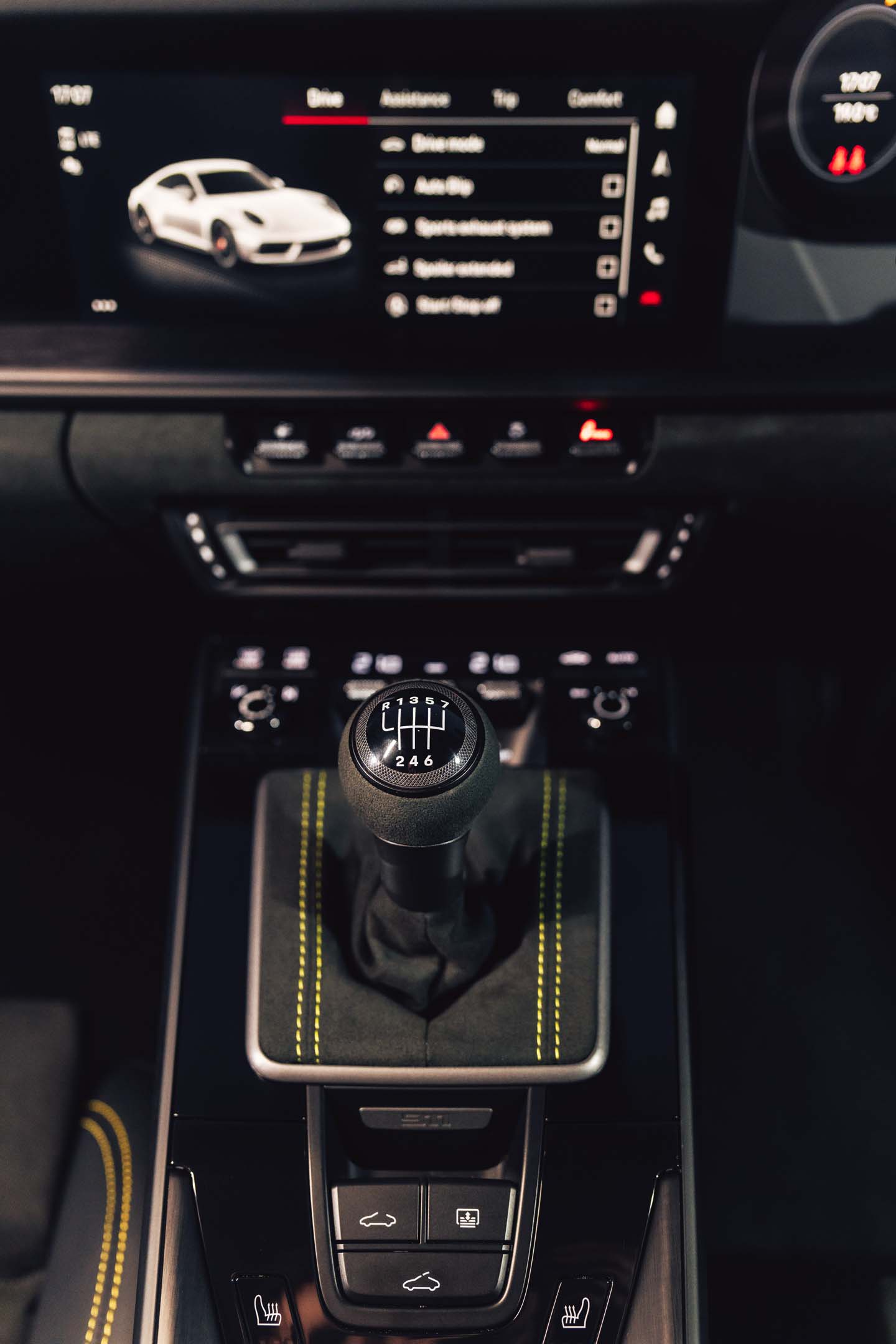
Porsche is offering a self-serve version of the 992 GTS for the same price as the PDK and that’s significant for two key reasons. There’s now a pair of manual 911s available in the local 992 line-up, the GTS joining the GT3 (and GT3 Touring). But, while those versions get a six-speed gearbox, the GTS gets Porsche’s unique seven-speed manual.
There is a caveat. While the auto GTS is on offer as a coupe, Targa and convertible with options of two- and and-wheel drive, you can only have the manual in conjunction with the rear-drive coupe. Not a problem, it turns out.
All versions get the same tuned-up version of the 3.0-litre twin-turbo flat six, which gains an extra 22kW and 20Nm for peak outputs of 353kW and 570Nm. Apply that to the all-wheel drive Carrera 4 GTS and getting to 100km/h from a standstill is possible in just 3.3 seconds says Porsche. In the manual, however, it takes 4.1s … and I’ve never cared less about eight tenths.
The level of personality, charisma and interaction that the excellent stick-shift brings to the 911 is worth it and more. Firstly, the slower shifts compared with the (also brilliant) eight-speed PDK auto create an entirely different soundtrack, with a retro vocal holler when rev-matching up and down the gears.
While the PDK promotes a more contemporary high-tech prototype racer soundtrack, the noise of the manual approaching is more akin to a 964 road-rally car. It’s utterly addictive and the shorter-throw lever makes it an absolute joy to click through the closely bunched ratios.
Sound inside the cabin is just as intoxicating thanks to the removal of some sound insulation for the GTS treatment. The sonorous six soundtrack permeates the interior from the special sport exhaust and induction in equal measures and does a very good rendition of a naturally aspirated engine despite its pair of turbos.
Power delivery is just as convincing and the flat-six delivers the free-revving nature and high peak power of an atmo engine with the full 353kW appearing at 6500rpm, but the temptation to push beyond to the 7500rpm redline is impossible to resist.
Generous maximum torque of 570Nm arriving at just 2300rpm and lasting all the way through to 5000rpm is the only real indication that there is some form of forced induction going on in the back stalls – that, and the amazing whistling and hissing from bypass valves and turbines – again enhanced by longer manual gear-changes.
Opt for the auto in the previous 991 GTS and you had the option to manually shift using the gear selector itself in a sequential fashion, as well as using the steering wheel paddles, but the new GTS offers the paddle-only option – if you needed one more reason to go for the manual.
If you require any hard proof that manuals sound better, look no further than California, where the manual 911 GT3 has been banned for being “too loud”.
If transmissions were basketball teams, the PDK would be the Golden State Warriors – fast, efficient and popular, while Porsche’s seven-speed manual would be the Harlem Globetrotters – not the most potent or aggressive, but vastly superior in entertainment and theatrical value.
Where the analogy fails in favour of the Porsche however, is that the two NBA teams definitely don’t cost the same.
Regardless of the transmission, the 911 GTS lacks nothing in chassis charisma. How could it, with a 10mm lower ride height, retuned adaptive damper and spring rates, and wheels pinched from the Turbo S?
That, as I’ve already discovered at Porsche’s experience centre in Franciacorta, translates very nicely to a smooth, well-maintained race track with enormous cornering speeds possible and a predictable but lively tail end – particularly under hard braking.
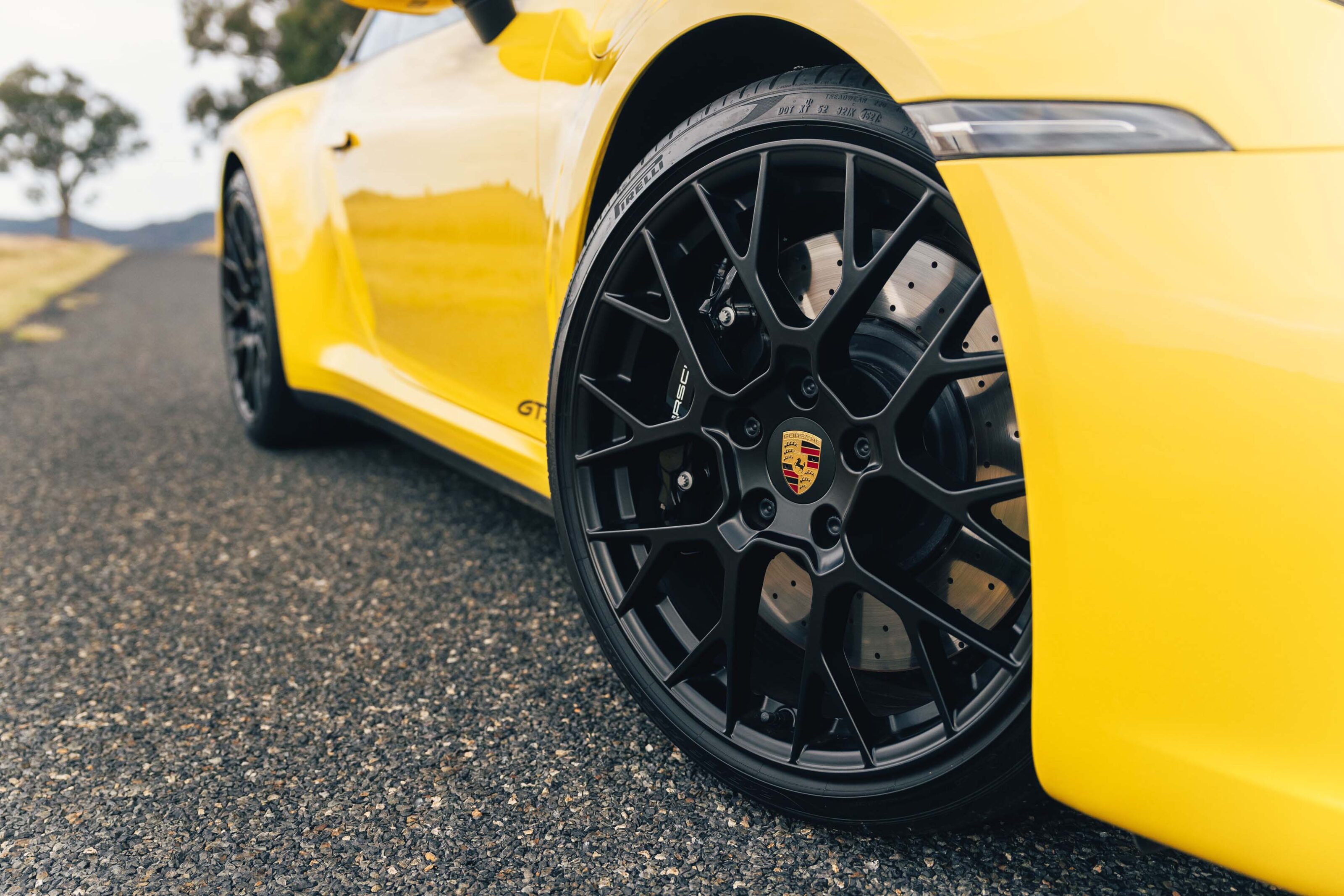
A few more laps, and home-ground Norwell was also starting to highlight the immense and stoic stopping power of the six-piston front brakes and four-piston rears that are lifted from the Turbo, along with 21-inch wheels at the back and 20-inch rims up front.
If you’ve got cash burning a really big hole in your pocket, you can upgrade to carbon-ceramic discs but the standard system is so good, it brings the necessity of the exotic material into question.
The greatest revelation 10 months later though, is just how well the bespoke GTS recipe works on local roads. With a variety of perfect, recently resurfaced asphalt and nasty storm-damaged asphalt, the deft damper tuning works an absolute treat.
Yes, the ride is stiff in all modes but completely liveable for a mid-range sports model. More surprising though, is the ability to remain unflustered by even significant imperfections in the road surface. On more than one occasion I braced for a sudden and unforeseen pothole but the GTS skimmed over with a minimum of fuss.
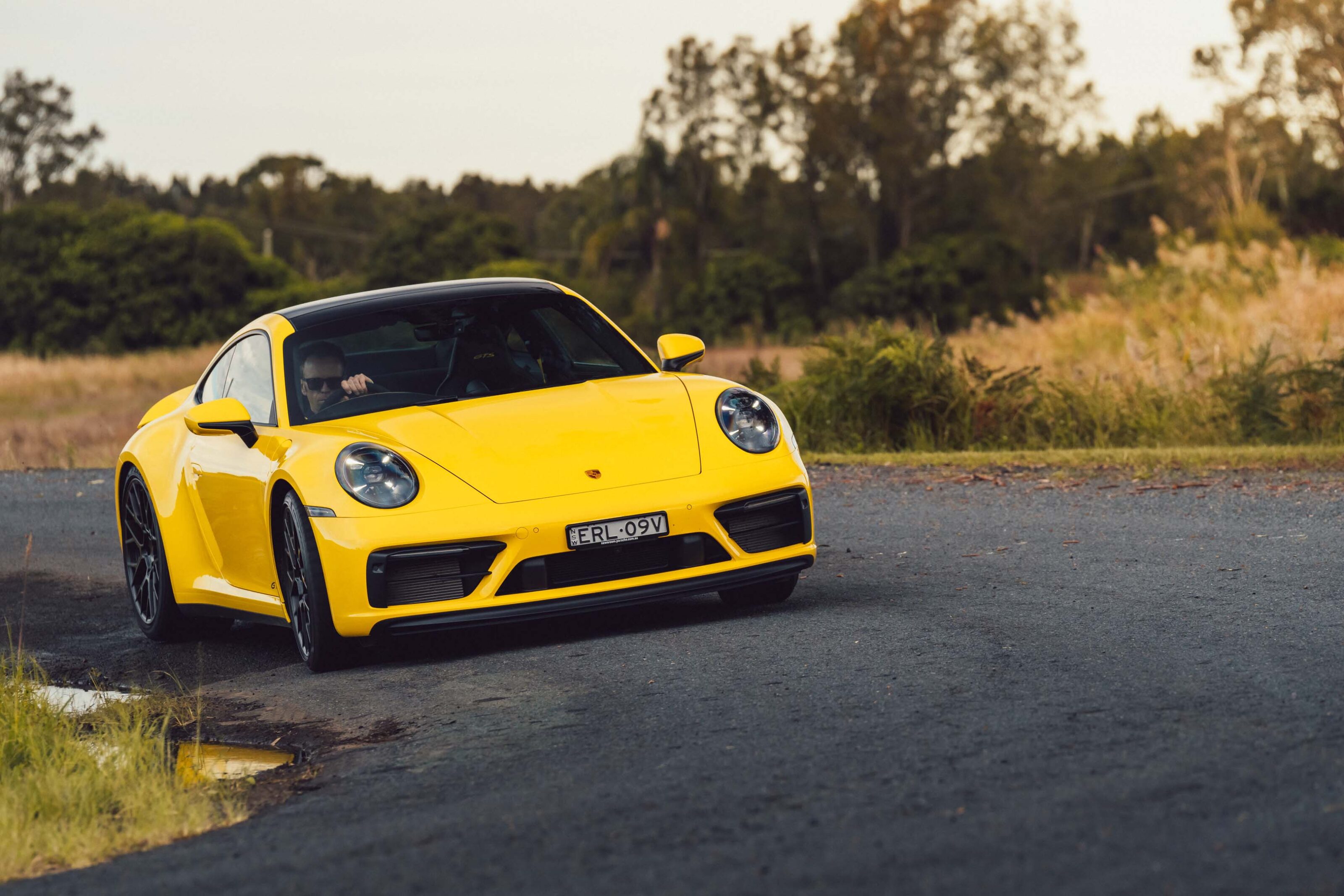
Steering also follows a similarly lovely trend. Sharpened and enhanced just enough to stand out from its more affordable siblings, there’s a delightful weight off-centre but a sensitivity and precision about the GTS that never switches off. When cruising, the slim and ergonomic steering wheel is constantly alive in the hands and full of feedback but never nagging or attention-seeking.
The combination is a car that feels focused and attentive at all times, but never exhausting or twitchy. If you plan on spending a majority of your time negotiating questionable Aussie roads in a 911, the base Carrera and S are probably still the pick with the most compliant ride while still offering a heap of fun at the wheel, but for a balance of track potential and open road useability, the GTS is, once again, king of the line-up.
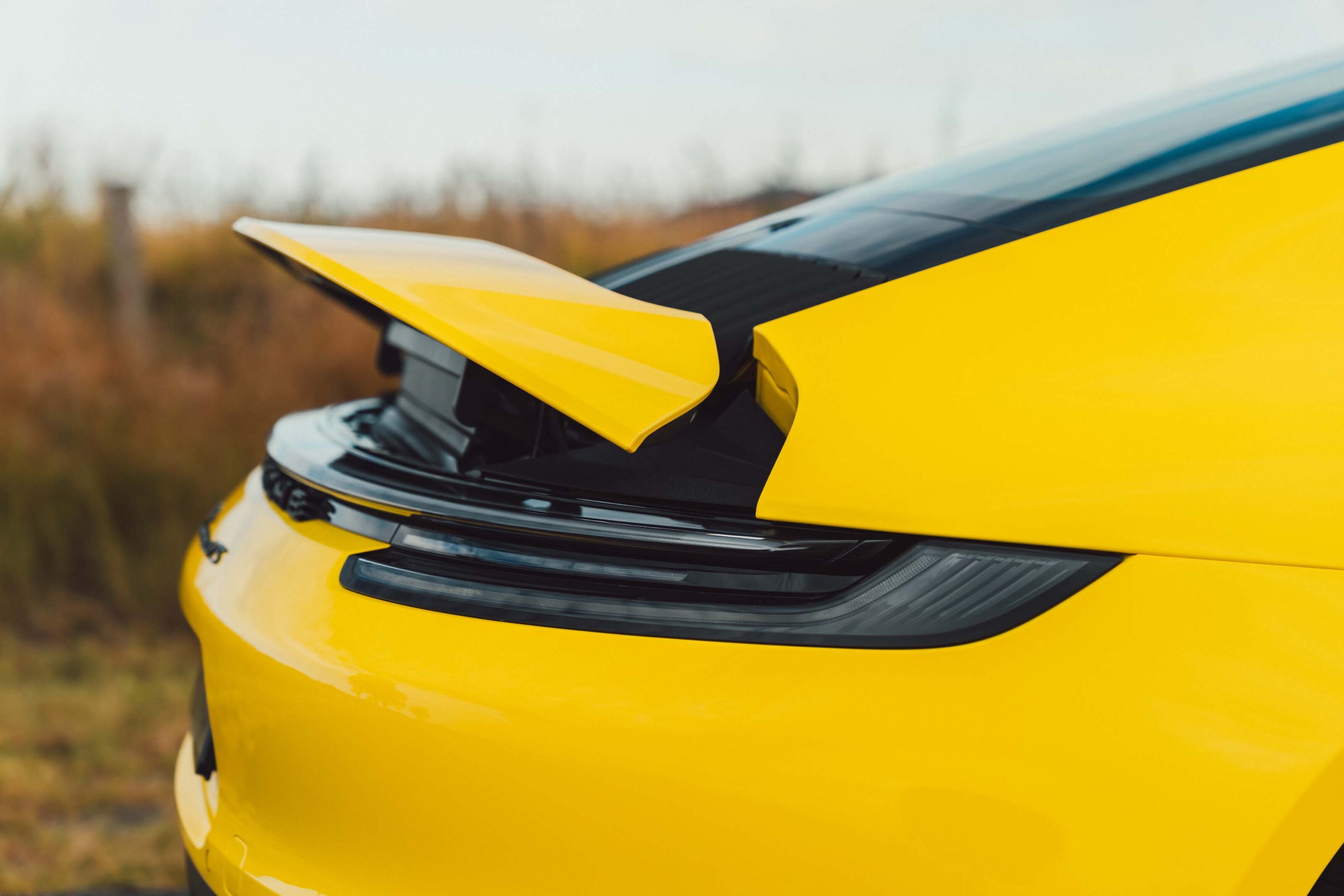
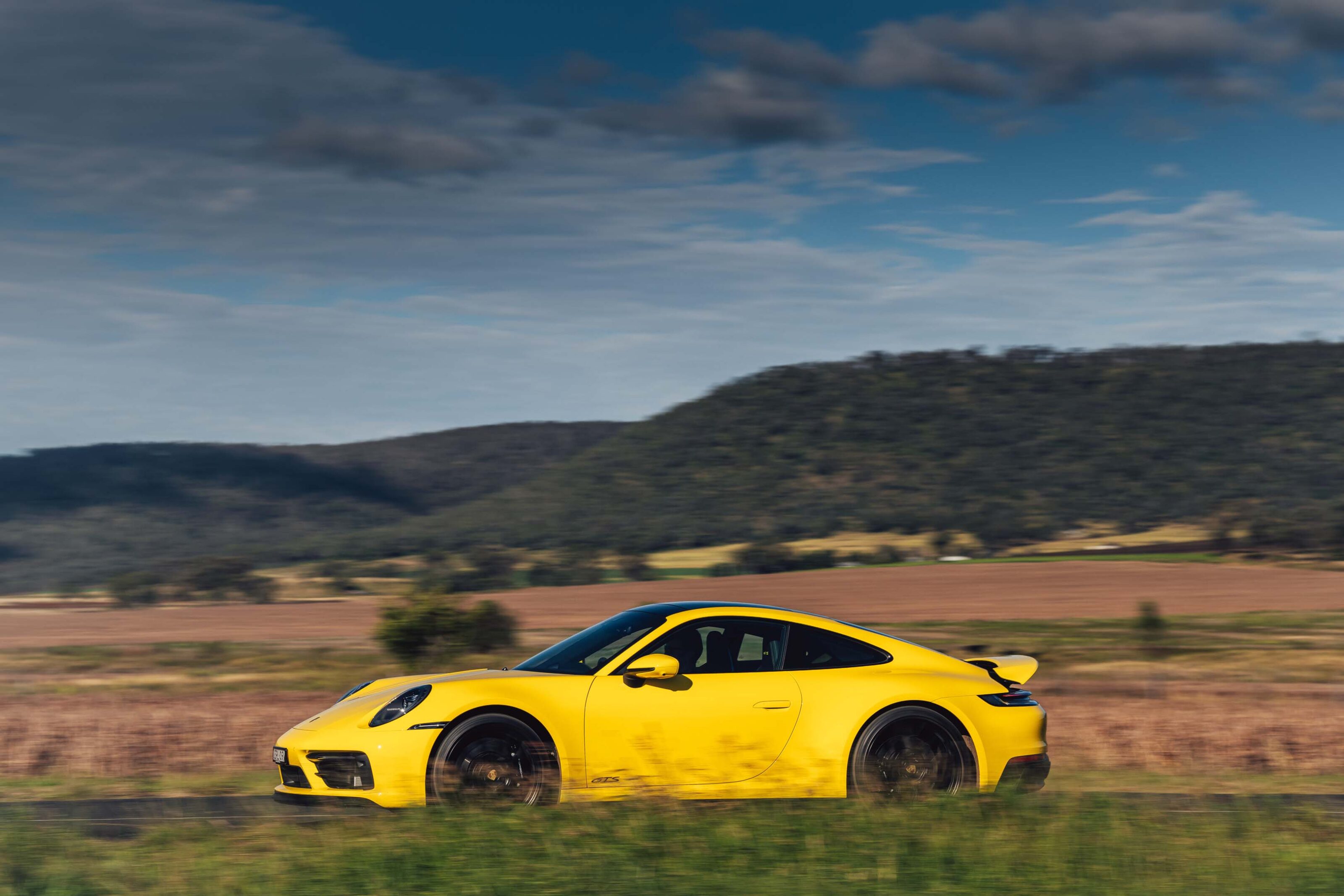
Similar logic applies to the styling and equipment package. While the variants beyond the mid-point start to introduce more ostentatious aesthetics, the GTS is pleasantly restrained and the lack of louvres, spoilers and splitters highlights one of the prettiest and most elegant 911 designs in almost 60 years of evolution.
Which begs the question – carbon-fibre roof or pop-top sunroof? It’s probably the latter that makes most sense in a version of the 911 that offers the best balance of luxury and performance and if the small amount of poise that the glass panel costs bothers you, then the GT3 corner is probably the part of the showroom you might want to wander over to.
Speaking of which, the GT3 is an impossibly accomplished iteration of the 911 and deserves its almost unanimous acclaim from media and customers alike but, ironically, it’s that car which makes the best case for the GTS.
Harnessed in at the wheel of the roll-caged, finned and spoilered 911, it’s about as easy to fully relax as when taking a retired police Alsatian for a walk without a muzzle. The GTS however, is like walking a retired greyhound. Let it off the lead and it’ll occasionally eat a cavoodle, but the rest of the time it’s just fine trotting by your side or on the couch.
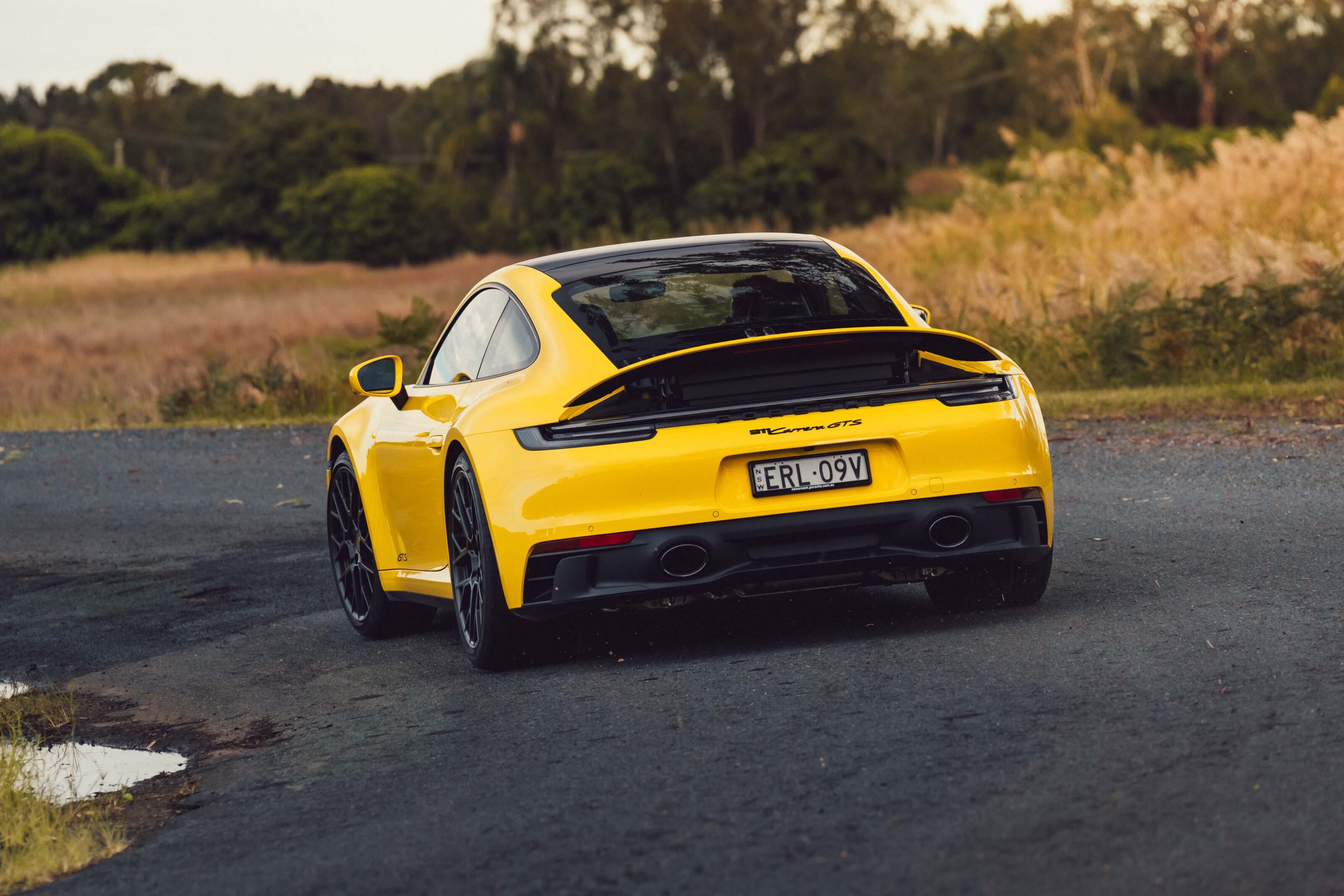
Further enhancing the best-of-both-worlds 911 is a selection of kit that, like the performance enhancements, suits a day between the Armco without compromising its on-road manners.
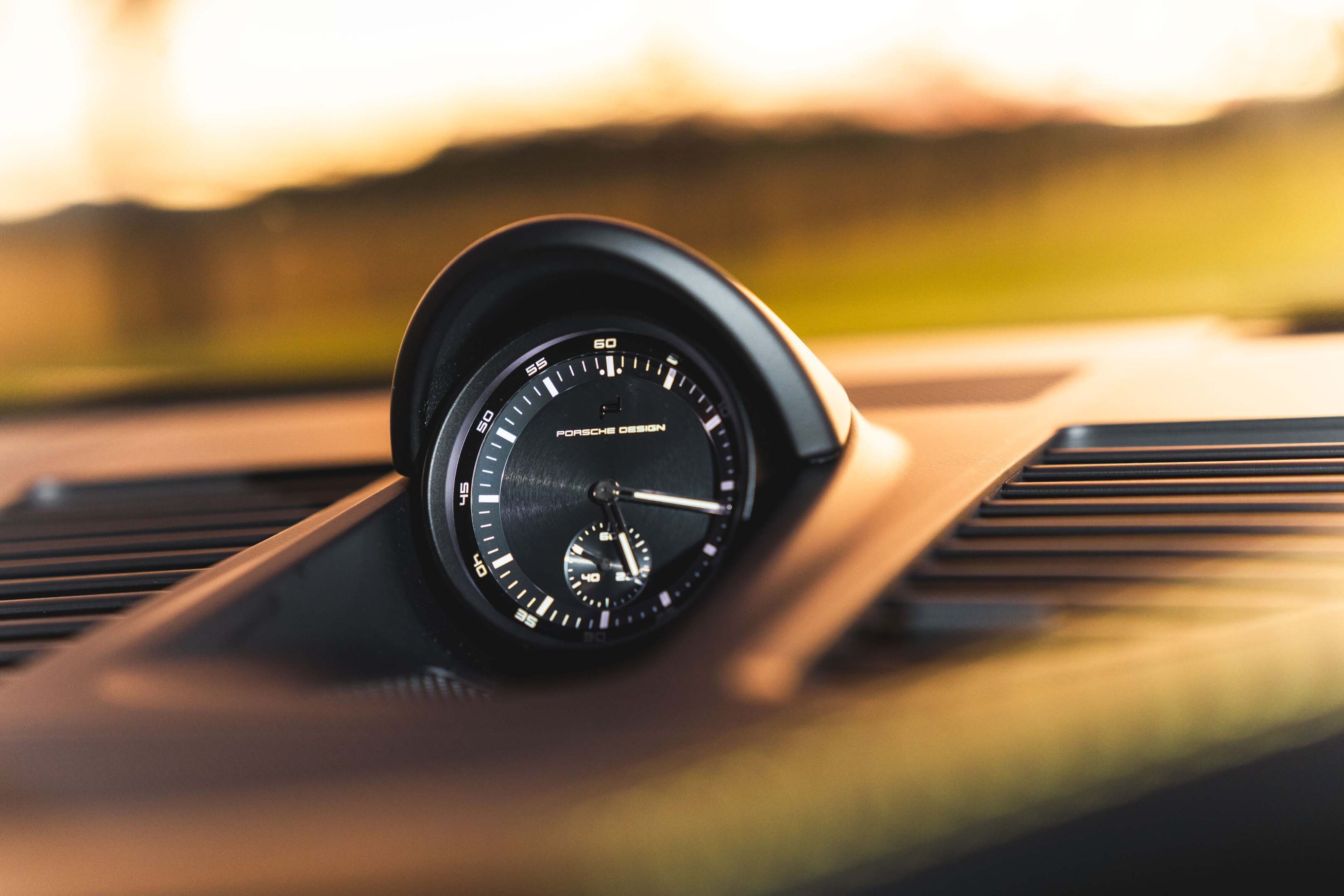
Porsche’s normally pricey Sport Chrono pack is included in the price, bringing the beautiful dash-mounted stopwatch, steering wheel-mounted driving mode dial, Track precision application, tyre temp monitor and the option to switch the Porsche Stability Management independently.
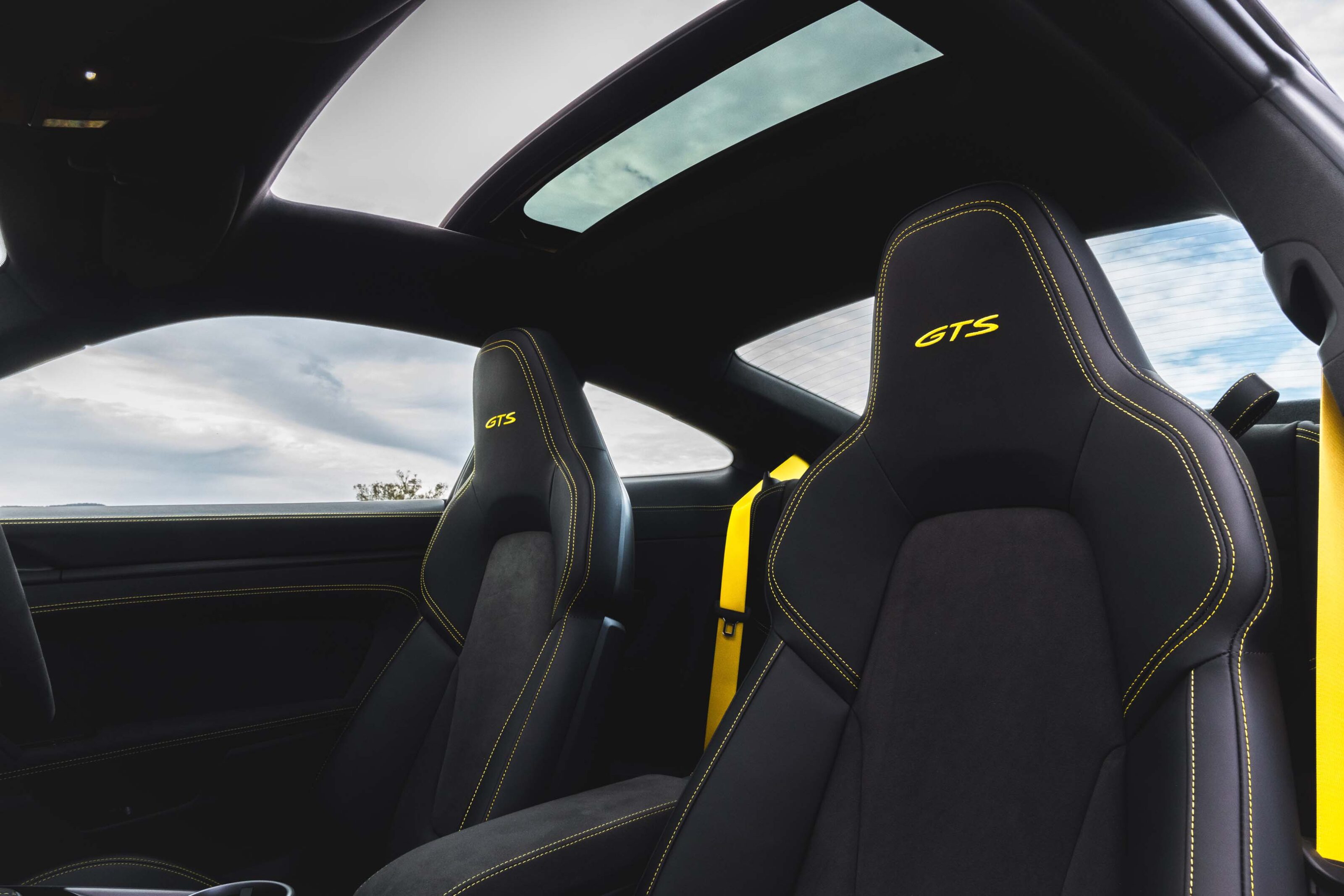
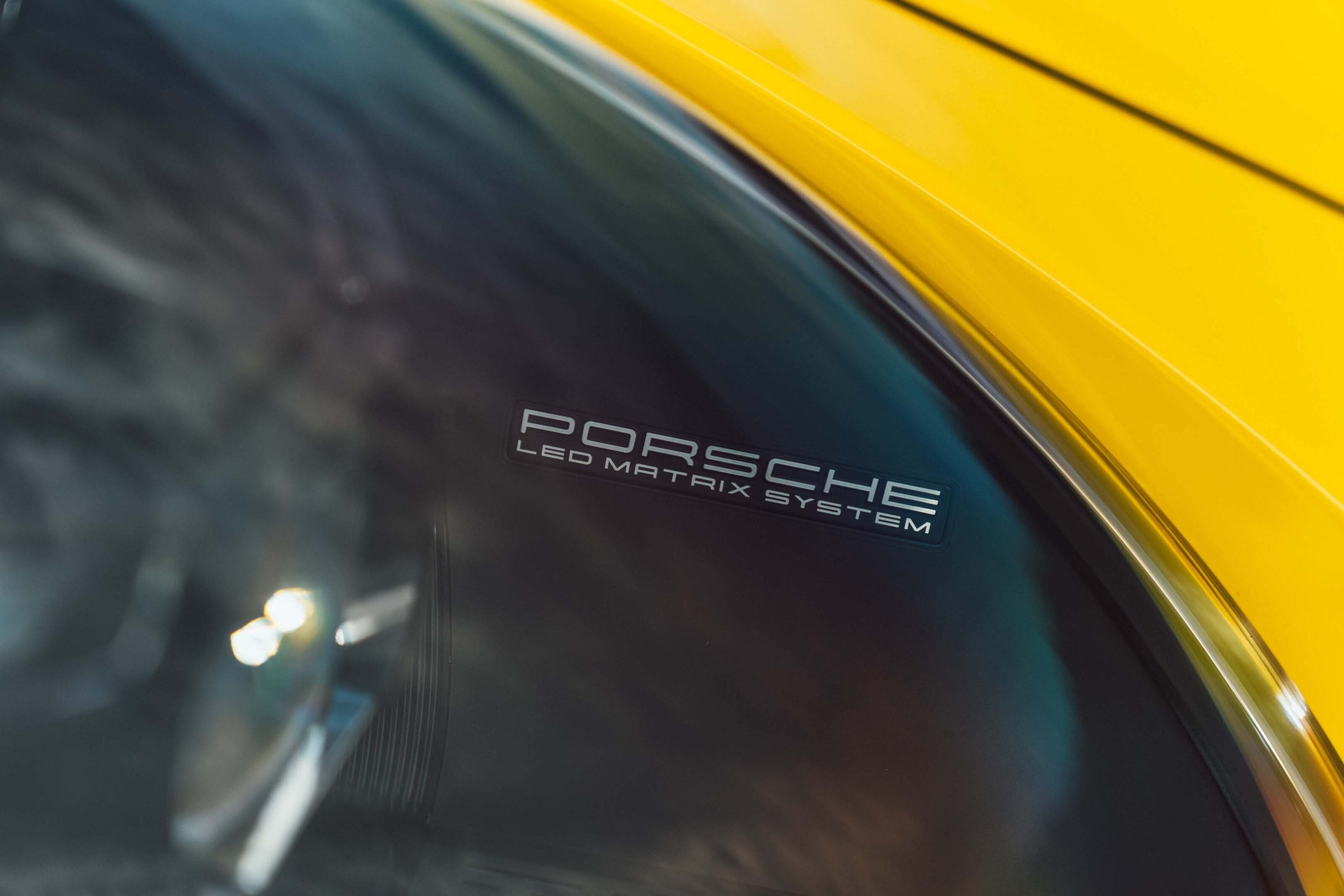
Like the exterior, the GTS cabin also gets a dusting of blacked-out and darker trims and finishes. Black anodized centre console, door trims and dash cappings match the satin black wheels and smoked LED exterior lights. GTS embroidery on the beautifully ergonomic Sport Plus seats reminds occupants of the more desirable heritage, as do the tread plates on entry and exit.
Regardless of the variant, the GTS packs in a lot more value compared with the Carrera S but, of course, Porsche offers a long list of options that enables an even more bespoke and desirable product.
The hardest decision, however, is deciding which of the five new variants one should pick. Something with the ‘4’ all-wheel-drive system will doubtless offer a little more versatility for all-season driving and the ability to open the taps earlier in corners.
But it’s the rear-drive coupe that is so wonderfully engaging and captivating without having a nasty side that becomes scary or unmanageable when poked. Discovering that lovely facet to the GTS’s character has been worth the ten-month wait since I first encountered the Carrera 4 GTS in Italy.
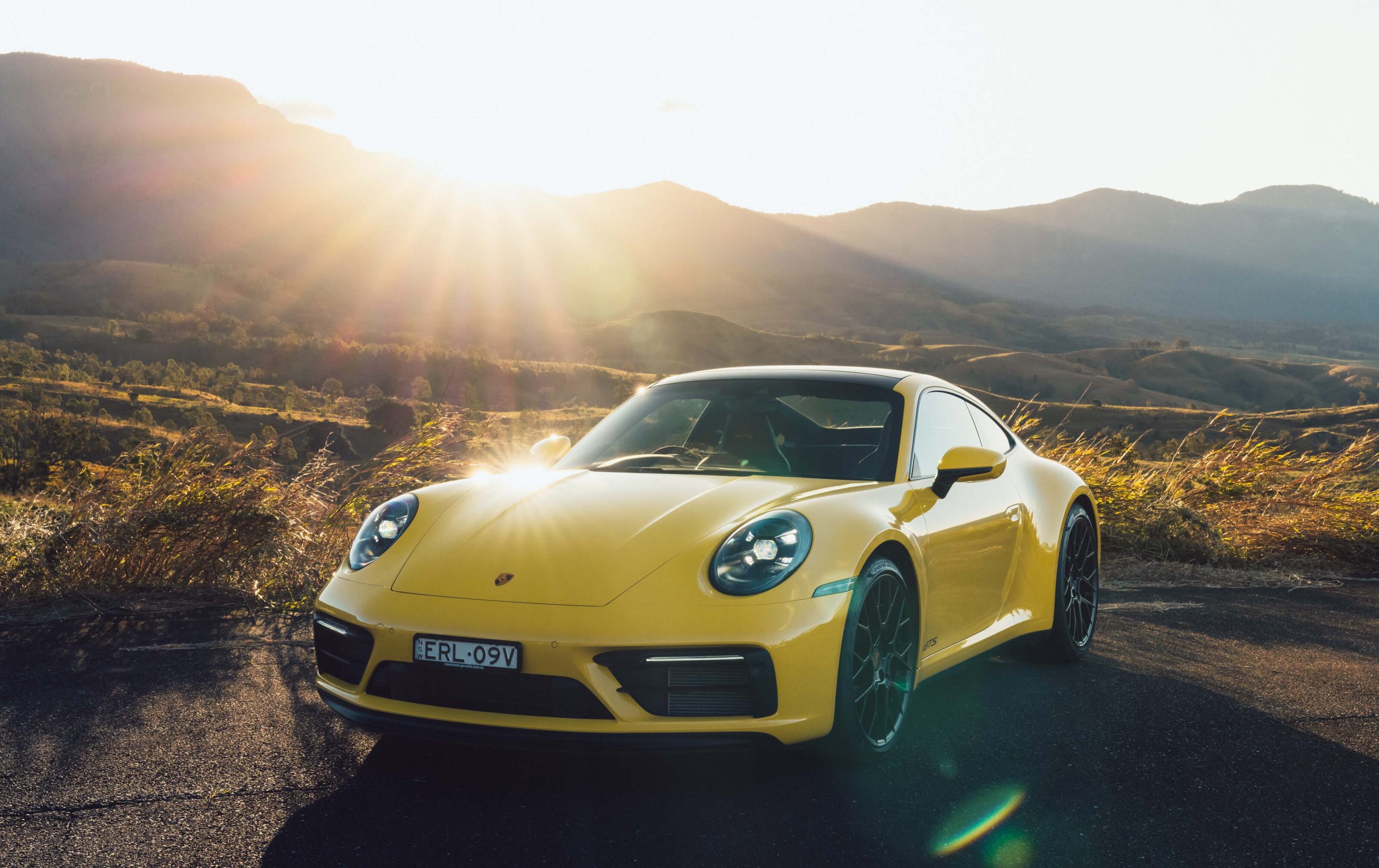
So that leaves just one remaining decision. I, like many Porsche fans, am increasingly gravitating toward the excellent and battle-proven dual-clutch auto, and applications like the excessively long-legged Cayman GTS 4.0 manual don’t stack up well in the manual vs auto argument.
To that end, I was expecting a blast in the new manual 911 GTS to galvanise my suspicion that it’s finally time to let the H-pattern dream go.
But the spectacularly good seven-speed 911 GTS is a dazzling reminder that the very best driver’s Porsches will always allow room for the traditional manual, enhancing a glorious engine and fine dynamics in equal measures, as a single harmonious and complementary union.
Long may that last.
2022 Porsche 911 GTS manual specifications
BMW is to start charging customers to use certain features in its models via a subscription service, affecting the use of equipment on Australian-delivered cars.
After first floating the idea in 2020, BMW recently implemented the subscription model in Korea, with its ConnectedDrive store now rolled out in Australia.
As a result, customers are asked to pay additional monthly or yearly fees to access features like heated seats and heated steering wheels, to tech equipment such as its drive recorder and automatic high beam.
For the heated front seats, heated steering wheel and BMW drive recorder, each can be unlocked via a one-month, one-year, three-year or unlimited subscription, the latter of which essentially gives outright usage.
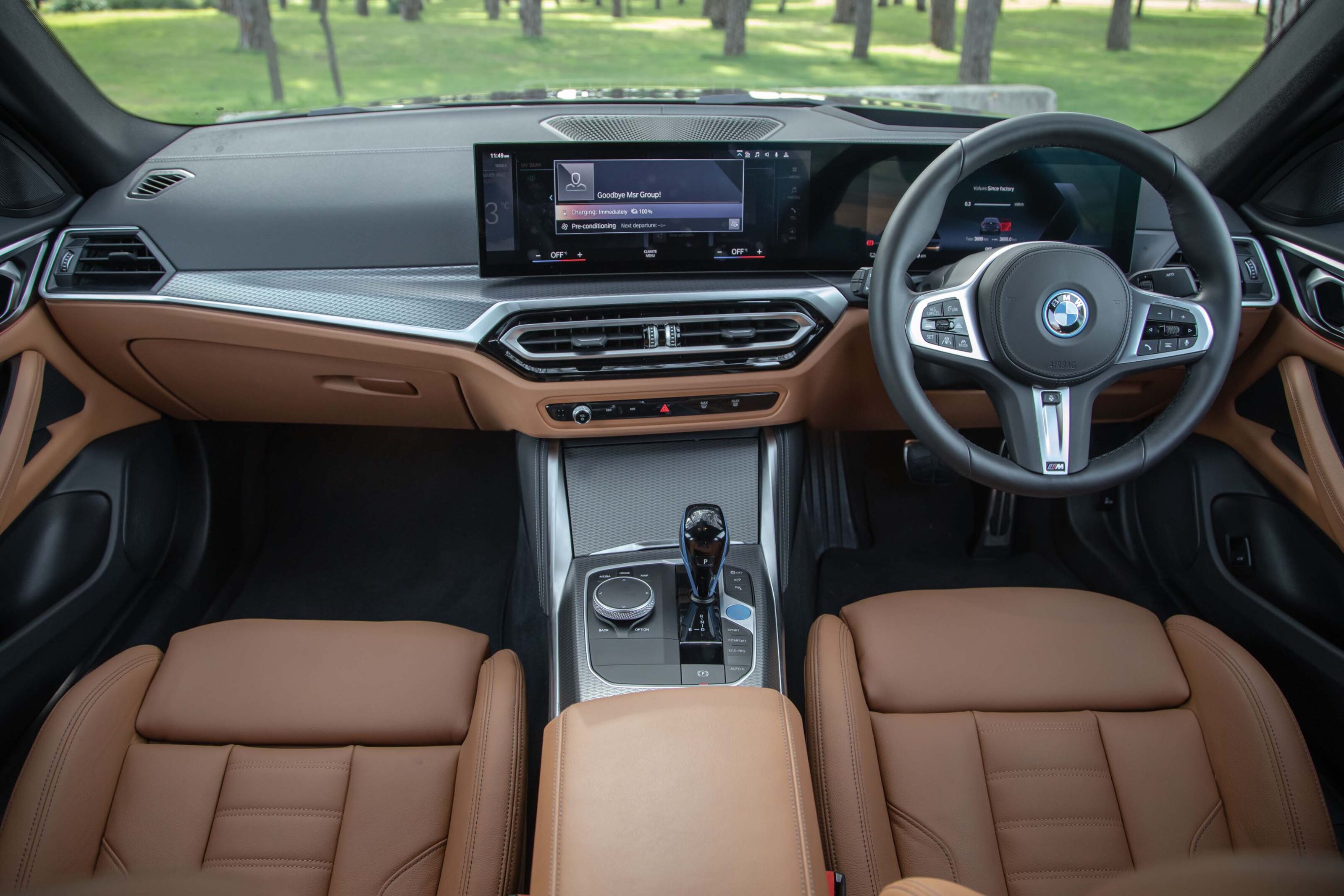
While many may jump to pay for the unlimited subscription, some could find value in taking the monthly approach – especially for those who endure cold winters but hot summers – while others might not be holding on to the vehicle long enough to justify a three-year plan over a one-year setup.
The system will be controlled via over-the-air updates on vehicles which already have the hardware fitted, but BMW hasn’t confirmed which of its models will be affected by the updates.
In addition to this, the ConnectedDrive store now also lists prices for other equipment such as high beam assistant ($259), wireless Apple CarPlay integration ($450), real-time traffic information ($115) and adaptive ‘M’ suspension ($650) among other offers, with owners needing to input their model to see what is available for them.
Earlier this month, BMW’s German rival Mercedes-Benz said it was looking to expand the range of its subscription features in Australia, claiming “the next buyer of that car can then personalise that car to them” despite critics of the practice arguing it encourages manufacturers to double-dip.
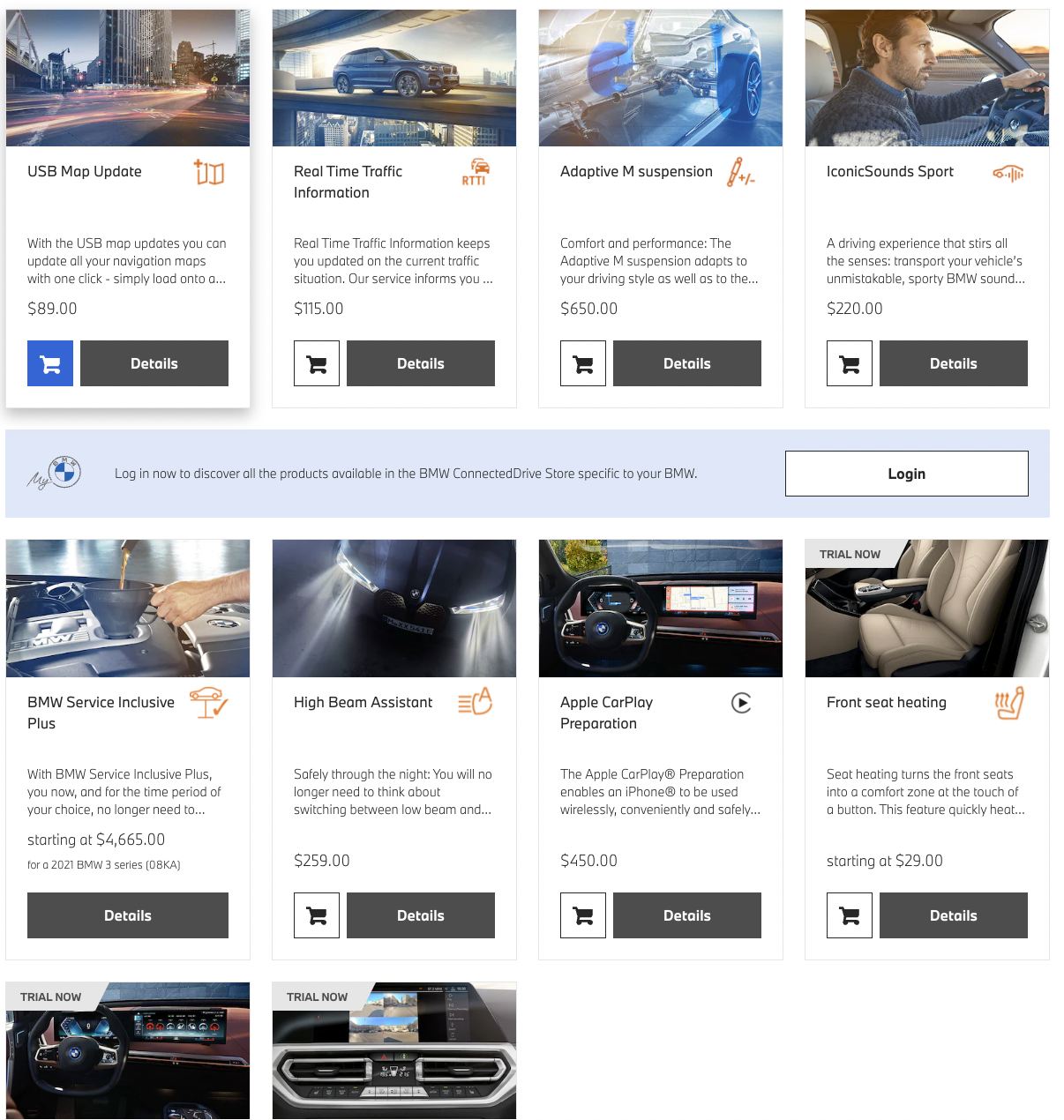
BMW ConnectedDrive features and costs
Subscriptions
| Feature | One month | One year | Three years | Unlimited |
|---|---|---|---|---|
| BMW drive recorder | $19 | $79 | $189 | $429 |
| Heated front seats | $29 | $289 | $419 | $589 |
| Heated steering wheel | $19 | $169 | $259 | $349 |
Additional features
| Feature | Cost |
|---|---|
| Adaptive M suspension | $650 |
| High beam assistant | $259 |
| IconicSounds Sport | $220 |
| Real-time traffic information | $115 |
| Wireless Apple CarPlay | $450 |
Snapshot
- 17,000 Rangers ordered already, including 4000 Raptors
- Ford website now offers wait time information by grade
- Wildtrak V6 and Raptor worst affected
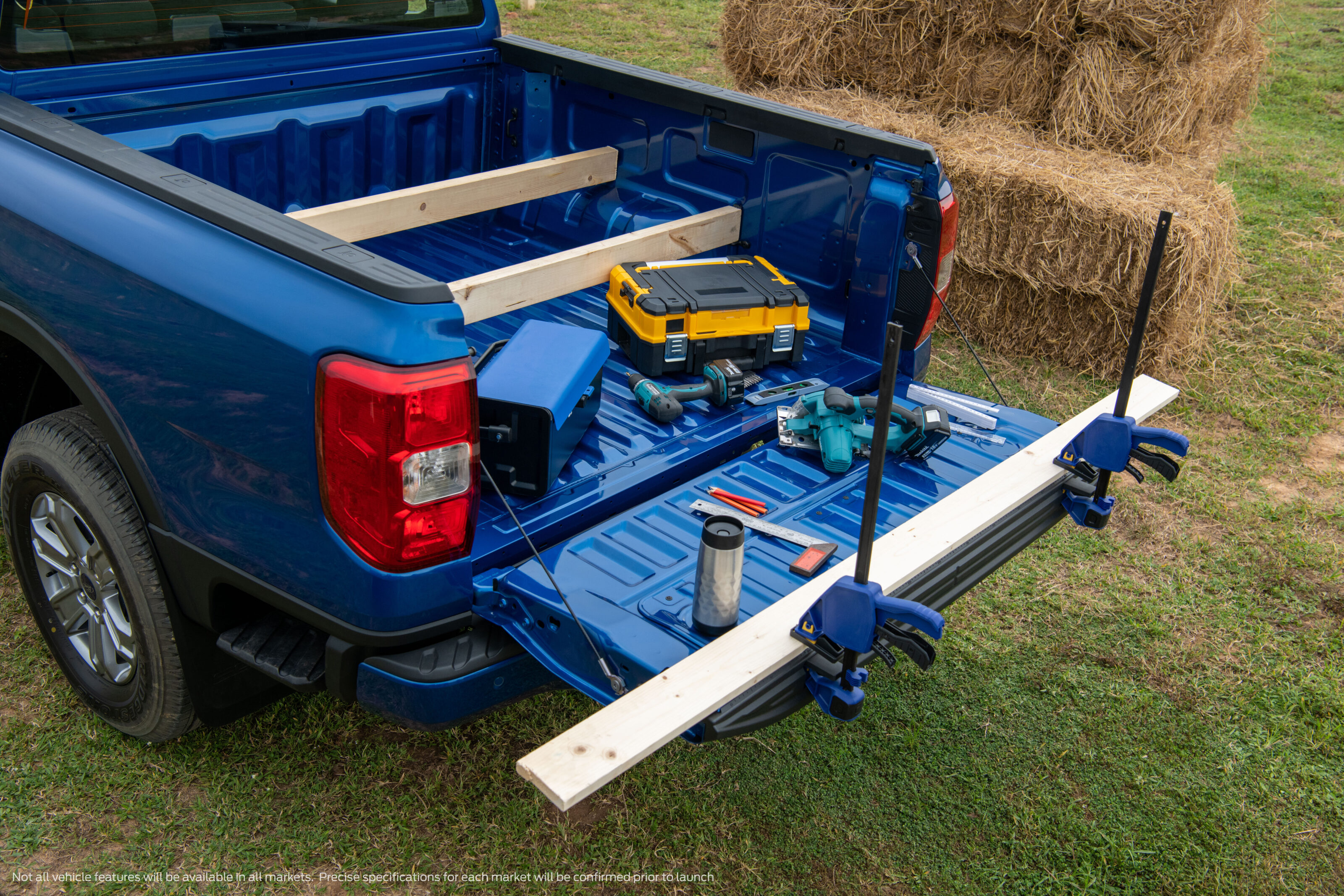
Ford has added supply information to its website for customers looking to get their hands on the 2023 Ranger after more than 17,000 Aussies put orders in for the new next-gen ute.
As the first examples of the 2023 Ford Ranger make their way to customers from this week, Ford Australia has added resources to its website to allow prospective buyers to check wait times.
With ongoing issues, such as the semiconductor shortage and supply chain problems, continuing to affect the wider industry, the carmaker has made the move to better inform customers of the likelihood of an extended wait for the new model.
UPDATE, July 2022: New Ford Ranger review – it’s here at last
The new 2023 Ford Ranger is now on sale in Australia, and the local media launch has been run. The Wheels and 4×4 Australia teams have both driven the new Ranger, and you can find their stories at the links below.
Story continues…
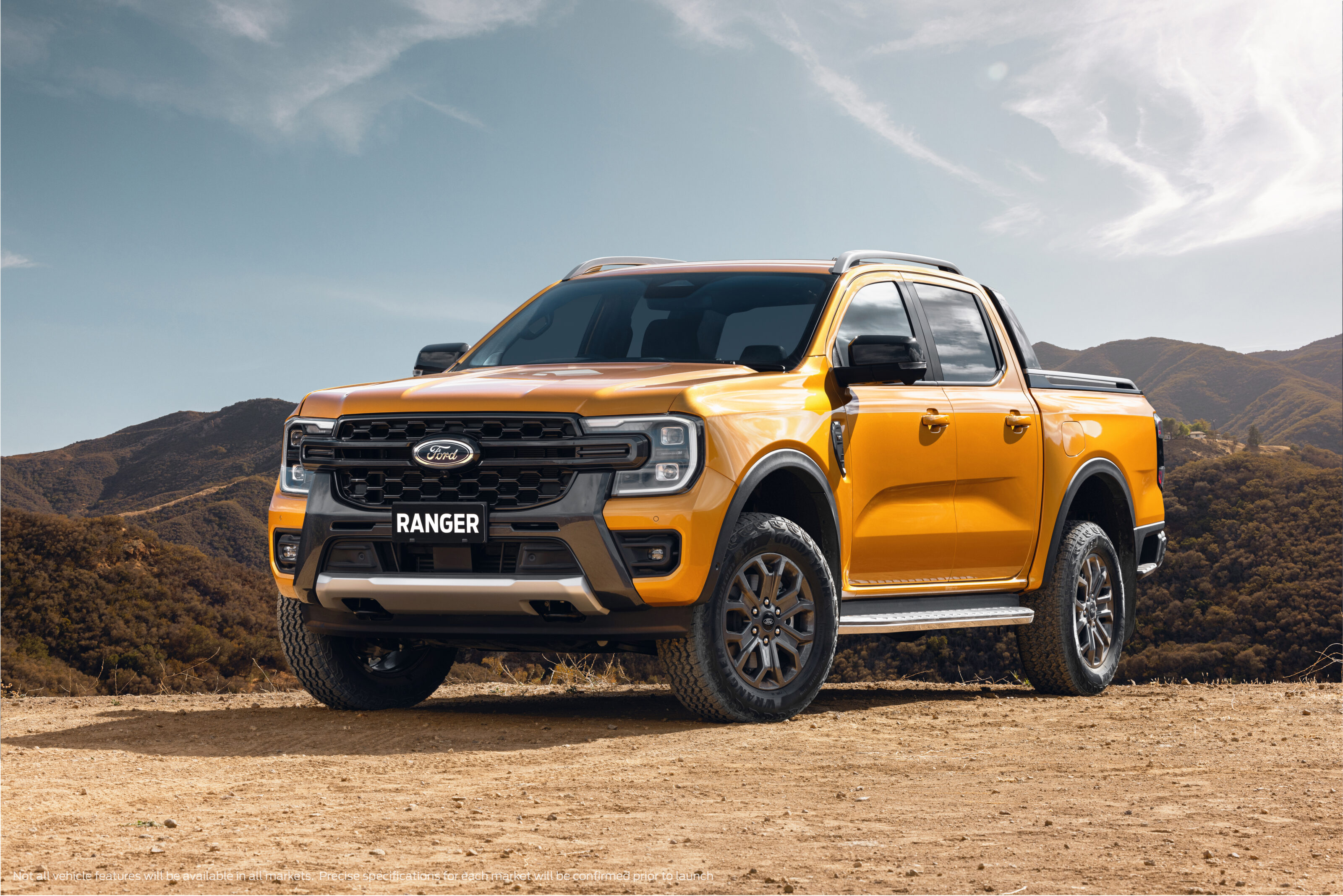
It said its webpage will be updated regularly to provide people with up-to-date information on vehicle supply, and will give answers to common questions.
Currently the Wildtrak V6 and Raptor are worst affected by delays, with wait times of eight and nine months respectively. Ford also says it has “seen very strong demand for the optional Premium Pack on the Next-Gen Ranger Wildtrak, which will take some time to work through. If customers choose to remove the Premium Pack from their order, they will be able to take delivery of their Ranger sooner”.
The Super Cab also isn’t expected to arrive until the end of this year as it has “unique specifications for Australia”.
Conversely, lower-spec variants, such as the XLT or Sport 3.0-litre V6, have much shorter wait times.
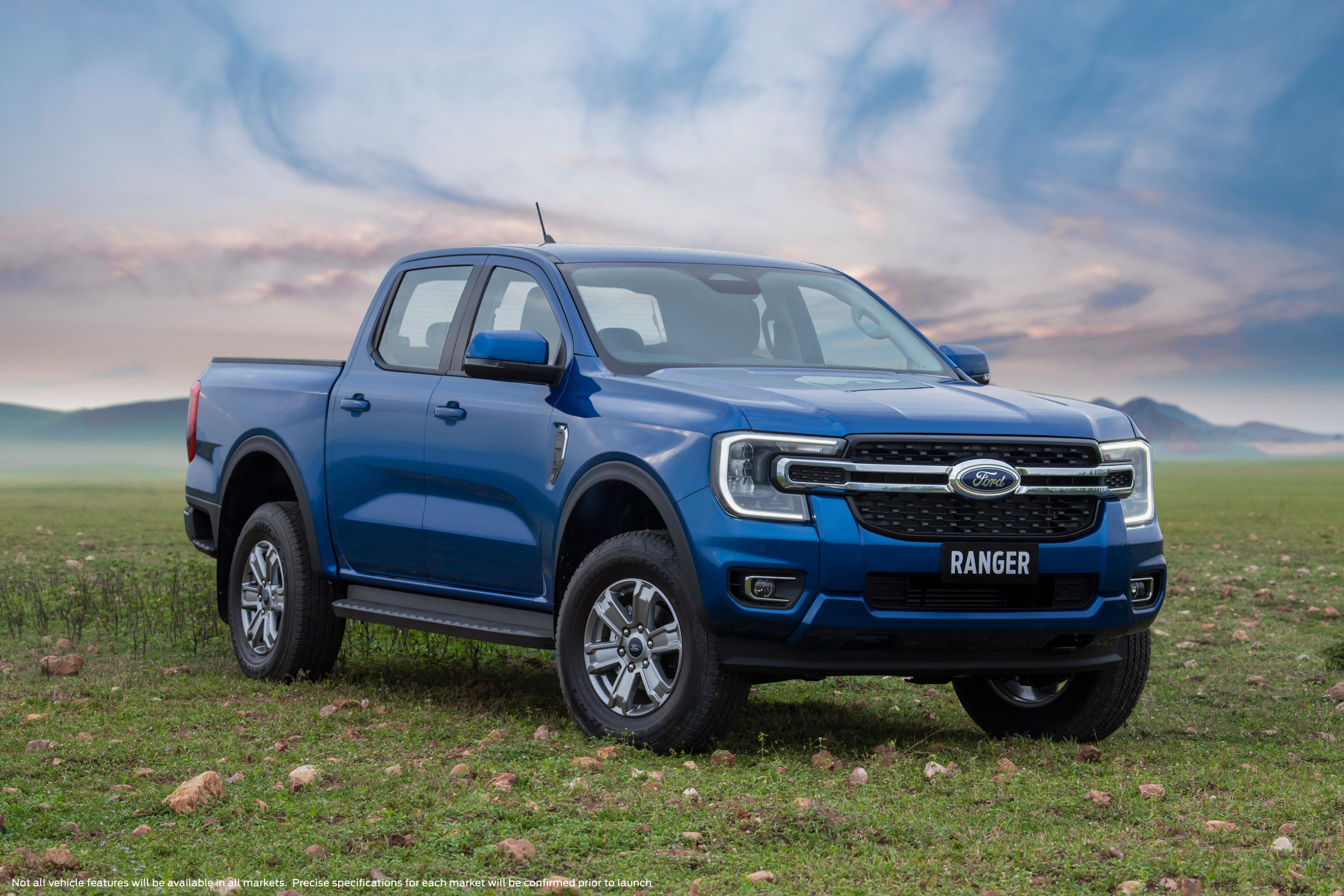
“We know prospective buyers and intending customers want accurate information and transparency about wait times and when their vehicle will arrive,” said Andrew Birkic, President and CEO, Ford Australia and New Zealand.
“This dedicated webpage will keep them informed, but we’d also encourage customers to stay in contact with their dealers about the status of their vehicle.”
Ford says interest in its new Ranger has been unprecedented, with more than 17,000 Australian customers ordering so far – including 4000 orders for the Raptor.
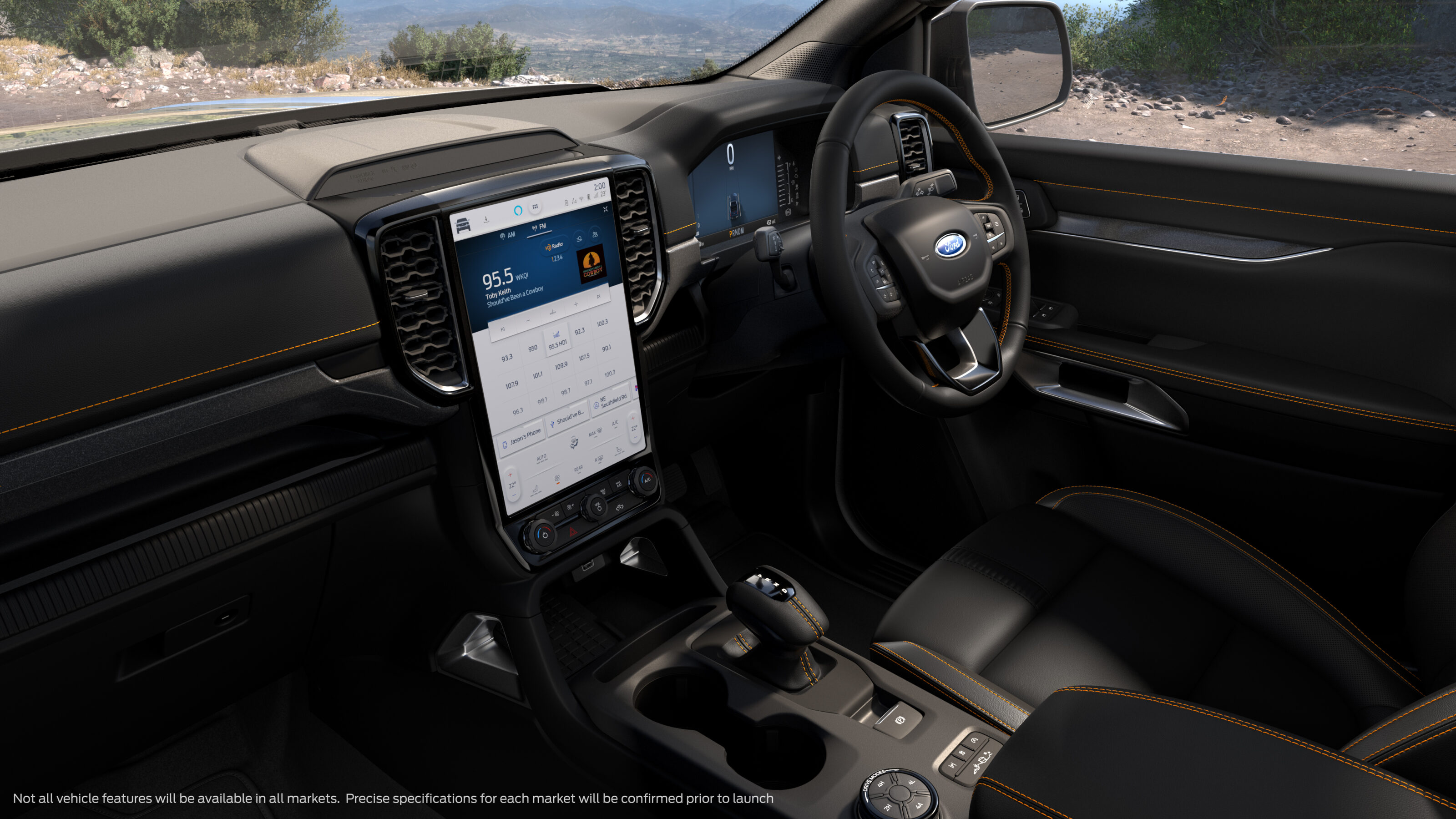
As previously reported by 4×4 Australia, due to supply chain issues, Ford won’t be able to initially meet the higher-than-expected demand for the Ranger, with the lower-spec four-cylinder bi-turbo variants (XL, XLS, XLT) prioritised over the incoming V6 engine (XLT, Sport, Wildtrak) despite the latter garnering the most interest from prospective buyers.
Earlier this year, the company revealed local pricing for the all-new 2023 Ford Ranger lineup, which starts at $35,930 before on-road costs – a $1040 jump over the outgoing model’s starting point.
The new EcoBoost V6-powered Ranger Raptor represents the flagship variant, with an $85,490 price tag before on-road costs.
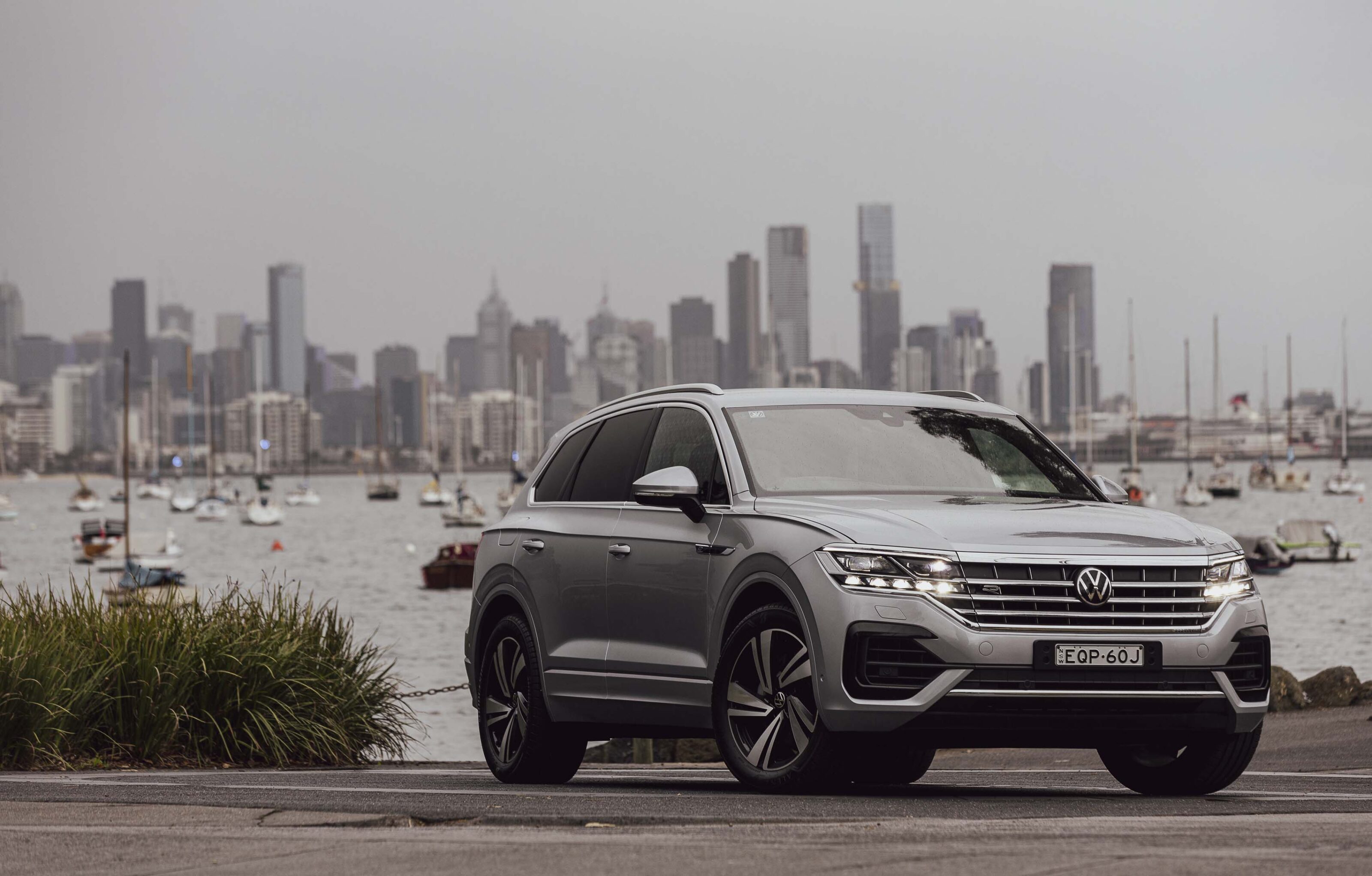
The 2022 Volkswagen Touareg 210TDI R-Line, for the time being, represents the top of the tree for Volkswagen’s flagship SUV. You can no longer buy the V8 TDI and you’ll have to wait until likely early 2023 for the rapid Touareg R to arrive.
Unless corner carving is a priority, however, the more rounded and relaxed 210TDI R-Line may offer a more compelling solution to the large SUV brief by offering a premium feel for a slightly less-than-premium price.
Pricing and features
Pricing begins at $112,690 (before on-road costs), which may sound like a lot for a VW to some buyers. There’s keen value to be found, however, when you consider the flagship Touareg’s positioning against more premium rivals such as the BMW X5, Audi Q7 or Mercedes-Benz GLE.
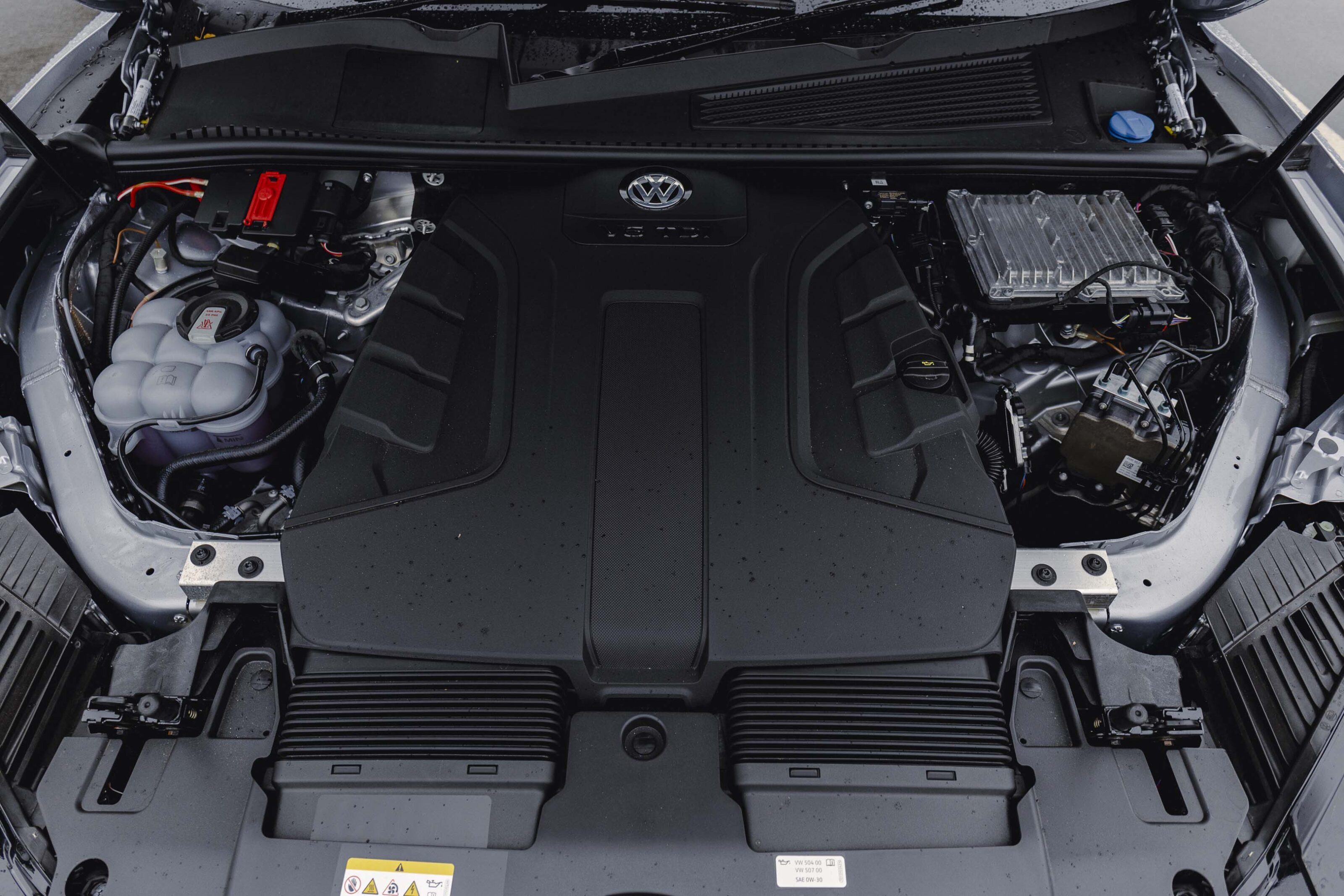
Its turbo-diesel 3.0-litre V6 produces 210kW at 4000rpm and 600Nm at 1750rpm, and is matched with an eight-speed automatic transmission spinning all four wheels via VW’s 4Motion all-wheel-drive system.
Rival entry-level offerings of a similar price, including the BMW X5 xDrive25D and Mercedes-Benz GLE 300d, have to make do with paltry four-cylinder engines, and the Touareg V6 outguns even its upmarket Audi Q7 TDI Quattro stablemate by 40kW/100Nm.
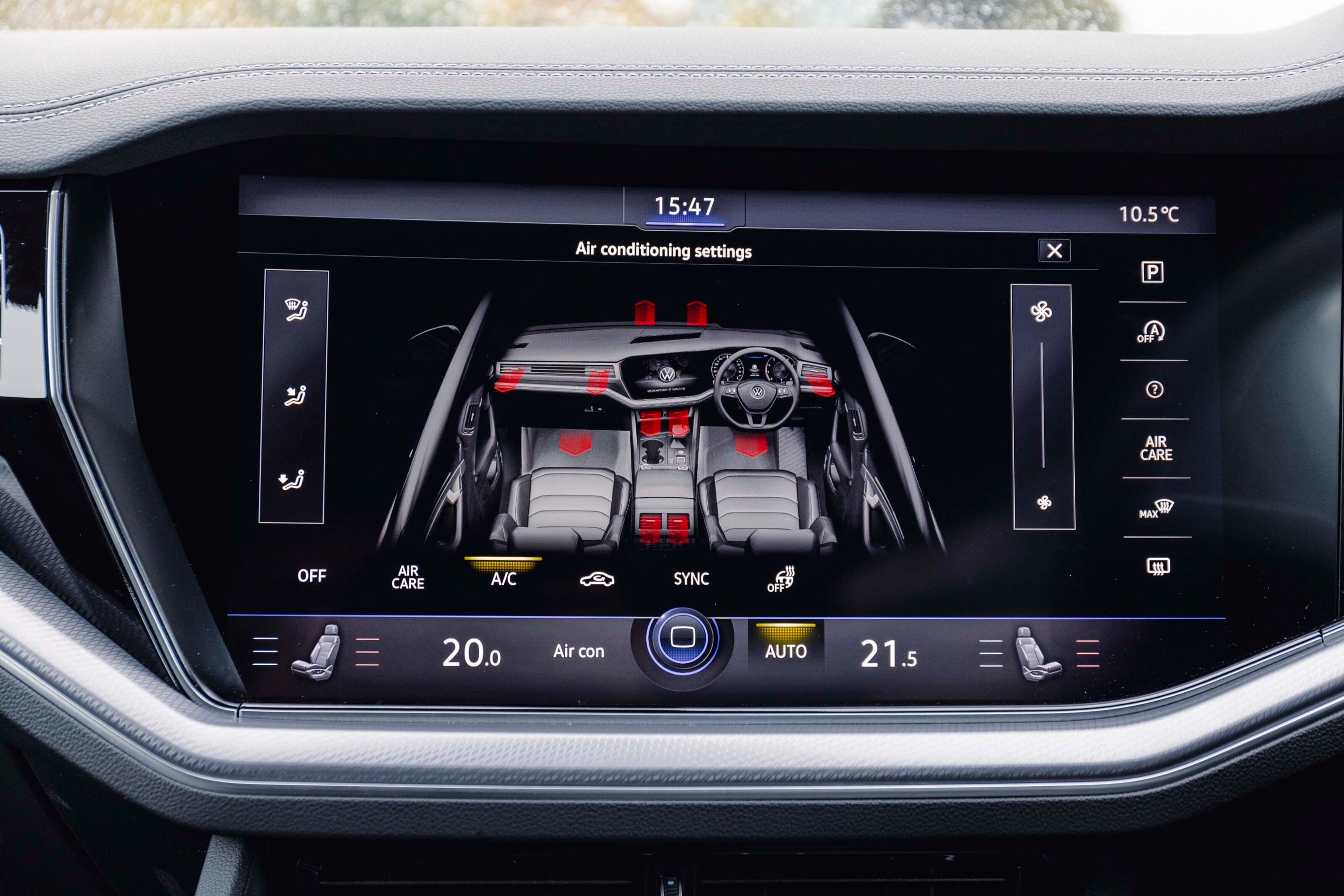
You’re also getting a much more generous equipment list, with the only options being a $5077 Sound & Comfort Package comprising four-zone climate control, surround-view camera system, Dynaudio Consequence premium sound system, heated outboard rear seats and automated parking with low-speed rear auto emergency braking. There is also an optional $2539 panoramic sunroof, if you must.
Pure White is the only standard colour, with a small selection of premium metallic and pearl hues asking up to an additional $1923.
Our Antimonial Silver Metallic ($1692) tester eschews the sunroof and Sound & Comfort package, so is left with the standard equipment set that includes air suspension with electronic damping, adaptive cruise control, eight-speaker stereo, 20-inch ‘Nevada’ style alloy wheels, ambient lighting, wired Apple CarPlay/Android Auto, Digital Cockpit Pro, DAB+ digital radio, electrically-operated tailgate, heated front seats with memory, heating and massage functions, IQ.Light Matrix LED headlights, keyless entry and start, and R-Line Savona leather upholstery.
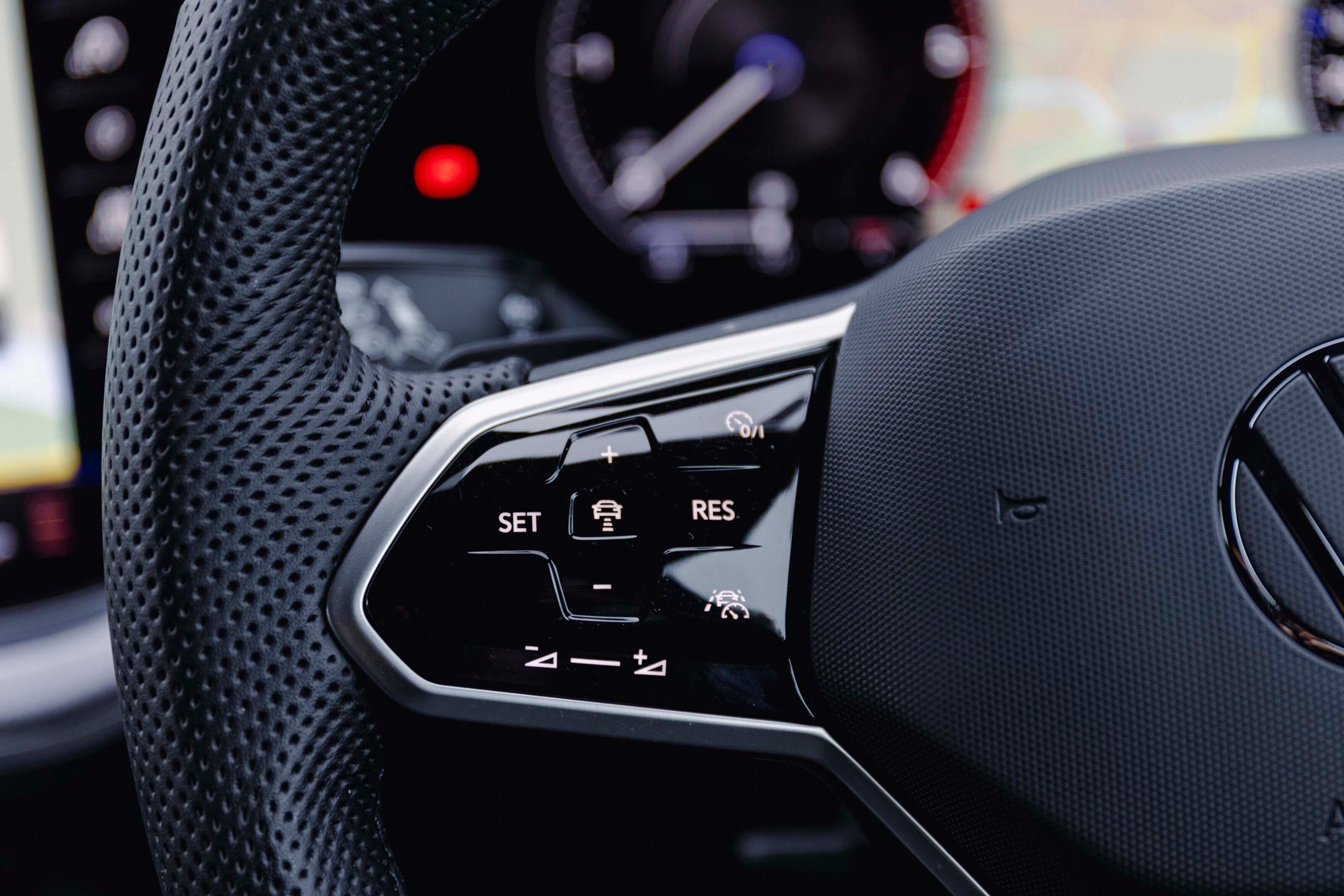
Standard-fit safety equipment includes front, side and curtain airbags for front and rear passengers, driver fatigue detection, autonomous emergency braking, parking bay and parallel park assist, lane-keep assist, blind-spot monitoring, reversing camera plus and rear cross-traffic alert.
Comfort and space
On first approach, the Touareg certainly looks like six figures worth of car given the sheer amount of real estate its footprint and stature commands. This generation of Touareg, available overseas since 2018, grows in length by 77mm, and in width by 44mm over its predecessor. The resultant effect is a cabin that feels tremendously airy and open. Combined with soft-touch materials and solid fit and finish, it’s a very nice place to be.
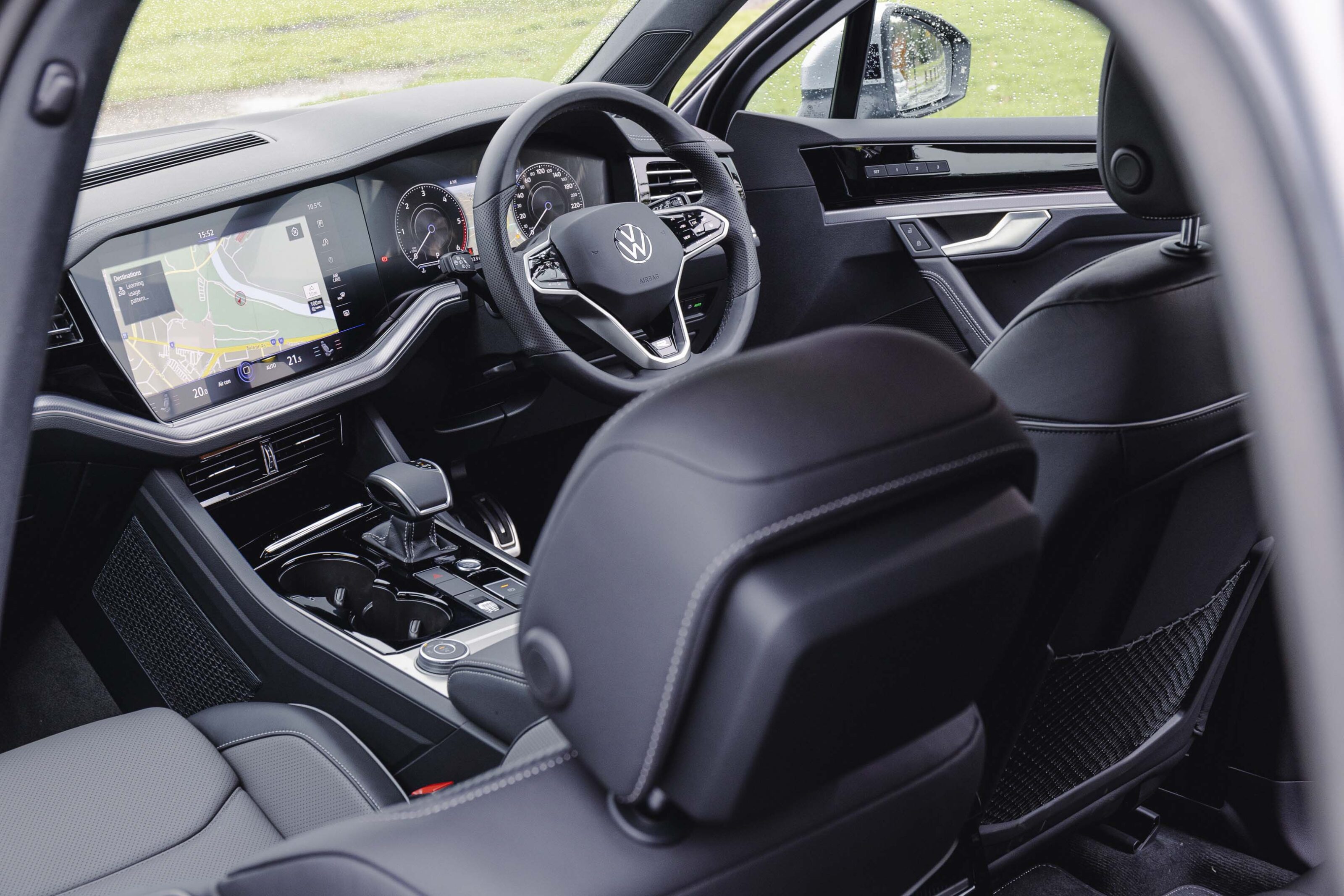
A Soul Black motif throughout the cabin presents smartly and is adorned with tech and convenience features. The massive 15.0-inch central infotainment screen is responsive and clear, and combines with the 12.3-inch digital instrument display to display a multitude of information and feature shortcuts. The interface itself is mostly intuitive, though the array of haptic controls on the steering wheel draws mixed reviews due to accidental inputs.
There is ample adjustability to be found in both the driver’s seat and steering column, catering for drivers of all statures. There is also a wireless phone charger, a large central bin under the armrest and deep pockets found in each door, all easily within arm’s reach. Oh, and there’s an array of different massage functions available up front too!
You wouldn’t be blamed for expecting to find a third row of seats stashed under the large boot’s floor, but all you’ll find there is a space-saver spare tyre and an ancillary battery used for the 210TDI R-Line’s standard-fit active stabiliser bars.
The Touareg is purely a five-seat affair and, while some buyers may be turned off by a lack of a third row, the Touareg prioritises intelligent packaging and comfort for its five special guests.
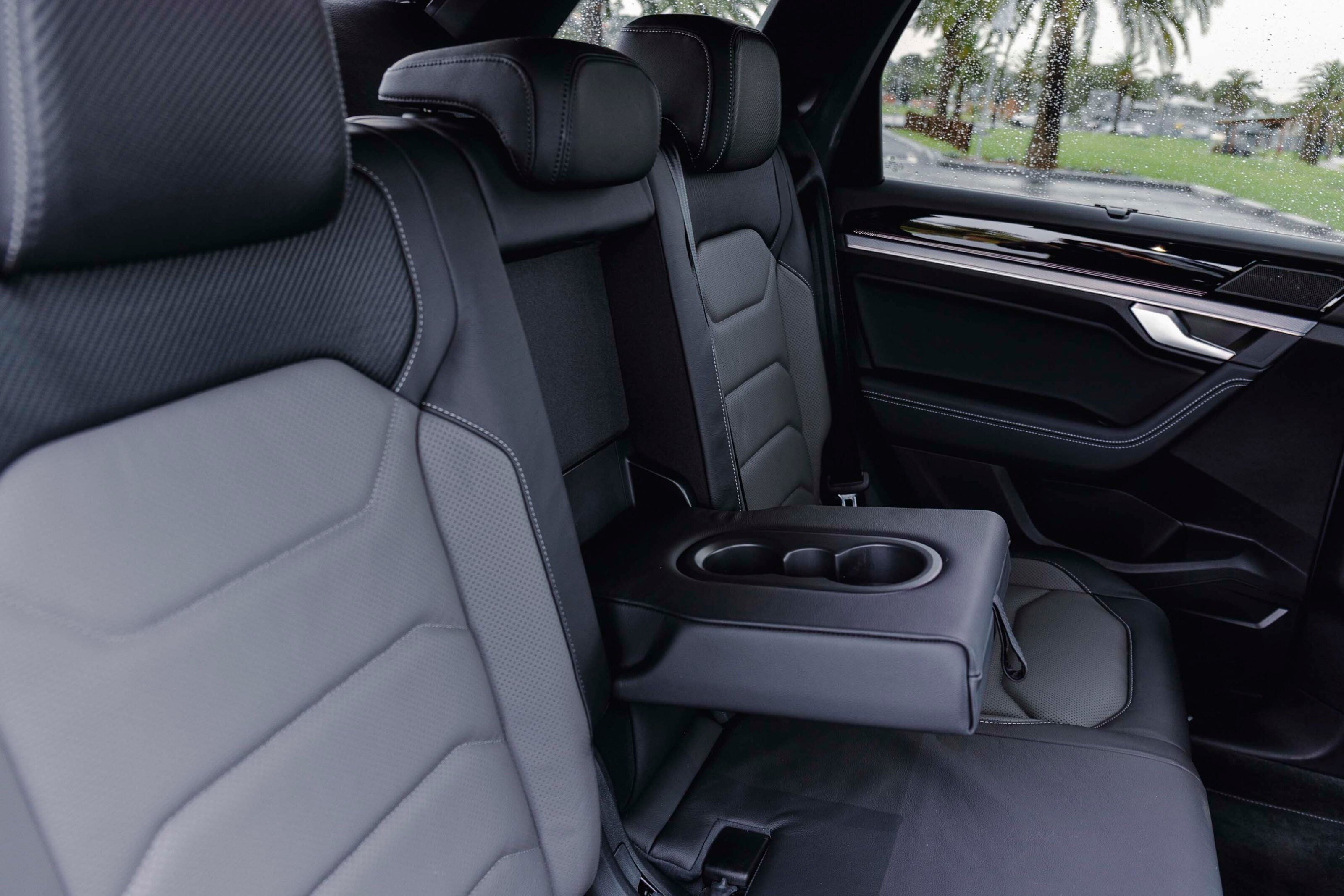
At 175cm, seated behind my own driving position, I’m greeted with ample knee, toe and headroom with impressive levels of adjustment found throughout the second row of seats. Back seats split 60:40 and can be adjusted fore and aft by 160mm, with three levels of adjustment for the backrest angle (up to 21 degrees of recline).
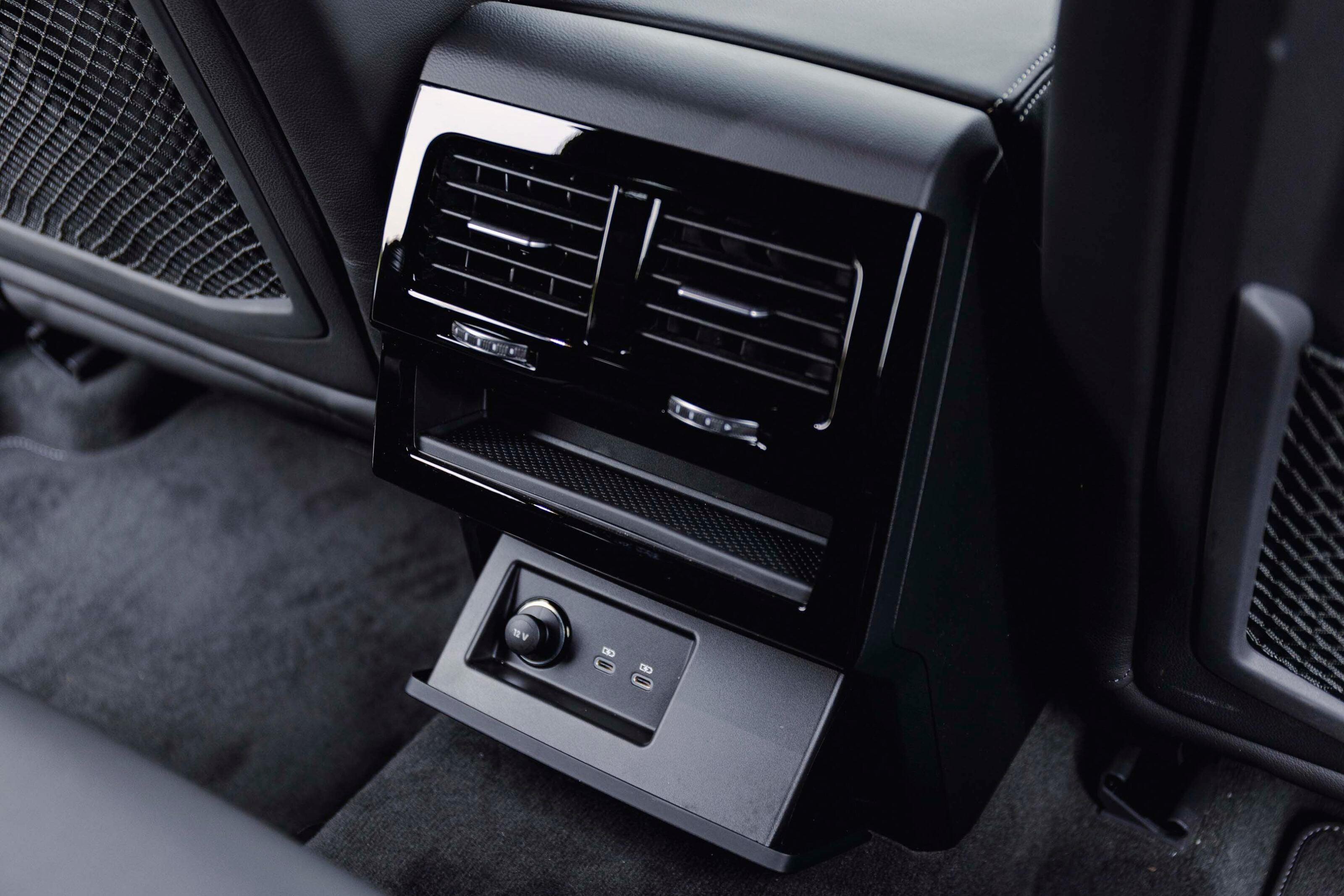
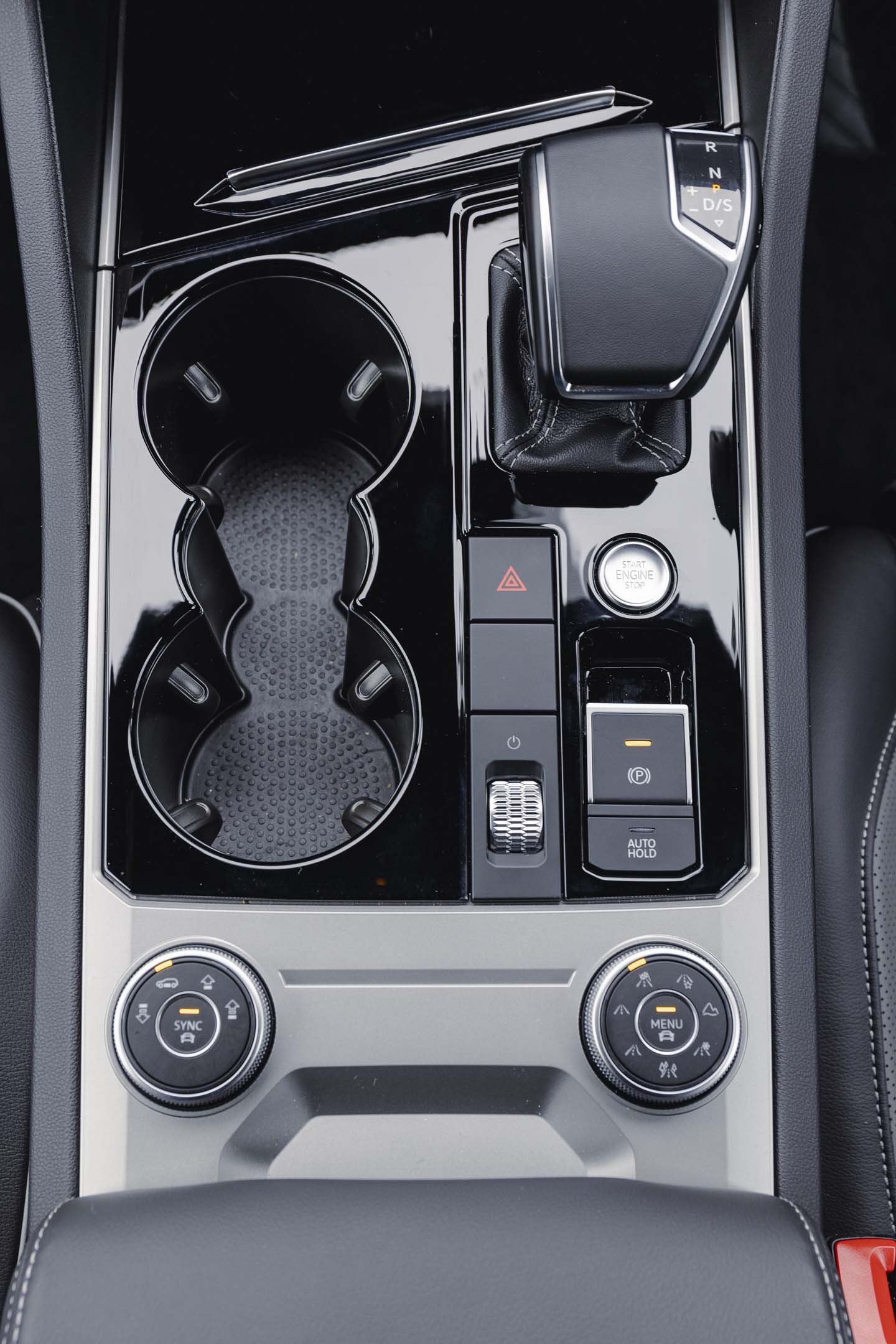
There are also four cup holders (one in each door, and two in the central armrest), rearward air vents, built-in sunshades and a dedicated 12V plug plus two USB-C ports.
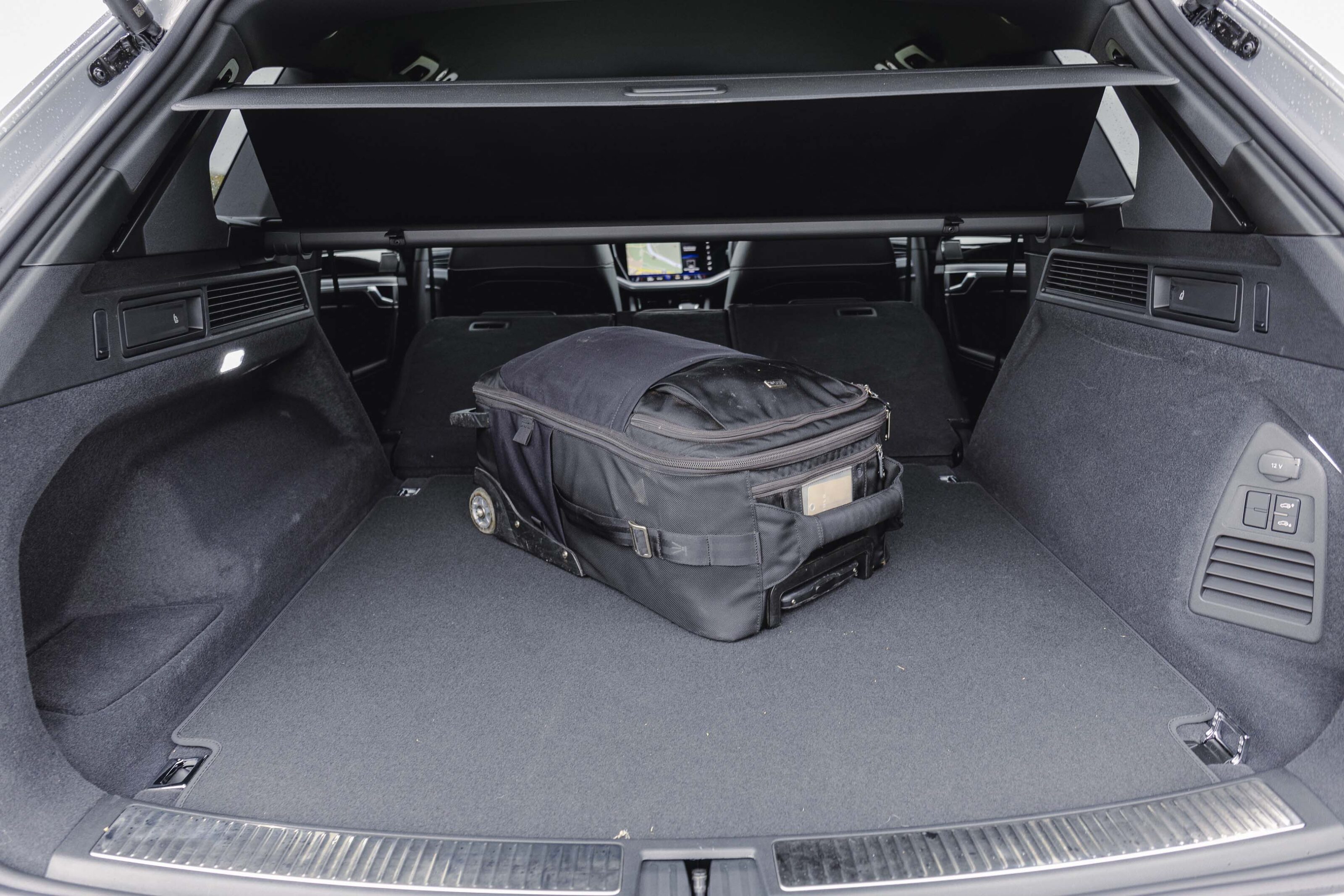
Further back, the boot caters for an impressive 810 litres of stowage space, which extends to a mammoth 1800 litres with the rear seats folded (easily done from the boot via pull-tabs on either side). You can even raise and lower the rear ride height via smart air suspension controls from the boot, to aid and ease loading or unloading heavy items.
On the road
Not only does the fully-loaded Touareg look and present like a six-figure car, it sure drives like one too.
Pertinently, the Touareg 210TDI’s standard air suspension delivers impressive and supple body control, especially for a large vehicle weighing more than 2.2 tonnes with a driver onboard.
Varying driving modes offer versatile bandwidth for a variety of scenarios yet, throughout the range, the Touareg remains a supremely comfy companion.
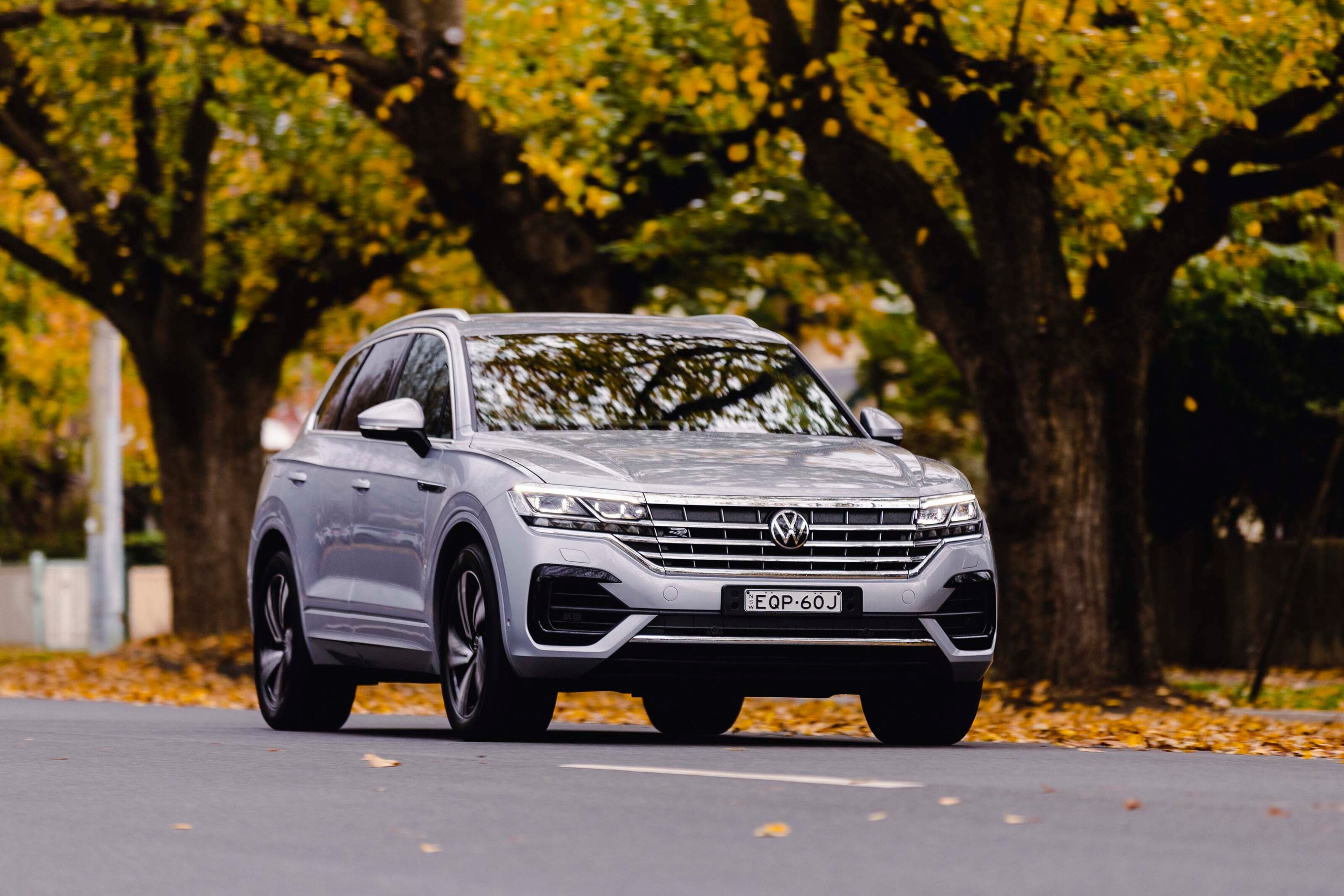
Comfort mode soaks up large imperfections with impressive composure, though can feel a little too soft when traversing large imperfections at low urban speeds, with secondary ride movements lingering a little longer before the car settles.
For these large imperfections, Dynamic mode delivers perfectly palatable composure and comfort around town, wrangling excess body movement just so.
In fact, Dynamic mode is more implied than explicit. The distinction between Dynamic and Comfort mode is very subtle, delivering an underlying firm edge to the Touareg’s inherent suppleness, but delivering no harsh crashing over large road imperfections. It also makes little meaningful difference to throttle response, which emerged as our main gripe with the otherwise lovable Touareg.
Response from a standstill frequently feels languid, with what feels like seconds passing between throttle input and kinetic response. This coalesces into a rather strange sensory feedback loop where you depress the throttle, hear the diesel mill spinning up with the typically clattery chat, before the clutches engage and progress begins moments later.
Despite 600Nm being quoted from 1750rpm, the diesel mill is slow to build revs and not much of anything happens before that point in the rev range. Once it gets on the boil, however, the Touareg pulls with strength, its transmission’s smooth upchanges landing you right at the base of that large pile of torque.
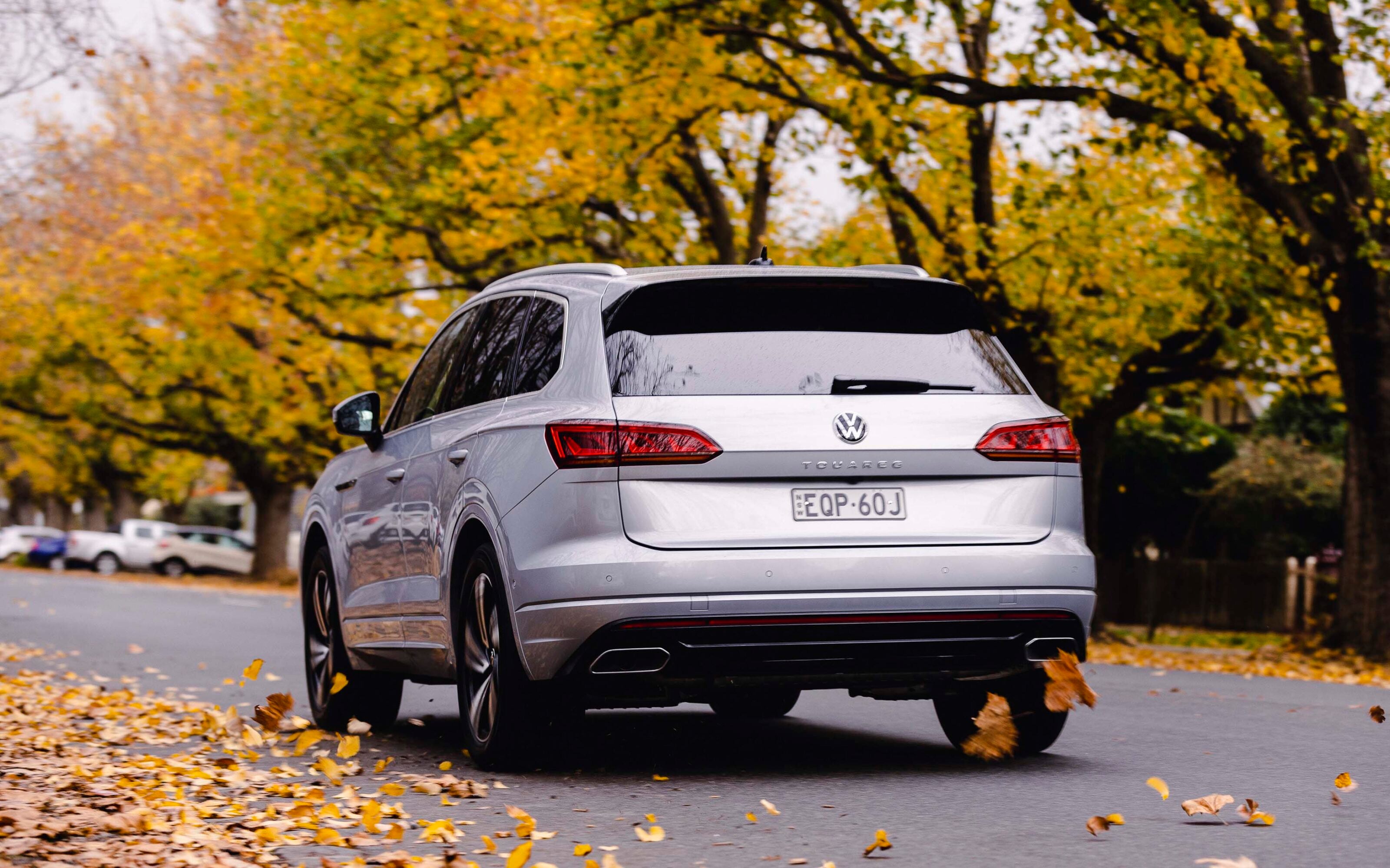
In-gear acceleration is similarly mighty, but there is also a noticeable delay to kickdown from a constant cruise. This can frequently result in an unintended display of speed as the eight-speed auto pauses for a moment while it plugs you into the meaty torque band, and the car responds by squatting sharply under acceleration.
Despite its R-Line positioning, the 210TDI won’t be the tool of choice for those chasing apexes and late-braking moments. Those buyers would do well to wait for the incoming Touareg R.
The 210TDI R-Line, however, knows what it is as a premium diesel five-seater SUV, and delivers on its brief as a plush long-distance hauler with acceptable amounts of dynamic poise.
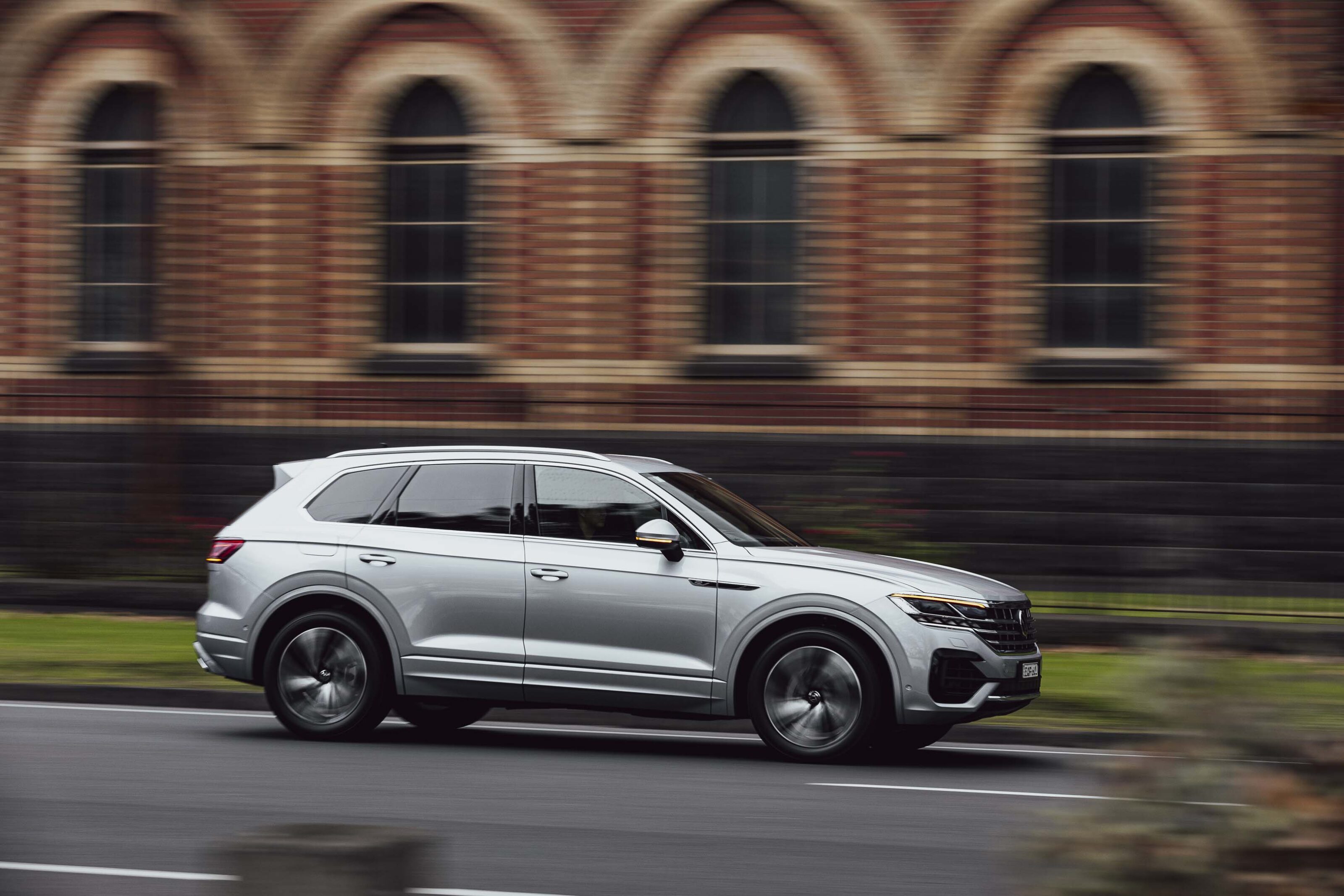
As the pace increases, despite its size, the Touareg feels smaller than it is. This is due to smartly harnessing some ingenious chassis technology that, rather than transforming the large SUV into a ten-tenths performer, elevates the premium Touareg across its versatile envelope.
The first piece that deserves mention is the standard four-wheel steering. Rear-steer drops the up-spec Touareg’s turning circle by a whole metre to just 11.19m.
In practice, I can attest to the Touareg performing manoeuvres in my underground apartment car park that even some more compact front-drive hatchbacks would simply fail to execute.
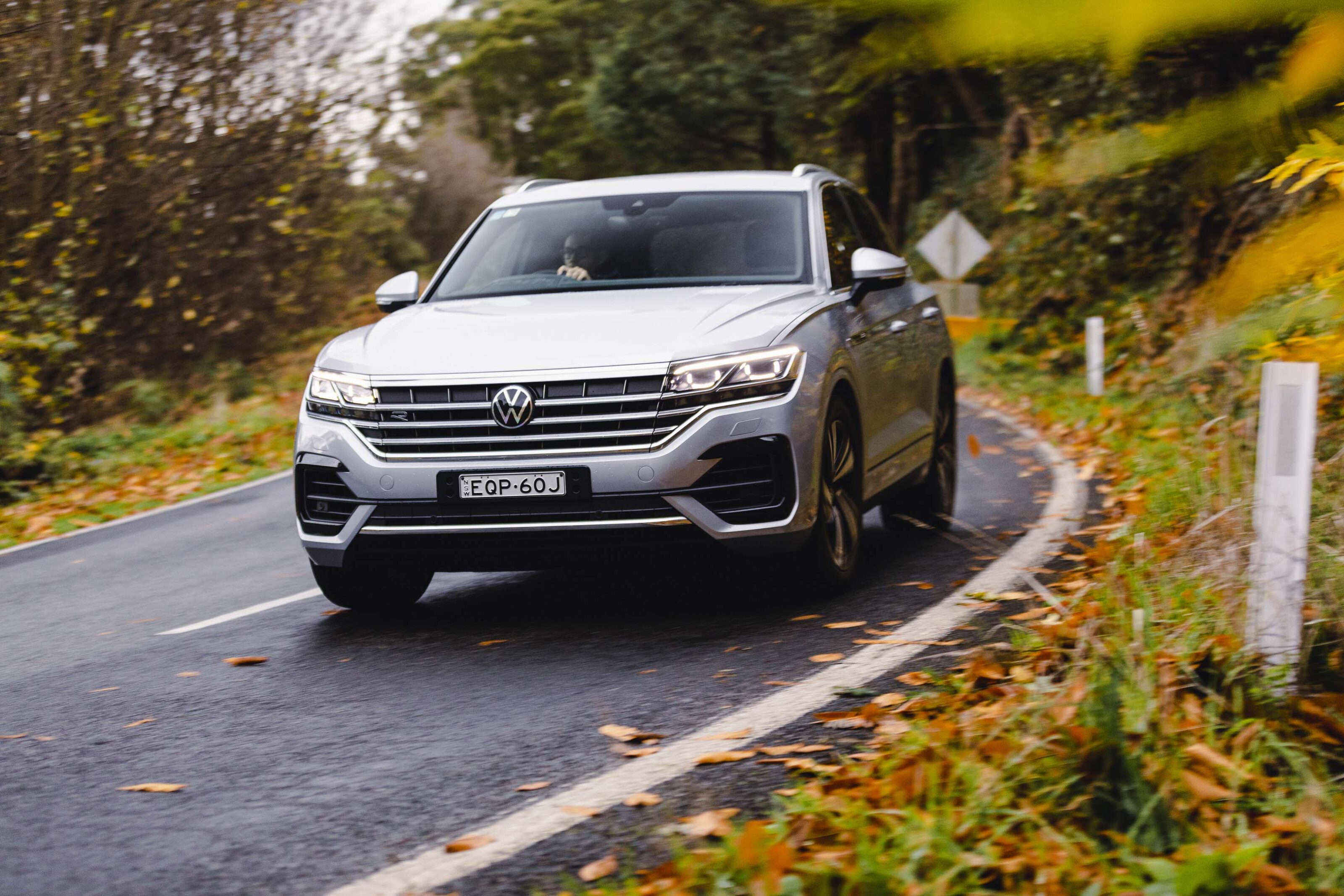
The second piece of crucial tech is VW’s Active Roll Stabilisation, which comprises two electromechanical anti-roll bars that can be independently stiffened or slackened to maximise roadholding.
Effects range from consistently flat cornering and body roll minimisation to the ability to decouple themselves entirely for maximum axle articulation in off-road scenarios.
It may not be nipping at the heels of any warm hatches on a mountain road, but it’s amicably entertaining to guide through some corners and you certainly won’t be penalised as a driver for taking to take the long way to the winery on the weekend.
The diesel-drinking 2022 Volkswagen Touareg boasts a 90-litre fuel tank and claims 6.8 litres per 100km on the combined ADR test cycle.
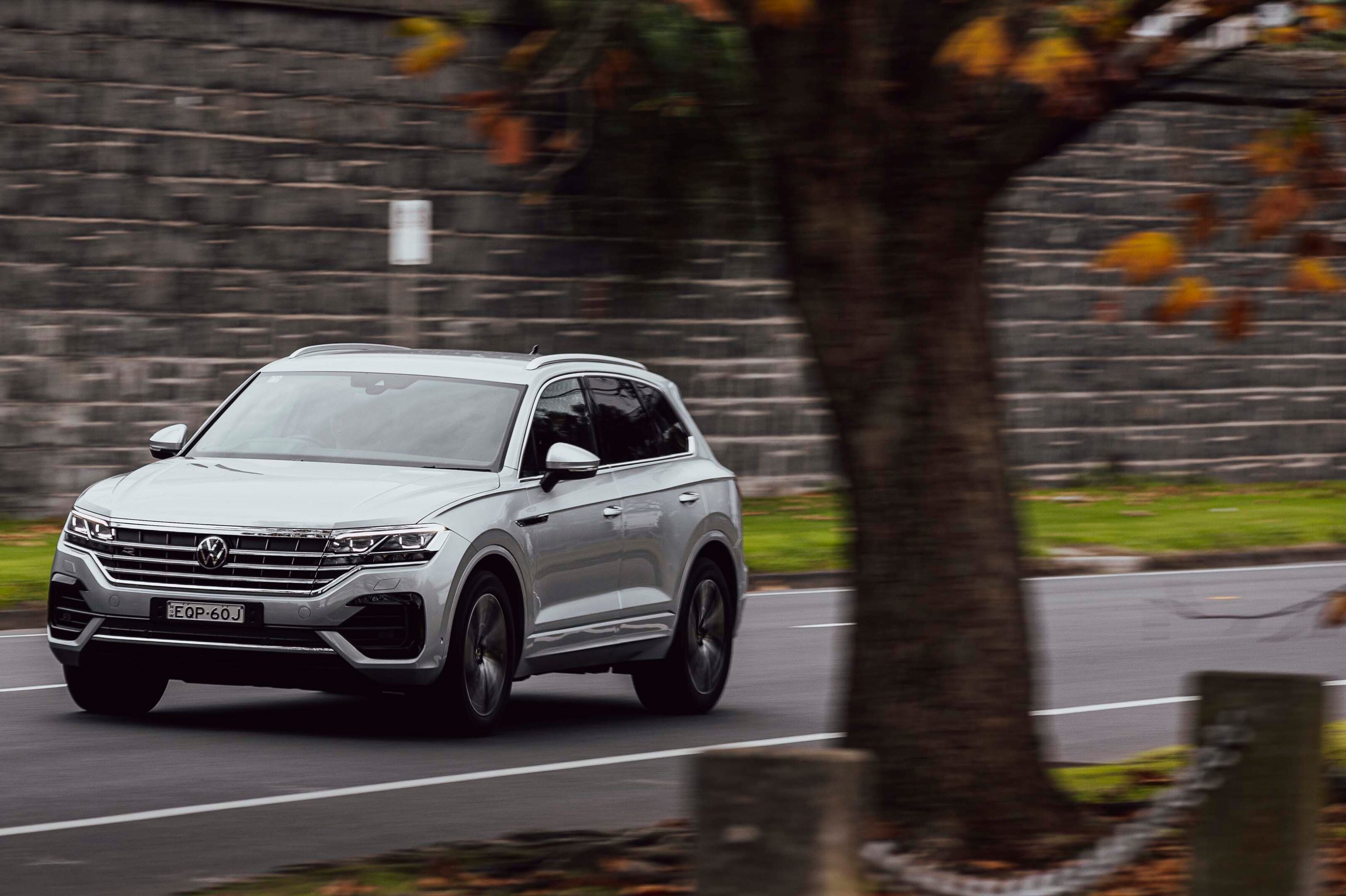
Ownership
All Volkswagens come with a five-year, unlimited-kilometre warranty as standard, with scheduled servicing required every 12 months or 15,000km.
Volkswagen also offers fixed three- and five-year capped servicing plans, respectively costing $1750 and $3000 for the Touareg 210 TDI R-Line.
Current-gen Touaregs are rated five stars by ANCAP based on a 2018-dated test conducted by Euro NCAP.
A note on towing is also worth a mention: the 2022 Touareg features a braked towing capacity of 3500kg, and an unbraked rating of 750kg. Despite its LandCruiser-matching towing capacities, the factory VW towball wears a lower download limit of 280kg, delivering a lower ultimate GVM of 2890kg, compared to a LandCruiser 300’s 3280kg GVM.
VERDICT
Despite representing Volkswagen’s most expensive single offering – until the Touareg R arrives, that is – the Touareg 210TDI trades high on its generous standard features, dynamic poise and torquey powerplant.
The dustings of R-Line elevate its urban athleticism in meaningful ways without introducing too much of a sharp edge. It’s big, it’s luxurious, and nails its brief as an endearing companion with smart and versatile packaging that benefits the whole family.
Can a six-figure premium SUV really be described as good value? That might be subjective, but when positioned next to its more prestigious rivals, the Touareg 210TDI R-Line certainly makes a strong case for itself.
2023 Volkswagen Touareg 210TDI R-Line specs
Alfa Romeo – now a subsidiary of the Peugeot-led Stellantis – will double production by the end of 2023 and target a wider audience, according to the brand’s UK boss.
In an interview with Autocar, managing director of Alfa Romeo UK, Damien Dally, said the Italian marque plans to shift from an “emotion brand down to a rational one”, with an expanded line-up in “volume” segments.
“This is the challenge for Alfa, as we’re seen as a sporty brand,” he added, before stating upcoming vehicles, such as the “more accessible” Tonale Hybrid, should assist the brand’s sales performance.
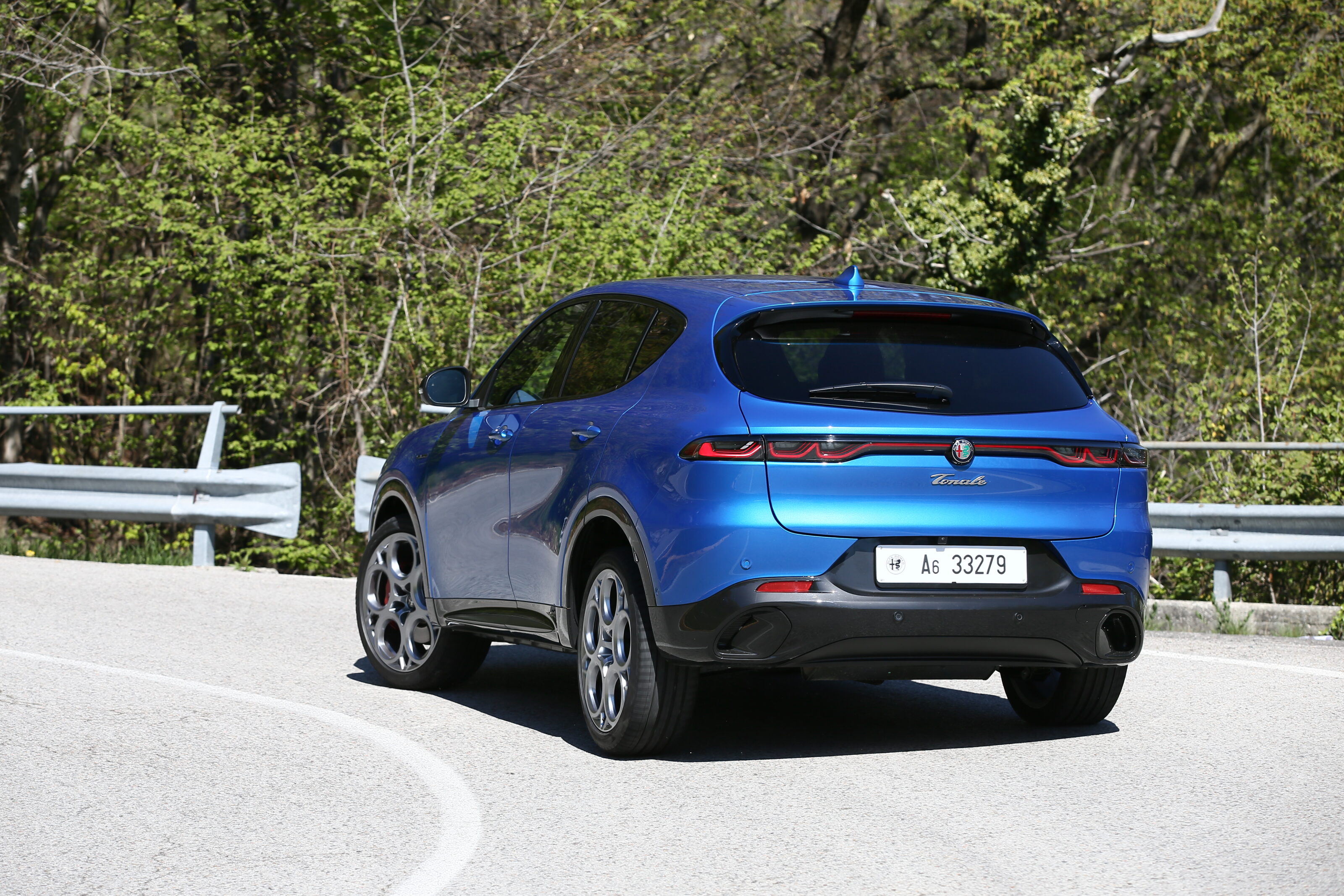
As part of a plan to launch a new model every year until 2026, the Alfa Romeo Tonale small SUV will be followed by an all-electric crossover, reportedly badged Brennero.
It is likely to be unveiled in 2024, ahead of the Italian marque dropping internal-combustion engines altogether by 2027.
In addition, Alfa Romeo hopes to appeal to a more diverse audience, including female and family buyers.
The current buyer demographic predominantly consists of middle-aged men, which is said to be limiting Alfa Romeo’s sales performance both in the United Kingdom and abroad.
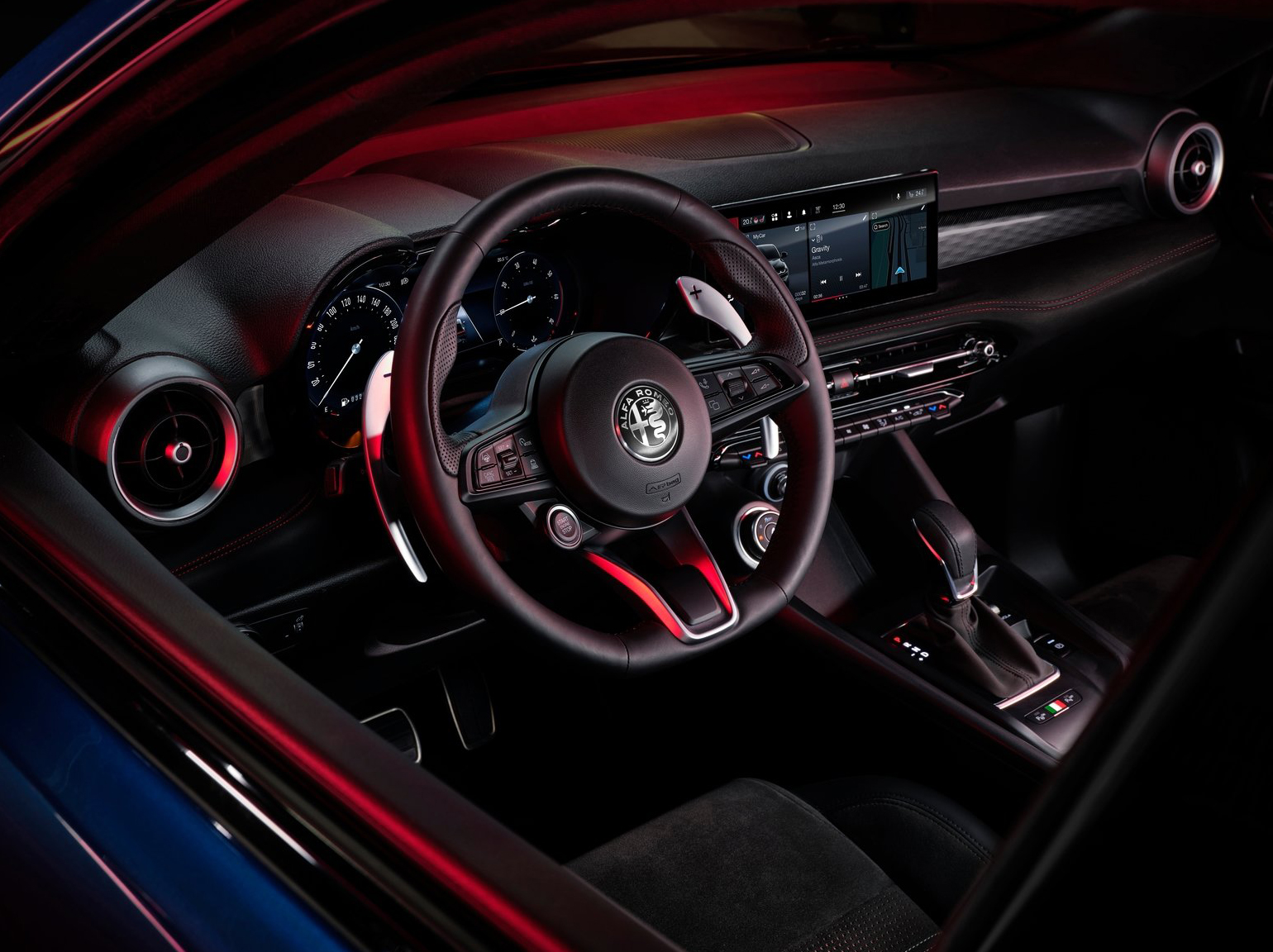
Last year, Alfa Romeo sold 25,964 vehicles globally, with VFACTS data showing 618 sales originated from Australia – a 15.8 per cent drop from 2020, with Stelvio registrations falling and the Giulietta hatchback discontinued.
However, while both are an element of Alfa Romeo’s past, don’t expect a two-seat sports car or a range of sleek sedans to return in the near future.
“The market may be moving away from saloon cars, but we still believe in them. But we also want to enter the volume segments, firstly with the Tonale,” added Dally.
“Alfa Romeo is sportiness. It’s Italian design. And that’s what we need to be true to. Even if people carriers become popular again, I don’t see us moving into that market.”
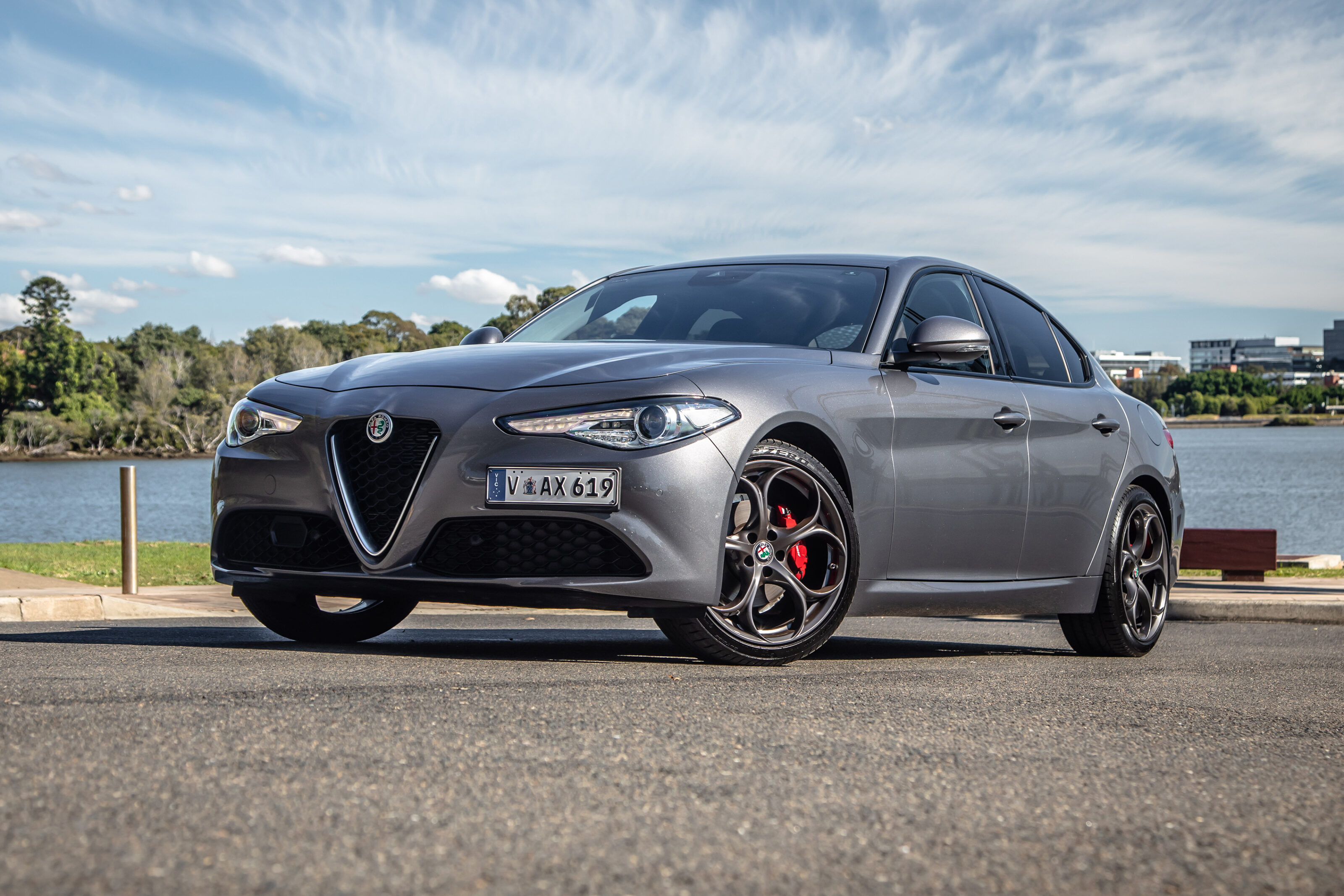
The brand shifted to a five-year warranty in Australia from April 22, 2022, in a move that has been echoed by the brand’s UK division.
Replacing the previous three-year, 150,000 km offering, the updated warranty was introduced to bolster Alfa Romeo’s “customer commitment in Australia”, according to aftersales and customer experience director, Stephen Lester.
A recent study by American analytics brand J.D. Power saw Alfa Romeo record the fifth highest result, with an average of 245 problems per 100 vehicles in the US Vehicle Dependability Study – above Land Rover, Ram and Volvo.
Snapshot
- New car sales have fallen by 5.2 per cent
- Total of 537,856 vehicles sold this year
- Large number of segment leaders enjoying increased sales over 2021
Australia’s new car market may have faced its toughest June in a decade, but there are still some manufacturers celebrating a strong first-half performance.
Last week’s VFACTS report from the Federal Chamber of Automotive Industries (FCAI) showed registrations for the opening stanza of 2022 have fallen by 5.2 per cent, with the 537,856 vehicles sold so far this year representing a nearly-30,000 unit hole compared to the start of June 2021.
With the first six months of the year down and supply issues hampering a significant portion of the market, we take a look at the state of play and which models are performing well at the half-time siren for the year.
Note: Heavy commercial vehicles have been omitted from this report, accounting for the missing 4.2 per cent market share.
Passenger – 19.4 per cent market share
Micro
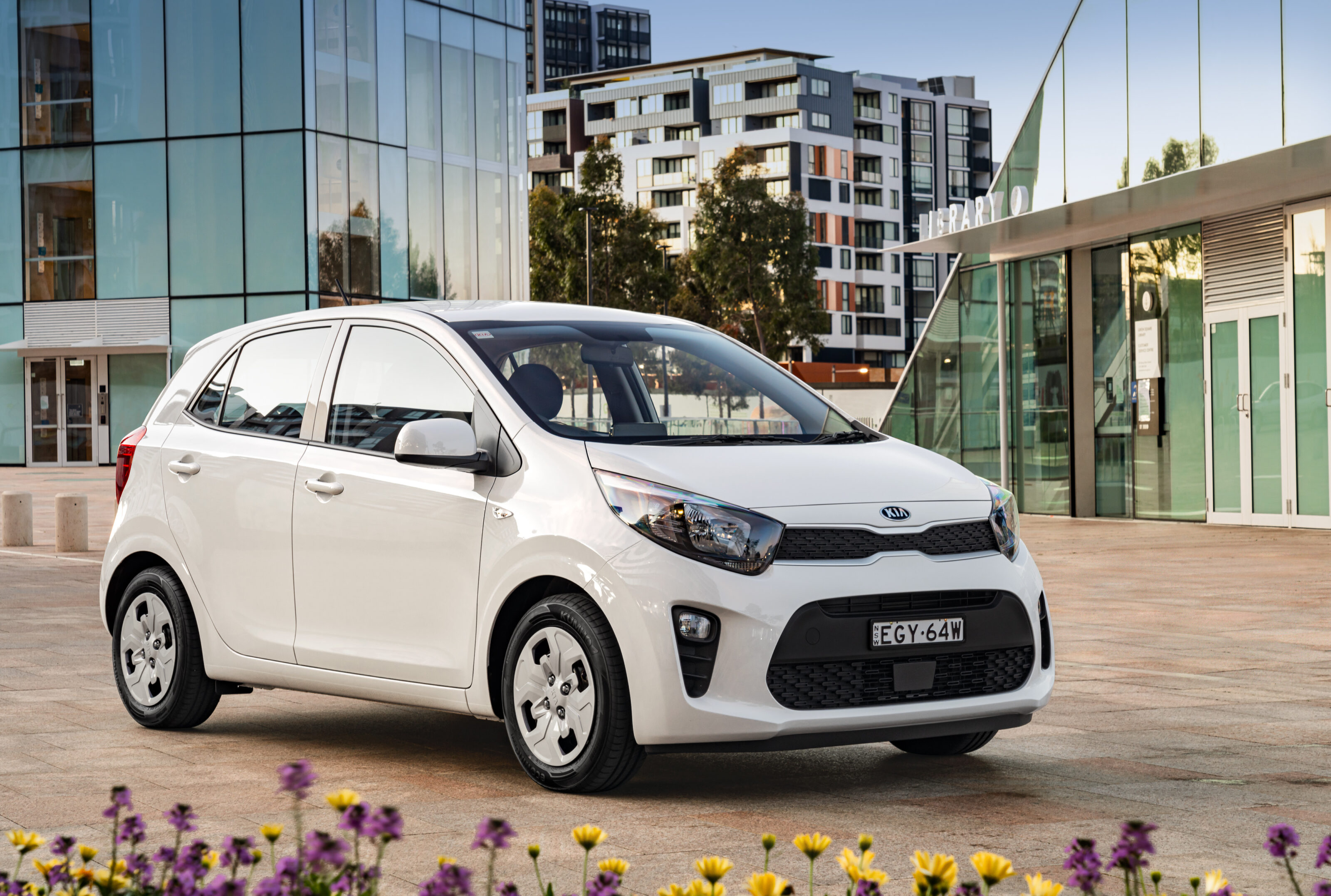
The Kia Picanto currently leads the three-model micro category on 2141 sales for the year (down 43.2 per cent from 2021), clearly putting itself in front of the Fiat 500 and Mitsubishi Mirage with a 68.5 per cent share of the segment.
Light
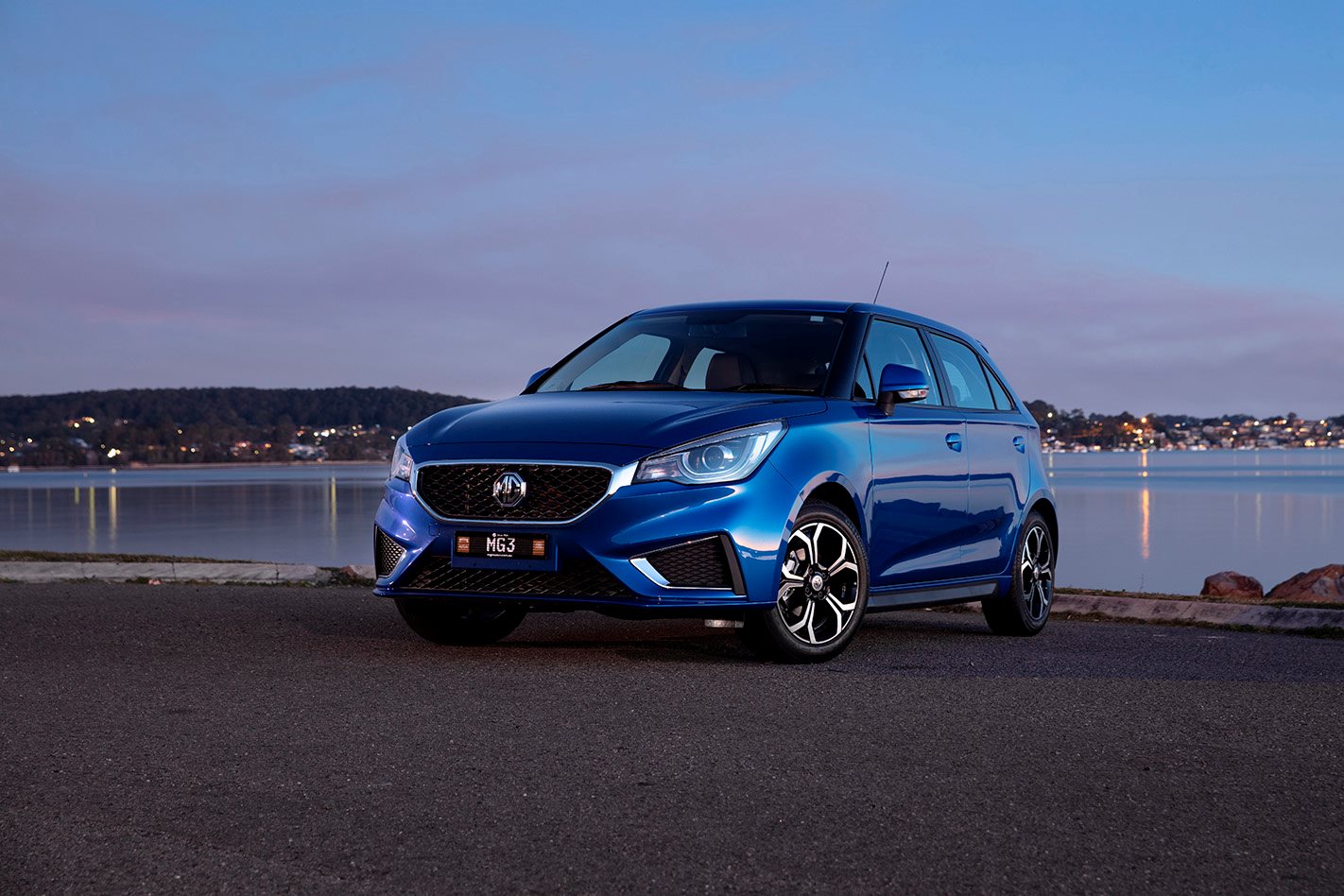
One of two MGs sitting atop its category, the MG3 currently holds a commanding 35.3 per cent share of the light passenger vehicles segment, thanks to its 23 per cent sales growth this year, shifting 8587 units.
Small
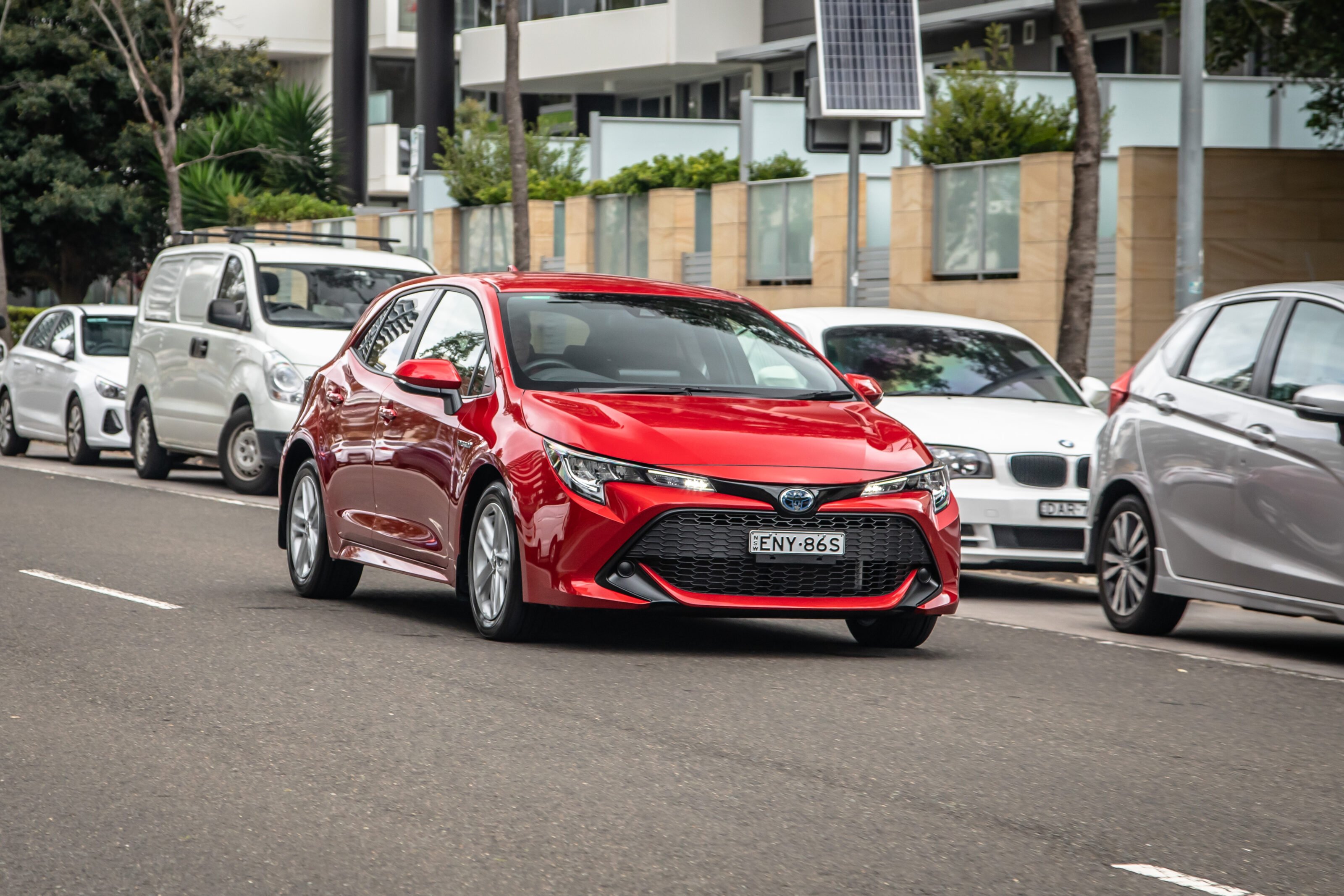
Can a Toyota Corolla suprise you? The dependable model retains its status as the best in its class in terms of sales volume, with 13,154 examples finding homes this year representing 29.2 per cent of its market’s overall sales.
Medium
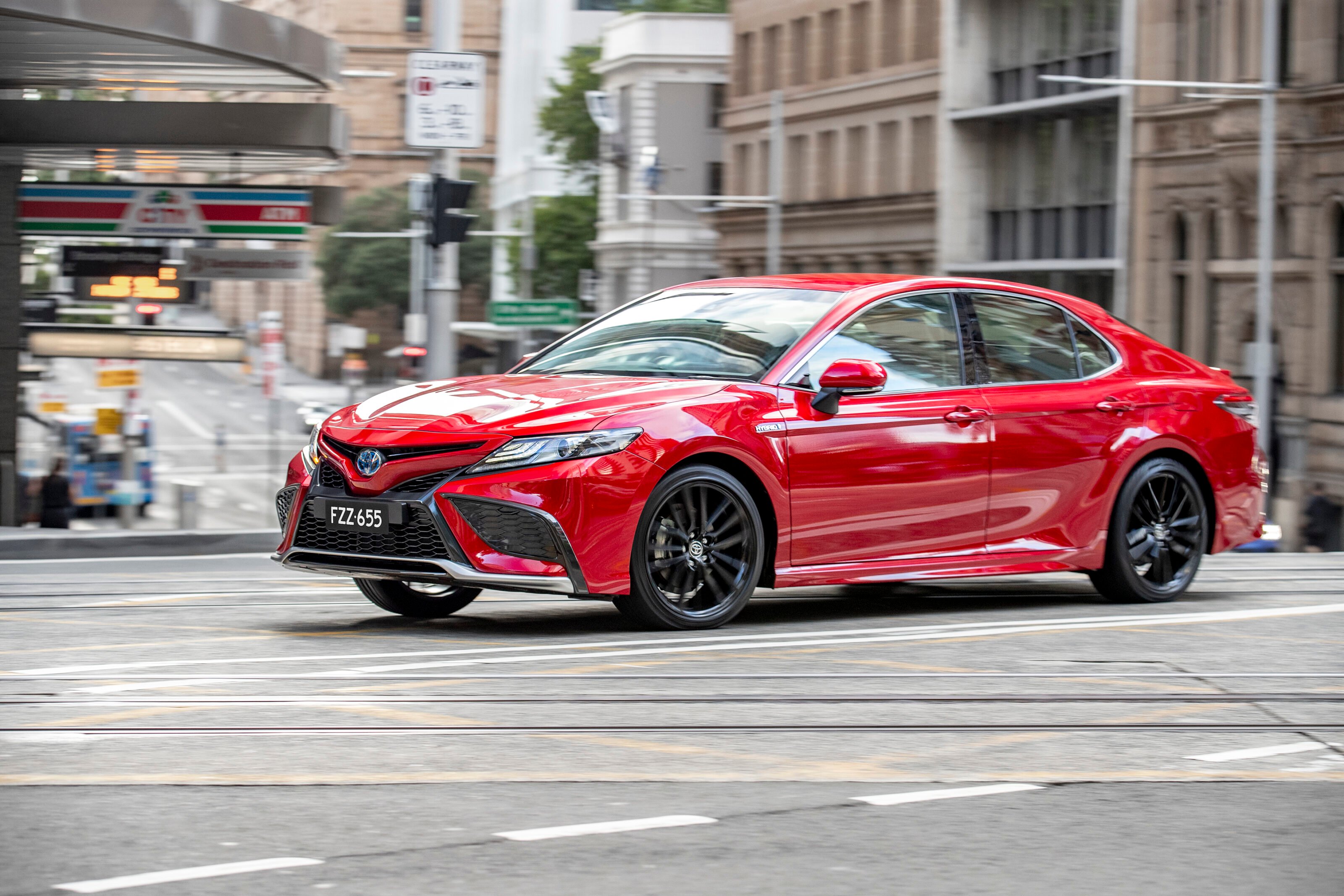
The second Toyota to top the charts is the Camry. Despite a 20.1 per cent drop in sales this year (with 5004 sold to the end of June), the favourite of ridesharing platforms and taxi services still holds a 26.9 per cent share of the segment, although things could have been very different if Tesla hadn’t faced production issues with the Model 3, currently sitting on 4653 deliveries.
Large
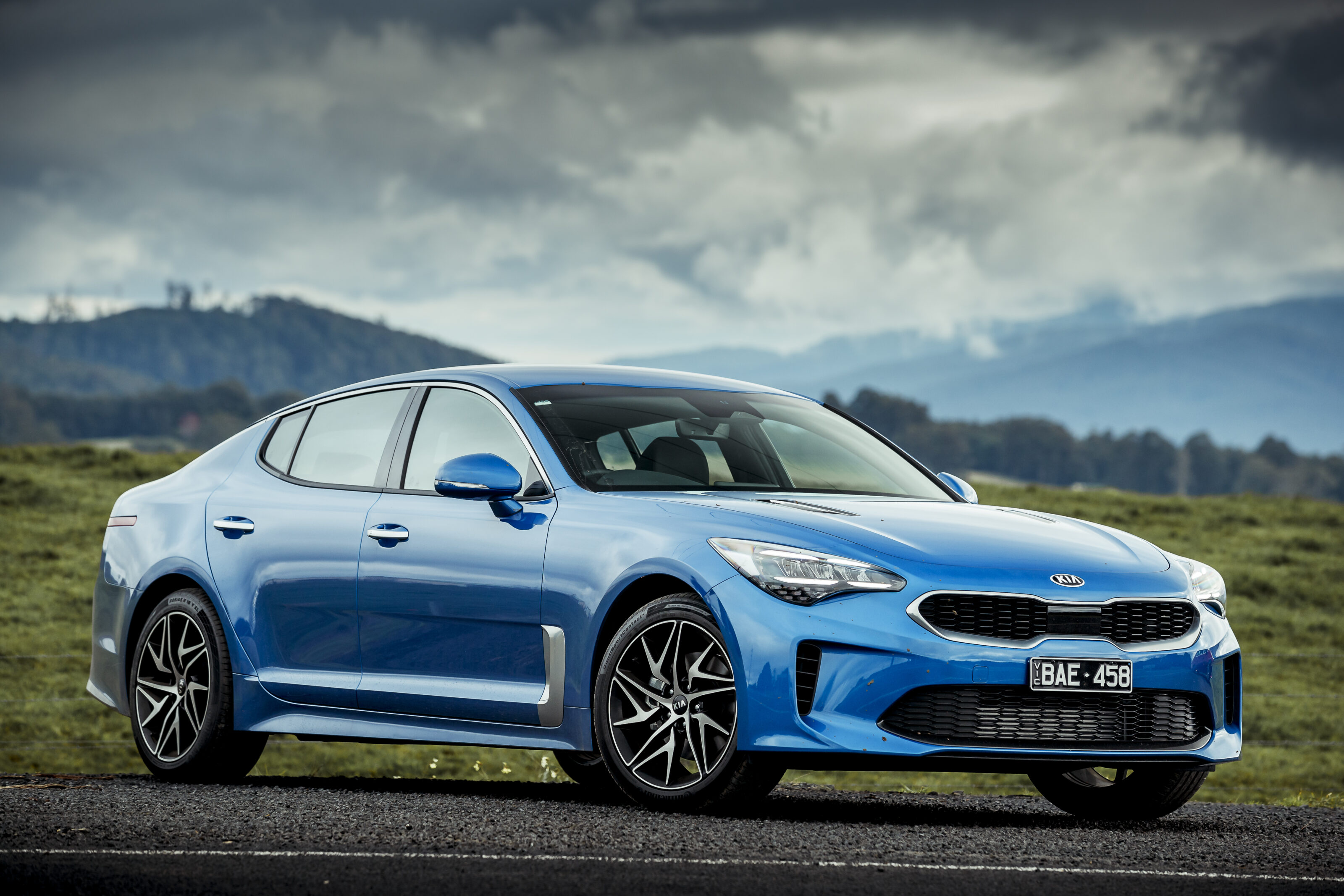
Even though its Australian debut came five years ago, the Kia Stinger is hitting the best form of its life, with year-to-date sales of the performance sedan increasing by the highest percentage of any model on this list, registering a 74 per cent spike over 2021 thanks to its 1683 sales – accounting for 53.7 per cent of all large car sales.
Upper large
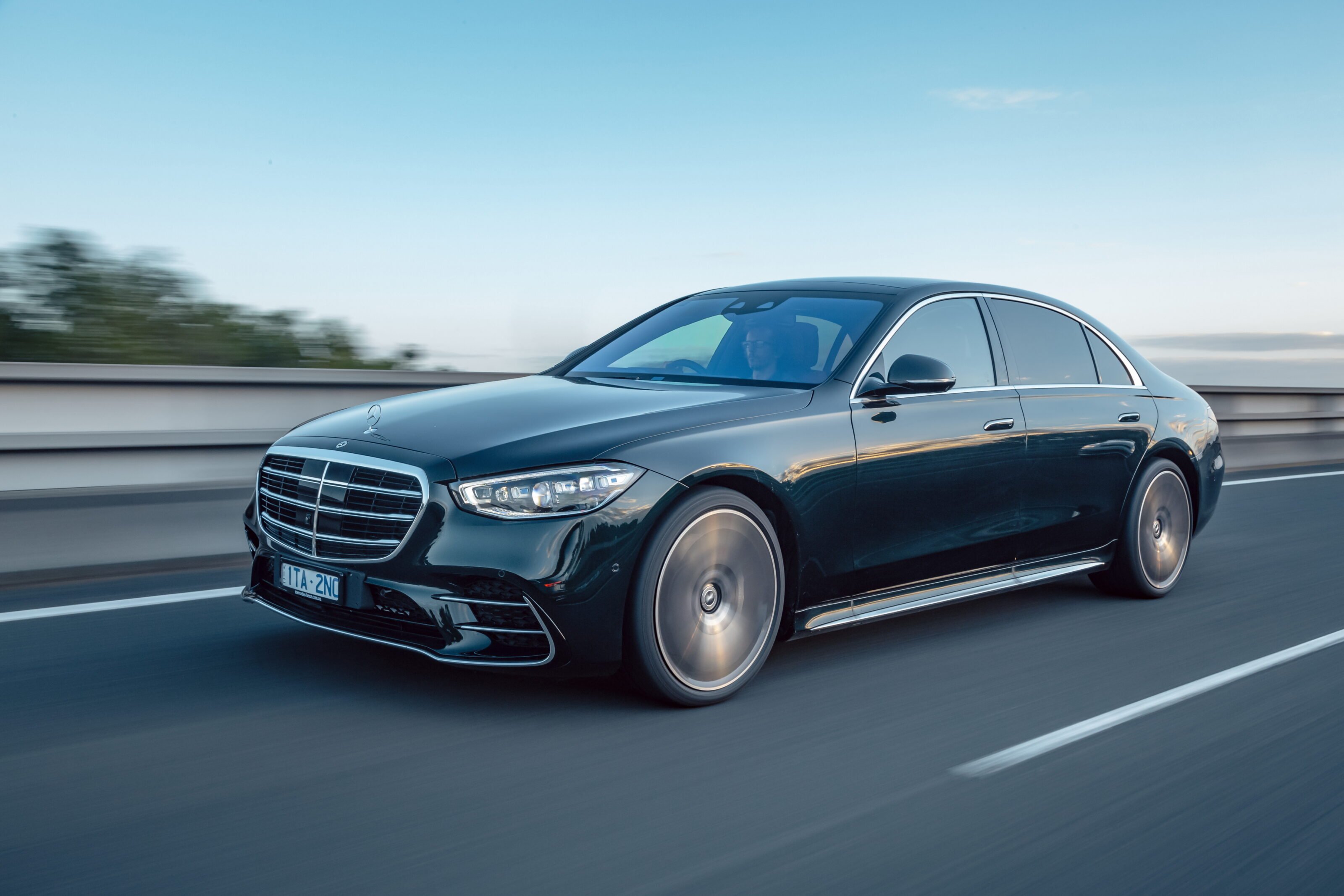
For those with hefty wallets, the upper large segment is the place to be and the Mercedes-Benz S-Class has continued its run of form as the leader amongst its peers, holding 31.1 per cent of all sales despite a 26.3 per cent downturn in registrations, with just 101 units sold so far.
People-movers
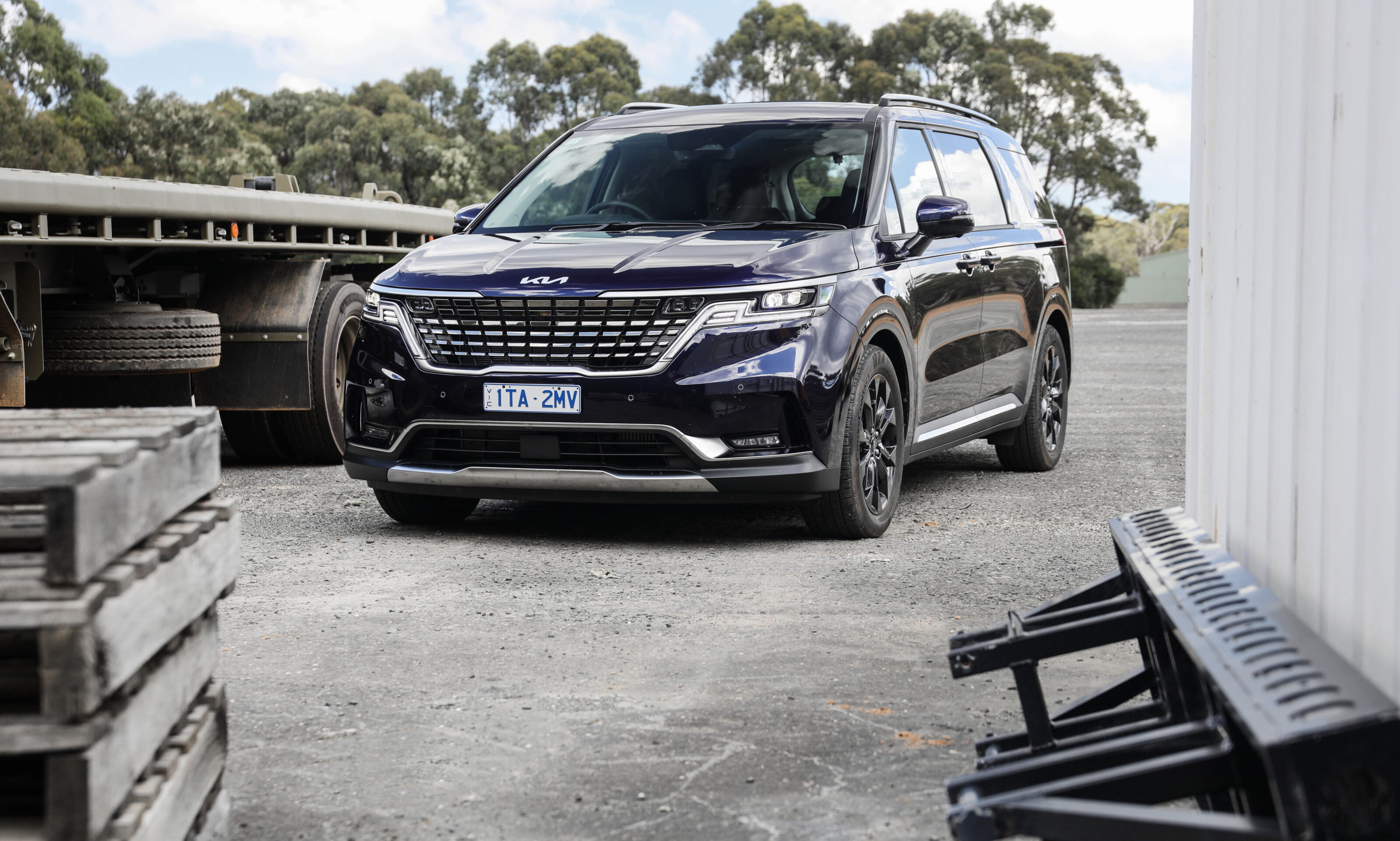
Of the proper passenger vehicles in this list, none have as big of an impact amongst their rivals as the Kia Carnival, leading the way with 64.9 per cent of its segment’s sales and enjoying a 14.6 per cent increase over last year thanks to its 3857 registrations.
Sports
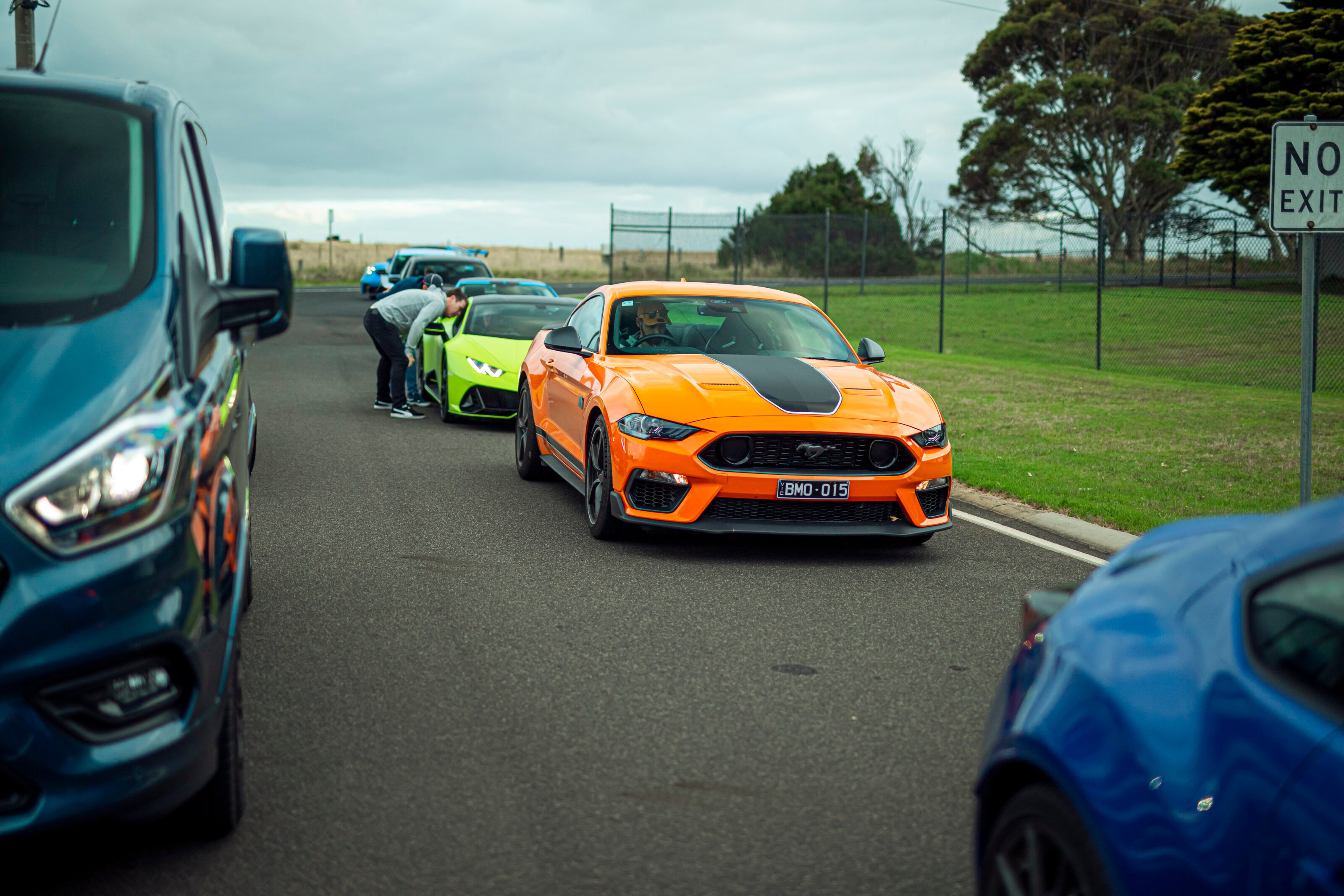
In one of the more niche categories out there, it’s the Mustang which continues to fly the flag for Ford, being the Blue Oval’s only segment-topping model with 19.1 per cent of the sports car category. Sales have fallen more than any other leading model year-on-year, down in 2022 by 57.6 per cent with just 760 units delivered.
SUV – 52.4 per cent market share
Light
Despite being positioned as high-riding hatchbacks, the light SUV segment is actually the smallest of the five, led internally with 19.1 per cent of the category by the Mazda CX-3, which is enduring a tough year – posting sales of 5176 units, decreasing by 42.4 per cent.

Small
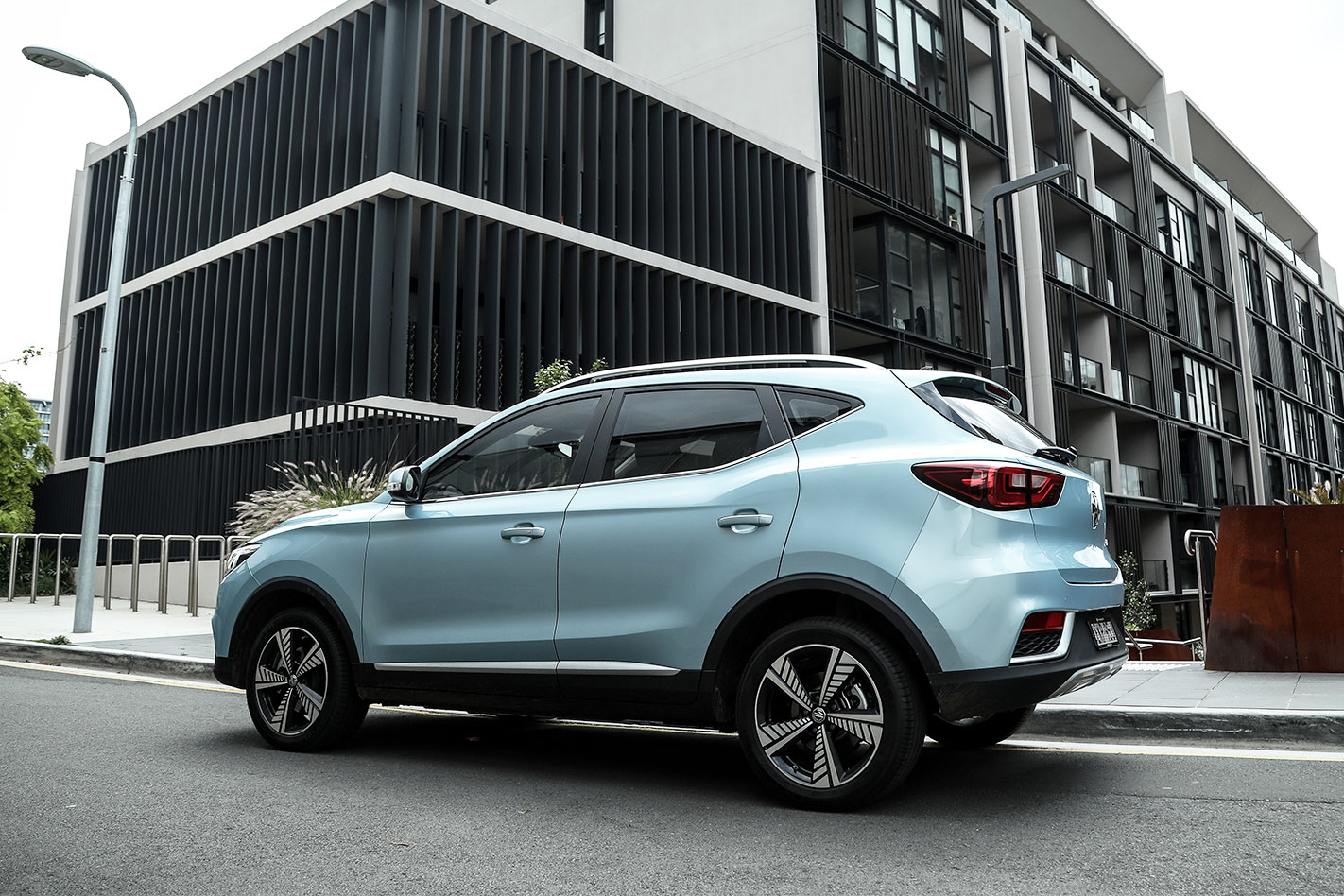
Bucking the trend in a market led by Japanese manufacturers, the MG ZS is holding its own amongst the other small SUVs with its 10,380 figure contributing to 15 per cent of all sales against its competitors, aided by a 14.2 per cent increase in popularity this year.
Medium
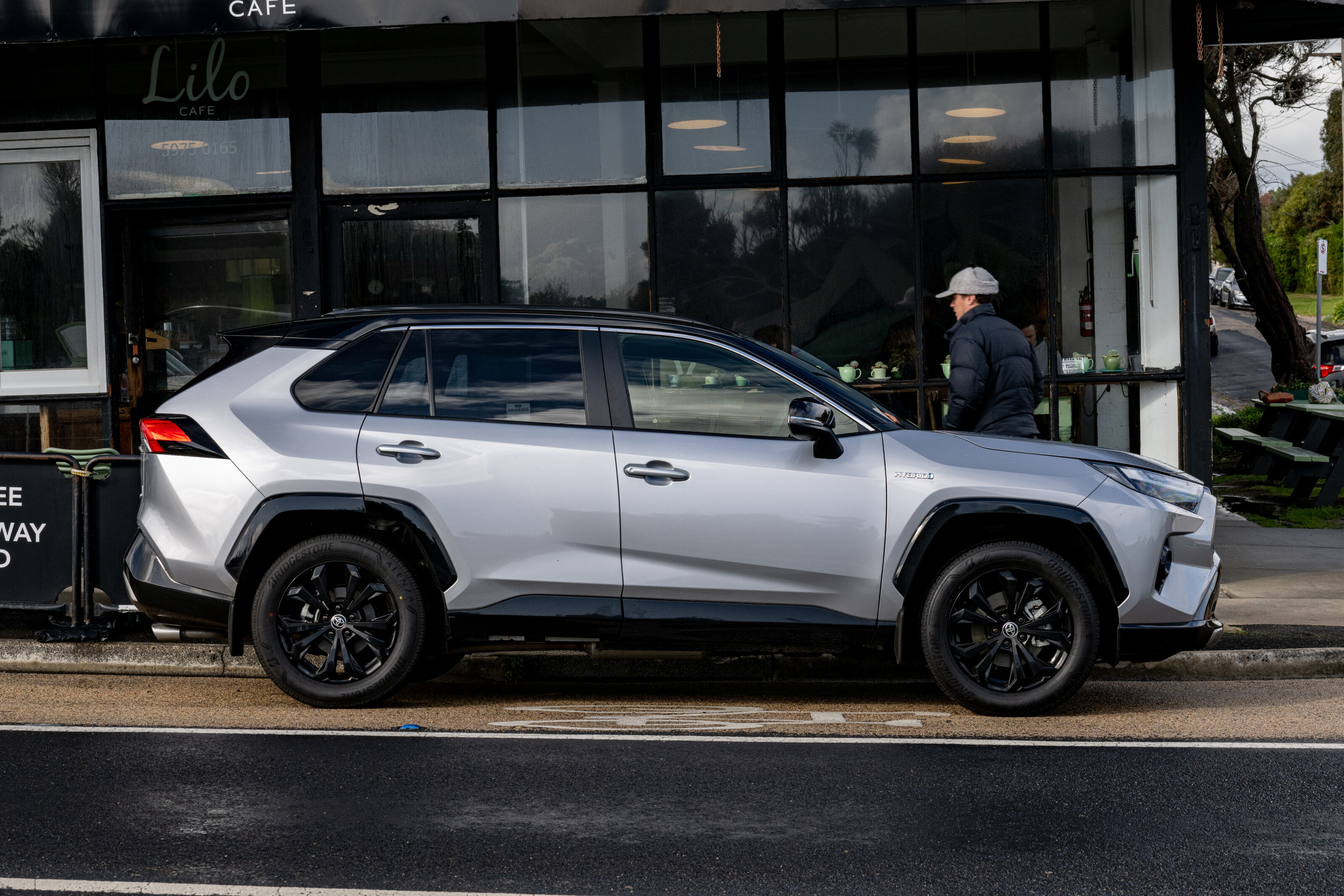
As the best-selling non-ute this year, the Toyota RAV4 is consistent if nothing else, fluctuating (up) by just 0.1 per cent with 20,373 sales, leading the pack with 19.8 per cent of the segment share.
Large
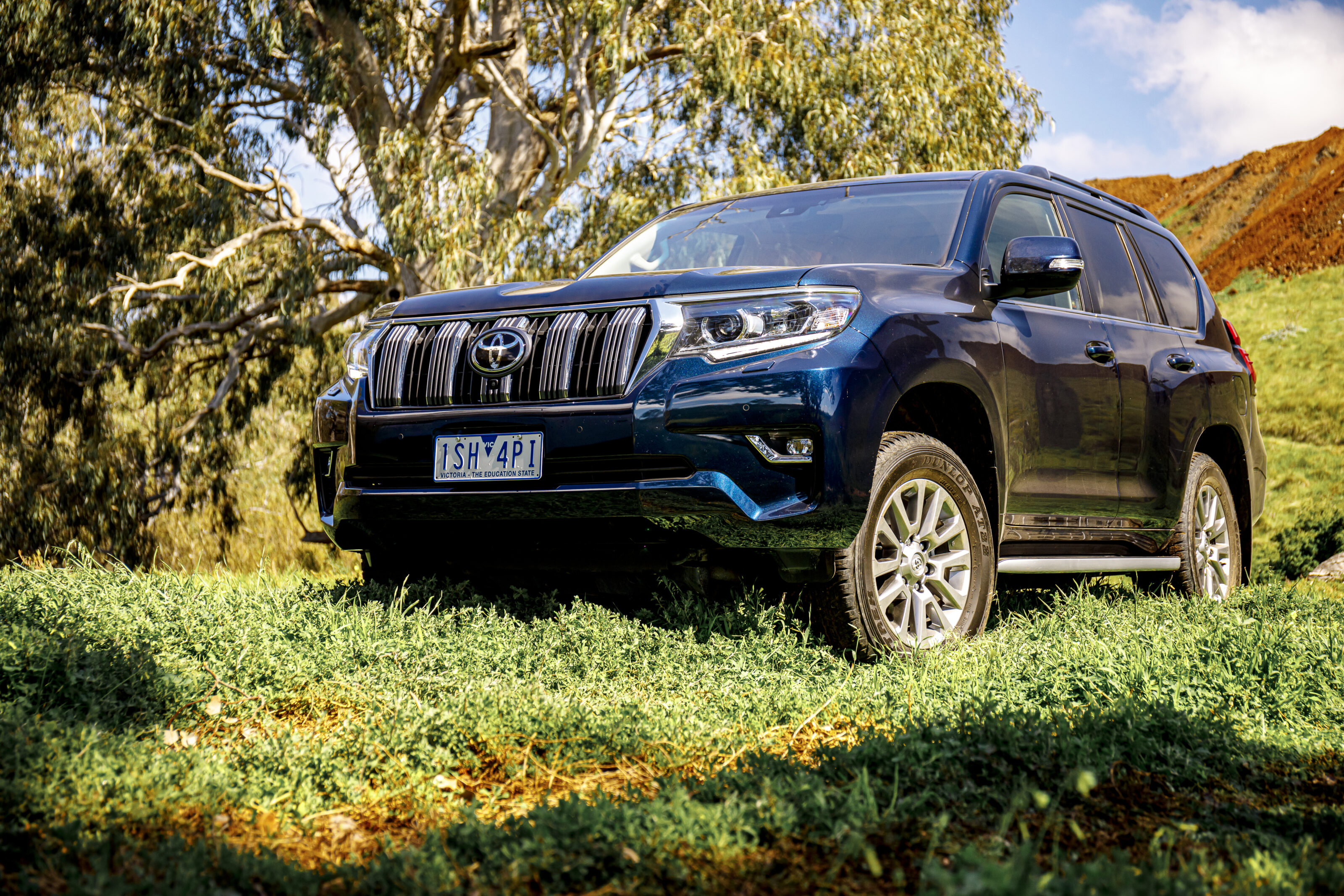
The RAV4’s Prado big brother is also leading its own category on 18.1 per cent of all sales, attributed to a resurgence in popularity for the 4×4 with 12,978 sales year-to-date – 27.6 per cent more than this time last year.
Upper large
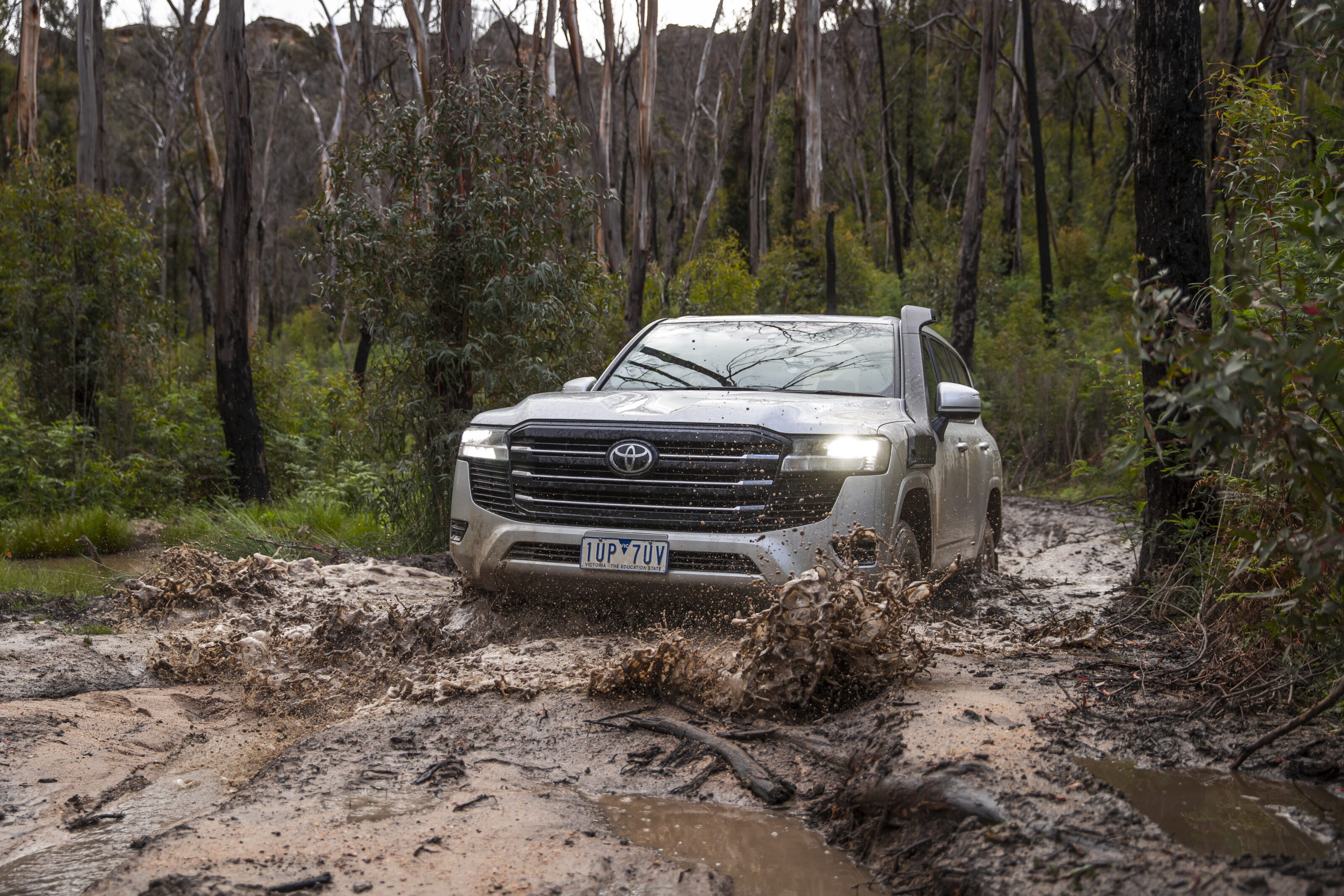
Completing the Toyota trifecta is the new LandCruiser, with the 300 Series carrying on from the success of its predecessors to lead its segment with a 54 per cent hold on the market, although sales are down by 49.3 per cent thanks to ongoing production issues in Japan, with a total of 5896 units registered in 2022.
Light commercial vehicles – 24 per cent market share
Buses
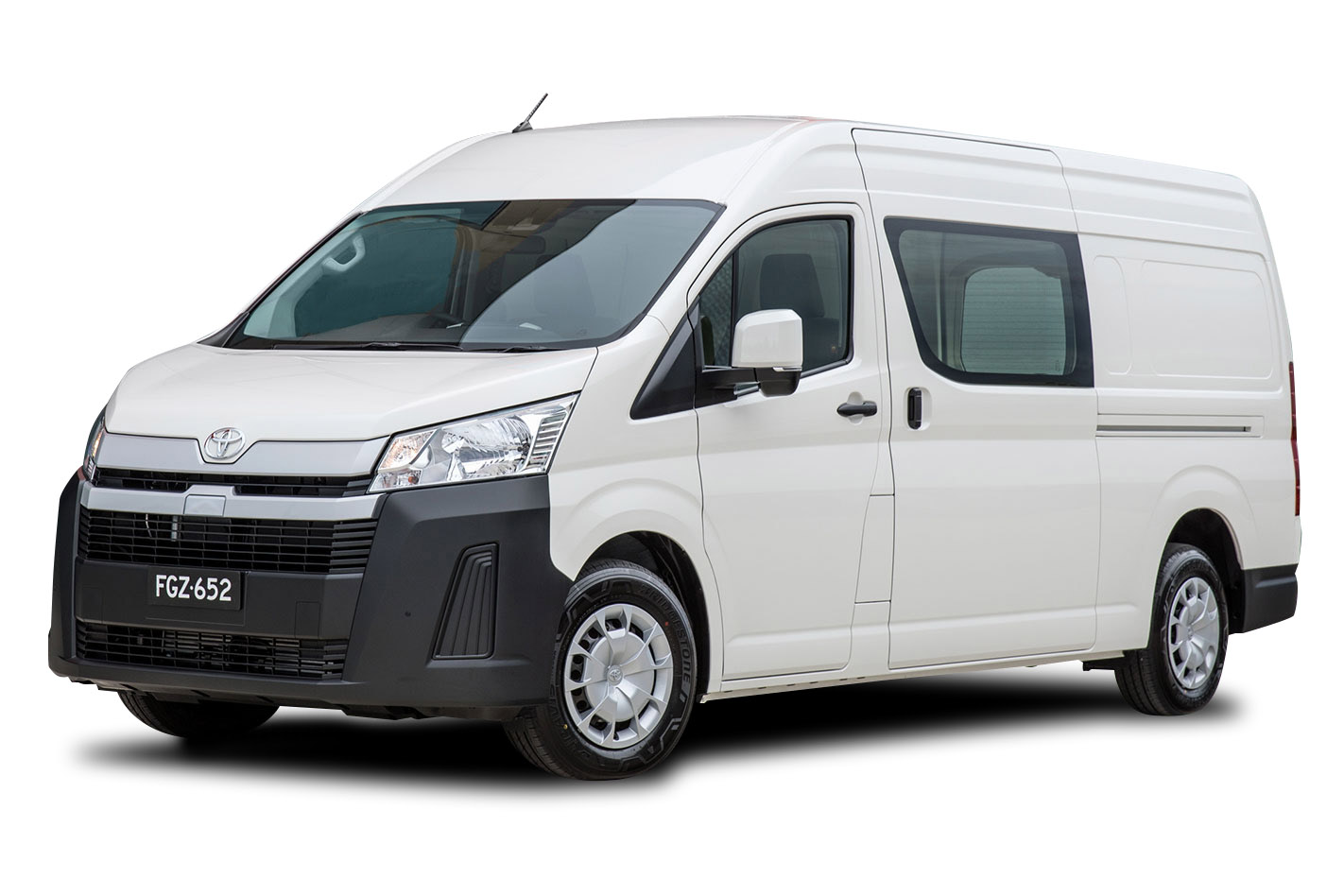
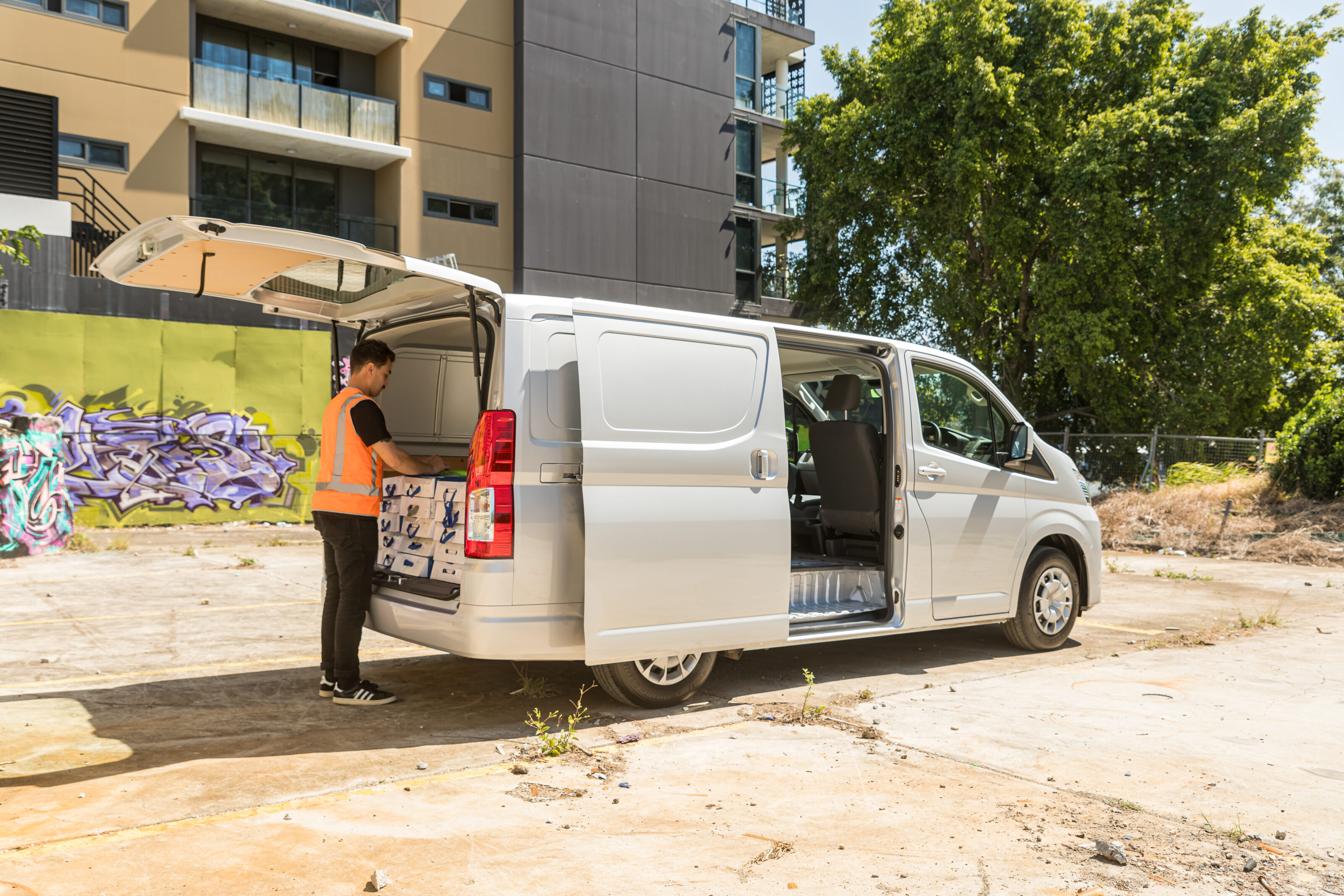
Toyota’s domination continues in the LCV segment, as the HiAce takes the biggest lead of any vehicle with a whopping 82.4 per cent of all light buses, highlighted by a 33.5 per cent increase in sales to 1525 units.
Vans (under 2.5 tonne)
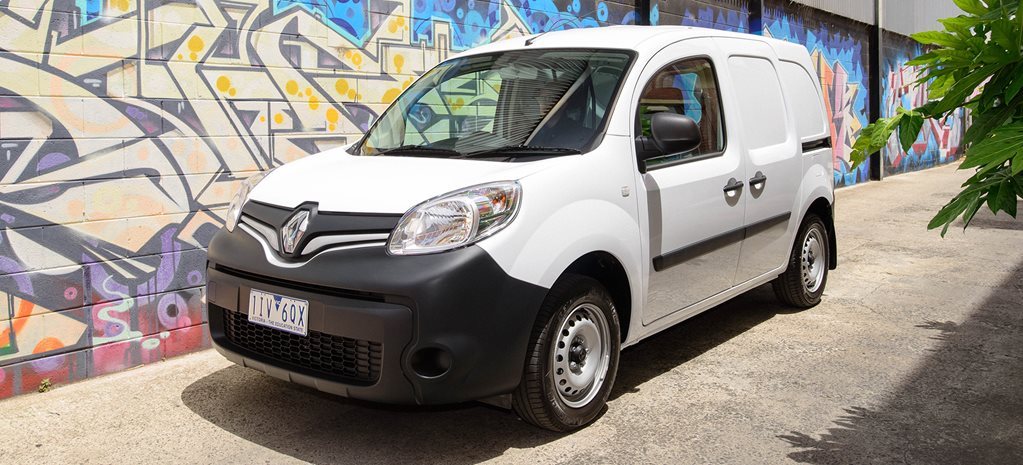
One of the smallest segments out there is led by the Renault Kangoo, the French van accounting for nearly half of all sub-2.5 tonne van sales with 48.6 per cent of the segment thanks to its 467 units sold.
Vans (2.5-3.5 tonne)
Just as it does in its bus configuration, the HiAce leads overall van sales and holds a commanding 42.8 per cent stake among those rated between 2.5 to 3.5 tonnes – recording 5084 units sold this year.
Utes (4×2)
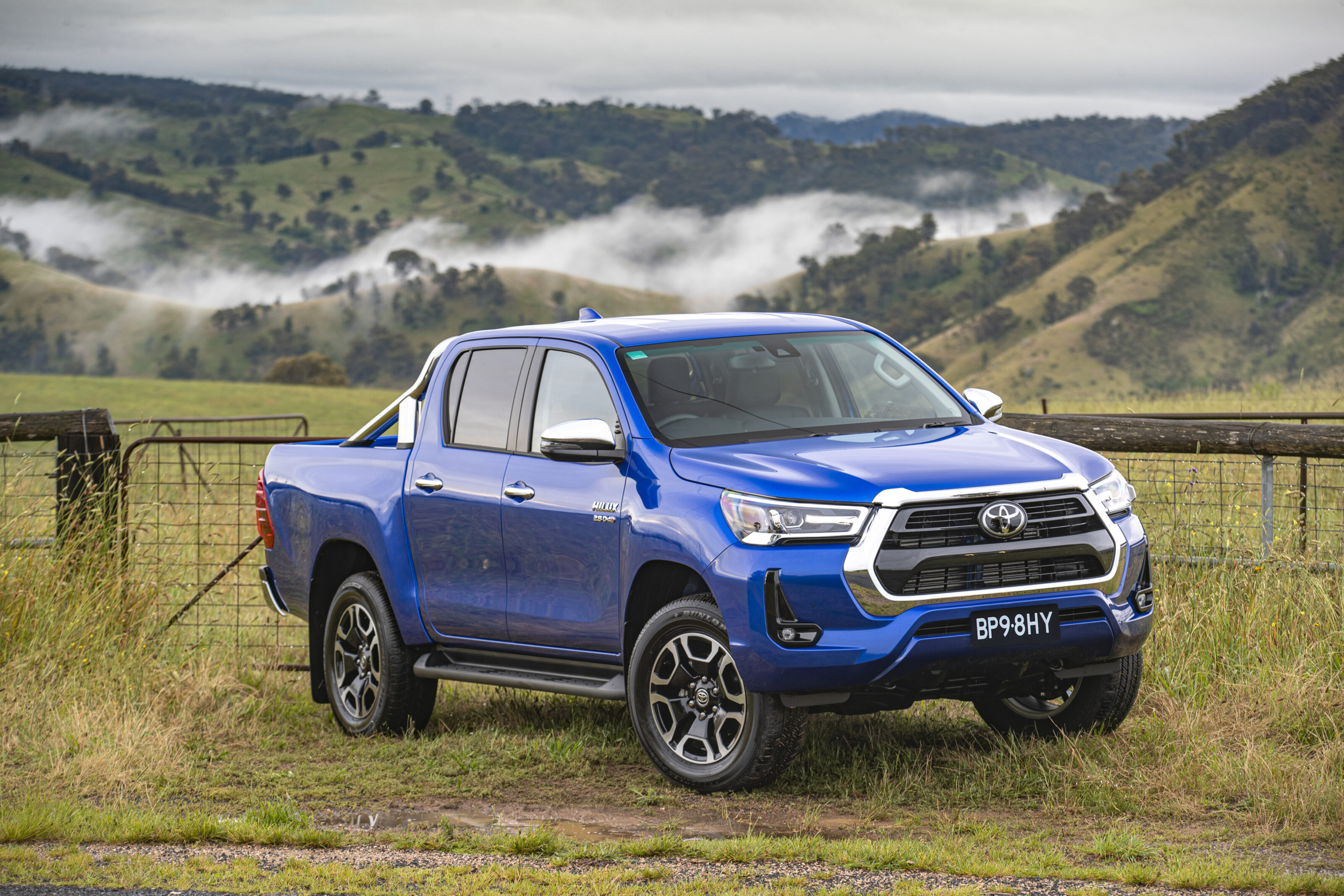
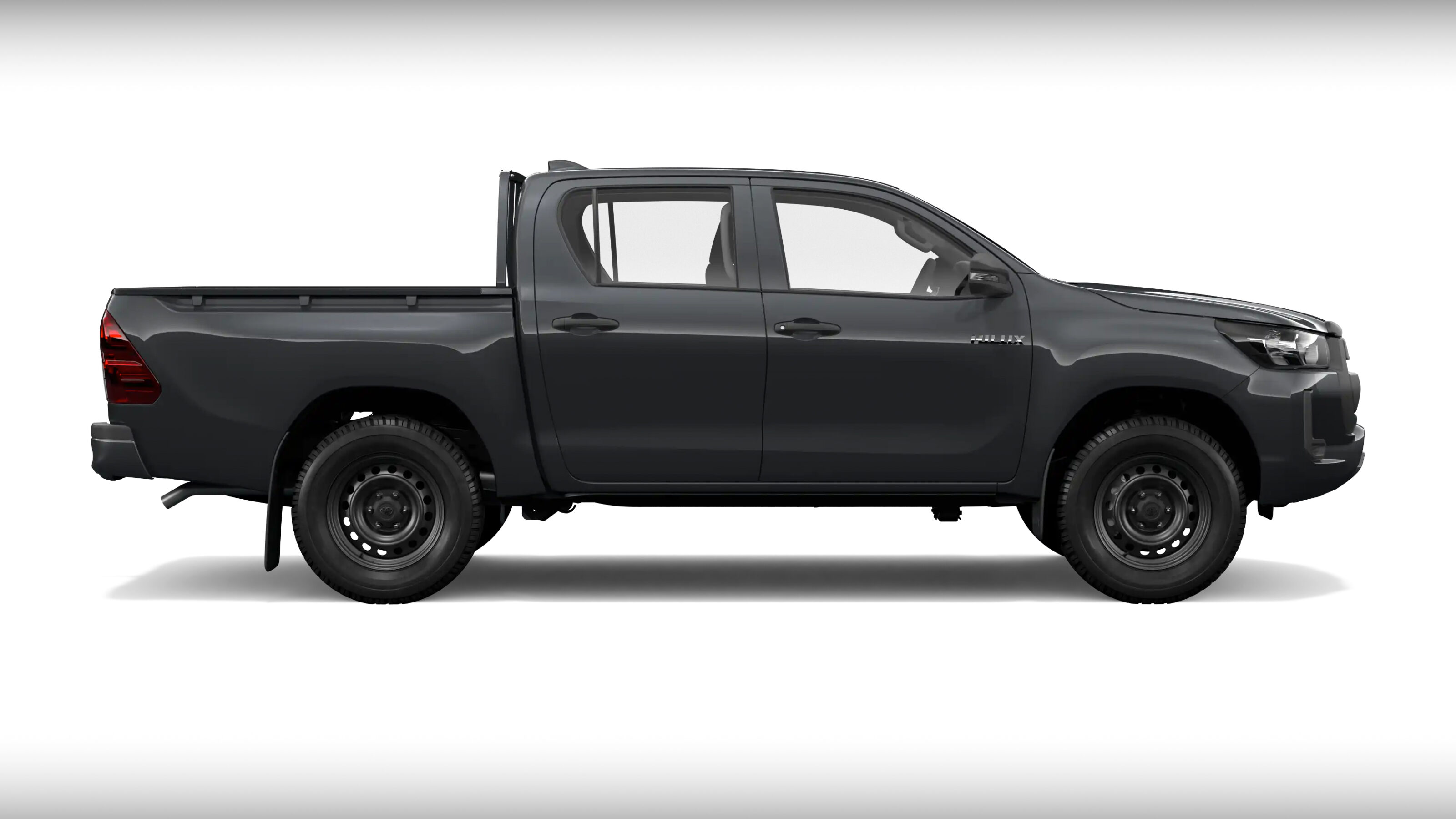
A long-time leader of the 4×2 market, it should be no surprise to see Toyota’s HiLux taking a 46.4 per cent chunk of all rear-wheel-drive ute sales, having racked up 8119 deliveries so far in 2022 – 33 per cent more than it had managed by the same point last year.
Utes (4×4)
Australia’s best-selling vehicle is also the clear favourite amongst its peers, with the HiLux again proving to be a leader amongst its competitiors by holding a 24.6 per cent share of the 4×4 ute segment on 23,852 sales, 8.5 per cent more than it managed at the end of June 2021.