
Snapshot
- 2022 Outlander praised for high ANCAP score
- Child occupant protection given 92 per cent
- Test results apply to all variants
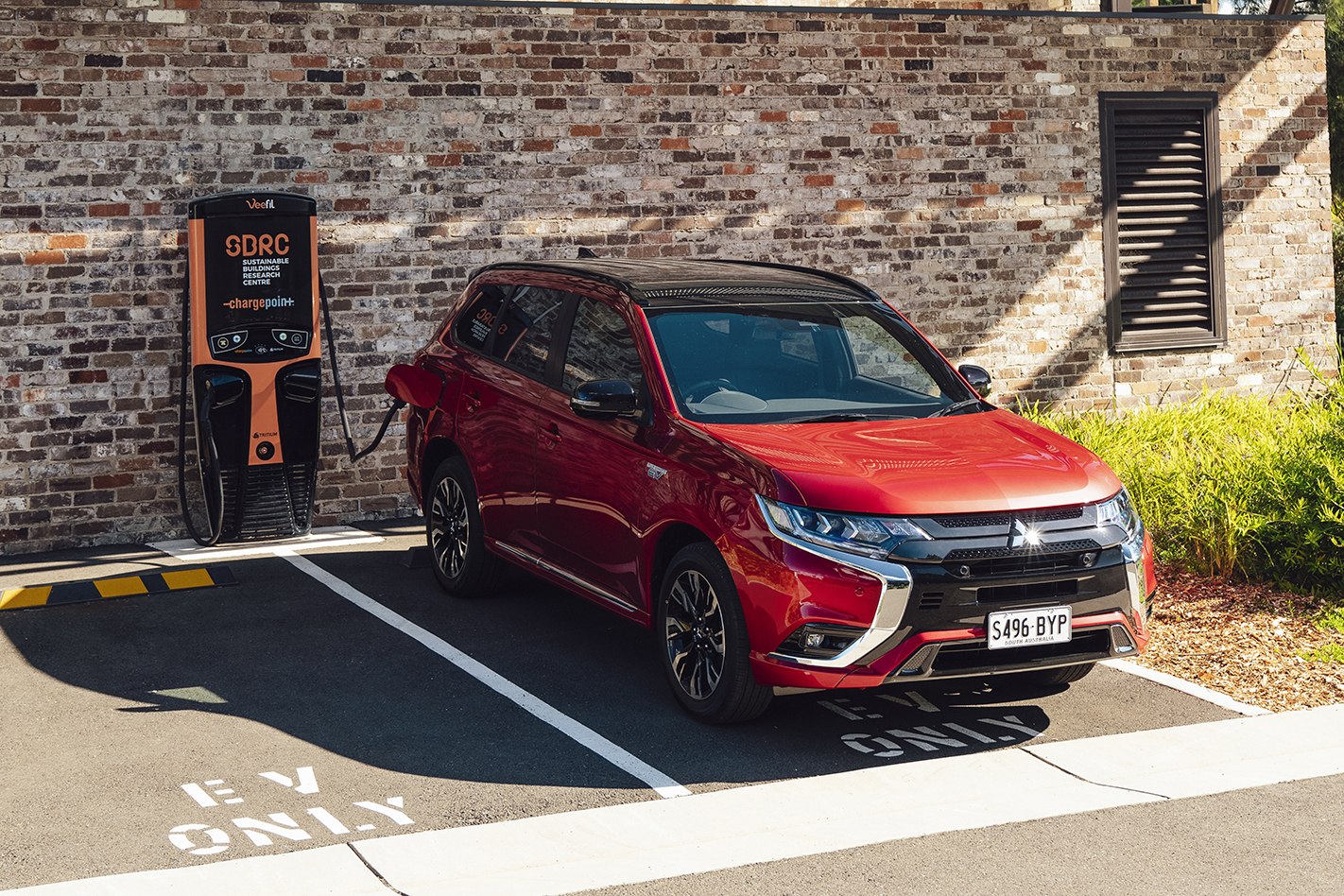
UPDATE, March 24: The 2022 Mitsubishi Outlander Plug-In Hybrid has recorded top marks in ANCAP safety testing, joining its petrol-powered stablemates with a five-star rating.
ANCAP confirmed it had conducted two additional crash tests specifically on the Outlander’s PHEV variant and it has comparable levels of safety performance.
Our original story has been updated to reflect the latest information below.
The story to here
January 19: The 2022 Mitsubishi Outlander has taken home five stars in ANCAP’s independent crash tests, recording the highest score seen yet in one of the four categories.
Arriving on Australian shores last year, the latest iteration of Mitsubishi’s popular medium SUV is its safest vehicle to date, with results over 80 per cent recorded in every aspect of ANCAP’s criteria.
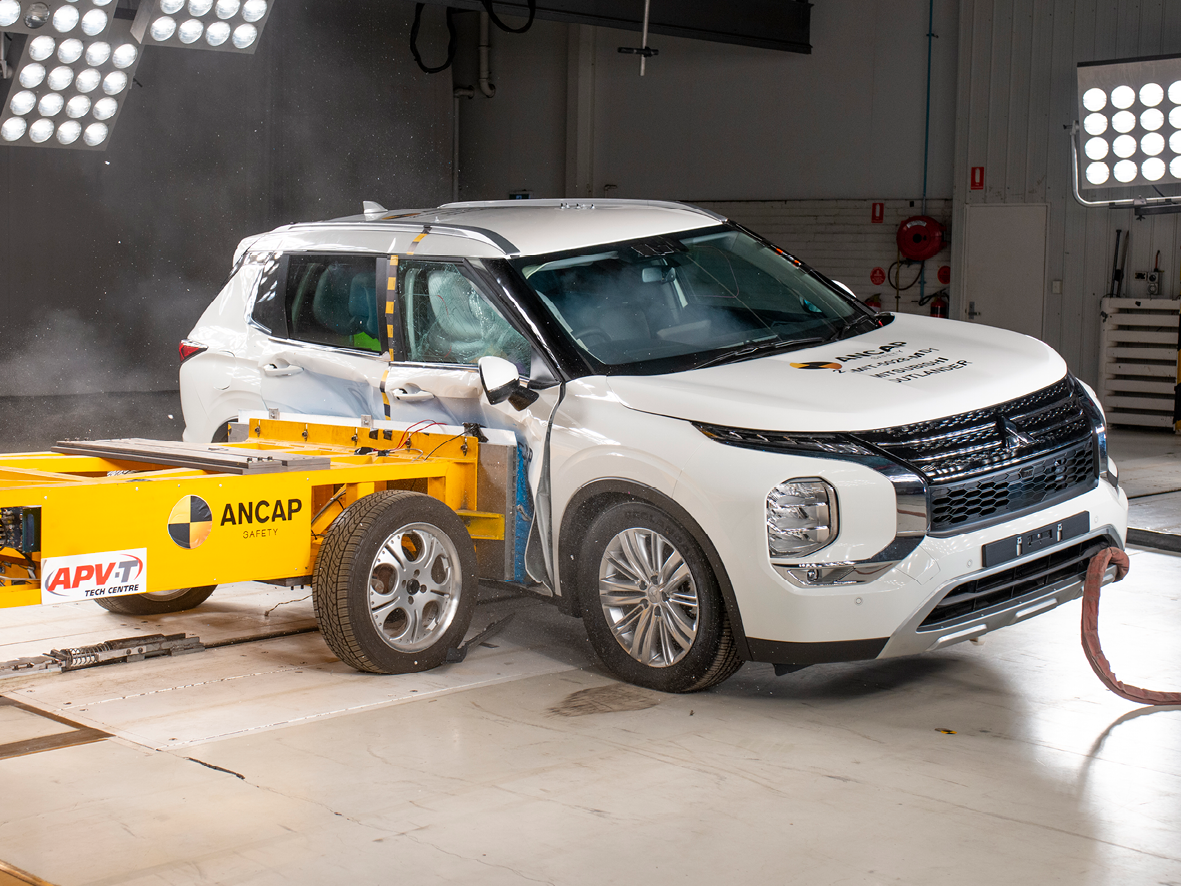
In good news for families, the Outlander’s child occupant protection was rated as the best of any vehicle tested so far under ANCAP’s 2020-2022 testing regime, with a 92 per cent result coming courtesy of full marks scored in both front and side dynamic tests, attributing to 45.43 points out of 49 available.
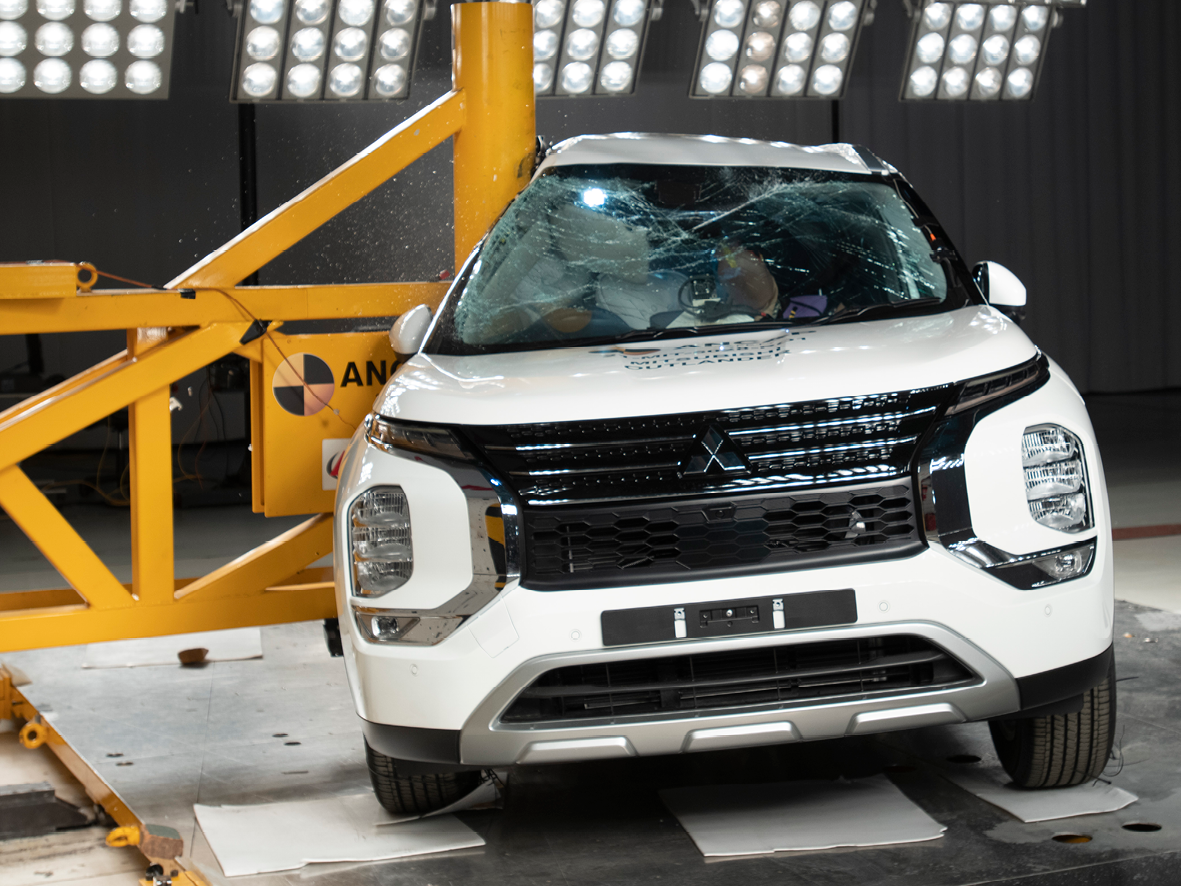
Adult occupant protection was also rated highly, as a perfect score in side impact and oblique pole testing helped to achieve its 31.61 points out of 38 for an 83 per cent overall score.
The same percentage was also given to the Outlander in the tests of its safety assist systems, as each tested technology scored over half the points available, although its lane support systems were rated as faultless, contributing four points to the final ranking of 13.35 out of 16.
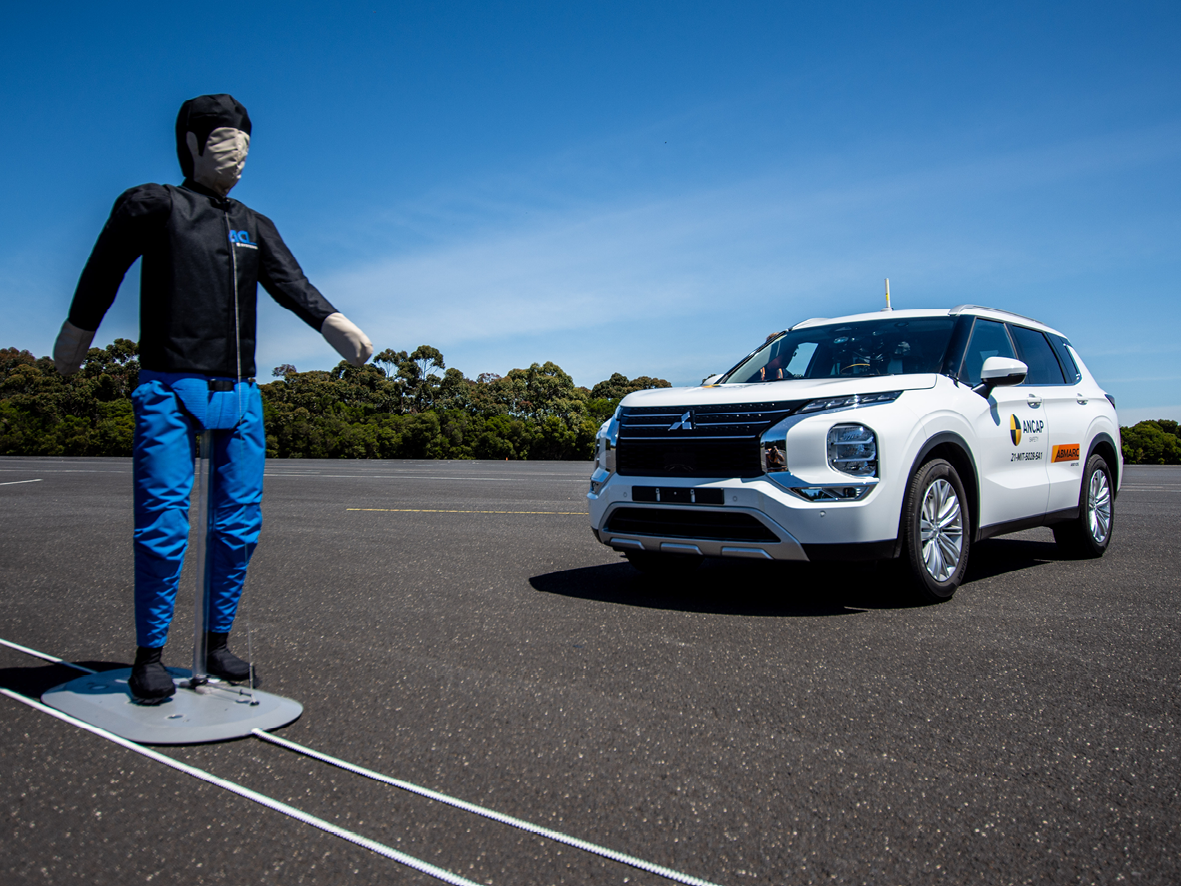
Finally, in the vulnerable road user protection tests the Outlander still posted a respectable result of 81 per cent, coming courtesy of 44.20 points from 54 being given to the SUV.
A perfect score of six out of six was handed down thanks to its upper and lower leg impacts on pedestrians, however the lack of an autonomous emergency braking (AEB) system while in reverse sacrificed two points.
ANCAP CEO Carla Hoorweg said the Outlander’s results reflected Mitsubishi’s commitment to protecting its vehicle’s occupants, but also other road users.
“The new Outlander offers an excellent safety package and is a comprehensive offering,” said Hoorweg.
“Mitsubishi has clearly prioritised the safety of both vehicle occupants and other road users in the new Outlander, and should be applauded for this five star result.”
“ANCAP exists to encourage manufacturers to improve their products with every new model generation released. By providing consumers with the highest level of safety available at the time, manufacturers provide immediate safety benefits as well as sustained road safety for future owners and other road users”
The rating applies to both the 2.5-litre, petrol-powered Outlander already on sale, and also the PHEV, its plug-in hybrid sibling, which is due to launch later this year.
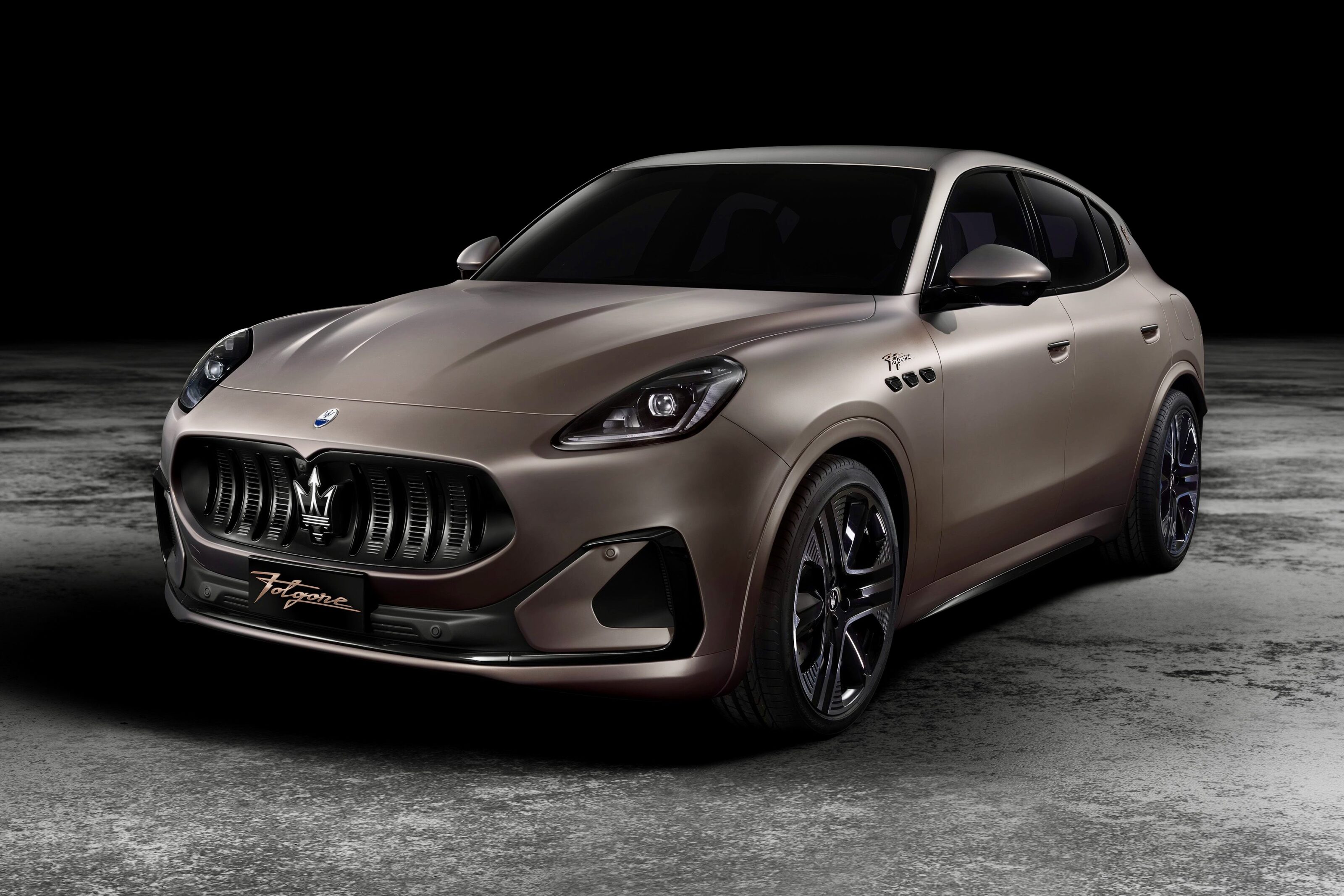
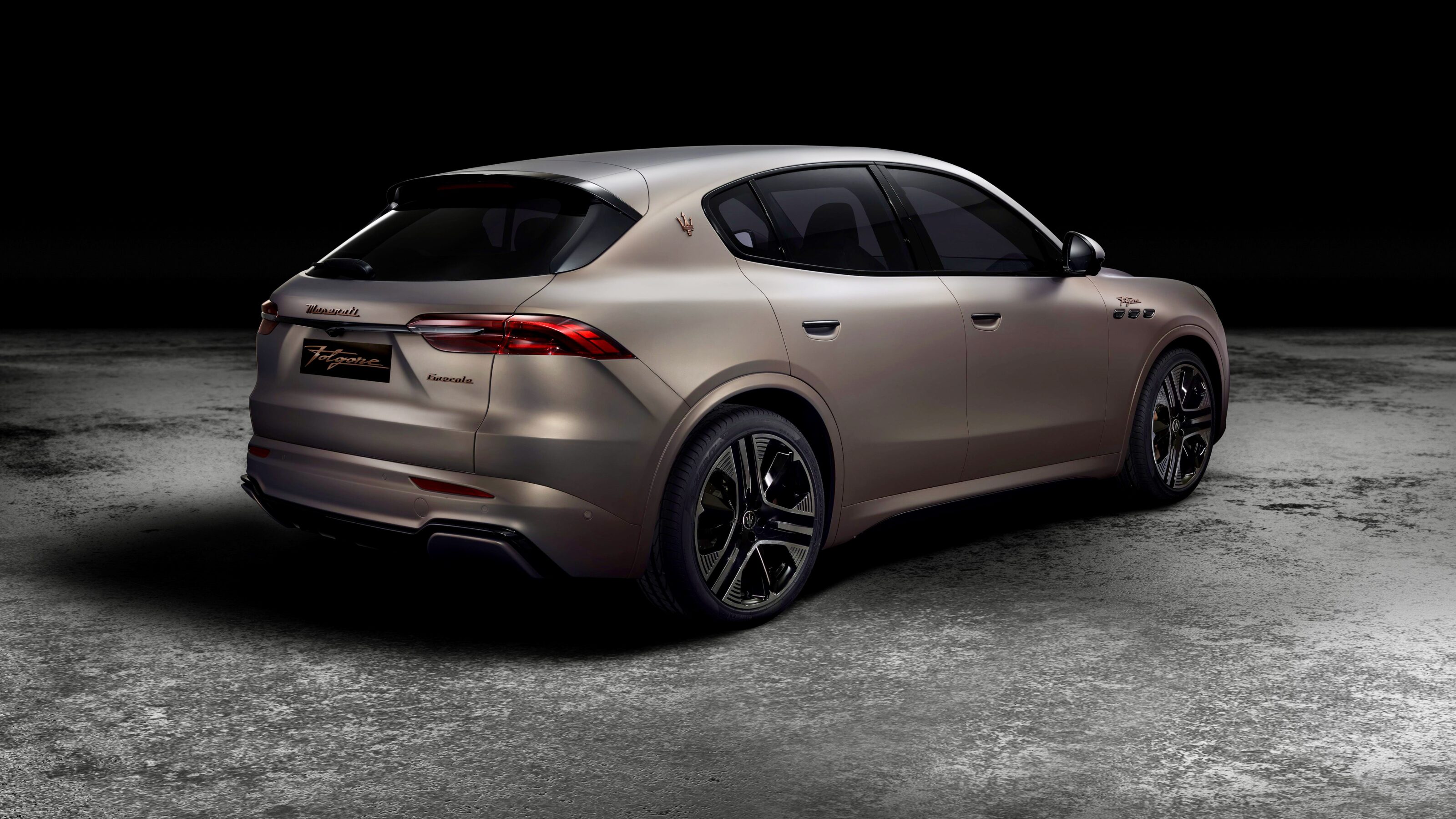
Italian luxury brand Maserati unveiled its first-ever electric car, the 2024 Grecale Folgore, earlier this week, kickstarting its move away from internal-combustion vehicles.
The unveiling of the Grecale (and the MC20) has also previewed its next-generation models, with a new GranTurismo expected to be followed by successors to the Quattroporte and Levante in the coming years.
With this in mind, a new pair of renderings by Theottle have imagined what an upcoming electric Maserati sedan could look like, reviving the iconic BiTurbo nameplate last applied to a two-door coupe with – as its name implies – a twin-turbocharged V6 engine.
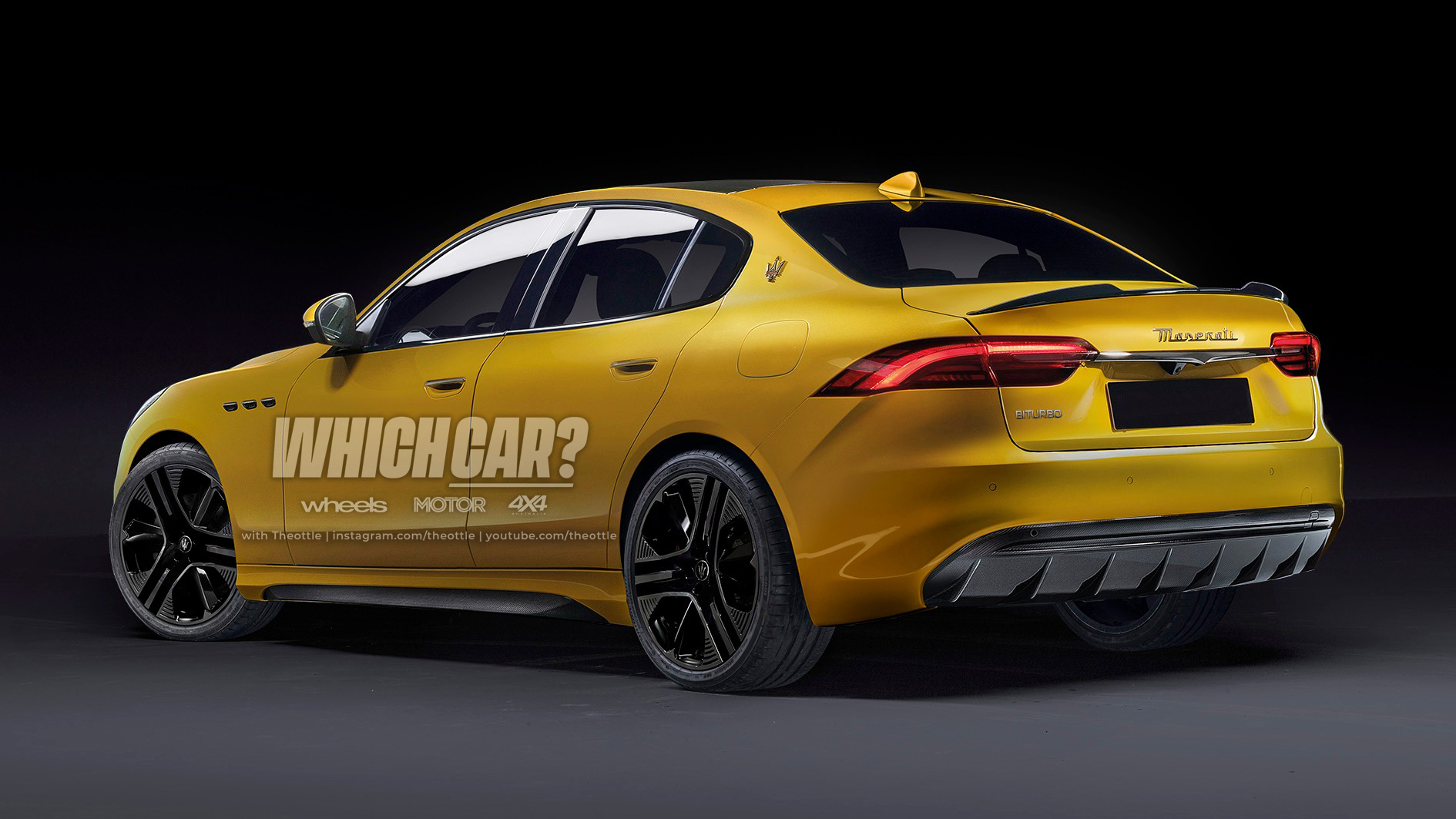
A four-door sedan version was also available with the same bi-turbo engine (albeit with slightly less power) and an 8.6 centimetre longer wheelbase.
Inspired by the all-new Grecale, the reimagined BiTurbo Folgore shares its ‘vertical’ design language with the medium SUV and the two-door MC20 sportscar, featuring; the trademark Maserati grille, high-mounted LED headlamps, traditional triple side air vents, and horizontal tail-lights.
An all-electric powertrain shared with the Grecale Folgore would sit underneath the body of the modern BiTurbo, based upon the modified Giorgio platform or a variation of Stellantis’s new EV-focused ‘STLA Large’ architecture.
Following the end of ownership under Citroën, the BiTurbo was developed to ‘downmarket’ the Maserati brand to bring its vehicles closer to the common person. It replaced the mid-engined Merak in 1981, becoming the world’s first twin-turbocharged production vehicle, with assembly continuing to 1994.
While the return of the BiTurbo nameplate is likely to remain a pipe dream, rumours suggest Maserati is currently developing a successor to the current full-size Quattroporte. It is expected to offer both internal-combustion engines with hybrid power and a fully-electric Folgore variant.
A next-generation version of the smaller Ghibli is less certain, with Yahoo News reporting the slow-selling luxury sedan will soon end production – more than 10 years after the vehicle was introduced.
Speaking with the publication, Francesco Tonon, head of product planning at Maserati, said: “There is still a very clear demand for sport sedans, but we believe that we can serve customers even better by substituting the Ghibli and the Quattroporte with just one new sport sedan.
“We strongly believe that there is a future for the sedan, but probably not for two sedans. One will be enough to meet demand.”
An all-electric line-up, dubbed ‘Folgore’ (Italian for ‘lightning’), will be offered across the Maserati range from 2025 before the marque goes EV-only in 2030.
The next-generation GranTurismo will become the second EV launched by the firm, developing more than 883kW of power, as part of a plan to be the “first luxury brand to complete the EV line-up”.
It was BMW’s first production EV and the first electric car to ever win our Car of the Year award, but now the plug is being pulled. After eight years of production, slowing sales – and the advance of EV tech and expectations – means the BMW i3 meets its end in 2022.
This, of course, isn’t BMW giving up on EVs, rather changing its EV direction somewhat, much like the expectations of the car-buying public.
When the i3 launched in 2014, sedans and hatchbacks still dominated the market. SUVs were still ‘on the up’ rather than sitting on the throne, and despite the arrival of the Tesla Model S, applying EV technology to small cars was seen as the smart move. It’s easy to see how BMW saw the i3 as a crucial leap forward, along with its i8 hybrid sports-car sibling.
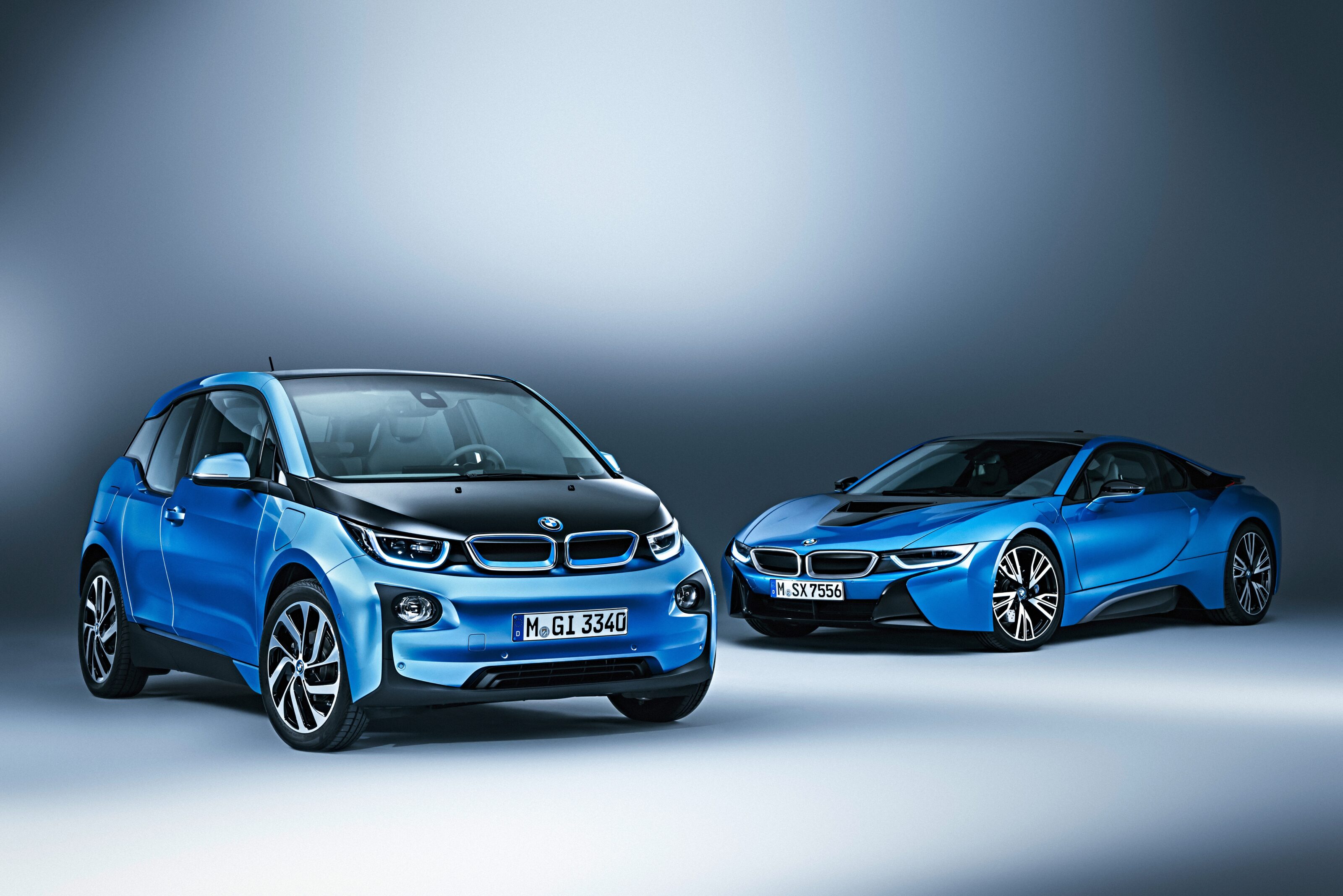
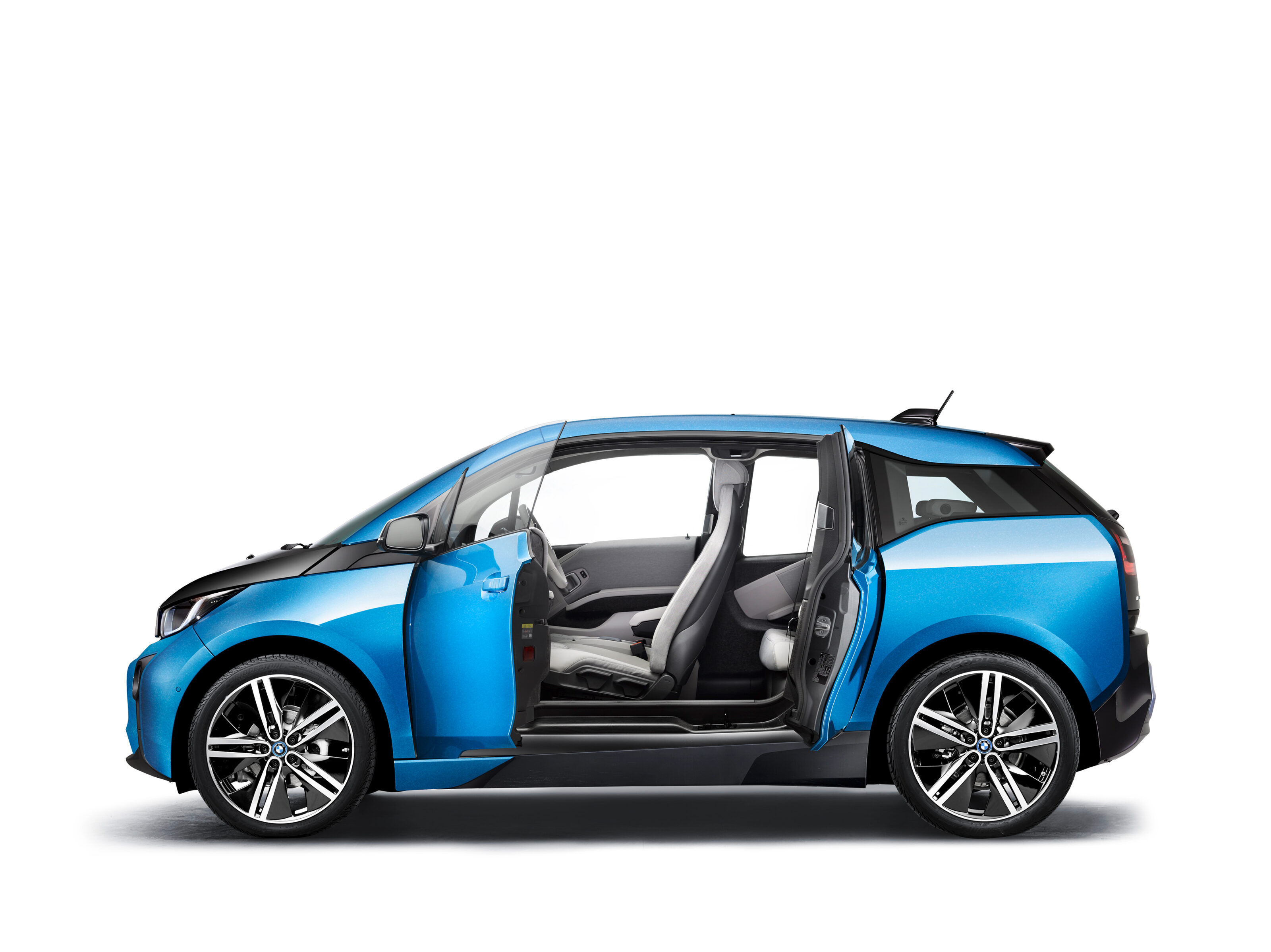
Technically, the i3 was impressive. It featured carbonfibre construction and a commute-worthy 130km range, while the option of a 0.6-litre, two-cylinder range-extender engine (providing an extra 110km) increased the i3’s useability.
Not only this, but it was fun. The 1245kg i3 was lauded by judges at COTY 2014 as a ‘genuinely agile car’ and ‘unmistakably well-balanced’.
Its acceleration – 0-100km/h in 7.2 seconds – was sufficiently brisk for a small hatchback, and even standing still, its design was like nothing seen before. Inside and out, its material choice and design bravery was unique. COTY judges called it a ‘far-sighted clarity of vision and unswerving execution.’
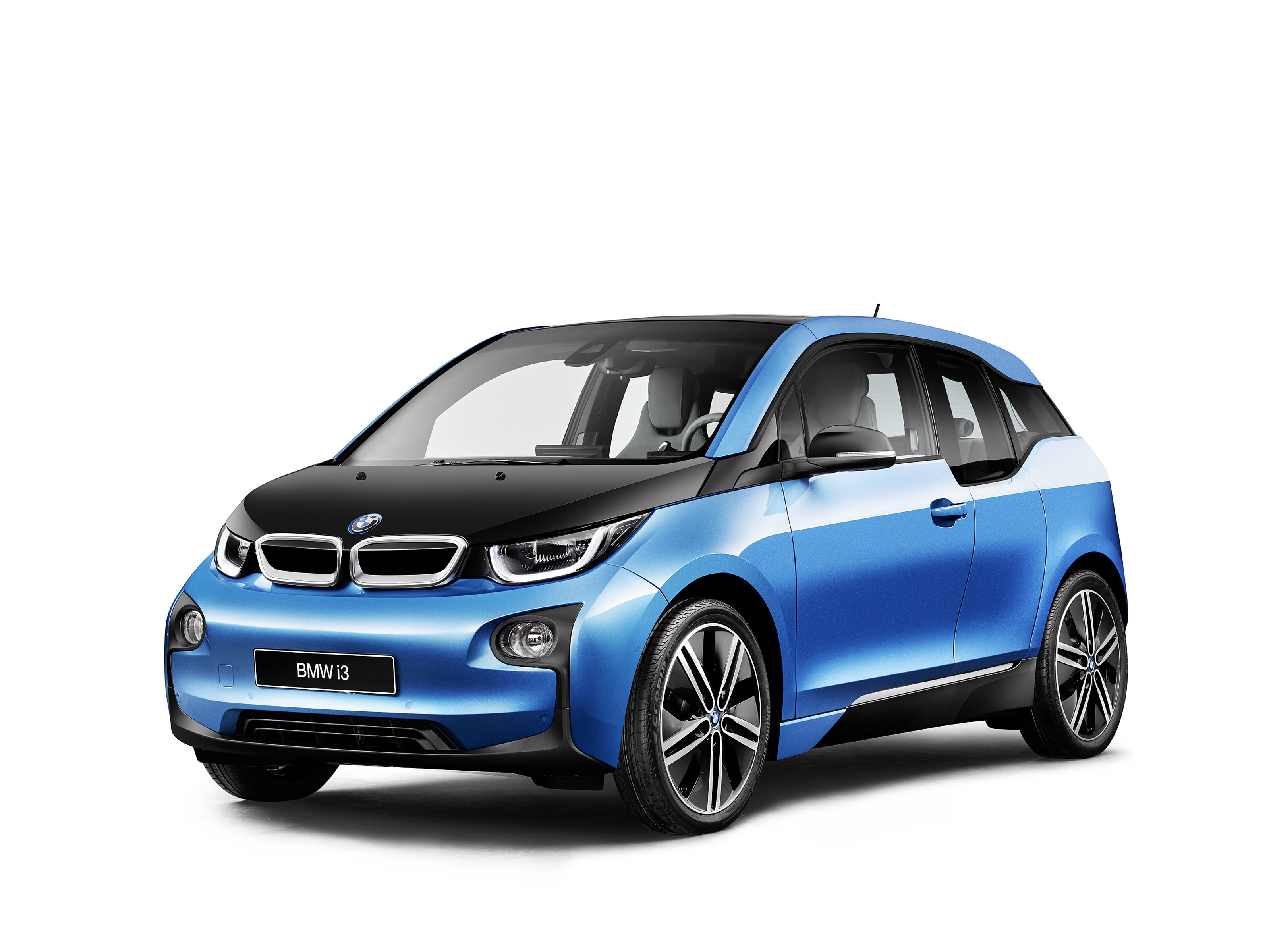
Fast-forward to the middle of 2017, and after only a couple of hundred i3 sales in Australia, an updated version and a new variant of the EV hatch were announced. The i3s arrived with 135kW and 270Nm, could hit 100km/h in 6.9 seconds, and a redesigned suspension set-up – revised dampers, anti-roll bars, 10mm lower springs, and wider tracks – delivered a sportier driving experience.
But by this point, what was a $64,000 small hatch had become a $70K proposition. Sales were a steady trickle, but Tesla’s similarly-priced Model 3 would soon arrive to change that a little over a year later.
The larger, faster Model 3 isn’t the only thing that stood in the way of the i3. BMW’s development focus shifted to electrifying its SUV portfolio to meet the market’s tastes, with even EV-heretic Australia copping a PHEV X3 and X5.
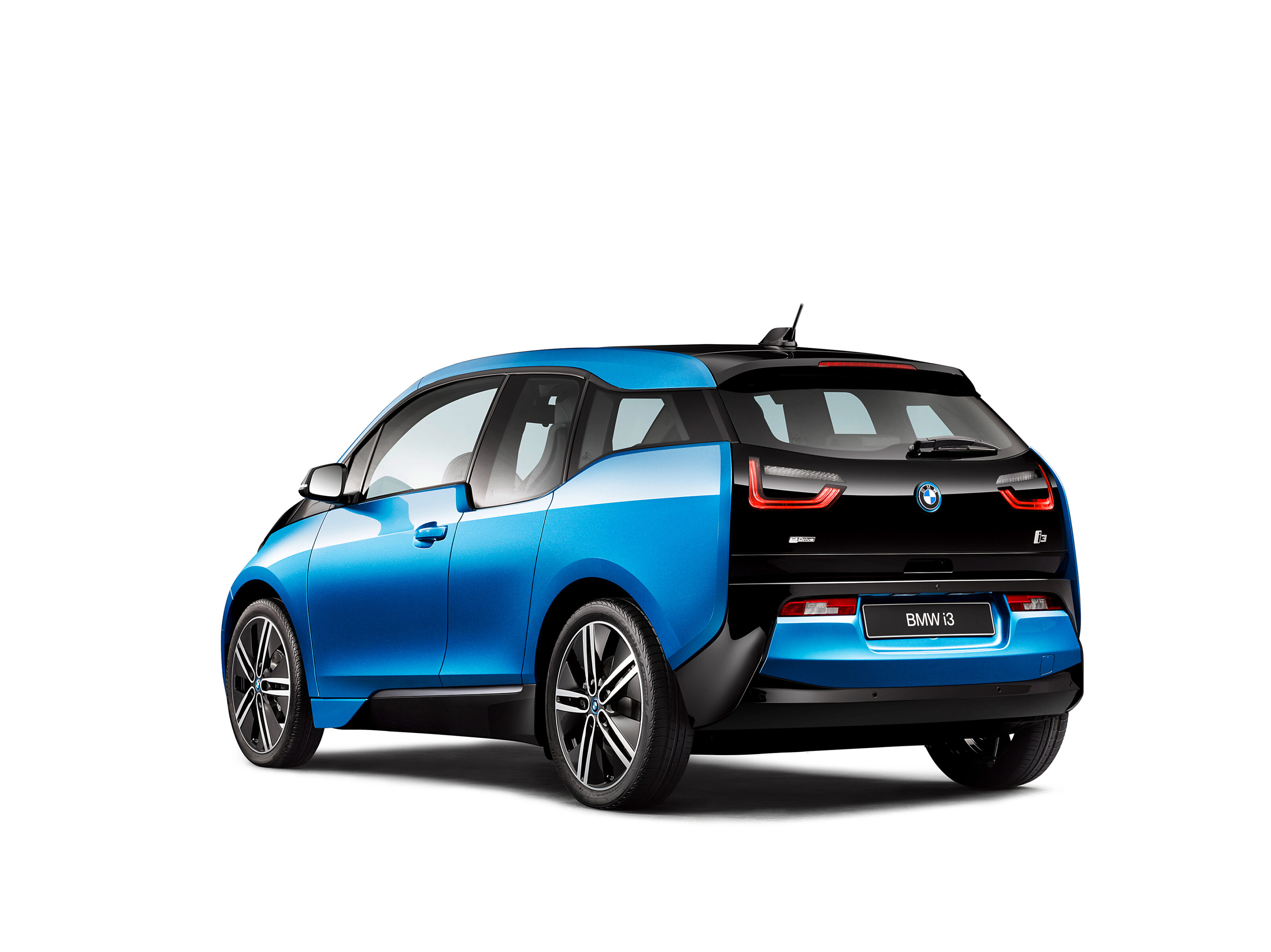
In fact, they outsold the i3 by 32 and 51 units in 2021, with the i3 placing 27th in Australia’s overall EV sales. If BMW had launched a car like the i3 now, it’s likely it would be far closer to the pointy end of that list.
Unfortunately, creating a ground-breaking car and launching it in the market ‘ahead of its time’ didn’t equal sales success. It does mean early i3s are on the used market for $35K-$45K, and they’re much easier to find chargers for than when they were new.
Wheels awarded the i3 COTY for its foresight, and while the i3 itself didn’t quite take off, its philosophy lives on in i Division’s new creations like the iX.
An i3 by any other body type
While the i3 has met its end, the badge lives on in a quirk of nomenclature. In China, an electric version of the long-wheelbase BMW 3 Series will be called i3, in much the same way as the electric 4 Series is in other markets.
It’s yet to be confirmed if the name will carry over to the inevitable electric 3 Series in other markets like Australia.
BMW i3 sales in Australia
Snapshot
- Chassis 888-012A was built for Craig Lowndes’ 2008 title tilt
- Has been raced by James Moffat, Tim Blanchard, Jake Kostecki and Thomas Randle since
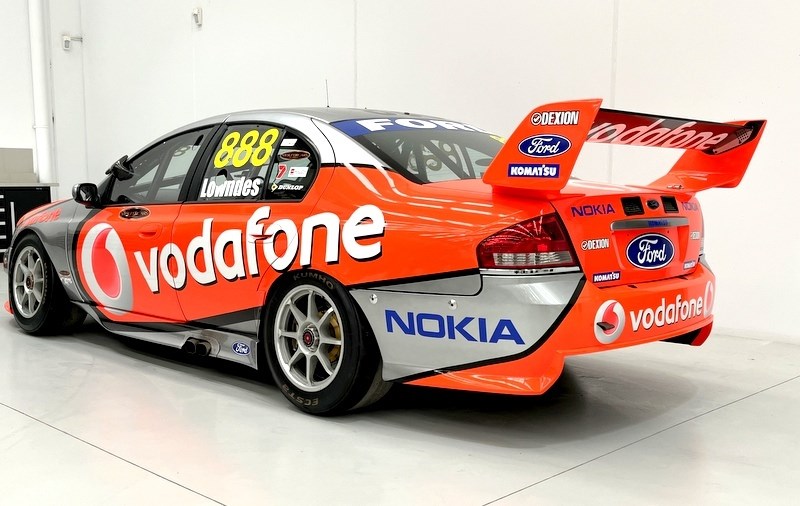
- Currently wearing the 2008 Vodafone livery
An ex-Craig Lowndes Ford Falcon V8 Supercar is up for sale through Lloyds Auctions, boasting a healthy history in its competition life.
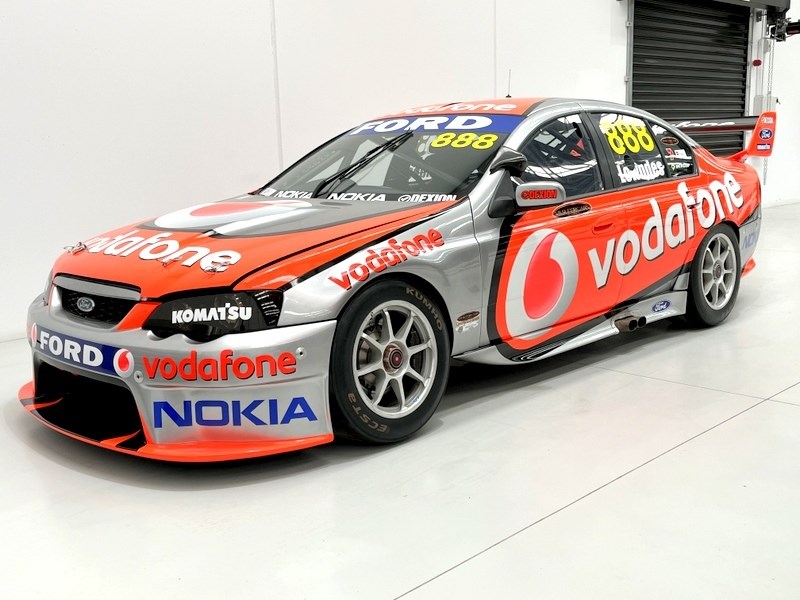
Built by Triple Eight Race Engineering for the 2008 V8 Supercars (now Supercars) season, chassis 888-012A was named due to the team’s superstition about running the number ’13’ – although it wasn’t an overly lucky car for the three-time series champion.
While team-mate Jamie Whincup romped home to the first of his seven championships, Lowndes was only able to muster fourth place in the standings at year’s end, taking just two wins – only one of which, at Sandown Raceway, was achieved in this car.
Still, the Ford BF Falcon went on to have a strong life outside of the main game series, being passed down to the now-Super2 Series with Sonic Motor Racing Services to be piloted by James Moffat, scoring five victories in Moff’s rookie season en route to a second place in the standings.
Sonic held onto the car for the next season where it was driven by Tim Blanchard, winning one race throughout the year to yet again finish second in points before the BF was shelved for a number of years.
Returning to the track as a part of the V8 Touring Car Series (present-day Super3) in 2013, Ryan Simpson used 888-012A to set a category record of six wins in a row, while also becoming the first driver in the series to win 10 races.
From there, it ended up being run in further Super3 campaigns by current Supercars drivers Jake Kostecki and Thomas Randle, before its current owner restored the Triple Eight car to its original Vodafone-backed paint scheme from 2008, complete with the iconic eight-spoke wheels.
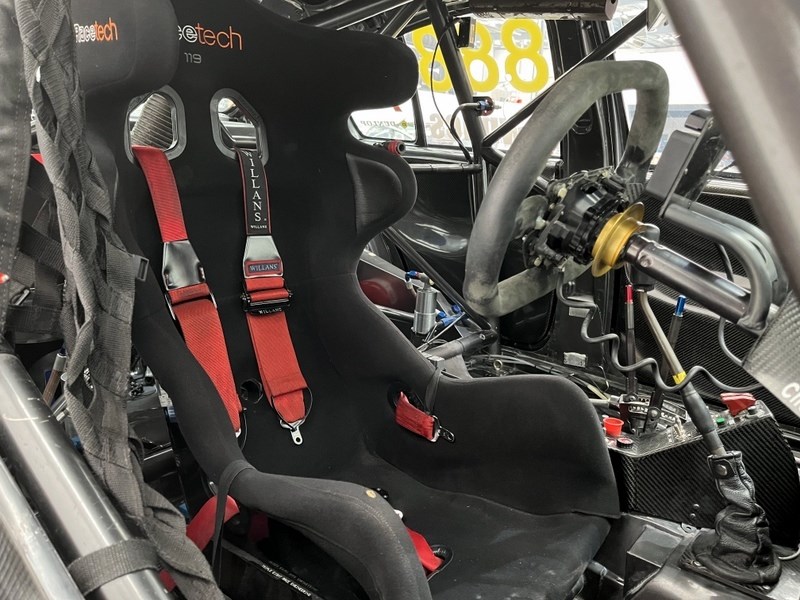
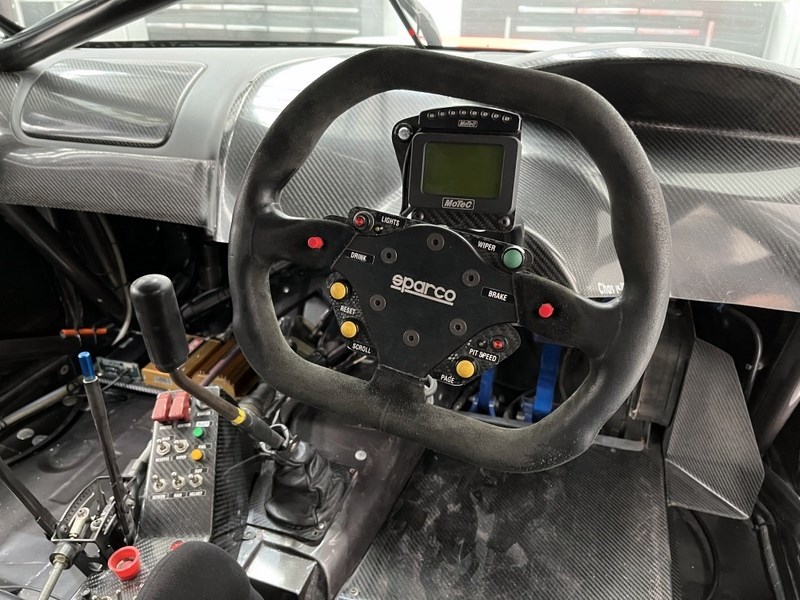
2008 was a transitional year for V8 Supercars, becoming the first where the category made sequential shifters an option, rendering the H-pattern gearboxes all but obsolete.
It was also the final year of competition for the B-series Falcon from the top teams before the FG came along in 2009, with Triple Eight ending the period on a high by taking the Teams Championship by a healthy margin over Ford Performance Racing and Dick Johnson Racing.
Bidding is set to start at $135,000 on Saturday, March 26 at 10am AEDT, ending on Sunday, March 27 at 7pm AEDT.
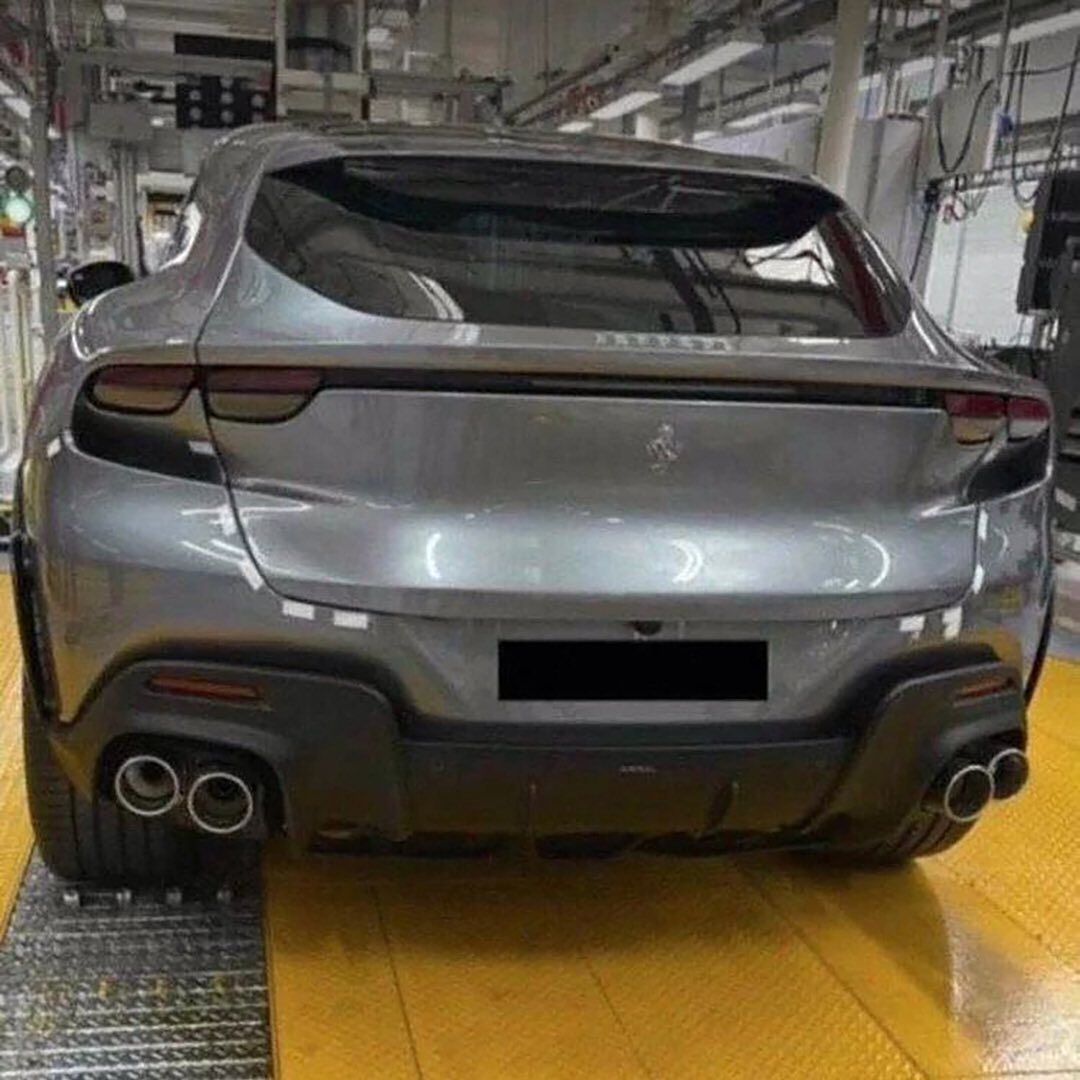
The upcoming 2023 Ferrari Purosangue has been teased in its production form for the first time, following a pair of revealing photos that surfaced online in February (story below).
Importantly, today’s teaser confirms there was nothing doctored about the earlier shots, showing that the Purosangue will present a tapered front end with slender LED daytime lights featured in a strip above the familiar badge.
Although not visible in the shadowy preview image, the earlier photos confirm we can expect larger driving lights to appear in the lower section, set inside the large outboard intakes.
An exact reveal date for the Purosangue is still to be announced, but Ferrari has at least confirmed we can expect to see its first-ever SUV unveiled later this year.
Click on the above photo to see it in full.
The story to here
Ferrari Purosangue seen for the first time in factory snaps
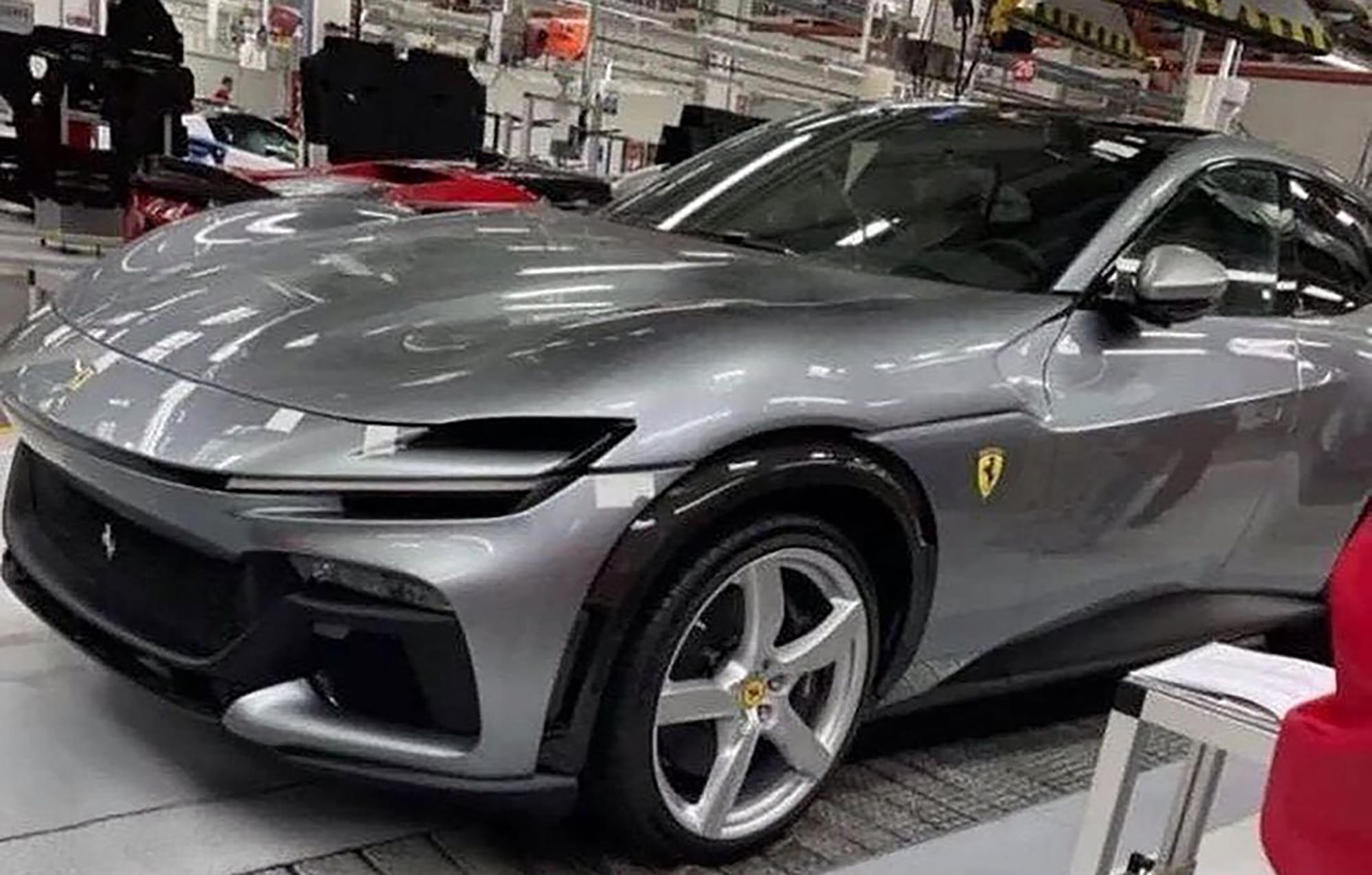
February 22, 2022: The Purosangue has been spied in its production form at long last, after years of anticipation and spy photos revealing only Maserati-bodied mules.
These shots, posted to CarDesignWorld on Instagram, reveal what we can expect from Ferrari’s first SUV – an offering once forbidden by former boss Sergio Marchionne, who would reply to questions on the topic with versions of “over my dead body”.
What do you think of Ferrari’s rival to the popular Lamborghini Urus and the Aston Martin DBX?
2022 Production date confirmed
Snapshot
- Late-2022 production for Purosangue SUV
- Monza SP1 and SP2 to be phased out for Daytona SP3
- Ferrari sold 11,155 vehicles in 2021
February 8, 2022: The first-ever Ferrari SUV is set to go into production this year, as the Prancing Horse confirmed its Purosangue will finally roll down the line in Maranello.
Buried in its 2021 sales report, Ferrari said it would commence deliveries of the Purosangue from 2023 alongside the Daytona SP3, set to replace the Monza SP1 and SP2 – although 499 of the 599 Daytona examples have been purchased by Monza owners.
There’s still no official reveal date for the SUV, however it’s expected a late-2022 unveiling could be on the cards to make sure it gets shown off before the first examples come off the production line.
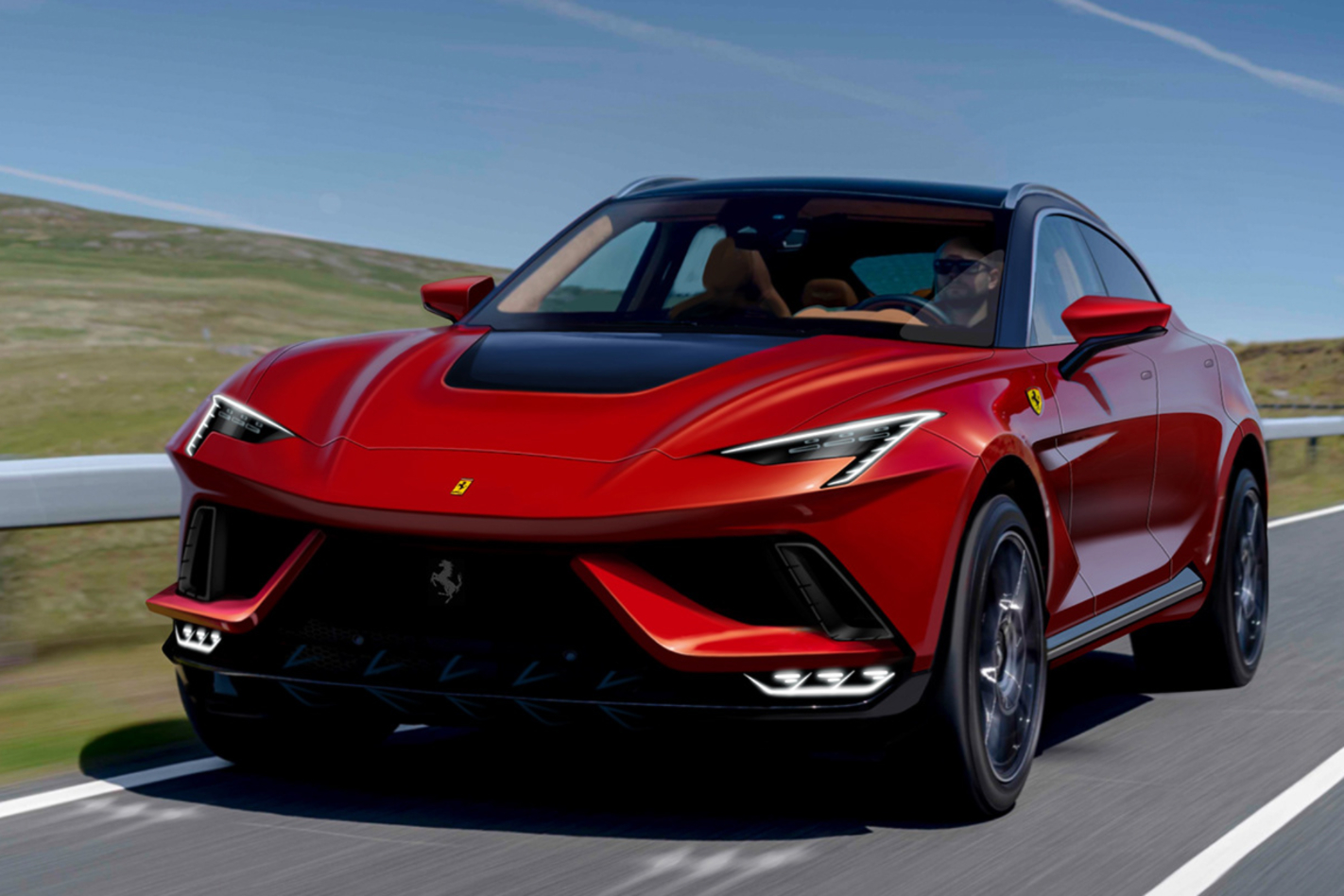
Renders and spy shots have shown the Purosangue (Italian for thoroughbred) to adopt Ferrari’s traditional long-bonnet styling, but with the usual high-riding, four-door SUV features of its rivals such as the Lamborghini Urus and Aston Martin DBX.
The announcement of the SUV’s arrival comes as Ferrari celebrates its best-ever year of sales and deliveries, having sold a total of 11,155 vehicles across the globe in 2021 – a 22.3 per cent recovery over 2020 and a 10.1 per cent increase above 2019, its previous best 12 month period.
Demand surged in China, Hong Kong and Taiwan to 899 units over the course of 2021, a 97 per cent jump over the year prior, something which Ferrari hopes will continue into 2022.
South Korea is rapidly emerging as the keenest of beans when it comes to electrification. Kia and its compatriot Hyundai have been chucking rock after rock at European and Japanese carmakers, trying out hybrid, plug-in hybrid – most recently with the 2022 Kia Sorento large SUV – and all-electric vehicles.
We might have got Kia’s Niro EV late but it has been around for a while, as has Hyundai’s Kona Electric.
Conspicuously absent in almost any car company’s CV you care to name is a plug-in hybrid SUV, particularly larger ones. Sure, you can get a Cayenne or X5 hybrid but you see where I’m going here – price. Toyota, which is only now showing its hand on EVs still won’t give us the PHEV versions of the Kluger or RAV4.
Kia has broken first to get a big SUV with a plug-in hybrid under the six-figure mark. And it seems like a logical progression for the astonishingly good Kia Sorento, a car that is let down only by its petrol drivetrain, a lazy, thirsty V6.
Pricing and Features

The Sorento GT-Line PHEV starts you off at $80,330 before on-road costs. That’s a lot of money but luckily, you get it all with the GT-Line in the first place.
But it’s a solid $11,340 more than the very good diesel version of that car and, according to the configurator, roughly $10,580-$13,580 more than the HEV.
The diesel truly was the one to have over the silly petrol V6 front-wheel-drive car. Better engine, better transmission, just better. We’ll be driving the HEV soon, but for now, we’re mentally comparing the PHEV with the diesel.
In price terms, the diesel Sorento was already pushing it for a Kia, which had been the value proposition in the market. But with this new design heading upmarket, up went the price. It is a quality product, after all.
The Sorento GT-Line PHEV starts you off at $80,330. That’s a lot of money … $11,340 more than the very good diesel version

For your more than eighty-large, you get 19-inch alloy wheels (instead of the ICE’s 20-inch rims), a twelve-speaker stereo, multi-zone climate control, 360-degree parking cameras, keyless entry and start, front and rear parking sensors, adaptive cruise control, digital instruments, sat-nav, auto LED headlights with auto high beam, heated and cooled front seats, Nappa leather upholstery, power tailgate (and mirrors and windows), auto wipers, heated steering wheel, huge sunroof and a full-size spare.
The excellent 10.25-inch central touchscreen is, as you can tell from the number of inches, a monster. It’s also packed full of goodies, information about the car and a reasonable amount of data about the hybrid system, which is nice. As well as the native sat-nav, it has DAB+ digital radio, Apple CarPlay and Android Auto (both via USB) all wrapped up in an extremely slick, configurable and good-looking interface.

The 12.3-inch digital dashboard is also excellent and features the very clever LaneWatch style camera system that activates a camera corresponding to whether you’re indicating left or right to show you the view down the side of the car towards to back. It’s a sort of blind-spot camera and safety device for not flattening other road users.
On top of all that is a substantial five-star ANCAP-awarded safety package with six airbags, ABS, stability and traction controls, blind-spot monitoring with avoidance assist, forward collision warning (high and low speed), forward auto emergency braking (high and low speed), rear AEB, rear collision warning, reverse cross-traffic alert, front cross-traffic alert, lane departure warning, lane-keep assist, exit warning and speed sign recognition.
It’s worth noting that the curtain airbags do not reach to the third row.
Comfort and Space
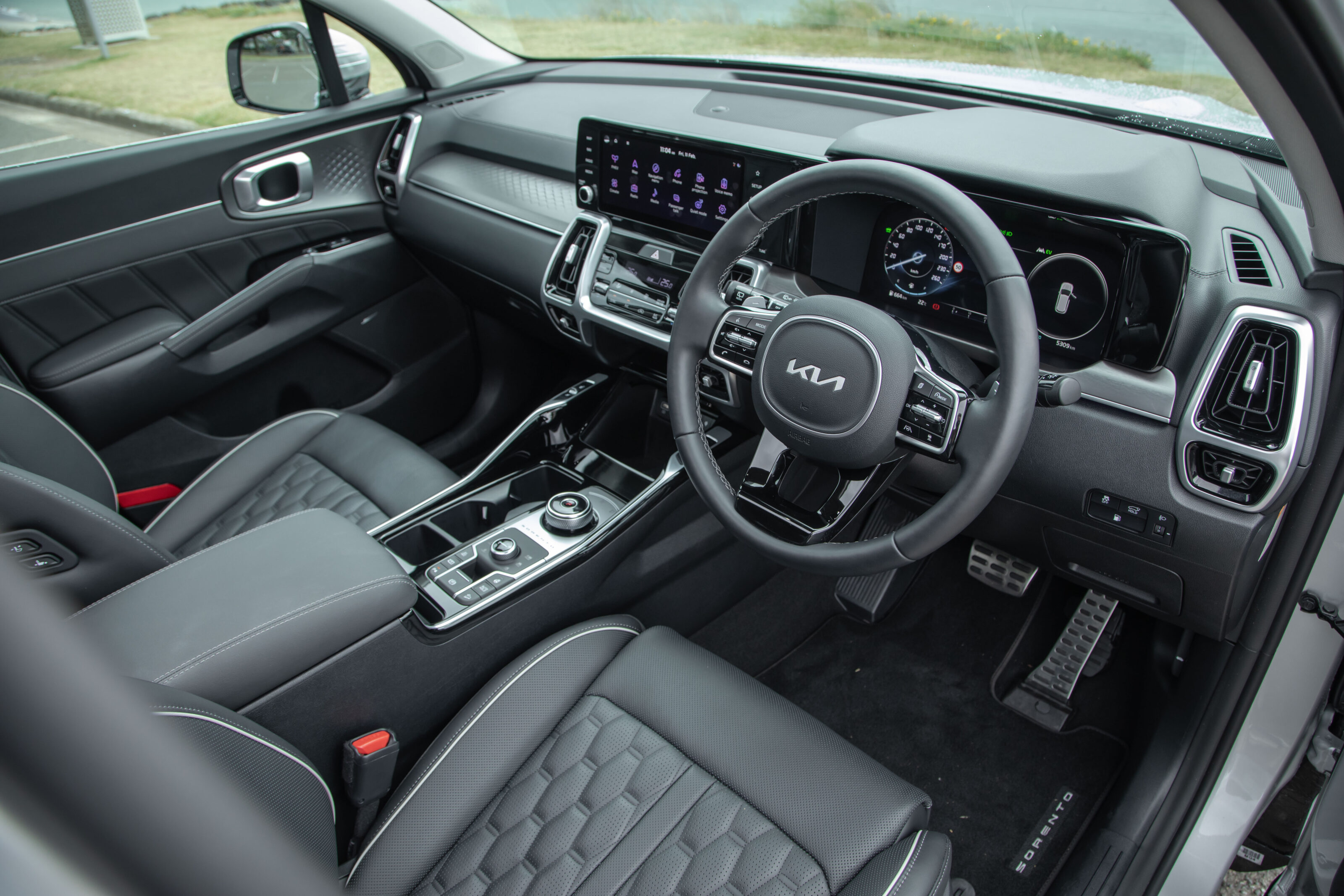
The space in the Sorento is massive and the GT-Line’s cabin is an absolute belter. While I don’t think the GT-Line’s extra bells and whistles are strictly necessary, half of private buyers choose the top-end car – which explains Kia’s decision to deliver the PHEV in this spec (and the HEV, too).
Front passengers luxuriate (no, really) in big comfortable seats with quilted Nappa leather. They’re very comfortable and have tons of adjustment as well as heating and cooling, the latter a godsend in these, shall we say, atmospherically unsettled times.
All the controls look and feel great. It looks terrific, too, with a strong European feel to the materials. And by that I mean, it feels expensive

You have a wireless charging pad for your phone, two cup holders and two bottle holders in the doors as well as a heftily-sized bin under the centre console armrest.
All the controls look and feel great, with a heavy emphasis on technology. It looks terrific, too, with a strong European feel to the materials. And by that I mean, it feels expensive. Lower grades have some classic grained plastic but here in the top-end Sorento, it’s restricted to bits you hardly see or touch.
Moving to the rear, accommodation is again excellent. The second-row passengers get a big armrest with cup holders, USB ports, their own climate controls and big wide windows to view the world and a big sunroof to see the sky, too. You could get three across the middle row no trouble, but as ever, the smaller person needs to go in the middle. There’s plenty of headroom and legroom for adults in the outboard seats, though.

The third row is pretty tight – in other markets, Kia would point you to the larger Telluride – but the Sorento is still usable. The batteries don’t seem to have caused any space-snatching grief and again you have storage for bottles and phones and even a fan control for the air vents that come all the way back here. Just no curtain airbags. The windows are tolerably big to see out of and there’s even an intercom function for first-to-third row chatter/remonstration.
With the third row in place, you have 175 litres of cargo space. Put that away and you have an extremely useful 604 litres and with all seats down a massive 1988 litres. That’s a lot of space and just 30 fewer litres than the non-electrified variants.

We discovered – well, the dog discovered – a very clever feature. I include the dog because it’s hilarious. After a few years of hating the car, she has changed her tune and loves coming for a ride with her head resting on the window sill for that windswept and interesting look.
As we approached a tunnel, the windows suddenly started closing, causing great consternation in our canine companion. After a bit of digging in the menus, we found that the car knows you’re approaching a tunnel and closes the windows to keep out pollutants. It’s clever but might frighten the dogs.
On the Road

Obviously, the big news in the PHEV is its plug-in hybrid system. Instead of the big chunky V6 petrol engine or the 2.2-litre turbo-diesel, Kia has fitted the 1.6-litre turbo-petrol familiar from various cars across the Hyundai-Kia group.
It’s not a great engine but in this installation, it mostly makes sense. It’s compact and reasonably powerful and works well with the six-speed automatic transmission that sends power to all four wheels.
The transmission has a 67kW/304Nm electric motor strapped to it, enabling a claimed 57km EV range. That’s fed by a 13.8kWh lithium-ion battery nestled under the cargo bay (the spare is slung underneath the car rather than stored under the boot floor).
The battery itself is never completely flat as the engine will feed it 3.3kW every hour to ensure, at worst, the car behaves like a series hybrid

M’colleague David Bonnicci tested this car around his standard loop and did quite well on fuel consumption but my self-imposed task was to see what I could do with the EV-only range as I was not expecting any longer trips. Let me apply the usual disclaimers that I have access to a mains power outlet on my driveway so charging is quite simple. And charging from a 240-volt socket is really the best way to power the Kia’s battery.
The setup for charging was really simple; you can punch in off-peak times (in our case 10pm-6am at 13c/kWh) and walk away from the car at the end of the day all plugged in and ready to charge. As we have a solar inverter we could see it draw a stack of power to start things off and then gradually tail away. The battery itself is never completely flat as the engine will feed it 3.3kW every hour to ensure, at worst, the car behaves like series hybrid, keeping fuel consumption down.

Only problem is, it’s very slow to charge so we needed every minute of that off-peak time to get the battery back to full. It’s not a big drama, but public charging stations won’t make it go any faster no matter how much grunt they’ve got due to the Sorento’s lack of DC fast-charging capability.
Given that, we spent about $1.30 in electricity every time we charged it or we could have spent nothing during the day if the sun had ever shone, which it didn’t really.
When Kia punched the numbers into a spreadsheet, combined power and torque comes out at 195kW and 350Nm, which seems weird and is the result of an impenetrably difficult-to-understand formula. Fundamentally, it’s about the same output as the very thirsty petrol V6 front-wheel-drive version.

The EV range in my hands was a solid 47km with a few bursts of 80km/h (no ICE cut-in) and a lot of pottering around town with the climate control working hard to find dry air in a Sydney summer to feed into the cabin. The torque from the electric motor is abundant, even for this two-ton chunker and I very much enjoyed pedalling around town in it.
Given the price of petrol at the moment, spending a buck thirty a day, even three times that, is way cheaper than visiting the pump. Your payback for the hefty PHEV premium is still many, many thousands of kilometres so if you’re going in thinking you’re going to see the money back, I’m here to tell you it’s unlikely.
Moving a big SUV on 4.3L/100km is impressive and with a 50kg weight penalty over the diesel, it feels the same as the ICE-only GT-Line

But even when the ICE does kick in, which it did in the second half of the week as I wanted to experience the difference, it’s pretty thrifty. Moving a big SUV on just 4.3L/100km is an impressive achievement and with just a 50kg weight penalty over the diesel, it pretty much feels the same as the ICE-only GT-Line.
Normally this is where I’d complain about the fuel figure being more than 30 per cent above the ADR claim, but that figure is laughably low at 1.6L/100km and nobody should take it seriously in PHEVs.
Apart from the engine, it’s a Sorento, which means an excellent balance of ride and handling, easy to live with and just a really nice place to be, even when stuck in traffic.
The electric motor delivers effortless forward movement in even moderately fast traffic and it’s quite rare for the motor to cut in. In HEV mode it will also deliver spectacular economy for such a big unit, while saving both battery and fuel.
Ownership

Kia offers a hefty seven years/unlimited-kilometre warranty except for the electrification gubbins, which is covered by a seven-year/150,000km warranty. That should suit most Australian owners for length and coverage, but it’s something high-milers will want to know.
Servicing is every 12 months/10,000km, which is really annoying, mostly because the turbo 1.6 demands it. According to the capped-price servicing schedule on Kia’s website, maintaining the Sorento PHEV will cost $4894 across the seven visits or just under $700 per service. Three of the services are less than $400, two are under $800 and two are over a thousand. So it’s not especially cheap to service and given the short intervals, this is another high-miler issue.
VERDICT

If you can get past the price or are super-keen for zero tailpipe emissions with the strong backup of a turbo-petrol engine, this is definitely the car for you.
While you can have a Kluger hybrid for less (and it will cost less to run), you can also have a Sorento hybrid…
…or can you? My week with the Sorento PHEV had me in a very exclusive club. Before the car even arrived the waiting list was racing to twelve months and it hadn’t even appeared on the website until a few weeks after I had the car.
That’s what you’d call an unexpected hit coupled with global mayhem.
Kia continues to deliver with the Sorento PHEV. While the financial argument and technical window for PHEVs is closing rapidly, it’s a fine car that will fit a lot of urban Australians’ driving habits.
Just maybe not their financial spending power…
2022 Kia Sorento GT-Line PHEV specifications
| Body: | 7-seat, 5-door large SUV |
|---|---|
| Drive: | all-wheel |
| Engine: | 1.6-litre turbocharged four-cylinder |
| Transmission: | 6-speed automatic |
| Power: | 132kW @ 5500rpm (ICE) |
| Torque: | 256Nm @ 1500-4500rpm (ICE) |
| Bore stroke (mm): | 75.6 x 89.0 |
| Compression ratio: | 10.5 : 1.0 |
| Electric motor power | 67kW |
| Electric motor torque | 304Nm |
| Combined power (ICE and EV) | 195kW |
| Combined torque (ICE and EV) | 350Nm |
| 0-100km/h: | 9.0 sec (estimate) |
| Fuel consumption: | 1.6L/100km (combined) |
| EV range | 57km (WLTP, claimed) |
| Battery | lithium-ion, 360V, 14kWh |
| Weight: | 2052kg (tare) |
| Suspension: | MacPherson strut front/multi-link rear |
| L/W/H: | 4810mm/1900mm/1700mm |
| Wheelbase: | 2815mm |
| Brakes: | 325mm ventilated disc front / 325mm solid disc rear |
| Tyres: | 235/55 R19 Continental Premium Contact 6 |
| Wheels: | 19-inch alloy wheels (full-size spare) |
| Price: | $80,330 + on-road costs |
You’d think seeing your company’s wheels bolted to Ferrari’s new front-engine masterpiece, the 812 Competizione, straight from the factory would signal you’ve made it.
But it’s clear when speaking to Carbon Revolution’s Chief Executive Officer, Jake Dingle, the Australian firm has always intended to serve more than supercars with its carbonfibre wheels. After all, that’s what compelled him to leave a high-powered corporate career and develop the company his brother Matt had begun with a founding group of graduate engineers back in 2007.
“One of the things that got me interested – and I wouldn’t have got involved otherwise – was that we wanted to approach this as something that could be a disruptive technology,” Dingle says.
Originally, his brother helped a student team make carbonfibre wheels to compete in a university-based motorsport competition called Formula SAE. A one-piece carbonfibre wheel had essentially not been made for road cars at that time. Together, they saw the opportunity to transition the technology, and Jake Dingle – who has an engineering honours degree – came on board part-time in early 2008.
“I had an engineering background, but I got involved not to be an engineer, but to pull the company together and to turn it into an entity rather than just the good idea in the engineering that was being done. Really to take the idea and transition it into an enterprise.”
In 2010, Dingle left an executive role to join full-time, selling his house to help fund a fledgling Carbon Revolution. Reflecting on why he made the decision, Dingle says he knew the business had a promising future. Positive interest early on from American and European customers bolstered his confidence. But the reality has also been tough: “I probably didn’t realise how hard it was going to be,” he adds.
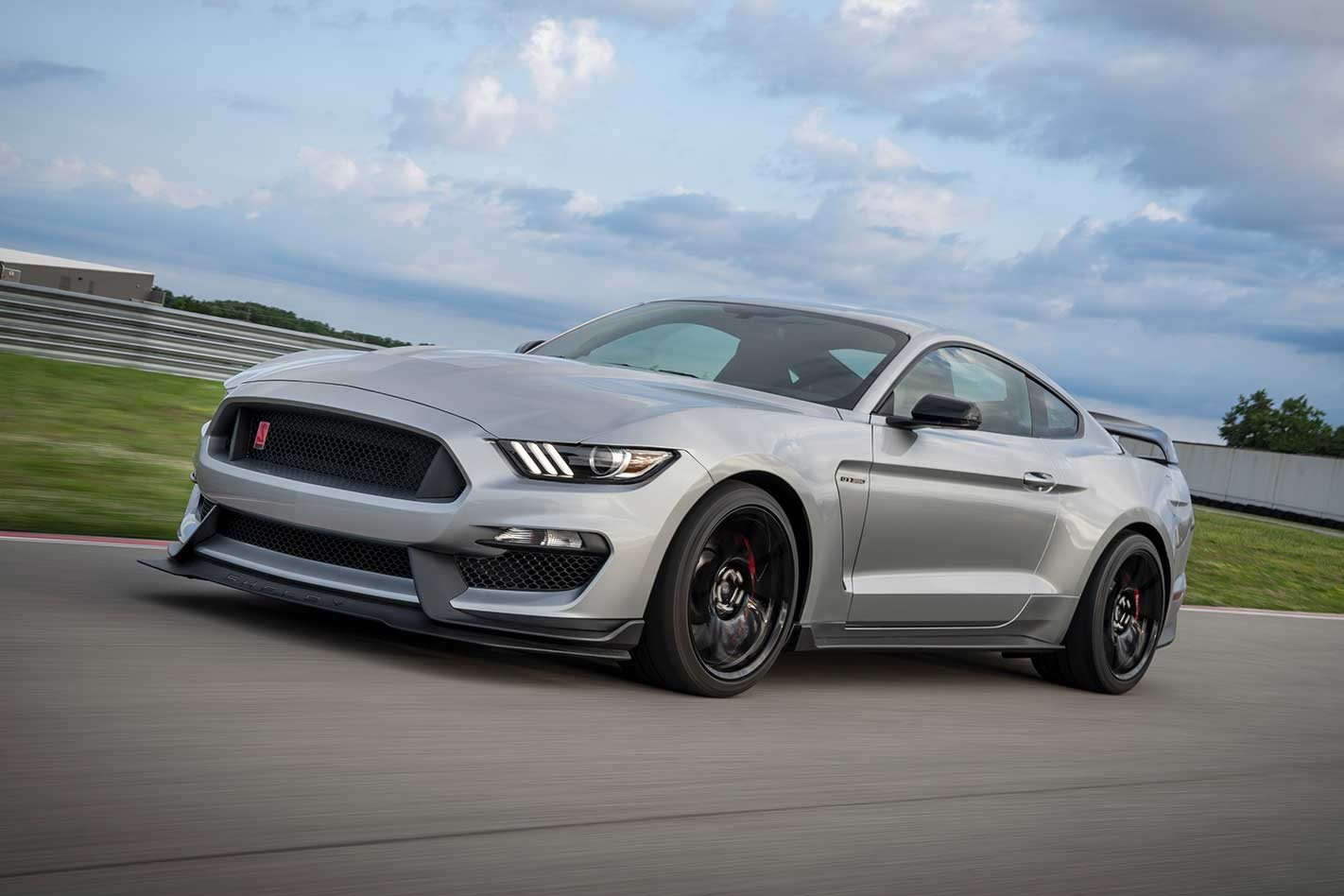
Dingle became CEO in 2012, the year Carbon Revolution began selling aftermarket carbonfibre wheels. It later debuted its first OEM product on the 2015 Ford Shelby Mustang GT350R, which came with its own challenges.
“We thought we had a whole lot of things nailed because we had an aftermarket product, but when you go through the OEM process of validation, there’s a whole lot more rigour than any aftermarket in the world applies. And we’ve always set the business up to [be] an OEM supplier; the aftermarket was really just to get the product out there initially.”
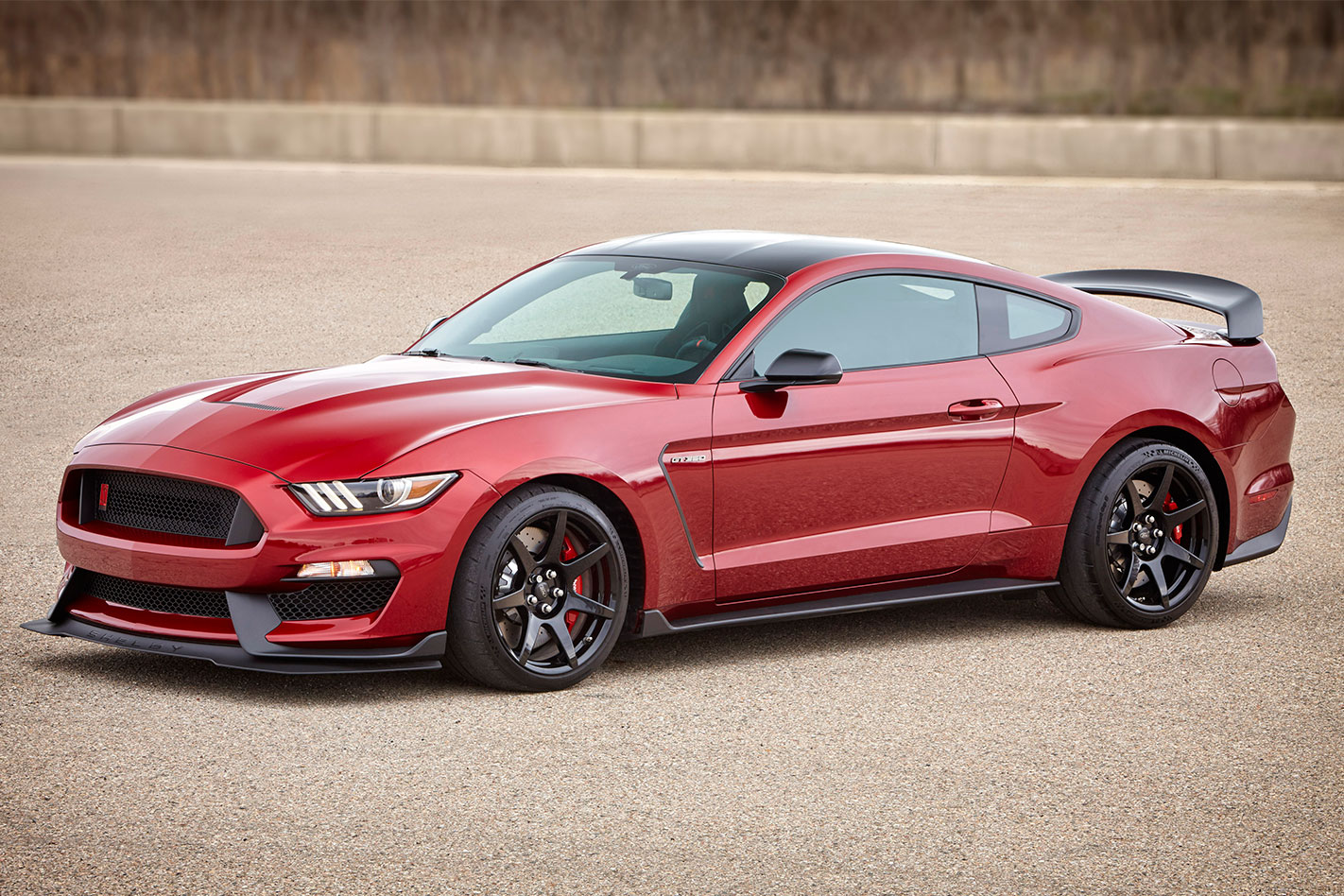
The Ford Mustang GT350R was the first of many highlights. In late 2019 the company issued an Initial Public Offering at $2.60 per share, soaring to $4.20 in early 2020. “It was a successful IPO by any measure,” Dingle says, “followed by a global pandemic a few months later which took a bit of the icing off the cake. The global automotive supply chain that we participate in is still struggling its way out of the pandemic.”
When asked about what the pandemic has taught him so far, Dingle says resilience. Carbon Revolution raised capital early on to help it through and still employs over 400 people.
“There’s not too much you can do about it other than keep your people, maintain the integrity of your team, look after people and try to manage through it as best you can with lower volumes and uncertainty – and stay close to customers as well. It’s meant being nimble and agile; being entrepreneurial.”
Just on that last point, Carbon Revolution is also on the brink of constructing its first mega-line. It’s set to supercharge production capacity at the Geelong-based plant using advanced transport and conveyor systems to automate the factory line for new and, it hopes, existing wheels from 2023.
As for what’s coming next, it’s obvious when you think about segments desperate for weight savings. “Battery Electric Vehicles – the pick-up trucks and SUVs – that’s really where a lot of the demand is coming from,” Dingle says.
Although carbonfibre wheels are claimed to boost an EV’s driving range by five percent, while also reducing tyre noise, Dingle says Carbon Revolution could not rely on these things being obvious. To this end, it pinched Ford’s recently retired head chassis engineer, Ron Collins, in North America.
“Ron’s brought the OEM perspective on board to help us know exactly how to explain and communicate the benefits that we offer because that’s where he comes from.”
Although the company has interests in wheels for adjacent markets like freight or defence (it’s even developing a CH-47 Chinook helicopter wheel, for instance) the main focus is cars. “That’s where our IP and our competitive advantage lies.”
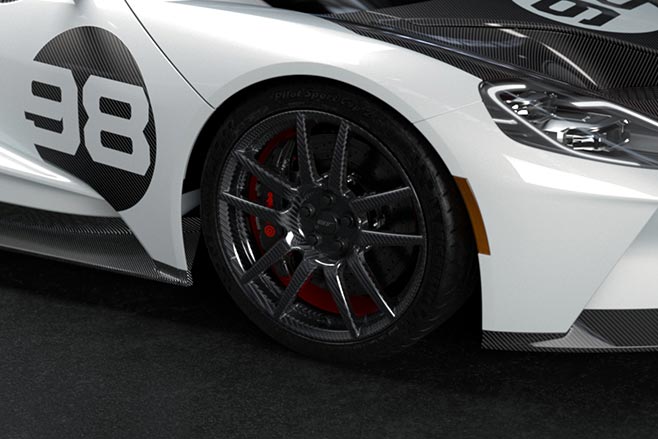
Ultimately, as a trickle-down technology, Carbon Revolution predicts carbonfibre wheels will displace half of aluminium wheel sales. But that’s a long way off, even with the mega-line. “At 200,000 or even a million wheels,” Dingle says, “we will not classify that as being classified as a mainstream product. We are still at a premium end and will be for some time. It’s one of the benefits of this.”
Fortunately, what that lured him in 14 years ago still drives him. “Oh, look, I think we are still on the path to achieving what we think its potential is … you maintain your energy as you see successful outcomes and progress against what you set out to achieve.”
With an SUV program due to launch next year and a number of EV jobs in the can, there’s clearly plenty to keep Dingle and Carbon Revolution on a roll.
Snapshot
- Fuel price crisis is resulting in increased electric vehicle prices
- Classifieds and auctions reporting used vehicles selling for more than new models
- Supply shortage also contributing to price rise
The used car market has gone wild over the past two years, thanks to crippling supply shortages for new vehicle manufacturers which have resulted in long delivery delays.
However, this factor combined with the recent skyrocket in fuel prices to an average of $2.12 per litre for regular unleaded, has resulted in a surge of demand for electric vehicles – especially pre-owned models.
Australian auction house Lloyds has reported a significant spike in interest for used electric vehicles, with many cars going over the block selling for more than they were new due to the considerable demand.

According to Lloyds Chief Operations Officer Lee Hames, Australia’s most popular electric vehicle, the Tesla Model 3, has commanded the largest price jump of all, with bidding for one current-spec model sitting higher than its drive-away price from the manufacturer.
“Right now, we have a 2022 Tesla Model 3 on offer with the current bid sitting at $71,000 where they actually retail for around $68,000 and the bidding is set to close in a few days time,” said Hames.
“With the current fuel prices, people are realising how much they can save in fuel per year by owning an electric vehicle, where savings could be up to 70 per cent on fuel alone.
“The electric car market is still very new to Australia, which is actually a massive benefit to purchasing electric vehicles second-hand, as they are in such great condition usually only having been used for a few years, with previous owners now upgrading to the newer model electric vehicles.”
The Electric Vehicle Council has long campaigned for more EV support in Australia, calling out the Federal Government for its lack of a strategy to encourage the uptake of the vehicles locally.
CEO Behyad Jafari believes Lloyds Auctions’ experience of increasing demand for electric vehicles shows the Federal Government’s stance on EVs has led to the Australian public fighting over a small pool of available vehicles.
“This is a stunning reflection of how the Australian Government has allowed demand to totally outstrip supply on EVs, leaving Australian consumers with the choice between a massive wait or paying above-retail for a used car,” said Jafari.
“The Morrison Government seems to have confused its own myopic views about EVs with those of average Australians and has completely misjudged how demand would grow.
“Australians have seen right through the nonsense that was peddled by the Government about EVs at the last election, and they’re now queuing up to buy one. But the shelves are empty because the Federal Government has made Australia such a uniquely hostile market to EVs.
“Global carmakers are far more interested in selling cars in Europe or the US or even New Zealand, where fuel efficiency standards are established and governments offer unambiguous support to the transition.
“Every Australian who wants to buy an EV should have the same array of options as their counterparts in America or Europe. The fact that they do not is the fault of the Federal Government.”
Jafari also warned a lack of fuel efficiency standards in Australia will lead to lesser models being available locally, with the country’s states and territories currently leading the charge away towards cleaner vehicles.
“Because the Morrison Government’s refuses to introduce the same fuel efficiency standards they have in the US and the UK Australians are being denied access to the electric cars they now desperately want — especially at the more affordable end of the market,” said Jafari.
“Carmakers look at Australia and see strong demand, which is encouraging. But they also realise that every time they sell an EV in America or Europe that will count toward meeting the fuel efficiency standards of those jurisdictions. So naturally they prefer to sell EVs there, instead of here.
“Through a toxic combination of inertia, myopia, and dogma the Morrison Government has created a situation where thousands of Australians can’t get access to the car they want to buy.
“All over the world governments are recognising that most consumers want an electric option when they consider their next vehicle and they’re doing what they can to make that option viable. Australia remains a real outlier.
“It has been encouraging lately to see several state and territory governments introduce positive demand policies to incentivise the purchase of electric vehicles for consumers. But until the federal government comes to party consumer choice will continue to be throttled.
“If Australia continues to be one of the only developed nations without fuel efficiency standards then we will continue to be a dumping ground for the world’s dirtiest vehicles.”
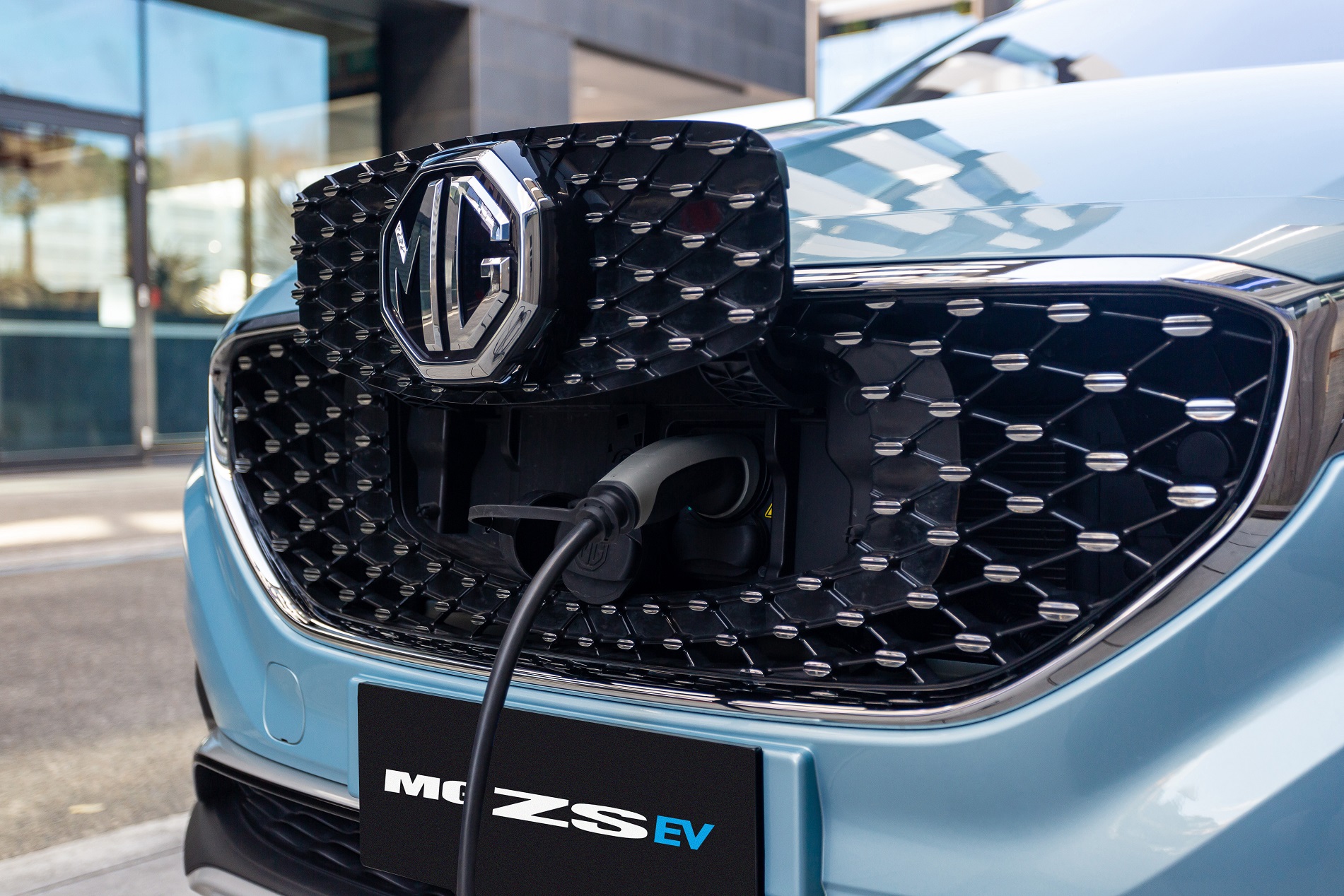
However, don’t go rushing off to buy an electric vehicle just to save at the bowser just yet.
While fuel is over $2 per litre for the first time in Australia’s history, the cheapest electric vehicle on the market is MG’s ZS EV Essence, available at a drive-away price of $44,990 before incentives.
Compared to its internal combustion engine-powered counterpart, the MS ZS Essence, the fully-electric model commands a premium of $19,000 – with the 1.0-litre, turbocharged petrol model on sale from $25,990 drive-away.
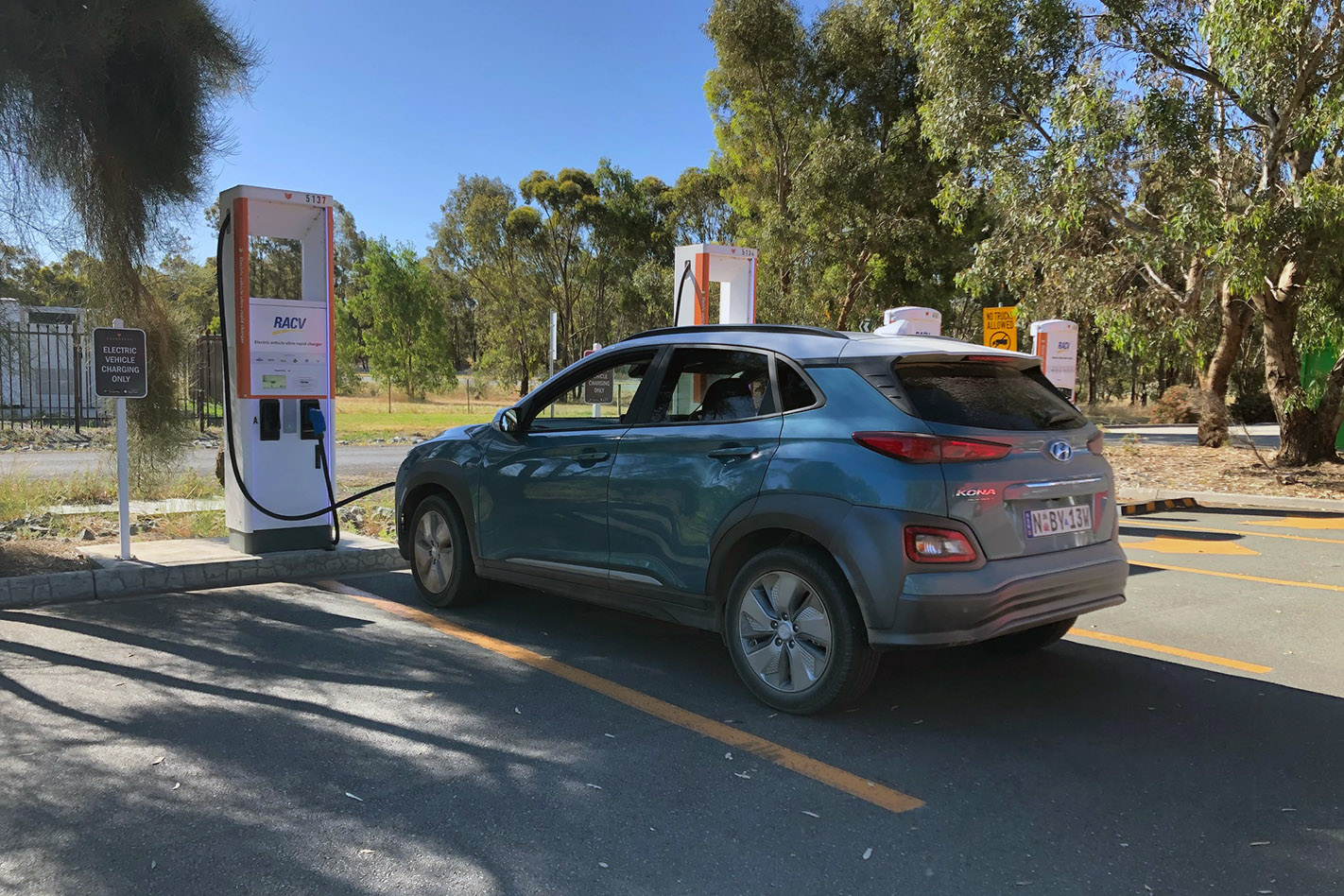
Despite there being no Federal-led approach to EVs, every Australian state and territory currently offers a variety of incentives for buyers who want to move away from fossil fuels.
Over the years, value-minded enthusiasts have had various pools of vehicles to choose from. For a time, it was the relatively unknown JDM heroes that offered big performance for little outlay, then it grew to more modern Europeans which had been killed by depreciation but weren’t yet old enough to develop much in the way of cachet. But in today’s wild market, everything is desirable and performance bargains are growing increasingly difficult to find. Perhaps the French have an answer though.
The batch of RenaultSport-fettled third-generation Meganes are diamonds in the rough, offering an accomplished chassis and gutsy powertrains for, feasibly, less than the price of a base model Kia Picanto. The questions only bloom from there, however, as there’s a dizzying array of variants which, for the uninitiated, can be hard to wrap your head around.
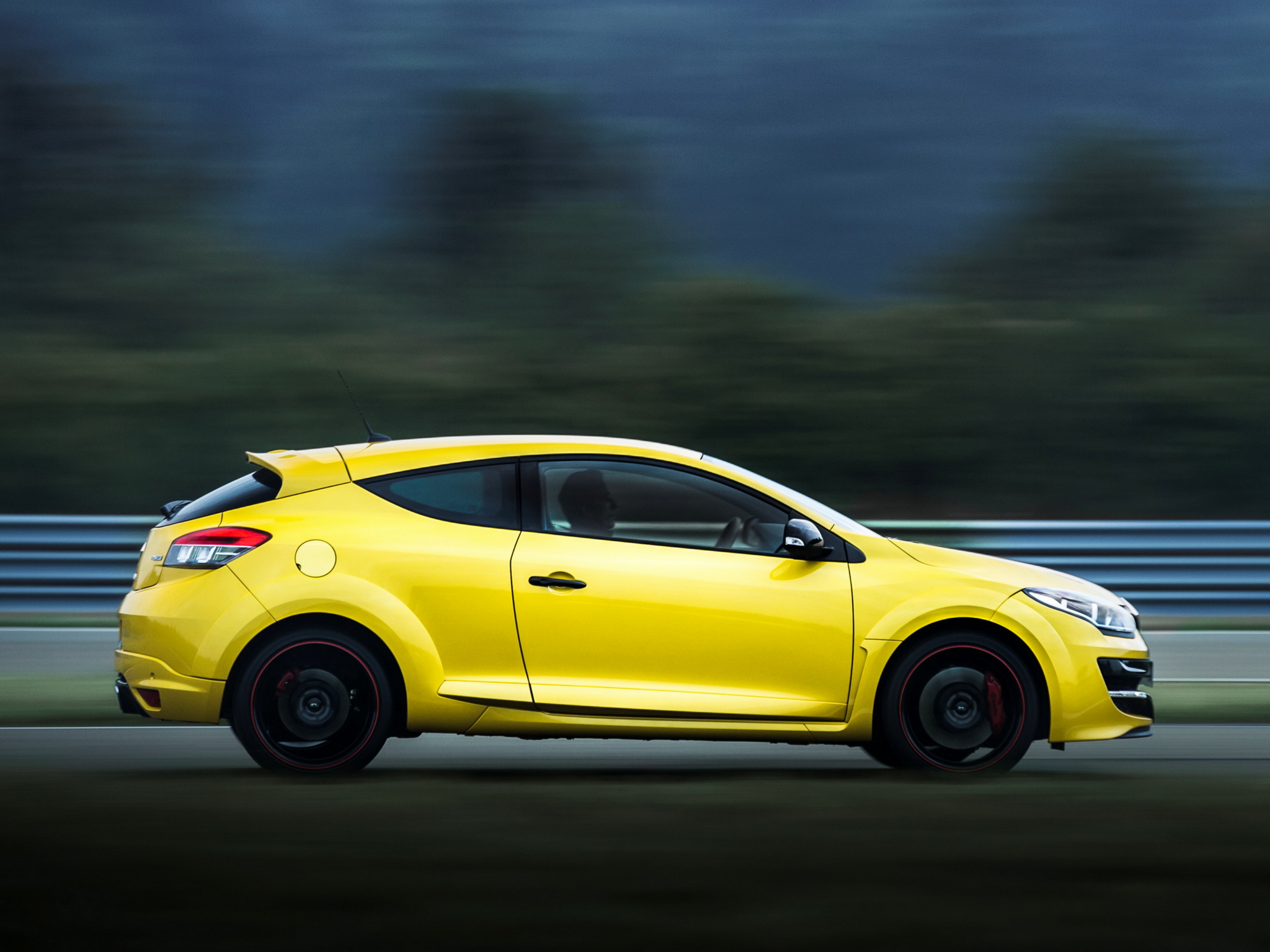
Today we’re speaking about the second-generation of RenaultSport Meganes, based on the third-generation hatchback; namely RS250, RS265 and RS275 variants.
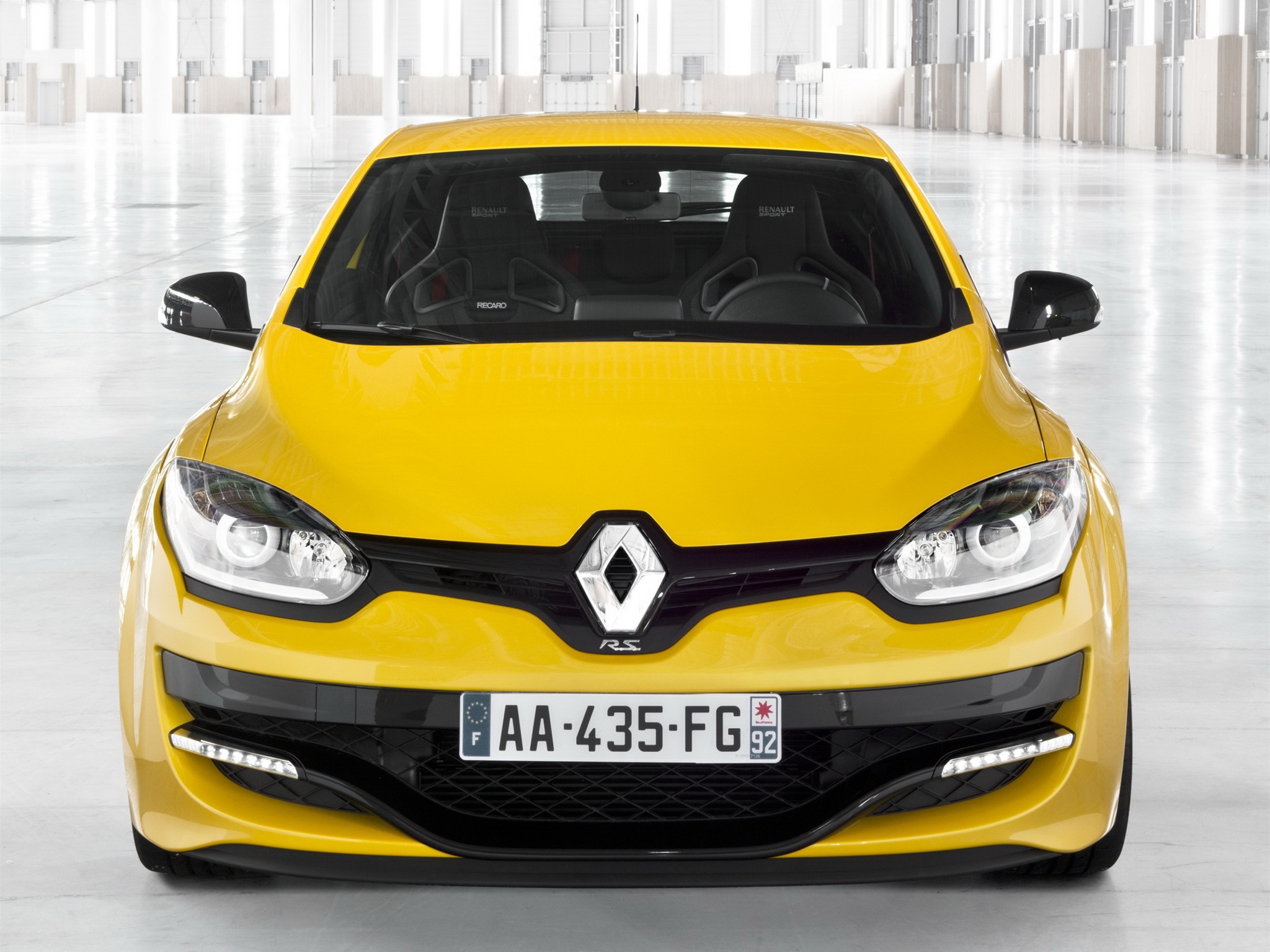
Like the original RS-badged Meganes (built on the second-generation vehicles), the fast Frenchies remained subscribed to the front-drive, six-speed manual, turbo-four formula. Renault’s 2.0-litre twin-scroll turbocharged F-series inline-four (comically abbreviated as F4Rt) traces its basic design back to Renault’s innovative DOHC 1.6-litre diesel-four of the 1980s. Here, it appears in various states of tune from 184kW/340Nm in the RS250 to 201kW/360Nm in the RS275.
While the strut front/torsion beam suspension layout isn’t ground breaking, beneath the front end sat Renault’s torque-steer quelling Perfohub, similar to the Ford Focus RS patented RevoKnuckle design.
They were lauded machines in their day, earning rafts of praise from motoring media around the world and, with this generation’s RS265 Trophy and RS275 Trophy-R, held the Nürburgring crown as the world’s fastest front-driver, twice.
Essential checks
The Megane RS250 launched locally in late 2010. Australia’s appetite for performance saw the Cup chassis fitted as standard, yielding a lower kerb weight and ride height, more rigidity, a mechanical LSD, 15 per cent improved anti-roll stiffness and a 35/38 per cent increase in spring rates front and rear. The Cup Trophée added features such as Recaro Sportser CS seats, premium stereo, tyre-pressure monitoring and folding mirrors.
In 2011, the RS265 Trophy was released as a limited edition, weighing 1387kg and producing 195kW thanks to a new intake and an increase in boost to 21.8psi. The result was a Nürburgring time of 8:08 that shattered Renault’s previous front-drive record held by the cult Megane R26 R by nine seconds.
The RS265 soon replaced the RS250, retaining its uprated engine tune and received the range-wide update most easily identified by the elongated DRLs. Australian variants expanded across Cup, Cup+ and Trophy+ trim levels.
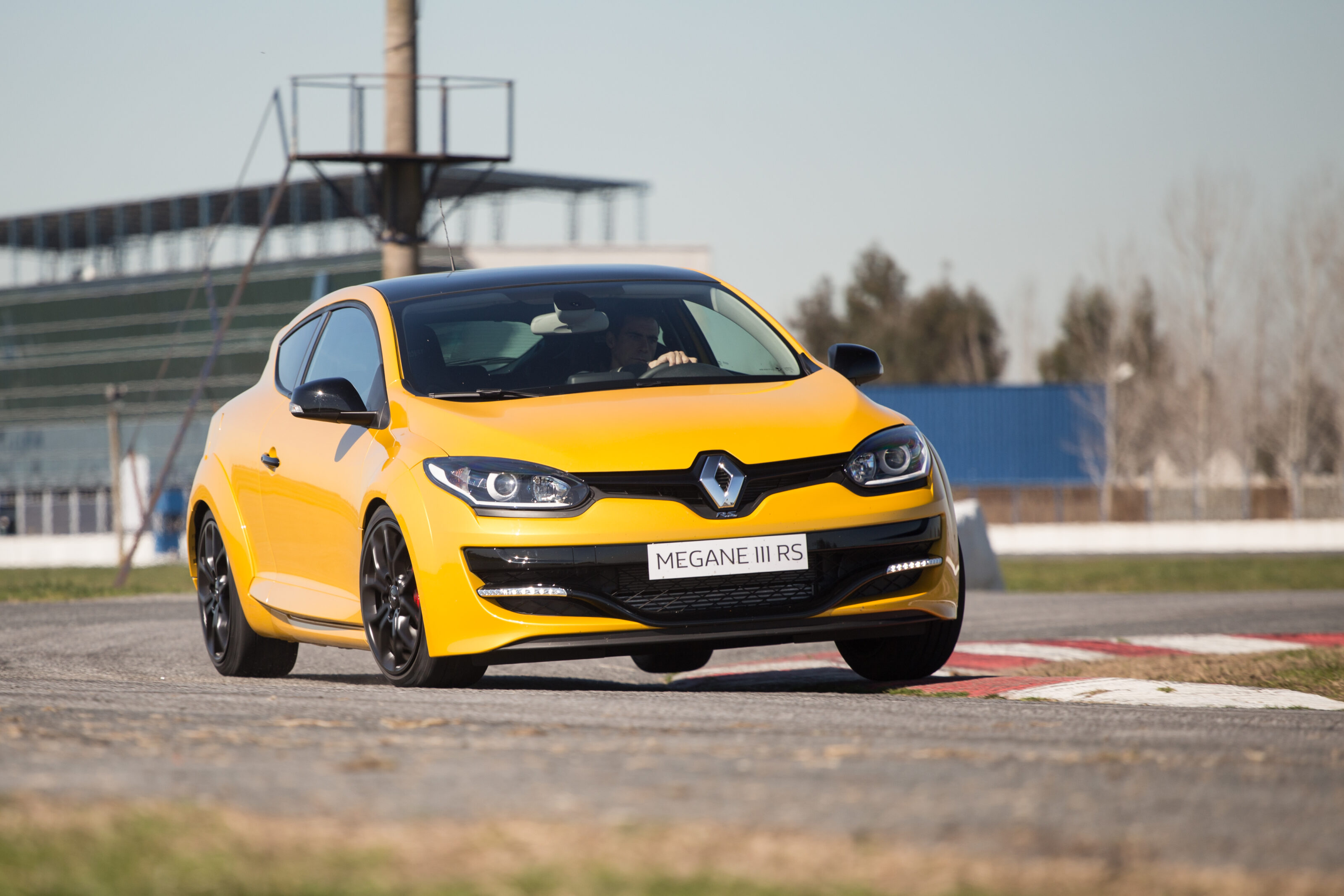
After SEAT pipped the front-drive Nürburgring crown with the Leon Cupra 280 in 2014, Renault returned serve with the 275 Trophy. Fitted with the Cup chassis as standard and power lifted to 201kW with the aid of a titanium Akropovic exhaust, this seemed like the zenith. Until the lighter and limited (just 50 for Australia) RS275 Trophy-R was released as a swansong.
Prices begin at just $12,000 for a pre-facelift RS250 Cup or RS265 Cup, although mileage runs high at around 180,000kms. Prices build from there as you walk up the range and model years, topping out at around $60k for lightly-used RS275 Trophy-Rs.
Body and Chassis
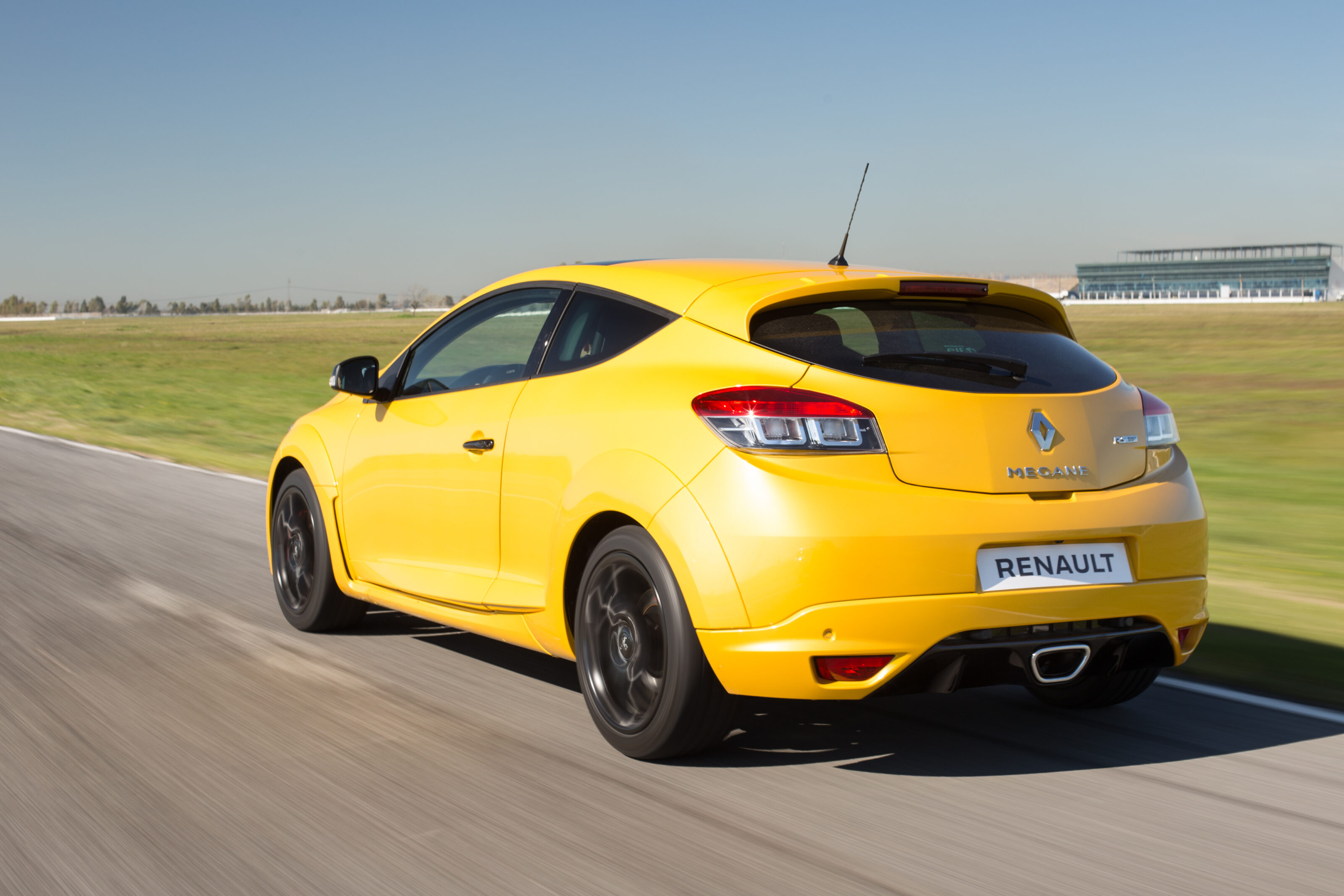
Rear guards are prone to stone chips which can lead to superficial corrosion if left untreated.
Owners have also reported of broken gearbox and engine mounts, signalled by excessive vibration.
Engine and Transmission
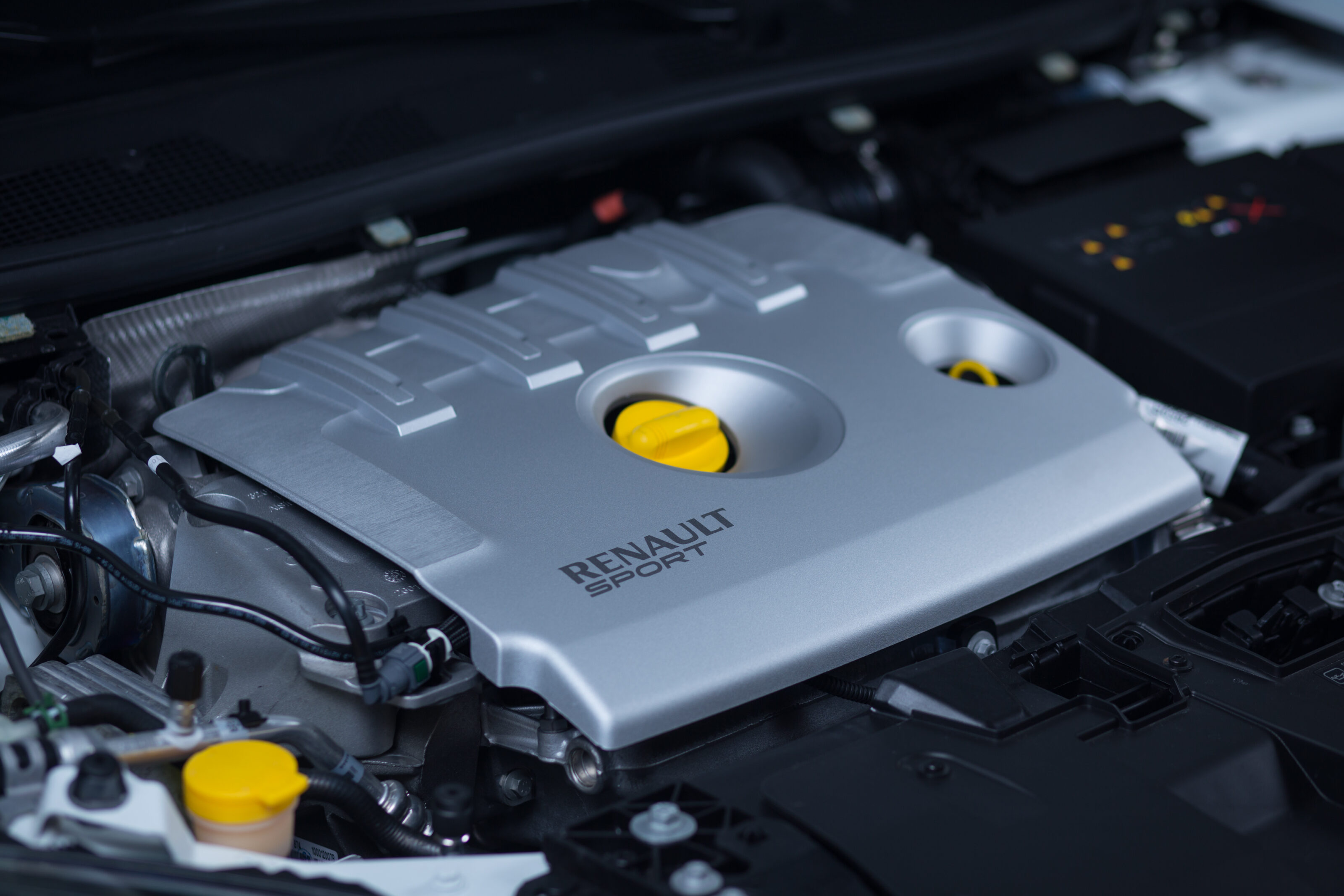
The F4Rt motor is generally well-regarded for its durability. Noisy cambelt pulleys are a common quirk, and should be replaced (along with the water pump) every six years or 120,000kms. Injectors can grow noisy but this is normal.
The gearbox can become loud too and, in the case of worn diff bearings, often caused by leaking driveshaft oil seals, which could require a replacement.
Oil leaks can appear at the top and bottom of the engine, so beware of blue and black smoke on startup. Pay close mind to service history and documentation.
Suspension and Brakes
Creaking at full lock is often caused by worn lower swivel joints, while owners report that ball joints also seem to be a frequent point of failure. Cars can suffer wear to anti-roll bar drop links and split rubber top-mount bushings. Owners report that underbody issues generally begin arising from 65,000kms to 80,000kms.
Interior and Electronics
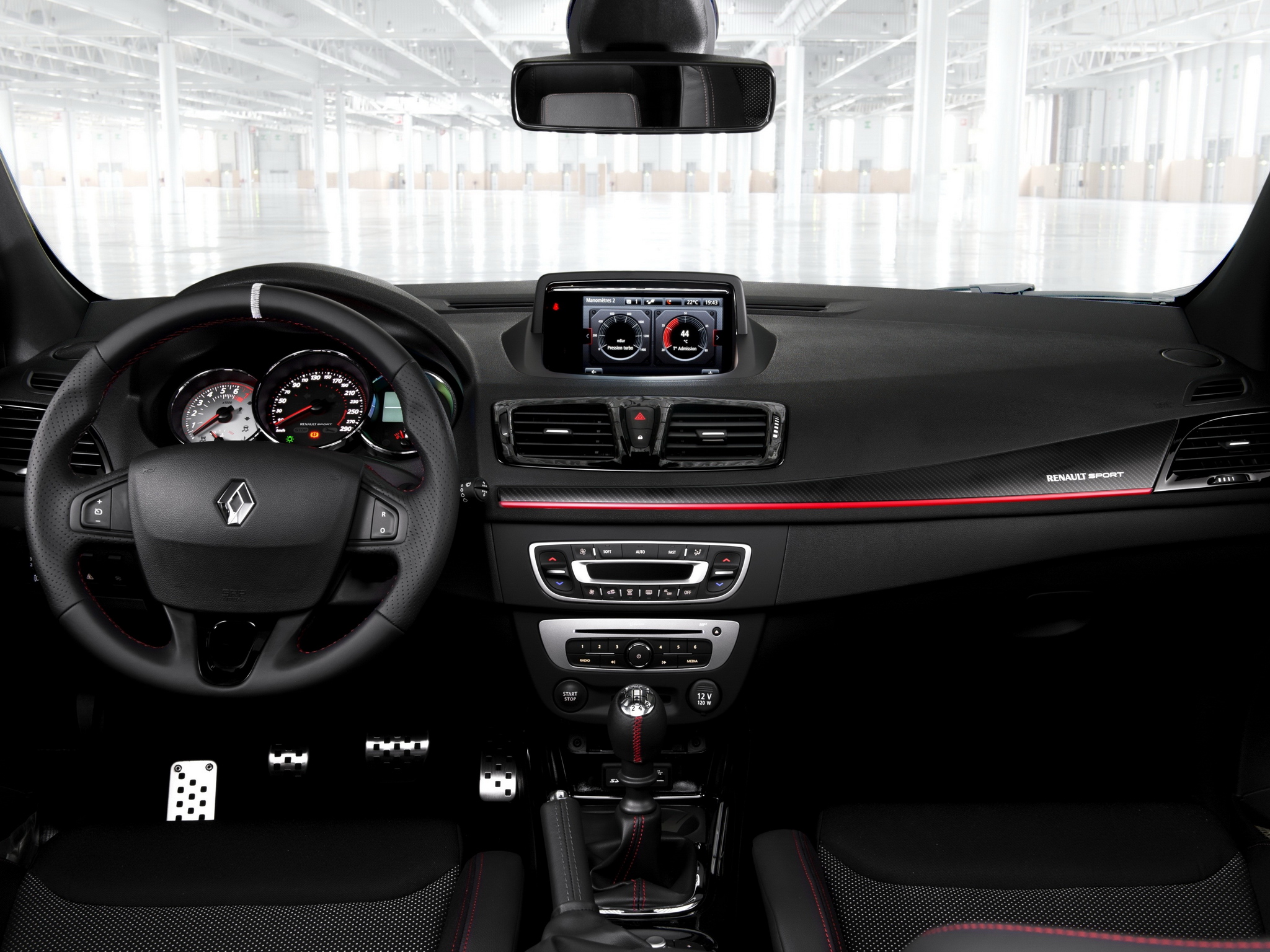
Seat bolsters will be the first to display signs of wear, while damp footwells may signal blocked scuttle drains. Check for warning lights on startup and ignition. Airbag warning lights may simply be a case of a faulty seat sensor.
2014 Renault Megane RS265 Trophy specifications
| BODY: | 3-door, 5-seat hatchback |
|---|---|
| ENGINE: | 1998cc inline-4, DOHC, 16v, turbo |
| POWER: | 195kW @5500rpm |
| TORQUE: | 360Nm @ 3000-5000rpm |
| TRANSMISSION: | 6-speed manual |
| WEIGHT: | 1393kg |
| USED PRICE RANGE: | $12,000-$60,000 |
Three options you may consider
The Obvious
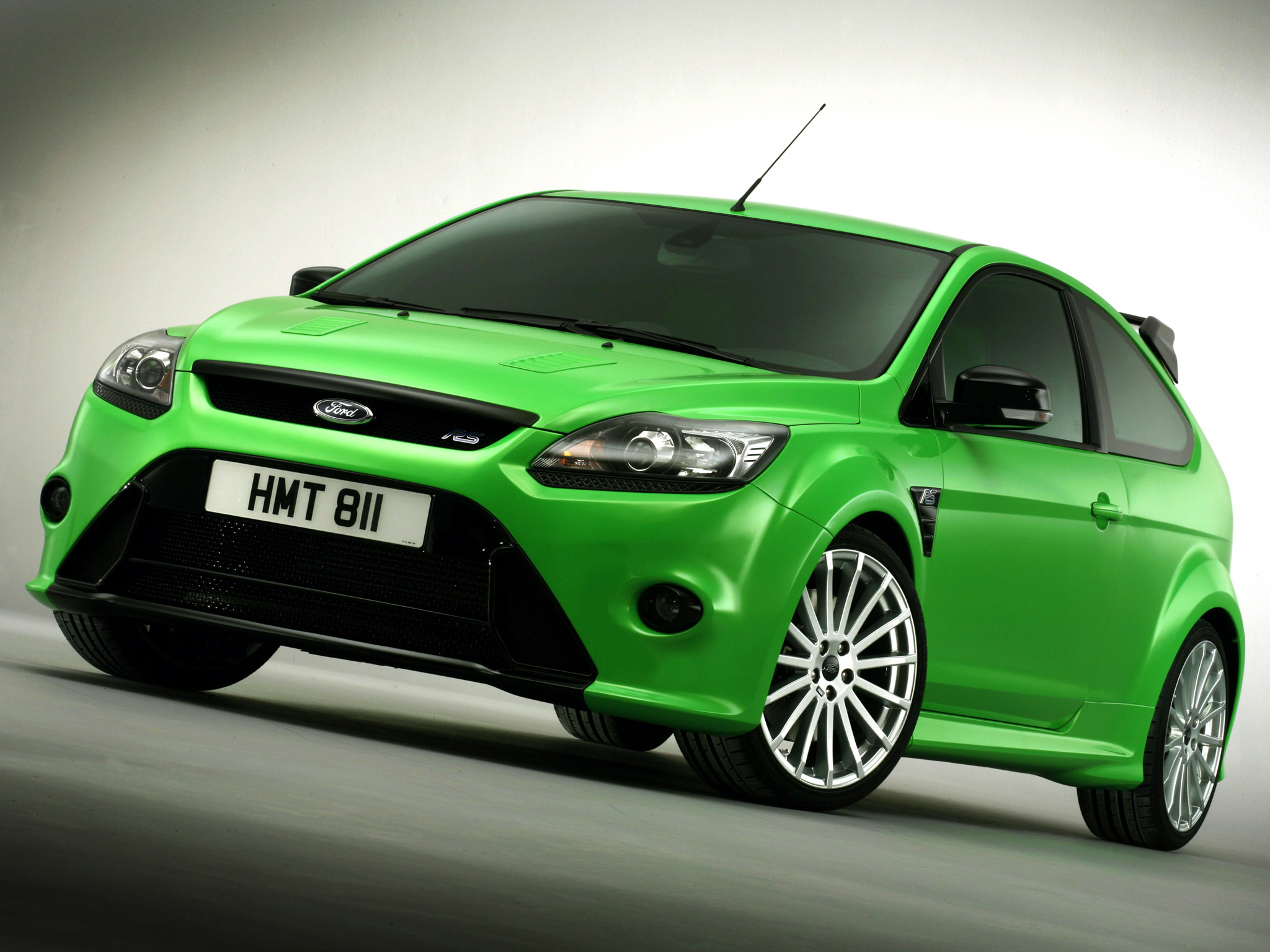
Ford Focus RS (LV)
Fellow Icon Buyer alumnus, the MkII Focus RS was a worthy rival of the RenaultSport crop but it was the Frenchie that finished higher at Wheels’ 2010 COTY. Focus commands higher median prices, but is a much rarer beast.
The Unexpected
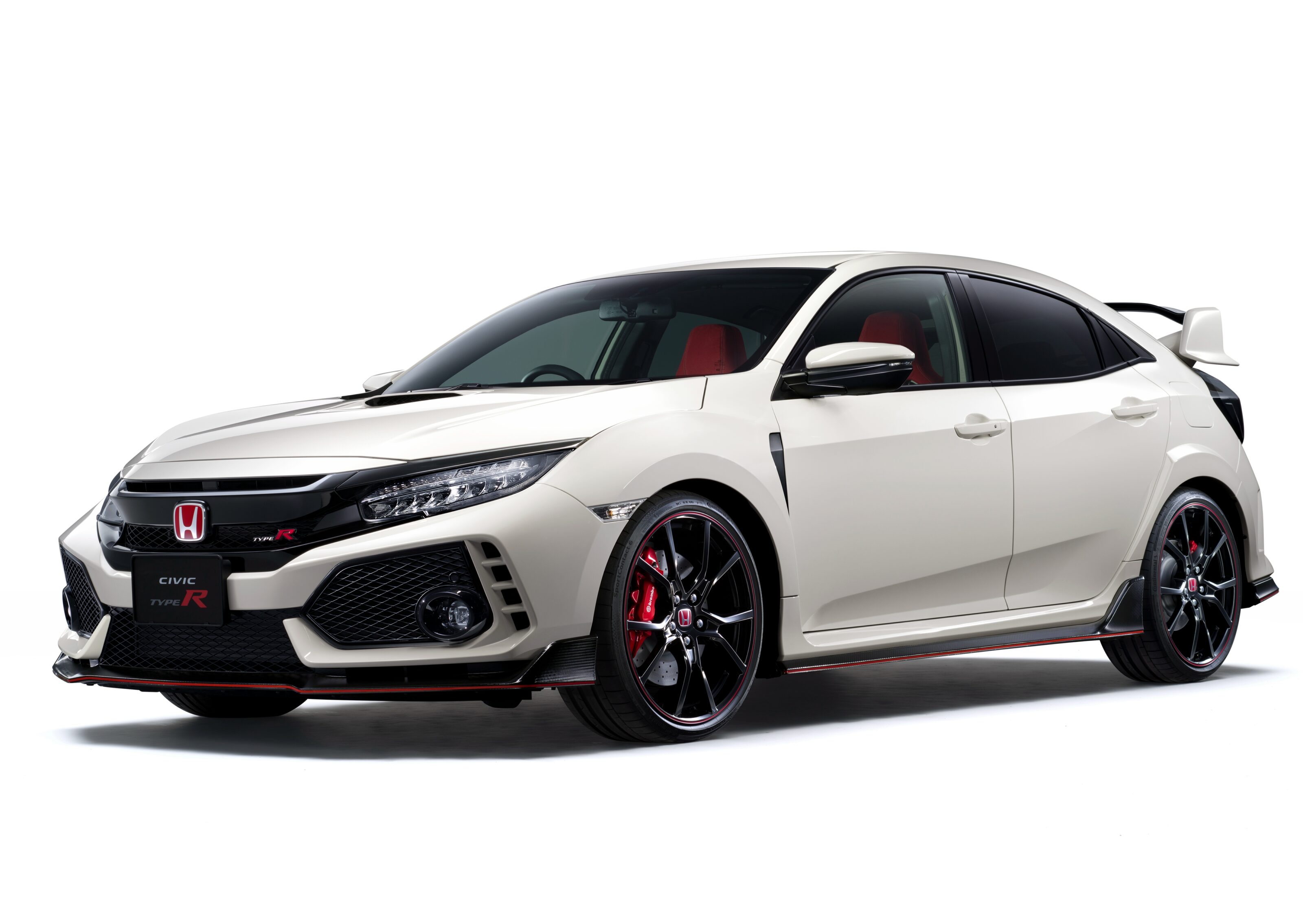
Honda Civic Type R (FK8)
It was Honda’s Civic Type R that superseded RenaultSport as this generation’s watermark for front-driving prowess. Prices are comparable to that of top-end RS275s, but the driving experience of the Civic is all-time.
The Oddball
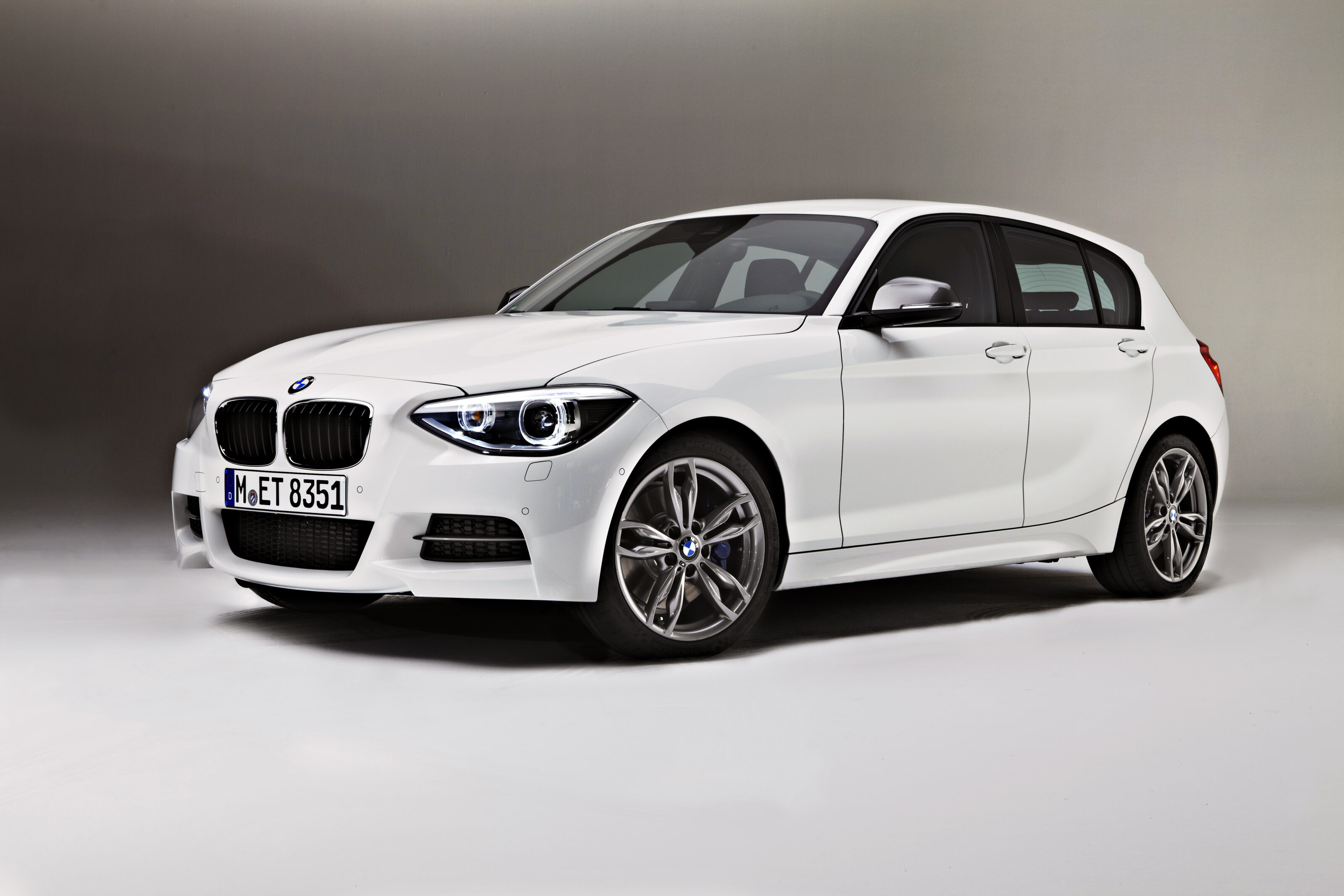
BMW M135i (F20)
Enthusiasts decried BMW’s move from rear to front-drive with the new 1 Series, which has seen values bolstered in the old twin-turbo inline-six-powered F20 generation. M135i opens at $30k, and M240i at $40k.
Many of us car enthusiasts have long been subjected to jestful accusations of loving our cars more than our partners. Granted, a compelling argument can be framed for that side of the debate, but there is also a curious similarity in the way these two special relationships develop. Initially, we are attracted to outward appearance, but fondness is only founded if we connect with the personality under the skin.
Think of great car designs and we instantly visualise beautiful exterior body shapes. As any marketing guy will tell you, customer arousal begins with a great-looking exterior. But after that first, luring glance, the immediate compulsion is to reach for the door handle and leap into the driver’s seat. Since when it comes to cars, we spend nearly all of our time inside our cars, the true and lasting impression is determined mostly by this tactile interaction.
Like exteriors, car interiors quickly evolved from purely functional spaces to cocoons of style, comfort and luxury.
The freedom of travel was often associated with privilege, so it follows that those who could afford cars would also be willing to pay a premium for a cossetted ride. Accordingly, we saw many beautifully appointed interiors as early as the 1930s.
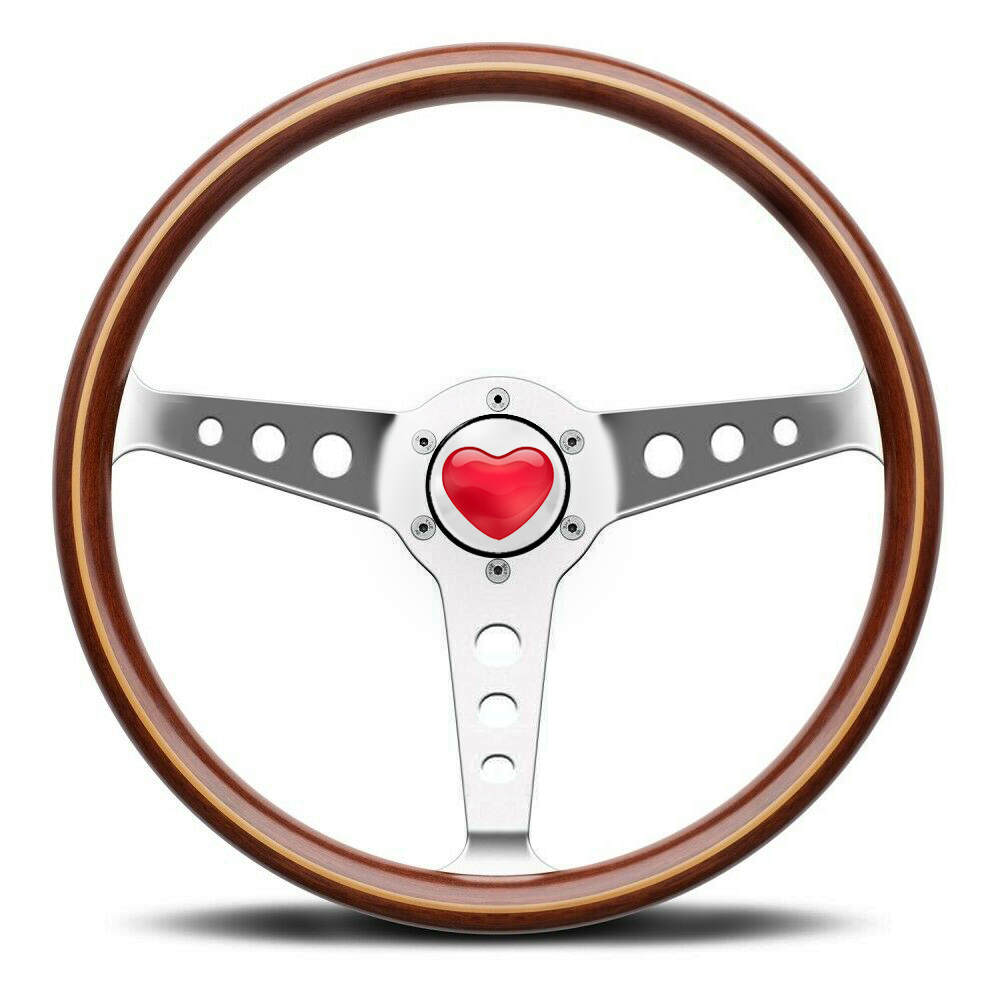
The use of rich materials like timber, leather and shiny metal abounded with art-deco flair. Fascinatingly, still today these materials form the go-to palette when designing luxury interiors. Some combinations are timeless and this powerful trio is yet to be usurped.
Like beautiful wrist watches, early analogue gauges evoked a sense of precision and craftsmanship with finely detailed dial faces, elegant needles and polished metal bezels. Surrounded by lacquered timber or turned-metal backplates, dashboards were technical works of art. Sumptuously padded seats with feature stitching created a club-style ambience and conferred a sense of glamour on motor-car journeys.
Some say the styling of the 1950s was often kitsch but you must admire the flamboyant creativity of this decade. Inspired by aerospace technology, dashboards imagined futuristic fighter-cockpits. Large chrome bezels, colourful anodised dial faces, finely detailed control knobs and speaker grilles are the hallmarks of this space-age period.
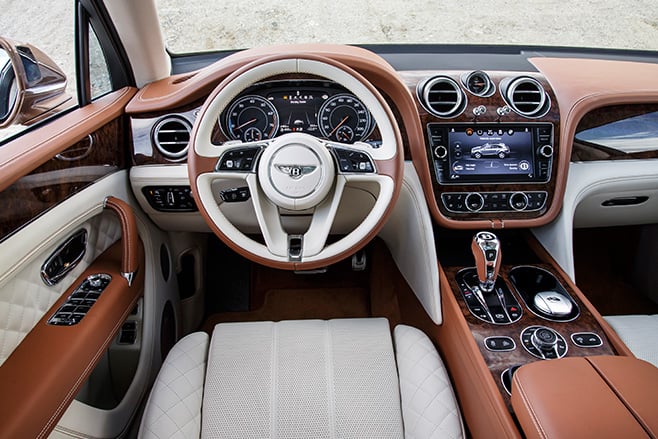
Plastics have long played a part in car interiors but by the 1970s most instrument panels were predominantly black plastic mouldings with padded uppers, as styling trends centred on a more functional, ergonomic focus. German interiors were pared back with methodical control layouts and simple, clear graphics. Many carmakers would seek to emulate this Teutonic style but didn’t always succeed.
Long before ‘infotainment’ entered the automotive lexicon, audio technology had always been a key element of car interiors; from valve radios to 8-tracks and cassettes. By the 1980s, with the advent of CD players, graphic equalisers and digital displays, car interiors began to resemble recording-studio consoles. Indeed, this trend would continue for decades, as the sum of buttons, controls and displays became the unabashed emblem of status.
Ironically, this is where we have seen the greatest shift in modern interior design. That overwhelming array of buttons and dials has been replaced by minimalist colour screens, albeit with equally befuddling drop-down menus. The internal brain connects to satellites for communication and direction, as we converse on a first name basis with our cyber-navigator.
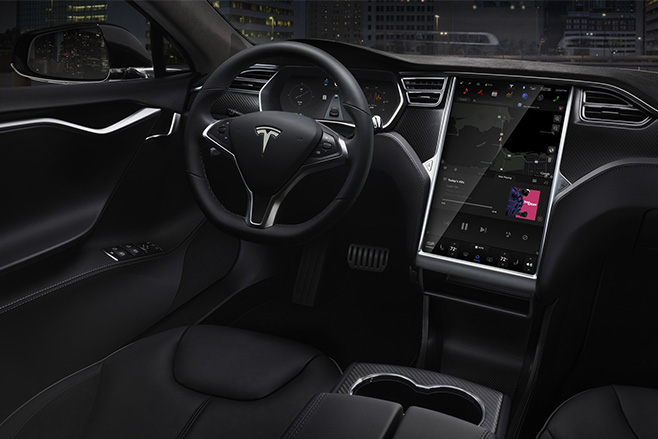
Car interiors are extremely complex environments and the live-in experience must appeal to nearly all of our senses; touch, sight, smell and sound. We expect our mobility to come with lounge-room amenity. People often say they just want a car to get them from A to B, but really, they want everything from A to Z included.
After safety, the modern car interior must deliver the highest levels of comfort, convenience and connectivity.
Oh, and cupholders.
Richard Ferlazzo is the former GM Holden Design Director
