
The move towards electrification has brought with it some unfortunate consequences, not least the slow death of the exhaust note.
Porsche seems to be keenly aware of this and wants to bring the noise back, or at least stop it from going away, with its future electric vehicles.
According to Carbuzz, the German manufacturer has filed a patent with the European Patent Office for a resonator which it hopes will mimic the noise of an internal combustion engine.

While it’s not a direct replacement for the aural symphony that comes out of the exhaust of something like a 911 GT3’s flat-six, the patents show a noise simulator within which looks to be the rear muffler of one of its sportscars – pumping synthetic noise into an existing design.
Likely constructed of the same materials as its existing back-boxes, the adoption of a resonator such as this one could result in Porsche circumventing the need for the traditional warning systems found on EVs, the majority of which do anything but replicate the noise of a combustion engine.
It’s unknown whether Porsche has actually started to develop such a system, or if the patent submission is purely to head off competitors coming up with similar systems.

Key Points
- Aston Martin DB5 Goldfinger Continuation to be auctioned on November 26
- Expected to be sold for a hefty price
- One-of-25 examples produced to honour the James Bond franchise
The first ‘new’ Aston Martin DB5 manufactured in more than 50 years – and now one of only 25 examples built – is up for auction in the United Kingdom.
The iconic nature of the Aston Martin DB5 and the James Bond franchise led to the unveiling of the ‘Goldfinger Continuation’ in 2020.
Set to go under the hammer by Silverstone Auctions, this left-hand drive example is finished in silver birch and was delivered new to Saudi Arabia, where it has resided in a private residence ever since.
With the extremely rare nature of the DB5 Goldfinger Continuation, a substantial final price is expected when the auction is finalised on November 26 (Australian time).
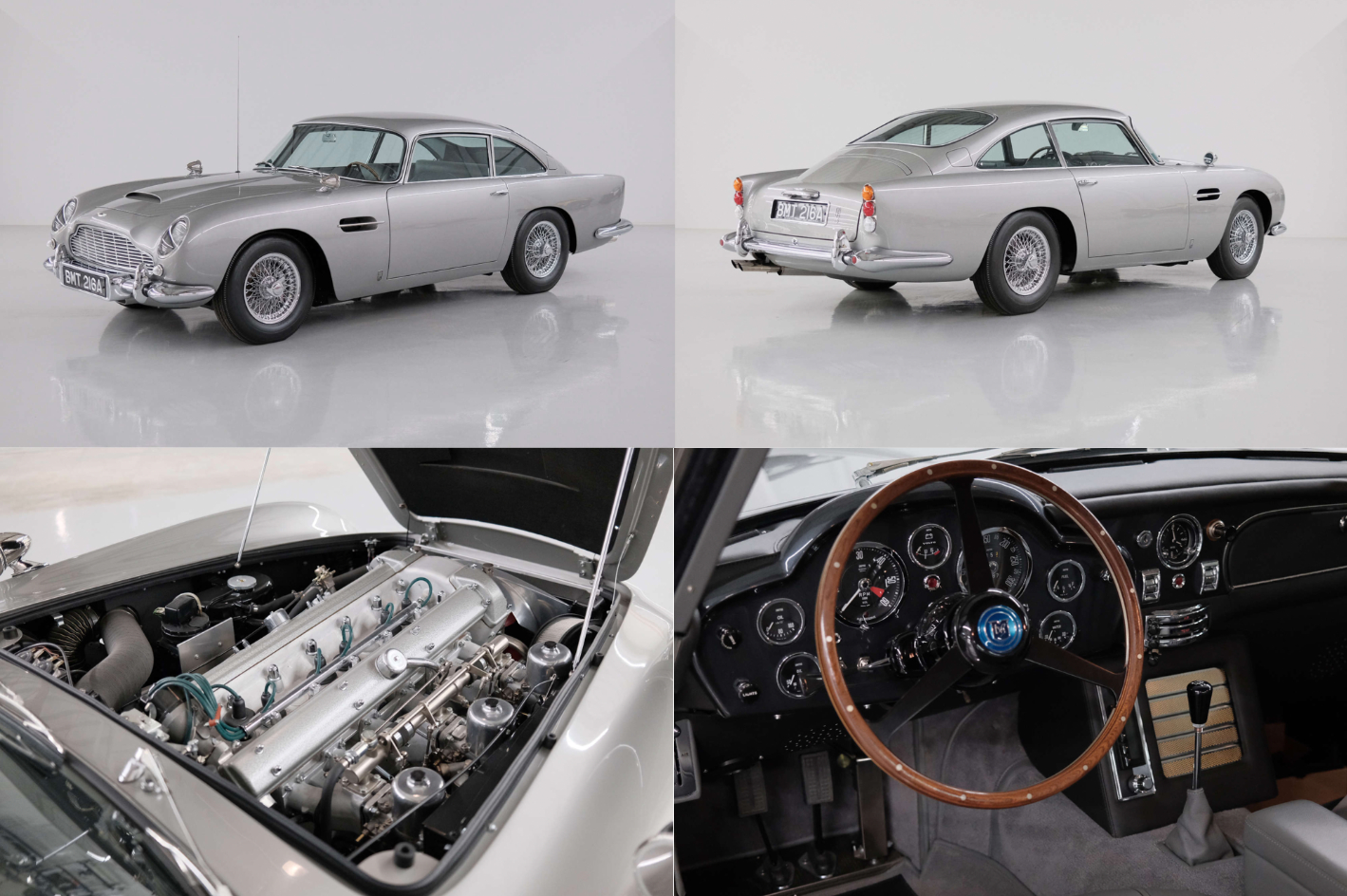
Although the 25 cars were assembled during 2020 in the Aston Martin Works facility at Newport Pagnell, the British manufacturer says the DB5 Goldfinger Continuation has been built to original specification – albeit “with some sympathetic modifications and enhancements to ensure the highest levels of build quality and reliability”.
Built to commemorate the original DB5 – used in 1964’s Goldfinger – the vehicle sports a number of gadgets to mimic those seen in the franchise, including; a rear smoke screen system, simulated oil slick delivery, revolving front and rear number plates, a pop-up pane of bulletproof glass at the rear, and faux tyre-slashers.
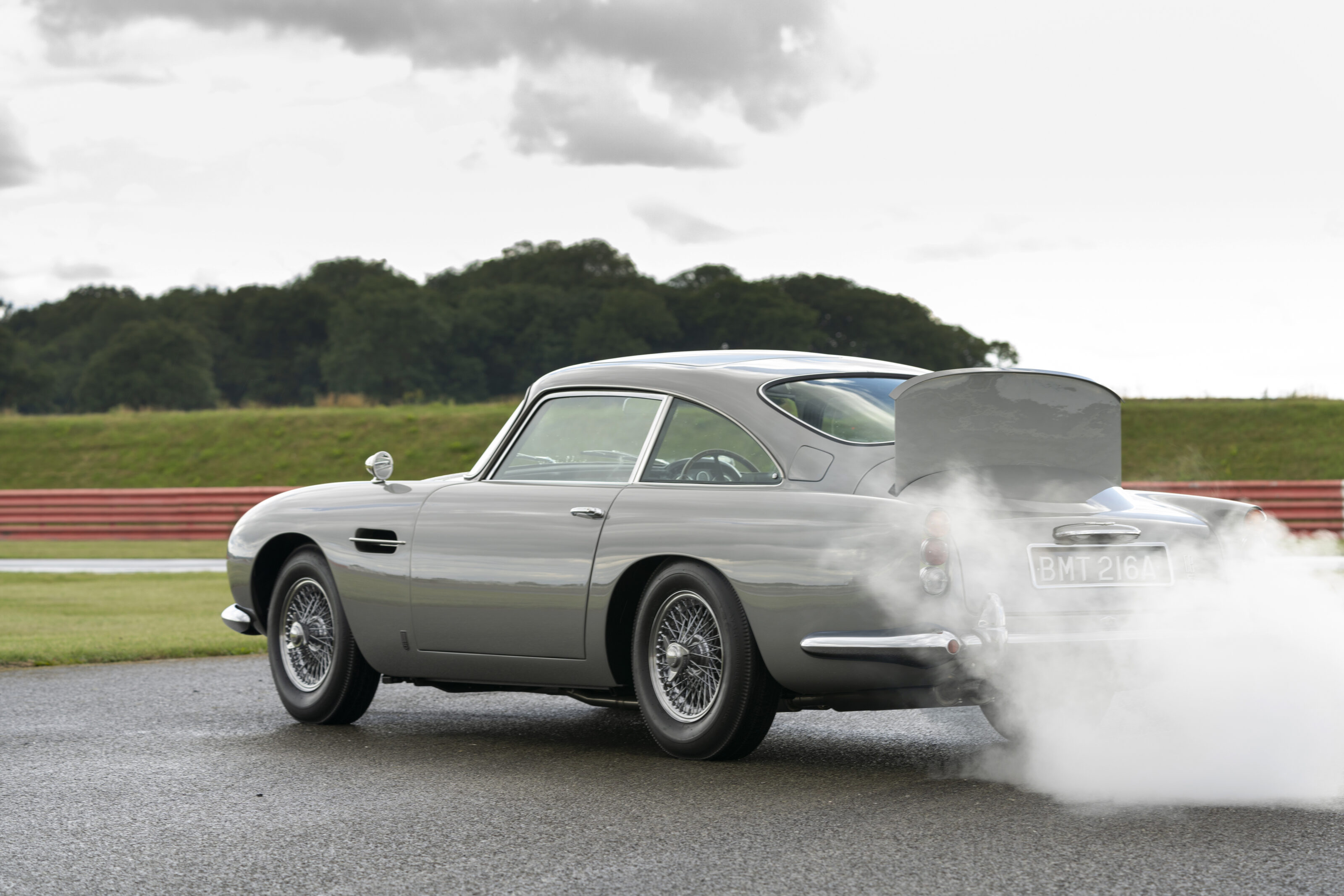
However, perhaps the greatest addition is a pair of simulated machine guns mounted on the front of the car – which are designed to replicate the firing seen by the real guns in Bond films.
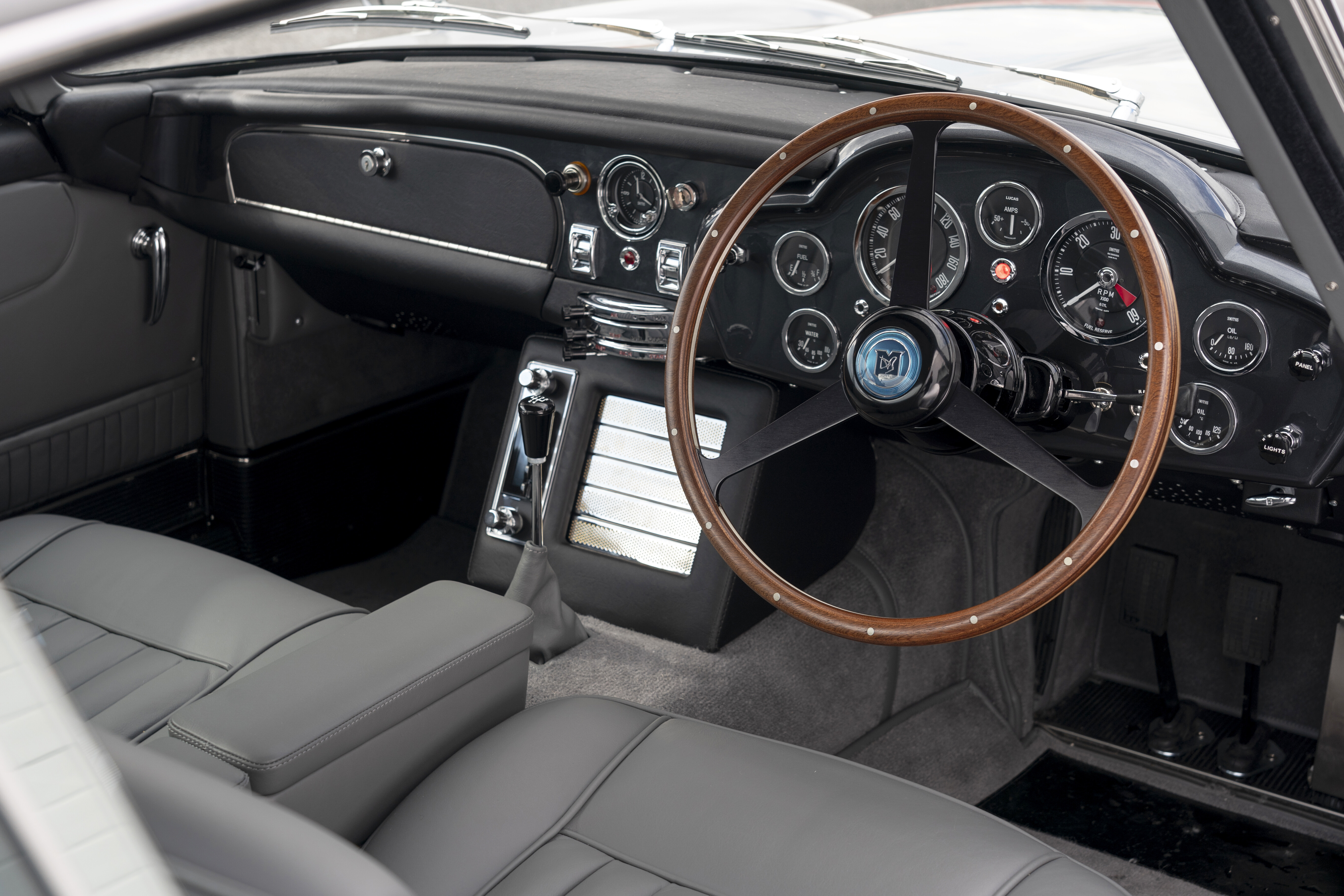
Inside, the DB5 Goldfinger Continuation features a radar screen, a button hidden under the gear knob, armrest controls and a remote to activate the exterior gadgetry.
A 4.0-litre straight six, producing around 215kW, mated to a ZF five-speed manual transmission sits under the bonnet of the DB5 Goldfinger Continuation. Meanwhile, disc brakes replace the originals to improve stopping power, and steering remains unassisted, with a traditional rack and piston setup.
The auction of this DB5 Goldfinger Continuation follows the announcement of the two-thirds scale DB5 Junior ‘No Time to Die’ Edition earlier this year.
Featuring electric power, the mini DB5 is also designed to replicate the car used in Goldfinger, though with a convertible body to comfortably accommodate both adults and children.
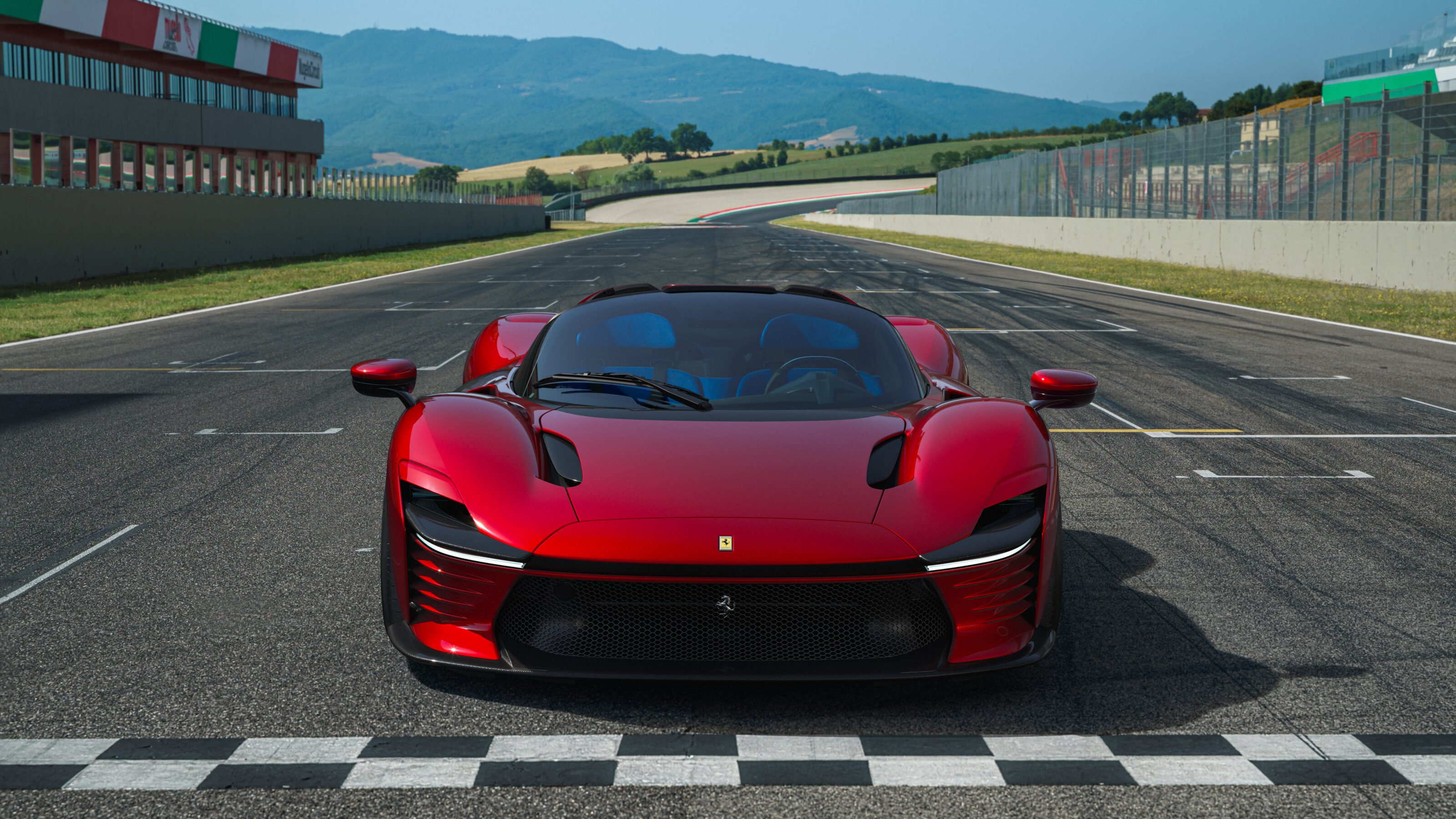
It has the chassis from the LaFerrari Aperta hypercar, and a naturally-aspirated 6.5-litre V12 that punches out 618kW at a screaming 9250rpm. And it’s the first Ferrari in history to be named Daytona.
Wait a minute…wasn’t the classic front-engine V12 coupé Ferrari built from 1968 to 1973 called the Daytona? The mid-engine Ferrari Daytona SP3, the third car in Ferrari’s limited-edition Icona series, is a completely different sort of car.
The truth is, the classic Ferrari we all recall as the Daytona is officially known as the GTB365/4.
The Daytona SP3 has been designed to evoke the spirit of Ferrari sports prototype racers from the ‘60s and ‘70s, and the name celebrates Ferrari’s one-two-three finish in the 1967 24 Hours of Daytona.
Only 599 will be built, and while Australian pricing has yet to be confirmed, it costs the equivalent of $3.2 million in Italy.
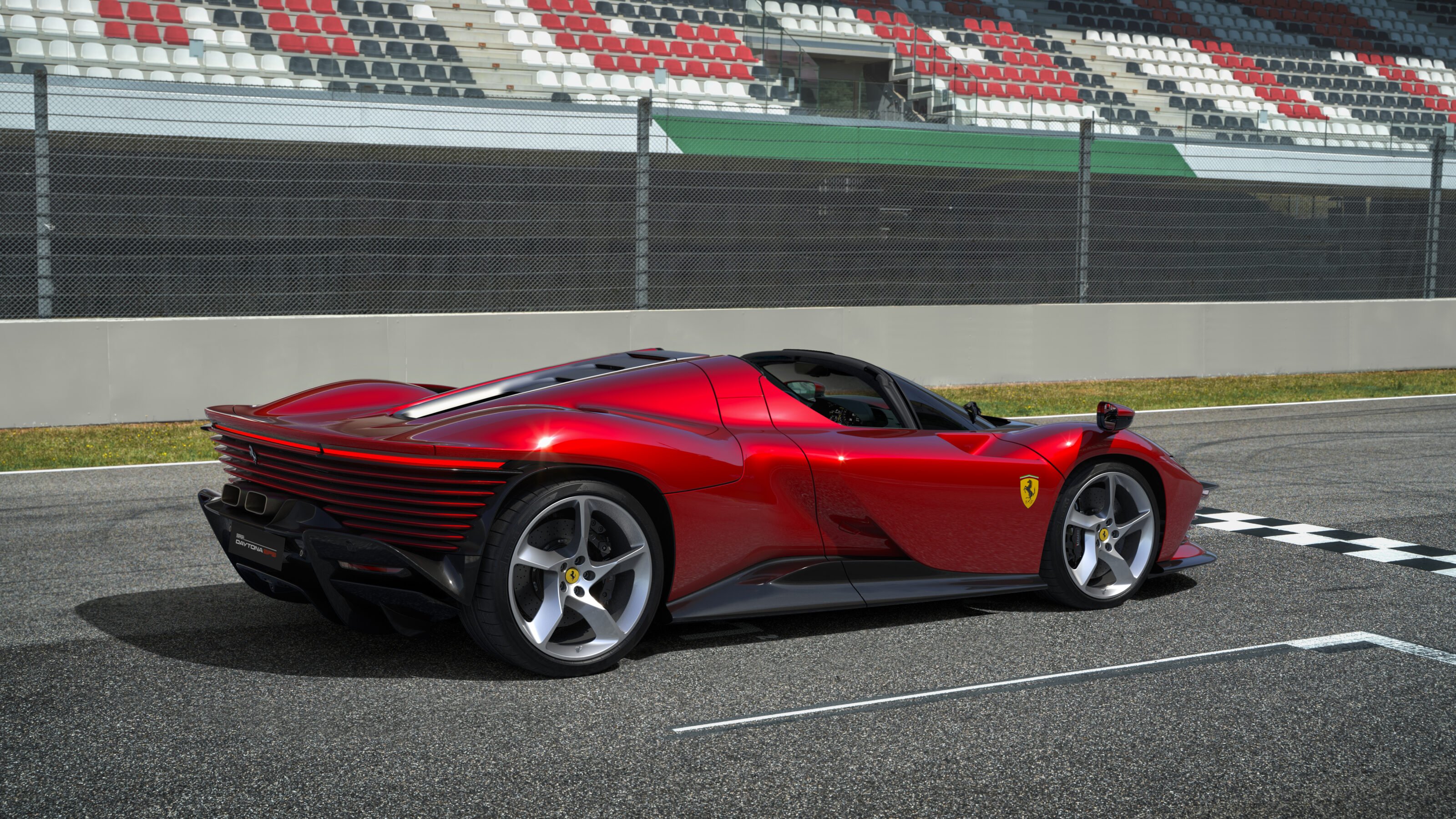
Ferrari’s Icona cars are designed to take themes and concepts from Ferraris of the past, and reinterpret them in a modern way, with newer materials and technologies. The Monza SP1 and Monza SP2 were designed to capture the spirit of 1950s Ferrari barchettas.
The Daytona SP3’s voluptuous haunches and bubble-screened cockpit echoes racing Ferraris like the 330 P3 and P4, the 512S, and the 350 Can-Am.
There are hints of the slab-sided 312PB and 512 M around the front wheels, and on the doors. The execution and detailing are pure 21st century, however.
The bodywork isn’t shaped just to look sexy. Sophisticated attention to detail includes; flicks on the front corners to increase downforce, sheer surfaces on the front guards and doors that help control airflow along the side of the car, and chimneys which bring air from underneath the car and direct it past the rear haunches and towards the subtle rear spoiler to help generate 230 kilograms of downforce at 200km/h without any active aerodynamic devices.

Clever design elements are everywhere. At the rear of the wasp-waisted Daytona SP3 a stack of body-coloured bars wrap around the back of the car to artfully disguise the venting required to deal with the thermal loads from the mighty 6.5-litre V12 mounted behind the cockpit. Retractable eyelids over the headlights give the front end a more menacing look.
“I have a special passion for this one,” says Ferrari design chief Flavio Manzoni.
“Every hypercar we launch should be the pinnacle of technology, a car that should be a reference point for our future development. But this [the Daytona SP3] is not a hypercar,” adds Ferrari marketing boss Enrico Galliera.
Galliera’s point is that the Daytona SP3’s design has not been optimised to ensure maximum performance – but to elicit maximum emotion. But that’s not to say it’s slow.
In addition to its 618kW at 9250rpm, the Daytona SP3’s V12, codenamed F140HC and the most powerful internal combustion engine ever built by Ferrari, pumps out a thumping 697Nm at 7250rpm.
It will rev to 9500rpm courtesy of new titanium conrods, which are 40 per cent lighter than equivalent steel items, new pistons, a lighter and rebalanced crankshaft, and sliding finger cam followers – a low-mass, low friction technology borrowed from Ferrari’s F1 engines.
That’s a lot of investment to extract just 8kW and 5Nm more than the engine produces in the 812 Competizione.
But such has been the development of the 65-degree V12, which traces its origins back to the 485kW 6.0-litre engine that debuted in the Enzo almost 20 years ago, even marginal improvements in power and torque now take time and money. “It’s close to the limit,” acknowledges Ferrari’s chief technology officer, Michael Leiters.
The engine drives the rear wheels through a seven-speed dual-clutch transmission like that used in the LaFerrari. The Daytona SP3 weighs about the same as Ferrari’s hybrid hypercar and will sprint from 0 to 100km/h in 2.85 seconds and hit 200km/h in 7.4 seconds. Top speed is more than 340km/h.
Suspension layout and geometry is the same as that of the LaFerrari, as are the giant 398mm front and 380mm rear brakes.
And like the LaFerrari, the Daytona SP3 rolls on 20-inch front and 21-inch rear alloy wheels, though their five-spoke design has been optimised to help extract air from the wheel wells.
Tyres are Pirelli P Zero Corsas, 265/30 at the front and 345/30 at the rear, developed especially for the car and designed to maximise stability in low grip conditions.

The Daytona SP3 comes with an upgraded version of Ferrari’s clever Side Slip Control system dubbed SSC6.1 and is the first mid-engine V-12 Ferrari to have the Ferrari Dynamic Enhancer (FDE) system that will allow drivers to drift the car if they want to – automatically keeping the maximum yaw angle under control by adjusting the brake pressure at each wheel.
The Daytona SP3 cockpit is a tight fit. The seats are fixed, their basic shape integrated into the composite central tub and covered with foam.
Making yourself comfortable behind the wheel means adjusting the reach and rake of the steering wheel and moving the adjustable pedal box. This has helped reduce weight and kept the car’s overall height to just 1142mm, which also helps reduce drag.
The driving position is lower and more reclined than in other Ferraris – similar, Ferrari says, to that of a single seater. The view through the windshield is spectacular, the bulge of the front guards amplified by the low bonnet, the front wheels seemingly so close you could almost reach out and touch them.

The Daytona SP3’s steering wheel features the same touch controls seen on the SF90 Stradale, Ferrari Roma, SF90 Spider and 296 GTB.Drivers can actuate 80 per cent of the Daytona SP3’s functions without moving their hands. The instrument panel is a 16-inch curved HD screen.
Unlike the SP1 and SP2 Monzas, which cannot be registered in some countries because they don’t have a windscreen, the Daytona SP3 has been homologated for all markets worldwide. But even if you could afford a Daytona SP3, you can’t have one – Ferrari says all 599 have already been sold.

This is an unusual – and unusually interesting – twin test. Pitting two cars against each other is routine. Likewise, taking from the same manufacturer isn’t unheard of on these pages, but it’s not a regular event.
There are, however, few companies from which we can take two cars that represent two different approaches to the future of electromobility.
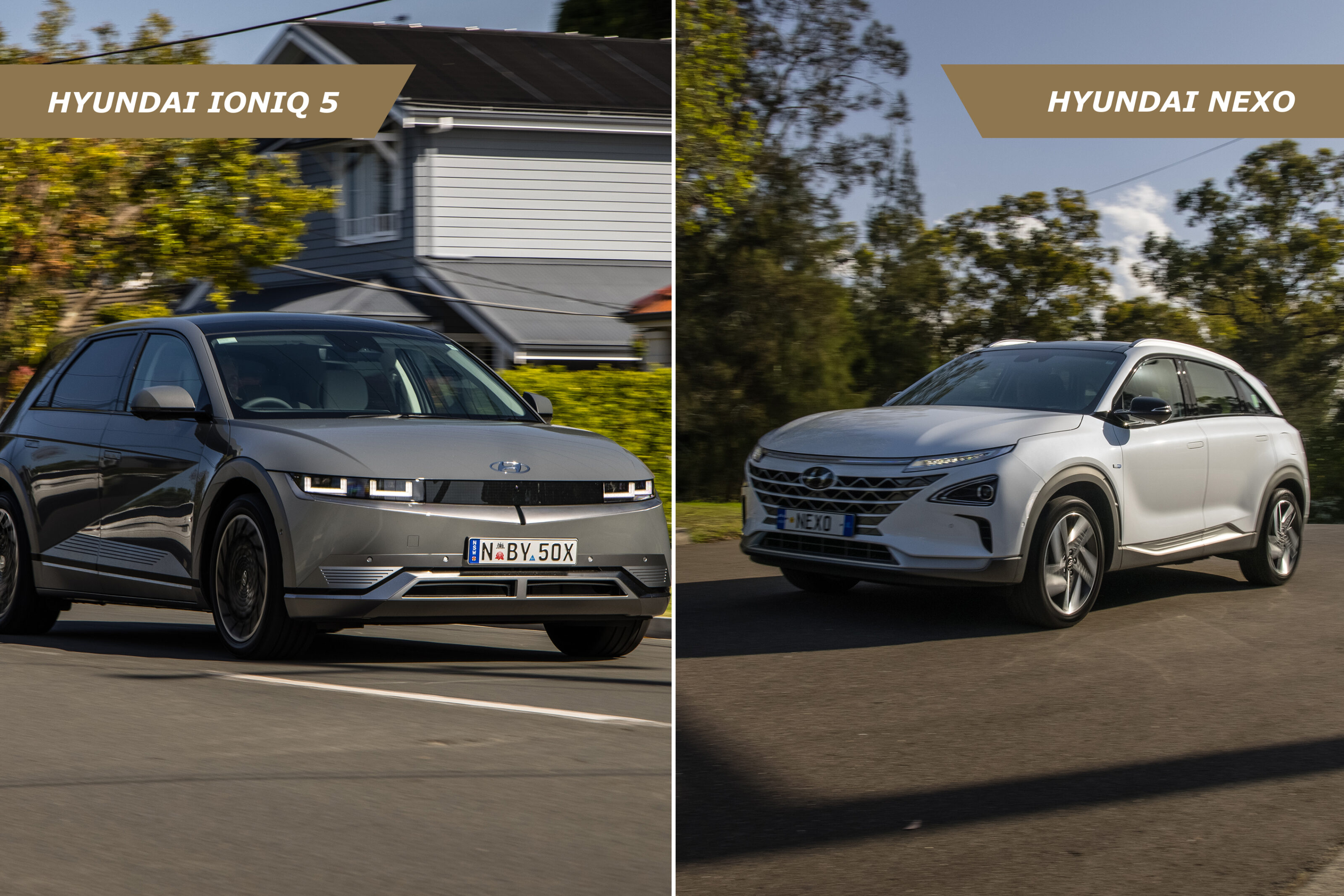
Hyundai, as you may be aware, has just released the new IONIQ 5 battery electric vehicle. With a maximum WLTP-certified driving range of 451 kilometres, it looks like a hatchback – but with the space of a medium to large SUV.
Starting at $69,000, it’s not cheap, but it’s not expensive either. It’s rare, though, with no more than 400 available in the next six months – and the first 240 went within two hours of going on sale.
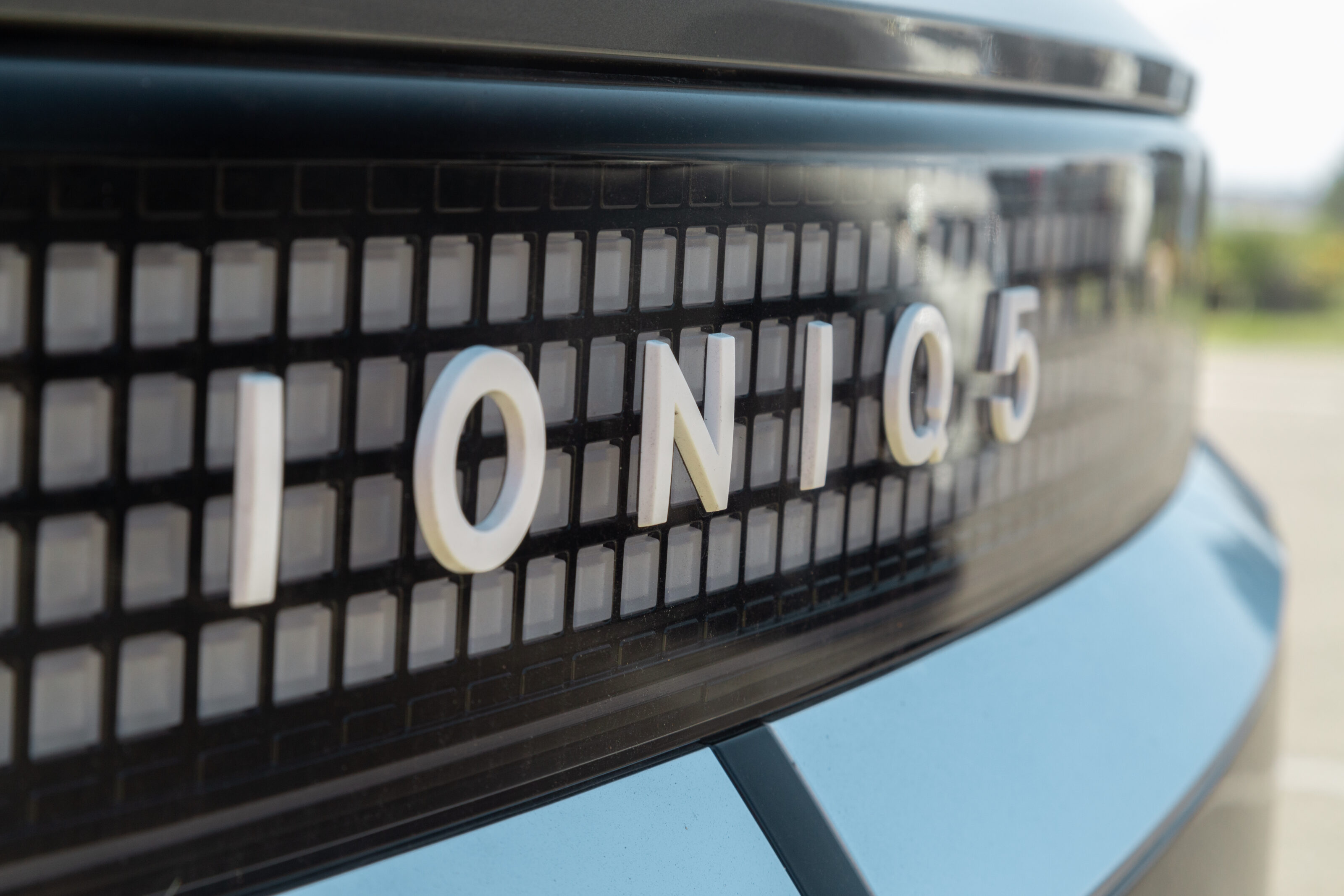
Slightly more exclusive – and rather more expensive – is Hyundai’s Nexo. As a second-generation follow-up to the ix35 FCEV, Hyundai’s hydrogen fuel cell SUV is the other side of the company’s EV coin.
In Australia, you can’t buy one unless you’re a government or big fleet business with the ability to install a hydrogen filling station.
It’s still a low-volume seller by Hyundai standards, shifting 10,000 units since its introduction into the Korean market in 2019. It has one clear advantage over the IONIQ 5, though – it will always be faster to fill and get going again, as long as the infrastructure is there.
Why are we comparing the Nexo and IONIQ 5?
This is less a battle between two cars in the same segment or price point, and more a comparison of what’s to come – from not just Hyundai, but from manufacturers all over the world.
Hydrogen may not be treated to the same fanfare day-to-day as the more common battery-electric vehicles on the market, but make no mistake – this is very much a ‘who dares, wins’ moment in automotive history.
Pricing and Features
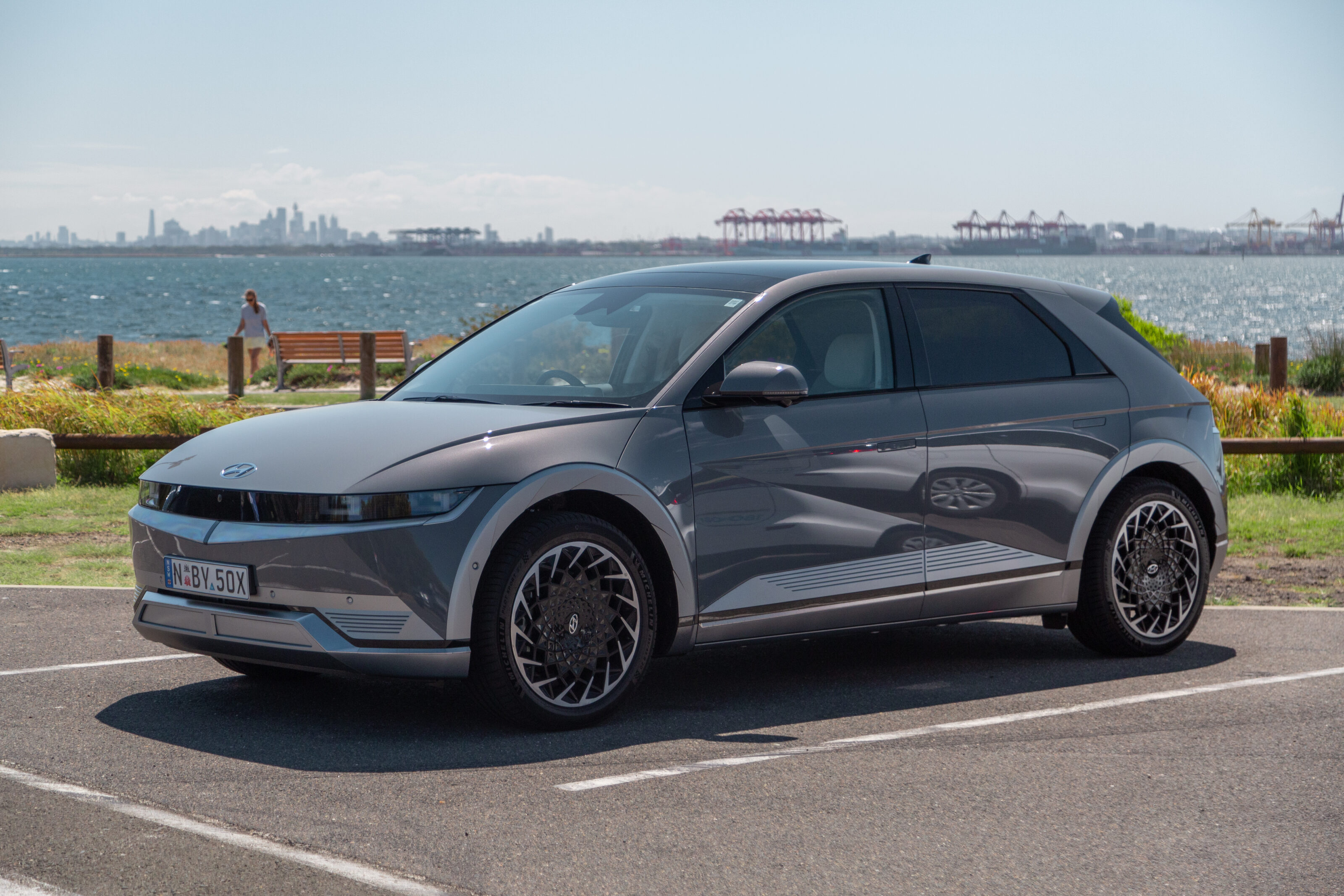
The IONIQ 5 has so far been made available only in a Launch Edition spec, with a choice of rear wheel drive and all-wheel drive.
How many driven wheels you choose will dictate its maximum range and how quickly it will cover ground. the rear-wheel drive can eke out 451km on a charge while the all-wheel drive manages 430km. The AWD’s 0-100km/h time, however, is 2.2 seconds faster than the RWD, at 5.2 seconds.
The price difference is $4000, with the RWD starting at $71,900 and the AWD at $75,900.
Before you ask “who’s paying over seventy grand for a Hyundai?”, may I point you to a lot of Palisade buyers, and the crashed website the day the IONIQ’s first allocation was released.
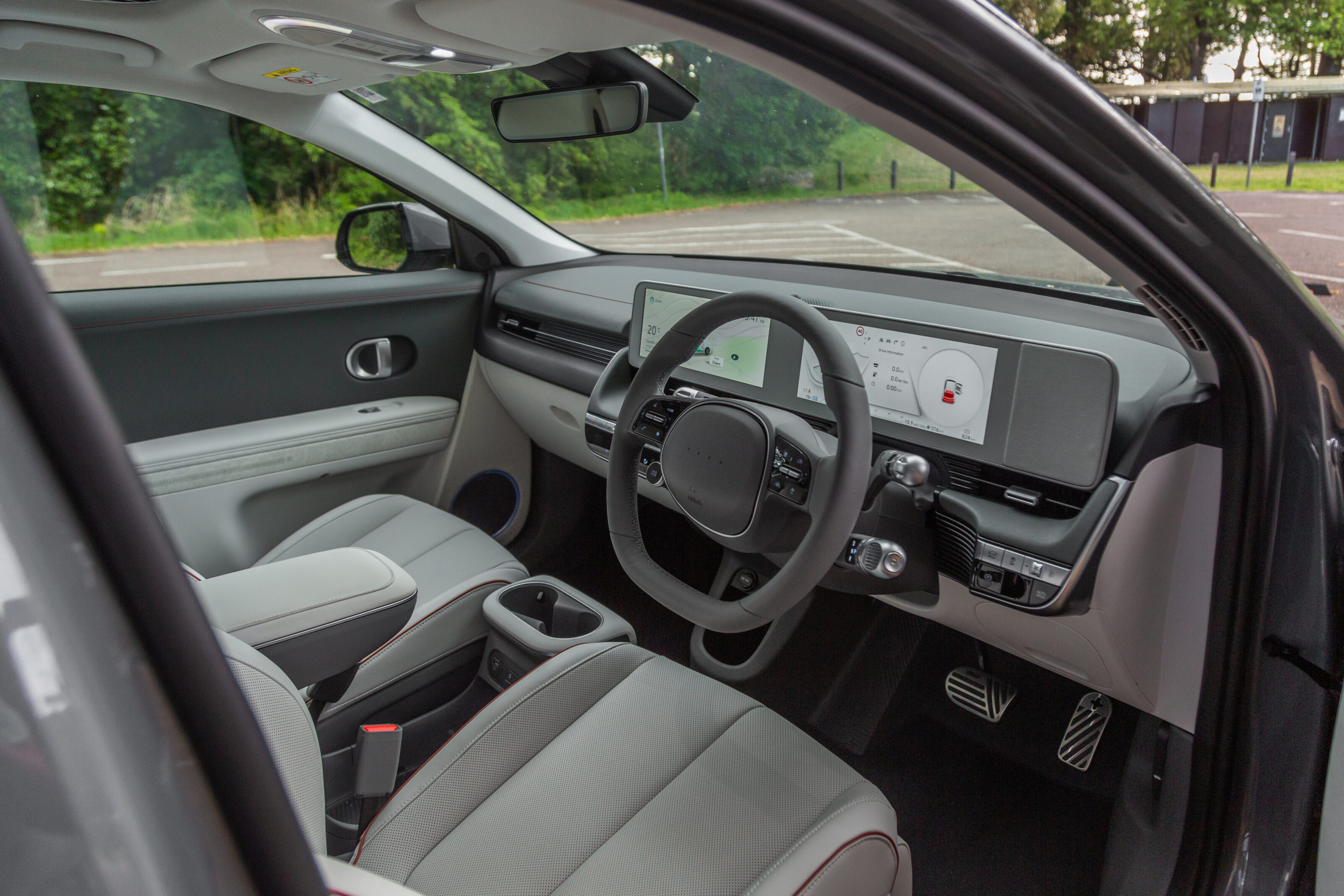
Onboard the 5 you’ll find those polarising 20-inch wheels, LED headlights, flush-fitting door handles, keyless entry and start, leather interior, dual-screen dash and media system, both measuring a Mercedes MBUX-like 12.3-inches, heated steering wheel, huge glass sunroof, powered and heated front seats, heated steering wheel, eight speaker BOSE-branded stereo and dual-zone climate control.
The hefty safety package includes blind-spot collision avoidance assist, blind-spot view monitor, driver attention warning, lane-keep assist, rear parking collision avoidance, front and rear parking sensors, rear cross-traffic collision avoidance (ie reverse AEB), rear occupant alert, safe exit assist, active cruise control with stop and go and machine learning and around-view cameras.
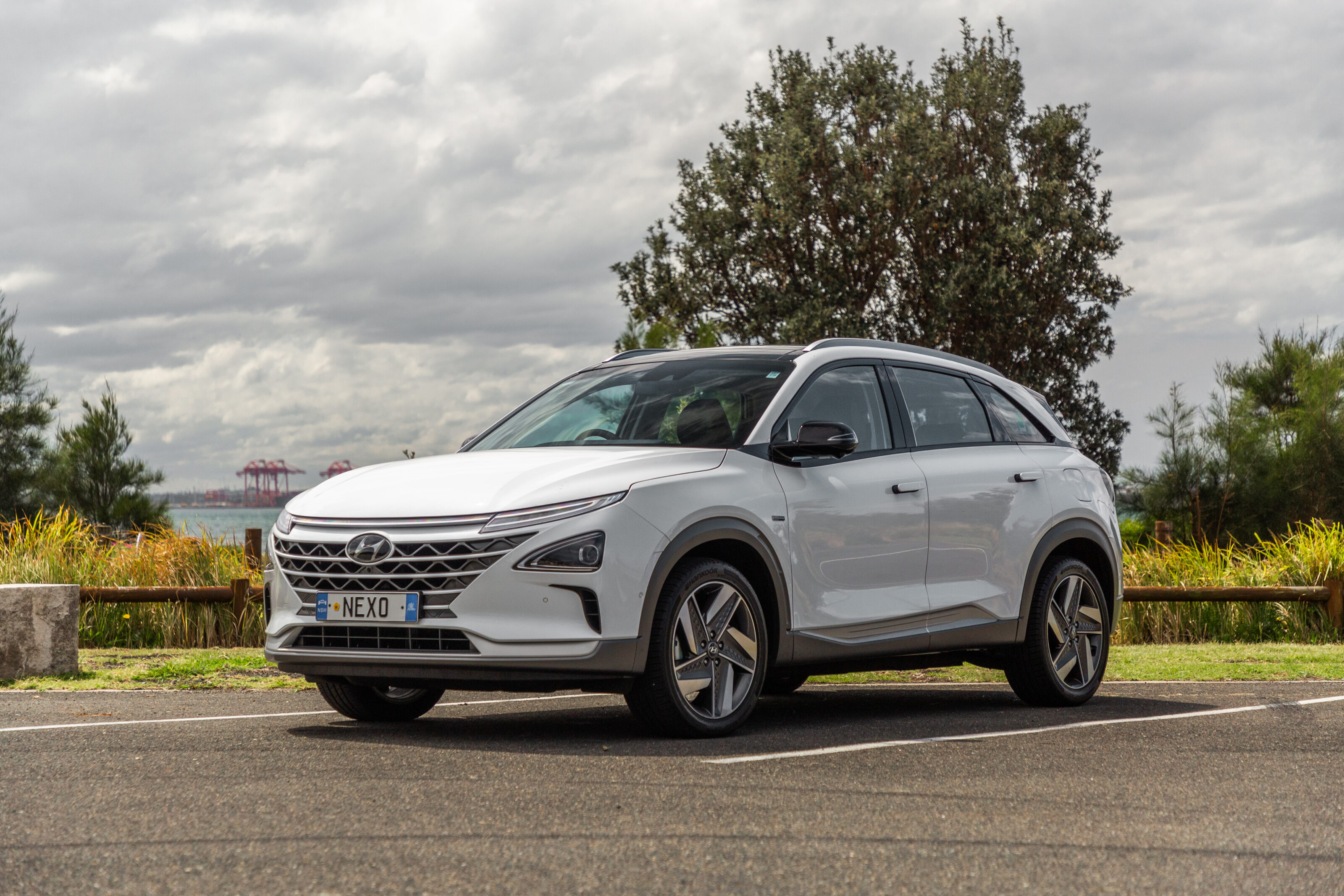
The Nexo’s more familiar-looking SUV body comes with 19-inch alloys, LED headlights, around view cameras, remote parking assist, fake leather interior, panoramic glass sunroof, eight speaker Krell-branded stereo system, powered tailgate, dual-zone climate control, heated and ventilated electrically-operated front seats and heated rear seats.
The battery takes up all the space under the boot floor, so you get a tyre repair kit instead.
Like the 5, the Nexo has two screens, however they’re different sizes. The dash is a 7.0-inch unit, while the media system is a larger 12.3-inch touchscreen.
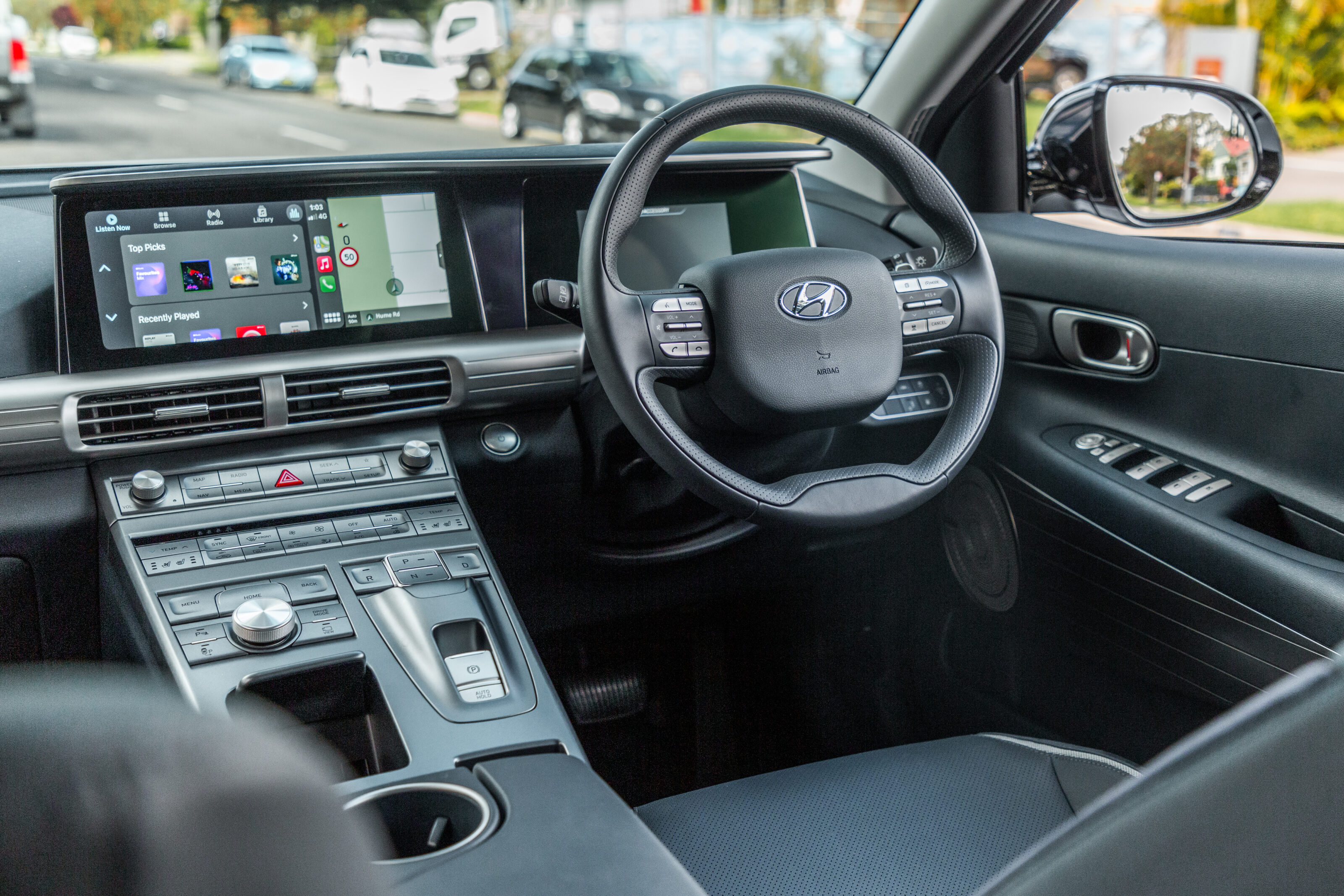
Both have Apple CarPlay and Android Auto connectivity via USB as well as wireless phone charging.
Now, do you recall how I said the Nexo is more expensive than the IONIQ? Well, it is… and it isn’t. At the moment, you can’t buy one if you’re a private customer, because it’s unlikely you have regular and unfettered access to a hydrogen filling station – unless you’re, I dunno, the recently greened-up Twiggy Forrest.
The ACT and Queensland governments both have access to such a thing, the ACT having a dedicated site with the required 10,000psi capable filling.
If you were to buy one in, say, the United Kingdom, you’d be paying £69,000 – or roughly $130,000 at the current exchange rate, which seems to hover around 53p to the dollar.
This is less a battle between two cars in the same segment but more a comparison of what’s to come. This is very much a ‘who dares, wins’ moment in automotive history.
Comfort and space
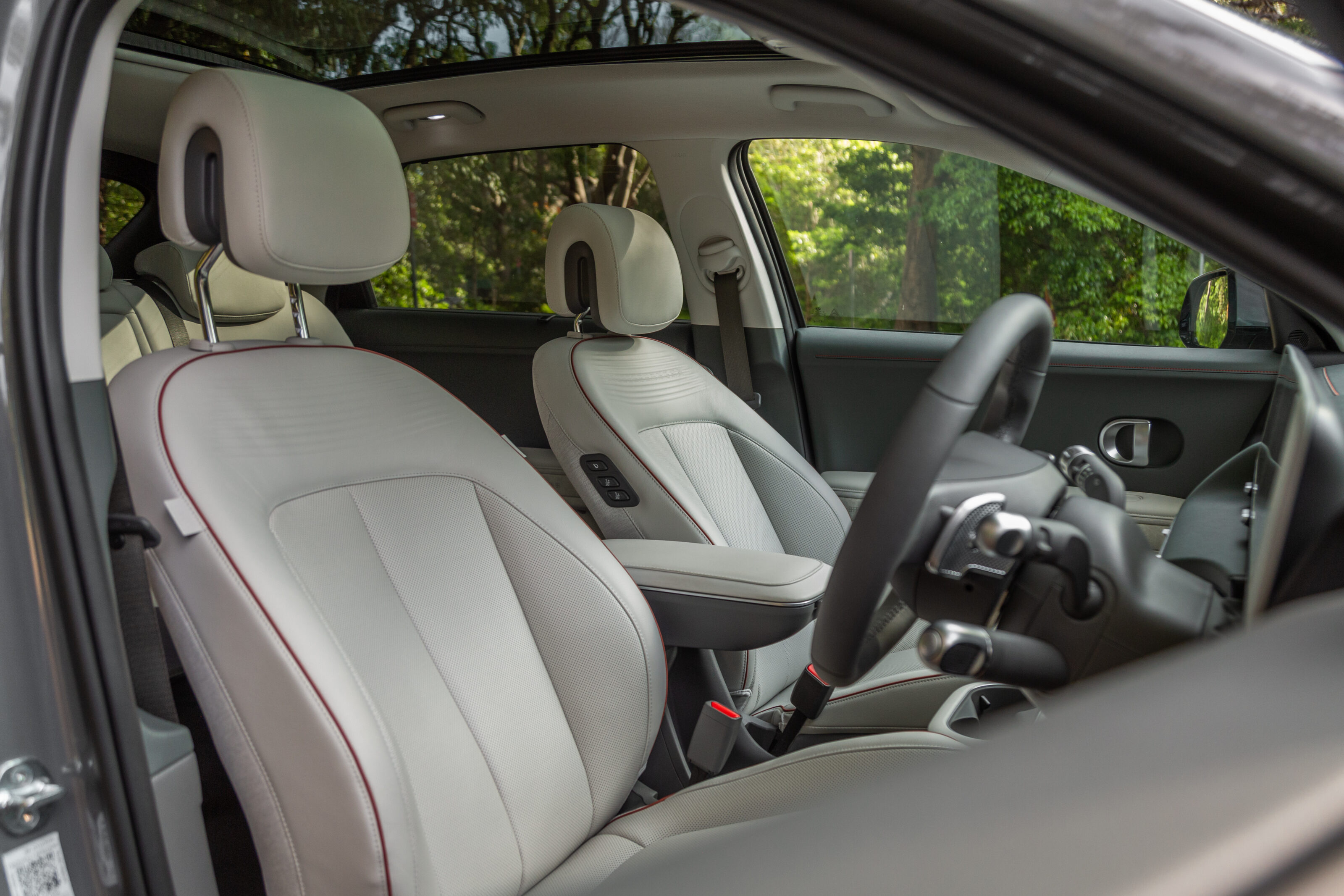
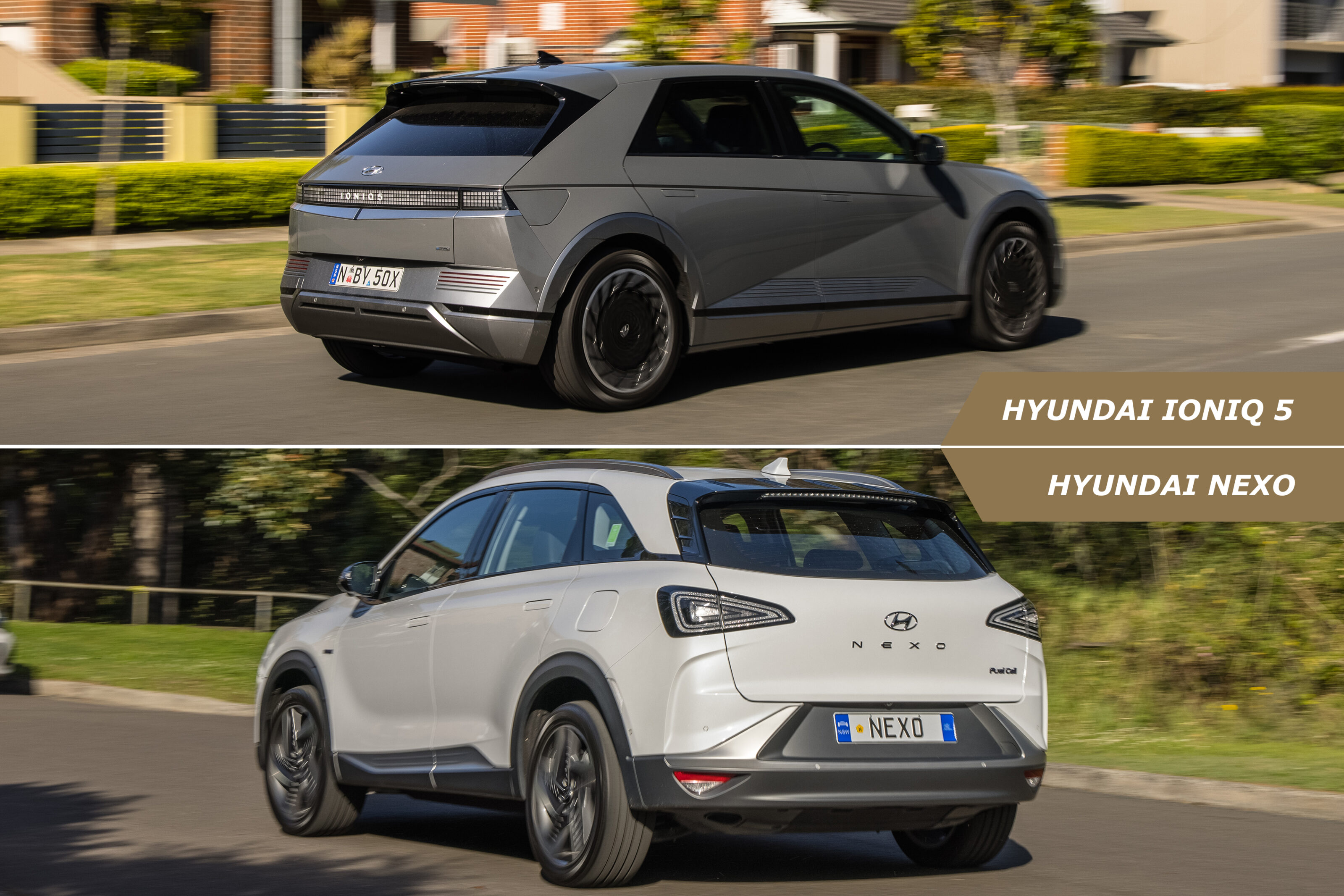
The IONIQ 5 has a wheelbase longer than the giant eight-seater Palisade, but is considerably shorter. Well, I say considerably, but it’s longer than a Tucson while delivering the kind of interior space to make oil tanker jealous.
The front seats are distinctly throne-like and you sit high-ish in the car, which from the outside looks all the world like a Corolla-sized hatchback. Or, more accurately, the Lancia Delta in Integrale spec.
Seemingly an homage to Mercedes, the dash layout is clear and easy to use, although I am not at all enamoured with the gear selector, which is low on the steering column rather than on the non-existent centre console.
Technically, there is a centre console with a huge storage cubby big enough to fit a laptop bag, but it isn’t connected to the dash and it slides fore and aft.
The glove box in the dash easily fits a 13-inch laptop, too. You also get cup holders and bottle holders up front, and a console bin.

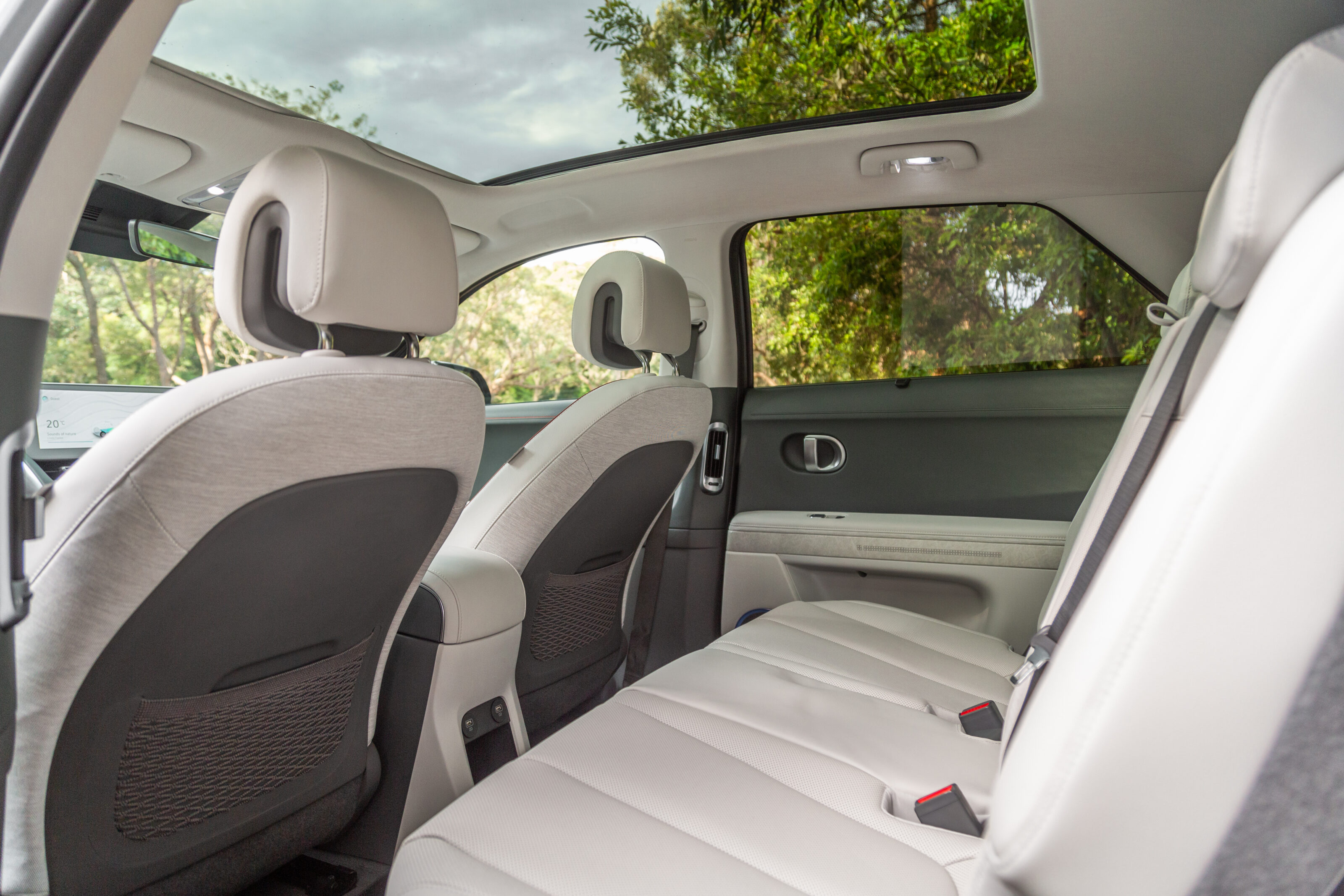
The rear seat is shapely and comfortable, and you get an armrest with two cup holders, tons of shoulder room (the 5 is a wide unit) and, unless the front seats are put in ‘zero-gravity’ mode, legroom for days.
The roof does fall slightly with the sunroof fitted, meaning for six-footers, things are a little tight. The flat floor does mean that the middle seat occupant won’t clash feet and legs with the outboard passengers, although they will miss out on the seat heating of the left and right seats.
Adjustable rear air vents are set in the B-pillar closer to face height, which is very handy.
Huge side windows let in a lot of light and with the pale leather of the test car – and the sunroof – it’s bright in there. The rear seats slide back and forward, and you can recline them too, so there’s plenty of adjustability to get comfortable.
Rear seat passengers have two USB-A ports to choose from, set low in the centre console. The front seat passengers also have two USB-A ports.
The boot floor is over a metre wide at its narrowest point and with the rear seats in place, just over a metre deep. Floor to ceiling is about 75cm, so you can cram a lot of stuff in here.
Under the boot floor you’ll find the tyre repair kit, charge cables and something really clever – the vehicle-to-load (V2L) adapter. This fits in the charge port to supply up to 3.6kW of power draw to external appliances at up to 16 amps. This means it can even charge other electric cars (slowly), but will stop providing power once your battery falls to 44 percent, or a level you set yourself.
With all that boot acreage, you start with 527 litres no matter which IONIQ you choose. With the seats down, that figure swells to 1587 litres.
It’s worth noting that because of the additional motor up front, the front storage area under the bonnet is less than half the size of the RWD model, with 27 litres playing 57.
The IONIQ 5 looks all the world like a Corolla-sized hatchback. Or, more accurately the Lancia Delta in Integrale spec.
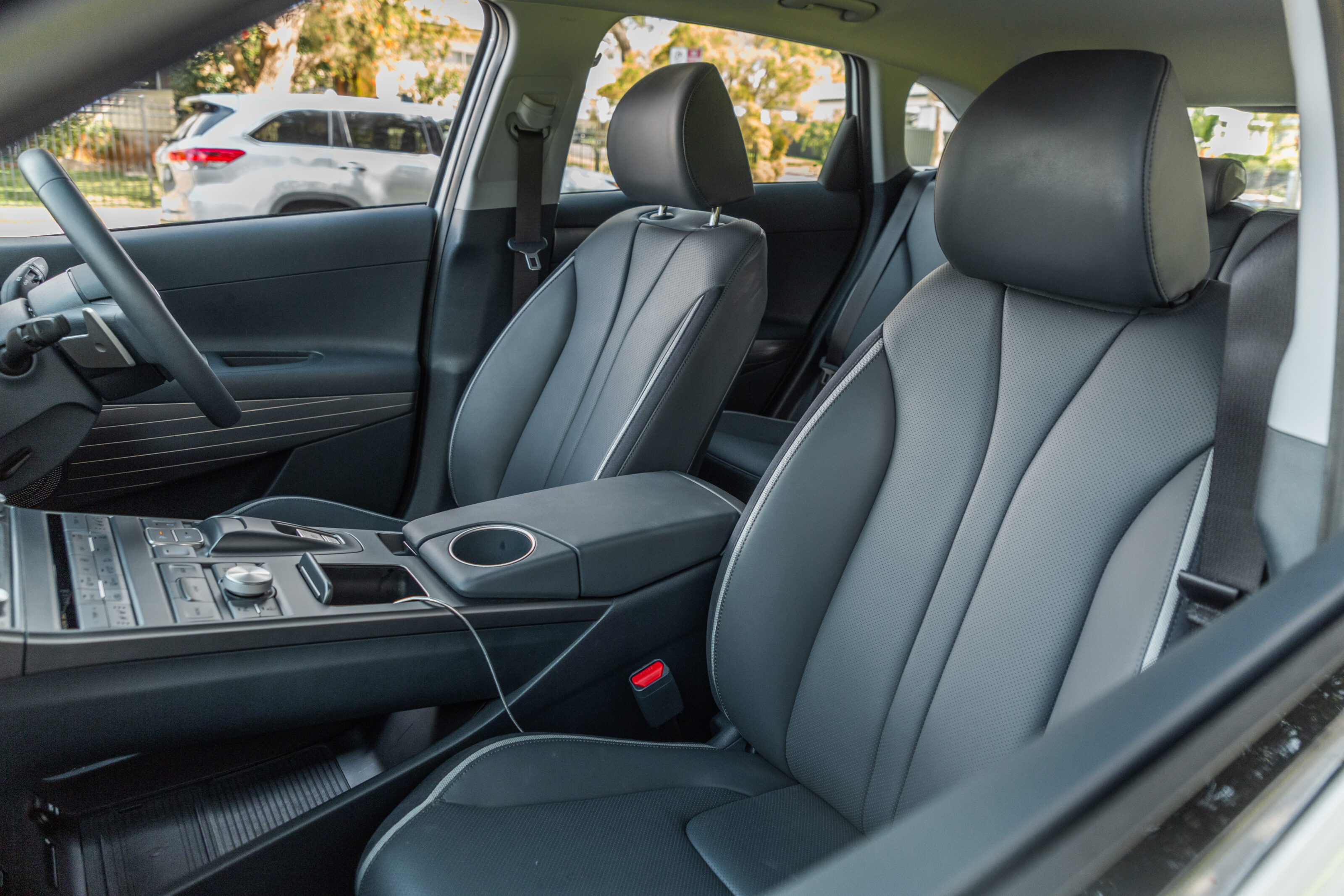
Step into the Nexo’s cabin and you’ll find it’s a bit more conventional, featuring the first appearance of the flying bridge centre console we see in the Palisade and up-spec Santa Fe.
There are many, many buttons in here, almost Porsche levels of buttonage, and more than a few are the same size and shape as their neighbour – so you’ll have a memory game to play when you’re finding a function you want.
Front space feels on par with the Tucson, perhaps slightly bigger, and you have two cup holders in between the seats and bottle holders in the doors.
The console hosts wireless charging and USB ports. Moving to the back and, while the rear space seems a little bigger than in the Tucson, it’s roomy, with more headroom than the lower-slung IONIQ. The floor isn’t quite as flat, though.
The Nexo’s boot is a healthy 461 litres, which isn’t bad given the underfloor battery, and I’d wager a tripling of that with the rear seats down. It’s soundly beaten by the 5’s space, though, and the IONIQ also has a lower loading lip.
Overall, there isn’t a lot in it between the two – they’re different, but deliver roughly the same space, although the IONIQ has a few more inventive touches.
On the road
Technology and drive
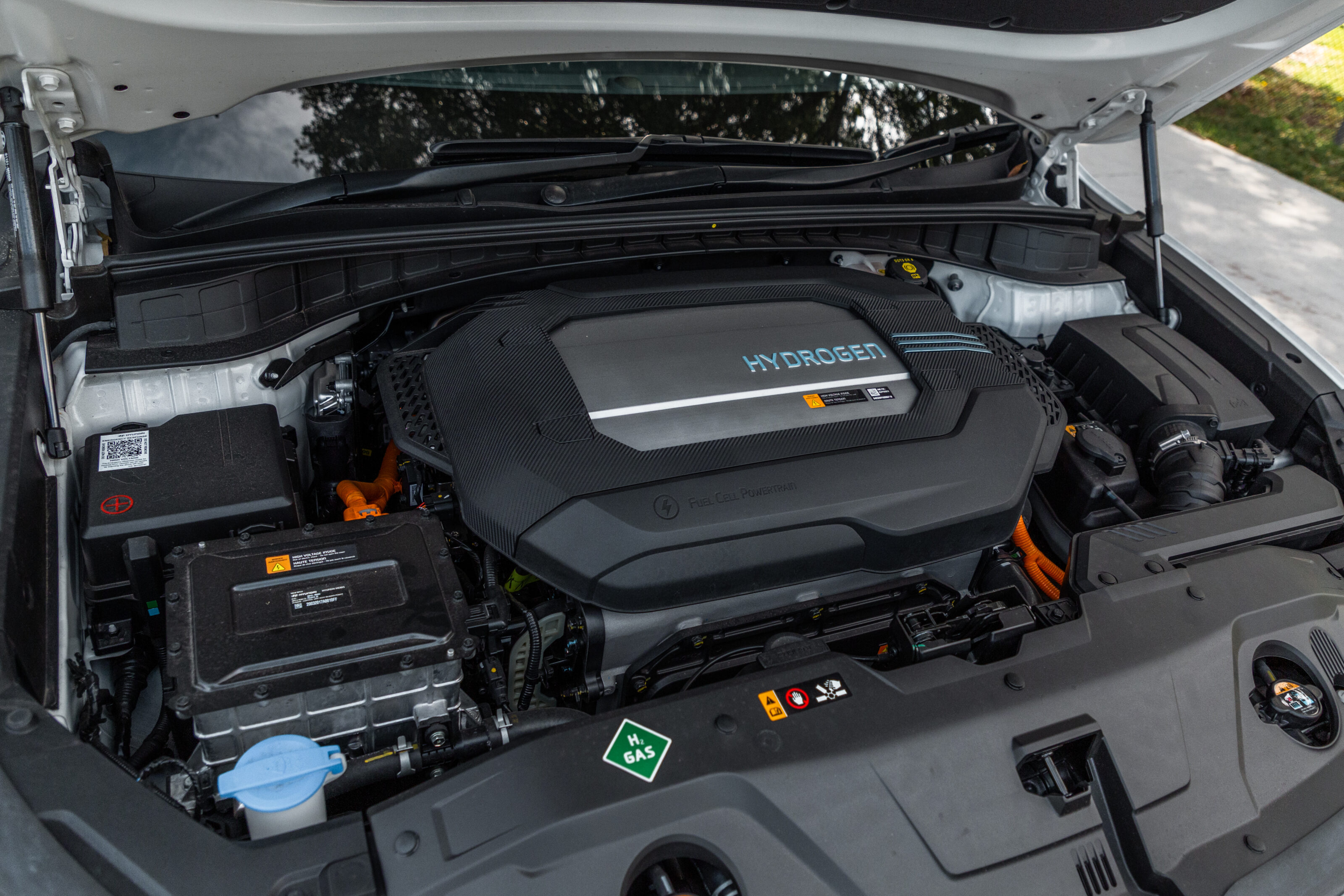
The two cars share almost nothing in their powertrains, not even the battery. The Nexo’s battery is from the older IONIq Hybrid hatchback, while the 120kW electric motor is from the all-electric version of the IONIQ. (To be clear, I’m referring to the models from this trio, not the newer IONIQ 5.)
Stacked on top of the motor is hydrogen fuel cell paraphernalia, which gets its fuel from three bullet-shaped (and bulletproof) tanks stored around the rear axle.
The Nexo’s multi-link rear end means it gets an extra tank for a total of 156 litres, with 6.3kg of hydrogen stored at 10,000PSI and offering a driving range of 660km. The kerb weight of circa 1800kg significantly undercuts its BEV counterpart.
Filling the Nexo takes just a few minutes, but the catch is that it needs to be a hydrogen filling station – which, as you might imagine, is not a common sight.
To keep the hydrogen safely stored, three layers of carbon fibre and a plastic liner envelop the gas, the walls of the cylinders measuring over ten centimetres.
I’ve held a cross section of the tank in my hand and it’s surprisingly light, but obviously very strong.
The IONIQ 5 is your classic (in relatively modern terms) skateboard EV platform, with a 72.6kWh battery stored under the floor to power either one motor in rear-wheel-drive form, or two motors for all-wheel drive. A 58kWh price leader is on the way, delivering both a lower price and range.
Depending on your number of driven wheels, the 72.6kWh IONIQ 5 is capable of up to 451km on the WLTP from a single charge.
With both 400 and 800 volt charging available, you can get to eighty percent of charge in just 17 minutes but, like the Nexo’s hydrogen filling station, these super fast-charging options are hard to come by – so you’ll want to keep it plugged in at home or find a fast-ish charger near your favourite cafe/shop/workplace.
They drive very differently, for two important reasons. The Nexo’s loftier format, with the power unit stacked in the front, means it drives like a weighty-nosed front-wheel drive SUV. And, the much lower power outputs mean it’s slower to the 100km/h benchmark than either IONIq.
There is plenty of torque, though, and a greasy surface will get you some wheelspin. While it might be more leisurely off the mark – and the throttle response relies heavily on the small battery as well as hydrogen delivery to the fuel cell – it’s pretty impressive on the freeway. It holds speed nicely and is very quiet while doing it.
Overtaking is a breeze, because the torque really gets the Nexo moving and, given it’s much lighter than the IONIQ 5, the performance gap narrows a little when you’re already moving.
Across the same challenging roads, the IONIQ is firmer but faster. It’s just as quiet, if not quieter than the Nexo.
What’s more, the Nexo’s longer springs mean the ride is better resolved (thanks once again to the Australian chassis team) although it’s not as capable in the corners.
It’ll wash wide like a front-wheel drive SUV, but it’s all very benign and easy-going. Too easy-going if you’re in the Eco mode, which is one of two modes. Avoid it if you like driving, but it does make a difference to the range, if only small.
Across the same challenging roads, the IONIQ is firmer but faster, of course. It’s just as quiet, if not quieter than the Nexo, with no puffs and sighs from hydrogen pumps. In either Eco or Normal mode, the dash tells you that you don’t have access to all of the torque (605Nm in the AWD), but when you hit Sport, blimey, it all goes red and the torque bar flips to 100 percent.
Punch it and you get all of the torque, seemingly all at once. Obviously the software ensures it doesn’t pluck out its own driveshafts, but the EV party-trick punch of a flattened throttle (amusingly engraved with a + sign to go, with the – on the brake) and warp-like acceleration is all present and correct.
It doesn’t corner with great vigour, though, and despite the long wheelbase, the ride will get a bit lumpy on occasions. It reminded me a little of the BMW i3’s ride, getting a little weird when things were bumpy – something that was ironed out in the i3 S.
Luckily there’s an N version of the IONIQ 5 coming, so it will be interesting to see what happens there.
It’s a good cruiser, though (which is all we should really expect), and in town not much will touch the AWD off the lights. Or the RWD, for that matter. The power delivery is smooth and strong, and with maximum re-gen turned on (there are three levels to choose from) the IONIQ pulls up nicely. For some reason it took a while to get used to how effective that was – both myself and Mr Spinks found ourselves stopping short.
AND THEN…

The IONIQ 5 is the vastly more modern, “I’m from the future” car compared to the Nexo’s “Oh, look, a mid-sized SUV with a big grille… hey, what’s that blue badge?”
They perform very well, to their obvious intents. Fundamentally, they’re both extremely friendly cars to drive. Both can be super-relaxed and easy-going, are quiet on the fast stuff and have the punch to handle the city.
The Nexo holds its own with its familiar SUV style, while the IONIQ wows the crowds with its breathtaking looks and absolute commitment to the concept with a Minecraft 8-bit aesthetic that leaves you in no doubt that this is something different.
What we’ve learned here is that the Nexo is a properly great car, and I’m okay with a future that includes hydrogen fuel cells. Infrastructure is easy to fix when the will and the want is there, and Hyundai has proven that the fuel is workable and viable, and just like BEV infrastructure.
It’s just a matter of time, should the market go with it – and Hyundai reckons hydrogen will replace diesel.
The IONIQ is even more impressive – a proper ground-up EV to take on the might of the established market leader Tesla. Confident and assured, its very minor flaws will surely disappear before too long. Hyundai is that kind of company.
2022 Hyundai IONIQ 5 vs Hyundai Nexo specifications
| u00a0 | Hyundai IONIQ 5 | Hyundai Nexo |
|---|---|---|
| Body | Five door hatchback | Five-door medium SUV |
| Drive | AWD | FWD |
| Engine | Dual motor electric155kW front, 70kW rear | 95kW hydrogen fuel cell with battery |
| Transmission | Single-speed | |
| Power | 225kW @ 0rpm | 120kW @ 0rpm |
| Torque | 605Nm @ 0rpm | 395Nm @ 0rpm |
| 0-100km/h | 5.2 sec (claimed) | 9 sec (claimed) |
| Fuel consumption | N/A | 23.4L/100km (combined) |
| Weight | 2100kg | 1814kg |
| Suspension | MacPherson strut (front);multi-link (rear) | |
| L/W/h | 4635/1890/1605mm | 4670/1860/1640mm |
| Wheelbase | 3000mm | 2790mm |
| Front brakes | 345mm ventilated disc | 320mm ventilated disc |
| Rear brakes | 345mm ventilated disc | 302mm solid disc |
| Tyres | 255/45 R20 Michelin Pilot Sport EV | 245/45 R19 |
| Wheels | 20-inch alloy wheels ( spare) | 19-inch wheels (no spare) |
| Price | $74,900+ ORC | N/A |
This is the Ferrari Daytona SP3. It’s the second model in the brand’s Icona range, which draws inspiration from some of Maranello’s most famous models and reinvents them with 21st century materials and technology.
It celebrates Ferrari’s 1-2-3 finish at the 1967 24 Hours of Daytona, wrapping sleek composite bodywork inspired by sports prototypes of the 1960s and ’70s around a mouth-watering set of mechanicals.
At its core the Daytona P3 is based on the LaFerrari Aperta. It shares its carbon monocoque, though differs dimensionally being slightly shorter in length, wider and taller at 4686mm, 2050mm and 1142mm respectively.

The styling draws plenty of cues from classic Prancing Horse racing cars like the 330 P3 and P4 and 512 S and M that competed at Daytona, Le Mans and the Targa Florio. Devoid of spoilers, the Daytona P3 uses a variety of underbody devices and blown surfaces to be Ferrari’s most aerodynamically efficient road car ever.
It’s this efficiency that makes the P3 capable of over 340km/h, though the enormously powerful V12 mounted midships also plays a key role. Ferrari’s engineers have managed to squeeze a little extra from the new 812 Competizione’s engine, the 6.5-litre V12 now producing 618kW at 9250rpm (+8kW) and 697Nm at 7250rpm (+5Nm).

Unlike the LaFerrari, the P3 forgoes any form of hybrid system, keeping weight to 1485kg (dry). This combination results in acceleration claims of 0-100km/h in 2.85sec and 0-200km/h in 7.4sec.
Attempting to tame Ferrari’s most powerful ever road car engine is a specifically-developed Pirelli P Zero Corsa tyre. Measuring 265/35 front and 345/35 rear, they’re wrapped around staggered rims 20 x 9.0-inch front and 21 x 12.5-inch rear.

The Daytona P3 benefits from all Ferrari’s latest and greatest chassis gizmos, including the first application of the Dynamic Enhancer on a mid-engined V12 model, E-diff 3.0 and version 6.1 of Side Slip Control.
Inside, the seats are integrated into the monocoque a la LaFerrari with the wheel and pedals adjustable to accommodate the driver. Elsewhere it’s full of Maranello’s latest tech, including the curved 16.0-inch instrument display and capacitive touch pads that control virtually every function of the car.

Just 599 examples of the Daytona SP3 will be produced, with the price of entry starting at almost A$4m. A price that is essentially irrelevant, as any customers on the invite-only list certainly won’t be struggling to make the repayments.
UPDATE, November 19: VinFast is one step closer to making its first foray into the North American market, taking the covers off its two electric vehicles at the Los Angeles Auto Show.
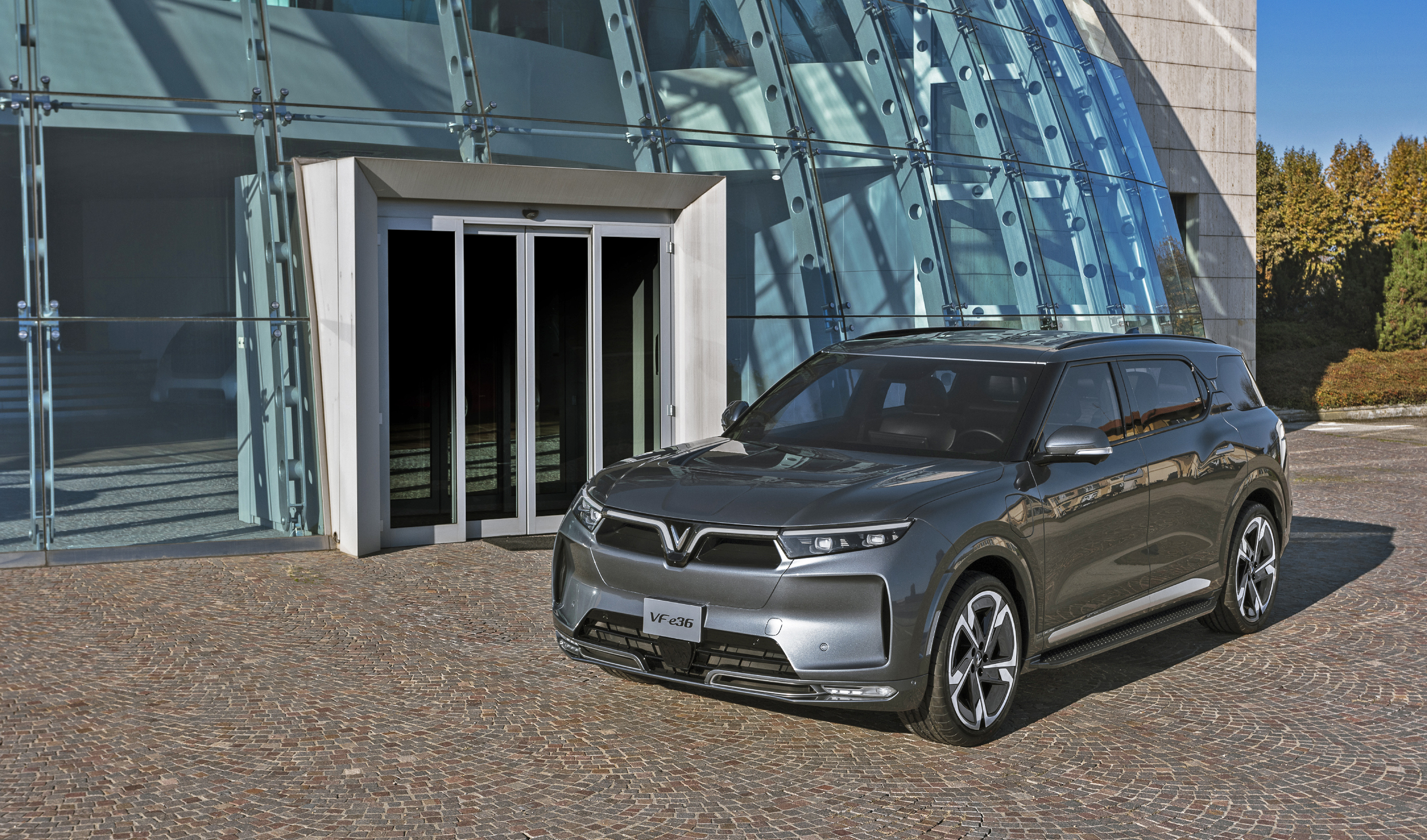
The D-segment VF e35 and E-segment VF e36 (not to be confused with a Commodore or BMW 3 Series) are set to go on sale in the United States next year – a big stage for the Vietnam-based marque to try and perform on during its infancy.
CEO of VinFast Global and former Opel CEO, Michael Lohscheller, said the manufacturer’s focus is to introduce vehicles which can directly influence climate change, while providing a unique experience for owners.
“We are deeply motivated to inspire our customers to be bold and join the revolution to EVs to accelerate solutions which will address this crisis,” said Lohscheller.
“VinFast believes that the future of mobility will be one of smart electric cars that are highly personalised and integrated with technologies that benefit life and our environment.
“These vehicles will do so while meeting safety standards and delivering superior and comfortable driving experiences.”
Click through the galleries below to take a closer look at the Pininfarina-designed VF e35 and the large VF e36 SUV.
The story to here
October 15: Vietnamese automotive manufacturer VinFast is set to debut two new electric vehicles at next month’s Los Angeles Auto Show, marking the global premiere of its latest models.
The VF e35 and VF e36 will both be electric SUVs for the D and E market segments respectively – each larger than the previously launched VF 33 SUV, which has already been touted for a North American debut.
Similar to rivals such as Tesla, the VinFast vehicles will include a range of autonomous driving features, including; fully automated parking, vehicle summoning and driver monitoring – on top of more common technologies such as lane assist and collision warning.
Le Thi Thu Thuy, Vice Chairwoman of Vingroup, said the manufacturer believes its vehicles will be contenders in the competitive electric market.
“Global demand for quality EVs drives the work of our VinFast team every day,” said Thi Thu Thuy.
“We have made vigorous investments and conducted extensive market research to create premium EVs that will satisfy the desires of global customers. This is just the beginning.
“We hope to capture the hearts and imaginations of even the most demanding customers with VinFast’s dedicated service and smart, high-quality products.”
In July, VinFast opened its first office in the United Sates, relocating those involved with its North American operations from its home base in Vietnam to California.
After the departure of Holden, VinFast had purchased the former General Motors-owned proving grounds at Lang Lang, setting up a local research and development team for its vehicles. However, a restructuring of the Melbourne office in May led to a number of redundancies and resignations, including former deputy CEO of product development, Kevin Yardley – as detailed by Bruce Newton in the July 2021 issue of Wheels.
It was announced in August the Lang Lang proving grounds would be sold, resulting in around 50 redundancies within the local VinFast team as well as reignited fears of what the future holds for the site.
VinFast recorded 30,000 sales in its native Vietnam last year and had targeted 56,000 sales in 2022, although this number was reduced to 15,000 due to the ongoing semiconductor shortage. It has no intentions of selling vehicles in Australia.
A new competitor in the burgeoning electric utility market has been revealed, with EdisonFuture showing off its ute and van designs at the LA Auto Show.
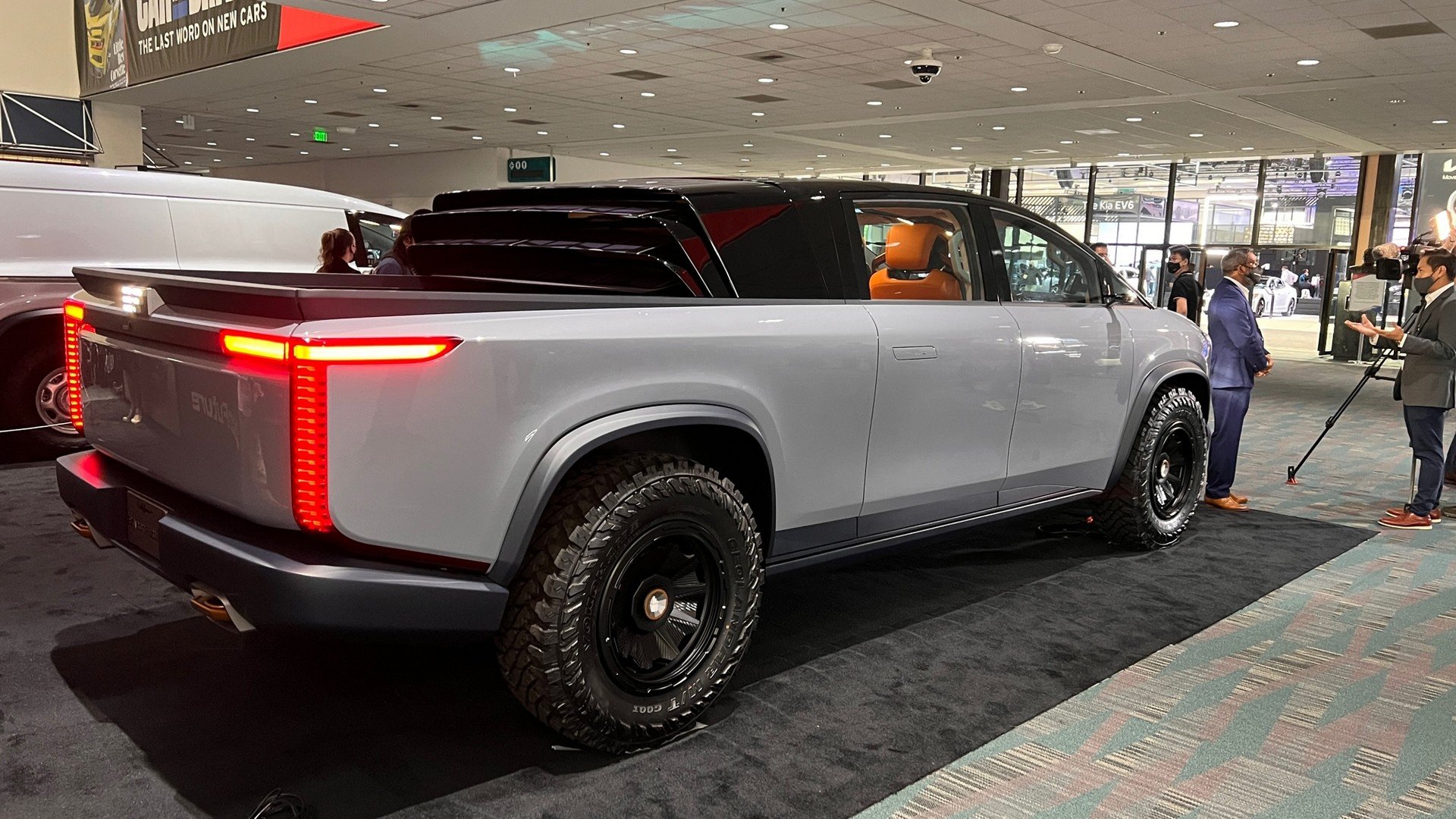
The EF1-T takes the form of a twin-cab ute, which EdisonFuture says will be available with either a 6.5ft(2m) or 8ft(2.4m) bed. Visually, the ute seems to occupy a middle-ground between Rivian’s R1T and the more radical Tesla Cybertruck.
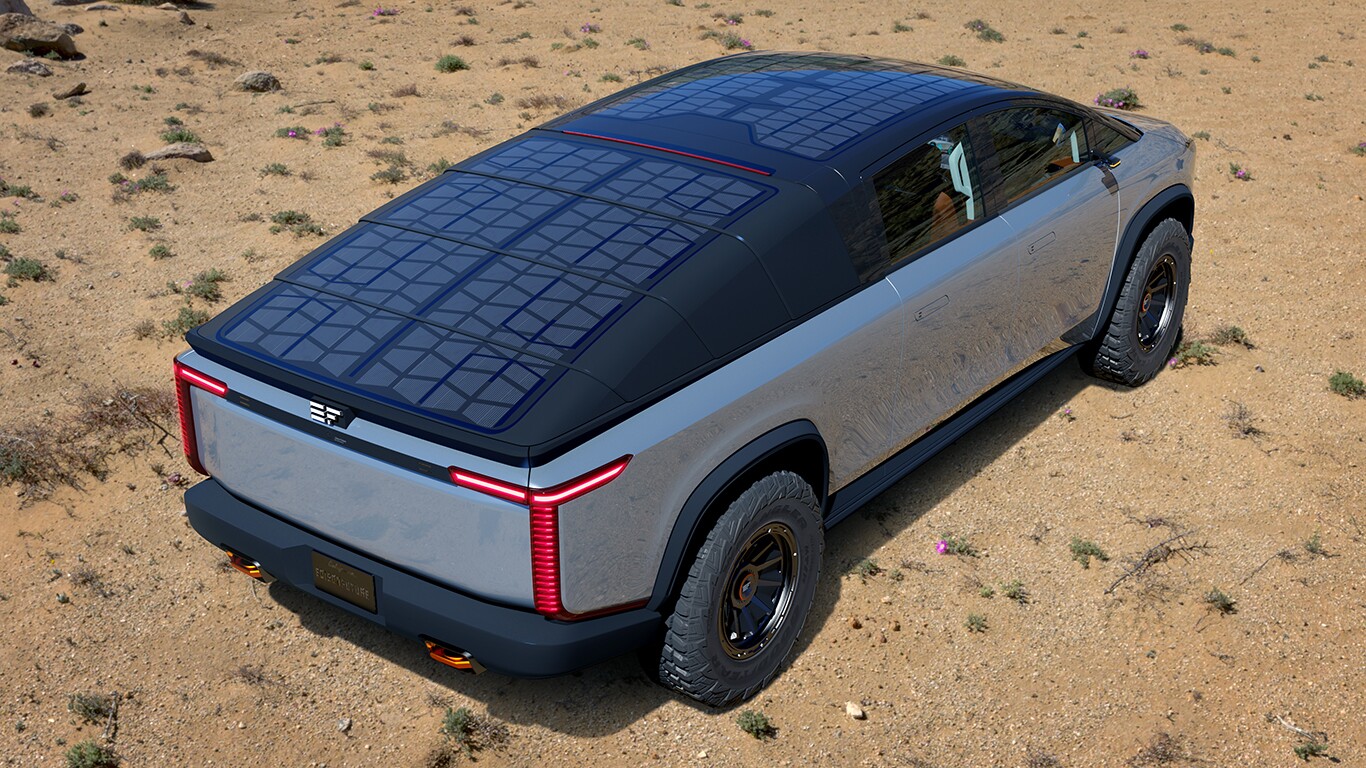
Perhaps the most striking exterior feature of the ute is the optional retractable solar cover, which extends over the bed as an on-the-go battery charging solution.
Three powertrain options are slated for the ute. The base-model Standard will use a single electric motor for a 0-60mph (95km/h) time below 6.5 seconds, 480 kilometres of driving range, and 3.5 ton towing capacity.
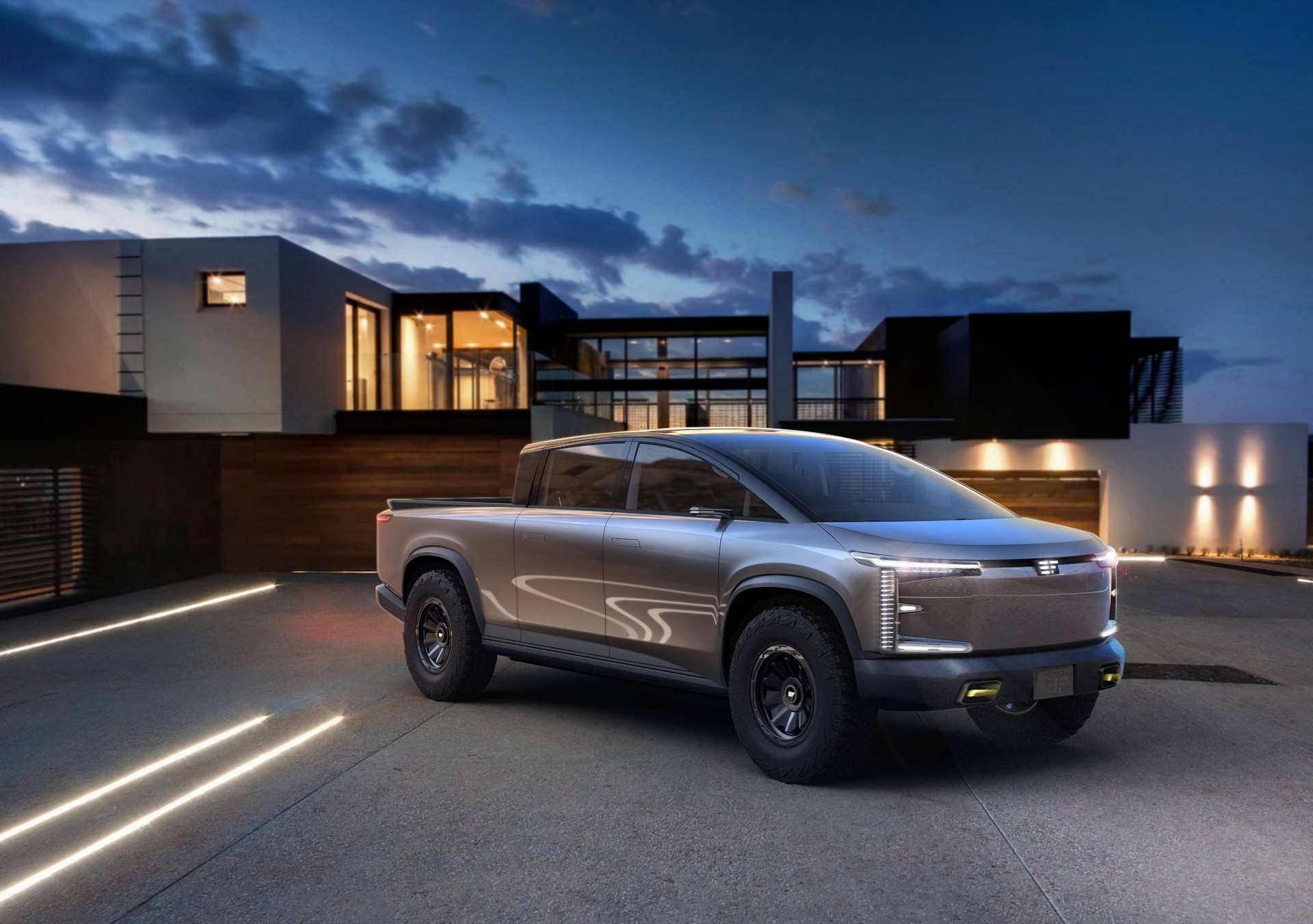
The Premium will use two motors for a sub-4.5-second 0-60 time, 610km of driving range, and bolstered 4-ton towing.
Topping the range is the tri-motor Super, which EdisonFuture says will offer a 3.9-second sprint to 60mph, 725km, and a hefty 5-ton towing capability.
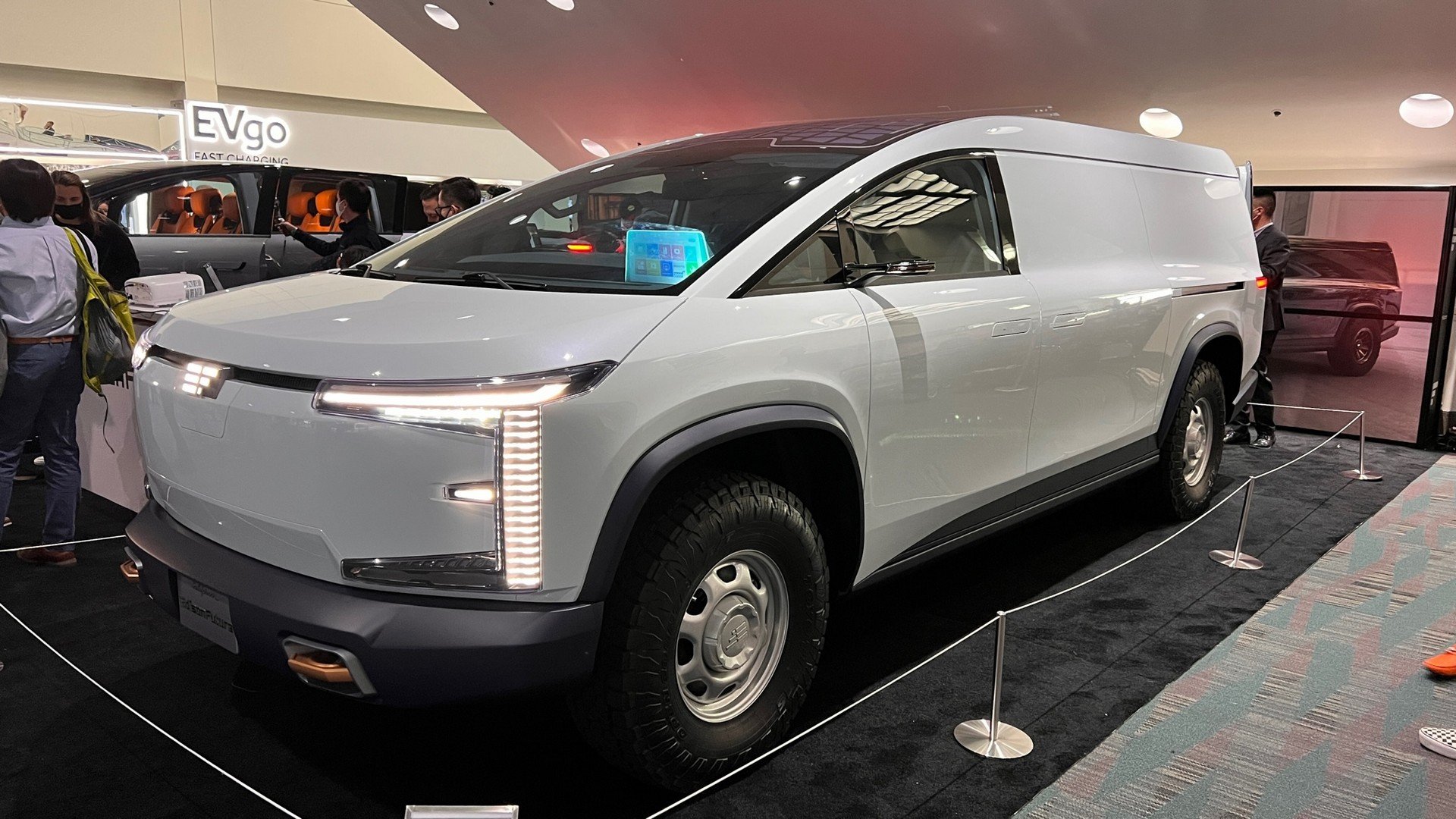
The EF1-V delivery van will be offered in Standard and dual-motor Long Range guises, with cargo capacities ranging from 7360L to 11,325L. The van uses a fixed solar roof panel, and is described by EdisonFuture as suitable for “work, travel, family or personal use.”
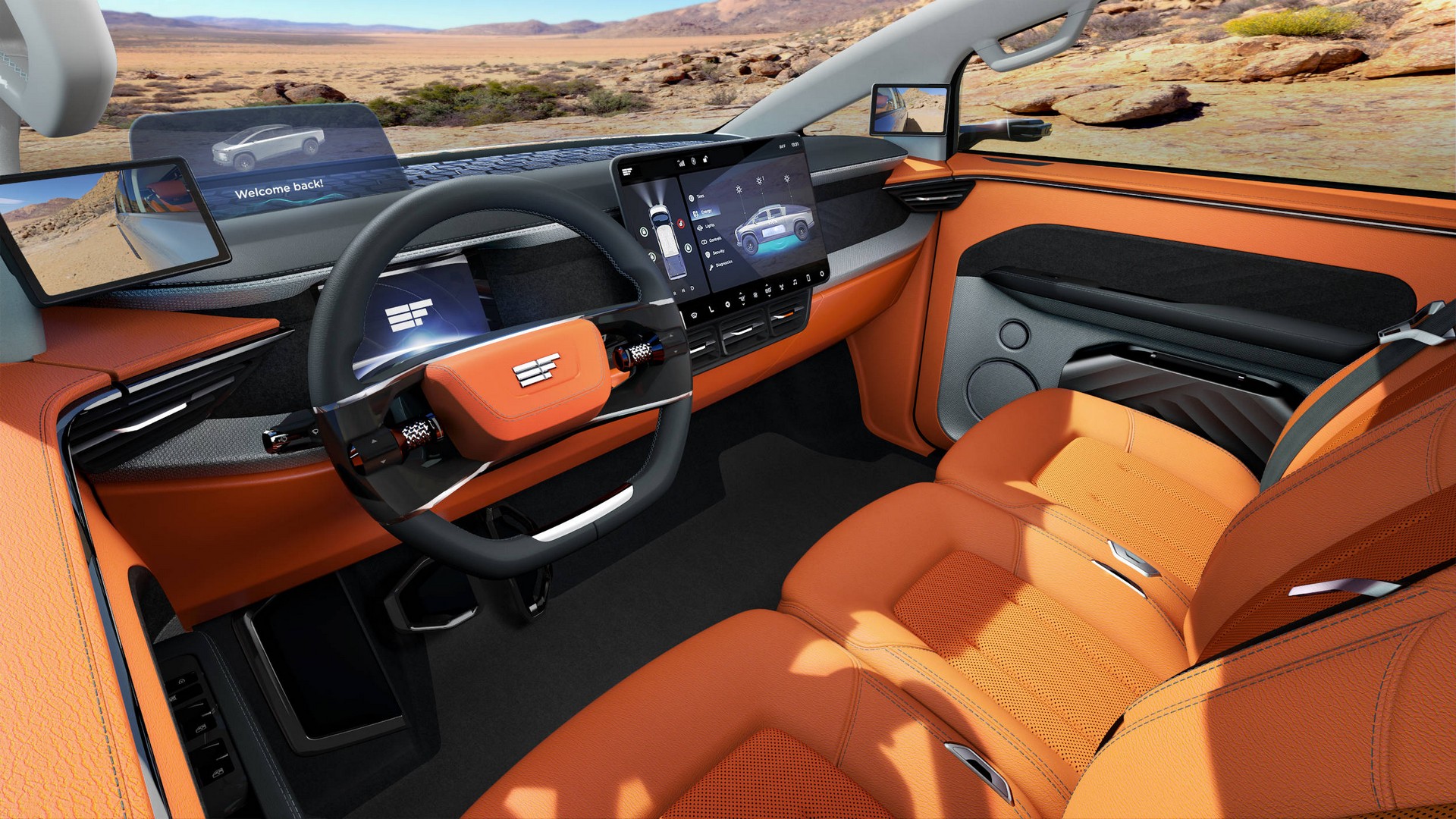
Each model seats six, and features a 17.5-inch touchscreen infotainment system inside, alongside ambient lighting and dash-mounted solar panels. Each door card holds a removable aluminium-clad toolbox for storage, and power-retractable side steps allow easy entry without compromising clearance on both ute and van models.
EdisonFuture was founded in 2020 as a subsidy of SPI Energy, a Hong Kong-based specialising in solar power technology.
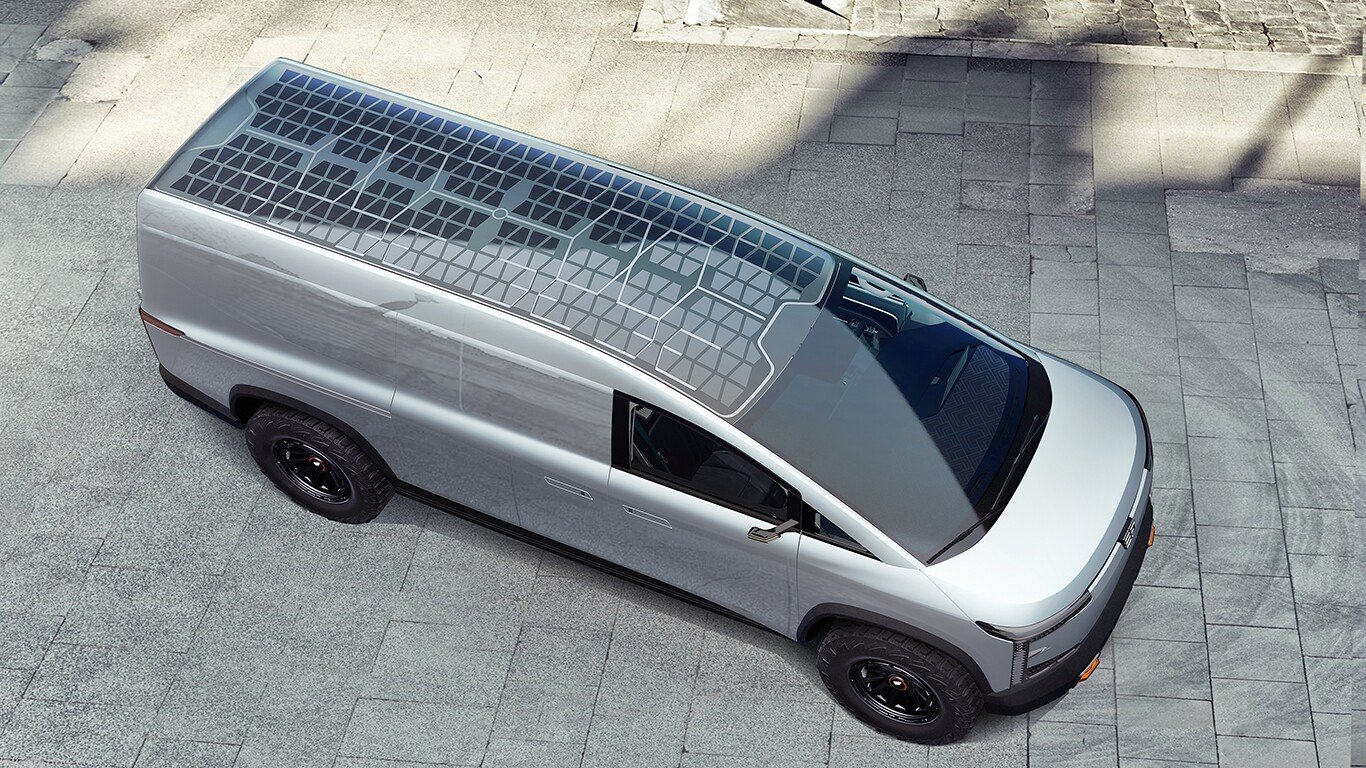
As of now, neither a production date nor pricing have been announced for the EdisonFuture range, let alone any plans for an Australian release.
The first mass-produced EV ute hit American roads back in September, as the US-built Rivian R1T reached customers.
You know nature is beginning to heal when a major international motor show gets the green light.
November 2021 has seen the return of the Los Angeles Auto Show that, like most major events around the world, had taken a COVID-19 gap year and it promises several important debuts including a couple of concepts.
While the show will be open to the public from November 19-28, the covers came off the exhibits for media and industry types from November 17.
Highlights include:
2022 Chevrolet Silverado
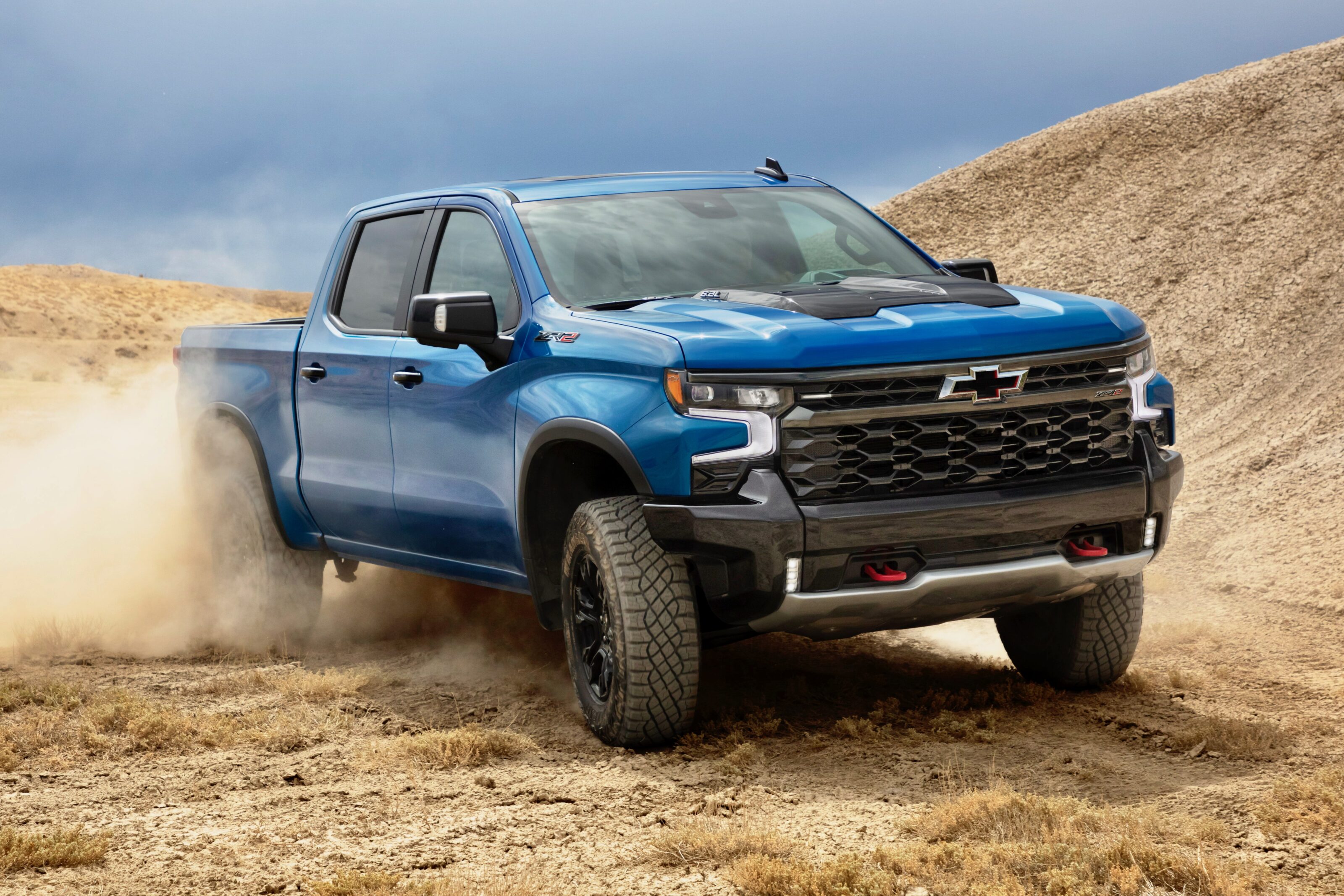
Revealed in September, the facelifted Silverado range made its debut in LA with a new ZR2 off-road variant ahead of its US launch in 2022.
Like its stablemates, it will be powered by the stonking 313kW/624Nm 6.2-litre naturally-aspirated petrol V8, which will send power to all four wheels through a 10-speed torque-converter automatic.
As well as having a more rugged appearance, the ZR2 will ride on Dynamic Suspension Spool Valve (DSSV) dampers from Canadian company Multimatic – which are said to improve the pick-up’s rock-crawling capabilities for high-speed desert driving capability.
2022 Chevrolet Silverado ZR2 revealed.
Fisker Ocean
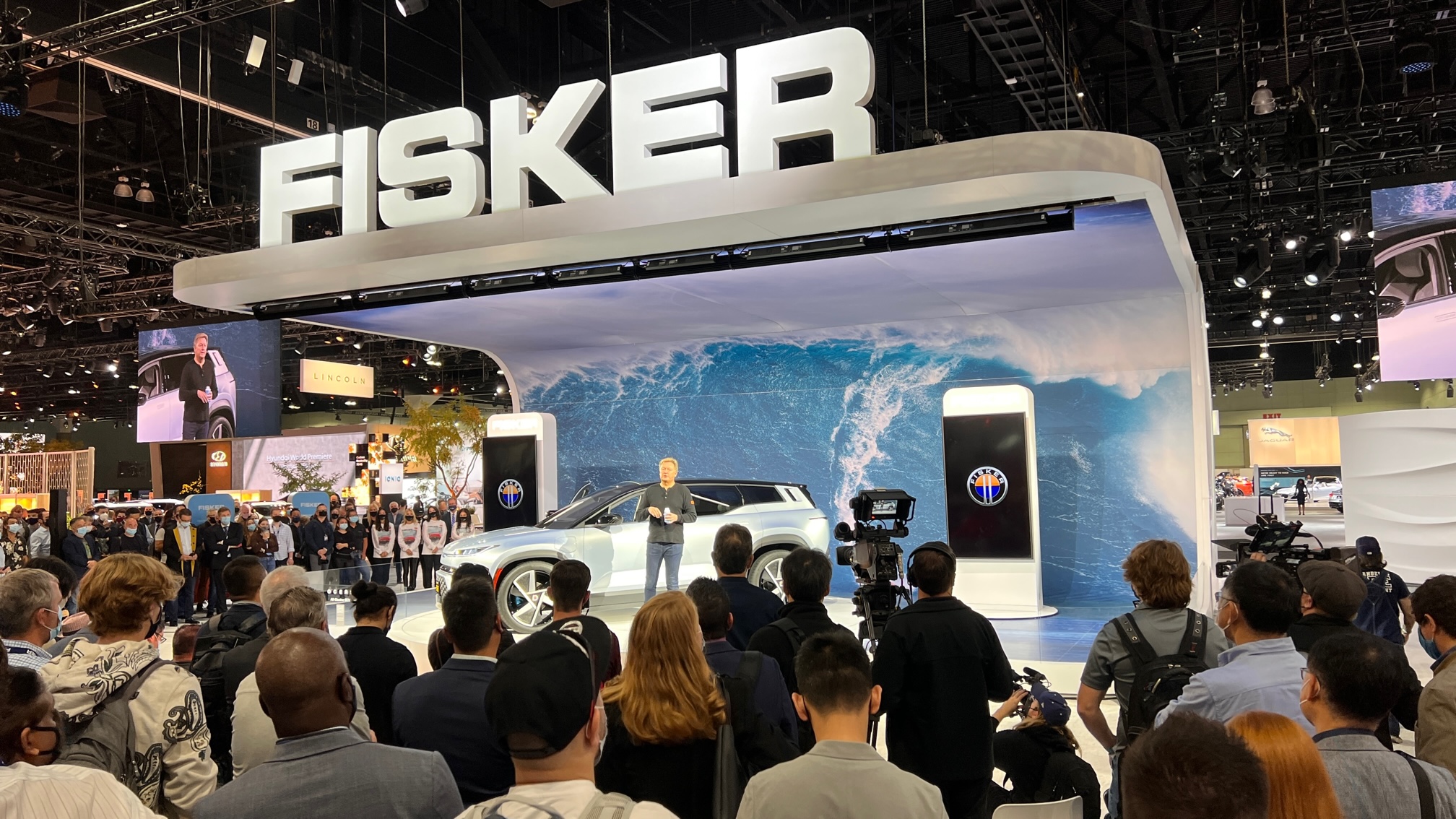
With a name that sounds more like an outboard motor than a sleek battery-electric crossover, the Fisker Ocean, by fledgling US EV was revealed with prices ranging from US$37,499 (AU$51,600) to US$68,999 (AU$95,000) before on-road costs.
It will be available in four spec grades, including the entry-level Sport powered by a single 205kW motor on the front axle and a lithium-ion phosphate battery cell providing a driving range of up to 400 kilometres.
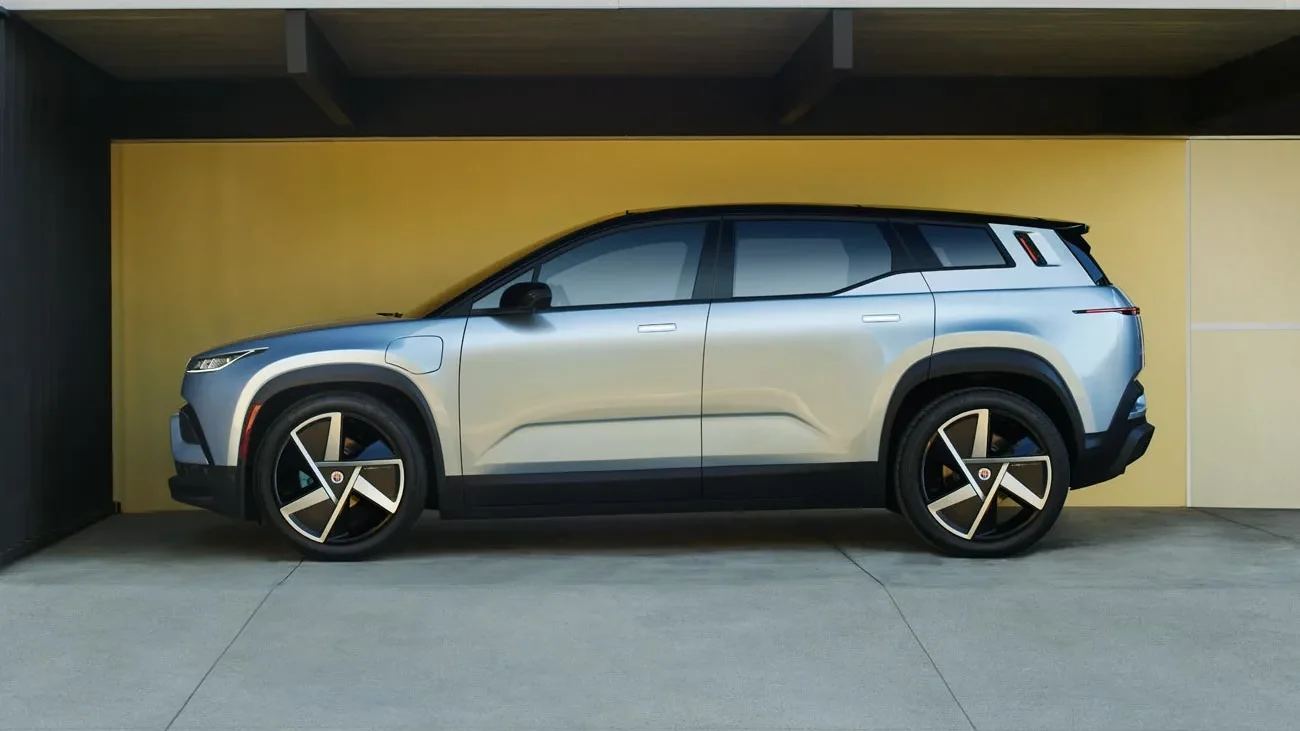
The three higher-spec variants, Ultra, Extreme and the limited edition One, will benefit from dual motors – increasing the Ocean’s power output to 403kW with a 550km driving range in Ultra trim, or 410kW/562km in Extreme and Limited One guise.
Electrons in the pricier variants come from a nickel manganese cobalt cell battery pack.
Why should we care about the Fisker Ocean? In June this year, a Fisker spokesman told WhichCar it is accepting reservations from Australia where it’s expected to land in 2023.
2023 Fisker Ocean revealed: set for Australian launch.
2022 Honda Civic Si
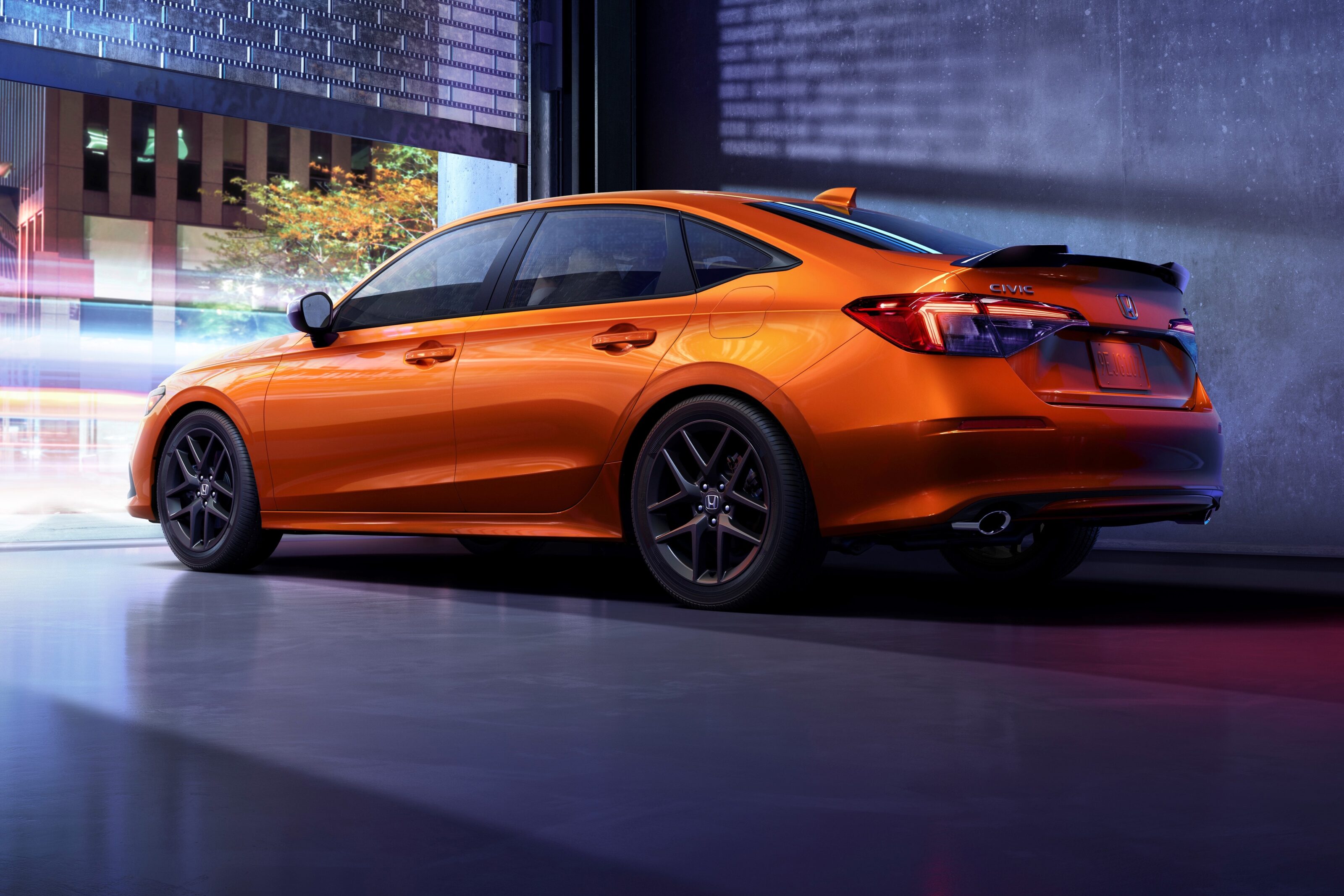
The Civic Si is so far only being offered in North American as a sporty and fun gateway model to the Civic Type R hot hatch.
It’s powered by a relatively timid 149kW/260Nm four-cylinder engine and is curiously only available with a six-speed manual transmission.
While it doesn’t have the Type-R’s grunt, it does share its rev-matching gearing and stiffer front suspension components.
2022 Honda Civic Si revealed for the US
Hyundai Seven Concept
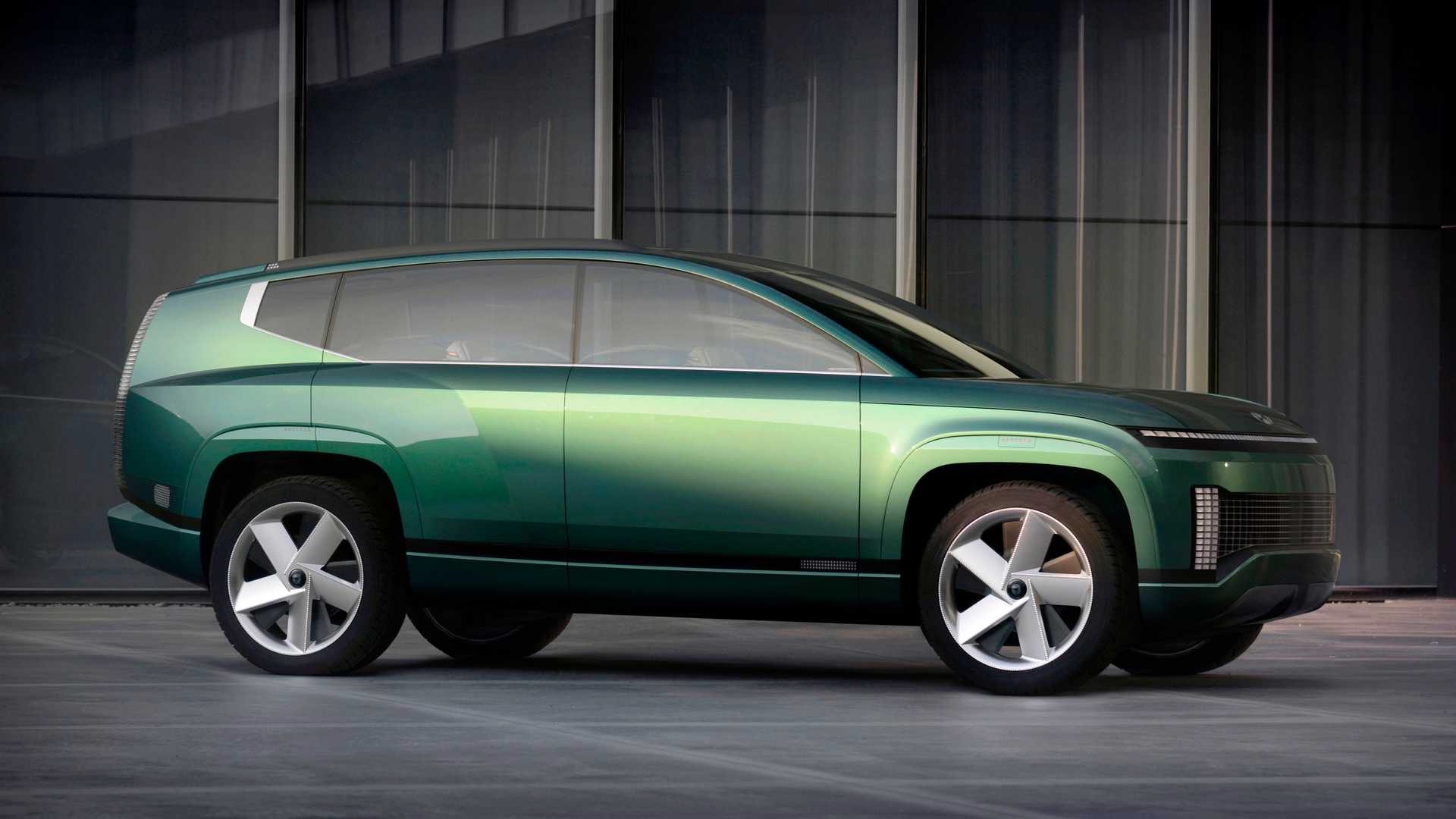
Hyundai’s SEVEN large crossover concept will eventually make its way into production as the three-row Ioniq 7 in 2024, joining the recently launched Ioniq 5 and yet-to-be-released Ioniq 6.
With a look that’s similar to the Staria people-mover, the Ioniq 7 is set to become an EV equivalent to the Hyundai Palisade SUV, with the potential for both six- and seven-seat configurations for families.
Hyundai says the SEVEN can offer more than 480 kilometres of driving on a single charge and can be topped up from 10 to 80 per cent in as little as 20 minutes using a 350kW unit.
Its 3200mm-long wheelbase would allow the Ioniq 7 to accommodate three rows of seating when it reaches production.
2023 Ioniq 7: Electric SUV previewed as concept.
Kia Concept EV9
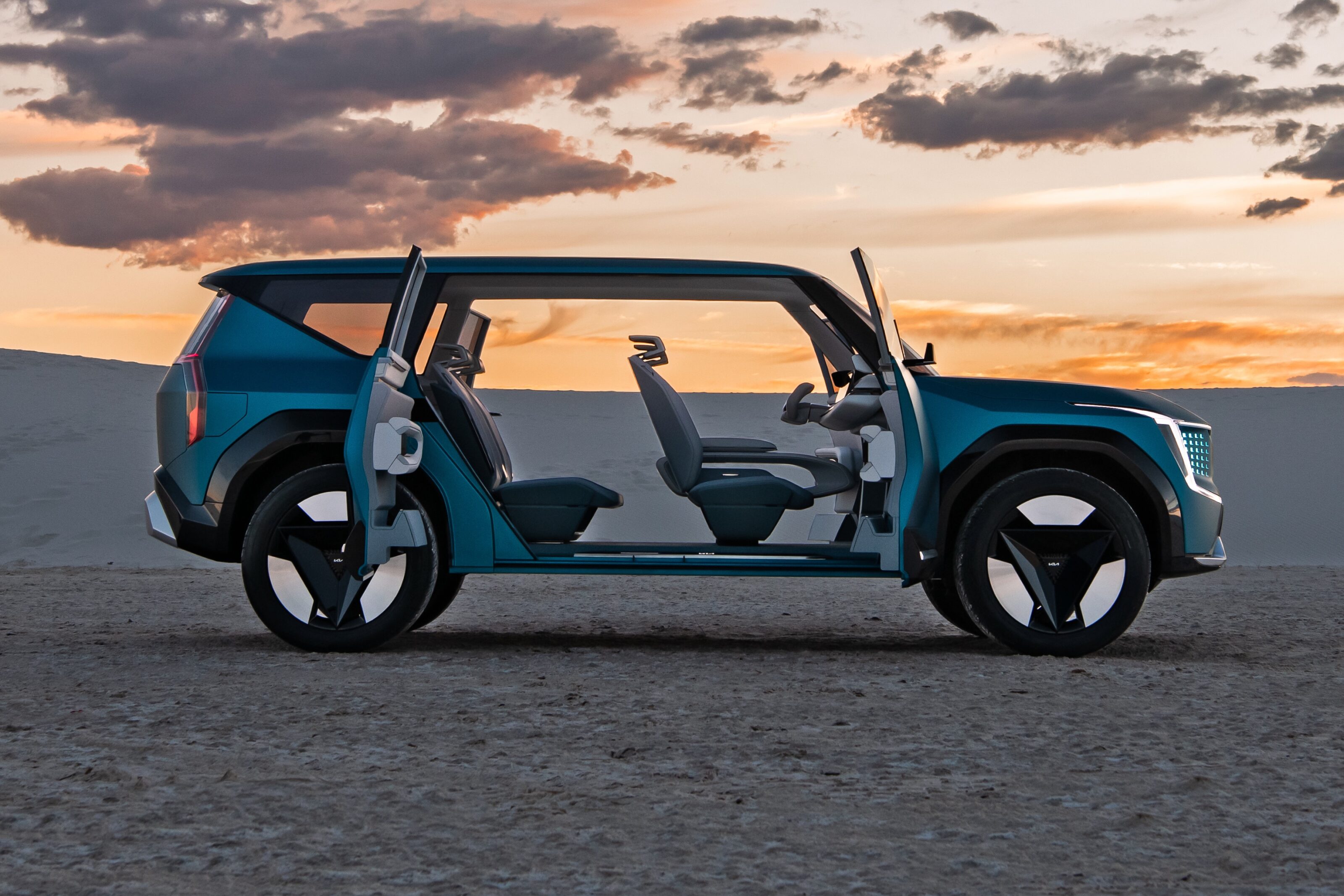
The Kia Concept EV9 provides our best look at what we can expect when the production version joins Kia’s line-up next year, adopting the brand’s new ‘Opposites United’ design language.
The production version of the EV9 will be underpinned by the E-GMP electric architecture, shared with the Kia EV6, Hyundai Ioniq 5 and forthcoming Ioniq 7 large SUV.
While exact details of the car’s battery-electric powertrain have not been outlined, Kia says the Concept EV9 offers a driving range of up to 482 kilometres on a single charge, suggesting it could be using the larger 77.4kWh battery pack found in the EV6.
Kia Concept EV9 revealed ahead of late-2022 market debut.
2022 Lexus LX

With a grille that can be seen from space, the Toyota LandCruiser 300-based Lexus LX large SUV made its public debut in LA ahead of its Australian launch in 2022.
Revealed in October, the luxury barge introduces new powerful six-cylinder twin-turbo petrol and diesel engines to replace the outgoing model’s 5.7-litre petrol and 4.5-litre V8s.
2022 Lexus LX revealed ahead of Australian debut.
Mazda CX-50
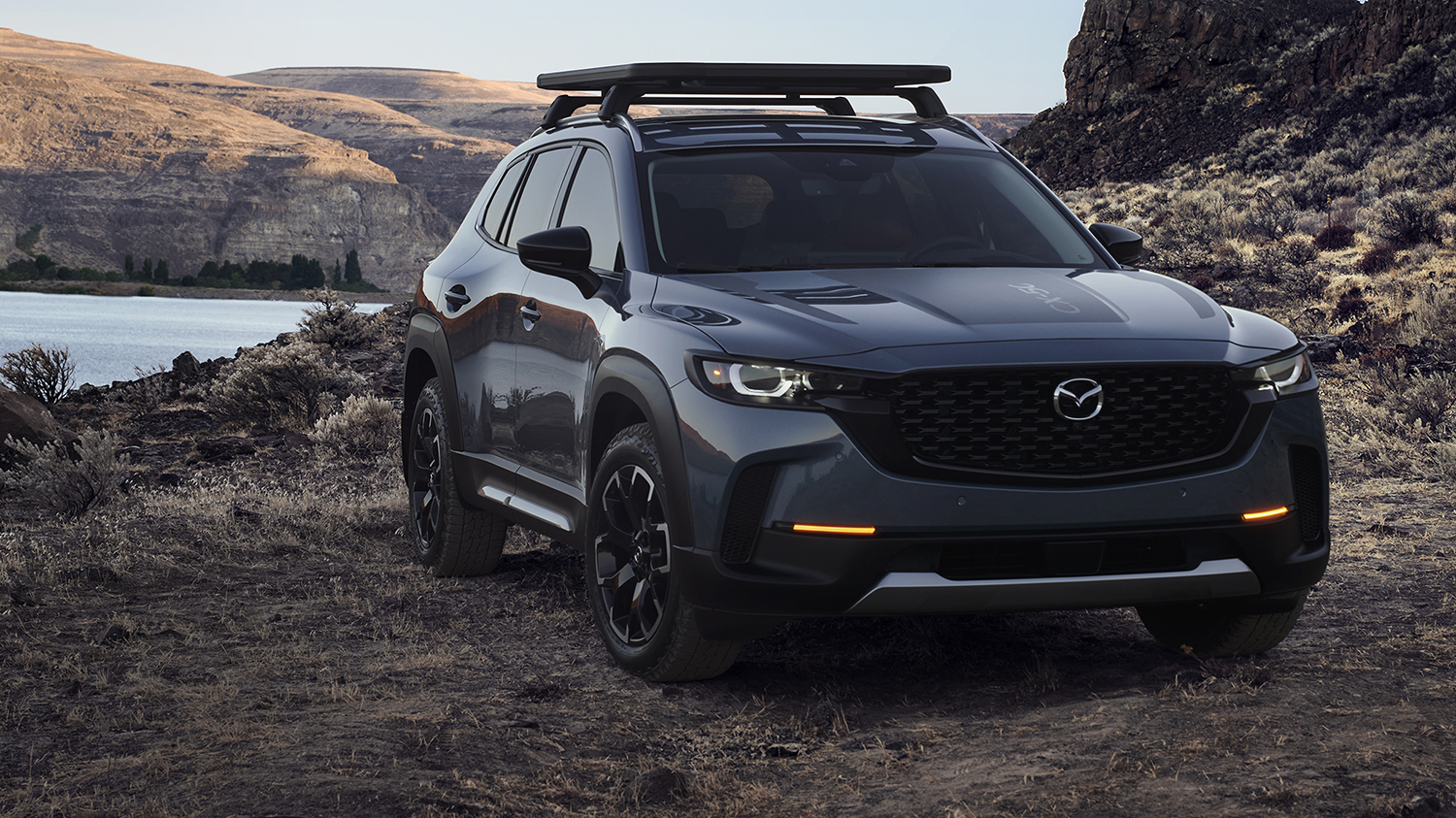
The new 2022 Mazda CX-50 reveal surprised everyone who was expecting a sleek, road-focused and coupe-like design, instead coming with a more rugged and muscular look.
With a choice of naturally-aspirated and turbocharged 2.5-litre four-cylinder petrol engines and i-Activ all-wheel-drive and ‘Intelligent Drive Select’ systems (the latter referred to as Mi-Drive), the you’d think the CX-50 would do very well in Australia against the likes of the Subaru Forester and Nissan X-Trail.
However, it won’t be coming to Australia, due to it having been designed for and built in North America.
2022 Porsche 718 Cayman GT4 RS
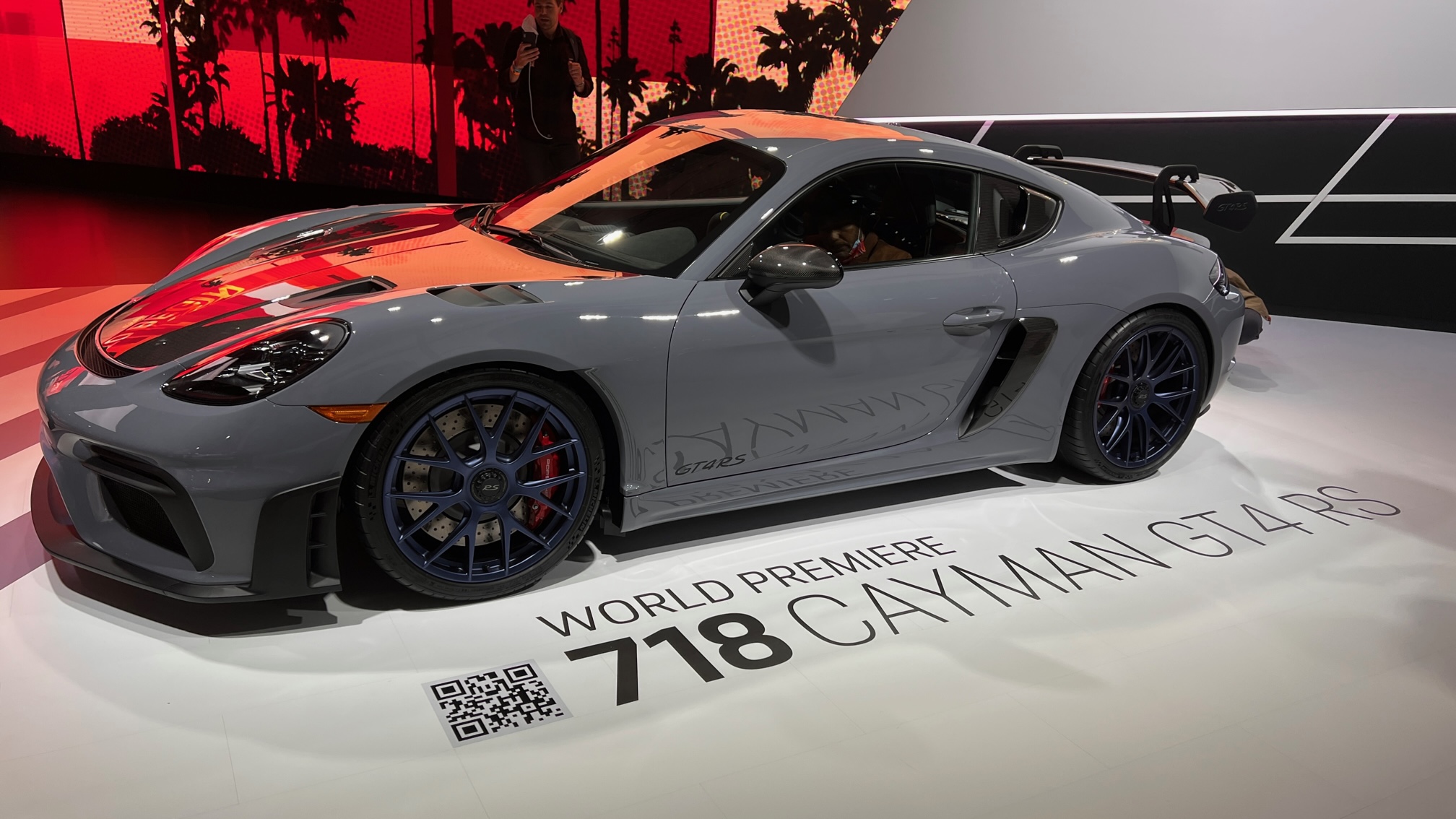
Porsche already showed off its new halo version of the Porsche 718 Cayman in a video of it going through its paces at the Nürburgring with a lap time of 7:04.511 – 23.6 seconds quicker than the 718 Cayman GT4.
Now we know it comes with 368kW and 450Nm of grunt thanks to the naturally-aspirated 4.0-litre lifted from the 911 GT3.
Combine all that with the PDK transmission (no manuals for RS models) and you end up with a weapon that’ll lap the Green Hell quicker than a McLaren 720S.
Appearance-wise, it features a GT3-style swan-neck rear wing, air intakes instead of rear quarter windows, and the Cayman GT4’s signature side intakes remain.
2022 Porsche Cayman GT4 RS revealed.
Race ready: 2022 Porsche Cayman GT4 RS Clubsport debuts.
Porche Taycan GTS
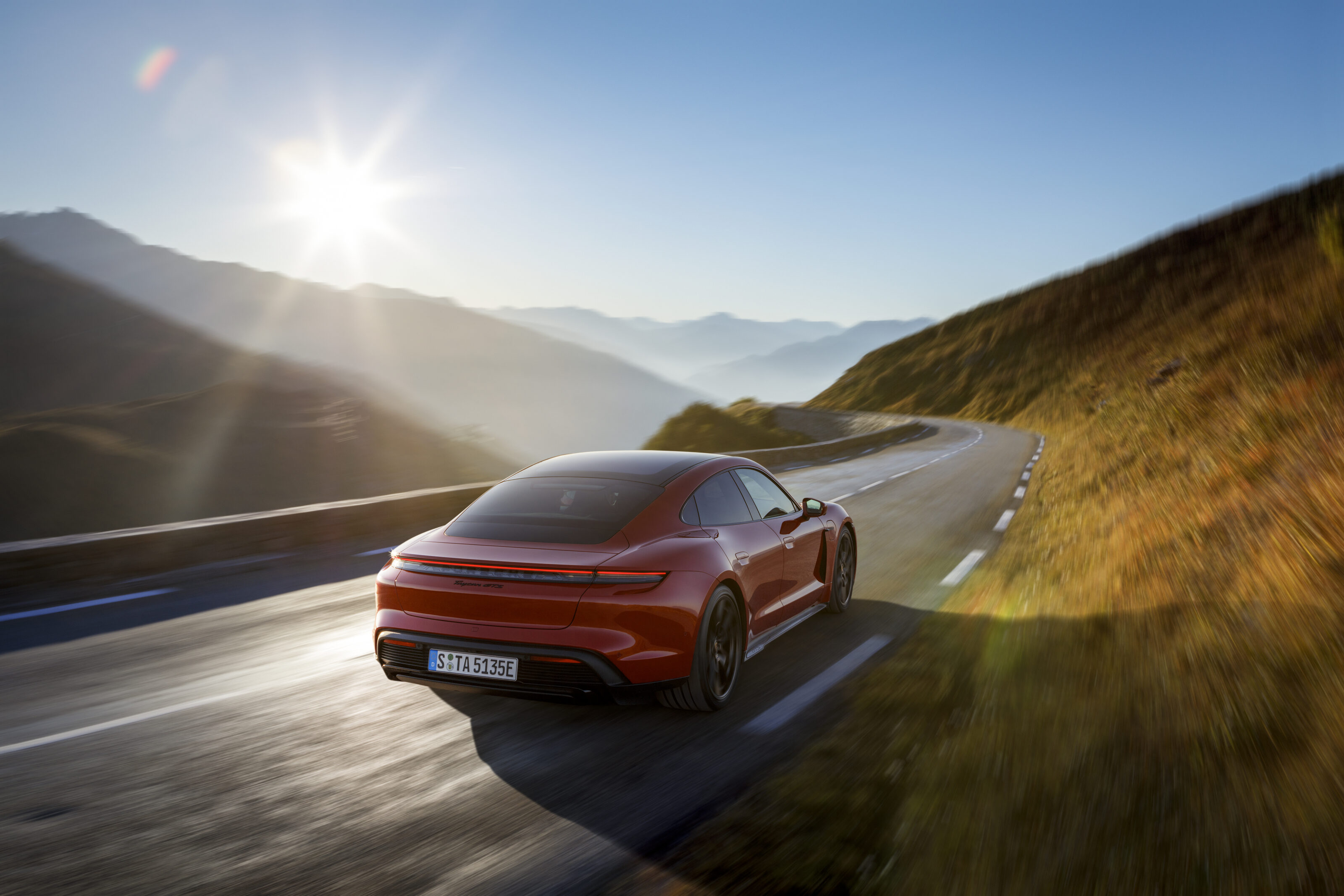
The latest addition to the Taycan family is coming to Australia where it will bridge the gap between the Taycan 4S and Turbo, in terms of performance and price.
Retailing for $237,000 before-on road costs, the GTS commands a $42,300 premium over the cost of the 4S, but drops $39,300 from the Turbo’s list price – although it will only be available in sedan guise rather than as a Cross Turismo.
Packing a 440kW punch on overboost from its dual electric motors, the GTS gives away a 20kW deficit to the Turbo, but provides an 80kW gain over the 4S, launching it from 0-100km/h in 3.7 seconds and on to a top speed of 250km/h.
2022 Porsche Taycan GTS Australian pricing and features
Subaru Solterra EV
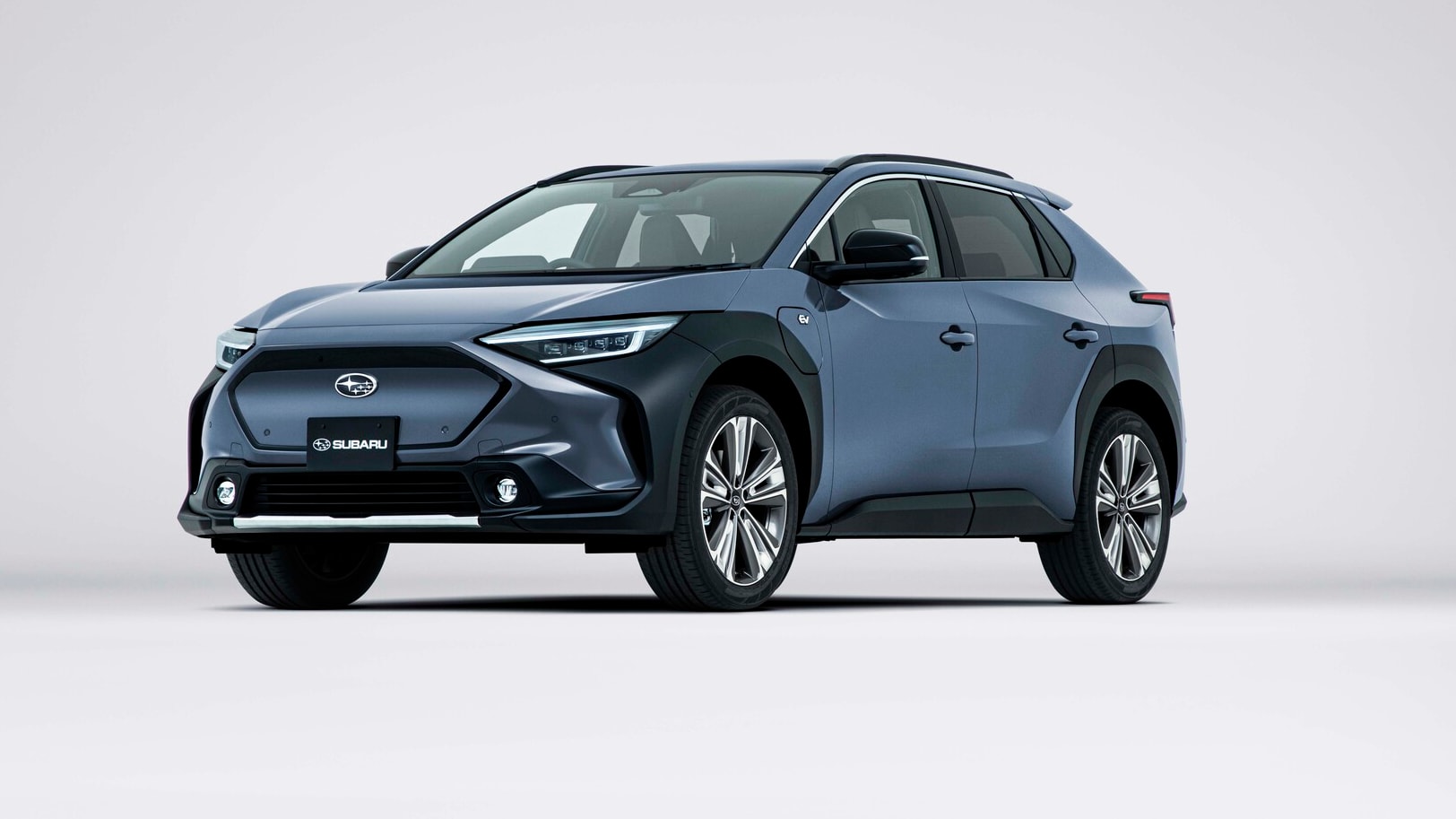
Subaru’s first dedicated electric vehicle, the Solterra EV, has been developed as part of a joint venture with Toyota’s BZ4X – with features shared with its cross-engineered cousin.
It’s available with a choice of front- and all-wheel drive traction, making it the first Subaru model with FWD since the late-1990s’ Liberty.
Both drivetrains come with a 71.4kWh battery with the lighter, front-wheel-drive providing around 530 kilometres of driving range – around 40 kilometres more than the AWD version.
Subaru Australia is yet to confirm if it will be available here.
2022 Subaru Solterra EV features revealed.
2022 Subaru WRX sedan
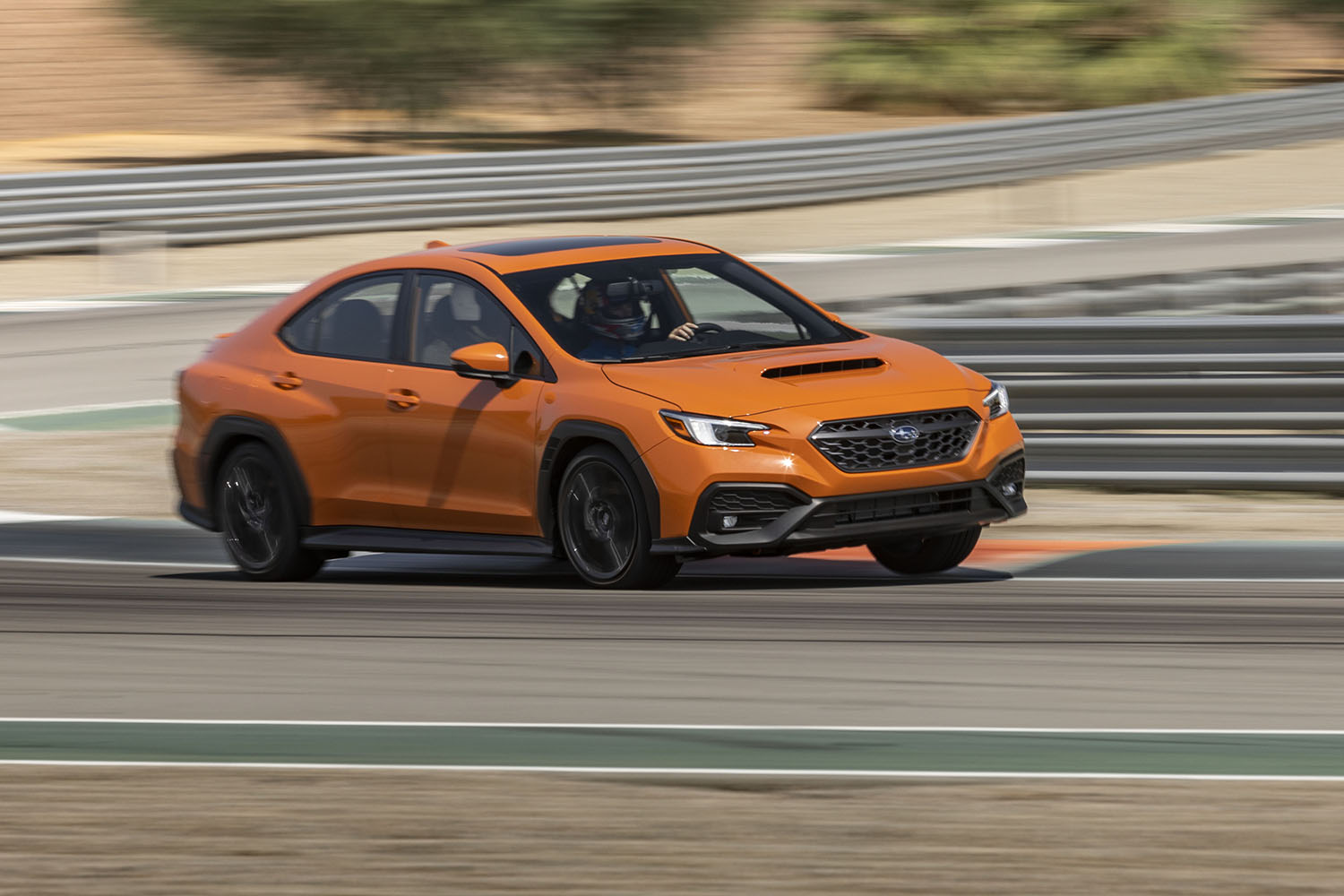
Subaru unveiled the all-new WRX in September and while the car is all-new, it follows a recipe that’s nearly 30 years old.
The WRX is powered by a 2.4-litre horizontally-opposed four-cylinder turbo engine, producing 202kW and 350Nm – a turbocharged version of the FA24 engine found under the bonnet of the new Subaru BRZ, utilising a new electronic wastegate to improve responsiveness.
2022 Subaru WRX: All-new performance sedan revealed.
Vinfast VF e35 and VF e36
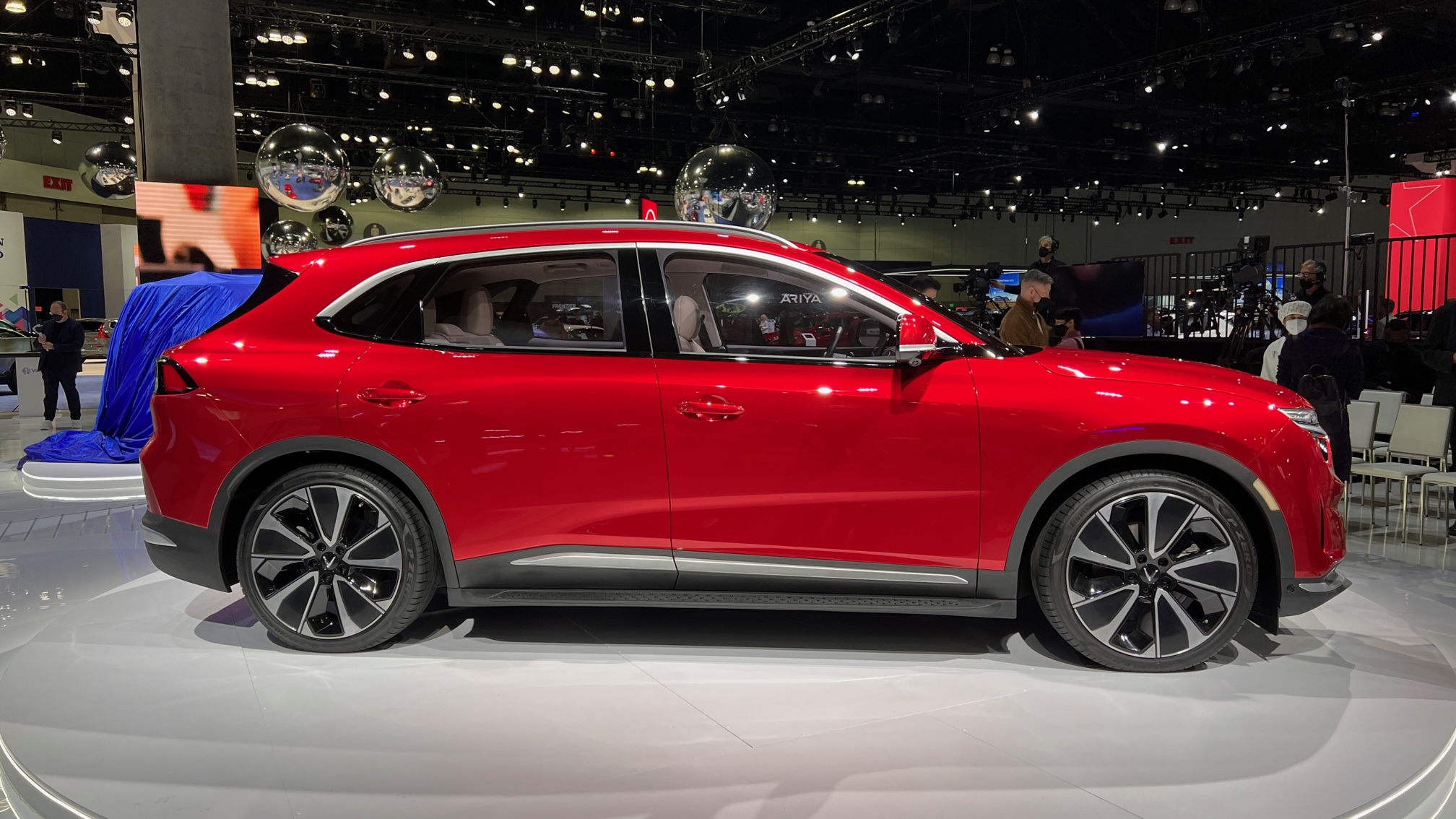
Vietnamese carmaker VinFast will debut two new electric vehicles in LA, marking its global premiere.
The VF e35 medium- and VF e36 large-SUV are both larger than the previously launched VF 33 SUV, which has already been touted for a North American debut.
UPDATE, November 25, 2022: Updated 2023 Kia Seltos now in Australia
Kia’s updated 2023 Kia Seltos range is now in Australia, and we’ve driven it. Get the full story, and video, at the link below.
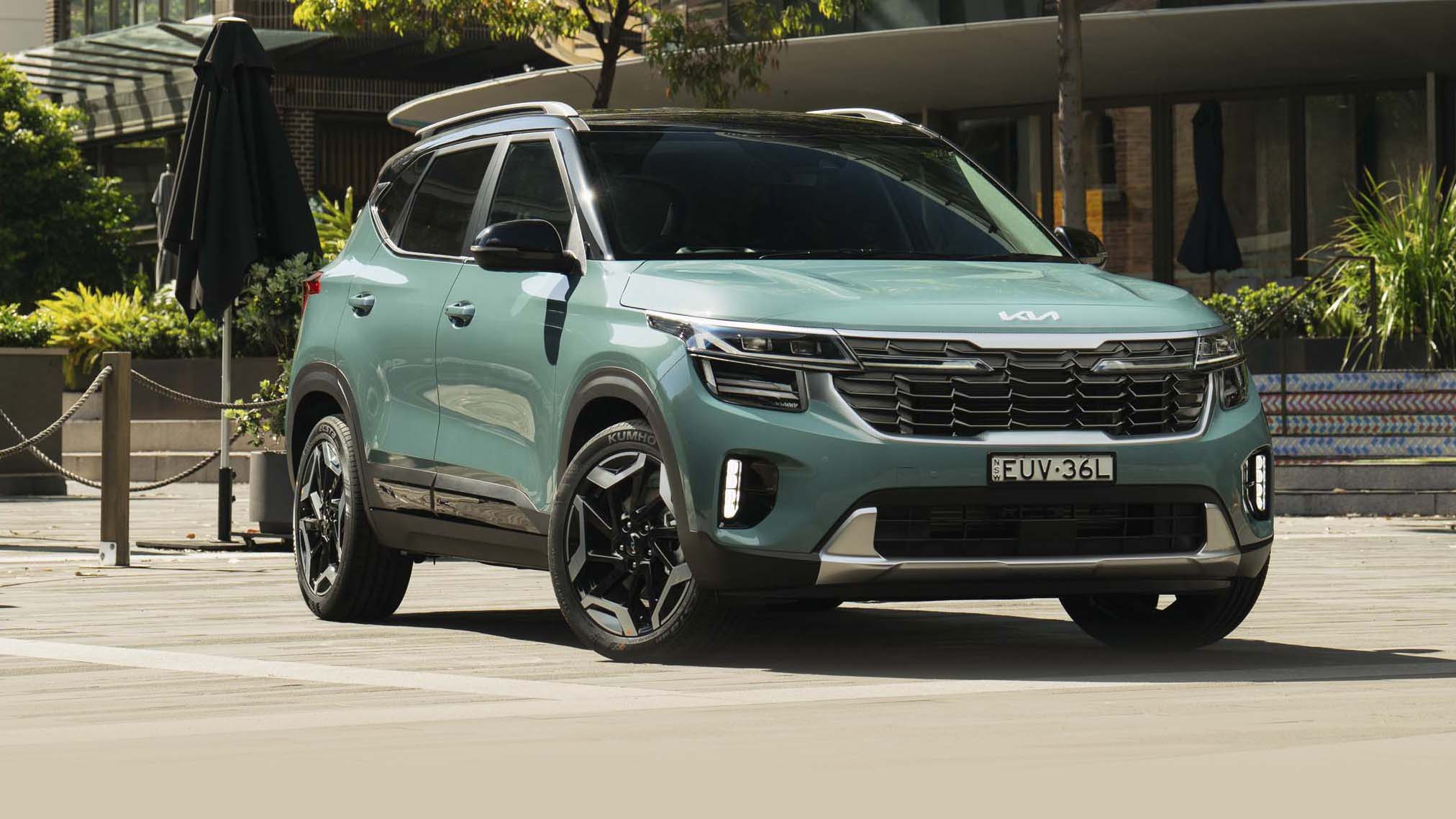
Story continues: 2021 Seltos S review
Kia’s Seltos arrived here just before COVID and a good thing it did too. It plugged one of a couple of Kia’s SUV gaps (the other later filled by the Stonic) and set the company on its style-led path in the SUV marketplace.
Getting one at the moment is extremely tricky because dealers are selling them months ahead as its popularity mixes with its semiconductor-shortage-and-lockdown-driven scarcity.
The Seltos is part of a fiercely competitive segment, with everyone having a go. It’s even one of the few segments that offers petrol, hybrid, plug-in hybrid and full EV options to eke out a few more nameplate sales.
Usually, only the posh SUV segment can offer that kind of powertrain diversity and Kia is responsible for a good chunk of the variety for mainstream buyers when you consider its range of electrified Niros.
As entry-level model of the range, the Kia Seltos S is still exceptional value and upon arrival turned quite a few heads. Not many makers have the audacity to fit steel wheels that disappear into big wheelarches, but Kia did it and made sure you noticed by making the only free colour a near fluorescent yellow.
The thing is – and this is unusual for a Kia – the very carefully designed spec seems a bit skinny. Let’s find out how skinny and whether it even matters.
Editor’s note: This review was produced before new Seltos stock arrived in Australia with Kia’s refreshed logo.
Pricing and Features
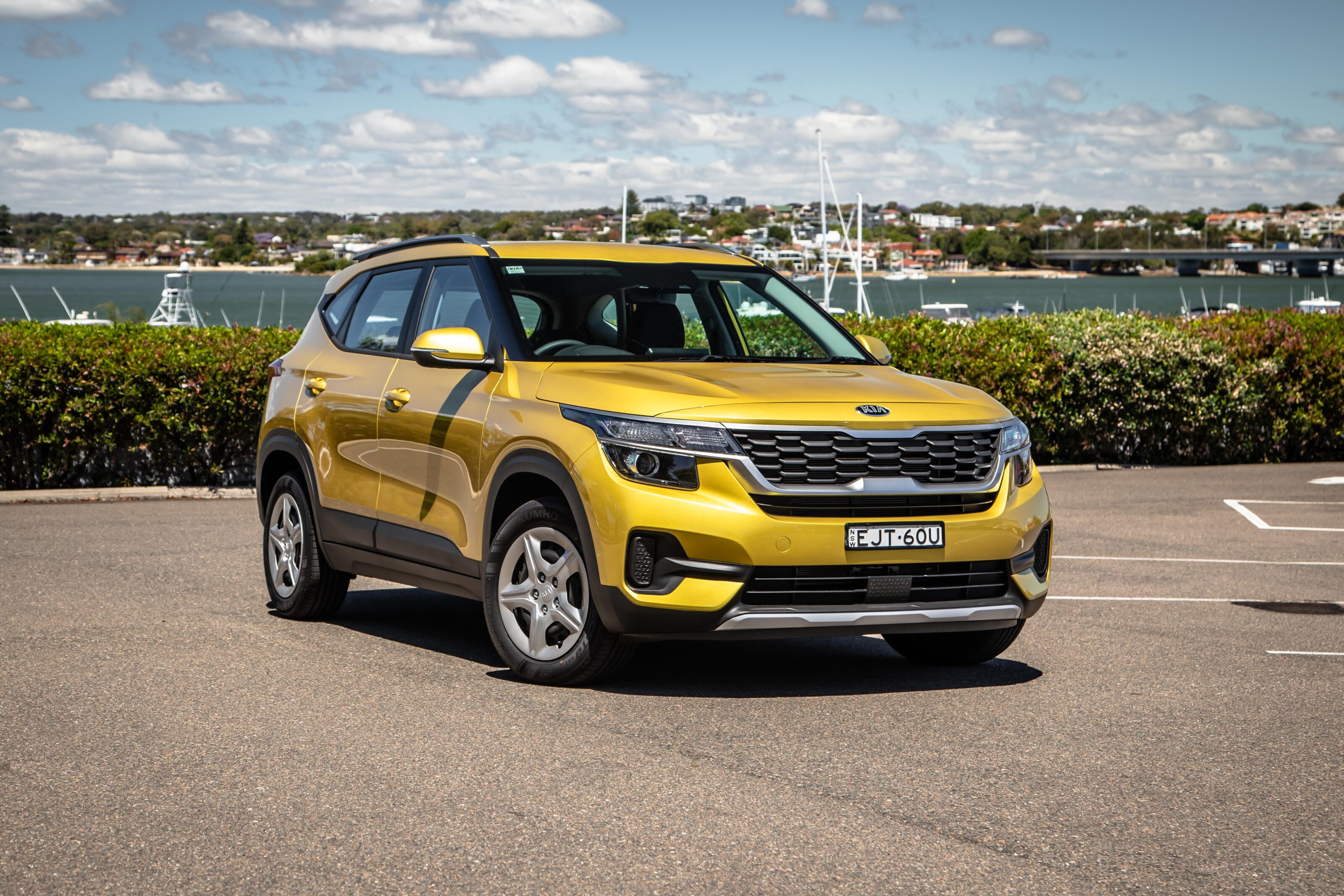
Despite a couple of price rises since its debut in Australia, the starting price for a Kia Seltos S is still very competitive, coming in at $26,790 before on-road costs. However, if you’ll permit me, you’re a mug if you buy it at that price without first ticking the Safety Pack option box, which brings us to $27,790 +ORC; a grand well spent in the name of safety.
At the time of writing, the S and S with Safety Pack both snuck in under the $30,000 psychological barrier, with drive-away pricing well south of that mark. It’s a lot of car for the money if you’re prepared for a couple of exclusions.
That’s not to say it’s sparse for the money, far from it. I quite like the cloth interior of the basic Seltos, which comes with cruise control, 8.0-inch touchscreen, six speakers, power windows and mirrors, remote central locking, air-conditioning, rear parking sensors, reversing camera and, er, not a lot else. But at this price level, you can’t expect too much. Importantly, you’re not missing anything particularly important, though. That’s what’s clever about it.
You have to twist the key in the ignition to start and live with single-zone climate control as though dual-zone is particularly effective in all but the very expensive cars on sale today. You do miss out on rear air vents, though, which I find particularly annoying.
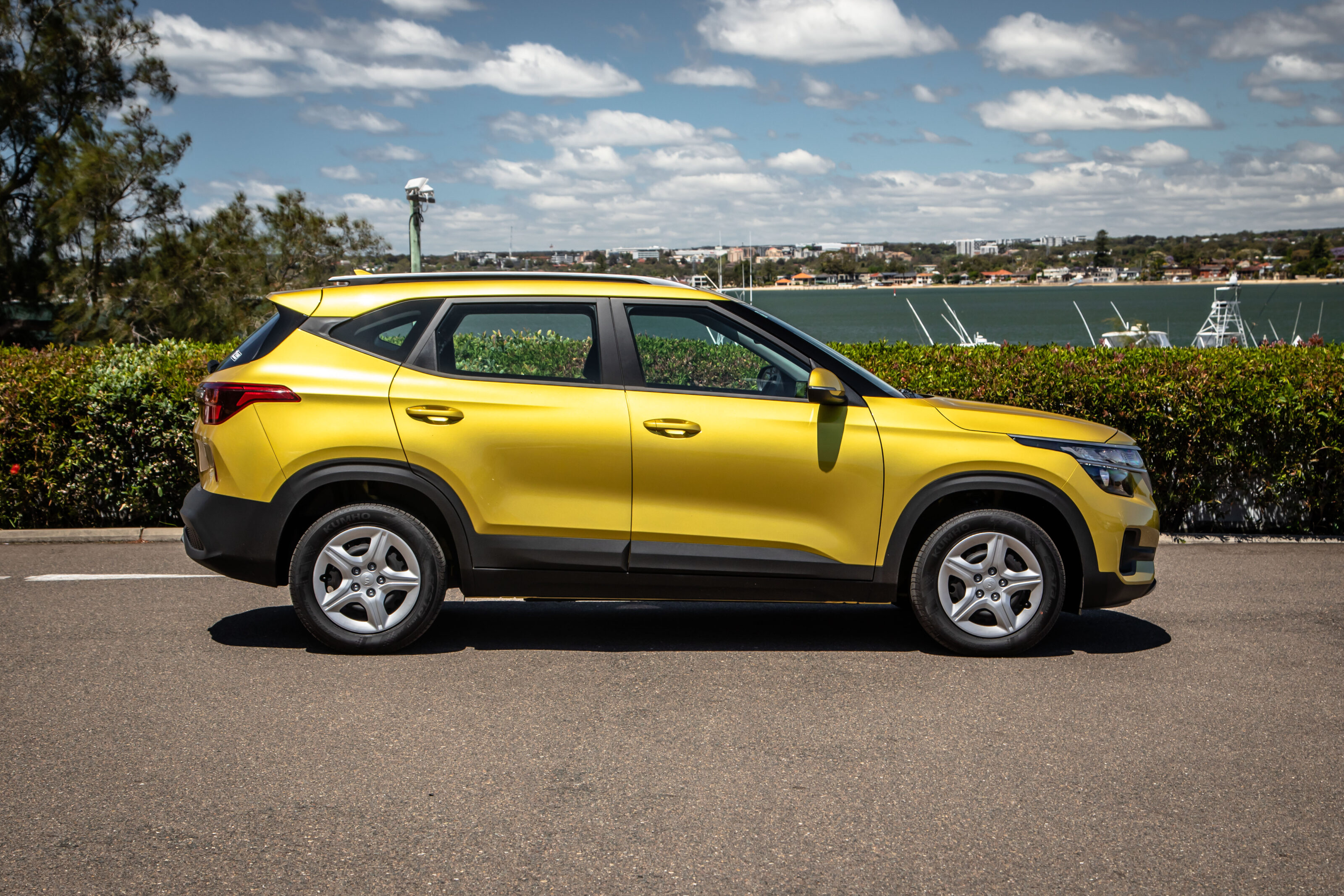
The 16-inch steel wheels look hilariously dinky, although my sense of humour failed somewhat when my palm was reacquainted with the polyurethane steering wheel. I mean, yes, I’m spoilt, but it’s not a nice wheel and feels like it’s out of a van. You’re also stuck with halogen headlights, although that’s true for all but the GT-Line.
The touchscreen runs an easy to use if monochromatic media system that includes wireless Apple CarPlay (that sometimes refuses to work) and wireless Android Auto, neither of which are available with the larger screen on models further up the range for various tedious reasons.
Given my experience with CarPlay, the USB version might be preferable. The reliability of the wireless connectivity is more of an issue given there’s no sat-nav.
Five-star ANCAP safety (tested in 2019) is available across the range. The basic set-up on the S arrives with the usual six airbags, ABS, stability and traction controls, lane-keep assist, driver attention alert and forward AEB with pedestrian detection.
At this price level, you can’t expect too much. Importantly, you’re not missing anything particularly important, though. That’s what’s clever about it.
The thousand-dollar Safety Pack adds in driver attention alert with leading vehicle departure alert (aka “Stop looking at your phone and drive!”), forward AEB and collision warning with added cyclist detection and junction assist (which stops you from turning across approaching traffic).
The kids are looked after with two ISOFIX and three top-tether anchors.
Another bugbear of mine is the absence of reverse cross-traffic alert. I think all cars should have this because it saves a lot of stupid little accidents that eat into your motoring life and give your insurance company an excuse to charge you more.
Only the Sport+ and GT-Line score reverse cross-traffic alert, reverse AEB and blind-spot monitoring.
Besides the Safety Pack, there are precisely zero factory options apart from the paint. You can choose the post-Berocca pee colour – Starbright Yellow – or Cherry Black, Snow White Pearl, Steel Grey, Gravity Grey, Mars Orange or Neptune Blue.
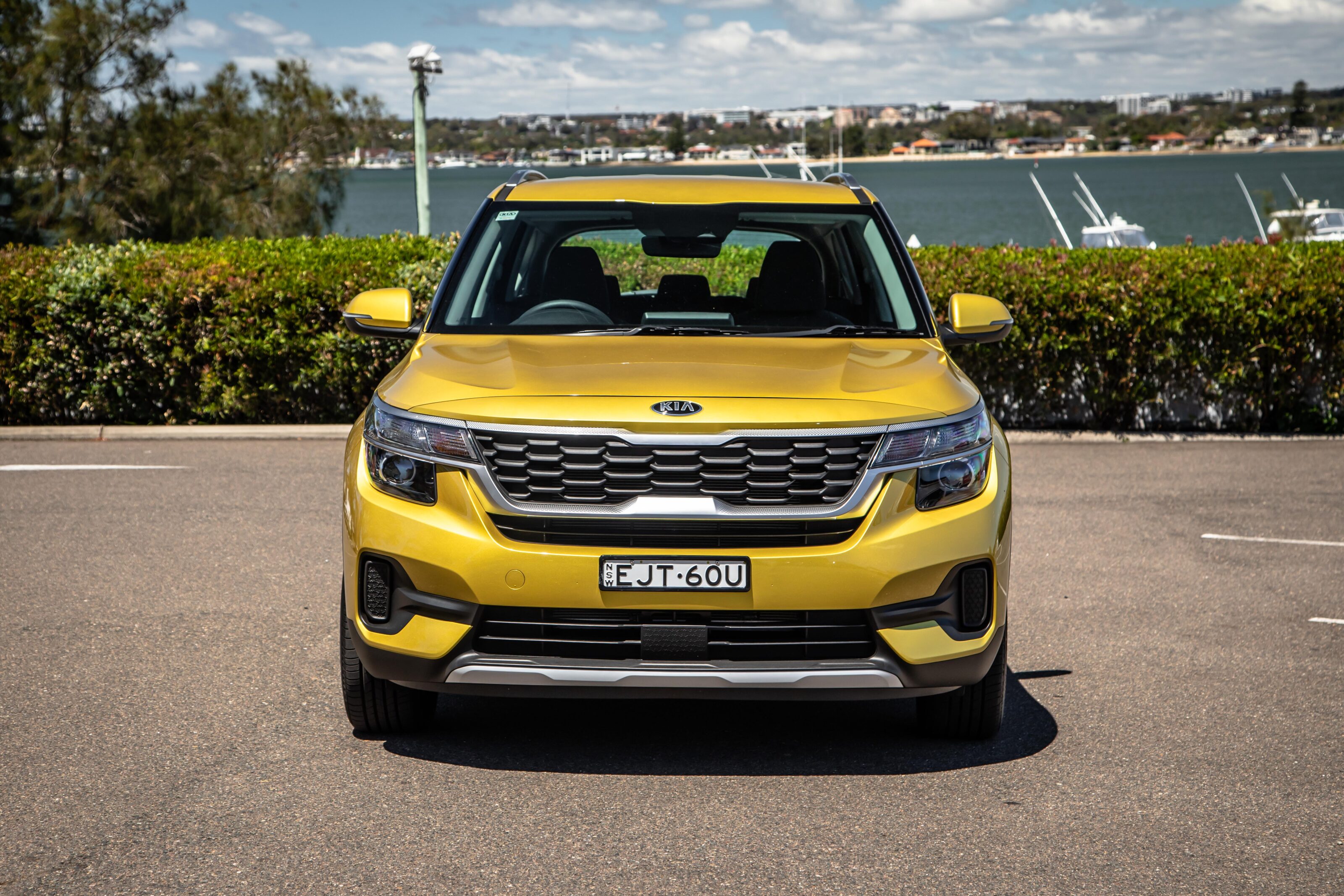
All but the yellow carry a $520 extra charge. I’d still choose the Safety Pack over a different colour because let’s face it, you’re not going to lose this machine nor will others have trouble seeing it.
There are a number of cars available at or around this price (the following prices are before on-roads). The entry-level Hyundai Kona starts at $26,600 with an almost identical drivetrain, you can have a Suzuki Vitara manual for $26,990 with a gasping 1.6-litre engine (another grand for the auto).
The Mazda CX-3 is also around that price in a one-from the bottom spec (albeit much smaller) and pretty much everything worth talking about in the same breath is over $30,000.
I nearly forgot the Mitsubishi ASX, which is still a very strong seller given its advancing age and ho-hum everything. It’s similar in size to the Kia but isn’t from the same decade (apart from the nose), costing $26,240.
Comfort and space

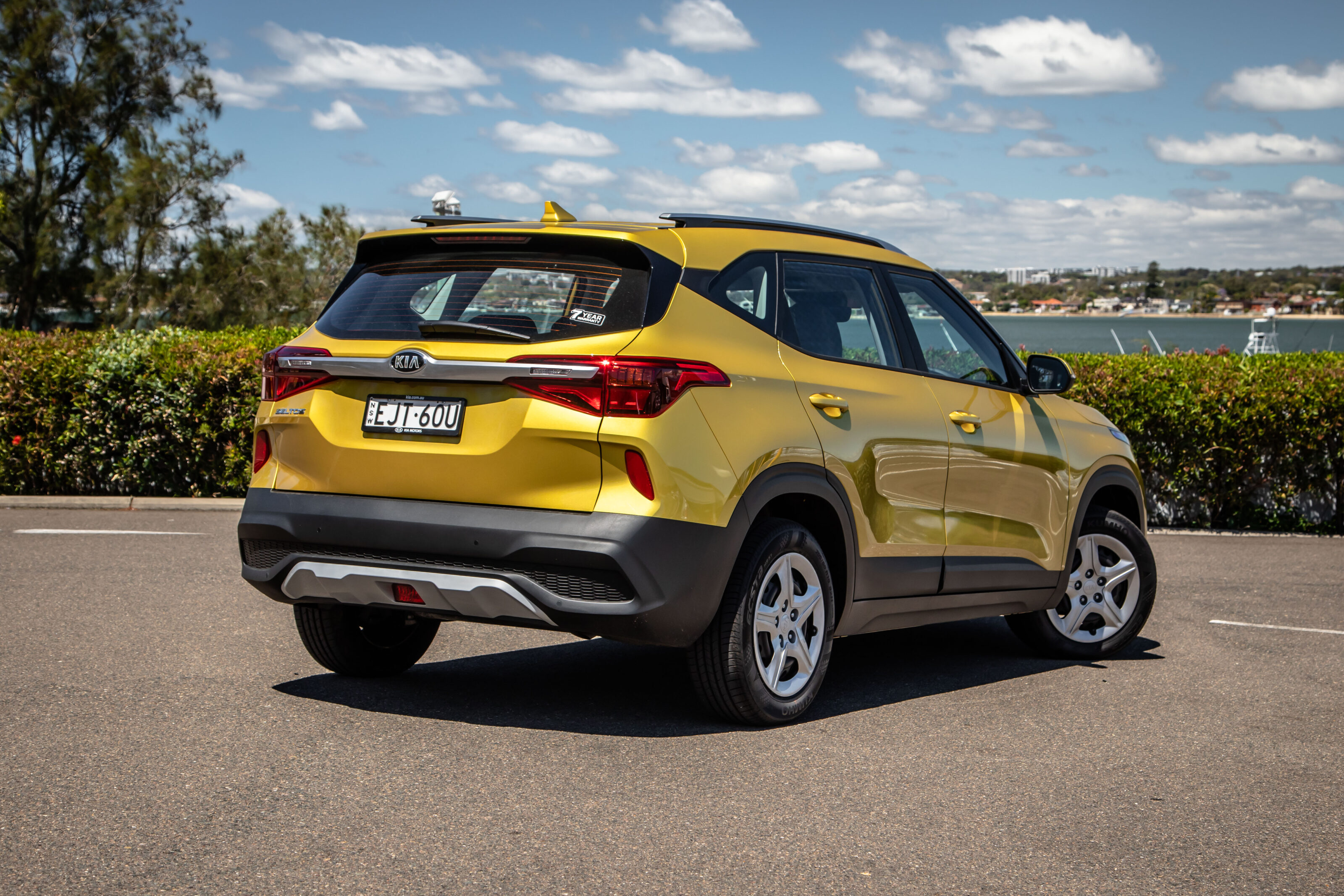
The Seltos is a big unit for the class, almost as long as the outgoing version of its bigger sibling, the Sportage. It’s very roomy inside, with plenty of head and legroom front and rear.
There are further sacrifices to make the price and those are borne by the rear seat occupants. No armrest, no cup holders, no USB, no rear air vents – it’s a tad grim back here.
You do get bottle holders, though, so that’s some consolation. You could get three across at a pinch, though, as the transmission tunnel isn’t too high and feet can go under the front seats because they’re set reasonably high.
There are further sacrifices to make the price and those are borne by the rear seat occupants. No armrest, no rear air vents … You do get bottle holders, though.

Also useful are the rear door apertures, which are huge for the car’s size, allowing easy ingress and egress as well as loading and unloading of kids in capsules or car seats.
The boot carries a whopping 498 litres with the seats up and when you put them down, you have 1428 litres to fill.
As well as being big, the load space is quite wide and very flat, meaning items slide in and out of the boot with ease.
On the road
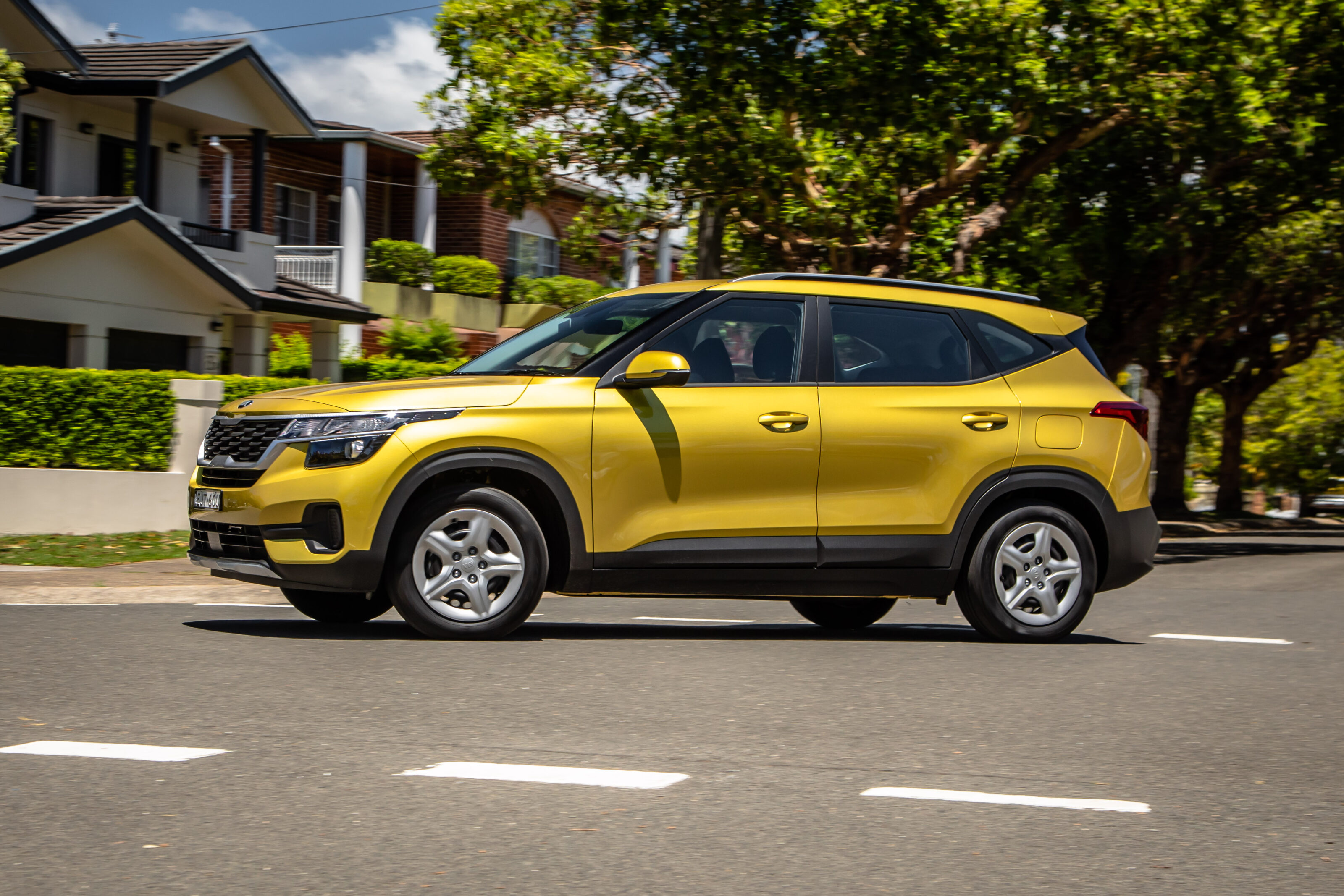
The Seltos range, sharing much of its underguts with the Hyundai Kona, has two choices of engine. Down here in the cheap(er) seats, it’s the 2.0-litre MPI petrol that has been with us since the car’s launch. As it is also in the Cerato, it is pretty much as you might expect – good enough for the job.
The MPI spins up 110kW at 6200rpm and a fairly weak 180Nm at 4500rpm to drag its 1355kg tare weight along. Normally that would be a cause for concern. I’m going to present you with another cause for concern – the front wheels are driven by an automatic continuously variable transmission (CVT). Shocking enough on its own but it turns out to be a good transmission.
Not merely “not bad for a CVT”, but an actual good transmission.
CVTs work well in low torque applications and this certainly fits the bill when you apply the Nm-to-weight equation. Compact SUVs all seem to have around 100kW and around 200Nm of torque, so Kia is giving with one hand and taking with another here.
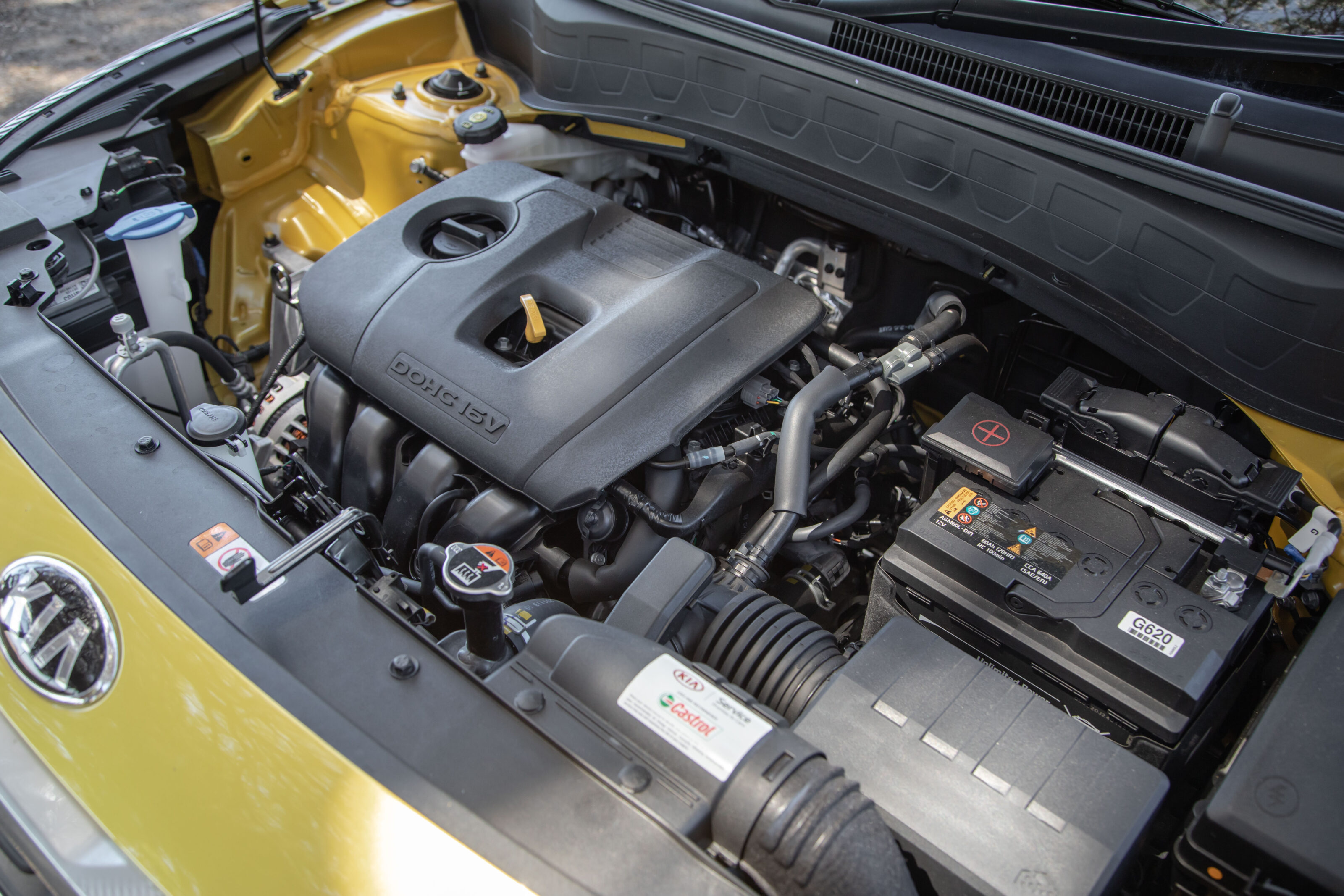
Take-up from the gearbox is swift to the point of aggressive, meaning you get a good shove when you ask for acceleration, rather than the usual wake-up-and-yawn of a typical CVT. The engine sound is damped down enough for you to have to remind yourself that this is a CVT, too, which I am led to believe is not something normal people feel compelled to do.
Similarly, normal people don’t feel compelled to hustle a large-ish compact SUV riding on 16-inch steelies and 60-section tyres, but as ever, this is something that is worth doing to weed out any bad behaviour.
The usual MacPherson strut front is joined by a coupled torsion beam rear. As with its Korean cousin, the Seltos manages all but one per cent of the daily grind without the usual crashiness of a torsion beam rear end. Or, curiously, a multi-link rear end from Mitsubishi.
Overall, the Seltos is well-damped and body roll kept well in check, even during enthusiastic cornering.
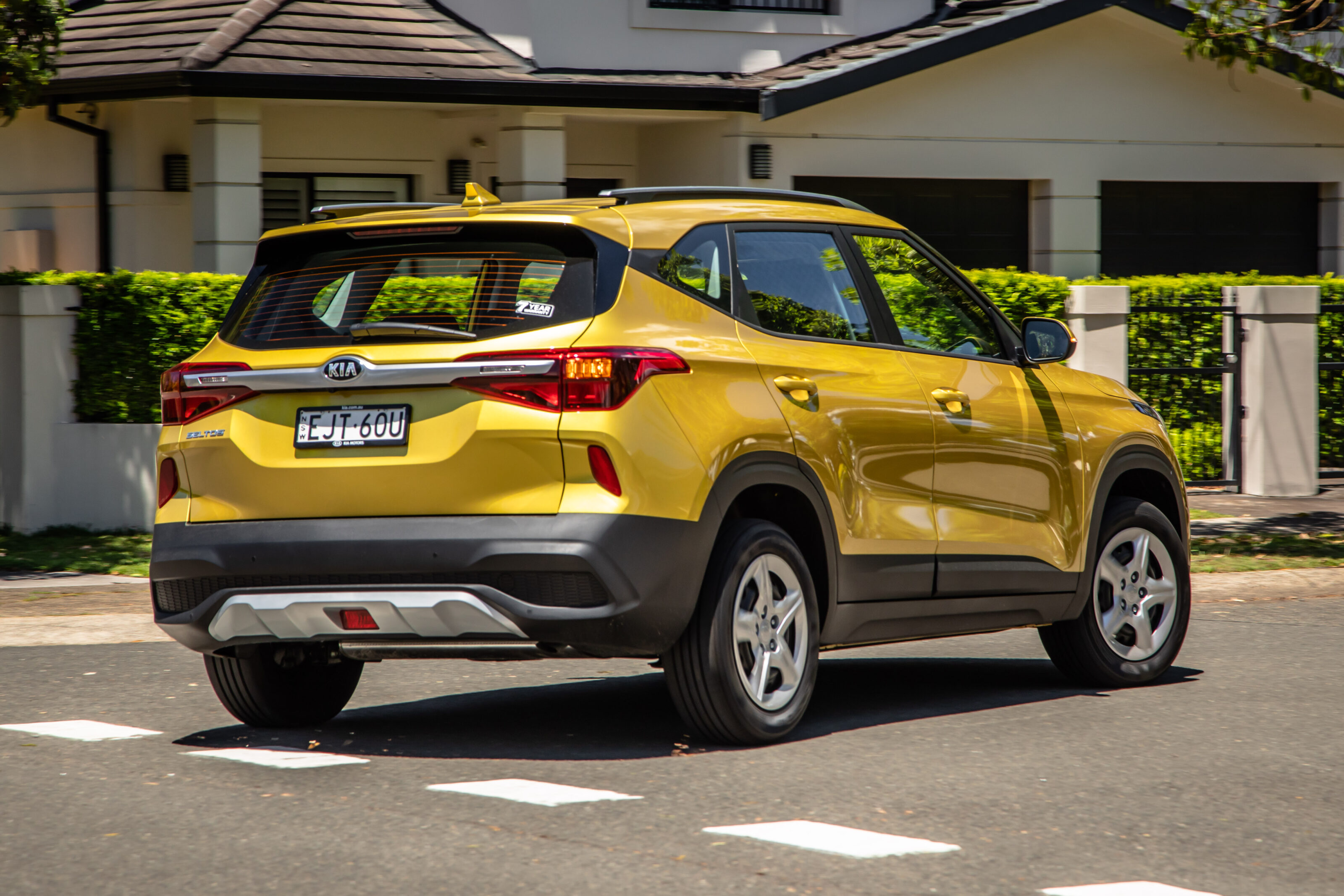
Overall, the Seltos is well-damped and body roll kept well in check, even during enthusiastic cornering. Perhaps by design, the tyres are the first things to give up when you’re having a bit of a laugh, which is entirely predictable and comes with plenty of sad-sounding noise.
It is, however, very easy to bring back into line with the usual stability control systems stepping in if having a laugh turns into having a moment.
The balloon-like tyres are perhaps the key to the Seltos’ urban appeal. Those Everest-like sidewalls dwarf the wheel covers but also soak up anything Sydney’s broken bitumen can throw at them, haughtily shrugging off all but the worst excesses this benighted city could come up with.
As ever, the sound deadening was roundly defeated by the dreadful surface of the M4 motorway, but the rest of the time it was quiet and very pleasant in the lofty cabin.
Ownership
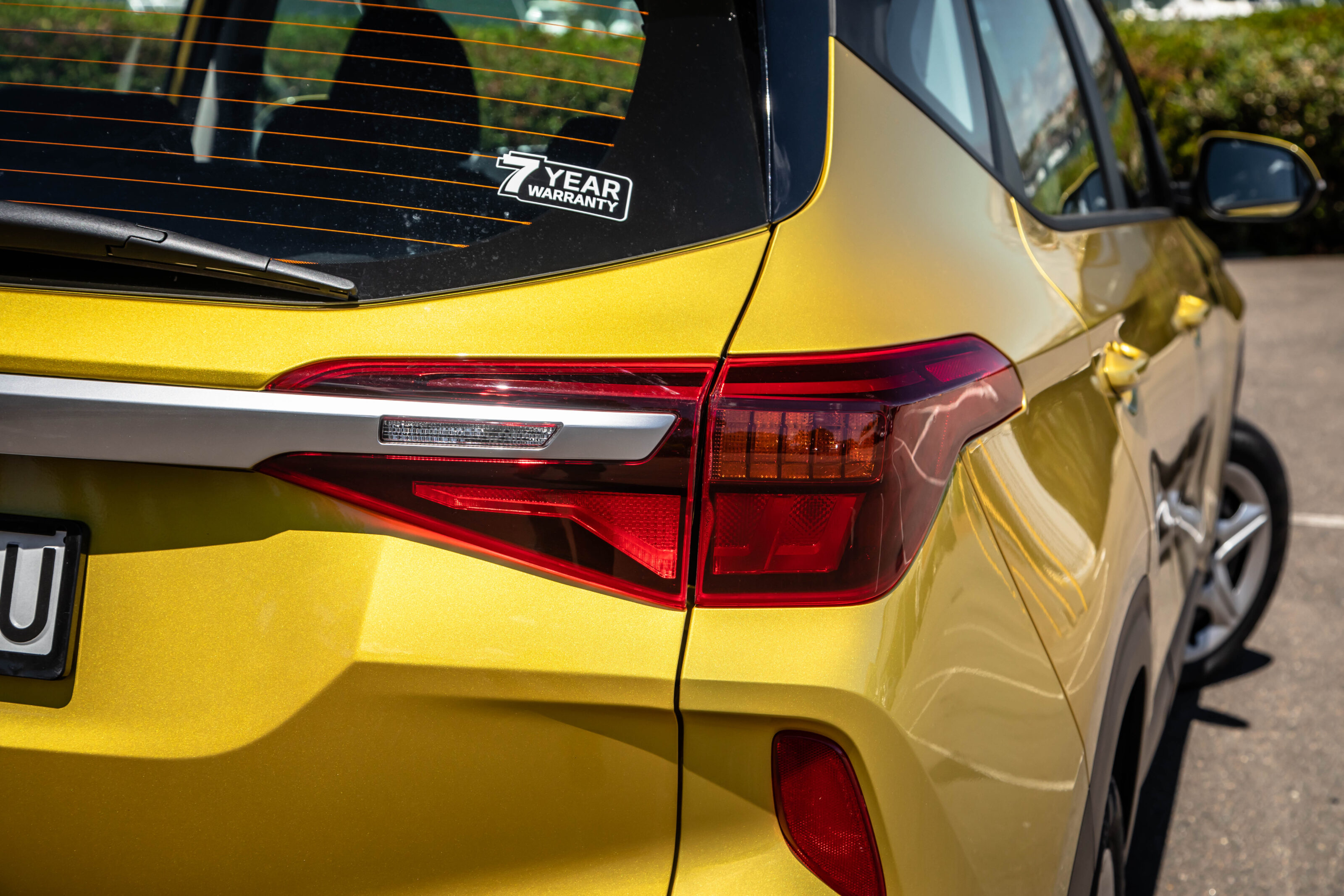
The Seltos comes with Kia’s pace-setting seven-year warranty with unlimited kilometres, chucking roadside assist into the bargain.
Its capped-price servicing regime also applies, covering the first seven services up to seven years or 105,000km, translating to a 12 month/15,000km service interval.
The prices move around a bit, with the first hitting you for $261 and alternating between big rises and nearly equal falls for a total of $2818 over seven services, or an average of $402 per service.
That’s more than a Toyota C-HR but competitive with most other brands in this space. A turbo 1.6 Seltos will cost you $3214 over the same period.
VERDICT
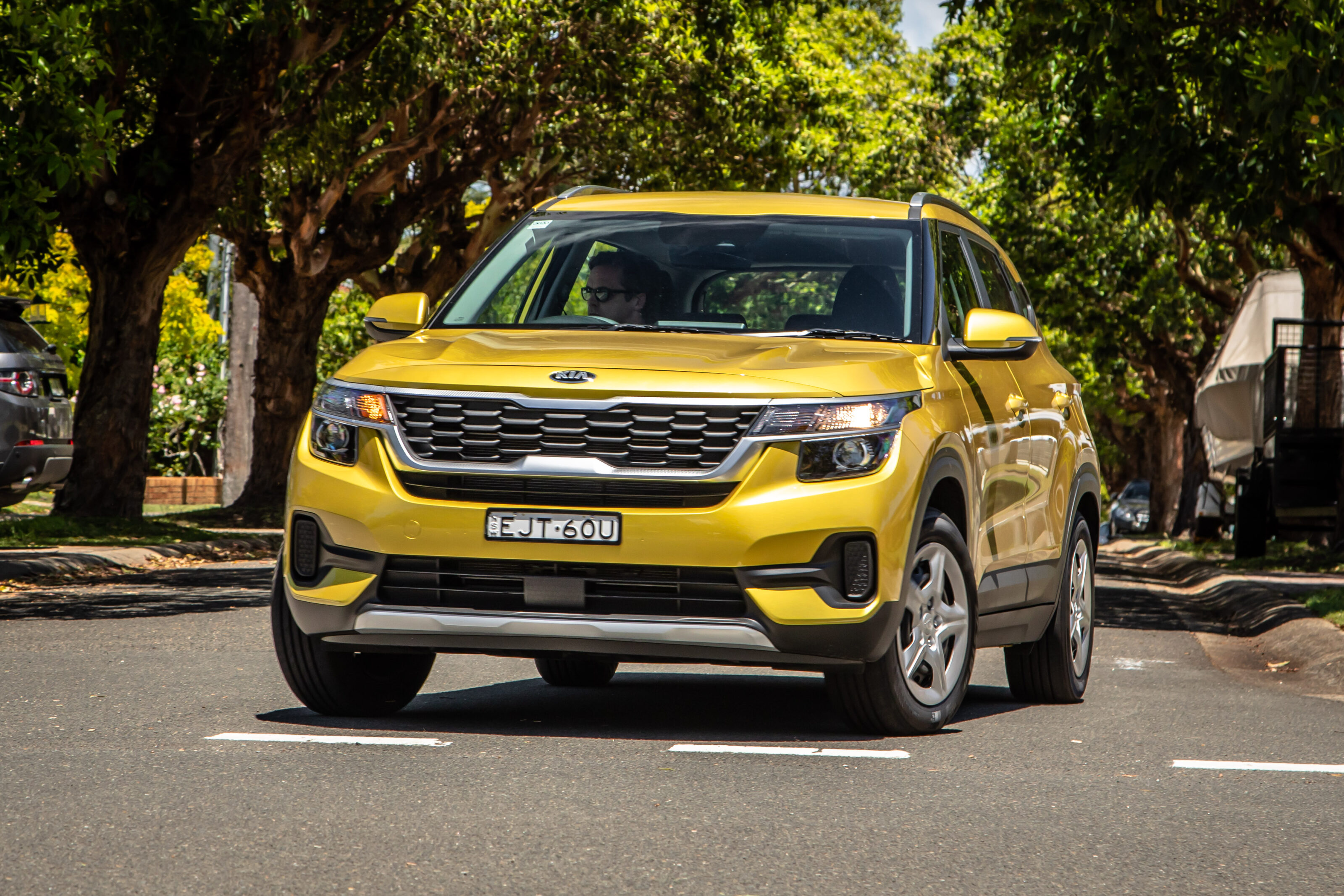
The Seltos S isn’t the one you want if you have more money to spend but it’s a lot of car for the money if you need something roomy, reliable and dependable. It’s not a bad inner-city car, given you won’t have to care too much about scraping hubcaps against gutters.
If you have extra to spend, spend it because you get all this and lots more in the higher variants although for some reason Kia is resistant to fitting LED headlights until you reach the fifteen grand more-expensive GT-Line. And at the risk of gratuitous repetition, make sure you get that extra Safety Pack, because it’s worth it.
The Seltos S isn’t the one you want if you have more money to spend but it’s a lot of car for the money if you need something roomy, reliable and dependable.
2021 Kia Seltos S specifications
| Body: | Five-door compact SUV |
|---|---|
| Drive: | FWD |
| Engine: | 2.0-litre four-cylinder naturally aspirated |
| Transmission: | CVT |
| Power: | 110kW @ 6200rpm |
| Torque: | 180Nm @ 4500rpm |
| Bore stroke (mm): | 81 x 97 |
| Compression ratio: | 12.5 : 1.0 |
| 0-100km/h: | 10 sec (estimate) |
| Fuel consumption: | 6.8L/100km (combined) |
| Weight: | 1355kg |
| Suspension: | MacPherson struts front / coupled torsion beams rear |
| L/W/H: | 4370mm/1800mm/1615mm |
| Wheelbase: | 2630mm |
| Brakes: | 280mm ventilated disc front / 262mm solid disc rear |
| Tyres: | 205/60 R16 Kumho Ecsta |
| Wheels: | 16-inch steel wheels (spae-saver spare) |
| Price: | $26,790 + ORC |
Tell us how you really feel. Got something on your mind, or a question that needs answering?
We want to hear it, and have a 12-month subscription to MOTOR magazine to give away each month to the most entertaining wordsmith that lands in our inbox.
This month, we want to hear about your most heroic or disastrous driving moment (preferably the latter). So go on, send us a letter at [email protected], you know you want to.
Read on to see what your fellow MOTOR readers had to say this month.
Ditch the Luxury Car Tax
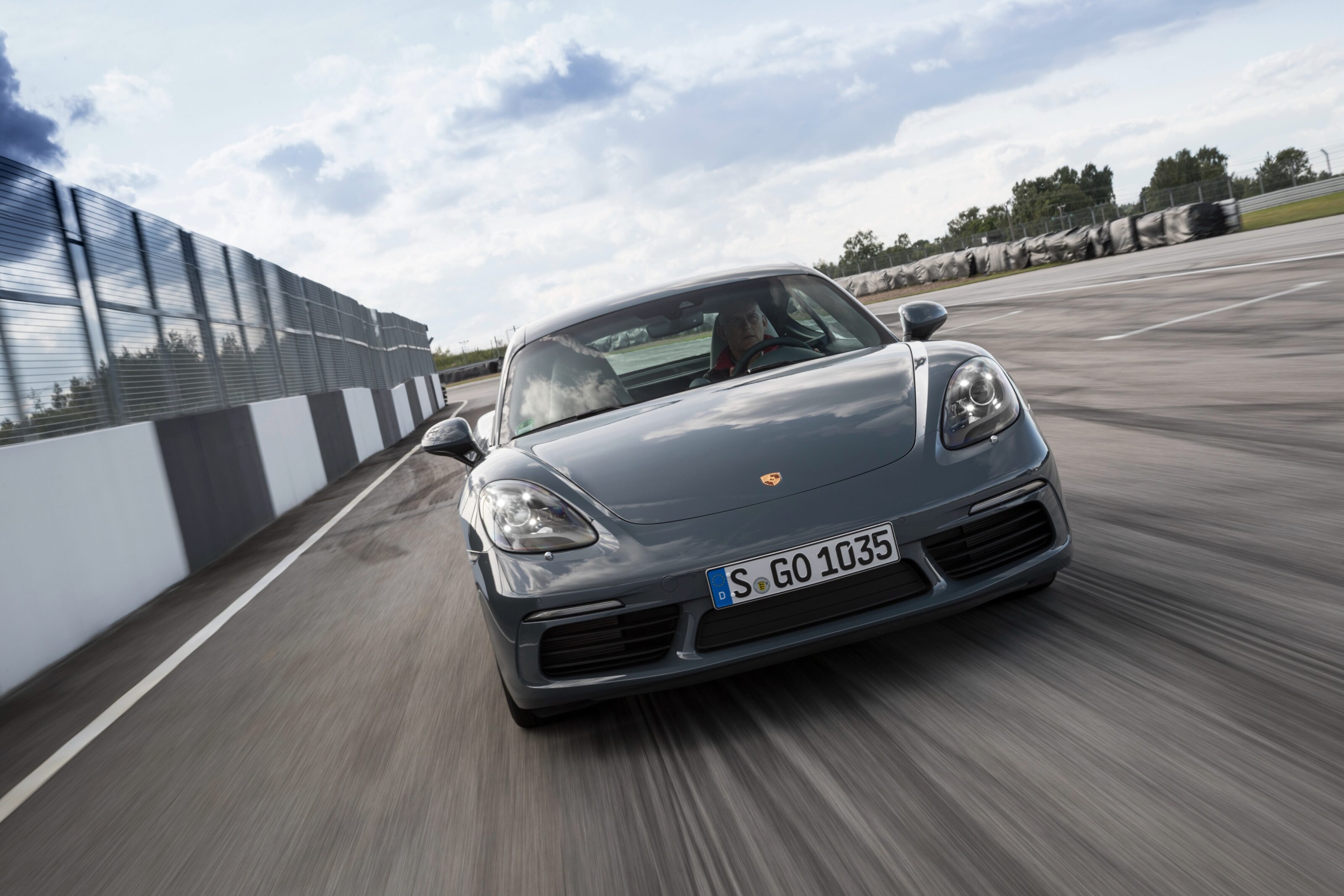
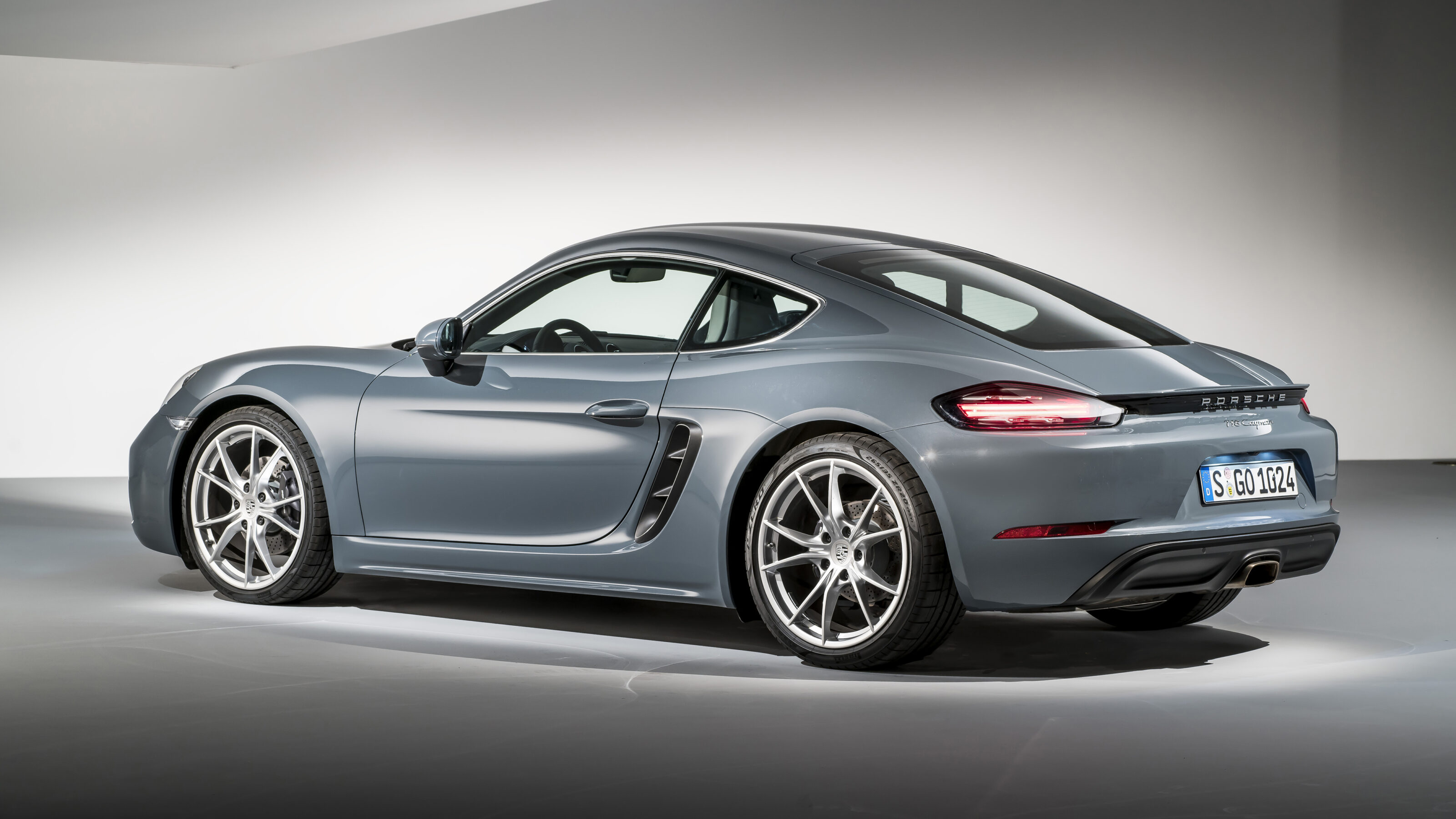
Lockdown has been pretty damn boring for me, so I thought I’d while away the time and figure out quite how hard done by Australia is when it comes to buying performance cars. For this measure, I have taken a base model Porsche 718 Cayman with no options and have attempted to see how much of the median annual income for that nation the car represents.
I was fully expecting Norway to top the nations I selected and sure enough a Cayman there represents 189.4% of the median salary. Italy came next at 174.7% with Australia squeaking into the bronze medal position at 156.51%, just ahead of Japan at 154.6%.
Then came four European nations, France (143.9%), the UK (130.1%), Germany (121.2%) and Switzerland (113.16%). The USA was the only one of the nations I sampled where you could buy a Cayman on the annual median salary and still have change left over, assuming you’re pretty handy at tax avoidance. It represented a mere 91.2% of median annual pay.
Bear in mind these are RRP prices before on-roads. That data could skew the figures again, but while I’m bored, I’m not that bored. Actually it wasn’t as bad in Australia as I was expecting, but the sooner we can ditch LCT the better.
Alan Smith, via Email
The national importers get to choose what standard equipment comes with their cars and Australia tends to run rich on the gear we demand. Couldn’t agree more on LCT. Wheels is set to run a comprehensive report on it. We’ll bring you the good bits – Ed
Andy is Wrong
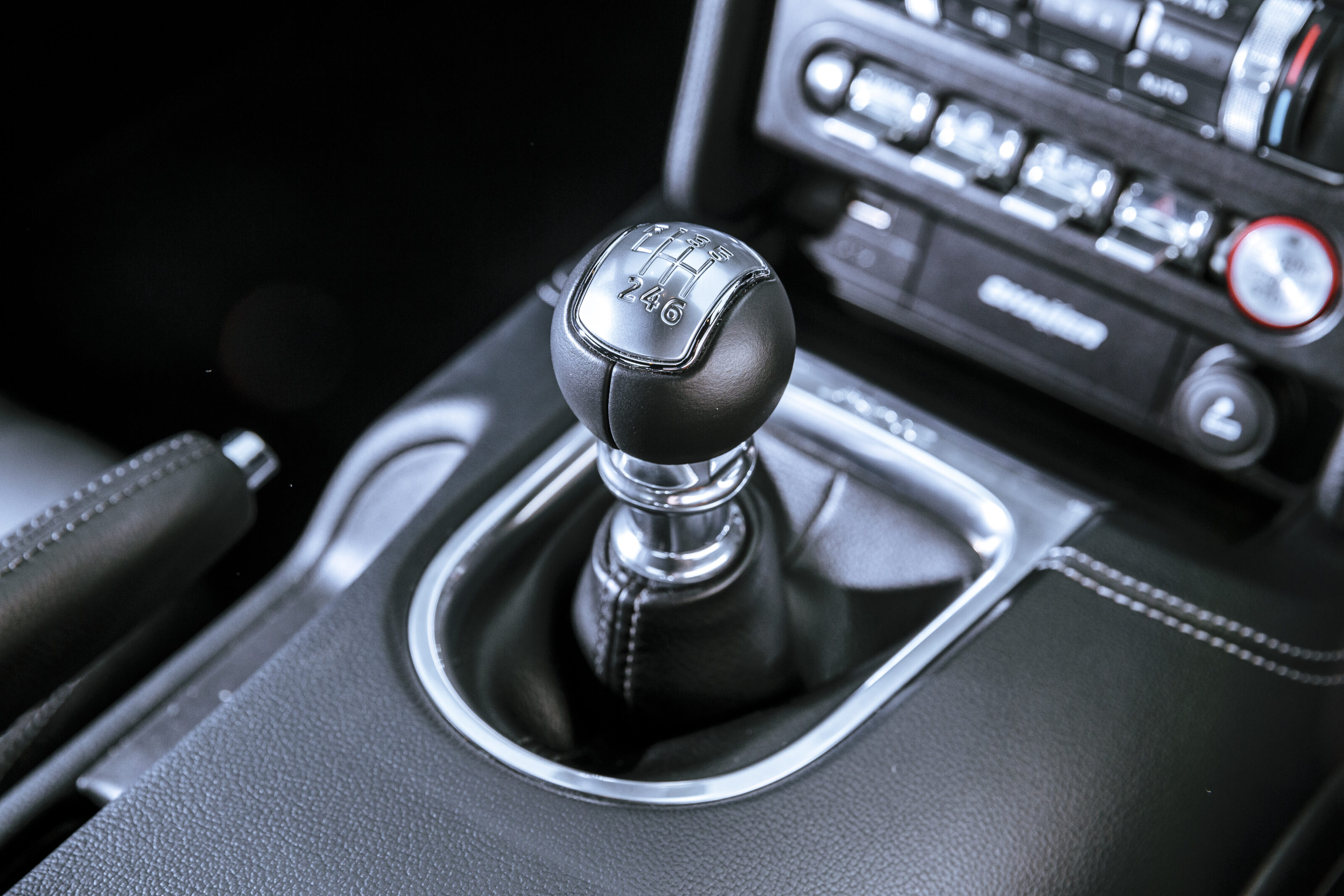
While making my way through the October edition of the magazine, I was surprised by the venom directed toward manual gearbox enthusiasts by Editor, Andy Enright.
Perhaps he was feeling a little defensive for reviewing automatic cars. Anyway, MOTOR insulting people who prefer a manual gearbox is a bit like Gillette accusing all its customers of assaulting women.
Suitably chastened after the first paragraph I moved on to the next article. Oh the irony.
There on the opening page of an article about Unlikely Driver’s Cars is a full page picture of a manual gear stick. Looks like someone wants to have their cake and eat it, too.
Chris Percival, via Email
It’s okay to love lobster bisque without demanding it for every meal. – Ed
Andy is Right
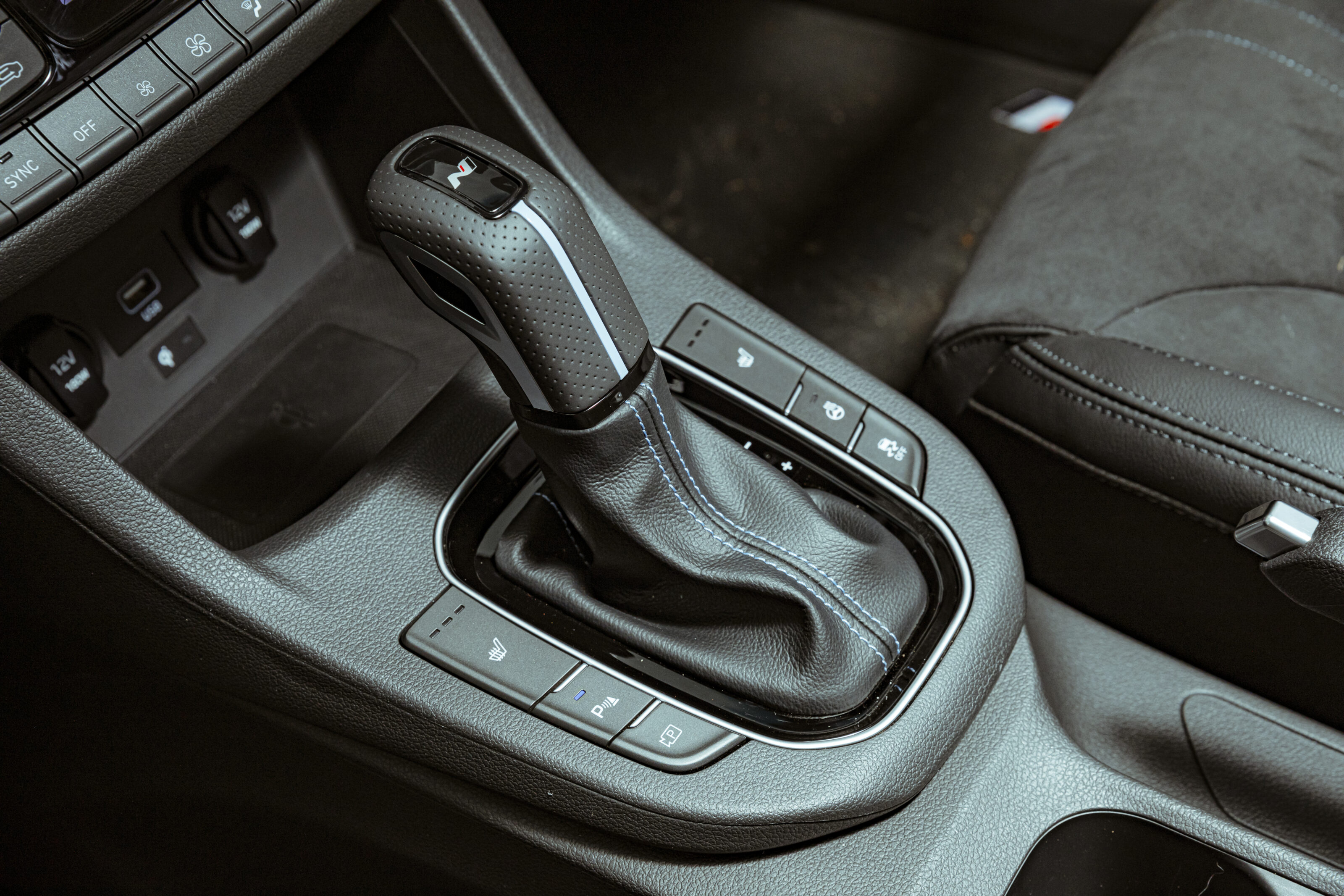
It’s almost a heresy to say in an enthusiast publication that manual gearboxes are not a one-size-fits-all solution. I’m fed up with the narrative that somehow you’re not a ‘real’ driver if you don’t drive a car with three pedals and a stick.
I do. I have a Lotus Elise and I absolutely love working the six-speed gearbox up and down the ratios. The notion of an automatic Elise just fills me with horror.
I also own a Porsche 991 Carrera S and that’s fitted with a PDK transmission. I’ve tried a manual 991 and that seven-speed is, not to put too fine a point on it, junk. It makes the car slower, less smooth, more laborious and simply less enjoyable to drive. Had I chosen the manual option, I’d always have that nagging suspicion that I’d chosen badly.
So I absolutely endorse the point that Andy Enright made in ‘Automatics For The People’ in the October issue. Having the understanding of which solutions work in which particular instances is what makes us car enthusiasts, not the application of some crude, broad-brush trope.
It’s a point that most enthusiast titles would be afraid to make. And that’s exactly why I love MOTOR.
Gerry Patrick, via Email
We welcome all viewpoints here at MOTOR but encourage a broad and open take on performance driving. People who pour scorn on modern autos often tend to be the same people who label some cars as fit for hairdressers and front-drivers as ‘wrong-wheel drive’. Haven’t we moved on a bit from all that? – Ed
Cheers to That
I just finished reading September MOTOR cover to cover and in two issues’ time will be renewing my subscription again.
I loved Andy’s sign off where he said “If the days of internal combustion are numbered, I think you owe it to yourself to see them out on a high.”
I reckon these prophetic words would make a terrific t-shirt, maybe with a MOTOR logo graphic or something else appropriate. I would like one in XL please, white with dark blue lettering thanks.
Seeing as it was my suggestion, I reckon I get the first one for free. What do you reckon, Andy?
Dave, via Email
Cheers Dave, we’ll see if we can rustle something up for you. – Ed
Run out of Ideas
A few years ago I had a BMW E60 5 Series that was fitted with run-flat tyres and the ride was absolutely dire. I hated them.
As soon as I could, I swapped them for non-run-flat tyres and not only did ride quality improve but the cabin became significantly quieter as a result of the rigid tyre carcass not transmitting as much noise, vibration and harshness into the vehicle.
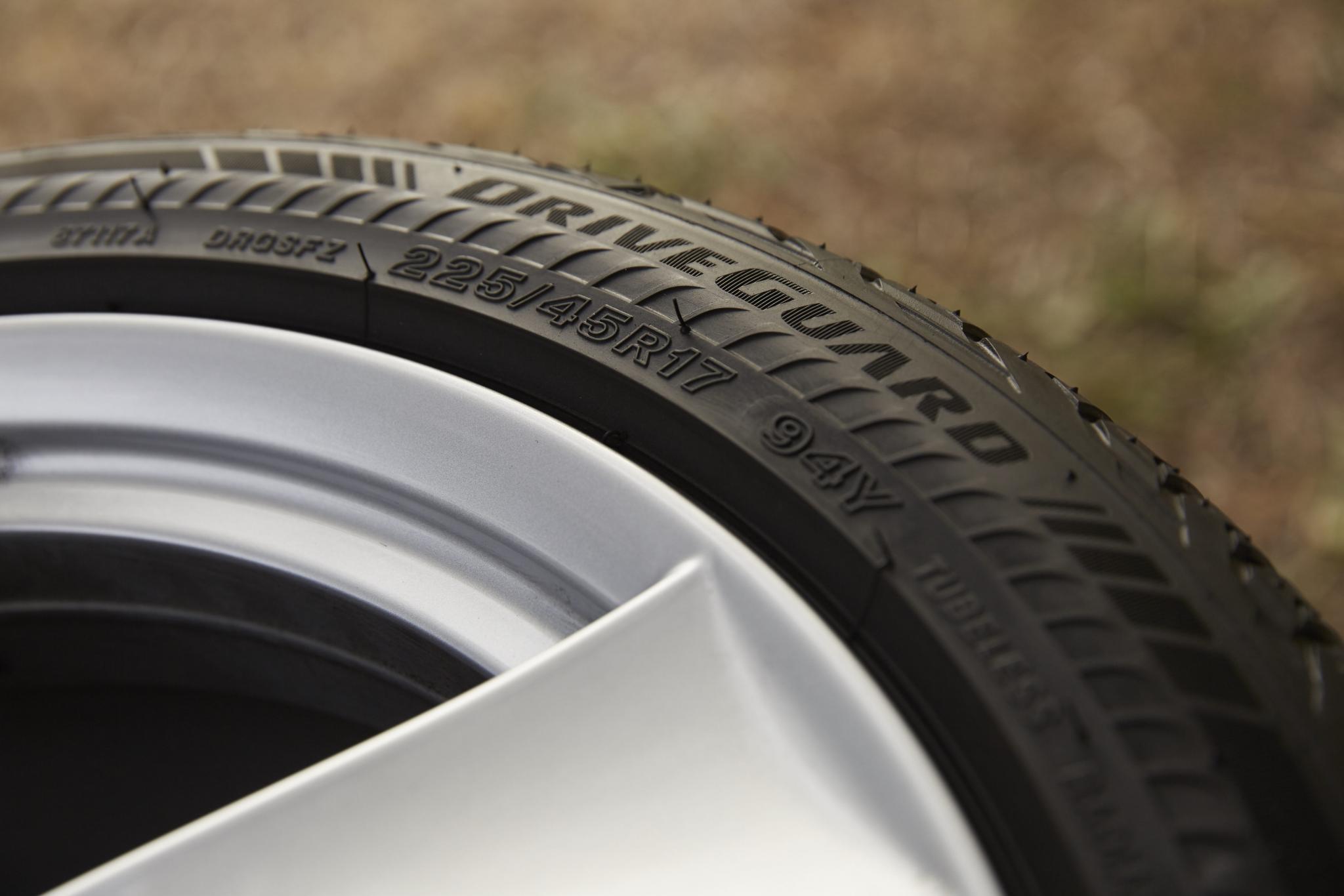
I was recently looking at buying a new Lexus UX that is fitted with Bridgestone run-flat tyres and was wondering if it’s likely that I’ll have the same issue once again or has the technology improved in the last fifteen years or so?
Vic Harris, via Email
Yes, run flats have improved markedly. There are two types, self-supporting ones, which use the sidewall to support the tyre or the support ring system where a separate ring of rigid rubber supports the vehicle in the case of a deflation. Bridgestone DriveGuard run-flats use the former system. They’re a lot more sophisticated than run-flats of old, but we’d still recommend test driving the Lexus to check whether you agree. – Ed
On the Tube
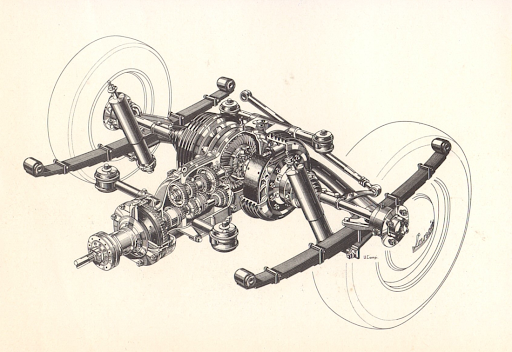
I thought I knew quite a bit about performance cars, but was completely stumped when asked what was the last production car to be sold with de Dion tube rear suspension. A bit of Googling revealed that Caterhams still use this set up. Why?
Peter Nicolaou, via Email
In the early ’80s Caterham considered independent rear suspension (IRS) but stuck to the de Dion tube. This was largely due to time, cost and capability restraints, but Caterham also realised the de Dion system worked well and offered excellent dry-road grip and was better for them in terms of weight and packaging. There was also a historical link with the Lotus 11’s de Dion system that Caterham was keen to preserve. Not all models get the de Dion rear end either. The new 440kg 170 still has a live axle. – Ed
Dunger Detective
I love the small print at the start of the Letters page where we’re encouraged to share a story. Last month you asked about our most inspired used car purchases.
I travelled to the UK a few years ago and was intrigued by a television advert from a company that promised to buy any car from you. Surely not anything?
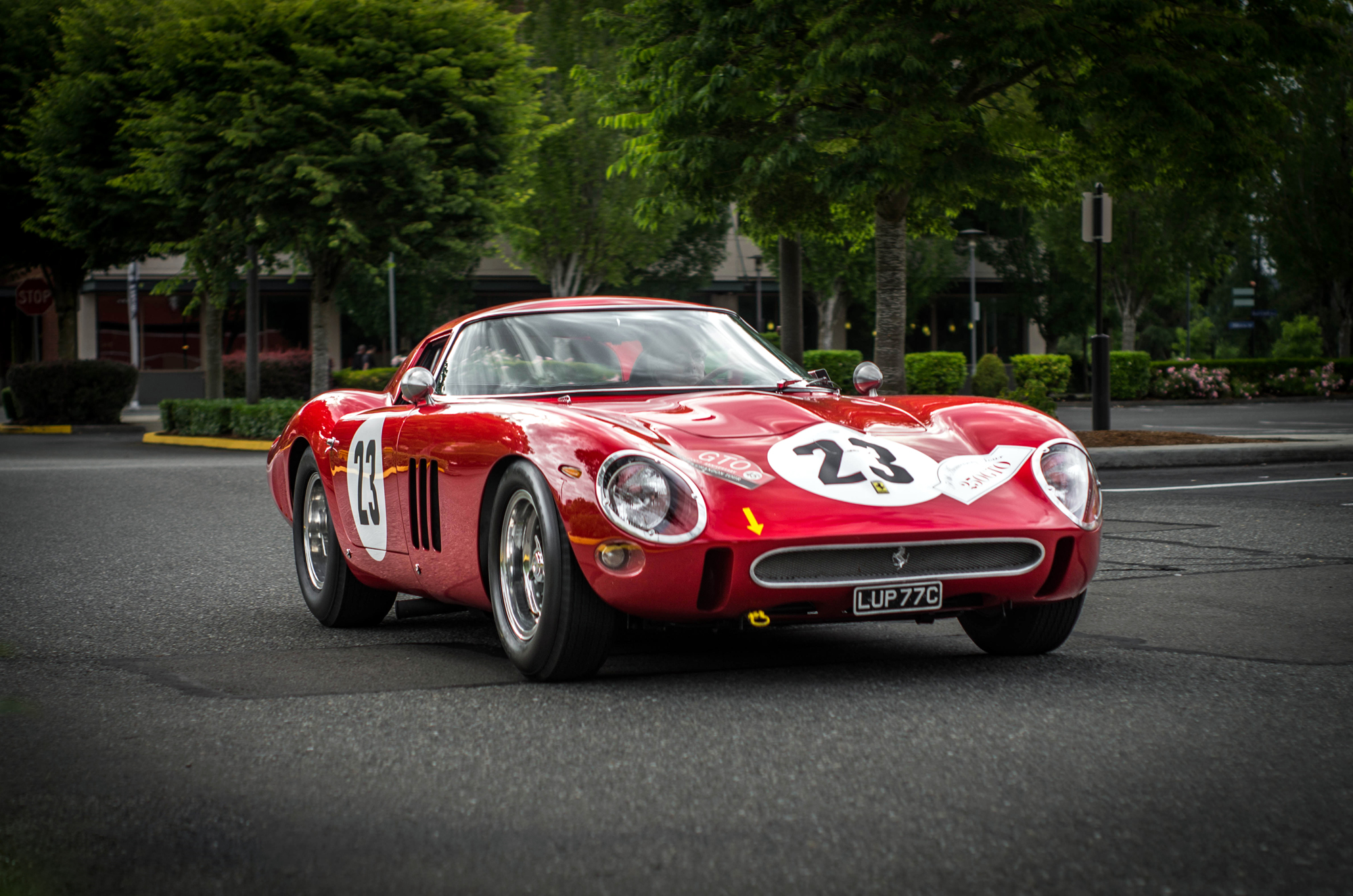
I visited their website and claimed that I owned a Ferrari 250 GTO and obtained a quote for it. They were offering £500. I’m no expert on 250 GTO values, but this seemed to be a bit of a lowball.
After that, just for the fun of it, I entered the details of a car that I’d seen advertised on a local website for £300. Their quote was £1000. I soon realised that there was a certain sort of car that was of niche interest and just about roadworthy that you could double or triple your money on.
I became an absolute sleuth for these cars, learned more about the UK’s ridiculous rail system than I ever imagined and when I’d amassed a decent sum, I decided to blow it all on an Alpine Renault GTA Turbo. This lasted about 60km before blowing its internals onto the M25 motorway, firing oil over the rear tyres and sending me sideways into the guard rail outside Thurrock services. To add insult to injury, the insurers valued this £15k car at £5k. Karma can indeed be a bitch.
Guy Barraclough, via Email
The toilets at Thurrock are ‘vile’ according to Tripadvisor. – Ed
