
The Qatar capital of Doha is set to host its own motoring event in conjunction with the Geneva International Motor Show (GIMS) from 2022.
Forming a partnership with the organisers of the GIMS, Qatar Tourism announced its spin-off will be called the Qatar Geneva International Motor Show and could take place as early as next year.
With the intent to hold the QGIMS every second year in Doha, Qatar Tourism has hinted at a potential autumn date for the show, roughly between September and December in the Northern Hemisphere.
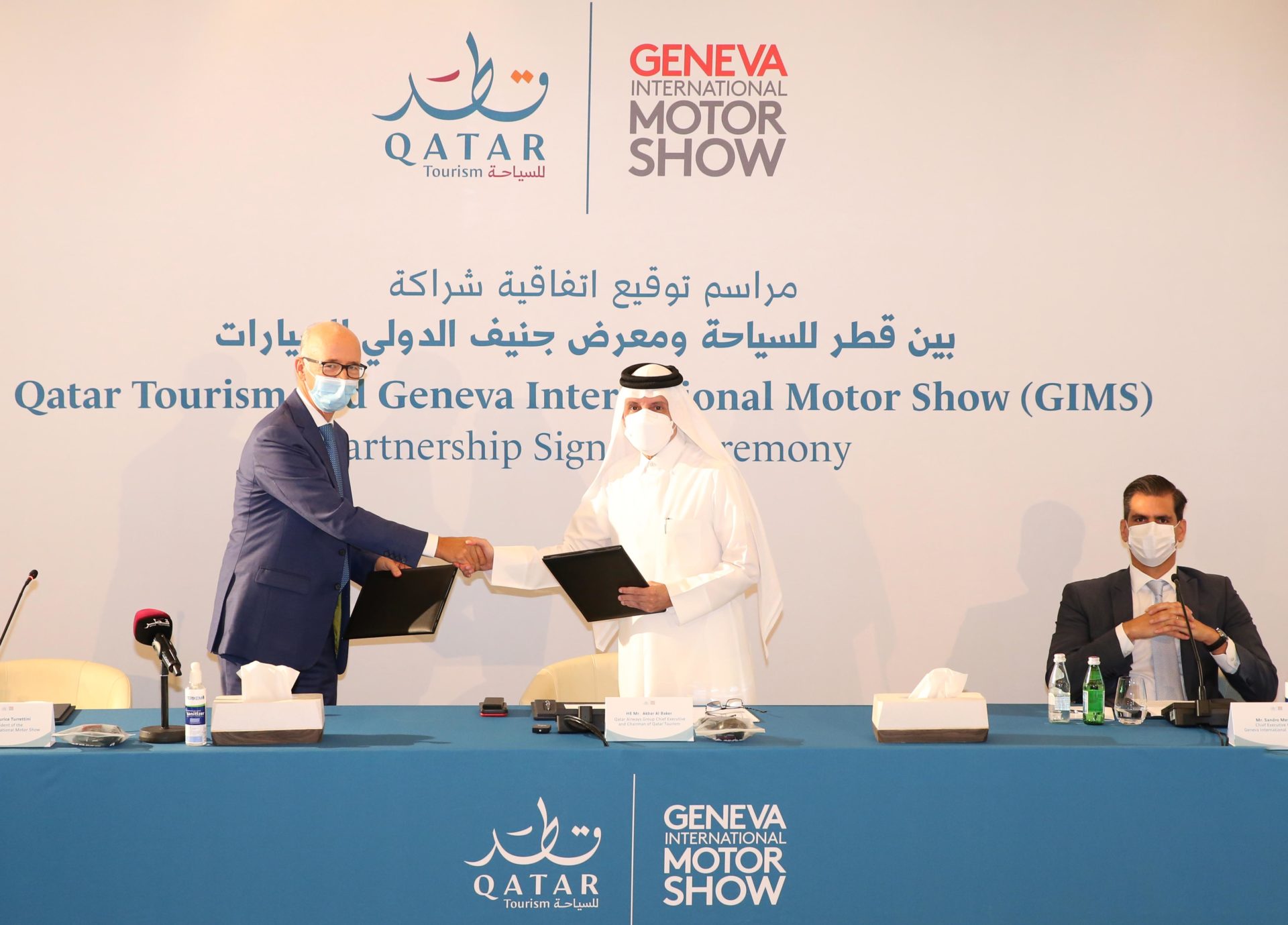
The Qatar Tourism chairman, His Excellency Mr Akbar Al Baker, said the partnership will be of benefit to both parties.
“In line with the national strategy, Qatar National Vision 2030, we are expanding our tourism proposition to position Qatar as a world-leading destination, and ensure guests enjoy the very best of Qatar,” said Al Baker.
“In addition to extensive hotel and resort development, the refurbishment and creation of tourism assets and an expanding culinary scene, hosting internationally renowned events is an important pillar of our strategy.
“We’re pleased to partner with the highly distinguished Geneva International Motor Show and look forward to a collaborative relationship to bring this eminent event to our shores.”
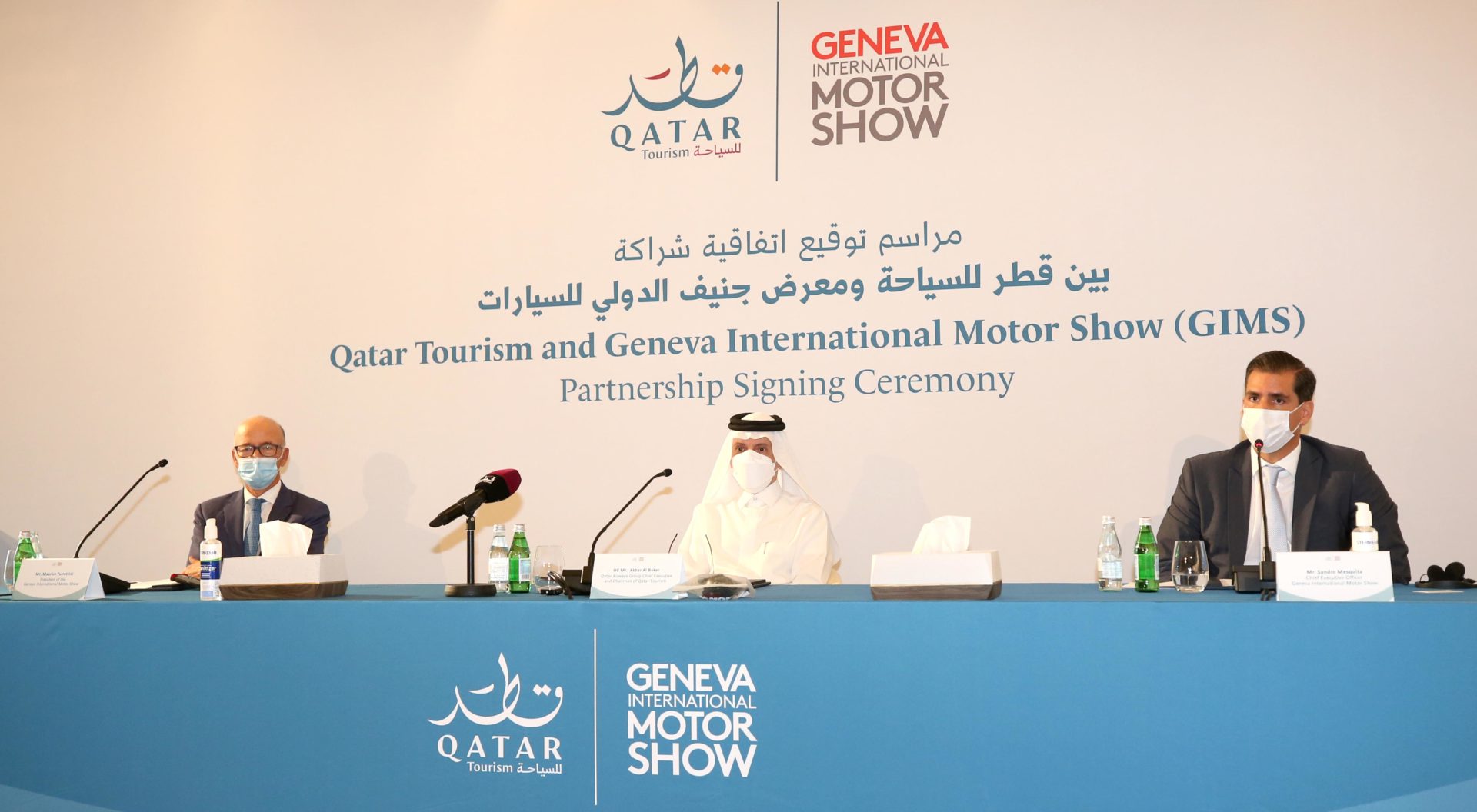
President of the permanent committee of the GIMS, Maurice Turrettini, said he was proud to have his event expanded to another country, believing Qatar is the natural choice for a spin-off motor show.
“We are very proud and honoured Qatar Tourism has put its trust in us for the conception of the new motor show in Doha,” said Turrettini.
“Our partnership is the result of very trusting and constructive discussions from day one.
“The joint forces with Qatar Tourism empower us to focus on the upcoming 91st edition of GIMS in February 2022, where we will be able to gather ideas and learnings for the new motor show in Doha.”
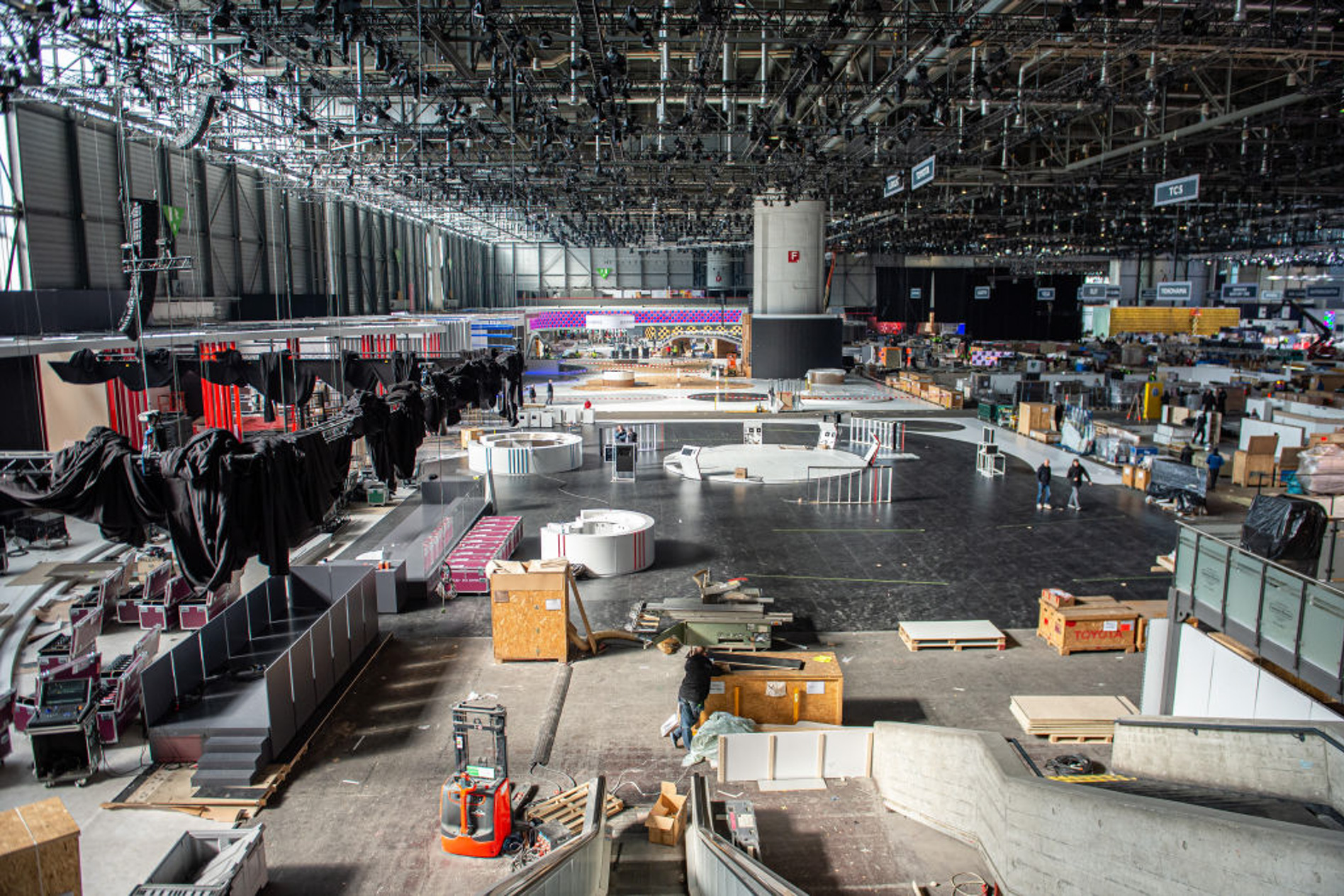
The GMIS is steeped in tradition, having been run almost every year since its inception in 1905 – although next year’s show will be the first event in three years, thanks to the 2020 and 2021 editions being cancelled due to the global pandemic.
Set to be held across across February 19 to 27, the 2022 GIMS will hopefully go ahead – unlike the 2021 New York International Motor Show, which was scrapped due to a surge in Delta COVID-19 cases in the United States.
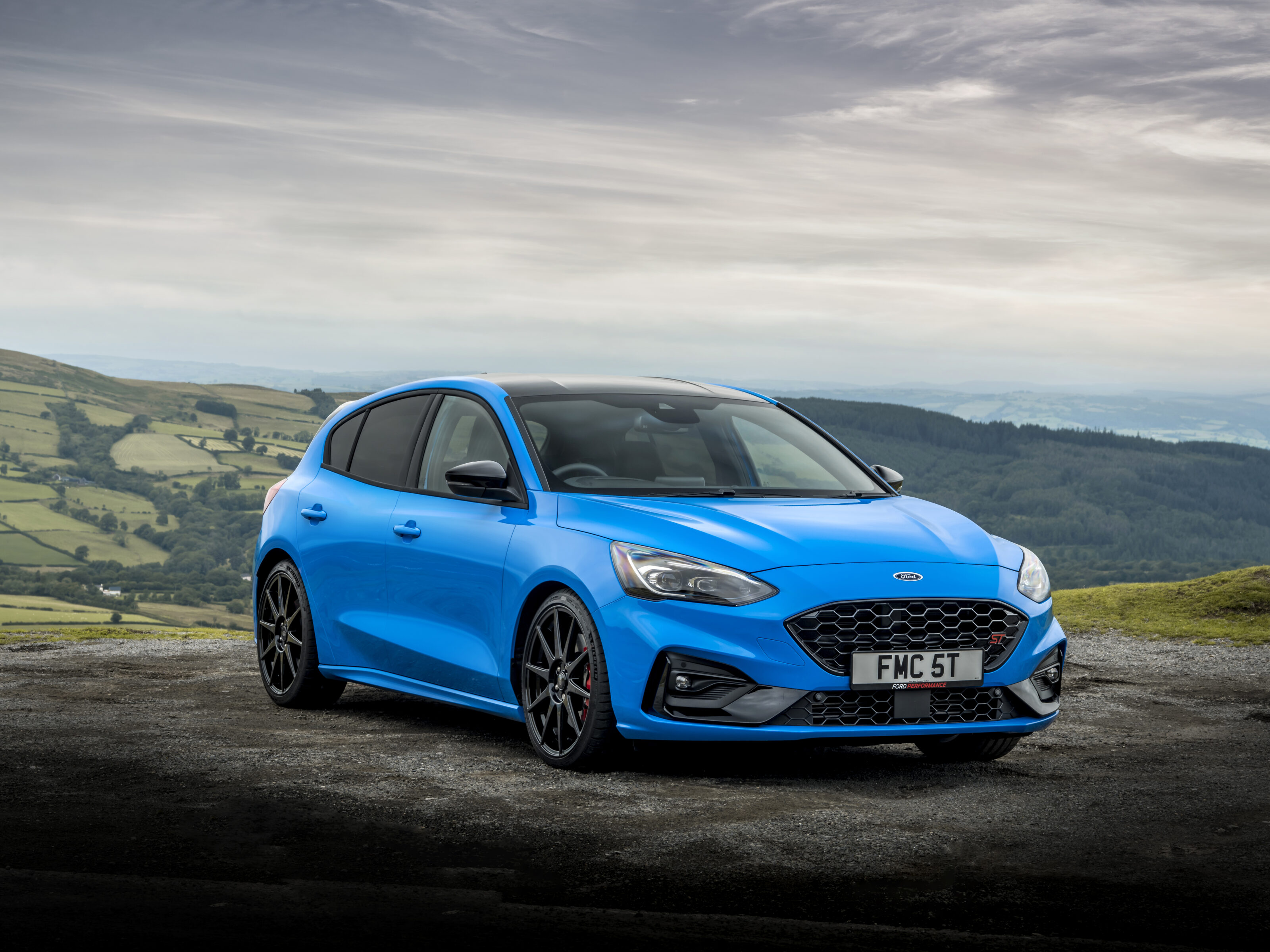
The British division of Ford has revealed a limited-run Focus ST Edition to signify the end of the fourth-generation hatchback’s first stage of production – before undergoing a facelift next year.
After the discontinuation of the Mk3 Focus RS, Ford has decided to provide a hotter version of its front-wheel drive, five-door ST by giving it a new set of wheels and trick suspension.
With the help of suspension specialists KW, the ST Edition now rides on two-way adjustable coilovers, featuring stainless steel tubes, powder coated blue springs and a ride height drop of 10mm from the regular ST.
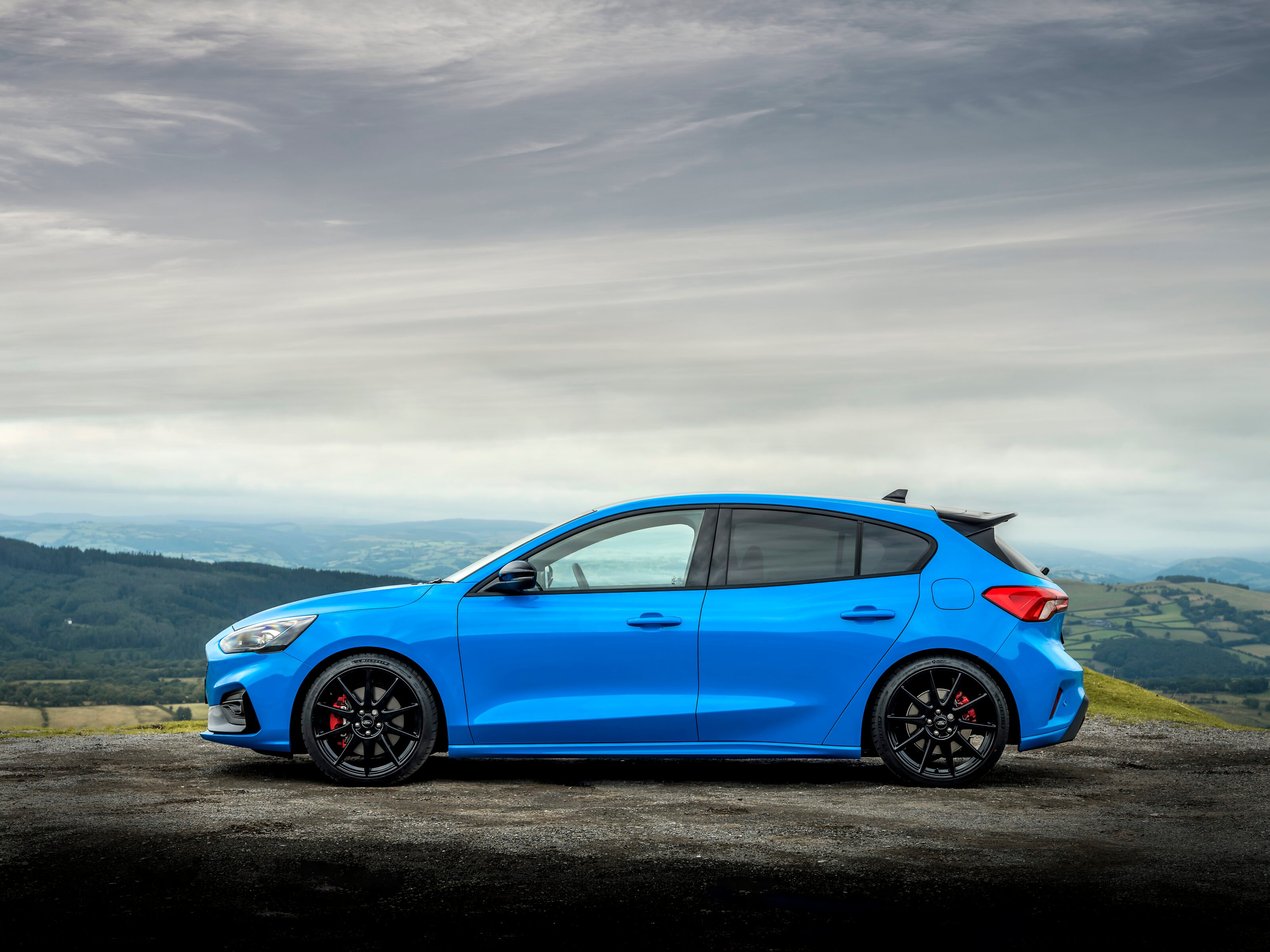
Owners are provided instructions for setting up and fine tuning the coilovers, which allow bump and rebound adjustment (12 and 16 clicks respectively), up to 20mm of ride height drop and a 50 per cent increase in spring rates over the standard ST.
As with most performance cars, it’s no surprise to see the ST Edition’s suspension was developed at the Nürburgring – a connection which is recognised with a specifically crafted Nürburgring setup setting.
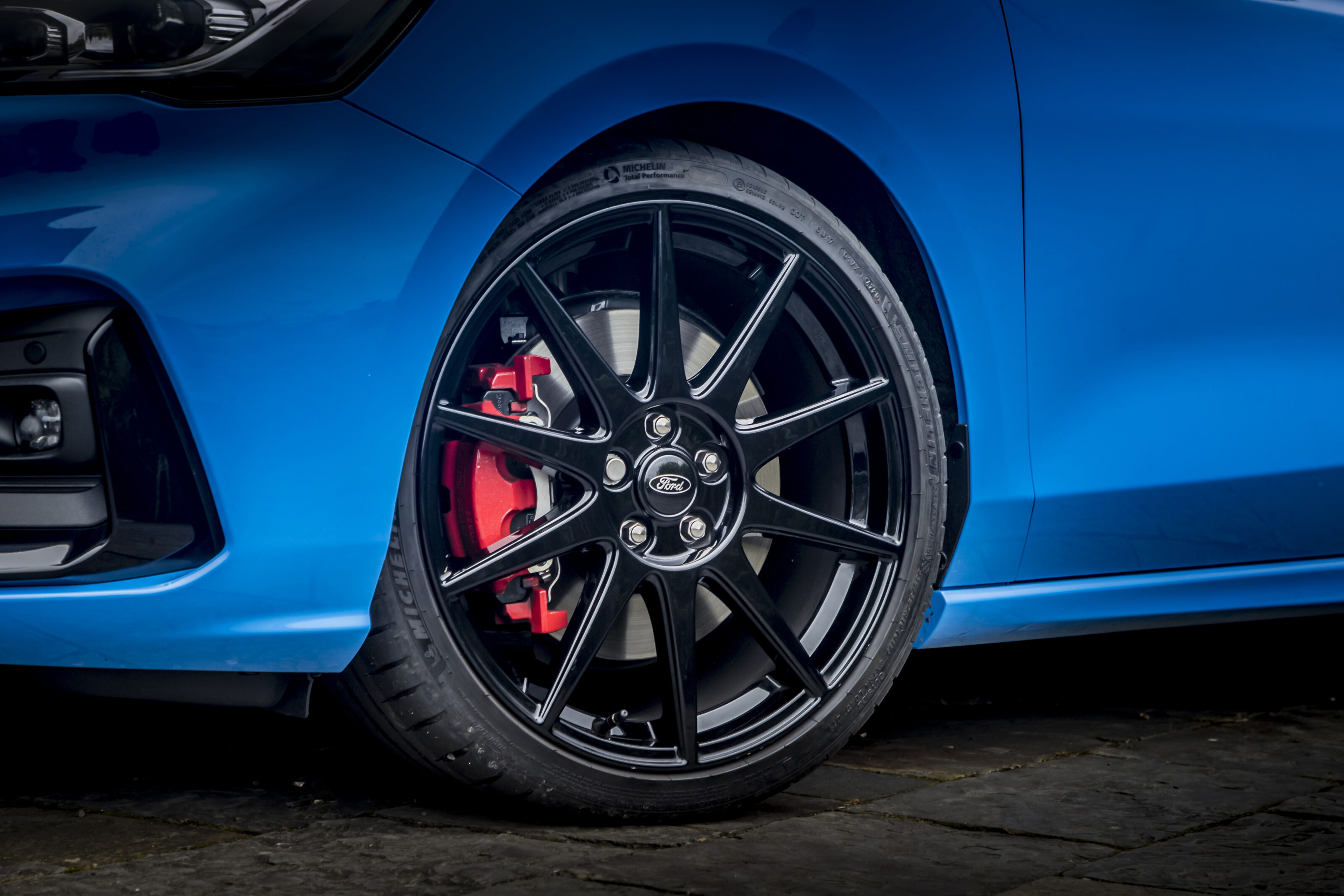
Further performance improvements come from lighter 19-inch wheels – dropping unsprung weight by 10 per cent at each corner – wrapped in Michelin Pilot Sport 4S rubber.
The car is finished in an exclusive Azura blue exterior paint, matching the 2020 Fiesta ST Edition, while trim pieces such as the grille, bumper inserts, mirror caps, spoiler, diffuser and roof are painted gloss black, providing a distinctive contrast.
Inside the cabin, drivers will find partial-leather Recaro seats, blue detail stitching and a red ST starter button – setting the limited-run vehicle apart from the base performance hatch.
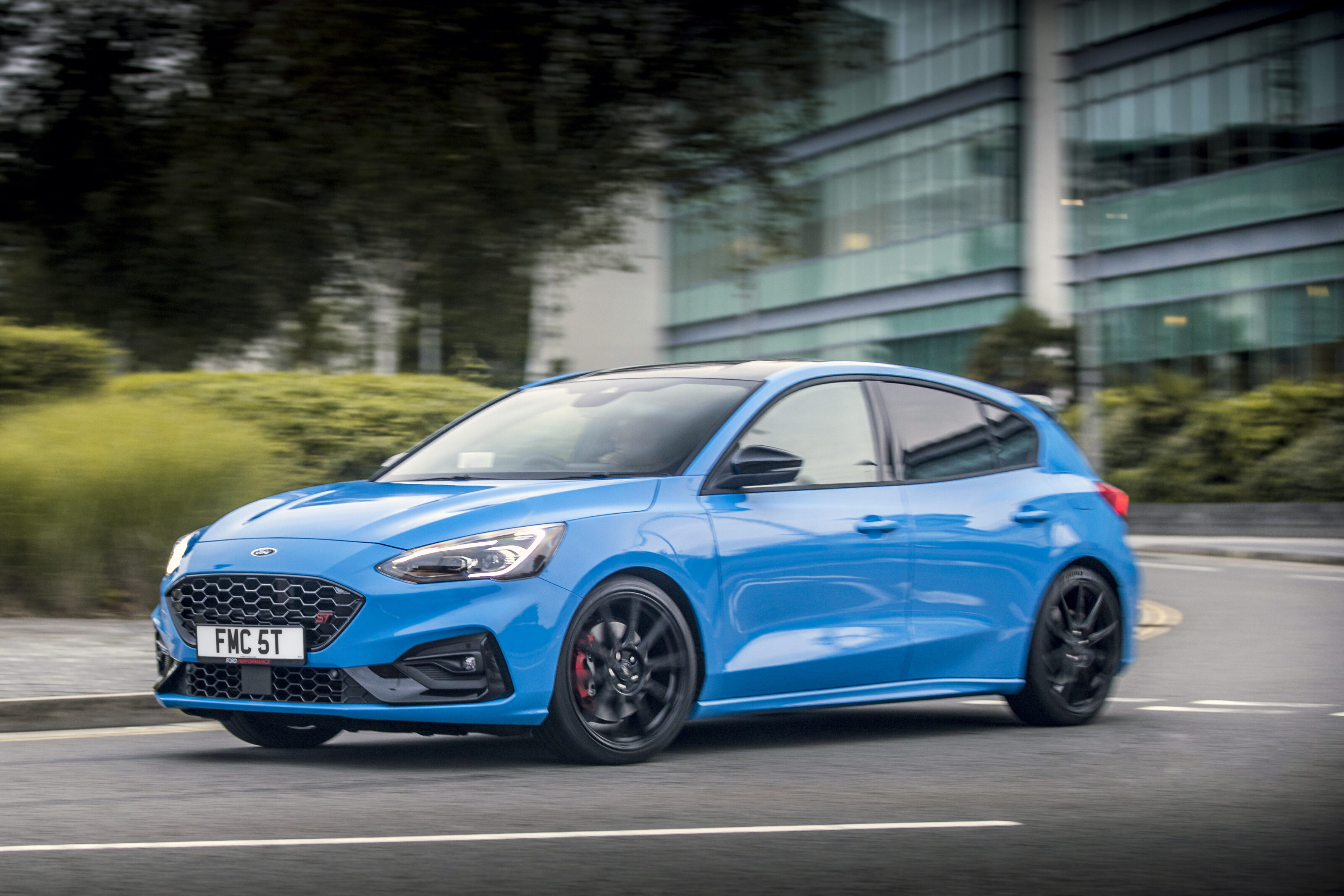
Under the bonnet, the 2.3-litre, turbocharged four-cylinder EcoBoost engine remains unchanged, still developing 206kW and 420Nm – although the ST Edition is available as a six-speed manual only, ditching the seven-speed dual-clutch automatic otherwise available.
Unfortunately for Australian fans, just like with the Fiesta ST Edition, the Focus ST Edition won’t be coming here – with Ford Australia telling Motor it is instead awaiting deliveries of the Focus ST-3 later this year.
Just a tiny bugbear, a small annoyance – sometimes that’s all it takes to frustrate. In a world where many are blessed with an abundance of choice, every factor counts. In a market proliferated with luxury performance cars, dotting I’s and crossing T’s becomes critical.
Therefore I couldn’t help but exhale a sigh of relief when first sitting behind the leather-bound steering wheel of the Alpina B3. The aluminium shift paddles are not only lovely to operate, but it also means that the dreaded shift buttons are gone.
Yes, the beautifully CNC-milled items are a $502 option, but on a car with a base price of $142,900 before on-roads it seems a small price to pay. For the first time, a seemingly small Alpina detail that used to be a B3 sore point can now be deleted.
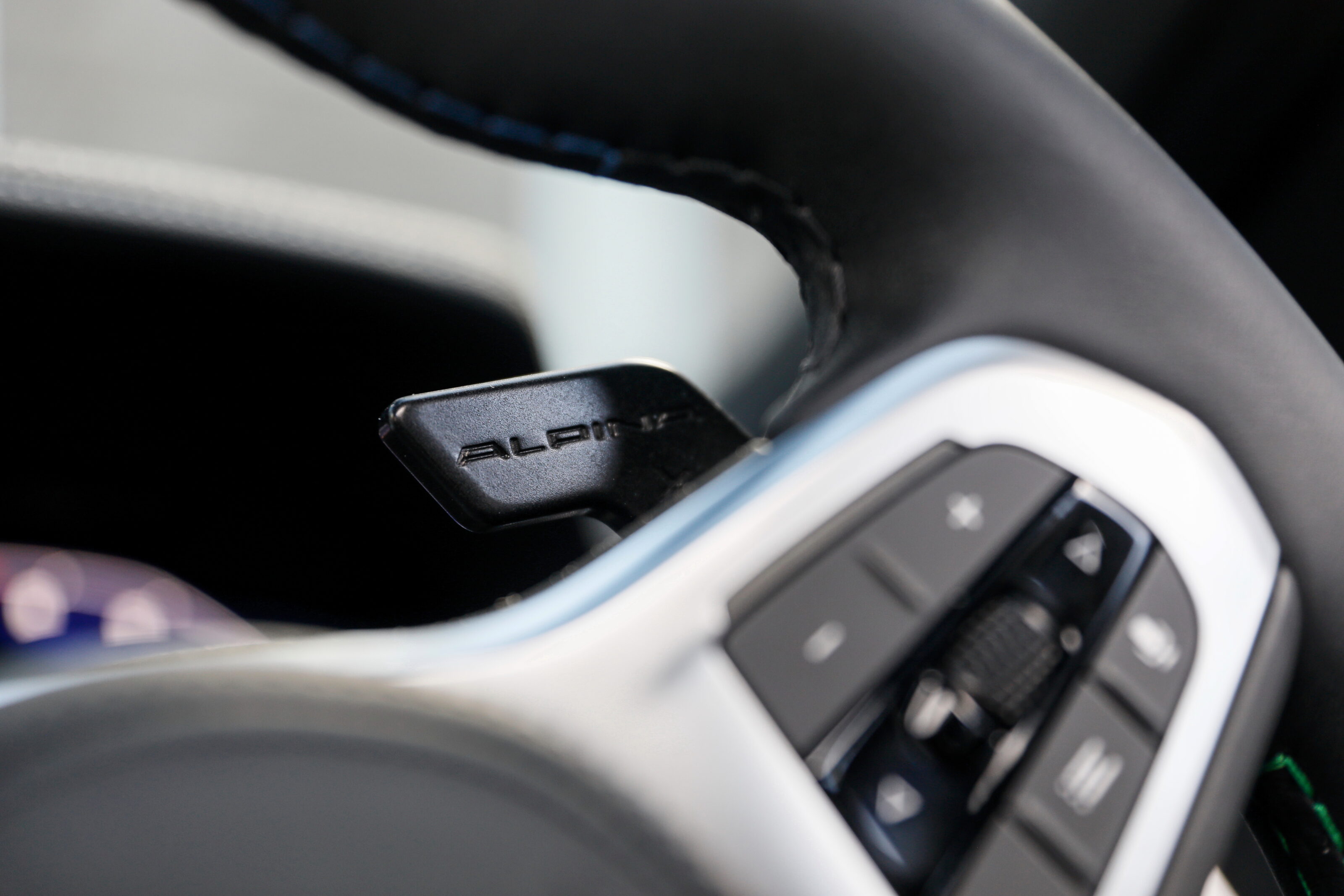
It might come across as an overreaction. However, with so much performance on tap, the added interaction the paddles provide is key. While Alpina might project a USP pertaining to luxury and comfort, both of which are attributes the B3 retains, there’s now more reason than ever to find enticing roads off the highway.
Big power, colossal torque and all-wheel-drive traction are now all part of the remit. Therefore, getting the finer details right that enhance driver involvement can only be a bonus.
Rest assured, while dynamics have taken a front seat, aesthetics haven’t been forgotten. And that’s good news for those still unable to stomach one of the most controversial grilles in BMW’s history. Given Alpina’s strong ties to the Bavarian giant, the B3 starts life as an M340i and not an M3, so it sidesteps the polarising face and gains an aggressive front bar that also aids cooling.
Tradition is important at Buchloe, meaning an Alpina badge within the front splitter and pinstripe detailing is offered. The iconic ‘Alpina Classic’ 20-inch forged alloys will set you back an extra $4091. They’re worth it. The rolling stock, low front apron and a rear lip spoiler create luxe, sleeper vibes. Yet it’s still one for the keen-eyed aficionados.
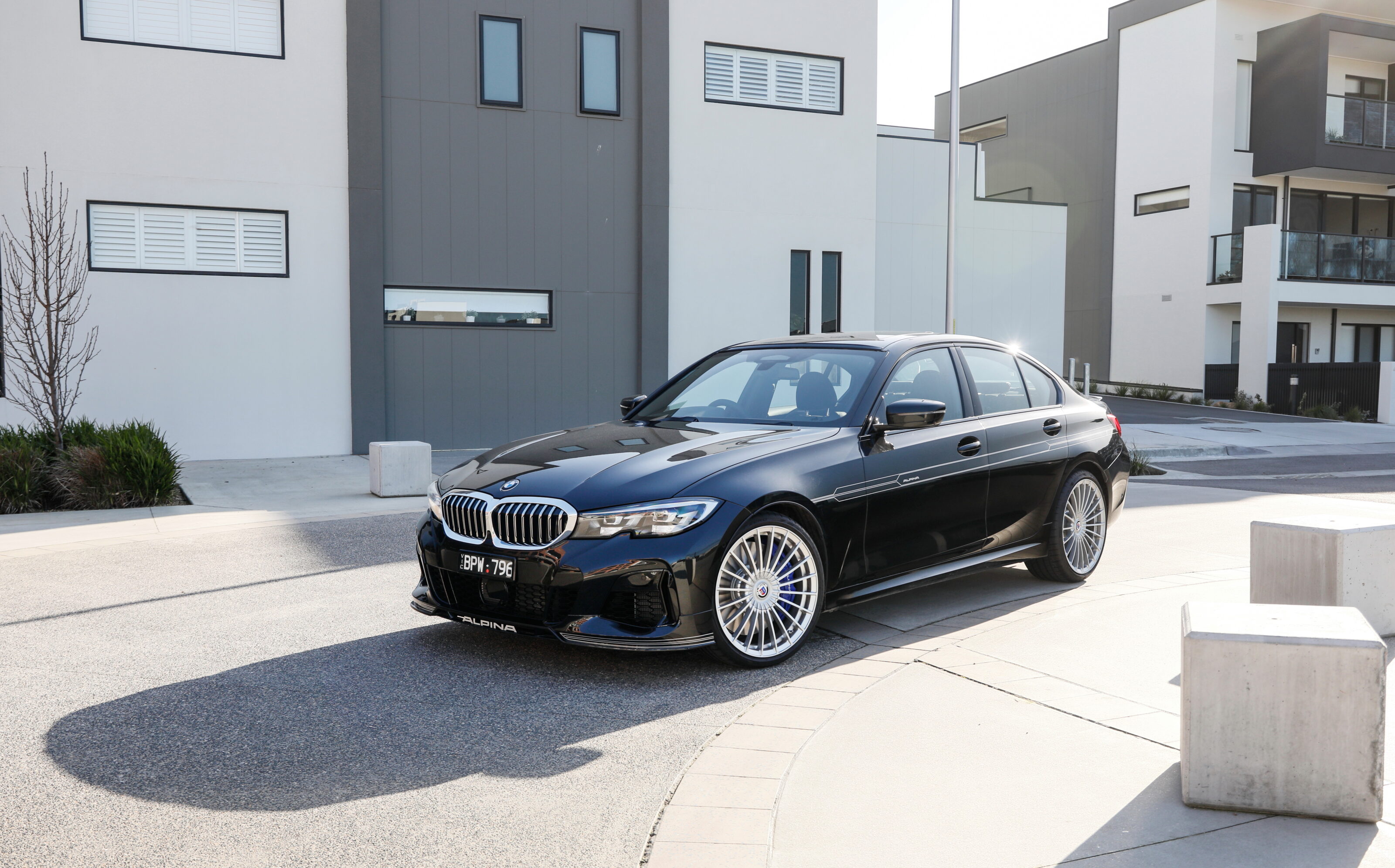
”The chassis and cabin starts life as a humble M Performance product, but the oily bits are basically full-fat M”
While the chassis and cabin start life as a humble M Performance product, the oily bits are basically full-fat M. It’s not often we find reasons to thank more stringent emissions laws (environmental benefits notwithstanding).
In terms of the B3, we can. And that’s because ever-tightening limitations on the CO2 expelled from the quad exhaust pipes has rendered the N-designated powerplant defunct. Instead, Alpina is using the motorsport-derived S58 powertrain. Or, more to the point, the new M3 engine. Never before has a B3 been granted permission to use the same hardware.
Yet, with Alpina being Alpina, it had to have a tinker. The B3 gets a revised intake and smaller turbos attached to the 3.0-litre straight-six, with the aim of increased torque and a more muscular mid-range.
So, while the S58’s power figure is down 35kW to 340kW compared to the M3 Competition, an extra 50Nm of brawn has been added for a total of 700 Newtons. That’s not mucking about. And neither is the launch-control-assisted 0-100km/h time of 3.8 seconds. On-road, the in-gear acceleration underfoot is as mesmerising as it is alarming. This isn’t a poser.
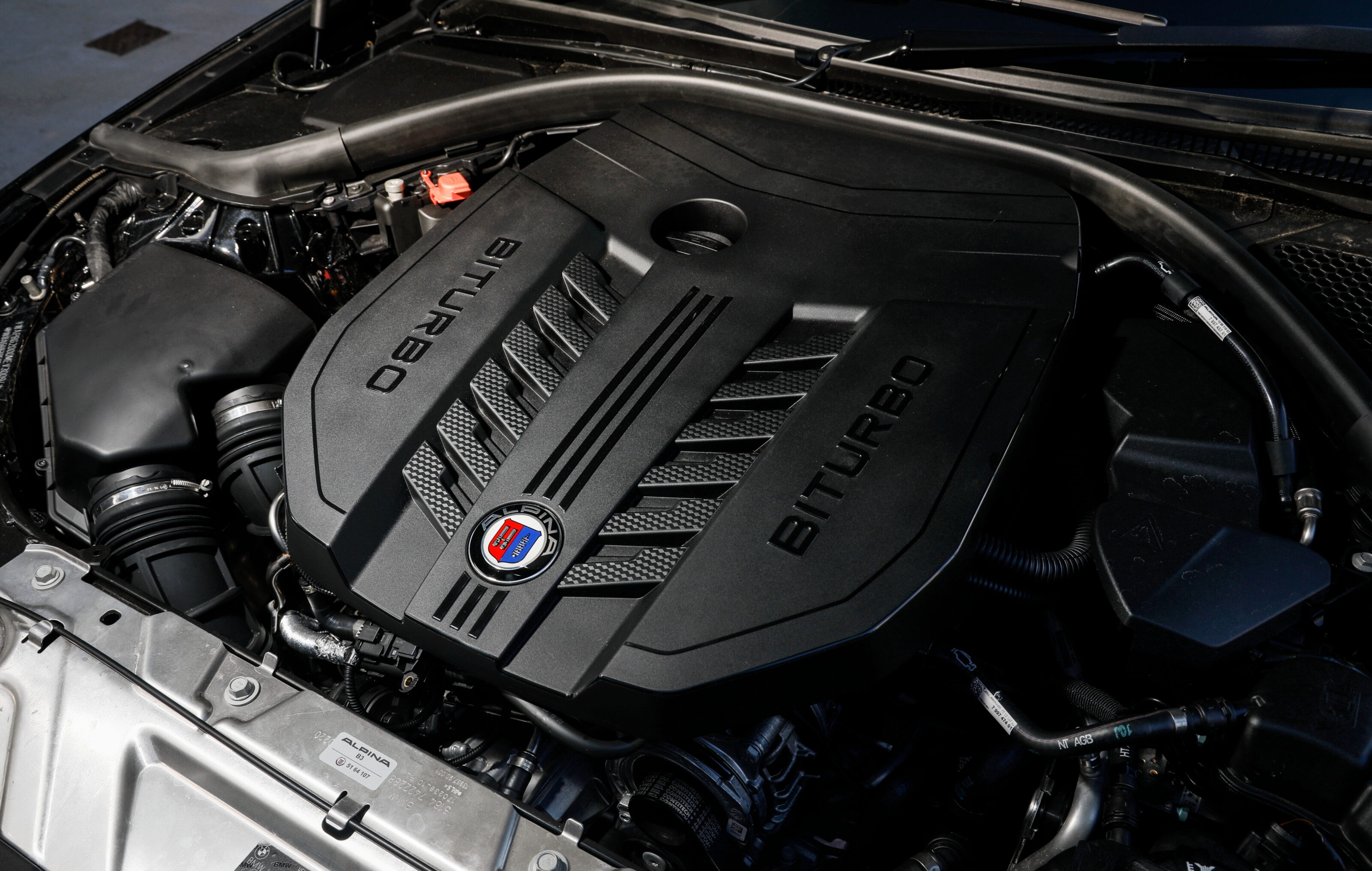
The work carried out by the R&D team pays dividends in reality. That peak torque figure comes in at a lowly 2500rpm and continues to 4500rpm, creating a well of mid-range pull.
Holding a higher gear through a tighter bend poses no issue. There’s still reason to go searching for the redline with power being developed to 7000rpm. It’s a flexible and linear unit, which pairs brilliantly with the eight-speed torque-converter automatic. Work the paddles and the changes are decisively adhered to, while left to its own devices, the ZF ’box is intuitive.
With the addition of all-wheel drive, the B3 stops, turns and exits a corner in a way its forebear simply couldn’t. Finding a rhythm is easy and the Alpina sedan rotates through a tight apex vehemently.
M Dynamic Mode, accessed by pressing the traction control once, makes the chassis feel alive and the rear-biased xDrive system allows you to punch the throttle hard on corner exit without fear of retribution. There’s an electronically controlled limited-slip differential on the back axle, which means over-rotating the tail end is possible under heavy load.
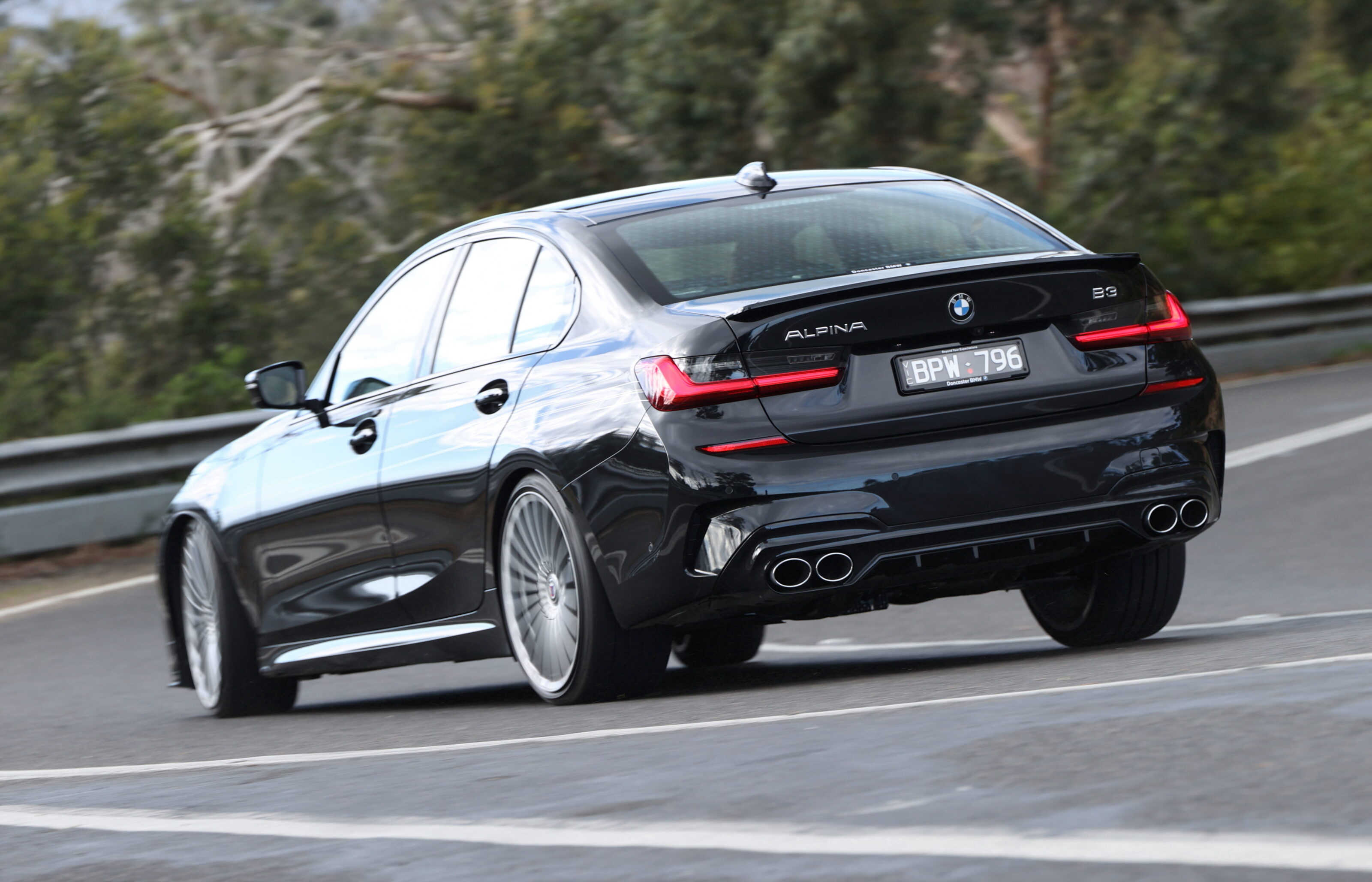
It doesn’t take too much provocation or wild inputs either and it gets the heart racing. Forget any preconceived ideas that this Alpina is a staid and conservative four-door.
It’s a shame the B3’s somewhat taciturn new exhaust system doesn’t quite match the heights of its dynamics. Put it down to the requirement of a particulate filter and the need for more subdued tones in keeping with the upmarket persona.
The M340i underpinnings result in a narrower front and rear track than the M3, and the Alpina also does without the M-car’s industrial bracing up front. This, coupled with the Pirelli P Zero ALP tyres, means the front end isn’t quite as resolute at the extreme.
Open-radius corners induce slight push from the front axle and the Alpina-specific (hence the ALP nomenclature) Pirellis can get hot quickly. With 395mm front ventilated discs up front clasped by four-pot calipers, the B3 stops well. There’s an option of an uprated brake pack with drilled discs and beefier pads that Alpina notes “may cause noise discomfort”.
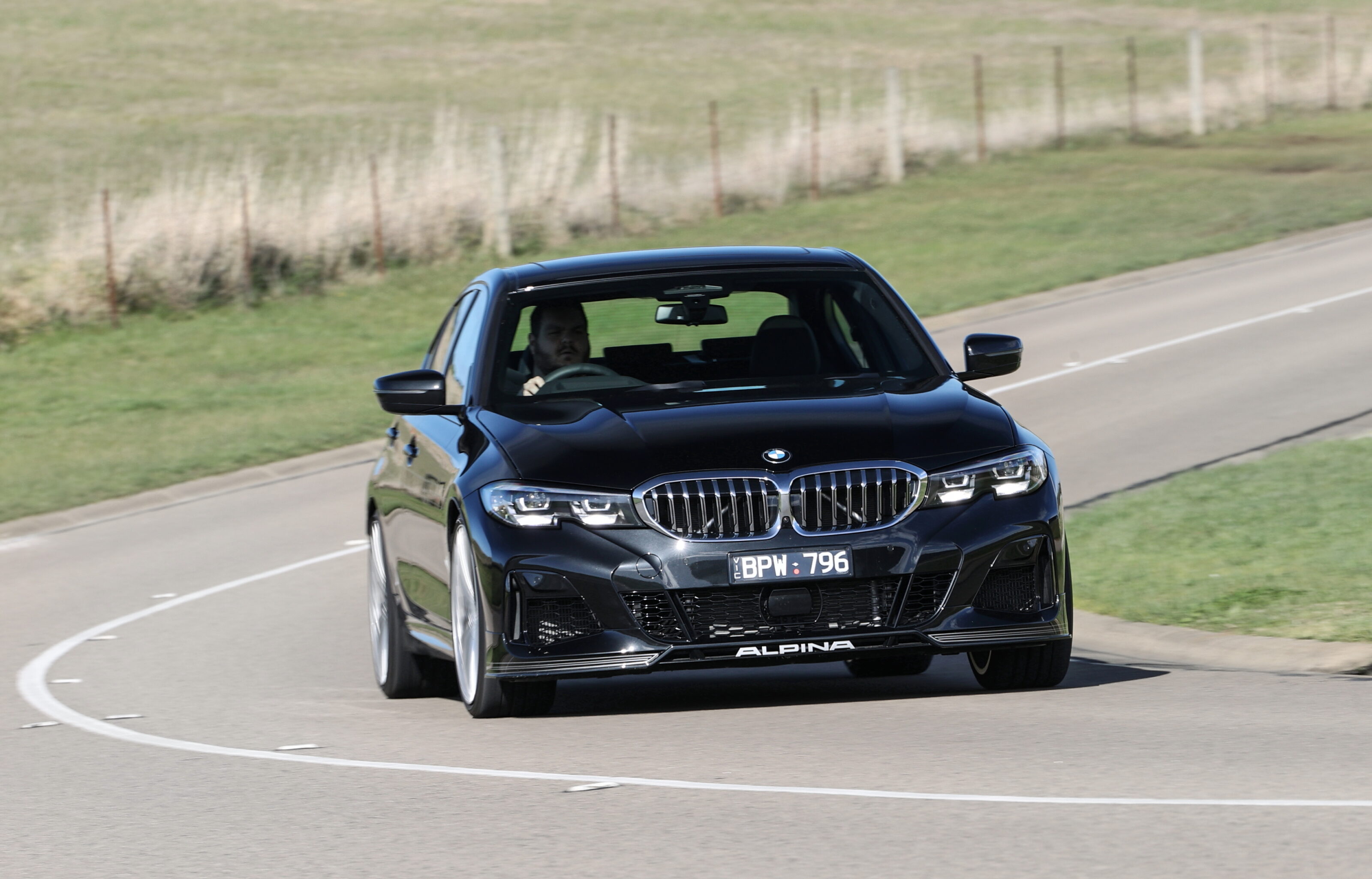
BMW’s variable steering gains attention, too. A more natural weight and feel has, according to Alpina, been worked into the system for more linear responses. It works, but there’s a caveat.
It depends which mode you’re in as Sport Plus returns a far too synthetic weight. Tick Comfort within the Individual setup and the rack frees up and generates a far more organic and progressive nature as you wind on lock.
For a car rolling on 20-inch wheels with 30-profile tyres (255-section front, 265 rear), the ride quality is deeply impressive.
The B3 uses custom Eibach springs, stiffer anti-roll bars and retuned adaptive dampers with proprietary software. The result is an absolute triumph, with the Comfort Plus mode delivering genuine suppleness. Okay, you lose some agility as the B3 tends to use all of its travel in this mode. However, Sport Plus offers enough compliance and damper sophistication that you can often get away with using it on some pretty poor surfaces. The B3 has ample dynamic bandwidth.
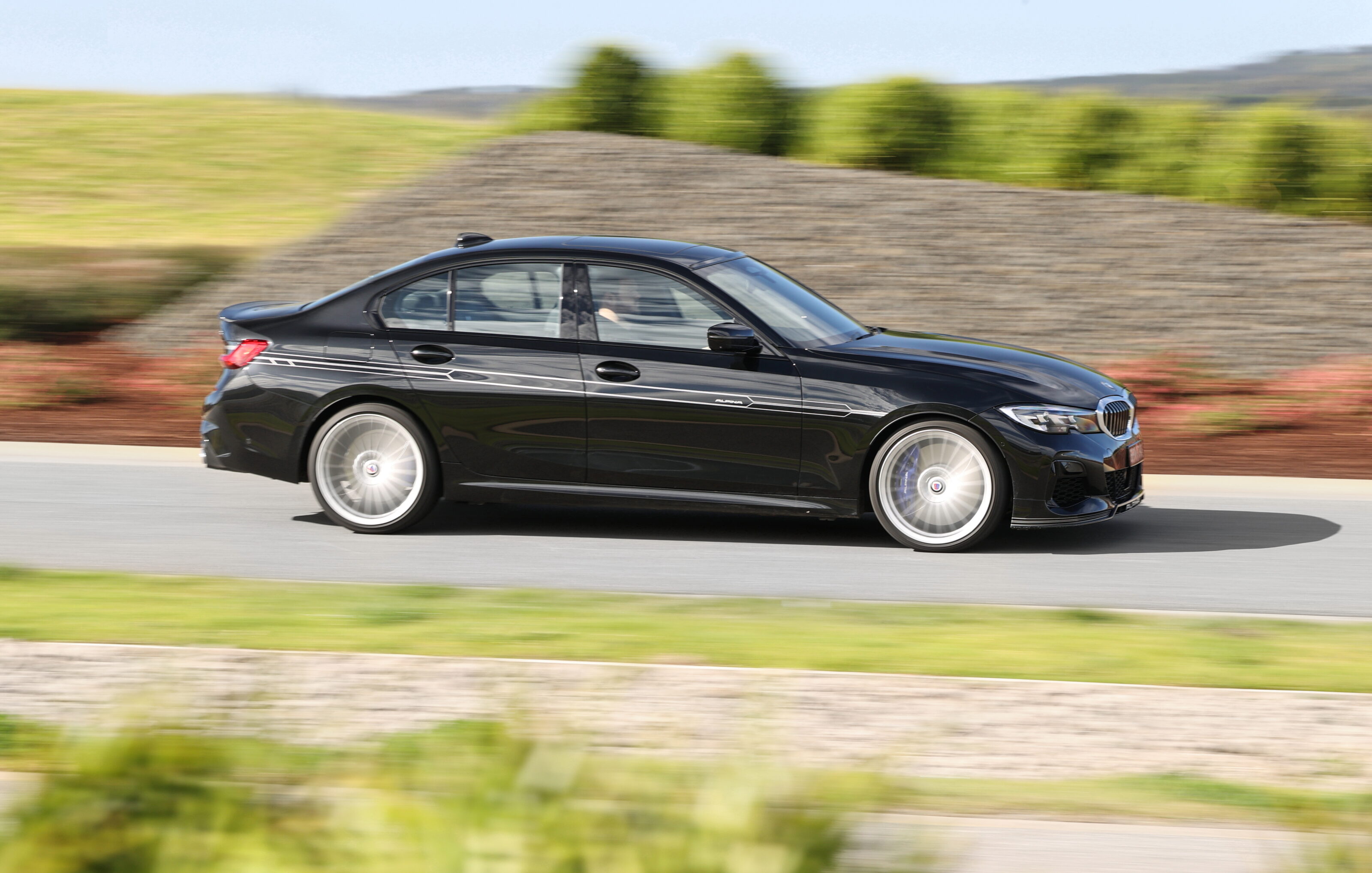
With such dexterity on-road, it’s difficult not to be somewhat let down by the interior. No, it isn’t the quality of the materials used or the fit and finish. That all checks out. It’s an ambience thing, something that’s not quite tangible but also hard to miss. Several passengers mistook the B3 for a circa-$77K 330i.
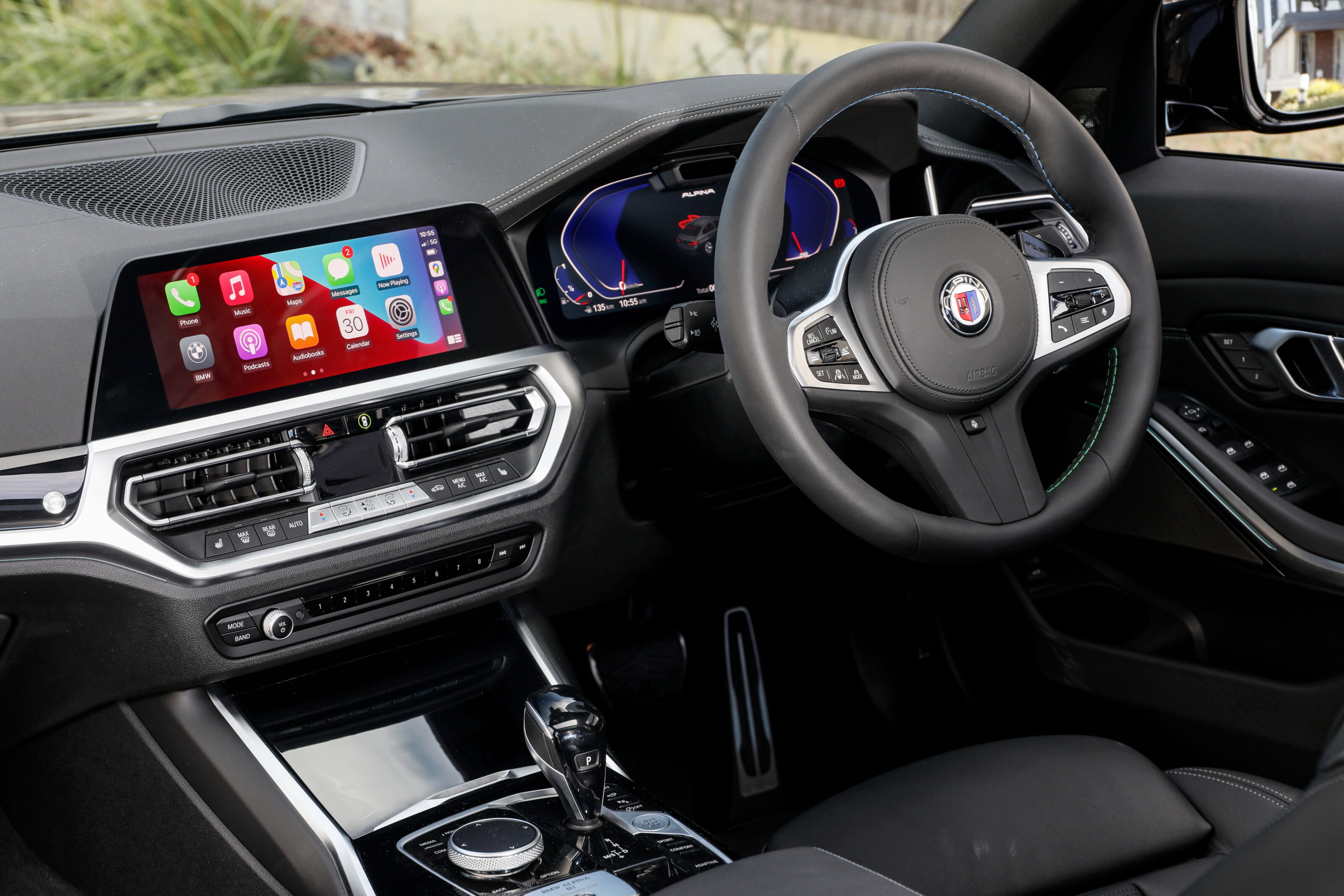
While tradition has been eschewed with the addition of shift paddles, history is upheld via the blue and green stitching found on the B3’s thick-rimmed steering wheel. A model-designating plaque also keeps the Alpina vibes ever-present, as do the badges dotted around the cabin – including those embossed in the seats. It’s also quiet on the open road, with NVH levels well suppressed.
Alpina utilises BMW’s 10.25-inch infotainment screen as well as the latest iDrive operating system, which is now a doddle to use and an ergonomic win. Wireless phone charging and smartphone mirroring are enhanced via an $807 pack that is well worth optioning. Apple CarPlay performs faultlessly (wireless Android Auto is also available).
The B3 benefits from being more than a sum of its BMW and Alpina parts. And thanks to a new optional extra, it’s even harder to fault. Nit-picking is a last resort.
Alpina now offers a wickedly fast, dynamically engaging and premium product that makes it an inspired choice against the norm. While it trades on subtlety, it’s too good to reside as an option solely for those in the know.
2021 Alpina B3 specifications
| Body: | 4-door, 5-seat sedan |
|---|---|
| Drive: | all-wheel |
| Engine: | 2993cc inline-6, DOHC, 24v, twin-turbo |
| Bore x Stroke: | 84.0 x 90.0mm |
| Compression: | 9.3:1 |
| Power: | 340kW @ 5500-7000rpm |
| Torque: | 700Nm @ 2500-4500rpm |
| Power/weight: | 190kW/tonne |
| Transmission: | 8-speed automatic |
| Weight: | 1785kg |
| Suspension: | double A-arms, coils springs, adaptive dampers, anti-roll bar (f); multi-links, coil springs, adaptive dampers, anti-roll bar (r) |
| L/w/h: | 4719/1827/1440mm |
| Wheelbase: | 2851mm |
| Tracks: | 1577/1572mm |
| Steering: | electrically assisted rack-and-pinion |
| Brakes: | 395mm ventilated discs, 4-piston calipers (f); 345mm ventilated discs, single-piston floating calipers (r) |
| Wheels: | 20.0 x 8.5-inch (f); 20.0 x 9.5-inch (r) |
| Tyres: | 255/30 ZR20 (f); 265/30 ZR20 (r) Pirelli P Zero ALP |
| Price: | $142,900 ($152,606 as tested) |
General Motors has defended its decision to focus on growing its ACDelco brand Down Under, claiming it will run alongside Holden service centres for now rather than immediately replace them.
The firm has said it will continue to operate the Holden sites, with ACDelco’s initial development aimed at building an all-makes vehicle servicing network – rather than performing an instant take over from the lion and stone brand.
However a spokesperson did not confirm what the company’s long term plans were for Holden.
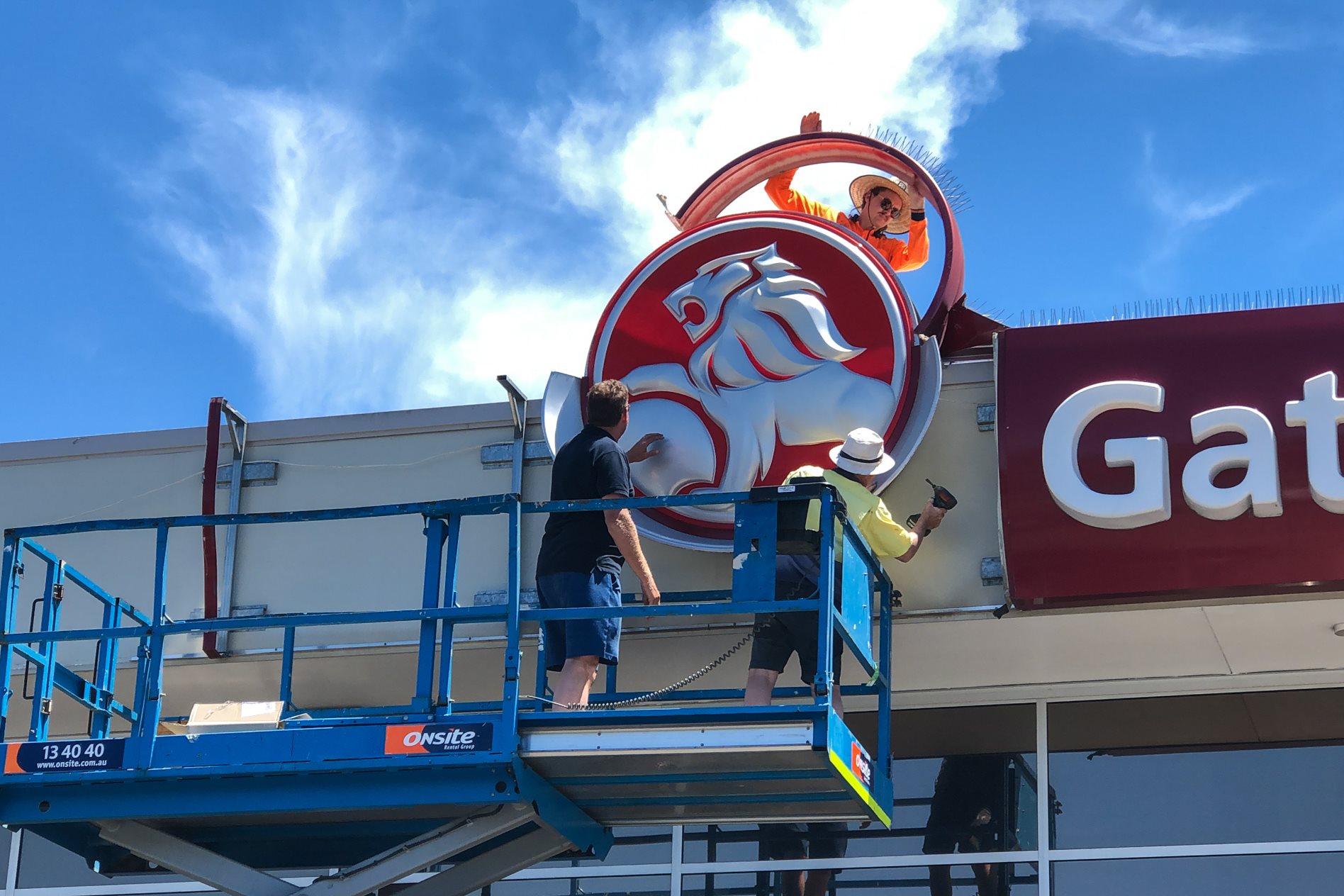
Last week WhichCar reported GM Australia has been canvassing its remaining dealers on switching their parts and service operations for Holdens to the ACDelco label.
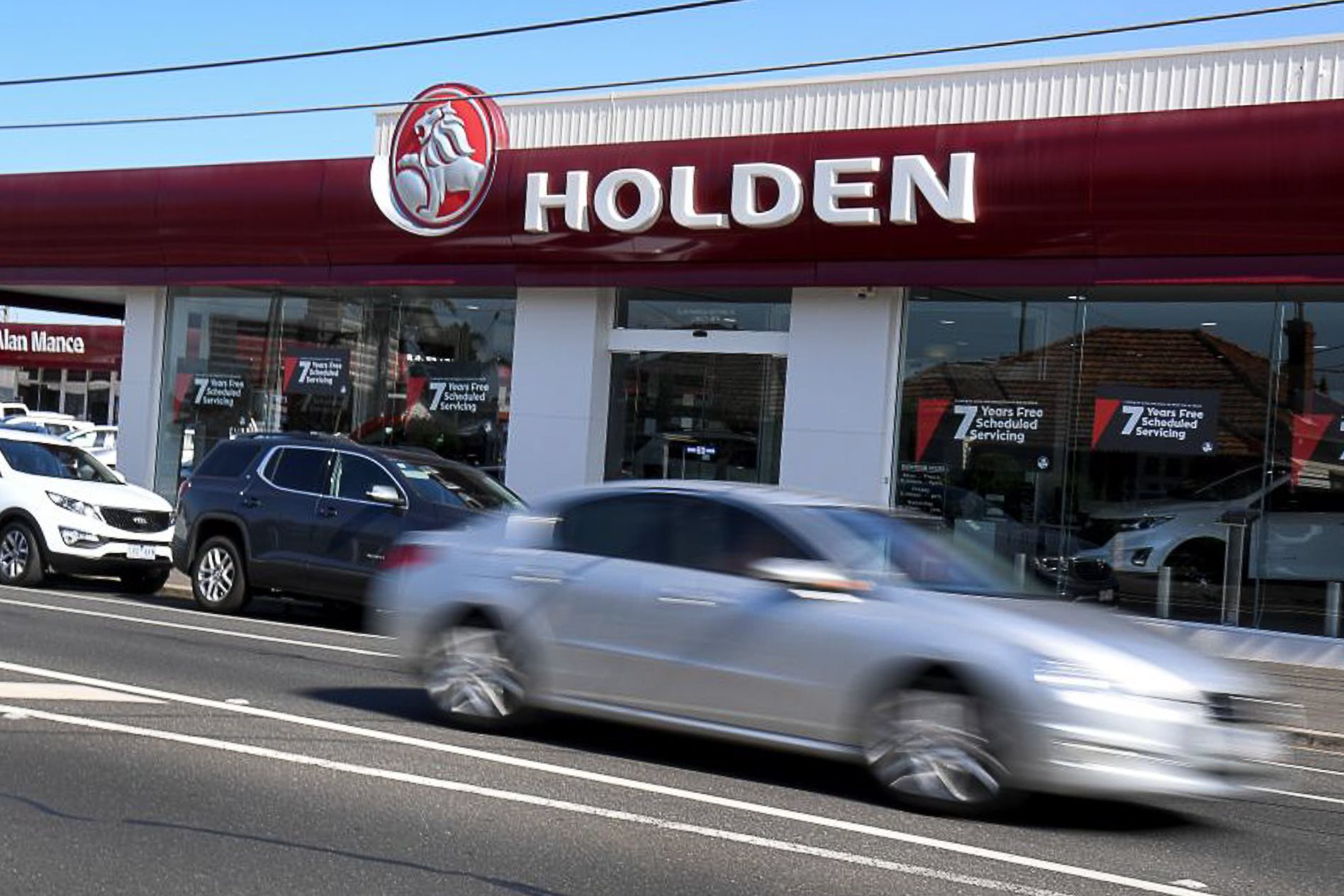
While not yet compulsory, it’s understood the change from Holden to ACDelco as the service brand is being heavily recommended to dealers as GMA becomes a specialist supplier.
The iconic carmaker has maintained around 120 former dealerships around the country, operating a little more than 200 sites, to continue as authorised service and parts providers – despite closing down the brand completely at the start of 2021, a decision it made after ending local production in 2017.
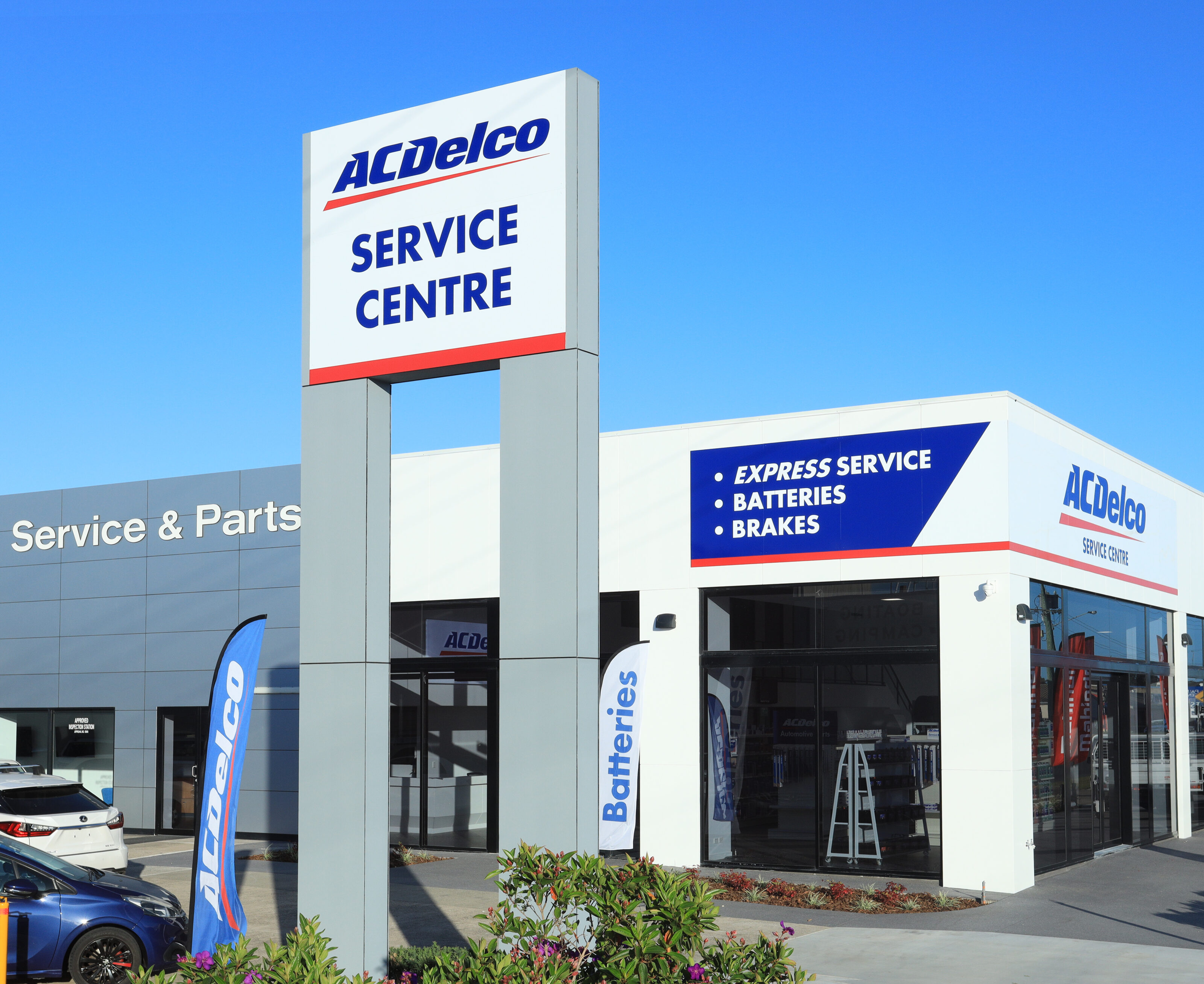
A General Motors spokesperson said an ACDelco service centre which has just been opened in Maroochydore on Queensland’s Sunshine Coast is a part of its pilot program in developing the brand Down Under.
“GM Holden Aftersales commissioned an ACDelco pilot store, which opened in Maroochydore in June 2021,” the spokesperson said.
“This is separate to the Holden Certified Service network which is still one of the most extensive in Australia and NZ, and will be here for many years to come to support the 1.6m Holden vehicles still on the road.”
According to GM, the plan is to establish ACDelco as a rival servicing business to the likes of MyCar, Ultratune and Midas – providing servicing for a variety of manufacturers.
“In addition to selling ACDelco parts to the public for all different makes and models of vehicles, the ACDelco store will also offer servicing for most makes and models,” the spokesperson said.
“The ACDelco pilot store is an opportunity to ascertain customer engagement with a most-makes, most-models service operation.”
In a nod towards Holden’s eventual demise, GM added: “We anticipate there will be a growing demand for all-makes servicing as the average age of vehicles increases and they are no longer covered by brand-specific scheduled servicing agreements.
“This is an exciting toe-in-the-water exercise to gauge viability of a more permanent ACDelco presence in the Australian and New Zealand markets.
“We’re interested to see the results of the pilot store, and those of any other initial stores which might be established in the short term in order to develop a long term all makes strategy.”
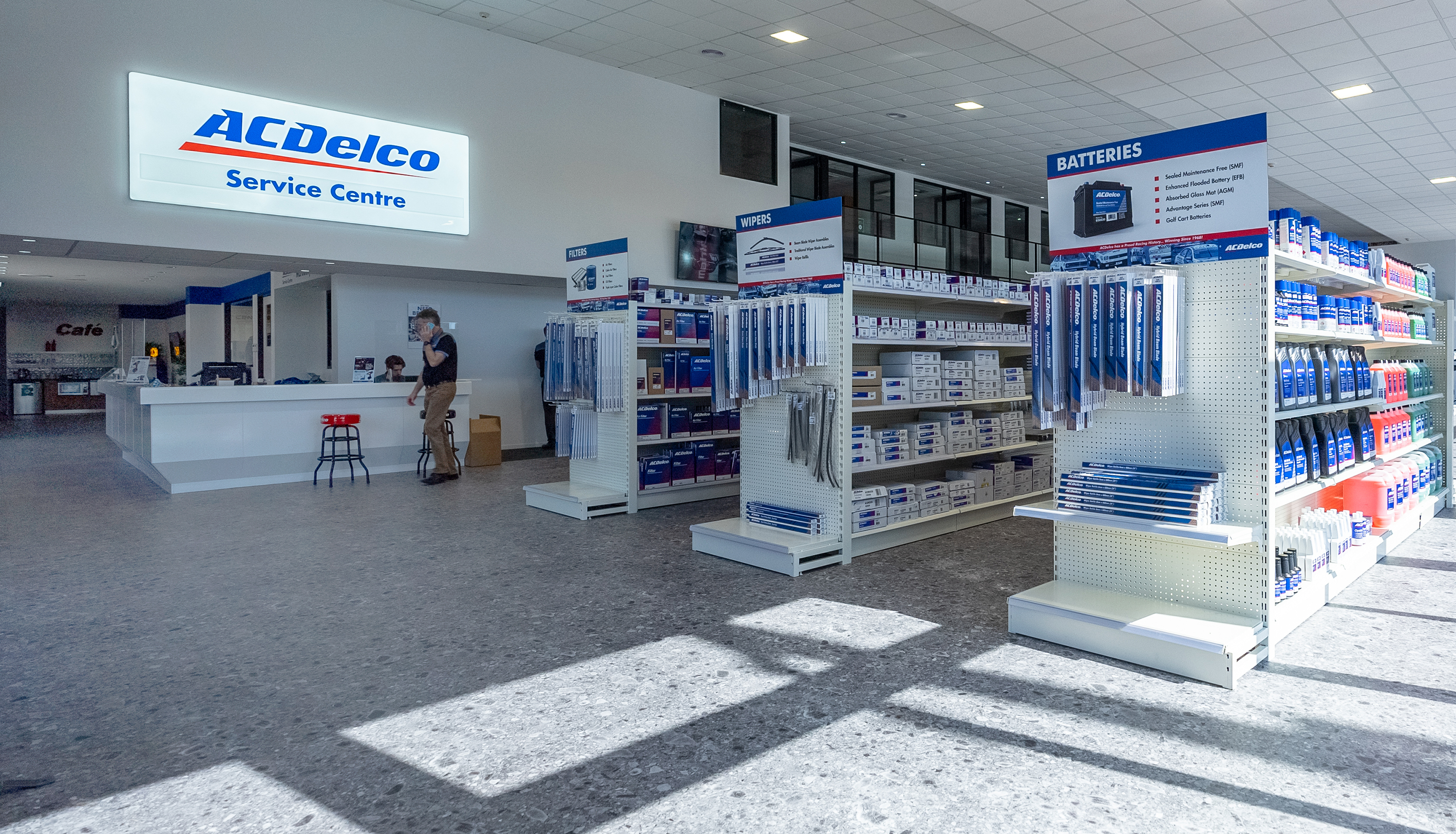
A division of General Motors, ACDelco has been present in Australia for a number of years through its production of genuine GM replacement parts, similar in vein to Ford’s Motorcraft division.
After the official departure of Holden from the Australian market at the start of the year, General Motors Specialty Vehicles now handles the importing of GM products to Australia, most notably the Chevrolet Camaro, Silverado and upcoming Corvette.
UPDATE, October 22: The all-new Jeep Grand Cherokee was spied undergoing testing in Victoria again yesterday, this time down in the Mornington Peninsula with a back-up vehicle in tow.
Although we’ve already been treated to an undisguised look at the fifth-generation Grand Cherokee, learning the new model will be offered with a four-cylinder hybrid powertrain, it’s not due for an international debut until late 2021.
As such, the photos reveal Jeep is pressing ahead with the model’s development programme in Australia, which it says will prove crucial in shoring up the SUV’s ruggedness.
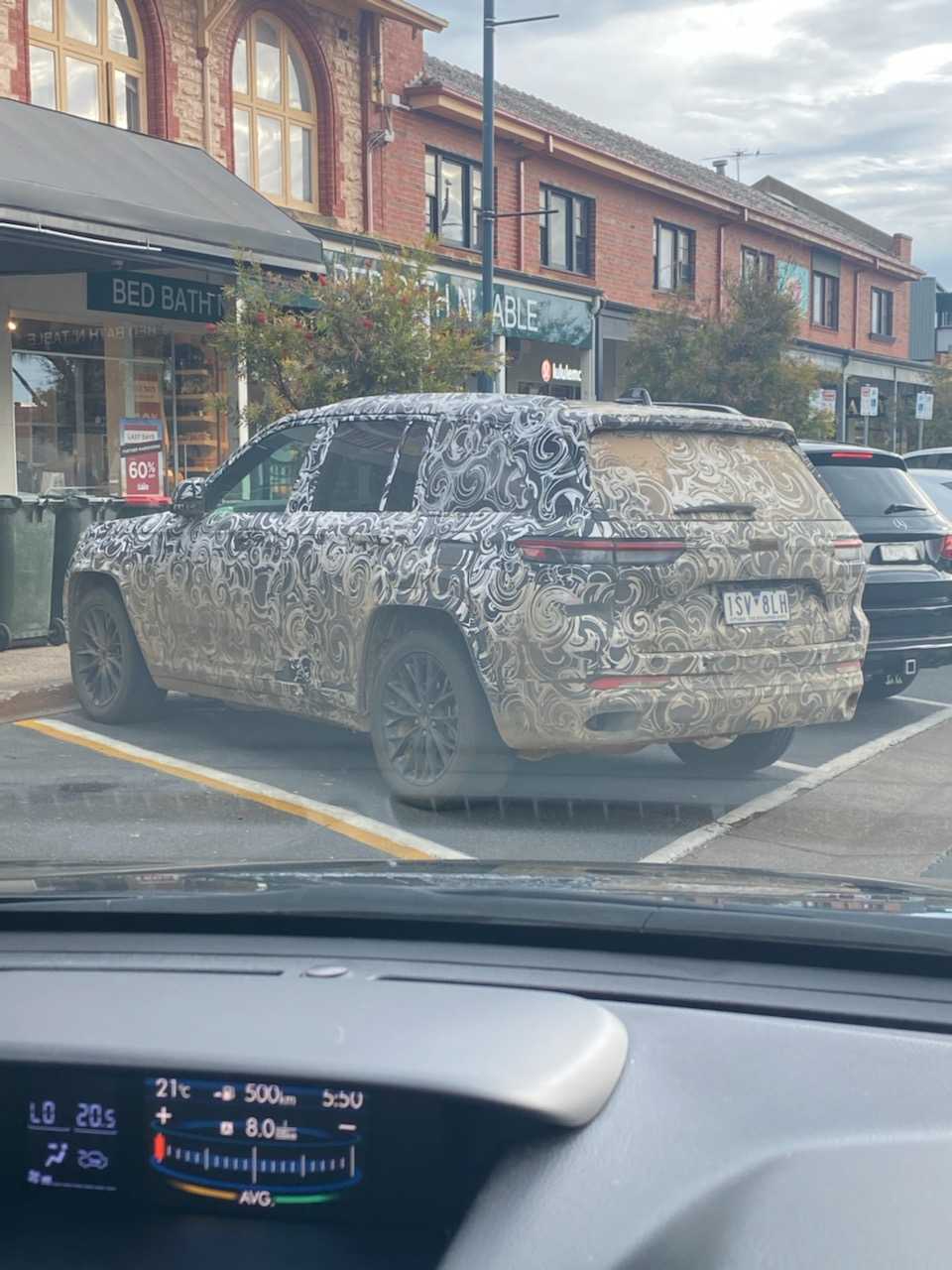
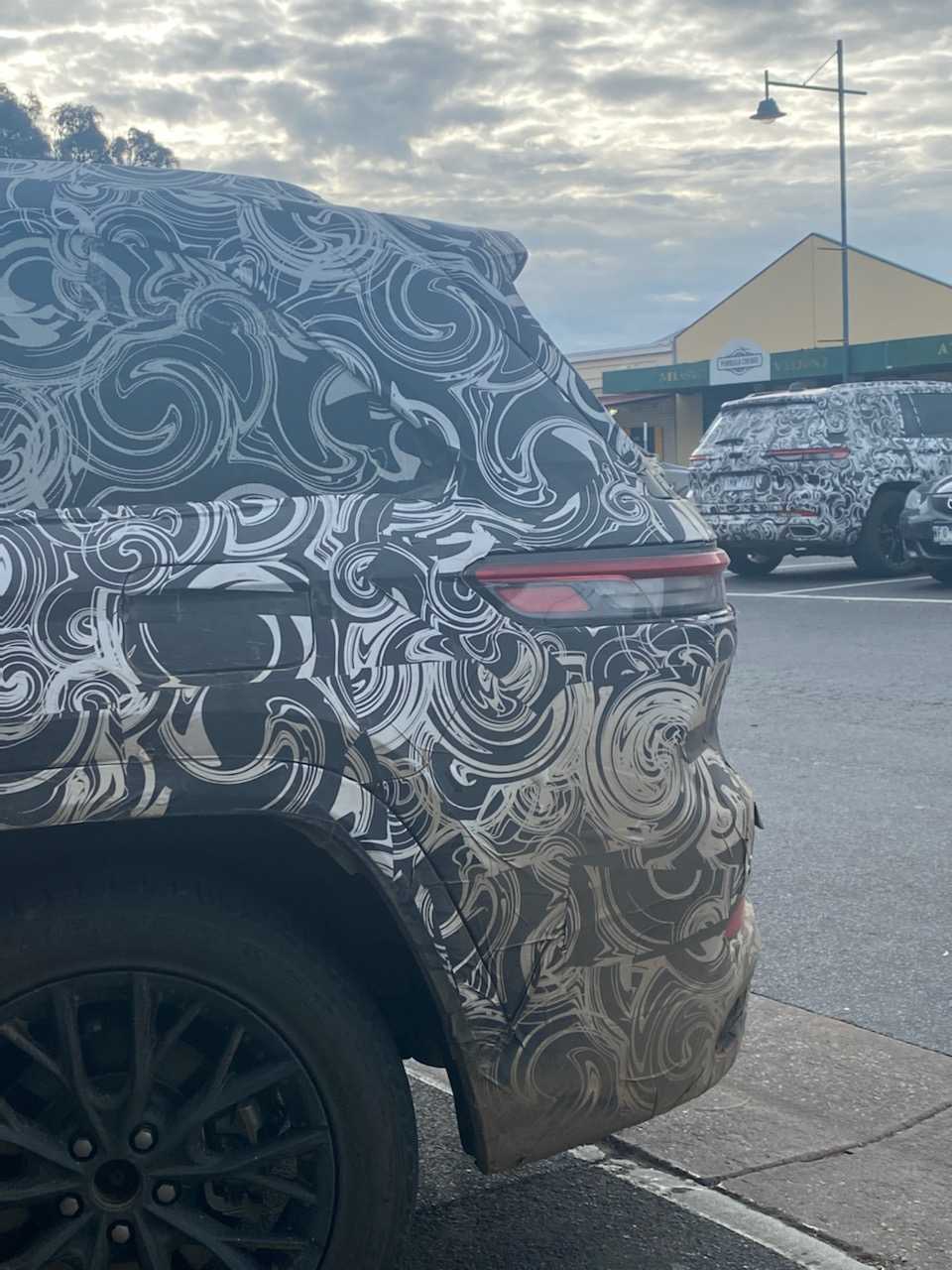
To speculate, the pictures put this pair within range of the Lang Lang proving ground, which has been open to development work from other manufacturers since GM sold the site to Vinfast.
Either way, given we know what the next Grand Cherokee looks like under those clothes, our spy pics build anticipation to learn how the popular SUV drives – with only these details and the video down below to guide us for now.
THE STORY SO FAR…
August 25: A camouflaged prototype of the new Jeep Grand Cherokee has been spied in Melbourne, with video capturing the large SUV undergoing local testing as it readies for a global launch this year.
Wheels caught the right-hand-drive prototype leaving a vehicle facility near Melbourne’s airport. It was bearing a heavy layer of dirt on its short-wheelbase body, presumably from tackling unsealed roads.
We’ve contacted Stellantis for specific details on the sighting, but official details on the new generation Grand Cherokee will be announced in the coming weeks in lieu of the New York Motor Show – which was cancelled due to COVID-19.
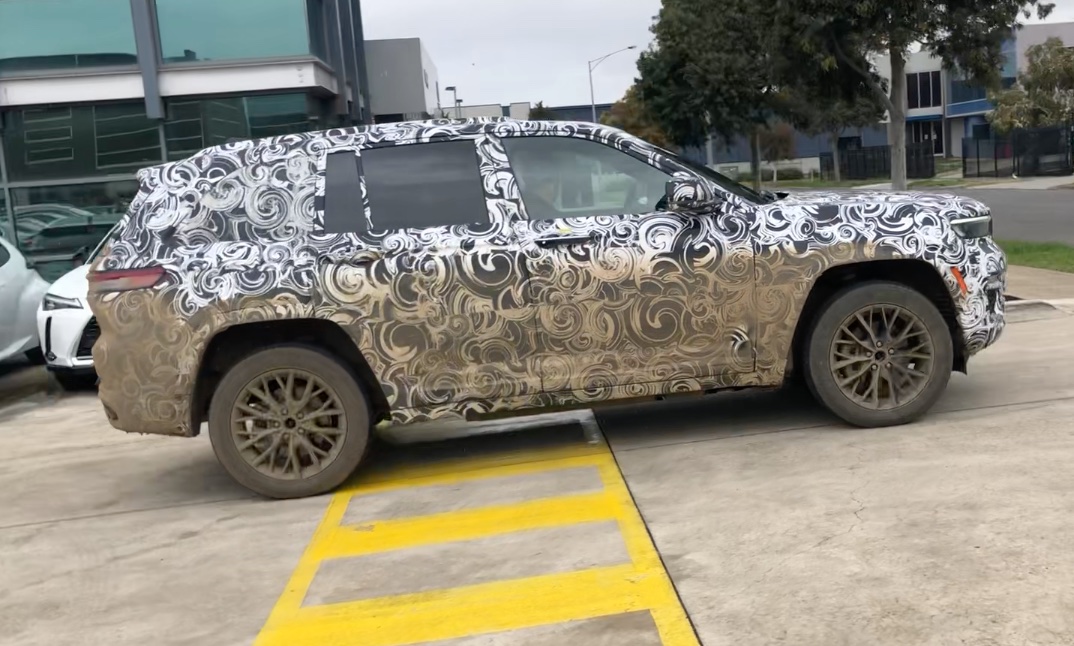
Although we have already seen the new five-seat Grand Cherokee unmasked after Jeep released pictures of the newly created hybrid variant, known as the 4xe, it’s surprising that we’re only just now catching the prototype in the wild.
Jeep has boasted the new Grand Cherokee – which is based on a platform shared with the Alfa Romeo Stelvio – has undergone testing at extreme locations all over the world.
Earlier this year, global president Christian Meunier told WhichCar the local testing was being used to investigate the Grand Cherokee’s suitability for towing – admitting that this capability will be crucial in cracking the Australian market.
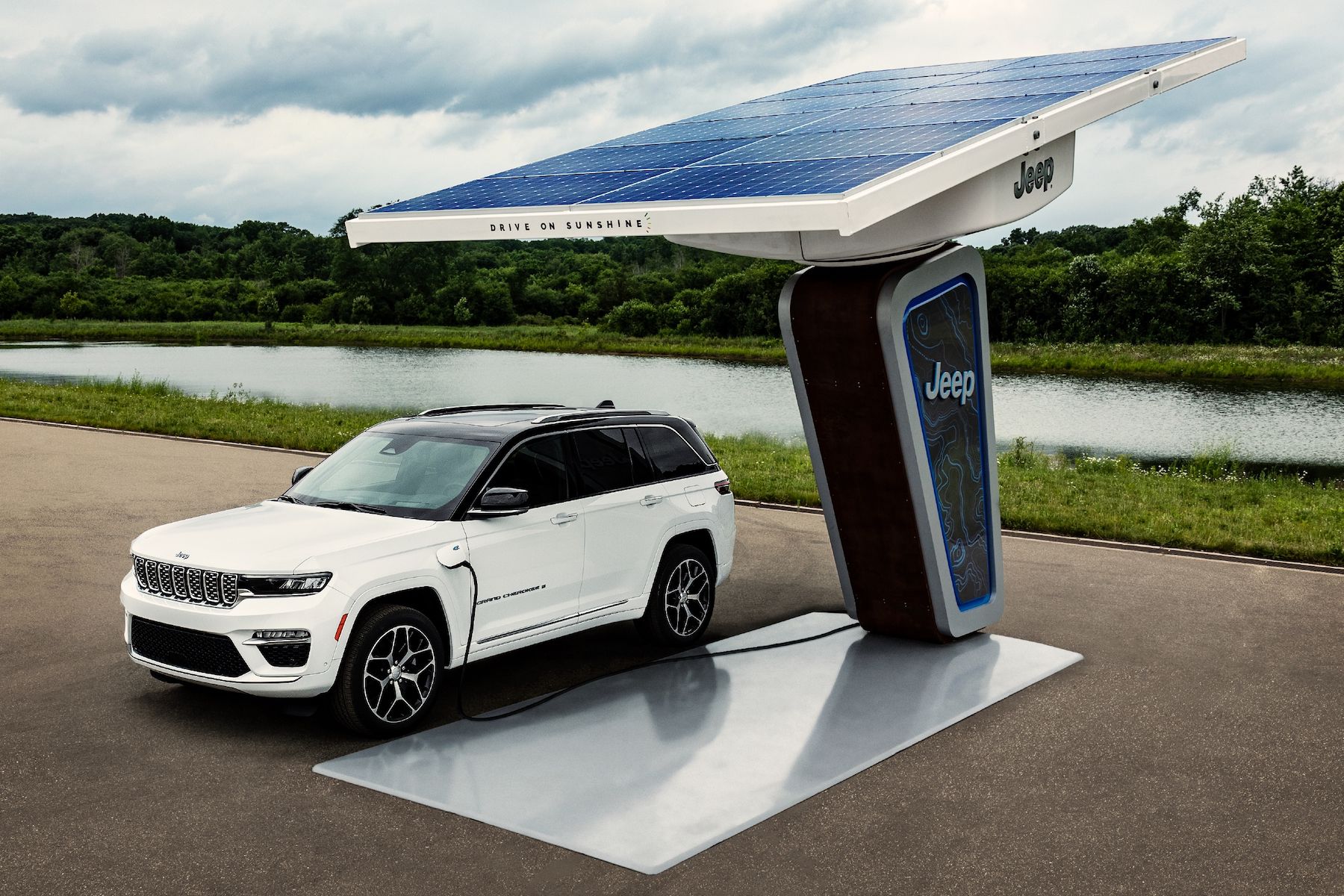
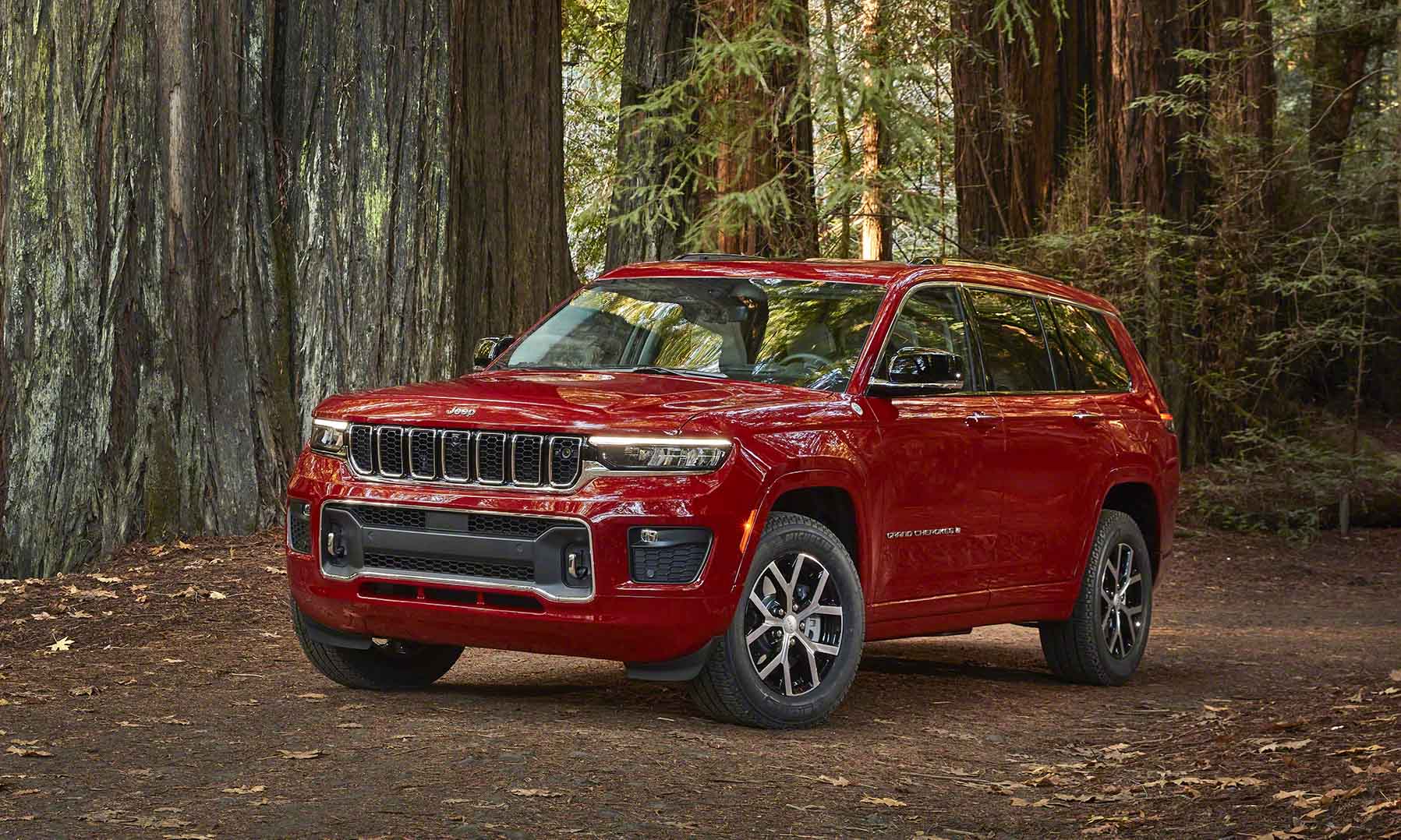
The Grand Cherokee’s seven-seat long-wheelbase twin, the L, has already been launched in America with a 3200kg towing rating. The L will launch in Australia around the fourth quarter of this year, lockdown permitting. Globally, it’s sold with a pair of engines including a 5.7-litre Hemi V8 and 3.6-litre V6. Diesel power has been dropped for this generation.
Rumours posit the new Grand Cherokee could possibly debut a Jeep-developed inline-six with 48-volt mild-hybrid assistance. Still, we’ll have to wait for Jeep to announce official details on the fifth-generation Grand Cherokee to be sure. Not long now.
Our video at least offers an early sound bite on the prototype’s powertrain from the outside. As it gets moving, its noisy idle evolves into a hollow-sounding, low-speed exhaust note – suggesting this is not the 5.7-litre V8.
What do you think it’s packing? Have a watch and let us know in the comments below.
https://www.instagram.com/p/CS_LuwQBy7a/
Snapshot
- Ford to spend an extra $1.173bn on F-150 Lightning production
- Production targets up from 40,000 to 80,000 by 2025
- Second-generation Lightning could exceed 160,000 units a year
Ford’s new all-electric F-150 Lightning has become a hit before it even reaches showrooms, with Dearborn insiders claiming the new truck’s production is to be doubled.
In an interview with Reuters, a number of unnamed figures within the F-150 Lightning’s production supply chain said Ford had doubled its targets from 40,000 by 2024 to 80,000 – calling for an extra US$850million (AU$1.173bn) investment from the second-largest manufacturer in the United States.
With the first-generation F-150 Lightning set to launch next year, Ford’s adjusted target is still half of its annual production aims for the second-generation F-150 Lightning, going into production from 2025 on a new EV platform.
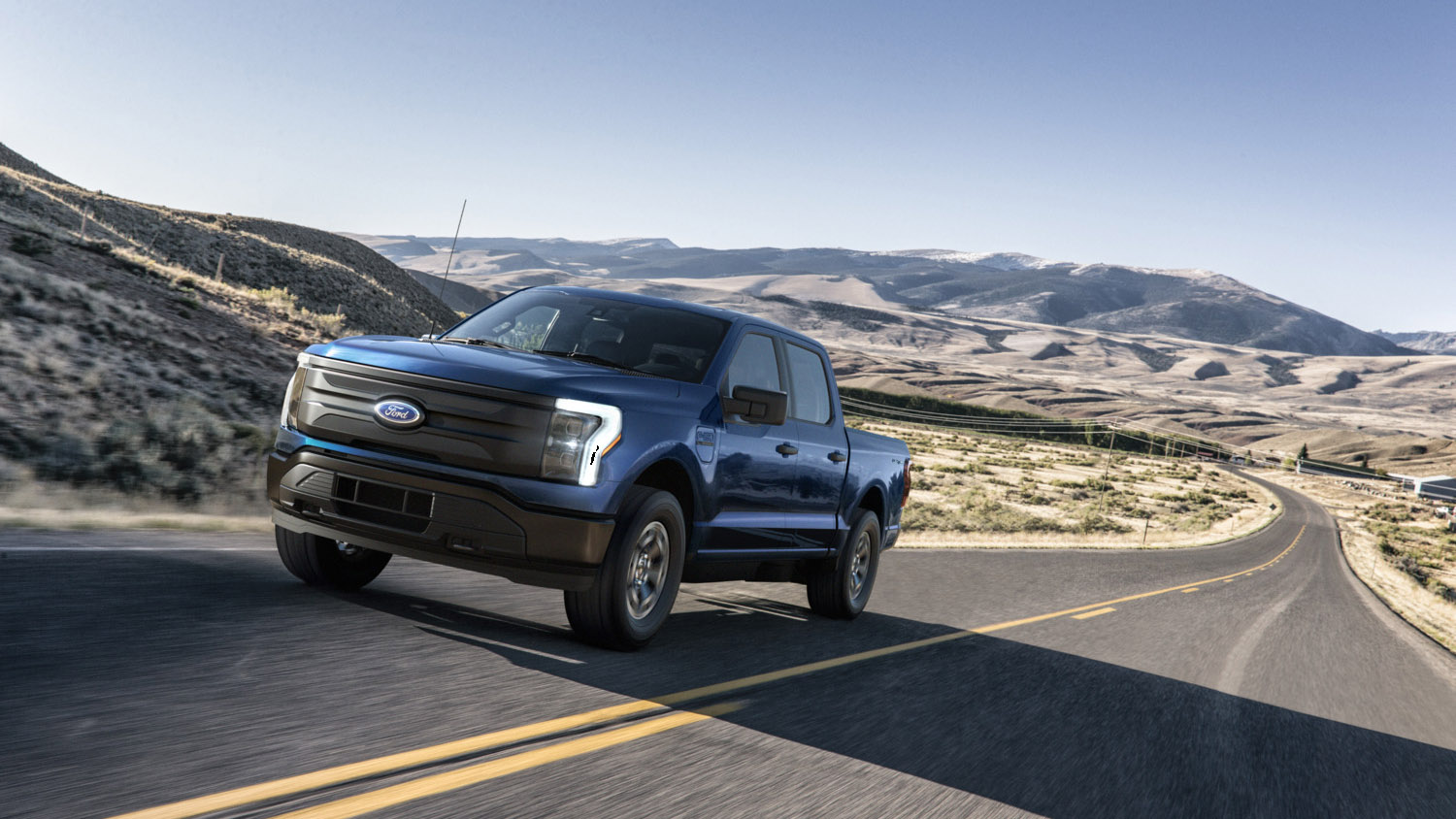
In a statement to Reuters, Ford said the adjusted 80,000 figure was still lower than its customer reservations for the EV pick-up.
“We are excited with customer demand for the F-150 Lightning and already have 120,000 customer reservations, and we will continue to look for ways to break constraints and meet customer demand,” Ford said.
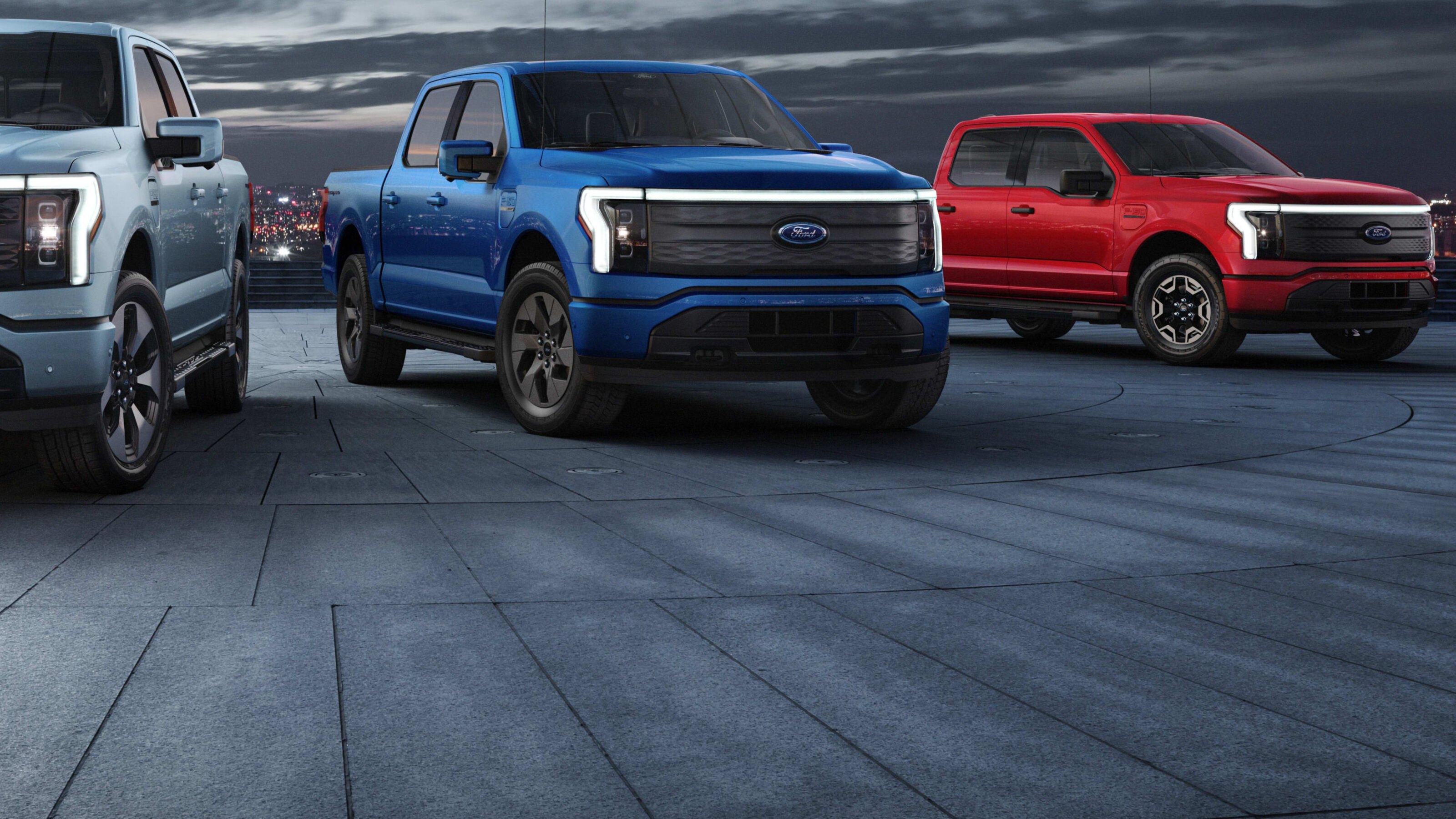
The additional funds are a drop in the ocean compared to Ford’s US$30bn (AU$38.6bn) investment in electric and autonomous vehicles by 2025, up from an initial commitment of US$22bn (AU$30bn) at the start of 2021.
Independent of the United States Government – which is pushing for US manufacturers to produce 40 per cent EVs by 2030 – Ford has already predicted fully-electric vehicles will account for around 40 per cent of sales by the same time, with the F-150 Lightning likely to account for a significant share.
Despite an overall drop in vehicle sales last year globally, the internal combustion engine powered F-150 sold in excess of 787,000 units, remaining as the best-selling truck in America for the 44th year running.
Snapshot
- New entry-level model joins range
- Price drops to $124,300
- EQC proving a strong seller, relatively speaking
Australian pricing has been announced today for the updated 2022 Mercedes-Benz EQC, now available with a choice of two models – rather than the standalone variant that launched here in 2019.
The EQC range has performed well for Mercedes-Benz in Australia, and 2021 has seen a telling increase in sales. Figures to the end of July (August numbers due early September) show the EQC at 168 sales, compared to 67 for the same period in a COVID-fouled 2020.
By comparison, Audi’s E-Tron models show 77 sales year-to-date (to end of July), while the I-Pace sits at 37 sales – down from 46 for the same period last year.
In Australia, the EQC has recently been joined by the smaller EQA electric SUV, while the more practical EQB should land here next year.
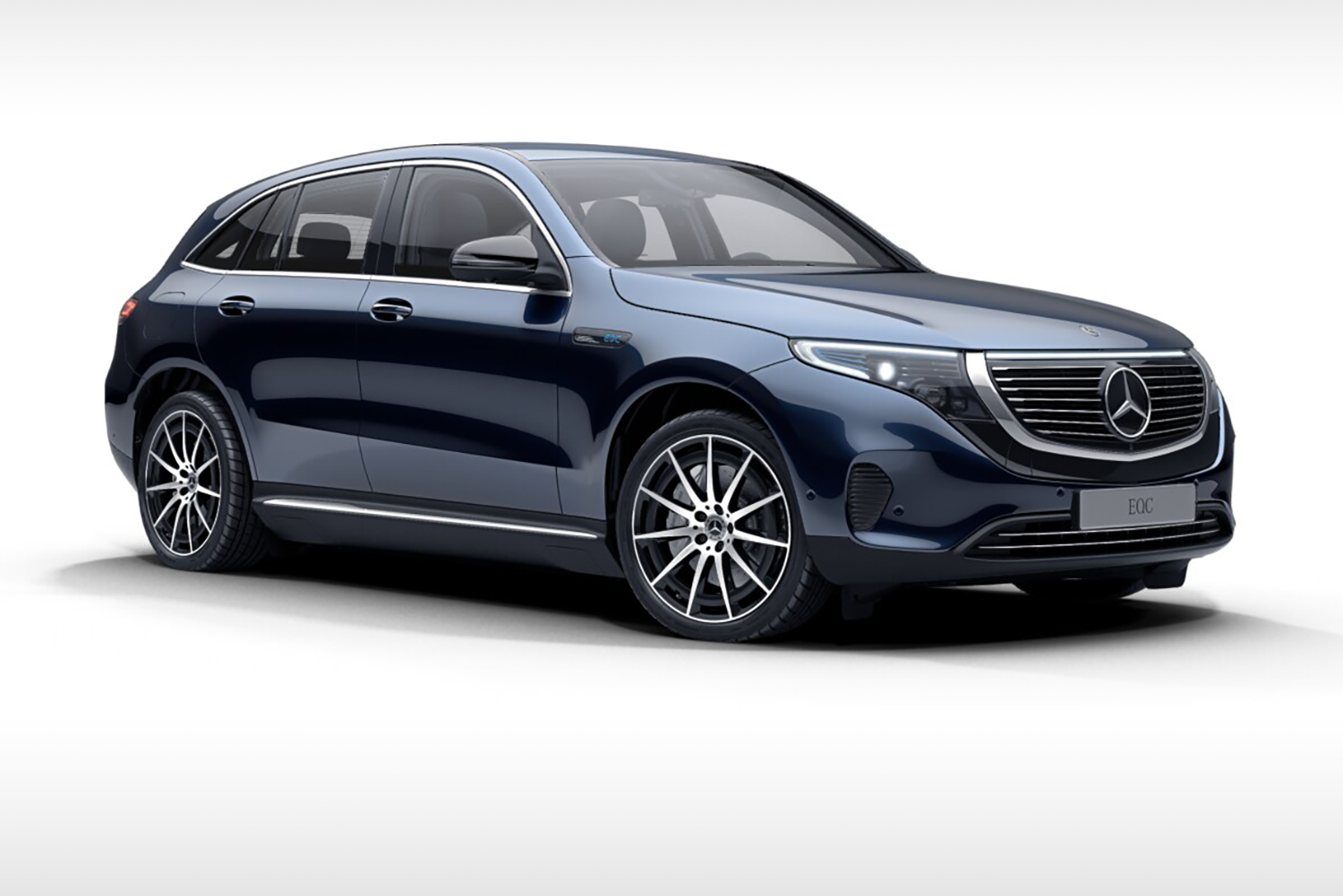
2022 EQC 400 4Matic
For the new model year, an entry-level 2022 Mercedes-Benz EQC 400 4Matic will join the existing EQC 400 4Matic Sport, allowing for a new opening price point of $124,300 before on-road costs.
That’s a marked improvement for potential buyers, with the EQC originally launching from $137,900 – and this model update sees the EQC 400 4Matic Sport climb further in price to a new $141,300.
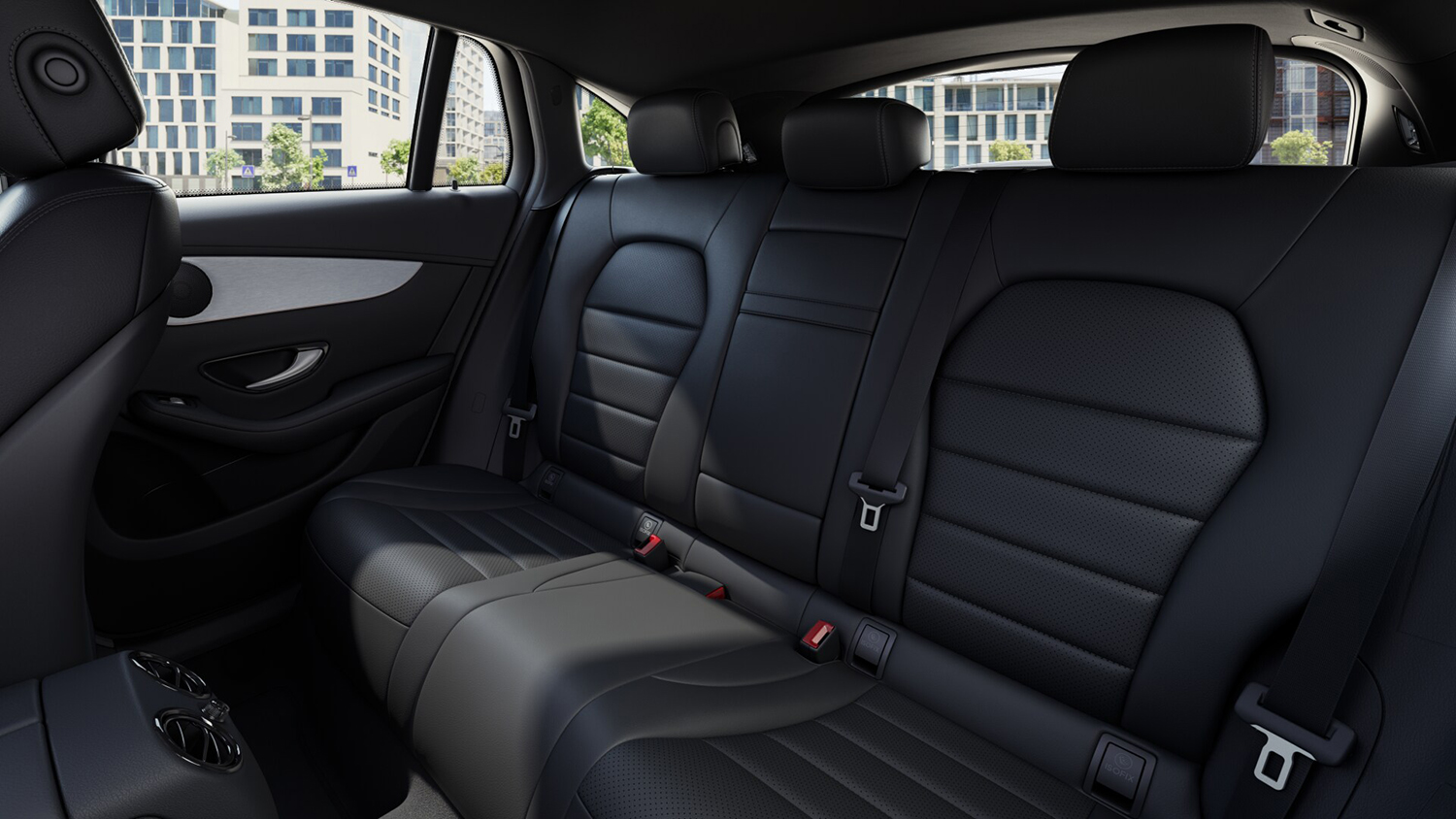
In its entry-level form, the new EQC 400 4Matic is equipped fairly generously, with the same big twin 10.25-inch infotainment displays offered previously, along with:
| electrically adjustable front seats and steering column with memory settings |
| heated front seats |
| black Artico upholstery |
| DAB+ digital radio |
| smartphone integration via Apple CarPlay and Google Android Auto |
| ambient lighting with 64 colours |
| dual-zone climate control |
| Keyless-Go access and start |
| Easy-Pack powered tailgate |
| Parking Package with Active Parking Assist and a 360-degree camera |
The EQC 400 4Matic’s safety suite remains comprehensive, featuring nine airbags, Traffic Sign Assist, the Driving Assistance Package Plus with Active Distance Distronic, Evasive Steering Assist, Active Braking Assist, Active Lane Keeping Assist, Active Blind Spot Assist and the Pre-Safe system that prepares the vehicle and occupants when a collision is anticipated.
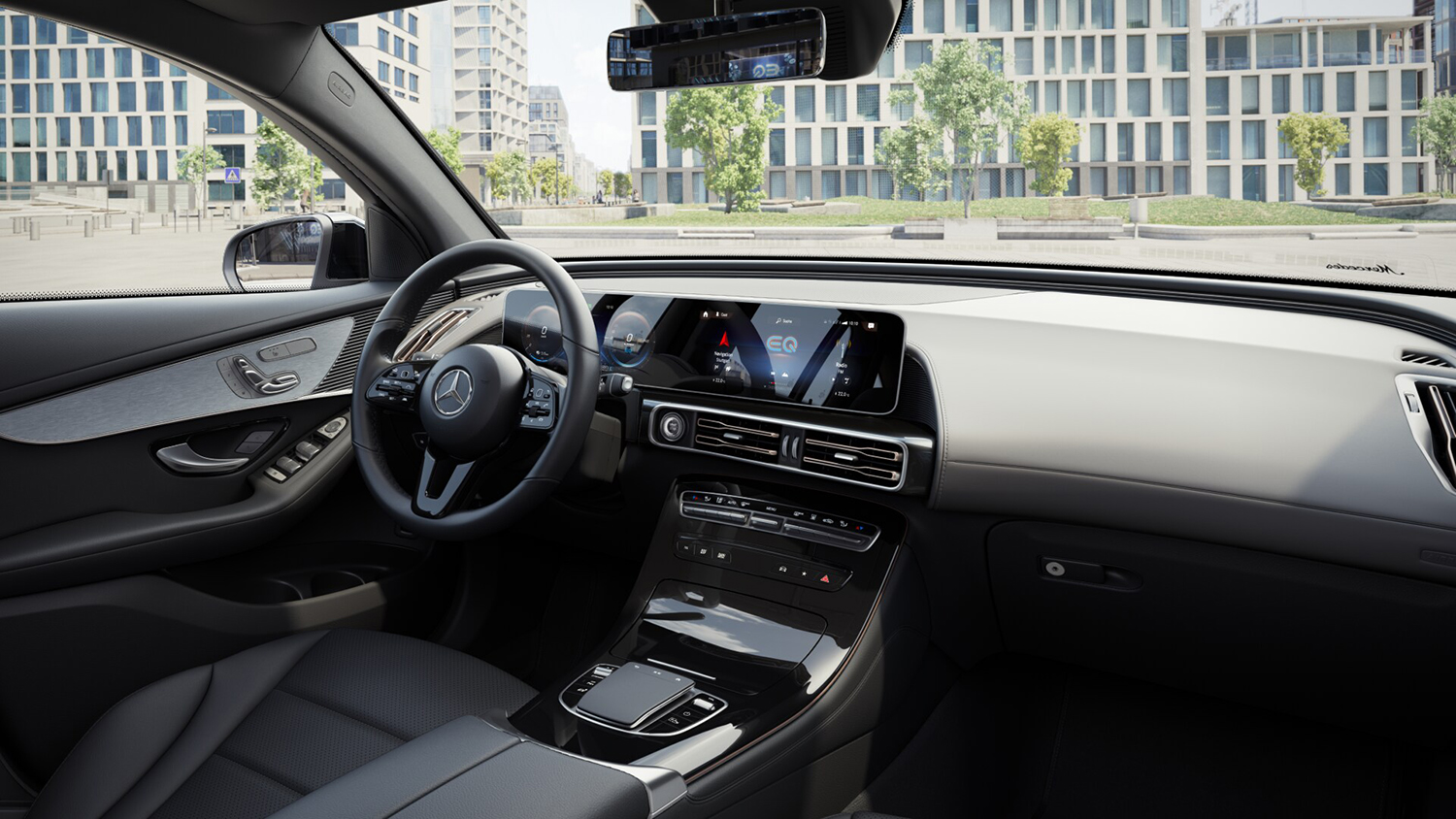
Multibeam LED headlights are standard with Adaptive Highbeam Assist, along with LED daytime-running lights and that same signature light band that reaches across the top of the grille.
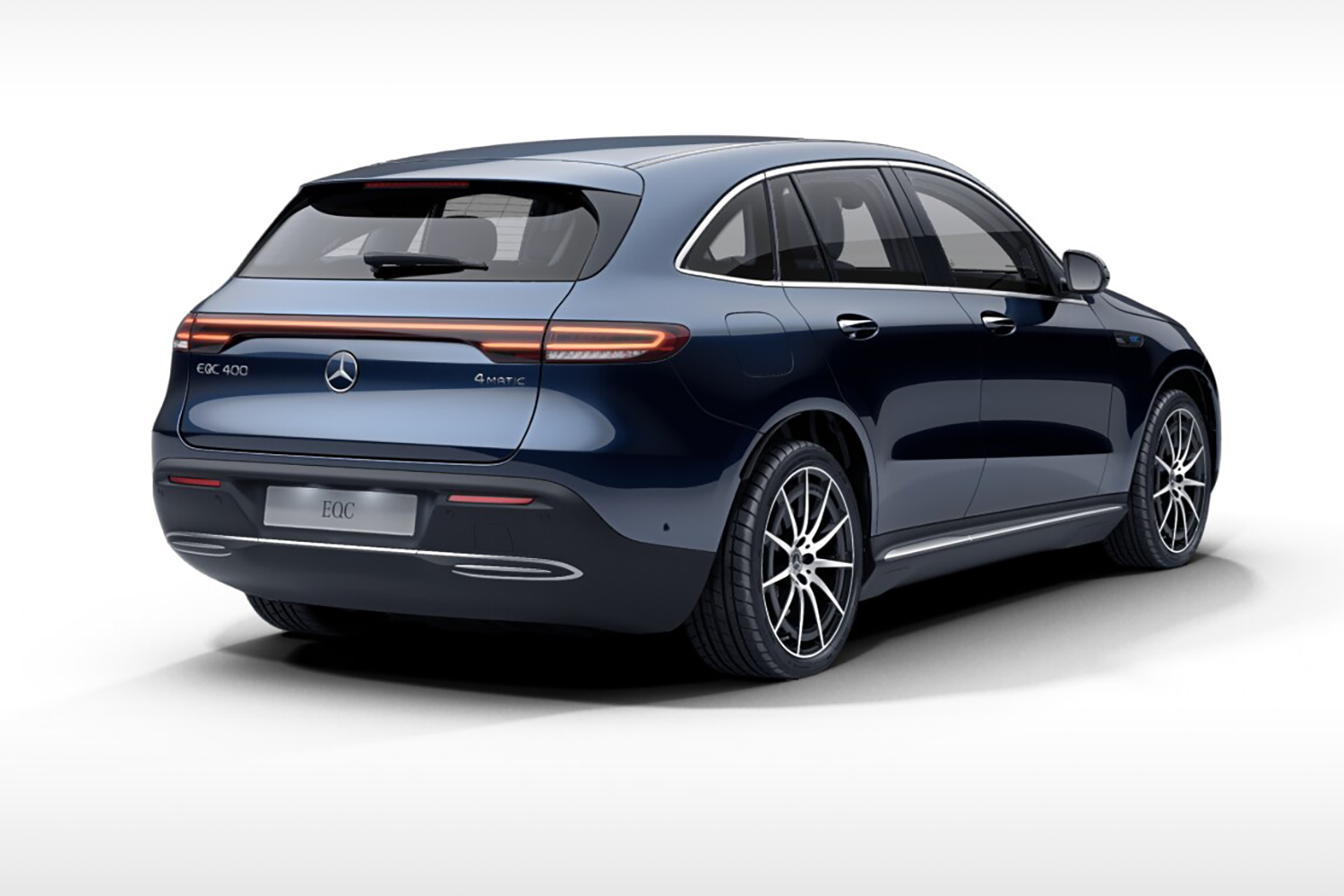
And, while it’s no longer the full Sport trim, the EQC 400 4Matic still gets big 20-inch AMG multi-spoke alloy wheels in gloss black with a high-sheen finish.
As the 400 in its name suggests, the entry-level EQC 400 4Matic still gets the same 300kW, 760Nm dual-motor system that drives the 400 4Matic Sport.
Drawing energy from a big 80kWh lithium-ion battery pack, the big 2495kg EQC 400 cars both claim a 0-100km/h time of 5.1 seconds while boasting an ADR-approved claimed driving range of 430 kilometres from one charge. On the WLTP standard, the EQC 400’s range is listed at 417km – but, depending on climate, driving style and commute needs, these figures can vary like any conventional vehicle.
(By comparison, the Audi E-Tron range opens with the $137,700 E-Tron 50, which gets a 71kWh battery pack and outputs of 230kW/540Nm, a claimed 300km driving range, and all-wheel drive. The $146,700 E-Tron 55 leaps to a 95kWh battery pack, 300kW/664Nm, and 400km range. See our pricing story here.)
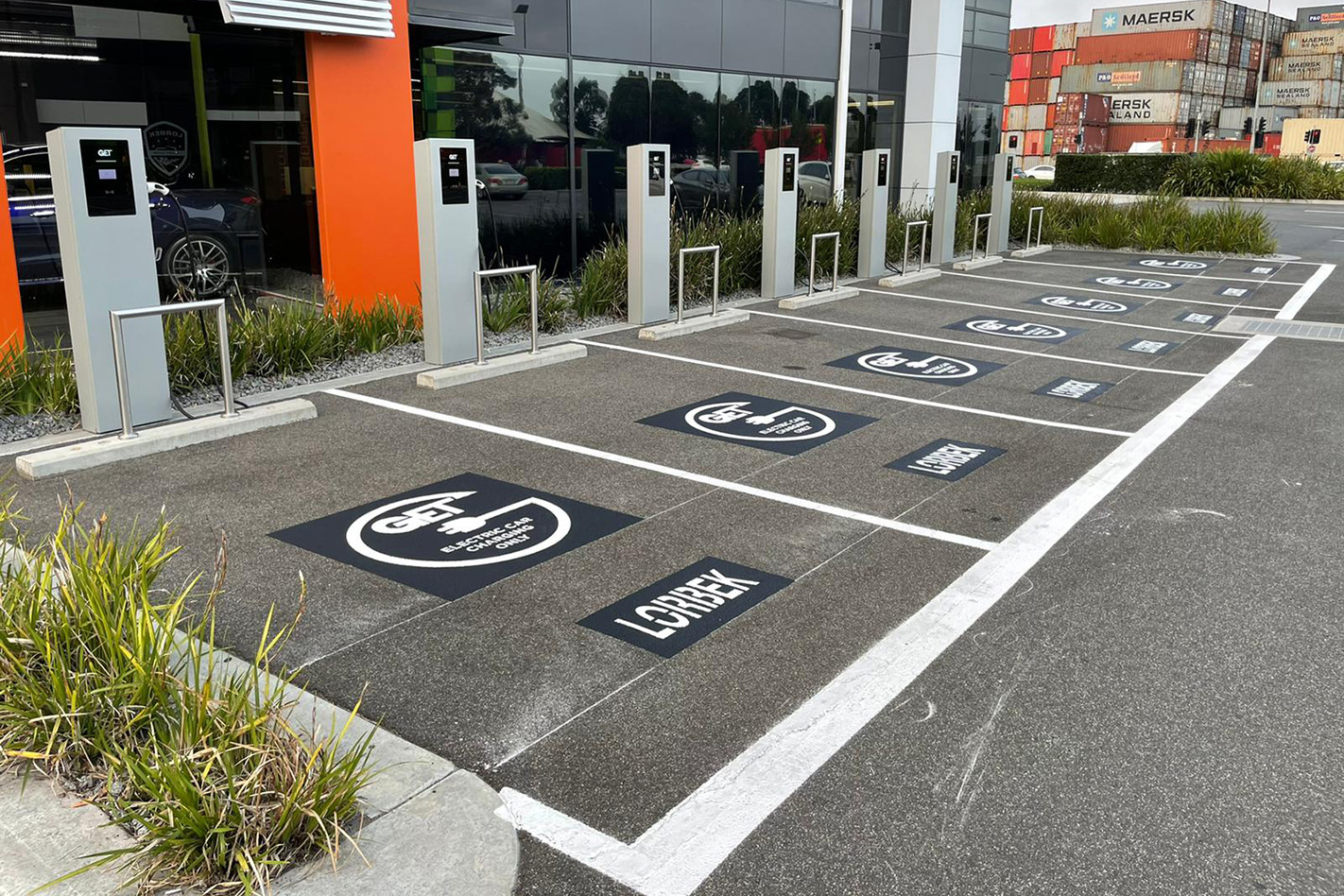
Both EQC variants come with a five-year unlimited subscription to the Chargefox charging network. The EQC can charge at up to 110kW through a DC connection, and 11kW via standard AC.
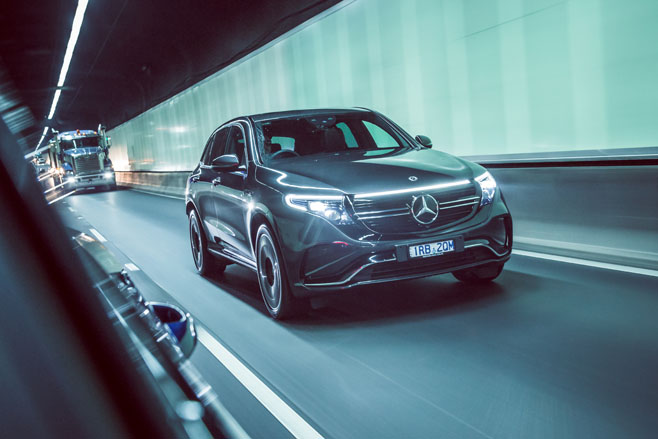
EQC 400 4Matic Sport
Note: Existing model pictured, snapped for previous Wheels stories
Buyers looking for a little more flair in the range can still opt for the EQC 400 4Matic Sport, previously the only variant available.
Along with all of the specifications listed above, the Sport gets AMG Line exterior styling, which adds a Black Panel twin-blade grille design, a front apron with “jet-wing” design and Air Curtains, and a bigger rear apron with integrated diffuser.
Inside, there’s the sports-style steering wheel trimmed in Nappa leather, and AMG floor mats. A glass sunroof and dark privacy glass at the rear windows are also featured.
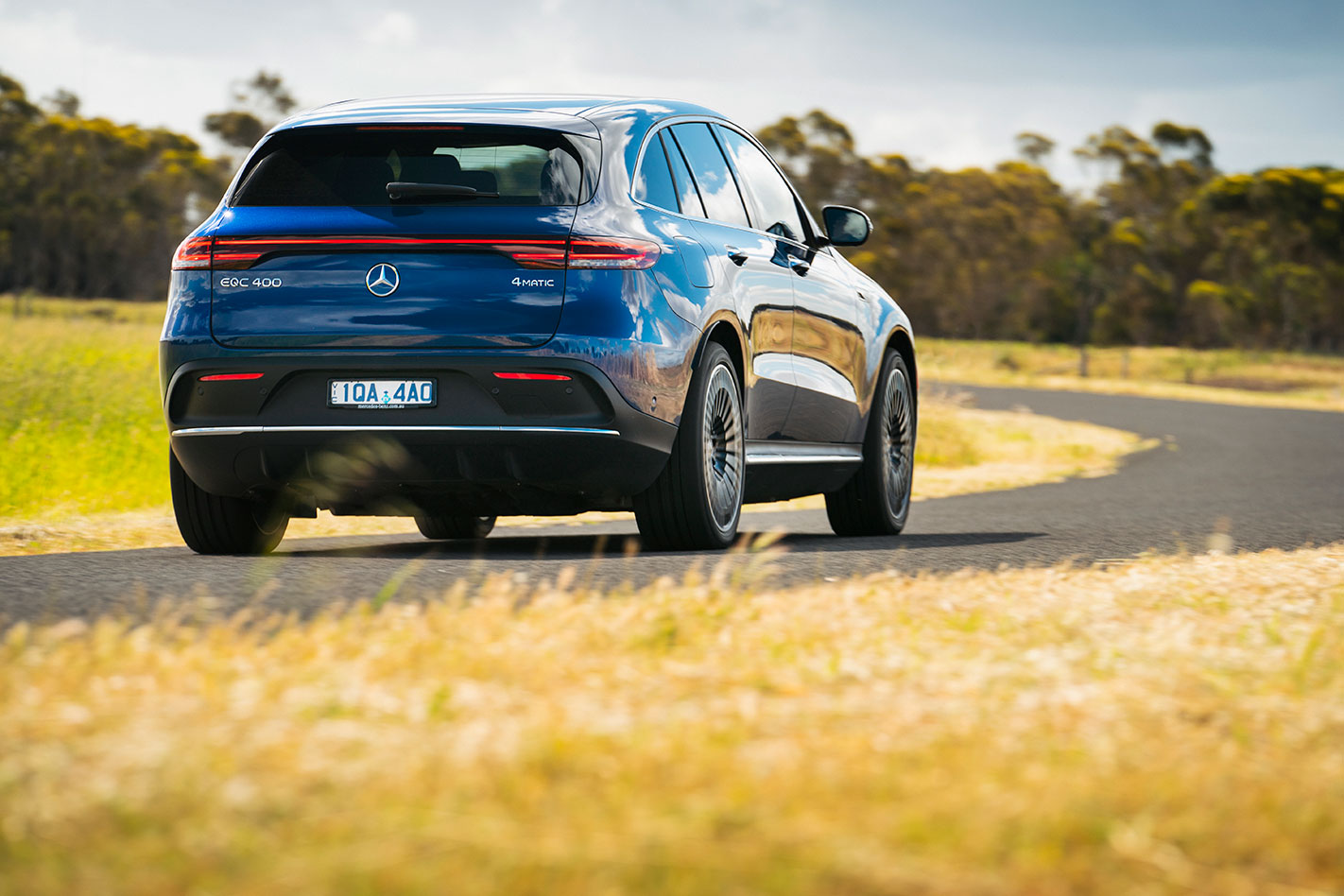
AMG leather seats and an Artico-trimmed dashboard also star in the Sport, along with a head-up display and 21-inch AMG Multi-spoke alloy wheels.
The range is rounded out with the addition of two new paint colours: Spectral Blue and Opalite White Bright.
2022 Mercedes-Benz EQC 400 pricing for Australia
| 2022 Mercedes-Benz EQC 400 4Matic | $ 124,300 |
| 2022 Mercedes-Benz EQC 400 4Matic | $ 141,300 |
Prices exclude on-road costs
Snapshot
- Payments will be honoured once Parliament can resume and pass Bill
- $3000 towards cost and refund on stamp duty
- Costs will be backdated to September 1 which was original start date for scheme
New South Wales has pledged it will ensure incentives on new electric vehicles purchased in the state will be backdated once the legislation is passed through its Parliament.
Due to the current COVID-19 outbreak, the NSW Parliament has not been able to sit – meaning the Electric Vehicles (Revenue Arrangements) Bill 2021, has been delayed.
Earlier this year NSW announced a $490 million Electric Vehicle Strategy, with new EV buyers able to claim rebates worth $3000 and refunds on stamp duty from September 1 this year.
NSW Treasurer Dominic Perrottet, Transport and Roads Minister Andrew Constance, and Energy and Environment Minister Matt Kean, announced on Wednesday the support measures will be backdated – so long as Parliament passes the legislation.
“The NSW Government remains fully committed to the Electric Vehicle Strategy and delivering on what we promised for this emerging industry,” Mr Perrottet said.
“We will keep to our September 1 go-live date, however, it is important both the industry and those considering purchasing an EV understand the availability of incentives is contingent on the Electric Vehicles (Revenue Arrangements) Bill 2021 passing Parliament.”
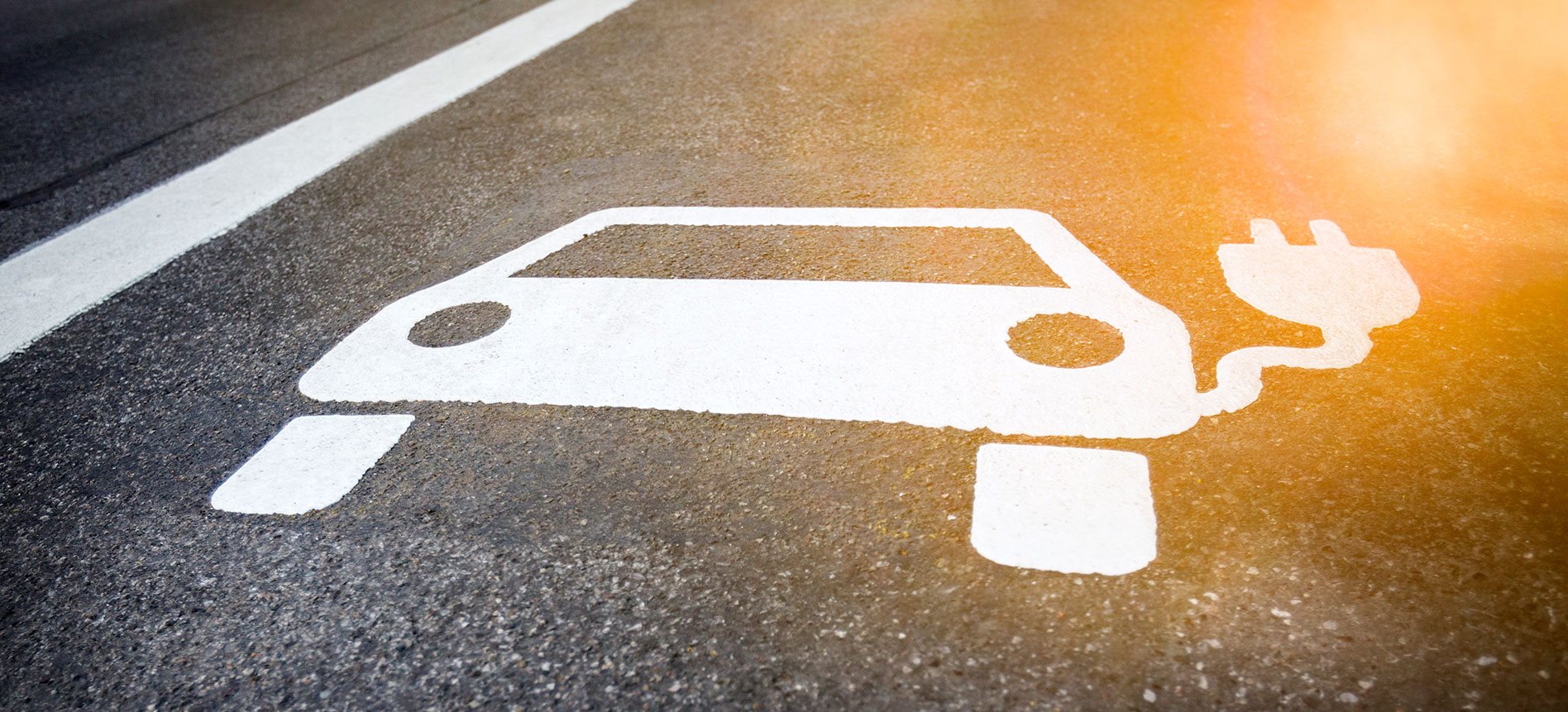
“It’s incumbent upon all political parties to get behind this Bill and this industry.”
If legislation passes, retrospectively from September 1, 2021, EV purchasers will be able to apply for a refund for stamp duty on battery and hydrogen fuel-cell vehicles priced up to $78,000 and a rebate of $3000 for the first 25,000 eligible EVs under $68,750.
“Electric vehicles are the way of the future and that’s why we need to reduce the barriers and create the right market conditions to ensure we are not left at the back of the starting grid,” Mr Constance said.
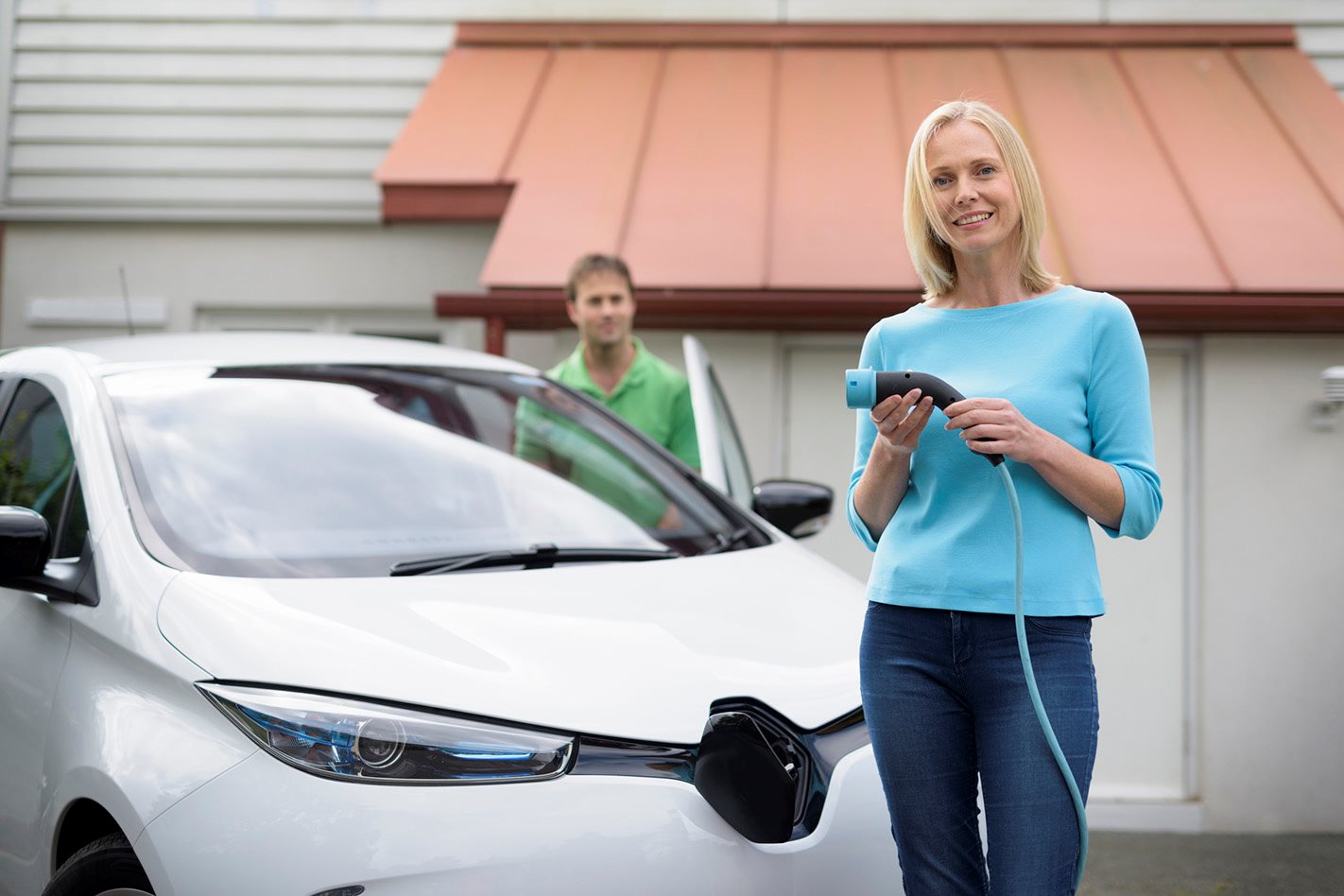
“This package not only reduces the costs of purchasing an electric vehicle, but also boosts competition and signals to the market NSW is ready for a greater number of new models.”
Mr Kean said the NSW EV Strategy is fundamental to NSW achieving Net Zero Emissions by 2050.
“For that reason, we have applied retrospectivity to our policy, to ensure the market is not held up due to the COVID-19 pandemic.”
The decision to backdate the incentive payments has been praised by the Federal Chamber of Automotive Industries (FCAI).
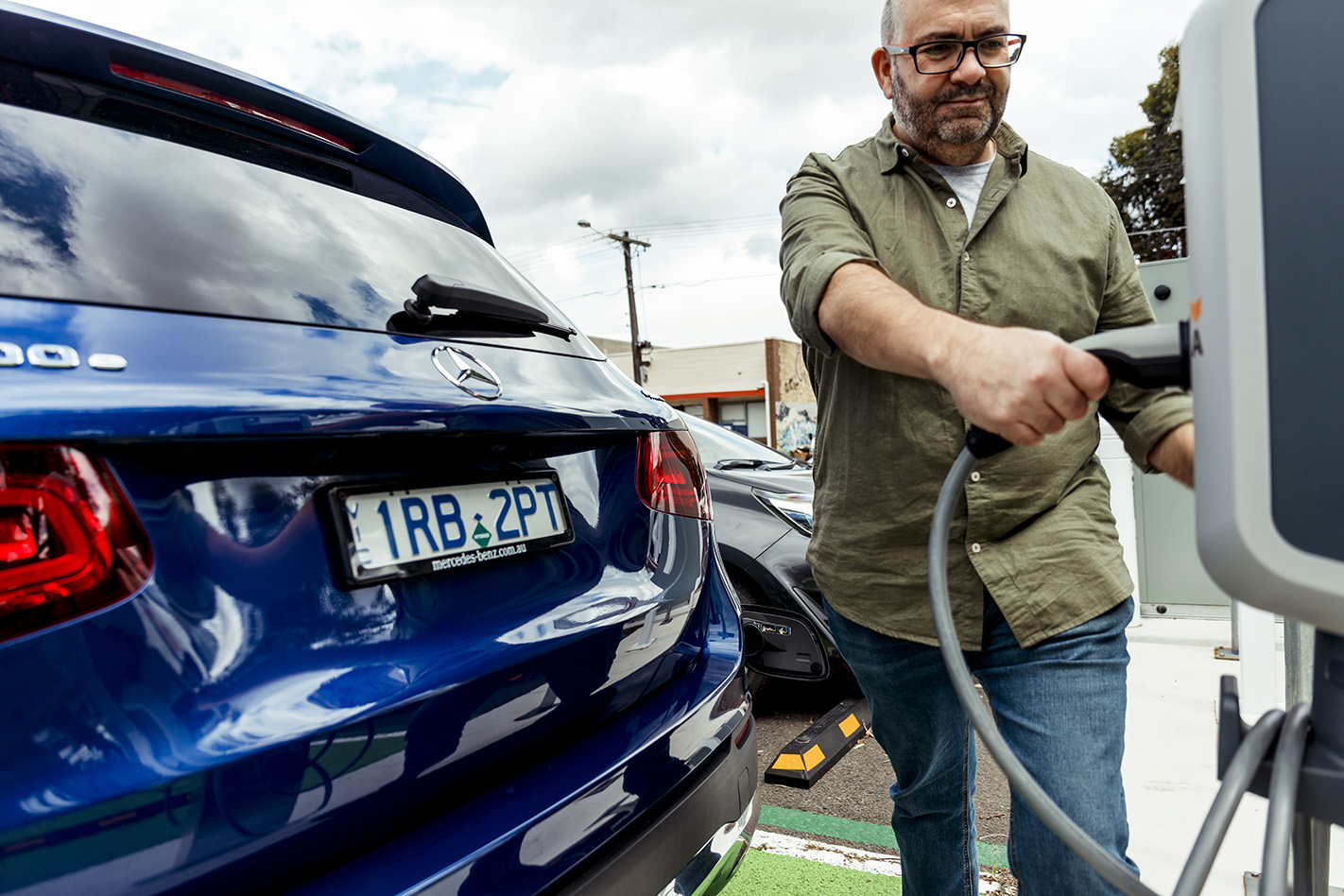
“This announcement gives certainty that rebate claims worth $3000 and stamp duty refunds will be able to be accessed retrospectively from September 1, 2021, providing the NSW Parliament passes the legislation in its entirety,” Chief Executive Tony Weber said.
“I’d like to thank members of the Government for working with us on this. The NSW Government EV Strategy has the potential to deliver a financial reform and automotive incentive package that sets the precedent for other governments to follow in its drive to increase electric vehicle uptake.”
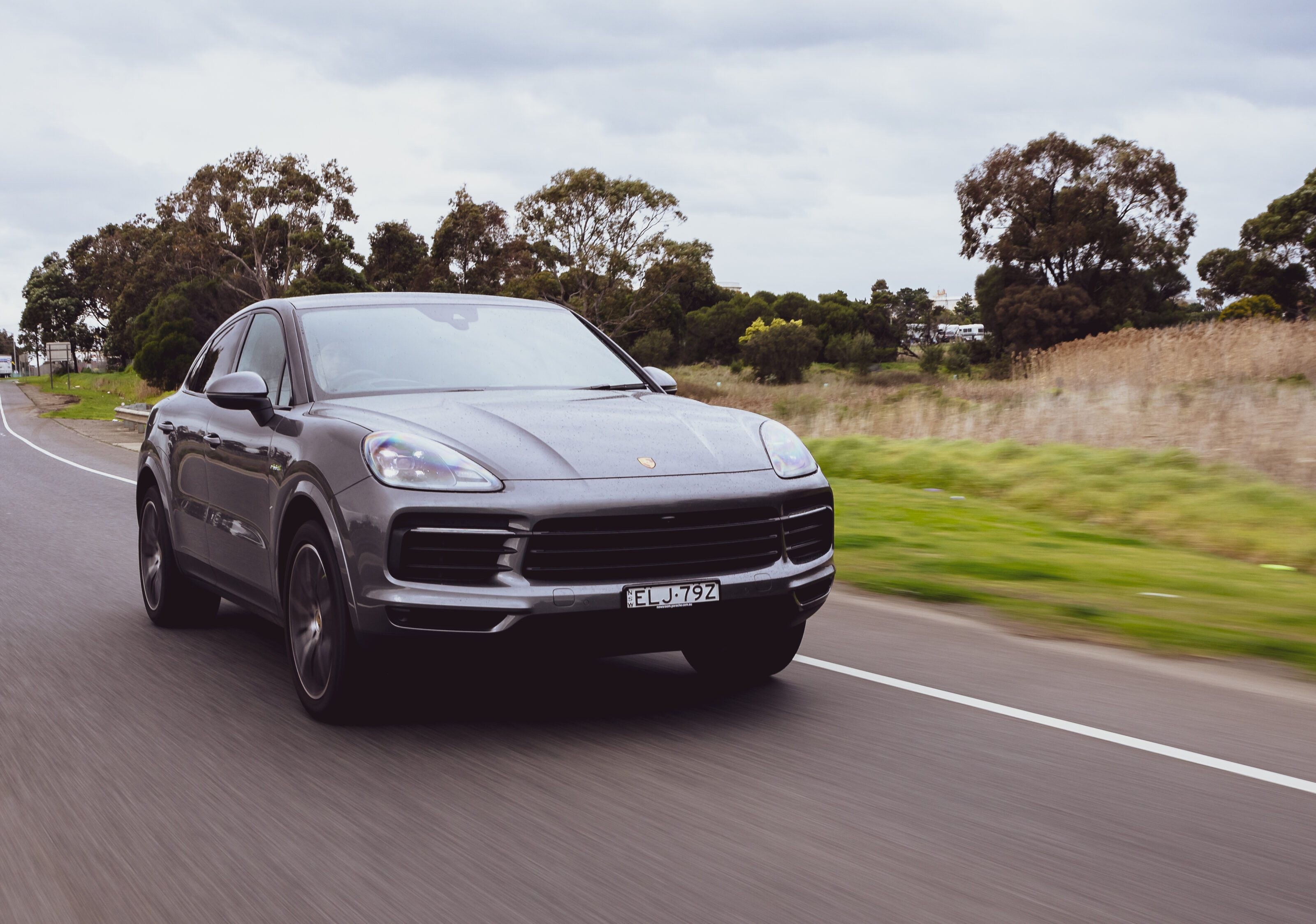
I had an interesting encounter with my neighbour yesterday. We’ve shared a fence for five years and have hardly said a word, but that changed when he saw me parking up this Quartzite Grey Porsche Cayenne Coupe e-hybrid.
“Oh is that the hybrid?” he gushed before answering his own question by running a hand over the green e-hybrid on the side. “They’ve just increased the size of the battery haven’t they? 50km of EV range now…And it’s the Coupe. Cool!”
I’ll admit I was surprised, both by his knowledge of hybrids and his passion for the Cayenne Coupe. It’s easy to paint this particular Cayenne as a niche within a niche (hybrid and a coupe bodystyle), yet globally the hybrid versions of Porsche’s large SUV hold great significance.
Hybrid power has totally replaced diesel in the Cayenne line-up (sayonara to smelly hands at the fuel bowser!) and in markets with emission-based road taxes and congestion charges, they offer genuine monetary savings to go with their performance and efficiency advantages.
But the question is: should you consider the hybrid version in Australia? Or does the regular Cayenne Coupe hold more appeal, for less cash?
What’s new here?
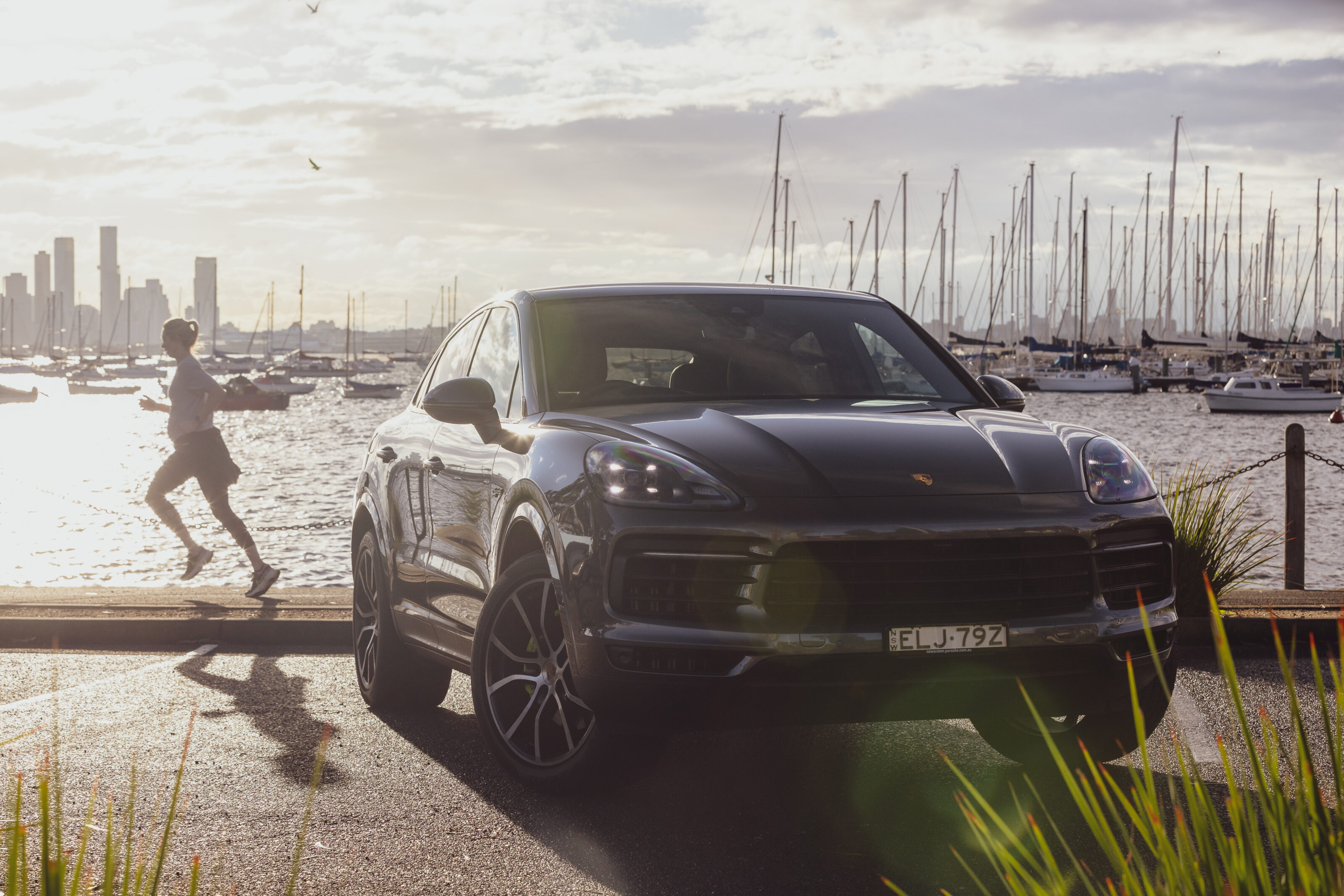
A useful amount, actually. Porsche has been something of a pioneer in Australia when it comes to offering hybrid power on large, luxo SUVs.
While its rivals from BMW, Mercedes and Audi have been slow on the draw, Porsche has sold two plug-in hybrid versions of the Cayenne wagon since 2015, in standard ‘e-hybrid’ or bonkers ‘Turbo S e-hybrid’ guises. And since then, Porsche has been busy sweetening its model range.
Hybrid versions of the Cayenne Coupe were added in late 2020 and earlier this year every electrified model benefitted from a useful battery upgrade. Capacity has leapt from 14.1kWh to 17.9, effectively boosting the all-electric range by 30 per cent to a claimed 47km for the e-hybrid and 42km for the more performance-focused Turbo S e-hybrid.
Porsche also tweaked the way the battery is charged by slowing the rate beyond 80 per cent, which should help boost battery life. Claimed economy? A smug 3.2L/100km on the combined cycle.
Capacity has leapt from 14.1kWh to 17.9, effectively boosting the all-electric range by 30 per cent to a claimed 47km. Claimed economy? A smug 3.2L/100km on the combined cycle.
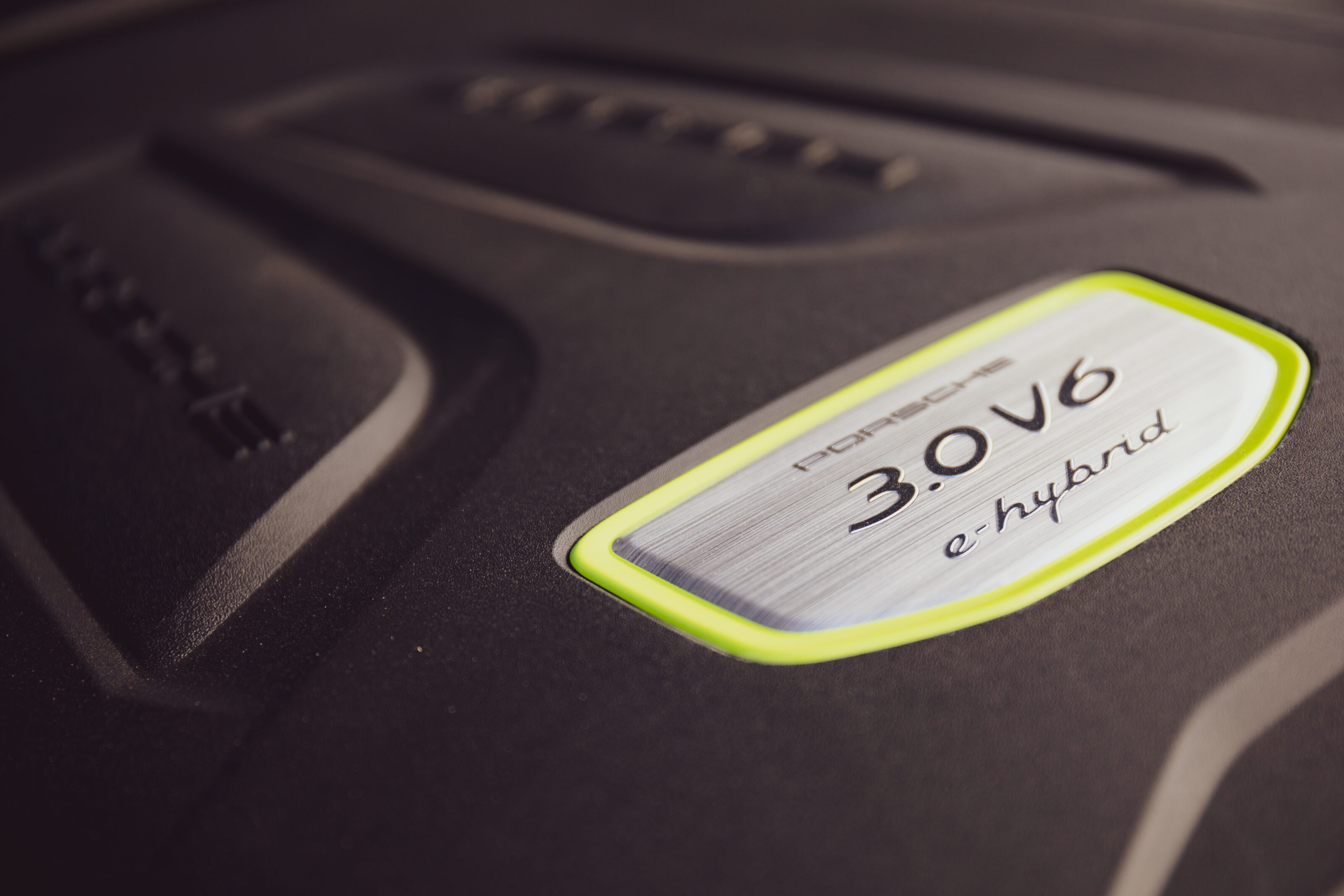
Power outputs remain unchanged despite the recent upgrade, but performance and propulsion have never been a Cayenne weakness.
At $155,800 before on-roads, opting for the e-hybrid over the entry-level petrol-powered Cayenne Coupe does bring a $15K price penalty, but the hybrid version smashes it for both power and torque.
Both cars share the same 3.0-litre turbocharged V6 that produces 250kW and 450Nm, yet the hybrid’s addition of an electric motor deep within the transmission sees total outputs swell to 340kW/700Nm.
Speed and response are impressive for such a large SUV (kerb weight is a chunky 2360kg), with Porsche claiming 5.1seconds to 100km/h and a top speed of 253km/h.
Throw in the fact that the e-hybrid makes more power and torque than the $45K more expensive Coupe GTS, and that this third-generation Cayenne has long been one of the most convincing posh SUVs for cabin comfort, performance and chassis cohesion, and the Coupe e-hybrid makes a convincing case on paper.
What’s it like inside?
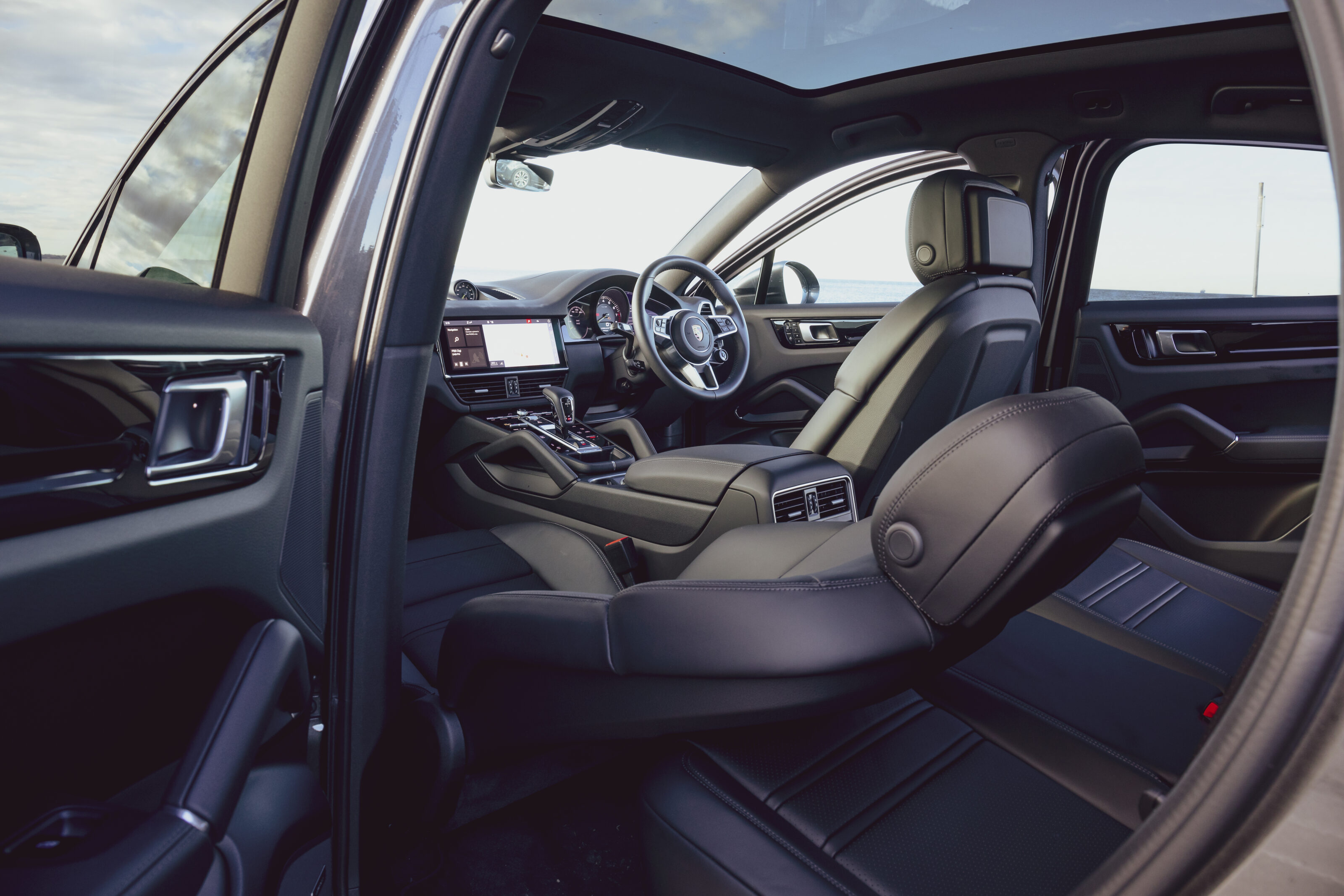
Beautifully premium, as you’d expect for a luxury SUV costing $155,000. Slip behind the perfectly sized leather steering wheel and you’re greeted by 14-way electrically adjustable leather seats that strike an ideal balance between comfort and support, swathes of digital screens in the dial pack and a large 10.25-inch central touchscreen.
Porsche always gets the fundamentals spot on and this is no different when it comes to the seating position and ergonomics.
The resolution and functionality of the infotainment system is top-shelf, and the image quality of the 360-degree reversing camera is excellent, which is useful because rear visibility is restricted by the Coupe’s sweeping roofline.
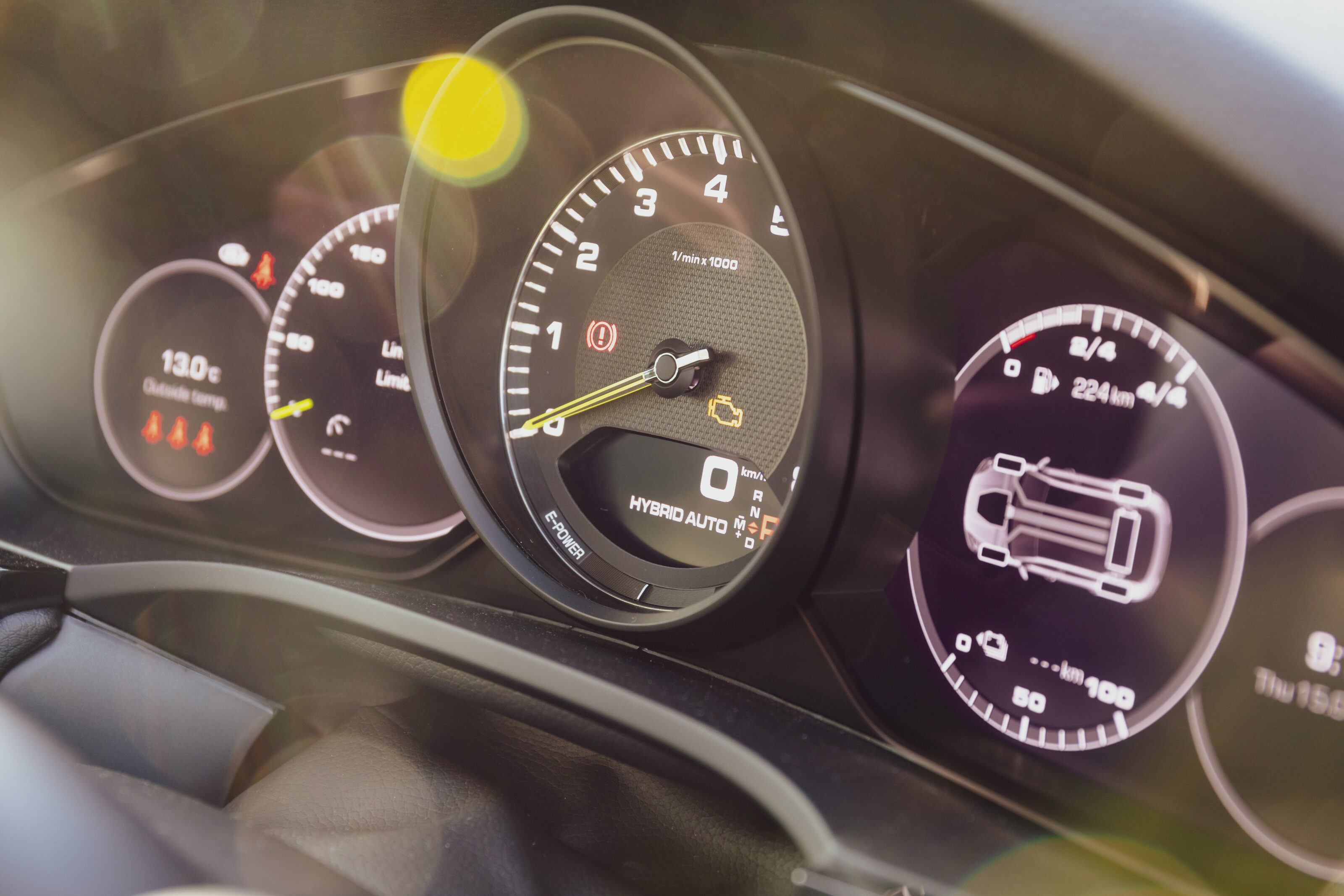
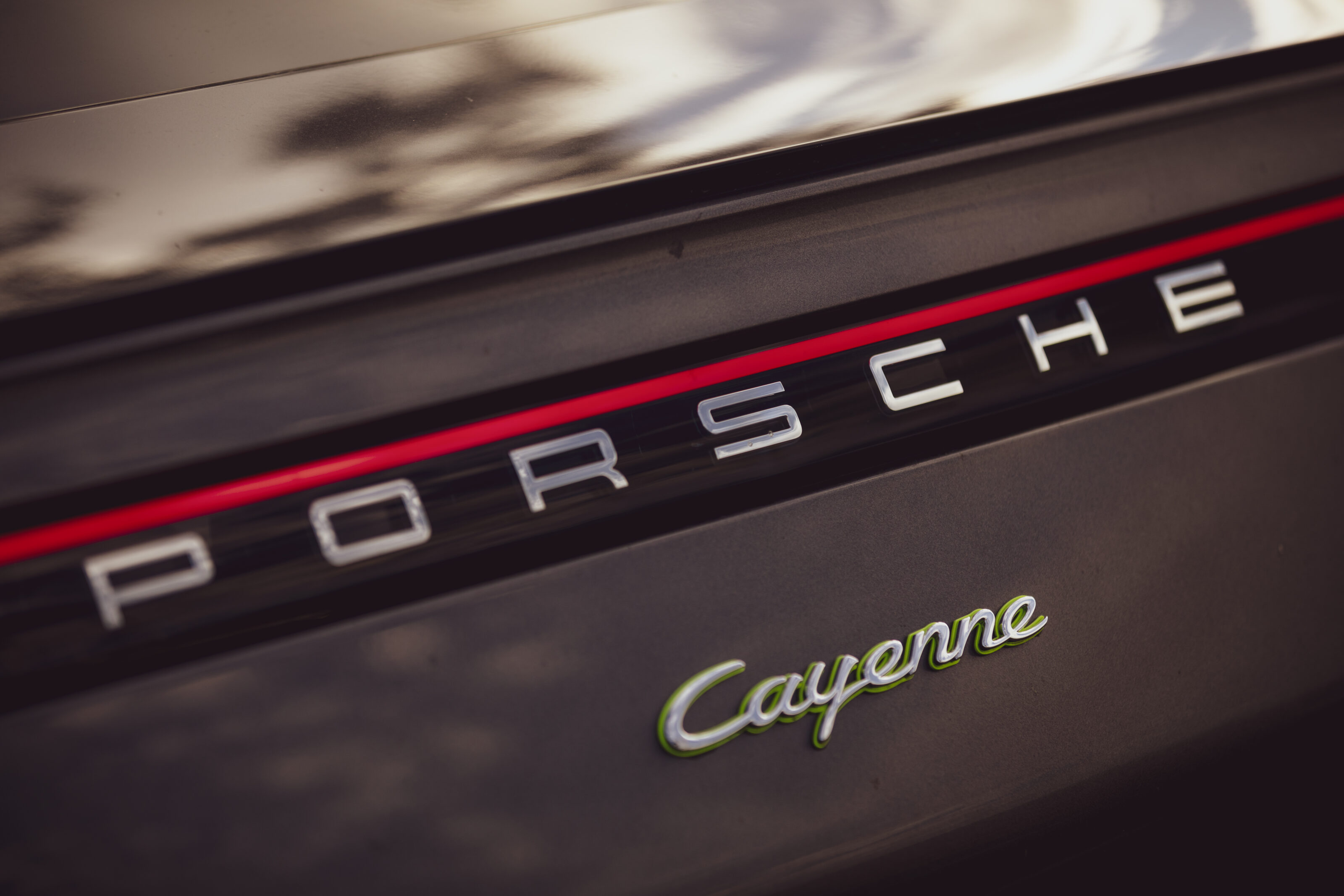
Inspect the instruments and you’ll spot the needle on the central tachometer is green; a touch repeated on the hand of the dash-mounted clock. These acid green highlights are the easiest way to tell if a Porsche is electrified in some way and are repeated on the badges and even the enormous six-piston front brake calipers that clamp 360mm steel discs as standard.

There’s ample storage up front thanks to huge door bins and a useful cubby in the centre console, and standard equipment levels are high.
Key inclusions are: LED lights front and rear, head-up display, panoramic roof, privacy glass, Apple CarPlay, a 10-speaker hi-fi system, DAB+ and an on-board AC 3.6kW onboard charger. One strange omission is heated seats, which are a $910 option.
Active safety systems include AEB, lane-keep assist, blind-spot monitoring, lane-change assist and adaptive cruise control. Our particular test car added a few key options like Bose surround sound ($2840), sports exhaust pipes in black ($1720) and 21-inch exclusive design wheels ($8380 – ouch!) which bumped up its price to $174,260 before on-roads.
One option worth considering is the 7.2kW onboard AC charger for $2170 to reduce recharging times.
Rear visibility is compromised in the Coupe bodystyle compared with the Cayenne wagon, yet rear-seat comfort isn’t the step backwards you might expect. While the Coupe’s roofline is 20mm lower than the wagon’s, Porsche has lowered the rear bench by 30mm so headroom, even for passengers beyond 188cm, is ample.
The seat itself has decent under-thigh support and the backrest angle is adjustable, plus it folds 40:20:40 for added flexibility. And if lugging five people about isn’t a priority, Coupe buyers can also opt for a four-seat layout with two rear bucket seats, as a no-cost option.
It’s out back, though, where the e-hybrid’s compromise is felt most. Because the battery pack is mounted below the boot floor, the e-hybrid’s official luggage capacity is 500L which is about 100L less than other Coupe variants.
It’s out back, where the e-hybrid’s compromise is felt most. Because the battery pack is mounted below the boot floor, its luggage capacity is about 100L less than other Coupe variants.
How does it drive?
What does the start procedure in a 450hp Porsche SUV sound like? Well, in this instance, absolute silence. Twist the starter dial mounted on the steering column and you won’t be met with an iconic six-cylinder soundtrack, or any visceral indication that the car is running at all.
Your only clue is a sweep of the green needle around the central rev counter. And the fact that the digital dash and infotainment system have fired into life. Welcome to large SUV life, hybrid style.
How your e-hybrid drives is determined heavily by which drive mode you have selected, and there is a plethora to choose from. They include: E-Power (battery propulsion only for silent driving), Hybrid Auto (let the car choose between petrol and battery), Sport (petrol engine always on; battery used for quick response) and Sport Plus (V6 and gearbox in their angriest setting, battery uses all the charge it can muster).
Cycling through the modes is easy courtesy of a Manettino-style dial that hangs from the right steering wheel spoke and we found E-Power and Hybrid Auto to be best suited for everyday driving.
Both modes are expertly calibrated and there’s real precision to how the petrol V6 and electric motor are integrated. Early hybrids (and some current models!) often suffered from jerkiness and hesitation in the hand-off from battery to ICE propulsion but the Cayenne e-hybrid is silken in its transition.
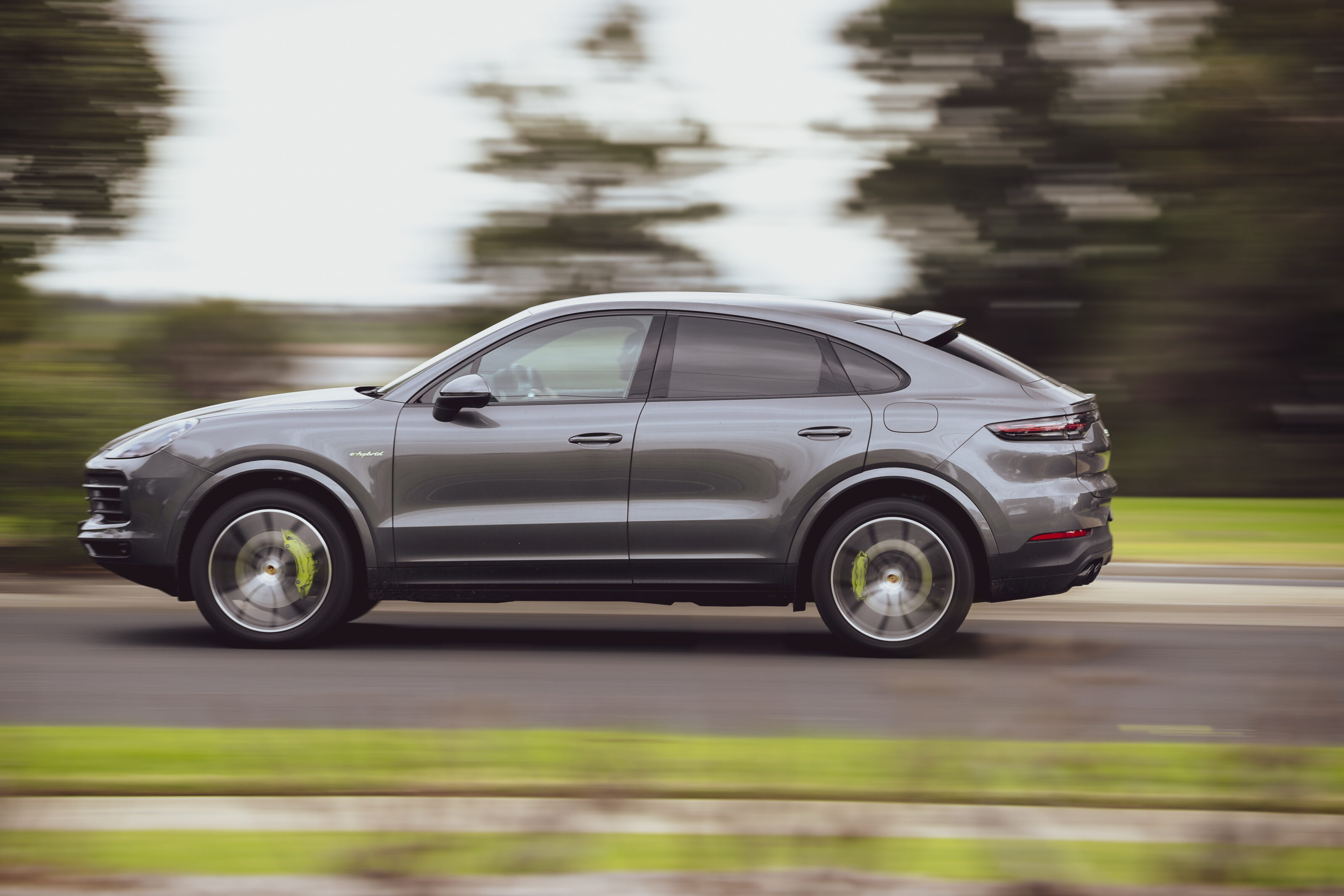
Step off is satisfyingly sharp thanks to the instant electric response and the big V6 is quick to fire into life under decisive throttle inputs, which helps to make the e-hybrid an effortless and easy car to drive in the cut and thrust of city traffic. The only real negative is a slightly inconsistent brake pedal feel that can be tricky to modulate, especially in low-speed situations at intersections.
And don’t expect to get the full 47km of EV-only range without some serious hypermiling. We averaged between 30-35km of electric-only propulsion over a week of normal driving, although our test car’s larger 21-inch wheels and massive 285-section (front) and 315-section (rear) rubber wouldn’t have helped.
Where that rubber is an asset, however, is when the road gets twisty. Spin the Manettino dial into Sport or Sport Plus and the e-hybrid is a seriously rapid and grippy large SUV. The steering, in typical Porsche style, is nigh-on perfect. Naturally weighted and consistent in its rate of response, it’s also unwaveringly accurate.

Tip the Coupe e-hybrid into a corner and it’ll trace a line with laser precision, its standard steel suspension/adaptive damper combo working to deliver impressive body control for such a heavy SUV.
Throw it at a corner while carrying the brake and it’s even possible to entice oversteer, though unlike other Cayenne variants – such as the GTS or Turbo S e-hybrid, the latter boasting active anti-roll bar wizardry – the ‘standard’ e-hybrid never really encourages you to drive it harder. The talent is there but there’s always the sense it’d prefer to be wafting along in Comfort than making its tyres squeal.
And the V6, even in Sport Plus and with the optional sports exhaust, is never vocal enough to be truly exciting.
Self-levelling air suspension is a $4490 option but the standard steel set-up offers enough comfort and control that I wouldn’t bother. Even on 21-inch wheels the ride and damping is expertly judged.
Dial things back and this is a wonderful long-distance cruiser courtesy of excellent NVH isolation and high levels of cabin refinement, though if you do plan on tackling long distances frequently, perhaps the e-hybrid isn’t the Cayenne for you. Where you’ll best reap the rewards of this hybrid powertrain is in city driving and short commutes, otherwise you’re lugging about a depleted, heavy battery for no gain.
VERDICT
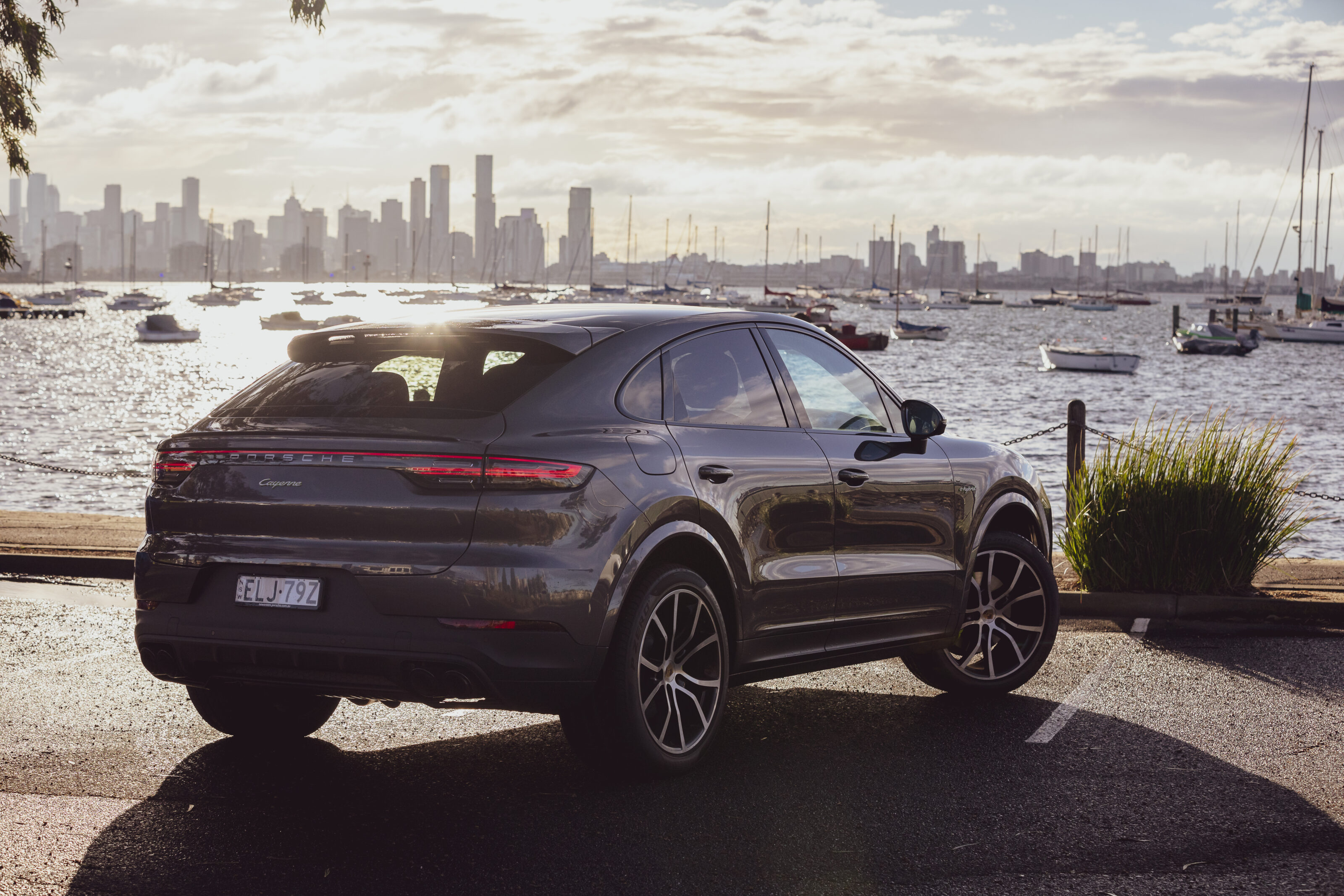
So is the Cayenne e-hybrid a smart option for Aussie buyers? Providing you can fully utilise the benefits of its hybrid system then yes, absolutely. It’s superbly engineered, feels suitably special and drives in a manner worthy of the Porsche badge, but the real stroke of genius is the seamless integration of the electric systems.
Whether you should opt for the Coupe body style over the wagon is purely a heart-over-head decision, though it’s worth noting the wagon is lighter, a tenth quicker to 100km/h, has a larger boot and is $8000 less expensive. If you absolutely must have that raked roofline, however, we doubt you’ll be disappointed.
So is the Cayenne e-hybrid a smart option for Aussie buyers? Providing you can fully utilise the benefits of its hybrid system then yes, absolutely.
2021 Porsche Cayenne Coupe e-hybrid specifications
| Body | 5-door, 5 seat SUV |
|---|---|
| Drive | AWD |
| Engine | 3.0-litre V6 + electric motor |
| Transmission | 8-speed automatic |
| Power | 340kW |
| Torque | 700Nm |
| Bore/stroke | 84.5 x 89.0mm |
| Compression ratio | n/a |
| 0-100km/h | 5.1sec (claimed) |
| Fuel consumption | 3.2L/100km (combined) |
| Weight | 2360kg |
| Suspension | Multi-links, adaptive dampers, anti-roll bar |
| L/W/h | 4931/2194/1653mm |
| Wheelbase | 2895mm |
| Brakes | 360mm discs with six-piston calipers (f);358mm discs with four-piston calipers (r) |
| Tyres | 275/45R20 (f); 305/40R20 (r) |
| Wheelsu00a0 | 20-inch alloy |
| Price | $155,800 + ORCs |
UPDATE: Due to COVID-19 restrictions, the Berry Motorfair has been rescheduled from October 17, 2021 to Sunday, March 20, 2022
The Berry Motorfair will make a return in 2022 on ten acres of south coast farmland with proceeds being donated to crisis support and suicide prevention service, Lifeline.
Running from 10am until 2pm on Sunday, March 20, the car show will be celebrating everything from classic Porsches and modern McLarens to unique motorbikes.
Tickets to the event will cost $15 for general entry, with kids under 16 being allowed to enter for free. If you’re wanting to show off your car it will be $100, and subject to approval, with all money raised going to charity.
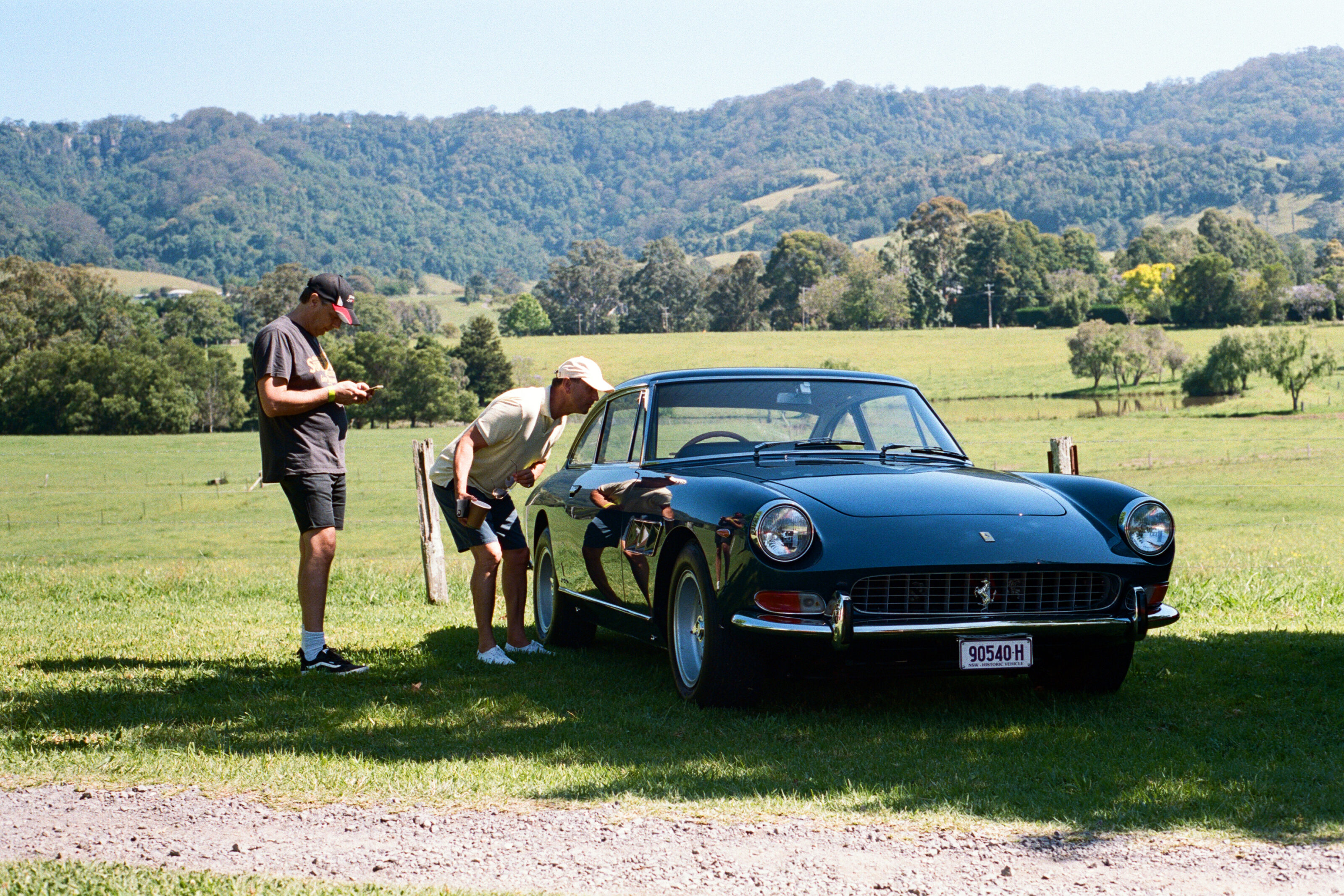
Last year’s inaugural event was able to raise $50,000 and the bar has been set even higher this time around, doubling the marker to $100,000 which will be directed to Lifeline to help cover the cost of roughly 2500 calls a year.
Berry Motorfair organiser, Jordan Tang, says the concept was born out of the desire to give back to the community through donations and business transactions with the benefit of being able to see some cool cars.
“Due to the overwhelming success of Berry Motorfair last year, I am thrilled to announce we are back and ready to do it all over again,” said Mr Tang.
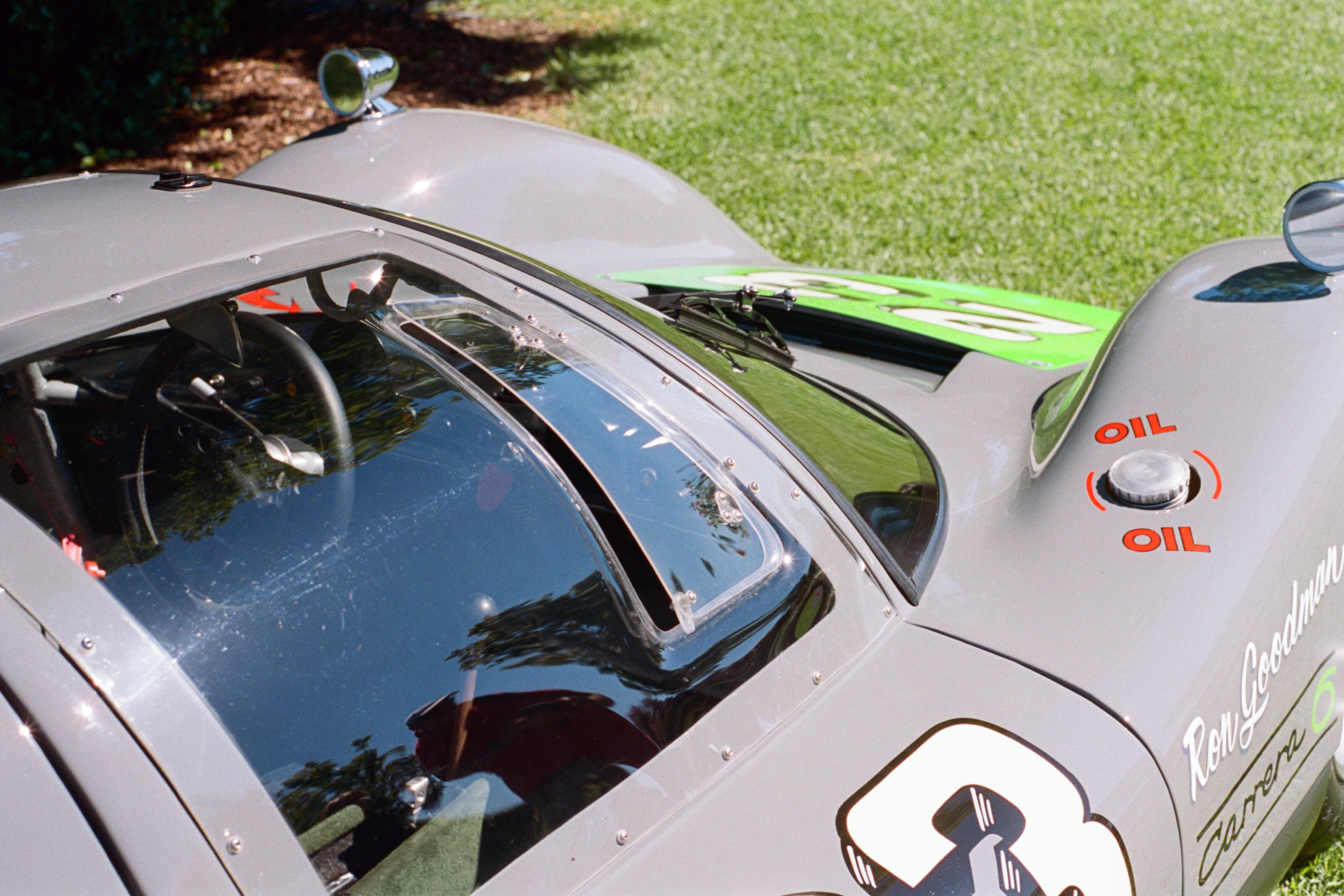
“Berry Motorfair was a concept born during the start of the COVID-19 pandemic with the aim of raising much-needed funds for Lifeline as well as injecting money into the local economy. Businesses at the time were really suffering the effects of the devastating bushfires and loss of tourism in the area.
“Thanks to the support of car owners, businesses and of course the wider community, Berry Motorfair was a sell-out event and we raised over $50,000 for Lifeline Australia. This year, we aim to double that.
“The heart of Berry Motorfair lies in the community it’s not just about the impressive display of cars and motorcycles on show, but an opportunity to enjoy a day out with friends and family and meet new people, all whilst raising money for an important cause.
“We can’t wait to welcome everyone back.”
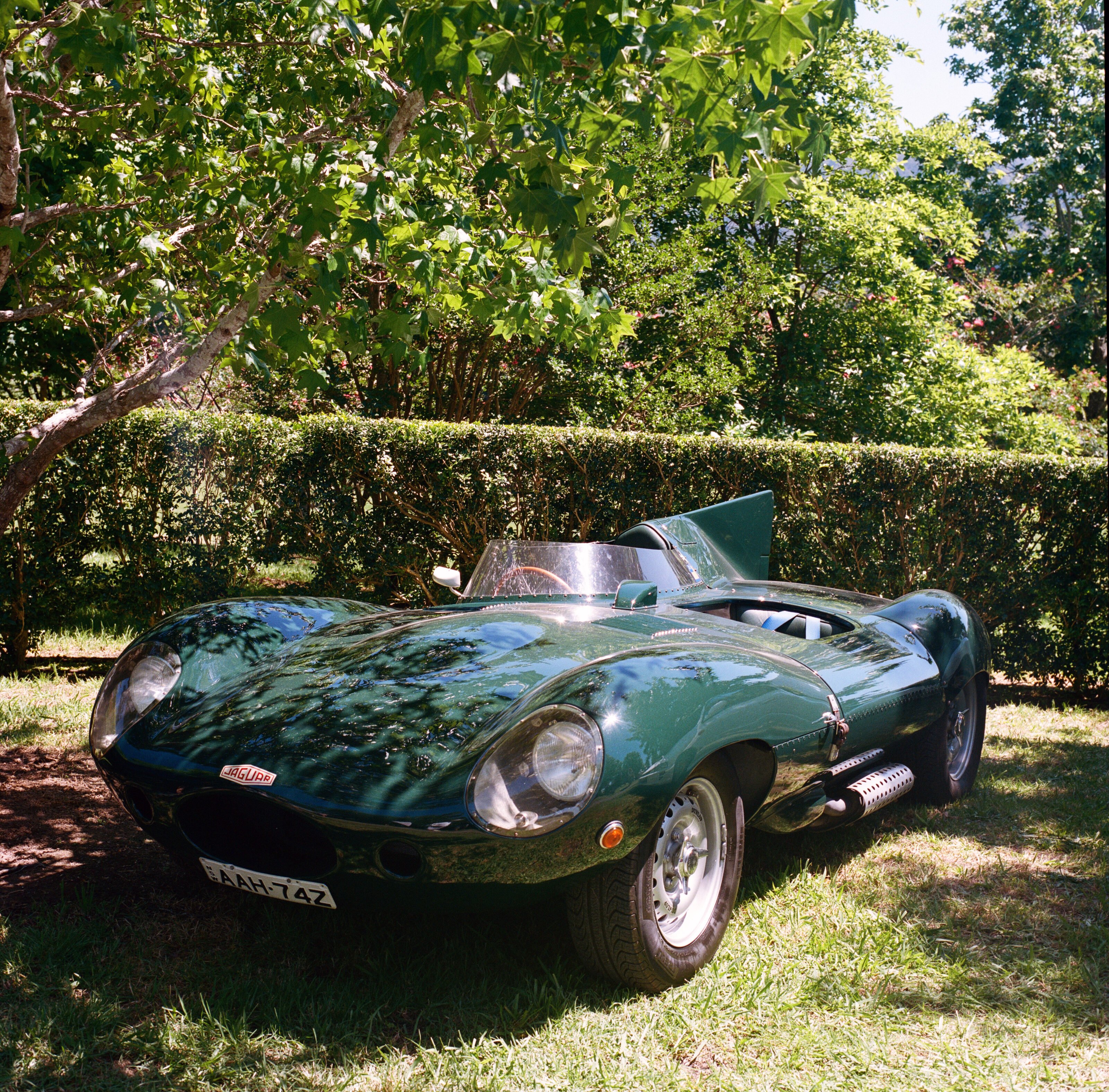
Lifeline Australia CEO, Colin Seery, is thankful to have Berry Motorfair as a charity partner and says the funds raised will go a long way towards crisis support and suicide prevention.
“The team ran an amazing event last year and we look forward to this year’s Motorfair.” said Mr Seery.
“Funds raised will ensure Lifeline’s critical crisis support and suicide prevention service are accessible to anyone who needs them – anytime, anywhere. Together with your help we can ensure no person in Australia has to face their darkest moments alone.”
