
Snapshot
- Official audio released by GM confirms the new Z06 will use a flat-plane crank V8
- Rumoured to be the same 5.5-litre V8 from the C8.R racecar with more power
- Release date for new Z06 in the US to be Spring 2023
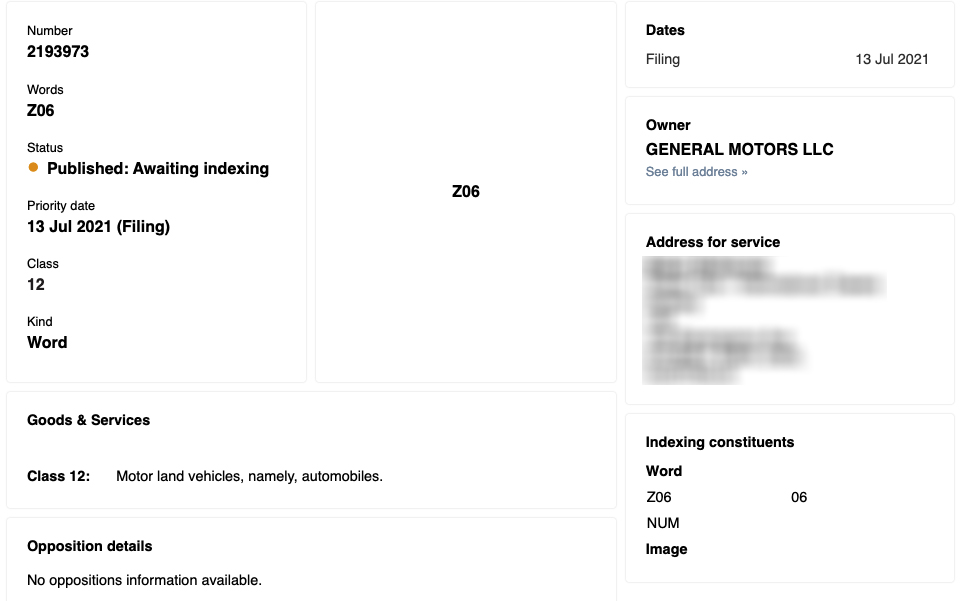
UPDATE, JULY 23: General Motors has filed trademark applications for the Z06 name in Australia and New Zealand.
The requests were made on July 13 to IP Australia and the Intellectual Property Office of New Zealand, under the category of “motor land vehicles, namely automobiles”.
Though an as-yet unapproved trademark is far from a guarantee, it’s a solid indication GM plans to bring the top-spec, right-hand-drive C8 to local markets – presumably through the GMSV dealer network.
The story to here
JULY 20: General Motors has teased a video overnight of its upcoming C8 Z06 Corvette featuring the unmistakable sound of a flat-plane crank V8.
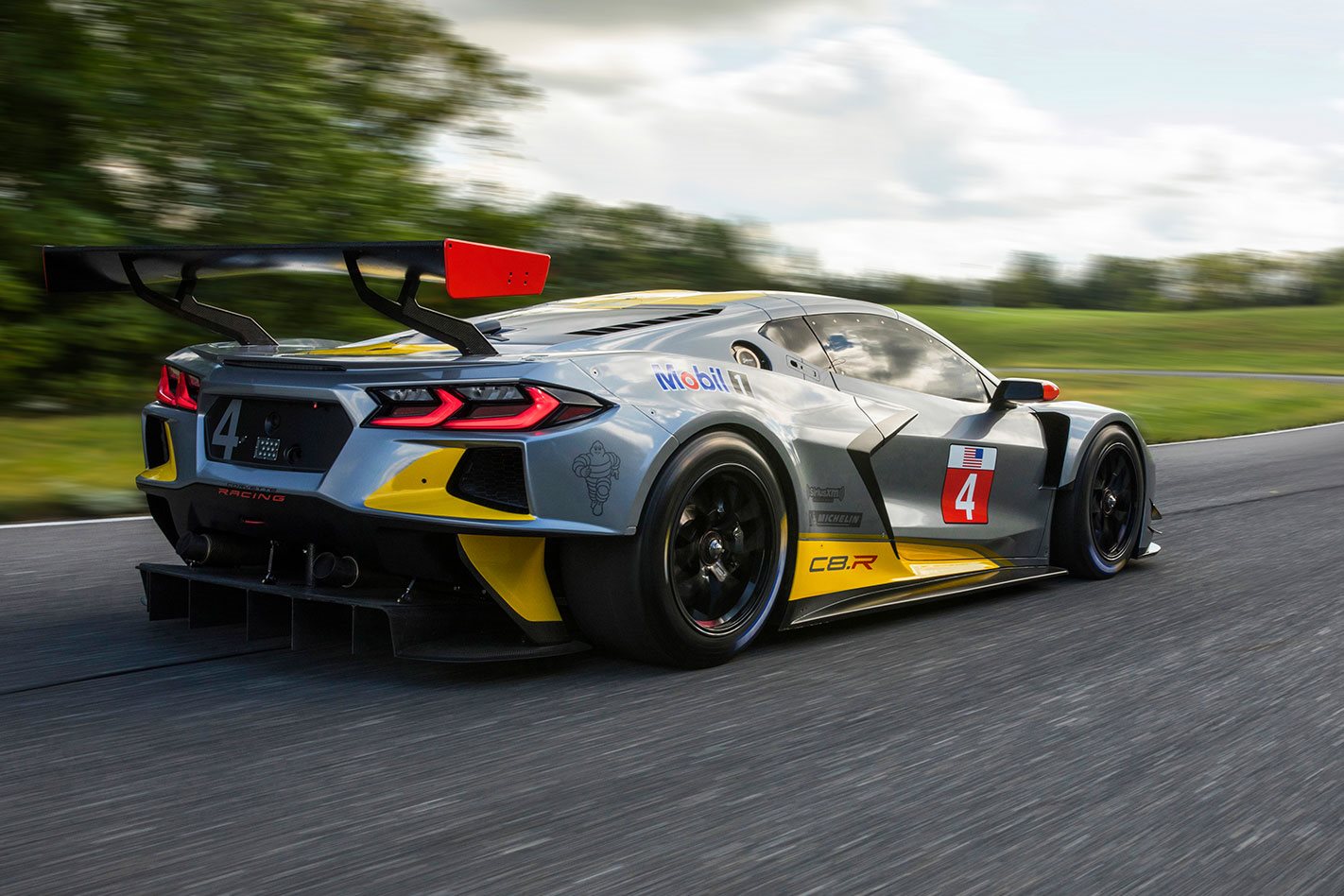
This all but confirms the rumours the C8 Z06 will use a version of the 5.5-litre flat-plane crank V8 from the C8.R race car, which according to Motor Authority will develop around 625hp (466kW) and 485 lb-ft of torque (658Nm), up significantly on the C8.R race car which only develops 500hp (373kW) and 480 lb-ft (651Nm) due to racing restrictions.
The video doesn’t show any footage of the actual car, but the vehicle in the audio clip clearly doesn’t use a traditional H pattern manual gearbox, and the Z06 is understood to only have an eight-speed automatic gearbox, with no manual option.
More evidence to affirm the likelihood of a flat-plane crank V8 can be found in the opening titles of the video where it states “crank it up” and “the streets will never sound the same”.

The Z06 is slated for a reveal in autumn of 2023 in the US (spring 2023 for Australia), with Car and Driver reporting prices allegedly starting at US$85,000 (AU$115,830).
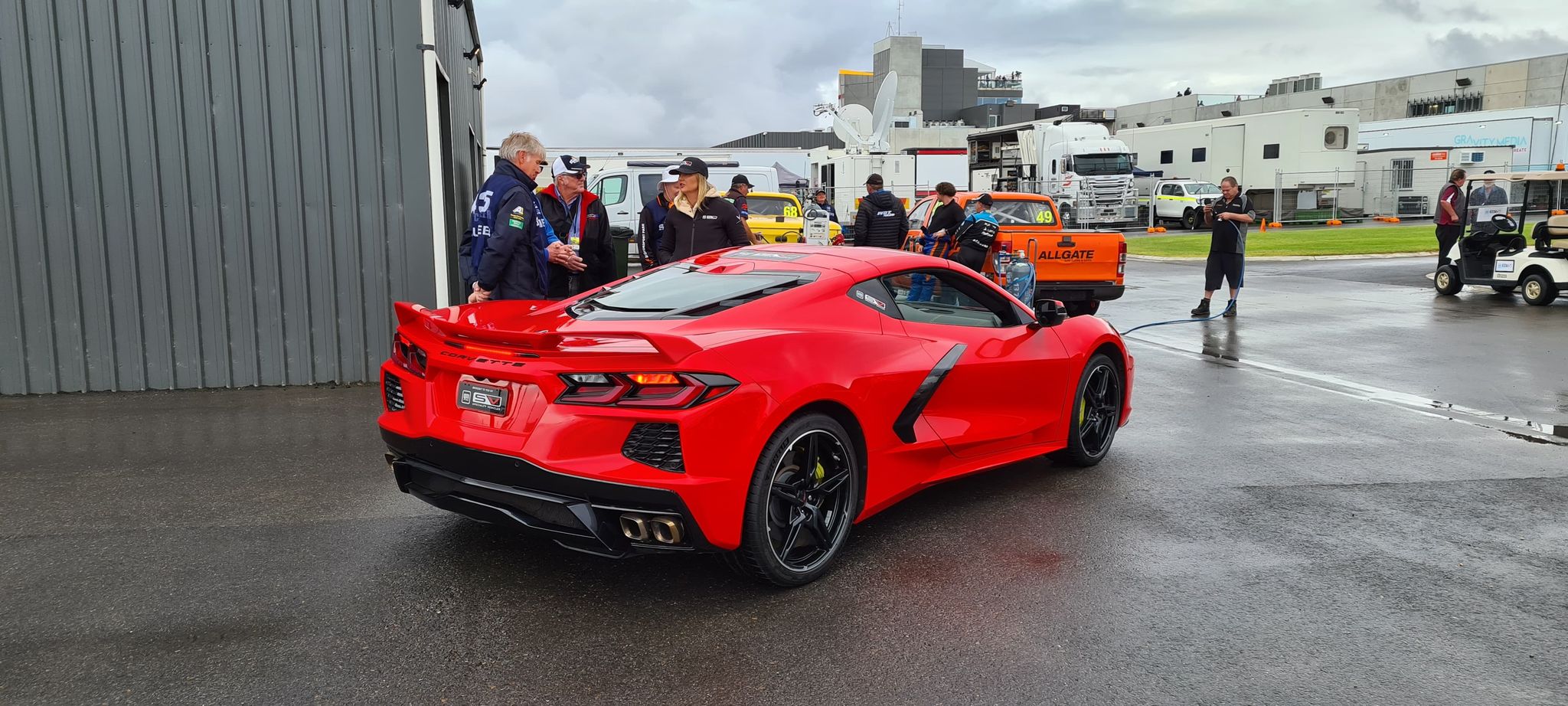
It’s not yet clear if the Z06 will be sold here locally through GMSV dealers alongside the C8 Stingray, but with shipments of the Stingray still yet to make it into local buyers hands, any chance of seeing a C8 Z06 on Australian roads will be a long way off.
The reveal of the Z06 will be the second production car in US history to feature a flat-plat plane crank V8, after the S550 Mustang Shelby GT350 and GT350R, which featured a 5.2-litre flat-plane bent eight.
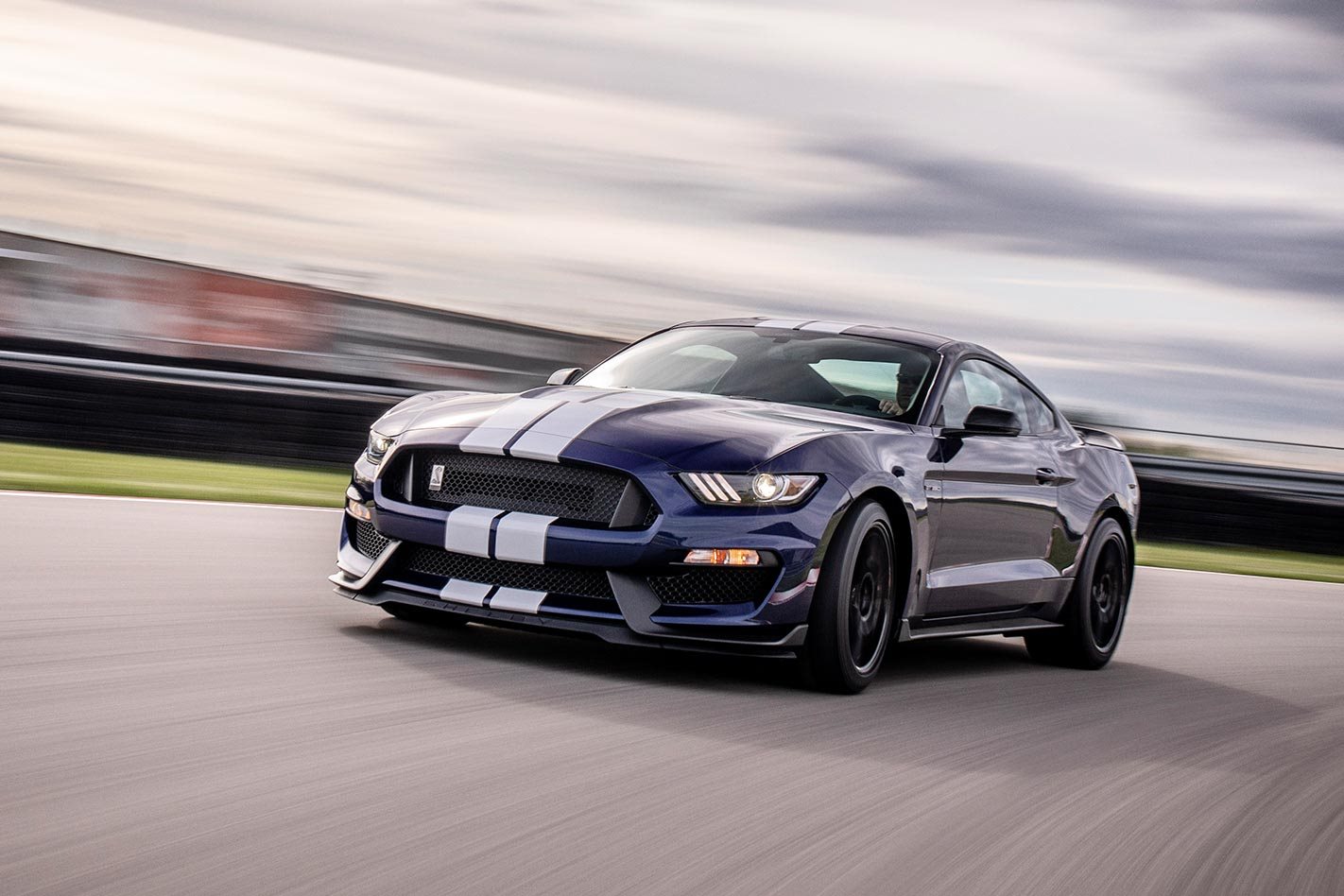
It’s a big milestone for GM too, which, unlike Ford, has stuck with its traditional crossplane, push-rod style V8s for decades.
Its small and big-block Chevy V8s, as well as the newer LS and current LT series of engines, are still being used in all kinds of GM products.
Snapshot
- Mercedes-Benz to release EV-only models from 2025
- All vehicles to become electric by 2030
- Substantial investments being made into gigafactory battery plants
Mercedes-Benz is the latest carmaker to announce its EV strategy, outlining plans to only release electric architectures from 2025 before going fully-electric by 2030.
It comes after the European Union officially tabled its plans to ban the sale of internal combustion engines from 2035 last week, with other markets like the United Kingdom already legislating against ICEs from the end of the decade.
However, there is one small catch, as Mercedes-Benz says it will be ready to go all-electric by the end of the decade – but only where market conditions allow.
This means it could continue to sell ICE vehicles in markets which don’t have suitable infrastructure or where it believes EV sales will struggle in comparison to ICEs.
In its aim to achieve this goal, Mercedes-Benz will introduce only electric models from 2025, with three new architectures set to be launched in the first year.
Its three platforms will be MB.EA, for medium to large passenger cars, AMG.EA, for its high-performance Mercedes-AMG models, and VAN.EA, underpinning its vans and light commercial vehicles specifically targeted at cities with low emissions requirements.
Accelerating the process will come in the form of increased investments in EV technology, the German manufacturer claiming between 2022 and 2030, its spending will exceed €40 billion (AU$63.8bn). The marque is also hoping to boost its battery cell capacity to 200GWh through the production of eight new gigafactory battery plants.
CEO of Daimler AG and Mercedes-Benz AG, Ola Källenius, believes EVs will be crucial in the future success of the brand, with the increased investments helping to expedite the process.
“The EV shift is picking up speed – especially in the luxury segment, where Mercedes-Benz belongs,” said Källenius.
“The tipping point is getting closer and we will be ready as markets switch to electric-only by the end of this decade.
“This step marks a profound reallocation of capital. By managing this faster transformation while safeguarding our profitability targets, we will ensure the enduring success of Mercedes-Benz.
“Thanks to our highly qualified and motivated workforce, I am convinced that we will be successful in this exciting new era.”
Mercedes-Benz is also in the process of developing its Vision EQXX electric vehicle, a car it claims will have a real world driving range of more than 1000km thanks to input from its Formula 1 High Performance Powertrain division.
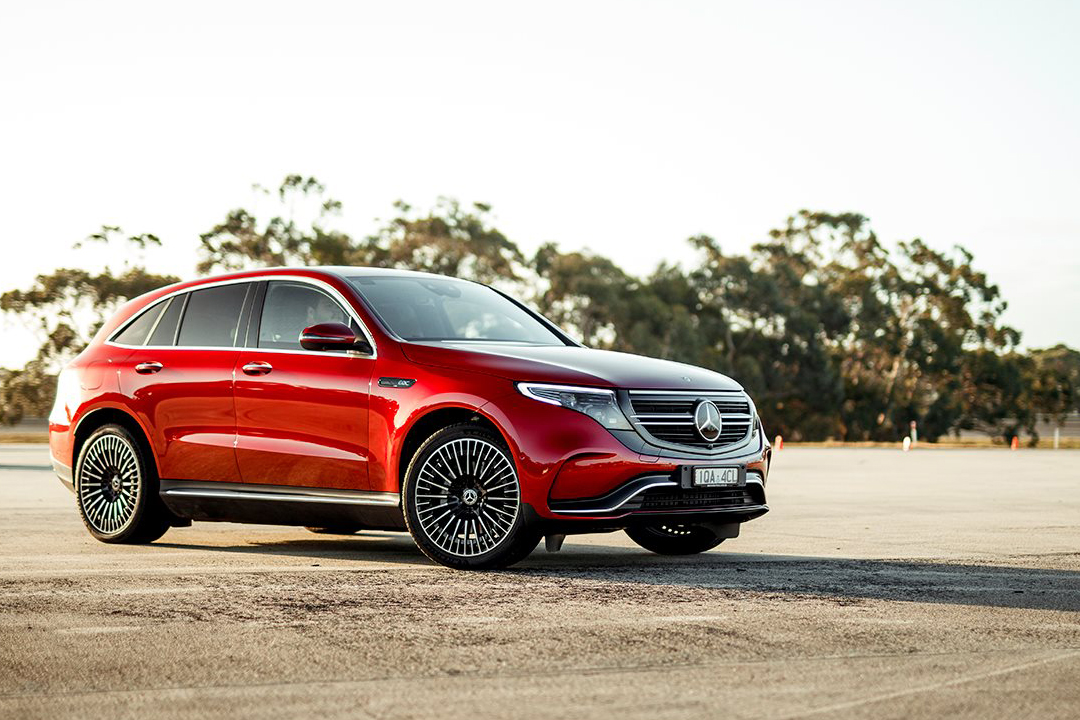
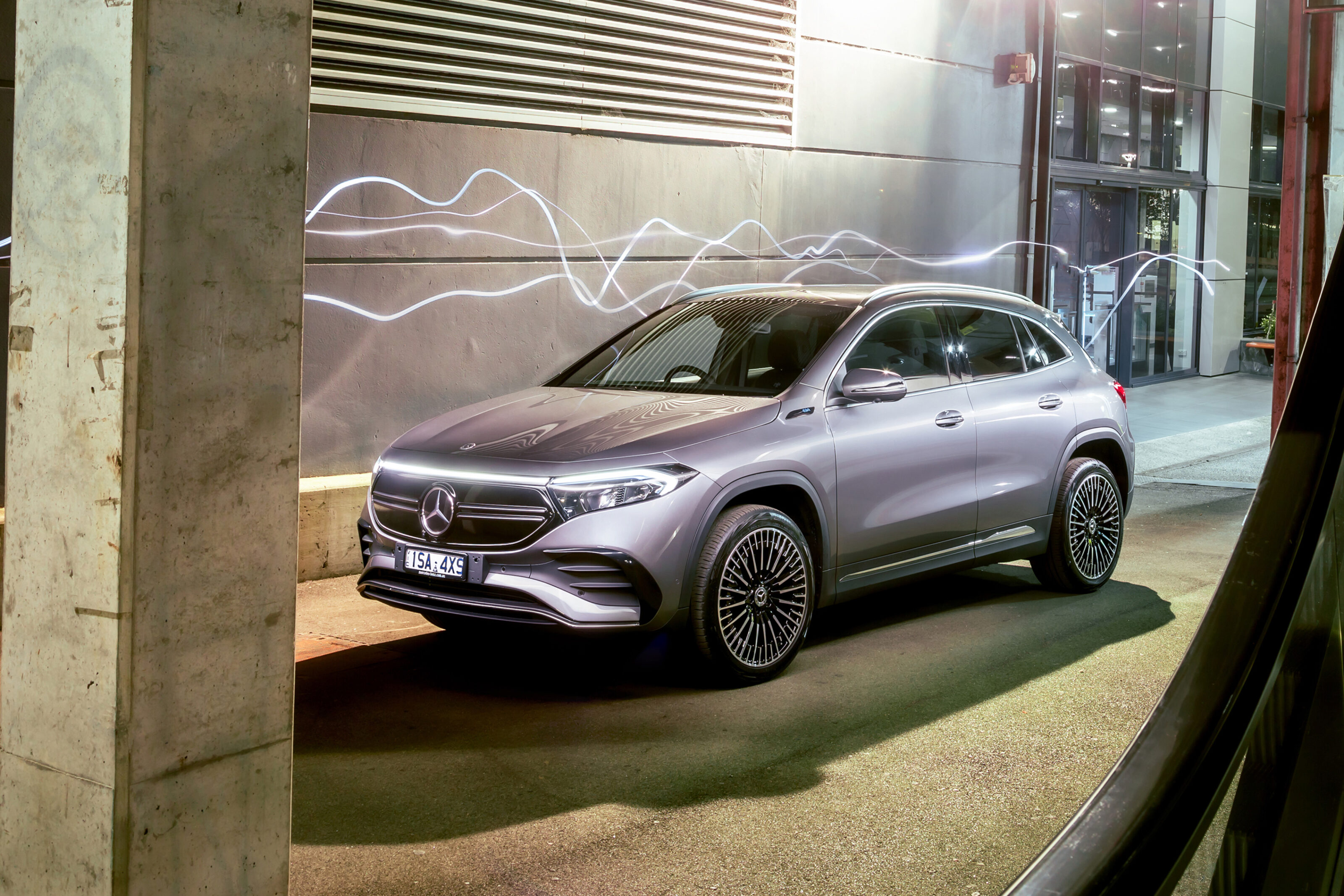
In Australia, Mercedes-Benz currently sells two EVs, the EQC – winner of the 2020 Wheels Car of the Year (COTY) award – and the recently released EQA, a GLA-sized crossover with a driving range of 380km.
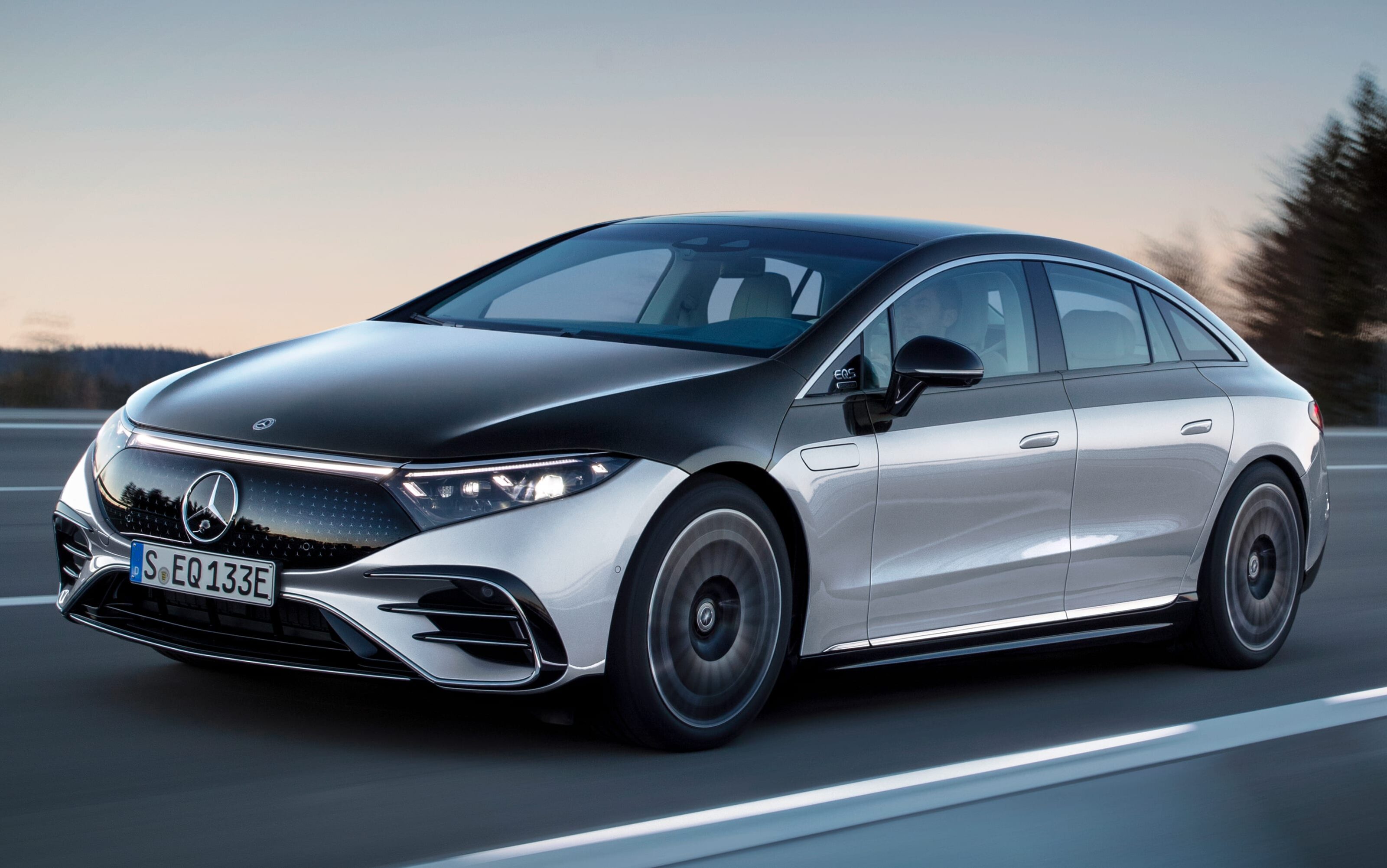
Following this, its EQS sedan is expected to land later this year or in the first quarter of 2022.
In very wet and wintery conditions, ideally you want a punchy turbocharged 2.0-litre four-pot and all-wheel drive at your disposal. And that’s exactly what these two German junior performance SUVs are packing.
The Audi SQ2 brings 221kW, 400Nm and decades of quattro know-how to the table, while the Mercedes-AMG GLA 35 seeks to tame the dreary Victorian elements with 225kW, 400Nm and the Three-Pointed Star’s 4matic all-wheel drive system.
Power outputs are virtually lineball between the two, however the GLA 35 carries an extra 47kg on the Audi, as well as an extra $19,300 to its recommended sticker price.
But will the more affordable underdog come out on top? We pit the two cars against each other, in a variety of circumstances, to find out.
First up, was a launch control race start run over a standard 400m strip. While the Audi’s launch control procedure is markedly more complex than that of the Mercedes, it seemed to work to greater effect as they both scurried away from the line.
Both cars were evenly matched on the getaway, but the Audi soon got its nose in front and held its lead with the GLA 35 trailing behind by a car’s length as the finish line flew by.
Disengaging launch control and switching both cars back into their default comfort modes, it was time to race with a street start, intended to mimic the spontaneous traffic light lunge – no sport modes, no tricks, just foot down and go!
It often illustrates the differences in powertrain calibrations between vehicles in their lazier and more relaxed modes and, again, it seemed the Mercedes was caught sleeping. With no launch control to lean on, the Audi SQ2 simply reacted with more immediacy, and convincingly crossed the finish line with a few car lengths to spare.
Our final experiment was a rolling start race, with both cars lining up at about 50km/h before flooring it at a pre-designated marker. Curiously, it was the Mercedes-AMG that reacted quicker on its feet, lunging a car length ahead of the SQ2 almost immediately. The gap quickly started to close, and by the last 100m – the Audi was reeling the GLA 35 in. The Audi’s comeback wasn’t to be, as the finish line passed after it had just caught the AMG’s bumper.
By a rainy day’s end, both cars yielded rather respectable results despite the sub-optimal conditions. The Audi SQ2 actually beat its manufacturer acceleration claim of 4.9-seconds, with our timing equipment recording a best 0-100km/h time of 4.79-seconds. It ultimately cleared the quarter-mile in 13.1-seconds at 167.12km/h.
The Mercedes-AMG GLA 35 followed marginally behind, however virtually matched its official acceleration claim, with us recording a 0-100km/h time of 5.15 seconds. A 13.47-second pass of the quarter-mile was our best recorded time, posting 166.41km/h at the trap.
Two incredibly close German junior performance SUVs with more than their fair share of similarities between them. If money were no object, which would you rather take home? Or would you instead be sticking to their hatchback counterparts, the Mercedes-AMG A35 and Audi S3? Let us know in the comments below!
MG – the revenant brand once synonymous with quintessential British sportscars is performing something of a sales miracle in Australia with a range of Chinese-made cars that are grabbing the attention of buyers with both hands.
While some approach the brand with hesitancy, year-to-date sales growth of 240 per cent to the end of June and almost 220 per cent increase over the same month in 2020 suggests there are plenty of Aussies willing to put faith in an illustrious marque under new ownership.
So what’s the allure? Quite simply – price. Its little MG3 hatchback is on offer from just $16,000, the ZS small SUV kicks off from about $21,000, while the HS mid-sizer is available from less than $30,000. And, by the way, MG will also sell you Australia’s cheapest EV for $44,000.
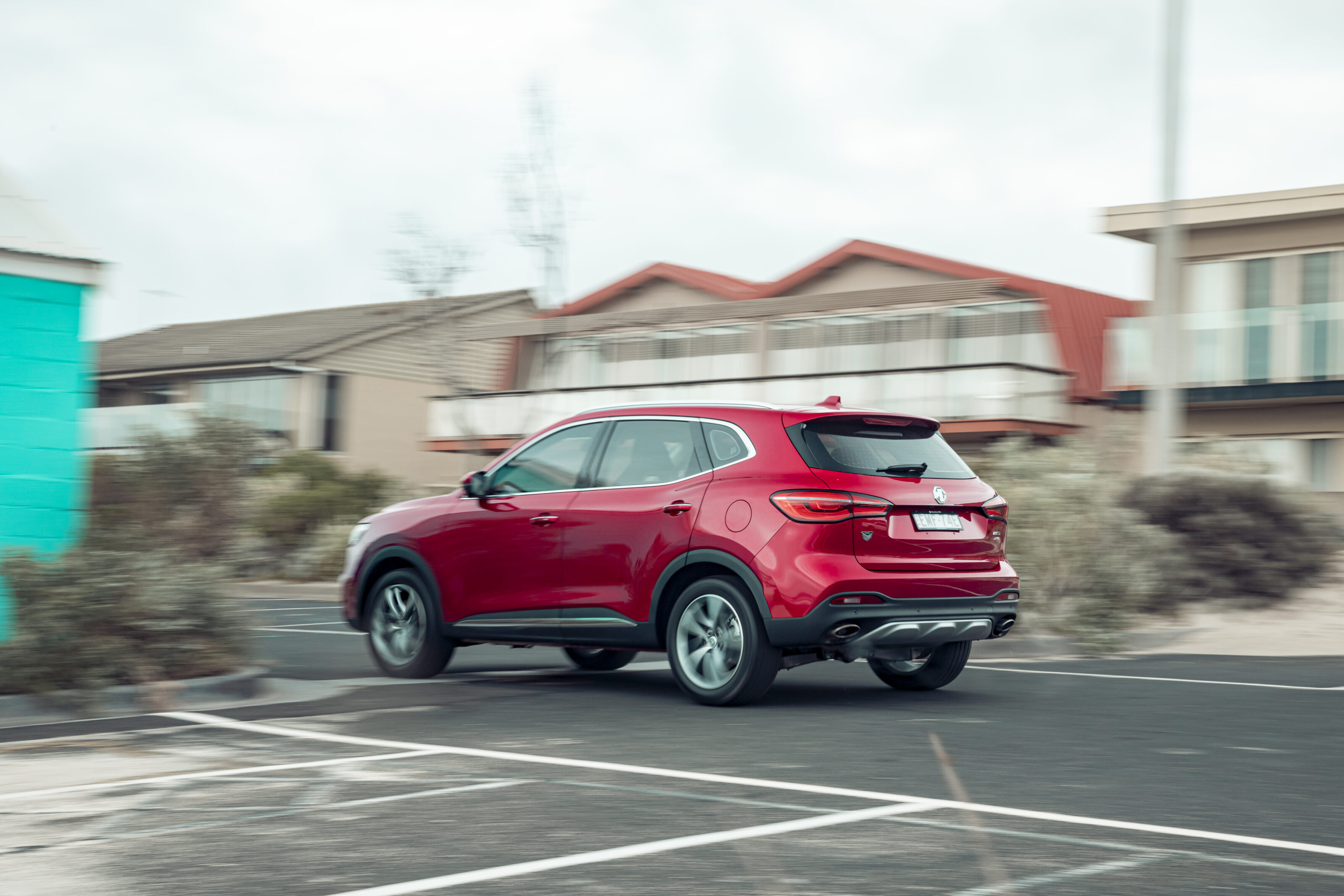
The company also chucks in a seven-year warranty for peace of mind, and its cars are also building a reputation for being packed full of tech features more akin to the consumer electronics realm.
But if price is the clear driver behind MG’s building momentum, then how will the discerning local audience receive a model that costs $42,990 drive-away?
That’s what we have here – the MG HS Essence X – a mid-sized SUV that sits almost at the top of the range and is outranked in stature and price only by the plug-in hybrid version.
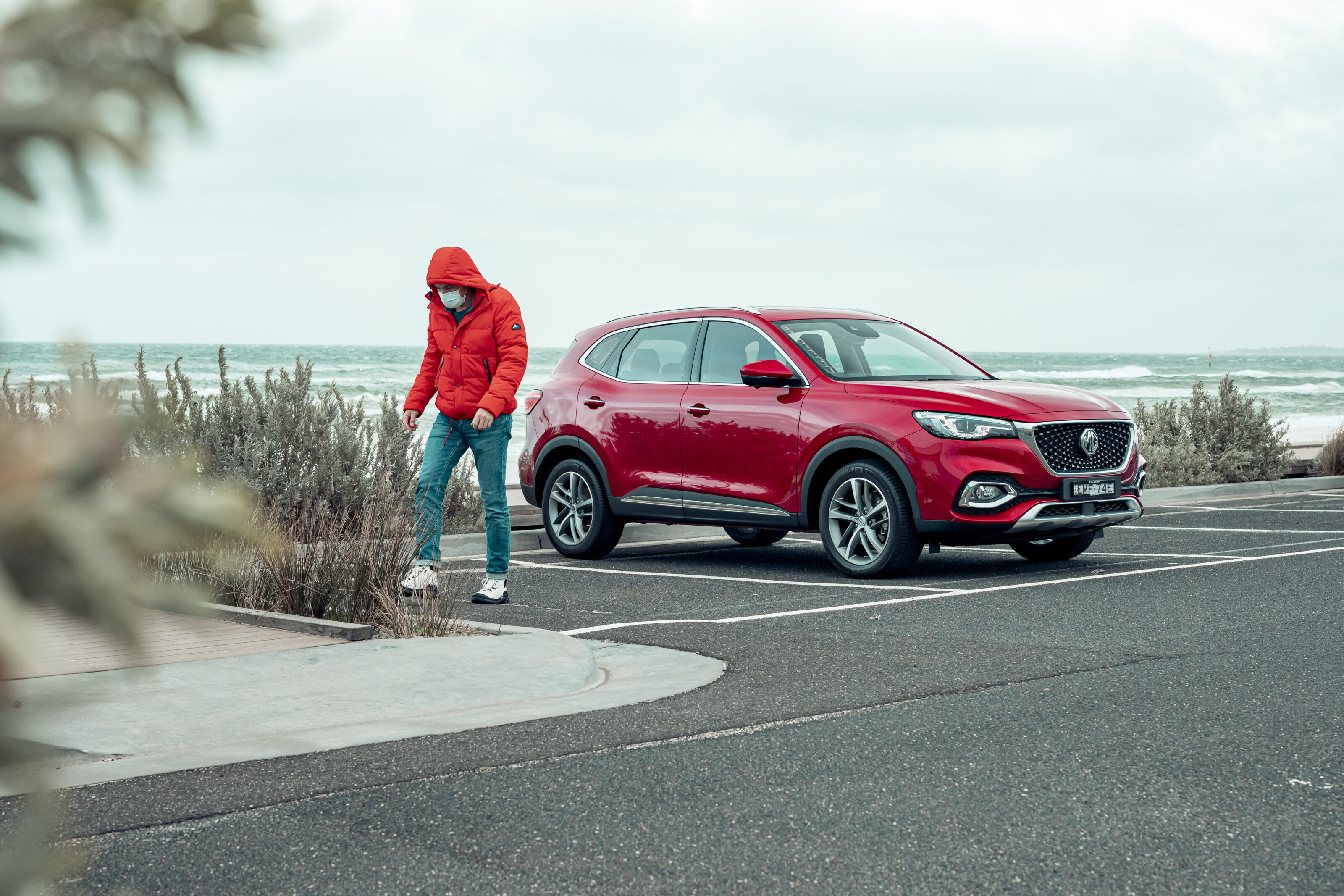
Apple, Prada and Paddle Pops have proven that Chinese manufacturing won’t turn consumers away if the quality and price is right
For the cash, the Essence X gets the highest level of specification available in the HS range, a new more powerful engine, and all-wheel drive (denoted by the X), as well as the same comprehensive set of safety and driver assistance features typical to the range.
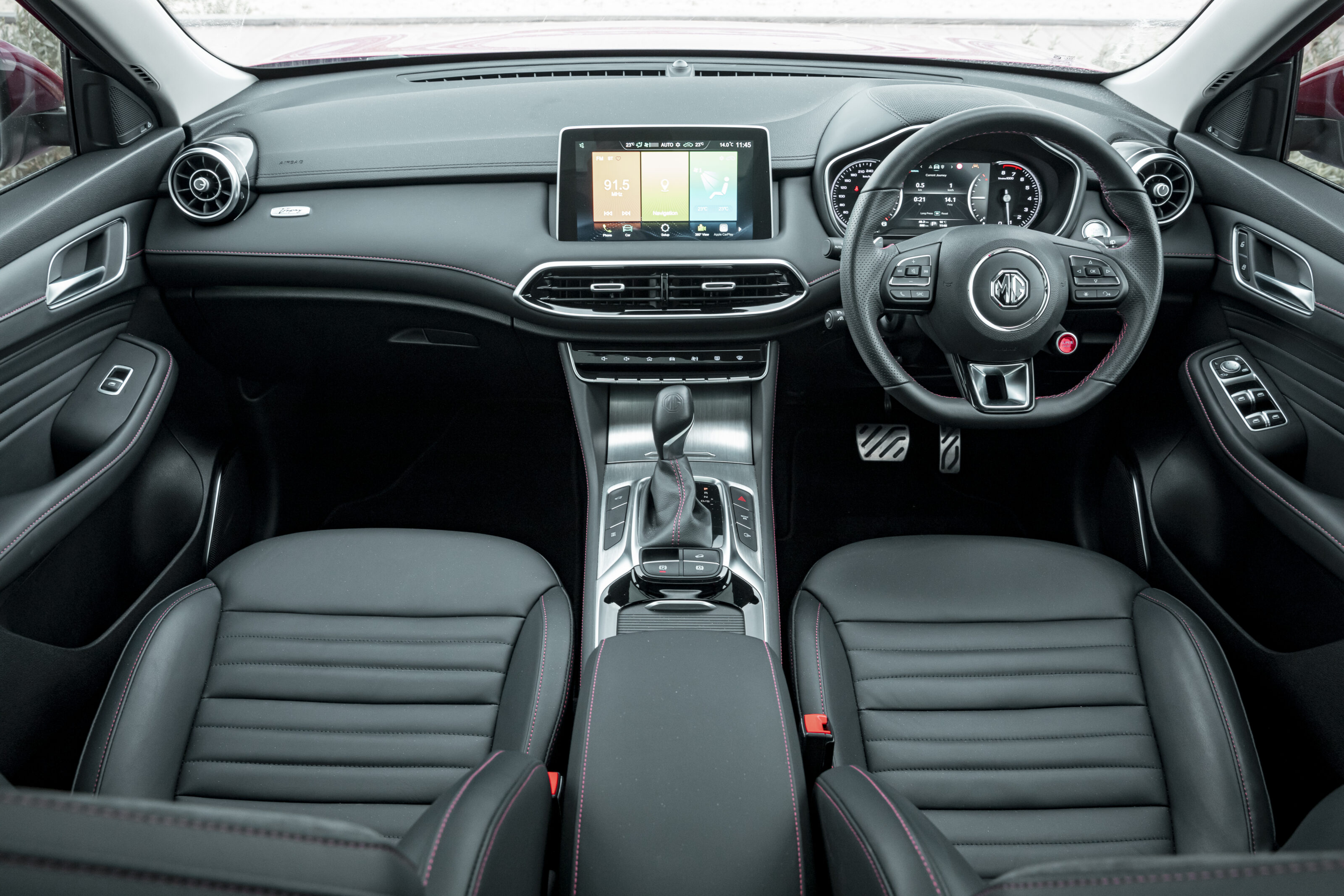
Included in the asking price is a generous list of equipment starting with a leather interior and a pair of comfortable and supportive sports seats in the front row. Their design blocks a lot of the forward view from the second row but they look great and form a centrepiece for what is a tidy and spacious cabin.
It’s difficult to find any scratchy plastics, with fine quality materials and padded textures covering virtually everything and the layout is beautifully spartan and clean. Only a handful of switches adorn the dash beneath the sharp 10.1-inch touchscreen through which most functions are accessed.
We would prefer a few more hotkeys to things like heated seats, while two separate volume up and down switches could have been better incorporated into just one. And while the digital system looks classy and offers lots of functions, switching between applications can take an age with lots of lag after the function is selected.
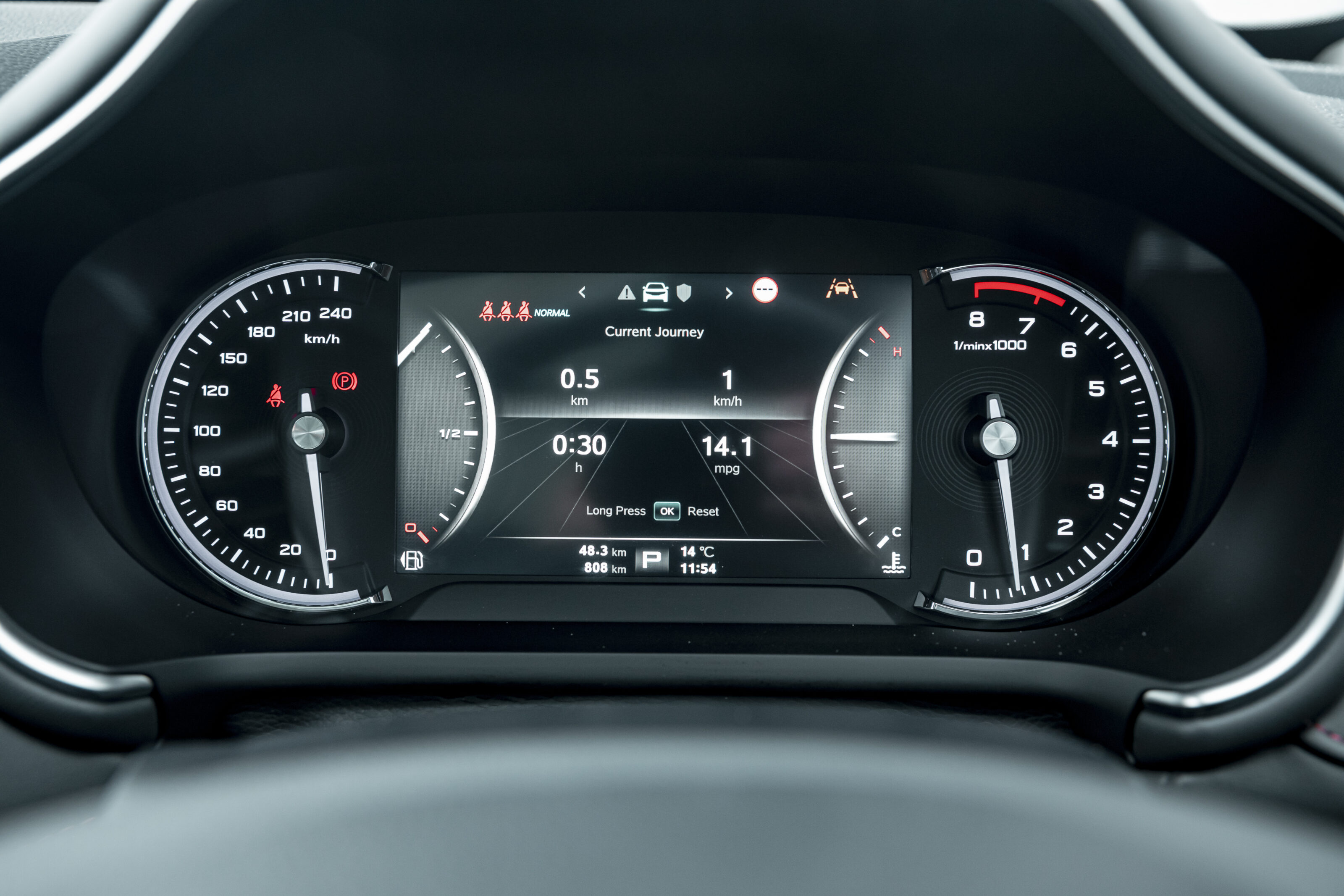
Redeeming features include the brilliant 3D 360-degree camera and operating system that feels more like a tablet than something automotive and lots of information, customisable displays and options to add and expand applications.
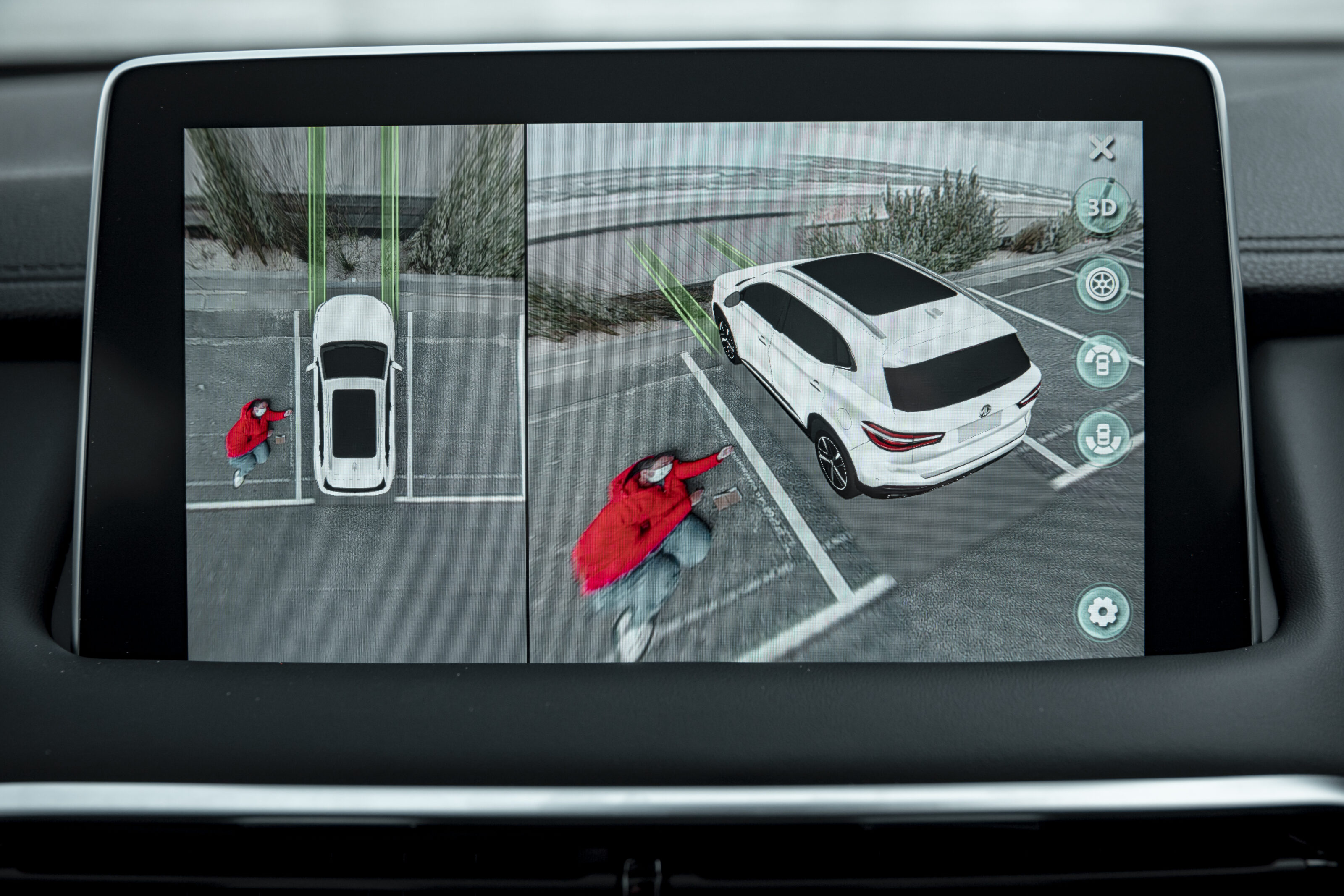
The technological touches continue through to the instrument cluster where a generous central display overlaps the pair of mechanical gauges for a pleasant blend of traditional and modern.
Second-row seating offers more high-quality touches and space with a tilt-adjustable backrest although there’s a lack of under-thigh support for not just long-legged occupants. At the back, an electric tailgate gives access to the 463-litre boot and space-saver spare.
At the wheel, it’s easy to adjust the electric seat to a comfortable position although the steering wheel adjustment doesn’t quite offer enough reach. The wheel itself is both ergonomically and aesthetically well designed, with a sporty look and more leather upholstery.
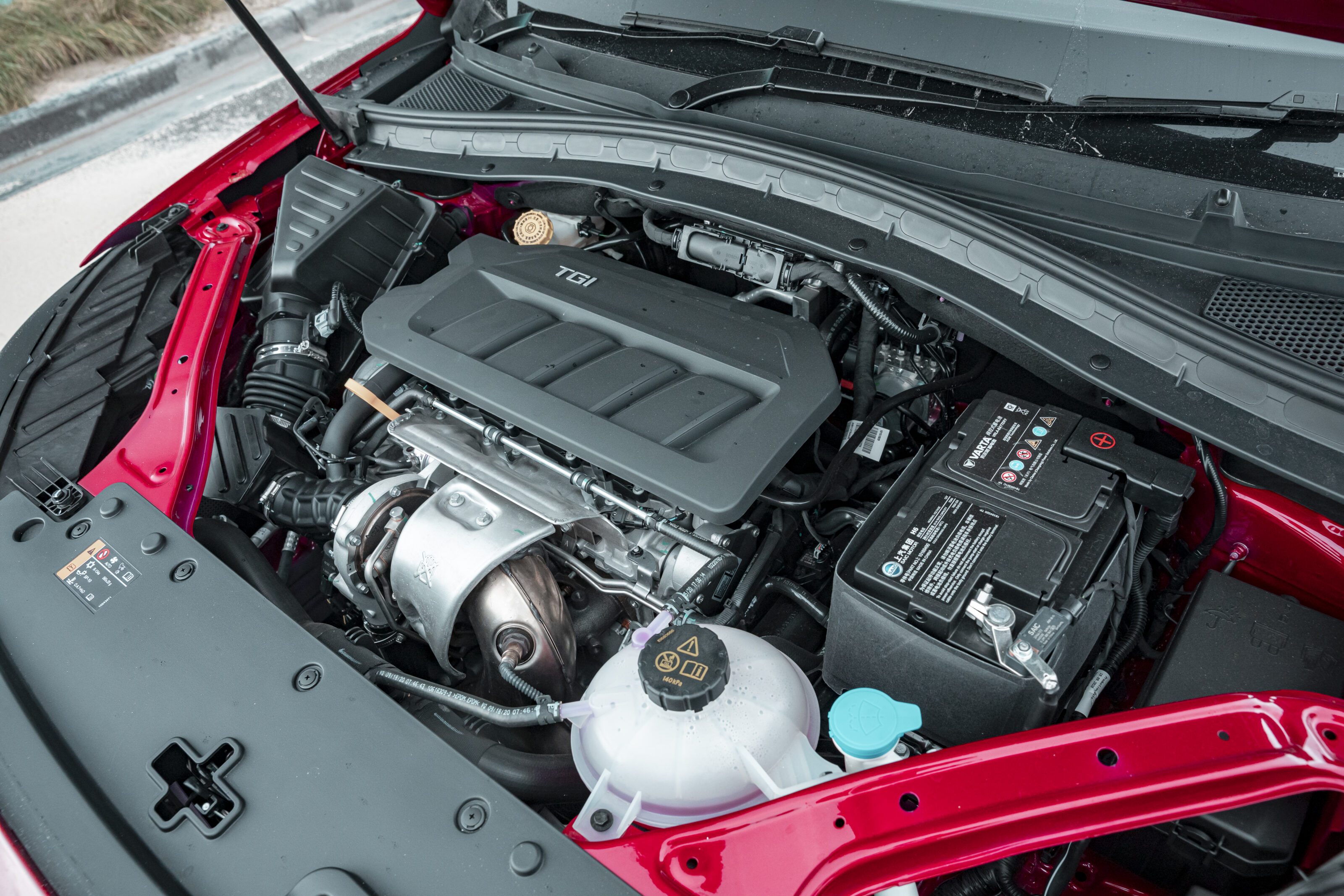
Perhaps the highlight of the new HS Essence X however, is its 2.0-litre turbocharged four-cylinder petrol engine. Its significant output of 168kW/360Nm is not only impressive in a car of this size, it’s also the most power you can have in an SUV for the same cash.
For more standard duties of cruising, however, the HS has a civilised manner with good bump absorption and a comfortable ride. There’s also minimal road noise.
We didn’t get a chance to test the AWD system on anything more serious than muddy forest trails but it is complete with a diff-lock, which is a statement of confidence and intent. The likelihood of an HS finding its way to some challenging off-road trails is perhaps minimal but we would like to be proven wrong.
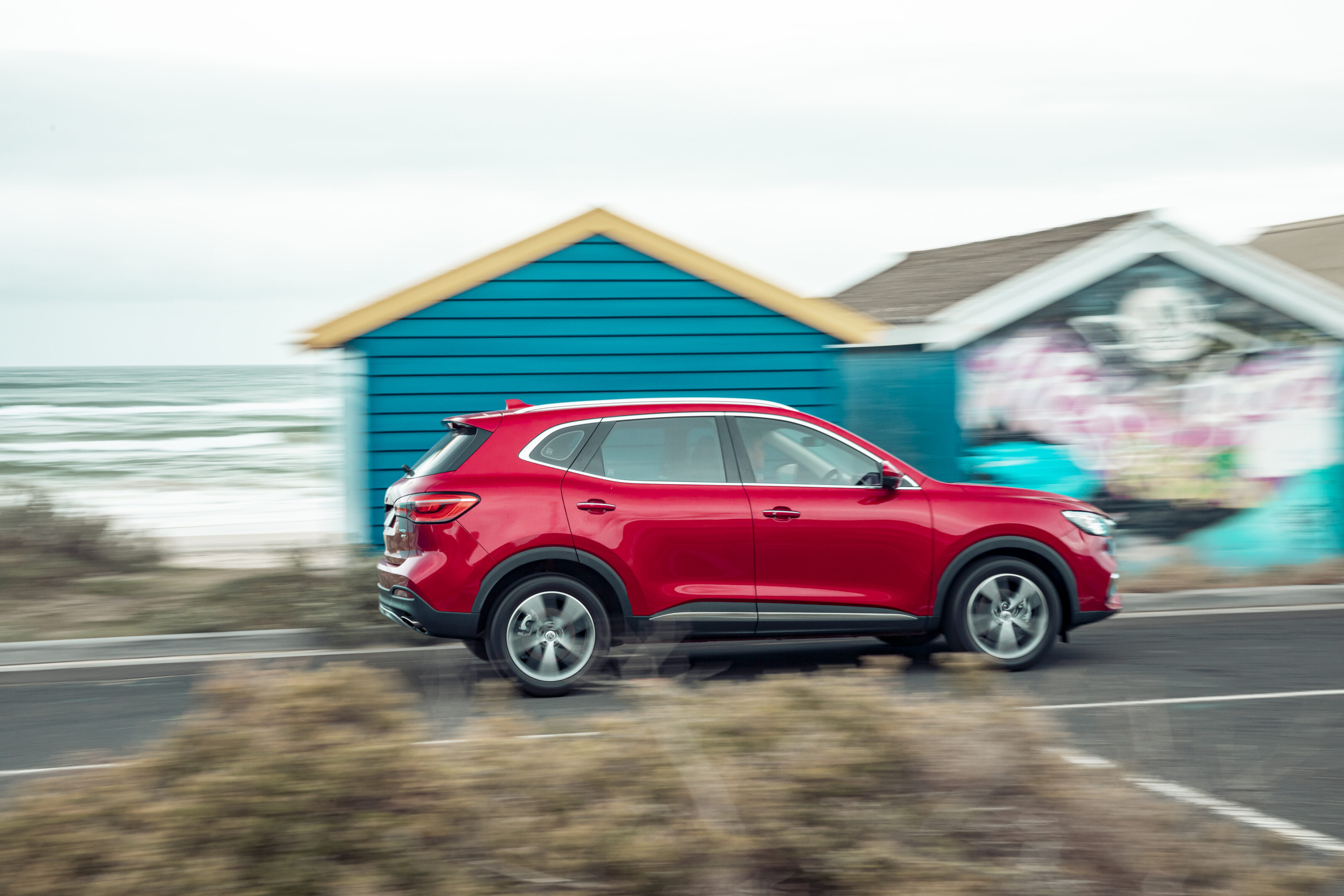
Its effect on-road though is noticeable and our test coincided with an unprecedented Victorian storm. Patches of mud washed onto the road and extensive debris couldn’t shake the MG’s traction, highlighting the benefit of all-paw systems even if you never intend to leave the blacktop.
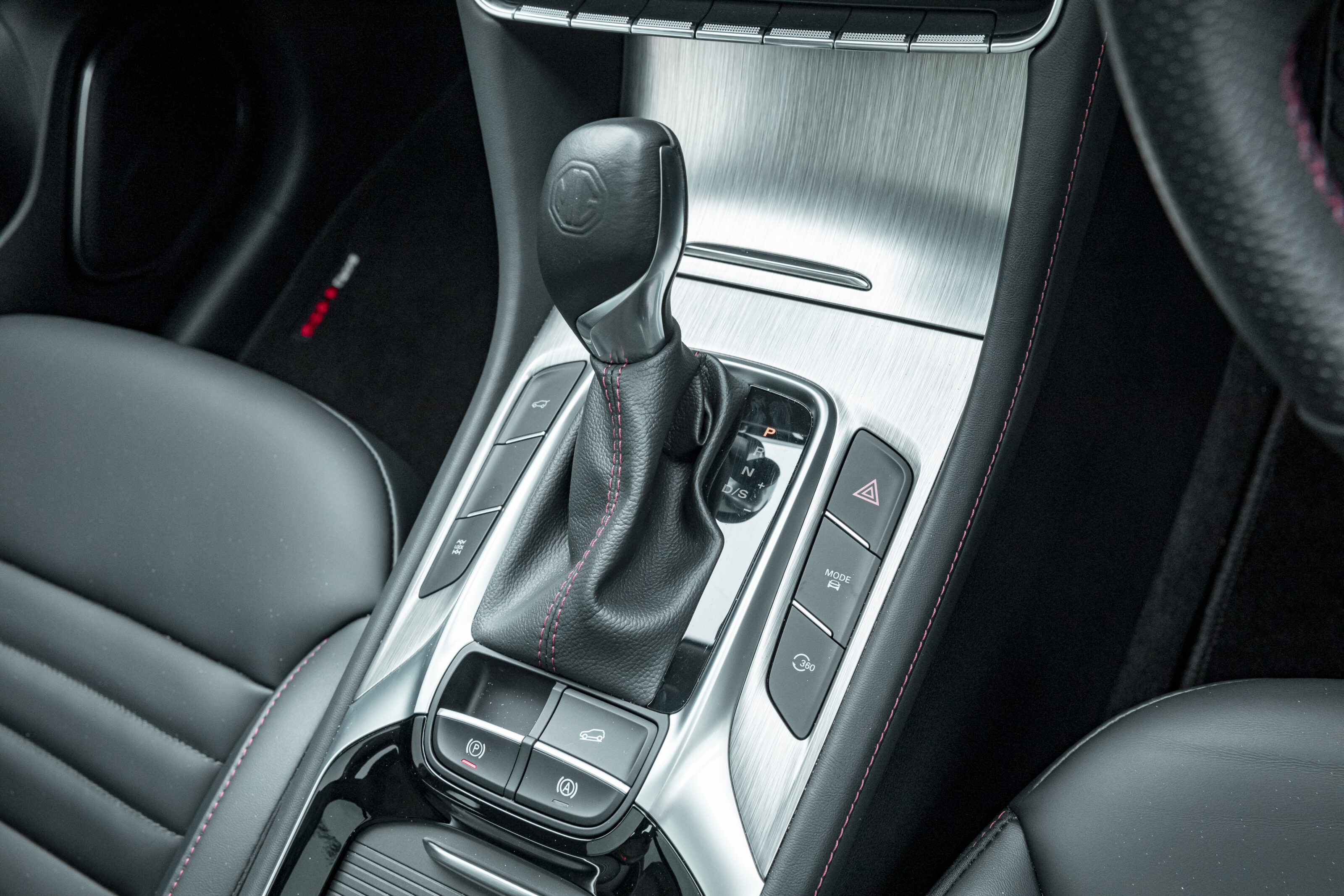
Unfortunately, the strong engine, welcome AWD system and relaxing chassis are let down by a sub-par automatic transmission. Paired as standard to the 2.0-litre is a six-speed dual-clutch transmission (the 1.5-litre gets a seven-speed) but the in-house unit suffers all of the disadvantages of early DCTs without any of the major advantages.
Low-speed manoeuvring is frustrating with an extended delay between switching between forward and reverse, with the transmission also allowing the vehicle to roll while it’s taking time to think.
Several times during three-point turns, we had to apply the brake to prevent the HS from rolling into objects before it had engaged a gear and, when it eventually finds a gear, the throttle modulation is very much a matter of all or nothing.
Only a small press of the accelerator unleashes a sizeable chunk of the power, launching the MG uncomfortably forward. At low speeds, the HS is difficult to drive smoothly and this would be a concern if a majority of your driving is suburban.
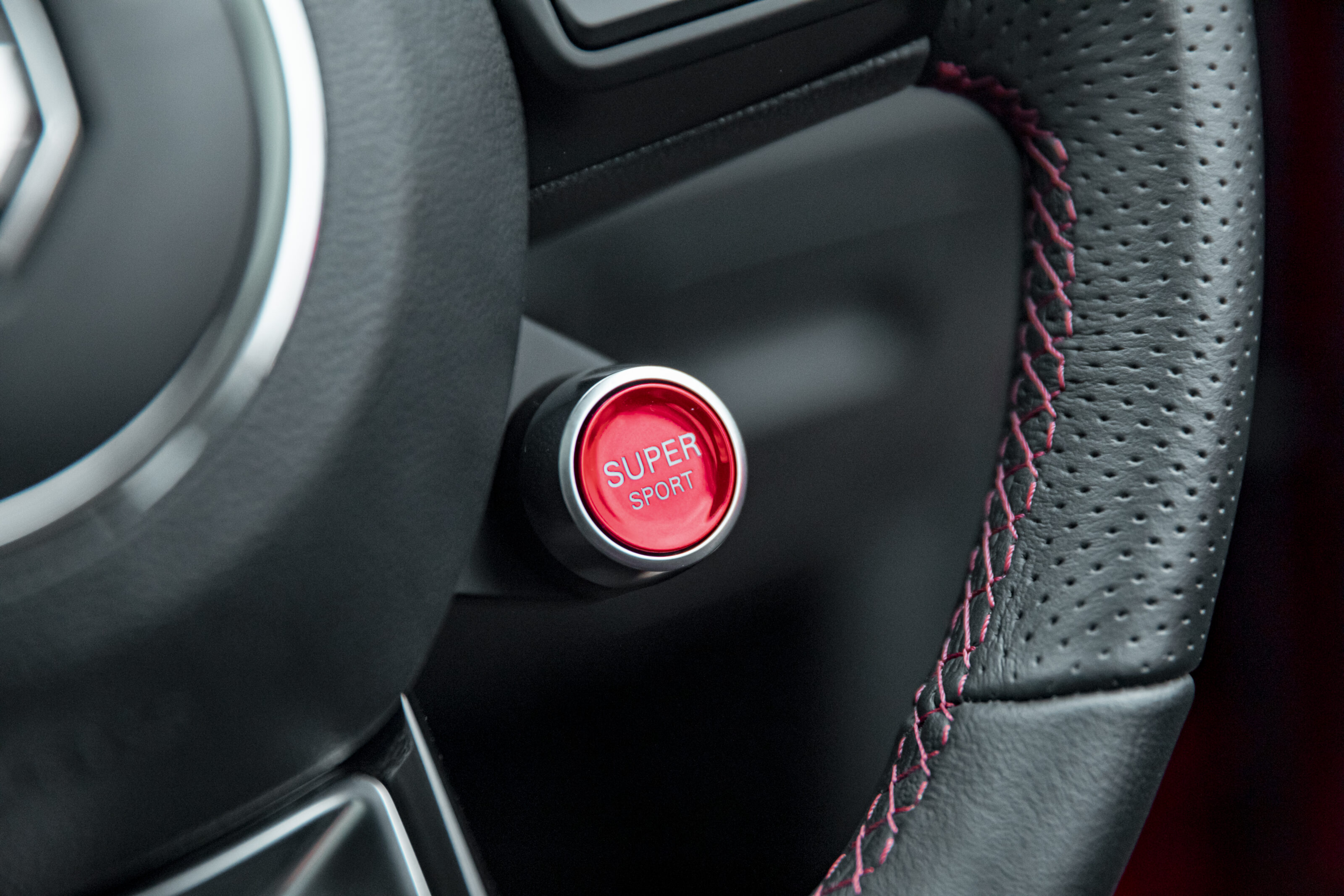
Out on the road, it gets little better with a program that is defiantly unwilling to kick down and manual paddle-shifters that only function when the selector lever has been pushed into Sport mode. And if you were hoping for a transformative effect from the tantalisingly named Super Sport button on the steering wheel, there’s none.
Its influence prompts the gearbox to drop a gear and perhaps a little more weight is added to the steering.
That’s a shame because the HS package would be so much more cohesive and convincing with a more conventional torque-converter auto, or perhaps a third-party DCT. The smart money for now though is still where MG is forging a good reputation for itself and, in the HS range, that means shopping at the more affordable entry-point.
But MG would do well to remember Rome wasn’t built in a day and, while its range of vehicles is improving rapidly, it’s unrealistic to expect it to rival the current affordable champions of the Australian market just eight years after entering it.
And while there’s certainly value in referencing MG’s sporty English heritage, it might also pay for MG to lean into its Chinese ownership rather than wincing every time it’s mentioned. After all, 90 per cent of merchandise entering the country originates in China and a vast majority of consumers have no qualms about their phones, furniture and footwear starting life in the PRC.
As Huawei, Lenovo and Tsingtao have demonstrated, Chinese brands can find a foothold in Australia, in the same way Apple, Prada and Paddle Pops have proven that Chinese manufacturing won’t turn consumers away if the quality and price is right.
And that’s where the value equation probably isn’t quite right for the MG HS Essence X. For the same cash, Hyundai will sell you the excellent new-generation Tucson in mid-range Elite with the strong 1.6-litre turbo engine, Kia offers the mid-range Sportage, and you could even have a m Mazda CX-5.
Against these more cohesive options, the high-end HS can’t compete but its more affordable counterparts make far more sense. You won’t get the strong 2.0-litre turbo, but the entry Core and Vibe HS variants deliver all the critical ‘Pilot’ safety features of the flagship versions (adaptive cruise, AEB, lane-keep assistance, blind-spot monitoring and rear cross-traffic alert) minus the hefty price.
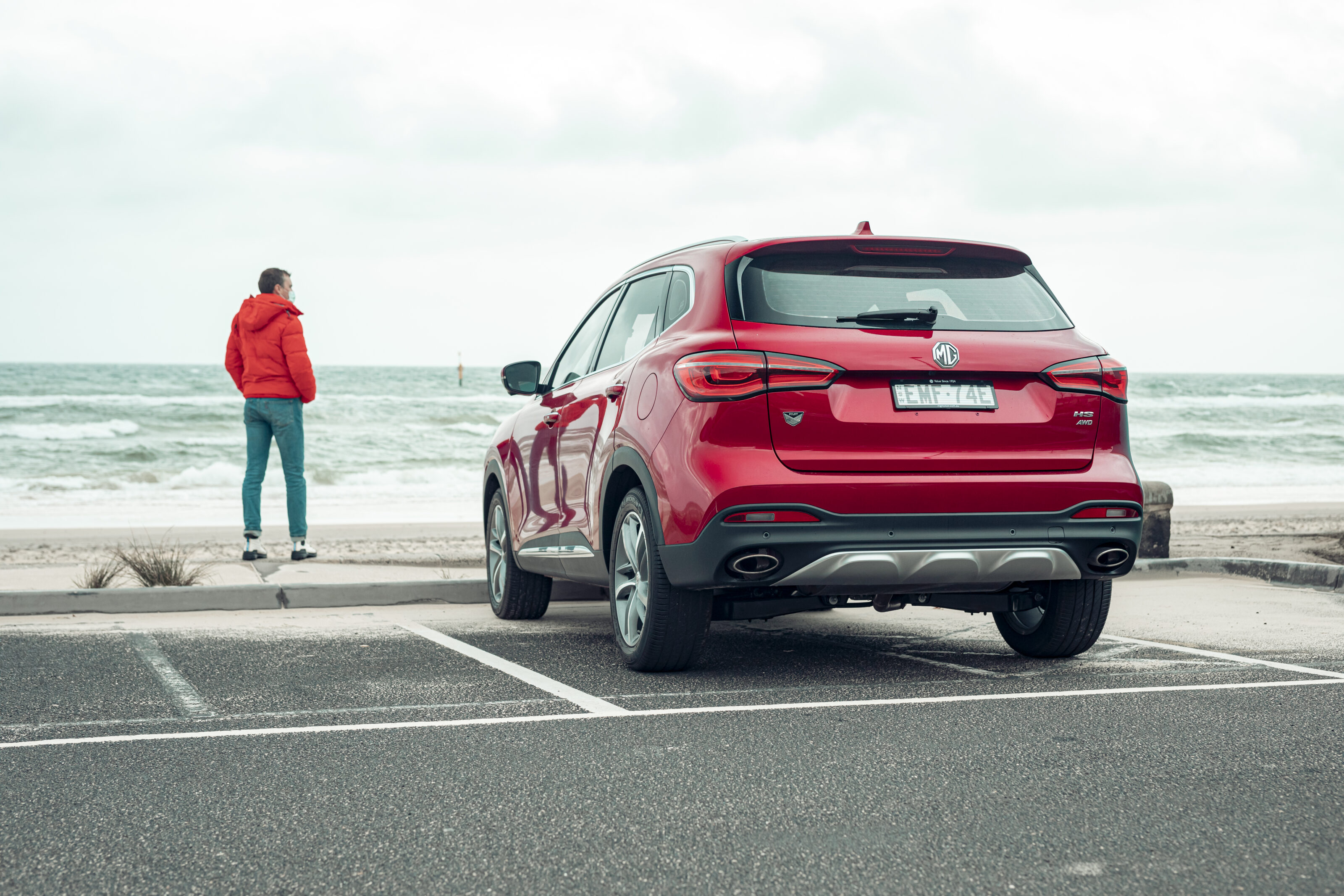
MG has a little way to go before its cash cow takes the form of a premium variant like the Essence X, but if it maintains its current sales trajectory with more affordable options as the heroes, it’s only a matter of time.
If sedans are a dying breed, a car like the D3-generation Audi S8 can only be thought of as functionally extinct.
While buyers turn away from traditional saloons in droves (especially niche, opulent long-wheelbase limos) and carmakers increasingly trade off cylinder counts for turbochargers, the notion of an Audi-badged S-Class rival with a Lamborghini-derived 5.2-litre V10 in its snout seems simply unfathomable in a contemporary context.
And yet, Audi produced exactly that from 2006 to 2010, costing more than $250,000 when new.
Today, you can find D3-generation S8 V10s asking between $35,000 and $45,000, which is virtually unmatched on the ‘lot of car for your money’ equation.
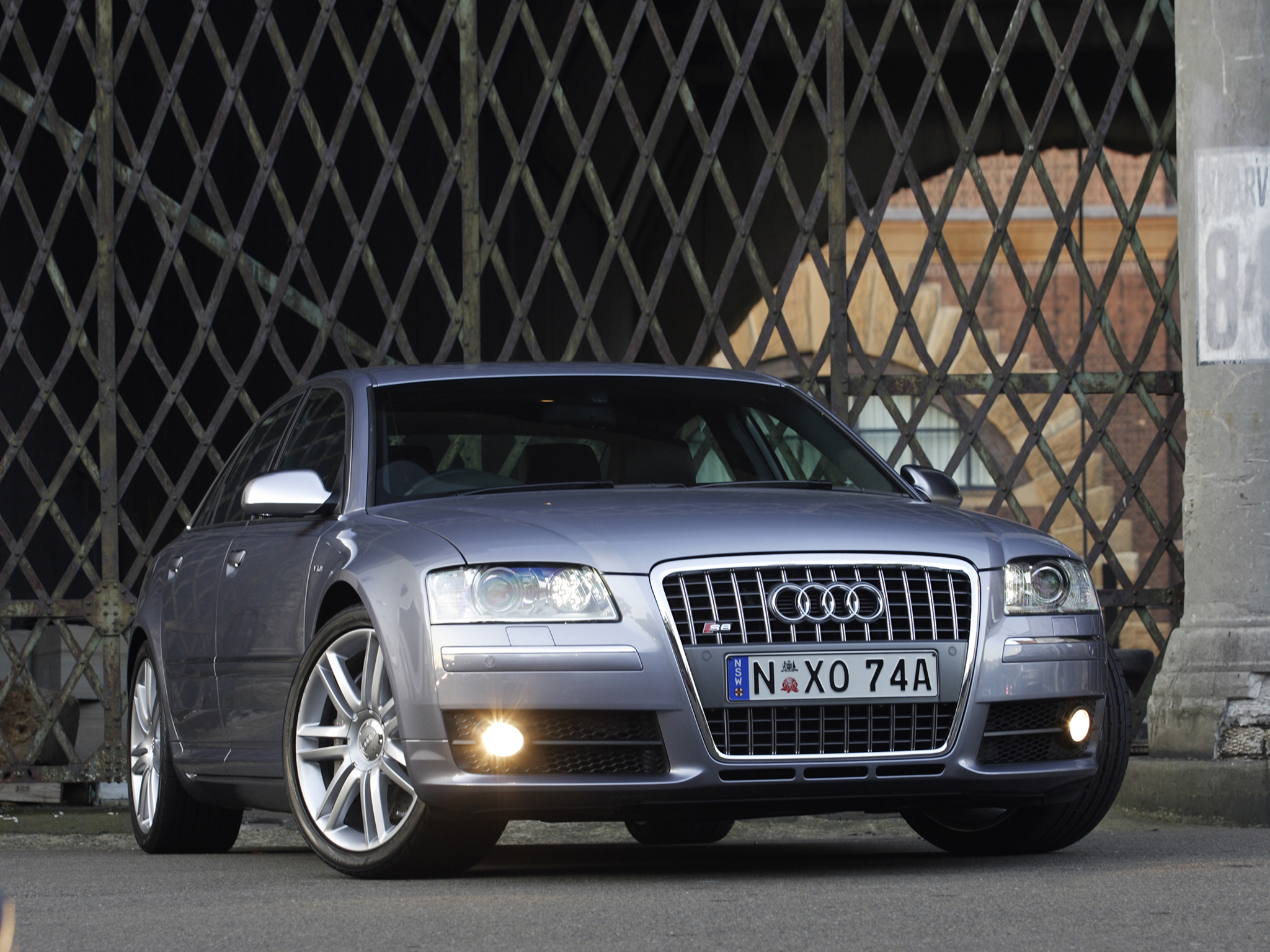
However, don’t buy into the experience expecting a cut-price four-door Lamborghini Gallardo.
While its V10 is closely related the Lamborghini unit, the Audi powerplant utilised different injectors, manifolds, engine management, and even differed in cylinder bores, cylinder spacing and compression – yielding 331kW compared to the facelifted 5.2-litre Gallardo’s 368kW output.
Peak torque matches the updated Gallardo’s 540Nm output, and is delivered at a lazy 3000rpm – half that of the Italian coupe’s heady 6000rpm peak. And despite the large limo’s all-aluminium body, its large stature, big engine and quattro underpinnings yielded a hefty 1940kg kerb weight.
The V10 limo will still hang with modern traffic, however, with a claimed 4.9-second sprint from 0-100km/h.
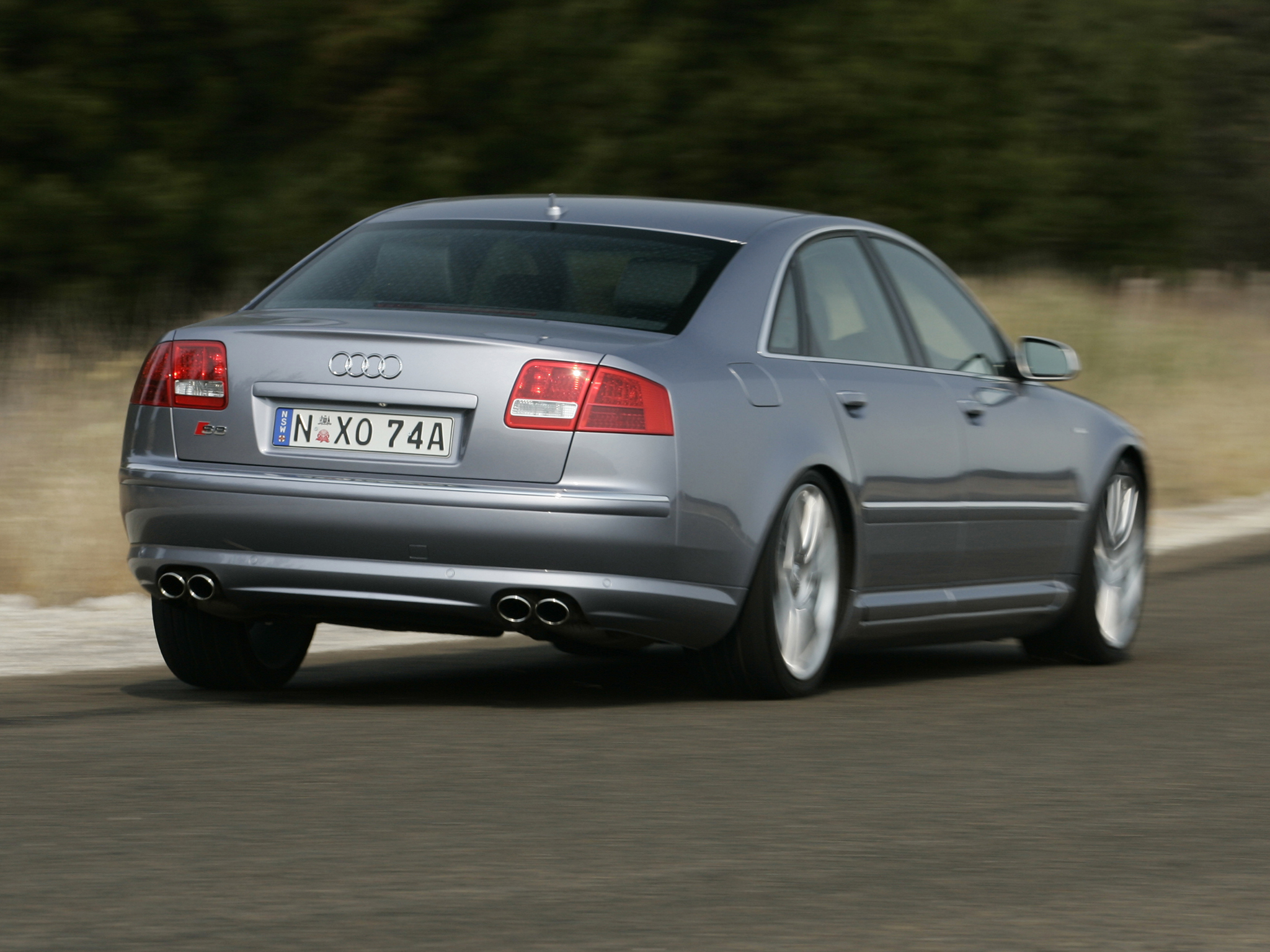
“A Lamborghini-tinged 5.2-litre v10 may never be more attainable again”
As the brand’s flagship luxury offering, it was filled to the gills with tech and amenities. In fact, there’s little missing on the original equipment list that one could want for in a car today. The list of kit includes: 14-speaker Bang & Olufsen stereo, SatNav, four-zone climate control, power memory seats, LED daytime running lights, front and rear parking sensors, auto headlights, adaptive air suspension, keyless entry and even fingerprint keyless start!
Visually, the Audi S8 flies well under the radar and, as a package, is one of the most compelling modern sleepers you can buy. Audi will never build a car quite like this again, and a Lamborghini-tinged V10 may never be more attainable. Go on, you know you want to…
Essential checks
In the market
The D3 Audi S8 underwent a facelift in November 2007, most notably introducing a revised and more direct Servotronic steering rack, updated shock absorbers and air suspension dampers as well as added noise insulation. Audi’s ‘Side Assist’ blind spot monitoring and Lane Assist systems were also introduced as cost options.
A second facelift later occurred and was strictly limited to exterior styling. These series III cars can be distinguished by a vertical bar grille, side mirrors with integrated turn signals, and LED tail lights.
S8s didn’t sell in huge numbers so they are rare to find today. We only observed a couple of series I and II cars on the market, both asking less than $45,000. Naturally, the reputation of costly maintenance afflicting used European cars – a V10 one, at that – has seen values plummet below one-fifth of the large barge’s as-new sticker price. But for so much car, it’s hard to imagine values falling much lower.
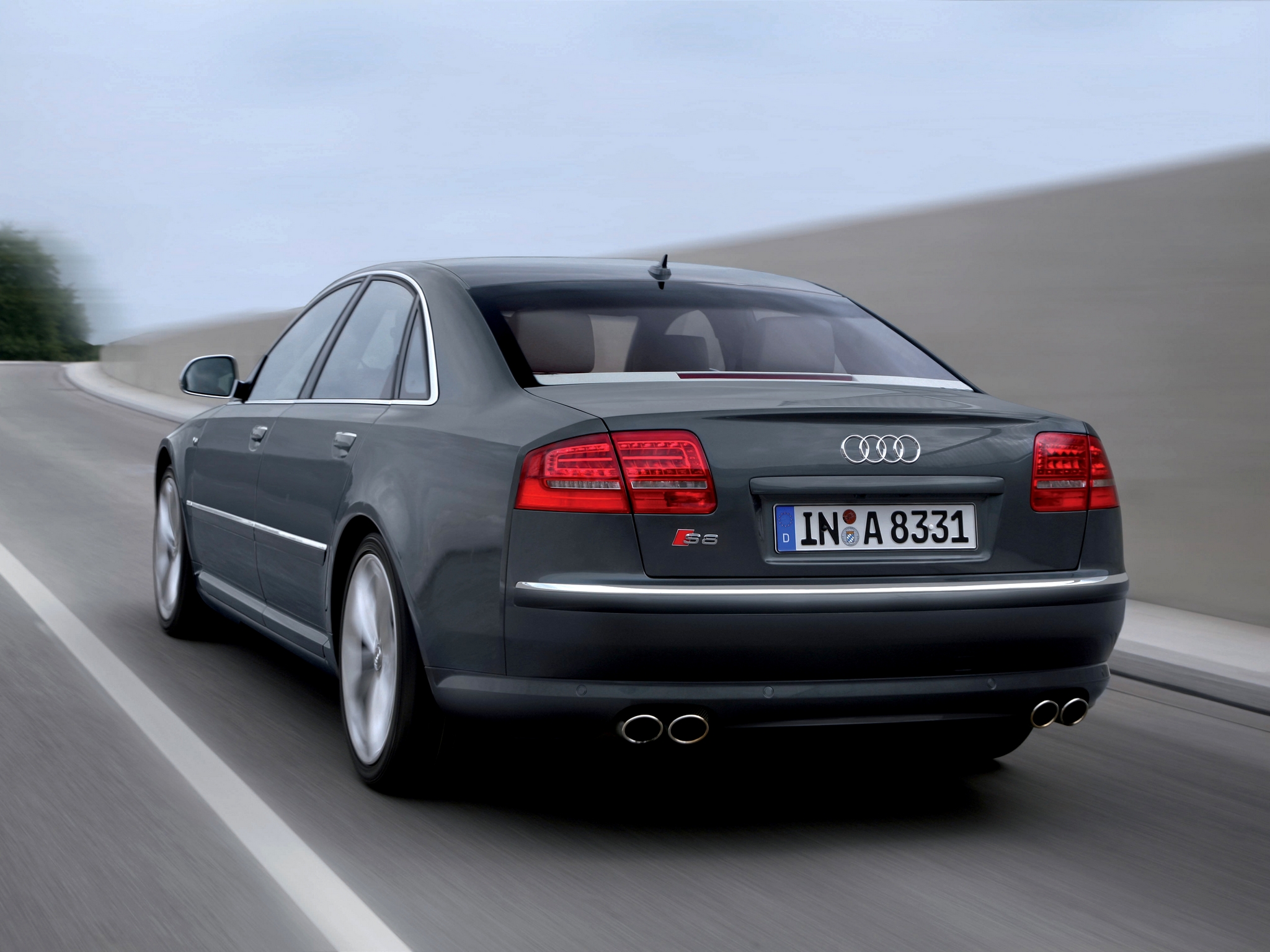
Body & Chassis
With this generation of A8, Audi was able to reduce the number of components in the all-aluminium body while greatly increasing the degree of automation in its production. One of the downsides of the material’s weight and corrosion-resistant benefits is that dents and damage are costly to repair. Presence of corrosion may indicate previous dodgy fixes.
Engine & Transmission
This is the scary part, however, you’ll be glad to hear that many in the Audi clan regard this powertrain to be rather durable with proper love and care. The big V10 is quite demanding when it comes to oil changes, and drinks around 10 litres every 100km. Full service history is essential.
Oil pump seals and cam cover gaskets are known to grow leaky around 160,000km. Beware that access to all spark plugs and coil packs require a partial engine removal, and a starter motor replacement is an engine-out exercise, so expect labour-intensive invoices.
Coil packs can fail, so ensure the engine runs smoothly throughout the rev range, and it’s generally advised against proceeding with a car possessing a noisy or rough transmission.
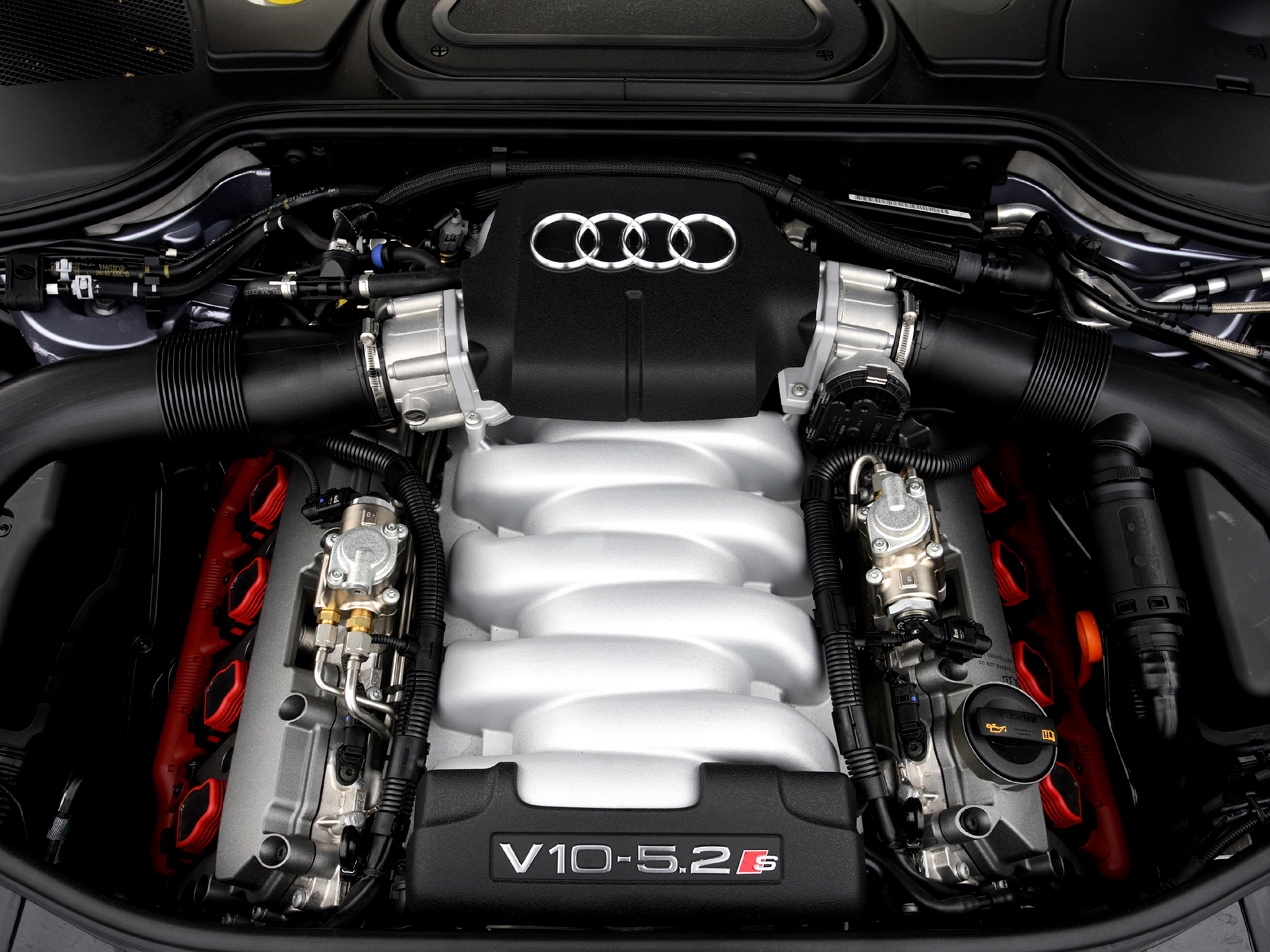
Suspension & Brakes
The air suspension system is known to be problematic so cycle between all modes and listen for an overly noisy air compressor, and any ‘greyed out’ options on the central MMI screen.
On the road, listen for clunks and noises most often occurring at the front end. There are eight suspension arms up there, and double the bushings. And the only way you’re getting new bushings from Audi is by buying a complete replacement arm.
Interior & Electronics
These cabins are generally bolted together well, however, listen for rattles that may have developed over time. The S8 was also filled with some incredibly advanced technology for its time (the fingerprint thing was very sci-fi, but problematic in reality), so press every single button and test that all the functions work. In rare cases, the central power screen and B&O rise-up dash tweeters can fail with age, as can the boot’s power-close motor or switch.
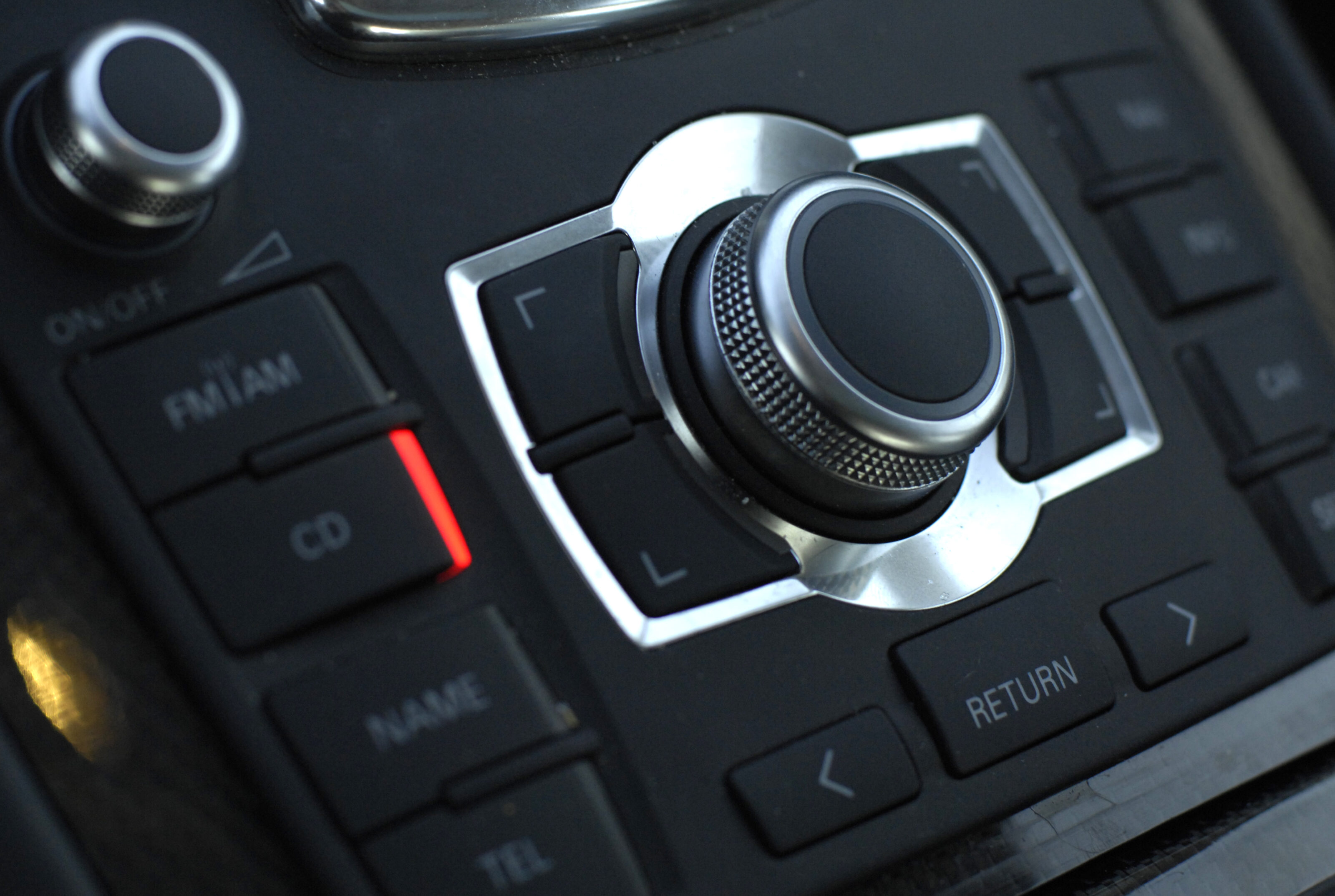
Audi D3 S8 specs
Body: 4-door, 5-seat sedan Engine: 5204cc V10, DOHC, 40v Power: 331kW @ 7000rpm Torque: 540Nm @ 3000rpm Transmission: 6-speed automatic Weight: 1940kg Used range: $35,000-$45,000
Three other options you may consider
1. Mercedes-Benz S600 Another luxury limousine, the W220-generation Mercedes-Benz S600 boasted a 5.8-litre V12 and claimed to clock 0-100km/h in just 4.3 seconds. On the secondhand market, they’re more readily available, generally with less mileage, for less money than the Audi S8.
2. BMW E60 M5 The E60 5 Series remains one of the more controversial designs of the Bangle era of BMW. But what we could all get behind was that wonderful F1-inspired S85 V10. It was the world’s first production saloon fitted with a V10, appearing one year before the larger S8.
3. Volkswagen R50 Touareg Not exactly a direct comparison, but there are very few competitors at this price point, cylinder count and of this vintage. The notion of a super SUV is commonplace today, but the 5.0-litre twin-turbo diesel V10 R50 Touareg was something entirely new back in 2004.
When you think of iconic Italian ’70s car designs, what comes to mind? The Lancia Stratos? De Tomaso Pantera? Maybe even the Ferrari 365 GTB4 Daytona?
All fair answers, but one could argue the most influential and longest-lasting design to come from the era was that of the Lamborghini Countach – a V12 monster underneath a gorgeous Bertone-developed body, featuring scissor doors for the first time in a production car.
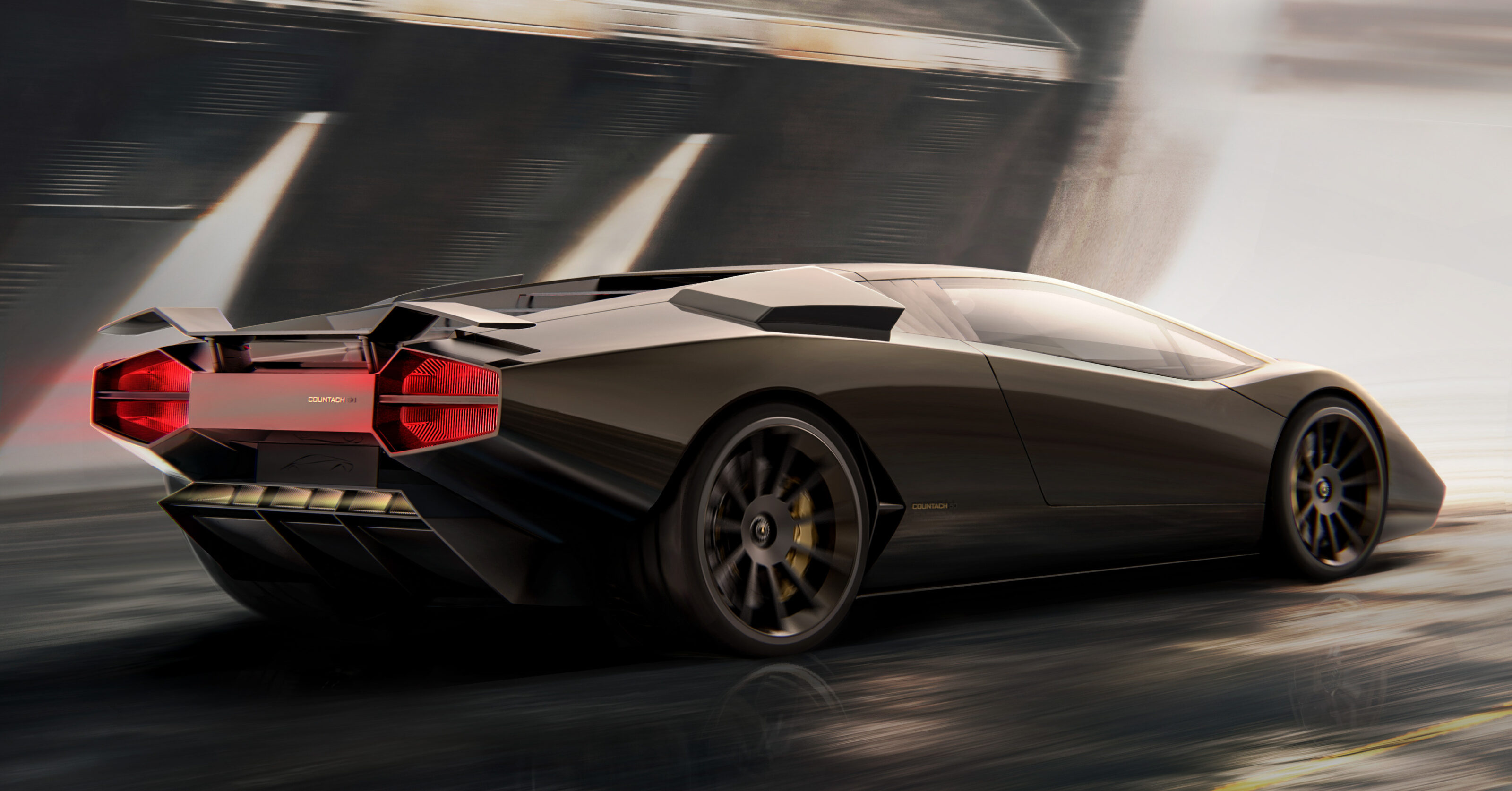
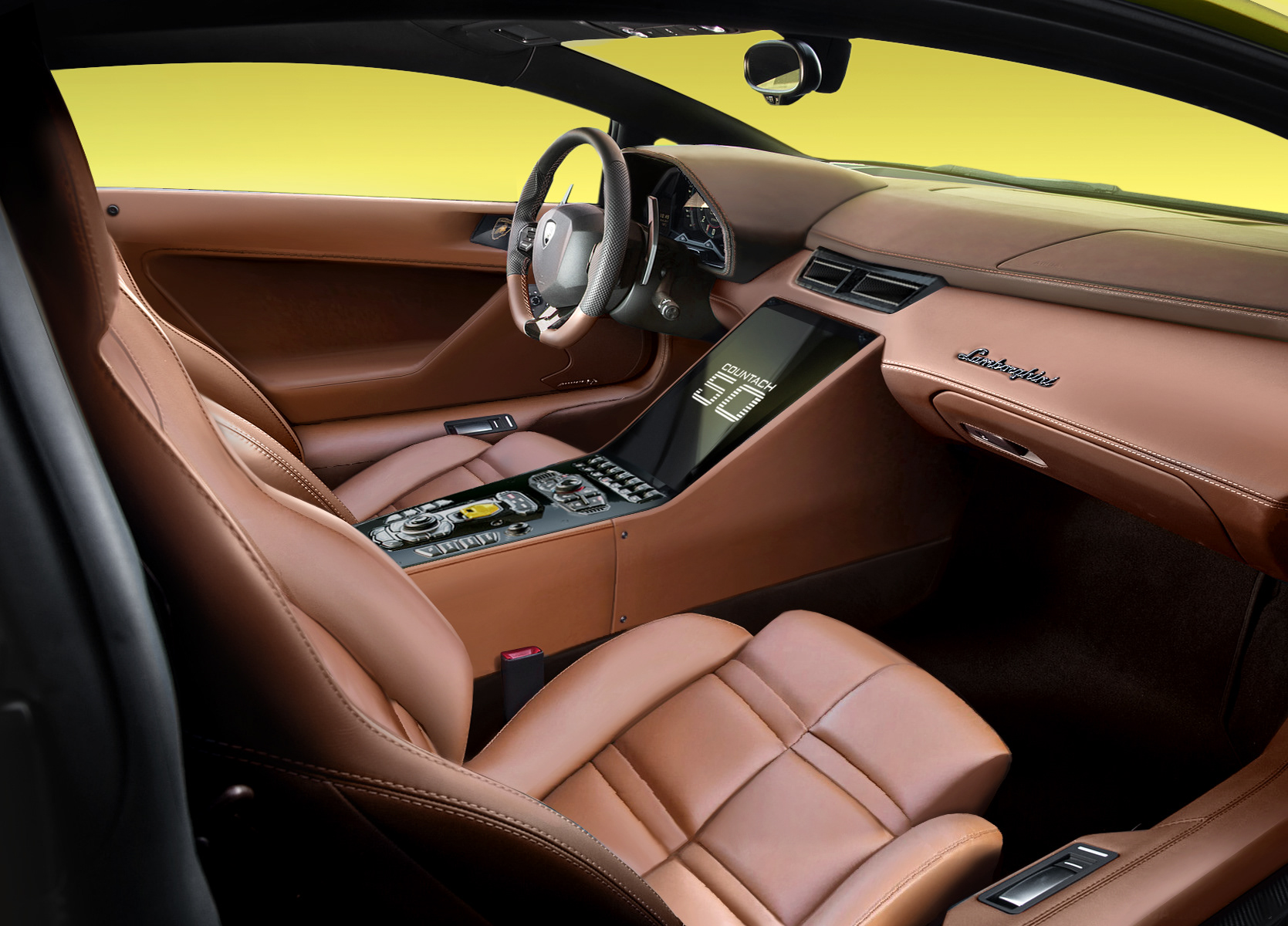
To celebrate 50 years since its unveiling as the Lamborghini LP500 concept at the 1971 Geneva Motor Show, ARC Design has re-imagined what the Countach would look like now if it went back into production tomorrow, blending the Italian marque’s current design language with the car’s iconic shapes.
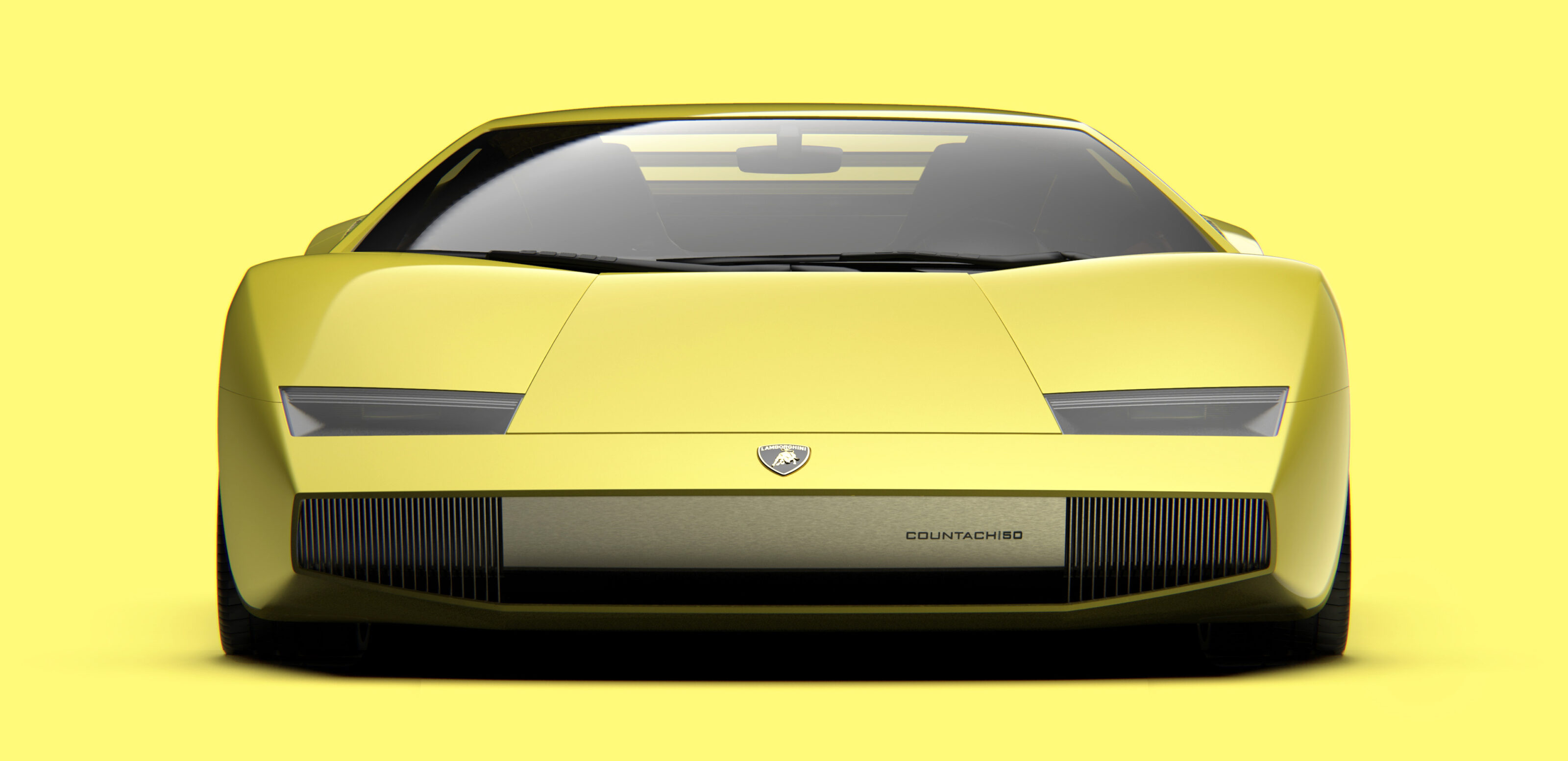
“At the heart of this design was the desire to tribute the Countach, starting from the prototype which is an elegant sculpture,” ARC told WhichCar.
“However, we did want to underline the later iteration of the Countach; the icon of the ’80s with its more brutal look. So we created this morphing concept.
“To render this project credible, we developed this ideation based on the Aventador – by keeping all the structure, such as the underpinning, the windows and the V12 engine (of course), so it could be re-skinned into this Countach re-interpretation.”Ideally someone would take interest in making this a reality and finance the project to create a unique vehicle or a small production [run].”
Lamborghini just posted its best ever half-year sales in the company’s history off the back of a tough 2020, with sales of its Urus SUV accounting for 57 per cent of all units sold.
The Aventador will also be wrapping up production with an end-of-line LP 780-4 Ultimae, featuring Lamborghini’s last naturally aspirated V12 engine before it succumbs to electrification.
German high-performance tuner Alpina has said it has no interest or demand for an EV model just yet, despite its partners over at BMW already rolling out fully-electric vehicles.
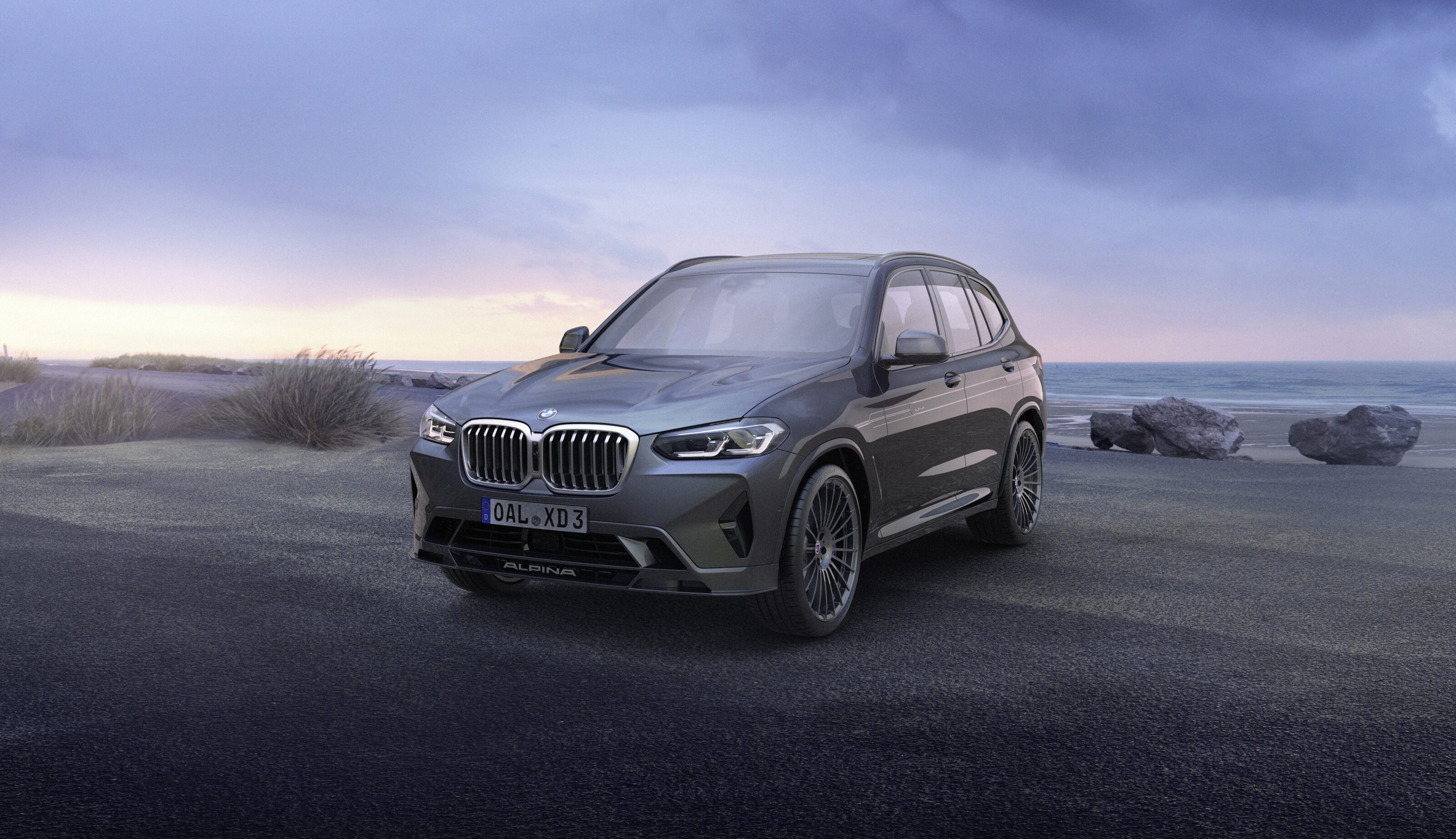
The Buchloe-based crew are well known for turning up the wick on BMW models, currently selling tuned versions of the X3 (XD3), 5 Series (B5) and 3 Series (B3) among others in Australia through BMW dealerships.
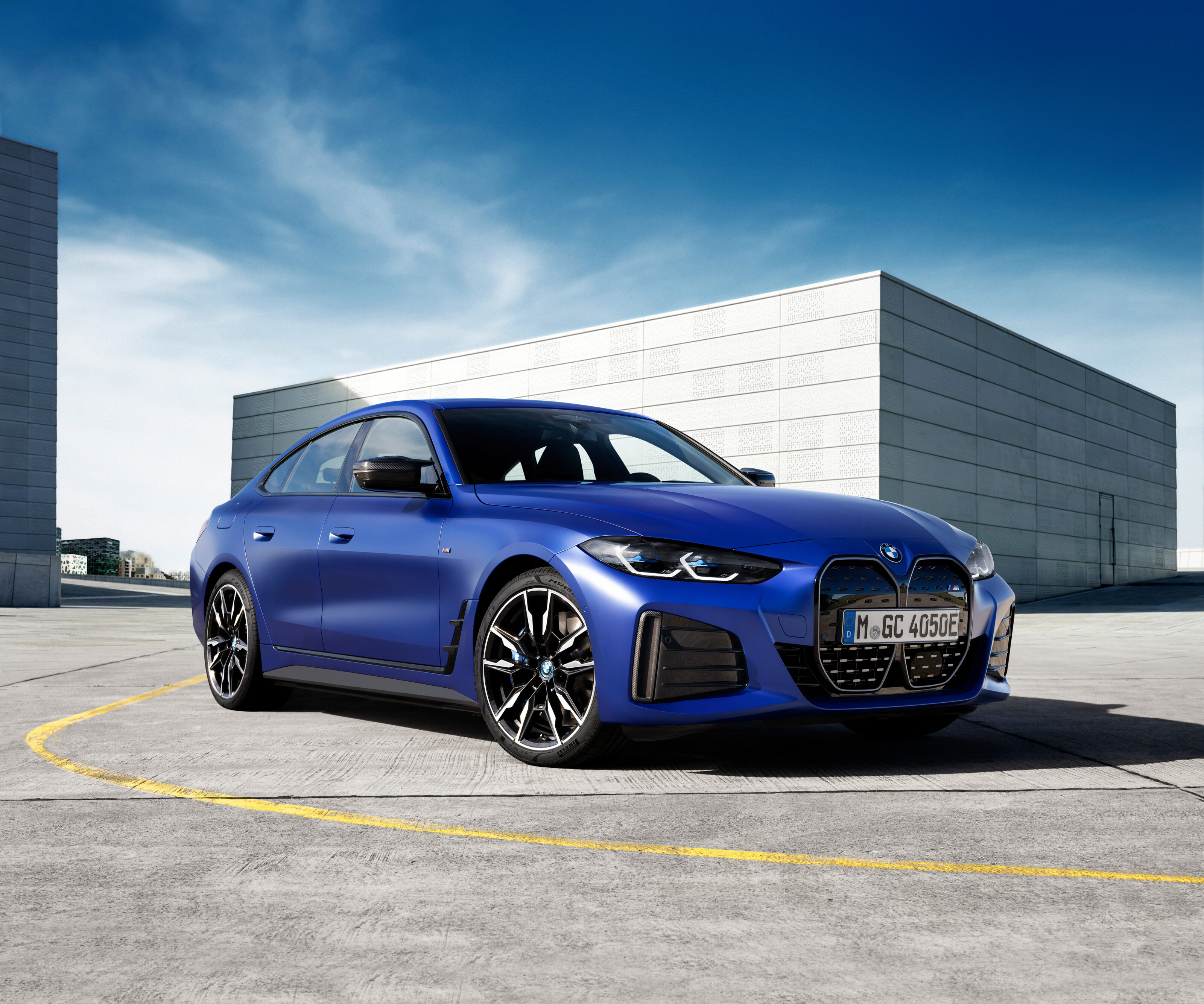
However, Alpina CEO Andreas Bovensiepen says his company has no intention of selling any electric vehicles in the near future, even after BMW released the i4 M50, a 400kW all-wheel-drive substitute for the 4 Series.
Speaking with German website Bimmer Today, Bovensiepen put his firm’s hesitancy down to a lack of demand and limitations associated with electric vehicles.
“We have customers, especially in Europe, who drive 30,000 to 50,000 kilometres a year,” said Bovensiepen.
“[Last year] we carried out a customer survey on the subject of hybrid and BEV. Our customers [felt] no demand for battery-electric models.
“This is also due to the high mileage: Alpina customers want to drive fast and accelerate strongly, especially in Germany – so of course [driving] ranges are still an issue.
“If you were to transfer eight-cylinder driving behaviour to a BEV, the [driving] ranges would probably be a maximum of 200 kilometres. Especially when I want to go fast, it just doesn’t work.”
When asked about whether Alpina would consider working on its own i4 or iX SUV, Bovensiepen told Bimmer Today it was unlikely given the brand’s current projects and models.
“Our resources are limited. First of all, we want to build what our regular customers want. We observe the market and deal with the new technologies, but it is not to be expected that a BMW Alpina will come as a BEV vehicle in the short term.
“We may have to offer a hybrid or a battery-electric vehicle in the medium term. We are looking closely at the demand for the BMW i4 and iX3. With the BMW iX we are not sure.”
The recently updated Alpina XD3 diesel will be launched in Australia later this year with 48-volt mild-hybrid assistance, boosting power and torque to 261kW/730Nm, a 66kW/110Nm increase over the X3 upon which it is based.
Elon Musk has taken to Twitter to announce Tesla’s global Supercharger network could soon be utilised by other manufacturers, taking away the exclusivity of its ultra-fast charging systems.
As previously reported, Tesla has already stated its intentions to open up its charging network in Europe, engaging in talks with the Norwegian Government to allow access from other brands so long as it benefits from financial incentives.
Tesla’s Supercharger network is made up of over 2500 stations and 25,000 charging points worldwide, having been developed solely by the American manufacturer before the wider adoption of EVs, forcing alternative brands to play catch up and rely on third-party chargers.
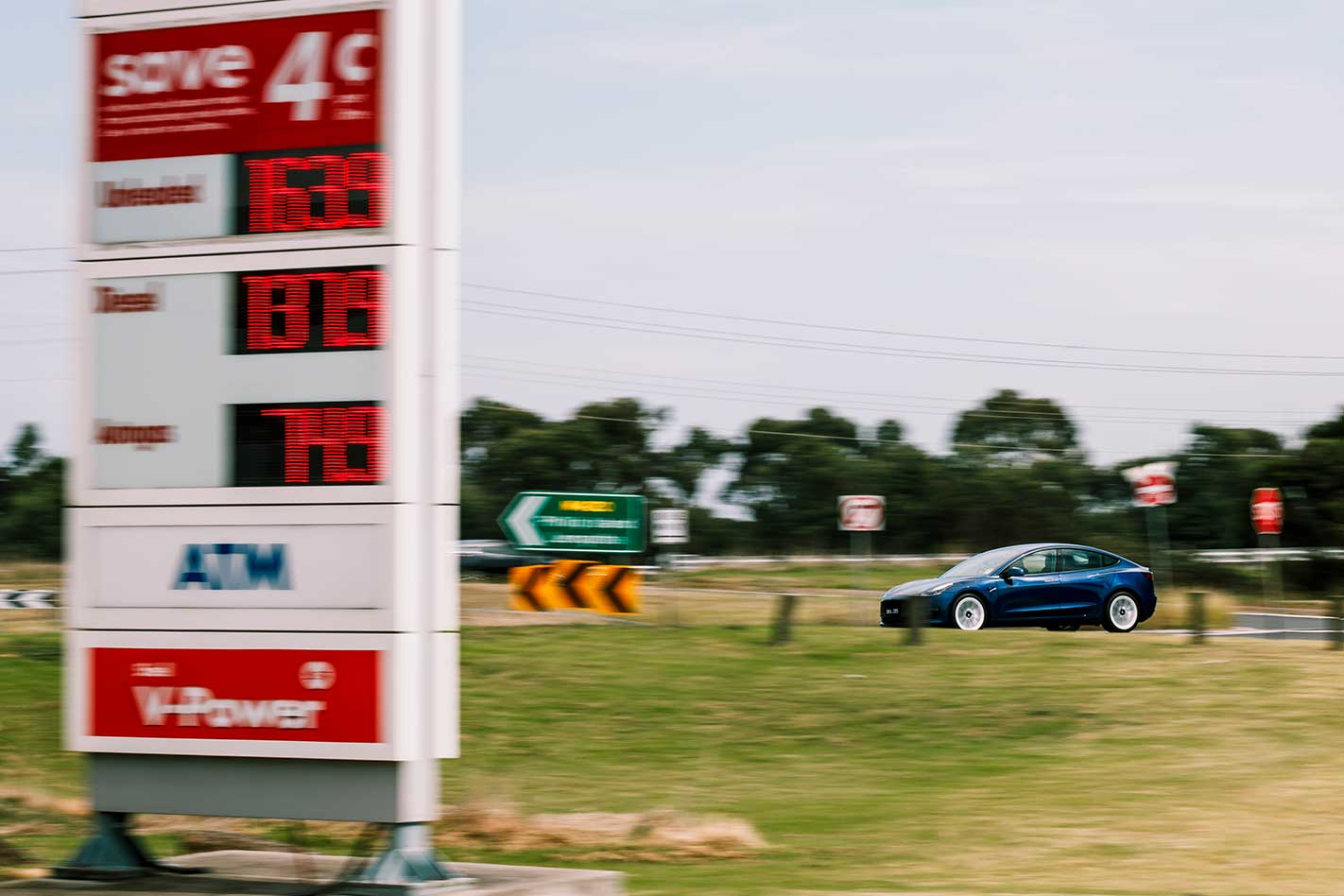
“We created our own connector, as there was no standard back then and Tesla was only maker of long range electric cars,” tweeted Musk.
“It’s one fairly slim connector for both low and high power charging. That said, we’re making our Supercharger network open to other EVs later this year.”
In the United States, Superchargers can only work with Tesla’s vehicles because the charging connector included with its cars is incompatible with its rivals’ offerings.
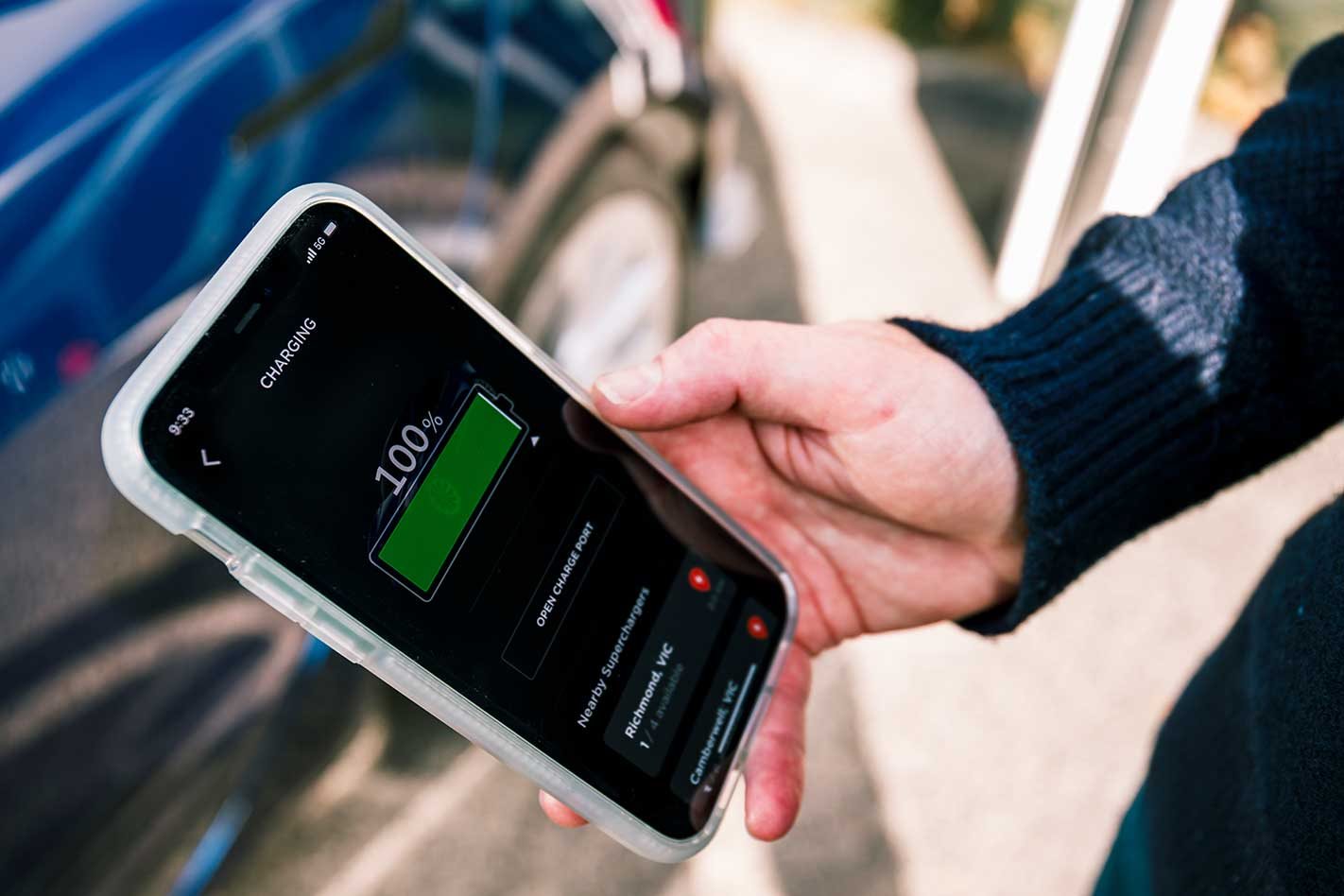
European Tesla models are sold with a more common Combined Charging System connector, allowing owners to charge on a wider network, which would also make it easier for Tesla to adapt its Superchargers to become universal.
Tesla’s claim of Supercharging being cheaper than refilling a traditional internal combustion engine vehicle was found to be false by WhichCar, with per-100km costs being higher for the EV at a recharge rate of 52c/kWh.
Snapshot
- Range starts from $18,950
- Dolcevita added as a permanent variant, previously was limited-edition
- Convertible only on range-topping Dolcevita u2013 dropped from Lounge
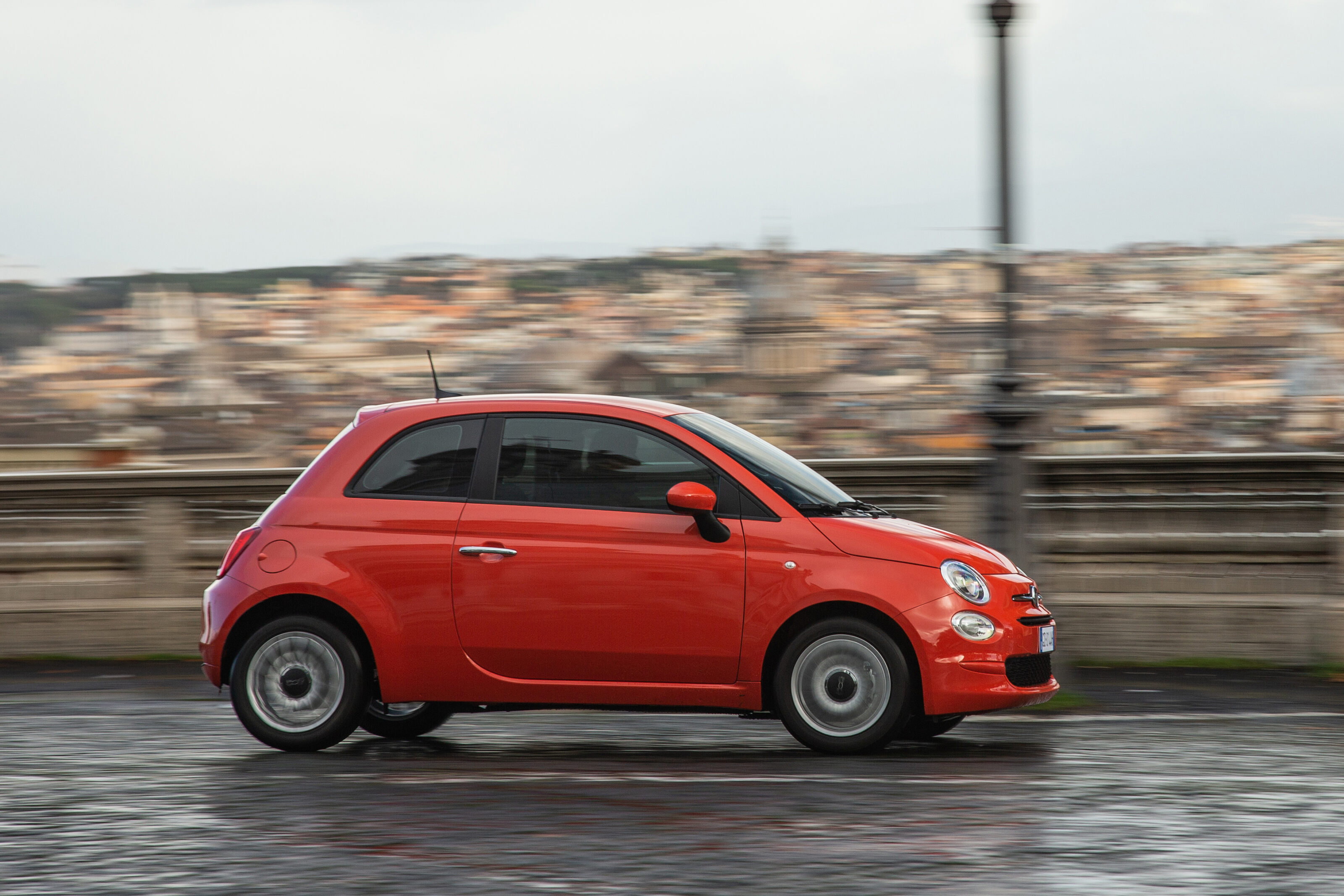
The 2021 refreshed Fiat 500 range has arrived Down Under, with existing variants having received a price cut and new versions added.
The Dolcevita and Dolcevita Convertible will permanently join the entry-level Lounge in the line-up for 2021, after just 30 examples of the former were shipped to our shores as part of a limited-edition run last year.
While a soft top can be had on the incoming Dolcevita, it has, Wheels has confirmed, been dropped from the 500 Lounge and the Club and Club Convertible axed after only being introduced in 2020.
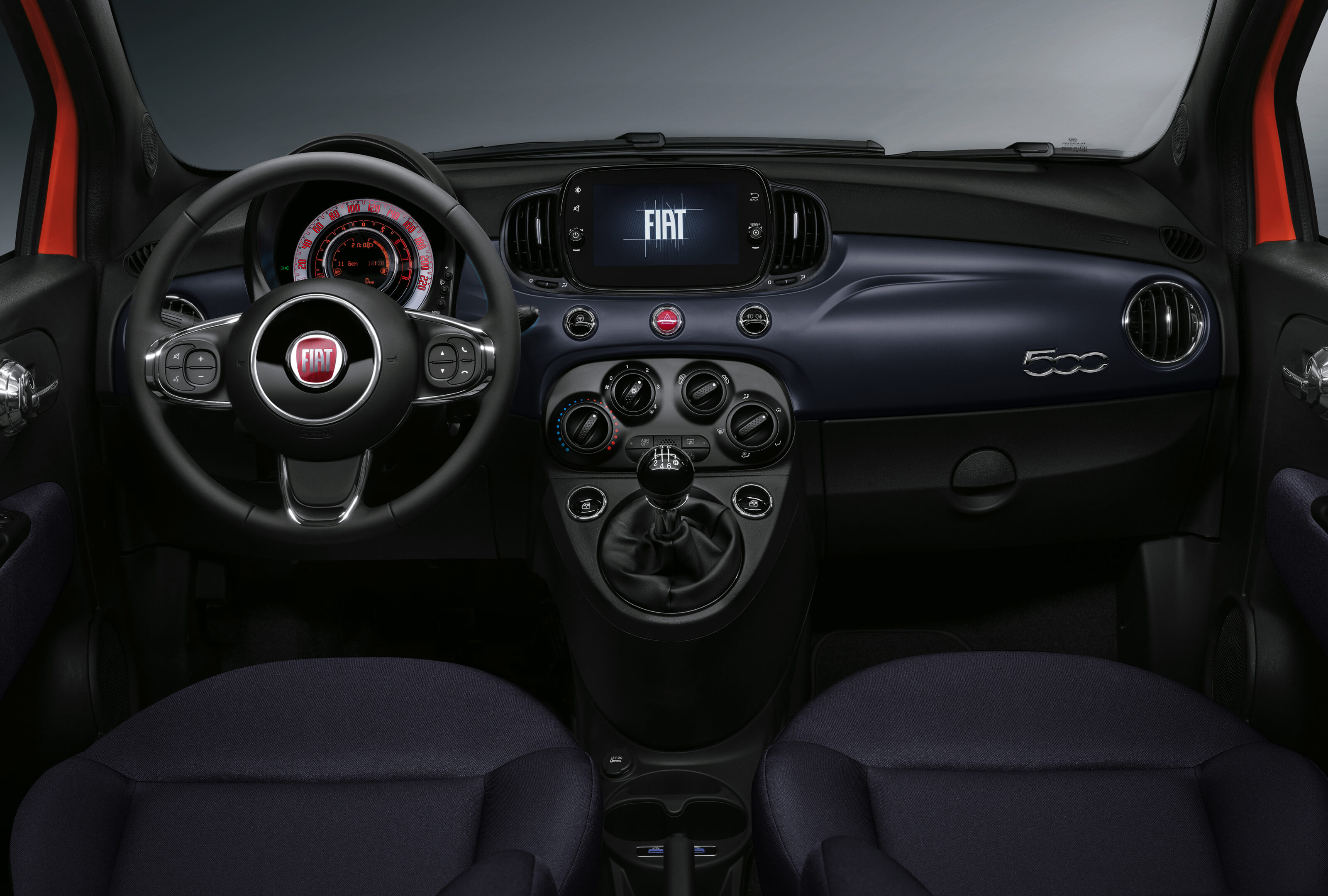
While the iconic hatch’s exterior remains largely the same, changes have been made to the paint options available and the interior refined. The base variant Lounge now scores an exclusive ‘Sicilian orange’ livery, paired with new Fiat monogram stamped blue seats and a matte dashboard in new ‘techno blue’.
Heading up the range, the Dolcevita adds new body-colour dashboard surrounds and chrome details to the 500 line-up, as well as a glass sunroof, 16-inch alloy wheels and signature Dolcevita badging.

Pricing
The 2021 Fiat 500 range comes six guises. All prices listed are before on-road costs.
| Fiat 500 Lounge manual | $18,950 | down $300 |
| Fiat 500 Lounge auto | $20,950 | down $250 |
| Fiat 500 Dolcevita manual | $21,450 | (new) |
| Fiat 500 Dolcevita auto | $23,450 | (new + $200 compared to Club auto) |
| Fiat 500 Dolcevita Convertible manual | $25,450 | (new) |
| Fiat 500 Dolcevita Convertible auto | $27,450 | (new +$200 compared to Club Convertible auto) |
Previously the limited-edition Dolcevita variant costed $30,750 before on-roads.
Features
The entry-level Lounge 500 gets as standard:
| Uconnect 7-inch touchscreen infotainment system with Apple Car Play and Android Auto |
| DAB + digital radio |
| 15-inch alloy wheels |
| LED daytime running lights |
| 3.5-inch TFT digital instrument cluster |
| Integrated voice control |
| Leather steering wheel |
| Power adjustable heated wing mirrors |
| Tyre pressure monitoring system |
| Split rear seat (50/50) |
| Speed limiter |
| Rear parking sensors. |
The Dolcevita and Dolcevita Convertible add to this:
| 16-inch alloy wheels |
| Fixed glass sunroof (hatch only) |
| Body colour dash |
| Dolcevita badging |
| Fog lights |
| Premium cloth seat upholstery |
| Chrome exterior detail |
| Cruise control |
| Automatic climate control |
| Dusk and rain sensors. |

Options
Aside from speccing the paint colour, there are no additional options available on the Lounge aside from the auto ‘box for $2000.
The Dolcevita can also be optioned with an electric sunroof for $1500 and the Lusso Pack for $1900 which adds; leather seats, tinted rear and side windows and 16-inch alloy Diamantura Nero wheels.
The Dolcevita Convertible can also have the Lusso Pack added for the same price.
On the Lounge and Dolcevita, no cost paint options are limited to just gelato white in pastel.
However buyers can choose to pay for any of the following colours:
Lounge (all +$500)
| Sicilian orange (pastel) |
| Passione red (pastel) |
| Carrara grey (pastel) |
Dolcevita (all +$550)
| Passione red (pastel) |
| Carrara grey (pastel) |
| Bordeaux (metallic) |
| Pompei grey (metallic) |
| Vesuvio black (metallic) |
| Blu ottanio (metallic) |
| Powder pink (metallic) |
Engine and drivetrain
All versions of the 500 feature the same 1.2-litre four-cylinder petrol engine sending 51kW of power and 103Nm of torque to the front wheels, mated to a manual ‘box as standard, with Fiat’s Dualogic transmission available as a $2000 option.
Fiat claims a 0-100km/h time of 12.9 seconds, as well as a top speed of 160km/h.
Fuel economy for all variants is rated at 4.9L/100km for the manual 500 and 4.8L/100km for the auto.
Safety
The 500 range has a five-star safety rating from ANCAP given back in 2008, and comes with the following safety features as standard on all variants:
| LED daytime running lights |
| ESP and ASR/MSR, HBA and hill holder |
| Seven airbags |
| Front seatbelts with pre-tensioners, load limiter and fastening sensor |
| Hazard light activation during emergency braking |
| Headlight alignment corrector |
| Fog lights (Dolcevita and Dolcevita Convertible only) |
| Isofix on rear seats |
| Space-saver spare wheel |
| Tyre pressure monitoring system |
| Automatic headlamps and rain sensing wipers (Dolcevita and Dolcevita Convertible only). |

Warranty
Like all Fiats, the updated 500 line-up comes with a three-year/150,000km warranty.
Availability
The refreshed Fiat 500 range is now on sale at dealerships across Australia.
Snapshot
- Volvo to take full ownership of Chinese operations
- Swedish company will buy out Geely’s stake
- China is currently Volvo’s largest market
Volvo Cars has bought itself out of its joint venture with parent company Geely Holding, purchasing the Chinese company’s stake to take full ownership of its production facilities in the country.
Through the deal, Volvo has acquired an additional 50 per cent of the shares in Daqing Volvo Car Manufacturing Co. Ltd and Shanghai Volvo Car Research and Development Co. Ltd, allowing it to assume full control over its operations in China – the manufacturer’s biggest market.
While no financial details of the deal have been revealed, it’s understood the plants in Chengdu and Daqing, as well as its research and development facility in Shanghai, will now be solely owned by Volvo.
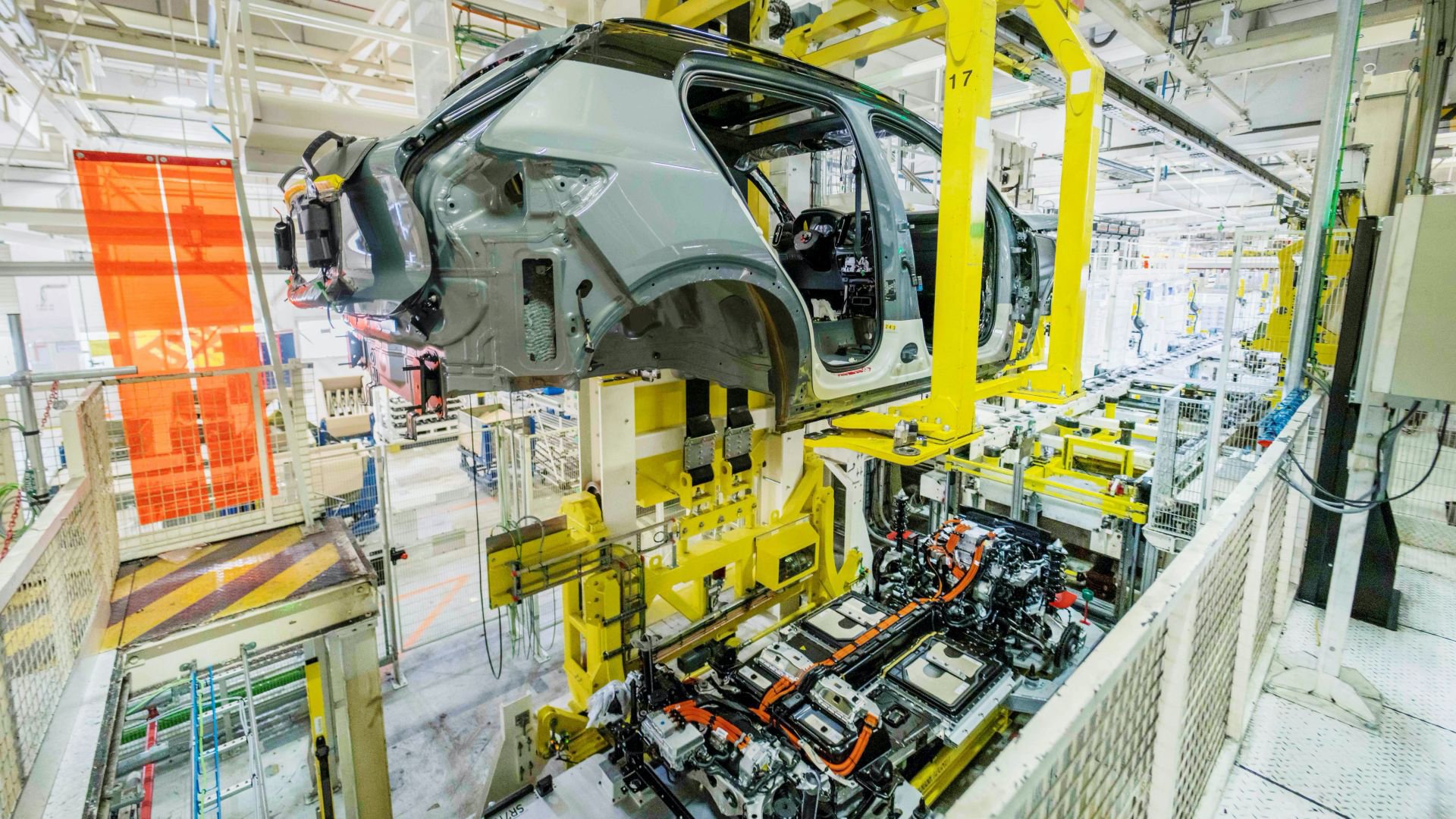
CEO of Volvo Cars, Håkan Samuelsson, said: “With this agreement, Volvo Cars will become the first major non-Chinese automaker with full control over its Chinese operations.”
Geely Holding CEO, Daniel Donghui Li, believes the deal will work best for both parties in determining a more transparent ownership structure.
“Geely Holding Group and Volvo Cars are continuously evaluating the best way to collaborate and structure operations within the wider Group,” he said.
“These two transactions will create a clearer ownership structure within both Volvo Cars and Geely Holding.”
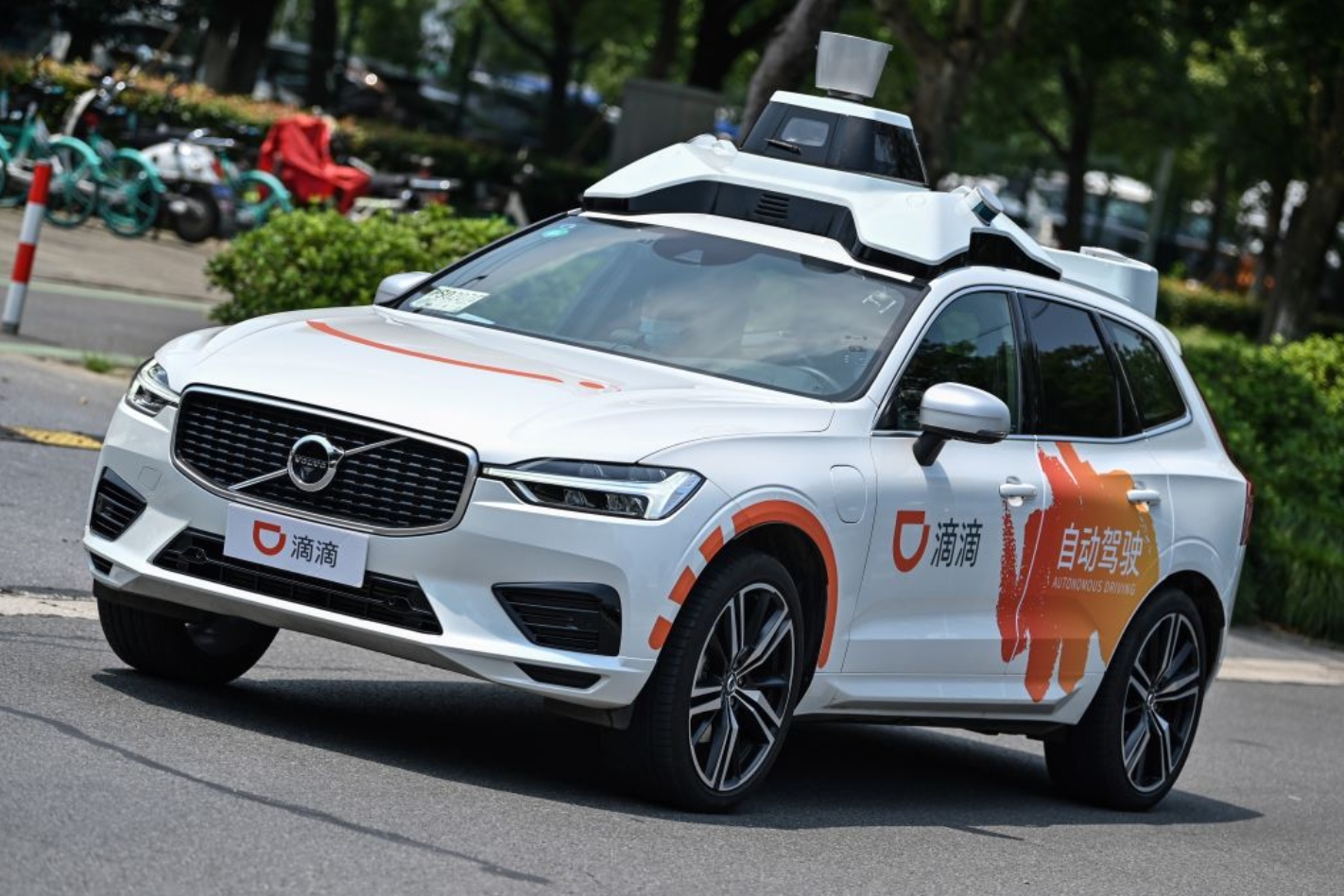
The deal comes off the back of the Chinese Government lifting its requirement for foreign automotive manufacturers to engage in a joint venture partnership to manufacture vehicles in China, set to lift in 2022 before the Volvo and Geely agreement comes into effect in 2023.
Volvo Cars was sold to Geely from Ford in 2010, with Chinese production starting in 2013 and expanding in 2014 to allow the joint venture to grow locally. Sales in the country now account for 25 per cent of Volvo’s worldwide deliveries.
The Swedish brand has entered a wide range of joint ventures in recent months relating to the production of its future vehicles, from the formation of an in-house battery development company, and a commitment to developing fossil-free steel, to its plans to use LiDAR tech in autonomous vehicles.
