An American father and son who helped former Nissan CEO Carlos Ghosn flee Japan have been jailed after pleading guilty for helping the fugitive escape.
Ghosn was hidden in a box by US Army Special Forces veteran Michael Taylor and his son Peter, meeting up with the pair at Kansai Airport in December 2019, before returning to his birthplace of Lebanon which does not have an extradition agreement with Japan.
Michael Taylor was sentenced to two years in prison while Peter Taylor will face 20 months behind bars, having both submitted a guilty plea last month after being extradited from the US in March to face the charges.
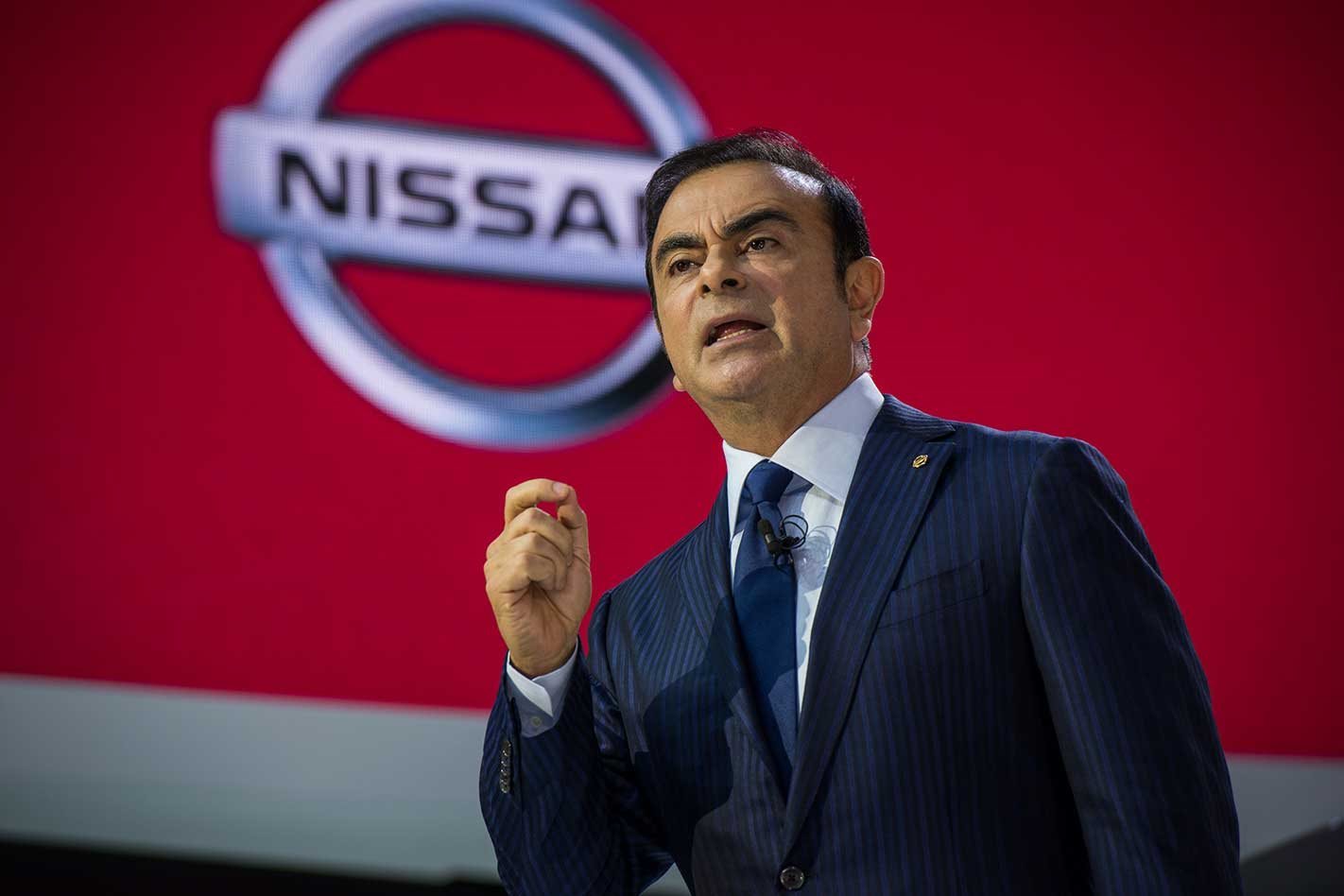
Ghosn had been the CEO of the Renault-Nissan Alliance since 2001 and was initially arrested in November 2018 for “significant acts of misconduct”, understating his income to Japanese authorities by around $110 million over a five year period, as well as using company assets for personal use.
Placed in a detention centre for 108 days, the Brazillian-born, Lebanon-raised Frenchman was moved to house arrest in March 2019 where he remained until his December 29 escape, leaving his apartment and taking the bullet train to Kansai Airport, flying on to Lebanon via Turkey.
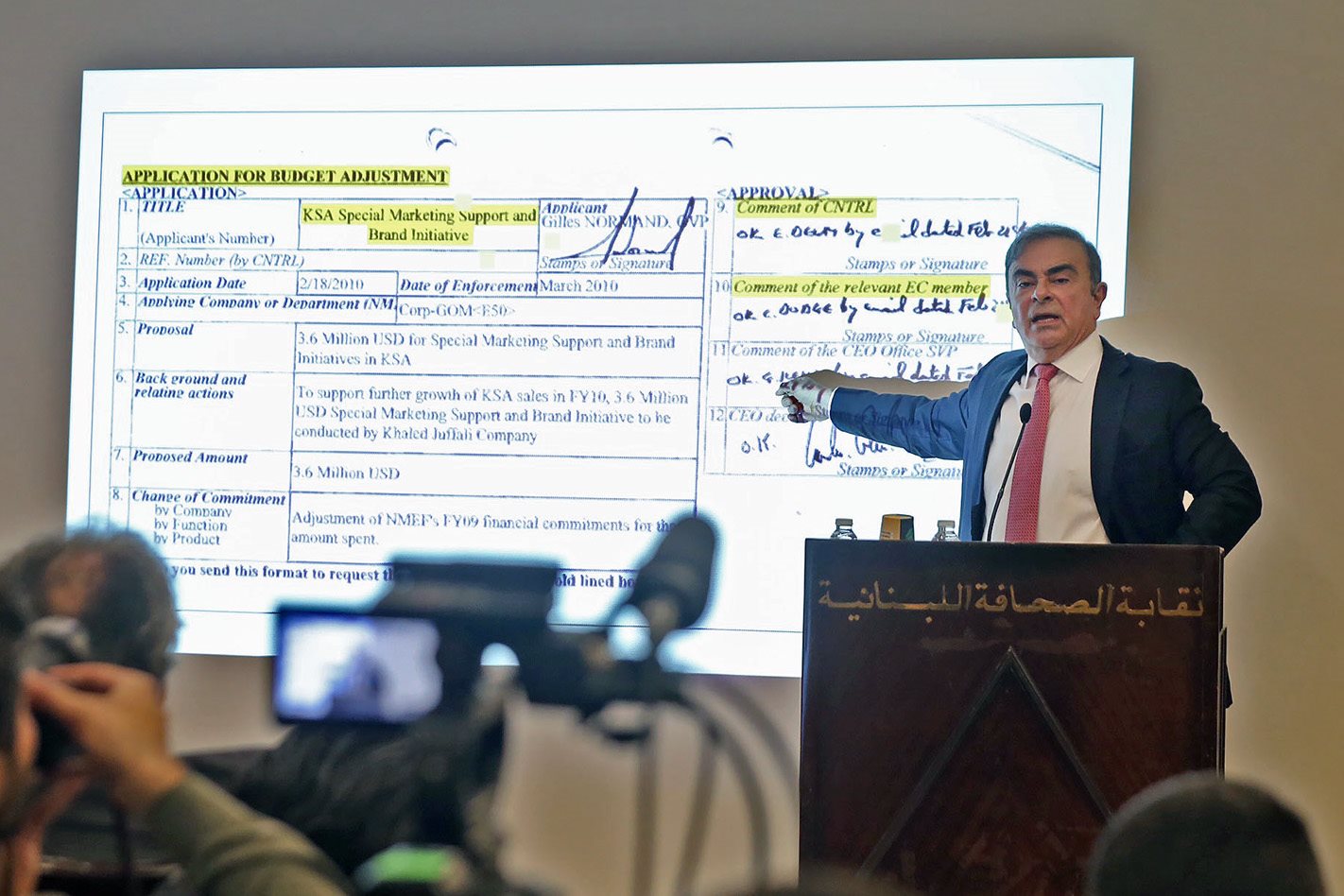
In early 2020, Ghosn held a press conference in Lebanon, claiming he was “was left with no other choice” than to flee Japan, a country which the ABC says has a 99 per cent criminal conviction rate.
Greg Kelly, another former Nissan executive arrested at the same time as Ghosn, is currently on trial in Japan for falsifying security reports on Ghosn’s compensation, facing a maximum penalty of 15 years imprisonment.
To this day, Ghosn is still a wanted criminal in Japan but is a free man in his native Lebanon.
Snapshot
- Model Y being sourced from Shanghai for Hong Kong market
- Australian examples likely to come from China
- German plant not yet operational
Tesla has commenced right-hand drive production of the 2022 Model Y, with initial examples destined for Hong Kong.
The Model Y – which is currently produced in the United States and China – will be sourced from the company’s Shanghai plant for the Hong Kong market, where it went on sale earlier in July ahead of planned deliveries in September.
With the heavily-related Model 3 now manufactured in China for the Australian market, it is likely versions of the electric SUV destined for Australia will also be sourced from China.
Hong Kong pricing suggests the Model Y could command a premium of around $5000 over the Model 3 – which recently received a hefty price cut which pushed pricing below $60,000 for the first time – with identical powertrains to the electric sedan expected. This means the Model Y could launch at around $65,000 plus on-road costs for the entry-level Standard Range Plus.
While representatives from Tesla Australia have yet to confirm official details surrounding the local launch of the Model Y, order books could open as soon as August ahead of a planned on-sale date in late 2021 or early 2022.
However, recent news from Europe could put a dent in Australian launch plans.
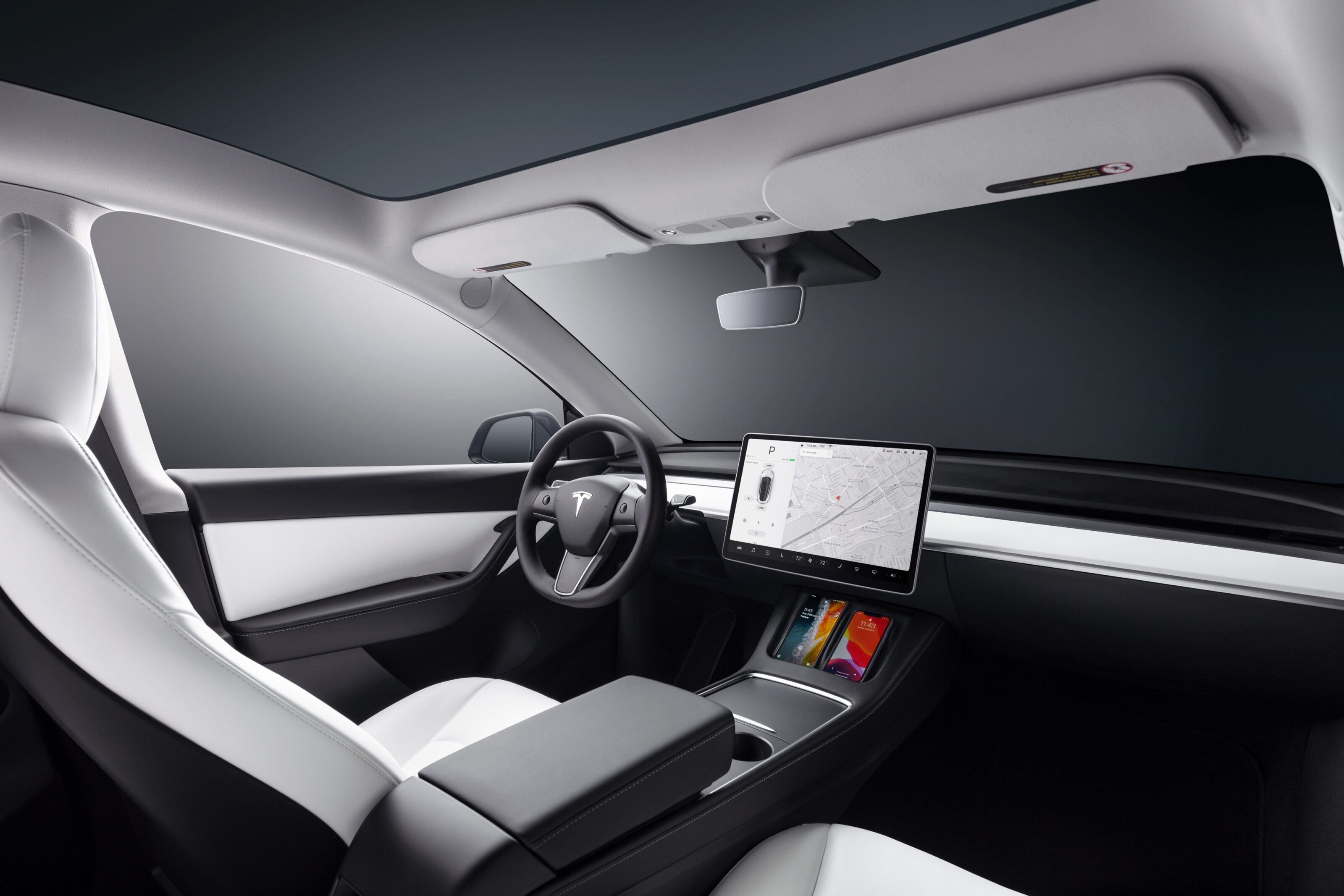
According to Automotive News Europe, delays at Tesla’s newest production plant in Germany have led to the automaker halting plans for a September launch of the European-built Model Y as the factory is not operational yet.
Announced by Tesla CEO Elon Musk in November 2019, the facility on the outskirts of Berlin – known as ‘Gigafactory 4’ – was expected to be ready for vehicle production in 2021, with Model Y production “at launch” promised. The factory will also produce batteries, battery packs and powertrains for use in all Tesla vehicles, with the Model 3 and future models also planned for German production.
Problems surrounding ‘complex’ German regulation, red tape and environmental activists have reportedly delayed the targeted July opening date until late 2021 or early 2022.
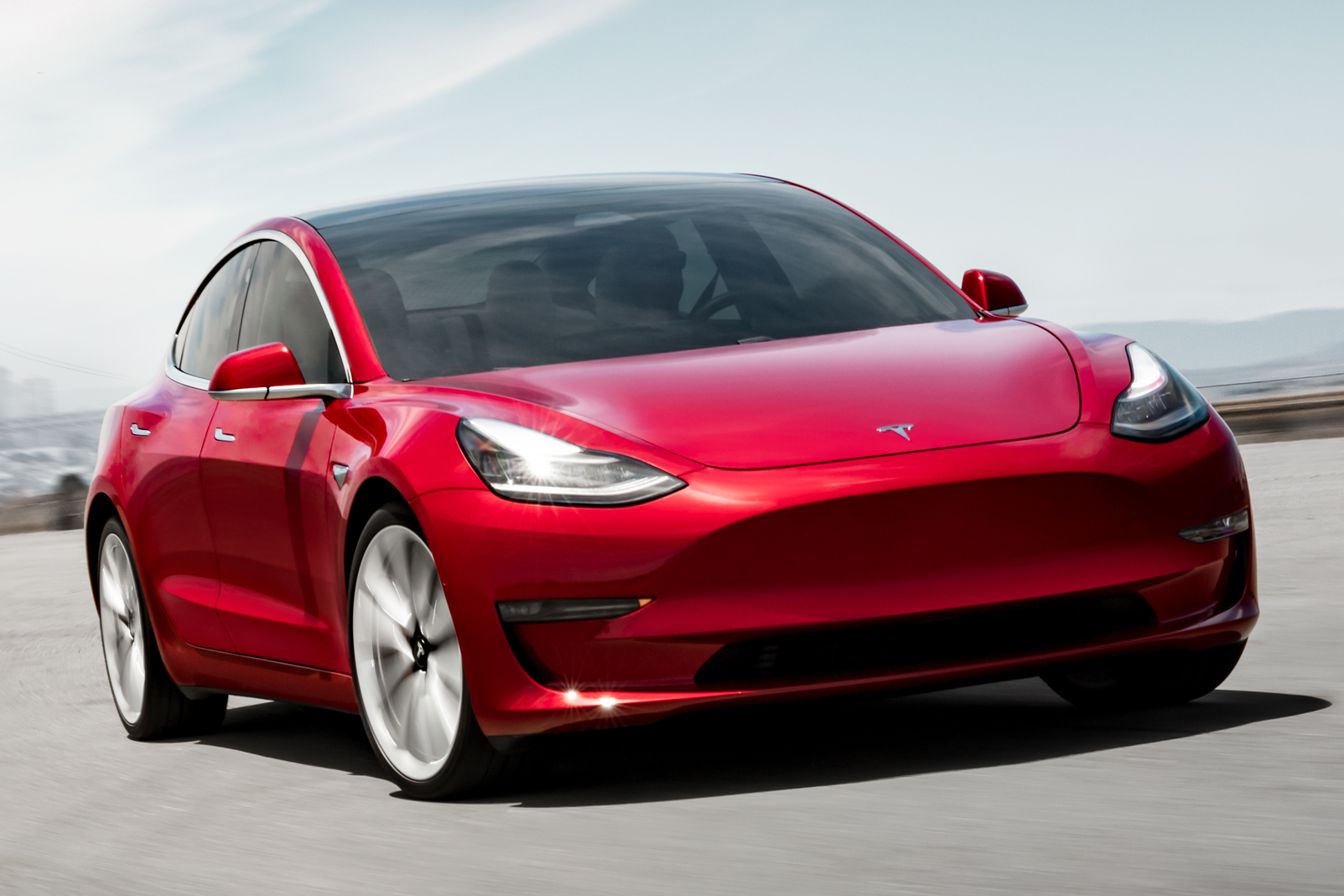
To make up for these issues, the first Model Y units handed over to European customers in August or September will be produced in Shanghai.
With the company still waiting on final approval from the environmental authority for the state of Brandenburg, Economy Minister Joerg Steinbach told German news agency dpa “there are no discernible reasons for refusing the approval at the present time.”
In recent months, Tesla has been threatened with fines by the authority after it was accused of installing tanks used to store highly flammable coolant without proper approval.
Sourcing Chinese-built Model Ys for Europe could mean the car will be delayed into 2022 for Australia.
The American-developed Tesla is also facing fresh competition from European electric SUVs, such as the Volkswagen ID.4, Mercedes-Benz EQA and BMW iX3.
I posted a video on Instagram recently, a cracking in-car clip of Glenn Seton slippin’ and slidin’ around Bathurst in the wet during the 1987 race. You’ve probably seen it, but a younger colleague hadn’t, commenting “I hadn’t seen this before”.
Another colleague was rightly incredulous, claiming the video should be part of the primary school curriculum.
While not an idea that’s likely to find support within Australia’s education system, there’s no reason we can’t develop our own curriculum to give today’s youngsters a firm foundation in their automotive schooling.
After all, they have no excuse. I’m old enough to remember the days of dial-up, when you’d scour the internet at a snail’s pace and spend three days downloading a 60sec clip shot in 144p, which you’d then watch a couple of thousand times in quick succession with your mouth agape.
Nowadays, kids have virtually every video ever created just a couple of finger taps away in the YouTube library, so here are 10(ish) videos everyone should watch. Obviously, if your favourite is missing, send it in!
1. Faszination Nurburgring
Stefan Roser’s smoky, sideways antics at the Nordschleife in a highly tuned Porsche remain as jaw-dropping today as they did more than 30 years ago.
The promotional video for the RUF Yellowbird remained restricted to VHS for many years but is now thankfully all over the internet. There are two versions out there and the longer, 20+ minute version is well worth seeking out.
2. Senna NSX
What is it with driving gods and questionably fashionable footwear? Just as Roser wrestled the Yellowbird around the ’Ring in loafers, so equipped did Ayrton Senna dance his way around Suzuka in an NSX.
A producer thoughtfully added a pedal cam, revealing to the world Senna’s pin-perfect heel-toe downshifts as well as his bizarre throttle technique. However, as good as this video is, another lesser-known clip – same car, same location – is a better illustration of his sublime skills in my opinion.
3. Incar 956
Back to the Nurburgring and the height of the Group C sports car era. Porsche had the inspired idea of mounting a camera in Derek Bell’s 956 – no easy feat in 1983-84 – at a variety of circuits and letting him loose with amazing results.
Of course the ’Ring is the highlight, especially as you think no car could possibly go faster only for Bell’s teammate Jacky Ickx to flash past, but Spa and Kyalami are also fantastic.
4. Rain Dance
I won’t apologise for a third Nurburgring video, especially not this one. Filmed from the visor of Porsche factory driver Leh Keen during the 24 Hours of Nurburgring. At night. In the rain. And the fog. Words can’t describe the terror, just watch it.
5. Climb Dance
The inspiration for the naming of the previous video should need no introduction. It’s a motorsport film that was actually critically acclaimed, winning the Grand Prix du Film in Festival De Chamonix 1990, and it’s not difficult to see why.
Documenting Ari Vatanen’s record-breaking efforts at Pikes Peak in a Peugeot 405 T16, if you haven’t watched it, put down this article right now and only return once you have.
6. McRae Wales 2001
Arguably the most ridiculous display of driving skill on this list. Colin McRae had to win the 2001 Rally GB to secure the title and he went for it, with a camera capturing his efforts for the first few stages before he barrel-rolled his Focus.
I’m running out of words so let’s race through the final selections.
7. Driver’s Eye Ostberg
Filmed as part of the same series as Rain Dance, this clip of Mads Ostberg at maximum attack is one of the few that accurately conveys the absurd violence of a modern World Rally Car.
8. Robby Gordon Baja 2009
The first five minutes of the Baja 500 will make you wonder how anyone survives the next nine hours of it.
9. Gymkhana 1
Before Ken Block became a global mega star there was just a super-powerful Subaru, an abandoned airfield, a skilled driver and a clever director.
10. Top Secret R33 tunnel run
Smokey Nagata’s 317km/h freeway effort in the UK made him (in)famous, but for real speed check out his 328km/h run in a Tokyo tunnel.
There are dozens, if not hundreds, more. Short clips like Daigo Saito’s jump drift, Gigi Galli’s Evo VI slide and the JUN Supra; anything from F1’s Lap of the Gods or motorsport archivist Antti Kalhola and many, many more. Get watching.
Snapshot
- Costs $199 a month
- Older model owners have to pay an extra $1500 to install hardware
- FSD still only offers level 2 autonomy
Tesla’s highly-anticipated Full Self-Driving (FSD) technology has launched as a beta subscription service in the United States, setting owners back an extra US$199 (AU$270) a month to access it.
However, as CNET reports, there is a catch and an extra hidden cost – those who are upgrading from the previous Autopilot technology (sold between 2016 and 2019) will have to pay a $1500 premium, despite being told all Teslas from 2016 onwards would have FSD hardware.
Available as a US$10,000 (AU$13,700) option on new vehicles fitted with Tesla’s Autopilot Computer 3.0, FSD can also be retrofitted to Model S and Model Xs which had the Autopilot Computer 2.0 and 2.5.
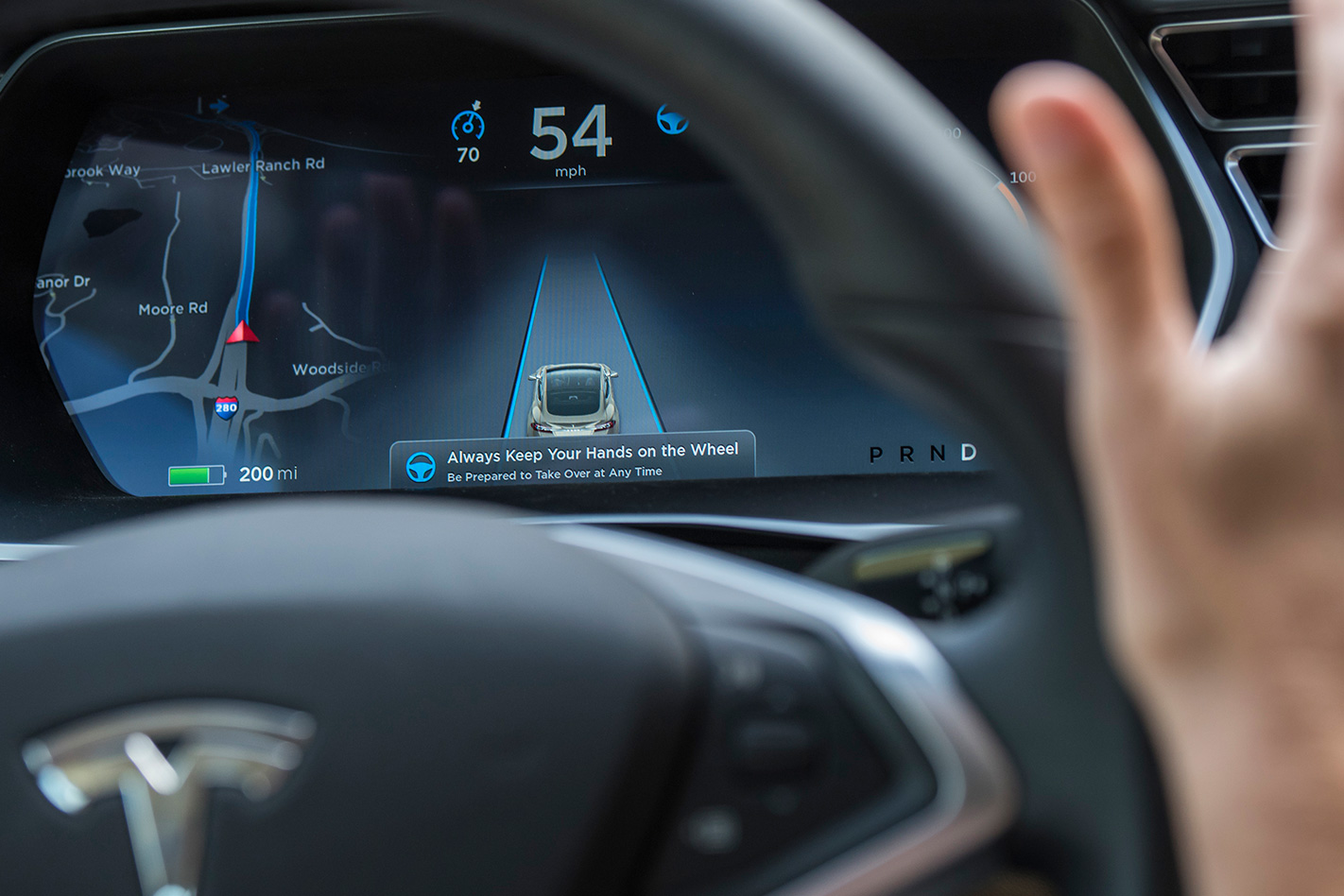
Between 2016, when the announcement was made, and now, Tesla has offered free upgrades from the 2.0 and 2.5 systems to 3.0, but has always stood by its claim that earlier vehicles had self-driving hardware already installed.
Despite its name suggesting full automation, the FSD system is a level 2 driver assistance system, allowing the car to take over the majority of functions – although human interaction and input is still occasionally required.
While Tesla’s Autopilot system is slightly more advanced than the adaptive cruise control and lane-keep assist systems in a wide range of modern cars, FSD adds the ability for the vehicle to overtake slower cars on highways, react to road signs and traffic lights as well as summon the vehicle in a car park, although the owner needs to remain in sight.
Tesla has recently been spotted testing LiDAR and camera-based systems in its vehicles, despite previously relying heavily on radar-based systems.
Toyota has decided to pull its TV ads from the 2020 Tokyo Olympics amid a backlash surrounding the Games.
According to Carscoops, the world’s second-largest automotive manufacturer has cancelled its TV ad campaign for the Olympics within Japan, citing growing concerns around the safety of the XXXII Olympiad, set to begin later this week, due to the ongoing Covid-19 pandemic.
According to Japanese newspaper Yomiuri on Monday, a spokesperson for the company said “the Olympics is becoming an event that has not gained the public’s understanding” – just one day after Tokyo reported 1008 Covid-19 cases. The city’s current seven-day average is 1068.
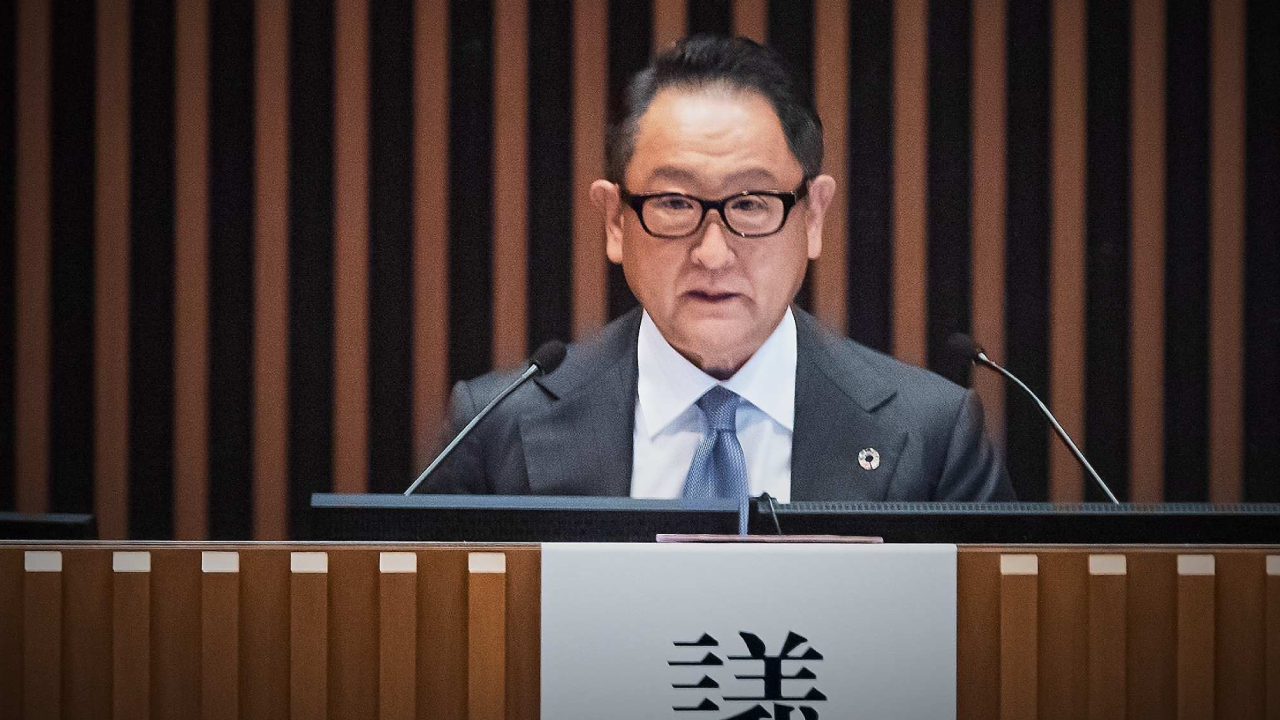
It is understood Toyota’s CEO Akio Toyoda will now not be attending the opening ceremony on Friday, despite his firm having heavily invested in a campaign showcasing Japanese athletes with its products.
A spokesperson for Toyota USA told Carscoops: “In Japan, the local Toyota office previously decided not to air the campaign out of sensitivity to the Covid-19 situation in the country.”
Toyota had also planned to undertake a marketing campaign on-site at the Olympics but had to shelve the plans due to spectators not being allowed for the first time in its history.
More than US$3 billion (AU$4.1bn) has been spent on sponsorship of the Tokyo Olympics by businesses, with Toyota understood to be one of the biggest backers.
Ex-2GB broadcaster radio Alan Jones spent a good portion of his Sky News program on Monday night hurling around falsehoods about electric vehicles and the serious policy work of various organisations that seek to promote their use.
Using a freshly-released Grattan Institute report as well as International Energy Agency (IEA) reports, Jones and fellow presenter Peta Credlin led a seemingly co-ordinated evening of anti-EV propaganda. Neither Jones nor Credlin is a stranger to hyperbole, but this latest tirade is the stuff that makes the pearl-clutching around fast Falcons in the 1970s look pretty tame.
Jones took issue with the Grattan report suggesting Australia’s path to EV adoption should mirror that of the European Union, where member states are one-by-one announcing the end of ICE sales by 2035 – which is quite some time away.
The Grattan Institute pitches itself as a non-partisan, independent think tank, rivalling the right-wing offerings that range from serious (Centre For Independent Studies) to the unashamedly libertarian (Institute for Public Affairs) as well as left-wing organisations such as the Australia Institute and the Australian Fabians.
Sky is broadcast to a small audience on Foxtel – which includes politicians and empty airport lounges – as well as regional NSW via WIN in the north and Southern Cross Television in the south.
Jones is part of a line-up that social media has dubbed Sky After Dark, a term popularised by Malcolm Turnbull. The roster includes former Tony Abbott adviser Peta Credlin and media personalities Paul Murray and Andrew Bolt. These presenters are given airtime to say incendiary things to their nightly audiences that hover well under the 100,000 mark. While these numbers are pretty low – Play School repeats are vastly better rated – their clips are then exported around the world via social media to a large audience. It’s worth noting Sky’s Twitter account was shut down after the relentless ridicule its posts received from Twitter users.
Jones made a number of comments about both the Grattan report as well as EVs themselves. He declared the report “a new hoax” to add to the list of hoaxes he regularly talks about, which include climate change and various COVID-related issues.
He went on to say that EV buyers enjoy subsidies of around $33,000 per car, a figure he claims to have taken from an International Energy Agency report. Needless to say, this figure is not offered by the IEA and is unverifiable in the sense that it’s extraordinarily unlikely. It appears to be a conflation of various different subsidies and incentives offered around the globe, which the IEA says averages out to around $6000 per car.
Jones quoted the head of the IEA, Fatih Birol in his monologue, although it’s more accurate to say he misquoted him – while also thinking he was a woman named Faith.
“Could someone just read the report from the International Energy Agency, the director Faith says, ‘if you think you’re going to change climate by bringing in the production of electric cars’, she says think again.”
Birol himself did not say that, rather describing EVs as “indispensable in reaching net-zero emissions.”
Jones took further information from the report to claim that EVs need to travel around between 25,000 and 60,000km before having a positive carbon impact. He neglected to mention that those figures were based on the current carbon intensiveness of the global electricity grid. The share of renewable energy is rapidly growing in the Australian and global grid supply statistics, so that number can only shrink over time.
Another Sky host, Peta Credlin – who advised Tony Abbott to victory in 2013 with policies such as repealing the carbon tax and the repeal of other carbon abatement measures – also spent some time drawing a series of long bows. Speaking to an overwhelmingly older demographic, Credlin believes a “green elite” is responsible for the net-zero emissions policies around the world.
“Make no mistake, this net zero agenda is about so much more than the environment. It is about making sweeping changes to the way older people live their lives, the car they drive, the food they eat and the number of children they have,” she said.
The last one seems especially silly given the demographic watching her show are probably well past child-rearing age and are more likely bouncing a grandchild on their knee as they watch.
Credlin repeated the idea that EV uptake would require billions in subsidies, which may be true – but ICE vehicles are currently subsidised in various ways, including the billions of dollars in tax rebates for diesel in Australia.
Credlin suggested Australians are buying ICE utes because they don’t want to go electric – despite EV utes on sale in Australia numbering exactly zero – but strong reservation numbers for the Tesla Cybertruck among local buyers (despite it not coming here) suggests the demand for ZEV utes is strong. Any story about Rivian or the recent Ford F-150 Lightning also attracts a lot of interest.
Needless to say, almost every fact both hosts used to back up their view was either flatly incorrect or was not presented in the correct context.
Both hosts are, if you’ll pardon the expression, pissing into the wind. One-by-one, manufacturers are committing to EVs as the basis for their ongoing survival. The year 2035 is a long way away and as the cost of batteries falls, so will prices. (Jones also claimed a battery replacement cost of $35,000, another figure he appears to have invented.)
No matter what policy settings are adopted by Australian governments, by 2035 most car sales will be electrified. I think – and hope – there will still be noisy stuff for the weekend, but on weekdays, we’ll be wafting along on electrons.
The next-generation 2022 Kia Niro has been snapped undergoing testing in Germany ahead of its official release, giving us another glimpse of what Kia’s future electric crossover will look like.
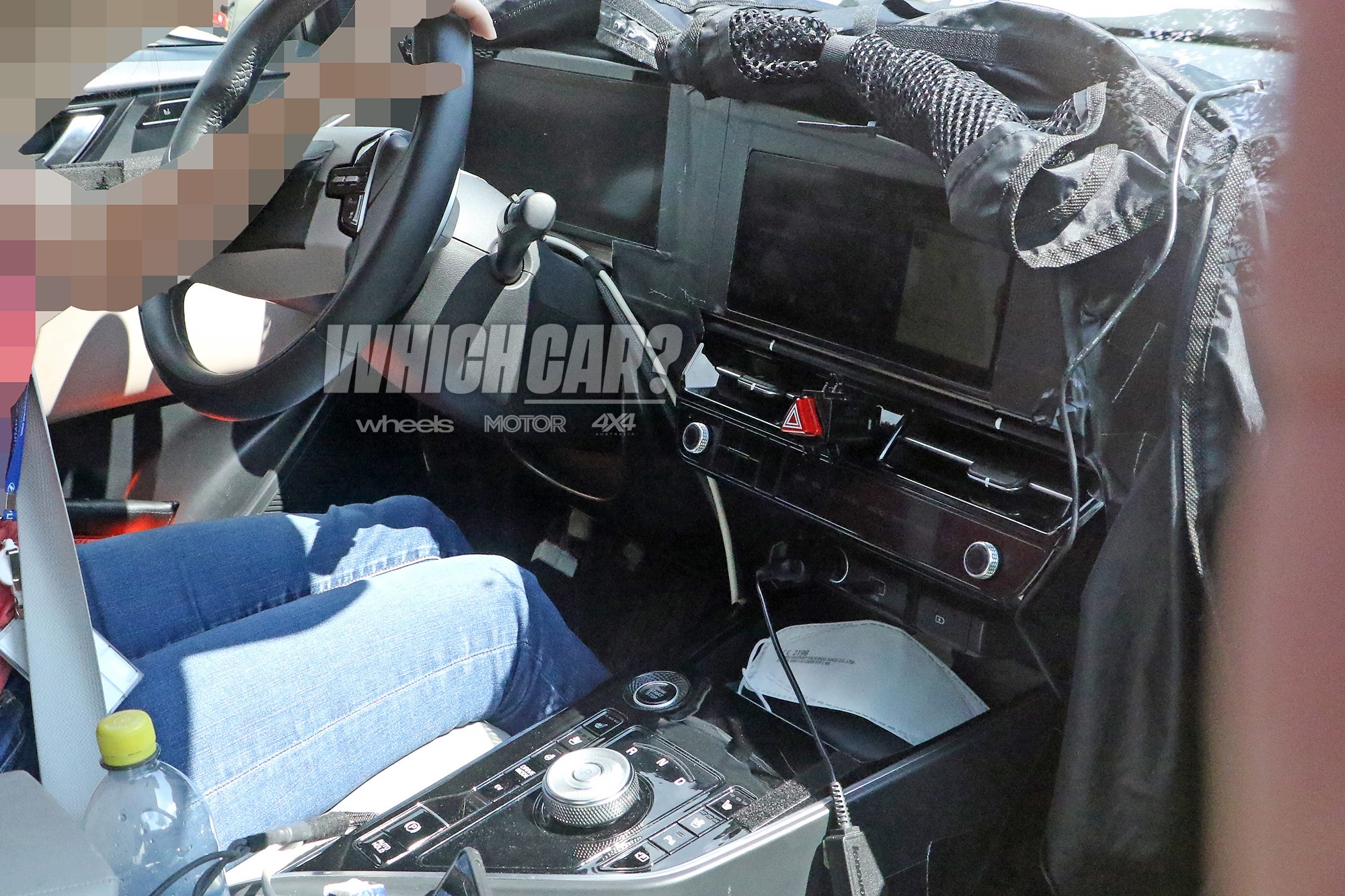
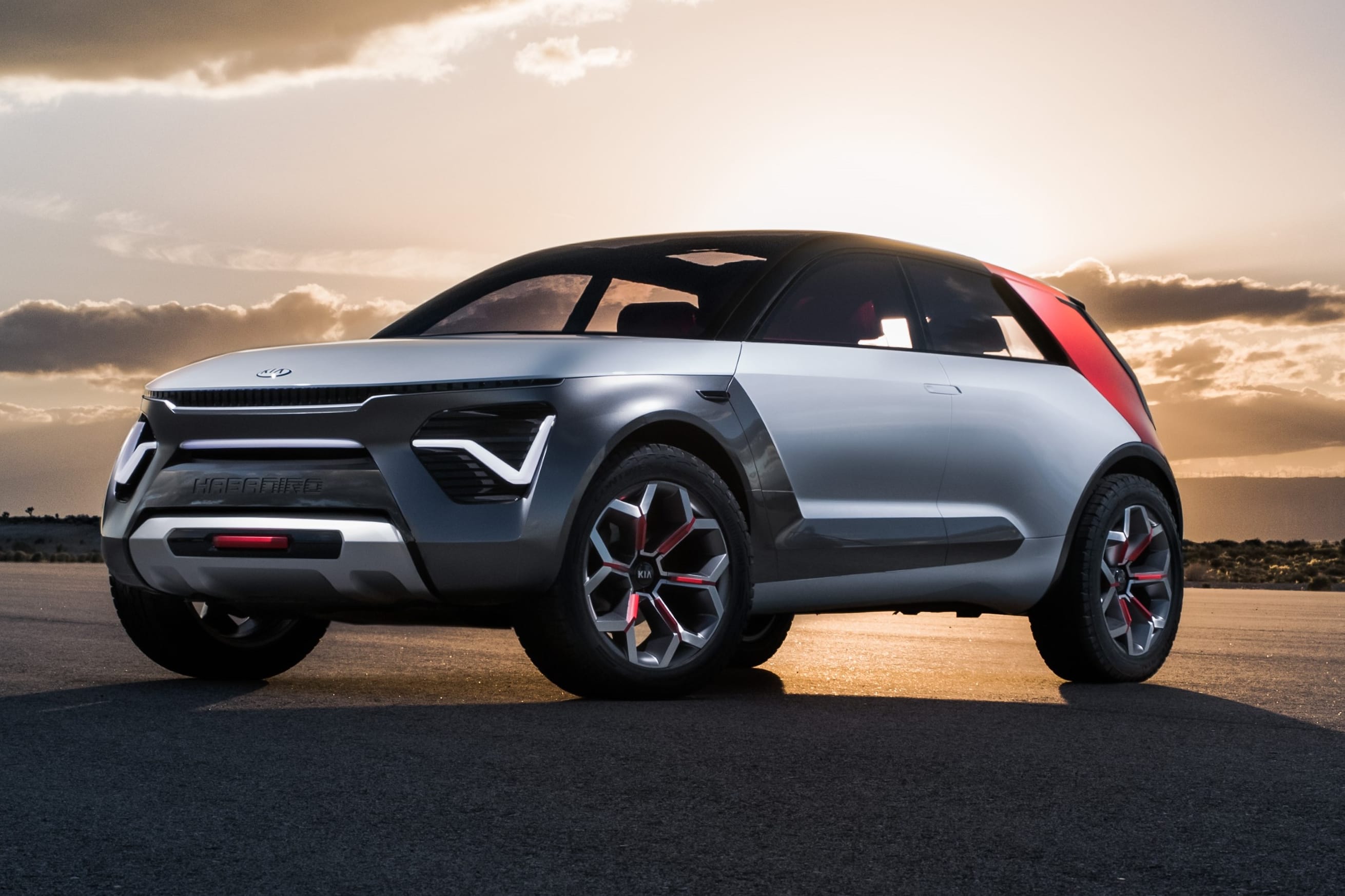
Although the new Niro is wearing heavy camouflage, there’s a strong resemblance to the HabaNiro concept which was unveiled at the 2019 New York International Auto Show, including a sharper, sportier C-pillar than the existing Niro.
While it misses out on the HabaNiro’s radical butterfly doors, the Niro looks to have the concept vehicle’s vertical tail-lights, a departure from the horizontally mounted units which currently feature.
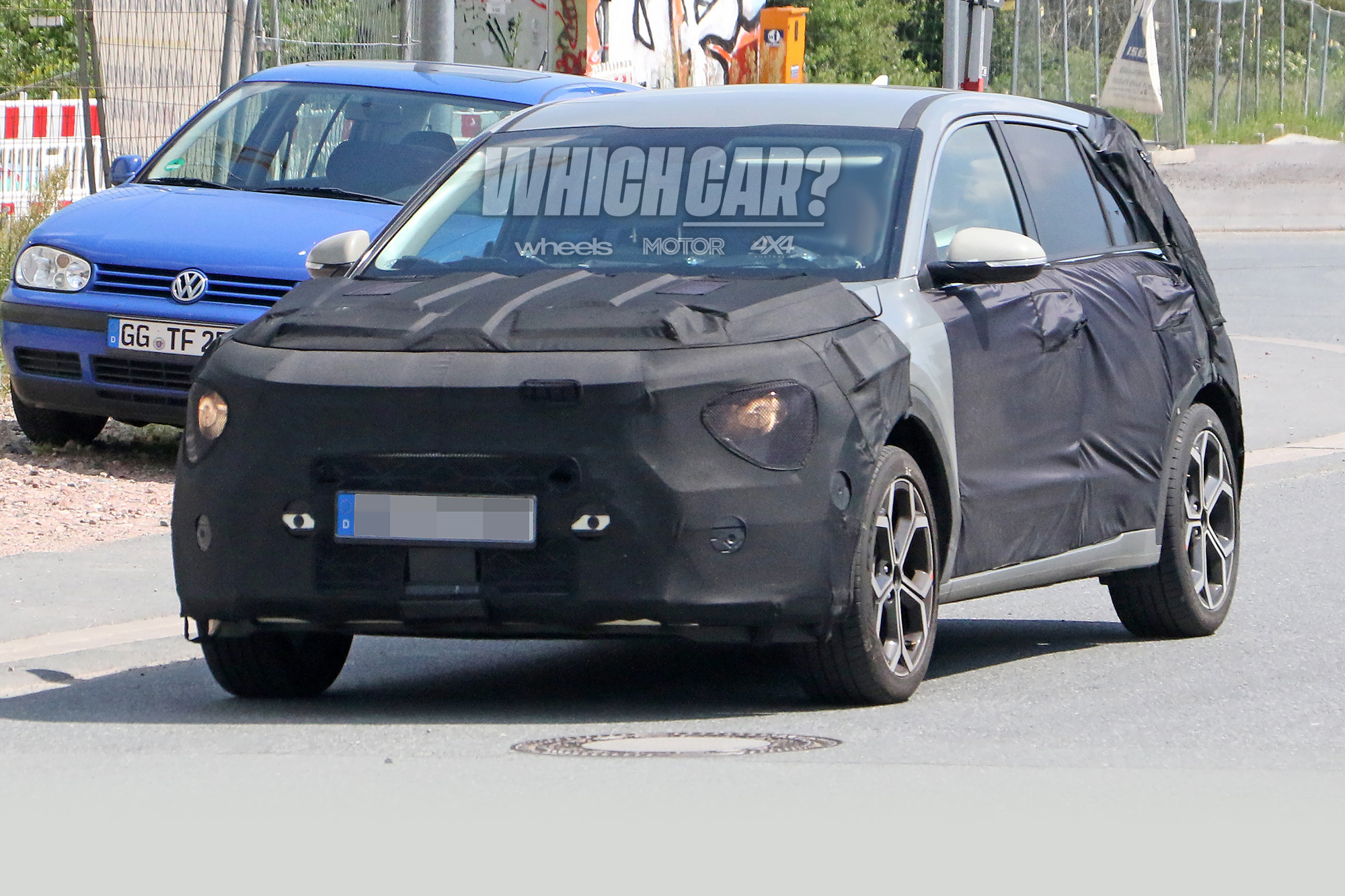
The front design also features a significant change from Kia’s current design language, doing away with the tiger-nose grille, which is universal across its range, in favour of a ‘shark snout’.
The pre-production car’s headlights also appear to sit lower in the front fascia – the units looking different to the narrow, horizontal lights and daytime running lights in the HabaNiro, suggesting this could be changed.
Interior photos, seen for the first time, show a significantly more understated cabin than the designs from the HabaNiro, featuring a more traditional digital dash, centre console and centrally-mounted infotainment screen compared to the concept’s car-width dashboard, floating console and yoke-styled steering wheel.
No details on the mechanical underpinnings of the Niro or HabaNiro have been revealed, although the concept featured all-wheel-drive, a driving range of over 500km and level-five autonomy for full self-driving operation.
Despite arriving on Australian shores in May this year, the current-generation Niro has been on sale overseas since 2016 with the EV variant joining the fold in 2018, hence the seemingly sudden change to a new design shortly after its Australian debut.
Powering the existing Niro is a 150kW and 395Nm permanent magnetic electric motor, coupled to a 356-volt lithium-ion battery pack which allows for a driving range of up to 455km.
Snapshot
- Wild pigs blamed for churning up CO2 from soil
- Damage caused to the climate equivalent to emissions from 1.1million cars
Feral pigs around the globe are releasing the same carbon dioxide emissions every year as the equivalent of more than one million cars, according to a new study.
Researchers at The University of Queensland and The University of Canterbury have been looking at the climate damage wild pigs have been causing across five continents by using predictive population models, coupled with advanced mapping techniques.
By uprooting carbon trapped in soil, the pigs are releasing around 4.9 million metric tonnes of carbon dioxide annually across the globe, the same as 1.1 million cars.
Dr Christopher O’Bryan from the University of Queensland said the ever-expanding population of feral pigs could be a significant threat to the climate.
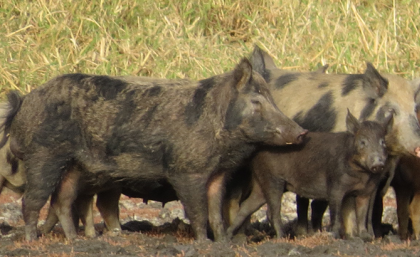
“Wild pigs are just like tractors ploughing through fields, turning over soil to find food,” he said.
“When soils are disturbed from humans ploughing a field or, in this case, from wild animals uprooting, carbon is released into the atmosphere.”
The expert explained that since soil contains nearly three times as much carbon than in the atmosphere, even a small amount being dug up has the potential to accelerate climate change.
“Our models show a wide range of outcomes, but they indicate that wild pigs are most likely currently uprooting an area of around 36,000 to 124,000 square kilometres, in environments where they’re not native,” Dr O’Bryan added.
“This is an enormous amount of land, and this not only affects soil health and carbon emissions, but it also threatens biodiversity and food security that are crucial for sustainable development.”
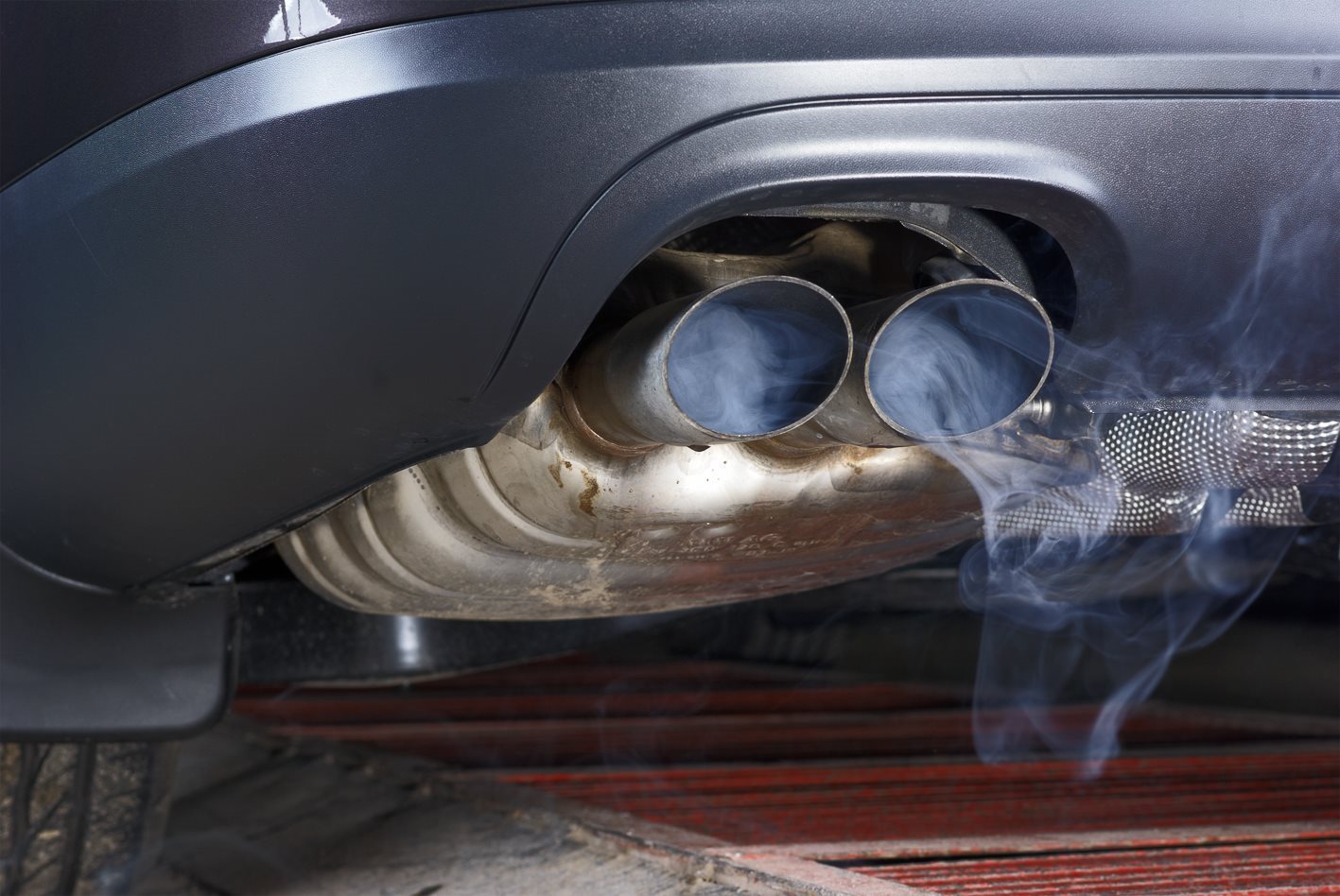
In 2017, the average combined CO2 emissions for a new light vehicle sold in Australia was 182 grams per kilometre, according to the Government’s Green Vehicle Guide.
Meanwhile, in 2019 the Federal Chamber of Automotive Industries (FCAI) said improving our fuel quality would offer a “three to five per cent” improvement on CO2 performance “overnight”.
The high presence of sulphur in our fuel, among other factors, means we’re missing out on cars with more advanced petrol engines which produce lower emissions.
Manufacturers claim they can’t import their best engines in large numbers due to the cars already being optimised to run on premium unleaded petrol with 10 parts per million (ppm) of sulphur as is the case in Europe.
Under current regulations, Australia’s premium unleaded can have up to 50ppm of sulphur, and regular unleaded can contain up to 150ppm.
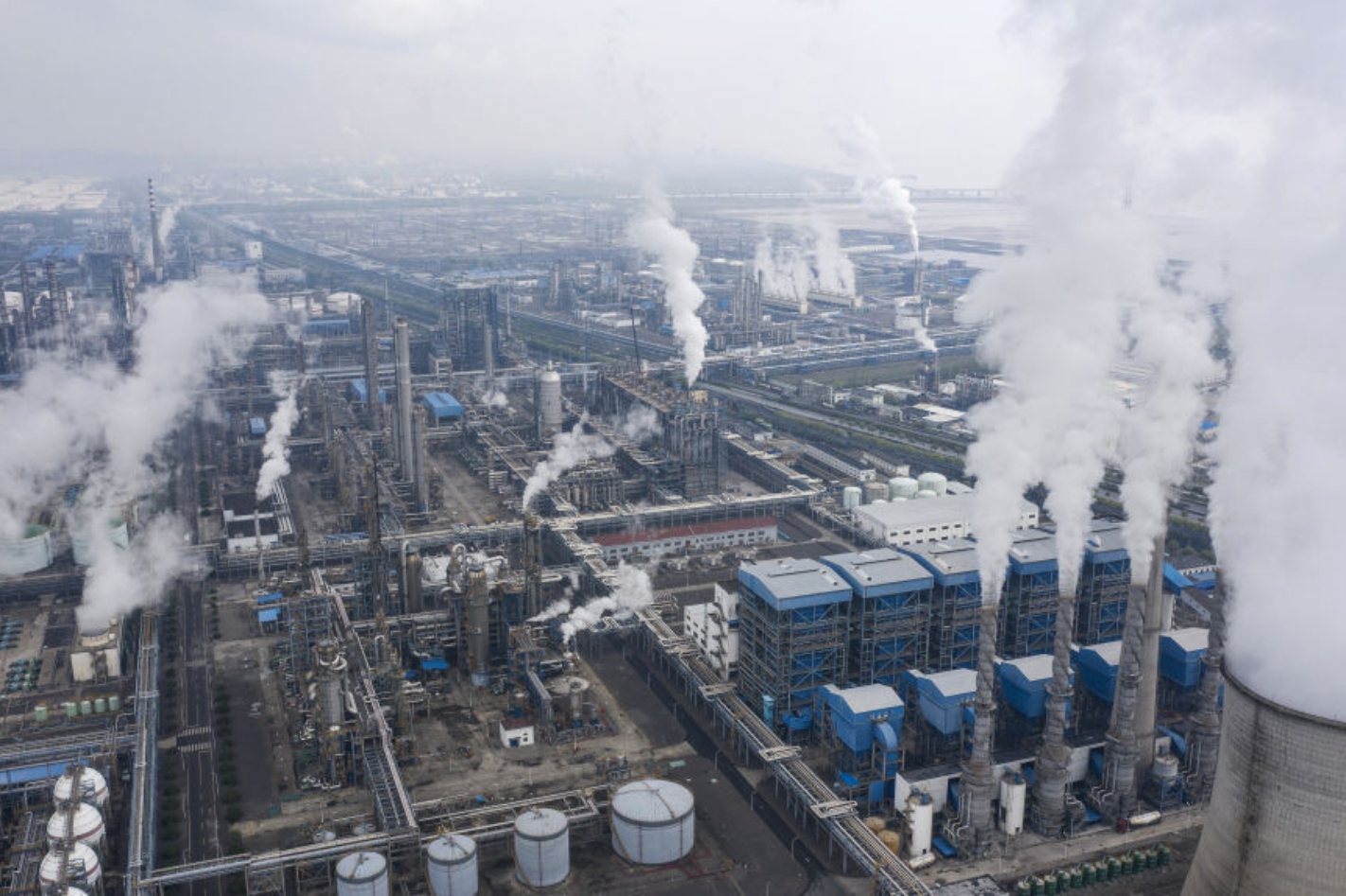
Currently Australia’s vehicle emissions standard for petrol is comparable to the Euro 5 which Europe stopped using six years ago.
Although our diesel is already equivalent to Euro 6, with new Euro 7 regulations set to come into effect in 2025 the Federal Government is only now catching up with a ‘Fuel Security Services Payment’ starting on July 1.
It recently announced the payment will prop up the country’s two remaining on-shore oil refineries in Brisbane and Geelong with a $2billion package committing them to staying open until at least the end of June 2027, or even better, until mid-2030.
By offering the Ampol and Viva-run facilities 1.8 cents for each litre they produce until then, the Government aims to beef-up the nation’s fuel security, ensuring Australia does not become 100 per cent reliant on imported products.
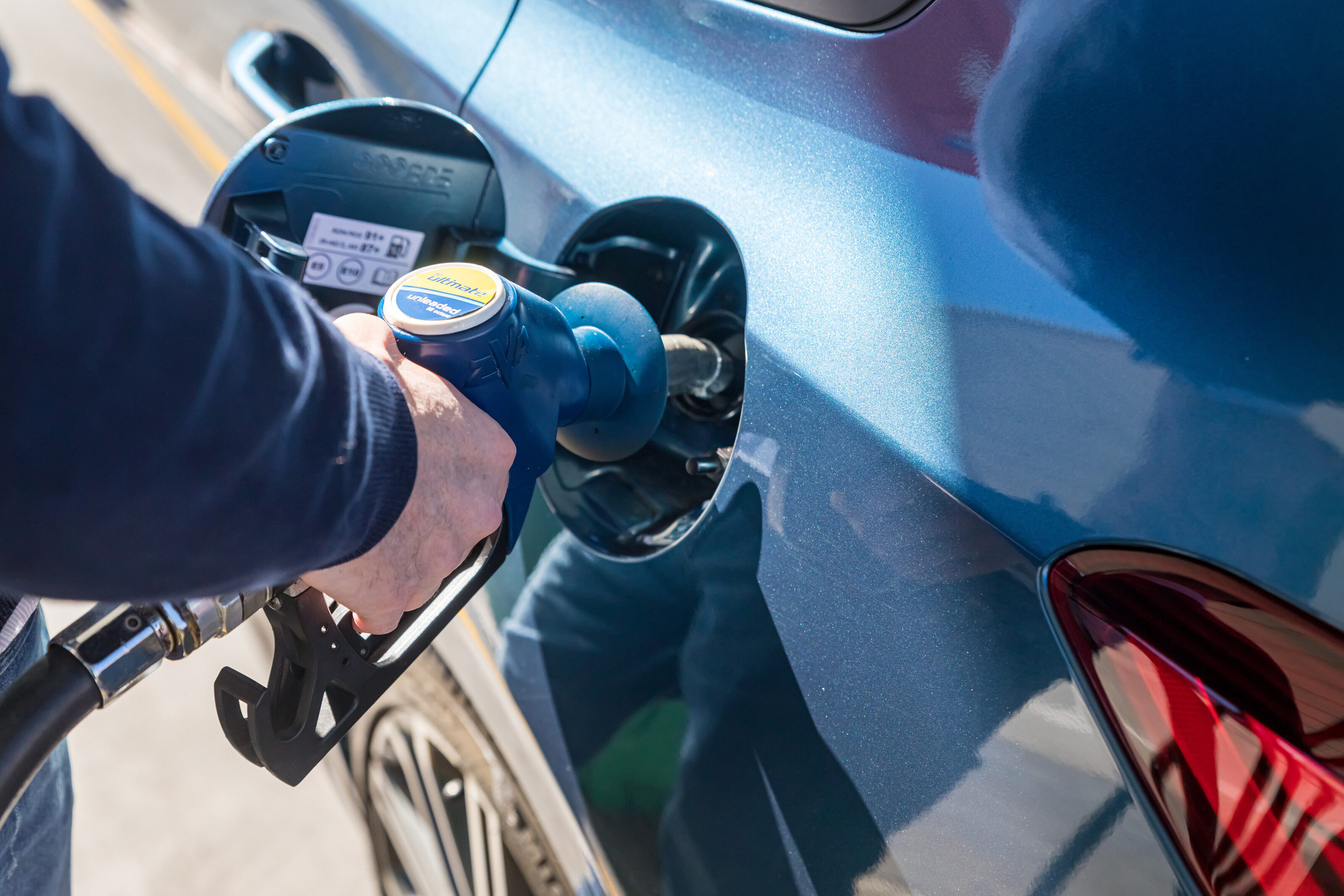
Crucially, part of this deal also involves a subsidy to the tune of $302million for said refineries to upgrade their infrastructure to produce cleaner fuel, matching the current world’s best practice of 10ppm of sulphur for unleaded petrol by 2024. The deadline has been brought forward three years from the previous target of 2027.
Although, according to leading climate change think tank the Grattan Institute, it would be impossible for Australia to reach its goal of net zero carbon emissions by 2050 without phasing out internal combustion engine cars (ICE) by 2035, even if the country has started to make efforts to improve our quality of fuel.
Phasing out and ultimately banning the sale of ICE vehicles by 2035 will be the best way to achieve the net zero target, with the Grattan Institute report suggesting Australia needs to fall in line with plans already put forward by the European Union and Canada.
BMW’s Z4 will no longer come with a manual gearbox in Australia after the model notched up just two sales since the beginning of 2019.
BMW Australia has taken the manual ‘box off the market from this month due to the low sales, although it was previously only available in the entry-level sDrive20i trim and mated to a 2.0-litre, four-cylinder turbocharged engine which produces 145kW and 320Nm.
The automatic gearbox has proved to be a strength of BMW’s Z4, although it has essentially killed off its manual sibling.
With the departure of the three-pedal Z4, BMW now only sells three manuals in its Australian line-up – the M2, M3 and M4 – as the rest of its cars are only available with either a seven-speed dual-clutch or eight-speed torque converter auto.
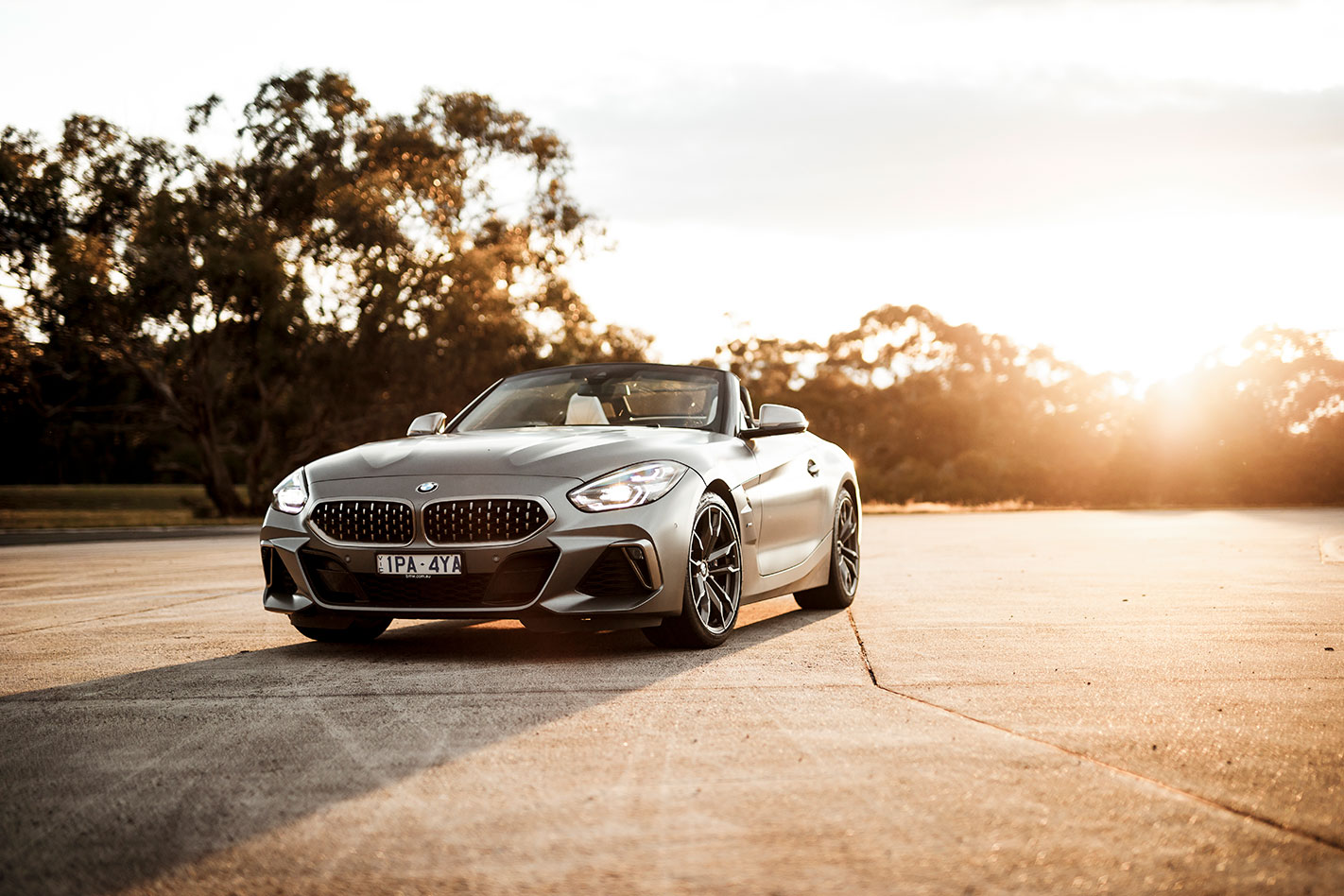
A BMW Australia spokesperson said the manual’s lack of sales were the determining factor in the variant being dropped from the Z4 line-up.
“As only two examples of the BMW Z4 sDrive20i fitted with the manual transmission have been sold since launch in 2019, BMW Australia has made the decision to remove this variant from the line-up from the July 2021 production month.
“However, the Z4 sDrive20i is still available with the eight-speed Steptronic Sport transmission.”
Other Z4 variants include the sDrive30i – which features the same engine as the sDrive20i but in a hotter state of tune, making 190kW/400Nm – and the range-topping M40i, powered by a 285kW/500Nm 3.0-litre, six-cylinder turbo engine.
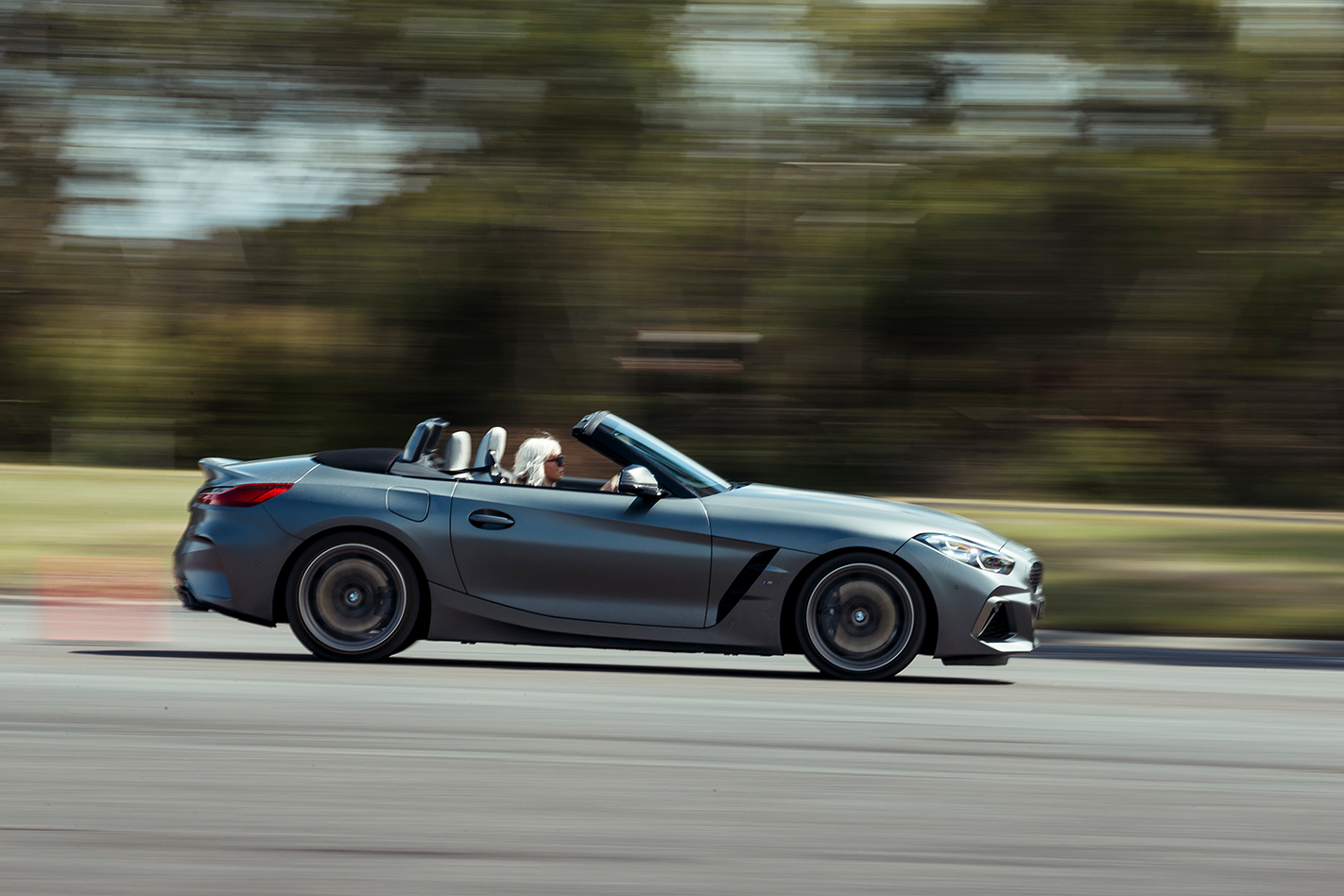
Between the current-generation Z4’s Australian introduction in 2019 and the end of June 2021, BMW has delivered 371 units with the two manuals sold accounting for 0.54 percent of all Z4 sales, making it one of Australia’s rarest models over the time frame.
The manual was also dropped from the second-generation 2 Series Coupé when it was revealed earlier this month. After being introduced with both transmission options in its first iteration, it is now only available with the eight-speed auto.
Snapshot
- Two RX 450h SUVs being used in scheme
- Range of applications being trialled including communicating with trams
- Second year Lexus has worked on related safety projects
Lexus is testing how its cars may be able to communicate with traffic lights and trams to prevent future accidents.
The Australian arm of the Japanese carmaker is using two RX 450h SUVs in Melbourne to trial features such as warning the driver when turning in front of a tram, or when a cyclist or pedestrian has pushed the button on traffic lights to cross the road – including at ‘hook-turn’ intersections.
The two specially prepared RXs are fitted with Dedicated Short Range Communication (DSRC) and cellular network technologies, and will be found travelling around Melbourne’s inner-eastern suburbs of Carlton, Collingwood and Fitzroy from mid-2021.
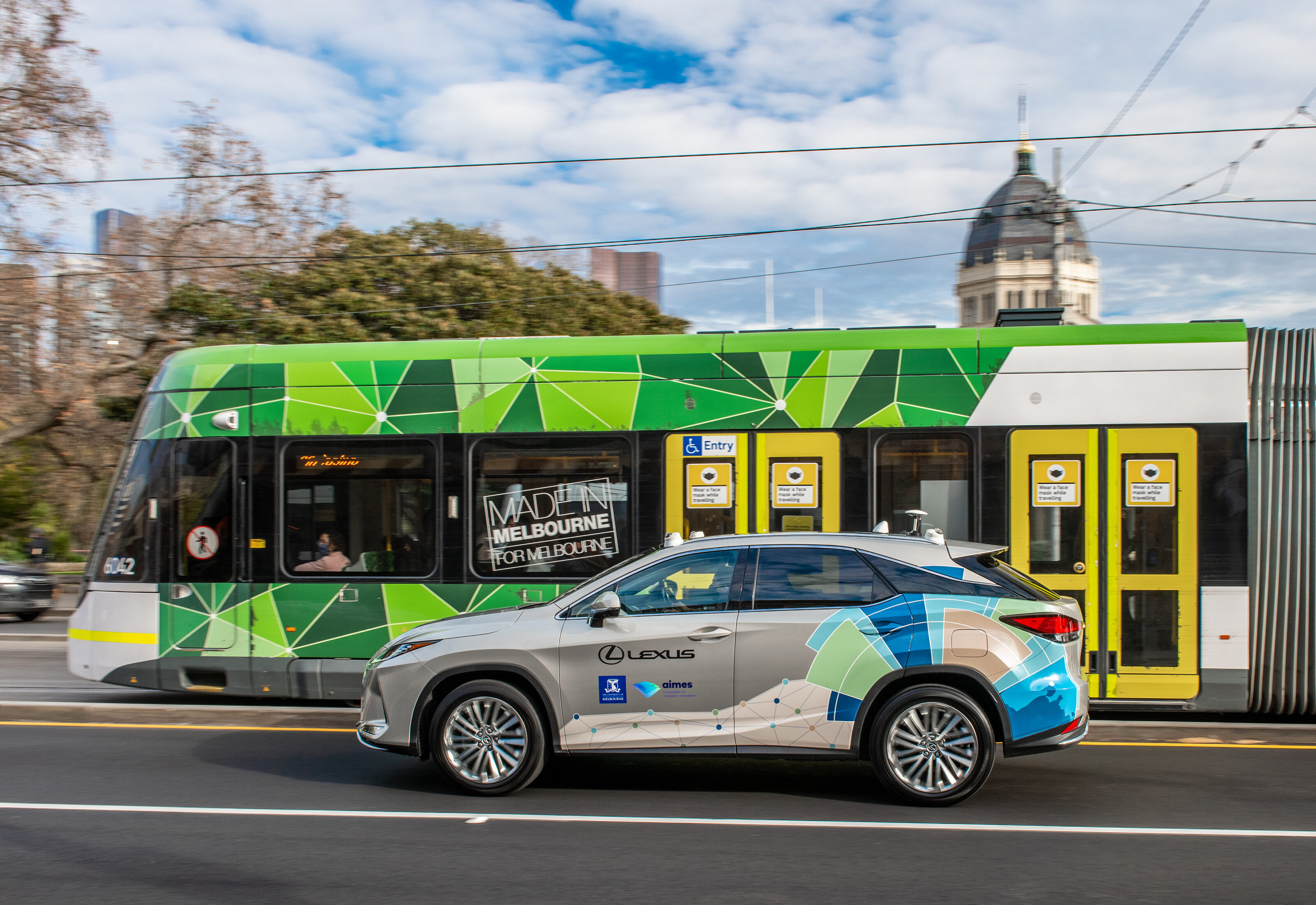
Lexus Australia will become the first automotive partner to join the ground-breaking testing, which will also develop further alerts including; when a driver attempts to enter a one-way street or freeway entry/exit the wrong way, when an emergency vehicle is approaching or when it might not be safe to enter an intersection.
The research is being carried out in a joint partnership with the Australian Integrated Multimodal EcoSystem (AIMES) – a group of 50 tech, transport and government organisations led by the University of Melbourne.
Lexus Australia’s Chief Executive, Scott Thompson, said the luxury brand is constantly investing in new technologies to achieve higher vehicle safety standards.
“Imaginative technology and leveraging innovation are core to the Lexus DNA, and we are committed to delivering next-generation road safety outcomes,” Mr Thompson said.
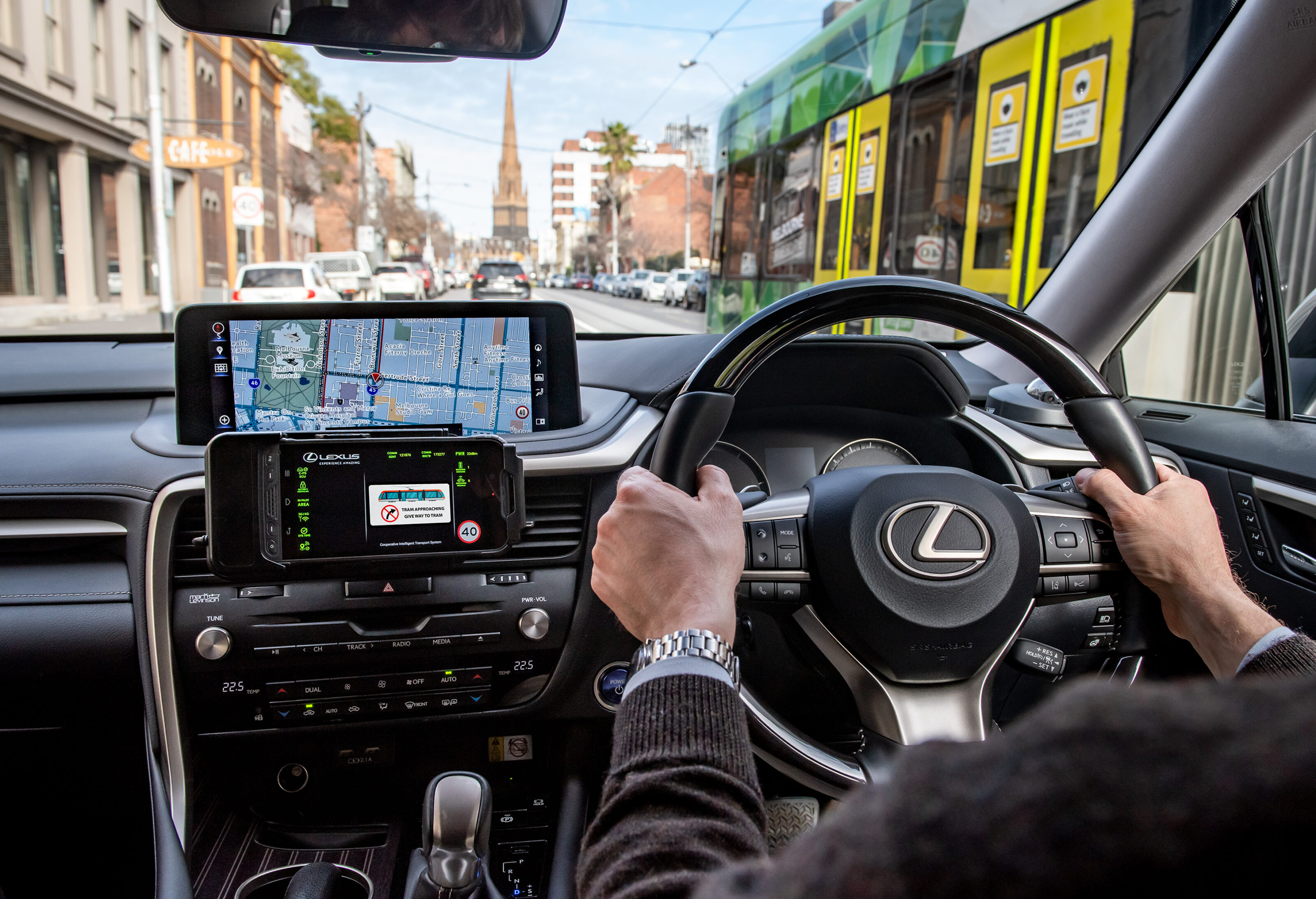
Lexus Australia’s partnership with AIMES follows previous Co-operative Intelligent Transport Systems (C-ITS) trials in partnership with the Victorian and Queensland governments which wrapped up last year.
In Victoria, Lexus participated in the Advanced Connected Vehicles for Victoria project, while in Queensland, Lexus Australia worked with the Department of Transport and Main Roads on the Cooperative and Automated Vehicle Initiative (CAVI) in Ipswich, south-west of Brisbane.
The two projects enabled Lexus to develop applications such as warning drivers of red lights ahead, pedestrians about to cross the road at traffic lights, and alerting drivers to the presence of slow or stopped vehicles, road works or road hazards such as water or debris – elements which will continue to be tested in this trial.
Although new to Australia, Lexus has been working with these forms of communication on home turf in Japan since 2015.
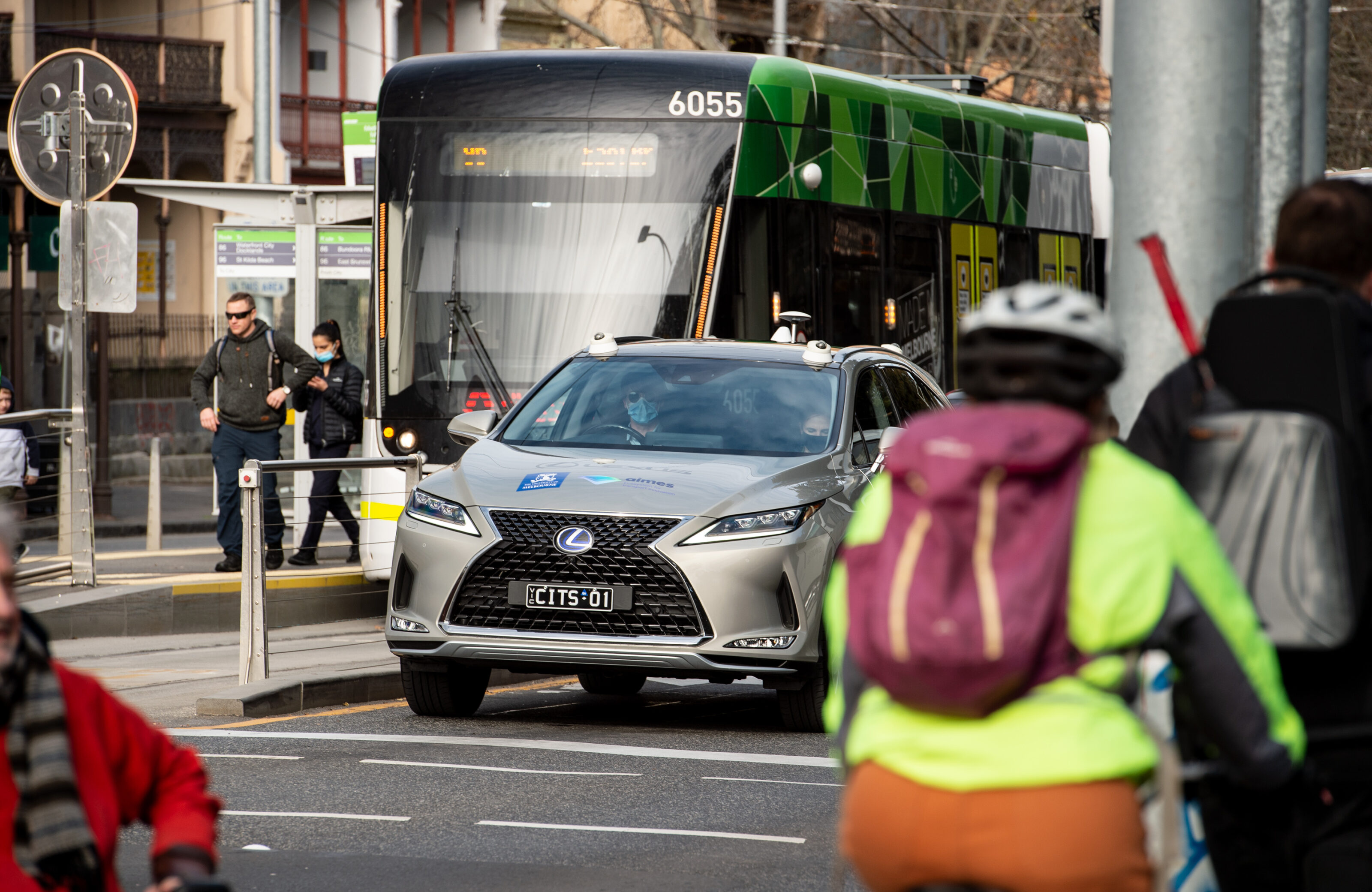
In 2018 there were more than 1100 crashes between vehicles and trams and 500 near misses in Melbourne, up from 970 the year before, leading the Victorian Government to warn motorists to take more care when travelling near trams and trains.
Melbourne’s CBD is home to five of the ten top hotspots for tram and vehicle collisions, the Department for Transport said.
The figures, released in 2019, also showed 97 per cent were the fault of motorists with 70 per cent of the incidents caused by drivers not looking for trams when turning right, U turning or merging – something the new research hopes to tackle in future.
As recently as yesterday however, emergency services attended an incident involving a car and a tram in Coburg in Melbourne’s north, which has left two people in hospital in a critical condition, two in a serious condition and two more with non-life threatening injuries.
The cause of the accident is not yet known, but none of the passengers or driver on-board the tram were hurt.