
Snapshot
- German Government and local state to invest u20ac60m into Porsche factory
- Planned capacity will be at least 100MWh
- Up to 80 staff will be employed to develop high-performance tech
Porsche is teaming up with a world-leading tech firm to produce batteries for its hybrid and fully-electric cars at a dedicated facility in Germany.
The carmaker announced, alongside its joint venture partner Customcells, it will be investing in high-performance battery production in the town of Tübingen – all driven by a new Porsche subsidiary, the Cellforce Group.
The town is likely to be where Porsche will build a new factory to make the batteries, as it’s close to its headquarters in Stuttgart and the brand’s R&D centre in Weissach.
Both the German Government and the state of Baden-Württemberg have announced funding of close to €60 million (AU$95m) for the overall project which will employ up to 80 people by 2025.
Porsche has said it will be developing cells which utilise silicone as the anode material rather than graphite, theoretically delivering a much larger capacity for the same size battery pack.
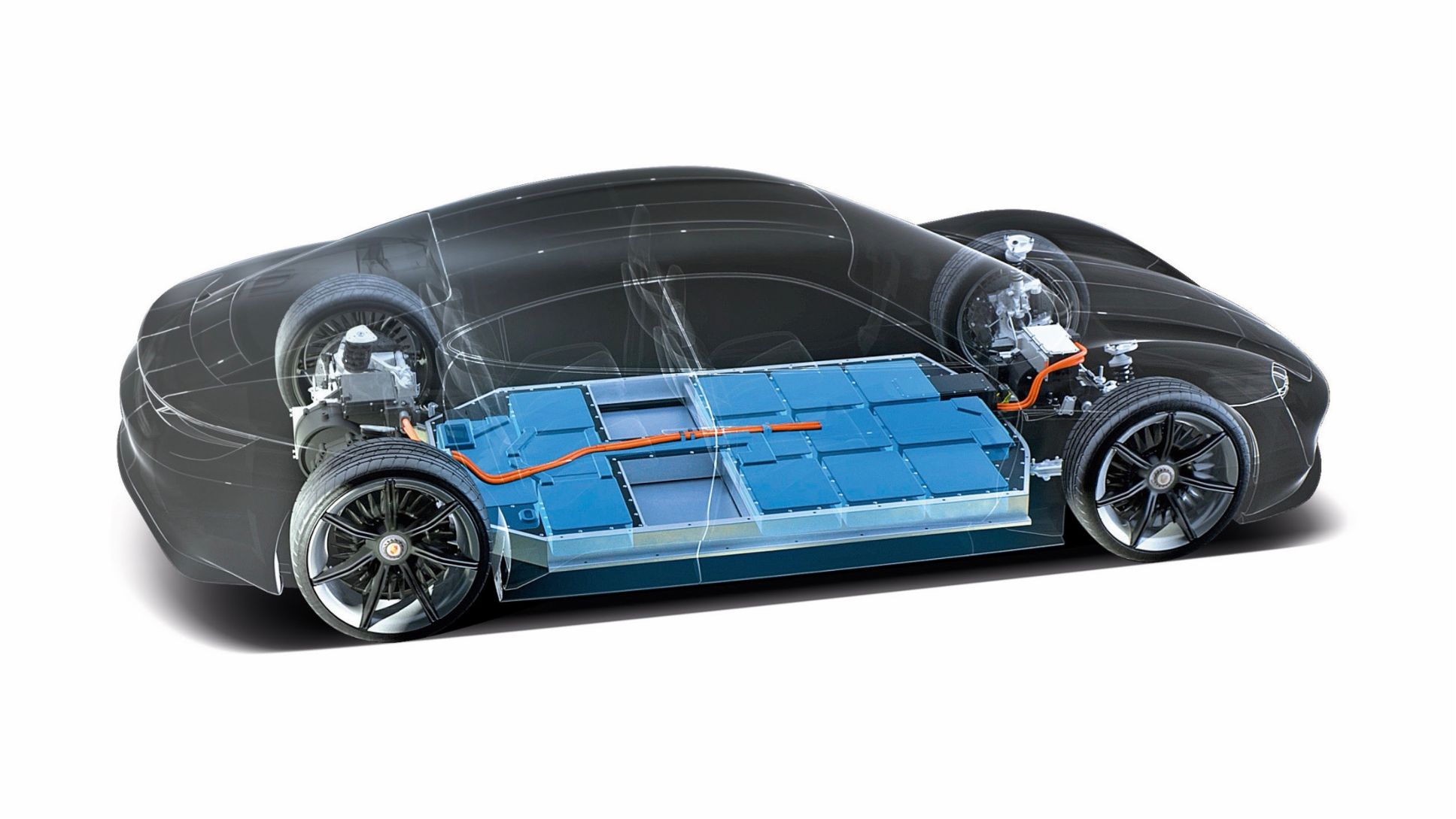
Porsche’s chairman of the executive board, Oliver Blume, said: “The battery cell is the combustion chamber of the future. As a new Porsche subsidiary, the Cellforce Group will be instrumental in driving forward the research, development, production and sale of high-performance battery cells.
“This joint venture [with Customcells] allows us to position ourselves at the forefront of global competition in developing the most powerful battery cell and make it the link between the unmistakable Porsche driving experience and sustainability.
“This is how we shape the future of the sportscar.”
Customcells CEO Torge Thönnessen believes the annual capacity of the proposed factory could produce at least 1000 vehicles, though Porsche’s focus is on quality, not quantity.
“We founded Customcells with the aim of developing customer-specific battery cells for the most demanding of applications, and this is exactly what we can now realise together with Porsche,” said Thönnessen.
“The goal for the planned production plant is to reach a minimum annual capacity of 100MWh. This is equivalent to high-performance batteries for 1000 vehicles.”
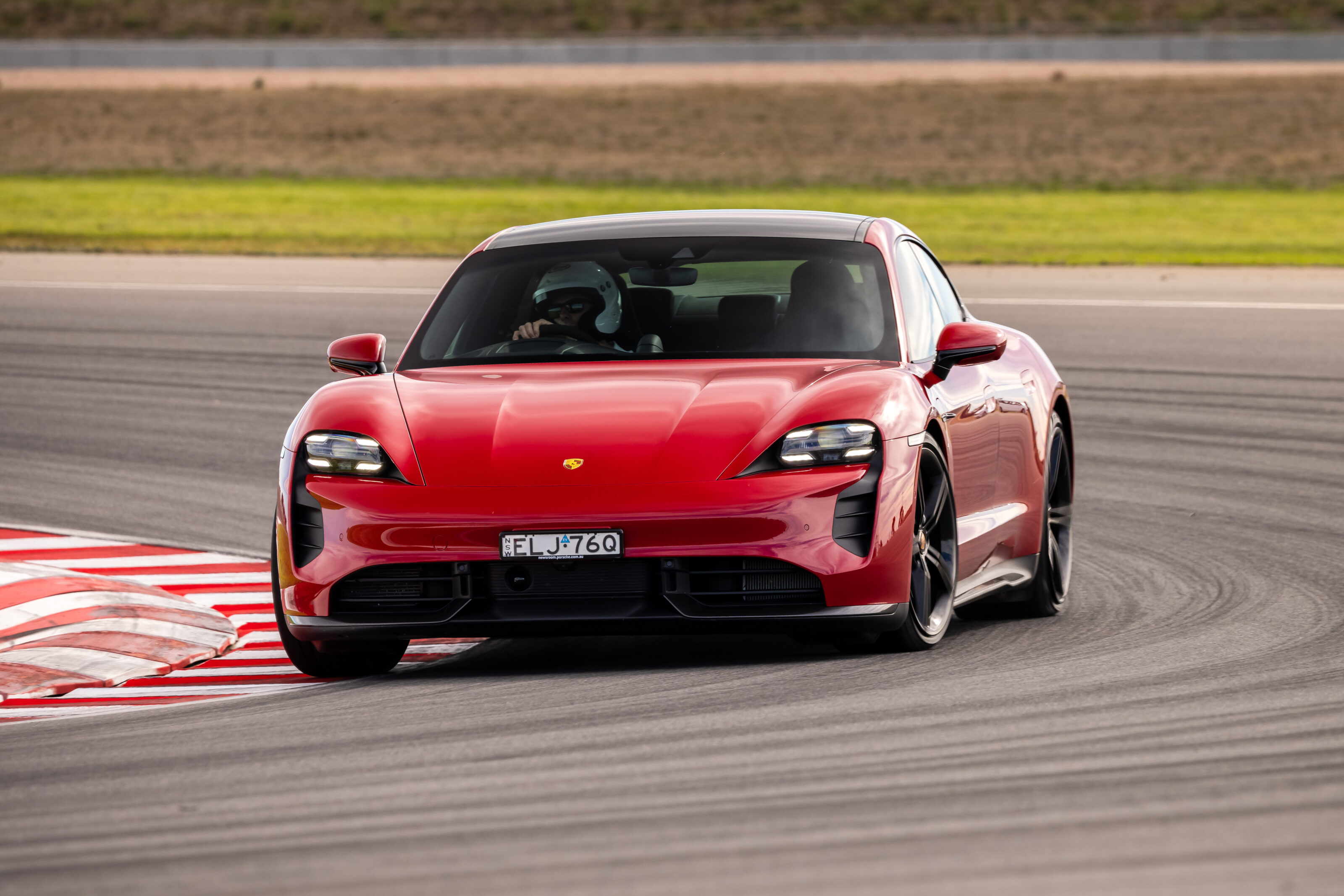
The only EV Porsche model for sale in Australia currently is the Taycan, a vehicle which can develop up to 560kW and 1050Nm with a WLTP range of 416km.
Snapshot
- Two investors have been accused of withholding u00a310m in deposits
- Private group was set up to fund the Valkyrie project
- Deliveries delayed due to Covid-19
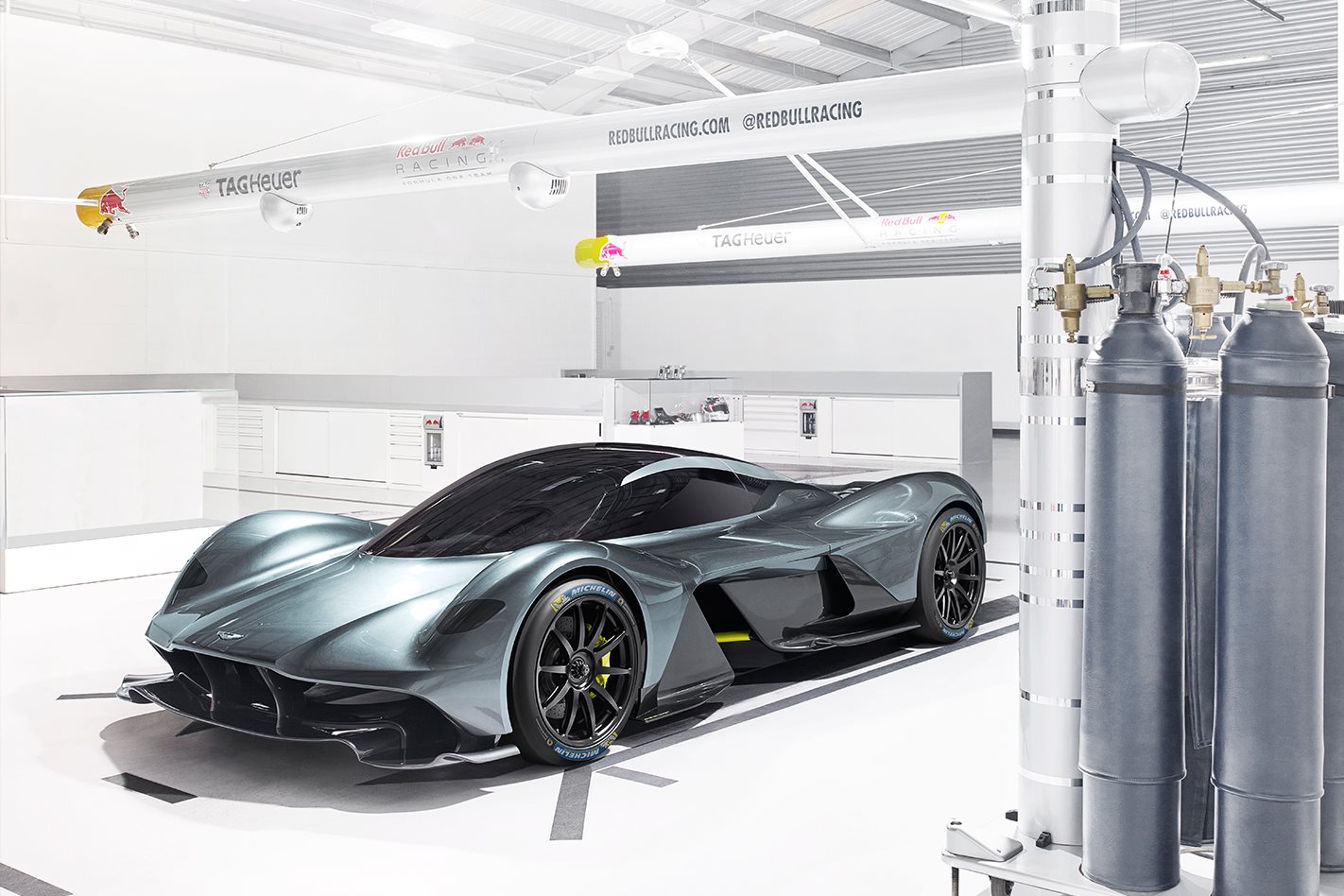
Two Swiss car dealers are being sued by Aston Martin Lagonda for allegedly withholding over GBP£10million (AU$18.5m) of deposits which had been put down for the Valkyrie hypercar.
It is understood some of the deposits were used to finance the car but not all made it back to Aston Martin, triggering legal action to recover the lost funds.
Valued at GBP£2.5m (AU$4.63m), the Valkyrie was financed in part by Andreas Baeziger and Florian Kamelger who formed Nebula Project AG – a company based on the Valkyrie’s codename which handled deposits from some customers in Switzerland.
The British marque has filed both civil legal proceedings against Nebula Project AG and, with the support of a group of its customers, criminal proceedings against the two men.
According to a statement from the company, Aston Martin will take a GBP£15m (AU$27.8m) drop in profits this year, partly due to the missing deposit money from Nebula Project, with the other GBP£5m (AU$9.2m) coming from the termination of the AF Cars AG, Nebula-run, dealership in St Gallen, Switzerland – though it will no longer have to give Baeziger and Kamelger a cut of the Valkyrie sales.
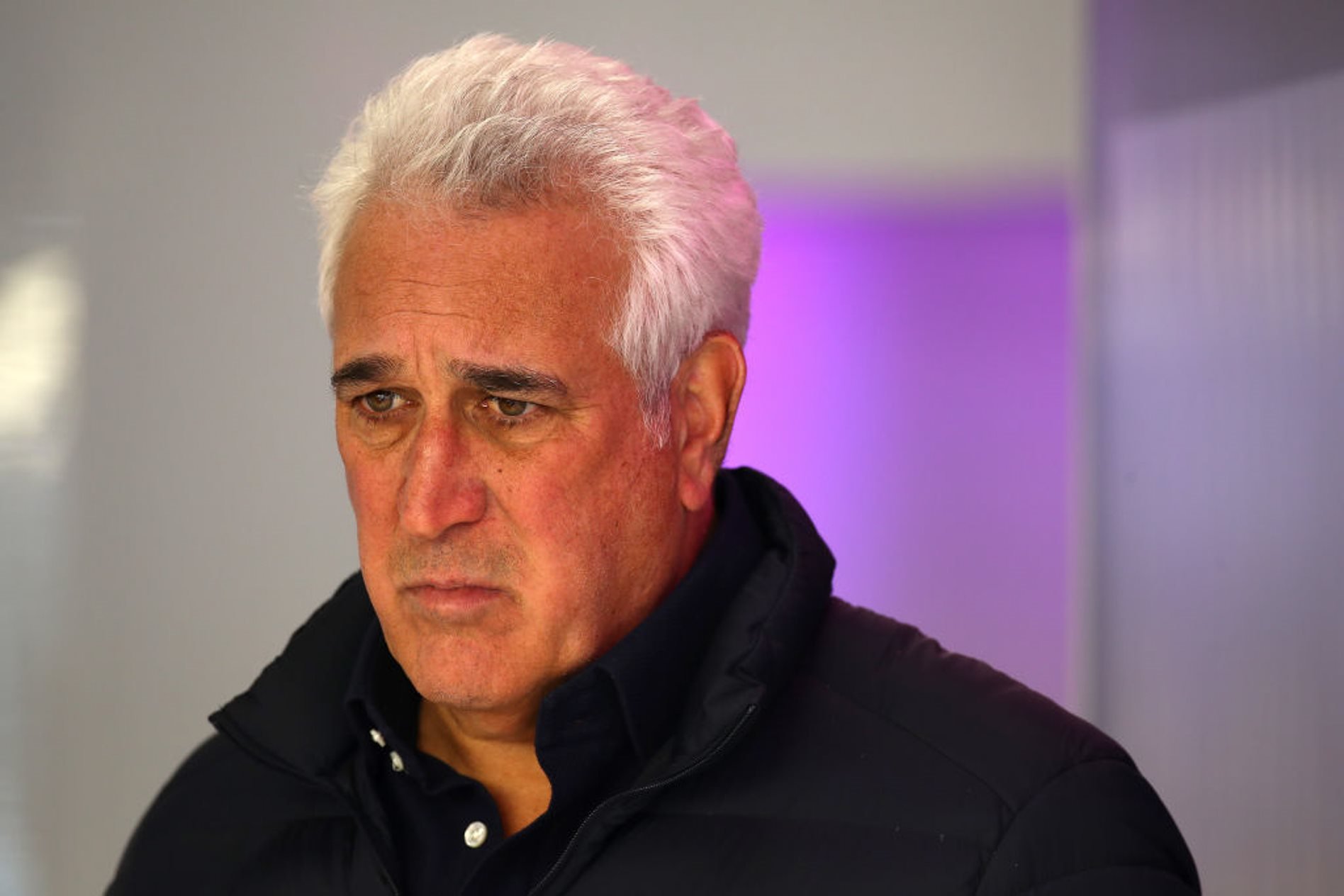
The investment from Nebula came amid financial uncertainty for Aston Martin, though the company is said to be in a much better position now after Canadian billionaire Lawrence Stroll bailed it out for GBP£540m (AU$999m) last year. In the deal Stroll became chairman and led Aston Martin to rebrand the Racing Point Formula One Team – of which his son, Lance, is a driver.
The statement from Aston Martin said there are no other agreements such as this one currently in place, meaning all future deposits for its special vehicles will not be taken through third parties, rather through Aston Martin directly.
As the flagship model for Aston Martin, the Valkyrie will be limited to a production run of 150 units, designed by 10-time Formula One World Championship winning car designer, Adrian Newey, with a 6.5-litre naturally aspirated V12 engine developed by Cosworth powering it.
Deliveries were initially expected to start in 2020 but the project experienced testing and stock procurement delays brought on by the Covid-19 pandemic, causing delays to the Valhalla and Vanquish supercars which will use some of the Valkyrie’s components. It is now expected that the first cars will be delivered in the second half of 2021.
“Both Aston Martin and its customers have been impacted by Nebula Project AG’s and its board members’ behaviour,” a statement from the carmaker said.
“Aston Martin is fully committed to supporting and working with those customers affected to ensure that they will still receive delivery of their Valkyrie programme vehicles as scheduled, prioritising customer relationships, despite the company not having received all the deposited funds.”
Snapshot
- New Find and Reserve system to utilise PayPal
- Up to $1000 deposit can be refunded
Land Rover Australia has launched a new service which is aimed at making it easier for prospective buyers to get into new, demonstrator and used vehicles, all through online transactions.
The new Find and Reserve system allows customers to locate vehicles at their nearest Land Rover dealership online and place a deposit on the one they select through PayPal, reserving the vehicle until they can arrange a time to inspect it.
Deposits of up to $1000 can be taken and are fully refundable, meaning buyers can get their money back before purchase if they want to change their mind.
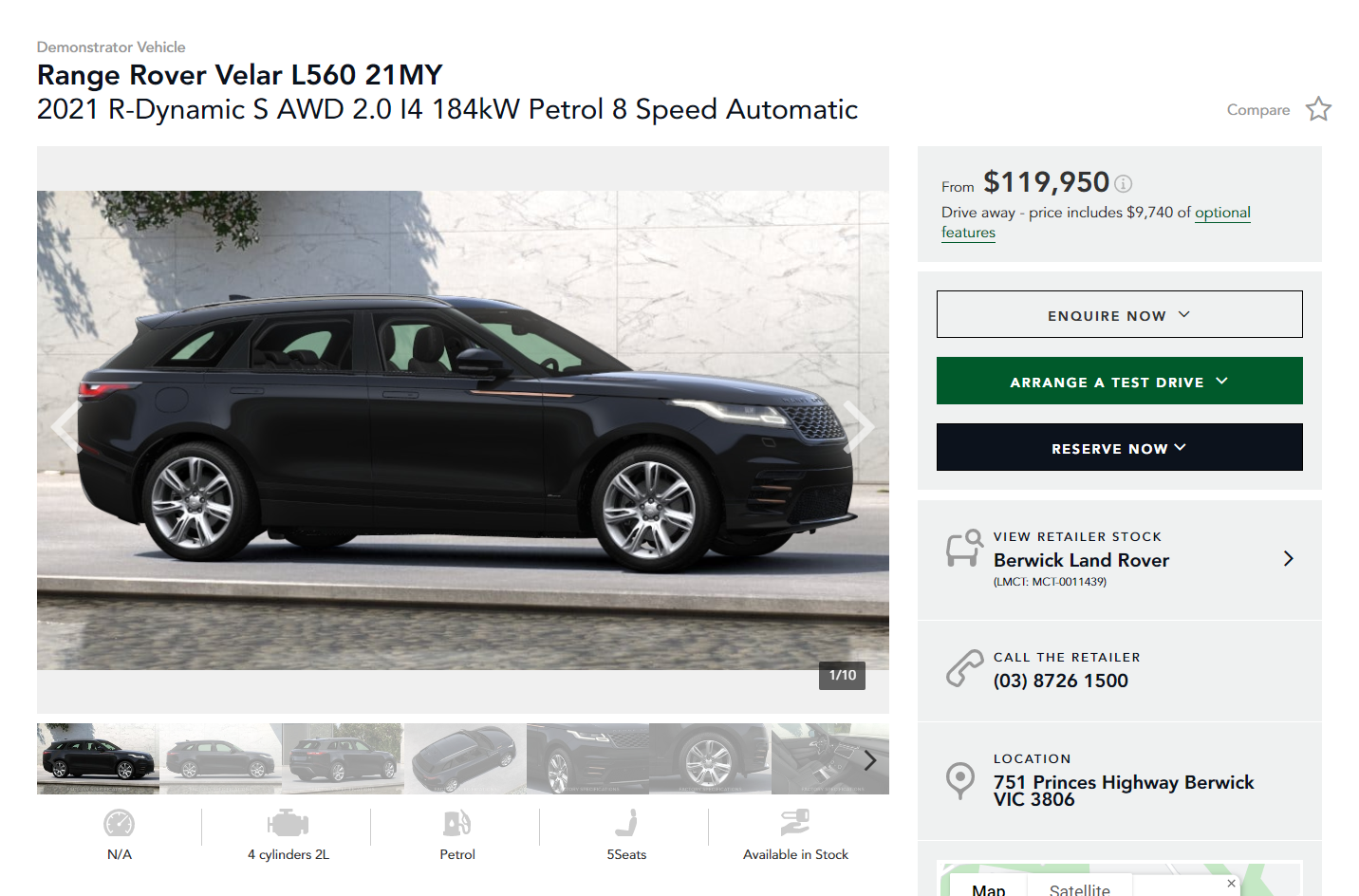
Jaguar Land Rover Australia sales director, Scott Maynard, said the simple process will help customers get a chance to look at the vehicle they want without the risk of it being taken before they can inspect it.
“Find and Reserve and PayPal have combined to create an exciting new Land Rover buying experience,” said Maynard.
“Whether buyers are new arrivals to the brand or long-term devotees, Find and Reserve brings important new benefits to the Land Rover buying process.
“Buyers log into the Land Rover website, choose their preferred retailer online, look at the range, choose ‘their’ model and variant, select the exterior and interior colour scheme and add any options they want. They are then given a drive-away price.
“They can book a test drive, get a quote and even have an online chat with a sales consultant. Once everything is in place, buyers just click ‘reserve’ and secure their Land Rover by making an online deposit using PayPal. It’s that easy.”
Snapshot
- On-set snaps show Keaton with Maybach concept
- Cabriolet design was unveiled in 2017
- Multiple Bruce Waynes will appear together in film
Images from the set of upcoming supero flick The Flash have revealed Bruce Wayne’s new wheels, in the form of the Vision Mercedes-Maybach 6 Cabriolet concept car.
Posted to Twitter by user Grace Randolph, the photos show Michael Keaton on-set behind the enormous Maybach. The car will apparently be used by Keaton’s character, Bruce Wayne, throughout the film.
Mercedes-Benz unveiled the Maybach 6 in coupe form at the 2016 Pebble Beach Concours d’Elegance, and followed up with this convertible version the next year.
The Cabriolet is given away by its differing roofline to the coupe, though it now features a body-coloured hardtop as opposed to its original white roof. It’s powered by four electric motors, generating a total output of 550kW for a 0-100km/h sprint in under four seconds.
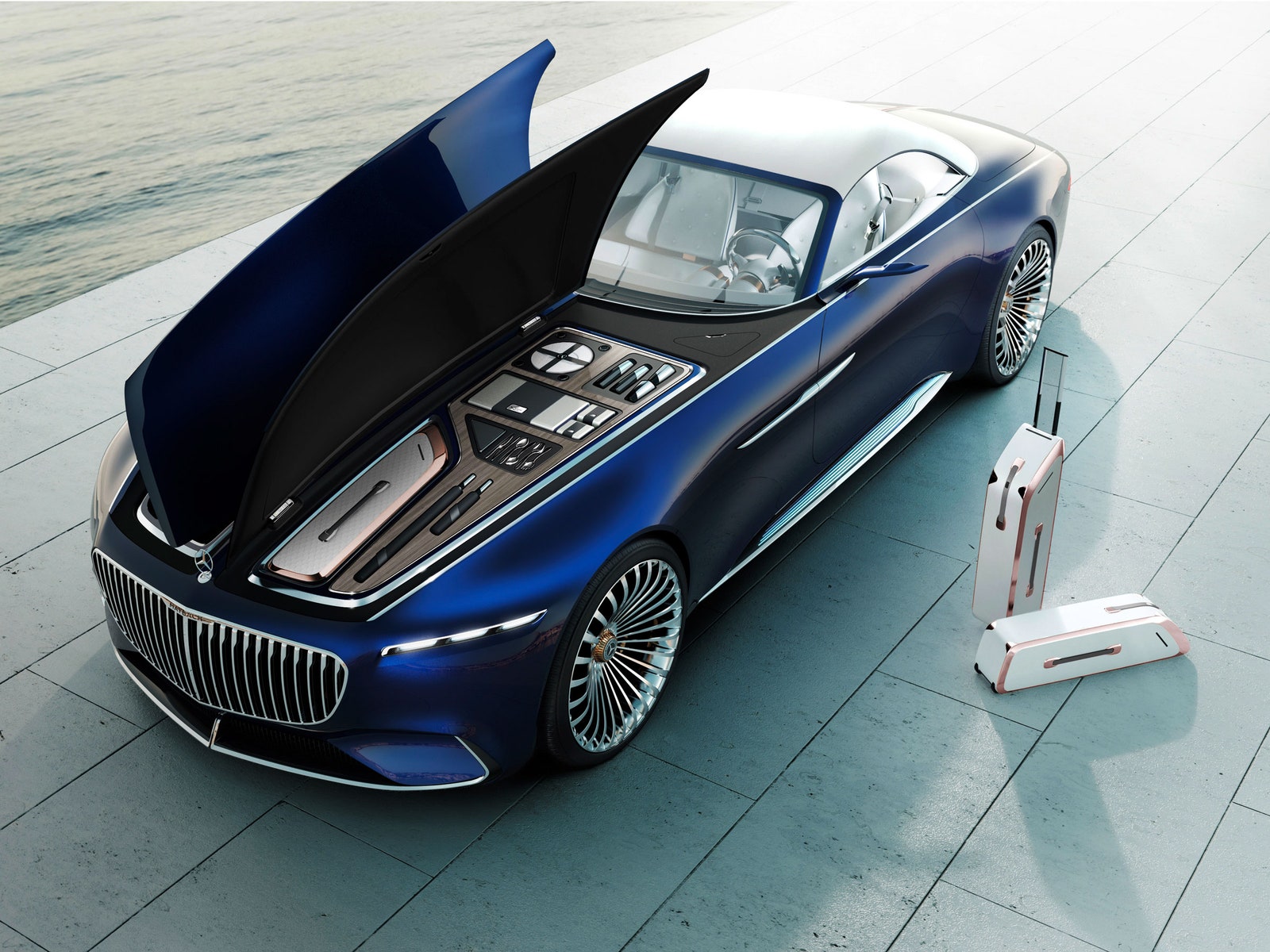
Drawing on Art Deco cues, the Maybach is well-suited to the Batman franchise. It’s particularly evocative of classic Batmobiles, including the car featured in The Animated Series.
The Flash follows the young superhero’s time-travelling exploits, which give rise to an alternate universe with multiple Bruce Waynes. Keaton will appear as an older Bruce Wayne/Batman, marking his first appearance in the role since Tim Burton’s 1992 Batman Returns. He will be joined by Ben Affleck’s more recent incarnation of the hero.
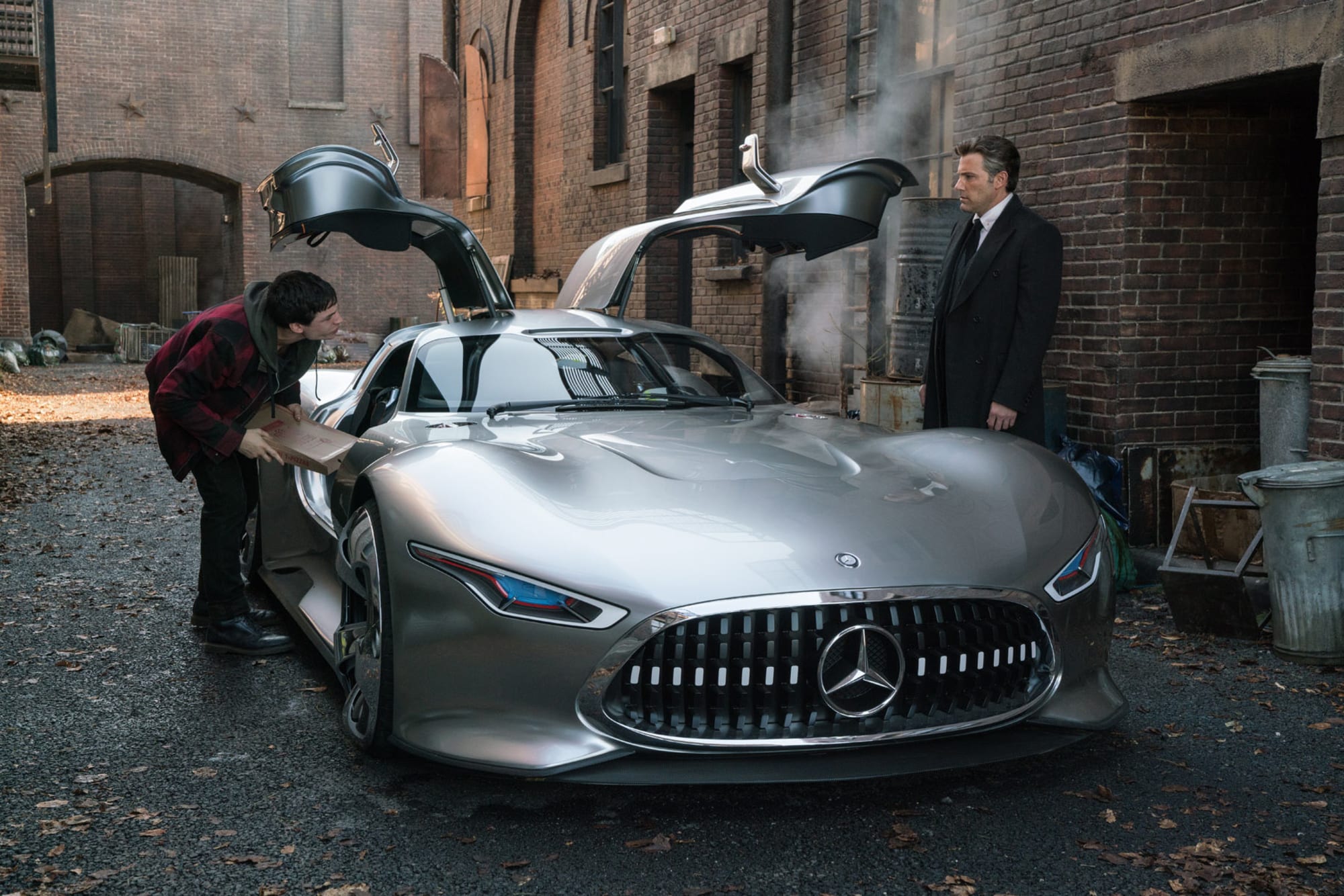
Affleck’s own Bruce Wayne also drove a Mercedes concept during his last outing as the Dark Knight, in 2017’s Justice League. He was seen behind the wheel of the Mercedes-AMG Vision Gran Turismo, which made its debut in 2013 as part of the Gran Turismo 6 video game campaign.
The car was fitted with a usable interior, enlarged by 10 per cent to accommodate a human being, and dash for the film.
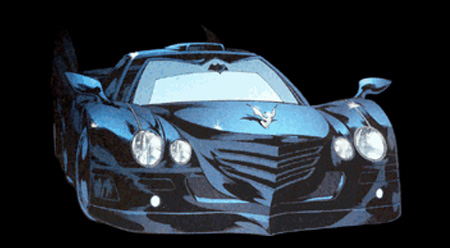
Another Mercedes appeared as part of Wayne’s arsenal in a 2004 Teen Titans comic, this time a Batmobile modelled on the CLK GT-R supercar.
The Flash is due to be released on November 22, 2022.
Snapshot
- Same drive-away pricing anywhere you buy a Honda in Australia
- New business model involves dealership changes
- Comes into effect from July 1
Honda Australia has revealed more details of its new fixed-price model which are due to come into effect next month.
From July 1, the Japanese marque will switch on nationwide one-price driveaway pricing, standardising the cost of a new vehicle no matter where in the country it is being sold or how nicely you ask for a discount.
The new pricing structure is part of the carmaker’s new ‘Honda Price Promise’ business model, which includes a reduction in dealerships and changes to its new car warranty and roadside assistance packages.
Under the new business model, the previous manufacturer’s list price (MLP) has been replaced with a national drive-away price, which includes all on-road costs and statutory charges, as well as metallic or pearlescent paint colours which were previously added extras.
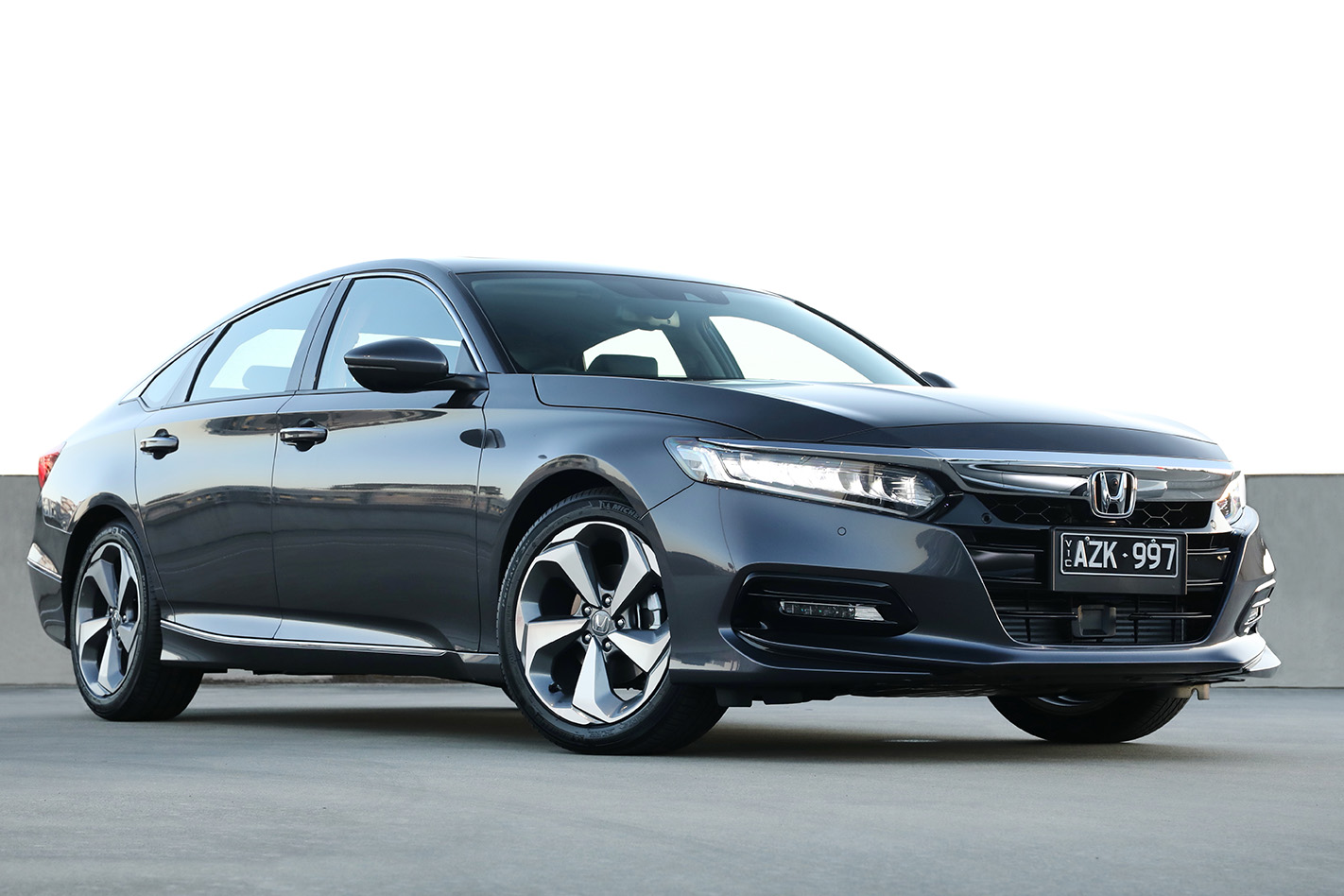
The only items not included in the new vehicle price are any Honda Genuine Accessories selected by the customer to personalise their vehicle.
Every new Honda vehicle purchased from July 1 will continue to come with a five-year unlimited kilometre warranty as standard, but it will now also include five years of premium roadside assistance, which was previously only available to customers as part of the cost option extended warranty package.
“All our research shows one of the most common pain points associated with the purchase of a new car is the need to negotiate and haggle on price,” said Stephen Collins, Director of Honda Australia.
“Under our new agency model, this will no longer be necessary to determine the price of a new vehicle, which is a significant change for Australians who have been trained to buy new vehicles by negotiation.
“We know this new way of buying a car won’t be for everybody, but we are confident it will address the needs of the vast majority of new car buyers, while delivering a more relational, less transactional experience.”
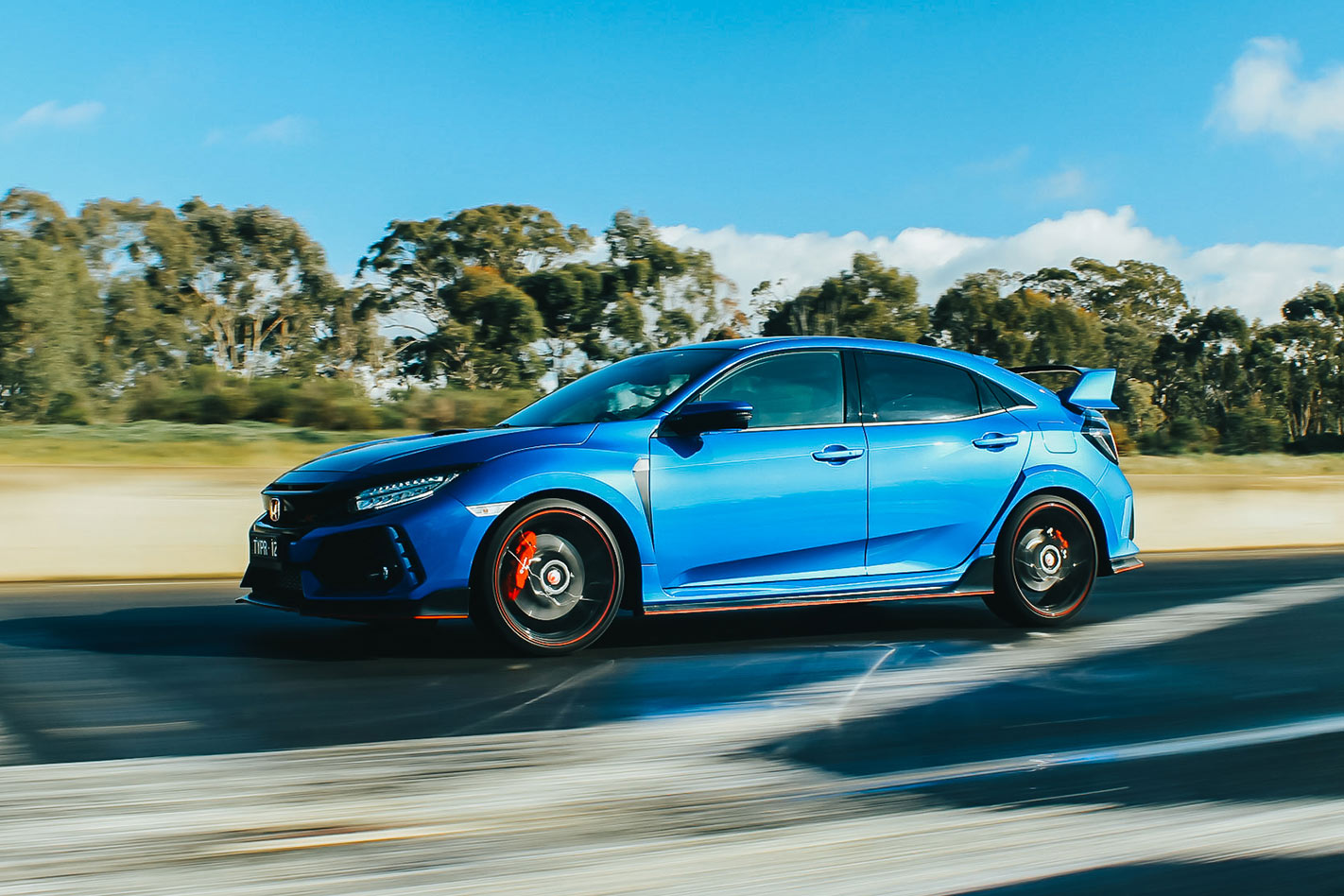
It’s a dramatic business model restructure more than 12 months in the making, introducing the most significant transformation in Honda Australia’s history spanning more than half a century.
The 2021 strategic plan will go live on July 1 this year, revealing the work of 150 Honda Australia staff and a complete top-to-bottom remodelling of local operations which Honda promises will improve customer experience, streamline operations and overhaul the national dealer network.
It follows an announcement in March 2020 that the Japanese brand would start the transformation process, stripping back underperforming models, culling marginal dealers and preparing the ground for change.
Speaking at the announcement of the strategy in March, Mr Collins said the company was introducing a fresh culture that places a greater importance on the image and perception of the company – and not outright sales.
“We’ve spent the last 12 months re-engineering everything in our business,” he said. “Our customer experience right now is pretty good, but the intent is to take it to a new level and take up a leadership position in the auto industry in terms of a transparent and seamless process for buying new cars.
“We’re shifting from a volume-driven business to what we call a ‘quality business’. This is about prioritising the customer experience and not being obsessed with chasing volume.”
Key to the new-look Honda is a complete reimagining of the dealer network and the introduction of a ‘hub and spokes’ model that retains existing major dealerships in metropolitan centres which, in turn, serve smaller outlying operations in suburban areas.
The hub-and-spoke model addresses inefficiencies in the Honda system resulting in flagship bricks and mortar where high traffic warrants it, and leaner outfits that could include lite dealerships that may only have a one-or-two car showroom or just a service centre in some cases.
Almost as significantly, Honda Australia will introduce the decisive move to own all vehicle stock in the national network, including showroom cars, demonstrators and service replacement vehicles.
This, says Collins, reduces risk the dealer previously had to shoulder as well as allowing the customer to get the exact car they want as quickly as possible, rather than making a round peg fit a square hole with existing stock at the dealership.
And while the company slashed a number of models and variants from its ranks at the start of 2020, the new strategy includes a complete audit of the current line-up and the introduction of fresh metal.
“Our aim is to bring good and exciting products to the market,” said Collins. “One of the things we’re looking at is our sourcing strategy and there may be options to source more product from Japan or elsewhere that might open up opportunities.
“I’m very confident we’ll be bringing the great products – not all of the ones available globally and unfortunately there’s no pick-up on the horizon, but there is much more opportunity.”
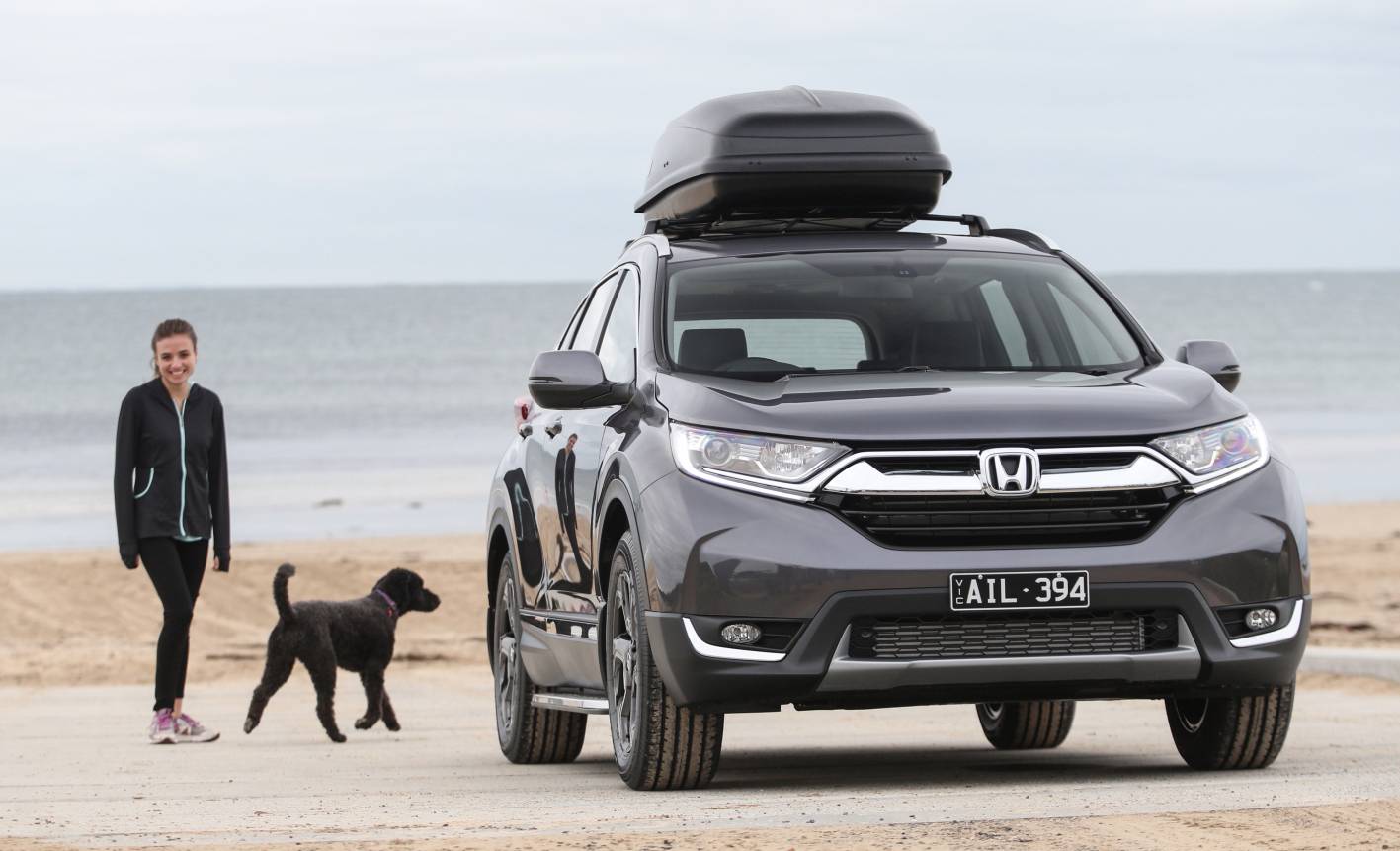
When the big plan goes live in the middle of the year, little will change in appearance at the network of dealerships around the country aside from some “subtle changes”.
In the run up to July, customers can expect to see a handful of smaller metro dealers close their doors, while new Honda signs will be erected at other locations including shopping centres such as AutoMalls Brisbane Airport and the Indooroopilly Shopping Centre.
In all, the existing network will be slightly trimmed from just over 100 to about 90. No changes are expected in rural and regional locations.

Model range pricing
Honda Civic five-door
VTi-S – $31,000
VTi-L – $34,900
RS – $39,600
Honda Accord
VTi-LX (1.5L Turbo) – $57,400
VTi-LX (2.0L Hybrid) – $60,400
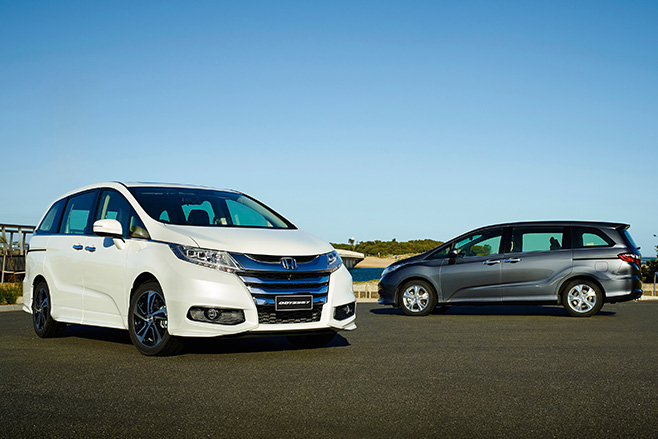
Honda Odyssey
Vi L7 – $48,700
Vi LX7 – $56,000
(Dropped from Australian line-up as of 2022)
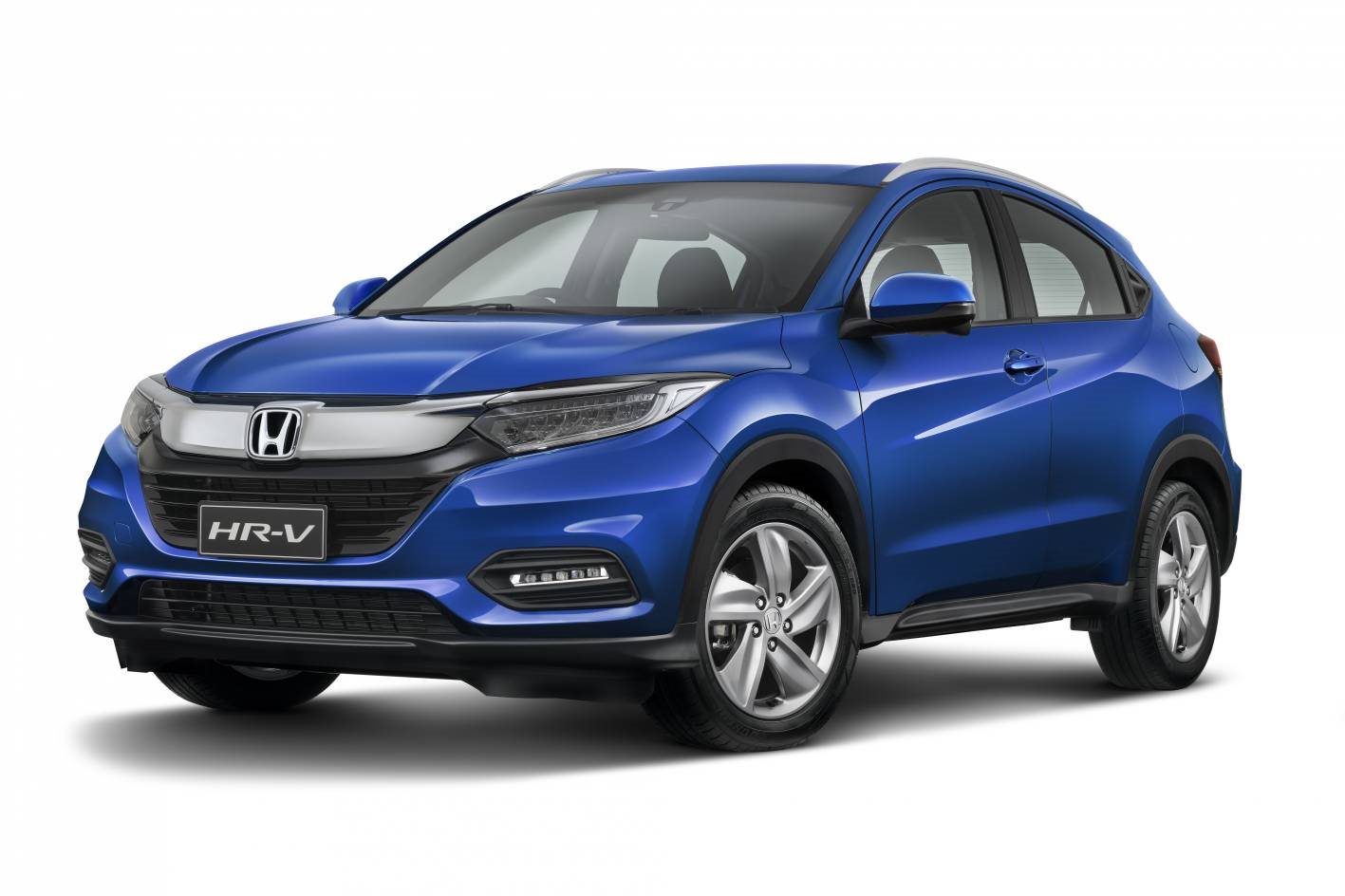
HR-V
VTi – $31,300
VTi-S – $35,100
RS – $38,500
VTi-LX– $41,000
CR-V
Vi – $35,300
VTi – $38,300
VTi 7 – $40,300
VTi X – $41,200
VTi L AWD – $45,500
VTi L7 – $48,700
VTi LX AWD – $53,200
UPDATE, October 2022: Australian pricing for the new 2023 Peugeot 308 has been revealed at last.
Get all of the details for the Australian line-up of the 2023 Peugeot 308 hatch and wagon at the link below.
Story continues: Peugeot 308 wagon revealed
Snapshot
- 308 SW coming to Australia in 2022
- No confirmation on what powertrains will underpin local examples
- Did we mention it’s a stylish wagon?
Peugeot has confirmed the new 308 SW – likely, but not confirmed, to be called 308 Touring – will come to Australia sometime next year as a part of the wider 308 range.
Off the back of its European release, Peugeot Australia says the compact wagon will come later in 2022 after the hatch arrives in the first quarter of the year.
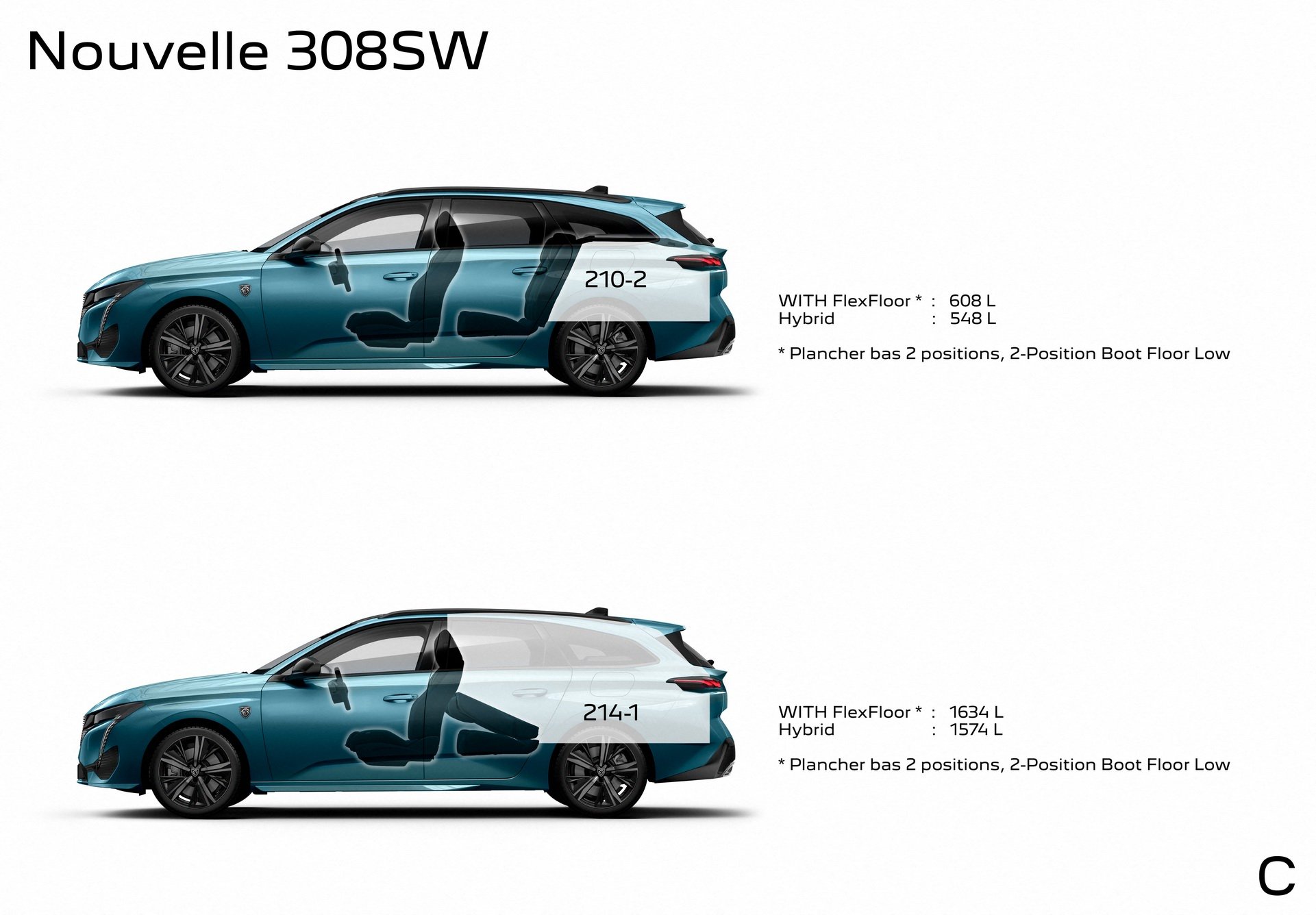
A larger body and overall wheelbase gives more room for passengers and luggage – the SW now measuring 260mm longer (4640mm total) on the outside, with a 55mm increase in wheelbase.
Boot space has been bumped up too, with a maximum of 608 litres when the back seats are up and 1634 litres when folded.
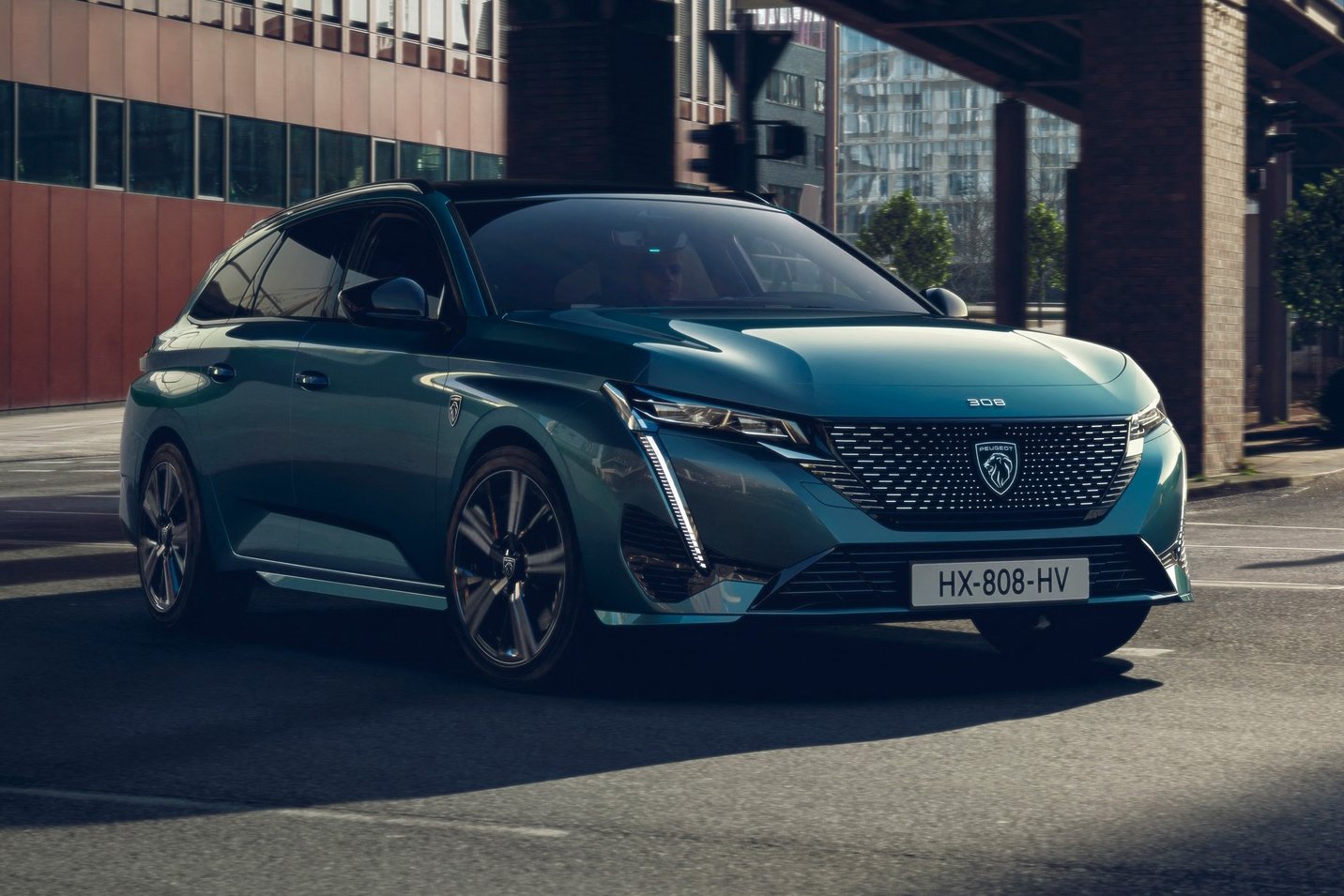
Although local specs haven’t been confirmed, the 308 SW will utilise the same powertrains as the 308 which was unveiled in March this year, headlined by two turbocharged, four-cylinder, plug-in hybrid engines, making 132kW and 110kW respectively with power being delivered to the front wheels through an eight-speed automatic transmission.
The hybridised engines are mated to a 12.4kWh lithium-ion battery pack which can help the vehicle run for up to 60 kilometres in pure EV mode, with a 3.7kW single-phase charger being included as standard – though owners can upgrade to a 7.4kW charger.
Conventional internal combustion engines will also be available in the European range, with two turbo petrol units (80kW and 95kW) and one diesel engine (95kW), all available either with the aforementioned auto gearbox or a six-speed manual.
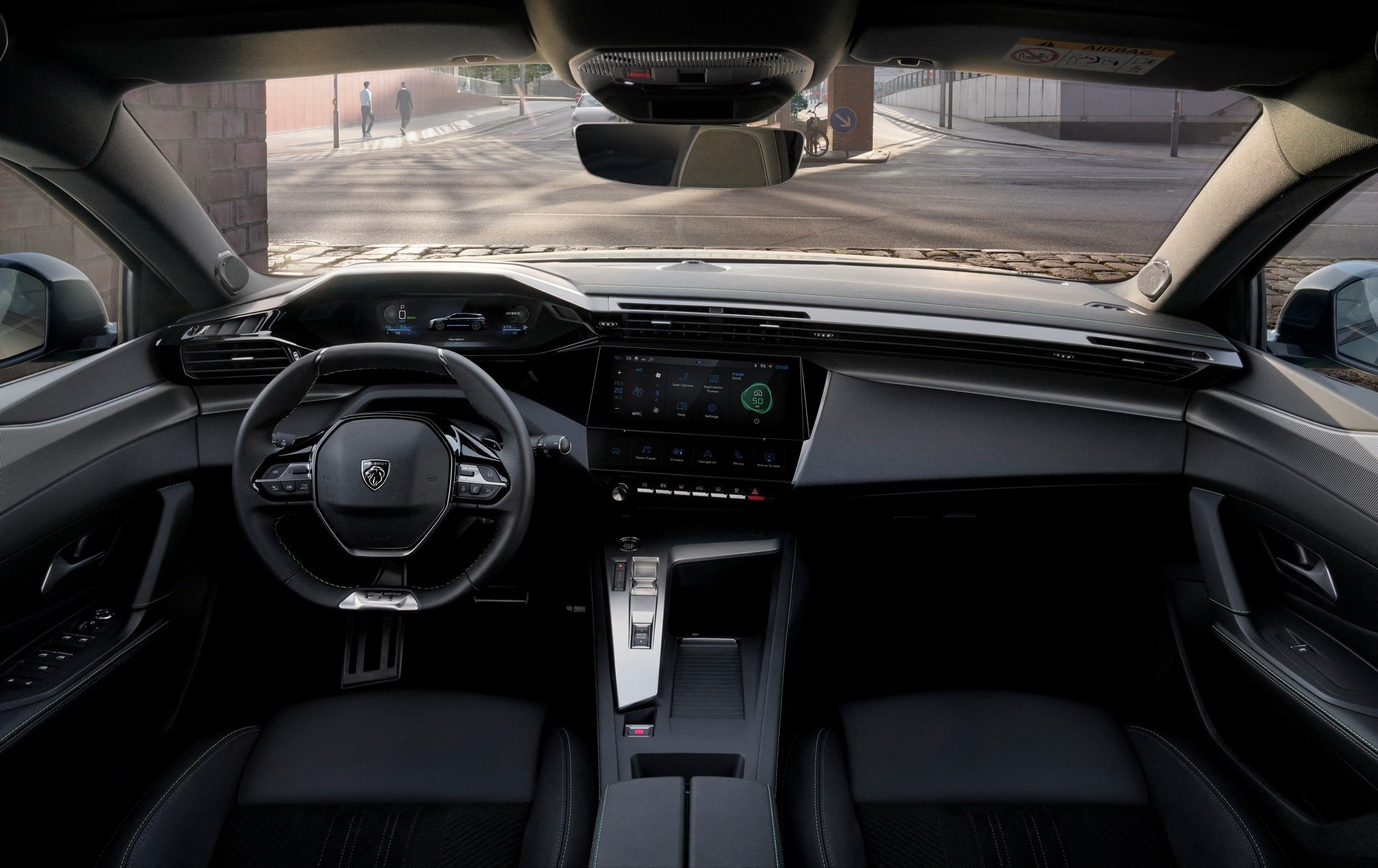
Owners of the 308 SW score an electric tailgate over the 308, though interior features are carried over – with a 10-inch infotainment touch screen occupying the dash alongside the 10-inch digital instruments, giving drivers full control over their surroundings inside the cabin.
Wireless Apple CarPlay and Android Auto are expected to feature, with the Bluetooth system allowing two phones to be paired at once, as well as four USB-C sockets which allow fast charging for occupants’ devices inside the car.
For those in cold climates, the heated steering wheel will be a welcome relief, featuring integrated controls for the car’s systems.
Semi-autonomous driving features such as adaptive cruise control with stop and go will be standard, as will; lane departure warning, semi-automatic lane change, early speed recommendation and curve speed adaptation.
It is likely the 308’s PSA EMP2 platform will be used across other products from the Stellantis family, including the next generation Vauxhall/Opel Astra which is yet to be confirmed for distribution outside Europe.
WhichCar will provide more updates on the 308 and 308 SW as they become available.
Snapshot
- Hyundai was planning a limited edition i30 sedan but has shelved plans
- Delivery times are doubling with parts in rare supply
- Nissan and Stellantis announced suspension of production in Mexico this week
UPDATE, JUNE 22: The i30 N Line Special Edition has appeared in local price guides – despite Hyundai previously confirming the semi-conductor shortage will keep Aussie buyers from snapping it up.
The limited edition variant has been spotted on Redbook, detailing the specs and features which were meant to feature on the cut-price version of the N Line variant.
Initially slated to come to Australia at a $3000 discount to the regular N Line, the Special Edition was supposed to ditch certain safety and tech features which would have helped buyers justify a move up to the N Line, such as no LED headlights, push-button start, keyless entry, blind-spot alert and cross-traffic monitoring.
A Hyundai spokesperson today unequivocally denied reports of the Special Edition coming to Australia, saying it is not on sale locally and is not coming Down Under.
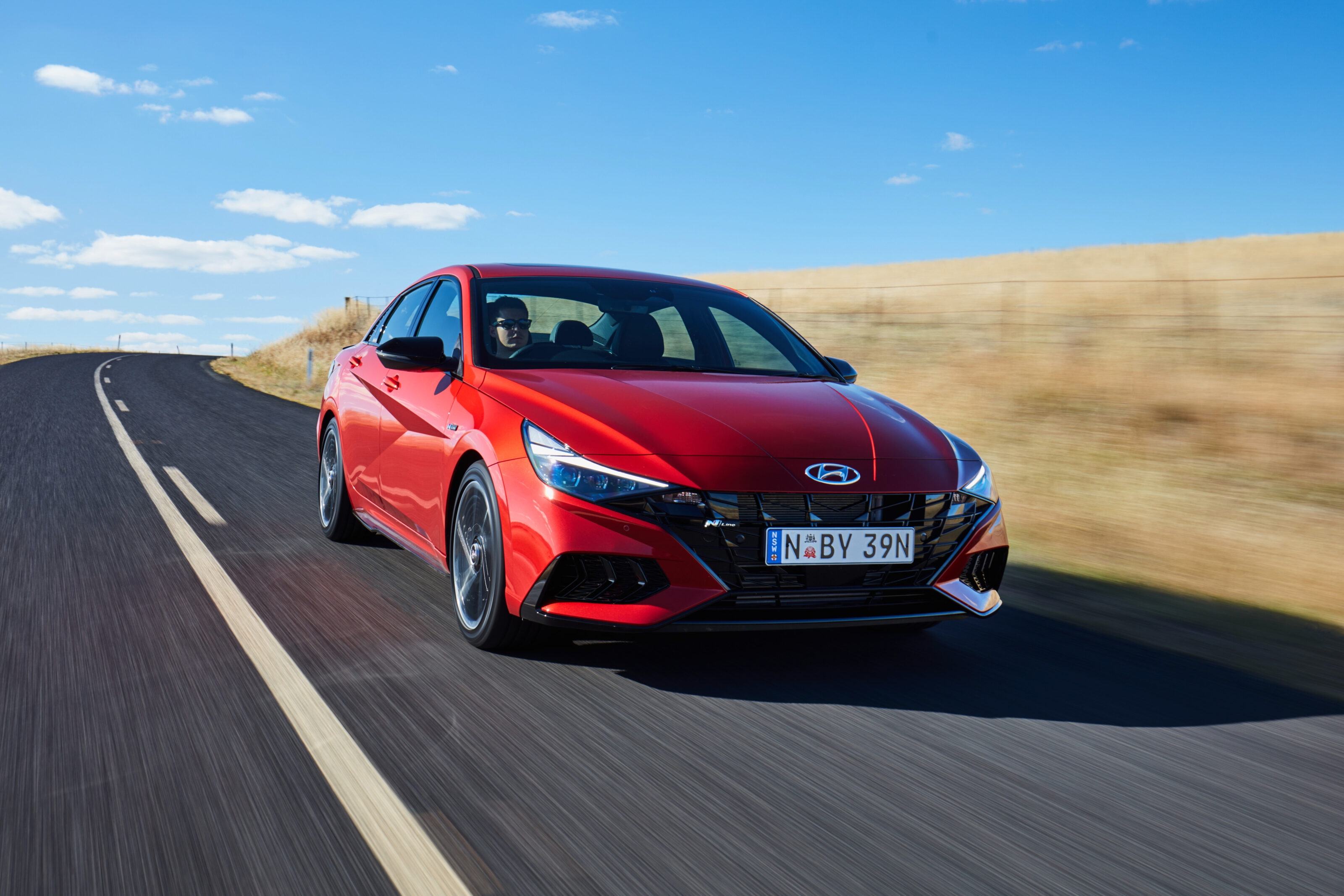
JUNE 5: The on-going worldwide shortage of semi-conductors has hit Australia’s fourth favourite car brand, with Hyundai putting plans to launch its new i30 N Line Sedan Limited Edition on hold as it starts to feel the effects of the technology strain.
Following on from the news this week of Nissan and Stellantis temporarily halting production in Mexico throughout June due to the semi-conductor shortage, Hyundai has confirmed it has had to shelve plans for the updated model as it faces delays in getting hold of parts.
A source close to Hyundai revealed the carmaker was planning on soon releasing the Limited Edition, boasting much the same features as the standard N Line sedan but with the seven-speed dual-clutch as the only option transmission, with prices expected to start under $30,000.
When asked about the the model variant coming to Australia, a Hyundai Australia spokesperson said it had been planned but had to be shelved due global parts issue.
“That vehicle is not being launched,” they said.
“We did have some initial plans but they have been put on hold due to the semi-conductor shortage.”
Toyota Australia’s vice CEO, Sean Hanley, however recently said the Japanese automotive giant will be unaffected by the shortage due to forward planning and a reserve of stock.
Snapshot
- Less than $4000 splits Golf GTI and 128ti
- GTI’s 180kW/370Nm plays 128ti’s 180kW/380Nm
- 2.0-litre turbocharged four-cylinder engines
Volkswagen says BMW’s new 128ti hot-hatch pays a great compliment to its Golf GTI, while believing its compatriot brand has yet to prove itself in the front-wheel-drive segment.
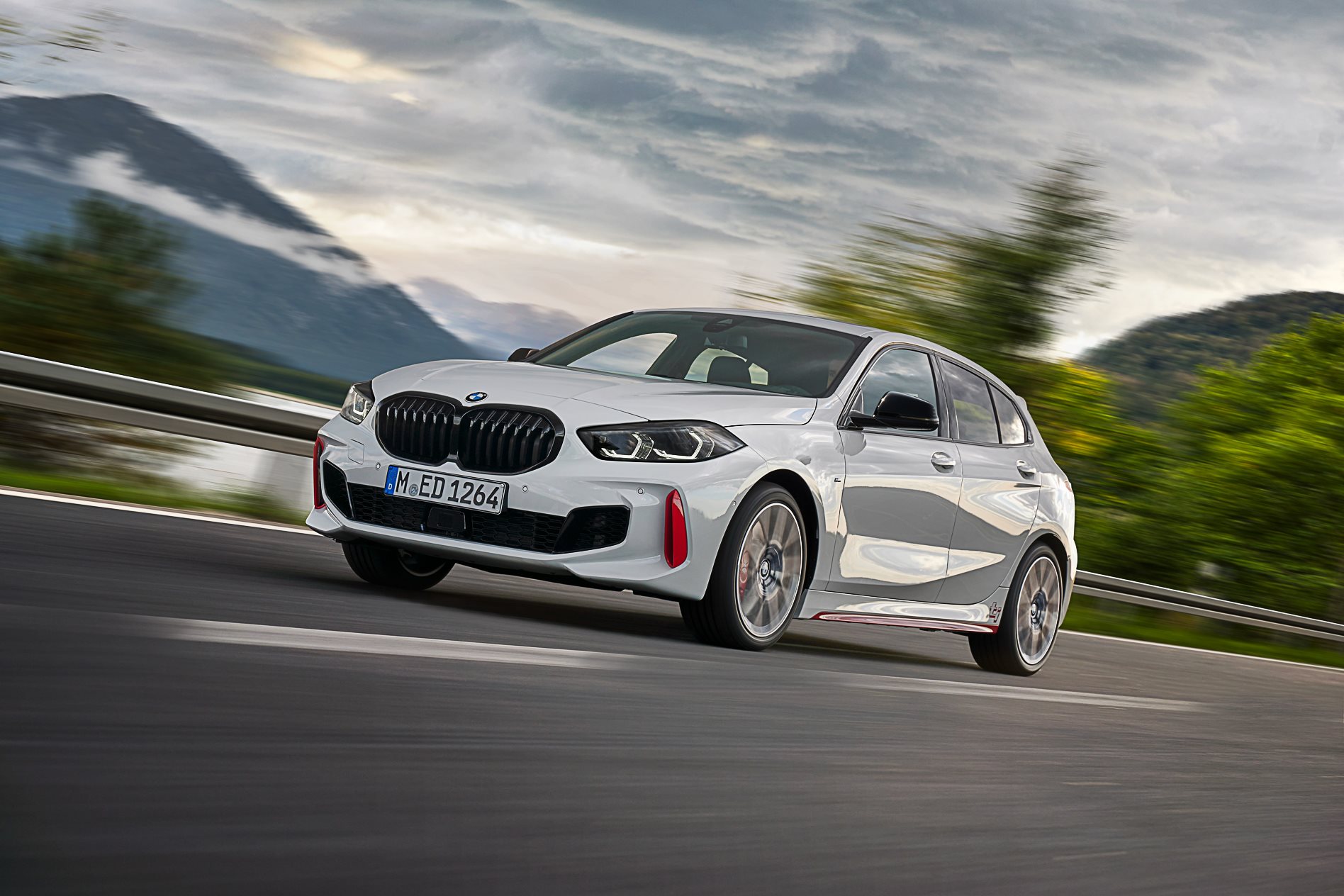
The eight-generation version of the GTI was launched in Australia this week. With an increased starting cost of $53,100, it’s close in price to the recently released, $56,900 128ti which is BMW’s first ever front-drive hot-hatch.
The two performance hatchbacks are also both powered by 2.0-litre turbocharged four-cylinder engines – and with almost identical outputs.
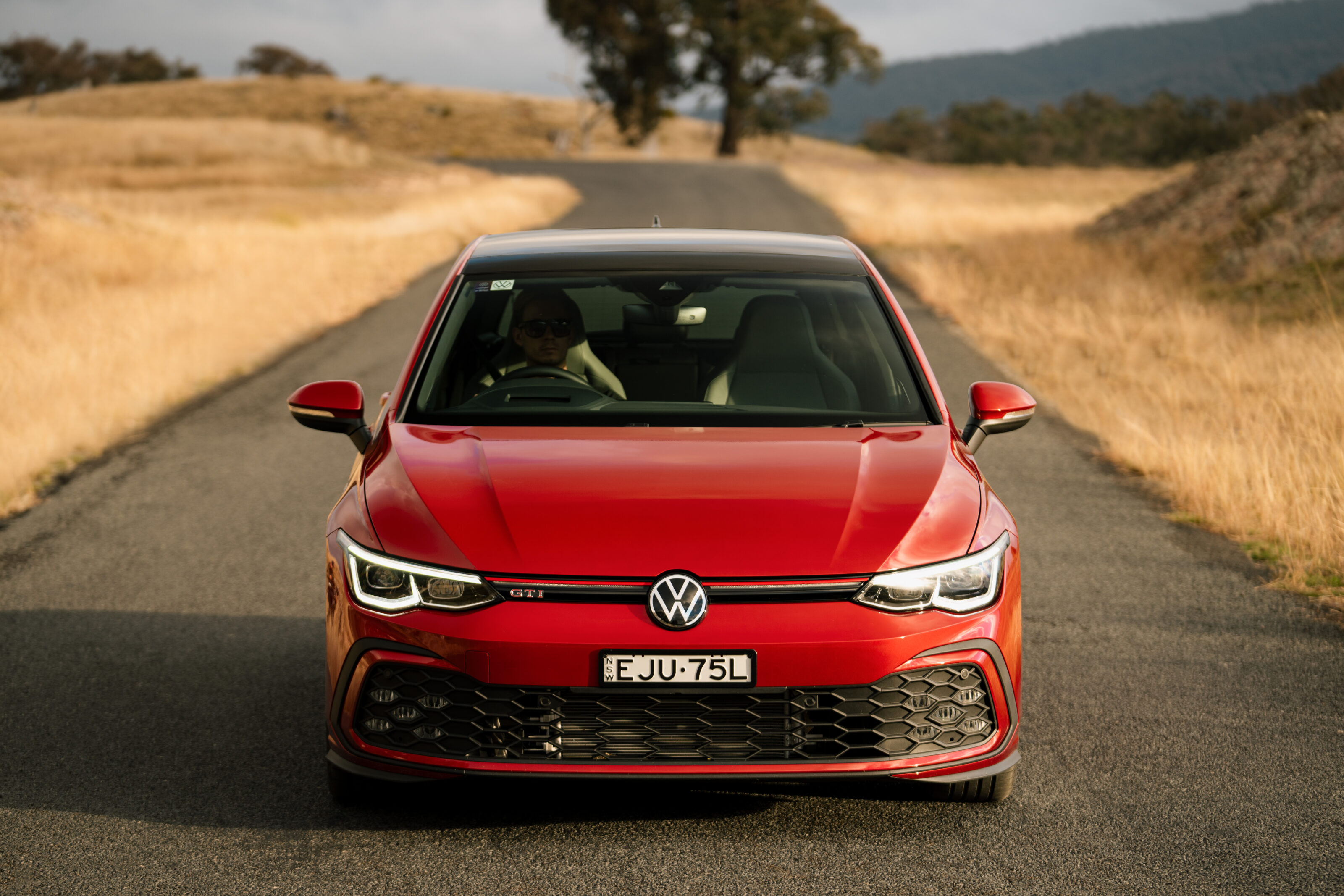
Where the GTI offers 180kW and 370Nm, the 128ti’s power and torque figures are 180kW and 380Nm.
There’s also little to separate them on performance claims, with the BMW a tenth quicker: 6.3 versus 6.4 seconds.
“It’s a great compliment [BMW is] in that space and it has an aligned product,” said VW Australia product manager Todd Ford.
“We’ll see how it goes. I think we’re really yet to see, just from the [sales] numbers, BMW do amazing things with the new 1-Series platform. Mercedes has been very successful with the A-Class [but] I think BMW is still, in a way, establishing itself in that front-wheel-drive and all-wheel-drive space versus its [RWD] heritage.”
The 1 Series was comprehensively outsold by the A-Class in 2020, with the Mercedes claiming 43 per cent market share in the luxury small car segment compared with 17 per cent for the BMW, though it has closed the gap markedly so far in 2021.
Add the 2 Series Gran Coupe – essentially a four-door version of the 1 Series hatch – and BMW’s compact cars are outselling the Mercedes A-Class hatch and sedan.
Volkswagen continues to play down the Hyundai i30N as a direct rival, saying the new GTI brings even greater sophistication over the Korean hot-hatch.
“I feel [the gap to the i30N] is only further enhanced with the Mk8 [GTI], where I use the phrase ‘brains over brawn’,” says Ford.
“We’ve got the same power figure as before, the same seven-speed DSG we’ve carried over, and the great electromechanical diff and so forth, but the effort’s gone into the chassis, suspension and electronics.
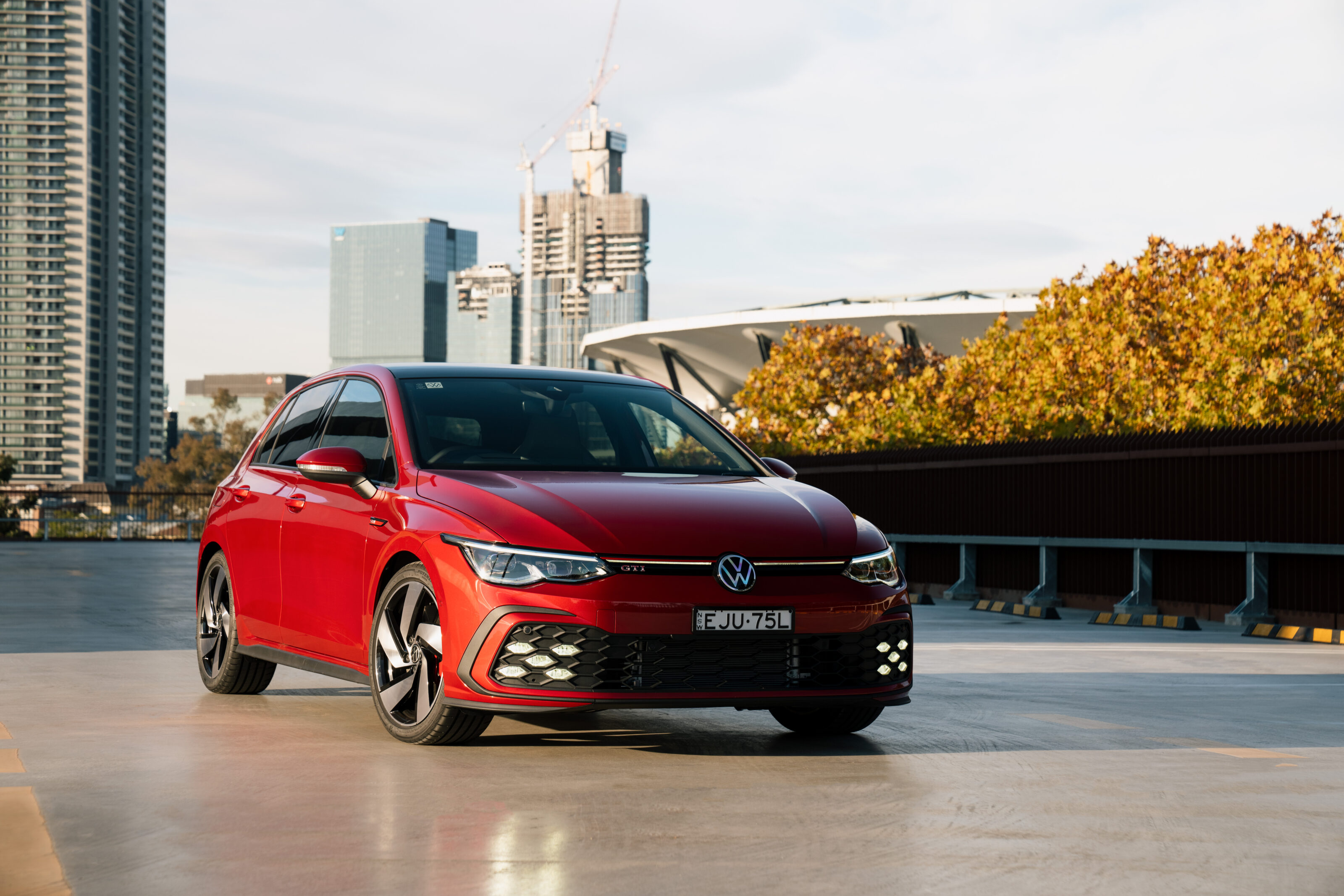
“The [new] Vehicle Dynamics Manager [has come in to] manage all the coordination of the diff and the adaptive chassis control.”
Volkswagen has also enhanced the sophistication of the GTI’s interior by introducing a digital-heavy dash it dubs ‘Innovision Cockpit’. It combines a 10.0-inch central infotainment touchscreen with a fully-digital instrument display.
The GTI’s standard equipment has been extended with additions which include metallic paint, privacy glass, three-zone (rather than dual-zone) climate control, wireless smartphone charging, 30-colour customisable LED ambient interior, plus an expanded driver assistance suite which includes partial autonomous steering.
Features such as 18-inch wheels and adaptive suspension are also standard on the Australian-spec GTI where they are optional in most other markets.
Snapshot
- New RS Torque Splitter can send 100 per cent of drive to an individual rear wheel
- Whopping 290km/h top speed available
- Drift mode!
Ahead of the full reveal for the next iteration of Audi’s hotly-anticipated RS3, Audi has released a trove of technical details outlining the next iteration of RennSport’s popular compact street fighter.
Drastic exterior and interior facelifts are expected but, while it seems much of the RS3’s main ingredients remain the same, a host of new tech promises the most capable and dynamic package in the nameplate’s ten-year history.
JULY 20, 2021: The new RS3 has finally been revealed. See our RS3 page here.
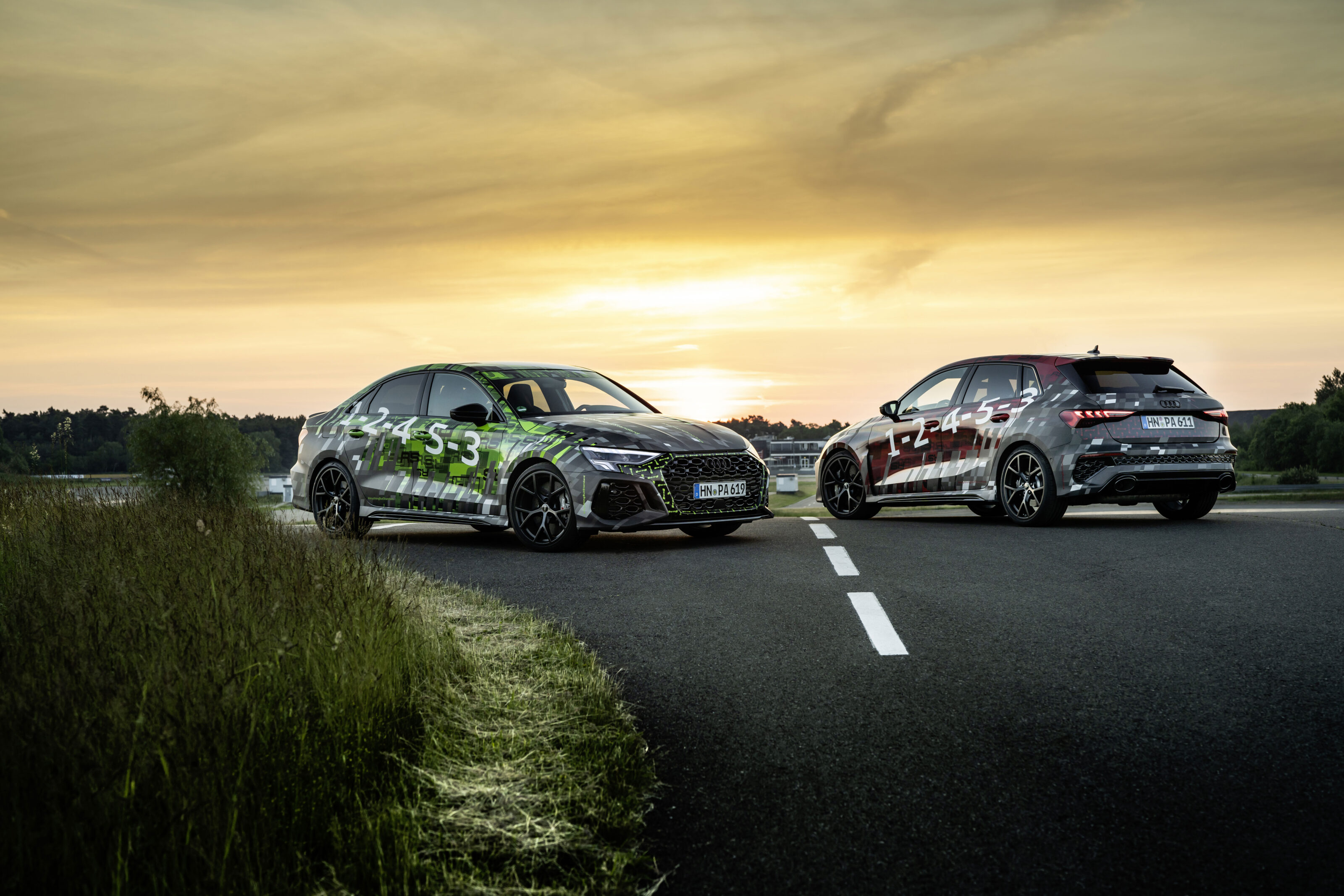
Still based on Volkswagen Group’s MQB-architecture and retaining the familiar 2.5-litre five-cylinder turbocharged engine, peak power remains capped at 294kW but arrives 250rpm sooner at 5600rpm. Torque also increases by 20Nm to 500Nm, arriving earlier and sticking around longer, between 2250rpm and 5600rpm.
Alone, those mechanical developments may seem underwhelming, but the RS3 also debuts a number of significant technological advances for the brand; princely the new RS Torque Splitter rear axle.
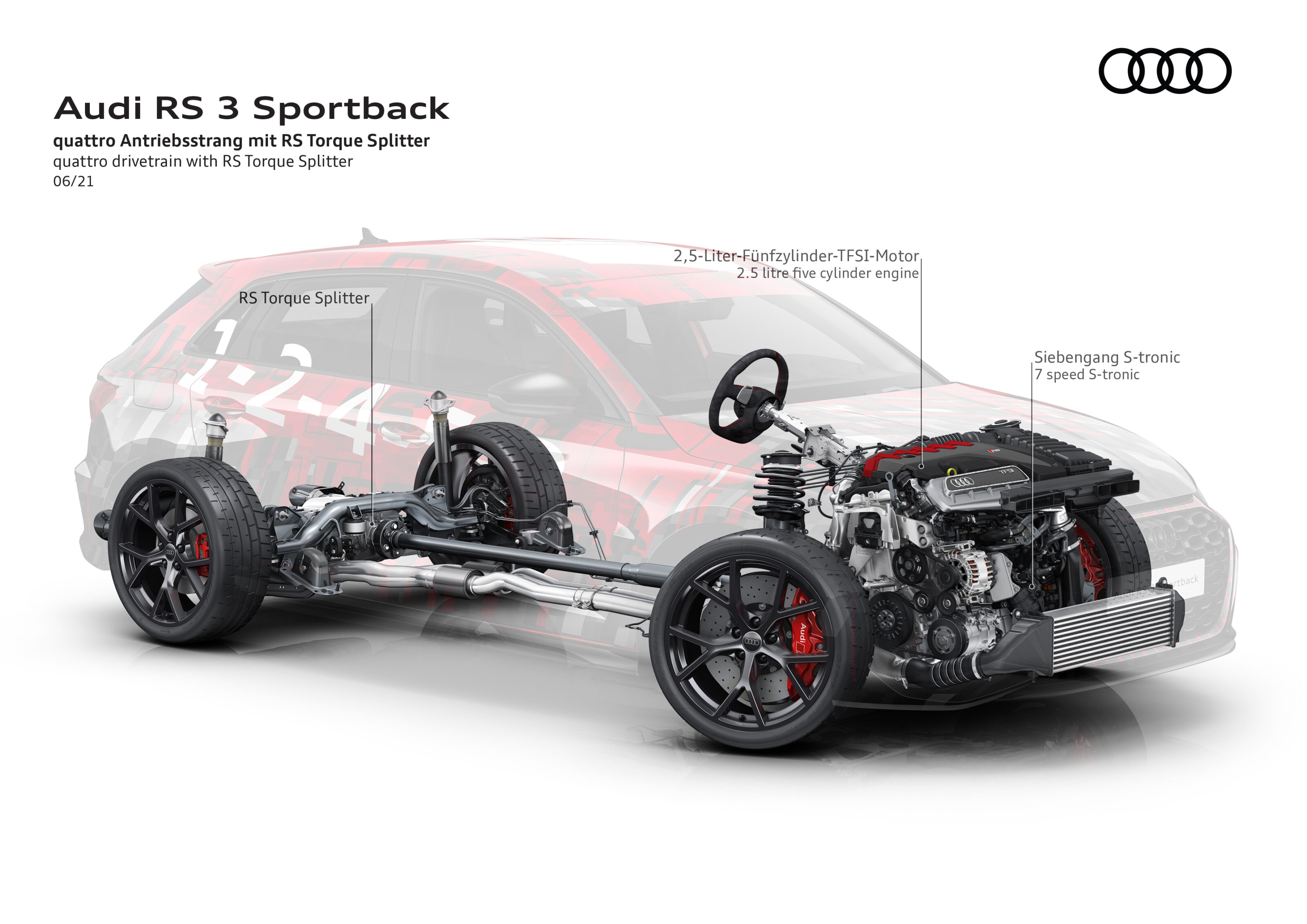
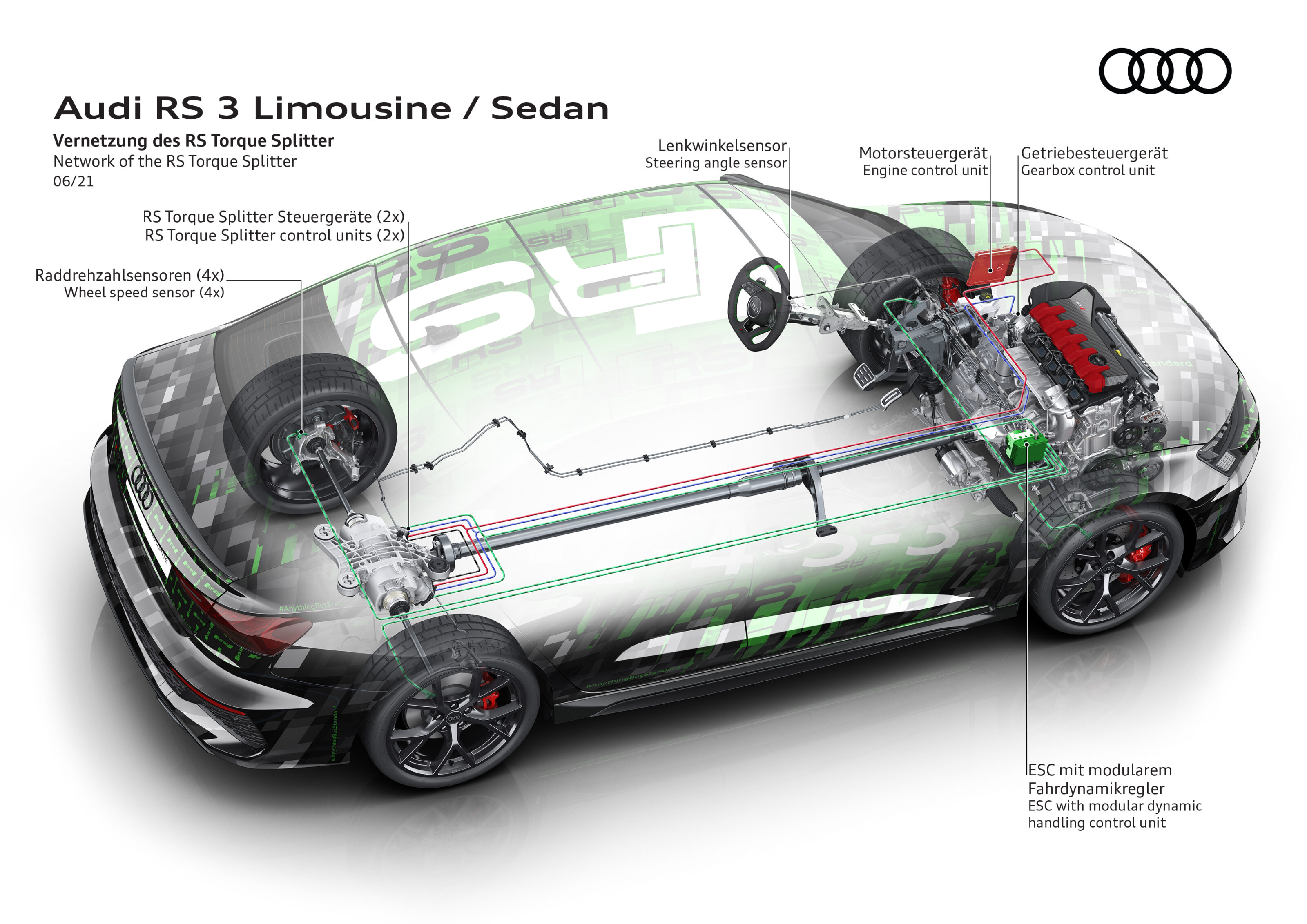
A very similar unit has already been seen underneath the new Mk8 Golf R’s rear-end, and sees a mechanical differential mounted atop the rear axle, with independent electronically-controlled multi-plate clutches connecting to each rear driveshaft.
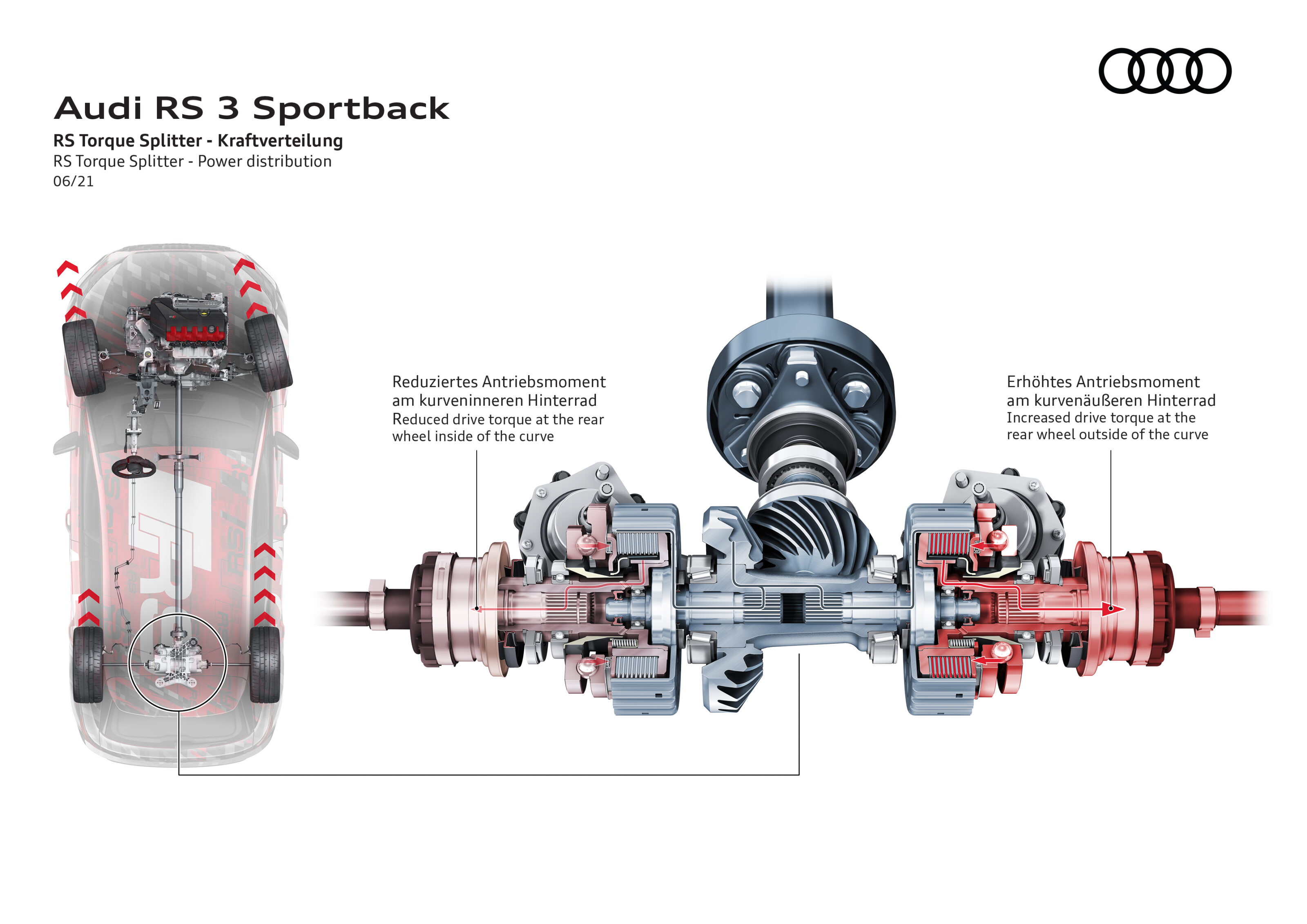
While the outgoing Haldex rear end allowed up to 50 per cent of engine torque to be sent rearward, the new fully-variable system is able to cater for 100 per cent of drive to either rear corner. In most dynamic circumstances, depending on the drive mode, the RS Torque Splitter will minimise understeer and oversteer, while maximising individual wheel grip and aiding corner entry and early power-on at exit.
Two new drive modes also make their debut, comprising of RS Performance and RS Torque Steer modes, beyond the familiar Comfort, Auto, Dynamic, Efficiency and Individual modes.
RS Performance is an even sharper emphasis of Dynamic mode, specifically optimised for the racetrack, and tuned to the new factory-option Pirelli P Zero Trofeo R semi-slick tyres; while RS Torque Steer mode leverages the Torque Splitter’s ability to deploy all available torque to a single rear wheel; a functional drift mode, for all intents and purposes.
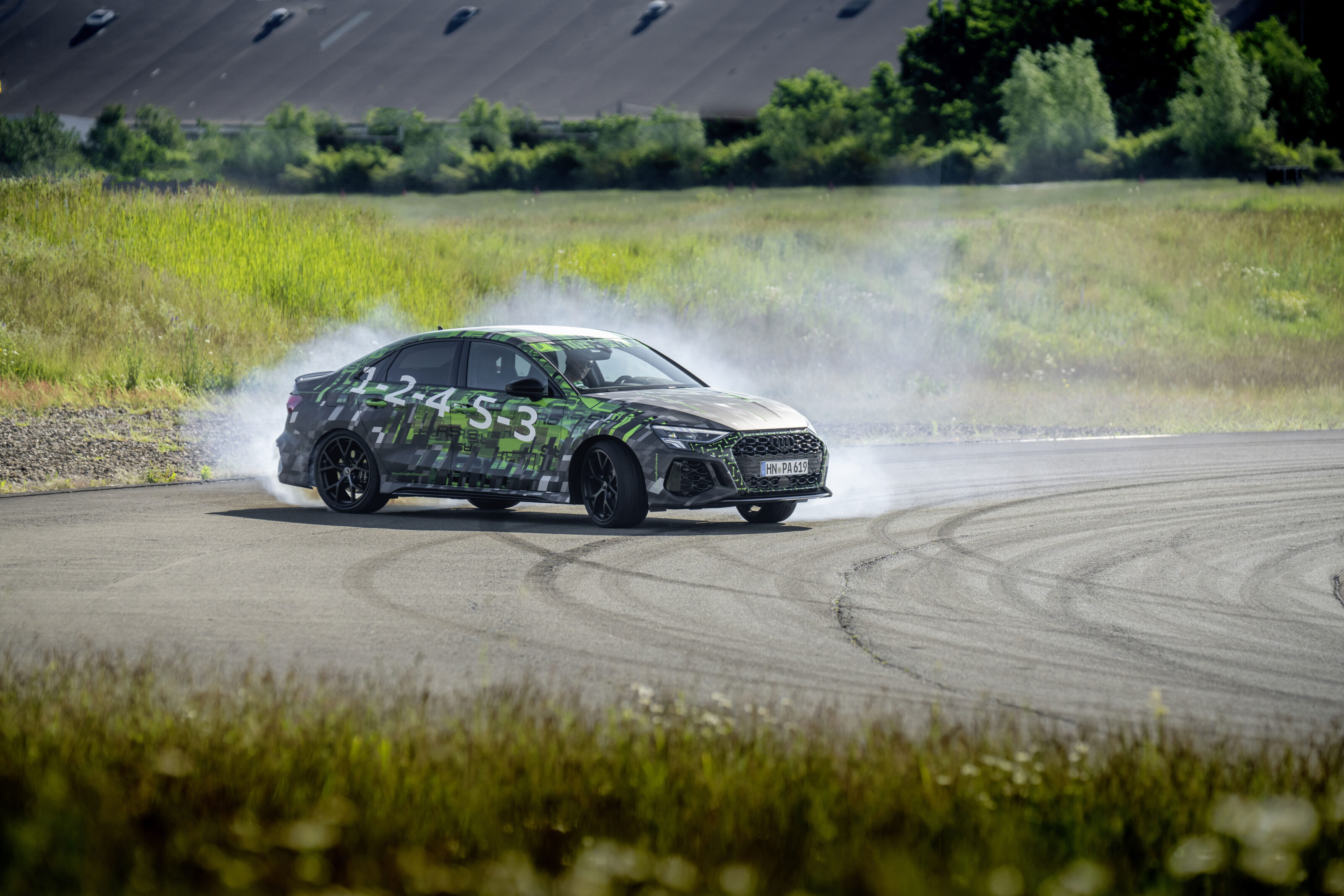
Despite yielding no more power than its predecessor, shorter gear ratios allow the RS3 to slash 0.3 seconds from its 0-100km/h time, ultimately boasting a claimed 3.8 second sprint to triple digits.
In base trim, V-max is limited to 250km/h, although 280km/h is available as an option; so too is the optional RS Dynamic package which, combined with ceramic brakes, allows for a class-leading top speed of 290km/h.
The seven-speed dual-clutch gearbox, along with revised gear ratios, gains a reinforced right-angle drive to cope with the increased torque and gear ratio spread.
The modular Vehicle Dynamics Controller (mVDC) is lifted from the existing A3 and S3, and handles rapid communication between the Torque Splitter’s two control modules, adaptive dampers (if optioned) and wheel-selective torque control, to maximise the desired feedback, speed and handling depending on the drive mode application.
Now with seven drive modes to choose from, the new Audi RS3 offers even more personalisation between dynamic situations with distinct tuning curves pertaining to the powertrain control units, steering assistance, adaptive dampers and fully-variable exhaust flaps.
Combined, these configurable dimensions offer distinct personas between the seven drive modes on offer, with Comfort and Efficiency distributing drive between all four wheels with priority given to the front axle; while Auto mode intelligently balances torque between all four wheels and effectively minimises understeer and oversteer.
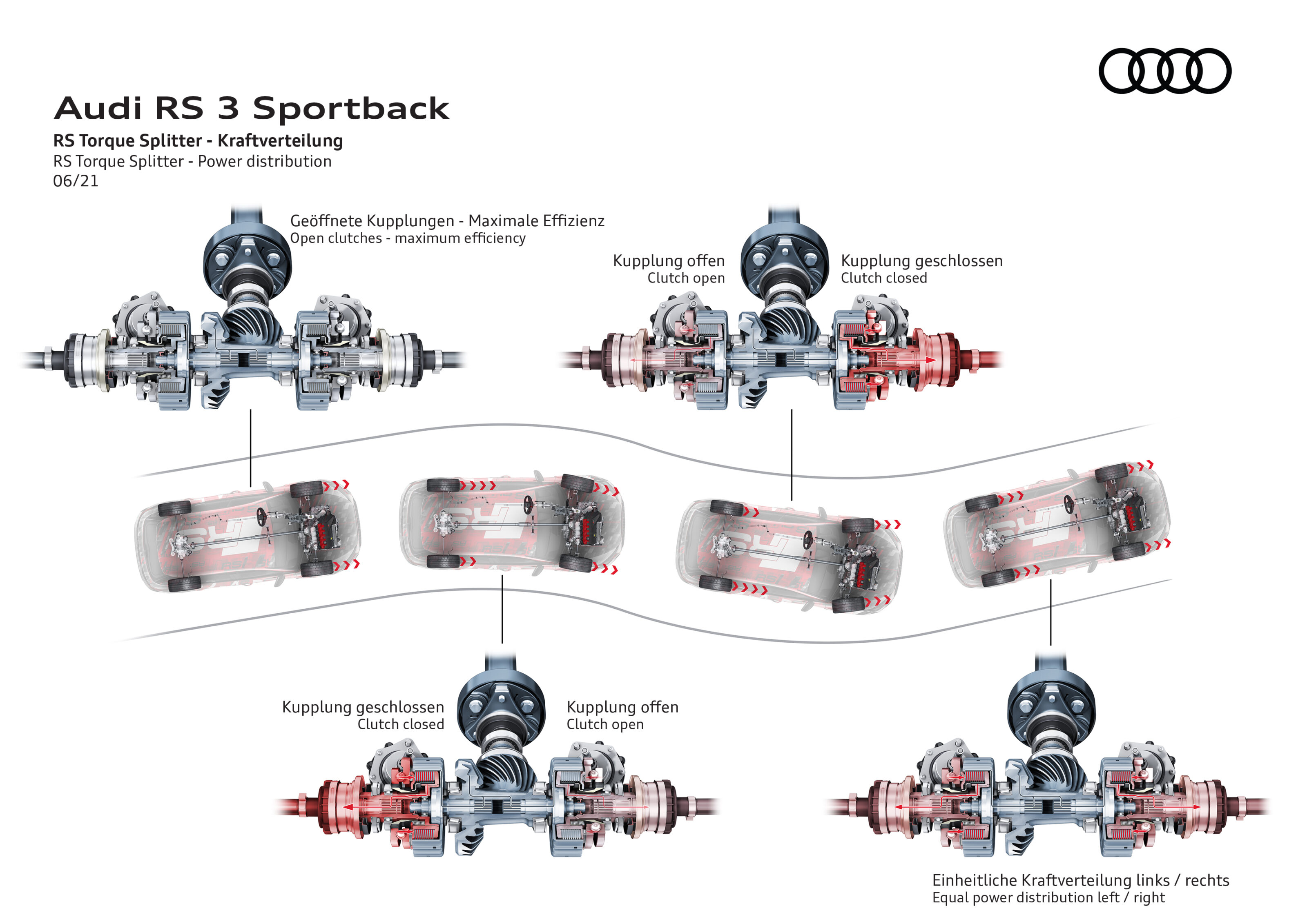
Dynamic mode, the previous-most focussed setting, sends as much torque as possible to the rear, whereas RS Torque Rear mode is a hyperbolic extension of this – able to spin the outside rear tyre with 100 per cent of engine power – and RS Performance, best reserved for seeking the fastest lap time possible.
The ESC has been revised to supplement the RS Torque Splitter, tyres, and suspension settings, yielding faster reactions and greater control and boasting three stages of interference: Activated, Sport and Off.
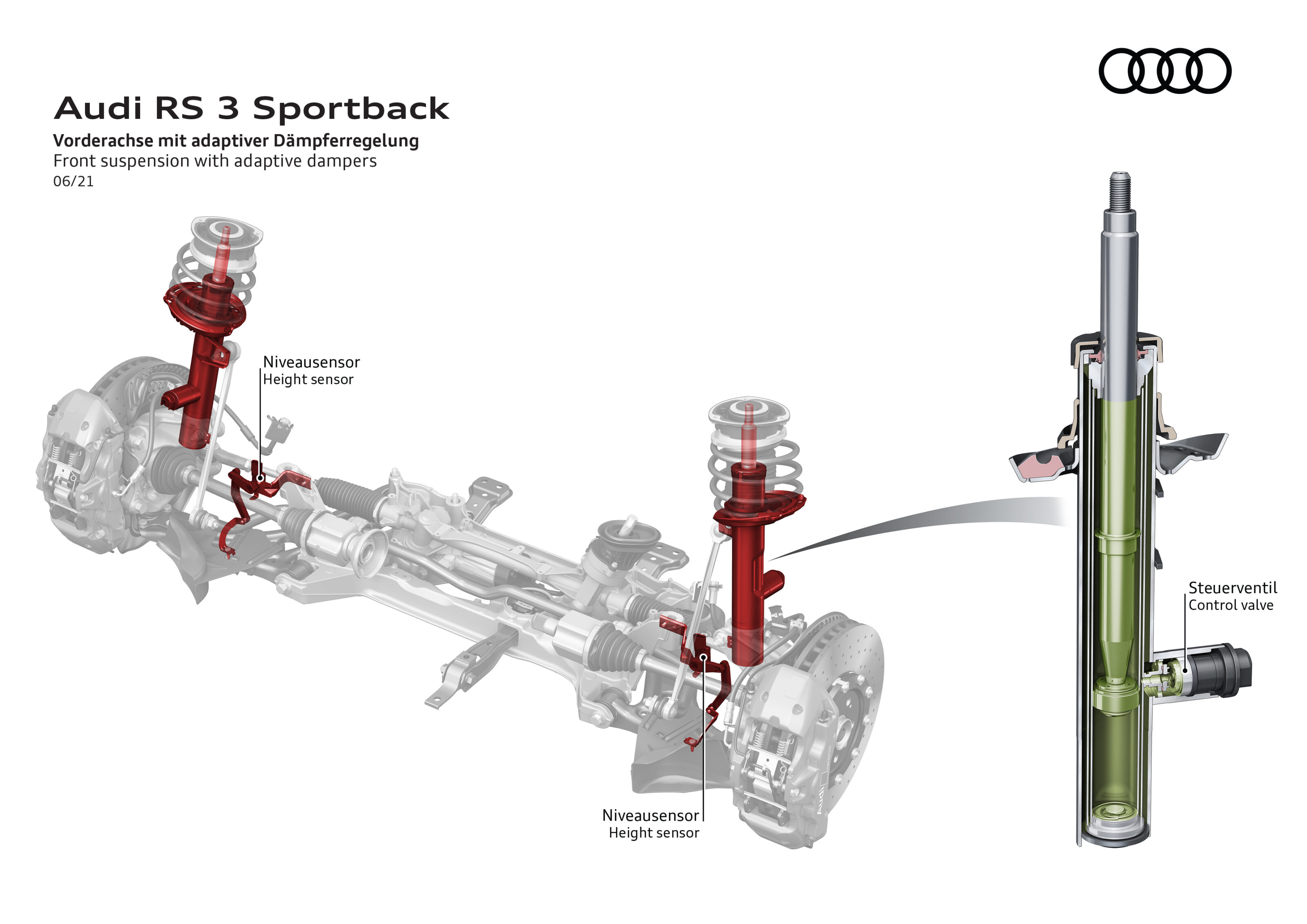
The new RS3 also gains revised model-specific shock absorbers and valve settings, with a MacPherson strut assembly up front, plus bespoke pivot bearings, stiffened lower wishbones, subframes and anti-roll bar; while a four-link rear-end features out back with a separate spring/shock construction, subframe and rear anti-roll bar adapted to the new RS Torque Splitter rear axle.
An optional RS Sport Suspension Plus package includes adaptive damper control, in which there are three further tuning curves for Comfort, Balanced and Sport situations. Wheel speed sensors and the mVDC repeatedly measure the body’s vertical acceleration and wheel speeds in milliseconds and continually vary damping force to maximise purchase under dynamic load.
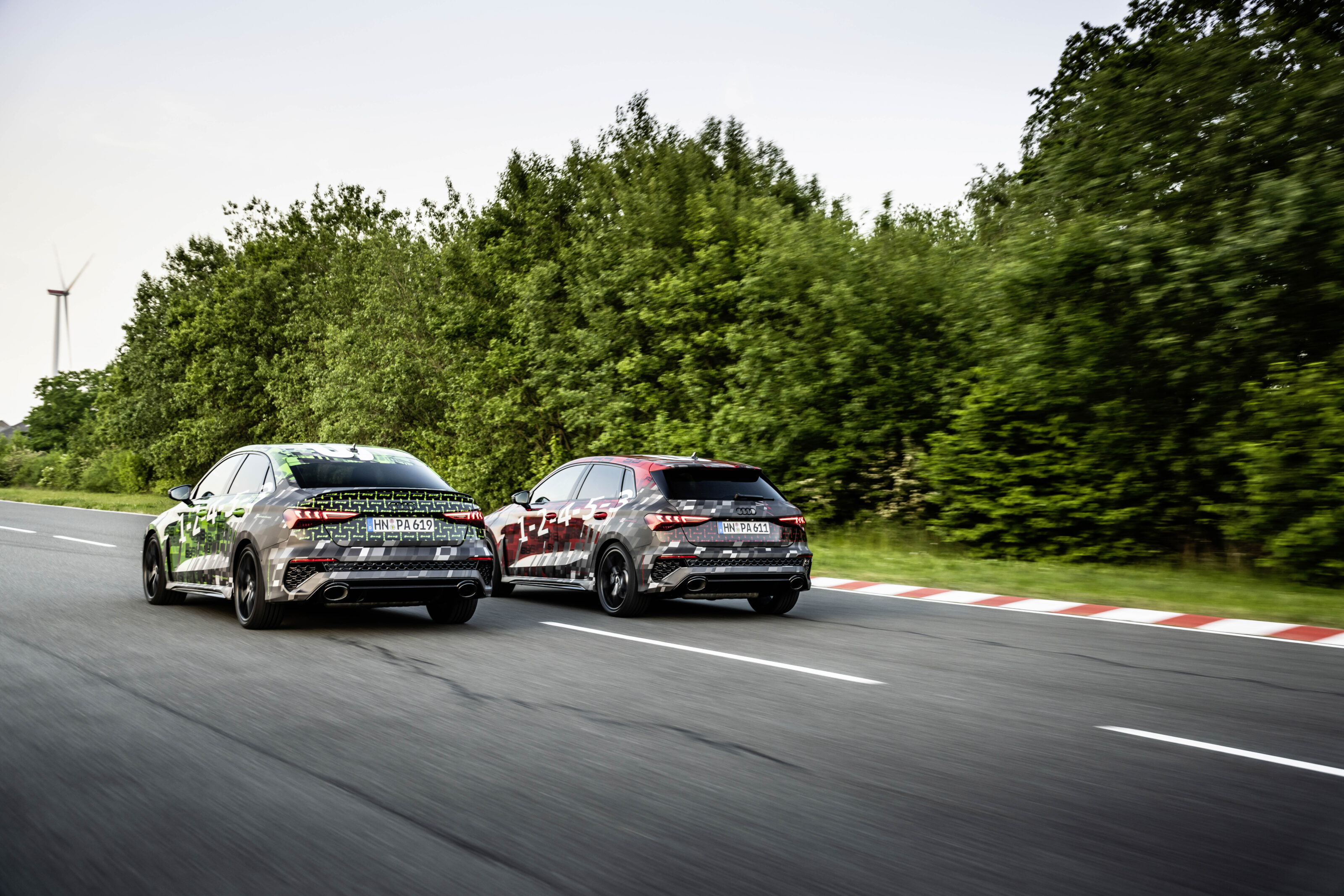
Audi Sport’s quest for maximum traction continues in fine detail, with almost one degree of additional negative camber dialled in to the front axle, while negative camber at the rear increases by half a degree; helping to maximise the tyre’s contact patch under hard lateral load.
It seems to be a techno revolution for Audi’s highly-anticipated RS3, and while the main ingredients remain familiar; that’s no bad thing in the eyes of many Audi Sport fans. The future of Audi’s beloved five-cylinder remains unclear, and with the brand under immense pressure to shift towards electrified offerings amidst looming Euro 7 regulations, what may possibly be the final five-pot RS3 we ever see is also shaping up to be the best one yet!
Stay tuned for more news as the 2022 Audi RS3 inches closer to its full reveal.
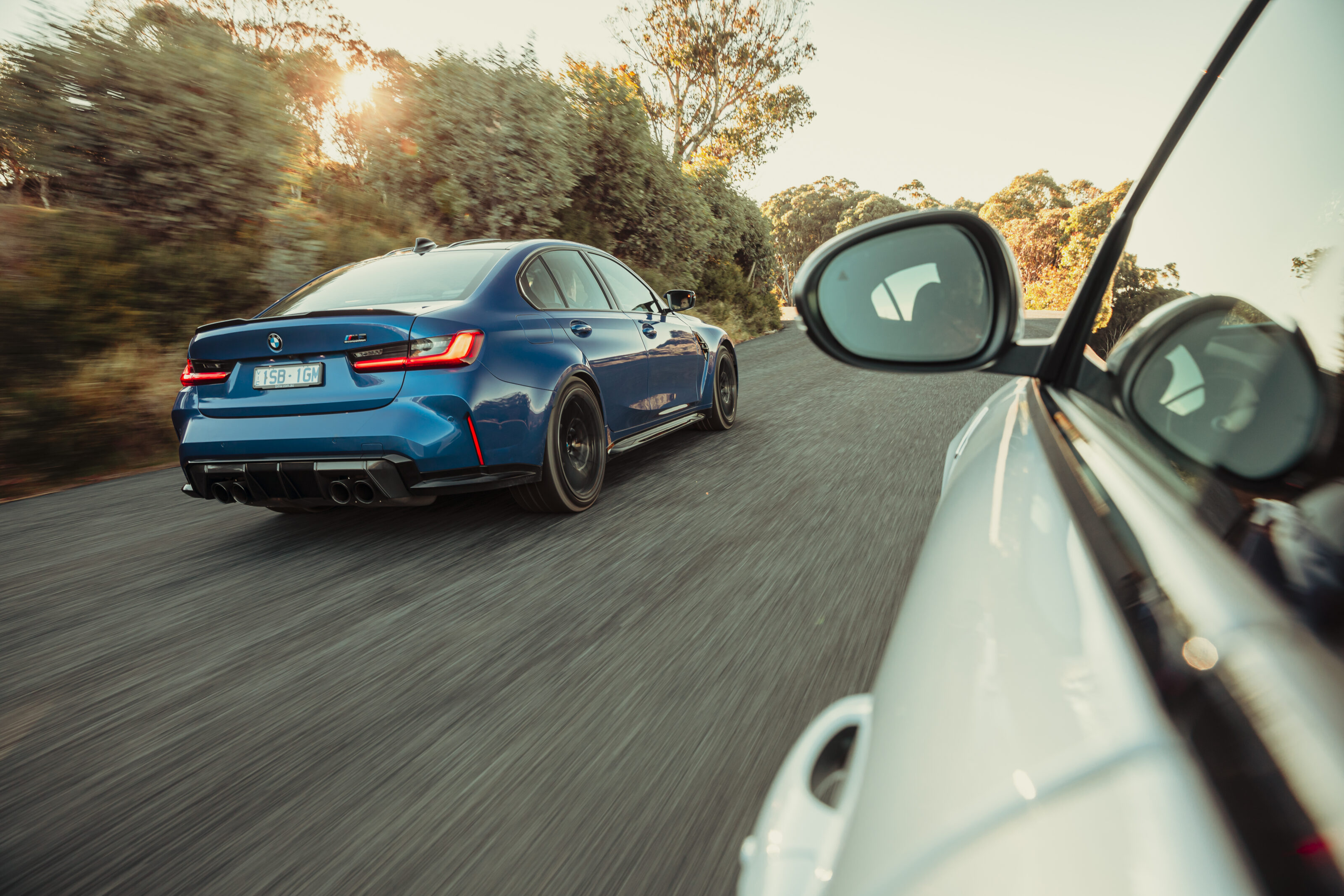
Three, two, one, fire! Up through first, big flare of wheelspin, correct quickly, second, third another huge armful of lock as the BMW M3 Competition splashes through standing water at Heathcote dragway. This is terrifying. The surface is cold, damp and there’s a rainbow sheen leaching out of the bitumen patching.
The numbers today are barely worth consideration. What is worthy of note is that the Alfa Romeo Giulia Q is a receding speck in the BMW’s overstyled mirrors.
On the face of it, this shouldn’t happen. Both have identical 375kW power outputs yet the Alfa is around 200kg lighter. Both are on focused R tyres, the Giulia on P Zero Corsas and the M3 on Pilot Sport Cup 2s, yet time and again, the BMW hooks up and somehow sniffs out traction.
Put it down to a tyre compound better suited to the cold, a fractionally larger rear contact patch and smarter traction control software, but know that in the real world, a Giulia Q is never going to monster an M3 Competition off the line. Drag race done.
WEDNESDAY 8pm – MERRIJIG
The remains of the day are compressed to an occidental ribbon of aquamarine ahead, noctilucent streaks fading from blue to black. Overhead, a carpet of stars explodes out of the near horizon of silhouetted mountain peaks, our galaxy, viewed from our remote location somewhere on its Orion Arm.
In the distance, a light clicks on in a remote farmstead sited on a bluff overlooking the Delatite river valley. The car ticks and pings cool on the road’s shoulder after a helter-skelter descent of Mount Buller.
I’d already been down once and then turned around and drove back up to the top to do it all over again, for no good reason other than the fact that I could. The BMW M3 Competition is that sort of car. A car that will leave you wrung out and slightly euphoric, standing alone in the night ordering your thoughts to the sound of hopeful cicadas and a chorus of frogs.
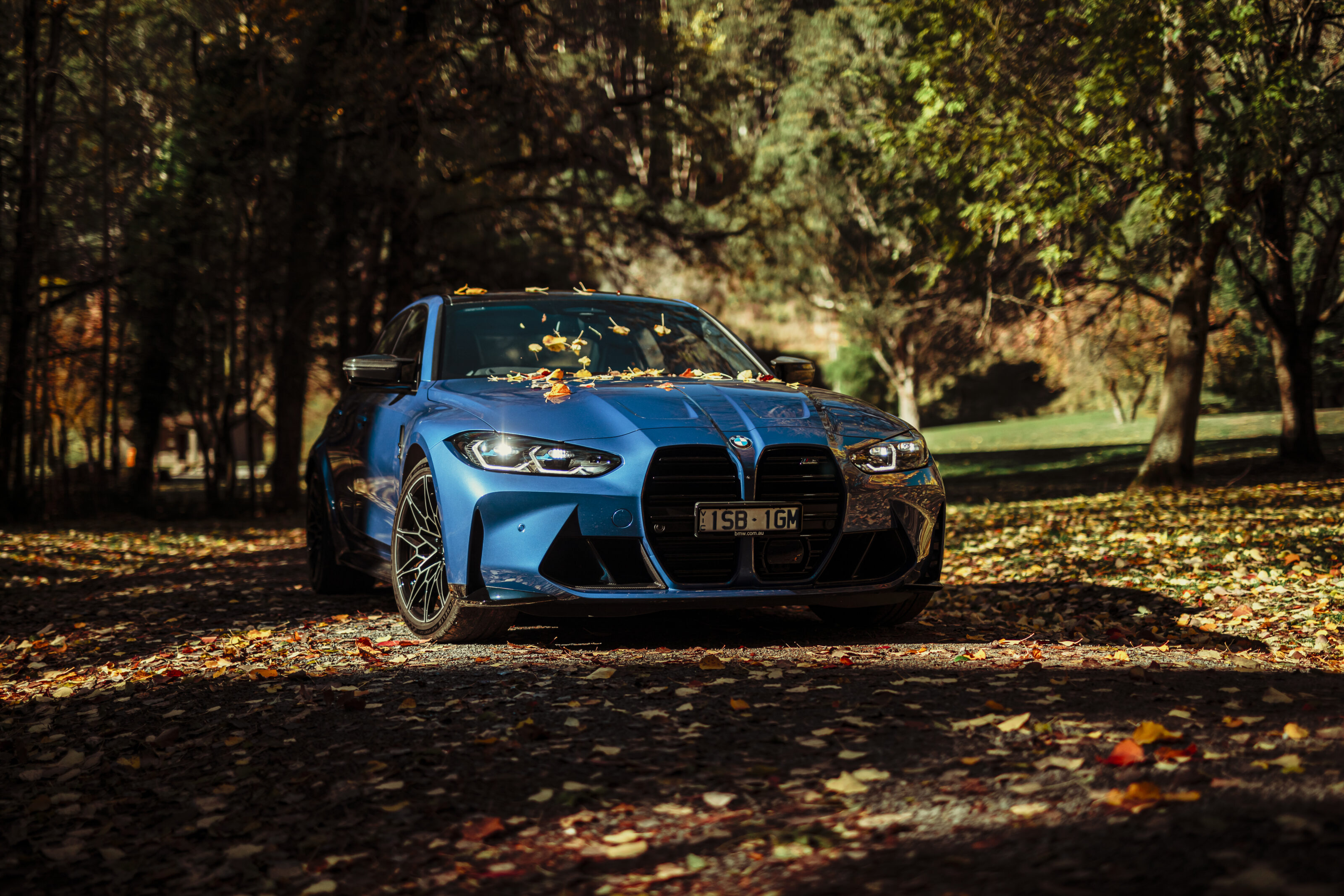
“In the real world, a Giulia Q is never going to monster an M3 Competition off the line”
Viewed objectively, the BMW ought to be night and day better than the Alfa Romeo Giulia Q. That’s the nature of evolution and it’s clear where a version of automotive natural selection has taken place, the Bavarian sedan adopting those traits that the Giulia introduced back when we first drove it in 2017. It was a revelation then. I was writing for Wheels magazine and realised that it had changed the rules in the class, when it was put up against the prior BMW M3 and Mercedes-AMG C63 S. Here’s how I introduced the car back then.
“You’re supposed to make it look hard? I thought you were supposed to make it look easy,” said extreme skiing world champ Doug Coombs as he watched a fellow competitor huff and puff his way in a series of staccato hops down a competition face.
Coombs flowed down the steeps like a water droplet, effortlessly finding the path of least resistance, smearing and melding turns into the contours of the mountain.
I’m minded of that quote right now as I attempt to hold station with a well-driven Alfa Romeo Giulia Quadrifoglio. The Italian car is all sinew and suppleness, as if gently pressed to the road’s ruts, compressions and decreasing radius corners by a benign celestial hand.
The Mercedes-AMG C63 S I’m driving instead adopts a different philosophy, attempting to bludgeon Australia’s impertinent topography into submission through sheer surfeit of Newton metres; hopping, kicking, shunting and when in doubt, defaulting to a full Wagnerian sonic assault. It doesn’t keep up. It can’t. Nor can the BMW M3 Competition receding in my mirror. Both are attempting to smash a hammer through butter when what’s needed is a hot knife.”
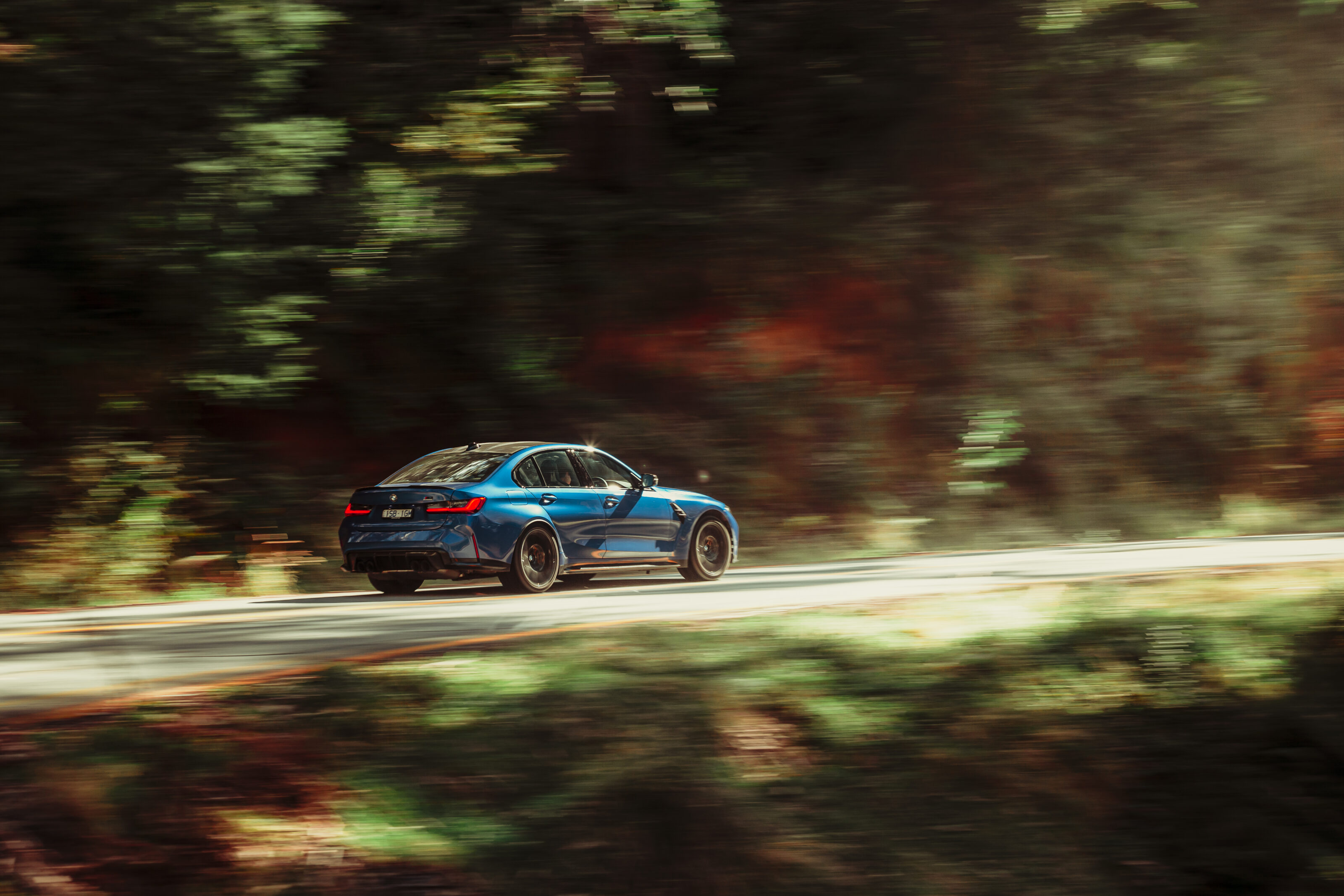
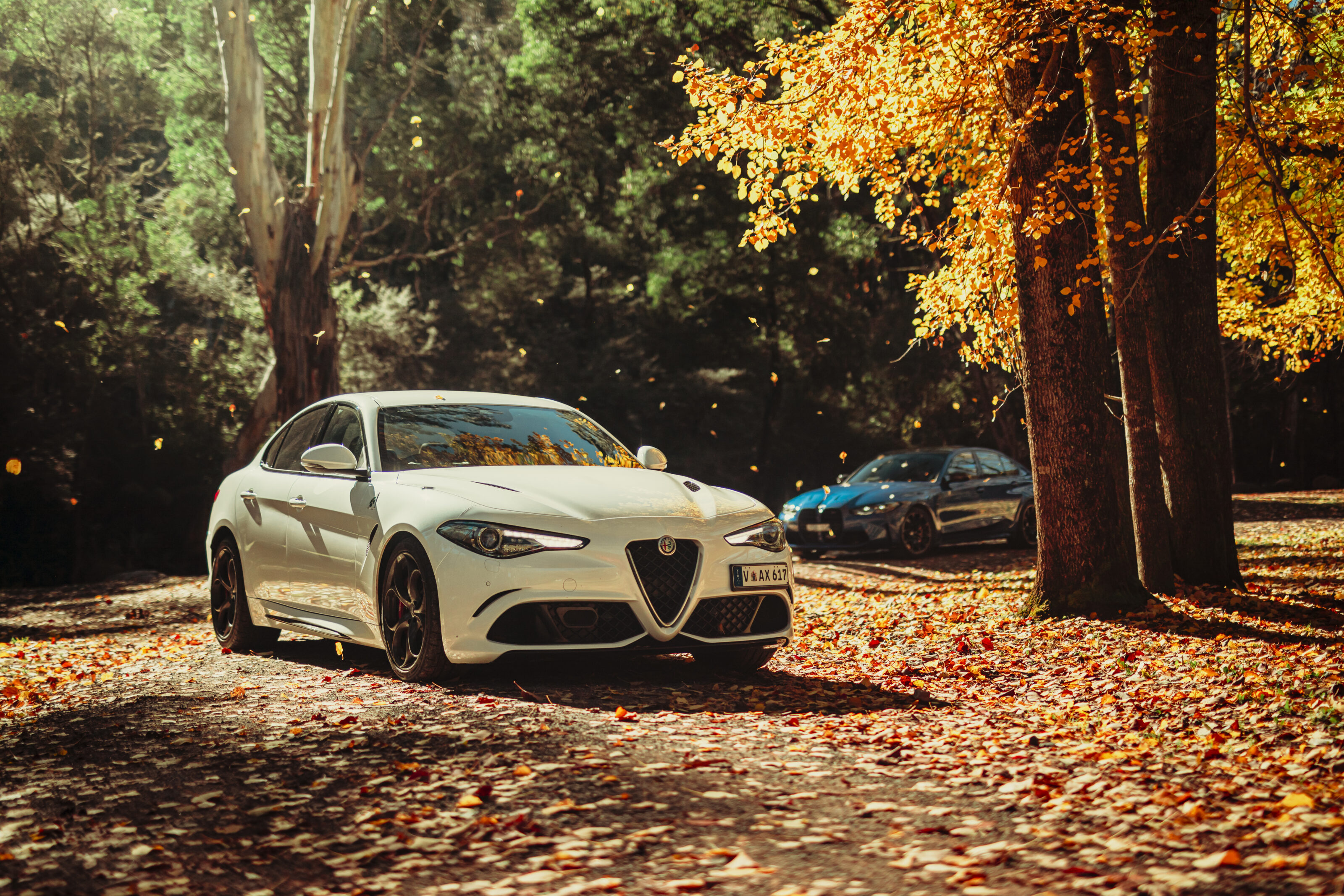
A new hot knife, finished in Portimao Blue, now sits before me on the dark road out of the high country.
Lessons have clearly been learned from the insouciant manner in which the Alfa brushed aside its established rivals.
Stone chips start loosening their bond from the cooling tyres and clink to the bitumen. A jet blinks silently high in the heavens, a reminder of when we were something other than a hermit isle.
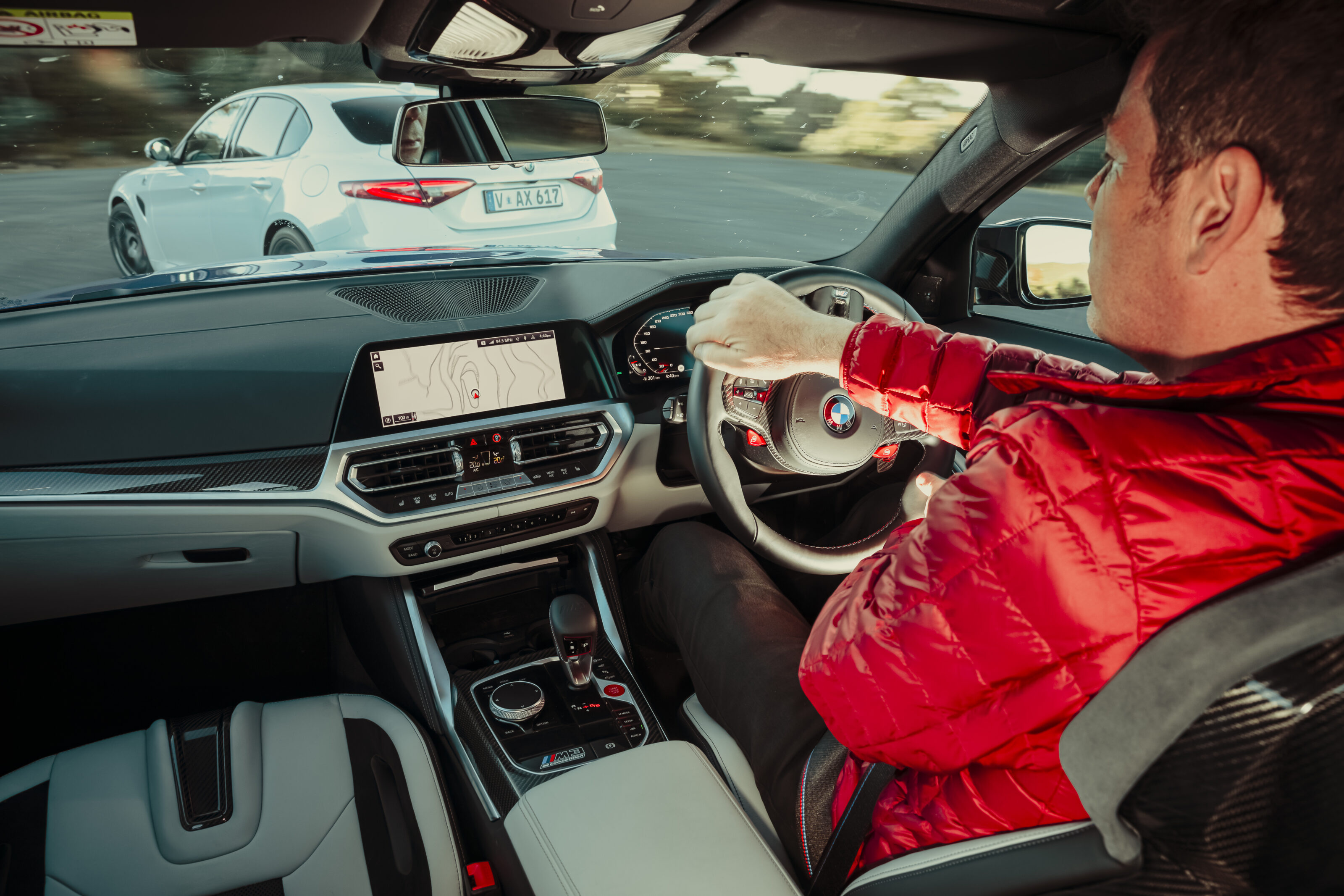
Four years ago seems a very long time given how events have unfolded in the interim, but BMW has certainly packed a lot of development into that period. The M3 Competition feels dense, as if all that intellectual property has a physical mass to contend with, the dizzying ecosystem of buttons, dials, tabs, modes, and esoteric functions layered within its iDrive 7 system.
THURSDAY 8am MANSFIELD
The Alfa Romeo Giulia Q is still a beguiling thing and, after a couple of days with the two cars, I like it more than the BMW.
I like the way that it disguises digital as analogue, how it simplifies and distils the driving experience. But here’s the rub. I don’t think you like it more than the BMW. In fact, I know that you probably don’t.
In the period that the Giulia Q has been on sale here, it has totalled fewer sales than the BMW M3’s worst single-year showing over that same period. M3 sales have grown year on year between 2017 and 2021, Giulia sales have nosedived.
The 3 Series sedan range as a whole outsells the Giulia range by 17 to one. It seems almost nobody was brave enough to put their hand into their own pocket for the Alfa but look at resale values and they’re pretty much identical.
About $95k buys you similarly tidy 2017 examples of Giulia QV (as it was badged then) and BMW M3 Competition. In other words, the fear that you’d lose your shirt on the Giulia created an exclusivity that then served to bolster residuals. Ah, the unintended consequences of supply and demand.
It’s at this point that I probably ought to say that I can understand why because x,y and z went wrong with the Giulia on our test, but it didn’t. It felt as tight as a drum throughout, and the recent investment in refreshing the interior might have been modest, yet it makes itself felt in the quality of the touch points.
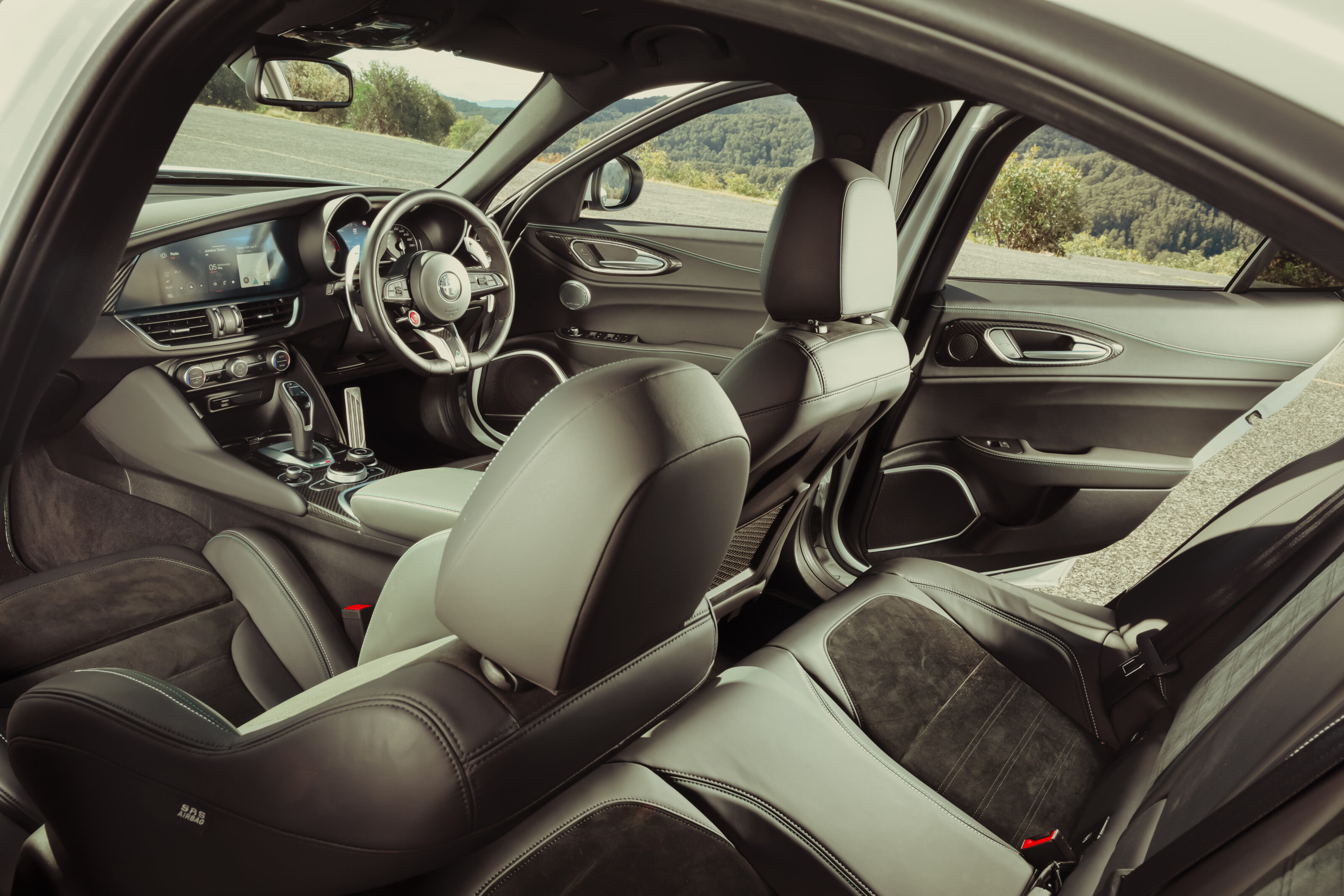
Remember that unfinished plastic flashing that your fingertips scraped up against on the old gear lever? It’s now a cushioned leather wrap with a lovely Italian tricolore legend at its base. The old postage-stamp infotainment screen has been junked for a slicker 8.8-inch touchscreen and the steering wheel has been redesigned for better quality and control functionality.
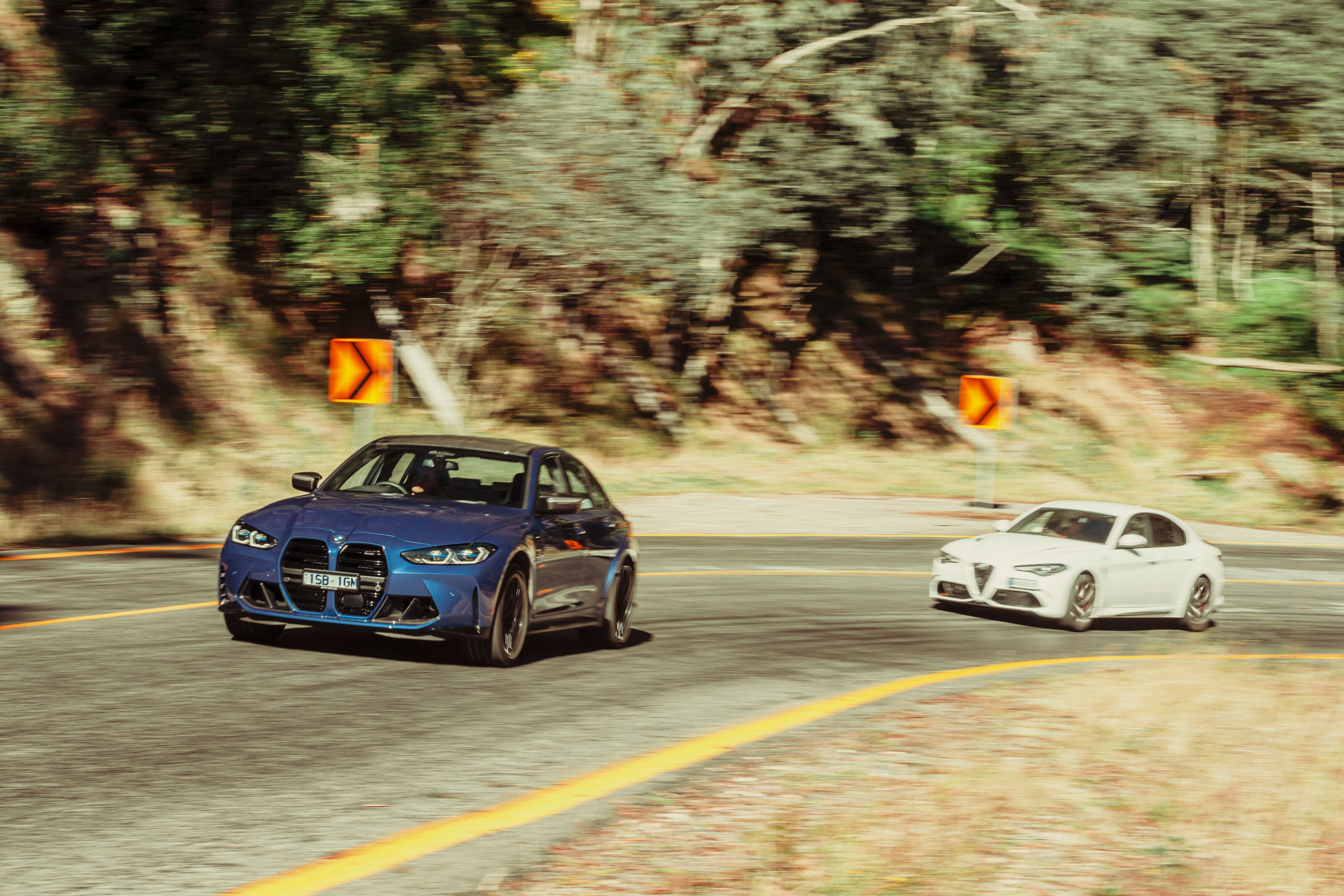
We’re at the base of Mount Buller and there’s a section of road here that highlights a key difference between the two cars. It’s a deeply dished left-hander that climbs sharply uphill and then the benign camber just vanishes. Both the M3 and the Giulia come through line astern and the M3 hunkers down and then holds its line as the camber disappears.
The Alfa Romeo lolls into oversteer as soon as its P Zero Corsas lose the benefit of the camber. Both cars are running on 285/35 rear tyres but the BMW has 20-inch Pilot Sport Cup 2s at the back compared to the Alfa’s 19-inch hoops, so the contact patch is 10.6 per cent larger. Given what we discovered at a cold and wet Heathcote, the Michelins also seem comparatively more tolerant to single-digit temperatures than the Pirellis.
Despite the BMW’s torque and traction advantage, it can’t gap the Alfa on road. These advantages are offset by the Italian car’s superior power-to-weight ratio, which sees it wielding 230kW per tonne against the Bavarian’s 217kW. Put that down to the industrial strength bracing up front in the M3, which cages the S58 lump between bars that run dome to dome, dome to bulkhead and dome to chassis struts and they’re key to how the M3 tackles a road.
Get the front end right, finesse the way the car presents its front tyres to the road surface and the rest is easy, reasoned the team at Garching. They’ve certainly aced that assignment.
I know that the G80 M3 Competition will understeer. That’s simple physics. Unfortunately, we weren’t able to throw enough physics at it to make that happen. Loosen the electronic shackles with the near-genius M Dynamic Mode and you can happily slither it around heroically, the system deciding whether you’re competent and if it deems you are, and that you’ve dialled in the correct amount of lock, it’ll keep giving you power.
Switch everything off and it’s only then that you feel those masses at play. There’s a zone between half a hand of correction and hanging it all out where the combination of electronically controlled diff and the variable ratio M Servotronic electrically assisted steering can feel a bit spiky, but certainly no worse than the last F80 model. That had a distinctly malicious side to it.
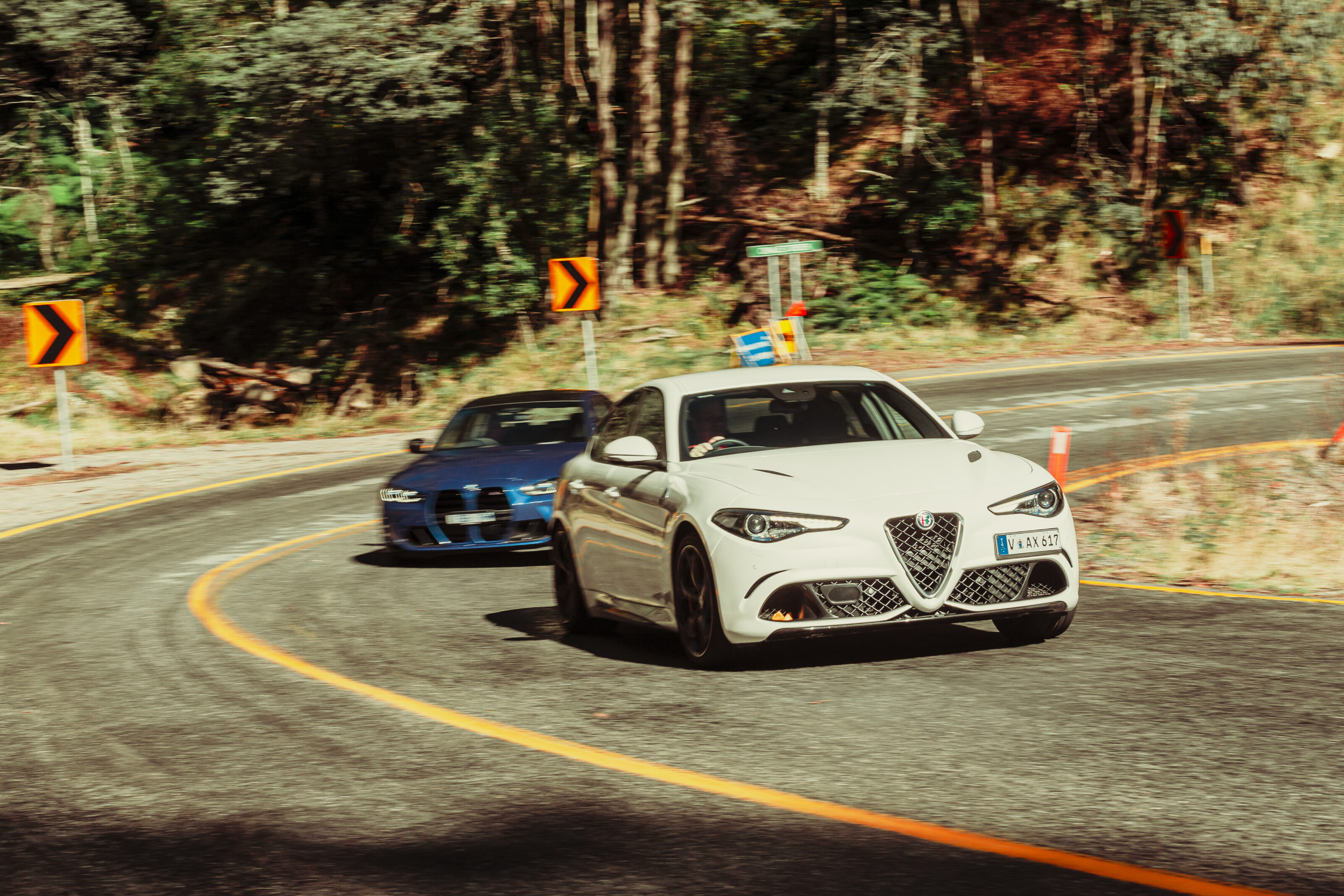
Aside from the limit handling, the three most significant areas of change are the weight (up 175kg over its predecessor), the styling (you be the judge on that one) and the transmission, which ditches the whipcrack dual-clutch transmission in favour of an eight-speed ZF torque-converter automatic.
While I miss the immediacy of the old DCT ’box, the auto isn’t a whole lot slower, is a good deal more refined around town and in ‘normal’ driving and when you’re really on it, the combination of a bit less rear spring rate and the ZF’s ability to slur seamlessly through the gears doesn’t shock the driveline like the old dual-clutch. A win on points for the new gearbox, in other words.
The Giulia shares the same ZF transmission, just one area where the G80 M3 seems to have watched and learned from Alfa Romeo. The immediacy of the steering and the pliancy of the ride are also characteristics that BMW has subtly cribbed from the Italian. Despite its heft, body control is excellent, with the perfect amount of pitch and roll to cue you in to what’s happening at the contact patches beneath you.
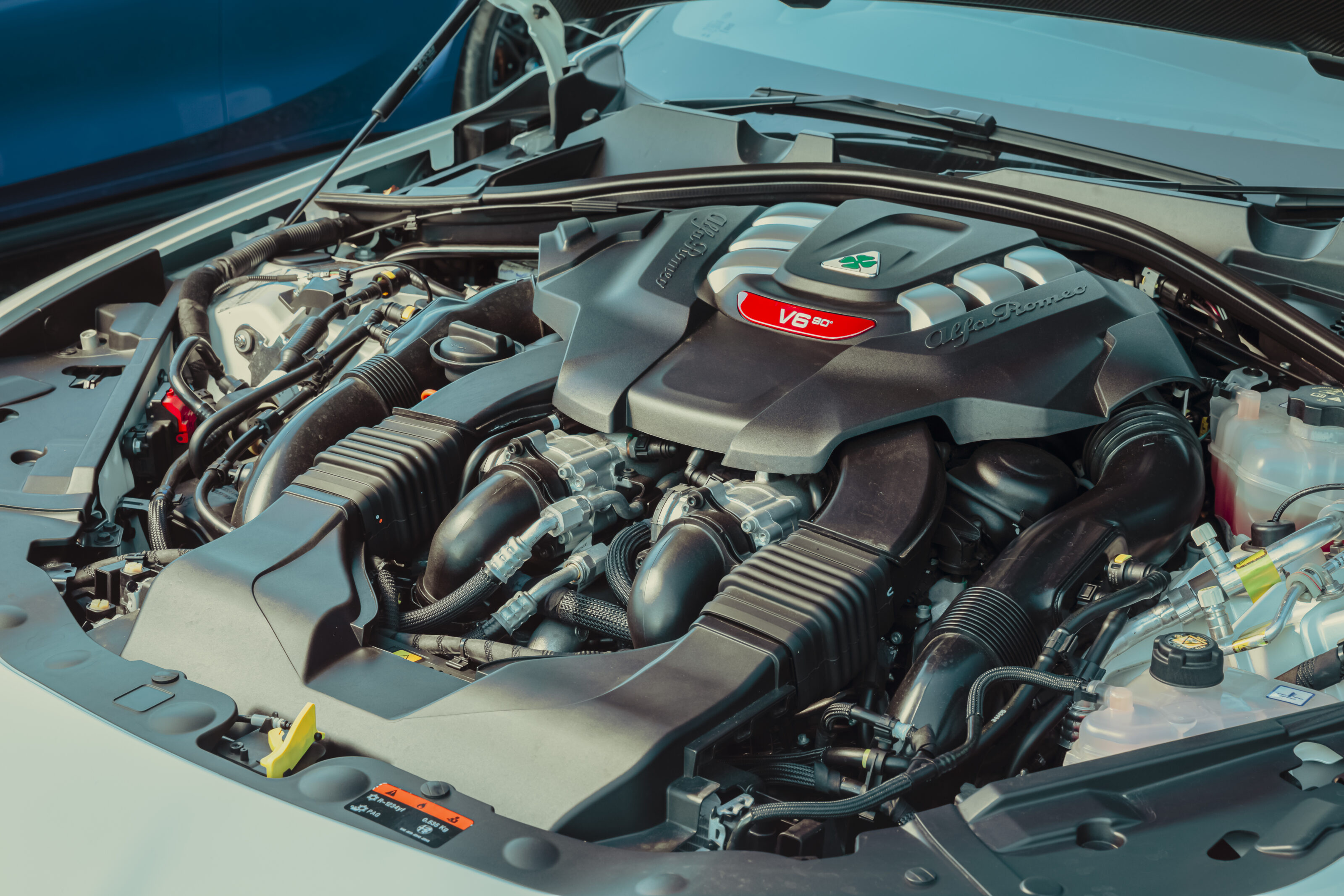
Jump into the Giulia and it feels as if you’ve stepped back in time. Everything is simpler to operate and that’s no bad thing. The DNA drive mode controller is easy to get to grips with, a long anti-clockwise twist switching it into Race mode, where the Ferrari-influenced 2.9-litre V6 really finds its voice. It’s louder than the BMW outside the car and the sound effects inside are more authentic, too.
Not that the BMW sounds bad. In fact, I had to ask the video team which of the two cars sounded better from the outside at which they looked at me as if I’d just been kicked in the head by a horse.
“The Alfa, of course. It’s about twice as loud as the BMW.”
That impression of parity from the cabin is largely due to some very clever sound symposer work from the engineers at Garching, which fills the interior with a decent approximation of a building straight-six howl from as little as 3500rpm.
That helps, because the S58 isn’t an engine you’ll go pinging the redline with. It’s effective and feels gutsy and bulletproof, but it isn’t tinged, subjectively at least, with the top-end hedonism of Alfa Romeo’s Ferrari F154-influenced powerplant.
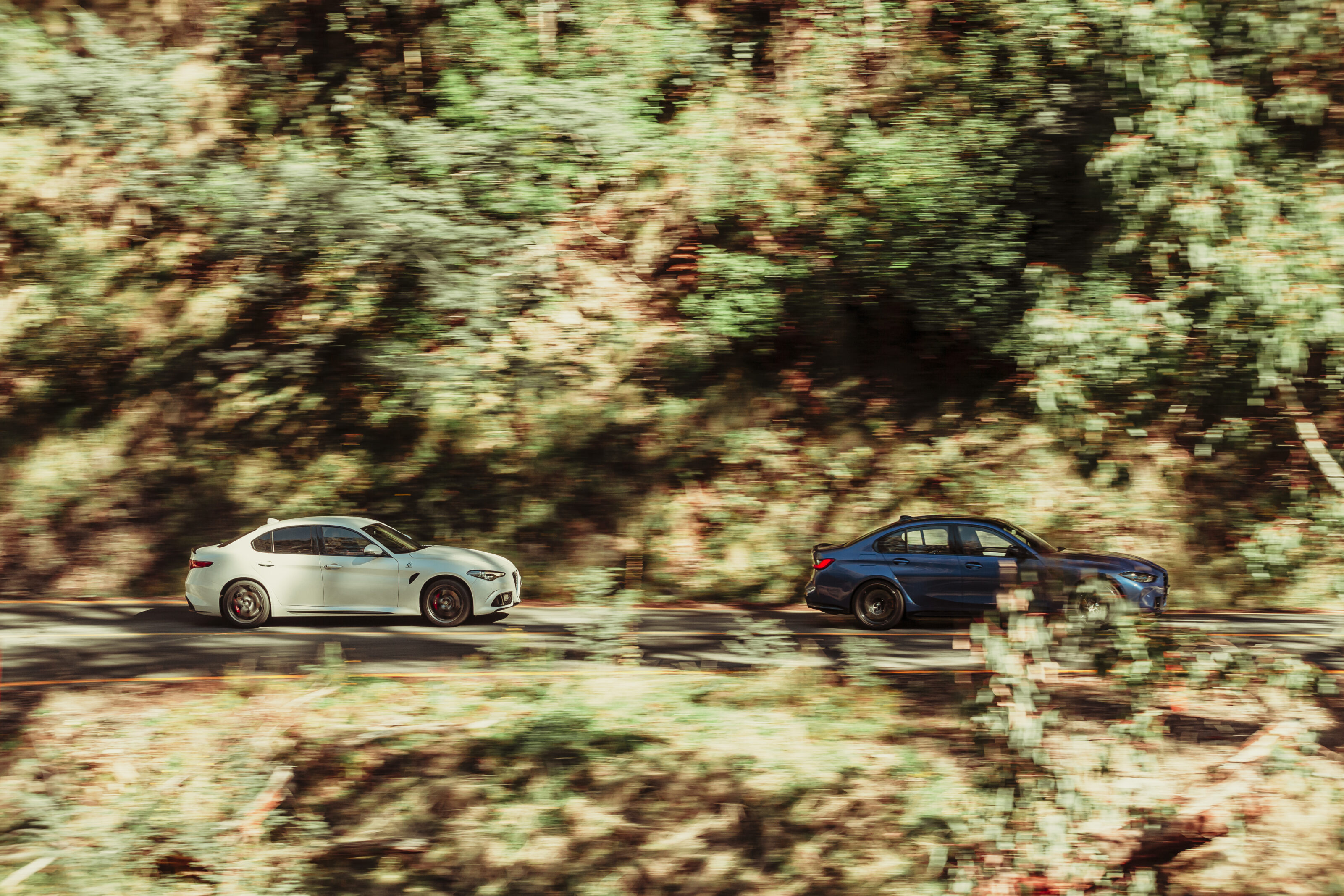
The 690T engine in the Giulia Q retains the F154’s 90° cylinder angle, 86.5mm bore, 82.0mm stroke and dual IHI-sourced single-scroll turbochargers but gets a revised aluminium cylinder head, a forged nitrided steel crankshaft and a different crankcase.
If you were ever slightly sniffy about the appeal of a V6 versus an inline-six, consider this an education. Alfa claims that peak torque of 600Nm runs from 2500 to 5500rpm, but dyno plots I’ve seen suggest a 3500rpm peak, after which the torque begins to tail off, with 96 per cent of peak torque generated at 5000rpm.
The BMW’s S58 makes its peak figure of 650Nm at 2750rpm and retains that strong and long to 5510rpm. Because of this, you never feel as if you need to be plucking gears like crazy in the M3 and you also feel reassured that even a modest glitch in the transmission’s logic will be easily mopped up by that huge swathe of torque on offer when you pick up the throttle at the apex.
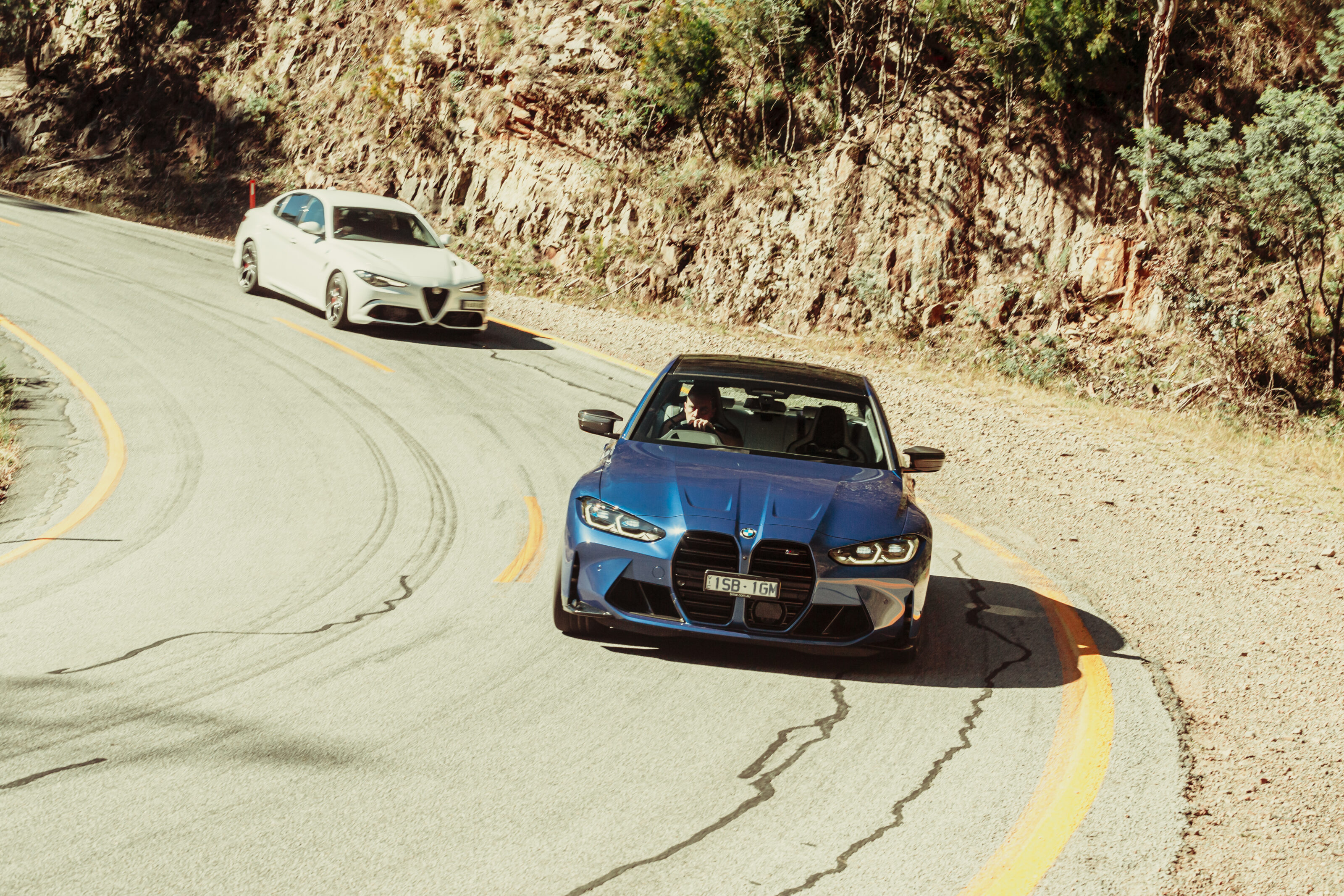
There are very pronounced differences in feel on the way into a corner too. Whereas you heave the BMW’s obese steering wheel into a corner as if you’re hefting a baseball bat, the Giulia’s thinner wheel feels as if you’re always guiding it with your fingertips. Yes, as we already know, the Brembo brake-by-wire system takes a bit of getting used to, but within a few hours you’ll have the hang of finessing the brake pedal.
What the Giulia signally lacks is any sort of stability control safety net when you are in Race. You’re on your own there.
Fortunately, it’s such a talented chassis that this rarely feels a problem. In Dynamic, the ESC will step in rather heavy-handedly just when you think you’re about to go all Chris Harris.
There’s no halfway system like the BMW’s M Dynamic Mode and that would be something for the replacement, but it looks like this Giulia Q will be the end of this particular line, if Alfa’s recent pronunciations about the death of the multi-billion euro Giorgio platform are anything to go by.
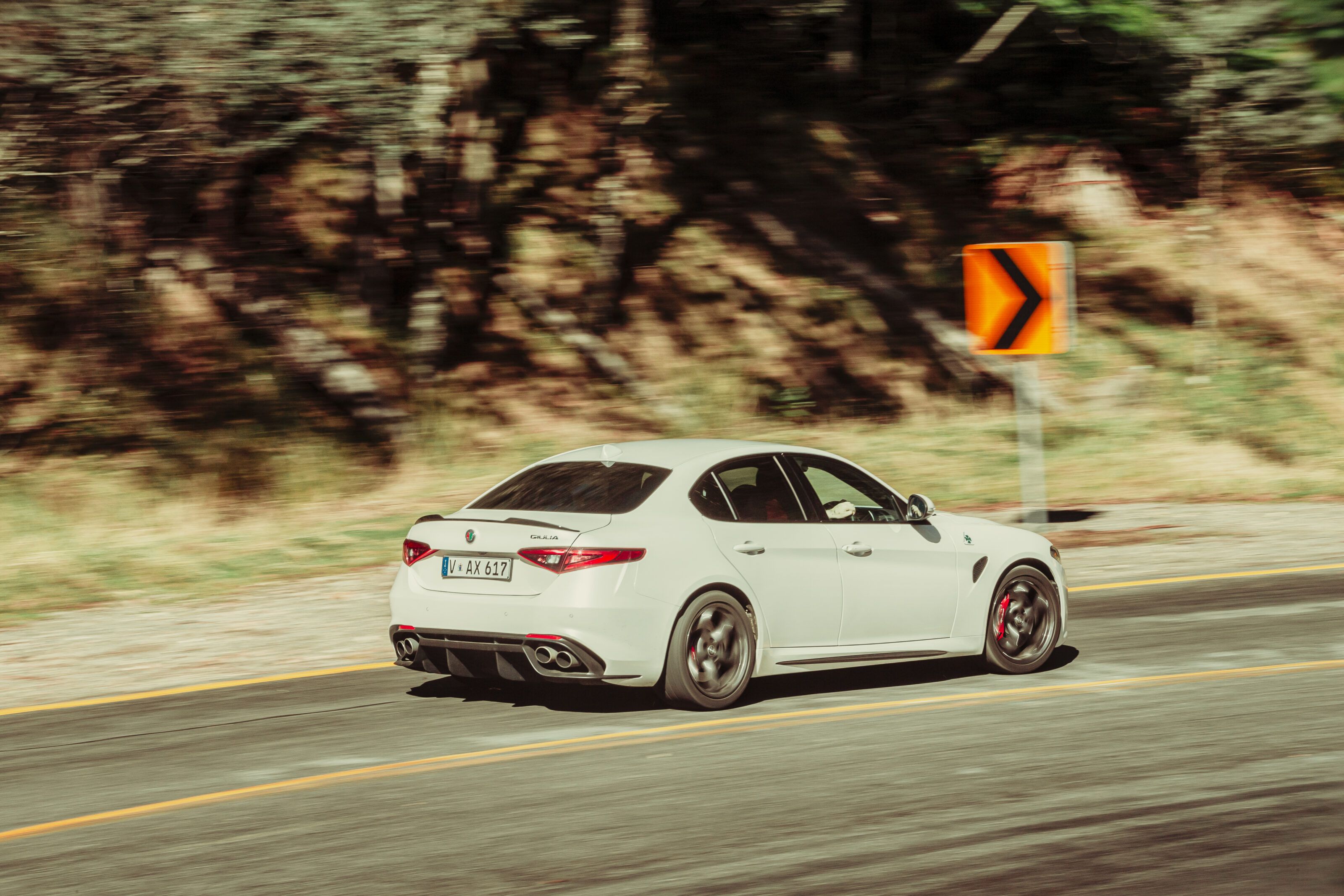
Originally slated to be used by 15 models, it now looks like the Giulia and its SUV sibling, the Stelvio, will be the only vehicles to ever use the chassis. Alfa Romeo’s new CEO, Jean-Philippe Imparato, has stated that future Alfa Romeo models would use Stellantis’ STLA large-vehicle architecture instead of the Giorgio.
While that’s a shame, it instantly makes the Giulia Q one of the most nailed-on future collectible classics currently on sale.
These are two truly excellent cars. It’s a testament to the Alfa Romeo Giulia Q that the decision is this close.
It’s had a modest interior refresh of late, but to all intents and purposes this is the same car that we first drove in 2017 and it ought to have been chewed up and spat out by the pace of change. It hasn’t.
If anything, it feels refreshingly shorn of the sort of expensive and pointless frippery that burdens many modern cars. You don’t need a Drift Analyzer or Remote Engine Start or an automatic bootlid. Really. They’re the reason – along with the optional $26k M Carbon Package – why this M3 Competition carries a price tag of $183,980 before on-roads.
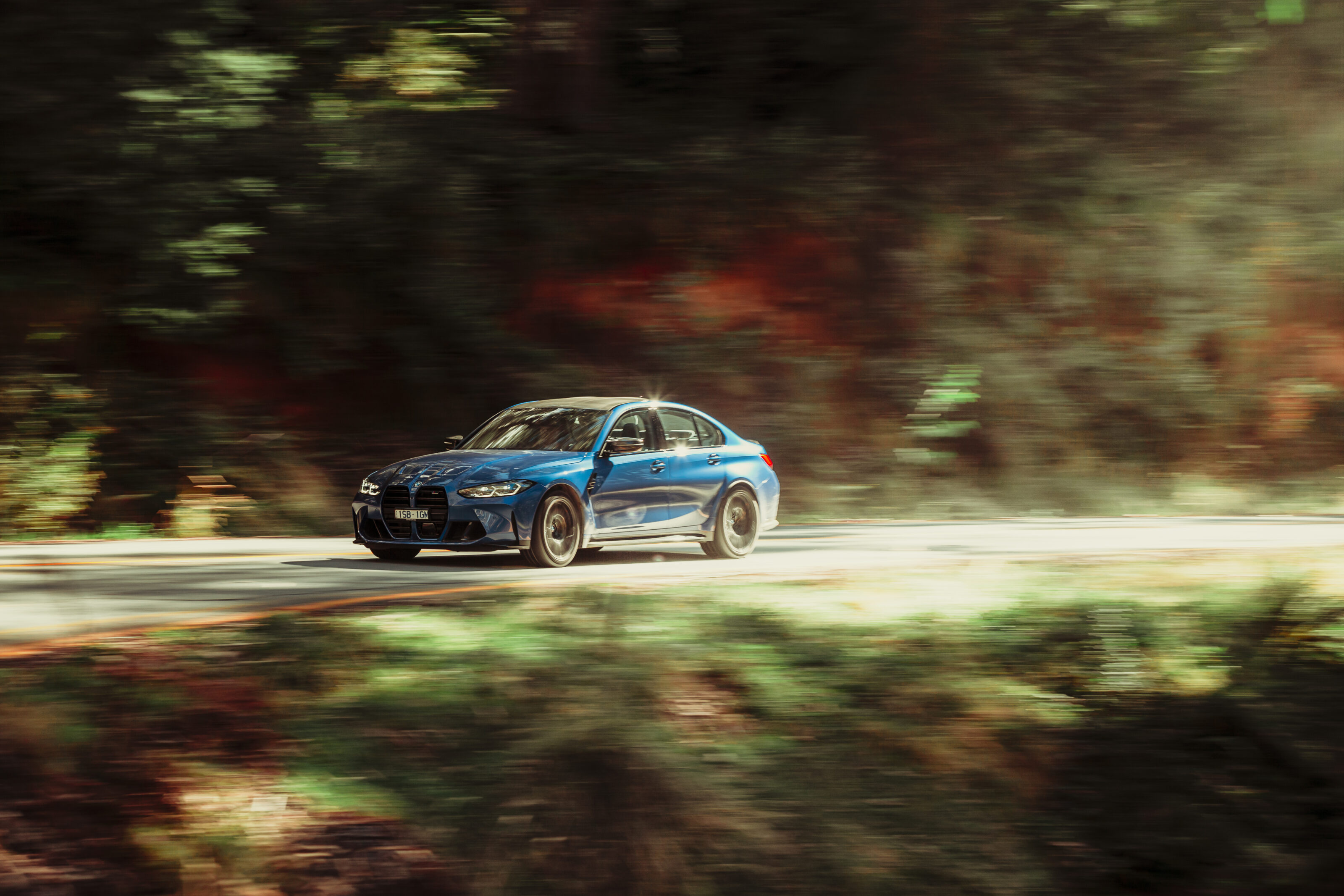
Even stripped back to its bones, the M3 Competition is $154,900, which contrasts with the $138,950 asked of the Giulia Q and even with the BMW’s extended carbon pack, which includes the carbon ceramic brakes and incredible carbon bucket seats, its bonnet will still be made of aluminium, rather than the Alfa’s beautiful carbon fibre item.
You no longer even get the lovely carbon brace in the M3’s engine bay, the workmanlike steel structures possessing no great beauty.
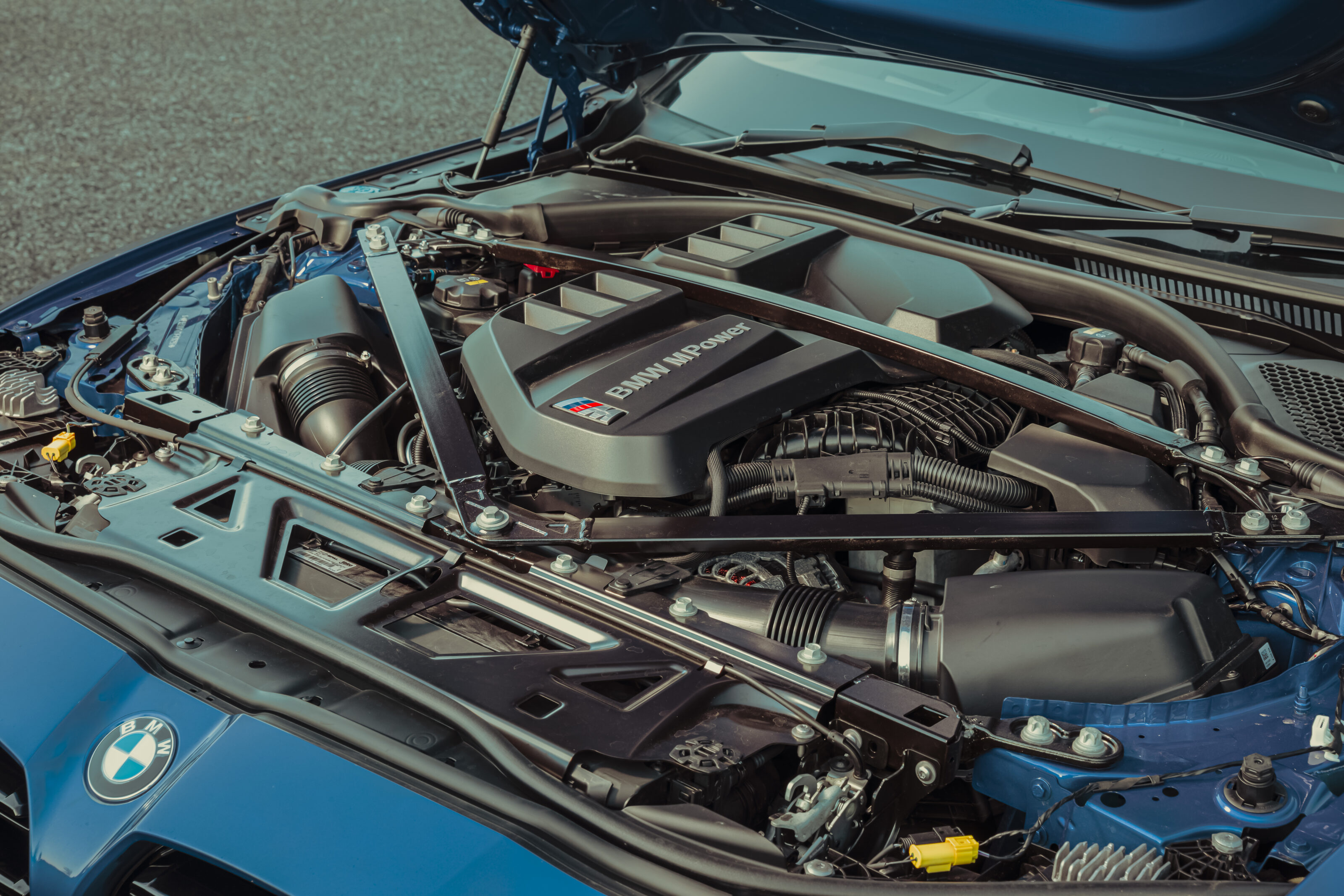
No great beauty.
That could sum up the latest BMW M3 Competition were it not for the fact that beauty can be found in strange places and that things are beautiful if you love them.
Whether you could find a place in your heart for the G80 M3 is a vexed question. It’s brutish and undeniably effective, and is probably the best M3 we’ve had since the E46, which puts it on an exceedingly high pedestal.
It’s a towering achievement and has the Giulia Q covered in most dynamic regards, as indeed it ought to. Were I paying my money the BMW is the car I’d probably buy, yet on the rare occasions that I chanced upon a Giulia Q passing the other way, I’d curse my lily-livered soul.
Those curses would be charged with the knowledge that these cars rage against the dying of the light for solus internal combustion sports sedans.
Mercedes-AMG has already blinked and pursued a hybrid future with its next C63e. Therefore the choice between the Alfa and the BMW could well prove the last new car purchase of this particular type you ever make.
Choose wisely, but know that whichever of these two you choose will be a car revered for many years to come. If these are the end of days for cars like this, then perhaps I’ll be forgiven for breaking off the convoy in the Alfa, swinging it back towards the dark mountain forests and drenching the night with the howl of a dying breed.
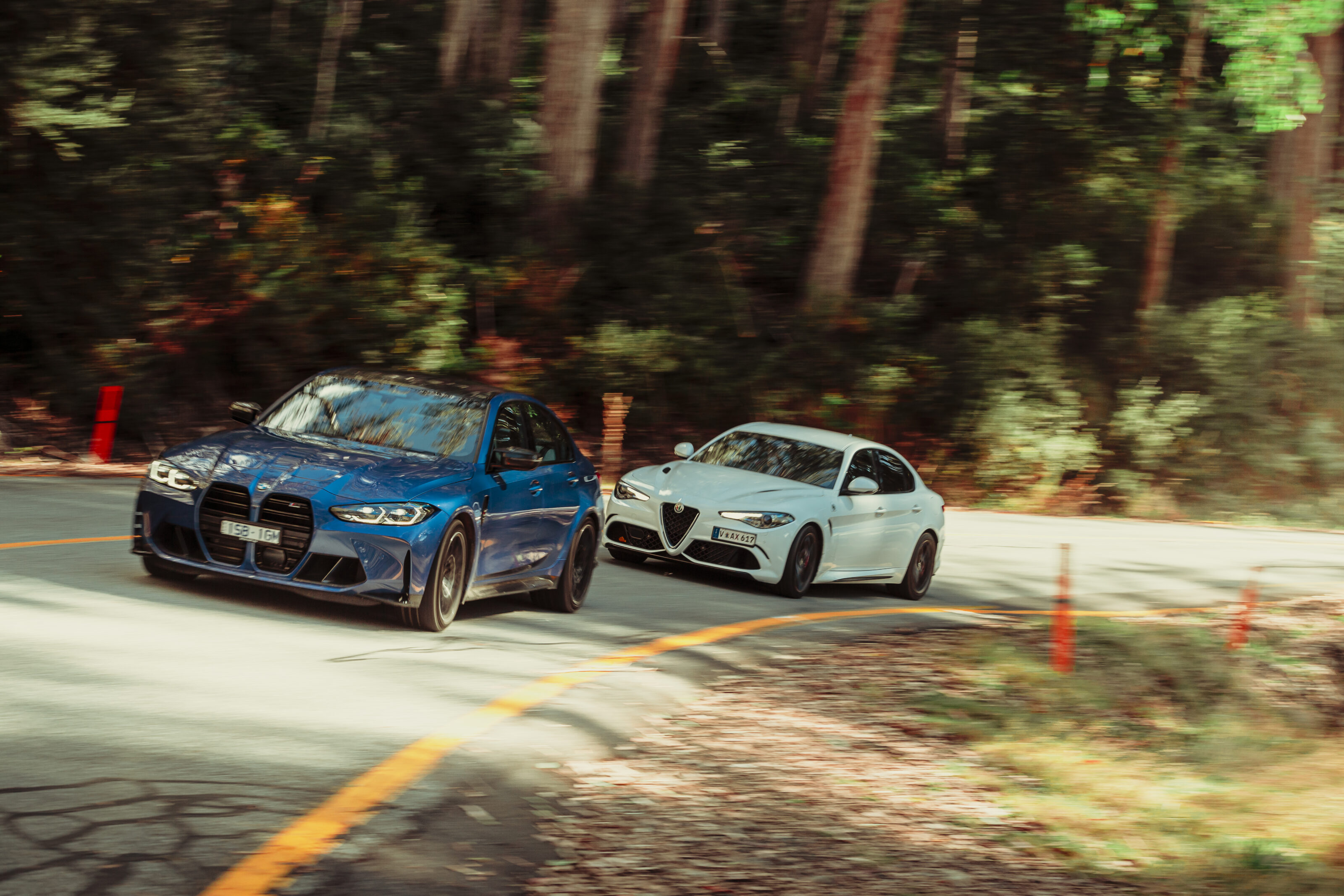
BMW M3 specs
- Body: 4-door, 5-seat sedan
- Drive: rear-wheel
- Engine: 2993cc inline-6, DOHC, 24v, twin-turbo
- Bore x Stroke: 84.0 x 90.0mm
- Compression: 9.3:1
- Power: 375kW @ 5510 – 7500rpm
- Torque: 650Nm @ 2700-5510rpm
- Power-to-weight: 217kW/tonne
- Transmission: 8-speed automatic
- Weight: 1730kg
- Suspension: double A -arms, coil springs, adaptive dampers, anti-roll bar (f); multi-links, coil springs, adaptive dampers, anti-roll bar (r)
- L/W/H: 4794/1903/1437mm
- Wheelbase: 2857mm
- Tracks (f/r): 1617/1605mm (f/r)
- Steering: electrically assisted rack-and-pinion
- Brakes: 380mm ventilated discs, 6-piston calipers (f); 370mm ventilated discs, single-piston floating caliper (r)
- Wheels: 19.0 x 9.5-inch (f) 20 x 10.5-inch (r)
- Tyres: 275/35 ZR19 100Y (f) 285/30 ZR20 99Y (r) Michelin Pilot Sport Cup 2
- Price: $154,900
- Pros: Huge grip; punchy engine; slick interior; clever drive modes
- Cons: Styling not to all tastes; weight/size; brutish in feel; getting expensive
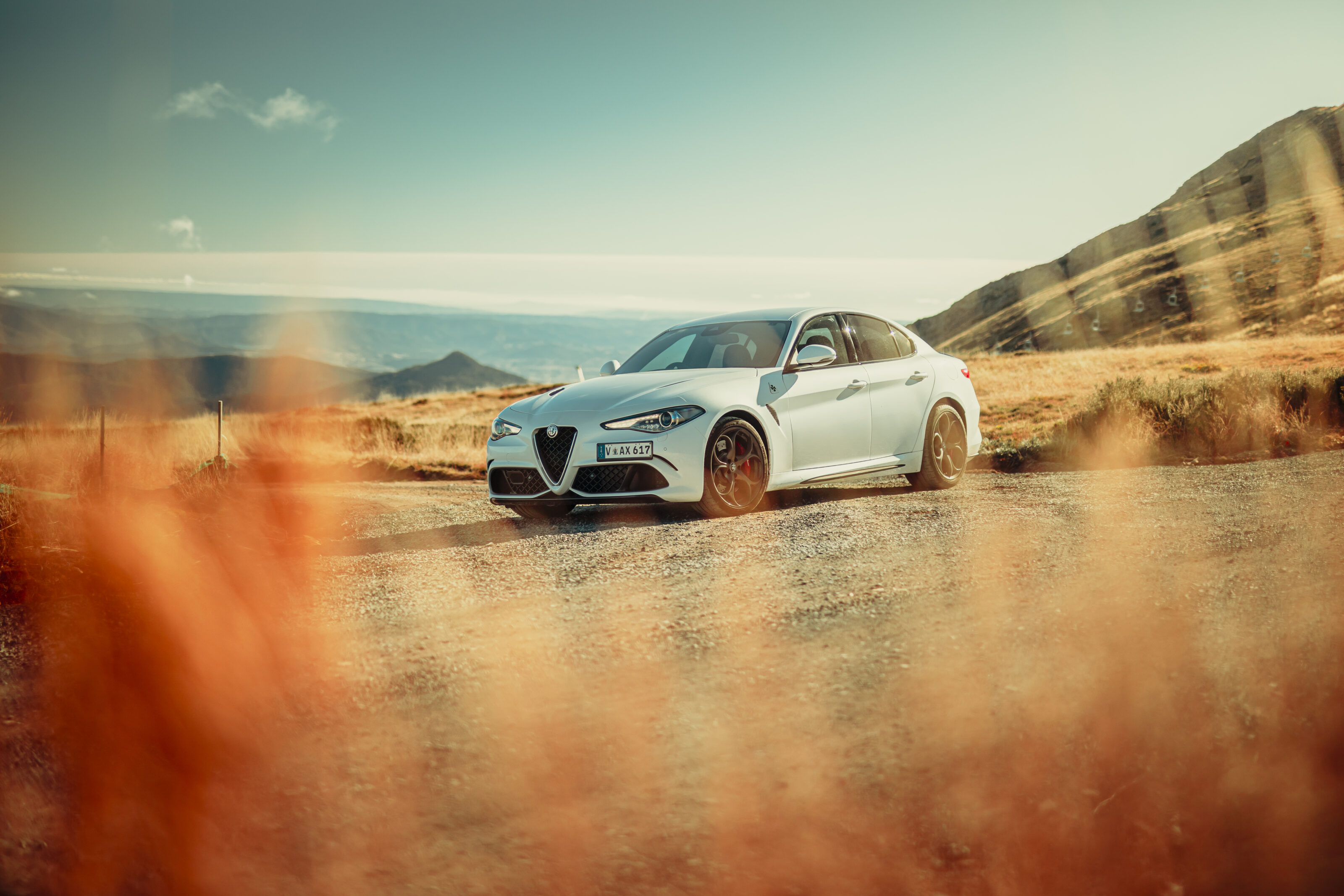
Alfa Romeo Giulia Q specs
- Body: 4-door, 5-seat sedan
- Drive: rear-wheel
- Engine: 2891cc V6, DOHC, 24v, twin-turbo
- Bore x Stroke: 86.5 x 82.0mm
- Compression: 9.3:1
- Power: 375kW @ 6500rpm
- Torque: 600Nm @ 2500-5500rpm
- Power-to-weight: 230kW/tonne
- Transmission: 8-speed automatic
- Weight: 1633kg
- Suspension: double A-arms, coil springs, adaptive dampers, anti-roll bar (f); multi-links, coil springs, adaptive dampers, anti-roll bar (r)
- L/W/H: 4639/1873/1426mm
- Wheelbase: 2820mm
- Tracks (f/r): 1555/1607mm (f/r)
- Steering: electrically assisted rack-and-pinion
- Brakes: 360m ventilated discs, 6-piston calipers (f); 350mm ventilated discs, 4-piston calipers (r)
- Wheels: 19.0 x 8.5-inch (f) 19 x 10-inch (r)
- Tyres: 245/35 ZR19 95Y (f) 285/30 ZR19 98Y (r) Pirelli P Zero Corsa
- Price: $138,950
- Pros: Engine note; charismatic power delivery; styling; ride; handling
- Cons: No halfway ESC mode; cabin a little basic; brakes take getting used to
