
Snapshot
- Singer will be available in Australia through Zagame
- Over 130 reimagined 911s have been made
- First Australian commission expected to land later this year
Luxury car dealer Zagame Automotive Group will be the official Australian distributor of Singer vehicles, bringing the reimagined Porsche 911s from California to our shores for the first time.
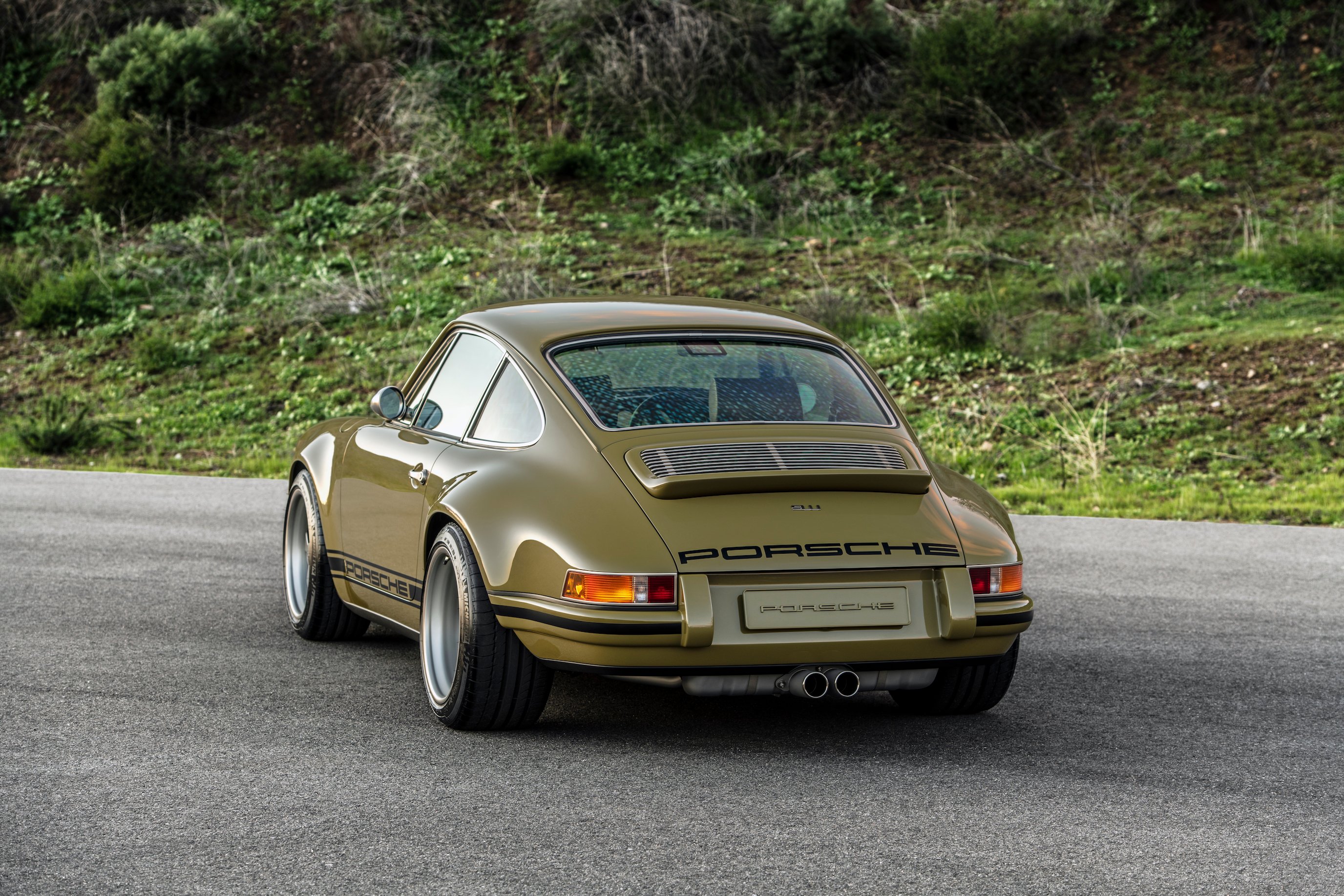
Singer Vehicle Design has been at the forefront of restomodding since its first reimagined Porsche 911 was released in 2009, building its business on recreating classic, air-cooled 911s from the 964 chassis – blending retro looks with modern technology.
The recently released All-terrain Competition Study (ACS) and upcoming Dynamics and Lightweight Study (DLS) models have come close to breaking the internet in terms of views across social platforms, each taking the 911 to places Porsche could only fantasise about.
Singer founder, Rob Dickinson, said the idea of teaming up with an Australian distributor was born off the back of a high number of enquiries and commissions from antipodean clients.
“It’s so exciting to be reaching out to new audiences,” said Dickinson.
“We’re humbled to be in touch with enthusiasts in Australia and New Zealand who wish to commission our services in pursuit of their personal vision for the ultimate air-cooled 911.
“We’re thrilled to be collaborating with these owners and to be building a strong local presence.
“As our client group expands around the world, we need partners of the highest calibre to look after them.
“I’m delighted that Zagame Automotive Group will be there to support our amazing owners in Australia and New Zealand.”
Zagame’s managing director, Bobby Zagame, said it was a reflection of his business to draw a company like Singer in to be a partner, adding it to a portfolio which includes Aston Martin, Ferrari, McLaren, Lamborghini and Rolls-Royce.
“We’re very excited to be at the forefront of supporting Singer’s clients in Australia and New Zealand and together we look forward to seeing more of these beautiful cars on the road here,” said Zagame.
“Our passion, commitment and focus on the ownership experience is what sets Zagame Automotive apart, and I’m delighted that Singer is now part of the family.”
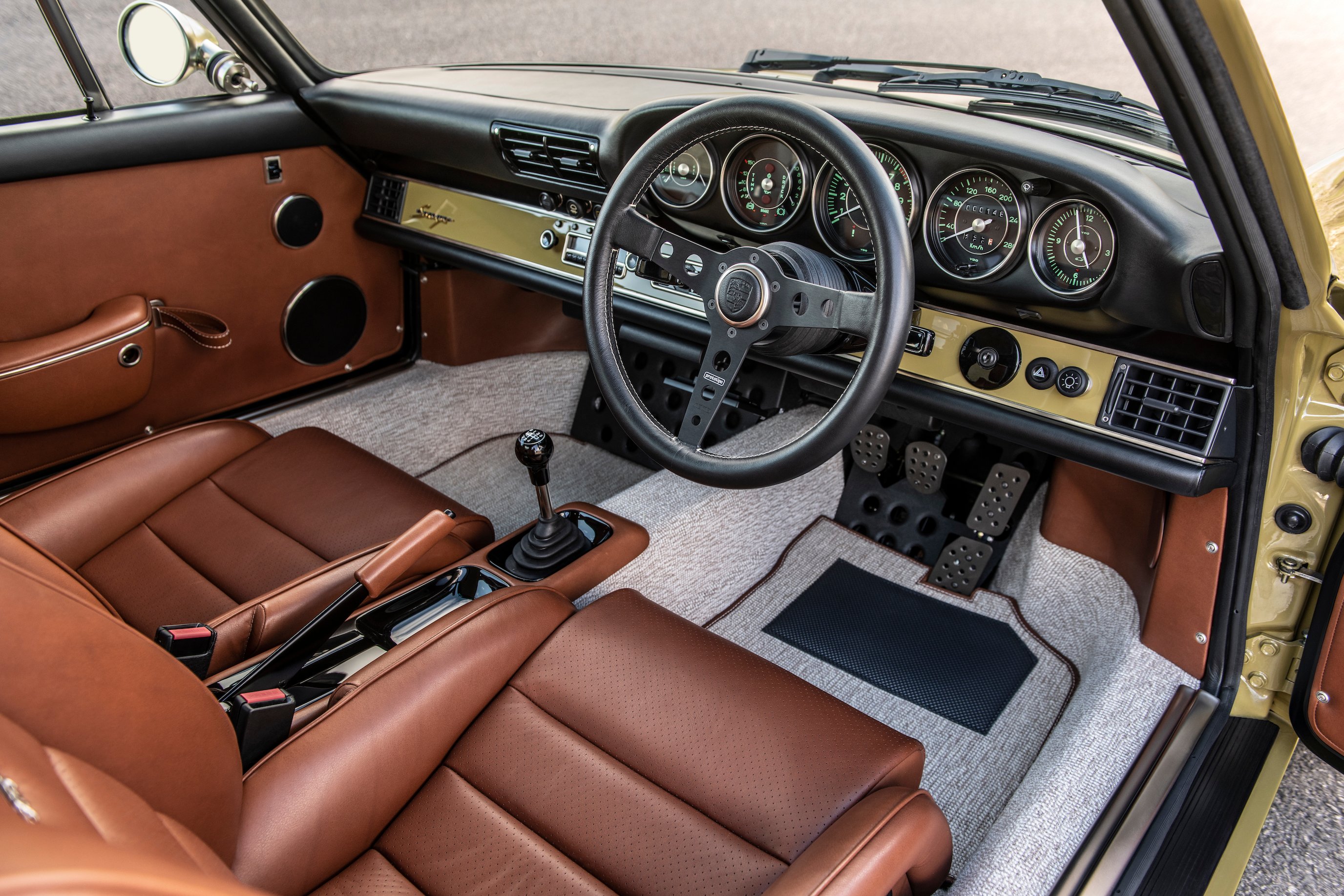
The company has built more than 130 bespoke 911s since its inception, each named after where the client is based, such as the North Island Commission in New Zealand – featuring an Olive Brown carbon fibre body, Chocolate Brown interior and a 3.8-litre flat-six engine.
A Singer spokesperson said they cannot confirm existing model numbers in the region but one new vehicle is set for delivery to Australia later this year.
Snapshot
- Third generation in a row to receive ANCAP’s top gong
- Particular praise given to SUV’s AEB and pedestrian collision avoidance systems
- All-new seven-seater also offers side curtain air-bags in all three seat rows
Australia and New Zealand’s independent vehicle safety authority has awarded the fourth-generation Toyota Kluger a five-star rating.
It represents the third time in succession the moniker has achieved the ultimate safety accolade, with the second and third generations of the SUV scoring five stars in 2008 and 2014 in the Australasian New Car Assessment Program (ANCAP) tests respectively.
It also means the newest Kluger can go toe-to-toe with other five-star ANCAP safety awardees on the market such as Hyundai’s Santa Fe, Kia’s Sorento, and Mazda’s CX-8.
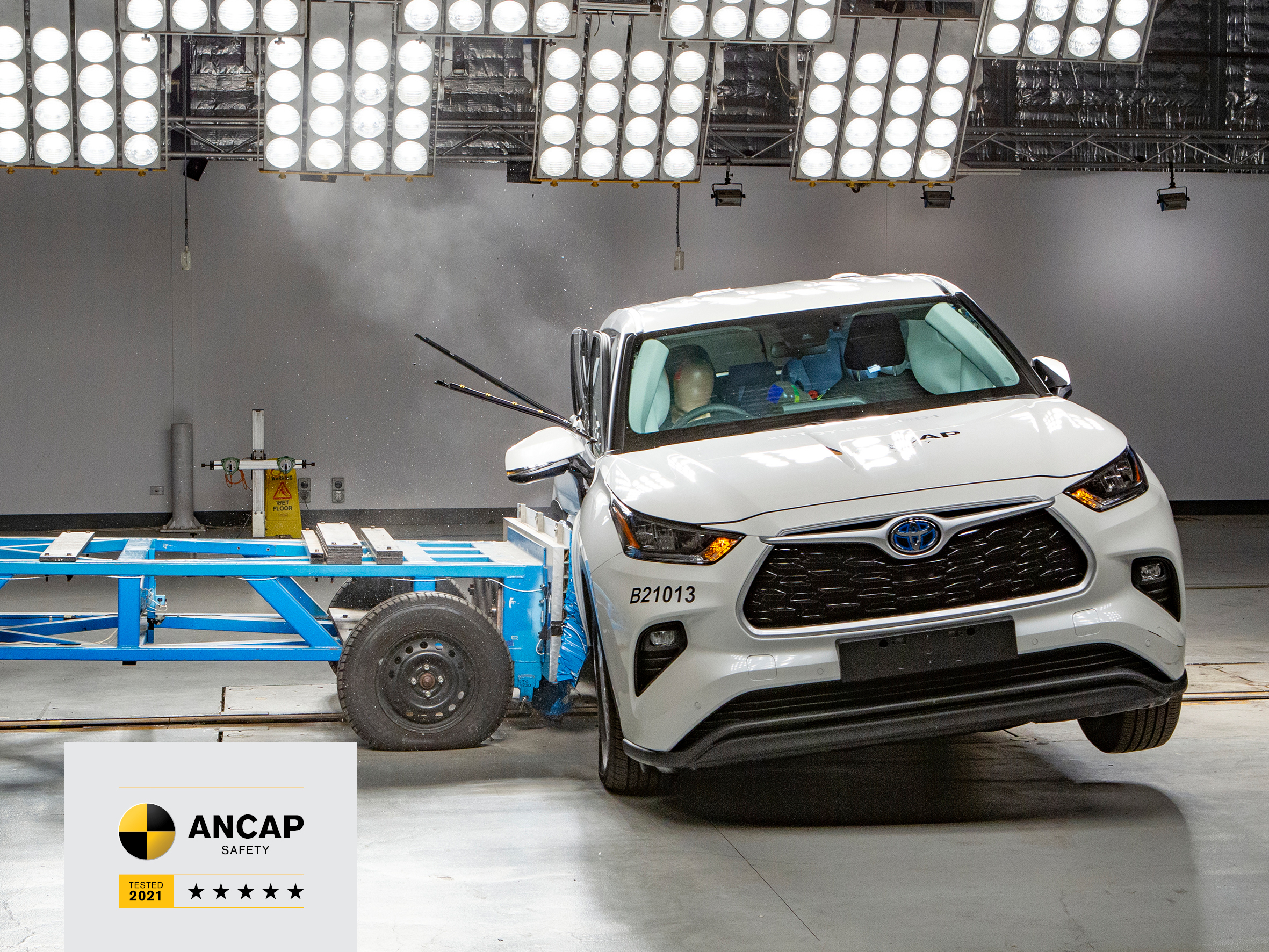
According to ANCAP, the seven-seater SUV was put through its toughest new 2020-2022 analysis protocols, with a raft of stringent tests conducted at the safety body’s laboratories in Adelaide, Sydney, and regional NSW.
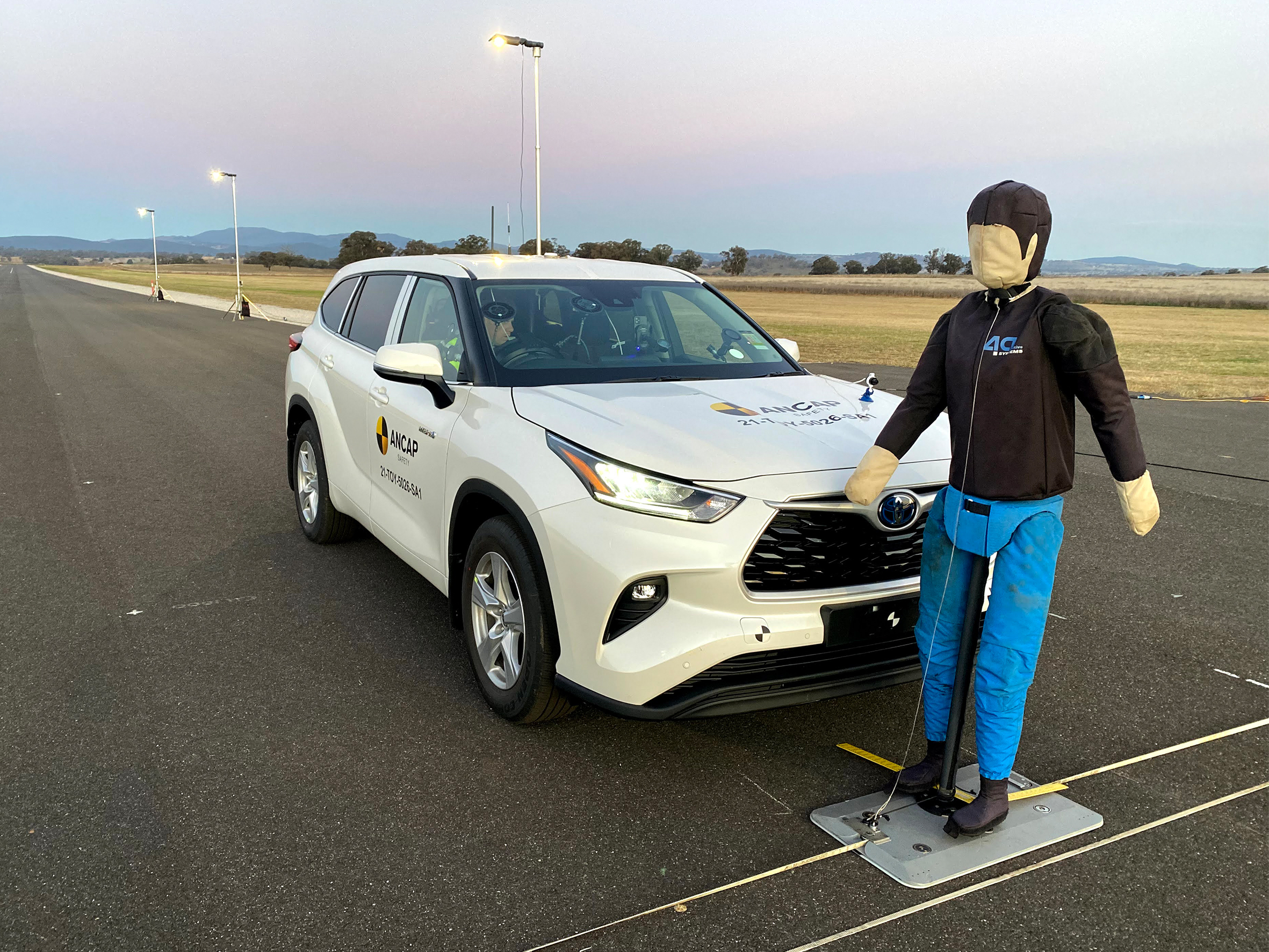
The Kluger was said to perform well in all areas, with particular commendation given for the SUV’s autonomous emergency braking system (AEB) with junction assist, and pedestrian collision avoidance.
Toyota’s Safety Sense suite comes as standard across the range, which includes a pre-collision safety system with pedestrian and daytime cyclist detection, lane departure alert with steering assist, automatic high beam, active cruise control, intersection turn assistance, lane trace assist, and road sign assist.
The fourth-generation Kluger also gets side curtain airbags in all three seat rows, as well as fatigue detection, rear cross-traffic alert, reversing camera with fixed lines, and front and rear parking sensors.
“This five-star ANCAP safety rating for the Kluger rating is good news for families and fleet buyers,” Carla Hoorweg, ANCAP chief executive, said.
“With every new model generation, the highest levels of safety should be offered to provide consumers with immediate safety benefits as well as provide sustained benefits for future owners and other road users.“Toyota has sought to achieve the highest level of safety with the Kluger and succeeded. Brands taking this approach should be proud of the proactive role they are playing to improve safety on our roads.”
Snapshot
- Golf, normal wheelbase Tiguan and Touareg affected
- Polo, T-Cross, T-Roc, Tiguan Allspace and Passat ranges all fine
- VGA says current orders will be prioritised over new ones
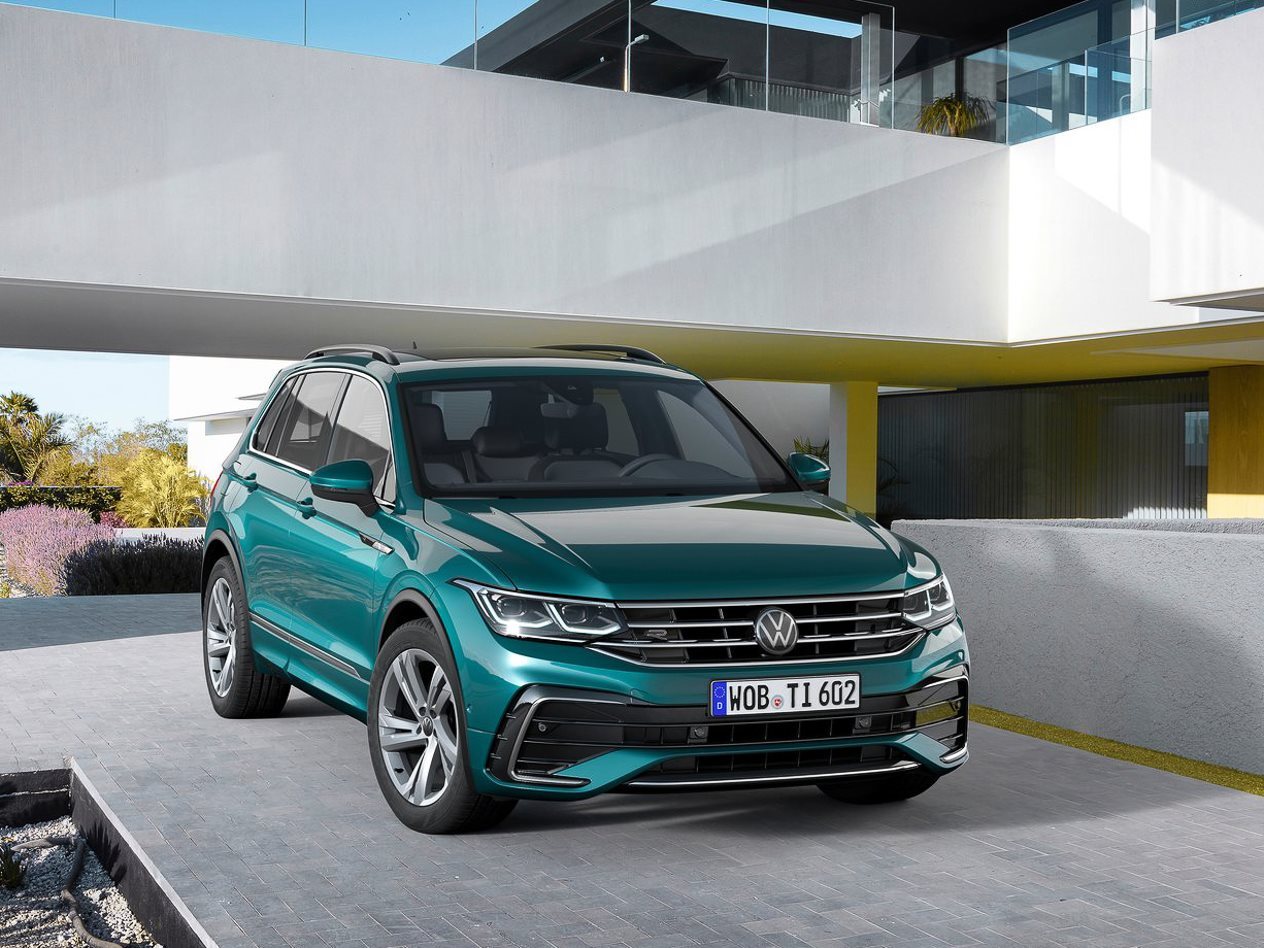
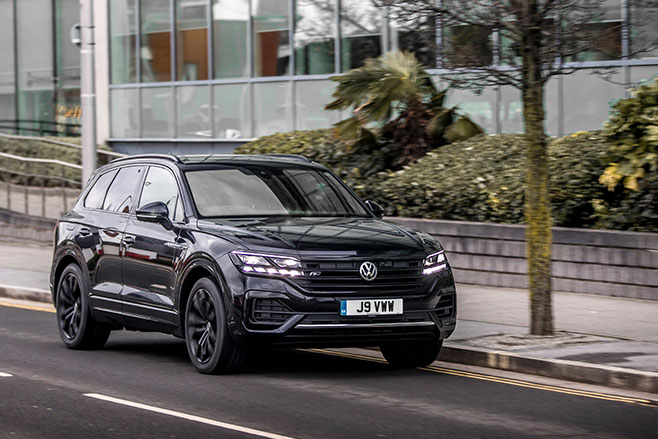
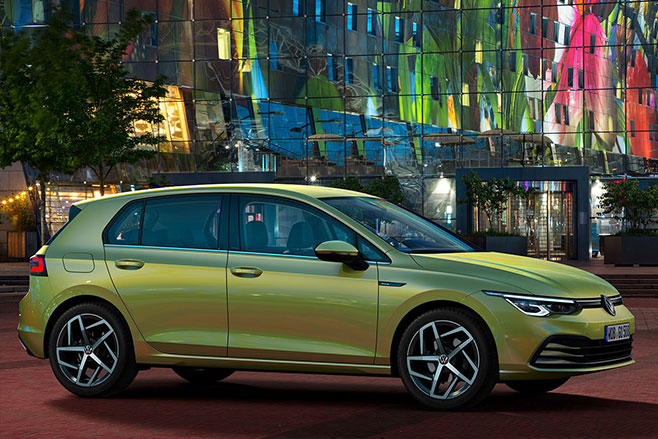
VW has revealed its mainstay Golf, new normal wheelbase Tiguan and Touareg are the latest car models Down Under to be affected by the global semi-conductor shortage.
The lack of parts worldwide, coupled with international demand, is impacting the supply of some of the German carmaker’s model lines for the rest of this year, Volkswagen Group Australia said today.
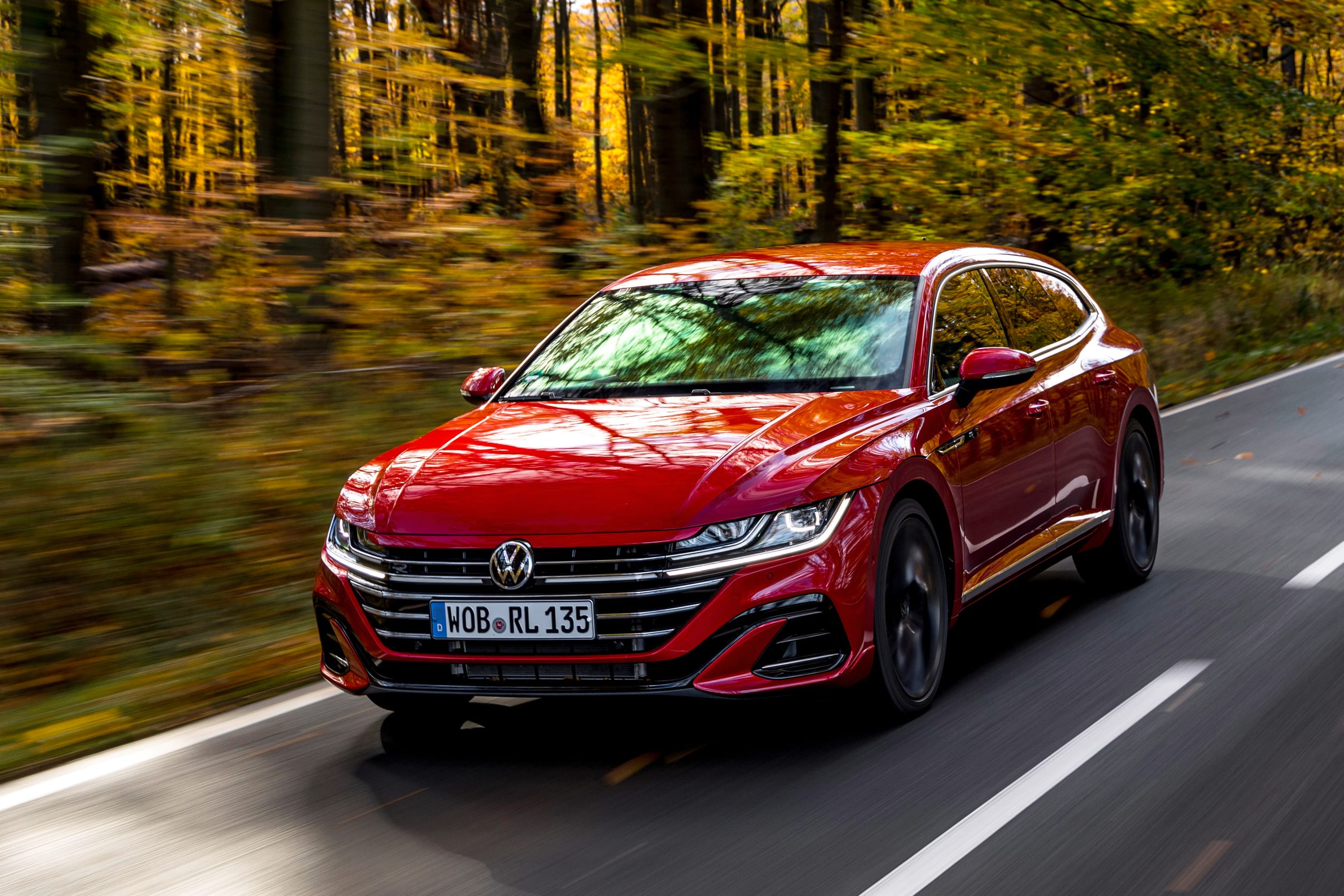
If you’re after a Polo, T-Cross, T-Roc, Tiguan Allspace and Passat ranges, the manufacturer has assured these are in safe supply at present – as is the upcoming Arteon which will return to Australia in the third quarter of this year.
VGA managing director Michael Bartsch said that difficulties in obtaining the desired production of certain models were a “fact of life for European importers”.
“While the semi-conductor shortage poses no significantly greater issue than those our brands deal with on a weekly basis, it’s important that customers are made aware of them,” Mr Bartsch said.
“While certain of our popular variants are temporarily in short supply, VGA is in a position to offer customers an array of choices. The situation is subject to rapid change. We are in daily contact with head offices to seek means of improving the supply of affected variants.”
VGA says it has been alerted to a slow-down in production of right-hand-drive Golfs relating to the semi-conductors required in the Harmon Kardon sound system and the DQ381 DSG transmission of the GTI.
While supply of the Tiguan 110TSI and 132TSI variants is not affected, including those with the Luxury Package, there are delays of the popular R-Line models (162TSI and the new 147TDI) due to component shortages for its gearbox compounded by a lack of R-Line specific leather upholstery.
VGA has committed to fulfilling outstanding orders before new orders will be accepted.
Supply of Touareg 210TDI variants is affected by an eight-week delay centred on its standard Innovision cockpit.
Meanwhile, Volkswagen Commercial Vehicles’s primary issue relates to the Amarok, with numbers reduced by logistical delays. There will be strong arrivals late this month and early next month.
According to the automaker, the T6.1 range is selling out fast. Global demand for the Crafter range, coupled with the semi-conductor issue, means that the Crafter 35 variants will not return in numbers until 2022. Crafter 50 variants will still be delivered this year.
The new Caddy range is on sale next month ahead of August deliveries.
In recent weeks other manufacturers have too announced how their production has been impacted, with Nissan and Stellantis temporarily halting their operations in Mexico throughout June due to the parts issue – although this shut down has not affected local imports.
Similarly Hyundai has had to put plans to launch its new i30 N Line Sedan Limited Edition on ice as it starts to feel the effects of the technology strain.
Toyota Australia’s vice CEO, Sean Hanley, however recently said the Japanese automotive giant will be unaffected by the shortage due to forward planning and a reserve of stock.
Snapshot
- Wingless GT3 returns in 992 guise
- Same tech specs as regular GT3 with PDK available for the first time
- New Australian-only variant coming to mark 70 years of Porsche locally
The Porsche GT3 range has again expanded with the popular GT3 Touring package making a return, being released today for the 992 generation of the 911.
Based on the track-focused 911 GT3, the Touring package is available with a six-speed manual gearbox as standard, with the seven-speed PDK being available for the first time at no extra cost.
Retaining the same 4.0-litre flat-six engine as the GT3, the Touring sends 375kW and 470Nm to the back wheels, achieving a 0-100km/h sprint time of 3.4 seconds thanks to its kerb weight of just over 1400kg.
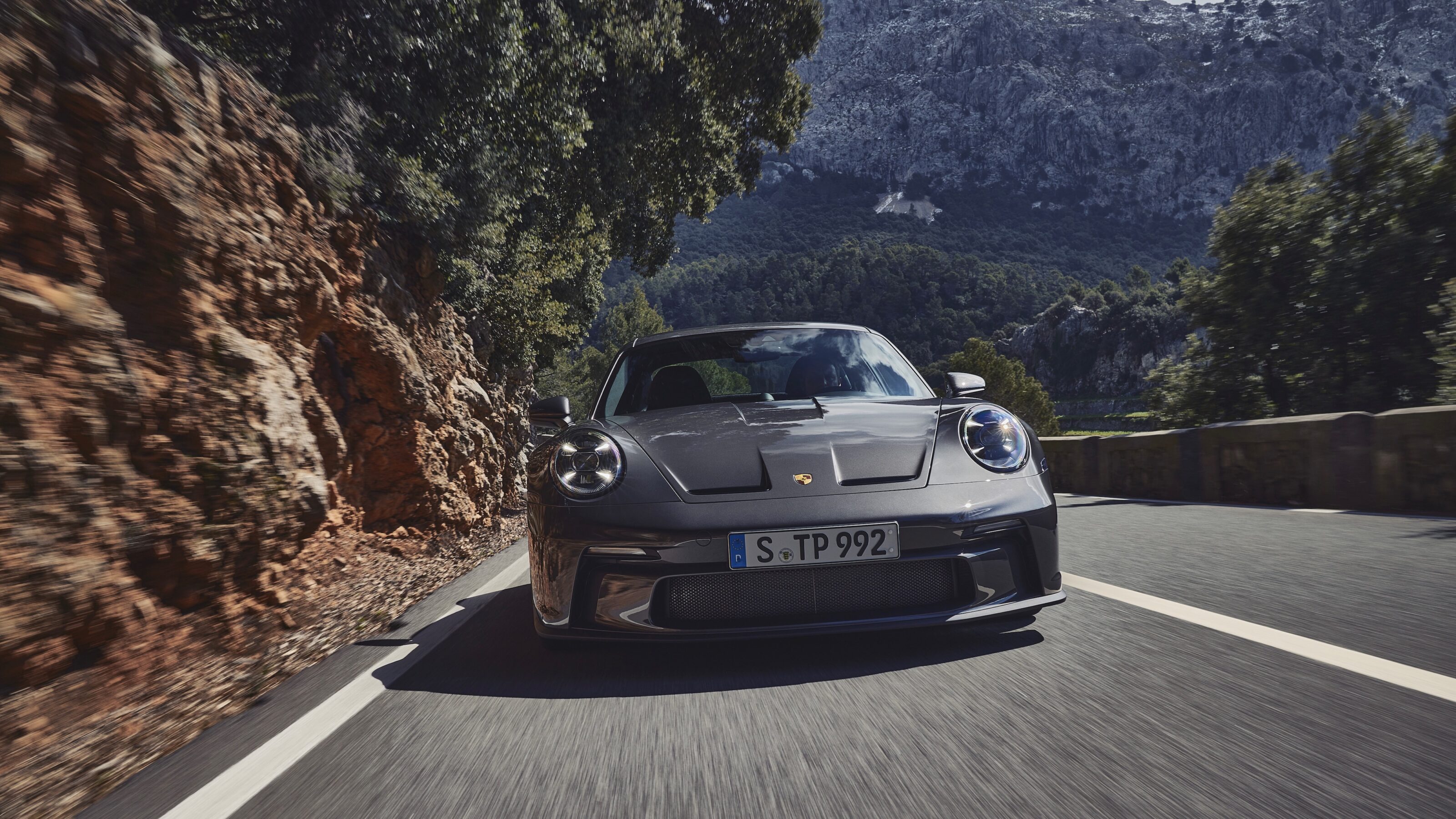
Visually, the Touring is almost identical to the normal GT3 apart from the lack of a rear wing, a tradition which started when the package was first offered in the 991 GT3.
The silver and optional black trim across the Touring’s body also subtly set it apart from the GT3, though the interior demonstrates the biggest difference with black leather covering the steering wheel, gear lever, centre console and door handles.
Porsche allows customers to add other optional features for the GT3 on the Touring, including different variations of exterior and wheel colours, upgraded audio systems and the Chrono package, which adds an analogue and digital lap timer for track work.
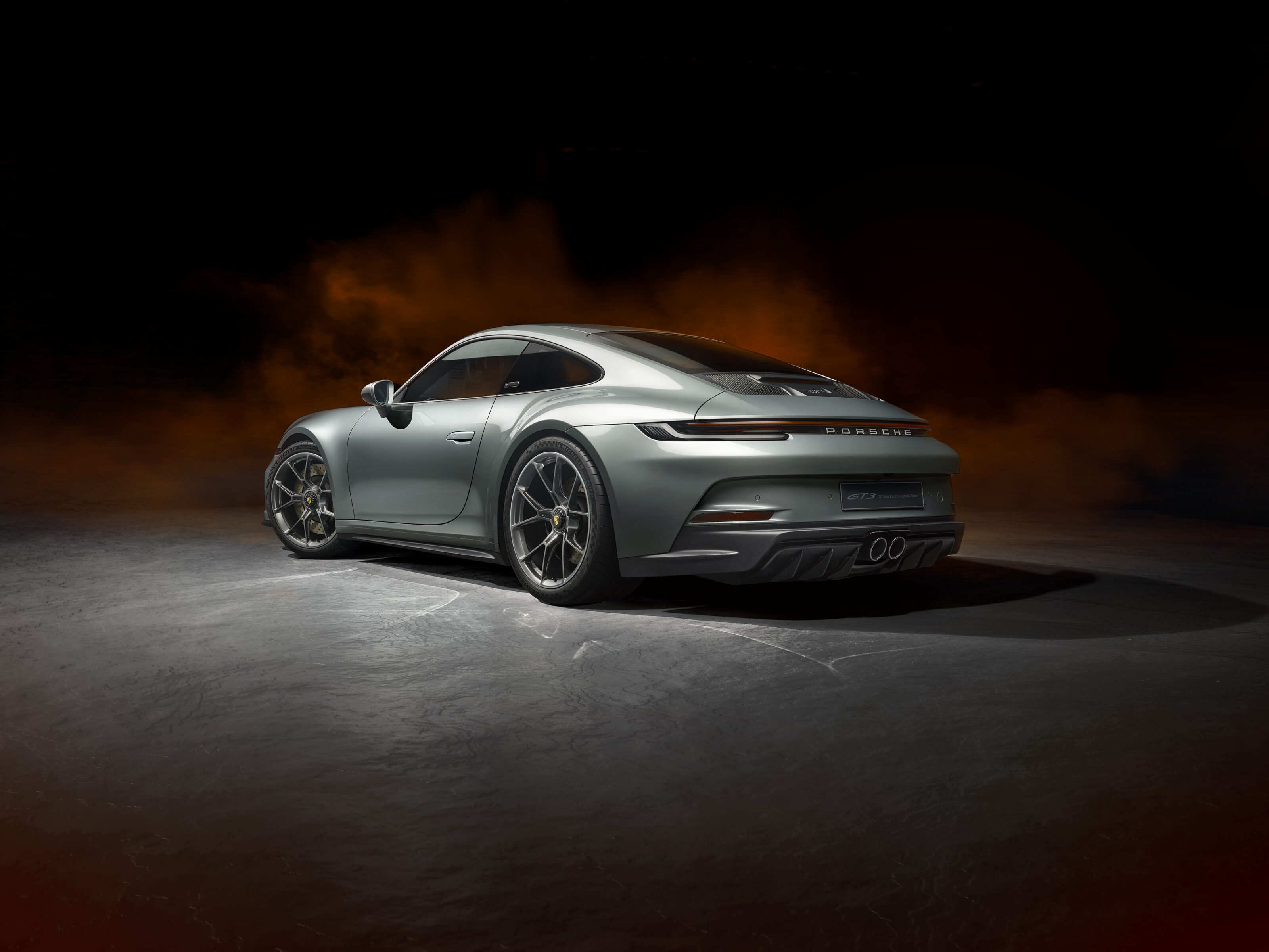
With the release of the GT3 Touring worldwide, Porsche Australia announced we will also be receiving a special edition version, dubbed the 911 GT3 70 Years Porsche Australia Edition.
Doing what it says on the box, the Australia Edition is being built to commemorate 70 years since the first Porsches were delivered Down Under – a pair of 356s, imported by Norman Hamilton in 1951.
The Australia Edition will be painted in a bespoke ‘fish silver grey metallic’ finish, a tribute to the fish silver grey paint one of the two 356s was delivered in.
In addition to the unique paint, the Australia Edition scores other special touches to separate it from the GT3 Touring upon which it’s based, including:
| Wheels painted in darksilver with wheel rim borders painted in fish silver grey metallic |
| Badge on B-pillars with Australian flag and ’70 Years Porsche Australia Edition’ lettering in silver |
| Full bucket seats in leather graphite blue with seat inlays in Madraskaro check fabric in graphite blue and crayon colour |
| Dashboard trim painted in fish silver grey metallic with ‘GT3 70 Years Porsche Australia Edition’ lettering in black |
| Centre console trim painted in fish silver grey metallic |
| Storage compartment lid with embossing of logo ’70’ |
| Gear shift pattern on gear lever in crayon |
| Door sill guards in brushed aluminium in black with ‘GT3′ (illuminated) and ’70 Years Porsche Australia Edition’ lettering |
| GT3 multi-function sports steering wheel with 12-ou2019clock marker in crayon |
| Vehicle keys painted in fish silver grey metallic |
| Key pouch in leather in black and graphite blue with stitching in crayon |
| Indoor-car-cover in graphite blue with piping in crayon and ‘GT3 70 Years Porsche Australia Edition’ lettering on the sides in crayon as well as the ‘Porsche Exclusive Manufaktur’ logo on the front in crayon |
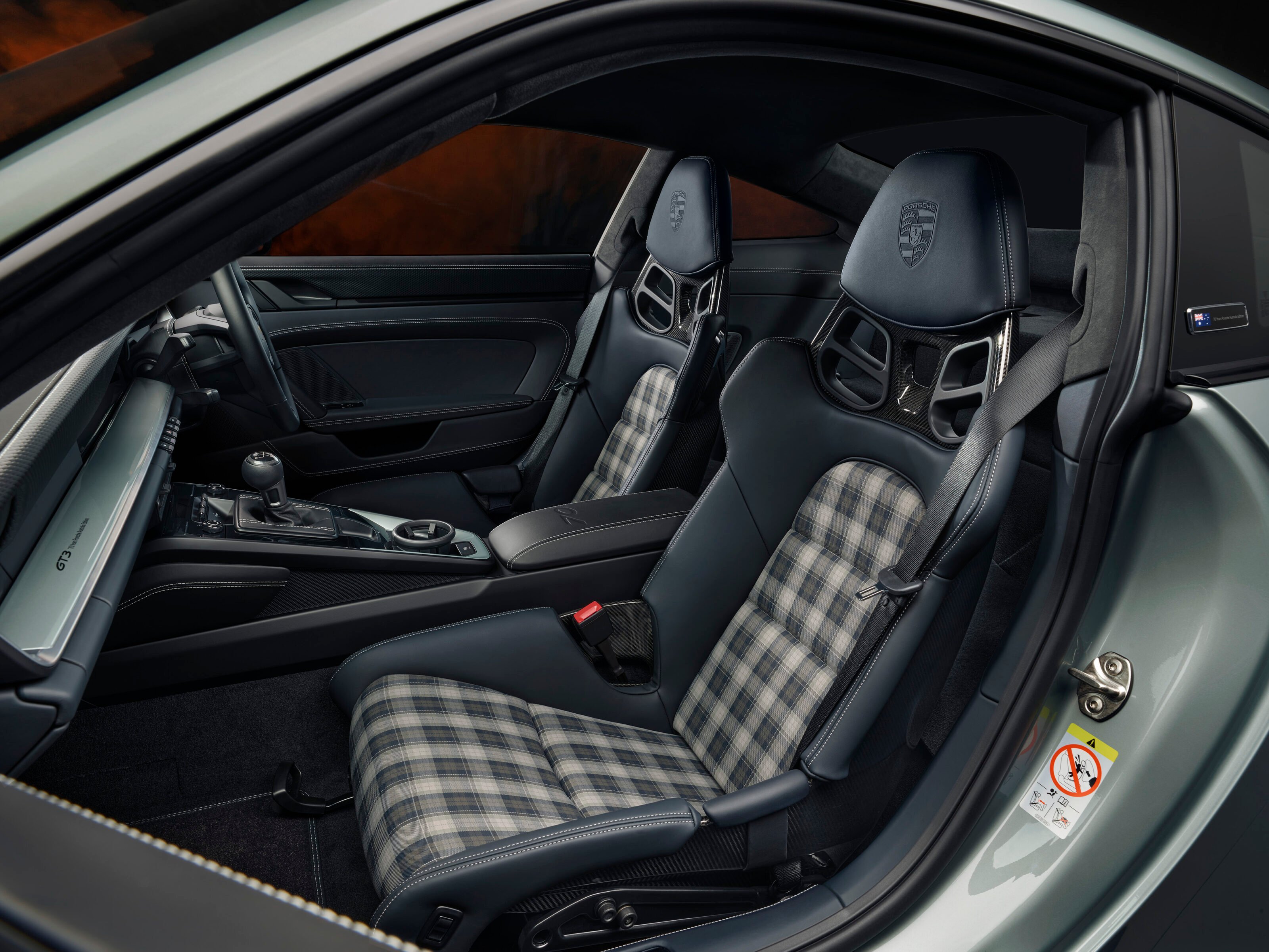
As well as the range of visual differences to the GT3 Touring, the Australia Edition also scores a variety of extras which are usually an option on the rest of the GT3 range, such as:
| Chrono package including preparation for lap trigger |
| Light design package with additional ambient lighting |
| Touring package exterior painted in black (tailpipe trims and side window sills), with ‘Porsche’ logo on rear painted in lightsilver |
| Tinted LED main headlights including Porsche dynamic light system (PDLS) |
| Brake calipers painted in high-gloss black |
| Wheels painted in satin darksilver |
| Lightweight full bucket seats with Porsche crest embossed on headrests |
| Roof lining and sun visors in Race-Tex |
| Leather interior Exclusive Manufaktur in two-tone combination of graphite blue and black |
| Loud speaker trims painted in interior colour |
| Cup holder trims in leather |
| Extended package leather interior Exclusive Manufaktur |
| Storage package |
| Interior package with decorative stitching in crayon |
| BOSE surround sound system |
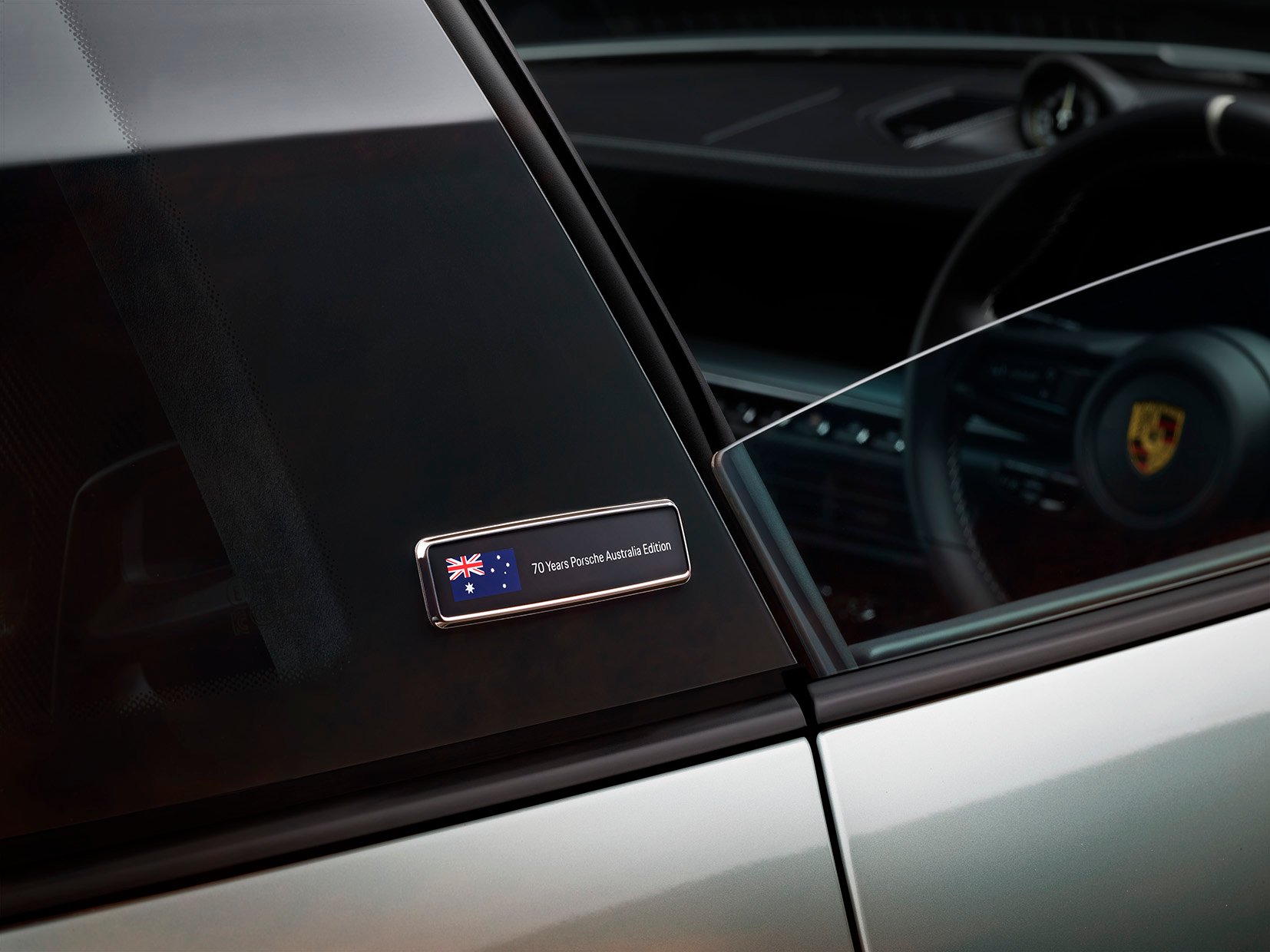
Porsche Cars Australia CEO, Sam Curtis, said the special edition vehicle reflects the long relationship between the brand and its Australian customers.
“Exclusivity and customisation have been synonymous with Porsche for decades,” said Mr Curtis.
“It is fitting that this special edition features exclusive elements that link back to one of the two first Porsche sportscars imported to Australia by Norman Hamilton 70 years ago.
“The 911 GT3 70 Years Porsche Australia Edition will be another special Porsche sportscar that I’m sure will excite fans of the brand for many years to come.”
2022 Porsche 911 GT3 Touring and 70 Years Australia Edition pricing
| 2022 Porsche 911 GT3 Touring | $369,700 |
| 911 GT3 Touring Australia Edition | $494,400 |
Snapshot
- Stellantis head of design moves to Lancia
- Jean-Pierre Plouu00e9 has worked with PSA since 1999
- Italian marque only sells one model
Lancia could be making a comeback to the world stage with parent company Stellantis appointing one of its most senior figures to spearhead the Italian company’s return.
French designer Jean-Pierre Ploué has been chosen as the new design chief for the marque after being heavily involved within the PSA Group since 1999, serving as its director of design from 2008.
Ploué was a part of Citroën’s revival in the early 2000s, with the C4, second generation C5, C6 and DS3 all being released while he was the head of the Citroën Design Centre, also designing the GT by Citroën concept car before his move to the greater PSA Group.
Despite being appointed as the head of design for Stellantis when PSA and FCA merged earlier this year, Ploué has been given a higher calling by taking up the role of Lancia’s new design chief.
For the past decade, Lancia has sold just one model of car, the Ypsilon, which is available only on the Italian market and is based on the Fiat 500, undergoing multiple updates but only in styling.
Poulé sees the opportunity to help Lancia re-emerge as a challenge and hinted at the growing potential for it to become more widely available in Europe.
“[The] Lancia renaissance is a truly exciting challenge,” said Ploué.
“Lancia is an iconic brand, which will be restored to its central historical position in Europe, leveraging on its huge potential.’’
Stellantis CEO, Carlos Tavares, recently stated the individual brands of the company will have ten years to prove their worth by sorting out, implementing and showing change before any decisions are made on which will be axed.
Snapshot
- Vin Diesel says the next two F&F films could be the last
- F9 has been released in cinemas worldwide
- Forza Horizon 5 to be set in Mexico
The Fast & Furious film franchise will go for one last ride on its 11th trip according to one of its iconic stars.
Vin Diesel, who has played Dominic Toretto in every F&F movie since The Fast and the Furious was released in 2001, told the Associated Press the end of the road is coming up fast for the franchise which has just released its ninth movie, F9.
With two more films planned for potential release in 2023 and 2024, Diesel said “every story deserves its ending,” with the main saga wrapping up with an 11th film.
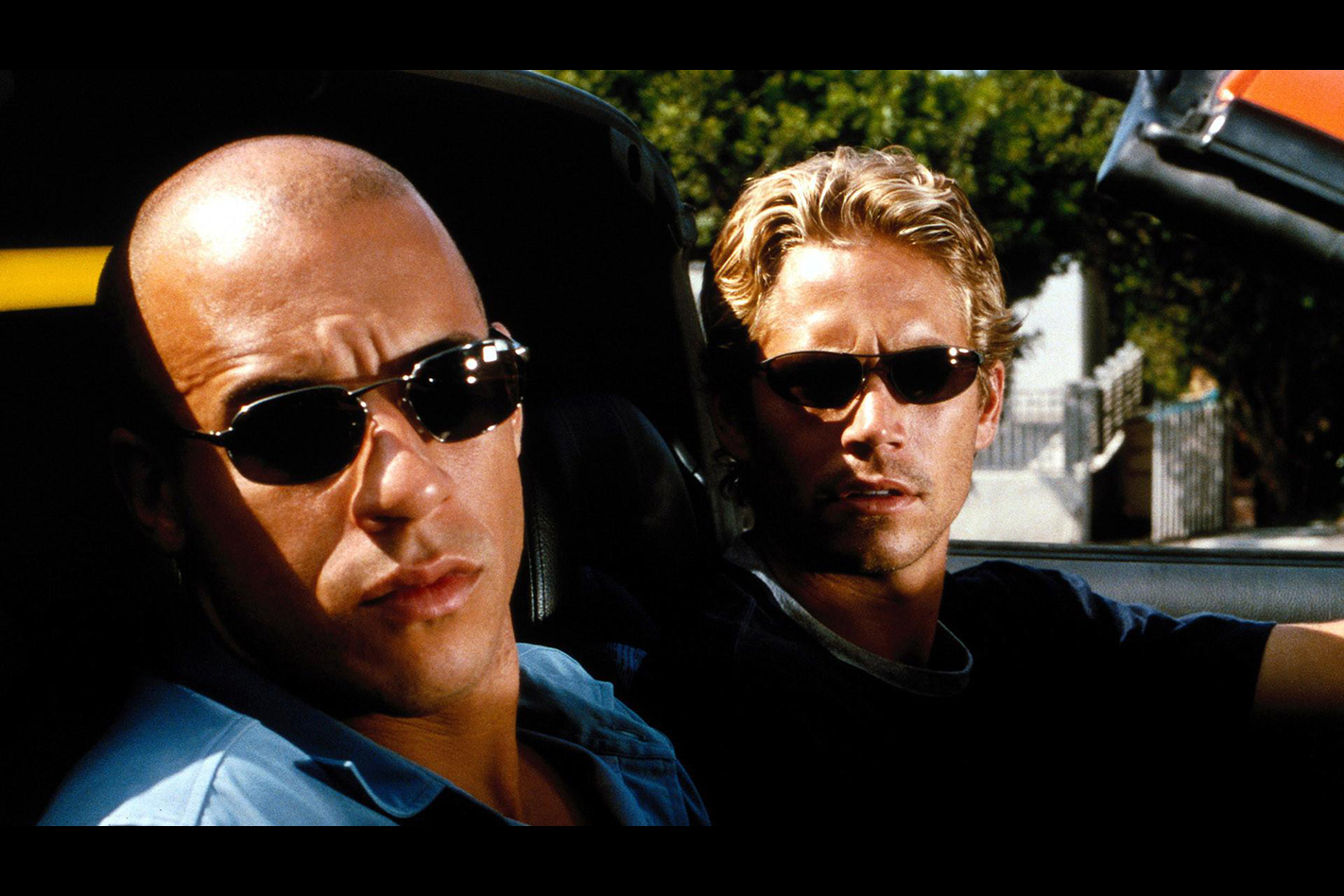
The franchise nearly came to a premature end with 2015’s Fast & Furious 7 when lead actor Paul Walker was killed in a car crash on November 30, 2013.
Through the use of visual effects and Walker’s brothers standing in, his character Brian O’Conner was able to be retired and Diesel now admits the franchise deserves a conclusion.
“I know people are going to feel like it doesn’t have to end, but I think all good things should,” said Diesel.
“There are reasons for a finale. I think this franchise has deserved it.”
F&F has grossed over US$5 billion worldwide since it first hit the screens in 2001, arguably being a catalyst for modified car culture to explode in the early-mid 2000s, also influencing video games like Need for Speed, Midnight Club and Juiced.

Speaking of automotive video games, the fifth instalment in the Forza Horizon series has been announced, this time taking place in the Mexican desert.
The open-world game series was spawned in 2012 off the back of the first four Forza Motorsport titles, offering a more arcade-style experience to differentiate from the purely racing based offering.
Initially released on a two-year cycle, we’ve had to wait three years since the release of Horizon 4, which was based in the UK, to be released, though the creators of Horizon 5 claim it has a reworked story mode with bigger challenges than in previous games.
Australians were able to rip skids up and down the Gold Coast Esplanade and tear through the outback in Horizon 3, the 2016 title basing itself Down Under and selling just under four million copies, making it the most popular Forza game across both genres.
As a Microsoft-developed game, Horizon 5 will only be available on PC and Xbox consoles when it is released on November 9, 2021.
Snapshot
- New Musso will start at $34,990
- Extended wheelbase XLV model increases payload to 1025kg
- Model will go on sale in July
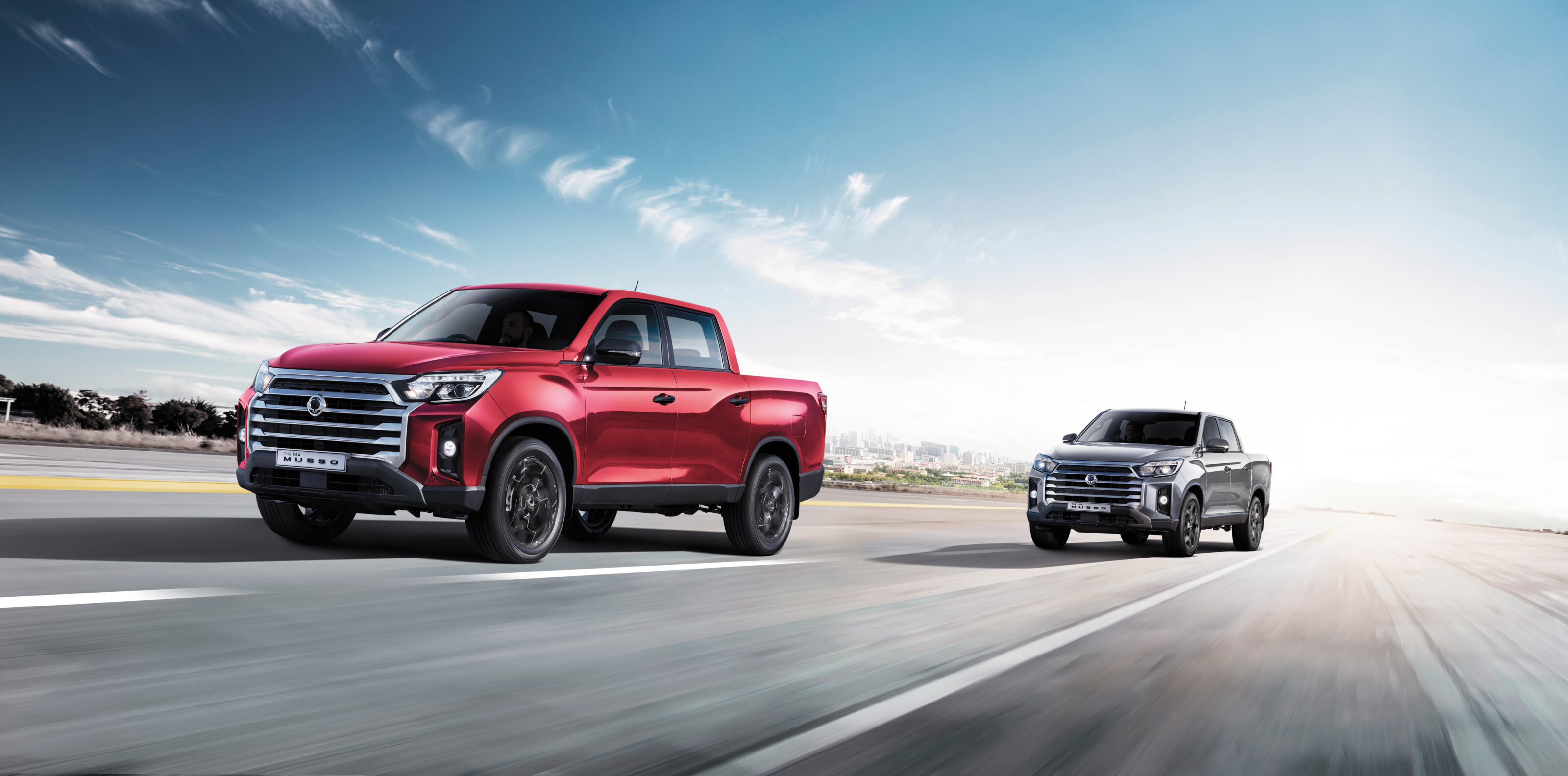
Mid-life updates have come for the 2021 SsangYong Musso ute, giving the Korean-made vehicle a refresh amidst its increasingly competitive rivals.
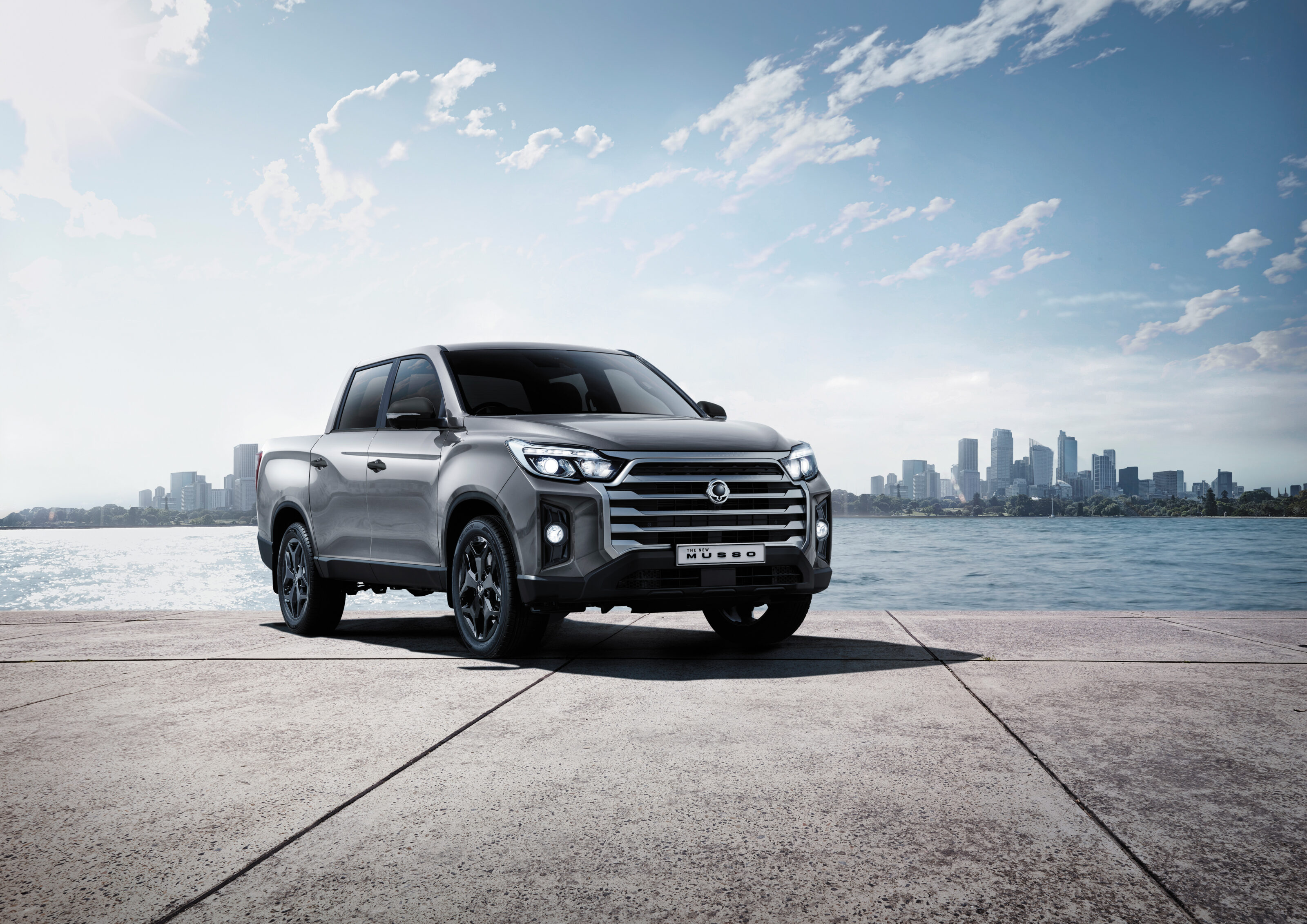
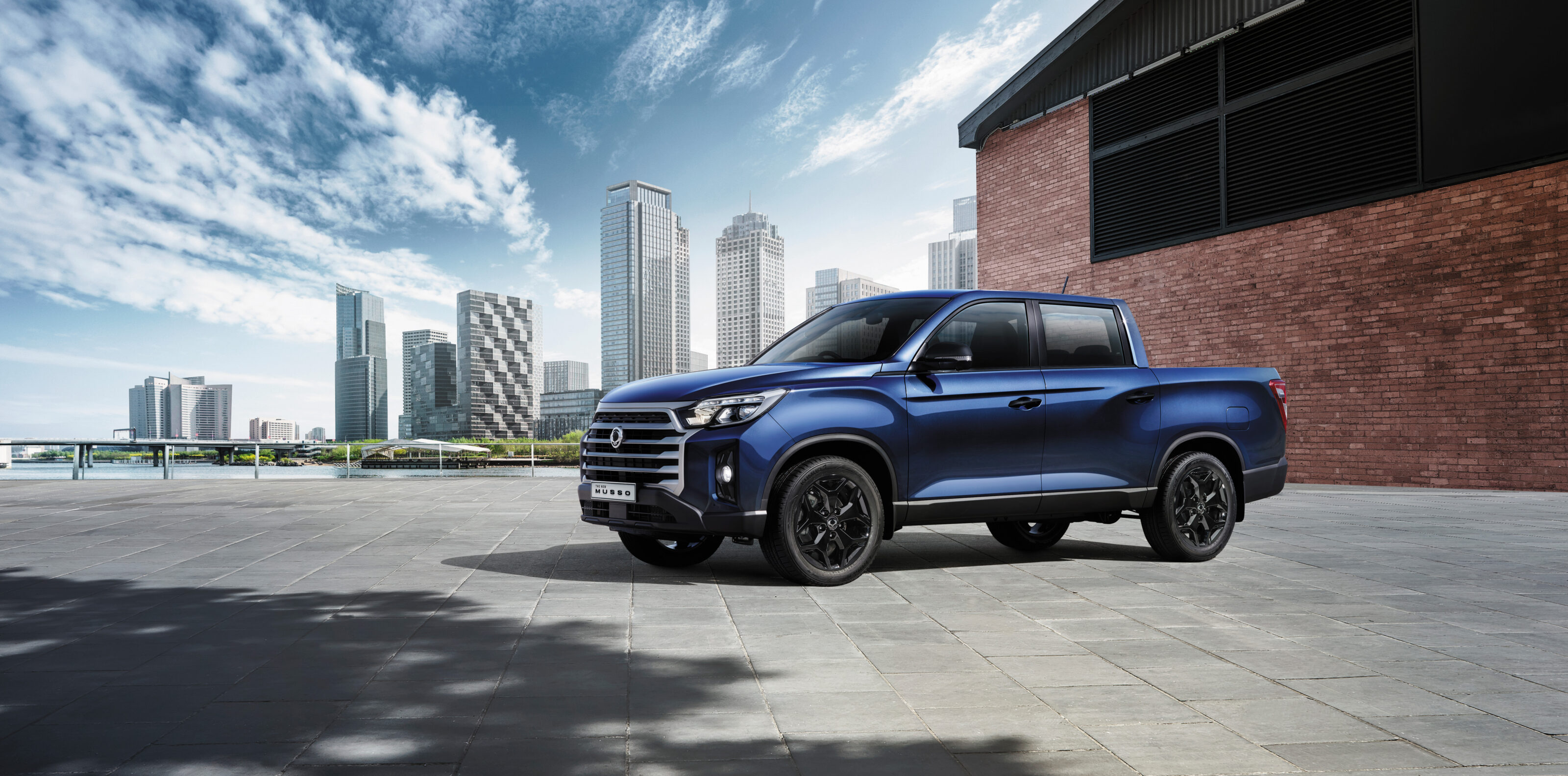
First launched in its current generation back in 2018, the 2021 Musso range retains the same mechanical components as its predecessor but scores revised styling with a new front end being the biggest highlight.
Prices start at $34,990 recommended drive-away for the base Musso ELX manual, and can range up to almost $46,000 for the fully-kitted out Musso Ultimate.
Pricing
The Musso is sold in three basic variants with optional packs available on top of each. All prices are recommended drive-away.
- Musso ELX (manual) – $34,990
- Musso ELX (auto) – $36,990
- Musso Ultimate (auto) – $41,290
- Musso Ultimate (auto) with Luxury Pack – $44,290
All variants and packs can have metallic paint for an extra $495.
Features
The ELX acts as the entry-level variant of the range, getting:
- 18-inch silver alloy wheels (17-inch for XLV)
- Multi-link, coil spring rear suspension with 790kg payload (leaf spring rear suspension with 1025kg payload for XLV)
- Cruise control
- Autonomous emergency braking with forward collision warning (FCW)
- Lane departure warning (LDW)
- LED daytime running lights (DRL)
- Front fog lights
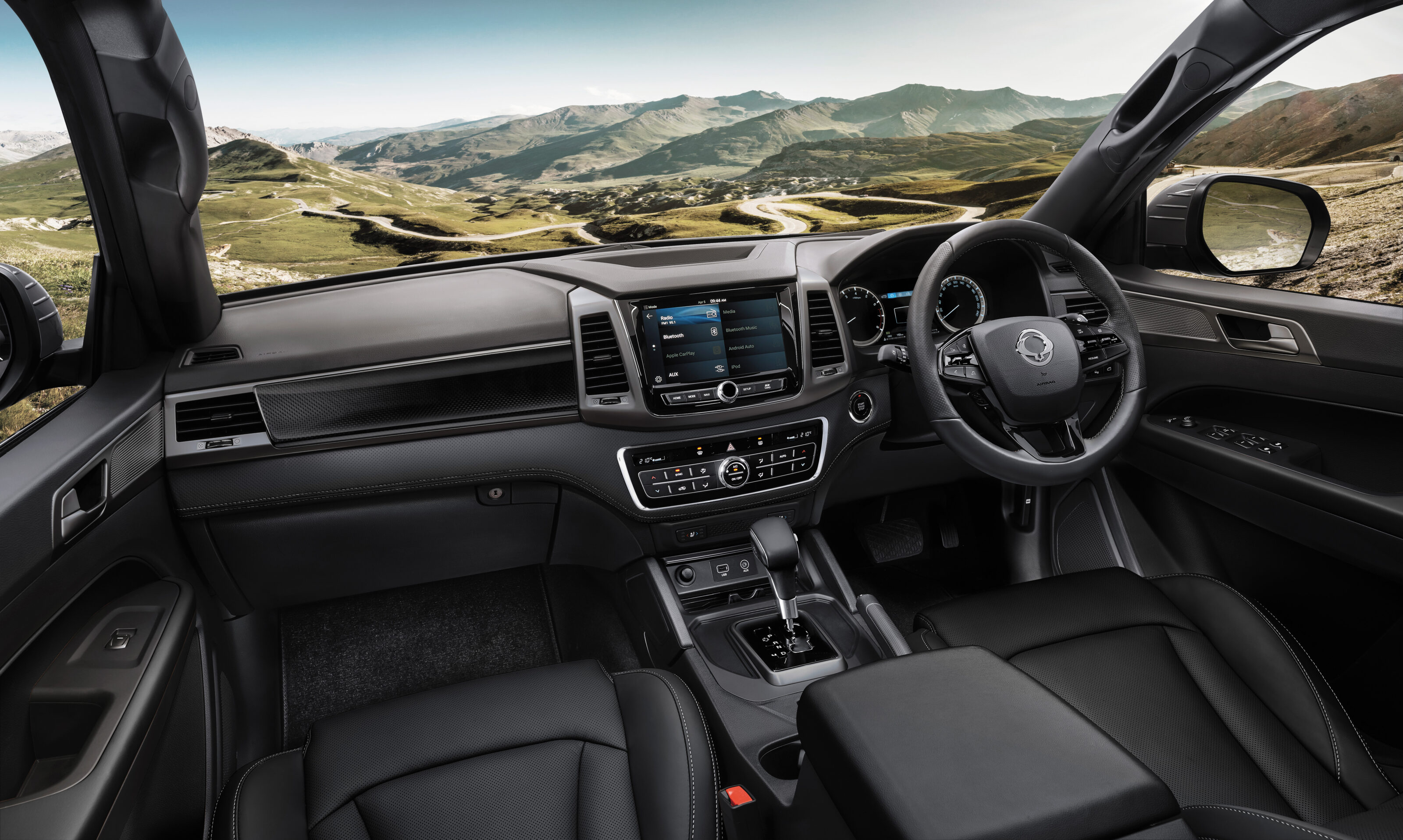
- 8-inch touchscreen audio
- Apple CarPlay™ and Android Auto™
- Reverse camera
- Front and rear parking sensors
- Leather steering wheel
- 7-inch instrument cluster
- 18-inch black alloy wheels
- Multi-link, coil spring rear suspension with 790kg payload (880kg payload for XLV)
- Blind spot detection (BSD)
- Rear cross traffic warning (RCTW)
- Lane change collision warning (LCW)
- 360° camera
- HID headlights
- Speed sensitive power steering (SSPS)
- TPU leather-look seats
- Heated and vented front seats
- Heated steering wheel
- Tyre pressure monitoring system (TPMS)
- Walk-away auto-door locking
- Dual zone automatic climate control
- Power sunroof
- Premium Nappa leather upholstery
- Powered front seats
- Powered drivers lumbar support
- Heated rear seats
Engine, drivetrain and fuel economy
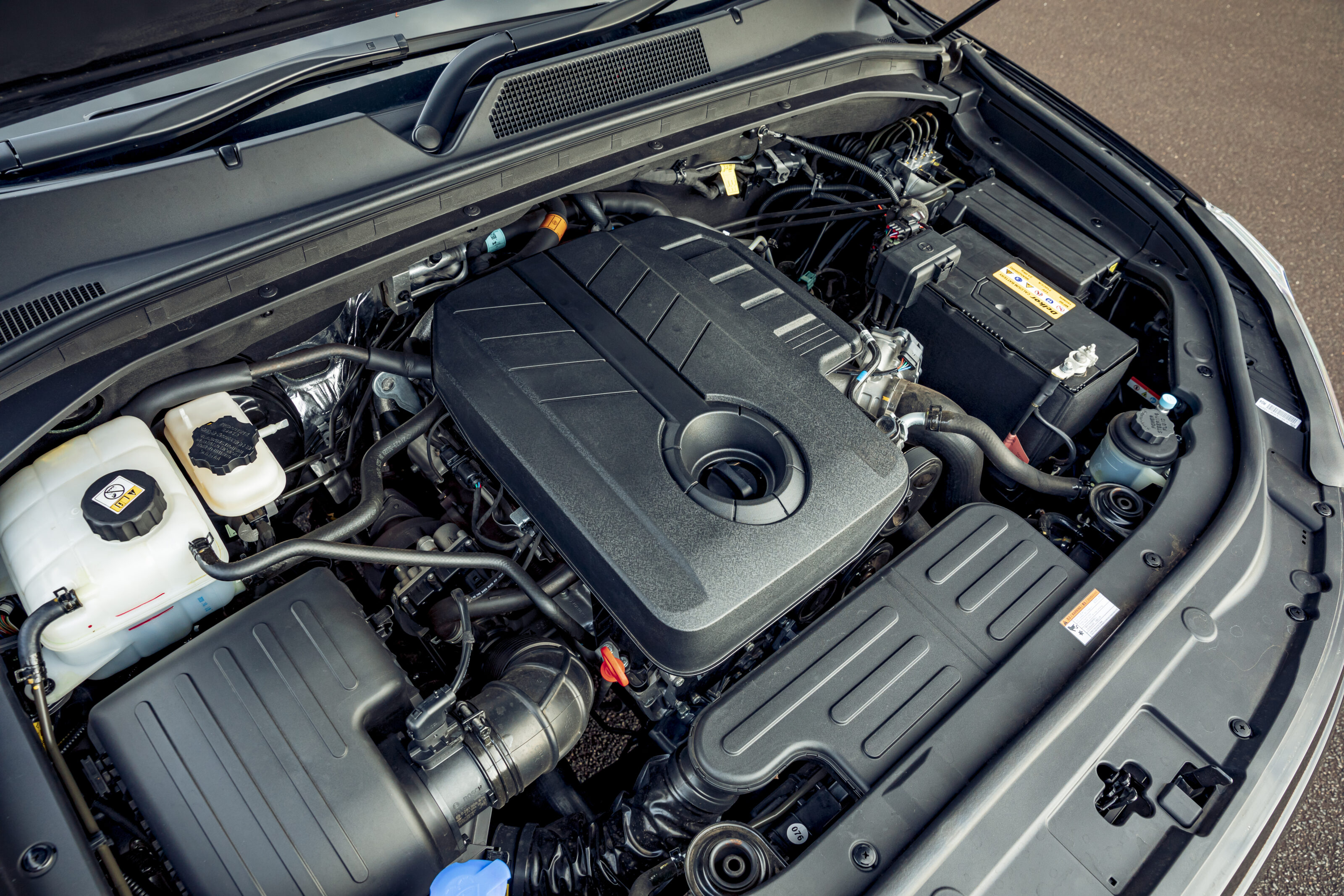
All Musso variants come with a 2.2-litre, four-cylinder turbocharged diesel engine, making 130kW and 400Nm, with the auto Ultimate models gaining a 20Nm boost.
The six-speed manual and six-speed automatic are only available in ELX trim with the Ultimate being sold as an auto only, though all variants get selectable four-wheel-drive with an automatic locking rear differential.
Fuel economy varies on trim, ranging from as low as 7.9L/100km in the manual ELX and increasing to 8.6L/100km with the auto box for both the ELX and Ultimate. When optioning the XLV Pack, the manual ELX’s combined economy rises to 8.2L/100km and the auto version for both variants also jump up to 8.9L/100km.
Dimensions
Overall measurements are the same for both the ELX and Ultimate variants.
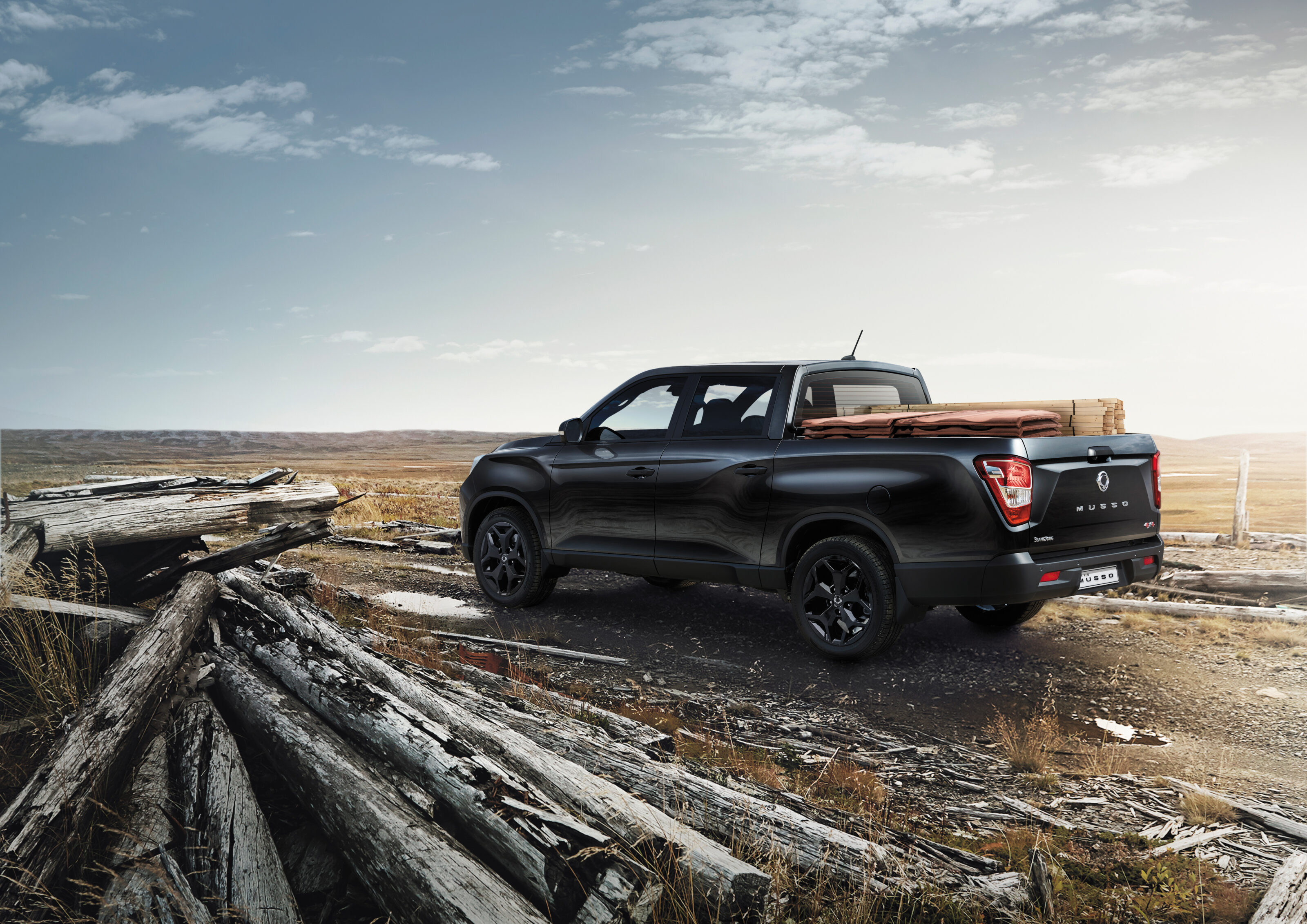
The Musso stands at 5095mm in length, 1950mm wide, 1840mm high and with a wheelbase of 3100mm. All dimensions apart from the width are increased when choosing the XLV Pack, bumping up to 5409mm long, 1855mm high and with a 3210mm wheelbase.
Weight varies, tipping the scales at 2089kg in the ELX manual and 2256kg in the auto Ultimate. Adding the XLV Pack to the ELX bumps the weight up to 2315kg in the manual and 2330kg in the auto for both variants.
Warranty and servicing
In line with the rest of the SsangYong range, all Musso variants come under a seven-year/unlimited kilometre warranty, also having a listed service price of $375 as a minimum for the first seven years/105,000 kilometres.
SsangYong also offers seven years of roadside assistance while the vehicle is under warranty.
Availability
The 2021 Musso range will be on sale from July this year.
Snapshot
- New Defender prototype being tested in the UK later this year
- Project part funded by UK Government
- Hydrogen Council predicts 10 million hydrogen cars globally by 2030
Jaguar Land Rover is developing a prototype hydrogen fuel-cell electric vehicle based on its new Defender, with testing primed to begin this year.
The zero tailpipe emission prototype New Defender fuel-cell EV will begin testing towards the end of 2021 in the UK particularly to measure features like its off-road capability and fuel consumption.
The concept is part of Land Rover’s goal of achieving zero tailpipe emissions by 2036, and net zero carbon emissions across its supply chain, products and operations by 2039.
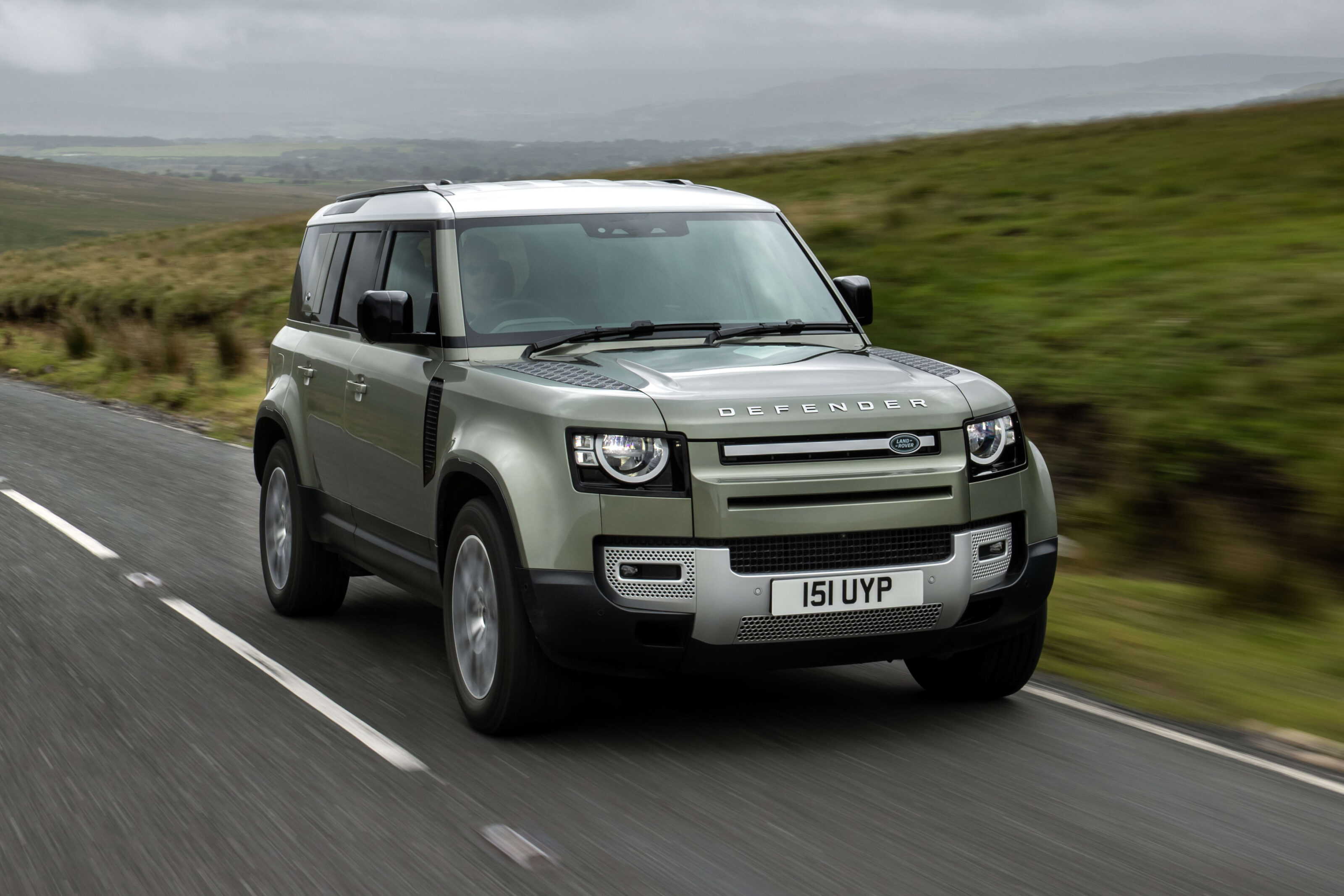
Ralph Clague, head of hydrogen and fuel cells for Jaguar Land Rover, said: “We know hydrogen has a role to play in the future powertrain mix across the whole transport industry.
“Alongside battery electric vehicles, it offers another zero tailpipe emission solution for the specific capabilities and requirements of Jaguar Land Rover’s world class line-up of vehicles.”
The prototype, dubbed Project Zeus, is part funded by the UK Government-backed Advanced Propulsion Centre, and will allow engineers to understand how a hydrogen powertrain can be optimised to deliver the performance and capability expected by its customers: from range to refuelling, and towing to off-road ability.
To deliver Project Zeus, Jaguar Land Rover has teamed up with Delta Motorsport, AVL, Marelli Automotive Systems and the UK Battery Industrialisation Centre (UKBIC) to research, develop and create the prototype.
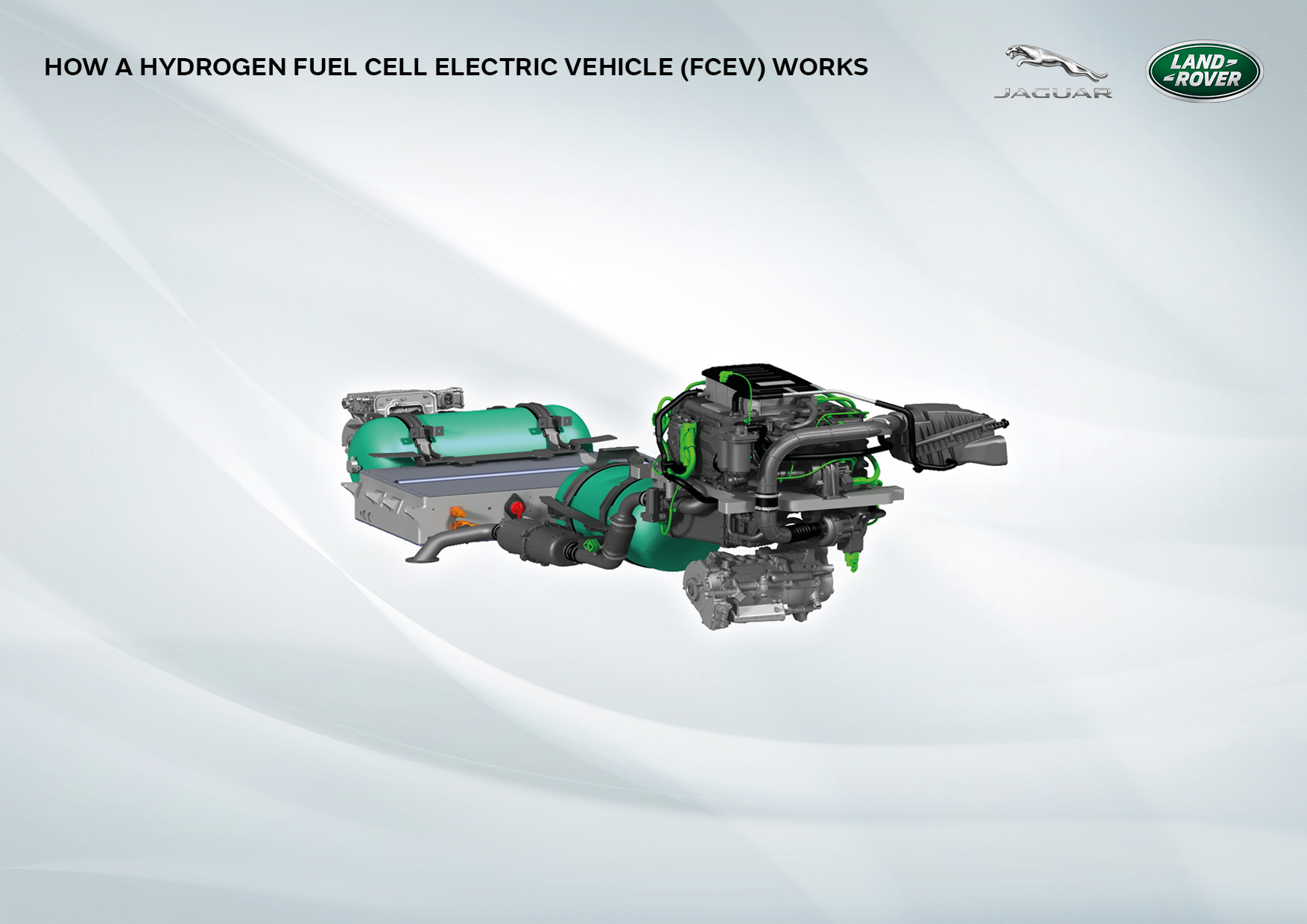
Fuel-cell powered vehicles, which generate electricity from hydrogen to power an electric motor, provide high energy density and rapid refuelling, with minimal loss of range in low temperatures – making the technology ideal for larger, longer-range vehicles, or those operated in hot or cold environments.
Since 2018, the global number of such vehicles on the road has nearly doubled, according to the International Energy Agency, while hydrogen refuelling stations have increased by more than 20 per cent.
By 2030, the Hydrogen Council predicts there could be as many as 10 million fuel-cell vehicles on the roads and 10,000 refuelling stations worldwide.
A spokesman for Jaguar Land Rover Australia told WhichCar there is no confirmation of when the prototype could go into production, let alone come here, with the company’s objective being to get ready for when the market matures.
At present just two hydrogen powered vehicles have been brought Down Under – the Toyota Mirai and Hyundai Nexo.
The 2021 Toyota Mirai second-generation hydrogen vehicle launched in Australia in April through an extended demonstration program which will see just 20 cars leased by environmentally conscious organisations and businesses, but none are available for private sale.
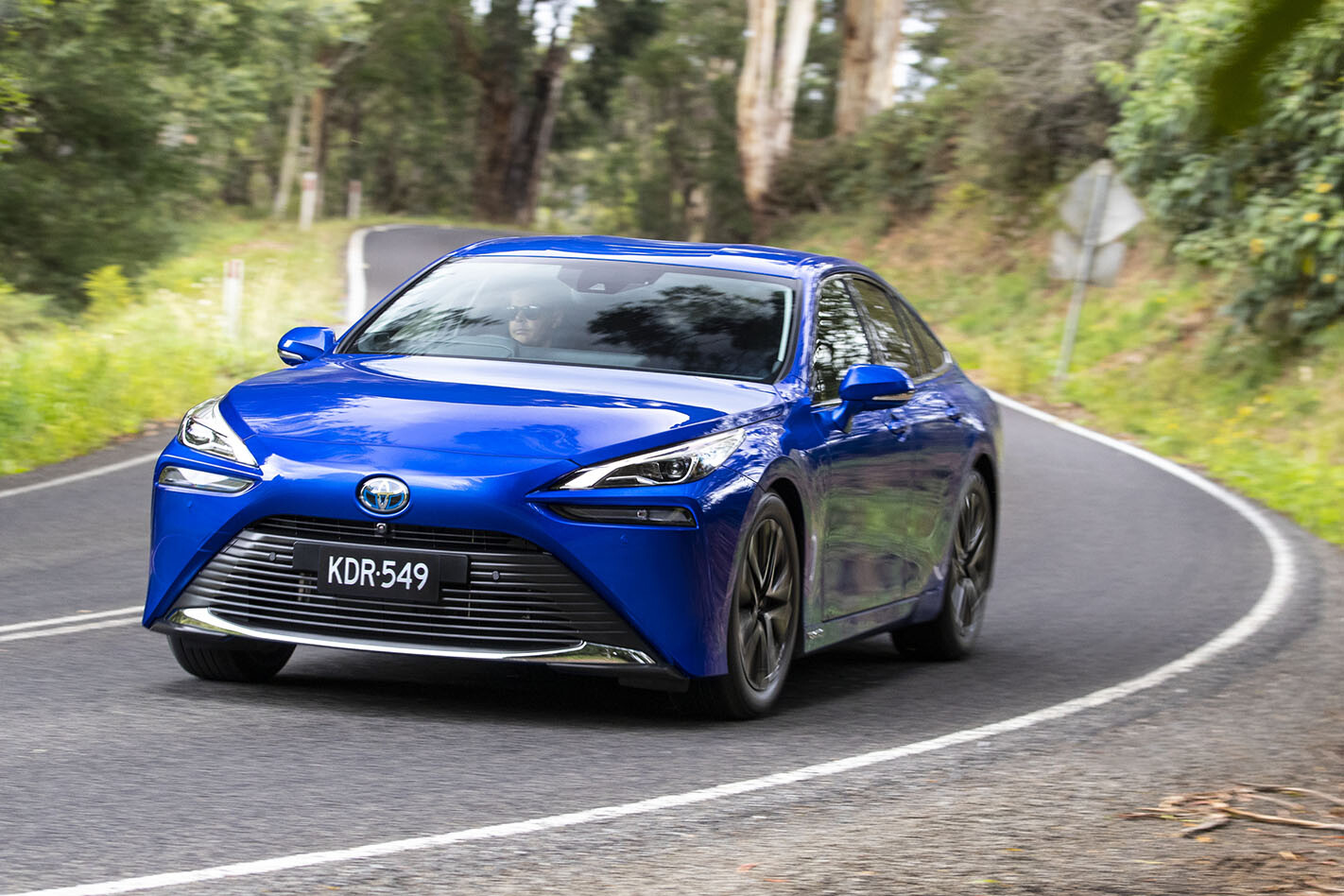
The launch of the new model follows a small-scale trial program initiated in 2018 with 10 examples of the first generation Mirai.
The new Mirai can now be refuelled at Victoria’s first commercial-grade hydrogen production, storage and refuelling facility at Toyota’s former manufacturing site in Altona in Melbourne’s west.
As well as the ability to produce hydrogen gas, the Toyota Hydrogen Centre features an education centre and the second publicly accessible hydrogen refuelling station in Australia; the first of which opened in Canberra in March.
The Hyundai Nexo also launched in Australia in March, making it the first hydrogen-powered vehicle certified for sale here.
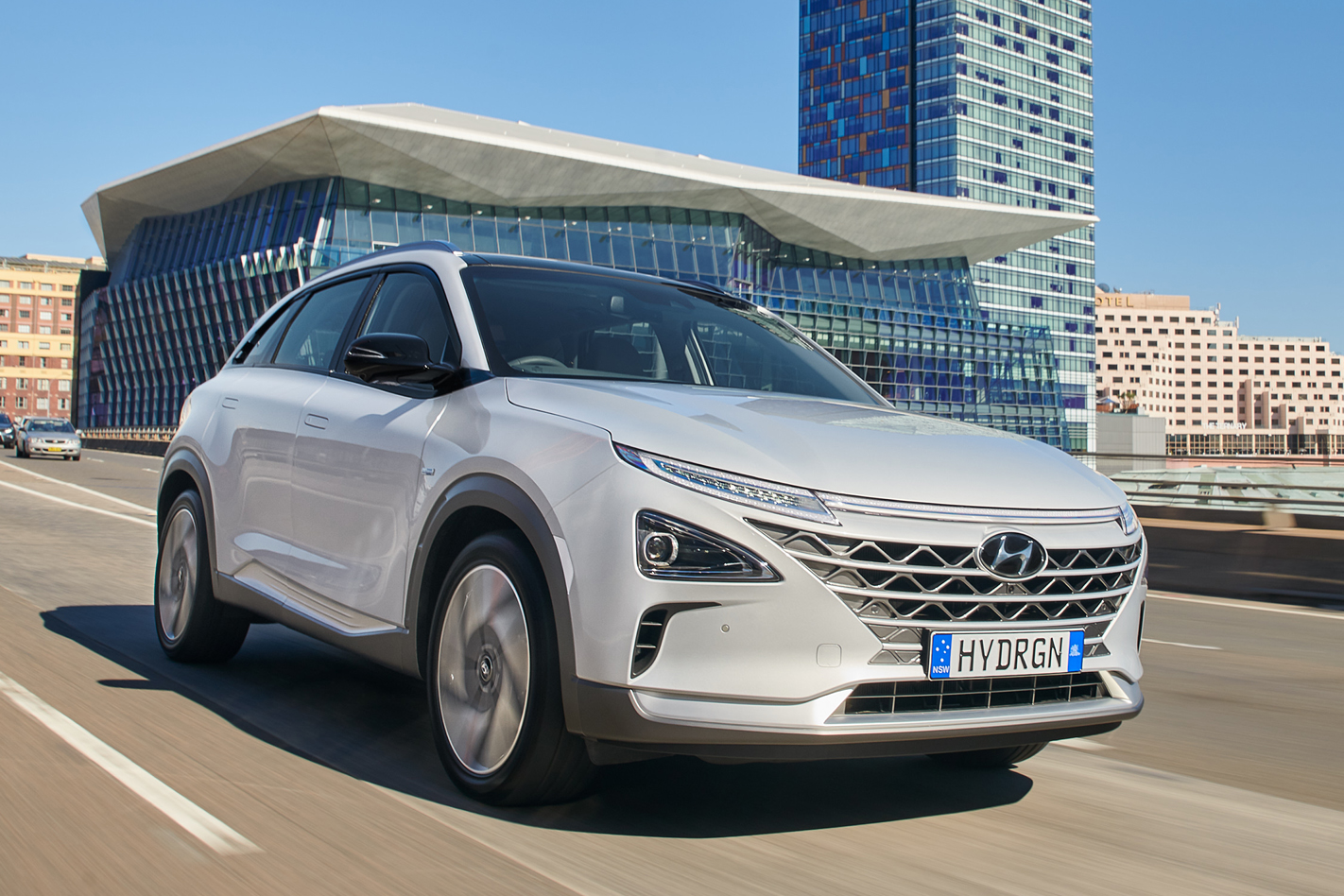
Now available by special order through Hyundai, it is currently offered as an all-inclusive loan programme, covering service and maintenance.
In recent weeks the two carmakers have been battling it out to break the world record for how far a hydrogen vehicle can travel on a single tank.
In June, a Toyota France team travelled 1003km in a Mirai to smash the 887.6km record set by a Hyundai Nexo in Australia less than a month earlier – but Hyundai is considering giving it another go.
IS THERE AN argument that the internal combustion engine (ICE), as a concept, has been refined and developed to the point where it doesn’t have much else to give? If so, the final numbers make pretty depressing reading.
The most thermally efficient automotive internal combustion engine sits in Lewis Hamilton’s F1 car, with an efficiency of 50 per cent. AMG is aiming for 41 per cent with the F1-derived unit in the AMG One hypercar, which would make it the most thermally efficient production-car engine in history.
By comparison a typical mass-market hatch realised between 25 and 30 per cent efficiency. That’s 10-15 per cent down on the steam turbines in the decommissioned Hazelwood power station.
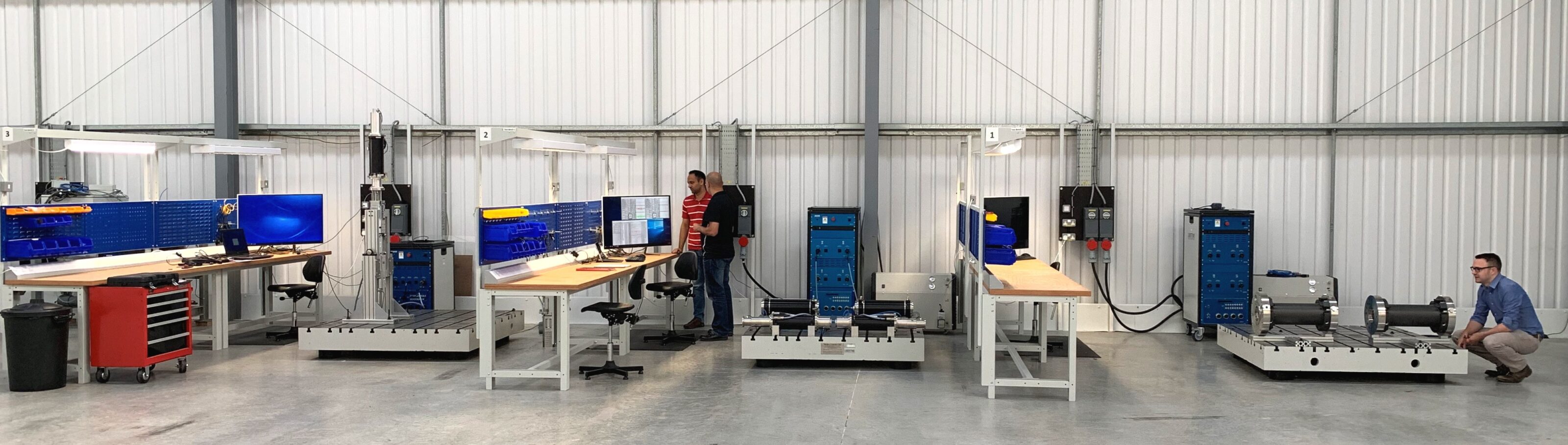
The ICE as we know and love attaches the pistons to a crankshaft in order to turn reciprocating movement into rotational torque.
Often around 65 per cent of total power generated is emitted as heat rather than creating the work of turning the crank. Therefore, getting rid of the crank – the productive conduit – would appear to be counterintuitive in the extreme. That, in a nutshell, is the free-piston engine.
It’s not a new concept. Working models have been around since the 1920s as air compressors but it is only relatively recently that the technology has been re-evaluated as electrical generators for range-extended electrified cars. The engineering behind them appears relatively simple.
Two pistons sit in a cylinder, sealed at each end. Said pistons come together in the middle, forming a combustion chamber where fuel is ignited, they then fly apart at speed, compressing the air at the far ends of the cylinder which acts as a pneumatic spring and bounces them back to the centre, whereupon the whole process is repeated.
That leaves it up to the designers whether the fuel, air and exhaust is managed either with valves, as in a four-stroke engine or, as is becoming the preferred option, with ports in the cylinder, two-stroke style.
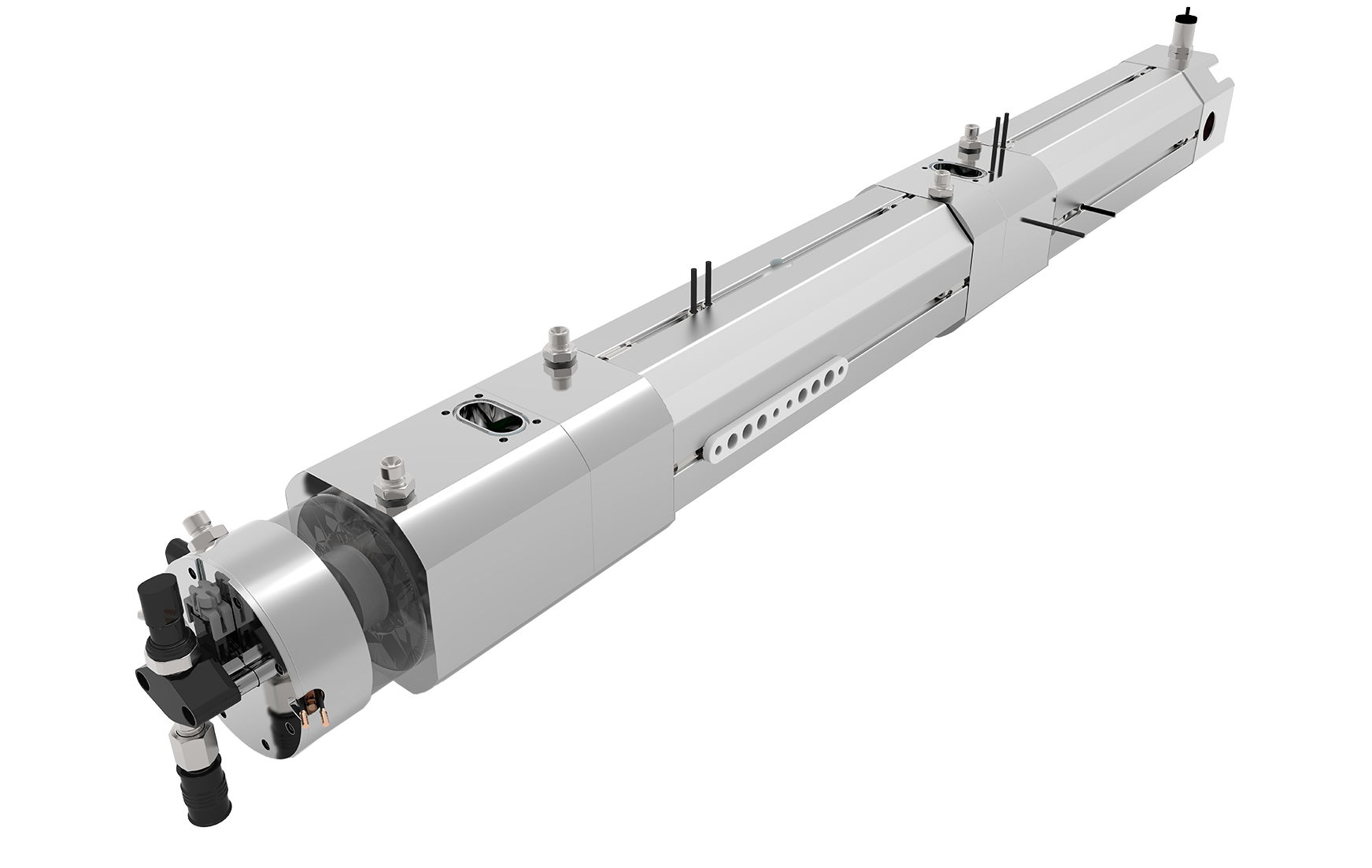
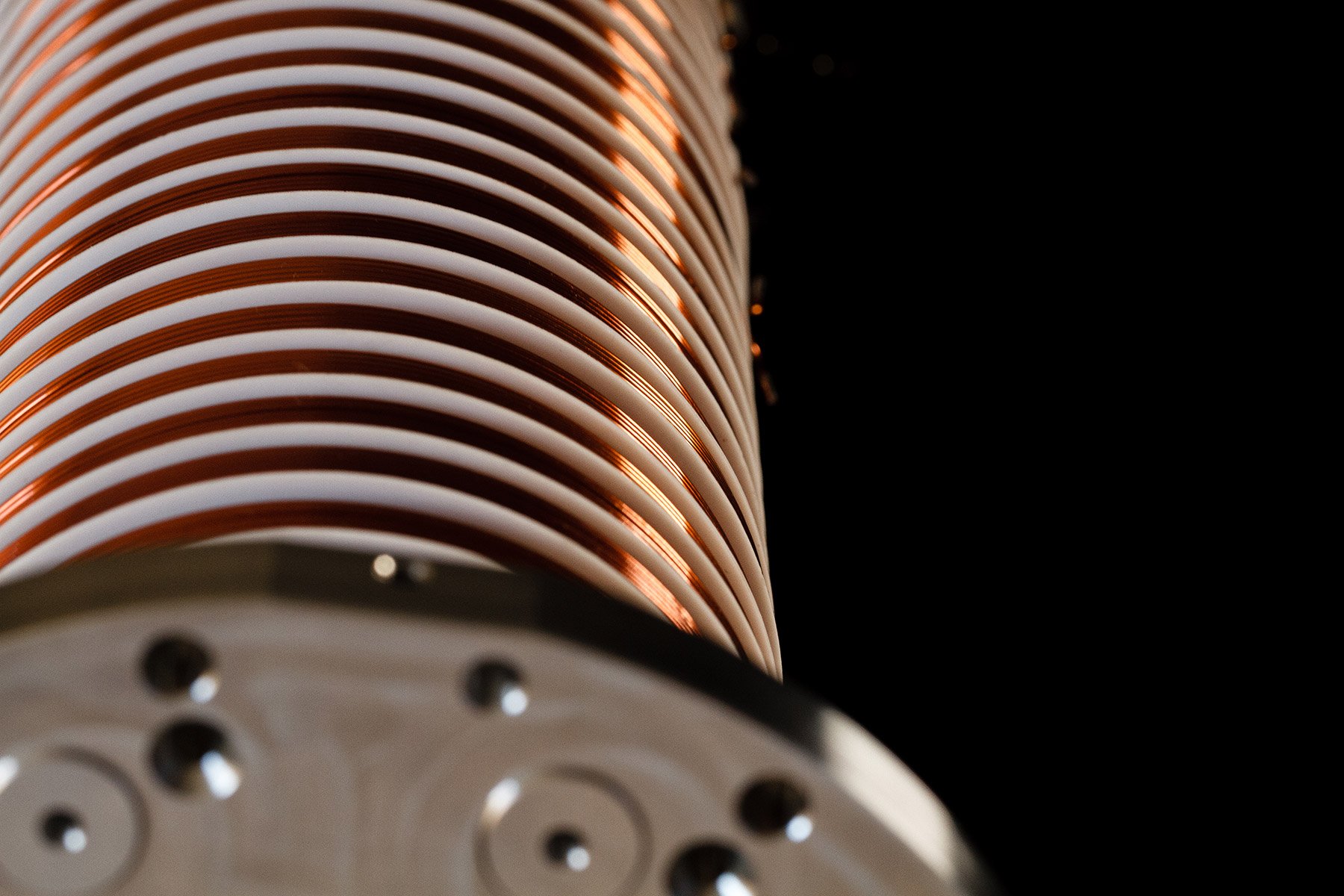
Converting this movement into drive is the clever part. In the past, free-piston tech was seen as a way to power air compressors and exhausts for driving turbines. Now, the movement of the pistons offers scope to embed permanent magnets within them and wrap the cylinders in electrical coils to generate electricity. Pair that with a biofuel input and you have a compact, convenient and carbon-efficient way of extracting electricity from an ICE.
That’s the concept, at least. The devil remains in the detail. With an ICE, the crankshaft angle is a reliable indicator of exactly where the piston sits in its travel. With no crankshaft, how do you manage the combustion process?
“The requirements of hybrid sports cars suit range-extending free-piston technology”
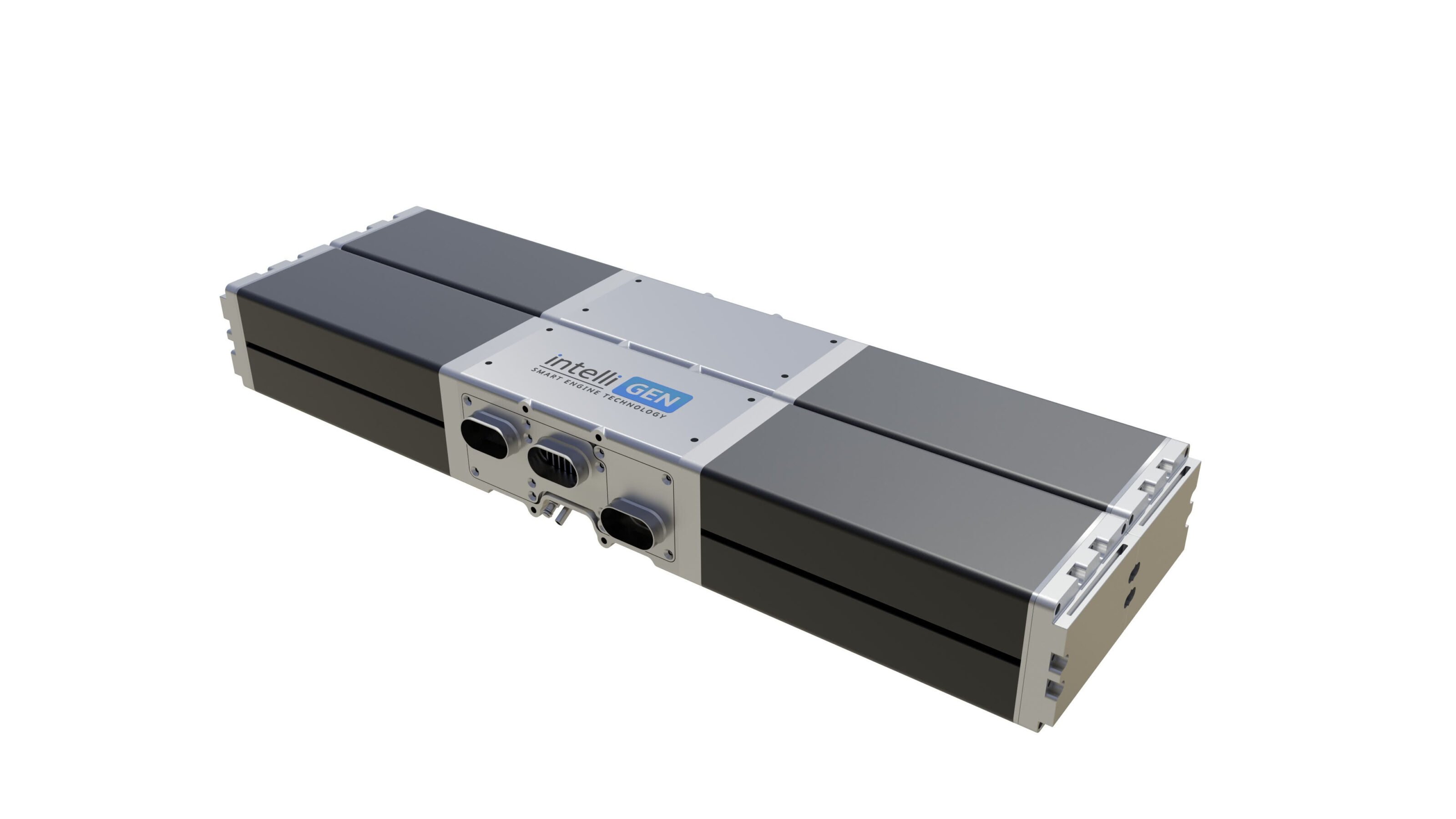
British firm Libertine thinks it has the answer to that particular quandary.
Its ‘linear electrical machine and control technology platform’ looks more like something you’d find in a recording studio rack than something used to propel a vehicle, but the company has worked with German company MAHLE to develop a system that can use hydrous bioethanol (90 per cent bioethanol and 10 per cent water or E90W10), a direct injection uniflow scavenged two stroke architecture and an initial higher compression start-up procedure to avoid the usual cold-start misfiring issues brought about by cylinder wall cooling with alcohol-based fuels.
At present, Libertine’s engine is geared towards trucks, which would then be able to utilise a smaller, more space-efficient battery and be able to refuel on the fly. The company is also looking at developing the technology to range-extenders for EVs and series hybrids, which looks extremely promising.
The specific requirements of hybrid sports cars, namely that of low incremental weight and flexibility to refuel, lend themselves well to the range-extending capabilities offered by free-piston tech.
Perhaps the ICE isn’t dead at all. It’ll just look very different.
Snapshot
- Isuzu beats every other brand in Australia to be voted the best for customer service
- Next best automotive brand was Toyota, just 0.92 per cent behind
- Top prize comes off the back of seven monthly wins through 2020 compared to five for Lexus
Isuzu Ute has been deemed Australia’s best overall brand for customer satisfaction, according to market research firm Roy Morgan.
Across the 40 categories of the annual Roy Morgan Customer Satisfaction Awards 2020, Isuzu Ute Australia came out on top with a 94.92 per cent satisfaction rating, just 0.04 per cent higher than second-placed First Choice Liquor.
It marks the second time in which Isuzu Ute has won the overall award, having done so previously in 2018. This time the carmaker has secured the win by taking seven monthly victories, six of which were in a row.
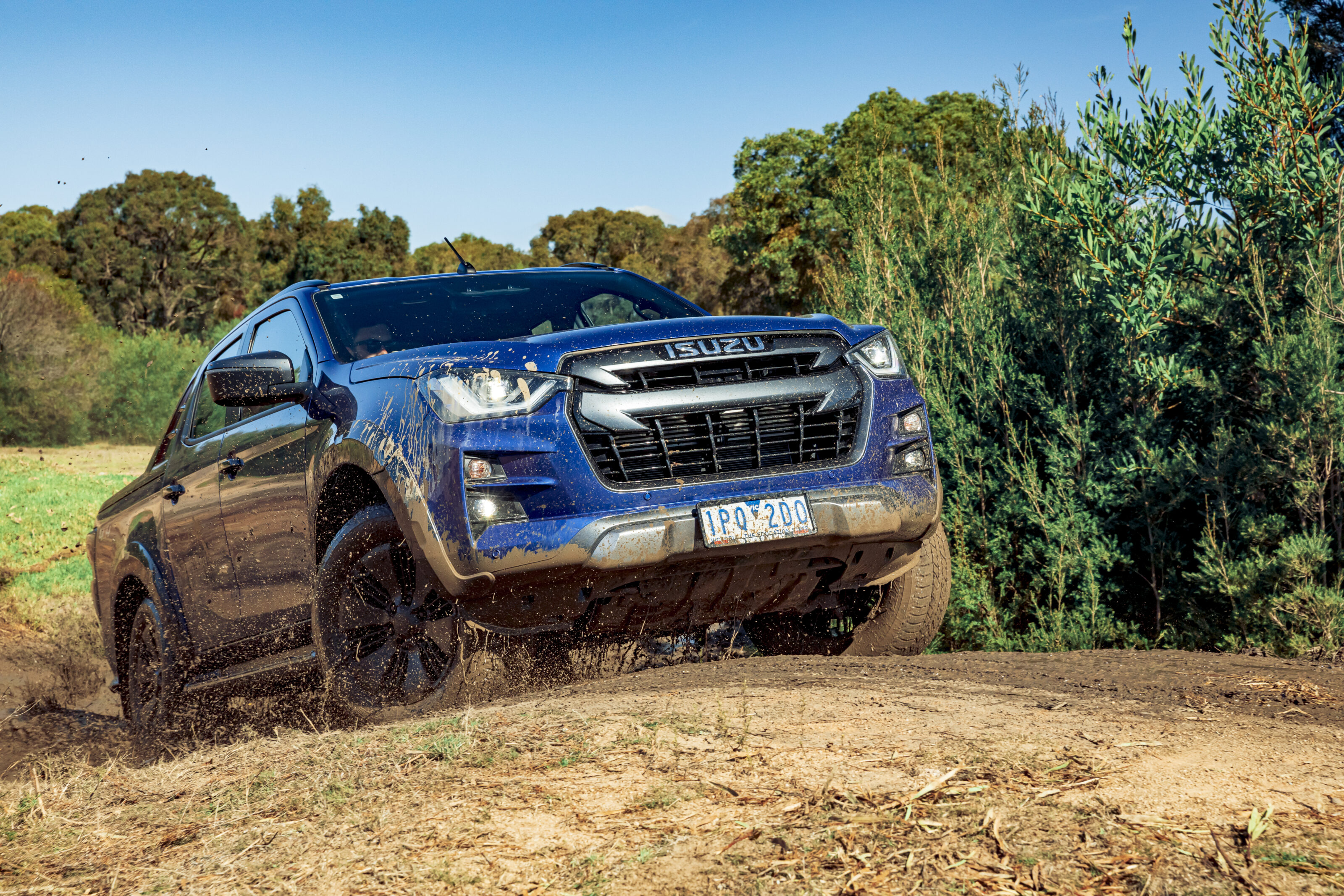
Despite not taking the top prize after winning back in 2019 with a 96.8 per cent satisfaction rating, Lexus scored five monthly victories in 2020.
Parent company Toyota also fared well, having been chosen as the best Major Car Manufacturer of 2020, resulting in a fourth placing overall with satisfaction scores of 94 per cent, just 0.1 per cent behind Apple’s iPhone which won Handset of the Year.
Roy Morgan Research CEO, Michele Levine, said the award is a reflection of Isuzu’s sales and service as much as it is about the product itself.
“As the results declare, Isuzu Ute has satisfied customers on an impressive level in 2020 with the vehicle manufacturer achieving an average customer satisfaction rating of 94.9 per cent and going a step further by securing Roy Morgan’s ‘Best of the Best’ title too,” she said.
“This speaks volumes about the support team that works day in and day out to ensure [people] are satisfied with their owner experience.
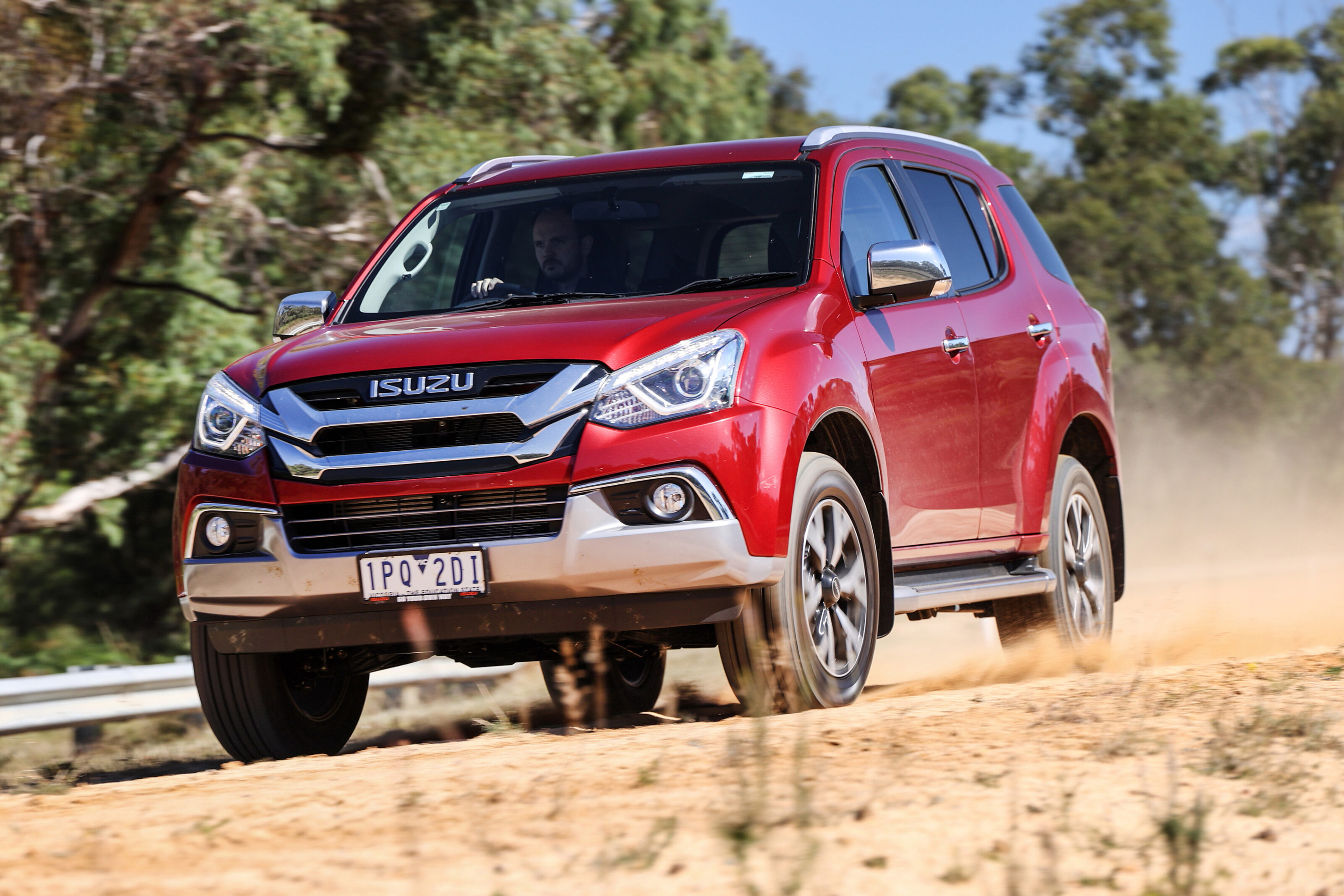
Managing director of Isuzu Ute Australia, Hiroyasu Sato, said the award is a significant milestone for the brand in Australia and it is a reward for the dealers who continued to support its products.
“This recent success is not only testament to how the Isuzu D-MAX Ute and MU-X SUV are popular amongst our Australian drivers, but to how highly we regard the importance of our customer satisfaction and how that is only matched by the endless efforts of our dealer network and continued commitment of the entire Isuzu Ute team,” he said.
Coming off the back of surpassing 200,000 sales in Australia, Isuzu’s D-Max is currently the eighth-highest selling vehicle Down Under for 2021 so far, propping the brand up to ninth in the May sales figures.
The Isuzu D-Max was rated as the second best dual-cab ute in our recent test against its rivals, ending up just ahead of the ever-popular Toyota HiLux and only a few points behind the winning Ford Ranger.
