
Lexus has revealed a sneak peek at what’s believed to be a new performance car under its F Sport banner.
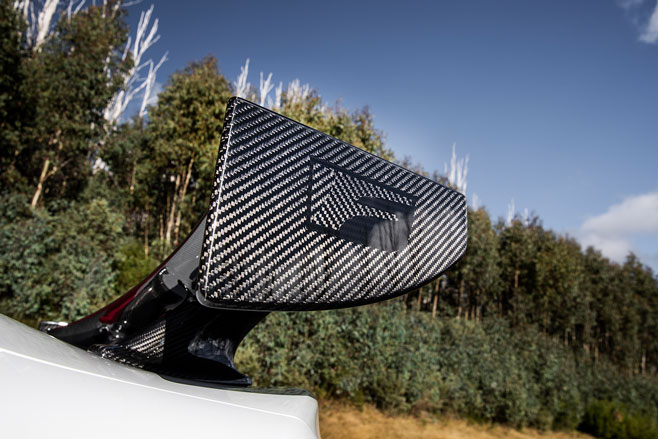
The Japanese luxury car manufacturer isn’t giving away much of anything, with a simple snapshot of an engine cover with the ‘F Sport’ logo emblazoned on it. The attached caption reads “new era of F Sport performance vehicles is coming”.
Clicking through to Lexus’s teaser site provides even more mysterious wording; “Discover an F SPORT like never before.”
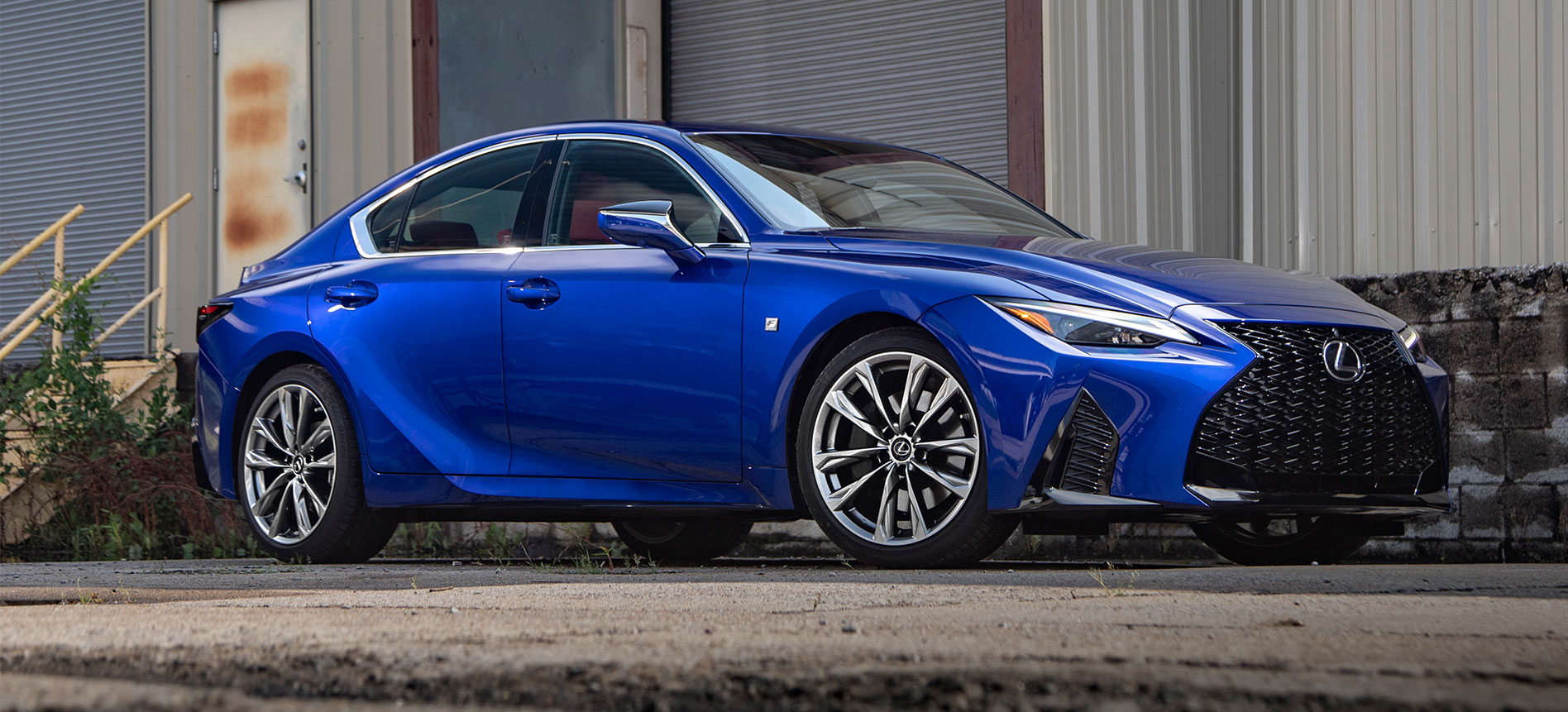
This engine cover looks similar to the one found under the bonnet of Lexus’s F models that use the 2UR-GSE V8 engine, such as the RC F and older GS F, though some subtle differences (this one reads ‘F Sport’ rather than simply ‘F’) keep us guessing.
This could indicate that it may not be a full-bore F model like the cars listed above, but perhaps a beefed-up F Sport model featuring more power than standard, perhaps with hybrid technology.
Traditionally, Lexus’s F Sport packs feature design, equipment and some suspension upgrades but don’t squeeze extra performance out of their donor engines.
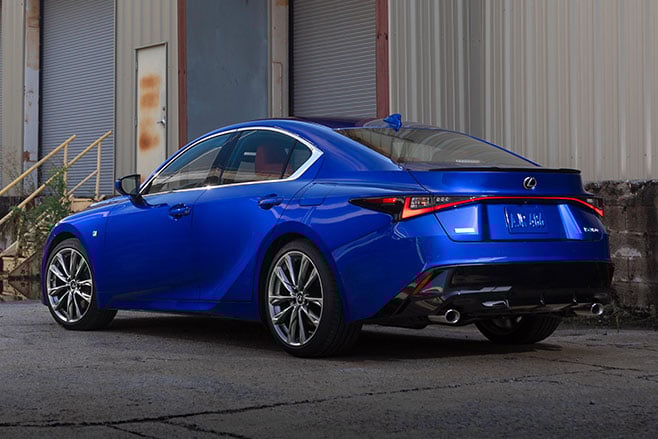
It would make sense that this teased model goes above and beyond the F Sport norm by stocking extra performance, considering there are already F Sport packs available to the IS, RC, RX, UX, NX, ES and LS. We don’t imagine the market is screaming for an LX F Sport off-road luxury SUV.
An upgrade in that department would be welcome, then.
It could be a number of things. Rumours have circled for years hinting at the arrival of a V8-powered Lexus ‘IS500’, or the drawn-out development of an LC F model with a twin-turbocharged V8 engine.
Lexus hasn’t revealed a new F model in a few years, so a new performance car from the Japanese luxury carmaker is well overdue.
In any case, fingers crossed Lexus has something exciting in store and doesn’t take too long to reveal more details.
Driverless Ford Ranger utes are now in operation at one of Australia’s biggest iron-ore mines.
The retrofitted autonomous Rangers have donned the fluoro at Andrew ‘Twiggy’ Forrest’s Fortescue Metals Group Chichester Hub in the West Australian Pilbara region to carry out driverless equipment transfer service.
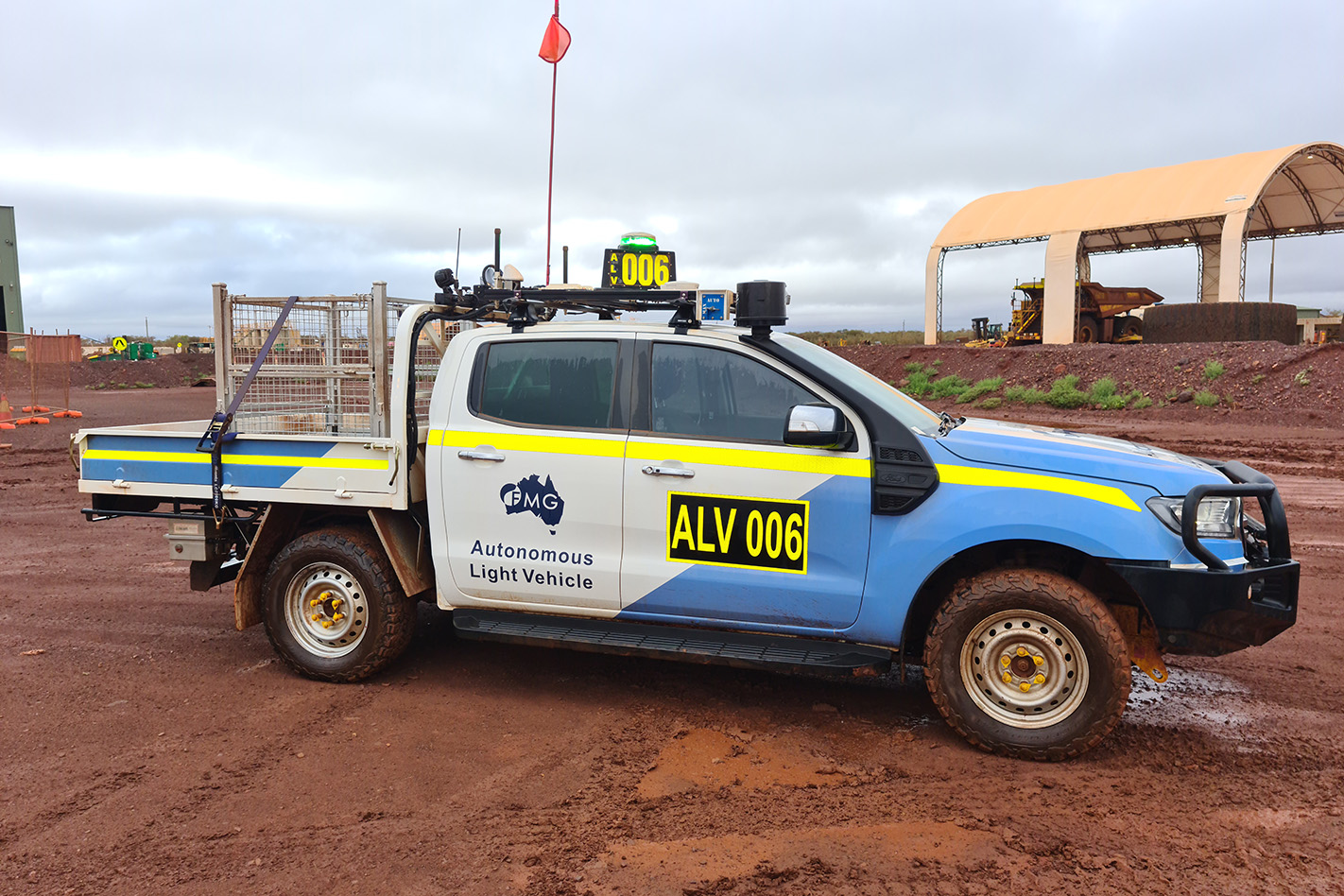
It’s claimed the Autonomous Light Vehicles (ALVs) will improve efficiency and safety by enabling tradesmen to spend more time on maintaining assets instead of making around 12,000 28-kilometre round trips annually to fetch equipment and parts.
The project, led by Fortescue’s Technology and Autonomy team with the assistance of Ford Australia, has seen four Ford Rangers fitted with an on-board vehicle automation system.
They manage to independently negotiate the mine using a range of technologies including: an integrated Lidar/Radar perception system that facilitates obstacle detection and avoidance; a comprehensive independent safety management and fail-safe braking system; and built-in system monitoring and fault response.
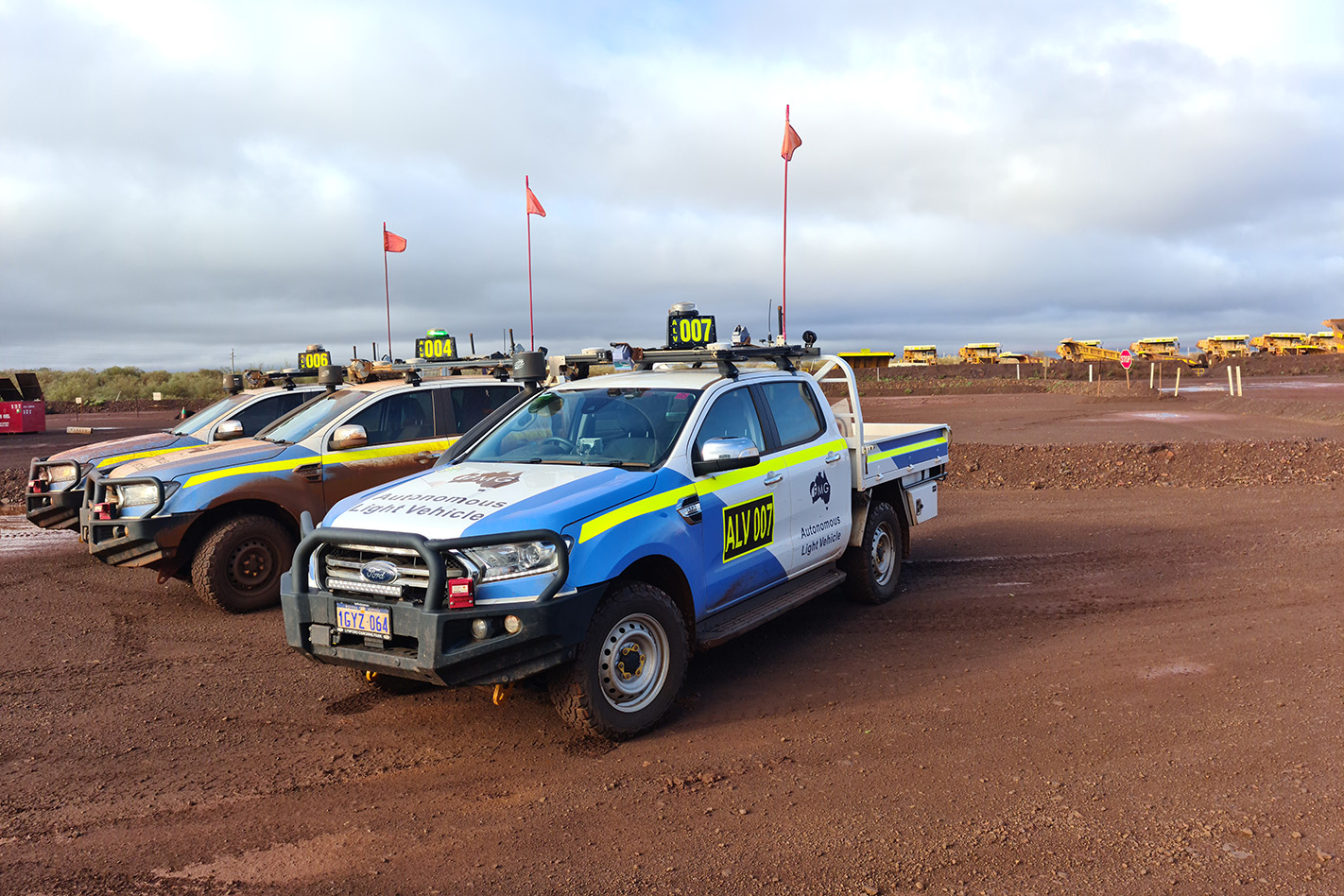
The successful deployment of ALVs at the Christmas Creek mine will provide the opportunity to implement a similar system at other sites.
Ford Australia President and Chief Executive Officer Andrew Birkic said the company is proud to have the Ranger involved in Fortescue’s autonomous light vehicle project.
“Ford globally is at the forefront of research into autonomous vehicles, and working with companies like Fortescue is critical to gaining an insight into specific user applications,” he said.
Fortescue Chief Executive Officer Elizabeth Gaines said the autonomous light vehicle project is a significant advancement of the company’s in-house automation capability that includes its autonomous haulage system (AHS) trucks, which have already delivered significant productivity and efficiency improvements.
“With the flexibility to introduce similar systems into other mobile assets,” she said, “this project is fundamental to our future mobile equipment automation projects.”
UPDATE, February 16: Chinese manufacturer BYD has confirmed its all-electric Han luxury sedan and Tang SUV will be available for presale in Australia in 2021.
BYD and its Australian distributor Nexport have signed a long-term agreement to partner local research and development, and distribution of BYD electric passenger vehicles.
Nexport had already teamed up with BYD to import electric buses, but this agreement marks an important step into the passenger vehicle space.
According to a joint statement: “The agreement is primarily aimed at delivering high quality electric vehicles at a price parity point to internal combustion engine vehicles.”
The Tang and Han will be available for presale in Australian and New Zealand from July 2021 and are scheduled to arrive in 2022.
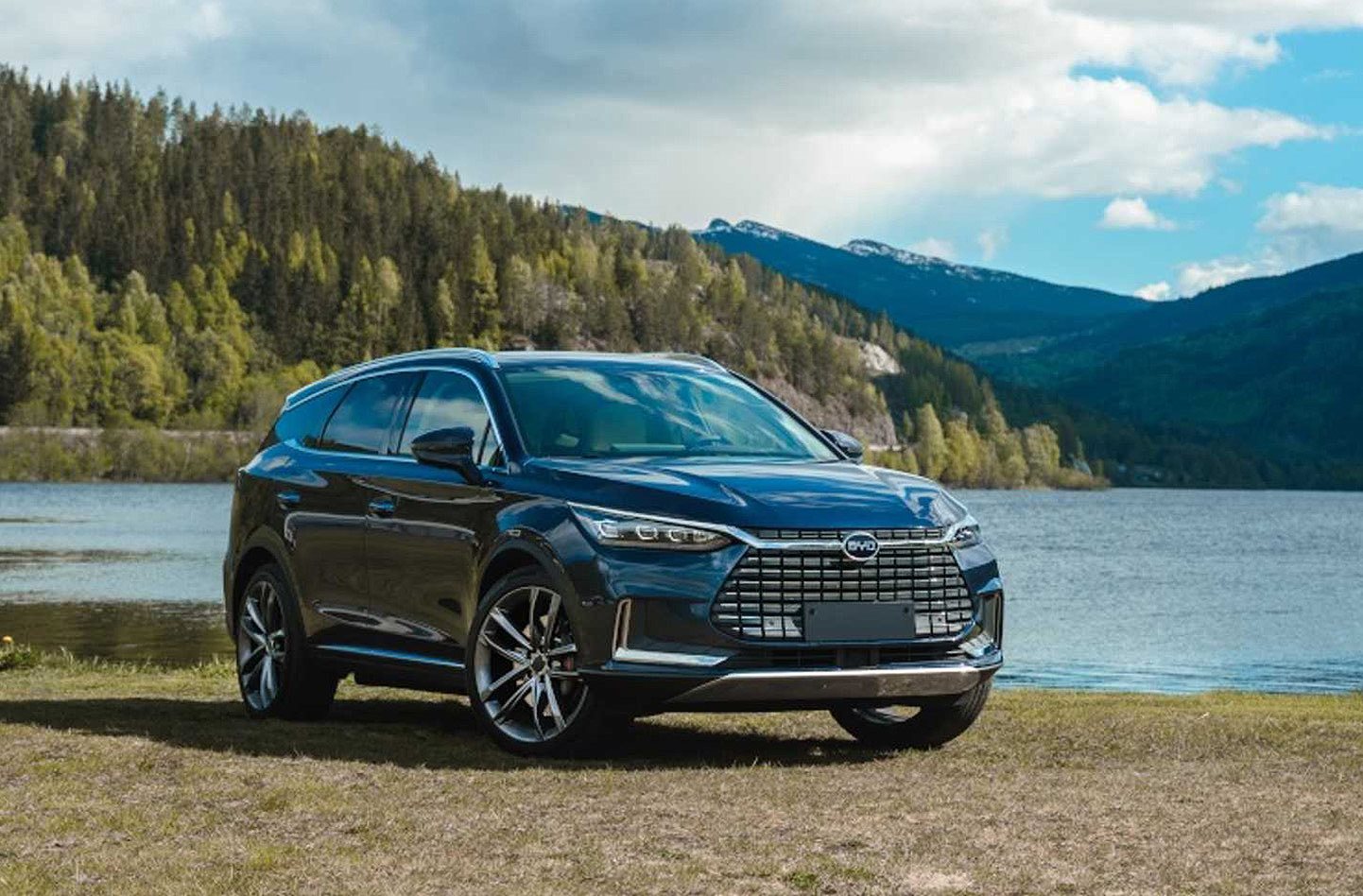
February 1, 2021: Chinese vehicle manufacturer BYD has quietly revealed its Han luxury electric sedan, which is set to go on sale in Australia.
BYD Australia revealed the Han’s presence in Australia via a LinkedIn post, claiming it can travel 0-100 km/h in 3.9 seconds “thanks to its 180 kW electric motor”.
It’s likely that two 180kW electric motors, one on each axle, will propel most powerful variant from 0-100km/h in 3.9 seconds.
It’s unclear when the Tesla Model S rival will go on sale here, but judging by the fact the pictured car is still a left-hand drive version, it might be some time.
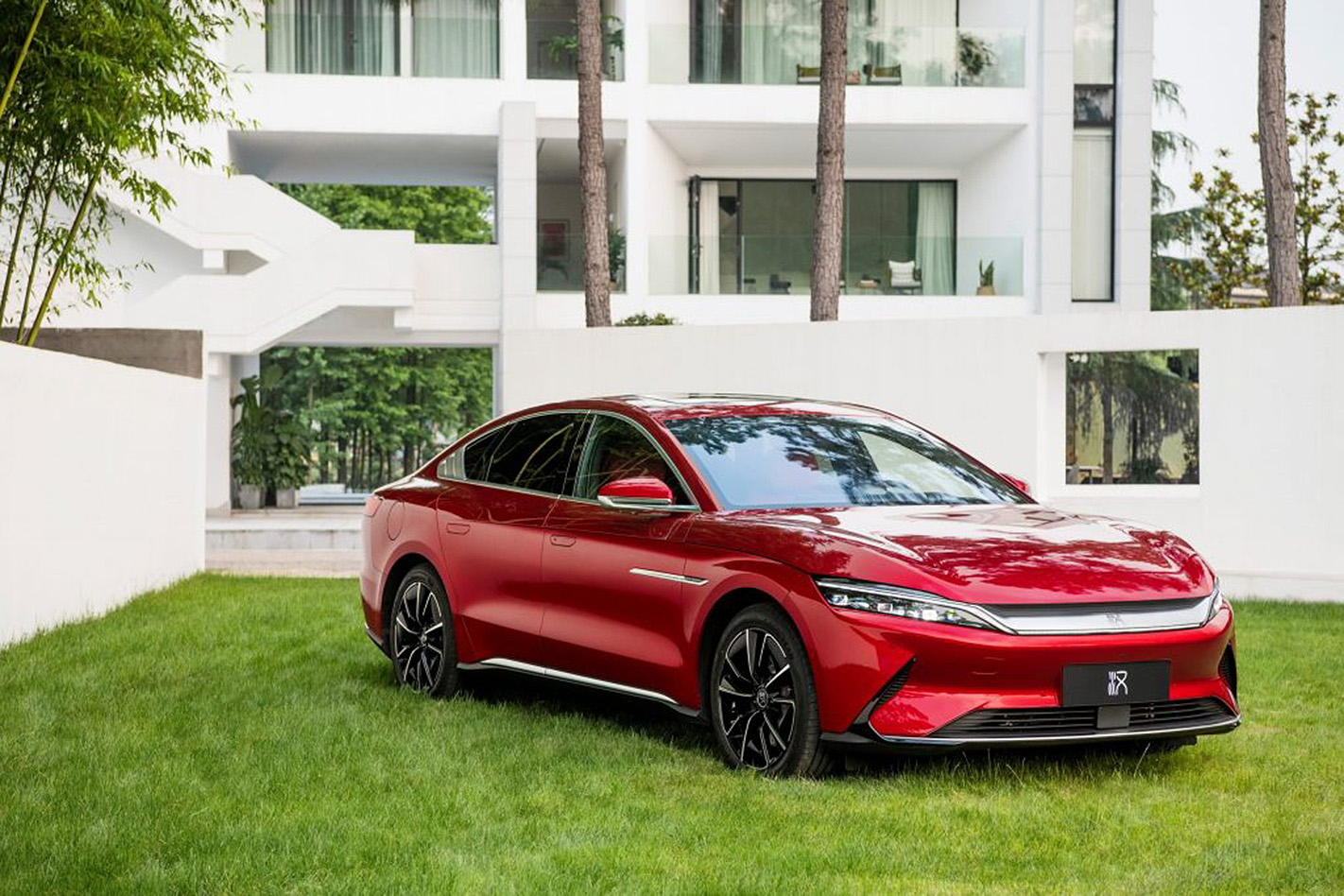
The post also stated it can travel up to 605km on the brand’s ‘ultra-safe’ Blade Battery, though that figure is reserved for the lesser-powered long-range version.
It’s also worth noting that range is according to the NEDC cycle and not the stricter WLTP European-standard figure, which is a still handy 560km.
BYD Australia is yet to provide details of which Han versions will be sold here.
The line-up includes the long-range version, an all-wheel-drive high-performance EV and a DM (dual-mode) plug-in hybrid version that runs a 2.0-litre petrol engine and 180kW electric motor, and which offers 4.7-second 0-100km/h performance.
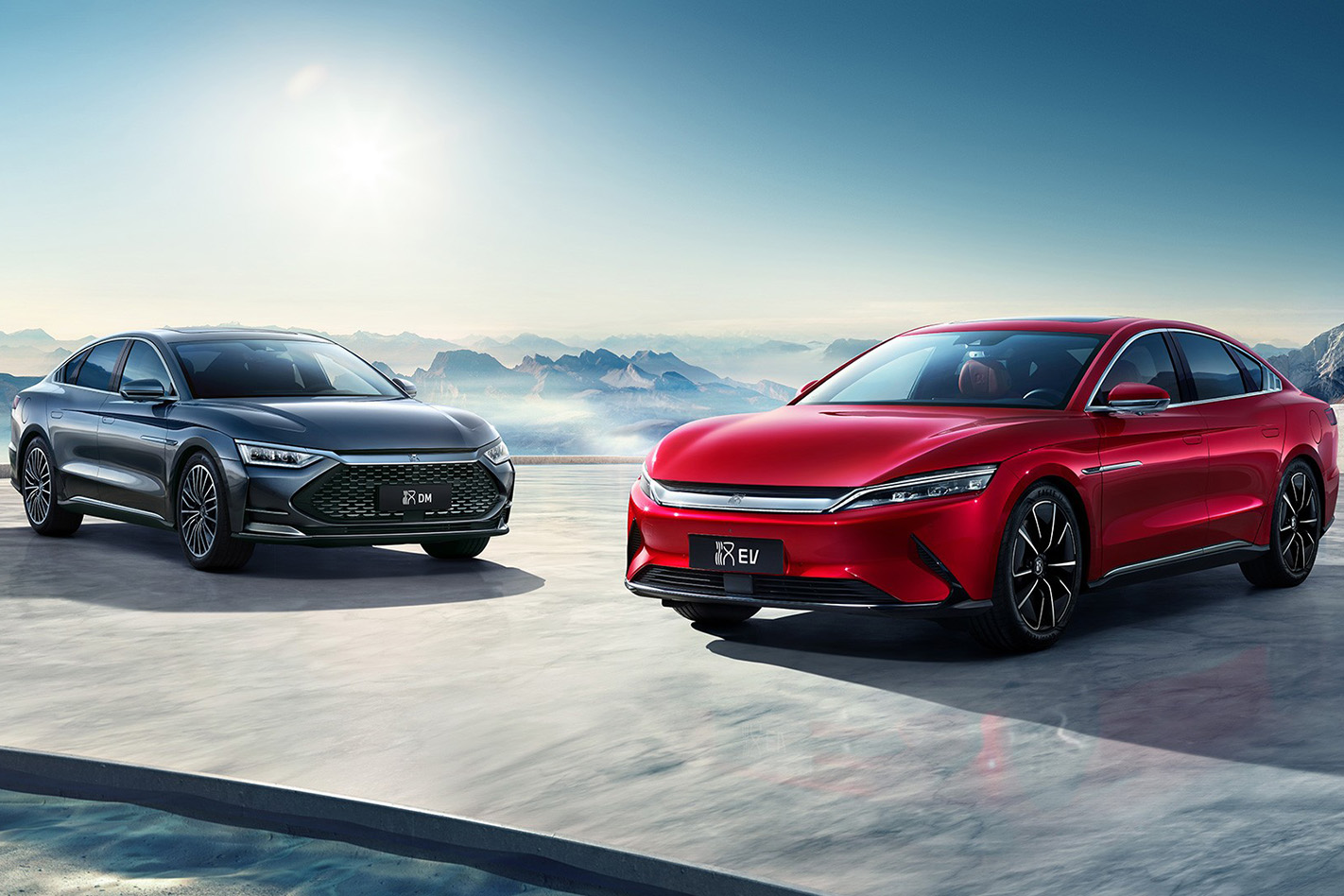
Technologies found in HAN include a lithium iron phosphate ‘Blade Battery’.
Related to the lithium-ion battery, the LiFePO4 battery isn’t quite as energy-dense but is lighter and more stable kilogram for kilogram.
Standard advanced driver assistance features adaptive stop-and-go cruise-control system, forward-collision warning system, pedestrian identification and protection system, lane departure warning system (LDWS) and traffic sign identification.
The system can selectively turn on assisted driving functions based on factors such as driving behaviour, road conditions, weather, and even driving age.
More advanced features are available as extra-cost options, including smart navigation that works with the car’s adaptive cruise control to gradually adjust to the speed of heavy traffic ahead.
Other safety features include 11 airbags and six cameras.
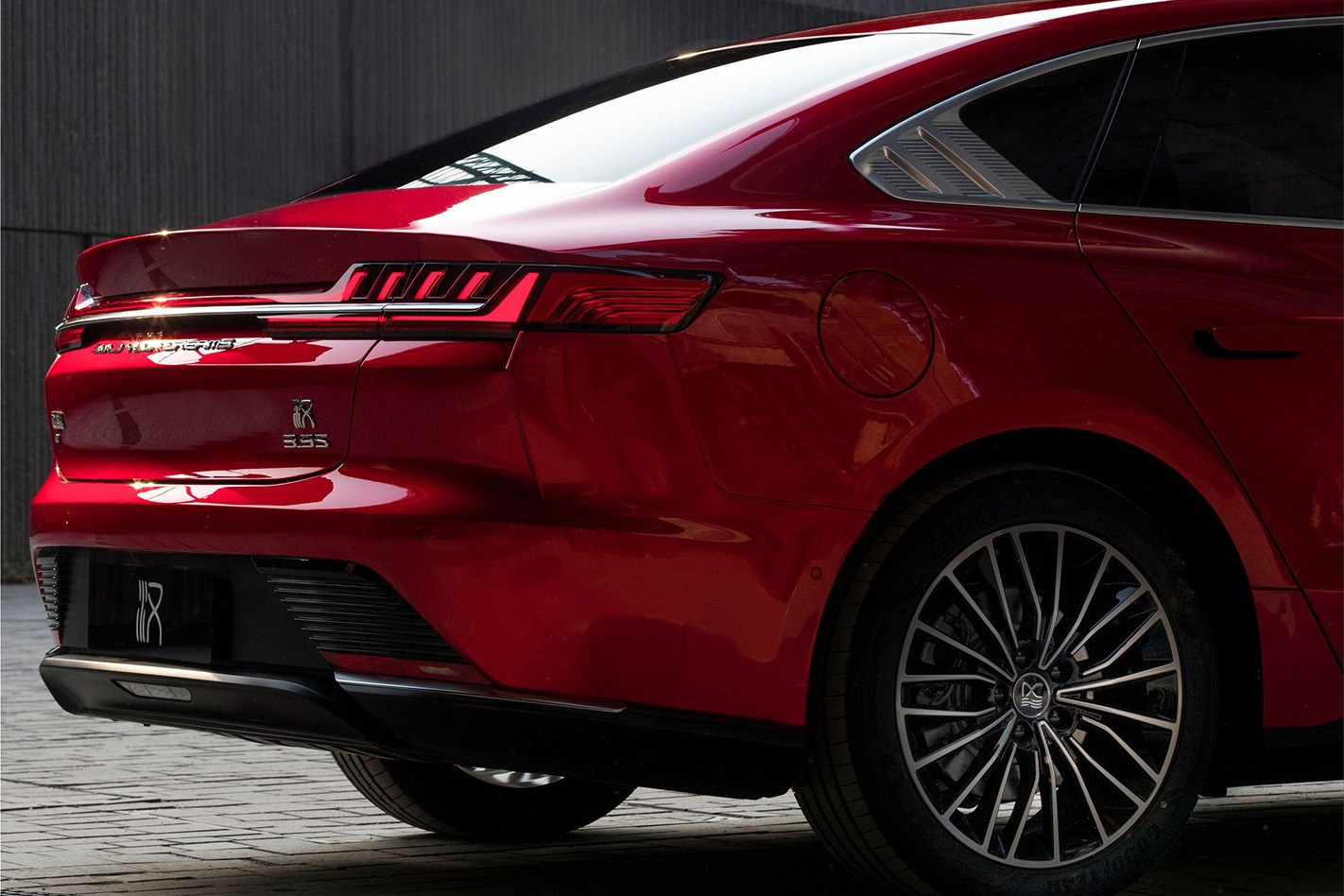
Already one of China’s top-10-selling EV models, the Han has been penned around BYD’s ‘Dragon Face’ design language that blends Eastern and Western aesthetics.
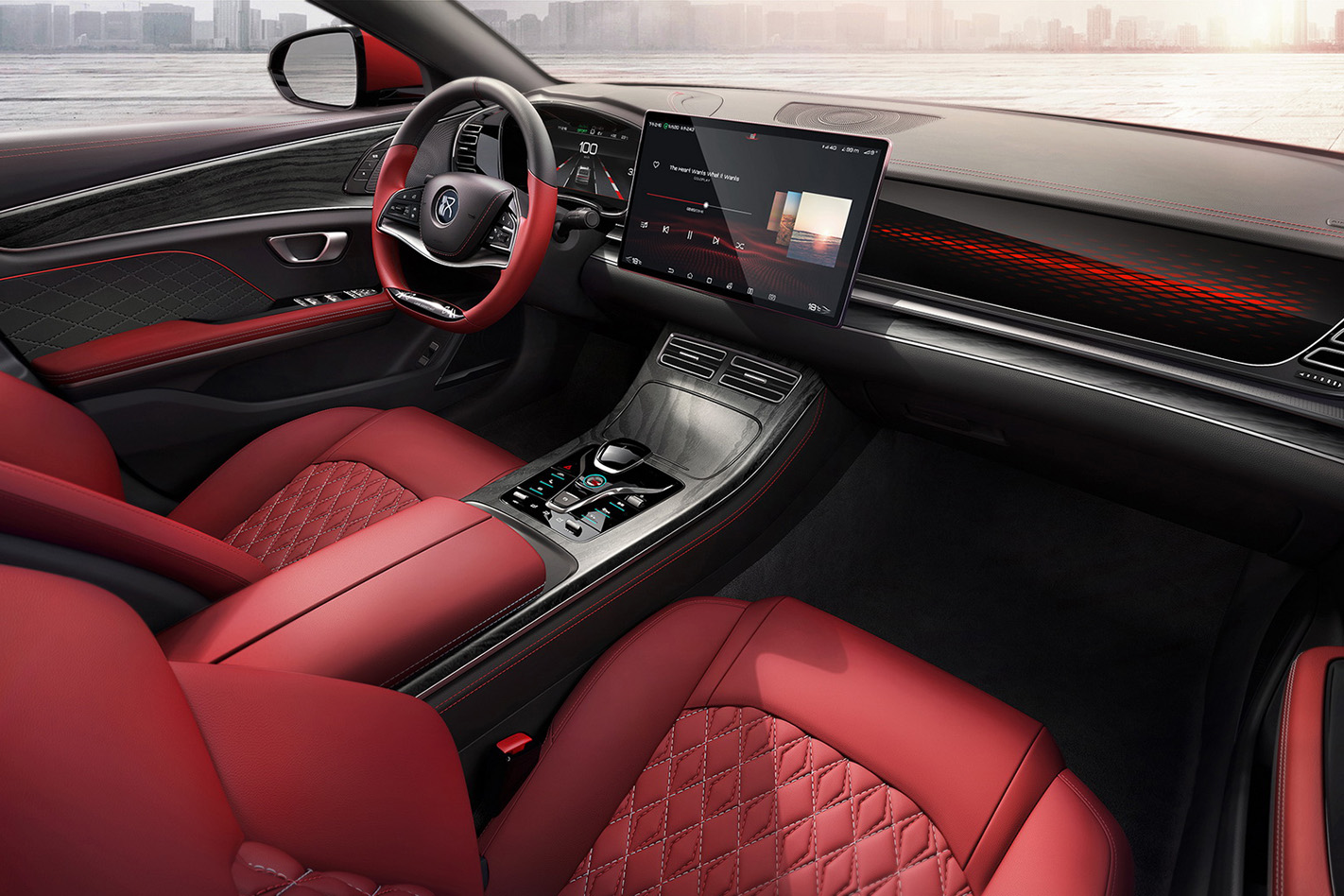
Interior trim includes solid wooden panels, Napa leather seats and aluminium bright points.
There is no word on Australian pricing but the Han range looks to be priced to match the Tesla Model 3 more than the Model S, having gone on sale in China last year priced from $44,500, $46,500 and $56,600 for the DM PHEV, long-range and 4WD high-performance EVs respectively.
BYD vehicles, including the Han and Tang electric SUV, will be distributed in Australia by zero-emissions transport company Nexport, which last year announced it was building a $700m factory in NSW to assemble electric cars and buses using BYD technology.
WhichCar has contacted Nexport for more details on the Han’s Australian launch.
BYD is one of China’s largest privately-owned enterprises which, since its inception in 1995, has specialised in rechargeable battery technology and sustainable energy solutions, including solar power capture and storage and transport.
The company received a massive boost in 2008 when US billionaire investor Warren Buffet’s Berkshire Hathaway investment fund purchased 25 per cent of its shares.
You may consider this a forgone conclusion. All-wheel drive trumps rear-wheel drive at the dragstrip, right? And even though Toyota has just updated the Supra GTS with an additional 35kW for a total output of 285kW, that’s still less than the 310kW the Mercedes-AMG A45 packs from its 2.0-litre turbo four.
So naturally, the A45 wins. Actually, not so fast…
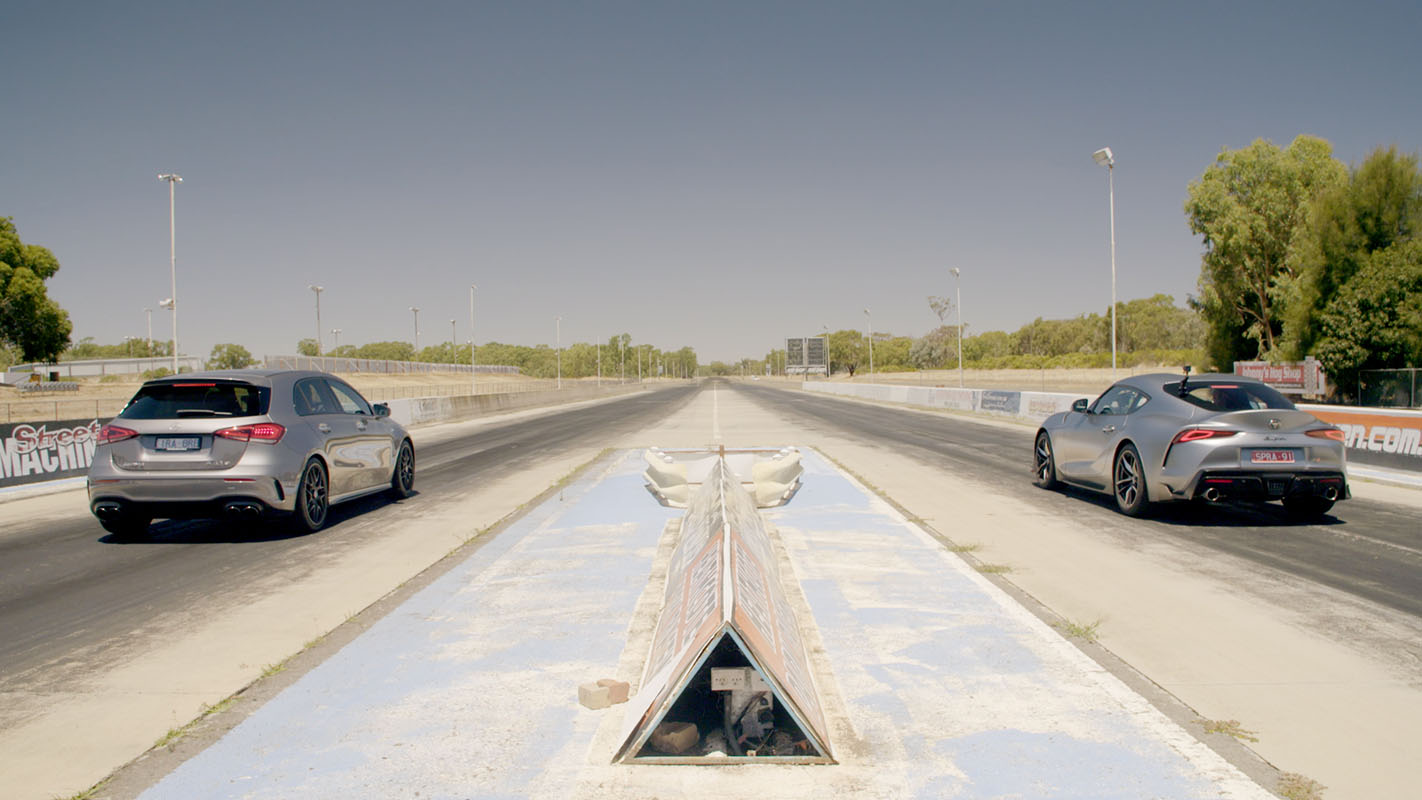
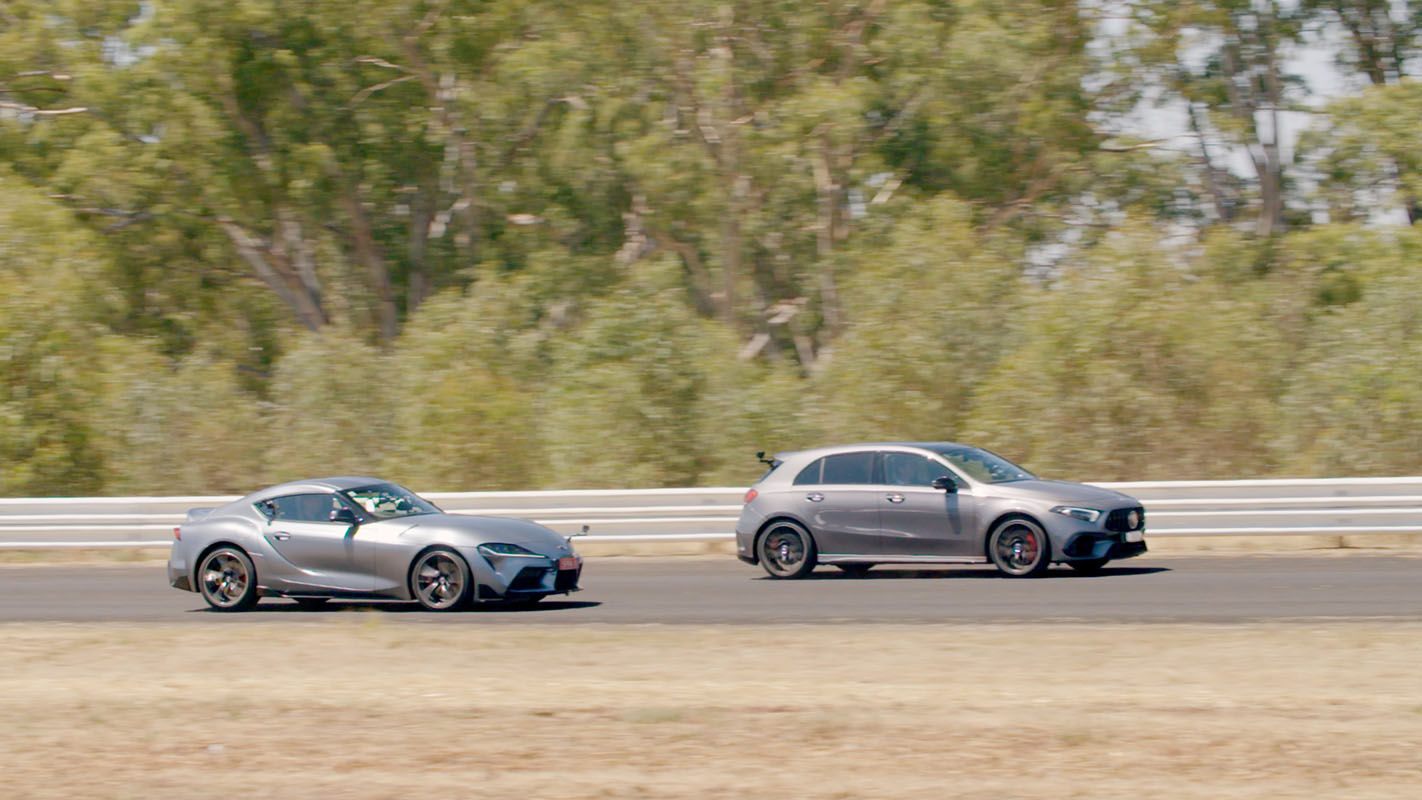
Although the A45 might seem to hold an advantage on paper, in the real world this Drag Battle was much closer than anticipated. But before we get into how they performed, we must first explain the logic of racing this pair in the first place, given their obvious differences.
What connects these two is price. At just under $100,000 ($95K for the AMG and $97K for the Supra) this pairing represents two of the most exciting performance cars you can buy before your spend tips beyond the six figure mark.
And while their performance philosophies are quite different, the level of performance on offer is actually quite similar. The A45 might hold a traction and power advantage, but the Supra is 130kg lighter and has the benefit of two extra cylinders and a further litre of capacity.
As usual we raced the cars through a number of tests. First up, we ran each car individually to extract the quickest times possible before putting them head-to-head in a best-of-three drag race using launch control.
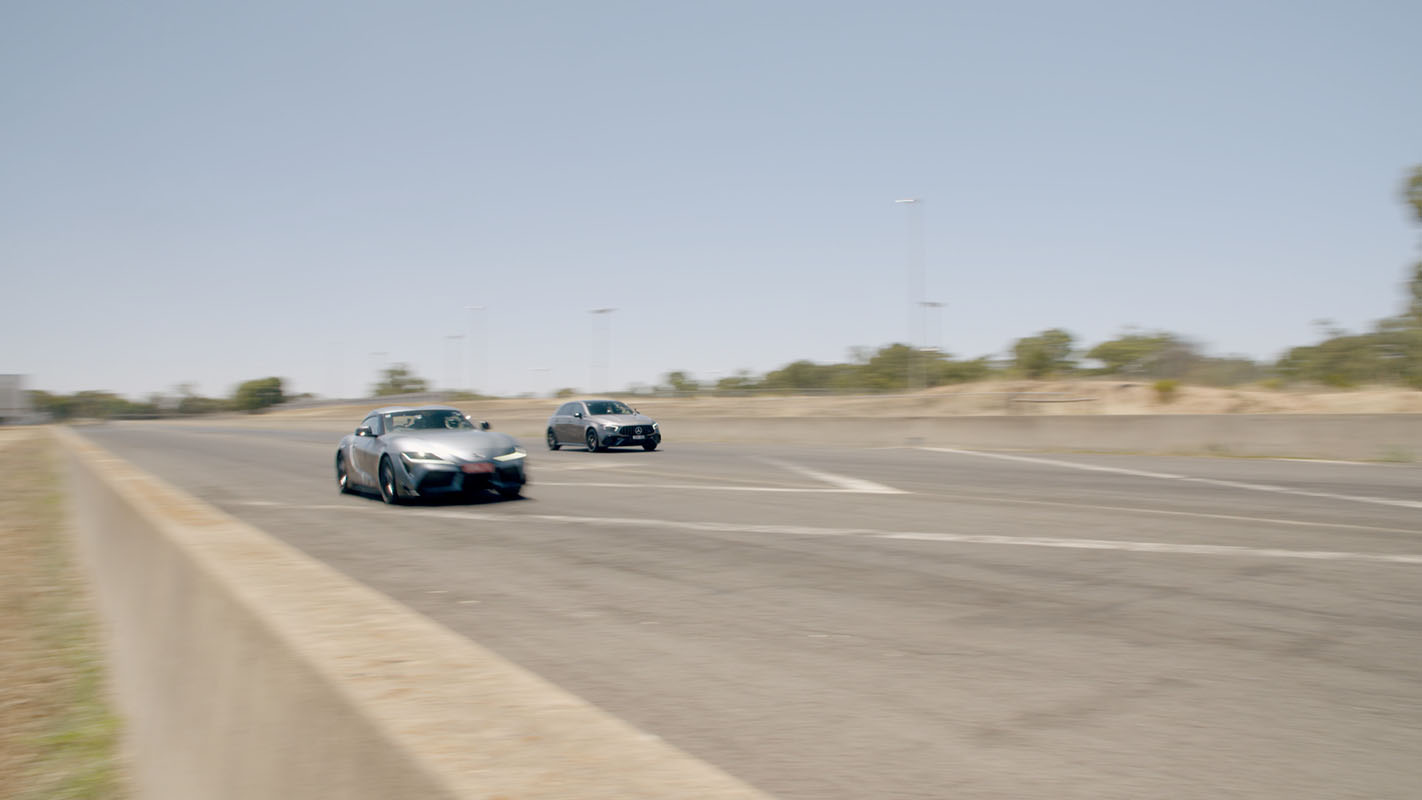
Then things started to get really interesting. While the A45 held a slight advantage due to its superior launch control system, racing the cars without launch control levelled the playing field. It was even closer in the two ‘rolling race’ runs, where we first tested each car’s response and in-gear acceleration in Comfort mode and then in Race/Sport.
Our video finishes with a brake test, where we complete a full emergency stop in each car from 100km/h to zero to see which one pulls up in the shorter distance.
For the full breakdown of how each car performed in each discipline, give the above video a watch. And don’t forget to tell us what cars you’d like to see us put head-to-head in our next Drag Battle. We’ll be shooting more of these videos and want your suggestions!
If there’s a brand that specialises in fashion-focused special editions, it’s Mini – and its new Countryman Boardwalk Edition is the latest addition to that catalogue.
The Mini Countryman Boardwalk arrives on the heels of last year’s curiously named Mini Convertible Sidewalk Edition, related to the ‘Sidewalk Sounds’ collaboration between Harman/Kardon and musician Owl Eyes.
The thinking behind this new Boardwalk edition’s name is less clear, but buyers are treated to the same Deep Laguna blue paint that adorns the Sidewalk, along with gloss black accents.

That look is bolstered by 18-inch alloy wheels in a ‘Pin spoke’ design crafted for this special edition, along with a fold-out ‘picnic bench’ loading sill at the rear – although this latter item has been available with the current F60-generation Countryman since it launched in 2017 (see gallery).
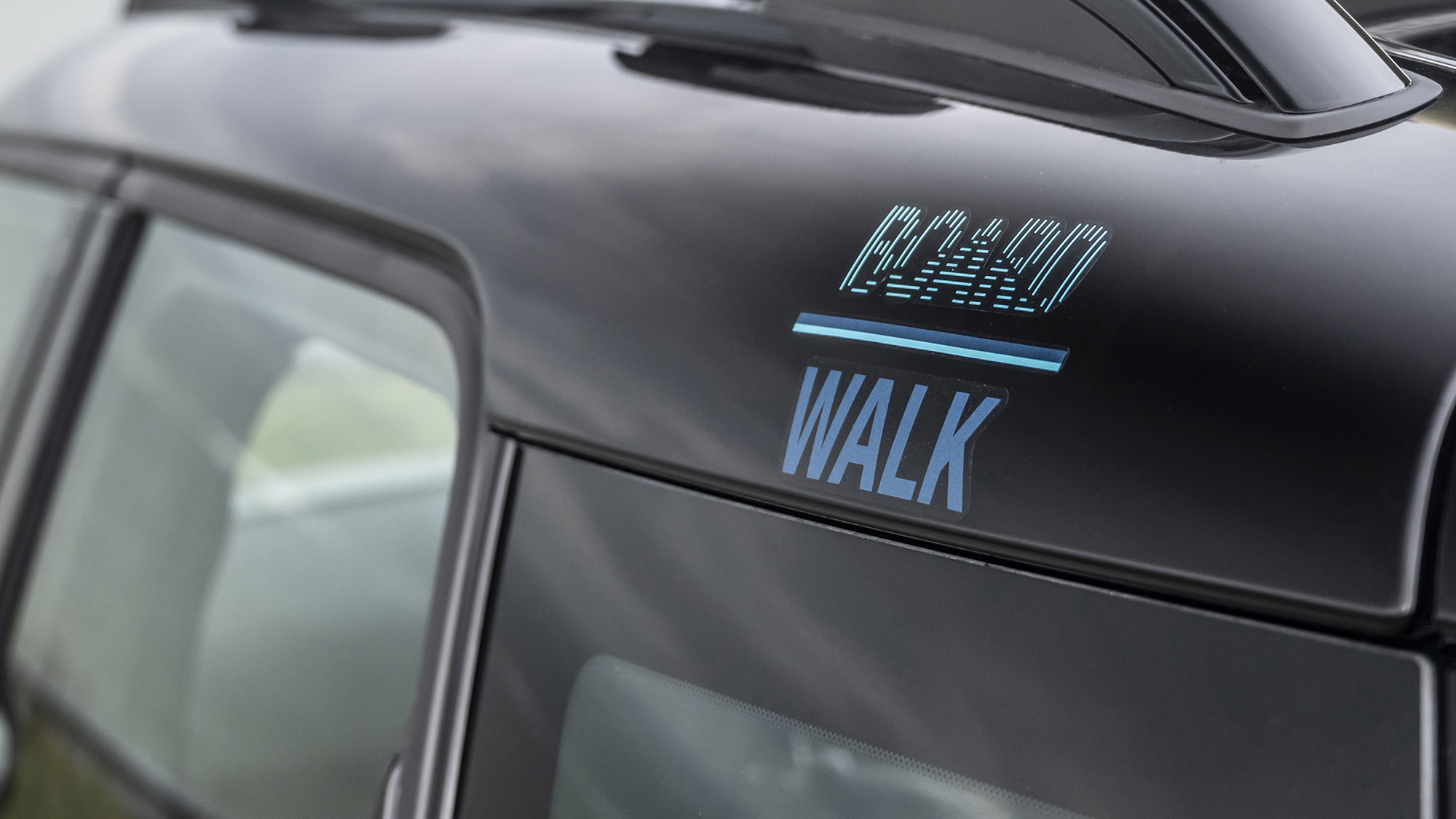
The Boardwalk name also appears here-and-there around the car: on the door sills, the interior passenger-side grab bar, the ‘side scuttles’ – the styling feature slash side-marker indicator home at the rear end of the front quarter panels – and along the rear corners of the roof.
Inside, Boardwalk buyers are treated to heated front seats and, on the sporting Cooper S version of the Boardwalk edition, a John Cooper Works Sport steering wheel.
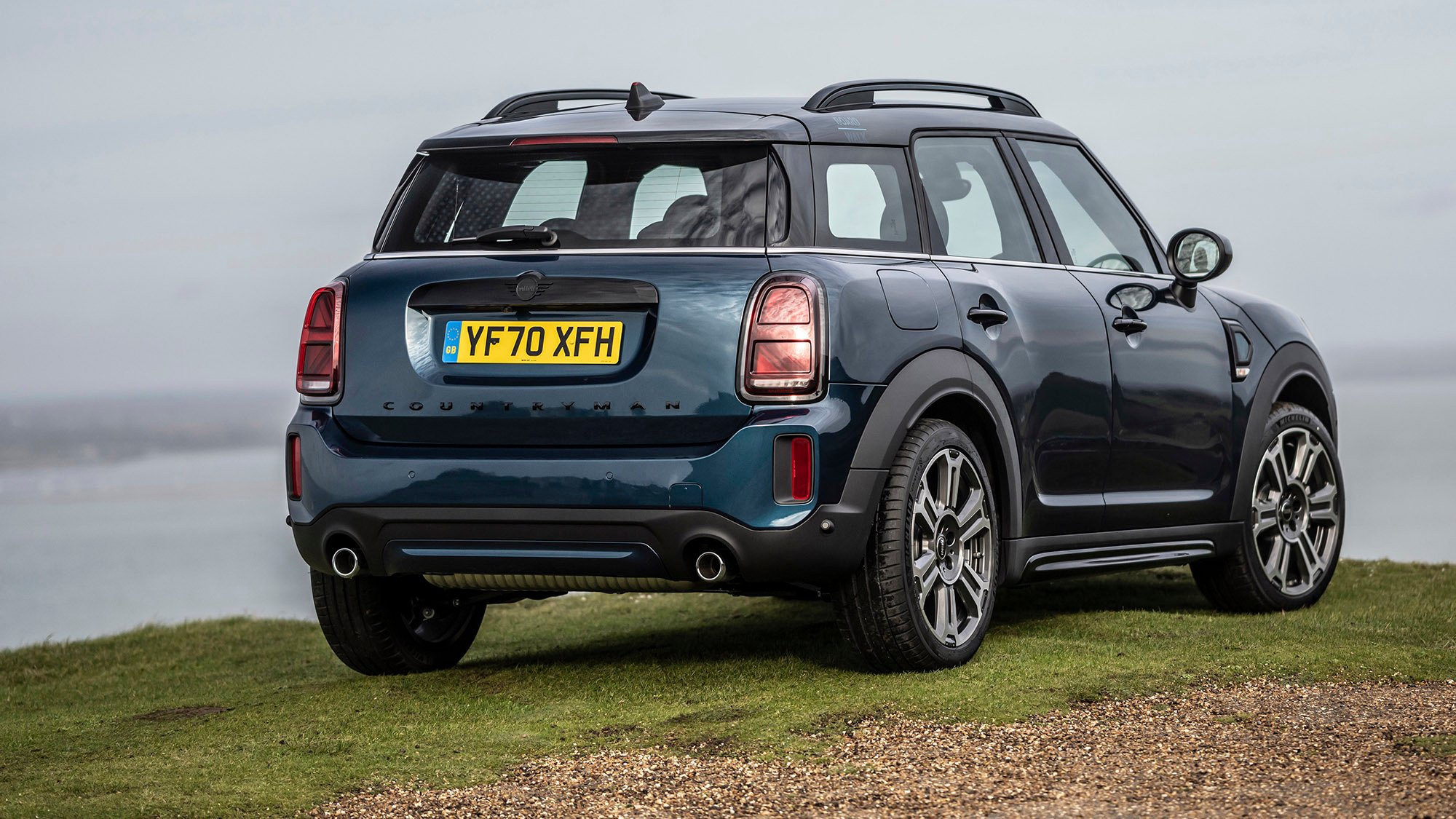
As noted above, the Boardwalk is available in two forms: the three-cylinder turbo petrol 100kW/220Nm Cooper Countryman Boardwalk and the warmed-up four-cylinder turbo petrol 141kW/280Nm Cooper S Countryman Boardwalk. Pricing for both is outlined below.
The Cooper Boardwalk is priced at $52,000 and the Cooper S Boardwalk at $58,500 – both prices excluding on-road costs.
MORE: Countryman news and reviews MORE: All Mini stories
In what certainly won’t be the last Holden what-if, Chevrolet has revealed the updated 2022 Bolt EV hatchback and its all-new Bolt ‘EUV’ crossover sibling
With SUV proportions, the BOLT EUV (we assume that stands for Electric Utility Vehicle… because there aren’t enough motoring acronyms) is part of GM’s plan to launch 30 new EVs ‘globally’ by 2025.
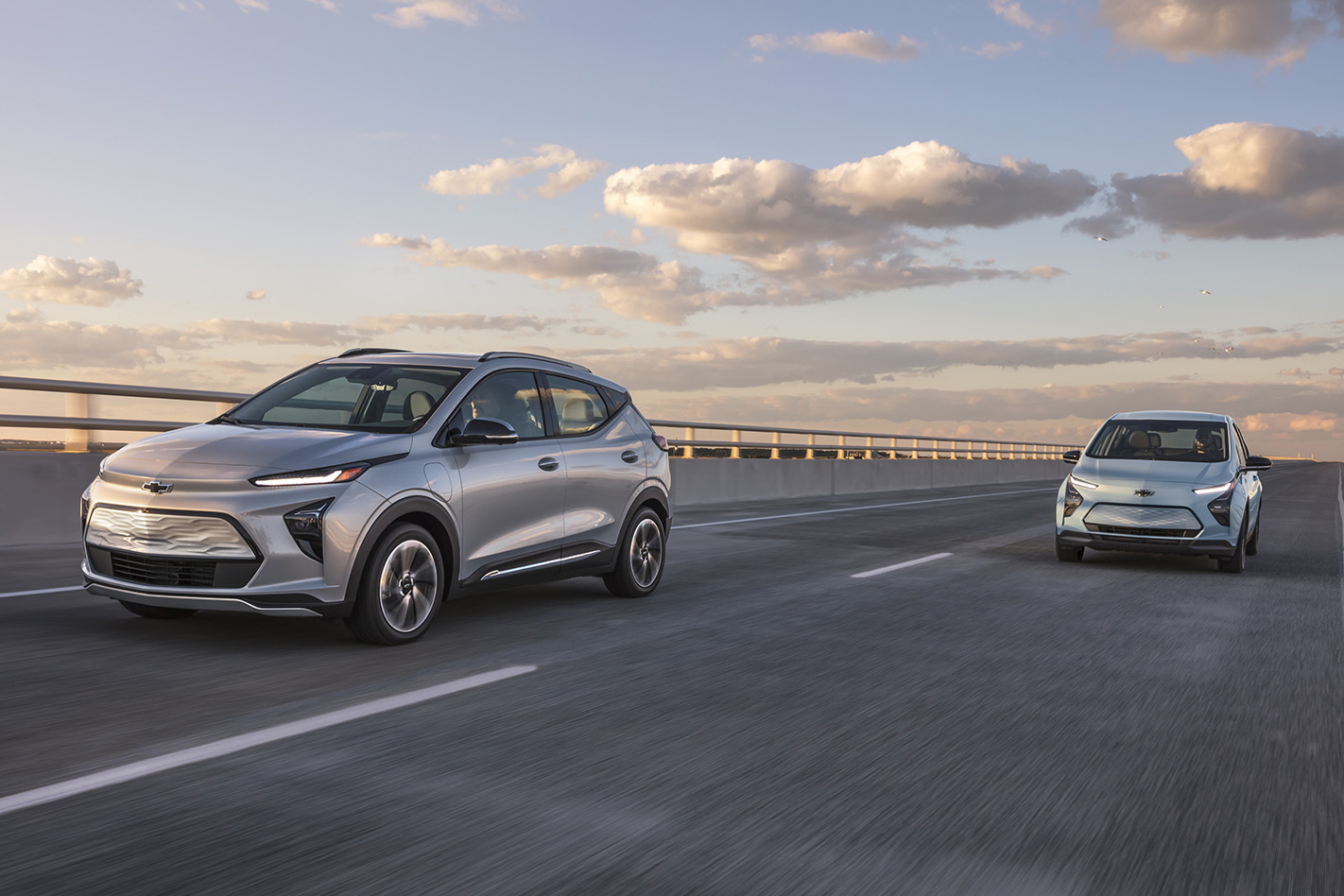
Along with broadening GM’s electric vehicle lineup, the Bolt EUV will also be the first Chevrolet to offer Super Cruise, which the company claims is the industry’s first true hands-free driver assistance system.
While both Bolt versions share the same architecture, each has unique exterior sheet metal, with the EUV being about 15cm longer.
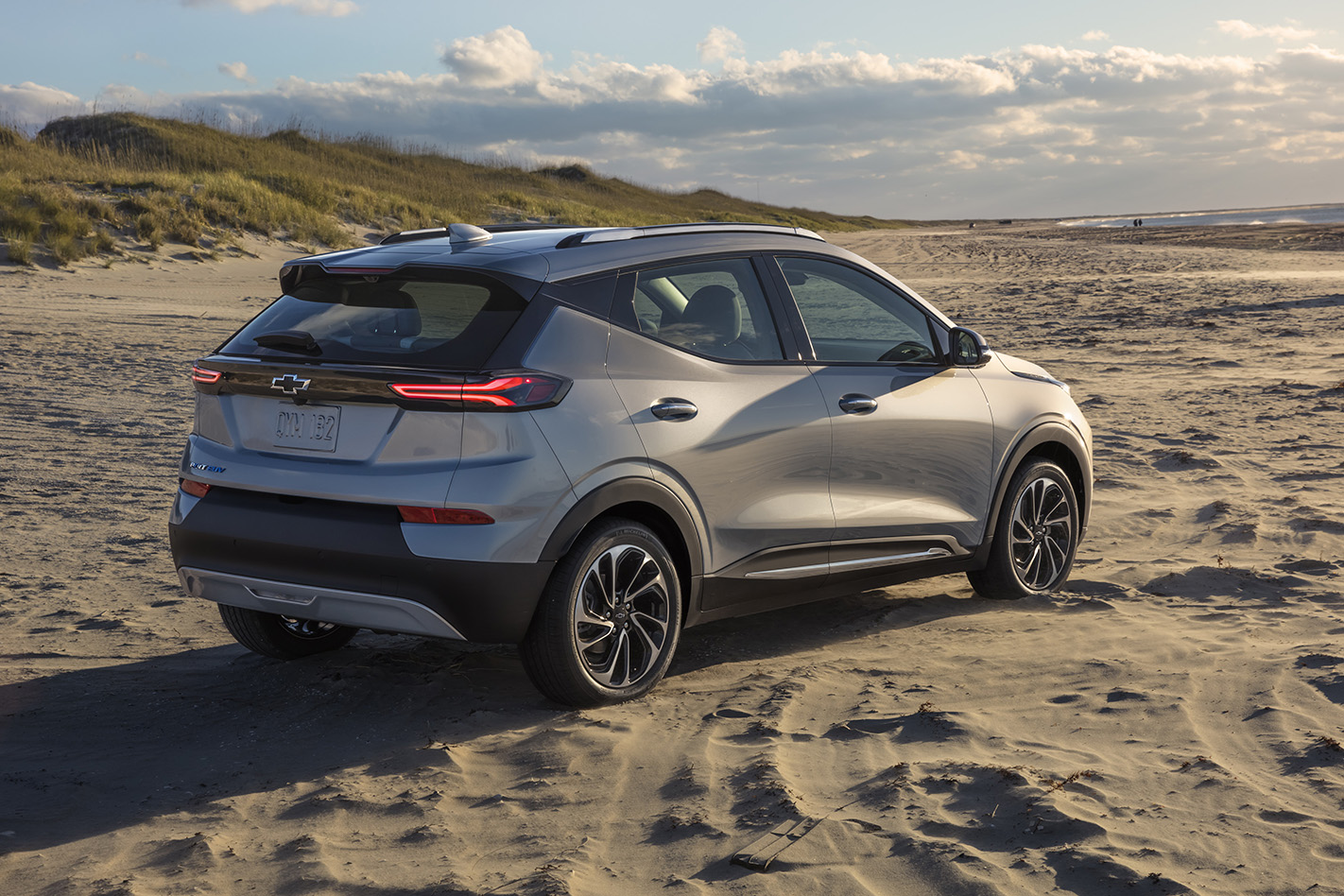
The EUV also features a distinctive front-end with a sculpted face and a centre crease line that runs from the front fascia through the bonnet – along with seamless horizontal body lines, while roof rails also reinforce the SUV aesthetic.
Meanwhile, the Bolt EV design updates include a new, more upright front fascia, and new front and rear lighting signatures.
Inside, both vehicles feature new instrument panels, vehicle controls and seats, and a 10.2-inch touchscreen and integrated climate controls.
The infotainment screen features real-time displays, with more details available on the 8.0-inch instrument screen behind the steering wheel.
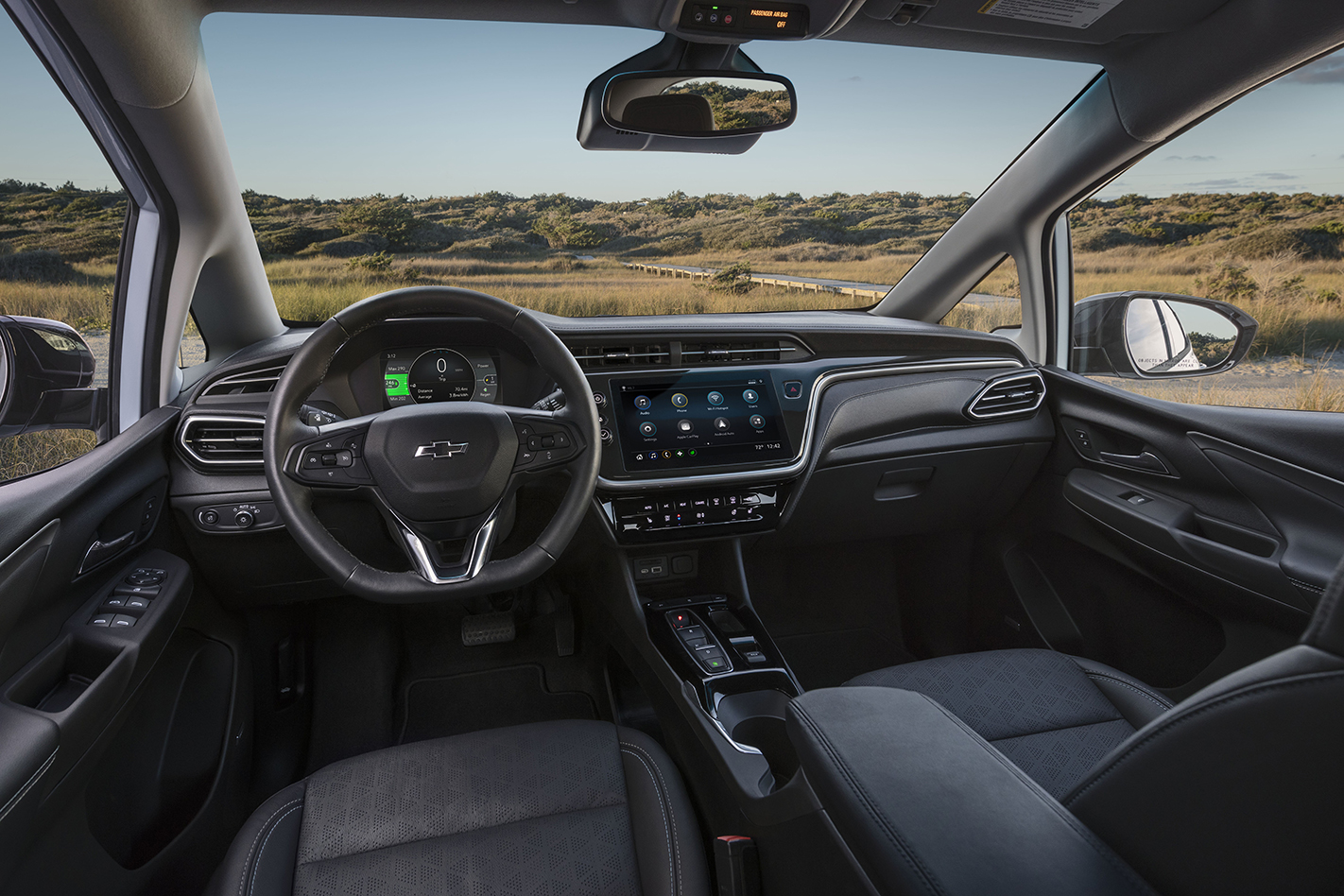
There’s also a new, electronic gear shift design that uses pull toggles and push buttons to free up more interior space, and includes a one-pedal driving button that controls the regenerative braking system.
The Bolt EUV expands on the Bolt EV’s roomy cabin, with an additional 76mm in rear legroom.
Super Cruise autonomy
The Bolt EUV Super Cruise system integrates advanced technology that can be used on 320,000km of enabled roads in the US and Canada and features a driver attention system and precision LiDAR map data.
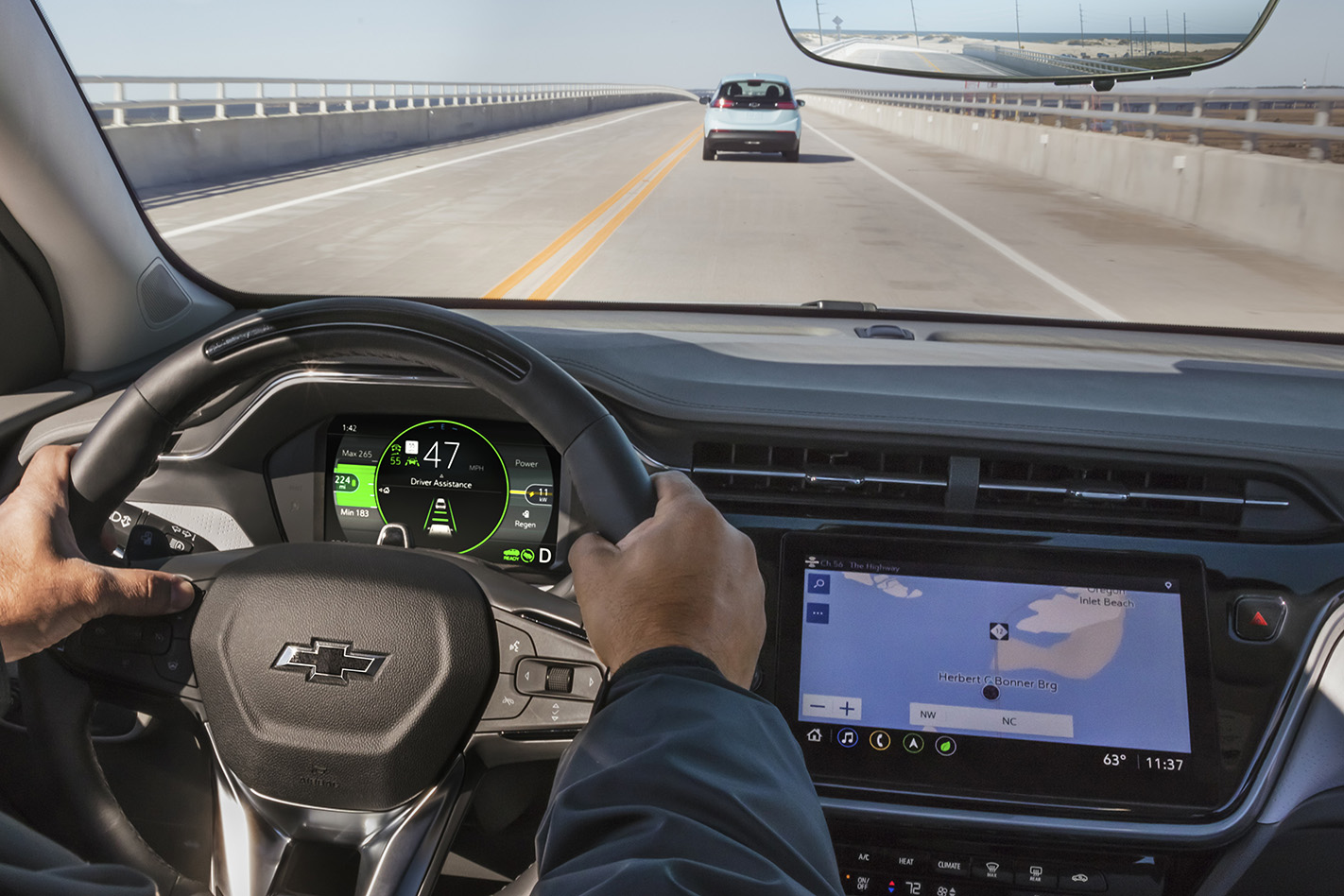
The driver attention system uses a small camera located on the top of the steering column, and works with infrared lights to determine where the driver is looking whenever Super Cruise is in operation.
Other advanced driver assist systems include autonomous emergency braking, forward collision alert and lane keep assist with lane departure warning, rear cross-traffic alert, and adaptive cruise control.
EV powertrain
Both cars are powered by an advanced 65kWh lithium-ion battery pack and a 150kW single-motor drive unit that produces 360Nm of near-instant torque.
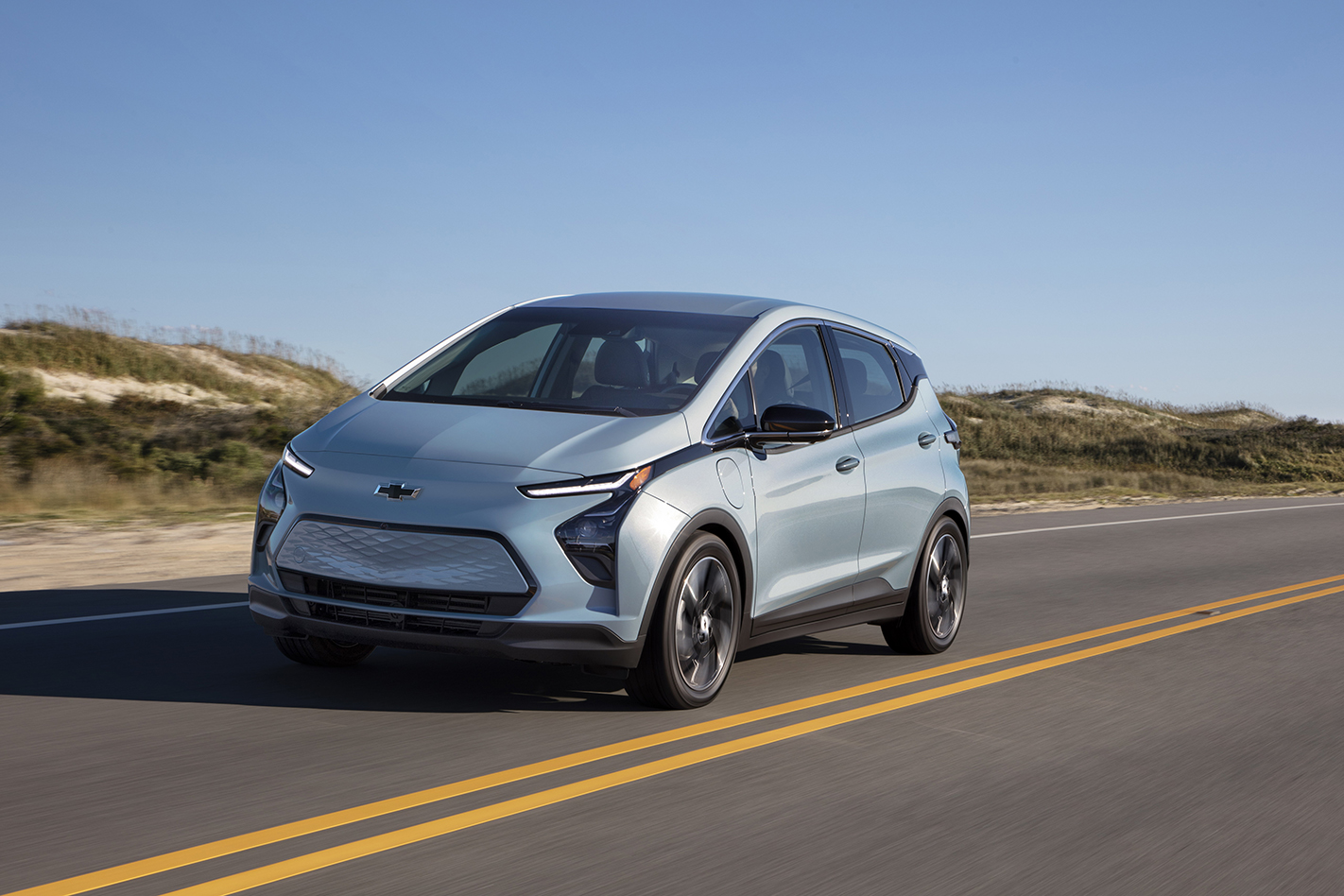
In the right conditions, the powertrain will take the Bolt EV up to 416km between charges and the Bolt EUV 402km.
The battery system features active thermal management, which uses coolant to maintain the battery at its ideal operating temperature.
Standard DC fast public charging capability enables the Bolt EV and EUV to add up to 160 km and 152km of range in 30 minutes respectively.
Pricing
Impressively, the starting price for both vehicles is less than the outgoing MY20/21 Bolt EV.
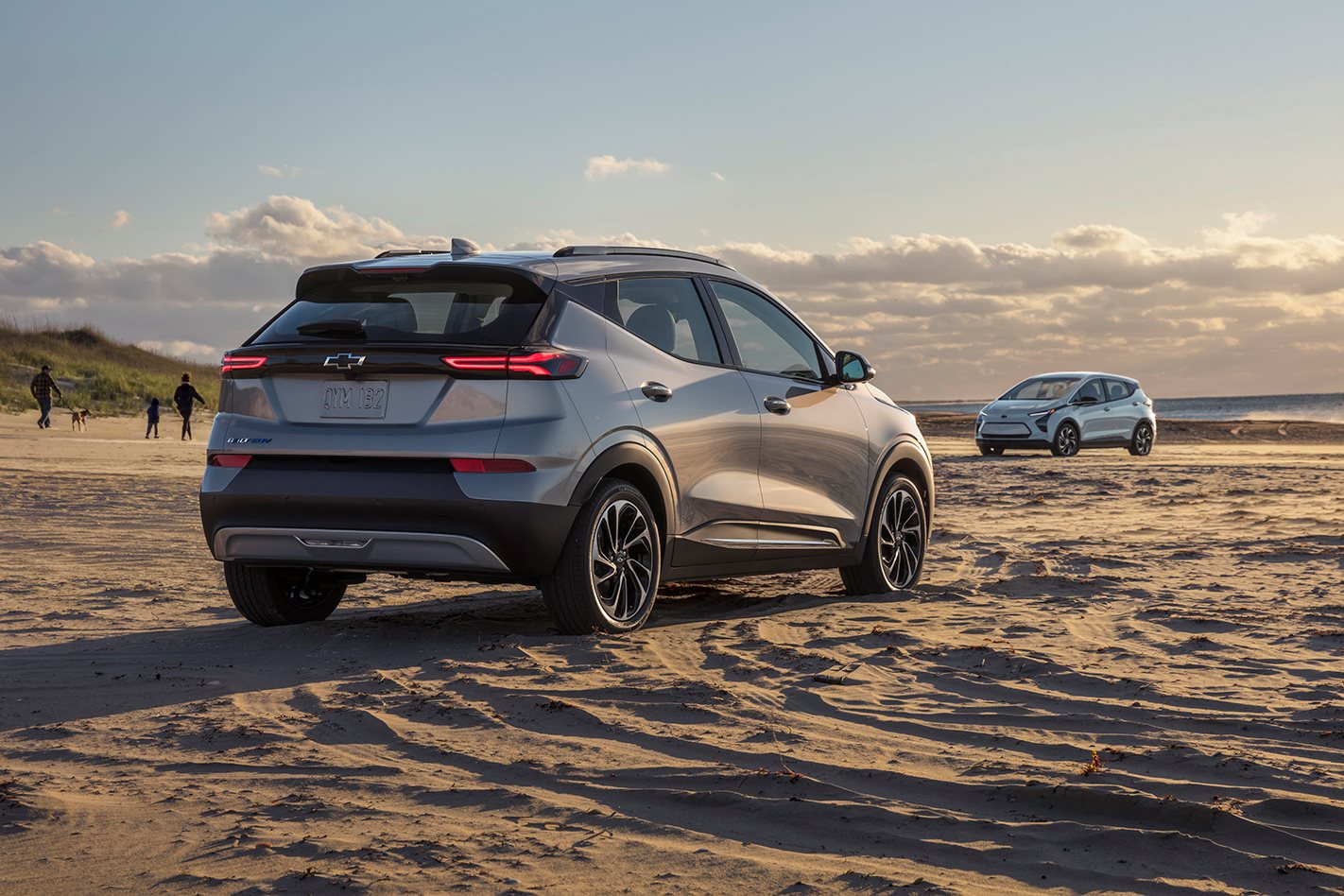
For the American-market 2022 model-year, Bolt EV hatch pricing starts at US$31,995 (A$41,000), with the EUV priced from $33,995 (A$43,600).
Even when factoring in import costs, this pricing would have made them comparable with the Nissan Leaf (A$49,990) and Hyundai Kona Electric (A$60,740).
Australian connection
One reason it’s shame we’ll never see the Bolt on Australian roads is because it actually stemmed from an electric vehicle concept designed here by GM’s Australian design centre and went into production in 2017.
Now, of course, with GM all-but out of Australia – apart from its ties to the shrunken GMSV outfit here – it’s less likely than ever we’ll ever see the Bolt models here.
The Bolt’s BEV2 platform, despite being developed for electric vehicles and thus represents a simplified architecture, is nonetheless engineered for left-hand-drive only.
And, with demand relatively high in its home market – where it sold 20,754 examples in 2020 – there would be little motivation for GM to bother looking beyond its borders.
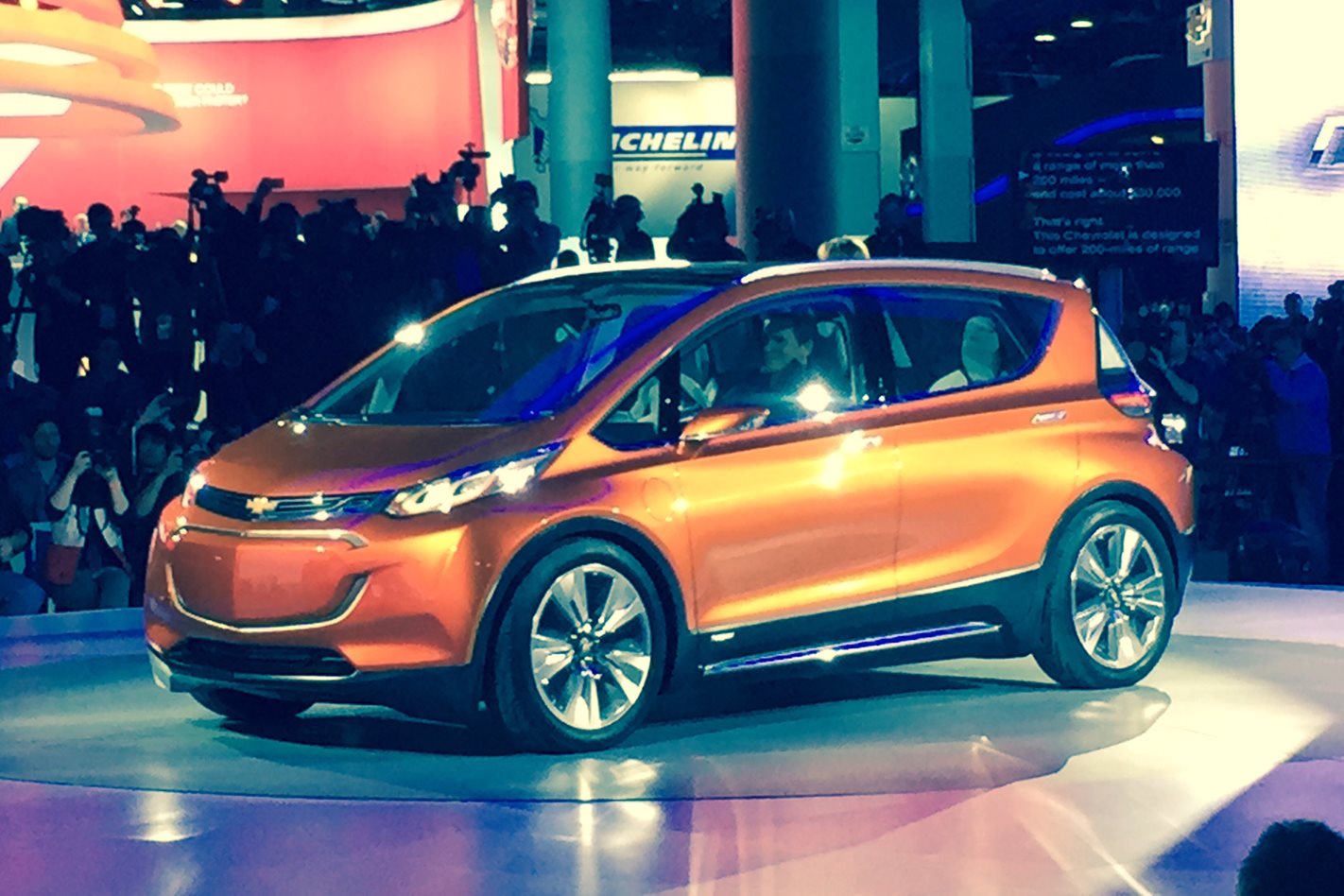
The Chevrolet Bolt concept car, which was unveiled at 2015 Detroit Motor Show was built in Australia and included design input from GM’s Korean studio as well as the US.
Jaguar Land Rover (JLR) has announced its brands will transition rapidly to an every-model focus on electric power.
By the end of this decade, every single Jaguar and Land Rover model will be available in an all-electric form – and the Jaguar brand will be focused entirely on EVs from 2025.
For Jaguar, that means appealing to future-focused, tech-interested buyers that might otherwise look to pioneering electric-only brands like Tesla. Likewise, for Land Rover (including Range Rover), it means beating upstarts like Rivian – made famous in the past year by its ‘Long Way Up’ collaboration with Scottish actor Ewan McGregor.
The first all-electric Land Rover model will debut in 2024 as part of a combined ICE/EV line-up, the company’s new CEO Thierry Bollore announced during a live-streamed presentation online, while Jaguar will prioritise a dedicated electric platform.
JLR is aiming for a full 100 per cent of Jaguar-brand sales to be fully electric by the end of this decade – a mere nine-ish years away. In the here-and-now, Jaguar’s only pure-electric model, the I-Pace, represents around 16 per cent of the brand’s sales.
Interestingly, the XJ has also been scrapped in the process, despite having been teased in an obviously well-advanced next-generation form two years ago. Bollore hasn’t ruled out a return for the legendary badge, but it isn’t a priority in the near term.
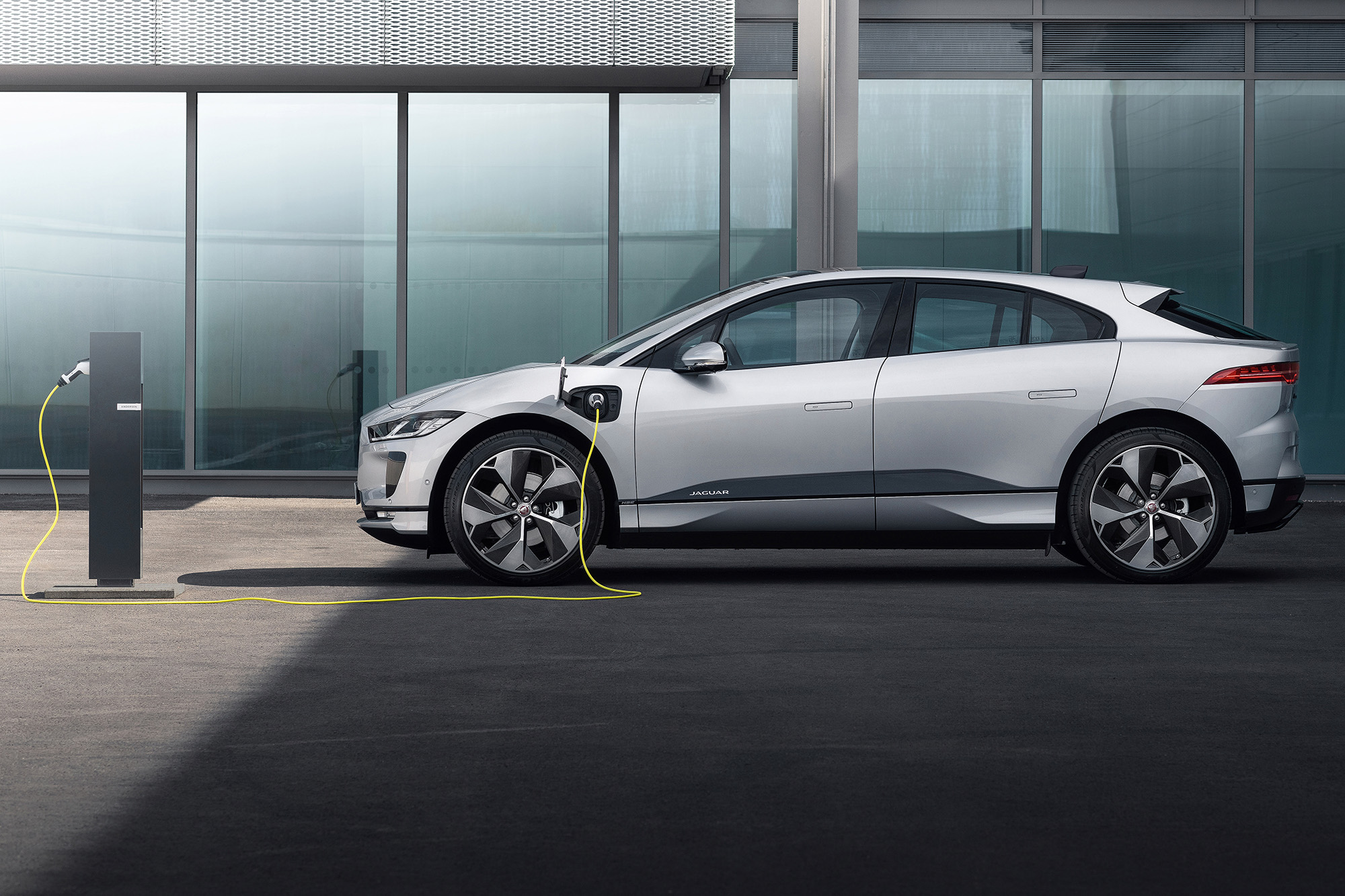
While Jaguar’s plan is to go all-electric as quickly as possible, Land Rover’s broad need for all-terrain certainty demands an initial focus on its Modular Longitudinal Architecture platform.
However, an “electric-biased” Electric Modular Architecture (EMA) design is also in the mix for Land Rover – the latter accommodating “advanced electrified” combustion engines. Think plug-in hybrids (PHEVs).
That’s three platforms in all – down from six currently in use – and it’s a move Jaguar Land Rover claims will help to “establish new benchmarks standards in efficient scale and quality for the luxury sector”.
Importantly, the company says this new direction will be a key factor in ensuring the future of its post-Brexit UK production plants – along with other worldwide manufacturing operations.
To achieve this, JLR will invest AU$4.47 billion each year into the development and production of electric vehicle technology and related services – from connected online platforms to charging infrastructure.
All of this will happen with the blessing and financial support of Jaguar Land Rover’s parent Tata Group – and it positions Jaguar Land Rover to meet the UK’s 2030 ban on most types of ‘non-zero emissions’ vehicles, while ensuring it can remain competitive in less strict markets.
As for Jaguar and Land Rover’s existing hero combustion models… from here on out, you can consider all of them a swan song.
MORE: Jaguar news and reviews MORE: Land Rover news and reviews
Following the Australian trend away from diesel and towards petrol and electrification, the MY22 Range Rover Sport line-up will introduce a new P400 in-line six-cylinder turbocharged petrol engine with mild-hybrid technology.
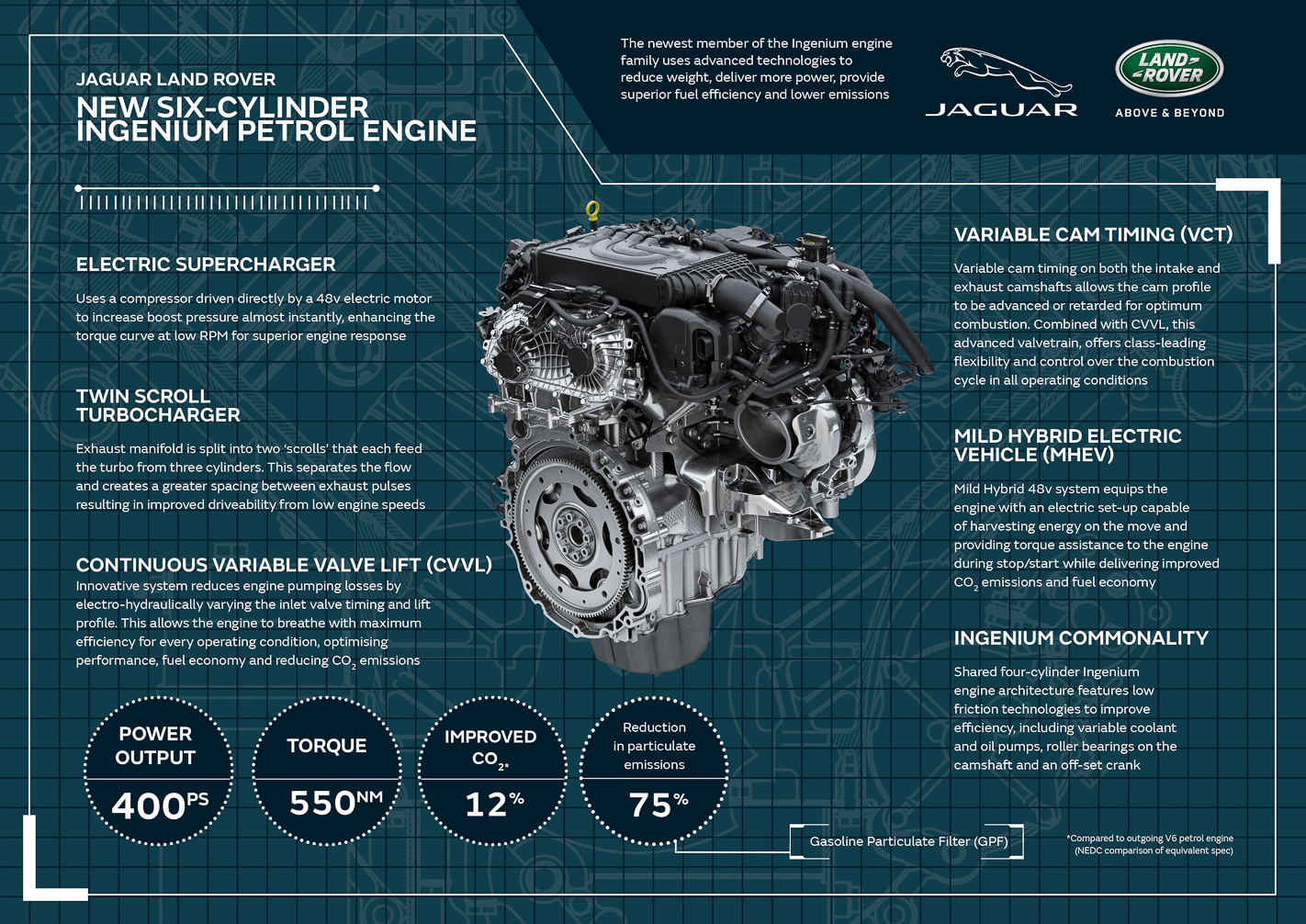
Land Rover says the new mild-hybrid P400 ‘Ingenium’ engine features a host of technologies that allow it to deliver 294kW/550Nm to all four wheels, including a twin-scroll turbocharger and an electric supercharger that “virtually eliminates lag”.
Arriving in the middle of 2021, the P400 brings 48-volt mild-hybrid capabilities which can turn off the engine when stationary or harvest energy when the vehicle is decelerating.
The recuperated electric power is then deployed through ‘torque-assist’, which helps reduce engine work load and reduces CO2 emissions.
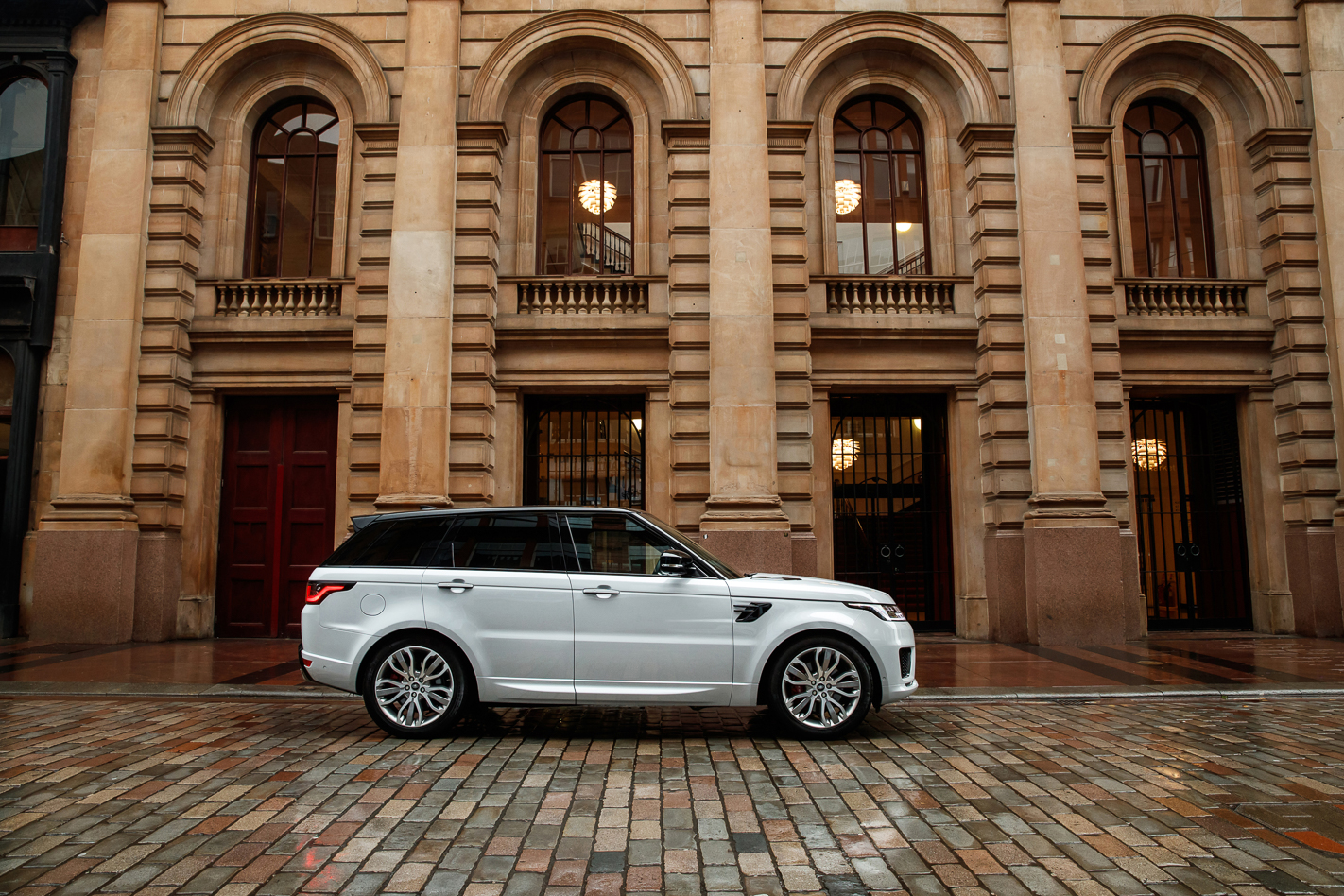
The P400 engine is said to return an 8.7 l/100 km fuel economy, and will power the Range Rover Sport from zero to 100km/h in 5.9 seconds.
“In-line six-cylinder engines are inherently better balanced than V6 designs and our all-new Ingenium unit builds on that promise to optimise efficiency in all operating conditions,” said executive director of product engineering at Jaguar Land Rover Nick Rogers.
Pricing for the new P400 mild-hybrid variant stands at $128,206 (before on-road costs) in SE specification, while the up-spec HSE grade costs $144,906.
The new in-line six-cylinder engine joins a number of other engine options for the MY22 Range Rover Sport line-up, including the 297kW P400e plug-in hybrid with its 2.0-litre four-cylinder petrol engine, the P525 with 386kW 5.0-litre supercharged V8 petrol and the range-leading P575 423kW 5.0-litre supercharged V8 petrol engine in the Range Rover Sport SVR.
Three mild-hybrid diesel engines are also available, which use a 3.0-litre six-cylinder in various states of tune; D250 outputs 183kW, D300 boasts 221kW and the leading D350 stocks 258kW.
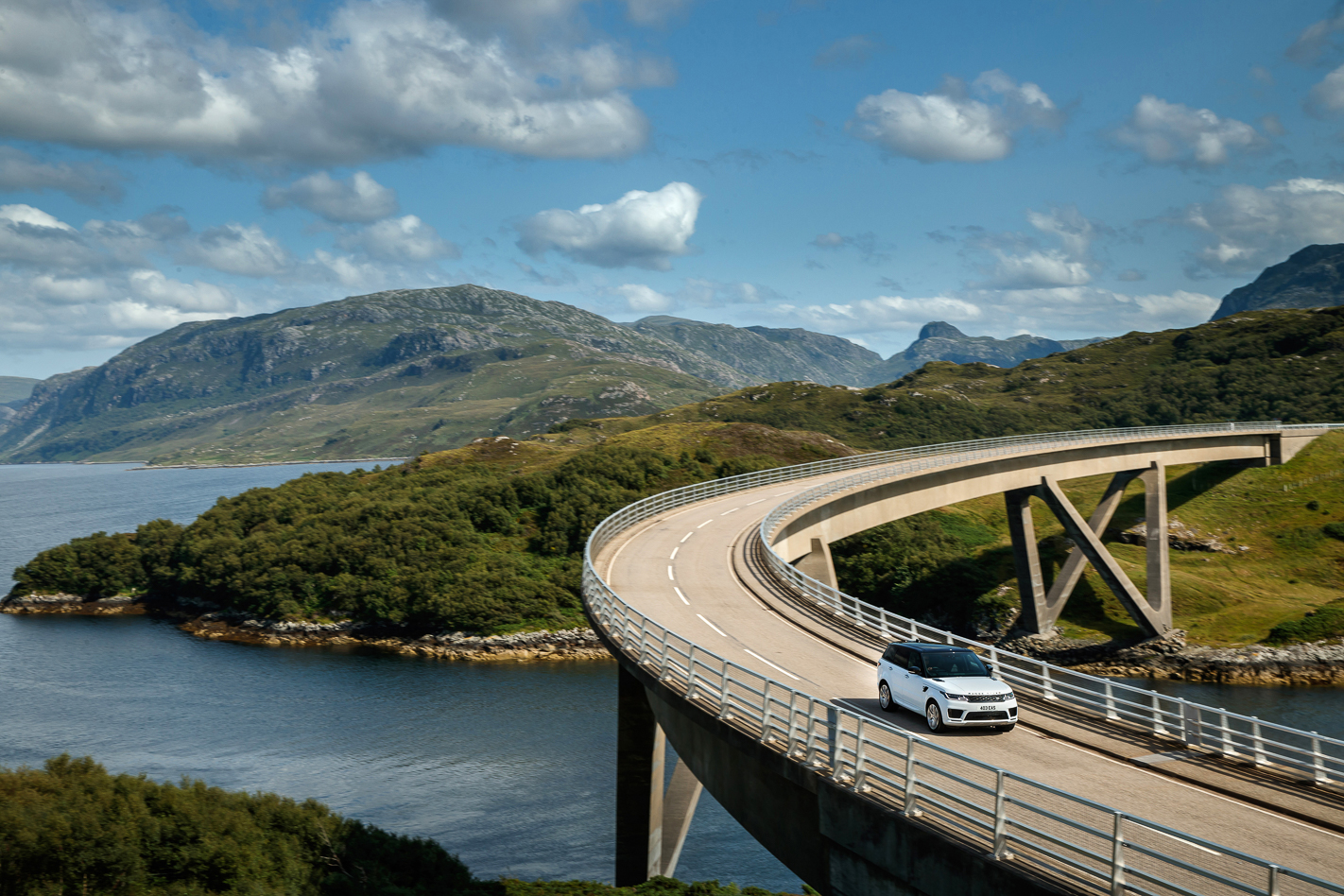
The 2022 Range Rover Sport line-up with the additional engines will go on sale in Australia from July 2021.
2022 Range Rover P400 Australian pricing
- Range Rover Sport P400 SE- $128,206
- Range Rover Sport P400 HSE – $144,906
UPDATE, February 15: Hyundai has teased its all-new Ioniq 5’s interior ahead of its virtual world premiere on February 23, 2021.
The Ioniq 5 will be Hyundai’s first battery electric vehicle (BEV) model to utilise the Electric-Global Modular Platform (E-GMP), which enables a spacious and customisable interior.
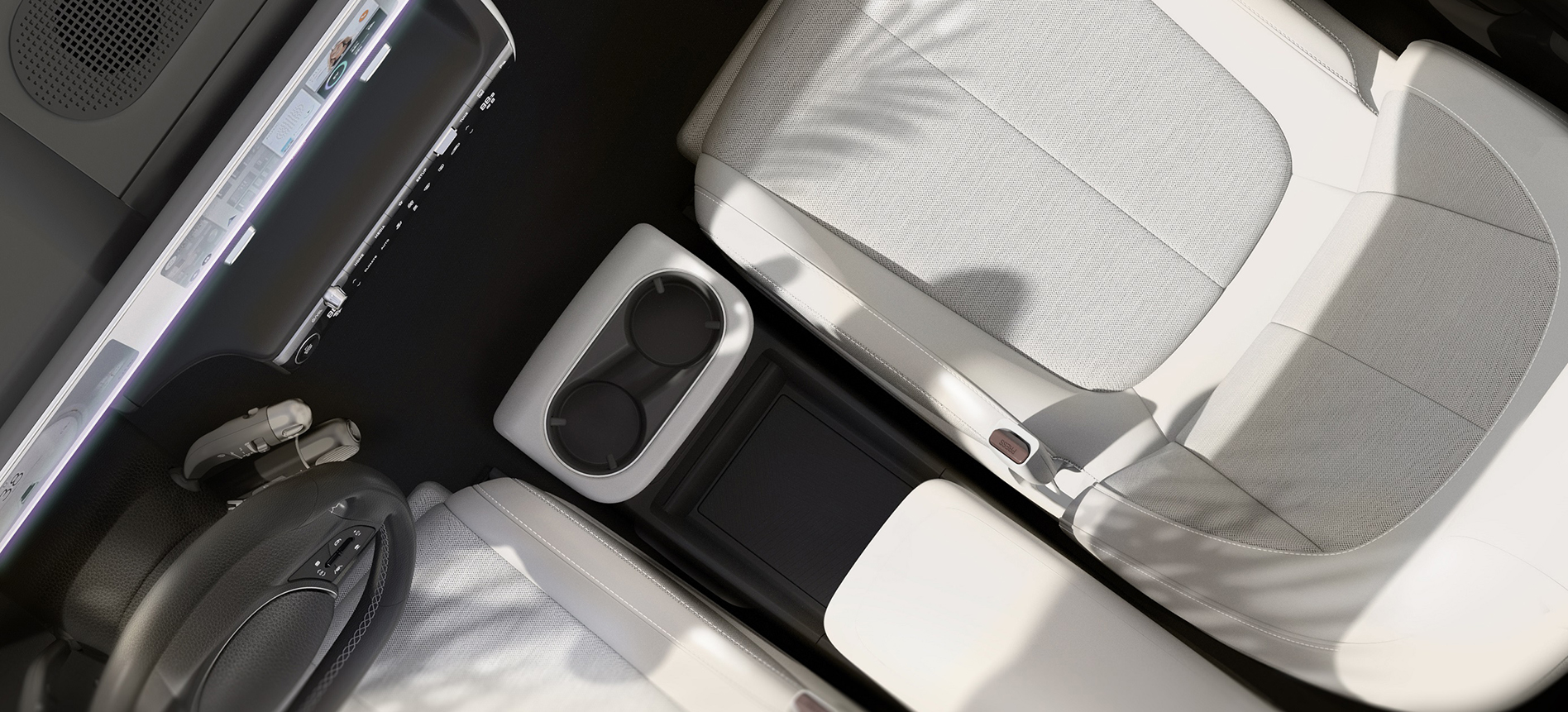
According to the Korean carmaker, this means it can offer personalised mobility with flexible configurations to comfortably accommodate both passengers and cargo.
Two teaser images show a cropped top-down view of the front seats, featuring eco-friendly materials and textiles, in slightly different configurations.
We can’t see how spacious the interior is, but SangYup Lee, Senior Vice President and Head of Hyundai Global Design Centre, said the Ioniq 5’s interior design offers an optimistic look at what customers can expect in the new EV era.
“The long wheelbase is translated to a new dimension of space. We designed this special space as a perfect place to recharge, your home away from home.”
Hyundai says Ioniq 5 elongated wheelbase and the flat floor will allow the driver and passengers to freely enter and exit the cabin on either side when parked in a narrow spot, as the centre console will be able to slide back and forth.
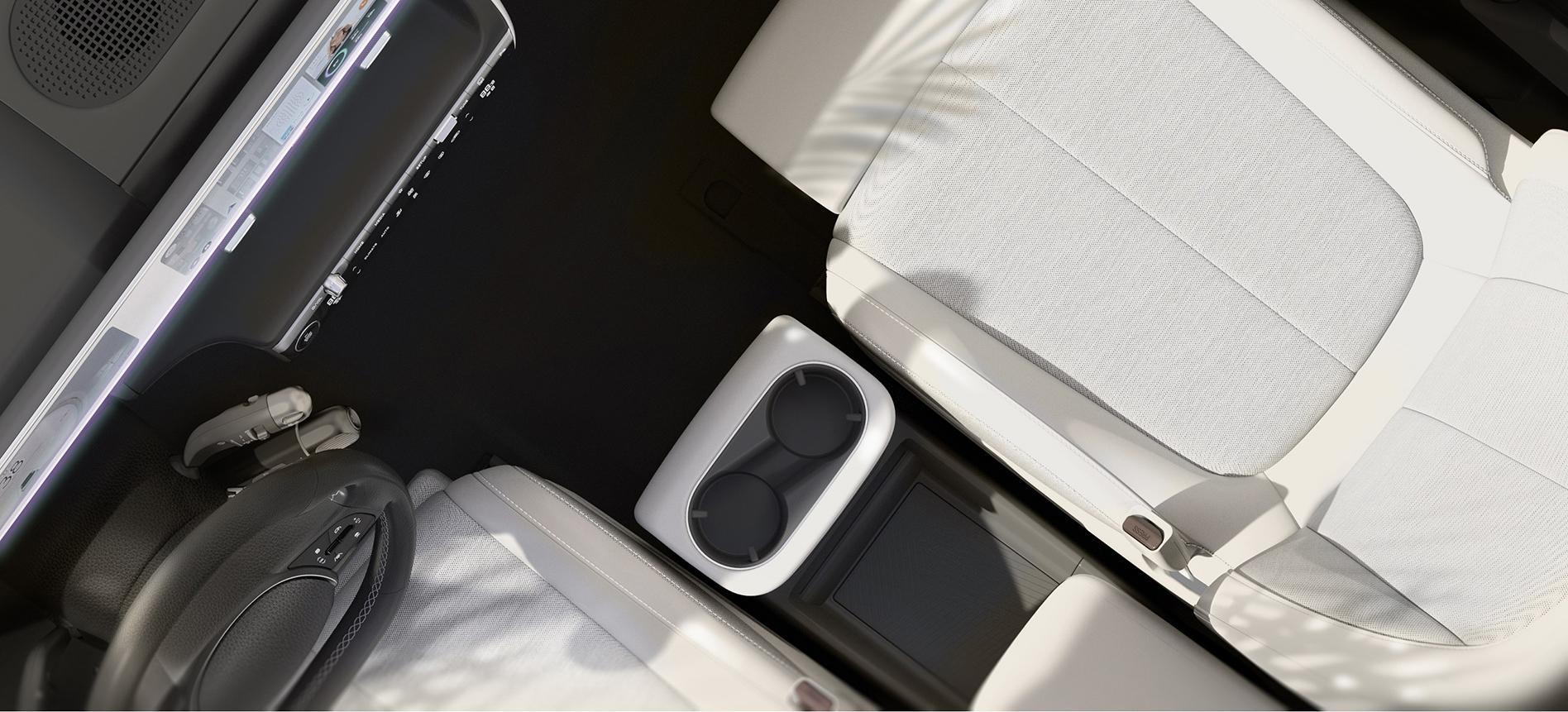
The ‘Universal Island’ centre console also offer greater function than a static storage box and will become the centrepiece of the vehicle’s ‘living space experience’.
The driver and front passenger seats also have leg rests that allow occupants to ‘relax and recharge’ while their vehicle is being charged.
All seats can be operated and repositioned during this time, making it easier for adults in the front to care for children and pets seated in the rear.
Hyundai Ioniq 5 spied in Australia
January 13, 2021: Hyundai’s Ioniq brand has dropped a couple of teaser images and vids of its incoming Ioniq 5 electric SUV.
Some small physical details – like the presence of a clamshell bonnet and the fitment of 20-inch turbine-style rims – were included.
The spy shots – which we’ve lightened – also show new details of the sharply styled front end.
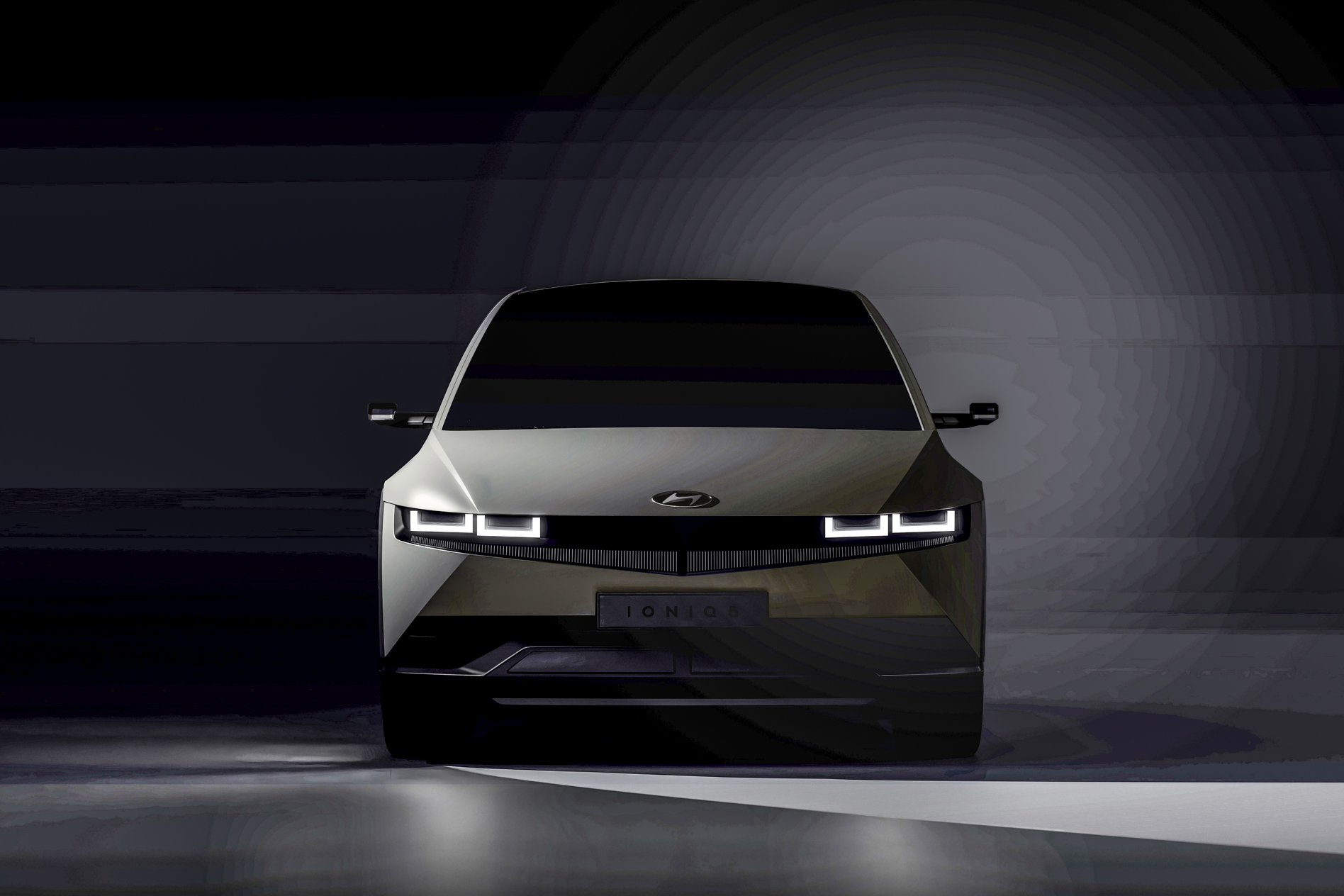
It confirms that Ioniq’s design language will not follow that of its parent company, instead forging its own sharper, more stylised path.
Hyundai also released a brace of teaser videos that point to the Ioniq 5’s ability to be used as a power source for household items, one of which we’ve added above.
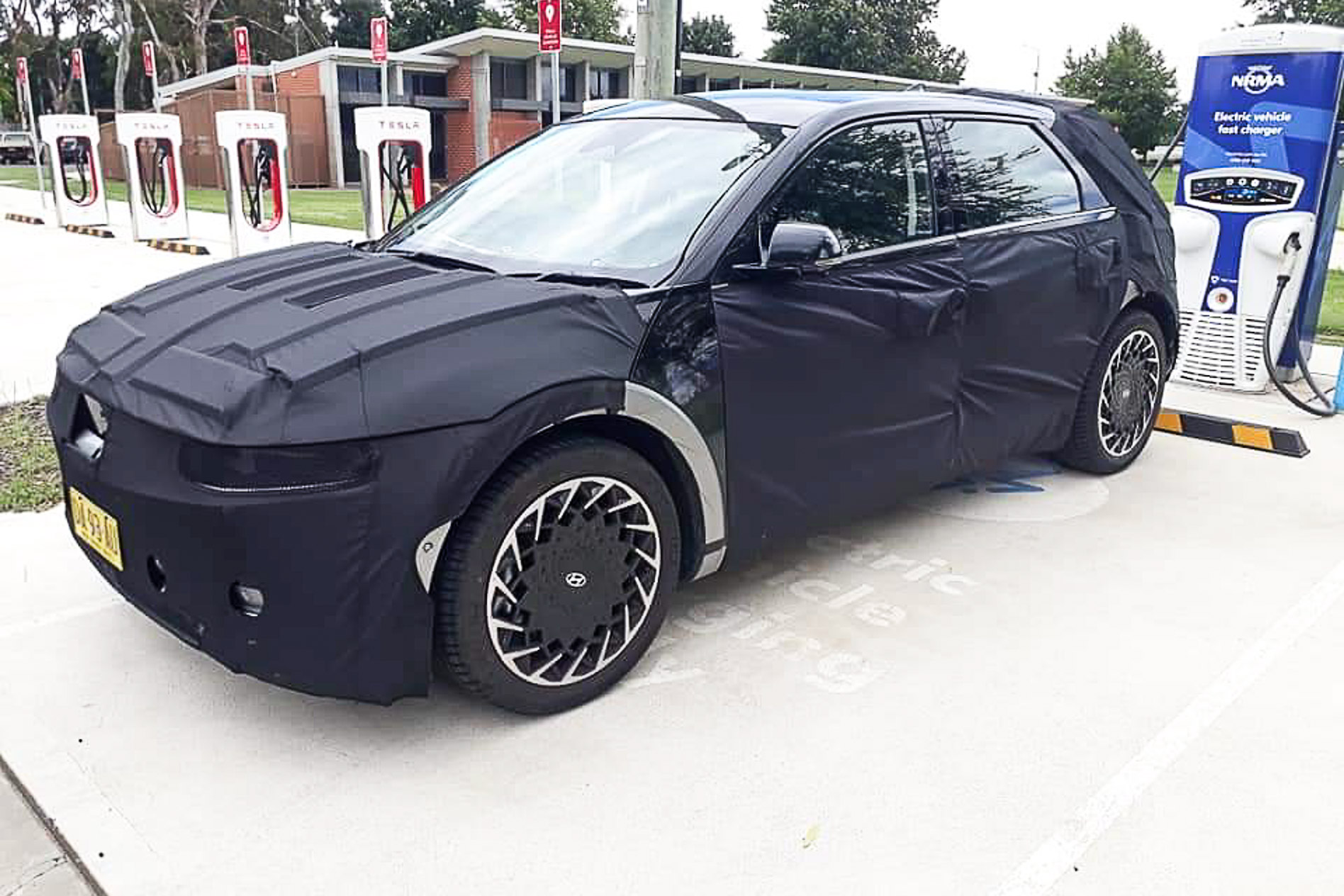
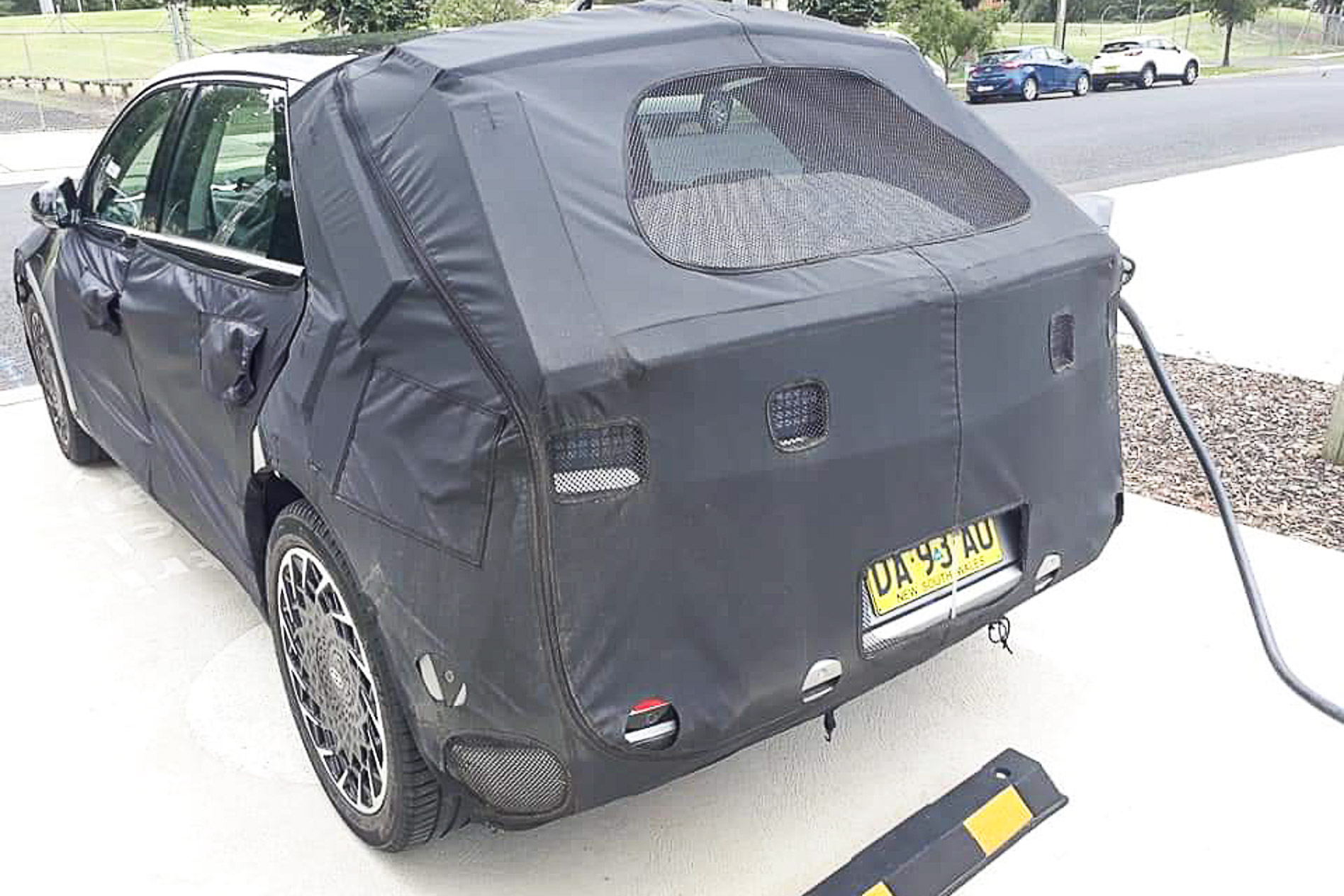
Eagle-eyed Facebook users have already snapped pics of Hyundai’s first ‘proper’ electric vehicle charging in Bathurst, NSW.
Despite its heavy camouflage, the sleek fastback-esque lines and minimal overhangs help to identify it as the Ioniq 5, which will be the first car from Hyundai’s new electric sub-brand Ioniq.
Hyundai tells us that the Ioniq 5 landed in Australia in December, and is here for “testing and evaluation”.
We also understand that the Ioniq 5 is a lot closer to market launch than we originally thought.
A global reveal of the car without camouflage is expected soon, and the five-door electric crossover will arrive in Australia sometime in 2021.
Hyundai’s current electric cars, the Ioniq hatch and the Kona EV, are based on conventional vehicle platforms, but the Ioniq 5 is the first to ride on the Electric Global Modular Platform (E-GMP for short), which can be tailored to produce electric cars of various sizes.
Product leaks from Hyundai’s own people suggest that the Ioniq 5 will be offered initially with two electric motors producing 230kW, backed by a relatively small 58kWh battery that can provide up to 450km of range.
A larger 73kWh battery pack will arrive later, which will increase the potential range to 550km.
It’s suggested, too, that the Ioniq 5 will have the capability to use 800-volt DC fast charging, which could recharge the lithium-ion battery from 20 to 80 percent in just 15 minutes.
It’ll also be able to use a 240-volt household socket to recharge (slowly) or an 11kW AC wall box.
At 4640mm long, 1890mm wide and 1600mm tall, the Hyundai Ioniq 5 is the same length and 15mm wider than the incoming new Tucson SUV, though it is 65mm lower.
The Ioniq 5 rides on an enormously long 3000mm wheelbase, though, which means that it should have tonnes of room inside for passengers and luggage.
It could feasibly even be offered as a seven-seater, though we’d guess that a third row of seats would add a bit too much weight and size when the battery pack and the location of the rear motor are taken into account.
Source: Electric Vehicles For Australia FB
German vehicle component manufacturing giant ZF Friedrichshafen will stop developing new technology for internal combustion engine (ICE) vehicles to focus on alternative powertrains instead.
Germany’s third-largest vehicle industry supplier, whose vast portfolio includes eight-speed automatic transmissions supplied to major car makers such as Aston Martin, BMW, Fiat Chrysler, Jaguar Land Rover, and the Volkswagen Group, sees the writing on the wall for ICE vehicles.
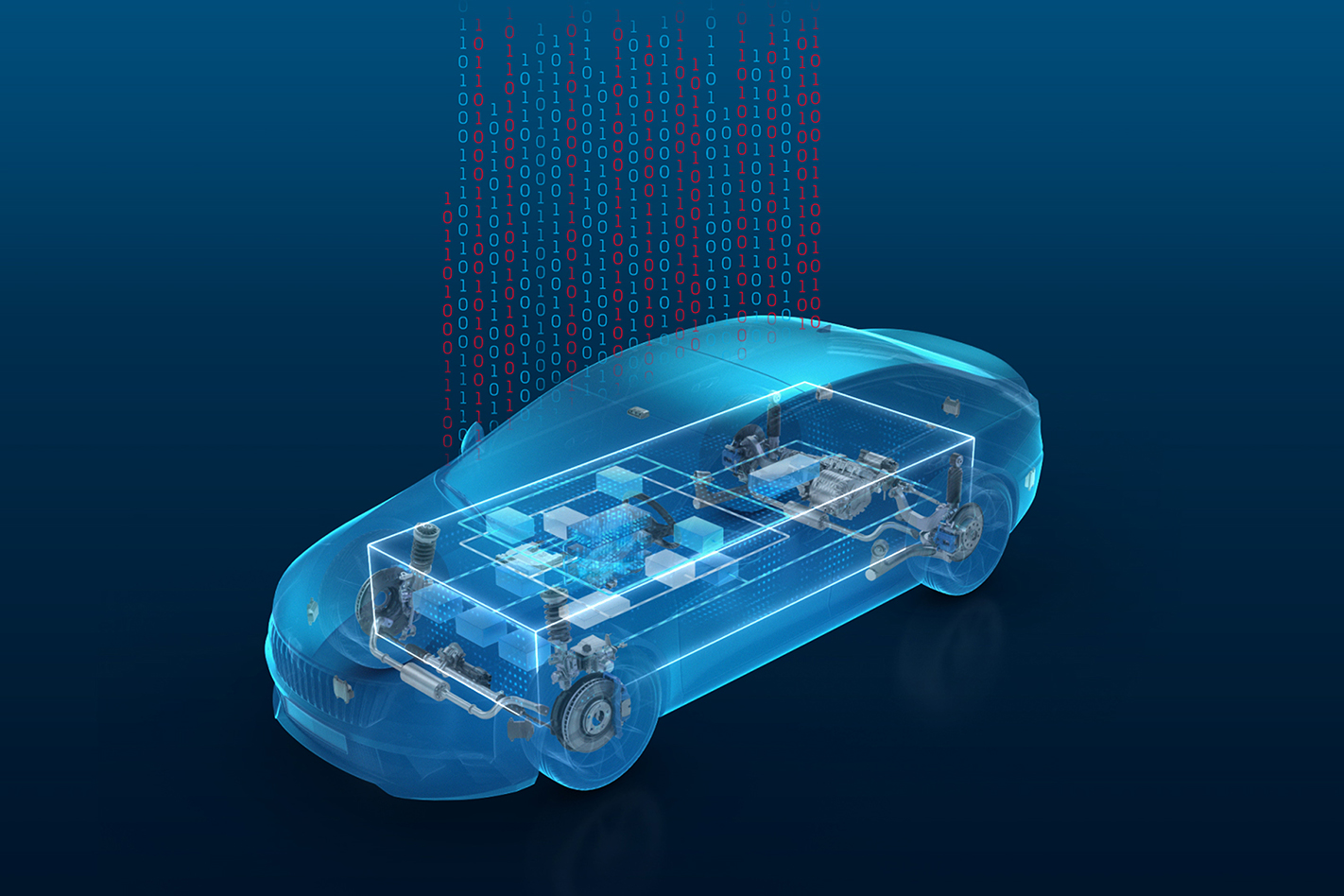
ZF’s CEO Wolf-Henning Scheider told German news outlet Frankfurter Allgemeine Zeitung (FAZ) the company diverted all development resources to new technologies with a focus on improving range and efficiency of electric vehicles.
“We are preparing ourselves for the fact that in 2035, hardly any internal combustion engines will still be sold in Europe, and perhaps none at all in the passenger car sector,” Scheider told FAZ.
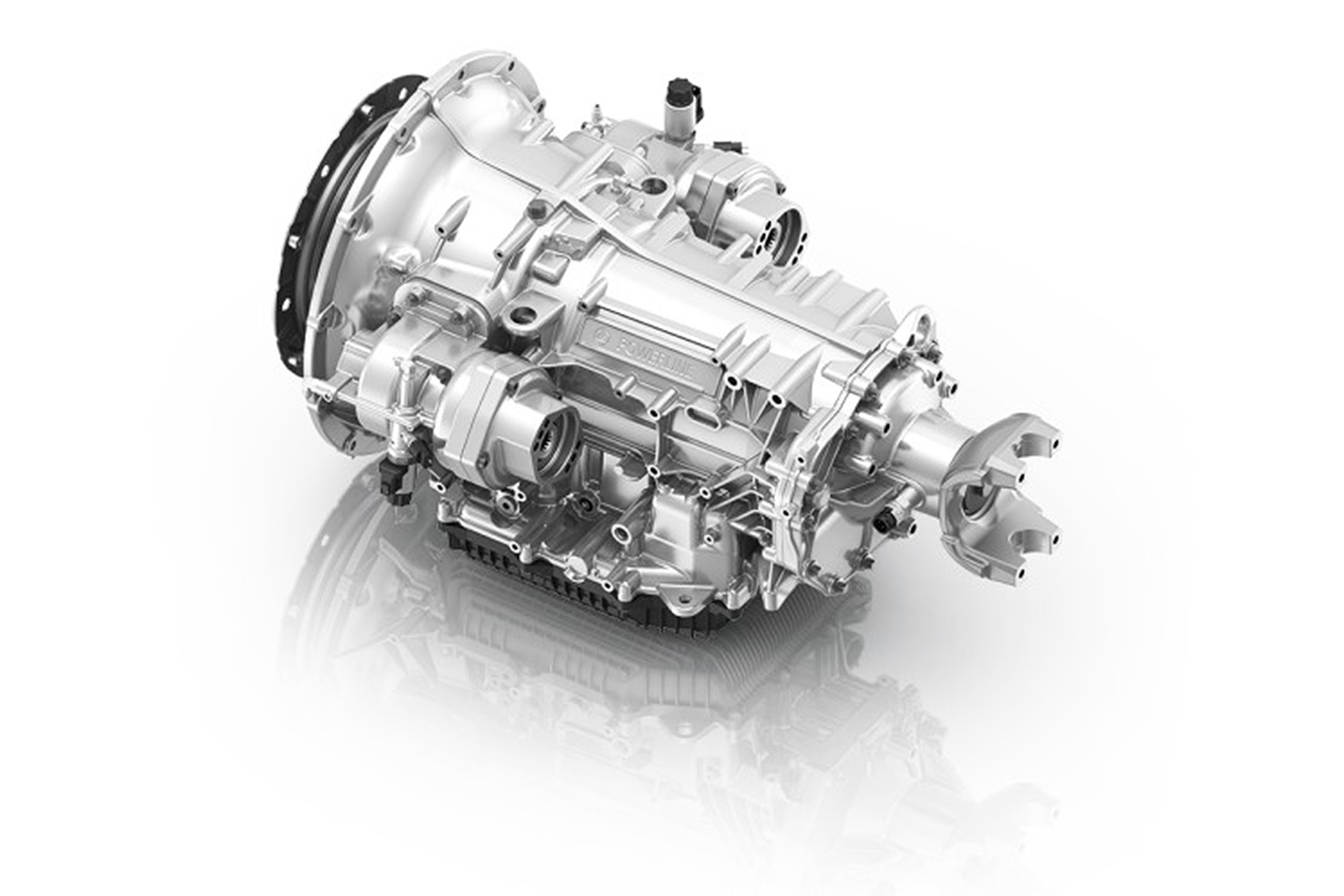
But while ZF’s A$4.5 billion research and development budget will now prioritise new EV technology, the company doesn’t appear to be stopping production of existing ICE components any time soon. The company just announced a A$258 million investment to produce PowerLine 8-speed automatic transmission for trucks, buses and large pickups in the USA from 2023.
ZF produces a wide range of components in 41 countries, including dual-clutch and manual transmissions, suspension technology, chassis systems for cars and commercial vehicles, advanced driver assistance systems, airbags and electric mobility technology.
