
Ferrari has revealed a new limited-edition version of its 12Cilindri supercar that appears to bring back the traditional manual gearbox – although the reality is more high-tech than mechanical.
Called the Ferrari 12Cilindri Manuale, the special model will be offered through the company’s Tailor Made personalisation program and production will be capped at 1499 examples worldwide.
Rather than fitting a conventional manual transmission, Ferrari has developed a new by-wire system that recreates the experience of driving a six-speed manual while retaining the standard car’s rear-mounted eight-speed dual-clutch automatic.
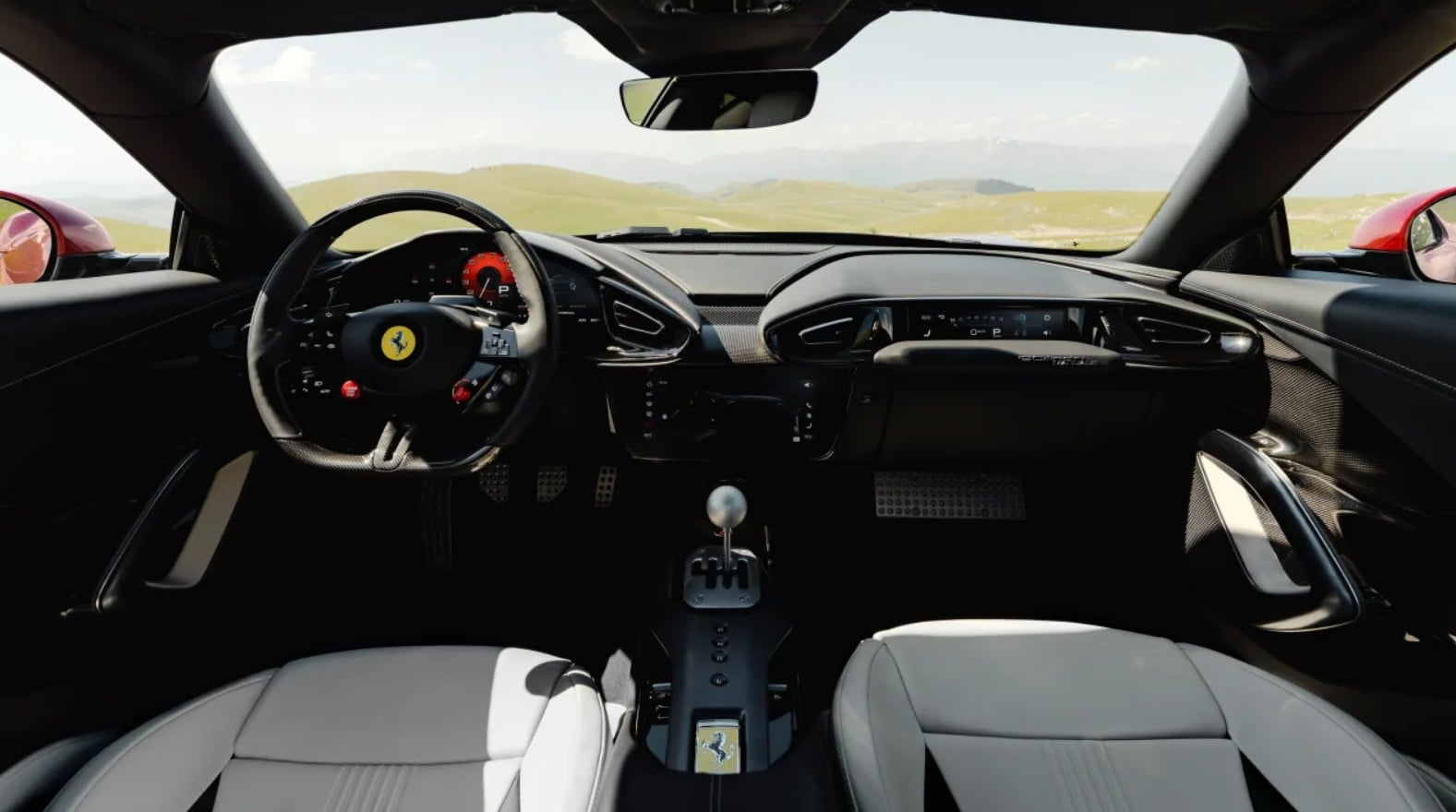
The cabin features an open-gated gearlever mounted between the seats alongside a clutch pedal, but neither is mechanically linked to the transmission. Instead, electronic controls replicate the feel and operation of a traditional manual gearbox.
The car starts in automatic mode using the familiar drive, neutral and reverse buttons on the centre console. Pressing the clutch pedal activates the Manuale system, with an illuminated aluminium gear knob indicating the change.
The simulated manual operates across the first six forward ratios, while seventh and eighth gears remain available only in automatic mode. Ferrari says drivers can still stall the engine or mistime shifts, while the clutch pedal includes a simulated bite point for added authenticity.
Paddle shifters have been deleted, and there is no automatic throttle blip during downshifts. However, electronic safeguards prevent selecting a gear that could over-rev the engine, and drivers can instantly return to automatic operation by pressing the Drive button.
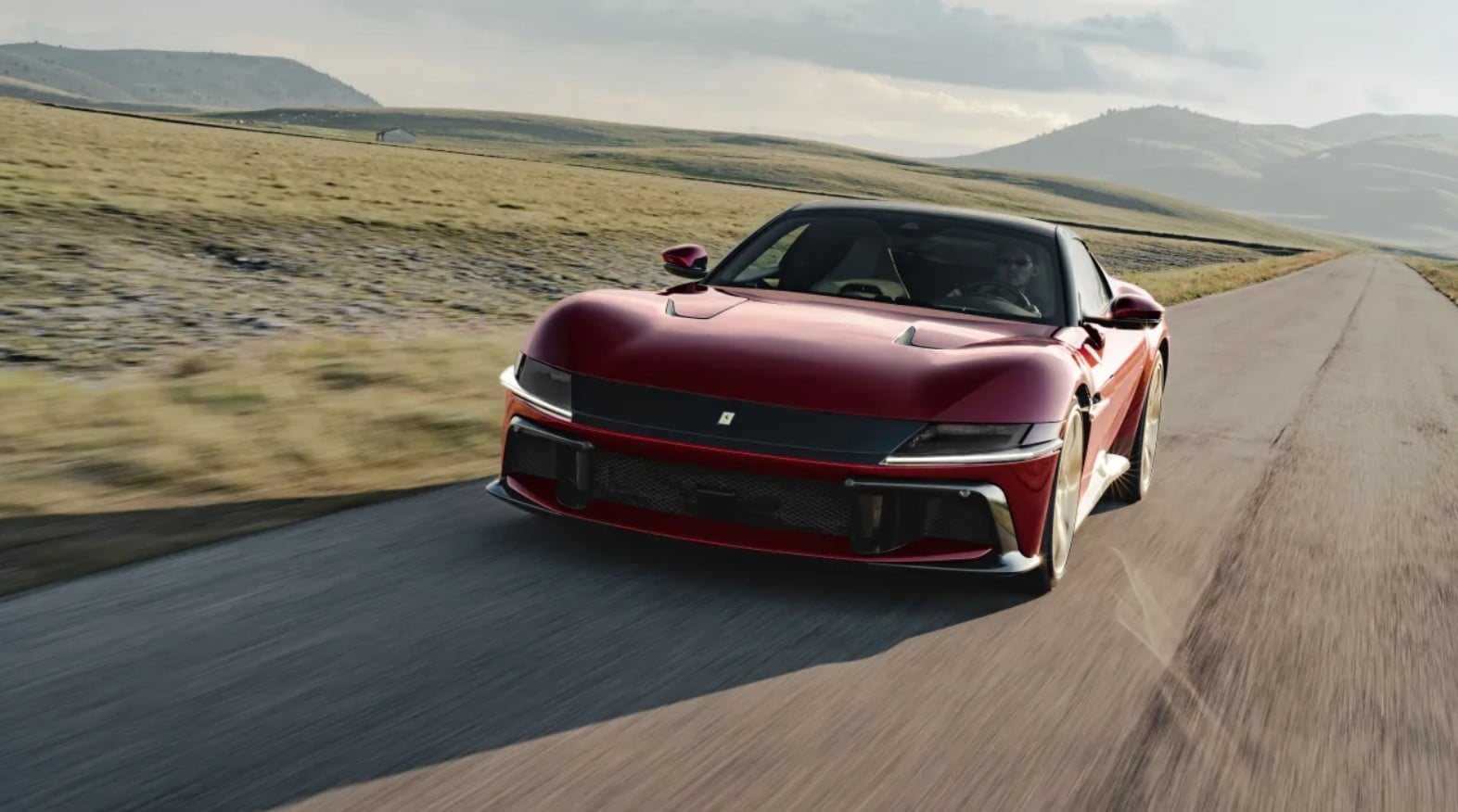
Mechanically, the car is unchanged. Its naturally aspirated 6.5-litre V12 continues to produce 610kW and rev to 9500rpm, delivering a claimed 0-100km/h time of around three seconds and a top speed of approximately 338km/h.
Exclusive touches include laser-etched Manuale badging, silver Ferrari emblems, bespoke forged five-spoke wheels and subtle pinstriping inspired by the classic Ferrari 365 GTB/4 Daytona.
Ferrari has priced the Manuale package at around €190,000 (about A$340,000) on top of the donor vehicle, making it one of the most expensive interpretations yet of the classic manual driving experience.
The history of Australia’s new car landscape has always been a battleground, a diverse minefield of locally-built and imported cars that vied for the hearts and wallets of buyers everywhere. But while some cars resonated with the locals, selling in their thousands – and sometimes tens of thousands – others set the critics’ pulses racing but failed to capture the imagination (and hard-earned dollars) of buyers.
Here then, in chronological order and published in the September 2004 issue of Wheels, are 10 of the most underrated cars ever sold in Australia.
First published in the September 2004 issue of Wheels magazine, Australia’s best car mag since 1953. Subscribe here and gain access to 12 issues for $109 plus online access to every Wheels issue since 1953.
Humber Super Snipe (1958)
The Super Snipe’s biggest problem was that it came from the Rootes Group, best known for mediocre Hillmans. In 1958, this sleek model replaced the previously bulbous Snipe, and was praised for its elegance, old-style luxury, and value for money.
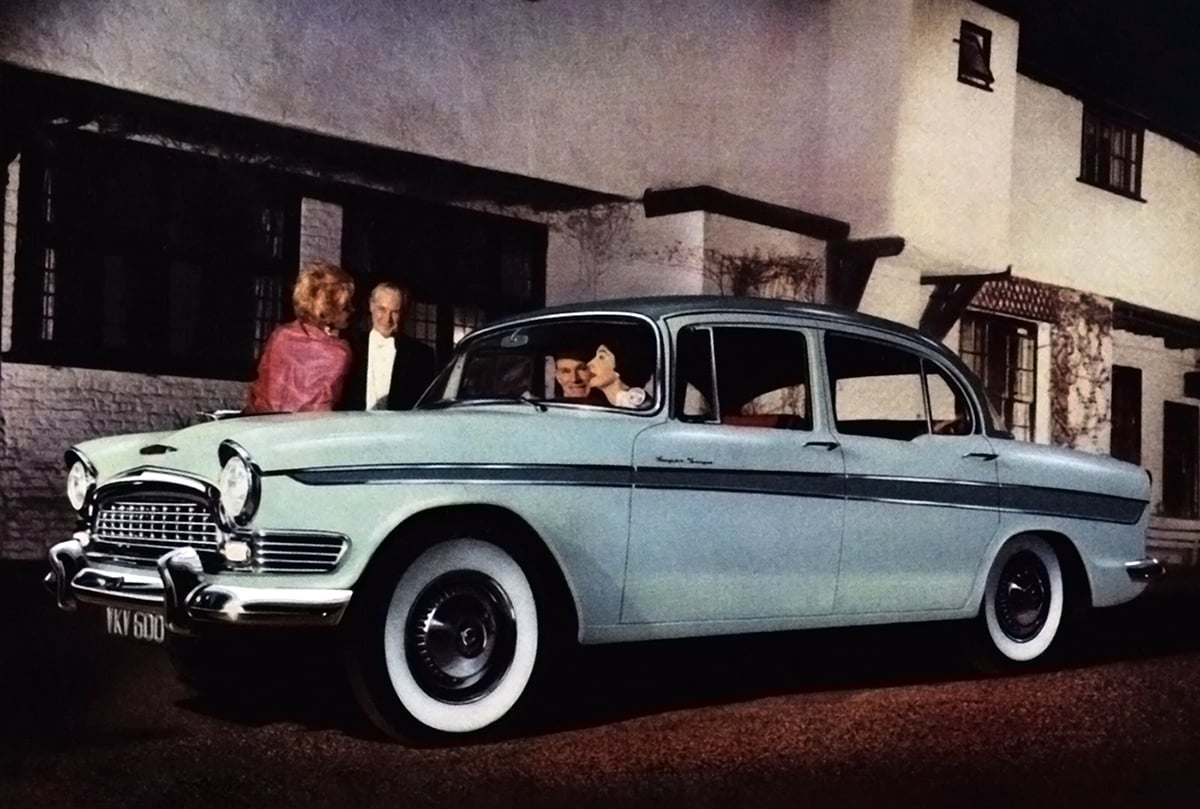
But Humber never had the cachet of Rover, or even Armstrong-Siddeley, who designed the Snipe’s torquey 3.0-litre six. Rootes hadn’t heard of power steering, and leather would have been preferable to the close imitation used, but there was no disputing the authenticity of the Snipe’s glossy wood.
A final facelift in 1966 (Series 5A) refreshed its old-English flavour, but Chrysler was in charge and Humber was doomed. The brand died here in 1969.
Peugeot 404 (1961)
Replacing the 403, the all-new, Pininfarina-styled 404 debuted in 1961 and arrived here the following year (but not in gorgeous coupe or cabriolet form).
Always powered by a 1618cc four in Australia, but acquiring more grunt every couple of years, the 404 was still brilliant when retired here in 1970.
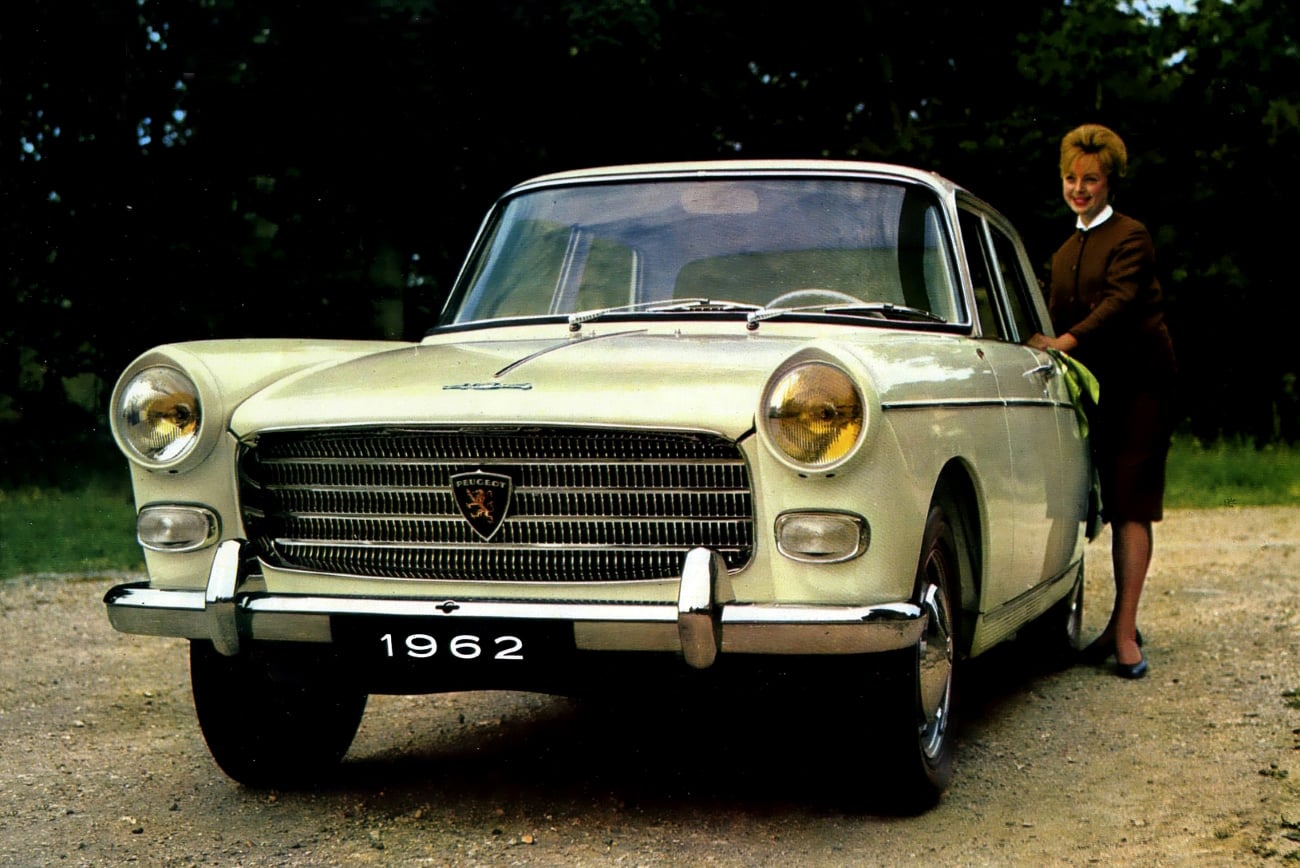
Local assembly kept prices to Holden levels, but this amazingly quiet, refined, soft-riding, yet great-handling sedan was in a league of its own.
Put simply, the 404 was one of the world’s best cars of the time – regardless of price. Look at modern-day Peugeots, and you’re left wondering where the French marque went wrong.
Ford Zephyr Mk III (1962)
Ford of England was throwing real style at its cars in the early ’60s, and the Zephyr Mk III had an elegance to its individuality. It was considerably more refined than an EJ Holden.
The Mark III delivered 73kW from its 2.6-litre six, and offered an all-synchro four-speed manual (or three-speed auto) and front disc brakes – inclusions unheard of on Aussie cars at the time.
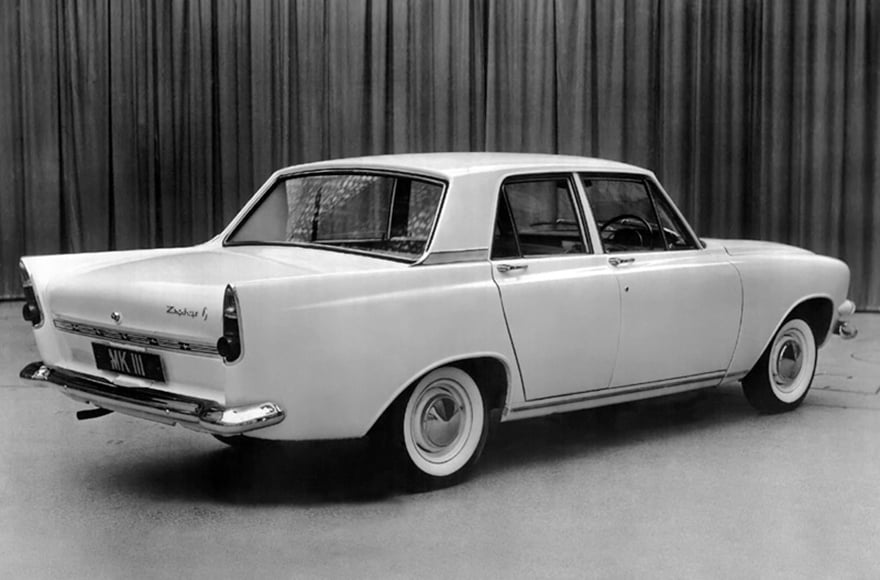
In March ’63, Wheels was keen enough to rank the Zephyr among the top six cars on sale here. Wouldn’t a locally-built, well-priced Mk IIl have been a ripper Aussie car? Our final Zephyr was a fine drive, too – Geoff Russell almost won the last Phillip Island 800km enduro in one.
Austin 1800 (1965)
The Austin 1800, unkindly dubbed ‘land crab’ because of its mildly repellent exterior, was the logical next step in process begun by BMC with the Mini (1959) and the Morris 1100 (1962).
BMC advertised the 1800 locally as “the Car of the Century”. It wasn’t.
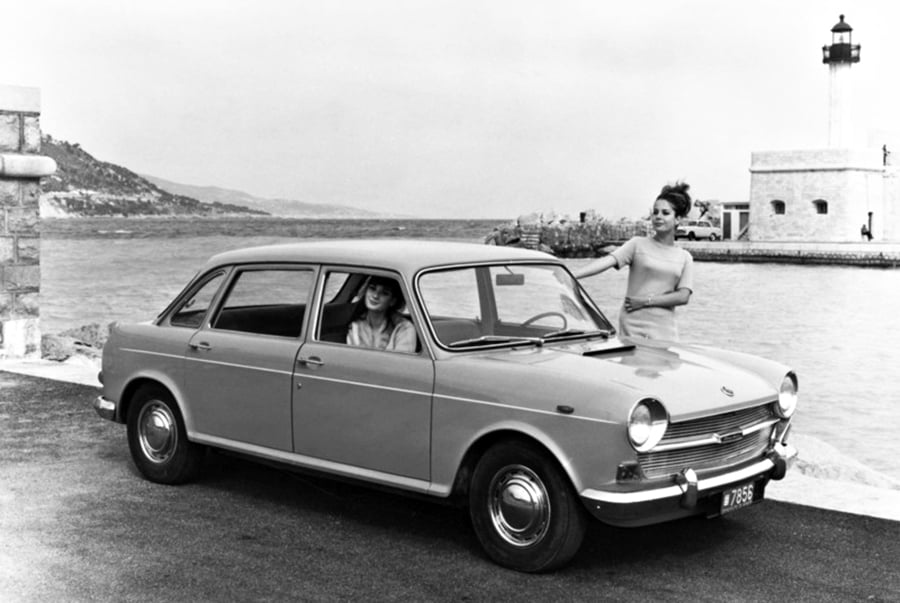
But this fluid-suspended, front-drive sedan did deliver tenacious grip, remarkable comfort, and was enormously spacious. Compared with an HD Holden, it was a dynamic genius, dogged only by unreliability in its original form.
The inevitable Mark Il (1968) was better sorted and usefully gruntier, but, by then, the 1800 had already managed to soil its reputation.
BMW 2500/2800 (1968)
In November ’71, Peter Robinson and Steve Cropley compared the 2800 with a Jaguar XJ6 4.2 to find the best sedan in the world (and gave it to the BMW).
But while the XJ6’s place in history is secure, BMW’s superb flagship sedan (precursor to the E23 7 Series) has never quite received the recognition it deserves.
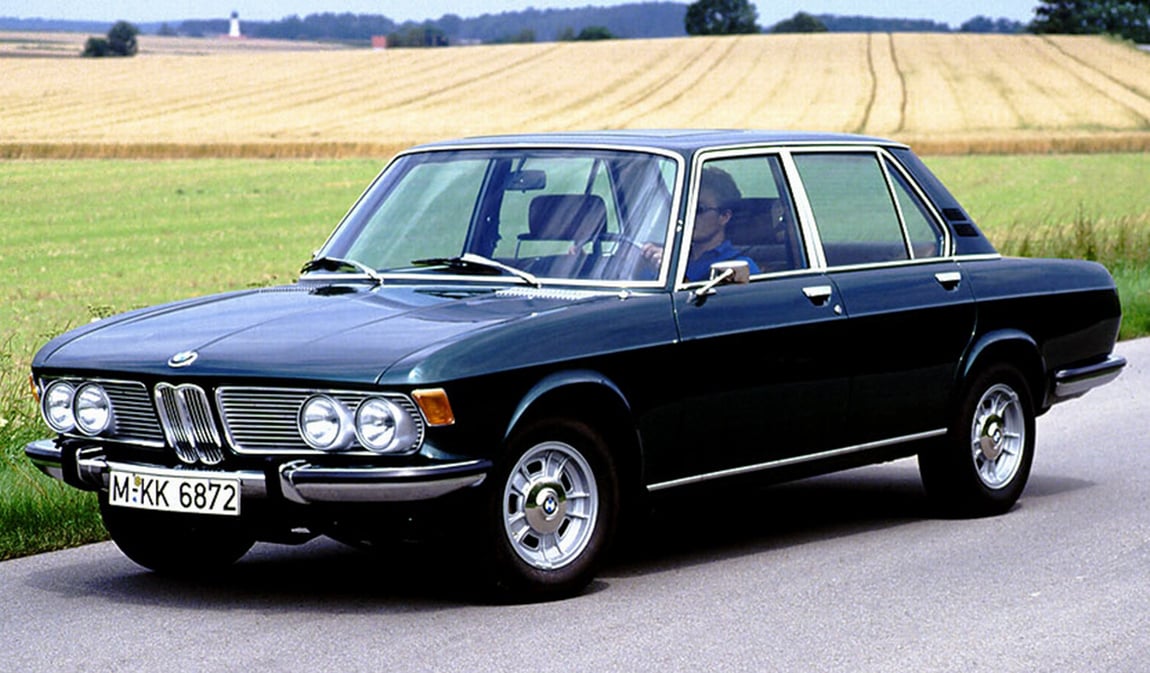
Its sweet, high-reving, overhead-cam six gave the 2800 a top speed of 200km/h, and combined with ride quality that almost matched the XJ6, and excellent power steering to create a magnificent sports-luxury sedan.
Dynamically, it was a real enthusiast’s express, and still drives exceptionally well today. “It is simply a supremely balanced car, very obviously designed by drivers,” said Wheels in 1971.
Renault 16TS (1969)
The sporty version of Renault’s ugly duckling front-wheel-drive 16 arrived here in 1969, with a verve that astonished many drivers of six-cylinder Monaros.
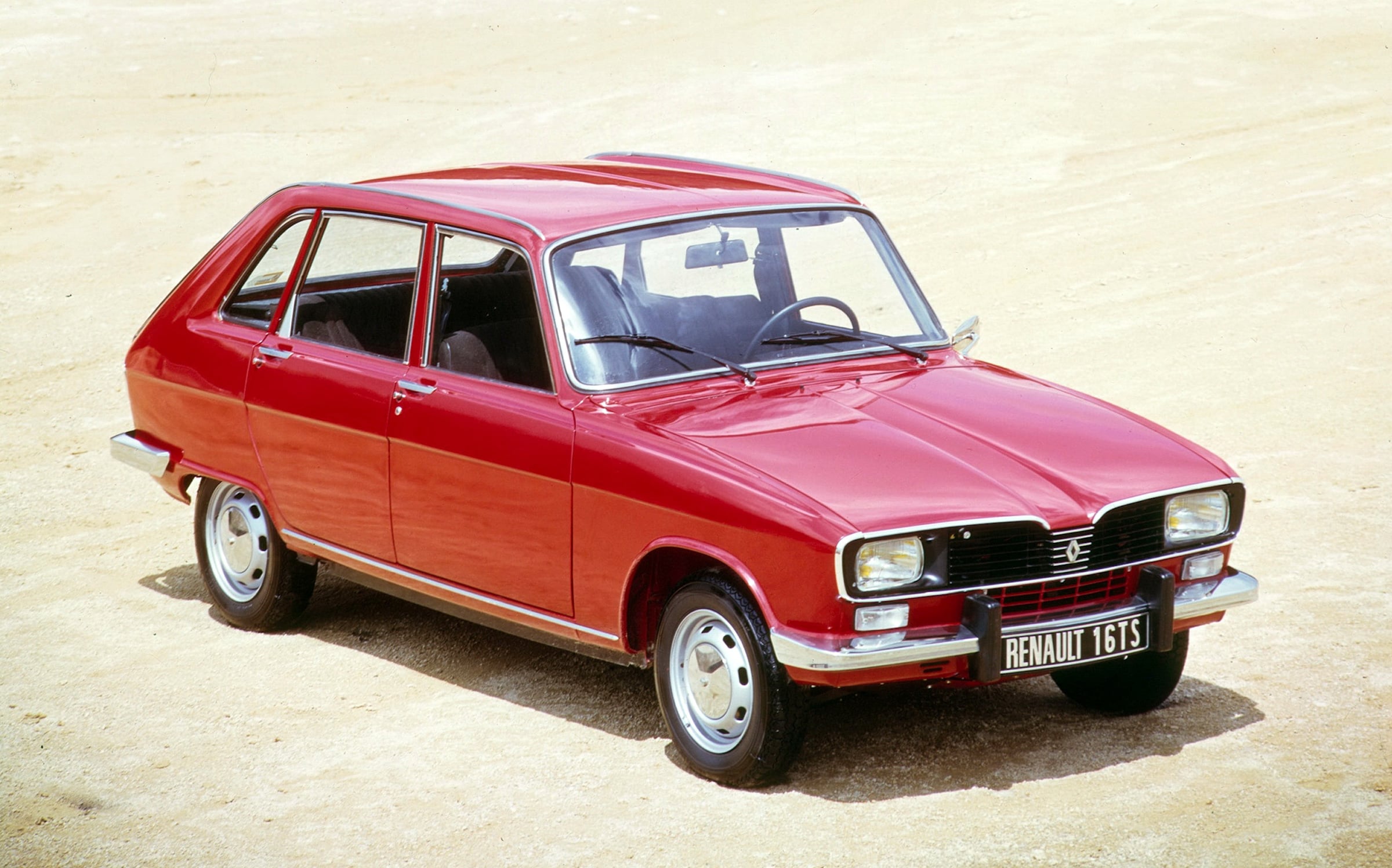
Its 18.3-second standing quarter-mile was acceptably rapid, and its 165km/h V-max made it a brilliant cruiser. Despite its passion for torque steer and body roll, the 16TS handled as well as it rode, and one even completed Bathurst.
Great seats, a groovy dashboard, and loads of equipment, plus an unusual, but effective, four-on-the-tree gearbox, all made the TS a fabulous touring car. However, its demographic appeal was narrow, as an inner-city terrace and a beard (blokes only) were almost compulsory for R16 ownership.
Rover 3500 (1969)
Why not drop a lightweight all-alloy V8 into an engine bay originally designed for a 2.0-litre four? That’s how Rover prepared its ’60s.
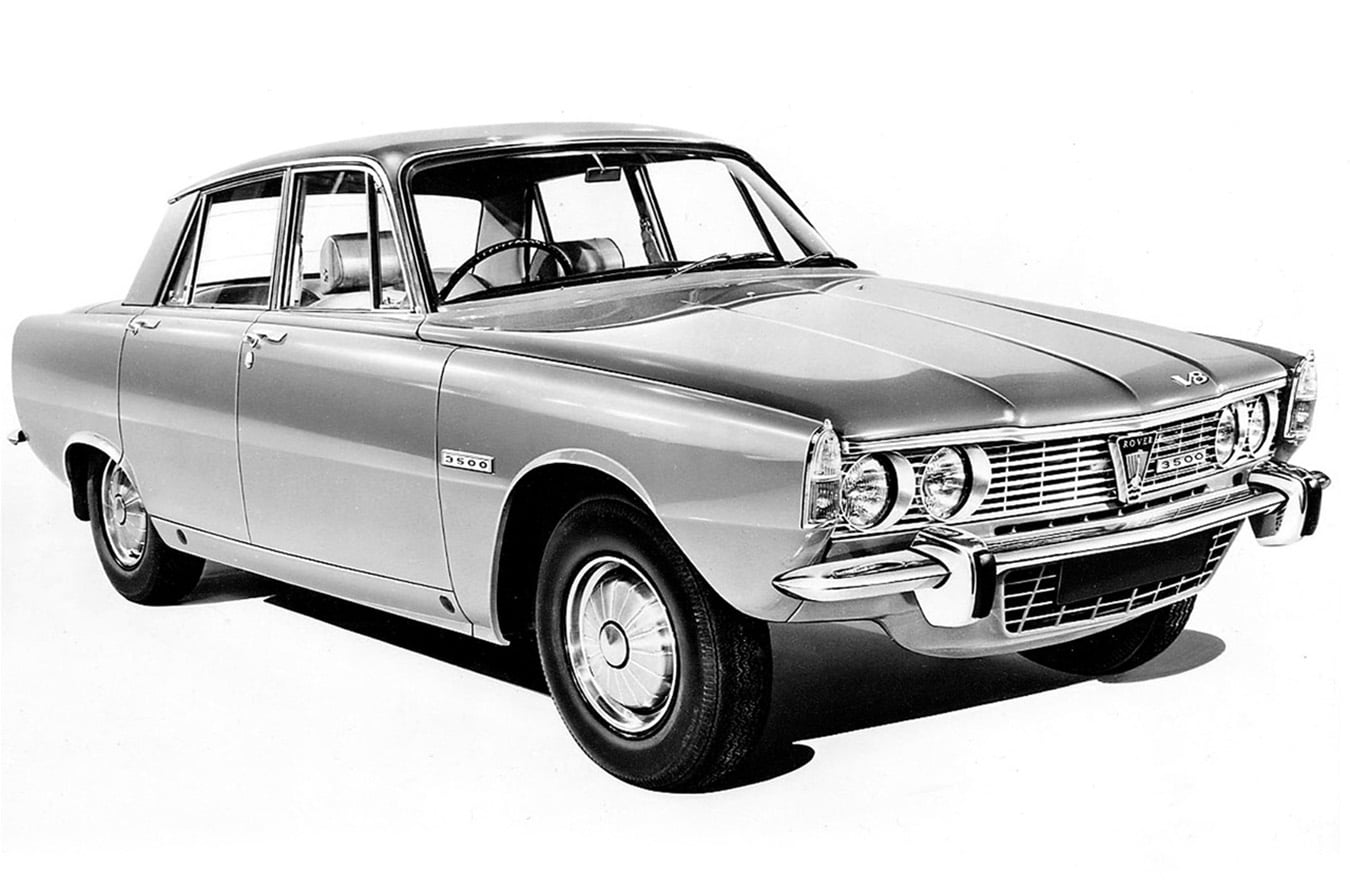
It was officially named ‘Three Thousand Five’, but everyone called it the ‘Thirty-Five Hundred’. This safe, well-balanced car combined many Citroën DS elements (ride, roadholding, comfort) with strong performance, even though its cabin was cramped and its boot was a statehouse for the spare wheel.
Most desirable P6 was the 190km/h 3500S (1972) which added a four-speed manual ’box to the regular 3500’s virtues and extracted the best from its 114kW 3528cc V8.
Audi 100 (1982)
The standout of 1982’s Paris Salon established a pattern for aerodynamic styling that still exists today. The ’82 100 was the world’s first car to feature flush side glass. Today, flush glass is industry-wide. But the 100 was understated almost to the point of invisibility, and never quite caught on, despite its brilliance.
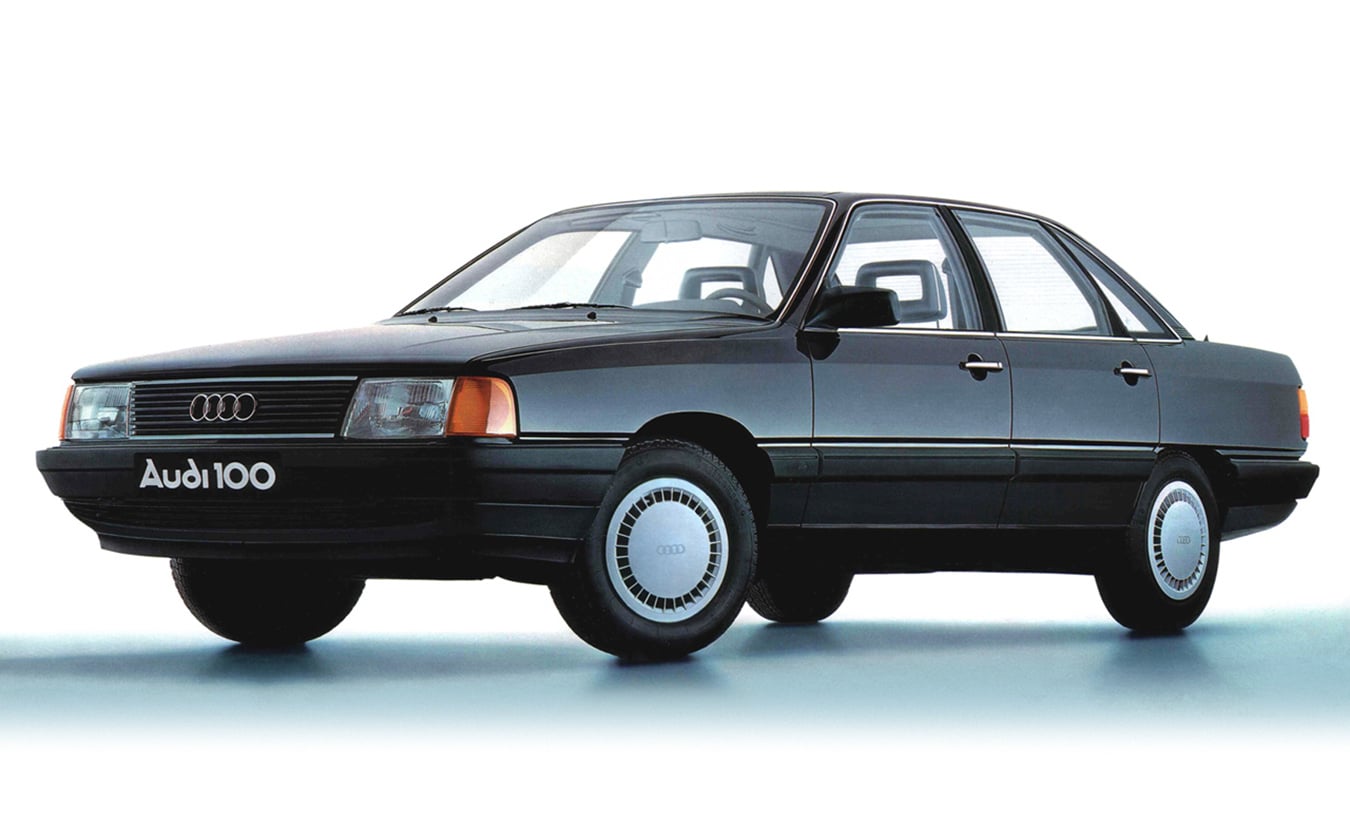
“Point-to-point, I’ve never driven a large sedan which could cover the ground so effortlessly, quietly, and without ever losing its balance or poise,” said Robbo in ’84.
“With that slick gearchange, free-reving engine and superb dynamics, it is a car that pampers the enthusiastic driver.” Indeed, Audi’s all-new 100 (1991) barely improved on it.
Citroën XM (1990)
The 1990 European Car of the Year was a true descendant of the famous DS and CX, but had been diluted by Peugeot’s ownership of Citroën and the need to share bits with the forgettable 605.
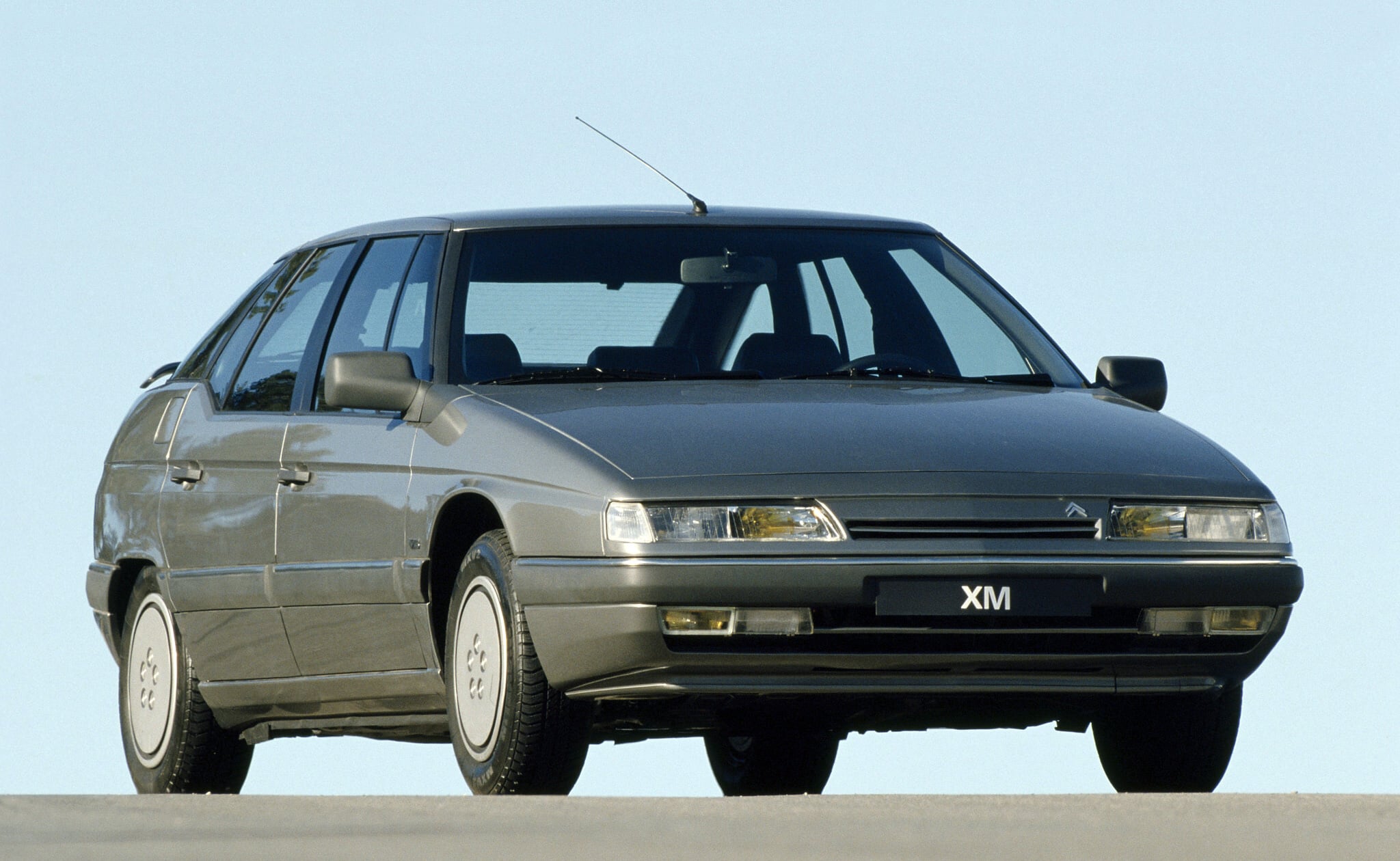
The XM’s beauty and versatility were beyond question, but its 123kW Douvrin V6 precluded the kind of grunt expected in this sector. Not for us the 24-valve V6 or turbo four available in Europe.
In 1997, Citroën dumped the 23-year-old Douvrin for an all-new 140kW V6, but few cared. Despite the oddball XM’s supreme ability, its scary price and tinge of unreliability had already frightened most people away.
Jaguar XJR V8 (1997)
Originally launched with a raucous 240kW supercharged six for the XJ’s X300 facelift in 1994, the XJR was transformed in 1997 when Jaguar dropped in its all-new AJ-V8 – lifting power to 276kW, and simultaneously refining the whole enterprise.
This feline could gather up her pretty skirts and sprint 400m in 14 seconds flat, humiliating most HSVs of the time.
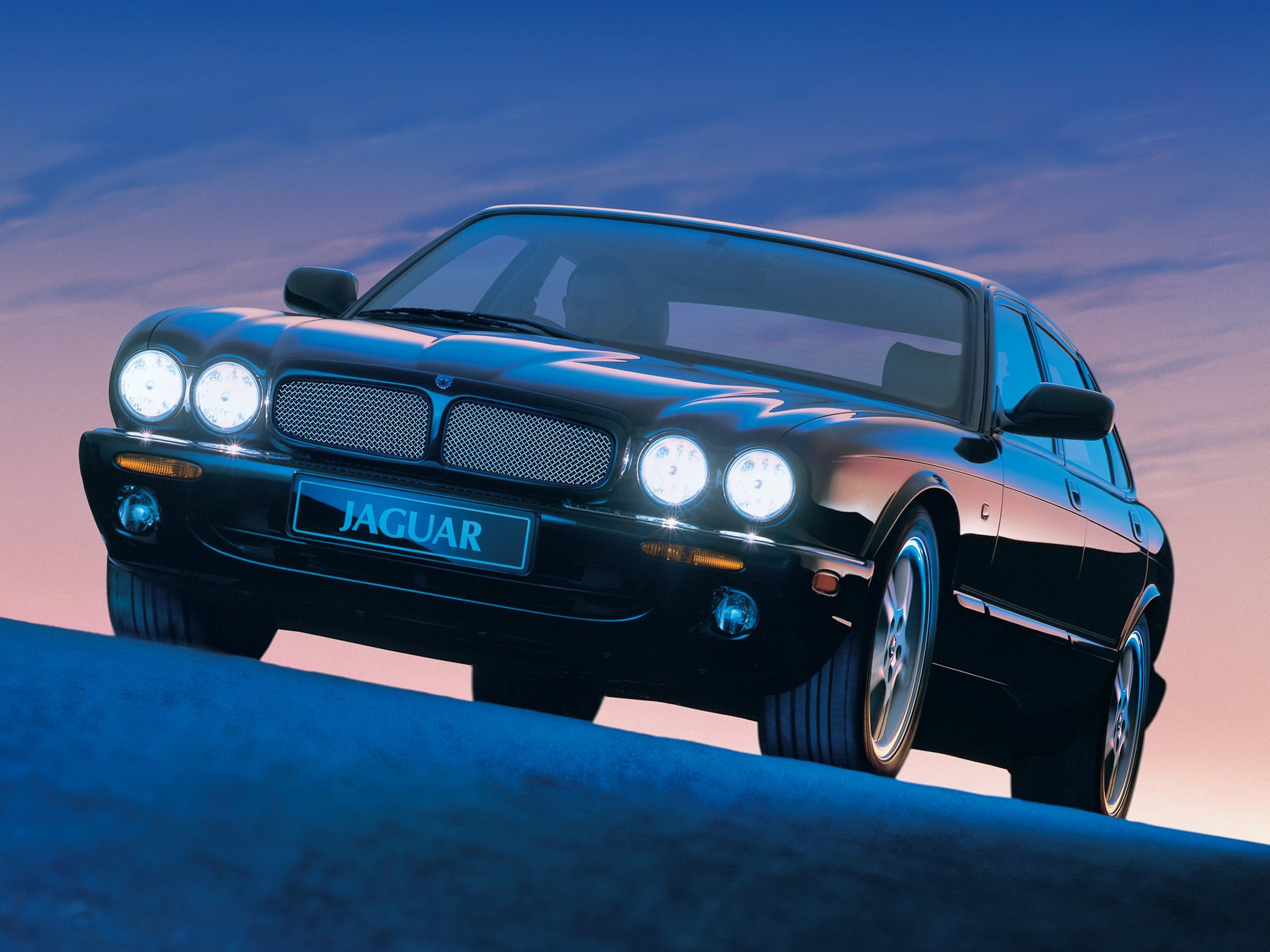
But the beauty of the XJR was its heady cocktail of V8 grunt and old-English style. It was as fast as an M5 or E55 AMG, but less expensive and plusher than either. However, after waiting years for a seriously quick XJ, punters had started to lose interest. By the time the V8 arrived, the XU40-series XJ was 11 years old, and Jaguar’s local share had almost vanished.
And a few overrated ones too
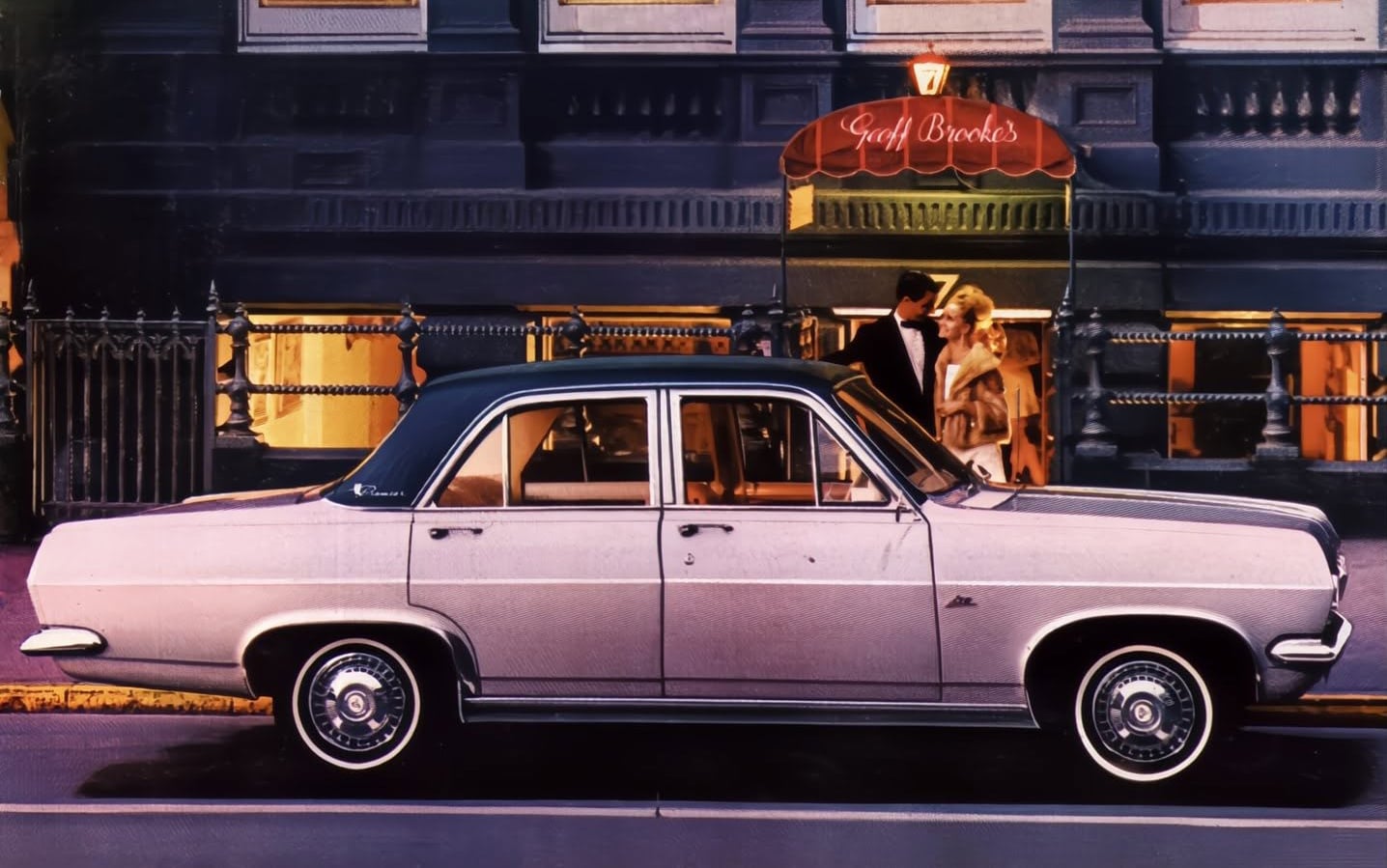
HR Holden (1966)
The big-selling HR somehow escaped the inglorious reputation of its HD predecessor. But a paucity of gears (two auto, three manual), no seatbelts at launch, and a rigid steering column proved Holden was living in the past.
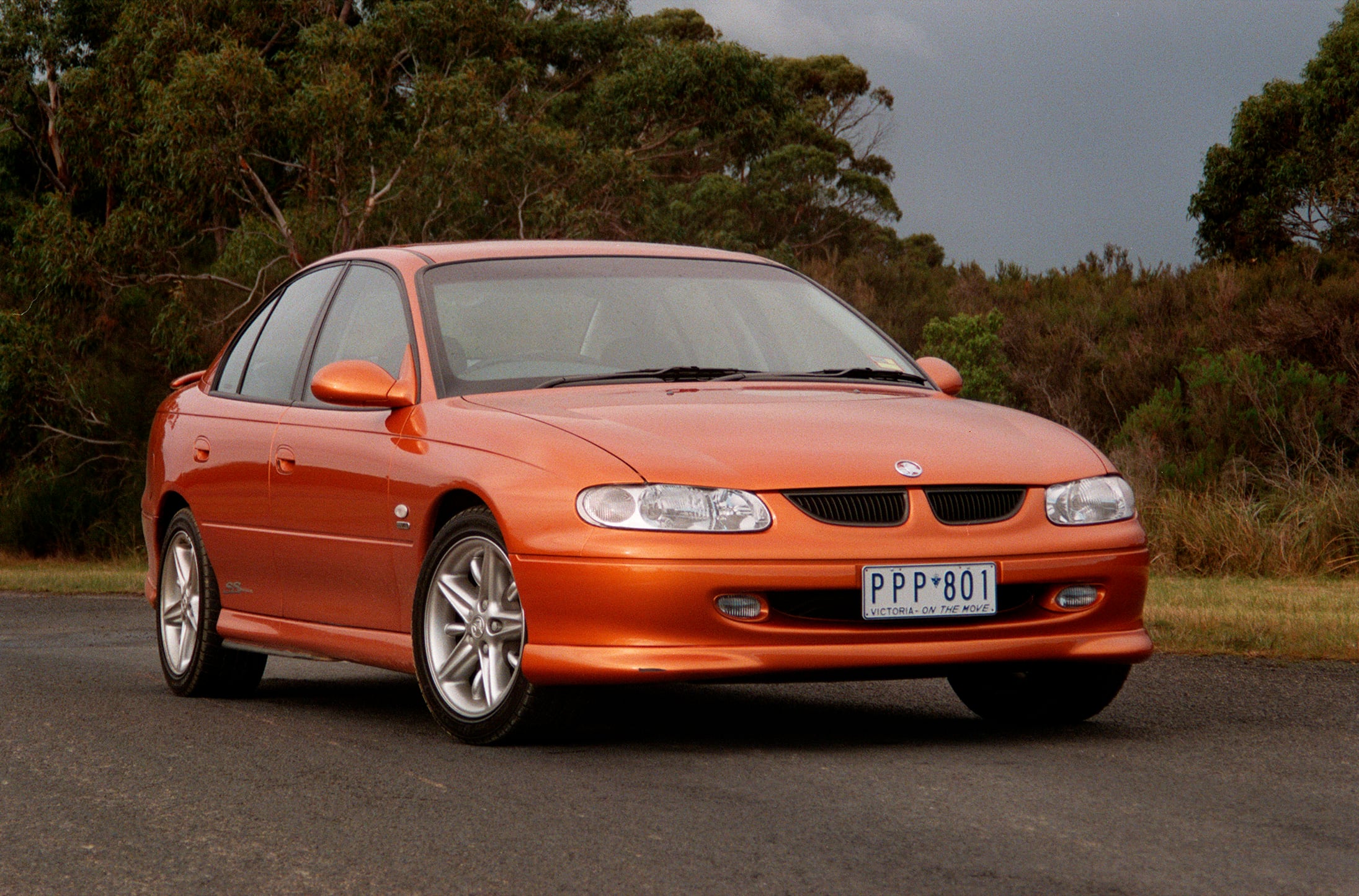
VT Commodore (1997)
Despite its many merits, VT’s designer threads disguised several rough edges. Gluttonous weight gain, uneven quality, no split-fold rear seat, numb steering, rough V6s, and clunker autos were the culprits
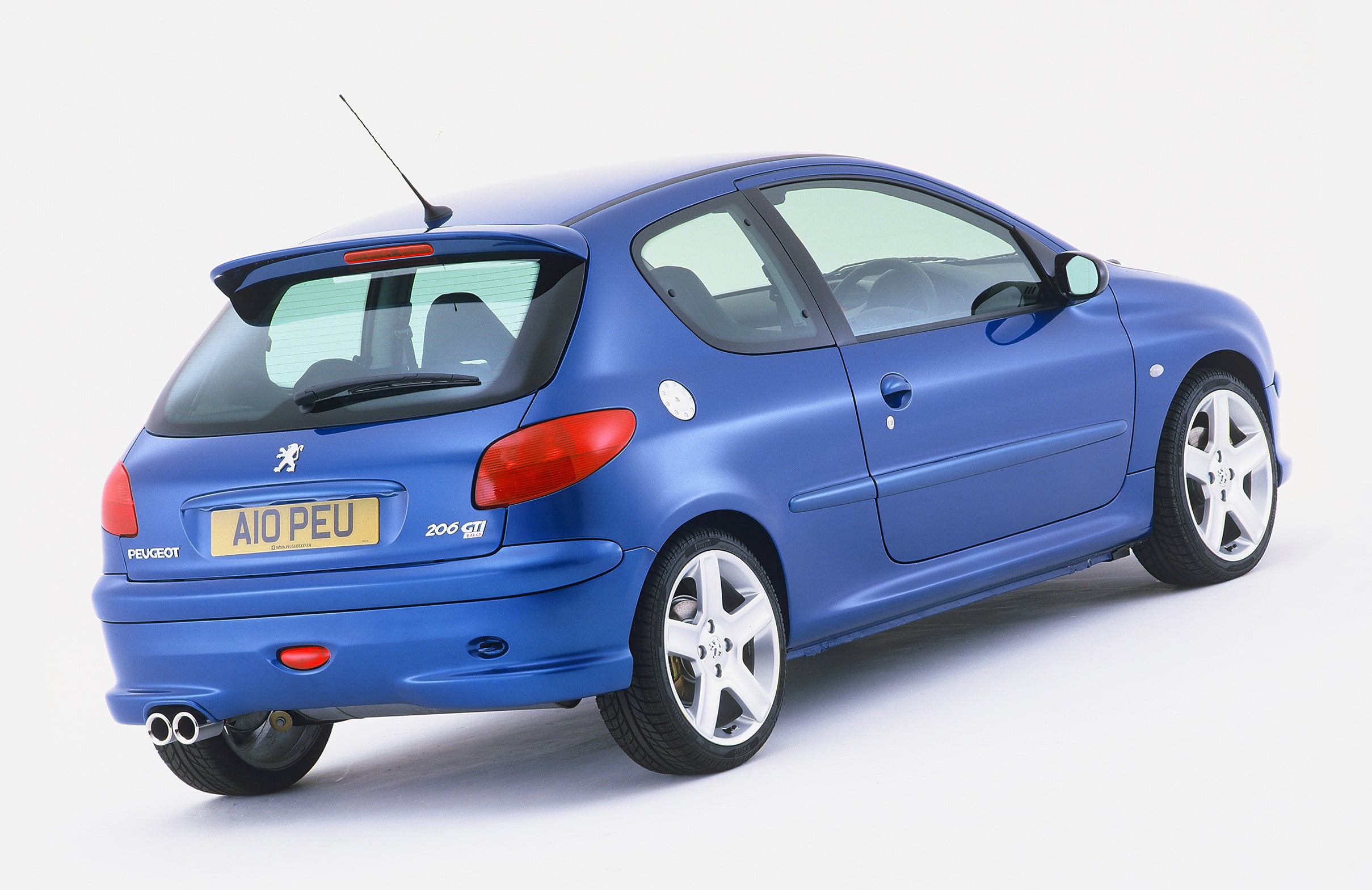
Peugeot 206 GTi (1999)
After the seminal 205 GTi, the not-quite-hot 206 GTi remains a letdown. It’s neither sharp enough, fast enough, nor polished enough to genuinely inspire. Offset pedals and awful ergonomics don’t help, either.
In the matrix between rising fuel costs, fuel supply stability, and sustainable transport solutions, you’ve probably already considered how a plug-in hybrid (PHEV) could work for you.
The idea of being able to refuel from a wall plug at home cheaply, and get to and from work in silent comfort, has plenty of appeal.
But electric vehicles aren’t for everyone, and increasingly, PHEVs are growing in popularity and versatility, thanks to long-range touring ability without the need to stop for long charging breaks away from home.
If you’re approaching the end of your current lease, or thinking it could be time to upgrade to a more efficient commuter car, you’ll join tens of thousands of Australians considering a PHEV.
We’ve put together a list of Australia’s most affordable PHEVs, based on the recommended retail starting price for each respective model.
10. GWM Haval H6 Lux PHEV
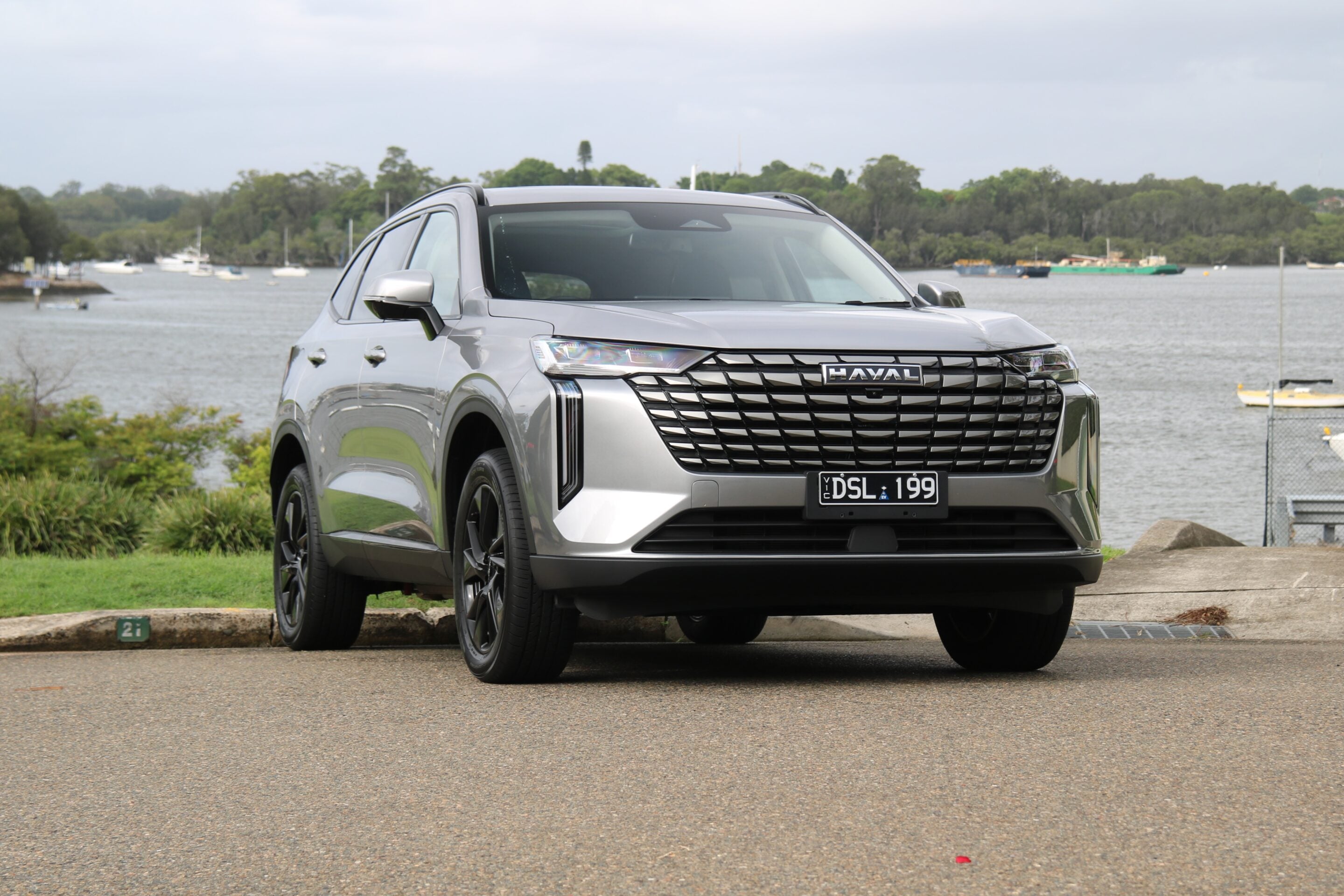
The lowest-priced plug-in hybrid vehicle from GWM is the Haval H6 Lux PHEV medium SUV, which starts from $43,990 driveaway.
Updates rolled out to the Haval H6 range in 2025 saw it fitted with improved infotainment, revised styling, and locally-tuned suspension, overseen by former Holden ride and handling experts. The Haval H6 boasts a useful 106km NEDC driving range provided by a 19.1kWh battery, and official fuel consumption is rated at 1.0L/100km.
Special offers bring pricing down even further, with GWM offering $4000 in discounts – enough to effectively leapfrog the H6 PHEV into seventh place. This is not a permanent offer, however, and is subject to change.
Price: From $43,990 driveaway
Fuel consumption: 1.0L/100km
EV driving range: 106km NEDC
Engine: 1.5-litre turbo four-cylinder PHEV
Battery: 19.1kWh
Power: 130kW electric, 240kW combined
Torque: 300Nm electric, 540Nm combined
Segment: Medium SUV
9. Jaecoo J7 SHS Track
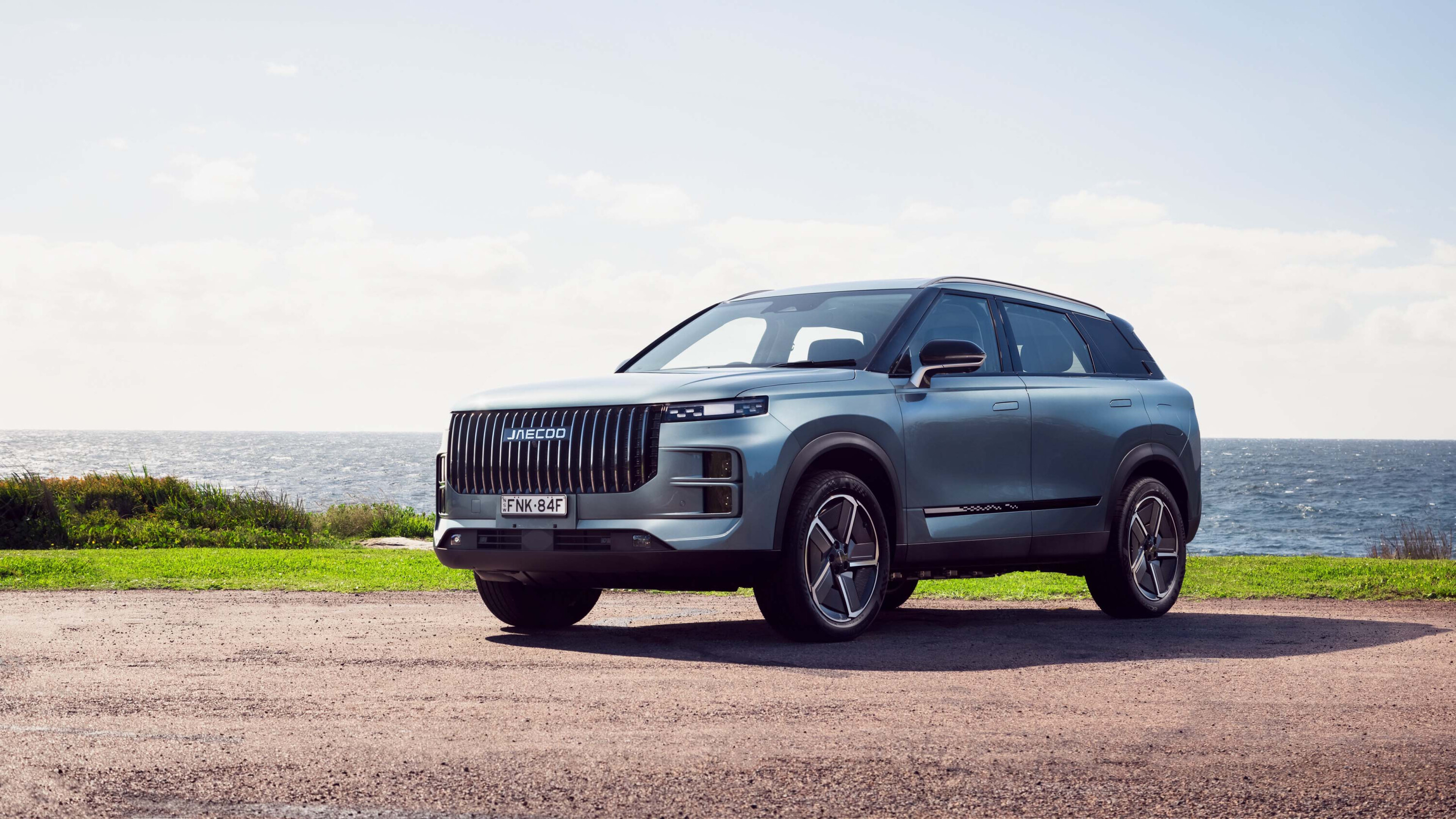
From Chinese auto group Chery, Jaecoo offers similar specifications to what you’ll find on the cheaper Tiggo 7 (further down the list) but with an emphasis on svelte styling and more premium equipment.
The SHS powertrain (which stands for Super Hybrid System) promises up to 90km of electric-only driving range, and fuel consumption as low as 1.0L/100km. Pricing for the entry-level J7 SHS Track starts from $43,990 drive-away.
Promotional offers are a regular feature of Jaecoo’s pricing, and for the month of July the J7 SHS starts from an even lower $40,990 drive-away, with full details of the offer available at your Omoda Jaecoo dealer.
Price: From $43,990 driveaway
Fuel consumption: 1.0L/100km
EV driving range: 90km WLTP
Engine: 1.5-litre turbo four-cylinder PHEV
Battery: 18.3kWh
Power: 150kW electric, 105kW petrol
Torque: 310Nm electric, 215Nm petrol
Segment: Medium SUV
8. Leapmotor C10 Hybrid EV Style
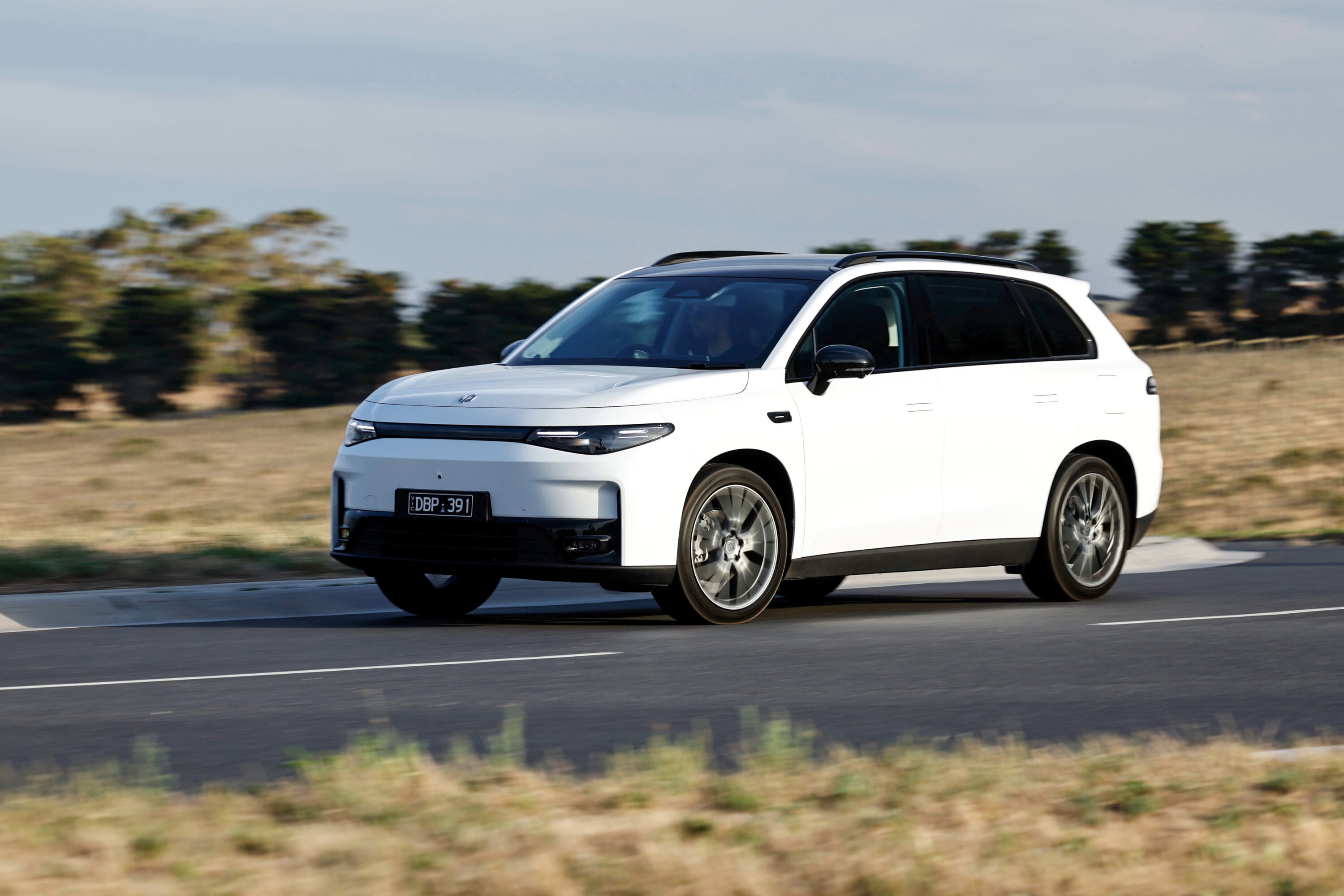
Leapmotor differs slightly from some of the other cars on this list by offering the C10 as a range-extender EV. It’s still a plug-in hybrid, but rather than the petrol engine ever driving the wheels, all drive is carried out by the electric motor, and the petrol engine is used as an efficient generator.
The big onboard battery of the Leapmotor C10 Hybrid EV has a 28.4kWh capacity, which results in an NEDC-rated electric range of 170km. The long electric range also helps drive down official fuel consumption, rated at just 0.9L/100km.
Pricing for the C10 Hybrid EV Style starts from $43,888, but Leapmotor regularly features drive-away pricing offers, the latest of which brings the C10 Hybrid EV down to $43,980 drive-away.
Price: From $43,888 plus on-road costs
Fuel consumption: 0.9L/100km
EV driving range: 170km NEDC
Engine: 1.5-litre four-cylinder range-extender
Battery: 28.4kWh
Power: 158kW electric
Torque: 320Nm electric
7. BYD Sealion 6 Essential
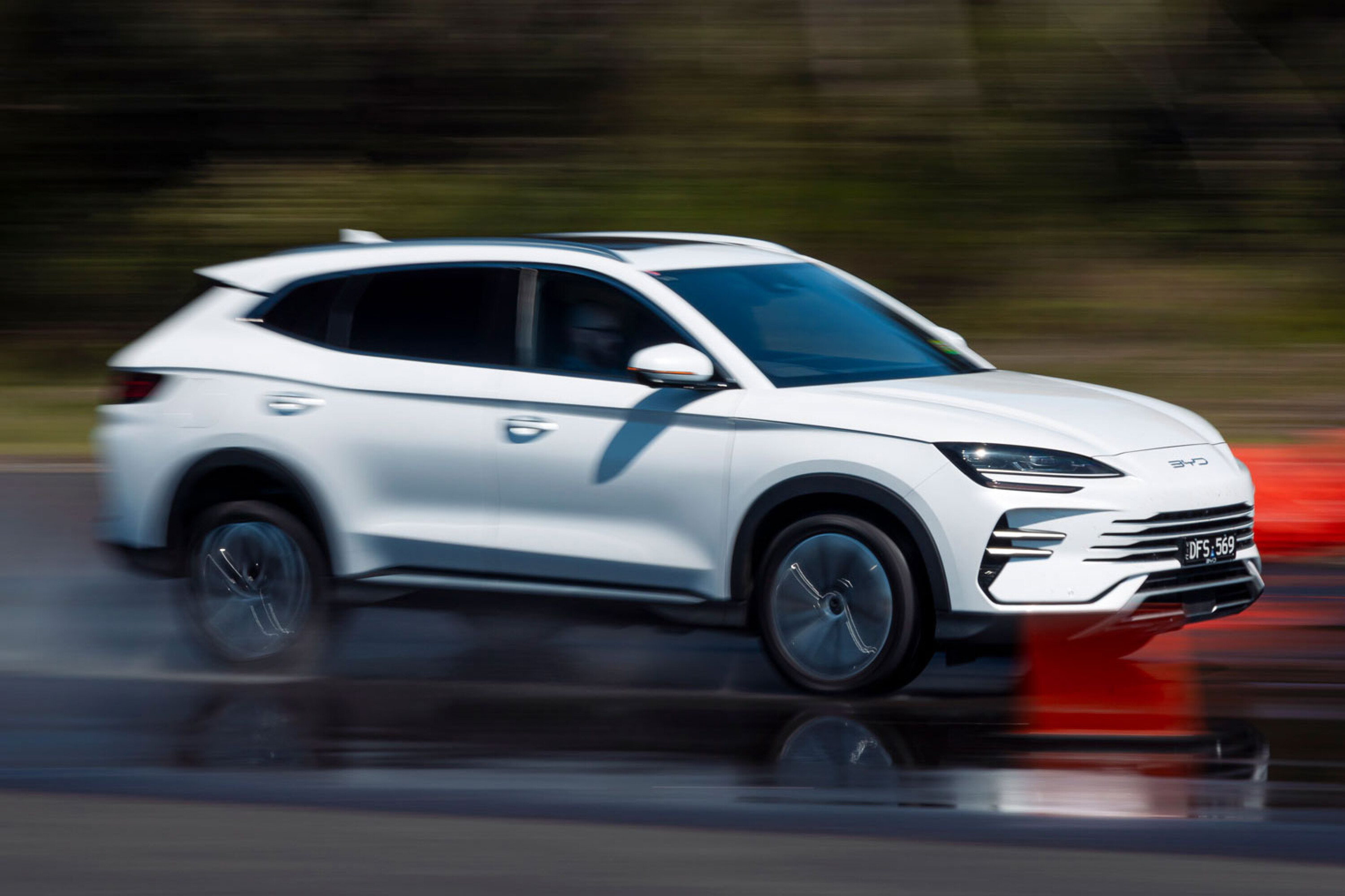
In BYD’s broad range of models the Sealion 6 the larger of two medium SUV plug-in hybrids available. It has a roomier interior than the cheaper Sealion 5, and boasts a superior 92km NEDC electric driving range in its most basic version, priced from $42,990 before on-road costs.
Official fuel consumption is rated at 1.1L/100km, but BYD also includes a fuel figure for when battery driving range is depleted, of 4.7L/100km. The Sealion 6 Essential come with 18.3kWh battery, but more expensive models are available with a bigger battery enabling up to 140km of EV range.
Price: From $42,990 plus on-road costs
Fuel consumption: 1.1L/100km
EV driving range: 92km NEDC
Engine: 1.5-litre four-cylinder PHEV
Battery: 18.3kWh
Power: 145kW electric, 160kW combined
Torque: 300Nm electric
Segment: Medium SUV
6. Leapmotor B10 Style Hybrid EV
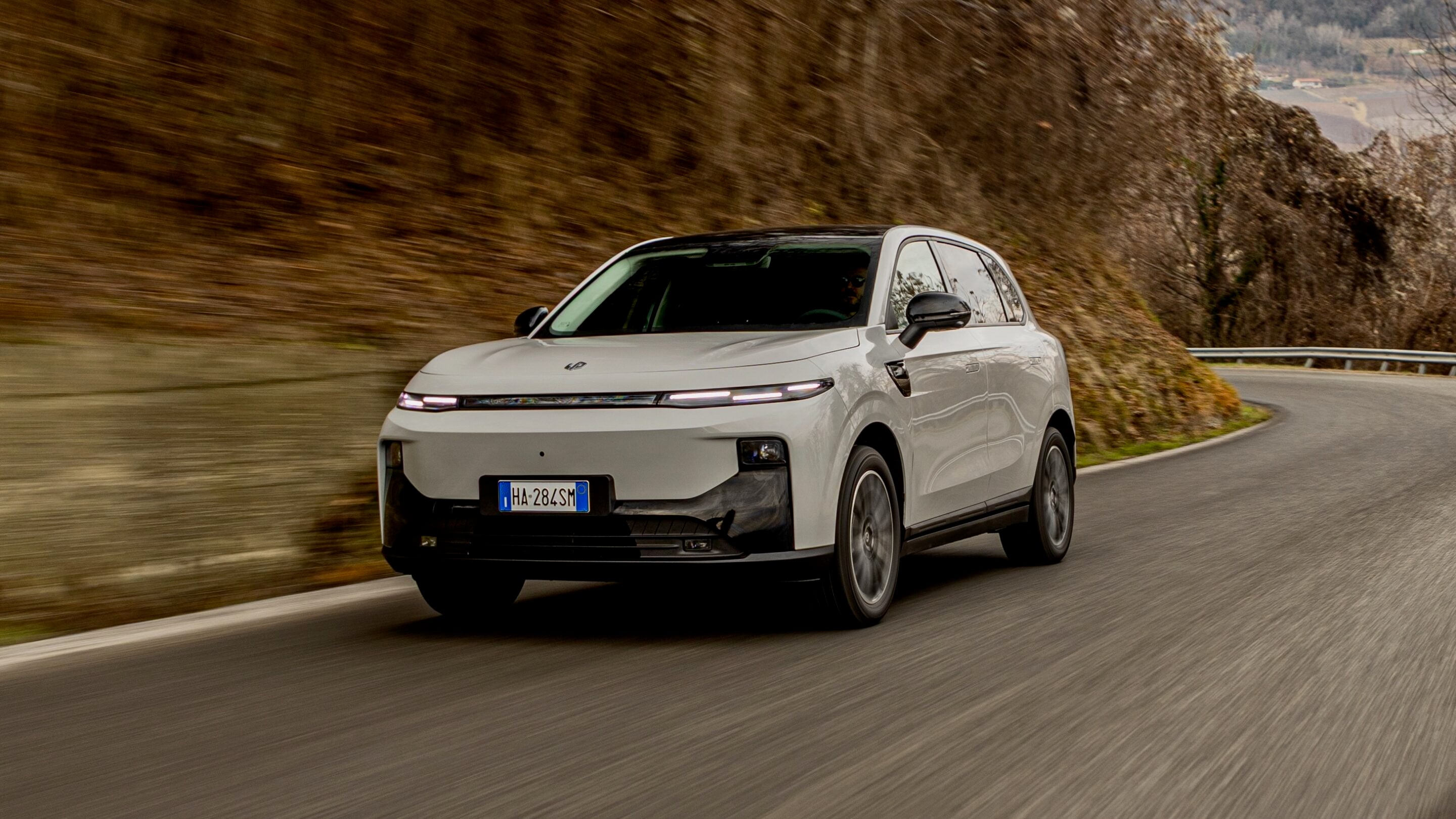
Leapmotor has updated its B10 compact SUV with a new range-extender model. The B10 range, like the larger C10, offers a choice of plug-in hybrid (called Hybrid EV) and all-electric models
As a range-extender, the 160kW electric motor is entirely responsible for powering the vehicle, with 84km of claimed WLTP range. Once depleted, the onboard 1.5-litre engine works as a generator to supply charge for the 18.8kWh battery.
The B10 is also offered as an all-eelectric vehicle, and pricing start from the same $37,888 plus on-road costs, making it a tough call for buyers unsure if an EV or PHEV is best for them.
Price: From $37,888 plus on-road costs
Fuel consumption: 0.9L/100km
EV driving range: 84km WLTP
Engine: 1.5-litre four-cylinder range-extender
Battery: 18.8kWh
Power: 160kW electric
Torque: 240Nm electric
Segment: Small SUV
5. Geely Starray EM-i Complete
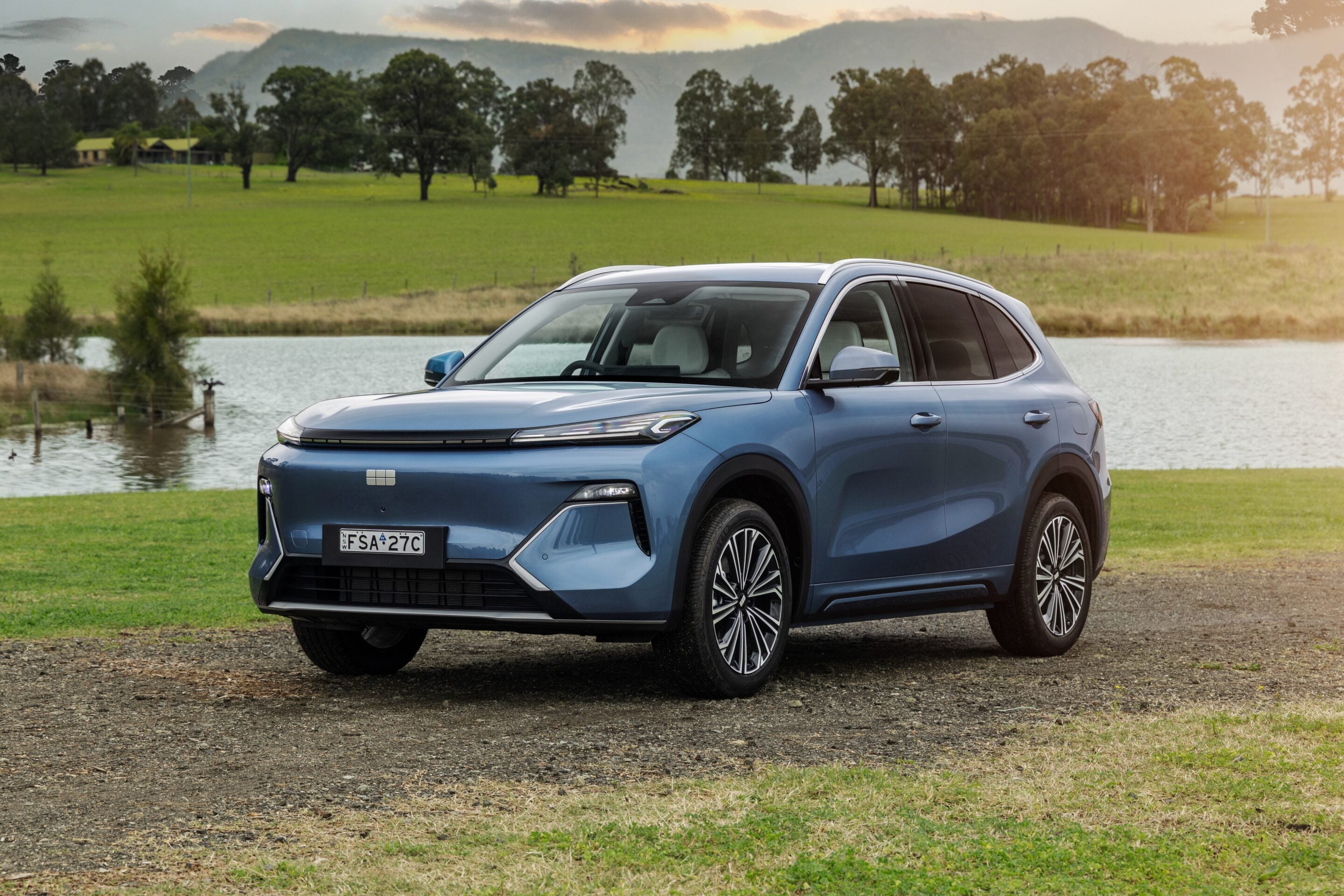
The entry-level Geely Starray EM-i plug-in hybrid range starts from $37,490 plus on-road costs for the Complete grade, but a more expensive Inspire version is also available with the same mechanical and electrical specifications.
The Geely Starray has an EV driving range of 83km (WLTP), while official fuel consumption is rated 2.4L/100km.
The Starray medium SUV comes with five seats, but is slightly longer than seven-seat medium SUVs like the Honda CR-V or Nissan X-Trail.
Price: From $37,490 plus on-road costs
Fuel consumption: 2.4L/100km
EV driving range: 83km WLTP
Engine: 1.5-litre four-cylinder PHEV
Battery: 18.4kWh
Power: 160kW electric
Torque: 262Nm electric
Segment: Medium SUV
4. Forthing Taikon 5 REEV Luxury
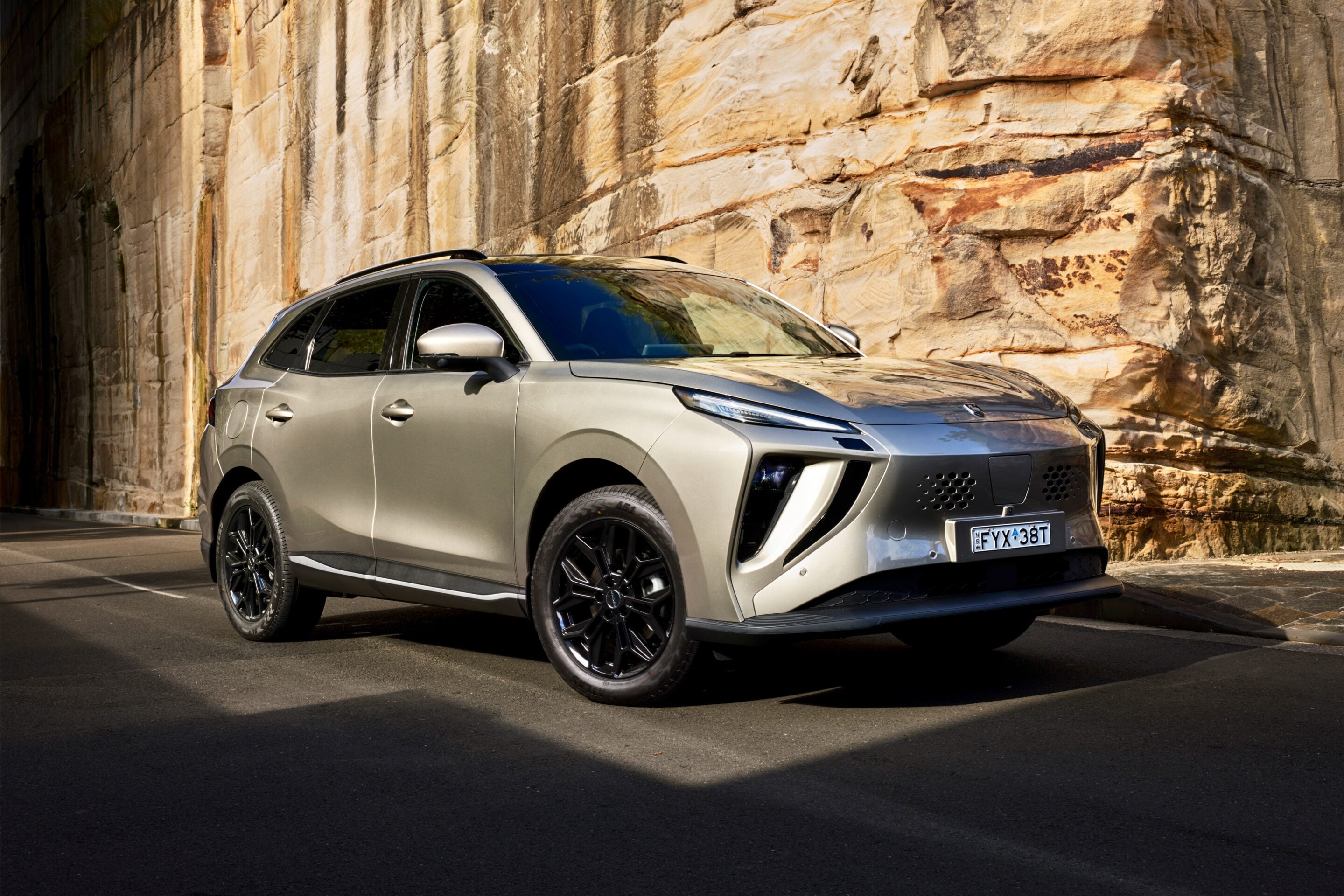
The newest brand to launch in Australia, Forthing comes from China and is part of the larger Dongfeng group, which builds cars for companies like Peugeot and Nissan overseas.
The Forthing Taikon 5 launches in Australia, priced from $36,990 driveaway. The range-extender hybrid system drives the front wheels via a 120kW motor, with a 31kWh battery providing 170km of EV driving range, after which a 1.5-litre petrol engine can charge the battery for the electric motor to draw from.
As a range-extender, rather than a regular PHEV, the Forthing offers a longer EV driving range ( the longest of this list) and is the cheapest range-extender model in Australia right now.
Price: From $36,990 driveaway
Fuel consumption: 5.6L/100km (with EV range depleted)
EV driving range: 170km WLTP
Engine: 1.5-litre four-cylinder range-extender
Battery: 18.4kWh
Power: 120kW electric
Torque: 240Nm electric
Segment: Medium SUV
3. Chery Tiggo 7 Super Hybrid Urban
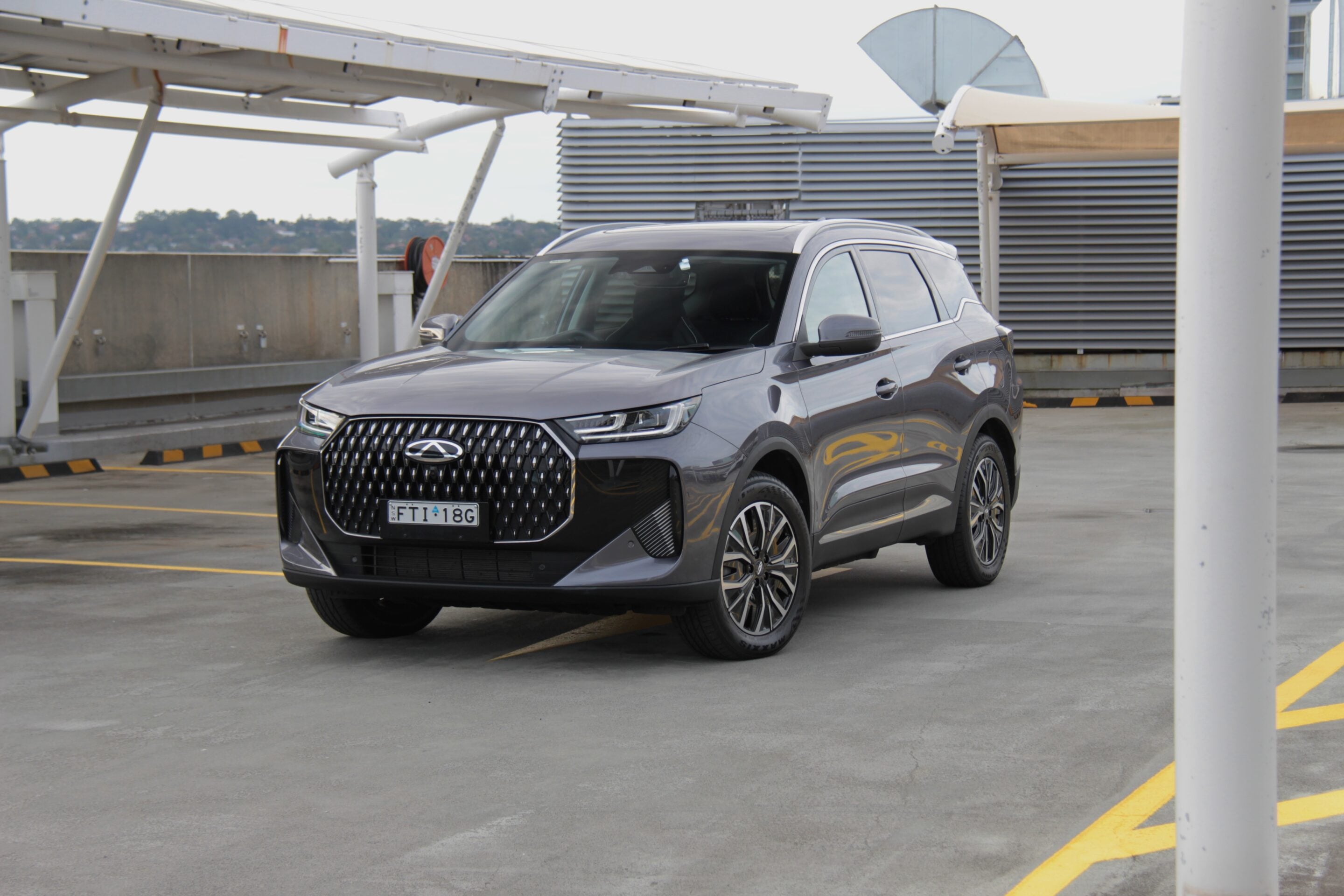
Chery’s focus on value applies to its plug-in hybrid Tiggo 7, which offers national drive-away pricing starting from $34,990
Specs include an 18.4kWh battery and a claimed EV driving range of 93km (NEDC). Fuel consumption is rated at 1.4L/100km, and the Tiggo 7 takes the less common approach of combining a turbo petrol engine, rather than a naturally aspirated one, as part of its hybrid drivetrain.
Drive-away pricing also means that, despite sitting higher in numerical terms, the final price for the Tiggo 7 actually undercuts the next two cars on this list once their on-road costs are added.
Price: From $34,990 driveaway
Fuel consumption: 1.4L/100km
EV driving range: 93km NEDC
Engine: 1.5-litre turbo four-cylinder PHEV
Battery: 18.4kWh
Power: 150kW electric
Torque: 262Nm electric
Segment: Medium SUV
2. BYD Seal 6 Essential
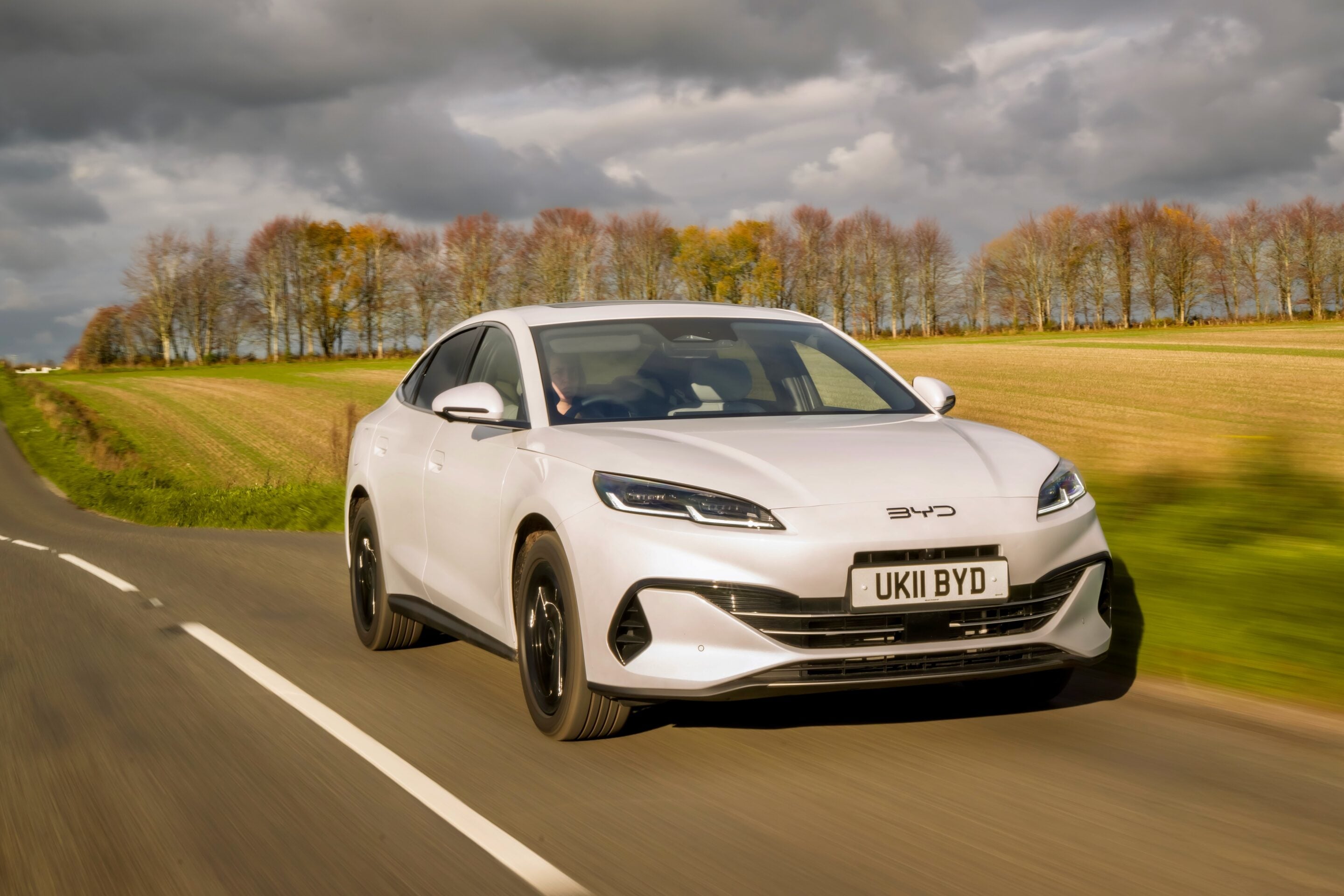
Sized like a Toyota Camry, but with plug-in hybrid range not found on Toyota’s popular mid-sizer, the BYD Seal 6 starts from an attractive $34,990 plus on-road costs. Cheap enough to also give it the title of Australia’s cheapest medium sedan.
As with other BYD models, the Seal 6 is available in base Essential or more upmarket Premium guise, the latter as a station wagon. The Seal 6 Essential sedan has a small 10.1kWh battery enabling a 70km NEDC driving range, or 55km of WLTP range.
Official fuel consumption is listed at 1.1L/100km, but BYD also offers a more expensive and better-equipped Seal 6 Premium Touring wagon with a 125km NEDC/100km WLTP range and fuel consumption that drops to 0.8L/100km.
Price: From $34,990 plus on-road costs
Fuel consumption: 1.1L/100km
EV driving range: 70km NEDC
Engine: 1.5-litre four-cylinder PHEV
Battery: 10.1kWh
Power: 120kW electric, 130kW combined
Torque: 210Nm electric, 210Nm combined
Segment: Medium sedan
1. BYD Sealion 5 Essential
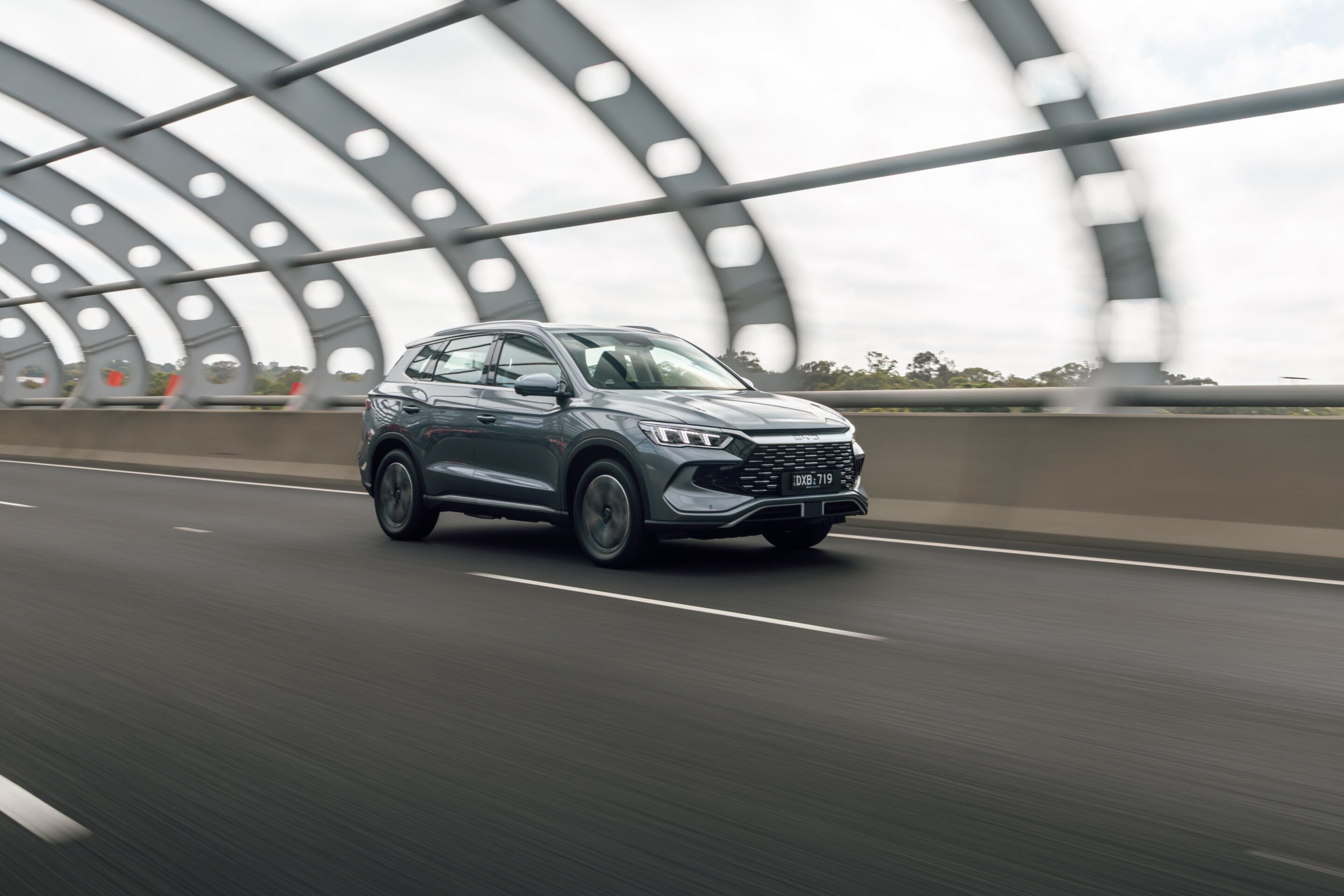
If you think Australia’s cheapest plug-in hybrid will see you in a cramped, small car with compact dimensions and next to no driving range, think again. The BYD Sealion 5 sits in Australia’s medium SUV class and is actually slightly larger than cars like the Hyundai Tucson and Toyota RAV4.
Positioned below the larger, longer-range Sealion 6, the Sealion 5 comes in basic Essential guise with 71km of EV-only range (NEDC) from its 12.9kWh battery, priced from $33,990 plus on-road costs. The $4000 more expensive Sealion 5 Premium gets a bigger 13.8kWh battery and can cover 100km of claimed EV-only range.
Official claimed fuel consumption is rated at 1.2L/100km for the Sealion 5 Essential, and BYD quotes consumption of 4.5L/100km once electric-only range is depleted.
Price: From $33,990 plus on-road costs
Fuel consumption: 1.2L/100km
EV driving range: 71km NEDC
Engine: 1.5-litre four-cylinder PHEV
Battery: 12.9kWh
Power: 145kW electric, 156kW combined
Torque: 300Nm electric
Segment: Medium SUV
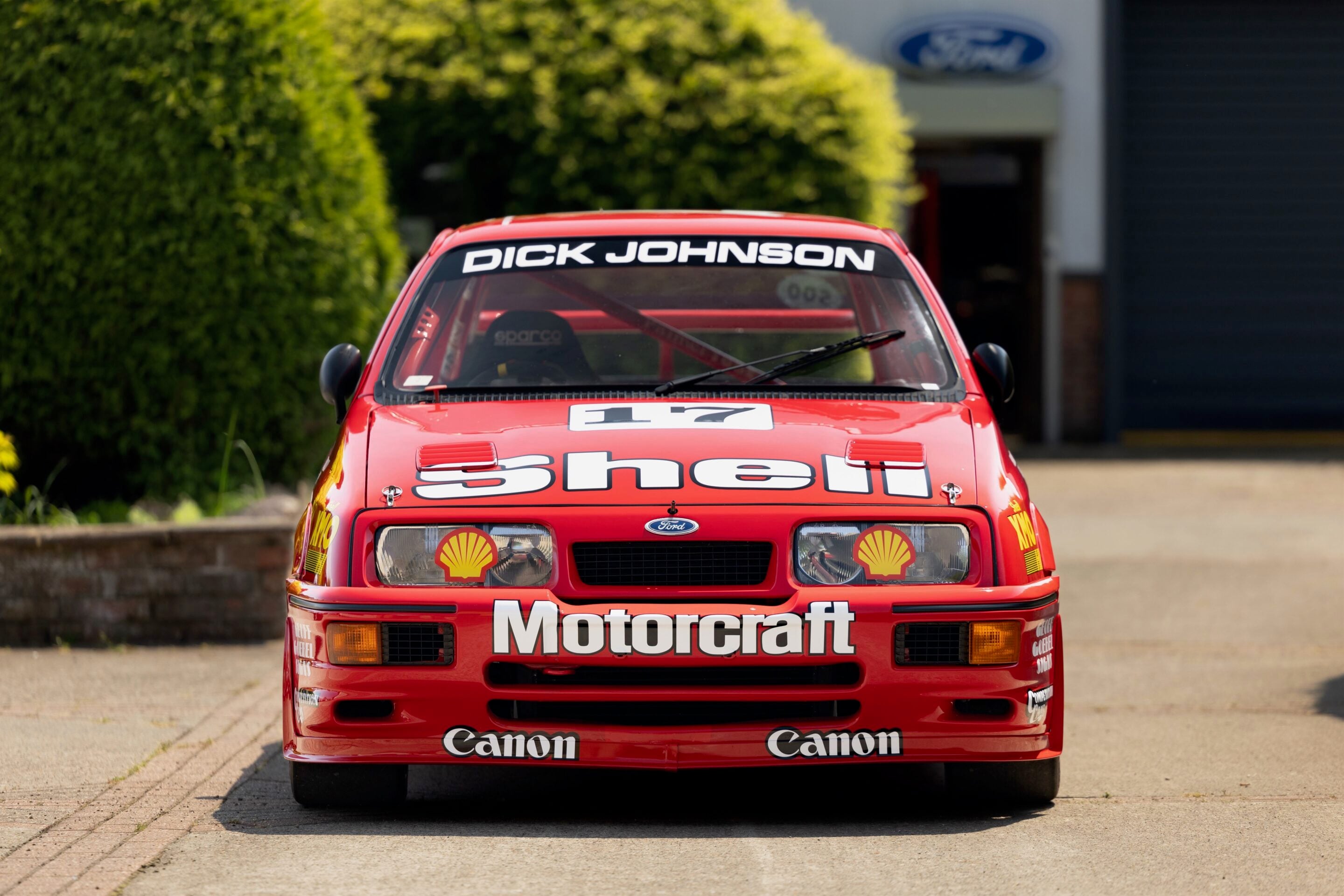
Iconic Auctioneers in the UK will offer one of the most significant touring cars of the Group A era when the 1987 Dick Johnson Racing Ford Sierra RS500 Cosworth is presented at the Iconic Competition Car Sale in Silverstone. Due to commence on July 24, the estimated price it will sell for is between £400,000 and £450,000 (A$770,000-$870,000).
The first of six Sierras built by Dick Johnson Racing, DJR1 marked the start of the team’s most successful touring car period and became one of the red and yellow Shell-backed cars that would help make the RS500 Cosworth a motorsport icon locally and beyond.
Built in Queensland from an imported right-hand drive three-door bodyshell, DJR1 first appeared at Calder Park Raceway in Victoria, where it finished in ninth place, before challenging for the lead at Lakeside Park in Queensland. In its 1987 season, it recorded several pole positions, won Round 5 at Adelaide International Raceway, supporting that year’s Formula 1 Grand Prix, and finished sixth overall in the championship.
For 1988, DJR1 was driven by John Bowe, running alongside Dick Johnson in DJR3. Bowe won the Winton and Amaroo rounds in this car, while Johnson went on to win the Australian Touring Car Championship overall, with the Shell Sierras taking eight of the nine rounds.
At the end of 1988, DJR1 was sold to Mike Smith and Robb Gravett’s Trakstar Motorsport in the UK. Gravett campaigned the car in the 1989 British Touring Car Championship, taking four wins and nine podiums on his way to fourth overall.
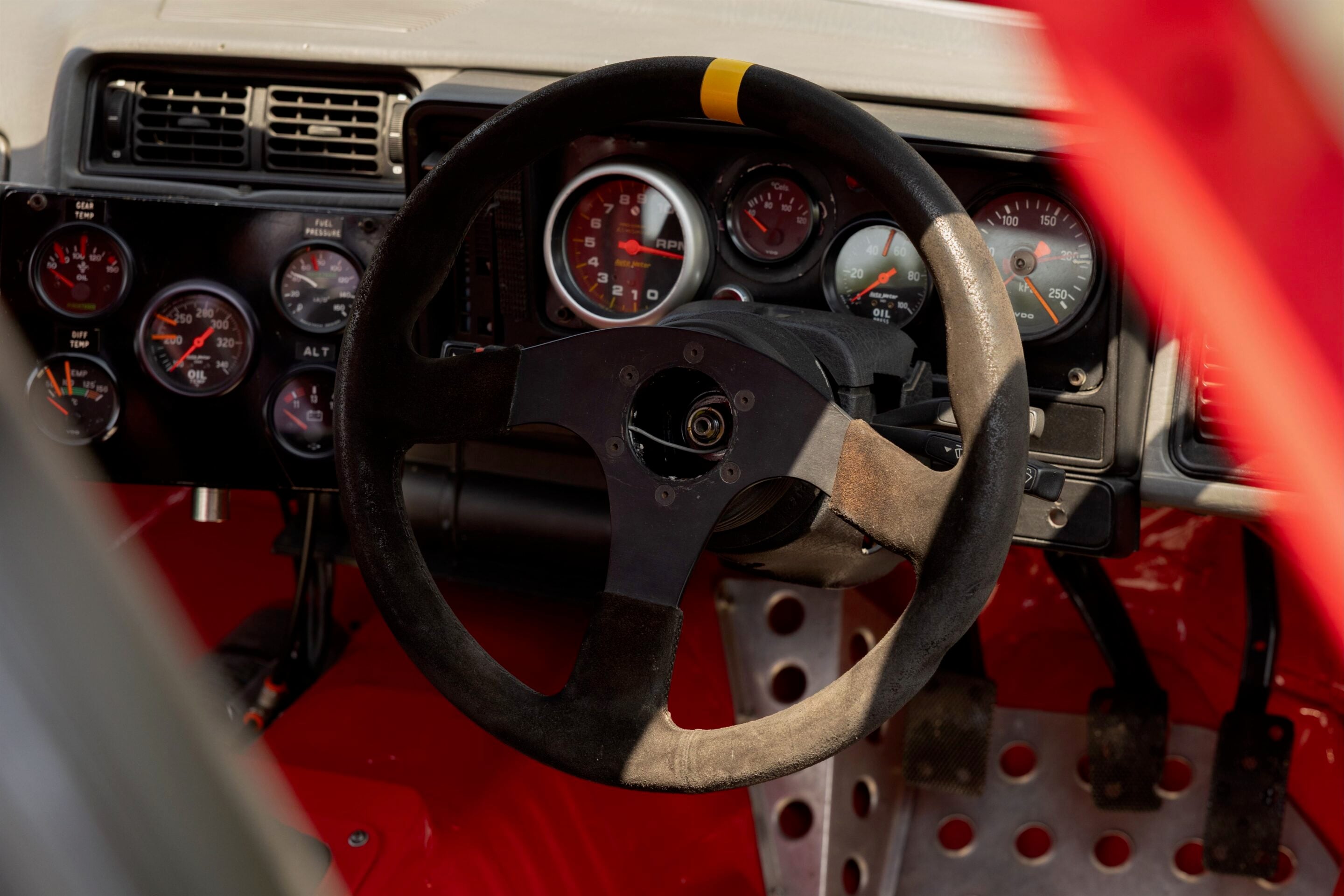
Today, DJR1 remains a highly original survivor. It retains its original bodyshell, engine, gearbox, back axle, Harrop 9.0-inch rear differential and Eggenberger suspension, and is presented as it would have looked in 1987. Although perfectly preserved, the car has apparently not been run in anger for more than a decade.
Nick Whale, Chairman at Iconic Auctioneers, said: “DJR1 is the kind of competition car that speaks to serious collectors and real enthusiasts in equal measure. Its history with Dick Johnson Racing, its later success in the BTCC, and its originality make it a hugely important RS500. Iconic Auctioneers is proud to offer cars of this quality and significance, from much-loved collector cars to landmark competition machinery.”
Bidders are invited to register for the Iconic Competition Car Sale at the BRDC Classic, Silverstone, on 24 July. More details on the car can be found at https://www.iconicauctioneers.com.
Tinted and reflective plate covers are readily available online, but legal experts are warning that fitting one could leave Australian drivers on the wrong side of the law if it obscures their number plate.
Principal Lawyer at Astor Legal in Sydney, Avinash Singh, explains when tinted number plate covers become illegal, the penalties drivers could face for using them, and why claiming ignorance is unlikely to be a defence.
According to Avinash, “Tinted or reflective number plate covers are not automatically illegal, but they become unlawful if they obscure the plate or make it difficult to read.”
“The exact requirements vary between states, but in most jurisdictions, number plates must remain clearly visible and legible from up to 20 metres away, including New South Wales, Victoria and Queensland.”
So what happens if someone installs a tinted cover to avoid speed cameras or tolls? According to Avinash, the consequences can extend well beyond a standard traffic infringement.
“If police can prove a driver deliberately modified their number plate to avoid detection by speed cameras or toll roads, they could potentially face the criminal offence of perverting the course of justice,” he said. “That offence carries a maximum penalty of 14 years’ imprisonment.”
How difficult is it for the police to prove that intent? According to Avinash, investigators would need evidence showing the driver deliberately installed the cover to evade detection.
“The strongest evidence would typically be statements made by the driver, or written communications such as text messages or emails indicating the purpose of modifying the number plate was to avoid being identified.”
Although tinted number plate covers remain widely available for purchase online, Avinash says responsibility ultimately rests with the driver.
“That these products are sold does not make them legal to use. These offences are generally ones of absolute liability, meaning a driver cannot rely on not knowing the law as a defence. The responsibility remains with motorists to ensure their number plates are clearly visible and comply with the requirements in their state.”
Australia’s VFACTS new vehicle sales for June 2026 have been revealed, and it was a month that produced big numbers and big surprises. A total of 140,058 new vehicles were sold in Australia in June 2026, which was the biggest-selling month ever and the first time over 140,000 units were registered.
The Tesla Model Y was the biggest-selling car on 8072 registrations, while BYD delivered 18,881 units, very nearly toppling Toyota which registered just 243 units more.
BYD’s record result was no doubt helped by the BYD Zhengzhou cargo ship, which arrived in Australia in early June carrying almost 5000 BYD and Denza vehicles. At 52,335 units to the end of June, BYD’s sales increase has been quite noteworthy, as it’s up by a massive 29,980 units or 124.1 per cent compared to this time in 2025.
BYD’s top-selling model was once again the Sealion 7 electric SUV on 4730 units and placed fourth for the month, but the Shark 6 plug-in hybrid ute was not far behind on 3398 units and placed sixth. Behind those were the Atto 2 (2482 units), Sealion 6 (2218 units) and Sealion 8 (1961 units).
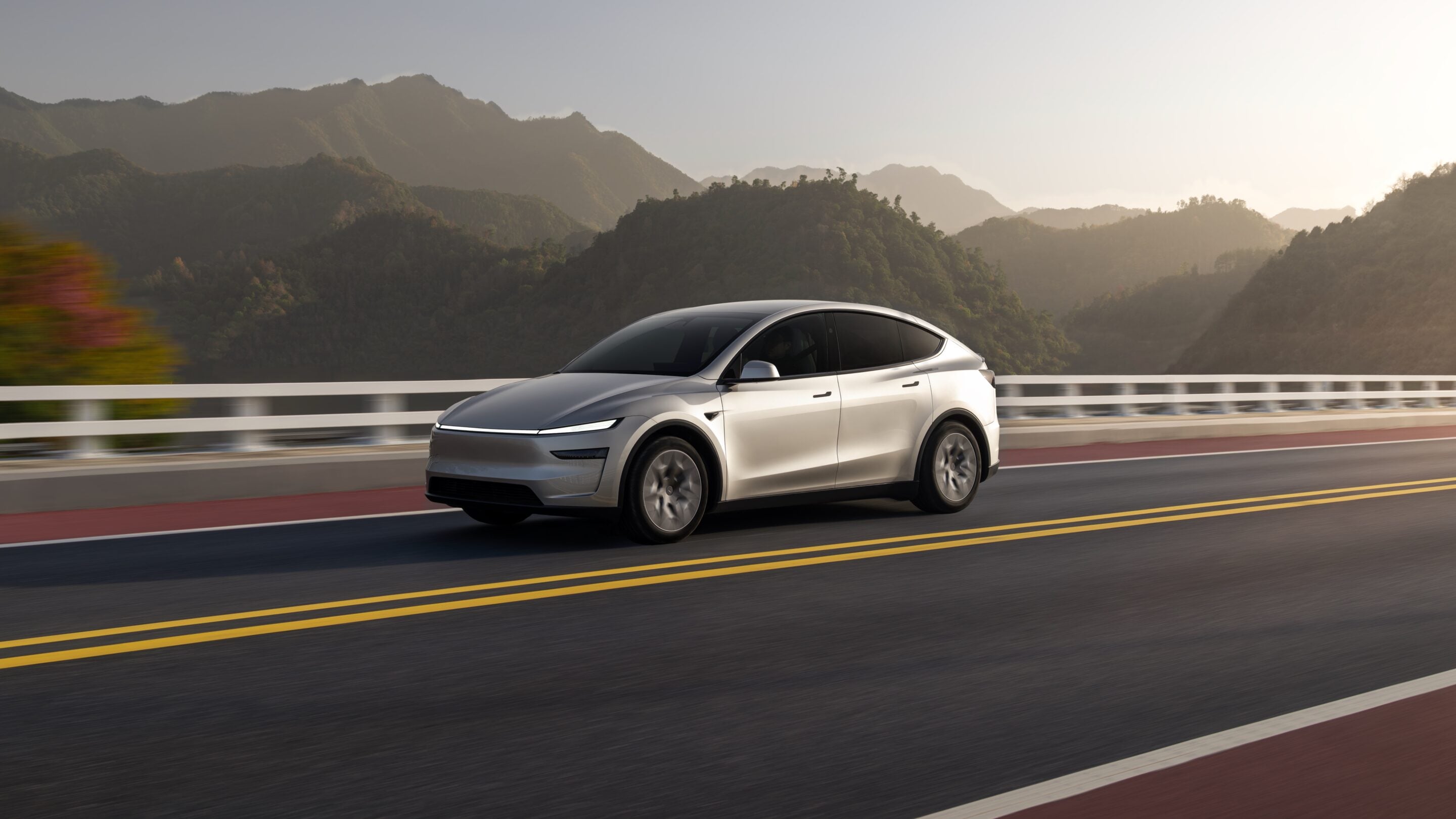
In other news for the month of June 2026, almost 25 per cent of new vehicle sales were electric, and for the second time ever — the first being May 2026 — an electric vehicle topped the sales charts. Almost 50 per cent of new vehicle sales in June 2026 — 49.5 per cent — were electrified, likely helped by still-high fuel costs as a result of the conflict in Iran.
Toyota’s result of 19,124 registrations was down by 5.4 per cent compared to June 2025, with the HiLux ute (5175 units) and RAV4 medium SUV (4115 units) its best sellers.
Ford finished third for the month on 9181 sales (- 9.1 per cent on June 2025), with the Ranger ute placed second on 5999 units, and with Tesla (8670 units) and Kia (8005 units) rounding out the top five.
As for year to date sales, Toyota leads with 95,141 units (-24.1 per cent), BYD sits in second place with 52,335 units (+141.1 per cent), Ford is ranked third with 42,296 units (-10.6 per cent), Kia fourth with 41,846 units (+2.5 per cent) and Mazda fifth with 40,502 (-17.3 per cent) units.
Top 10-selling brands in Australia in June 2026:
- 1) Toyota: 19,124 (-5.4% compared to June 2025)
- 2) BYD: 18,881 (+131.5%)
- 3) Ford: 9181 (-9.1%)
- 4) Tesla: 8670 (+88.9%)
- 5) Kia: 8005 (+2.5%)
- 6) Hyundai: 7480 (-11%)
- 7) Mazda: 7278 (-22.6%)
- 8) GWM: 6104 (+11.7%)
- 9) MG: 5001 (+28.4%)
- 10) Chery: 4505 (+49%)
Top 10-selling models in Australia in June 2026:
- 1) Tesla Model Y: 8072 (+133.5% compared to June 2025)
- 2) Ford Ranger: 5999 (-4.7%)
- 3) Toyota HiLux: 5175 (-16.5%)
- 4) BYD Sealion 7: 4730 (+163.5%)
- 5) Toyota RAV4: 4115 (+70%)
- 6) BYD Shark 6: 3398 (+13.5%)
- 7) Isuzu D-Max: 2740 (-12.2%)
- 8) Hyundai Kona: 2505 (+0.8%)
- 9) BYD Atto 2: 2482 (new)
- 10) GWM Haval Jolion: 2446 (+22.3%)
GWM Australia has confirmed that the Ora 5 ‘Touring’ electric wagon will join the local line up, either late this year or early in 2027.
While technical details remain scarce, GWM Australia confirmed the full-battery electric version of the GMW Ora 5 hatch would joining the local line-up with a 71kWh battery pack.
GWM Australia also confirmed it was looking at introducing a plug-in hybrid version of the Ora 5 Touring but that the initial focus would remain on full EV.
“The vehicle will most likely come, potentially with two powertrains, but certainly EV,” GWM Australia’s chief operating officer, John Kett, told Whichcar by Wheels. “There’a also a plug-in hybrid version that we are still working our way through. So if they were to land, it will be either side of the new year… but it’s definitely going to happen.”
GWM Australia offered a sneak peak of the Ora 5 Touring, although was adamant that any images shown to the media remained ‘off the record’ for now. Our artist’s impression at the top of this story does offer a hint of what the Ora 5 Touring might look like.
What we do know is that the wagon version measures in at 4758mm long, 1833mm wide and 1630mm tall. It will be fitted with a 71.1kWh battery.
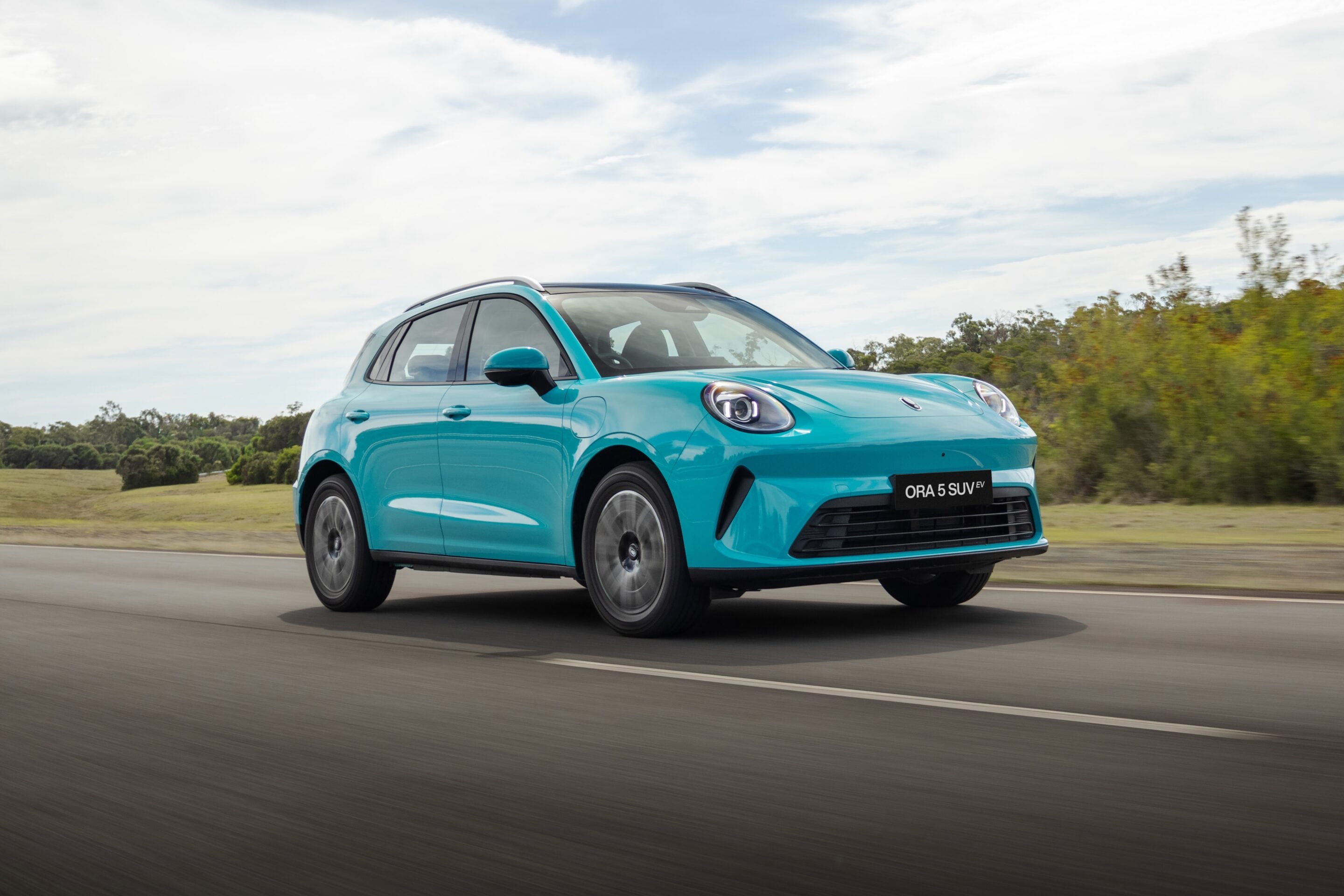
That makes it significantly larger than the just-launched Ora 5 small SUV (pictured, above) which stops the tape at 4471mm long, 1833mm wide and 1641mm tall with a 58.3kWh battery pack offering a claimed 435km of range (WLTP).
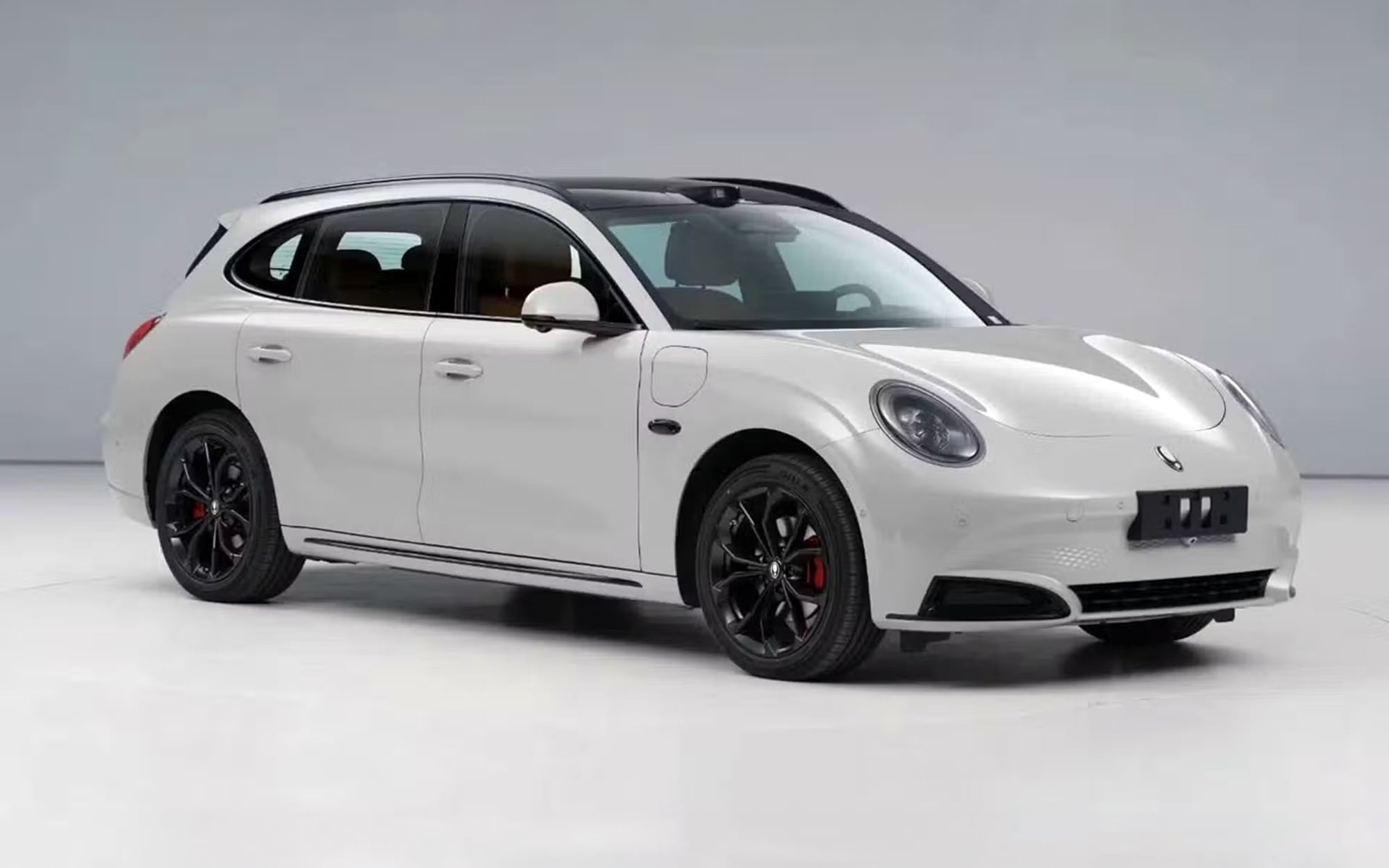
GWM has also tested the waters with an electric station wagon, taking the covers of its Ora 07 long-roof prototype (above) at the Shanghai Motor Show in 2025. It’s set to launch in its domestic market in the latter half of this year, although there has been no confirmation on whether the 07 Touring is destined for international markets.
Copper cabling has long been a target for opportunistic thieves, and now Australia’s EV charging network is the most recent target.
As reported by The Australian, EV charging stations are under attack as thieves hone in on the copper-heavy cabling used on public fast chargers.
With the demand for copper increasing, driven by a rising demand for electronic devices dependent on the metal, values for the metal have surged.
An EV fast-charger cable contains around 2.3kg of copper, worth around $30 at present.
Over the last few weeks, a Tesla Supercharger site at Raymond Terrace, NSW was targeted. PlugShare users reported that four of the 12 chargers at the location were out of order, but as of July 1st, the site has been restored to working order.
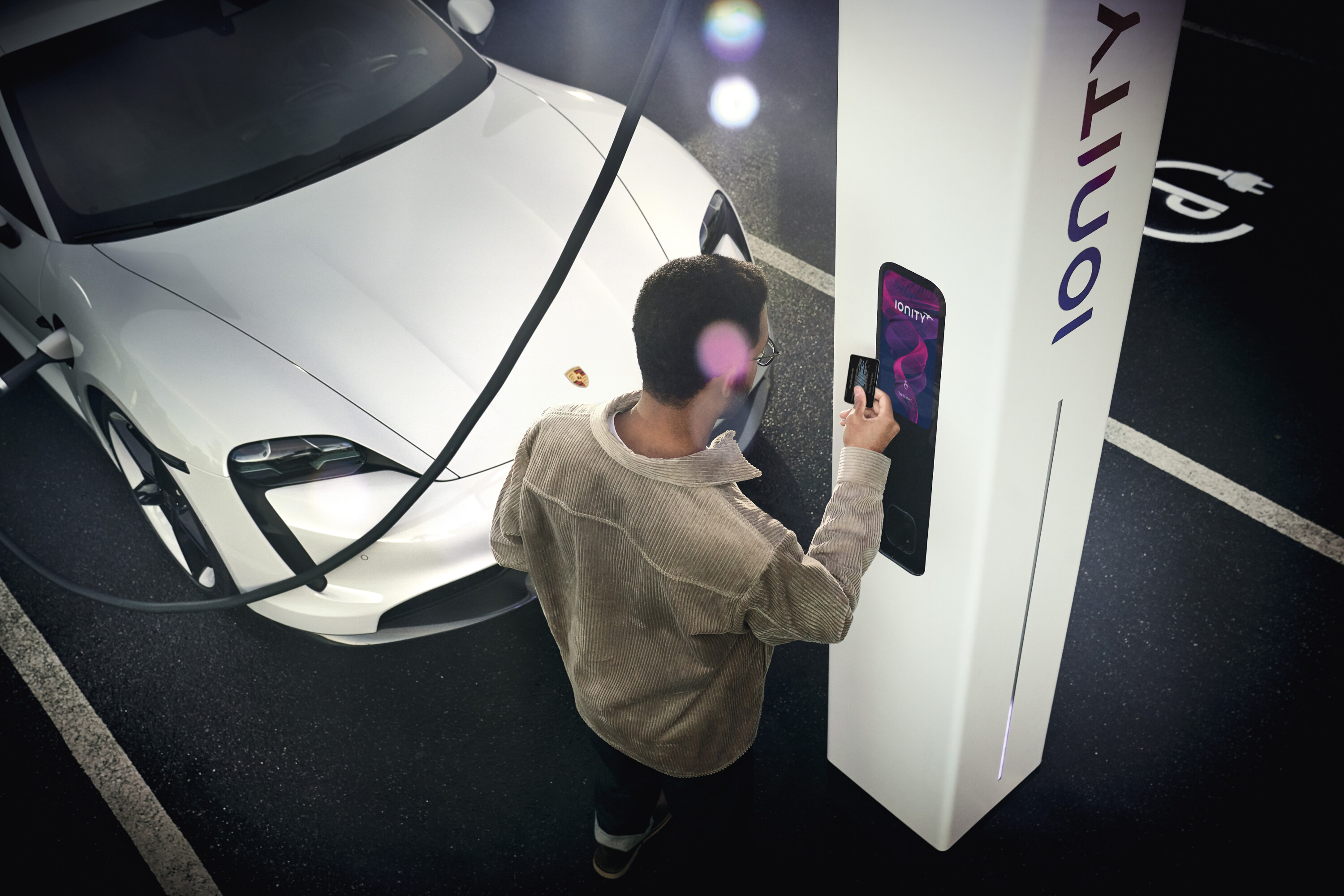
Later, Newcastle City Council in NSW revealed that two of its fast chargers had been targeted, with thieves successfully stealing the charging cables and forcing the chargers out of service until replacement parts arrive.
Most recently, chargers at West Gosford and Kincumber have also been reported as out of action, believed to be the result of similar attacks.
These latest attacks join a growing number of targeted EV chargers, with thefts on the rise across 2025 and 2026, accelerating as the price of copper pushed upwards.
In an effort to counter the theft risk, charging provider Evie Networks has begun trialling a system called CableGuard, which includes a reinforced protective sleeve to prevent theft and a forensically-traceable liquid that marks suspects, tools, and vehicles in the event cables are removed.
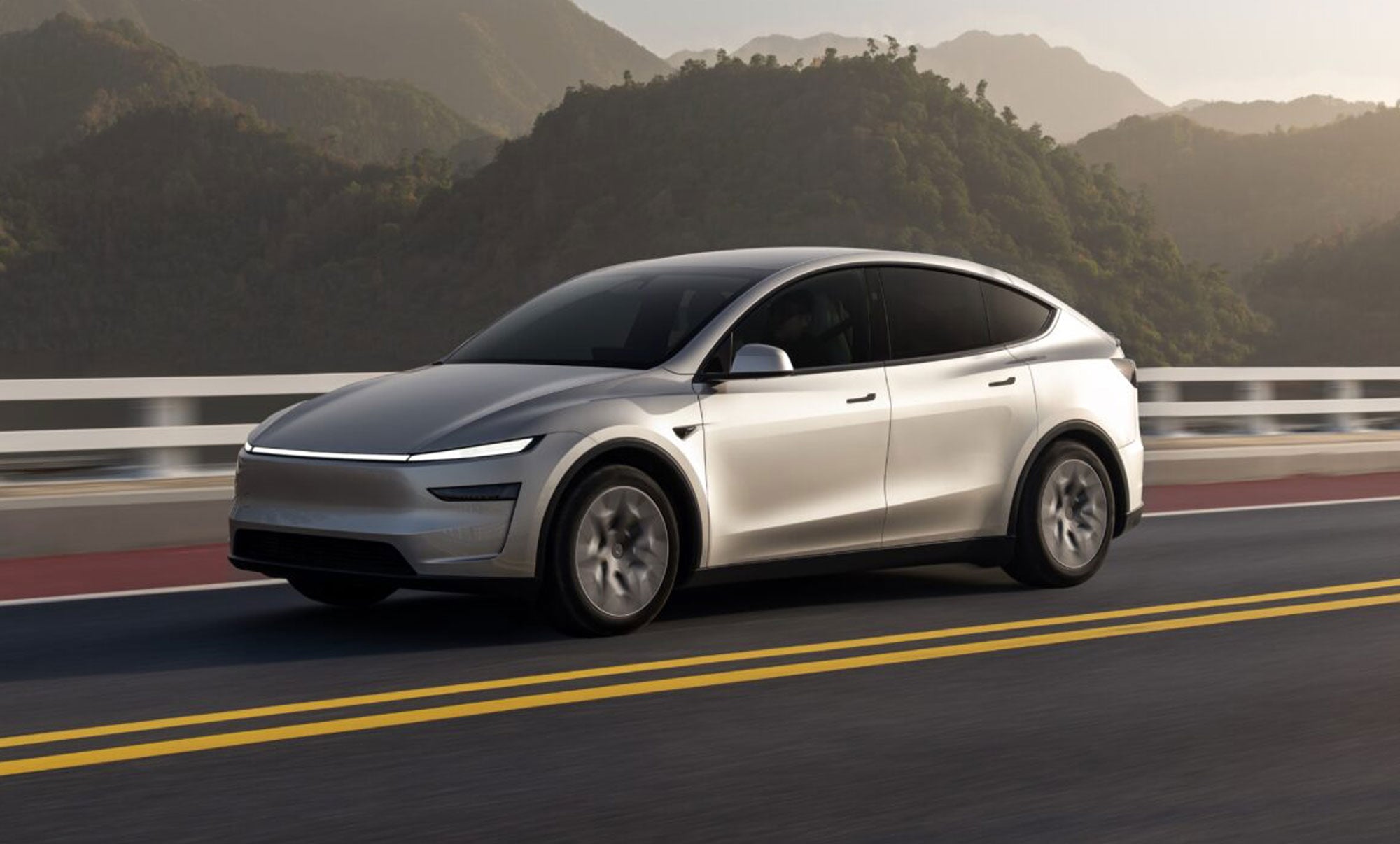
Copper thefts are also on the rise at building sites, with the National Electrical and Communications Association indicating that construction contractors are already raising quotes, factoring in the likelihood of theft, and insurance coverage is often too expensive to warrant adding to policies.
Attempted theft from an active electrical substation in Browns Plain, Queensland, left 13,000 homes without power after an attempt was made to cut an 11,000-volt cable.
The Australian Institute of Criminology estimates the cost of metal theft in Australia exceeds $100 million annually.
The 2027 GWM Tank 300 has been revealed in China, sporting both a longer wheelbase, a bigger plug-in hybrid battery for a longer electric-only range, and more than double the power of the current model.
However, the updated model is unlikely to make its way to Australia any time soon, according to a GWM Australia spokesperson who told Whichcar by Wheels it was only for the Chinese domestic market for now, although did suggest it would be considered in the future.
“We’re aware of it, we knew it was coming but it’s domestic market only at this stage,” said the spokesperson. “That car is on our radar, but it’s not available to us just yet.”
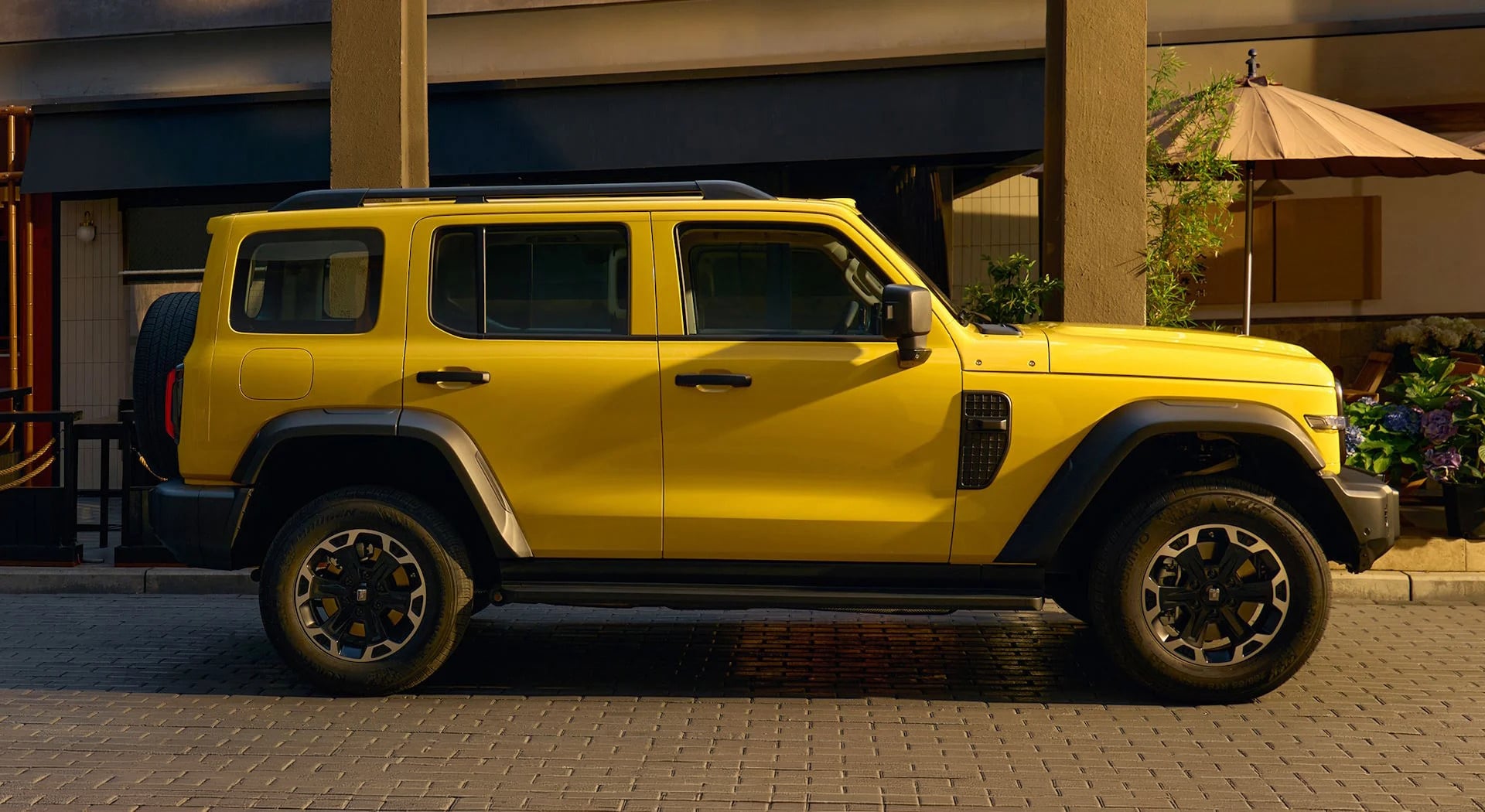
Styling details from the A-pillar back are largely familiar, but GWM has restyled the front end and pushed the front axle forward, equipping the Tank 300 with an extended wheelbase.
Up front, the 2027 Tank 300 now wears a revised grille with two thin horizontal bars and a mesh infill, in place of the current three-bar version fitted locally. The stylised T badge has been replaced with a T-A-N-K wordmark, and for the first time, a smaller GWM logo is included on the grille.
The bonnet appears unchanged, but the front guards have been revised to accommodate the relocated front axle. A new guard vent sits aft of the front wheels, and the cowl panel between the bonnet and windscreen has been extended to bridge the gap.
The wheelbase of the Tank 300 grows from 2750mm currently to 3010mm with the update (+260mm), but overall length has had a smaller growth spurt from 4750mm to 1886mm (+136mm) based on Chinese specifications, which differ slightly from those of Australian models.
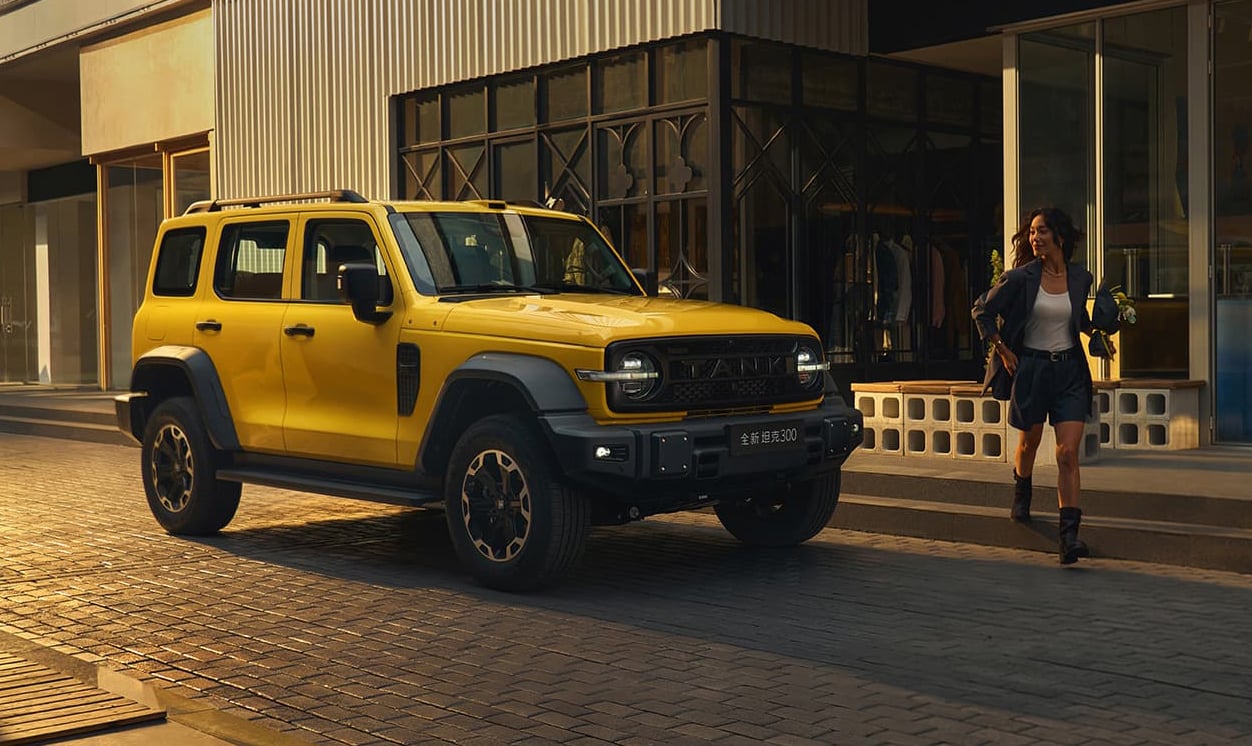
The headline change under the skin is the addition of a new long-range plug-in hybrid (PHEV) model, with a 59.6-kilowatt-hour battery enabling an EV-only driving range of 200km, based on WLTC testing.
Called the Hi4-Z, the new PHEV model pairs its electric system with a 2.0-litre turbo petrol engine. The carryover Hi4-T PHEV model, equipped with a smaller 37.1kWh battery and 105km, continues matching the specifications of the Tank 300 PHEV sold in Australia (which quotes a 115km range here, under NEDC testing).
Combined power outputs for the Tank 300 Hi4-Z have not yet been revealed, but in the larger Tank 400 sold in China, the same drivetrain is rated at 635kW, more than double the Hi4-T currently sold in Australia, which is rated at 300kW.
Other engines in the Chinese line-up include a 3.0-litre turbocharged petrol V6, not sold in Australia, as well as the 2.0-litre four-cylinder turbo petrol and 2.4-litre four-cylinder turbo diesel sold here.
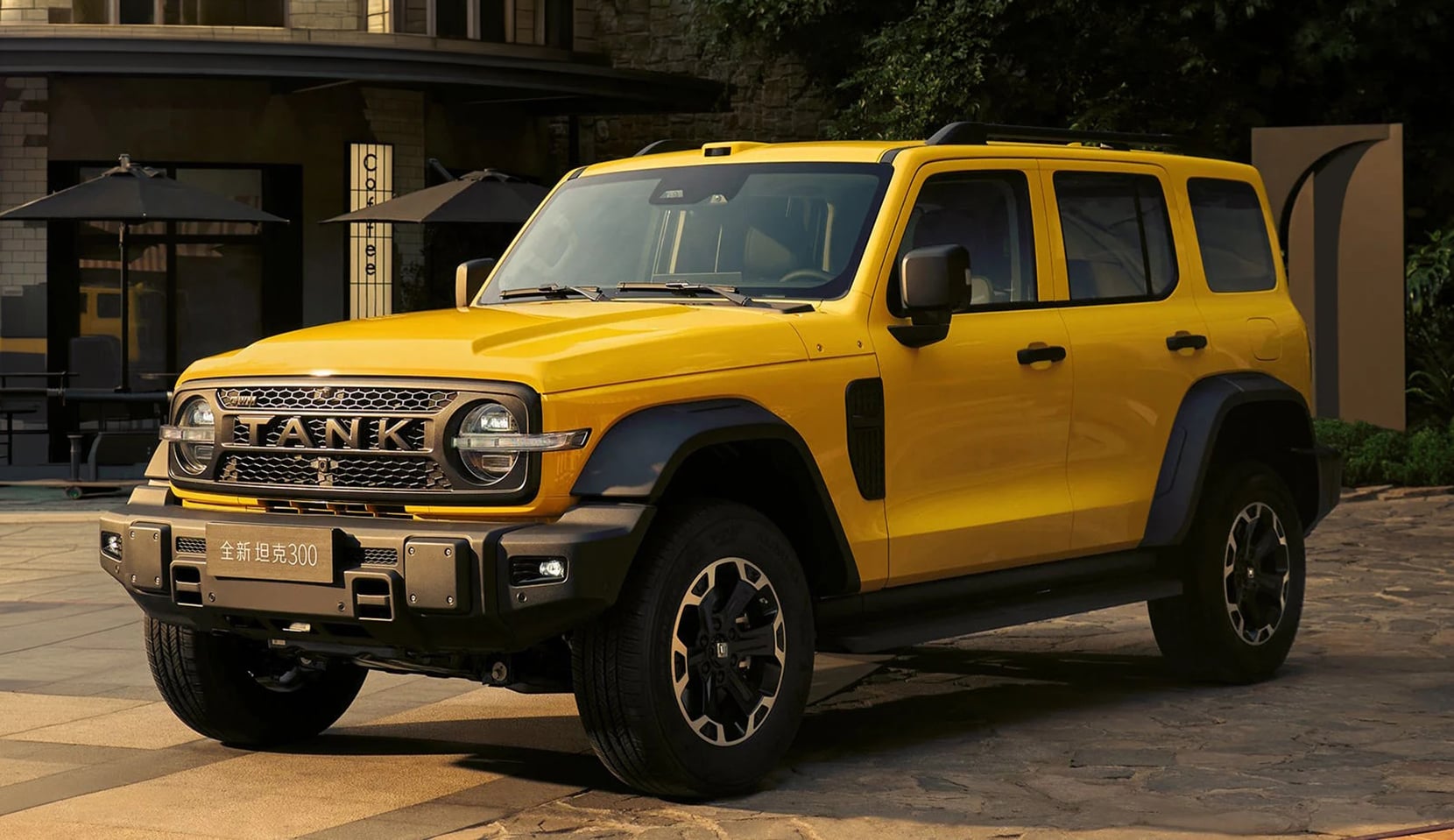
Interior changes see a new dash and centre console fitted, including a much larger infotainment screen, repositioned air vents and climate controls, dual wireless chargers, and a gear selector that moves from console-mounted to steering column-mounted.
Restructuring efforts have, so far, seen the Nissan close factories, reduce production complexity, and streamline the development of new models in an effort to reduce operating costs and restore profits.
While not an official part of Nissan’s published Re:Nissan recovery plan, the Japanese company’s CEO, Ivan Espinosa, has admitted that Nissan’s focus on low-margin, high volume fleet sales has had a damaging ipact on the brand in North America.
In an interview with Reuters, Espinosa revealed that Nissan was actively trying to distance itself from its rental fleet dependency.
“Before, it was like, okay, we want volume, volume, volume.” Espinosa said. “This is not a good way of operating a car company.”
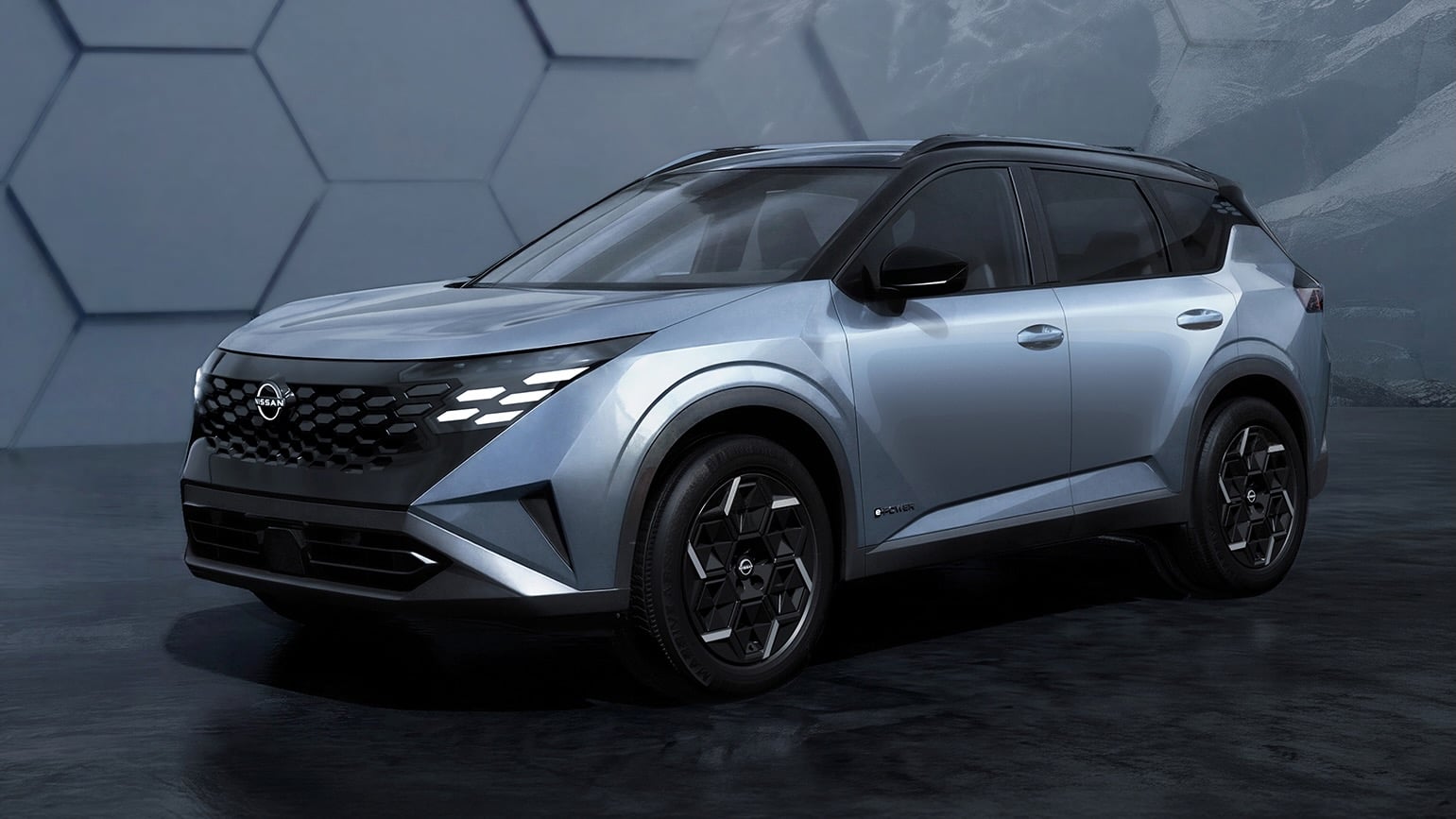
Nissan’s North American operations over the last decade have seen the brand turn to generous discounts and promotional offers designed to sustain volume, with a focus on sales to low-margin outlets like rental car companies and fleet sales.
Espinosa admitted that, as the company reshapes itself, its US sales strategy would see it “stay away” from the rental market. America’s massive rental car market has contributed over 1 million new car sales annually (across all brands) in 2023 and 2024.
Fleet turnover sees cars, on average, traded to the used car market after 18 to 24 months, usually with between 80,000 to 130,000km, according to car rental comparison site, Car Genius. The resulting market trend sees private buyer resale values harmed, and brand reputations for fleet favourites take a beating.
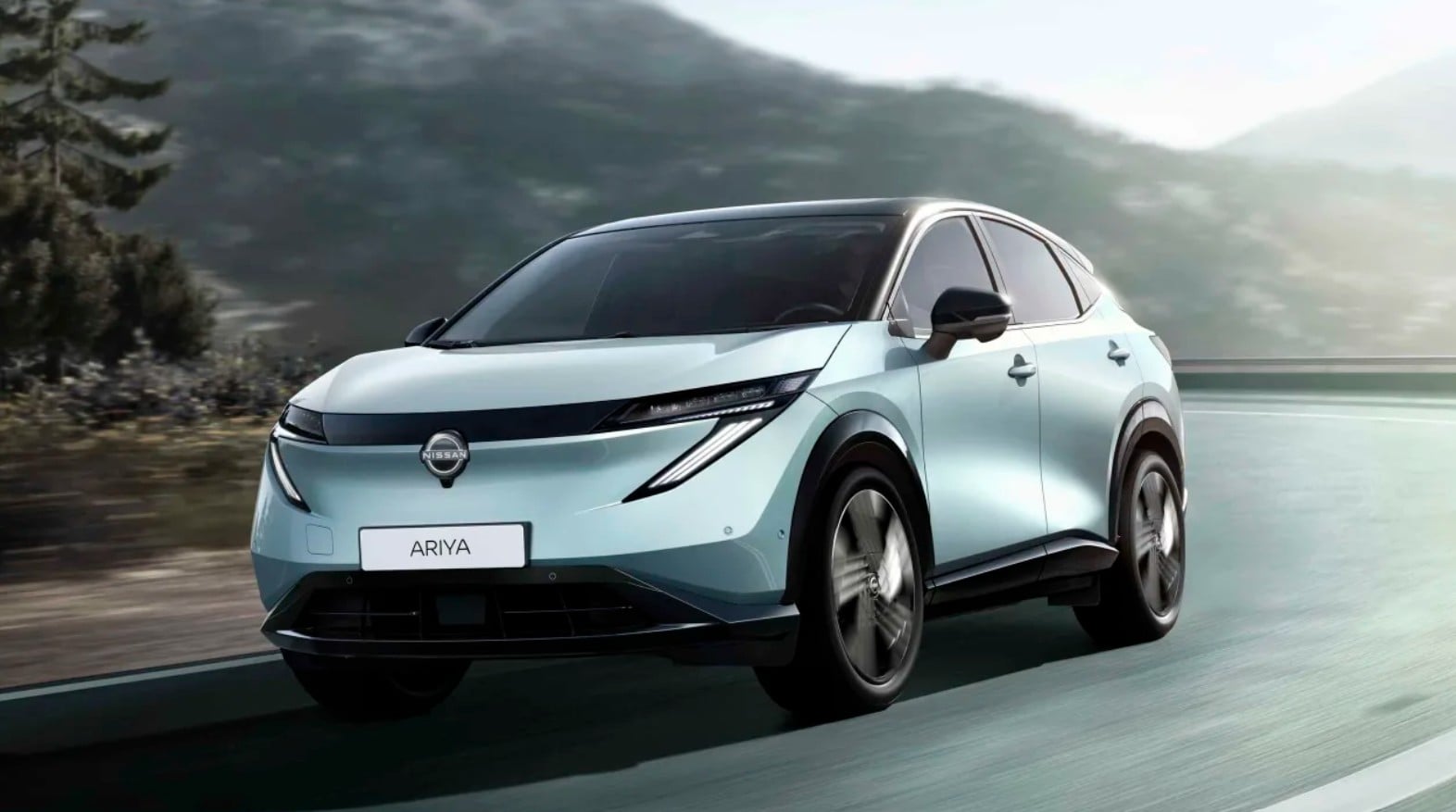
Nissan’s US product plans also play a role in the change, with the company planning larger, high-margin models including as many as four body-on frame SUVs that could push Nissan out of the price-sensitive fleet market.
Nissan’s first major launch as part of its revival plan will come next year, with a new generation X-Trail, sold as the Rogue in the USA, which will introduce the brand’s e-Power hybrid system for the first time in that market.
