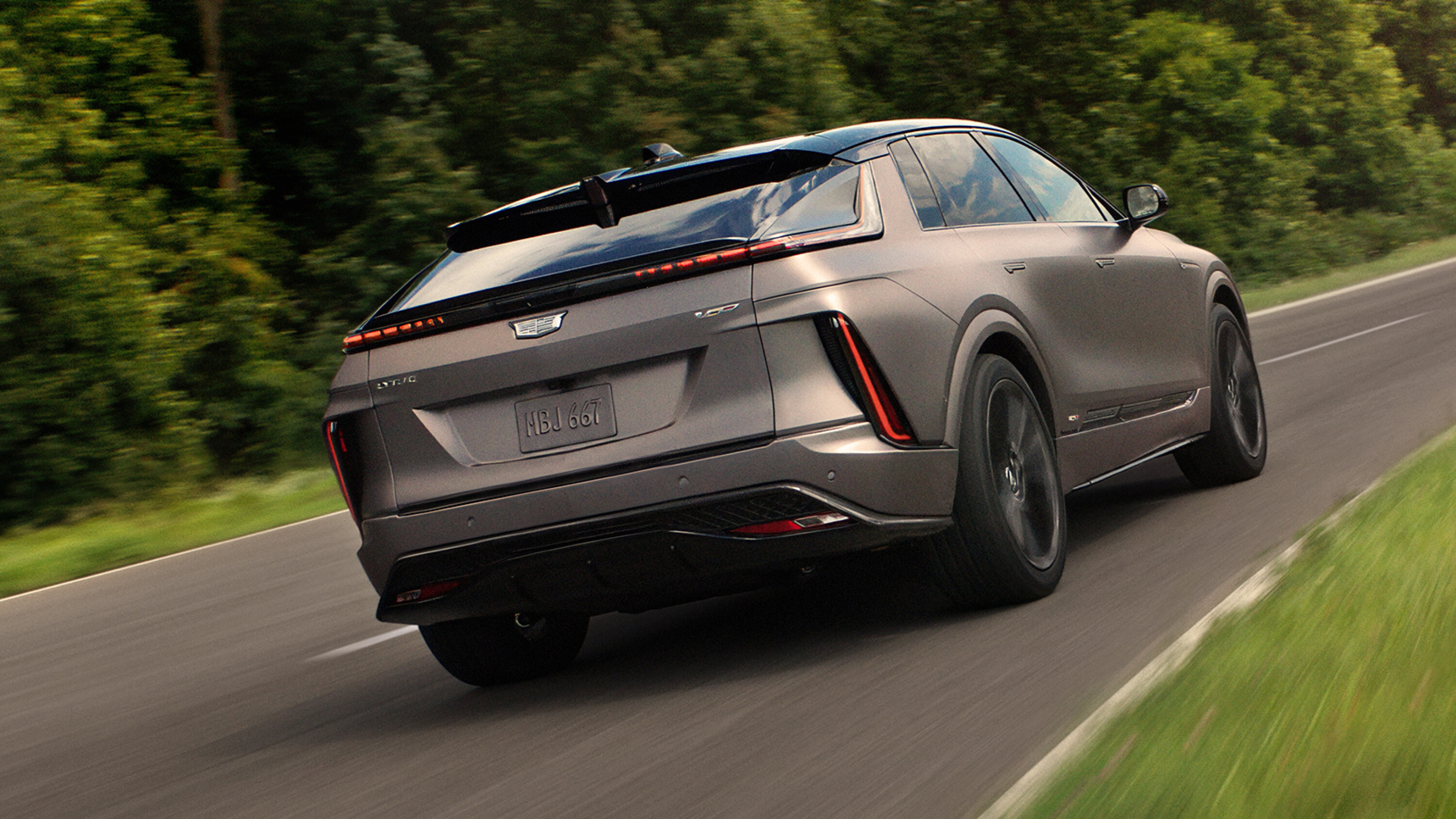
Cadillac expands its V-Series range with the all-electric Lyriq-V, but an Australian debut is still a year out.
After a protracted wait – not to mention the Cadillac brand’s decades-long delay – the electric Lyriq finally hit Australian roads in October last year. Now, GM’s premium brand has unveiled the hero Lyriq-V.
Lyriq catch-up
The standard Lyriq offers a dual-motor all-wheel drive system with 373kW and 610Nm, with a claimed 0-100 km/h time of around 5 seconds. It features a 102kWh battery and an estimated WLTP driving range of 530 km.
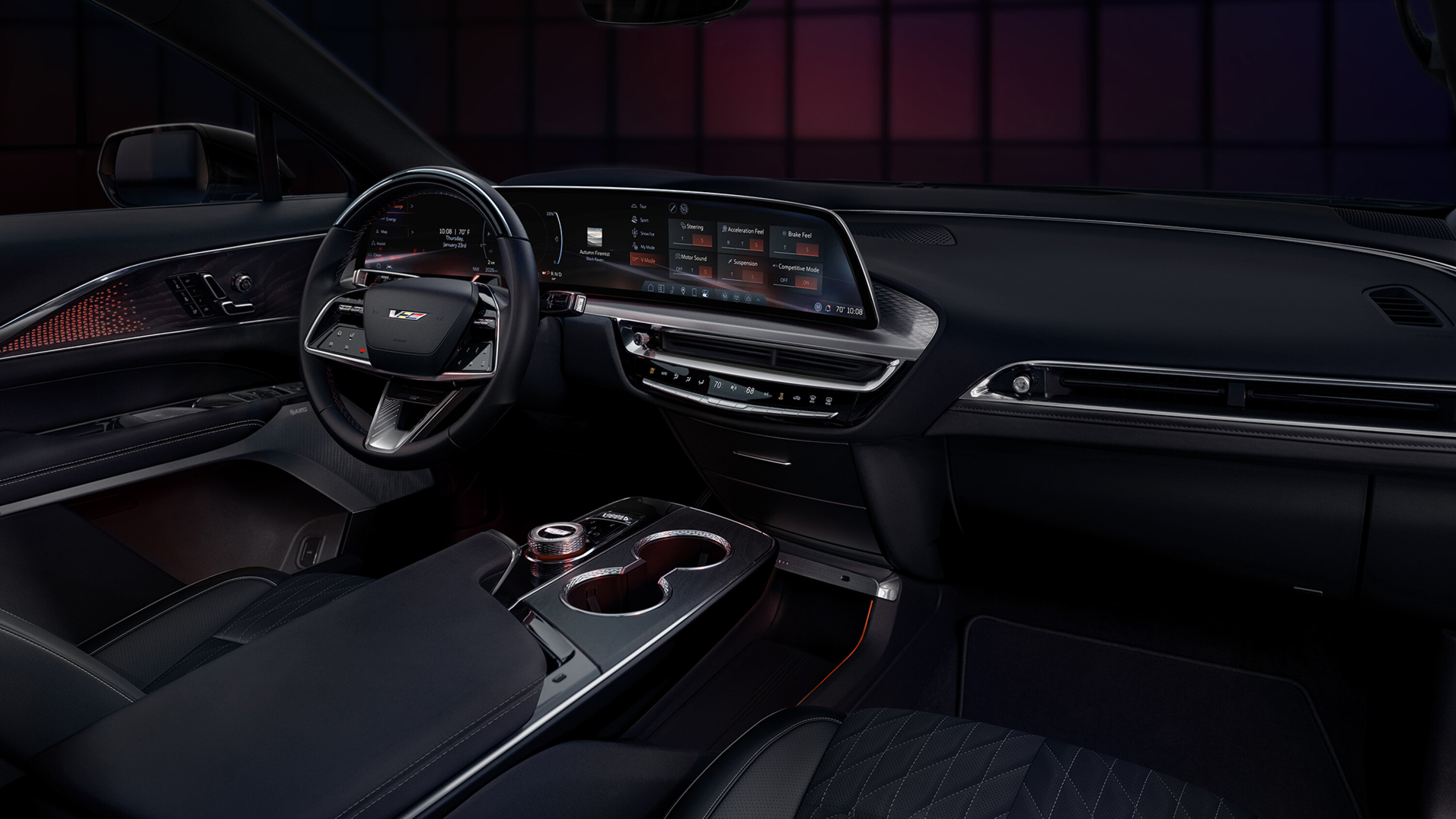
Standard equipment includes a 33-inch display, 19-speaker AKG sound system, and Super Cruise hands-free driving technology.
The Lyriq is offered in two trim levels, Luxury and Sport, with prices starting from $117,000.
Rocketing to the top of the totem pole, the Lyriq-V also gets a dual-motor all-wheel drive system, but boasts a musclier 460kW and 880Nm for a claimed 0-100km/h time of just 3.3 seconds in Velocity Max mode.
Like the regular Lyriq, the V gets a 102kWh battery pack, so there should be no surprise that its driving range takes a hit – dropping to 459 kilometres.
Among the Lyriq-V’s performance-oriented features are Continuous Damping Control, a lowered multi-link suspension, and a quicker steering ratio.
“V-Mode” allows drivers to adjust performance settings, including “Competitive Mode,” which alters traction management parameters and dials up the synthesised noise with interior and exterior sounds.
Brembo performance front brake calipers are standard, with optional red calipers accented with the V-Series logo.
1
On the outside, the Lyriq-V is set apart from the regular models with a unique lower front bar and a V-pattern mesh grille, side skirts, body-coloured lower trim, and optional carbon fibre accents.
When will the Cadillac Lyriq-V come to Australia?
GM has yet to release local details for the Lyriq-V, apart from confirming an “early 2026” Australian launch.
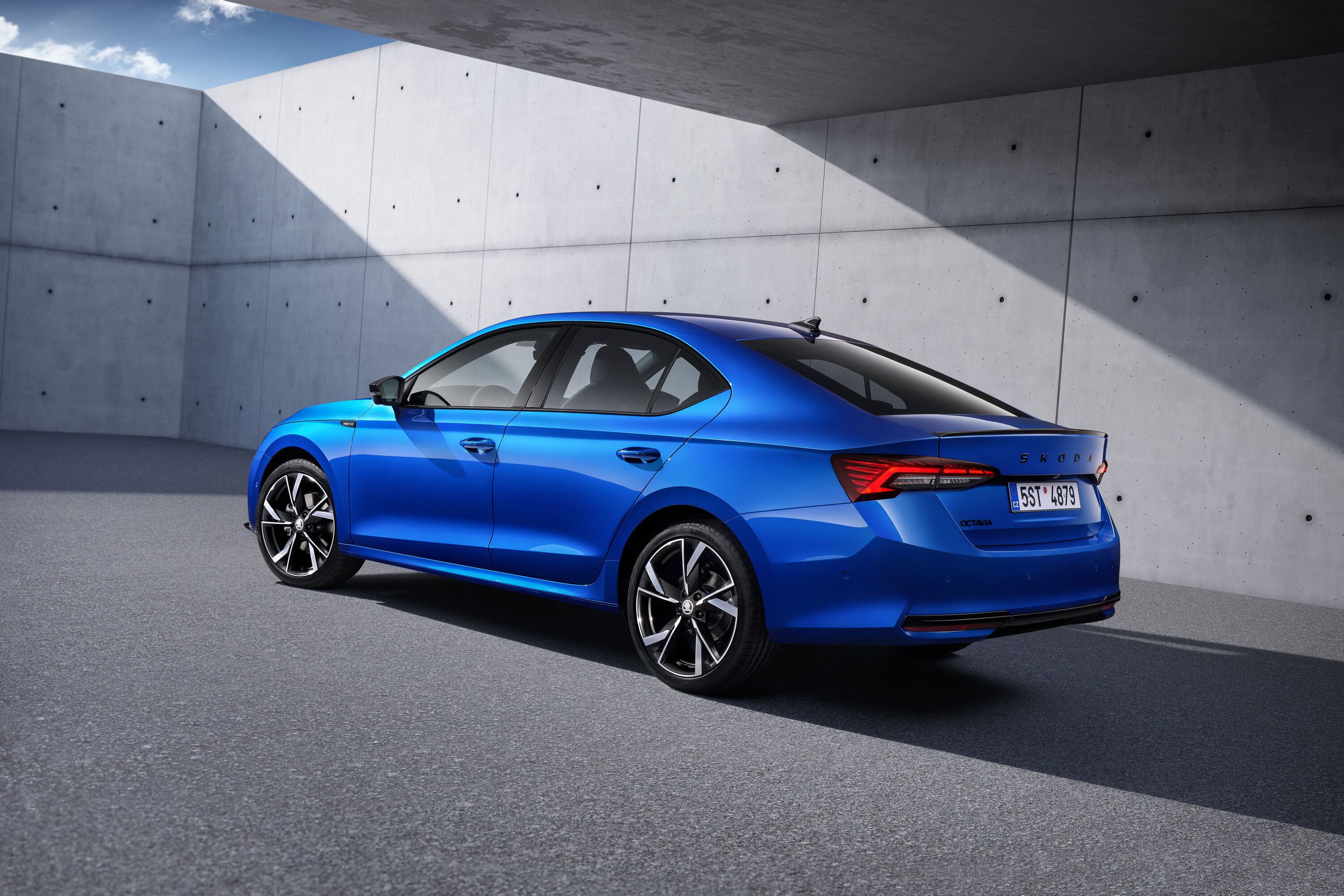
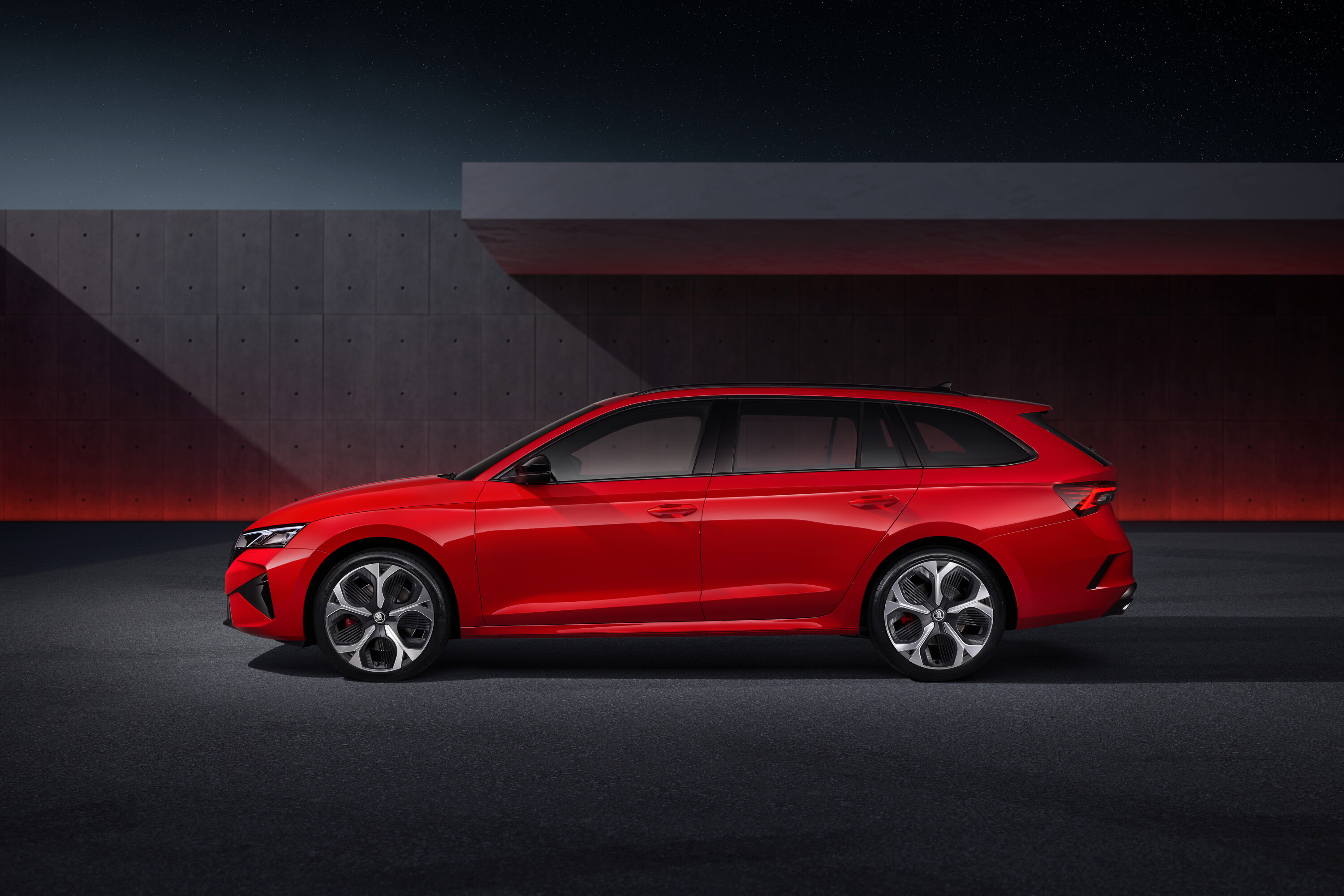
The bad news: Skoda’s refreshed 2025 Octavia RS is more expensive than before, at $58,490 for the liftback and $59,990 for the wagon, before on-road costs.
The good news? It’s packing a lot more, in more ways than one.
Snapshot
More powerful 2.0-litre turbo engine now produces 195kW
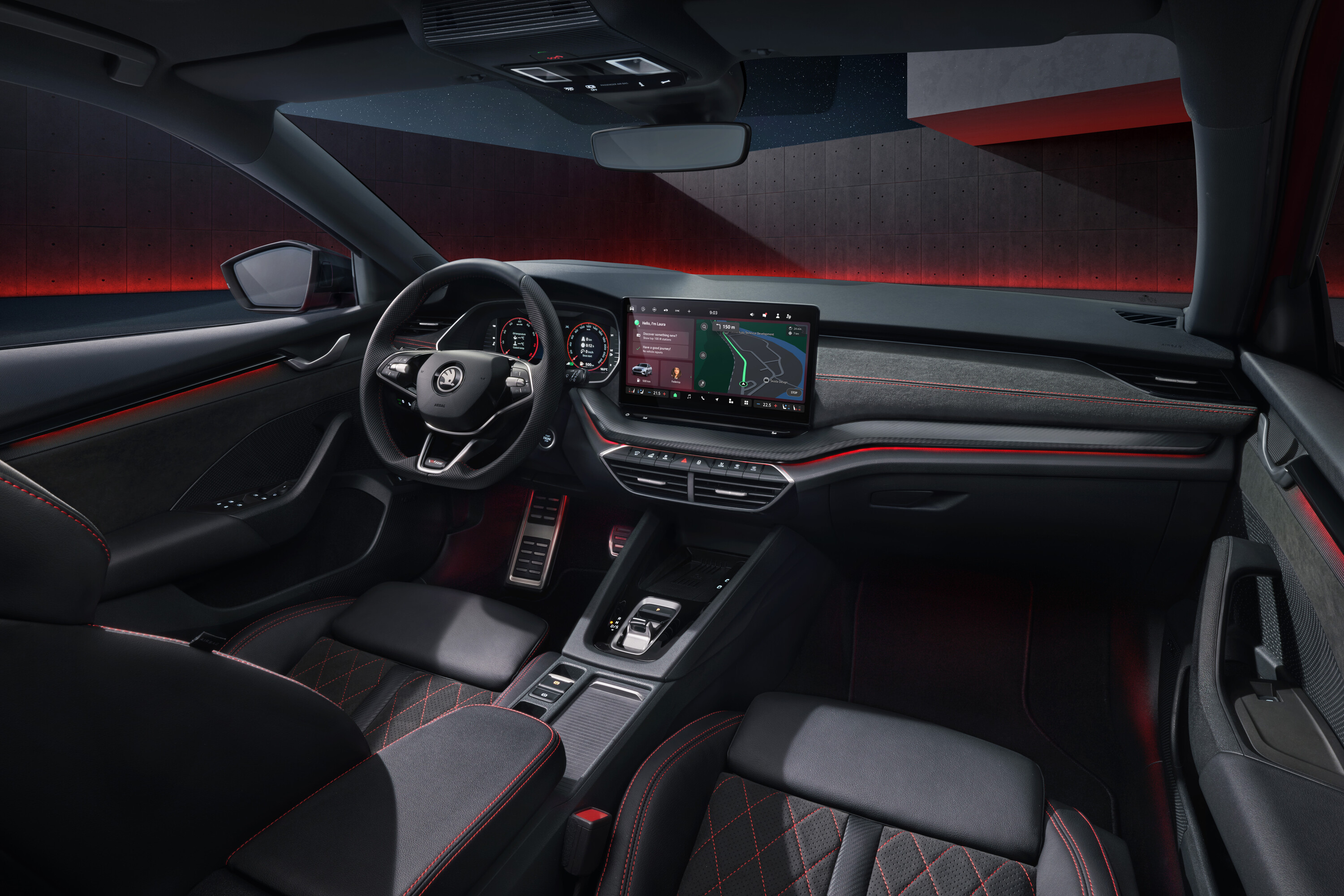
Dynamic Chassis Control, 13-inch infotainment, and previously optional Premium Pack now standard
Priced from $58,490 (sedan) and $59,990 (wagon), before on-road costs
Due in Australia from March, the 2025 Skoda Octavia RS facelift will deliver owners more power and more features – all of which comes together at a sharper price than had buyers optioned the Premium Pack on last year’s model, let alone the rest of it.
In terms of power – the most important specification in an RS model – outputs for the very familiar 2.0-litre ‘EA888’ turbo-petrol have been bumped from 180kW to 195kW. Torque remains unchanged at 370Nm.
This isn’t the first time that engine has been offered here with more wasps, of course, with a number of VW-badged specials getting the 195kW tune in years past. It likely also means we can expect the Mk8.5 Golf GTI to bring its Euro-market 195kW tune here when it arrives in the coming months.
As before, the only transmission on offer is a seven-speed dual-clutch automatic, again driving the front wheels.
You’ll also find 19-inch alloy wheels at each corner.
The combination makes for a slightly swifter midsizer, with the sedan claiming a 6.4-second run to 100km/h and the wagon promising to do the same in 6.5 seconds – marking 0.3 and 0.2-second improvements, respectively.
1
4
In a first for the Octavia RS, all buyers get Dynamic Chassis Control (DCC), thanks to the previously optional Premium Pack now being standard.
That means there’s also heated front and rear outboard seats, a 12-speaker Canton audio system, and a head-up display.
Tri-zone climate control, power-adjustable front seats with massage and memory functions, and a passenger-side mirror with tilt-in-reverse and memory function are also part of this now standard package.
Add to that, metallic paint, a 13-inch infotainment system with satellite navigation, 15-watt wireless charging with active ventilation, Intelligent Park Assist, an Area View camera, and a heated steering wheel.
7
In defence of the resulting increased price of entry, Skoda’s local office says the $5400 Premium Pack was selected by 80% of buyers for the pre-facelift Octavia RS.
That particular buyer type, then, sees the sedan $1470 cheaper than before, and the wagon down by $1270.
The other 20% of buyers can just dig deeper or take a wander, we suppose.
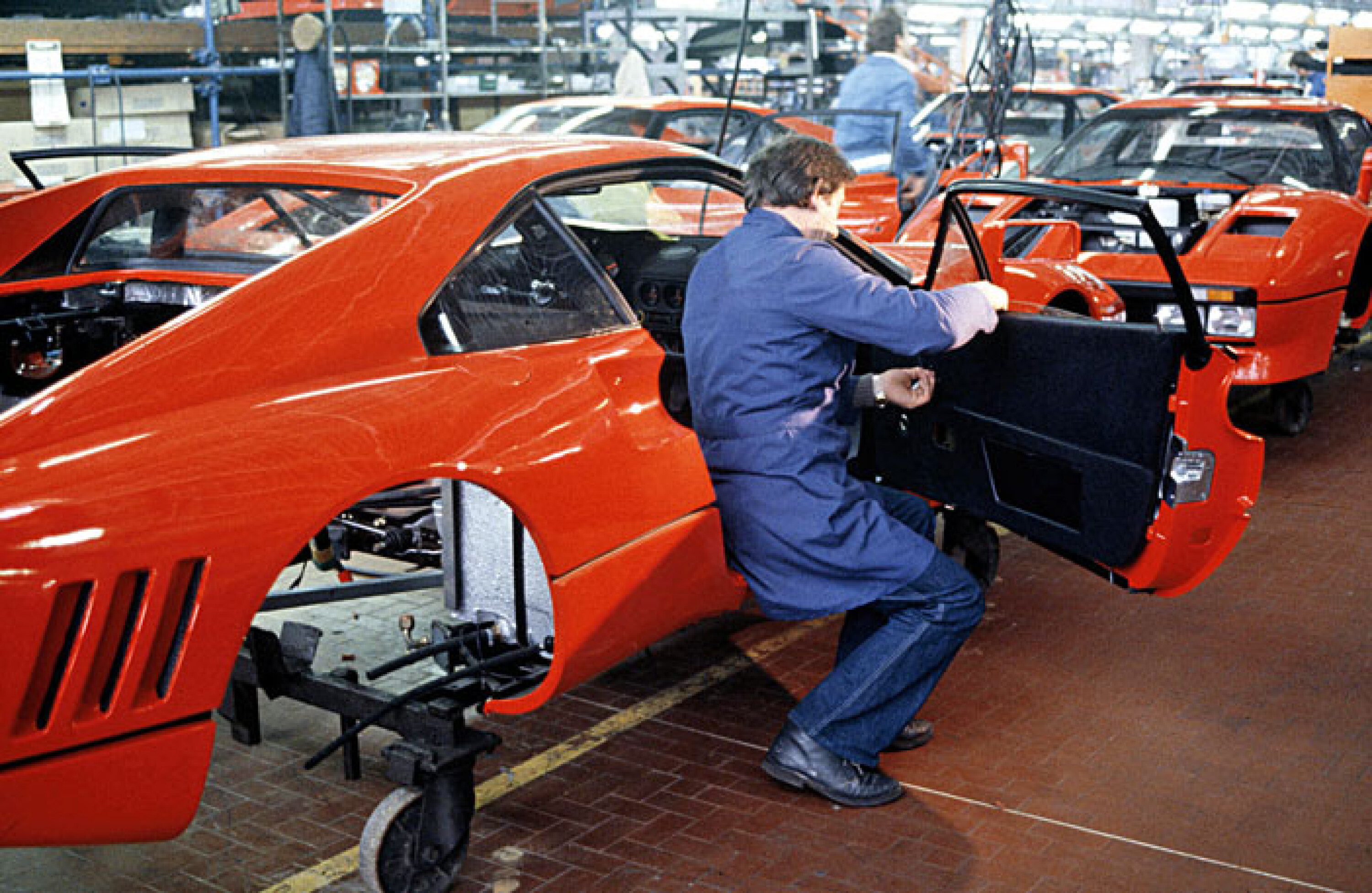
The GTO started a dynasty. Every decade or so, Ferrari creates a new machine that pushes the boundaries of what a production road car is capable of. There had previously been plenty of special Ferraris but the arrival of the GTO in 1984 began a legacy that now spans 40 years and six generations of Supercar.
The second chapter quickly established itself. Group B regulations required 200 road-going versions of a model to be built, but manufacturers could create more extreme competition variants by building 20 ‘Evolution’ examples.
1
Group B’s racing regulations were stillborn, meaning the GTO never competed, but six 288 Evoluziones escaped captivity, with looks and performance that made the standard car look almost pedestrian. Pininfarina reworked the body with a focus on aerodynamics, lightweight materials dropped the weight to 940kg and larger turbos increased engine power to 485kW.
Whereas the standard GTO could muster an impressive 238kW/tonne, the 288 Evoluzione more than doubled this to 515kW/tonne. All six still exist today and the Evoluzione set the precedent for a more extreme version of every Ferrari Supercar being created.
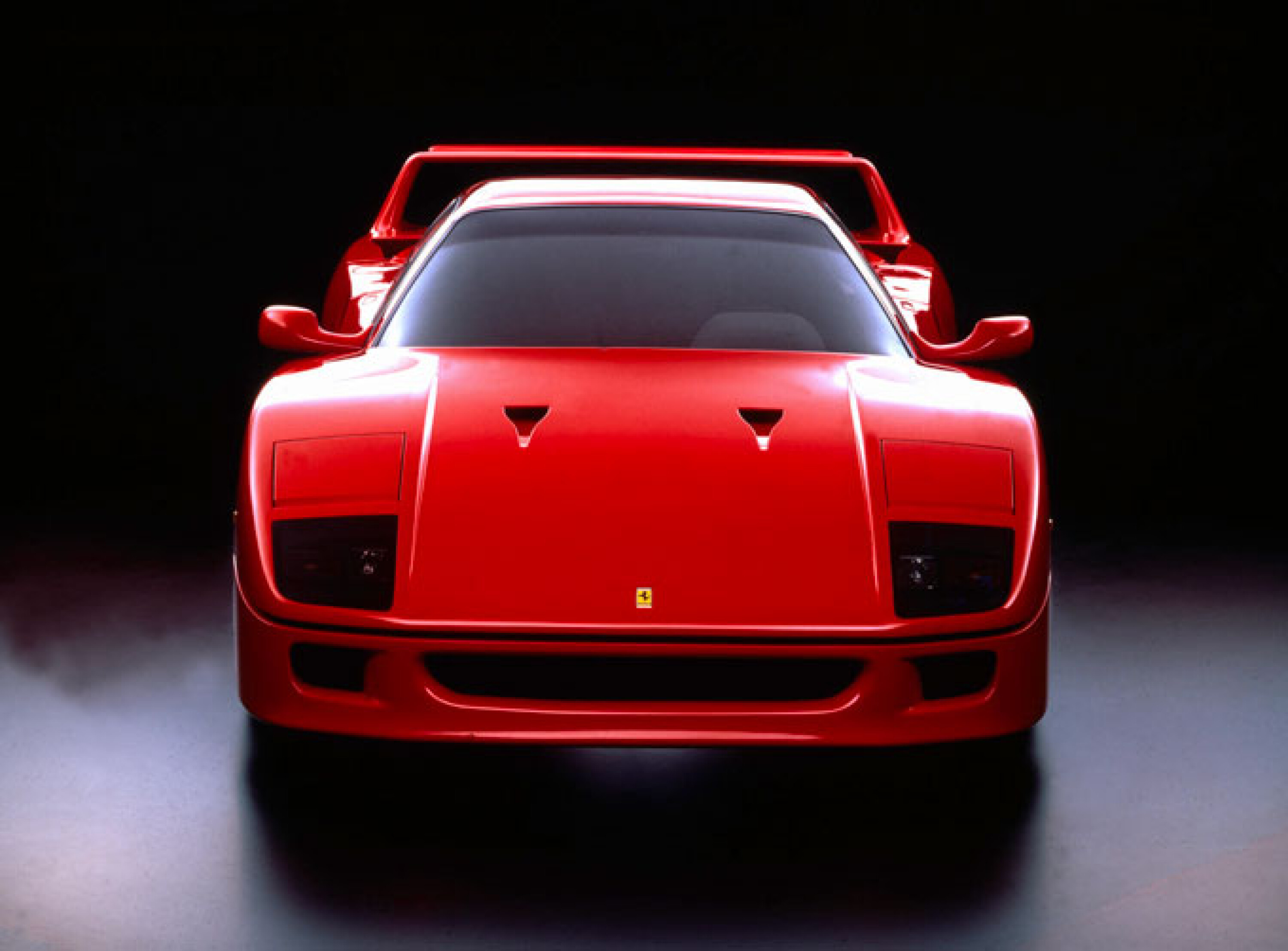
Looking at a 288 Evoluzione, it’s clear to see that it’s the bridge between the GTO and the F40. Despite a relatively similar mechanical layout, the cars couldn’t have been more different. Ironically, the GTO was a well-equipped road car that was intended to race and the F40 was a Spartan racer for the road that was never intended for competition.
The F40 was more powerful (352kW/577Nm) than its predecessor, faster (324km/h, the first road car to top 200mph), much more expensive (US$399,150) and much more numerous, with 1311 being produced between 1987-92. Such incredible performance without a single driver aid means, sadly, far fewer than 1311 remain.
For a car that was never intended to race, the F40 had quite a distinguished competition career with numerous variants. There was the LM IMSA GTO in IMSA, the Competizione for collectors, the GT for the Italian GT Championship, the LM for the BPR Global GT Series and the GTE for GT1, competing as late as 1997!
1
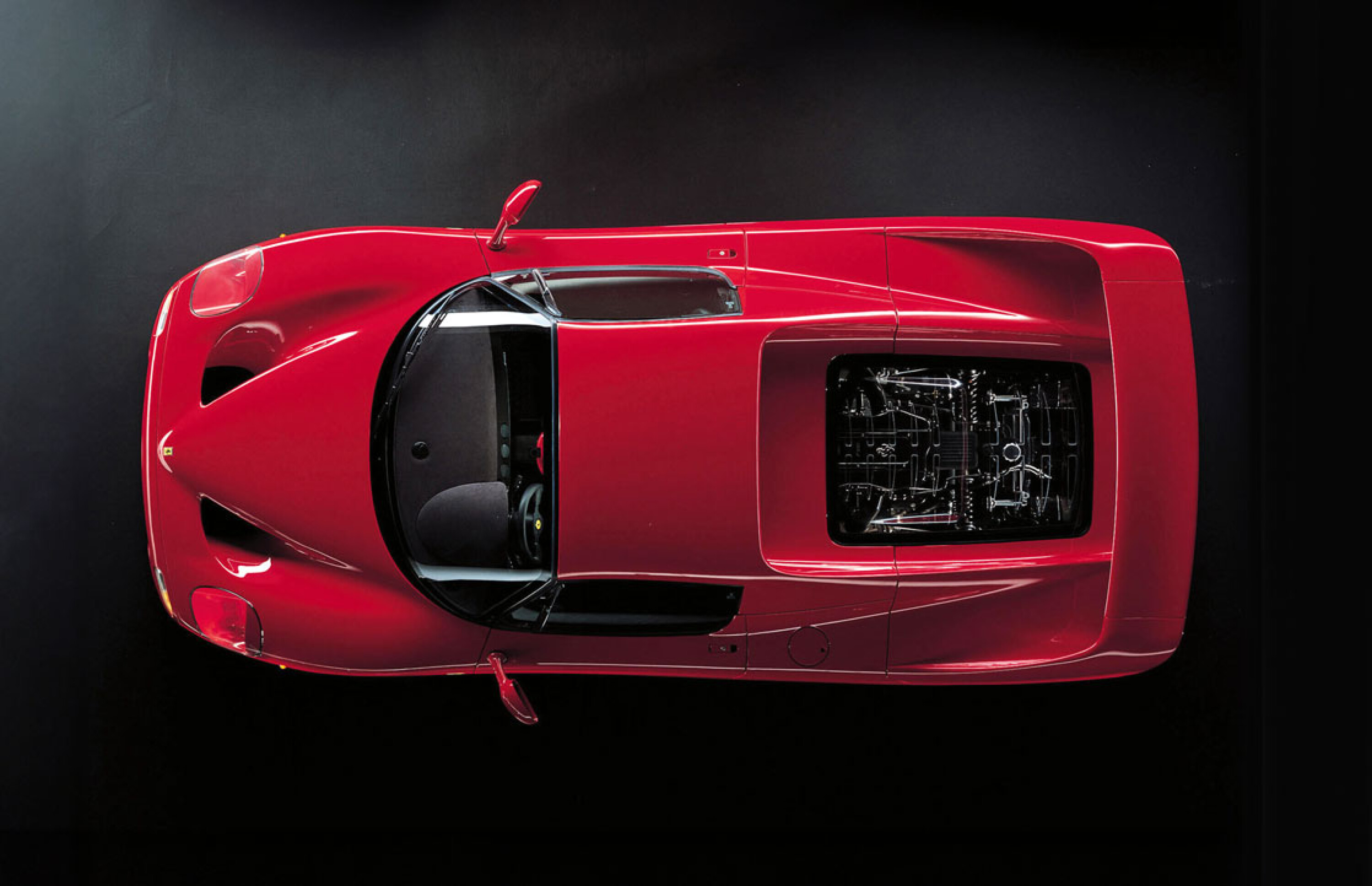
By this time Ferrari’s new Supercar had appeared, the F50. It was radically different mechanically to its predecessor, with an F1-derived naturally aspirated V12 as a stressed member of Ferrari’s first carbon road car tub. While its 382kW/471Nm meant it was little – if any – faster than the F40 in a straight line, the F50’s progress was evident in its 1min27sec Fiorano lap time, a massive 2.6sec quicker than the F40.
Some cars are so rare and exotic that they gain almost mythical status and the F50 GT is one of those. Developed in conjunction with Dallara and Michelotto, it was destined for the BPR Global GT Series, but the folding of that championship and creation of unique homologation specials for the newly formed FIA GT Championship led to the cancellation of the project.
Just three were produced, with a screaming 10,500rpm, 4.7-litre V12 producing 551kW/529Nm, giving the 910kg F50 GT a 376km/h top speed. Happily, it’s believed all three still exist and one is in regular use.
1
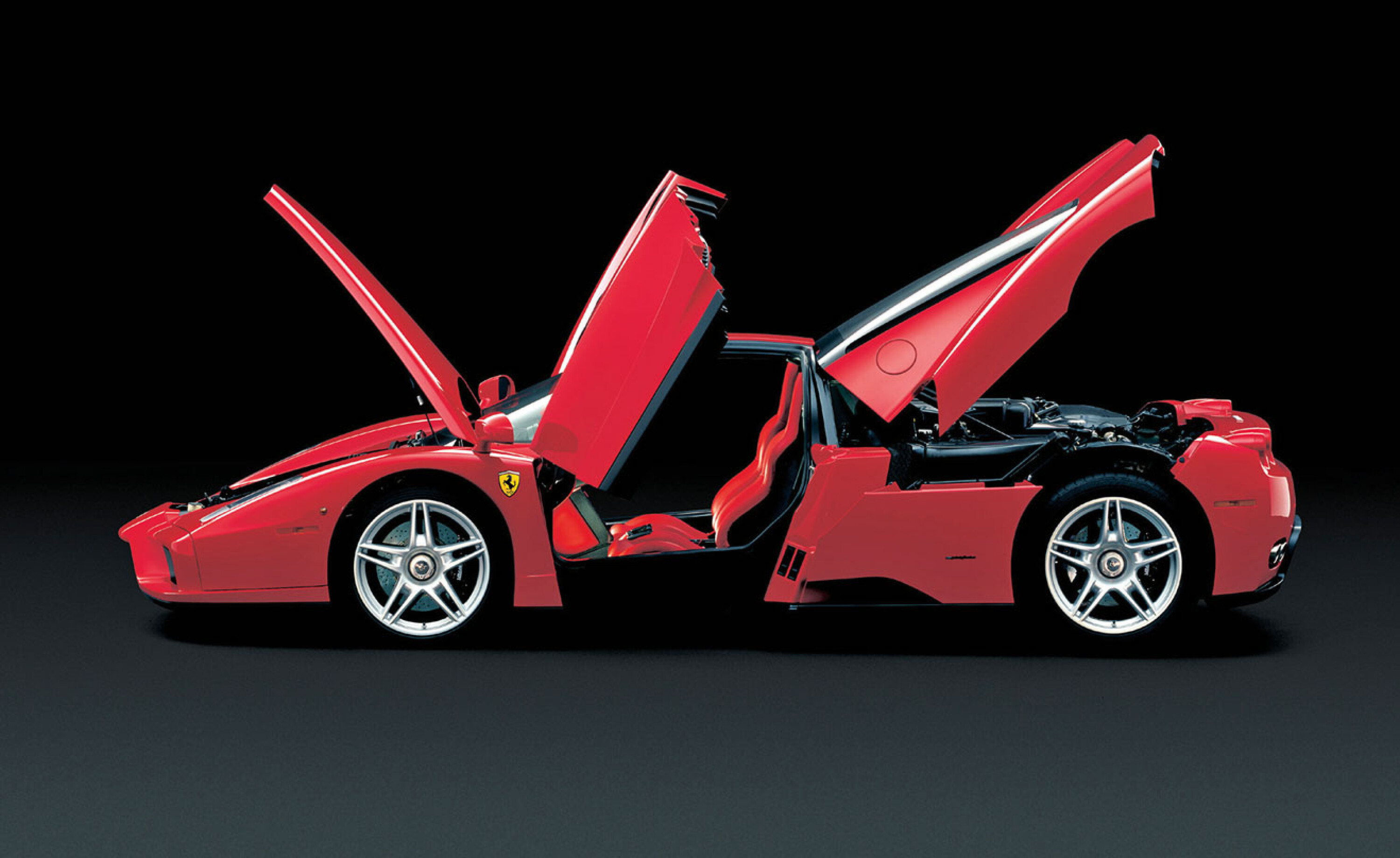
Ferrari’s new Supercar project would be unbelievably ambitious, not just because of its mechanical specification but because of the expectations generated by its name – Enzo. Any car named after Il Commendatore would need to be very special indeed, but the Enzo delivered.
A 6.0-litre V12 produced 485kW/657Nm, 27 per cent more power and 40 per cent more torque than the F50, paddle shifters arrived for the first time on a Ferrari Supercar and there were active aerodynamics and carbon-ceramic brakes.
It once again set a new performance benchmark, with 0-100km/h in 3.65sec, an 11.0sec quarter mile, 350km/h+ top speed and a Fiorano time of 1min24.9sec, another 2.1sec quicker than the F50.
The Enzo also gave birth to the XX program, allowing selected customers access to track-focused versions of Ferrari’s latest Supercar. In its ultimate Evoluzione guise, the FXX produced 633kW from a larger 6.3-litre V12, along with far greater downforce and slick tyres.
It would be 11 years before Ferrari would debut another Supercar, as large a gap as between the GTO and the F50, but it would be worth the wait. Once again, Ferrari would use its flagship as a technical showcase, breaking new ground in aerodynamics and electronics, while also introducing electrification to the brand.
1
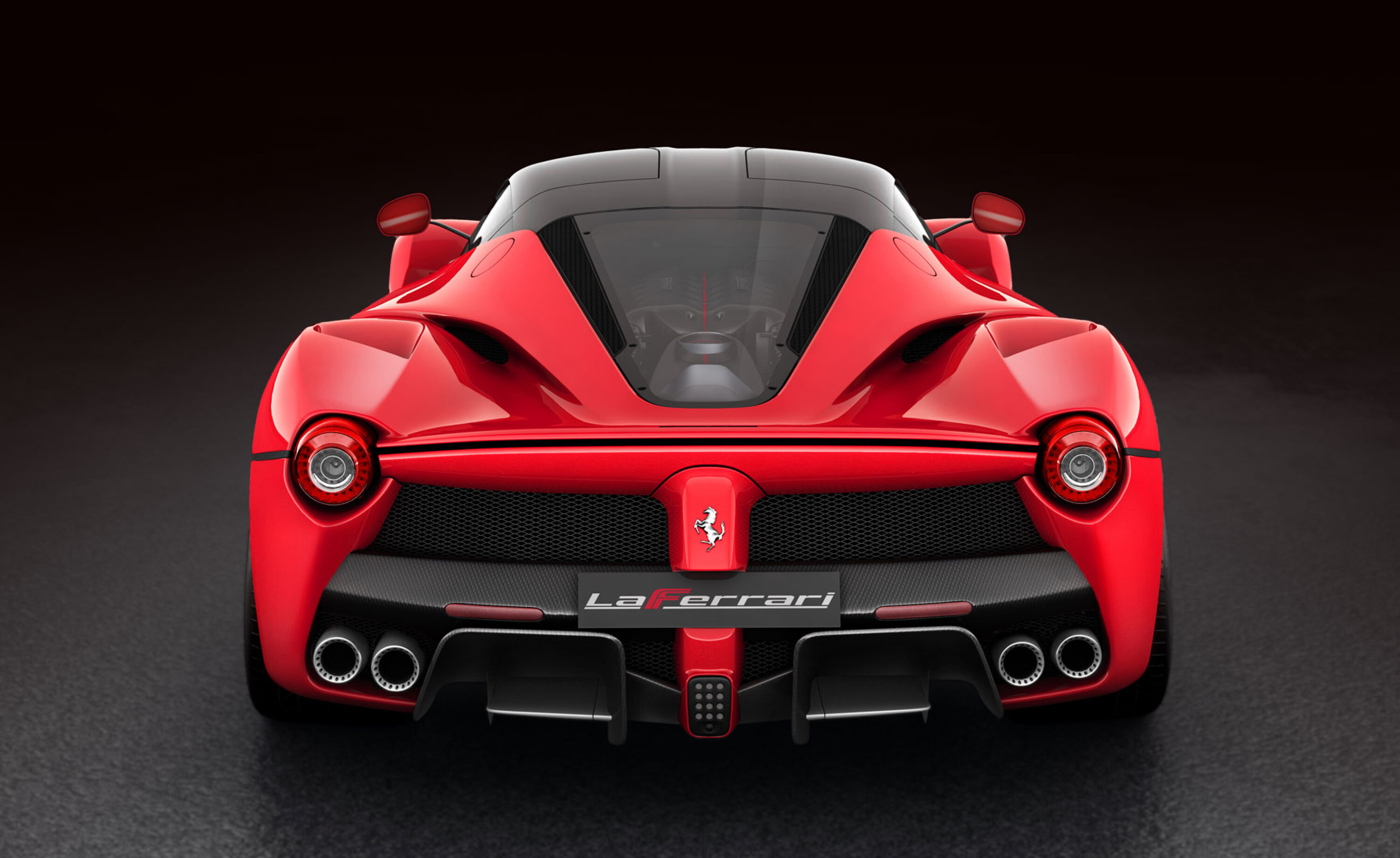
As such, it would be the ultimate Ferrari – LaFerrari. A hybrid system applied to a development of the Enzo’s V12 resulted in 688kW/900Nm and while the LaFerrari evolved many technologies introduced on the Enzo, including active aero and adaptive suspension, it was a quantum leap forward in electronics with cutting edge stability control software.
A five-second improvement in the Fiorano lap time over the Enzo – a gap equivalent to that between the Enzo and F40 – is evidence of its incredible leap forward in performance, yet the LaFerrari was also more comfortable and efficient. The FXX-K increased its track performance with modifications to the engine, hybrid system, aerodynamics and electronics, including the introduction of Side Slip Control.
Which brings us to today and the sixth member of Ferrari’s Supercar family, the F80. Compared to its grandfather, the GTO, it’s like a creation of science fiction. Power is now 883kW from a 3.0-litre hybrid-assisted twin-turbo V6 and a pair of electric motors on the front wheels ushers in all-wheel drive for the first time.
In the time it takes the GTO to hit 100km/h, the F80 is nearing 200km/h (5.75sec).
At Fiorano, the F80 could give the GTO a 20-second head start and still cross the finish line first, thanks in no small part to 1000kg of downforce at 250km/h.
No one outside Ferrari has yet driven the F80, but on past form you’d be brave to bet against it rewriting what a road car is capable of. And yet, history tells us that in a decade’s time, those rules will be rewritten all over again.
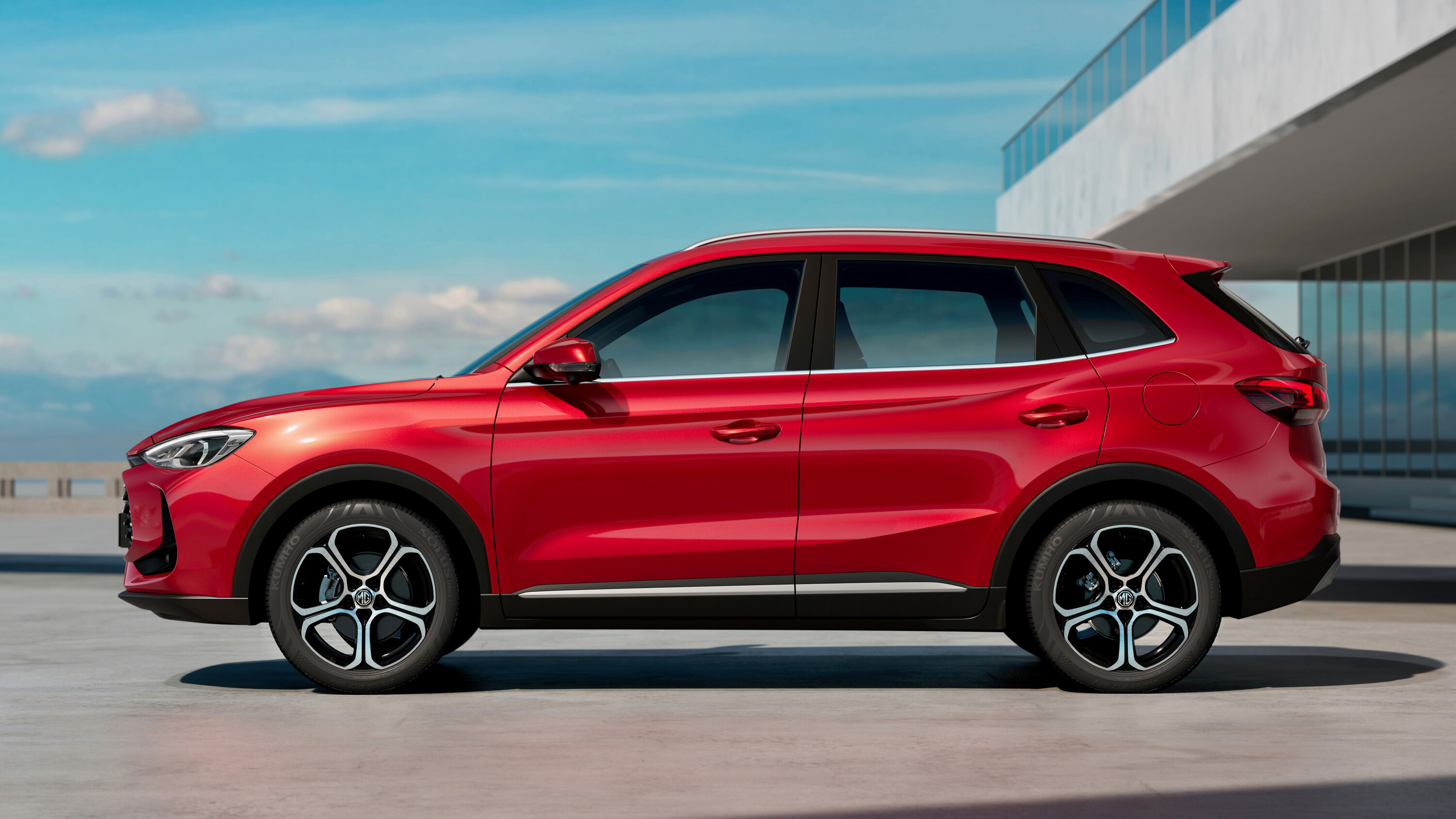
Priced from $26,990 drive away, the new ZS will be offered in three specification levels with two engine choices. The MG ZS variants will be available with a choice of two 1.5-litre four-cylinder engines: either an naturally aspirated variant making 81kW of power and 140Nm of torque, or one with a turbocharger for outputs of 125kW and 275Nm. The naturally aspirated engine is rated at 6.7L/100km on the combined cycle, with the turbo unit adding only 0.2L/100km.
1
Transmission choices are yet to be revealed, but it’s likely that the former engine will be paired with a CVT automatic and the latter with a seven-speed dual-clutch unit.
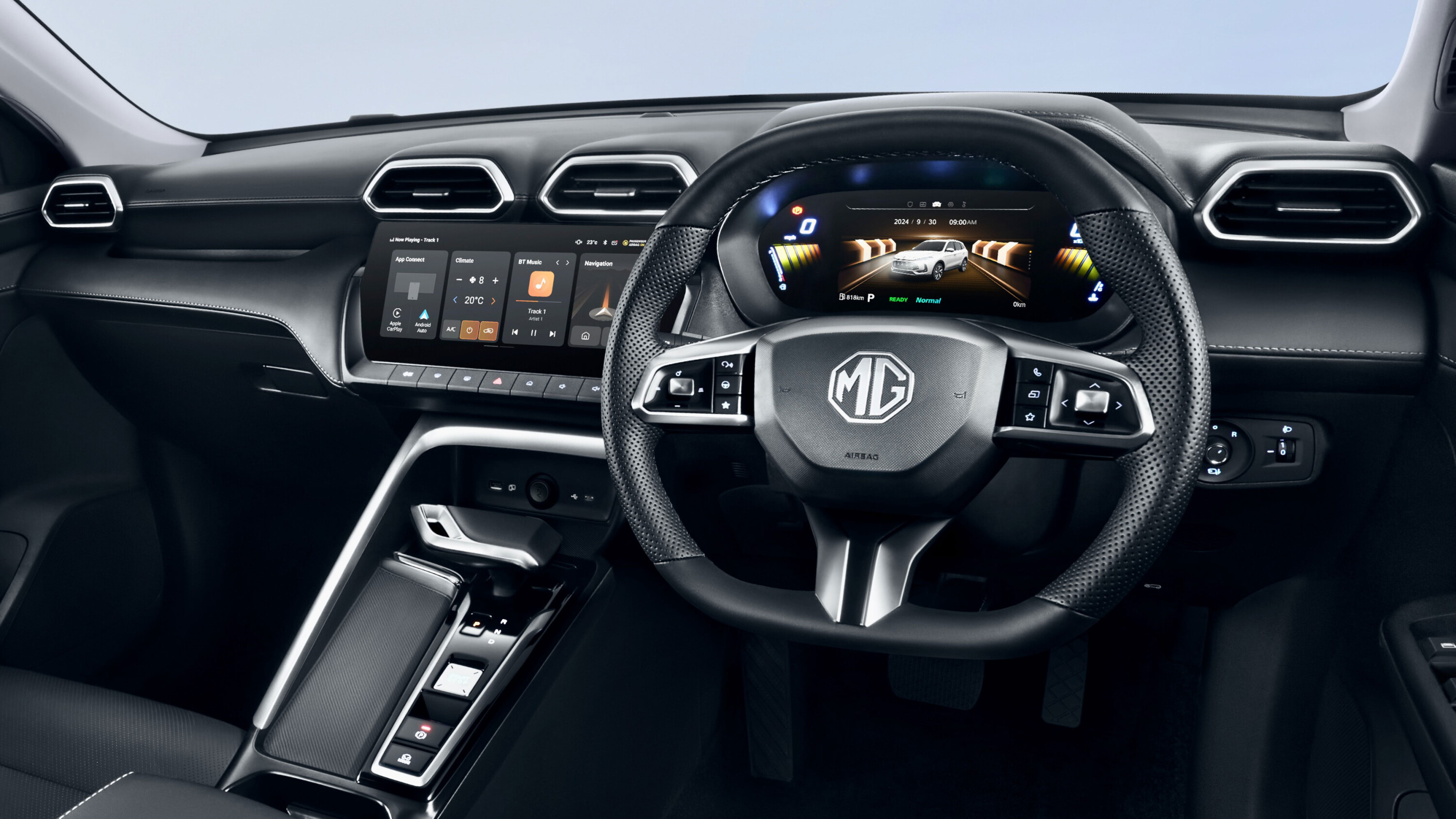
A full list of standard equipment is yet to be detailed, but the entry-level Excite is equipped with 16-inch alloy wheels, a height-adjustable driver’s seat, cloth upholstery, a 10.25-inch touchscreen with navigation, Apple CarPlay and Android Auto, push button start and MG’s ‘i-Smart’ active safety suite with features such as autonomous emergency braking, adaptive cruise control, blind-spot monitoring with rear cross-traffic alert and lane keeping assistance.
The mid-spec Essence uses the same engine but adds larger 17-inch wheels, a larger 12.3-inch infotainment screen, synthetic leather upholstery, a six-way electric driver’s seat, heated front seats and a 360-degree camera.
1
The top-spec Essence Turbo then adds – as the name suggests – a turbocharged engine and larger 18-inch wheels.
Like the ZS hybrid, the petrol models are covered by a 10-year/250,000km warranty.
“The ZS is a segment leader and the all-new ZS will see a new generation of motorists embrace this family friendly SUV,” said MG Motor Australia’s Chief Commercial Officer, Giles Belcher. “We’ve seen a fantastic response to the ZS Hybrid+ and the expanded range will continue to provide exceptional value for Aussie motorists.”
MG ZS pricing (drive away):
Excite: $26,990
Essence: $29,990
Essence Turbo: $31,990
The ZS range is due to enter local MG dealerships in mid-February.
1
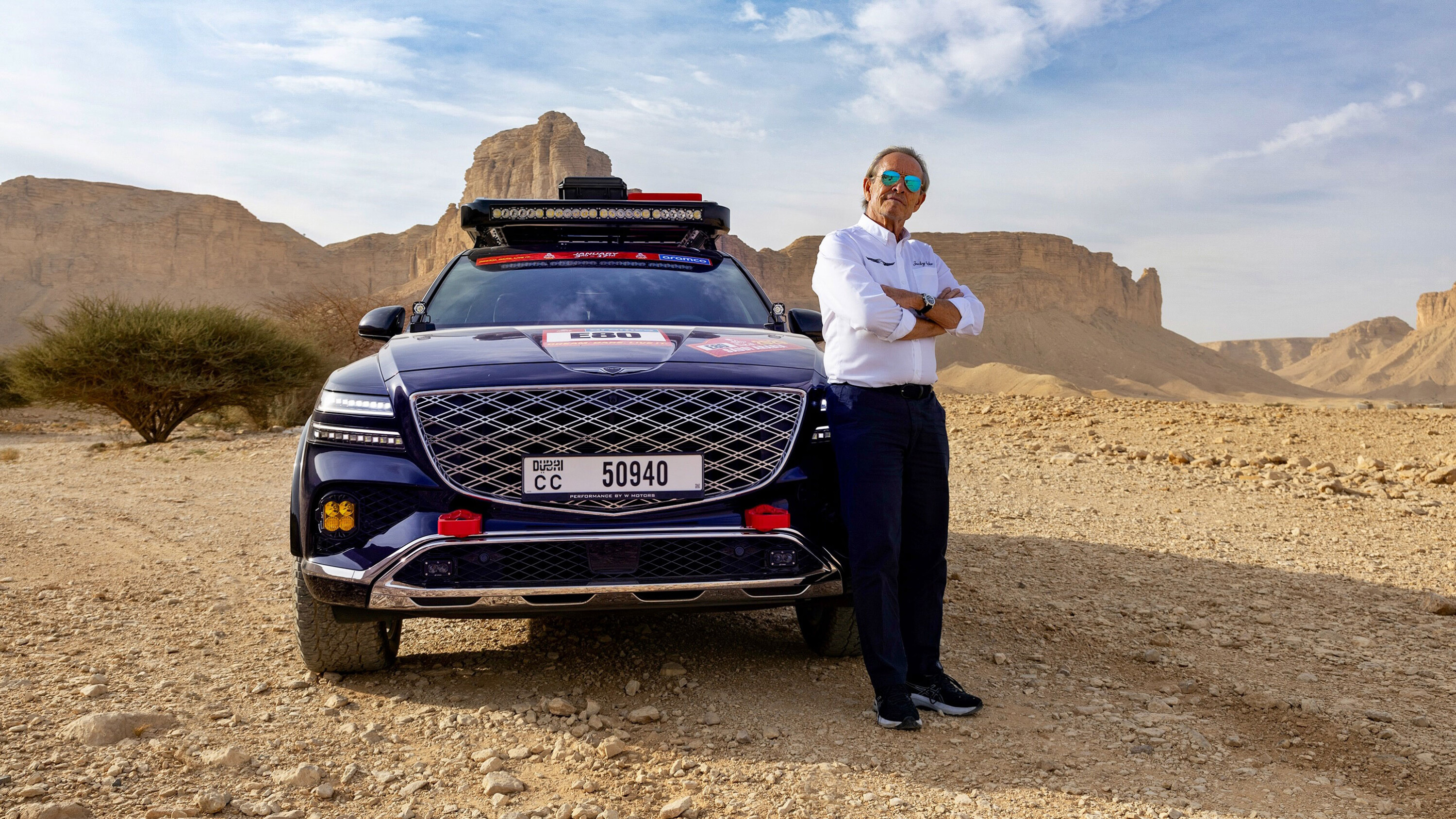
Genesis brand ambassador and motor-racing legend Jacky Ickx received a particularly unique 80th birthday gift ahead of this year’s just completed Dakar Rally – a special GV80 Desert Edition in which to compete.
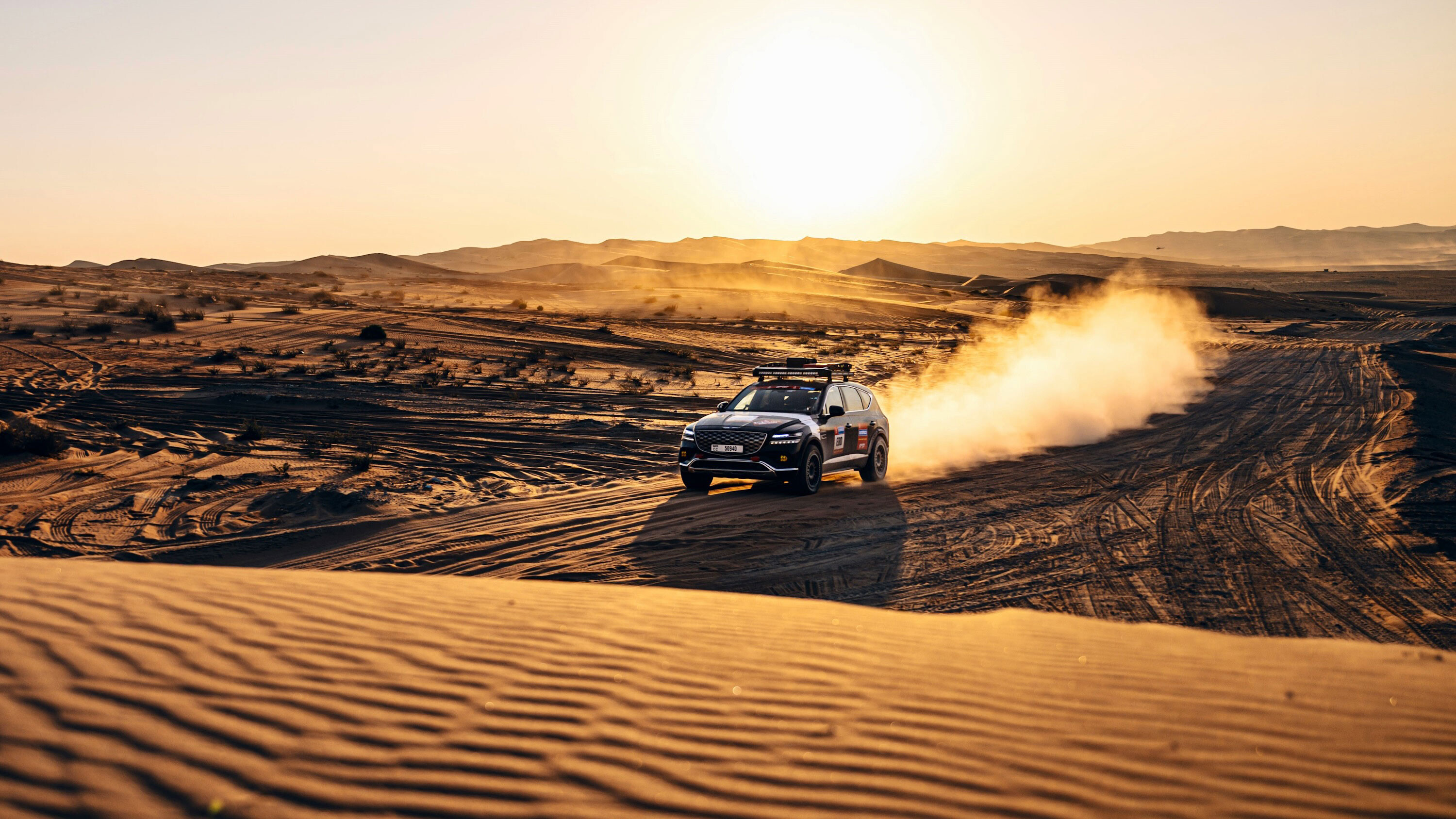
The off-road special was entered in this year’s Rally and given a 6,000km shakedown from Bisha to Shubaytah in some of the world’s toughest conditions.
1
More than 40 years on from his historic win at the 1983 Dakar, Belgian legend Ickx took the wheel of the GV80 Desert Edition to mark his 80th year, with Dakar organisers gifting him a special ‘E80’ sticker to signify the occasion.
A collaboration between Genesis Middle East and renowned customisation specialist W Motors, the one-off GV80 boasted a number of modifications, including a wider stance thanks to 40mm-wider arches to fit bespoke 20-inch wheels and all-terrain tyres needed for the event.
The suspension was also “comprehensively upgraded” for desert conditions and more ground clearance was also added. Genesis even added a special desert drive mode.
1
Upgraded lighting adorns the front of the GV80, including an LED light bar on the roof, additional lighting on the A-pillar and even a night-vision camera to help with ripping through the desert at night. The GV80’s roof rack also includes mounts for fuel canisters, sandbars and a rooftop tent.
Inside the GV80 special is an integrated drawer system that securely stores a full-size spare wheel, tools and emergency equipment with additional compartments for water supplies, first aid kits and communication devices.
The navy blue paintwork and single white stripe also paid tribute to Ickx, honouring the colours of the race helmet he wore throughout his career.
Genesis is yet to announce production plans for the GV80 Desert Edition but as a one-off, it’s capability away from the bitumen was on full display.
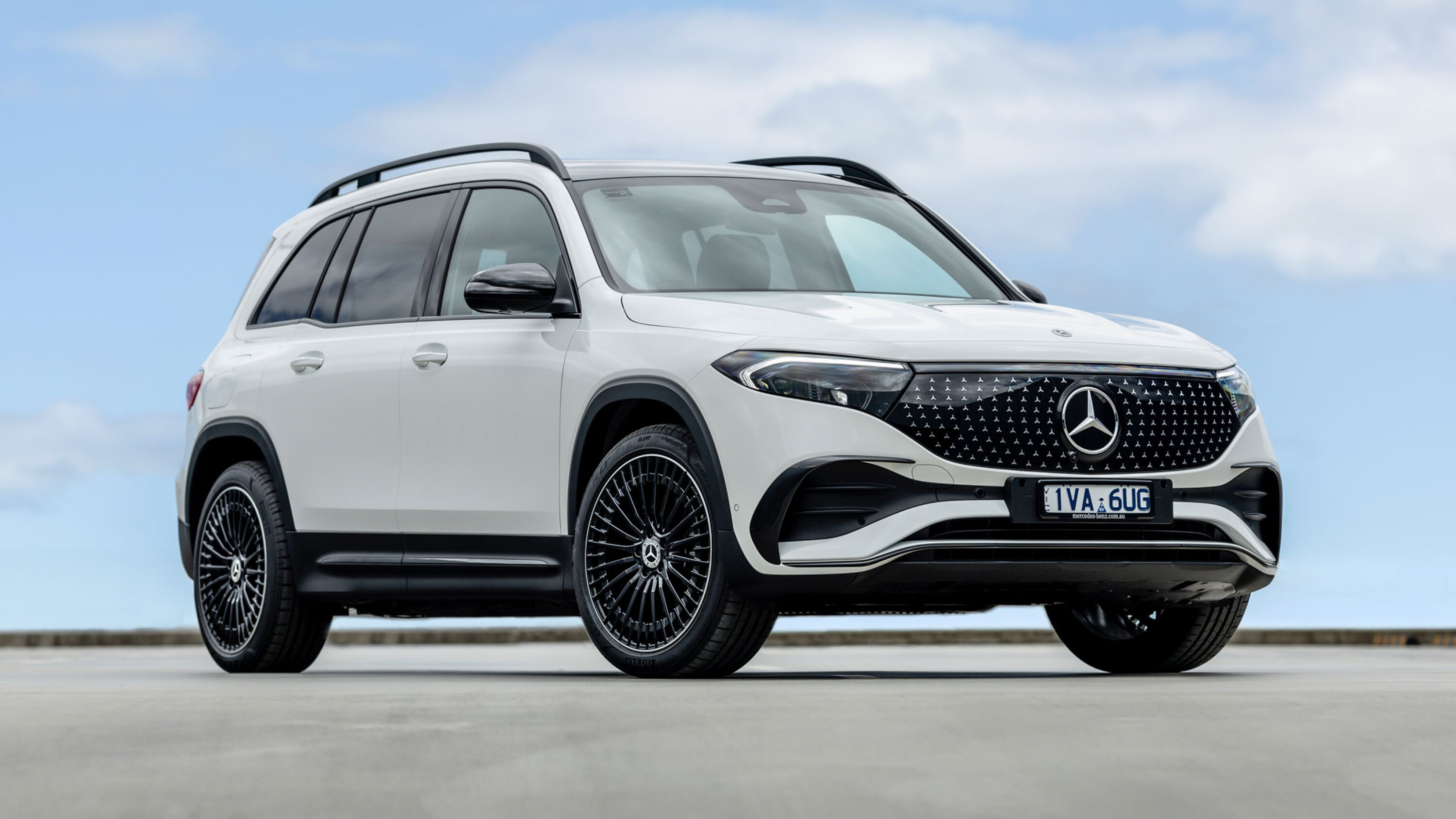
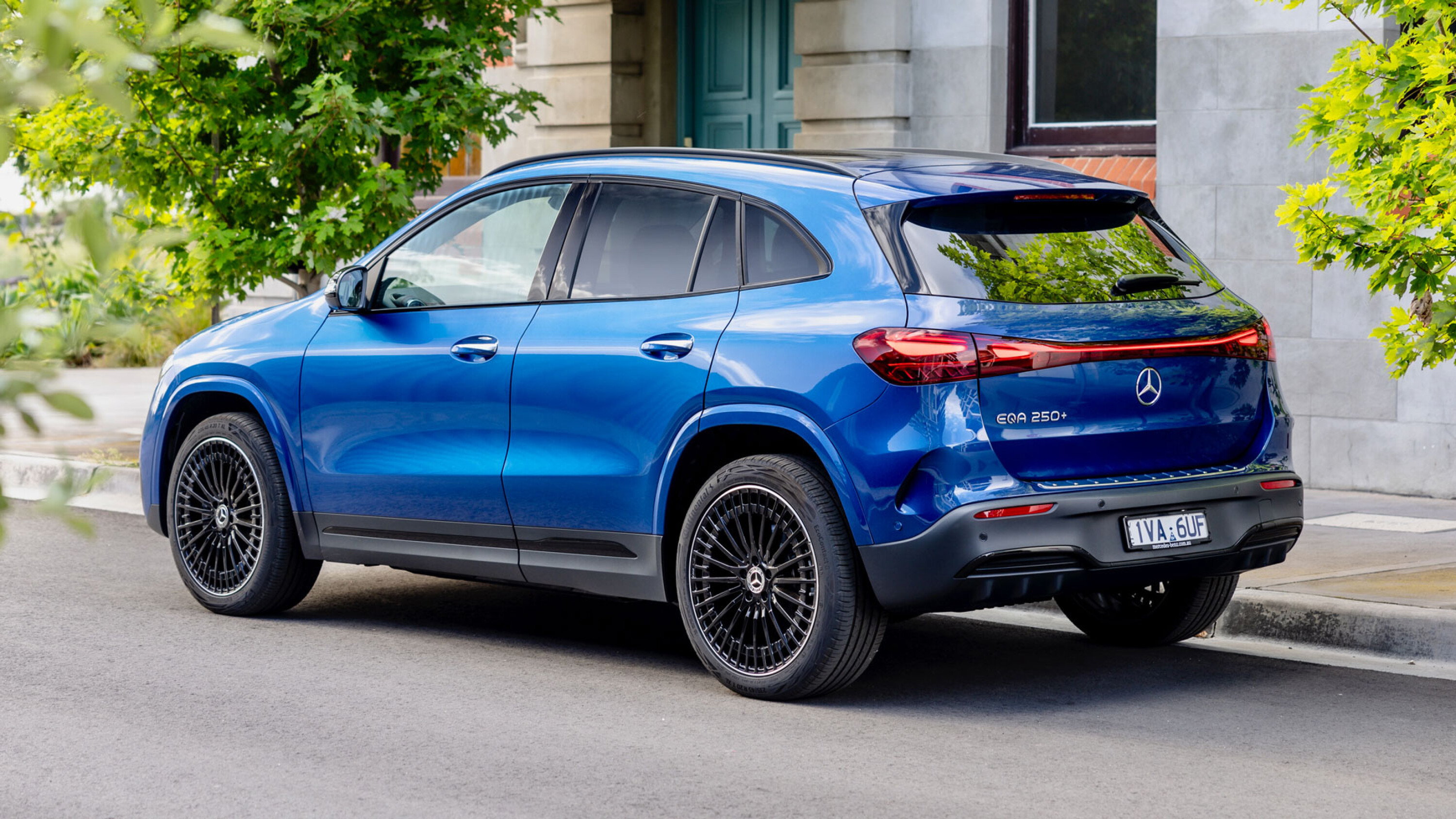
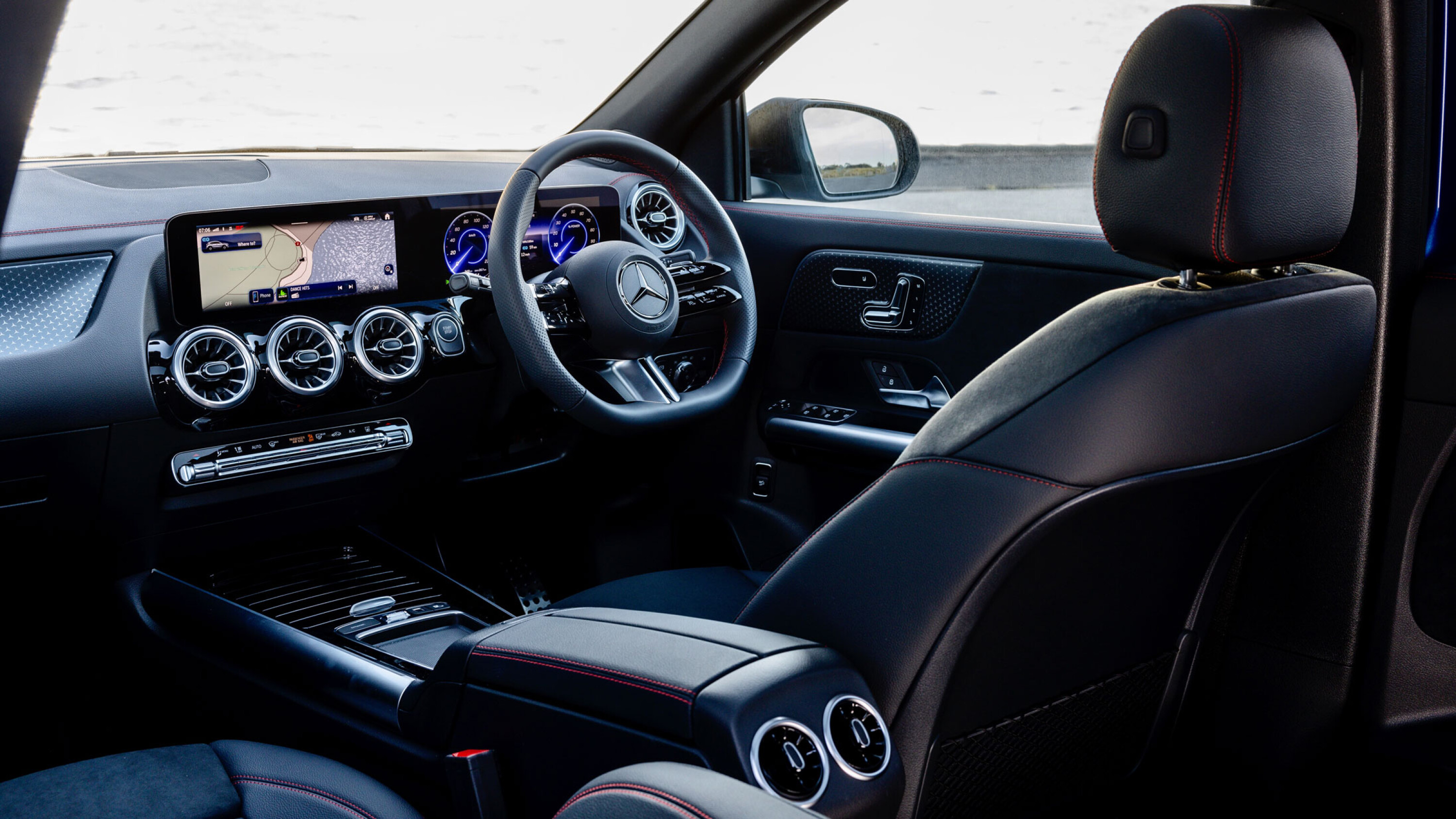
Following a mid-life update last year that added a larger battery to both the EQA and EQB electric SUVs, Mercedes-Benz has now announced two new Night Edition variants.
Adding more standard equipment for no extra cost compared with the base models, the Night Editions are priced from $85,800 for the EQA and $90,000 for the EQB (both plus on-road costs). Both models fall shy of the Luxury Car Tax (LCT) threshold, importantly making them exempt from Fringe Benefits Tax (FBT).
The Night Editions are based on the 250+ variants of the EQA and EQB, which both use a single electric motor making 140kW of power and 385Nm of torque. They both use a 70.5kWh battery, which allows for a claimed 578km range for the EQA 250+ and 564km for the EQB 250+ (both on the NEDC cycle).
As the name suggests, the Night Editions of both the EQA and EQB add a number of gloss black pieces, including 20-inch multi-spoke alloy wheels; front and rear aprons; mirror housings; beltline and window-line strip and roof rails.
1
Those features come on top of the standard equipment found in both the EQA and EQB which includes:
Panoramic glass sunroof
Metallic paint
Tinted glass
AMG Line exterior styling
Keyless entry and push button start
LED exterior lighting with adaptive high beam
‘Artico’ synthetic leather upholstery
Electric front seat adjustment with memory and heating
Nappa leather steering wheel
Dual-zone climate control with rear air vents
‘MBUX’ infotainment system with dual 10.25-inch screens
Augmented reality navigation
Finger print scanner for individual settings
Wireless phone charger
Apple CarPlay and Android Auto
AM/FM/DAB+ digital radio
Ambient lighting
Adaptive suspension
The EQB adds:
Two extra seats (for seven in total)
Sliding middle row
Both the EQA and EQB are also equipped with the following safety kit:
Nine airbags
Autonomous emergency braking (AEB)
Adaptive cruise control
Active lane keeping asset
Automatic parking
Blind-spot monitoring
Traffic sign assist
Safe exit assist
360-degree camera
Pre-safe system to prepare the cabin in the event of an imminent collision
1
Mercedes-Benz Night Edition pricing (plus on-road costs):
EQA 250+ Night Edition: $85,800
EQB 250+ Night Edition: $90,000
The new Night Edition variants in the EQA and EQB ranges are available to order now.
Skoda is now entering one of its most aggressive years of product renewal ever, with no less than three all-new models landing in 2025 – alongside a major update for one of its crowd favourites.
The brand is also entering its electrified era. The Enyaq (see below) only recently joined the Australian product portfolio, and there’s more EV product coming down Skoda’s pipe in 2025.
Want the full rundown on what’s around the corner for Skoda? Read on.
One of Skoda’s most well-known models gets a mid-life nip/tuck, beginning with the new Select grade.
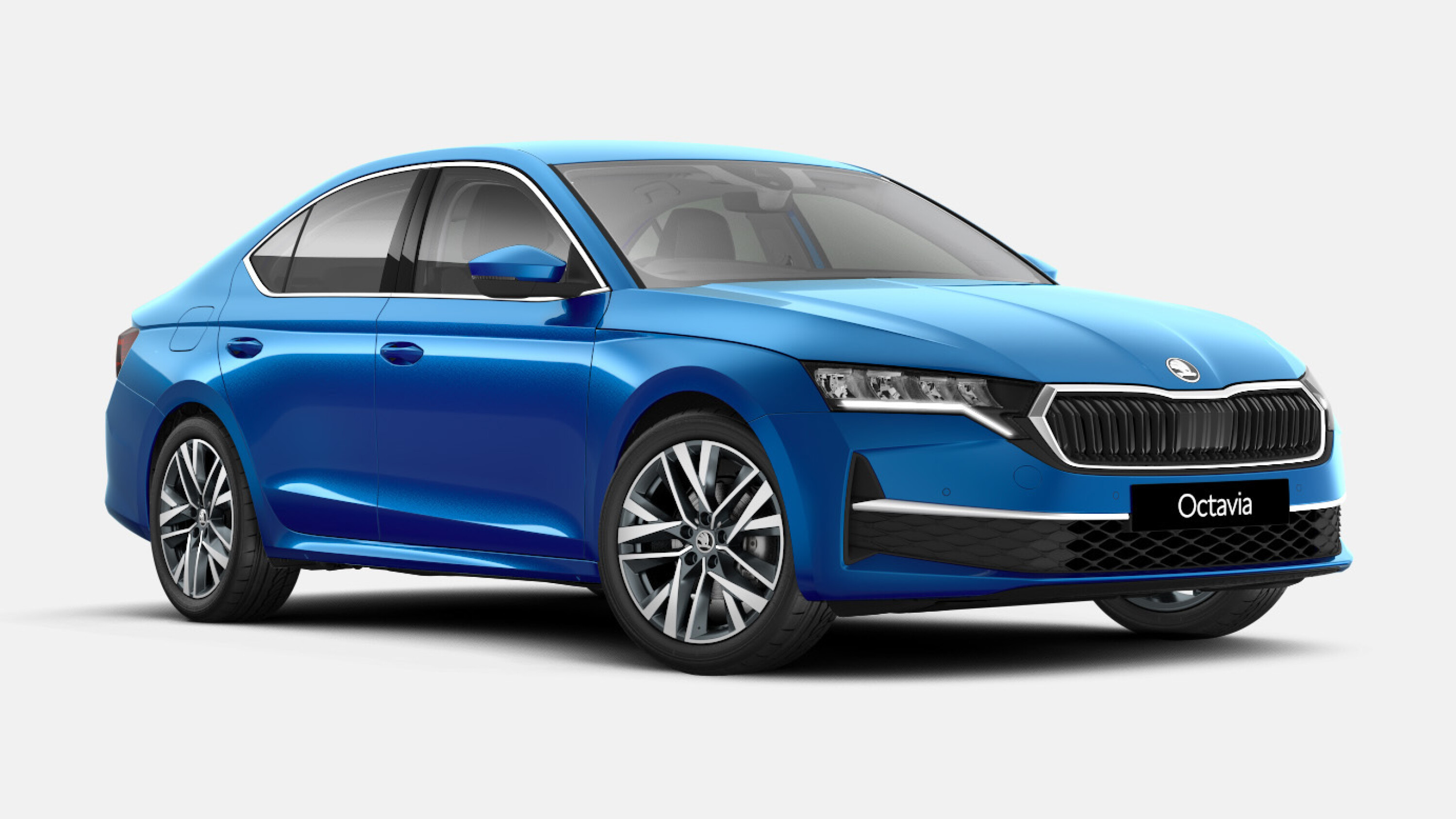
The Octavia Select (on sale now) takes the place of the Style variant, and spearheads the facelifted Octavia’s rollout ahead of the arrival of the Sportline and RS in the first quarter of 2025.
The price of entry has been cinched down to $41,490 drive-away ($39,590 RRP) for the Octavia Select Liftback, and while engine output of the mainstay 1.4-litre turbo petrol remains at 110kW and 250Nm, the performance-oriented Octavia RS gets a 15kW power bump to 195kW/370Nm.
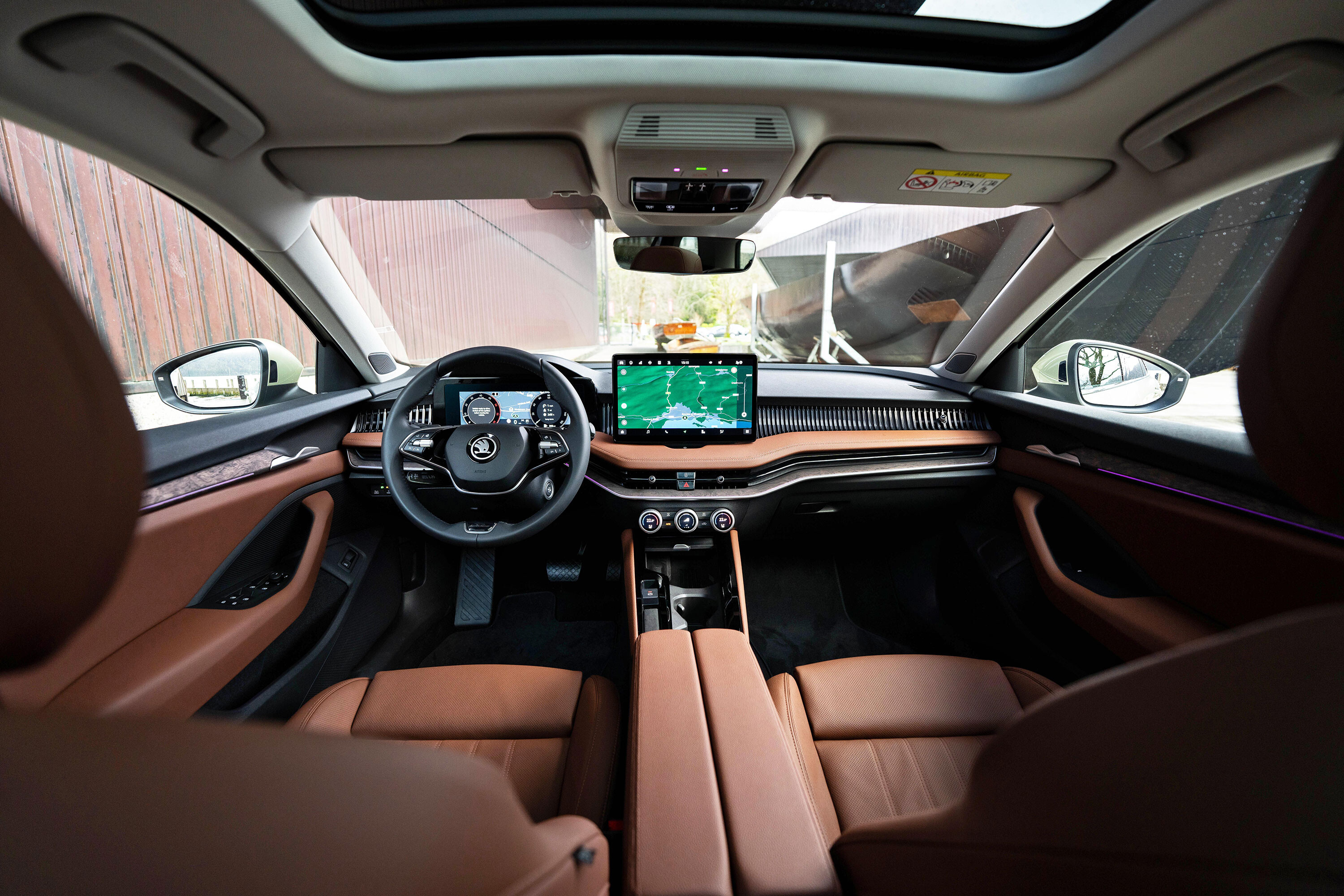
Otherwise, it’s familiar facelift fare – reshaped bumpers and lights, with a bigger screen (13 inches, up from 10″) on the inside.
Skoda’s petrol-powered seven-seater will return in its new, second-generation guise at the end of 2024.
In the next few years, the Skoda Kodiaqwill be supplemented by a production version of the electric Vision 7 S model. The idea is to offer buyers the choice of a three-row model with conventional ICE options, or a full EV model – which will be the first three-row EV SUV offered by the VW Group in Australia.
For that reason, it is expected that Skoda Australia will bypass the option of a plug-in hybrid powertrain for the Kodiaq.
However, the Kodiaq family SUV will come with a 150kW 2.0-litre turbo-petrol engine in its standard form, while a 195kW RS version will be offered for those thirsting for a little more performance.
It isn’t clear if Skoda Australia will persist with its AWD-only mentality for Kodiaq for the new-gen model, or offer a more affordable front-wheel drive take on the theme, as many other rivals do.
What appears likely, however is a three-row config as standard for the Australian market – though that will be confirmed closer to the next-gen Kodiaq’s market intro in March/April 2025
Skoda has confirmed some specifics on the dimensions of the new Kodiaq, including the length – 4758mm, which is 61mm more than the first-gen model – and the brand claims that third-row headroom is 15mm more accommodating, too.
These new-generation large family cars are designed to “fill the vacuum” left by the axed Passat from VW, with a sedan and wagon model to be offered.
The brand has had big success with highly-specified examples of the Superb in recent times, and so it is expected that the two body styles will be offered only with a single engine option, a 195kW 2.0-litre four-cylinder turbo-petrol engine, possibly with mild-hybrid technology, and a seven-speed automatic.
A preview drive we attended at the Munich motor show in 2023 was in such a model.
In terms of space and practicality, the new model is close to the last one, with ample second-row space, new infotainment technology in the form of a 12.9-inch touchscreen and 10.25-inch digital instrument cluster, and Skoda’s new “Smart Dials” for fan/AC controls, and the brand has shifted to a column-mounted gear selector to free up space between the seats.
3
Back seat occupants will be treated to rear-seat climate control and ample storage, and as expected, there’s a big boot space in both the sedan and wagon models. An Australian launch for the all-new Superb is slated for July/August 2025.
In January 2025, Skoda gave its Enyaq and Enyaq Coupe electric SUVs a facelift, improved technology, and better performance.
The exterior gets a “Tech-Deck Face” with a redesigned grille and headlights, while the interior boasts a larger 13-inch infotainment screen and an optional augmented reality head-up display.
The updated Enyaqs offer increased range and faster charging thanks to a more efficient electric powertrain. Australia is likely to again be offered only the Enyaq Coupe, although the brand has yet to confirm local details.
In its current form, the Enyaq kicks off at $69,990 for the Sport Line, with the Enyaq RS retailing for $83,990.
In July-August of 2025, the brand will wheel out its second all-electric model, the Elroq. Sized below the Enyaq, the Elroq is expected to supersede the midsized Karoq SUV and provide Skoda with a means to fend off the BYD Atto 3 and Tesla Model Y, as well as provide some healthy competition to its corporate cousin, the Volkswagen ID.4.
With a launch slated for the latter half of the year, it’s still too early to talk pricing or specification for the Elroq, but if the Enyaq provides any clue then we can expect the Elroq range to kick off somewhere in the $50-60K bracket, with higher-spec models potentially breaching the $60K barrier.
Like the Enyaq, we may also see locally-delivered Elroqs land with the largest available battery (an 82kWh unit) rather than the smaller batteries that are available in Europe.
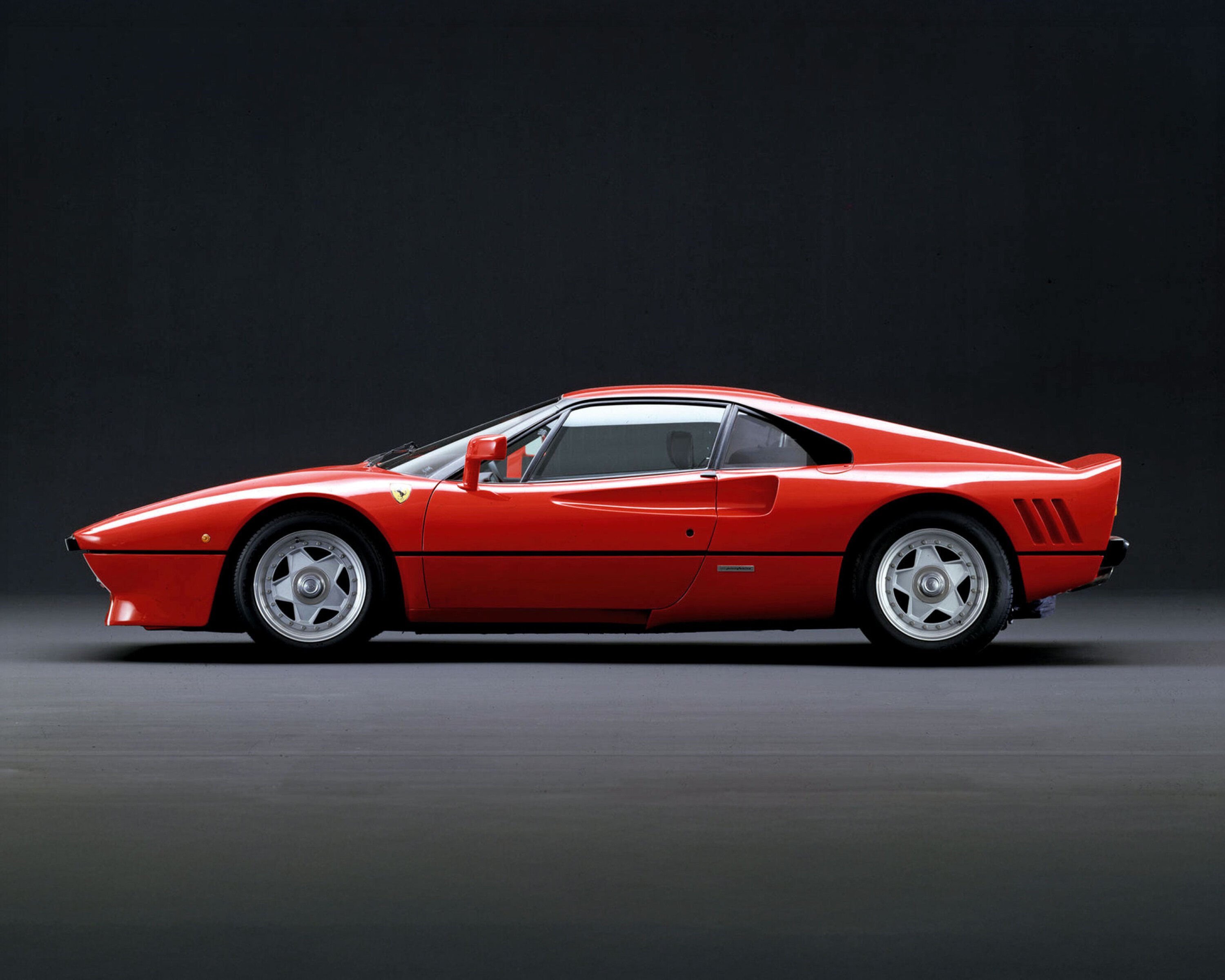
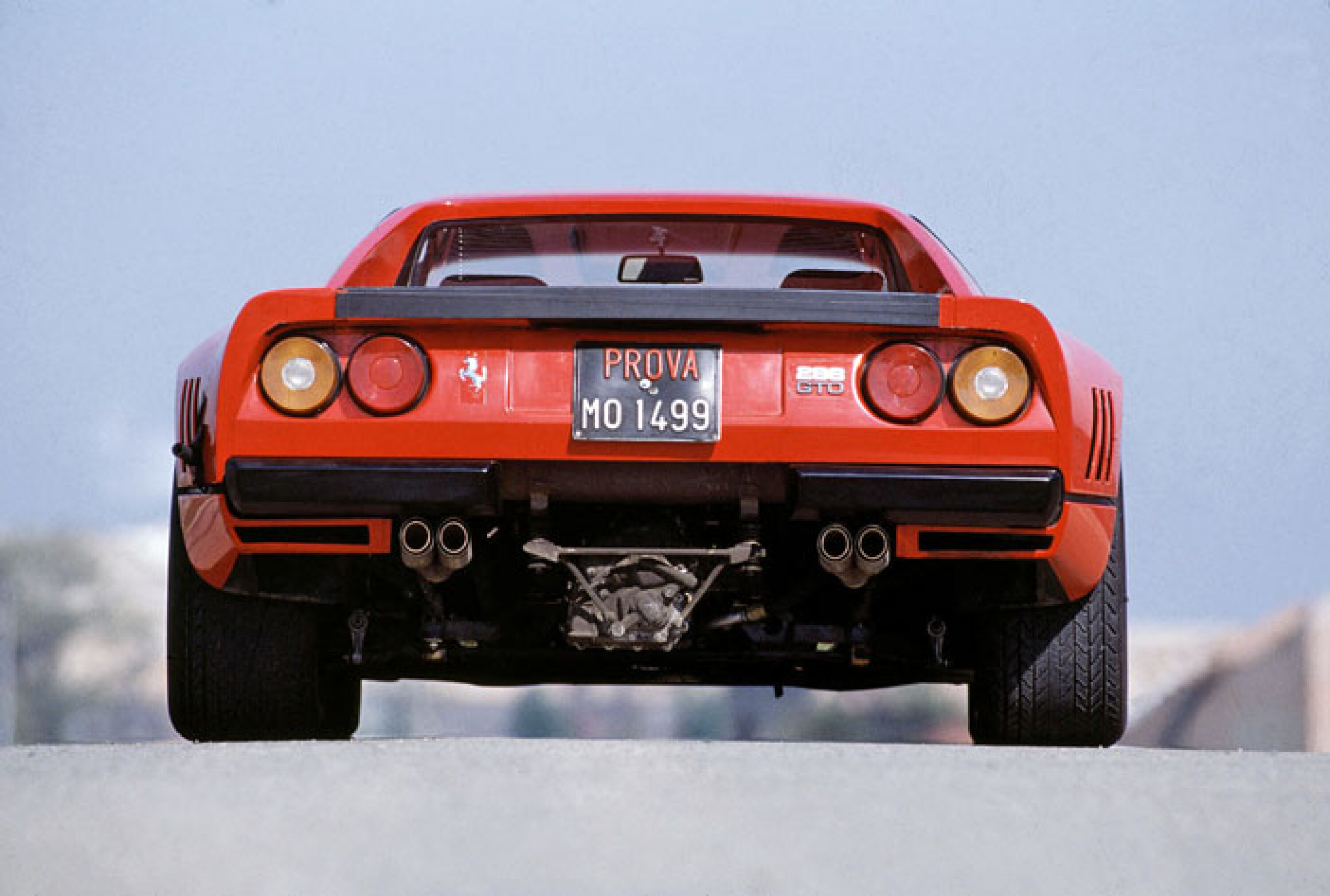
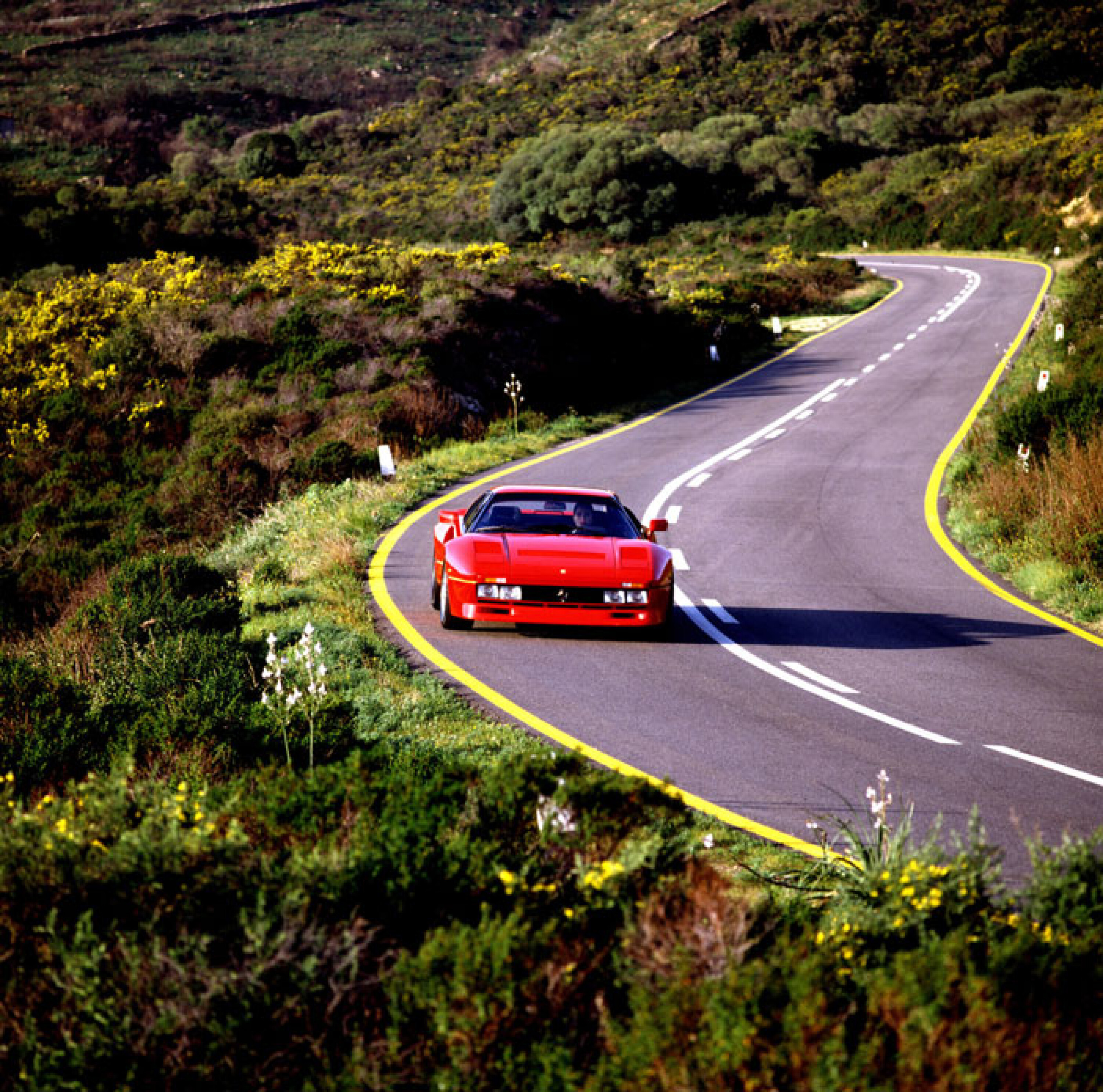
Is there such a thing as a subtle supercar? To the uninitiated or those taking only a quick glance, the Ferrari GTO could be a 308 – lovely, but perhaps not something worth dropping your lunch over. After all, the two have a similar profile, are exactly the same height and differ by just 60mm in length – it would be an understandable case of mistaken identity.
Those in the know, however, will soon start putting the pieces together. With a 110mm-longer wheelbase and extra 190mm in width, the GTO has a much bigger footprint with commensurate presence. The five-spoke alloys are a familiar design but a half-inch wider at the front (16 x 8.0-inch) and 2.5 inches wider at the rear (16 x 10.0-inch).
1
Suddenly, it all falls into place. The extra bonnet vent, the more pronounced chin spoiler and ducktail rear, the body-coloured, high set wing mirrors – it’s not a 308, it’s a GTO! Seeing one in the wild would indeed be cause for dropping your lunch as just 272 were produced – which is a story in itself, but more on that later.
The Ferrari GTO – the commonly used but unofficial ‘288’ moniker would come later in reference to the car’s 2.85-litre, eight-cylinder engine – was first announced by Enzo Ferrari in September 1983 and made its public debut at the 1984 Geneva Motor Show.
It was intended as a technological showcase, with extensive input from the F1 team’s lead designer, Harvey Postlethwaite, and the head of powertrain for Gestione Sportiva, Nicola Materazzi, while also giving Ferrari a potential challenger for the new Group B racing and rally regulations.
1
This intention gave the car its name, GTO standing for Gran Turismo Omologato – Italian for homologation – and the name carried weight, for it had been applied to just one Ferrari in history, the heroic 250 GTO. No pressure, then.
The Group B regulations were liberal, to say the least, but there were a couple of non-negotiables. At least 200 road-going examples must be made, it must have two front seats, and minimum weights and maximum tyre widths were specified depending on engine capacity.
For example, a car with a 3.0-litre engine could run at a minimum weight of 960kg with 11.0-inch-wide tyres; a 4.0-litre engine increased this to 1100kg and 12-inch tyres, while a 5.0-litre engine meant 1235kg and 13-inch tyres.
Turbocharging was starting to make major waves in motorsport in the early-1980s, so to compensate for its power-boosting ways, the FIA decreed a turbocharged engine would be deemed to be 1.4 times bigger than its actual capacity. This is where Ferrari got clever.
1
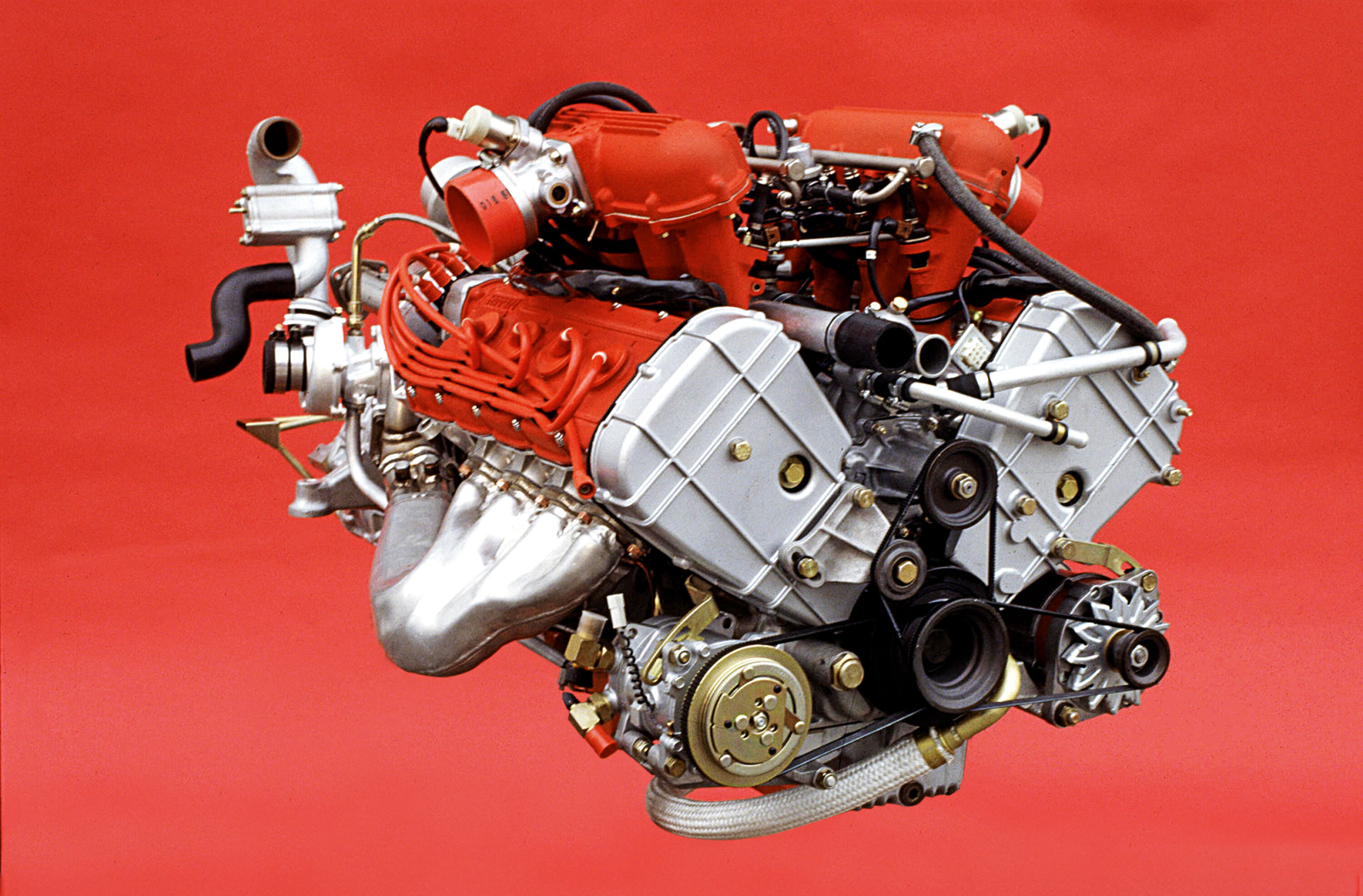
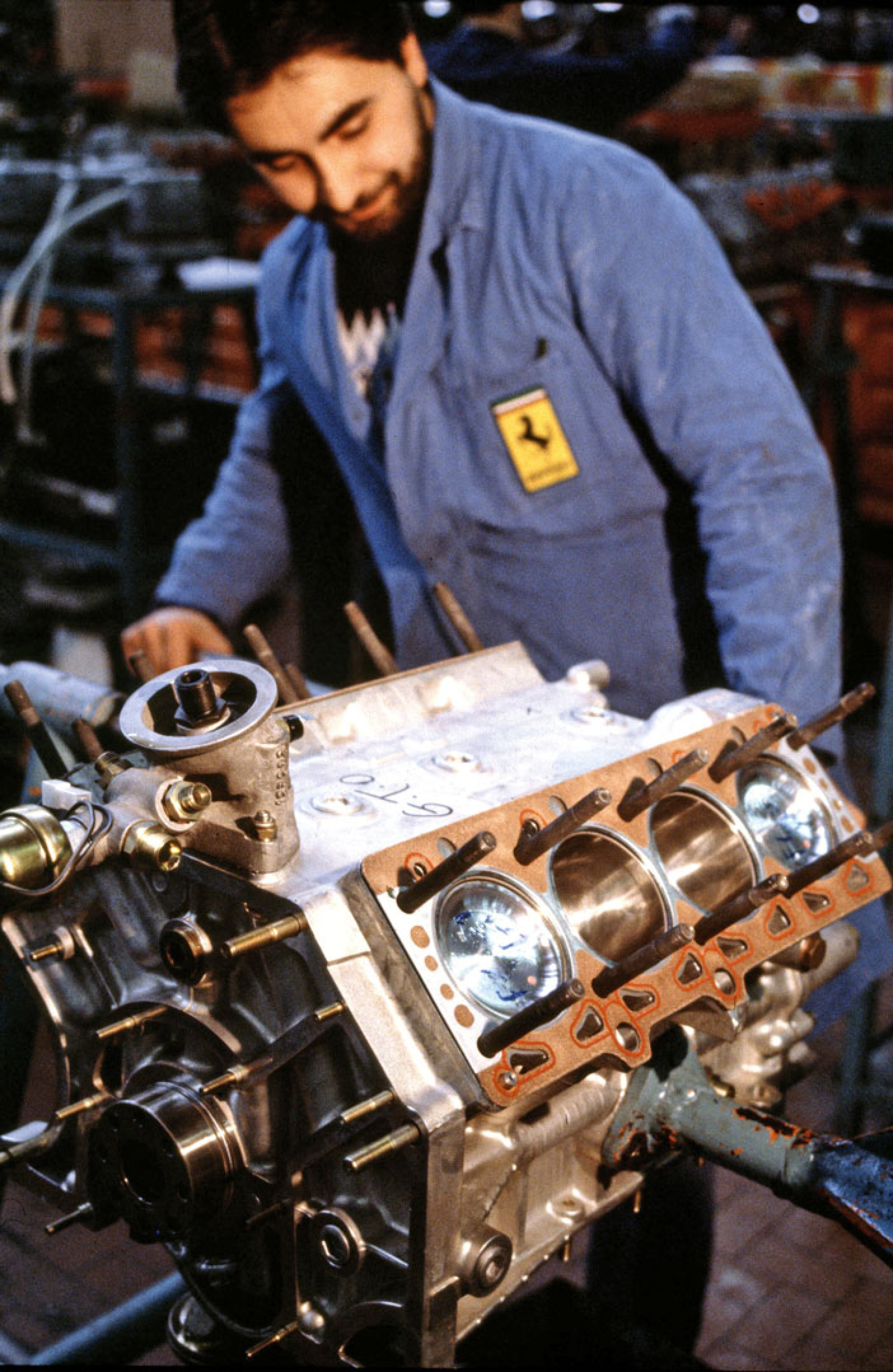
Using the 308’s 2927cc V8 as a base, the GTO’s engine bore was reduced by 1mm for a swept capacity of 2855cc. Applying the FIA’s 1.4x multiplier, Ferrari’s new machine was deemed to have an engine capacity of 3997cc, a whisker under the 4.0-litre limit, yet two turbochargers and intercoolers increased outputs from the 308’s 177kW/260Nm (in Quattrovalvole guise) to 294kW/496Nm.
In order to make room for the forced induction paraphernalia, the engine was rotated 90 degrees, the GTO becoming the first Ferrari to have a longitudinally mounted V8 engine. This in turn necessitated the wheelbase stretch, but to keep the weight as central as possible (47:53 front-to-rear), the engine was mounted right up against the passenger compartment, to the point that a service hatch was installed in the bulkhead to perform certain maintenance.
1
A tubular steel spaceframe comprised the GTO’s chassis, but while the doors remained aluminium, to reduce weight all other panels were either fibreglass or kevlar composite, one of the first automotive uses of the material. As a result, the GTO weighed just 1160kg dry, or around 1235kg ready to drive.
Combine this with the force-fed V8 and performance was outrageous. Two IHI turbochargers fed 0.8bar (11.5psi) of boost into the dry-sump engine to produce294kW (a neat 400hp) at 7000rpm and 496Nm at 3800rpm.
To accommodate the GTO’s 304km/h top speed potential – the first production car to breach the 300km/h mark – the five-speed manual had very tall gearing, with maximum speeds of 112/180/252/304km/h in first-fourth respectively and fifth as an overdrive. Nevertheless, 0-100km/h was claimed to take just 4.9sec and the quarter mile 12.7sec.
Stopping was equally impressive thanks to large, ventilated discs at both ends (309mm front; 310mm rear) and tyre widths were massive compared with most conventional rubber – 225/50s doing the steering and 265/50s doing the driving, making the most of the A-arm suspension.
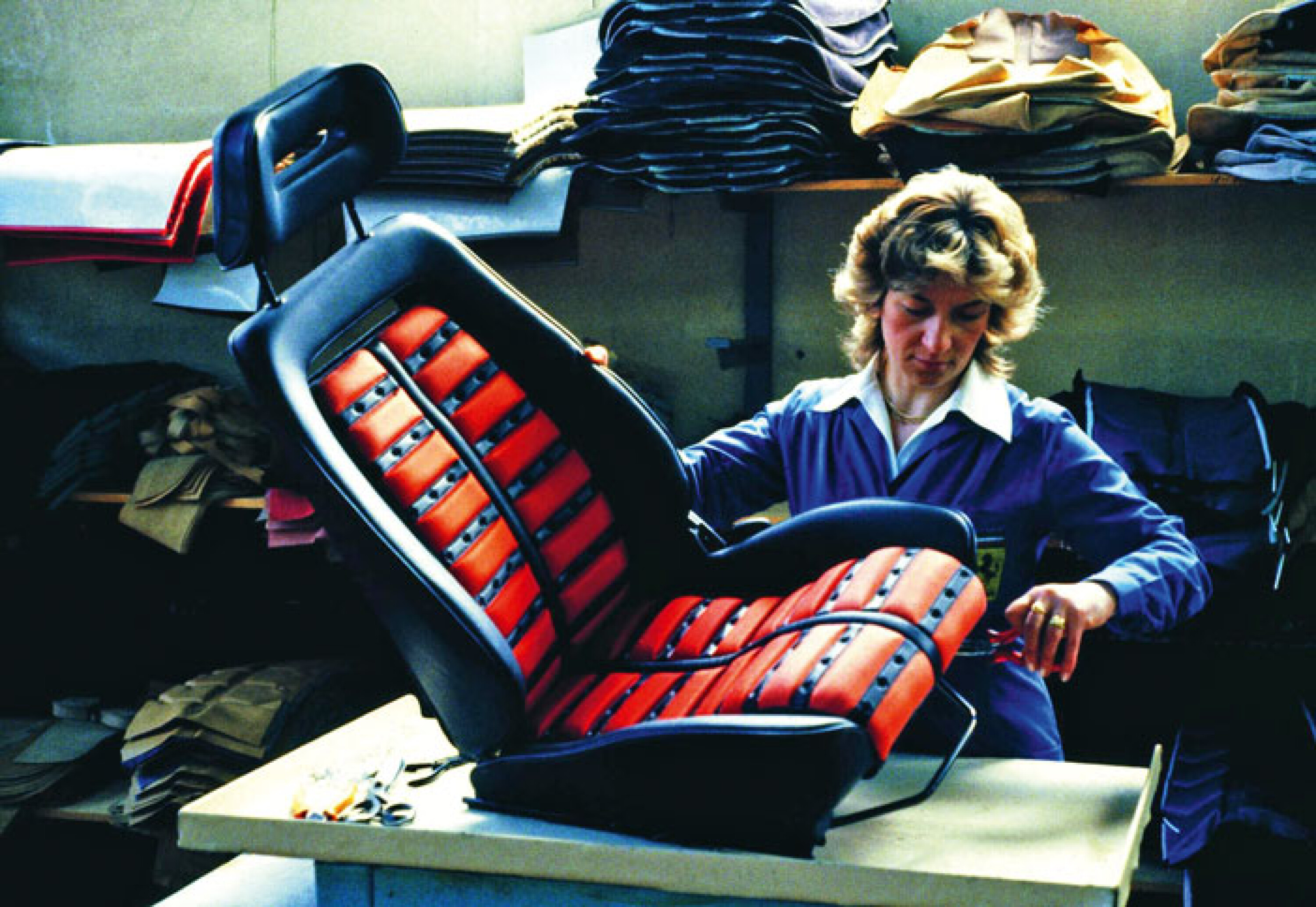
Every GTO was painted Rosso Corsa, though a few were repainted by Pininfarina for the Brunei Royal Family, but customers could choose from two seat sizes, fabric or leather upholstery, the latter available in black or with orange inserts. Electric windows, air conditioning and an AM/FM/cassette stereo were optional.
1
The latter two added US$1300 to the US$83,400 price of the example tested by US magazine Road & Track when the GTO was new, equivalent to U$244,669 ($A375,697) in today’s money – why didn’t we all buy one?
The reason we didn’t all buy one was that only 271 of Ferrari’s VIP clients could, including Mick Jagger, Ralph Lauren and F1 drivers Keke Rosberg and Michele Alboreto. But weren’t 272 GTOs produced?
Following his retirement from Formula 1 at the end of 1985, Niki Lauda was employed as a consultant to Fiat and Ferrari and expressed his desire to become a 288 GTO owner. Ferrari regretfully informed Mr Lauda that production had ceased with all cars allocated, so this would not be possible.
1
Not the sort of person to take no for an answer, Lauda rang Fiat CEO Vittorio Ghidella and a plan was devised for the cost of building a 272nd GTO to be shared between Ferrari and Fiat. Lauda got his GTO.
Despite its otherworldly performance and race-derived conception, journalists who were fortunate enough to find themselves behind the three-spoke Momo steering wheel were amazed at the GTO’s useability. Its tractability, its vision and its ride comfort all made it a car that was as beautiful to drive to the shops or in the hills as around a racetrack.
evo has featured the GTO on a number of occasions over the years and subsequently quite a few of its staff have thoughts to share. Even alongside its newer siblings, the F40, F50 and Enzo, Ferrari’s original Supercar still impressed John Barker. “The GTO is sailing over this tricky surface, barely acknowledging many of the lumps, bumps and compressions.
1
“Then there’s the unassisted steering – direct, feelsome and marvellously weighted. This is clearly a very tight, sorted original, and helped by modern rubber, but it delivers, and the tougher the road, the better it gets, its twin-turbo V8 driving the tail into the tarmac and firing it up the road on a swelling, whooshing flood of torque.”
Richard Meaden added: “It flows with such ease that you can relax into enjoying the prodigious performance”.
Jethro Bovingdon was also enraptured: “The delicacy of its feedback, the rush of its turbos and the supple chassis really got under my skin. That this all comes wrapped in a compact, beautiful package is a big bonus.”
1
Perhaps the last word, however, should go to Stephen Dobie, who pitched the Ferrari against its German Group B rival, the Porsche 959.
“The GTO is an almost religious experience as you thread the car from corner to corner with minimal inputs, click-clacking up and down the open-gate gearshift and hearing the front tyres chirrup and squeal as you brake later and later. For me, the GTO is the greatest and most desirable car I have
ever driven.”
Its beautiful but understated lines don’t immediately attract attention and its performance may have long since been surpassed, but its rarity and quality means there’s no mistaking the GTO as one of the most iconic Ferraris of all time.
Legendary Specs
Engine: V8, 2855cc, twin-turbo
Power: 294kW @ 7000rpm
Torque: 496Nm @ 3800rpm
Weight: 1235kg
Power-to-weight: 238kW/tonne
Tyres: Goodyear Eagle VR50
0-100km/h: 4.9sec
Top speed: 304km/h
Price: US$83,400 (1985)
evo rating *****
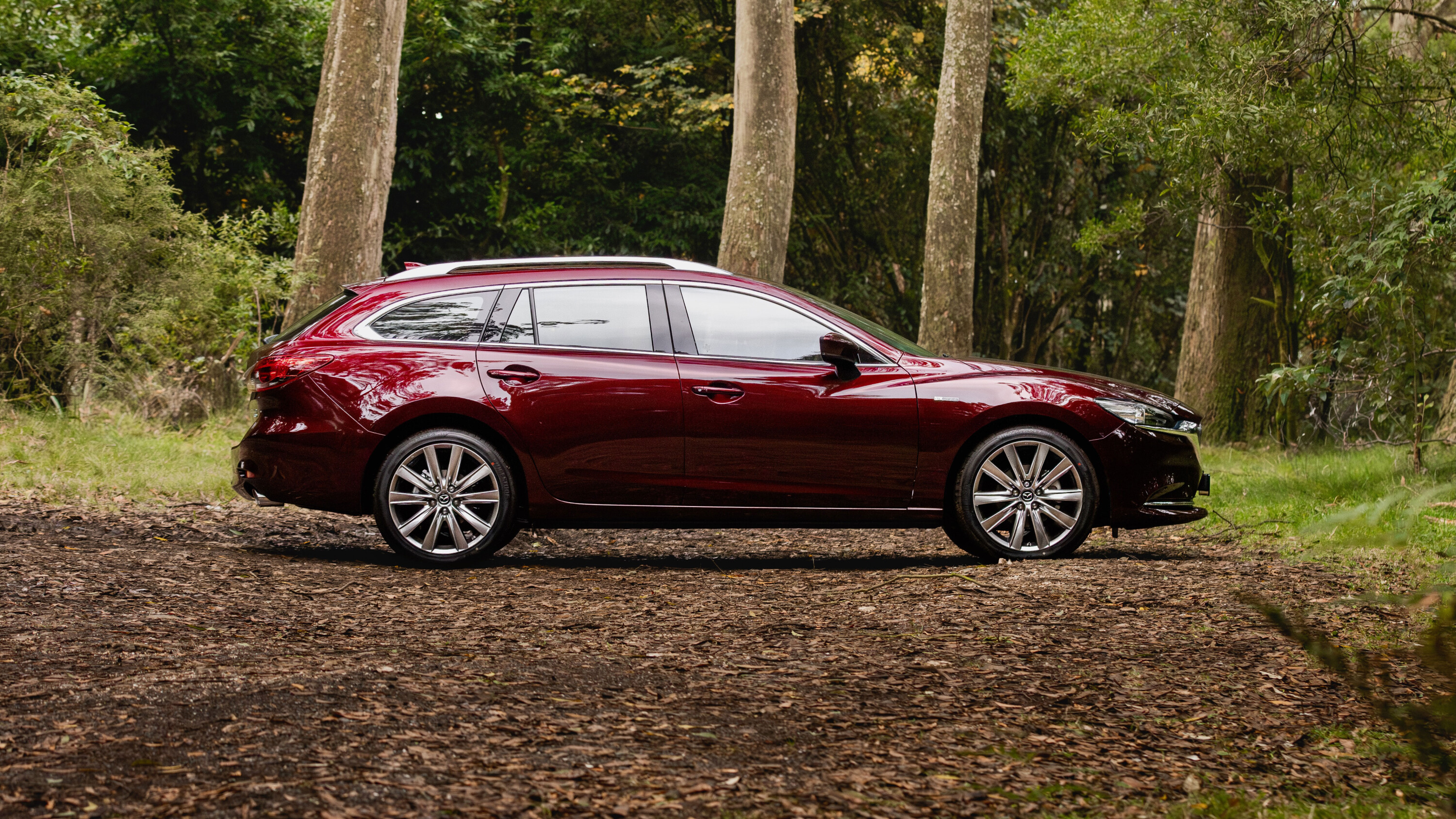
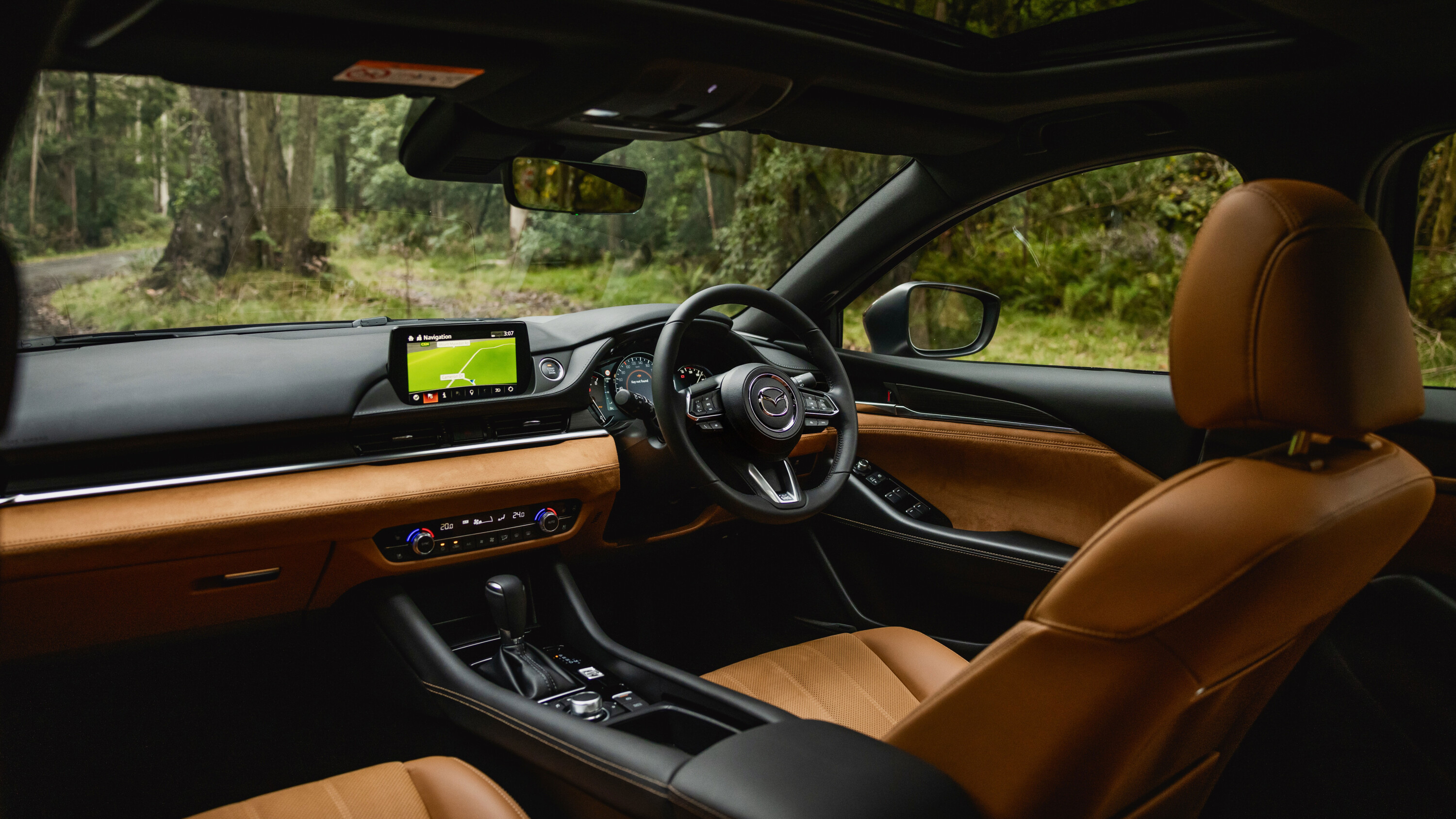
Mazda has confirmed that the Mazda6 will exit Australian showrooms amid slowing demand for mid-size cars and the ongoing rise of the SUV.
Australia is one of the final markets where the Mazda6 is still sold after it exited both North America and many European markets in 2021, China in 2023 and its native Japan in 2024.
1
In 2024, just 1,354 Mazda6s were sold in Australia – less than a tenth of its peak performance, which was 14,783 deliveries in 2005. Even in 2015, it exceeded 5,000 sales locally with just under 150,000 sedans and wagons sold in total to date.
The Mazda6 is the latest car to exit the once-popular mid-size segment, with cars like the Ford Mondeo, Subaru Liberty, Volkswagen Passat, Nissan Altima, Kia Optima, Citroen C5 and Peugeot 408 no longer sold in Australia. Just the Toyota Camry, Hyundai Sonata and Skoda Octavia remain in local showrooms – plus the Tesla Model 3, Hyundai Ioniq 6, Polestar 2 and BYD Seal if you add EVs to the mix.
The all-electric Mazda6e will replace the Mazda6 in Europe, but Australian sales are yet to be confirmed. There was also speculation of a new-generation 6 based on the same ‘Large Architecture’ platform as the brand’s new large SUVs like the CX-60, but they are yet to come to fruition.
“We owe a lot to Mazda6 in helping to make the Mazda brand what it is today,” said Vinesh Bhindi, Managing Director for Mazda Australia.
1
“Coinciding with the origins of our Zoom Zoom philosophy, its local introduction in 2002 contributed to a paradigm shift for the brand, and it immediately became widely praised as the benchmark for front-wheel drive dynamics and involvement.
“While we have seen the market shift its preference towards SUVs in recent years, the Mazda6 has always been – and continues to be – held in particularly high regard by loyal enthusiasts and keen drivers alike.”
The final Mazda6 models have been made for Australia, though the company says that there is still healthy stock for those wanting to snap one up.
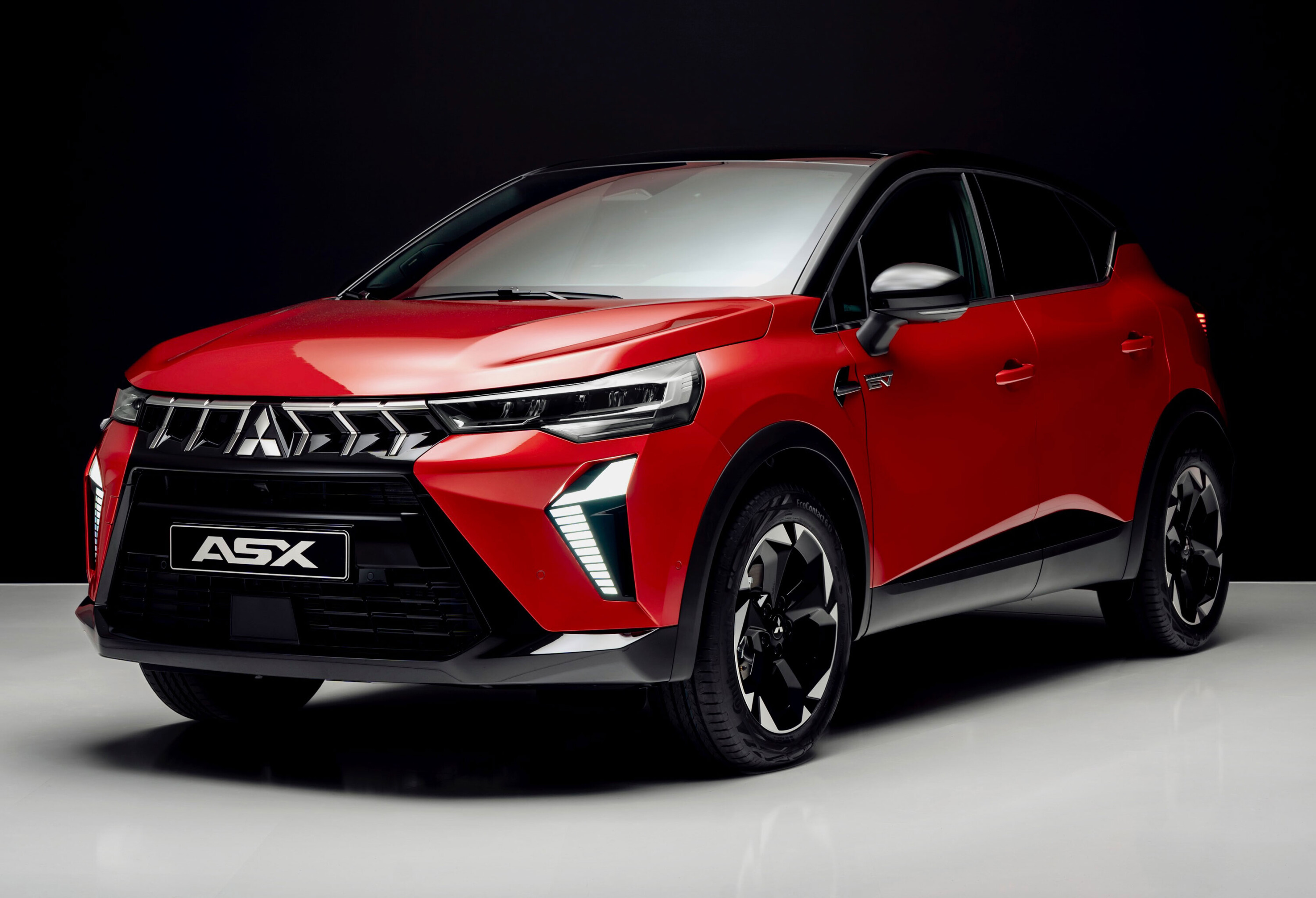
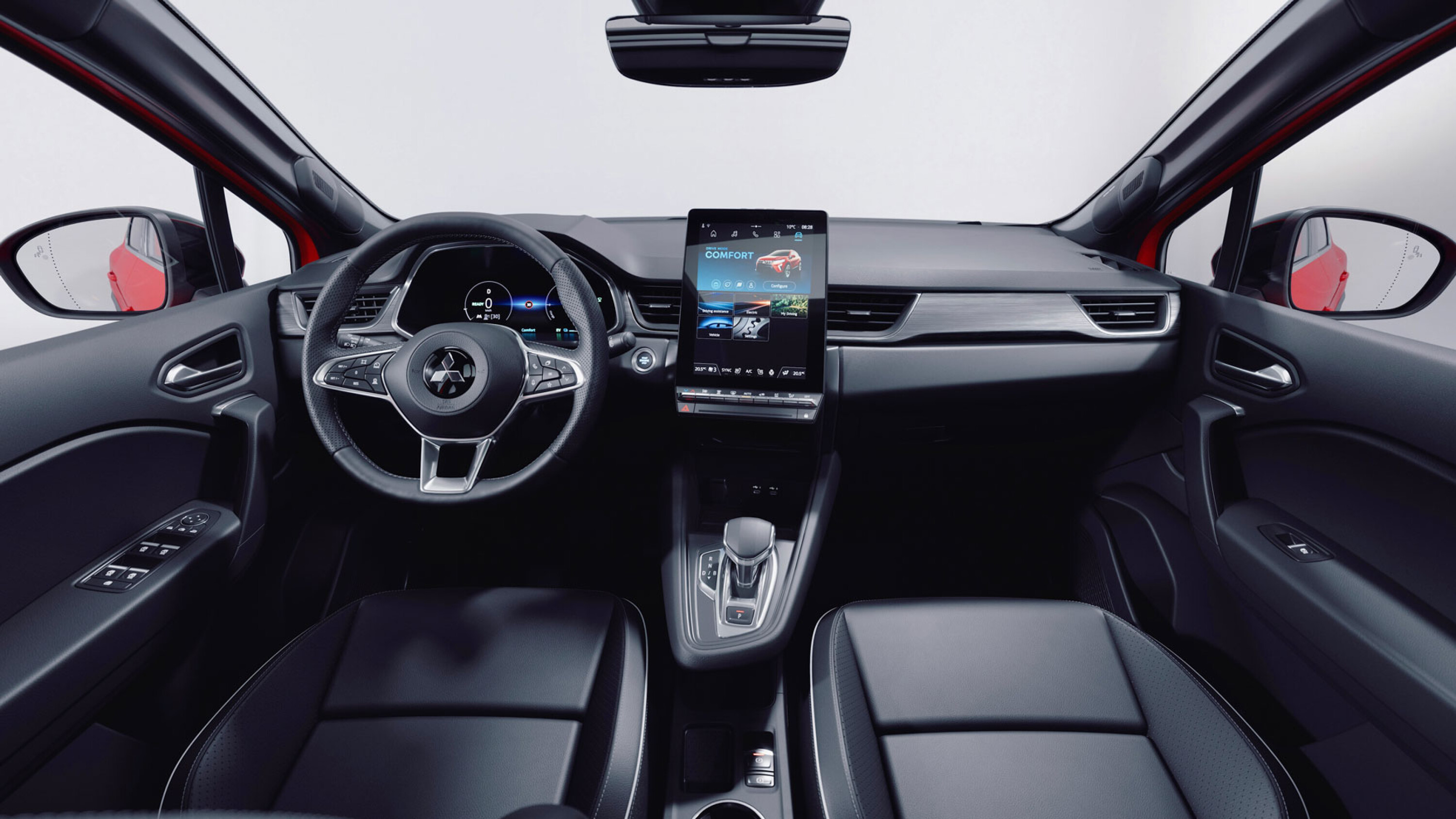
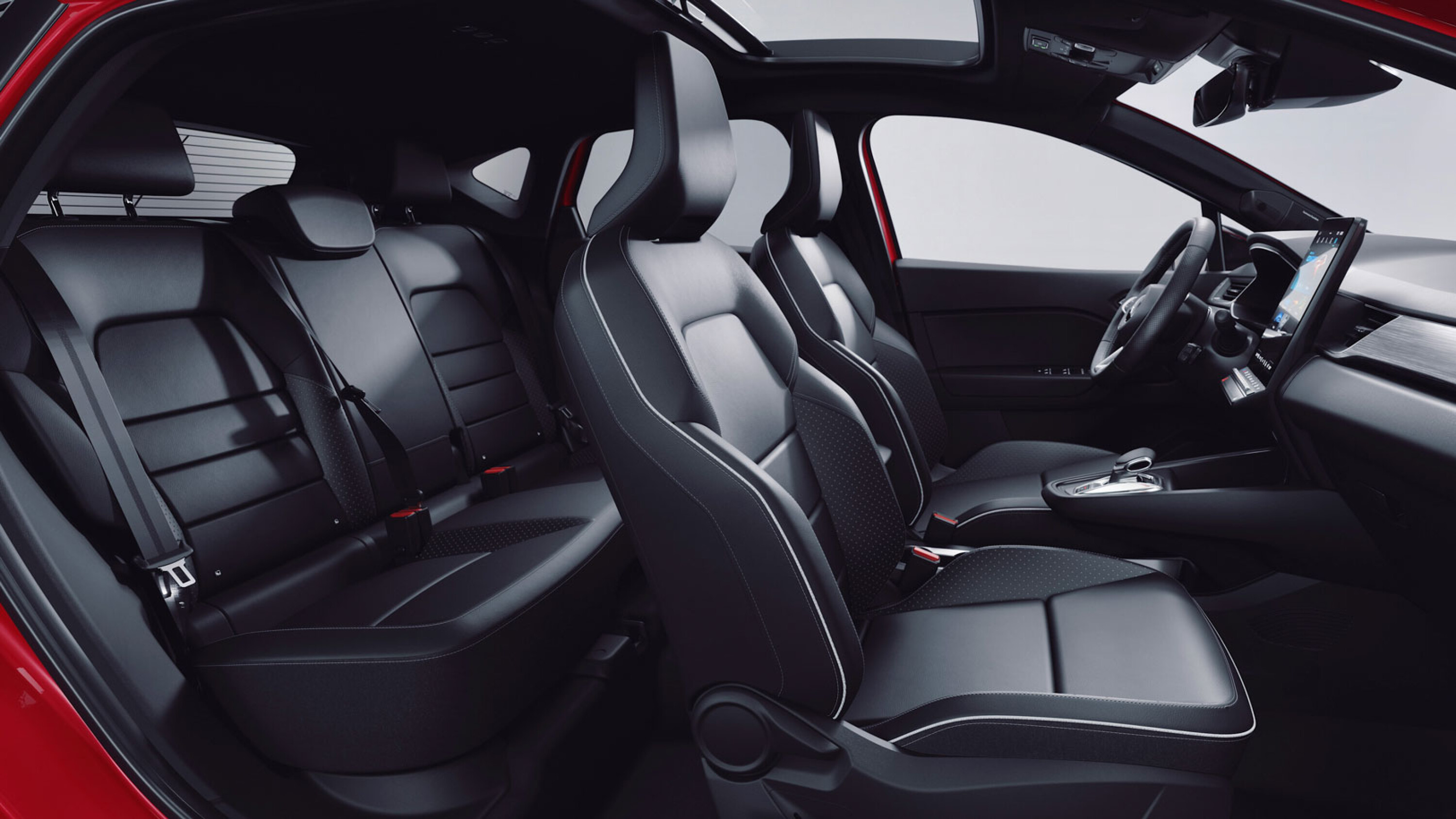
Specific launch timing is yet to be confirmed but Mitsubishi Motors Australia has confirmed that a new generation of ASX small SUV will go on sale sometime in 2025. But instead of being developed by Mitsubishi, the new ASX is instead based on the Renault Captur.
To differentiate the two, the ASX features different badging and slightly different styling, but will be manufactured in the same Spanish factory as the Captur and not the current ASX’s Japanese factory. While the Captur-based ASX is new to Australia, it’s actually been sold in Europe since 2023.
1
In Europe, the ASX is available with 1.6-litre hybrid drivetrain, as well as turbocharged 1.0-litre and 1.3-litre petrol engines and even a 1.6-litre turbo diesel. Mitsubishi Australia is yet to confirm local drivetrains, but we’d wager at least both the hybrid and 1.3-litre petrol engines as part of the lineup.
While local specifications are also yet to be confirmed, available equipment on European models includes a 10.4-inch portrait touchscreen with inbuilt Google, wireless Apple CarPlay and Android Auto, wheels up to 18 inches in size, all-LED exterior lighting and a full active safety suite including a 360-degree camera, adaptive cruise control with adaptive lane guidance, auto high beam and automatic parking.
The new model comes as a new Australian Design Rule (ADR) mandate has forced Mitsubishi to discontinue the ASX – and its Eclipse Cross and Pajero Sport siblings – locally as re-engineering the models was adjudged as not feasible.
1
“Given the position of ASX, Eclipse Cross and Pajero Sport in their current life cycles, investment towards the re-engineering of these vehicles to incorporate the new ADRs was not commercially feasible,” said Mitsubishi Motors Australia CEO, Shaun Westcott.
Mitsubishi is also yet to confirm local pricing, but the outgoing ASX starts at $24,990 plus on-road costs. Considering that the new model is to be manufactured in Spain – which doesn’t share a Free Trade Agreement with Australia, unlike Japan where the previous ASX is manufactured – it’s likely to start at a higher price.
To compensate for the likely gap in production, Mitsubishi Australia ordered a surplus of current shape ASXs to last until later in 2025 when the new model will be on sale. These cars have already arrived in Australia to meet the requirements for the new ADR.
1
“We have worked closely with our dealer partners to ensure each model line will be ordered in sufficient quantities ahead of time. This will support our customers while we continue to confirm our future model plans as a core Mitsubishi market.” said Westcott.
Mitsubishi Motors Australia will confirm local pricing and specifications for the new ASX closer to launch.