
Jeff Guyton, Representative Director, Senior Managing Executive Office and CFO of Mazda, knows his company’s product line as well as anyone. So, when he speaks, it’s fair to say journalists listen. That’s why his opening comment to Australian journalists at the 2025 Japan Mobility Show was surprising to say the least.
“Our product has gotten a bit old,” Guyton said. “That’s set to change dramatically within the next – let’s say year, even less. Because you get the new CX-5, and the (all electric) 6e (main, above), which you’ve seen, maybe some other things we haven’t talked about yet and won’t today.”

It’s a frank admission from the top, that Mazda can better take the fight to an ever more competitive market, with a slew of newer, more updated product. “It’s all set to change quite quickly,” Guyton said. “We think that the products we’re going to bring offer appealing choices for our existing customers as well as conquest in the Australian market.”
Guyton went on to say that he believes as these new products hit the market, and as they take a hold with buyers, Mazda will be able to recover its share of volume in markets around the world. Part of that move is likely to be the new Mazda CX-5 as well as the upcoming Mazda 6e. Two vehicles that will need to appeal not only to loyal Mazda buyers but buyers who have never bought a Mazda or who might be returning to the brand after some time away.
“You’ve see the Mazda 6e, and it’s competitively priced and has great specification,” Guyton said. “We’re already on sale in Europe with that product where it has been reviewed quite well. And it gives us something for the electric market and something for the sedan market.”
Key to revitalised sales in Australia will be the new CX-5, a vehicle with a strong and loyal following locally, and one that needed to be updated to go head-to-head with the best in segment.

“The main thing that people were concerned about with CX-5 is that it’s a little bit tight (inside the cabin) for today’s market. It’s not quite big enough. But open the back seat or the boot in the new CX-5 and it’s quite a lot bigger,” Guyton said.
“The other thing that’s appealing about it is the graphic interface and the tech that goes with it, so it’s much more modern and addresses the main concerns that our customers have shared with us – and in the not too distant future there will be a hybrid version of that, which is Mazda’s own creation.”
Honda has unveiled the 0 α (Alpha), a next-generation compact electric SUV prototype that previews an upcoming production model due to launch globally in 2027, with initial markets including Japan and India. The vehicle made its world debut at the Japan Mobility Show 2025, expanding Honda’s new 0 Series of electric models.
Positioned as an accessible “gateway” model for the 0 Series lineup – which already includes the Honda 0 Saloon and 0 SUV – the Alpha introduces a new design philosophy built around the principles of being “Thin, Light, and Wise.” Honda says this approach aims to simplify vehicle architecture, reduce weight, and use technology intelligently to improve efficiency and comfort.
The 0 α prototype presents a low-profile silhouette with SUV-like ground clearance, achieved through a packaging concept that maximises space within a compact footprint. The design integrates sleek bodywork with a wide stance to convey both stability and agility.

Both the headlights and charging port are built into a unified “front screen” surface, while the rear lighting signature features a continuous U-shaped strip combining brake, turn, and reversing lights. The design direction, led by Taku Fukui and Park Sungjin, seeks to create an understated, durable look that appeals to both first-time EV buyers and younger audiences.
Fukui said the model’s proportions and styling were shaped partly through research in India, where the team studied urban conditions and driver expectations in crowded, unpredictable traffic environments. This led to a design that balances compact dimensions with a stronger, more secure visual presence.
The designers describe the 0 α as an attempt to introduce “refined simplicity” in markets that traditionally favour ornate styling. Surfaces are taut and clean, with strength expressed through restrained character lines rather than decorative elements.

The prototype’s development also reflects a fusion of digital modelling and traditional clay craftsmanship – an approach Honda’s designers say allows subtle surface adjustments to be judged by eye rather than algorithm. According to Park, “Even a few millimetres of change can completely alter the vehicle’s sense of mass and movement.”
The 0 α follows Honda’s broader EV roadmap, which seeks to produce smaller, more efficient vehicles that align with regional needs rather than global uniformity. The production model will sit below the 0 SUV in size and price, designed to attract new EV buyers in growing markets.
The prototype highlights Honda’s intent to combine minimalist design, advanced electric technology, and human-focused engineering in its next generation of electric vehicles.
MINI Australia has confirmed it will introduce the new MINI Paul Smith Edition from the first quarter of 2026, following its global debut at the Japan Mobility Show. The design-led edition will launch alongside the next-generation MINI Cooper Electric, with petrol and convertible versions to follow later in the year.
The new edition marks another chapter in the ongoing collaboration between MINI and Sir Paul Smith, who first worked with the brand in the late 1990s. Reflecting his distinctive design sensibility, the Paul Smith Edition combines understated British styling with contemporary electric technology.
Sir Paul Smith said the renewed partnership was “a privilege,” adding that the collaboration brought together two icons of British design. “The MINI Paul Smith Edition has been a wonderful project, offering new colours and unexpected details,” he said.

The model will be offered in three paint finishes – Statement Grey, inspired by the 1959 Mini Austin Seven; Inspired White, referencing the Classic Mini Beige; and Midnight Black Metallic, a tone from MINI’s current palette. In all versions, accents in Nottingham Green – a nod to Smith’s hometown – appear on the mirrors, grille, hub caps, and roof.
Design signatures include Smith’s trademark ‘Signature Stripe’, positioned asymmetrically on the roof, and 18-inch Night Spoke wheels finished in dark steel. A newly designed MINI badge in blue-black tones replaces the traditional chrome emblem, while the designer’s name subtly appears on the rear handle.
Inside, the cabin balances simplicity with playful details. Knitted dashboard and door surfaces draw on Smith’s textile patterns, complemented by Nightshade Blue seats with colour-contrast stitching. Digital touches include exclusive display themes on the central circular screen, while hidden motifs such as a “Hello” projection and hand-drawn rabbit graphic add character.

The collaboration between MINI and Paul Smith dates back to 1998, when the designer created a striped Classic Mini for display. Since then, the partnership has evolved through several projects, including 2021’s minimalist MINI Strip concept and the Recharged electric conversion in 2022.
Pricing for the MINI Paul Smith Edition will be announced closer to its Australian release in 2026.

Nissan has announced a significant refresh of its domestic model lineup, unveiling the next-generation Elgrand and confirming that the Patrol SUV will be sold in Japan for the first time in nearly two decades.
The move forms part of Nissan’s Re:Nissan plan, a broad product and brand strategy aimed at revitalising the company’s position in its home market. The plan focuses on launching vehicles that blend modern electrified powertrains with design and technology drawn from Nissan’s heritage.
Speaking at the reveal, Ivan Espinosa, Nissan’s senior vice president, said Japan remains central to the company’s global operations. “A strong, vibrant Japan market is important for Nissan’s success,” he said. “We’re reigniting that spirit by bringing the Patrol back as a new flagship, and by elevating the Elgrand through electrification and intelligent technology.”
The fourth-generation Elgrand, due for release in mid-2026, continues the brand’s tradition of premium family transport. It will be powered exclusively by Nissan’s latest e-POWER hybrid system, combining a newly developed petrol engine with a 5-in-1 electric drive unit for quieter and more efficient performance.
It will also debut an updated version of Nissan’s e4ORCE all-wheel drive technology, which distributes torque between the front and rear wheels for improved stability and comfort. The setup is designed to smooth out acceleration and braking forces, reducing motion sickness for passengers.
The new Elgrand adopts Nissan’s “Timeless Japanese Futurism” design language, blending traditional craftsmanship with modern styling. A grille patterned after Kumiko latticework, a choice of distinctive paint finishes such as Fuji Dawn and Shigoku, and a refined, lounge-like interior signal the model’s shift toward understated luxury. Inside, zero-gravity captain’s chairs, TailorFit leather, and dual 14.3-inch digital displays highlight the cabin’s focus on comfort and technology.
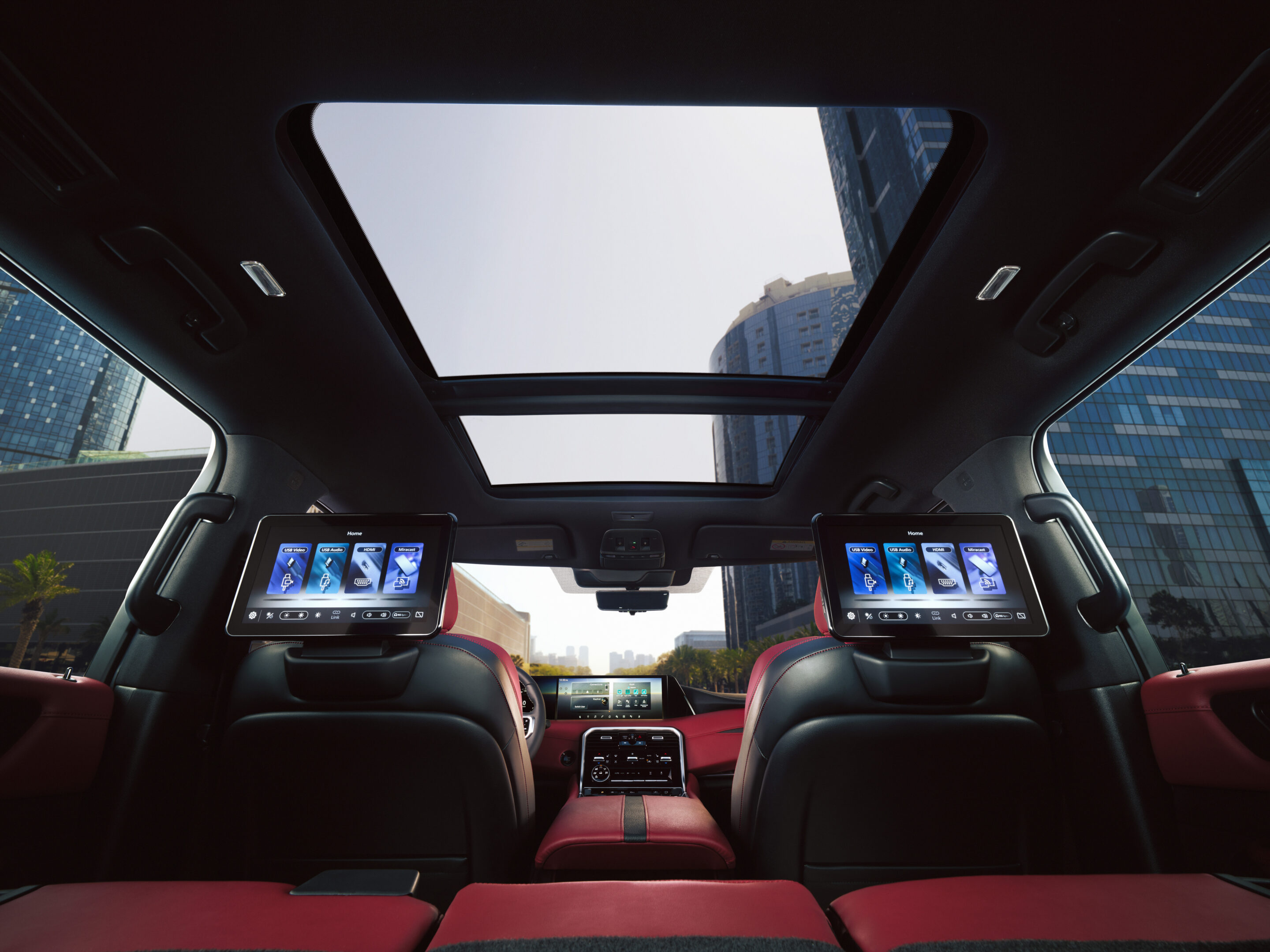
The model will also feature ProPILOT 1.0 with hands-off driving capability at low speeds and an available ProPILOT 2.0 system that supports autonomous lane changes on highway.
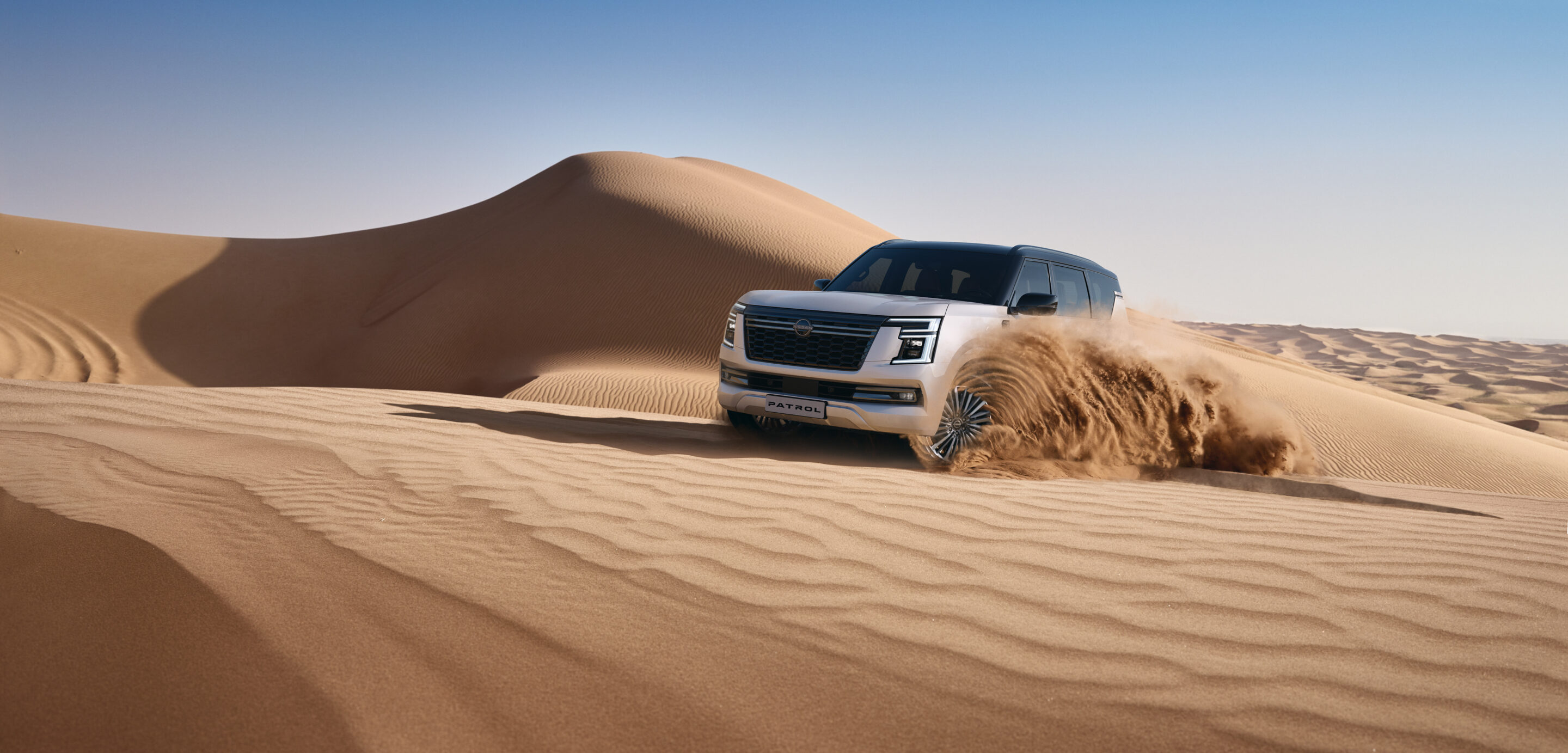
Nissan also confirmed that the Patrol SUV will officially return to Japan in fiscal year 2027, marking the first time the nameplate has been sold domestically since the Safari ended production in 2007.
Known globally for its off-road ability, the Patrol is expected to serve as a high-end, go-anywhere counterpart to the Elgrand, combining advanced four-wheel-drive systems with luxury appointments.
Nissan said the model lineup reflects a renewed focus on vehicles that blend performance, technology, and emotional appeal, intended to restore energy and pride in its home market.
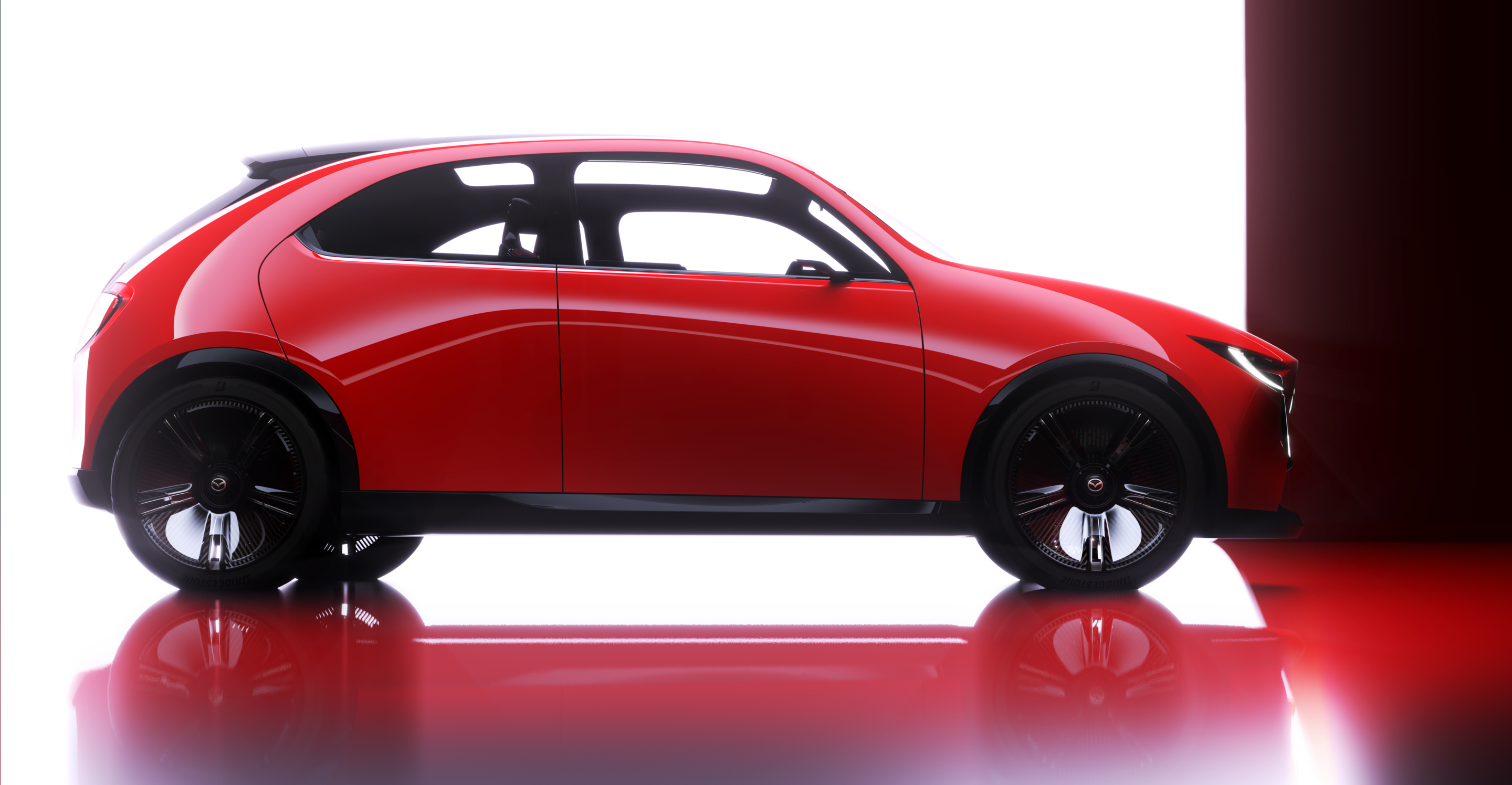
Mazda’s cute Vision X-Compact small hatch was officially unveiled at the 2025 Japan Mobility Show, with styling and dimensions that hint at what the next generation Mazda 2 might look like. According to Mazda, it’s both a design study and a closer integration of future technologies designed to strengthen the relationship between car and driver.
Fusing a human sensory digital model with cutting edge AI, Mazda reckons the X-Compact will act more like a close friend than a mode of transport, with the ability to engage in a natural sounding conversation and suggest destinations, helping to expand the driver’s world.
That’s Mazda marketing and design speak, but what it means in practice is delivering a vehicle that is more interactive, smarter, faster to react, and easier to interact with, which should, in theory, make driving even easier.
The styling is as cute as it is efficient, small compact and Mazda 2-sized, ensuring the X-Compact would make the ideal city car if it does go into production. What it does show is the way in which manufacturers like Mazda are embracing technology such as artificial intelligence to enhance the experience of the driver and passengers.
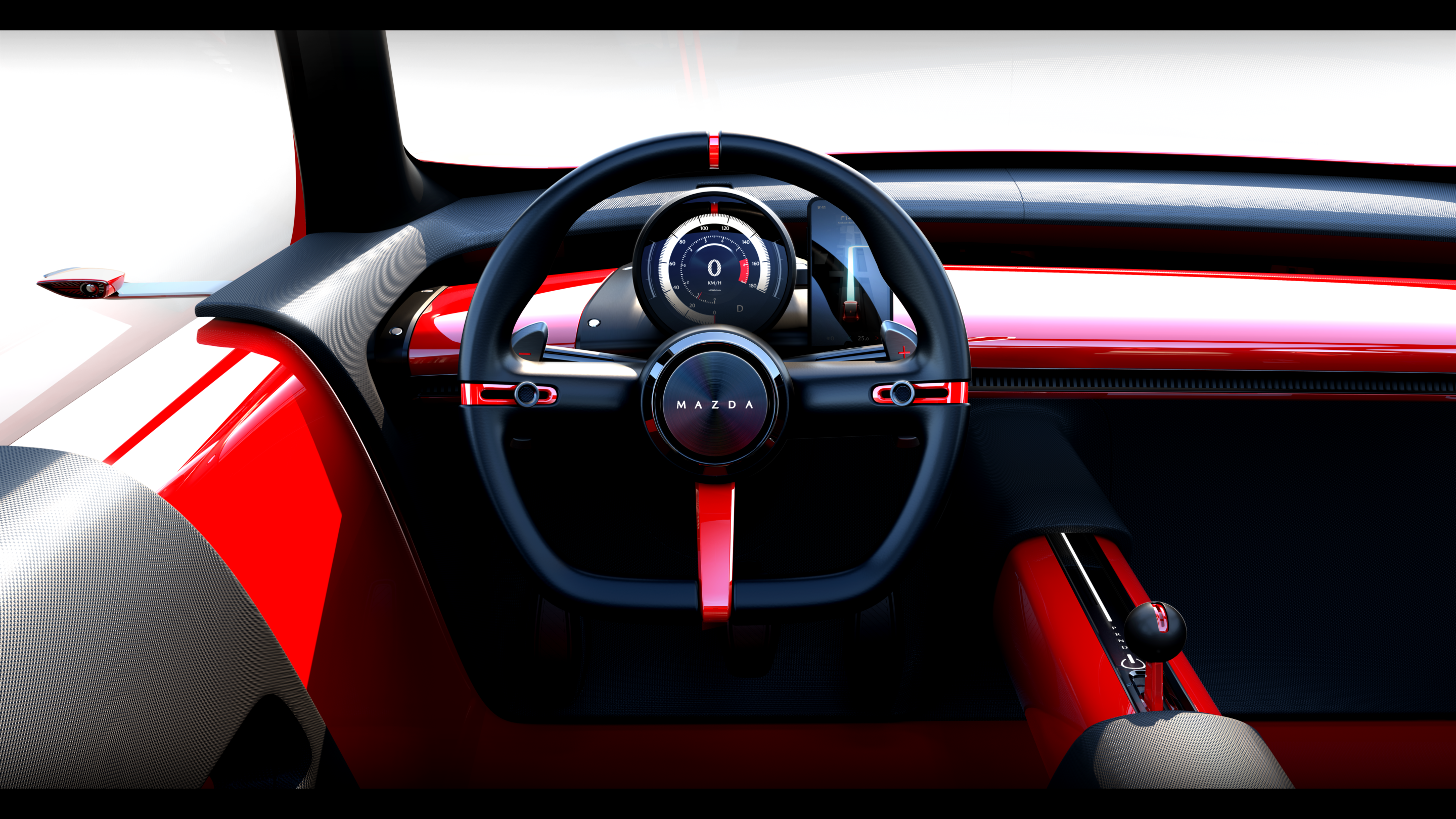
“Vehicles are becoming smart mobility,” said Masahiro Moro, President and CEO of Mazda said of the Vision-X Compact. “Envision a future where cars can understand the driver’s emotions and moods. Our goal is to create the car that deeply understands you.”
Mazda has dipped its toe into the coupe crossover market, unveiling the Vision X-Coupe concept at the 2025 Japan Mobility Show, with a nod to both future styling and future powertrains. According to Mazda, the stylish crossover is an evolution of the brand’s ‘Kodo-Soul of Motion’ design language.
Swoopy and stylish, the Vision X-Coupe has a sleek profile, with low roofline and beautifully integrated four-door layout that looks more like a grand tourer than a crossover. The heavily sloped roofline is matched with frameless windows and is an evolution of previous concept cars we’ve seen from Mazda as far back as 2017.
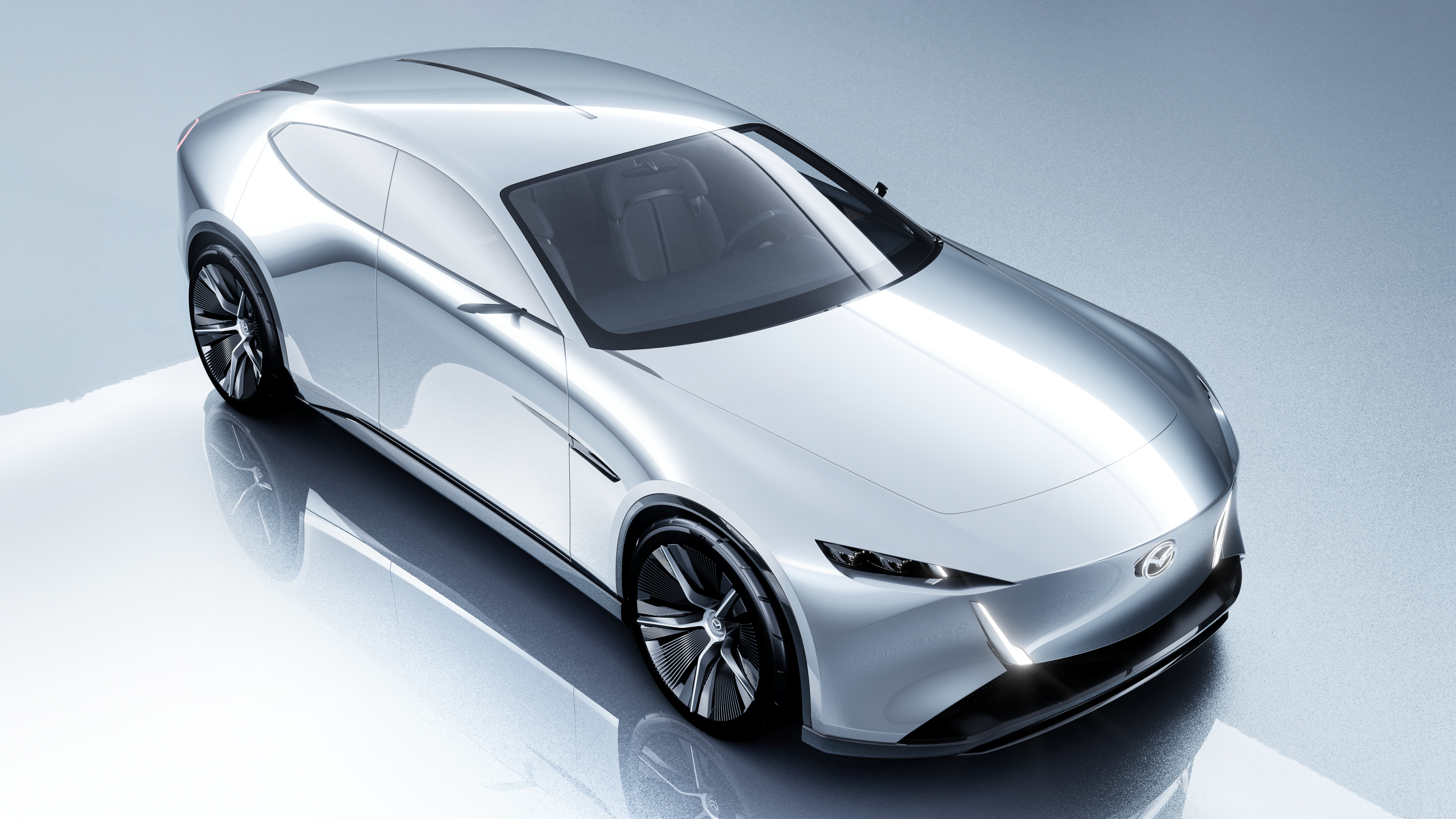
It’s long, too, 5050mm in total, along with 1995mm in width, 1480mm overall height and riding on a wheelbase of 3080mm. Masahiro Moro, President and CEO of Mazda told journalists at the unveiling that it can ‘retain and evolve the joy of driving and will create exciting mobility experiences in its customers’ daily lives’.
“The joy of driving fuels a sustainable tomorrow where you will still take the steering wheel yourself and experience the pleasure of driving,” said Moro. “At Mazda we want to continue to evolve this joy of driving. Move from mere transportation to an entity that connects with our society and our planet. Rewarding passion for cars and the desire to drive forever.”
Part of that excitement will come from the Vision X-Coupe’s driveline. Underpinned by a plug-in hybrid drivetrain, it’s the type of internal combustion engine Mazda has used that is most interesting. Going back to the future, Mazda has opted for a twin-rotor, turbocharged rotary engine, paired with an electric motor and battery pack.

Mazda claims an overall power output of 375kW with 160km range in electric motor-only mode or up to 800km when the electric motor is paired with the rotary engine. Mazda has gone a step further with the powertrain ambitions of this concept, too, combining carbon neutral fuel with its proprietary CO2 capture technology. Mazda calls this system ‘Mobile Carbon Capture’ and claims the Vision X-Coupe reduces atmospheric CO2 the more it is driven.
The future we envision is where the more you drive the more co2 is reduced. We will focus on both the fuel that powers the car and the co2 in it. Fuel will be refined from micro algae, and then we will capture co2 as you drive. Carbon neutral fuel developed from micro algae, which absorb co2 as they grow. The micro alga residue after fuel extraction, still contains vital nutrients like proteins.
“Second key is CO2 capture tech,” said Moro. :Exhaust contains co2 much higher than the atmosphere, and we at Mazda have developed technology that efficiently pulls co2 from the exhaust. The captured co2 can then be recycled to manufacturer high performance carbon materials for example.”
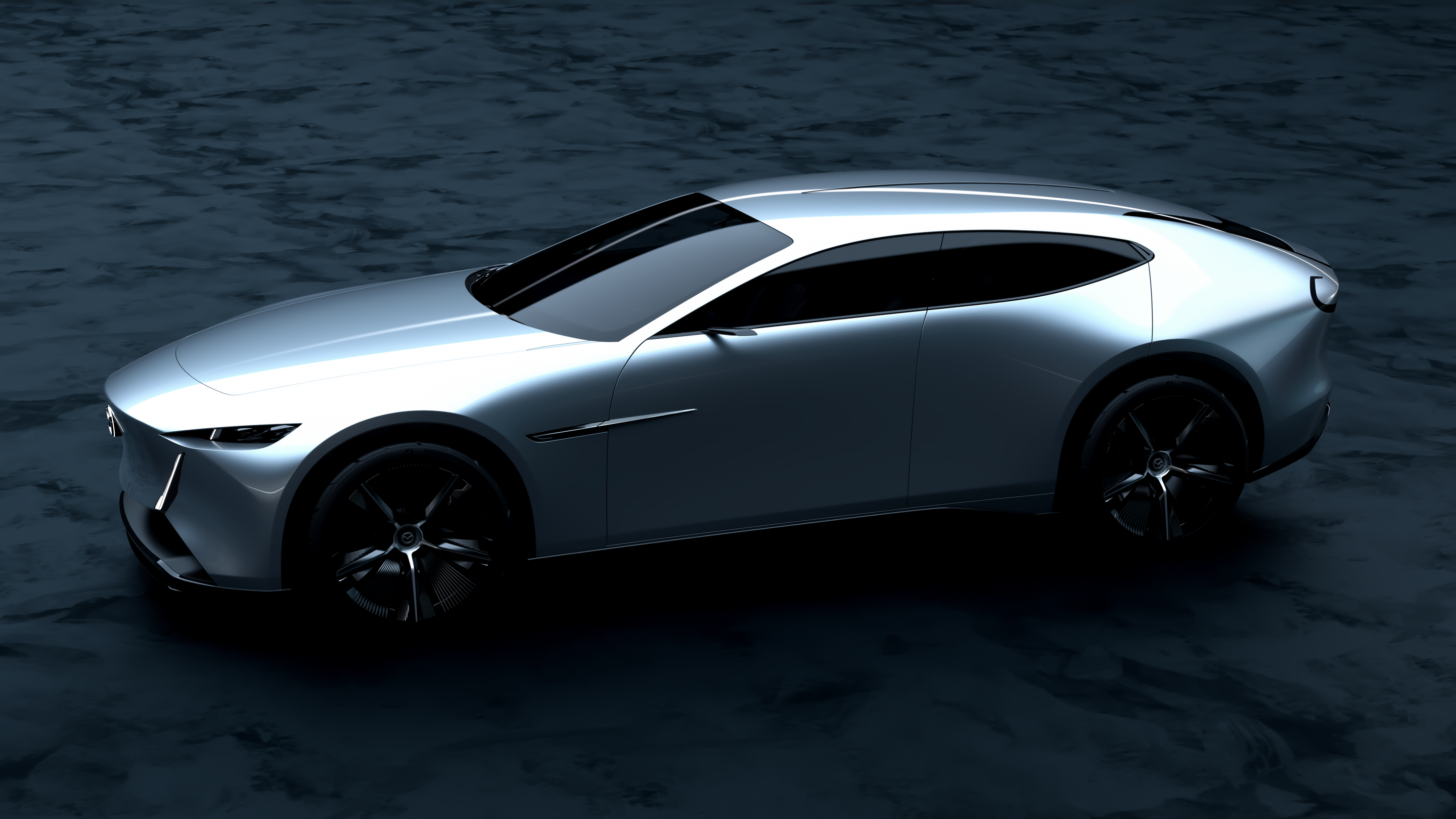
Škoda has confirmed that a new plug-in hybrid (PHEV) version of its second-generation Kodiaq SUV will join the range in early 2026, expanding the large SUV’s line-up with a focus on efficiency and everyday usability.
The new Kodiaq Select PHEV combines a 1.5-litre turbocharged petrol engine with an 85 kW electric motor, producing a combined output of 150 kW and 350 Nm. Škoda claims the hybrid system enables acceleration from 0–100 km/h in 8.4 seconds, while returning an average fuel use of 1.85 L/100 km on the combined cycle.
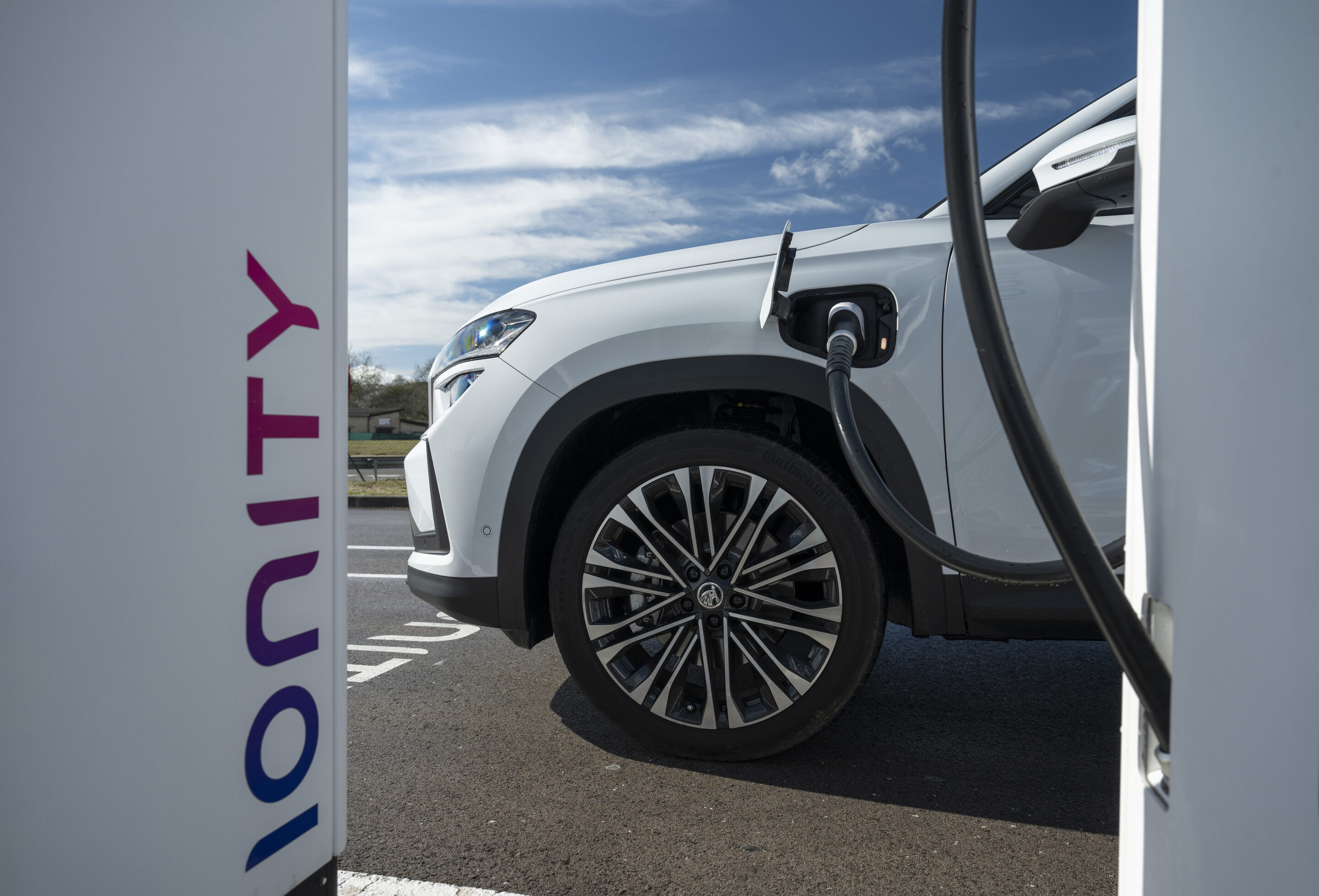
The model’s battery capacity allows for up to 112 km of electric-only range (WLTP), with 11 kW AC and 50 kW DC charging capability. Drivers can switch between electric-only and hybrid drive modes via the central touchscreen, with multiple levels of regenerative braking available. The system also offers both automatic and manual settings for how the petrol engine contributes to charging the battery.

Inside, the Kodiaq Select PHEV will feature a five-seat layout with a 745-litre boot, mirroring the practicality of other Kodiaq variants. Standard features include 19-inch alloy wheels, heated front seats, tri-zone climate control, and a 13-inch infotainment display with Apple CarPlay and Android Auto connectivity. Safety technology covers Adaptive Cruise Control, Lane Assist, Blind Spot Monitoring, and nine airbags.
Škoda will also introduce a Signature Package option across both the 2.0 TSI petrol and PHEV variants. This pack adds features such as Matrix LED headlights, surround-view cameras, massage front seats, and an illuminated grille.
Aline Carrullo, Škoda Australia’s product manager, said the PHEV version will appeal to drivers looking for a large SUV that balances performance and sustainability.
The Kodiaq Select PHEV will join the local line-up alongside the existing Kodiaq Sportline and Kodiaq RS, which are already on sale. The plug-in model will arrive in Australian showrooms in the first quarter of 2026.
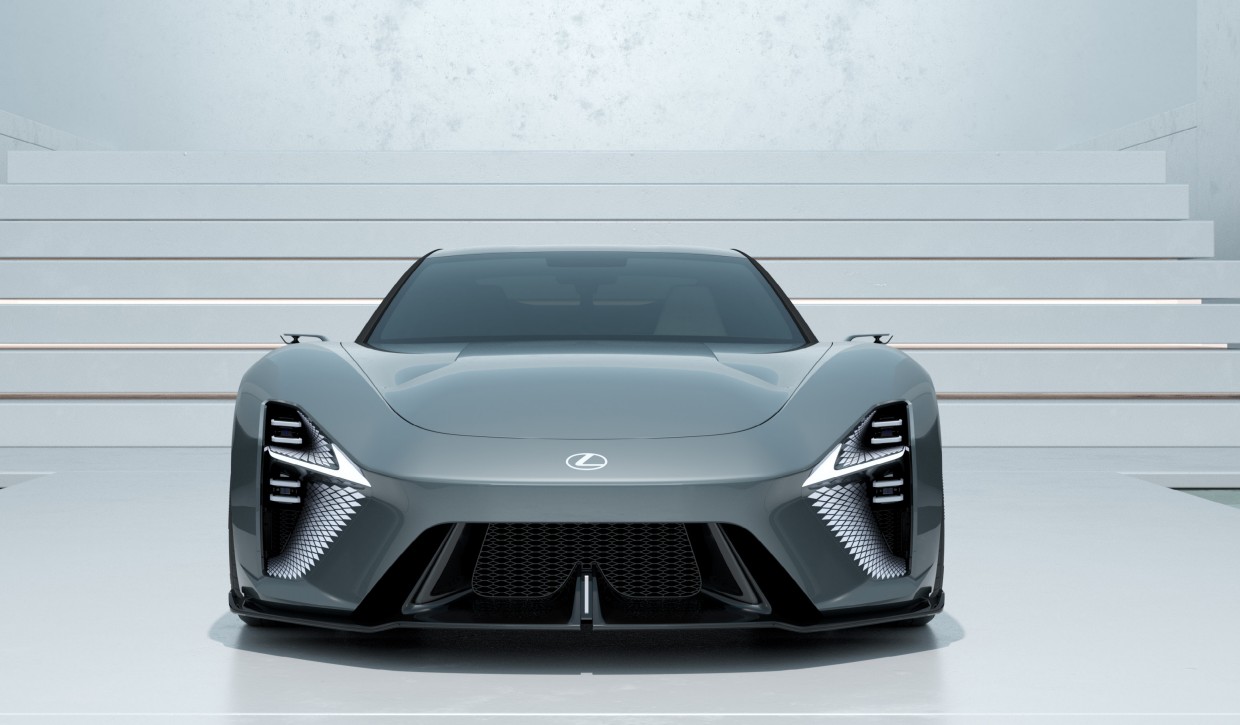
Lexus has used the Tokyo Mobility Show to challenge conventional ideas of what a luxury vehicle can be, unveiling a suite of design studies that reimagine its flagship LS model as everything from a six-wheel “Luxury Space” to a single-seat urban pod.
The LS Concept sits at the centre of Lexus’s evolving vision of luxury. Rather than defining LS solely as a sedan or SUV, the brand now positions it as a “Luxury Space” — a flexible, mobile sanctuary where freedom and privacy become the ultimate commodities.
In his presentation, Chief Branding Officer Simon Humphries said the LS Concept reflects a changing world in which personal space, time and emotional connection have become as important as performance.
“Space is freedom, and space is privacy,” Humphries said. “In a frenetic world, what greater luxury is there than that?”
5
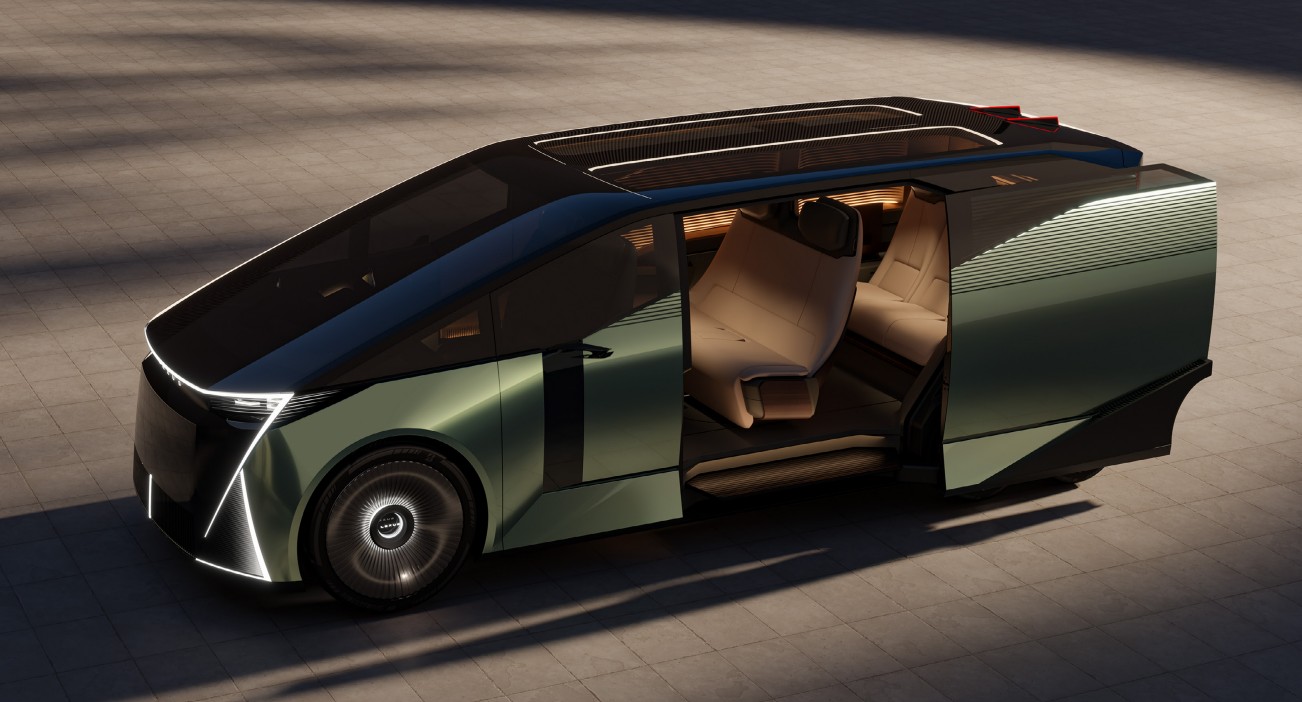
The show car rides on six wheels, a radical configuration designed to maximise interior room and accessibility. Its cabin functions more like a lounge than a traditional car interior, blurring the line between home and transport.(below), focused on driver engagement and sensory immersion; and the LS Coupe Concept (bottom), designed to balance comfort and excitement for both driver and passenger.
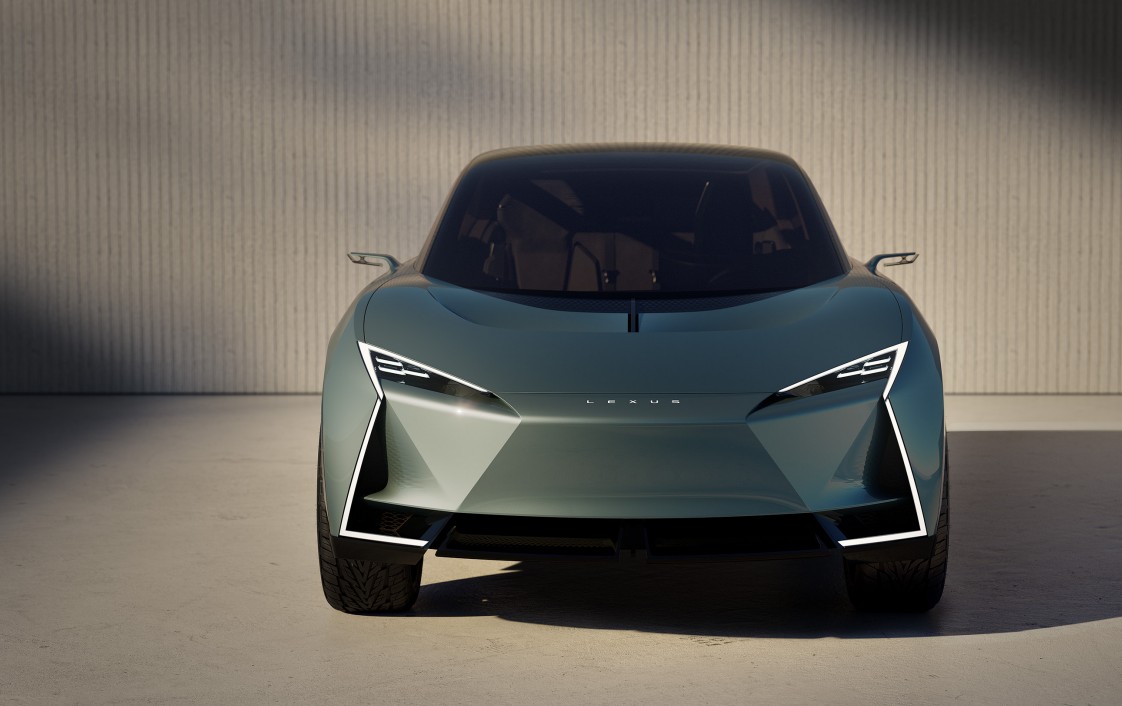
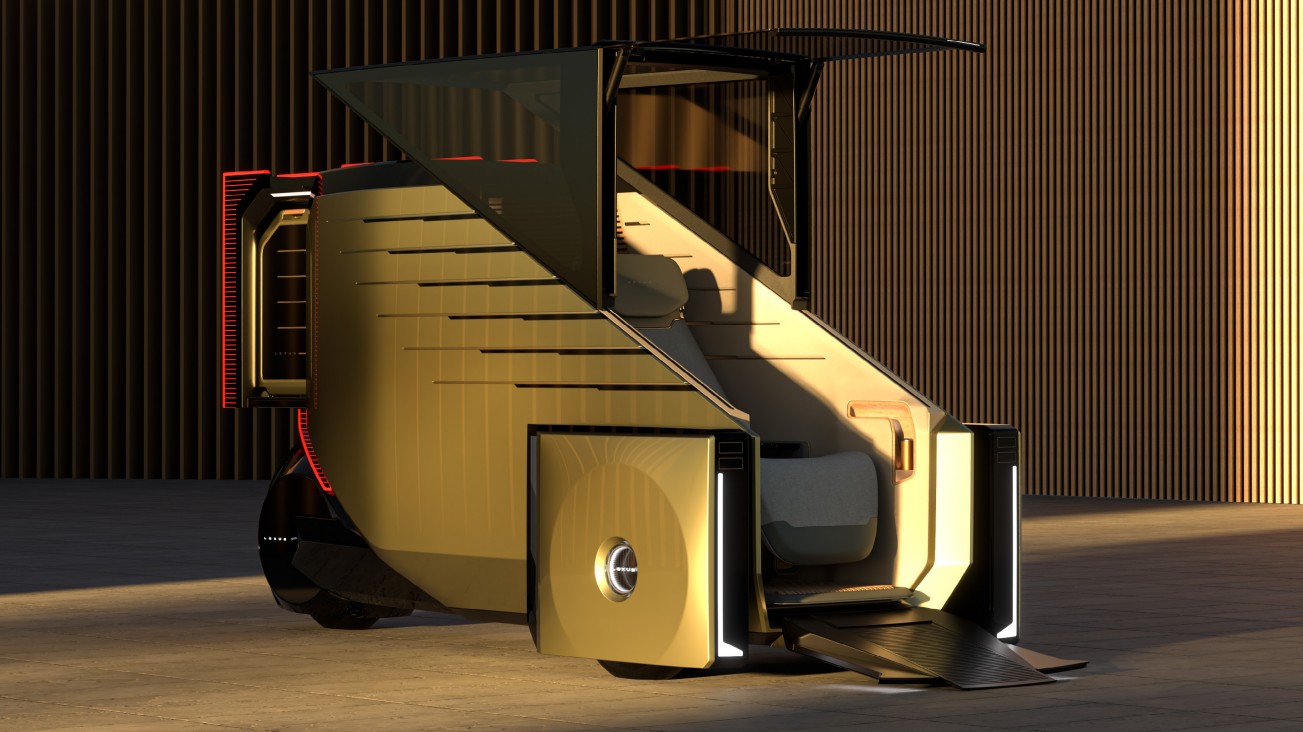
Beyond the LS line, the company teased future mobility projects, including an autonomous one-person “box” vehicle (below), a self-contained catamaran, and potential links to personal air mobility through Lexus’s collaboration with aviation start-up Joby Aviation.
Humphries said the concepts express Lexus’s core philosophy of “Discover” — encouraging customers to pursue new experiences while the brand expands beyond traditional categories of cars, boats, and aircraft.
“Luxury is leadership,” he concluded. “At Lexus, we believe everyone is their own brand — and we want to help them see the world through new eyes.”
The Tokyo showcase signalled that Lexus’s next flagship may not just drive — it could fly, float, or even provide a private retreat in motion.
Toyota has formally unveiled its new Century brand at the Japan Mobility Show, signalling the company’s entry into the global ultra-luxury market traditionally dominated by Rolls-Royce and Bentley.
The announcement marks the expansion of the Century, long regarded as Japan’s most prestigious limousine, into a dedicated sub-brand combining traditional craftsmanship with modern technology. A new SUV variant joins the classic sedan, both positioned to bring what Toyota calls a uniquely Japanese expression of refinement to global customers.
Speaking at the launch, Chairman Akio Toyoda described the Century as “a car in a class of its own,” tracing its origins back to his grandfather Kiichiro Toyoda, who sought to build Japan’s automotive industry in the 1930s. The first Century was created in 1967 under chief engineer Kenya Nakamura, whose goal was “to be like no other” – blending innovative engineering with cultural elements such as Edo-style metalwork and Nishijin-ori fabric.
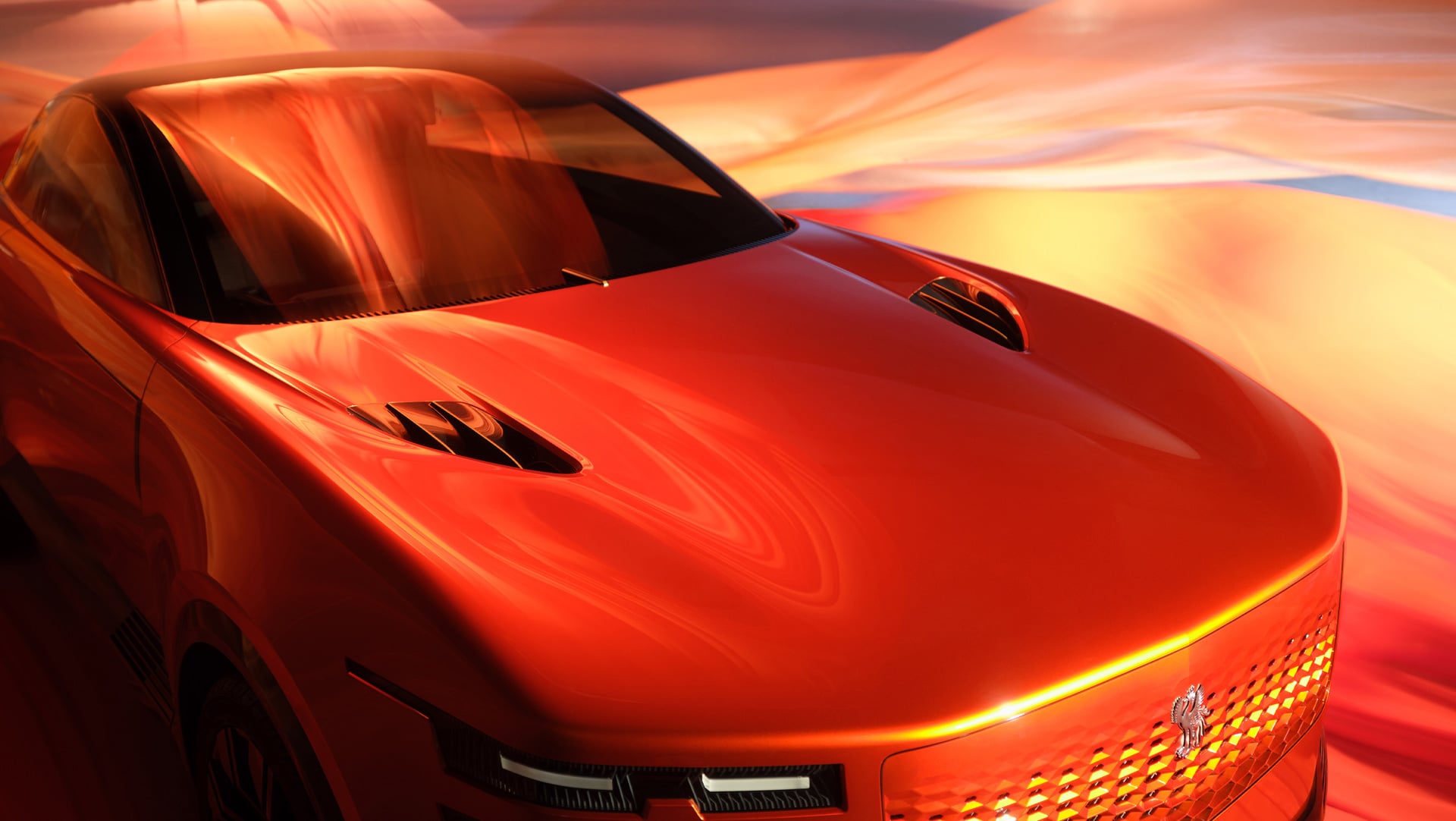
Toyoda said this legacy still defines the Century’s purpose. “It is not just about making automobiles,” he told the audience. “With Japanese ideas and skills, we must create an automobile industry for Japan.” He added that the phoenix emblem, which appears only “when the world is at peace,” symbolises both harmony and renewal.
The new Century range is expected to feature hybrid and plug-in hybrid drivetrains, with Toyota engineers focusing on quiet operation, smooth performance and advanced driver-assistance systems. The SUV, built on a flexible platform shared with Lexus, will cater to chauffeur-driven owners as well as driver-enthusiasts seeking comfort and understated luxury.
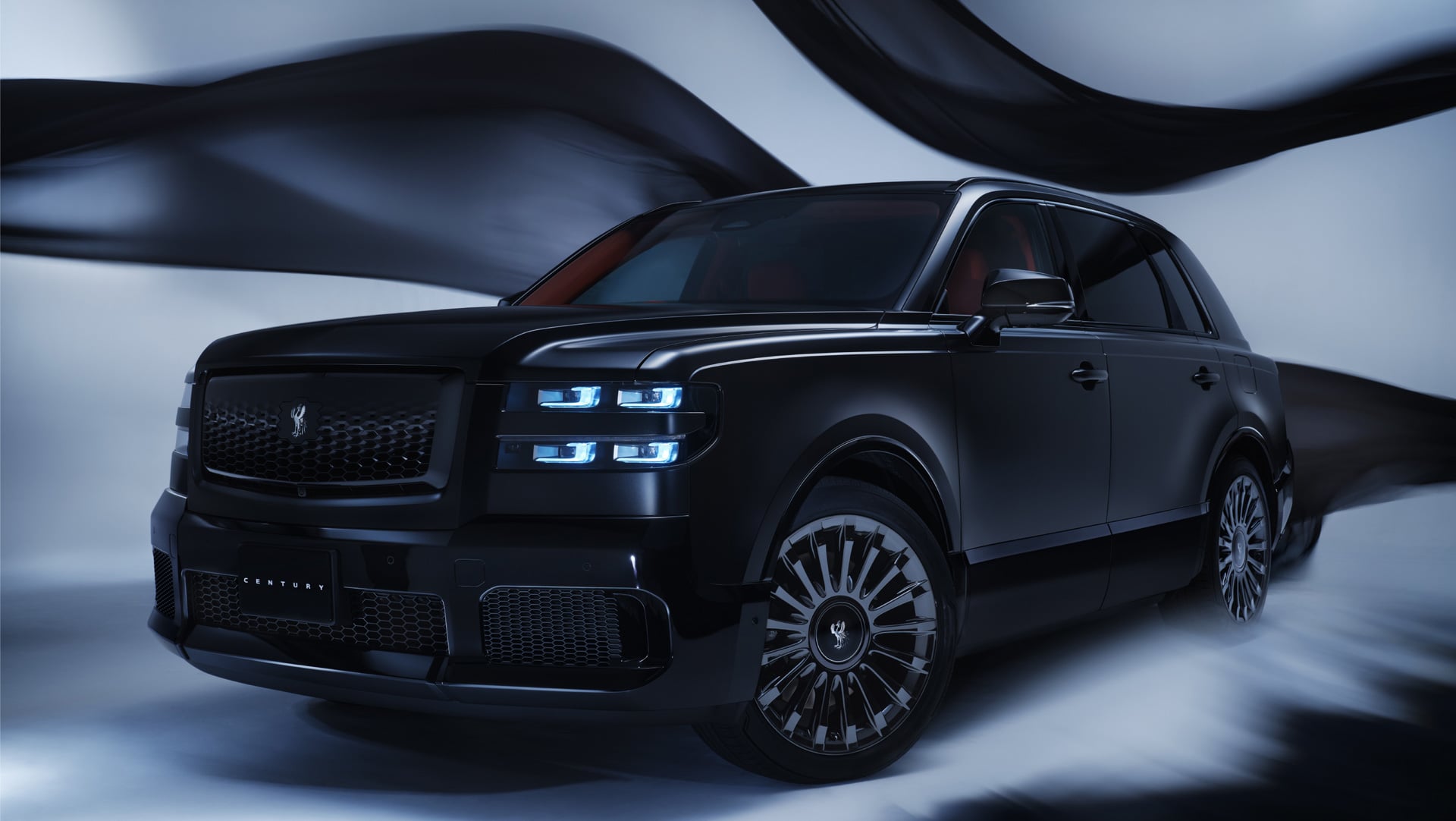
Toyoda said the launch represented more than a business move – it was about showcasing Japan’s enduring craftsmanship, “monozukuri” spirit and cultural identity.
“Century is not just another brand within Toyota,” he said. “We want it to bring the spirit and pride of Japan to the world.”
Kia has given an early look at its upcoming EV4 GT, a dual-motor performance version of the compact electric hatchback that aims to bring hot-hatch excitement into the EV era. The new model is expected to launch internationally in 2025, positioned as an electric rival to the Volkswagen Golf R and Audi RS 3.
Although the prototype remains heavily camouflaged in a distinctive “GT” wrap, a few details stand out – neon-green brake calipers, 20-inch alloy wheels, and revised front and rear bumpers that hint at a more aggressive design. The EV4 GT sits lower and wider than the standard EV4, signalling its performance intent.
The regular EV4 features a single-motor front-wheel-drive setup producing 150kW, but the GT version adds a second motor on the rear axle, delivering all-wheel drive and an expected output between 300kW and 400kW. For reference, the Golf R produces 245kW, while the RS 3 pushes 294kW – meaning Kia’s newcomer could outmuscle both.
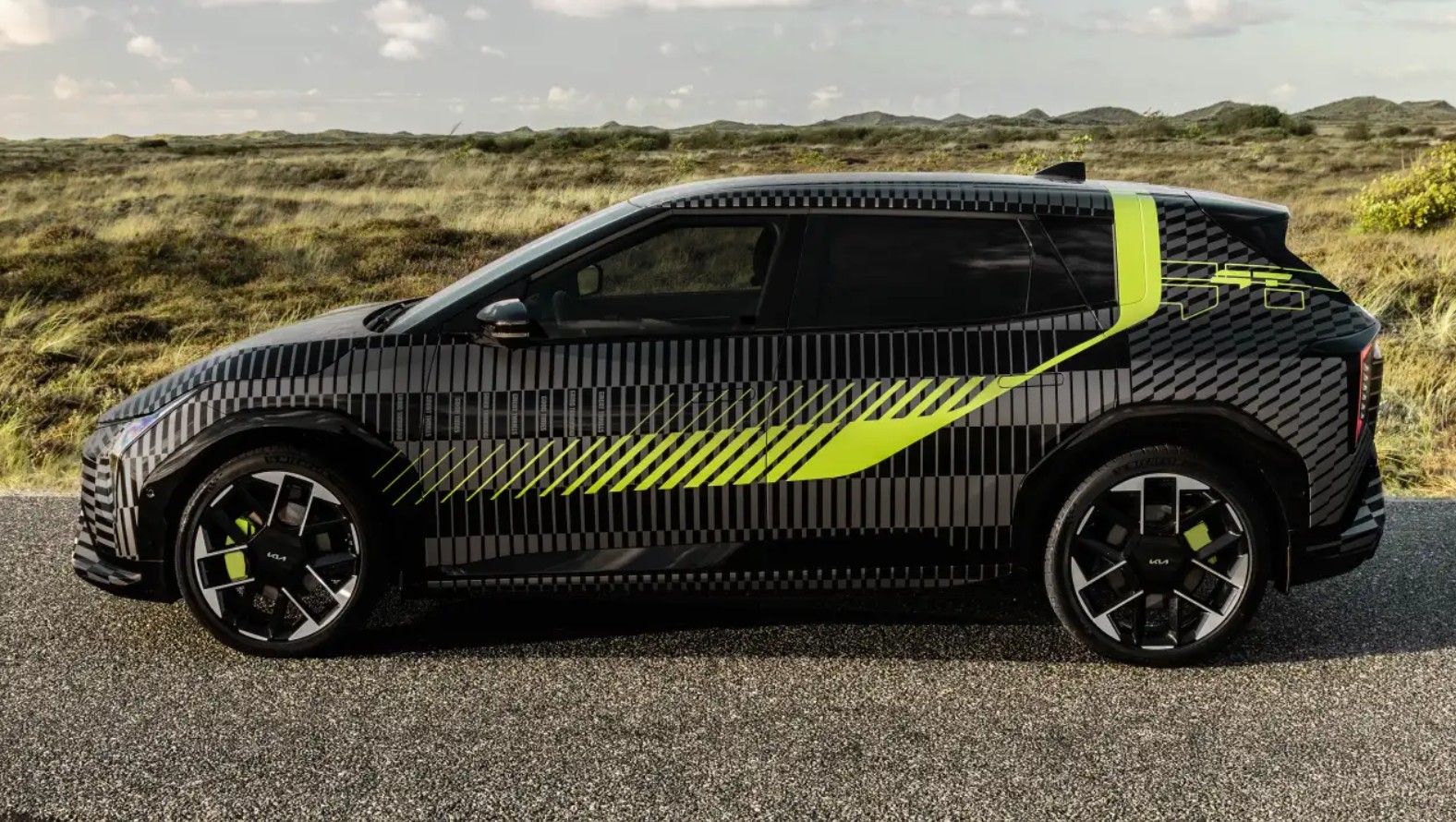
Kia is expected to include its Virtual Gear Shift (VGS) technology, first used in the EV6 GT and EV9 GT. The system simulates gear changes and engine sounds similar to a high-revving petrol V6, designed to make the driving experience more engaging than the silent surge typical of most EVs.
Underneath, the EV4 GT is expected to adopt mechanical upgrades such as an electronic limited-slip differential, adaptive dampers, and larger brakes – all aimed at improving handling and control. Steering calibration and suspension tuning will also be revised for sharper dynamics.
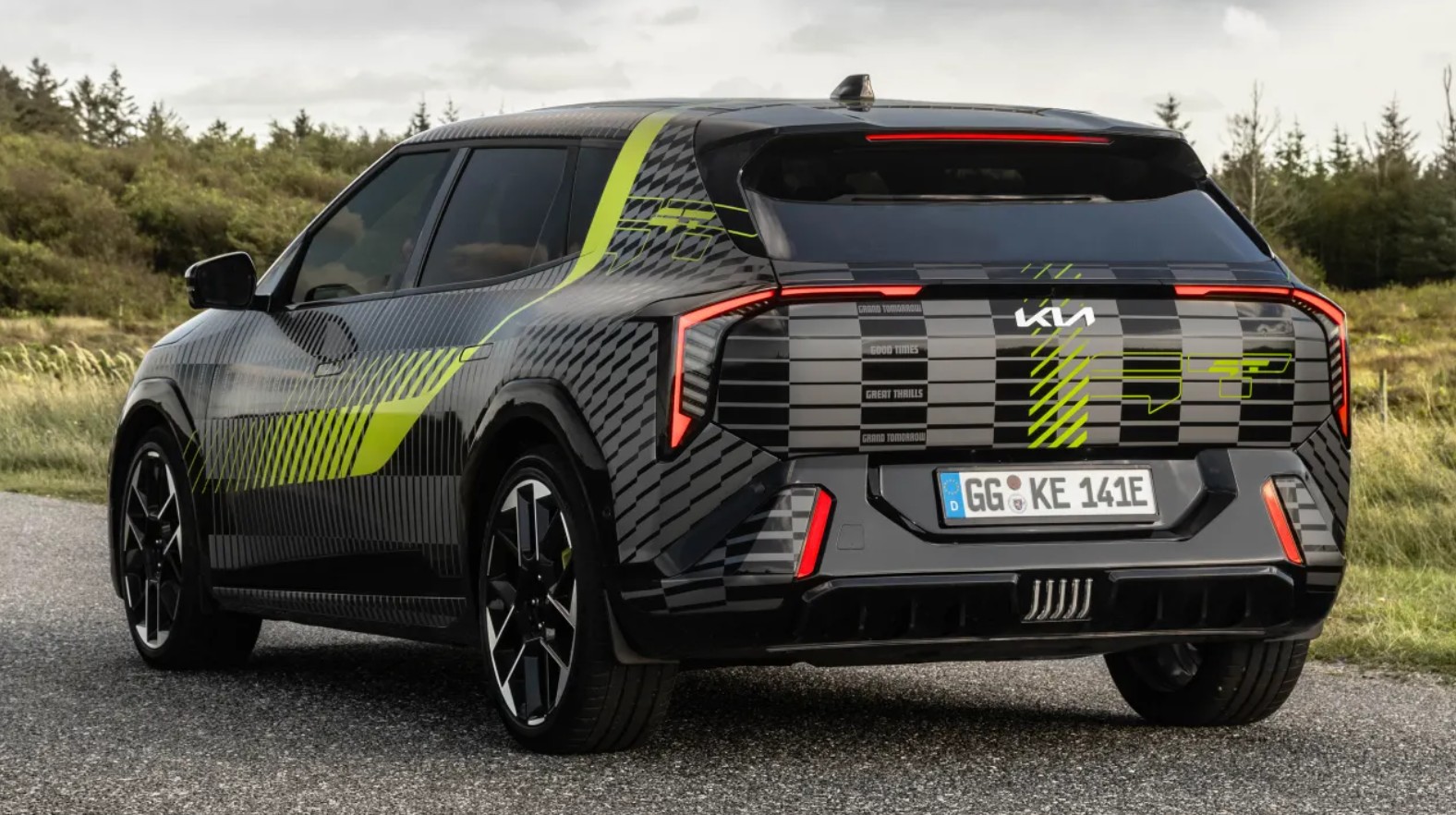
Kia’s European marketing director David Hilbert told Auto Express that the new GT will focus on driver enjoyment rather than outright speed. “It’s about creating a car that’s fun every day – engaging, not just fast in a straight line,” he said.
The EV4 GT will share its basic platform with Hyundai’s upcoming Ioniq 3 N, though the two cars will reportedly take different approaches – the Hyundai with a track-focused edge, and the Kia emphasising everyday performance and comfort.
