Best Medium SUVs in Australia
Looking to get into a brand-new mid-size SUV? Our stories below will guide you to the model that best suits your needs:


Price: From $86,100 before on-road costs
Battery size/claimed range: 7.5L/100km (20 xDrive), 91km EV range/1.6L/100km (30e xDrive), 6.7L/100km (40d xDrive), 8.2L/100km (M50 xDrive)
Drivetrain: 2.0-litre mild hybrid four-cylinder AWD/2.0-litre plug-in hybrid four cylinder AWD/3.0-litre inline six-cylinder turbo diesel/3.0-litre mild-hybrid V6 AWD
Dimensions (length/width/height/wheelbase): 4755mm/1920mm/1660mm/2865mm
Bootspace: 570L (second row up) 1700L (second row folded)
Warranty/roadside assistance/service intervals: Five-year unlimited kilometre warranty/condition based
Five-year service cost: $2475 (payable up front)
| Driving | |
| Interior | |
| Practicality | |
| Overall value | |
Imagine being an engineer at BMW – creators of ‘the ultimate driving machine’. That’s been the catch cry for decades now. Don’t forget the original X5 either, an SUV that completely reset the capability of the segment from the point of view of the driver. Delivering SUVs into a cookie cutter environment to live up to those standards is no easy task. And, hasn’t the segment come a long way since BMW launched the first X5. SUVs that drive more like a sports sedan are now available from a variety of different manufacturers.
In Australia, sales of BMW SUVs outstripped sedans a fair way back and as such, the X – which sits in the absolutely crucial medium SUV segment – needs to be all things to all people. Every manufacturer wants a slice of the medium SUV pie, and with good reason. Aussie new car buyers want them – and in big numbers.
The X3 is refreshed, too, having been launched in March of this year, with a strong, four-model lineup. Three are petrol-powered and feature all-wheel drive. Two are mild-hybrid, one is a plug-in hybrid as well as the diesel 40d xDrive. The entry grade 20 xDrive, starts from $86,100, the 30e xDrive PHEV starts from $102,500, next up is the 40d xDrive from $108,900 and the range-topping M50 xDrive starts from $128,900 all before on-road costs. Since launch, sales across all four models have been fairly evenly split making the pick of the range dependent largely on your budget.
As you’d expect from BMW, especially with the ‘ultimate driving machine’ mantra ringing in your ears, this new X3 is a fantastic SUV to drive on any road under any conditions. The experience from behind the wheel is more sports sedan than SUV, with excellent ride quality, handling and road holding, and occupant comfort whether you’re crawling around town or cruising the highway. The segment has grown, too, and this X3 is similar in size to the original X5.
There’s no doubt the BMW X3 is an exceptional medium SUV, with the styling chops to match the driving engagement and standard equipment. Pricing nails the segment expectation, and there’s a premium feel to the cabin whether you’re the driver or passenger. We’re not sure any SUV deserves to be called the ‘ultimate driving machine’ but a BMW with an ‘X’ badge on it, comes pretty close.

Price: From $81,000 before on-road costs
ADR Fuel claim: 5.7L/100km (TFSI 150), 5.4L/100km (TDI quattro 150 and TDI quattro
150 Sport), 7.6L/100km (TFSI 270)
Drivetrain: 2.0-litre four cylinder turbo petrol mild hybrid, 2.0-litre four-cylinder turbo diesel mild hybrid, 3.0-litre turbo petrol V6 mild hybrid
Dimensions (length/width/height/wheelbase): 4682mm-4717mm, 1893mm-1900mm, 1634mm-1663mm, 2820mm
Bootspace: 520L (second row up), 1473L (second row folded)
Warranty/roadside assistance/service intervals: 5-year/unlimited km/12 months or 15,000km
Five-year service cost: $3520
| Driving | |
| Interior | |
| Practicality | |
| Overall value | |
One of the reasons the medium SUV segment – in the luxury realm – is so fiercely contested is the quality of the competition. In regard to the new and upgraded Audi Q5, that’s never been more apparent, with the Ingolstadt manufacturer improving on an already high-quality product.
Q5 has been at or near the head of the segment for some time now, and Aussie buyers love the mix of cabin tech, comfort, premium design execution and driving engagement. If you want a silly fast SUV, there’s the SQ5 of course, but even the entry-grade Q5 (TFSI 150kW) feels like a high-quality SUV in a segment that is loaded with options.
Crucial to the updates for this model year, is a mild hybrid system that actually works as advertised, improving efficiency, which is crucial for budget-minded buyers. Audi’s system will even power the SUV on battery alone up to 20km/h as well as turn the engine off in coasting situations. The Audi Q5 drive remains seamless, smooth and enjoyable, on any road, in any conditions. This SUV is as much at home in city traffic as it is out on the open road covering longer distances.
Audi is keen to offer a variety of models to Australian buyers and as such there are four-cylinder petrol and diesel engines to choose from as well as a powerful V6 petrol engine, all with turbocharging and hybrid technology.
On the subject of the entry-grade feeling like a premium offering, standard equipment across the range includes matrix LED headlights, S line exterior trim and an electric tailgate. Leather trim, electric front seat adjustment and three-zone climate control is matched by heated front seats and ambient interior lighting.
Audi’s signature understated styling remains for this model update, but the Q5 is as attractive as ever and is key to the appeal to repeat Audi buyers who list the design as a vital selling point. It’s lower and wider than the model it replaces, but only ever so slightly longer. If you’re considering an Audi Q5, the other thing the brand has done in Australia is simplify its options into clever packages, making the decision process even easier.

Price: From $89,000 before on-road costs
ADR Fuel claim: 7.5L/100km (GLC 200), 7.7L/100km (GLC 300)
Drivetrain: 2.0-litre four-cylinder turbo petrol mild-hybrid AWD
Dimensions (length/width/height/wheelbase): 4716mm-4763mm/1890mm/1605mm-1640mm/2888mm
Bootspace: 620L (second row up), 1680L (second row folded)
Warranty/roadside assistance/service intervals: Five-year/unlimited kilometre/12 months or 25,000km
Five-year service cost: $6455
| Driving | |
| Interior | |
| Practicality | |
| Overall value | |
If you’re factoring in the coupe body style and hot AMG models, the 2025 Mercedes-Benz GLC range is comprehensive. Here, we’ve focused on the core SUV wagon body style, which comprises three models – GLC 200, GLC 300 and GLC 300 AMG Line. Pricing is sharply-placed to take the fight right up to the segment heavy hitters.
GLC has always been one of the go-to offerings in this luxury segment thanks to its appealing array of style, technology and luxury cabin appointments. From the outset, completion came only from Audi and BMW, but now the alternatives are coming thick and fast, and as such, the GLC needs every but of Mercedes-Benz’ nous to ensure it remains competitive.
The GLC is a stylish alternative when you see one floating through the sea of SUVs on Aussie roads. The cachet that comes with the three-pointed star is a very real factor for buyers, and the list of standard equipment is comprehensive. The entry to the GLC range is the GLC 200 and it is loaded with standard equipment. Like Audi, Mercedes-Benz has rationalised its options into easy-to-understand packages, which make the buying process as simple as it can be.
The 48-volt mlid-hybrid system employed by ‘Benz adds 17kW and 205Nm of extra punch under hard use, and can also allow the petrol engine to shut down and coast under light throttle loads. The base GLC 200’s 150kW/320Nm ratings are solid enough that you won’t feel like you’re lacking if the most affordable variant is the one that appeals.
Euro SUVs can often feel too firm on our roads – especially rutted outer-urban or country roads. The GLC doesn’t suffer that malaise, with a suspension tune that preferences comfort over sporty handling, and the result is an excellent long distance tourer that easily tackles the poorly surfaced urban road network as well.
The Luxury segment offers more competition than ever before, but one of the original entrants retains its sense of style, quality and badge cache. Mercedes-Benz made the decision to return to a sharper pricing structure with the re-emergence of the GLC 200 model and its proven to be a popular option and the smart choice in the range.
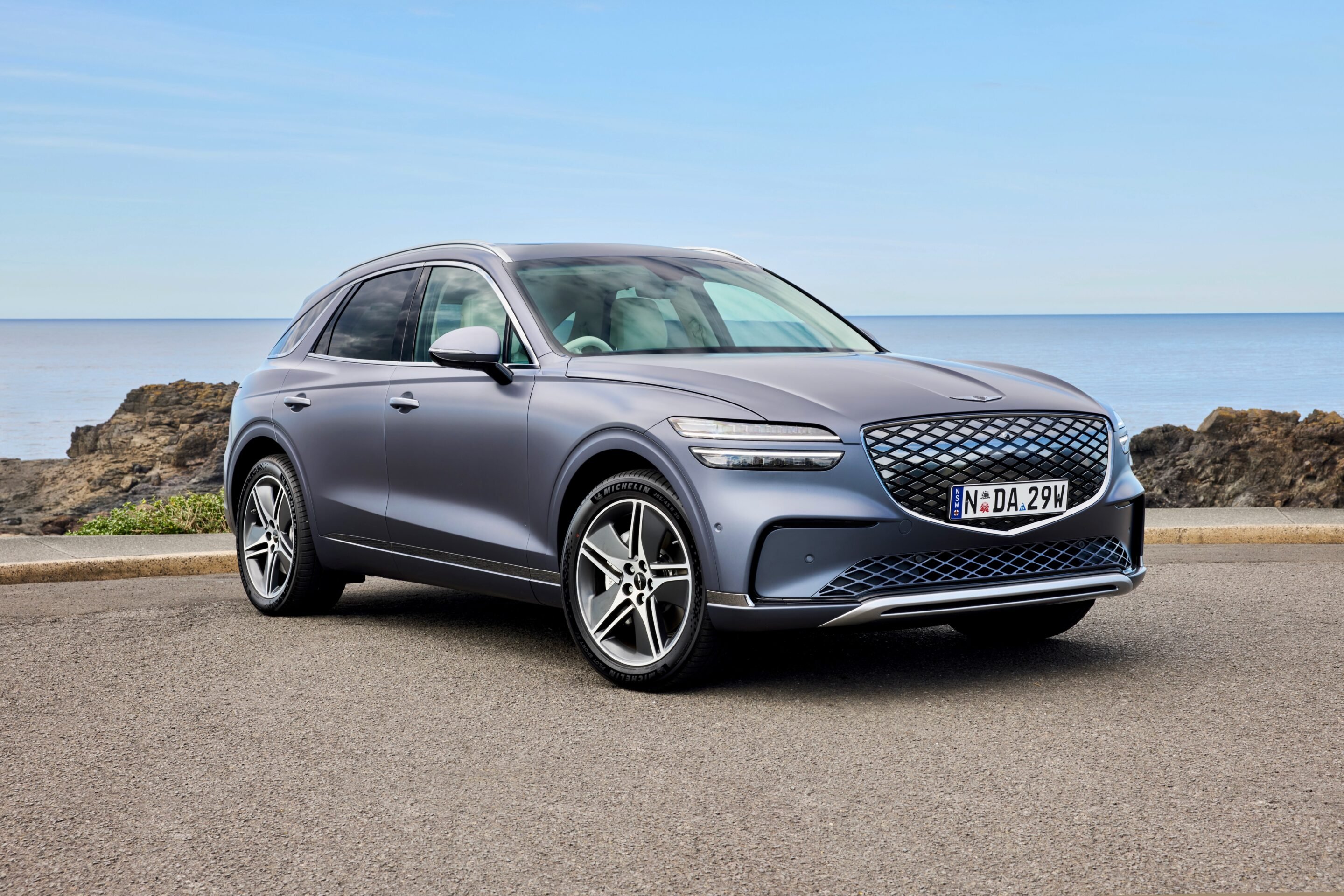
Price: From $78,700 before on-road costs
ADR Fuel claim: 10.3L/100km (2.5L), 11.3L/100km (3.5L), 462km (GV70 Electrified)
Drivetrain: 2.5-litre turbocharged inline four-cylinder petrol AWD, 3.5-litre twin turbo V6 petrol AWD, 84kWh/twin motors/AWD
Dimensions (length/width/height/wheelbase): 4715mm/1910mm/1630mm/2875mm
Bootspace: 542L (second row up), 1678 (second row folded)
Warranty/roadside assistance/service intervals: Five-year/unlimited km warranty/12 months premium roadside assist
Five-year service cost: Up to five years complimentary servicing
| Driving | |
| Interior | |
| Practicality | |
| Overall value | |
No one expected Genesis to enter the Australian new car market and be quite as successful as it has been. Lexus aside, a number have tried and failed (remember Infiniti), but Genesis has endured. Strong backing by Hyundai, a quality product from the get go, and a premium ownership experience have been the keys to Genesis’ immediate success.
Perhaps the best example of everything Genesis is doing so well, is the exceptional GV70. It looks the part, is significantly sportier to drive than you would expect, and benefits from an excellent after sales experience you would attribute to a more expensive brand. On that point, Genesis focused on sharp pricing to appeal to buyers, ensuring it was positioned as a genuine cost-effective alternative.
With two petrol powertrains offering sensible choice, and a fully electrified version should you prefer it, the GV70 covers off the needs of the Australian new car buyer in this segment. While the exterior styling is eye-catching and the driving experience is engaging, it’s the cabin ergonomics and quality that most impress. The recent mid-life update brought with it cabin refinement, new technology and more variants across the range.
GV70 buyers get the robust attention to detail we have come to expect from Hyundai, but with an added sense of style, flair and design quality to deliver the core expectations of a luxury vehicle buyer. Second row comfort is as good as the best in class, boot space is useful for family road trips and if a luxury SUV is your daily driver, you’ll love the practicality of the GV70. Infotainment tech is catered to beautifully, and cleverly, in the sense that what could be a too-sparse take on modernism, is actually an easy to use system that anyone can master.
The other string to the GV70’s bow is the driving experience. This is truly a sporty SUV in every sense of the word. From the steering and braking, to the road holding and handling at the limit, the GV70 rewards the enthusiastic driver with an experience few in the segment can match.

Price: From $73,990 before on-road costs
ADR Fuel claim: 1.6L/100km/81km electric (PHEV), 7.6L/100km petrol engine
Drivetrain: 2.0-litre turbocharged four-cylinder petrol or PHEV, 18.8kWh battery (T8 PHEV) AWD
Dimensions (length/width/height/wheelbase): 4708mm/1902mm/1655mm/2865mm
Bootspace: 613L (second row up) 1543L (second row folded)
Warranty/roadside assistance/service intervals: Five-year/unlimited kilometre/12 months or 15,000km
Five-year service cost: $3000
| Driving | |
| Interior | |
| Practicality | |
| Overall value | |
When Volvo announced that it would move to an all-electric showroom in Australia in 2026, four years before head office, mind you – it underestimated the popularity of the excellent XC60 in this market. And, as such, internal combustion powered Volvos will remain available in Australia. Since launch, the XC60 has found favour with those looking to tap into minimalist Swedish design smarts and clever ergonomics in a practical package. So much so, many XC buyers are retained Volvo owners coming back for a new version of the SUV they already own.
From June 2025, five variants of the XC60 are available with either a punchy petrol engine, or PHEV version of the same engine, and AWD across the range. The PHEV is more effective than you might think at first, with 81km electric range and super low fuel consumption across the first 100km courtesy of that.
For those of you with the regular Aussie commute, the PHEV XC60 could be the one to consider. It’s not cheap, with two of the PHEV models sneaking past the six-figure mark, but Volvo’s premium attention to detail goes some of the way to justifying the asking price. Opt for a model without the PHEV technology and you’re still using significantly less than 10L/100km.
Focus back on the regular petrol engine, though, and the XC60 is sharply priced in comparison to its luxury competition. The XC60 is more than the sum of its parts, however, with real substance to match the style. The cabin especially is a masterful execution of clean design, useful functionality matched by stylish design. A lot is made of ‘Swedish minimalism’ when it comes to reviewing Volvo vehicles, but that design ethos is at its best inside the cabin.
Volvo owners tell us that cabin space and seat comfort are high on the list of benefits of any Volvo SUV and the XC60 delivers strongly on that front. This platform is an excellent, family tourer for those of you leaving the city on a regular basis. While the PHEV Volvo XC60 is undoubtedly a solid option for those of you with the budget to stretch far enough, the entry-grade models provide excellent value for money and quality if you don’t have six figures to spend.
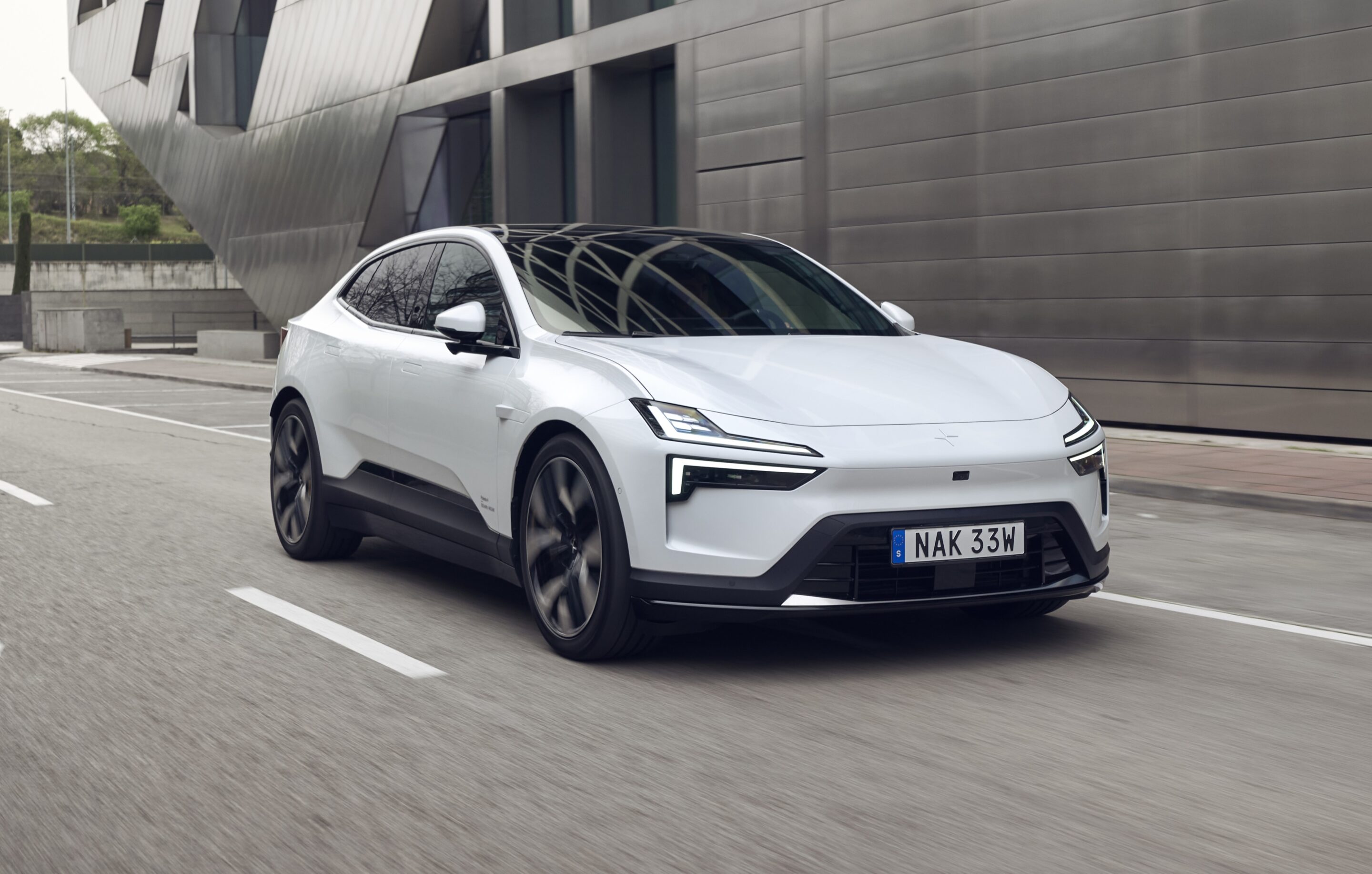
Price: From $78,500 before on-road costs
ADR Fuel claim: 590km (dual motor), 620km (single motor)
Drivetrain: Single motor RWD/Dual Motor AWD
Dimensions (length/width/height/wheelbase): 4839mm/2008mm/1534mm/2999
Bootspace: 526L (second row up) 1536L (second row folded)
Warranty/roadside assistance/service intervals: Five-year/unlimited km warranty/five-year
free roadside assistance/24 months or 30,000km
Five-year service cost: Complimentary
| Driving | |
| Interior | |
| Practicality | |
| Overall value | |
Single motor, dual motor, RWD or AWD, the new Polestar 4 has you covered if its drivetrain options you
want. Interestingly, all are ‘Long Range’ in our market, meaning the luxury Swedish manufacturer has
preferenced range over other features for a market fixated on driving distance for EVs. As such, you get up to 620km claimed range. Polestar also offers clever over-the-air updates – a common feature in the EV world – so that the Polestar 4 can be regularly upgraded and updated as tech changes come online. These updates tend to occur every six months or so. It’s a novel part of the EV ownership journey for those of you new to the game.
Polestar 4’s cabin design is restrained rather than edgy, with an attention to the basic but key details ensuring it’s a lovely place to spend your time on a longer drive. Every touch surface or choice of trim material appears premium and high quality. As it has been since the brand’s electric launch, seat comfort is a strong point.
Some of the control functionality is a little too confusing to work out, like the side mirror adjustment, steering wheel adjustment or even the HVAC controls, which are all within the infotainment screen, making them difficult to adjust on the fly.
Cabin storage and amenity – key for this segment – are both taken care of, with some of the storage more obvious than others, but the section under the centre console that you don’t see, is useful. Second row space is excellent, as good as anything in the segment, but the higher floor in the second row does eat into space for taller occupants.
The big selling point – certainly for most people we speak to – is the complete lack of a rear window. For some of you, it might be an anti-selling point. Whatever your opinion, it’s not annoying… until it is. It takes some getting used to, given the fact we’ve all learned to drive in cars that have rear windows. If you’re looking for a different alternative in this segment, though, one that stands out from the regular crowd, the Polestar 4 is worth a look.
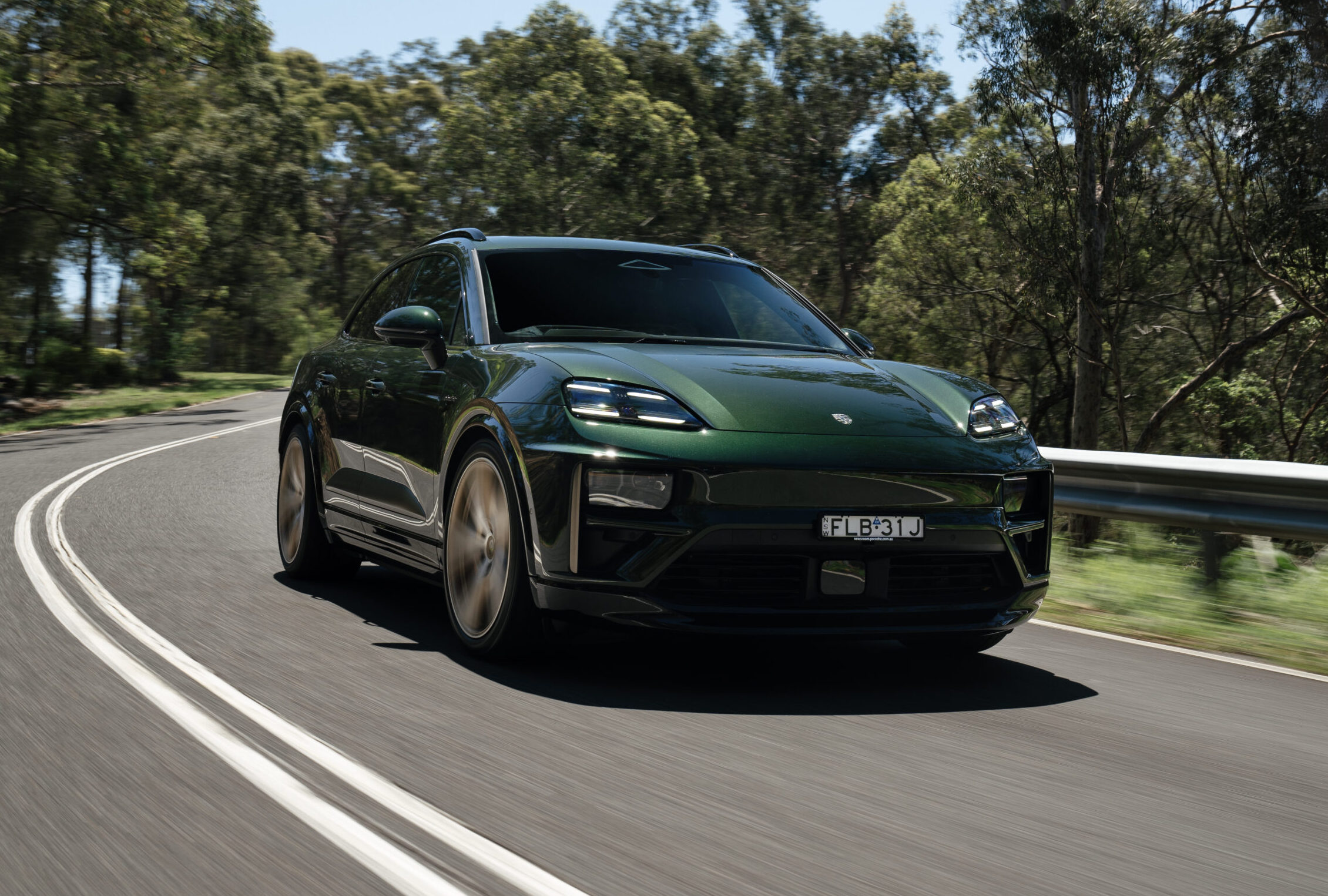
Price: From $124,800 before on-road costs.
ADR Fuel claim: 100kW battery pack/591km claimed range
Drivetrain: Single or twin electric motors
Dimensions (length/width/height/wheelbase): 4784mm/2152mm/1622mm/2893mm
Bootspace: 480L-540L (second row up), 1288-1348L (second row folded)
Warranty/roadside assistance/service intervals: Three-year/unlimited km/12 months/10,000km
Five-year service cost: $2995
| Driving | |
| Interior | |
| Practicality | |
| Overall value | |
If there’s to be an SUV that steps out of the regular medium luxury segment, its this one, the electric Porsche Macan. Any vehicle with a Porsche badge on its snout brings with it a different level of credibility, expectation and curb appeal. It’s why so many people have parked a Porsche Macan in their driveway.
We all know the story of the Cayenne and Macan saving Porsche and thus the 911. A ravenous SUV-focused market, presented with a Porsche-badged SUV, lapped it up and what started as something of a hail Mary is now a legitimate model in its own right. And, it’s a model that gets better with every update or revamp. However, this one is different, because you can only buy an electric Porsche Macan.
The best aspect of any electric Porsche is how much it feels – and drives – like a regular Porsche. They tend not to exhibit any of the ‘weird for the sake of it’ characteristics that so many electric vehicles can. Rather, you take a seat in an electric Macan, and it feels every bit like a previous internal combustion Macan would have.
While it drives like a Porsche too, it does so with the silent refinement that only an electric vehicle can deliver. As ever, Porsche’s ability to make an SUV ride as comfortable as it can handle capably, is superb. Macan can iron out any nasty road surface, but fire into a corner like a sports car. In driving terms, it’s the standard setter for electric SUVs.
The cabin is, like any other contemporary Porsche, that perfect blend of class and refinement, with a deep layer of practicality that makes the electric Macan a practical daily driver as much as it is a luxury vehicle. The choice of materials, fit, finish and attention to detail are all excellent. The shift to electric power, also brought with it an increase in cabin space, making the Macan even more comfortable for occupants even if the second row is tight.
Like many of the others in this company, the standard equipment list is long, but the options list is also long and can be complicated. The new Macan isn’t cheap in electric form, but it’s still a hell of an SUV in this segment.

Price: From $63,400 before on-road costs
ADR Fuel claim: 1.3L/100km to 8.1L/100km and 87km electric range (PHEV)
Drivetrain: 2.5L four-cylinder petrol, 2.4L turbocharged petrol four-cylinder, 2.5L with hybrid electric motor, 2.5L petrol engine plug-in hybrid (18kWh battery)
Dimensions (length/width/height/wheelbase): 4660mm/1865mm/1660mm/2690mm
Bootspace: 520L (second row up) 1141L (second row folded)
Warranty/roadside assistance/service intervals: Five-year/unlimited km/free roadside assistance/12 months or 15,000km
Five-year service cost: $2975
| Driving | |
| Interior | |
| Practicality | |
| Overall value | |
If you’re uncertain as to which luxury SUV best suits your needs, enter the Lexus NX. There’s petrol, hybrid and plug-in hybrid variants available, as well as 2WD and AWD platforms. From the entry-level NX250 to the range-topping NX450h+ there really is something for everyone. The popularity of the plug-in hybrid model around the world was evidenced by the almost two-year wait for delivery from launch.
The order book for that model is back open now, but the good news is that if your budget doesn’t stretch to the most expensive variant, the NX SUV represents smart buying across the range. There are numerous aspects of the ownership experience that ensure Lexus sits right at the top of the segment and all of them are present in the NX.
The Lexus concierge program for example is the gold standard by which all others should be judged, and it makes owning and servicing your Lexus as effortless as it could possibly be. Being handed a loan car the same as the one you own, while yours is whisked off for service is certainly the definition of a premium experience.
When this current model was released, the biggest uptick was inside the cabin, where the infotainment system and controls had been brought into a much more contemporary realm. Even features like the ‘E-Latches’ as Lexus calls them, give it a technological, modern feel inside the cabin.
Lexus delivers seat designs and comfort that are as good as any in this segment, if not better, with long-haul touring ability that family buyers will love. If you’ve got super tall occupants in the second row, it can get a little tight for legroom, but the NX is otherwise a capable family hauler.
Across the range, the driving experience is excellent, too, comfortable refined, and insulated. Where the NX reaches the outer edges of its capability though, is the balance between ride and handling. That is, it’s not as sportily capable as the best, and not quite as cushy as the most comfortable. If you’re looking to strike a balance somewhere in the middle though, the NX is worth a look.
Looking to get into a brand-new mid-size SUV? Our stories below will guide you to the model that best suits your needs:
Isuzu UTE Australia will introduce a new 2.2-litre turbo-diesel engine across its D-MAX ute and MU-X seven-seat SUV range from October 1, 2025, replacing the outgoing 1.9-litre motor.
The four-cylinder EURO5 RZ4F-TC engine produces 120kW and 400Nm, a step up from the 1.9-litre unit’s 110kW/350Nm output. Torque delivery has also been improved, with 255Nm available from just 1,000rpm and peak torque arriving between 1,600 and 2,400rpm. According to Isuzu, combined fuel consumption is rated from 6.3L/100km.
The new engine will be paired exclusively with an eight-speed automatic transmission, ending manual transmission availability across the range. For the D-MAX, the 2.2L will be offered in SX and X-Rider variants, while MU-X customers will see it in LS-M, LS-U and LS-T grades.
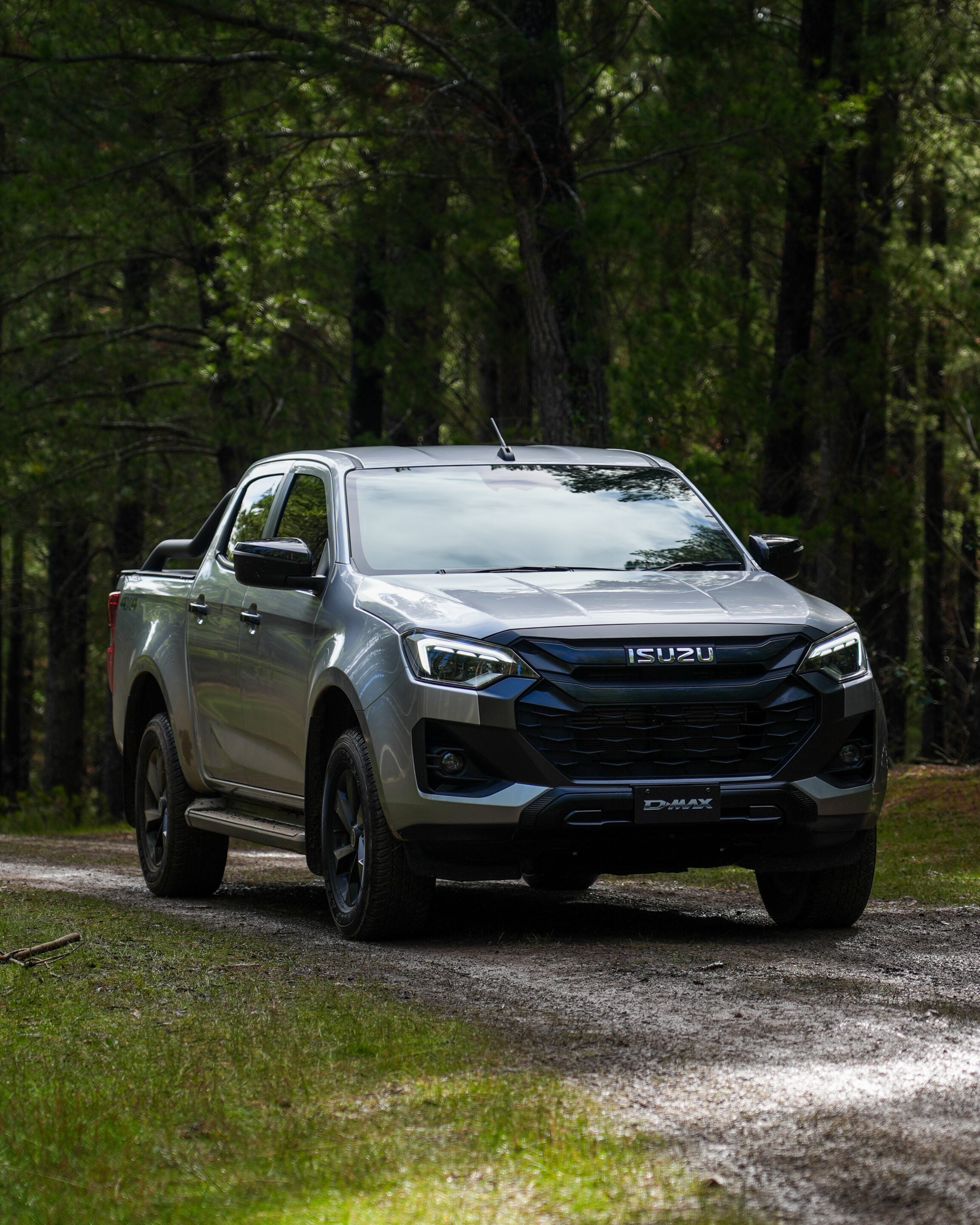
Importantly, the change means that every D-MAX and MU-X variant now offers 3.5-tonne braked towing capacity, aligning the smaller engine option with the long-established 3.0-litre four-cylinder (140kW/450Nm) available in higher trims. All 2.2L-equipped models continue to carry a five-star ANCAP safety rating.
The addition of the new powertrain also coincides with a colour update, with Wolfram Grey Metallic replacing Granite Grey in the D-MAX palette for X-Rider and higher trims. In total, the 25.5MY D-MAX will offer nine exterior colours, while the MU-X will feature eight.
Isuzu UTE Australia managing director Junta Matsui said the decision to replace the 1.9L engine with the more powerful 2.2L reflected customer feedback and market demands. “Our focus has always been on value, durability and performance,” he said. “This update ensures our vehicles remain suited to Australian conditions and customer expectations.”
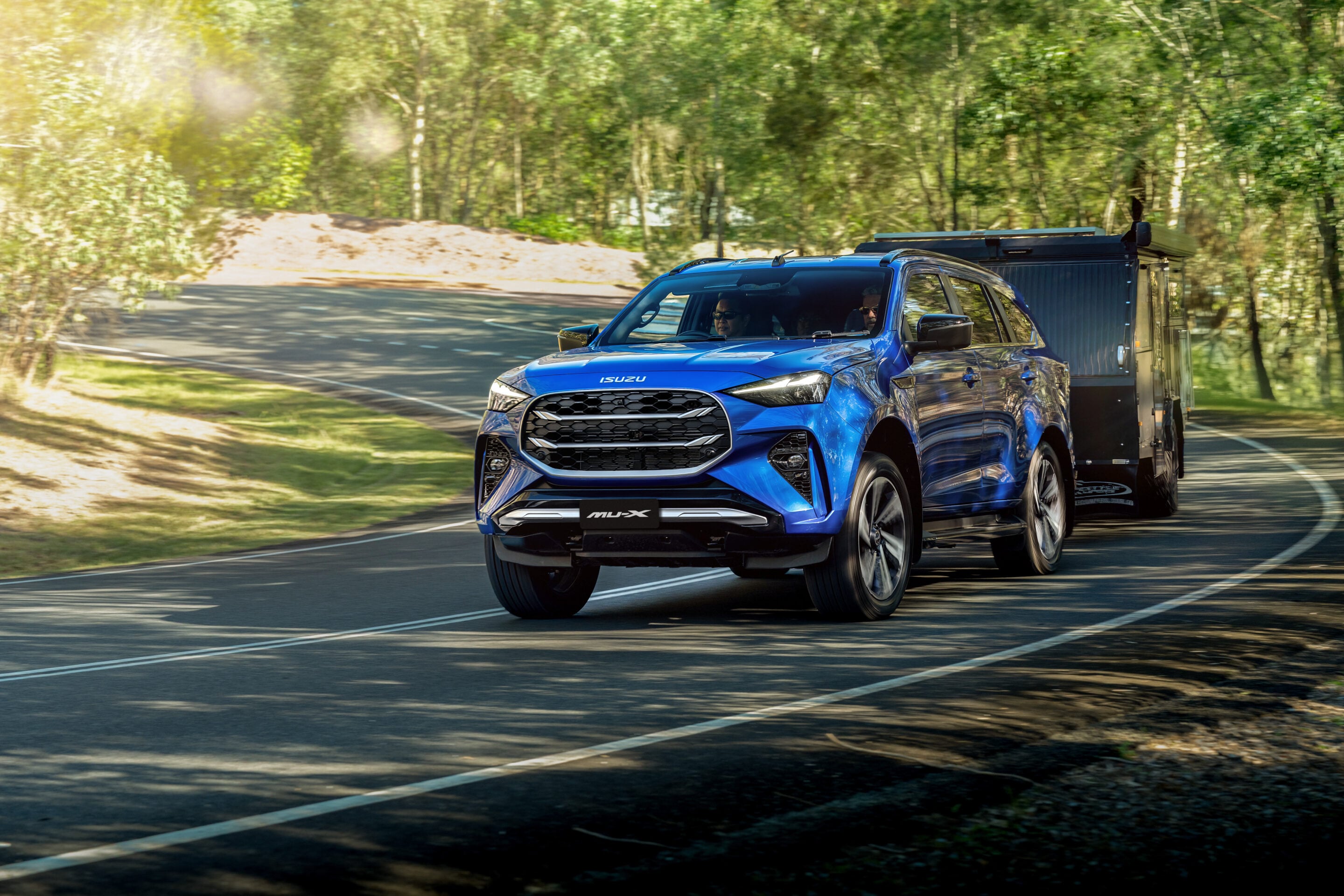
The new engine joins the D-MAX and MU-X line-up after a strong sales run for Isuzu UTE in Australia. The brand finished in the national top 10 for annual sales in 2024, with the D-MAX ranked as the country’s fourth best-selling vehicle.
With the introduction of the 2.2-litre diesel, Isuzu aims to offer a more efficient alternative for buyers seeking lower running costs while retaining full towing and load capacity, alongside the proven 3.0-litre option already in the range.
| Isuzu MU-X LS-M 2.2L 4×4 | $55,900 |
|---|---|
| Isuzu MU-XLS-U 2.2L 4×4 | $62,900 |
| Isuzu MU-X LS-T 2.2L 4×4 | $71,400 |
| Isuzu D-MAX SX 2.2L 4×2 single cab | $36,200 |
| Isuzu D-MAX SX 2.2L 4×4 crew cab | $42,700 |
| Isuzu D-MAX SX 2.2L 4×4 Ute | $50,700 |
| Isuzu D-MAX X-RIDER 2.2L 4×4 | $59,500 |
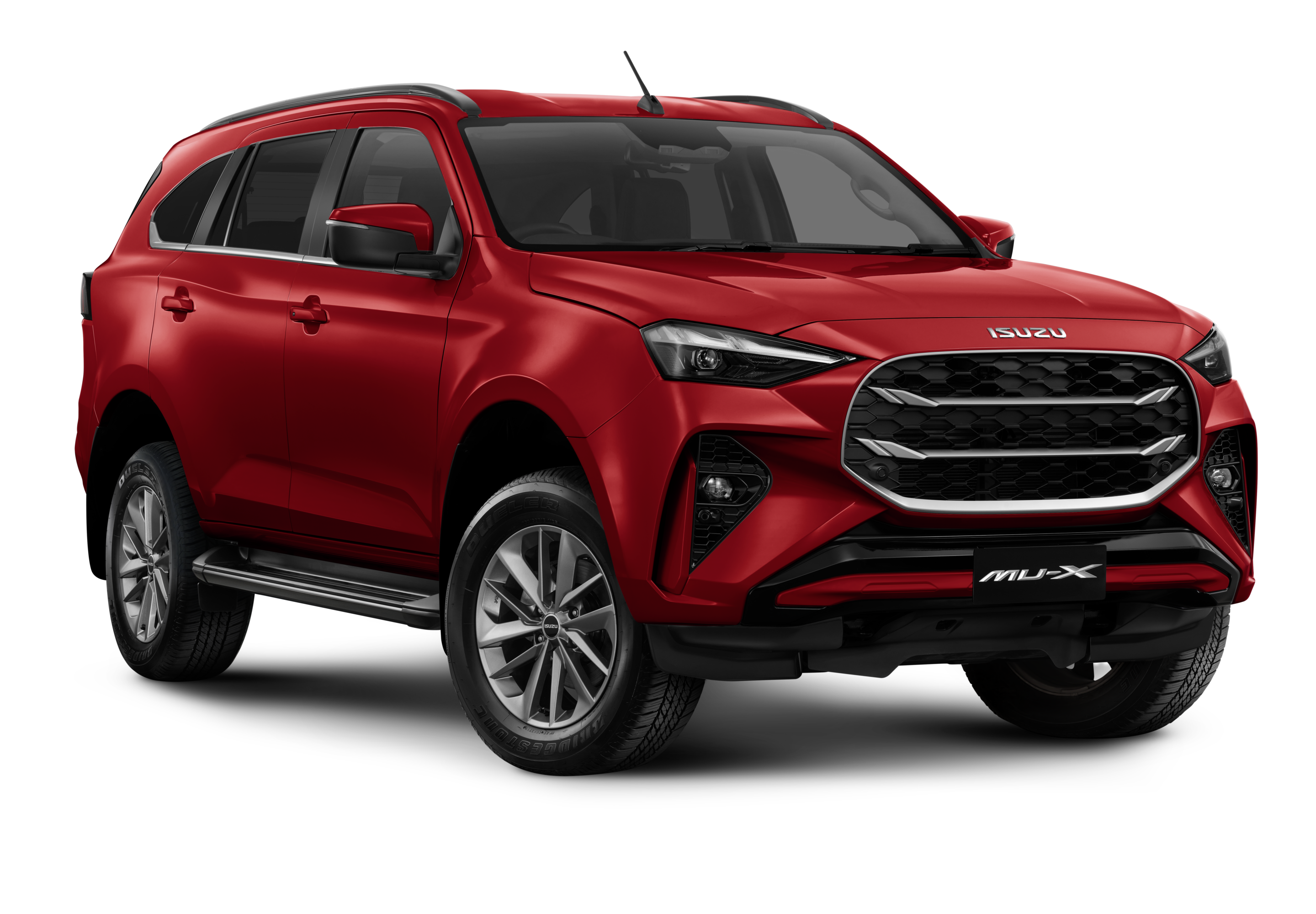
Volkswagen Australia has launched a new special edition Polo small hatchback. Priced from $32,790 plus on-road costs, the Volkswagen Polo CityLife edition adds new equipment on top of the Polo Life on which it’s based for $2000 extra.
Equipment additions for the CityLife compared with the Life include 16-inch ‘Torsby’ alloy wheels, dark tinted rear privacy glass, keyless entry with push button start, dual-zone automatic climate control, automatic parking, blind-spot monitoring with rear cross-traffic alert and an active pre-accident safety system that tightens seatbelts and closes windows if it thinks an accident is imminent.
As with the former T-Cross and T-Roc CityLife editions, the Polo is fitted with a CityLife badge on the tailgate.
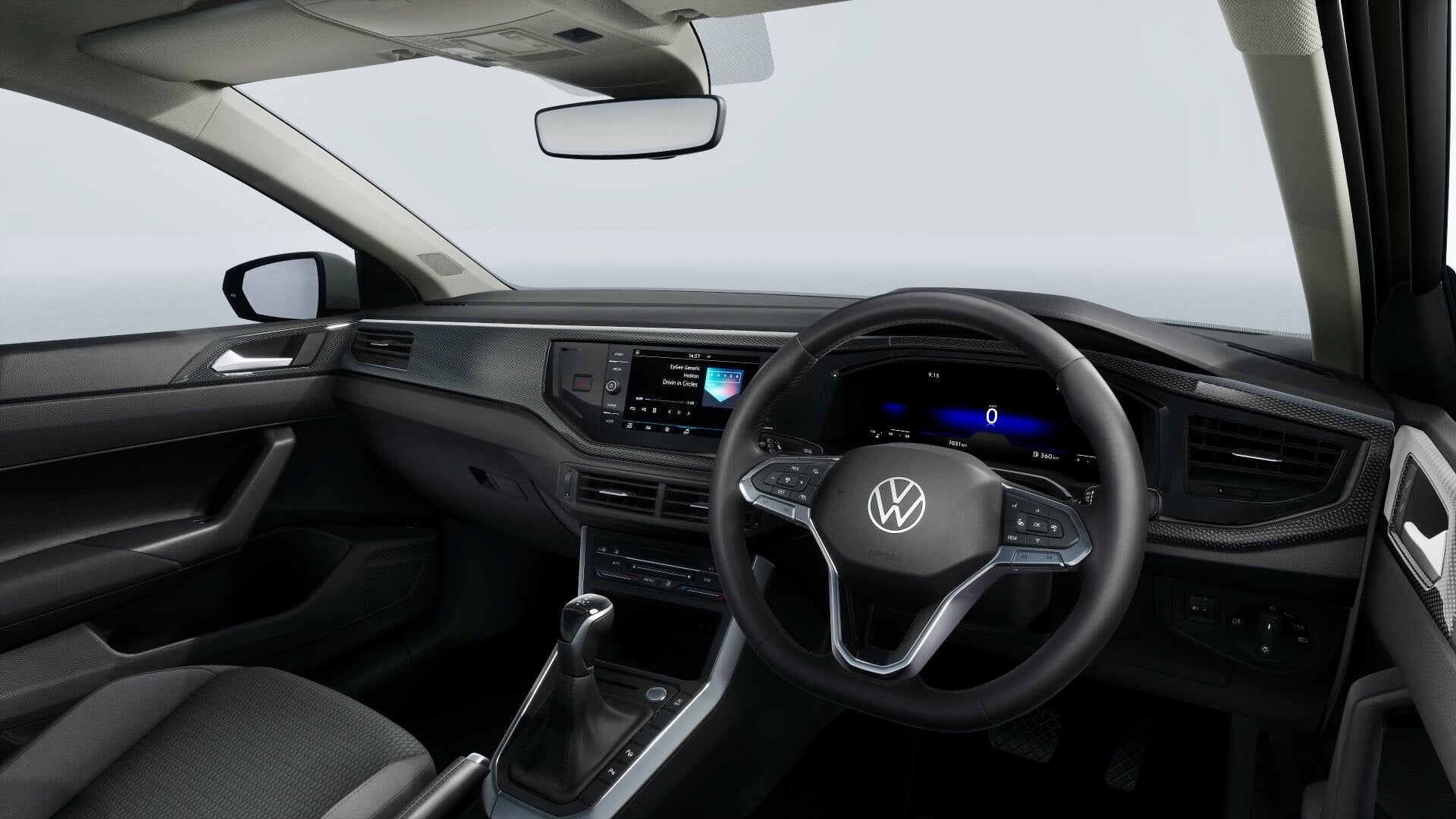
That’s on top of equipment on the Polo Life, such as automatic LED exterior lighting, automatic wipers, a leather steering wheel with paddle shifters, height adjustable front seats with lumbar adjustment, an 8.0-inch touchscreen with wireless Apple CarPlay and Android Auto, DAB+ digital radio, a digital driver’s display, 4x USB-C ports and a wireless phone charger.
Buyers stepping up to the Polo Style then earn Matrix adaptive high beam, different 16-inch alloy wheels, a larger digital driver’s display, sat-nav and gesture control.
Safety features include a reversing camera, front and rear parking sensors with low-speed auto braking, auto emergency braking with pedestrian and cyclist detection, adaptive cruise control and adaptive lane guidance with lane keeping assistance.
As with the Polo Life and mid-spec Polo Style, the CityLife edition uses a turbocharged 1.0-litre three-cylinder petrol ‘85TSI’ engine making 85kW of power (@ 5000-5500rpm) and 200Nm of torque (@ 2000 – 3500rpm). That’s mated to a seven-speed dual-clutch transmission and is rated at 5.5L/100km on the combined cycle for fuel consumption.
| Life 85TSI | $30,790 |
|---|---|
| CityLife 85TSI | $32,790 |
| Style 85TSI | $34,790 |
| GTI 147TSI | $41,790 |
The Volkswagen Polo CityLife will enter local Volkswagen dealerships from November.
Price: From $44,240 plus on-road costs
Drivetrains/fuel economy/CO2 emissions: 2.5-litre four-cylinder, 8-speed auto, 2WD, 138kW/250Nm, 7.5L/100km; 3.3-litre turbo six-cylinder, 8-speed auto, AWD, 209kW/450Nm, 7.4L/100km, 174g/km; 3.3-litre six-cylinder turbo-diesel, 8-speed auto, AWD, 187kW/550Nm, 5L/100km, 132g/km; 2.5-litre four-cylinder plug-in hybrid, 8-speed auto, AWD, 241kW/500Nm, 2.1L/100km, 49g/km
Dimensions (length/width/height/wheelbase): 4740/1890/1675/2870mm
Bootspace: 477L – 1726L
Warranty/roadside assistance/service intervals: Five-year/unlimited km, five years, annual/every
10,000km (diesel)-15,000km (other drivetrains)
Five-year service cost: $2737 ($547 – PHEV, up to 75,000km) – $3367 ($673 per year – diesel, up
to 50,000km) – $3544 ($708 per year – petrol six, up to 75,000km)
| Driving | |
| Interior | |
| Practicality | |
| Overall value | |
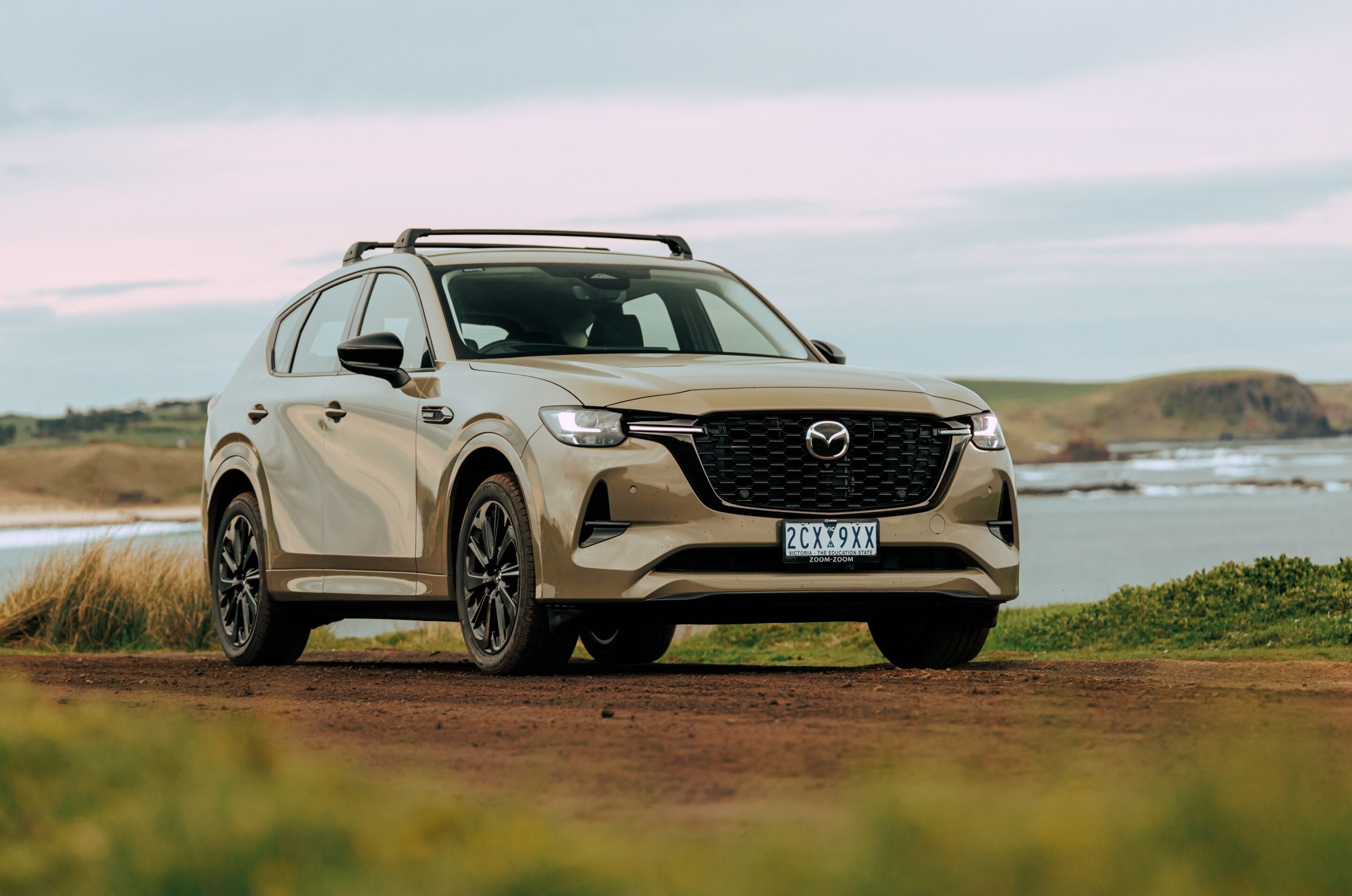
The Mazda CX-60 was launched in Australia in June 2023 and represented a new page for the brand thanks to its upmarket positioning. It was around the same size as the popular CX-5, but based on a new platform with a rear-biased all-wheel drive system, new mild- or plug-in hybrid drivetrains and even higher interior quality. A few years on, Mazda has made a number of revisions, including a new suspension set up, a new drivetrain and new models at the bottom of the range to keep it fresh in this segment.
Pricing for the CX-60 range starts at $44,240 plus on-road costs for the new entry-level Pure model with the new naturally aspirated 2.5-litre four-cylinder petrol engine, rising to $81,490 +ORC for the top-spec plug-in hybrid. While the CX-60 Pure is well equipped for the money, we’d opt for the second-model-up Evolve to get features such as synthetic leather trim, a 360-degree camera and adaptive lane guidance.
There are four available drivetrains in the CX-60 range, including the aforementioned new naturally aspirated four-cylinder petrol donk, two turbo mild-hybrid 3.3-litre sixes – one petrol and one diesel and a plug-in hybrid using the 2.5-litre petrol engine. Either one of the sixes is a good bet, as they were designed for the car, and both are capable of impressive fuel consumption numbers and a great example of that is that the 209kW 3.3-litre petrol six with all-wheel drive officially uses 0.1L/100km less of fuel than the new rear-drive 2.5-litre engine option. The driving experience of the CX-60 has been improved with latest suspension changes, meaning it still handles well.
Inside, the CX-60 presents a modern and high quality cabin across the range, particularly the top-spec Azami and its Nappa leather upholstery and wood trim. But the switchgear across the range feels great in the hand, and all the tech inside is very easy to use thanks to the plethora of physical buttons to control features. The rear seat of the CX-60is adequate and headroom is good. The boot opens up to a healthy 1726 litres with the rear seats folded.
The Mazda CX-60’s wide range of drivetrains and model variants, grunty but efficient engines, high quality cabin and fun handling make it a stand-out mid-size SUV at this price point.
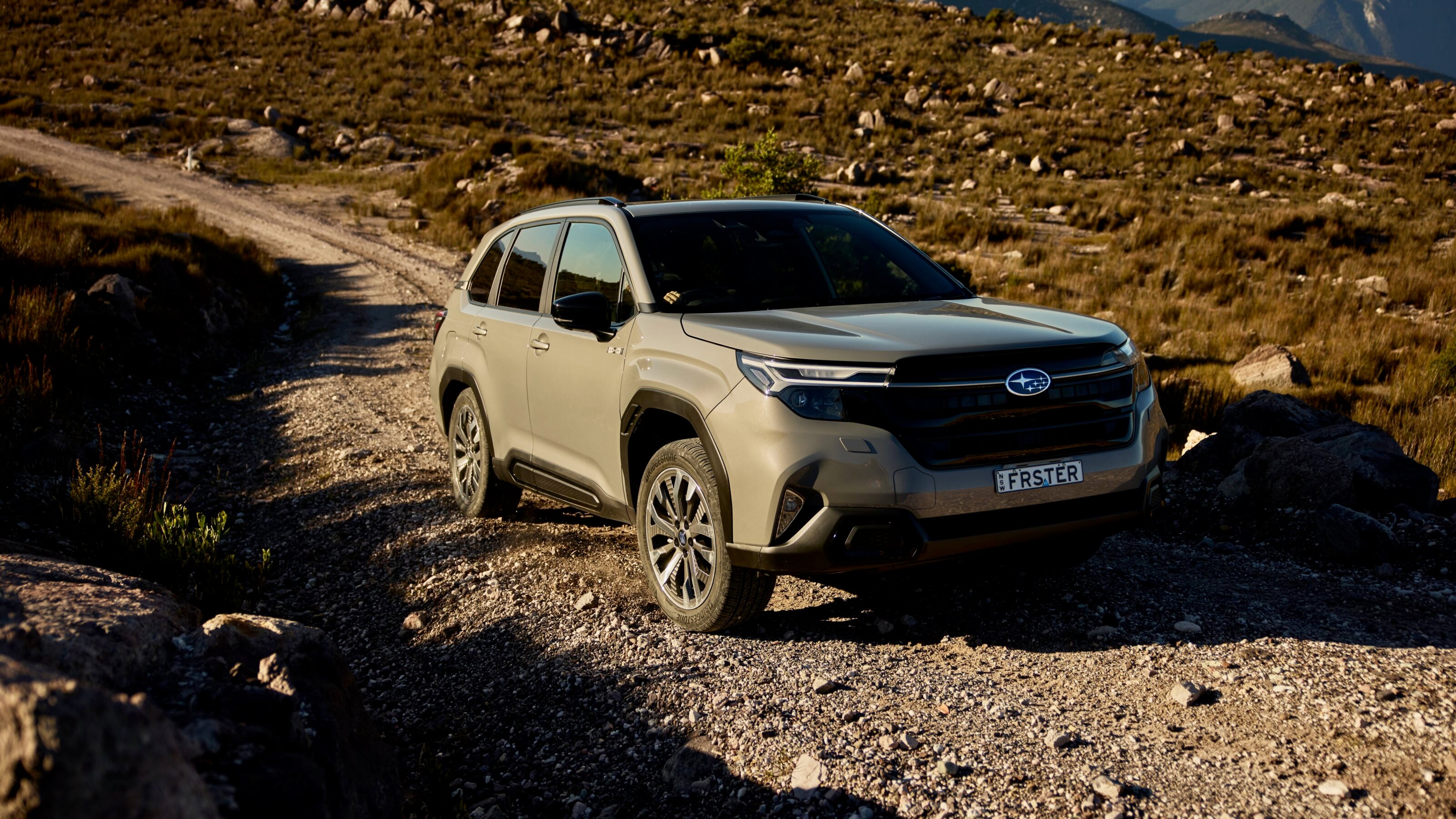
Price: From $43,490 plus on-road costs
Drivetrains/fuel economy/CO2 emissions: 2.5-litre four-cylinder, CVT, AWD, 136kW/247Nm, 7.9L/100km, 180g/km; 2.5-litre four-cylinder hybrid, CVT, AWD, 145kW, 6.2L/100km, 140g/km
Dimensions (length/width/height/wheelbase): 4655/1830/1730/2670m
Bootspace: 496L – 1667L
Warranty/roadside assistance/service intervals: Five-year/unlimited km, 12 months, annual/every
15,000km
Five-year service cost: $2299 ($459 per year)
| Driving | |
| Interior | |
| Practicality | |
| Overall value | |
The sixth-generation Subaru Forester has just been launched in Australia to positive reviews and while it may not look like it at first glance, it’s been improved in a number of areas compared with its predecessor. Firstly, the Forester finally offers a proper hybrid drivetrain while maintaining its reputation for being practical, good to drive and highly capable. All up, the changes have made the Forester a serious contender in the mid-size SUV segment.
Prices for the new model start at $43,490 plus on-road costs for the entry-level model – add $3000 for the entry-level hybrid – and standard equipment is lengthy, even on the base car with features such as heated front seats, dual-zone automatic climate control, wireless smartphone mirroring, auto-folding mirrors and a comprehensive active safety suite.
Inside the Forester, function is the name of the game with a very practical feel throughout. Material quality is fine, though more hard wearing thanks to its adventure vibe. Centre of the cabin is a huge 11.6-inch touchscreen with sharp graphics, though it’s a bit slow, and below that are open storage options. The rear seat is quite spacious thanks to the tall roofline, and the while the 496-litre boot is smaller than many rivals, fold the seats down and it opens up to a more impressive 1667 litres.
With full electrification reserved for the Solterra EV, the Forester offers two 2.5-litre four-cylinder petrol engines, one with Subaru’s new ‘strong hybrid’ system. The non-hybrid variant makes 136kW of power and the hybrid slightly more at 145kW, though the hybrid’s fuel consumption is enough of an improvement to make back the extra cost in as little as 48,000km. That’s not counting the hybrid’s superior performance and refinement either, while on the road the Forester is comfortable and drives well.
Subaru’s five-year/unlimited km warranty looks average in an age where seven-year coverage is quite common, and only 12 months of roadside assistance is a little mean. But service costs aren’t too bad at $2299 over five years. Overall, the Subaru Forester has lots of appeal in its latest generation and Subaru has improved the areas that needed it, such as the lacklustre former hybrid system, and kept the best parts like the very practical cabin. If you’re after a mid-size SUV that can travel off the pavement, the Forester is one of the best options – but even if you stay on road, the Forester has plenty to like.
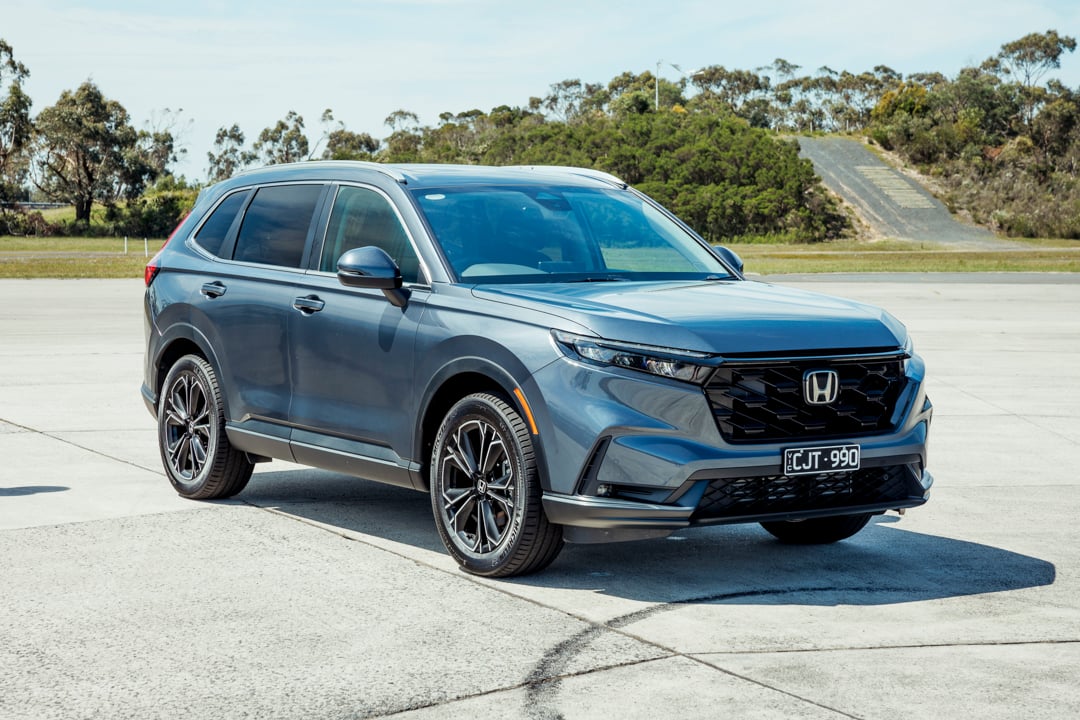
Price: From $41,900 drive away
Drivetrains/fuel economy/CO2 emissions: 1.5-litre turbo four-cylinder, CVT, 2WD or AWD, 140kW/240Nm, 7.1L/100km, 162g/km; 2.0-litre four-cylinder hybrid, eCVT, 2WD, 152kW, 5.5L/100km, 125g/km
Dimensions (length/width/height/wheelbase): 4704/1866/1681/2701mm
Bootspace: 589L – 1671L
Warranty/roadside assistance/service intervals: Five-year/unlimited km, five years, annual/every
10,000km
Five-year service cost: $995 ($199 per year)
| Driving | |
| Interior | |
| Practicality | |
| Overall value | |
Now in its fifth generation, the Honda CR-V is Honda’s best-selling car globally, including in Australia, and offers an even wider range locally than ever before with both turbo-petrol and hybrid drivetrain options, five or seven seat layouts and a wide range of models to match a wide range of budgets. Is there more to the Honda CR-V?
As part of Honda Australia’s agency program, the CR-V’s pricing is both drive away and the same across the country. In bad news for those who like to lowball, it’s also non-negotiable, though at least you’re paying the same as the next customer. Pricing starts at $41,900 drive away for the entry level VTi X+, and ranges to $60,400 drive away for the RS hybrid. Both those models are five seaters and front-wheel drive, but in between are mid- and high-spec models, including the petrol five-seat all-wheel drive VTi LX and seven-seat front-drive VTi X7 and VTi L7.
Two drivetrains are available in the CR-V: a 140kW 1.5-litre turbo-petrol and a 152kW 2.0-litre petrol hybrid, while a plug-in hybrid also exists in some markets (but not Australia, currently). Annoyingly, the hybrid is only available at the top of the range and only with a five seat layout, so if you’re wanting all-wheel drive or seven seats, the petrol engine is your only choice. Regardless of the drivetrain, the CR-V’s driving experience is relaxing and refined.
The CR-V’s interior is spacious, practical and good quality. Even the entry-level VTi X+ is equipped with a 9.0-inch touchscreen with Honda Connect live services, while moving up the range adds features such as leather trim, heated and electric front seats, ambient lighting, sat-nav and a panoramic sunroof. There’s plenty of storage space in the front cabin, while the middle row of seating is spacious as well – the rear doors open 90 degrees too, helping entry and exit. If you choose a seven-seat model, the third row is surprisingly spacious and even includes features such as air vents. The CR-V’s boot is large, measuring from 589 litres to 1671 litres in five-seaters.
Honda’s five-year/unlimited km warranty covers the CR-V, and it also comes with five years of roadside assistance – though, currently, the brand is offering an eight-year warranty with eight years of roadside assistance as part of a special deal. Honda’s service pricing is very low at just $199 for the first five, though the 10,000km intervals are 5000km less than many rivals.
Overall, the Honda CR-V is an excellent family vehicle with plenty of practical touches, a spacious cabin, a long list of features and a wide spread of models. More hybrid availability would be great, as would a more streamlined model range, but the CR-V still represents a great choice for a mid-size SUV.
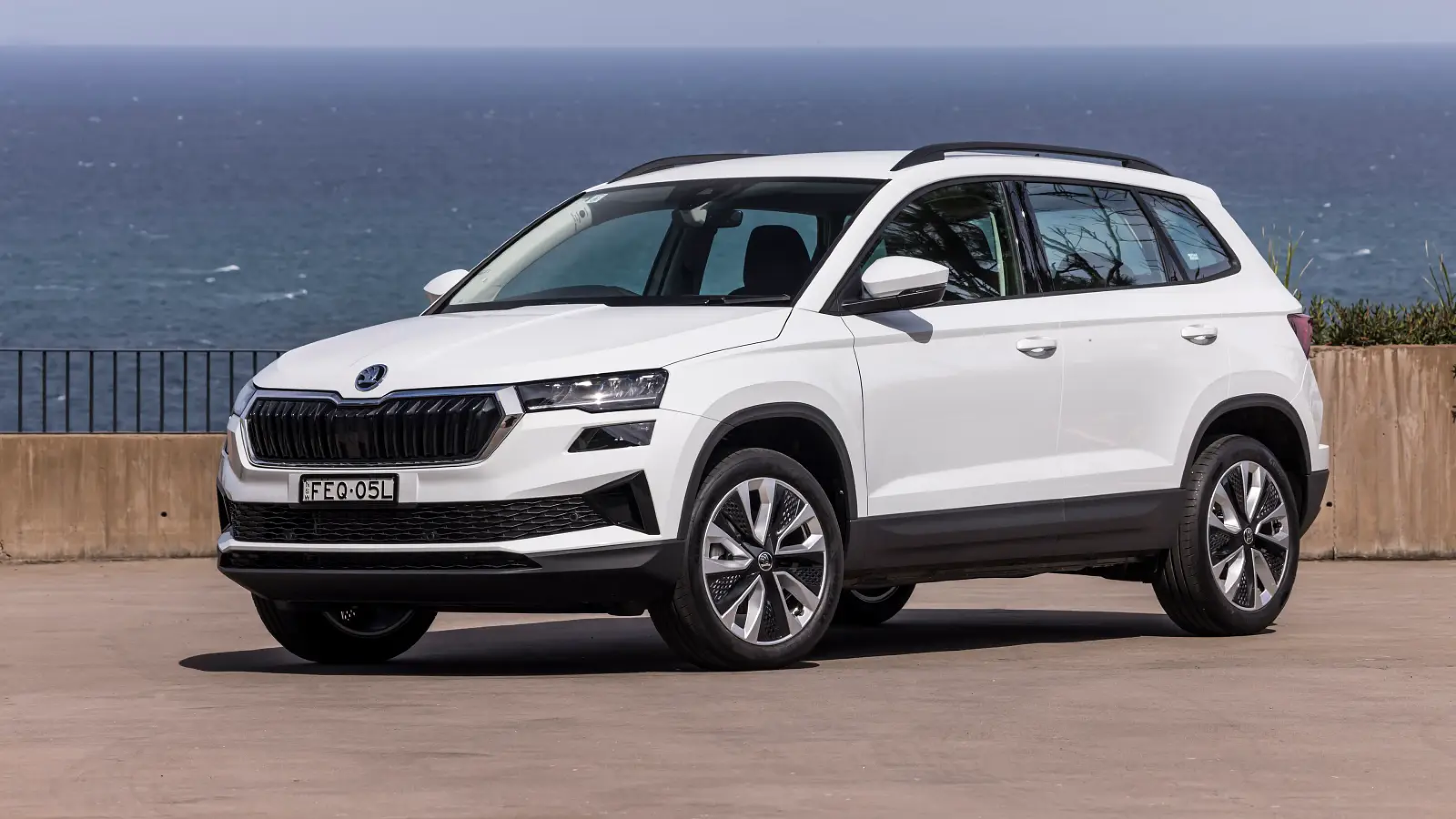
Price: From $40,990 drive away
Drivetrains/fuel economy/CO2 emissions: 1.4-litre turbo four-cylinder, 8-speed auto, 2WD, 110kW/250Nm, 6.6L/100km, 149g/km; 2.0-litre turbo four-cylinder, 7-speed DCT, AWD, 140kW/320Nm, 7.2L/100km, 163g/km
Dimensions (length/width/height/wheelbase): 4390/1841/1603/2638mm
Bootspace: 521L – 1630L
Warranty/roadside assistance/service intervals: Seven-year/unlimited km, 12 months and then
service-activated, annual/every 15,000km
Five-year service plan cost: $3000 (1.4T, $600 per year) – $3450 (2.0T, $690 per year)
| Driving | |
| Interior | |
| Practicality | |
| Overall value | |
The Skoda Karoq launched in Australia in 2018 and has cemented itself as one of the brand’s most popular models ever since, currently priced from just $40,990 drive away for the entry-level Select. The Karoq is well equipped across the range, offers punchy drivetrains, is very practical for its size and is covered by a long warranty.
Skoda offers three Karoq models in Australia: entry-level Select, mid-spec Sportline 110TSI and top-spec Sportline 140TSI 4×4, with all featuring a long list of standard equipment. Features include 18-inch wheels, automatic LED lighting, keyless entry with push button start, dual-zone climate control, an 8.0-inch touchscreen with wireless smartphone mirroring and safety features such as AEB, adaptive cruise control and blind-spot monitoring. Move up the range and larger wheels, Matrix adaptive high beam, a larger 9.2-inch touchscreen and sports seats are added.
The Karoq’s cabin is good quality and practical, with plenty of storage solutions and comfortable seats as well. Two touchscreen sizes are on offer: a smaller 8.0-inch one or a larger 9.2-inch unit, with both quite easy and quick to use, though small by today’s standards. The digital driver’s display on each model adds a higher-tech feel though, and ergonomic excellence is key through the Karoq’s cabin as every feature is easy to find. The rear seat of the Karoq isn’t massive, however, and the 521-litre boot is average as well, though it opens up to a huge 1630L with the rear seats folded.
Two turbo-petrol drivetrains are available: a 110kW/250Nm 1.4-litre or a 140kW/320Nm 2.0-litre in the top-spec Sportline 140TSI, which provides warm performance. But even the 1.4L donk is more than punchy enough, and it’s mated to a smooth eight-speed automatic transmission – the 2.0L uses a seven-speed dual-clutcher instead. The Karoq is smooth and refined on the road, while the Sportline 140TSI is a great handler thanks to its 19-inch wheels, adaptive suspension and all-wheel drive system.
Skoda boasts the longest warranty in Australia for a European manufacturer at seven years, while the five-year service pack costs from $3000, which isn’t cheap. But overall, the Skoda Karoq is an accomplished and good all-round mid-size SUV. It drives quite well, is very practical, well equipped, good quality and covered by a long warranty. If you don’t mind its smaller exterior sizing, there’s plenty to like about the Karoq.
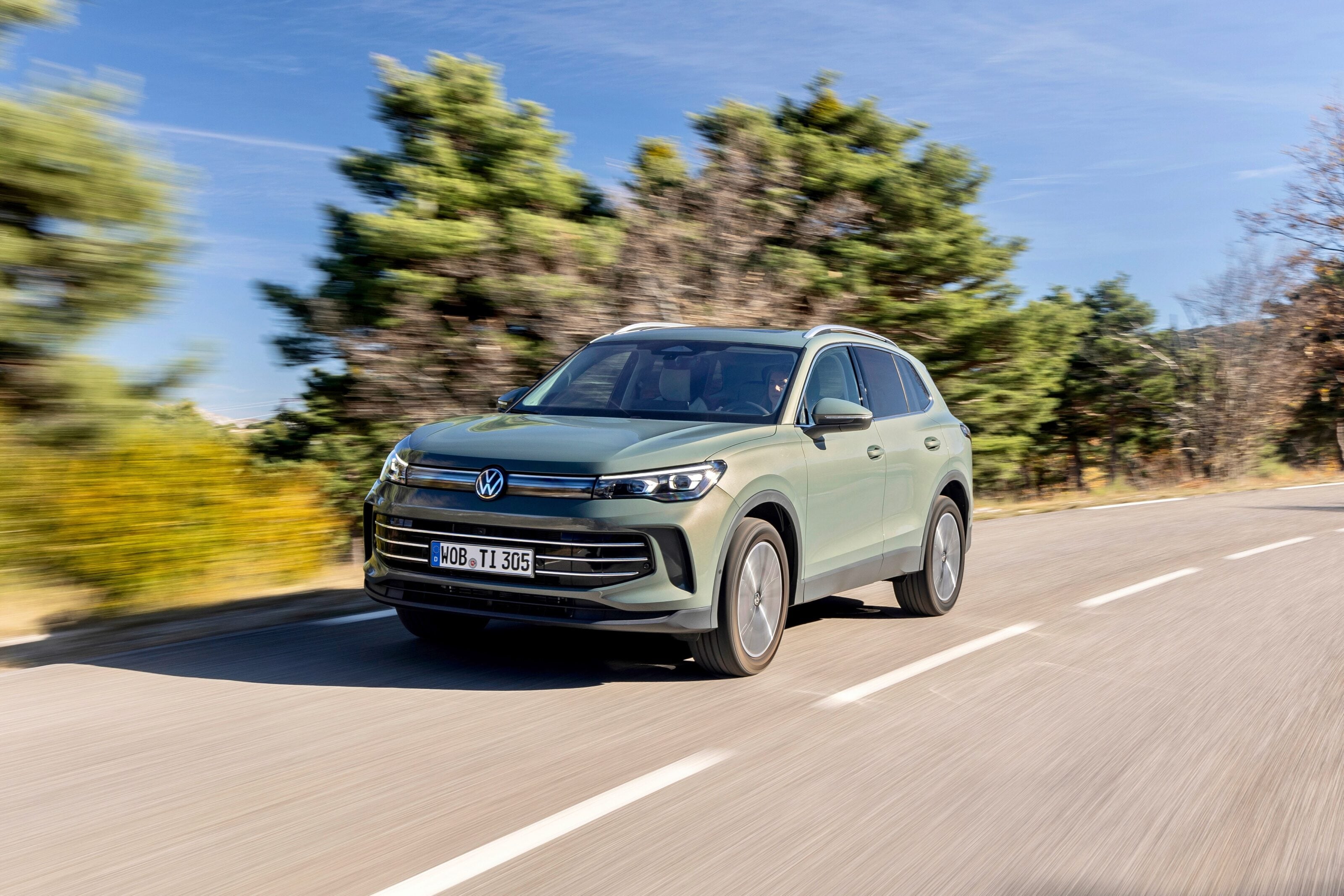
Price: From $44,990 plus on-road costs
Drivetrains/fuel economy/CO2 emissions: 1.4-litre turbo four-cylinder, 7-speed DCT, 2WD, 110kW/250Nm, 7.6L/100km, 173g/km; 2.0-litre turbo four-cylinder, 7-speed DCT, AWD, 150kW/320Nm, 7.6L/100km, 173g/km; 2.0-litre turbo four-cylinder, 7-speed DCT, AWD, 195kW/400Nm, 8.5L/100km, 194g/km
Dimensions (length/width/height/wheelbase): 4539/1842/1659/2681mm
Bootspace: 652L – 1650L
Warranty/roadside assistance/service intervals: Five-year/unlimited km, 12 months and serviced
activated afterwards, annual/every 15,000km
Five-year service cost: $3399 (110TSI, $679 per year), $3790 (150TSI, $758 per year), $4060
(195TSI, $812 per year). Service plan: $2880 (110TSI, $576 per year), $3320 (150TSI, $664 per
year), $3500 (195TSI: $700)
| Driving | |
| Interior | |
| Practicality | |
| Overall value | |
The 2025 Volkswagen Tiguan recently launched in Australia as the third generation of one of the best-selling Volkswagen products ever. Armed with new styling, a revamped interior, new drivetrains and more standard equipment across the range – and higher pricing – the new Tiguan promises to be an even better all-rounder than the previous model. Is it?
Pricing for the Tiguan range starts at $44,990 plus on-road costs and three models are available, each with turbo-petrol power. However, even the base Tiguan Life is well equipped with features such as 19-inch alloy wheels, tri-zone automatic climate control, a 12.9-inch touchscreen with a 360-degree camera and a lot of safety features. Upper-spec models add available features such as a larger infotainment system, leather upholstery, electric front seats with massaging, Matrix adaptive high beam, adaptive dampers and all-wheel drive.
For the moment, there are three turbo-petrol engine choices in the Tiguan range: a 110kW/250Nm 1.4-litre, a 150kW/320Nm 2.0-litre and a 195kW/400Nm 2.0-litre, with each giving a refined and punchy vibe, with the 195kW engine quite quick too. Each uses a seven-speed dual-clutch transmission, which is much improved compared with previous Tiguan models, though still gives a bit of low speed hesitation. The rest of the Tiguan’s driving experience is mature and refined, and it’s a good handler as well.
The interior of the Tiguan saw a big improvement for generation three with higher quality, more practicality and much more tech. Even the entry-level models use a large 12.9-inch touchscreen but from the 150TSI Elegance upwards is an even larger 15-inch display. Both are generally easy to use, and well equipped, though there are a few curiosities to wrap your head around, such as the menu layout. The rear seat of the Tiguan is comfortable and spacious, while the boot is large too at 652 litres with the rear seats up and 1650 litres with them folded.
A five-year/unlimited km warranty covers the Tiguan, also with 12 months of roadside assistance. That’s extended by a further 12 months with each dealer service. However, servicing is expensive across the range, at a minimum $3399 over five years/75,000km – a pre-paid service pack lessens that to a more reasonable $2880, but that’s still not cheap. Overall, the Volkswagen Tiguan is a good quality, tech-packed, practical and well equipped all-rounder. It’s not cheap to buy or service, and there’s no hybrid drivetrains (yet), but it’s still well worth consideration.
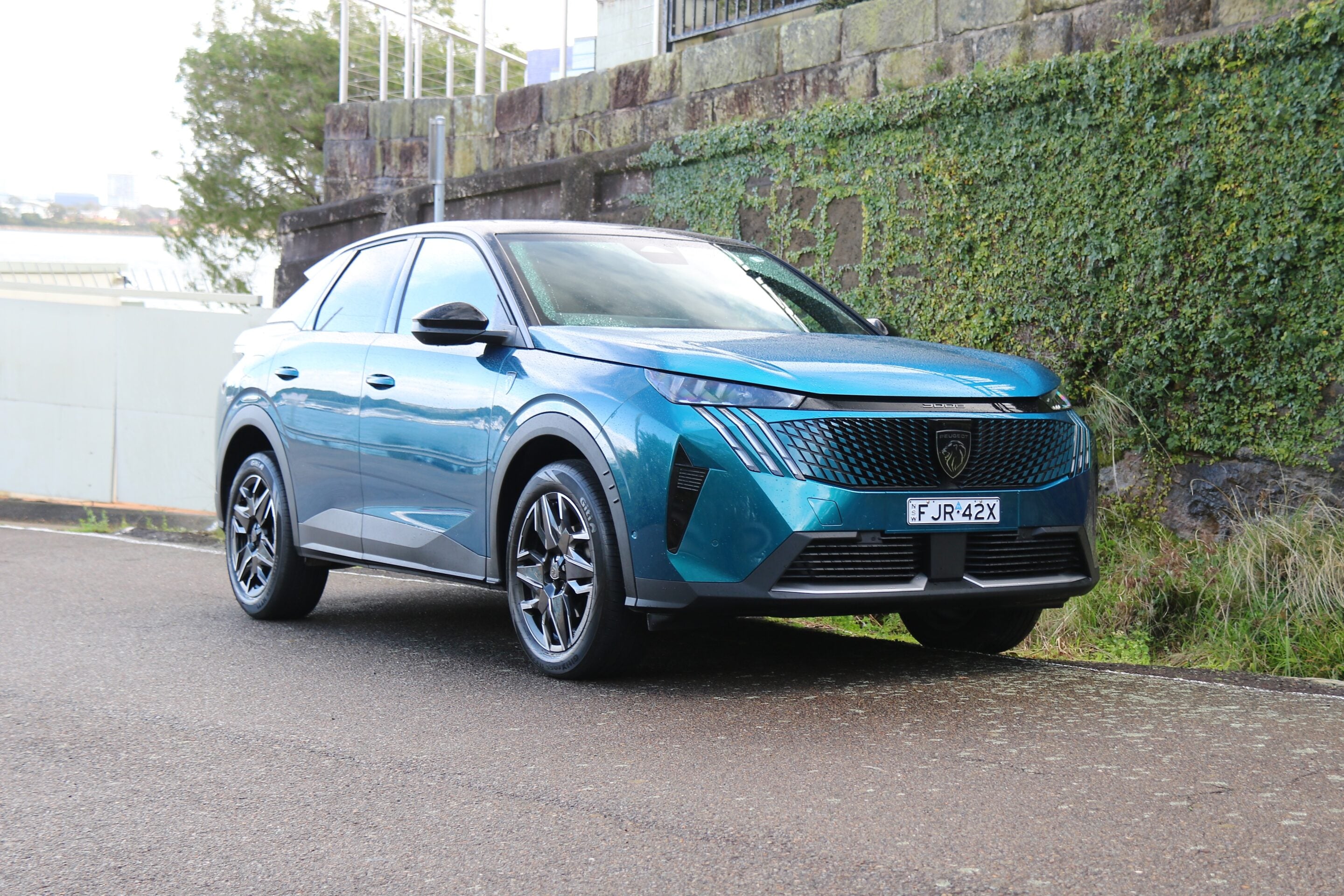
Price: From $52,990 plus on-road costs
Drivetrains/fuel economy/CO2 emissions: 1.2-litre turbo three-cylinder, 6-speed DCT, 2WD, 107kW, 4.9L/100km, 113g/km
Dimensions (length/width/height/wheelbase): 4542/1934/1665/2730mm
Bootspace: 520L – 1480L
Warranty/roadside assistance/service intervals: Five-year/unlimited km, five years, annual/every
15,000km
Five-year service cost: $2781 ($556 per year, PAYG), $1995 ($399 per year, pre-paid)
| Driving | |
| Interior | |
| Practicality | |
| Overall value | |
Despite its popularity in Europe, Peugeot is not a brand that many buyers consider in Australia and we think that’s a shame because it has a lot to offer. The brand’s local importer knows this and has recently launched a new product offensive with in-vogue hybrid drivetrains and not one but two new SUVs that will appeal to Australian buyers. The 3008 mid-size SUV was reasonably popular in its previous generation, so how about the all-new third-generation model?
Prices for the 3008 start at $52,990 plus on-road costs for the entry-level Allure with two models on offer locally – the top-spec GT Premium is priced at $64,990 +ORC, which means that the 3008 isn’t cheap. It is, however, well equipped, with even the Allure featuring a huge 21-inch curved screen, Peugeot’s ‘3 claw’ LED exterior lighting, cloth and leather trim and a full safety suite, with the GT Premium adding a panoramic sunroof, Matrix adaptive high beam, Nappa leather upholstery, electric and massaging front seats and a Focal sound system.
Just one drivetrain is on offer in Australia: a 107kW 1.2-litre turbocharged three-cylinder 48V mild-hybrid mated to a six-speed dual-clutch transmission. While its outputs are low for the segment, it’s surprisingly punchy in urban driving and can be driven at low speeds using only electric power, such as in reverse. The driving experience of the 3008 is refined and it feels light on its feet, though its low speed ride quality could be improved, likely due to the standard 19-inch wheels.
The 3008’s dashboard design is beautiful and feels bespoke in the industry with top notch interior materials around, even on the base Allure with its textile trims on the centre console and dashboard. The 21-inch curved display incorporates the infotainment system and driver’s display, and is well featured, though can be a bit difficult to use. The back seat of the 3008 is a bit tight, largely thanks to the coupe roofline, as both knee and headroom isn’t as commodious as many other mid-size SUVs. But the boot is larger than you’d expect, with 520 litres of space with the seats up and 1480 litres with them folded.
The 3008 is covered by a five-year/unlimited km warranty with five years of roadside assistance. What was a sore point for Peugeot models in the past, the 3008’s service costs are far more reasonable now at $2781 for five years of servicing, which can be reduced to $1995 (or under $400 per year) with a pre-paid service package. While there is better value to be had in the segment, the Peugeot 3008 impresses with its bespoke-feeling and high quality interior, thrifty hybrid drivetrain and stylish design. It’s not the fastest, roomiest or best value mid-size SUV around, but it still has appeal and should be selling better than it is.

Price: From $42,260 plus on-road costs
Drivetrains/fuel economy/CO2 emissions: 2.5-litre four-cylinder hybrid, eCVT, 2WD or AWD, 160kW-163kW 4.7-4.8L/100km, 107-109g/km
Dimensions (length/width/height/wheelbase): 4600/1855/1685/2690mm
Bootspace: 542L – 1690L
Warranty/roadside assistance/service intervals: Five-year/unlimited km, none, annual/every 15,000km
Five-year service cost: $1350 ($270 per year)
| Driving | |
| Interior | |
| Practicality | |
| Overall value | |
One of the pioneers of the mid-size SUV segment as we know it, the Toyota RAV4 has been a massive success for its maker. The biggest-selling car in the entire world in 2024, the all-new RAV4 has already been revealed and will be launched locally next year, but the current model still sells well and still has a waiting list if you want one.
In terms of value for money, there are better options in the segment. Thanks to a hybrid-only line-up, prices for the RAV4 range start at an expensive $42,260 for the entry-level GX. That model doesn’t even have a leather steering wheel, and the most popular model – the Cruiser – is around $57,000 once on-road costs are included in the price. Want the full burger? The top-spec Edge is around $65,000 drive away. Yikes.
The former petrol options are no longer available thanks to hybrid popularity, so the sole drivetrain now available is a 2.5-litre petrol hybrid making 160kW in front-drive form, or 163kW with all-wheel drive, and claimed combined fuel consumption is rated from just 4.7L/100km. The RAV4 drives well: it’s quiet and comfortable, which is clearly what so many mid-size SUV buyers are searching for. For a sportier option however, look elsewhere.
The cabin of the RAV4 is typical Toyota: practical, comfortable and good quality, though hardly sporting the latest in technology. An 8.0-inch touchscreen features on the base GX and one-level-up GXL, which is upgraded to a larger and better looking 10.5-inch unit in the mid-spec XSE and upwards. Storage space is great, with a huge central bin, open tray and large cup holders. Back seat space is plentiful, and three adults will be fine. The RAV4’s boot is healthy at 542 litres, expanding to 1690 litres with the rear seats folded.
Toyota’s standard five-year/unlimited km warranty covers the RAV4 with no roadside assistance – that can be purchased separately – but if it’s serviced at a Toyota dealer, it gains an extra mechanical warranty up to seven years and if an annual battery check is performed, the battery warranty is extended up to 10 years in total. Plus, the first five years of servicing costs just $1350 or $270 per year.
Overall, it’s clear to see why the Toyota RAV4 has been so popular in this generation: it offers the usual Toyota practicality and low service cost, plus a very fuel efficient hybrid drivetrain and good performance. However, with the new model imminent, and the current model a lot more expensive than it used to be, it’s a judgement call on whether the RAV4 is right for you.
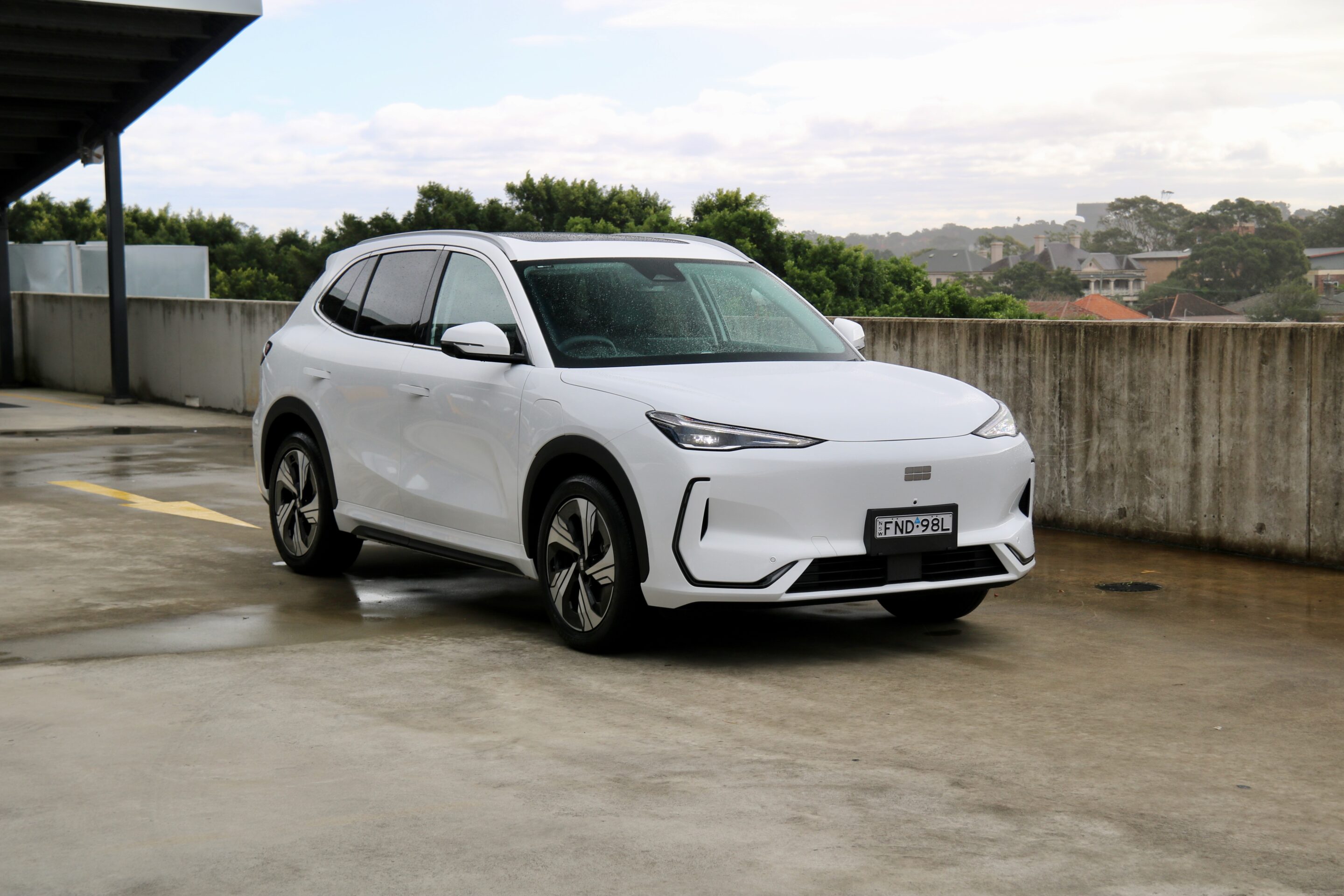
Price: From $40,990 plus on-road costs
Drivetrains: Single motor front axle, 160kW/320Nm
Battery/peak DC charge rate: 60.2kWh LFP, 100kW
Claimed WLTP range: 410 – 430km
Dimensions (length/width/height/wheelbase): 4615/1901/1670/2750mm
Bootspace: 410L – 1877L
Warranty/roadside assistance/service intervals: Seven-year/unlimited km, service activated up to seven years, annual/every 20,000km
Five-year service cost: $1487 ($298 per year)
| Driving | |
| Interior | |
| Practicality | |
| Overall value | |
Even though many of its sub brands have been on sale in Australia for decades, such as Volvo, Chinese brand Geely only launched its own brand locally earlier in 2025. So far, just one product is on offer: the EX5 electric mid-sizer, though there’s also a PHEV equivalent named the Starray that’s due to arrive soon. The EX5 is one of the cheapest EVs on the market, but does it have anything else going for it?
Priced from just $40,990 plus on-road costs, the EX5 is offered in two specifications: entry-level Complete and top-spec Inspire, with even the Complete equipped with 18-inch alloy wheels, a huge 15.4-inch touchscreen, electric front seats with heating, a 360-degree camera and a full active safety suite. The top-spec Inspire further adds a 13.8-inch head-up display, 16-speaker sound system, panoramic sunroof, larger 19-inch wheels and even massaging front seats for only $4000 more.
For now, there’s only a single drivetrain available in the EX5 range: a front single motor making 160kW of power and 320Nm, giving the EX5 reasonable pep off the line. That draws power from a small 60.2kWh battery, giving the EX5 a WLTP range of up to 430km and peak DC fast charging of 100kW. While that’s a great range for an urban EV, we’d like to see a longer-range version added.
The driving experience of the EX5 is, well, soggy – the ride is quite soft and even smaller bumps have its body control struggling to keep it in check. The interior of the EX5 is is fairly minimalist in design, with only a few shortcut buttons – and a volume knob, thankfully – but every other feature inside is controlled through the huge 15.4-inch touchscreen. It looks sharp and it’s quick to respond to touch as well, though its functionality could be better as some menus make little sense. The rear seat of the EX5 is huge, with ample room in all directions for taller people, and while the 410-litre boot may seem small initially, it actually features a large under-floor box that adds significantly to the size. With the seats folded, there’s a huge 1877 litres on offer.
Geely’s Australian warranty is a seven-year/unlimited km job with up to seven years of roadside assistance. The EX5 must be serviced annually/every 20,000km, and five years/100,000km of servicing costs just $1487 or $298 per year. Overall, while there are negatives to the EX5 such as the soft driving experience, lack of long-range battery option and a sometimes confusing touchscreen, but the pricing, long warranty and practicality will make some buyers look twice.
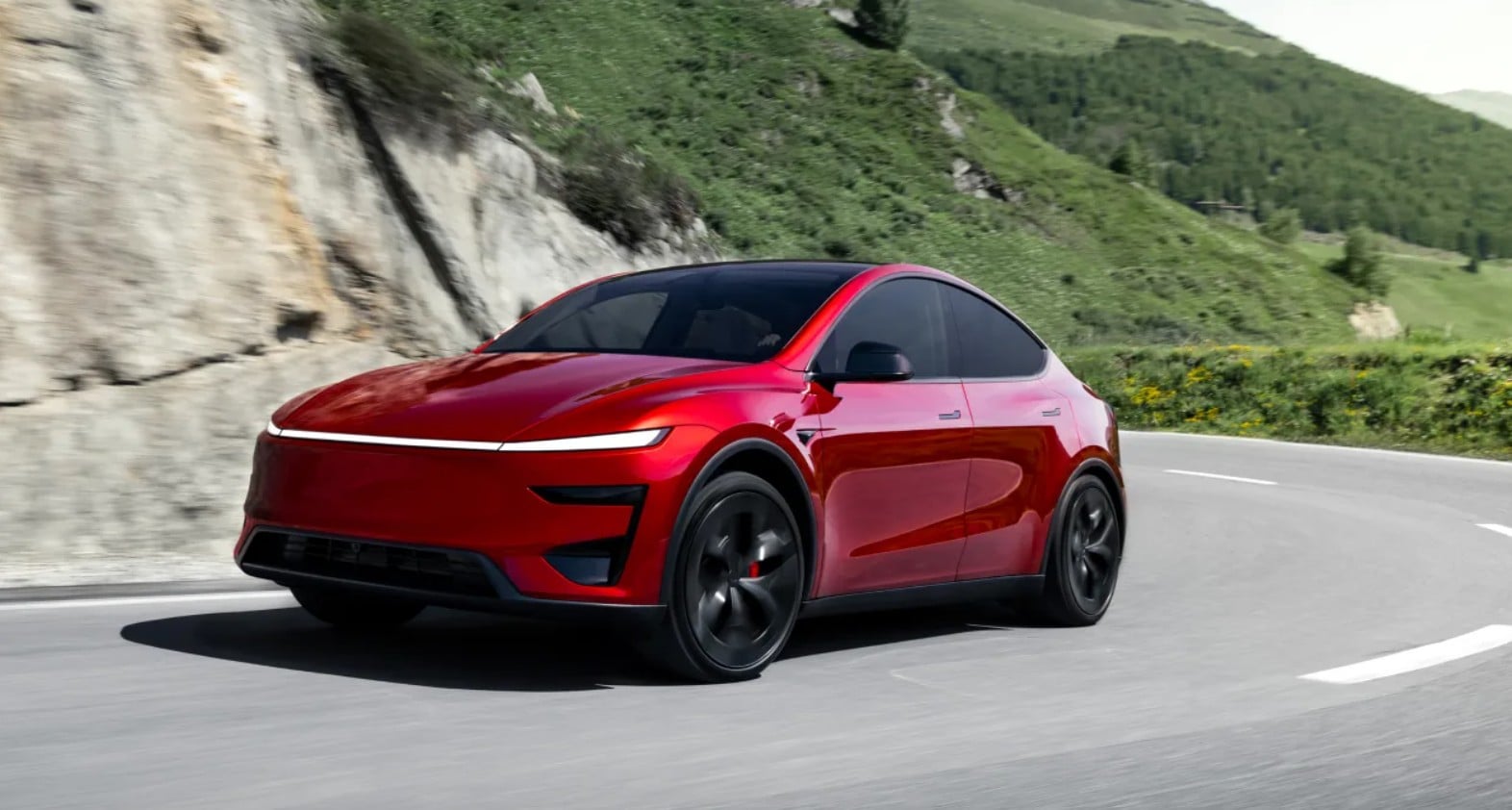
Price: From $58,900 plus on-road costs
Drivetrains: RWD: Single motor rear axle, 255kW/450Nm; AWD: Dual motor all-wheel drive, 378kW/493Nm
Battery/peak DC charge rate: RWD: 60kWh LFP, 170kW; AWD: 75kWh, NMC, 250kW
Claimed WLTP range: 466km – 600km
Dimensions (length/width/height/wheelbase): 4792/1982/1624/2890mm
Bootspace: 854L – 2022L
Warranty/roadside assistance/service intervals: Four-year/80,000km, four years, condition-based
Five-year service cost: No capped price service cost guide available
| Driving | |
| Interior | |
| Practicality | |
| Overall value | |
It’s clear that the people want mid-size SUVs. In this category of Best Medium SUVs are not one, but two of the world’s best-selling cars: the Toyota RAV4 and this one, the Tesla Model Y. Even in Australia, the Model Y was the best-selling EV with over 21,000 units sold in 2024, and that was before the major ‘Juniper’ update that launched here earlier this year.
The Australian Model Y range kicks off from $58,900 plus on-road costs for the entry-level RWD model, but standard equipment is generous throughout the range. Equipment on the RWD includes 19-inch alloy wheels, adaptive high beam, a panoramic glass roof, synthetic leather upholstery, 12-way electric front seats with heating and cooling, a 15.4-inch touchscreen and many active safety features, including adaptive lane guidance. The upper-spec Long Range AWD adds more power, a larger battery and a 16-speaker sound system.
For the moment, there are two drivetrains in the Model Y range, with the hi-po Performance due in Australia soon. The entry-level RWD uses a 60kWh battery mated to a 255kW/450Nm rear-mounted motor for 466km of WLTP range and the upper-spec Long Range AWD uses a larger 75kWh battery and 378kW/493Nm dual-motor drivetrain for a 600km WLTP-rated range. Charging is up to 170kW for the former and a fast 250kW speed for the latter. On the road, the Model Y has been improved thanks to retuned suspension and better dynamics.
Inside the Model Y is the same minimalist cabin as before, though it has been given an upgrade to make it more useable and refined. The material quality is good, including the new textile pattern on the dashboard, while the touchscreen still controls 99.9 per cent of the car’s features. It still doesn’t feature Apple CarPlay or Android Auto, but does have inbuilt apps such as Spotify and Apple Music. Rear seat space is still impressive, as is the 854-litre boot that features electric dropping and raising rear seatbacks. When done, over 2000 litres is unlocked – plus the 117-litre front boot.
Where the Model Y lacks in comparison to rivals is its four-year/80,000km warranty, which is short on both time and distance compared to every other vehicle in the segment. Overall, there’s plenty to like about the Tesla Model Y, particularly if you’re tech-savvy and keen to learn. It’s very practical, offers good range and performance stats, is much improved to drive and is still good value for money. The minimalist interior with the screen dominating the controls is a bit of a learning curve, however, and Tesla’s warranty is short as well. Still, it’s easy to see why the Tesla Model Y has sold so strongly, but just know that competition is fiercer than ever.
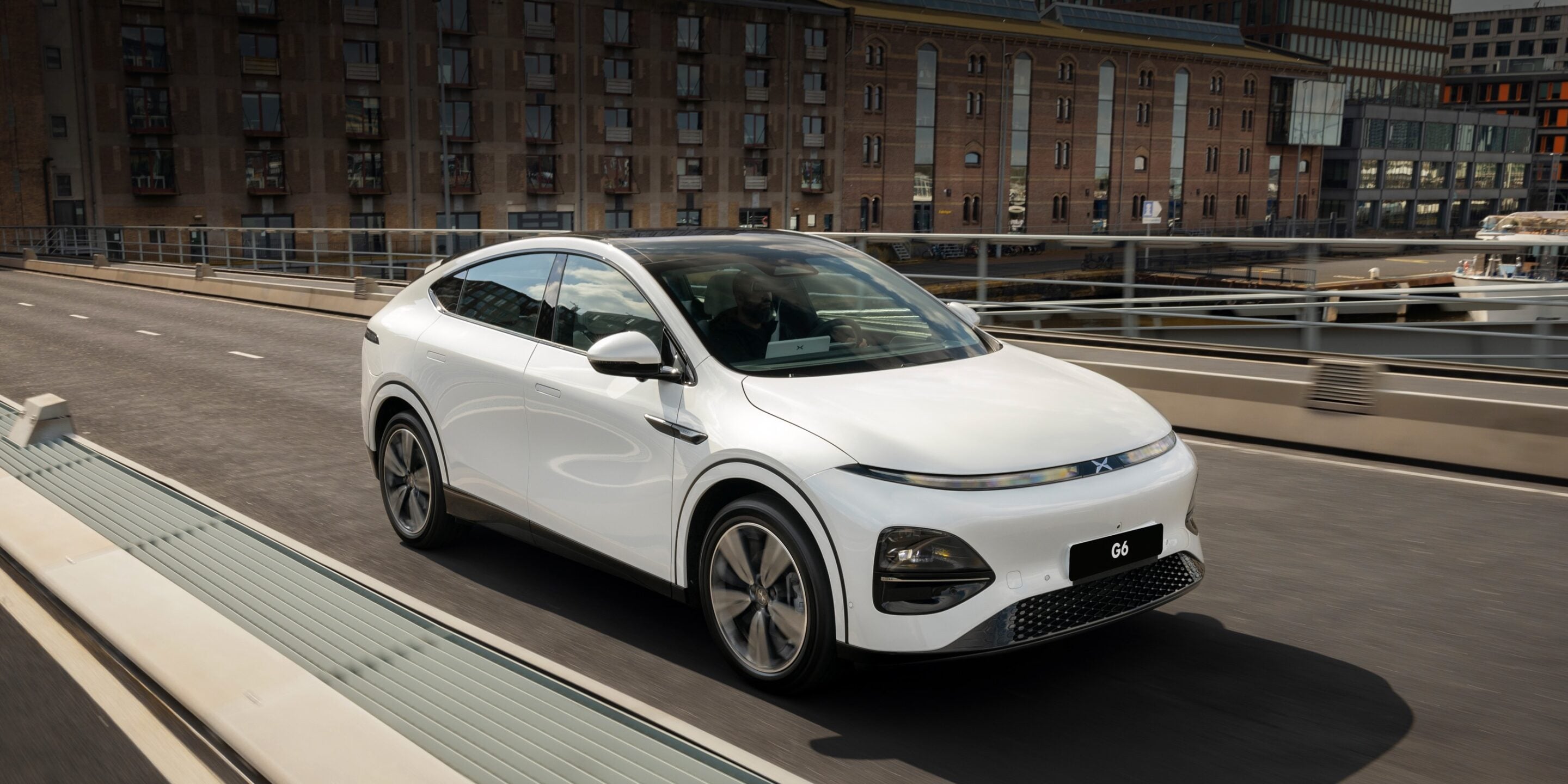
Price: From $54,800 plus on-road costs
Drivetrains: Standard Range: Single motor rear axle, 190kW/440Nm; Long Range: Single motor rear axle, 210kW/440Nm
Battery/peak DC charge rate: Standard Range: 66kWh LFP, 280kW; Long Range: 87.5kWh, NMC, 280kW
Claimed WLTP range: 435km – 570km
Dimensions (length/width/height/wheelbase): 4753/1920/1650/2890mm
Bootspace: 571L – 1374L
Warranty/roadside assistance/service intervals: Five-year/120,000km, 12 months extendable by another 12 months with each service, annual/every 20,000km
Five-year service cost: $2064 ($412 per year)
| Driving | |
| Interior | |
| Practicality | |
| Overall value | |
It’s an exciting time in the Australian car industry as several new brands have launched locally, many of which are very unfamiliar to new car buyers. One such brand is XPeng. There’s only one XPeng model available in Australia right now, the G6, but more are on the way.
But what is an XPeng G6? Well, it’s a mid-size electric SUV with a coupe roofline that resembles many other electric SUVs, but there’s lot of sophistication on offer: an 800-volt platform for fast charging, for example. Pricing starts at $54,800 plus on-road costs, so right in the thick of electric mid-size SUVs, and standard equipment is lengthy, including 20-inch alloy wheels, panoramic glass roof, synthetic leather upholstery, electric front seat adjustment with heating and ventilation, a 15-inch touchscreen and an 18-speaker sound system.
Two drivetrains are on offer in the Australian G6 range, though neither is all-wheel drive. The Standard Range uses a 190kW/440Nm motor and 66kWh battery for 435km of WLTP range, while the upper-spec Long Range makes 210kW/440Nm outputs and uses a larger 87.5kWh battery for a 570km WLTP range. Peak charging is at 280kW, which is quite healthy in the market.
The interior of the G6 is good quality and looks good as well. It’s dominated by a huge 15-inch touchscreen, which is well featured and easy to use. The front cabin is quite practical, including dual wireless phone chargers and plenty of open space to store stuff. The rear seat is spacious and comfortable, while the 571-litre boot is large and opens up to a less impressive 1374 litres.
XPeng’s Australian warranty is a five-year/120,000km job with 12 months of roadside assistance that’s extended by a further 12 months with each dealer service. Its service intervals are annual/every 20,000km, and five years/100,000km of servicing costs $2064 or $412 per year. The Xpeng G6 is a glimpse of the future as more brands enter Australia, and while it doesn’t quite hit the same highs in some ways as the Model Y it will no doubt be compared to, it’s still a good all-rounder with impressive features such as 280kW super fast charging and good performance as well.

Price: From $55,840 plus on-road costs
Drivetrains: RWD: Single motor front axle, 160kW/300Nm; AWD: Dual motor all-wheel drive, 290kW/600Nm
Battery/peak DC charge rate: RWD: 63kWh, NMC, 130kW; RWD Advance+ and AWD: 87kWh, NMC, 130kW
Claimed WLTP range: 385km – 504km
Dimensions (length/width/height/wheelbase): 4595/1850/1660/2775mm
Bootspace: 408L – 1350L
Warranty/roadside assistance/service intervals: Five-year/unlimited km extendable to 10 years/300,000km with dealer servicing, 12 months extendable by 12 months with each dealer service, annual/every 20,000km
Five-year service cost: $1498 ($299 per year)
| Driving | |
| Interior | |
| Practicality | |
| Overall value | |
Nissan was the pioneer of the mass-production modern electric car with the first-generation Leaf hatchback that debuted in 2009, but as we know, things have moved on significantly from then and many more rivals now exist. While it’s been slow to market – it’s only just launched in Australia despite debuting overseas in 2020 – Nissan promises that the handsome Ariya coupe mid-size SUV has been worth it. How does it compare to rivals?
The Ariya surprised us with its low starting price; at just $55,840 plus on-road costs, the Ariya is priced lower than rivals such as the Tesla Model Y and is still quite well equipped. Kit on the entry-level Engage includes 19-inch alloy wheels, dual 12.3-inch screens, adaptive lane guidance, wireless smartphone mirroring and a full suite of safety features. Move up the range and features such as Nappa leather upholstery (in a fetching blue colour), a Bose sound system, heated front seats and steering wheel and a panoramic sunroof are added at the top.
Two battery sizes are available: a smaller 63kWh unit with up to 466km of WLTP range, and a larger 88kWh unit with up to 506km of WLTP range. Two drivetrains are available too, a 160kW/300Nm front-driver and a 290kW/600Nm dual-motor set up in the top-spec Evolve. Performance is healthy on either option, though charging speeds are average with a 130kW maximum for both battery sizes.
Recent Nissan products have shown big improvements in interior quality and the Ariya might just be the best in the line-up thanks to its lovely quality, cool touches and tech such as a 12.3-inch touchscreen. Attractive materials such as suede cover many surfaces, making it feel special, and we love the electric sliding centre console too. Rear seat legroom is massive too, though headroom isn’t great thanks to the sloping roofline. Boot space is average and measures between 408 litres with the rear seats up and 1350 litres with them folded.
Nissan’s five-year/unlimited km warranty can be extended up to 10 years/300,000km in total if serviced through a Nissan dealership, and the Ariya’s annual/every 15,000km service intervals are average for the market. Service pricing is yet to be confirmed. Overall, the Nissan Ariya is a curious and charming mid-size electric SUV that we think will sell well. It’s excellent quality and feels special inside, while it’s also good to drive, attractive to look at and well equipped as well.
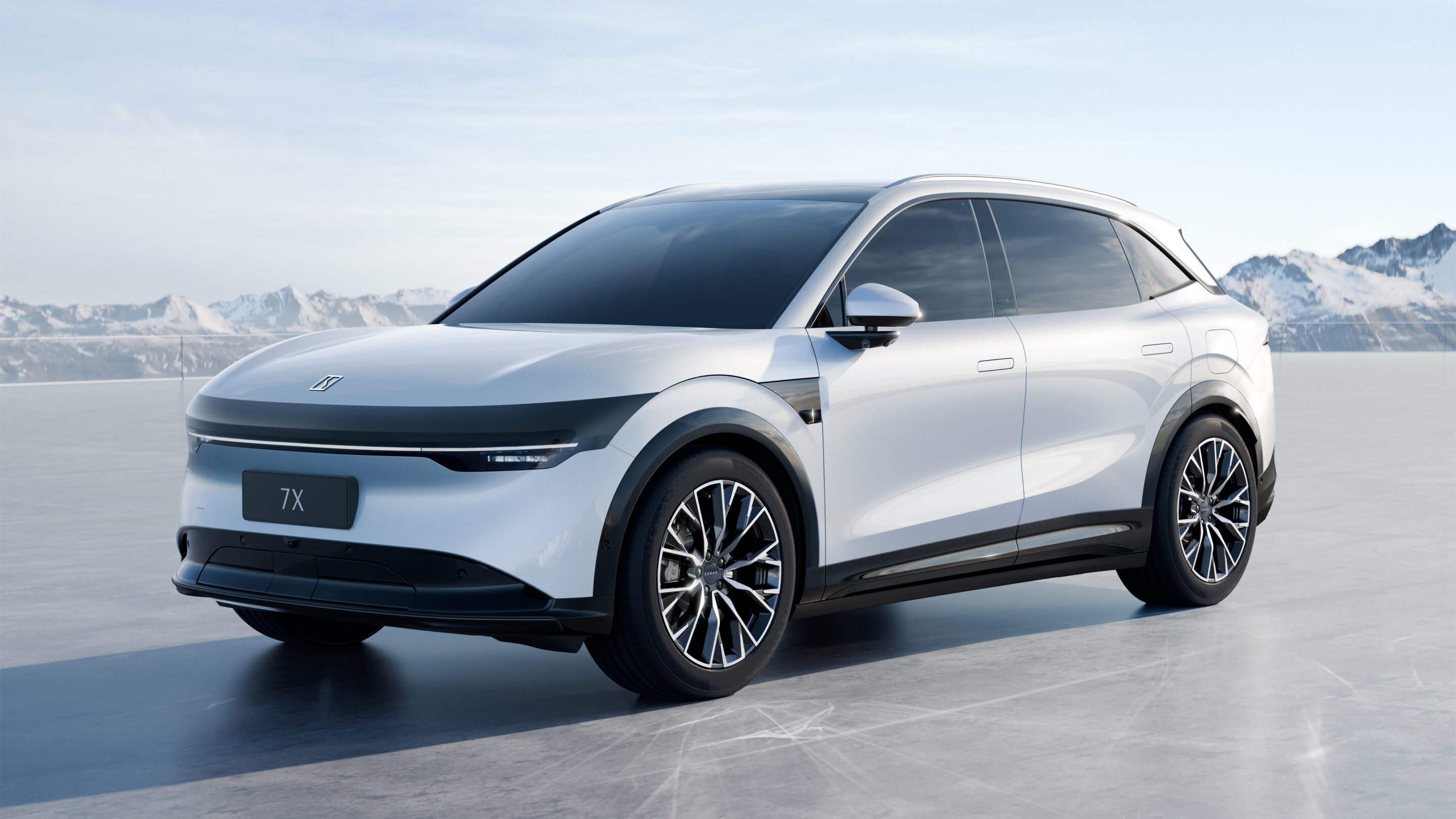
Price: From $57,900 plus on-road costs
Drivetrains: RWD/RWD Long Range: single axle rear motor, 310kW/440Nm; Performance: dual motor, 475kW/710Nm
Battery/peak DC charge rate: RWD: 75kWh LFP, 450kW; RWD Long Range/Performance: 94kWh NMC, 420kW
Claimed WLTP range: 480km – 615km
Dimensions (length/width/height/wheelbase): 4787/1930/1650/2900mm
Bootspace: 539L – 1978L
Warranty/roadside assistance/service intervals: Five-year/unlimited km, five years, every two
years/40,000km
Five-year service cost: $2385 ($477 per year, including optional odd year servicing)
| Driving | |
| Interior | |
| Practicality | |
| Overall value | |
Geely luxury sub-brand Zeekr has launched its most important and most relevant product yet in the 7X mid-size SUV. Previously limited to the X small SUV and 009 MPV, Zeekr’s appeal is about to be a lot more widespread to Australians as it will finally compete locally in the most popular segment. But what is the 7X and how does it compare to rivals?
Priced from $57,900 plus on-road costs, the Zeekr 7X is an electric mid-size SUV that offers three models, two battery sizes and two levels of performance. Even the entry-level model is well kitted with 19-inch alloy wheels, Matrix LED headlights, leather upholstery, 14-way electric front seats with heating, cooling and ventilation, a 21-speaker sound system, a 16-inch touchscreen with 5G connectivity, plus a full suite of active safety features.
The entry-level 7X uses a 75kWh battery mated to a 310kW rear axle electric motor for a claimed 480km WLTP-rated range, while the mid-spec Long Range switches the battery to a larger 94kWh unit for a 615km range. The top-spec Performance uses the larger battery and a 475kW/710Nm dual-motor drivetrain for a WLTP range of 543km and the 7X offers some of the fastest charging on the market: 450kW for the entry-level battery and 420kW for the larger one. The former is three times more than the BYD Sealion 7, for example. The 7X drives well, though the large wheels make the ride firmer than it needs to be.
Inside the cabin, the Zeekr 7X cements its position as Geely’s luxury brand with a generally richer level of fit and finish compared to rivals such as the Sealion 7 and XPeng G6. The 16-inch touchscreen is huge and well featured, and generally easy to use, while the cabin storage is impressive too. Rear seat room is good, especially the headroom, while the bootspace is average for the segment – but still big – at 539 litres with the seats up and a huge 1978 litres with the rear seats folded.
Zeekr covers the 7X with a five-year/unlimited km warranty with five years of roadside assistance, and its service intervals are long at every two years/40,000km (whichever comes first). Overall, the Zeekr 7X presents a very appealing prospect in the mid-size SUV segment and one that we think will give Zeekr a big sales boost locally. It boasts some impressive features such as up to 475kW of power and some of the fastest charging on the market, while it’s also quite well equipped.
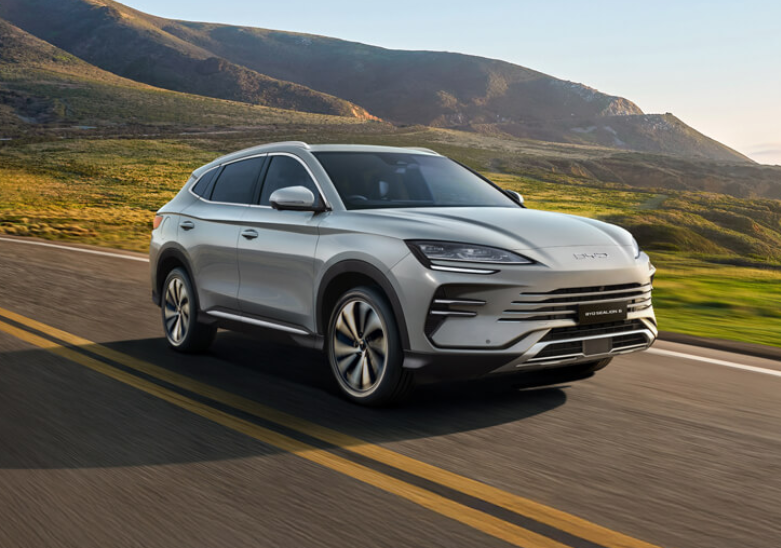
Price: From $42,990 plus on-road costs
Drivetrains: Essential/Dynamic: 1.5-litre plug-in hybrid, 160kW/300Nm; Premium: 1.5-litre turbo plug-in hybrid, 238kW-253kW/550Nm
Battery/peak DC charge rate: Standard Range: 18.3kWh, LFP, 18kW; Extended Range: 26.6kWh, LFP, 18kW
Claimed WLTP range: 92km – 140km
Dimensions (length/width/height/wheelbase): 4775/1890/1670/2765mm
Bootspace: 425L – 1440L
Warranty/roadside assistance/service intervals: Six-year/150,000km, 12 months, annual/every
20,000km
Five-year service cost: $1648 ($329 per year)
| Driving | |
| Interior | |
| Practicality | |
| Overall value | |
BYD’s rise to sales stardom in Australia in 2025 alone has been incredible. From launching on the local market in early 2022 to being placed in the top 10 manufacturers overall in 2025 to date is a meteoric rise, especially considering how BYD mostly sells EVs.
Priced from $42,990 plus on-road costs, the Sealion 6 PHEV is awesome value for money and is the cheapest plug-in hybrid on the market – it’s around $15,000 less expensive than the Mitsubishi Outlander PHEV, for example. Yet standard equipment is lengthy, including two battery sizes and two engines, with up to 140km of WLTP-rated range from a 26.6kWh LFP battery that can be charged at up to 18kW. Propulsion is handled by a plug-in hybrid drivetrain with both turbo and non-turbocharging, and up to 253kW of power and 550Nm of torque. Despite that, the Sealion 6 is hardly sporty and its ride quality could also be improved, but it’s got more than enough grunt for urban and highway driving.
Inside the Sealion 6 is a good quality cabin with a mix of leather-like and soft touch plastics for an upmarket vibe. Centre of the cabin is a huge 15.6-inch touchscreen with many features, which can also sit in portrait or landscape mode depending on your preference. The rear seat is roomy for two adults, with excellent head- and legroom, though the 425-litre boot is small for the class, though is boosted to 1440 litres with the rear seats folded.
BYD’s six-year/150,000km warranty covers the Sealion 6 and its annual/20,000km service intervals are long as well. Service pricing is reasonable too at just $329 per year. Overall, the BYD Sealion 6 is excellent value for money, and its position as the cheapest PHEV mid-size SUV on the market alone gives it plenty of appeal along with its high quality and spacious cabin, long electric driving range and long list of standard equipment.
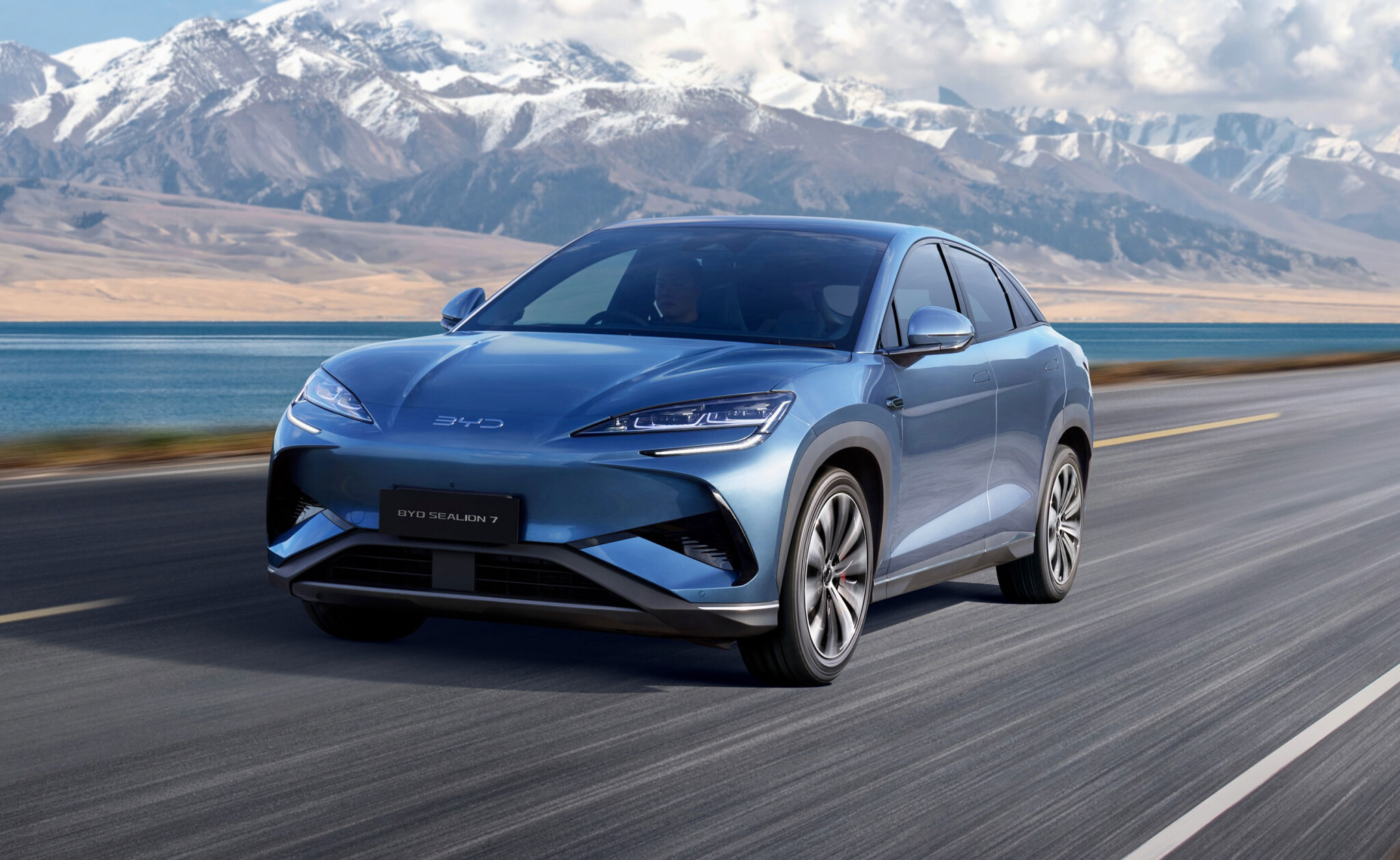
Price: From $54,990 plus on-road costs
Drivetrains: Premium: Single motor rear axle, 230kW/380Nm; Performance: Dual motor all-wheel drive, 390kW/690Nm
Battery/peak DC charge rate: 82.5kWh, 150kW
Claimed WLTP range: 456km – 482km
Dimensions (length/width/height/wheelbase): 4803/1925/1620/2930mm
Bootspace: 520L – 1789L
Warranty/roadside assistance/service intervals: Six-year/150,000km, 12 months, annual/every
20,000km
Five-year service cost: $1543 – $1648
| Driving | |
| Interior | |
| Practicality | |
| Overall value | |
In addition to the Sealion 6 plug-in hybrid, BYD also launched the Sealion 7 EV to offer two medium SUVs to Australians earlier this year. Like its sibling, the Sealion 7 offers strong value for money including low pricing, a long list of standard equipment and, generally speaking, a lot of car for the money. Is it the electric mid-size SUV to buy?
Pricing for the Sealion 7 starts at $54,990 plus on-road costs and for now, there are two models on offer: the entry-level Premium and top-spec Performance. Standard equipment for the Premium includes a panoramic sunroof, a head-up display, a 15.6-inch touchscreen with wireless smartphone mirroring, a 12-speaker Dynaudio sound system and vehicle-to-load capability, with the Performance adding all-wheel drive, larger 20-inch wheels, a heated steering wheel and heated rear seats.
Two drivetrains are on offer, with both sharing a 82.5kWh battery that can be charged at up to 150kW, which is fine though some rivals such as the Model Y and 7X can charge much quicker. The Sealion 7 Premium uses a 230kW/380Nm rear-mounted single motor and is rated at 482km for WLTP range, while the Performance adds a second electric motor on the front axle for 390kW/690Nm outputs, though a range reduction to 456km. On the road, the Sealion 7 impresses with its smoothness and performance, even in the Premium, while the Performance is quite quick with a claimed 4.5 second 0-100km/h sprint time. The suspension needs retuning however, as it can be unsettled at urban speeds.
The cabin of the Sealion 7 is more upmarket and modern than the Sealion 6, again with the huge touchscreen dominating the cabin and the quality of the materials impressing throughout. The rear seat is one of the most accommodating in the segment with huge legroom and comfortable seats, while the 520-litre boot is smaller than some rivals, it’s still more than large enough. Folding down the rear seats unlocks a huge 1789 litres of space.
Like the Sealion 6, the Sealion 7 is covered by a six-year/150,000km warranty and its annual servicing requirements are long at 20,000km. Five years or 100,000km of servicing costs between $1543 for the Premium and $1648 for the Performance, which is reasonable. The Sealion 7 gets ticks for its upmarket feel, excellent value for money, reasonable range and excellent performance, regardless of which model is chosen. Marks taken away because it could be better dynamically and its peak charging speed isn’t class leading either, but it’s still a worthy SUV option in this segment.
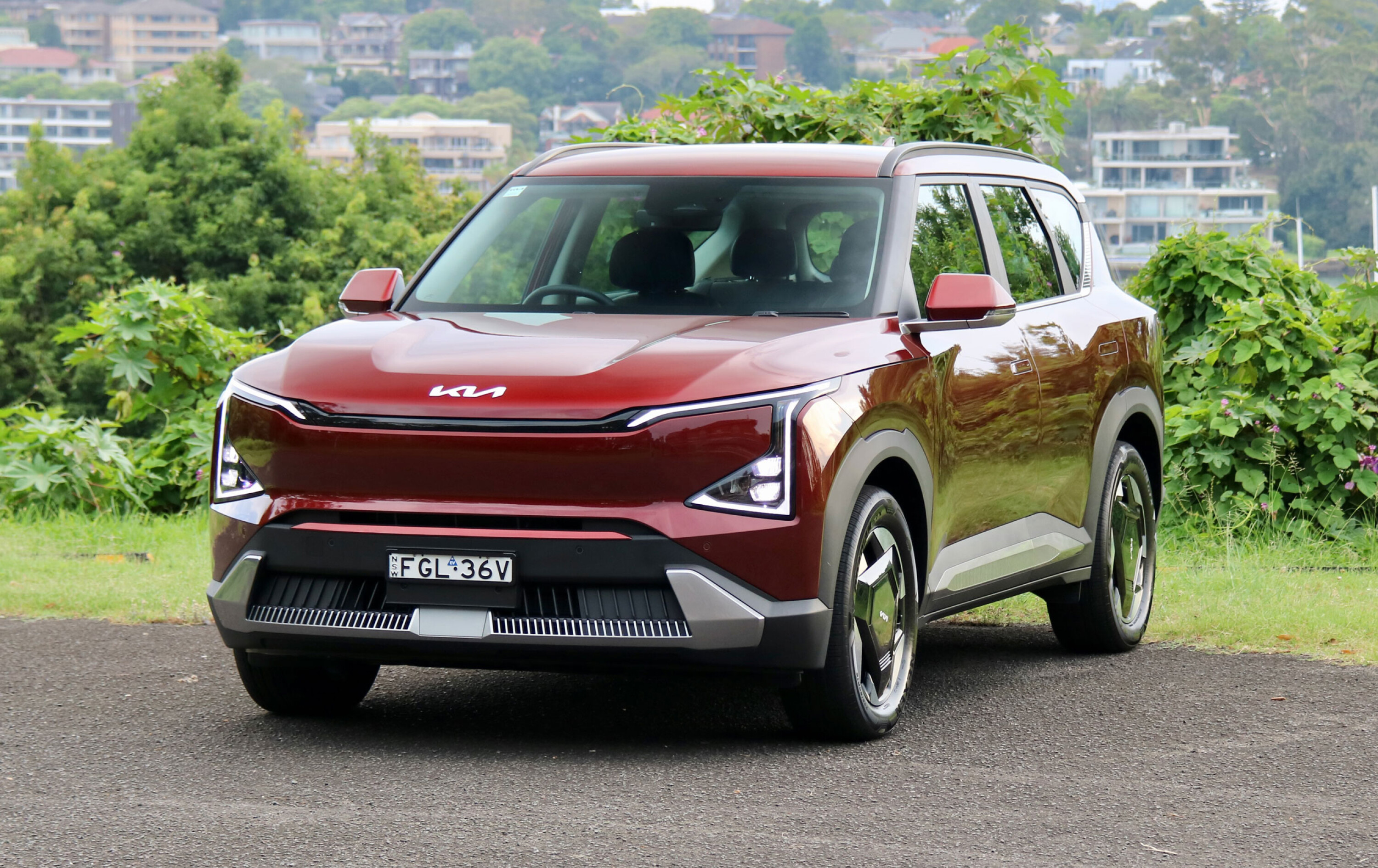
Price: From $56,770 drive away
Drivetrains: RWD: Single motor front axle, 160kW/310Nm; AWD: Dual motor all-wheel drive, 230kW/480Nm
Battery/peak DC charge rate: Standard Range: 64.2kWh LFP, 102kW; Long Range: 88kWh, LFP, 140kW
Claimed WLTP range: 400km – 555km
Dimensions (length/width/height/wheelbase): 4615/1875/1715/2750mm
Bootspace: 513L – 1714L
Warranty/roadside assistance/service intervals: Seven-year/unlimited km, service activated up to
eight years, annual/every 15,000km
Five-year service cost: $1535 ($307 per year)
| Driving | |
| Interior | |
| Practicality | |
| Overall value | |
Kia’s third EV designed from the ground up arrived in Australia in late 2024 and marked a big shift in policy for the brand in Australia: it’s the first Chinese-built product the brand has sold here. In addition to that, the EV5 actually uses batteries made by BYD. According to Kia, that makes it cheaper to build and more competitive for Australia, and with pricing starting at $56,770 drive away, the EV5 is only around $7000 more expensive than the much smaller EV3.
So battery tech aside, what does the Kia EV5 have going for it? Well, as we’ve come to expect from Kia lately thanks to its excellent line-up, quite a lot. The EV5 is good value for money across the range but particularly the entry-level models, with equipment including LED lighting, cloth and synthetic leather trim, an electric driver’s seat with massaging, dual 12.3-inch screens with live services and a full suite of active safety features. Move up the range and longer range and all-wheel drive models are available with more features, but even the entry-level Air is quite well equipped.
Two battery sizes are available in Australia: a 64.2kWh unit in the base Air and a larger 88kWh one in every other model. Claimed WLTP range stretches from 400km for the Air to 555km in the Air Long Range, which are healthy, though peak charging speeds of just 102kW for the Air and 140kW for the other models is much less than Kia’s more expensive EVs such as EV6 and EV9. On the road, the EV5 drives generally quite well, though the larger-wheeled GT-Line isn’t as comfortable as the Air.
Inside the EV5 is a comfortable, good quality and very practical cabin that, in line with Kia’s other recent products, is futuristic and minimalist in its look. The touchscreen is easy to use and well featured, and storage is impressive, including the unique padded central arm rest. The rear seat is also impressive, though a Sportage is larger still, and the EV5’s boot isn’t as large as its sibling at 513 litres either. However, unlike most other mid-size SUVs, the EV5’s rear seats fold completely flat and there’s a large 1714L on offer when done so – plus, a 67-litre front boot as well.
As with the rest of its range, Kia covers the EV5 with a seven-year/unlimited km warranty with up to eight years of roadside assistance. It service intervals are annual/every 15,000km and five years/75,000km of servicing costs just $1535. Overall, the Kia EV5 deserves to be on your mid-size SUV shopping list. Starting from comfortably underneath $60,000 drive away, its value equation is strong and it also offers competitive efficiency and range, its interior is quite practical and it’s well equipped across the range.
Looking to get into a brand-new mid-size SUV? Our stories below will guide you to the model that best suits your needs:
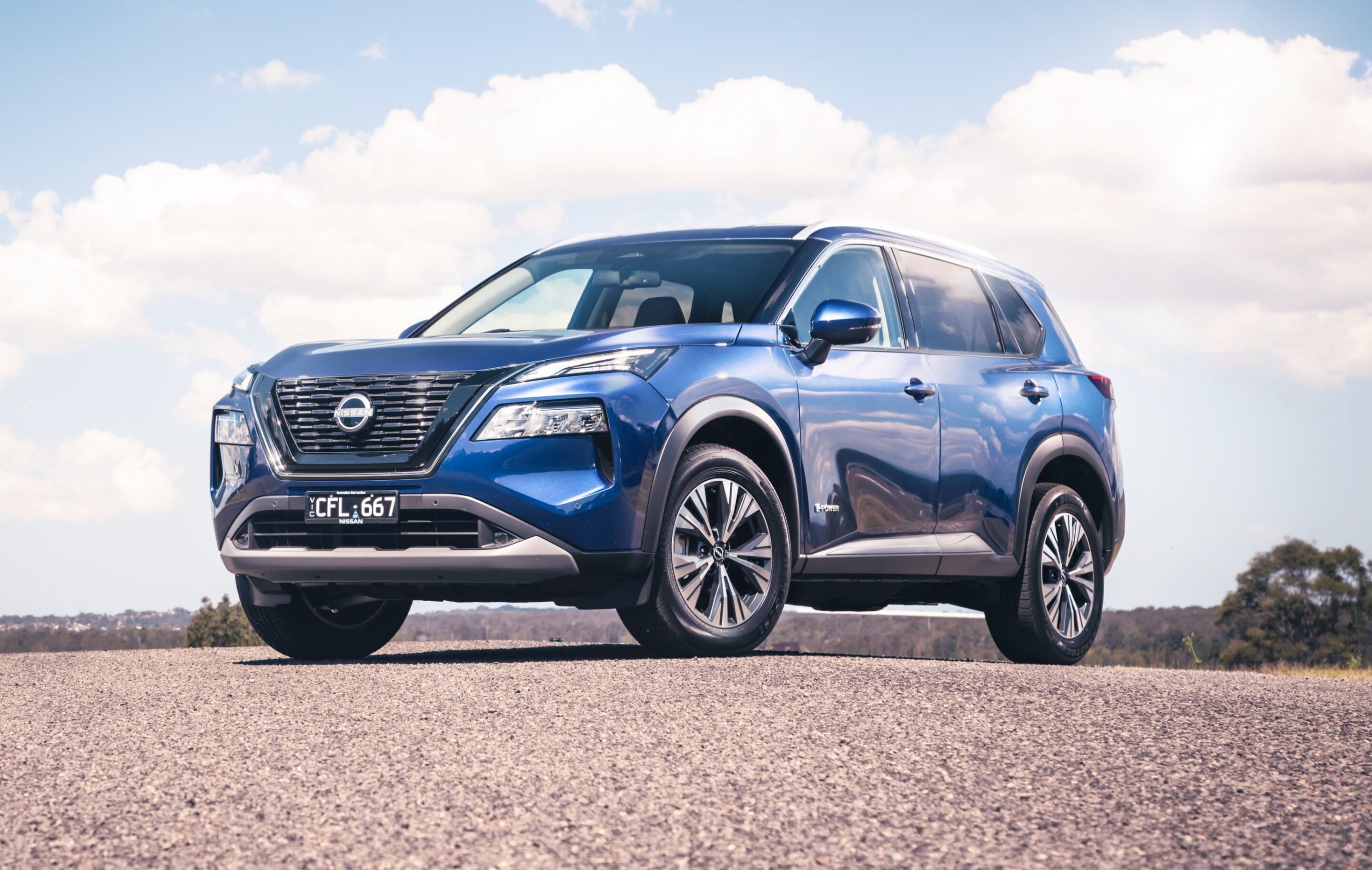
Price: From $47,765 plus on-road costs
Drivetrains/fuel economy/CO2 emissions: 1.5-litre three-cylinder turbo hybrid, CVT, AWD, 157kW/330Nm, 6.1L/100km, 174g/km
Dimensions (length/width/height/wheelbase): 4680/1840/1725/2705mm
Bootspace: 465L –1667L
Warranty/roadside assistance/service intervals: Five-year/unlimited km – extendable to 10 years/300,000km through dealer servicing, 12 months, service extendable, annual/every 15,000km
Five-year service cost: $1995 ($399 per year)
| Driving | |
| Interior | |
| Practicality | |
| Overall value | |
Nissan’s X-Trail has long been a family favourite, but it’s the brand’s clever e-Power hybrid technology that is helping to set it apart in today’s crowded medium SUV segment – and is a key reason it has been crowned Wheels Best Medium SUV 2025: Hybrid.
Unlike conventional hybrids, Nissan’s e-Power system uses a petrol engine solely to charge the battery, while the wheels are driven entirely by the electric motor. The result is EV-like smoothness and instant torque, but without the need to plug in. For a family, the obvious benefit is significantly improved fuel efficiency, lower emissions, and a refined driving experience, making the X-Trail one of the most economical choices in its class.
That efficiency doesn’t come at the expense of practicality. The hybrid X-Trail offers 575 litres of boot space, expanding to 1667 litres, more than enough for school runs, sports gear, or road trips. Rear doors that open almost 90 degrees make fitting child seats and loading kids a breeze, while the roomy second row ensures comfort for growing families.
Inside, the cabin feels more premium than its price suggests. Soft-touch materials, clear high-resolution screens, and smart storage solutions combine with a sensible layout that keeps physical buttons for essentials like climate control. It’s a user-friendly environment designed to reduce distractions while driving.
On the road, the e-Power system delivers a quiet, composed ride that’s tuned more for comfort than outright excitement – a welcome trade-off for families who value refinement. All-wheel drive adds peace of mind in wet or gravel conditions, while the compliant suspension smooths out the daily commute.
The package is sweetened by Nissan’s long warranty coverage – five years/unlimited km, extendable to 10 years/300,000 km with servicing – the longest in the new car market. Servicing costs remain competitive at $1995 for the first five years.
With its unique hybrid drivetrain, spacious and practical interior, premium cabin feel, and long warranty support, the Nissan X-Trail e-Power is a winning options as a family SUV. It’s the hybrid SUV that makes the most sense for Australian families – and a thoroughly deserving winner of Wheels Best Medium SUV 2025: Hybrid.
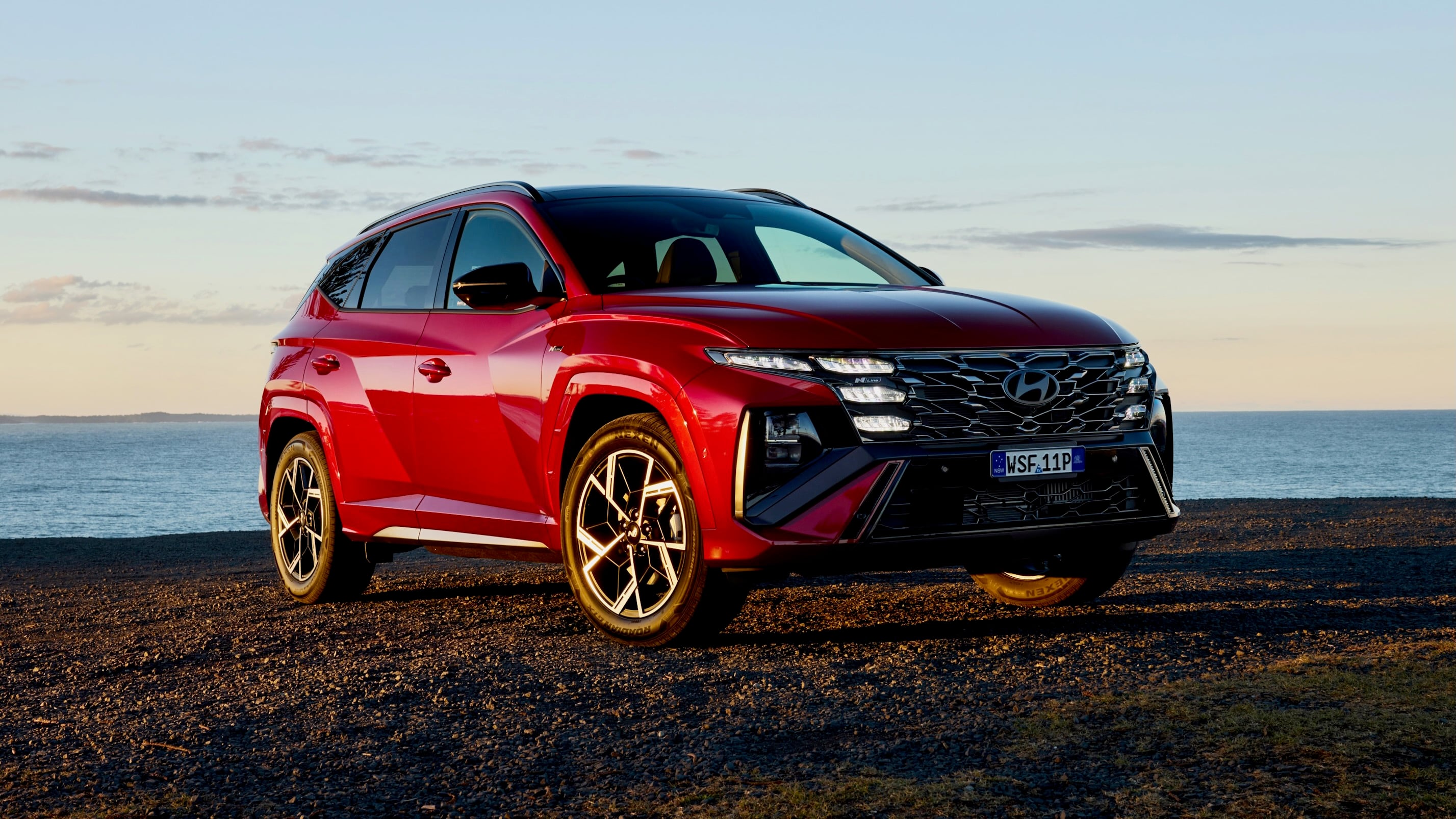
Price: From $42,850 plus on-road costs
Drivetrains/fuel economy/CO2 emissions: 1.6-litre four-cylinder turbo hybrid, 6-speed dual-clutch, 2WD or AWD, 172kW/367Nm, 5.3L/100km, 140g/km
Dimensions (length/width/height/wheelbase): 4640/1865/1665/2755mm
Bootspace: 582L – 1903L
Warranty/roadside assistance/service intervals: Five-year/unlimited km extendable to seven years
with dealer servicing, 12 months, annual/every 10,000km (hybrid) or 15,000km (2.0L)
Five-year service cost: $2042 ($408 per year)
| Driving | |
| Interior | |
| Practicality | |
| Overall value | |
Now in its fourth generation, the Hyundai Tucson is so far the brand’s second-best selling product in Australia and is also the fourth-best selling medium SUV in 2025. There’s clear appeal to the Tucson then, including its value for money, airy and spacious cabin and hybrid-focused model range. Pricing starts at $38,100 plus on-road costs and unlike its Kia Sportage cousin, the hybrid drivetrain is available in every specification.
In fact, hybrids make up the majority of the Tucson line-up with the former 1.6-litre turbo-petrol engine recently shelved, leaving just a naturally aspirated 2.0-litre petrol engine and the hybrid available. If you’re wanting all-wheel drive or the top-spec Premium, the hybrid is your only option and that’s a good thing because it’s powerful yet efficient, and also quite refined. The Tucson’s driving experience is one of the best in the mid-size SUV segment as well.
Part of the mid-life update to the Tucson range was a new 12.3-inch touchscreen featuring Hyundai’s latest ‘ccNc’ software. It’s well featured across the range, including wireless Apple CarPlay and Android Auto smartphone mirroring, live services and over-the-air updates. Front seat comfort, even in the entry-level model, is impressive and the rear seat space is spacious. Boot space is also quite large for the segment with 582 litres with the seats up and a massive 1903L with them folded.
Hyundai still covers the Tucson with a five-year/unlimited km that’s extendable to seven years in total if serviced through a Hyundai dealership. 12 months of roadside assistance is standard and another 12 months with each dealer service – and, as a bonus, the Tucson has much less expensive servicing than its Kia cousin, despite the same drivetrains, from under $1900 for five years.
Overall, the Hyundai Tucson is one of the shining stars in the medium SUV segment and its recent update has only made it better. Killing the former 1.6-litre turbo-petrol engine might have disappointed some, but forcing buyers wanting more power than the base 2.0-litre engine into the hybrid is applaudable as its efficiency is far superior, while it’s also more powerful. The Tucson’s cabin is roomy for a family, and its boot is one of the largest in the segment as well. Add in reasonable service costs, good value pricing and long equipment lists, and it’s clear that the Hyundai Tucson is one of the best mid-size SUVs available right now.
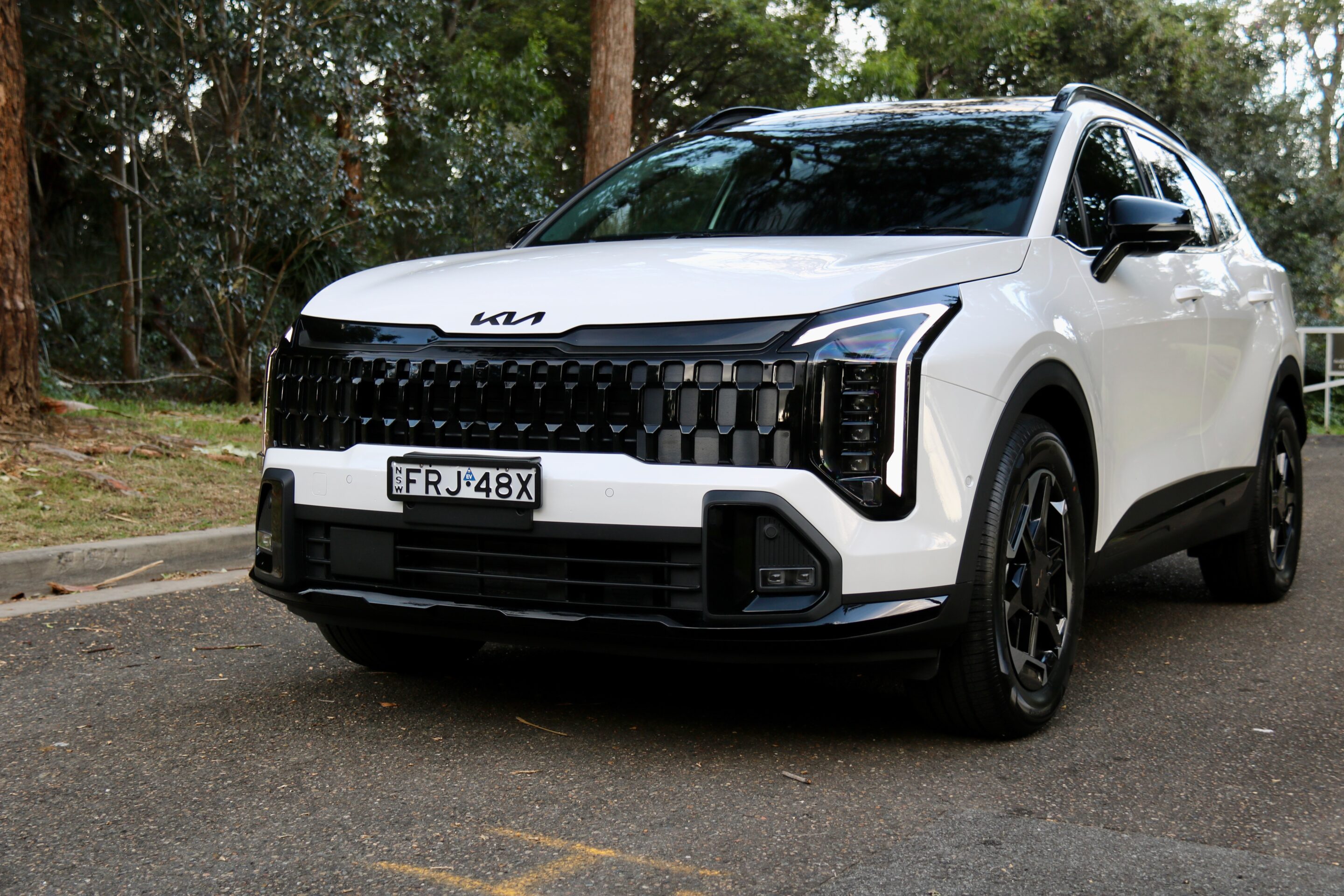
Price: From $46,450 plus on-road costs
Drivetrains/fuel economy/CO2 emissions: 1.6-litre four-cylinder turbo hybrid, 6-speed DCT, 2WD or AWD, 173kW/367Nm, 4.9-5.3L/100km, 110-121g/km
Dimensions (length/width/height/wheelbase): 4685/1865/1665/2755mm
Bootspace: 586L – 1872L
Warranty/roadside assistance/service intervals: Seven-year/unlimited km, up to eight years, annual/every 10,000km
Five-year service cost: $2613 ($522 per year – 2WD), $2666 ($533 per year – AWD)
| Driving | |
| Interior | |
| Practicality | |
| Overall value | |
Kia’s recently updated Sportage mid-sizer SUV is, like its Hyundai Tucson cousin, an excellent all-round mid-size SUV that brings a lot to the table: a big range of drivetrains – the largest range of the segment – and an excellent driving experience, as well as a very practical and spacious cabin. Plus, being a Kia, it’s great value for money and is covered by a long warranty.
Prices for the Sportage range start at $37,990 plus on-road costs for the entry-level S 2.0-litre petrol auto, rising to over $60,000 +ORC for the top-spec GT-Line hybrid AWD. Regardless of the model chosen, the Sportage is well equipped, especially in facelifted form. The least expensive Sportage Hybrid is the second-from-base SX, which is priced from $46,450 +ORC and we’d like to see the sophisticated hybrid drivetrain added to the base S for more accessibility.
Unusually in an era where car makers are cutting down on drivetrain options, Kia offers petrol, turbo-petrol, hybrid and even diesel powerplants in the Sportage. Which you should buy depends on your needs – the petrol options are thirsty, while the hybrid is efficient but expensive to buy and diesel fuel isn’t best suited to everybody. We’d go the hybrid for its added performance and efficiency, but it really depends on your driving.
In the cabin, the Sportage feels spacious thanks to its wide dashboard layout and huge curved display incorporating both the infotainment system and driver’s screen. Cabin storage is good, while the rear seat is quite roomy for two taller adults. Bootspace is minimum 543 litres in petrol and diesel forms (it’s a higher 586L in the hybrid because it lacks a full-size spare wheel), which is large in the segment.
Kia’s seven-year/unlimited km warranty was once the industry benchmark but has now been matched by a number of manufacturers – thankfully, seven years is still a long time. Service pricing, however, isn’t cheap – even the least technically impressive 2.0 litre petrol engine costs almost $500 annually to service. But while some aspects of the Sportage aren’t cheap, it’s still a great all-rounder that’s great to drive, practical and importantly for many, available with hybrid power.
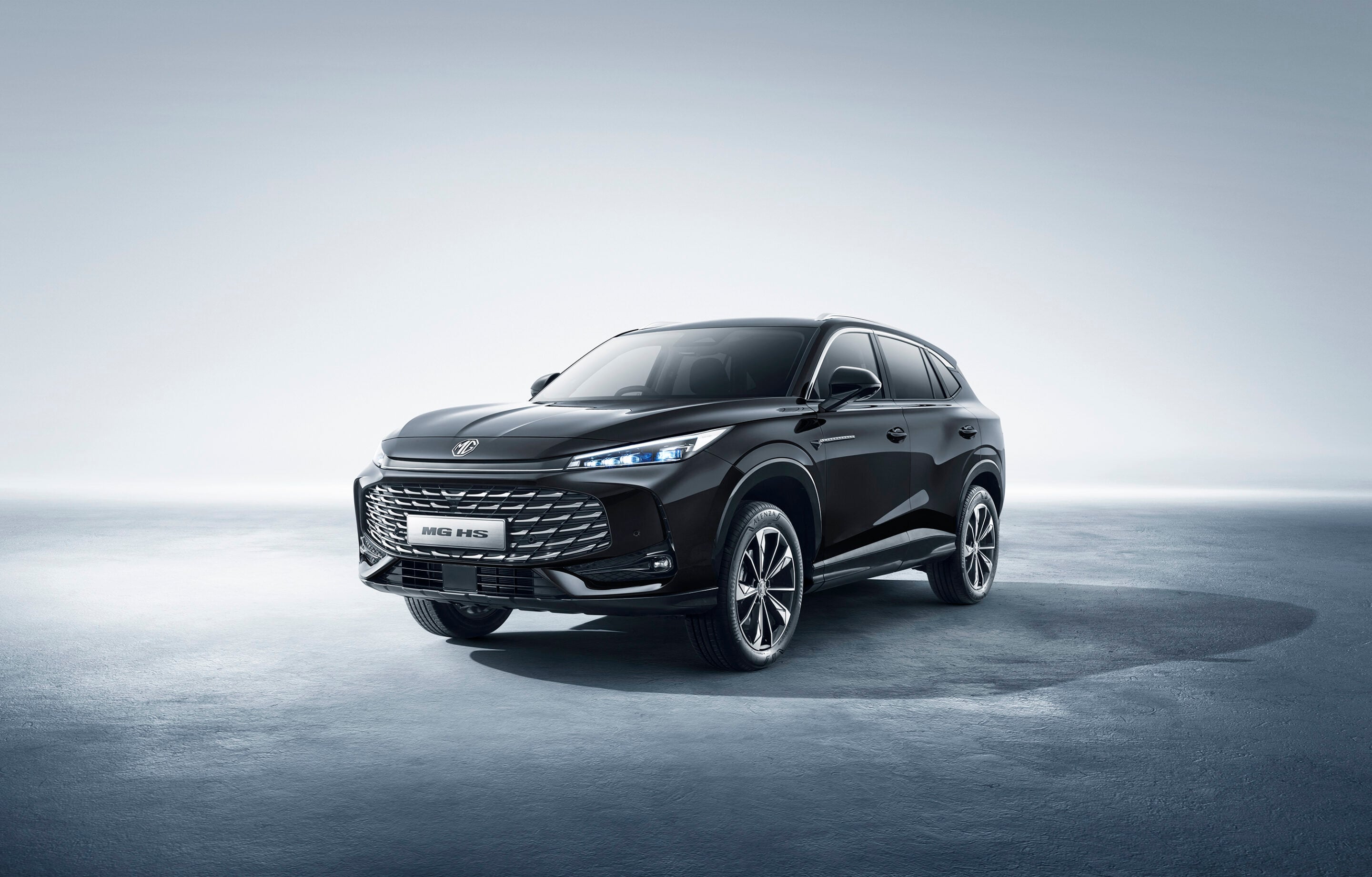
Price: From $40,990 drive away
Drivetrains/fuel economy/CO2 emissions: 1.5-litre turbo four-cylinder hybrid, CVT, 2WD, 165kW/340Nm, 5.2L/100km, 119g/km; 1.5-litre turbo four-cylinder plug-in hybrid, CVT, 2WD, 220kW/350Nm, 0.7L/100km, 17g/km
Dimensions (length/width/height/wheelbase): 4670/1890/1655/2675mm
Bootspace: 507L – 1484L
Warranty/roadside assistance/service intervals: Seven-year/unlimited km – extendable to 10
years/250,000km through dealer servicing, up to 10 years, annual/every 15,000km
Five-year service cost: $2354 ($470 per year)
| Driving | |
| Interior | |
| Practicality | |
| Overall value | |
MG’s new product roll in Australia continues at a rapid pace, with the brand completely renewing its Australian line-up in a very short period. The HS medium SUV is one of the latest additions, replacing the short-lived first-generation model with a massive glow up: it’s far more modern inside and out, it’s better equipped across the range and it also now has two hybrid options.
Prices for the hybrid HS range start at just $40,990 drive away for the entry level Excite, but even the expensive HS, the top-spec Essence plug-in hybrid, is just over $55,000 drive away – or thousands less than an equivalent Mitsubishi Outlander PHEV. As we’ve come to expect from the modern MG brand, the value equation for the HS is strong.
The cabin of the HS is one of the most modern-looking in the segment, with plenty of soft leather-like materials covering the surfaces that are touched most commonly, including the sides of the centre console to rest knees against. It’s practical too, with plenty of storage solutions, though the 12.3-inch touchscreen could be easier to use with very little in the way of shortcuts to help access features such as the climate control. The HS’ 507 litre boot is a little smaller than most in the segment.
The HS offers three drivetrains in Australia, all centred around a 1.5-litre turbo-petrol engine: a regular petrol variant, a hybrid and then a plug-in hybrid. The regular hybrid has just gone on sale but the plug-in hybrid offers a claimed 81km of EV range and low fuel consumption, even with its battery depleted. The HS’ driving experience is otherwise unremarkable, with a compliant but fidgety low-speed ride quality and a seven-speed dual-clutch transmission on the 1.5T.
MG’s standard seven-year warranty is extended to a total of 10 years/250,000km if serviced through an MG dealership, and service pricing for the first five years is reasonable at $2354 for the 1.5-litre turbo-petrol. Overall, the MG HS presents compelling buying in the medium SUV segment thanks to its value equation, well-trimmed cabin, long standard equipment list and range of drivetrains, including two hybrids, offsetting a confusing touchscreen and no wireless phone mirroring.
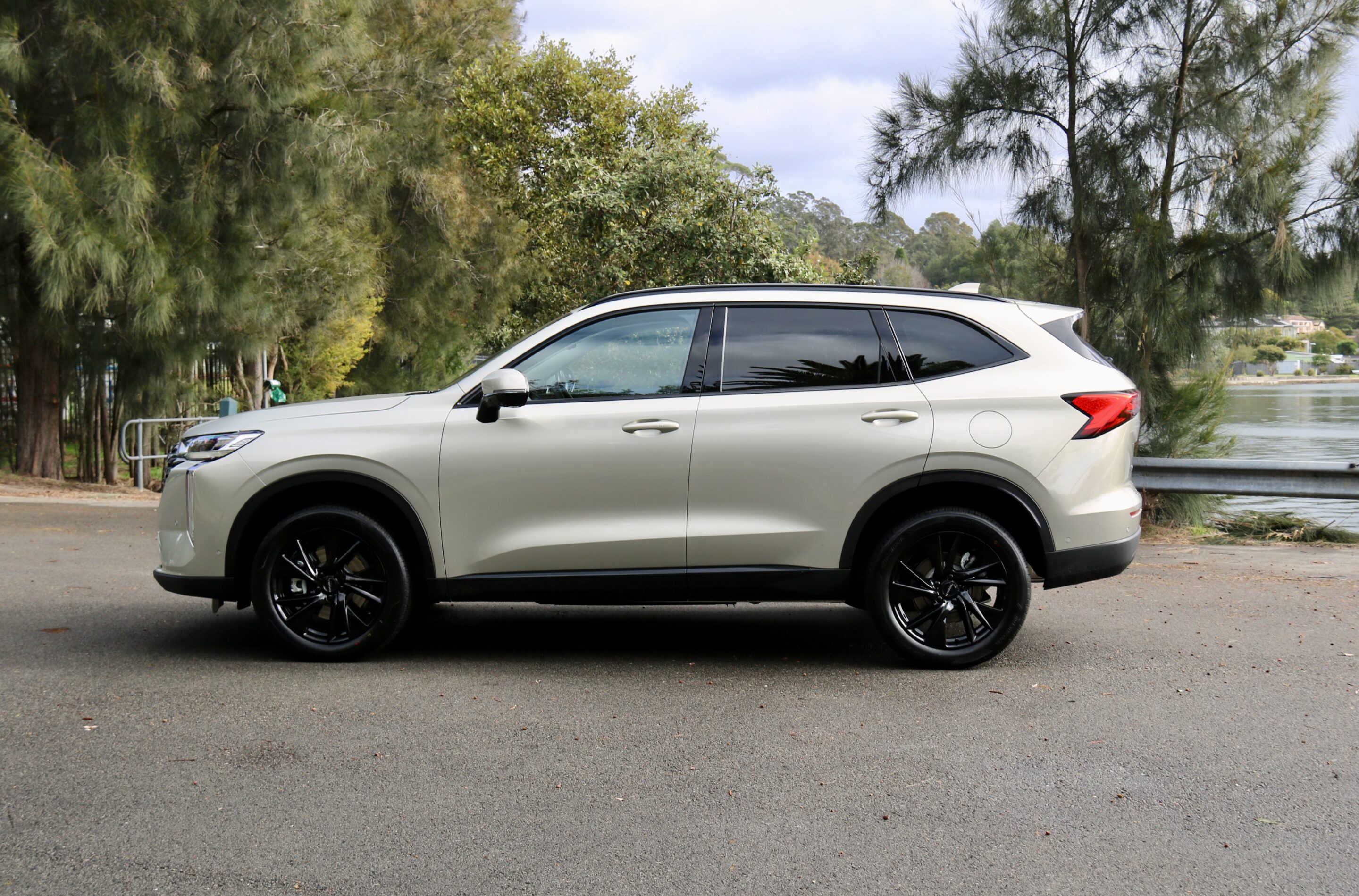
Price: From $40,990 drive away
Drivetrains/fuel economy/CO2 emissions: 1.5-litre four-cylinder hybrid, CVT, 2WD, 179kW/530Nm, 5.2L/100km, 120g/km; 1.5-litre four-cylinder plug-in hybrid, CVT, 2WD or AWD, 240kW/540Nm (2WD) – 268kW/760Nm (AWD), 1.0-1.1L/100km, 22-25g/km
Dimensions (length/width/height/wheelbase): 4703/1886/1730/2738mm
Bootspace: 560 litres – 1445/1485 litres
Warranty/roadside assistance/service intervals: Seven-year/unlimited km, five years, annual/10,000km for the first year and then every 15,000km afterwards
Five-year service cost: $2145 ($429 per year – hybrid), $2220 ($444 per year – PHEV),
| Driving | |
| Interior | |
| Practicality | |
| Overall value | |
GWM’s Haval H6 was recently given a comprehensive mid-life update with updated styling, a new model line-up, value increases and not one but two new plug-in hybrid drivetrains making up to a massive 268kW of power.
The turbocharged 2.0-litre four-cylinder petrol engine remains the entry-level engine but now making 170kW of power, while the new plug-in hybrid drivetrains offer up to around 80km of electric driving range (WLTP) from their 19kWh battery. We’d choose the 1.5-litre turbo hybrid drivetrain, which makes a strong 179kW of power and 530Nm of torque – more than a RAV4 hybrid. Its claimed fuel consumption is higher than the RAV4 at 5.2L/100km, but still low.
On the road, the Haval H6’s ride is a little firm at low speed but go further and it quickly wins back points with those smooth hybrid drivetrains offering more than enough grunt and impressive refinement with little in the way of road and wind noise at speed.
The H6’s cabin saw a new 14.6-inch touchscreen added with the update, which added features such as wireless smartphone mirroring, though still no integrated sat-nav. Like the pre-updated model, the H6’s touchscreen controls the vast majority of functions in the car – including, now, even the headlights with the update – though a row of buttons below the screen help a bit with functionality. The rear seat is spacious for the segment and three adults will fit fine, while the bootspace is a large 560 litres with the seats up.
The H6 is covered by GWM’s seven-year/unlimited km warranty with five years of roadside assistance and five years of capped price servicing totalling only $2220 for the PHEV, which is the most expensive in the range.
In the end, it’s the bang for buck which ensures it wins the Value section of these awards: that hard-to-ignore price combined with strong equipment levels and three hybrid drivetrain options is so attractive in cash-strapped times.
Price: From $46,490 plus on-road costs
Drivetrains/fuel economy/CO2 emissions: 2.5-litre four-cylinder hybrid, CVT, AWD, 145kW, 6.2L/100km, 140g/km
Dimensions (length/width/height/wheelbase): 4655/1830/1730/2670mm
Bootspace: 496L – 1667L
Warranty/roadside assistance/service intervals: Five-year/unlimited km, 12 months, annual/every 15,000km
Five-year service cost: $2299 ($459 per year)
| Driving | |
| Interior | |
| Practicality | |
| Overall value | |
The sixth-generation Subaru Forester has just been launched in Australia to positive reviews and while it may not look like it, there are a number of areas where it’s improved compared with its predecessor. Firstly, the Forester finally offers a proper hybrid drivetrain, while it’s even more practical, good to drive and capable than before. All up, the changes have made the Forester a serious contender in the medium SUV segment.
Prices for the new model start at $46,490 plus on-road costs for the entry-level hybrid and standard equipment is lengthy, even on the base car with features such as heated front seats, dual-zone automatic climate control, wireless smartphone mirroring, auto-folding mirrors and a comprehensive active safety suite.
Inside the Forester, function is the name of the game with a very practical feel throughout. Material quality is fine, though more hard wearing thanks to its adventure vibe. Centre of the cabin is a huge 11.6-inch touchscreen with sharp graphics, though it’s a bit slow, and below that are open storage options. The rear seat is quite spacious thanks to the tall roofline, and the while the 496-litre boot is smaller than many rivals, fold the seats down and it opens up to a more impressive 1667 litres.
With full electrification reserved for the Solterra EV, the Forester offers a new ‘strong hybrid’ system attached to a 2.5-litre four-cylinder petrol engine and CVT transmission. The hybrid makes a healthy 145kW, though the hybrid’s fuel consumption is enough of an improvement to make back the extra cost in as little as 48,000km. That’s not counting the hybrid’s superior performance and refinement either, while on the road the Forester is comfortable and drives well.
Subaru’s five-year/unlimited km warranty looks average in an age where seven-year coverage is quite common, and only 12 months of roadside assistance is a little mean. But service costs aren’t too bad at $2299 over five years. Overall, the Subaru Forester has lots of appeal in its latest generation and Subaru has improved the areas that needed it, such as the lacklustre former hybrid system, and kept the best parts like the very practical cabin. If you’re after a mid-size SUV that can travel off the pavement, the Forester is one of the best options – but even if you stay on road, the Forester has plenty to like.
Price: From $60,400 drive away
Drivetrains/fuel economy/CO2 emissions: 2.0-litre four-cylinder hybrid, eCVT, 2WD, 152kW, 5.5L/100km, 125g/km
Dimensions (length/width/height/wheelbase): 4704/1866/1681/2701mm
Bootspace: 589L – 1671L
Warranty/roadside assistance/service intervals: Five-year/unlimited km, five years, annual/every
10,000km
Five-year service cost: $995 ($199 per year)
| Driving | |
| Interior | |
| Practicality | |
| Overall value | |
Now in its fifth generation, the Honda CR-V is Honda’s best-selling car globally, including in Australia, and offers an even wider range locally than ever before with both turbo-petrol and hybrid drivetrain options, five or seven seat layouts and a wide range of models to match a wide range of budgets.
As part of Honda Australia’s agency program, the CR-V’s pricing is both drive away and the same across the country. In bad news for those who like to lowball, it’s also non-negotiable, though at least you’re paying the same as the next customer. Pricing for the RS hybrid starts at $60,400 drive away and that’s the only hybrid model currently available in Australia. While other CR-V models are available with seven seats and all-wheel drive, the hybrid is front-drive and five-seat only, though that will apparently change in 2026.
The RS hybrid uses a 152kW 2.0-litre petrol hybrid drivetrain, while a plug-in hybrid also exists in some markets (but not Australia currently). The hybrid drivetrain is also used in the Civic and Accord, and it’s brilliant. While it’s not as efficient as a Toyota hybrid system, it’s more engaging to drive thanks to its stepped gear ratios that make it feel like a real geared transmission.
Regardless of the drivetrain, the CR-V’s driving experience is relaxing and refined, though the RS’s sporting vibe is at odds with its hybrid drivetrain.
The CR-V’s interior is spacious, practical and good quality. The RS is equipped with a 9.0-inch touchscreen with Honda Connect live services, leather trim, heated and electric front seats, ambient lighting, sat-nav and a panoramic sunroof. There’s plenty of storage space in the front cabin, while the middle row of seating is spacious as well – the rear doors open 90 degrees too, helping entry and exit. The CR-V’s boot is large, measuring from 589 litres to 1671 litres in five-seaters.
Honda’s five-year/unlimited km warranty covers the CR-V, and it also comes with five years of roadside assistance – though, currently, the brand is offering an eight-year warranty with eight years of roadside assistance as part of a special deal. Honda’s service pricing is very low at just $199 for the first five, though the 10,000km intervals are 5000km less than many rivals.
The Honda CR-V is an excellent family vehicle with plenty of practical touches, a spacious cabin, a long list of features and a wide spread of models. More hybrid availability would be great, as would a more streamlined model range, but the CR-V still represents a great choice in the medium SUV segment.
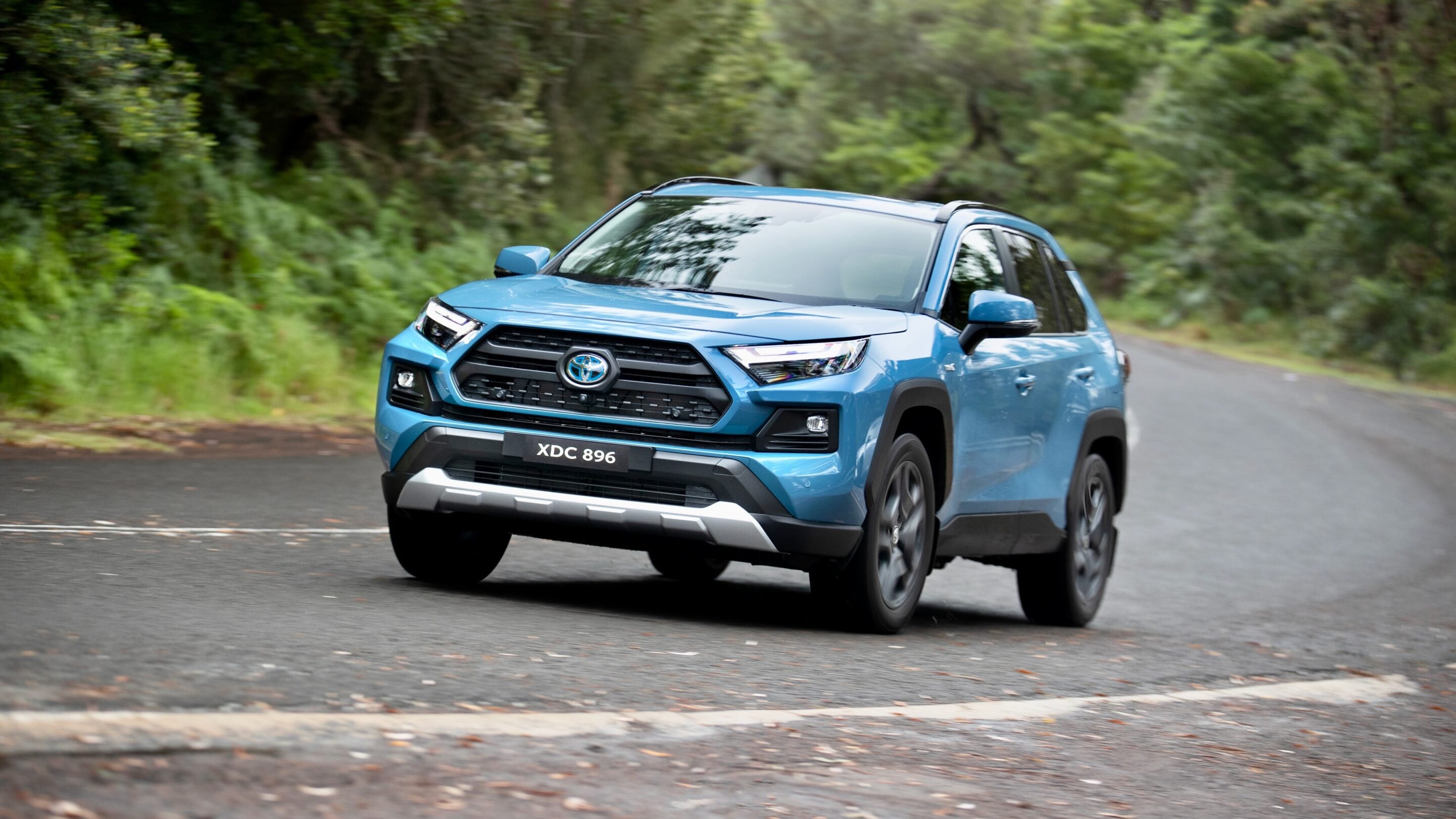
Price: From $42,260 plus on-road costs
Drivetrains/fuel economy/CO2 emissions: 2.5-litre four-cylinder hybrid, eCVT, 2WD or AWD, 160kW-163kW 4.7-4.8L/100km, 107-109g/km
Dimensions (length/width/height/wheelbase): 4600/1855/1685/2690mm
Bootspace: 542L – 1690L
Warranty/roadside assistance/service intervals: Five-year/unlimited km, none, annual/every
15,000km
Five-year service cost: $1350 ($270 per year)
| Driving | |
| Interior | |
| Practicality | |
| Overall value | |
One of the pioneers of the medium SUV segment as we know it, the Toyota RAV4 has been a massive success for its maker. The biggest-selling car in the entire world in 2024, the all-new RAV4 has already been revealed and will be launched locally next year, but the current model continues to sells well and still has a waiting list if you want one.
If you’re wondering about value for money, there are better options in the segment. Thanks to a hybrid-only line-up, prices for the RAV4 range start at an expensive $42,260 for the entry-level GX. That model doesn’t even have a leather steering wheel, and the most popular model – the Cruiser – is around $57,000 once on-road costs are included in the price. Want the full burger? The top-spec Edge is around $65,000 drive away. Yikes.
The former petrol options are no longer available thanks to hybrid popularity, so the sole drivetrain now available is a 2.5-litre petrol hybrid making 160kW in front-drive form, or 163kW with all-wheel drive, and claimed combined fuel consumption is rated from just 4.7L/100km. The RAV4 is a quiet and comfortable drive, which is clearly what so many medium SUV buyers are searching for. For a sportier option however, look elsewhere.
The cabin of the RAV4 is typical Toyota: practical, comfortable and good quality, though hardly the latest in technology. An 8.0-inch touchscreen features on the base GX and one-level-up GXL, which is upgraded to a larger and better looking 10.5-inch unit in the mid-spec XSE and upwards. Storage space is great, with a huge central bin, open tray and large cup holders. Back seat space is plentiful, and three adults will be fine. The RAV4’s boot is healthy at 542 litres, expanding to 1690 litres with the rear seats folded.
Toyota’s standard five-year/unlimited km warranty covers the RAV4 with no roadside assistance – that can be purchased separately – but if it’s serviced at a Toyota dealer, it gains an extra mechanical warranty up to seven years and if an annual battery check is performed, the battery warranty is extended up to 10 years in total. Plus, the first five years of servicing costs just $1350 or $270 per year.
Overall, it’s clear to see why the Toyota RAV4 has been so popular in this generation: it offers the usual Toyota practicality and low service cost, plus a very fuel efficient hybrid drivetrain and good performance. However, there’s a new model coming next year, and the current model is a lot more expensive than it used to be as well, so do your research to see if the current RAV4 really is the one for you.
Price: From $42,990 plus on-road costs
Drivetrains: Essential/Dynamic: 1.5-litre plug-in hybrid, 160kW/300Nm; Premium: 1.5-litre turbo plug-in hybrid, 238kW-253kW/550Nm
Battery/peak DC charge rate: Standard Range: 18.3kWh, LFP, 18kW; Extended Range: 26.6kWh, LFP, 18kW
Claimed WLTP range: 92km – 140km
Dimensions (length/width/height/wheelbase): 4775/1890/1670/2765mm
Bootspace: 425L – 1440L
Warranty/roadside assistance/service intervals: Six-year/150,000km, 12 months, annual/every
20,000km
Five-year service cost: $1648 ($329 per year)
| Driving | |
| Interior | |
| Practicality | |
| Overall value | |
BYD’s rise to sales stardom in Australia in 2025 alone has been incredible. From launching on the local market in early 2022 to being placed in the top 10 manufacturers overall in 2025 to date is a meteoric rise, especially considering how BYD mostly sells EVs.
Priced from $42,990 plus on-road costs, the Sealion 6 PHEV is awesome value for money and is the cheapest plug-in hybrid on the market – it’s around $15,000 less expensive than the Mitsubishi Outlander PHEV, for example. Yet standard equipment is lengthy, including two battery sizes and two engines, with up to 140km of WLTP-rated range from a 26.6kWh LFP battery that can be charged at up to 18kW. Propulsion is handled by a plug-in hybrid drivetrain with both turbo and non-turbocharging, and up to 253kW of power and 550Nm of torque. Despite that, the Sealion 6 is hardly sporty and its ride quality could also be improved, but it’s got more than enough grunt for urban and highway driving.
Inside the Sealion 6 is a good quality cabin with a mix of leather-like and soft touch plastics for an upmarket vibe. Centre of the cabin is a huge 15.6-inch touchscreen with many features, which can also sit in portrait or landscape mode depending on your preference. The rear seat is roomy for two adults, with excellent head- and legroom, though the 425-litre boot is small for the class, though is boosted to 1440 litres with the rear seats folded.
BYD’s six-year/150,000km warranty covers the Sealion 6 and its annual/20,000km service intervals are long as well. Service pricing is reasonable too at just $329 per year. Overall, the BYD Sealion 6 is excellent value for money, and its position as the cheapest PHEV mid-size SUV on the market alone gives it plenty of appeal along with its high quality and spacious cabin, long electric driving range and long list of standard equipment.
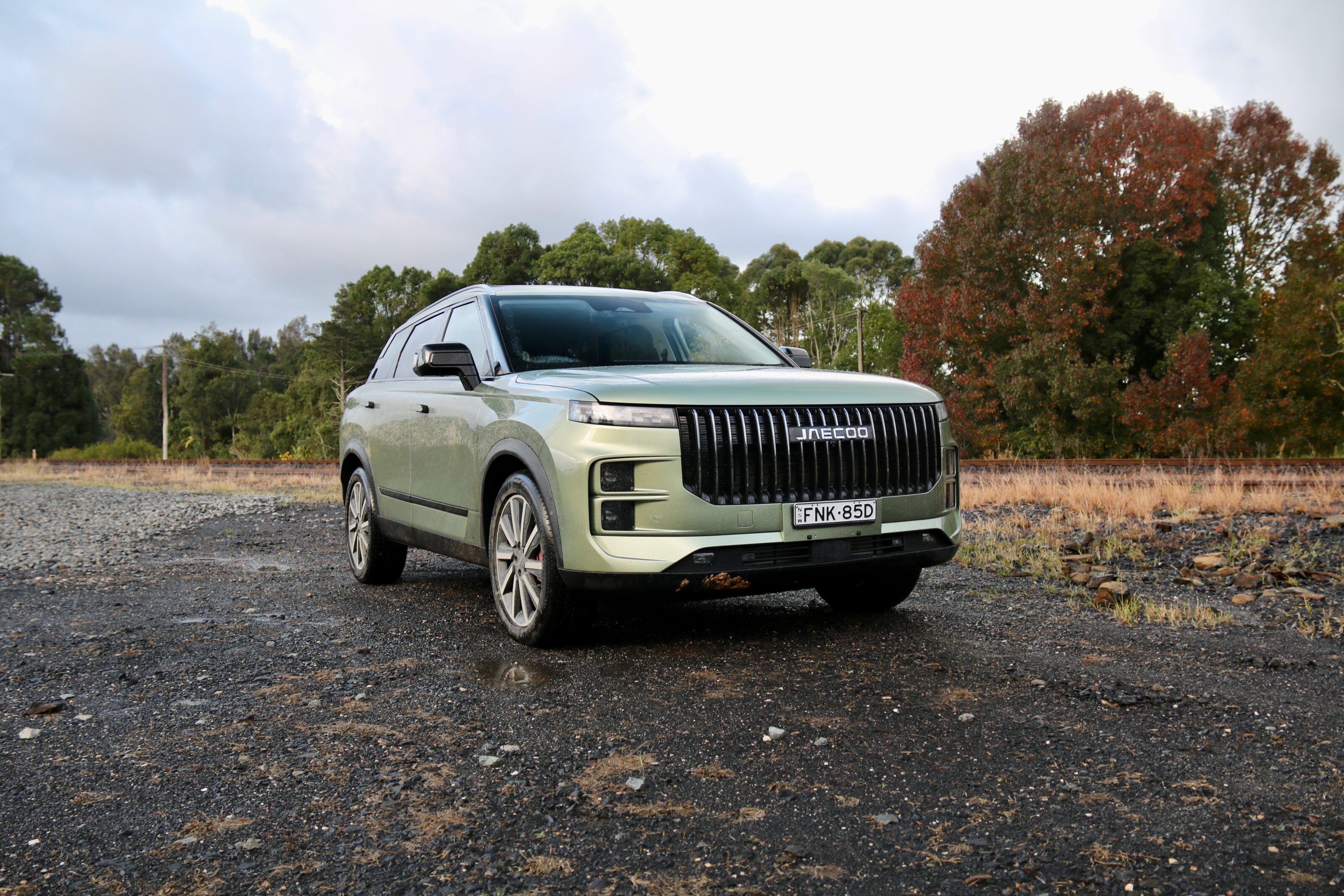
Price: From $47,990 drive away
Drivetrains/fuel economy/CO2 emissions: 1.5-litre turbo four-cylinder plug-in hybrid, CVT, 2WD, 255kW/525Nm, 1.0L/100km, 17g/km
Dimensions (length/width/height/wheelbase): 4500/1865/1680/2672mm
Bootspace: 424L – 1349L
Warranty/roadside assistance/service intervals: Eight-year/unlimited km, up to eight years,
annual/every 15,000km
Five-year service cost: $1895 ($379 per year)
| Driving | |
| Interior | |
| Practicality | |
| Overall value | |
Jaecoo is Chinese giant Chery’s more premium sub brand and the mid-sized J7 is the first product it launched in Australia. The J7 is based on the Chery Tiggo 7, but is fancier to look at and touch, more expensive but better equipped and can be purchased with all-wheel drive.
Pricing for the J7 starts at $34,990 drive away, and there are four models on offer: petrol Core, Track and Ridge, and the SHS plug-in hybrid at the top of the range. Standard equipment, even on the Core, is impressive with synthetic leather, 18-inch alloy wheels and powered front seats as standard. We think the mid-spec Track ($37,990 drive away) is the variant to buy as it further adds a 360-degree camera, power tailgate, dual-zone automatic AC and a wireless charger.
Petrol models use a turbocharged 1.6-litre petrol engine making 137kW of power and 275Nm of torque, which sends grunt to either the front or – in the case of the Ridge – all four wheels through a seven-speed dual-clutch transmission. The J7 is not sporty and loves to roll in corners but it handles urban bumps well. The J7 Ridge AWD also provides some amount of off-road capability for a mid-size SUV, and the 255kW plug-in hybrid is quite rapid – more than enough to overwhelm the front wheels.
Centre of the cabin is a huge 14.8-inch touchscreen with features such as wireless smartphone mirroring and satellite navigation. It’s quick to use and quite bright, but it needs an extra layer of shortcuts as it can be distracting to use. The J7’s cabin otherwise displays a good level of quality with plenty of synthetic leather surfaces, excellent storage options and reasonable space for two adults in the rear seat. The J7’s smaller sizing in the segment means that its boot space isn’t huge, however, at just 424 litres with the seats up and 1349 litres with them folded.
Where the J7 adds value is its aftersales program with an impressive standard eight-year/unlimited km warranty with eight years of roadside assistance as standard. There’s also eight years of capped price servicing and the first five years of servicing ranges from $1725 to $1925, or $345 to $385 per year.
While there are cheaper alternatives, the Jaecoo J7 is still strong value for money if you’re after something a little bit fancier than the norm with its premium vibe, handsome styling and stacks of standard equipment. The driving experience could be improved, however, and it’s definitely at the smaller end of the segment, but still offers more than enough for value-focused buyers to consider.

Price: From $46,990 drive away
Drivetrains/fuel economy/CO2 emissions: 1.5-litre four-cylinder hybrid, CVT, 2WD, 179kW/530Nm, 5.7L/100km, 131g/km
Dimensions (length/width/height/wheelbase): 4705/1908/1780/2810mm
Bootspace: 483L – 1342L
Warranty/roadside assistance/service intervals: Seven-year/unlimited km, seven years,
annual/every 10,000km (first 12 months)/15,000km (every service afterwards)
Five-year service cost: $2145 ($429 per year)
| Driving | |
| Interior | |
| Practicality | |
| Overall value | |
SUV sales are going gangbusters, forcing manufacturers to think of what else they can offer consumers. Not satisfied with offering just the popular H6, GWM Australia has just put the H7 on sale, which is based on the H6 but features a more rugged looking body and unique styling. Just one H7 is on offer in Australia, and it’s priced from $46,990 drive away. So what’s to like about the Haval H7?
For starters, it’s quite well equipped. Highlights include 19-inch alloy wheels, LED lighting, synthetic leather upholstery, heated and ventilated front seats with electric adjustment, a 14.6-inch touchscreen with wireless smartphone mirroring, a panoramic sunroof and a wireless phone charger.
Although it’s mechanically related to the H6, the H7’s interior is quite different with a more macho vibe throughout, such as the chunky gear lever and grab handles on the dashboard and doors. Material quality is solid, while the 14.6-inch touchscreen is generally fine to use, though it could use more shortcut buttons. The rear seat of the H7 is roomy, with plenty of space for two occupants, while the panoramic sunroof makes it feel ever larger. The boot measures between 483 litres with the rear seats up and 1362 litres with them folded, which is on the smaller size in the segment, but it’s more than enough for most people.
Unlike the H6, just one engine choice is available in the H7: a 179kW 1.5-litre four-cylinder hybrid sending power solely to the front wheels – that’s right, despite the macho off-road looking body, the H7 is only a front-driver with the all-wheel drive models not sold here. As we’ve seen in the H6, the H7’s hybrid system is refined and provides more than enough pep – it’s also reasonably efficient, rated at just 6.2L/100km. The H7’s driving experience is refined and comfortable, and its ride quality is decent too.
The H7 is covered by a seven-year/unlimited km warranty with seven years of roadside assistance, which is one of the longest on the new car market. Service requirements are annual, with the first one covered at 10,000km and each one afterwards a further 15,000km, which is odd. Overall, the Haval H7 presents a curious entrant into the medium SUV segment. It looks like it’ll tackle off-road courses but it can’t in Australia as it’s only front-drive. That’s fine, however, as most medium SUV buyers won’t go near a trail and the H7 is otherwise comfortable, spacious, very well equipped and good value for money.
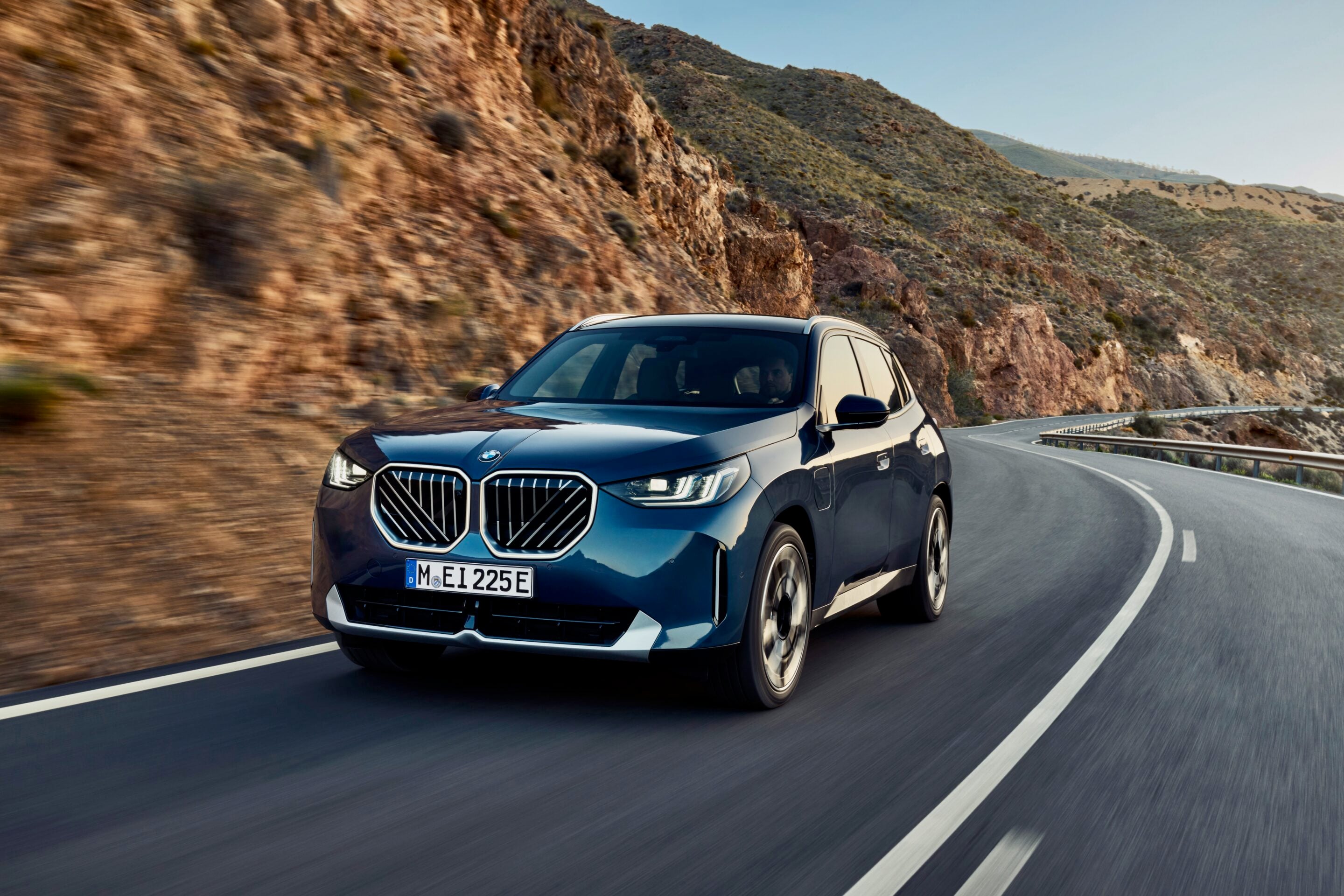
Price: From $104,800 plus on-road costs
Drivetrains/fuel economy/CO2 emissions: 2.0-litre four-cylinder turbo plug-in hybrid, 19.7kWh battery, 87km (WLTP), 8-speed auto, AWD, 220kW/450Nm, 1.6L/100km, 38g/km
Dimensions (length/width/height/wheelbase): 4755/1920/1660/2865mm
Bootspace: 460L – 1600L
Warranty/roadside assistance/service intervals: Five-year/unlimited km, three years, annual/every
15,000km
Five-year service cost: $2475 ($495 per year)
| Driving | |
| Interior | |
| Practicality | |
| Overall value | |
BMW’s fourth-generation ‘G45’ X3 medium SUV launched in Australia earlier this year to much fanfare. While some are yet to warm to the styling, BMW’s typical lovely driving experience remains in the latest X3 and it’s been given a big dose of technology and a futuristic minimalist interior. Should the X3 be on your shopping list if you’re after a plug-in hybrid mid-size SUV?
There are four models in the new X3 range, with the plug-in hybrid X3 xDrive30e priced from $104,800 plus on-road costs. That’s not cheap, but it is quite well equipped, including 20-inch alloy wheels, automatic LED lighting, heated and ventilated front seats with electric adjustment, automatic tri-zone climate control and ‘Veganza’ synthetic leather upholstery. Buyers can add more, such as the $4000 Enhancement Package and $2000 M Sport Pro Package too.
While there are 48V mild hybrid petrol and diesel drivetrains also available, the 2.0-litre turbo-petrol plug-in hybrid ‘30e’ X3 makes 220kW of power and 550Nm of torque. Unlike the others, the 30e also features a 19.7kWh battery for a claimed electric driving range of 87km, which is less than its Mercedes-Benz GLC 350e main rival’s 112km rating, but still impressive. The X3 is also quick, and its chassis is lovely for a big car. The ride is a touch firm in the typical BMW way, but also compliant and very comfortable.
Inside the X3 is a minimalist and tech-heavy interior that’s dominated by a huge 14.9-inch touchscreen with many features, including an eSIM for over-the-air updates and access to an app store, as well as the usual smartphone mirroring and sat-nav. Material quality in the latest X3 isn’t as good as the previous model (or GLC), with lots of synthetic leather trim but also hard plastics, including the interior door handles. Back seat room is fine, however, and its boot measures 460 litres with the seats up and 1600 litres with them folded.
BMW covers the X3 with a five-year/unlimited km warranty with only three years of roadside assistance. While the brand doesn’t quote pay-as-you-go service pricing, a five-year/80,000km service plan costs $2475, or $495 per year. Hybrid SUV buyers have never had it so good and the BMW X3 xDrive30e is evidence of that. It handles like a sports car, is more than fast enough, practical, well featured, comfortable and loaded with standard equipment. It doesn’t feel as expensive inside as it used to, and it can get quite pricey, but otherwise, it’s a great choice.
Looking to get into a brand-new mid-size SUV? Our stories below will guide you to the model that best suits your needs:
A new survey by money.com.au has found that many Australians regret paying for dealership add-ons when buying a car, with extended warranties topping the list of buyer remorse.
The nationally representative survey of more than 1000 motorists revealed that 22 per cent of drivers regretted paying for extended dealer warranties, while 20 per cent said the same about paint protection.
Fabric protection (13 per cent), rust proofing (11 per cent), and window tinting (10 per cent) rounded out the top five. Other items included car mats and accessories (10 per cent), dash cams (5 per cent), capped-price servicing (5 per cent), and dealer roadside assistance (4 per cent).
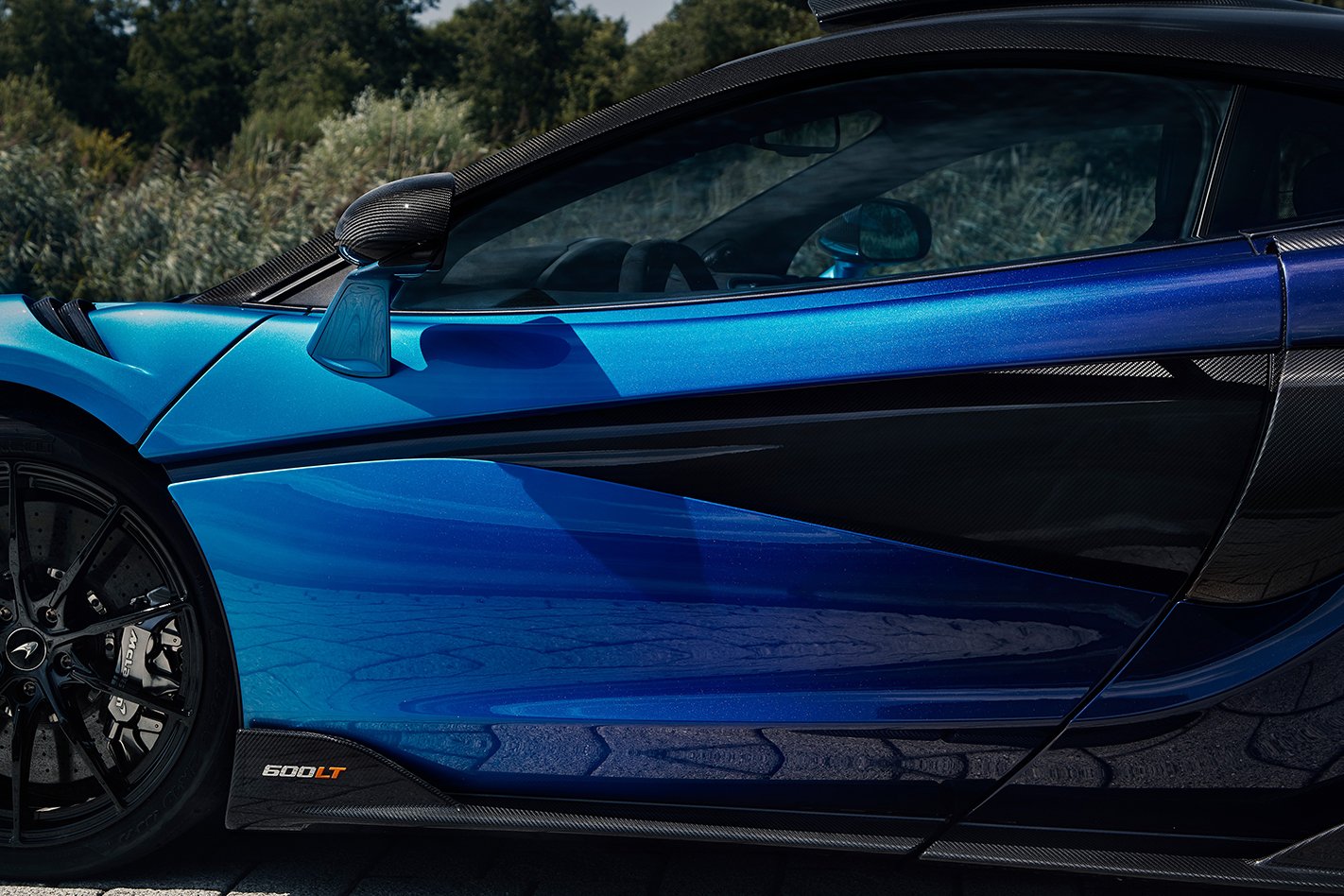
According to money.com.au finance expert Sean Callery, the findings highlight how easy it is for buyers to agree to extras they may not need during the excitement of purchasing a new vehicle.
“When you’re signing for a new car at the dealership, it’s easy to get caught up in the bells and whistles and nod along to every extra on the checklist,” Callery said. “But many of these add-ons simply don’t stack up because they’re either overpriced compared with what’s available independently, or they offer little real protection.”
Callery added that products such as paint and fabric protection, window tinting, and dash cams are often marked up heavily by dealerships, even though equivalent or better options are available in the aftermarket at lower prices.

The survey also showed that 10 per cent of Australians used dealer finance for their most recent purchase. Callery said buyers should carefully compare interest rates and fees against options from banks or specialist lenders before committing.
The research revealed a generational split in attitudes toward add-ons. Millennials (20 per cent) and Baby Boomers (28 per cent) were most likely to regret paying for extended warranties, while Gen Z (20 per cent) and Gen X (24 per cent) were more likely to nominate paint protection as their worst purchase.
Callery advised buyers to pause before signing up for extras at the dealership. “It’s absolutely worth checking whether these products provide real value compared with what you can find outside the showroom,” he said.
Volvo has confirmed its flagship EX90 electric SUV will switch to an 800-volt electrical system for the 2026 model year, less than 18 months after the model first went on sale.
The upgrade promises significant improvements in charging efficiency, with Volvo stating that owners will be able to recover up to 250km of range in just 10 minutes under optimal conditions. While the company has not disclosed battery sizes or precise performance gains, it says the new architecture delivers “more power for faster acceleration, while using energy more efficiently.”
The move brings Volvo into line with Chinese rivals, many of whom already deploy 800-volt systems in new models. Former CEO Jim Rowan had earlier signalled the change, noting that economies of scale in component sourcing were helping to drive down costs. The upcoming EX60 and ES90 will also be built on 800-volt platforms, aligning Volvo’s future range around a single standard.
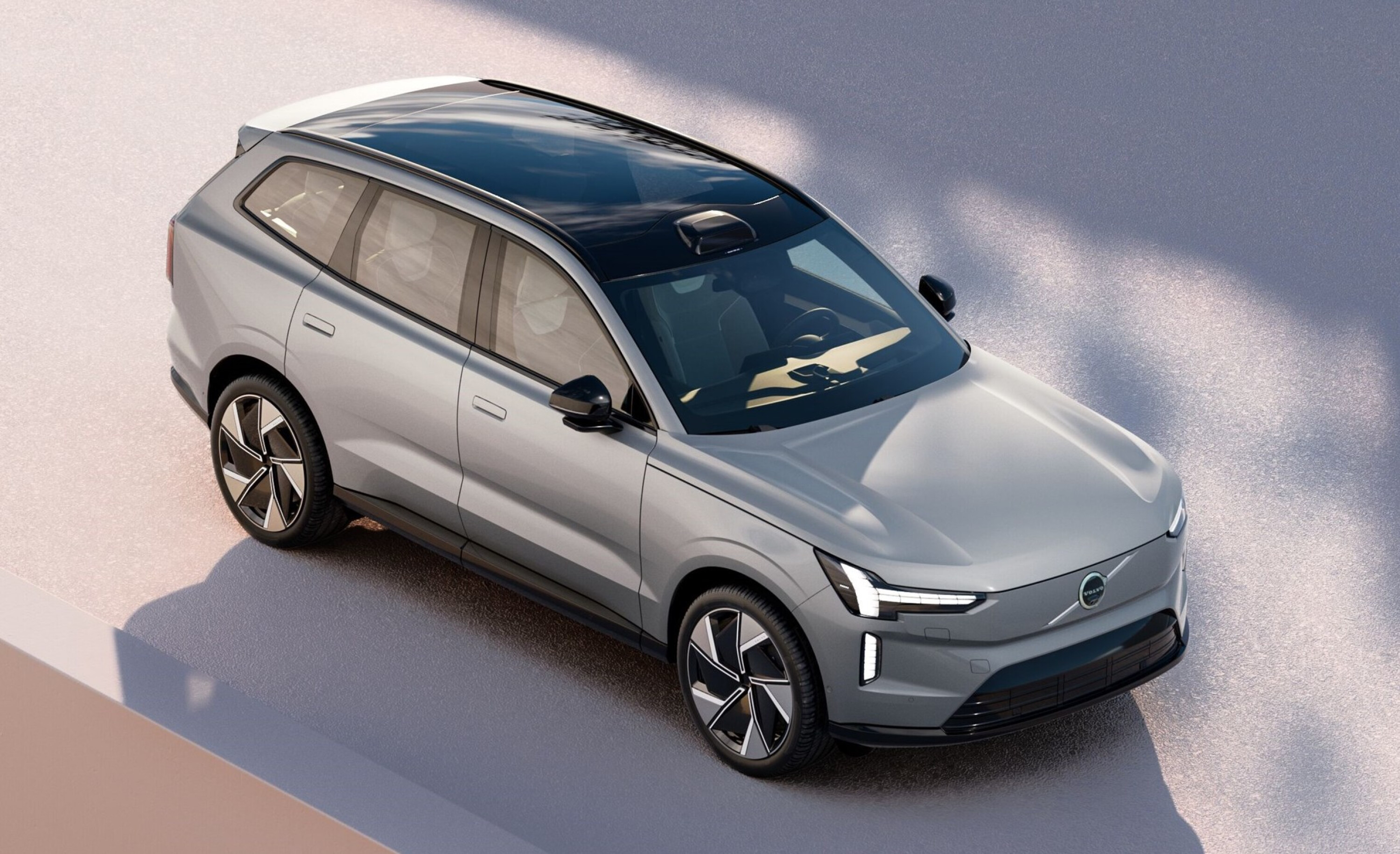
Alongside the electrical changes, the 2026 EX90 will adopt several new technologies. A panoramic electrochromic glass roof, first seen on the ES90, will allow occupants to adjust transparency at the touch of a button, reducing glare and improving privacy.
Volvo is also fitting an enhanced central computer built on dual NVIDIA DRIVE AGX Orin chips, capable of 500 trillion operations per second. This hardware underpins expanded driver assistance and safety functions, including new hazard alerts for slippery roads or accidents ahead, improved automatic emergency steering in low-light conditions, and integrated emergency stop assistance with automatic e-call. Owners of earlier EX90s will be able to have their vehicles upgraded with the new computer at no cost, though installation will require a workshop visit.
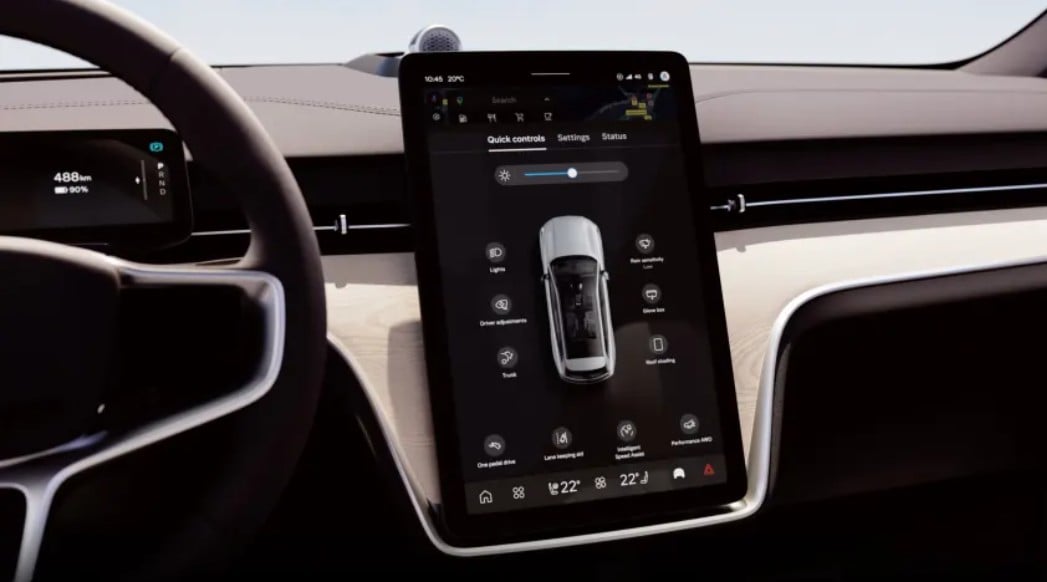
Driver convenience features are also set to improve, with Park Pilot Assist supporting automated parallel parking. Trim levels are expected to remain unchanged, with Plus and Ultra grades offered and a choice of Single Motor, Twin Motor and Twin Motor Performance powertrains. The range-topping Performance variant is likely to deliver more than 370kW (500bhp) and close to 400 miles (640km) of range.
The EX90 update underscores Volvo’s strategy to accelerate electrification while standardising technology across its next-generation lineup.
Warren Buffett’s Berkshire Hathaway has ended its long-running investment in Chinese electric vehicle giant BYD, closing a 17-year chapter that ranks among the most profitable in the company’s history.
Berkshire Hathaway Energy (BHE), a subsidiary of Buffett’s conglomerate, confirmed in its first-quarter filings that the value of its BYD stake had been reduced to “zero” as of March 31. The move marks the conclusion of an investment first made in September 2008, when Berkshire paid $230 million for a 10 per cent holding in the then little-known EV maker.
Over the years, the stake became a legendary Buffett success story. At its peak in 2022, Berkshire’s investment was valued at around $9 billion, representing a nearly 3,900 per cent gain. That year, however, Buffett began gradually trimming the position, prompting speculation about whether he was cashing out too soon.
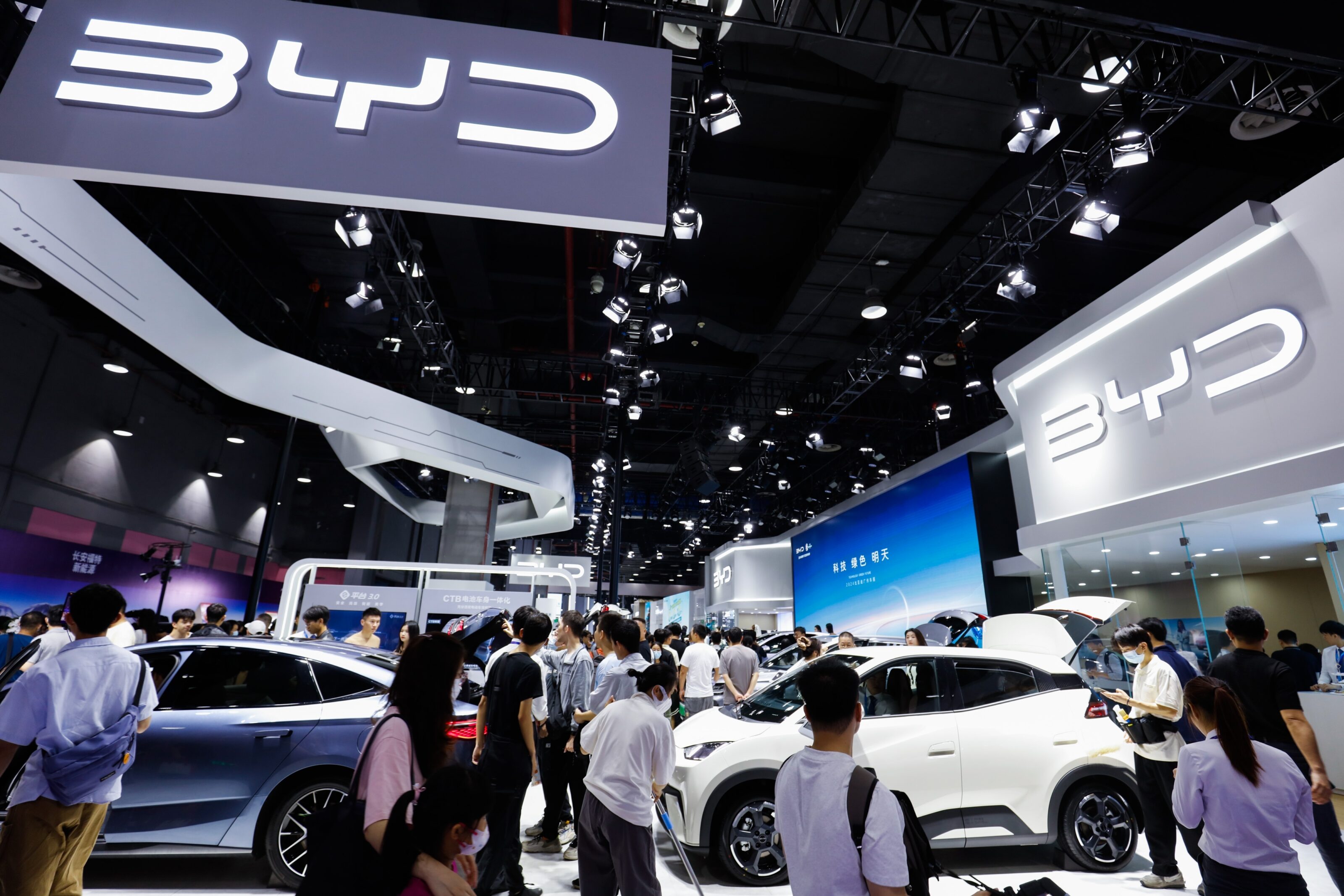
Buffett later noted the decision reflected his disciplined investment style rather than any loss of confidence in BYD’s leadership, led by founder and CEO Wang Chuanfu. It was Buffett’s late partner Charlie Munger who first pushed for the deal, famously comparing Wang to Thomas Edison. Munger once described BYD’s growth as “a miracle,” praising its early innovation in battery technology.
Today, BYD is the world’s largest EV maker by sales, outselling even Tesla. Yet the company faces growing headwinds in China, the world’s most competitive EV market. Analysts point to overproduction and intensifying price wars as risks to long-term profitability. In recent months, BYD cut its annual sales target from 5.5 million to 4.6 million units, while its share price has slipped 20 per cent over the past four months.
Market analysts say Buffett’s timing is consistent with his principle of not holding onto winners indefinitely. “He invests based on fundamentals and is not sentimental,” MarketWatch observed.
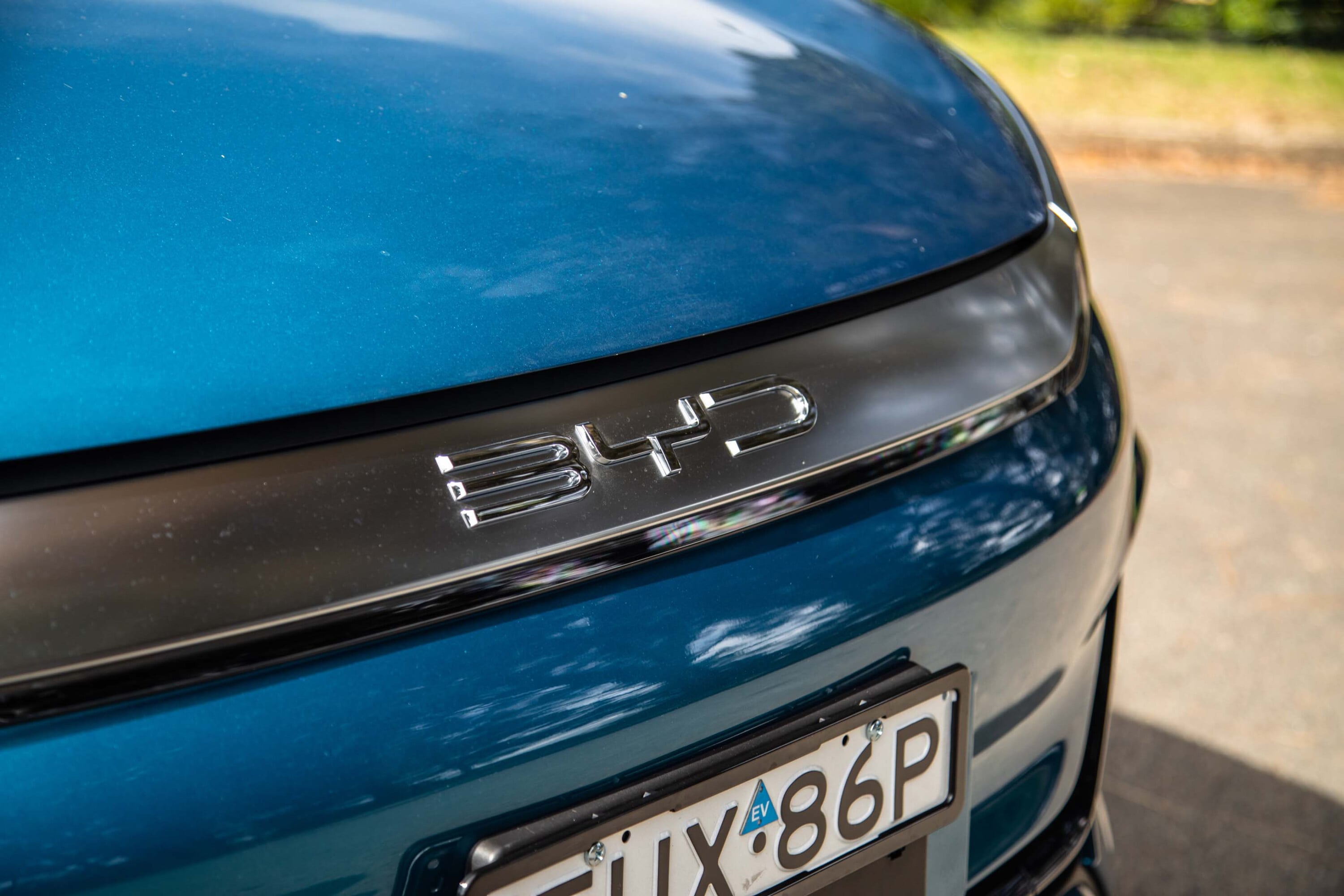
While Buffett’s exit has fueled debate about BYD’s future, the company still dominates China’s EV sector and is pushing for international expansion. However, with concerns over slowing growth and shrinking margins, the “miracle” that once propelled Buffett’s most famous overseas bet faces its toughest test yet.
Škoda has launched the second-generation Kodiaq RS, completing its new seven-seat SUV lineup with a model designed to blend space, performance, and premium features. Priced from $69,990 RRP, the new Kodiaq RS arrives as the sportiest version of the family SUV, boasting more power and sharper dynamics than before.
The original Kodiaq RS proved popular with Australian buyers, accounting for around half of all Kodiaq sales. Its successor continues the formula with a 195kW turbocharged petrol engine, producing 400Nm of torque and accelerating from 0–100km/h in 6.3 seconds. Power is managed through a six-speed DSG with paddle shifters, while Dynamic Chassis Control Plus and progressive steering deliver handling uncommon in the mainstream seven-seat SUV class.
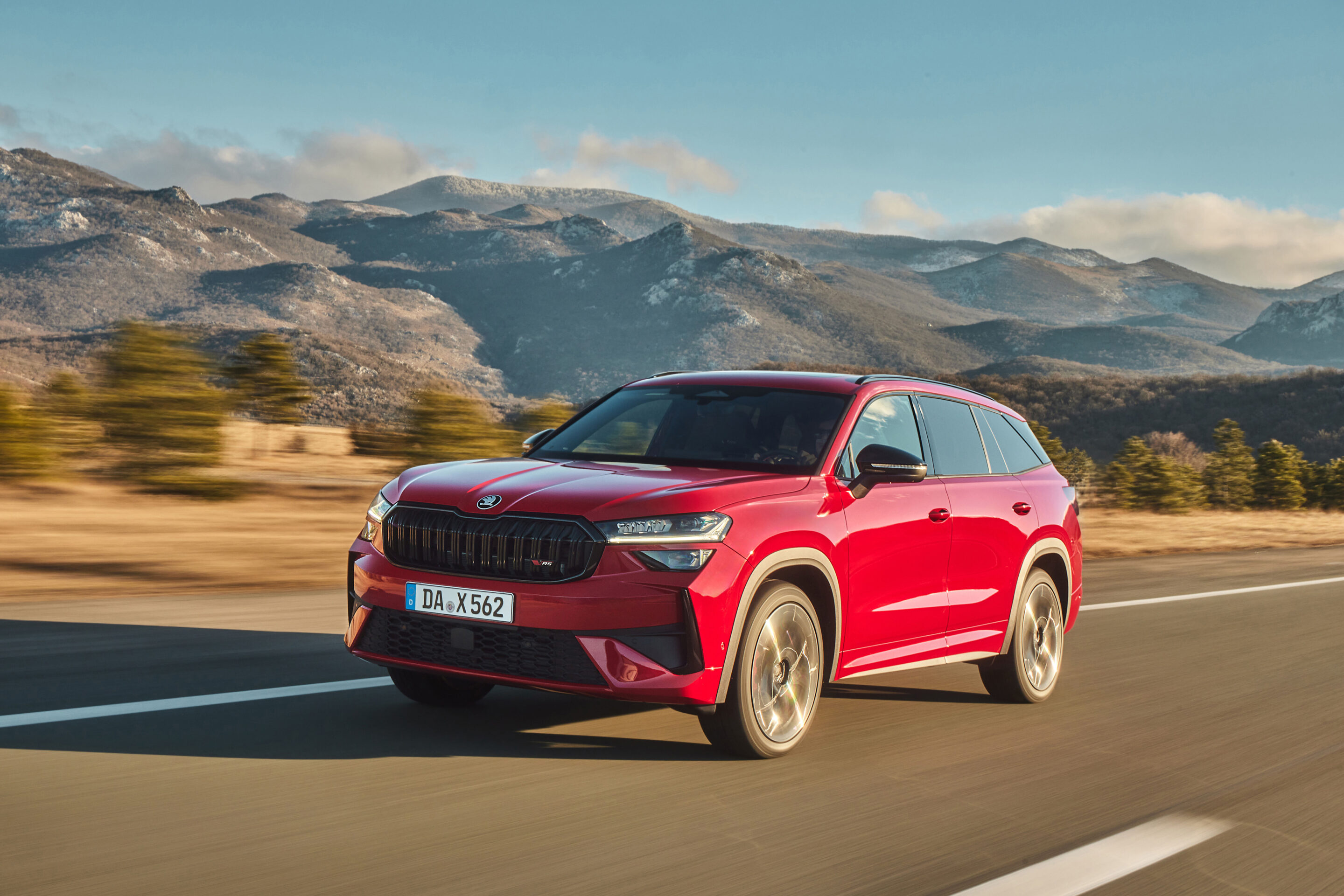
Visually, the RS stands out with 20-inch black polished wheels, black exterior accents, dual stainless-steel exhaust tips and red brake calipers. Inside, sports details include RS-branded perforated leather upholstery with red stitching, heated and ventilated sports seats, aluminium pedals, and a flat-bottomed leather steering wheel.
Technology is central to the RS package. Drivers get a 13-inch touchscreen with navigation, wireless smartphone integration, 10-inch Virtual Cockpit, head-up display and dual wireless phone chargers. A 13-speaker Canton audio system, Matrix LED headlights, 360-degree camera, and tri-zone climate control also feature as standard.
Safety is equally comprehensive, with Škoda’s Travel Assist suite offering adaptive cruise control, lane assist, traffic jam assist, emergency steering, and park assist. Nine airbags, Front Assist with pedestrian and cyclist detection, and Rear Traffic Alert further bolster protection.
Škoda product manager Aline Carrullo said the new RS raised the bar for performance SUVs in its segment. “The Kodiaq RS has always combined sporty handling with seven-seat practicality. This new generation adds a more powerful turbocharged engine, sharper dynamics and an upscale interior, while retaining exceptional value and versatility,” she said.
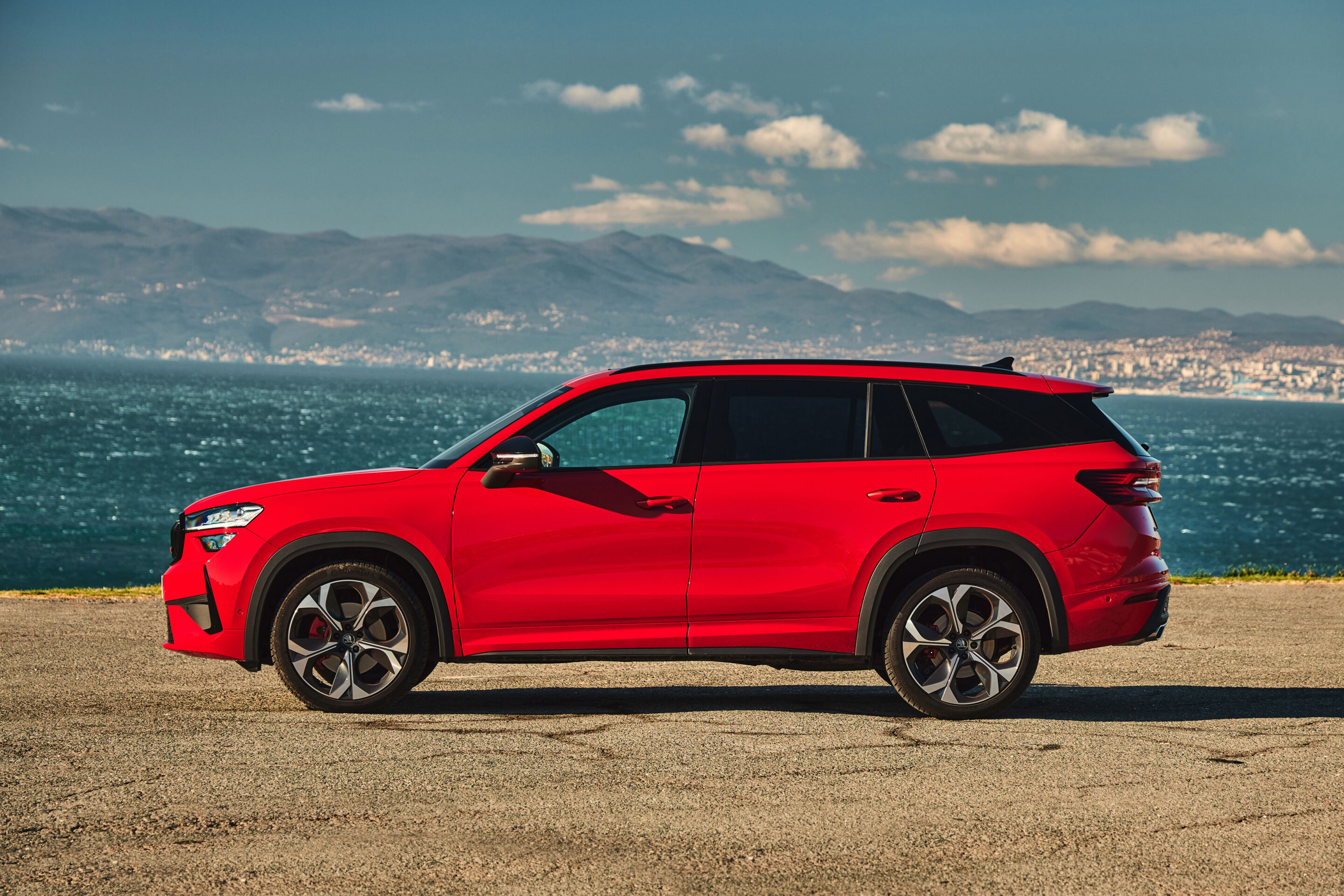
Buyers can choose from six no-cost paint colours, while options include a $1,900 panoramic sunroof and $770 Velvet Red metallic finish.
The Kodiaq RS joins the Select and Sportline variants in showrooms this month, ahead of new plug-in hybrid and mild-hybrid versions arriving in 2026 as Škoda expands its SUV and electrified offerings for Australian families.
Ford Australia has confirmed the arrival of the MY26 Everest Sport Bi-Turbo, a limited-edition SUV that blends the rugged capability of the brand’s 2.0-litre Bi-Turbo diesel with the distinctive styling of the Sport series.
Approximately 700 examples will be built, with pricing set at $71,190 MLP or $75,000 drive-away at participating dealers. The model will enter production between September and October 2025, with first customer deliveries expected from October.
Ford says the Everest Sport Bi-Turbo is designed to meet demand from Australian buyers seeking a vehicle equally at home in the city and on off-road tracks. It features full-time 4WD, the 2.0-litre Bi-Turbo engine, and Sport-exclusive styling touches, including blacked-out exterior accents and unique alloy wheels.
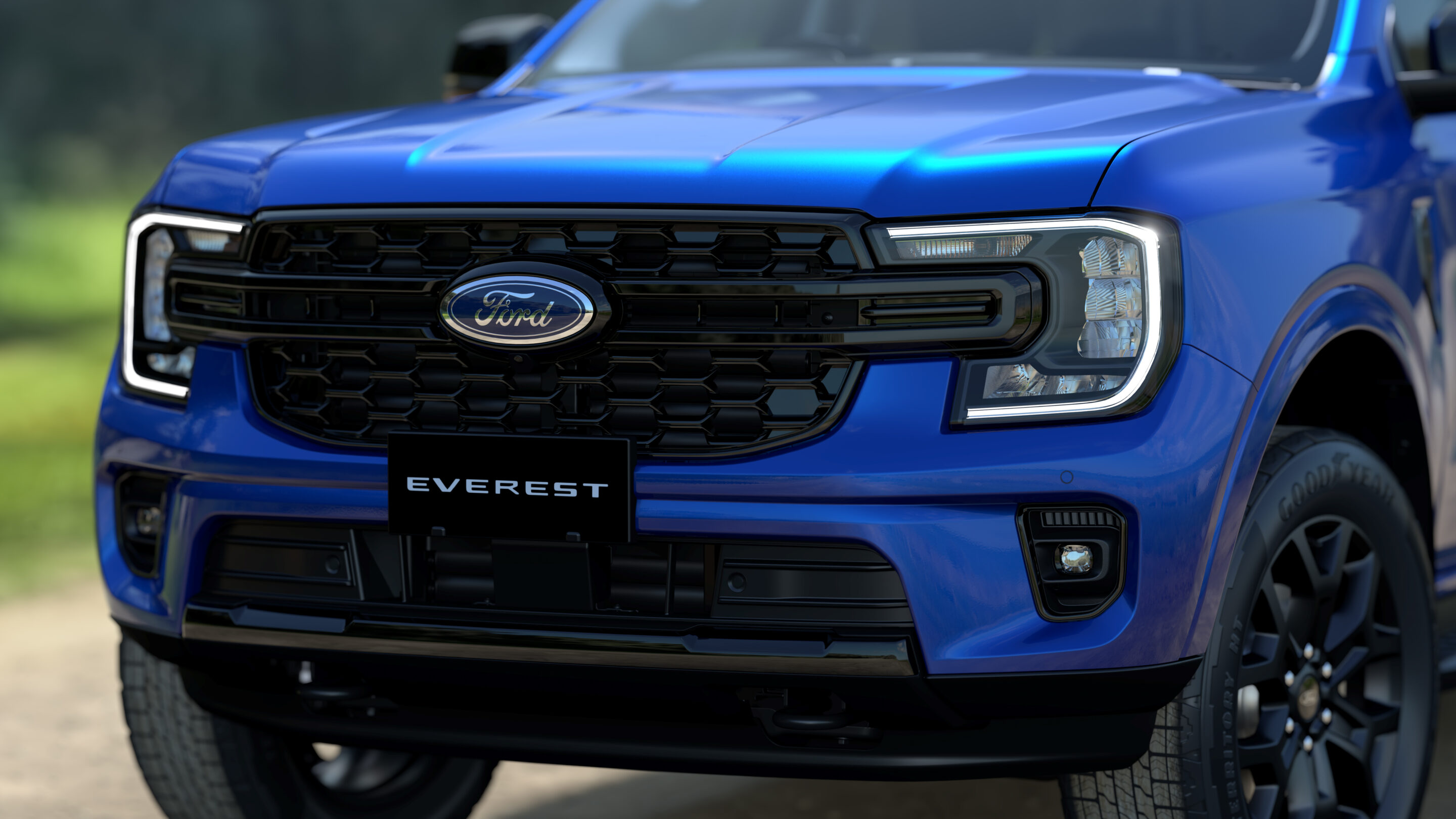
Unlike the V6-powered Everest Sport, the Bi-Turbo variant arrives with more standard equipment at a lower price point. Every unit includes the Touring Pack and Prestige Paint as standard, further enhancing its value proposition.
The Touring Pack equips the SUV with a suite of features designed for towing and touring confidence. These include a 360-degree camera, tow bar and hitch, integrated trailer brake controller, and Pro Trailer Backup Assist.
Colour options for the limited-edition model include Blue Lightning (Sport-exclusive), Shadow Black, Meteor Grey, Aluminium, and Alabaster White – a pearlescent shade making its debut in the Everest Sport range, replacing the usual Arctic White. Importantly, all paint finishes are included in the price.
Ford Australia marketing director Ambrose Henderson said the new variant brings together two of the brand’s most popular attributes. “It packages the highly popular 2.0-litre Bi-Turbo 4WD powertrain with the emotive black styling that our Sport customers love,” he said.
With its combination of affordability, capability and premium appointments, the Everest Sport Bi-Turbo aims to be a strong draw for both style-conscious buyers and adventurers looking for an SUV that can handle family duties and off-road escapes alike.
