Features

Gallery 1
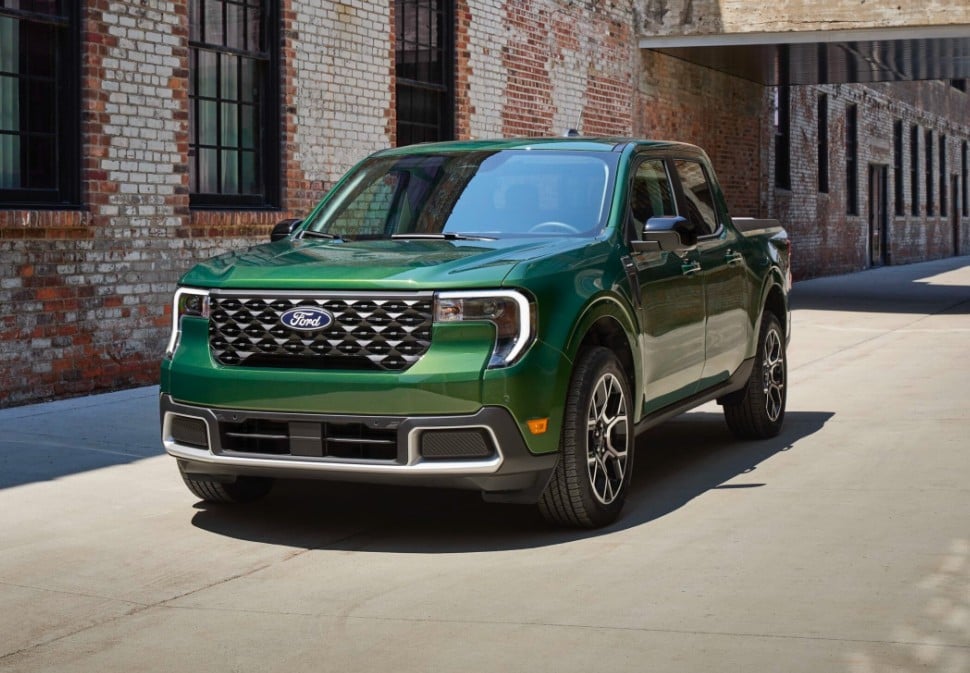
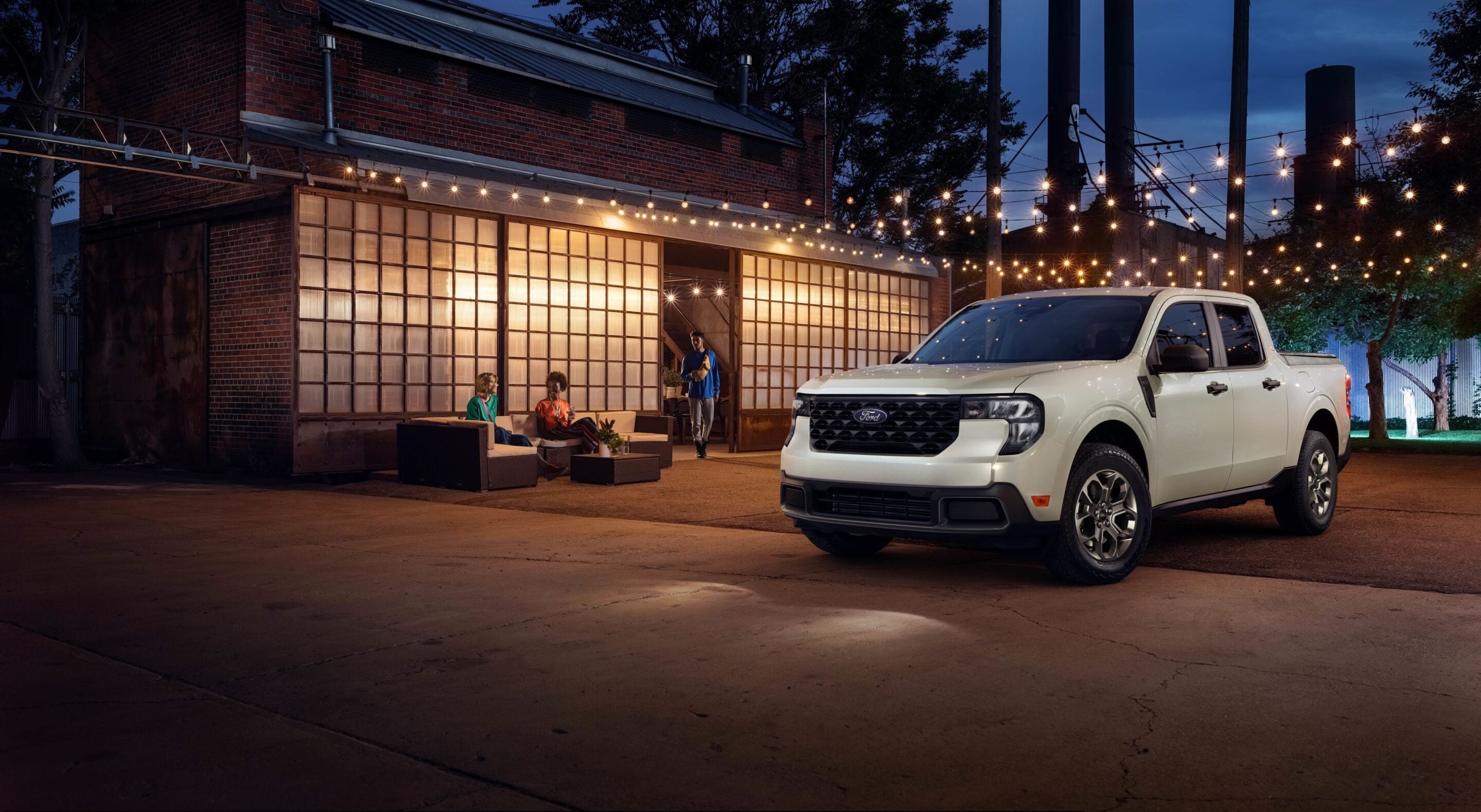
Of all the cars we’ve shown in this series on WhichCar by Wheels so far, this one is likely the one with the biggest sales potential if it were sold in Australia. It’s the Ford Maverick – and, no, we don’t mean the Nissan Patrol-based Maverick sold here from 1988 to 1994, rather, the Maverick currently sold in North America and select other markets around the world.
The Maverick has sold well in the US since its 2022 release, with over 155,000 units moved in 2025 alone. Ute offerings in Australia are more heavy duty and larger than the Maverick, which is why we think there’s definitely a place for a car-based ute in our market – surely you remember the Ford Falcon and Holden Commodore utes and how popular they were?
Using the same ‘C2’ platform as the Escape SUV and former Focus small car, the Ford Maverick is available with either a 186kW 2.0-litre turbo-petrol engine or a 142kW 2.5-litre hybrid, both in either front- or all-wheel drive forms. The petrol engine uses an eight-speed auto, and the hybrid a CVT. In the US, the Ford Ranger is only available with turbo-petrol engines in 2.3-litre four-, and 2.7-litre and 3.0-litre V6 (Raptor) sizes.
4
How does the Maverick compare to the larger Ranger in size? At 5072mm long, the Maverick is around 300mm shorter than the Ranger dual cab, while its 1800mm width is 110mm less and its 1765mm height is around 100mm less too. The Maverick’s towing capacity varies due to the drivetrain chosen, but the petrol engine with an optional towing capacity can haul 4000lbs (1800kg), which is just more than half that of the Australian-spec Ranger but still more than enough for towing jet skis and so on.
Maverick pricing starts at US$27,145 (A$40,200 at the time of writing) for the entry-level XL petrol, and reaches around US$44,000 (A$65,300) for a top-spec and off-road themed Tremor. That’s about US$6,000 (A$9000) less than a Ranger in the USA, though like the Maverick, the US-spec Ranger is only sold in dual-cab form with no single cab bodystyle available.
Standard features on the Ford Maverick XL include 17-inch steel wheels, manual mirrors, automatic LED headlights, an 8.0-inch digital driver’s display, a 13.2-inch touchscreen with Ford’s ‘Sync 4’ operating system, cruise control and a smattering of active safety features including autonomous emergency braking, lane keeping assistance, a reversing camera and auto high beam.
Moving up the range adds features like power mirrors, alloy wheels up to 19-inches in size, more advanced LED lighting, dual-zone climate control, synthetic leather upholstery, a Bang & Olufsen sound system, adaptive cruise control with adaptive lane guidance, blind-spot monitoring and a 360-degree camera.
6
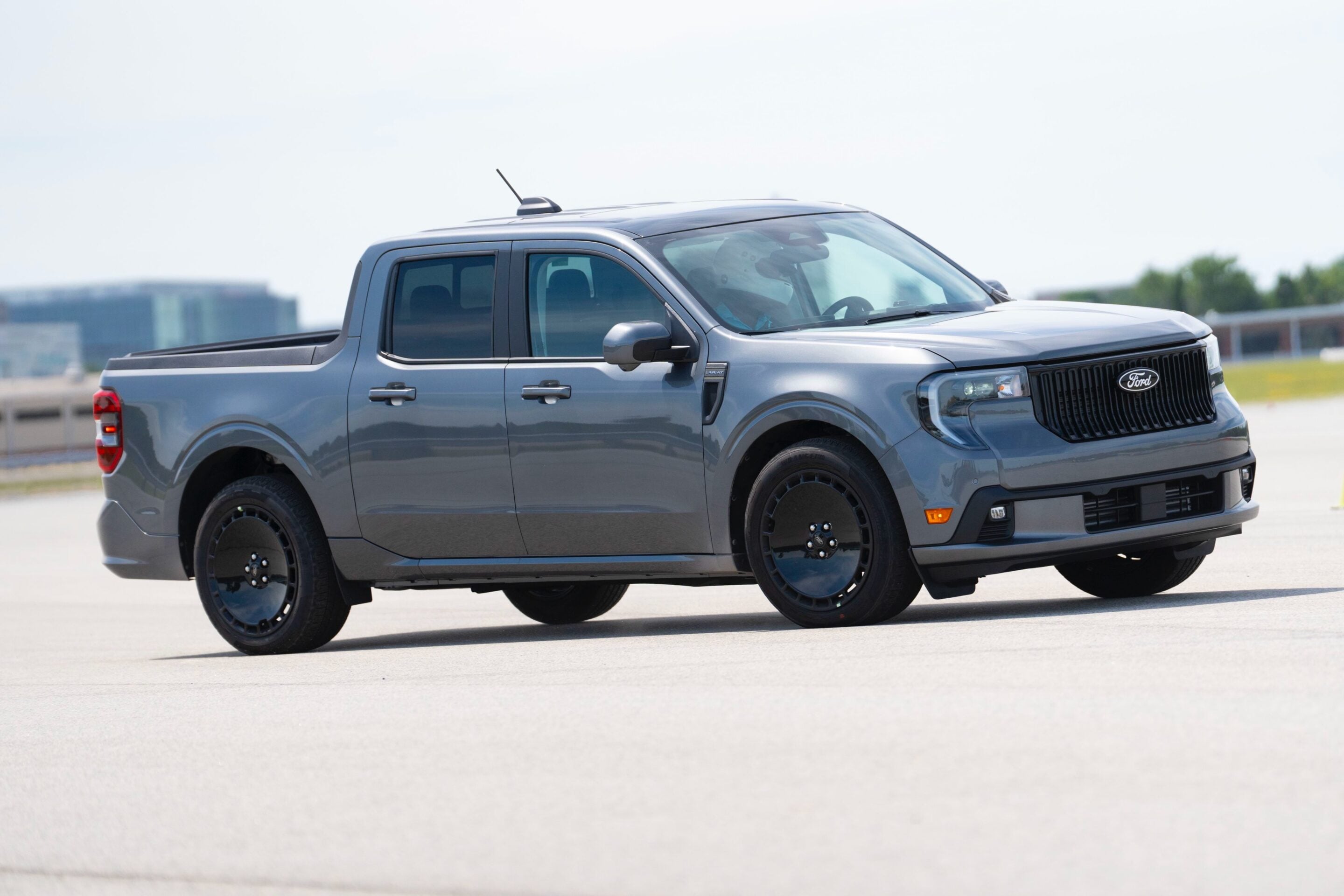
Of note too are the Ford Maverick Lobo and Tremor trims, which cover the sporty and off-road ends of the market respectively. The track-ready Lobo features performance-tuned suspension, steering and brakes, a more advanced all-wheel drive system with rear wheel torque vectoring, an enhanced gearbox with paddle shifters and sportier exterior and interior styling.
Whereas, the Tremor features elevated off-road tuned suspension, a twin-clutch rear drive unit with an electronic-locking rear differential, more off-road modes and orange design highlights.
Currently, no car maker sells a smaller ute in Australia, despite there being a few options like the Maverick and Hyundai Santa Cruz overseas. Toyota is rumoured to be developing a new Corolla-based model, but nothing has yet come to fruition. But considering that both Australia and Ford are the source of the original ute in the 1930s, and given how well they sell here and how expensive modern utes are, it’s likely that if priced correctly beneath the Ranger, the Ford Maverick could do quite well here. Our fingers remain crossed for an Australian car-based ute return.
Follow WhichCar/Wheels on Google
Click the button below to make WhichCar by Wheels a preferred source for your news.

We recommend
-
 Comparisons
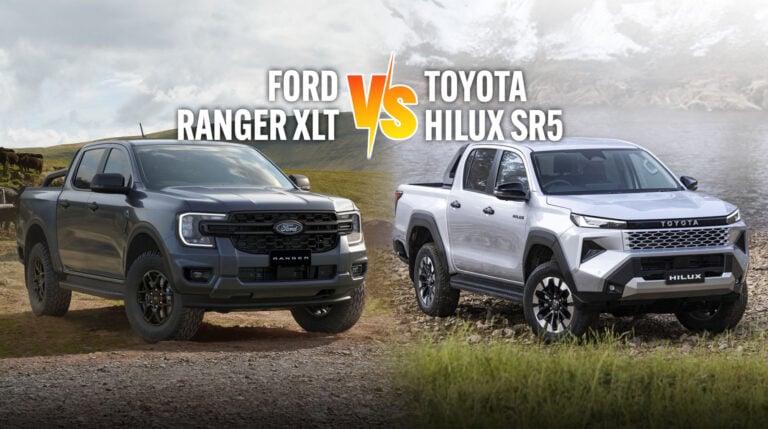
2026 Ford Ranger XLT vs Toyota HiLux SR5: Spec Battle
A deeper dive into the pros and cons of Australia’s two most popular vehicles.
-
 News
NewsFord to expand Ranger Super Duty line-up by mid-2026
Ford will expand the Ranger Super Duty heavy duty line-up in mid 2026 with a new bodystyle and a new higher-spec variant.
-
 News
News2026 Ford Ranger upgraded with simplified engine range and new models
Ford has simplified the engine options for the Ranger lineup, added standard equipment and revealed new models as part of MY26.5 changes.