
If you’re ready to make to the leap to an electric vehicle, at the time of testing, the clear standout is anything with a Tesla badge. Good, bad or otherwise, love the founder or hate him, the testing is clear. When it comes to electric vehicles doing things we expect them to do, Tesla does it better than anyone. Range, energy usage, technology and the ownership experience, ensure Tesla sits atop the electric vehicle pile.
What if you’re not quite ready for a full EV? Plenty of you have either tested one, given their slowly growing popularity on Aussie roads. The feedback to Wheels shows though, that many of you aren’t ready to make the leap yet and buy one.
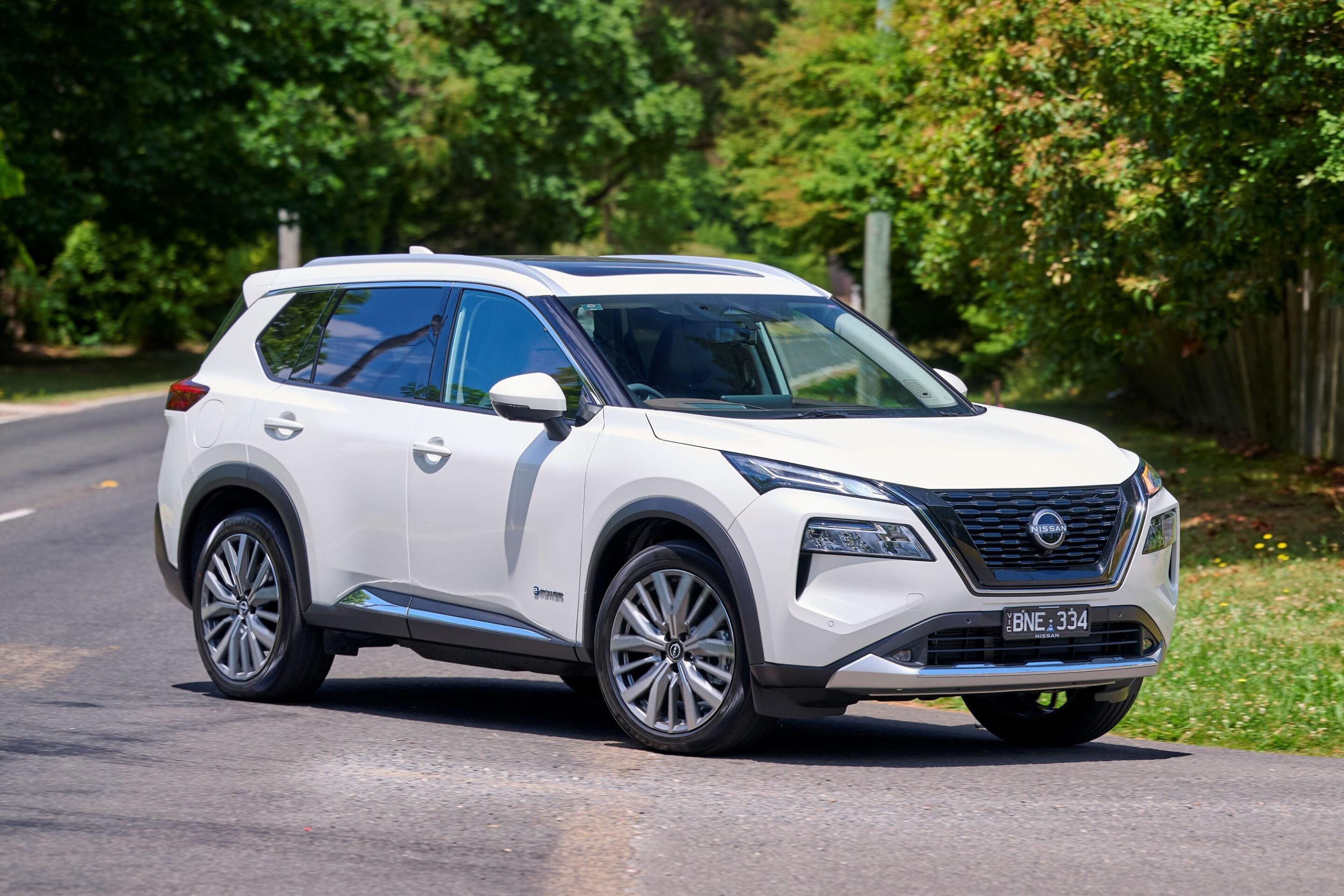
That’s where a vehicle like the Nissan X-Trail e-Power drives into the frame. With a conventional fuel tank used to power a petrol engine working as a generator, the X-Trail behaves like an EV without any of the range anxiety associated with charging. If you can train your mind to dial the sound of the generator out, it feels almost like you’re driving an EV. The word ‘conventional’ is used here advisedly, because the e-Power system is anything but conventional. When the fuel gauge gets low, however, pull into a service station and top up. Easy.
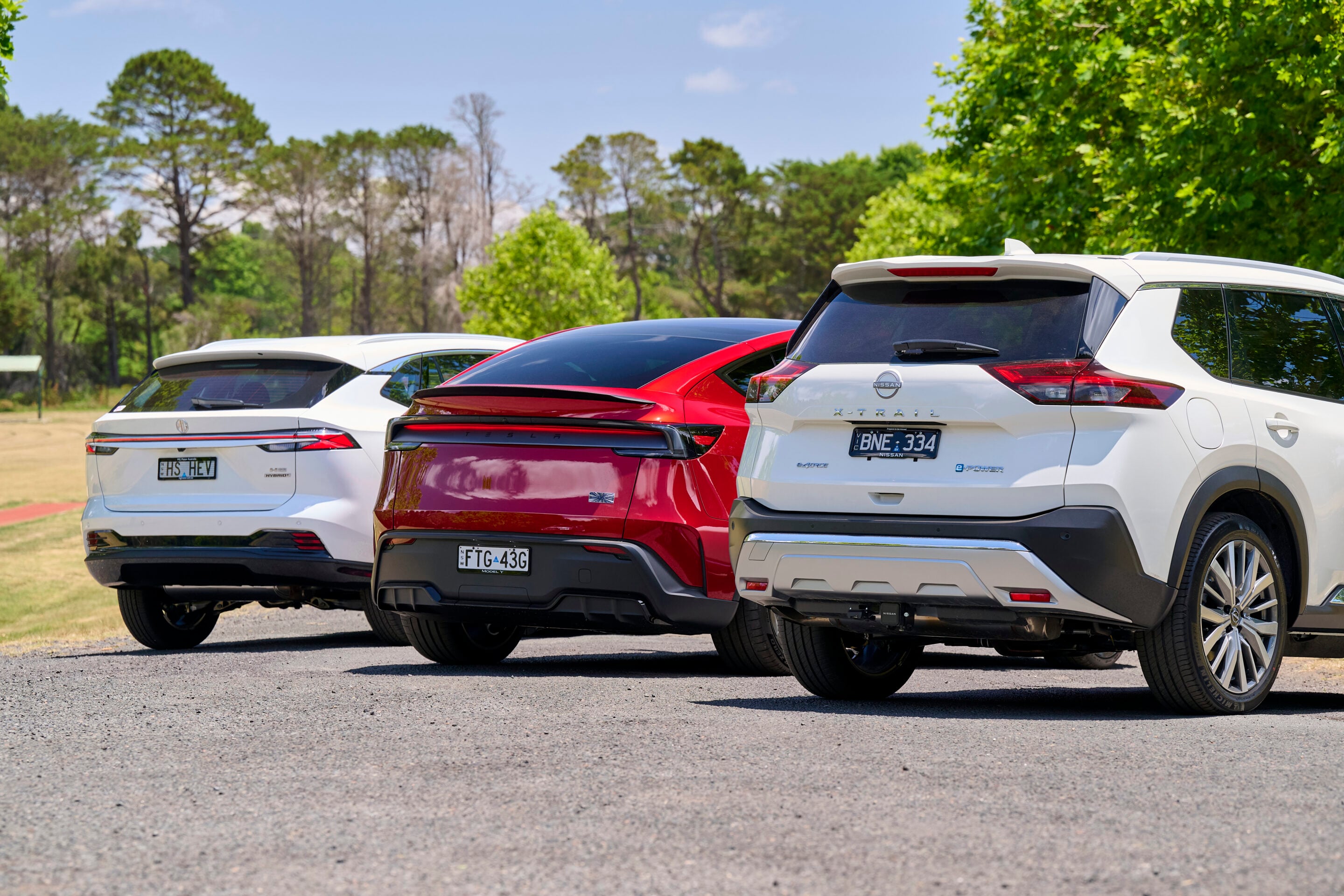
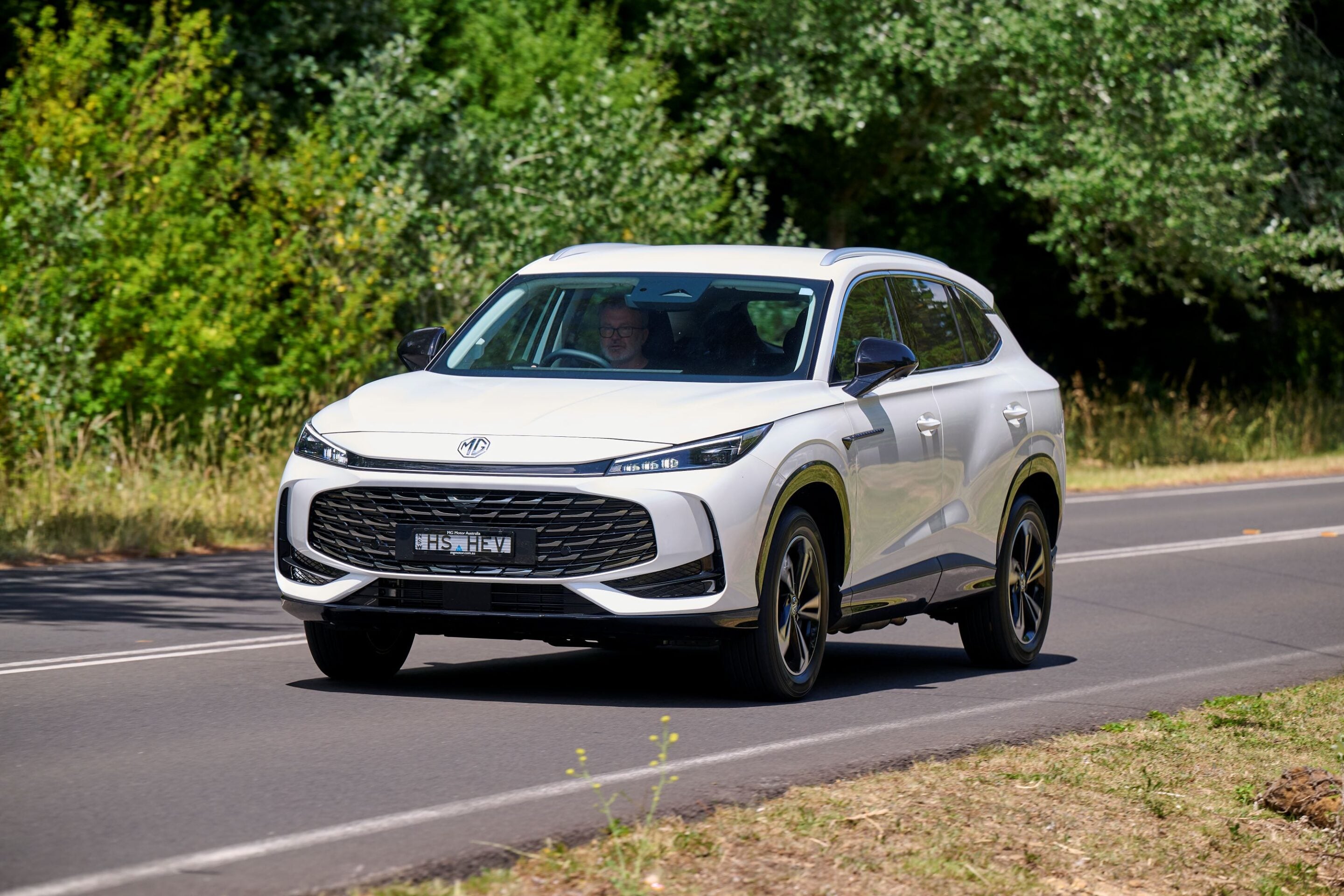
Or, you could do what more and more heavy hitters suggest is actually the most effective and environmentally-friendly way to get from A to B. That is, buy a petrol/electric hybrid. The latest among them as we go to press is the 2026 MG HS Hybrid you see on these pages. Toyota has shown the automotive world the hybrid way for decades now, and other manufacturers want in – MG among them.
On the subject of Toyota, its boss Akio Toyoda thinks hybrid is the smart way to go – somewhat unsurprising given Toyota’s position as the hybrid sales leader around the world. That said, when even Volvo is questioning the long-term environmental chops of EVs, you know there might be some weight to it.
“If I were to have made nine million battery electric vehicles in Japan, it would have actually increased the carbon emissions, not reduced them,” Toyoda said. “That is because Japan relies on thermal power plants for electricity.”
That’s not to say that Toyota won’t release EVs, simply that it will not see them as a one size fits all
solution to the environmental problem.
Having completed a lap of the Australian mainland in an EV, I can write one thing unequivocally. Australia is not yet ready – broadly speaking – for hordes of us to be rolling round the countryside in EVs. There’s no strongly prosecuted counter argument. Head a decent distance out of any major city, and you’ll see what I mean. The charging infrastructure, certainly in remote areas, simply isn’t anywhere near where it needs to be, and probably won’t be anytime soon.
It means, then, that if you’re a one-car family, if you drive long distances regularly, if you love road trips, or if you live in a rural area, an EV is too big a leap.
The reality for most Australians is that a fuel tank, feeding a petrol engine of some kind, is still the safest and least intrusive way to make a new car purchase. Most of us live in the cities and rarely head further afield. If you’re part of that cohort, an EV will do everything you want it to do, with a sense of insulated composure. That’s why we headed a few hours out of Sydney with the three vehicles we’ve assembled here, logging the kind of distance the average Aussie family might on a weekend road trip.
Which is the smartest option for you, then? Let’s find out.
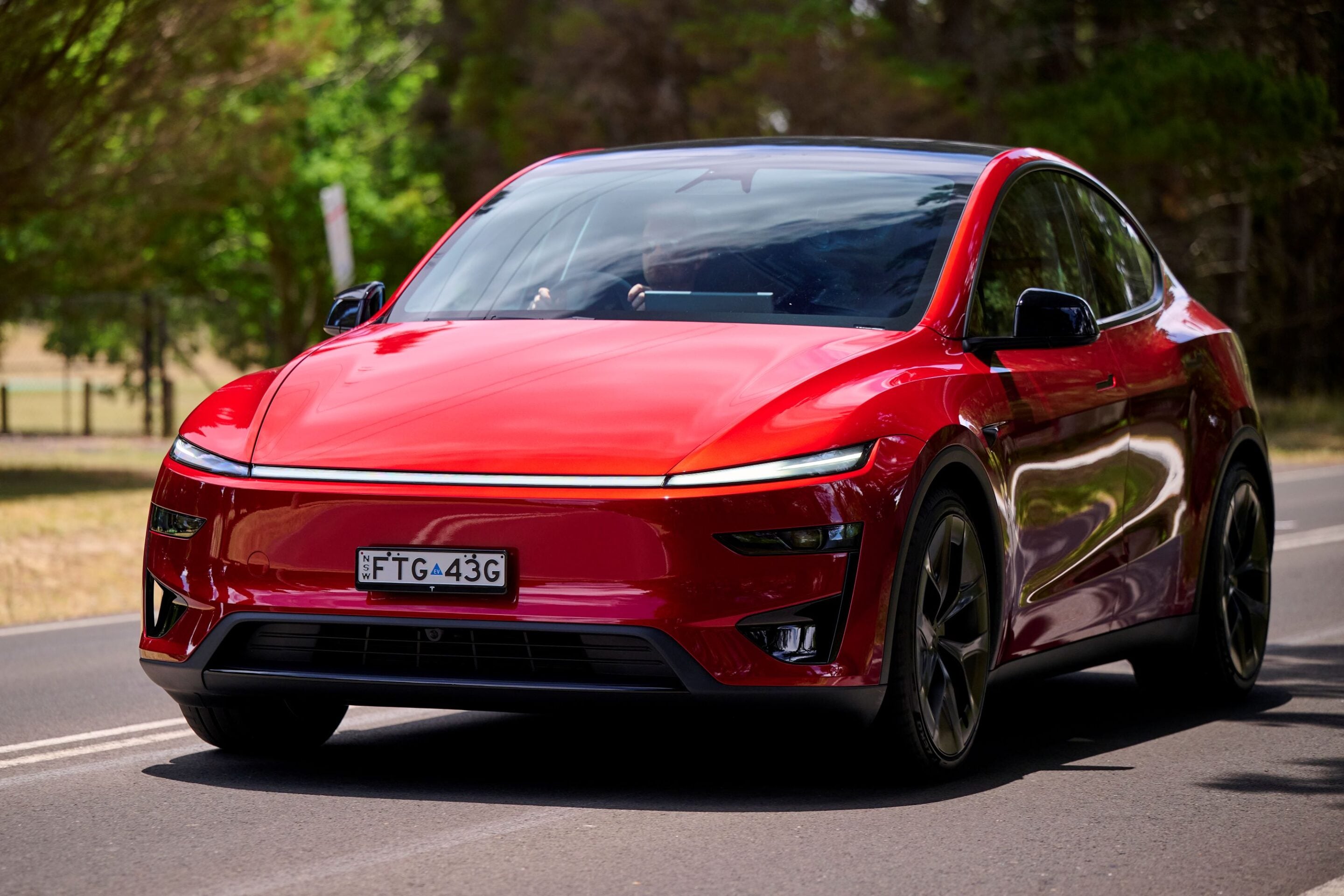
2026 Tesla Model Y Performance
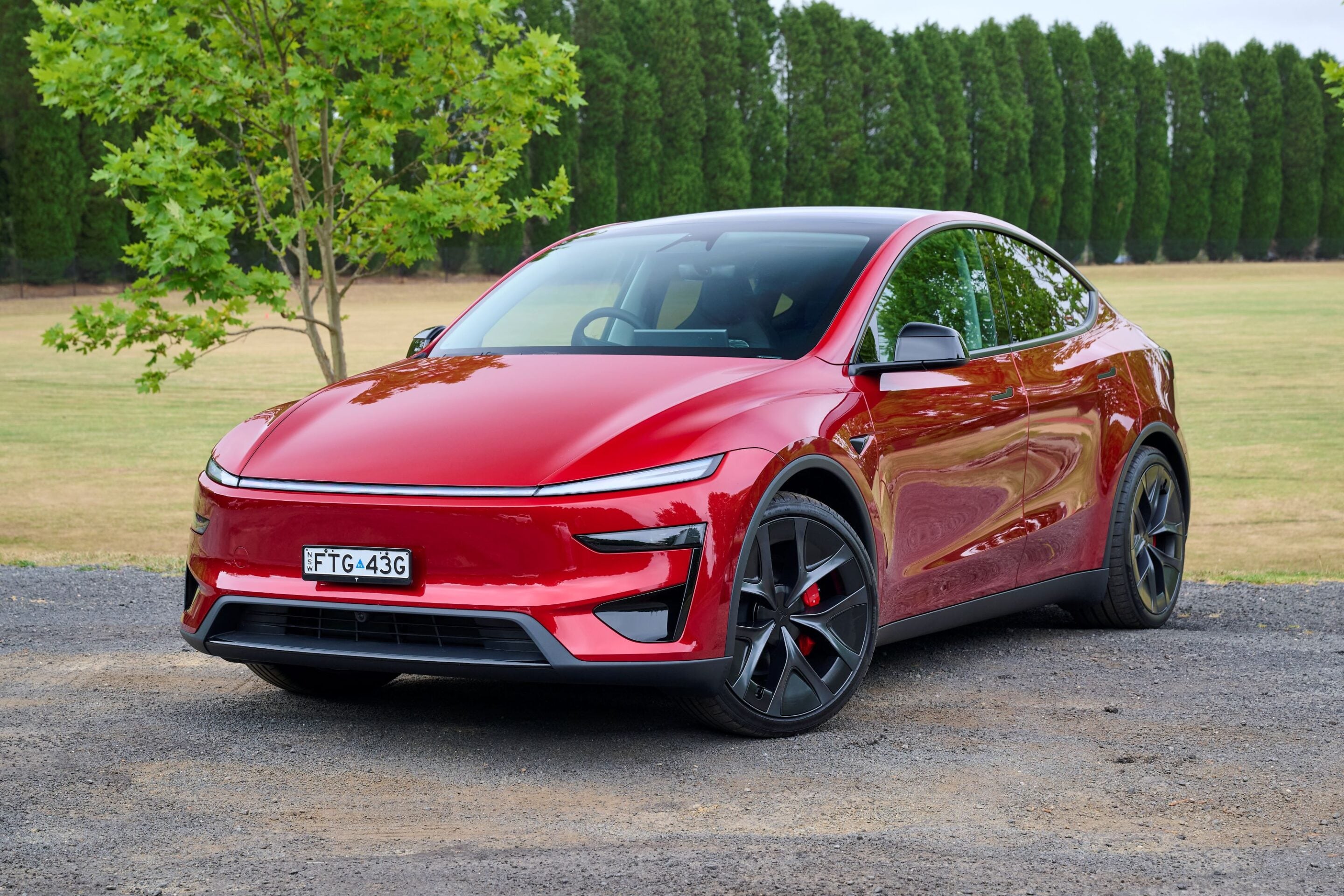
The Tesla Model Y needs no introduction, but for this test we’ve secured the key – or should that be card – for the new Performance model. You can even use the app on your phone and do away with the card if you like, but good luck at the valet parking.
Now, it’s worth noting here you don’t need everything the Performance brings if you’re intent on spending as little money as you can. The Performance is fast, very fast, and most of you won’t need or want such frivolity from your daily driver.
At the time of testing, you could buy the Model Y RWD for $58,900 before on-road costs, while the Long Range AWD started from $68,900 (before ORCs) and the Performance AWD, from $89,400 (before ORCs). Design changes for this current model make it more aerodynamic, bringing range gains between 11km and 18km, and most crucially retuned suspension for a more comfortable ride.
The RWD model is powered by a single electric motor and a 60kWh battery pack, with 466km claimed range from WLTP testing. Opt for the Long Range AWD and you get two electric motors, a 79kWh battery pack and 551km claimed driving range. The Performance we’re testing here gets two electric motors and an 82kWh battery, for a claimed range of 580km. Tesla is cagey when it comes to actual battery capacity and energy usage, but 16.2kWh-16.5kWh/100km is where the Model Y sits based on the testing data we could find.
What’s interesting about any Tesla Wheels tests, is how energy efficient they can be in the real world. Our average across a week of testing was 17.1kWh/100km, which included some enthusiastic driving on enjoyable roads, as well as regular city driving and freeway cruising. The live usage figure dropped as low as 13.2kW/h/100km rolling along at 80km/h on a freeway, while high 15s and low 16s were the regular return around town. If you get right into it on a twisty road, usage will climb up as high as the 20.2kWh/100km we saw.
Effectively, if you can drop your average consumption below 14kWh/100km, you’ll beat Tesla’s range claim. But even if you take our average of 17.1kWh/100km, you’re going to cover at least 480km in the real world. Even EV detractors would admit, that real world range close to 500km starts to make a much stronger case for the new technology. What’s interesting, though, is Tesla’s recommendation that you run the nickel-manganese-cobalt battery pack between 20 and 80 per cent most of the time, to keep it in prime health.
With charging the issue for so many buyers, Tesla Europe claims 10 to 80 per cent charging in as little as 34 minutes if you can access a public charger that peaks at 250kW, while DC charging remains capped at 11kW. Tesla’s charging network around the country is more comprehensive, better maintained and more reliable than any of the competitors, meaning so long as you can access a bank of Tesla superchargers where you’re headed, you’ll never have to worry about public fast charging.
As we said, you don’t need all that the Performance offers, in an outright ability sense, certainly not for regular driving duties. Considering this is segmented as a large SUV that will be in the sights of family buyers, the explosive acceleration is well beyond what you will ever need. Updated dual electric motors, with more power from the rear drive unit, combine for 343kW (according to Tesla) or 461kW according to an early look at government homologation data we saw before it landed in Australia, which adds together the power output of both motors. Even if the real power output is in the middle of those two figures, the Model Y Performance is still a seriously quick car, and will run from 0-100km/h in just 3.5 seconds.
It feels fast, too, everywhere. Activate Insane mode, and the sharper accelerator response means the
Model Y fires into the distance at the merest hint of pedal pressure. There’s Launch mode as well, but we’d recommend Chill or Standard modes for your regular driving, silly names aside.
The biggest change for this model update that you’ll notice on the road, is the fitment of adaptive suspension, which does a competent job of ironing out the harshest edges of the previous model’s bump absorption – especially around town on choppy surfaces. You’ll get a softer ride and more comfort from the regular Model Y, but the Performance certainly hides its heft quite well in Standard mode.
The steering is fast, and light, leading to a slight lack of feel compared to what you might expect from a vehicle of this size and 2033kg weight. Once you dial into the way it responds, though, it does help to make the Y feel smaller and lighter than it really is, meaning you can have a lot of fun on a twisty road.
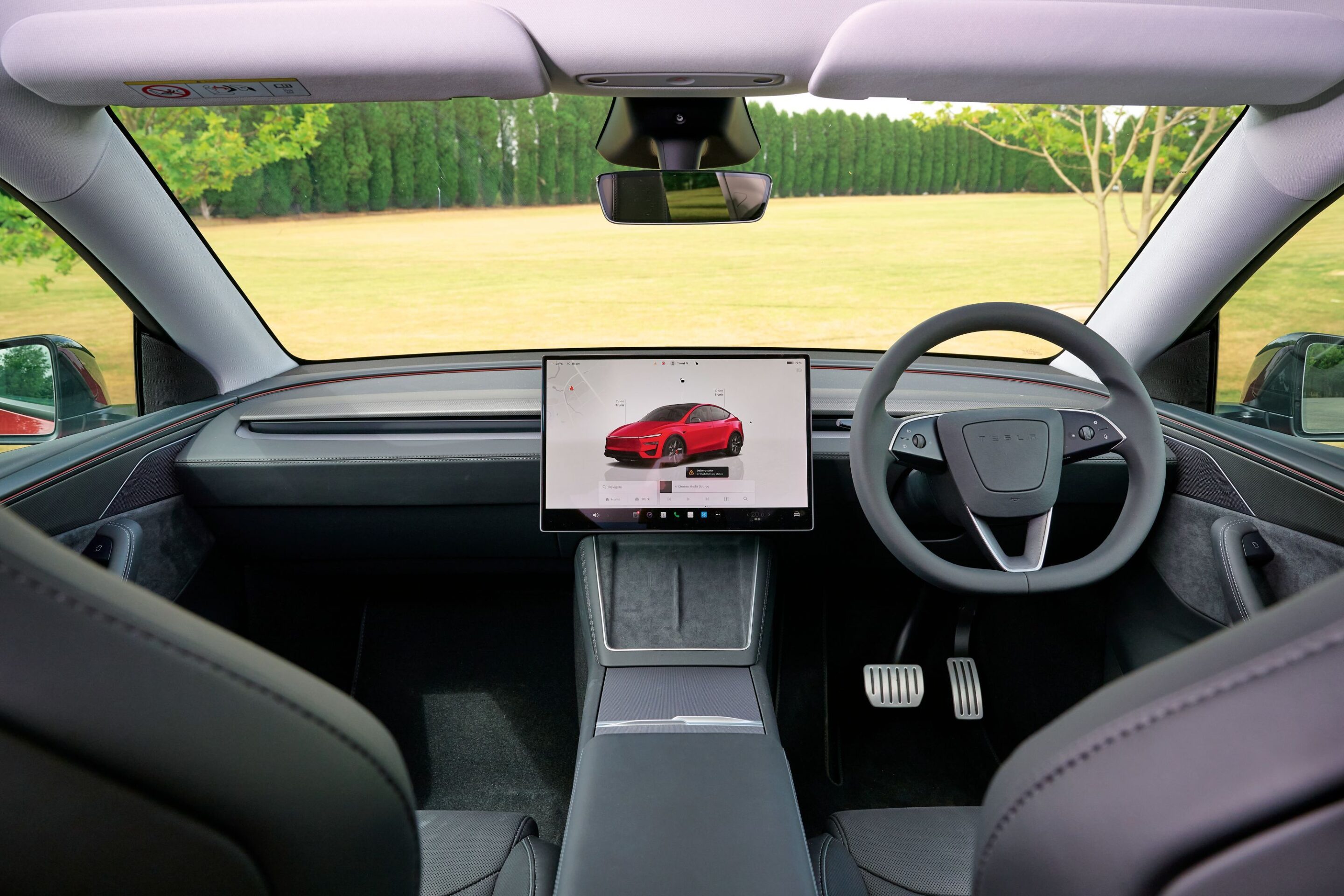
Tesla’s interior is a good one, despite the minor issues we’ve noted in other Wheels tests. The lack of a speedo of any kind in front of the driver is anything but intuitive, the gear shifter that demands touchscreen input, and the lack of smartphone mirroring seems at odds with the tech-savvy nature of the Tesla brand. The glass, UV-coated roof, is a pain – literally – in an Aussie summer, meaning your head gets quite warm at temps anywhere near 30C.
The counter though is Tesla’s infotainment and control systems are the best in the business, as it stands. The huge screen is clear and responsive, and the proprietary sat-nav excellent and never drops in or out.
Model Y has been revised and improved in a styling sense, as well as underneath, in areas that you won’t notice until you drive it. Is it perfect? No, but it’s as good, if not better, than any other electric car on the market, and as painful as the founder can be, the cars really do put forward a compelling case.
The Tesla Model Y needs no introduction, but for this test we’ve secured the key – or should that be card – for the new Performance model. You can even use the app on your phone and do away with the card if you like, but good luck at the valet parking.
Now, it’s worth noting here you don’t need everything the Performance brings if you’re intent on spending as little money as you can. The Performance is fast, very fast, and most of you won’t need or want such frivolity from your daily driver.
At the time of testing, you could buy the Model Y RWD for $58,900 before on-road costs, while the Long Range AWD started from $68,900 (before ORCs) and the Performance AWD, from $89,400 (before ORCs).
Design changes for this current model make it more aerodynamic, bringing range gains between 11km and 18km, and most crucially retuned suspension for a more comfortable ride.
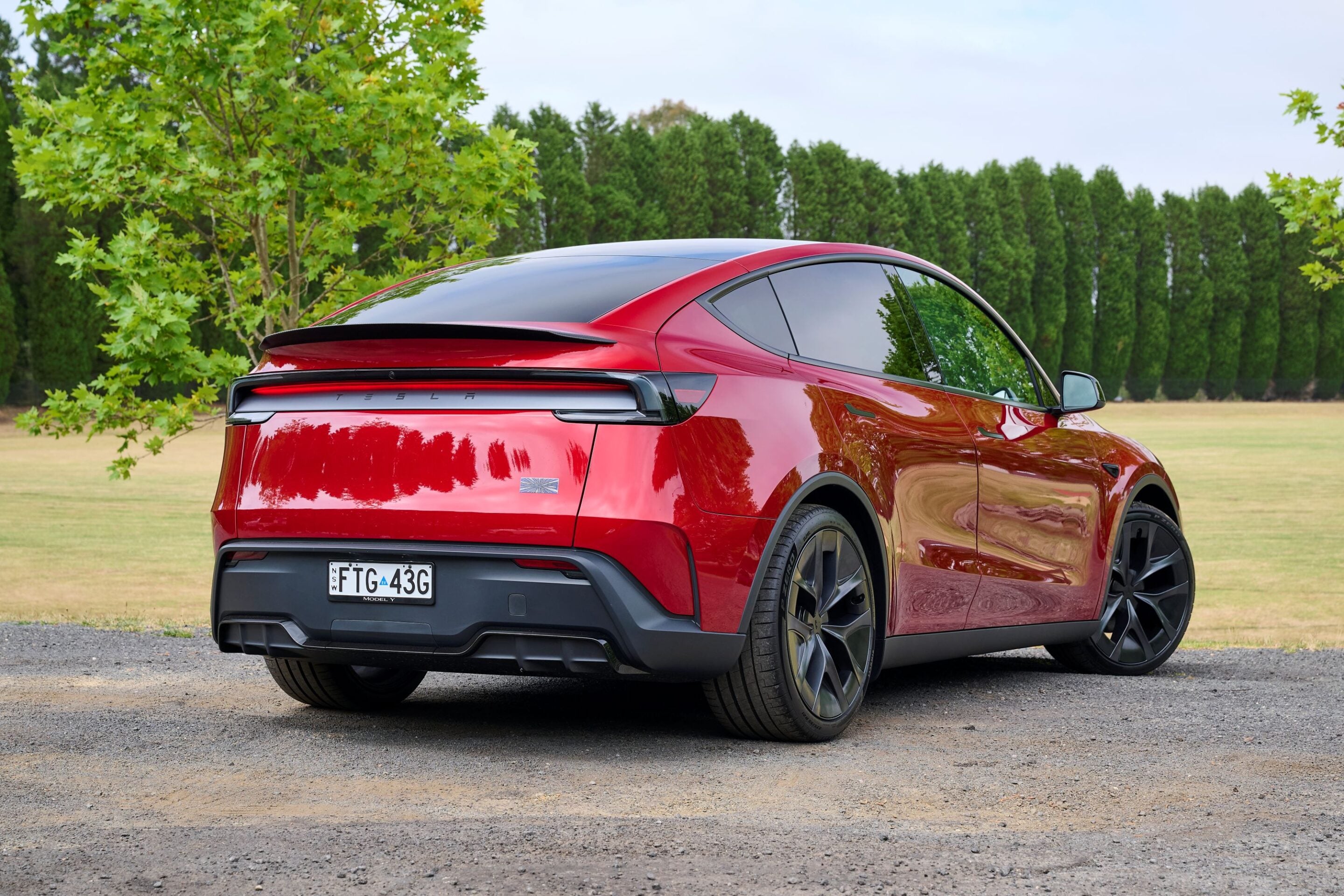
The RWD model is powered by a single electric motor and a 60kWh battery pack, with 466km claimed range from WLTP testing. Opt for the Long Range AWD and you get two electric motors, a 79kWh
battery pack and 551km claimed driving range. The Performance we’re testing here gets two electric motors and an 82kWh battery, for a claimed range of 580km. Tesla is cagey when it comes to actual battery capacity and energy usage, but 16.2kWh-16.5kWh/100km is where the Model Y sits based on the testing data we could find.
What’s interesting about any Tesla Wheels tests, is how energy efficient they can be in the real world. Our average across a week of testing was 17.1kWh/100km, which included some enthusiastic driving on enjoyable roads, as well as regular city driving and freeway cruising. The live usage figure dropped as low as 13.2kW/h/100km rolling along at 80km/h on a freeway, while high 15s and low 16s were the regular return around town. If you get right into it on a twisty road, usage will climb up as high as the 20.2kWh/100km we saw.
Effectively, if you can drop your average consumption below 14kWh/100km, you’ll beat Tesla’s range claim. But even if you take our average of 17.1kWh/100km, you’re going to cover at least 480km in the real world. Even EV detractors would admit, that real world range close to 500km starts to make a much stronger case for the new technology. What’s interesting, though, is Tesla’s recommendation that you run the nickel-manganese-cobalt battery pack between 20 and 80 per cent most of the time, to keep it in prime health.
With charging the issue for so many buyers, Tesla Europe claims 10 to 80 per cent charging in as little as 34 minutes if you can access a public charger that peaks at 250kW, while DC charging remains capped at 11kW. Tesla’s charging network around the country is more comprehensive, better maintained and more reliable than any of the competitors, meaning so long as you can access a bank of Tesla superchargers where you’re headed, you’ll never have to worry about public fast charging.
As we said, you don’t need all that the Performance offers, in an outright ability sense, certainly not for regular driving duties. Considering this is segmented as a large SUV that will be in the sights of family buyers, the explosive acceleration is well beyond what you will ever need. Updated dual electric motors, with more power from the rear drive unit, combine for 343kW (according to Tesla) or 461kW according to an early look at government homologation data we saw before it landed in Australia, which adds together the power output of both motors. Even if the real power output is in the middle of those two figures, the
Model Y Performance is still a seriously quick car, and will run from 0-100km/h in just 3.5 seconds.
It feels fast, too, everywhere. Activate Insane mode, and the sharper accelerator response means the
Model Y fires into the distance at the merest hint of pedal pressure. There’s Launch mode as well, but we’d recommend Chill or Standard modes for your regular driving, silly names aside.
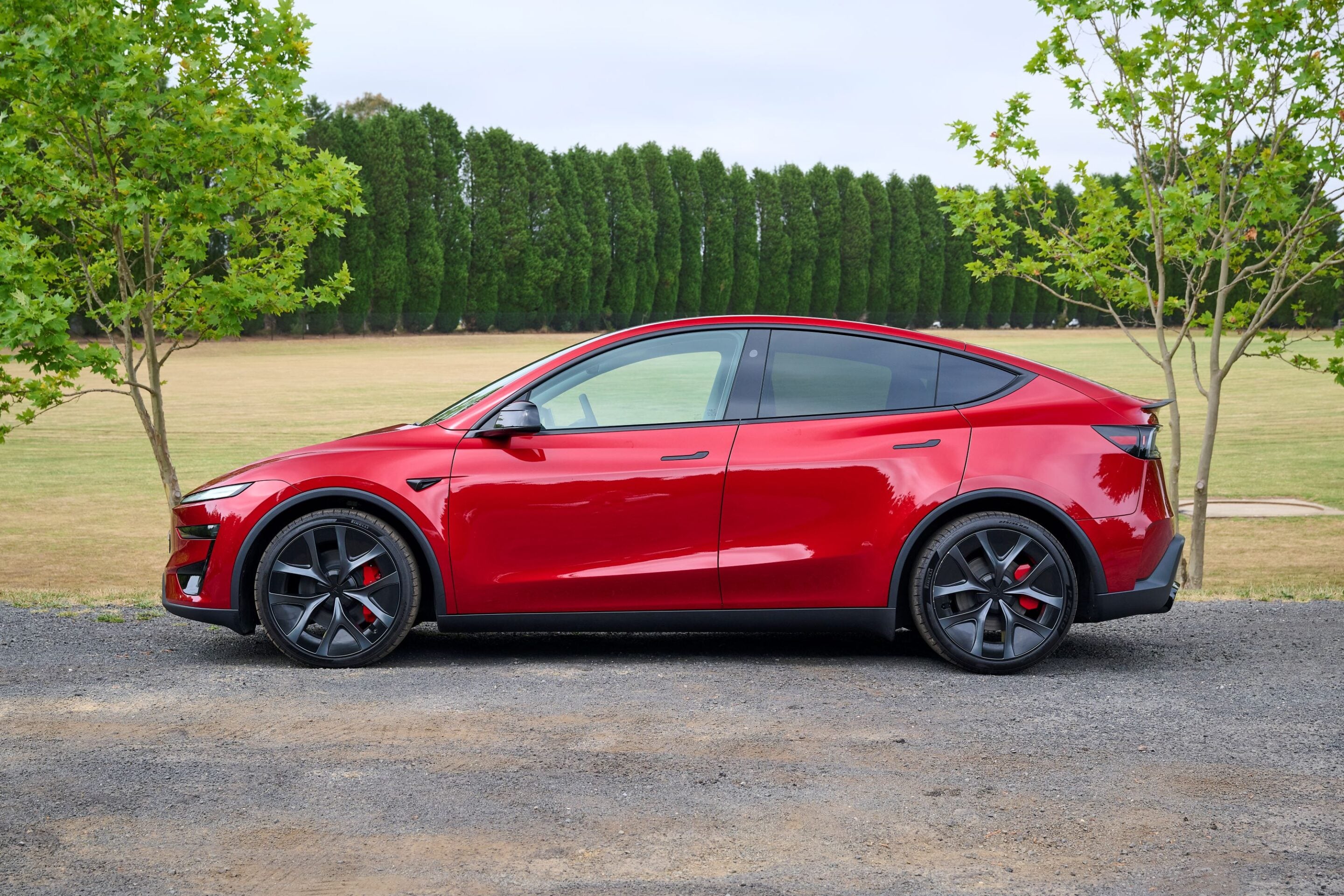
The biggest change for this model update that you’ll notice on the road, is the fitment of adaptive suspension, which does a competent job of ironing out the harshest edges of the previous model’s bump absorption – especially around town on choppy surfaces. You’ll get a softer ride and more comfort from the regular Model Y, but the Performance certainly hides its heft quite well in Standard mode.
The steering is fast, and light, leading to a slight lack of feel compared to what you might expect from a vehicle of this size and 2033kg weight. Once you dial into the way it responds, though, it does help to make the Y feel smaller and lighter than it really is, meaning you can have a lot of fun on a twisty road.
Tesla’s interior is a good one, despite the minor issues we’ve noted in other Wheels tests. The lack of a speedo of any kind in front of the driver is anything but intuitive, the gear shifter that demands touchscreen input, and the lack of smartphone mirroring seems at odds with the tech-savvy nature of the Tesla brand. The glass, UV-coated roof, is a pain – literally – in an Aussie summer, meaning your head gets quite warm at temps anywhere near 30C.
The counter though is Tesla’s infotainment and control systems are the best in the business, as it stands. The huge screen is clear and responsive, and the proprietary sat-nav excellent and never drops in or out.
Model Y has been revised and improved in a styling sense, as well as underneath, in areas that you won’t notice until you drive it. Is it perfect? No, but it’s as good, if not better, than any other electric car on the market, and as painful as the founder can be, the cars really do put forward a compelling case.
2026 Nissan X-Trail e-Power
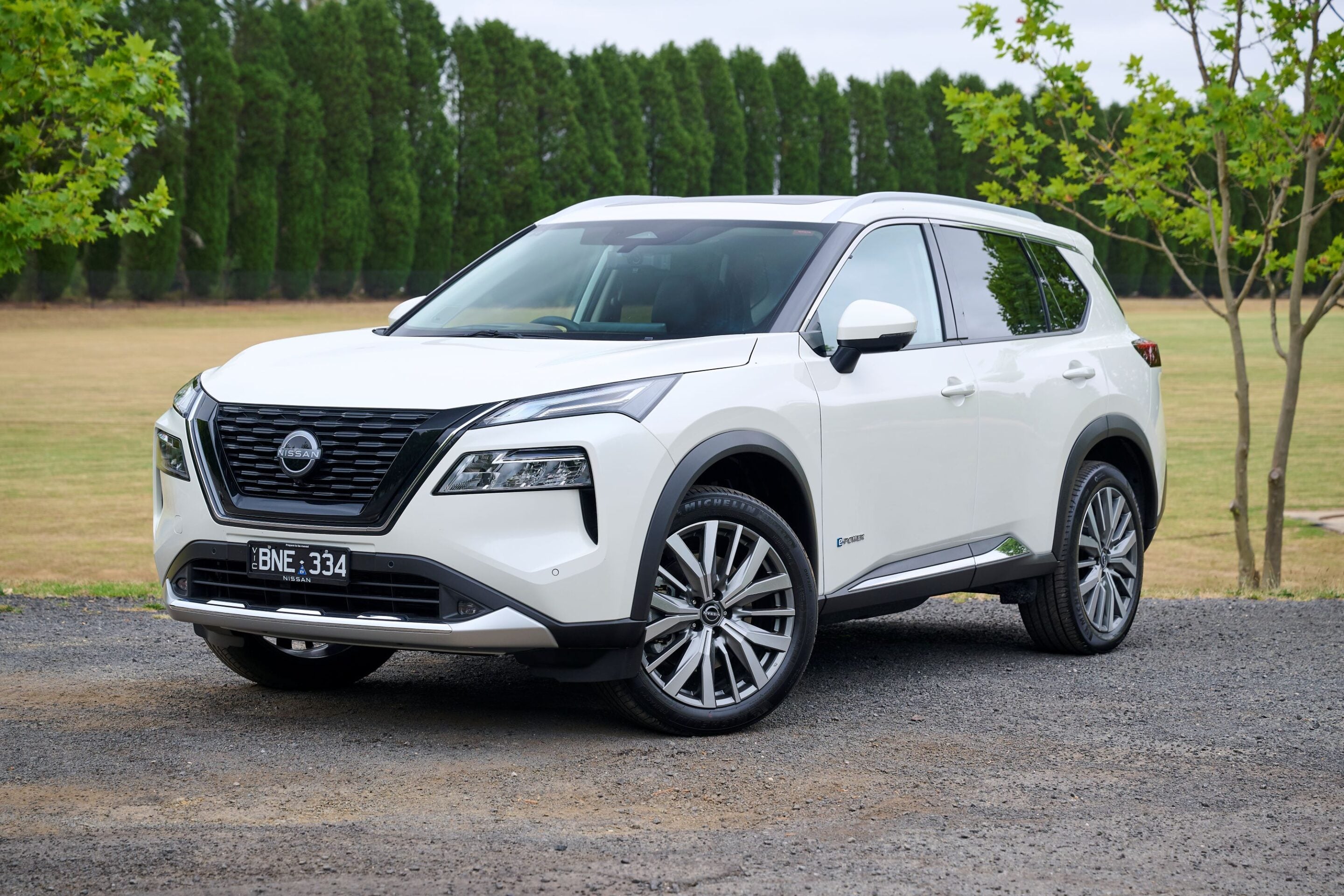
In many ways, the X-Trail is the most interesting vehicle on test here, thanks mainly to its left-field take on the simple act of turning the wheels. Rather than full electric, or regular internal combustion, the X-Trail hedges its bets somewhat, thanks to the use of what Nissan calls e-Power.
First up, e-Power technology is available on ST-L, Ti and Ti-L model grades, with the Ti-L the model we’re testing this month. At the time of testing, you could buy the ST-L grade from $48,990 drive away depending where in the country you live, while the top spec Ti-L was available from $56,990 drive away depending on which state or territory you’re in.
The way e-Power works, you get either single or twin electric motors that drive the wheels at all times. Single electric motor models are FWD, while two electric motors mean you get AWD. Then, there’s a punchy little petrol engine under the bonnet, that works as a generator to charge the 2.1kWh battery pack. The petrol engine doesn’t ever drive the wheels, meaning the revs you’ll hear don’t necessarily match the road speed – something you’ll have to get used to in the beginning. Despite the much smaller size of the battery pack, the X-Trail still weighs in at 1911kg (kerb), not significantly lighter than the Model Y, thanks to both electric motors and a petrol motor as well as the battery pack.
The engine is a turbocharged petrol three-cylinder, measuring in at 1.5 litres in capacity and capable of generating 105kW and 250Nm. The electric motors on the other hand, push 150kW330Nm through the front wheels and 100kW/195Nm through the rears, and there’s a single-speed transmission. Nissan claims 6.1L/100km on the combined cycle, and we used an indicated 6.6L/100km on test. With the fuel tank carrying 55L of 95 RON fuel, that means by our testing you’ve got a 783km cruising range with a 50km safety.
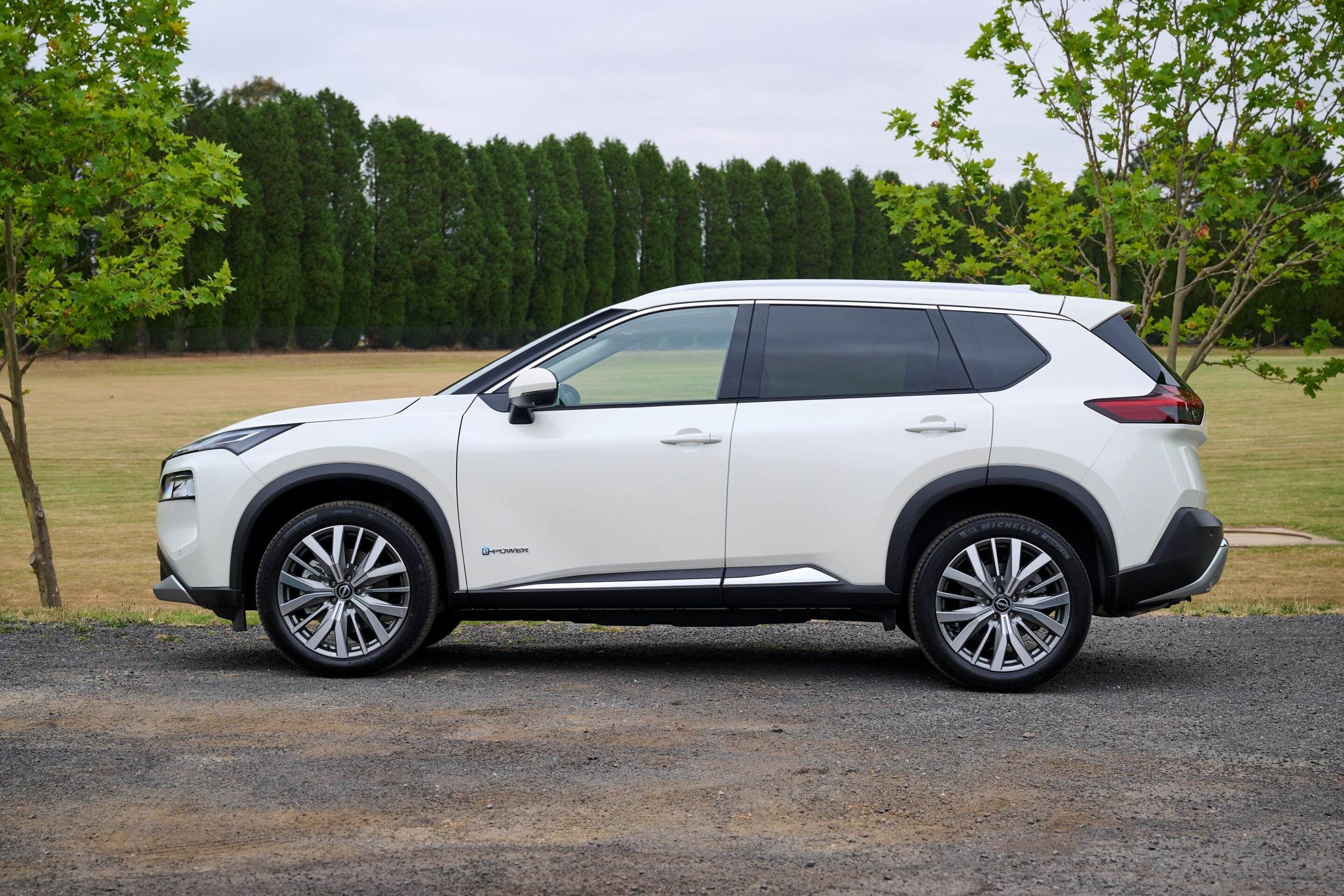
Where the X-Trail makes its mark is in the driving, where the fact that it’s driven by electric power means it feels very much like any other EV, but you never have to plug it in to charge. That removes the headache of charging, and everything it entails, but retains the immediacy of the electric power delivery. It’s not as fast as other electric SUVs but that isn’t really the point, and it still feels smooth and effortless.
There’s palpable enjoyment from the driving, too, with the lack of a constantly variable transmission, but the presence of the electric power delivery making for a smooth, engaging, and responsive drive experience. Where a CVT can often rob the driver of the engagement an excellent conventional automatic can deliver, the immediate shove of an electric motor ensures the X-Trail never feels dull.
Crucially, because the three-banger works between its optimal rev band, it never seems to work too hard, and will only intrude into the cabin when you really nail the accelerator pedal and start taxing the battery pack. Otherwise, it hums along quietly under the bonnet, barely making itself known. While the e-Power can’t match the silent meandering of an electric vehicle, it’s not far off, and it’s a relaxed cruiser on the open road, while being nicely insulated around town.
Like the Model Y, AWD means you get a feeling of security behind the wheel, even on ugly road surfaces, or in the wet, and there’s a solid feeling to the drive experience, no matter what sort of driving you’re doing. It’s as much at home on the highway at 110km/h as it is in town at 30km/h in traffic, excelling as either a family hauler, or longer distance tourer.
The 19-inch rims and sporty tyres mean the X-Trail doesn’t waft over imperfections, but it doesn’t crash over them either. Wheels reckons it strikes a neat balance between bump absorption and handling, and while the intended driver won’t hook in too often, you can if you want to. While it can be firm over really nasty surfaces, it’s never uncomfortable or harsh.
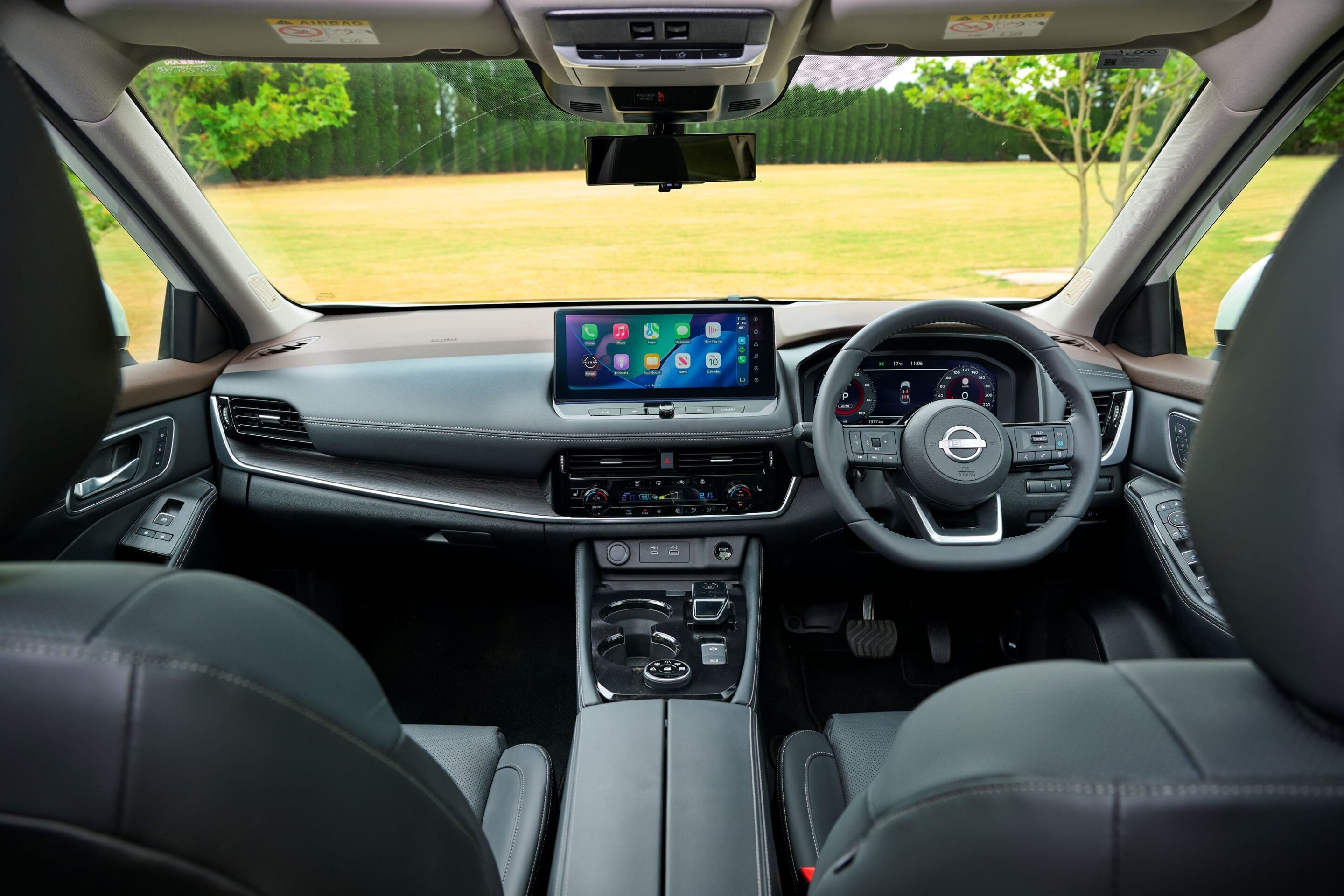
Inside the cabin the X-Trail feels very much like a regular car, and very much like any other 2026 model Nissan. We found the cabled smartphone connection worked well on test, with the screen nicely positioned atop the centre of the dash and the controls working as you’d expect. It’s not as crisp or as large as the Model Y’s, but it doesn’t need to be either. That’s partly because the driver also gets a much more regular-looking gauge screen that delivers all the information we’d rather see Tesla cater to. A conventional speedo readout right in front of the driver, makes more sense than a tiny display in the corner of the centre screen.
You don’t really need to learn anything new to live with the X-Trail e-Power. The infotainment screen displays the information you’ll want to look at if you want to see what the charge system is doing. Otherwise, simply fill the tank and get driving. That’s what will most appeal about this somewhat left-field offering.
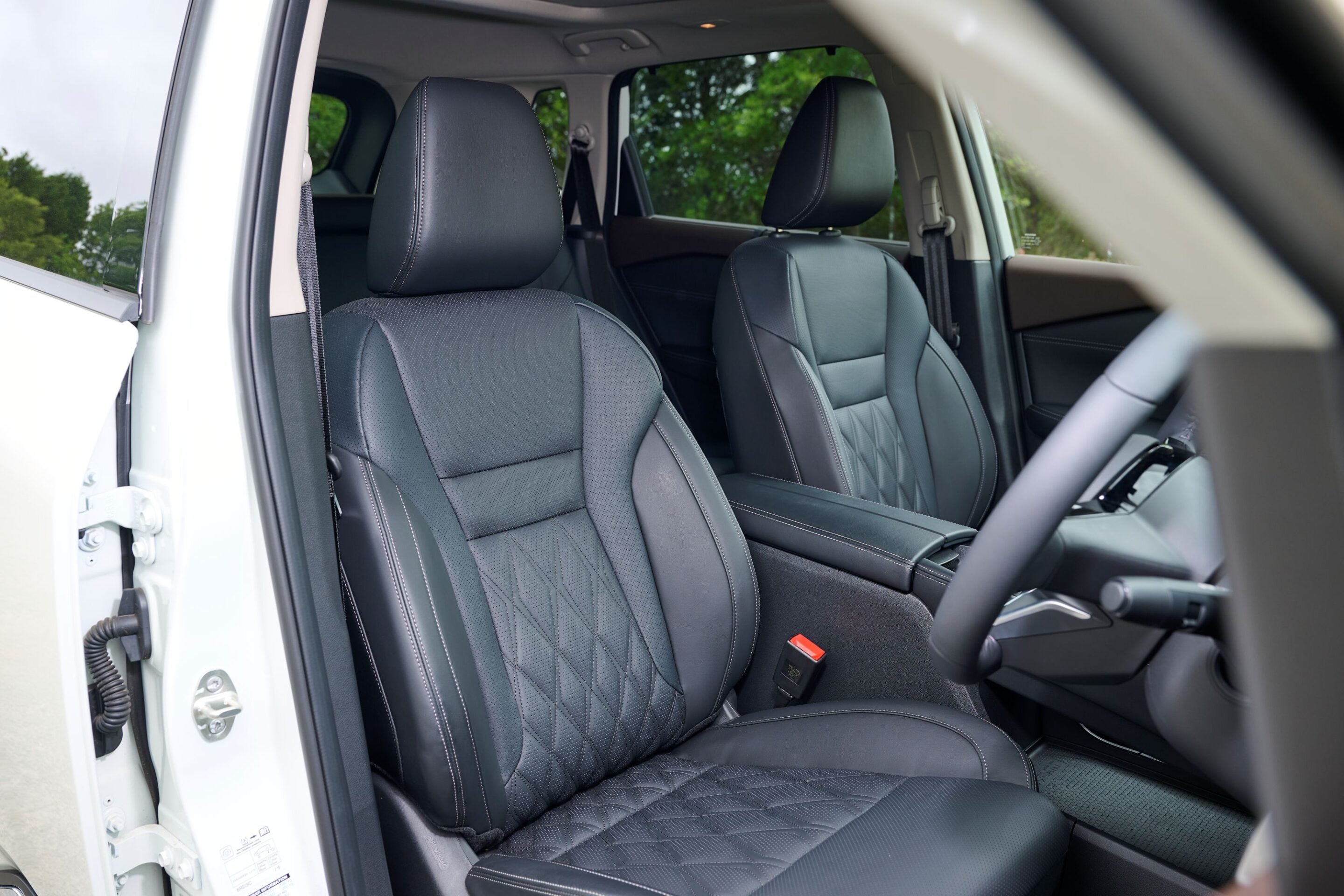
Wheels enjoyed a week testing with the X-Trail. Its only real negative is the fuel consumption, which isn’t frugal enough to counter the MG HS Hybrid. But, if you’re thinking about an EV and whether the grass is indeed greener, the X-Trail is the safest way to do it.
2026 MG HS Hybrid+
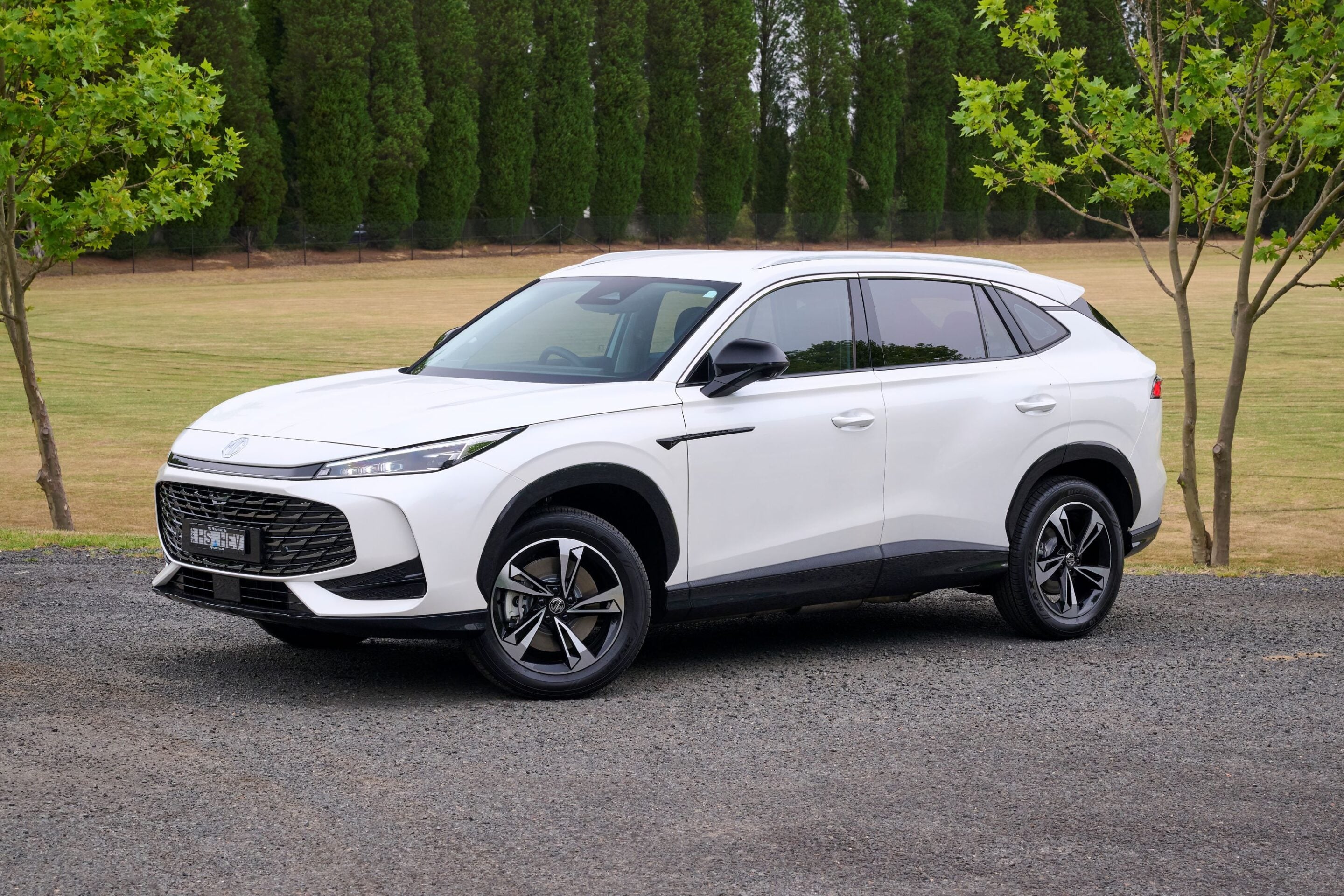
This new medium SUV from MG surprised Wheels testers from the minute we experienced it at our
recent COTY judging week. You’d scarcely believe it was related to the previous model if you drove them back-to-back, such is the leap forward in build quality, engineering and execution.
MG calls this model Hybrid+ and from the outset, it promises to be the most ‘normal’ driving experience of this triumvirate. We didn’t expect it to be as efficient as it was, though. Already, if the hybrid system is well engineered, you can expect a near 50 per cent fuel use drop over an equivalent non-hybrid vehicle, but a rock solid 5.8L/100km across a week of testing is unbelievably impressive.
Where the X-Trail demands only a change in mindset in regard to the relationship between what the wheels are doing and the sound the petrol generator engine is making, the MG HS asks for nothing – simply get in and drive.
That’s the beauty of a quality hybrid system. There’s a 1.5-litre, petrol four-cylinder, with combined outputs of 165kW and 340Nm and the fuel claim is 5.2L/100km. You’ll see as low as 4.0L/100km on the live readout when you’re cruising, but we didn’t even try to be efficient in any of the three tested vehicles, mimicking the way the average owner would drive.
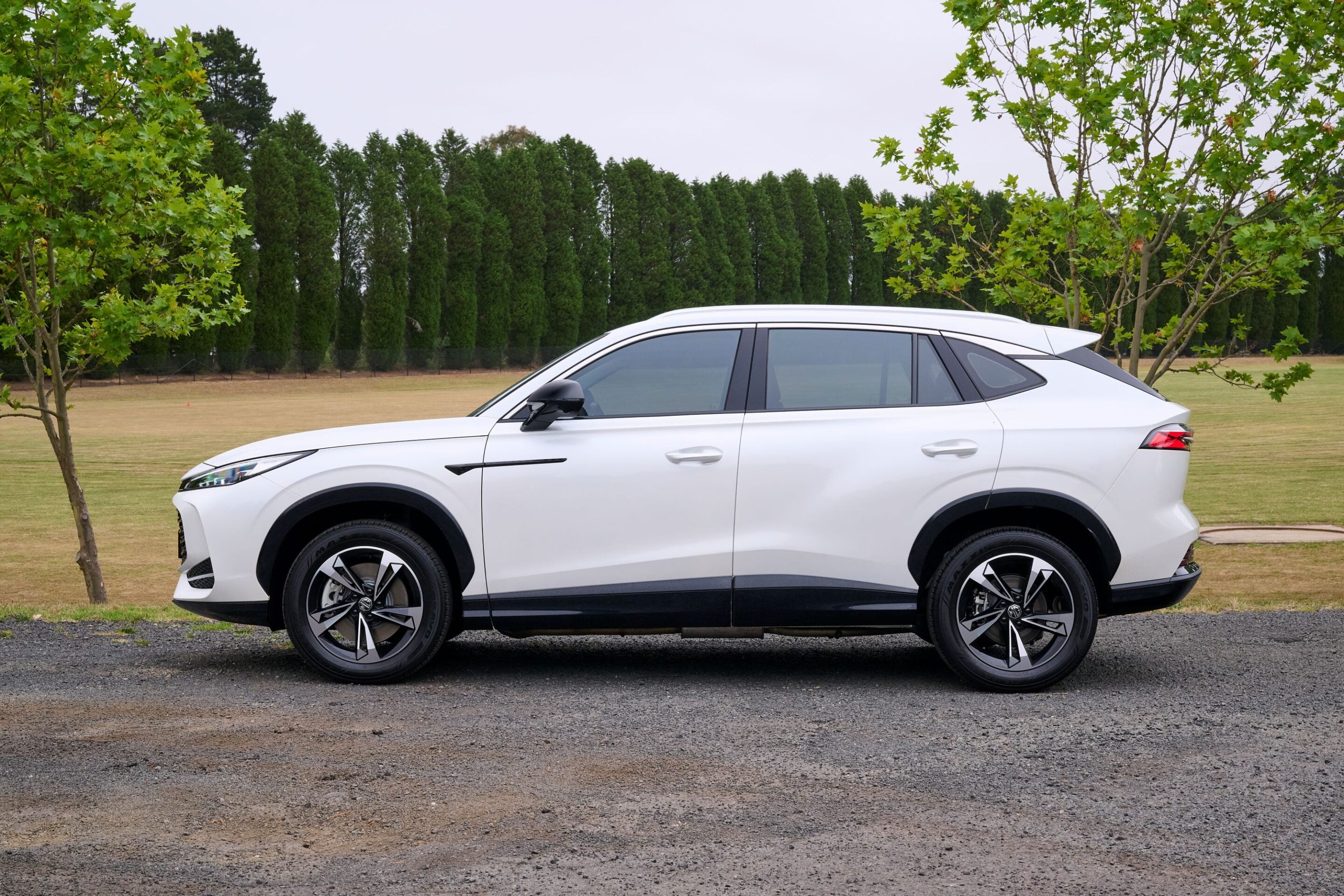
You can get into an HS Hybrid for as little as $40,990 drive-away for the Excite we’re testing here, while the Essence is $44,990 drive-away. Wheels doesn’t want to be flippant and claim that 41 grand isn’t a lot of money, it is, but you do get a lot of SUV for that price. Like the X-Trail, the HS Hybrid
requires 95 RON as a minimum.
Interestingly, HS Hybrid comes in FWD form only, with no AWD model available. Do you really need AWD in this segment? No, especially if you do all your driving on sealed surfaces. MG quotes a tare weight of 1656kg, meaning the HS is significantly lighter on its tyres than either the Nissan or Tesla. The battery pack is a 1.83kWh unit, and it’s water-cooled, which according to MG aids efficiency and ensures longevity. Time will tell on that front.
As we’ve seen with MGs previously, some of the driver aids can be overly enthusiastic, but not in a manic, make-you-want-to-scream kind of way. Rather, you notice them at work, and might initially be annoyed by them, but they quickly become part of the drive experience. There’s some polish to the cabin execution, and it’s comfortable, insulated and user friendly. Wheels would prefer more physical buttons and controls for things like the audio volume, but there’s not much that grates inside the HS cabin.
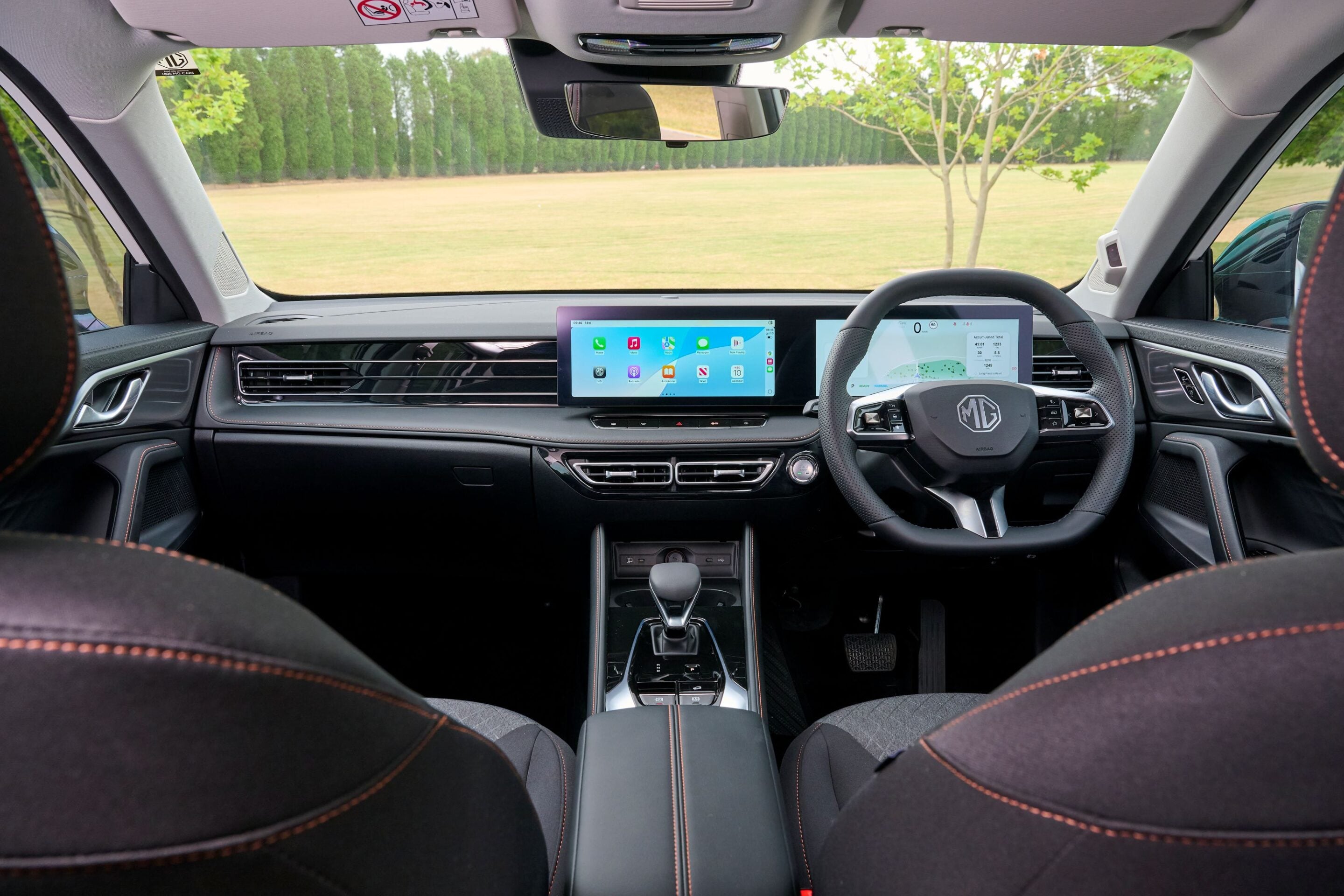
MG’s infotainment system and screen worked well for us on test, and the smartphone mirroring was reliable. The screens are clear, easy to read, and easy to decipher. Like Nissan, MG can’t quite match the crisp, tech-guru feel of the Tesla’s system, but it doesn’t feel out of date either. There’s just something about the Tesla’s screen that feels sharper, whether that’s truly the case or not.
Where the HS excels is in the very environment that Wheels assessed it in – that is, exactly where the average Australian medium or large SUV buyer will use it. HS is quiet, refined, with excellent bump absorption and the suspension settles quickly even over the nastiest of road surfaces. Even longer, corrugated sections off-road, don’t unsettle the MG’s chassis. It doesn’t matter whether you’re negotiating heavy traffic in town at crawling speed, or running down the freeway at 110km/h, the cabin of the HS is a pleasant place to be, even if you’re transporting four adults.
The brakes, steering, all-round balance and feedback are light years ahead of the old model, proving the chops of this new one, which can easily take the fight to the best in class.
MG HS Hybrid gets a 55-litre fuel tank, which when used to factor in our test average, delivers an 898km cruising range, with a 50km safety margin. That’s the longest range on test here by some margin of course, but it also doesn’t require one iota of mental transition to drive either. Like any good hybrid system, the HS only requires you to drive as you normally would.
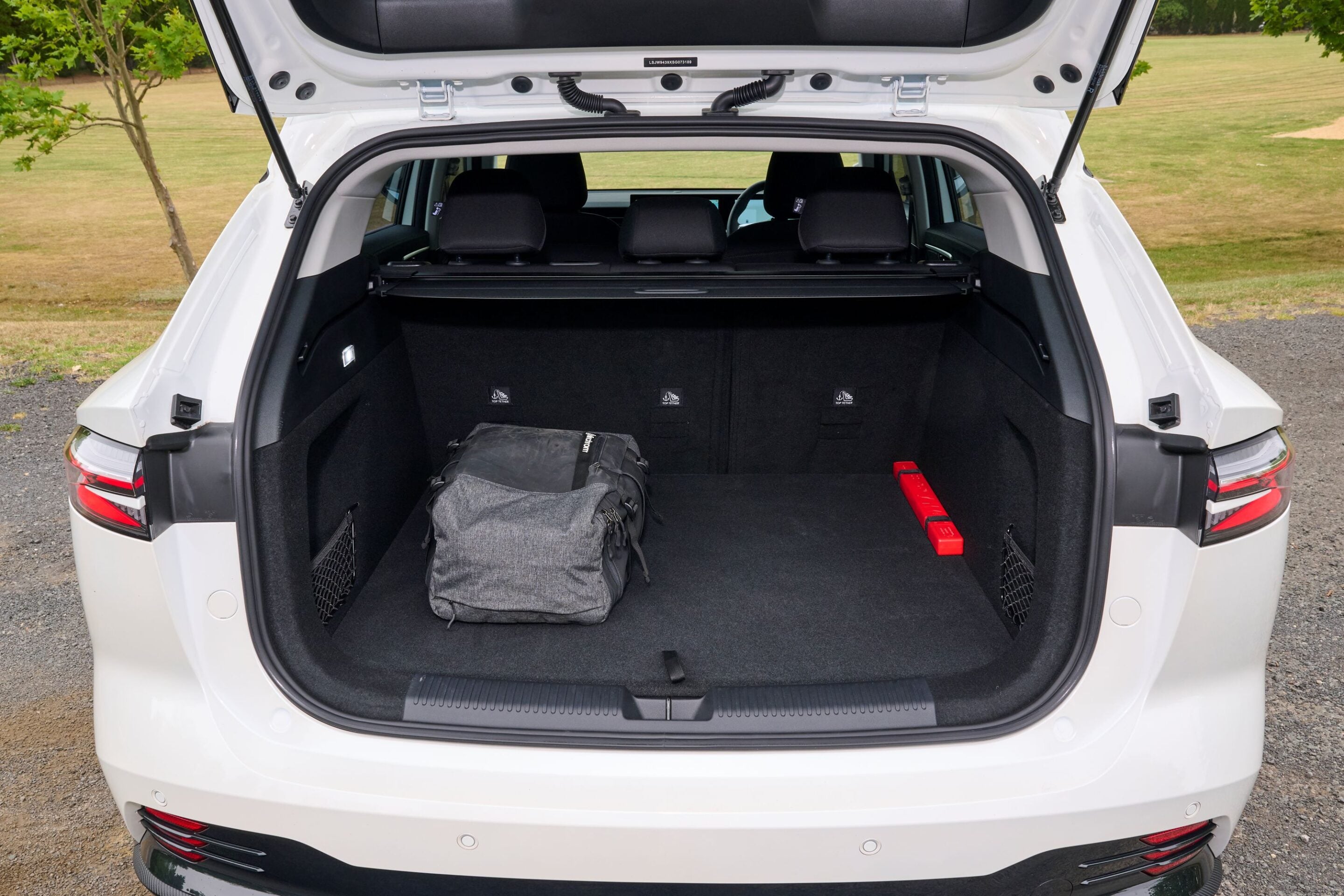
And, that’s the most important string to the HS’s bow. Simply the fact that you won’t have to do anything different if you do buy one. Where both other combatants here require a shift in thinking to some degree, the HS Hybrid asks you to do nothing you don’t already do. We’d like the safety aids to be less intrusive, and the touchscreen to be a little sharper in both appearance and response, but there’s nothing else to dislike about the MG HS Hybrid+, and it’s a vastly superior SUV to the model it replaces.
The Verdict
If you’re a dyed in the wool EV fan, the Tesla Model Y wins this comparison and easily. Even more so in Performance guise. It’s fast, furious, and every bit the consummate electric vehicle. And, shortcomings aside, it’s a good thing to live with, too, something that can’t be said of every electric vehicle on the market.
Nissan’s take on the way forward is an interesting one. As you’ve already read, it isn’t quite efficient enough to justify the technical complexity beneath the skin, despite offering an electric experience without the associated stress. It’s a Nissan, but not as you’ve known them, and it will absolutely work for those of you wanting to hedge your bets. But on test, our average fuel usage of 6.6L/100km simply can’t compete with the MG’s frugal 5.8L/100km, especially when you take into account the effective mechanical complexity beneath the skin.
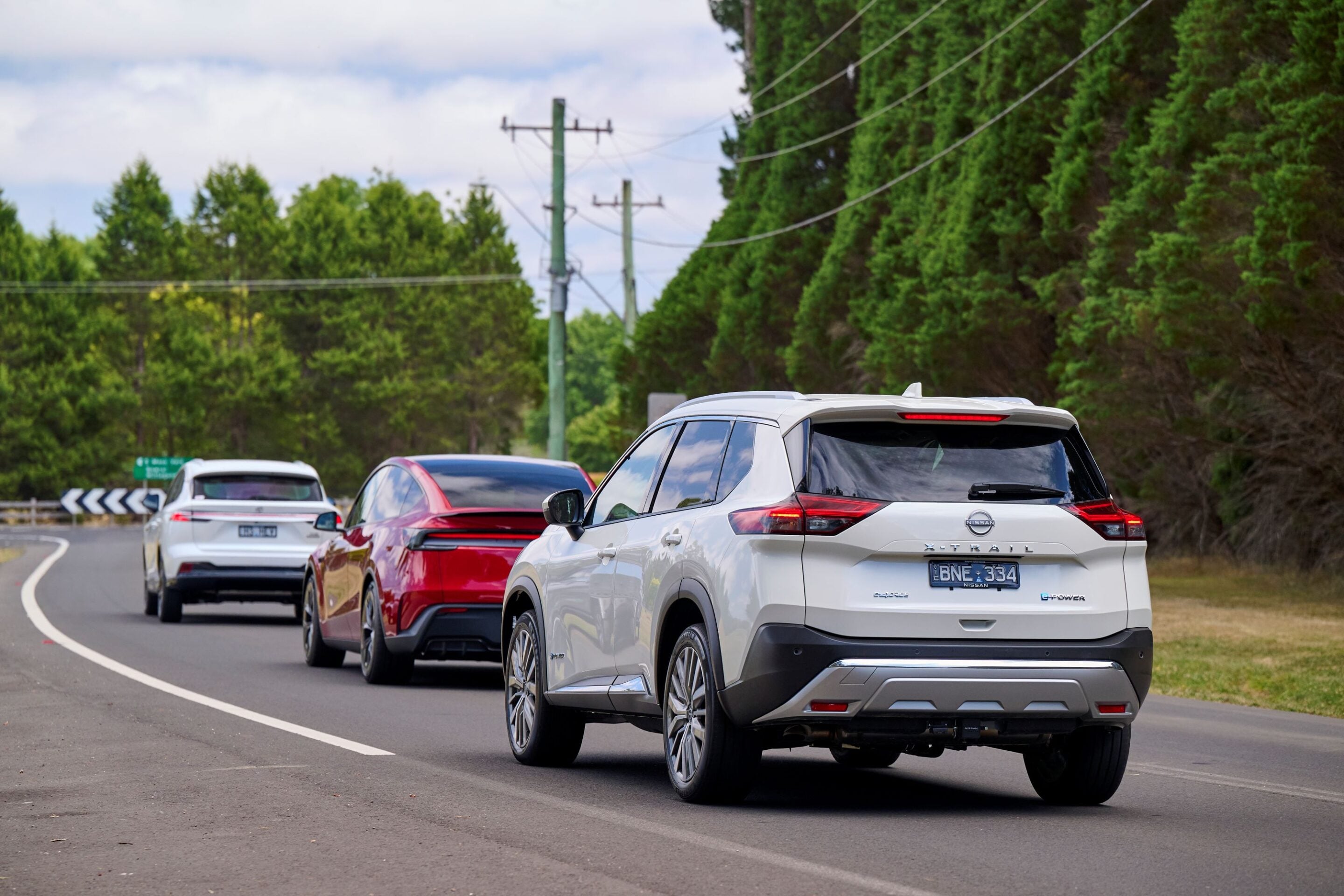
In the mind of Wheels then, the theory put forward by the Toyota boss rings true – that is, the benefit of a proper hybrid system is hard to argue. The MG HS is efficient, drives enjoyably whether you’re in town or on a road trip, and doesn’t require you to change your thinking or approach in any way.
Hybrids are many and varied now, and they aren’t all equal, but a medium SUV that uses 5.8L/100km on test will be music to the ears of the budget-conscious Australian new car buyer. Medium and large SUVs, meanwhile, are square in the sights of the family buyer. All three accommodate the family in comfort and safety, and all three will feel like you’ve spent your money smartly. Only one can win this comparison though, and that’s the 2026 MG HS Hybrid+.
Specs
| Model | MG HS Hybrid+ Excite |
|---|---|
| Price | $40,990 drive-away |
| Drivetrain | 1.5-litre, four-cylinder petrol |
| Transmission | Two-speed hybrid transmission |
| Power | 165kW |
| Torque | 340Nm |
| Combined fuel usage | 5.2L/100km (claimed) |
| Tested fuel usage | 5.8L/100km |
| Battery capacity | 1.83kWh |
| Dimensions (L/W/H/W-B) | 4670/1890/1663/2765mm |
| Tare weight | 1656kg |
| Boot space | 507L to 1484L |
| Warranty | 7yr/unlimited km (standard), 10yr/250,000km (conditional) |
| Overall rating | 8.0/10 |
| Model | Tesla Model Y Performance |
|---|---|
| Price | $89,400 before on-road costs |
| Drivetrain | Dual electric motors |
| Transmission | Single-speed |
| Power | 343kW (claimed) |
| Torque | Not quoted |
| Combined energy efficiency | 16.2kWh/100km to 16.5kWh/100km (estimated) |
| Tested energy efficiency | 17.1kWh/100km |
| Battery capacity | 82kWh |
| Dimensions (L/W/H/W-B) | 4796/1982/1611/2890mm |
| Tare weight | 2033kg |
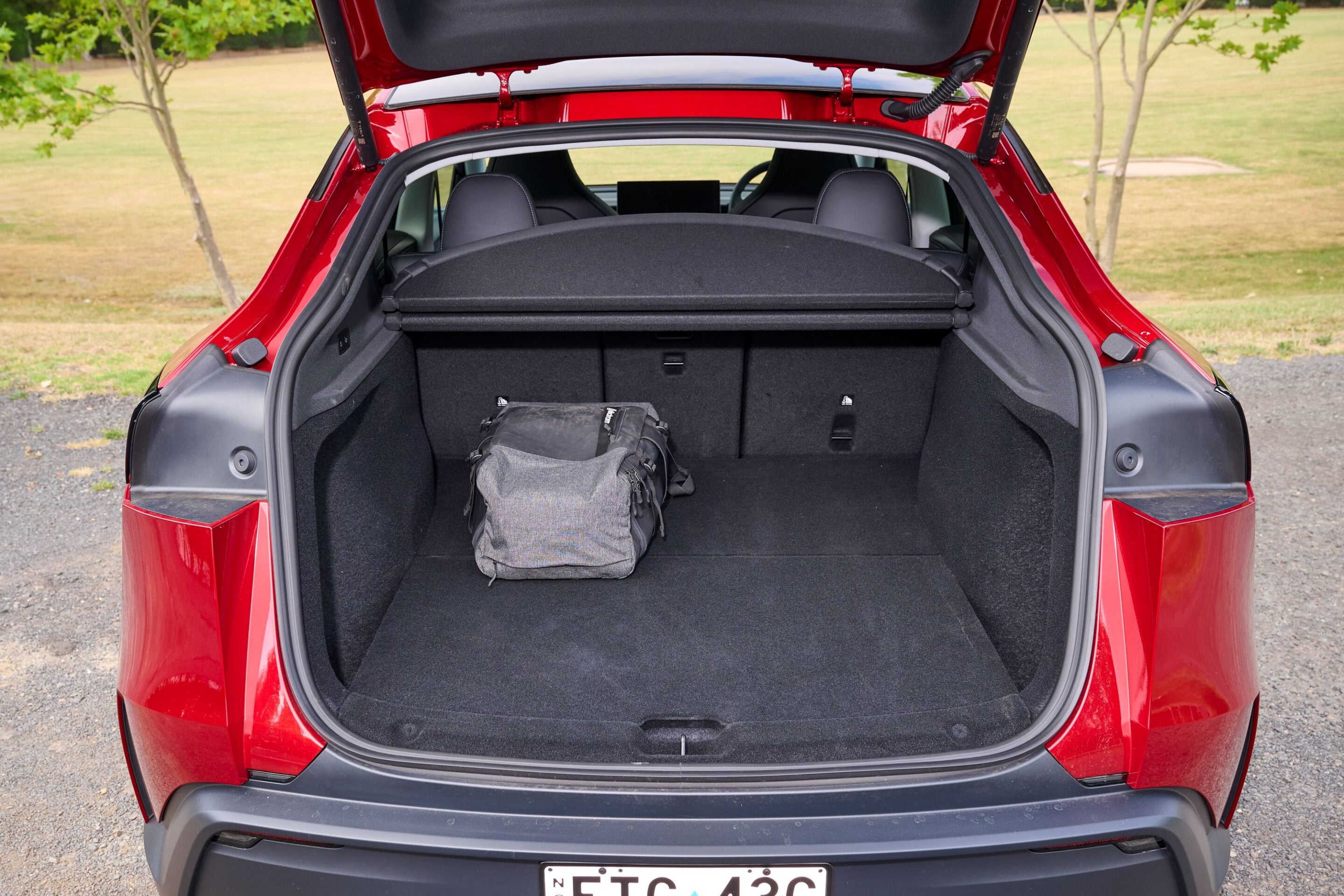
| Boot space | 854L to 2158L |
| Warranty | 5yr/unlimited km |
| Overall rating | 7.5/10 |
| Model | Nissan X-Trail e-Power Ti-L |
|---|---|
| Price | $56,990 before on-road costs |
| Drivetrain | 1.5L petrol generator, twin electric motors |
| Transmission | Single-speed |
| Power | 150kW |
| Torque | 330Nm |
| Combined fuel usage | 6.1L/100km (claimed) |
| Tested fuel usage | 6.6L/100km |
| Battery capacity | 2.1kWh |
| Dimensions (L/W/H/W-B) | 4680/1840m/1725/2705mm |
| Kerb weight | 1911kg |
| Boot space | 575L to 1396L |
| Warranty | 5yr/unlimited km |
| Overall rating | 7.0/10 |
This article first appeared in the February 2026 issue of Wheels. Subscribe here and gain access to 12 issues for $109 plus online access to every Wheels issue since 1953.
Attica in Melbourne is one of the southern city’s more exclusive eateries. Tables are booked for months in advance, the food is special, and it’s easy to rack up a bill of more than $300. Each.
Why, then, is my memory of Attica so toxic? These days I cannot remember the date of the dinner, only the revelation which poisoned the event for me.
It’s wrapped up in the death of the Australian car industry, something which is still painful today because
I was watching the train wreck happening in real time as a reporter on one of Australia’s daily newspapers. I knew all the key players, could see what was happening, and was powerless to do anything but write the ongoing horror stories.
And it was not new. Nissan failed in Australia as the result of a misguided decision to try and force-feed the baby Pulsar into local driveways to avoid Federal government penalties for not reaching a specific local production target. Mitsubishi was buried by a misguided belief that the mid-sized 380 sedan was so good that it could not fail and would out-sell the Falcon and Commodore.
There were other failures, like the Ford plan to build the Laser in Australia for Asian exports and Holden’s promising efforts with a Pontiac-badged Commodore and a long-wheelbase Statesman for US police – which both tanked in the fallout from the Global Financial Crisis. Australia was looking more and more isolated and out-of-step with global developments.
There were some heroes among the FI-FO chief executives who landed in Australia, including Peter Hanenberger and Mark Reuss on the red team, but far too many just served time to get their next promotion.
Back to Attica, and a dinner date with Mike Devereux during his three-year stint as CEO of Holden from 2010. His arrival came as the product plan developed by Reuss, including sales of the Commodore as the Chevrolet SS in the US, ran dry. The cupboard was empty.
As the first food arrived, the answers to the pointed questions I was asking my host about the future of Holden in Australia were not filling me with confidence. By dessert, I was pretty sure Holden in this country was doomed.
Since Aussie car making was like a three-legged stool, I also knew once the GM leg snapped then Ford and Toyota would follow. In December 2013, before he headed to his next job in China, Devereux announced the end of Commodore production.
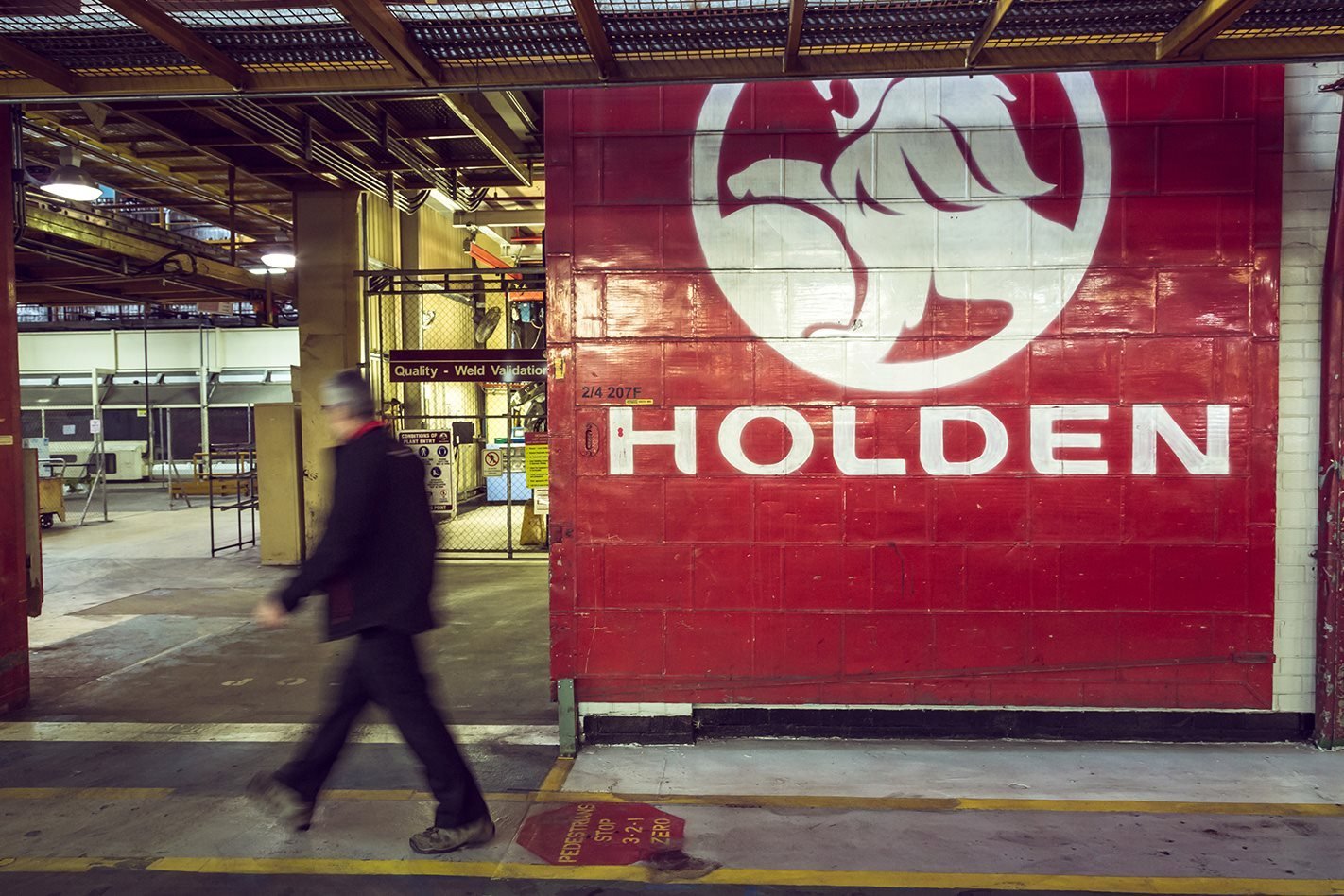
My personal view is that the actual death warrant for Australian car making was signed by Julia Gilliard, even if the execution came during the rule of Tony Abbott in Canberra. During a Labor party fracas it was Gilliard who moved Senator Kim Carr, the Industry Minister, to the backbench during crucial negotiations about a future car plan for Australia.
Could Ford have done another Territory, could Holden have developed an SUV from the Commodore platform, and could Toyota have switched from the Camry sedan to a locally-made SUV? We’ll never know, because the negotiations between Canberra, Detroit and Tokyo all stalled. They could not be revived when Carr returned to the Labor ministry in time to watch Rudd lose the Federal election to the Coalition’s Tony Abbott.
The story ends with a pivotal meeting in Canberra between Abbott and the then-bosses of the three local carmakers. According to two of those CEOs, from Toyota and Ford, their first meeting with Abbott as Prime Minister did not go well. Actually, it never got going at all as he was totally against providing support for the motor industry.
“You people have to stop coming here with your begging bowls,” one of Abbott’s senior advisors reportedly told the three wise men from the car world.
Bang-bang. Game over. It was now just a question of time.
And Mike Devereux? According to his latest personal posting on Linked-In, the one-time graduate of
the Harvard Business School is now “Taking a break … I think”.
This article first appeared in the February 2026 issue of Wheels. Subscribe here and gain access to 12 issues for $109 plus online access to every Wheels issue since 1953.
The Albanese Government has released the first performance results under Australia’s New Vehicle Efficiency Standard (NVES), revealing that while overall fleet emissions are falling, a significant number of car brands failed to meet their CO₂ targets.
Data published by the NVES Regulator shows that around two-thirds of regulated vehicle suppliers beat their 2025 emissions targets. However, industry analysis indicates nearly 20 brands missed their benchmarks in the scheme’s first reporting period, raising concerns about how some manufacturers will respond as targets tighten.
The report shows a net surplus of 15.9 million NVES units, effectively creating a tradable credit market for brands that outperform the standard. Those exceeding their targets can sell surplus units to manufacturers that fall short, a mechanism designed to smooth the transition to lower-emission fleets.
Average emissions for new light passenger vehicles were 21 per cent below the NVES target for the period, suggesting strong early uptake of lower-emission models. Around 12 per cent of vehicles covered by the scheme were battery electric, with the remaining 88 per cent made up of internal combustion and hybrid vehicles.
Industry groups have noted that while the overall surplus appears healthy, the gap between high-performing brands and those lagging behind is significant. Some manufacturers heavily reliant on larger utes and SUVs face greater compliance challenges, particularly as future NVES targets become more stringent.
The Federal Chamber of Automotive Industries (FCAI) said the results mark an important first step in the transition to a more efficient national fleet, but emphasised the need for careful monitoring as the market adjusts. Commentary from industry observers has also highlighted concerns about the potential financial impact on brands that fail to close the gap, particularly once penalties begin to apply in coming years.
Infrastructure Minister Catherine King said the results show cleaner vehicles and consumer choice can coexist, with vehicle prices remaining competitive in real terms.
The regulator’s own publication shows that the first NVES performance period, covering vehicles entered onto the Register of Approved Vehicles between 1 July and 31 December 2025, included 59 regulated entities submitting a total of 620,947 covered vehicles. Of those suppliers, 40 beat their emissions targets and generated a combined 17.2 million NVES units, indicating many manufacturers supplied cleaner fleets than required. After accounting for total liabilities from the remaining 19 suppliers, the overall position remained positive, with a net surplus of 15.9 million units available to balance future compliance.
Almost three-quarters (71 per cent) of vehicles covered by the standard were classified as Type 1 light passenger vehicles, while the remaining 29 per cent were Type 2 vehicles, which include light commercial and off-road passenger vehicles. This split reflects the continued strength of passenger cars and SUVs in the Australian market, even as low-emission alternatives grow. The report also showed that 12 per cent of the 2025 fleet was zero-emissions vehicles supplied by 40 different entities, further underlining the early uptake of electric models under the NVES.
On average, the new-vehicle fleet outperformed both target and headline emissions limits across categories. For Type 1 vehicles the average CO₂ figure was significantly lower than the target, while Type 2 vehicles also recorded average emissions below their respective limits, suggesting that many light commercial suppliers are beginning to improve efficiency alongside passenger car progress.
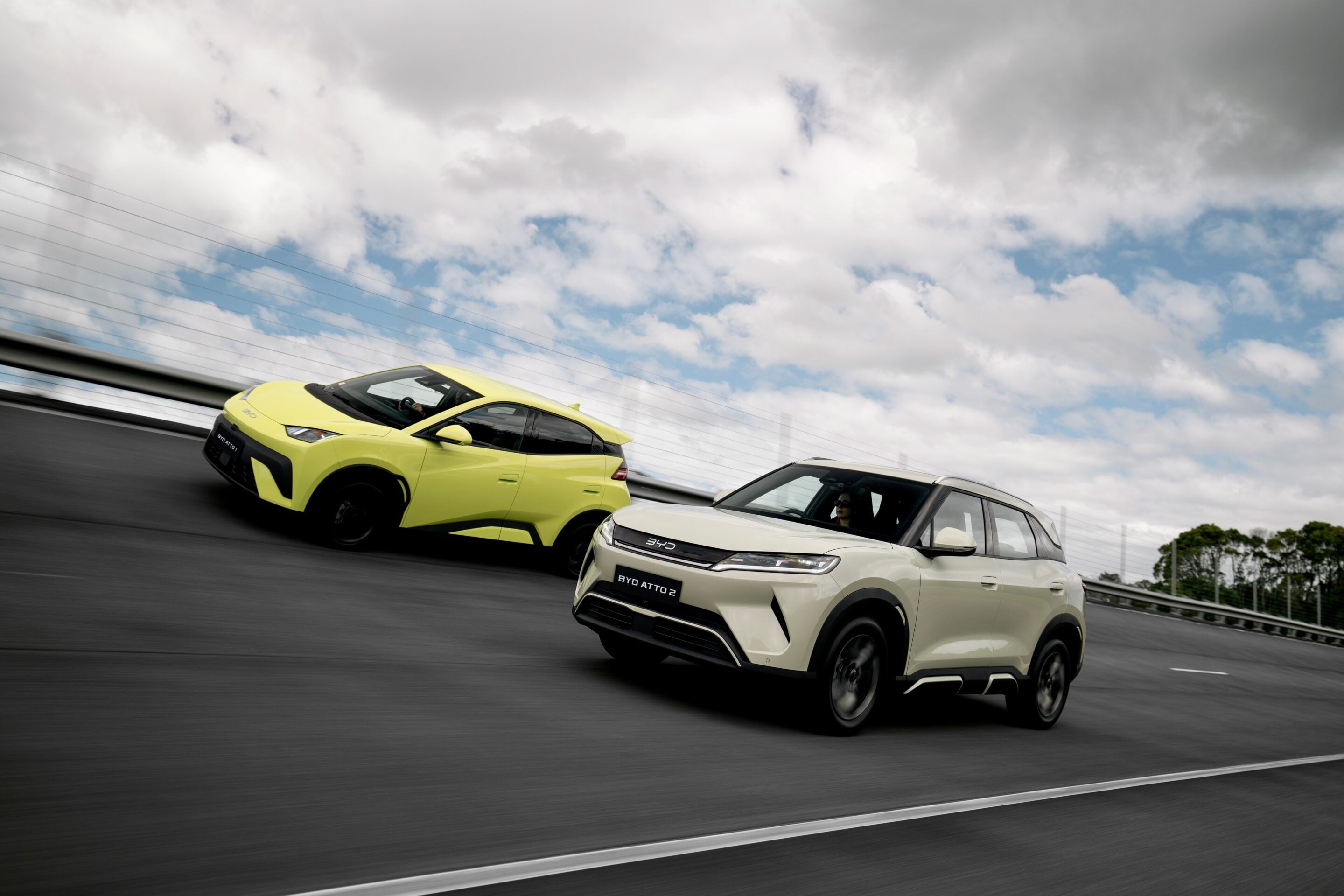
Among the strongest performers was BYD, which generated the largest surplus of NVES units across two reporting entities. BYD Auto Co. Ltd recorded an interim emissions value (IEV) of -4.23 million, while BYD Auto Industry Company Limited posted -2.05 million, reflecting the brand’s heavy reliance on battery-electric vehicles in Australia.
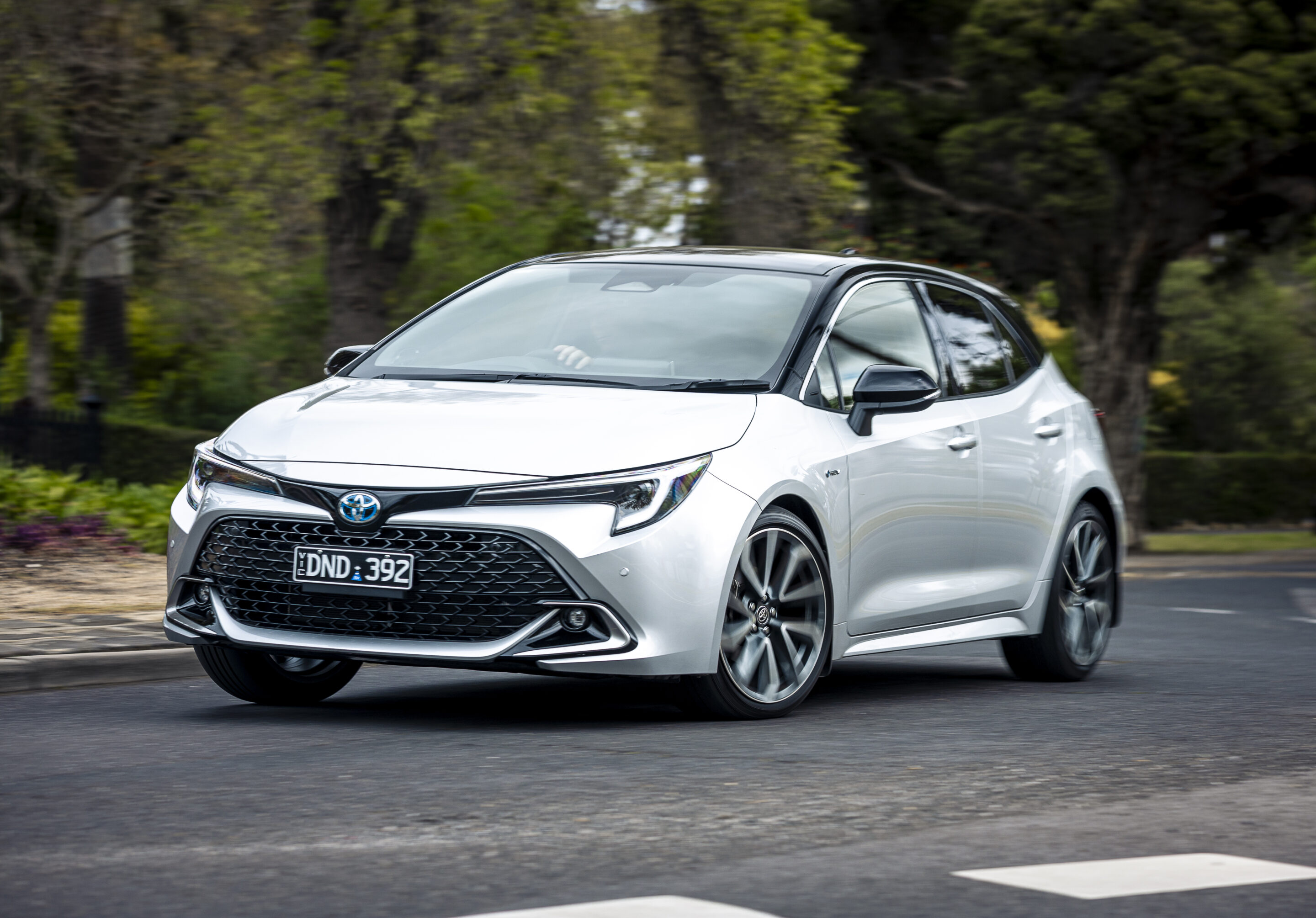
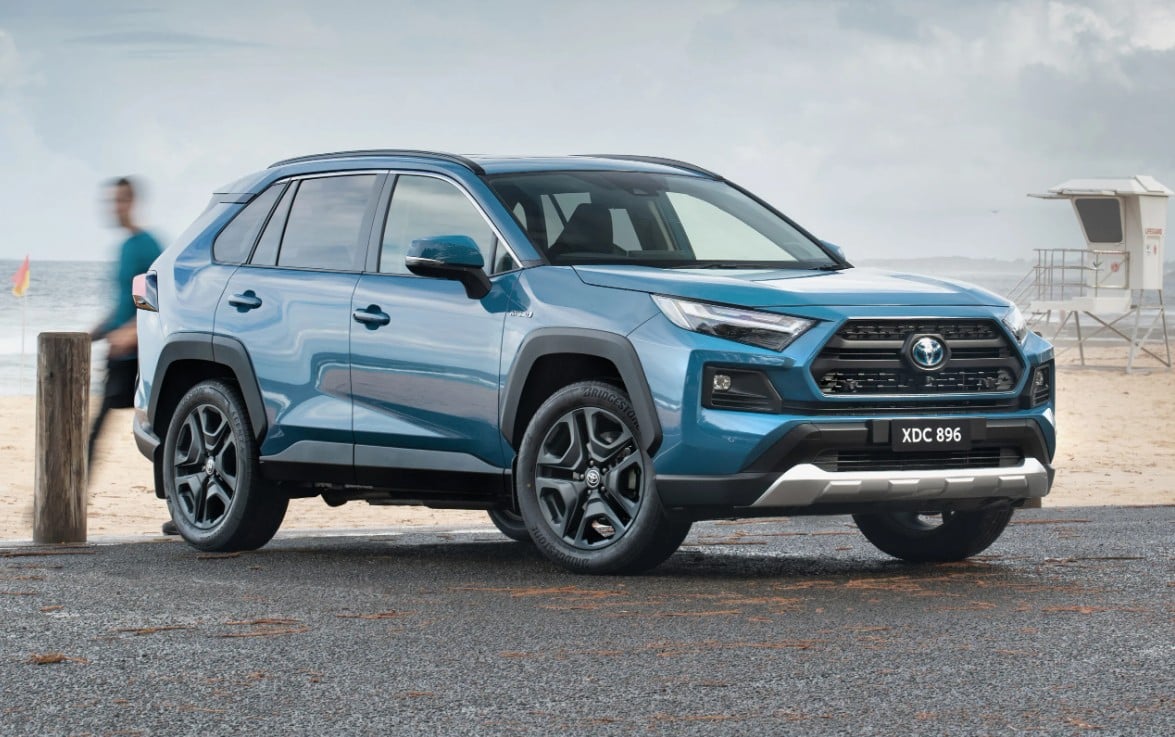
Toyota, the country’s largest-selling brand, also beat its target comfortably, generating 2.89 million units across more than 115,000 vehicles — the biggest total volume in the report. Tesla followed with a surplus of 2.21 million units, while Kia (-729,698), Volkswagen AG (-510,249), and BMW Australia (-340,081) also produced significant positive balances.
Chinese brands performed strongly overall, with Chery (-438,633), Great Wall Motor (-405,198) and Geely (-620,233) all generating substantial credits. Mercedes-Benz Australia (-133,730) and Mitsubishi Motors Australia (-82,072) also finished the period in surplus.
However, several mainstream brands accrued liabilities. Mazda Motor Corporation recorded the largest deficit, with an IEV of +508,517, meaning it will need to offset that position through future improvements or by purchasing credits. Nissan Australia (+215,261) and Subaru (+139,635) also finished above their targets. Hyundai Motor Company posted a liability of +84,563, while General Motors Australia and New Zealand (+65,855) and Honda (+26,069) were also in deficit.
Among luxury marques, Porsche (+33,448) and Aston Martin (+13,877) accrued liabilities, while Ferrari (+15,785) and Maserati (+4,496) also exceeded their targets. In contrast, Audi (-21,780) and Bentley (-1,875) generated modest surpluses.
The NVES, which began in July 2025, is designed to encourage manufacturers to supply more fuel-efficient and low-emission vehicles to Australia as part of broader 2030 and 2035 emissions reduction targets. Further reporting periods will determine whether the early surplus is sustained as standards tighten.
Formula One superstar Max Verstappen has an open invitation to crack hot laps in the next new track weapon from Mercedes-AMG.
Development of the upcoming AMG GT3 racer is shifting into top gear with a test program scheduled for the Portimao circuit, in the south of Portugal, next month.
The V8-powered racer is based on the recently-revealed Mercedes-AMG GT 63 PRO, which is priced from $418,900 in Australia for deliveries later this year. The GT3 racer could begin competing in season 2027, possibly from the Bathurst 12-Hour race which traditionally opens the sports car season.
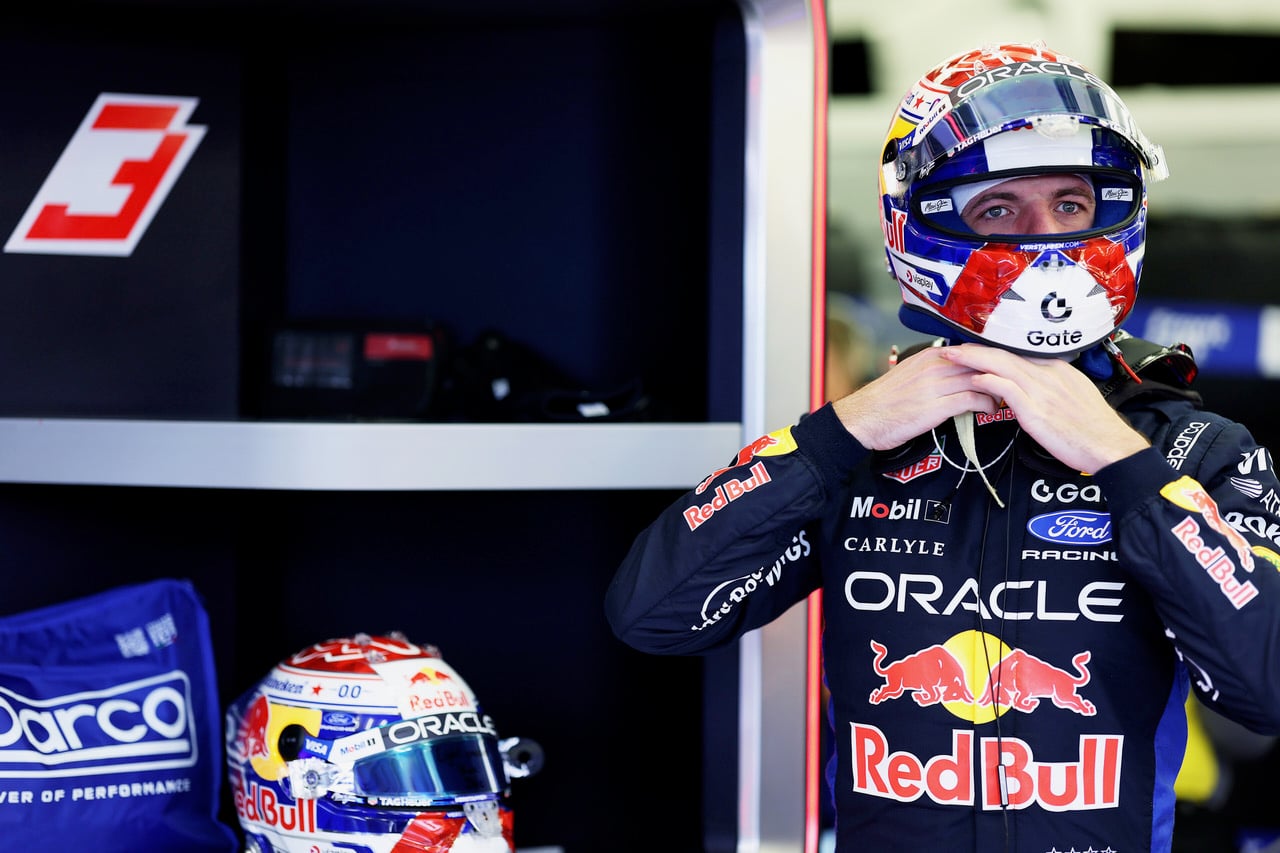
Before then, Mercedes-AMG has a packed test program which could include track time for Verstappen.
“If he is interested, then I am happy,” the global head of Mercedes-AMG Motorsport, Christoph Sagemueller, revealed to Wheels.
“Of course, it depends on his contractual situation.”
He is referring to Red Bull Racing’s connection to Ford in F1, a new deal which begins this year. In the past, when the Red Bull racers were connected to Honda, there was no drama with Verstappen racing a Ferrari in GT3 sports cars and also establishing a personal team that will race with AMG GT3 cars in 2026.
The four-time champion has already cut laps in the current car, but Sagemueller said Verstappen will have no input on the successor to the car which took victory in the Bathurst 12-Hour recently.
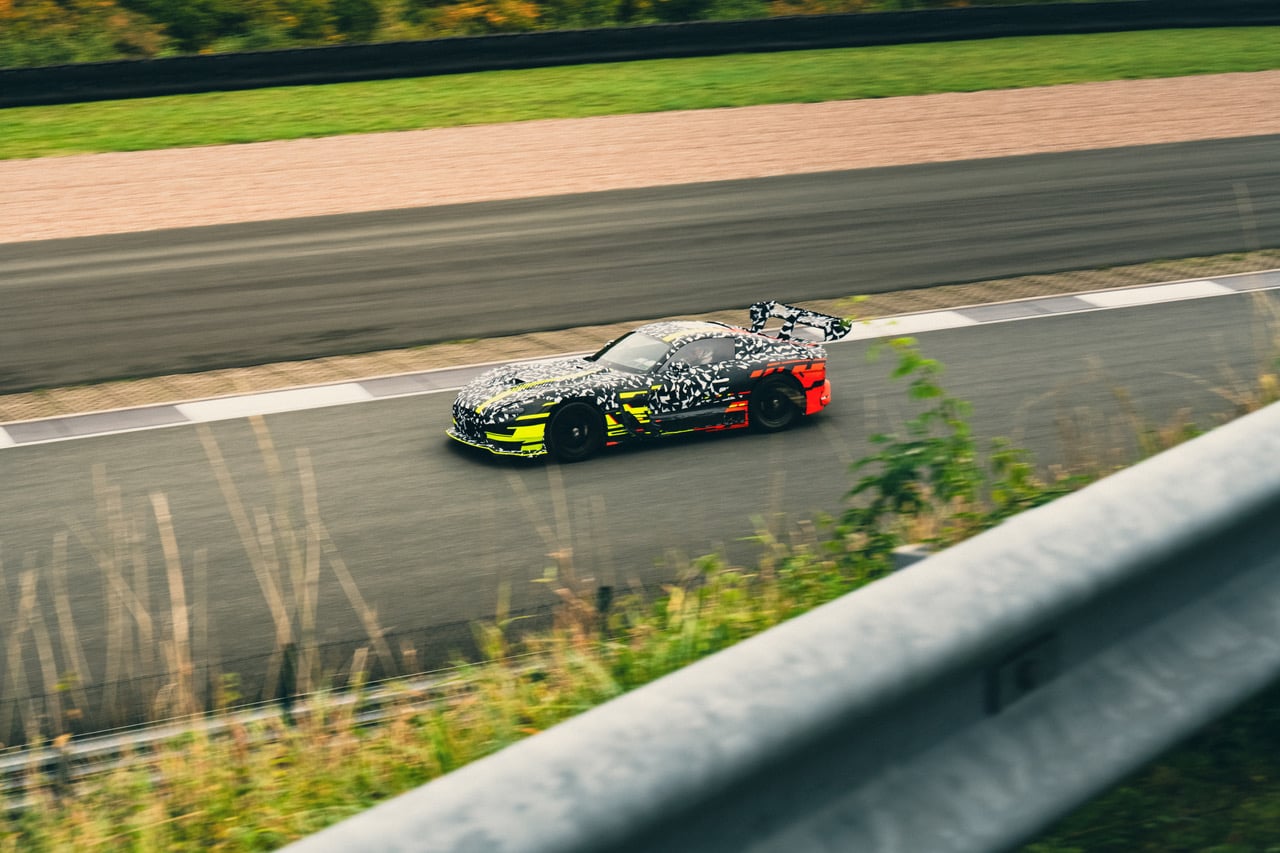
“It will be a fantastic car. The development is in full swing,” said Sagemueller.“I would say we are on the schedule. And that’s important. We had the first roll-out in August last year. We did two days of testing and it was very good.
“There is still lots to do. The beauty of our current car makes it even more difficult for the successor car. The major goal is to bring the car on an even higher level. This, to be fair, is quite a challenge. Everybody is very curious about the next car. We have a high demand for the new car already.”
The new AMG GT3 had been expected to race this year and Sagemueller admitted there had been some delays.
“We wanted to ensure we had the right concept and bring the car in the right window. That’s why it took longer than originally expected,” he said.
Mercedes-AMG has become a giant business for the German luxury car brand, with further expansion currently underway on a vacant block at its headquarters at Affalterbach in Germany. Sagemueller revealed he was AMG employee #800, with an estimated workforce of 3000 and more to come.
“It’s a very big business. We have over 100 active racing teams. We have 48 race weekends a year. Everything we do in racing is linked to AMG.
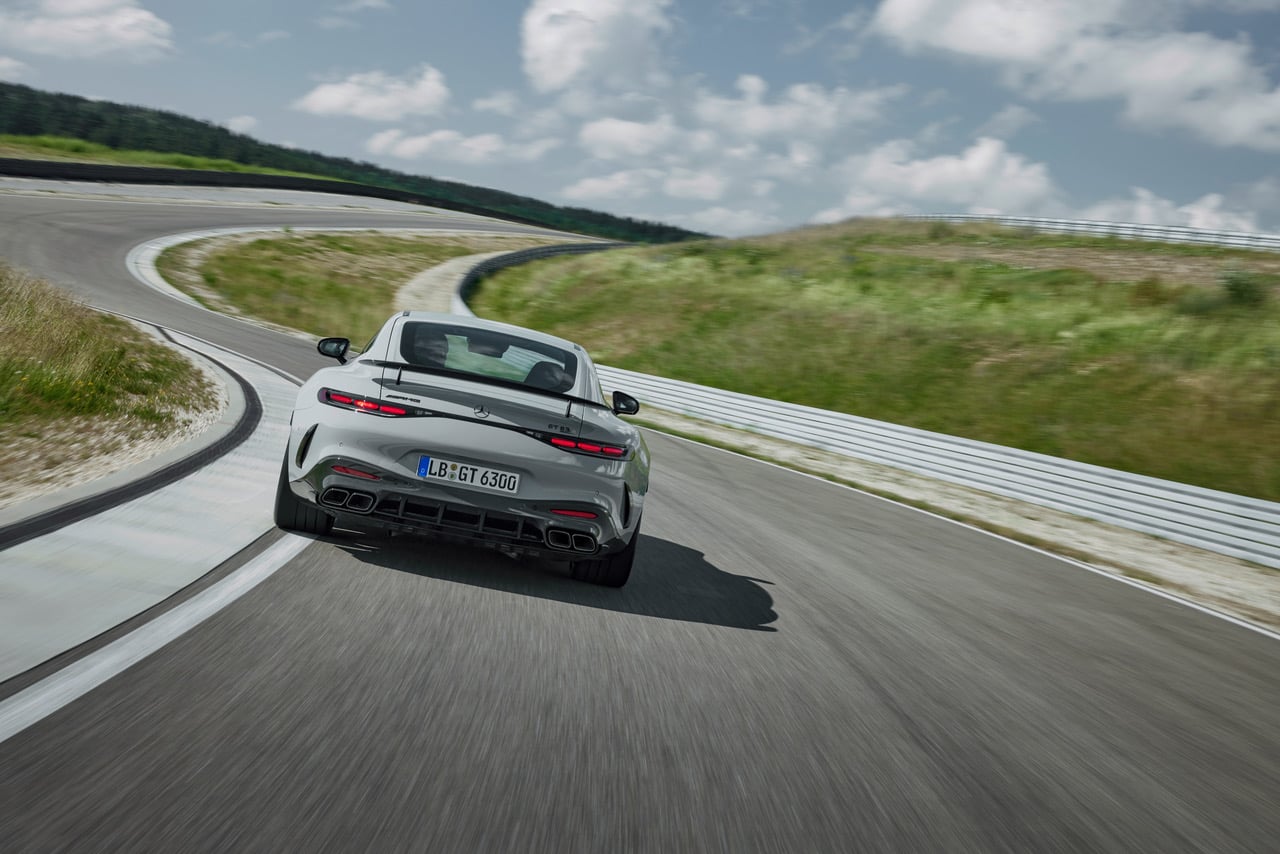
“We do motorsport for different reasons. Formula One is one of the most powerful branding tools we can get but, when it comes to GT sports and customer racing, is when we are close to the real road car product. This is extremely close to what you can buy for the street.”
Sagemeuller emphasised the work AMG does in polishing the three-pointed star, through its road cars and racing programs.
“We can use the strength of the mother ship and the strength of AMG. We are like the ’speedboat’ and it is the big cruise ship. The importance of AMG for the overall Mercedes brand is big.
“I’m operating as a profit centre. That has always been the goal. In the meantime the program has grown so much, so there is more freedom.”
Mazda has opened pre-orders in Australia for its first mainstream battery-electric vehicle, the Mazda 6e, ahead of showroom arrivals.
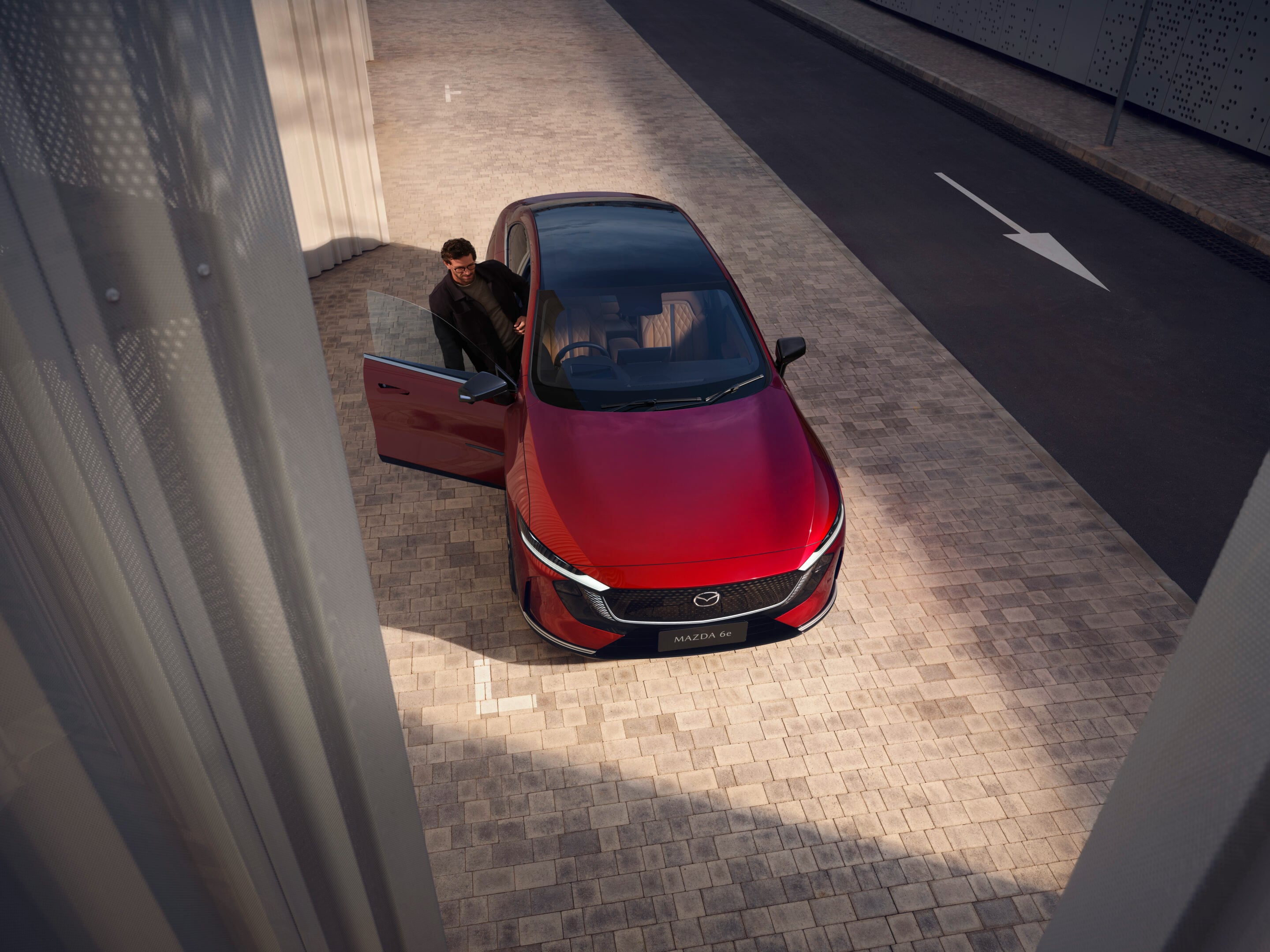
The five-door liftback introduces a new design direction for the brand’s electric models, with a low, coupe-style roofline and short rear deck combined with hatchback practicality. Built on a 2895mm wheelbase, the 6e offers five seats and a minimalist cabin layout influenced by Japanese design principles focused on space and simplicity.
Power comes from a rear-mounted electric motor producing up to 190kW and 290Nm, driving the rear wheels. Energy is supplied by a 78kWh lithium iron phosphate (LFP) battery, with Mazda claiming a WLTP driving range of up to 560 kilometres. Combined energy consumption is rated at 15.9kWh/100km.
The 6e is fitted with a CCS Type-2 charging port and supports DC fast charging, with Mazda quoting a 30 to 80 per cent recharge time of as little as 15 minutes under ideal conditions.
Pricing
| Mazda 6e Model Grade | Motor & Battery | Drivetrain | MLP |
|---|---|---|---|
| GT | 190kW/78 kWh | RWD | $49,990 |
| Atenza | 190kW/78 kWh | RWD | $52,990 |
Two model grades will be offered locally: GT and Atenza. Standard equipment on the GT includes a 10.2-inch digital instrument display and 14.6-inch central touchscreen, 19-inch alloy wheels, a 360-degree camera system, augmented-reality head-up display, tri-zone climate control and wireless Apple CarPlay and Android Auto. Heated and ventilated front seats, a 14-speaker Sony audio system and a range of driver assistance systems are also included.
The Atenza adds tan leather and synthetic suede seat trim with quilted stitching, matching interior accents and a two-tone steering wheel.
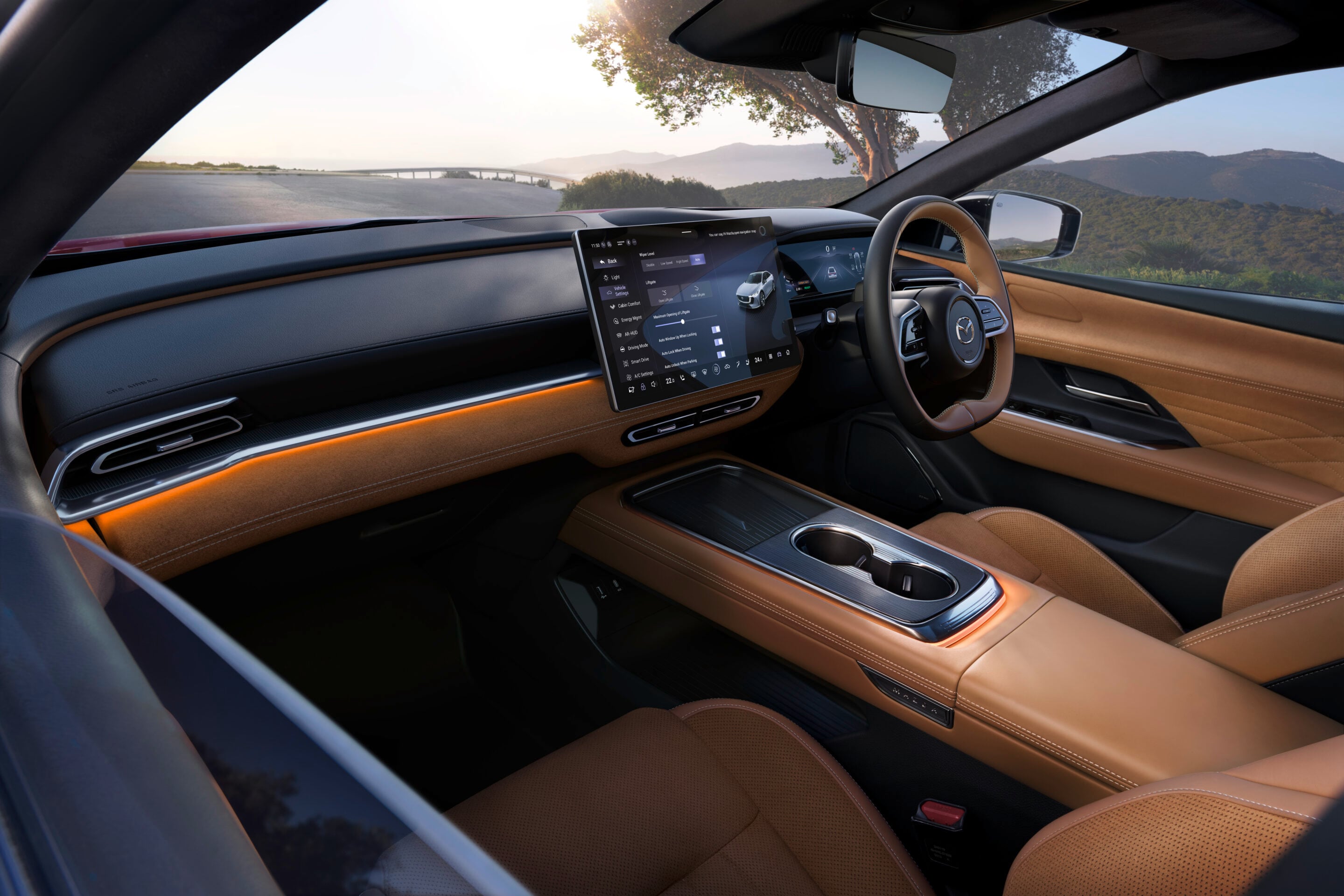
A new Mazda 6e smartphone app will allow owners to access functions remotely, including door locking and unlocking, window control and climate pre-conditioning. A Bluetooth-enabled digital key feature also debuts on the model.
Safety systems include Smart Brake Support with pedestrian and cyclist detection, front and rear cross-traffic alert and a driver monitoring system.
Seven exterior colours will be available at launch, including Soul Red Crystal Metallic and Machine Grey Metallic.
Deliveries expected to commence later this year.
Toyota is preparing an all-new Yaris that will offer buyers a choice of petrol, hybrid and fully electric powertrains, with the next-generation light hatch expected to arrive globally around 2027 or 2028.
The move mirrors Toyota’s plans for the upcoming Corolla, which will also adopt a flexible platform capable of supporting internal combustion (ICE), hybrid and battery-electric (BEV) drivetrains. The strategy is aimed at giving customers multiple options within the same model line-up, rather than splitting petrol and electric versions into separate nameplates.
Toyota Europe’s vice president of strategy and marketing, Andrea Carlucci, has indicated that electrification is inevitable for the Yaris, but not at the expense of hybrid technology. Instead, the brand is developing a new architecture designed to accommodate different energy sources depending on market demand.
For Australia, where the current Yaris is sold exclusively as a hybrid, such flexibility could ensure the model remains competitive as emissions standards tighten and electric vehicle uptake increases.
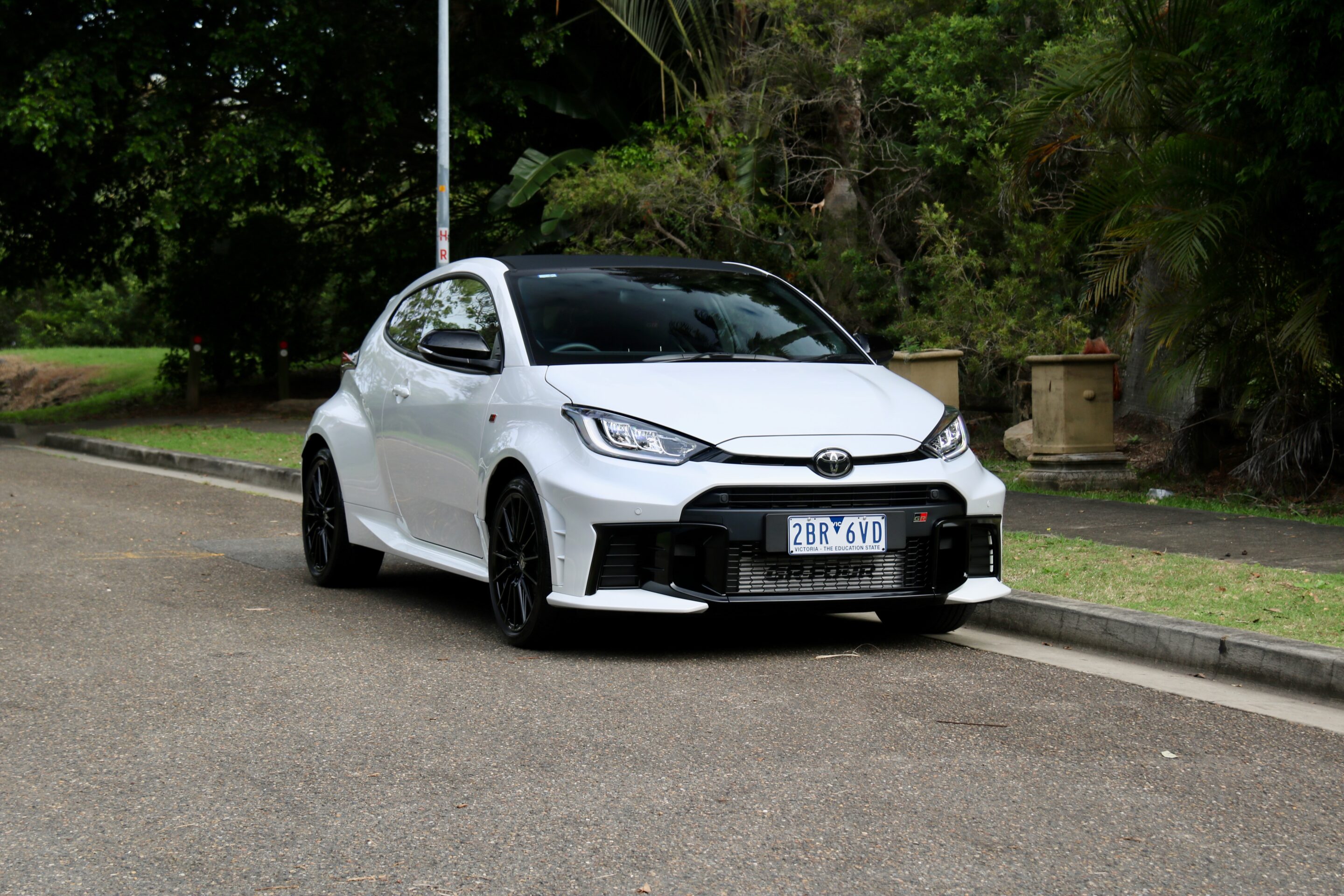
The fully electric Yaris would need to deliver competitive driving range to rival upcoming small EVs such as the Renault 5 and Volkswagen’s planned ID. Polo. Overseas reports suggest a target of around 400km of driving range under WLTP testing could be required to remain competitive in the segment.
At the same time, Toyota’s existing Yaris Hybrid is among the most fuel-efficient light cars on sale in Australia, with combined consumption around 3.3L/100km. Any new hybrid system would be expected to match or improve on that figure.
Styling is also set to evolve. Early indications point to sharper lines, slimmer lighting signatures and a more contemporary look consistent with Toyota’s latest design language. Despite its compact proportions, the next Yaris is expected to present a more substantial appearance than the current model.
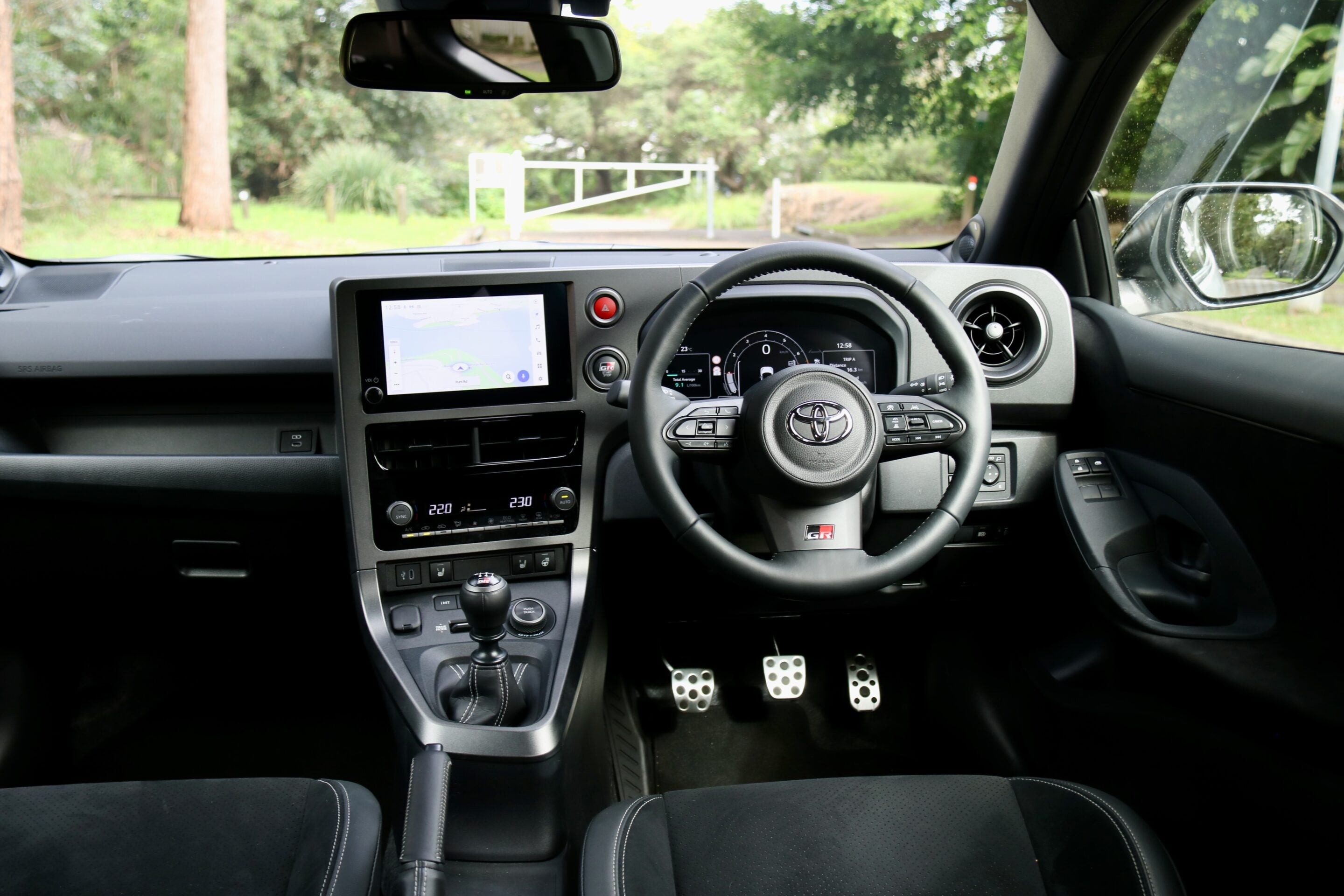
Performance variants remain under consideration. While a successor to the three-door GR Yaris has yet to be confirmed, Toyota’s Gazoo Racing division is continuing to develop new turbocharged engines that could underpin future hot hatch models.
A full reveal is not expected until closer to launch, with further details likely to emerge over the next two years.
Tesla has introduced its Grok artificial intelligence chatbot to the Model 3 sedan and Model Y SUV, adding expanded voice-control capability and a range of selectable “personalities” – some of which are restricted to adults.
Developed by xAI, a company founded by Tesla CEO Elon Musk, Grok is designed to function as an in-car conversational assistant. It can program the navigation system, suggest alternate routes and highlight nearby points of interest.
Drivers can also ask it to explain dashboard alerts, provide driving tips or answer general knowledge questions spanning subjects such as science, history and philosophy.
Like other AI systems now appearing in new vehicles, Grok responds to natural language commands rather than fixed prompts, aiming to deliver a more conversational interaction.
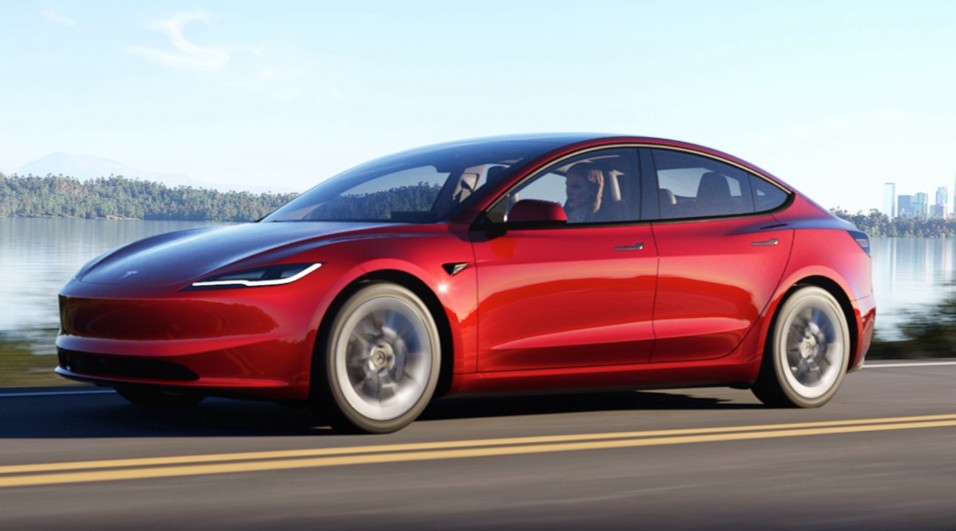
Tesla allows owners to choose from multiple Grok “modes”. Standard options include Assistant, Language Tutor, Therapist, Storyteller and Meditation. There are also novelty modes such as Conspiracy and Doctor, alongside child-friendly settings including Kids Story Time and Kids Trivia Game.
In addition, several 18+ personality settings are available, including Unhinged, Motivation, Argumentative, Romantic and Sexy. Tesla has not detailed how these modes are moderated while driving.
The company says conversations with Grok are anonymous and not linked to a specific vehicle. Users can also select different voice profiles, including male and female tones.
Grok is being rolled out to Model 3 and Model Y vehicles, with the larger Model S and Model X set to receive the feature via over-the-air update. Access requires a Premium Connectivity subscription or a stable Wi-Fi connection, and the system can be activated through steering wheel controls or the central touchscreen.
Volkswagen Australia has confirmed local pricing and key details for two new plug-in hybrid SUVs, the Tiguan eHybrid and the larger Tayron eHybrid, as the brand broadens its electrified range.
Both models use Volkswagen’s latest plug-in hybrid system, combining a 1.5-litre turbocharged petrol engine with an electric motor and a 19.7kWh battery. Depending on the variant, total system outputs are 150kW or 200kW.
The claimed electric-only driving range sits between 113 and 117 kilometres (WLTP), enough to cover typical weekday commuting without using petrol. When operating as a hybrid, combined fuel consumption is rated at between 1.6 and 1.8L/100km under laboratory testing conditions.
AC charging is supported at up to 11kW, while DC fast charging at up to 40kW allows quicker top-ups than previous Volkswagen plug-in hybrids.
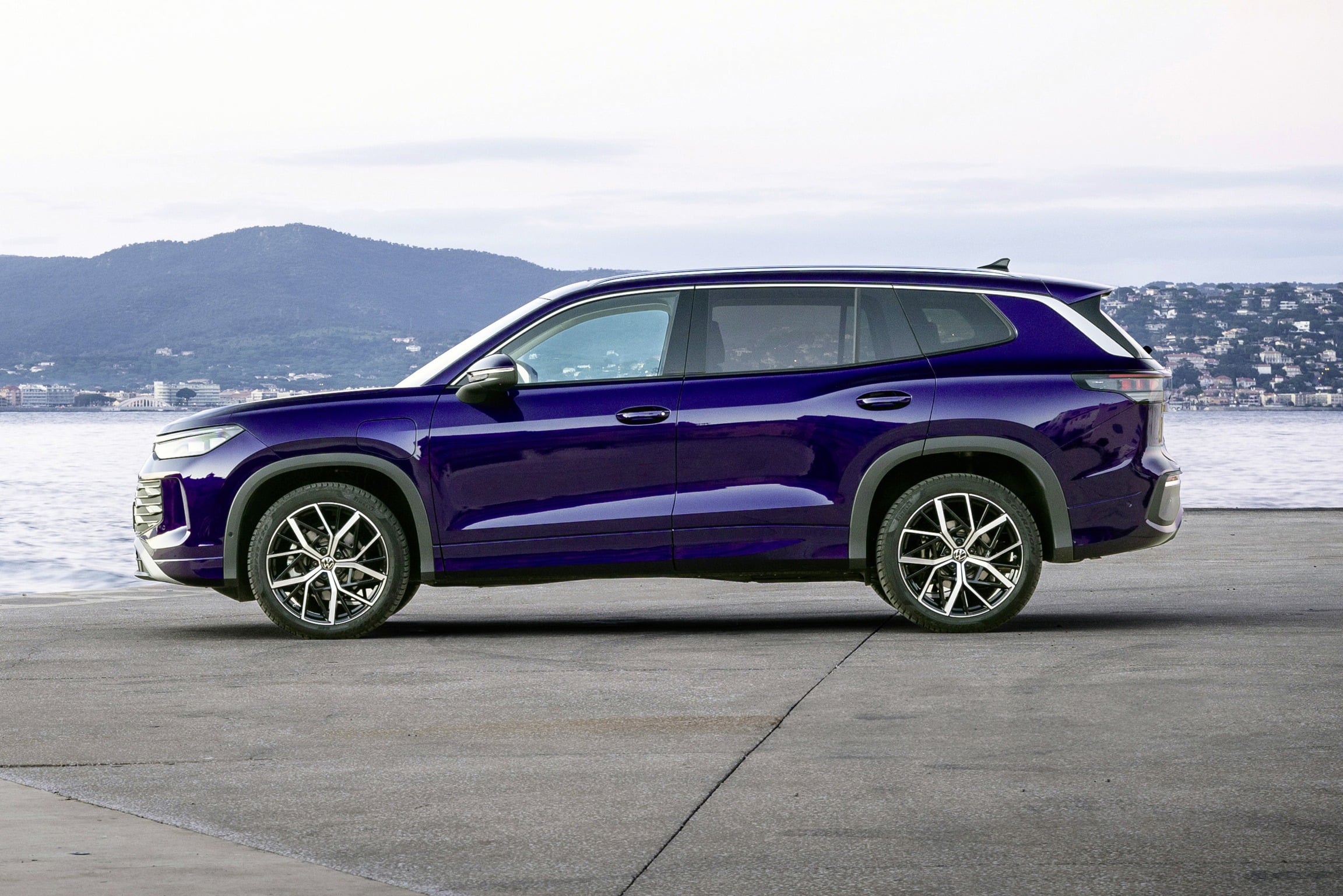
Although the Tiguan eHybrid and Tayron eHybrid share their underlying technology, they are aimed at different buyers. The Tiguan remains Volkswagen’s core midsize SUV, offering a relatively compact footprint suited to urban driving while retaining a high-quality interior and practical layout.
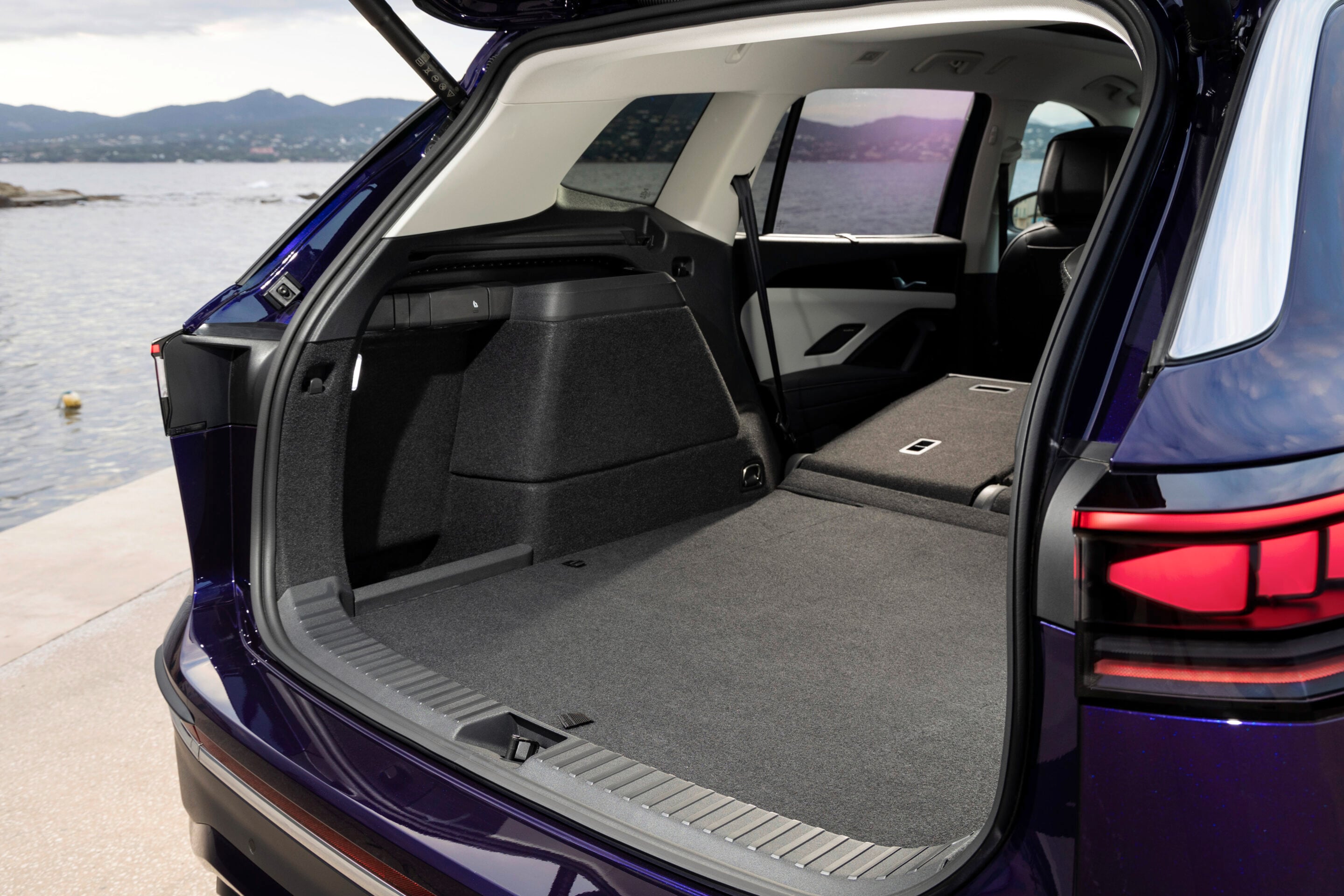
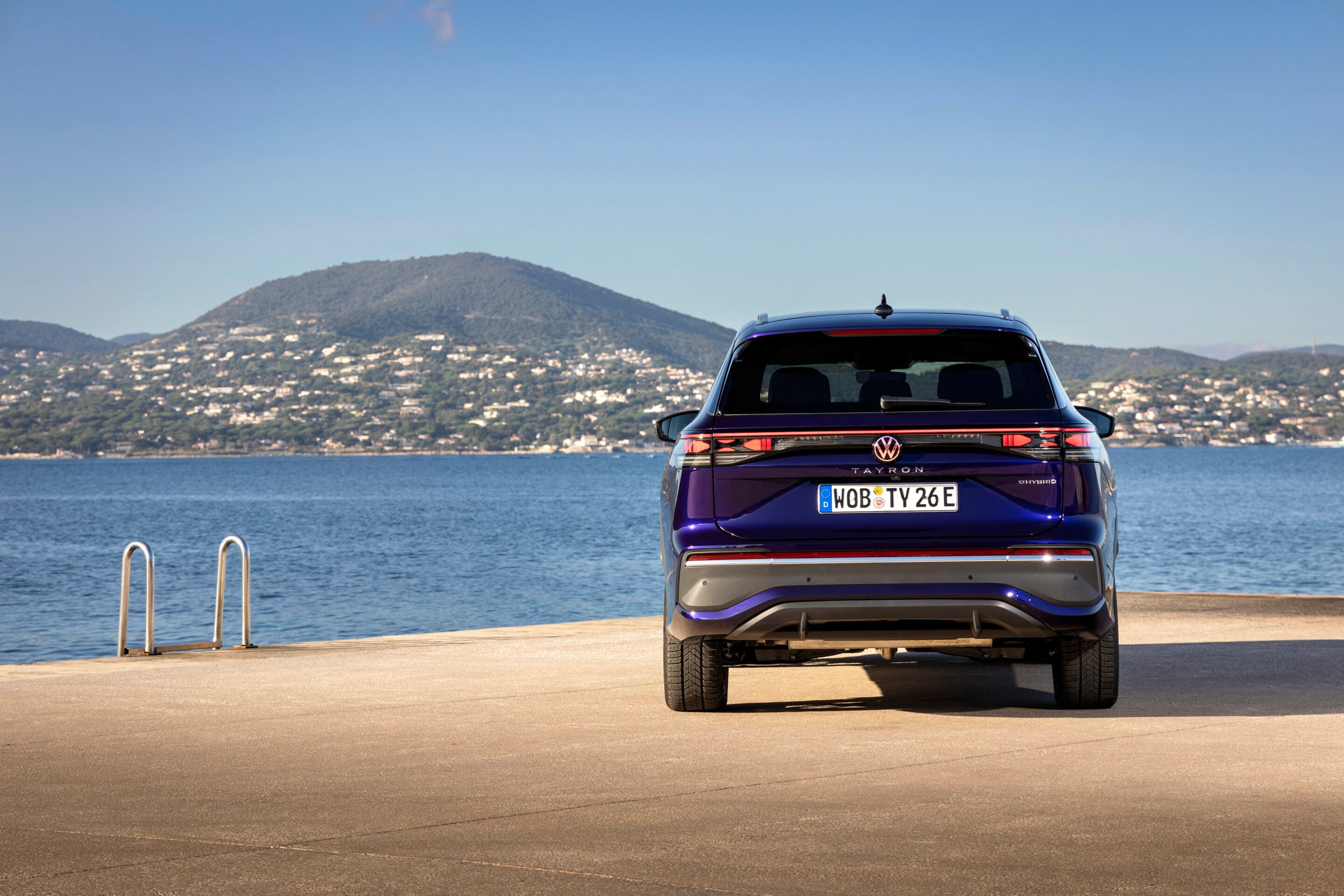
The Tayron sits above it in size and positioning, with a larger body and a substantial 705-litre luggage capacity. With its own design identity and more generous proportions, it targets families seeking additional space without stepping into the large SUV segment.
Both models will be offered in Elegance and R-Line grades, bringing Volkswagen’s latest digital interfaces and driver assistance systems. The plug-in hybrid system is intended to deliver smooth electric commuting, longer-distance touring flexibility and everyday SUV usability in one package.
The Tiguan eHybrid and Tayron eHybrid are due in Australian showrooms in the second quarter of 2026, with orders set to open shortly as part of Volkswagen’s broader electrification rollout.
Pricing*
| Tiguan 150TSI eHybrid Elegance | $64,590 |
|---|---|
| Tiguan 200TSI eHybrid R-Line | $74,550 |
| Tayron 150TSI eHybrid Elegance | $62,390 |
| Tayron 200TSI eHybrid R Line | $76,550 |
*Manufacturer’s recommended retail price (incl. GST)
Options
Optional equipment for Volkswagen Tiguan eHybrid:
- Metallic Paint: $800
- Premium Metallic Paint: $1,100
- Panoramic Sunroof (Elegance, R-Line): $2,100
- Black Style Package ( R-Line): $1,500
Optional equipment for Volkswagen Tayron eHybrid:
- Metallic Paint: $800
- Premium Metallic Paint: $1,100
- Sunroof (Elegance, R-Line): $2,100
- Sound & Vision Package (Elegance): $4,200
- Black Style Package (R-Line): $1,500
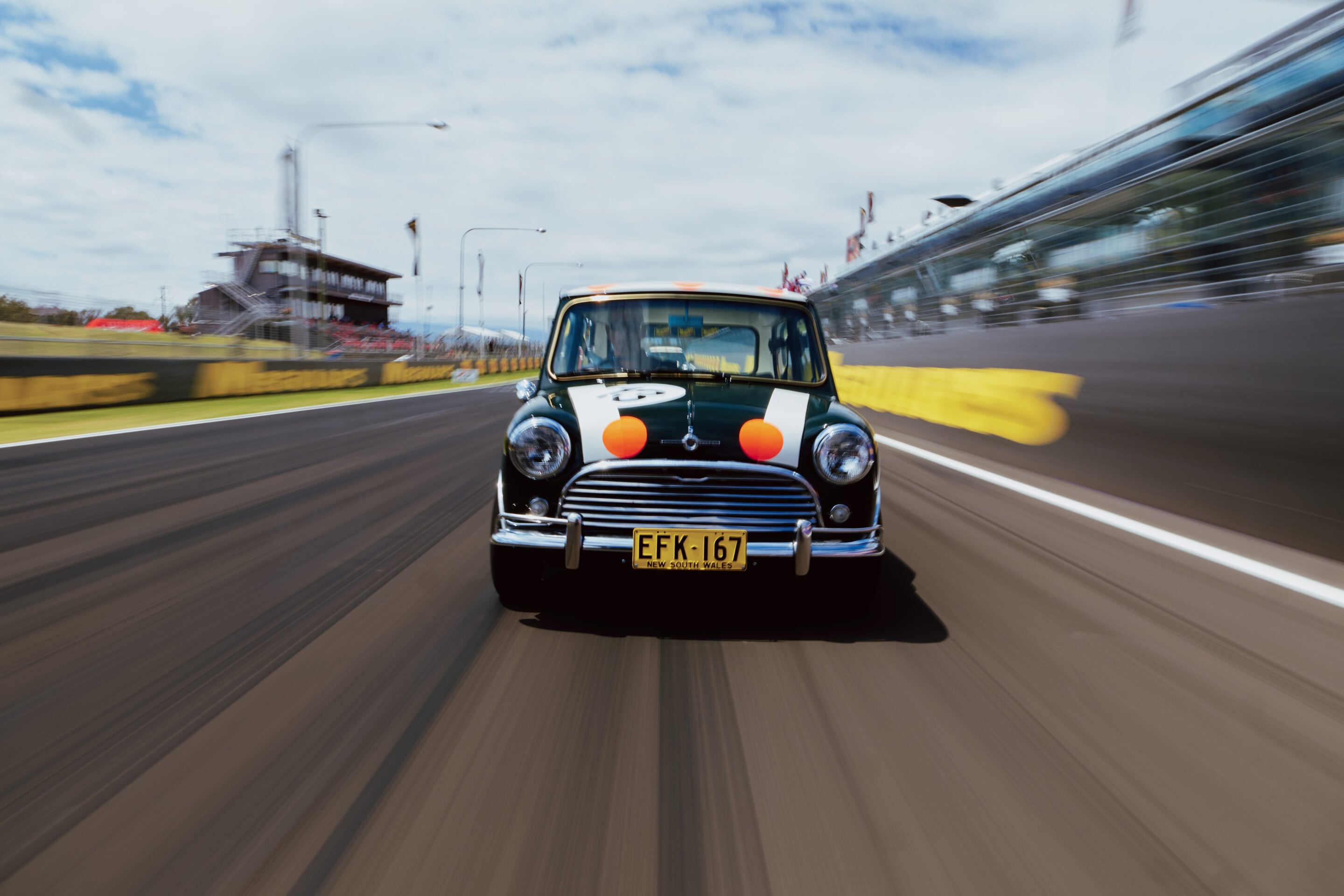
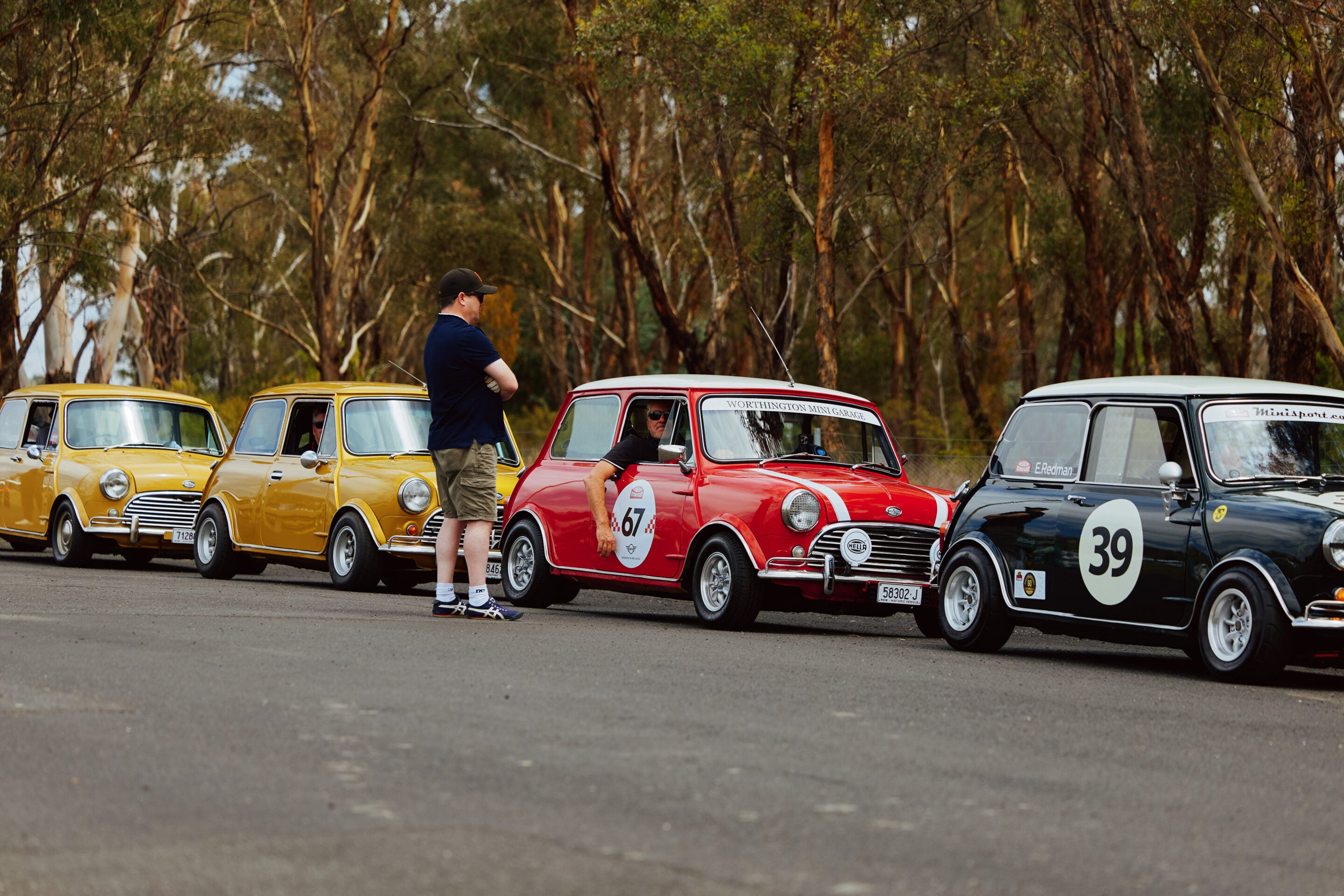
MINI owners and enthusiasts gathered at Mount Panorama Circuit over the weekend to mark 60 years since the brand’s landmark victory at the 1966 Gallaher 500 at Bathurst.
The anniversary commemorates the race in which a Morris Mini Cooper S, driven by Australian Bob Holden and Finnish rally driver Rauno Aaltonen, claimed outright honours against larger and more powerful rivals. Minis filled the first nine places on the starting grid that year, and their win is widely regarded as one of the most significant upsets in Australian touring car history.
To acknowledge the milestone, 25 classic and modern MINI models completed a ceremonial lap of the 6.2km Mount Panorama layout. The field included restored 1960s-era cars alongside contemporary John Cooper Works variants, linking the brand’s past and present on the same stretch of bitumen where the original victory was achieved.
The 1966 result cemented the Mini Cooper S as a serious competition car in Australia. Throughout the 1960s, the compact British-built model recorded multiple class wins and competitive outright performances in touring car racing, rallying and hill climbs. Its combination of front-wheel drive, light weight and sharp handling proved effective on tight circuits and technical road courses.
Historic Minis continue to compete in club-level and historic racing events across Australia, particularly at Bathurst, where the model retains a strong following among competitors and spectators alike.
The anniversary event also comes during a period of renewed interest in the MINI brand locally. In 2025, MINI reported a 38 per cent increase in Australian sales compared with the previous year. Sales of John Cooper Works performance variants rose sharply, accounting for just over one-fifth of total deliveries.
While the modern brand has evolved significantly since the 1960s, the Bathurst win remains a defining chapter in its motorsport history – one still remembered on the mountain six decades later.
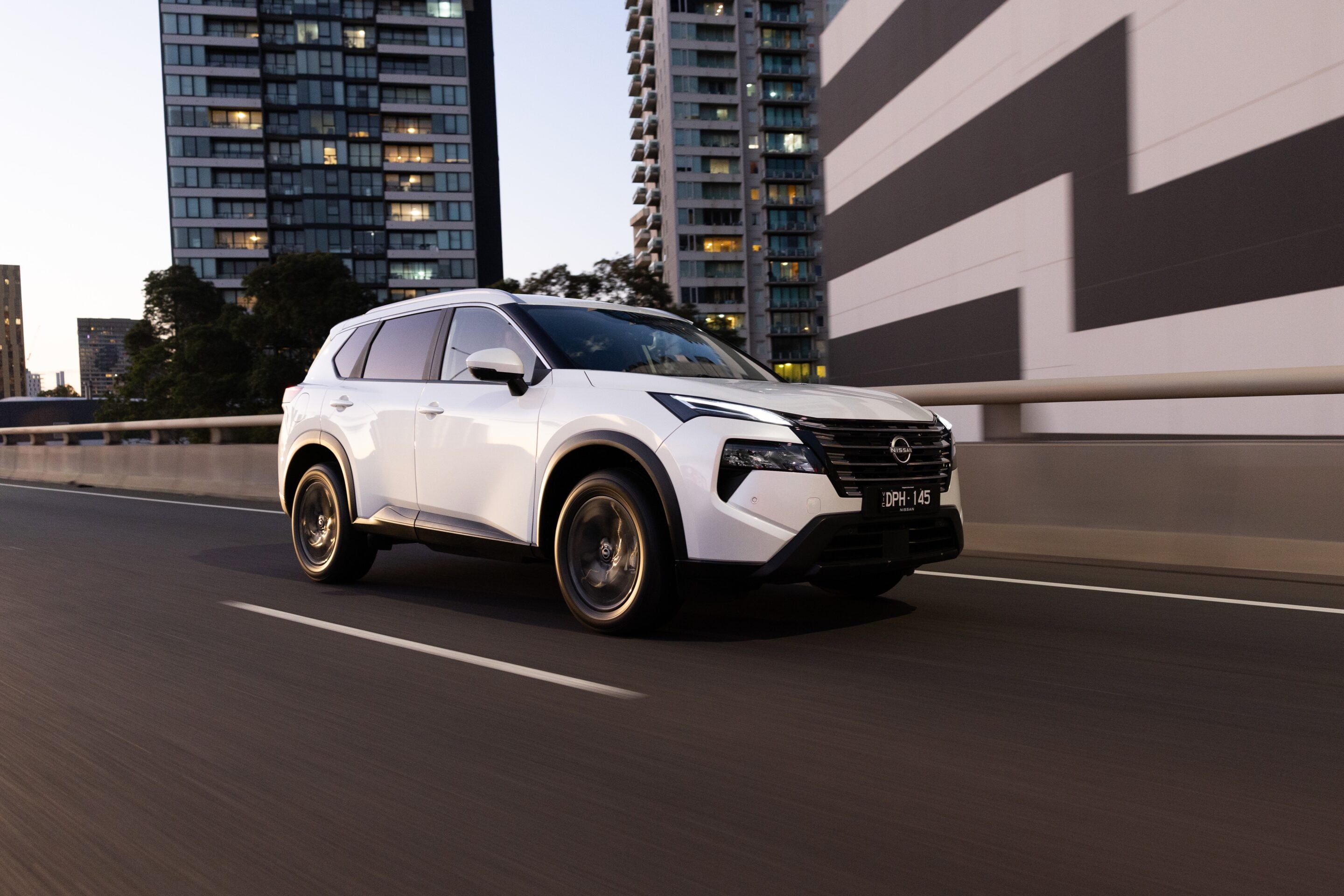
First announced back in November 2025, the 2026 Nissan X-Trail range has arrived in Australiasporting an updated look with revised styling, new features across the range and longer 15,000km yearly service intervals.
The price for Nissan’s mid-size SUV is also now $1150 more than before, starting at $38,140 plus on-road costs.
Styling changes for the updated X-Trail include a new front fascia with an enlarged grille, restyled bumpers, new 18- and 19-inch alloy wheels from the ST-L grade and upwards, and new ‘Deep Blue Ocean’ and ‘Everest White’ paint options.
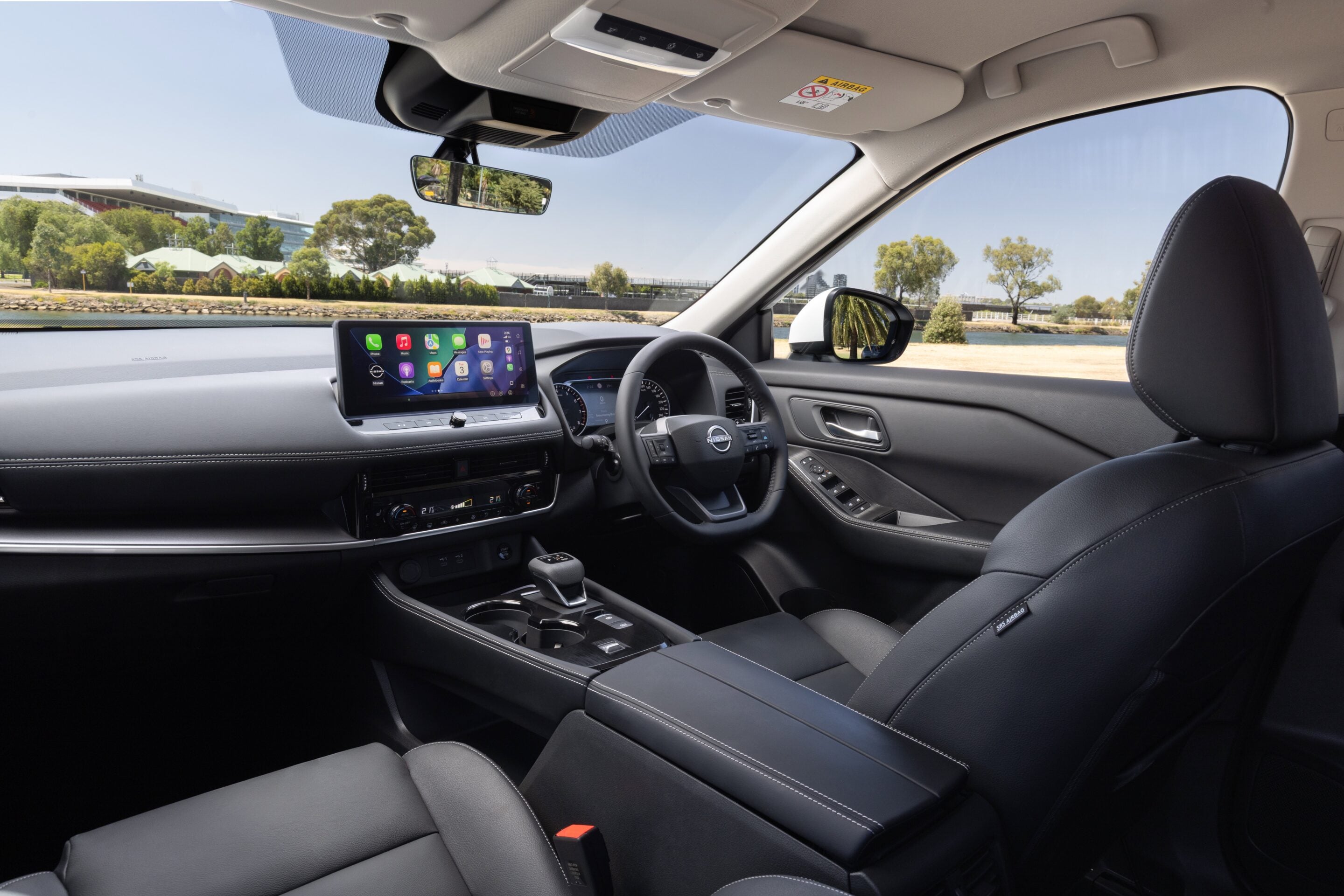
Nissan has added more standard equipment across the X-Trail range, with the entry-level ST earning the most. The ST gains a larger 12.3-inch touchscreen with wireless Apple CarPlay and Android Auto, rain-sensing automatic wipers and a wireless phone charger, with the ST-L gaining a new alloy wheel design, 10-way electric front seats, and 3D and bonnet transparent views for its 360-degree camera.
Nissan has made no mechanical changes, with the majority of the range using a 135kW/244Nm 2.5-litre naturally aspirated petrol engine with a CVT automatic transmission and either front- or all-wheel drive. Combined fuel consumption is still rated at 7.4L/100km for the FWD X-Trail or 7.8L/100km for the AWD.
Also available is Nissan’s ‘e-Power’ hybrid drivetrain, which sees a 106kW/250Nm 1.5-litre turbocharged three-cylinder petrol engine used as a generator to power a 150kW/330Nm front and 100kW/195Nm rear electric motor. Nissan claims combined power of 157kW and combined fuel consumption of 6.1L/100km.
Importantly, the X-Trail range’s annual service intervals are now every 15,000km and not the previous 10,000km. That is now more convenient for drivers who travel over 10,000km annually and matches the industry standard.
2026 Nissan X-Trail pricing (plus on-road costs):
| ST 2WD five-seat | $38,140 (+ $1150) |
|---|---|
| ST AWD five-seat | $41,140 (+ $1150) |
| ST-L 2WD five-seat | $42,615 (+ $1150) |
| ST-L AWD seven-seat | $45,715 (+ $1150) |
| ST-L e-Power hybrid AWD five-seat | $48,915 (+$1150) |
| Ti AWD five-seat | $51,415 (+ $1150) |
| Ti e-Power hybrid AWD five-seat | $54,415 (+ $1150) |
| Ti-L AWD five-seat | $54,415 (+ $1150) |
| Ti-L e-Power hybrid AWD five-seat | $58,215 (+ $1150) |
2026 Nissan X-Trail ST standard equipment:
- 17-inch alloy wheels
- Dusk- and rain-activated automatic LED headlights
- Rain-sensing wipers (new to ST and ST-L)
- Heated/auto-folding mirrors
- Keyless entry with push-button start
- Manual air-conditioning with rear air vents
- 7.0-inch digital instrument screen with analogue dials
- 12.3-inch touchscreen (new to ST)
- NissanConnect live services
- AM/FM/DAB+ digital radio
- Wireless Apple CarPlay and Android Auto (new to ST)
- Wireless phone charger (new to ST)
- 7x airbags
- Autonomous emergency braking
- Adaptive cruise control
- Lane keeping assistance
- Blind-spot monitoring with rear cross-traffic alert
- Traffic sign recognition
- Low-speed rear automatic braking
- Rear parking sensors
- Reversing camera
X-Trail ST-L model adds:
- 18-inch alloy wheels
- Adaptive lane guidance
- Satellite navigation
- 360-degree camera with 3D and transparent front views (new to ST-L)
- Dual-zone automatic climate control
- Front parking sensors
- Leather-accented seat upholstery and steering wheel
- Silver roof rails
- Rear privacy glass
- Auto-dimming rear mirror
- Heated front seats
- 10-way electric front seats (new to ST-L)
- e-Power adds low-speed pedestrian noise, tyre repair kit, active noise cancellation and black front grille accent
X-Trail Ti model adds:
- 19-inch alloy wheels
- 12.3-inch digital driver’s display
- 10.8-inch head-up display
- Panoramic glass roof
- Tri-zone automatic climate control
- Adaptive high beam
- Powered tailgate
- Inbuilt rear door sunshades (new to Ti)
- Digital rear mirror
- Ambient lighting in the centre console
- Silver and chrome exterior trim pieces
X-Trail Ti-L model adds:
- Quilted nappa leather upholstery
- Heated steering wheel and outboard rear seats
- 10-speaker Bose sound system
- Driver’s seat and mirror memory
- Mirror auto-tilting in reverse gear
- Remote start
- Ambient lighting on the front doors
The 2026 Nissan X-Trail range is now on sale with local deliveries to commence soon.
