
It would seem that way, Malcolm. But it’s worth bearing a couple of points in mind. Firstly, it’s likely that future governments may punitively tax you for an ICE vehicle to push you into an EV. Stick seems to be preferred to carrot, despite carrot nearly always being more effective. Secondly, never say never. The EVs that have failed to impress you thus far are just the vanguard. They’re improving, and improving fast.
With an all-new V6 turbo engine bolted to plug-in hybrid powertrain, ground-up aluminium and carbon fibre monocoque design, and a revolutionary ethernet network, the Artura is arguably the most daring car to ever emerge from McLaren’s Woking technology centre.
But its technical accolades are more intrinsically woven into the aesthetics than most would realise. McLaren chief designer Joao Dias reveals some of the Artura’s secrets that hide behind a super-formed aluminium skin.
What appears to be a top-exit exhaust a-la 600LT is, in fact, a heat chimney to channel superheated air away from the pair of turbos nestled in the 120-degree V6’s hot-vee, and the hot air can be seen by the driver in the rear view mirror as it rises from the duct.
Dias explains that a huge amount of effort was put into extracting heat from the engine bay which measured up to 800 degrees in testing.
C-pillar flying buttresses increase airflow into the engine bay, while the tail light design was slimmed to maximise the amount of hot air escaping through the full-width rear aluminium mesh. Heat challenges also prevented engine bay illumination found in the 720S – “Engineering told us everything would melt,” said Dias.
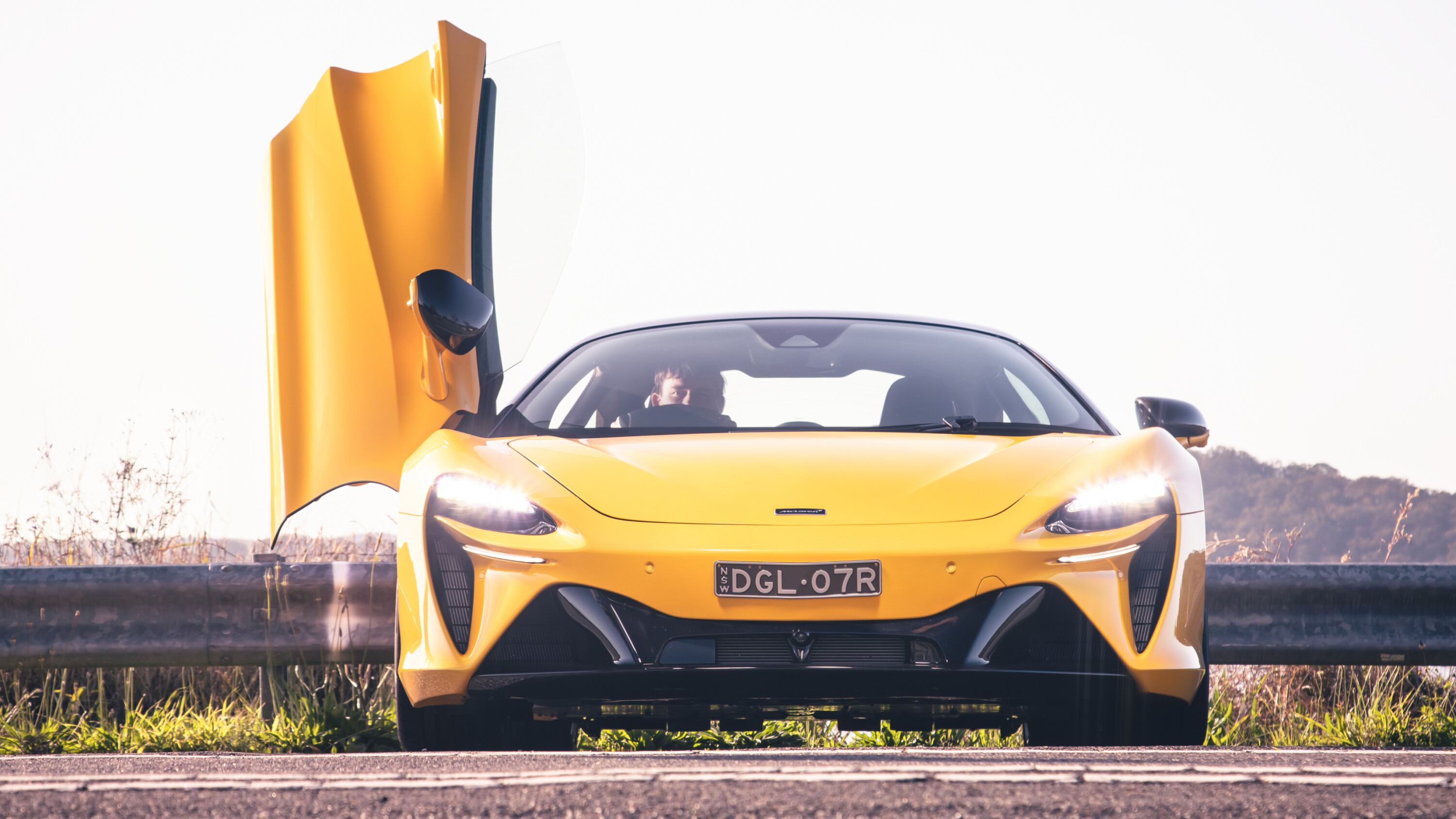
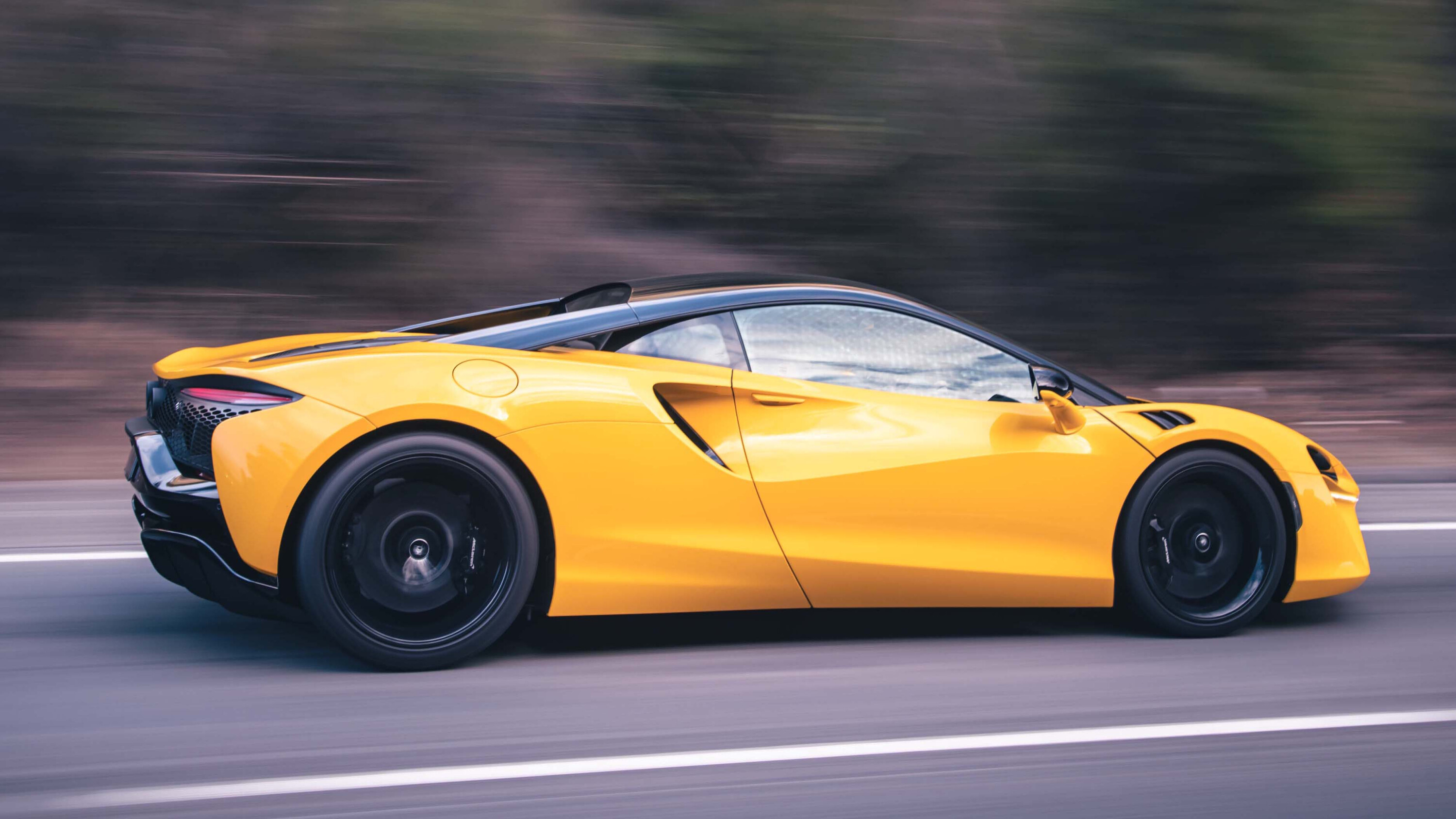
The Artura’s rear-mounted radiators are fed air via two large vents clearly visible behind the doors not hidden inside the door like the 720S design.

1
This, says Dias, was to reduce weight and complexity with the panel instructed using a single super-formed aluminium sheet compared to the 720S door which was built from 11 separate panels.
“We didn’t want a Senna-like aperture. The Artura had to give a similar level of drama but with a more simplistic execution,” he explained.
McLaren’s Woking manufacturing centre is known for its lack of automation and silence but there is one machine that was necessary to make the Artura possible. Its roof is the largest body panel and is impossible to install using human power alone so the ‘aided tool’ was added to the production line.
1
Dias said that introducing the first machine to the manufacturing centre was a significant decision but the company is not governed by principles if they stand in the way of progress.
“If the theme is going to be more expensive to deliver but everyone loves it, the business is going to adapt the process and budget to deliver that. This is one example.”
Maintaining a short wheelbase for packaging, proportions and handling was a significant challenge, but the engineering team worked with the designers and succeeded in fitting both the V6 engine and hybrid batteries inside the new carbon fibre passenger cell. Dias says a longer wheelbase would be acceptable for a larger McLaren but not for the “baby” Artura.
1
“The challenge was always to keep the wheelbase as short as possible,” he said. “If you had a V8 engine with the batteries, this wheelbase would have to grow 60mm.
“For the successor of the 720 which is a bigger car, maybe it could be possible, but for this, it was the limit.”
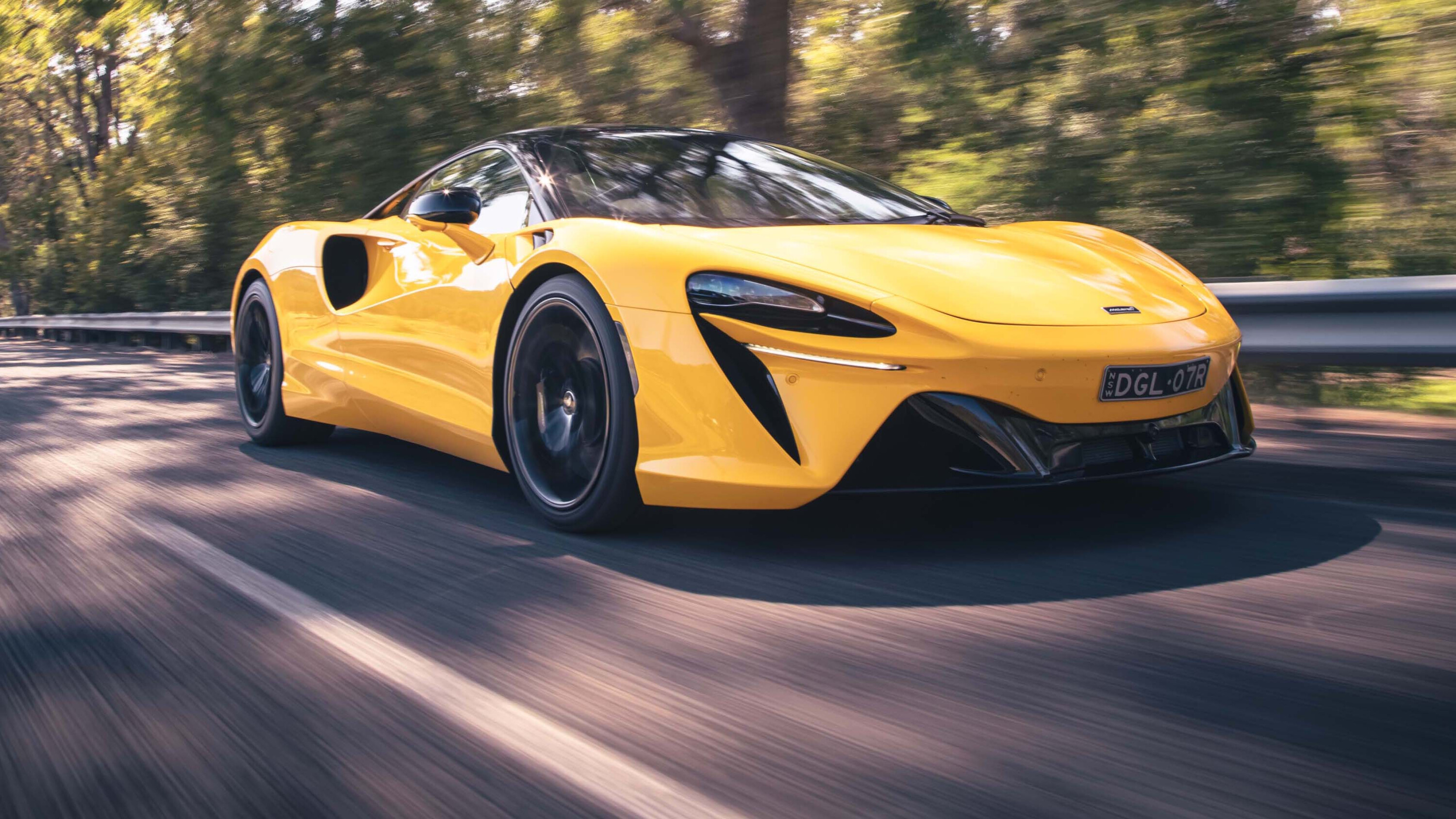
Dias’s biggest challenge was actually one of the Artura’s smallest details, and finalising a design for the door handles which looked right but didn’t upset airflow into the radiators took months of back and forth.
1
“If you embrace the technical, your creativity doesn’t stop. If you see the technical as an obstacle, your creativity will always be affected”
“Engineers wanted to cut a hole in the surface and put a plastic door handle in there. I said, this is not going to happen. I’m not joking – we spent three months on this.”In the end, inspiration came from, of all things, a common household item.
“At home I had a shoe cupboard and to open the door was this very thin aluminium part with a lip.I told the guys from ergonomics the only thing we need is just enough grip to pull the door.”
“If you embrace the technical, your creativity doesn’t stop. If you see the technical as an obstacle, your creativity will always be affected”
MORE
Everything Mclaren
There are so many choices in the ute market, with more to come – but what are the best available right now if you’re not prepared to buy the evergreen current HiLux, and can’t wait for the new model coming next year?
JUMP AHEAD
Ford Ranger
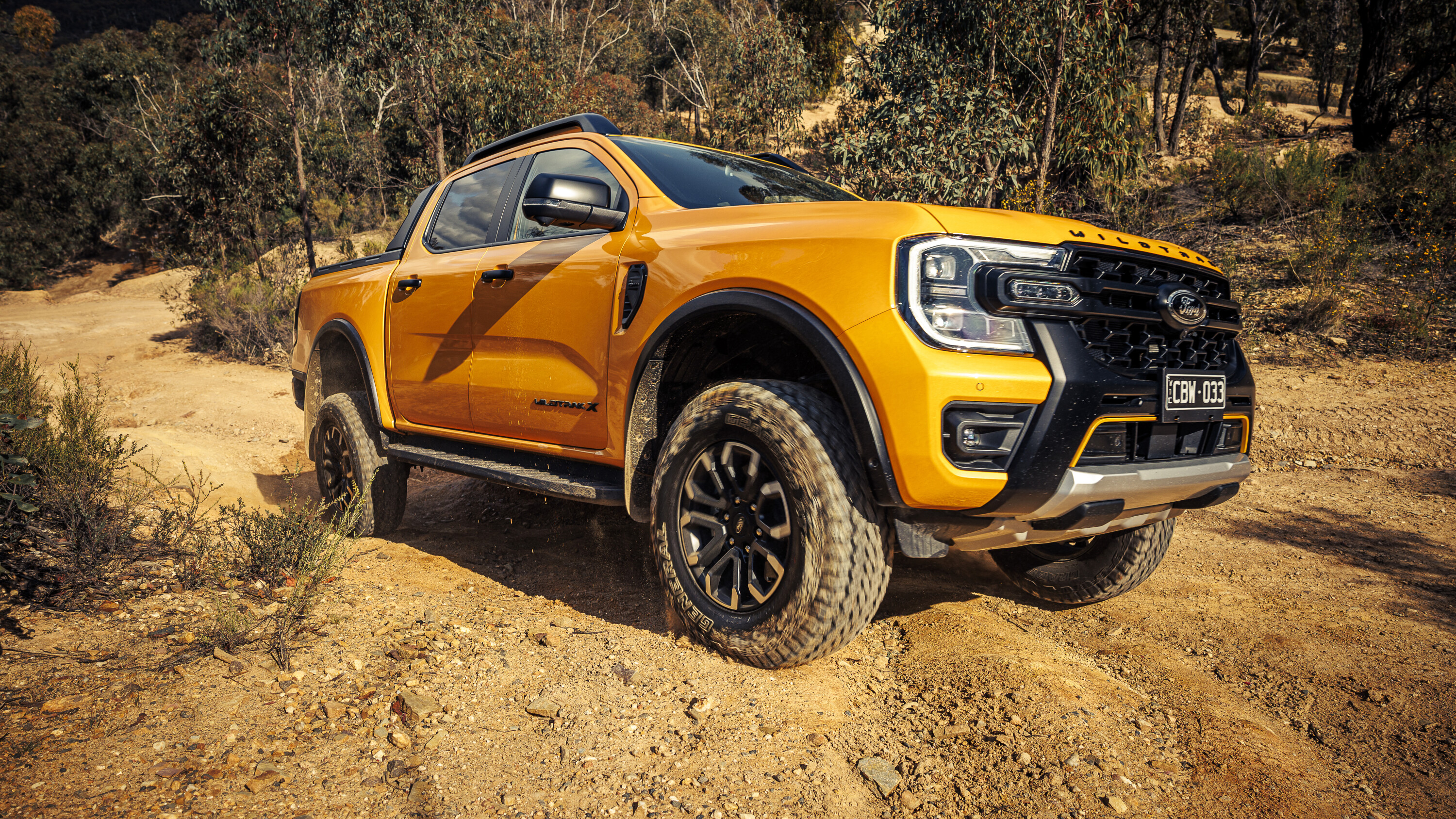
The Ford Ranger has only been on sale for aroound 18 months, but what an impression it has made. Whether you choose the 2.0 bi-turbo diesel or the V6 turbo-diesel you’re going to enjoy a very un-ute-like ute.
The Ranger has achieved new standards for the dual-cab ute market that most competitors can’t match. There is so much where the Ranger excels, from refinement and ride quality to technology and safety.
Then there are the smart, useful features that show Ford has listened to owners. There’s an integrated trailer brake controller option, a tailgate ruler, and great side steps to climb into the tray. It’s just so well thought out and well-engineered.
24
MORE
Everything Ford
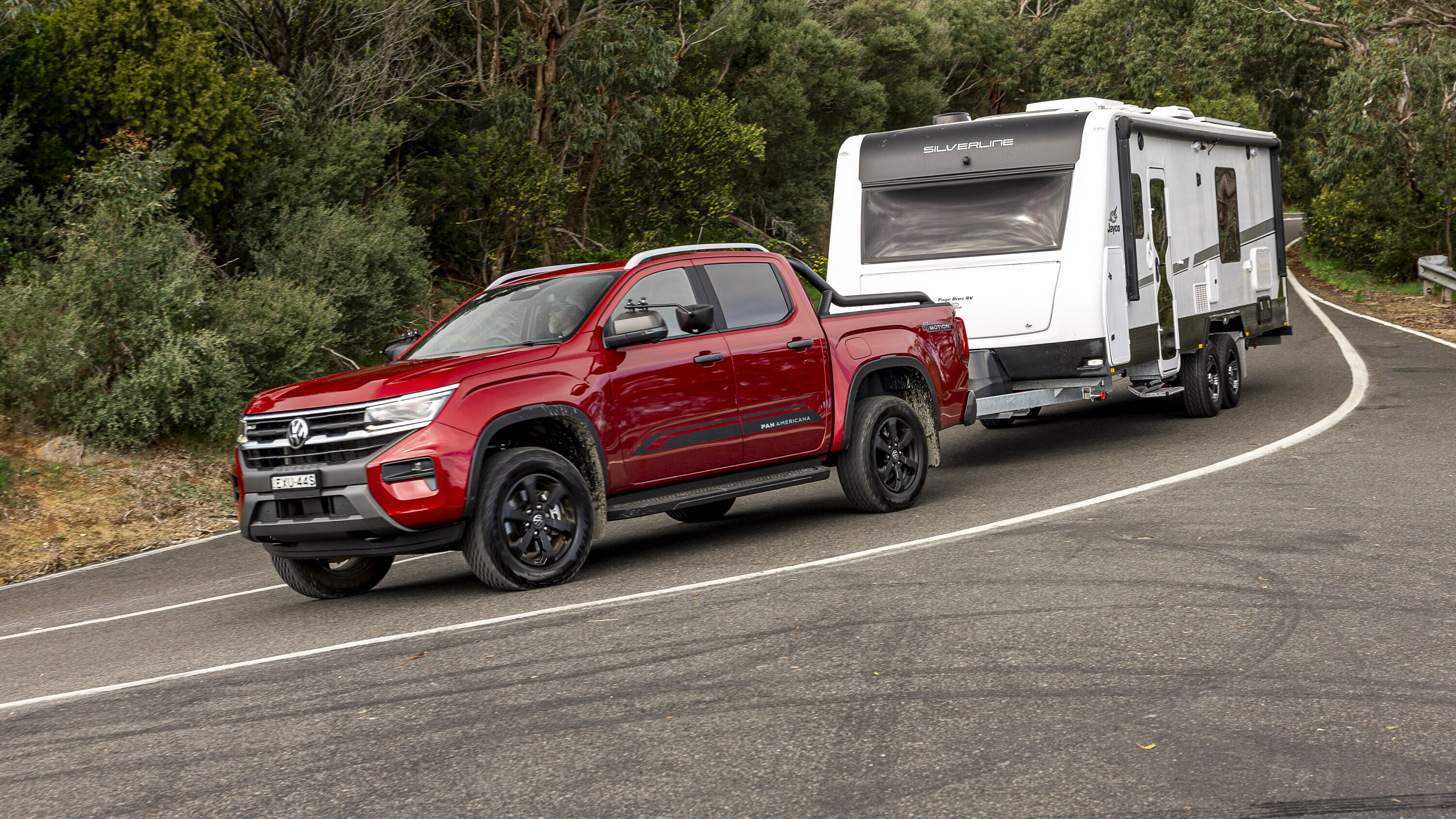
Volkswagen Amarok
Given it is platform-shared with the Ford Ranger, the Volkswagen mirrors many of the Ford’s attributes – but also goes its own way in some areas, making the Amarok quite a unique experience.
The Amarok offers an excellent, refined performance and decent economy from the smooth and quiet V6 diesel and has a large, comfortable interior.
With lighter steering and a firmer ride, the Volkswagen turns into corners more quickly than the Ford and on twisting roads is more fun to drive quickly. However, some might find the Volkswagen’s suspension is a touch firm on bumpy roads
32
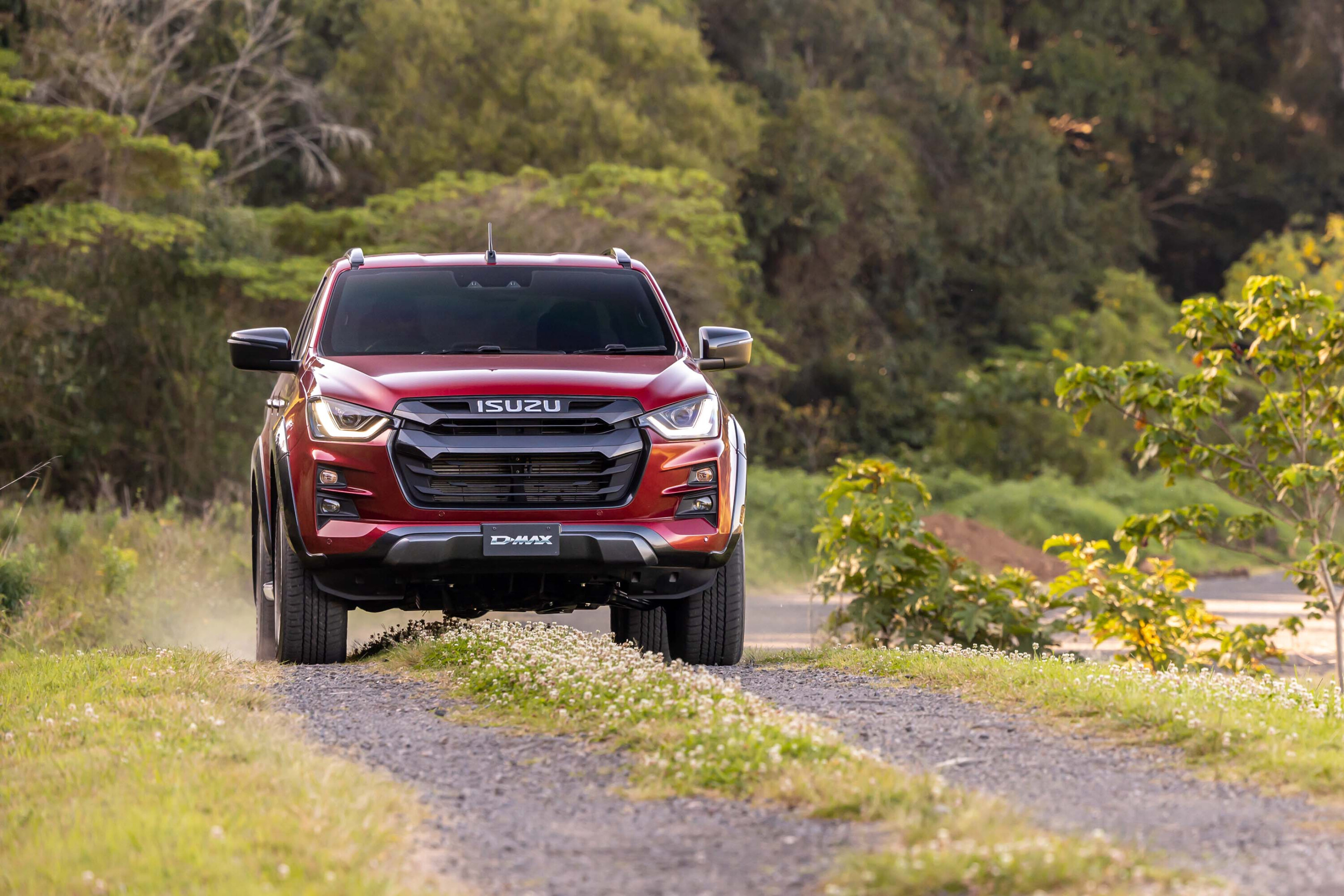
Isuzu D-Max
The Isuzu D-Max got a great reception when it arrived three years ago because it was such a big step up from its much more basic predecessor, but it didn’t completely lose its forebear’s simplicity.
The D-MAX presents such a strong argument where safety, technology, comfort features and towing/payload are concerned.
It’s also not far behind the front runners Ford and Volkswagen to drive, with decent on-road and off-road performance and handling with a simple, efficient powertrain.
26
MORE
Everything Isuzu Ute
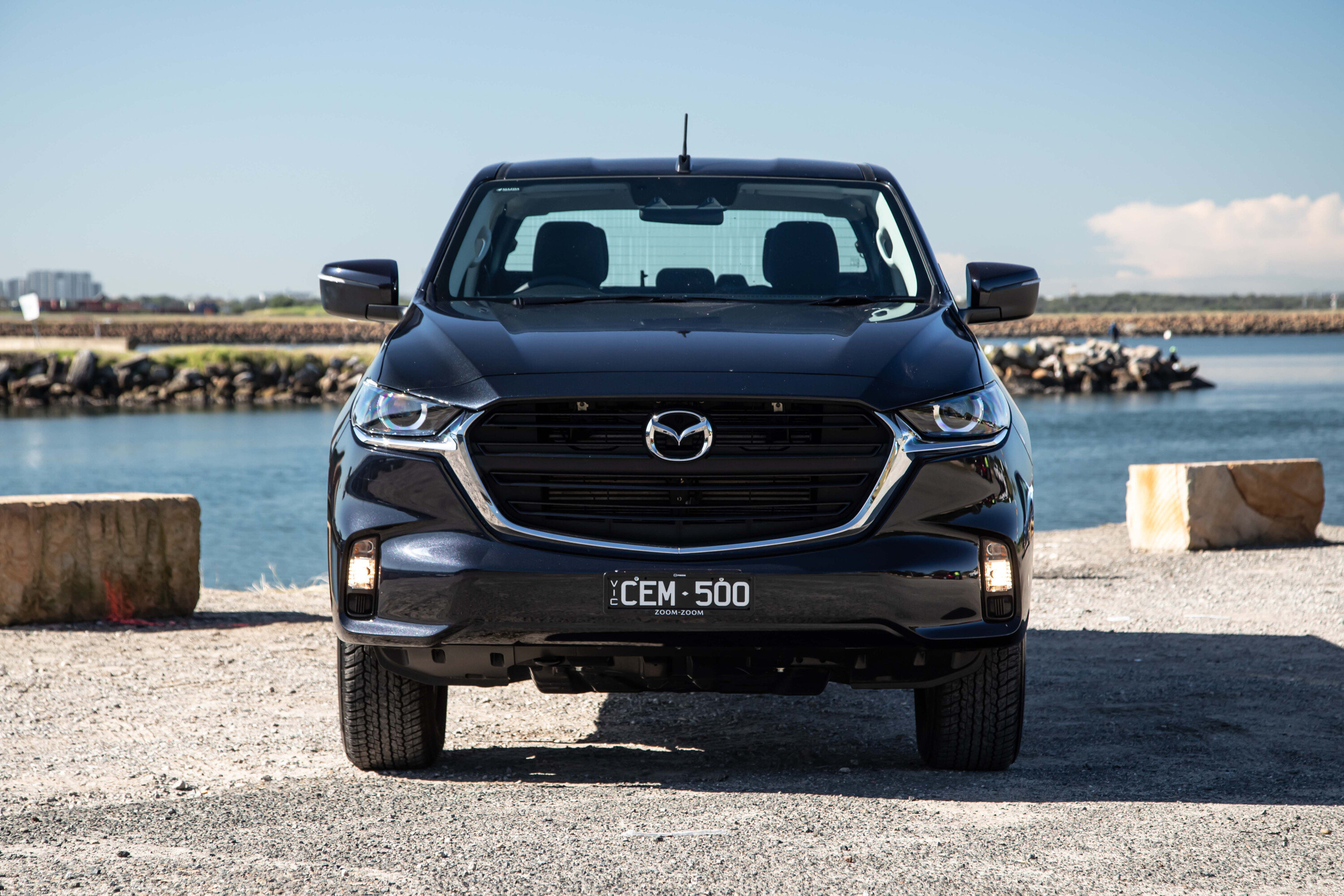
Mazda BT-50
As Mazda is very much the same as the D-Max, it should be no surprise to see it here nudging up to the platform-shared Isuzu. There is not much in it between the pair.
It also does well in the areas of safety, technology, interior comfort, and features and presents an excellent heavy-duty towing package while the payload is also good.
The BT-50 has a year less warranty than D-Max, but goes one better on the kilometre cap: It doesn’t have one (the D-Max is 150,000km).
29
MORE
Everything Mazda
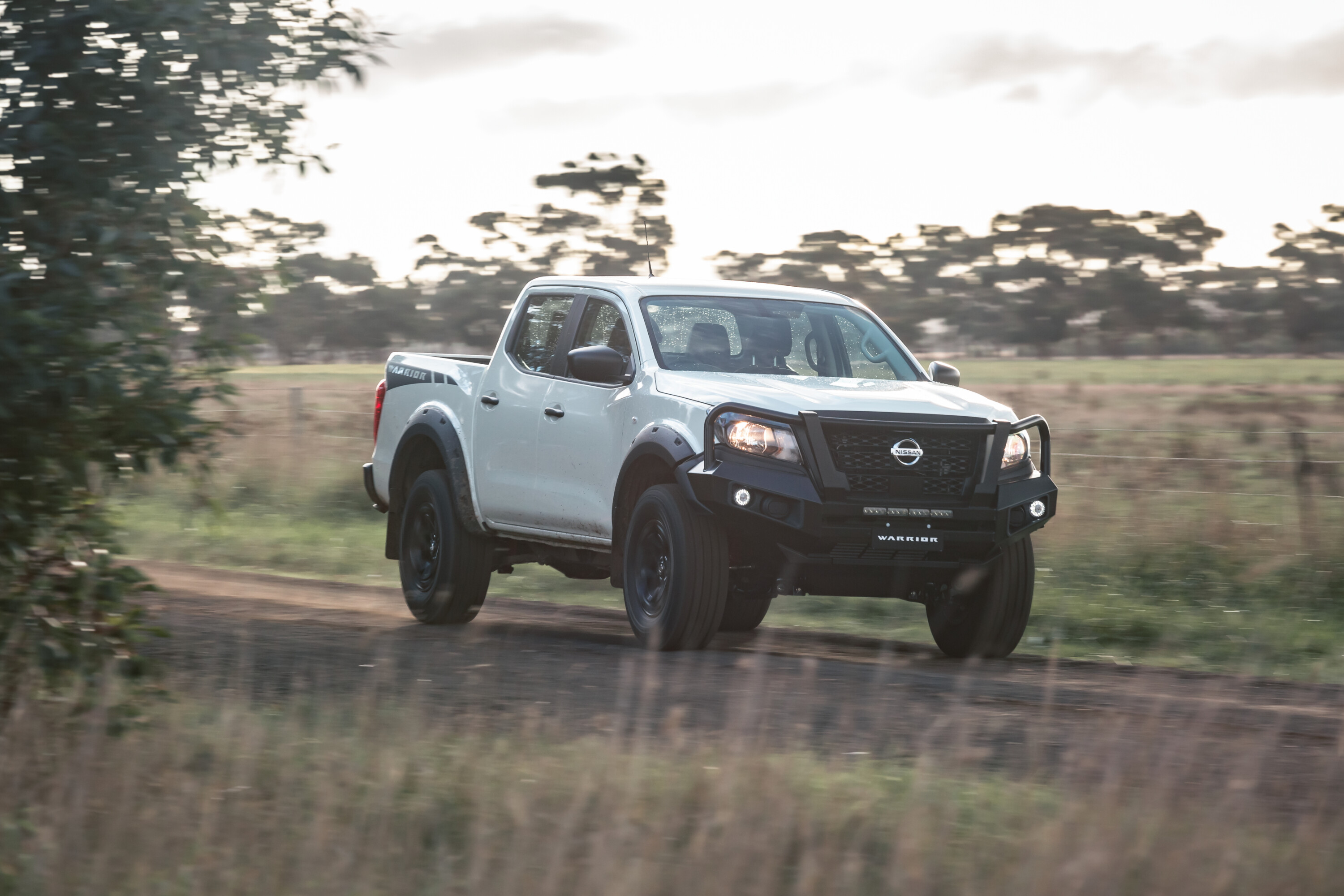
Nissan Navara
Although the oldest model here with a 2015 original on-sale date, the Navara has improved a lot, with Nissan giving it a make-over most recently in 2021.
With a 140kW/450Nm 2.3-litre twin turbo-diesel four-cylinder and (optional) seven-speed auto, the Navara performs better than the numbers suggest and has good off-road performance.
While the Navara’s 2015 five-star ANCAP rating has expired, it still has good safety features, and it’s not bad to drive on the road. Towing is much improved, as is payload with the 2021 update, but the infotainment system and dash feel very old school among newer vehicles.
27
MORE
Everything Nissan
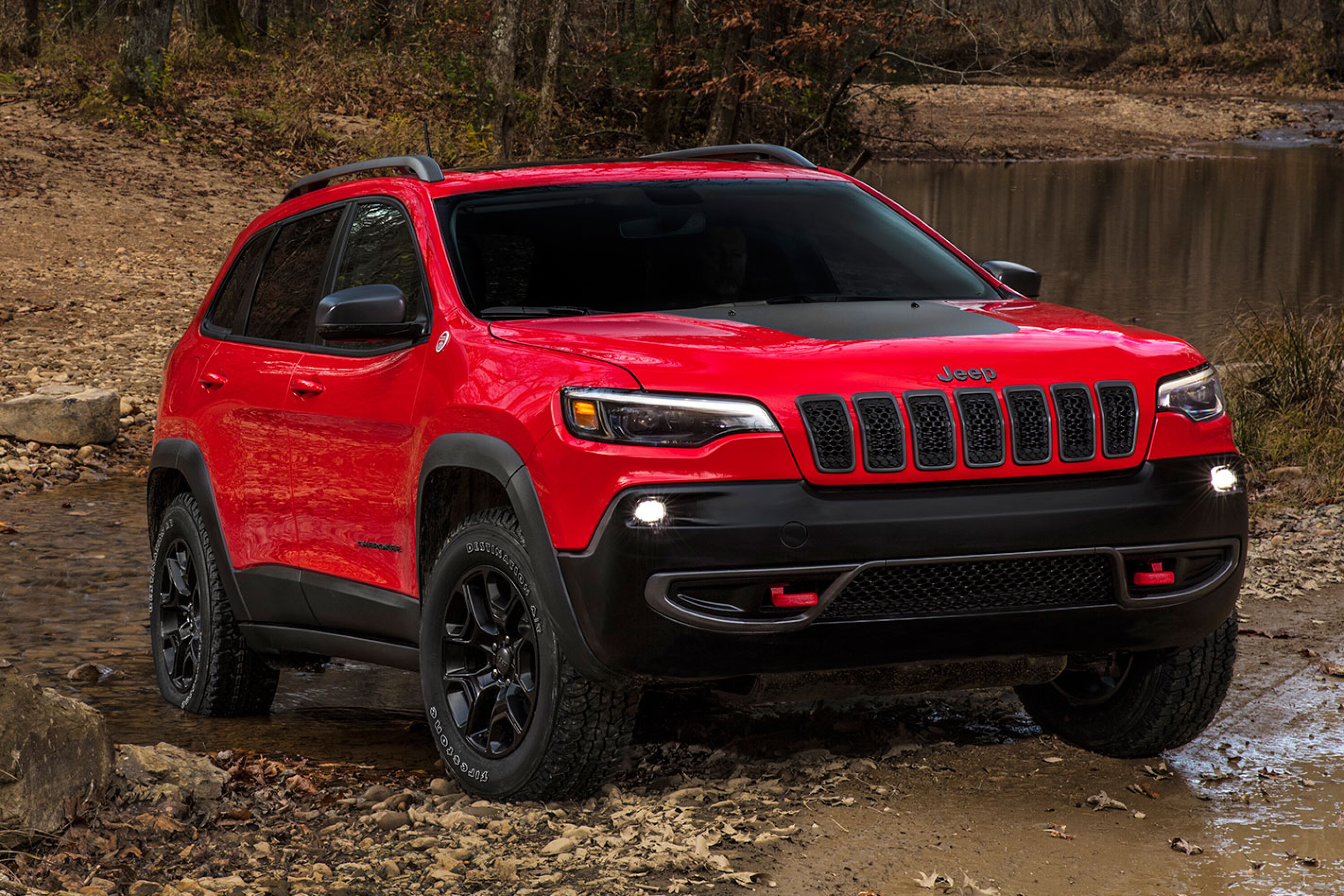
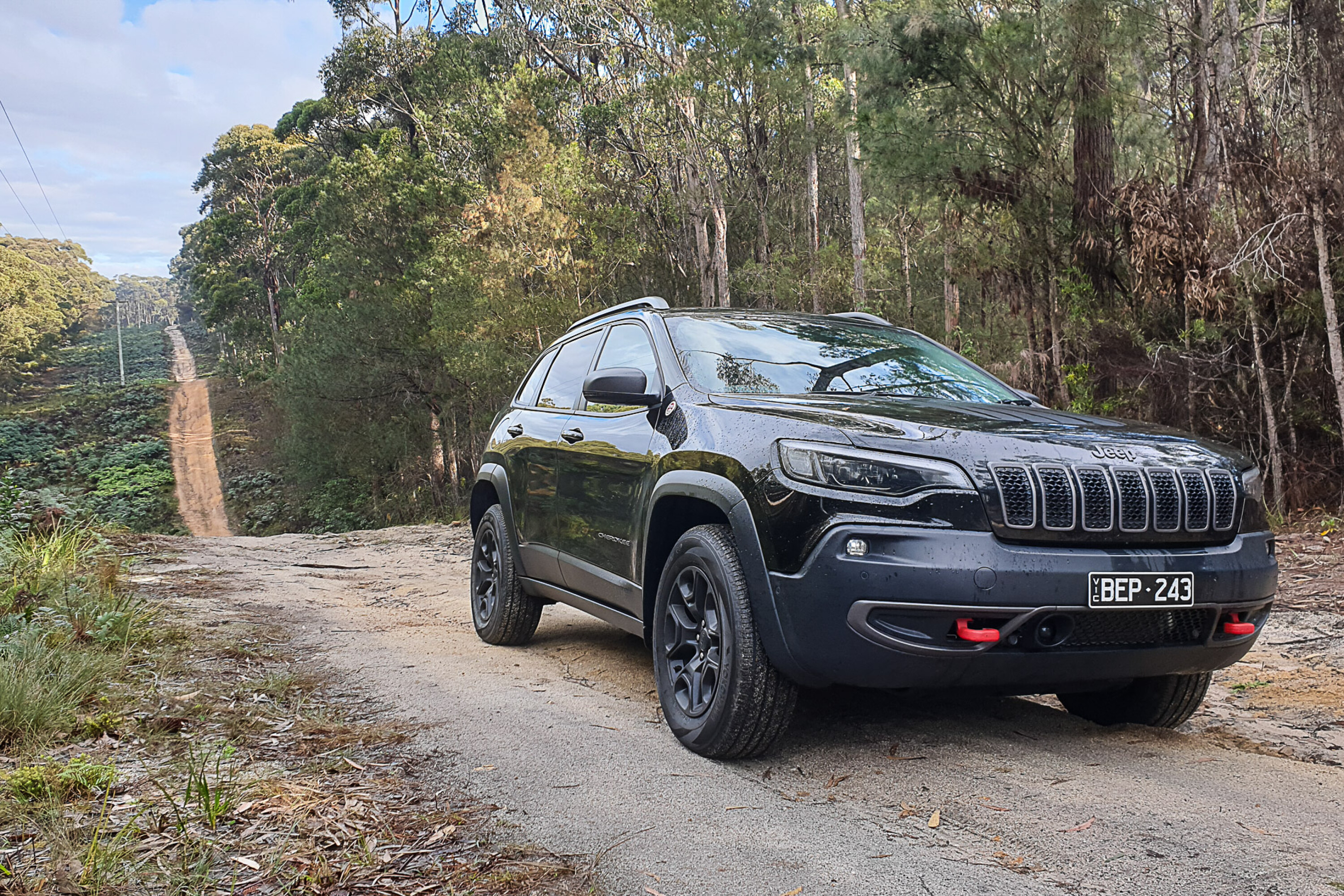
The last Jeep Cherokee rolled from the production line at Belvidere, Illinois on 28th February this year, bringing to a close production of a nameplate that stretches back across five model generations to 1974.
The original SJ Cherokees had an Australian connection, being assembled for right-hand drive configuration in Brisbane, Australia from 1981. Due to Aussie tariff regulations which defined 4×4 vehicles as having a ladder frame, local assembly of the old SJ versions continued for three years after its more modern unibody XJ replacement was launched in other world markets.
To many, the XJ was ‘the’ Cherokee. On sale for fully 18 years, total production topped over three million units. It spawned the Grand Cherokee, originally designed as its successor, and was a massively superior vehicle to its Wagoneer-based predecessor.
Not only was it over 500kg lighter, it was also 79cm shorter and 30cm narrower yet retained 90 percent of the SJ’s interior volume. With superior approach, breakover and departure angles, it was better off road.
With some mods it could conquer the Rubicon Trail,but it found its match in Wolfgang Bernhard, the ex-Mercedes-Benz executive hired to slash Jeep’s cost base.
One of his first actions upon arriving at Chrysler in 2000 was to green light the replacement for the XJ, the KJ or ‘Liberty’ which continued the Cherokee nameplate in most foreign markets. It sold well but always felt built down to a skinflint price.
Its successor, the KK Cherokee, never reprised this success.
Where the KJ realised peak US sales of 171,000 units in 2002, the KK, introduced in 2008, never shifted more than 93,000 vehicles. It lasted in market for six years, before being replaced by the Sergio Marchionne-inspired KL model.
The final iteration of the Cherokee, the KL, was highly successful and did much to resurrect the reputation of the nameplate after some lean years. Running on the Fiat Compact Wide platform, it could be equipped with three different all-wheel drive systems.
1
Early models encountered glitches with the new ZF nine-speed auto that delayed deliveries, but once the pipeline from Belvidere opened, it could hardly be satisfied.
Jeep sold 355,402 Cherokees worldwide in 2016, with the model enjoying its best year in its domestic market in 2018 with 239,437 vehicles finding owners.
Sales then tailed off and Jeep idled the Cherokee’s plant indefinitely on March 1 pending negotiations with the United Auto Workers union. So the Cherokee is dead. For now. But when a nameplate carries that much equity, who’d bet against a resurrection?
1
Cherokees vs Cherokees
One party not so keen to see the Cherokee name revived are the Cherokees themselves.
The Cherokee Nation has long campaigned for its tribal name to be removed from Jeep sport utility vehicles and has requested discussions with Jeep on “cultural appropriateness”.
If the Washington Redskins NFL team and Squaw Valley ski resort can rebrand, maybe Jeep can too.

1
Jeep Cherokees rated
| Jeep Cherokee Model | Verdict | Rating |
|---|---|---|
| SJ (u201974-u201984) | Solid, if unspectacular | 6.0/10 |
| XJ (u201984-u201902) | The iconic Cherokee. Now looks tiny | 7.0/10 |
| KJ (u201902-u201908) | The biggest seller. Why? 6.0/10 | 6.0/10 |
| KK (u201908-u201914) | Incremental improvement, more Jeep in DNA | 7.0/10 |
| KL (u201914-u201923) | Saved the best until last | 7.5/10 |
Wheels magazine has always had a passionate audience, with a thriving letters section. Here’s the latest from our readers.
And while we’re talking about the mag, have you subscribed?
1
Ice Ice Baby
?️ Malcolm Bassil, Carlton, VIC
Look, I get it. I know that the motoring industry is moving to an electrified future and that Wheels reflects what the motoring industry is doing, but I really can’t see myself ever buying an electric vehicle.
I’ve driven a few and they just leave me absolutely cold. There’s so little of the character that I love about cars in them. I’m 63 but I’m no Luddite and, given the glacial pace of Australia’s adoption of EVs, I really can’t see a point during my lifetime when I’ll be unable to fuel an internal combustion engined vehicle in this country.
Am I right in thinking that fossil fuels still have a long future ahead of them Down Under?
ud83dudede Editor Andy
1
Rinsolvent?
?️ Ian Hamilton, via Facebook
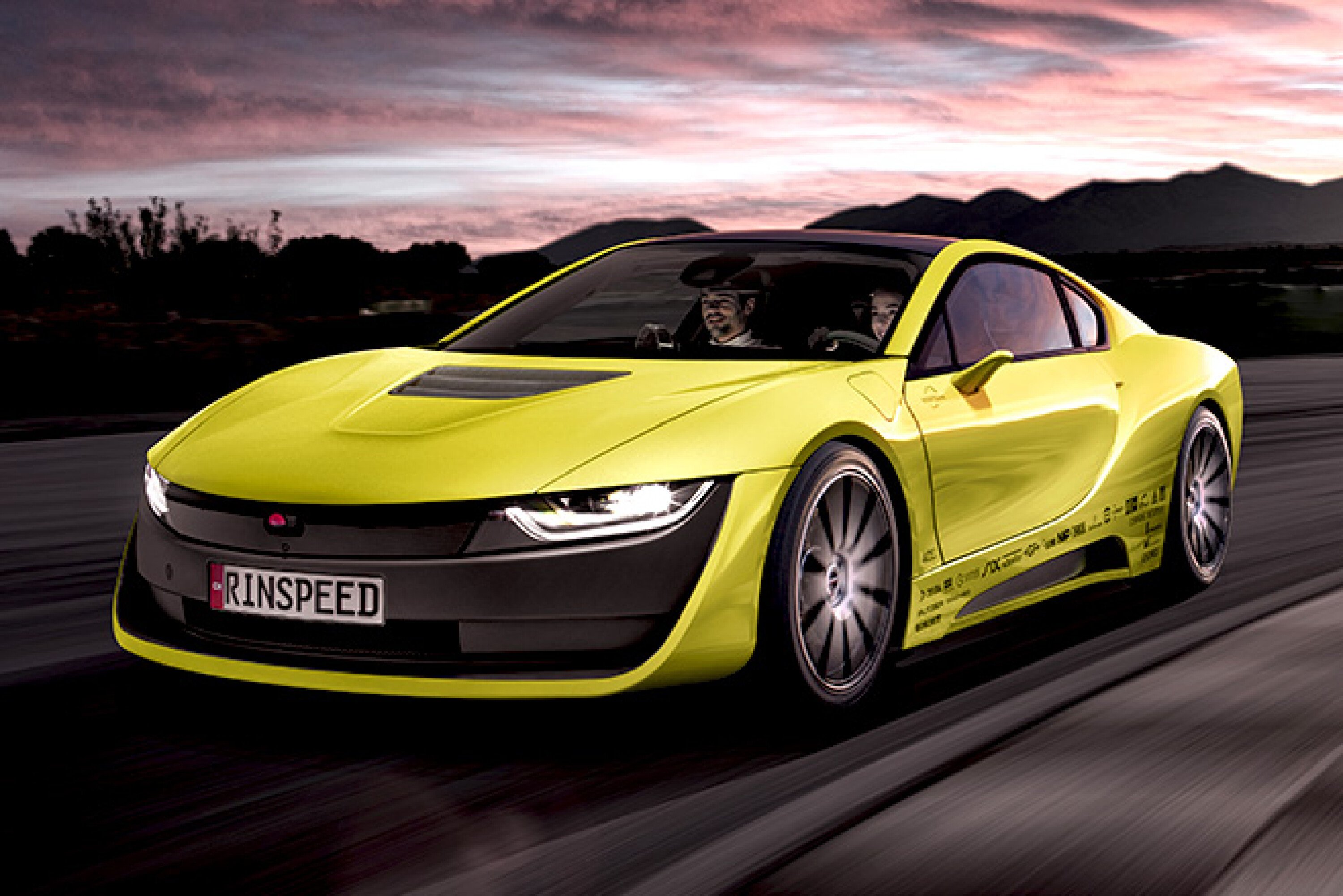
I was browsing the Wheels digital archive this morning and in the May 2002 issue, I chanced across the Rinspeed Presto, a car which, at the touch of a button, would expand from a 2.7 metre, two-seat cabrio to a 3.6 metre, four-seater.
Firstly, I thought this was a great idea that has never really gone anywhere, making large cars easy to park, but it also got me thinking about Rinspeed, who seemed to present at virtually every Geneva Motor Show with some weird and wonderful concept car.
They’ve been at it for more than 20 years, yet don’t sell any of the cars. How on earth do they stay in business?
ud83dudede Editor Andy
That is a very good question. Speak to founder Frank Rinderknecht and you’ll just get an avalanche of buzzwords like ‘think tank for mobility issues’ that never answer the question of how the company stays afloat. It was originally a profitable Porsche tuner, but now? Who knows. Frank’s just turned up in Qatar, driving a VW iD Buzz there for this year’s ‘Geneva’ Show.
1
The Wheels question to you
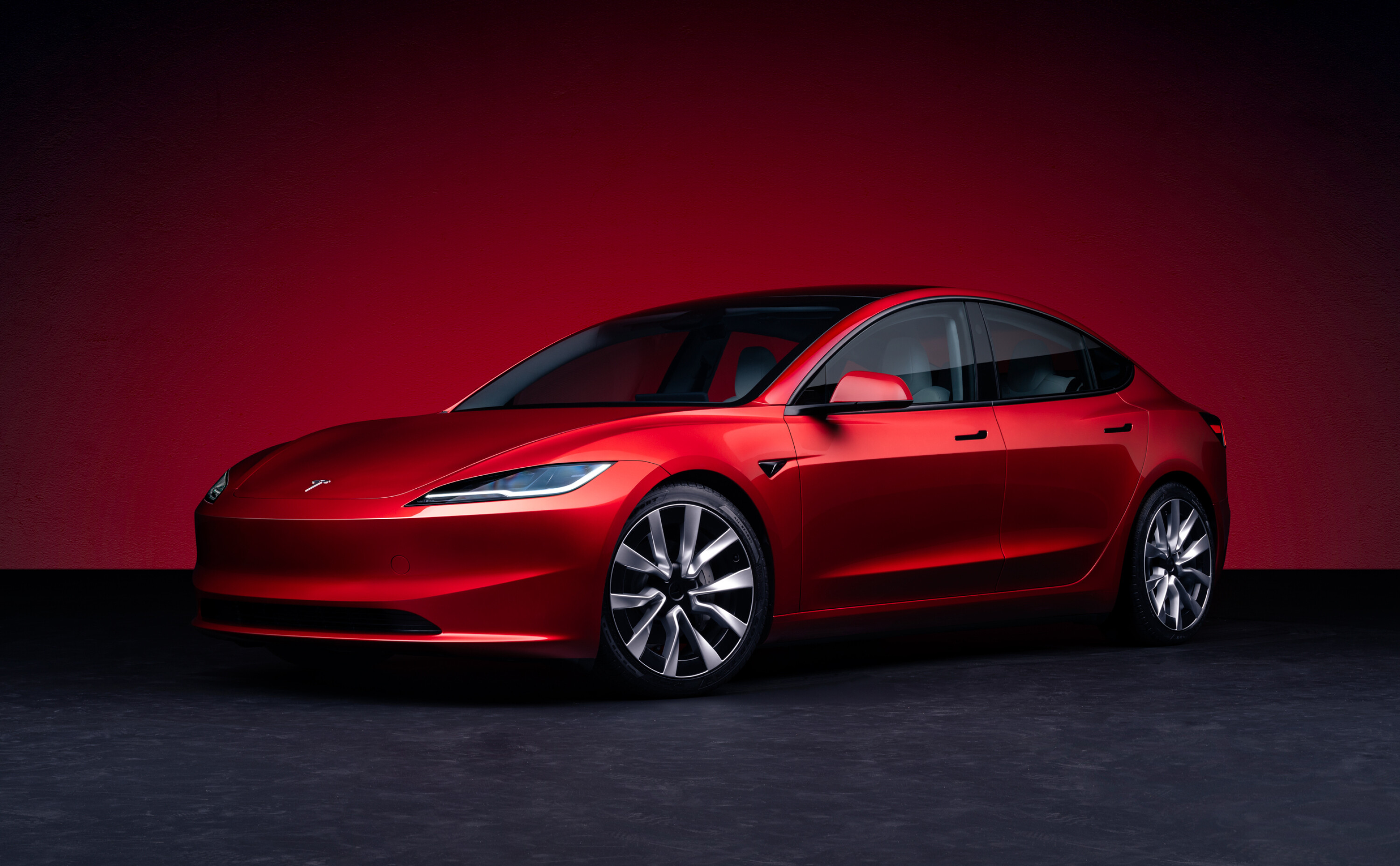
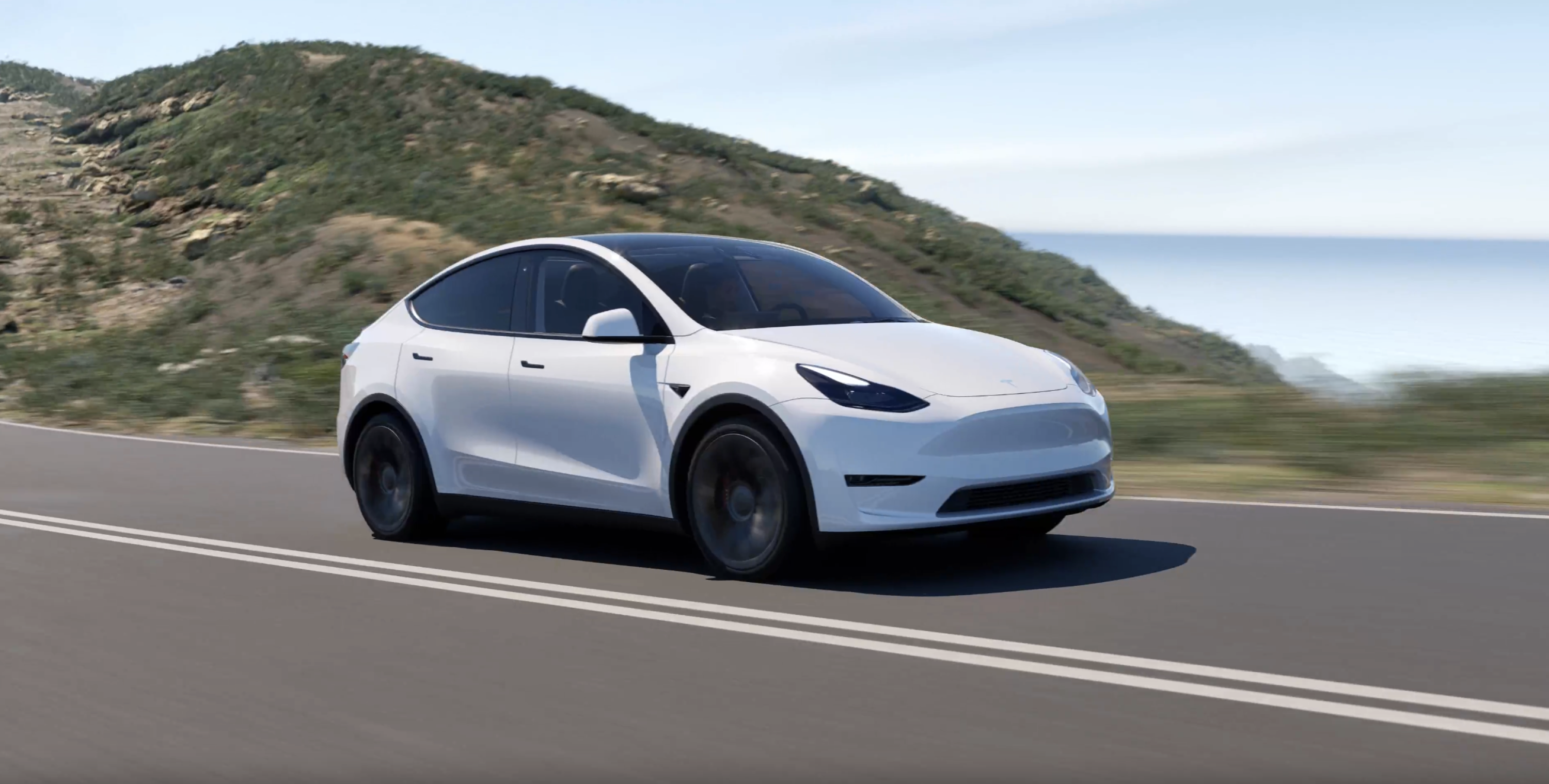
Would Elon Musk’s public persona prevent you buying a tesla?
I just can’t…
- The more I see of the guy, the less I like. Heu2019s scuttled Twitter, and some of his statements are just so … off. If I buy a Tesla, that seems a tacit statement of support for his problematic viewpoints. M. Carman, via Facebook
Not really
- Was Henry Ford a nice guy? Was Colin Chapman? Enzo Ferrari? Letu2019s broaden it. Steve Jobs? I donu2019t really know where you go with this argument. I donu2019t like Musk much but can accept he builds a good car., S Lewington, via Facebook
1
Never have i ever
?️ Steve Brezowski, Rockingham, WA
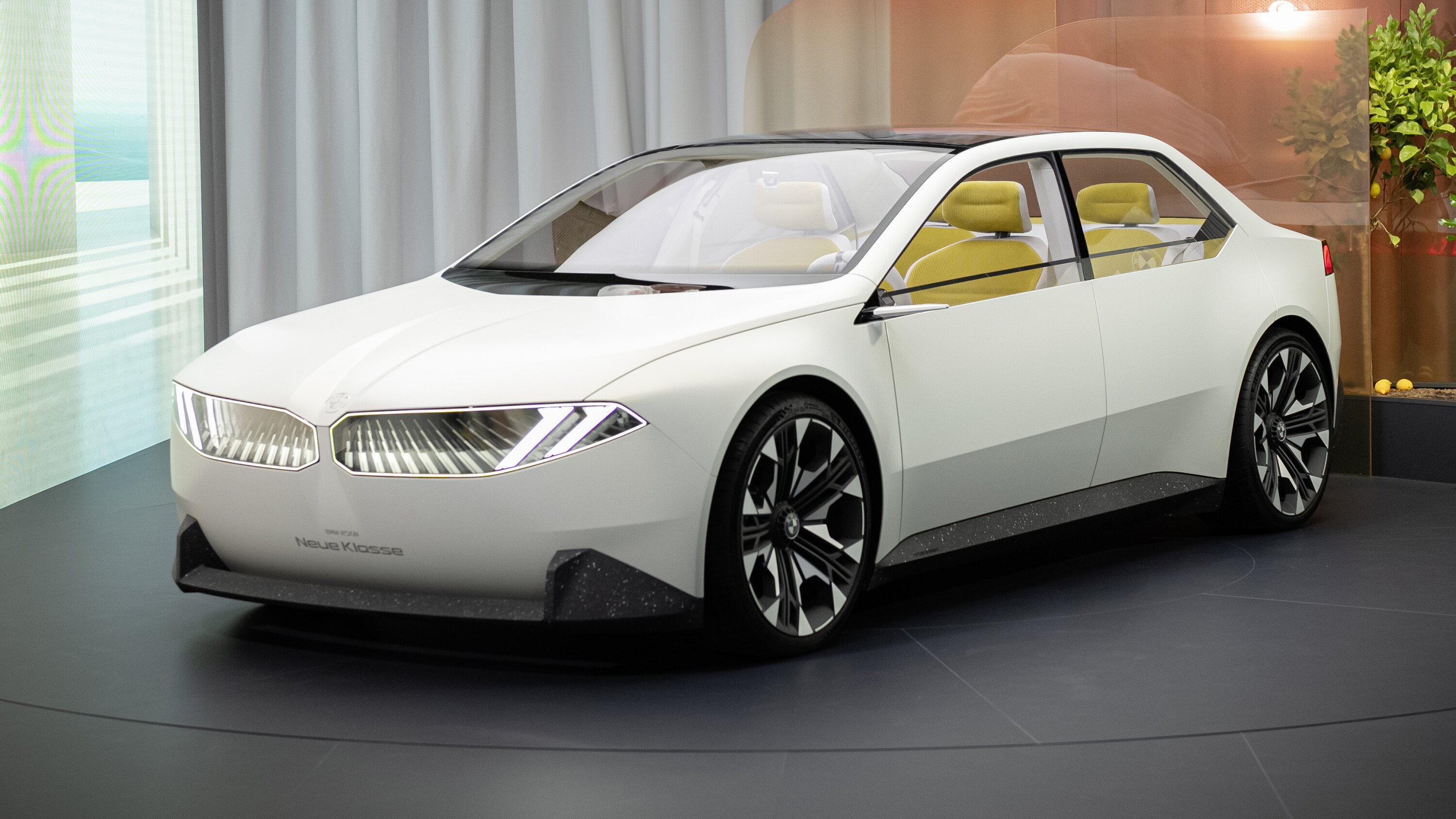
Being an occasional Wheels customer (I grab one off the rack in my local servo if the cover looks interesting), I was really excited by the latest edition of the magazine with the BMW Neue Klasse concept.
I dunno if it’s just me, but there seems to be a real buzz about the global motor industry at the moment, as if it’s undergoing a real shift with all sorts of weird and wonderful cars being tipped out of that process.
Not only do we seem to be seeing car makers go absolutely crazy with their internal combustion engines, but we’re also seeing some exciting electric cars. The mix of cars in the October issue was just deranged. I don’t think we’ve ever seen a time like it.
1
Dating Honda
?️ Alan Townsley, via email
Just wondering if Wheels was going to celebrate the 75th anniversary of Honda at all?
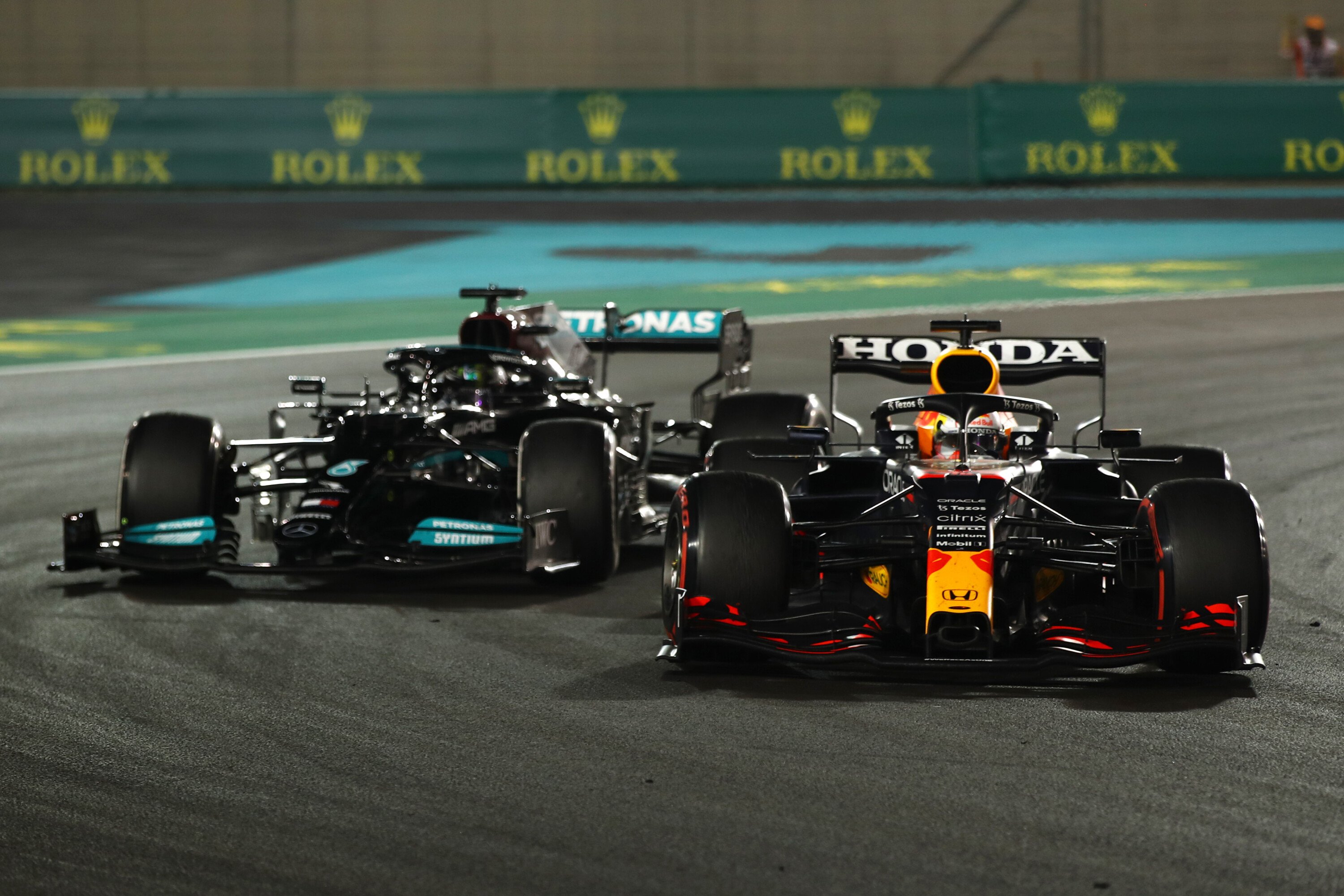
I was watching Max Verstappen clinch the Constructors’ championship at Honda’s home track in a Honda-powered car on Honda’s 75th birthday and the company doesn’t seem to be getting much love from Wheels.
Any particular reason?
ud83dudede Editor Andy
This is interesting, Alan. Honda, as a corporate entity, was indeed incorporated 75 years ago, but only started building cars for its domestic market in 1963. That makes its car manufacturing arm 60 rather than 75, and it’s been 50 years since the brand opened in many export markets, as Michael Stahl mentioned in his Civic piece last month.
1
Rest easy, big red
?️ Asif Tarafdar, via Facebook
I was horrified to hear of the recent passing of Wheels veteran Ash Westerman. I feel as if Ash has been pretty much a constant fixture in my history of reading MOTOR and Wheels and I always enjoyed his effortless turn of phrase and effervescence.
Seeing him on page 78 of the last issue was especially poignant, but I wanted to go back and read some of his best pieces. I loved the one about finding the Lithgow Panther and the accompanying video was excellent. Any others you’d recommend?
ud83dudede Editor Andy
We’re all reeling here, Asif. It’s been a shocking turn of events and Ash was a fantastic asset to Wheels and an all-round lovely bloke. His huge body of work will continue to entertain readers for years to come. Of his more recent work, I’m a particular fan of his drive to Bodie ghost town in January 2019, his farewell to the Holden GTS-R W1 drive in May 2017 and his search for the Tassie Tiger in a Jaguar F-Type SVR from February 2017. We’ll round up some more of Ash’s finest in due course. – Ed
1
Off beatz
?️ Jay Stanley, via email
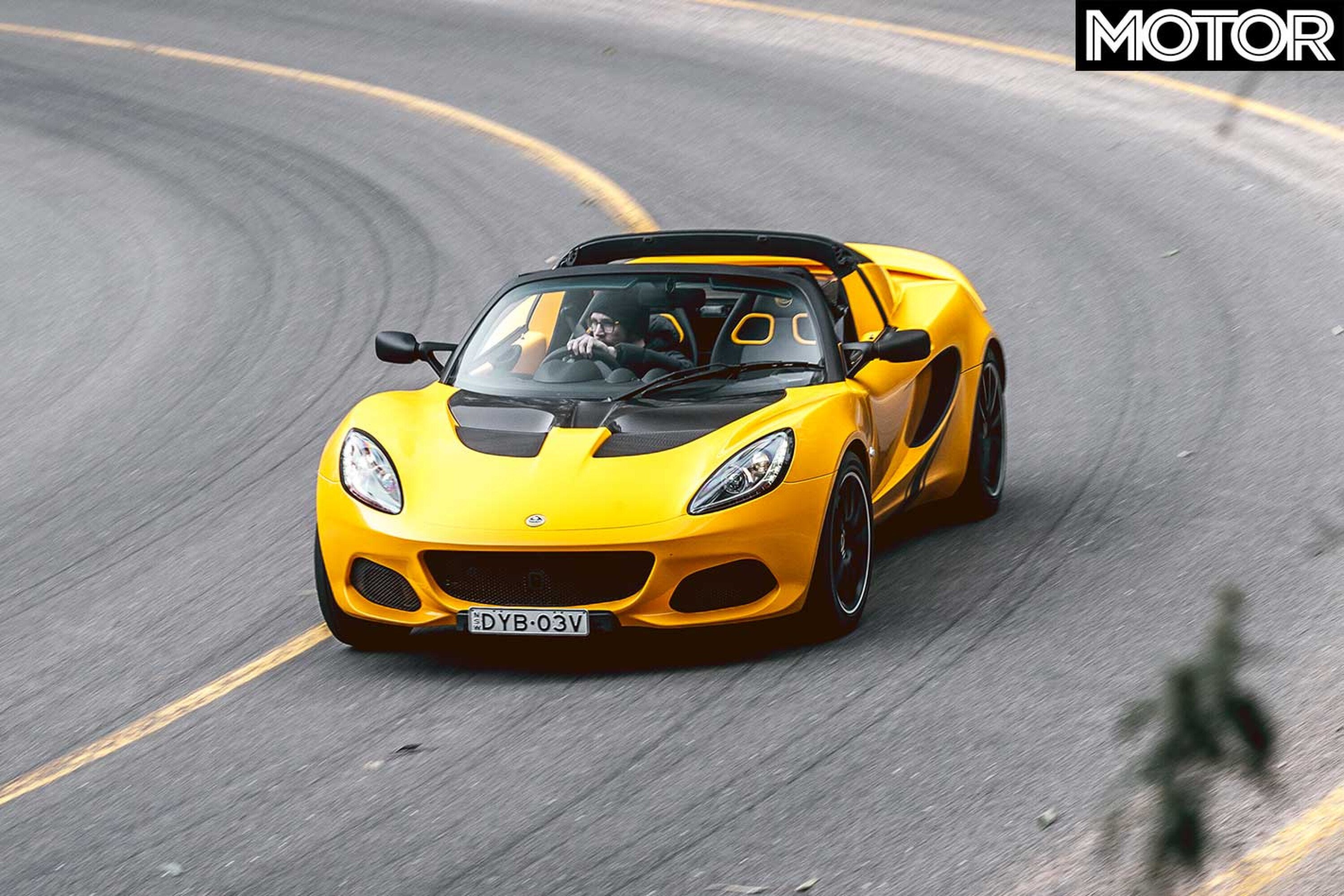
Loved the Lotus Elise feature in the last issue and Enright’s namecheck of Swizz Beatz as a design consultant for Lotus.
I used to work in New York and was nearly flattened by Mr Beatz’s Evora company car at a crosswalk. Having fallen off my bike, I was then nearly collected by his entourage in a giant Chevy Suburban that was crashing every red light trying to keep up.
I’ve heard that post-Lotus, he has taken to camel racing in Saudi Arabia. If his talents behind the wheel of an Evora are anything to go by, I feel sorry for the camels.
Want to have your say? Keep it tight (no more than 200 words) and include your suburb if via email: [email protected]. You can also chime in on Facebook & Instagram.
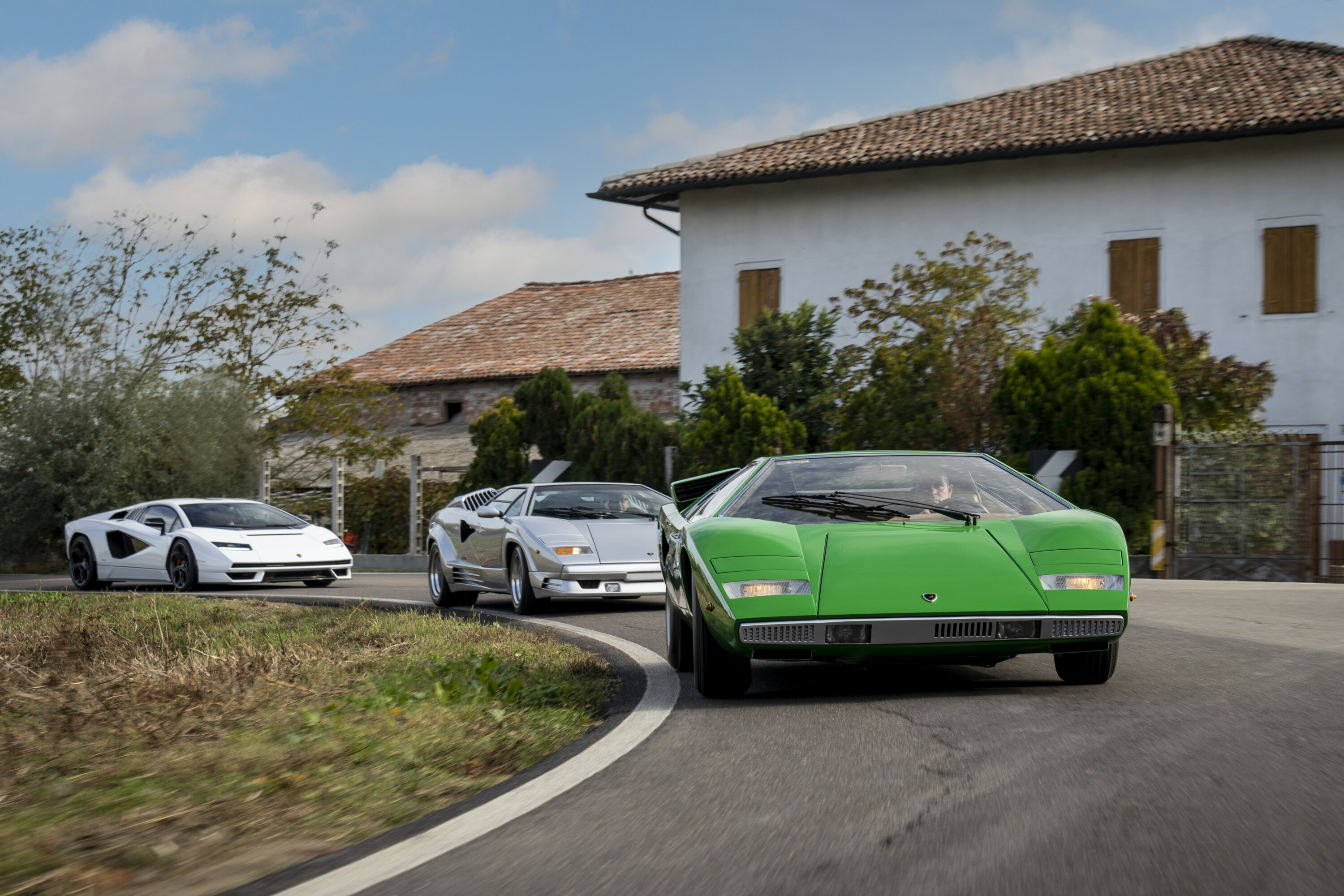
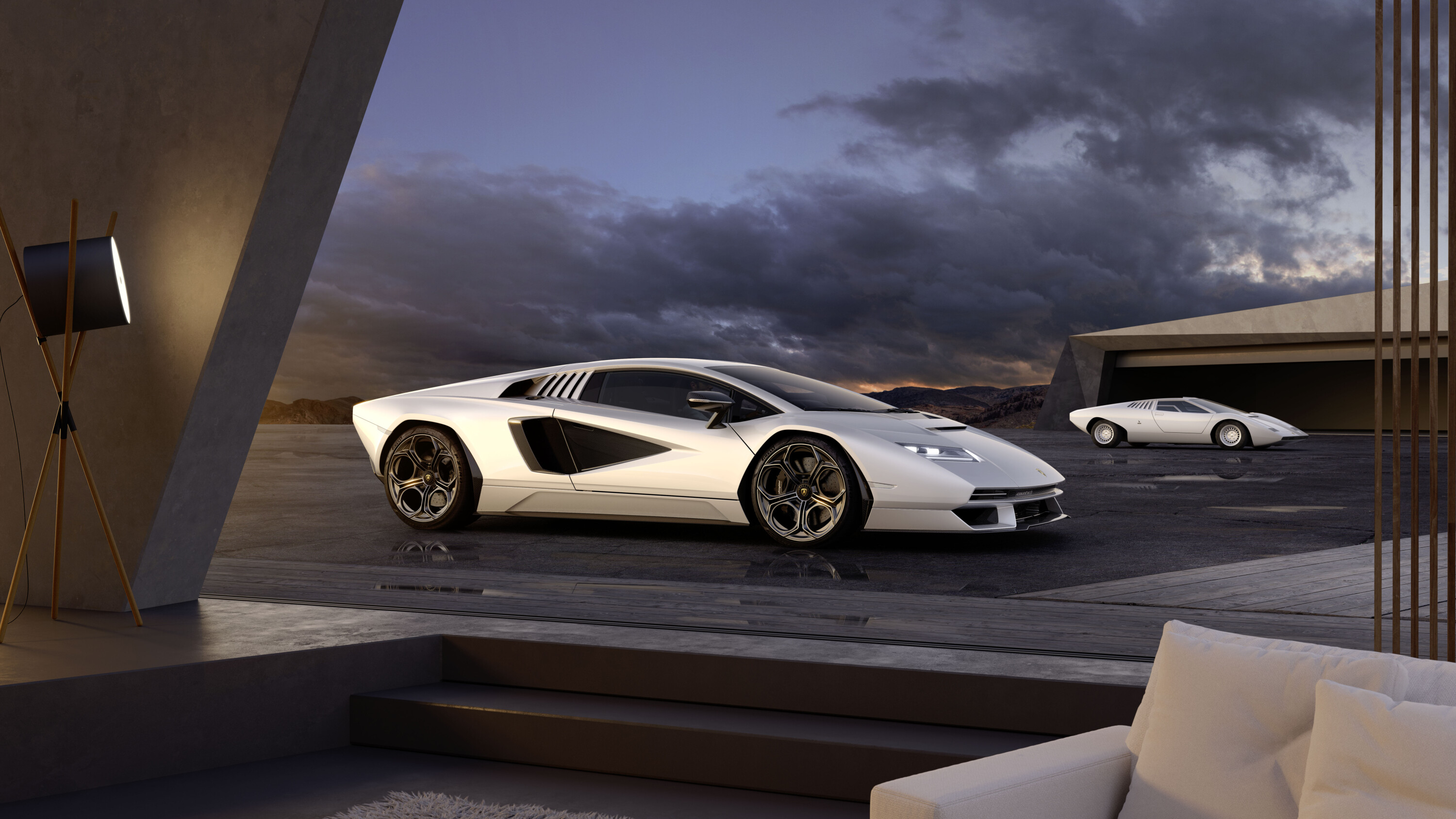
My love affair with Lamborghini began in 1974, or more precisely, at the age that I got my first packet of Top Trumps cards featuring the Countach LP400.
At that point the company was 11 years old, fresher-faced than marques like Singer Vehicle Design and Rimac Automobili are today. As a five-year-old, I was aghast that my father had never heard of it.
Yet here was a car manufacturer with no pedigree trying to compete in a sector against the likes of Ferrari, Maserati and Porsche – companies with heritage leaching out of every orifice.
To say that Lamborghini was a financial basket case in those early years was understating the point.
In 1972, Ferruccio Lamborghini had been forced to sell a majority stake in the company to a Swiss friend for US$600,000. In 1973, things got even worse. The oil crisis bit hard and old Ferruccio sold his remaining 49 percent holding to another Swiss.
Lamborghini was then controlled by the government for a short time, suffered the indignity of compulsory liquidation, and then built military Cheetahs as a government make-work scheme.
1
In 1980, the Bologna courts sold Lamborghini to more Swiss investors, the Mimran brothers.
At first things didn’t look all that promising. Jean Claude Mimran was known as the Sugar King of Africa due to the fact that he was the largest employer in Senegal. His brother, Patrick, was famous for making the tallest giraffe sculpture in the world. Unlikely saviours for a sports car company, you’d imagine.
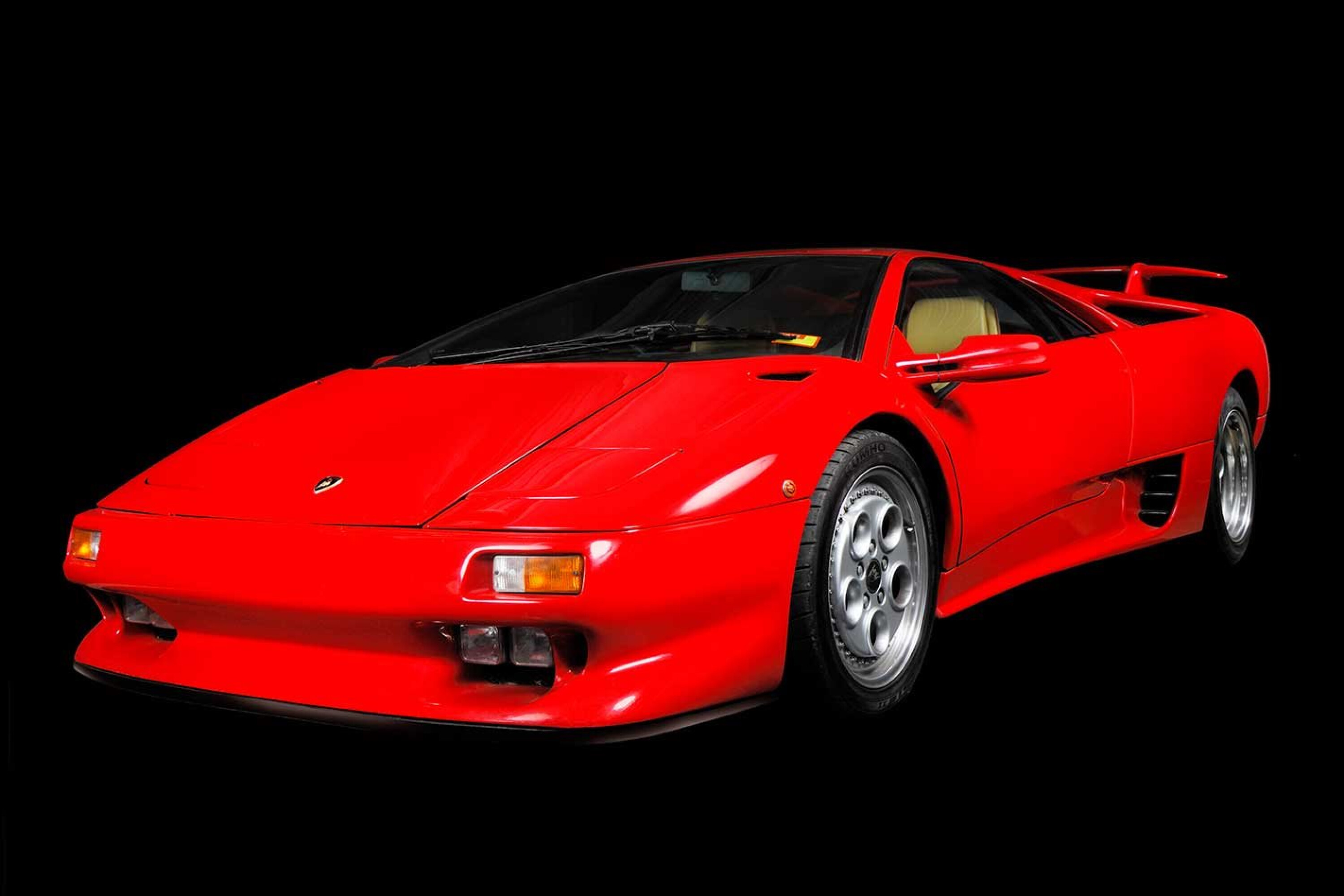
Yet the Mimrans were keen and their ideas and investments were sound. In came the Jalpa, the Countach LP5000 QV and the LM002 before Jean Claude sold to Chrysler for US$25m in 1987, the first owner to ever make money from Lamborghini.
11
Lee Iacocca then oversaw the introduction of the Diablo as well as Lamborghini’s half-baked venture into Formula 1 before selling in 1993 to Megatech, an Indonesian and Malaysian conglomerate which bid US$40m.
This was a troubled time, with the company failing to make profits before introducing Vittorio di Capua as a cost-cutting axeman. He slashed costs and brought the company into the black by the skin of its teeth, the difference between profit and loss being the revenue of a mere 13 cars.
Still, it was enough for the Volkswagen Group to see growth potential, bite the bullet and acquire Lamborghini in 1998.
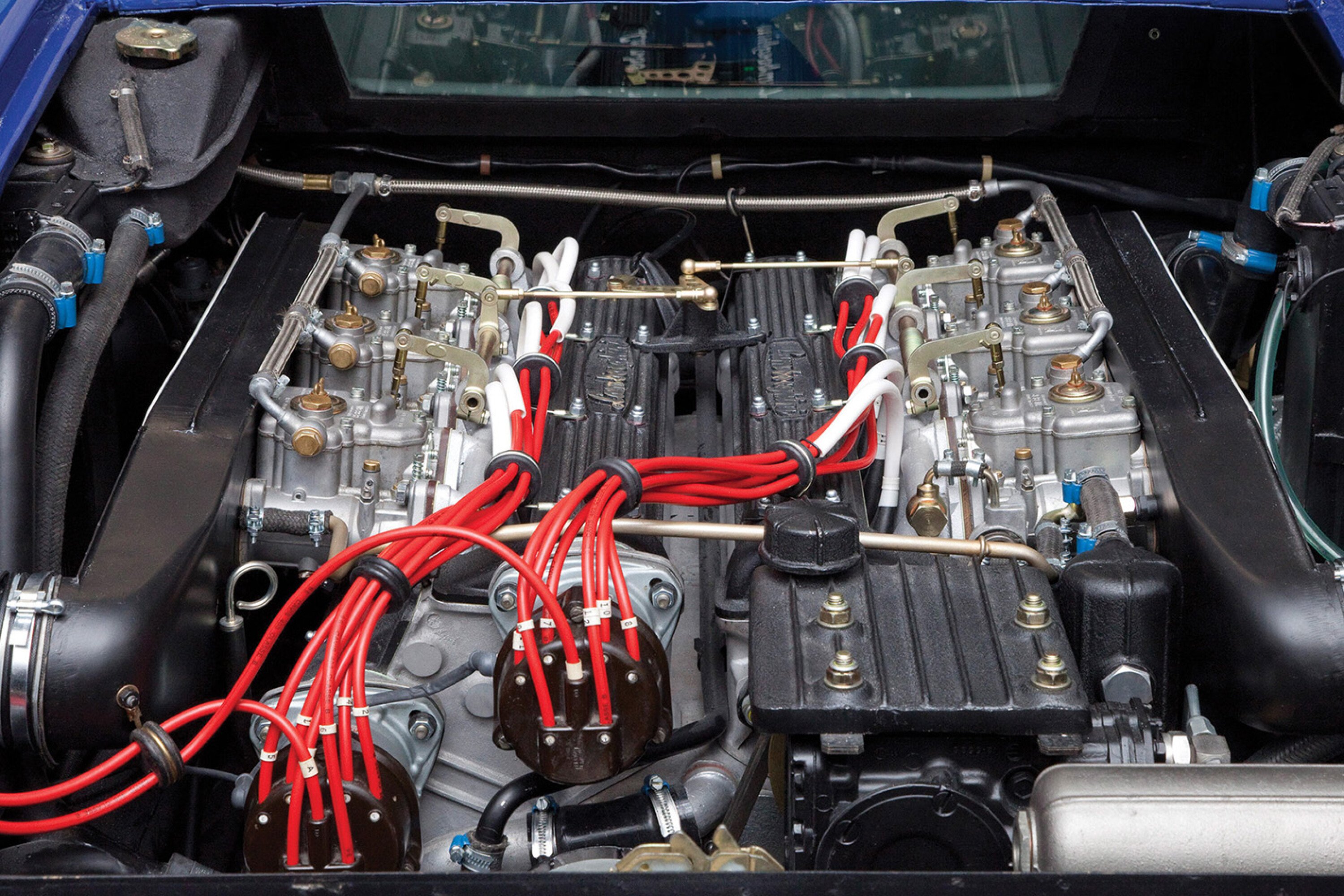
Sant’Agata has enjoyed that largesse and expertise for a quarter of a century now. Last year, Lamborghini made profits of US$660m on revenues of US$2.59bn.
2
That’s on 9223 sales: a profit of US$71,560 per vehicle. Or, to put it another way, Lamborghini now makes more profit on one car than it netted across the first 35 years of its existence.
As Lamborghini celebrates its 60th birthday, it’s never been in better financial shape. In fact, so swollen are Sant’Agata’s coffers that it now no longer needs Audi to partner it on the development of its Huracán replacement. That’s not to say there won’t be another R8 – it’s just that Lamborghini rather than Audi gets to be the development lead this time round.
I still adore Lamborghini for all of its silliness and extremity. There’s enough dull and worthy in the world of motoring today. Sant’Agata’s success shows that there’s still space for the fabulously immoderate.
3
Hey, we get it. With dozens of news and reviews stories published every week, it can be hard to keep up with all the latest in the automotive world.
Obviously we reckon every story we run is a banger, but if you’re looking for the highlights reel, this is it. Read on and click away!
Zero stars for MG 5 and Mahindra Scorpio
Australia’s most affordable sedan and one of the most affordable 4WDs on the market have received the lowest ANCAP score since 2021.
All the new Mazda models on the horizon
Your quick guide to all the new and updated models coming to Mazda Australia showrooms in 2024 and beyond… plus potential additions yet to be confirmed.
All the new Hyundai models on the horizon
Your quick guide to all the future models coming from Korean brand Hyundai – including its first-ever ute – from 2024 and beyond.
DRIVEN: Tesla’s new-look Model 3
Tesla’s popular electric sedan has arrived in Australia with its first major update inside and out. We find out if the Model 3 is now even better.
First official look at new Porsche Macan
Augmented-reality HUD and optional passenger infotainment display among features for first electric version of Porsche’s big-selling Macan SUV.
DRIVEN: Hybrid GWM Tank 300 off-roader
Great Wall’s hybrid, 255kW Tank targets Jeep Wrangler. And at least on price, blasts it away – if you can overlook a few flaws.
Smaller, cheaper engine for Isuzu MU-X in 2024
Isuzu Ute Australia has confirmed it’ll add the smaller, more affordable 1.9-litre turbo-diesel from the D-Max ute in select MU-X variants in 2024.
Three-row Cadillac Vistiq EV could come to Oz
Three-row crossover to sit between the Lyriq SUV and larger Escalade IQ in the luxury car maker’s Tesla-chasing line-up, and it may be in local showrooms in 2026.
Bids for ‘NSW 1’ historic plate surpass $8 million
The famous NSW 1 will shatter records for Australian number plate sales.
New-gen MG ZS revealed in design patents
Is this the next-gen MG ZS? You won’t find a badge on the model, but the patent filing seems clear.
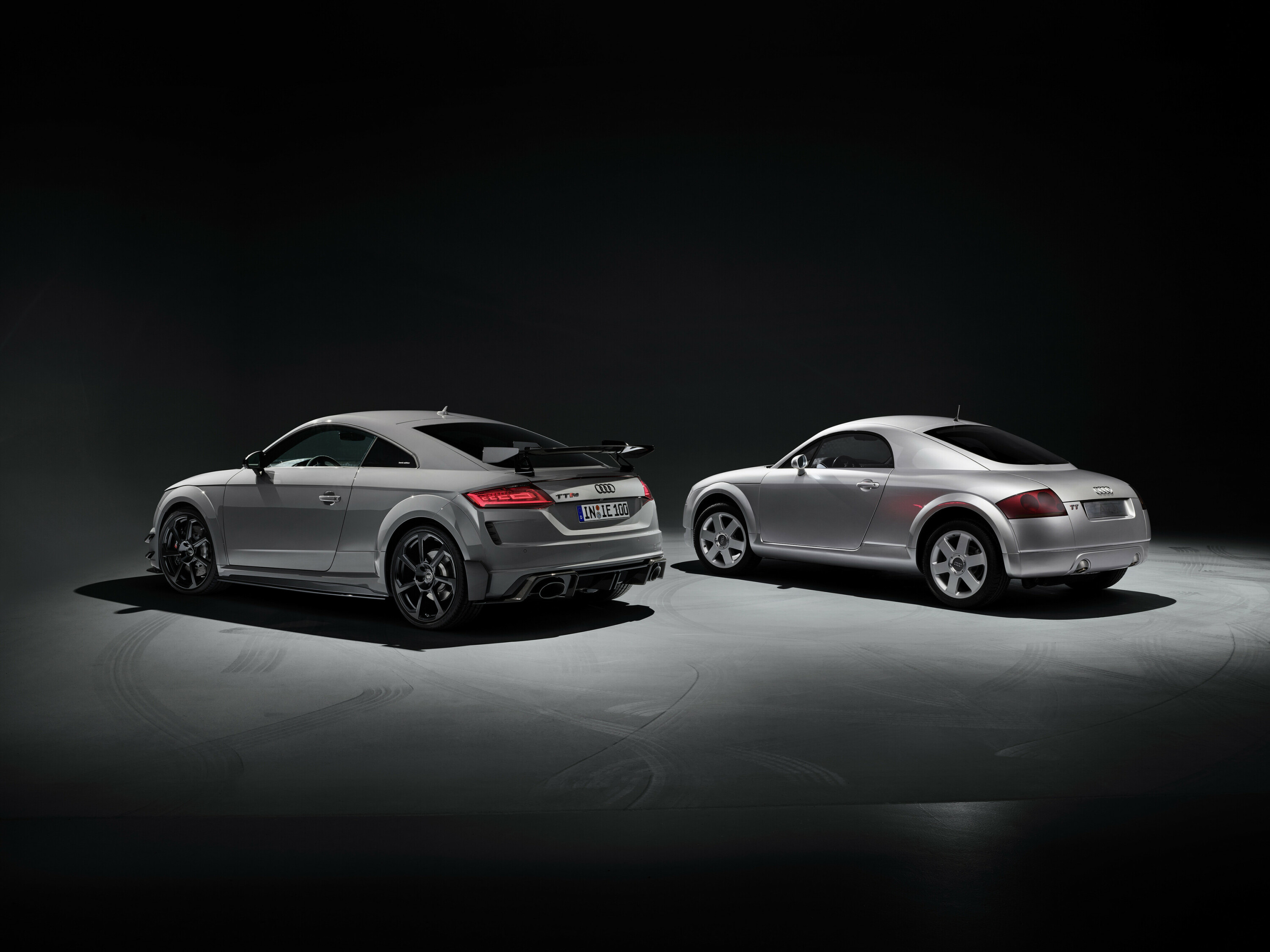
Audi’s defining sports car will be no more as the German car maker wheels out the 2024 Audi TT Final Edition – the last iteration of the coupe/roadster that first went in sale in 1999.
The transformative TT’s design and Ingolstadt’s confidence to park it in showrooms spoke volumes of where the car maker was heading – and helped unlock a design-led rise of the four rings that cemented it as an automotive design powerhouse.
Across three generations, the TT Coupe and Roadster helped hone the Audi image after decades of being considered an also-ran to Mercedes-Benz and BMW – but it’s the original 1999 TT that will be remembered most fondly.
1
The Audi TT earned its place in automotive design legend by breaking all the rules.
Sports cars are supposed to be aggressive, defined and purposeful, and when the TT concept landed at the 1995 Tokyo Motor Show, its contemporaries were dominated by wedge forms dating back to the 1970s.
Yet the TT looked back even further to evoke 1930s Bauhaus concepts.
Audi’s brand-building breakthrough was designed under the leadership of Hyundai’s now head designer, Peter Schreyer, with Thomas Freeman and J Mays.
1
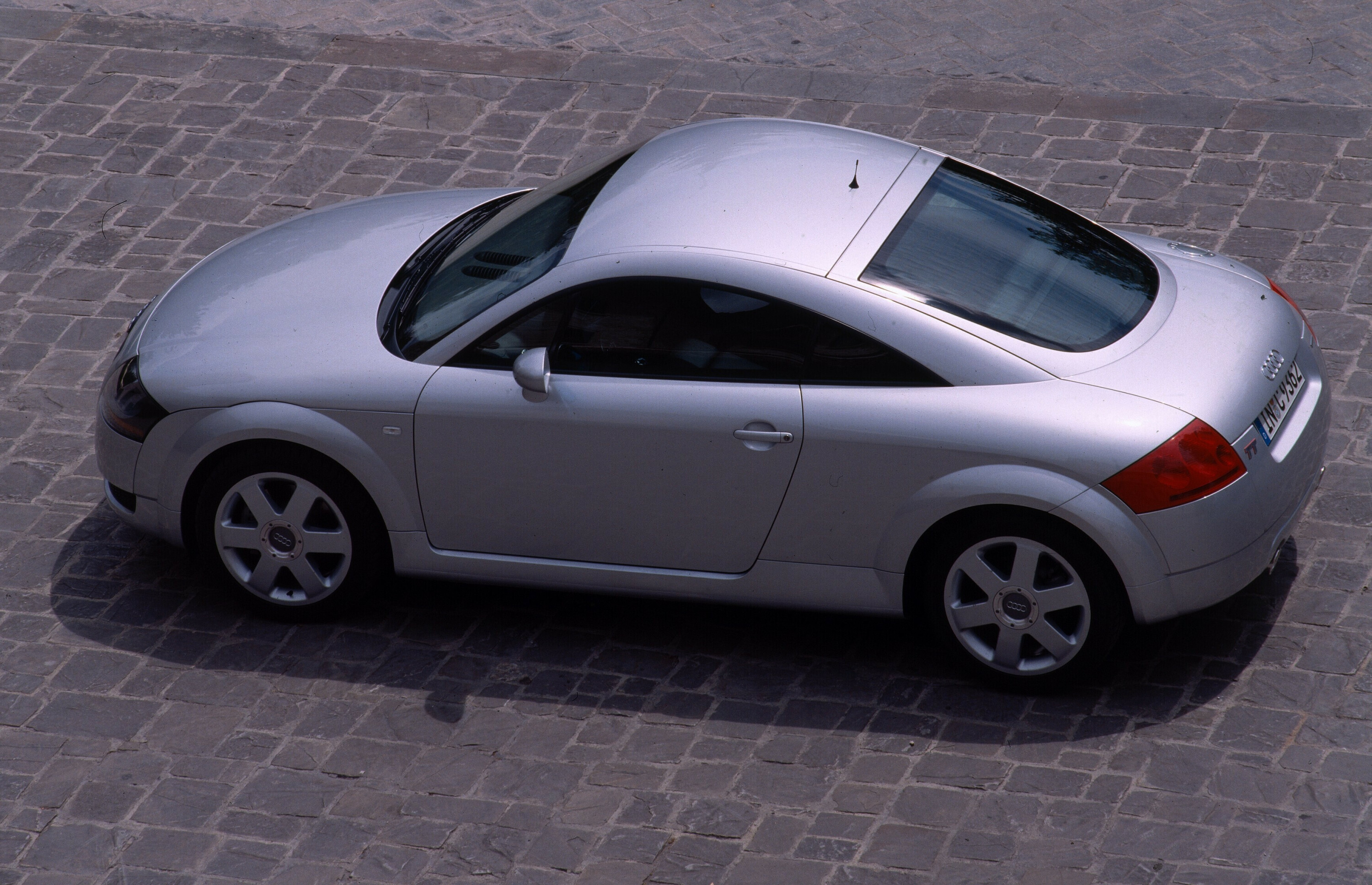
The TT was a concept that was so different, intimately detailed and so un-car like in terms of its design principles that it was shrugged off by many as just that – a fantasy.
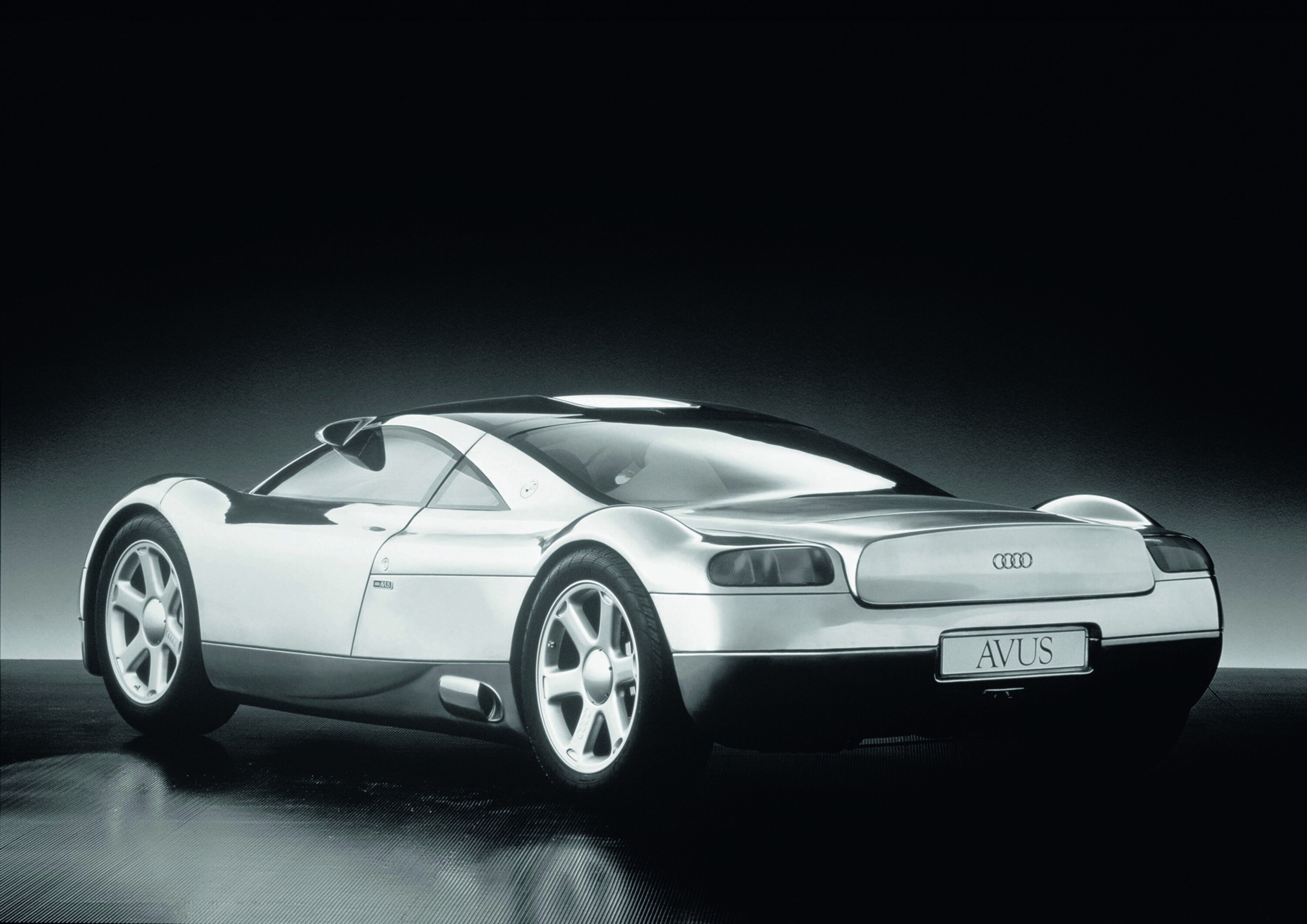
It took elements from the 1991 Audi Avus Concept, so named as it paid homage to the Auto Union racers that set records at the near-20km Berlin circuit in the 1930s using both mammoth powerplants and clever aerodynamics – some records it holds to this day.
A stylish Audi Sport Spyder concept was shown in 1991, too, but never made it to showrooms. The TT was for many another design department mufti day before Audi would revert to type and make stylish yet hardy avant-garde sedans and Audi at the time was not the trend setting company it is today – that came from having the guts to build the first-generation TT with few changes to that original concept.
1
That was ballsy because of its odd execution which did not follow conventional wisdom.
The TT was not a wedge-defined coupe with a low noise and rising waistline. Instead, viewed side on, the TT possessed a perfectly horizontal waistline with two almost symmetrical ends.
The TT did not have a sharp line, crease or jagged edge to speak of, and its symmetrical profile departed from the wedge ideals – this was a car that was not designed how a car should be.
Instead of aggression, Freeman used organic shapes to create the TT, curve upon curve that never met in anger but complimented each other with crisp, precise surfacing that had no needlessly decorative strakes or punctuations – they were, are, the decoration.
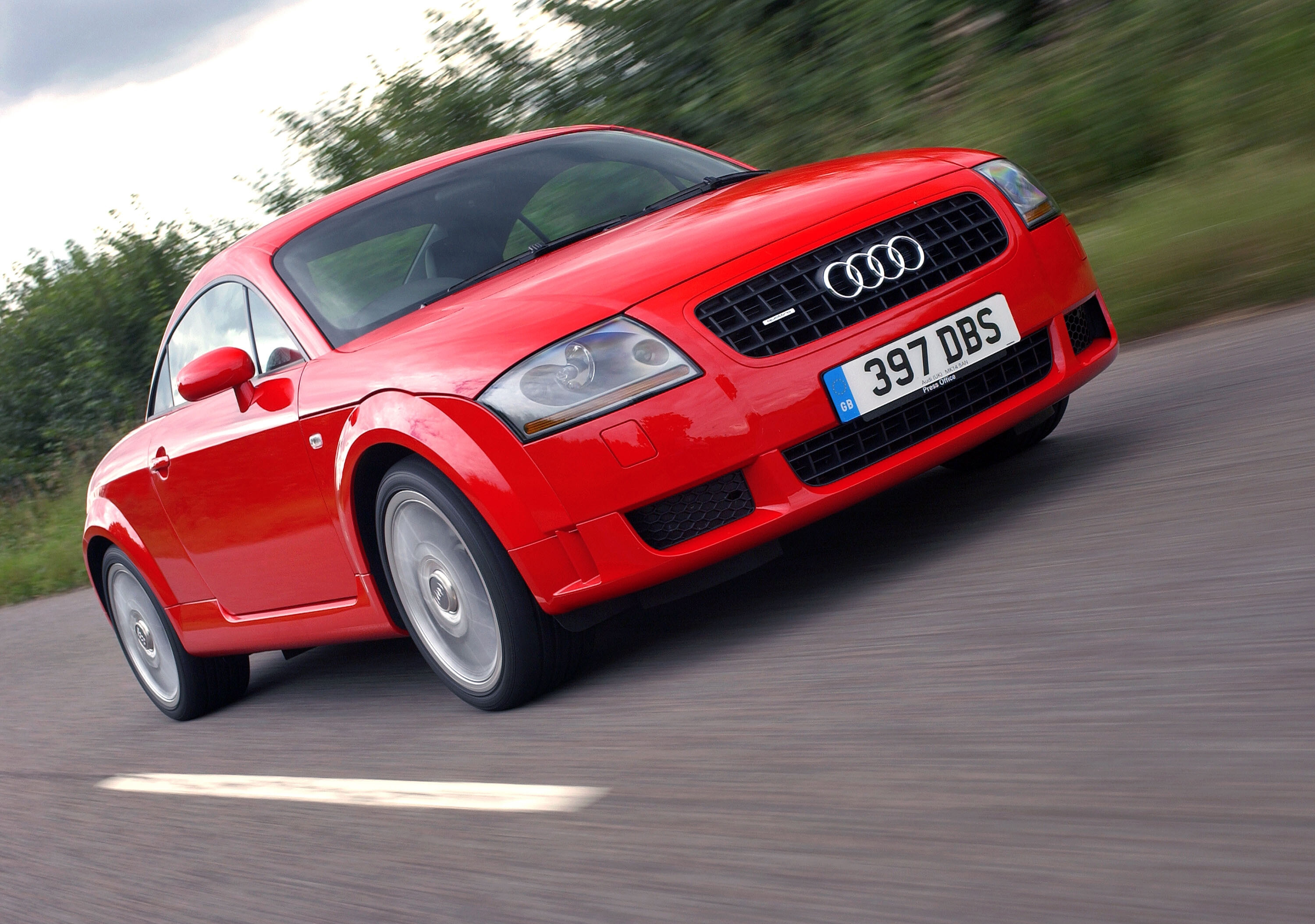
1
It’s hard to look at a point and isolate a shape without taking in the entire car as whole.
That waistline was high well before side-impact regulations dictated as such, while the roofline was also close to symmetrical from to rear.
The graphic on the front and the rear was also near identical – and the original, as aficionados will tell you today, did not have a spoiler to interrupt its rump.
In soft-top form – as it would remain for its entire 25-year production – the roll-over bars were made a focal point as rounded forms to become part of the design story.
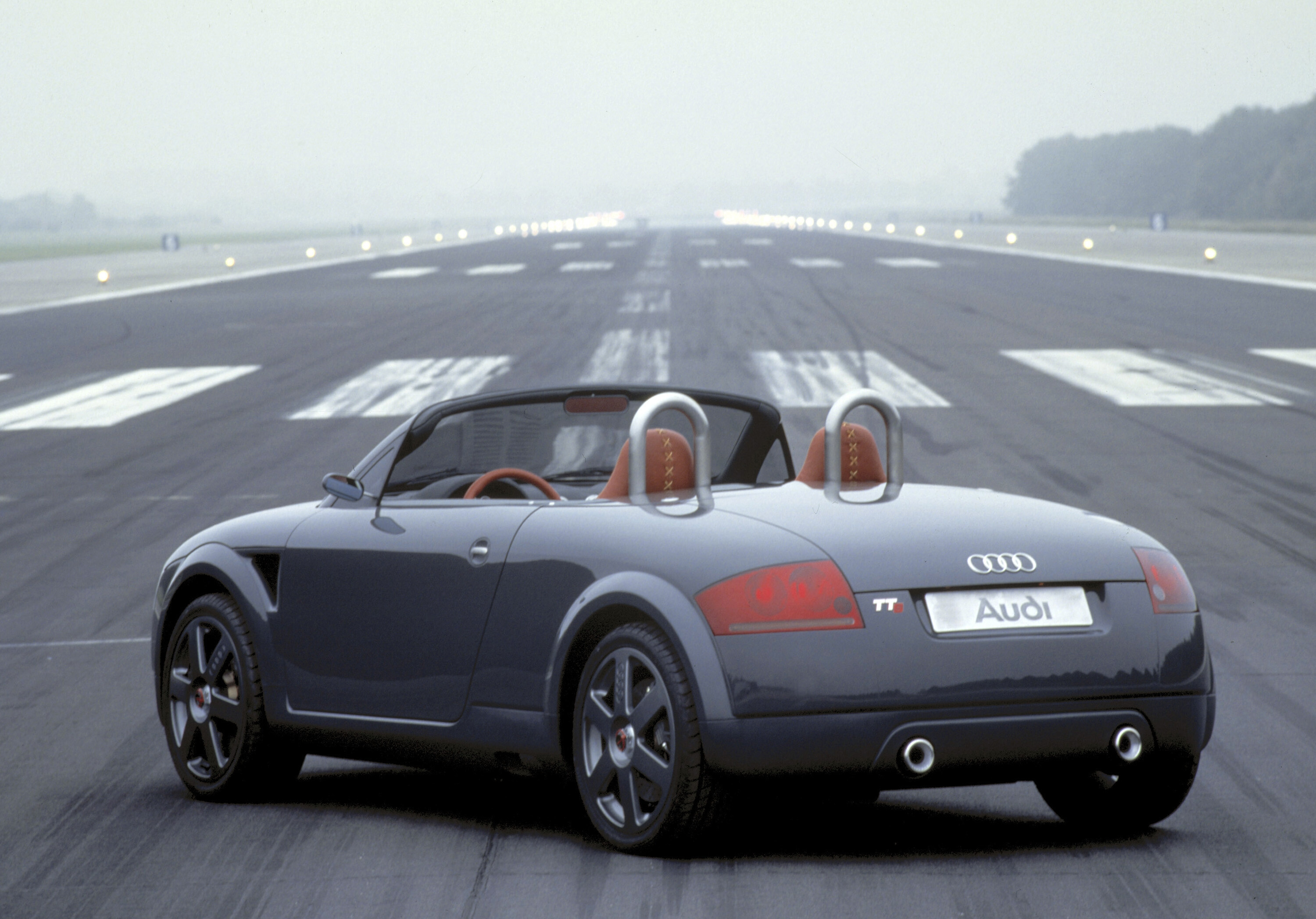
1
Somehow, despite its roundness, the TT was not a conglomerate blob – its wheel arches set 2.4 metres apart stretching its roofline to define its shape.
Nor did its design story end inside: the 2+2 seater’s aluminium fuel surround was complimented by the gear shifter, with its riveted look and brushed aluminium that continued on the triplicate circular air vents and even the door pulls.
The TT was not just a car for car enthusiasts: it spoke to designers, creatives, artists and those who admired depth and thinking beyond next month’s sales chart. Of course, that also meant turtle-neck wearers, and former Saab owners…
The original TT used the first generation A3 platform making it front-wheel drive – a dealbreaker for some purists at the time – when it arrived in 1999 using the Golf/A3’s a 1.8-litre four-cylinder turbo-petrol engine making a modest 132kW/253Nm.
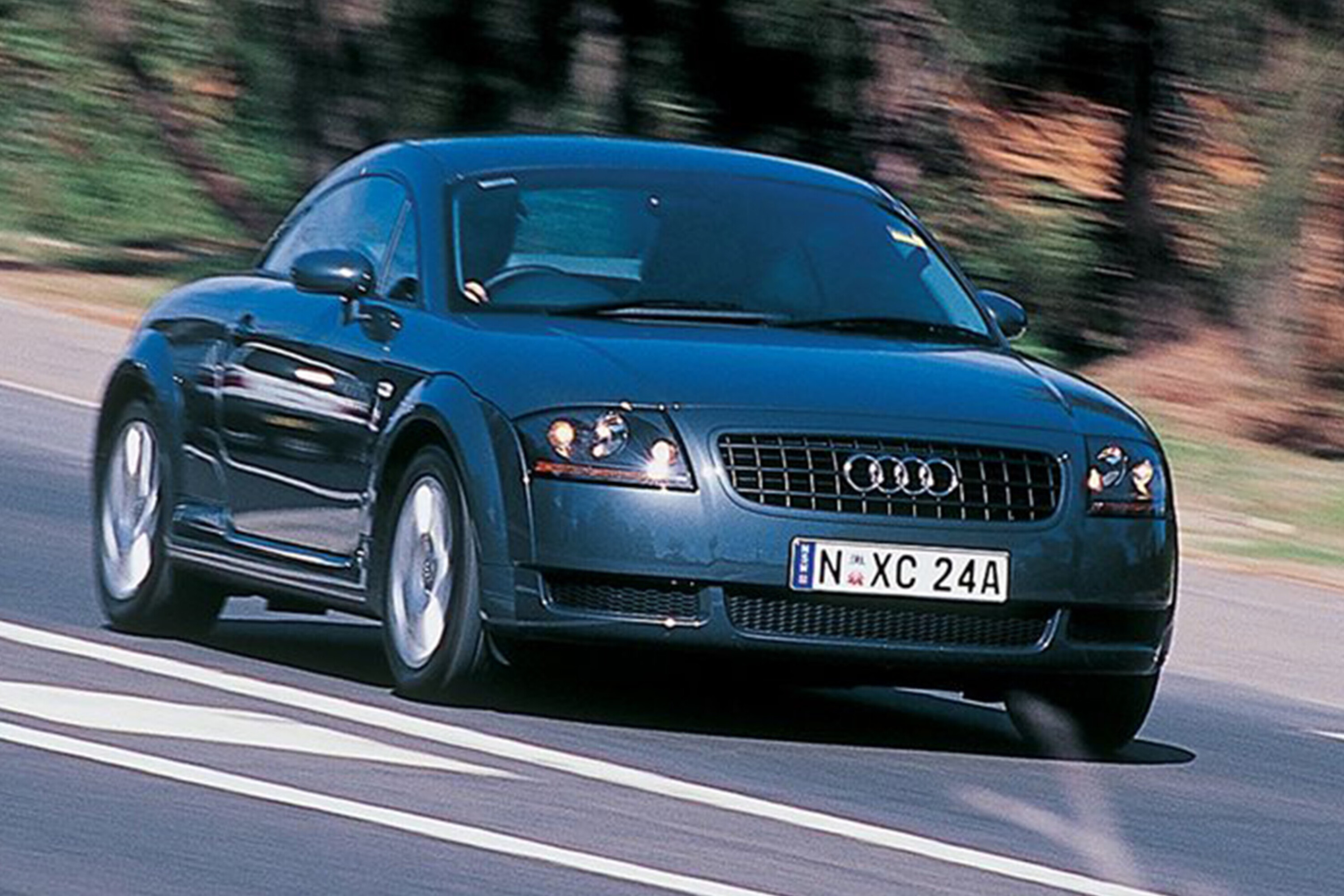
1
With no racing pretensions, the TT became an astute performance car in its own right after a significant early setback.
Blemishing the design to some fans, a rear wing was added in the year 2000 along with rear suspension changes (anti-roll bars, new wishbones and dampers) after five TT owners were killed in Europe, mainly at high speed in Germany [↗].
A blow for the all-new nameplate, the issue prompted a recall, dampening enthusiasm for the TT as Audi retro-fitted the parts to 40,000 examples already sold globally and making ESP, relatively new at the time, available at a lower price.
In Australia, it was sold in five-speed manual form only from 1999 – getting a sixth gear in 2004 – with an automatic option and Quattro version added in 2004.
1
In 2005, the 3.2-litre V6 taken from the raucous R32 Golf – 184kW and all – and fitted into the TT to arm the seductive coupe with a 6.7 second 0-100km/h time. The TT’s bark could finally match its bite.
The second-generation TT arrived in 2006 and carried on the design spirit in a marginally more aggressive package.
Trademark lines remained, including the clamshell bonnet shut that was interrupted by the front wheel arch; the high waistline; and brushed aluminium fuel-filler cap.
Even more aggressive powerplants arrived: the second generation delivered the first Audi TT RS Quattro.
1
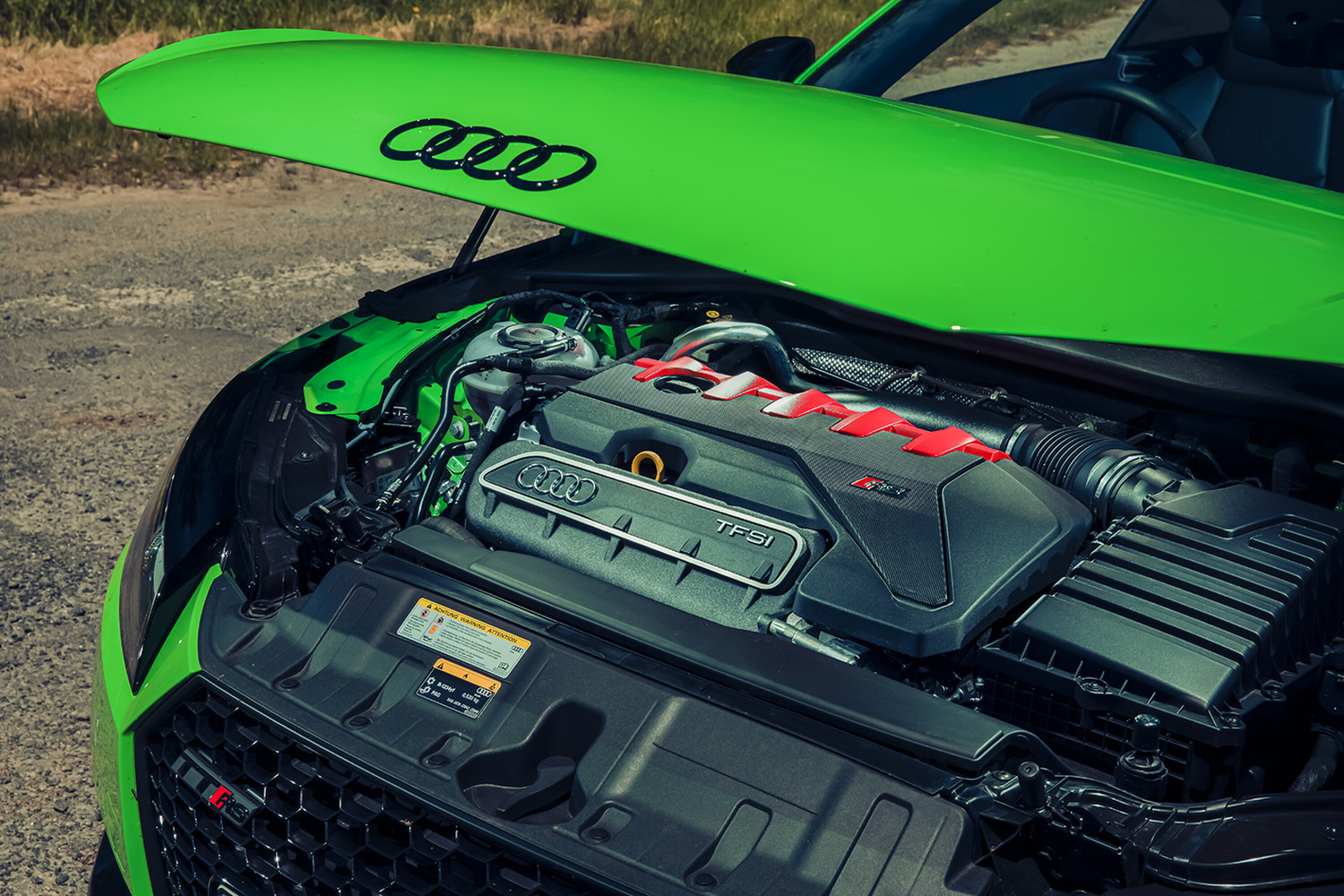
The TT RS packed a 250kW Quattro-esque turbo five-cylinder with growl to boot.
It was overshadowed by the Audi R8 at the time, which went on sale in 2006 after the company invested in Lamborghini and used the Gallardo’s underpinnings for its own sports car.
The R8 the hero of the brand, race tracks and bedroom walls while the TT was stylish, but, erm, yeah…
That meant the TT was sorely underestimated as a performance car, as noted on the now defunct MOTOR magazine’s 2008 Performance Car of the Year.
1
While not perfect, the TT was starting to climb to new heights – as was its price.
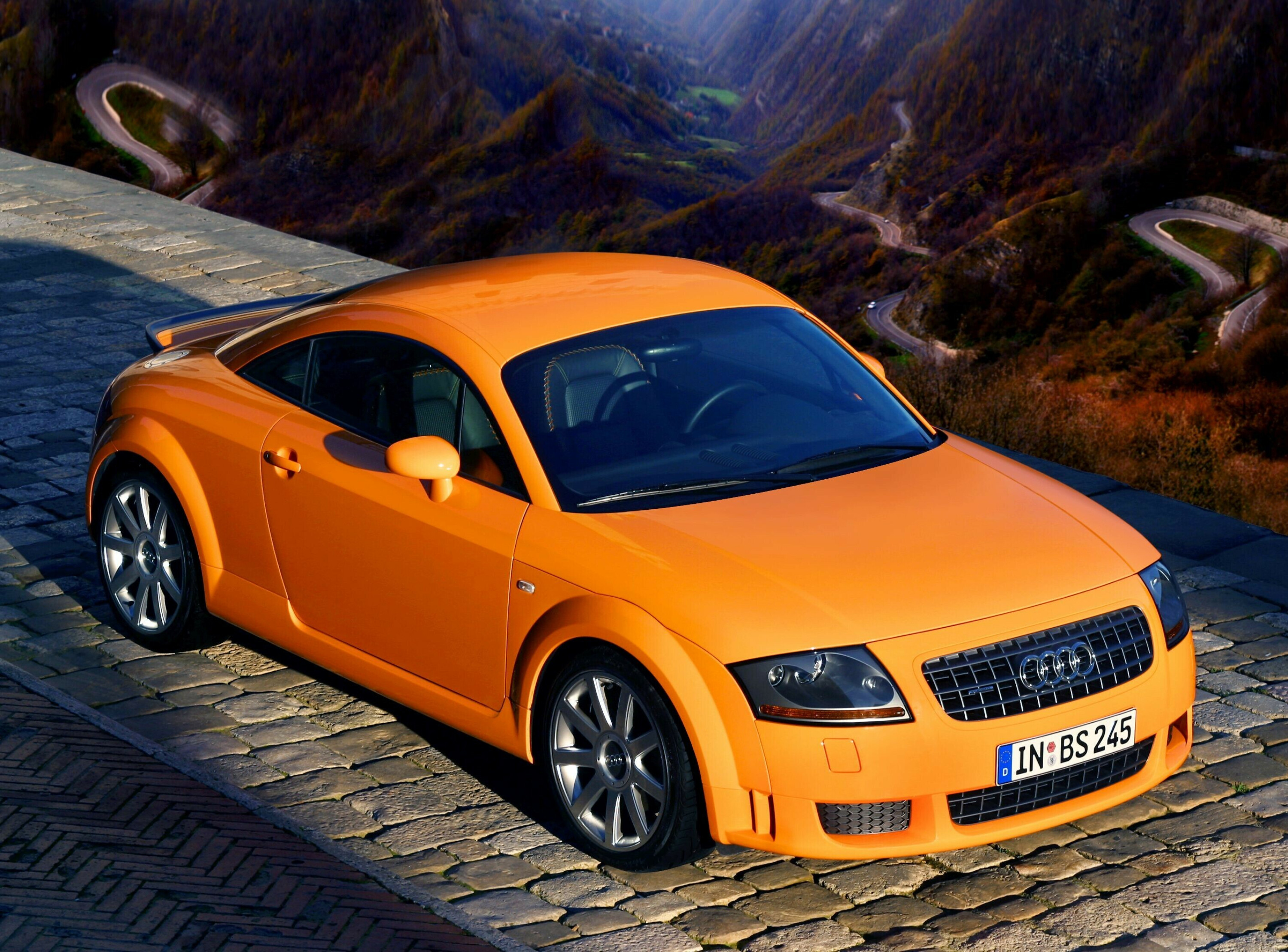
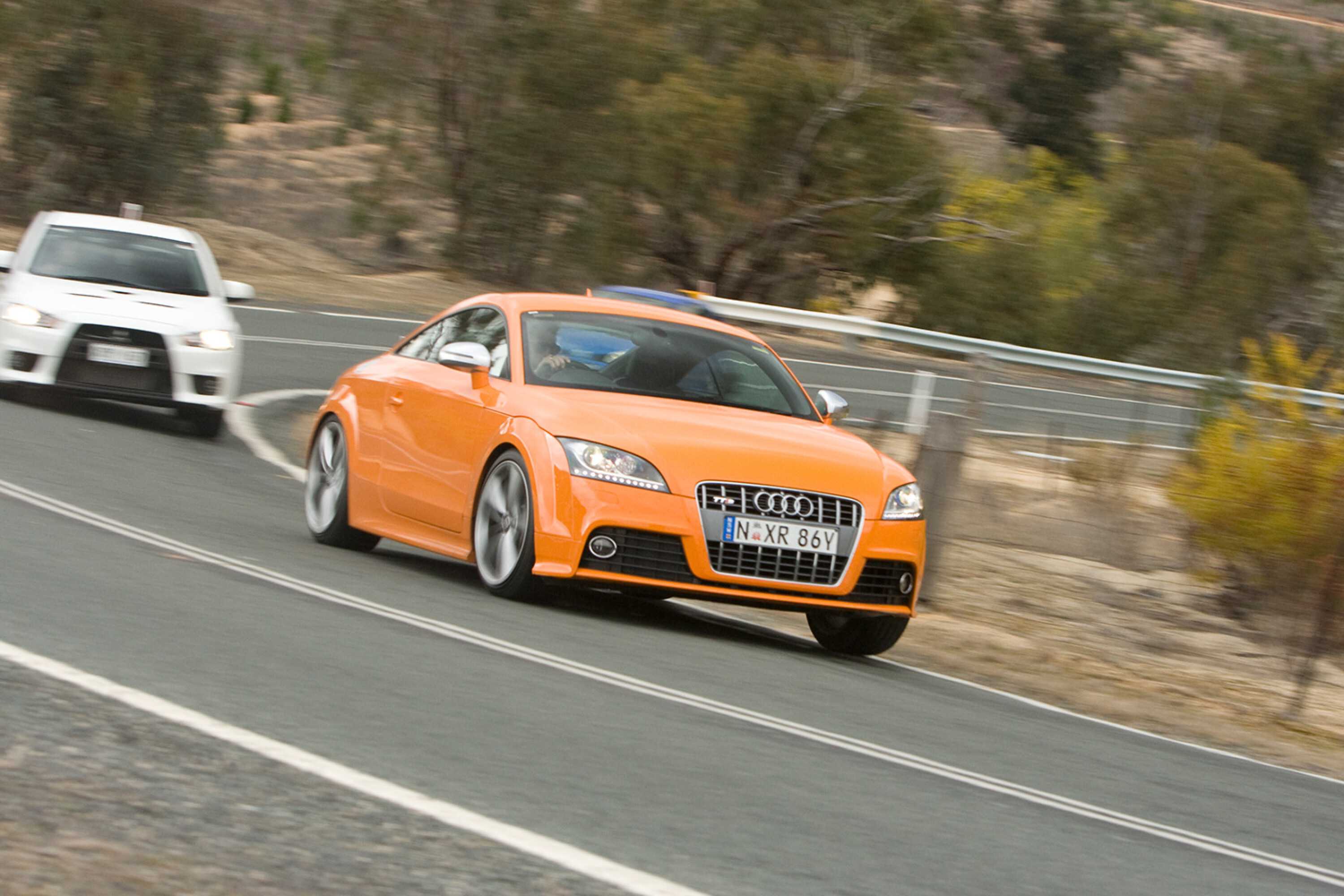
A bright orange TT S – not even the hero RS – with baseball glove leather was the packer’s pick, outpacing the Mitsubishi Lancer Evolution X down the quarter-mile and around Wakefield Park, where it handled with the same precision of its bodywork lines.
It was an upstart: how could something ape so much style yet perform more than superficially? While not perfect, the TT was starting to climb to new heights – as was its price.
The core elements of the TT remained throughout its quarter-century innings: the three curves – roof and wheel arches – teamed with that high waistline.
1
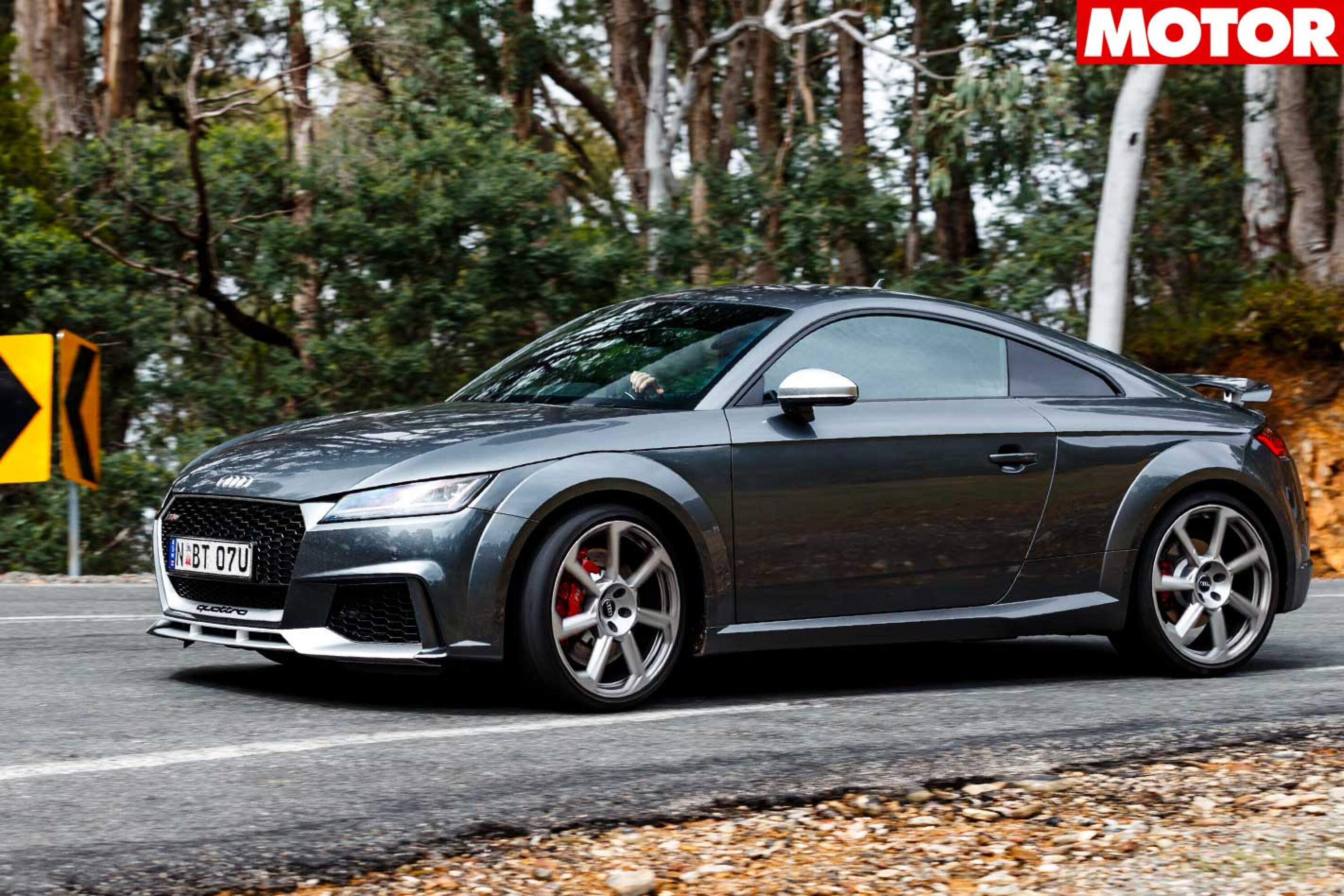
The third generation’s arrival in 2014 brought with it the fashion of the day – unlike the original’s disregard for convention – in a sharpened nose and angular taillights.
It was true to the organic lines of the TT playbook, but the playbook had moved on – and the square edges were not as convincing a fit for the Bauhaus design of the rest that gave the TT its identity.
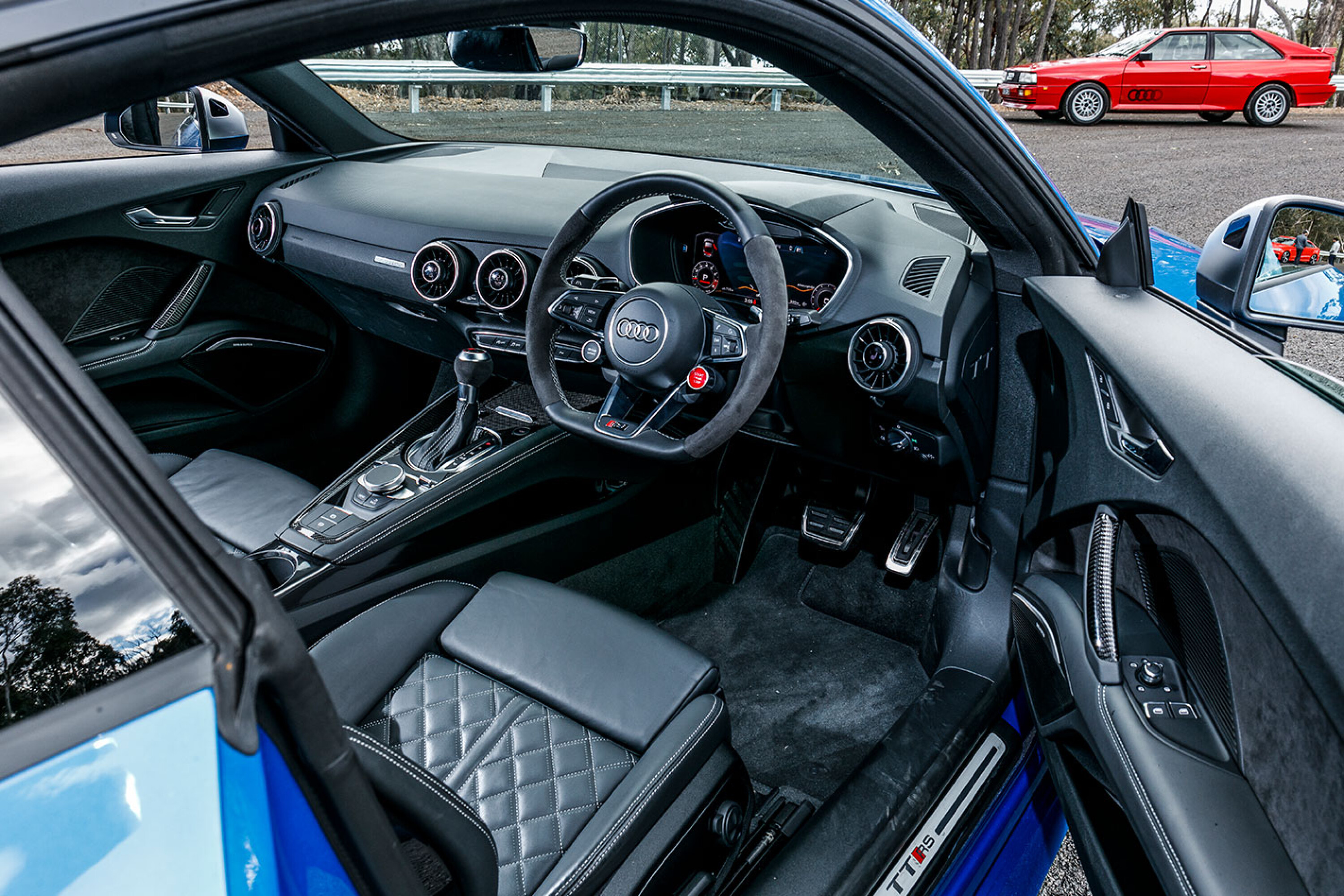
The interior took the spirit of the original, though, eschewing a central touchscreen but without sacrificing modern creature comforts – the Apple CarPlay runs through the driver’s display, and its digital HVAC controls are elegantly integrated into physical dials. A masterstroke in minimalism.
1
Still fantastic to dive in its higher-spec versions, which again included an RS version, the TT name outlasted 1999 debutants such as the brilliant Honda S2000, and rivals such as the mixed-bag BMW Z3 and its M derivatives.
If the UR Quattro marked the Audi brand technologically, the TT defined it stylistically. It’s had its moment, and in a world of SUVs and ladder-frame pick-ups, we’re forever grateful.
MORE
Everything Audi
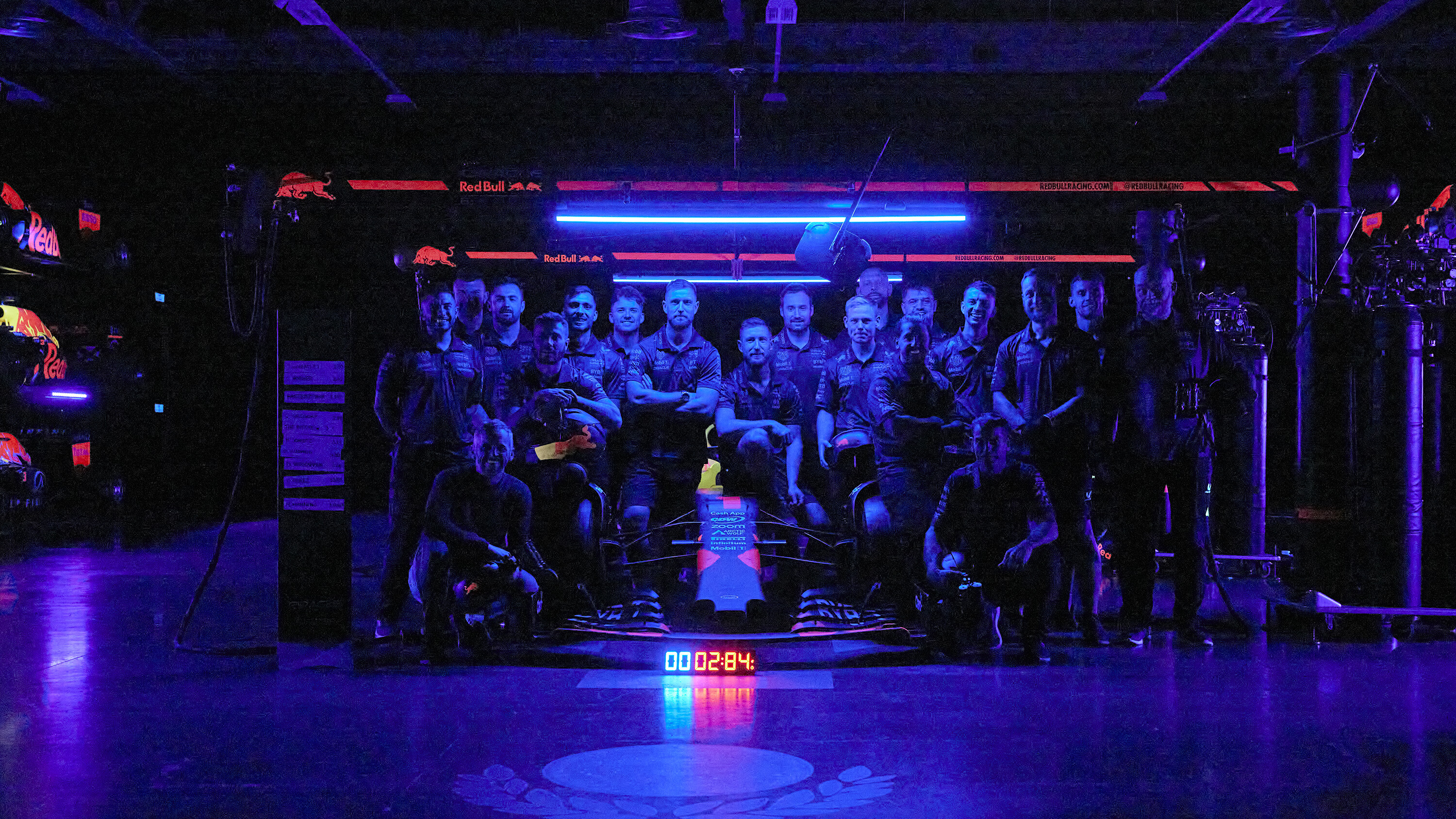
Red Bull Racing has notched up another world record: this time for completing a pit stop in under 3.0 seconds – in complete darkness.
Okay, it’s a weird record, but it’s easy enough to imagine how the idea came about. Pit stops are a crucial part of Formula 1, and shaving tenths off a car’s stationary time can mean the difference between winning and losing, which is why F1 teams practice them over and over again.
1
Teams practice pit stops so much, in fact, that you can just imagine an observer muttering “Geez, I bet you could do it with your eyes closed…”
Cue that being overheard by a clever marketing exec and hey presto, you have the ‘Pitch Black Pit Stop’.
Red Bull gave itself 10 attempts to see how fast it could complete the blind stop which was captured using special infrared lights and infrared cameras.
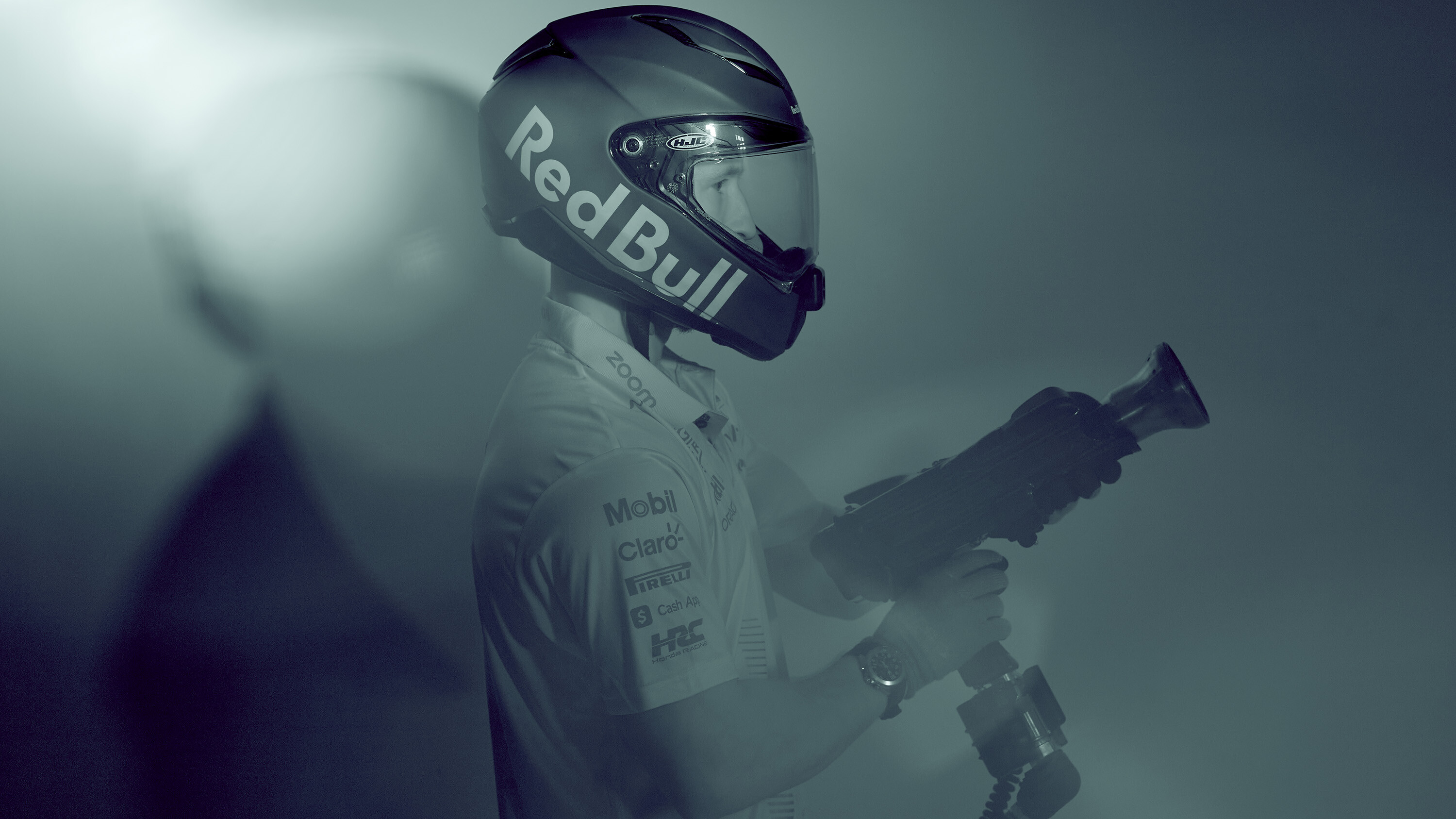
The two jackmen and the driver of the car wore night vision goggles but everyone else was operating in total darkness.
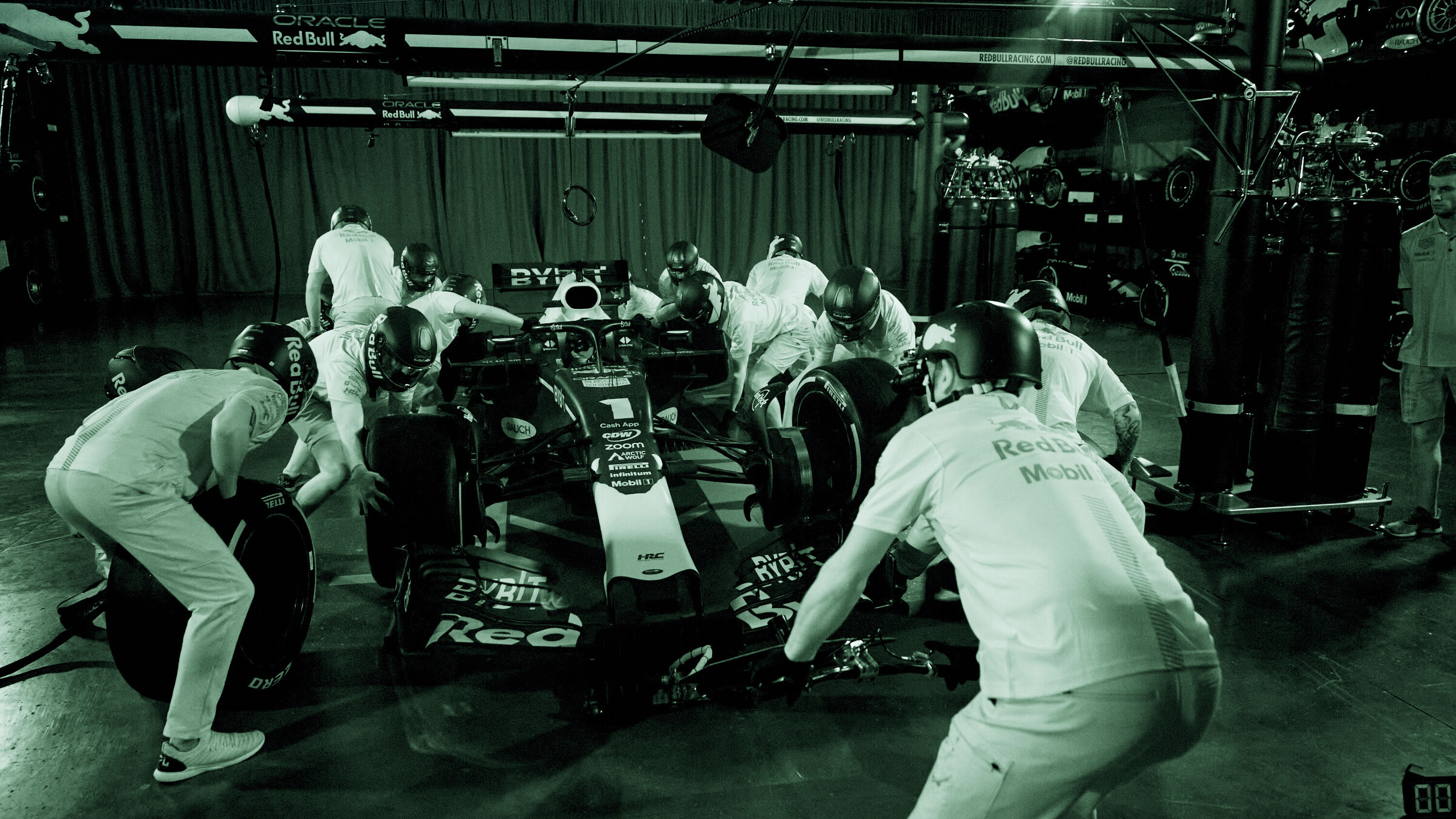
Red Bull’s first pit stop took 7.52 seconds but by attempt eight they had cut it down to 3.2sec, showing just how impressive and adaptable the crew is.
1
On the tenth attempt, Red Bull completed the dark stop in 2.84 seconds – which, remarkably, is only a second away from the team’s fastest-ever pit stop in an actual race.
Before the challenge, Red Bull asked key team members to predict how quickly the team could do the dark stop. Jonathan Wheatley, team sporting director, guessed 2.1sec while team boss Christian Horner was closer to the mark at 2.6sec.
Red Bull’s drivers were way off. Max Verstappen thought it’d take 6.69 seconds, but Sergio Perez wasn’t even in the same ballpark with a guess of 33 seconds. Such faith…
Amazingly, this blind pit stop isn’t the craziest stunt Red Bull has put its crew through.
Back in 2019, Red Bull attempted a ‘zero gravity’ pitstop where it bundled 16 crew members and an F1 car into a Ilyushin Il-76 MDK plane which flew at 33,000 feet. The plane then dived in a special arc to allow 22 seconds of near weightlessness for the crew to do their pitstop.
As for what’s next? We’re almost afraid to ask…
1
Snapshot
- VW ID2 SUV concept teased in silhouette
- Will spawn T-Cross-sized EV on MEB Small platform
- Expected to enter production in 2026 with 450km range
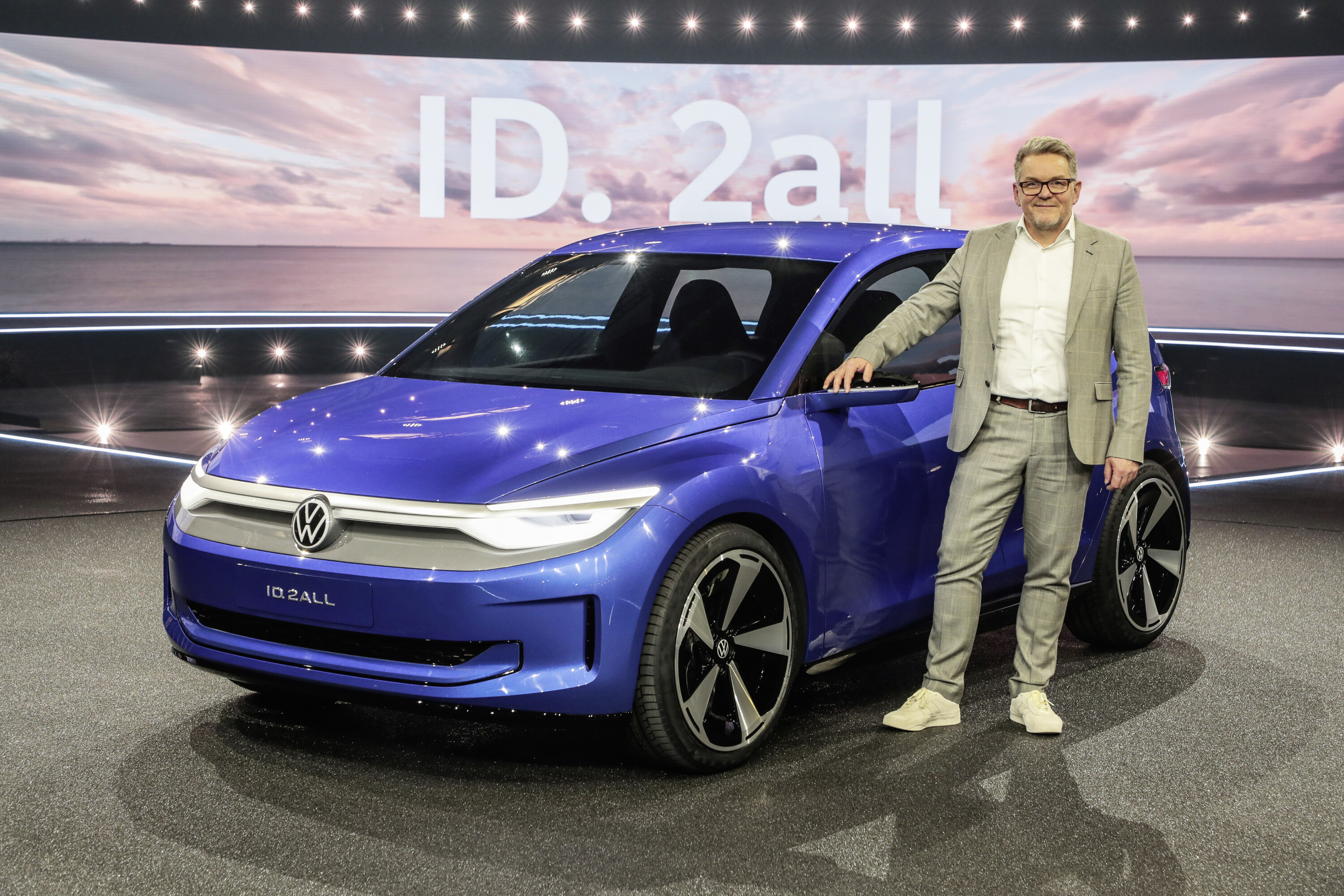
Volkswagen has released an image showing the silhouette of its ID2all SUV, a lifted version of the ID2 concept, set to enter production in 2026 from around $45,000.
It’s simplest to think of the pair as electric versions of the Polo small car and T-Cross small SUV.
The silhouette reveals a square-off front end and short overhangs to maximise cabin space, it’s expected to measure 4100mm long with a 2.6-metre wheelbase.
In profile, you can see the ID2 SUV’s roof line is higher, while at the rear there are three distinct horizontal lines and an extended roof spoiler almost reminiscent of Hyundai’s Ioniq 5 N. There are also pronounced fender flares with squared-off tops for a tougher look.
https://www.instagram.com/p/CxdMH6ju387/
You can see an earlier imagination of the ID2 SUV from digital artists Avarvarii above.
Under the skin, the ID2 SUV will share its MEB Small platform with its ID2 sibling, as well as the Cupra Raval (which will come to market first in 2025). All three models will be built in the same Spanish factory.
The ID2 SUV will be front-wheel drive likely with a 170kW electric motor, and there are claims that the small cars will have a maximum of around 450km of WLTP driving range from a 56kWh battery, with a smaller 38kWh option also offered.
1
Current CEO Thomas Schäfer has indicated that the next-gen of electric vehicles from VW will drop alphanumeric naming conventions, to be replaced with more memorable tags – expect the ID2 SUV production car to have a proper name not unlike T-Cross.
Inside, expect the ID2 SUV to have a similar layout to the ID2, with a 12.9-inch infotainment screen available.
Volkswagen Australia will launch its first electric vehicles, the ID.4 and ID.5 medium SUVs, in the second half of 2024 ahead of the ID.Buzz and facelifted ID.3 arriving down under.
April 16: Milano name banned, Junior name announced
In surprise news, the Italian government has banned the Milano name, leaving Alfa Romeo to go with its section-favourite option: Junior.
Story at the same link below. ?
April 11, 2024: Milano revealed!
Alfa Romeo turns a new page in its style book with today’s reveal of the Milano compact SUV, launching in Europe soon with petrol and electric options. Australians will get a look at it too – in late 2025.
December 15: Alfa Romeo Milano name confirmed for baby SUV
The 2024 Alfa Romeo Milano light SUV will debut in April, the brand has confirmed.
Joining the existing Giulia sedan, Stelvio mid-size SUV and Tonale small SUV in the Italian brand’s line-up, the Milano will ride on Stellantis’s ‘E-CMP’ architecture shared with the Jeep Avenger, Fiat 600e and Peugeot E-2008.
An all-electric powertrain will be offered at launch – a first for the Alfa Romeo brand – while a more affordable 1.2-litre mild-hybrid petrol will likely be available in select markets.
The Milano name is derived from the city of Milan in Italy where Alfa Romeo was founded in 1910. The Alfa Romeo 75 was sold as the Milano in North America between 1985 and 1992.
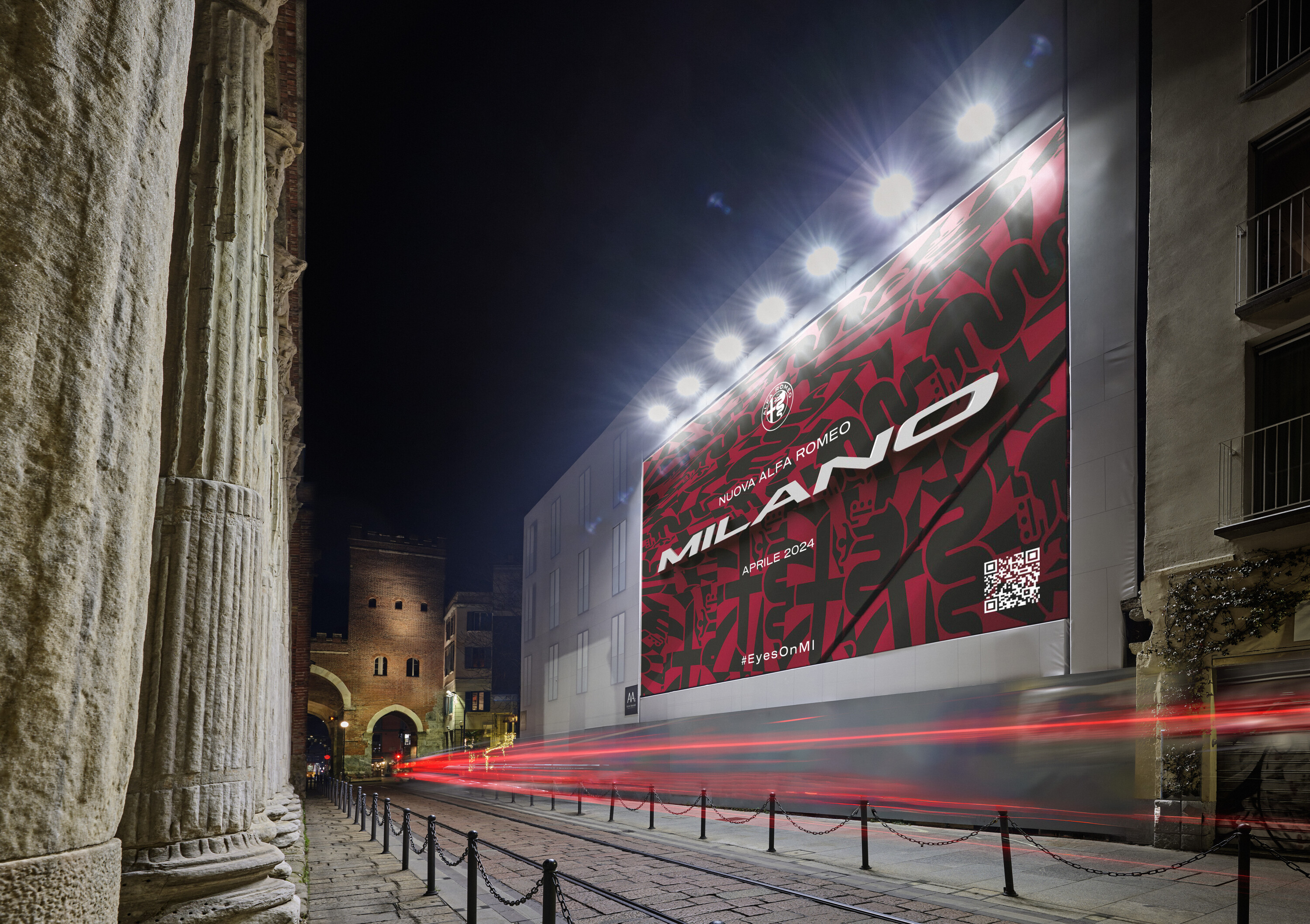
1
“With the arrival of Milano in 2024, Alfa Romeo completes a line-up capable of meeting the desires of all our enthusiasts and much more. Milano is intended as a symbolic ‘welcome back’ to all our Alfisti fans,” said Alfa Romeo CEO Jean-Philippe Imparato.
“As owners of the Giulietta and Mito, they have been waiting to confirm their love for Alfa Romeo. It also serves as a ‘welcome’ to anyone looking for a unique sporting experience in this segment and the distinctive beauty of Italian design.”
Our earlier story, below, continues unchanged.
September 12: This is Alfa Romeo’s first EV!
Snapshot
- Alfa’s new city SUV has leaked online
- New model is smaller than Tonale and will be Alfa’s first EV with a 400km range
- Official reveal is in first half of 2024; Aussie launch is possible
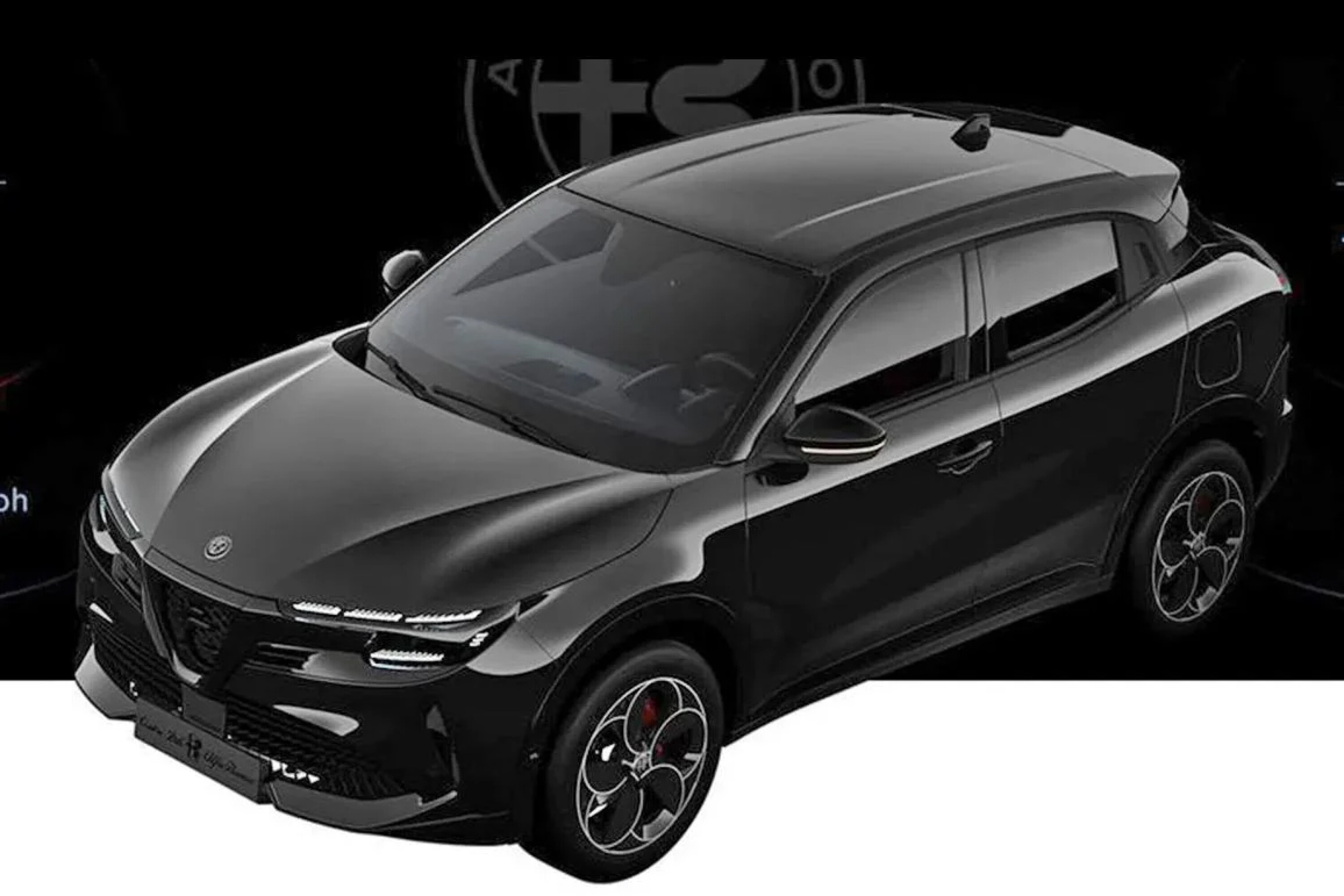
1
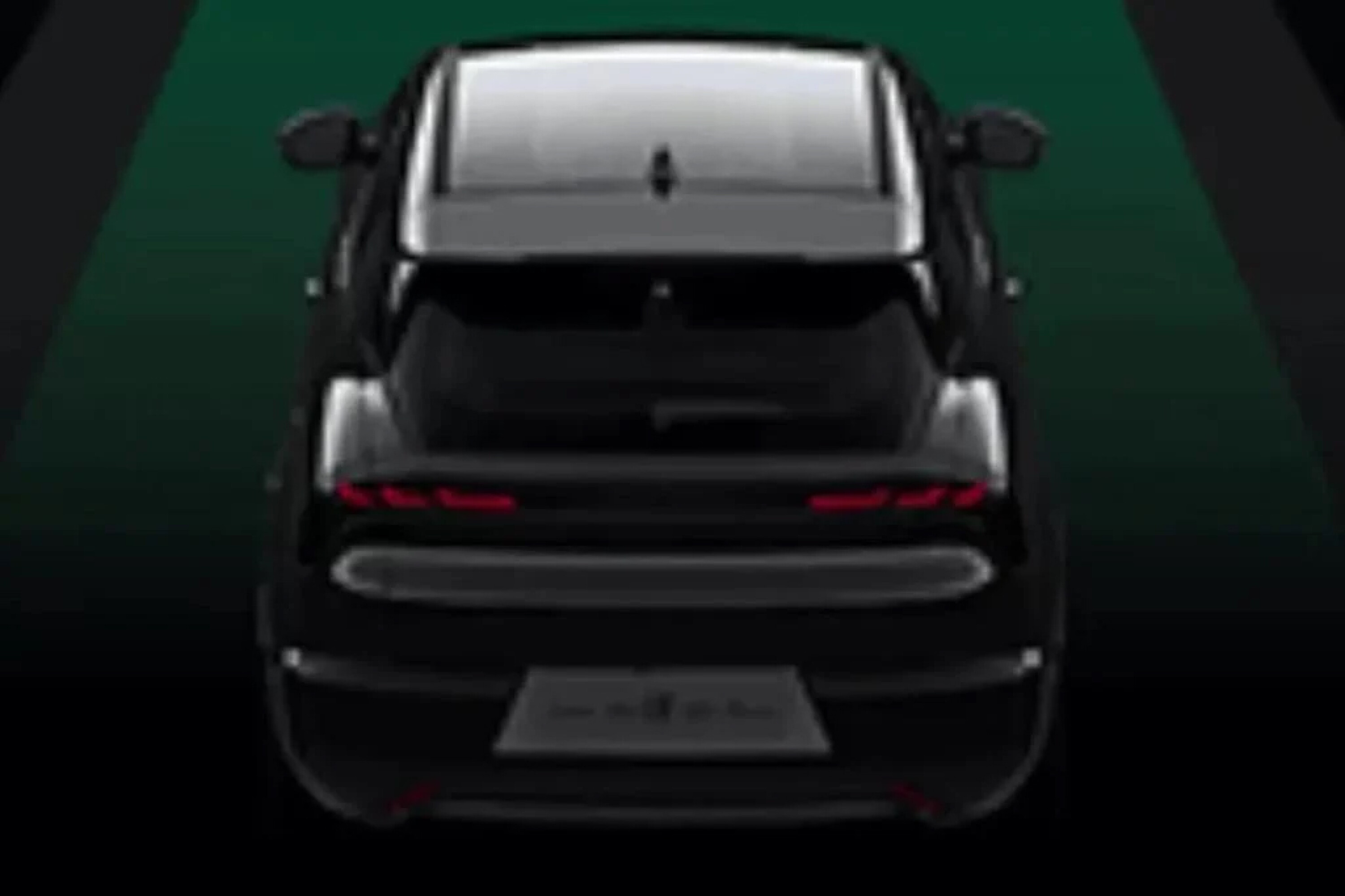
Images of Alfa Romeo’s forthcoming city SUV, which will be smaller than Tonale and debut as the Italian brand’s first EV, have leaked online.
Known internally as ‘the kid’, the new model will be Alfa’s smallest model since the Mito supermini and will share the same e-CMP platform as the Jeep Avenger.
The leaked images were published on Instagram and come months ahead of the small SUV’s official reveal, confirmed for the first half of 2024 – a long way out from today.
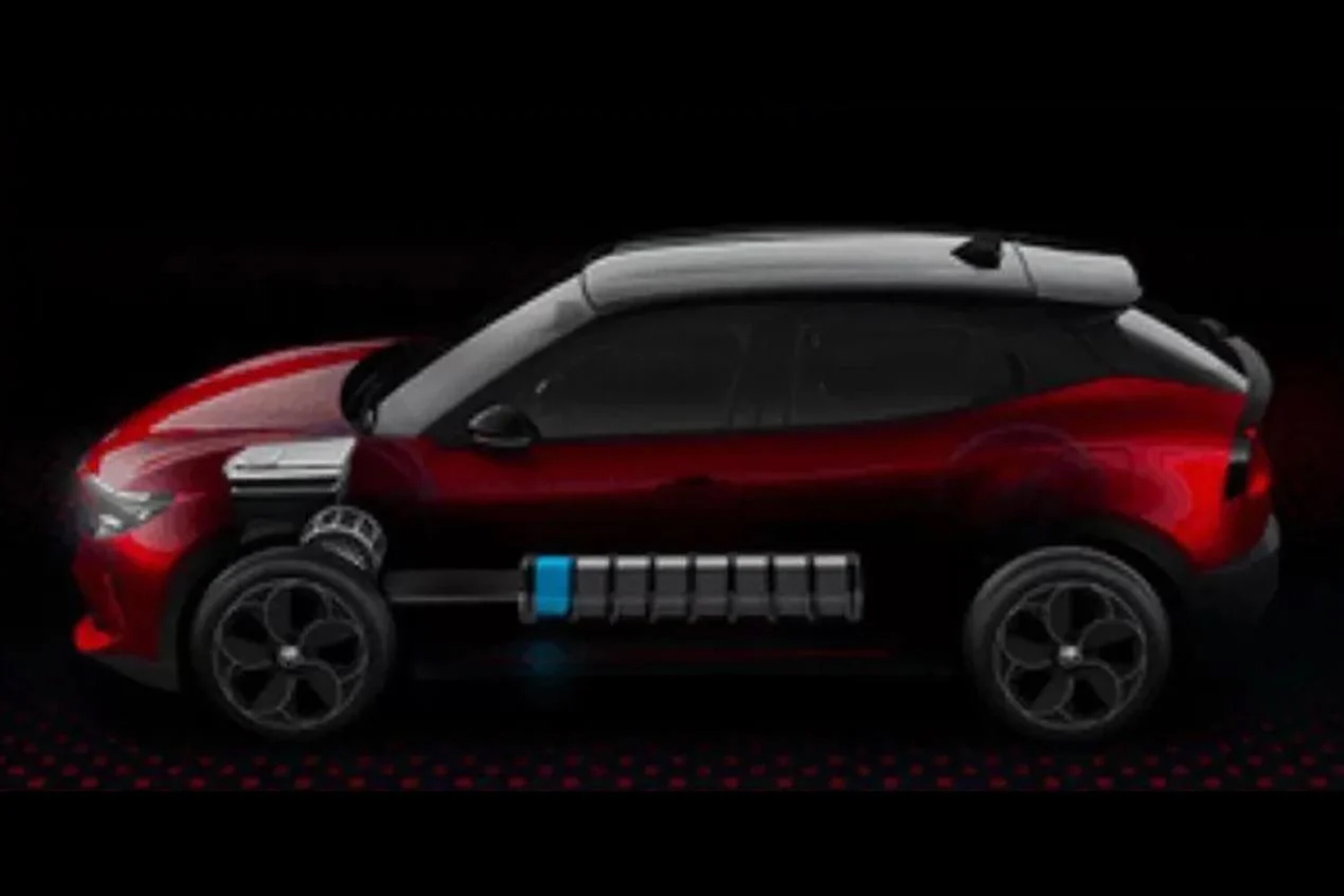
1
The images show Alfa’s smallest model will carry the brand’s classic V-shaped front grille, along with a sleek, twin-element headlight design.
The front and rear overhangs are impressively short, too – which will translate to great interior space – and there’s plenty of nice detailing like heavy creases in the bonnet and black detailing around the C-pillar and rear light bar.
Alfa is yet to give the new SUV an official name, although it has confirmed it won’t be called ‘Brennero’ as some European reports have previously suggested.
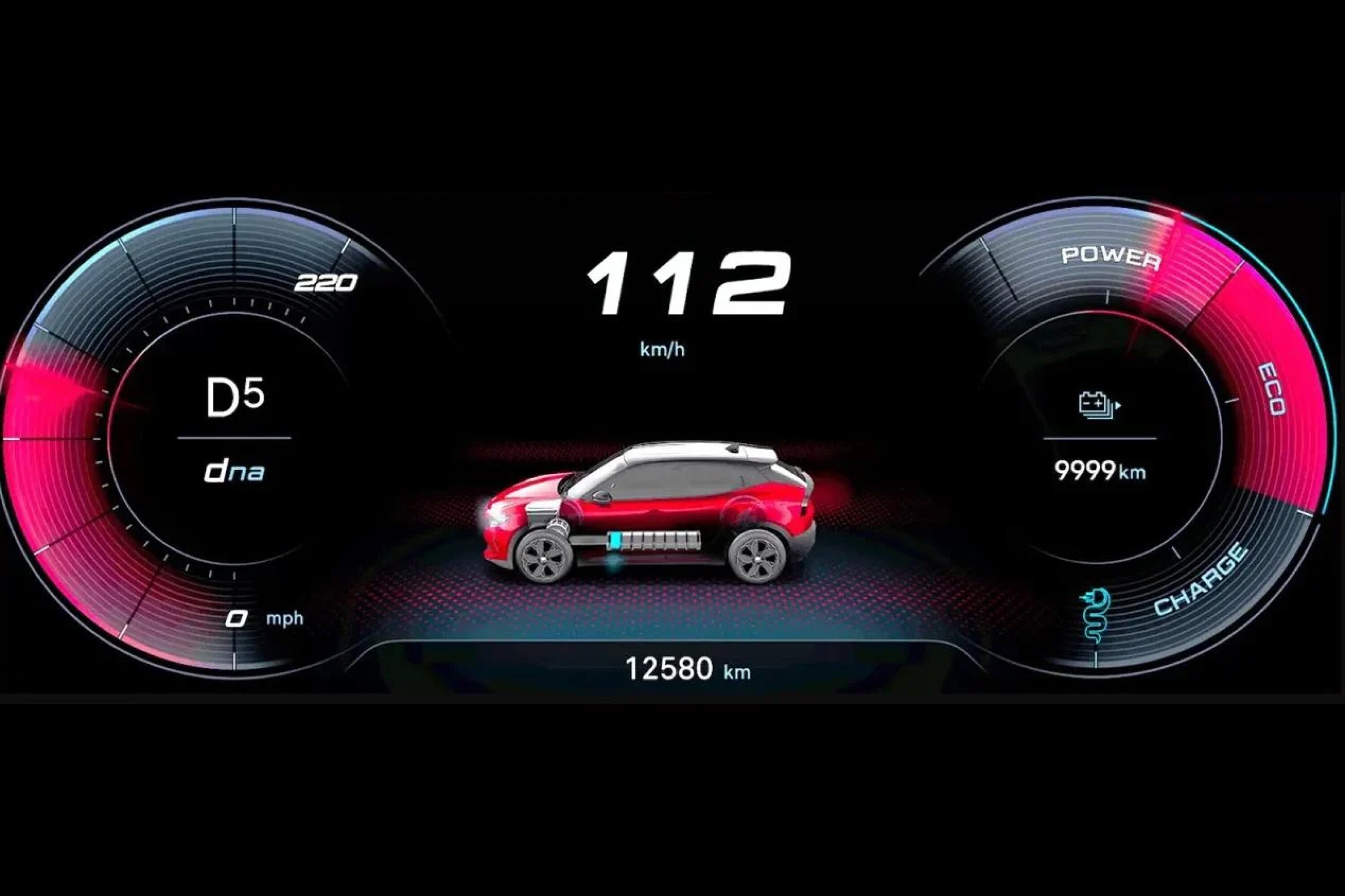
1
Will Alfa Romeo’s electric SUV come to Australia?
For now, so far out from its unveiling, it’s unclear whether the model will make its way to Aussie showrooms.
Alfa Australia told Wheels today that while it “would be great”, an official confirmation of the SUV’s Aussie plans will come closer to its 2024 reveal.
Alfa’s spokesperson also cast doubt over the authenticity of the leaked images:
“The alleged pictures of the next Alfa Romeo model are not official contents. Given the huge interest in Alfa Romeo, that we are proud of, it’s not uncommon to see “very high-standard design exercises” and speculation on the web. The new Alfa Romeo model will be presented in the first half of 2024. Stay tuned!”
What we do know about the upcoming model is that it will be closely aligned with its Stellantis stablemate, the Jeep Avenger. The pair will share the same platform and will be roughly the same size, which is around 4.1 metres long and 1.8 metres wide. For easy local context, the Toyota Yaris Cross is 4.18 metres long and 1.76m wide.
1
Expect not only EV, but a hybrid too
It’s believed the Alfa SUV will debut first as a pure EV, using the same 54kWh battery and 115kW e-motor as the Avenger, which offers 400km of driving range on the stricter WLTP test cycle.
A mild-hybrid petrol engine is also tipped to be offered globally – although it’s unclear which powertrains will be available in Australia, should the new model make its way Down Under.
How much will Alfa’s electric SUV cost?
Local pricing is equally unclear, but it’s fair to speculate the electric version of Alfa’s baby SUV would be similar to the Jeep Avenger, tipped to land around the $60-70K mark. (That will put it in the ballpark of the upcoming Hyundai Kona EV and Renault Megane E-Tech.)
We’ll keep you posted with further updates as Alfa’s new model gets closer to launch but for now, let us know what you think. Do you like the styling? And will a small SUV help Alfa secure some much-needed volume here in Australia?
