
Škoda has launched the second-generation Kodiaq RS, completing its new seven-seat SUV lineup with a model designed to blend space, performance, and premium features. Priced from $69,990 RRP, the new Kodiaq RS arrives as the sportiest version of the family SUV, boasting more power and sharper dynamics than before.
The original Kodiaq RS proved popular with Australian buyers, accounting for around half of all Kodiaq sales. Its successor continues the formula with a 195kW turbocharged petrol engine, producing 400Nm of torque and accelerating from 0–100km/h in 6.3 seconds. Power is managed through a six-speed DSG with paddle shifters, while Dynamic Chassis Control Plus and progressive steering deliver handling uncommon in the mainstream seven-seat SUV class.
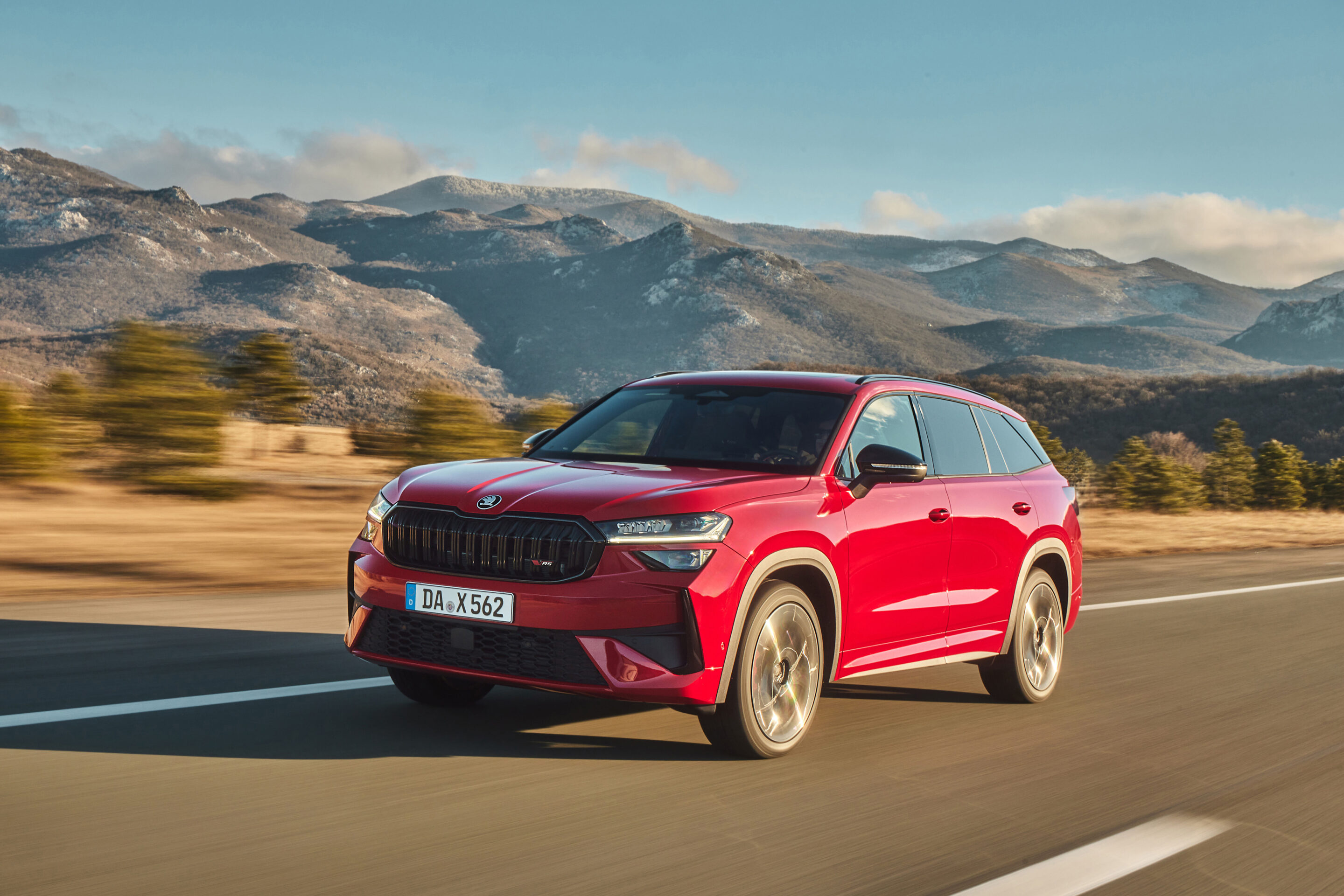
Visually, the RS stands out with 20-inch black polished wheels, black exterior accents, dual stainless-steel exhaust tips and red brake calipers. Inside, sports details include RS-branded perforated leather upholstery with red stitching, heated and ventilated sports seats, aluminium pedals, and a flat-bottomed leather steering wheel.
Technology is central to the RS package. Drivers get a 13-inch touchscreen with navigation, wireless smartphone integration, 10-inch Virtual Cockpit, head-up display and dual wireless phone chargers. A 13-speaker Canton audio system, Matrix LED headlights, 360-degree camera, and tri-zone climate control also feature as standard.
Safety is equally comprehensive, with Škoda’s Travel Assist suite offering adaptive cruise control, lane assist, traffic jam assist, emergency steering, and park assist. Nine airbags, Front Assist with pedestrian and cyclist detection, and Rear Traffic Alert further bolster protection.
Škoda product manager Aline Carrullo said the new RS raised the bar for performance SUVs in its segment. “The Kodiaq RS has always combined sporty handling with seven-seat practicality. This new generation adds a more powerful turbocharged engine, sharper dynamics and an upscale interior, while retaining exceptional value and versatility,” she said.
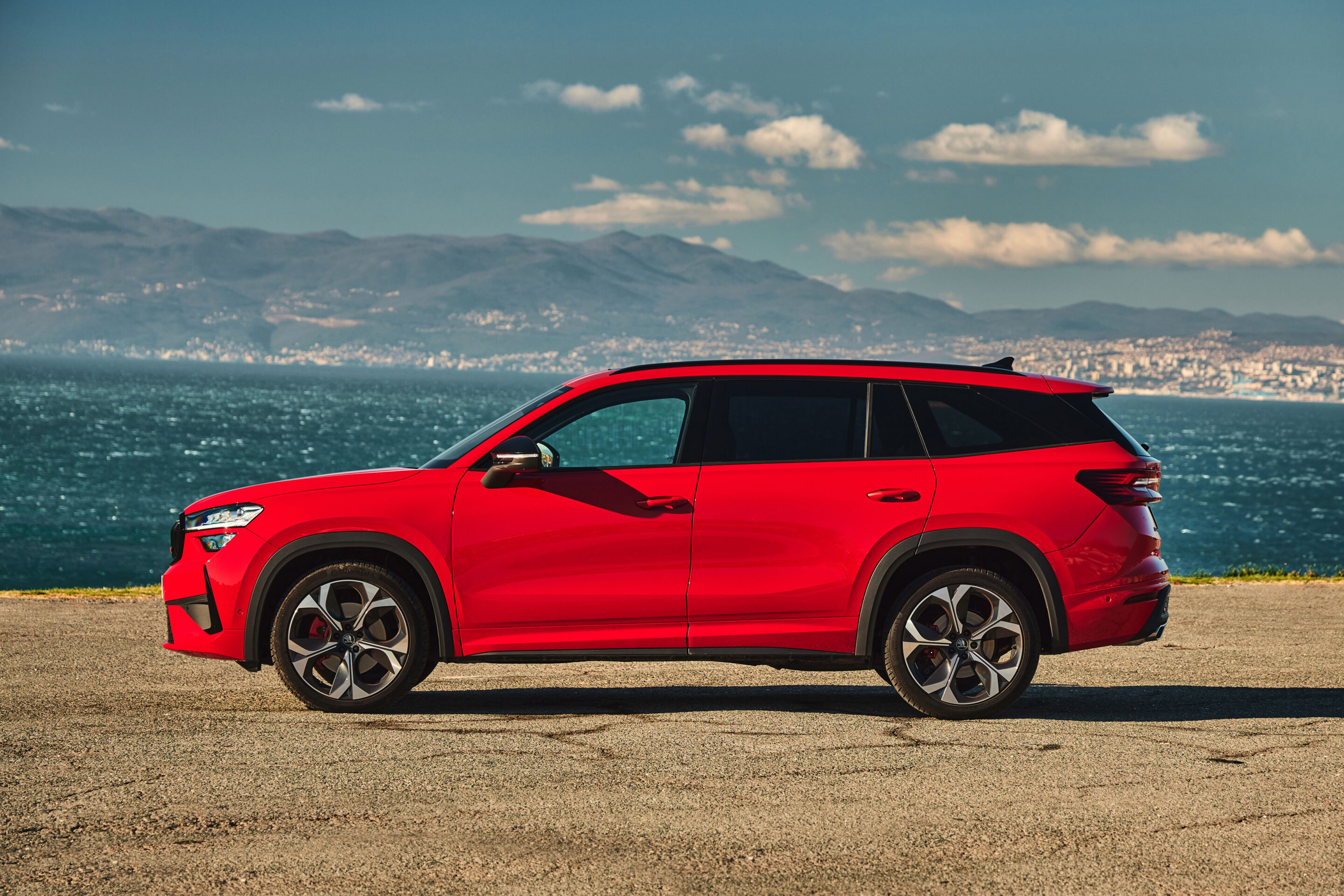
Buyers can choose from six no-cost paint colours, while options include a $1,900 panoramic sunroof and $770 Velvet Red metallic finish.
The Kodiaq RS joins the Select and Sportline variants in showrooms this month, ahead of new plug-in hybrid and mild-hybrid versions arriving in 2026 as Škoda expands its SUV and electrified offerings for Australian families.
Ford Australia has confirmed the arrival of the MY26 Everest Sport Bi-Turbo, a limited-edition SUV that blends the rugged capability of the brand’s 2.0-litre Bi-Turbo diesel with the distinctive styling of the Sport series.
Approximately 700 examples will be built, with pricing set at $71,190 MLP or $75,000 drive-away at participating dealers. The model will enter production between September and October 2025, with first customer deliveries expected from October.
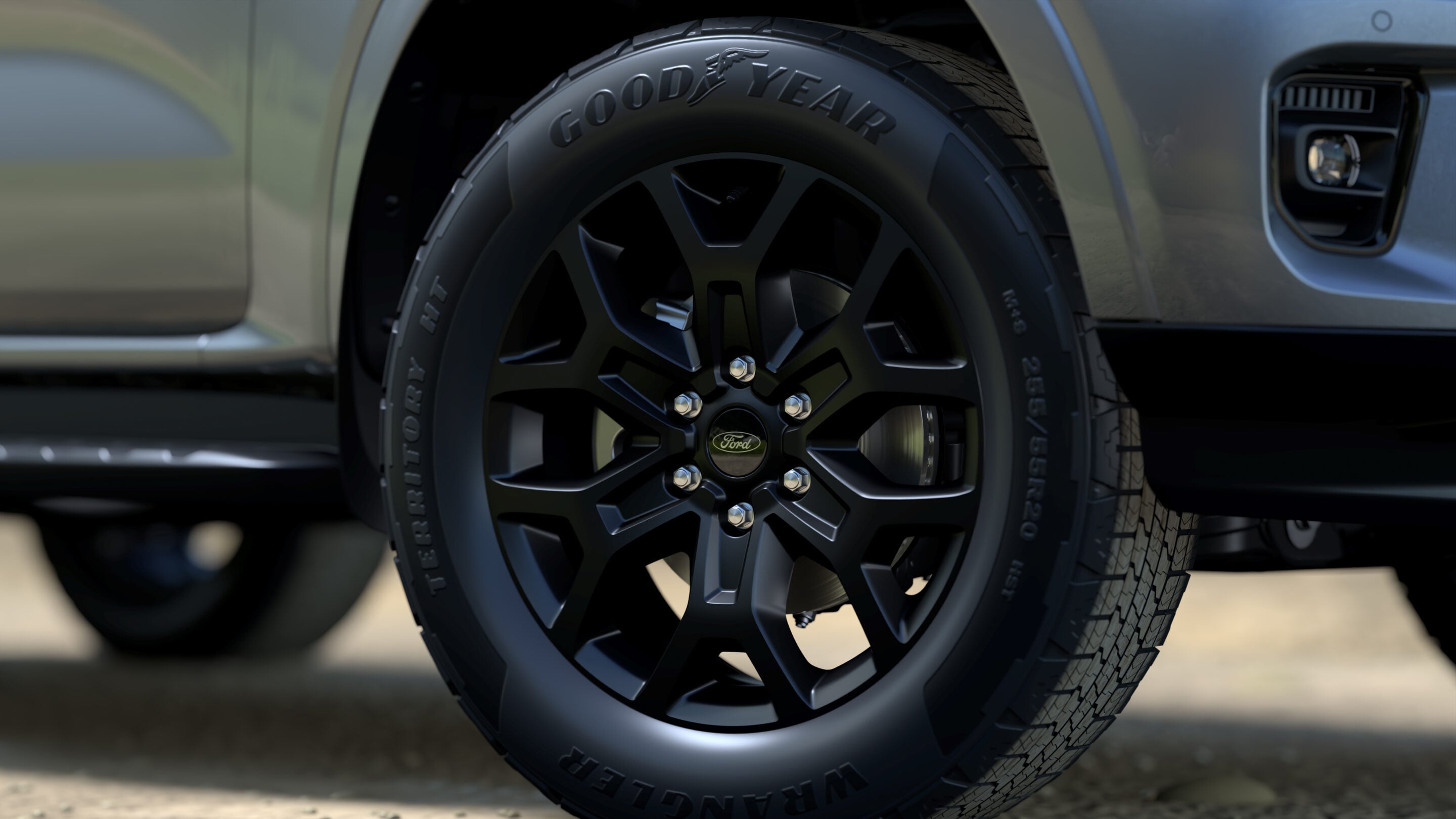
Ford says the Everest Sport Bi-Turbo is designed to meet demand from Australian buyers seeking a vehicle equally at home in the city and on off-road tracks. It features full-time 4WD, the 2.0-litre Bi-Turbo engine, and Sport-exclusive styling touches, including blacked-out exterior accents and unique alloy wheels.
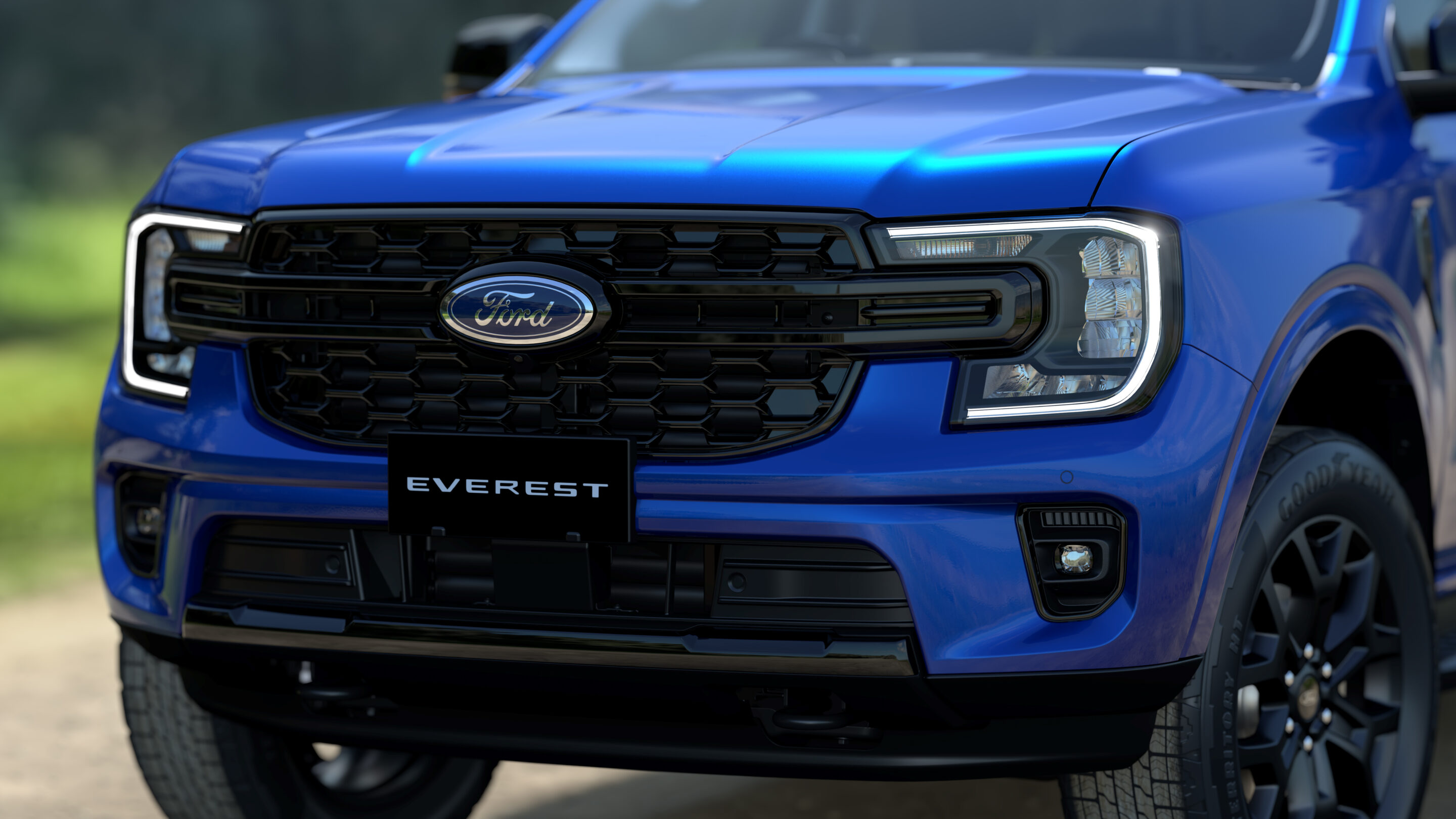
Unlike the V6-powered Everest Sport, the Bi-Turbo variant arrives with more standard equipment at a lower price point. Every unit includes the Touring Pack and Prestige Paint as standard, further enhancing its value proposition.
The Touring Pack equips the SUV with a suite of features designed for towing and touring confidence. These include a 360-degree camera, tow bar and hitch, integrated trailer brake controller, and Pro Trailer Backup Assist.
Colour options for the limited-edition model include Blue Lightning (Sport-exclusive), Shadow Black, Meteor Grey, Aluminium, and Alabaster White – a pearlescent shade making its debut in the Everest Sport range, replacing the usual Arctic White. Importantly, all paint finishes are included in the price.
Ford Australia marketing director Ambrose Henderson said the new variant brings together two of the brand’s most popular attributes. “It packages the highly popular 2.0-litre Bi-Turbo 4WD powertrain with the emotive black styling that our Sport customers love,” he said.
With its combination of affordability, capability and premium appointments, the Everest Sport Bi-Turbo aims to be a strong draw for both style-conscious buyers and adventurers looking for an SUV that can handle family duties and off-road escapes alike.
A new name will soon join Australia’s fast-growing SUV market, with Lepas confirmed to arrive in 2026 as a fresh sub-brand of Chinese automaker Chery. While Chery has already established itself locally with models like the Omoda 5 and Tiggo range, Lepas will mark the company’s next step – targeting buyers who want more than just everyday functionality from their vehicles.
According to Lucas Harris, Chief Operating Officer of Lepas Australia, the new marque has been created to bring greater personality to the SUV segment. “Australian SUV buyers have had practicality covered for years. What they’ve been missing is personality. Lepas delivers both,” Harris said.
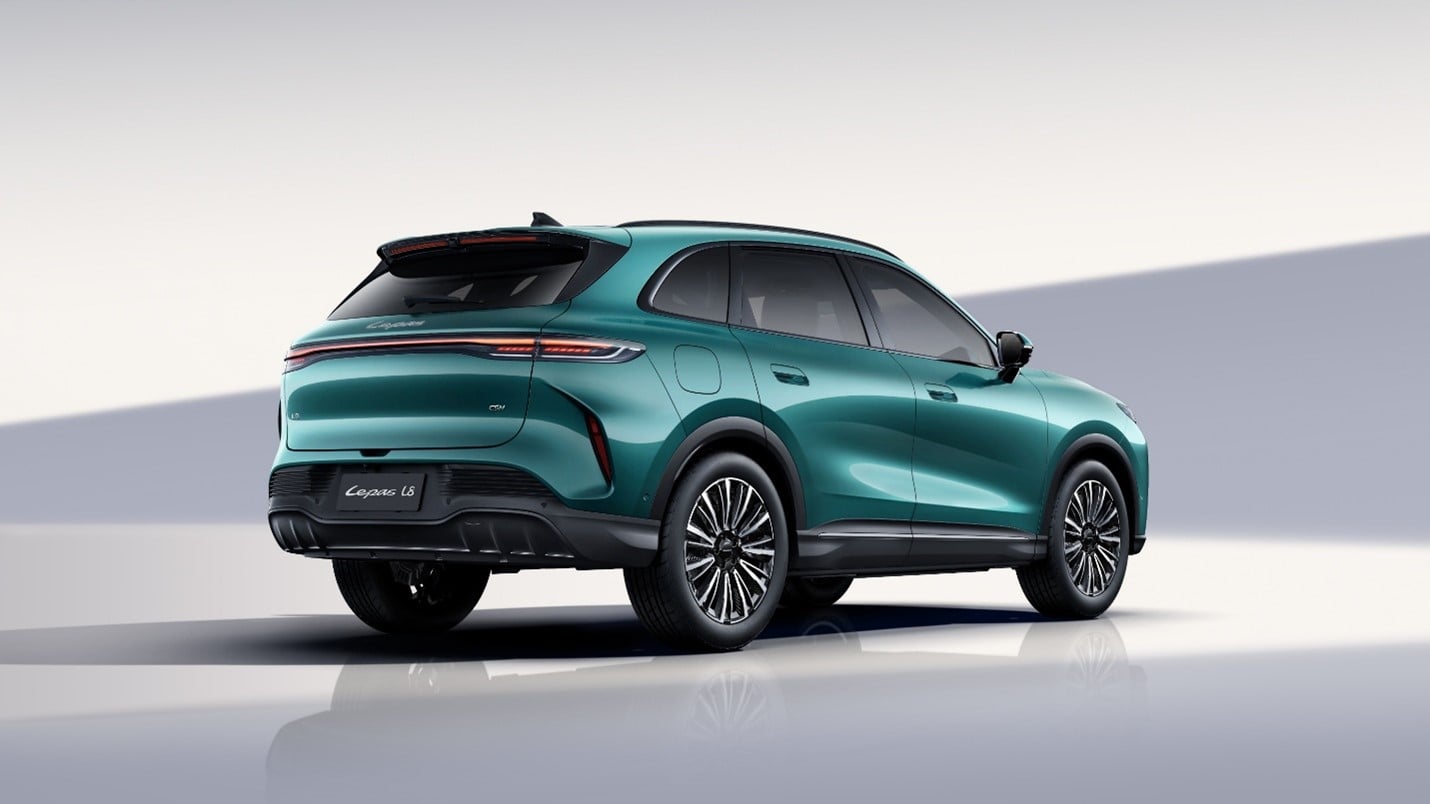
Lepas models will be positioned as design-driven, lifestyle-oriented SUVs aimed at drivers looking for individuality and flair alongside versatility. The company says its vehicles will break away from what it calls the “responsible-but-boring” SUV formula, combining bold exterior styling, expressive colour palettes, and driver-focused interiors.
“Lepas is about more than just transport, it’s about expression, emotion and energy,” Harris added. “We are thrilled to bring Lepas to Australia, a market that values both lifestyle and practicality.”
While detailed specifications remain under wraps, Lepas says customers can expect a full suite of modern technologies, premium design touches, and everyday comfort features suited for urban and suburban living. Pricing and exact launch models will be announced closer to the brand’s official debut.
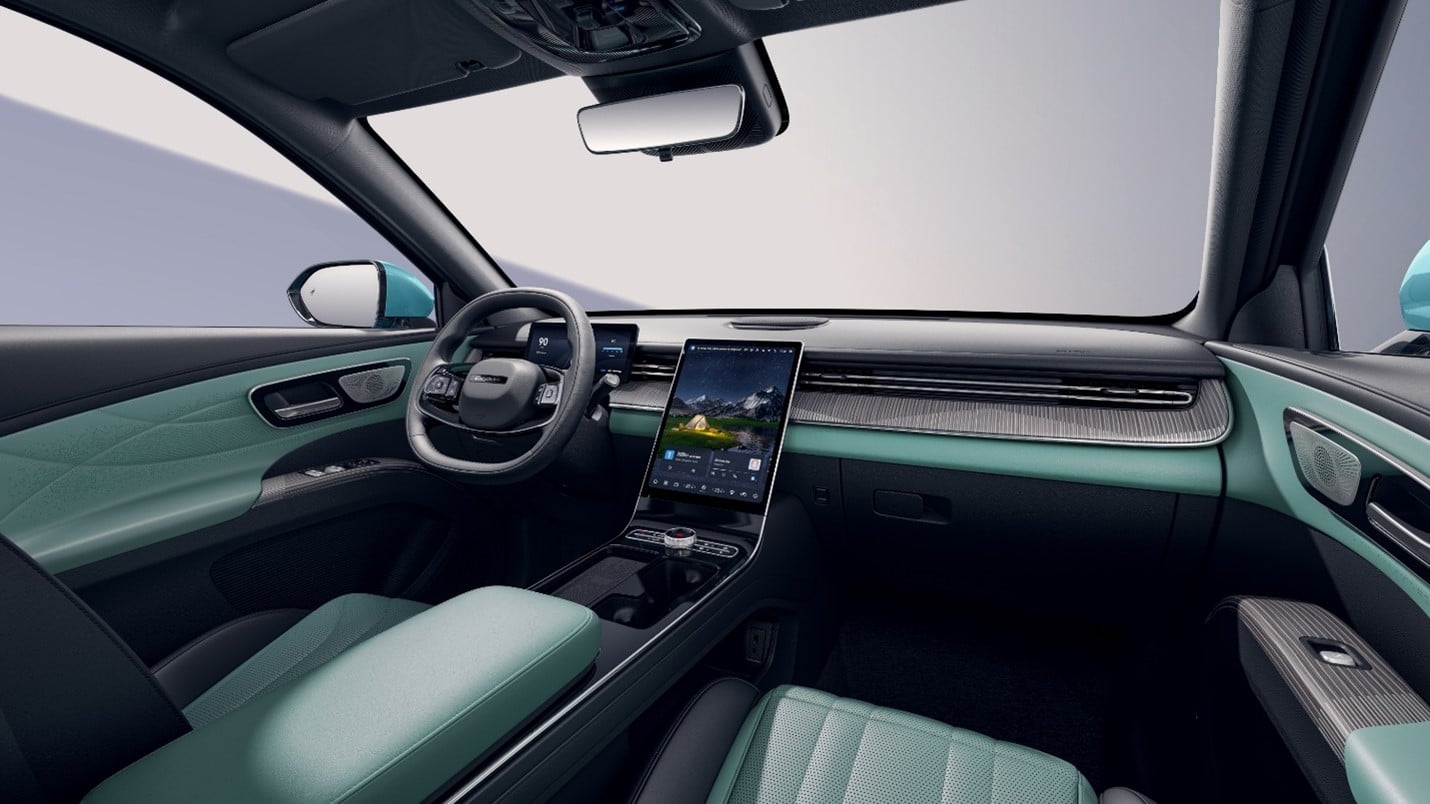
Globally, Lepas is positioned as a youthful, design-led extension of Chery, inspired by the leopard and rooted in the company’s ‘Natural Energy; design philosophy. It has been created for “next-generation urban elites and families’”’ who value style and technology as much as practicality.
For Chery, which has been steadily expanding its Australian footprint, the arrival of Lepas represents an opportunity to attract a new audience and compete in one of the most competitive SUV segments in the market.
Tsutomu “Tom” Matano, the Japanese-born designer credited with shaping the original Mazda MX-5 Miata, has died at the age of 76. Mazda confirmed his passing on September 20, 2025, paying tribute to a man whose work helped define one of the most beloved cars in automotive history.
Matano joined Mazda in 1983 after stints at General Motors and BMW, where he had already honed his eye for clean, driver-focused design. Within a few years he was leading the team that created the first-generation MX-5, unveiled in 1989. Known internally as the ‘NA’ Miata, the lightweight two-seater quickly became a sensation for its balance of affordability, nimble handling, and approachable styling.
More than 1.2 million MX-5s have since been sold across four generations, making it the world’s best-selling two-seat sports car. While later models adopted sharper, more aggressive lines, the car’s central philosophy – simple, lightweight fun – has endured, a testament to Matano’s original vision.
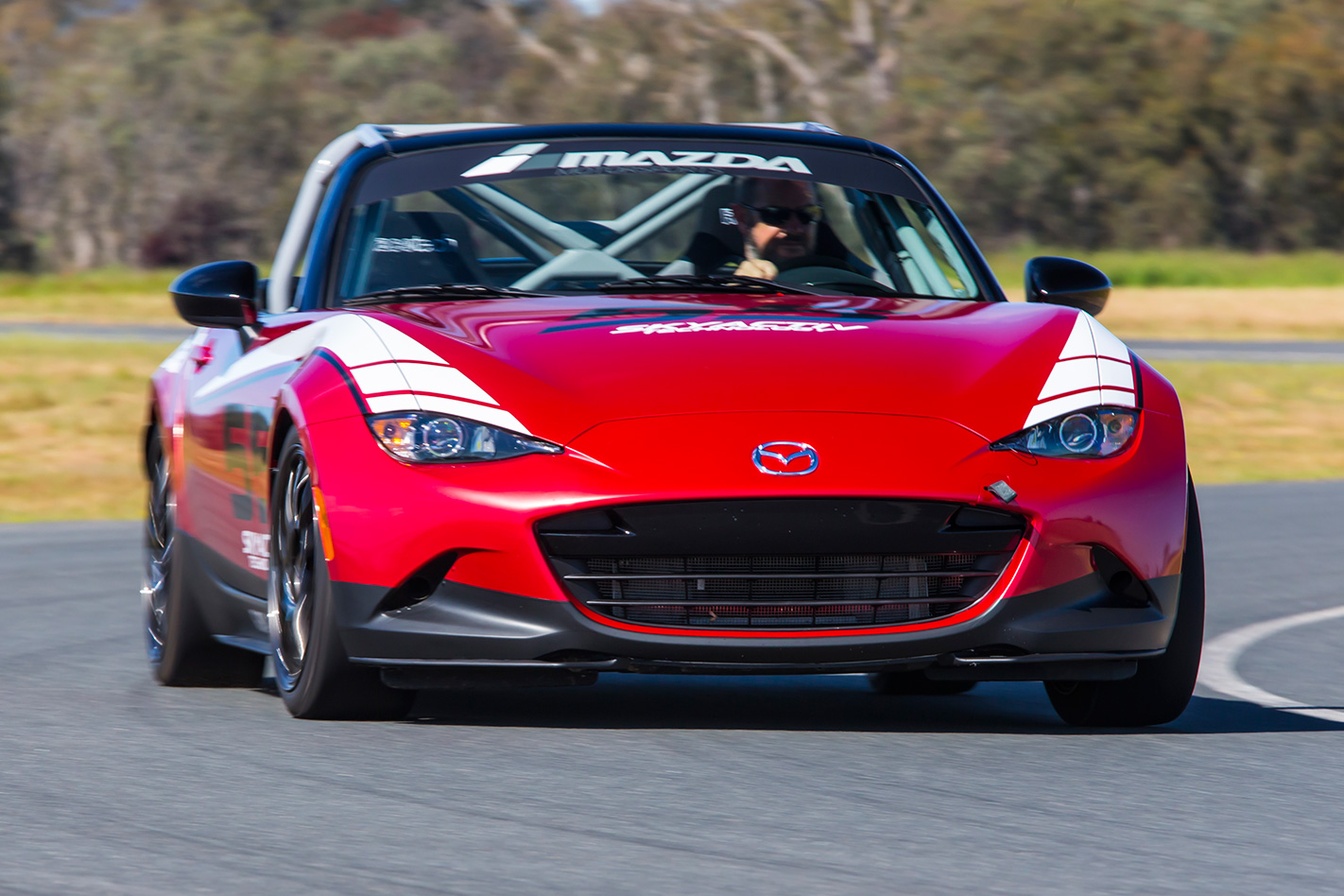
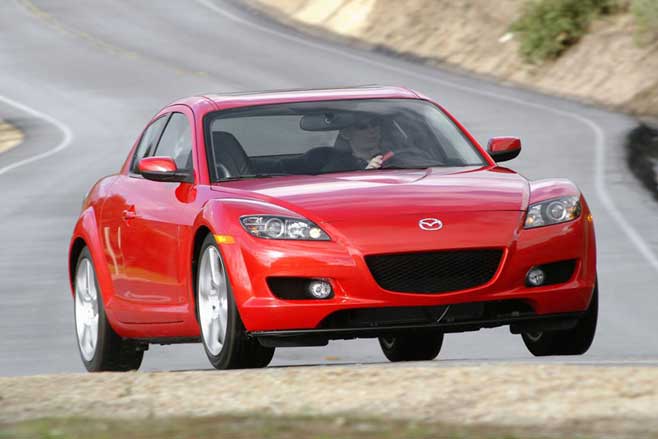
During his Mazda career, Matano also contributed to other icons. He had a hand in the FD-generation RX-7, revered for its sleek looks and rotary performance, and the Cosmo sports coupe powered by a triple-rotor rotary engine. He was also involved in the RX-8 and the 1996 Miata M Coupe concept, an experimental hardtop version of the MX-5.
After retiring from Mazda in 2002, Matano dedicated himself to education, serving as Executive Director at the Academy of Art University in San Francisco. He remained a passionate ambassador for Mazda and its fans, frequently appearing at enthusiast events worldwide. Affectionately known online as “MiataPapa,” he proudly drove both a silver RX-7 FD and an MX-5 M Edition.
Mazda said in a statement that Matano’s “passion for design, innovation and the joy of driving will continue to inspire generations of car enthusiasts.” For millions of MX-5 owners and admirers, his legacy lives on every time the lightweight roadster takes to the open road.
CUPRA has confirmed the Terramar VZe, its new flagship medium SUV, will launch in Australia this November, priced from $77,990 RRP.
Positioned as accessible luxury, the VZe blends performance, electrification and premium equipment in one package.
At its core is CUPRA’s second-generation plug-in hybrid system, pairing a 1.5-litre turbocharged petrol engine with an electric motor for 200kW and 400Nm. Power is sent to the front wheels via a 6-speed DSG transmission with paddle shifters, giving the SUV a 0–100km/h sprint time of 7.3 seconds. A 20kWh battery allows up to 110km WLTP electric driving range, with both 11kW AC and 50kW DC fast-charging options. Combined-cycle fuel use is rated at just 0.5L/100km.
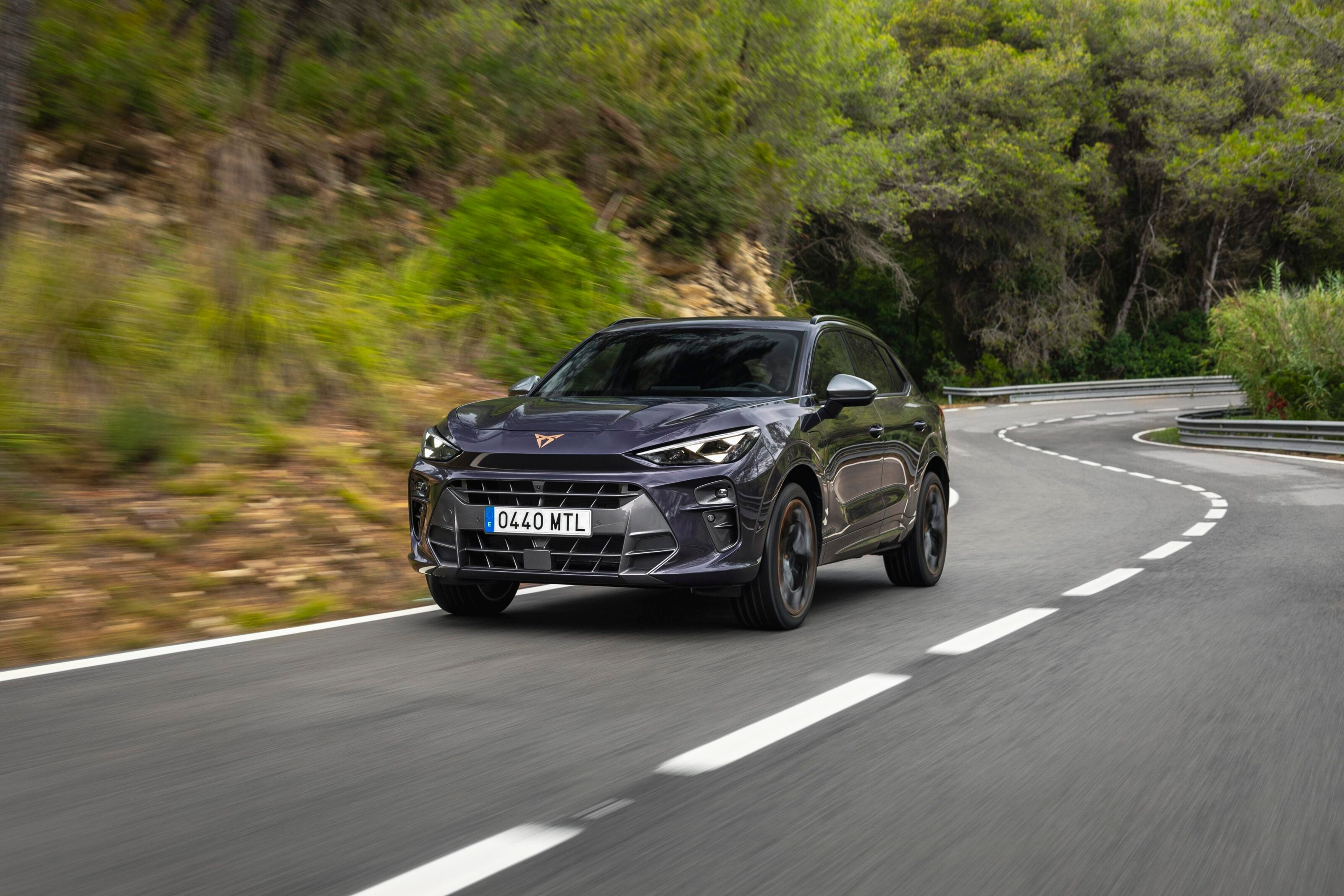
The Terramar VZe builds on the sporty specification of the Terramar VZ, adding 20-inch Hadron black-and-copper alloy wheels, Dynamic Chassis Control (DCC) Pro, and multiple drive profiles including Comfort, Performance and CUPRA to assist performance whether on a winding back country road or in daily city commuting.
Inside, the cabin features Deep Burgundy leather-appointed sports bucket seats, a Supersport heated steering wheel, 12-speaker Sennheiser audio, and a panoramic digital layout with a 10.25-inch Digital Cockpit and 12.9-inch central touchscreen supporting wireless Apple CarPlay and Android Auto. Standard equipment also includes a 360-degree camera, Matrix LED headlights, 3-zone climate control, and a power tailgate with kick sensor.
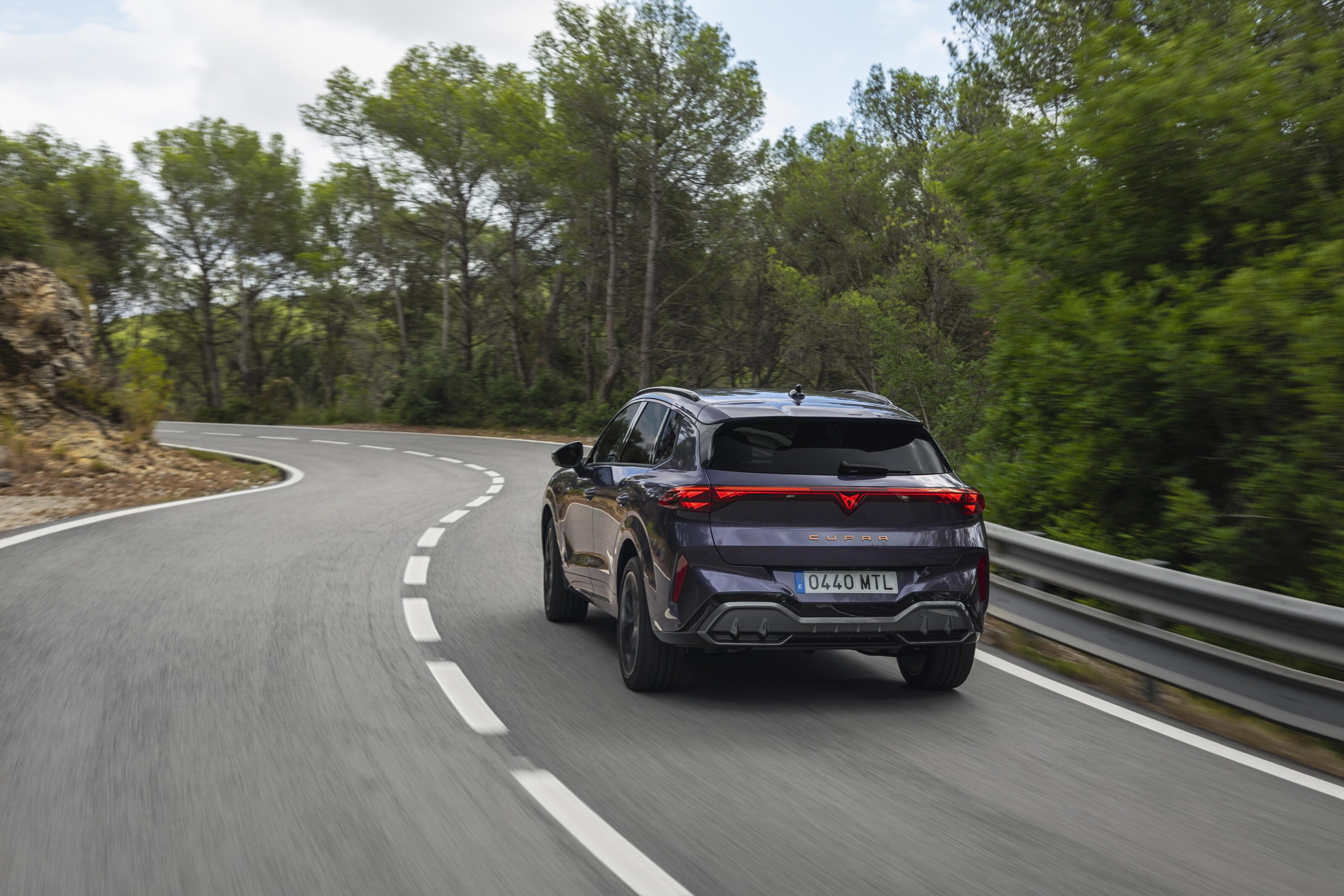
On the safety front, the VZe is equipped with adaptive cruise control, lane assist, Front Assist with pedestrian and cyclist detection, Park Assist, driver fatigue monitoring, and semi-autonomous Travel Assist.
CUPRA Australia head of product Jeff Shafer said the new PHEV represents the brand’s ethos. “The Terramar VZe proves medium SUVs can be both engaging and efficient, stylish and spacious,” he said.
Options include Century Bronze matte paint ($2,900), Dark Void premium paint ($620), and a $2,000 panoramic sunroof. The Terramar VZe will join a broader SUV family that also includes the Terramar S mild-hybrid, Terramar V turbo petrol, and Terramar VZ performance petrol variants.
Motorists in Melbourne have been left puzzled by a strange roadside camera spotted along busy Canterbury Road in Albert Park – but the mystery has now been solved.
The unusual trailer-mounted unit, photographed and shared on social media earlier this week, sparked speculation among drivers about whether it was monitoring mobile phone use. The post quickly drew more than 100 responses as users debated its purpose.
Speaking to Yahoo News Australia, a spokesperson for Victoria’s Department of Transport confirmed the device is a privately-owned experimental camera, supplied by US company Verra Mobility, which describes itself as a global leader in traffic enforcement and road safety technology.

The spokesperson explained the camera is not linked to enforcement at this stage. Instead, it is running a four-week trial until September 19, 2025, collecting data to test its accuracy and effectiveness in real-world conditions.
According to Verra, the trailers are capable of detecting a wide range of offences simultaneously – including speeding, average speed between two points, red-light running, bus lane misuse, seatbelt use, and mobile phone offences. The technology also incorporates automatic number plate recognition.
“This innovation lets us monitor multiple violations at once, unlike traditional single-purpose speed cameras,” a Verra Mobility representative told Yahoo News. “With two trailers working in tandem, we can also measure average speed across a stretch of road, not just at one fixed point.”
Verra Mobility’s senior vice president, Steven Crutchfield, emphasised the trial is about calibration and validation, not enforcement. He added the trailer units eliminate the need for staff to operate roadside cameras directly, reducing safety risks for workers near fast-moving traffic.
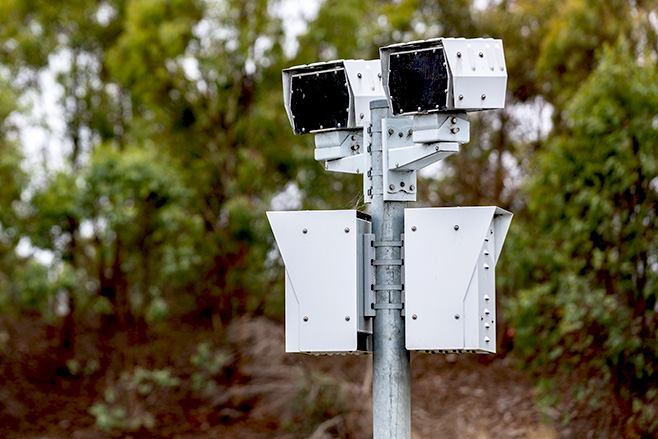
“Unlike fixed cameras, these mobile systems can be positioned almost anywhere – on urban streets, rural highways, or near high-risk zones – and relocated at short notice,” Crutchfield said. He noted that this flexibility creates “a psychological effect” where drivers are more cautious if they believe enforcement could occur at any time.
Verra Mobility already operates more than 9,000 cameras worldwide, logging hundreds of thousands of operational hours. Whether Melbourne drivers will eventually see the new units rolled out permanently remains a decision for the Victorian government.
As far as announcing yourself to the Aussie market goes in 2025, a dual-cab ute is as big a statement as you can make. Mercedes-Benz tried it. And failed. Volkswagen did it and realised it was so expensive to keep up, that partnering with Ford made more fiscal sense. And now, a BT-50 is a D-Max, and an Amarok is a Ranger, even though a BT-50 used to be a Ranger, such is the convoluted way this segment works.
Medium SUVs aside, there is no harder fight in the Australian new-car market than dual cabs. Opinions are like – well, you know what they’re like – and everyone has an opinion on dual cabs. Mostly, if you don’t own one, anyone who does is an idiot who is buying a vehicle they don’t need. You’re disappearing into a vortex with that argument, though. Where do you draw the line? Ban them? Ban anything larger than a medium SUV?
But justifying a dual cab’s credentials in the current electric-focused climate is a thankless task, that’s for sure. Regardless, Australian buyers love them. Just look at the sales charts.
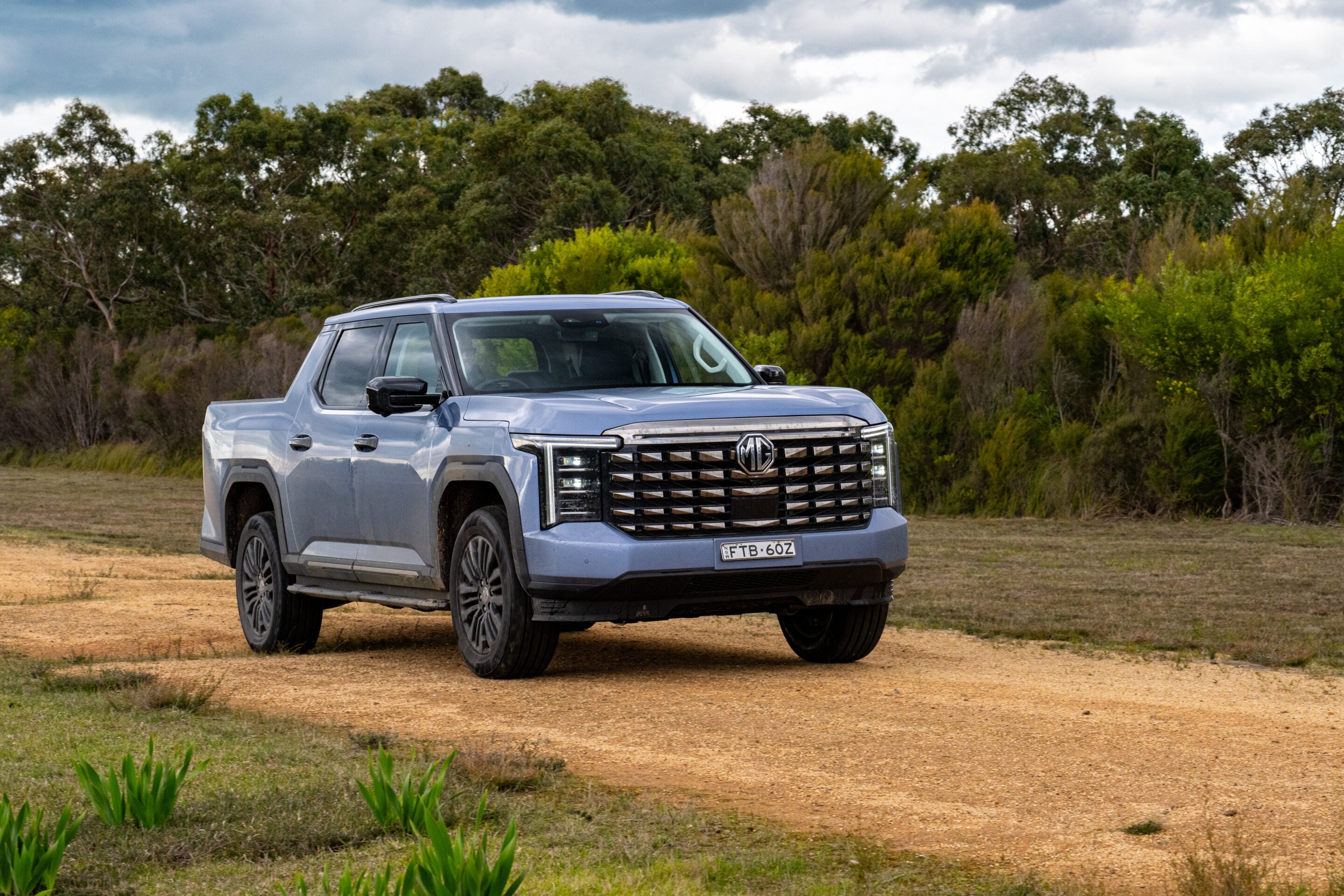
Now, MG has entered this firefight with its U9, a ute that on the spec sheet at least, looks to be packed with all the standard equipment you’d demand of a new entrant. And that was before MG had announced the price. Three models will be available from launch: Explore at $52,990, the Explore X at $55,990 and the Explore Pro at $60,990, all listing with sharp, drive away pricing. We know then, that the U9’s value equation will be compelling and it continues MG’s run of attacking the market with a price point that raises eyebrows.
Will it be enough to convince Aussie buyers to take the punt? The success of GWM, LDV and BYD with their dual cabs suggests conversion won’t be a problem… but time will tell. MG is adamant that it won’t be known as a seller of small, cheap vehicles.
“Many of you have witnessed my journey leading MG from zero to a top 10 brand in Australia and NZ,” MG CEO Peter Ciao told media at the launch of the new U9. “Small and best value cars, cars that help Australians fall in love with our brand. But today that story enters a new chapter, from this moment the era of MG only making small cars is over.”
Strong words from a CEO, who has the sales credentials and success in this market to back them up.
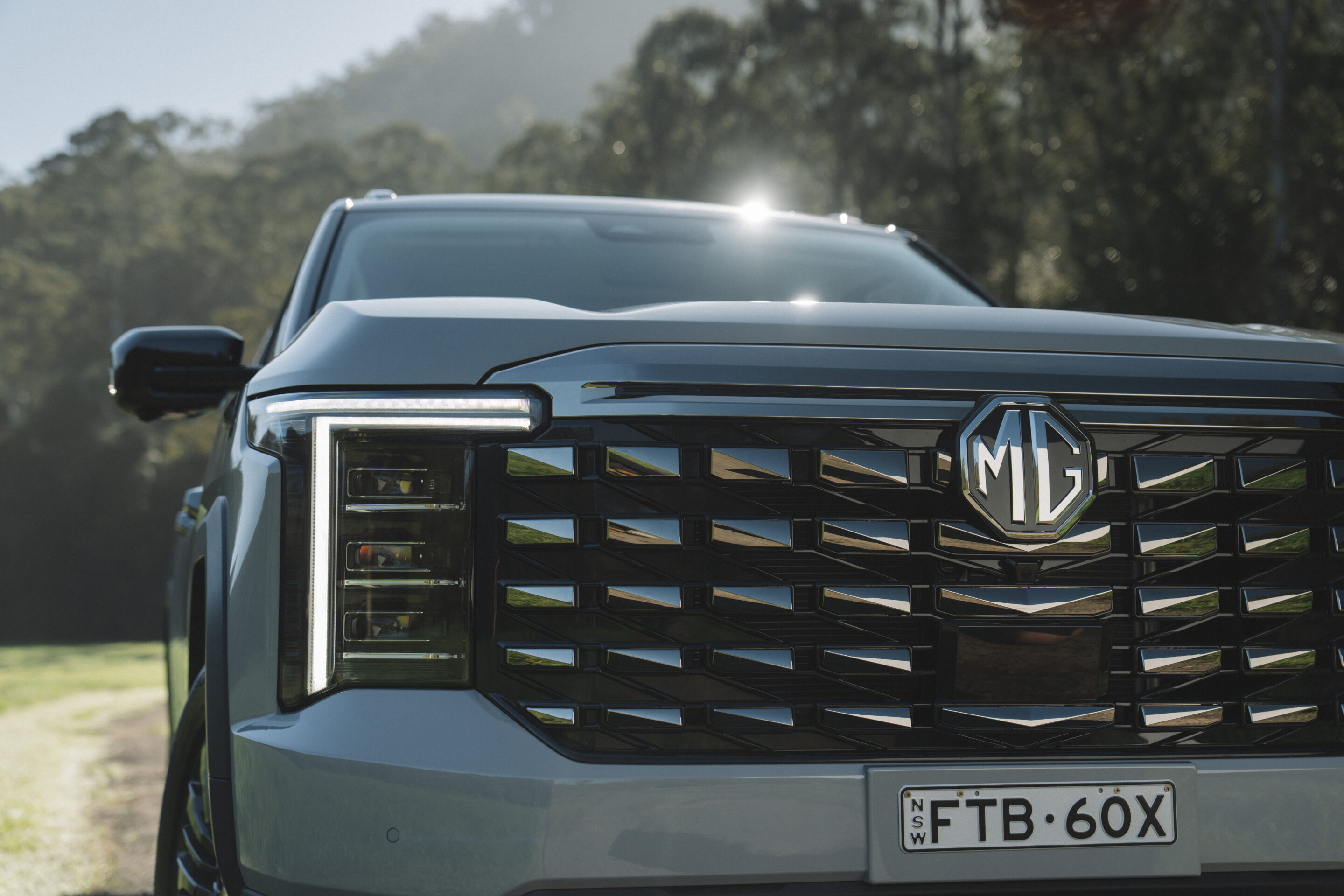
Where the U9 steps off on the right foot is its use of high-quality components from known manufacturers. Rather than develop its own transmission for example, MG has opted for the excellent eight-speed ZF we’re familiar with, which has found a home under everything from BMWs to Land Rovers. There’s a Borg Warner 4WD system, and Bosch electronic stability programming. If buying a vehicle from a challenger brand is something of a risk, much of that is mitigated by the inclusion of crucial components from respected companies.
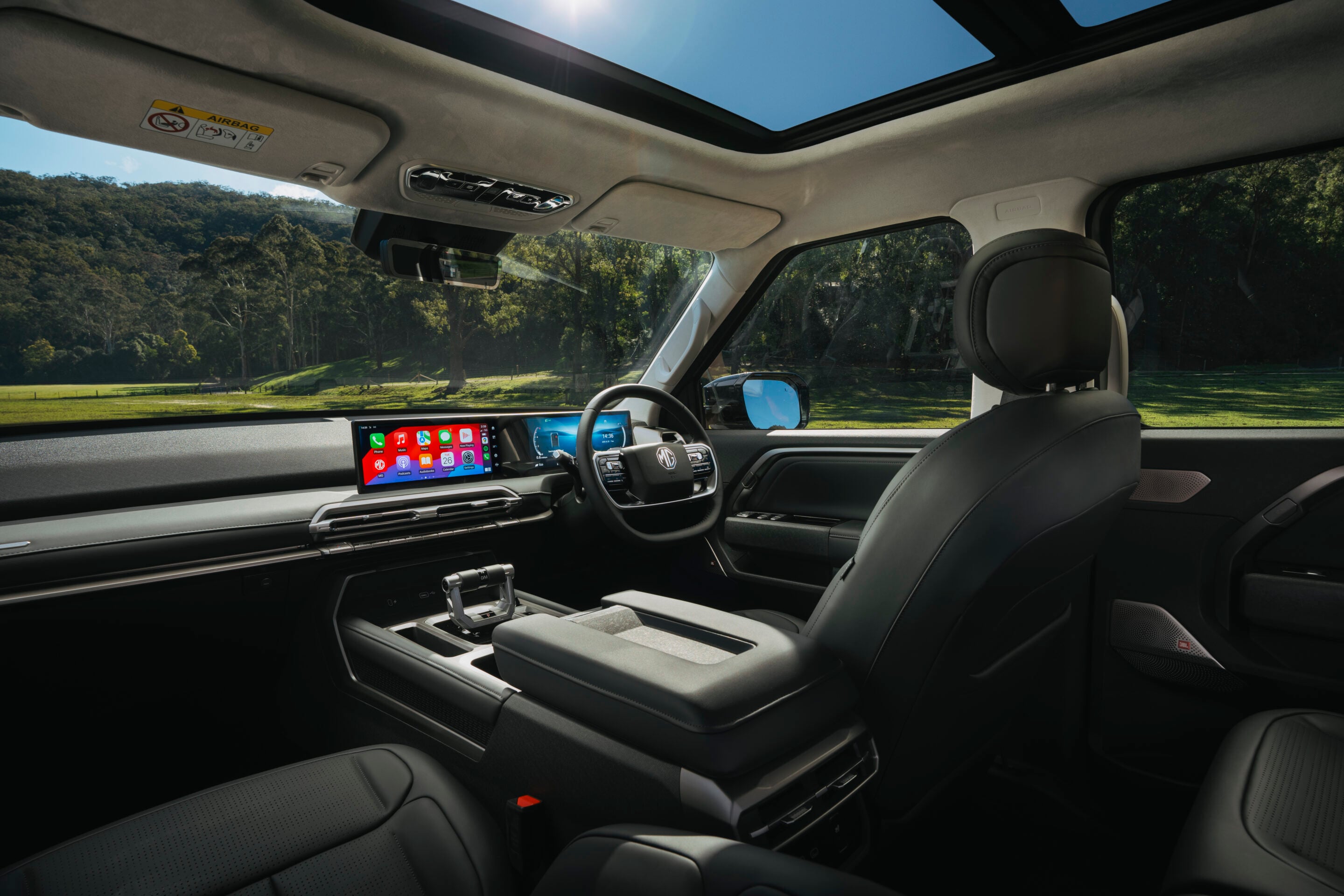
The cabin delivers a premium air, with plenty of high-tech inclusions, big screens and sensible controls mounted where they are easy to access. The 12.3-inch infotainment control screen was responsive to commands during our brief foray and there’s wireless smartphone connectivity and charging. You get high-definition images, along with HD360 degree cameras, premium vegan leather trim, heated seats front and rear and vented seats up front.
Pricing
| MG U9 Explore | $52,990 |
|---|---|
| MG U9 Explore X | $55,990 |
| MG U9 Explore Pro | $60,990 |
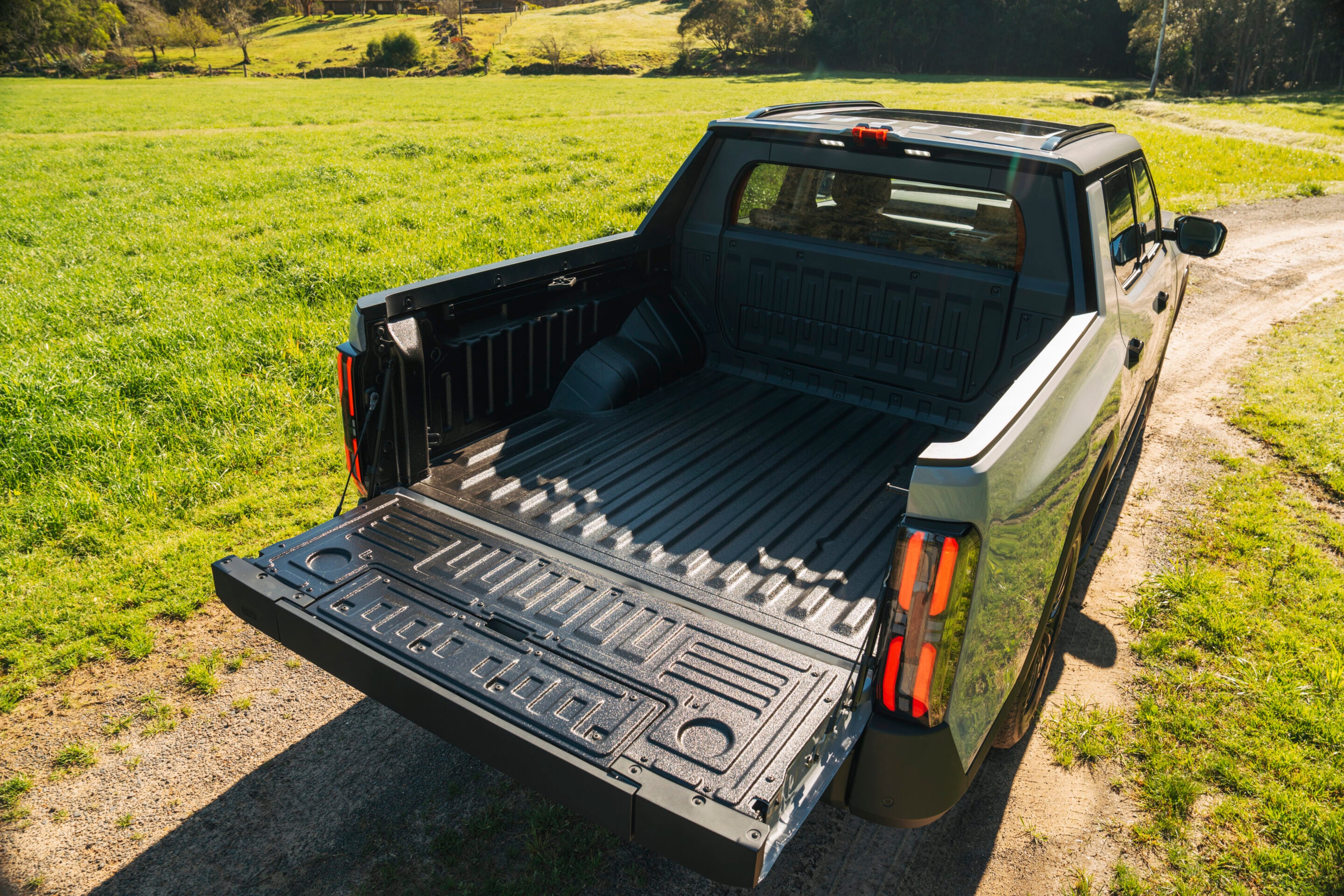
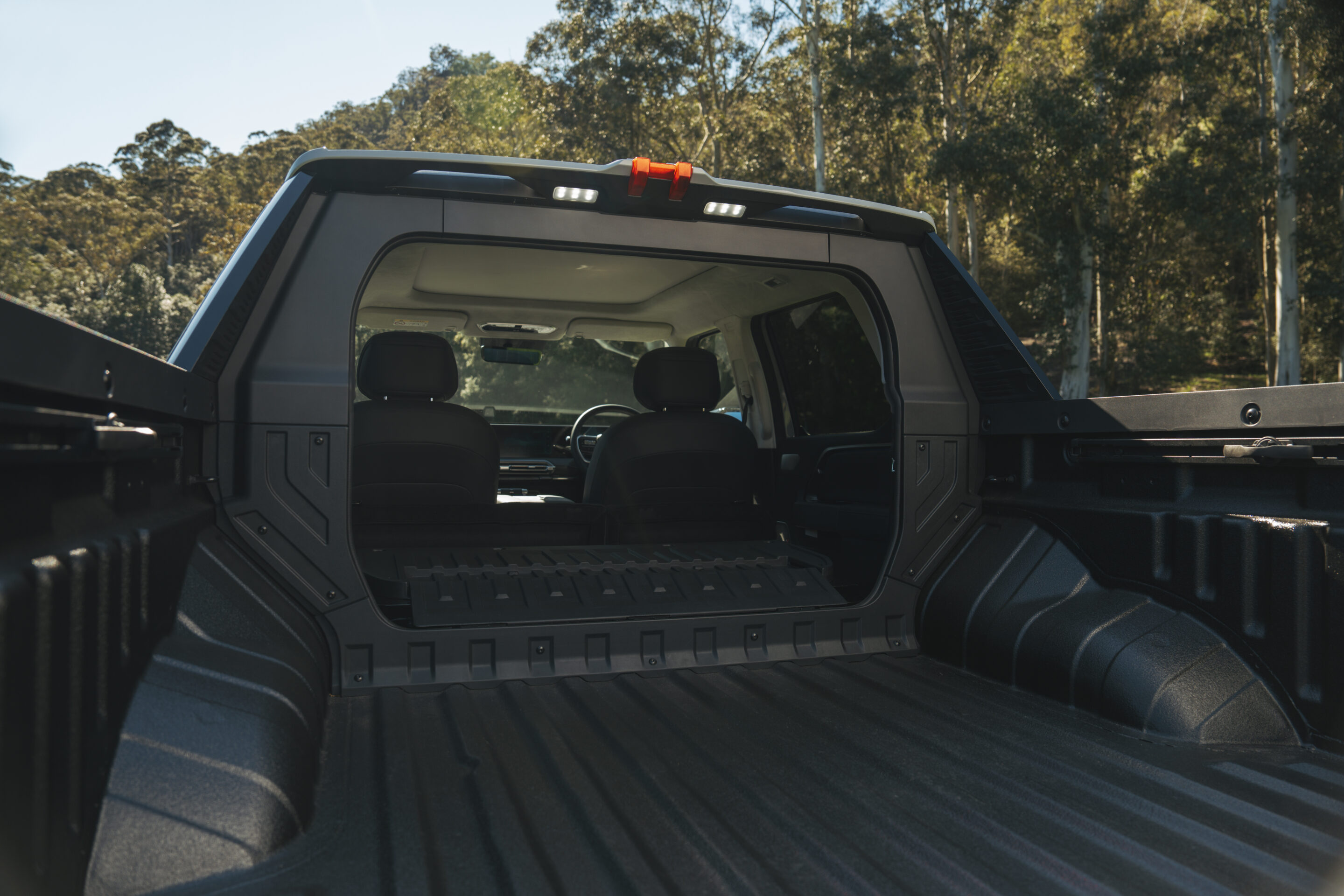
There’s also the – slightly crazy – drop down rear firewall behind the seat back, which will be an option on the range-topping model. Fold the back seat out of the way, hit a switch and the entire rear panel drops down to open the rear of the cab right out to the tray. Like the step-down tailgate that much has been made of, it will be fascinating to see how many buyers take up this option. It’s complex, and I worry about durability, especially if you’ve got kids messing around with it, but it’s a party truck no other dual cab can match.
The balance of the spec sheet ensures the MGU9 counters the segment, certainly on paper. Our launch drive is a short, dirt road affair, with broader sealed road testing to come, but if you look first at the standard features, the U9 appeals. There’s a 2.5-litre, turbo diesel, four-cylinder engine, without the complexity of a hybrid or plug-in hybrid system. That is likely to come, but for the moment, the type of buyer who wants simplicity will be attracted to the U9’s offering.
There’s the aforementioned eight-speed automatic, full-time 4WD, low range gearing, an electronic rear diff lock for Explore and Explore X, an electronic front diff lock for Explore Pro, and multi-link independent rear suspension. The latter is a crucial inclusion for those of you driving on sealed roads around town, where unladen ride quality – or the lack of it – is often the bugbear of the established dual-cab brigade.
That ride quality is immediately evident as we head down a rutted dirt road. Even on the steep, loose and rocky uphill climb of the off-road section, the U9’s rear end is stable and balanced. The electronics take care of any unnecessary scrabbling, but the mechanical design of the rear end gives it a fighting chance. On-road though, through our potholed urban road network is where it will shine brightest.
For the off-road climb we switch over to low-range (which you need to shift into neutral to do), and select the rock driving mode. The rear diff stays unlocked, so we can see exactly how the U9 approaches the climb. It’s impressive and there are no issues climbing to the top with very minimal slippage, mainly on the tight switchback sections. It will be interesting to see how the system handles even tougher terrain. Throttle modulation seems to be smooth too, such that you aren’t jerking into and out of it as you regulate the speed up the climb. Not all low-range 4WD systems are created equal, but the U9’s on first touch appears to work well enough. Evaluation has been undertaken in Australia to assess its ability to deal with our conditions, but there was no re-engineering done.
These vehicles are pre-production and fitted with a variety of different tyres, some of them all-terrain rubber, so we don’t yet know what the standard offering will look like, although with the Explore Pro model getting the front and rear diff locks as standard, it’s likely to be the one fitted with more aggressive tyres.
I get behind the wheel of another U9 that has a large, approximately 2600kg caravan hitched up. It’s enough heft that if the chassis is prone to experiencing shunting and the issues associated with weight over the rear, you’ll certainly feel it – even at low speed. The dirt road we use is far from smooth, and yet the MG handles it easily. While I’d like to test it with a caravan on a stretch of 100km/h highway, the way it deals with the weight behind the rear axle is on par with any of the others in the segment.
On the higher speed dirt road section, the U9 rumbles along nicely dealing with potholes and washouts with comfort, with the gearbox especially working as smoothly as the ZF is renowned for. We don’t get up to a speed fast enough to judge its loose gravel smarts, but certainly for the type of national park touring plenty of us do, the U9 seems fit for purpose.
Our launch drive, in pre-production U9s, is enough to indicate there’s a lot of promise in this platform. Beyond the price and standard features list, MG has a contender on its hands. I don’t think anyone is expecting it to take on the sales of Ranger and HiLux, but the increasing proliferation of other Chinese-built dual cabs means Australian buyers are more attuned to value than ever before. More comprehensive testing awaits.
Trent Nikolic
How does the U9 compare?
For the purposes of this comparison, let’s take the current segment king, the Ford Ranger, and line the range-topping U9 Explore Pro up against the Ranger Wildtrak 2.0-litre, four-cylinder.
If money is no object, we’re recommending the V6 Ranger, but using the 2.0-litre, four-cylinder at least gives the MG a fighting chance.
Starting with price, the MG costs $60,990 drive away, while the Ranger starts from $69,640 before on-road costs. So, as expected from a challenger brand, there’s a big difference between the two – and there needs to be if MG is to convince regular dual-cab buyers to take a look at the new U9.
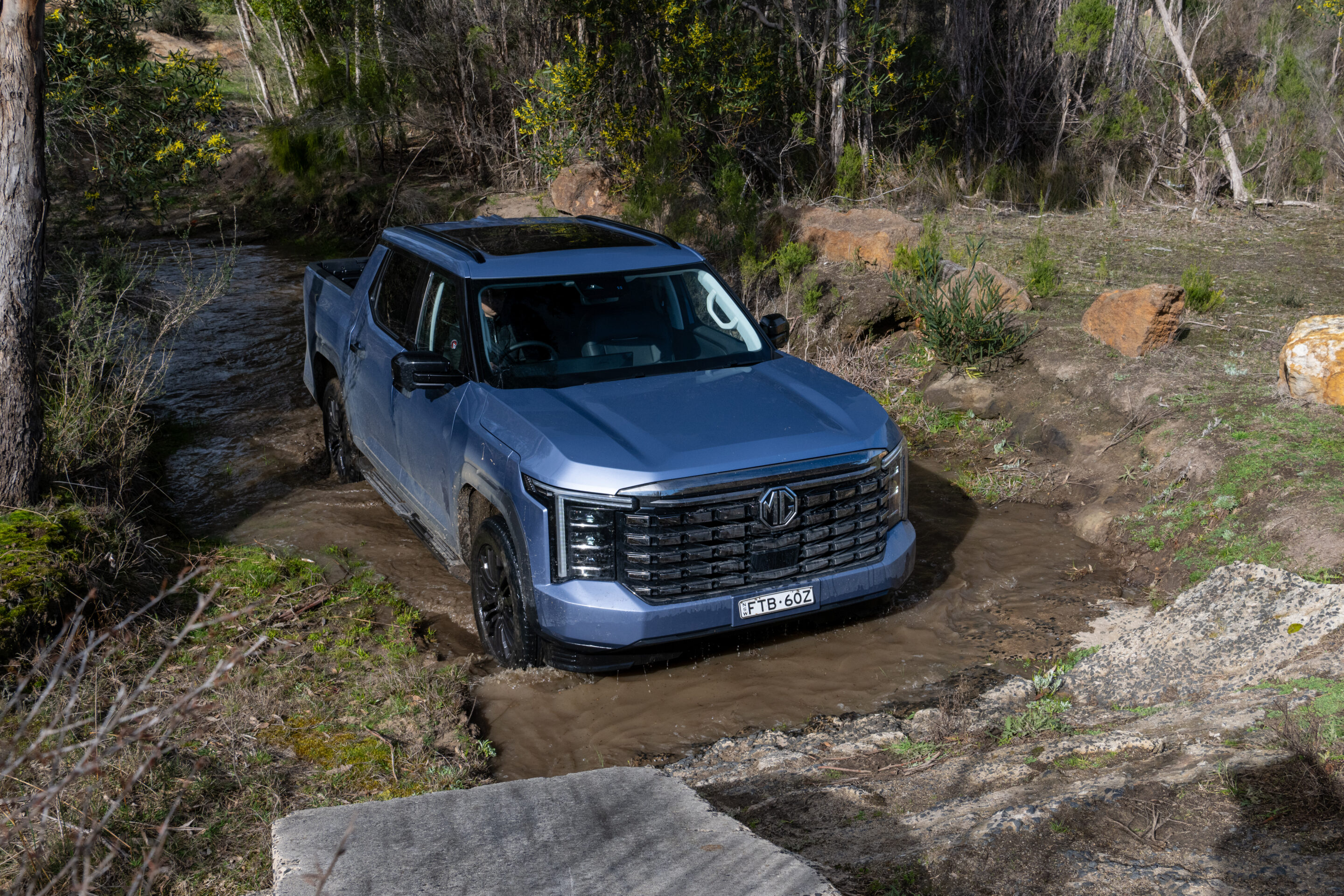
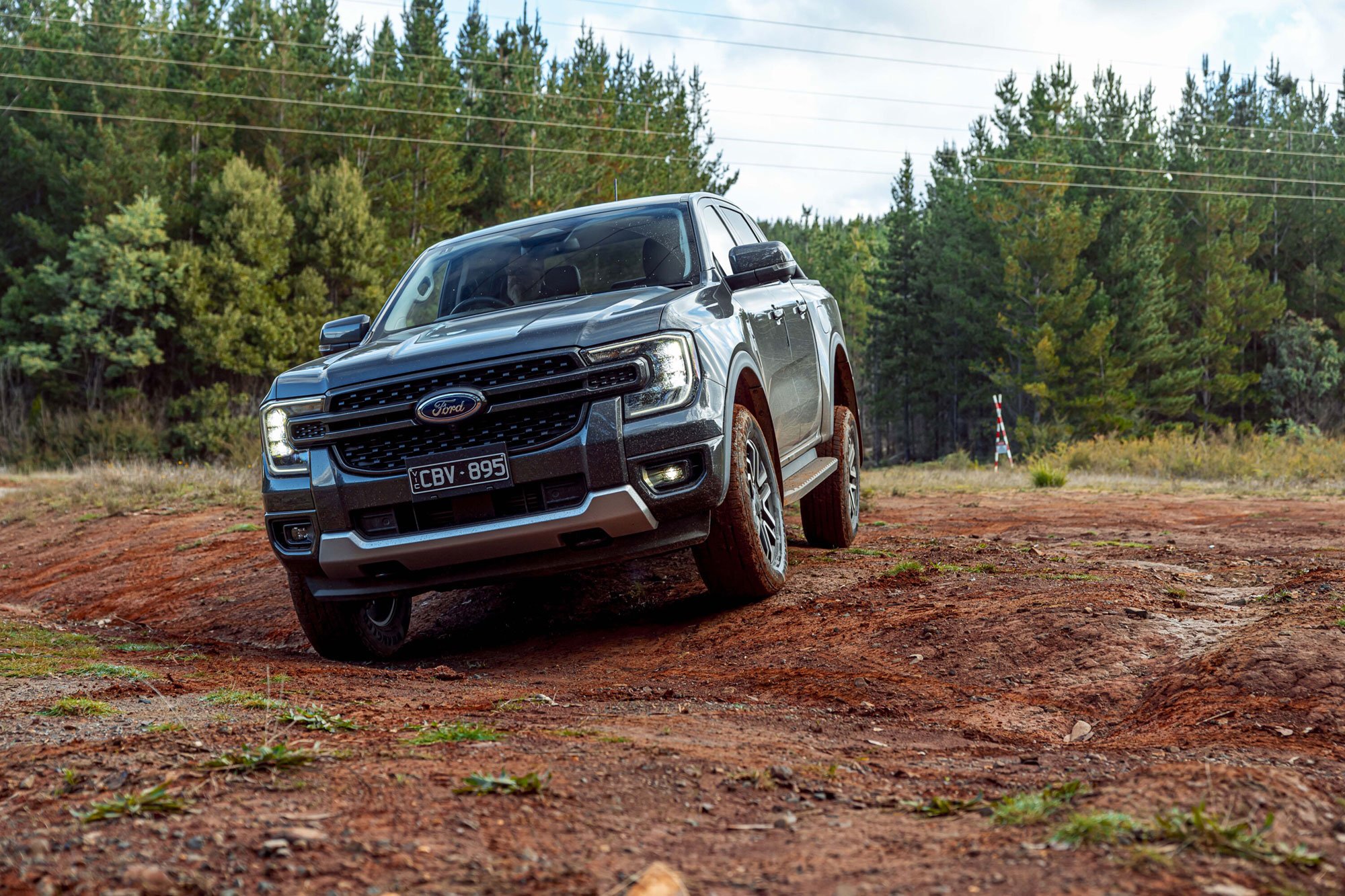
The Ranger’s 3.0-litre V6 is the pick of the segment when it comes to grunt, but the Bi-turbo 2.0-litre, four-cylinder still makes a decent fist of it, generating 154kW and 500Nm. That means the 160kW/520Nm U9 just out punches the Ranger, but only just. Ranger counters U9’s eight-speed auto, with a ten-speed unit but is part-time 4WD only. The Ranger is efficient, too, 7.2L/100km beats MG’s 7.9L/100km.
A key difference on-road will be the U9’s multi-link independent rear end, which side-steps the age-old concept of leaf springs and heads in a much more SUV-oriented direction. Ranger has always been as good as leaf springs get unladen, but coil springs will always perform better devoid of weight in the tray. Max the payload out though, and that equation changes. Both Ford and MG have opted for discs front and rear, the Ranger getting vented rear discs, while the U9 gets solid discs out back.
Ranger’s kerb weight of 2343kg, means it weighs in leaner than even the lightest U9, which tips the scales at 2450kg, while payload for the 2.0 Wildtrak is 937kg, easily beating the top spec U9’s 770kg. Tow rating is the same for both at 3500kg.
Plenty of you will never head off-road, and we know that most of the high-end dual cabs ply their trade in the cut and thrust of the city, but the off-road basics point the way of the Ranger. It’s 800mm wading depth blows the U9 out of the – ahem – water, while ground clearance (234mm) and turning circle of 12.9m are also more tight-track friendly.
The most fascinating thing about the dual cab segment in 2025 is just how much it has diverged from its rudimentary work truck beginnings. Under the skin, these are still trucks – that is a body and tray on a ladder-frame chassis – but the amenity, standard inclusions and driving dynamics are much more SUV-like. Comparing two on a line ball is harder than it’s ever been, but you can see here that for a first effort, MG has certainly given the spec sheet a fair shake. The performance of the U9 on road will be a significant part of whether it can be a success in this market.
Specs
| Model | MGU9 |
|---|---|
| Price | From $52,990 |
| Engine | 2.5-litre turbo diesel four-cylinder |
| Transmission | Eight-Speed ZF automatic |
| Drivetrain | Four-wheel drive |
| Power | 160kW |
| Torque | 520Nm |
| Fuel consumption | 7.9L/100km |
| Front suspension | Double wishbone |
| Rear suspension | Multi link independent |
| Fuel tank | 80 litres |
| Kerb weight | 2450kg to 2550kg |
| Gross combined mass | 6500kg |
| Payload | 770kg to 870kg |
| Braked tow capacity | 3500kg |
| Approach angle | 29 degrees |
| Departure angle | 25 degrees |
| Ground clearance | 220mm |
| Turning circle | 13.3m |
| Wading depth | 550mm |
| Overall rating | 7.3/10 |
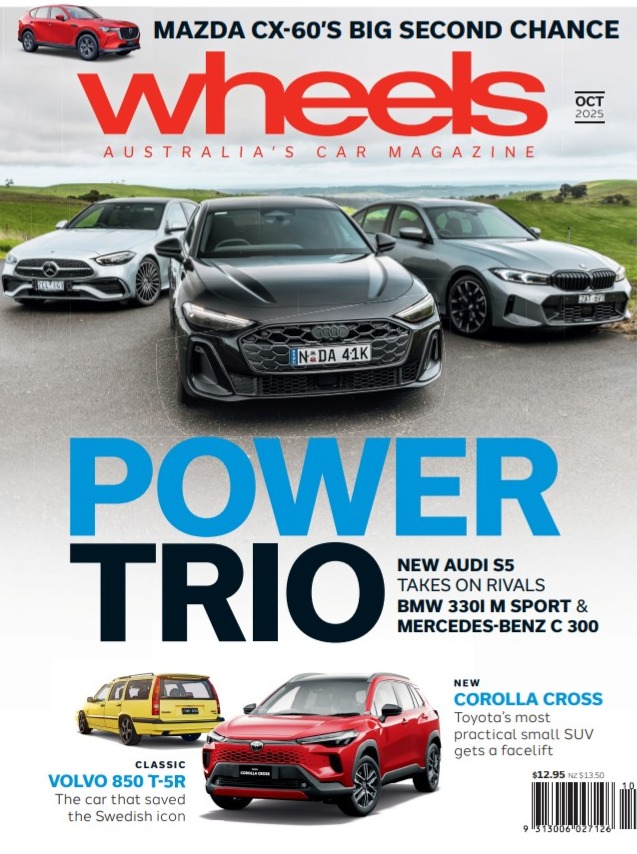
Get the October 2025 edition of Wheels for a full spectrum of motoring content, from motorsport insight to classic drives, latest model comparisons, first drives of a wide range of new models and our team’s pick of the Best Large SUVs currently on the market.
We open with an in-depth Wheels Interview with Roland Dane, one of the most influential figures in Australian motorsport. While best known for his powerhouse role in Supercars with Triple Eight Racing, Dane’s journey before the pit lane is just as compelling, as Paul Gover discovers.
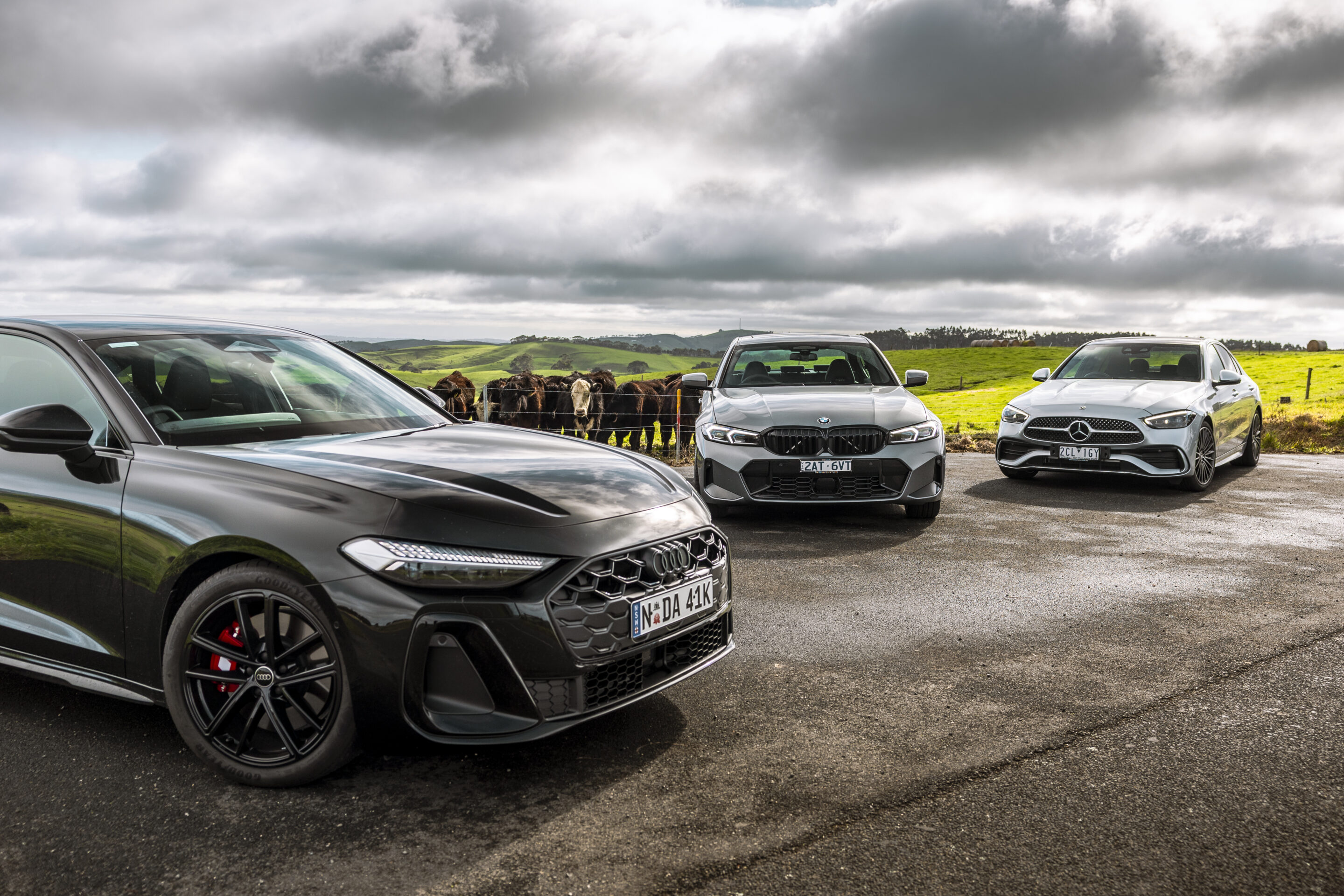
For those torn between Europe’s finest mid-size sedans, our comparo test pits the BMW 330i M Sport and Mercedes-Benz C 300 against Audi’s more recent S5 Edition One. The results certainly challenged our expectations.
Mazda’s second attempt at localising its CX-60 faces close scrutiny after early criticism of ride and suspension. Has the brand learned its lessons for Australian roads? We deliver the verdict.
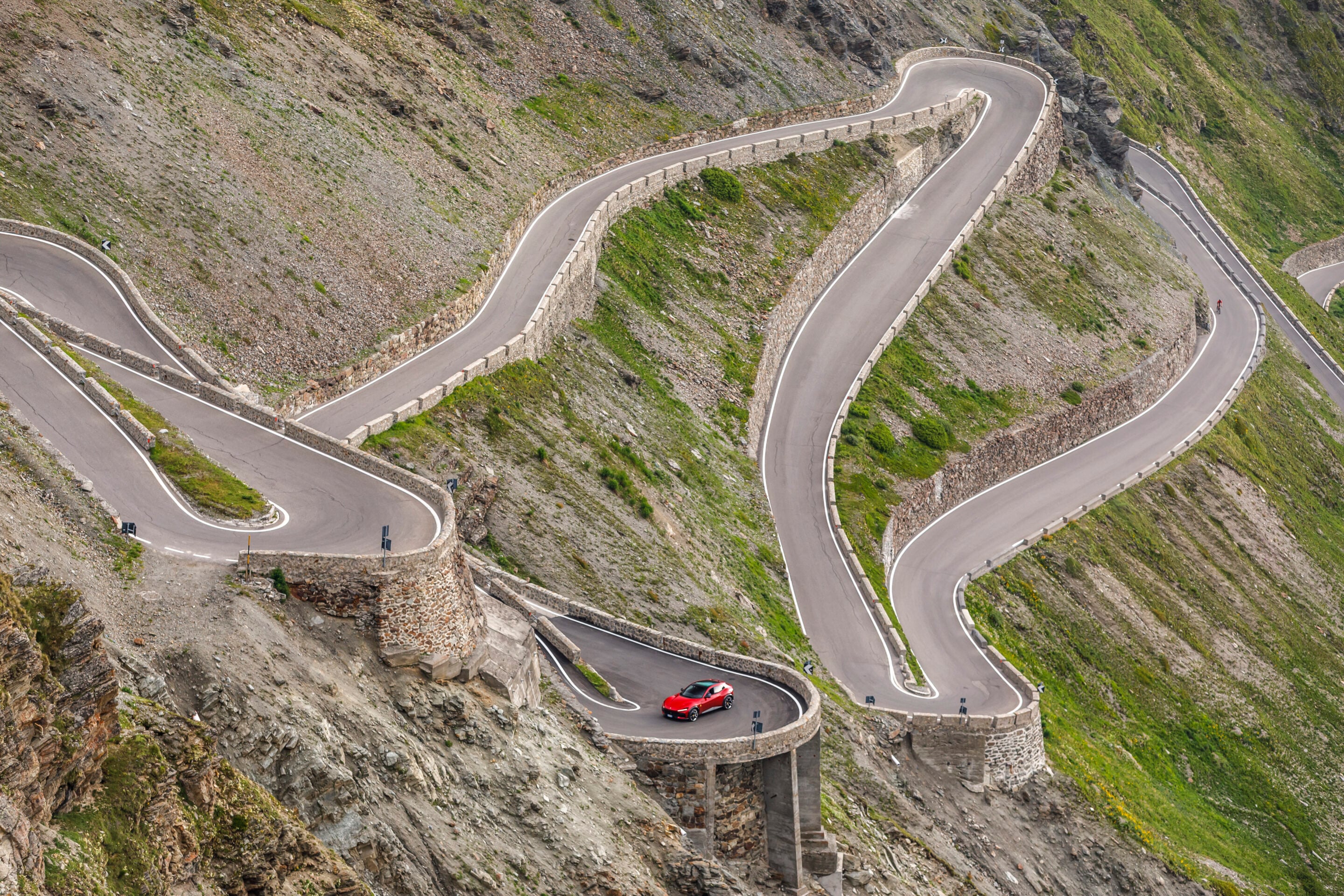
Exotic thrills come courtesy of Ferrari’s Purosangue, driven across Italy’s legendary Stelvio Pass. Reviewer Matt O’Malley combines the best of both worlds: the prancing horse’s first SUV and one of the most spectacular alpine roads in Europe. Remarkably, there was no one else there (photo as proof below)!
Our Modern Classic feature revisits Volvo’s 850 T-5R, the boxy yet brilliant yellow wagon that not only added character to Volvo’s image but helped rescue the brand from near-collapse.
The First Drives section spans a wide spectrum of vehicles. From the spacious GWM Haval H7 to the hotly-anticipated Volkswagen Golf GTI, the sporty Lexus RX500h, and refreshed Toyota Corolla Cross, through to the extreme Aston Martin Valhalla, Peugeot’s stylish 5008 GT Premium, and the luxurious Genesis Electrified GV70, the Wheels team brings you the essential verdicts.
BYD’s luxury sub-brand Yangwang has stormed into the record books, with its U9 Xtreme hypercar setting a new benchmark as the world’s fastest production car. The all-electric machine achieved an astonishing 496.22 km/h at Germany’s Automotive Testing Papenburg (ATP) oval, eclipsing the previous record of 490.5km/h set by the Bugatti Chiron Super Sport 300+.
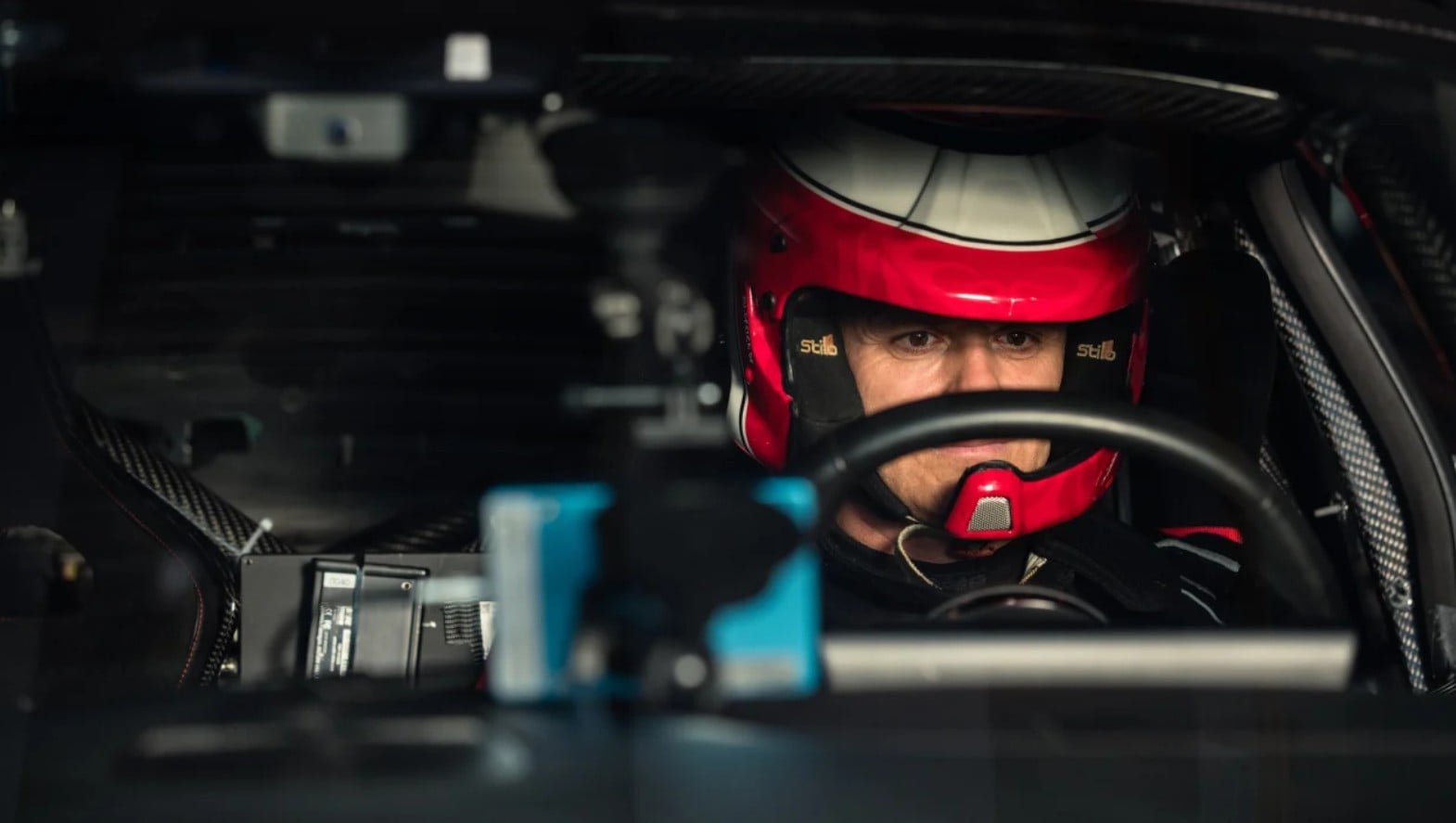
German racing driver Marc Basseng was behind the wheel during the record attempt. “This record was only possible because the U9 Xtreme has such incredible performance,” he said. “Technically, something like this is not possible with a combustion engine. Thanks to the electric motor, the car is quiet, there are no load changes, and that allows me to focus even more on the track.”
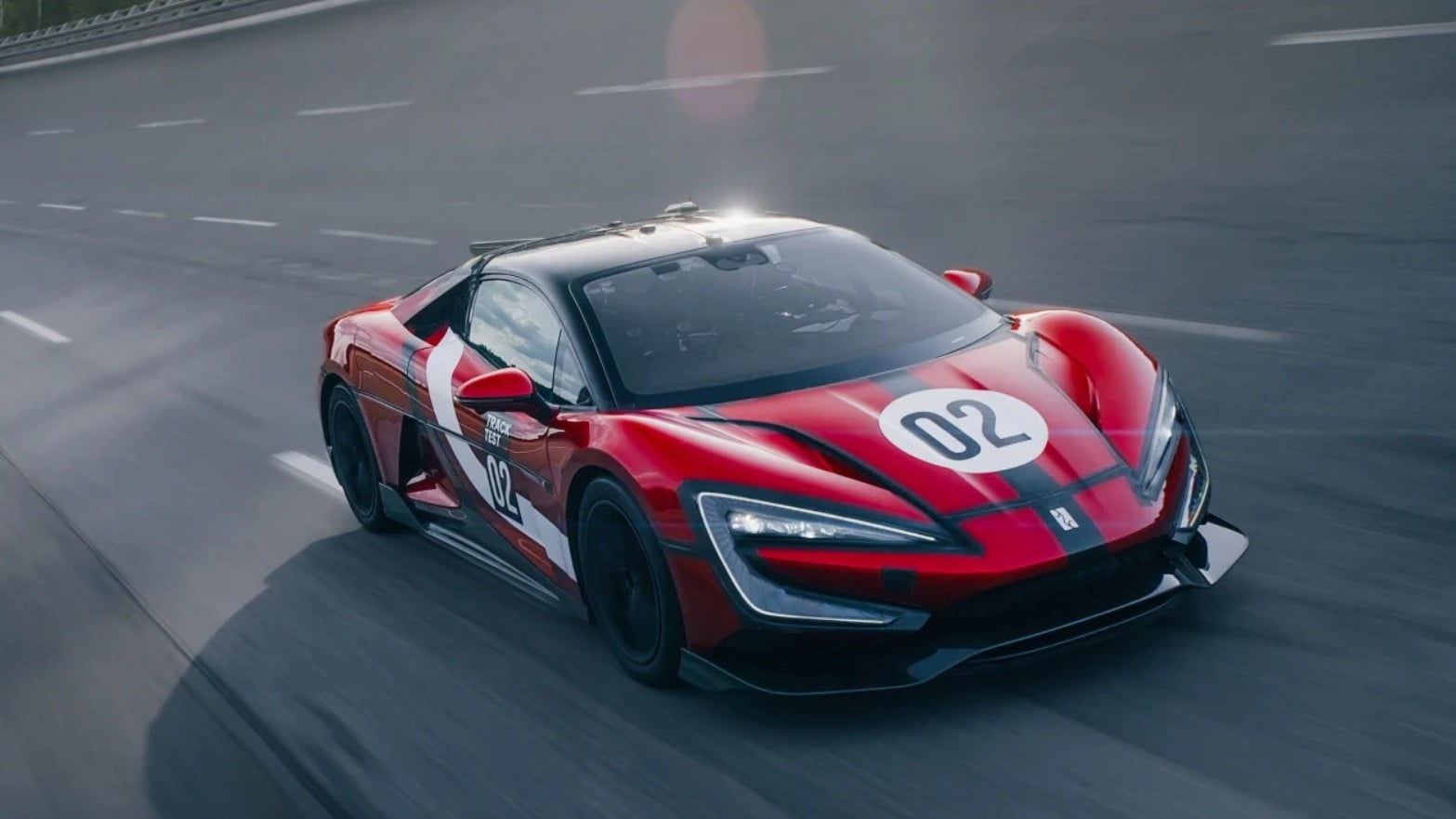
The U9 Xtreme is a highly upgraded version of the Yangwang U9 hypercar already sold in China. Basseng himself previously reached 375km/h in the standard U9 last year, while a Track Edition managed 470km/h earlier in 2025 to claim the title of fastest electric car. That model has now evolved into the Xtreme (U9X), which not only holds the EV record but the outright top-speed crown.
Key to its performance is a 1,200-volt electrical system, the first of its kind in a production vehicle, paired with BYD’s lithium iron phosphate ‘blade’ battery. Four electric motors, each capable of spinning at 30,000rpm, produce an eye-watering 2,176kW (2,959hp). The car also features a revised DiSus-X suspension system and specially developed semi-slick tyres to cope with the demands of speeds beyond 482km/h. Despite a kerb weight of 2480kg, the U9 Xtreme proved stable enough to rewrite the record books.
Yangwang says it will build no more than 30 examples of the U9 Xtreme, aimed at a very select group of customers. Its achievement marks the first time an EV has taken the title of world’s fastest production car, signalling a shift in the hypercar hierarchy as electric technology challenges petrol power for supremacy.
Attention now turns to the Koenigsegg Jesko Absolut, which is claimed to be capable of 498.9km/h. For now, though, the Yangwang U9 Xtreme sits firmly at the top of the speed charts.
Genesis, Hyundai’s luxury arm, is preparing to enter the hardcore off-road SUV arena, targeting iconic rivals like the Mercedes-Benz G-Class and Land Rover Defender. The company confirmed it is developing a new adventure-focused SUV, combining rugged capability with the high-end luxury that has become a hallmark of the brand.
The vehicle will draw design inspiration from the X Gran Equator (main and below) concept, first revealed at the New York Auto Show earlier this year. That bold show car blended boxy proportions with luxury detailing, pointing to Genesis’ future design direction.
Chief creative officer Luc Donckerwolke has openly expressed his enthusiasm for a production model, saying he “would love” to bring something similar to market — and customer interest suggests there is strong demand.

The yet-to-be-named SUV forms part of Genesis’ wider growth plan, which aims to lift annual sales from around 225,000 today to 350,000 by the end of the decade. Current models include the GV60 electric hatchback and Electrified GV70 SUV, but Hyundai Motor CEO José Muñoz outlined a broader future vision during the company’s 2025 Investor Day.
At the top of the agenda is a push into high-end SUVs, including a flagship Genesis GV90, described as having a “majestic presence.” Alongside this, the brand is considering an elegant convertible inspired by the X Gran Convertible concept to serve as an “Emotional Halo.” A new one-off personalisation program will also allow wealthy buyers to tailor every detail of their car.
Performance is another key pillar. The new Genesis Magma sub-brand will deliver road-going performance cars — beginning with the GV60 Magma later this year — and will also compete on track, with the Magma Racing Team confirmed for the 24 Hours of Le Mans in 2026. Future Magma EVs are expected to produce at least 447kW, with some models potentially exceeding 745kW.

Genesis is also planning its first hybrid in 2026, while future extended-range EVs (EREVs) could deliver more than 965km of driving range. A flexible next-generation platform, due in 2028, will support hybrid, electric, and range-extender powertrains, ensuring the brand can adapt to shifting global market demands.
With bold new SUVs, cutting-edge performance, and diverse powertrains, Genesis is positioning itself as a serious challenger to Europe’s luxury leaders — both on-road and off it.
