
Jaguar Land Rover (JLR) is grappling with a major cyberattack that has forced it to shut down IT systems and suspend production at plants around the world.
The incident, first reported last week, has halted operations at JLR’s major UK factories in Solihull, Halewood and Wolverhampton, as well as sites in India, Slovakia, Brazil and China. Dealerships are also affected, unable to process registrations or carry out servicing, leaving thousands of customers waiting for deliveries.
Although the company has said there is no evidence customer data has been compromised, the disruption is significant. Staff at several sites have been told to stay home, with the company confirming that production stoppages could last for weeks. Industry experts warn the process of safely restoring interconnected global IT systems could take months.
A group calling itself “Scattered Lapsus$ Hunters” has claimed responsibility for the attack. The same group has been linked to previous breaches at UK retailers including Marks & Spencer, Harrods and the Co-op.
The UK’s National Cyber Security Centre and other government agencies are now assisting JLR as it works to contain the breach and bring its systems back online. Cybersecurity analysts have described the attack as one of the most disruptive to hit the UK automotive sector.
The timing comes as JLR continues a brand overhaul, shifting toward electrification and repositioning Land Rover models under the Range Rover, Defender and Discovery sub-brands. Analysts say the prolonged shutdown could affect already stretched supply chains and delivery times for popular SUVs.
In a statement, JLR said its priority was restoring operations safely: “We are working around the clock with external experts and government partners to fully investigate and resolve this incident.”
Customers are being advised to contact dealers directly for updates on orders and servicing until systems are fully restored.
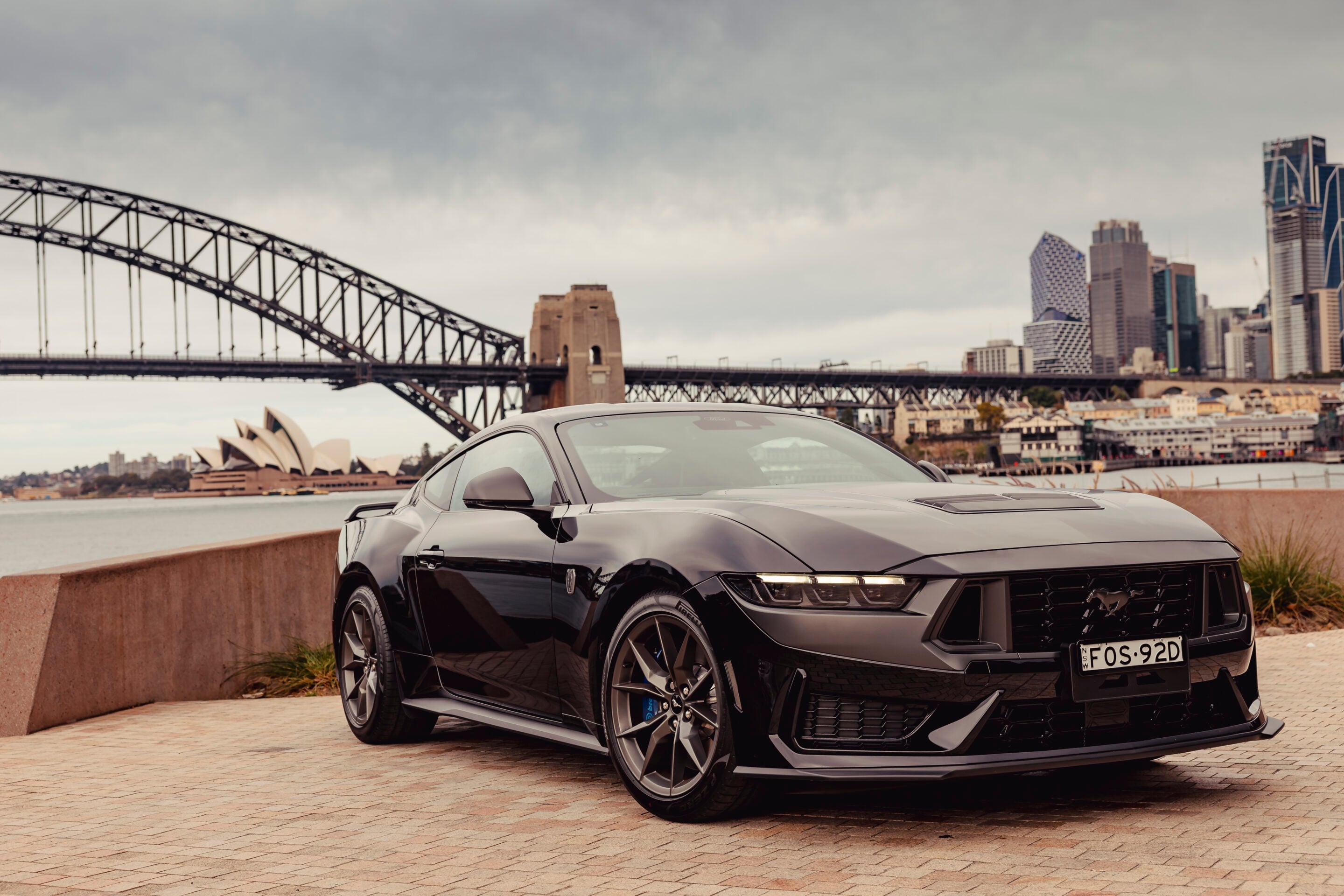
Twenty-three hours and 59 minutes. That’s what Google Maps claims it takes to drive from where we’re sitting, overlooking the Sydney Harbour Bridge at Blues Point, to Hobart, on the Apple Isle. That factors in fuel stops, traffic at peak hour near Melbourne, the Bass Strait crossing on the Spirit of Tasmania and it also observes all speed limits. Theoretically it’s possible. Practically? That’s a whole different matter. What’s not subject to speculation is that we have a Ford Mustang Dark Horse that needs to be with its owner – and our publisher – Matt O’Malley in Hobart and the clock’s ticking.
There’ll be no ‘HO Down The Hume’ style heroics here, no teasing at that point where aerodynamics rout horsepower, no eyes scanning the far horizon for police cruisers. Painfully, heartbreakingly, as ideals give way to reality, we need to accept that times have changed. Maybe we just need to pick our moments.
Right now, I’m just following the nav. Somewhat shamefully, I know my way round Damascus better than I know Sydney, so after crossing the Harbour Bridge, I’m sticking to the Eastern Distributor and hoping that I’m distributed somewhere on a south-westerly vector. Traffic’s strangely sparse as the car rumbles through the piggyback tunnels beneath Woolloomooloo and Darlinghurst, the big Pirellis slapping on the expansion joints.
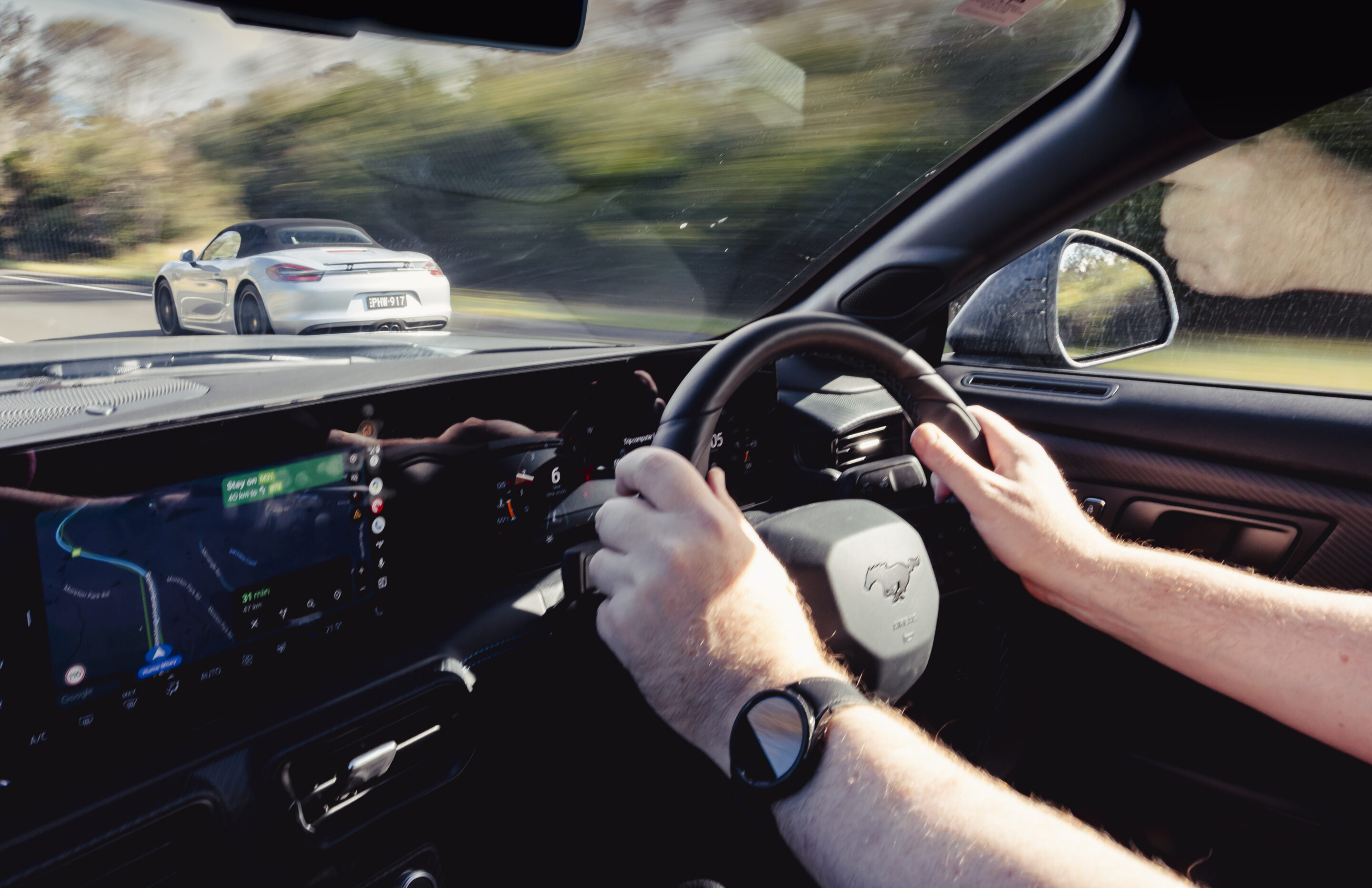
The Tremec six-speed manual still feels new, tight and a little gritty, the odo on this car showing a tick over 1000km. Likewise the clutch has a sharp edge to it that could use a little chamfering off to make more friendly. That’ll come with use. Better cooling, forged conrods from the Shelby GT500, tauter suspension and a trick active exhaust differentiate this Dark Horse from a garden-variety GT, and while the power uptick is a mere 5kW or so, everything about this car feels incrementally more focused.
Photographer Ellen Dewar is crook with a non-stop streaming cold. She motors down the window to grab a shot of a shiny B-double and the dewdrop hanging from the end of her beak atomises all over me. I sit and stew, pondering how I’ll return the favour. Bing bong, says the car, flashing up a message to keep my hands on the wheel. It keeps chiming. I give a little waggle of the wheel to let it know that I’m still here. The chimes continue. After some experimentation, it seems that weaving in lane like a Super-G skier is about the only way to stop the car thinking I’ve expired from numbat flu or whatever exotic Footscray disease Ellen has been stricken with.
Sydney expires feebly along the Hume, finally giving up at the exurbs around Campbelltown, notable residents: Samantha Azzopardi (con artist), Paul Denyer (serial killer) and Jai Waetford (X-Factor finalist). We don’t stop, targeting Mittagong for the first refuelling break and the opportunity to sample some of the district’s finest mechanically recovered meat. There’s a bakery opposite the BP and I’m genuinely amazed at how one pie casing can hold so much gravy, much of which I manage to drop on my shoe.
Something else rather unwelcome happens while we pause in Mittagong. Take the on-ramp back to the Hume and the surface switches from bitumen to concrete. With the engine tickling along at 2000rpm at an indicated 112km/h (a satellite-verified true 110km/h), the din in the cabin is such that you wish it was fitted with some sort of noise cancellation tech. On the other hand, it does drown out the warning chimes, so on balance, I’ll take the open-pore concrete.
I love the Hume. It’s an unpopular opinion, but every time I travel on this road, I’m always embarking on some sort of adventure. As the scenery opens up beyond Mittagong, the big sky and gently rolling hills punctuated with stands of conifers reminds me of something I can’t immediately summon. After some searching, I realise it’s a memory dredged from my childhood, of escaping the overcrowded armpit of south-eastern England and driving across rural northern France. Those early road trip memories return in snatched recollections, like scattered sectors on a recovered disk drive: the same desaturated colour palette, the same trees, albeit without the occasional clearcut at the end of which stood Commonwealth war cemeteries, gravestones standing like perfect white teeth among the pines. For a moment, I’m a child in shorts again, who still believes in Father Christmas, skin stuck to the black vinyl in the back of dad’s Lancia, passively smoking all the way down to Spain, Italy or wherever his flaky route finding would deposit us.
There’s a curious ‘End Motorway 1km’ sign just beyond Berrima, a legacy of a lovely piece of historical pedantry. As it wends its way out of Sydney, the M31 is the Hume Highway, but between the Cutler Interchange and this point near Berrima, the Hume is referred to as a Motorway, becoming the Hume Highway again until it reaches the Victorian border, whereupon its official name is the Hume Freeway. So yes, the motorway really does end, as indeed does the concrete surface, temporarily at least, returning as we skirt Marulan, the only town in the world on the 150th meridian east. We don’t stop.
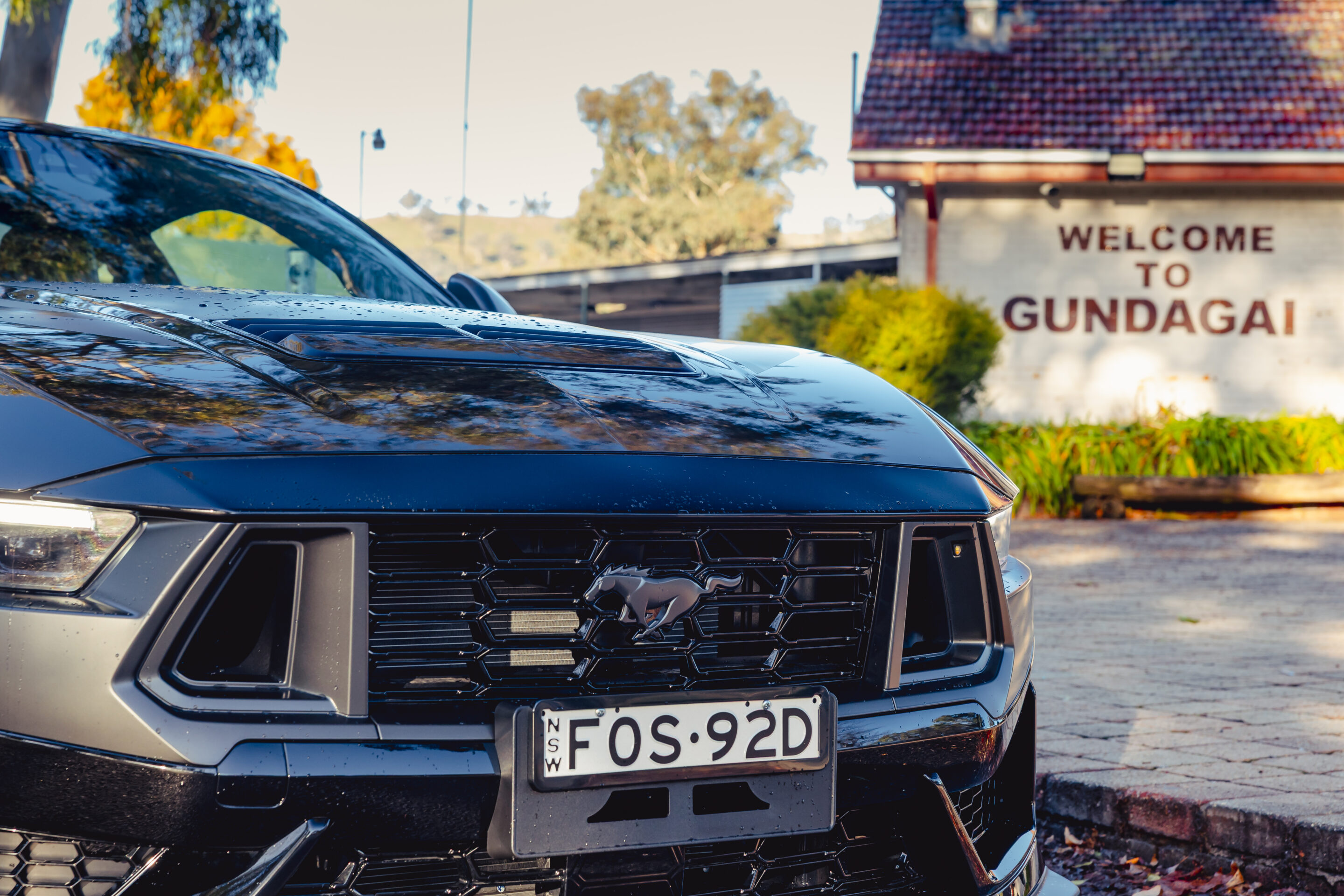
Ellen’s fretting about photography. She’s snapped just about every road sign and truck along the route, but declares that we can’t drive this route without photographing the famous Dog On The Tuckerbox statue just outside Gundagai. We pull in to this charming little roadside retreat and as she starts swapping lenses, it’s clear that there’s some revisionist history at work here. The ‘Bill The Bullocky’ ode to rough luck by Bowyang Yorke was substantially rewritten at a later date by Jack Moses, a travelling salesman and bush jingle writer. The line “and the dog sat in the tuckerbox” was a more family-friendly version than Yorke’s original, which featured a past tense word that merely rhymed with ‘sat’.
Back on the road, the chimes in the cabin have temporarily subsided and I run a quick mental checklist of how the Dark Horse is faring as a makeshift gran turismo. The boot was big enough to swallow Ellen’s photography gear, the MagneRide dampers have enough compliance to cover big miles and the seats are good. Although the gear ratios are generally shorter than a GT, sixth is a proper overdrive-style gear.
Downsides? The tyre noise is intrusive, the rear-view mirror doesn’t tilt enough for taller drivers and the starter button and handbrake position irk me, smacking of a slightly complacent factory right-hook conversion. Overall it’s doing better than expected.
The 61-litre fuel tank is a tad too small for a car with a big V8 engine though. Try as I might, I can’t get the average fuel consumption to dip down into the nines, with 10.2L/100km the best we see during some particularly feather-footed highway driving. This tends to translate to a real world, mixed use range of around 480km on the open road, dipping to less than 300km if you start throwing physical relief and a bit of enthusiastic pedalling into the mix.
You also learn that the long sixth gear can run out of urge when tackling inclines, requiring a flick into fifth. No great hardship.
We pull into the next fuel stop at Albury North. I’m parked at the servo next to a Nissan Patrol that’s towing a caravan called a Dirt Roader, above which some horror has inscribed the word ‘Rectal’ in the road grime. As I go to pay, I stand behind the driver and I’m tempted to draw his attention to this act of petty vandalism, until I notice he has a hand tattoo that reads DILLIGAF, and decide that perhaps he doesn’t need to know. Mrs Rectal Dirt Roader is smoking a dart next to the bowser while wearing a silvery shell suit that looks like a punctured goon bag. I make eye contact with her as she suffers a moment of acid reflux. She inhales a couple of dim sims and clambers back into the Patrol. Road trip glamour, eh?
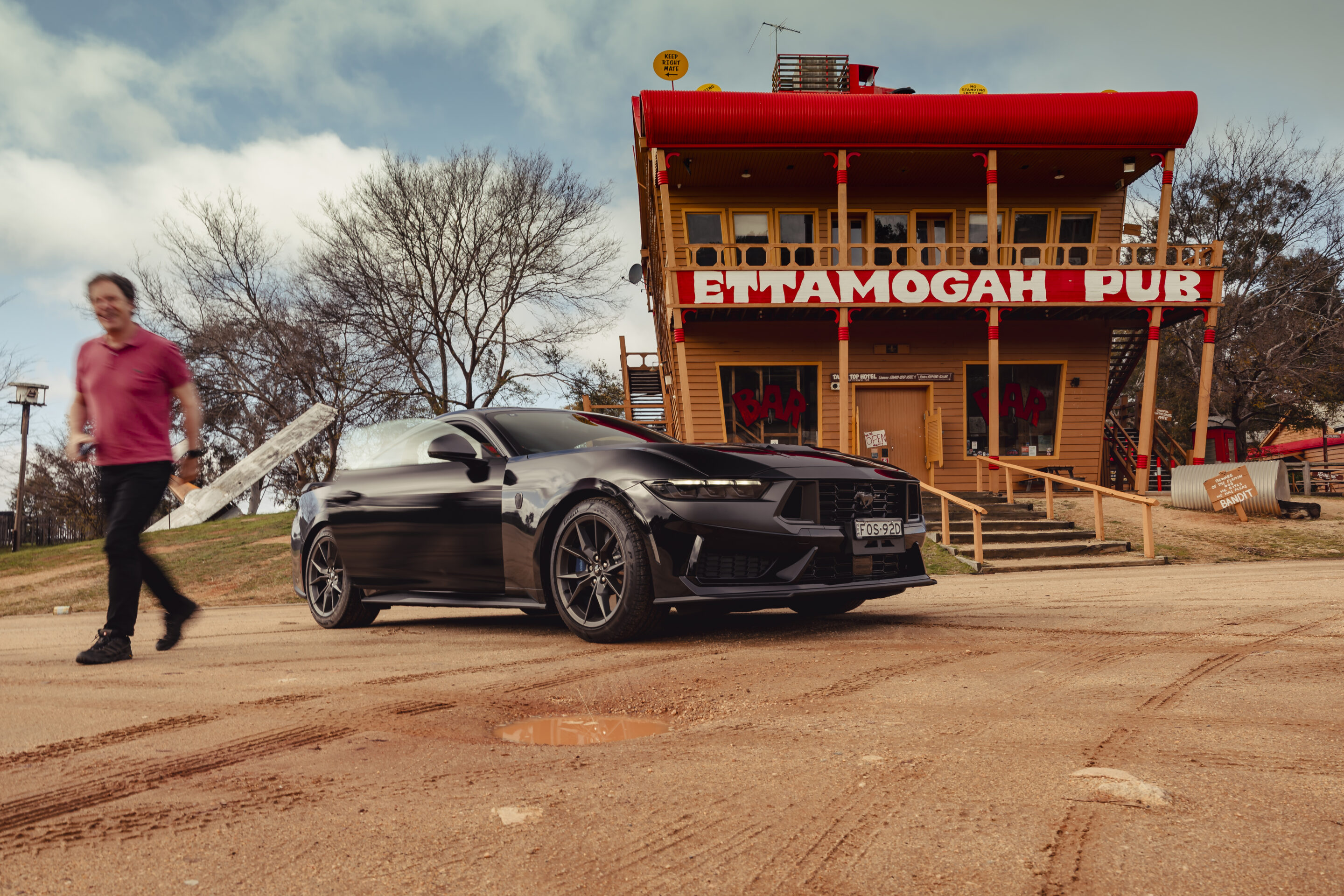
After another roadside excursion to the Ettamogah Pub, made famous by the Ken Maynard comic strip in the old Australasian Post, we cross the Murray back into Victoria and set the nav to a brief detour via Winton raceway. It’d be lovely to run a slow lap and get a couple of pictures, but there’s a Supercars test day in progress, and a couple of the old hall-of-mirrors Mustang race cars are circulating. I’m reminded of how casually elegant this S650 shape is in comparison with their gawky glasshouses and pinched stances.
The road car’s chiselled rear end treatment and sweep of the character line in profile work beautifully. I also approve of the way that the Dark Horse wears its battle dress without being too overt. There’s a subtle but definite aura of ‘if you know, you know’ about it.
And it pays to remember that it remains a very rare sight on Aussie roads. Only a thousand were earmarked for import. Some will have been crashed and many will have been squirrelled away into the lock-up garages of speculators looking to flip them as soon as they think Ford Australia won’t blacklist them for doing so. That seems a shame, given how much fun this thing is to drive. I’m ruining the overall fuel consumption figures by using every millimetre of the throttle travel when I have to run a few passes for the camera. It’s an intoxicating thing this Coyote V8, hardening above 4000rpm into a complex, multitimbral bellow, where intake and exhaust sounds are volume-balanced, the metallic ball atop the gear lever feels alive with zizzing vibrations and your ear becomes minutely attuned to where the redline resides, without ever having to glance down at the dash.
Victoria’s Hume isn’t as beautiful as that of New South Wales. Aside from the views south to Mount Buffalo as we skirt the high country, it’s mainly just a strip through surprisingly dry-looking paddocks and serried gums. I idly wonder how many Ti Tree Creeks there might be in all of the country as yet another blips by, and we blare past Seymour and the military ranges of Puckapunyal.
Melbourne beckons, signalled first by an accumulation of windblown trash stuck to the fences on the windswept plains near Beveridge. Speed cameras gaze implacably at us as we near the Victorian capital and traffic inexorably builds. It’s neither a scenic nor a welcoming approach, the Hume looping past the functional architectural poverty of endless grey industrial estates as we join the M80 ring road, amid the crawl of pre-peak hour commuter traffic. Torrential rain has the wipers looking for a third speed to clear the water.
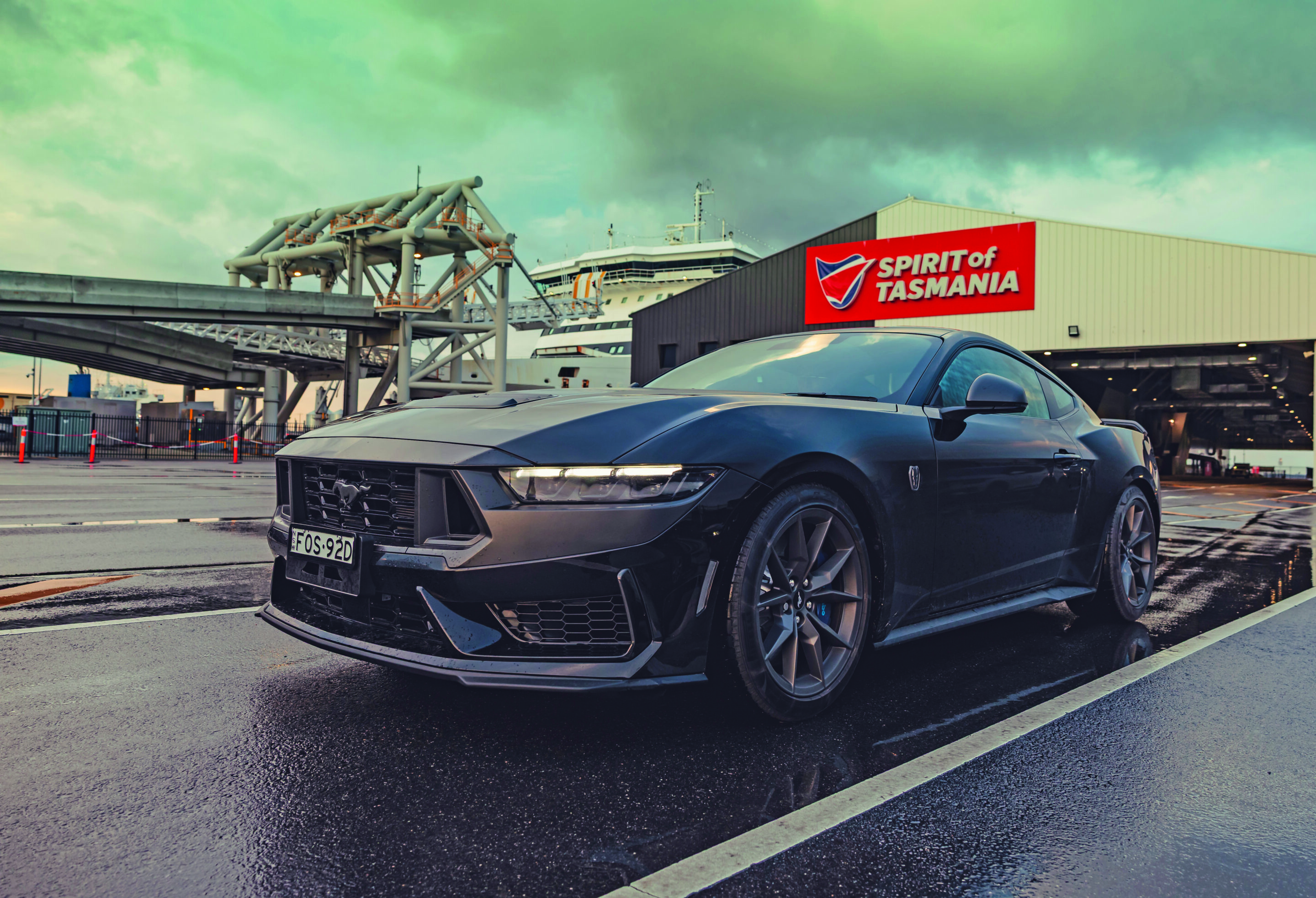
We’re falling behind the clock, and if we miss the Spirit of Tasmania crossing from Geelong, we’re hosed. Fortunately the traffic thins and we make good time down towards Werribee; enough to skip off the road to run parallel with it near Little River and the You Yangs, in the wheel tracks of the original Mad Max location shoot. We refuel as we arrive in Geelong, directly opposite the old, rather forlorn-looking Ford plant, before joining the queue to board. Good luck shines on us again, and we get fast-tracked straight into the bowels of the boat. I hear a conspiratorial whisper. “That’s a Dark Horse,” notes one of the security team as we get checked over.
I’d never travelled on the Spirit before, and was slightly apprehensive about getting no sleep in the teeth of a Bass Strait gale. The forecast for the crossing simply said ‘very choppy’ which I took to be Tassie understatement. I skipped dinner and retired to my cabin which, despite being seven decks above the sea was still being spattered with spray as we cleared the heads out of Port Phillip Bay. I don’t remember anything after that other than being woken by the public address at 5:30am to return to our cars. Best night’s sleep I’ve had in ages.
Congested Ellen doesn’t look quite so perky when we return to fire up the Ford. She’s in better nick than the family in the camper van ahead of us, who arrive late and then can’t seem to coordinate themselves to get into the vehicle that’s blocking in about 50 cars behind them. A fairly terse reminder from one of the deck hands that they’re delaying proceedings sees them jump in and scurry off the vessel.
O’Malley’s waiting for us in Devonport and we grab a Macca’s breakfast. The pressure of having to deliver this rare car in good condition starts to leach away. Great roads beckon, as we check the route straight across the gut of the island, crossing the high central plateau. Matt had harboured concerns himself; whether we’d by stymied by the car’s lack of a spare wheel, whether the crack in the windscreen caused by an errant stone chip shortly after he’d taken initial delivery of the car would propagate across the glass, whether we’d make it onto the boat with any photography in the bag. He’s reassured on all three counts. Now we can finally drive rather than merely transit the vehicle.
Destination Deloraine, at least initially. I score a Neenish Tart the size of my head and a box of
Anzac cookies in the bakery of this sleepy town because we’re heading south into Terra Incognita and I’m told there will be no reliable service of sugary comestibles until Bothwell, some 130km distant. What are these people? Savages?
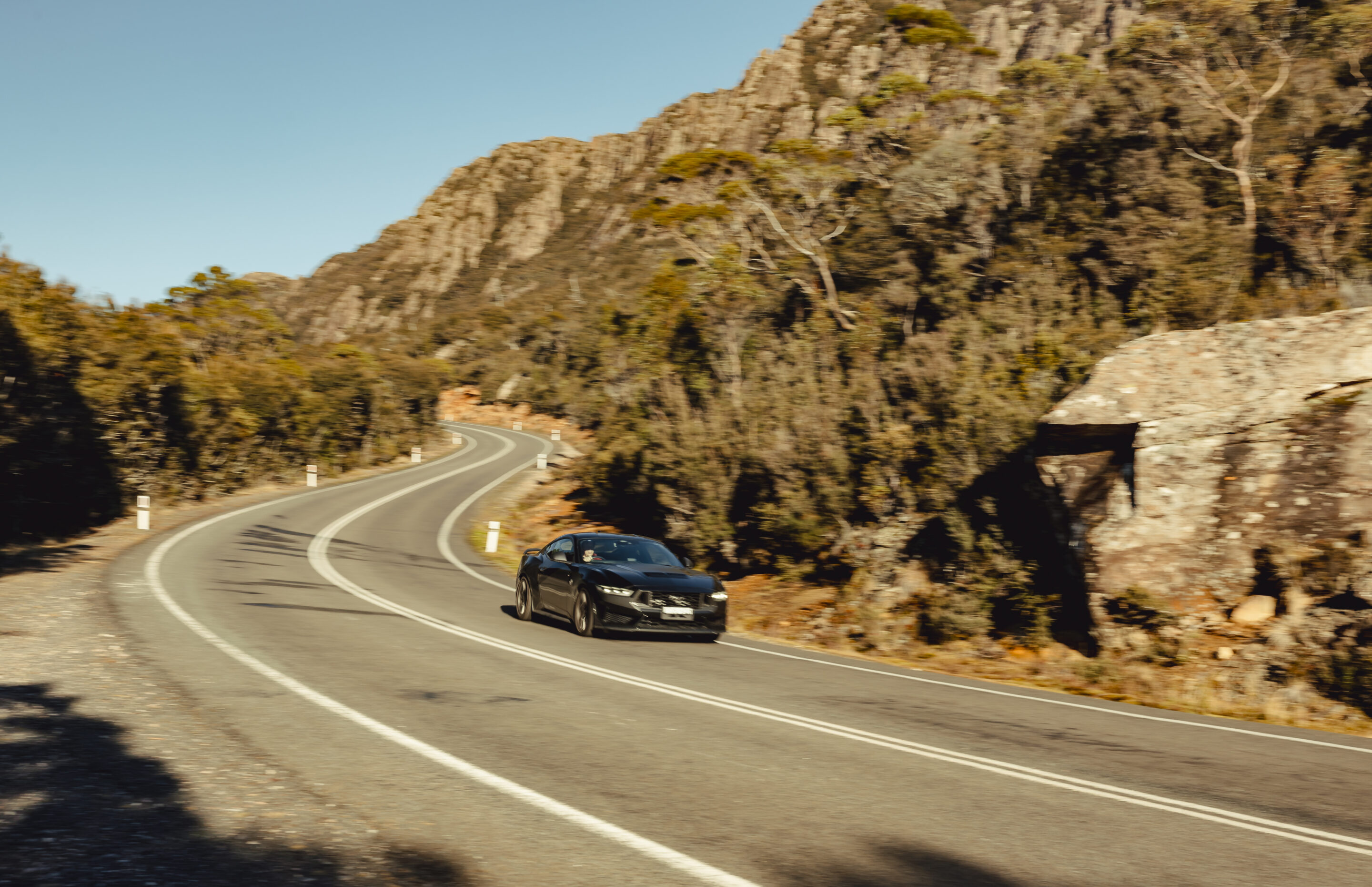
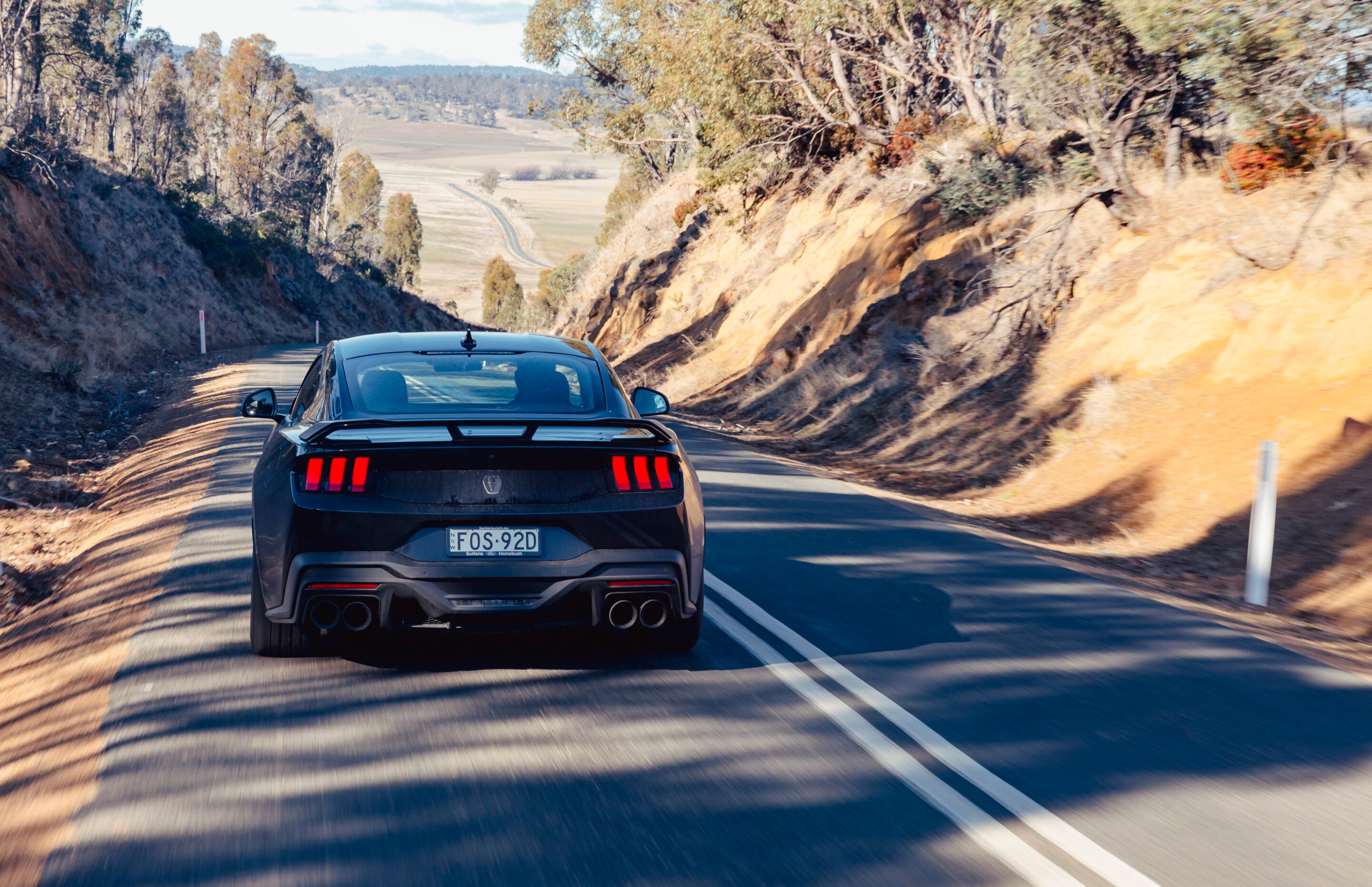
After the Hume, Tassie feels as if somebody’s whacked the scenery filter up to 11. Deloraine looks across a scarp of a million trees, 10 of which will, in a year, absorb the carbon dioxide we’ve emitted across 1000km in this Mustang. The Highland Lakes Road climbs from an elevation of 230m to a height of 1209m at its high point, and the road up is a gem, switchbacks punctuated by relief hugging balconies with views for miles. The biome starts deciduous, becomes coniferous and, as you crest the scarp, turns very sub-alpine, with low shrubs, the odd stand of pencil pines and a distant ring of high peaks, bounded to the north-east by the Great Western Tiers and to the West by Cradle Mountain and Lake St Clair National Park. The 2016 census stated a population of nil for the Central Plateau constituency.
Despite an 1822kg kerb weight, the Mustang never feels cumbersome, even on the tighter switchbacks. The joy of the manual ’box is that you never find yourself in the wrong gear for the corner, and the 550Nm of available torque does a great job in neutralising any perception of bulk. The steering’s alert too, with a custom map, but the 15:1 ratio is the same as the GT. It’s the suspension tuning that makes it feel a little lighter on its toes, with a unique tune for the dampers. There are also stiffer rear subframe bushings, wider wheels and a standard Torsen limited slip differential. Couple that with the shorter gearing, and the Dark Horse just feels more urgent, and notably more cohesive and immediate in its feedback loops.
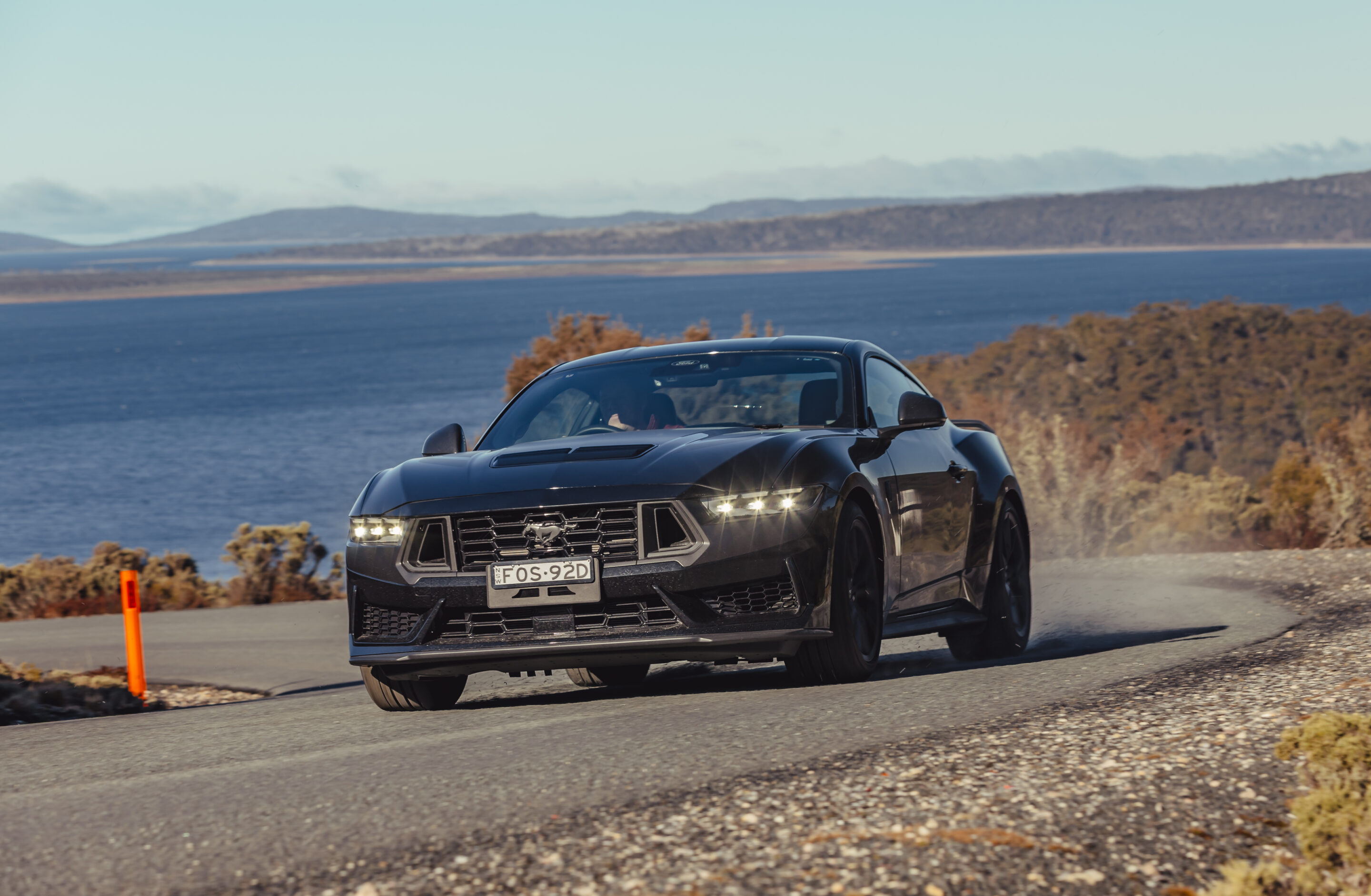
Flicking it into Track Mode firms up the adaptive dampers, eases back the stability control, alters the throttle map and cleverly graduates the rev counter in the digital instrument cluster. Dewfall still lurks in the shaded corners, so I’m happy to leave an element of stability control in place, but after so much straight line schlepping, it’s good to feel the Mustang moving about beneath me, albeit subtly.
I’d long been quite wary of Mustangs, having seen Warren Luff perform more pirouettes at Phillip Island in a Mustang GT during MOTOR’s 2020 PCOTY event than in any other car. Luffy’s a far better driver than I could ever hope to be, so if he found the old S550 V8 a handful, I’d initially approached the Dark Horse with a healthy dose of respect. Thankfully it’s far better resolved now, without the malevolent multiplication of vectors that would store kinetic energy like a spring and whip the car back in the stereotypical Mustang tankslapper. Instead, it feels almost buttery, as if you have the benefits of a virtual long wheelbase.
“Go on, give it some attitude,” crackled O’Malley over the radio. No pressure. Just get the boss’s new car sideways while he stands and watches. At that point, I must admit that I’d forgotten about the drift brake and other Dark Horse features that make initialising a slide a bit easier and just went with a bit of a bung and a quick ramp of throttle. Dewar’s snapping away from the undergrowth and it all seems very undramatic and controllable. Damn good fun too, although it’s usually the case that just when you think you’ve got something dialled, you’ll make an utter pig’s ear of things.
The road skirts around the man-made Great Lake, a body of water so ridiculously blue it even manages to make the cloudless sky look wan. It’s cold up here, and Ellen’s out by the roadside again, rugged up against the elements, perched in a pile of rocks that have plucked the humidity out of the westerly winds, glazed with rime ice like Krispy Kremes.
The nearby Liawenee weather station frequently records the coldest temperatures in the whole of Tasmania, and today it’s hovering around zero. South of Great Lake, the topography becomes pocked with pools and finger lakes, almost Finnish in its look and feel. Reindeer seem more likely to step out into the road than possums. The sleepy but scenic village of Bothwell comes and goes and before too long we’re descending the plateau’s softer south-eastern edge towards Hobart.
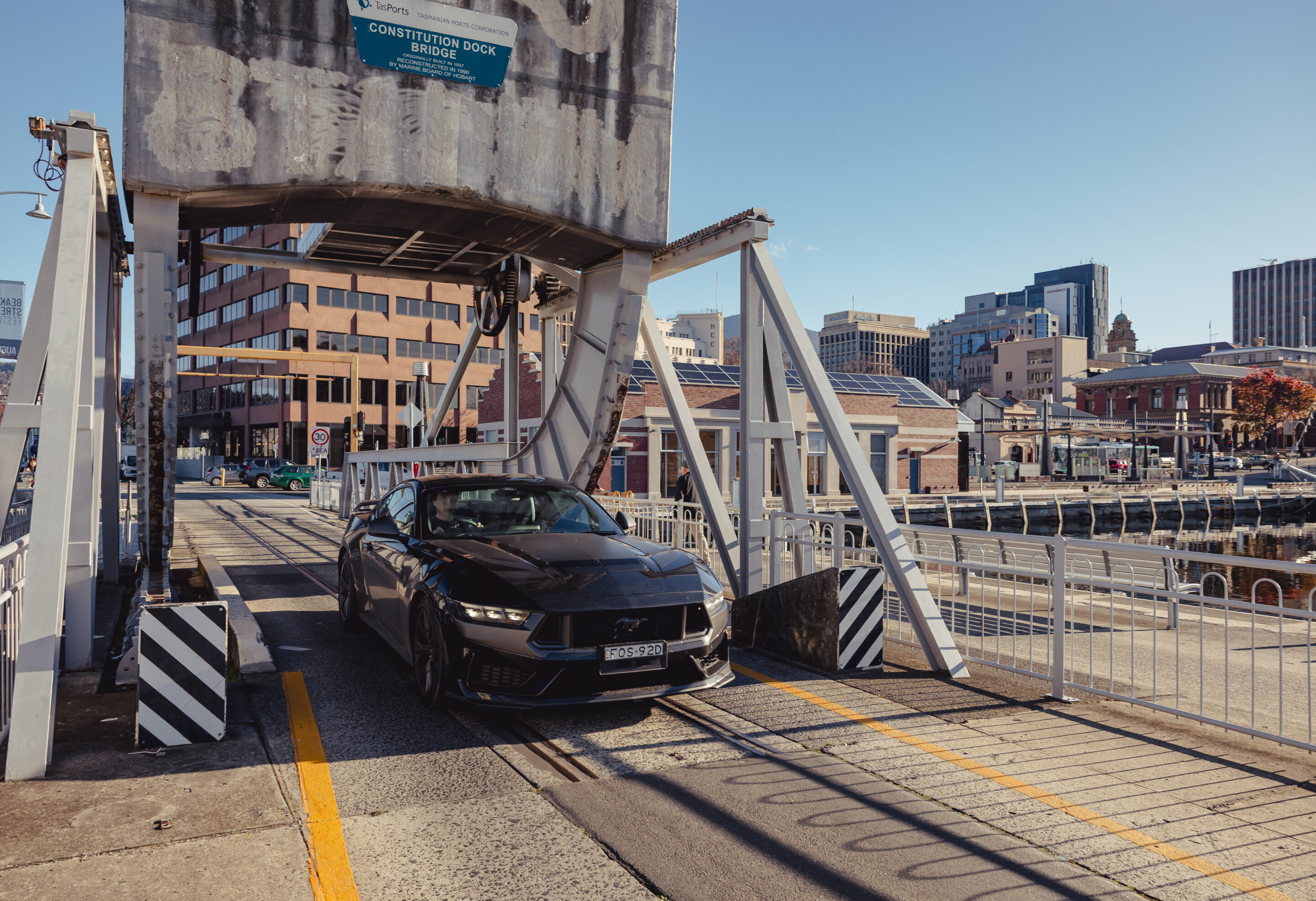
I want to stay, to explore the trails out to Quamby Bluff or around Pine Lake, to cosy up in a cabin and wake up to hoarfrost so deep that it crackles underfoot. I’m imagining the bark of that Mustang as it fires up and warms through, spending a driving day circumnavigating the Walls of Jerusalem National Park; out to Queenstown, up to the famous old Targa Tassie stages of Mount Roland and Cethana, and then back via Deloraine. Why haven’t we done this before?
Time is, once again, against us. There’s the comic relief of the cultural dislocation of travelling through Melton Mowbray to get to Bagdad, a snatched attempt at a car-to-car tracking shot in traffic as we cross the Tasman Bridge and then, a few corners later, we’re at the scenic Constitution Dock in Hobart. The clock stops, some final pictures are taken and we retire for a well-earned meal and a drink. The Mustang ticks cool at the dockside. It’s been brilliant; angry and focused when neeed, yet languid enough to work when pushed into a more relaxed touring brief. It now feels like a car with the chassis to match the charisma of its V8 powerplant.
We’ve covered 1421.2km at an average of 11.2L/100km. Road markings still strobe when I close my eyelids, fatigue finally catching up with me. Did we make it in 24 hours? It’d be romantic if we had. And it would certainly have grabbed the imagination of a young kid in the back of a Lancia, who loved a road trip, and who still believed in Father Christmas.
Spirit of Adventure
Perhaps you’re planning a Tassie road trip but would prefer to wait until the much-publicised box-fresh new ferries are commissioned? Our advice would be to get on with your trip now. While the bigger, billion-dollar Finnish-built vessels – Spirit of Tasmania IV and V – do indeed look the goods, the 3 East Berth upgrades at Devonport are required before the ships can fully be put into service, and these works won’t be completed before the summer 2026-2027 peak season. According to the ABC, the first of the ships is now en route and is scheduled to operate at a reduced capacity from the interim 1 East Berth.
A Darker Horse?
Blame Australian Design Rules for the Dark Horse not being even further differentiated from the GT. In the US, this car is offered with an optional Handling Package, priced at US$5495. The big draw – and the sticking point for Aussie approval – are the massive semi-slick tyres wrapping inch-wider wheels – 19 x 10.5” up front and 19 x 11” at the back. These are shod in Pirelli P Zero semi-slicks measuring 305/30R19 front and 315/30R19 rear. The package also includes more aggressive spoilers, stiffer springs, adjustable strut top mounts and other chassis tweaks. Sadly it’s not going to come to Australia as a factory offer, but ask nicely at Herrod Performance and they might just be able to help you out.
This article originally appeared in the September 2025 issue of Wheels magazine. Subscribe here and gain access to 12 issues for $109 plus online access to every Wheels issue since 1953.
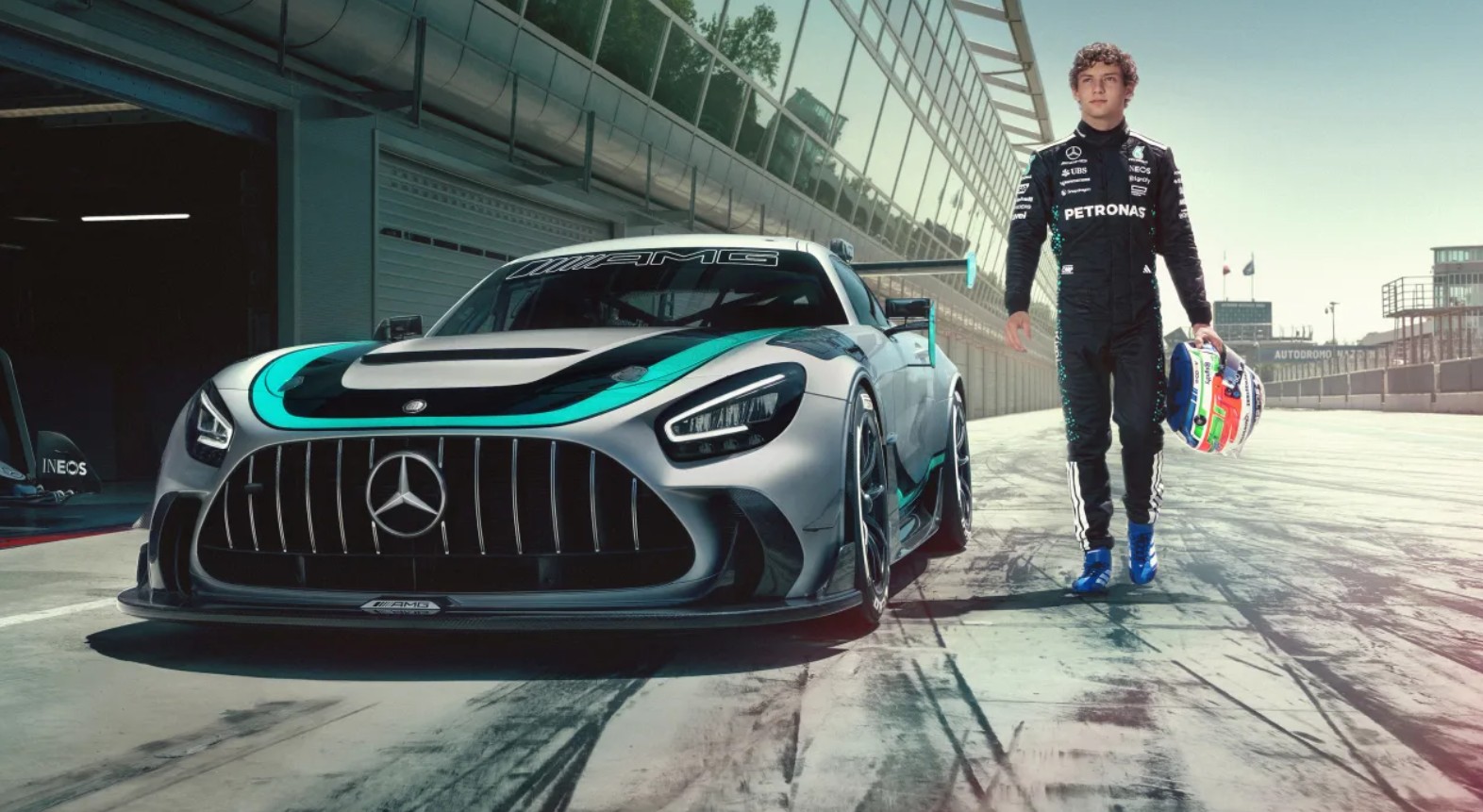
Mercedes-AMG has taken the covers off its most extreme GT yet – the GT2 Edition W16 – a track-only special limited to just 30 examples worldwide. Each car will be delivered at a private event by AMG Formula One junior driver Kimi Antonelli.
Unlike the GT3 and GT4 competition cars that must comply with strict motorsport regulations, the Edition W16 is unconstrained by racing class rules. That freedom has allowed AMG engineers to substantially raise outputs and integrate new technology.
Under the bonnet sits AMG’s latest twin-turbocharged flat-plane crank V8, tuned to 530kW and 800Nm. Unique to this model is a push-to-pass feature that unleashes up to 600kW and 1,000Nm for 10 seconds, helping the W16 eclipse the output of AMG’s GT3 racers by 150–220kW.
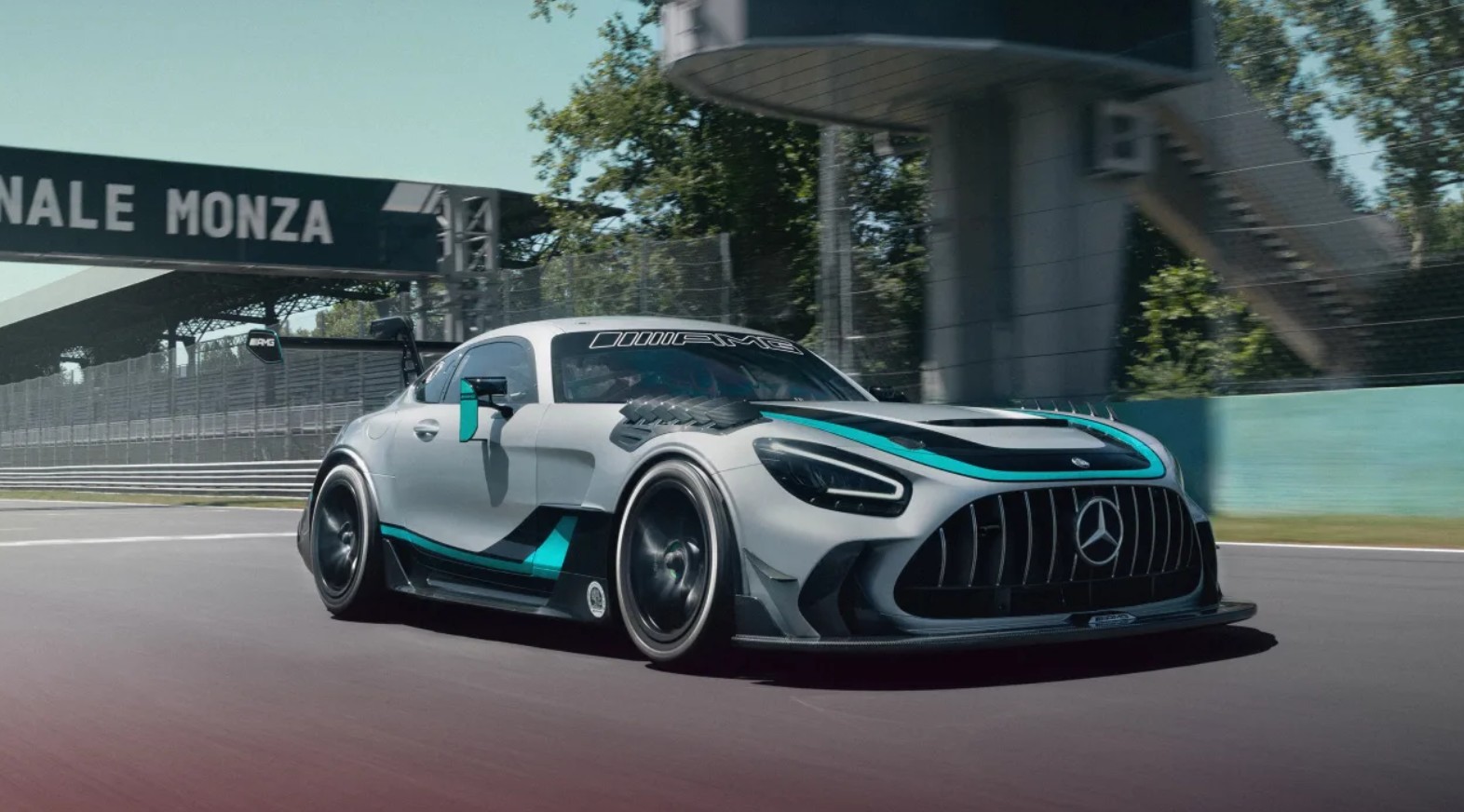
Power is delivered through a six-speed sequential transaxle gearbox borrowed from the GT3, replacing the dual-clutch transmission of the road-going AMG GT.
Active aerodynamics play a major role. The oversized rear wing features a Formula 1-style drag reduction system (DRS), flattening the wing elements to cut drag on straights. Active louvres on the front guards, inspired by the AMG One hypercar, also help optimise airflow.
Despite the extensive hardware, AMG quotes a kerb weight of just 1,430kg, aided by magnesium wheels wrapped in slick tyres. Combined with the vast power reserves, the GT2 Edition W16 promises lap times beyond those of regulated competition cars.
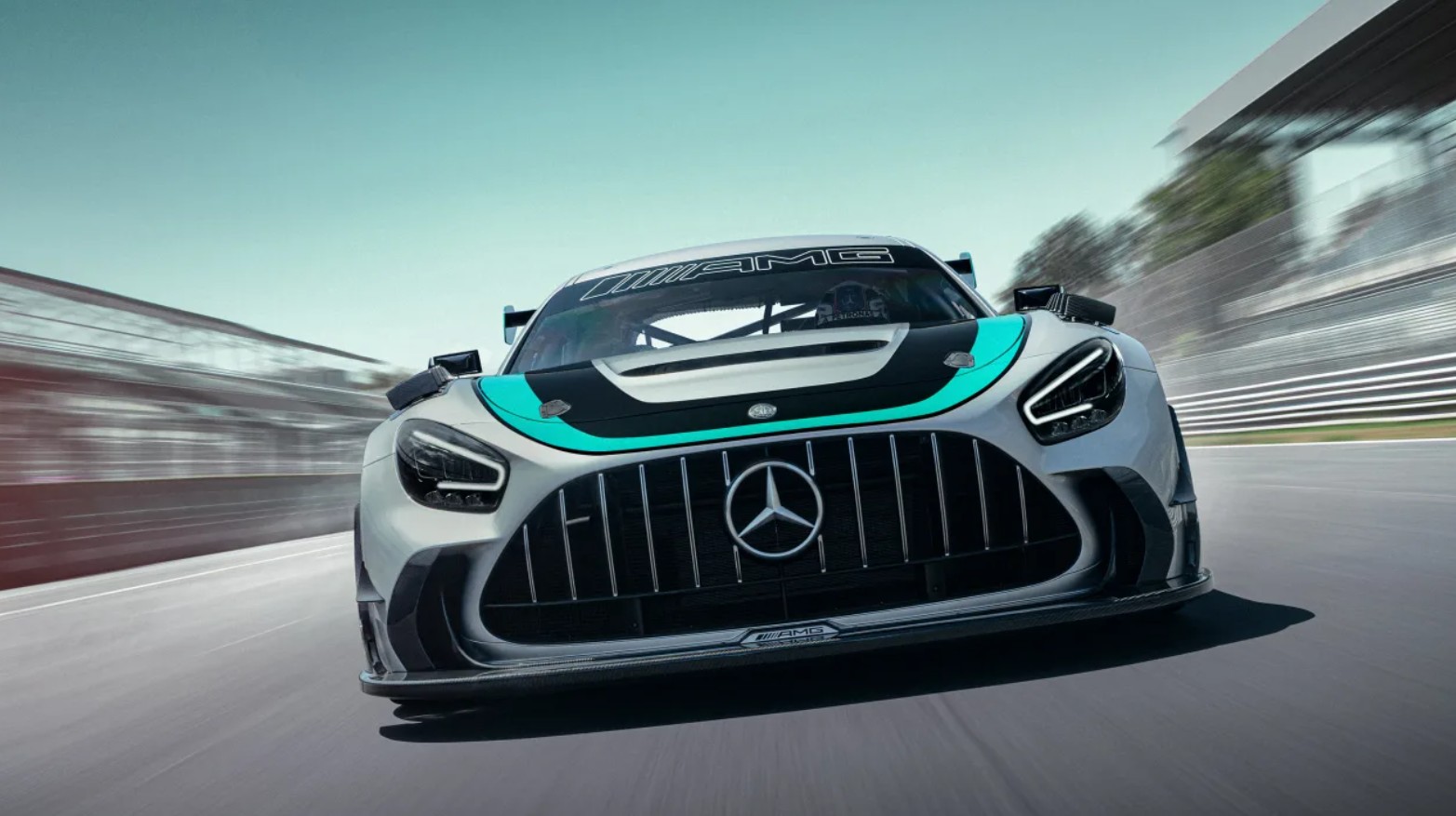
With no race series to enter, the W16 is aimed squarely at wealthy track-day customers. Each of the 30 cars will be handed over at exclusive European circuits, where buyers receive a full day of tuition and open track running.
Pricing has not been confirmed, but given the GT3 racer retails in Europe from around £575,000 (about A$1.1 million), the Edition W16 is expected to command a premium well into seven figures.
By creating a car more powerful than its sanctioned race versions, AMG signals both its engineering capability and willingness to cater to the most committed enthusiasts. The GT2 Edition W16 sits outside traditional categories, existing purely as a no-limits showcase of the brand’s motorsport DNA – a machine designed not for trophies, but for the thrill of speed itself.
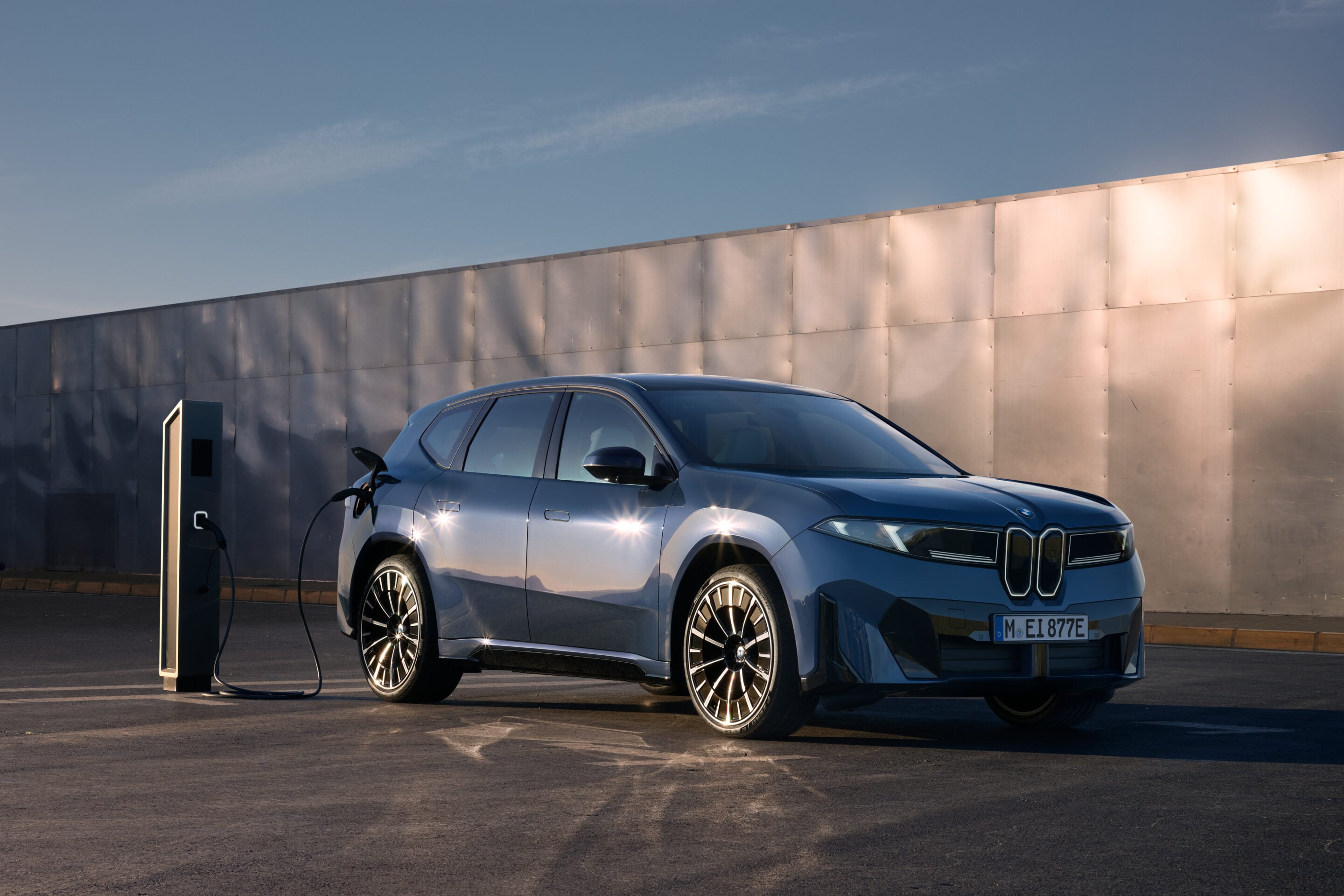
BMW has unveiled the next-generation iX3 at the IAA Mobility show in Munich, the first production model to emerge under its Neue Klasse architecture. The new SUV is designed from the ground up for electric mobility and marks the start of a major technological shift for the brand.
A new chapter for BMW
The “Neue Klasse” name – literally “New Class” – recalls the 1960s BMW sedans that reinvented the brand. This time, the transformation centres on electrification, digitalisation and sustainability. BMW Chairman Oliver Zipse described it as the company’s “biggest future-focused project” and “the launch of a new era.”
Production will begin in Hungary later this year, with Australian-bound vehicles scheduled to roll off the line in early 2026. Local deliveries are expected by mid-year, starting with the iX3 50 xDrive variant.
Performance and efficiency
The iX3 50 xDrive employs dual electric motors for all-wheel drive, producing 345kW and 645Nm. It accelerates from 0–100km/h in 4.9 seconds and reaches a top speed of 210km/h. Its new 108kWh cylindrical-cell battery, integrated into an 800V electrical system, provides up to 805km of range (WLTP).
Charging capacity doubles to 400kW, allowing more than 350km of range to be added in just 10 minutes. A 10–80 per cent recharge takes 21 minutes at ultra-rapid stations. Vehicle-to-Load capability is planned for Australia, turning the iX3 into a mobile power source.
BMW claims efficiency improvements of 20 per cent compared to the previous generation, achieved through lighter materials, reduced energy losses and an all-new battery design.
Digital “superbrains”
The iX3 debuts BMW’s new electronics and software architecture, powered by four high-performance computers dubbed “superbrains.” These units manage driving dynamics, automated driving, infotainment and comfort systems with 20 times the processing power of previous models.
Central to this is the “Heart of Joy” drivetrain controller, which integrates powertrain, braking and energy recuperation. BMW says 98 per cent of braking events can be handled by regeneration alone, minimising wear on physical brakes.
Automated driving functions also advance, with upgraded sensors, AI-based driver interaction and collaborative steering and braking systems.
New design language
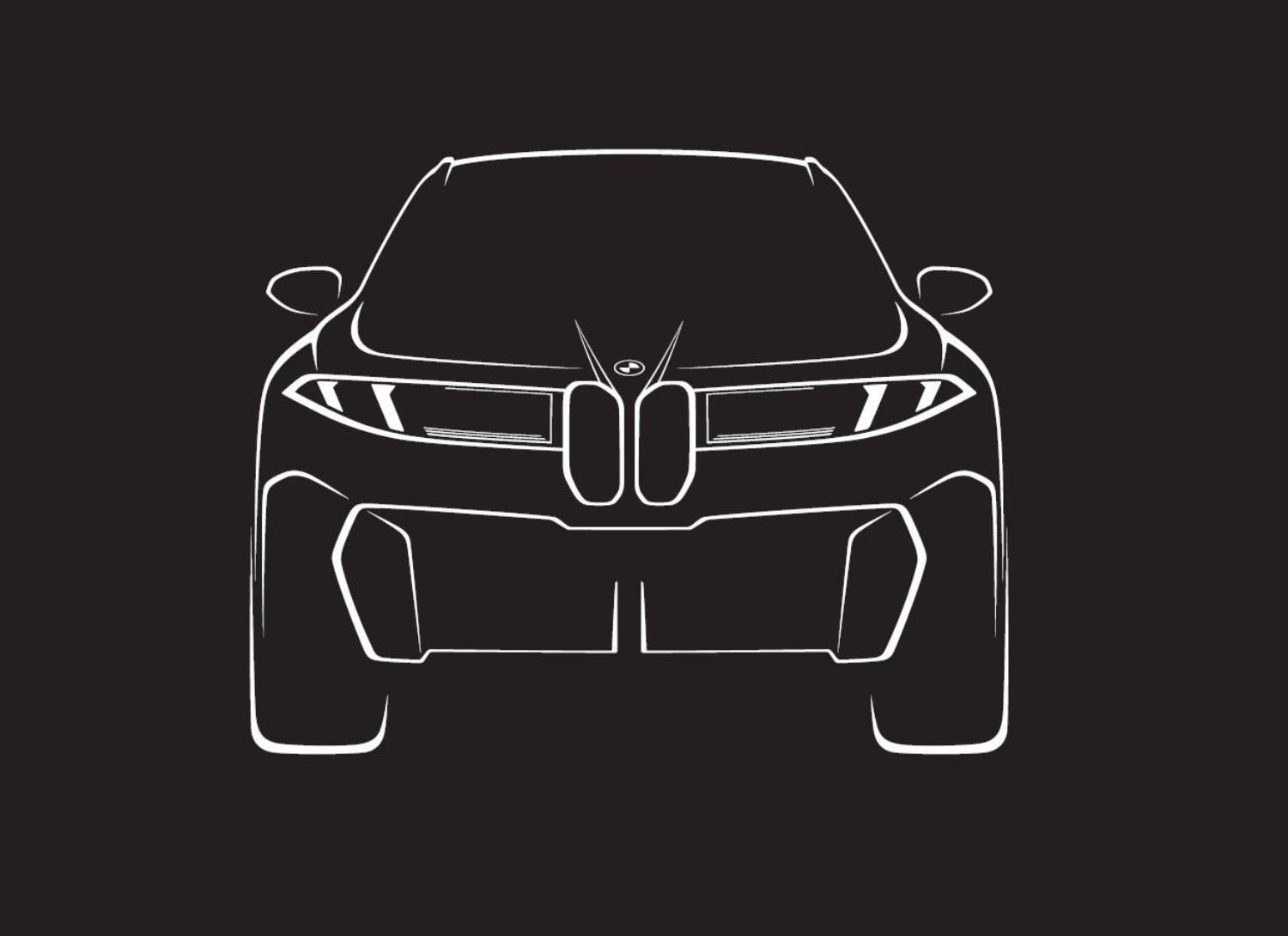
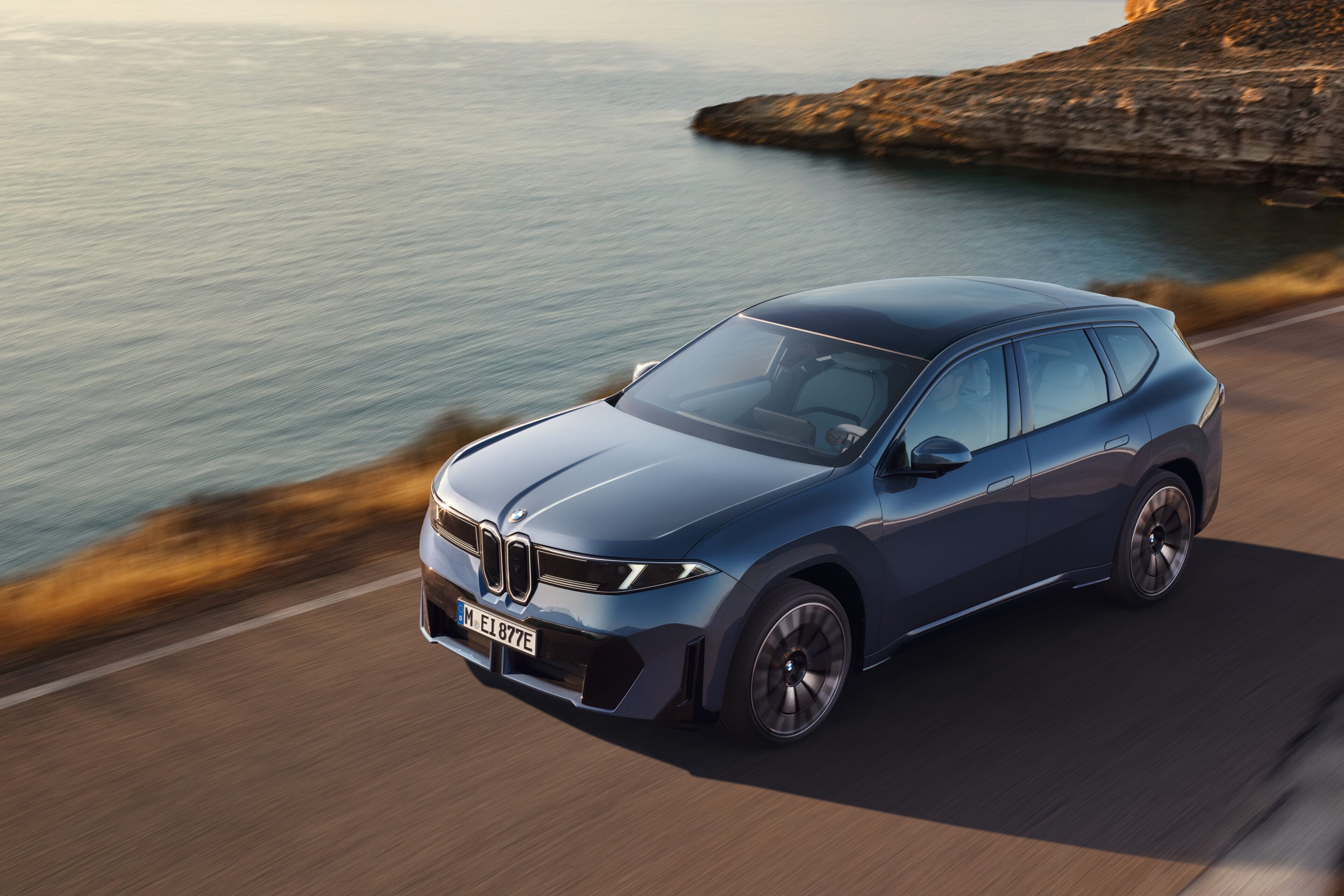
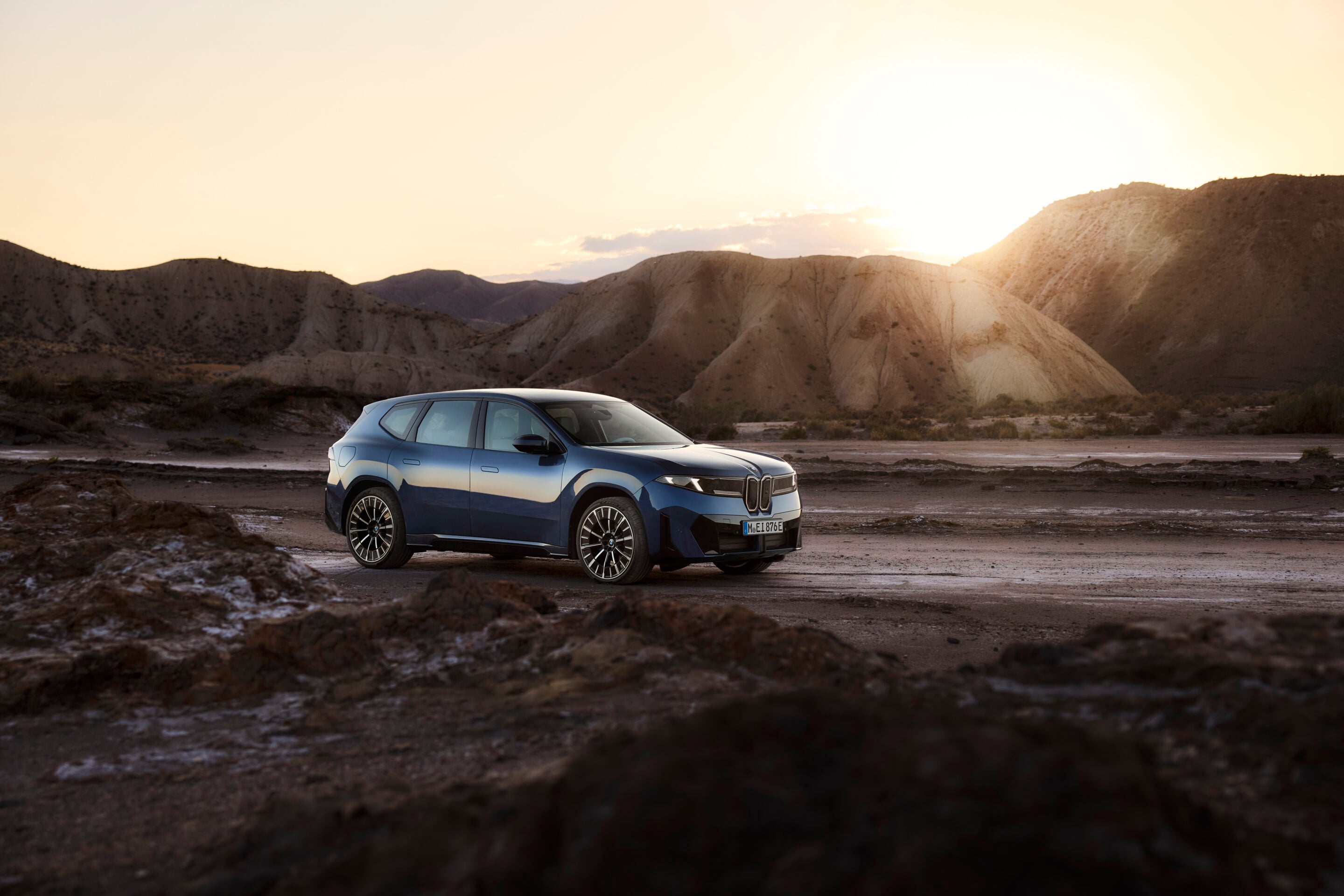
The iX3 launches BMW’s latest design direction, with simplified lines, monolithic surfaces and a strong SUV stance. Highlights include vertically stacked LED headlights, illuminated kidney grilles and a low drag coefficient of 0.24.
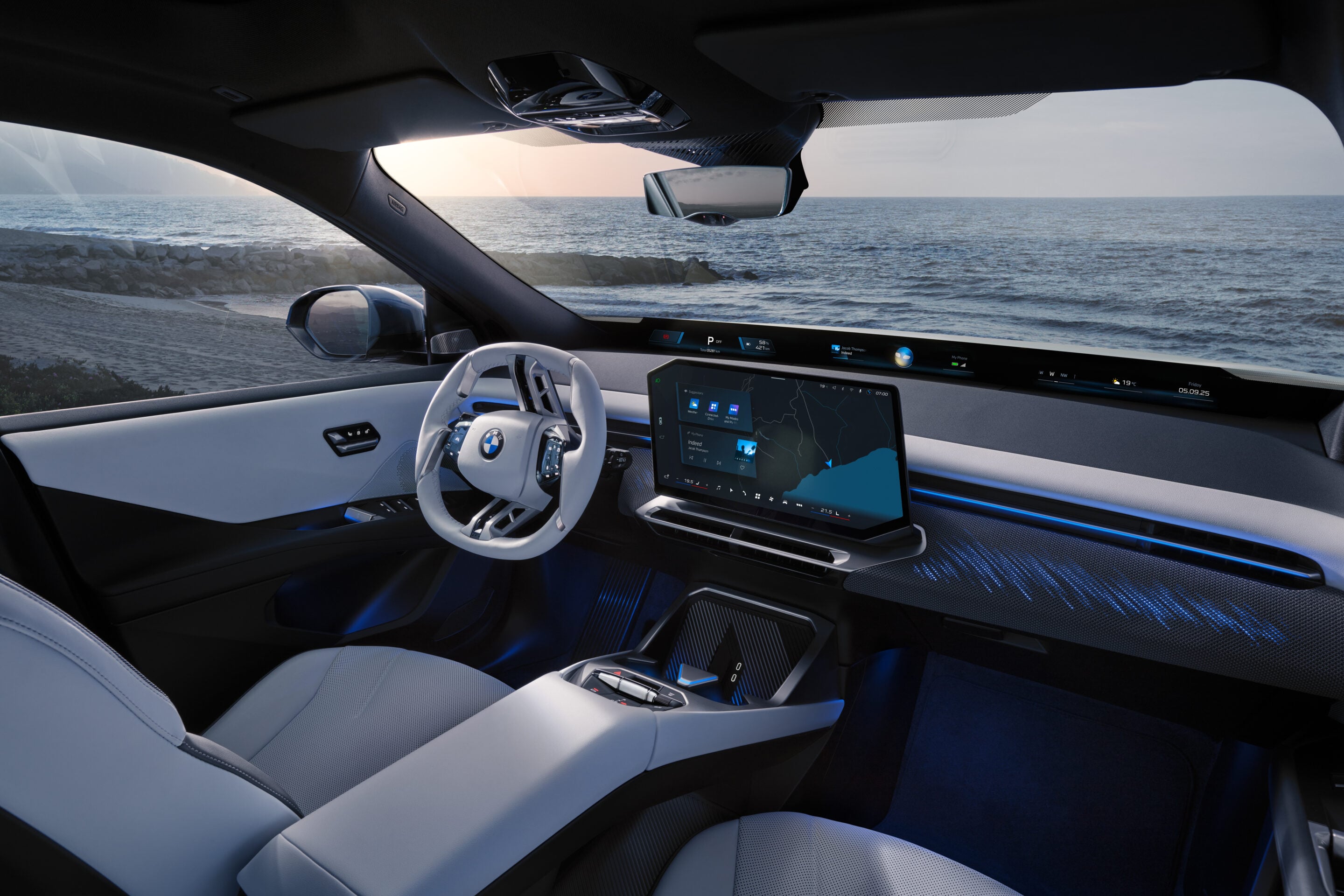
Inside, the cabin adopts a wraparound cockpit and the new BMW Panoramic iDrive operating system. Information is projected across the windscreen via Panoramic Vision, paired with a 3D head-up display and a 17.9-inch central screen. Physical controls return for core functions such as volume, climate and indicators, addressing criticism of earlier ID models.
Sustainability focus
BMW says circularity was a priority, with one-third of materials sourced from recycled content. The new battery cells cut lifecycle carbon emissions by 42 per cent, while production at the Debrecen plant uses only renewable energy. Overall, the iX3’s lifetime carbon footprint is 34 per cent lower than its predecessor’s.
Australian outlook
The iX3 50 xDrive will spearhead the line-up locally, with further variants to follow. Pricing and full specifications for Australia will be confirmed closer to its 2026 launch, but BMW positions the model as more than a successor to today’s iX3 – it is, the company says, the foundation for its future.
Volvo has introduced the EX30 Cross Country, a tougher version of its fully electric small SUV, combining city practicality with the capability to venture beyond urban roads.
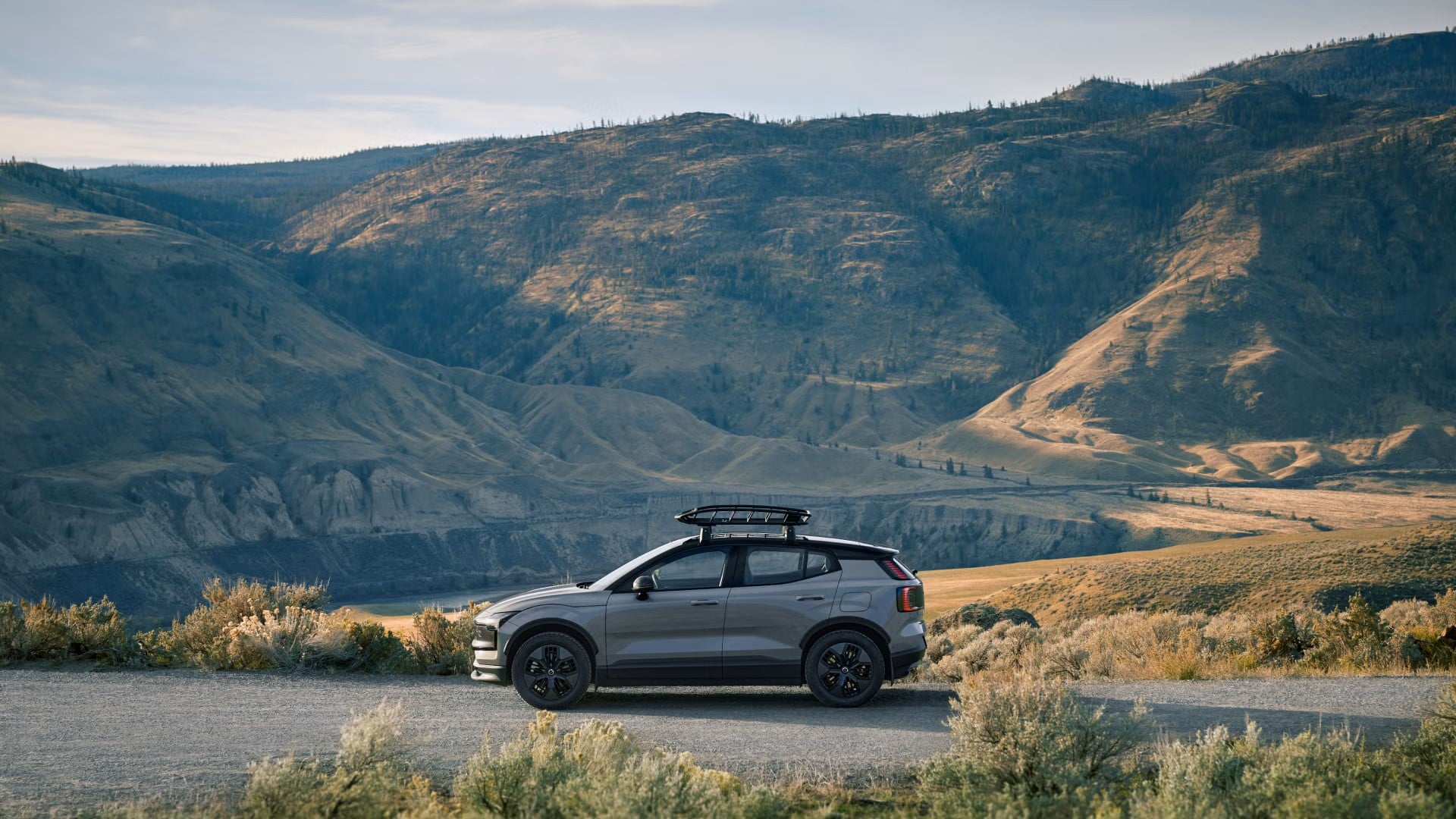
Building on the success of the standard EX30, the Cross Country variant raises ground clearance, offers larger wheels, and can be fitted with 18-inch all-terrain tyres. Standard all-wheel drive further equips the SUV to handle unsealed tracks, muddy conditions and slippery surfaces often found outside the city.
Managing Director of Volvo Car Australia, Stephen Connor, said the model draws on the brand’s long Cross Country heritage.
“We launched our first Cross Country car over 25 years ago, and this concept of durable, all-weather cars is core to the Volvo brand. In Australia, we enjoy the outdoors all year round, and the EX30 Cross Country delivers a fully rounded experience,” he said.
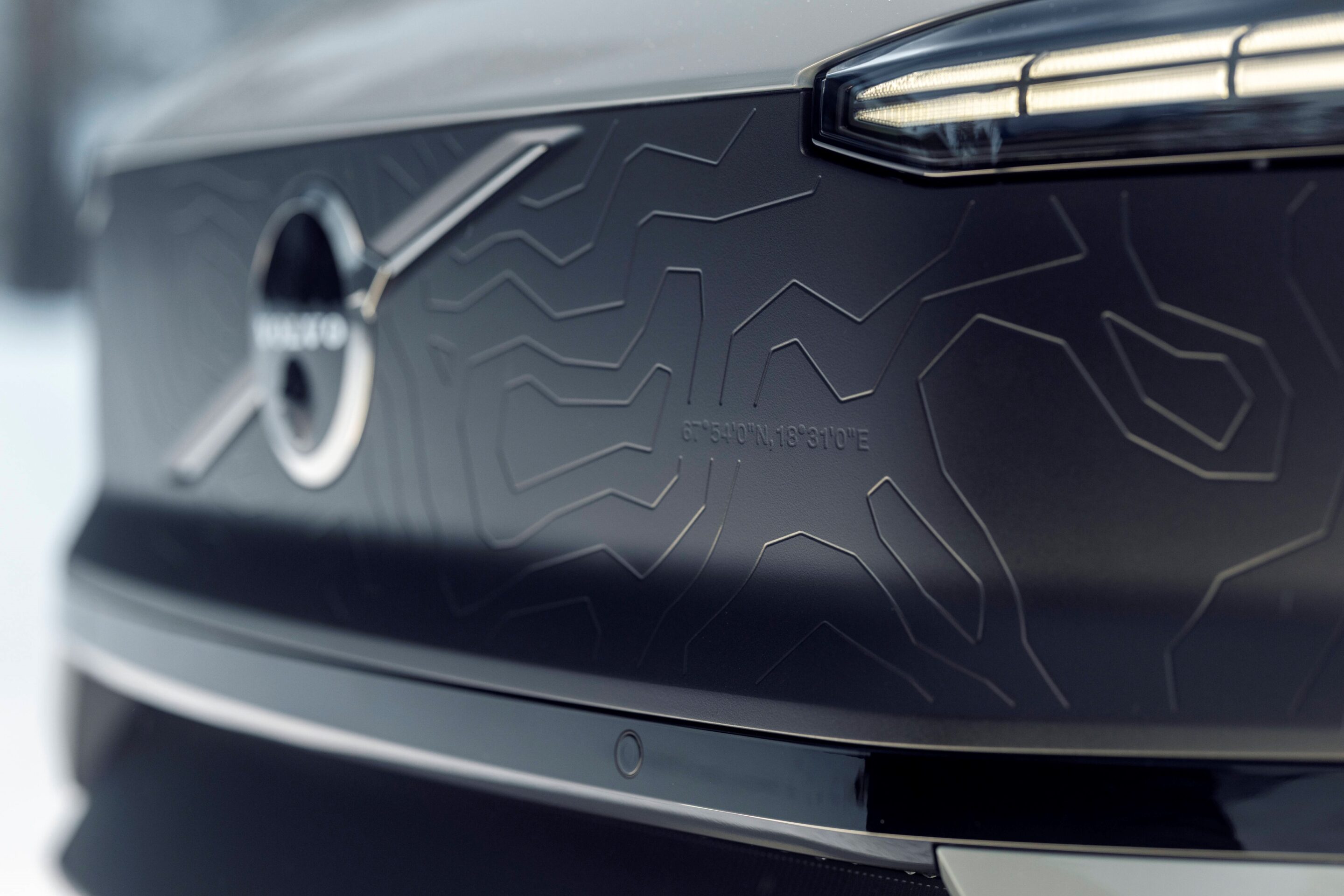
The Cross Country gains a distinctive look with dark-coloured panels on the front shield and boot lid, chunky skid plates and extended wheelarches. The front also features artwork depicting the Kebnekaise mountain range in Sweden. Five exterior colours are available, including Cloud Blue, Crystal White, Onyx Black, Sand Dune and Vapour Grey.
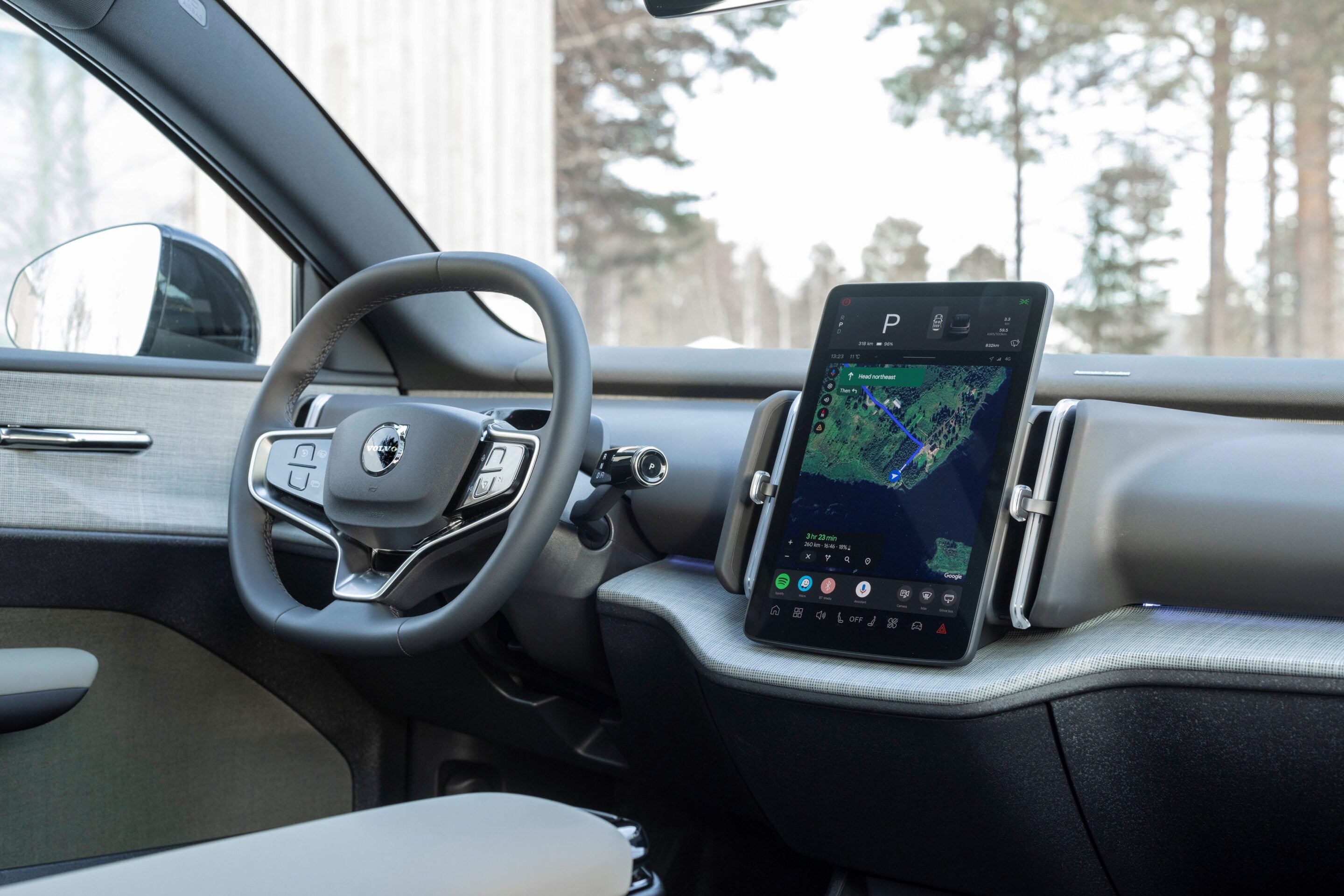
Inside, the EX30 Cross Country retains the clever packaging of the standard EX30, with a central storage tunnel that doubles as a sliding cupholder, a floor storage compartment and a glovebox placed within easy reach of both front passengers. A removable rear storage box can serve as a waste bin, while the boot lid includes a “Will it fit?” guide for luggage.
Powered by a battery capable of delivering up to 427km of range, the EX30 Cross Country can charge from 10 to 80 per cent in as little as 26 minutes using a DC fast charger.
Standard technology includes Google built-in apps, wireless Apple CarPlay, a digital key, panoramic sunroof, Harman Kardon premium audio and advanced driver assistance such as Park Pilot Assist, BLIS and Pilot Assist with steering support.
The new model is priced from $69,990 (MRRP) and is available to order now in Australia.
Genesis has revealed its updated 2026 G80 sedan range, introducing a revised line-up crowned by a new flagship, the G80 Black. The refreshed model family continues the brand’s focus on design-led luxury and now aligns with the wider Genesis portfolio by adopting the Signature naming convention.
The Australian range will comprise three variants: the 2.5T rear-wheel drive Signature, the 3.5T all-wheel drive Signature Sport, and the range-topping 3.5T AWD G80 Black, which is based on the Signature specification but distinguished by unique styling.
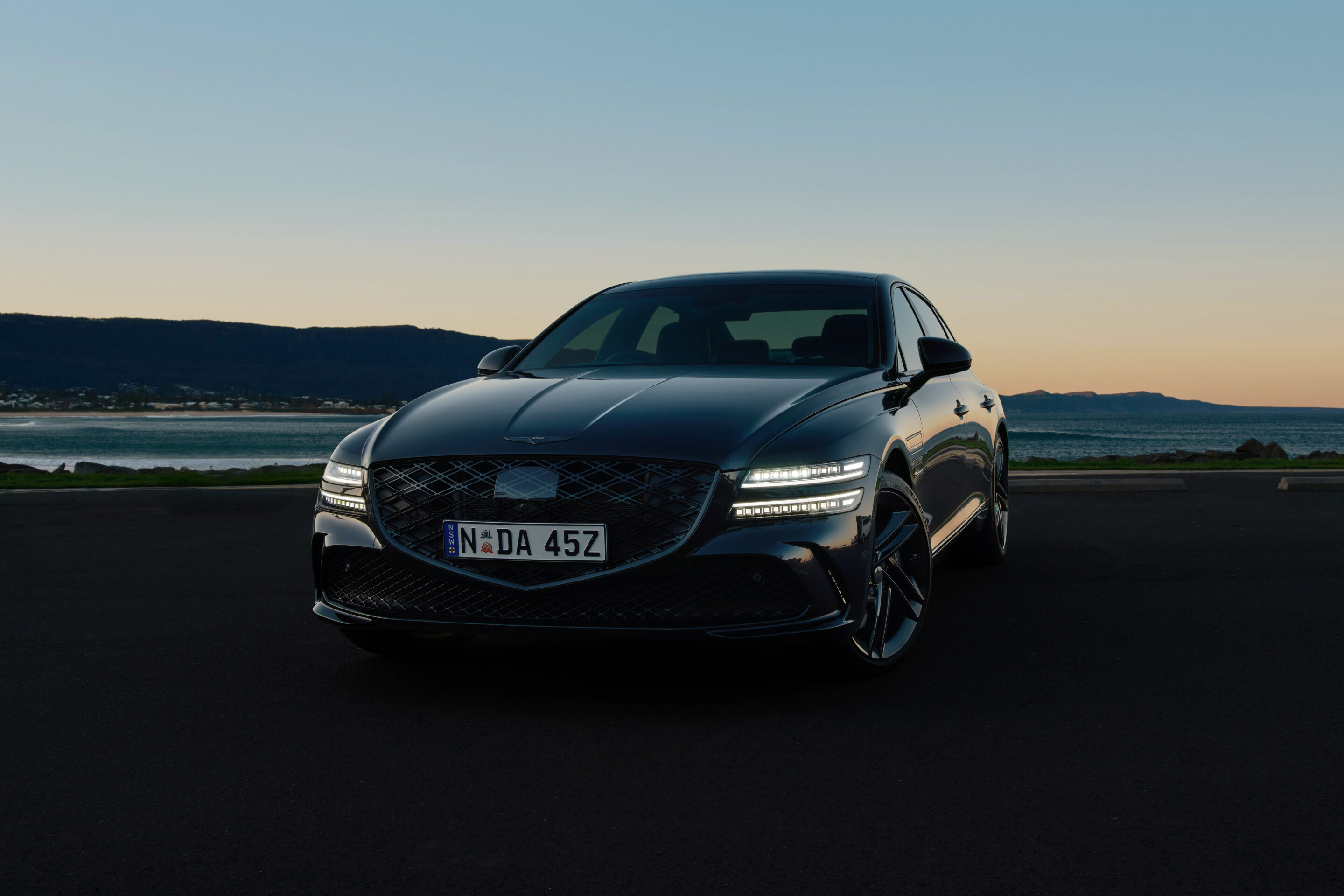
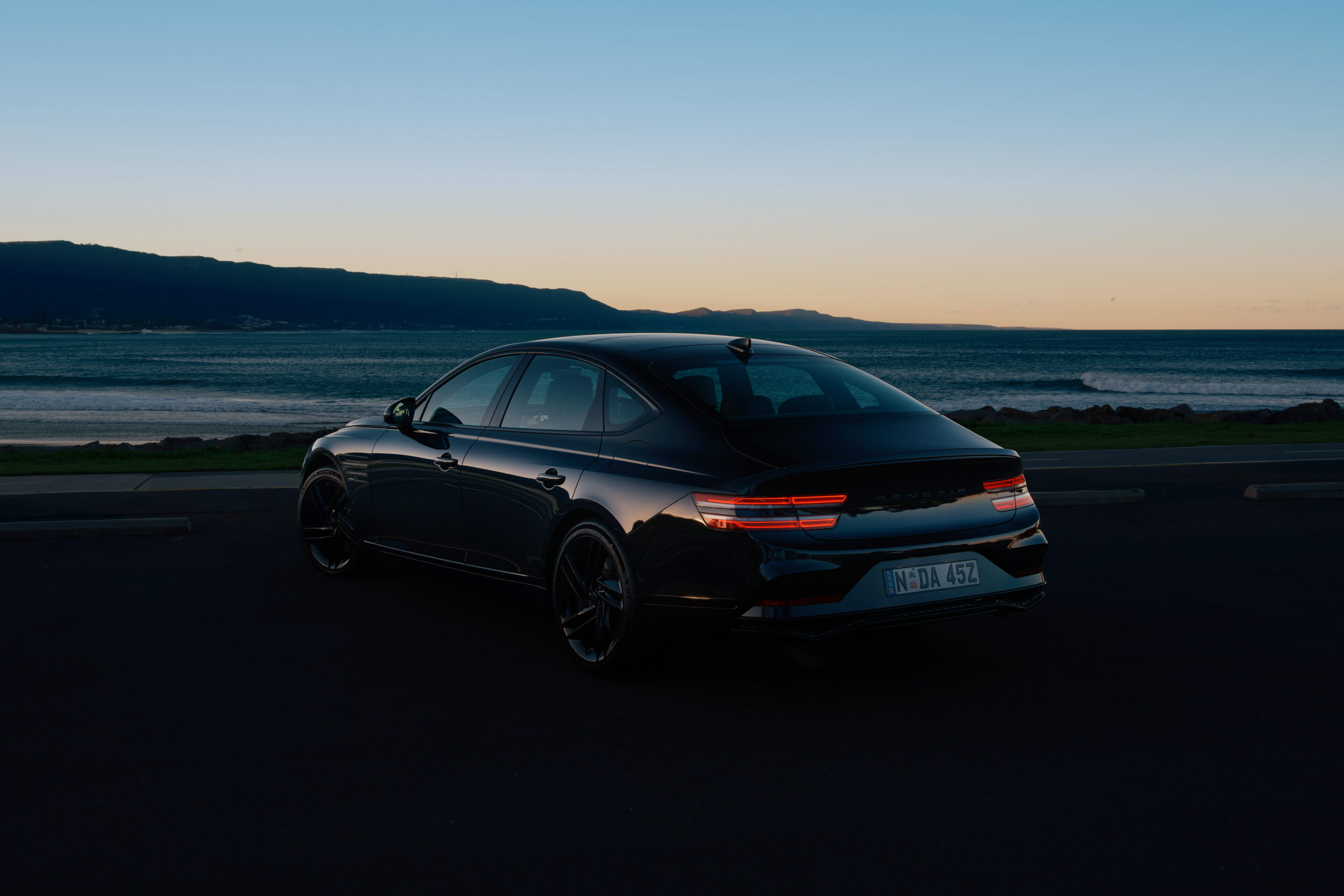
Externally, the 2026 G80 retains its elegant proportions but receives a subtle update at the front, further refining the model’s sophisticated look. Inside, the G80 Black becomes the most dramatic expression of the Genesis “Athletic Elegance” philosophy. It is offered exclusively with a monochrome Black exterior and black Nappa leather interior.
Genesis says its designers experimented with multiple finishes and textures of black across different materials, carefully assessing how each responded to light and how they combined with other surfaces. The result, the company claims, is a distinctive ambience crafted with precision and attention to detail.
Head of Genesis Motors Australia, Justin Douglass, said the addition of the G80 Black broadens the appeal of the sedan range.
“The striking new G80 Black brings even greater sophistication and appeal to our sedan line-up,” he said. “With a choice of powertrains and richly equipped grades, and a dramatic new flagship, 2026 G80 will appeal to a broad range of discerning buyers.”
Pricing
| Variant | Price |
|---|---|
| G80 2.5T Signature RWD | $104,200 |
| G80 3.5T Signature Sport AWD | $127,200 |
| G80 3.5T Black AWD | $125,200 |
Every 2026 G80 comes with a 5-year/unlimited kilometre warranty for private buyers (excludes commercial use) and an 8-year/160,000km EV battery warranty. Complimentary scheduled servicing is included for 5 years/75,000km, alongside Genesis To You concierge and courtesy vehicle service for the same period.
Customers also receive 24/7 Roadside Assistance for 5 years, extended to 10 years when servicing is carried out by Genesis. For electrified models, a 5-year Chargefox subscription is also provided.
The updated 2026 Genesis G80 range will arrive in Australian showrooms next year, with pricing and full specifications to be announced closer to launch.
Specs
2026 G80 2.5T Signature RWD
- 8 speed automatic transmission w/ rev-matching
- Pre-Active Adjustment Safe-Seat – front passenger
- Shift–By-Wire (SBW) w/ paddle shifters
- Pre-Safe Seat Belt (PSB) – front seats | Front & rear seatbelt pre-tensioners
- Nappa Leather appointed interior w/ Luxury quilting & leather appointed driver’s airbag
- Remote Start (via Smart Key)
- Parking Collision-Avoidance Assist
- Two-tone leather steering wheel (except black int.)
- Electric Parking Brake (EPB) with auto hold
- Parking Distance Warning-Forward/Side/Reverse
- Suede headlining, pillar & rear shelf trims
- High performance dampers front & rear
- Rear Cross-Traffic Collision Avoidance-Assist
- Open pore real wood garnish – rear armrest console
- 4 piston Monobloc front brake calipers
- Rear Occupant Alert – Radar type
- Drive Mode: Comfort / Eco / Sport / Custom
- Smart Parking Assist | Remote Smart Parking Assist 2
- 18-way front seats (driver & passenger)
- Temporary spare wheel
- Safe Exit Assist
- Passenger seat Integrated Memory System
2026 G80 3.5T Signature Sport AWD adds:
- 20” Sport alloy wheels w/ Michelin Pilot Sport 4S tyres
- Sport exterior styling (front/rear bumpers, grille)
- Road Preview Electronic Control Suspension
- Dark chrome exterior garnishes
- Rear Wheel Steering
- Sport seat quilting
- Sport+ Drive Mode
- 3-spoke sport steering wheel
- Launch control
- Real Carbon interior garnish
- Alloy pedals
2026 G80 3.5T Black AWD adds:
- 20” alloy wheels (Black exclusive)
- Exclusive Black aluminium speaker grille
- Monoblock Black brake callipers
- Black G-Matrix front grille
- Exclusive welcome & goodbye animation
- Dark-tinted ‘GENESIS’ emblem and lettering
- Dark-tinted chrome body cladding
- Dark-tinted Genesis emblem on steering wheel
- Exclusive Black seat quilting and Nappa leather
- Exclusive Black Ash real wood interior trim
- Exclusive Black garnishing, bezels and switchgear
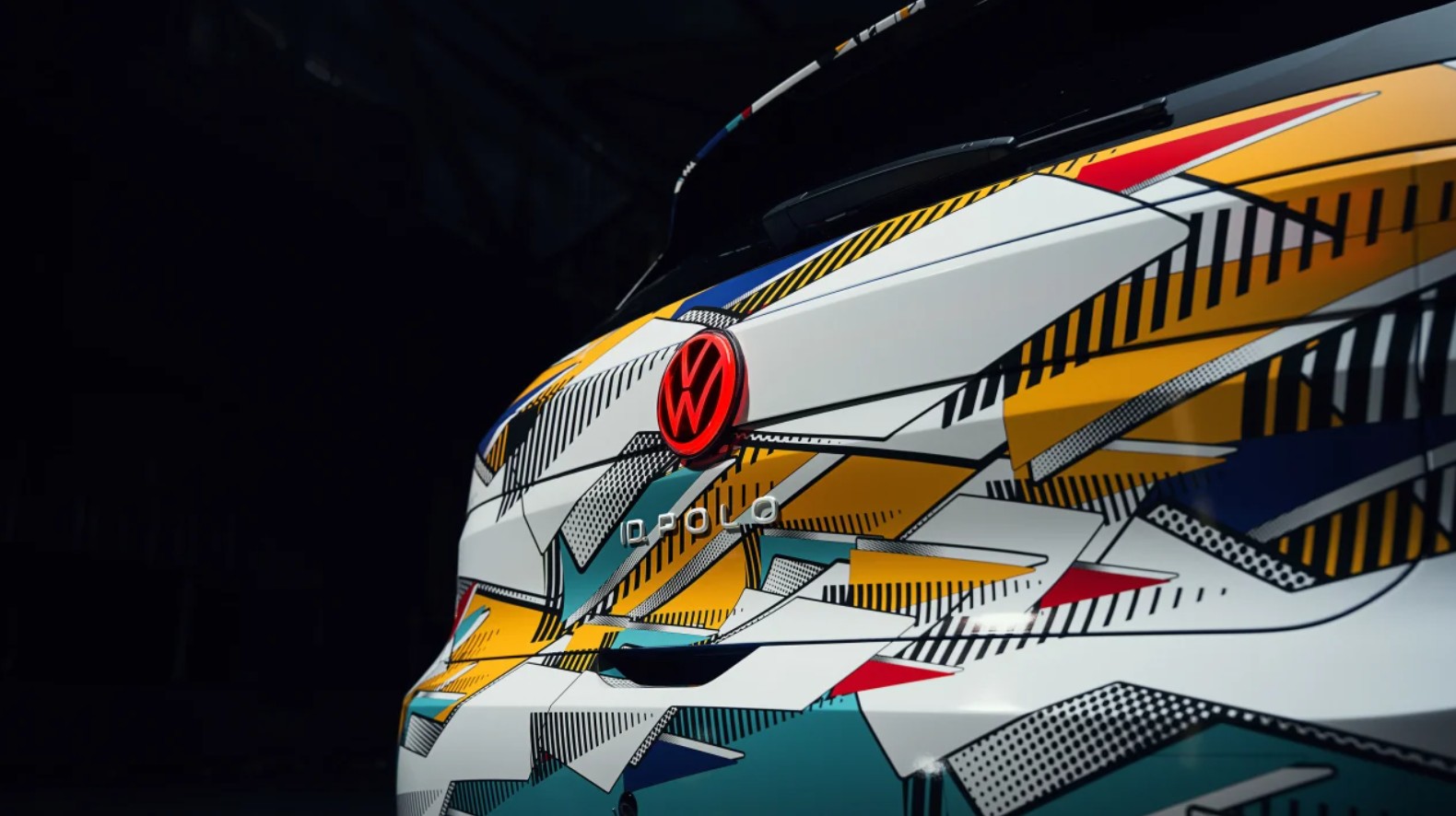
Volkswagen has confirmed its forthcoming all-electric supermini will carry the ID. Polo name, reviving one of its best-known badges for the EV era. The news comes ahead of the car’s public reveal at the Munich Motor Show, where lightly camouflaged prototypes will be displayed.
During development the car was known as the ID.2all concept, and the production model was at one point tipped to be called the ID.2. But VW executives decided the Polo badge was too significant to drop, with the ID. Polo joining the forthcoming ID. Golf and future ID. GTI editions in carrying familiar branding into electrification.
The ID. Polo will launch with a starting price near €25,000 (about A$41,000), roughly the same as the entry petrol Polo in Europe. It sits on the new MEB Entry platform, designed for small, cost-effective EVs, and will be built at VW Group facilities in Spain alongside the Cupra Raval and upcoming Skoda small SUV.
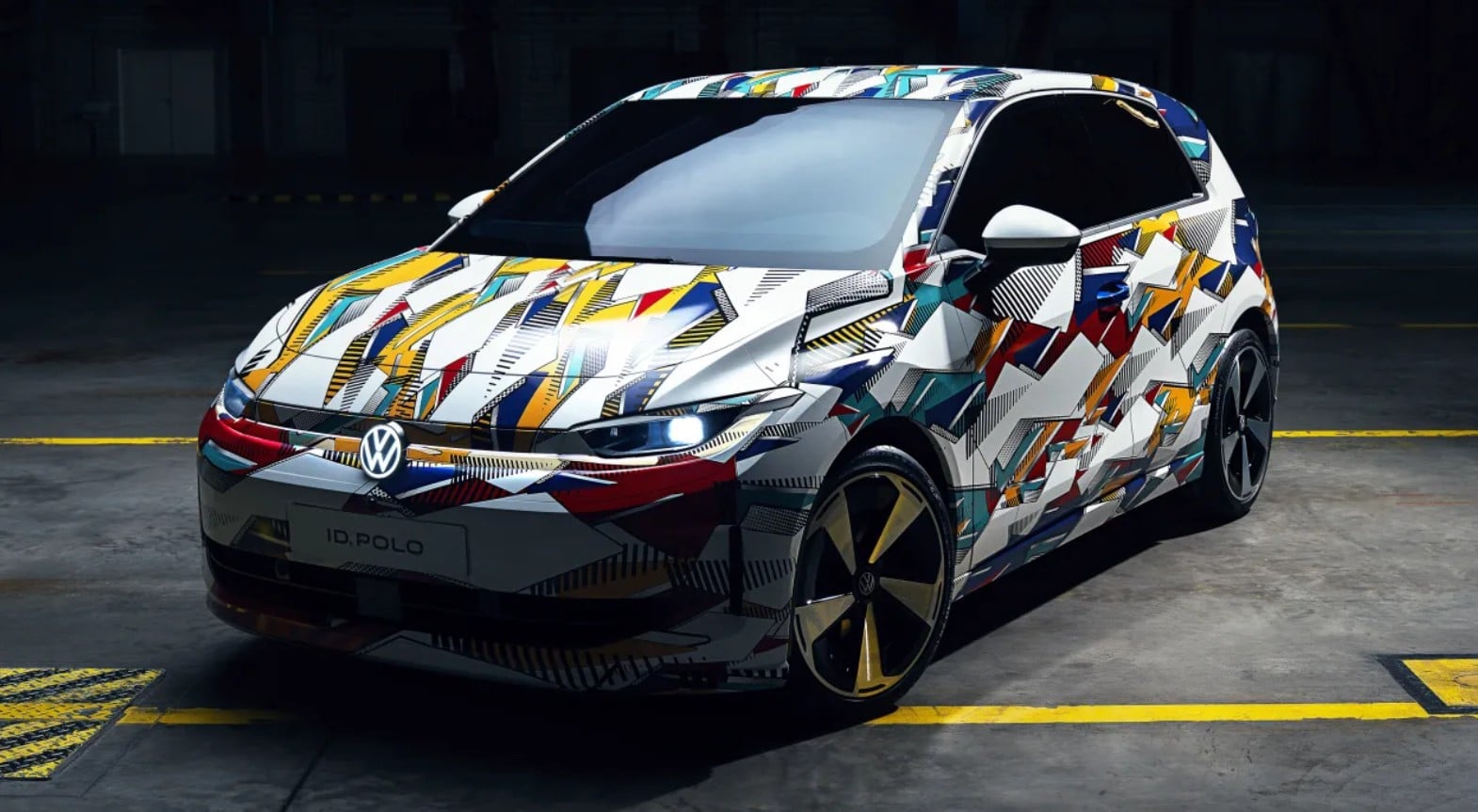
VW has also confirmed that an even cheaper EV, the ID.1, is due in 2027 with a projected price under €20,000 (around A$33,000). A compact SUV spin-off of the ID. Polo, called ID. Cross, is also scheduled for unveiling in 2025.
The ID. Polo will be offered with two battery packs, 38kWh and 56kWh, with WLTP range expected to be around 450km for the larger version. A single front-mounted motor will produce around 165kW, good for a 0–100km/h time of about seven seconds. Fast-charging at up to 125kW will enable a 10 to 80 per cent top-up in roughly 20 minutes.
A performance-focused ID. Polo GTI has also been confirmed, launching in 2026. Previewed by the ID. GTI concept, it will compete with the likes of the MINI JCW Electric and Alpine A290.
The new EV takes cues from the 2023 ID.2all concept with a clean, conventional profile and hidden rear door handles. It is about 4,050mm long with a 2,600mm wheelbase, slightly shorter overall than today’s Polo but with more cabin space thanks to the electric platform.
Inside, VW is moving away from touch-sensitive sliders. The dash is expected to feature a 10.9-inch digital driver’s screen and a 12.9-inch central infotainment display, with physical rotary controls for volume and climate. Boot capacity is quoted at 440 litres, expanding to 1,330 litres with the rear seats folded.
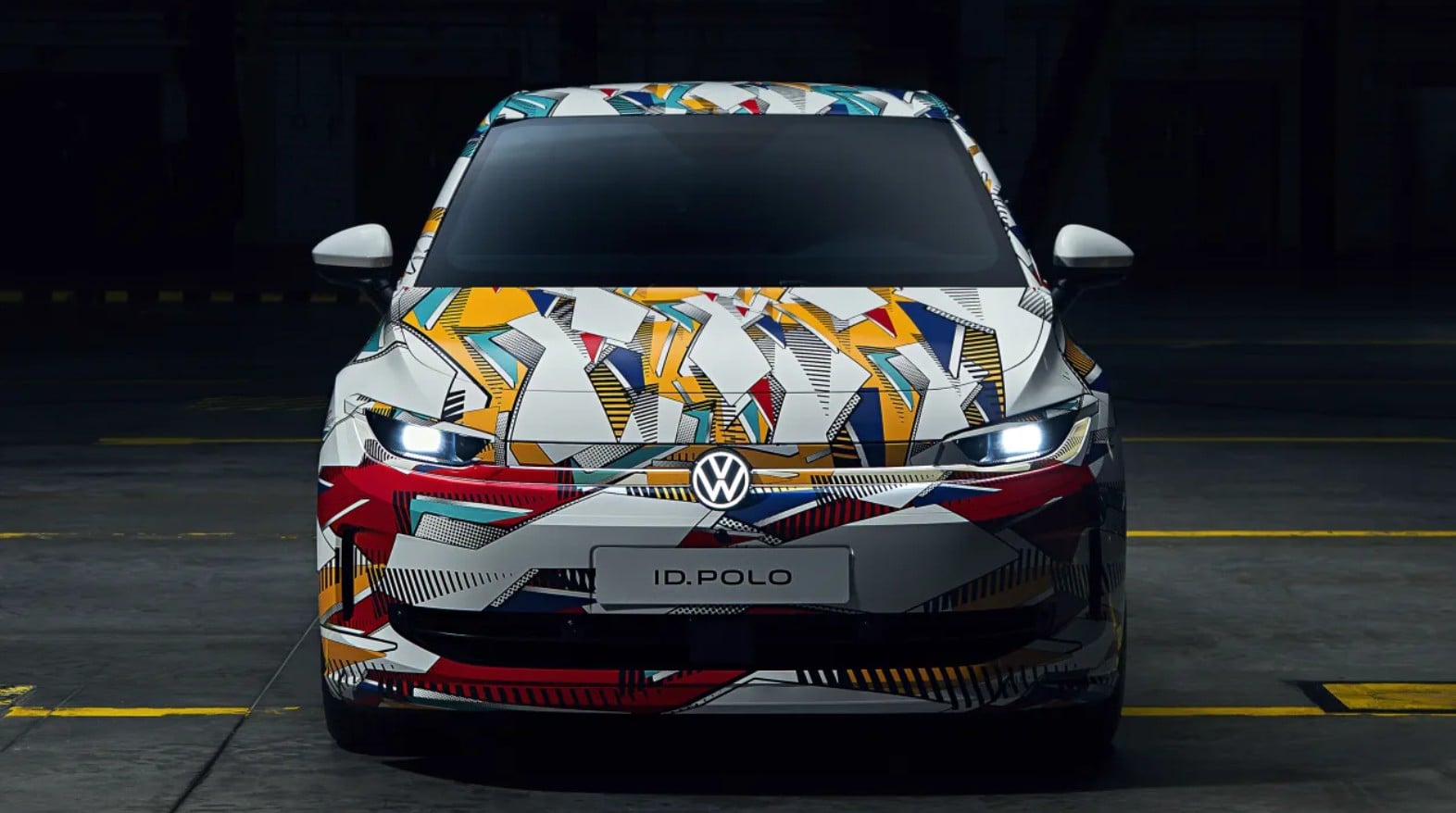
When it arrives in 2026, the ID. Polo will face competition from a new generation of small EVs including the Renault 5, Citroën e-C3, Fiat Grande Panda and next-gen Peugeot e-208.
By combining a well-known nameplate with an affordable price point and updated architecture, Volkswagen hopes the ID. Polo will play a central role in maintaining its dominance in the European small-car market as electrification accelerates.
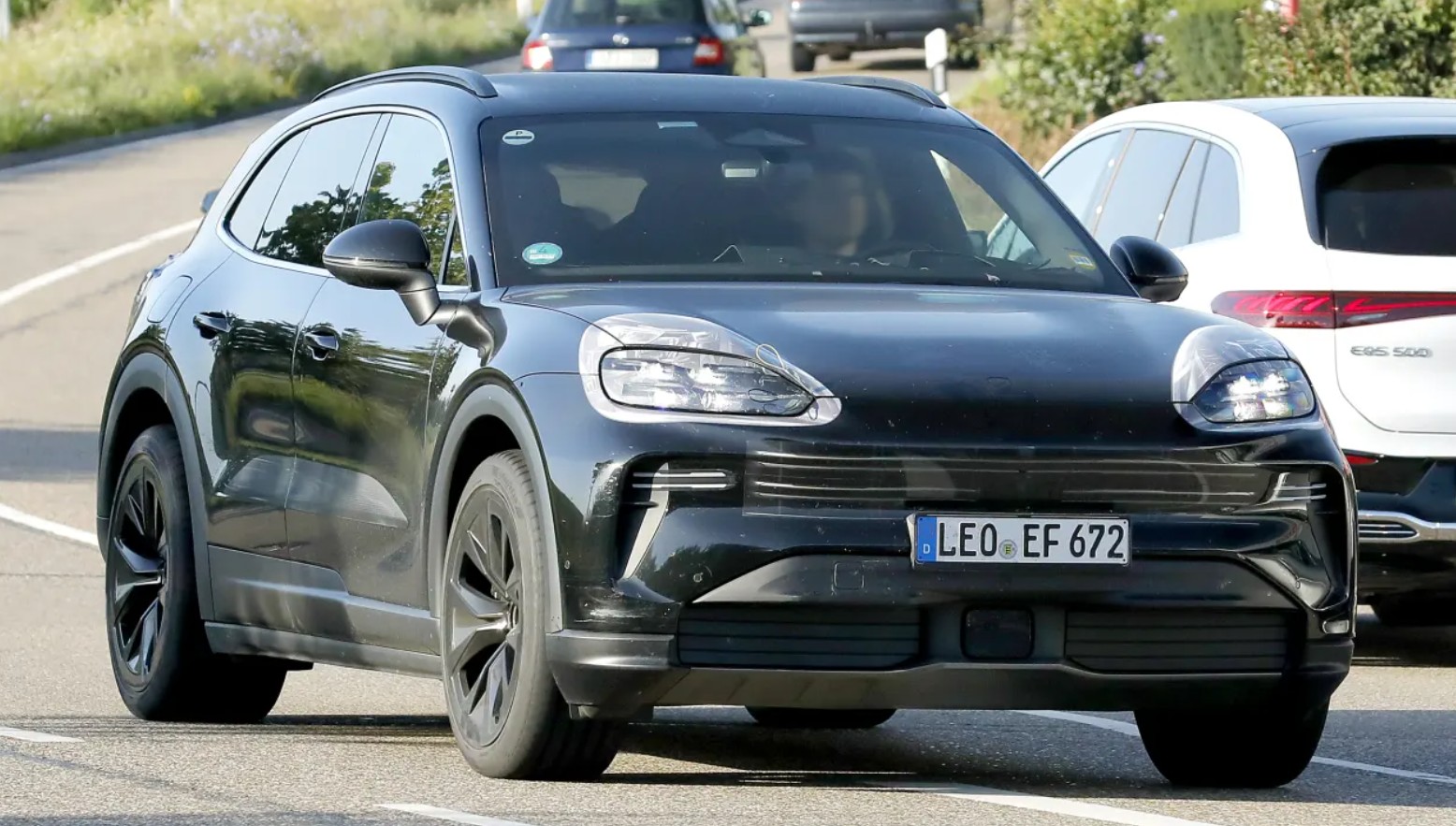
Porsche will use this year’s Munich Motor Show to unveil its first all-electric Cayenne, and while much attention will focus on its size, styling and performance, it is the charging technology that sets it apart.
The Cayenne EV will be the first production car equipped to wirelessly recharge its high-voltage battery using an inductive floor pad. Unlike the everyday smartphone pads found in many cars, this system transfers power directly to the vehicle’s main traction battery.
The charging plate, designed for home use, measures 117cm by 78cm and stands six centimetres high. Owners connect the unit to mains power and simply park the Cayenne EV over the pad, ensuring it aligns between the wheels.
To maintain efficiency – Porsche says it can reach up to 90 per cent – the SUV is able to lower itself closer to the plate, minimising the gap between hardware and vehicle. The kit, weighing about 50kg, includes safety systems that halt charging if a foreign object or living creature is detected on the surface.
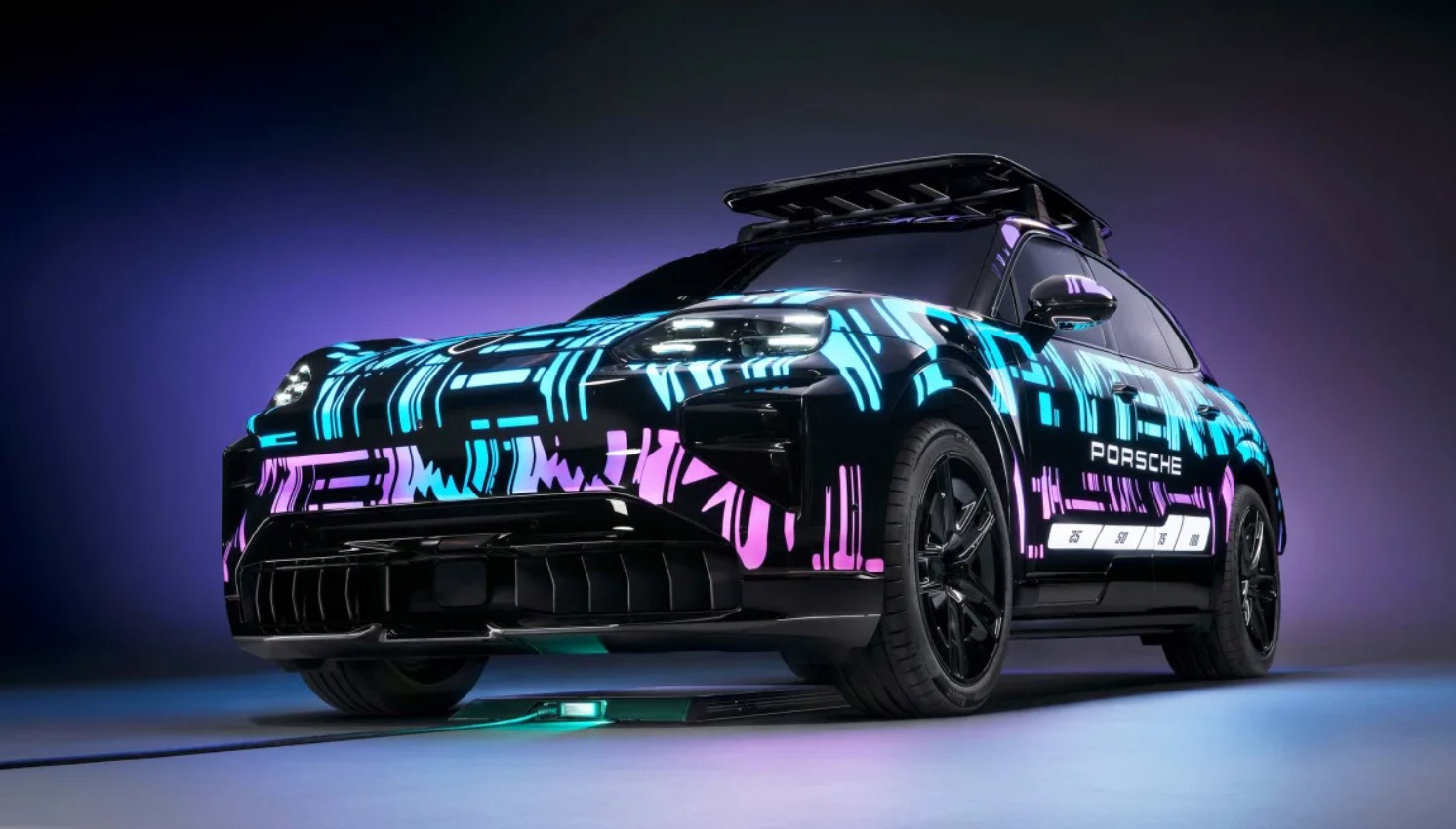
The wireless setup delivers 11kW of charging power, suitable for overnight replenishment of the Cayenne’s large battery. For faster turnaround, the vehicle is also compatible with 400kW rapid charging, allowing a 10 to 80 per cent top-up in around 15 minutes.
While inductive charging has been trialled by other brands, including Tesla and Volvo, Porsche will be the first to put it on sale, citing research that shows roughly three-quarters of owners charge at home. Hardware to enable wireless charging will be available through Porsche Centres.
The electric Cayenne will sit alongside petrol-powered models rather than replace them, expanding the brand’s SUV line-up. Coupe and SUV body styles will be offered, with base “4” models and high-output “Turbo” versions at launch.
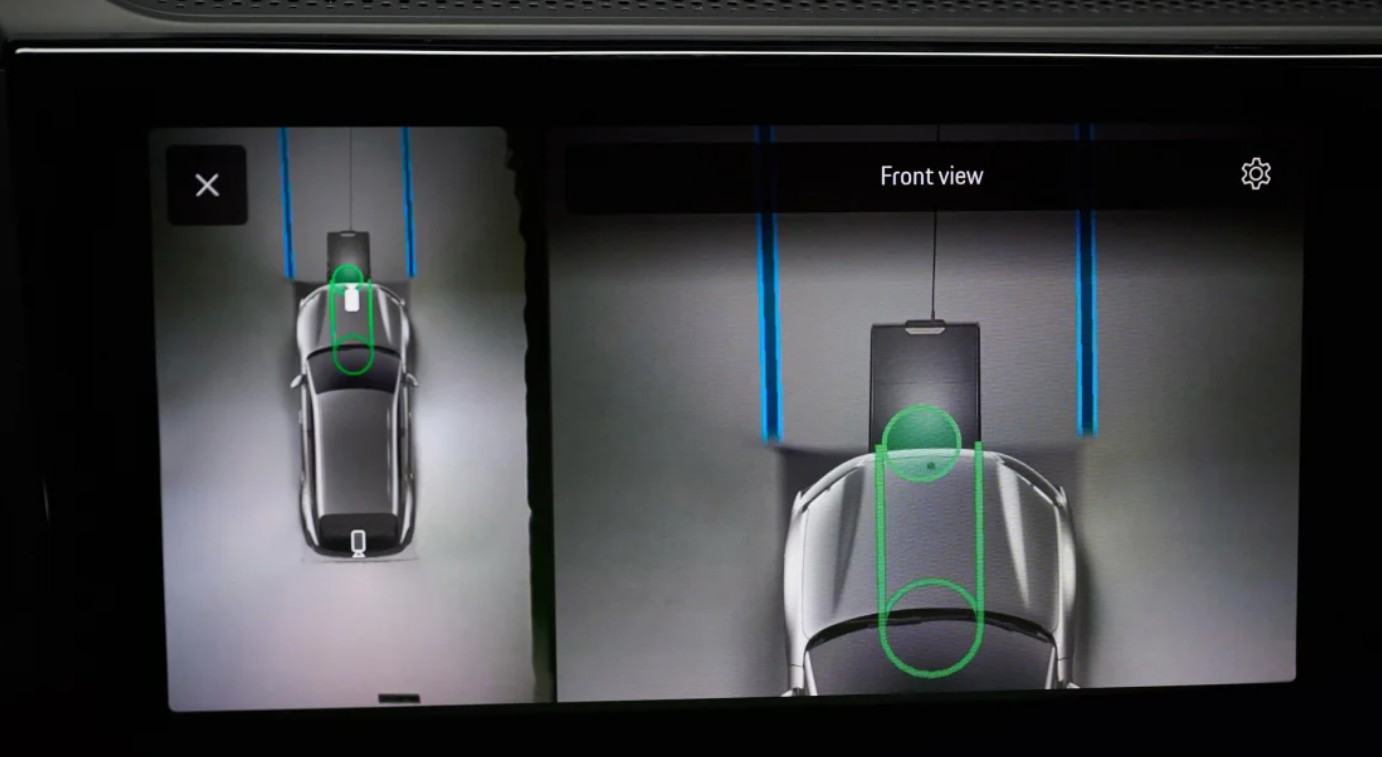
The EV shares Porsche’s 800-volt PPE platform with the Macan Electric but introduces updates such as Active Ride Control, rear-wheel steering and enhanced air suspension. Power outputs are expected to start around 400bhp, with Turbo models approaching 800–900bhp (596kW-671kW) to match rivals from Mercedes-AMG, Audi and BMW.
Design changes include integrated high-mounted headlights, a re-sculpted light bar at the rear and frameless windows. Inside, the cabin will move to a largely digital interface with multiple displays and increased passenger space thanks to a flat floor.
Pricing has not yet been confirmed, but with the Macan Electric starting near £70,000 (A$144,227) in Europe, the Cayenne EV is expected to exceed the £100,000 (A$206,100) mark when sales begin.
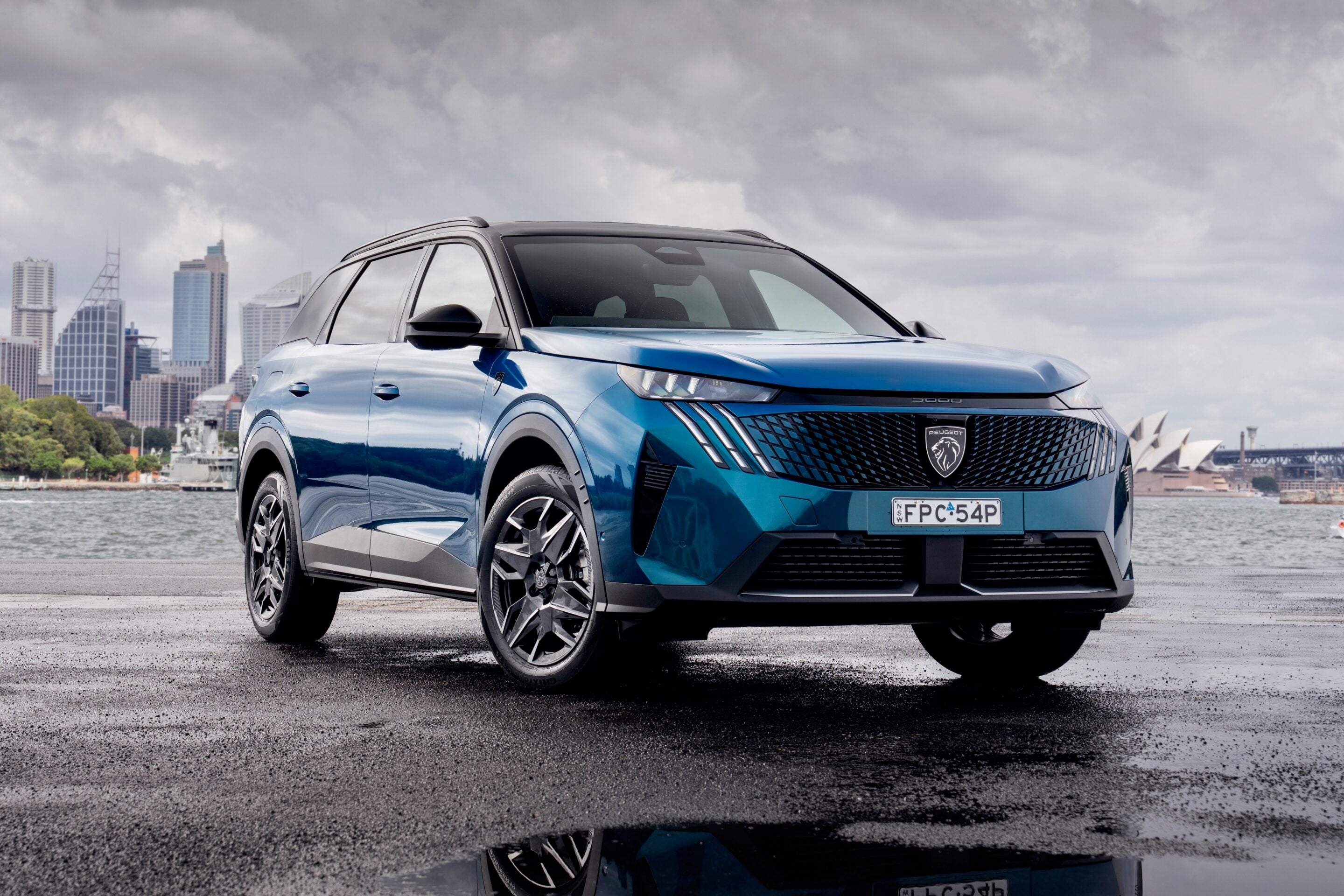
Peugeot is on a product offensive in Australia, launching new and updated versions of its line-up, including important new SUVs like the 3008 mid-sizer. All of the new models are fitted with a new hybrid drivetrain with low claimed fuel consumption to assist its NVES compatibility.
The latest to launch is the third-generation 5008 seven-seat large SUV, building on the previous generation with a futuristic new look inside and out.
There are two 5008 models offered in Australia: the entry-level Allure ($54,990 plus-on road costs) and the top-spec GT Premium tested here ($67,990 +ORC). Equipment levels are impressive and on the GT Premium include 19-inch wheels, Nappa leather trim, tri-zone automatic climate control, a 21-inch curved display, wireless smartphone mirroring, live services and safety features such as adaptive cruise control with traffic jam assist, a 360-degree camera and adaptive high beam.
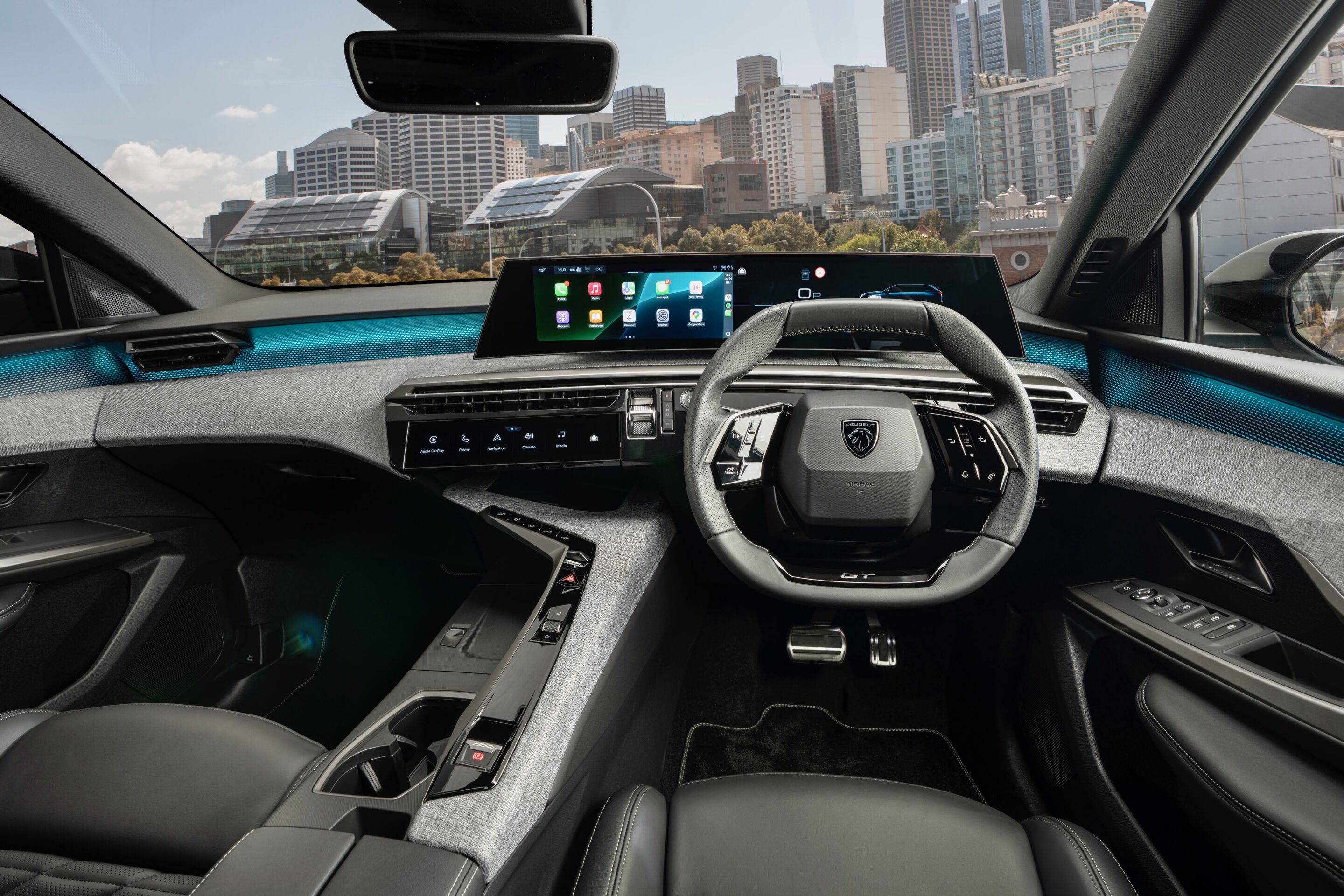
As we’ve seen from Peugeot products over the past 10 years, the interior of the 5008 sets a high standard for non-luxury brands with exotic design and high-end materials not found on many other modern cars.
A 21-inch curved display dubbed ‘i-Cockpit’ incorporates the infotainment and driver’s displays, and impresses with sharp graphics. But the vast majority of the 5008’s features are also controlled through it, including a lot of the climate control, and the layout takes time to get used to. Peugeot is clearly aware of this as there’s a second screen below with shortcuts and buttons on the centre console to control some features more easily, but it’s still not easy to wrap your head around.
Supportive and comfortable front seats are one of the highlights of the 5008 and the multi-point massage is one of the best on the market. There are multiple modes, with the cat’s paw option all you need – once you burrow through menus to activate it. The 5008’s cabin practicality is excellent, which is unusual for French cars.
The middle row of the 5008 easily handles two adults and leg- and headroom is ample. Amenities include a third climate zone, heated outboard seats and window shades. Two ISOFIX and three top-tether points handle child seat duties and moving rearward to the third row is easy thanks to the fold and slide middle row – two kids will be fine back there. Cup holders, airbags and a 12V socket feature but no air vents.
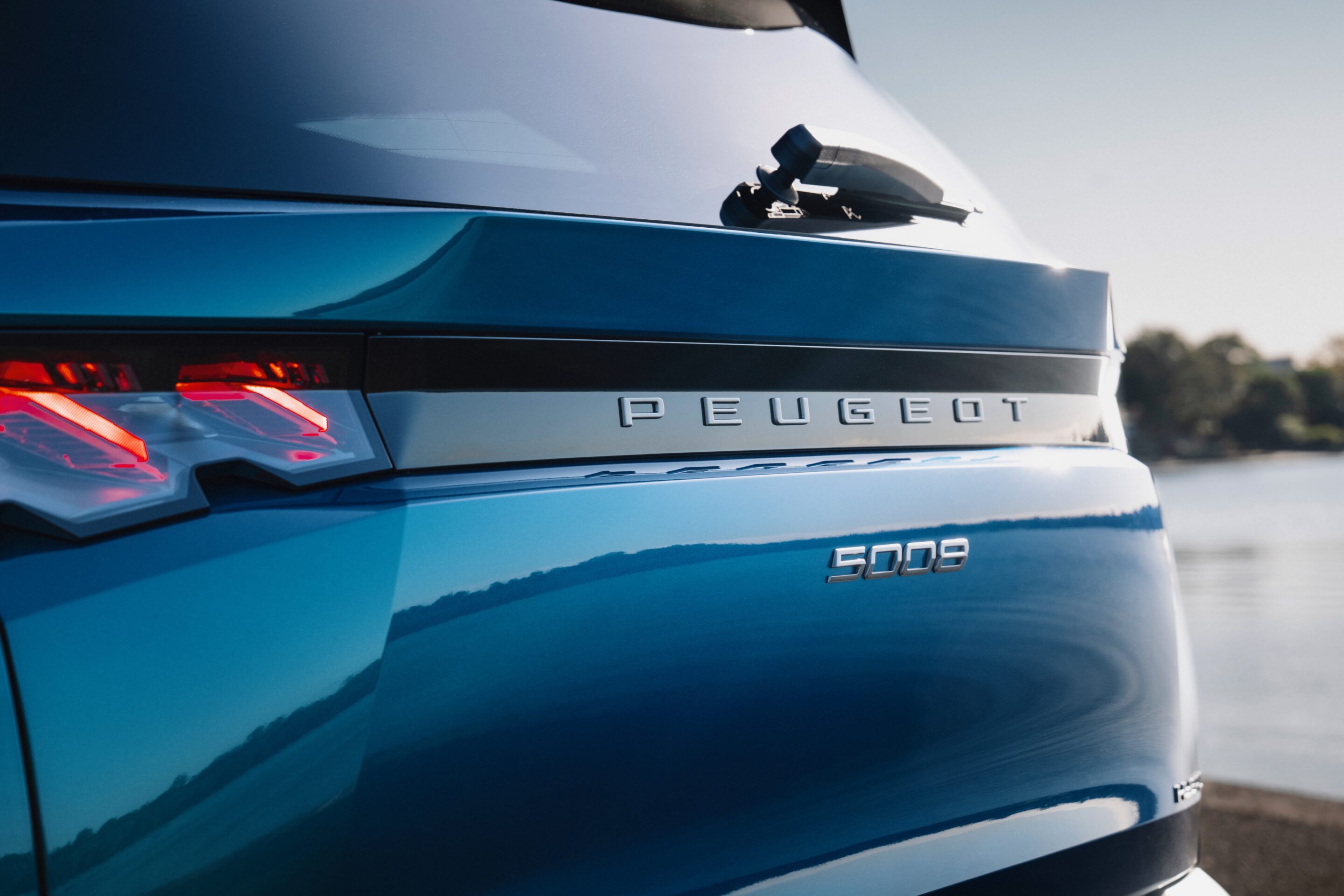
There’s 348 litres of bootspace behind the third row, opening up to 952 litres with the third row folded and a huge 2232 litres with the second row folded too. There’s no spare wheel, just a tyre repair kit.
While the previous-generation 5008 used a 1.6-litre turbo-petrol engine, the new model uses a downsized 1.2-litre three-cylinder turbo-petrol engine with a hybrid system with and six-speed dual-clutch transmission, powering only the front wheels. Europe gets PHEV and EV variants too, but not Australia as yet.
The 5008’s 107kW peak power is fine for town driving, especially with the 51Nm boost in electric torque from 0rpm, though more would be appreciated for higher speeds. While the drivetrain is officially a 48V mild-hybrid, it’s actually capable of moving the 5008 on electric power alone like a proper hybrid. Otherwise, the engine handles the propulsion and does its work with a characterful thrum that’s never intrusive.
Peugeot claims that the 5008 uses 5.1L/100km on a combined cycle and we achieved 6.8L/100km, which is a good result for a seven-seater, though similar to the more powerful and larger Hyundai Santa Fe Hybrid in our testing. The 19-inch alloy wheels give a firmer ride at lower speeds than expected but the 5008’s ride is otherwise comfortable and its handling is fun for a large SUV.
The 5008 is covered by a five-year/unlimited km warranty with five years of roadside assistance. Five years/75,000km of servicing costs $2889, while a pre-paid service package costs an inexpensive $1995, or $399 per year.
Sitting at the smaller end of the segment, the 5008 still impresses thanks to its gorgeous interior, great driving experience and long equipment list. Rivals such as the Skoda Kodiaq and Hyundai Santa Fe are quicker and more commodious, but the 5008 has more character and feels elevated inside. It won’t suit all buyers, but if you’re after a stylish seven-seater, the Peugeot 5008 is well worth consideration.
Specs
| Model | Peugeot 5008 GT Premium |
|---|---|
| Price | From $67,990 plus on-road costs |
| Engine | 1.2-litre 3-cylinder turbo-petrol 48-volt mild-hybrid |
| Engine outputs | 100kW/230Nm |
| Electric motor outputs | 15.6kW/51Nm |
| Peak combined power | 107kW |
| Transmission | Six-speed dual clutch, front-wheel drive |
| Claimed 0-100km/h time | 11.3 seconds |
| Top speed | 197km/h |
| Fuel consumption (claimed/as tested) | 5.1L/100km, 6.8L/100km |
| Claimed CO2 emissions | 116g/km |
| Fuel type/tank size | 95RON premium unleaded, 55 litres |
| Dimensions (l/w/h/wb) | 4790/1895/1735/2890mm |
| Bootspace | 348L (third row up), 952L (third row folded), 2232L (third + second rows folded) |
| Tare weight | 1671kg |
| Warranty/roadside assistance/service intervals | 5-year/unlimited km, five years, annual/every 15,000km |
| Five-year service cost | $2889, pre-paid service pack: $1995 |
| On sale | Now |
Ford engineers have put the upcoming Ranger Super Duty through extensive water testing, confirming the heavy-duty ute can handle 850 millimetres of water at controlled speeds.
The program began at Ford’s You Yangs Proving Ground near Geelong, where a concrete water bath capable of being filled to more than a metre deep allowed systematic testing in repeatable conditions. Program engineer Drew O’Shannassy said each stage of testing provided new insights.
“We started shallow – 50 millimetres – because each depth tells a different engineering story,” he explained.
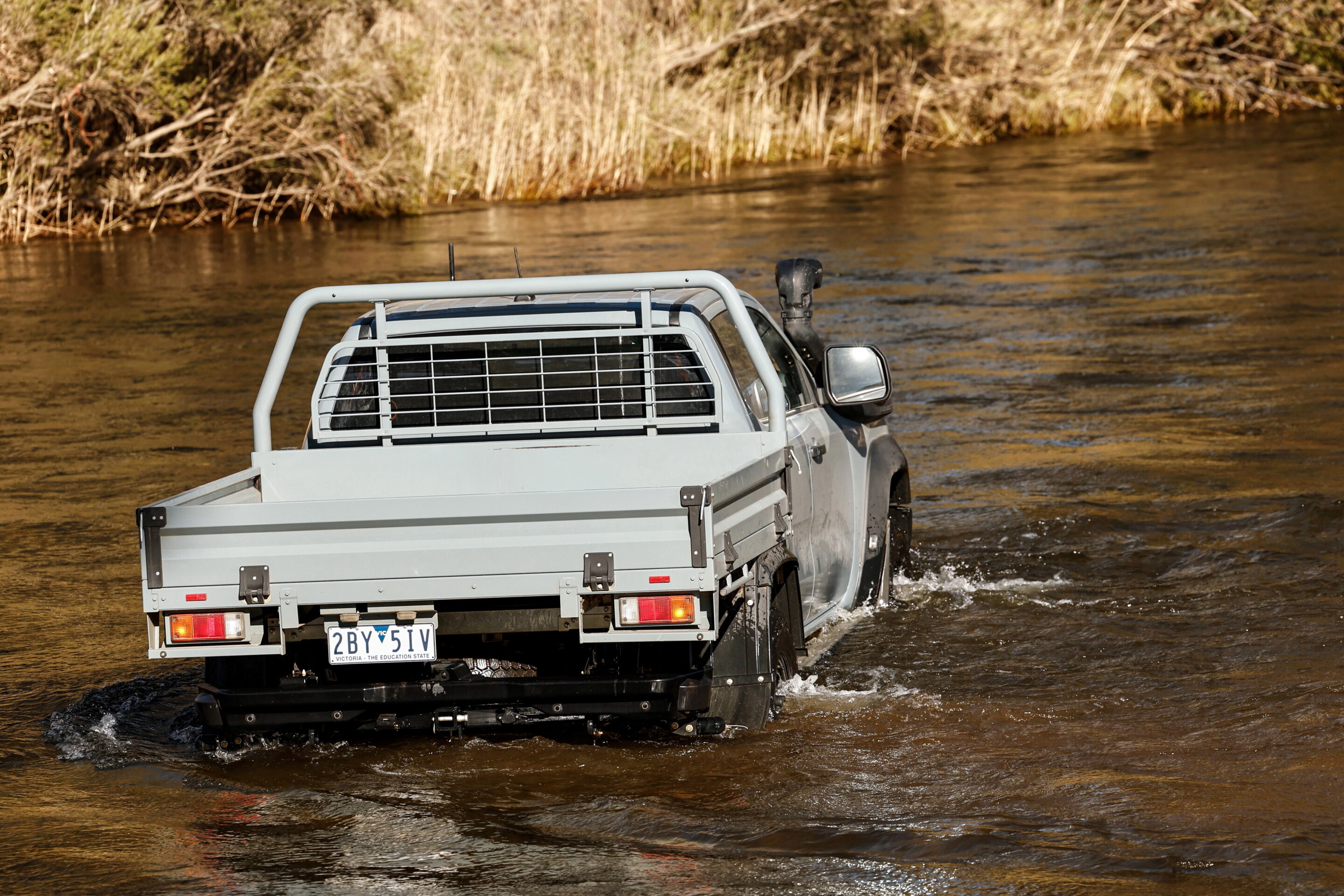
Shallow crossings helped assess the durability of components under the vehicle, while deeper runs focused on sealing for the intake and other systems. Engineers also measured the significant forces acting on the vehicle during deep wading, ensuring every seal prevented water intrusion.
Months later, the team took prototypes to the Crooked River Track near Dargo, a route featuring 27 consecutive river crossings. Unlike the controlled test bath, river conditions varied by depth, flow rate and bottom surface, providing the ultimate real-world validation.
“The first crossing always gets your heart pumping,” vehicle integration engineer Tim Postgate said. “You’ve done the maths and the lab work, but watching the truck’s nose dip into rushing water makes it real.”
Across all 27 crossings, the Super Duty maintained its targeted wading depth. Key system breathers, including those for the transmission and differentials, were positioned safely above the 850mm level, while a factory-fitted Safari snorkel provided secure airflow.
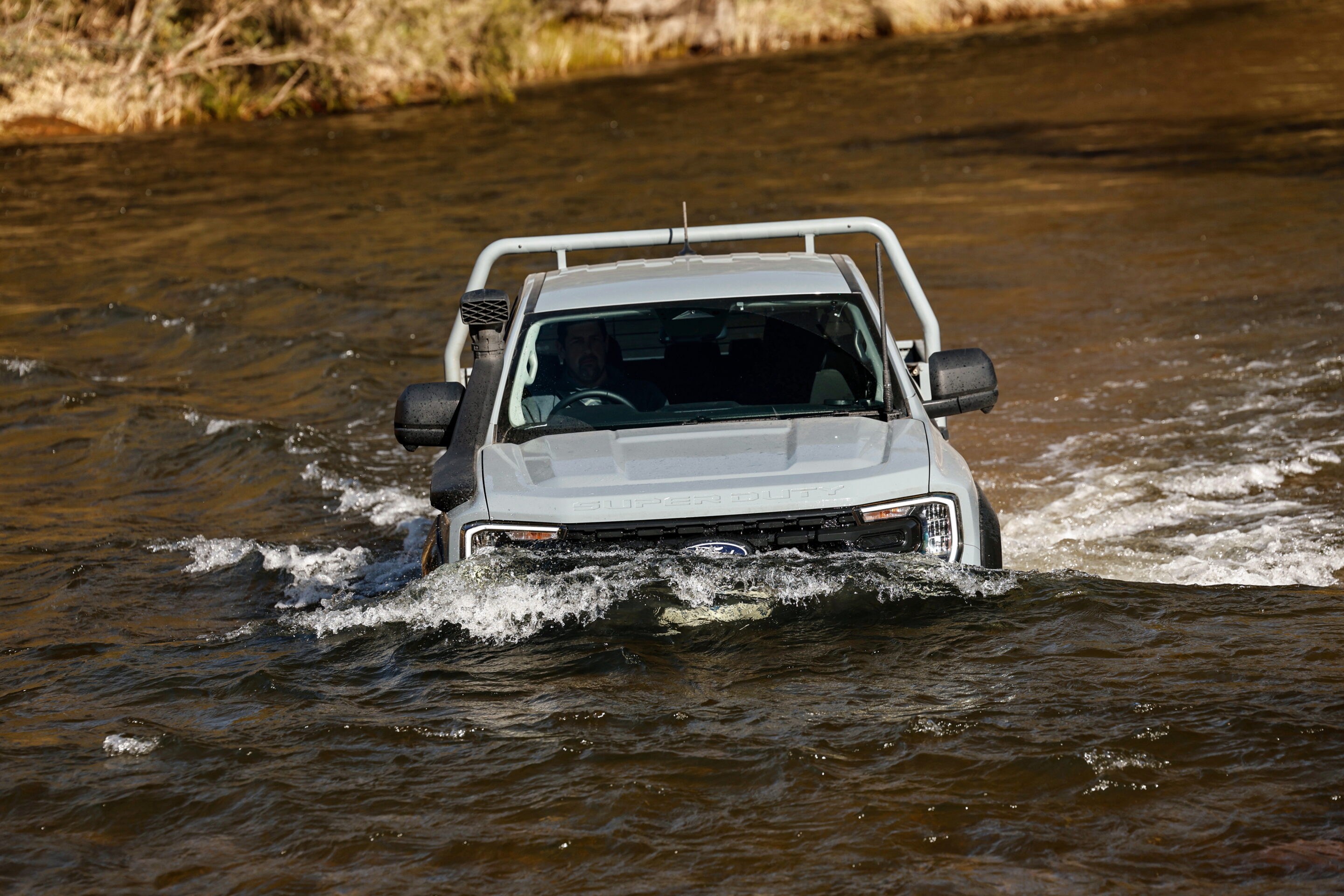
The snorkel itself was the product of a collaboration between Ford designers and off-road specialists Safari. Chief designer Max Tran said the goal was integration without compromising performance.
“We wanted something that looked like it belonged from day one,” he said. The result was a snorkel that optimised airflow while blending with the truck’s styling.
Final validation at Crooked River confirmed the combined design and engineering effort. For Ford, the testing was about more than proving capability on paper.
“These features aren’t for show,” Postgate said. “They provide peace of mind for customers facing the unexpected realities of nature.”
The Ranger Super Duty is due to launch in Australia in early 2026.
