
Supercars is set to introduce an all-new set of rules in 2022, dubbed Gen3, which will set the category on a path that will hopefully secure its future.
However, creating a whole new set of technical regulations isn’t the work of a minute. Supercars has created a Gen3 working commission to develop the new rules involving stakeholders from within the business and pit lane.
But not everyone is included in the inner sanctum. These are the three very different sets of voices that Wheels spoke to about how Supercars should go forward with Gen3, each laying their vision for the future on the table.
The heavy hitters
These are the men that have a direct influence over the future of the category. John Casey is Supercars’ chief strategy officer, and the man in charge of penning the Gen3 rulebook. Triple Eight Engineering head honcho Roland Dane is arguably the most influential team boss in pit lane and directly involved in any discussion of significance. Located in the US, Mark Rushbrook is Ford’s head of global motorsport, and personally controls the manufacturer’s involvement in the category.
The team players
While they aren’t directly involved in the Gen3 working group, Todd Kelly and Barry Ryan are two of the team bosses that will have to adapt to the new rules. Kelly is a technical guru, and his experience as a driver, team owner and engine builder makes him about as informed as they come. Ryan is one of the most outspoken team bosses in pit lane and comes armed with radical ideas that challenge the status quo. They both know what it takes to run a successful race team.
The outsiders
Tempering the voices of those that spend their time at the coal face is Tony Cochrane, the iron-fisted ex-Supercars czar, and Barry Rogers, director of Garry Rogers Motorsport which left the grid at the end of last year, and son to the eponymous Garry. A step removed from the sport, they offer independent balance to the rose-tinted enthusiasm of pit lane regulars. Who better to deliver a dose of reality than former insiders with no vested interest and nothing to lose?
It isn’t a stretch to say the Gen3 regulations are the most significant in Supercars’ history.
The onset of a global pandemic in COVID-19, and the disruption that has caused, has only increased the intensity of discussions at Supercars HQ. Securing a future for the sport is vital.
To have a chance at surviving the existential threats to the category’s survival, it needs to find solutions to four key questions: what will the cars will look like, what engines will be used, will they need manufacturer support, and how will they keep fans engaged?
So, let’s get into it.
WHAT WILL THE CARS LOOK LIKE?
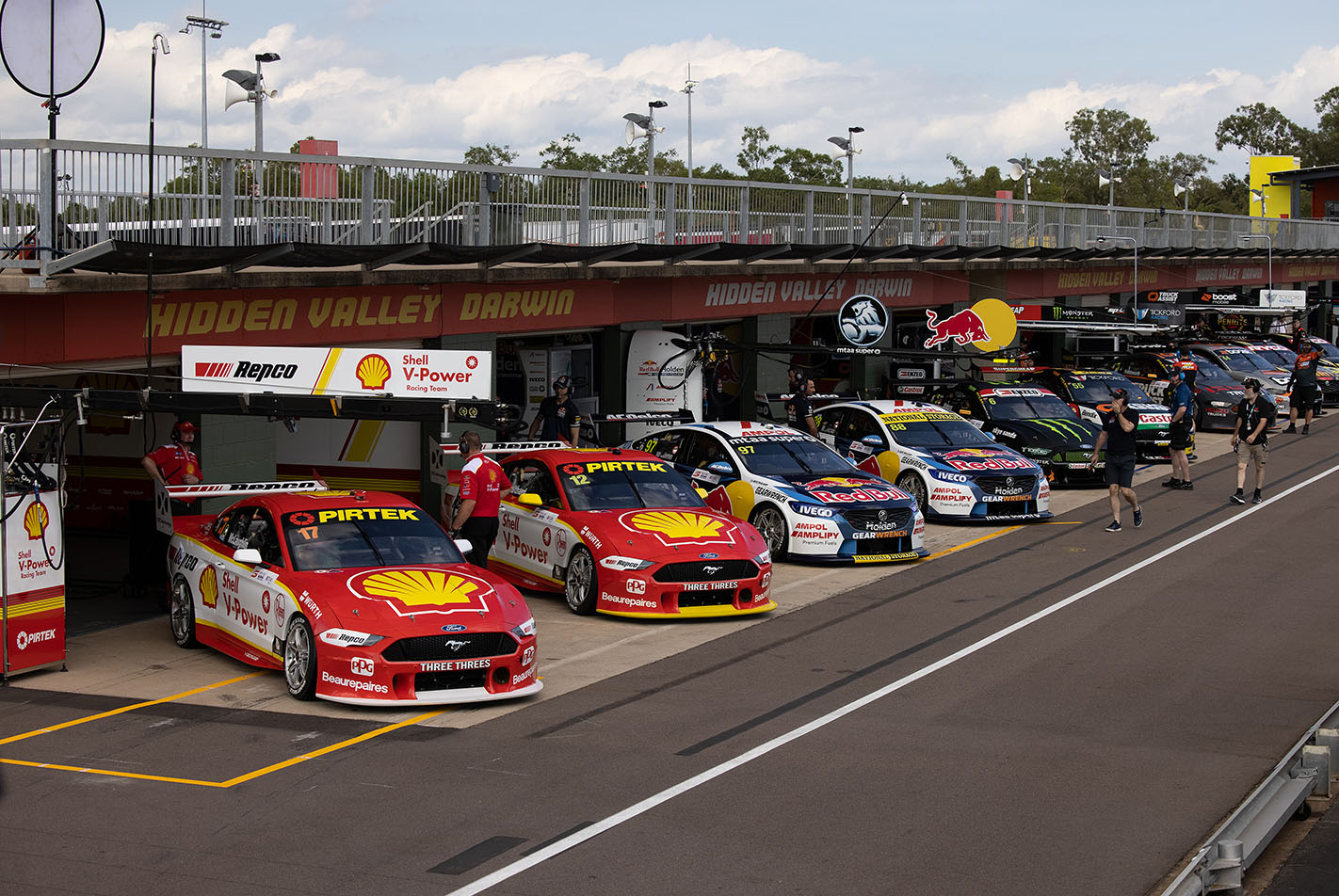
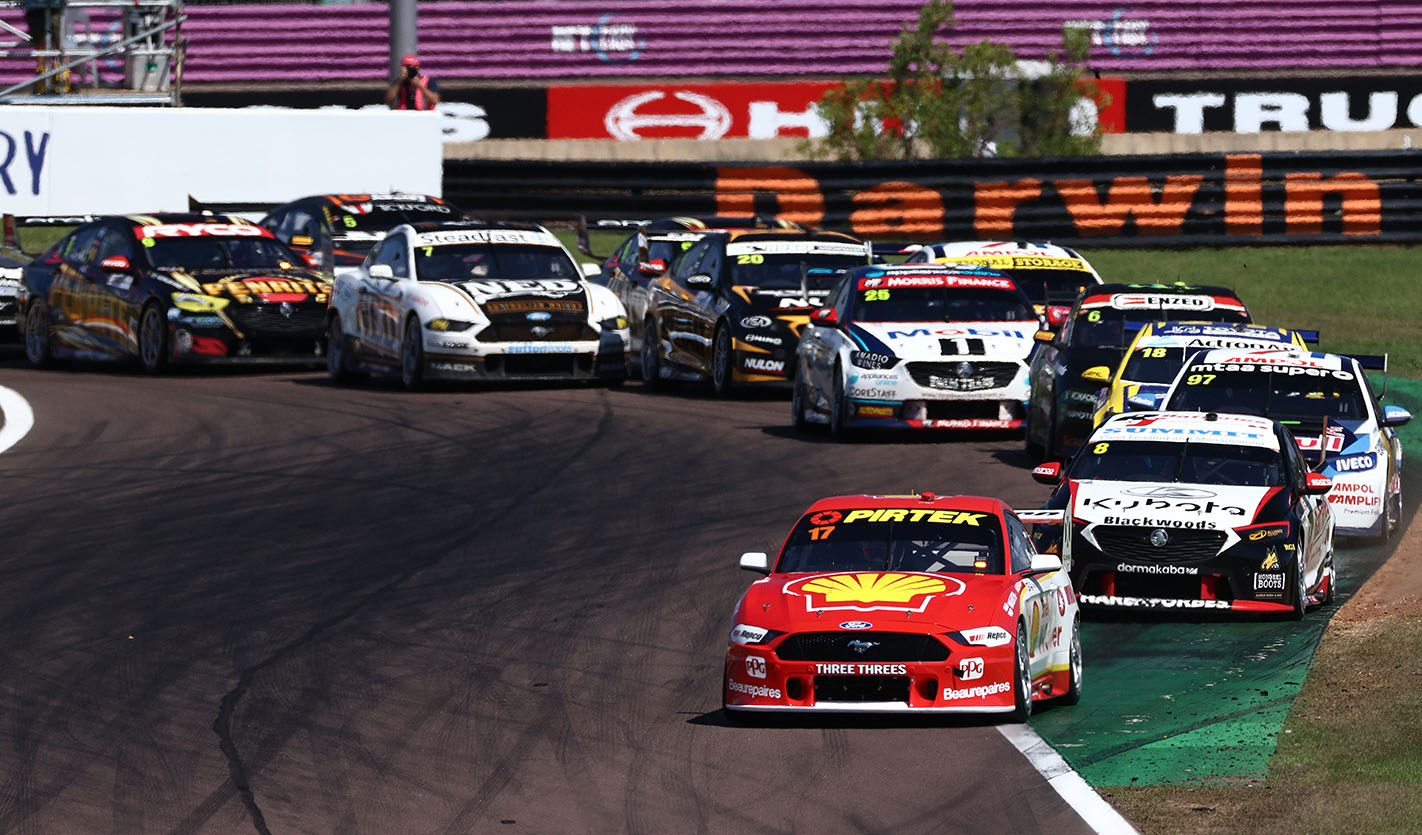
If you took the panels of a Ford Mustang road car and tried to affix them to Scott McLaughlin’s race car, they wouldn’t fit. That is a hard, unfortunate fact – one created by the current chassis which was introduced in 2013 to suit four-door Commodores and Falcons.
Now, with those production cars extinct, the category needs a new skeleton to sit beneath the racers’ composite panels. There are multiple ‘ready made’ formulas the category could adopt but instead Supercars has opted for a slight tweak to its current ruleset.
John Casey is the man in charge of the Gen3 rules, and he is focused on ensuring the racers look similar to a road-faring version.
“I’d characterise the Gen3 cars as much more of a return to showroom dimensions,” he says. “Obviously if we are representing a car or a brand on the grid, we need to make sure that we do that in a faithful way, returning to road car dimensions.
“That will give [manufacturers] comfort. We won’t be moving from the DNA of what a Supercar is – they look awesome, they look fierce, they sound amazing. But at the end of the day they are accessible cars in the mindset of the fans. They are not exotica, they are not a GT3. They are cars people can relate to.”
That’s debatable. Are fans more attracted to a Mustang with no mechanical relation to its road-going counterpart than they are to production-based GT3 machinery? Positive fan reactions to the exotic unobtanium that tackles the Bathurst 12 Hour each year indicates ‘relatable’ perhaps isn’t the crowd puller it once was.
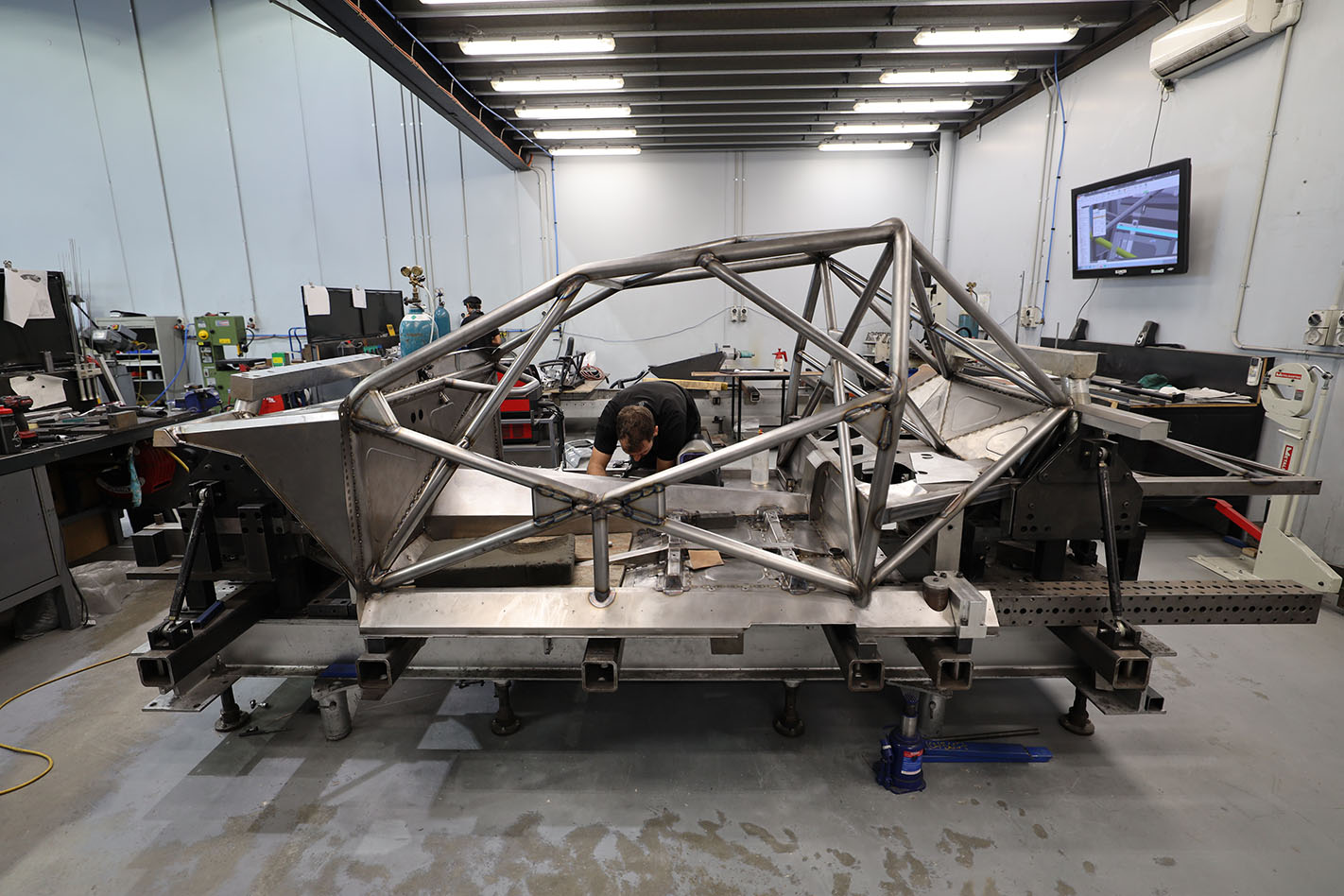
Still, the new control chassis will allow for greater variety. Different bodystyles, including two-door coupes, a five-door liftback, and traditional sedans, will all be accommodated, as will different wheelbases. This last point is significant. Previously manufacturers had to build Frankenstein interpretations of road cars to fit the existing control chassis. Mid- or rear-engine layouts are categorically off limits, and power will be delivered to the rear wheels exclusively.
It’s understood Roland Dane’s Triple Eight Engineering team is leading development of the new flexible chassis, under the guidance of Supercars head of motorsport Adrian Burgess. As one of the most senior figures in the pit lane, Dane’s support of Gen3 is vital.
“We need to get back to the cars looking like the road cars, but be difficult to drive, loud, and spectacular to watch,” Dane says.
Even Ford Performance’s Mark Rushbrook supports a change.
“There are some improvements that we think can be made in the proportions of the car, and be more true to the road car,” he explains.
Erebus team boss Barry Ryan would prefer a more radical strategy: “I think it should just be a Supercar,” he says. “Not a brand but a car that isn’t aligned to any manufacturer.”
Supercars says it wants to cut the cost of building and running a car by 50 percent, but according to Barry Rogers, that’s not enough.
“If you could cut costs by two thirds of what they were a couple years ago, you are probably getting somewhere nearer where it should be,” he tells Wheels.
“The better teams in pit lane could be spending up to $8-10 million on a two-car operation. The average two car team is probably spending around $5 million a year, and really that needs to be down to a million dollars per car.”
That target from Supercars was initially more conservative, but the COVID-19 pandemic has prompted the category to be more ambitious, despite parts of pitlane baying for aggressive cost-cutting for some time now.
“Since 2013 and a bit prior, we were constantly through working commissions etcetera, on about the costs and got shot down because there are so many vested interests in the business,” Rogers adds.
“Now, with the way the economy is, the things that we had been pushing for close on 10 years are now starting to come into play in terms of cost saving.”
Even a large manufacturer like Ford is pushing for more significant savings for teams with the new car.
“Reducing costs is important for everyone. It is important for our teams, and therefore it is important for us,” Rushbrook says.
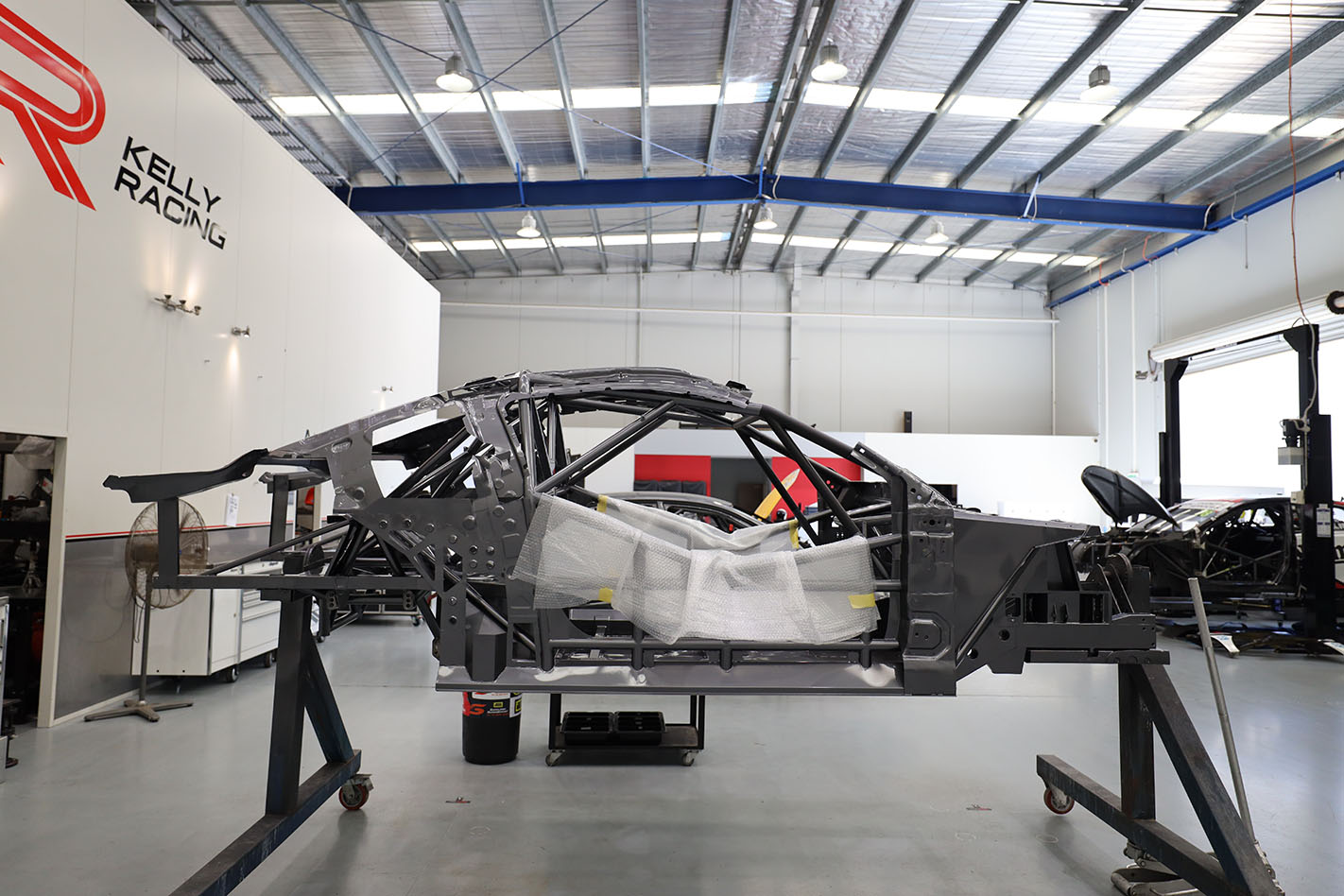
Supercars is currently in the final stages of approving the new chassis and says while the current ‘Car of the Future’ example has served the sport well, it no longer suits the raft of vehicles on sale in Australia’s ultra-diverse new car market.
“Car design has moved on significantly, but the chassis stayed the same,” Casey explains.
“There is nothing wrong with the current chassis – it is incredibly strong and safe and relatively inexpensive and has served the sport amazingly well. It’s just time for a refresh.
“We are very clear on the target cost, but there is still some decisions that need to be made around how we execute that.”
One of the changes that will be most notable with the new chassis, is a drop in aerodynamic performance. While the cars will retain wings and spoilers to make them look aggressive, they will have more of a visual impact than an aerodynamic one.
“The result of that will be that we will be able to make the cars race closer together,” Casey adds.
This sentiment is supported by Dane, who believes “the cars need to be overpowered ,under tyred, a bit of a handful to drive, and look like road cars with a bit of a spoiler.”
Fans can also expect to hear increased discussions around control components. Supercars is likely to lock down development of the new chassis, preventing teams from engaging in a technical arms race.
Supercars teams will still be allowed freedom in terms of race settings but will no longer be able to create componentry themselves.
“There will still be opportunities to set cars up, we aren’t going to take that away,” Casey says. There
“will still be set-up problems to solve, but we hope to move more of the competition onto the race track and lessen the competition from the garages.”
Again, Dane is supportive of the messaging coming from Supercars in this area.
“We need to maintain or increase the number of standard components on the car,” he explains.
“We also need to have adjustability in the car. Every car has had an identical rear end since 2013 in terms of the mechanicals. But it is still adjustable. So that is something that in the context of standardising the front end, we should still have adjustment so people can get it right or wrong, frankly.”
The Triple Eight boss would also like this new generation of car to be simpler to run and maintain, making the sport more accessible for smaller teams, and more affordable for bigger ones.
“The car mustn’t be dependent on too many people to keep it running, to give you the flexibility to respond to the market,” he adds.
Critically, with the sport aiming to introduce variety in body shapes and styles, Dane supports the Supercars technical team to maintain parity across all the cars.
“In the 17 years that I have been involved now, there has only ever been one cock up,” he says emphatically.
“I would say that the track record of the category as a whole has been as good as anywhere in the world.
“The technical department is more than capable of handling what we are envisaging about the formula going forward.”
WHICH ENGINES WILL THEY USE?
There is near universal agreement that Supercars will continue to be powered by a naturally aspirated V8 in the future. The debate hinges on from where those engines will be sourced.
Currently, engine costs are “out of control”, with a two-car team spending upwards of $500,000 a season before factoring in development. Todd Kelly was still wiping grease off his hands from an engine rebuild when talking to Wheels.
“The engines in the cars are so technical and expensive to design and build and run and maintain. And it doesn’t have any impact on the end product,” Kelly says. “You could have 15 less horsepower, have just as good racing, and save half a million dollars a year on your engine budget.”
Dane also suggests that a slight reduction in power from the current circa 485kW figure will save teams hundreds of thousands of dollars without removing any of the category’s spectacle. The core logic is that de-stressing the engine by just a small amount will reduce maintenance costs significantly.
“What we want is a naturally aspirated V8 engine that produces a very similar power-to-weight ratio to today,” he says. “There’s no question we can make a car lighter than we do today, and therefore we can have a power-to-weight ratio that‘s similar to today, but with a bit less horsepower than we have now.”
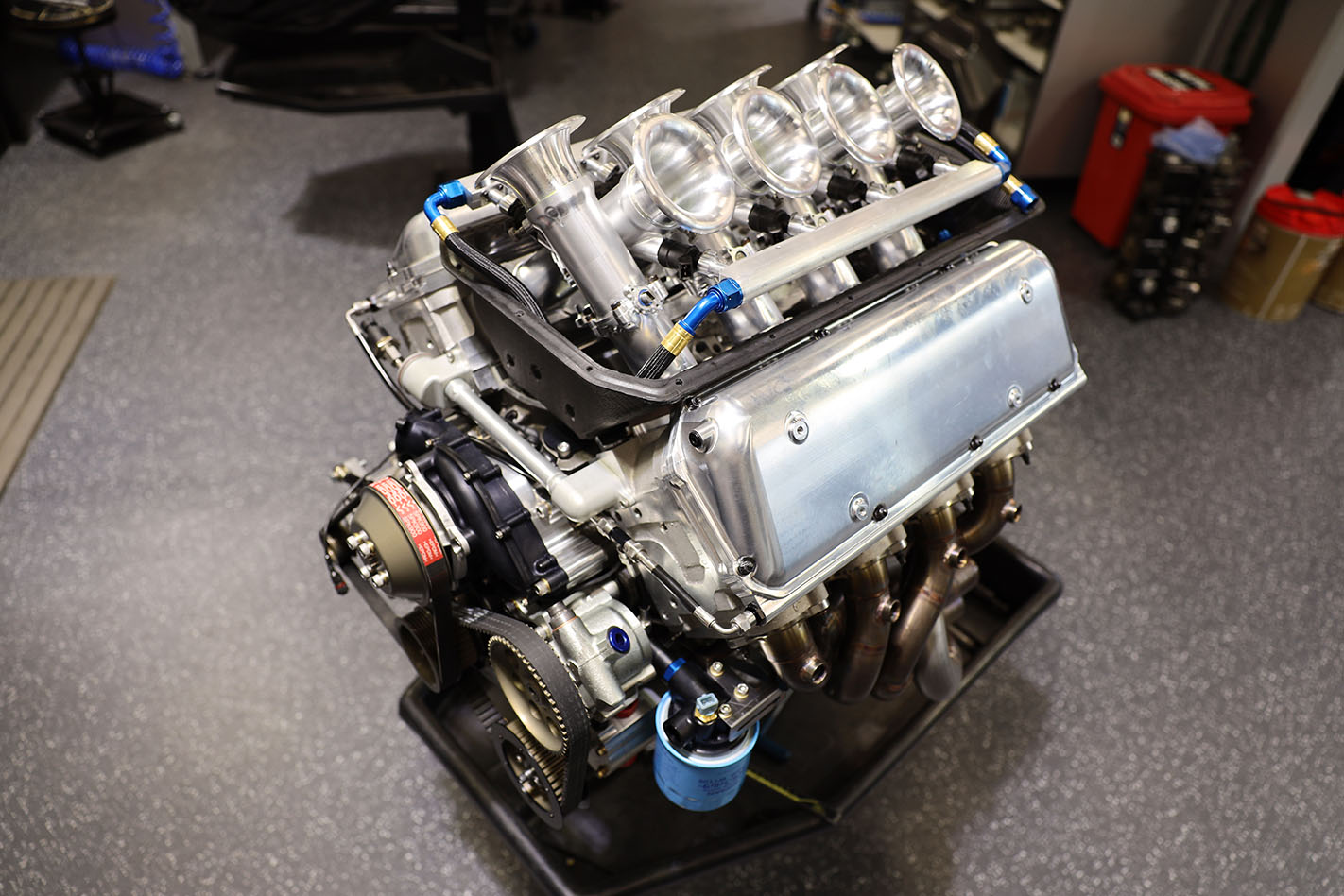
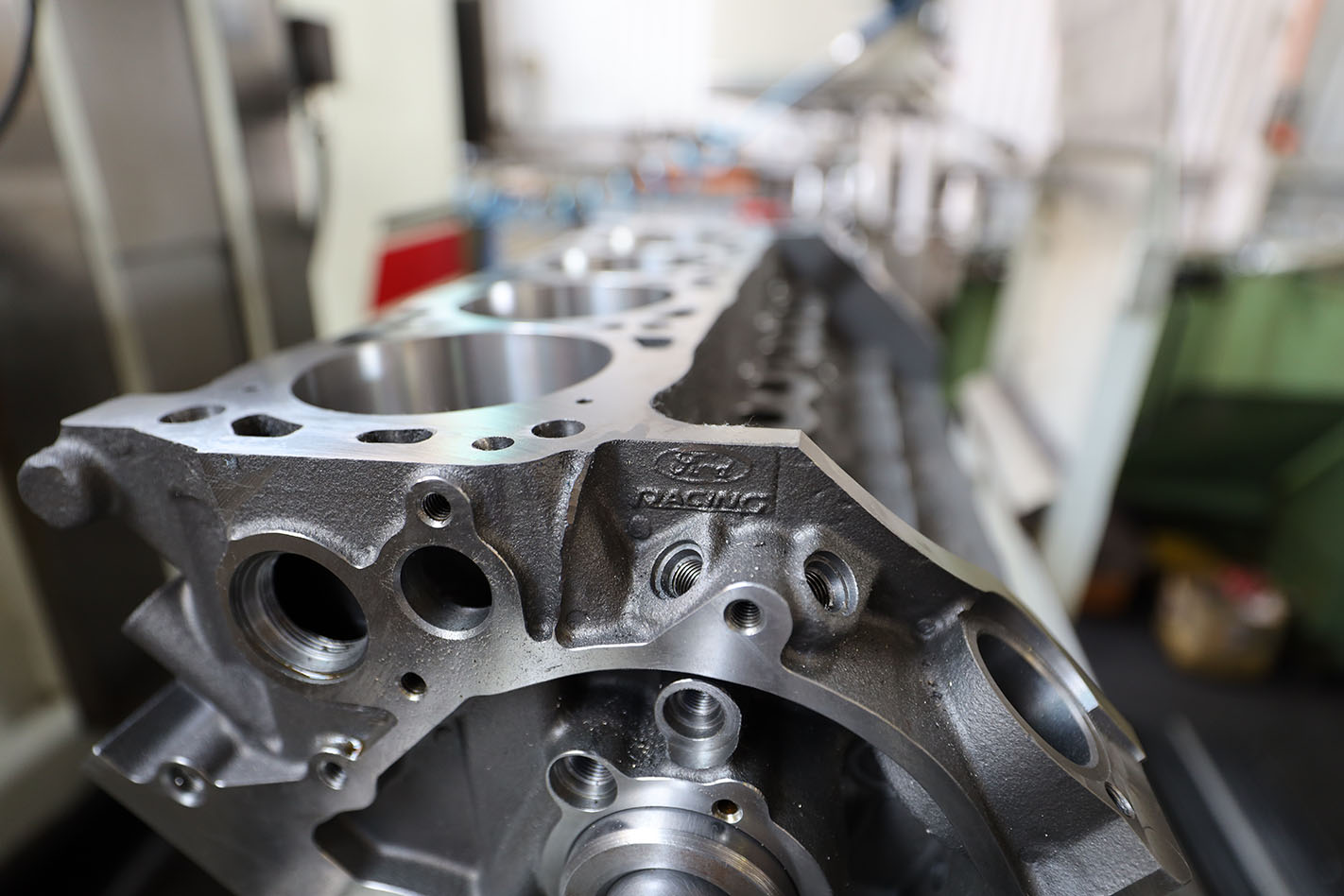
Currently Holden and Ford 5.0-litre pushrod V8 designs power the field, but for 2022 these could be phased out. Instead, Supercars looks set to shift to a cheaper, ‘crate’ engine format, which some estimate could cost as little as $40K per car.
“We will just be taking advantage of the most contemporary engine options, design and availability,” Casey confirms.
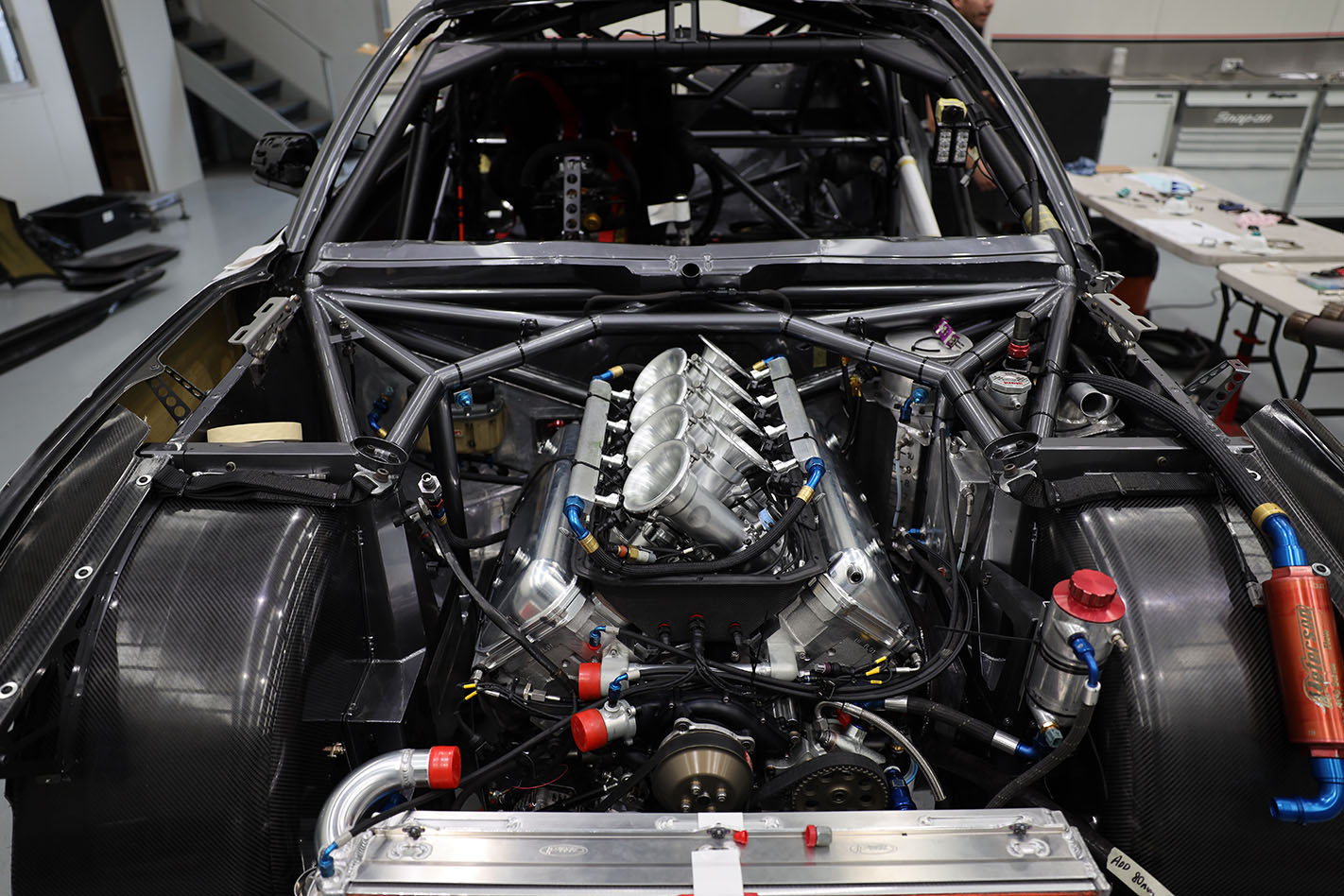
Unlike the chassis, Supercars hasn’t reached the final stages of planning for Gen3 engine rules. This means there are a number of unknown factors, like where engines will be sourced, how many different engines will be available, who will be responsible for the development process, and what kind of power they will produce. Simply tweaking the current regs is also on the table.
One plan is for Supercars to develop a universal engine that is used by all teams, which Wheels understands could be based on Ford’s Coyote 5.0-litre V8. However, that is something unlikely to get support from Ford’s head office in Detroit.
“We think that brand identity is very important for us, and our competitors, and we think it would be confusing for the sport, for the fans, if there was a Ford or Ford-based engine in another brand’s body. We would not be in support of doing that,” Rushbrook explains.
Generalist fans won’t notice, or perhaps care, but dedicated motorsport fanatics are likely to turn their nose up at the hypothetical situation of a Ford-based V8 used in a GM body.
Roland Dane’s ideal scenario would be for teams to still choose what engine they run in their respective cars, instead of a one-size-fits-all situation.
“What we want is a V8 naturally aspirated engine that produces a very similar power to weight ratio to today,” he says.
“It is no question we can make a car lighter than we do today, and therefore we can have a power to weigh ratio that is similar to today, but with a bit less horsepower than we have got today. That then makes it easier, and gives you more choices – whether it is one engine or two, or you allow people to bring an engine in. That is something Supercars is still debating.
“They have all got to be, obviously, paratised and equalised in terms of performance and fuel economy.”
Dane is opposed to the term ‘crate engine’ but recognises that there are more affordable options available to the category than what is currently in place.
The pit lane heavyweight referenced Triple Eight’s experience with GT3 racing, where it fields a Mercedes-AMG GT GT3, as an example of how engine performance and associated cost can be better controlled.
“The engines in those cars they produce in GT3 form around 410kW, but they can produce 447kW in a heartbeat without the restrictor,” he adds.
“Those engines are V8 naturally aspirated, and do 20,500km between rebuilds. That is getting on for double what a Supercar season is likely to be in the future.
“At our highest mileage engine so far at 12,000km we haven’t seen any decrease in performance. None. It is perfectly possible with modern technology and modern engine architecture – double overhead cams not pushrods – to get to the level that would give us a power to weight ratio to still make our cars difficult to drive so you and I will struggle with them.
“If they are too easy to drive, they will lose an awful lot of their appeal.”
According to former Supercars head honcho Tony Cochrane, what is under the bonnet of the race car doesn’t matter, as long as it is a V8.
“People love to harp on about how the engine technology is old world, and people are going electric, but the truth of the matter is that if you go back to the height of our popularity and we used to poll and research our fanbase extensively – they loved the fact that it was V8s,” he tells Wheels.
“There are a couple of very good reasons for that. Firstly, it is very loud. It is just part of the entertainment package.
“Secondly, it is aspirational. You mightn’t have a V8 car, but I suspect deep down inside of every motorsport enthusiast they would love to own a V8 car. It is still the epitome of what is a real engine.”
Cochrane adds that having an engine in the race car that matches the road-going version isn’t necessary.
“The average guy is going to a Supercar event because of the entertainment factor, not because it is a showroom floor. Win on Sunday, sell on Monday is long gone. It is an entertainment package,” he explains.
Ford has requested the category future-proof for electrification in the near future. While Rushbrook doesn’t expect hybrids to be used in 2022, he doesn’t want to shut the door completely.
“You can only do a new car every so often, and if we are doing a new car for ’22 and it has got to last for five years or more, we are probably going to want hybrid within those five years, so let’s make sure we have got a design that will allow it to be built in,” he says.
Until then, Supercars will remain exclusively V8-powered.
WILL THEY NEED MANUFACTURERS?
Of all the challenges facing Supercars, this is the most complex. It boils down to a simple truth: Supercars doesn’t want to rely on manufacturer involvement but it needs manufacturers to be involved to make the category interesting and relevant. Navigating that middle ground is a murky process.
Supercars has been bullish in its intention to reduce the reliance on manufacturers, but it does have a plan to entice new brands to the sport without the need to invest millions of dollars.
“I think we need to be asking [OEMs] for approval to run their car on the track but not asking them for money to do so,” says Casey. “It will literally just be the approval to represent their product on track.”
At face value, this makes sense. At a time when the world economy is contracting and car brands are laying off thousands of staff, dropping big bucks on a racing program is unlikely to be a priority. Wheels spoke to several manufacturers rumoured to be considering joining Supercars and they all said they had zero intention of doing so.
Part of this plan is limiting the amount of technical freedom in the body homologation process, something exploited to great success by Ford. Supercars has stated it intends to oversee all future body homologations (perhaps in conjunction with a manufacturer), and absorb the associated cost internally.
“Obviously if we are representing a car or a brand on the grid, we need to make sure that we do that in a faithful way, returning to road car dimensions where panels and glass houses are interchangeable, etcetera,” Casey explained. “That will give [manufacturers] comfort.”
“But I think we need to be asking them for approval to run the car on the track, but not asking them for money to do so.
“I think what you will find moving forward is Supercars will take on the cost of homologating cars. That doesn’t mean we won’t welcome manufacturer participation in the sport, but we don’t necessarily rely on it either.”
When asked for clarification around Supercars taking on the cost of homologation, Casey explained that the category would do this by developing the panels and aero itself, leaving the manufacturer to simply sign-off on the use of its intellectual property.
“It would literally just be the approval to represent their product on track,” he added.
What Casey’s plan fails to consider, however, is how protective manufacturers are of their reputation. Giving their car’s likeness to a third party with no control over the results is hardly an attractive proposition, which is partly the reason Mercedes-Benz Australia distanced itself when Erebus used a backdoor partnership to run E63s. Casey is aware of the issue: “Some manufacturers will choose to not be represented on the race track, and that is totally their call,” he says.
The bigger challenge, however, is that Ford is vehemently opposed to the idea of Supercars controlling body homologation.
“In our experience it cannot be done separately, and nor would we want it to be done separately,” says Rushbrook. “If the series wants to do the body, then it is not our body, and we wouldn’t be in the sport.”
Further complicating matters is Rushbrook’s assertion that Supercars needs to attract other manufacturers for it to compete against, otherwise Ford could walk away.
“Competing against other manufacturers is very important for us; that’s part of our story,” Rushbrook says. “We want to show what we are capable of against other manufacturers, and if they are not there, then that part of the story falls away.”
If Ford was to retract its factory support of the category, it would leave Supercars with no official manufacturer involvement.
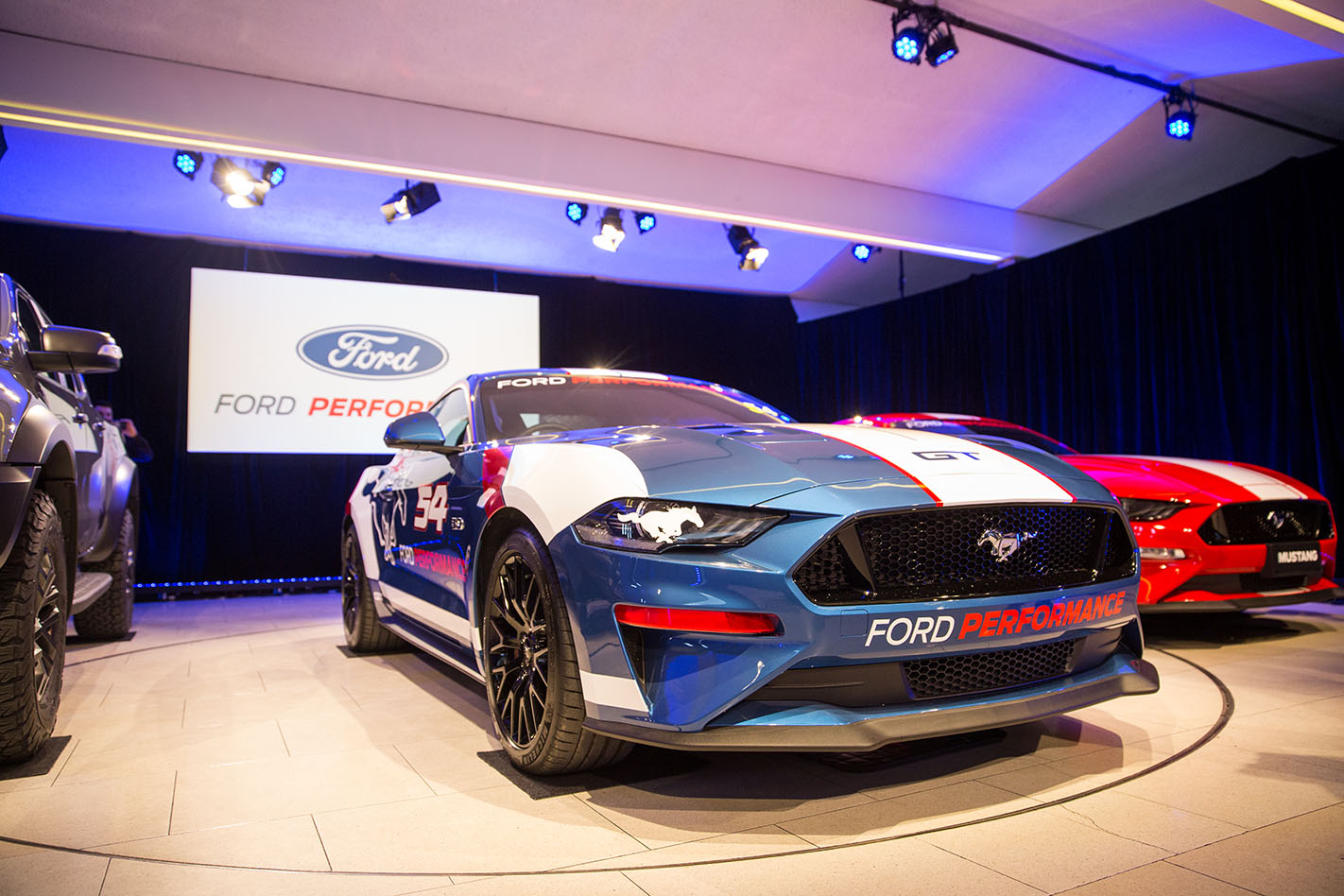
Tony Cochrane is adamant that Supercars must keep Ford involved, and retain some semblance of General Motors’ presence in the category.
“Whether you like it or not, Australian motorsport at the big end has always survived on a big rivalry. The rivalry has been created between the blue guys being Ford and the red guys being what was Holden,” he explains.
“I don’t believe going forward you can maintain that level of enthusiasm unless there is some still some blue v red rivalry somehow blended into the mix.
“Does that mean you can add other manufacturers, of course it does. But the reality is you have to have a series of blue and red guys.
“What chariots they are running around in is then a motorsport debate, but it is mission critical to find a way to have Ford and GM in the mix.
“Whether you like my opinion or not doesn’t matter, I have got history on my side. The history states that for a very long period of time, going right back into the ‘70s, there has been that rivalry.”
Oh, and as for win on Sunday, sell on Monday? Rushbrook says that ethos is still very much in place, but with a slight twist.
“We have data that supports that actually, from a lot of different sources,” he says.
“We are able to measure what our involvement does for selling vehicles. As well as the difference between winning, and just being on the track. Winning is important for our customers and instilling in them a sense of pride about owning a Ford vehicle.
“NASCAR as an example. Even though we are racing a Mustang on track, we sell a tonne of F-150s to NASCAR fans. Even though they have come to watch the Mustang on track, they see it as a Ford, and that makes them want an F-150 when they go to buy a truck.”
Todd Kelly is uniquely suited to commenting on what it takes to bring a new manufacturer to the sport, being responsible for fielding the factory Nissan Altimas when the Japanese company was committed to the sport.
“It is a pretty big job nowadays for any new brand or manufacture to come into the sport, and almost impossible to be competitive,” he says.
One team that could bring a new brand to the category is Walkinshaw Andretti Unit. Team co-owner Ryan Walkinshaw has recently stated he had “at least” two manufactures ready to sign up for 2021 before COVID-19, and he remains confident of bringing a rival for Ford to the sport.
Similarly, Dane has told Race News his team will not race Holden Commodores in 2022 and will bring a new manufacture to the sport.
“We have another manufacturer. We know what we’re doing,” he said.
Exactly what that deal might look like is unclear, but what is obvious is that Supercars needs to find a model that works for both the sport and manufacturers.
Getting this right will determine the sport’s financial future, how the grid will look, and how fans respond to the cars. We don’t envy them.
HOW WILL THEY CONVINCE YOU TO WATCH / BUY TICKETS?
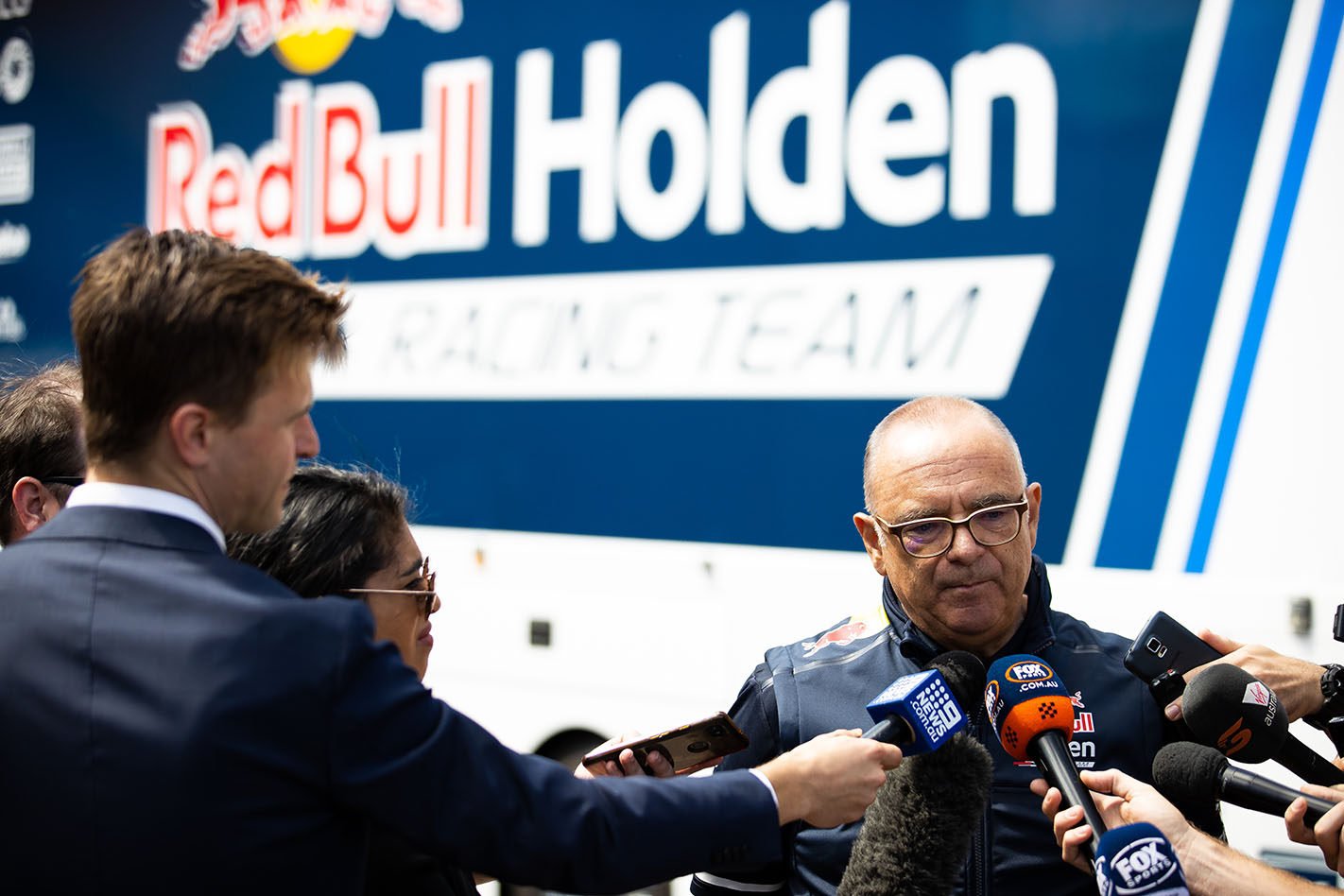
There is no race series without fans, and according to ex-Supercars CEO Tony Cochrane, who steered the sport into its most profitable and popular era, the category needs to act quickly to save the fans it has left and ensure its survival.
“Keeping the current fanbase is mission critical,” he tells Wheels.
Cochrane and three other investors purchased promotion rights for the ATCC in 1996 for $52,000. By 2011 the business was valued at $330 million, with Cochrane retiring as executive chairman in 2012. He believes Supercars must aim for entertainment over technical perfection when finalising its Gen3 rules.
“The guy standing in the grandstand isn’t so impacted about the latest, greatest, ‘you beaut’ braking system. He is actually more interested in the cars losing their brakes, because he is going to see a better spectacle,” Cochrane explains.
For Supercars, there are two core areas of improvement for fan engagement. The first is the on-track action.
“We are looking to improve the show by reducing the contribution to the car’s performance that is currently delivered by aerodynamics,” Casey explains. “At the end of the day we are about providing awesome motorsport entertainment for our fans. If we think we can improve the racing, that ticks a lot of boxes.”
The second area for improved fan engagement is the television deal. For the last five years Australians have had to pay to watch the category live. However, a new deal is being negotiated which is likely to result in a greater free-to-air television presence, lowering the barrier of entry for television eyeballs. It is understood a pay element could remain. But increasing the number of eyes on the telly and bums in the grandstand is just a small portion of Supercars’ ever-growing to-do list.
There’s no question 2022 marks the most important rule change for the sport since the beginning of the V8 era. If Supercars is to meet its own self-imposed deadline, it has roughly eighteen months to oversee the introduction of a complex set of rules.
A new control chassis must be signed-off and be capable of allowing vastly different body shapes to compete without differing too much from their road faring donors. The engine formula which has existed for multiple decades needs to be overhauled, and manufacturers need convincing they should hand over their intellectual property, while the category vows it doesn’t rely on OEMs anymore.
The survival of the sport depends on each challenge being overcome, and the 2022 deadline being hit. Miss it, and it could be too late. If the rules don’t have the intended impact, a slow, painful demise could follow. There will not be any second chances.
McLaren has listed its headquarters for sale in a bid to raise cash and strengthen its books as it struggles to grapple with the fallout from COVID-19.
Company chief executive Zak Brown confirmed over the weekend that the business is seeking to divest the 500,000 square metre site in Woking that houses its road car production under McLaren Automotive, race car development in McLaren Racing and its technology innovation arms known as McLaren Applied and McLaren Electronics.
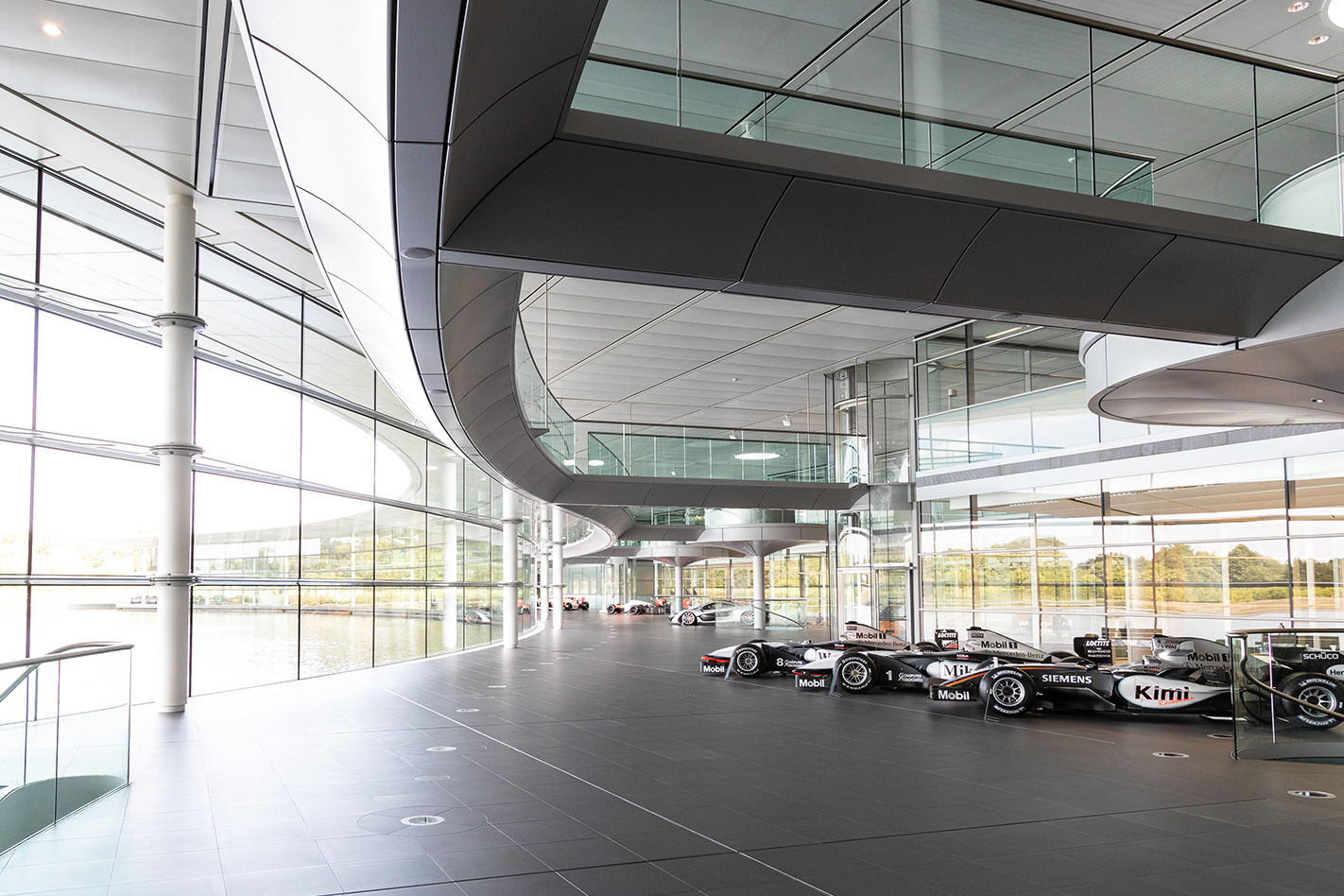
This plan will reportedly generate a £200m ($500m) under a sale-and-leaseback scheme, according to Sky News UK, which also mentioned the brand is considering selling a stake in its racing operations.
McLaren has said the sale will not impact its day to day operations but the firm is expected to sell a little over half the amount of cars this year when compared to 2019 and 2018, while it also has raised £300m ($700m) through its existing shareholders and sought £150m ($450m) from Bahrain’s National Bank.
Earlier this year McLaren laid off 1200 of its 4000 staff.
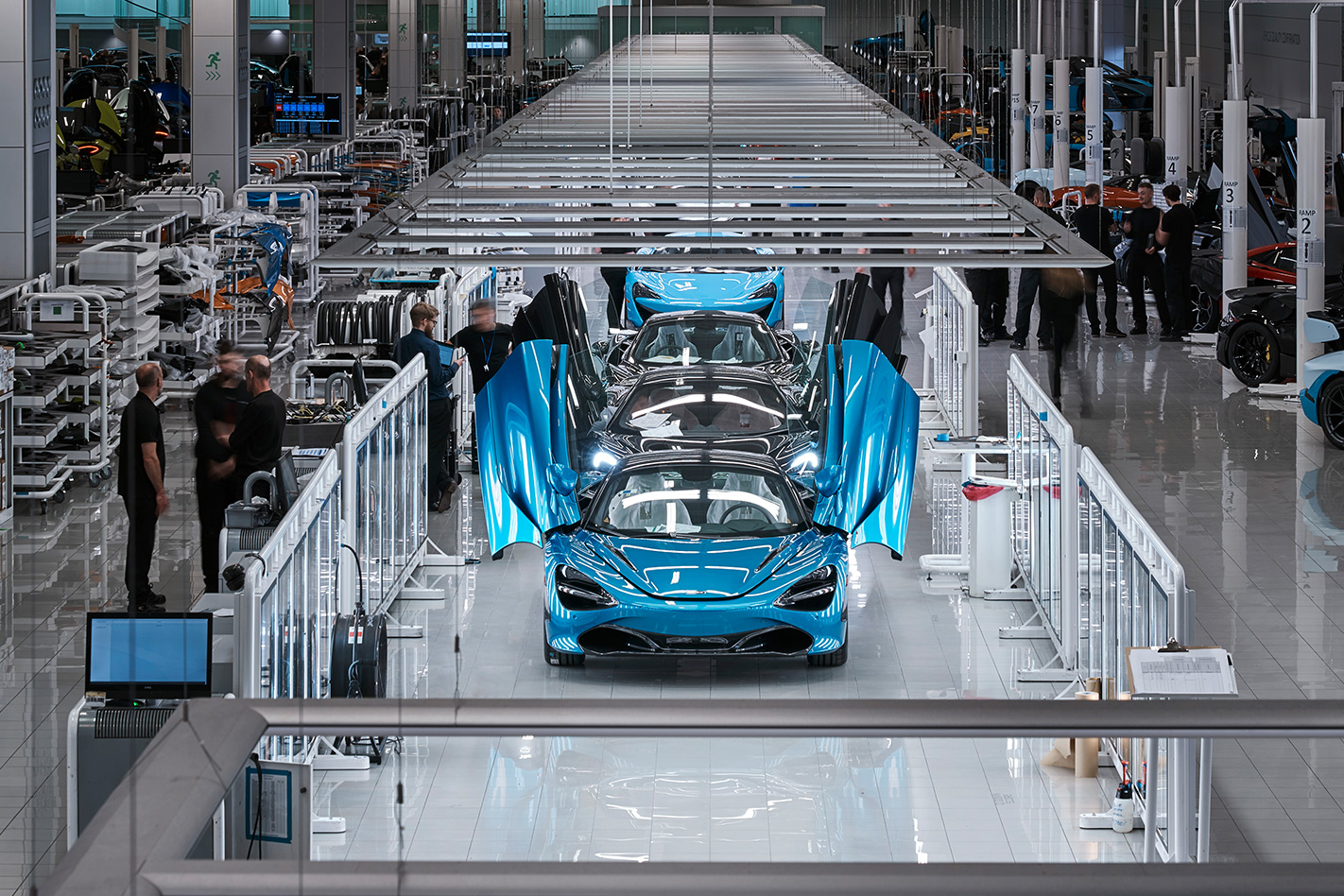
The iconic British racing team is not the only one experiencing financial woes on the back of COVID-19, either, with US-based investment firm Doriton Capital recently acquiring Williams F1’s parent firm Williams Grand Prix Holdings.
Sign-up here for your free weekly MOTOR report
The answer to a sustainable shipping future apparently lies in the past as demonstrated by a radical new car transporter concept that usurps massive oil burning engines for the clean and renewable power of the wind.
A Swedish collaborative project led by Wallenius Lines (a freight company specialising in roll on/roll off car transport) has created a modern-day sailing ship that can transport up to 7000 vehicles but does not rely on fossil fuel for power.
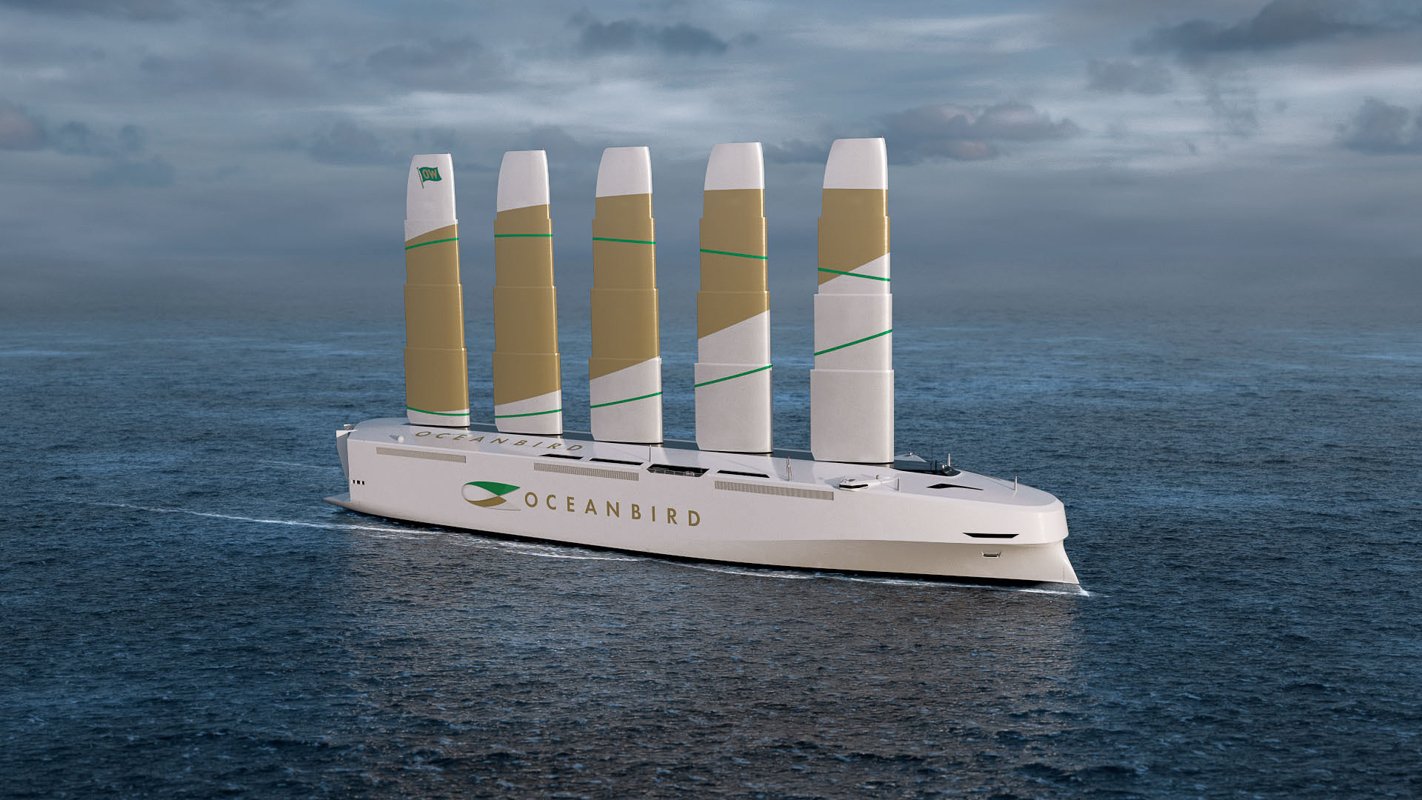
The Wind Powered Car Carrier (WPCC) project has spawned the Oceanbird concept, which is expected to progress from design concept through technical phases and onto financial viability within three to five years.
The freighter is targeting a reduction in greenhouse gasses of 90 percent in comparison to current methods, with an end goal of zero-emissions logistics.
Working with the KTH Institute of Technology and innovations research group SSPA, the Swedish project WPCC is heralded as the first step towards the “renaissance of wind-powered ships” which could lead toward truly sustainable shipping in the near future.
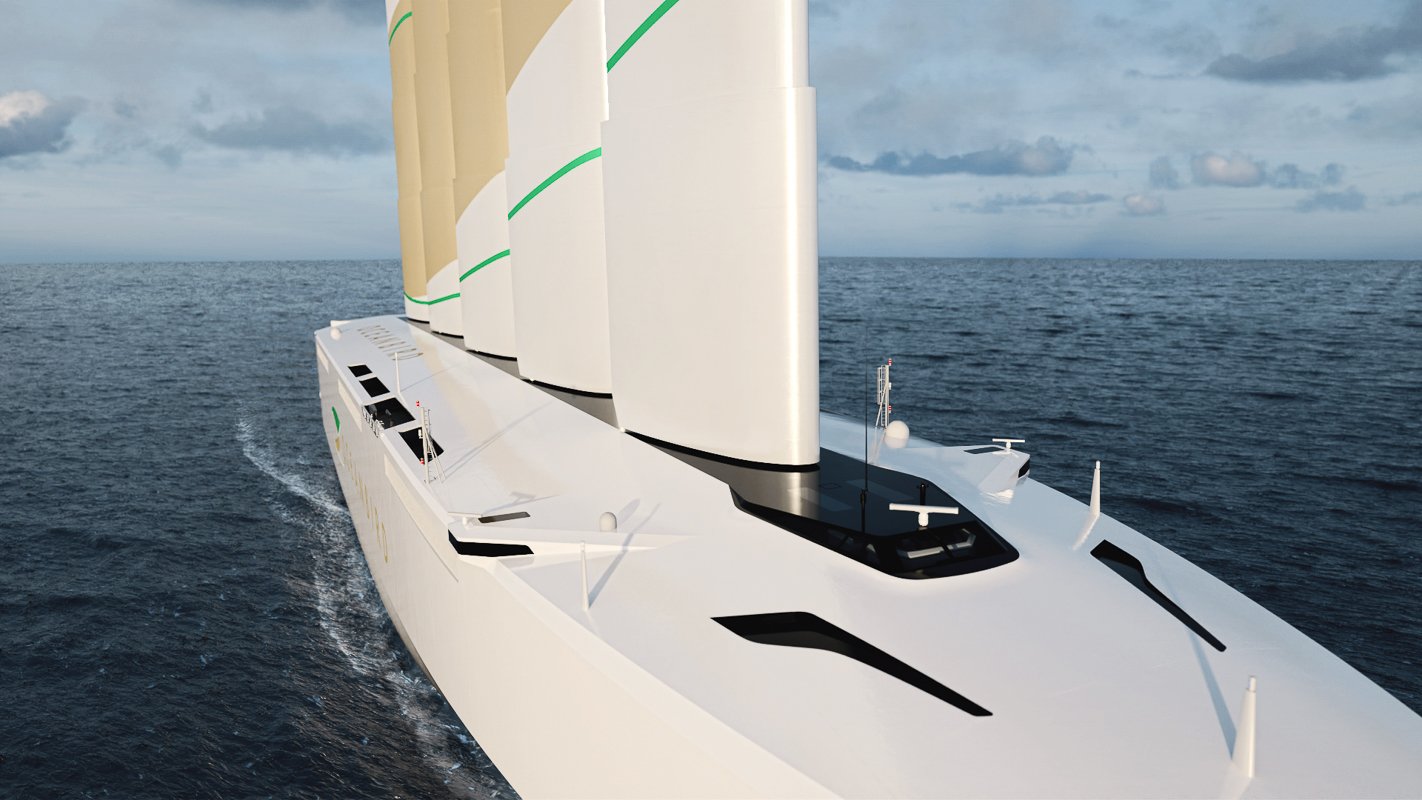
Set to become the world’s largest sailing ship, the WPCC is capable of crossing the Atlantic Ocean in 12 days, compared with the seven days conventional freighters require, but the benefit is a massive reduction in fossil fuel dependency.
Current cargo ships in Wallenius Lines’ fleet use an average of 40 tonnes of fuel per day, presenting an opportunity for reducing the costs associated with fossil fuel reliance and carbon emissions.
The Oceanbird concept utilises five 80-metre tall wing sails that can harness the wind’s energy.
While that seemingly presents problems with bridges, Wallenius has designed the wings with telescopic adjustment meaning they can retract to just 45 metres above the sea level.
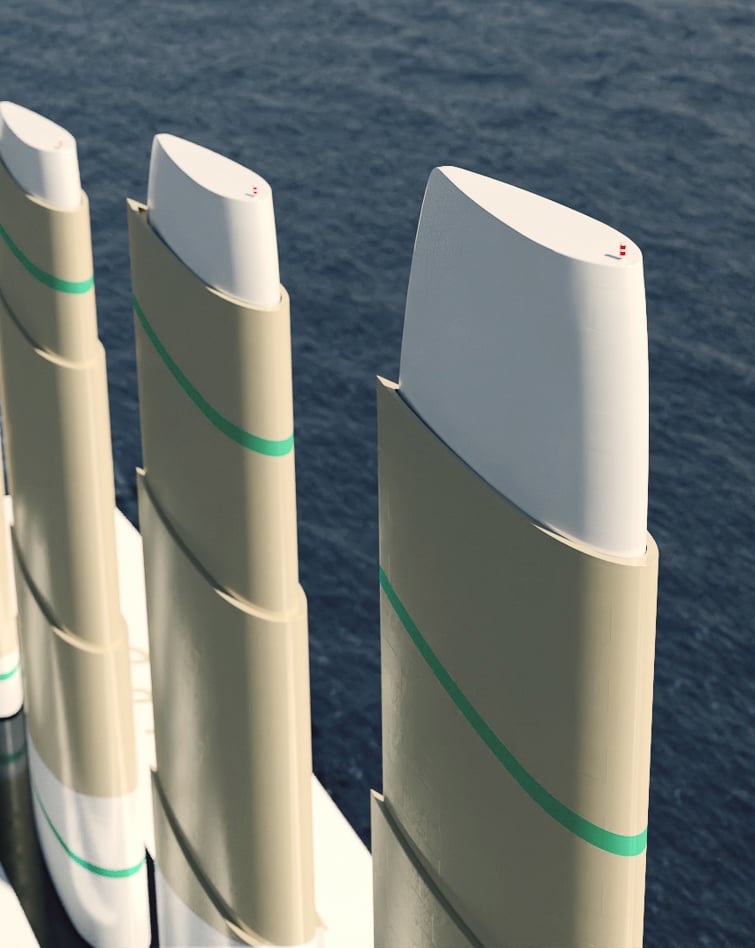
Design inspiration and engineering solutions have been jointly derived from both the shipbuilding and aeronautical industries.
The ‘wings’ use a similar principle to an aeroplane wing, generating forward thrust (instead of lift) pushing the ship through the water. The vertically oriented wings can rotate through 360 degrees to follow the wind’s direction.
The logistical world’s reliance on fossil fuels is becoming untenable in the current day and age, forcing the International Maritime Organisation to set a goal of 40 percent reduction in emissions over the next decade.
That’s a tough ask, but a necessary one which has sparked innovations in shipping like this incredible concept.
Mercedes-Benz is facing the prospect of being forced to halt sales of its vehicles in native Germany after losing another patent violation case – its second in almost as many weeks.
In August, Daimler went to court with Finnish technology giant Nokia over claims the German car maker was using mobile communication technology that wasn’t its own and lost, but just three weeks later the three-pointed star has returned to court – this time to face electronics behemoth Sharp – and lost again.
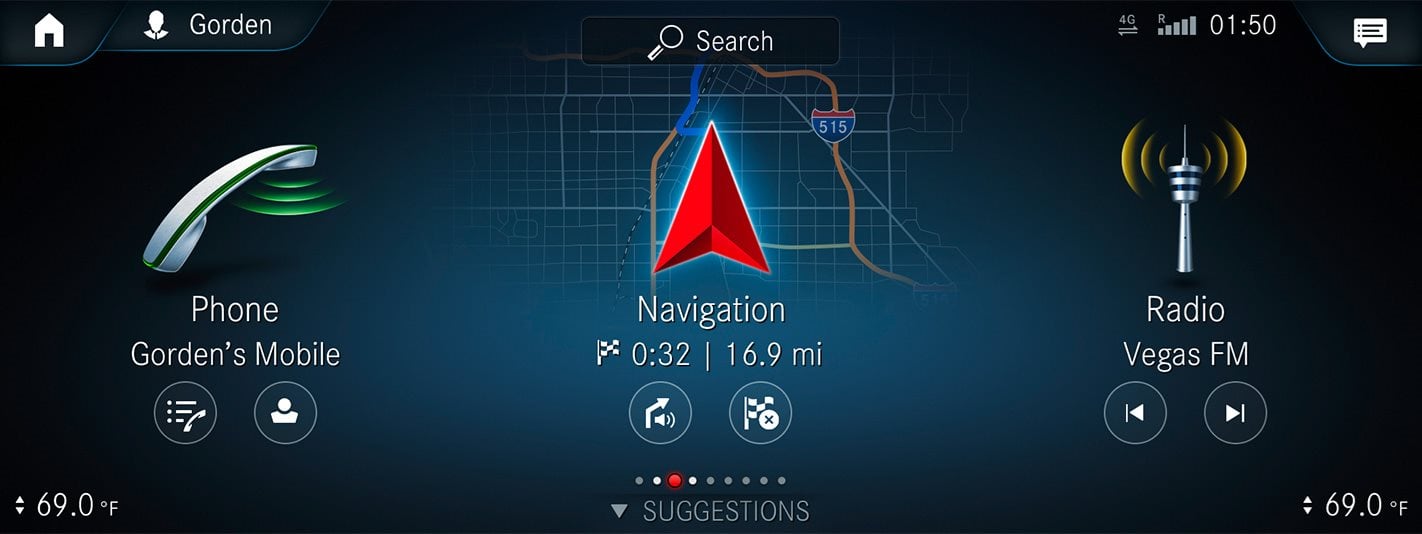
Details are thin on the ground but it appears as though the Japanese electronics firm has challenged Daimler with similar claims to Nokia’s and the use of its technological intellectual property (IP) without a licence.
Like the Nokia case, the Munich court has granted an injunction which gives Sharp the power to ban sales of Mercedes models in Germany that contain its unauthorised intellectual property.
However, if Sharp intends to go ahead with the ban, it’ll need to post collateral of €5.5m (A$8.9m) – a sizeable discount over the collateral imposed by the court for the Nokia case which was set at €7bn (A$11.4bn).
It’s not clear if either of the tech companies are planning to flex their muscles with a freeze on sales of the offending cars, but the dramatically smaller collateral figure would suggest Sharp is more likely to go ahead.
Both Sharp and Nokia are part of a tech company cooperative which is pursuing Daimler to force the car maker to buy a licence for its jointly-owned technology. With two successful injunctions in the German courts and more possible, the pressure on Benz continues to pile up.
That said, Mercedes has a lifeline and the option to appeal the court ruling.
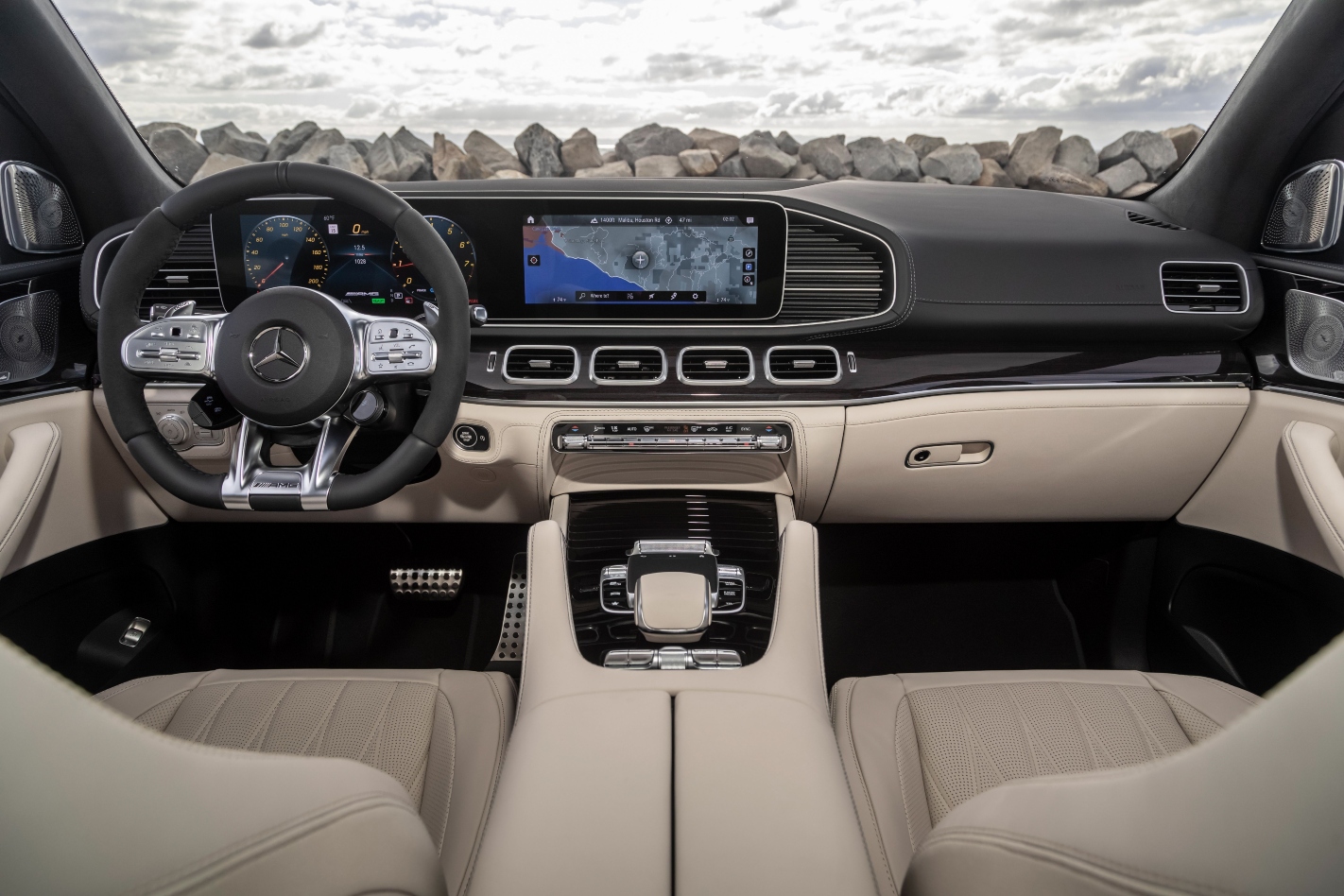
It’s not known which of Mercedes’ models the technology in question is hiding, but the recently released S-Class luxury halo is a candidate – especially as it takes a step up in the company’s tech and communications stakes.
The range-topping sedan is known as the tech tour de force for Mercedes and typically champions the introduction of new technology of all kinds.
For the seventh-generation, the W223 S-Class has a number of new features, including over-the-air software updates which allows 50 on-board components to be fed with the latest software, while the MBUX Smart Home feature allows S-Class occupants to connect to a household with numerous functions.
Whatever the exact IP, Mercedes faces two essential courses of action. It either digs deep into the chips of its proliferating MBUX operating system and removes the technology in question, or coughs up the cash for a license to use it legally.
A new report has identified the key challenges preventing electric vehicles from becoming mainstream and when they are likely to be solved.
The study, Accelerating The Evolution: The tipping points to mainstream electric vehicle adoption, curiously commissioned by Castrol, explored the views of nearly 10,000 consumers, fleet managers and industry specialists across eight of the world’s most significant EV markets.
It identifies the likely ‘tipping points’ as:
Price
According to the report, the purchase price of an EV is the most important issue for consumers. The tipping point price tag when mainstream adoption is likely to be achieved is just under US$36,000 ($49.500), it says – equivalent to the average price of a car in the United States.
Nearly two thirds of the consumers surveyed (63%) view the current EV models on the global market as beyond their price range.
Charge time
The length of time it takes to charge an EV’s battery was the second most important critical challenge for consumers. According to the study, the mean charge time tipping point for mainstream adoption is 31 minutes, equivalent to the length of the average lunch break.
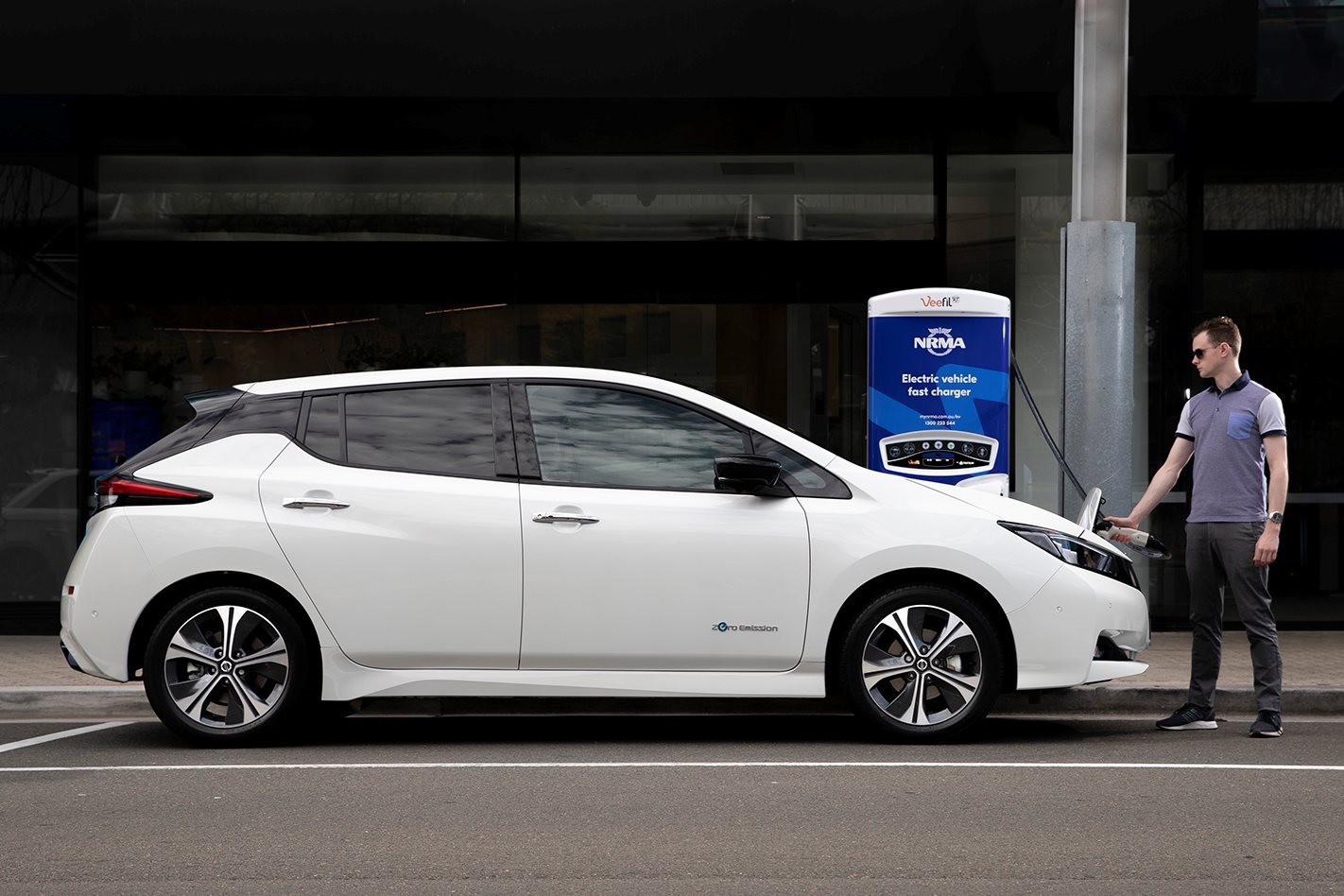
Although this is far longer than the average internal combustion engine (ICE) refuel, it is only 10 minutes longer than the respondents’ average break at a rest stop (21 minutes).
Range
Vehicle range was the third most important facet for consumers in the study, even in Europe.
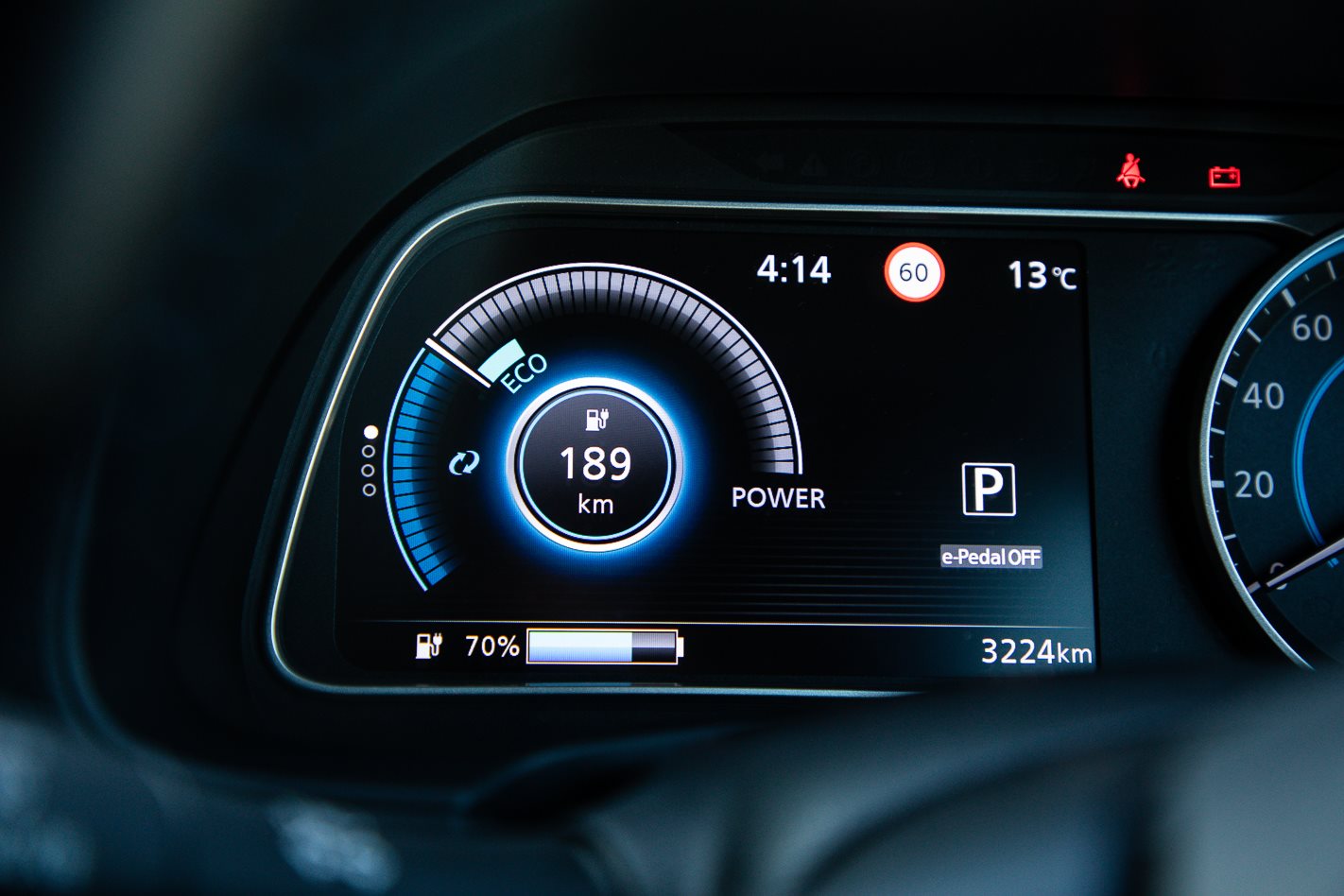
For mainstream adoption to be achieved, consumers believe EVs need to reach a range of 469km – equivalent to the distance between London and Paris.
Fleet managers indicated they have even higher expectations, requiring a range of 550 km. ICE equivalents can achieve between 500 and 1000km.
Charging infrastructure
Seventy percent of consumers surveyed said they believed the majority of cars will become fully electric when charging infrastructure is as easily available as service stations.
Most important is having the ability to charge at home or nearby (70 percent), followed by having a charge point at work or nearby (67 percent).
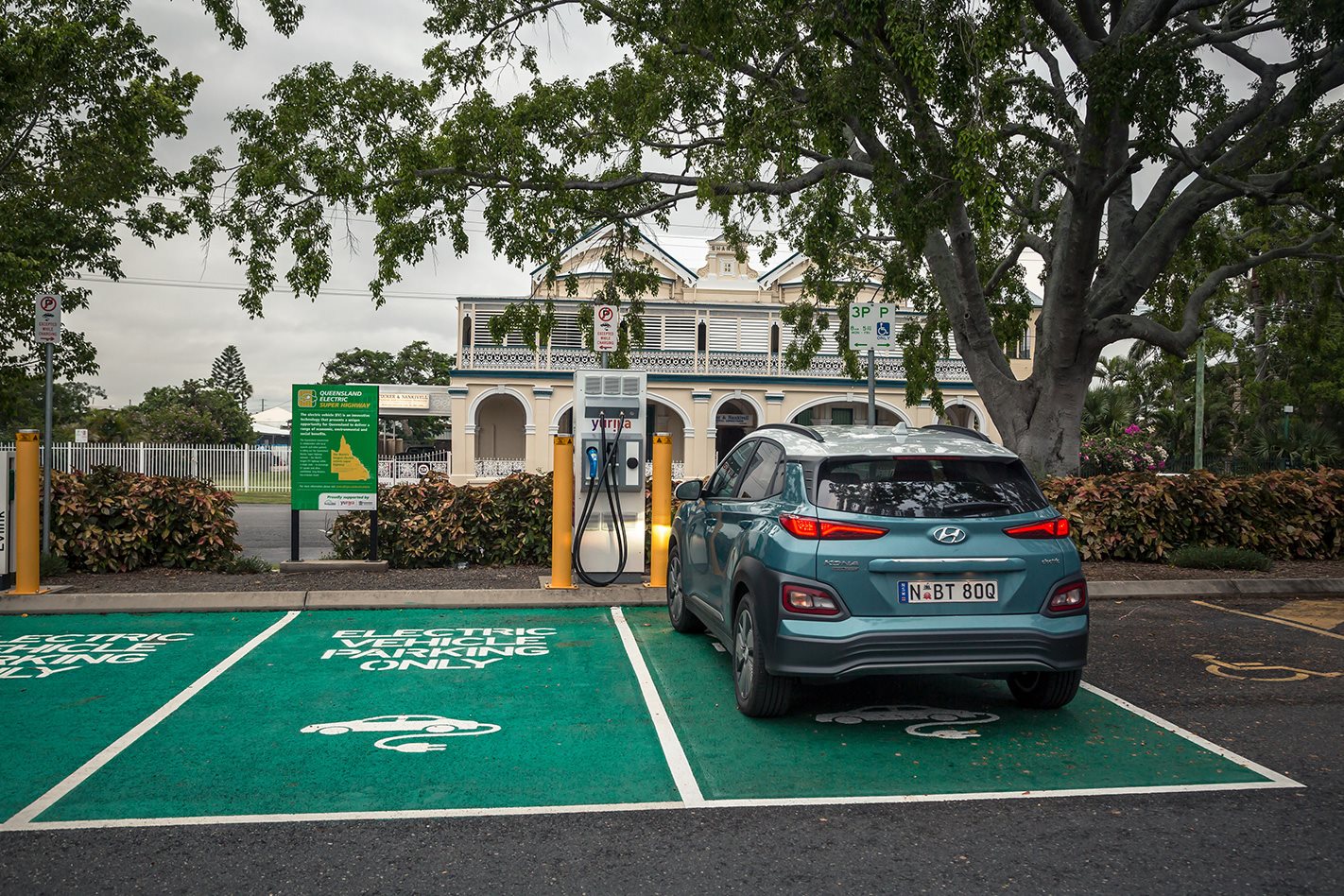
Nearly two-thirds of consumers (62 precent) said they wanted a guarantee that the power at charging points was provided by renewable energy sources.
Vehicle choice
While vehicle choice was the least important element for surveyed consumers, it was the second most important buying factor for fleet managers.
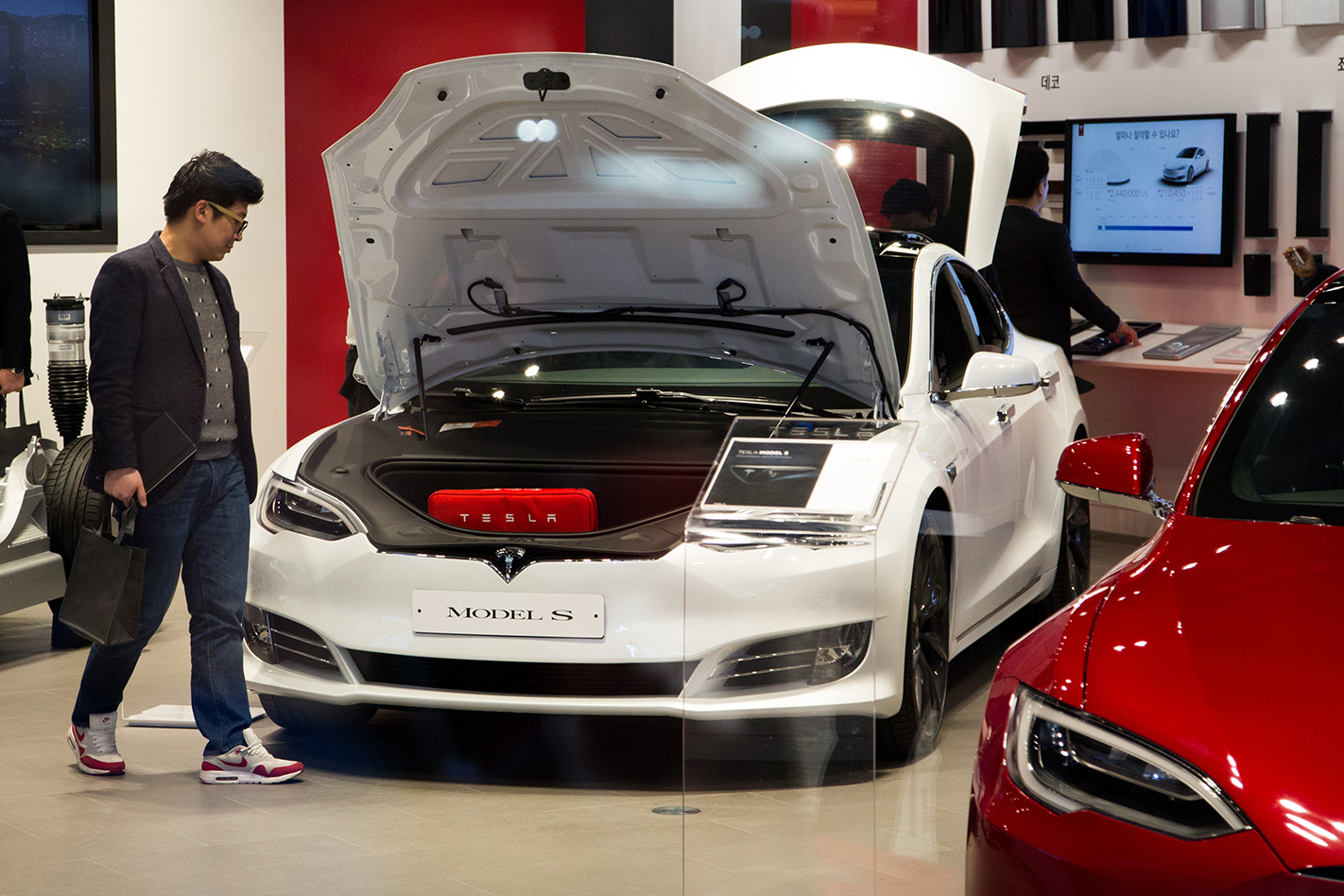
To achieve mainstream adoption, creating more familiar models will be key: more than half of consumers (54 percent) and fleet managers (53 percent) in the study said they would consider making the switch if there was an EV equivalent to their favourite ICE car.
When will the EV market tip?
According to Castrol, its data shows achieving an average $36,000 price, 31-minute charge time and 469km range would rapidly accelerate the global market for EVs by 2025.
Even so, there will be initial caution before a large-scale switch is seen, with 61 percent of consumers adopting a ‘wait and see’ approach, and battery technology are fundamental to driving the development of the fully electric car market.
And, while 58 percent of fleet managers are personally motivated to make a positive difference to the environment by making their fleet fully electric, more than half (54 percent) are waiting for their competitors to make the switch before they do.
What stands out?
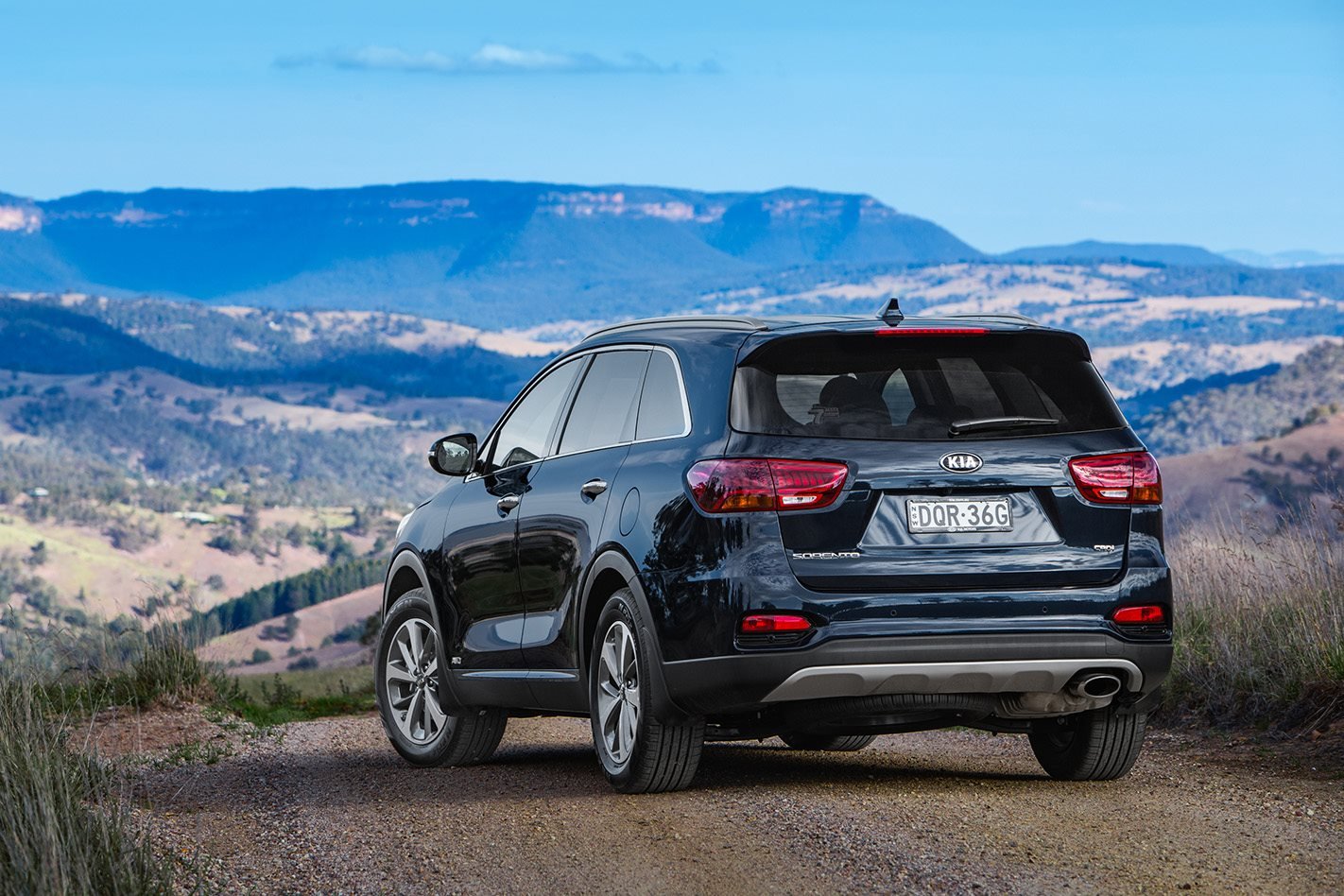
The third-generation Kia Sorento is a comfortable seven-seat SUV that’s beautifully finished inside, well equipped, and enjoyable to drive, with excellent smartphone integration. The optional diesel engine is refined and powerful, and the Sorento is covered by Kia’s seven-year warranty. Auto braking is standard.
This model Sorento should prove good value on the used especially if it’s still covered by its seven-year warranty.
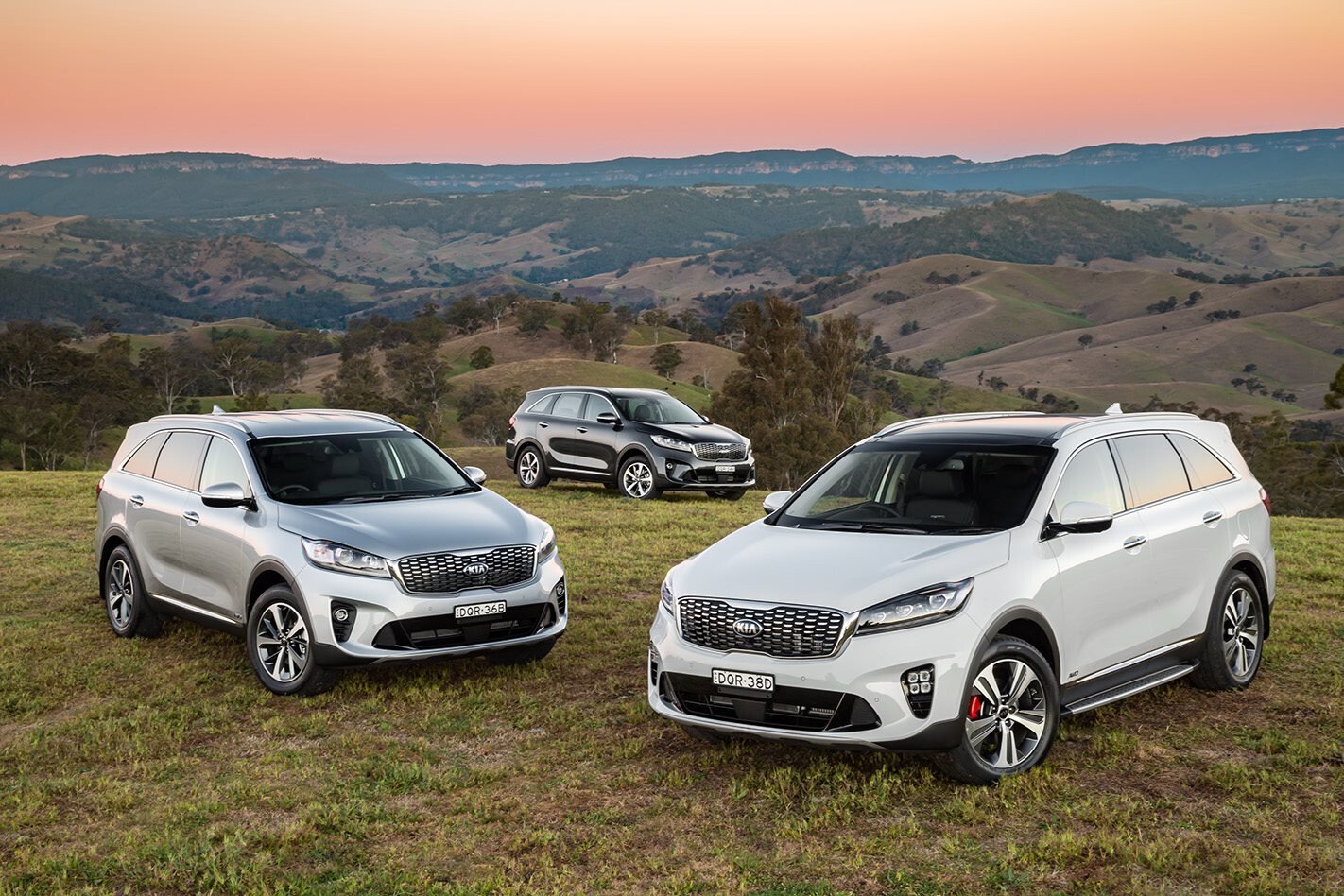
You can also read our review of the Sorento that this facelifted car replaced in October 2017.
What might bug me?
Not much, perhaps not having an all-wheel-drive option if you want a petrol Sorento.What you see is pretty much what you get with the Sorento – it’s not likely you’ll be ambushed by annoying surprises. It even has a full-sized spare wheel and tyre, and the wheel is aluminium alloy like the others on the car.
What body styles were there?
Five-door SUV-style wagon only.The Kia Sorento drives either its front wheels or all four wheels. It is classed as a large SUV, lower priced.
What features do all 2018-2020 Sorentos have?
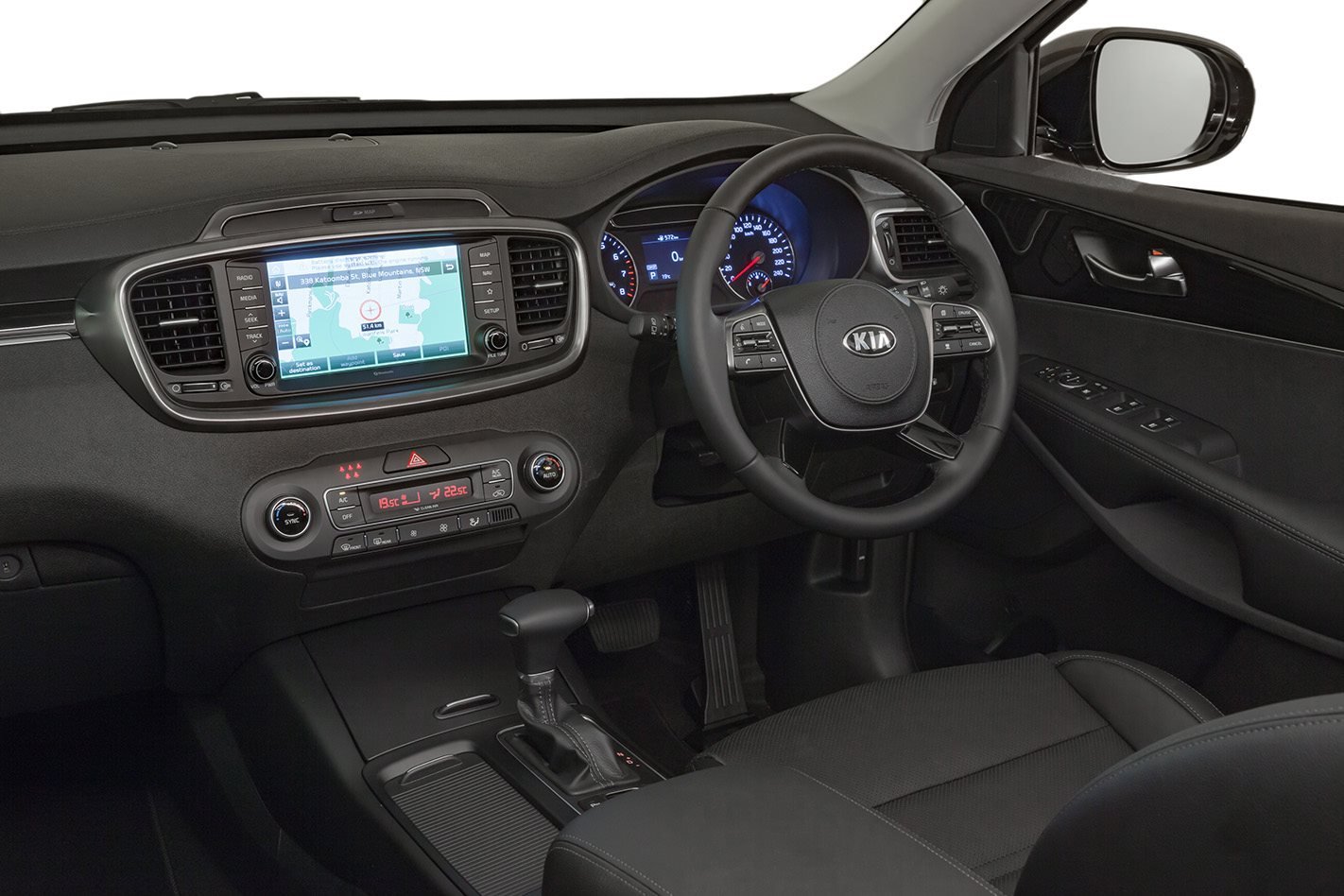
An 8.0-inch colour touchscreen, for controlling infotainment and other cabin functions. Support for Apple CarPlay and Android Auto, which lets you display apps from compatible smartphones on the central screen and control them from there.An MP3-compatible, sound system with AM/FM and digital radio, Aux and USB inputs, Bluetooth connectivity for phone calls and audio streaming, and audio controls on the steering wheel.
Satellite navigation that does not depend on your phone.Four USB ports for charging mobile devices: two for front passengers and another two for those in the rear.Headlights that turn on automatically when it’s getting dark. Cornering lights, which shine into bends when you turn the wheel. Daytime running lights, illuminated by long-lasting LEDs.A reversing camera, and parking sensors front and rear (these help you judge how far the bumpers are from obstacles).Dual-zone climate control, which lets the driver and front passenger choose different ventilation temperatures.Hill-launch assist, which operates the brakes automatically to make take-offs on steep hills easier.Wheels made from aluminium alloy, which are usually lighter and better looking than steel wheels with plastic covers. A full-size spare tyre, on an alloy wheel.Tyre pressure monitors, which warn you if a tyre has lost air (this can give you extra time to get a slow puncture seen to).Adaptive cruise control, which can hold you automatically at a safe distance from a car in front that is travelling slower than your set speed, until the way is clear. It can also hold your place in heavy traffic, stopping and starting the Sorento for you.An advanced driver assistance package that includes autonomous emergency braking for city and highway speeds, lane keeping assist, adaptive cruise control, and a driver attention warning.Six airbags. Electronic stability control, which can help you control a skidding car. (For the placement of airbags, and more on Kia Sorento safety features, please open the Safety section below.)Every Kia Sorento carries a seven-year, unlimited kilometre warranty, which is transferable to subsequent owners.
Which engine uses least fuel, and why wouldn’t I choose it?
All front-drive Sorentos use a petrol engine, and every all-wheel drive Sorento is powered by a diesel.Even with AWD, it is the 2.2-litre four-cylinder turbo-diesel that uses least fuel, consuming 7.2L/100km on the official test (city and country combined).
In many respects, an AWD diesel Sorento is preferable to its front-wheel drive petrol alternative. The diesel accelerates the car with powerful ease from low speeds, offering about 40 per cent more urge than the petrol engine in most driving conditions. And AWD is nice to have for its extra traction on slippery surfaces.The main reason you might not choose a diesel is that you want to pay less for a Sorento.The petrol engine, a 3.5-litre V6, drinks substantially more fuel than the diesel, at 10 litres/100km on the same official test. However it does produce more power if you work it really hard.You can have either engine in a Sorento Si, Sport or SLi. The GT-Line is diesel only.Every Sorento has an eight-speed conventional automatic gearbox.Power outputs and all other Kia Sorento specifications are available from the Cars Covered menu, under the main image on this page.
What key features do I get if I spend more?
The least costly Sorento is the Sorento S, which has cloth upholstery, 17-inch wheels, and the features common to all Sorentos.Spend more and you can have a Sorento Sport, which has seats trimmed in a mix of real and fake leather. Wheels are an inch bigger, at 18 inches, and mount lower profile tyres, which slightly sharpen the steering and look sportier.
Paying more again for a Sorento Sport+ gets you a smart key (which lets you unlock and start the car with your key kept safely in a pocket or bag). A powered tailgate will open for you if you are carrying that key. The driver’s seat power-adjusts, the sound system is better and has more speakers, and taillights use very long-lived LEDs.The Sport+ is the only Sorento model to offer a choice of interior trim colours beyond the standard black, with two-tone black and stone available at no extra cost.
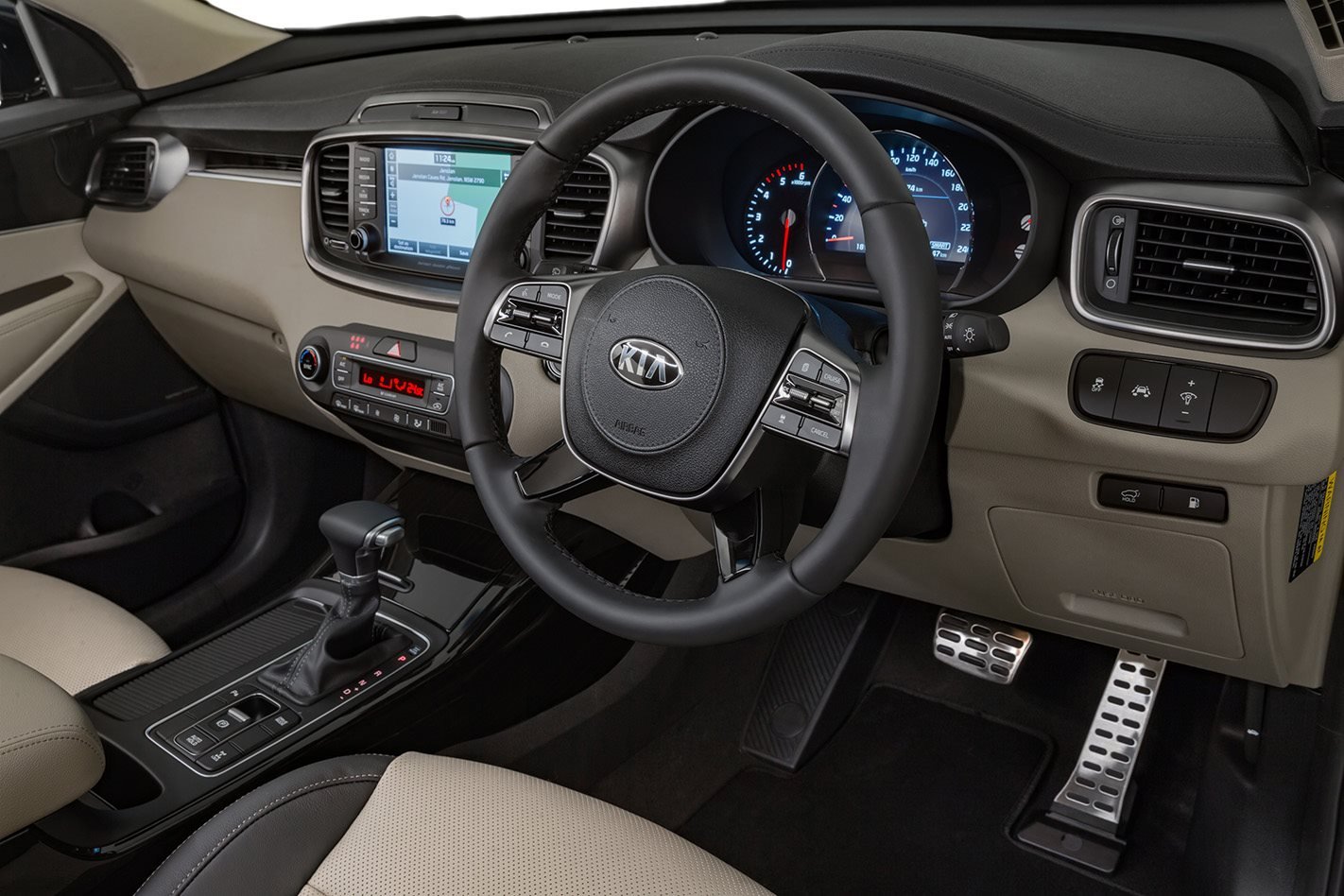
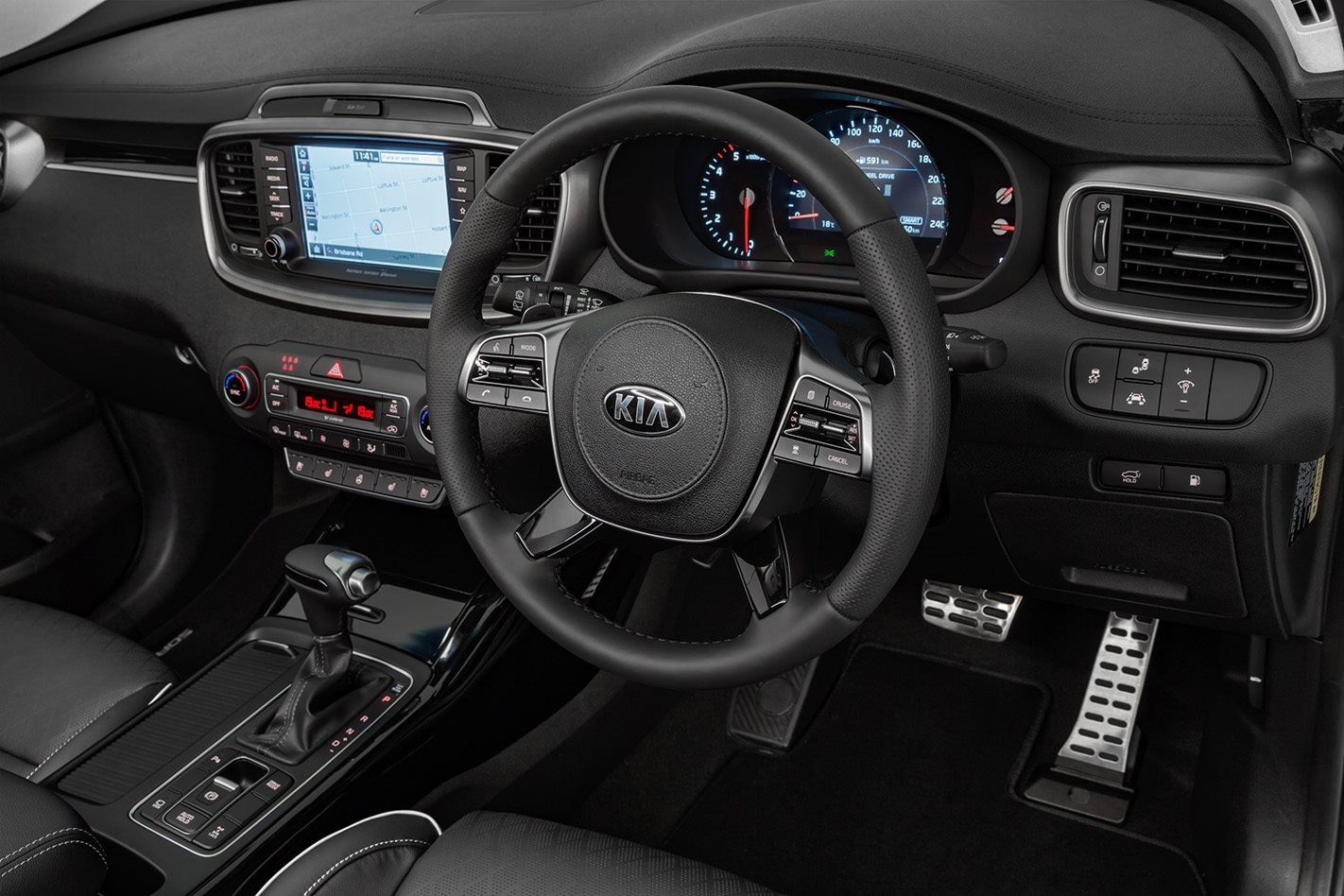
The front and second-row seats are heated, as is the steering wheel, and the front seats are ventilated. There is a big, power operated sunroof that opens above the first two seat-rows. Very bright LED headlights abet the cornering lights by shining into turns as you enter them. Wheel size increases a further inch, to 19 inches, and other aesthetic changes include red brake calipers.
The GT-Line also brings a blind-spot monitor and rear cross-traffic alert. And parking is made easier with a 360-degree camera view, which provides a simulated top-down view of the car and surrounding obstacles.
Did any upgrade have a down side?
The Sorento S, on its 17-inch wheels, rides more comfortably than the Sport, Sport+and GT-Line, on their 18s and 19s. The lower profile tyres on the bigger wheels have less rubber and air cushioning the wheels from the road. The difference is most pronounced at city speeds.The GT-Line’s bigger wheels and panoramic sunroof can lead to more road and wind noise, too.
The powered and heated front seats in the GT-Line feel firmer and a little less comfortable than the seats in the Sport and Sport+.Of seven colours available, only one, Clear White, comes without extra cost. Other colours cost about $600.
How comfortable is the Sorento?
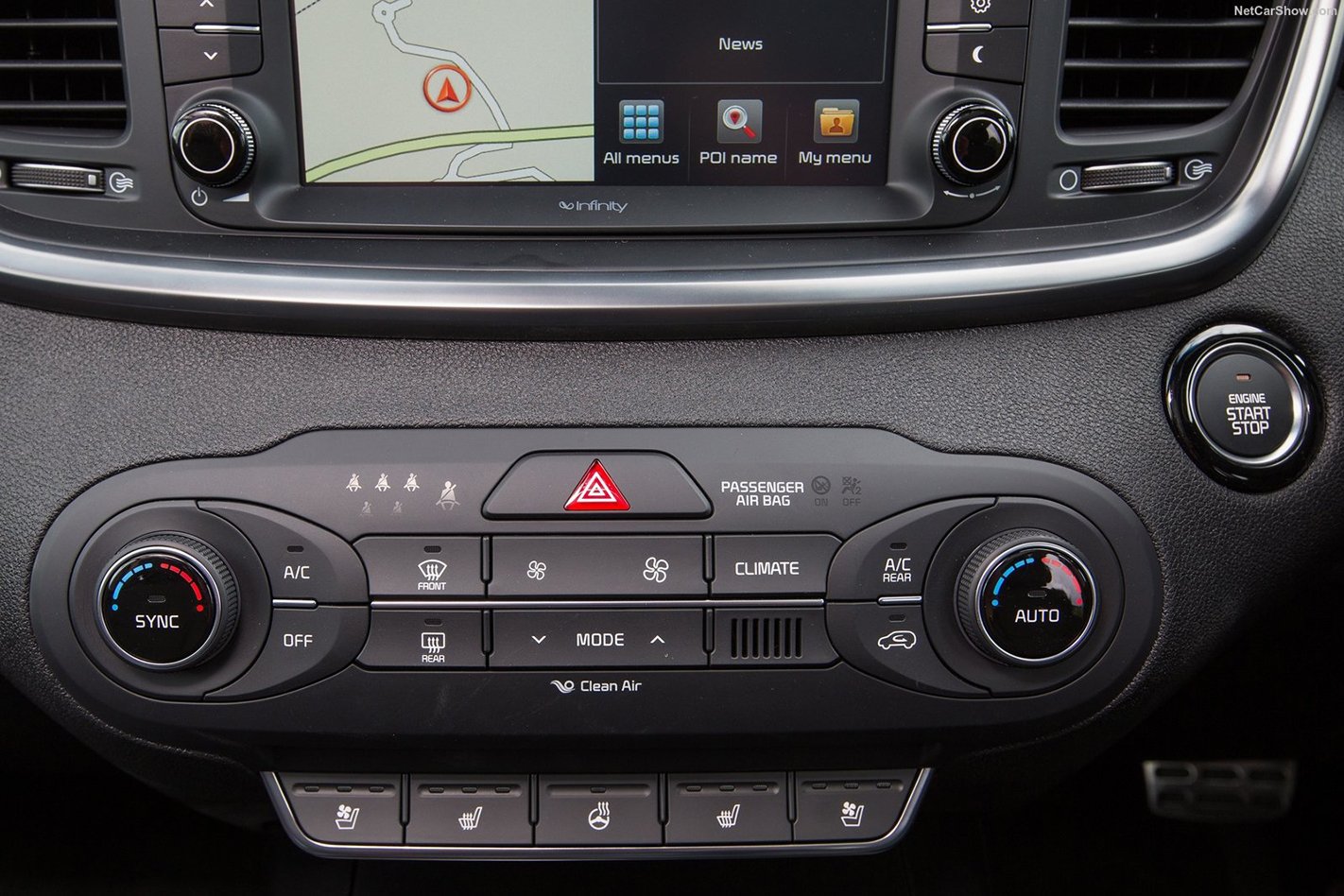
As soon as you ease into the driver’s seat, shut the door with a substantial thud and grip the sculpted steering wheel, you get a feeling that the Sorento will be very nice to drive and ride in.
This sense continues with the lovely design of the dashboard. Cabin presentation is clean, simple and smart, with plenty of soft-touch plastics. The general look and feel is evocative of a more costly European car.
What about safety in a Kia Sorento?
Anti-lock brakes, stability control, a strong body structure, six airbags, LED running lights, a reversing camera, and seatbelt warnings for all positions, are fine safety fundamentals in all Sorentos.
There are two airbags directly in front of the driver and front passenger; one alongside each front occupant to protect the upper body; and a curtain airbag down each side protecting the heads of those riding in all three rows.A mid-life facelift that arrived in October 2017, for the 2018 model year, brought autonomous emergency braking and other active safety aids to every Sorento. Auto braking can brake the car automatically to prevent or mitigate an impact with an obstacle in front (typically another car that has slowed suddenly). The Sorento’s system works at highway speeds, and at slower city speeds where it can also detect and brake for pedestrians.All Sorentos are equipped with lane keeping assist, which helps keep the vehicle between the white lines should you become distracted, and a driver attention alert, which produces a visual and audible alarm if it senses wayward driving that could be caused by fatigue.The Sorento GT-Line (only) also has a Blind spot monitor, which warns you when a vehicle is alongside out of view. A related Lane-change assist alerts you if you are about to change lanes into the path of a vehicle approaching quickly from behind. And a Rear cross-traffic alert warns you, when reversing, if something is crossing your path.The Australasian New Car Assessment Program (ANCAP) has rated the Sorento at five stars for safety, its maximum, most recently in October 2017. The Sorento gained perfect scores in the pole and side-impact parts of the crash safety test, on the way to an excellent total score of 36.62 out of 37.
I like driving – will I enjoy this car?
For a long time large SUVs – and Kias – were not much chop to drive. The third-generation Sorento proved good enough to emerge the surprise winner from a Wheels magazine comparison in September 2015, against four prime seven-seat alternatives. The Wheels win was a first for the model, and for the Kia brand.The current model, which arrived in October 2017, is a facelifted version of that 2015 car. The upgrade brought improvements to ride and handling, with a revised suspension that was recalibrated in Australia to suit rougher local roads. The result is a better ride, and less body roll in corners.
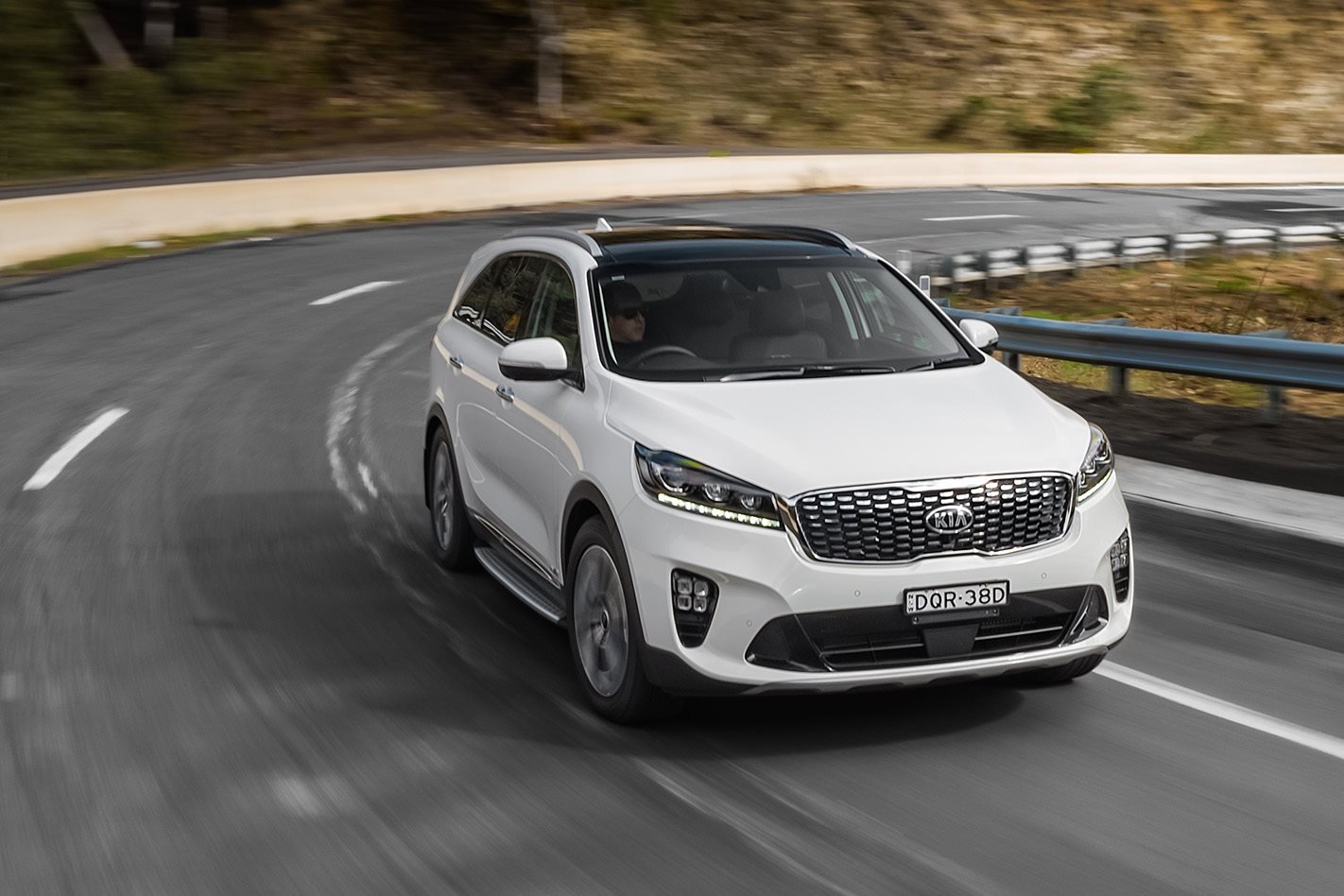
The electric power steering was always excellent in the Sorento, but that was also improved for a more direct response.On the GT-Line, 19-inch wheels with lower profile tyres give more immediately responsive handling than you experience in the less costly versions, though you do feel bumps a little more.
Turbo-diesel Sorentos surge forward when you press the accelerator. You will love the effortless oomph the engine provides – it’s a big part of what makes the Sorento satisfying.The petrol car isn’t quite so potent at low engine speeds but offers similar shove at medium engine speeds. And on a matching tyre package it’s a bit sharper to steer: the petrol engine is lighter than the diesel, which means there is less weight over the front wheels and less weight overall.
How is life in the rear seats?
Second row passengers have it good in the Sorento. The seat is supportive, and the rear compartment is roomy. And they get a centre armrest (with twin cupholders), a 12-volt socket, and two USB sockets for charging electronic devices. In Sport+ and GT-Line versions, the outer seats are heated.Importantly for long trips, rear passengers also get dedicated second-row air-conditioning vents, and handy roll-up sunshade blinds.
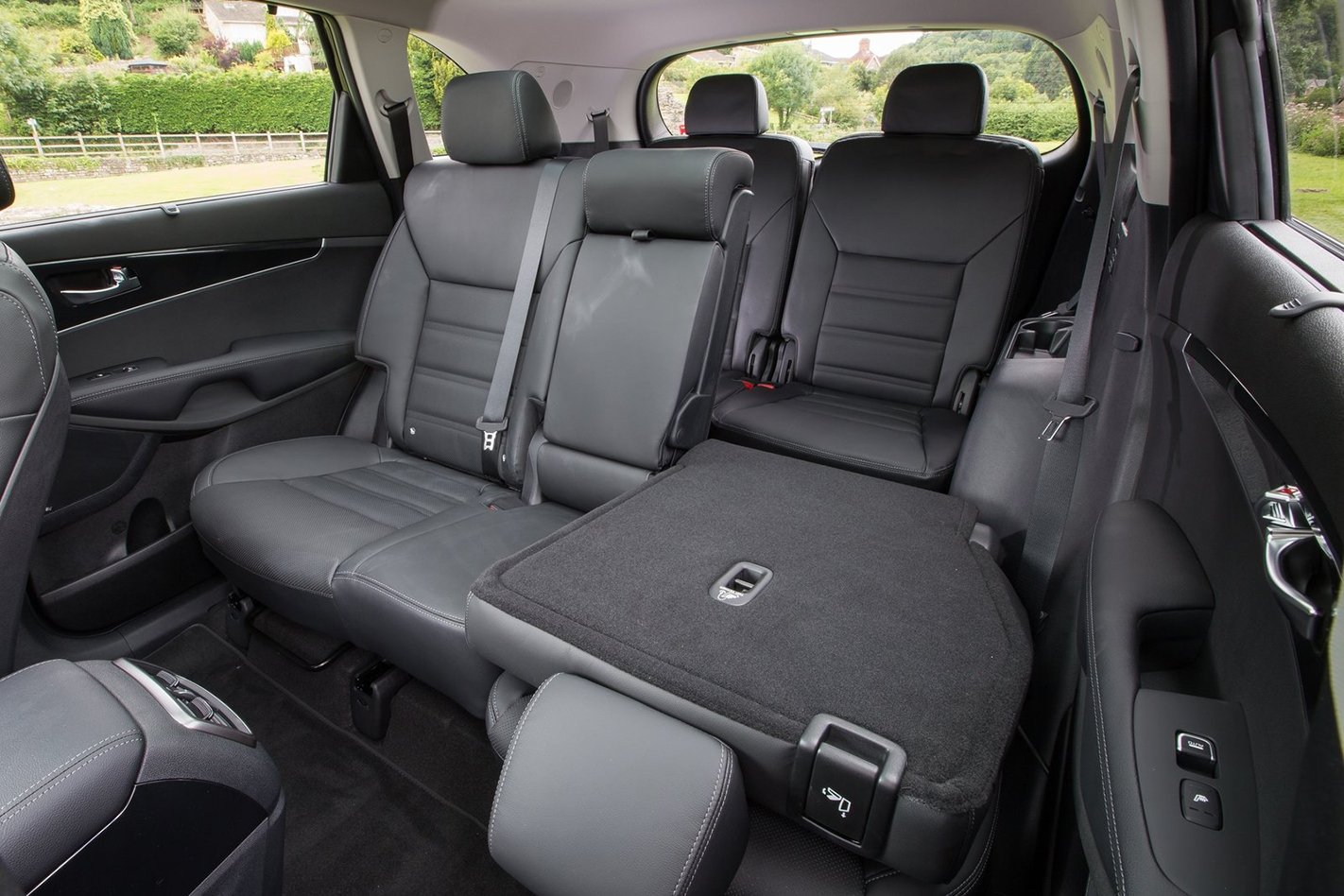
The third row is too cramped to be comfortable for adults on long trips, but it’s roomy enough for children aged in the single digits. They get a pair of cup holders, their own air-conditioning vents and fan controls, and a good view forward and out of the side windows.
How is it for carrying stuff?
With the third row seats folded flat (50/50), the cargo bay swallows a substantial 605 litres of stuff.Fold the second row (60/40) as well, and cargo capacity opens out to a van-like 1662 litres.
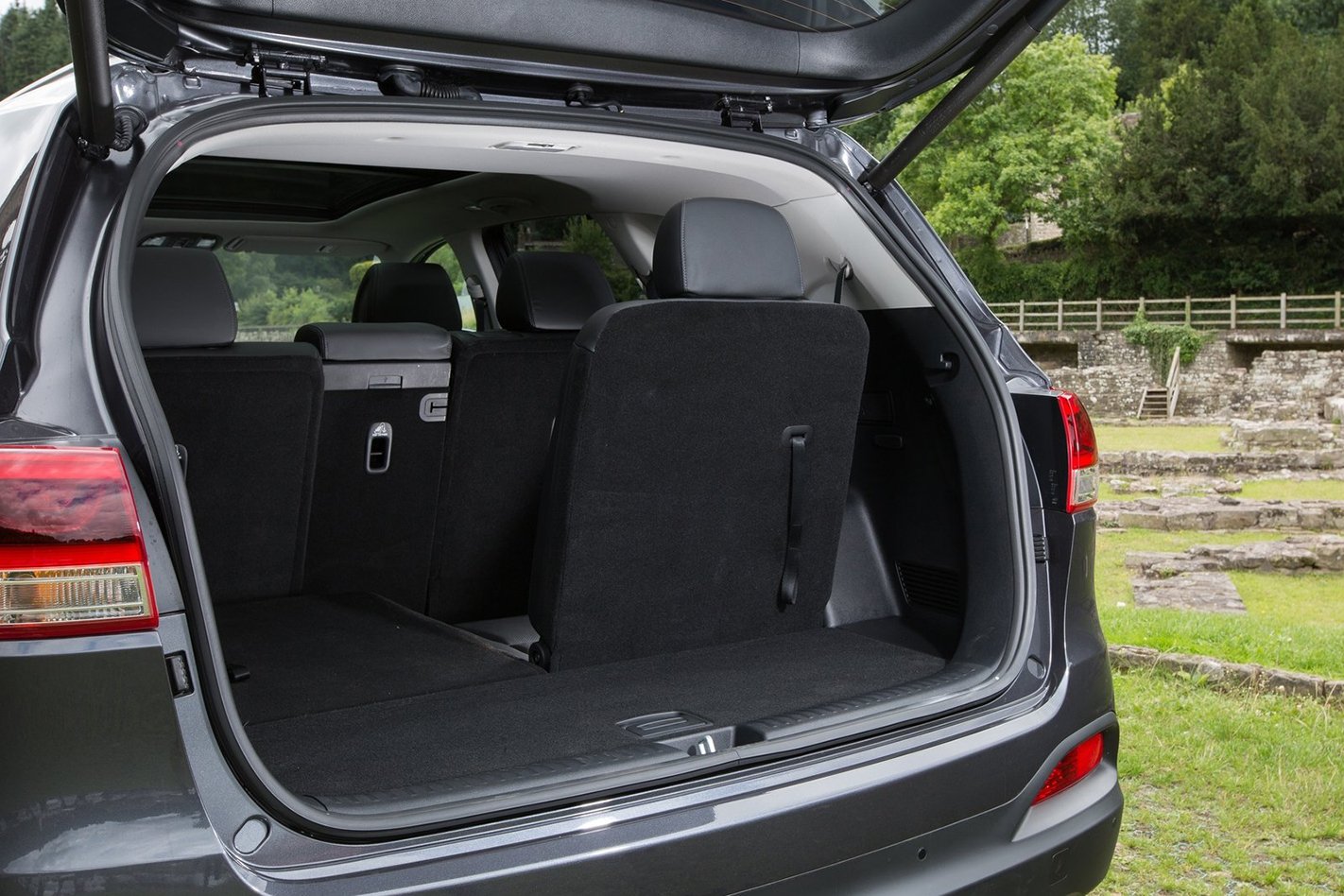
The hands-free powered tailgate in SLi and GT-Line versions opens when you walk up to it with the car’s key in your pocket. That eases loading when you have your hands full.
Where did Kia make this model Sorento?
The third-generation Kia Sorento was produced in South Korea.
What might I miss that similar large SUVs have?
Not much. The third-generation Sorento was very well equipped.Perhaps a hybrid version as available with the Nissan Pathfinder.
Comparable seven-seat SUVs you might consider include the Mazda CX-9 or CX-8 if you prefer diesel, Toyota Kluger, Holden Acadia, Skoda Karoq and Hyundai Santa Fe.If comfortable travel for seven is more important than getting off the beaten track, perhaps consider the Kia Carnival, which has more room in the third row and easier access to it.
When did Kia replace this model Sorento?
This third-generation Kia Sorento arrived in 2015, in Si, SLi, and Platinum trim. About December 2016 the Sorento GT-Line, a cosmetically enhanced Platinum, was added, and both it and the Platinum gained autonomous emergency braking.
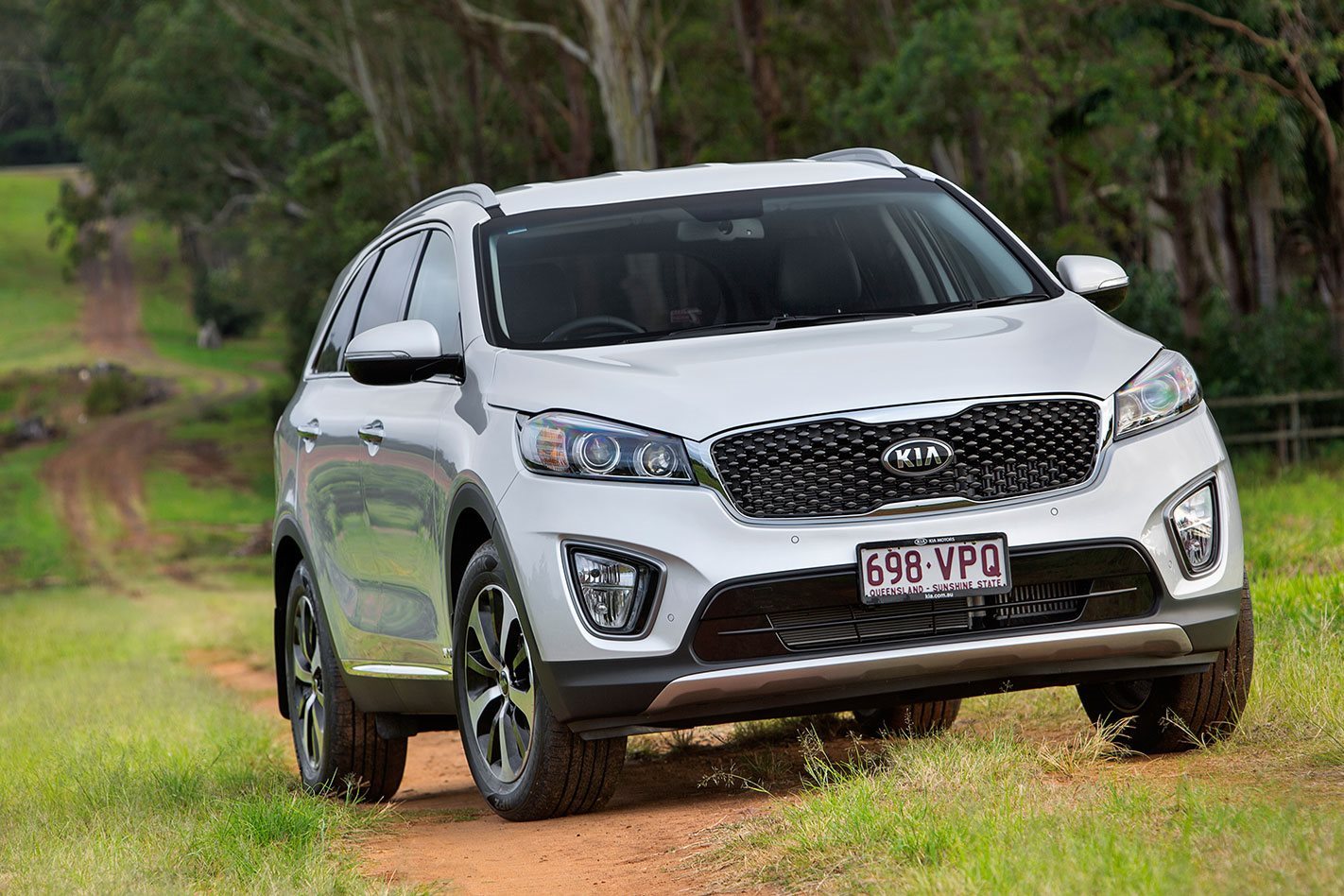
In May 2017 Kia extended the range further, adding the Si Limited – a leather-trimmed version of the least costly Sorento.
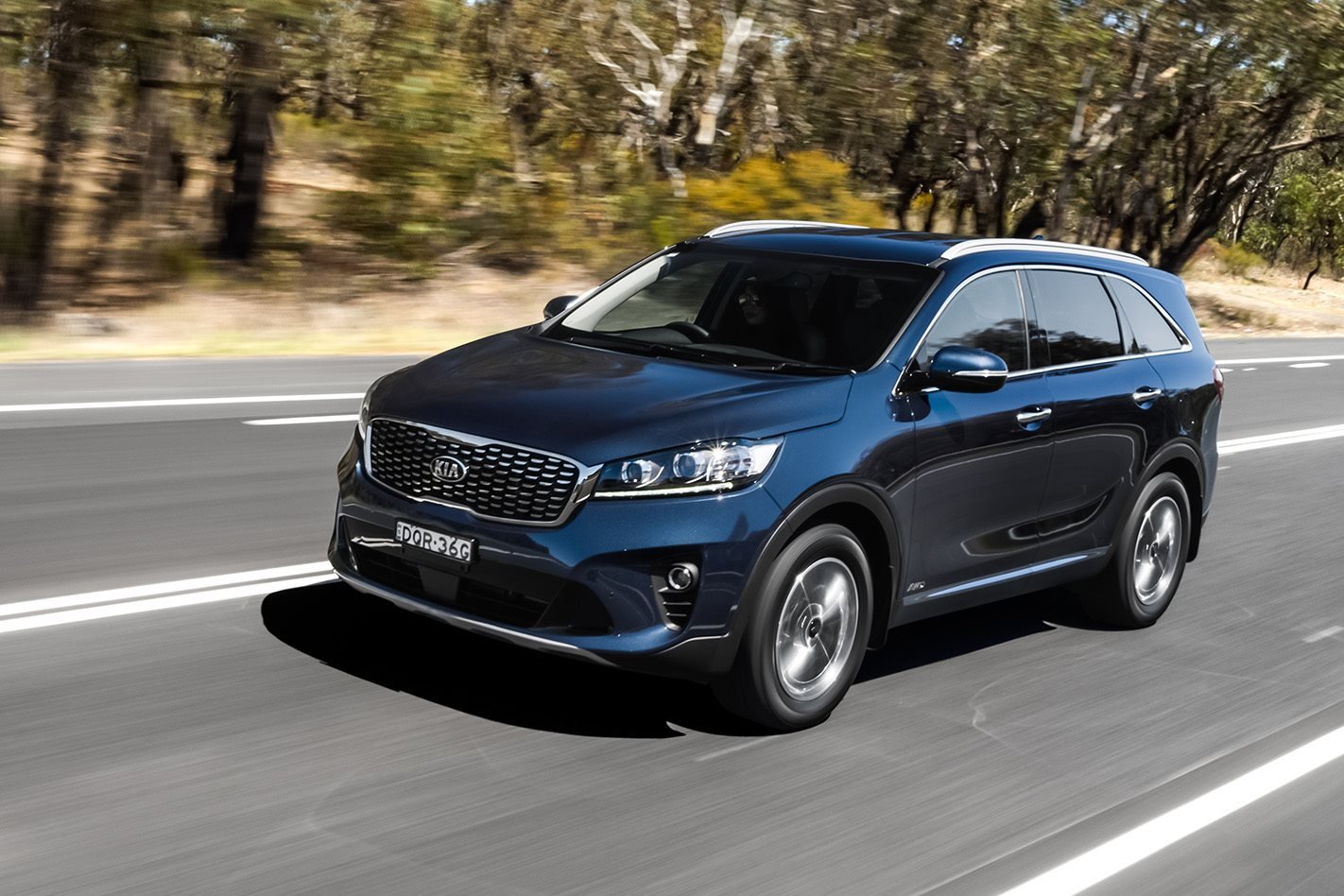
In October 2017, the Sorento received a mid-life facelift for the 2018 model year. The upgrade extended auto braking and other active safety features to all Sorentos, along with support for smartphone mirroring, and it lifted cabin quality.
The original car’s six-speed auto gearbox was replaced with an eight-speeder, and the optional V6 petrol engine received a slight power increase. Suspension and steering were also revised. The Sorento Sport replaced the Si Limited, and the Platinum was withdrawn – leaving the GT-Line as the premier trim level.
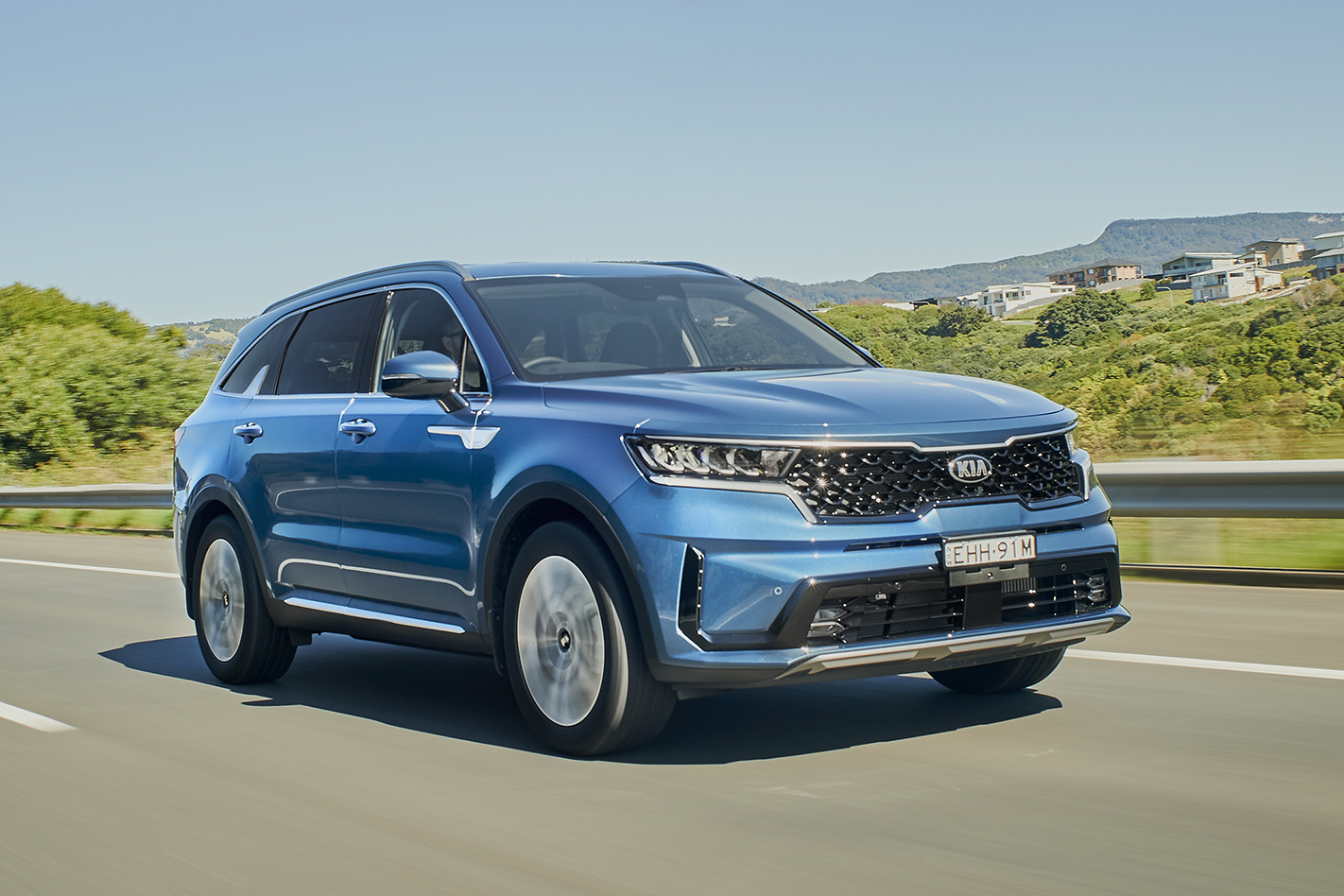
The new fourth-generation Sorento arrived on September 2020 for the 2021 model year, with a more striking design and a host of technological advancements including new driver assistance systems. A hybrid version is expected in early 2021.
I like this car, but I can’t choose which version. Can you help?
We liked the Sorento Sport+, because it strikes a pleasing balance of price and equipment. Ultimately, the diesel is a better bet than the petrol, because it has more grunt and uses less fuel. But the petrol is less costly and steers a bit more satisfyingly. If the extra fuel use and absence of AWD are not drawbacks for you, it’s worth a look, too.
If you don’t need all the SLi features, you could have some leather on the seats for less money with a Sorento Sport.
The 2022 Supercars grid is likely to see the introduction of new, modern engine technology, after almost three decades of 5.0-litre pushrod V8s.
Before anyone starts panicking, the V8 engine layout will remain, but the current pushrod engine designs look set to be replaced.
Ever since the introduction of Group 3A regulations in 1993, Australia’s top-flight category of touring cars have been powered by 5.0-litre V8s, with the current units producing in the region of 485kW. These are electronically limited to 7500rpm, and have a compression ratio of 10.0:1.
Both the Ford and Holden engines are based on American pushrod designs with two valves per cylinder. When Nissan, Mercedes, and Volvo competed in the category, each used hydraulic-lift valves, with four per cylinder.
However, for the Gen3 ruleset, due to be introduced in 2022, Supercars is looking to replace the pushrod units to a more modern design that is more affordable to run and maintain.
This means the pushrod designs will likely be replaced by direct-injection, DOHC, 32-valve designs.
“The actual engines, for the performance they produce, the noise they make, the spectacle that they provide, they do an amazing job,” Supercars’ chief strategy officer John Casey tells Wheels.
“But race engine technology has moved on substantially. There are now many more options available.
“More contemporary configurations are available to us, which are much lower maintenance, provide less stress, and are therefore less expensive and so on.”
MORE ON THE FUTURE OF SUPERCARS
- Ford could leave Supercars if Holden isn’t replaced
- Examining Gen3 Supercars rules in detail
- Where to next for Supercars
It is thought that a ‘crate’ engine formula, with teams using ready-to-run engines, could be implemented.
There is some debate about where the new engines will be sourced from, how many options will be available, and how much they will cost.
Currently,Supercars’ engine costs are described as “out of control” by those in the pit lane.
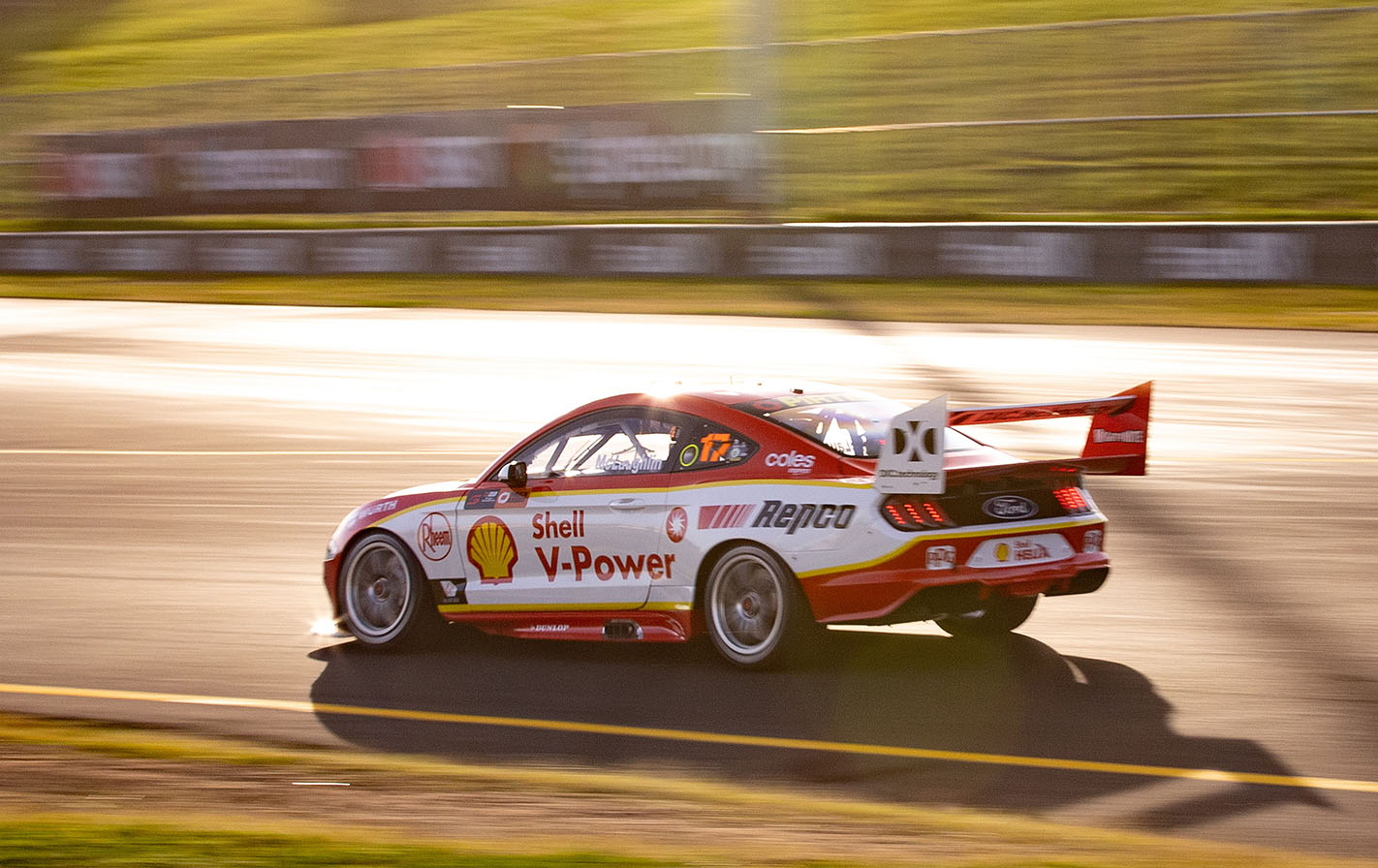
Garry Rogers Motorsport was forced to leave the sport last year, partly due to skyrocketing costs, with team leader Barry Rogers (son of the eponymous Garry) saying maintaining and developing the current generation of V8 engine makes up a large part of the expenses associated with being competitive.
“For a two-car team, running engines for the year costs near enough half a million dollars,” he tells Wheels.
“You can buy a crate engine for about $40,000. You can get through a year on two of those.”
Triple Eight Engineering boss Roland Dane believes it is time for Supercars engine regulations to be revised, with a slight drop in power likely to net teams significant savings without hurting the racing product.
“The engines that we have got at the moment are the product of many years of development, taking something that never should be able to produce the power that they do,” he explains.
“They are overly stressed and therefore need rebuilding more often than is ideal, and also cost too much in the first place.”
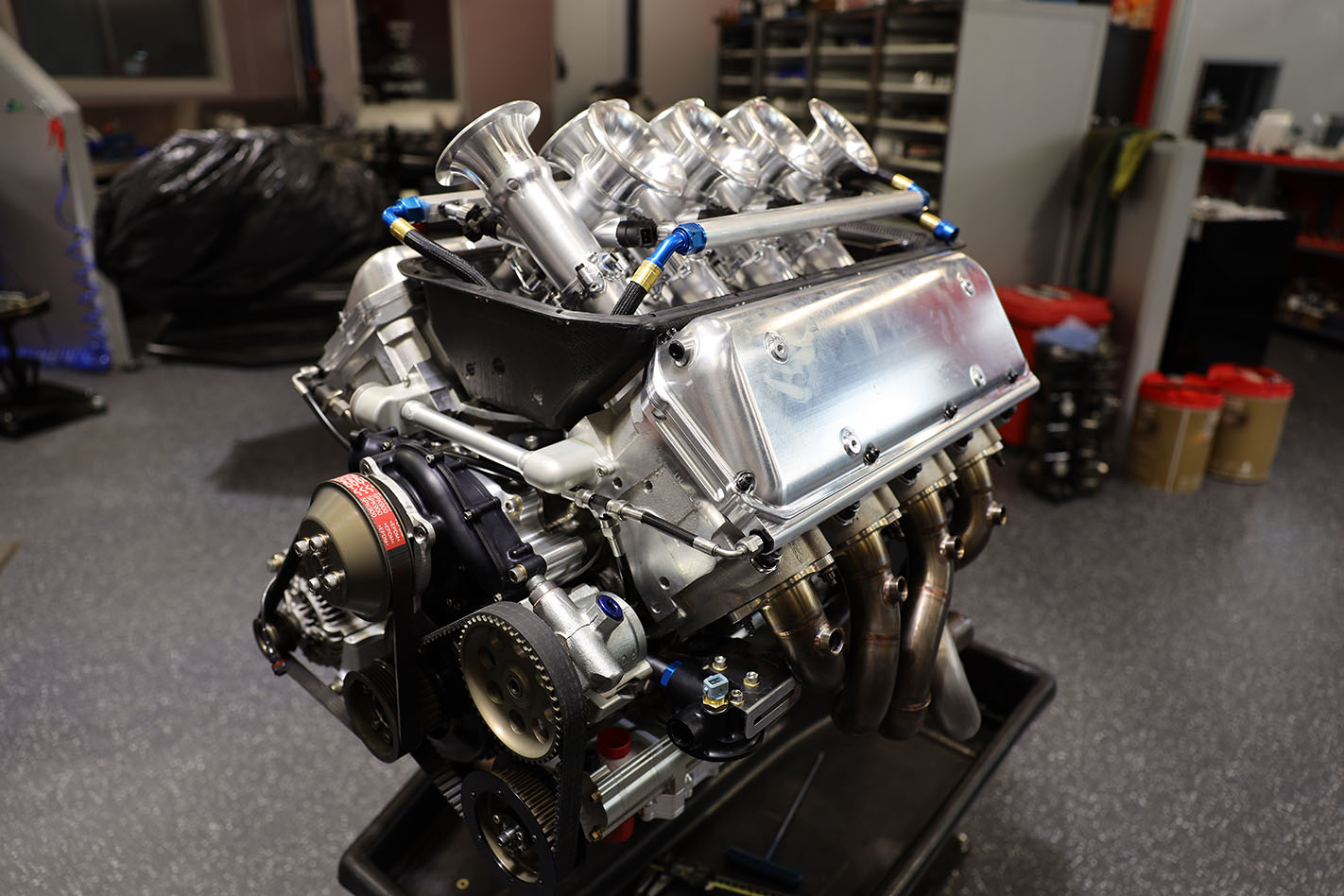
Dane is opposed to the term ‘crate engine’ but recognises that there are more affordable options available to the category than what is currently in place.
The pit lane heavyweight referenced Triple Eight’s experience with GT3 racing, where it fields a Mercedes-AMG GT GT3, as an example of how engine performance and associated cost can be better controlled.
“The engines in those cars they produce in GT3 form around 410kW, but they can produce 447kW in a heartbeat without the restrictor,” he adds.
“Those engines are V8 naturally aspirated, and do 20,500km between rebuilds. That is getting on for double what a Supercar season is likely to be in the future.
“At our highest mileage engine so far at 12,000km we haven’t seen any decrease in performance. None. It is perfectly possible with modern technology and modern engine architecture – double overhead cams not pushrods – to get to the level that would give us a power to weight ratio to still make our cars difficult to drive so you and I will struggle with them.
“If they are too easy to drive, they will lose an awful lot of their appeal.”
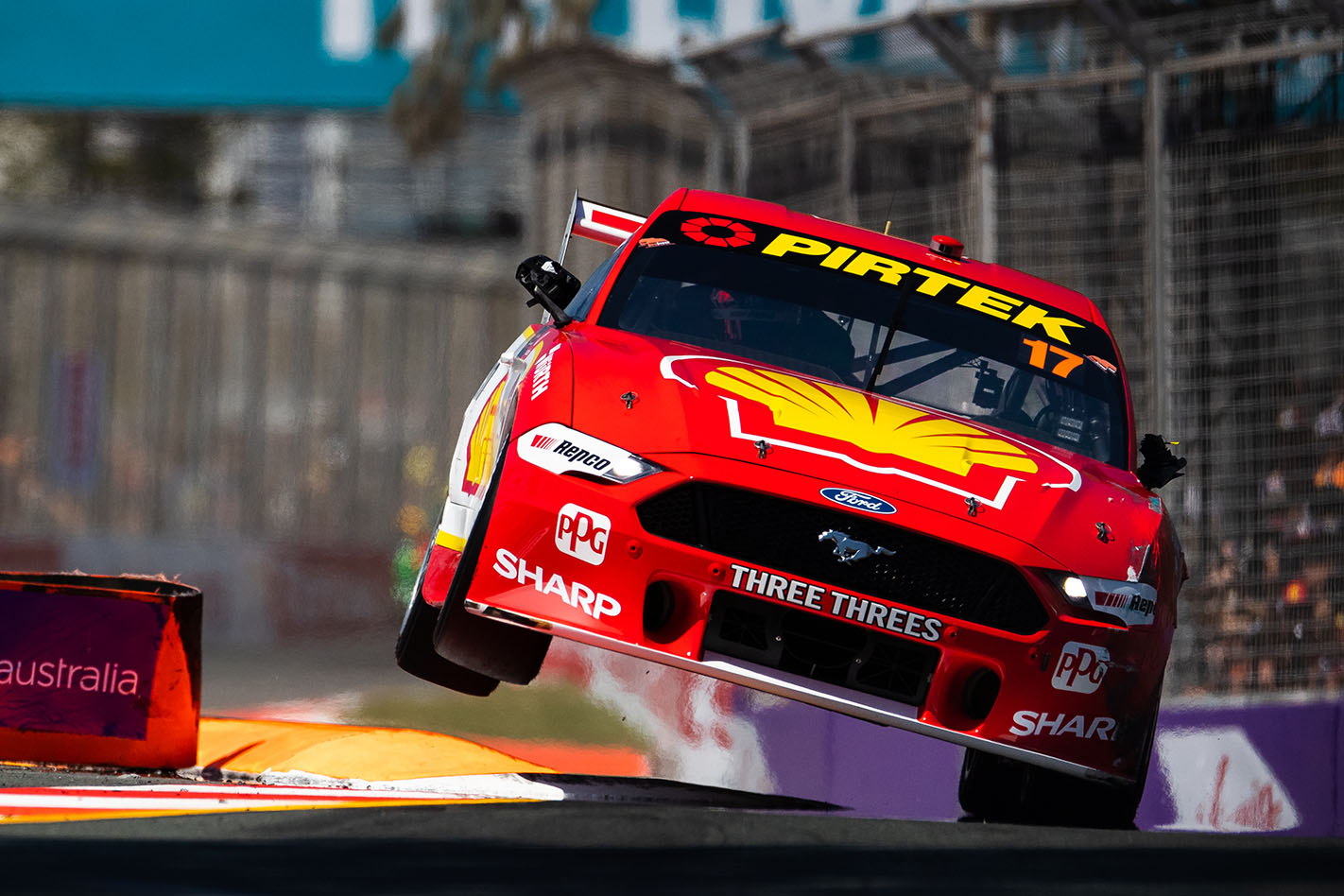
It is understood that Supercars is currently evaluating the suitability of current crate engines to be used in the category, such as Ford’s 5.0-litre Coyote V8.
Dane’s ideal scenario would be for teams to still choose what engine they run in their respective cars, instead of a one-size-fits-all situation.
“What we want is a V8 naturally aspirated engine that produces a very similar power to weight ratio to today,” he says.
“It is no question we can make a car lighter than we do today, and therefore we can have a power to weigh ratio that is similar to today, but with a bit less horsepower than we have got today. That then makes it easier, and gives you more choices – whether it is one engine or two, or you allow people to bring an engine in. That is something Supercars is still debating.
“They have all got to be, obviously, paratised and equalised in terms of performance and fuel economy.”
Veteran racer and team co-owner Todd Kelly also believes that a slight power reduction is needed to help lower engine costs going forward.
“The engines in the cars are so technical and expensive to design and build and run and maintain. And it doesn’t have any impact on the end product,” he explains to Wheels.
“You could have 15 less horsepower, have just as good a racing, and save half a million dollars a year on your engine budget.”
Kelly Racing has competed with Holden, Nissan, and now Ford engines under current regulations, and Todd supports a regulation change.
“Our rules are currently built around getting a heap of components and then spending 25 years building something amazing,” he says.
Dirt revellers will disappointed to hear the news that Codemasters has delayed the release of the upcoming Dirt 5 game.
Originally intended for an October launch, the game developers have seen fit to push back the release to coincide with the launch of the new Xbox Series X and Playstation 5 gaming consoles – which will arrive toward the end of 2020.
The new release date is scheduled for November 10, the same day that the Xbox Series X is launching across the world.
To bridge the gap between the new release date and the previous, Codemasters will release a number of teasers including some in-game footage, next-gen feature details and a full car list so stay tuned to WhichCar for further news.
ORIGINAL STORY 05/09/20: If your gaming life is lacking natural terrain, fear not… Dirt 5 is finally on its way.
In a Microsoft presentation showing off the gameplay we can expect to see in the upcoming Xbox Series X, the next title in Codemasters’ Dirt franchise made its first public appearance.
It’s also the first driving game to be confirmed for the all-new Xbox Series X. We were expecting Forza Motorsport 8 to have a solid chance of forming part of Microsoft’s Series X preview, but Dirt 5 has beaten it to that particular finish line.
It was also confirmed as a PlayStation 5-compatible title shortly after Microsoft’s announcement, meaning it will likely be the first racing title to be available across both of those ninth-generation consoles when they launch just ahead of Christmas this year.
So what’s in store? For the uninitiated, it’s probably best to know that there are actually two different tiers of Dirt, which confusingly share very similar names.

Right now there’s Dirt 2.0 and Dirt 4, which are sold side-by-side but don’t quite compete with each other. Dirt 2.0 is a rally sim, and a brutally difficult and unforgiving one at that.
Dirt 4, meanwhile, gives a more user-friendly experience. The vehicle physics might not be a full-fidelity rendition of real-life rally car dynamics, but it’s more fun, easier to pick up and play and less daunting for the average player.
It’s the arcade cousin to the serious sim that is Dirt 2.0.
For Dirt 5, however, developer Codemasters is going to lean more heavily toward the arcade side of the spectrum.
The hype video tells you that instantly – the colours are bright and bold, the cars are racing wheel-to-wheel in a rallycross style rather than the more accurate solo stages of real rallies, and the environments are big, expansive and look not all that dissimilar to the open-world maps of Forza Horizon titles.
In fact, if you’re familiar with the off-road races in Forza Horizon 4, you might feel that the racing depicted in the above vid could be almost interchangeable.
That’s not necessarily a bad thing – the races in FH4 are fast, frenetic and fun, after all.
What else can we expect? Codemasters says that the ‘vibe’ of Dirt 5 should mark it as something quite distinct from previous iterations in the Dirt franchise, saying that: “booting up Dirt 5 feels like you’re stepping into a brand new culture, surrounded by style and encouraging you to express yourself, whatever it is you’re doing.”

We interpret that to mean that there should be a fairly robust car customisation system in the game; one, hopefully, that is as good as the livery editors and vehicle modification interfaces of Forza Horizon 4 and Need For Speed Heat.
A photo mode will allow you to show off your unique vehicles, and Codemasters says there will be a decent spread of “GT heroes, rough-and-ready buggies, classic rally legends and more” to hoon around in.
A solid car list is still some way off from being announced, though.
Even so, we can see a range of off-road powertoys including the Ariel Nomad, plus less-obvious choices like a classic Ford Mustang, a Porsche 911 and an Aston Martin Vantage, alongside expected rally racers like the Citroen C3 R5 and Lancia Stratos.

New York, China and Norway are the three locales confirmed thus far, and Codemasters has also announced that a four-player split screen mode will be built into Dirt 5 to give it proper ‘party game’ credentials.
Twelve-player online multiplayer will also be a focus, and a single-player career mode promises some narrative-driven racing action.
The last major detail announced for Dirt 5 is that while it will be coded to take full advantage of the Xbox Series X’s beastly technology, while also remaining fully compatible with the Xbox One platform.
That means higher-resolution textures, 4K at up to 120 frames per second and ultra-fast loading times for those playing on a Series X.
Dirt 5 will go on sale for Xbox One, Xbox Series X, PlayStation 4 and PlayStation 5 in the fourth quarter of this year, with precise timing to be announced closer to launch.

BMW S14B25
PRODUCED: 1989-91 DISPLACEMENT: 2467cc INDUCTION: NA
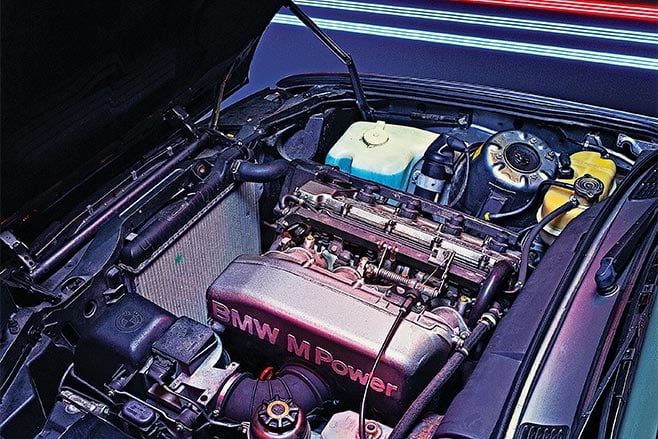
The engine under the bonnet of what might be BMW’s most iconic car is not one of the inline sixes the Bavarians are praised for. No, instead, a humble inline four is at the heart of the E30 M3.
Okay, in its peak form, perhaps a 2.5-litre naturally aspirated engine that revs out past 7000rpm and makes 175kW wasn’t exactly humble back in 1990.
Though there were lesser versions of the S14 engine in lesser E30 M3s, the S14B25 that powered the M3 Evo III is the version of the engine that could hold its own today, even nudging the power output of a current (turbocharged!) Golf GTI. With various versions of the S14, the E30 was also incredibly dominant in motorsport both in Europe and in Australia.
COSWORTH/FORD BDA
PRODUCED: 1969-70 DISPLACEMENT: 1601cc INDUCTION: NA

Ever heard of a little sport called rallying? Then you will of course know of the Ford Escort RS1600 (pictured) and a little engine company called Cosworth. The 1.6-litre DOHC inline four powering the Cossie (with around 86kW as stock) is not only a stunningly beautiful sounding engine, but also formed the basis for a series of other BDx engines that would range from rallying applications to powering Formula open-wheelers. Sometimes these other versions are also referred to as BDAs.
In its most vicious form, the BD was enlarged to 2.1 litres, given a turbo and intercooler, tuned to more than 440kW, and plonked in the middle of the Ford RS200 Group B monster known as the BDT-E.
Renault F4R
PRODUCED: 1993-NOW DISPLACEMENT: 1998cc INDUCTION: NA
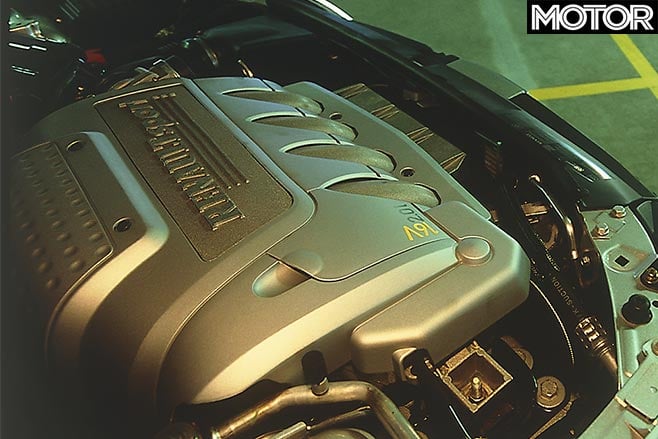
Renault’s place in the hearts of hot hatch fans was cemented by the Clio RS, which until its current iteration was the perfect example of ‘if it ain’t broke…’ by retaining the same F4R engine throughout 14 years of its lifespan. From the Clio 172 through to the 200 Cup (named for horsepower, so 127kW and 147.5kW respectively), the 2.0-litre F4R served as a rather big engine in a rather small car.
In part because of its bold engine, the Renault Sport Clio is regularly praised as an all-time great. Though it no longer runs the F4R, that engine still has a place as the powerplant in the open-wheel Formula Renault series, as well as in several somewhat more pedestrian road cars. Its turbo bro, the F4Rt, was also renowned.
AMG M139
PRODUCED: 2019-NOW DISPLACEMENT: 1991cc INDUCTION: Turbo
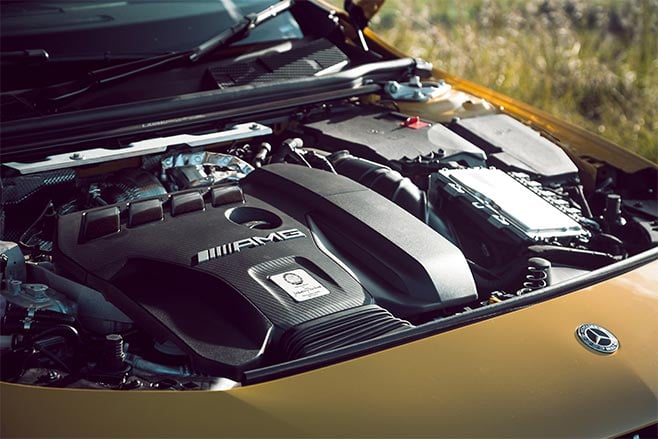
The newest of the 10 engines is, perhaps unsurprisingly, the most advanced. Built for the current Mercedes-AMG A45 S (and CLA45 S), the M139 is a complete redevelopment of the preceding M133, with just about the entire engine updated and upgraded. But one thing it does share with its forebear is the breaking of records and barriers. At 155kW-per-litre for a total 310kW alongside 500Nm, it is the most powerful road-going production 2.0-litre engine in the world.
An electric wastegate and the engine’s placement in the bay being rotated 180 degrees help reduce lag, which AMG says makes the engine feel ‘more naturally aspirated’, but plenty of folks will buy A45 Ss just to have the fastest hot hatch around.
Honda F20C
PRODUCED: 1999-2009 DISPLACEMENT: 1997cc INDUCTION: NA
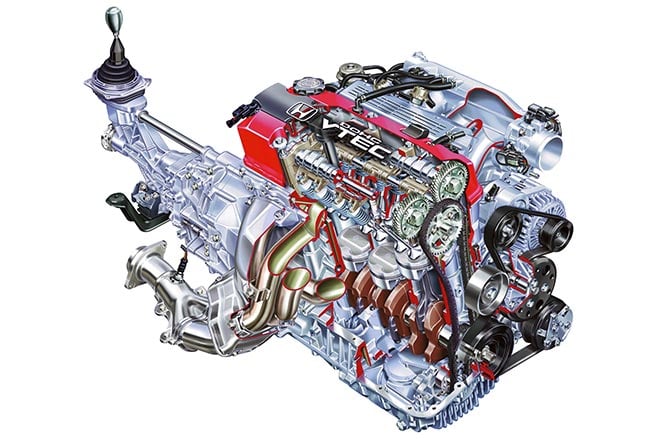
While Honda originally wanted a V8 for the S2000 (!), the 2.0-litre F20C engine turned out as pretty good consolation. The short-aluminium block four produced 176kW and 208Nm on local models in 1999, pegging specific output at 88kW per litre. But Japanese models wound up peak power to 184kW, or 92kW per litre. Only Lamborghini can get near that today with an atmo engine.
VTEC and a 9000rpm redline were key, as were fibre infused bore liners. American versions stroked the engine to 2157cc, lowering the redline but fattening torque to 220Nm. Its title as the most powerful road-going production 2.0-litre atmo four remains unbeaten to this day.
Mitsubishi 4G63T
PRODUCED: 1988-2007 DISPLACEMENT: 1997cc INDUCTION: Turbocharged

The 4G63T is the engine that Mitsubishi owes for creating a generation of diehard fans around the world, this cannot be disputed. From its beginnings in the Galant VR-4, this 2.0-litre turbo donk quickly became the engine for the Mitsubishi Lancer Evolution and stayed that way right up until the penultimate Evo, the IX. For years its official output was 206kW but was likely higher, not stated due to government power restrictions. The Evo VI (pictured) is best remembered as the last generation of Lancer successfully campaigned by WRC veteran Tommi Makkinen. His WRC cars were also 4G63T-powered.
Toyota 3S-GE
PRODUCED: 1984-2005 DISPLACEMENT: 1998cc INDUCTION: NA

This venerable engine powered Toyotas such as Celica, MR2, Caldina, RAV4 and Altezza. Despite a cast iron block, the 3S-GE was designed to be lightweight, an aluminium-alloy twin-cam head (co-developed with Yamaha) helping keep weight to a low 143kg.
At first it produced 118kW at 6400rpm and 186Nm, but across five generations (and more than two decades) this would soar to 154kW at 7000rpm and 216Nm in the 3S-GE’s ultimate iteration, the VVTi, quad-throttle, titanium-valved 11.5:1 compression BEAMS (Breakthrough Engine with Advanced Management System). It was only used in the Japanese market 1998 Altezza RS200. The turbo 3S-GTE made more power and torque again, but the rev-hungry atmo engine is the more memorable.
Abarth-Lancia 233 ATR
PRODUCED: 1985-86 DISPLACEMENT: 1757cc INDUCTION: Turbo & Supercharged

If Abarth created engines today like the Lancia Group B Delta S4’s, there would be 124 Spiders and 595s being wrapped around trees constantly. In the middle of the ’80s and at the peak of ridiculous Group B creations, this mid-mounted 1.8-litre pioneered twin-charging and ran an insane (at the time) 32psi in competition.
Outputs for the road car were humble at around 186kW/292Nm. And although claimed outputs were 360kW and 451Nm in race trim, estimations of actual outputs put it at 410kW, while rumours of the engine being capable of running at 600kW only further its legend.
Toyota 4A-GE
PRODUCED: 1983-2002 DISPLACEMENT: 1587cc INDUCTION: NA
Legend has it Toyota took inspiration from Cosworth’s legendary BDA to create its 4A-GE, a high-revving twin-cam injected 1.6-litre that pretty advanced for the early 1980s. The 4A-GE saw service in all sorts of configurations and cars from the AE86 Sprinter to AW11 MR2 and ‘twinky’ Twin Cam Corollas.
Early versions made just 88kW, but later rev-happy 20-valve jobbies made up to 121kW. A supercharged 16-valve version produced up to 127kW. Up to 150kW tuned was possible with relative ease, but required 9000rpm to do so. More so than its outputs the 4A-GE earned adoration for its numerous motorsport successes, rev-happy nature, indestructibility and the fact it was cheap and plentiful.
Honda B18C7
PRODUCED: 1995-2001 DISPLACEMENT: 1797cc INDUCTION: NA
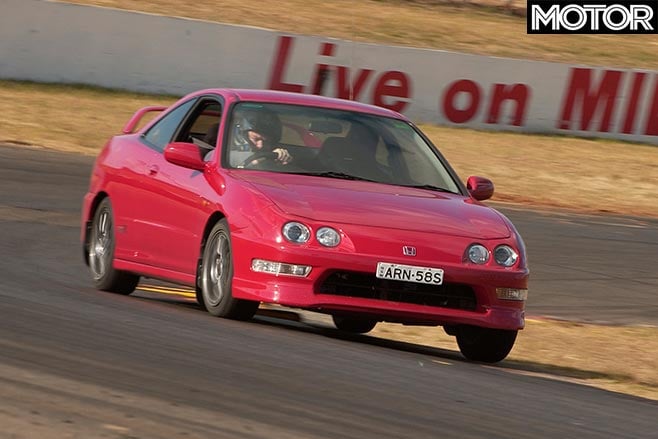
The original Honda Integra Type R’s engine played a mighty lead-up to the F20C. Starting as the Integra VTi-R’s 1.8-litre four, Honda’s engineers finished it with a hand polished cylinder head ports, larger intake and exhaust manifolds, low-friction pistons, forged conrods and a lightened valvetrain.
When the car landed here in 1999 its 1.8-litre produced 141kW and 178Nm, hitting each peak at 7900rpm and 6300rpm respectively. The indicated redline was set at 8400rpm but the engine could spin as hard as 8900rpm.
And while the K20A 2.0-litre four in following atmo Type Rs was more efficient and powerful, the hair-raising sound of the B18C7’s VTEC crossover has etched the engine into many halls of fame.
*This article originally published that the F20C used carbon-fibre infused bore liners and titanium conrods, this was incorrect and has been updated.
