
Ford Performance has revealed the latest Cobra Jet, but it’s not a V8 beast, and you can’t buy it.
Instead, this is a one-off, fully electric Ford Mustang Cobra Jet 1400 prototype, but it’s still a beast even without the V8.
Under the bonnet is an impressive display of electric tech making 1044kW (or 1400hp, thus the name) and 1491Nm for the Cobra to make instant use of, allowing it to tear up the drag strip in… well, Ford hasn’t actually said officially, but estimates it’ll run a quarter “in the low-8-second range at more than 170mph (274km/h).
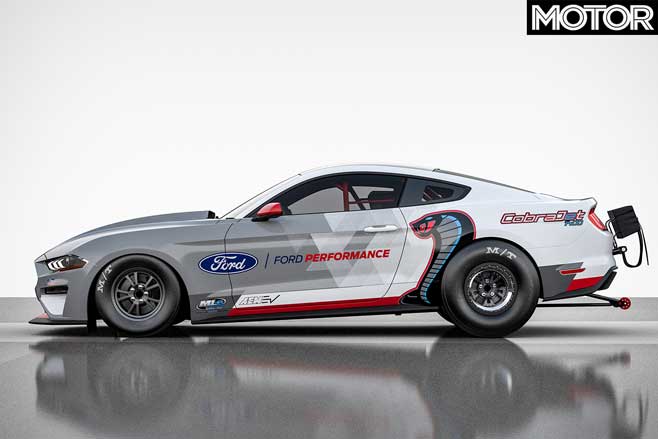
Ford didn’t undertake the task of building the Cobra Jet 1400 alone though, calling on a few suppliers and other companies for specific tasks: MLe Racecars to help with the build, design, and tuning; Watson Engineering for chassis support and the roll cage; AEM EV for software and motor calibration ; and inverter and motor supplier Cascadia.
Ford Performance motorsport director Mark Rushbrook says the project was an exercise in using a familiar platform to develop future tech and should be “the first of many coming” ventures.
“This project was a challenge for all of us at Ford Performance, but a challenge we loved jumping into,” says Rushbrook.
“We saw the Cobra Jet 1400 project as an opportunity to start developing electric powertrains in a race car package that we already had a lot of experience with, so we had performance benchmarks we wanted to match and beat right now.”
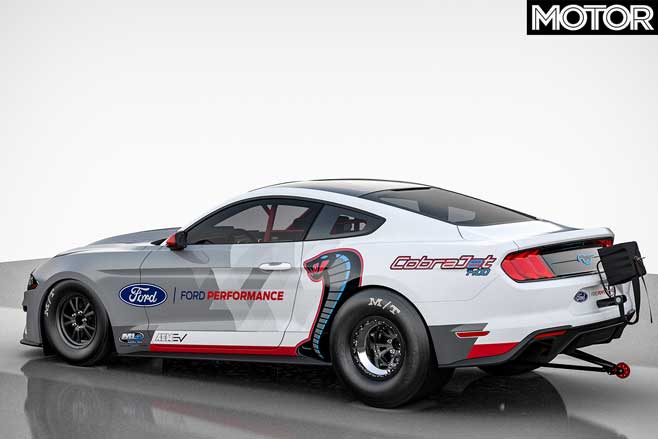
Dave Pericak, head of Ford’s ‘Icons’ like the Mustang and the GT, say motorsport is the best way to develop new innovations.
“Electric powertrains give us a completely new kind of performance and the all-electric Cobra Jet 1400 is one example of pushing new technology to the absolute limit.
“We’re excited to showcase what’s possible in an exciting year when we also have the all-electric Mustang Mach-E joining the Mustang family.”
Ford says the Cobra Jet 1400 will appear at drag events in the future, while the world awaits the arrival of the production Mustang Mach-E.
Ever wondered why the sporty coupe market is such a tough nut to crack? Two words: Toyota Celica and Honda Prelude.
This feature was originally published in MOTOR’s March 2007 issue
Between them, the Toyota and Honda two-doors have kept pretty much everybody else at arm’s length when it comes to capturing the hearts and minds (but mainly the wallets) of hairdressers and bank tellers across this wide, brown land.
Both cars have gone through their highs and lows, the Celica arguably having had more of the latter than it deserved. The Prelude’s duff moments, on the other hand, have been much rarer and apart from a brief flirtation with the technological blind-alley that was four-wheel-steering, the Prelude has generally covered itself in glory.
Okay, it was never a hard-core sportster (Honda always had other models for that), but it has always represented a well-built, sporty little number that is also surprisingly easy to live with day-to-day. And if you listen to Honda’s tech-heads, the Prelude was always the first to try out new technology before it filtered down to lesser models or, like four-wheel-steering, was hit over the head with a cricket bat.
Makes you wonder what Honda was trying to tell us by dumping the Prelude in 2001. The final 58 cars trickled out the door in ’02.
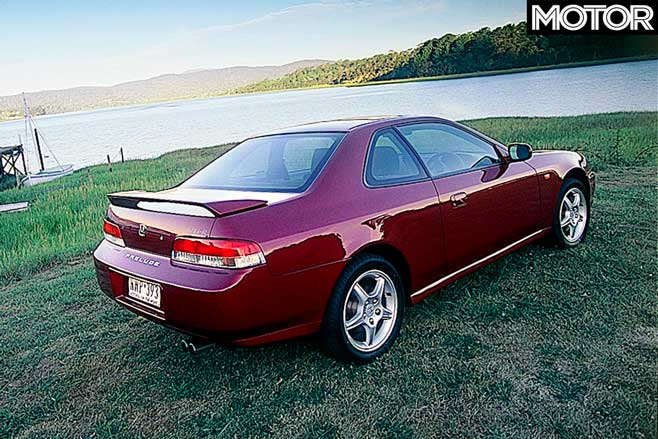
Anyway, that’s pretty much how the final version of the Prelude, the fifth generation in case you were wondering, came to have the rather effective ATTS (Active Torque Transfer System) diff in its range-topping version. Not only was the tricky diff dead set ‘manna from heaven’ for the marketing blokes, it was also some kind of cure for the understeer blues that afflicts many a pokey front-driver.
Pokey, you say? Well, yeah actually, and while whole generations of cars like the Prelude have been more style than substance, in its trickest form, the final Prelude was, in fact, a strong performer (0-100 in high 7s, 400m in mid 15s). What you had to do, however, was steer clear of the base Si with its 118kW version of Honda’s 2.2-litre DOHC four-banger, and opt for either the VTi-R or VTi-R ATTS variants.
Either of those models put you into a Prelude with more or less the same engine, but with the then-unqualified benefit of Honda’s now legendary V-TEC variable valve-timing-and-lift technology.
The end result was a rather stirring 143kW, which rose to 147 following a mild update in November ’98, almost two years after the initial launch. And while stirring might have covered it below the point at which V-TEC kicked in (about 5200rpm), the Prelude fair dinkum got the wrinkles out when you pushed it all the way to its 7750rpm cut-out.
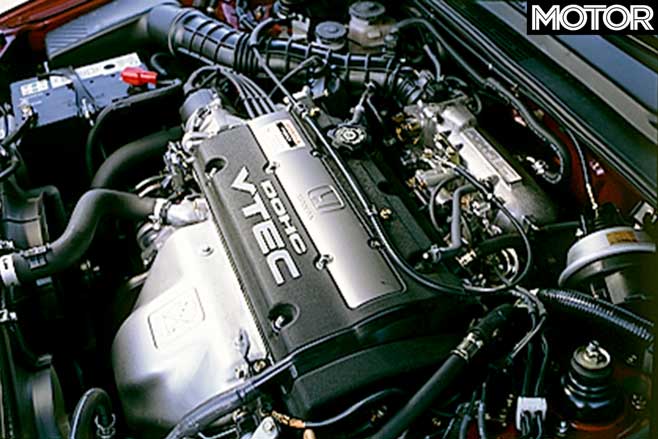
As well as all that, the engine was a classic Honda powerplant by being refined and smooth, yet still managing to feel exciting. Even today, very few four-cylinder engines are as richly rewarding as the Prelude’s. Obviously, a manual-transmission version is the only way to go, but you’d be amazed at how many lame ducks opted for the four-speed auto.
But to hell with them, because unless you were prepared to shift your own gears, you couldn’t get the ATTS package which was restricted to the five-speed manual VTi-R only.
The theory behind the ATTS diff was the same as for any slippery diff – to send the most torque to the corner with the most grip. But instead of conventional clutches and such, the ATTS used an on-board computer to study driver inputs and tailor to torque distribution. The plan was that instead of waiting for the diff to react to what the wheels were telling it, ATTS could figure what was about to happen from how fast the driver’s arms were flailing and how dilated his pupils were, and make an educated guess on which side to send the bulk of the twist. Clever.
In actual fact, the ATTS only really comes into its own when you’re having a red-hot go, usually a race-track at that. Pootling around never really reveals the genius of the set-up, but then neither does it give you much of a clue about what a tiger of an engine the V-TEC mill is.
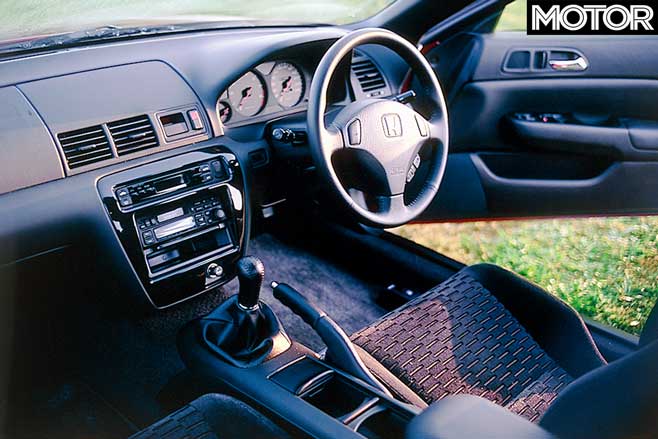
All of which raises the spectre of what’s it all good for if the thing is only ever driven by folks who wouldn’t know an apex from their elbow? It’s a valid question, too, and if it wasn’t, how come Honda managed to sell so many of the non-ATTS, non-V-TEC airhead version? Not that any of this should worry you if you think a hot-shot Prelude is for you. Because scrape away the cultural baggage of cars with a similar image and you will uncover a proper piece of kit.
Watch out for cars that have been seriously modified under the bonnet. We wouldn’t have a cow if we found one with a bigger exhaust tip and maybe a cold-air box, but a Prelude running any kind of huffer or other serious mods would be definite cause for concern. Same goes for lowered suspension. Why pay for a previous owner to have stuffed up all Honda’s good work?
Oh, and if you answer a classified ad to find that the car in question is sporting one of those ghastly, plastic, Darth Vader body kits, just smack the goose in the chops for me, will you. That is all.
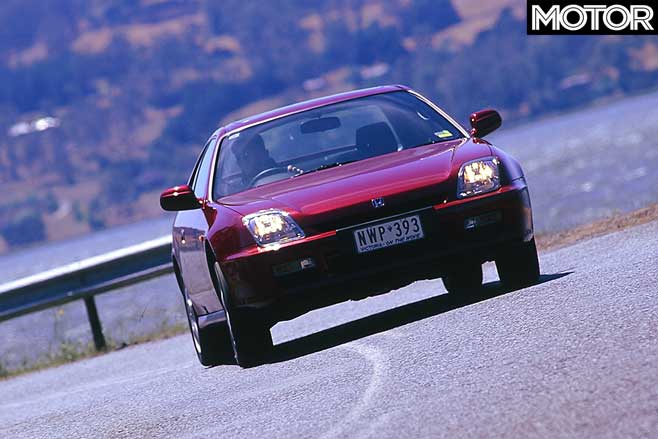
FAST FACTS 2001 Honda Prelude VTi-R ATTS ENGINE: 2159cc 4cyl, DOHC, 16v POWER: 147kW @ 7000rpm TORQUE: 212Nm @ 5250rpm WEIGHT: 1305kg POWER-TO- WEIGHT: 113kW/tonne TRANSMISSION: 5-speed manual SUSPENSION: double A-arms, coil springs, anti roll bar (f & r) L/W/h: 4545/1750/1315mm WHEELBASE: 2585mm BRAKES: ventilated discs (f), solid discs (r), ABS WHEELS: 16 x 6.5-inch alloy TYRES: Yokohama Advan 205/50R16 PRICE: $50,209 (‘01 VTi-R ATTS)
What we said
“The way the Prelude drove out of tight corners was more like a four-wheel driver. It was possible to accelerate early and hard, confident the Honda wouldn’t squander its power with untidy, front-tyre scrubbing understeer. Probably one of the most neutral of the the whole lot.” – Cameron McConville, nine-car definitive handling test, September 1998
Other Hot Coupes
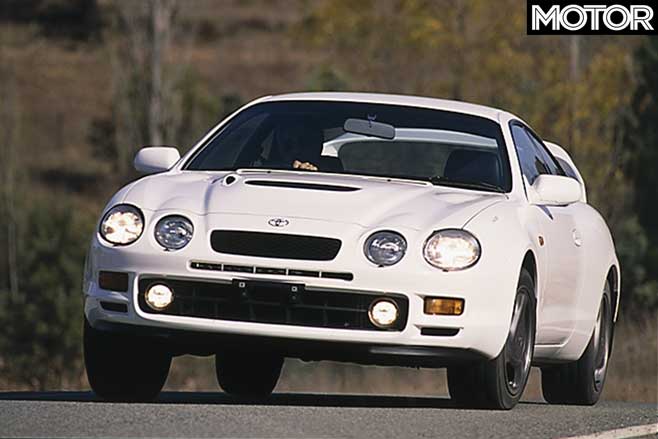
1994 Toyota Celica GT-Four $18,500 – $22,900 (5sp manual) While the cooking-model Celica of this era was just dead ordinary, the 178kW GT-Four was a mover. Still not really as good as it should have been. Just off the pace generally. And expensive (it cost $82K new).
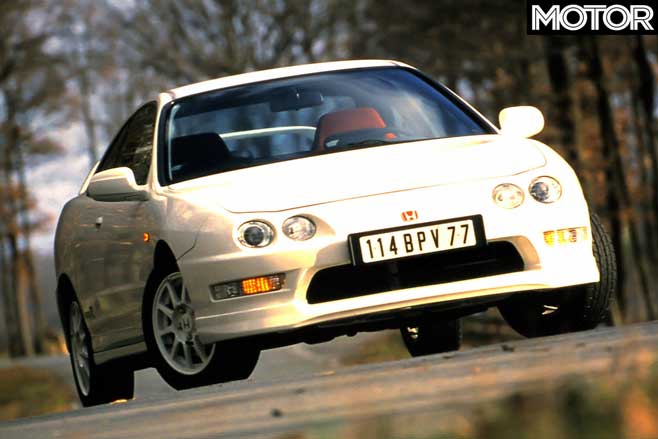
2000 Honda Integra Type-R $14,800 – $18,900 (5sp manual) If you really want to see how a front-drive chassis should work, Honda’s brilliant ‘99-’01 141kW Type-R is the way to find out. Live with one and you’ll also learn valuable lessons about noise, harshness and police. Priceless.
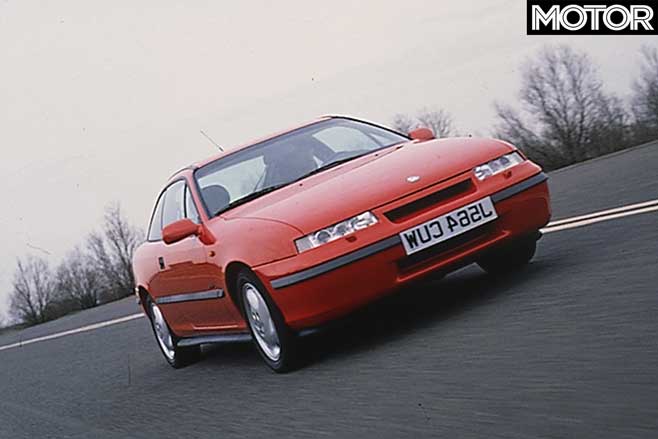
1997 Holden Calibra Turbo $6900 – $9600 (6sp manual) Cheap now that everybody has forgotten about them, the Calibra was a hell of a looker, then and now. Try to find a late-model (95-97) all-wheel-drive with the 150kW Turbo engine. Forget the rest, especially any automatic version.
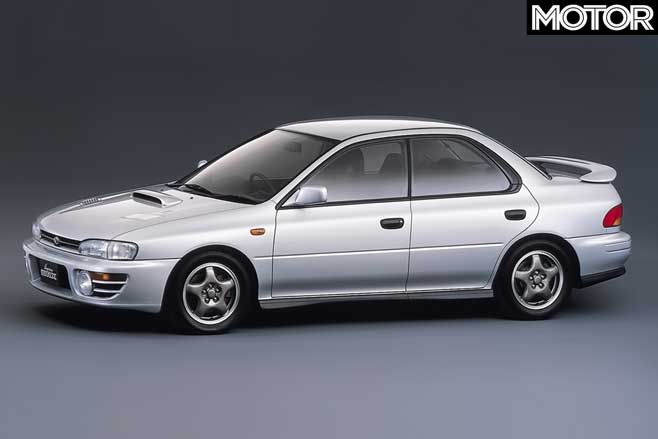
2000 Subaru impreza WRX $17,800 – $21,100 (5sp manual) Something from left-field, Sir? Then why not a Rex. For similar money to a Prelude you’ll be buying the last of the first shape which was also lighter and faster than the boggly-eyed one that replaced it in October 2000. Just don’t buy one from a skateboard punk rocker.
- New storage method for hydrogen
- Has far-reaching benefits for cars
- New metal hybrid material replicates bath sponge

NU-1501
While many vehicle manufacturers have developed efficient, compact and powerful fuel cells, storing sufficient quantities of hydrogen to fuel them remains the hardest part of the puzzle.
MORE cracking the code for cheap hydrogen
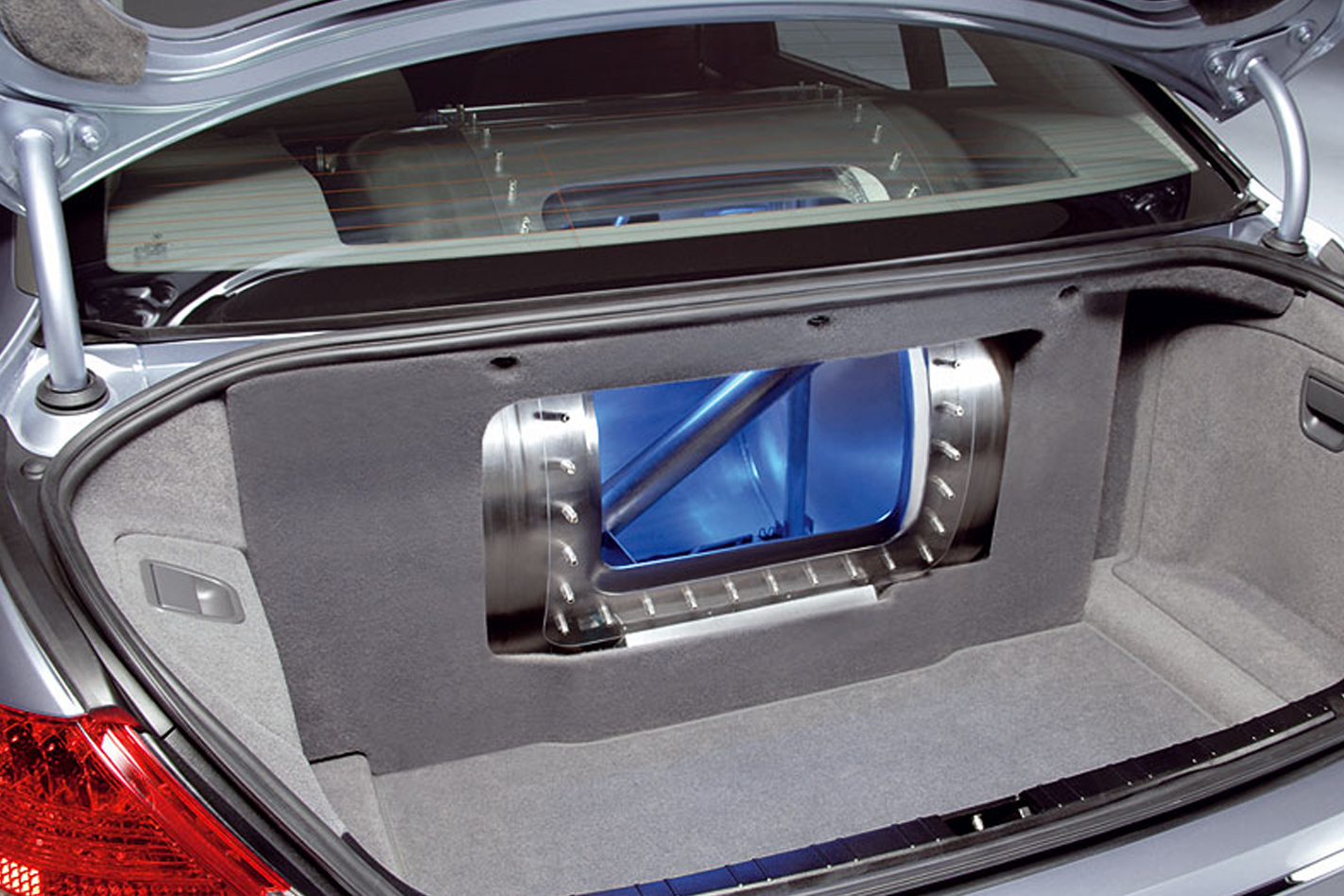
BMW has previously developed wildly effective insulation techniques to store liquid hydrogen at very low temperatures, but the technology was expensive and bulky for a relatively small storage capacity.
In 2018, Australia’s CSIRO revealed a technological innovation that converts gaseous hydrogen into a much more stable and dense liquid, which solves many of the bulk transport and storage stumbling blocks – but not the smaller-scale problem inside the car.
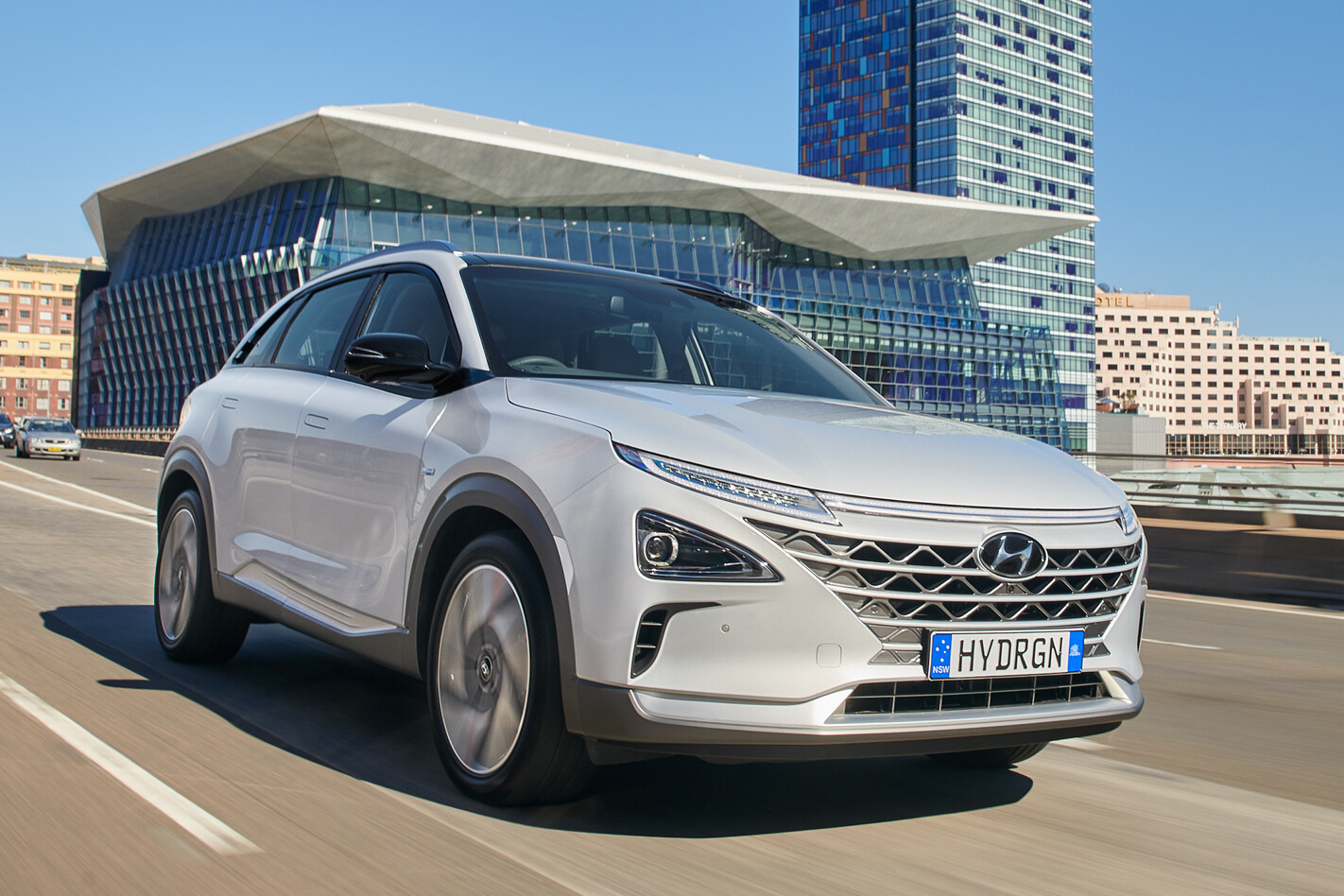
Thus, the most effective solution used in vehicles such as Hyundai’s Nexo is ultra-high pressure gaseous storage. Unfortunately, the equipment and pumping infrastructure required to manage 700 bar (about 300 times higher than an average tyre pressure) is also complex and very expensive.
In this latest breakthrough, however, researchers at the Northwestern University in Illinois used theoretical chemical principles to design and synthesise a special material that can store large amounts of hydrogen at far lower pressures and without cryogenic support.
In the synthesis process, the scientists were able to arrange molecules of the material on an atomic level to create a solid substance full of minutely fine pores in which hydrogen can be held.
MORE What’s best – hydrogen fuel cell vs battery electric?
Rather than using extreme pressure to retain enough hydrogen in a small space, the highly porous material holds onto the individual molecules, just as a bath sponge absorbs and retains water without any other type of containment.
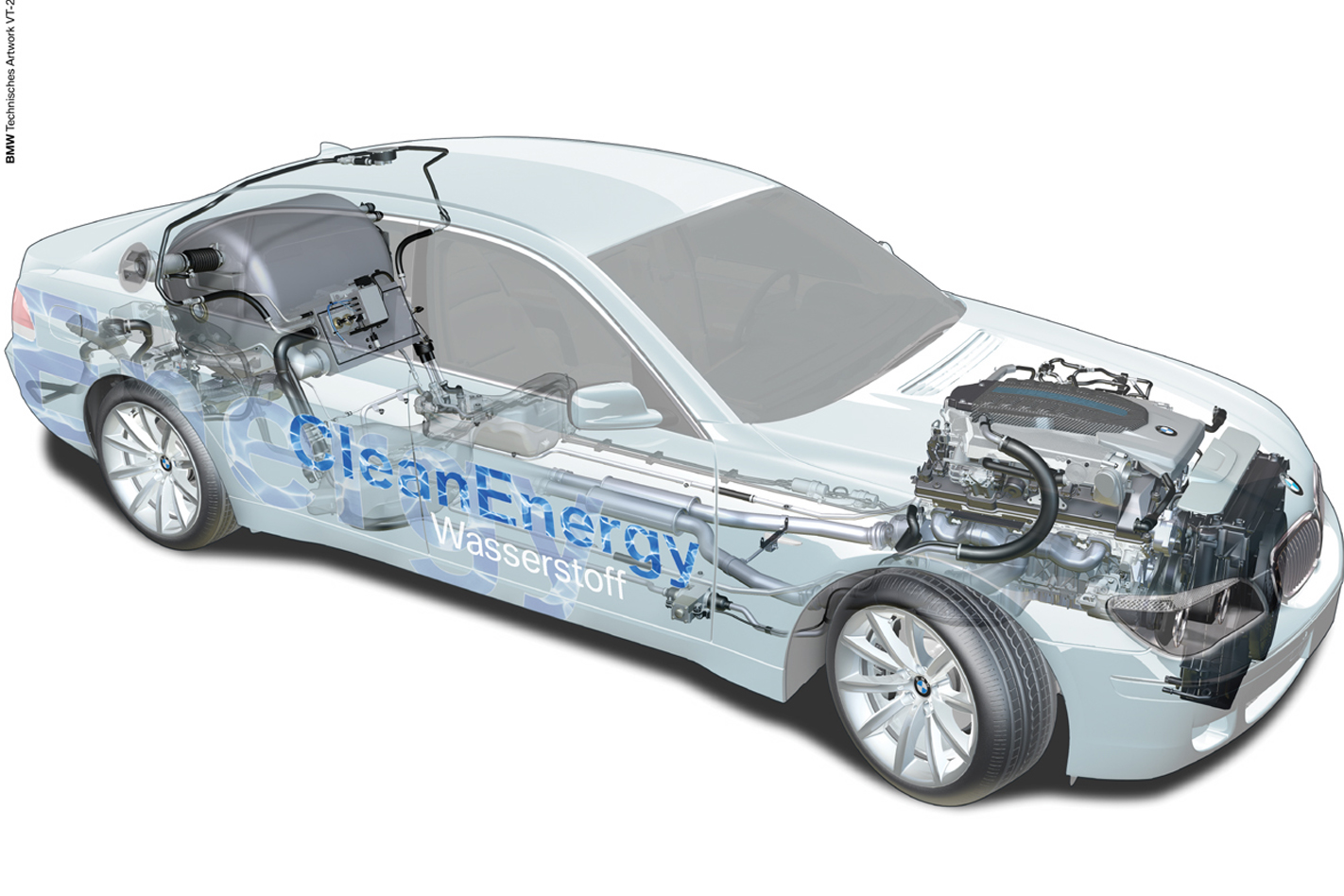
BMW’s Hydrogen 7 didn’t use a fuel-cell but still needed to store hydrogen as fuel for its V12
Where the sponge and new metal-organic framework differ, however, is in the size and number of pores – and it’s here that the numbers become staggering.
Just a single gram of the aluminium-based substance (about the same weight as a paperclip) has a volume of nearly four cubic centimetres so it’s incredibly light but, more importantly, it has a huge surface area.
If all the internal pores were flattened out, the same cube of material would cover about one and a half football fields. It’s that vast surface area that allows the special framework to grab hold of gasses including hydrogen without other special conditions involved.
MORE Second-generation Toyota hydrogen car revealed
“We can store tremendous amounts of hydrogen and methane within the pores of the MOFs and deliver them to the engine of the vehicle at lower pressures than needed for current fuel cell vehicles,” said associate professor of chemistry at the Weinberg College of Arts and Sciences and member of Northwestern’s International Institute for nanotechnology Prof Omar Farha.
If marketed for automotive applications or industrial gas storage purposes – of which there are numerous say its developers – you can be sure the material will be given a more catchy name than its current NU-1501 scientific description.
What would you name a super-light, gas-grabbing, metal sponge that could revolutionise zero-emissions transport?
Many will be familiar with the following scenario:
It’s been a few years since you bought your car, and your tyre tread is getting worryingly low. Traction in wet weather has become sketchier than is ideal so you know you need a new set of rubber, but you when you open your wallet only a single moth flies out. Maybe two moths if you’re lucky.
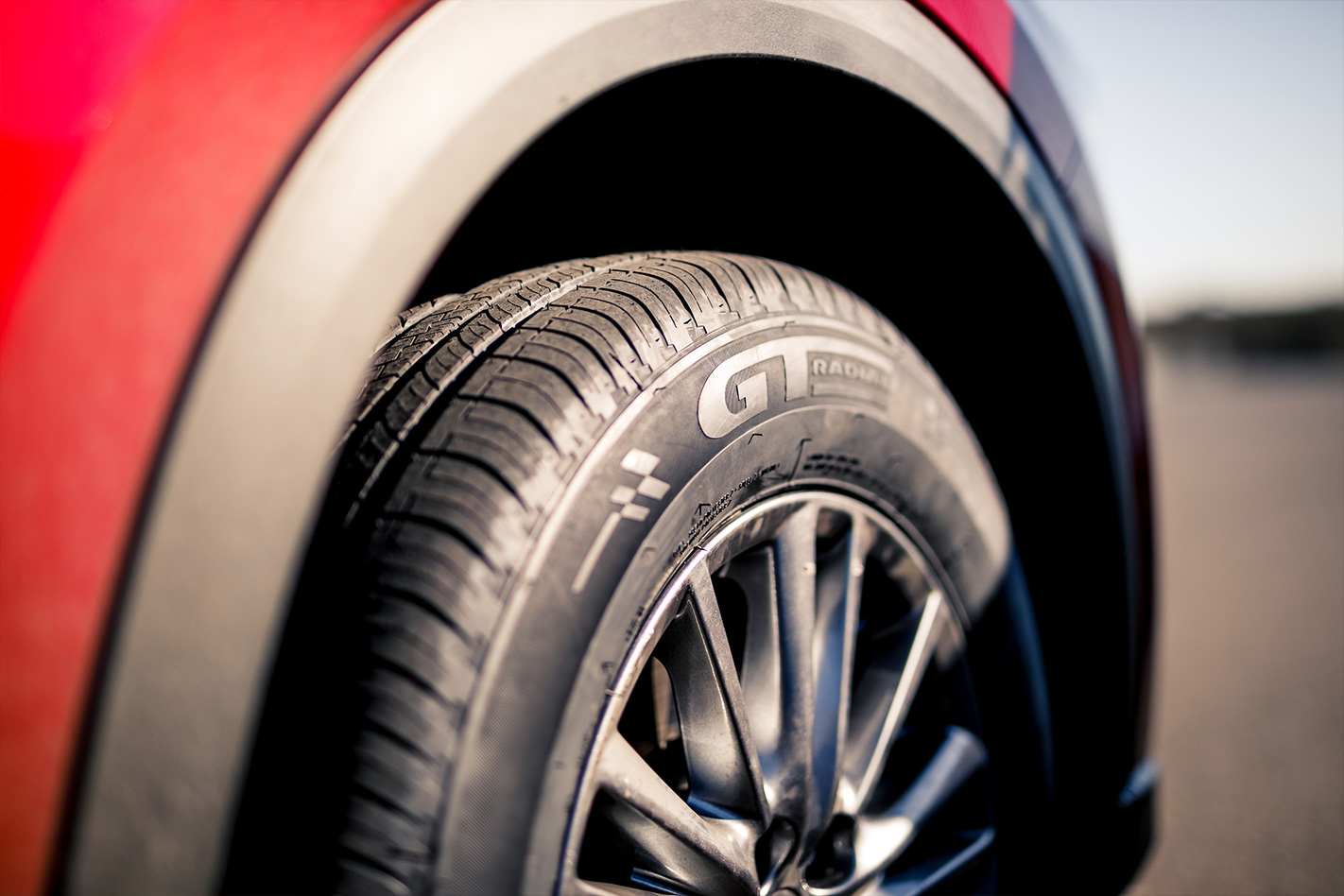
And so the logical course of action is to pay your local tyre shop a visit and ask for the most affordable set of boots. It’s unlikely they’ll be the same brand and model that was originally fitted your car, but despite the completely unrecognisable name moulded into the sidewall and the bizarre tread pattern, there’s surely nothing wrong with them. If they were unsafe, the tyre shop wouldn’t sell them… right?
Don’t get us wrong, a fresh set of average tyres will definitely be better than a nearly-bald set of OE (original equipment) tyres, but that largely comes down to the rubber simply being younger and more pliable, and the tread depth being deep enough to evacuate water. But before you use that as justification for cheaping out on your next set of tyres, here are some other very important facts for you to consider.
FACTORY TYRES ARE THE BEST FIT FOR YOUR CAR
There’s a risk your eyes might glaze over and you won’t read the rest of this article. If that’s the case, just make sure you understand this: your car was designed from the outset with a certain tyre type in mind. Not necessarily a certain brand of tyre, but certainly one that fits a long list of criteria covering everything from the amount of traction provided, to comfort characteristics, durability and cost.
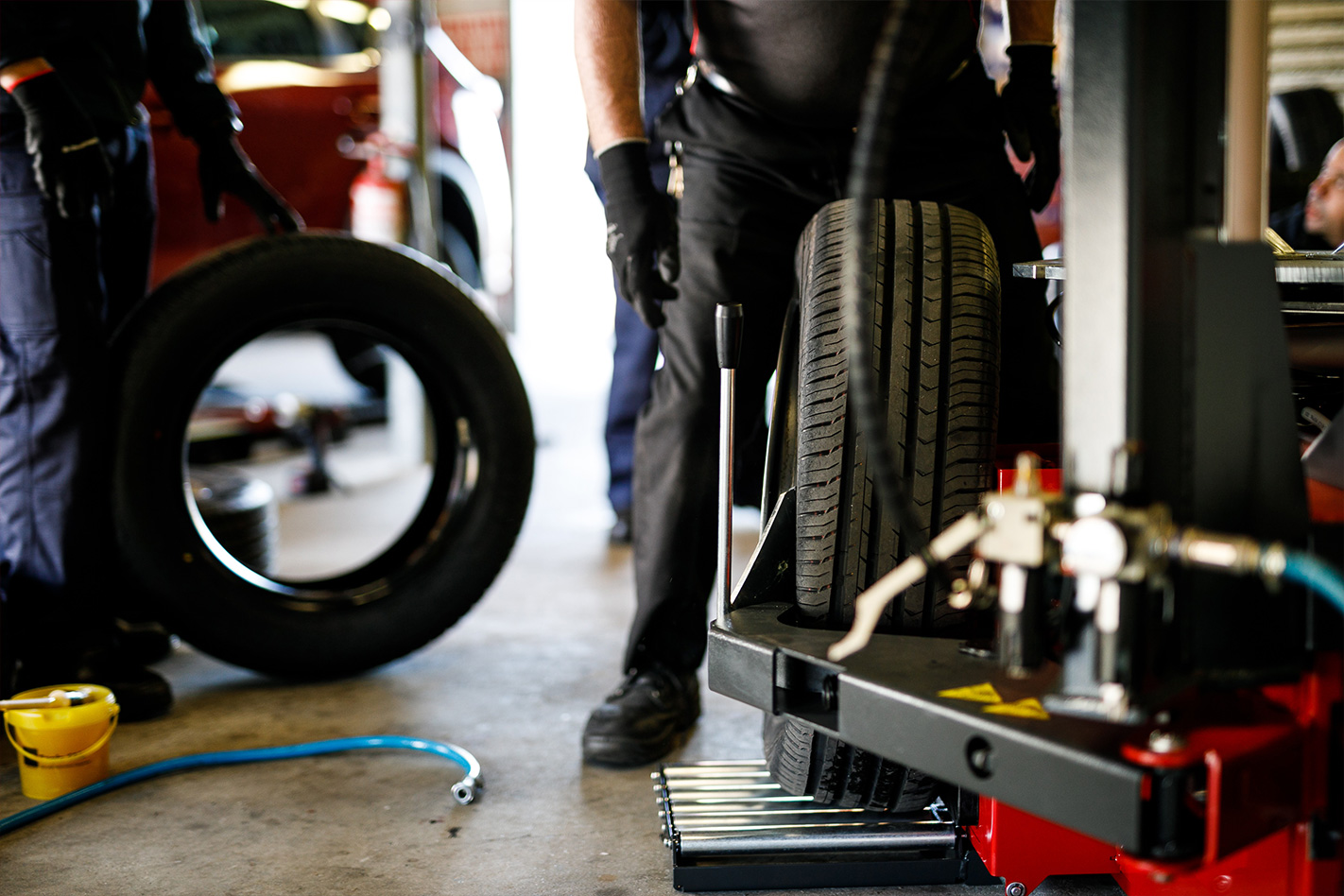
It’s highly unlikely that the cheapest tyres on a tyre shop’s rack will satisfy all of these criteria to the same standard – or at all – and the only way you can guarantee that your next set of rubber won’t compromise any aspect of your car is to replace your old tyres with the exact same type that it rolled out of the factory with. Peace of mind has a value of its own, after all.
FUEL ECONOMY
Changing your tyres can have a huge effect on how much rolling resistance your car has, and if your vehicle’s OE tyres offered a very low rolling resistance then it’s likely that your fuel economy could suffer if you go with a set of cheapies – or even similarly-priced tyres that claim more grip or a slightly wider tread face. If saving money is important, then preserving your car’s fuel economy by sticking with the OE rubber could possibly deliver greater savings over time than going for a cheaper set. Put simply, cheap tyres can be a false economy.
TYRE LIFE
Another feature that could impact your hip pocket is the durability of tyres. If you replace your original tyres with the same type, then you could reasonably expect the new set to last for a similar distance. Go with something different, however, and it’s anyone’s guess as to whether it’ll last longer or shorter. The UTGQ treadwear rating can give you an idea of how long your tyres will last (it’s a three-digit number that’s embossed on the tyre’s sidewall), but it’s generally only useful as a rough guide.
Generally speaking, the higher the UTGQ number the longer the tyre will last, but tyres with the same numerical rating can have differing longevity out on the road. Cheap tyre compounds could wear out much faster, meaning you’ll have to replace them much sooner than if you went with your manufacturer’s recommended rubber.
REFINEMENT
Does the aggressive tread pattern on that cheap set of tyres look sporty or cool? Perhaps, but don’t forget that the amount of road noise generated by a tyre is hugely influenced by the shapes and patterns of the grooves on its tread.
Once again, if you want your car to have the same level of refinement that it did when you bought it, get the original tyres once more.
PERFORMANCE
Most car enthusiasts will know that good tyres are critical to making a car accelerate, corner and stop to the best of its ability, but the average motorist might have the mindset that they don’t need to worry about preserving performance on their daily driver. But that’s a dangerous attitude to have, as ‘performance’ doesn’t just apply to being able to drive fast, but also to how fast your car can react to hazards.
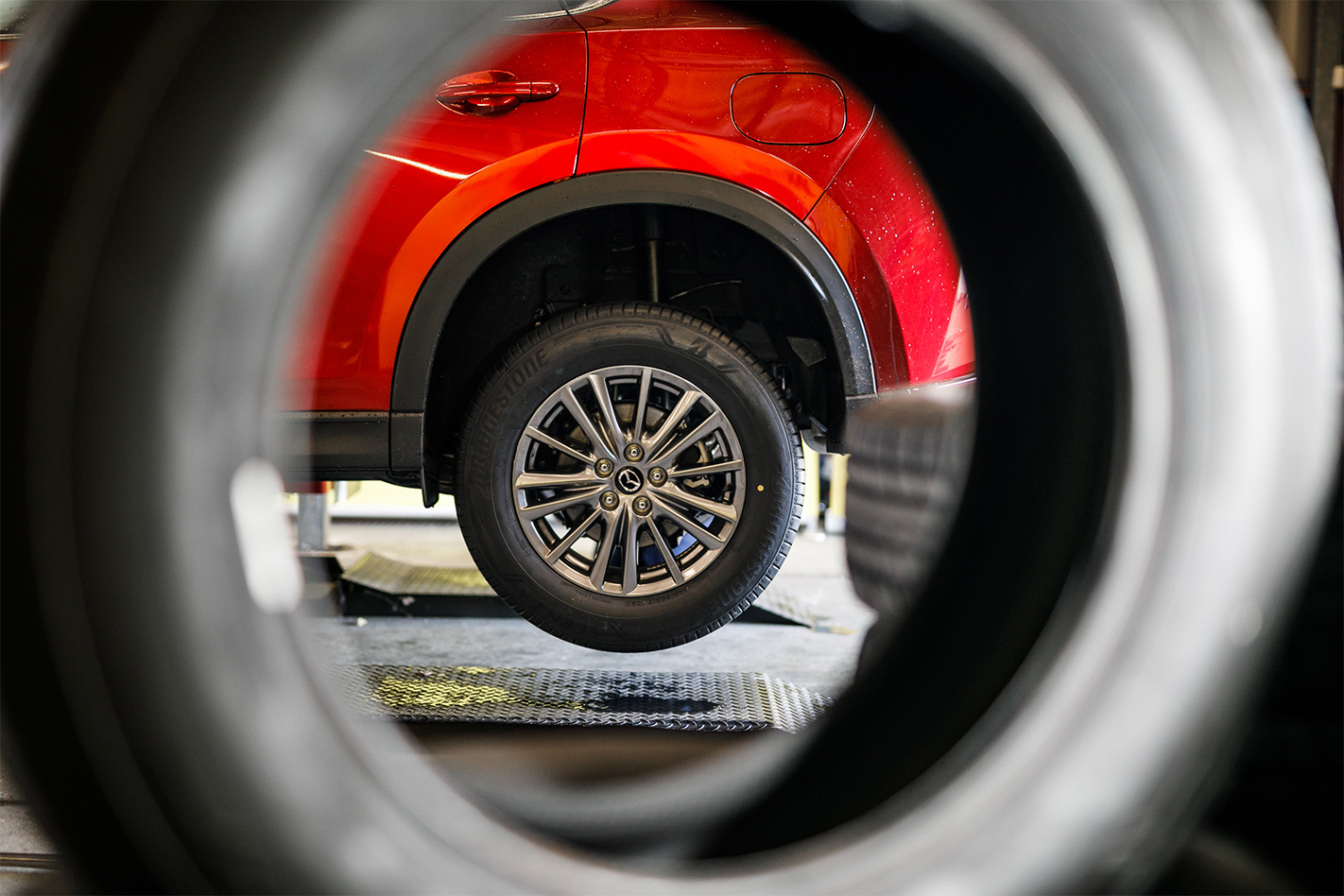
Tyres with a cheap rubber compound could be putting you at risk of an accident by reducing your car’s ability to avoid, say, a kangaroo hopping onto the road or a heavy item falling off a truck. Often the best way of staying out of trouble is to brake as hard as possible, and your car’s safety systems will also be tuned for a tyre that has a similar level of grip to the OE items. Mess with that grip level, and safety is compromised.
RUN FLATS
This doesn’t apply to the majority of road users, but some luxury vehicles are equipped with so-called ‘run-flat safety tyres’ that demand a specific kind of construction in order to remain drivable when their air pressure drops. They don’t actually run flat because their stronger structure prevents then going flat even when the air has escaped. Run flats are often more expensive than conventional tyres, but going with a cheaper option could literally leave you stranded.
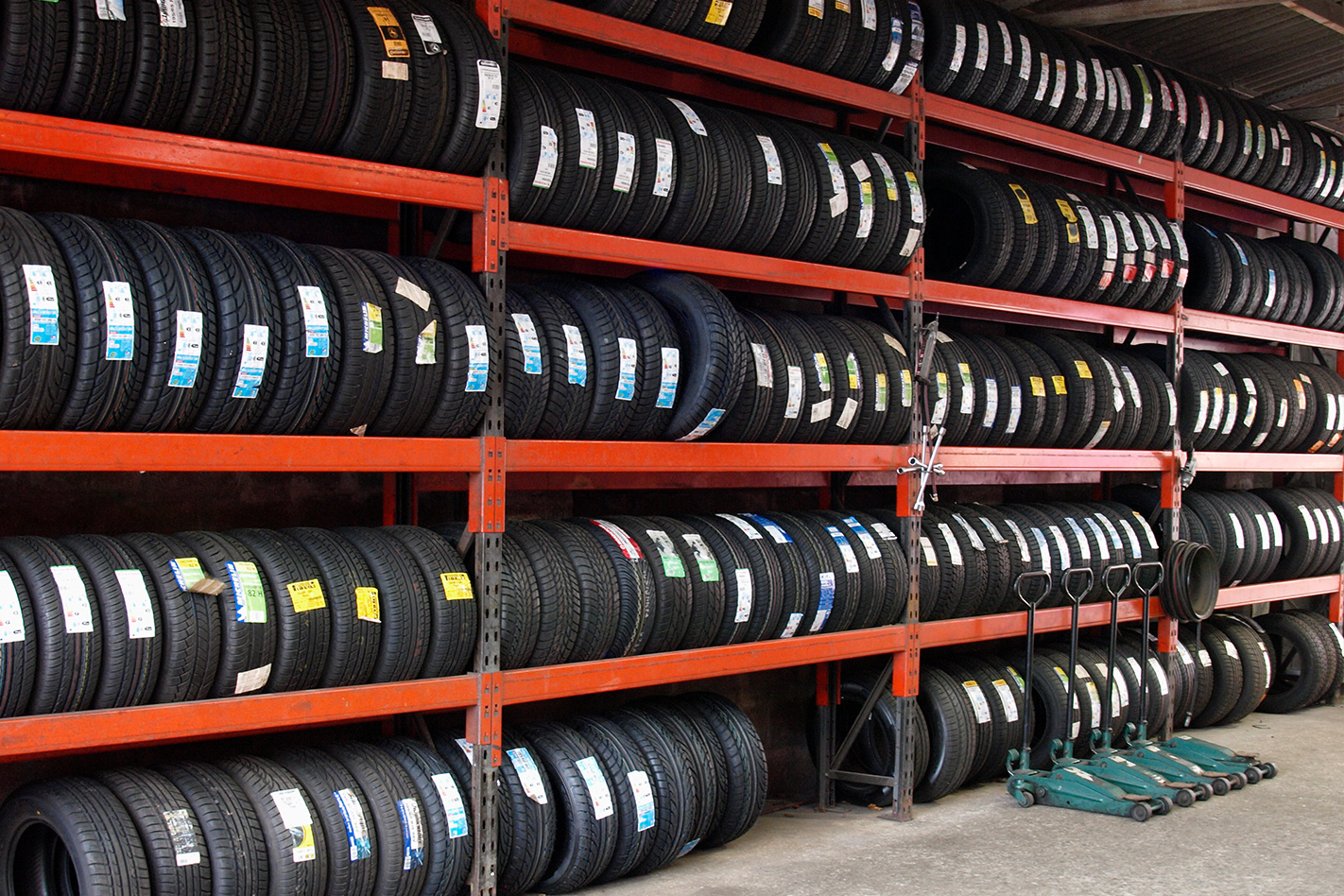
It’s quite possible that a different brand of high-quality tyre may equal or even improve on the performance and safety of the original equipment tyre fitted to your car, but once the new rubber is paid for and fitted to your car, very few, if any, tyre retailers will offer a refund if you change your mind. Often then, the lowest risk option is to stick with what the car maker recommends.
Your car’s alternator doesn’t charge a flat battery
Contrary to popular belief you can’t charge a flat battery with the vehicle’s alternator by driving around or idling the engine. The alternator doesn’t recharge a battery, it tops up what it uses, which is called surface charging. Surface charging a weak battery will shorten its life.
Proper recharging can only be done with an appropriate multi-stage charger. A good charger can cost less than a new battery so you’re already getting your money’s worth. Watch the above video for more information on how to correctly charge your car’s battery.
Don’t disconnect the battery when not using your car
If the car isn’t being driven for more than a few weeks the battery will eventually go flat, but don’t disconnect it to save power.
Most cars now have clocks, alarm systems and trip computers that draw on the battery even when turned off, and might have issues working again should you totally disconnect the power for a long time.
Batteries slowly self-discharge even when not connected to a load anyway, so quick charge from time to time will keep the battery alive.
Battery cables don’t hold the battery in place
Even if it’s a snug fit and held down by stiff battery cables, make sure your battery is securely clamped with a hold-down. A loose battery can get damaged or cause damage to other items under the bonnet or worse still short against metal and cause an explosion.
Best batteries for hot weather
If you live in a hot climate you’re better off getting an older style non-sealed battery so you can top up the water levels to stop the plates drying out. Maintenance-free batteries are sealed meaning you can’t top up the water if they start drying out.
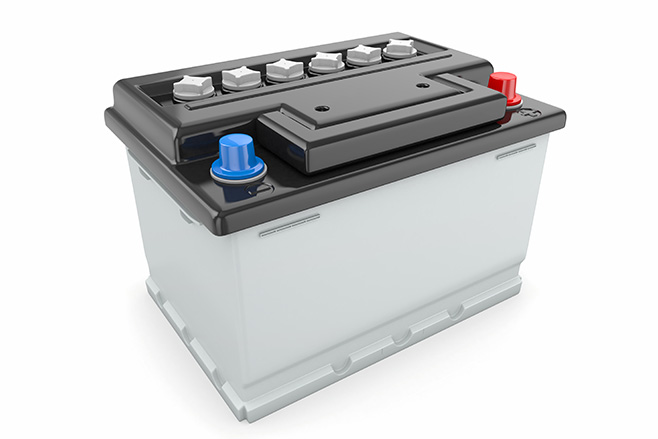
The right water for topping up batteries
If you need to add water make sure you use distilled, de-ionised or de-mineralised water. Tap water contains minerals that can block pores in the battery plates which makes them dry out and fail.
Maintenance-free batteries aren’t maintenance free
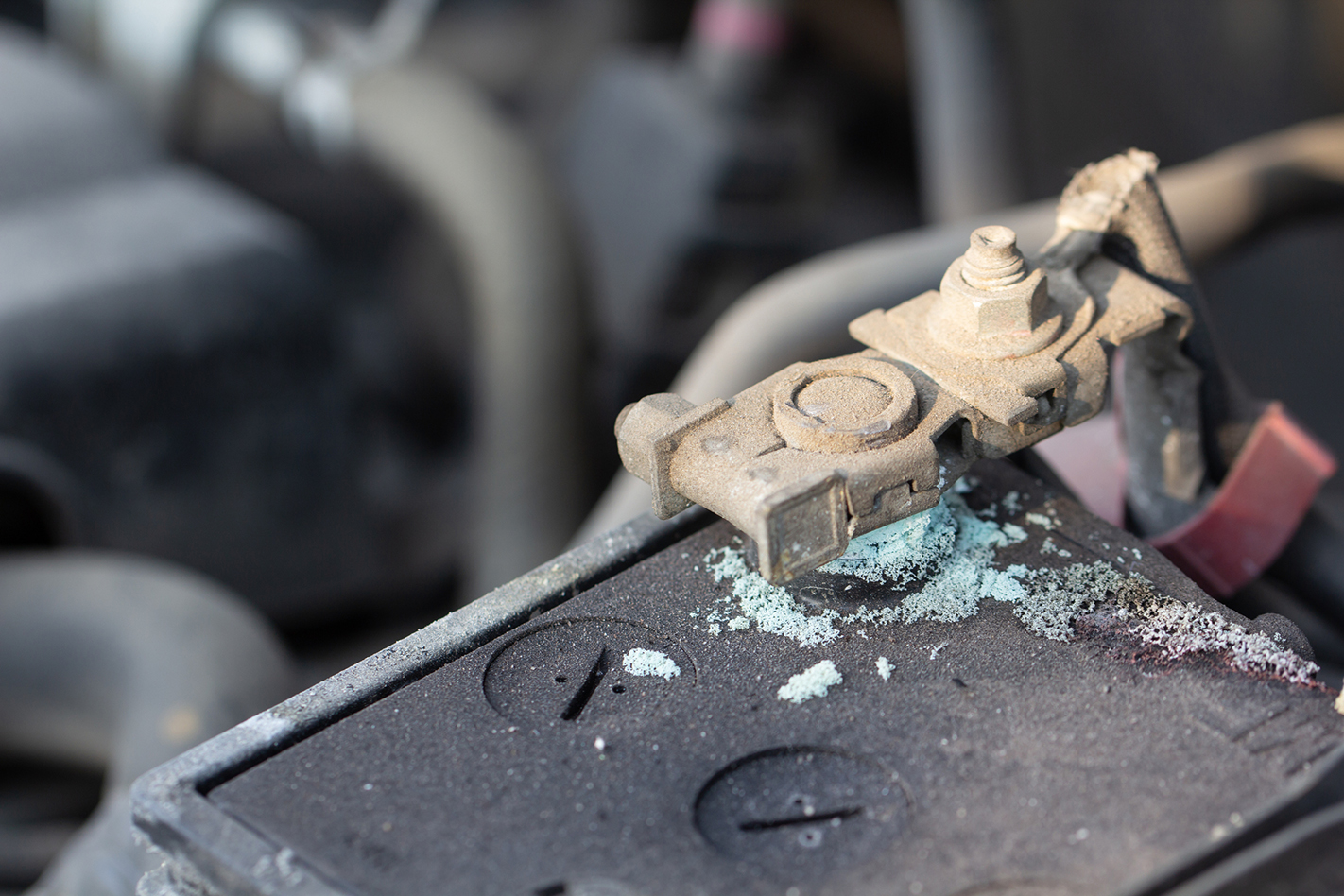
Even so-called maintenance-free batteries need a bit of looking after including making sure the terminals are clean, brushing away any corrosive residue and checking the alternator charge rate from time to time.
Is that powdery stuff on the battery a bad thing?
Don’t worry if there is corrosive powder on the terminals as all batteries get it over time due to a reaction between the metal and electricity. Just be sure to remove it from the terminals and cable clamps with a stiff brush to ensure good connectivity.
What does the battery warning mean?
The battery light on your dashboard isn’t telling you your battery is faulty, it’s warning you that the alternator isn’t working and the car is being powered by the battery alone.
Despite the challenges of the time, Skoda has managed to push on with the launch of its vital new Scala hatchback.
Previewed in October 2018 with a flying visit by the Vision RS concept, the five-seat, five-door Skoda Scala goes on sale in Australia this June with prices starting at $27,990 driveway for the entry-level, six-speed manual-equipped 110TSI.
The Scala, which is a mite bigger all round than its cousin, the Volkswagen Golf, will roll out with three models in Australia, all sporting the same 110kW, 250Nm four-cylinder turbocharged petrol engine driving the front wheels.
The 110TSI entry-level car (below) can also be specced with a seven-speed dual-clutch gearbox for an extra $2000.
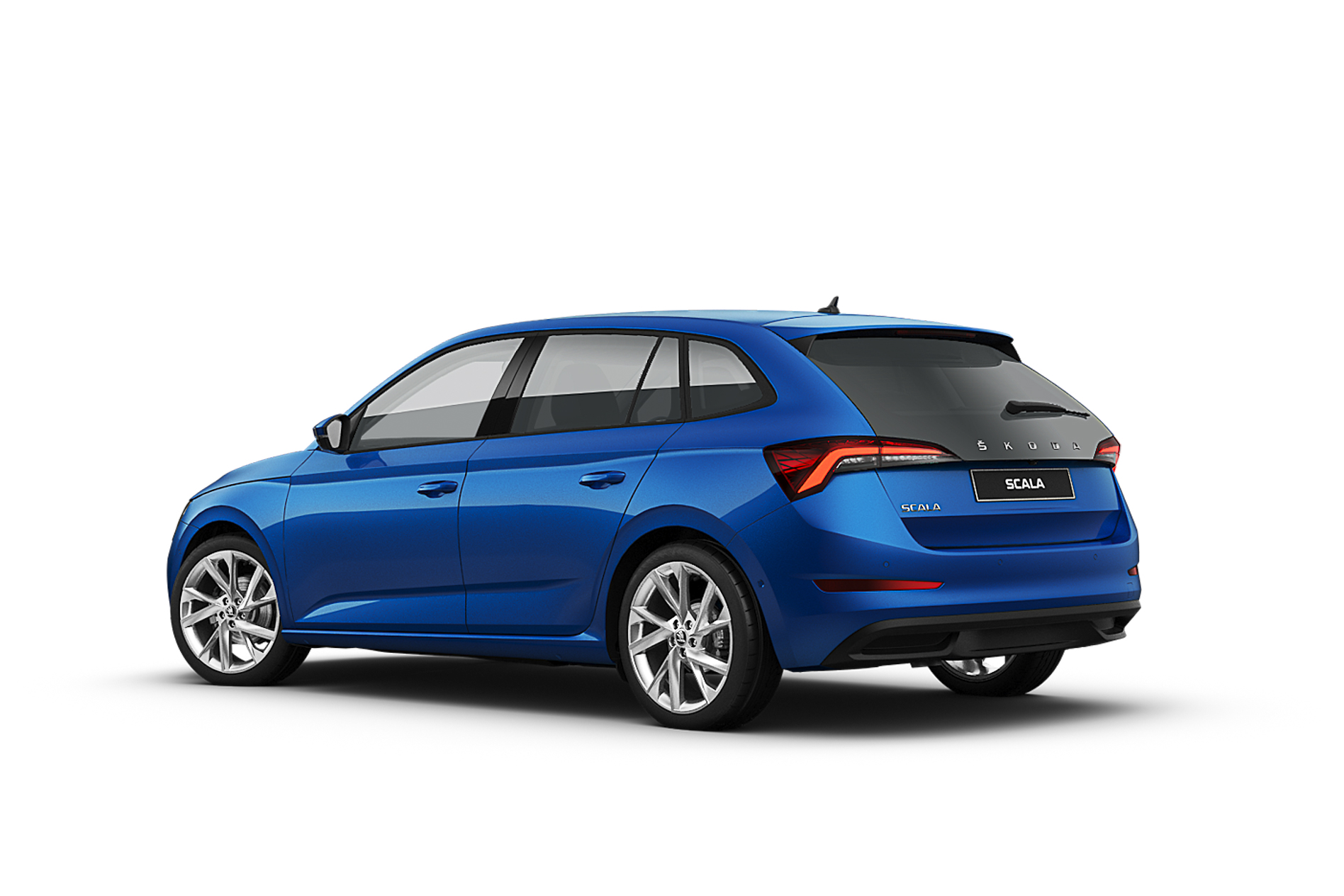
Skoda Scala 110TSI
There’s plenty of kit for the money, too, with LED tail lights and dynamic rear indicators, 18-inch alloy wheels and tinted glass, while adaptive cruise control, an automatic tailgate, Android Auto and Apple Carplay with a wireless charger and forward collision and Lane-Assist systems included as standard.
Skoda’s cool digital dash is also standard across the range, complemented by an 8.0-inch multimedia screen in the 110TSI and the $33,990 drive-away Monte Carlo (below). A larger 9.2-inch touchscreen replaces it in the Launch Edition flagship.
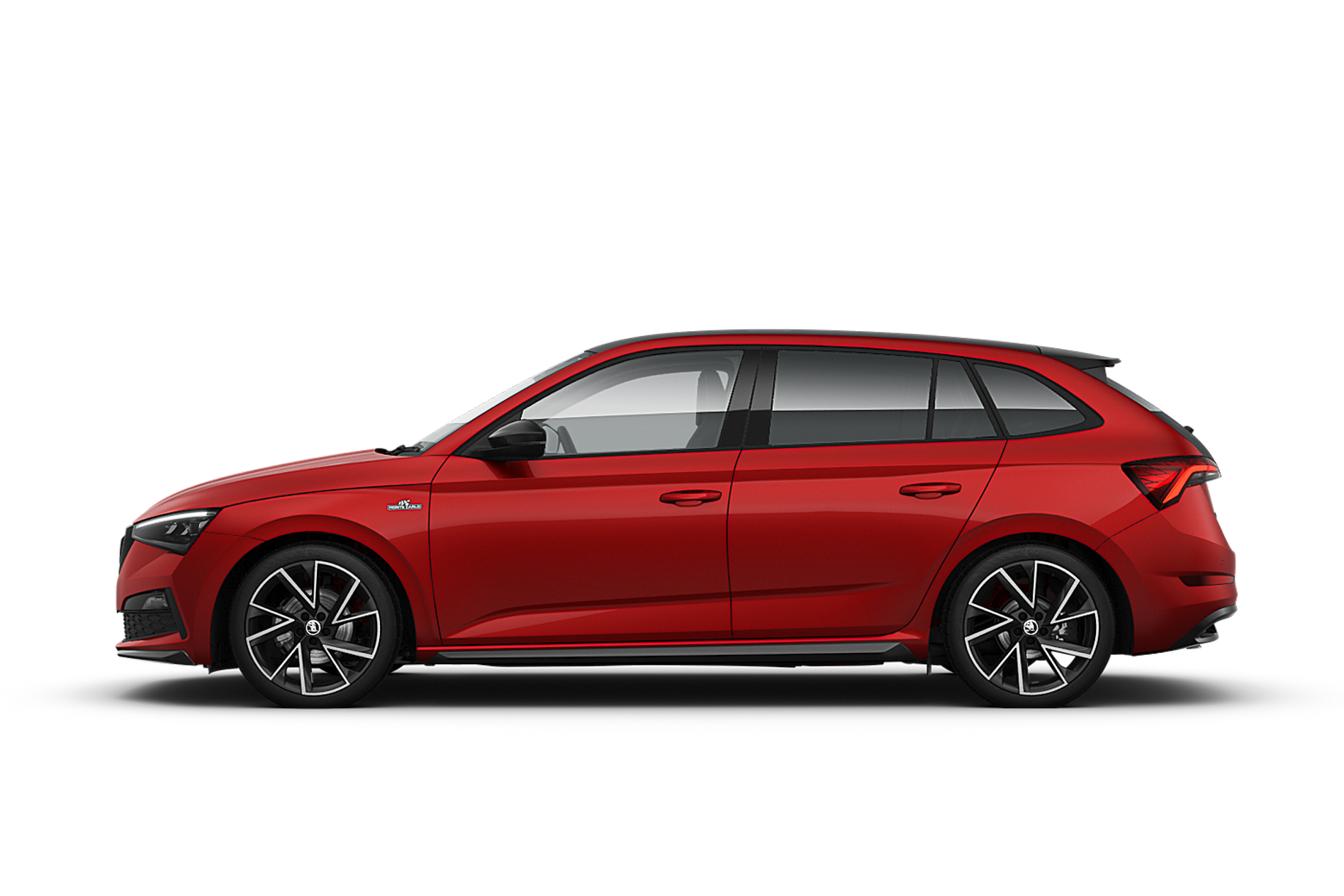
Skoda Scala Monte Carlo
Exterior-wise, the Monte Carlo scores black 18-inch rims and a 15mm lower ride height as well as LED headlights, as well as keyless entry, sports seats, sunroof, drive mode select and dual-zone air conditioning.

Skoda Scala Launch Edition
The range-topping Launch Edition Scala (above) has unique rims, leather-appointed trim, along with the debut of wireless Smartlink connectivity, for $35,990 drive-away.
MODEL | RRP | DRIVEAWAY |
SCALA 110TSI Manual | $27,690 | $26,990 |
SCALA 110TSI DSG | $28,690 | $28,990 |
SCALA Monte Carlo DSG | $33,390 | $33,990 |
SCALA Launch Edition DSG | $34,690 | $35,990 |
The Scala will replace the Rapid in the local line-up, and will challenge blood relative Volkswagen’s Golf, as well as hatchback front runners like the Mazda 3 and the Toyota Corolla.
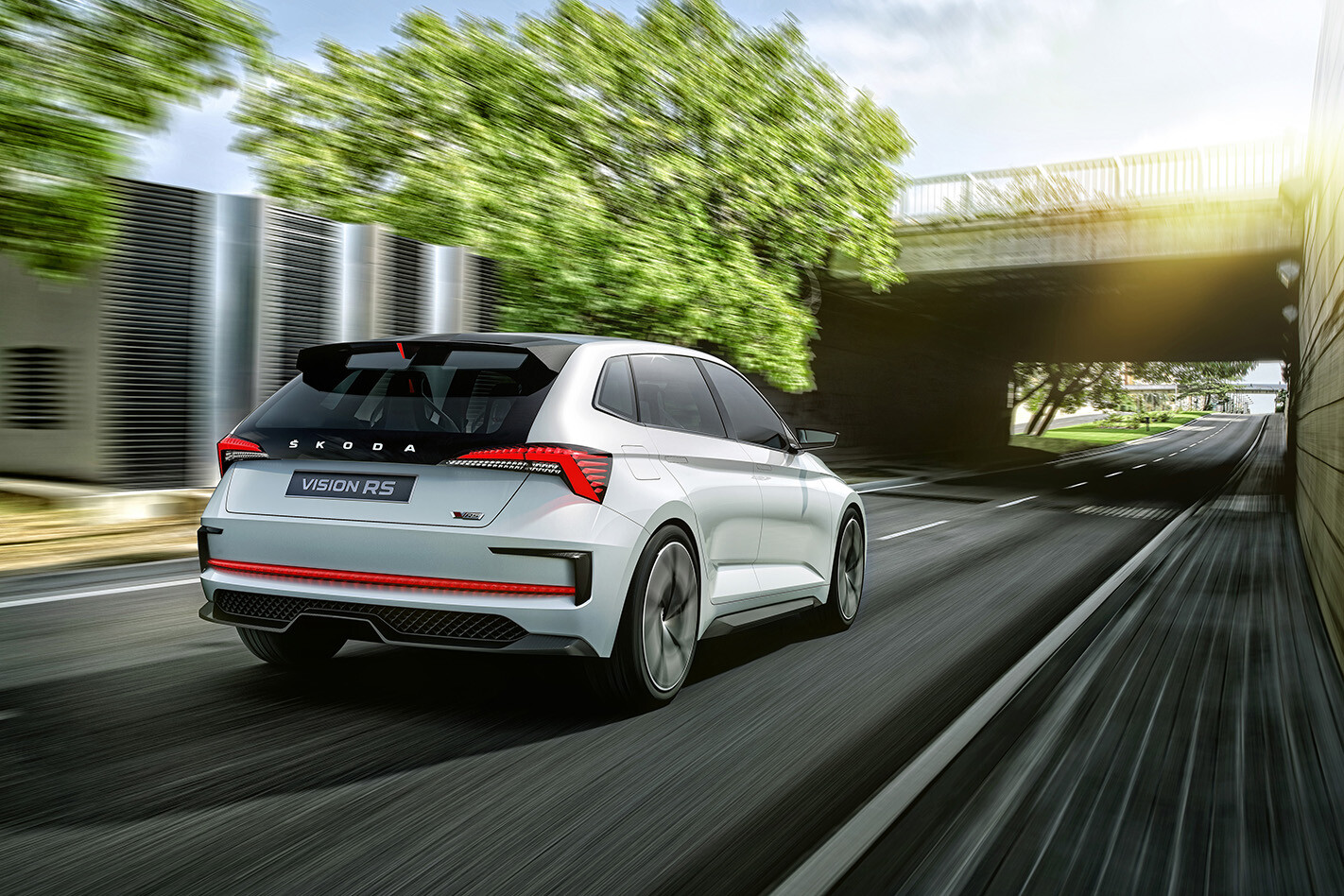
Skoda brought in the star concept of its 2018 Paris motor show stand to Australia to preview the Scala hatchback. The Vision RS was flown in complete with its own minder.
The show car offered up a 180kW petrol/electric hybrid powertrain, as well as four individual race seats, Czech-made crystal LED lighting signatures and a race-style digital dash.
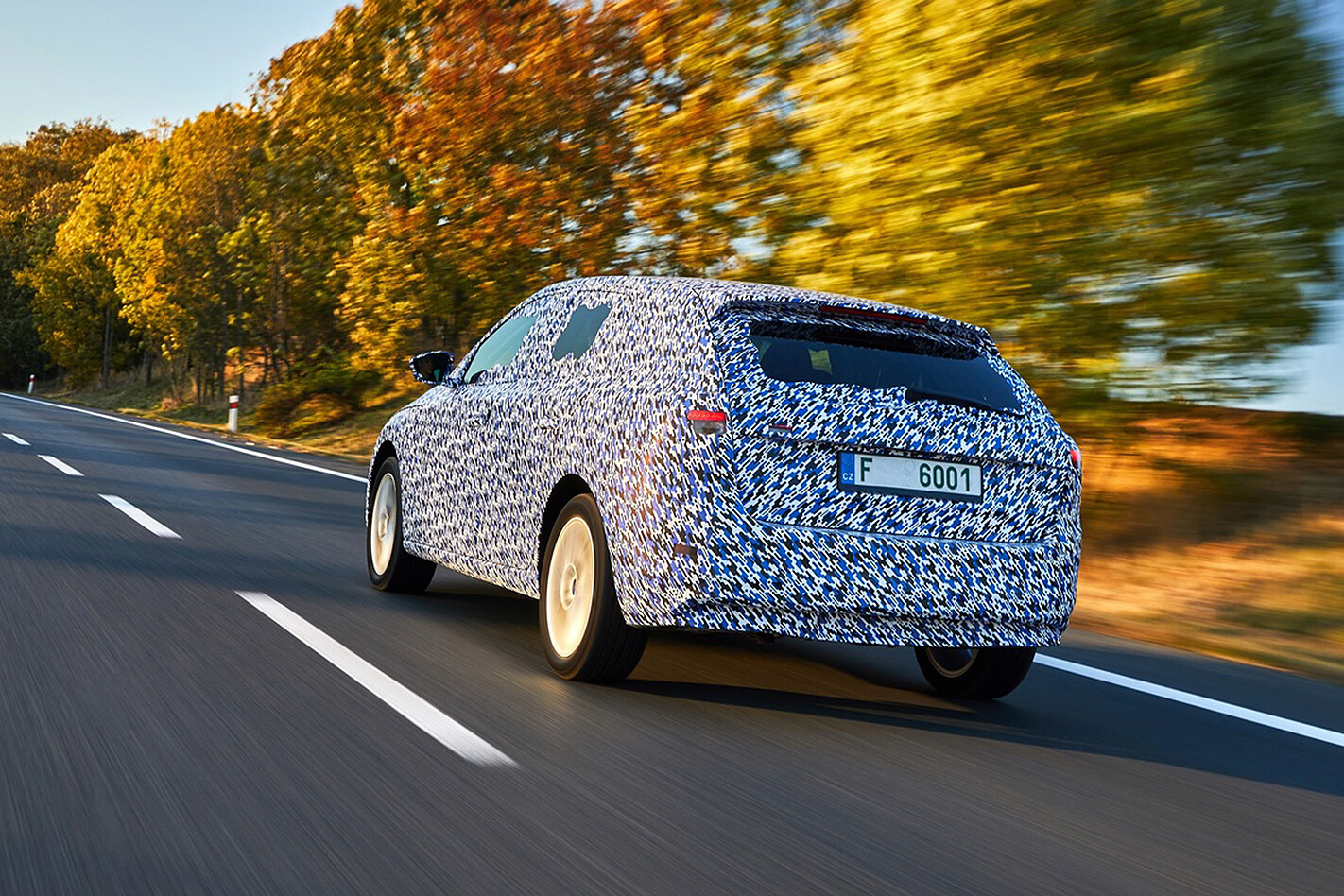
“The Vision RS not only shows off our new hatchback model that launches next year, but it also shows off some ideas about the RS, which we believe is an integral part of our brand,” said Skoda’s Board Member for Sales and Marketing, Alain Faveyavey, who added that Skoda’s performance arm doesn’t set out to build racetrack-bred weapons, but is designed to offer sporting overtones to everyday cars.
The Scala is 10cm longer, three centimetres wider and the same amount taller than a current Golf hatch, even though it’s built on top of the same MQB A0 chassis that underpins the newest VW Polo model.
At 467 litres, it’ll also have 87 more litres of luggage space behind the seats than the Golf, thanks to an extra 12mm of wheelbase length.
Other specs for the content-rich Scala will include a powered tailgate and LED lights, as well as improved driver aid technology.
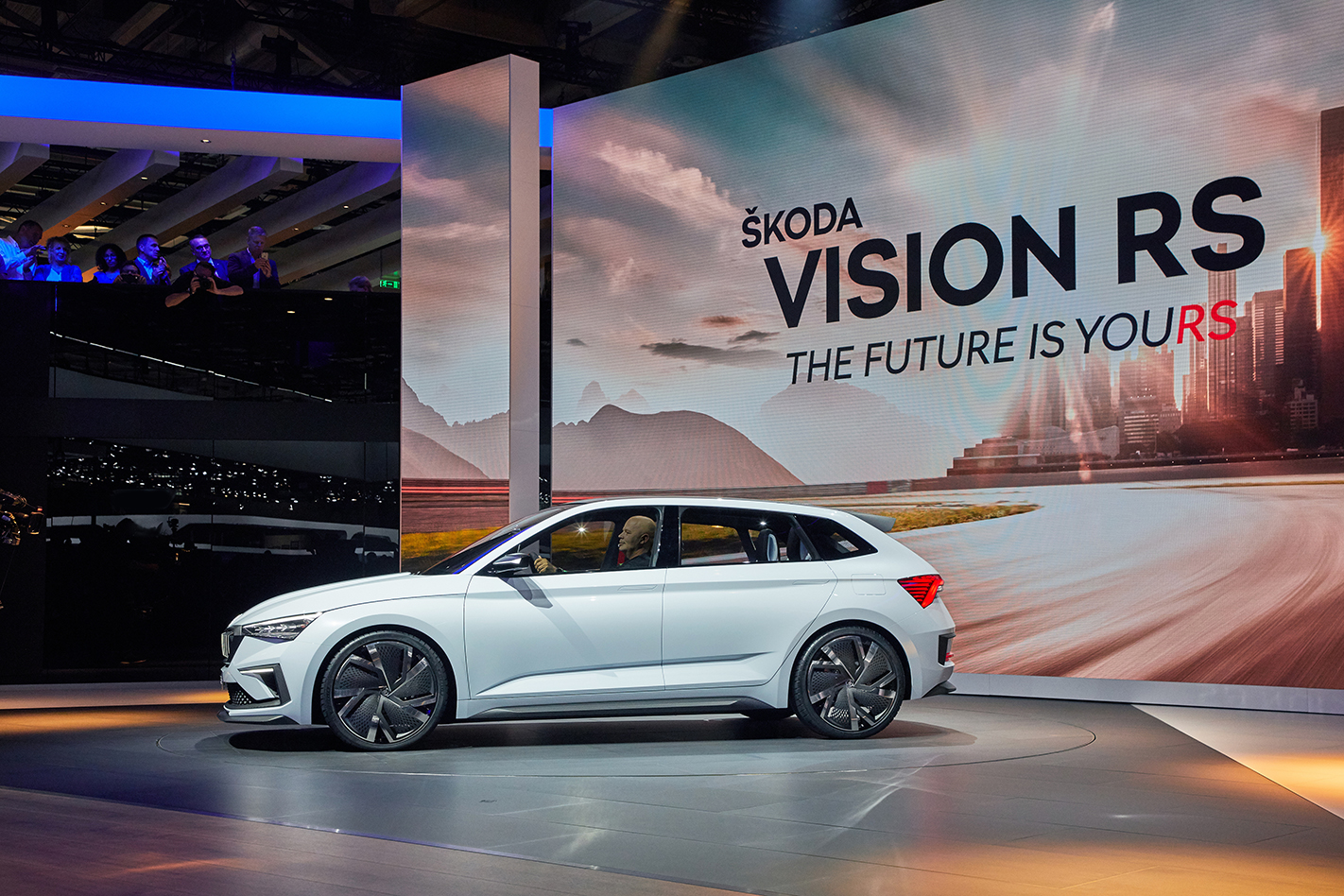
An updated blind spot detection system will be able to spot objects 70m away even if they’re hidden, while its adaptive cruise control system will brake, accelerate and even steer the car at speeds well in excess of Australia’s national limits.
Meanwhile, Favey pointed to the Vision RS as a pointer to a forthcoming hot version of the Scala.
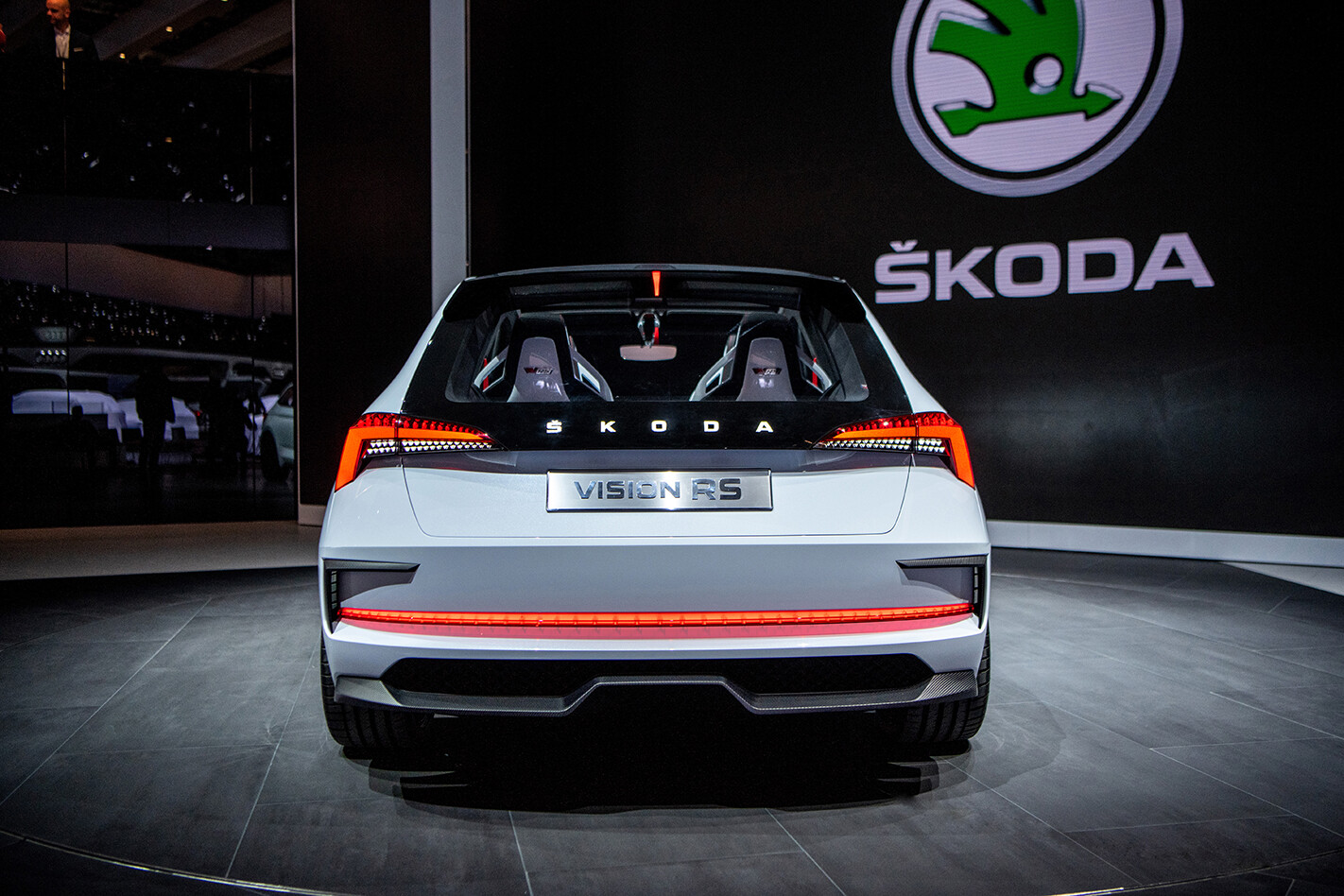
“We believe that RS is an integral part of our brand,” he said. “People who want a Skoda that’s functional and good value for money can have some sporty feelings, and want their car to have sporty looks and driving experience. This is what RS is about.”
He did rule out, however, an even hotter version of the RS line-up, similar to the separation between VW’s GTI and R lines.
“That’s where it stops for us,” he said. “RS suits what the brand stands for. Anything more than that isn’t suitable. We also have to look at it from a [Volkswagen] group point of view, where you have Volkswagen offering performance models as well.”
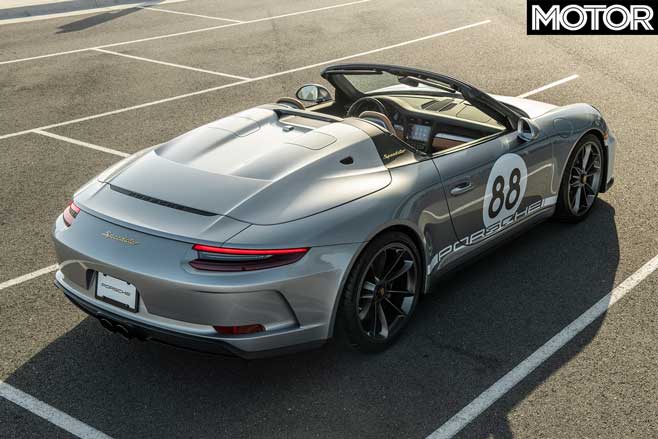
With Porsche’s last generation of 911 on the cusp of ending sales, Porsche has decided to auction the last 991.2 911 built to support COVID-19 relief.
This article has been updated to reflect the final sale price of the last Porsche Speedster.
The final Porsche 991.2 911 Speedster was sold by RM Sotheby’s in a week-long online auction, with the entire sale minus taxes and fees being donated to United Way Worldwide, which is running a COVID-19 Recovery Fund.
The Speedster sold after a total of 32 bids ended in a hammer price of $500,000 on April 22, which was then matched by Porsche North America to bring the total donation to USD$1 million, equal to almost AUD$1.6 million.
The Speedster, which was limited to 1948 units worldwide as a reference to the first Porsche 356 Speedster’s built, features a 4.0-litre flat six with 375kW and 470Nm, a 6-speed manual, and of course no roof, making it essentially a 911 R, GT3, and 911 Cabriolet all in one.
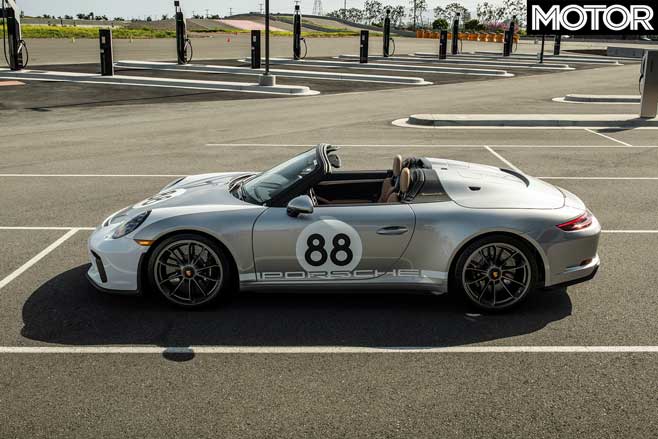
Porsche says this specific car left the production line in in December with the Heritage design option applied, thus the ‘88’ decals and white/silver livery combination.
Porsche VP and head of the 911 and 718 model lines, Frank-Steffen Walliser, expresses his happiness that the last of the 991 911s is part of something benevolent.
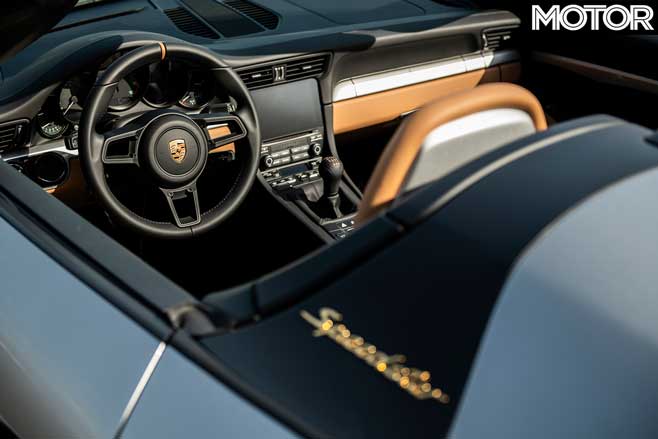
“Not only does this mark the end of what, for me, was a special era but it’s especially rewarding that the last car to reach the end of the line should be the ultimate – the Speedster combined everything we learned and is the 991 in its purest form.
“I hope this really unique car can make a big difference to those who need help right now – and that the fortunate buyer enjoys it and drives it as we always intended.”
With COVID-19 now taking a massive toll on the United States, head of Porsche North America Klaus Zellmer is particularly pleased his company is able to contribute to helping those in need.
“We are all profoundly affected by the current situation and the immediate impact it’s having on those most at risk in our communities,” says Zellmer.
“United Way continues to step up to the plate and their response to this crisis has been quite impressive. So we are proud to do our part.”
If the naturally aspirated V8 is on its last legs, then it’s about to have an almighty send-off thanks to General Motors, which is reportedly working on a high-revving, free-breathing bent-eight for an upcoming C8 Corvette variant.
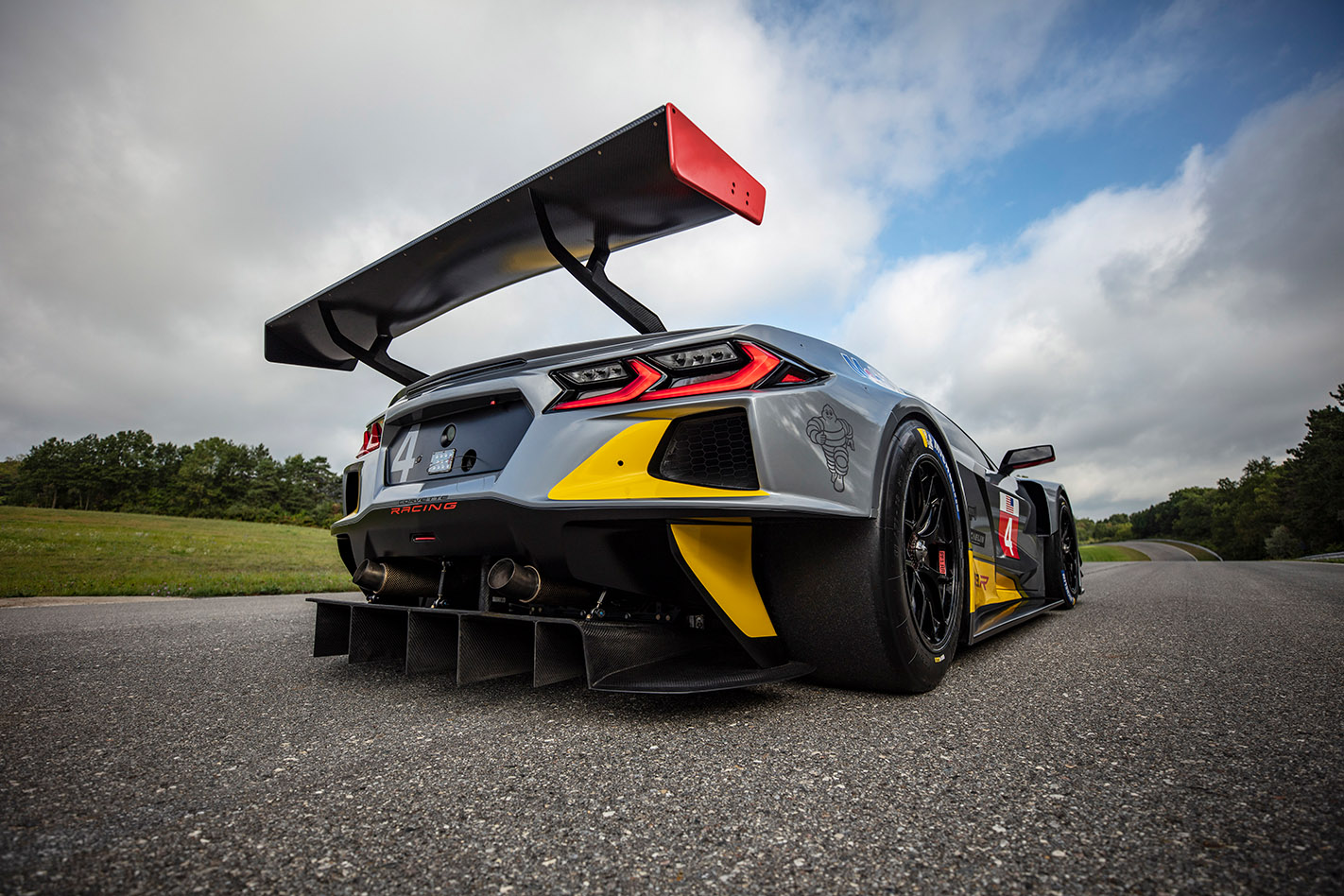
Car and Driver reports GM has been developing a road-going version of the 5.5-litre engine found in the Corvette GTE racer, the C8.R.
It’s expected the production-ready version of this atmo V8 will be ready to go on sale early next year, slotting into the belly of the Z06 C8.
Derived from the race unit, the DOHC 32-valve donk is expected to come fitted with a flat-plane crank. For an idea of what this would sound like, turn your speakers up and have a listen to the below video.
Making this engine even more impressive is the fact it’ll reportedly scream its way to a redline of 8500-9000rpm. That’s firmly in Porsche 911 GT3 territory.
Restricted by GTE Balance of Performance rules, the C8.R makes in the region of 372kW. It’s thought that removing the legislated competitive restrictions could allow the road version to send as much as 447kW of power to the rear wheels.
Transferring that grunt will be an eight-speed dual-clutch transmission, sending everything exclusively to the rear treads.
This new 5.5-litre V8 would be quite the departure for the Corvette, as there hasn’t been a DOHC engine fitted to Chevrolet’s sports car icon since the C4-generation ZR1.
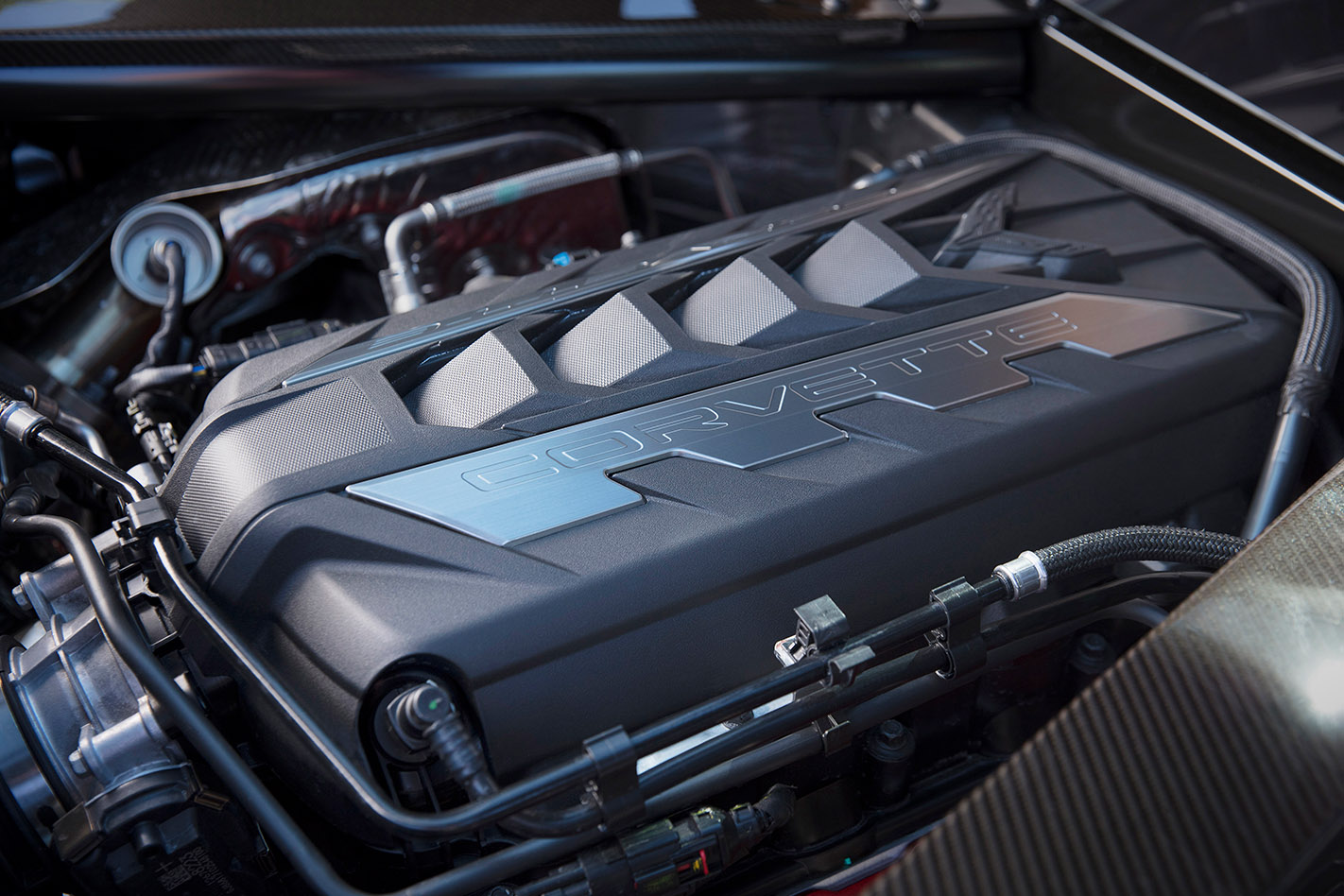
Traditionally the Z06 variant is supercharged, with the outgoing C7 generation powered by the LT4 6.2-litre V8 that is also fitted to the Camaro ZL1.
When fitted to the ’Vette, the LT4 produced 485kW, which would be an impressive benchmark for the new atmo engine to exceed.
For the C7 Z06, Chevrolet offered customers the opportunity to team up with a GM technician to build the LT4 which would be fitted to their car by hand.
We sure hope that US$5000 (A$7173) ‘build-it’ option carries over to this new high-revving V8 for the C8 Z06.
Customers wanting to get their hands on a fresh-faced DT-series Ram 1500 in Australia will have to wait a little longer yet.
The fifth generation of the iconic Ram truck went on sale in its native North America in 2018, but will not be available to Australians until next year, contrary to media reports that it could lob in Australia ‘within months’.
DS-series Ram 1500s powered by a 5.7-litre petrol V8 are sold locally by distributor ATECO, attracting an ever-growing customer base.
The pick-ups are converted to right-hand drive at the same facility in Clayton, south-east Melbourne, where Walkinshaw handles the re-engineering process for the Silverado 1500. Walkinshaw is contracted by ATECO to complete the remanufacturing process for the Ram.
Replacing the DS model overseas, the DT-series carries over the same engine but has a revised interior, with a large 12.0-inch touchscreen infotainment display. The new model also grows dimensionally, but sheds some all-important kilos thanks to the use of aluminium for certain body panels.
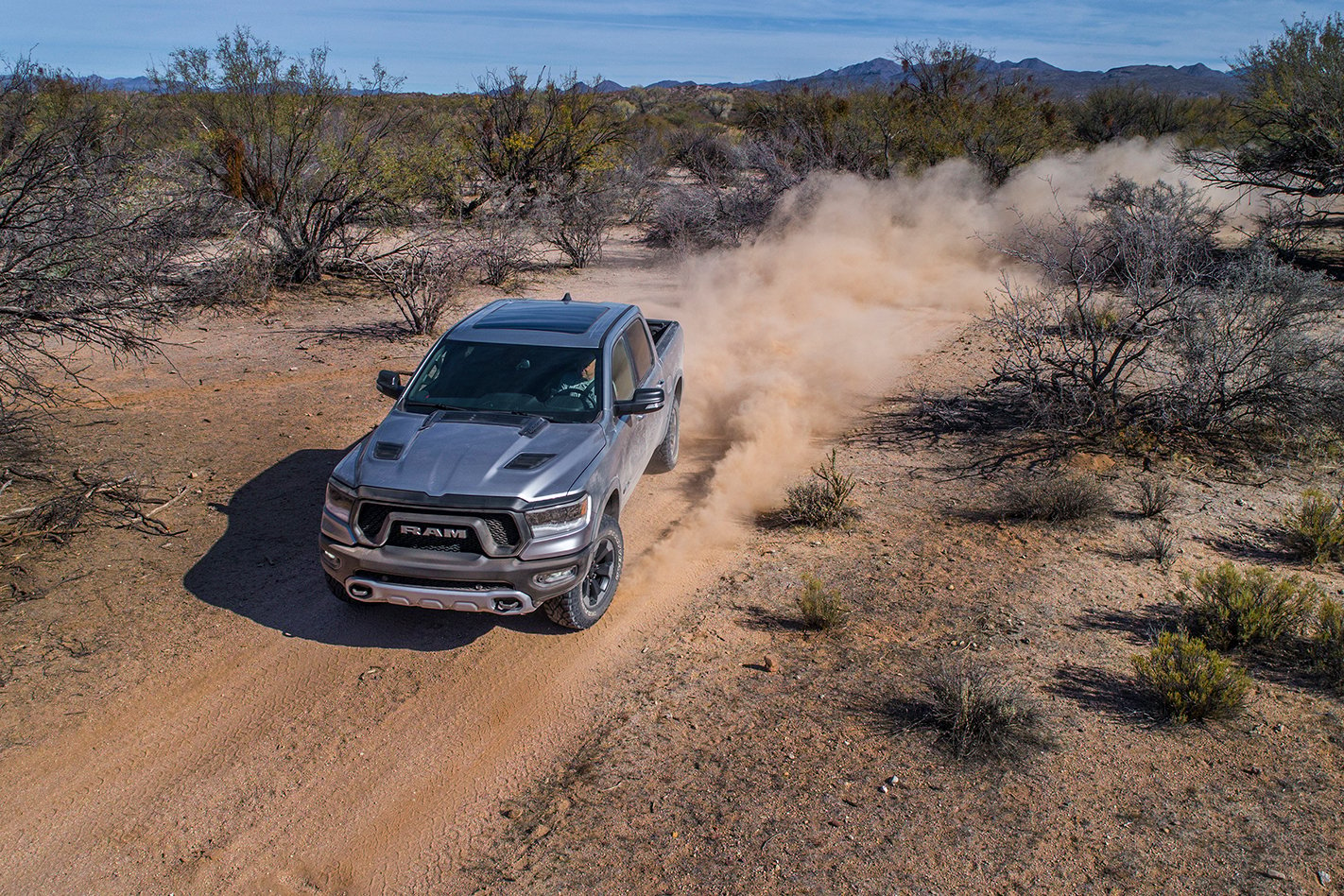
While unable to be drawn on what specification the DT-series Ram 1500 would be in Australia, a spokesperson for ATECO said the model would be available “from early 2021”.
“It will be a highly specified, luxurious, full-size, full-volume truck which will complement and further expand our product offering,” he told Wheels.
Eager customers currently can purchase a right-hand-drive DT-series 1500 from one of the low-volume conversion specialists around the country. However, ATECO has been hard at work with Walkinshaw to get the DT-series Ram ready for Australian customers with approval from North America.
“As the world’s only factory-authorised RHD manufacturer of Ram trucks, each nameplate undergoes a thorough re-engineering process which designs and produces the required right-hand-drive parts,” the spokesperson said.
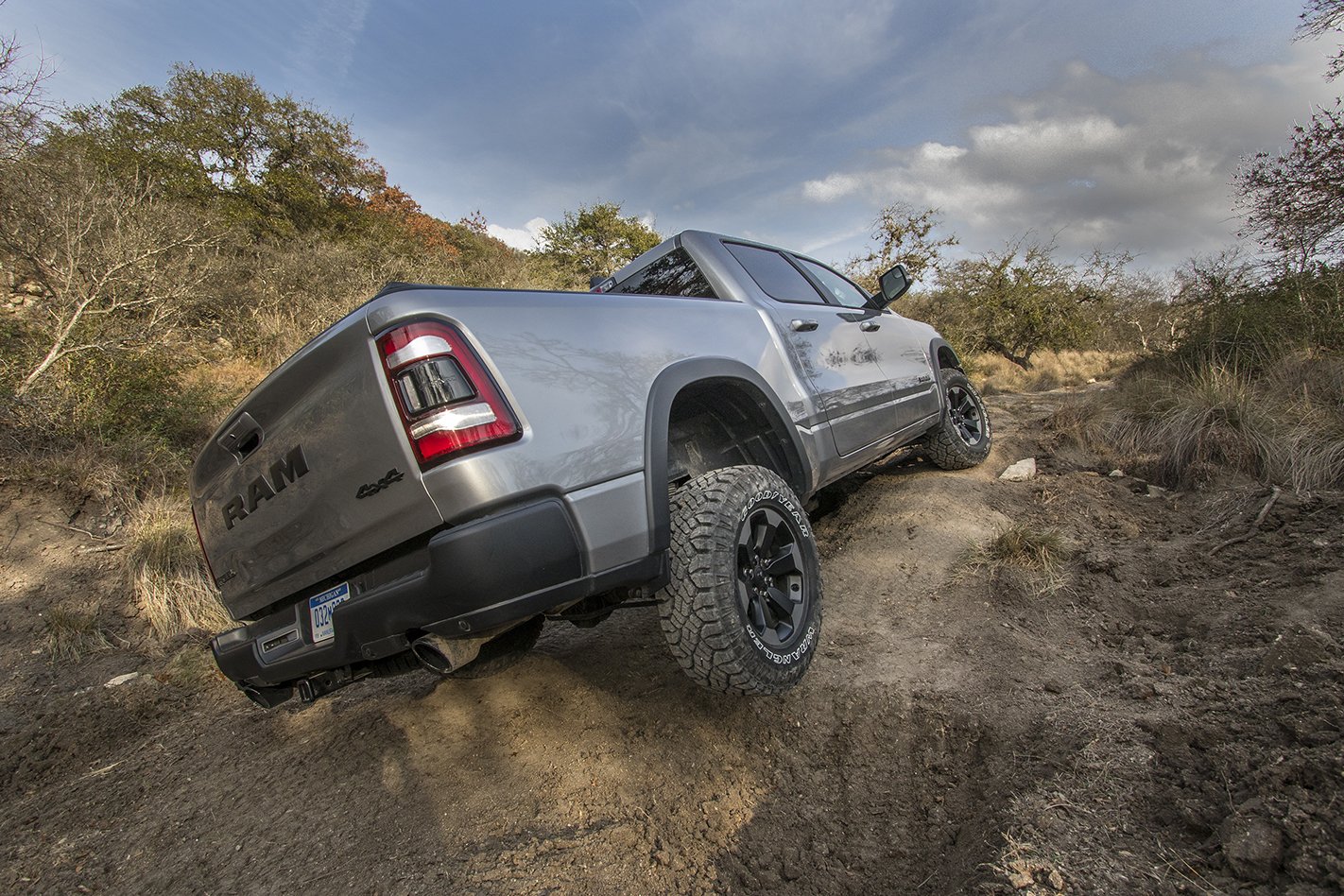
Going some way towards explaining the extended wait for the DT-series’ arrival is the fact the model shares only a handful of parts with the DS-series model that is currently offered to Australian customers.
“We have over 600 new parts that we’ve designed and engineered for DT alone,” the spokesperson added.
Since becoming the official distributor of Ram trucks locally, ATECO has invested over $100 million in tools, equipment, inventory, and stock for the re-engineering process.
With the Clayton facility running around the clock, more than 5000 Rams have rolled off the Australian production line – helped, no doubt, by a more than 300 percent increase in sales last year.
Compared to the players of today, Michael Jordan didn’t earn much money from basketball.
His first contract in 1984 was for US$6m over seven years; in 1989 this was re-negotiated to an 8-year/US$25m deal. Big money, for sure, but even adjusted for inflation way, way short of the US$35m/year the likes of Stephen Curry and LeBron James earn today.

Don’t feel too sorry for him, though. In his final two years at the Chicago Bulls Jordan earned US$30m and US$33m respectively, but this pales in comparison to the money received from Nike. To this day Jordan earns a cut from every Jordan shoe sold which has helped him amass a fortune of over $US2billion.
The point is, MJ had plenty of money and he didn’t mind spending some of it on cars. Or did he? When young Seattle player Gary Payton was trash-talking Jordan saying he could afford flash cars now too, Jordan retorted: “The cars I got are just like yours, except mine were free.”
Certainly Jordan was synonymous with Chevrolets and in particular Corvettes, the recent The Last Dance documentary showing him driving C4 and C5 models within the first few minutes. Jordan’s first endorsement deal was with Chevrolet dealers in Chicago and he was later cut a special deal on a C4 with JUMP23 plates, while also owning one of 220 Corvette ZR1 40th Anniversary Editions.

Porsches were also popular, Jordan owning a run of 930, 964 and 993 Turbos with the former providing the inspiration for the Air Jordan VI sneaker in 1991. During the 1990s these Porsches would often be parked next to a handful of Ferrari 512s.
In his 1996 memoir Running with the Bulls Aussie teammate Luc Longley recounted that Jordan had a number of Porsches, Ferraris and Corvettes in colours to match his suits. It wasn’t all exotics, though, with reports Jordan also drove an 80-Series Toyota Landcruiser, helpful with three young children.

Since his playing days Jordan has been spotted in a variety of exotic cars, usually a revolving door of the latest models. An Aston Martin DB7 Volante became a DB9 Volante, a Mercedes-Benz SL55 AMG became a CL65 AMG, a McLaren-Mercedes SLR 722 made a brief cameo, as did a Cadillac XLR-V and the Ferrari became a 550 Maranello then a 599 GTB Fiorano, while a Bentley Continental GT inspired the Air Jordan XXI sneaker.
Jordan was also a keen motorcyclist but contracts forbade him from indulging. Upon his final retirement from basketball he made up for lost time by starting the Michael Jordan Motorsport.
