
They say things are quiet in January… but not here at Wheels! We’ve been running hot to bring you the best news, columns, features and new-car info your money can buy.
We dive deep into the perplexing world of Holden as the Commodore is axed, and ask what’s next for the troubled brand?
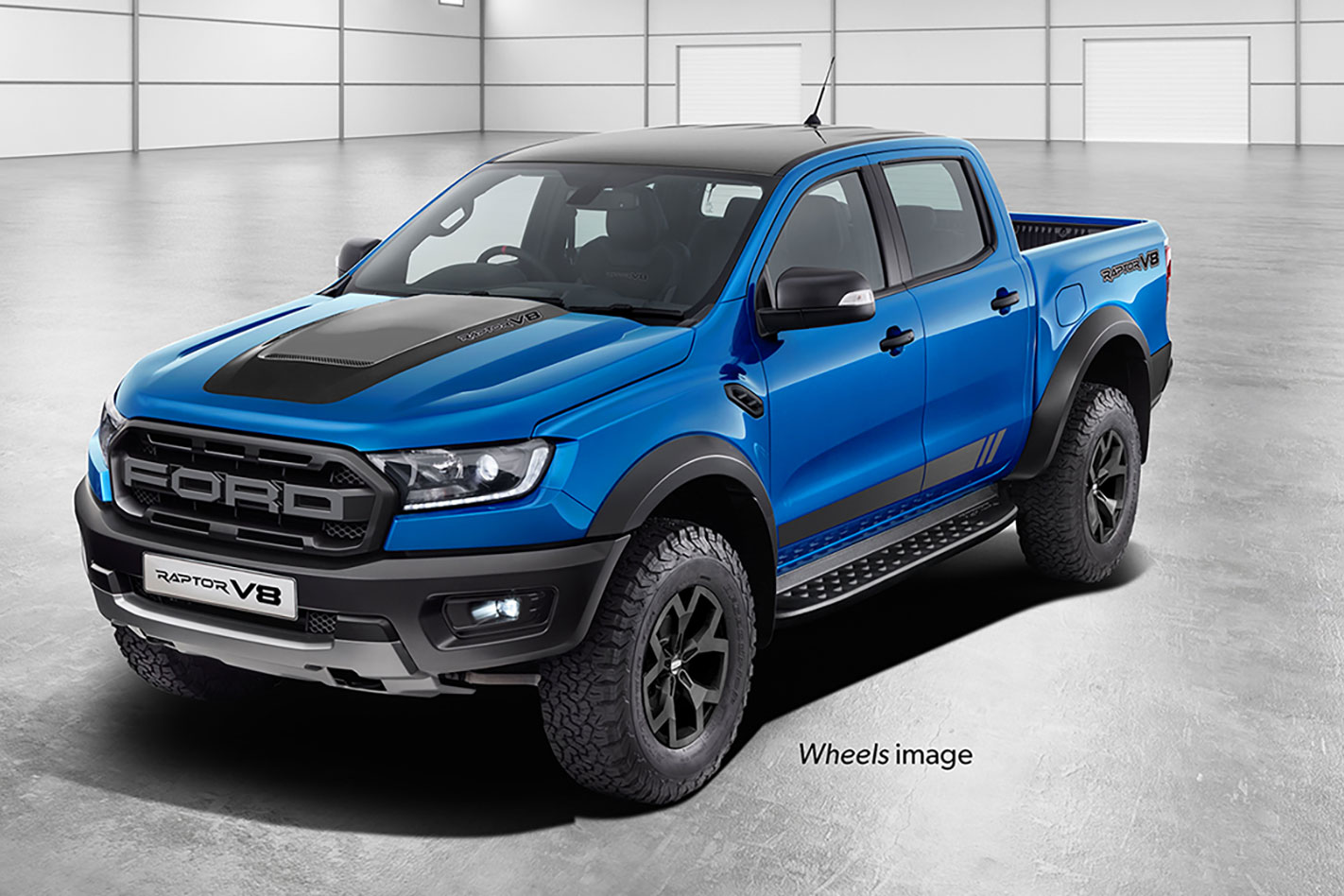
And while Ford’s keeping quiet about plans for a V8 Ranger Raptor, nothing’s keeping us quiet about a 5.0-litre Mustang-spec donk destined for the Blue Oval’s flagship ute down under.
Want to share our 2020 vision? We look ahead to some of the most exciting metal headed to Oz, like Chevrolet’s mid-engined Corvette C8 and Audi’s EV flagship e-tron GT, to name but two…

With Wheels Car of the Year just around the corner (full coverage in our February edition), we spare a thought for cars that, perhaps surprisingly, didn’t make the cut, and explain why they missed out.
The depth of Mercedes-AMG talent is on display as we drive the high-riding GLB 35 and the facelifted GT C, and we take things quietly and quickly in Merc’s first ever mainstream EV, the EQC 400 SUV. BMW’s four-cylinder M135i shows what it has to offer in the wake of the six-pot 1 Series, and we take to the streets in Toyota’s Corolla Ascent Sport Hybrid for a modern twist on an old favourite.
Heart set on a small SUV? We check out contenders for your cash in our must-read megatest. Looking for something else? Our 20-page Databank section has specs for every new car on sale in Australia. And take a look at our Wheels long-termers: Mercedes A35, Genesis G70, Mazda 3 G20, Toyota RAV4 and Volvo V60.
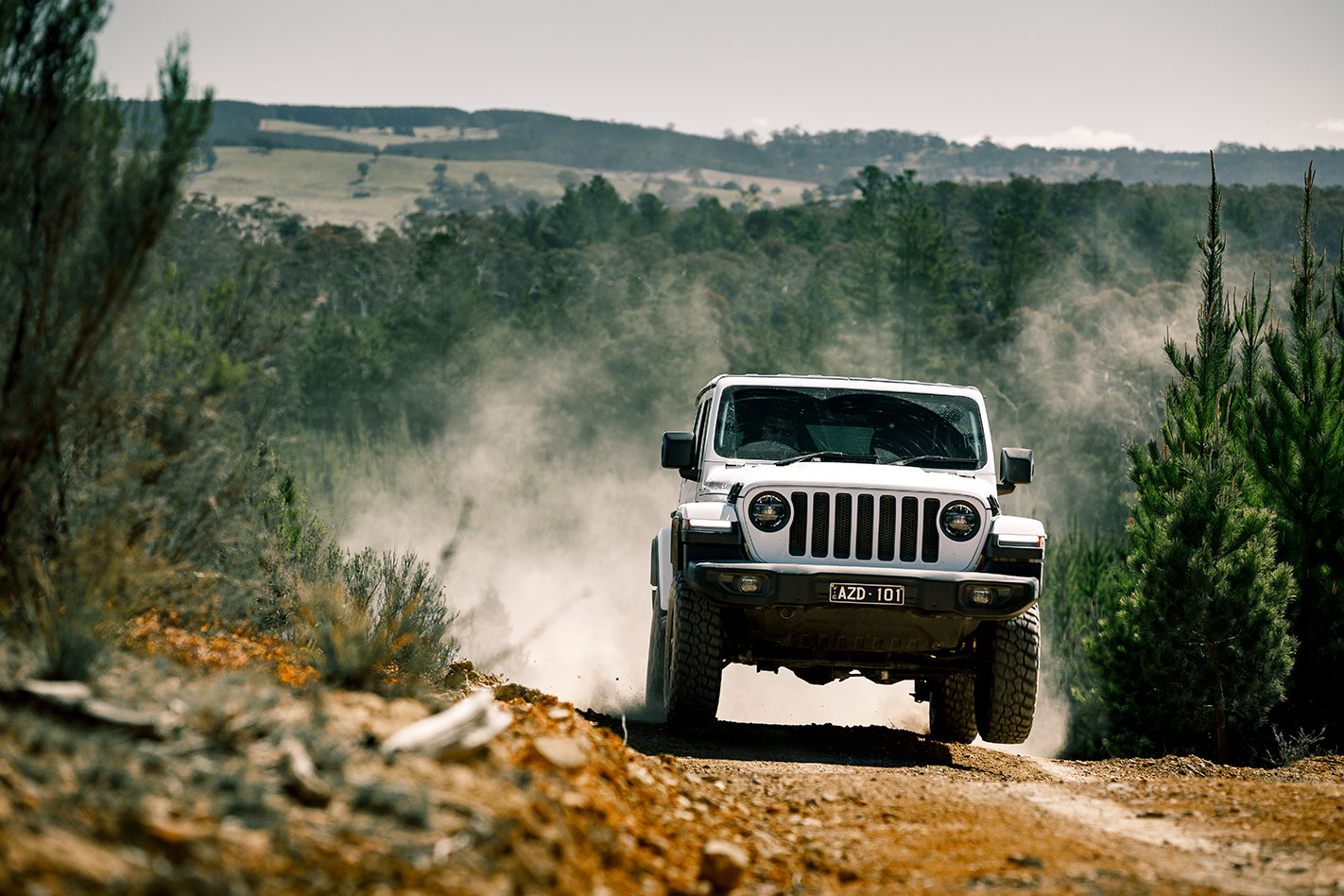
We talk performance with the boss of BMW’s M Division, Markus Flasch, and ponder design, engineering and early-morning inspiration with the indefatigable Horacio Pagani. And we’ve still got time to stalk wild panthers in Jeep’s hardcore Wrangler Rubicon…

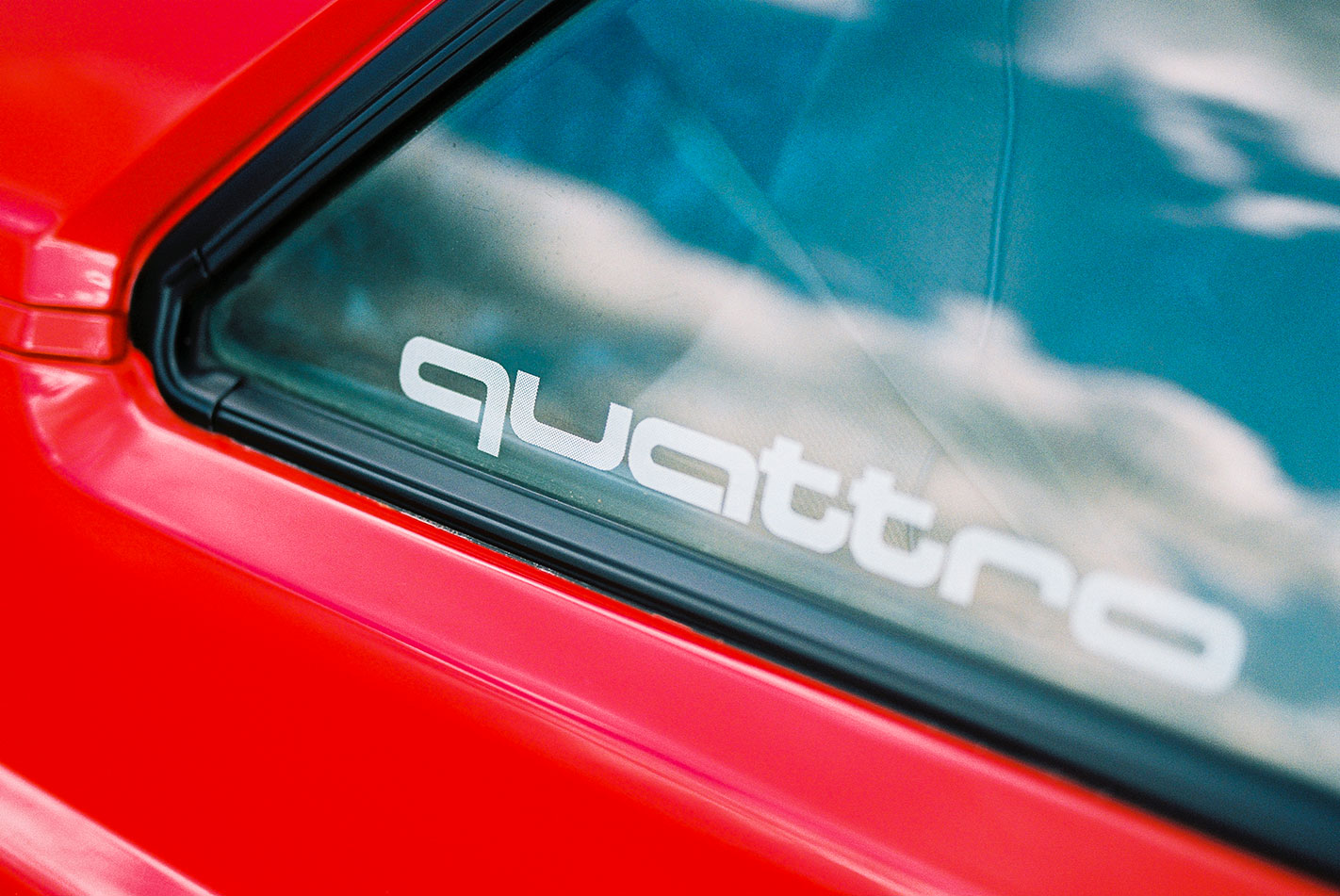
While it’s fast forward into the new year, we take you back in time to the 1968 Lamborghini Espada supercar in Michael Stahl’s Retro pages, get up close and personal with the Audi Quattro MB in Modern Classic, and find out what Dick Johnson would dearly love stashed away in his dream garage.
We told you we’d been busy! Grab your copy of the January mag, on sale now!
AT THIS POINT, you’re probably expecting me to start mining the back catalogue, drawing from history to tell you why Wheels Car of the Year is the oldest and best award of its type. But I’m not. Because you probably don’t care.
It doesn’t really concern most of you that some bearded blokes decided to give the first gong to a Renault 8 back in 1963 or that Wheels’ is the longest continually-running Car of the Year award in the world. It’s important to us, but the truth is, we’re only really as good as our last verdict.
That verdict went to the Volvo XC40 which is currently the best-selling vehicle in its sector, coming from a base of zero. It’s fair to say the market has taken to Volvo’s baby SUV. Prior to judging last year, the XC40 wasn’t heavily fancied, but the process delivered.
The refinement of the process is what generates a strong and fair result. That gets tweaked from year to year. This year we included a score on a car’s charisma, x-factor, call it what you want, but it’s an integral aspect of why we buy premium vehicles. We also modified the Value criterion. No longer would a car be marked down merely for being expensive. If it’s good value in relation to its group of peers, it’s reasonable to say that it’s good value full stop.
Cynics amongst you may well combine those two changes and reason that Wheels has given carte blanche to vehicles from the top end of town, but the pointy end of COTY 2020 threw up a satisfying mix of vehicles across a diverse array of price brackets. Like me, you’ll have to wait until the official announcement on January 30 to discover the winner, as one enduring aspect of the process is the editor is the one who tots up the votes and keeps that knowledge to himself for as long as possible.
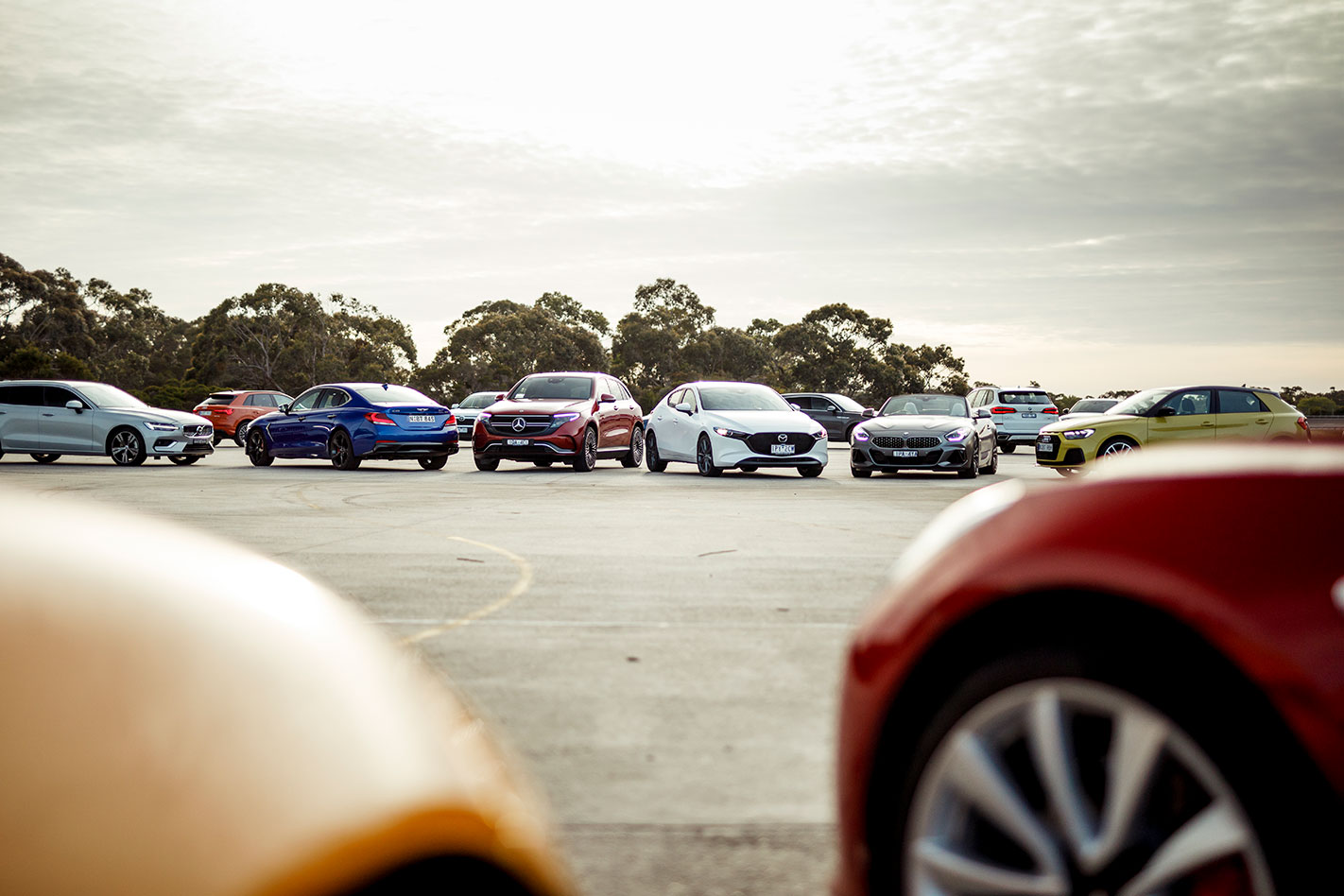
With seven judges who all vote independently and anonymously, the COTY process is designed to be as fair as possible. Much to the chagrin of internet trolls, no brown bags of cash are delivered by car companies, no advertising revenue is contingent on the verdict and there’s absolutely zero ‘pay to play’ aspect to being invited to COTY. Integrity is taken seriously. Holden, which hosted us this year at its Lang Lang proving ground, didn’t even merit a toe onto the longlist.
No process is perfect but Wheels Car of the Year is both exhaustive and transparent. We’re open to any suggestions on ways to improve the exercise and this year we’re publishing not only the scores we’ve awarded each car but also the objective testing data and judge’s scorecards.
Unlike most other wards, which aim to maximise potential advertising revenue by issuing a myriad of prizes across a dizzying array of categories, Wheels is old school. There’s only one Wheels COTY prize and all but one manufacturer will go home disappointed from the Australian Motoring Awards. Does that hurt us commercially? Probably. Does it mean you get the best and fairest award in Australian motoring? Most definitely.
And that’s something you should certainly care about.
Toyota has revealed official specs for what is perhaps the most anticipated car to ever wear a Yaris badge, the 2020 Toyota GR Yaris.
Though MOTOR has sampled the prototype for this model (read all about it in the January 2020 issue of MOTOR magazine – out now), Toyota remained mum on its specifics. We now know that its 1.6-litre three-cylinder turbo engine produces 200KW and 360Nm.
Toyota Australia initially reported a 192kW output, but later received confirmation the Japanese version of the GR Yaris with 200kW would be the one headed to Australia.
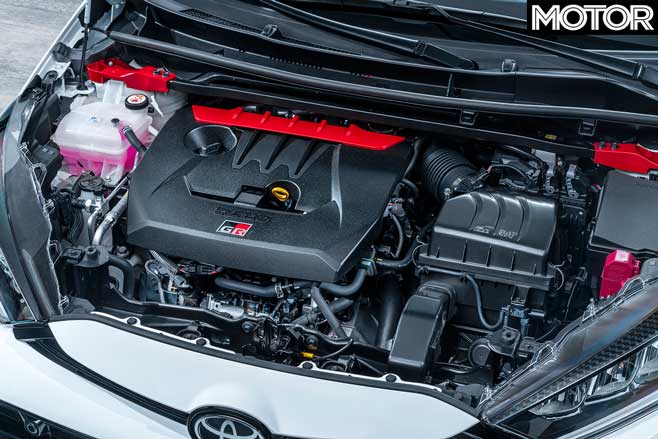
Compare this to the 147kW/290Nm of a certain Blue Oval rival and it’s clear Toyota wants the GR Yaris to be the big dog in small hatch land.
In fact, with a new all-wheel drive system dubbed ‘GR-FOUR’, it should be able to rival bigger, more powerful hot hatches. Toyota claims a 0-100km/h time of “less than 5.5 seconds,” and says it’s limited to a top speed of 230km/h.
Good news for purists, the GR Yaris comes with a six-speed manual gearbox, the only transmission option for the car.
With design and engineering input from Toyota’s Gazoo Racing brand and from its WRC partner Tommi Mäkinen Racing, the GR Yaris is to be the homologation model of its next WRC racer.
Exclusive video of the Toyota GR Yaris being tested in the Australian Outback
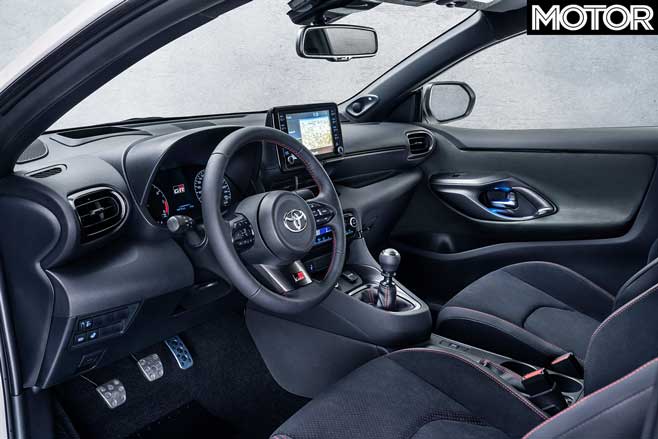
Toyota says the little hot hatch is built on a completely new platform, with its engine bespoke to the model (for now, at least) and will remain the top-spec version of the Yaris.
Locally, the car won’t be able to be specced with a GR Yaris performance pack which offers Torsen limited-slip diffs at both front and rear, Michelin Pilot Sport 4 S tyres, and altered suspension settings to account for these changes.
Still, the standard car’s use of carbon-fibre and aluminium for the body and panels keeps kerb weight down to 1280kg, and its ventilated disc brakes (356mm front with 4-pot callipers/ 297mm rears with 2-pots) can take advantage of its low weight for what should be strong braking performance.
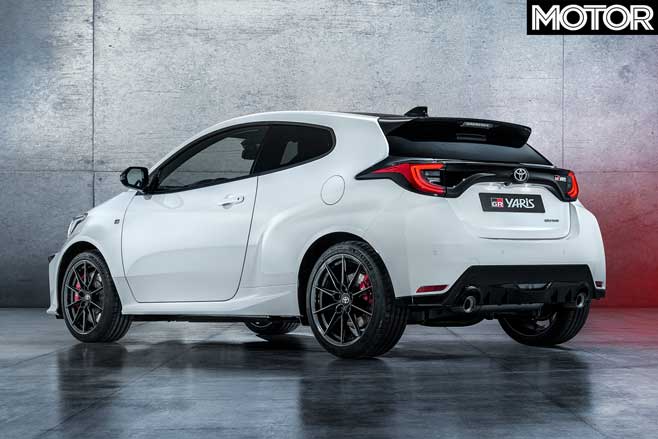
These brakes are hidden behind 18-inch wheels, which are wrapped in 225/40 Dunlop SP Sport MAXX050 tyres.
Toyota Australia expects the GR Yaris to arrive ‘late this year’, but has not yet confirmed pricing for the local market.
Whoever said lightning doesn’t strike twice didn’t consider the fact that Mazda has been forced to issue two separate recall notices for the Mazda 3 small hatch and sedan.
Affecting MY19 hatches and sedans manufactured between 24 March 2019 and 24 December 2019, Mazda notifies that 13,768 vehicles may activate the autonomous emergency braking function by falsely detecting an object in front of the vehicle.
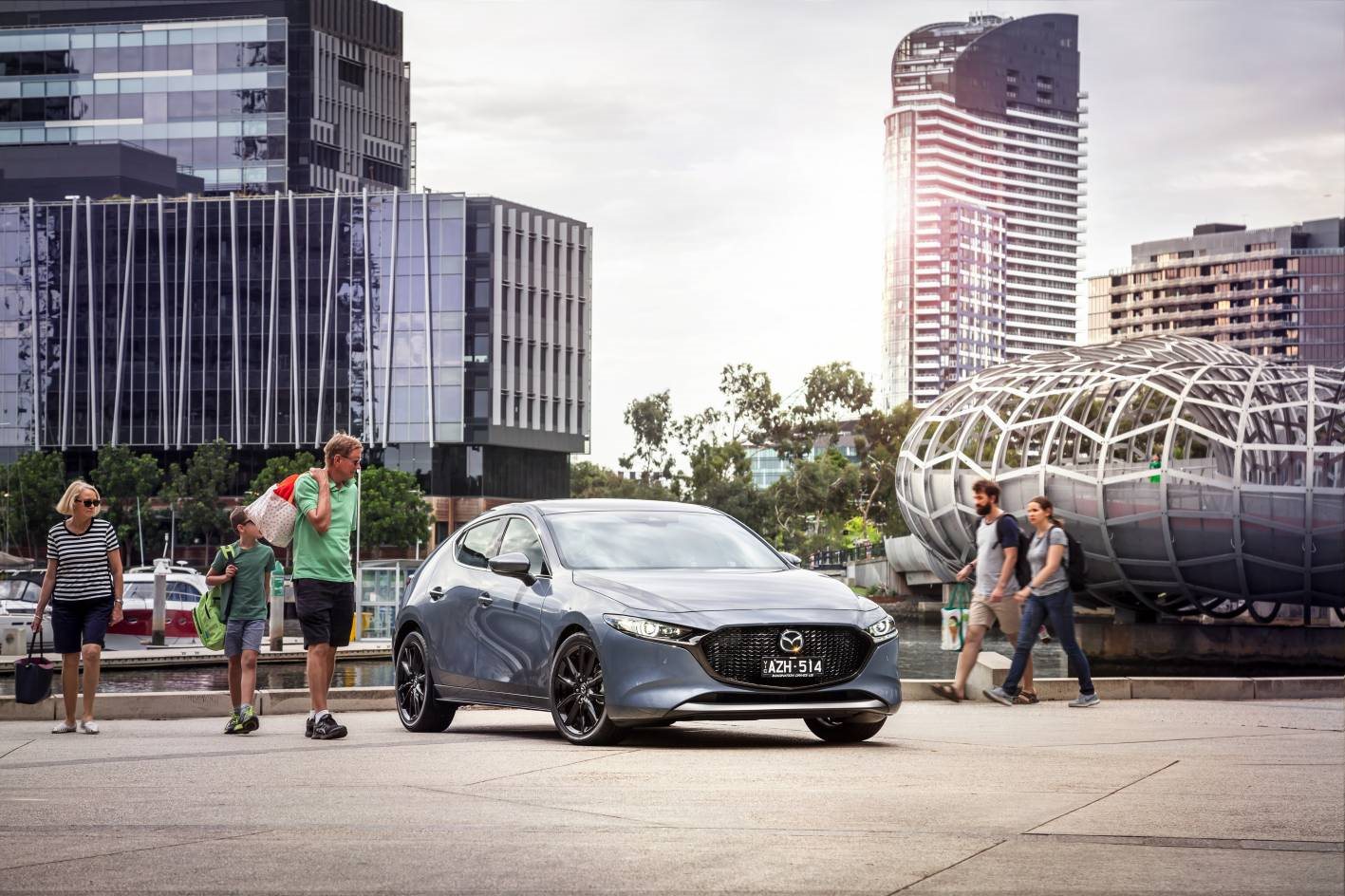
Mazda’s statement in the product recall notice states “If the automatic brake function is initiated, the vehicle will unexpectedly slow down and stop, increasing the risk of an accident and injury to vehicle occupants and other road users.”
Impacted owners will be contacted by Mazda to arrange a time to have their car repaired, where the Smart Brake Support control module will be reprogrammed, rectifying the issue.
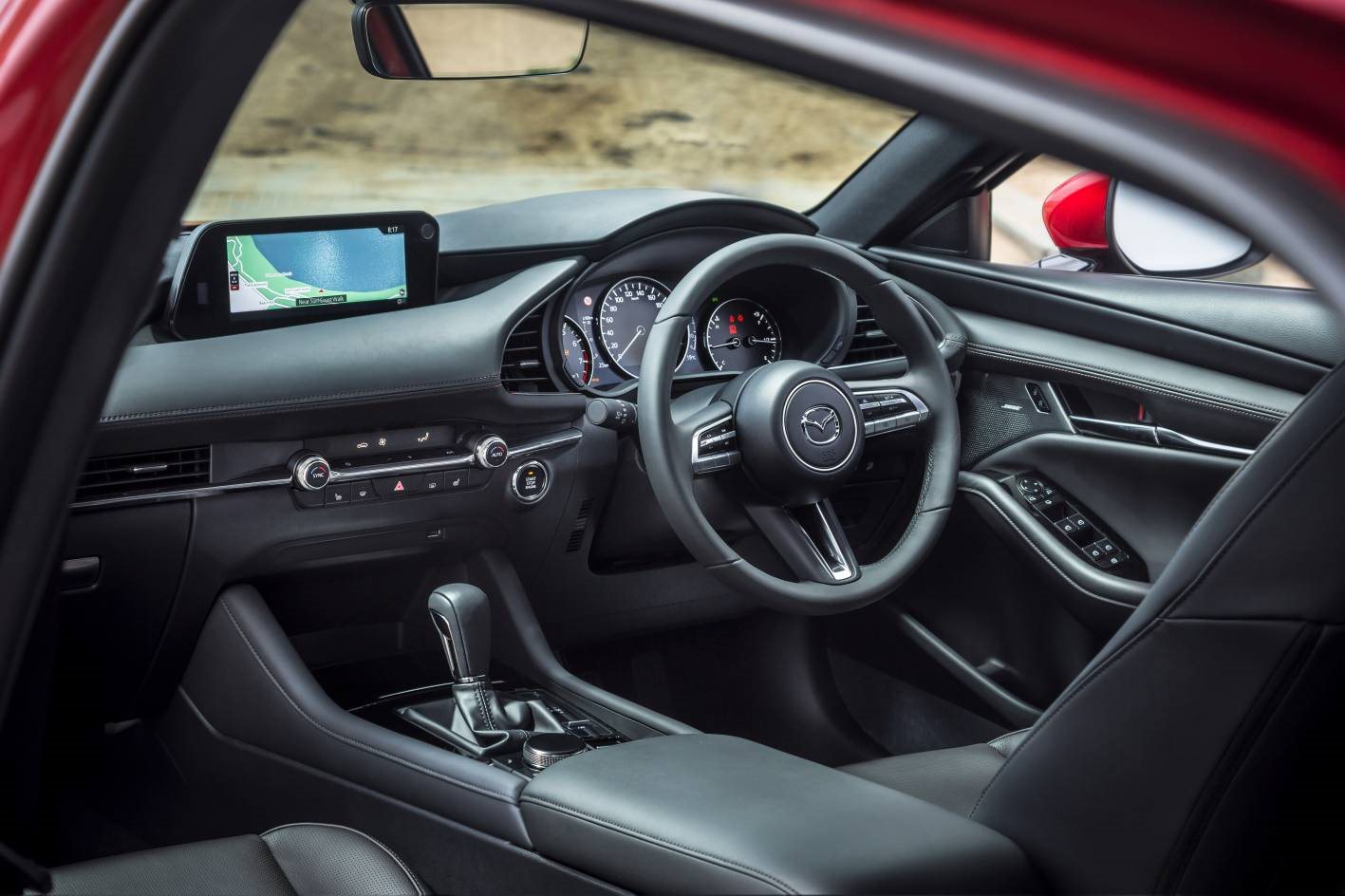
Additionally, Mazda issued a separate recall for 14,583 cars manufactured during the same period (which means many cars will be affected by both problems) for faulty start/stop software.
In effect, the defect means that the engine may not restart after entering idle stop mode. Users would have to manually restart the vehicle using the engine start button.
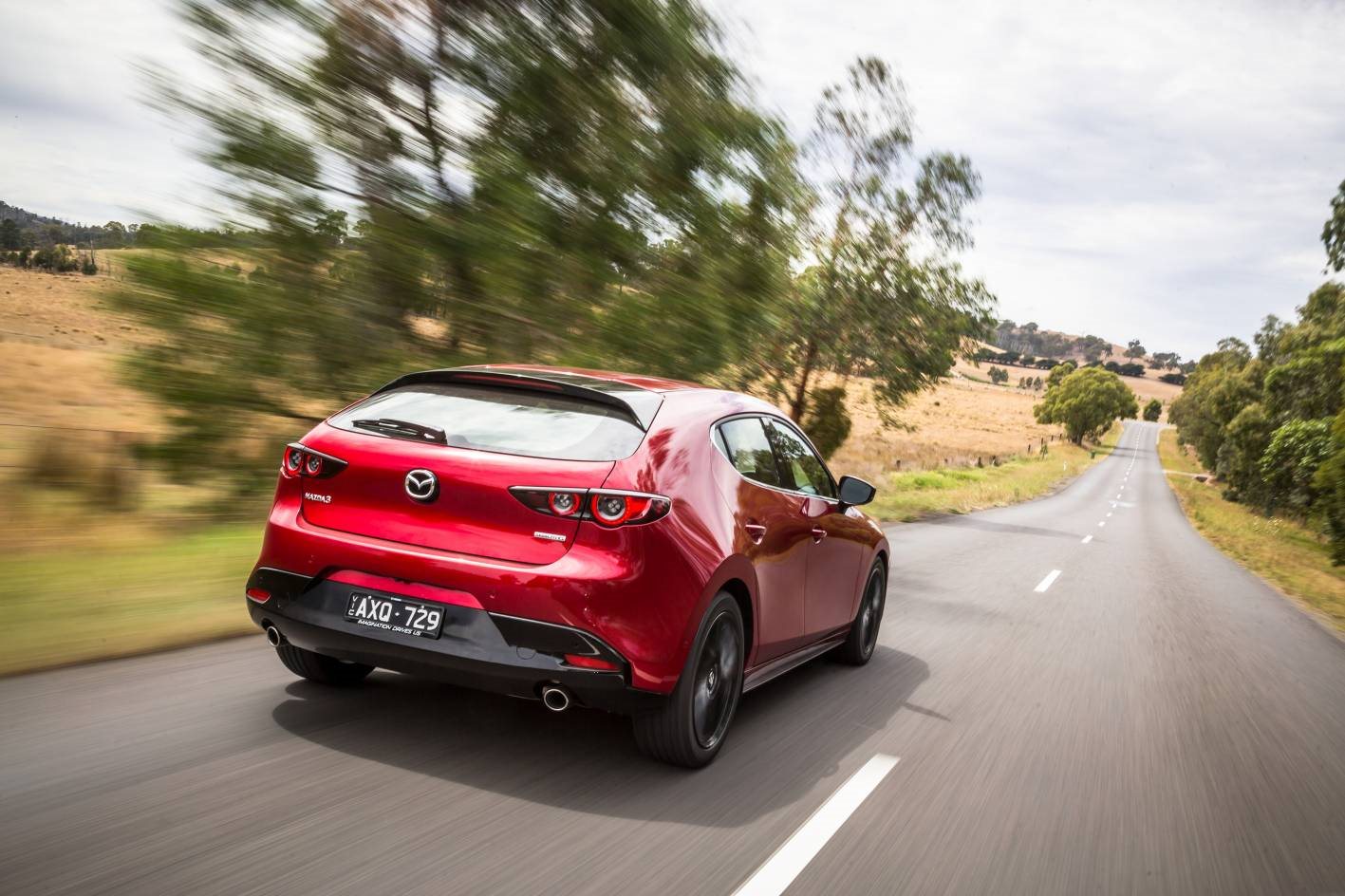
“If the vehicle does not restart in idle stop mode, there is increased risk of an accident and injury to vehicle occupants and other road users.“
Again, Mazda will notify owners directly to arrange a time to have the fix to their Powertrain Control Module completed.
Customers who have more questions or who wish to get on the front foot to arrange their repair are advised to contact Mazda customer support on 1800 034 411.
Toyota’s small car architecture is expected to expand once more to include the likes of a crossover SUV that’ll slot in below the C-HR and be based on the upcoming all-new Toyota Yaris.
According to Auto Express, the new Toyota SUV is expected to be revealed later this year with an on-sale date within the next 18 months.
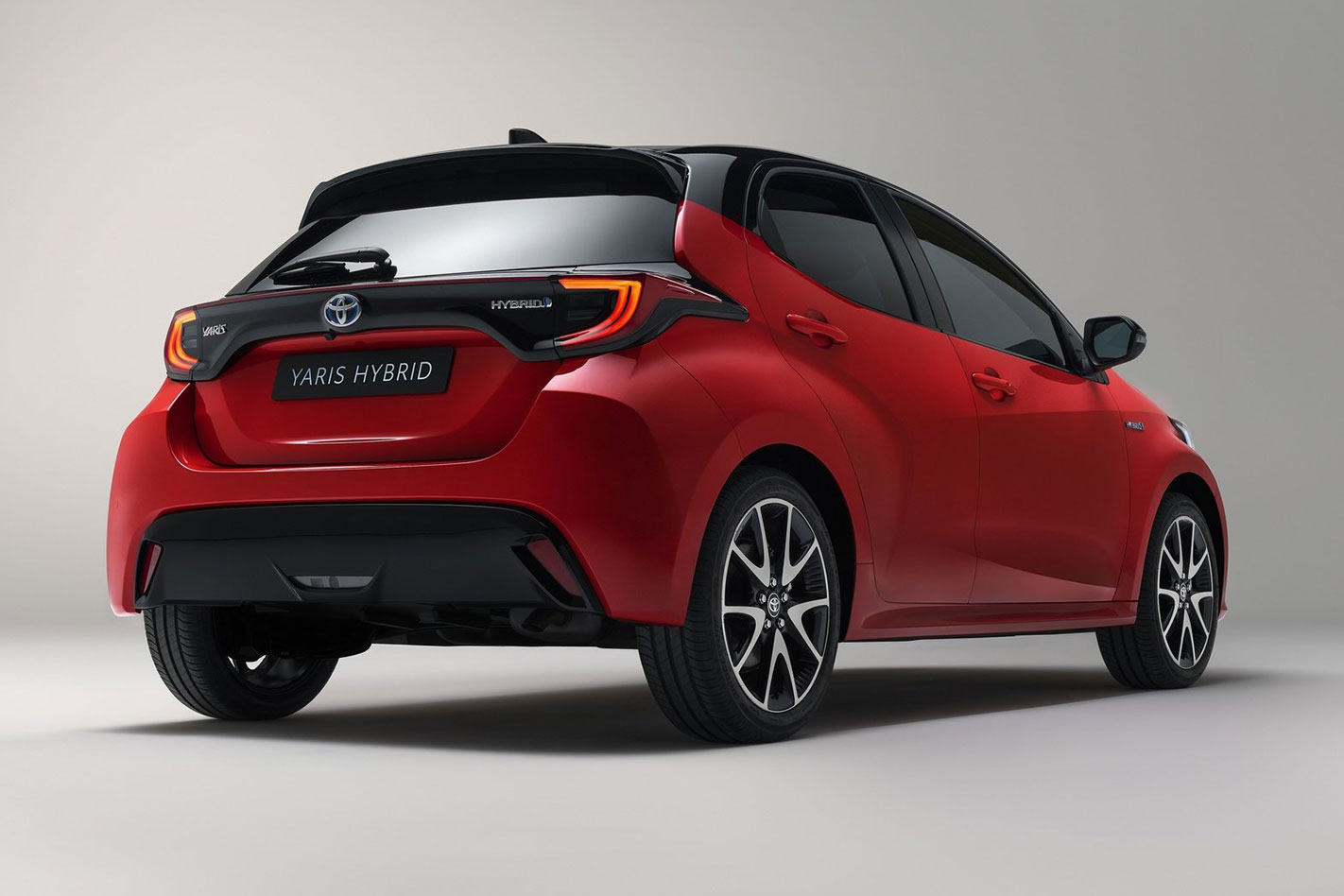
Despite already having a similar car in the C-HR, Toyota wants to introduce a smaller and more affordable alternative that competes directly with the Nissan Juke, Mazda CX-3 and Renault Captur.
“SUV segments in general are all continuing to grow,” said Matt Harrison, Toyota’s European executive vice president to Auto Express.
“If you look at the level of conquest we have with [the Toyota C-HR], it’s incredible, even from premium brands. But the way that area of the market is continuing to grow and sub-divide, there would definitely be opportunities for additional products. I don’t think for a minute that we’ve got it all covered with C-HR.”

Toyota envisages the car to be roughly four metres in length which is just over 300mm shorter than the higher-priced C-HR. Innovations in packaging are pulling more buyers from C-segment products (C-HR, Corolla) down to the B-segment category occupied by the Yaris, as they are starting to compete on space, equipment while also wearing a more attractive pricetag.
The TNGA-B architecture that underpins the new Yaris is expected to be the foundation of Toyota’s new pint-size crossover; meaning the range will likely include a hybrid option and the possibility of all-wheel drive, although it remains to be seen which variants will be offered in Australia.
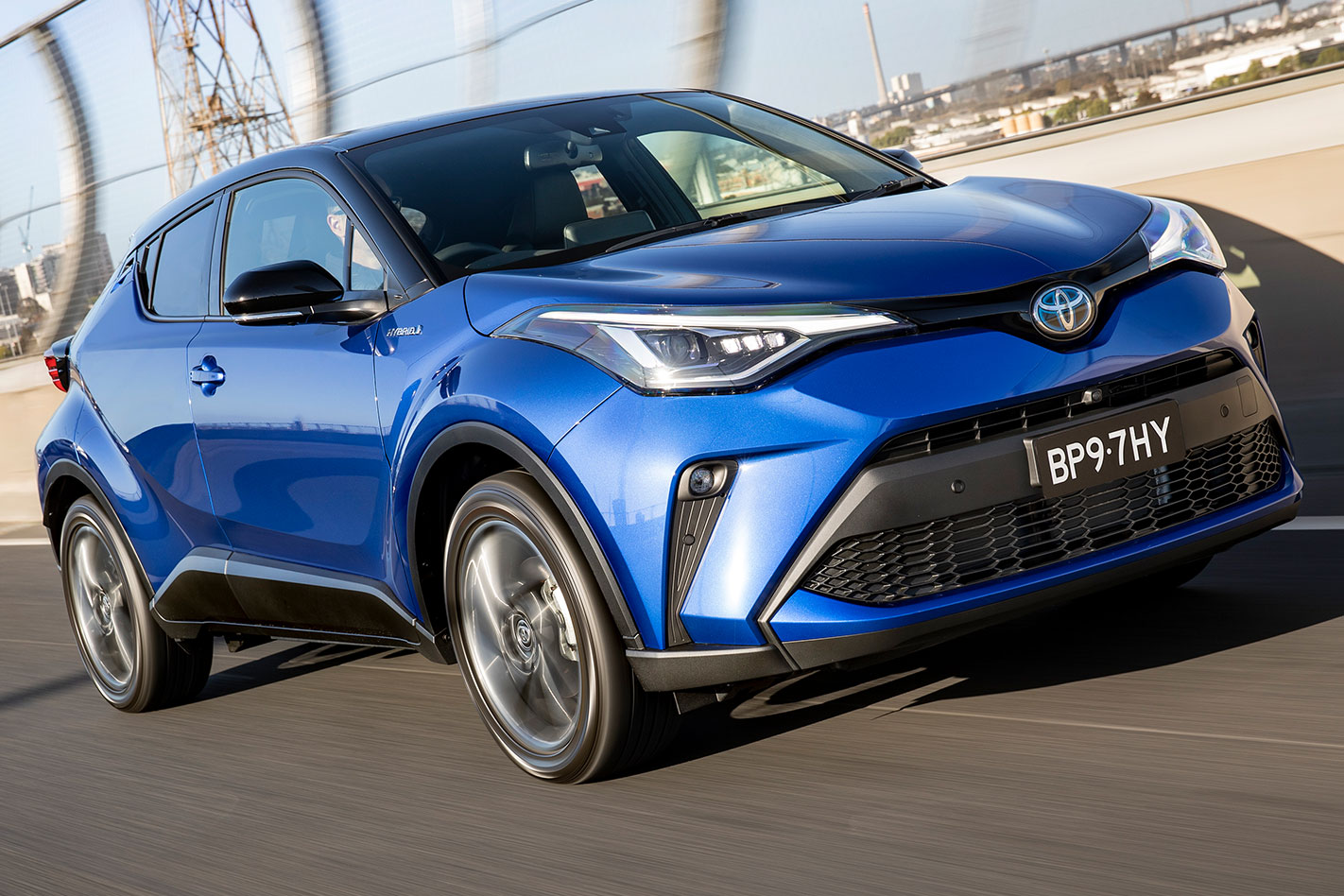
The crossover should also feature a number of new items borrowed from the Yaris like LED headlights, a tablet-style infotainment system, autonomous emergency braking, lane-keep assist and adaptive cruise control.
We’ll know more about the new Toyota Yaris crossover towards the end of the year.
With Australia seeing one of its worst climate disasters unfolding as this story goes to publish, many Aussies are digging deep or doing what they can to help those who’ve been affected by the bushfires spread across several states.
As a relatively prominent figure in the Australian car enthusiast scene, World Time Attack Challenge CEO Ian Baker is using his reach to raise some much-needed funding by selling one of his prized possessions, an exhaust header from Mark Webber’s 2010 Red Bull Renault Formula One car.
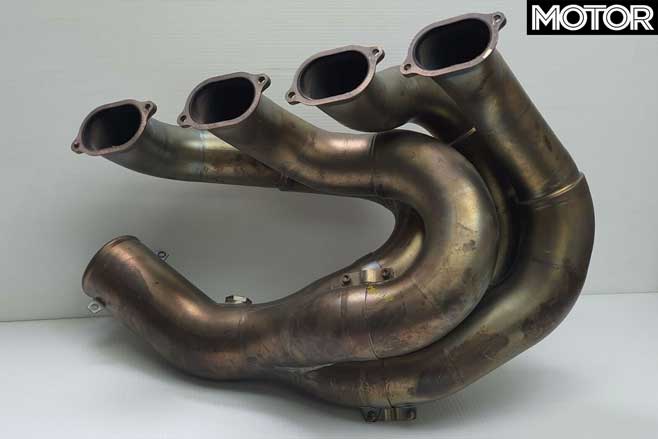
While the car itself wasn’t a championship winner, Webber’s teammate Vettel took out the top spot for the year. Webber finished third (trailing Fernando Alonso, but ahead of Lewis Hamilton), but won four races along the way with an additional six podiums.
Baker says it’s hard for him to let go of the Renault V8’s header, but he sees a need for something good to be made of it.
“I figure I should do my bit to help with the tragic fire catastrophe that has affected so many of my fellow Australians.
“This [is] the LHS header system as used on the 2010 Red Bull RB6 Formula One car driven by Australian legend Mark Webber.
“This was my treasure for so many years and I had no intention of ever selling it, but with so many people without homes this is the least I can do.”
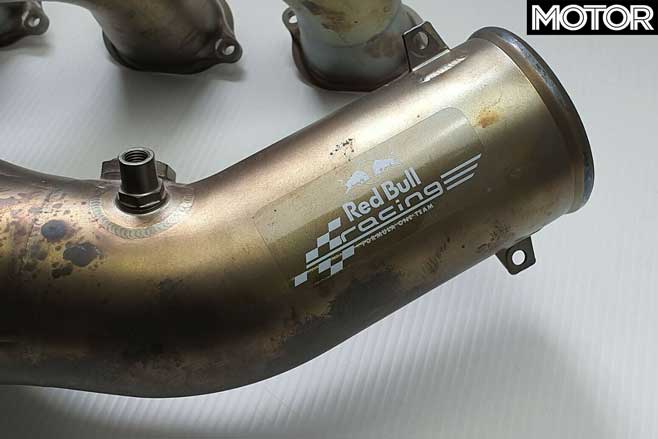
He says the entire sale amount will be donated to the Red Cross, with the bidding sitting at $2500 as this story goes to publish.
Elsewhere in the world of F1, Webber himself has posted on Instagram about raising funds for the WIRES Wildlife Rescue, while F1 champ Lewis Hamilton has ‘Grammed plenty of information about the fires and the effects they’re having to his 14 million followers.
“I’m donating $500K to support @wireswildliferescue, @wwf_australia, and the Rural Fire Services. If you are able and haven’t already, you can donate too. Every little helps,” Hamilton writes.
What is likely the most significant Ferrari F50 is up for grabs in an auction set to take place next week. The Ferrari F50 Berlinetta Prototipo is not only the first prototype of the celebratory model, but also the last Ferrari produced with a five-digit chassis serial.
Number #99999 has about 1400 miles on the odometer, which is around 2250km here in the real world, and is listed on Worldwide Auctioneers’ Scottsdale auction lot list with no sale estimate.
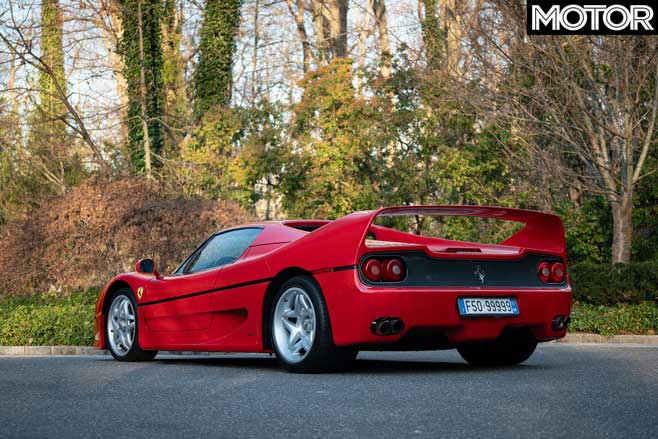
It’s Ferrari Classiche certified, which means Maranello has given the car a look over and stamped it with a tick of approval in terms of its condition and originality.
But you’d think whoever owned this car would already know not to go messing with it. Not only is it the first prototype, it was also the press car, show car, and test car. It was driven by the likes of Dario Benuzzi, Niki Lauda, Gerhard Berger and Jean Alesi. Not a bad group to have sat in the driver’s seat of your car.
Worldwide also says it was “the basis for scale models … as well as detailed cutaway drawings… stock press pictures in Ferrari sales literature and in dozens of books, nearly a hundred magazines, and even postage stamps.”
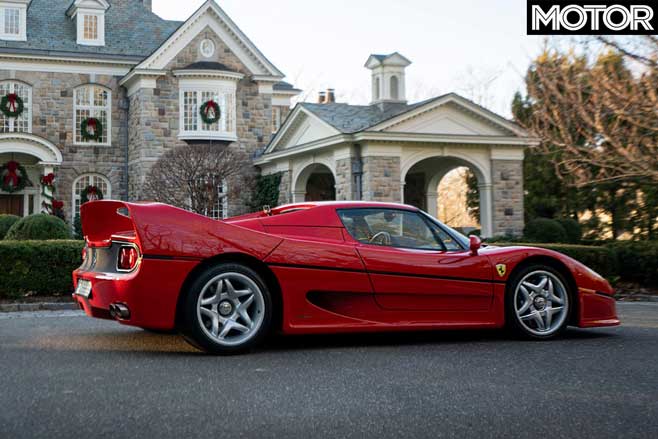
Essentially, if you had a Ferrari F50 poster, or saw one in a magazine back in the 1990s, it was this one.
There’s only one thing that’s been changed according to the listing, its muffler. The original factory version is included in the sale.
The Worldwide Auctioneers Scottsdale auction takes place on January 15.
The first issue of MOTOR Magazine for the decade is here, and it’s looking to the future in a big way.
Not only is our cover car, the C8 Corvette a while away from our shores yet, but we’ve also taken the opportunity to point out where we see automotive trends heading.
You can find MOTOR at retailers around Australia. Or you can subscribe and save yourself some cash, there’s even a (cheaper!) digital subscription option.
Subscribers often receive their mags earlier, so you’ll get to see what MOTOR has to offer before anyone else.
Follow us on Facebook, Twitter, and Instagram to interact with us, give us feedback, and get a peek behind the scenes.
2020 VISION: Our predictions for the 2020s
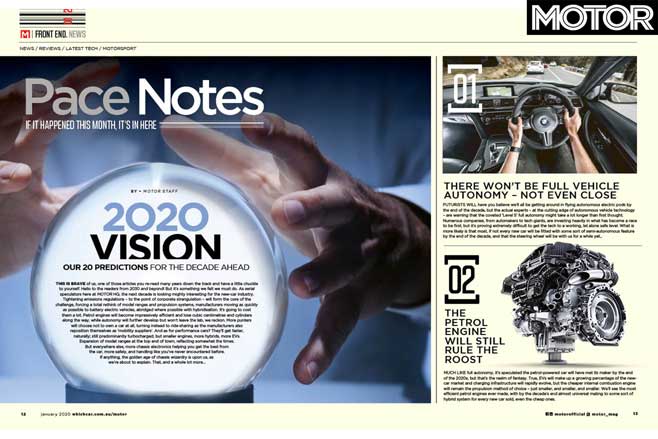
Our 20 speculations for the decade aren’t all doom and gloom… just some of them. Get ready for an era of speed, ingenuity, excitement, and technological nannies.
BLUE ANGEL: Our first proper C8 Corvette Stingray drive
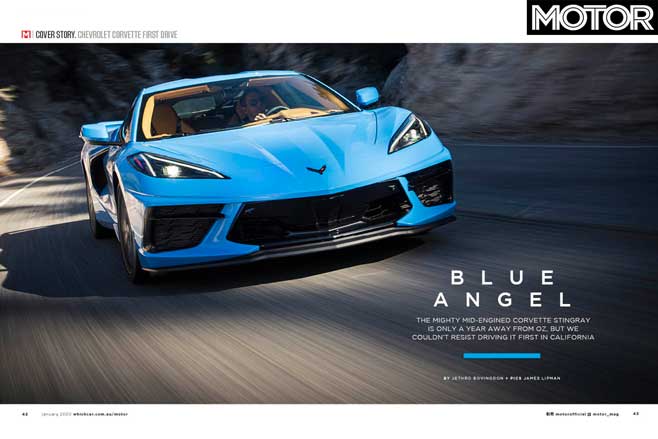
Is the new 369kW ‘Vette a half-price Ferrari? We light the wick on the General’s new mid-engine muscle car.
DOWN & DIRTY: Jag F-Pace SVR vs BMW X3 Comp vs Alfa Stelvio Q
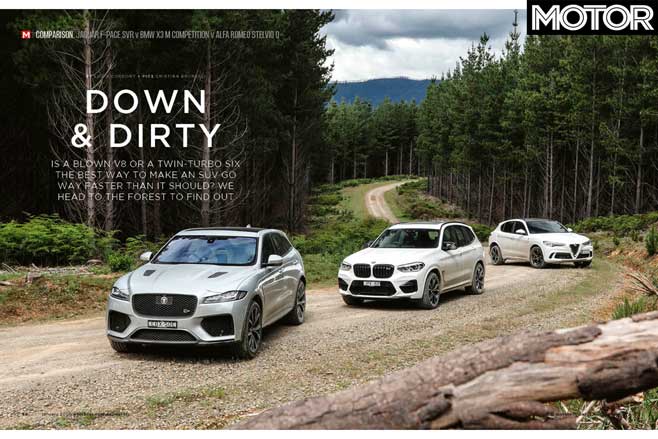
What’s the best way to make an SUV go faster than it should? We head to the forest to find out.
CROUCHING TIGER: Lamborghini Huracán EVO driven in Aus
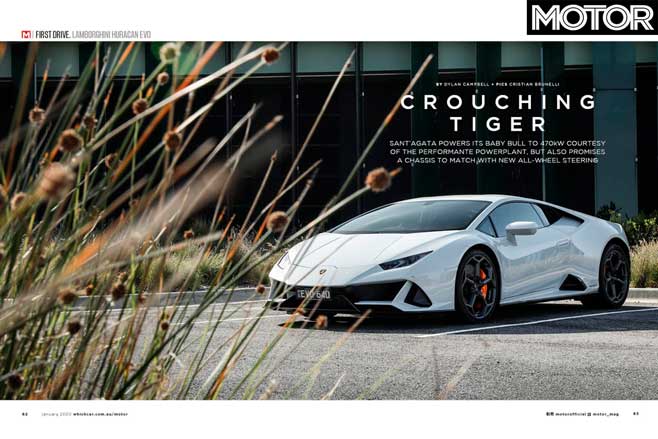
The Sant’Agata Bolognese carmaker powers its baby bull to 470kW courtesy of the Performante powerplant, but promises a chassis to match with all-wheel steering.
WEAPONS GR4DE: Toyota GR Yaris prototype driven
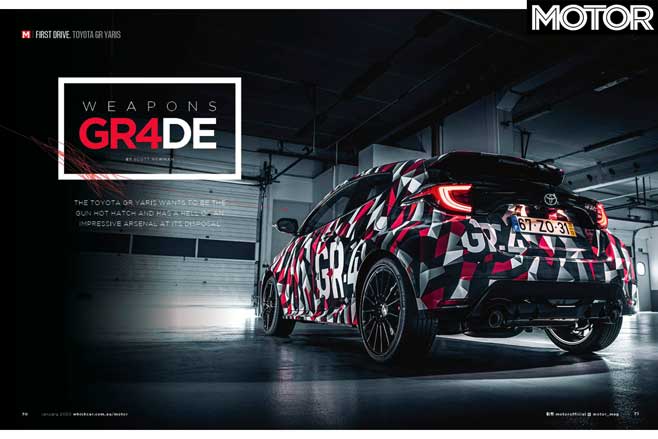
The GR Yaris wants to be the gun hot hatch and has a hell of an impressive arsenal at its disposal.
GOING FURTHER, FASTER: Honda NSX vs Ferrari Portofino vs McLaren GT
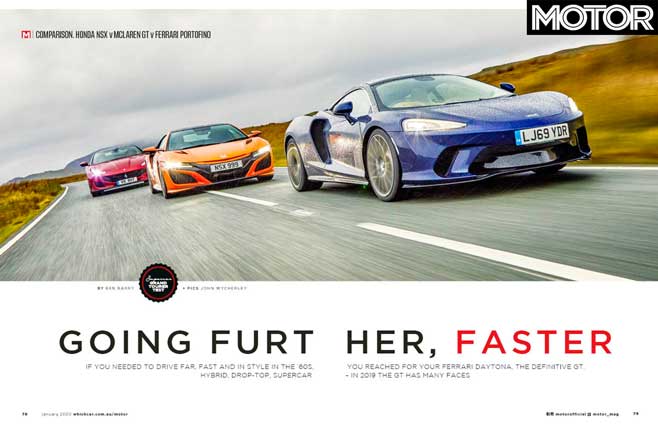
If you needed to drive far, fast, and in style in the 1960s, you grabbed a Ferrari Daytona, the definitive GT. But now? Hybrid, drop-top, supercar… the GT has many faces.
BLACK OPS: BMW M340i xDrive
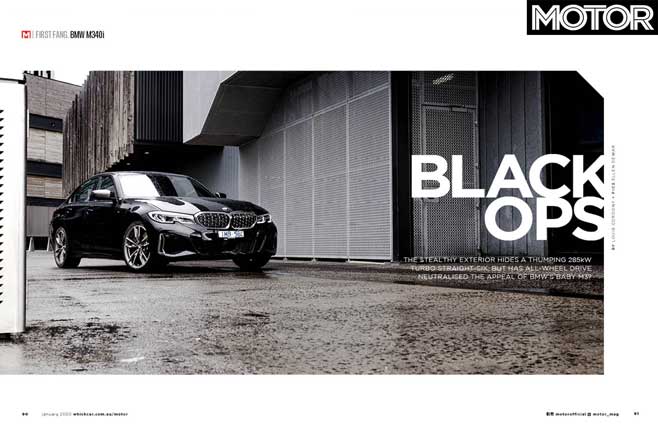
The stealthy exterior hides a thumping 285kW turbo straight-six, but has AWD neutralised the appeal of BMW’s baby M3?
HOLY TRINITY: McLaren F1, P1, Senna.
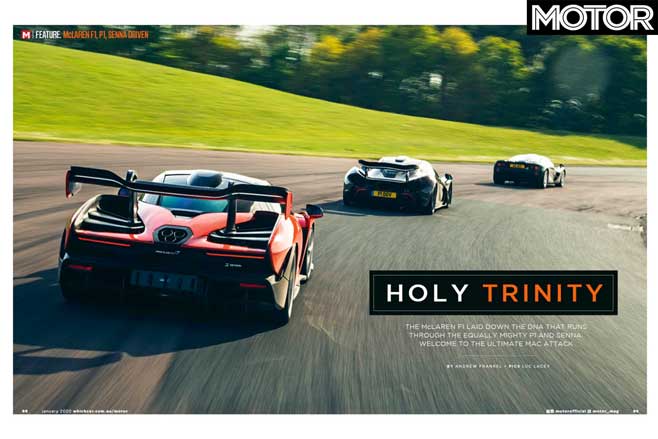
Tracking the DNA from F1 to Senna – welcome to the ultimate Mac attack.
MOTOR GARAGE
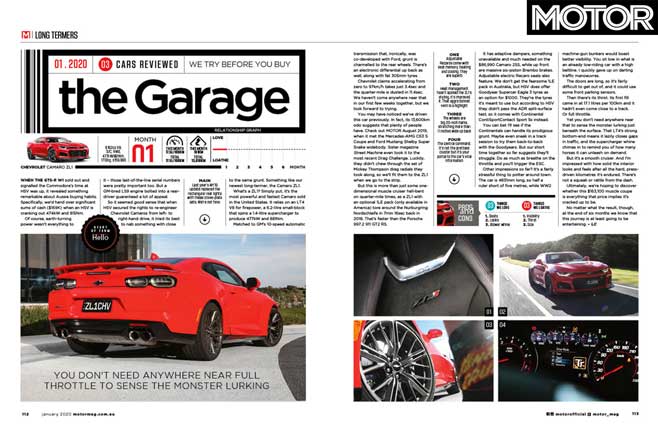
Chevrolet Camaro ZL1: We welcome GM’s supercharged beast into one of our long-term garages, courtesy of a conversion by HSV.
Peugeot 308 GTi: The Pug’s last big outing might just be the one that makes Chris start looking at financing a new one for himself.
Abarth 124 Spider: Scott jumps into the ‘Italian MX-5’ and heads out into the Victorian wilderness.
AND THE REST: Columns, news, reviews, and mini-features to keep you reading from cover to cover!
Aston Martin will reveal a new model this year called the V12 Speedster, a V12-powered, race-inspired, limited edition creation by the brand’s Q division.
Calling the model a “visceral celebration of the British sports car brand’s proud past and exciting future,” Aston Martin says the V12 Speedster will be limited to just 88 units, which customers will receive in early 2021.
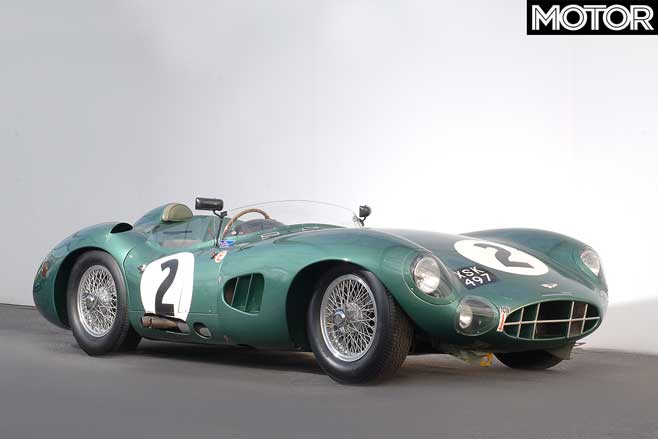
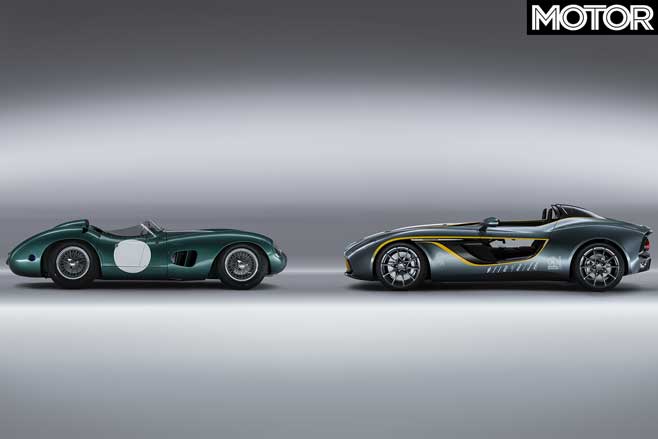
Inspired by two of Aston’s previous models, the Speedster is said to be designed with “the use of cutting-edge motorsport and aviation technology.”
The first of the two inspirations is the 1956 Aston Martin DBR1, which won Aston a few races at a little racetrack known as the Nürburgring.
Driven by the likes of Sir Jack Brabham, Jim Clark, Carroll Shelby, and yes, David Brown at various points, the DBR1 (of which five were built) is one of Aston Martin’s most historically important racers.
The second car the Speedster is said to be inspired by is the CC100 Speedster Concept, which was revealed in 2013… and also draws from the legacy of the DBR1.
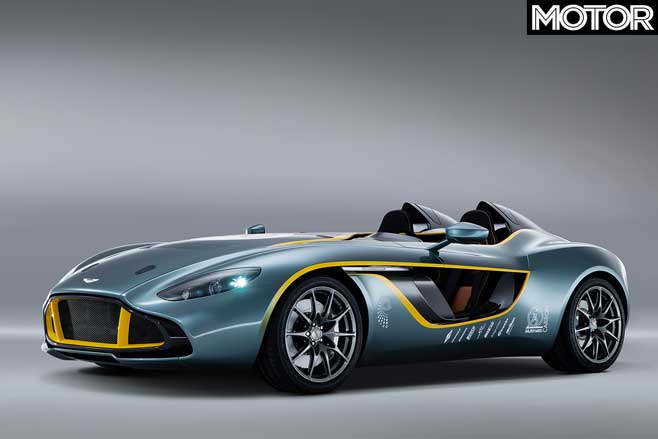
While the CC100 was powered by a 6.0-litre V12 (3.0-litres and six cylinders more than the DBR1), the modern V12 Speedster will be powered by Aston’s current twin-turbo 5.2-litre V12, though its outputs are said to be ‘around’ 515kW and 700Nm.
“The V12 Speedster we’re proud to confirm today once again showcases not only this great British brand’s ambition and ingenuity, but also celebrates our rich and unrivalled heritage,” says Aston Martin CEO Andy Palmer.
“The 88 enthusiast drivers and collectors who secure the keys to these cars can be confident that in doing so, they are also securing an iconic new piece of Aston Martin history.”
The company is now taking orders for the 88 hand-built cars.
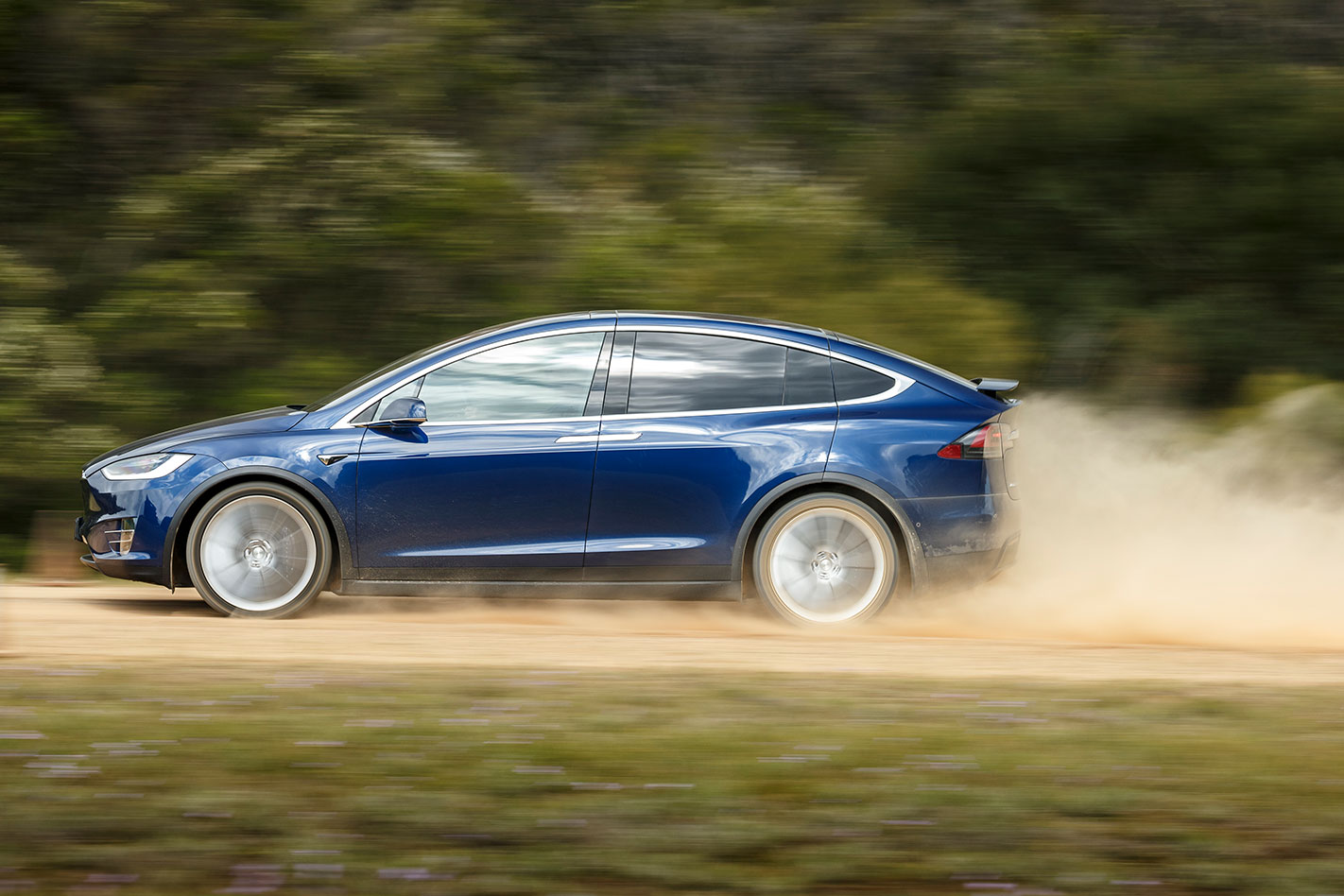
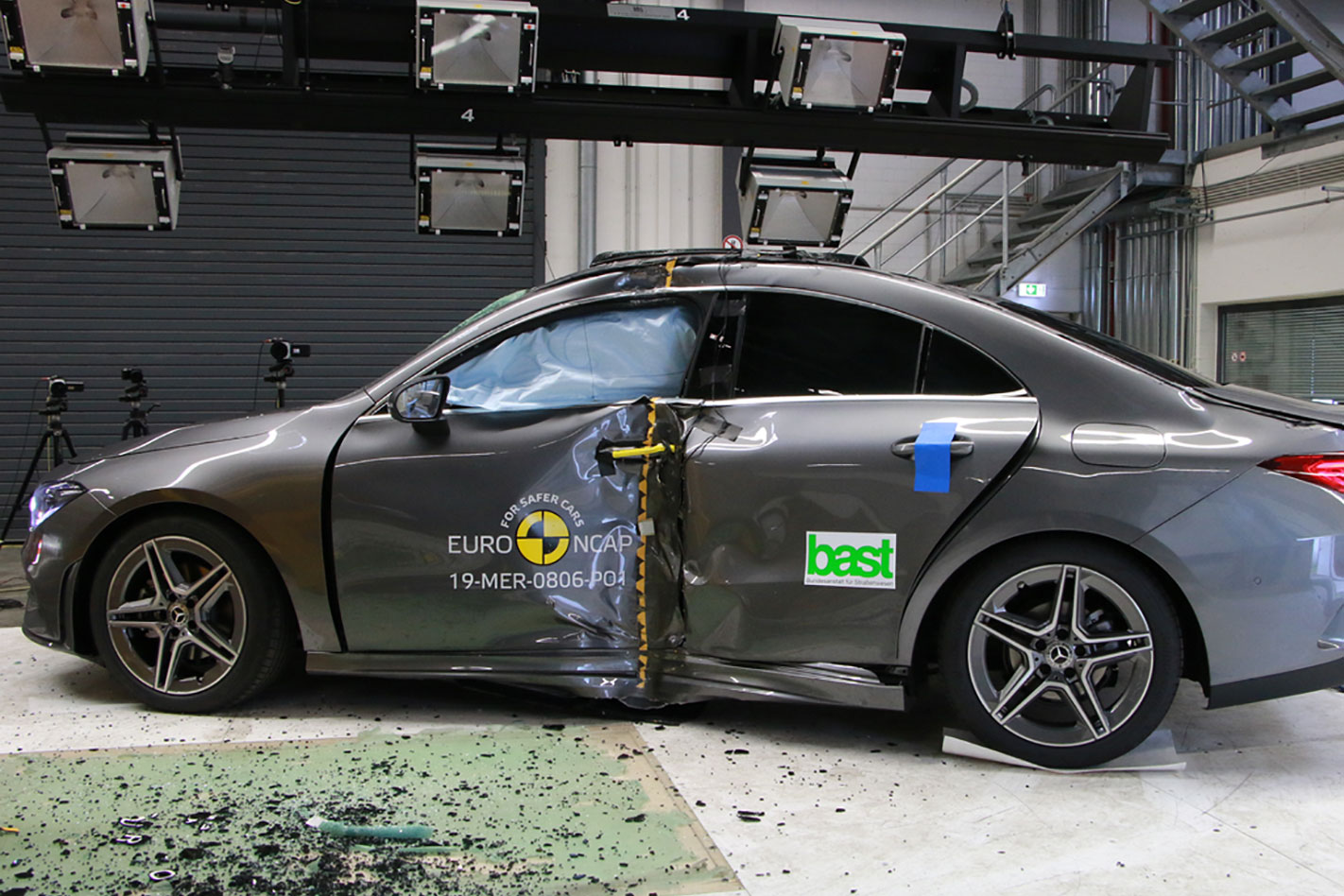
The Mercedes-Benz CLA, Tesla Model X and Tesla Model 3 are the safest new cars of 2019 according to the Australasian New Car Assessment Program (ANCAP).
Swoopy styling hasn’t hampered the CLA, with its overall score of 90.2 percent helping it claim the title as the highest-rated car of 2019 followed by the Model X (89.6 percent) and Model 3 (89.4 percent).
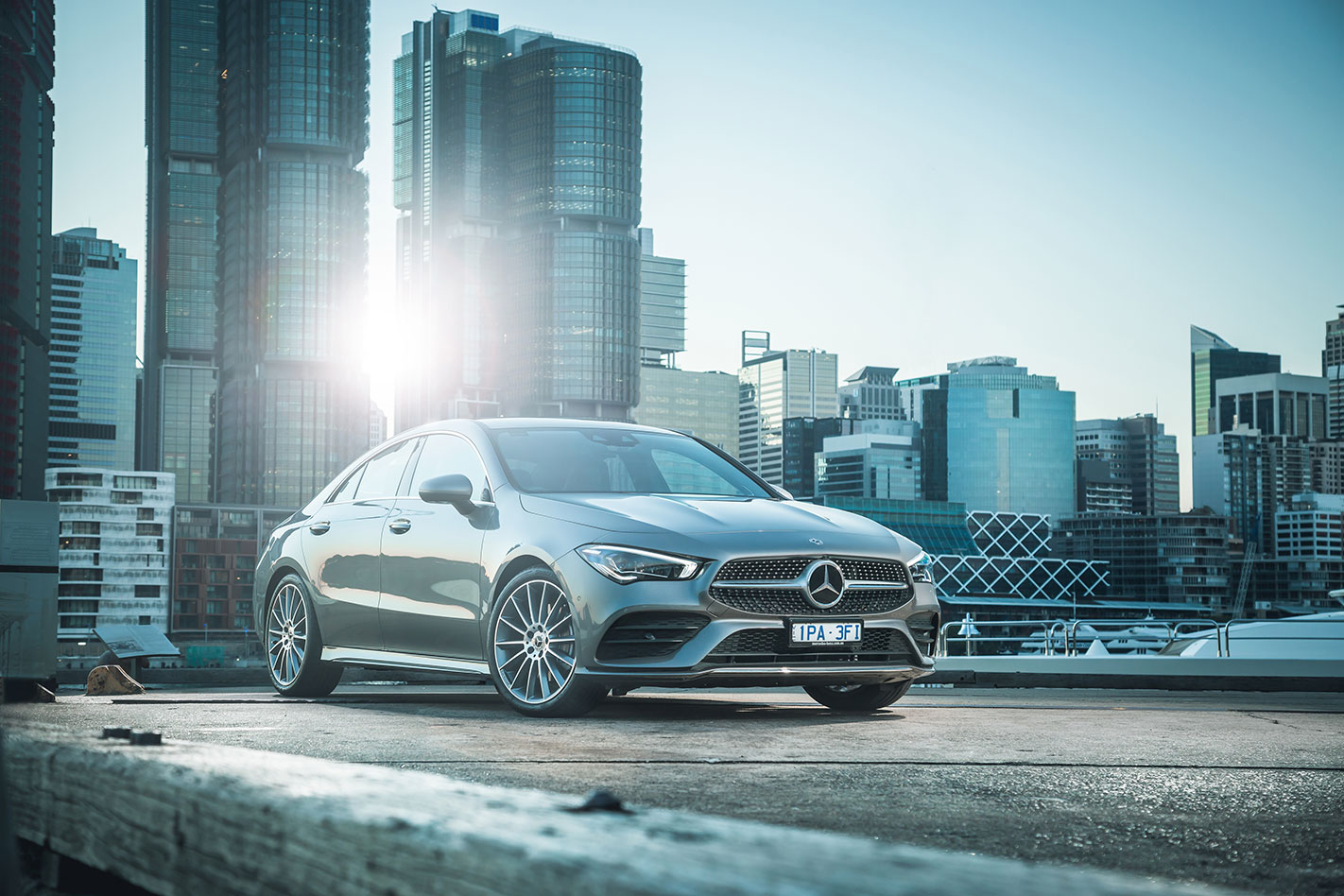
All three stacked up well against the Euro NCAP scoring system, too, with the CLA branded the safest small family car, while the Tesla took out the large off-road and hybrid and electric categories with the Model X and Model 3 respectively.
According to ANCAP Chief Executive, James Goodwin, the Tesla Model X scored remarkably high for occupant protection.
“The Model X received a record-equalling high score of 98 percent for Adult Occupant Protection, with full points awarded for the protection of the driver in all four of the full-scale crash tests – frontal offset, full-width, side impact, and oblique pole,” Goodwin said.
The car in which the Model X shares that record with is the Mazda 3, which also scored an impressive 98 percent for occupant safety followed by the BMW 3 Series with 97 percent.
At the opposite end of the spectrum, the top-two offenders in this regard are the Jeep Wrangler at 60 percent and the Suzuki Jimny with 73 percent.
Safety systems, like AEB, either aid or hamper a particular car’s score palpably – this is an area where the Teslas excelled.
“Both the Model X and Model 3 achieved the highest Safety Assist scores recorded to date at 94 percent – well ahead of all others rated this year [2019],” Goodwin said.
Interestingly, given the Japanese marque is the highest-selling brand in Australia, Toyota claimed four of the 10 overall categories.
Of note is the HiAce, the first commercial van to be tested by ANCAP, which performed “exceptionally well against the stringent 2019 criteria”, while the top-selling Hilux reigned supreme in the utility segment.
In total, 40 cars were tested down under in 2019 with 33 of them achieving the sought after five-star rating.
Globally, 55 cars were assessed by Euro NCAP in 2019, with 41 of those vehicles achieving a five-star safety rating by the international body.
TOP PERFORMERS BY CATEGORY ACCORDING TO ANCAP
| Category | Vehicle | Overall score |
| Light car | Audi A1 | 86.6% |
| Small car | Mazda 3 | 88.4% |
| Medium car | Mercedes-Benz CLA | 90.2% |
| Large car | Audi A7 | 86.0% |
| Small SUV | Lexus UX | 89.0% |
| Medium SUV | Toyota RAV4 | 88.6% |
| Large SUV | Tesla Model X | 89.6% |
| Utility | Toyota Hilux | 89.0% |
| Van | Toyota HiAce | 87.4% |
| People mover | Toyota Granvia | 87.8% |
