
What is it?
The Kadjar is the latest Renault SUV to enter the Australian market and it bridges the gap between the French car maker’s Captur crossover and mid-sized Koleos.
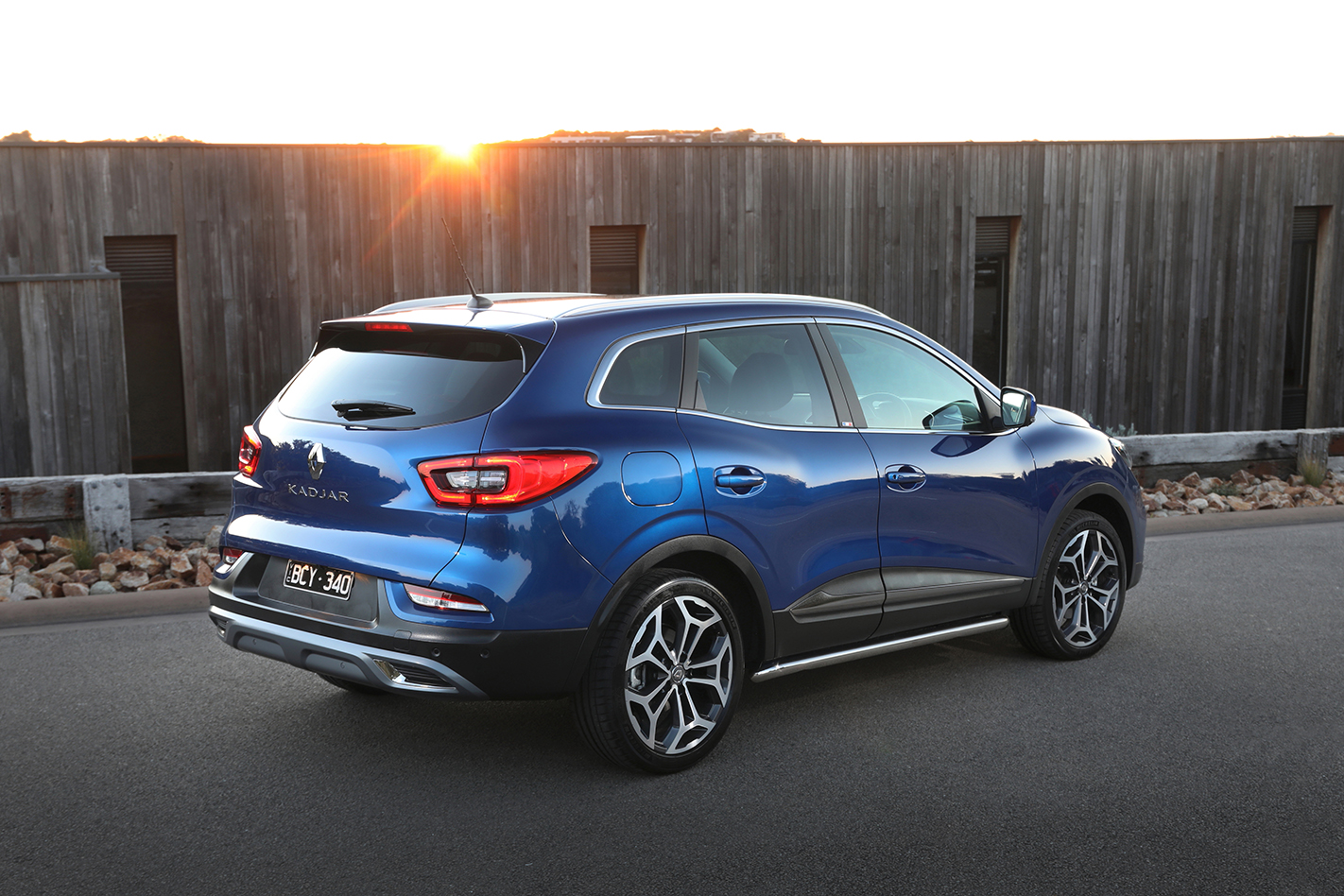
It’s based on the Nissan Qashqai but brings significant differences including a punchy 1.3-litre turbocharged engine sourced from Mercedes-Benz, enhanced infotainment and more sophisticated interior design.
First launched overseas in 2015, it recently underwent a significant update and it’s the new model that arrives in Australia in three spec grades: Life, Zen and Intens, which retail for $29,990, $32,990 and $37,990 respectively before on-road costs.
We’re driving the Intens range topper, which is likely expected to be one of the more popular variants in the Kadjar range alongside the mid-spec Zen.
What’s it like to live with?
The Kadjar is a comfortable and well-equipped small SUV, particularly when you get to the higher-grade Zen and Intens versions.
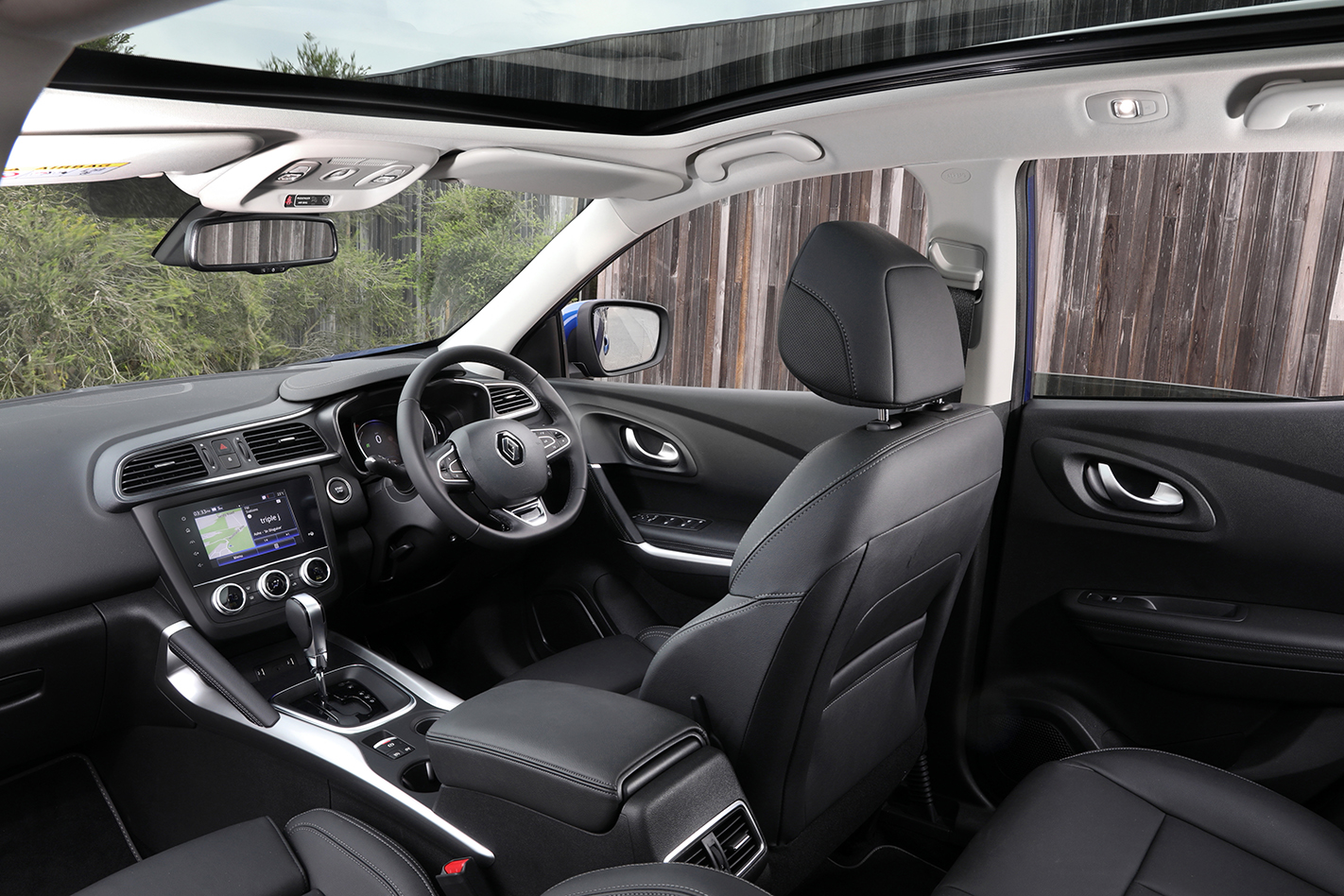
It features a 7.0-inch touchscreen with Renault’s R-Link 2 infotainment system that incorporates in-built satellite navigation and Android Auto/Apple CarPlay phone connectivity. The infotainment menus are easy to follow, but the screen seems a little small by contemporary standards, particularly when trying to view reversing camera images.
Being a Renault, there are audio controls on paddles behind the steering wheel that take a bit of getting used to. Then there’s the mostly unmarked cruise control buttons on the steering wheel, that set or resume, with a separate button on the centre console for switching between speed limiter and cruise control – it’s unorthodox but easier to use than other cruise control systems once you get it.
The interior is stylish and European in feel, while the digital gauge display looks sharp and offers a choice of designs and layouts.
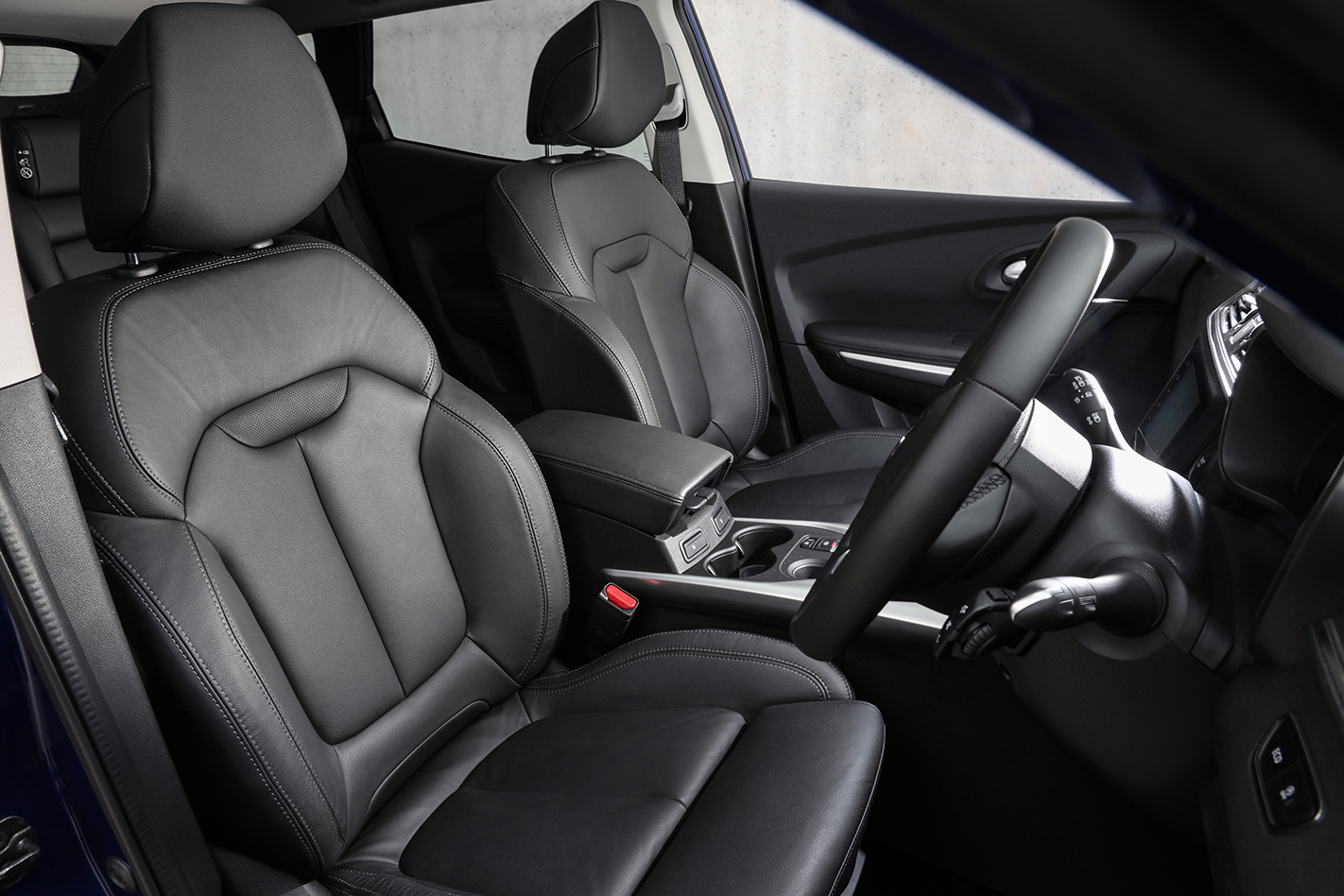
The Intens’ leather-appointed front seats are heated and feature deep side and hip bolsters with the bottom cushions extending to provide under-thigh support. The driver’s seat has power adjustment including lumbar support.
In the second row, seating is also reasonably comfortable, with good leg room and enough space for three adults for shorter trips or two in comfort for longer drives. Three children can be easily accommodated and there are ISOXFIX child-seat mounts for the outer seats.
Rear-seat passengers get their own heating/cooling vents, two USB ports and a 12-volt socket. Storage includes map pockets behind each front seat, door bins that hold 1.5-litre bottles, and two cupholders in the fold-down centre arm rest. Side vision is good despite the rising shoulder line.
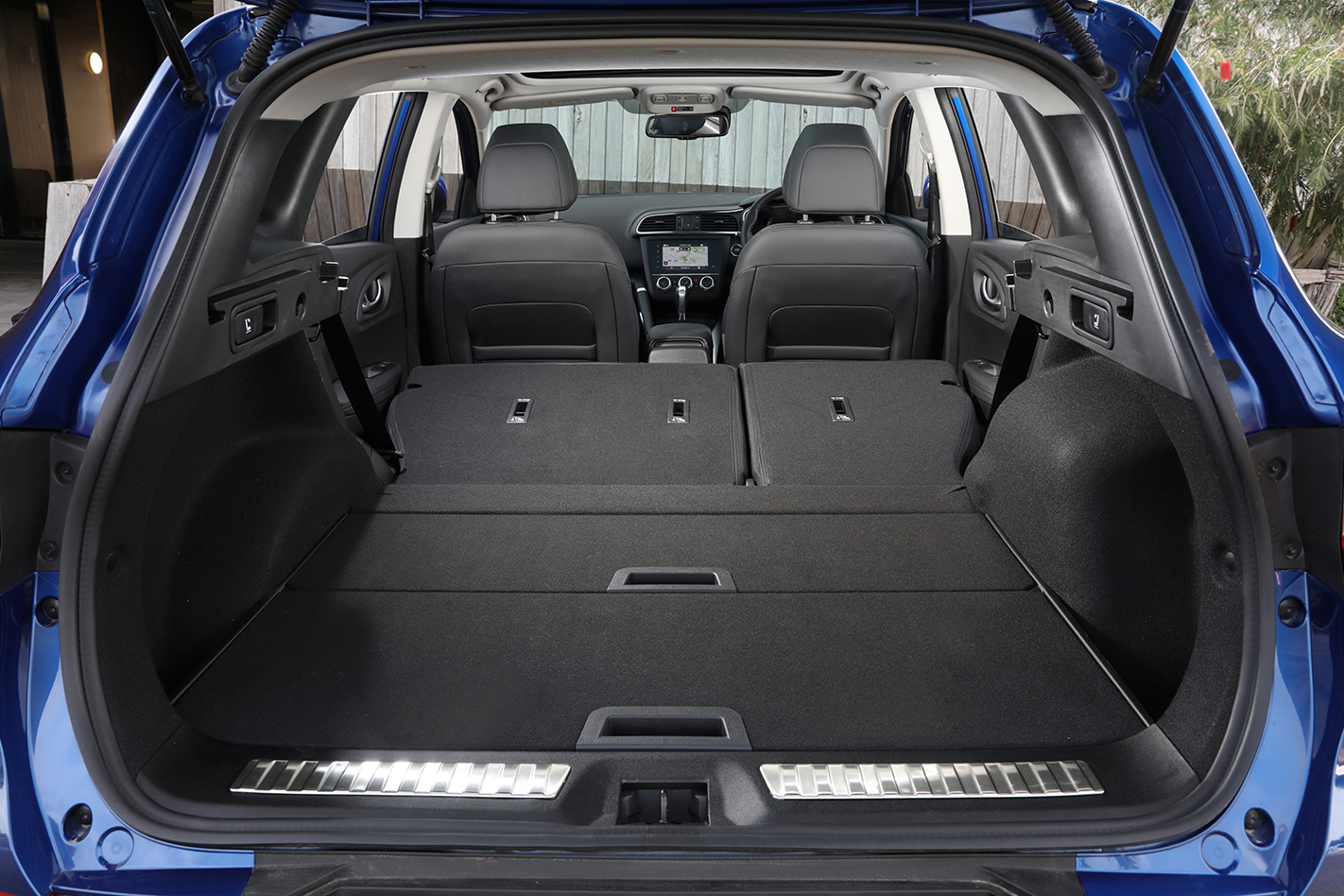
The Kadjar has a 408-litre boot space (22 litres smaller than the Qashqai), but the 60:40 split seats can fold down instantly using catches in the boot space to extend cargo carrying capacity to 1478 litres.
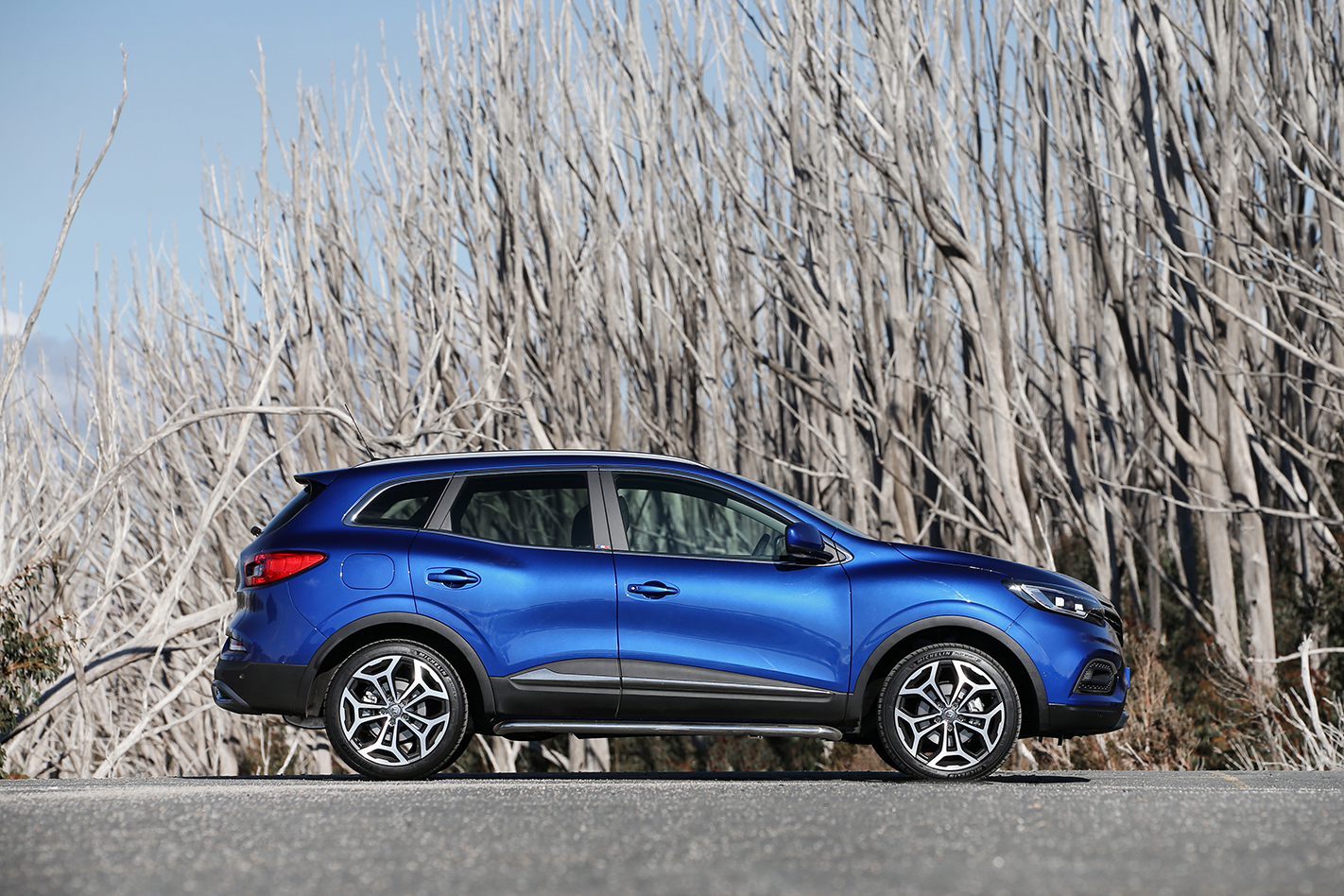
On the road, the Kadjar provides a comfortable and smooth ride, though more so in the Life and Zen variants that roll in 17-inch rims. Their chunkier rubber absorbs bumps better than lower-profile tyres on the Intens’ 18s.
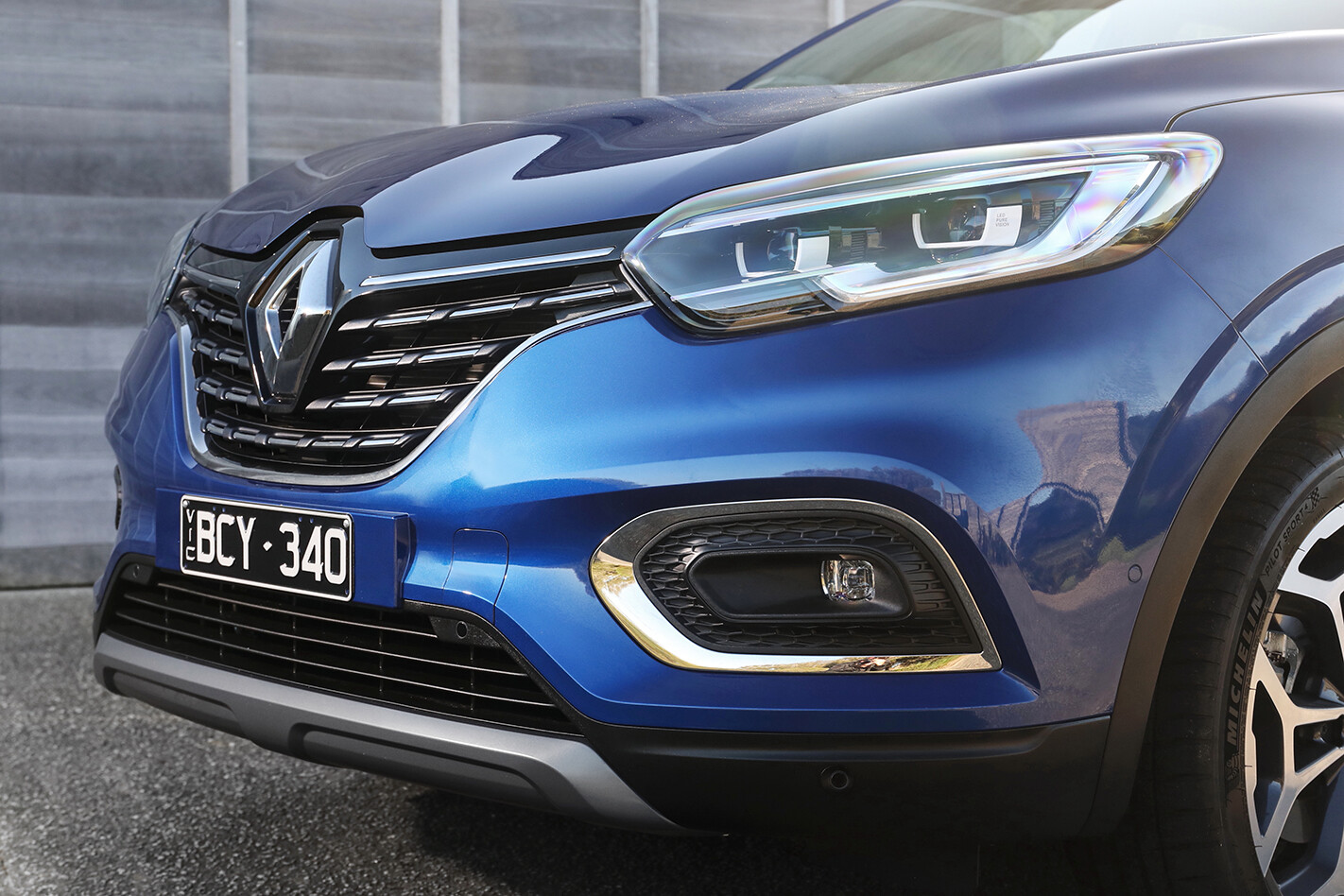
Cabin noise is remarkably low, there’s little wind noise and you only really hear the tyres on coarser surfaces, with the 17-inch rubber a little quieter.
The Kadjar is equipped with autonomous emergency braking, which at this stage doesn’t offer pedestrian or cyclist protection. Other driver assistance features standard to the Intens spec include automatic hands-free parking, blind-spot warning and lane departure warning, rain-sensing wipers, front/rear/side parking sensors, dusk sensing headlights, and fog lights that double as cornering lights.
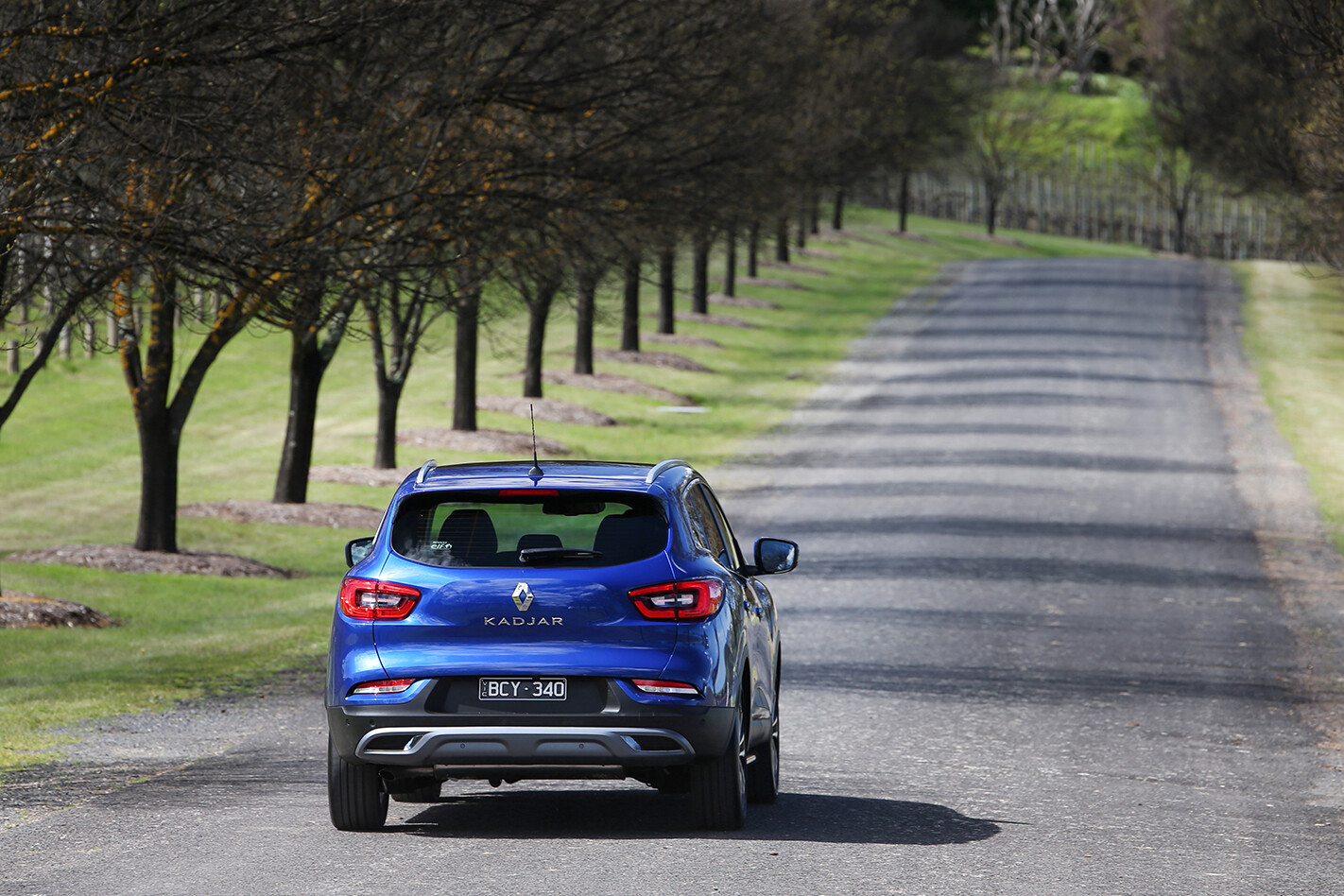
The Intens also comes with a range of desirable premium features including a Bose sound system, ambient lighting, puddle lights, chrome exterior trim, and a huge panoramic sunroof.
The 1.3-litre four cylinder turbocharged petrol engine meets strict Euro6 emissions standards and has a frugal official combined fuel consumption rating of 6.3L/100km, though it does require pricier RON 95 premium unleaded petrol.
Each Kadjar variant is covered by a five-year, unlimited-kilometre warranty, with five-year capped price servicing and free roadside assistance available.
What’s it like to drive?
The name Kadjar loosely translates to ‘agility on four wheels’ which is a fair description of Renault’s small SUV.
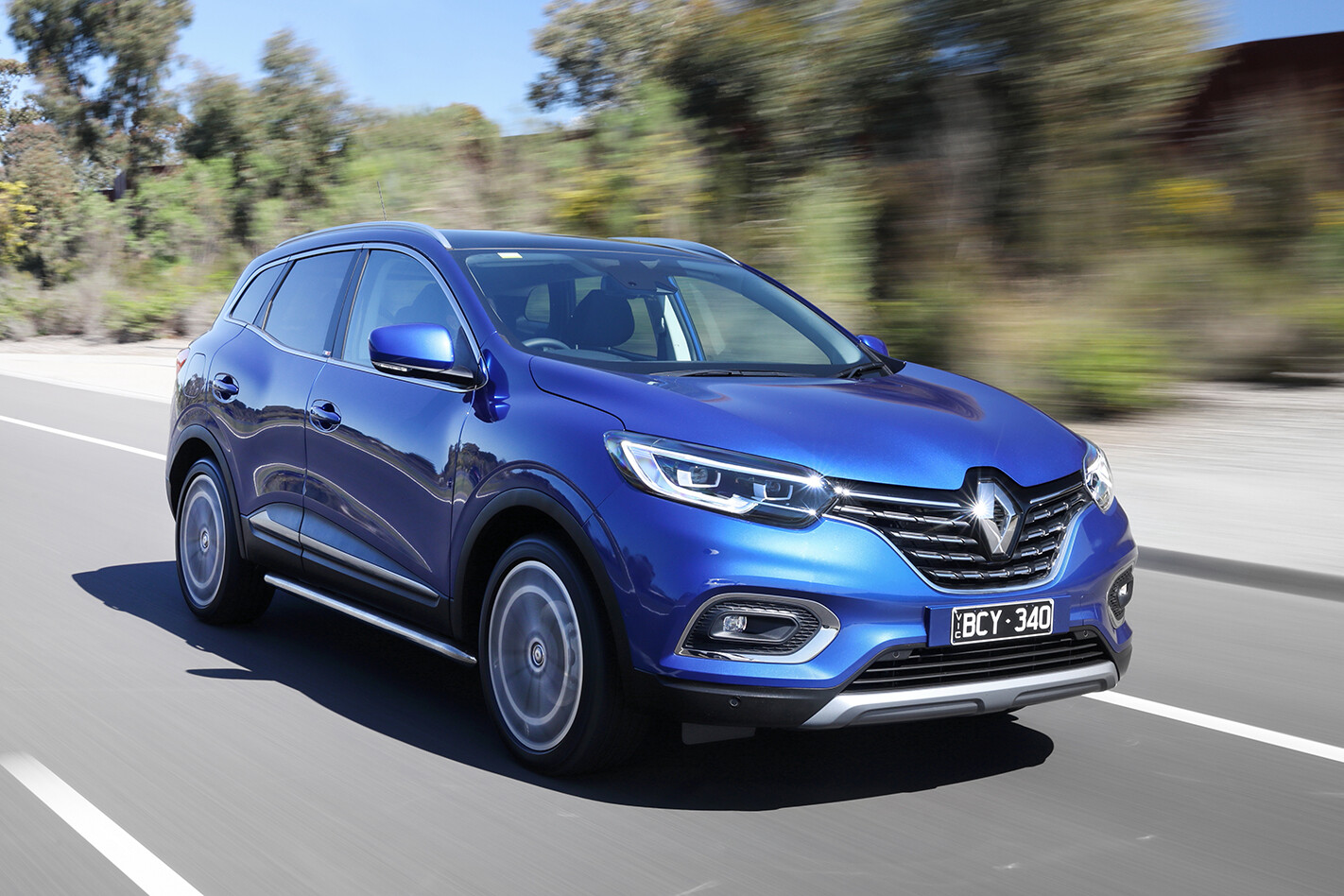
Like the Qashqai, it’s enjoyable to drive, with the 117kW/260Nm 1.3 litre turbo giving the French car (that’s built in Spain with a German engine and Japanese chassis) some added zip.
The engine is similar to the one found under the bonnet of Mercedes-Benz A200, but with a slightly different tune. As in the Benz hatch, it’s coupled to a seven-speed dual-clutch automatic transmission, though this is a Renault gearbox that’s also found in the Alpine A110. One of the issues with the A200 however, is a considerable lag when you put your foot down – you don’t get that in the Kadjar.
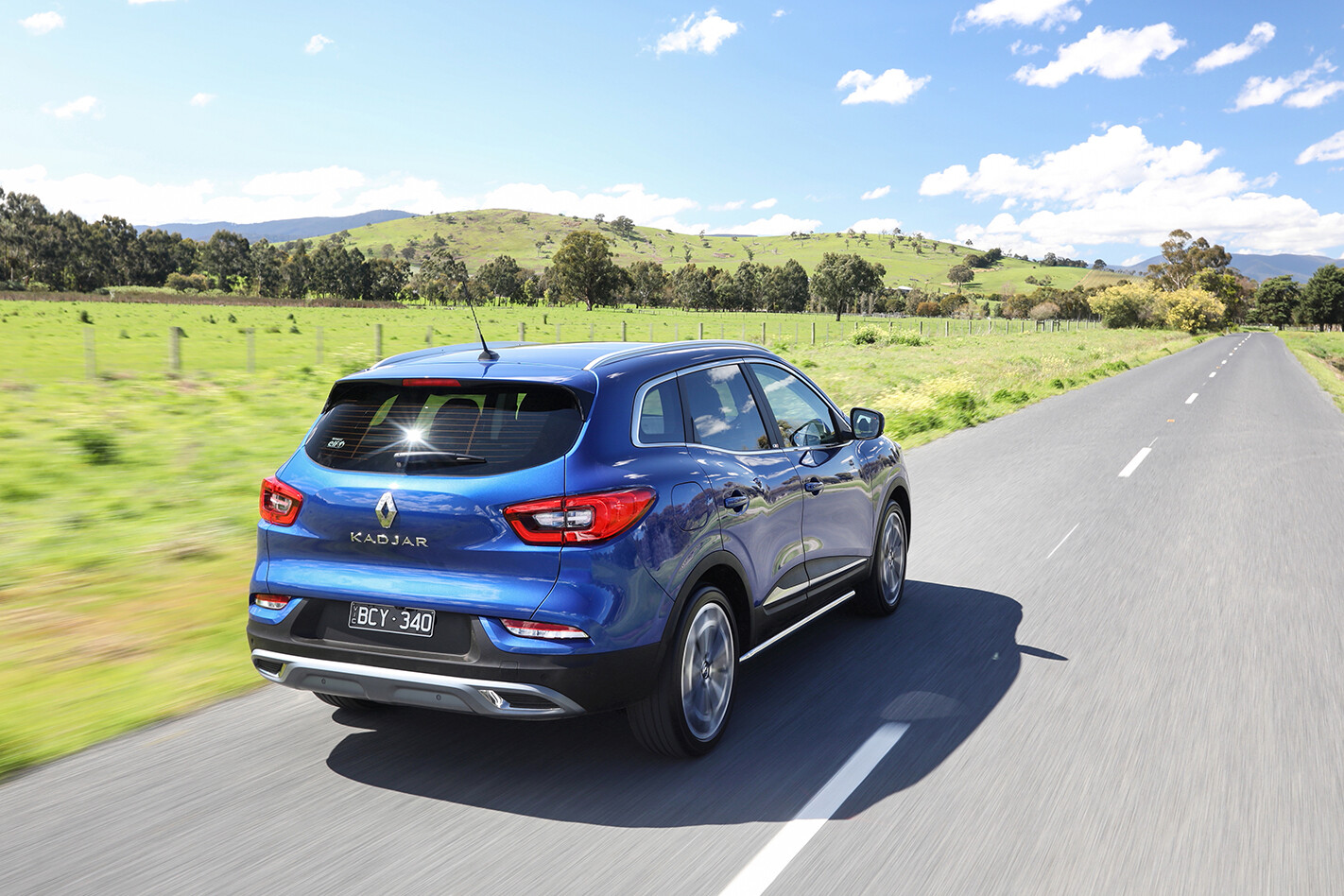
The front-wheel-drive Kadjar accelerates from zero to 100km/h in a relatively tame 9.6 seconds, which is about half a second quicker than the 2.0-litre Qashqai. It’s very good with stop-and-go city driving, which isn’t always the case with dual-clutch shifters, and it feels quite eager once you get beyond 60km/h.
The comfortable ride is unruffled by country roads including gravel, but the handling loses composure on bends with noticeable body roll and light steering that feels disconnected from the front wheels.
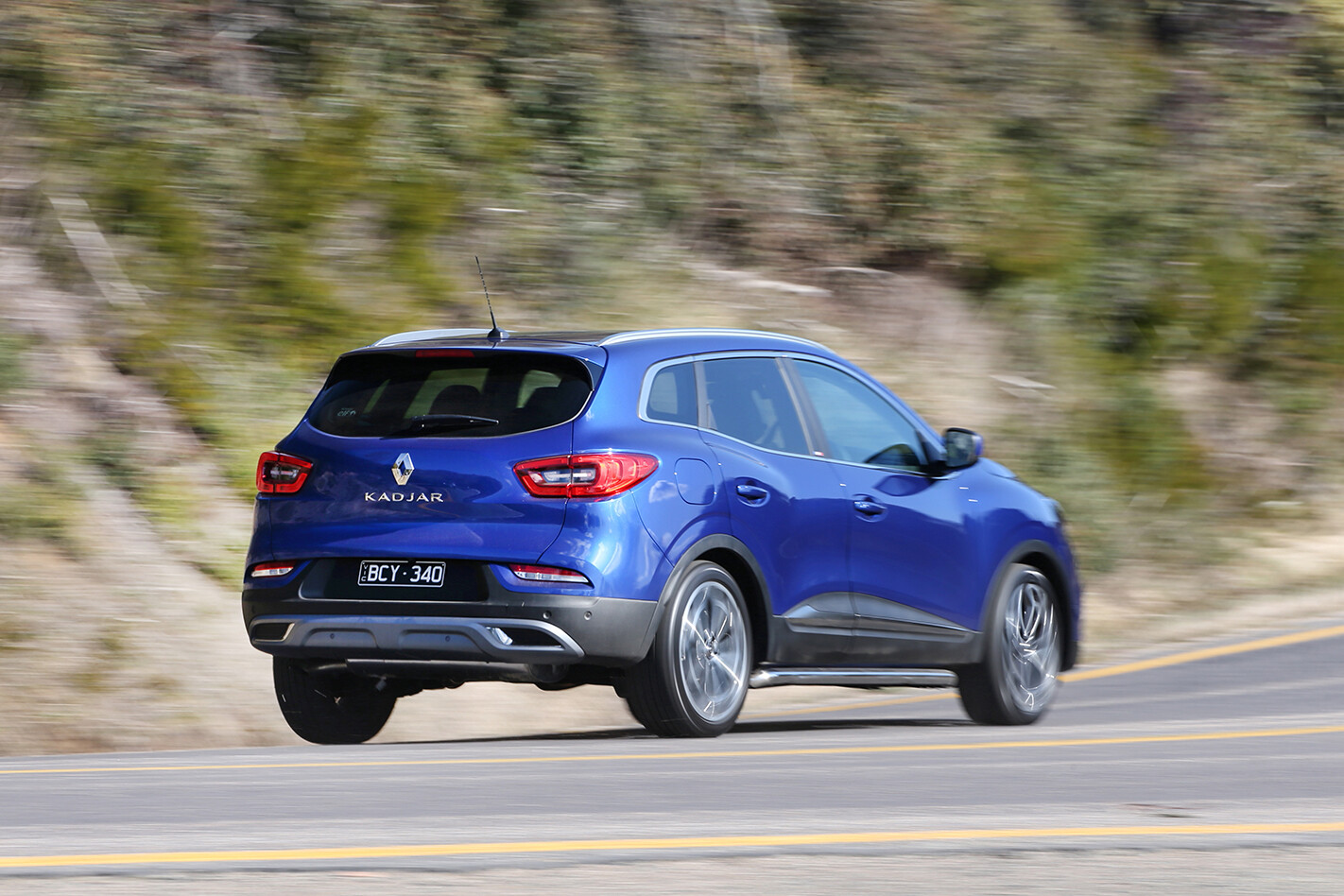
Unusually, this is more pronounced with the Intens’ 18-inch wheels, while the 17-inch deeper tyre walls provide a little more feeling through the tiller.
That said the steering is fast and light, and comes into its own about town, which helps make the Kadjar very easy to park, negotiate tight spots and live up to its name.
Is it worth it?
If you’re after something a little different and with European styling and premium features to suit, the Intens sub-$40k retail price represents a bit of a bargain that compares well to similarly equipped Japanese and Korean rivals.
However, the mid-spec Zen is the pick of the Kadjar range. Its $3000 premium over the entry-level Life is great value for the additional comfort and safety features it brings.
The $5000 you’ll save by not opting for the Intens means you’ll miss out on some attractive features, but will retain the important safety kit and gain slightly better ride and handling. And if you really want the glass roof, you can have it along with an auto-dimming mirror as a $1000 option.
Just like the union of fine journalists each week in the WhichCar Weekly studio, two automotive giants have, this week, announced they will join forces to become the fourth largest maker in the world.
Dan, Scott and Tony discuss exactly what the merge of FCA and PSA might mean for the future of global manufacturing and how the significant collaboration will affect the cars coming to Australia.
If that all seems a bit much to digest then Ferrari and McLaren unveiled one new model each for well-heeled sportscar fans who are after something fast, knee-weakening to look at and highly exclusive.
Find out what makes the Ferrari Roma an ‘entry-level’ option and why Dan believes the McLaren Elva is too expensive.
While Tony and Scott are quite used to the feeling of Nomex on skin, Dan is very green in the racing scene, but has veritably popped his competition cherry at the Street Machine 2019 Drag Challenge.
With a mighty supercharged Chevrolet Camaro as his steed, the complete novice has completed his first passes and, contrary to everyone’s predictions, isn’t doing a bad job.
If you’re on the go, you can find WhichCar Weekly on all manner of podcast apps including iTunes and Podbean. Please rate, subscribe and leave a review! You can also follow the day-to-day happenings of the WhichCar team on Facebook, Twitter and Instagram @whichcarau.
Listened to the show? Help us out:
- Leave a note in the comment section below.
- Leave a review on Apple Podcasts/iTunes
- Subscribe to our podcast
So, what’s Ford v Ferrari about? Is it just another racing movie?
Ford v Ferrari – also known as Le Mans ’66 in other markets – examines one of the most storied tet-a-tets in the history of the automotive industry.
Here’s some historical background. Looking for a way to sass up its car division, the great-grandson of Ford’s founder, Henry Ford II (“James Bond doesn’t drive a Ford, sir,” he was told) sent an envoy with US$10 million to Enzo Ferrari with an eye to purchasing the then-fledgling sports car maker, but they were sent packing by the irascible Italian.

A fire was lit, and Henry Ford II gave noted US racer and car builder Carroll Shelby (played by Matt Damon) carte-blanche to build a racing car capable of showing Ferrari who was boss. In just three months.
Give or take some movie-house timeline stuff, Ford v Ferrari is a pretty accurate depiction of what happens when a mega-rich automotive titan’s ego is bruised.
But it’s also a story of Shelby’s rise to fame, the untold tale of his British friend and driver Ken Miles and the uneasy pivot for them both between the maverick ways of true garagista racers and the corporate subterfuge the runs rampant through one of the world’s true industrial powerhouses.
Is Ford v Ferrari for car nerds, or can I take the family to watch?
Director James Mangold, whose credits include the excellent Johnny Cash biopic Walk the Line and the last Wolverine tale Logan, has woven reasonably decent racing action among the drama of a typical ‘beating impossible odds’ tale. It’s reasonably long at almost two and a half hours, but it’s pretty entertaining all the way through.
There is some poetic licence if you know what you’re looking at – the scenes at Ferrari aren’t shot within 5000km of Maranello, for example – but on the whole, Ford v Ferrari is a car flick even the Better Half will enjoy.
What about the cars in Ford vs Ferrari?
Well, of course the main protagonist is the Ford GT40 MkII, which (spoiler alert) swept the 1966 Le Mans podium, with New Zealanders Bruce McLaren and Chris Amon in the lead car.
Some 420 cars were sourced for the movie, including 50 race cars… but don’t think for a moment that any of the on-track action is shot using original cars. Conservative estimates on the replacement cost of a 1969 Le Mans-winning GT40 are in the region of $150 million!
A South African company, Shelby Legendary Cars, provided most of the Shelby Cobras, GT40s and Daytonas used in the film.
It’s a similar story for the Ferrari 365 Spyders seen in the movie, as well as the countless period cars scattered throughout the shoot.
Cool. Anything I should watch out for in Ford v Ferrari?
The bloke who plays Ken Miles, Christian Bale, apparently had to lose 30kg for the role, after beefing up for another part. The Brit was also, according to the movie’s stunt coordinator Robert Nagle, the best actor ever to pass through his race driving school.
While the part in the film where Ford II is taken for a ride in the GT40 is true, Miles actually did the driving – and there’s no evidence that the boss broke down in tears at the end.
If you’ve got eagle eyes, former Le Mans winner Jackie Ickx can apparently be spotted in a crowd scene at Le Mans.
Ford apparently spent US$25 million in the months leading up to the 1966 race – or the better part of US$200 million in today’s numbers – to field 15 cars in the race.
Compare that to the estimated 2018 spend of Mercedes F1 – $400 million against income of $405 million for an entire season – and you get an idea of how committed Ford was to the cause.
And if you don’t think Matt Damon is right for the role of Carroll Shelby, then consider that Tom Cruise and Brad Pitt were both considered.

Interestingly, the project has been on the drawing board at Fox Studios for the better part of a decade before making its debut on the silver screen.
Is Ford v Ferrari worth seeing?
It’s a long film, and you’ll enjoy it more if you’re a racing buff, but it’s a lot more accessible than the Steve McQueen arthouse-styled Le Mans, and (in my opinion) it’s a better flick than the recent 1970s F1 pic Rush.
Want to see more ripper car movie reviews? Click here for Street Machine’s huge review library!
Shopping for a new car is riddled with jargon that might come across as gibberish to some, and unless you’re in-the-know you mightn’t immediately understand the difference between the terms leather, leather-appointed and leatherette.
But there are stark differences between the trio, so make sure you go into a car purchase armed with the right sort of knowledge.
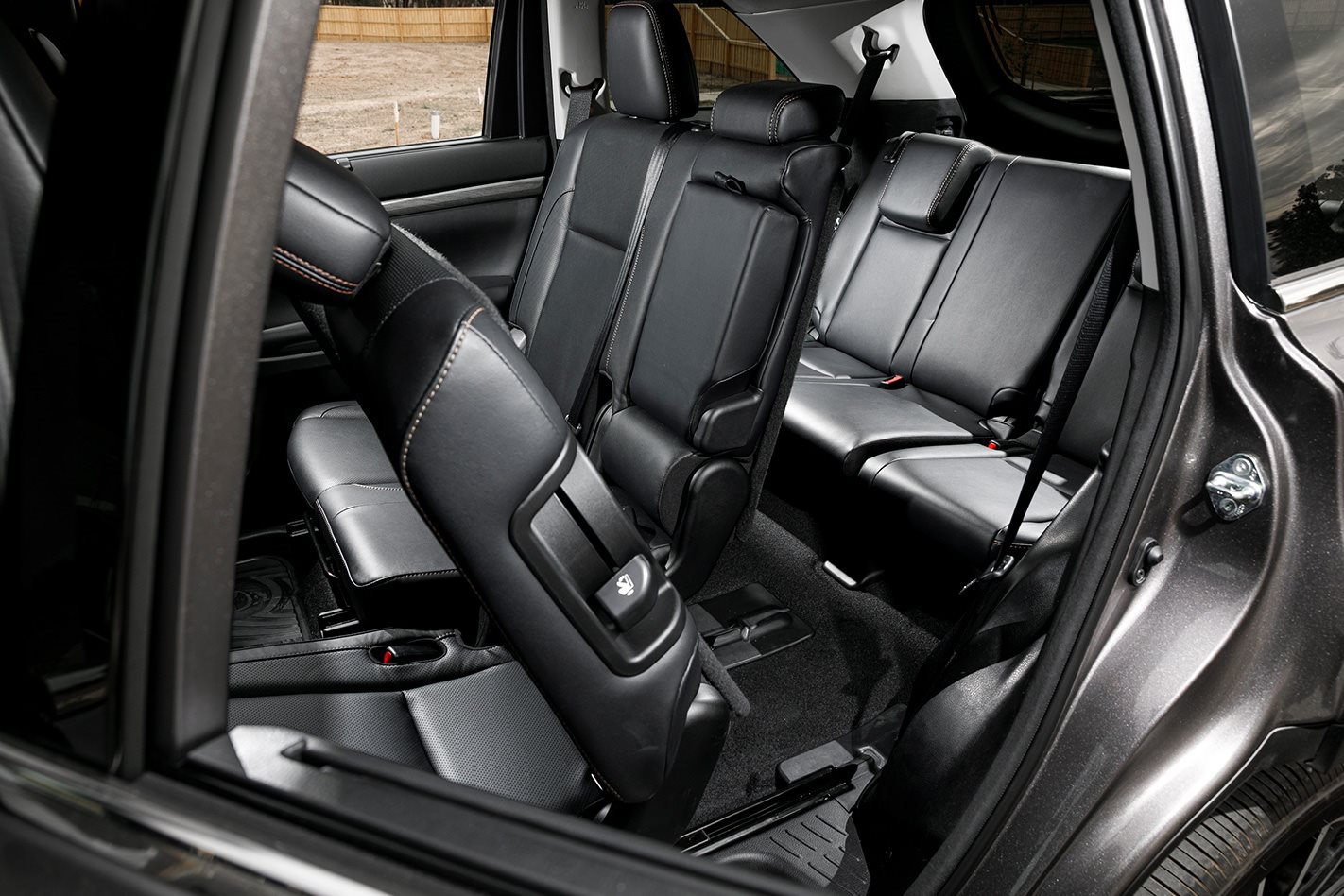
Leatherette upholstery describes interiors that are fitted with fake leather. That is, man-made leather than mimics the look and feel of the real thing. There are a number of reasons why manufacturers opt to use leatherette material – often referred to as ‘pleather’ – over genuine leather, such as the cost of production, durability, its resistance to stains and spills, plus the ethical impact of a non-animal-sourced upholstery.
Leatherette usually contains substances like polyurethane or vinyl, and does a very convincing job of looking like real leather. Typically, leatherette has superior ability to repel foods/drinks should the occasional spill occur, while they also are much easier to clean.

A middle-ground solution that manufacturers often use is called leather-appointed (or leather accented) seats, which include a concoction of both real and man-made leather. This mix usually strikes the best cost/value balance by supplying real leather (or a mix of real and fake) where you sit for ultimate breathability and tactile appeal, while parts like the bolsters and edges are covered in a man-made product for durability and lower cost.
Nothing can substitute for real leather though, and although the cost to upholster a car with leather far outweighs that of leatherette, the perceived product is superior, it breathes better and many like the aroma of genuine hide.
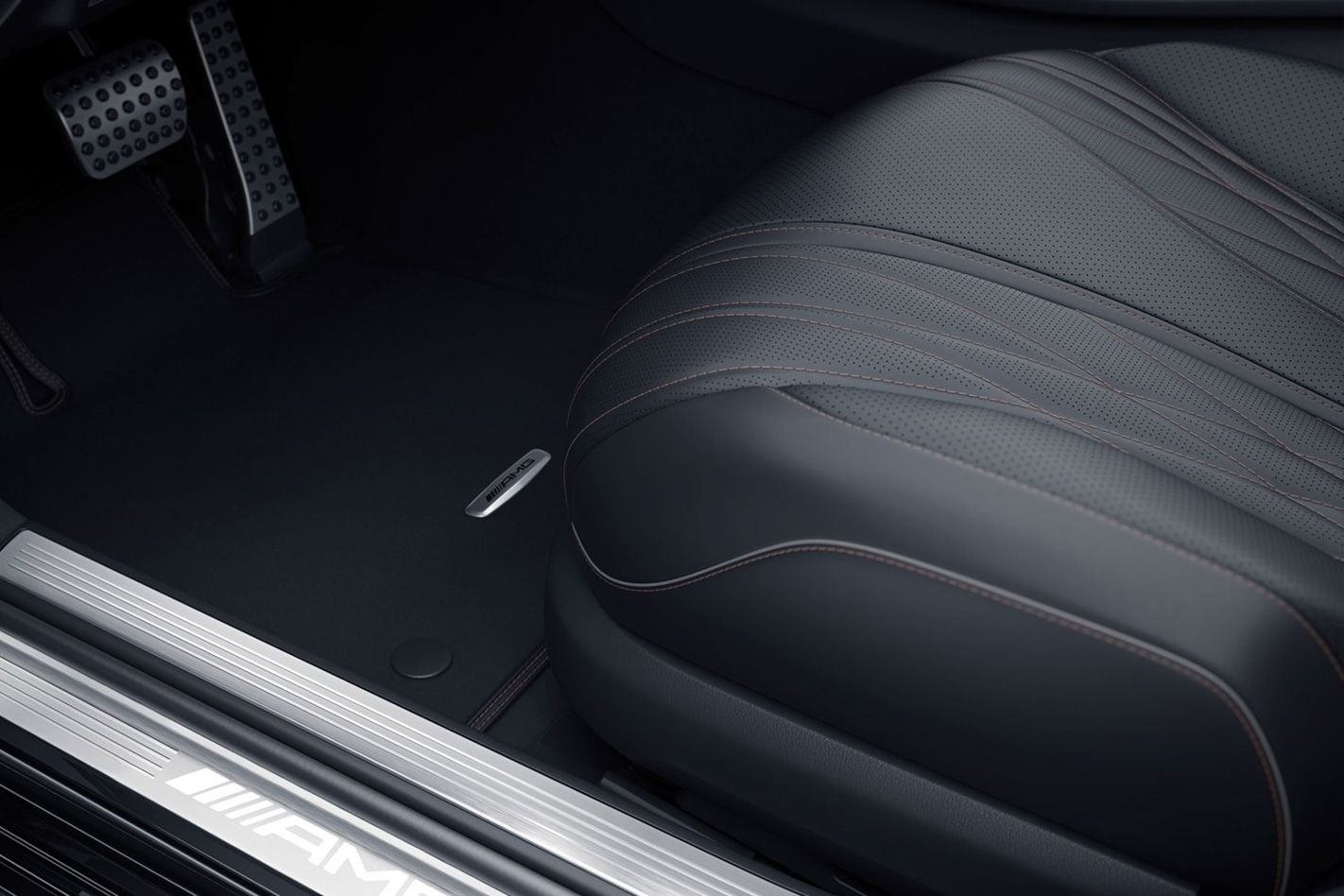
That said, there is a movement toward cruelty-free vegan products these days and in the future we wouldn’t be surprised to see less and less of real leather making up car interiors. This is why many car makers are moving toward vegan interiors and using more recycled materials.
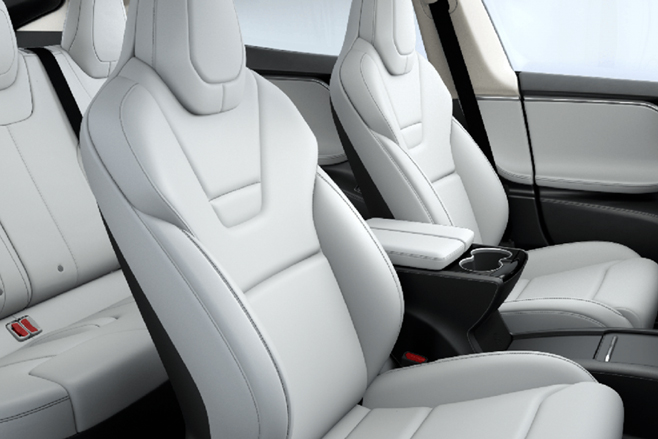
There are a number of tell-tale signs to determine whether a material is real or fake, should you be in doubt. If a manufacturer doesn’t indicate whether a product is fake or real, you can tell by either smelling it (leather has a distinct smell that can’t be replicated), testing the texture (fake leather is often overly smooth and plastic-feeling) and studying the pattern. Real leather has pores, minor imperfections and variations in its grain that show a certain strain because it’s a natural product. If it looks very consistent, it’s likely not the real deal.
If in doubt, compare with a sample piece of real leather that you know is genuine.
What kind of interior do you prefer in your car? Leatherette, genuine or even cloth seats?
All stories in this series
We criticised the pre-facelift GLC’s ride for being too firm on the car’s standard steel-sprung suspension. The Series II facelift addresses that concern. The result is a softer ride that’s well attuned to the demands of urban driving but may be less fulfilling for the driver who relishes a more upbeat tempo on B-roads outside the big smoke. Options offer a way past this, with active dampers that were previously the reserve of the GLC Coupe, or air-suspension with active dampers and adjustable ride height. Big boosts to infotainment and style are sure to win over customers in the showroom, while new engines strengthen the offering, and don’t have us yearning for the missing diesels.
WHAT IS THE MERCEDES-BENZ GLC 300?
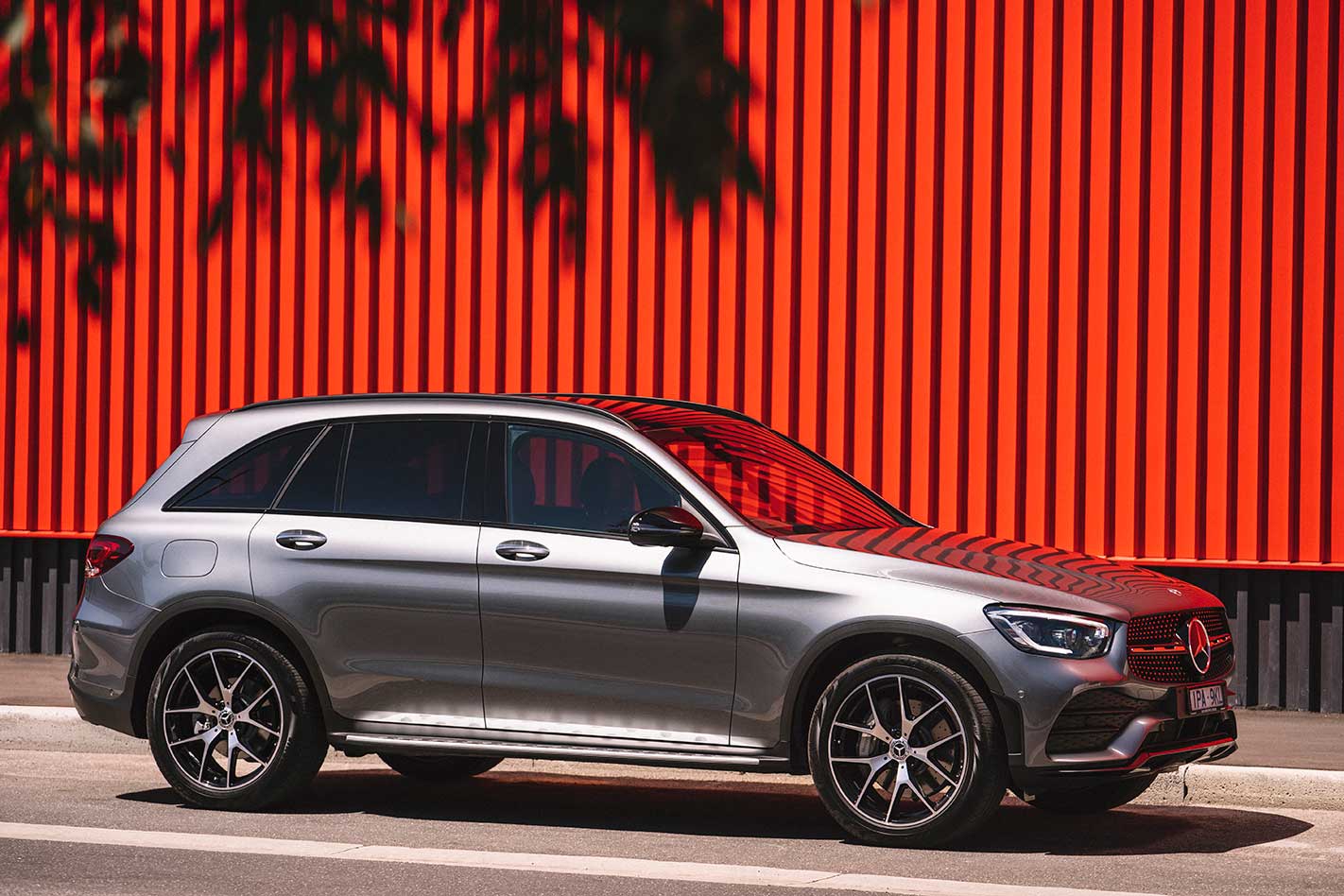
If you wanted an unsung hero of Australian new car sales, the Mercedes-Benz GLC is it. Introduced locally in 2016, it rocketed to the top of the pops for the mid-size luxury SUV market with consumers. In fact, the GLC was Mercedes-Benz’s most popular model last year, making it the most popular luxury car in the country outright. The mid-life Series II facelift has now arrived on our shores, in the hopes of maintaining the attention of buyers against more modern additions to the segment like the Range Rover Velar and Volvo XC60.
WHY WE’RE TESTING IT
Remastering a fan favourite album has its risks, and it’s our job to see if Mercedes has done the job right with the GLC facelift. In order to freshen up the mid-size SUV, Mercedes has performed the customary visual tweaks, but also conducted some important mechanical changes. Both the engine and suspension has been changed, so it’s time to see if the GLC is still singing the same tune that vaulted it to the top of the charts.
THE WHEELS REVIEW
It’s been three years since the GLC arrived on Australian soil and immediately began being driven away from showrooms in droves. In order to keep the luxury high-rider popular, a Series II facelift has been introduced, bringing with it some small but important changes.
Exterior styling has been tweaked, with new lights front and rear, along with new wheel designs, and reshaped lower bumpers fore and aft.
Mercedes-Benz’s MBUX infotainment has been added as standard, which is a massive boost over the old system, while the active safety driver-assistance package has been expanded.
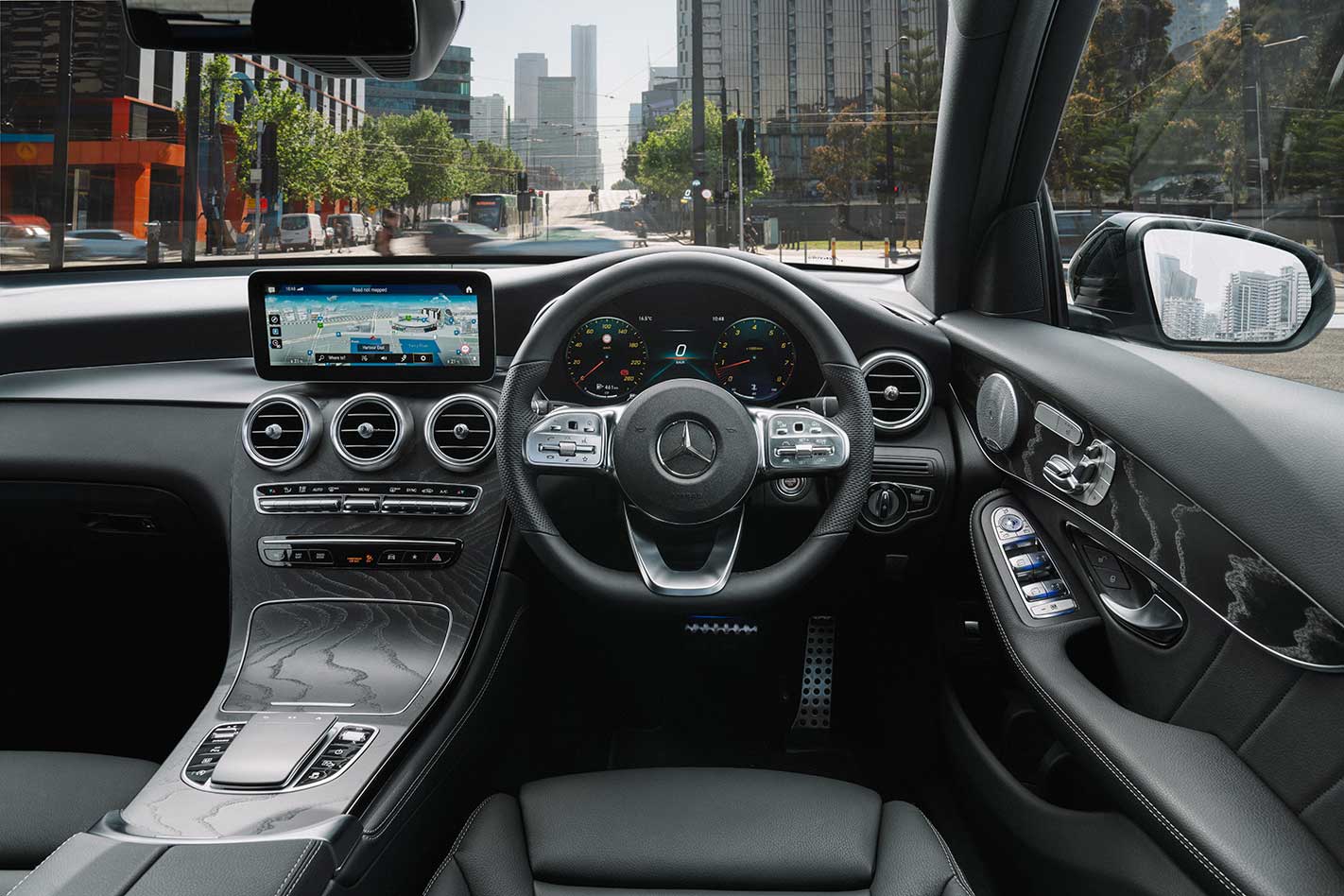
With MBUX comes the “Hey Mercedes” command system that we are familiar with in the A-Class. However, some other MBUX features that are available in other markets, such as the augmented-reality navigation system, aren’t fitted to GLC models at launch.
The model line-up for the facelift sees the diesels ditched in favour of a new plug-in hybrid 300e. The old GLC 250 morphs into this GLC 300, Mercedes reasoning its boost in outputs warranted a new name.
Currently just the GLC 200 and 300 have landed in Australia ($66,100 and $77,700 respectively). The AMG 43 and 63 duo are en route for an early 2020 arrival, with the PHEV 300e due in Q2.
Engine sizes remain unchanged for the 200 and 300, with a 2.0-litre four-cylinder turbo fitted under the bonnet of each. However, gone is the M264 unit, replaced by the M274, which brings improved performance.
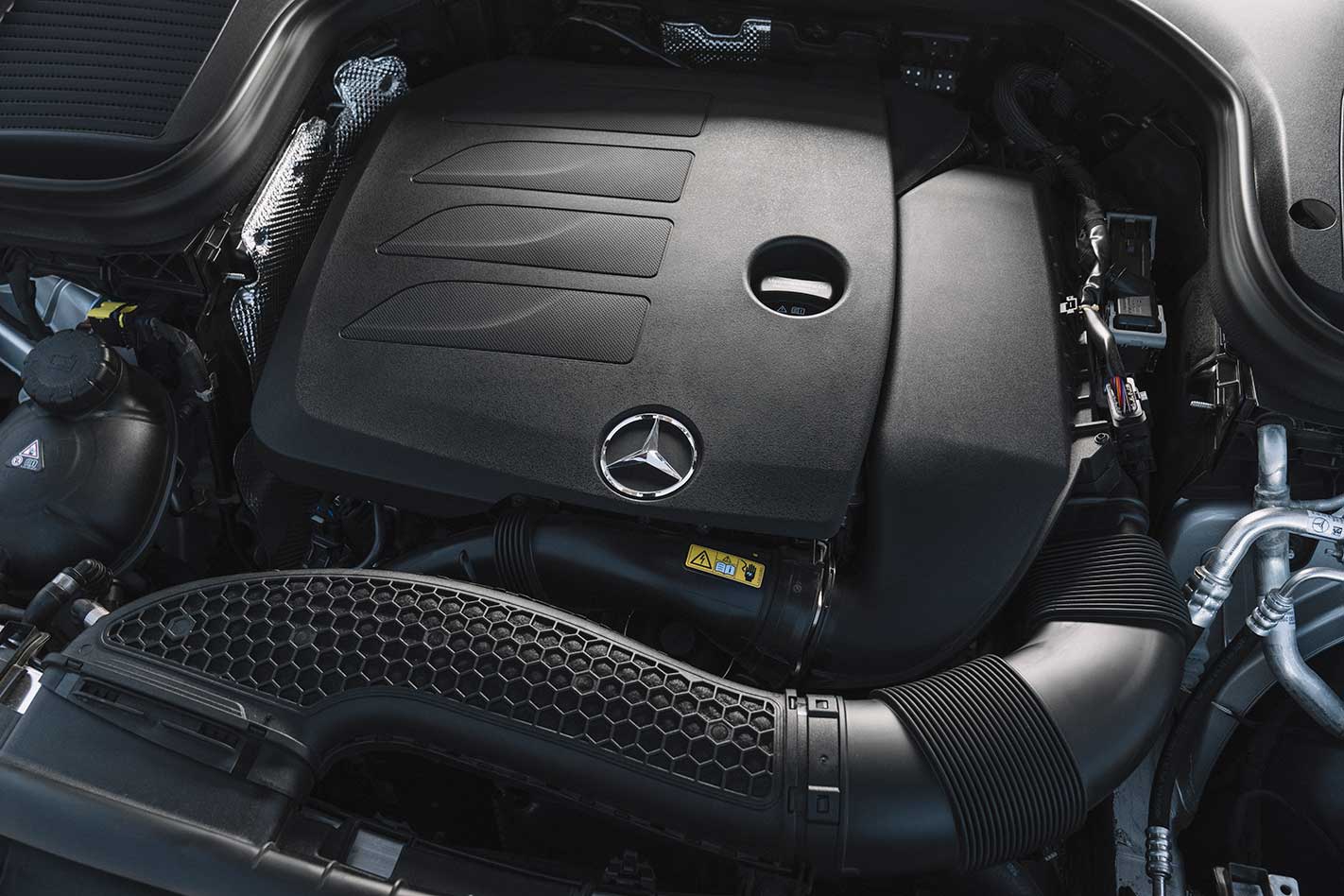
The GLC 200 now sends 145kW and 320Nm to the rear wheels (an increase of 10kW and 20Nm compared to its predecessor) via a nine-speed automatic, shaving two tenths from the previous car’s 0-100km/h time for a claimed 7.8sec sprint.
The GLC 300 rises 35kW and 20Nm to 190kW and 370Nm, fed to all four wheels via the same ’box for a claimed 0-100km/h time of 6.2sec – nine tenths quicker than the old GLC 250.
Both units are perky, and perform the job admirably, though the 300 is our pick for those spending more time out of town due to its more relaxed character.
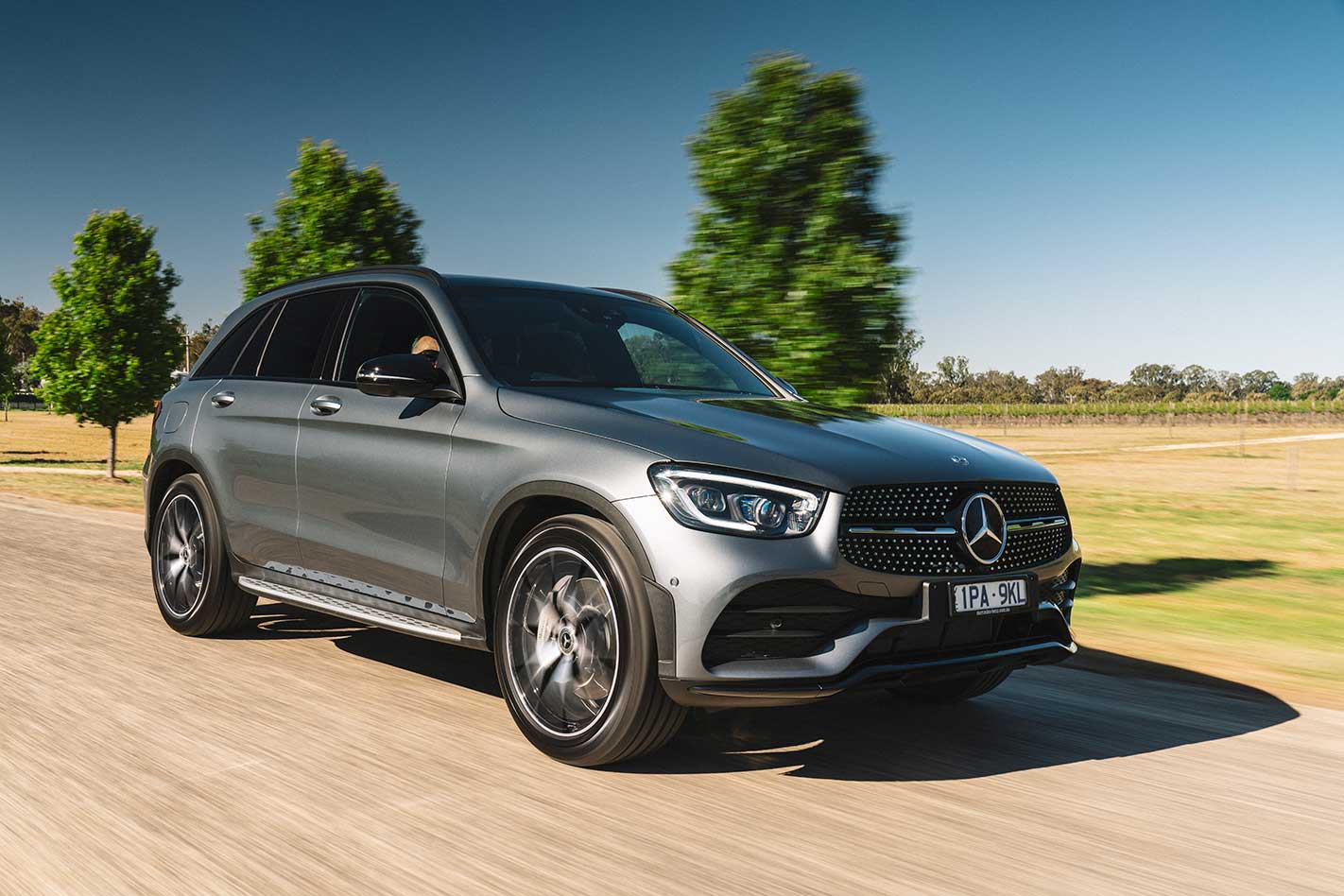
When the GLC first arrived in Australia, Wheels criticised the ride as too harsh. On this, we have both good and bad news. The good news is that the sometimes overly firm character of the steel-sprung car has been banished. The issue is that the new set-up feels like a slight over-correction. While there’s now a pleasing softness, especially in urban driving (which is, admittedly, where most GLCs will spend the majority of their time), if you’re the kind of buyer who enjoys some spirited B-road running, you’ll find that this newfound relaxed attitude towards body control dims the fun somewhat.
Our test cars rode on Pirelli Scorpion Verde run-flat tyres in meaty 255/45R20 spec (standard on the GLC 300, while the GLC 200 is fitted with 19-inch wheels from the factory).
Importantly, however, our criticism of the ride applies only to steel-sprung variants. Mercedes will offer three suspension set-ups on both the 200 and 300. Adaptive dampers are now available on the options list for the first time for $1900 (previously this was reserved only for the GLC Coupe), while those seeking even greater poise can tick the box for a full air-suspension set-up with adaptive dampers and an adjustable ride height.
Only steel-sprung cars were available for us to drive at the Australian launch, so we’ll reserve a full judgement for when we drive cars fitted with adaptive dampers early next year.
The only other niggle with this facelifted GLC is that aside from the MBUX update, the cabin is largely unchanged and is now starting to feel its age in a segment flush with fresher rivals. Still, the GLC is the most popular luxury SUV currently on sale for good reason, and the refreshed model should see this trend continue.
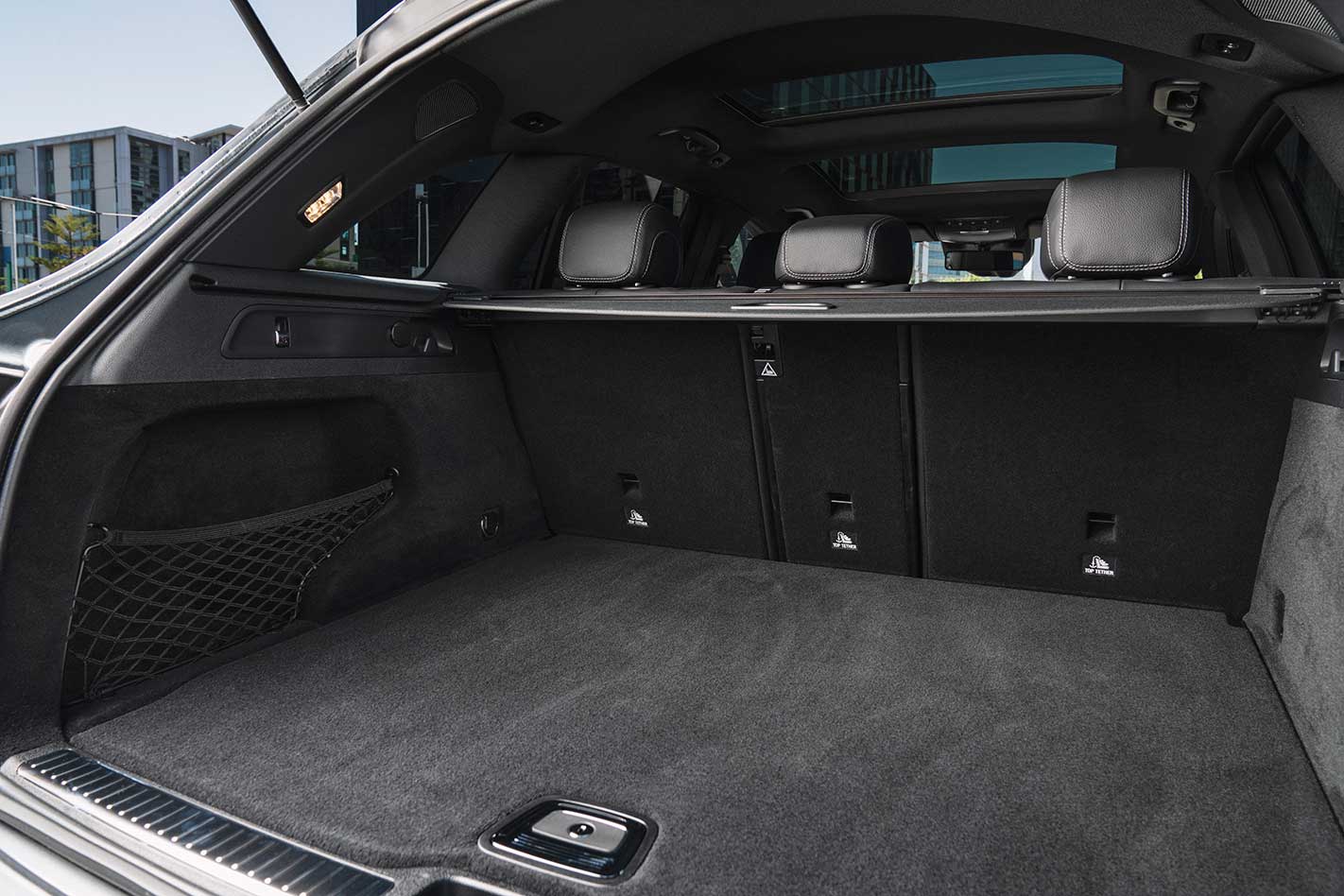
RIVALS
Audi Q5 and BMW X3 are the most logical rivals, while the Porsche Macan, Jaguar F-Pace, Alfa Romeo Stelvio, and Range Rover Velar present more style-driven alternatives. All are competing against the mighty COTY-winning Volvo XC60 which remains the class benchmark.
PRICE & SPECS
Model: Mercedes-Benz GLC 300 Engine: 1991cc 4cyl, dohc, 16v, turbo Max power: 190kW @ 5800-6100rpm Max torque: 370Nm @ 1800-4000rpm Transmission: 9-speed automatic Weight: 1805kg Economy: 8.1L/100km 0-100km/h: 6.2sec (claimed) Price: $77,700 On sale: now
OH! Won’t somebody please think of the children!” Or at least the teens.
Over the past few years, more than a handful of sub-$20,000 superminis have vanished from Aussie roads, as importers divert resources towards larger and more profitable SUVs and dual-cab utes.
The list of the bargain-basement dearly departed reads like the In Memoriam at the Oscars: Holden Barina (after 33 years!), Hyundai i20 (and soon Accent), Nissan Micra, Ford Fiesta, Volkswagen Up… The carnage is scandalous for lovers of compact, talented miniatures.
Thankfully, some brands still see the sense in taking a punt on a peppy pint-sized runabout, luring buyers of all ages with the hope of nurturing lifelong loyalty. After all, a relationship has to start somewhere, right? So, we’ve corralled a trio of the remaining favourites (in their preferred manual-gearbox guises, naturally) to see which is best and brightest, beginning with the progressive, far-sighted Kia.
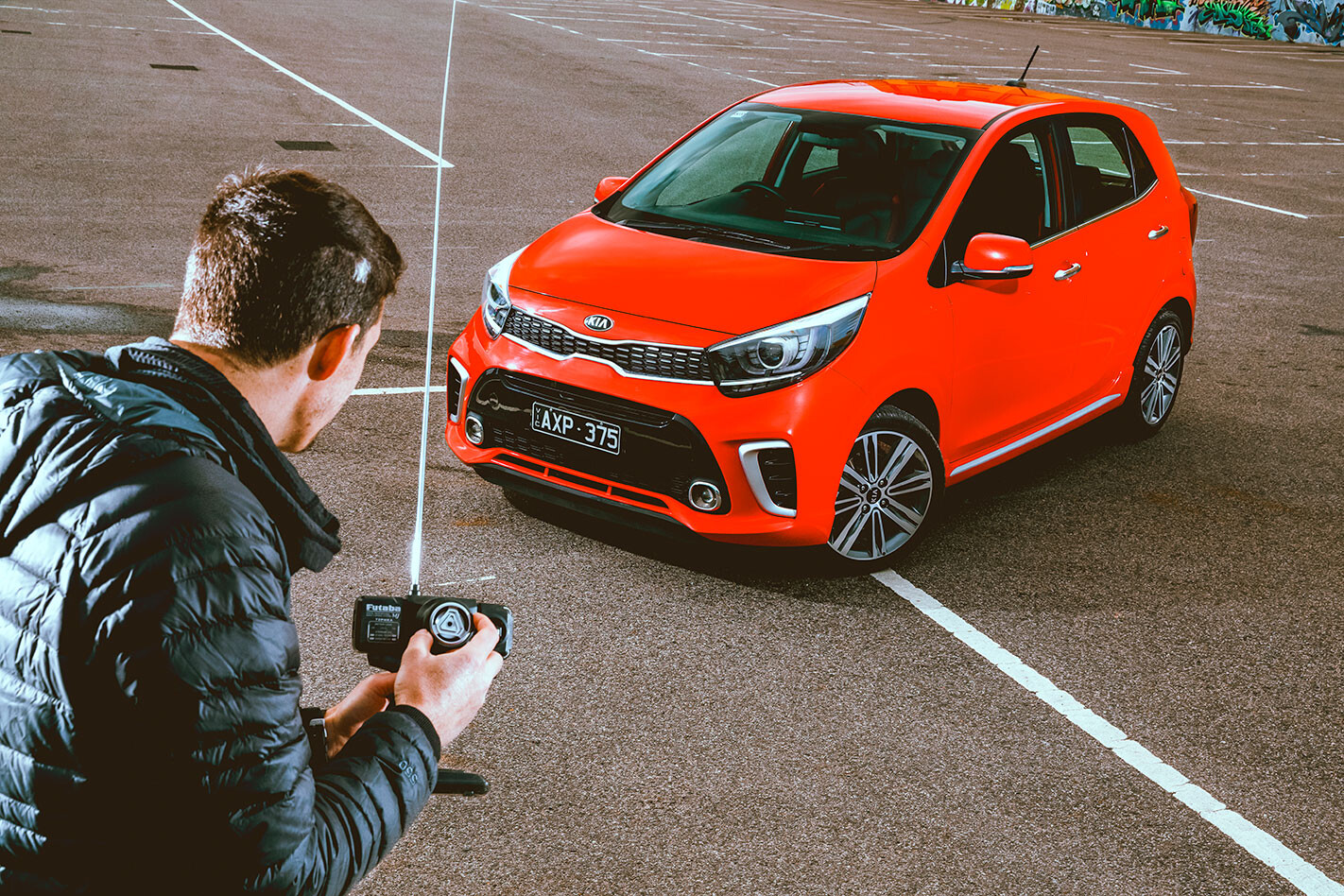
Sure, at 3.6 metres long and 1.6m wide, the pert Picanto is a sub-B (or inaccurately named ‘Micro’) class contender, rather than a proper, full-sized supermini. The thing is, though, the Korean/German co-developed five-seater, five-door hatch has hit top form since the latest, third-gen model surfaced in 2017, commanding 80 percent of a (admittedly shrinking) segment most other importers have abandoned. The lesson, kids? If the pricing, packaging, specification and panache are right, customers will come.
From $17,990, the GT, launched only last January, is the costliest car here (as well as the heaviest, at 1026kg), but that’s probably because the chic Kia’s stats reads like a junior GTI’s; 74kW/172Nm from a 1.0-litre, three-cylinder turbo, quicker steering, retuned dampers, stiffer spring rates, four-wheel discs, a bodykit and twin exhausts. Saucy!
Other toppings include AEB with forward collision warning, hill-hold control, six airbags, Bluetooth streaming, cruise control with speed limiter, Apple CarPlay/Android Auto, dusk-sensing headlights, electric/heated folding mirrors, alloy wheels and the group’s only seven-year warranty (versus five for the others). The thing is heaving with gear.
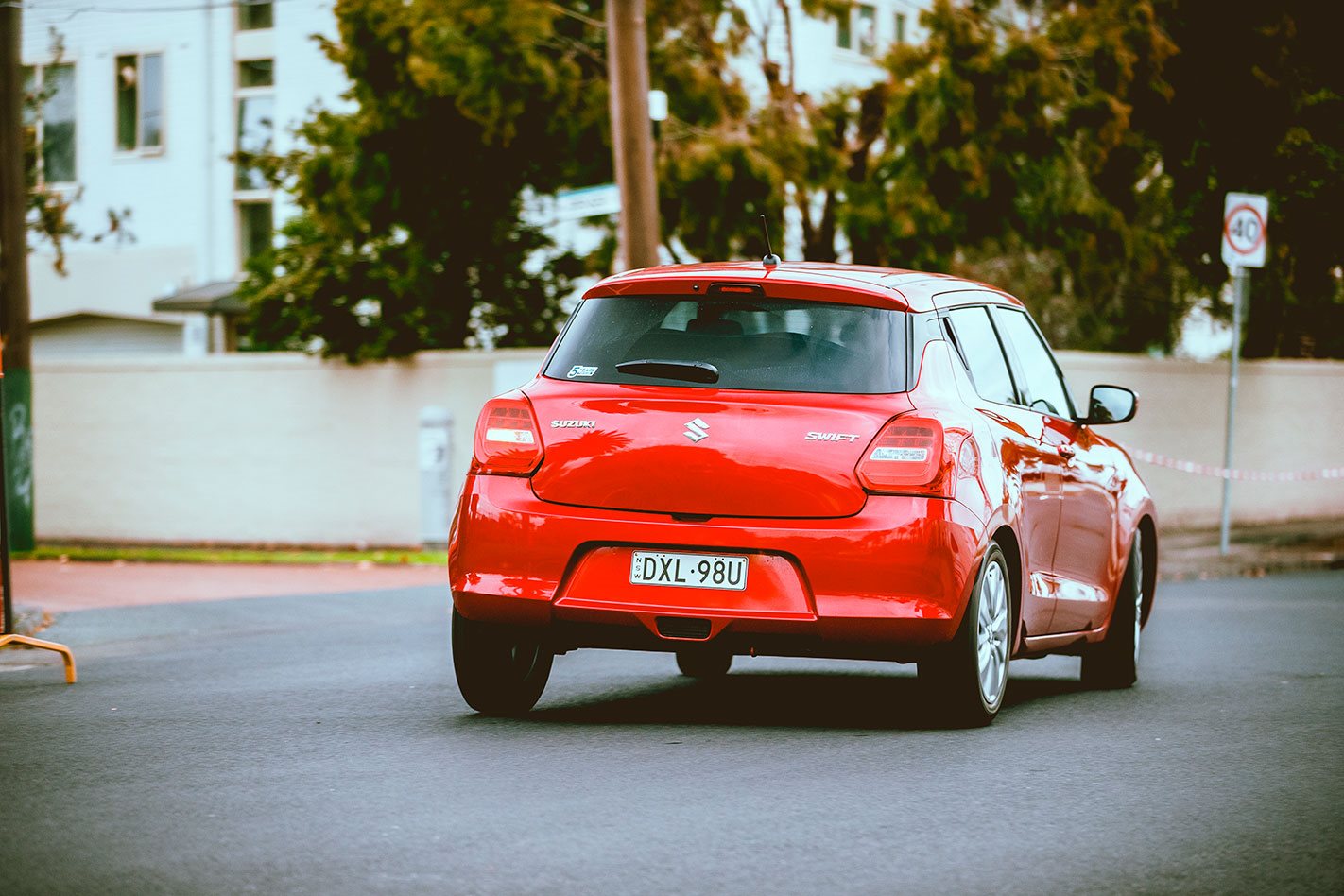
Next on the docket is Suzuki’s Swift, a Japanese supermini with built-in speed and swagger to match the badge – certainly since the ‘modern era’ model’s 2005 revival of a mid-80s stalwart. Two redesigns later, the latest version (launched two years ago now) introduces a significantly larger, stronger, roomier and quieter structure than before. At just 870kg, it weighs in 156kg lighter than the Kia.
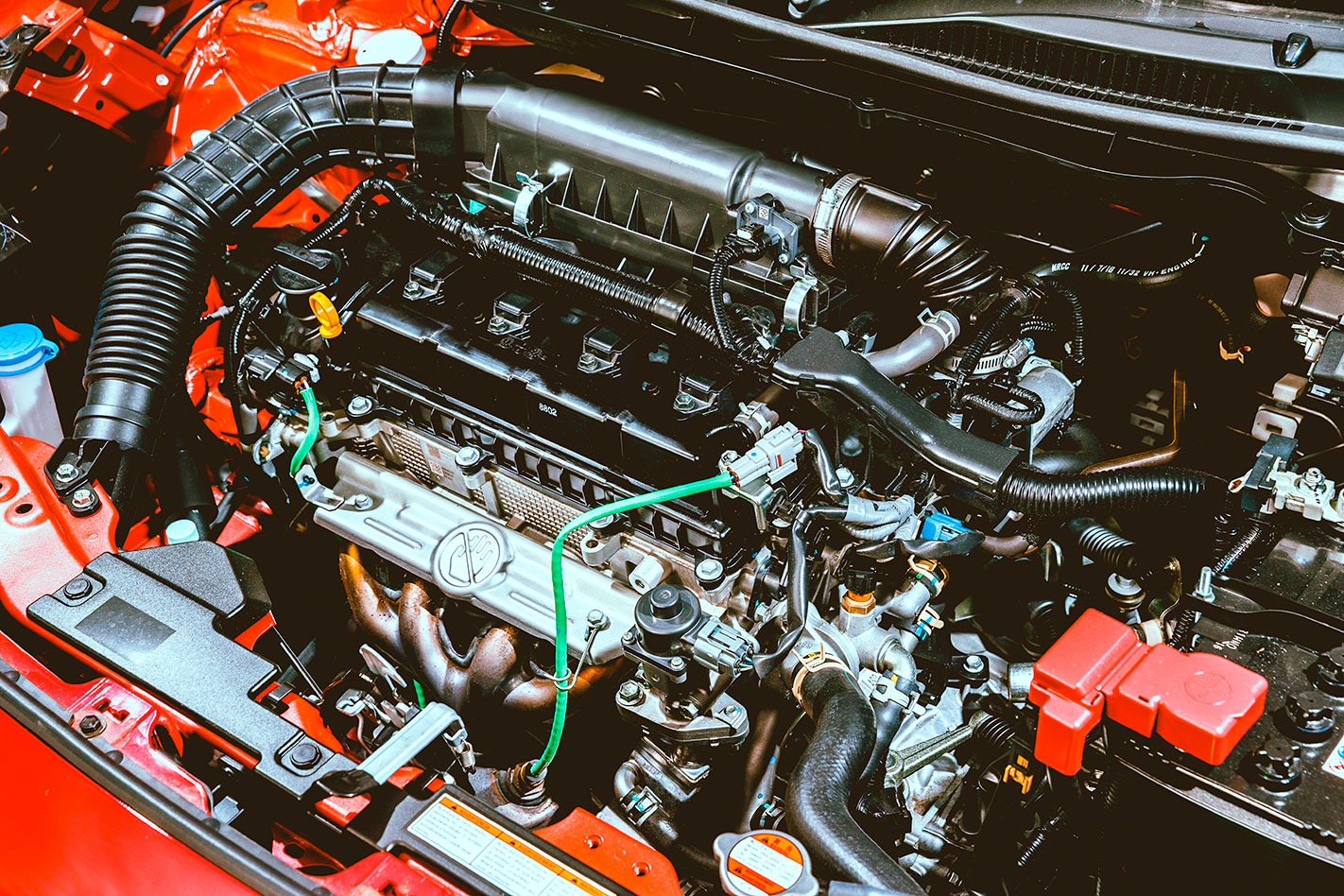
From $16,990, the GL Navigator isn’t pretending to be anything other than base, so there are no overtly sporty flourishes as per Picanto. However, while the manual variant lacks AEB, auto headlights and folding mirrors and has rear drum brakes only, the Swift is usefully longer (by 245mm) and wider (by 140mm). It also includes most of the other gear, as well as GPS, and is powered by the threesome’s biggest (if not gutsiest) engine – a 66kW/120Nm, 1.2-litre naturally aspirated four-cylinder unit.
The smallest powertrain, meanwhile, belongs to the Renault Clio Life (also $16,990) and its 66kW/135Nm, 0.9-litre three-pot turbo. Added a couple of years back to the ageing series, which scored a memorable second in the 2013 Wheels Car of the Year contest, the Turkish-built, 1017kg Frenchie certainly doesn’t look that old, evidenced by the fact that the all-new, yet-to-arrive Mk5 version looks very similar. That car is due in Oz later in 2020.
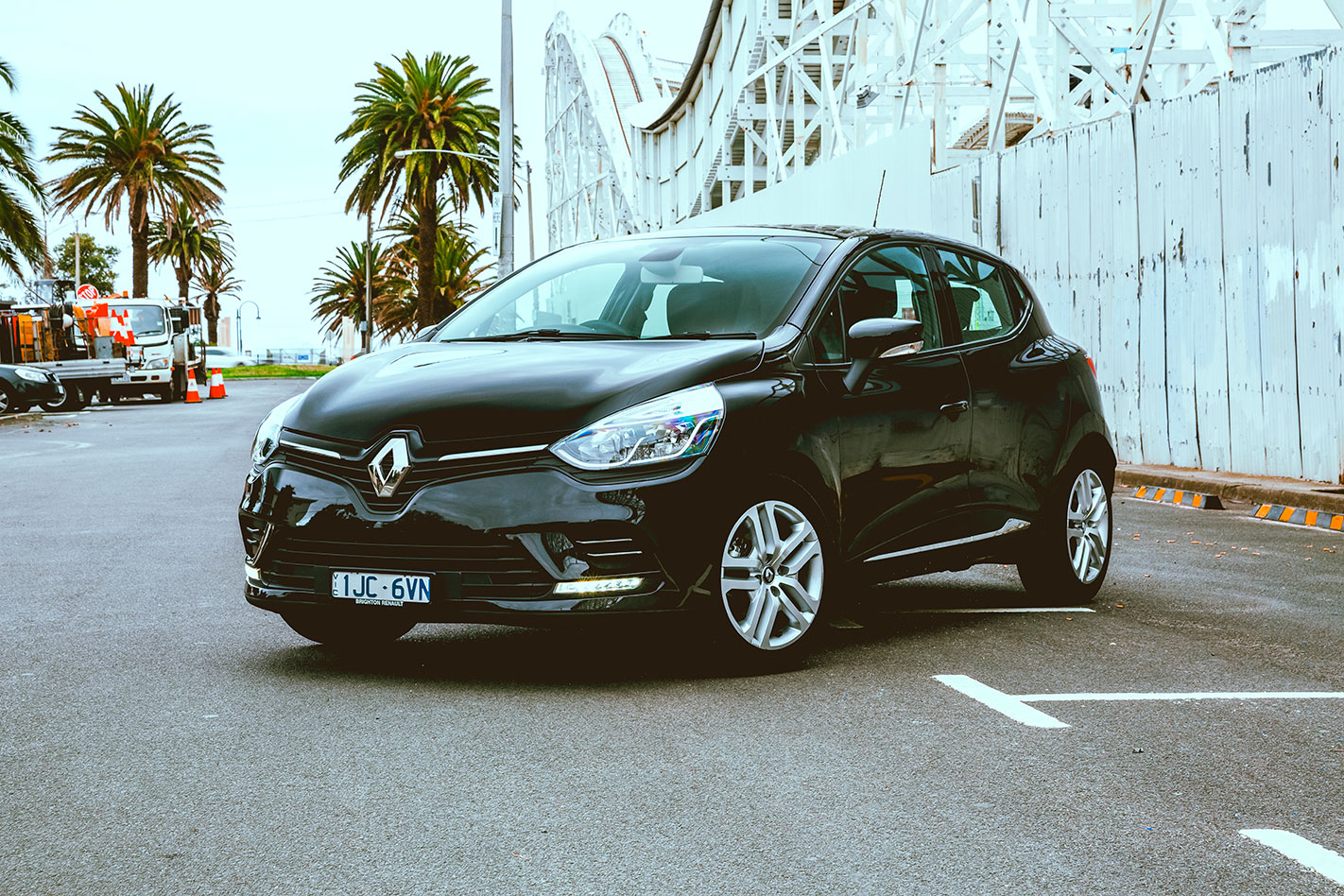
Being entry level, the goodies AWOL from the Swift also apply to the Life, more or less, and there’s no GPS, either. But the coolly muscular Clio features dusk-sensing headlights and is alone with remote entry/push-button start, stop/start, digital radio, walk-away auto locking, a telescopic as well as tilt-adjustable steering wheel and rain-sensing wipers. Note, though, that no rear curtain airbags exist, as Renault reckons extra body bracing provides better crash protection. Nor are Apple CarPlay or Android Auto present.
Still, almost everybody expected its pricing to be comfortably over $20K. The Clio just seems like a much more expensive car. That sense is amplified by how much more upmarket the Clio’s thoughtfully presented cabin seems, thanks to comparatively effective sound-deadening, big, squishy front seats and features like the fully adjustable steering wheel, glossy black trim, digital instrumentation, DAB+ radio and the fact that one need not ever touch the key.
There’s ample space up front, too, although the sweeping roofline limits headroom out back for taller folk and the rear cushion, while long, is a tad flat. The dash design is feeling its age, too, underlined by the dated small screen.
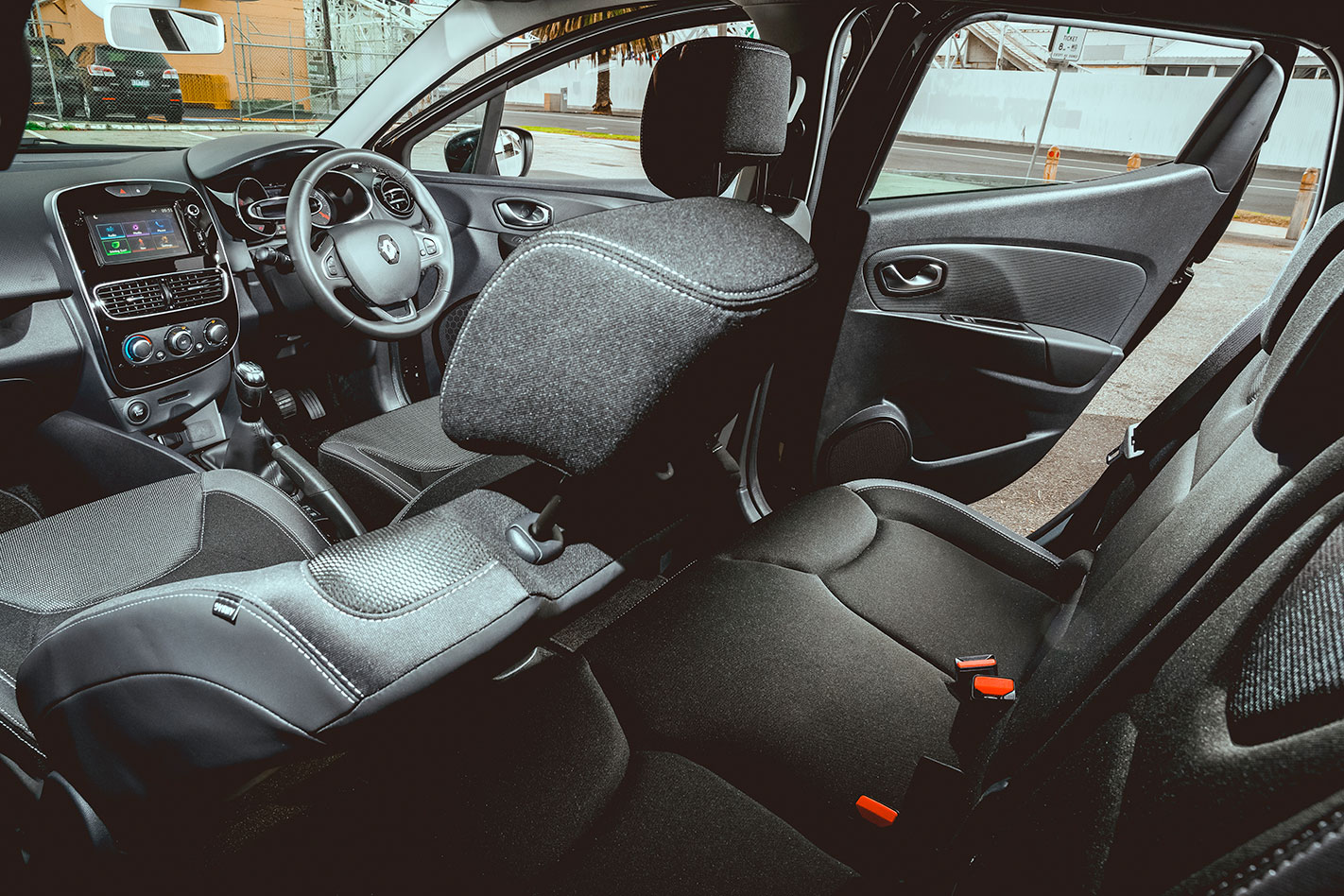
In contrast, the Swift is a veritable Tardis inside, making the most of its boxy dimensions with clever use of space (which is most apparent in the roomy rear), excellent all-round vision and a commanding driving position.
The lovely thin-rimmed (though tilt-only) wheel, racy-red-tinged dials and colourful multimedia touchscreen enhance the athletic ambience, but the tight speedo markings cry out for a secondary digital readout. The cushions can feel quite numbing after a few hours, despite front-seat bolstering, there’s plenty of road and suspension noise intrusion audible from the back, and the Suzuki’s lack of overhead grab handles smacks of penny pinching.
If girth is your thing, the Picanto’s city-friendly narrowness will be the overriding cabin characteristic (especially if you’re trying to squeeze three adults in the back), followed by just how damned stylish and sensibly placed everything is.
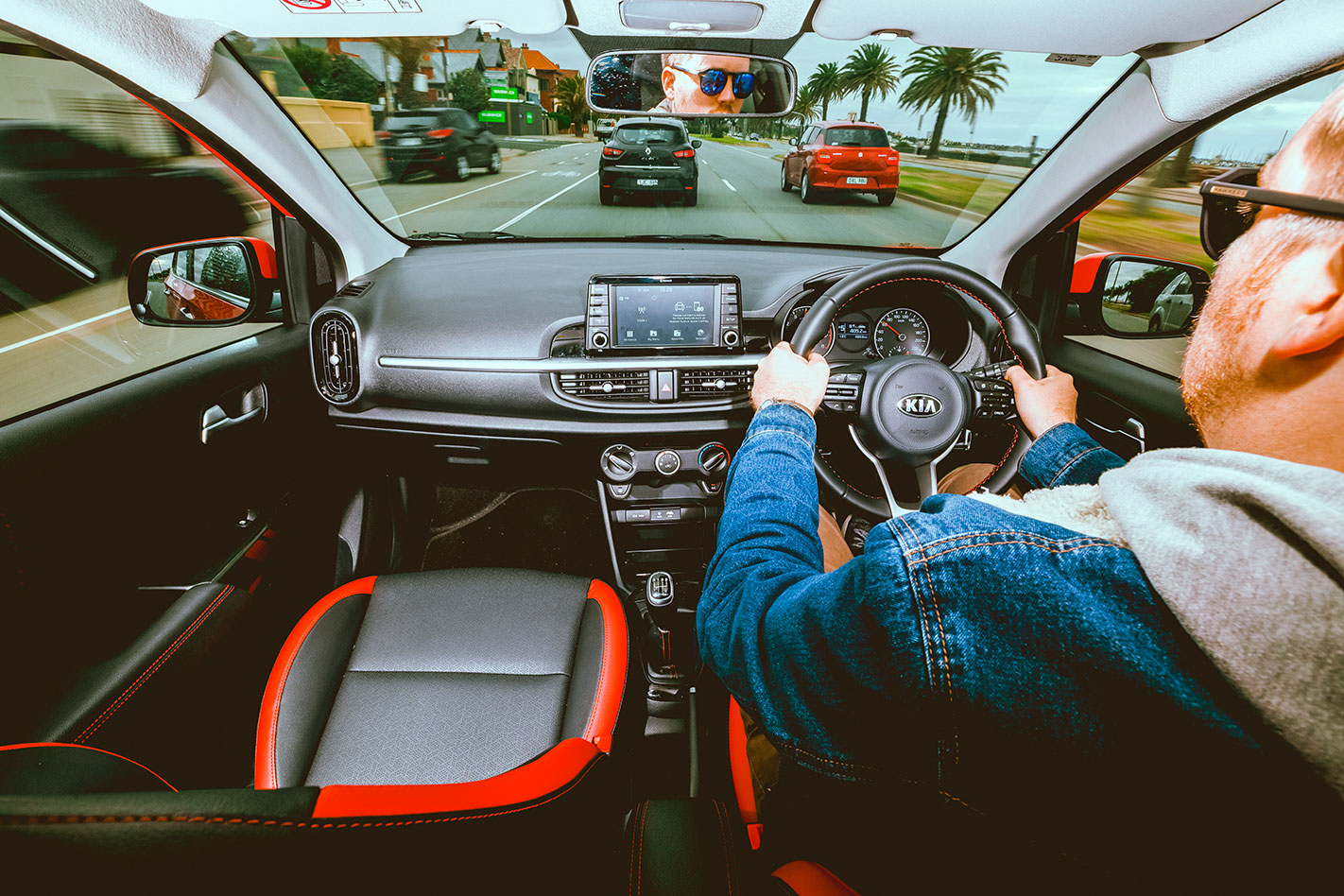
Like a shrunken Hyundai i30’s, the dash imparts a maturity beyond its station, with classy analogue dials (again, no digital speedo) and Audi R8-esque climate switchgear.
A big, handsome wheel (lacking reach adjustability), firm but supportive seating, ample vision and the group’s only centre bin-with-sliding-armrest combo, underline the pleasing thoroughness that’s gone into the cute little Kia.
Like the Swift, though, there’s some road and mechanical noise finding its way inside, yet that’s not necessarily such a bad thing in a frisky hatch wearing a GT badge.
Fire up that 74kW, 1.0-litre turbo triple, and there’s a fruity thrum at idle, endemic of the breed, that immediately informs the driver this ain’t no plebeian Picanto. Tipping in the throttle even slightly elicits a hasty burst of acceleration, aided by a weighty yet well-oiled and positive shift action that rates as one of Kia’s best.
While the GT’s power-to-weight ratio trails that of the featherweight Swift’s, a torque-fuelled torrent of mid-range muscle ensures there’s a yawning gap between the two as the scenery starts to blur past faster – half a second at 60km/h (4.4sec vs 4.9sec) becomes nearly 1.5sec at 100 (9.4sec vs 10.8sec) and almost 5.5sec at 140 (19sec vs a leisurely 24.4sec). In the telling 80-120km/h times, the Kia lunged ahead by 1.2sec. There’s still plenty of poke left well past 150km/h, exposing this Picanto for what it really is – a fiery and feisty little fidget spinner of a thing. And it’s smooth, too.
The overly touchy brakes do take some getting used to, however. And, as you might expect from a GT, full ESC-off is possible, but not recommended in the wet, unless unruly wheelspin from the low-grip Nexens, plus copious axle tramping in the first three gears are what float your boat.
No such ailments afflict the sweet-spinning 66kW 1.2-litre Swift, mainly because the tacho needs to be swinging past at least 3000rpm before any meaningful torque is detected.
That said, thanks to a healthy 73kW/tonne, the Suzuki feels spirited off the line and pulls long and hard all the way to the 6400rpm cut-out. A huge part of the fun also lies in the slick, quick gearshift mechanism, which makes cog-swapping a delight. Few cars cry out for a caning so wilfully. Rousing and rewarding, a more convincing poster boy for manual gearboxes would be hard to find.
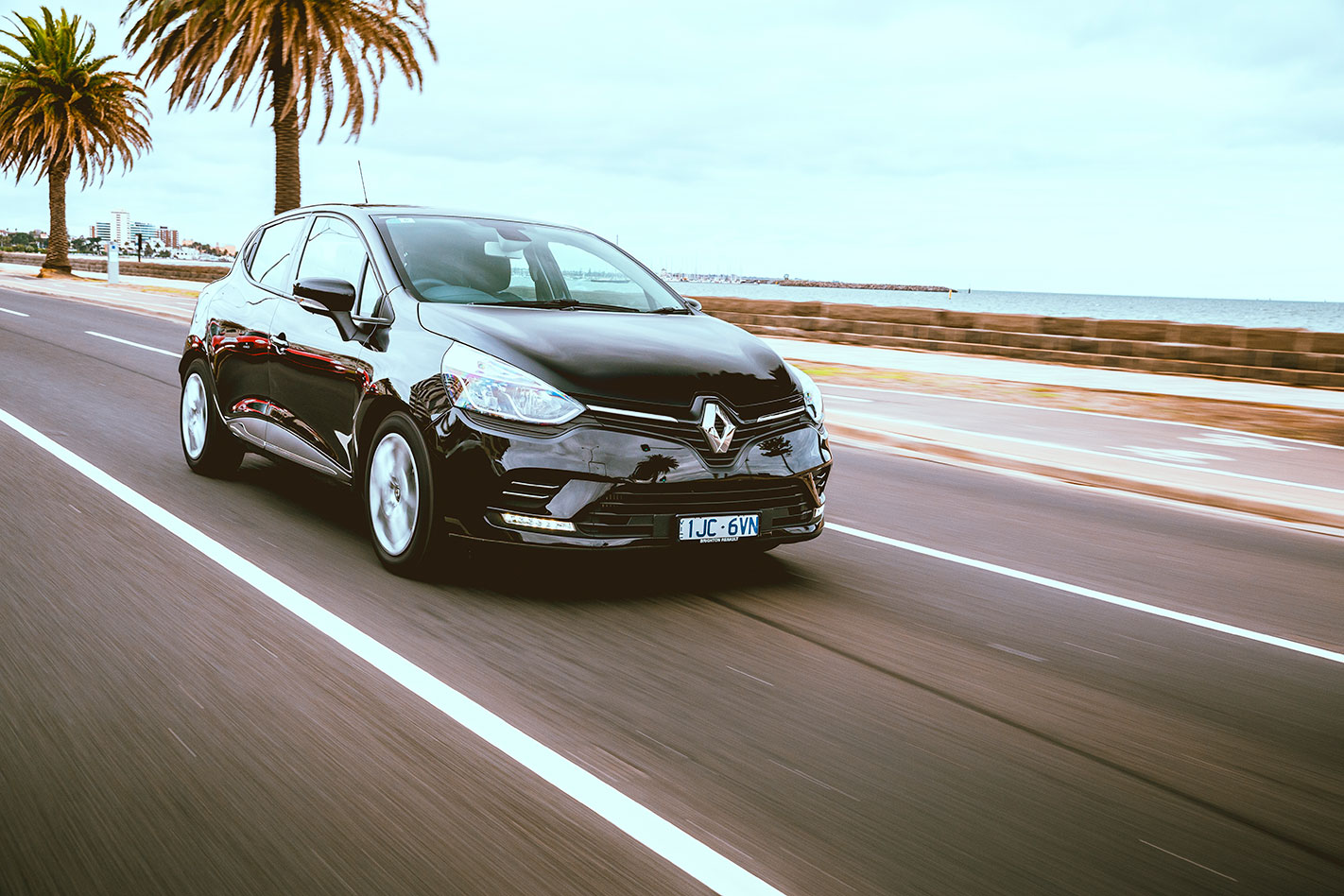
Even with just 271km on the odo, our tight black Clio and its tiny 66kW 0.9-litre blown triple is yet another fine example of an involving, satisfying powertrain pairing. Also matched with a five-speeder, intelligently spaced ratios and a high-boost turbo deliver prompt responses from take-off speeds, although it runs out of puff by 6000rpm. The Renault feels rorty and fighting-fit ready for the cut-and-thrust of fast-moving traffic, despite falling far off the pace against the stopwatch. The Kia is 1.1sec ahead at 60, 2.7sec at 100 and 8.4sec at 140. Yet, as its 18.3sec sprint over 400m proves, the Life is still in the race against the GL’s 17.6sec and GT’s 16.8sec. Short, sharp stabs of thrust is what the Clio’s all about.
So, a convincing performance win for the perky Picanto for sure, but as these are still fun-on-a-budget buys, it’s worth noting that wringing all three right out to the red line resulted in some interesting fuel consumption outcomes: 7.3L/100km apiece for the turbos and a commendable 6.5L for the Swift. Clearly, there’s still no substitute for cubic inches.
Separating all three dynamically comes down to how you want your supermini to behave, since all earned their spot here due to their zealous handling and roadholding. Yet their personalities are as different as their presentations.
Just like its powertrain, the Picanto exudes a scrappy can-do charm, due to fast steering that allows for crisp turn-in and pin-point accuracy, without ever being nervous or out of its depth. Given how firm the chassis set-up is, mid-corner bumps can unsettle the chosen line of action momentarily, yet there’s heaps of self-assured control for the driver to draw upon. Furthermore, the Kia’s ride remains remarkably absorbent.
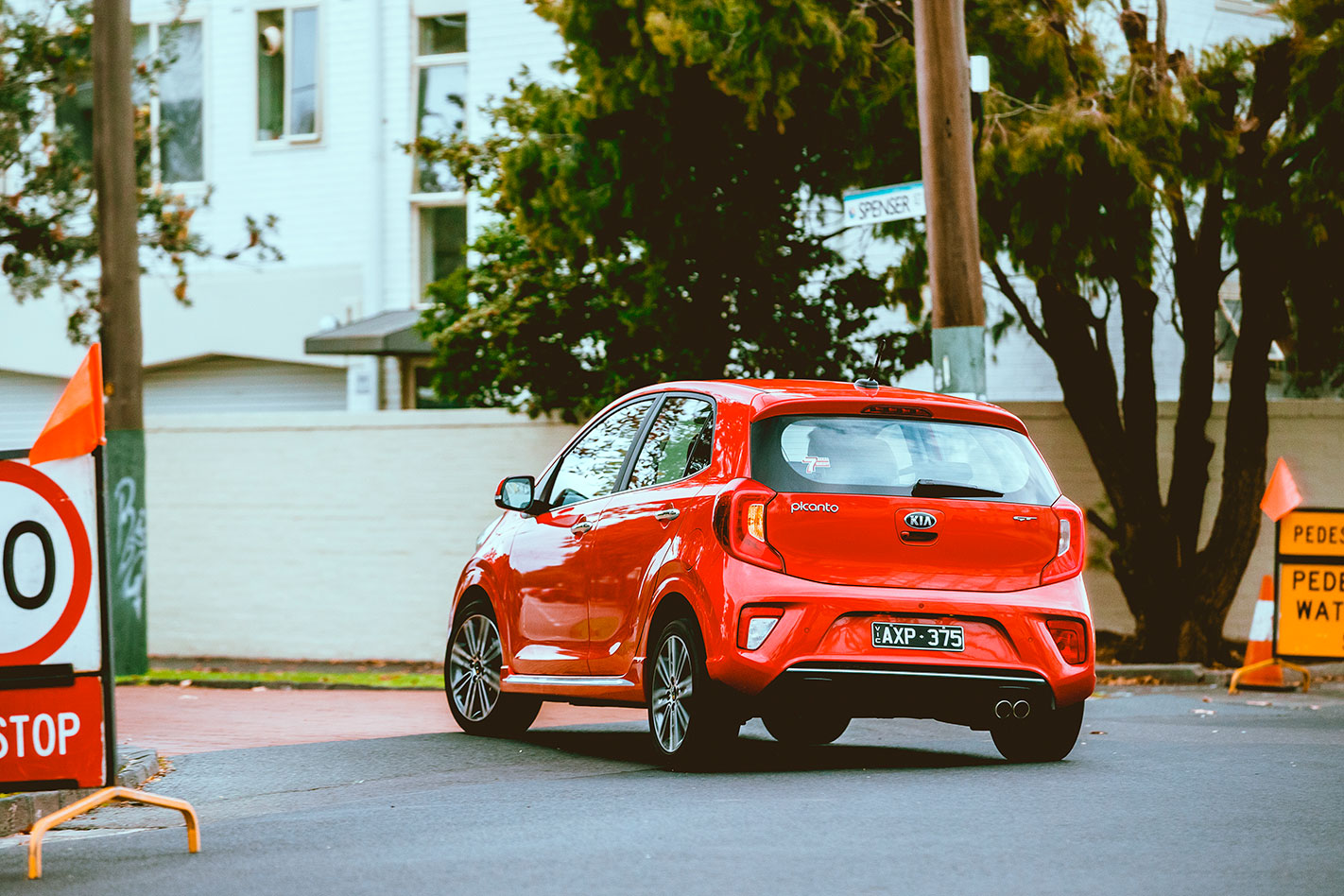
The Clio, meanwhile, is an absolute smoothie, from the measured action and fulsome feedback of the helm to the fluid and unruffled way it glides through corners, displaying total Gallic insouciance. With a wide-track stance and supple suspension smothering the rough stuff below, the Life shines as the trio’s most sophisticated ground coverer. And all without sacrificing fun. Renault’s been building cars for 120 years, and it shows.
Somewhere in between the Picanto and the Clio resides the spirited, sassy Swift. Despite having 3.1 turns lock-to-lock, its steering is deliciously quick, precise and full of welcome feedback, involving the keen driver while never tiring out those who just want to flit about without fuss or effort.
Perhaps in sympathy with its peaky power outputs, really flogging the Swift quickly through tight, fast turns reveals a cracking chassis tune that both rewards and reassures.
Factor in a soft, settled ride that doesn’t come at the cost of pitch or body roll, and it’s clear that the GL Navigator possesses an incredible breadth of dynamic talent. And this is the most mundane, everyday version. We loved the base manual at COTY 2018 and we adore it even more now.
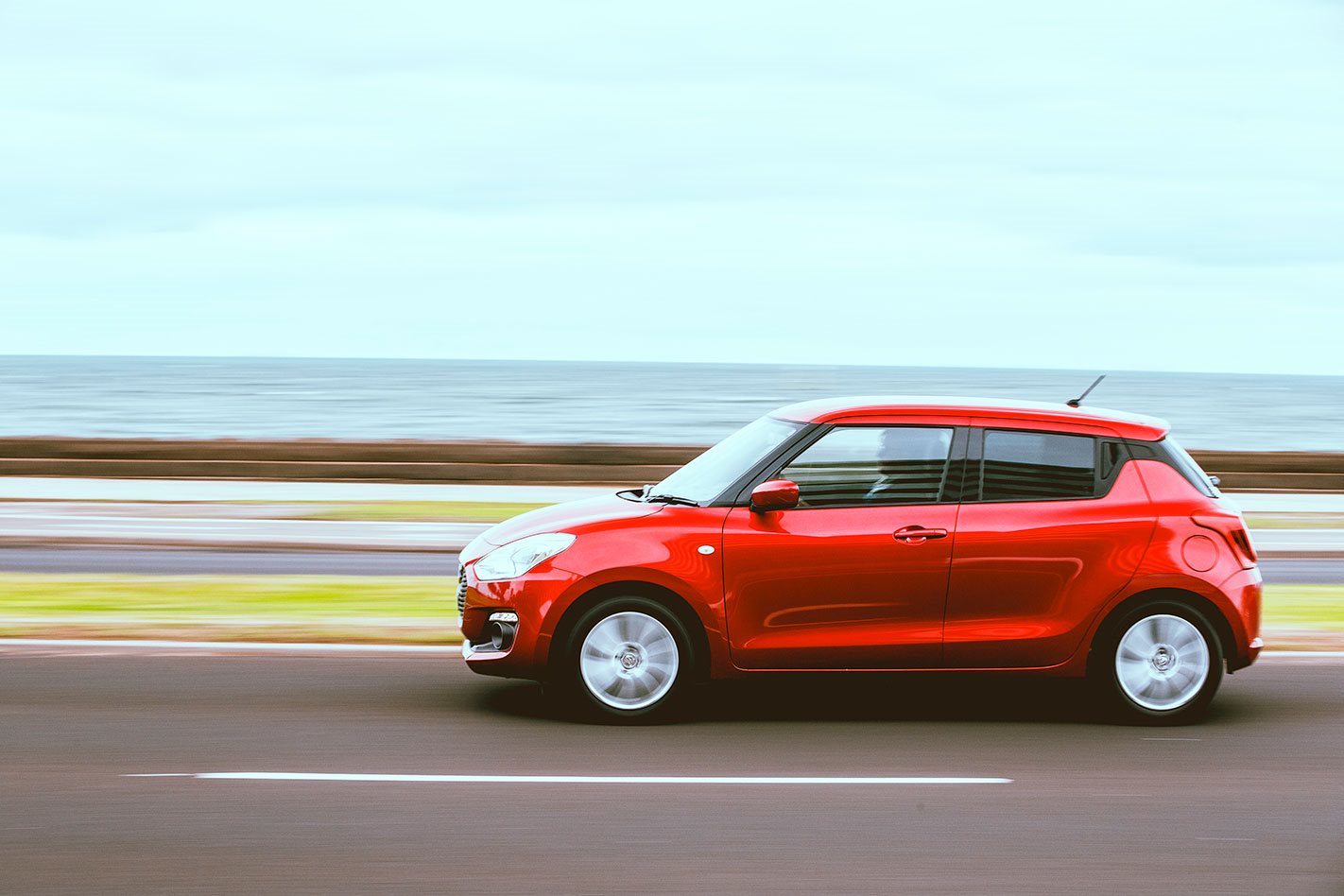
Ultimately, the Suzuki represents the best of both worlds, being eager enough to involve and excite, like the Kia, yet comfy and practical enough to tick all the everyday-practicality boxes that should be supermini fundamentals, a la Renault.
The fact that there’s no AEB availability for the manual version is disappointing (it’s standard on all auto variants) and the boot volume isn’t generous, but otherwise the Swift five-speeder is an overachiever that punches well above its weight. It’s a close but convincing win for the Suzuki.
If raw, raspy warm-hatch thrills are your priority, then the Picanto obliges with its own Jack Russell charm to make its own water-tight case for the crown. Quick, composed and confident, the GT reflects everything that’s right about Kia, in concentrated form. We’re so glad it exists.
Finally, there’s the Renault. Old it may be, but the polished Clio will seduce with its classy threads, suave manners and serene sophistication. Bristling with coolness and character, it remains a compelling reason why car makers must continue to nurture and evolve the supermini species.
The kindergarten class of 2019 might be contracting, but the remaining, expansive talented trio on offer here clearly aren’t going down without a fight. The kids are all right.
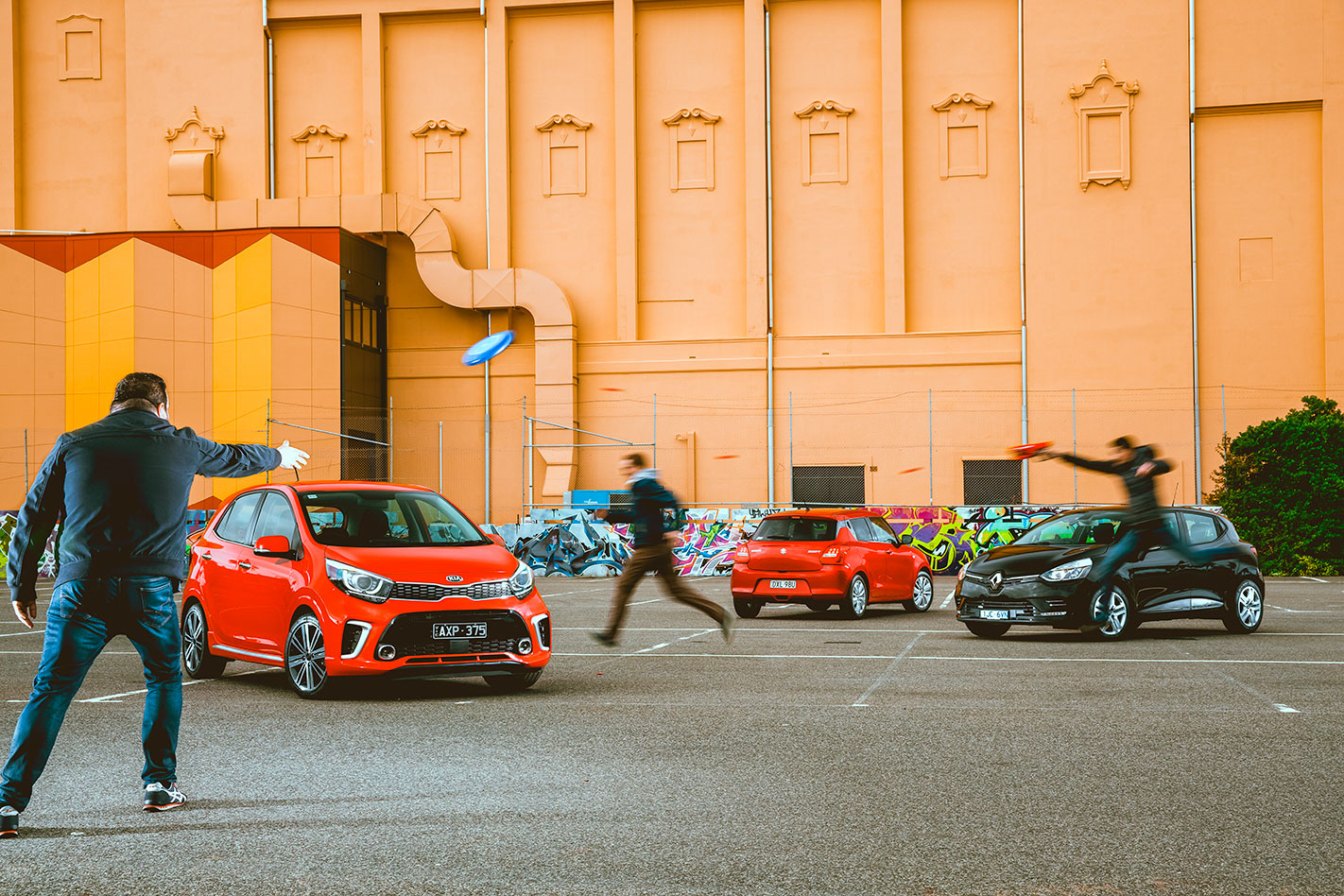
CABIN FEVER
1. KIA PICANTO
The Picanto’s smart and stylish cabin appeals with its minimalist dash, beaut tablet touchscreen, supportive front seats (offering the sole fore-aft headrest adjustment), theatre-style rear seating, a great driving position and plenty of standard features. On the flipside is its clammy vinyl upholstery, lack of steering reach adjustment, and absence of a digital speedo. A 255L cargo capacity reflects Kia’s sub-B city-friendly sizing. Space-saver spare.
2. RENAULT CLIO
Clio’s cabin presents as the most premium here. Series II brought a welcome multimedia update but the small screen betrays its age. Front seats are sumptuous, less so out back. Low windscreen header and small wipers hem forward vision a little. The group’s only digital speedo has no analogue alternative and dated wheel controls lack night-time illumination. Heaps of door storage, though, and luggage capacity is a handy 300L. Space-saver spare.
3. SUZUKI SWIFT
Minimalist, cohesive and beautifully constructed cabin has the most space here. Dash is a winner, highlighted by best vision out, sporty dials, nifty wheel and user-friendly switchgear. But fiddly touchscreen could do with a volume knob, while speedo lacks digital readout. Rear kneeroom will shame larger small cars, but 242L boot capacity is the trade-off. Road noise is also obvious back there, rear storage is sparse and there are no grab handles. Space-saver spare.
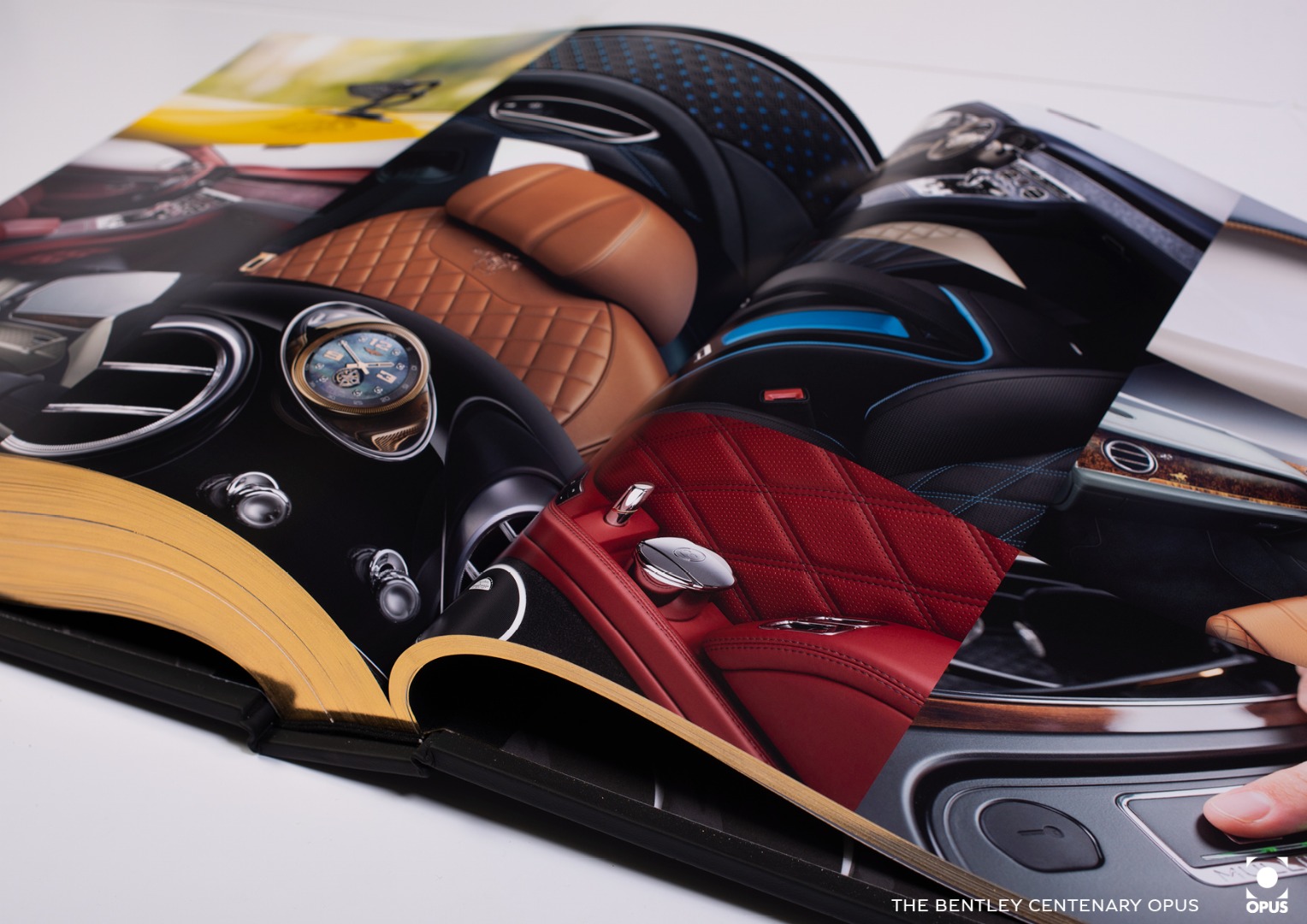
Bentley Centenary Opus
Fancy celebrating Bentley’s 100th year with a book that’s only a little more affordable than the Magna Carta and requires two people to carry it? All three versions contain the same 800 pages and 30kg of Bentley’s history, but for the ultimate (very sturdy) coffee table sensation, go for the 100 Carat edition which is limited to seven examples worldwide – one for each continent – and costs (yes, really) $367,000.
WATCHES
Hublot Classic Fusion Chronograph
A stand-out from this year’s Baselworld show, Hublot’s Fusion Chrono temporarily shirks the commercial partnership with Ferrari for a stunning piece in its own right. Polished 42mm gold case pairs perfectly with alligator leather.$34,300

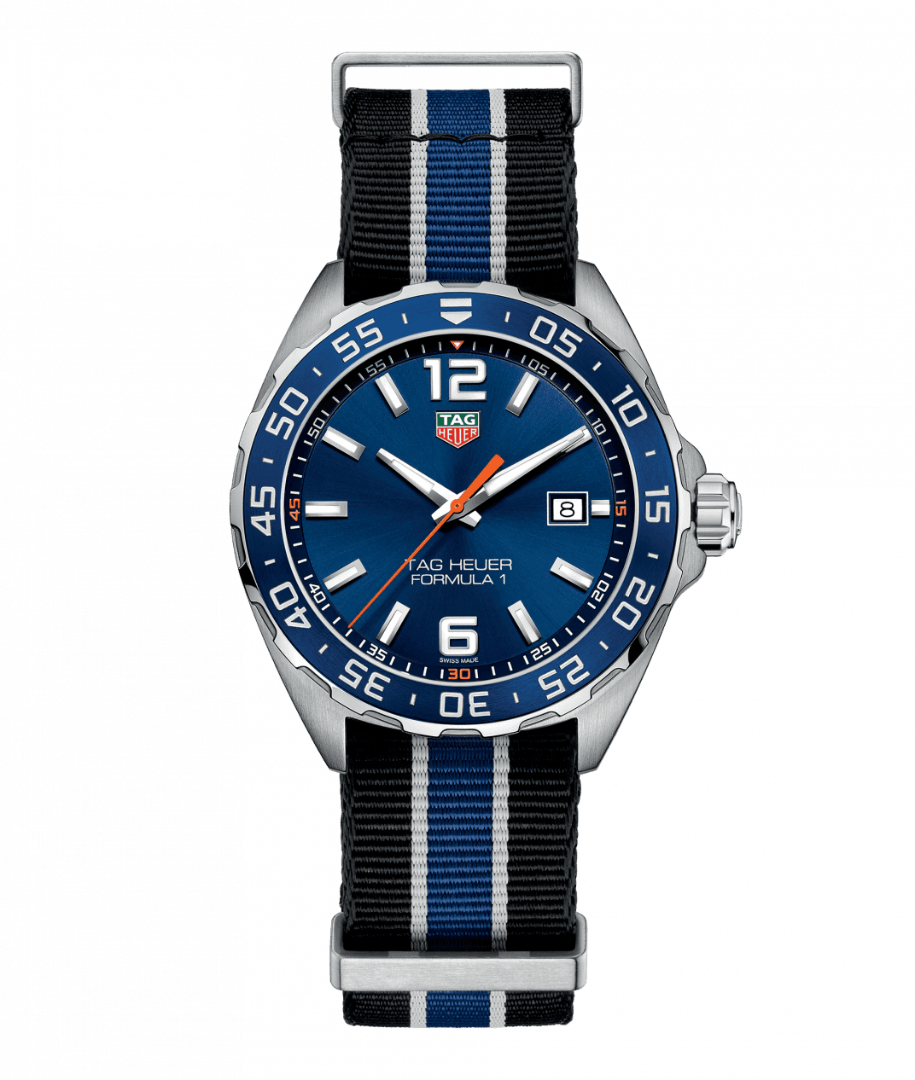
TAG Heuer Formula 1
Not only does this fine Swiss watch celebrate the pedigree of motorsport but allows you to slap a genuine TAG on your wrist for less than $2000. Steel case and quartz movement keeps the price down, but you still get 200m of water resistance and sapphire crystal. $1700
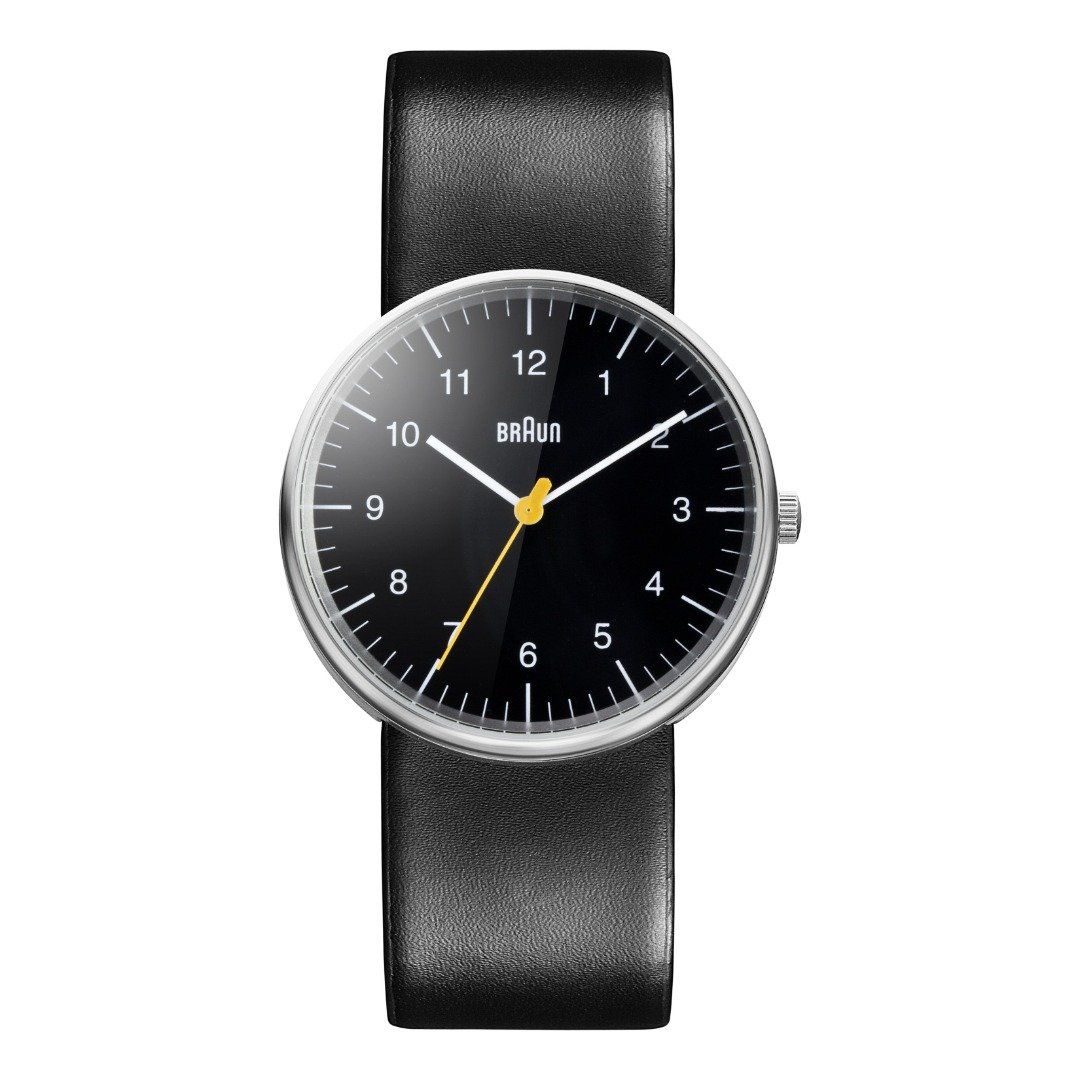
Braun BN0021
Restrained, Bauhaus-inspired design combined with German engineering should cost more than this. Braun’s classic BN0021 is for the savvy watch enthusiast on a budget, and channels austere in favour of ostentatious. $230
Toyota has poured cold water on the notion of an all-wheel-drive Camry for Australia.
The company is set to introduce an upgraded version of the car at the Los Angeles auto show this week alongside a similarly equipped Avalon, which is still sold in the United States.
Since the demise of the locally-built Camry, Toyota’s popular mid-size sedan has been sourced for local consumption from Japan and is built on top of Toyota’s multi-billion dollar global platform, known as TNGA.
The TNGA platform underpins cars like the Camry, Corolla and – crucially – the new RAV4, which is where the running gear for the new all-wheel-drive Camry is sourced.
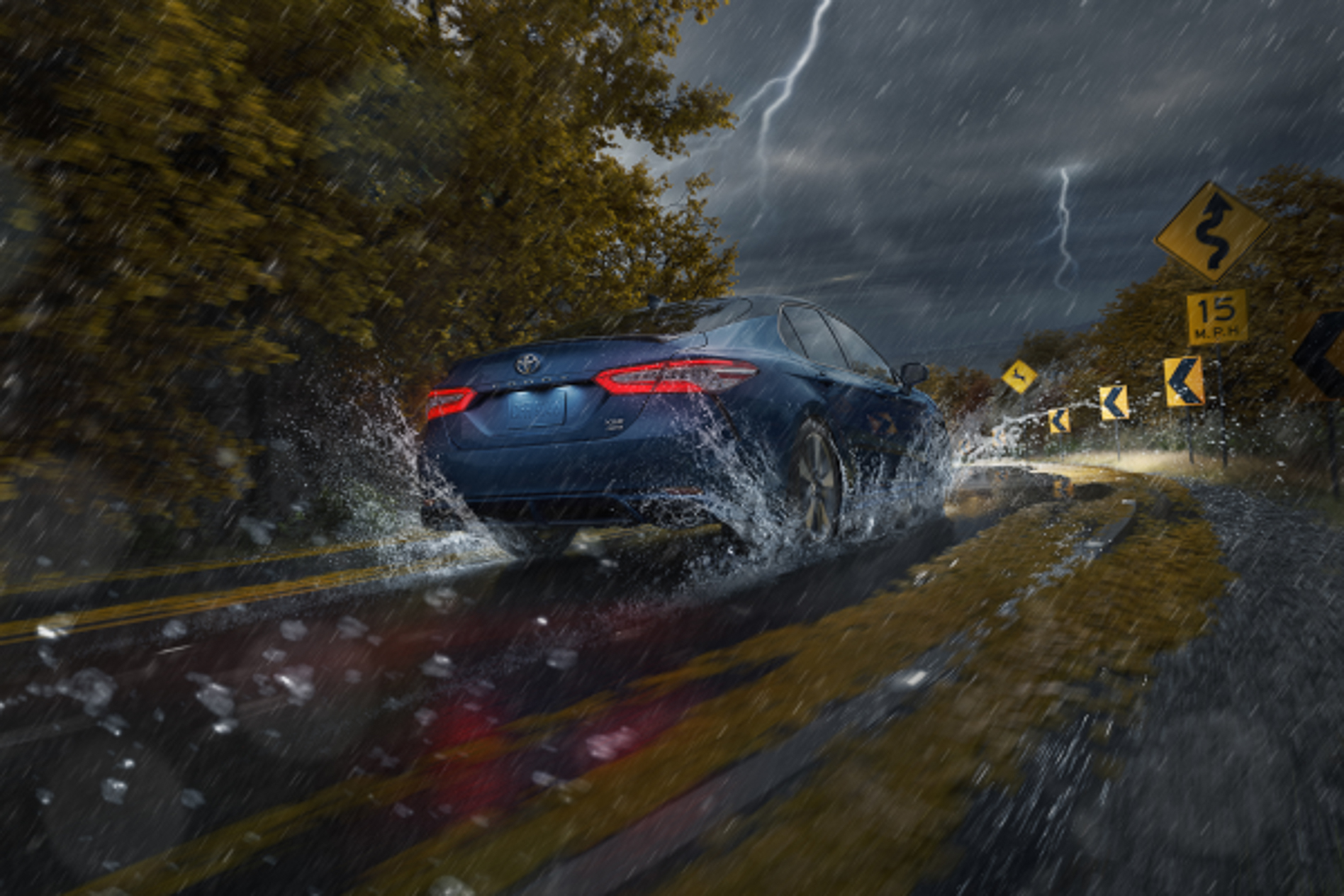
The Camry’s AWD system can send up to 50 percent of the engine’s torque to the rear wheels if slip is detected, and the prop shaft to the rear wheels will uncouple itself when not in use to reduce drag and consequentially save fuel. The set-up adds around 100kg to the car.
All-wheel-drive is a popular option in the United States, especially in more snowy climes – and Toyota Australia has told WhichCar that’s exactly where it’ll stay.
“There are no plans to introduce the Camry and Avalon AWD to the Australian market,” said a Toyota Australia spokesperson. “These particular AWD variants have been developed specifically for the North American market to better deal with the snowy and icy conditions they experience and are not planned for introduction into our market.”
The Camry still rules the roost when it comes to mid-sized sedans, though its sales numbers are well off from its heyday of local manufacturing.
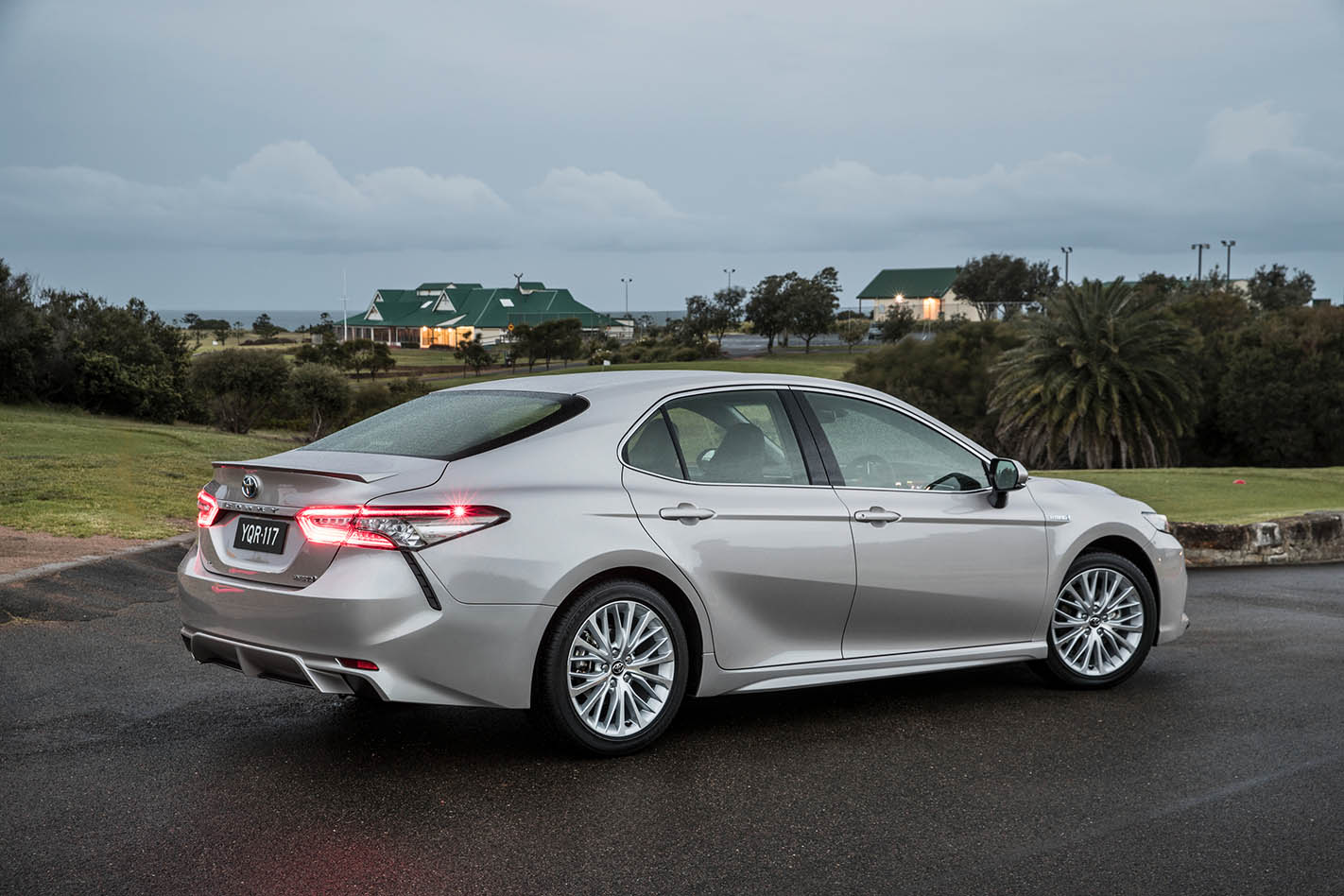
However, the hybrid version (above) is going gangbusters, with almost half of all new Camrys sold from May this year featuring a battery under the floor.
Would you have liked to see an AWD version of the Toyota Camry in local showrooms? Let us know below!
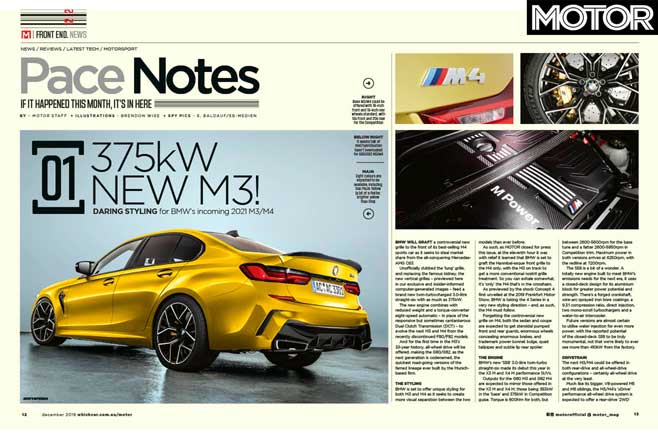
Is this what the future of BMW’s fast cars looks like? BMW’s divisive new grille (destined for the M4 rather than the M3, we’ve now learned), could mark a drastic move away from the traditional kidney shape.
We’ve got the full report, plus all the other details of the next M3 and M4 you could want!
But that’s not all the December 2019 issue of MOTOR Magazine offers, and if you want to know about the next Porsche 911 Turbo S, or see a Ferrari V8 celebration like no other, read on!
You can find MOTOR at retailers around Australia. Or you can subscribe and save yourself some cash, there’s even a (cheaper!) digital subscription option.
Subscribers often receive their mags earlier, so you’ll get to see what MOTOR has to offer before anyone else.
Follow us on Facebook, Twitter, and Instagram to interact with us, give us feedback, and get a peek behind the scenes.
THE NEWS – New BMWs plus Rodin’s F1 track car and Hyundai’s drift van!
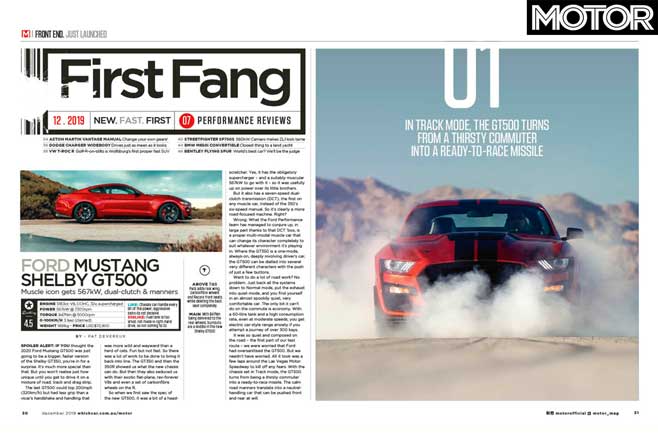
DRIVES – Mustang GT500, Widebody Charger, VW T-Roc R and a 560kW Camaro
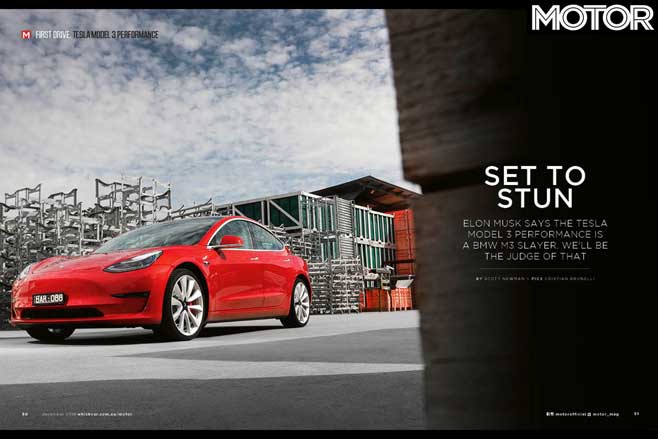
FAST CHARGE – Tesla Model 3 Performance driven
Out on Victoria’s winding roads with Elon’s newest and fastest green machine.
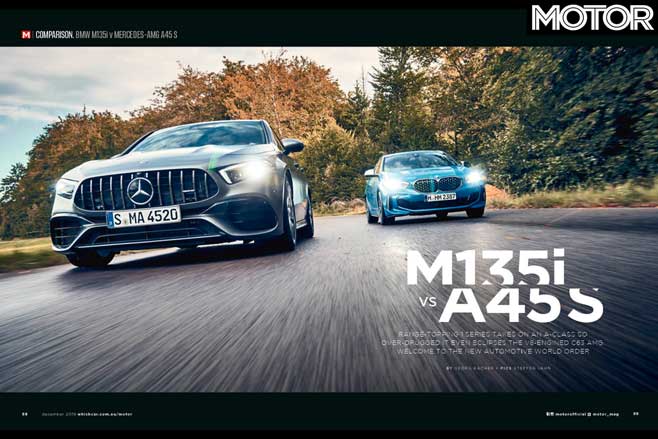
HATCH MATCH – AMG A45 S vs BMW M135i xDrive
Does Bavaria’s new 1 Series punch hard enough to match AMG’s insane A45 S?
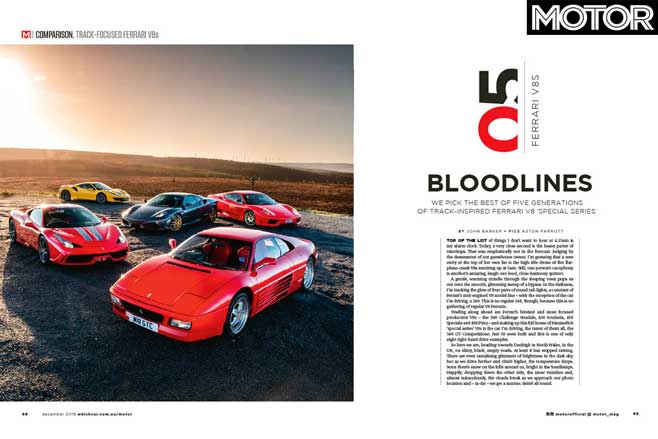
FERRARI V8 SUPERSTARS – 348 GTC, 360 Stradale, 430 Scuderia, 459 Speciale, 488 Pista
We pick the best of five generations of the Prancing Horse’s track inspires ‘special series’.
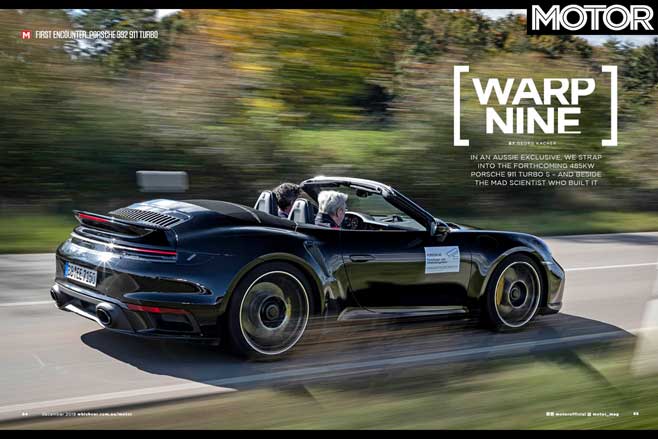
WARP NINE – Porsche 992 911 Turbo Cabriolet
Stuttgart recharges its 911 Turbo for the 992 series, so we hitch a ride with the mad scientists behind it.
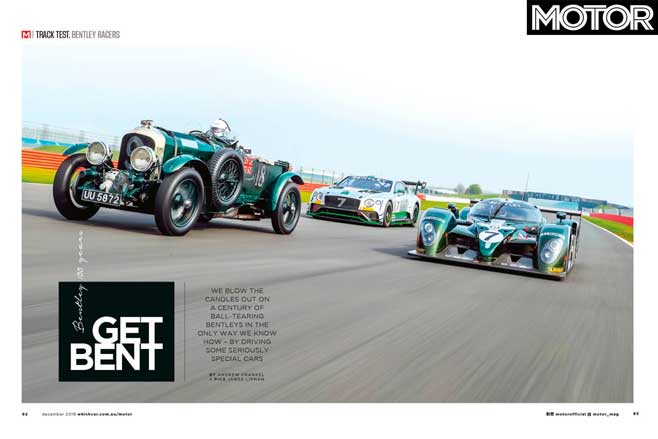
HISTORIC BENTLEYS THRASHED ON TRACK
We blow out the candles on a century of ball-tearing Bentleys the only way we know how.
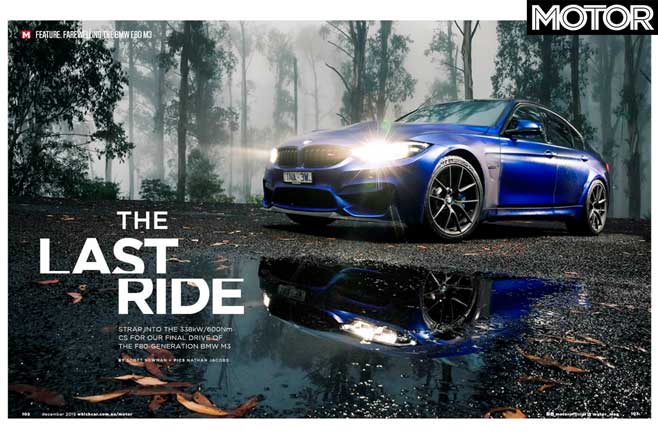
THE LAST RIDE – BMW M3 CS
As the new M3 approaches, we take to the hills in an F80 CS to remember the BMW M3 as we know it.
AND MORE – Garage, columns, Tech Talk, and Hot Source
All the information you need, the rants you want, the science behind Hennessey’s ballistic 1355kW V8, plus our 308 GTi meets a mountain and we take a close look at our Abarth 124.
Ferrari is calling it “la Nuova Dolce Vita”, but we recommend you just refer to Maranello’s new model, revealed at a client event in the car’s namesake city, by its badge name, the Ferrari Roma.
Details revealed so far (of which there are few) suggest the car is to be the coupe partner to the Portofino drop-top, focused on being an ‘everyday’ driver’s sports car rather than a hardcore performance machine.
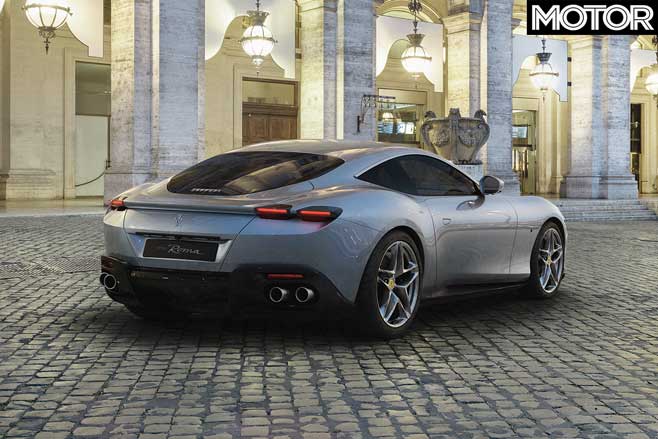
With a twin-turbo 3.9-litre V8 under the bonnet the Roma produces 456kW between 5750-7500rpm, with 760Nm available to between 3000-5750rpm. Ferrari says it’ll hit 100km/h in 3.4 seconds, and 200km/h in just 9.3 seconds. Top speed is said to be more than 320km/h.
It’s also claimed to be significantly lighter than the Portofino, a 1472kg dry weight with lightweight options ticked as opposed to the drop-top’s 1664kg.
Ferrari says the Roma will represent “the pinnacle of performance in this category” of entry-level ‘supercars’.
But unlike its market position and layout, the styling is far from the Portofino, with a bit of Vantage here, a bit of AMG GT there, and even hints of Jaguar F-Type.
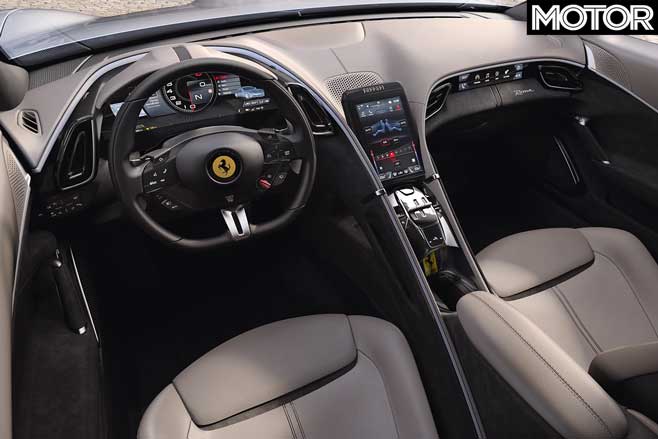
“With its distinctive flair and style, the car is a contemporary representation of the carefree, pleasurable way of life that characterised Rome in the 1950s and ‘60s,” Ferrari says.
“The Ferrari Roma offers discerning clients the finesse and refinement that brings the concept of “la Dolce Vita” right up to date.”
MOTOR will bring updates when Australian pricing and availability for the Ferrari Roma is announced.
