
If you’re a parent of a budding young driver, then you’re probably looking at ways to give them a leg up in the experience stakes. And if that youngster is keen on the motorsport side of the ledger, then you’ll also know that this is not a cheap exercise.
An interesting deal between the organisers behind the successful Twilight Tarmac Rally Sprint series in Sydney and Hyundai, though, goes a little way towards killing these birds with one stone.
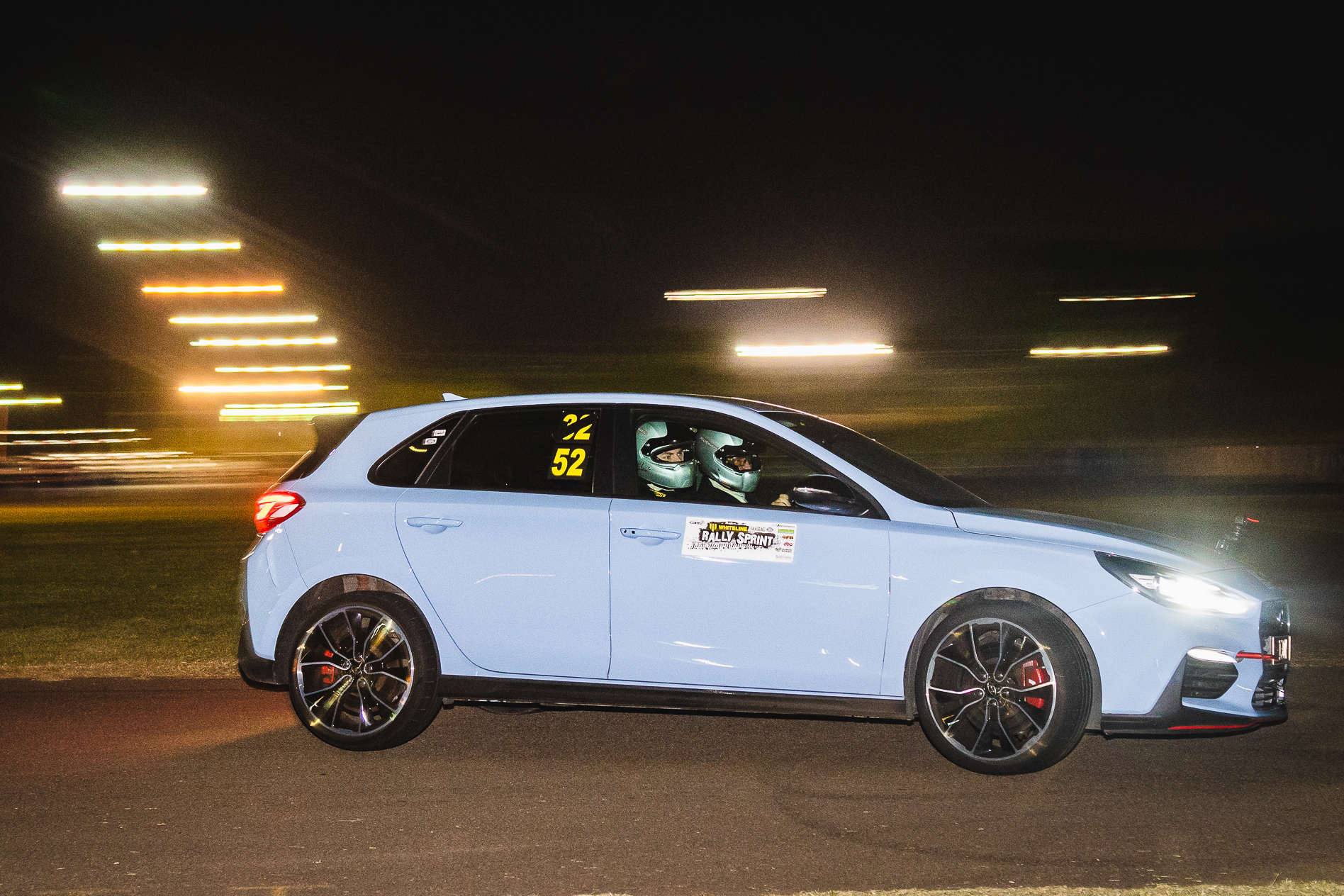
The series is held after hours during the week, and runs over a surprisingly long tarmac track in and around Sydney Dragway, with five rounds over the summer months. Each racer attacks the track one at a time, and depending on the day, up to six runs can be completed in a night.
It might not sound like a lot, but trust us… it’s plenty!
The club behind the series, the North Shore Sporting Car Club, has twisted the arm of Hyundai – which has previously used the event to test its Targa car and its amazing Kona EV skunkworks machine – to offer young drivers in its GFB-backed junior challenge a money-can’t-buy chance to use one of its i30N cars for a round, as well as receiving tutelage from Hyundai tarmac racer and rally ace Brendan Reeves.
A one-off entry fee for the entire five-race series, which kicks off in mid-October in Sydney, will include the use of an N Performance-supported Hyundai i30N for one of the rounds, with Brendan offering extra tuition and mentorship across the series.
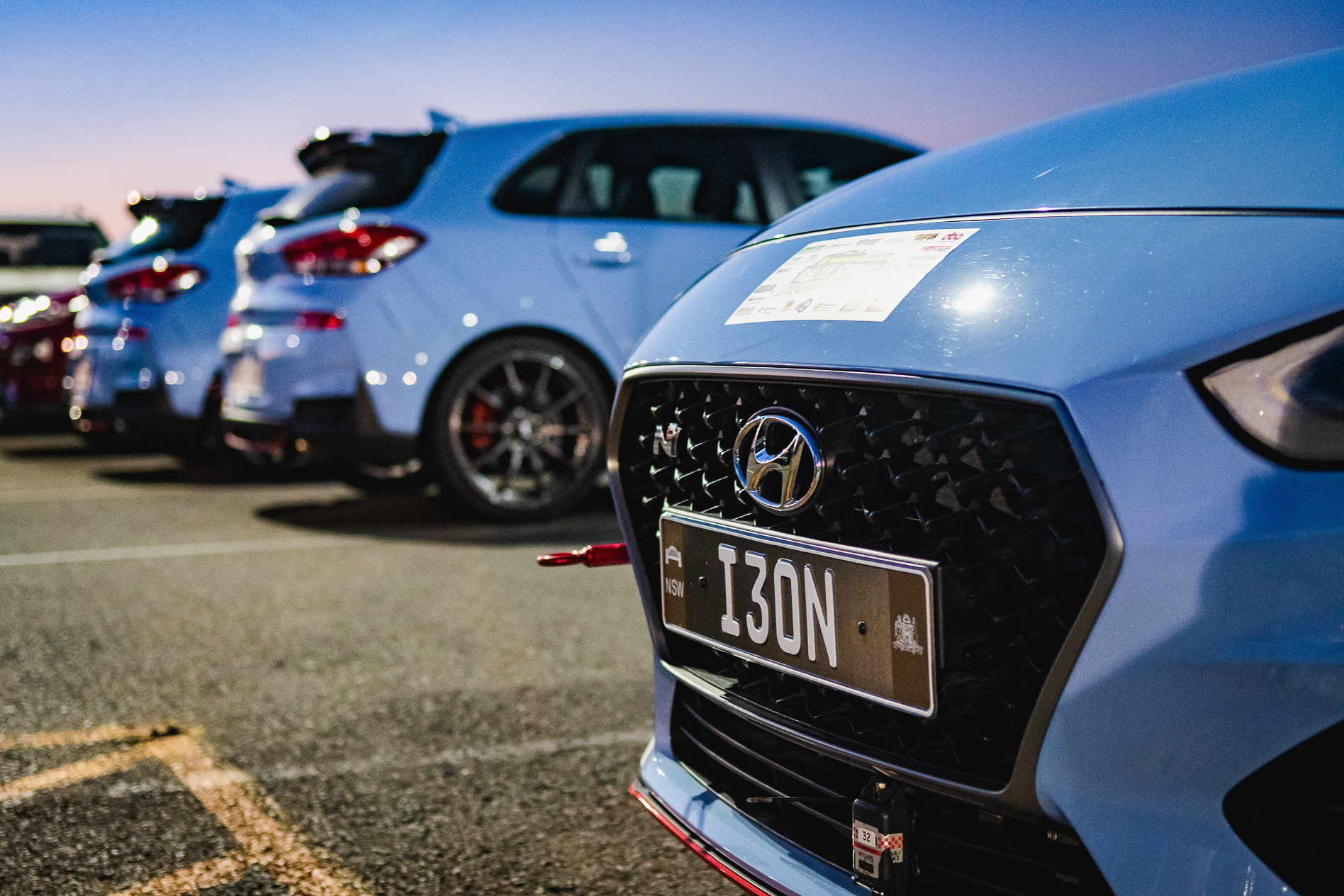
The only catch – the driver needs to be under 18 before the start of the first event. Drivers as young as 14 can compete with a CAMS junior licence.
“The primary reason we’re getting involved is we want to encourage the next generation of motoring enthusiasts,” said Hyundai’s marketing, PR, sponsorship and events senior manager, Guido Schenken. “What better way than to get them to experience motorsport at a young age, but importantly in a safe environment?”
Schenken believes the unique nature of the sprint event is a great springboard for aspiring tarmac jockeys.
“Young drivers need to learn about driving, particularly dynamic driving, in a controlled situation and the Twilight Rally sprint Series provides that,” said Schenken.
“Not only does the event take these kids off the streets to explore their limits but we’ll also have Australian rally star Brendan Reeves on hand to act as a mentor. He’ll be able to give them advice and answer any questions they have to hopefully send them home from the night a better, safer young driver.”
“The future of motorsport is juniors, and that’s a policy for both NSSCC and CAMS,” says club president and event organiser Brett Middleton.
“The bonus is the extra driver training before the kids get their Ls, or as they graduate to their Ps.” he said.
“The GFB junior driver program at the Whiteline tarmac rally sprint series is just one of our many programs. Having Hyundai involved with N Performance allows us to reach more juniors and to offer them a bigger carrot to get them involved.”
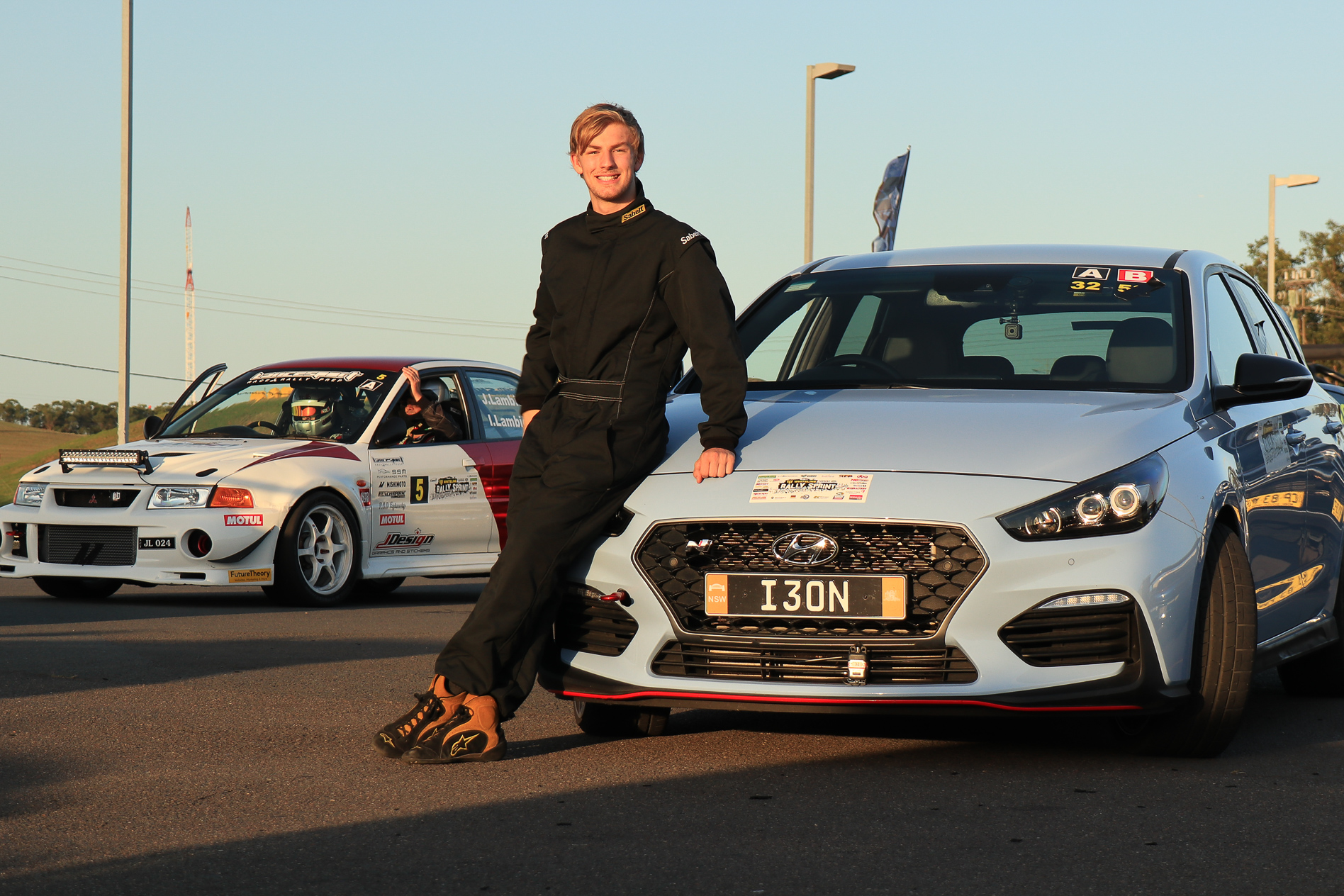
The cars will be standard i30Ns which can be driven to and from the event on the road, according to Schenken.
“The only changes required by the organisers are event sponsorship stickers,” he said.
“The rules are relatively open, however, and last year Reeves experimented with various tyre compounds and brake pads as part of the development program for our Targa Tasmania entry.”
This program is a terrific incentive for young drivers, from this racing dad’s point of view. While rustling up the entire entry fee at the beginning of the season ($880 at time of writing) for 17-year-old Max is proving to be a challenge, it represents a decent saving off a single-entry event.
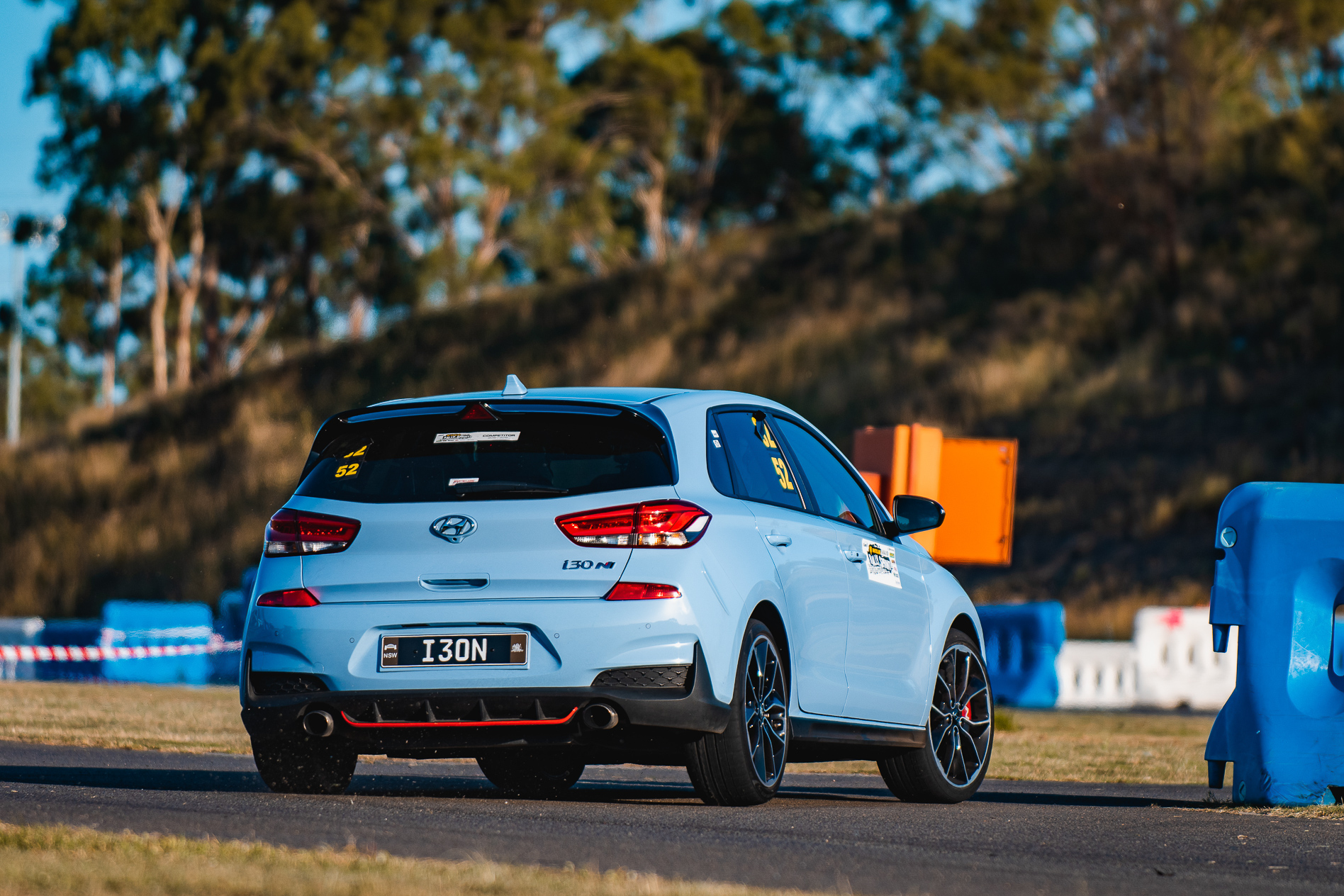
As well, co-drivers – required for junior drivers and who need to be over 18 – don’t have to pay an entry fee, though they do need to have club membership and a CAMS licence for insurance purposes
Add to the fact that we also get to park our own car for a round, and we save on things like tyre wear, fuel and towing costs for that event.
Potential entrants will need to get their skates on, though, as the places on the event are limited.
Texan tuner John Hennessey is many things, but subtle is not one of them. So when he set out to build a monster muscle car with the specific aim of slaying the Dodge Demon, only one name would do: Exorcist.
Besting a car with 626kW/1040Nm that’s capable of a 9.65sec quarter mile is an ambitious goal, but to Hennessey’s credit, it did it. The Exorcist has run a 9.57sec quarter at 237km/h, on the way hitting 97km/h (60mph) in 2.1sec and 161km/h (100mph) in 4.7sec. Top speed is lineball with the likes of the Ferrari 812 Superfast at 349km/h. This is one fast muscle car.
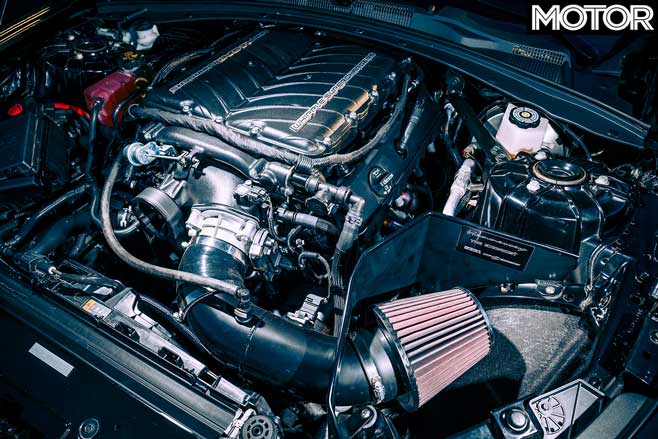
Of course, Hennessey doesn’t build the whole car, but it starts with a good base in the form of a Chevrolet Camaro ZL1 before going to town on the 6.2-litre supercharged LT4 engine.
There’s a high-flow supercharger, custom camshaft, ported cylinder heads, high-flow intercooler and catalytic converters, stainless steel headers and midpipes, new gaskets and strengthened top end with upgraded valve springs and retainers, lifters, pushrods, intake and exhaust valves.
Boost pressure is upped to 14psi and the end result is 746kW at 6500rpm and 1197Nm at 4500rpm. The work takes around 60 hours at a cost of $87,000 and is carried out by approved Hennessey workshop KPM Motorsport.
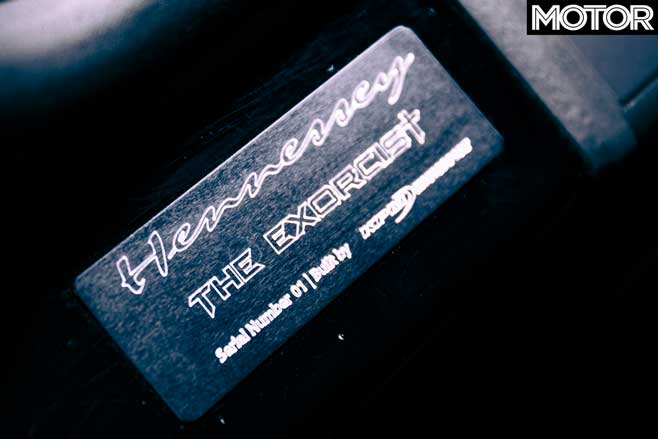
Our test car is actually a little healthier, having been dyno’d at a mind-bending 772kW. It’s also currently the only right-hand drive Exorcist in the world. Just 100 will be built in total and KPM has a licence to build three.
So keen were the owners of this Exorcist that they imported a Camaro ZL1 from the States and had it converted by SCD American Vehicles, prior to HSV officially converting the car for the Australian market.
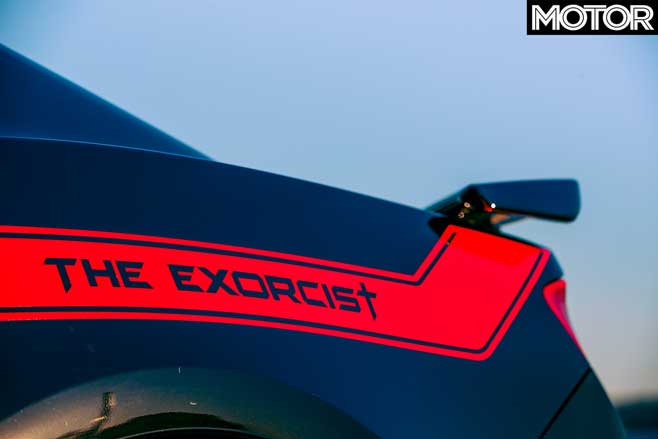
Its understated look is at odds with the power contained within. Remove the graphics and the Exorcist could be a standard ZL1, until you turn the engine on and an idle like a Pro Stock drag car tells bystander that this ain’t no standard Chevrolet.
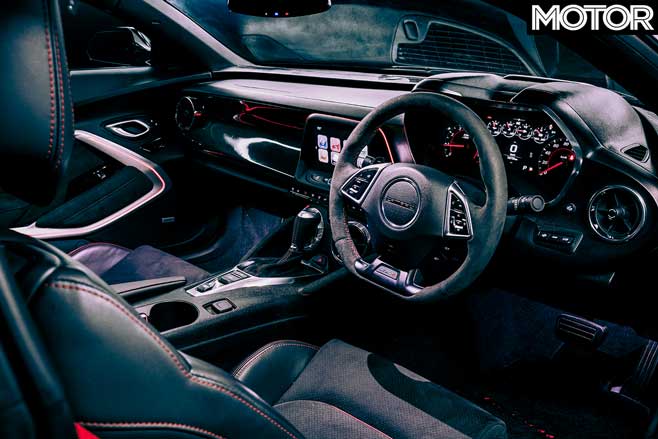
The engine always makes its presence known, rocking the car from side-to-side while stationary with pronounced supercharger whine a constant companion on the move. It’s not as refined as an OEM package in terms of noise, but its manners in everyday driving can’t be faulted.
Engine aside it’s a standard Camaro ZL1, same suspension, rolling stock, brakes, gearbox, so unsurprisingly the driving experience is identical, except for the fact those components are now dealing with almost an extra 300kW.
Rolling through some corners there’s the usual heavily-weighted but accurate steering, clever magnetic dampers that deliver a firm-but-fair ride and resist body roll nicely and confidence-inspiring brakes.
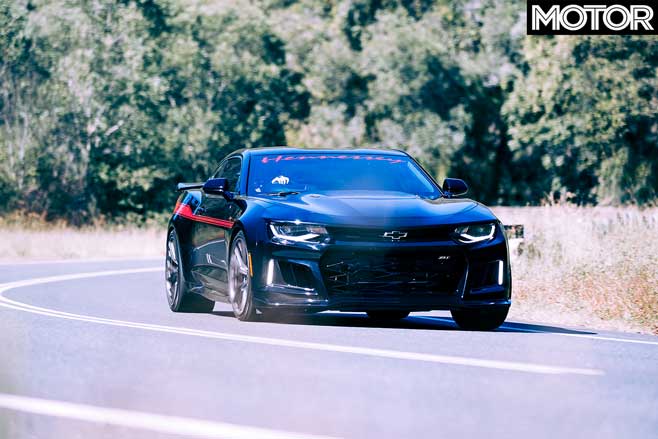
There is so much power that you can only dig so deep into the engine’s reserves on a twisting road. The throttle has a major effect over the attitude of the car; if you’re a little too eager there’s power oversteer in the first five gears, and probably every gear if you’re brave or silly enough to try and find out.
Find a straight bit of road, floor the throttle and the world blurs as your senses are completely overcome. The hellish supercharger scream is now joined by a crisp V8 snarl, the lower gears disappear in an instant and the rear end squirms as it battles to deploy more grunt than a Bugatti Chiron through two 305-section Goodyears.
To be honest, it’s completely overpowered. I’ve never driven a car that requires more respect on a dry road; the Camaro ZL1 is an awesome bit of kit and quite friendly at the limit, but the monster engine can overcome the rear tyres at any moment and at any speed.
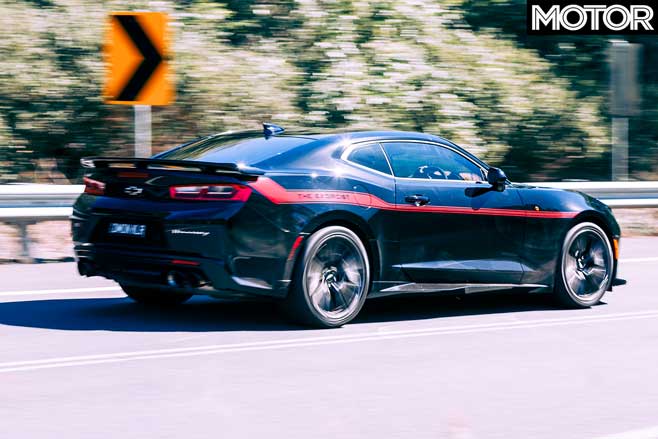
But it’s also completely awesome. Muscle cars are meant to be an event and maybe even a little bit scary; like the HSV GTS-based Walkinshaw W557, the Hennessey Exorcist takes a beautifully resolved performance car and unbalances the ledger by adding a s***load more oomph which makes every drive exciting.
Ironically, in creating a car to kill Demons Hennessey has created a fearsome beast, something truly unhinged, but it’s an experience you’ll never forget. After all, who cares about subtlety?
Check out the latest issue of MOTOR magazine to read a twin-test between the Hennessey Exorcist and the Dodge Challenger Demon.
HENNESSEY EXORCIST SPECS Engine: 6162cc V8, OHV, 16v, supercharger Power: 746kW @ 6500rpm Torque: 1197Nm @ 4500rpm Weight: 1789kg 0-100km/h: 2.5sec (est.) Price: $249,190
Like: All the power in the world matched to the great ZL1 package Dislike: Needs respect; bit unrefined; terrifying fuel use
Rating: 4.5 out of 5 stars
There are good-looking race cars, and then there’s this, the Chevrolet Corvette C8.R. It is an aggro, competition-ready monster. Chevy’s locked and loaded weapon is equipped to take on the GTLM (GT Le Mans) class in America and the GTE category globally.
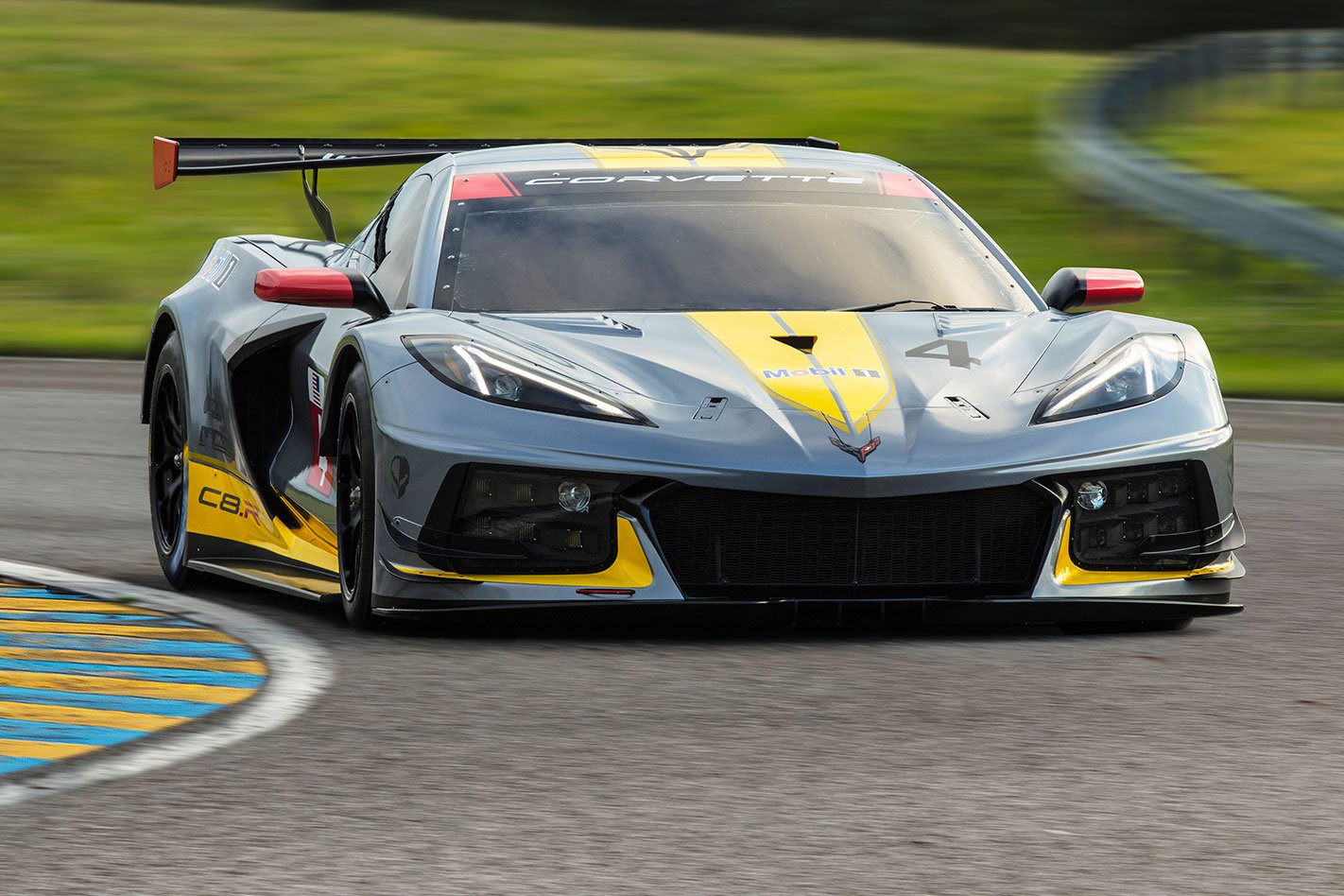
Chevrolet’s on-track knowhow dates back more than 60 years and the C8.R draws on that heritage, but with a new mid-engine twist. GM can now fight its fellow combatants by placing its V8 behind the driver as it takes on key rivals like Ford and its GT.
The circuit version of the C8 Corvette was a surprise addition to the unveiling of the drop-top version of the production car at the Kennedy Space Centre. While not to the same extent as something like the Ford GT, the race and road cars are said to share a technology transfer between the two.
Chevrolet US vice-president of Performance and Motorsport, Jim Campbell, said that the C8.R is a collaboration between GM Design, Propulsion, Engineering and the Corvette Racing team. “The C8.R is much more than just a race-tuned version of the 2020 Corvette Stingray,” Campbell said.
“The collaboration between these teams has allowed us to take these vehicles’ performance to the next level, both on the street and the track.”
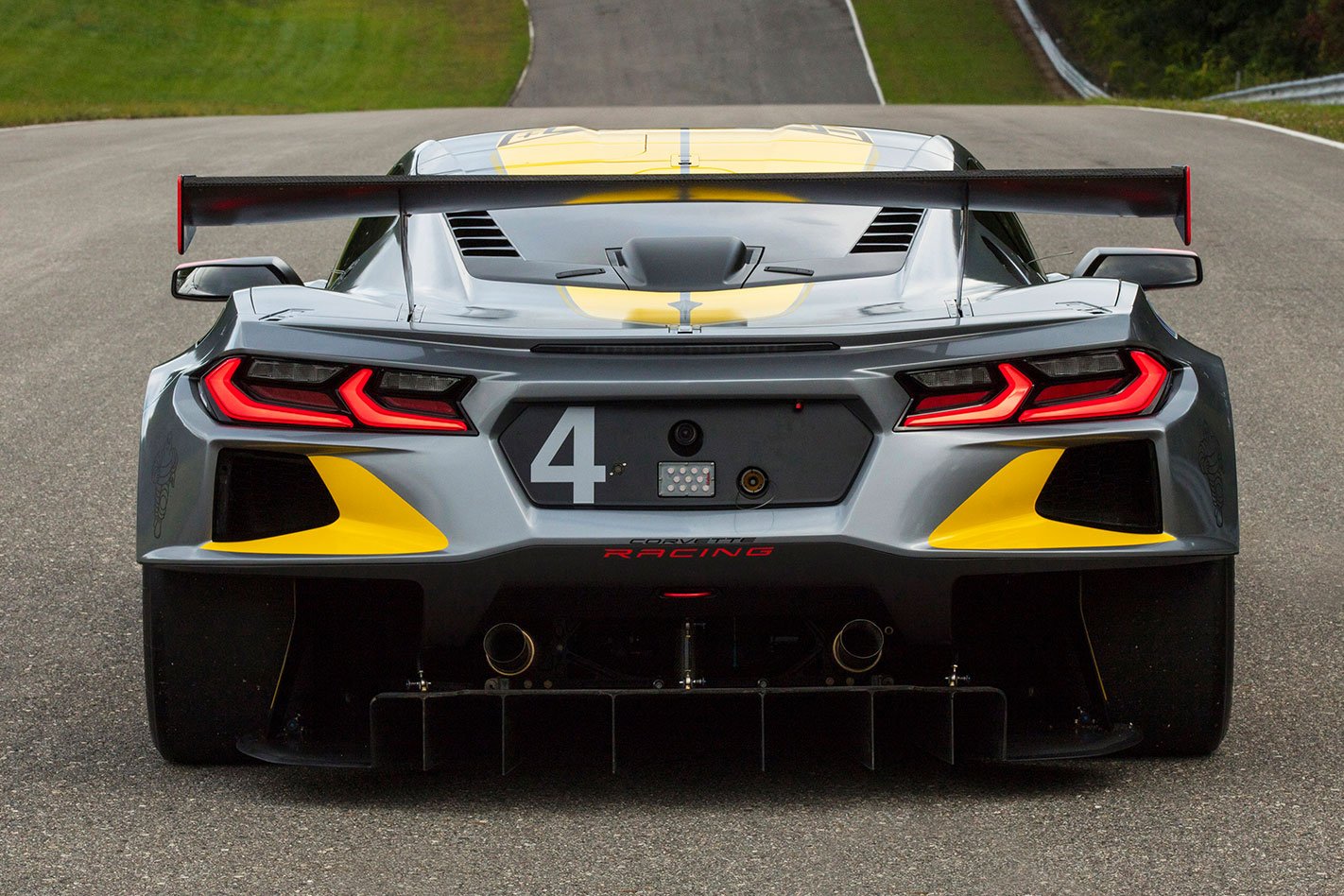
Sportscar365 is reporting that the C8.R, originally touted as being powered by a twin-turbo V8, is likely to be harnessing a 5.5-litre flat-plane crank V8 – although this is yet to be confirmed by GM.
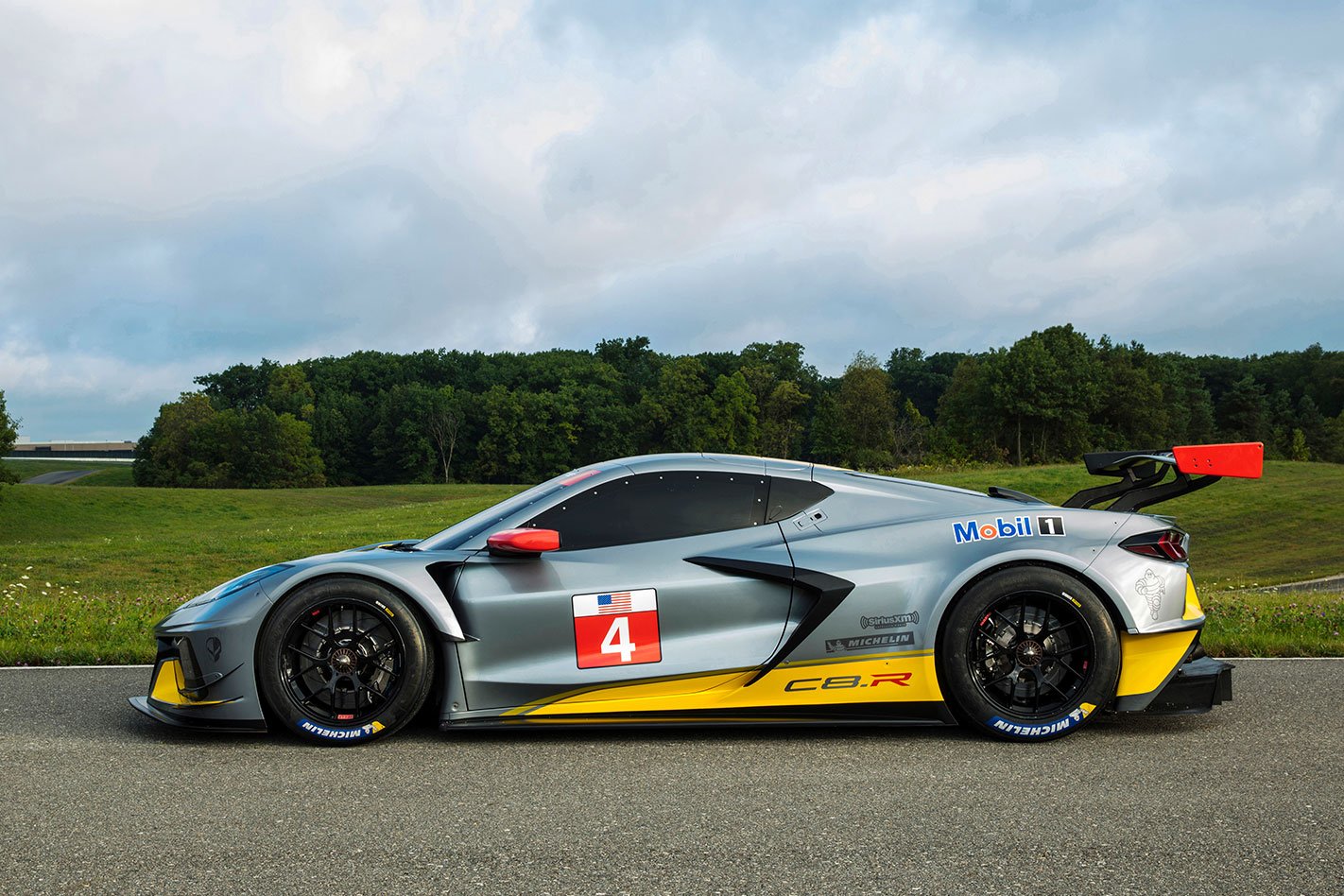
While in the recent past racing Corvettes have worn a yellow hue, the number 4 C8.R is cloaked in a predominantly silver livery. This is said to be inspired by iconic Corvette concepts like the 1973 Aerovette and the 1959 Corvette Stingray racer.
The number 3 car carries the more traditional livery with silver accents breaking up the predominately yellow design, which taps into the lineage of Corvette in the GTLM racing category.
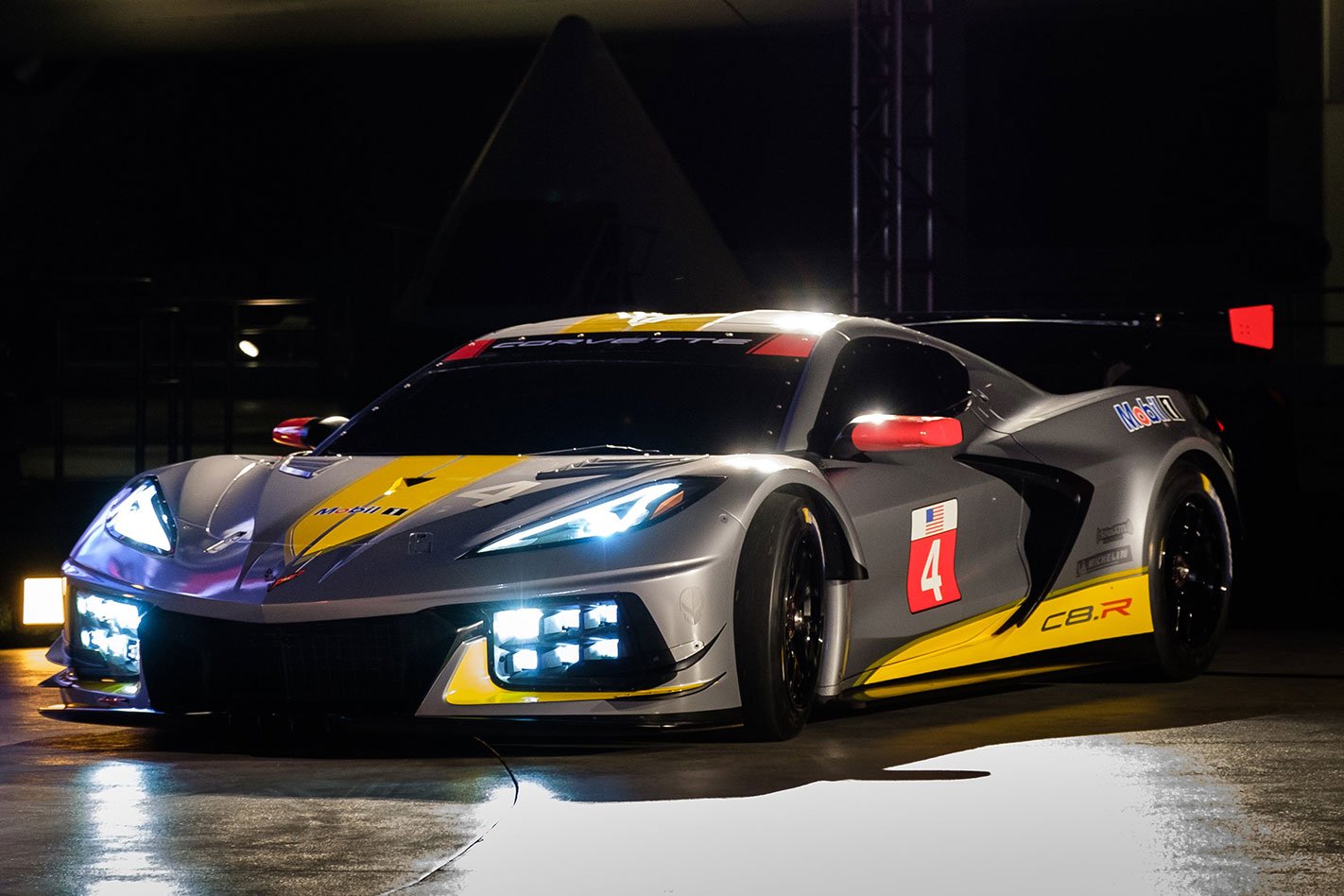
The C8.R will make its racing debut at Daytona for the 2020 Rolex 24 and is expected to compete in the IMSA WeatherTech SportsCar Championship next season. It will also have to fall under strict BoP restrictions and it will likely find its way into the LM GTE class for the 2020 Le Mans 24 Hour.
A lower-spec GT3 version (less power but more downforce) of the Corvette has also been speculated, which means we could see a racing ’Vette at the Bathurst 12 Hour in the future.
THE WHEELS VERDICT
How good is a Lamborghini Urus? Strangely, it’s almost an irrelevance. An overwhelming proportion of Urus buyers want one because it’s a Lamborghini that the family can travel in and need no further justification. That it’s also a car that does enough to merit the raging bull on its bonnet will satisfy those well acquainted with Lamborghini’s tumultuous timeline. While sales of Urus continue to swell, lifting the company towards 7000 cars per year, we doff our caps to this super-SUV. It’s the car that’s going to fund the next generation of Sant’Agata’s hyper sports cars. Whatever else it does, it earns our respect for that.
WHAT IS THE LAMBORGHINI URUS?
Lamborghini isn’t just a company that makes mid-engined supercars. In the past it built elegant 2+2s, four-seater grand tourers and the imposing LM002 four-wheel-drive truck. It’s this latter vehicle which paves the way for a new generation of Lamborghini utility vehicles, spearheaded by the Urus. An SUV from the very top tier, it now accounts for fully 50 percent of all production out of Sant’Agata and brings to market a very special set of skills.
WHY WE’RE TESTING IT
The opportunity to put the Urus through its paces both on track and off-road wasn’t something we were about to forgo. The question we really wanted to answer was whether this slice of exotica could justify the premium over something like a Porsche Cayenne Turbo.
LAMBORGHINI URUS REVIEW
“Where do I end up if I outbrake myself at the end of the straight,” I ask Lamborghini’s lead instructor at Phillip Island. “Nowhere good,” comes the blunt reply. I probably shouldn’t worry too much about that. The Lamborghini Urus I’m driving is equipped with braking hardware that could probably stand an Airbus A380 on its nose. The 440mm carbon ceramics up front are the biggest brake discs fitted to a production car and are clamped by 10-pot calipers. The rear rotors are only 10mm smaller than the front discs on a 911 GT3.
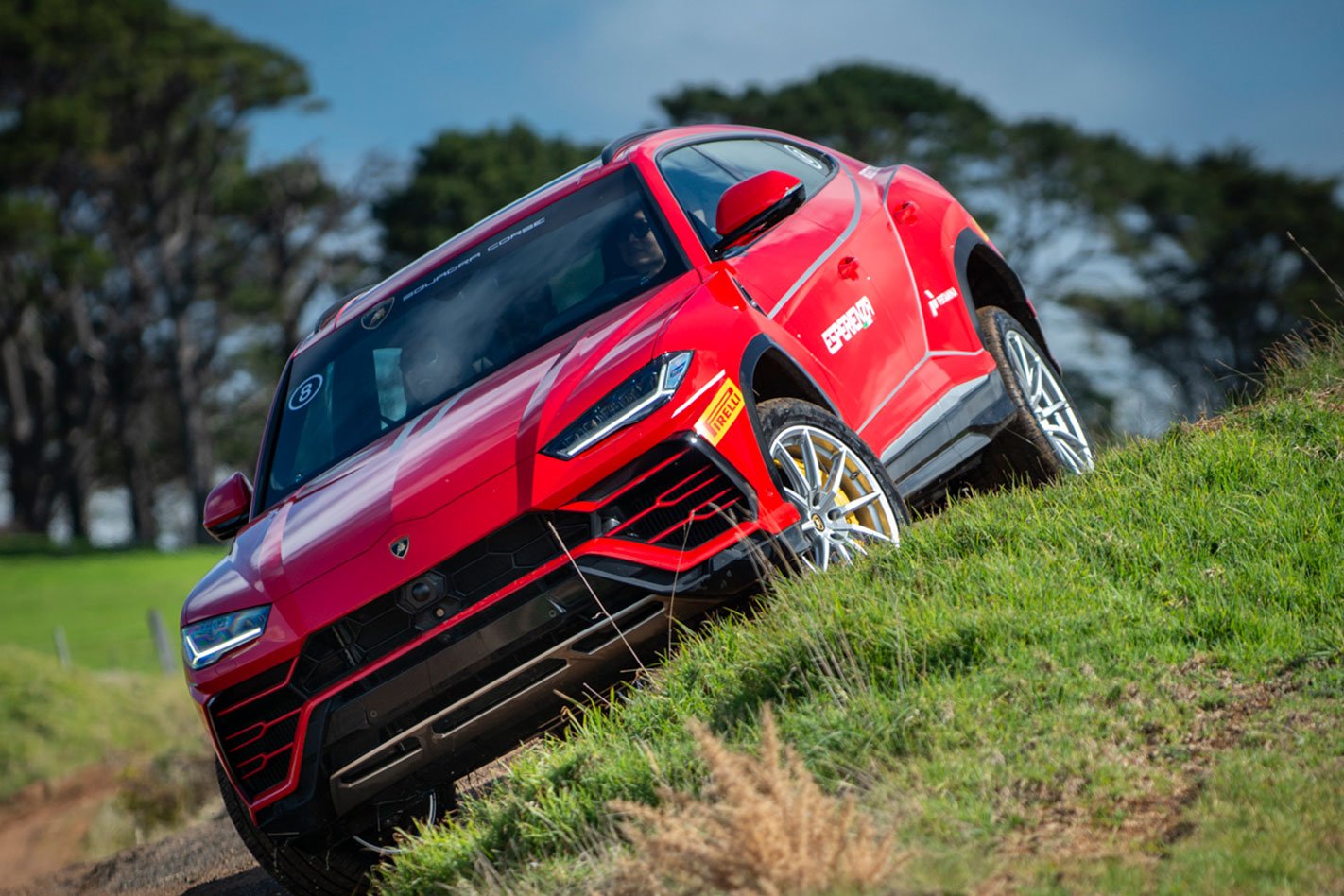
But then you need a decent set of stoppers when you combine 478kW with 2200kg. What you don’t expect is how effortlessly the Urus seems to shuck off that heft. Put most big SUVs on a racetrack and they’re about as elegantly composed as a frog in a sock. The Urus feels as if it could lap Phillip Island all day. It can’t, of course, because it would require a frankly terrifying fuel, tyre and brake budget to keep the thing lapping at pace, but as a demonstration of capability, it’s hard not to be impressed.
Of course, there will always be those who refuse to be impressed, who feel that the Urus is a blot of Lamborghini’s copybook. They’ll disparage it as an Audi Q7 in a party frock, an entirely cynical means to an end. Here’s a fact though. There are Urus haters and there are those who’ve driven the thing. True, most things would be improved with the addition of a naturally aspirated V12, but in the world of commercial realities, the Urus is as good as you could possibly hope for.
Jump inside and it’s tempting to start spotting the Audi bits, but it’s a fairly jaded exercise. You could engage in the same churlish nitpicking on a 16-year-old Gallardo. You should be used to some things by now. I’m not sure that some of the plastics are what you’d expect if you’re forking over $390,000 and the whole edifice that houses the ‘Tamburo’ mode selector, gear lever and start button is no great triumph of ergonomic elegance or materials quality.
Read: Future of the supercar is safe thanks to SUVs
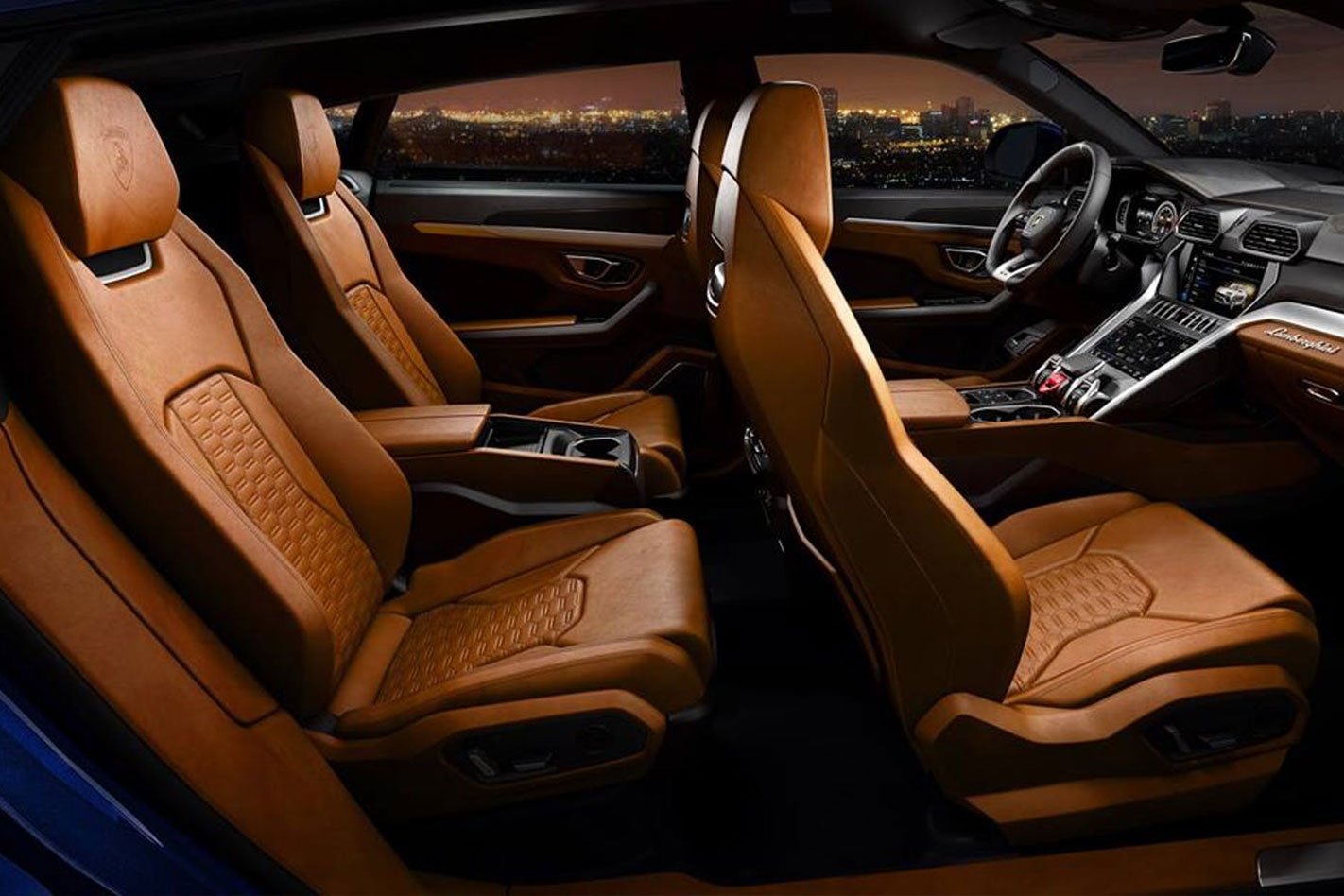
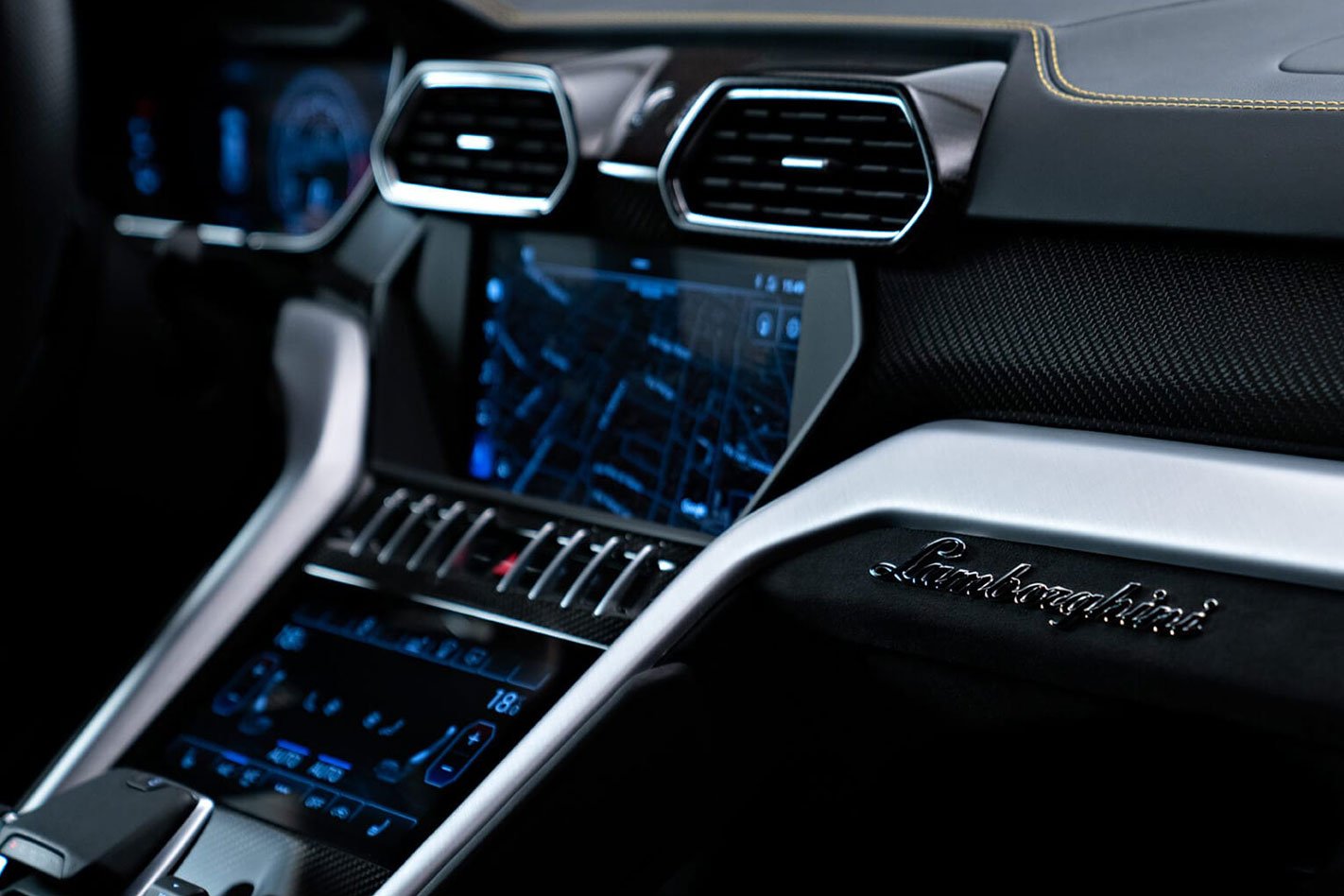
The infotainment system is effectively a re-skin of Audi’s MMI Navigation Plus architecture and it’s very good, comprising two high-res haptic touchscreens. The top one marshals most of the controls while the lower one is relegated for HVAC controls and hot-key short cuts. There’s a flat-bottomed steering wheel (of course) and a glitzy digital dial pack. The stitched leather trim is excellent, and accommodation in the vehicle, whether configured with a rear bench for three or a pair of reclining seats, was par for the course. The boot’s a decent size (616L) but there’s no spare beneath the floor.
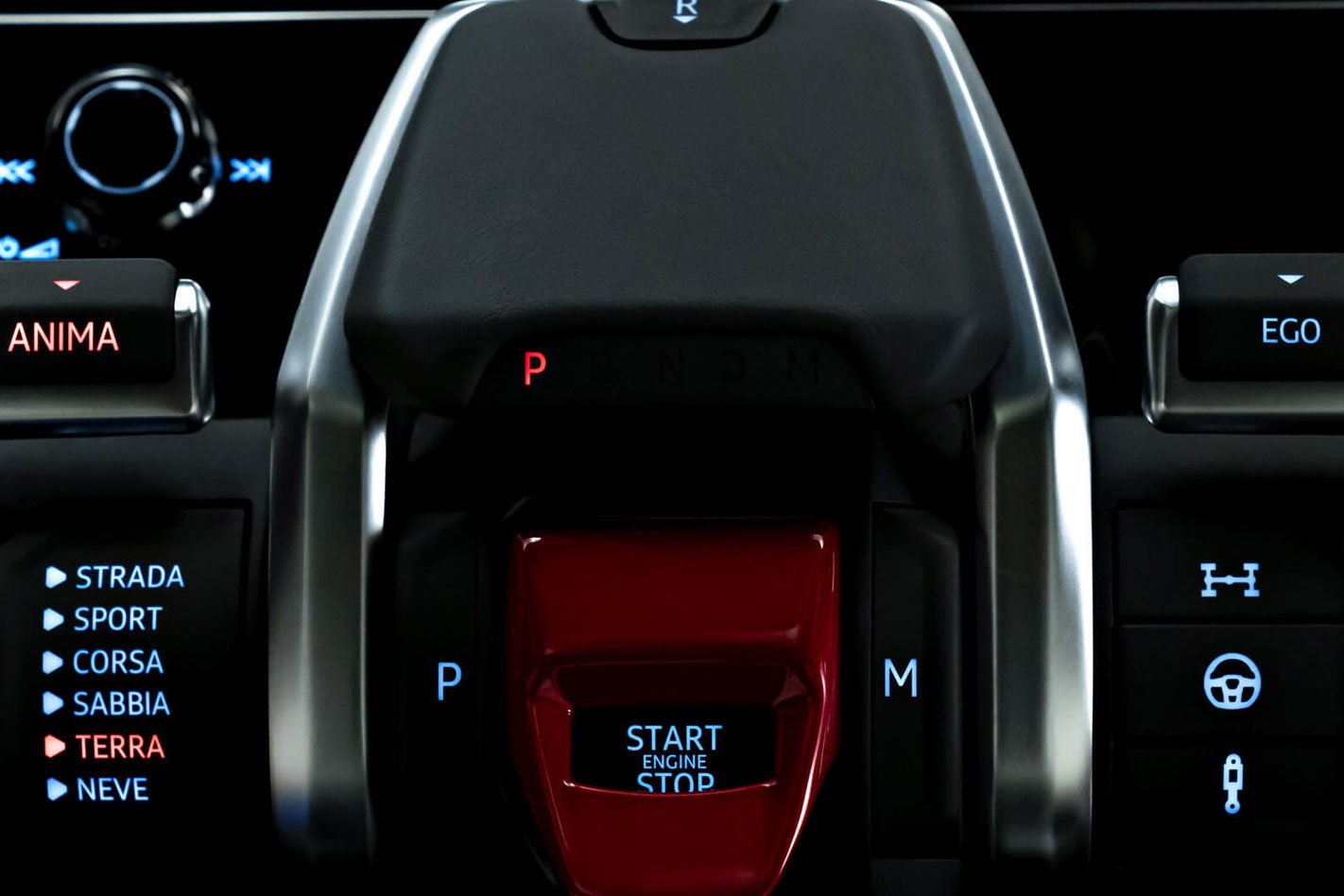
Flip the red-hinged cage and hold the starter button and the Urus growls to life without the theatrical flare of revs of the supersports cars. Your first impression is of almost freakish manoeuvrability. The leviathan Urus’s turning circle is just 11.8m, or about the same as a Mazda CX-5, thanks to its all-wheel steer system. The steering feels hyperalert at low speeds, but we’re not really here for low speeds.
Mash the throttle and 100km/h arrives in 3.6 seconds without any histrionics from the drivetrain. Get really ambitious with the final corner at Phillip Island’s GP Circuit and you might even nudge the top speed of 305km/h at the end of the straight before your Bass Strait proximity sensors start pinging. Switch it into Corsa mode and you get a fusillade of crackles and bangs on the overrun and some bass from the exhaust which make up for the 4.0-litre V8’s slightly turbo-generic vocabulary.
All 850Nm are available at any point between 2250 and 4500rpm, so manually clacking up and down the eight-speed ZF auto feels fairly superfluous. Leave the software to figure the gears out and you can concentrate on the scenery exploding through the windscreen at a dizzying rate. Pile on some speed and the Urus is quicker than a BMW M5. It corners, too.
Lamborghini has purloined the best available tech from every outpost of the Volkswagen Group for the Urus. Active anti-roll bars virtually cancel bodyroll through corners and smart drive logic is assisted by the fitment of a Torsen self-locking centre differential and a torque-vectoring rear differential. The air suspension adjusts ride height where required, offering up to 248mm of ground clearance, and does a decent job of mopping up surface imperfections.
To get the best from the Urus, you need to almost bully it through corners. At ‘normal’ speeds, it feels as if the electronics have all the answers. Push harder to the point where you begin to feel the weight transfers and it still feels all of a piece, even in Corsa. The chassis’ sleight of hand only goes so far, however, and the Urus never quite convinces as a tactile thing. The steering doesn’t deliver faithful feel, the carbon ceramic brakes respond well to a good stamp but can be tricky to feather, and the tyres can overheat without too much provocation.
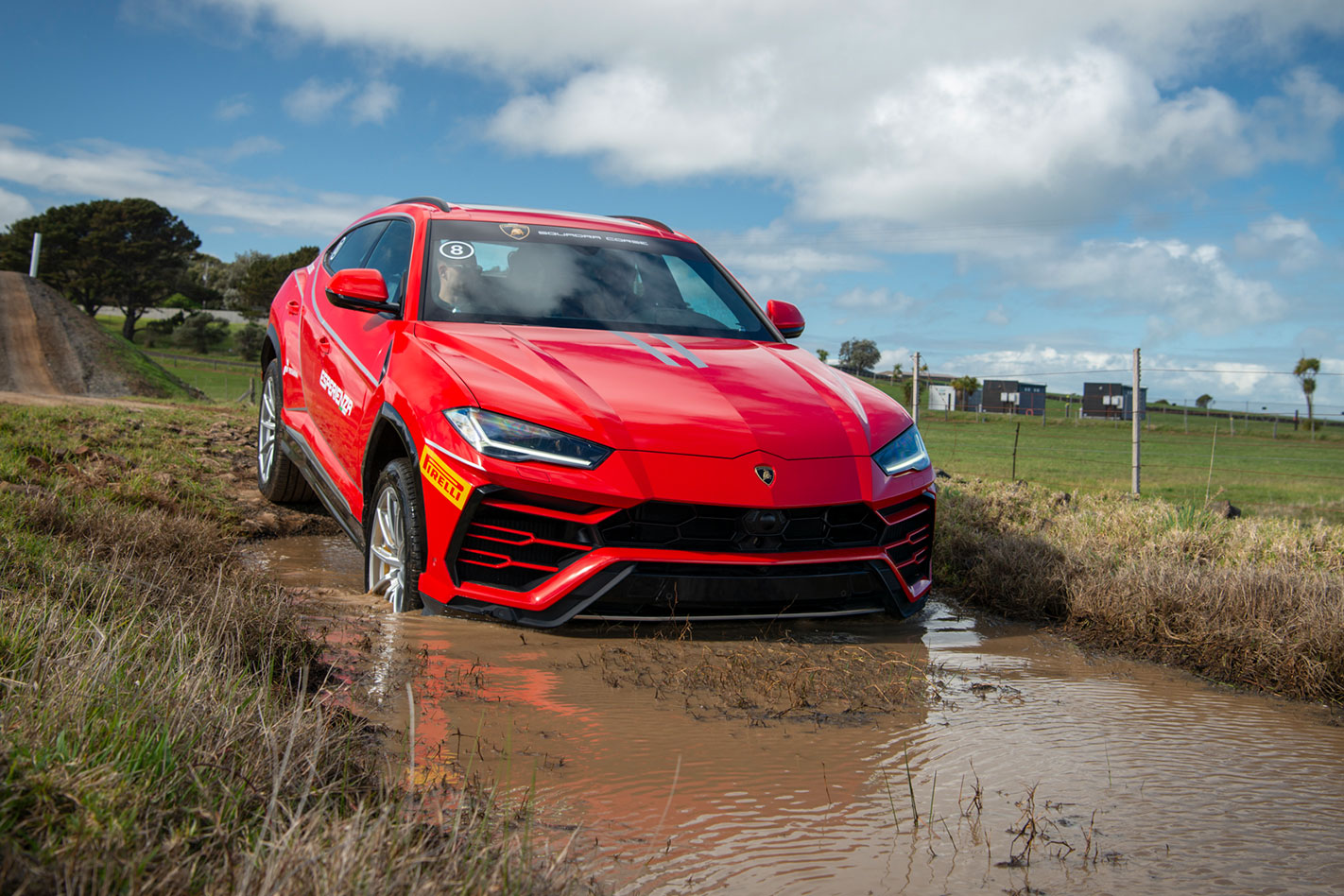
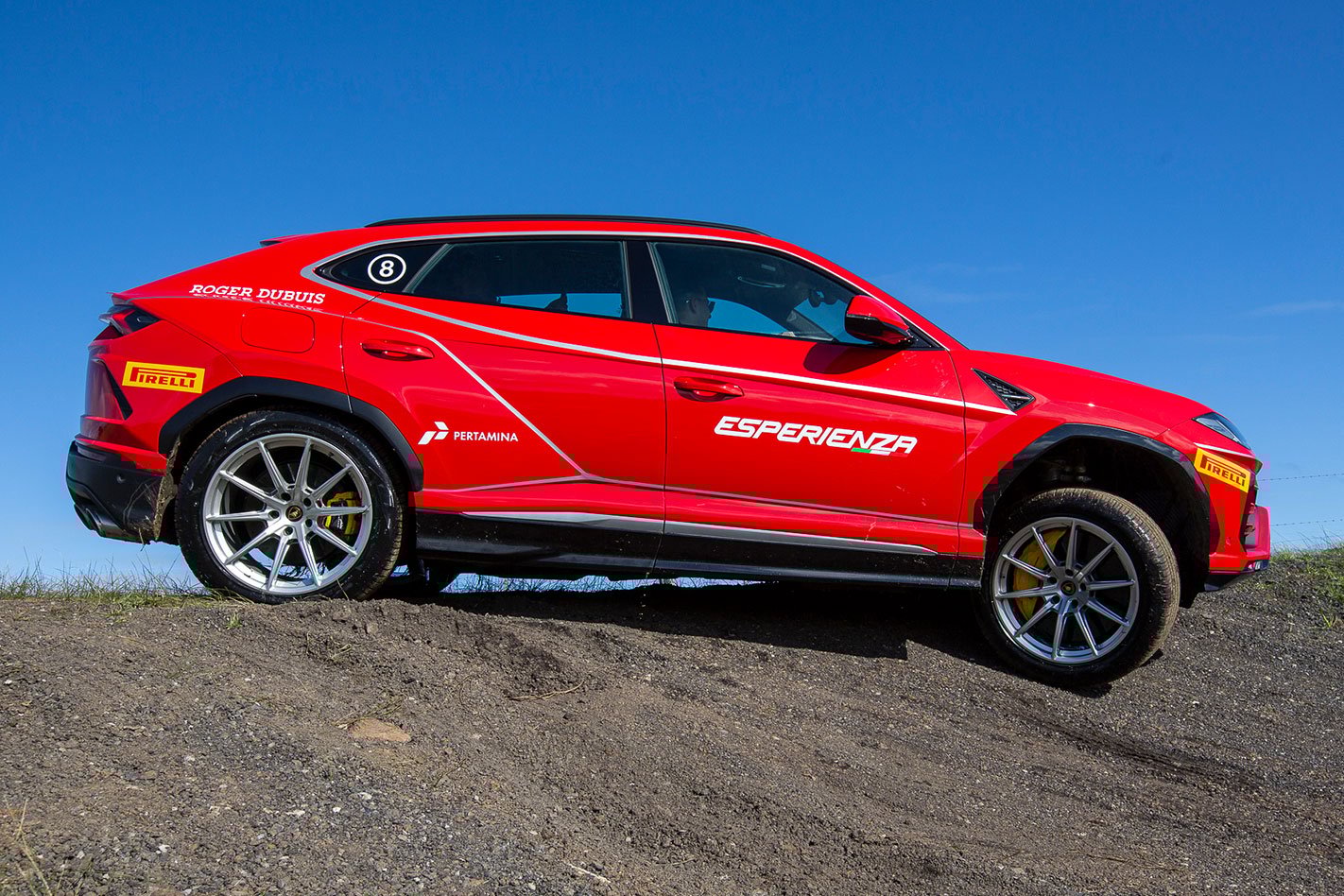
With the drive mode switched to Terra, or off-road, the Urus can clamber reasonably well, although so much comes down to your choice of tyre. There’s no low-range transfer case, but the Urus does get an effective hill descent control that works in both drive and reverse gears. Towing? You’ll be able to drag a 3.5-tonne braked trailer or a 750kg unbraked unit. An 85-litre fuel tank should give decent range when you’re not at full tilt on a GP circuit, although the quoted fuel consumption figure of 1.2.6L/100km is optimistic
Objectively, the Urus is hard to make a case for. You could save yourself $150,000, opt for a Porsche Cayenne Turbo and own a car that’s almost as capable. In this corner of the market, however, ‘almost’ isn’t good enough. If you’re dealing with absolutes, the Lamborghini Urus aces every other super-SUV. Its extremity is its salvation and, indeed, that of Lamborghini as a company. It’s a keystone product for the brand and it stands up as a worthy wearer of the raging bull badge.
MAIN RIVALS
Bentley Bentayga; Porsche Cayenne Turbo, Tesla Model X Performance
PRICE AND SPECS
- Model: Lamborghini Urus
- Engine: 3996cc V8, dohc, 32v
- Max power: 478kW @ 6000rpm
- Max torque: 850Nm @ 2250-4500rpm
- Weight: 2280kg
- Economy: 12.6L/100km (claimed)
- 0-100km/h: 3.6sec (claimed)
- Price: $390,000
- On sale: Now
Audi’s RS4 Avant has been refreshed with a new face and more goodies.
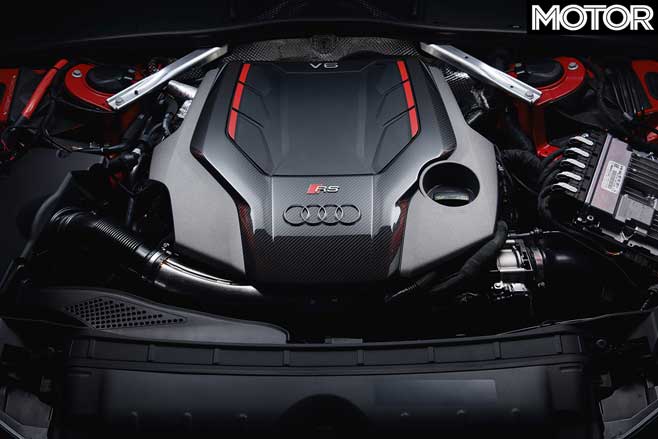
It’s still a 2.9-litre twin-turbo V6 under the bonnet, putting 331kW and 600Nm to all four wheels for a 0-100km/h sprint to be done in just 4.1 seconds. Or so Audi claims… MOTOR managed a 3.86sec run in 2018, with a 12.03sec quarter-mile.
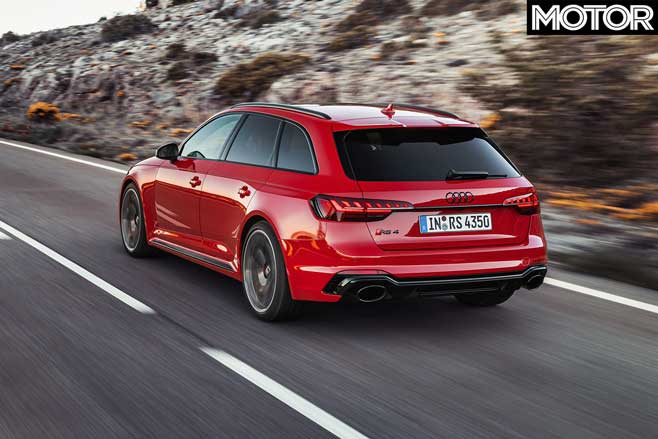
But its design is where the most obvious changes are, with “the front section of the new RS4 Avant [having] been completely redesigned.”
It’s now more aggressive, with an RS6-like design and the large ‘eggcrate’ grille flanked by large lateral air inlets which are now enclosed in body colour.
Audi has also made the wheel arches 30 millimetres wider at the front and back compared to the A4 Avant.
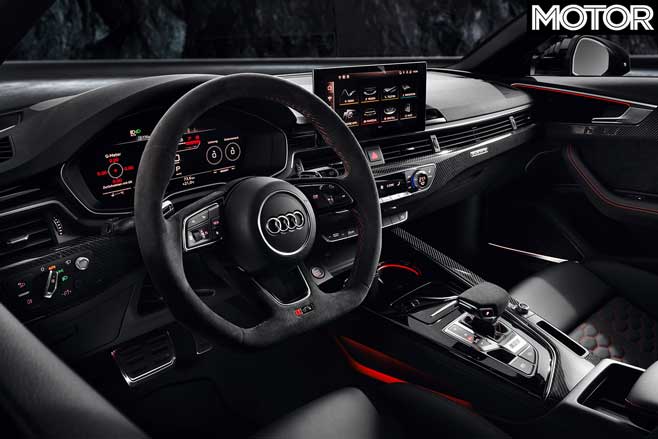
Inside, a new 10.1-inch MMI touch display takes over from the previous RS4’s rotary control, providing ‘acoustic feedback’.
Also new are RS1 and RS2 modes, which drivers can customise to suit their different drive mode preferences for easy access.
“Combining consistent sportiness with unlimited everyday usability may seem like an unconventional idea to some, but to us, the high-performance Avant is one of the best concepts of our 25-year history,” says Oliver Hoffmann, managing director of Audi Sport.
“As our long-standing bestseller, the Audi RS4 Avant contributes significantly to the success of Audi Sport GmbH.”
The new Audi RS 4 Avant is expected to arrive in Australia in mid-2020. Pricing and specification will be announced closer to launch.
What’s in a name? A lot, to be honest. People don’t just want a car that’s priced well, looks good and meets their needs, but they also want one with a bootlid badge that won’t make following traffic laugh openly at their ride.
Which begs the question of how some cars end up with the most perplexingly bizarre names.
Take, for example, the Suzuki S-Presso. Announced this week for the Indian market, it’s a reasonably good-looking compact SUV that has nothing to do with coffee, yet its name makes us feel like you’d need to buy one from a barista, not a car dealer.
Yet the S-Presso is low on the crazy name spectrum. There are far more egregious examples out there though – flick through the captioned gallery above to see ‘em.
The C8 Chevrolet Corvette is a bit of a hooligan. Despite all the PR jargon out its American headquarters relating to honed mid-engine dynamics and golf-bag-totting luggage capacity, the venerable ’Vette is still loads of fun.
Videos posted to Jason Cammisa’s Instagram show the new 369kW/637Nm C8 blasting to 183km/h from standstill and performing smoke-filled donuts. And it sounds good, too.
https://www.instagram.com/p/B3DMtH4gl5K/?utm_source=ig_embed&utm_campaign=loading
In the post, Cammisa references the fact that driving impressions are still under embargo, but it’s evident from the footage that the C8 is no slouch from a standstill – even without launch control.
His list of disclaimers entails: “This was at over 3500’ (1000m) elevation. This was not using launch control. Transmission was in “Tour” mode. This was a soft brake-torque launch. There was a passenger. This was slightly uphill. Closed course”.
In the short clip, the naturally aspirated 6.2-litre LT2 V8 is wrung out through to the start of fifth gear, reaching an indicated 183km/h (114mph). The footage shows the new eight-speed dual-clutch gearbox shifting up gears bang-on redline.
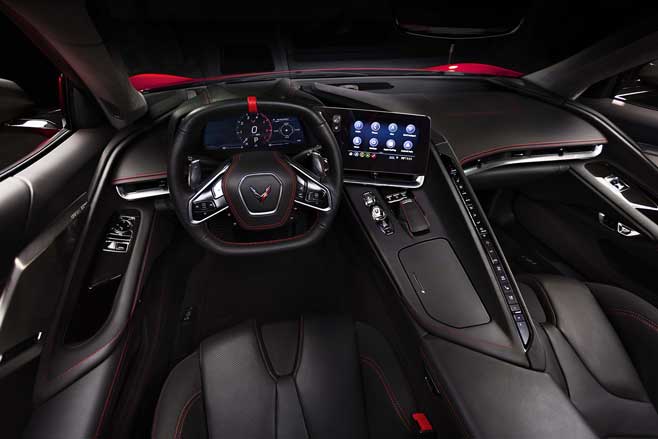
Cammisa was driving the C8 Corvette, with the optional Z51 performance pack, as part of testing for Road & Track’s 2020 Performance Car of the Year.
We know there’s a lot more in the C8, as previous footage shown by Executive Chief Engineer, Tadge Juechter, reveals the top speed to be 312km/h (194mph).
Still, it’s awesome to see that the Corvette hasn’t lost any of its rear-drive character.
https://www.instagram.com/p/B27zLJCg9GX/?utm_source=ig_embed&utm_campaign=loading
With Cammisa riding shotgun, the clip showcases the C8’s approachable nature – the ’Vette certainly has no trouble kicking the back out and holding it in a lurid slide while completing a few donuts.
The C8 Corvette is slated for Australia with a sticker of around $150-170K (rumoured to include the Z51 Package as standard). It’ll likely land late 2020 or early 2021 and will be available for purchase through Holden dealers countrywide.
Australian aftermarket supplier Walkinshaw Performance has released its first ever package for an American muscle car with the Performance Power Pack for Camaro 2SS.
The package is suitable for any locally-converted Camaro (pre- or post-facelift, manual or automatic) and will cost around $10,000, Walkinshaw claiming it is “taking an already impressive power plant and improving on its torque-rich characteristics.
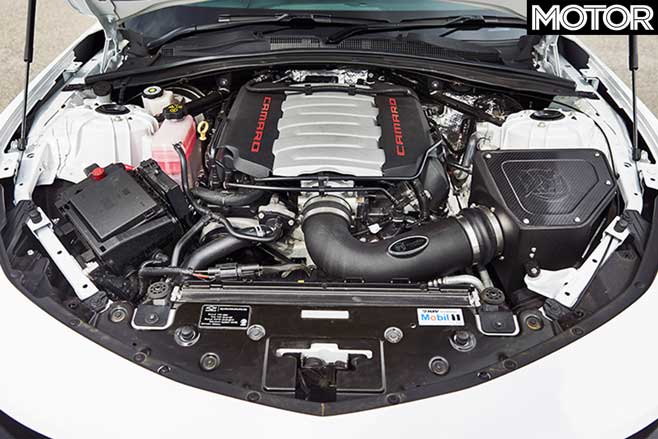
No precise figures have been released, Walkinshaw claiming that power and torque are increased by “approximately 15 per cent”. Applying this calculation to the standard Camaro’s 339kW/617Nm results in 390kW/710Nm, which tallies nicely with info from a WP source who told MOTOR 400kW and 700Nm were rough targets for the upgrade kit.
To achieve these numbers Walkinshaw installs a new stainless system exhaust system, as well as a cold air intake and engine re-calibration. The only external modification is a Walkinshaw Performance badge in dark chrome, but a certificate of authenticity is included and the package is covered by Walkinshaw’s driveline warranty.
The exhaust system is available separately, made from stainless steel and incorporating 4-into-1 ceramic-coated headers with 1.875-inch primary pipes, high-flow catalytic converters, a 3.0-inch catback exhaust with 4.0-inch tips finished in either black or billet silver. The exhaust retains its electronic bi-modal activation.
Walkinshaw Performance boss, Gary Beer, told MOTOR that the Camaro doesn’t carry WP’s traditional number-based naming system as the company doesn’t want to get involved in power wars.
We’ve put our hands up for a road test and will bring you a full review of the Walkinshaw Performance Camaro Power Pack as soon as we can.
The Lotus Exige Sport 410 is one extremely quick lightweight sports car.
Of course, a 3.5-litre supercharged V6 producing 306kW and 420Nm pushing a body that weighs just 1110kg is a pretty solid recipe for speed, but the numbers Hethel’s hardcore hero spat out might just surprise you.
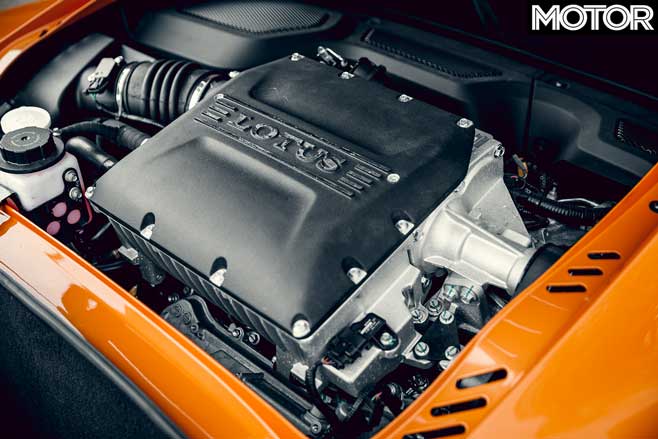
Our sister mag Wheels had a go earlier this year, finding traction a little tricky to come by on Heathcote Raceway’s slippery unprepared dragstrip. Nonetheless, the Exige was still the fastest manual it had ever tested, clocking 0-100km/h in 3.9sec, 0-160km/h in 8.9sec and a 12.3sec quarter mile at 185.9km/h.
Our chosen test venue was Winton Raceway on an overcast but mercifully dry day. The 285mm-wide rear Michelin Pilot Sport Cup 2 tyres need some heat in them but even so getting the Exige off the line cleanly is a delicate balancing act.
Its inherent traction is quite strong and too few revs leads to the engine bogging down heavily; conversely, there’s enough power on tap that too many revs just fries the tyres into a satisfying-but-slow smoke cloud.
Just over 3000rpm seems to be the sweet spot, the rear tyres over-rotating but still providing strong drive. It’s clearly quick, but the linear nature of the power delivery doesn’t blow you away. What does is the noise; when the tacho swings past 4000rpm the racket that emerges from the back of the Exige has few peers in the world of production cars.
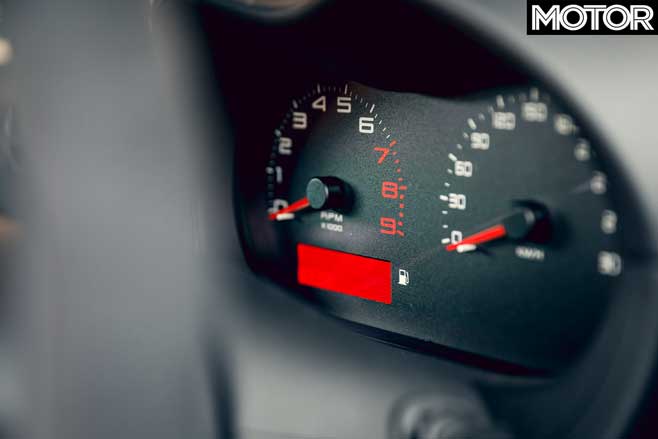
So, the numbers. Hitting 100km/h from rest takes just 3.72sec, 160km/h requires only 8.38sec and the quarter mile is completed in 11.82sec at 192.52km/h.
Lotus is disappointed in these numbers as the claim is 3.4sec, which might be possible with a perfect claim and flat-shifting the one-two change, as the shift is quite slow and costs a couple of tenths.
We’re still impressed, as the closest rival we could find in our archives was the Porsche 997.2 911 GT3 RS, which recorded 0-100km/h in 4.07sec and 0-400m in 12.07sec at 191.96km/h. Ok, so that car is almost a decade old, but it was also twice the price of the Lotus when new and our 2011 Performance Car of the Year.
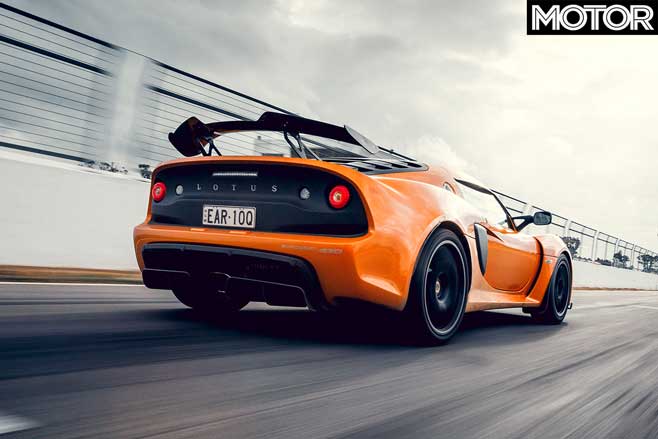
The excellent flexibility of the Exige’s supercharged engine is evident in its 80-120km/h overtaking times, with the increment taking 2.5/3.3/4.6/5.3sec in third to sixth respectively. Braking is equally impressive, pulling up from 100km/h in just 32.48m.
To read a full road test of the Lotus Exige Sport 410, check out the latest issue of MOTOR Magazine.
Chevrolet has officially revealed what we were all expecting: the 2020 Chevrolet C8 Corvette Stingray Convertible.
Chevrolet says the hardtop has lost very little, if any, performance potential over the coupe, with the C8 intended to be available as a drop-top from the beginning of its design phases.
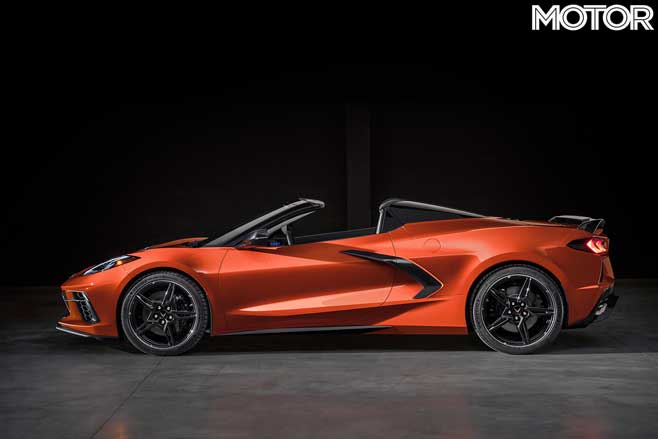
“The mid-engine 2020 Corvette Stingray was engineered first and foremost as a convertible,” Chevrolet says.
“The convertible maintains the tunnel-dominant structure and use of high-integrity die-cast parts found in the Stingray coupe.”
In fact, you could argue this is how a Corvette is supposed to be – the first ever ‘Vette was only available as a convertible.

“We put the world on notice when we introduced the first mid-engine Chevrolet Corvette a few months ago, and now we’re raising the bar with the first-ever hardtop Corvette convertible,” says Chevrolet U.S. vice president Brian Sweeney.
“And the convertible will be priced only USD$7,500 more than entry 1LT Stingray coupe.”
With the same 369kW/637Nm 6.2-litre atmo engine as the coupe, the convertible should be able to produce similar performance figures (which MOTOR will be sure to test when the coupe arrives in Australia).
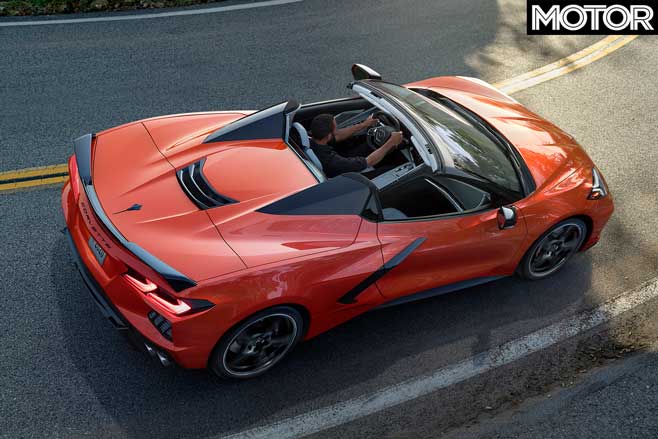
“Our goal from the beginning was to make sure customers didn’t have to sacrifice any functionality, performance or comfort when choosing the hardtop convertible,” says Josh Holder, program engineering manager for the Corvette.
“We managed to keep the same design theme as the coupe, as well as the exceptional storage capacity and track capability.”
MOTOR has contacted Holden for confirmation of the convertible’s eventual availability in Australia, though so far has received no response. It’s expected the convertible will also eventually arrive locally.
