
Australian research has revealed many drivers are unaware of simple road safety techniques designed to protect cyclists.
A survey of 1000 drivers, commissioned by Ford Australia, found that 95.5 percent of respondents were unaware of the ‘Dutch Reach’, which is designed to prevent dooring – when a car door is opened in front of a cyclist.
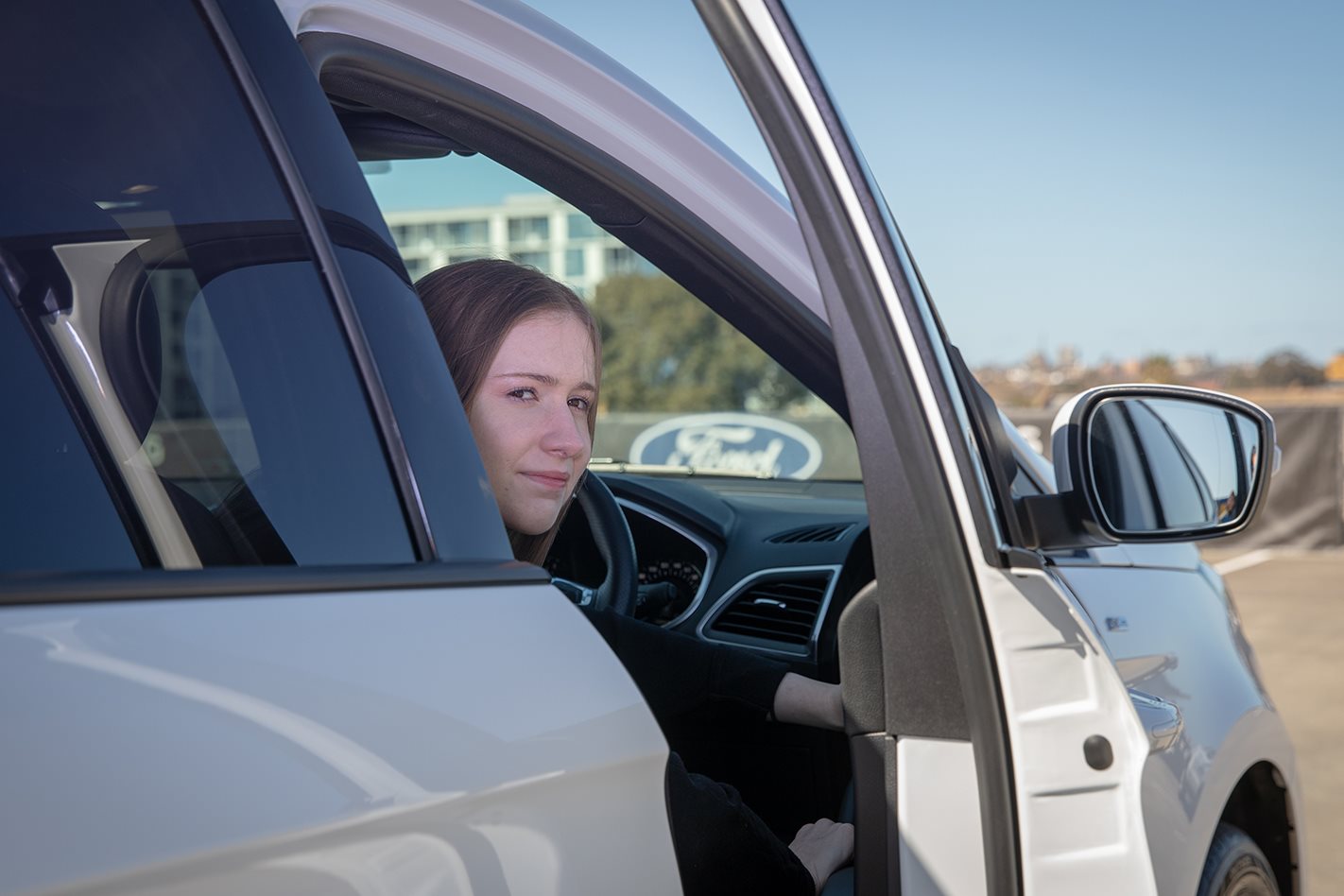
Dooring is a serious road-safety issue, with most accidents occurring in inner-city areas. In Melbourne alone there were 771 reported doorings involving cyclists between July 2011 and June 2016, resulting in two fatalities. 177 were serious injuries.
Meanwhile, about a third of drivers surveyed said they were not aware of road laws such as the “one-metre rule”, where drivers must leave a metre distance between their vehicle and cyclists on urban streets (at 60 km/h or less).
As well, more than half of drivers (53 percent) said they are not confident sharing the road with cyclists, while not surprisingly, 68 percent of cyclists admitted to being concerned every time a vehicle passed them while on the road.
The Dutch Reach explained
Named for its origin in one of the world’s most cyclist-friendly nations, the Dutch Reach is a simple technique designed to open a car door in a way that allows you to spot a cyclist coming approaching the side.
All you have to do is open the car door using the hand that’s furthest from the door.
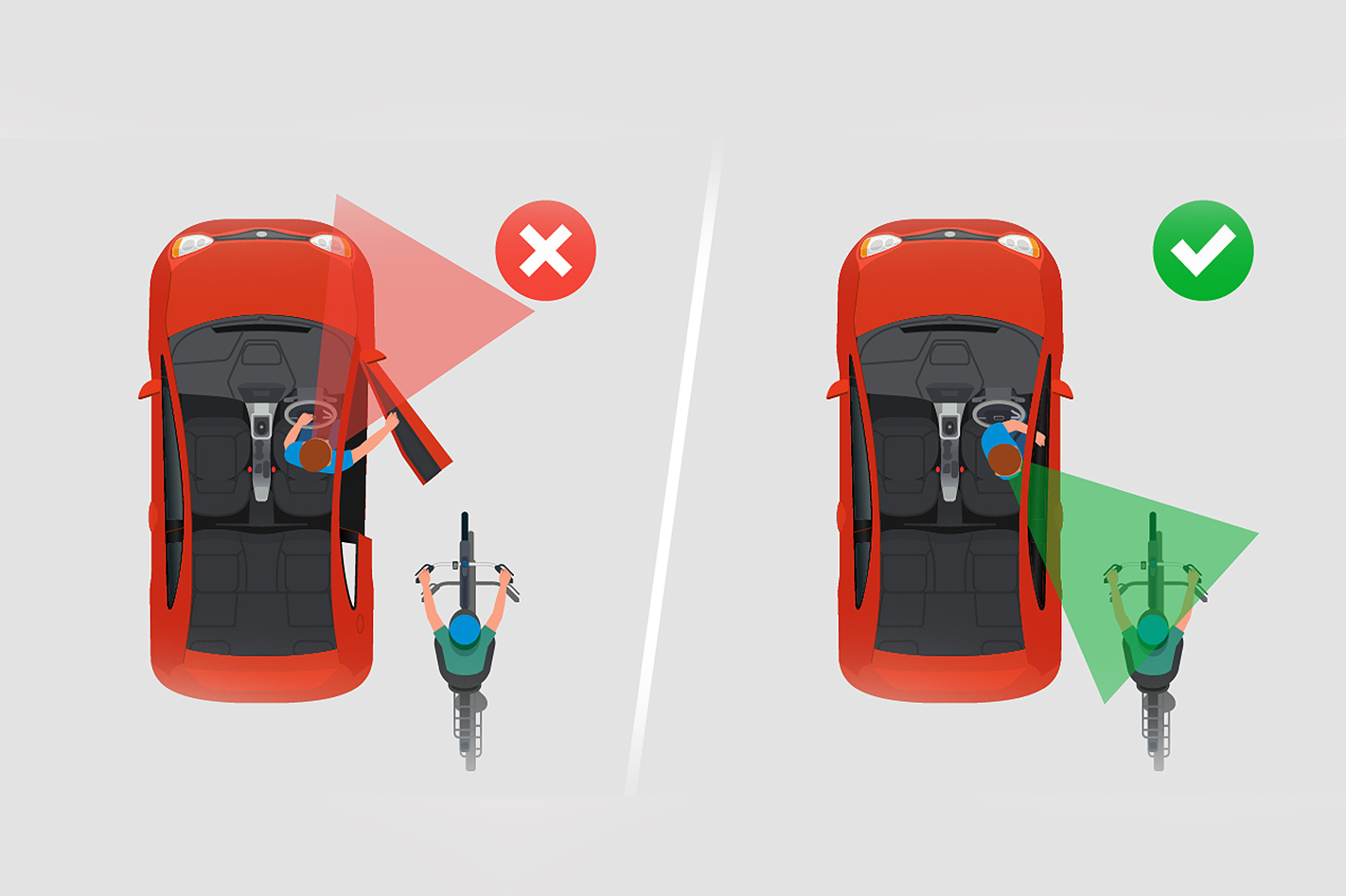
If you’re getting out the driver’s side use your left hand so your body and head naturally rotates towards the door, giving you an extra chance to check whether cyclists are coming.
Hints to remember using the Dutch Reach, or to look out for cyclists before getting out of the car, include tying a ribbon or placing a sticker on the door latch, and practicing the move to commit it to muscle memory.
One-metre rule explained
Unlike the Dutch Reach, which is advisory initiative, maintaining a 1.0-metre space between your car and a cyclist is a road rule that can be enforced through fines and demerit points.
The rule requires all drivers and motorcyclists to leave at least a metre between their motor vehicle and a bicycle rider when passing a bicycle rider on a road with a speed limit 60km/h and below.
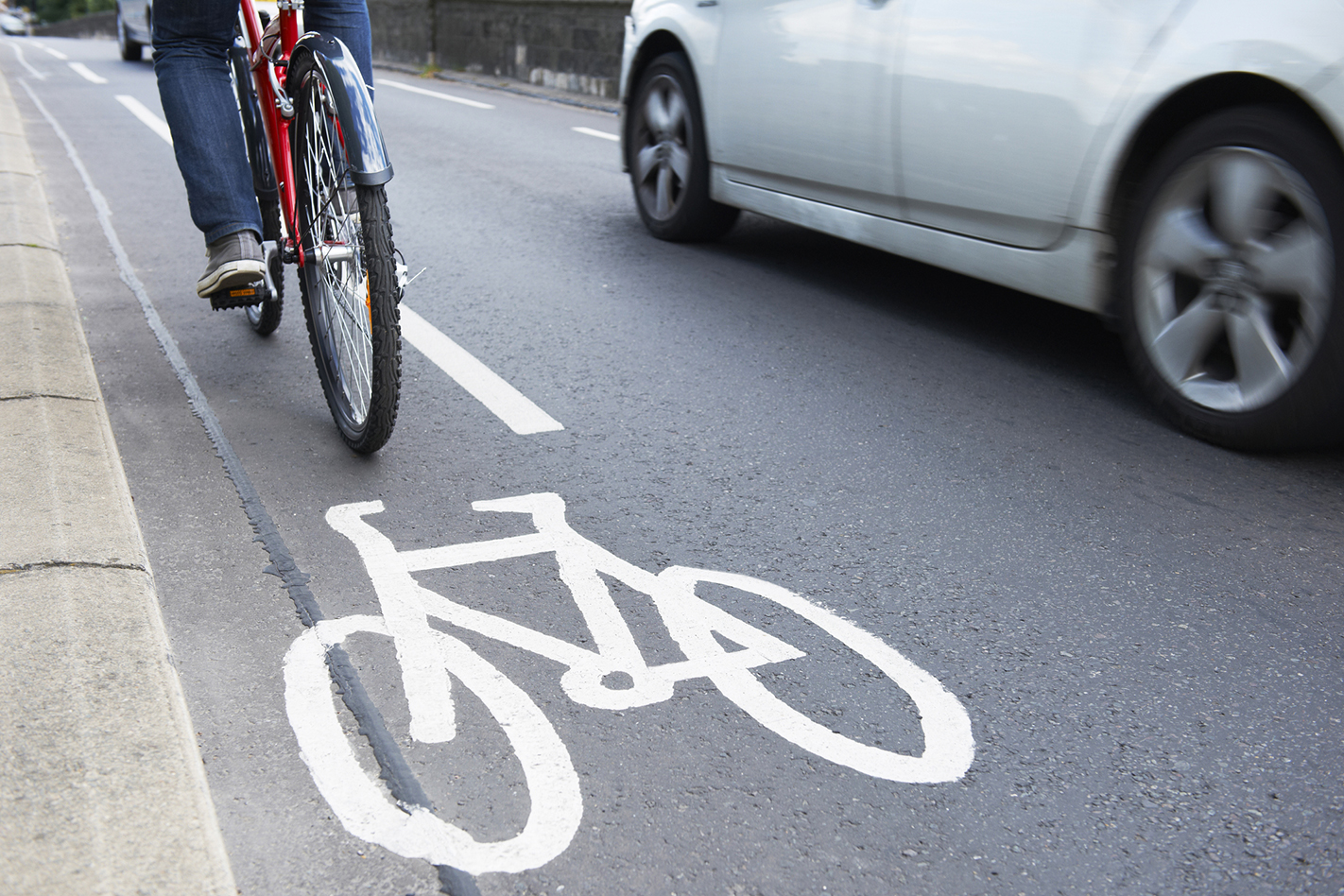
A distance of 1.5 metres must be maintained on roads with speed limit above 60km/h.
If drivers or motorcyclists cannot pass the bicycle rider safely, they should slow down and wait until the next safe opportunity to do so.
To allow drivers the minimum distance required, some exemptions to the road rules apply, such as being allowed to cross centre lines when completing the manoeuvre. These exemptions only apply if the driver has a clear view of any approaching traffic and it is safe to pass the bicycle rider.
More driver education is needed
In the Netherlands, the Dutch Reach forms part of driving tests and is even taught to school children, and some organisations in Australia are working hard to ensure it and other bicycle safety rules and techniques become second nature here.
“A major challenge is that useful and practical skills (to protect cyclists) have not been included in driver training for generations of drivers on our roads,” said Dr Marilyn Johnson, acting CEO the Amy Gillett Foundation.
“We need to help people learn ways to share our roads so that everyone can be safe riding a bike and improve the way we move, especially around our cities.”
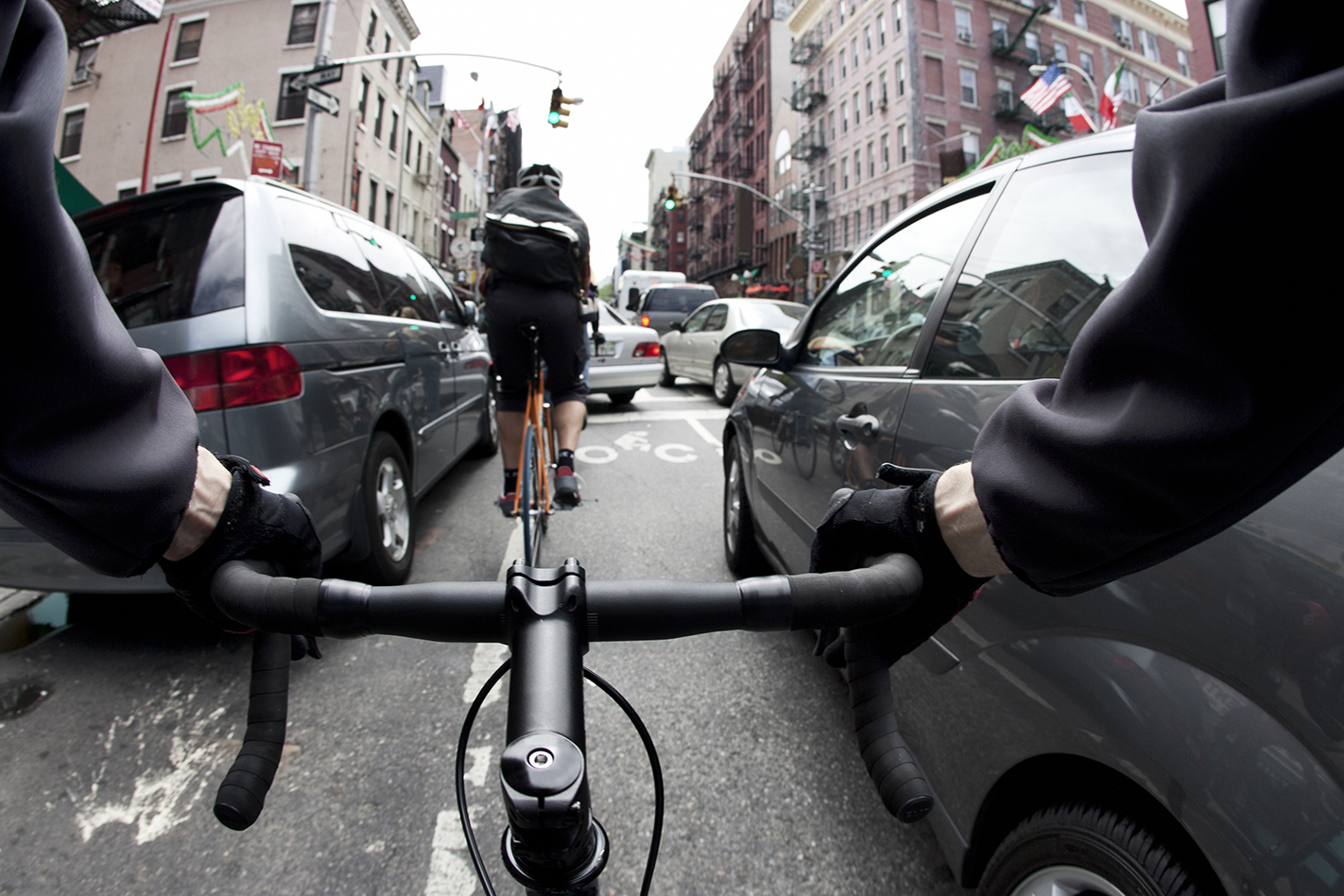
The Foundation has teamed up with Ford Australia which is making cyclist safety a key theme of its 2019 Driving Skills For Life (DSFL) courses for new and young drivers held New South Wales, South Australia and Victoria.
Ford Australia CEO Kay Hart said the inclusion of driver techniques that improve cyclist safety is crucial and timely.
“We know from our research that many drivers don’t feel confident driving around cyclists, and that many cyclists are nervous being on the road with vehicles. That’s why it’s so important to include a driver-cyclist safety component in DSFL this year.
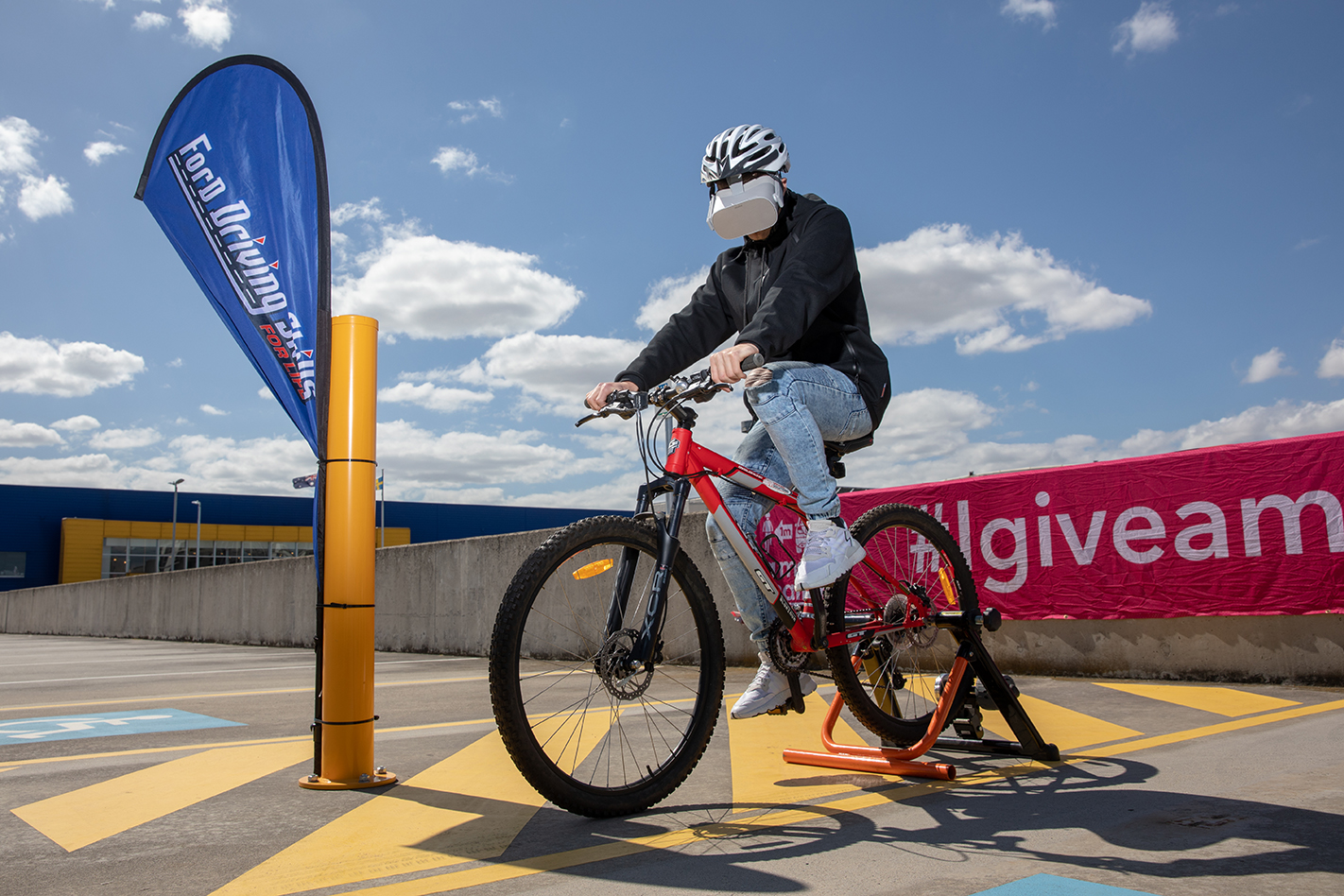
This year the DSFL will combine hands-on cycling virtual reality simulations and tests the limits with ABS and Stability Control in a controlled environment.
Driving Skills for Life is a free course funded by Ford and provided by professional driving instructors.
Visit FordDSFL.com.au for dates, locations and registration.
A Hyundai employee may have revealed that the Korean manufacturer is about to put a concept car into production.
A number of Hyundai’s senior product planners and designers were in Australia this week for the launch of the all-new Venue small SUV. However, when chatting with Wheels, one let slip that the 45 concept which was revealed in Frankfurt is being prepared to go on sale to the public.
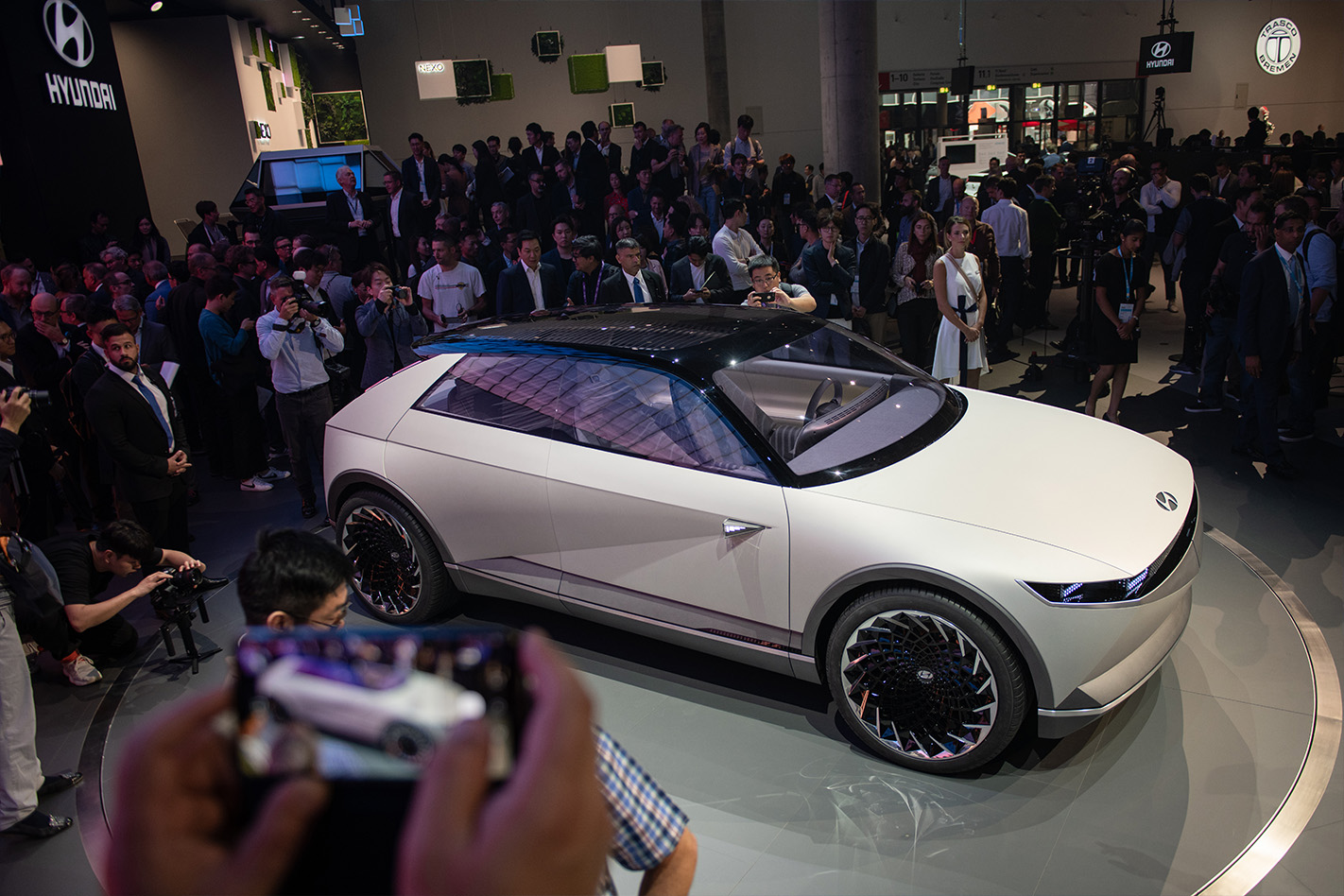
The Hyundai employee stated the electric concept car is ‘ready for production’. We shouldn’t have to wait long either, with the source describing a production version as “very close”.
Our source declined to go on the record, stating the project was ‘top secret’, but suggested that the look of the production vehicle would be similar to the concept, with a change in physical size.
“There will be some small dimensional changes,” they told Wheels.
We would expect that much of the more outlandish interior and exterior features would be rectified for the production model.
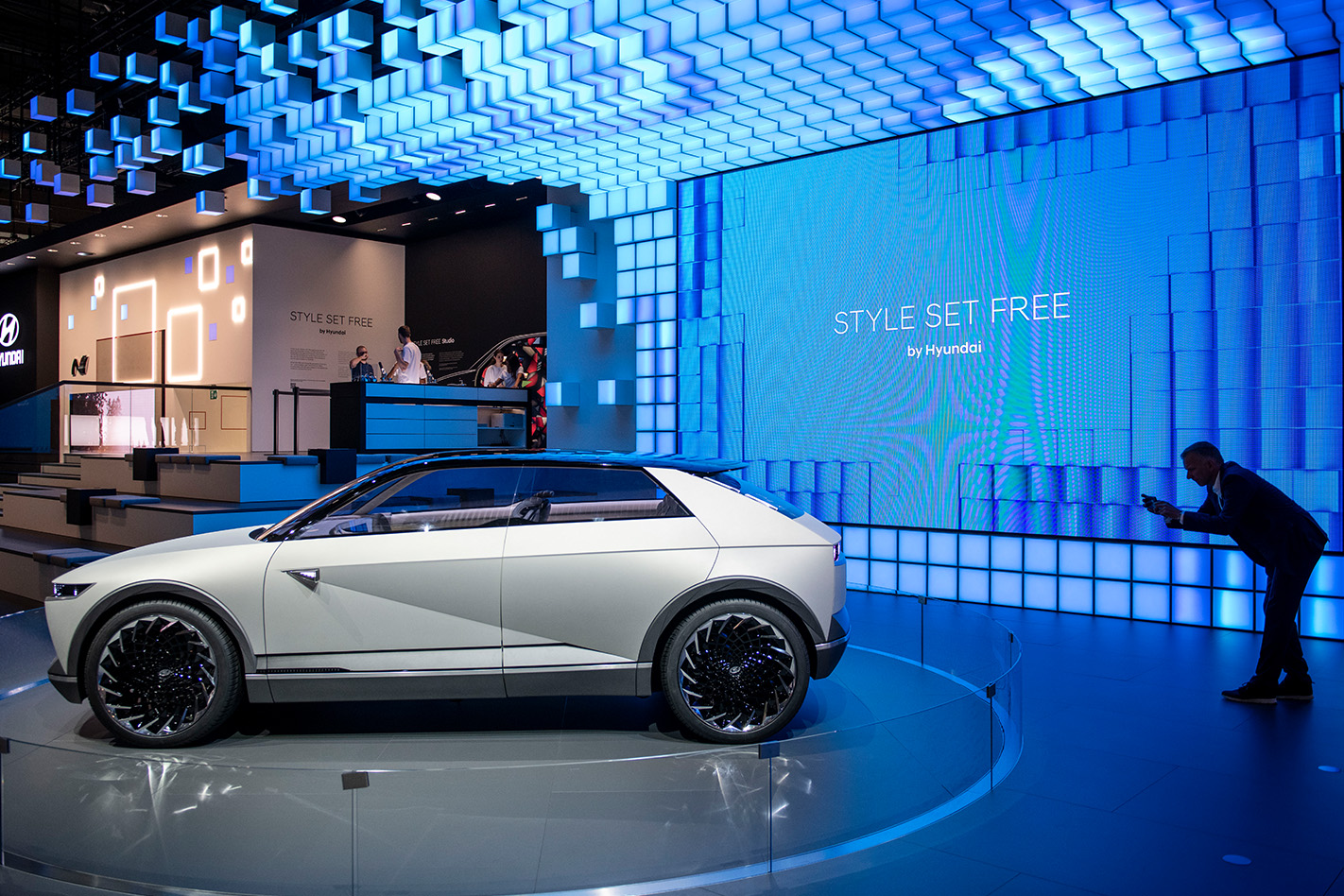
The comments fly in the face of what Hyundai claimed on the ground in Frankfurt, where it stated that the concept wasn’t going into production per say, instead offering a preview of the brand’s design language for future products.
Bill Thomas, Hyundai Australia’s Public Relations General Manager, told Wheels that the brand’s local arm would be keen to sell any future electrified product.
“We are looking at everything that the parent company is proposing,” he said.
“I think we need to get everything we can into the market. I think the general opinion of people is that Australians are a little bit backward [with adoption of EVs], but I don’t think they are. There are plenty of Aussies out there that want to look after the environment and do the right thing.”
Thomas added that he didn’t think adding a third full-electric model – alongside the Ioniq and Kona EV – would be too much for Australia.
“[Ioniq and Kona] are selling quite well, with Kona selling well above our target – there is a waiting list for that car,” he added.
A perfect blue sky is turning orange as the sun sets. A snaking train of cars is powering out of Woodcote corner, a synchronised ballet of drift – a Ferrari 250 GTO replica at its head and on the ragged edge.
A Ferrari leads but this race is no forgone conclusion. Nine times Le Mans winner Tom Kristensen is carving through the field in a 1961 Ferrari 250 SWB/C, door handle to door handle. Value $11 million. Minimum.
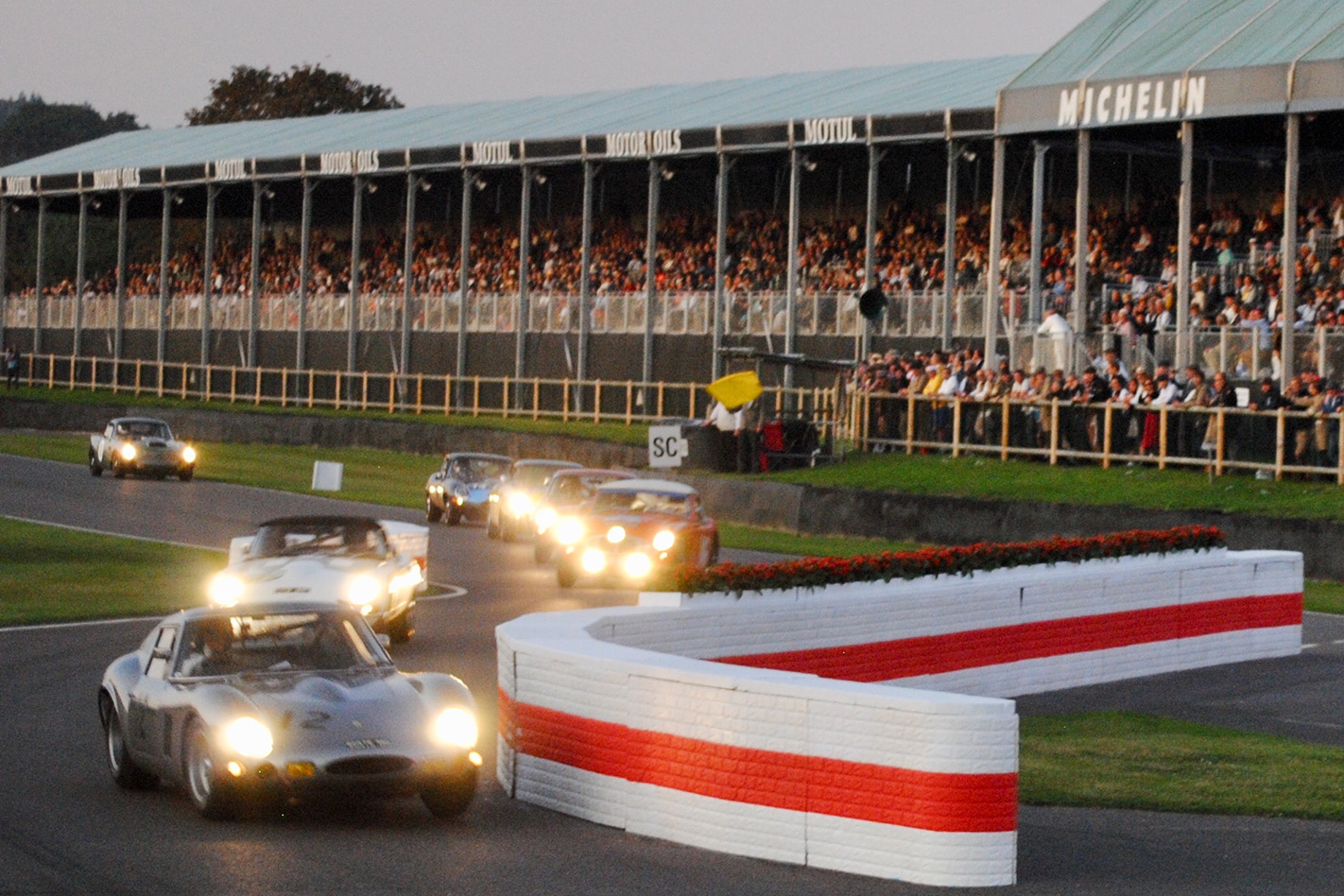
There are eight 250 SWBs in this race along with Cobras, E-Types, Aston DB4 GTs and Corvettes. The grandstand rises and roars on every passing and the hairs on my arms and neck are rising with them. There’s nose to tail, sideways action and passing on almost every corner. It’s spine tingling. Welcome to Goodwood Revival. This is race one. Fifteen races to go.
There is no doubt; if you are a motoring enthusiast Goodwood Revival should be on your bucket list. It is well known as the ‘world’s largest’ historic motor racing festival but when you are actually there it is much more than that. It is a heartland of passion for the automobile and for a time long gone.
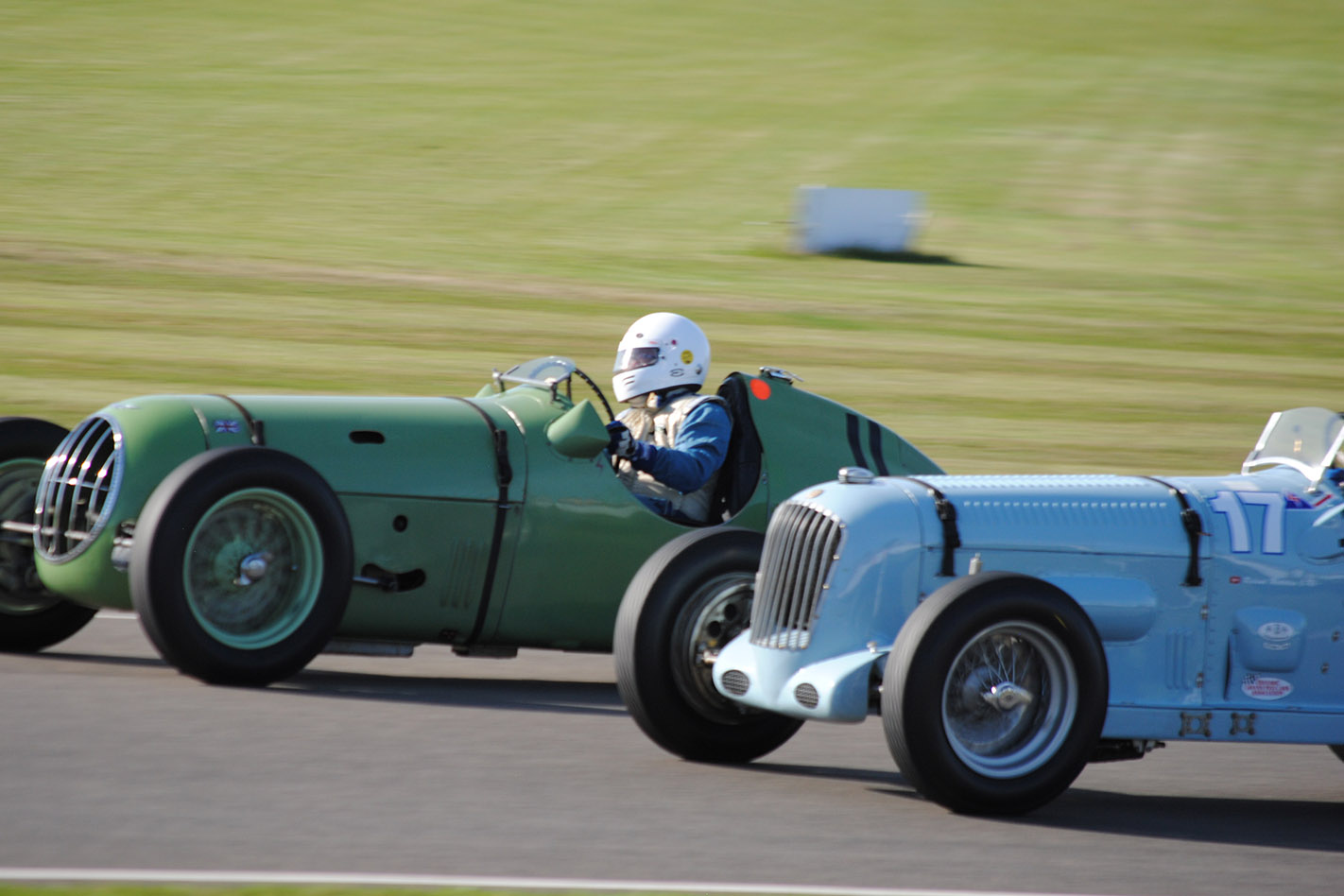
As one racegoer we spoke to said “There is nothing like Goodwood anywhere in the world. The vibe is contagious. Everything is vintage. The cars, the fashion, the hairdos, the shopping and even the vendors get into the spirit”.
Revival was created in 1998 by Lord March, The Duke of Richmond and Gordon, and owner of Goodwood estate where the Revival is held on the second weekend of September every year. You might know him as the bloke who created the Goodwood Festival of Speed.
From the minute you walk through the gate you are transported back to a different era. The official years to celebrate are from 1948 to 1966 which is when Goodwood operated as a championship racetrack.
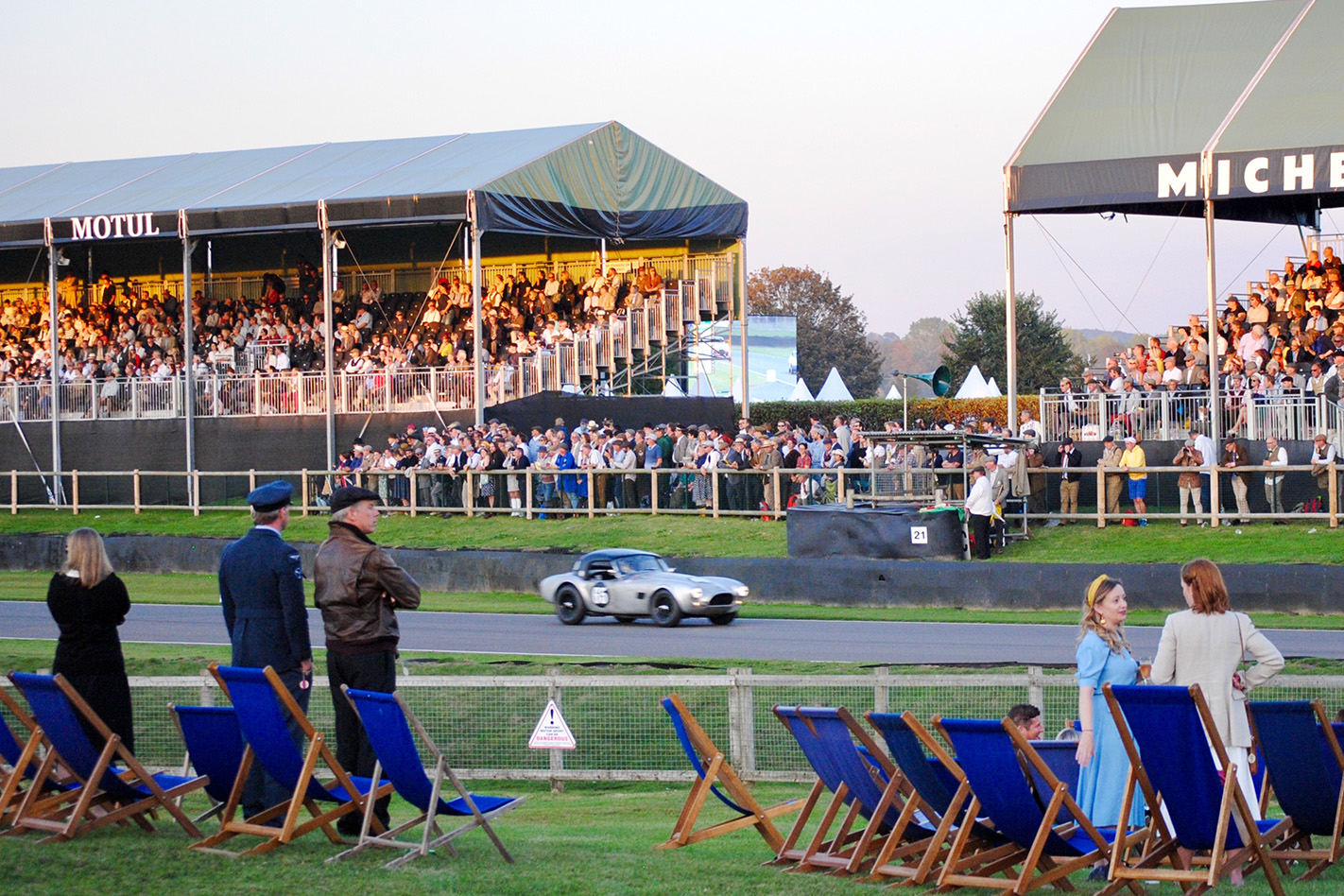
As well as the impressive collection of vintage cars, passion for yesteryear is on display everywhere you look. The sell-out crowd of 150,000 racegoers all dress the part with eye catching period dress from the 40s, 50s and 60s. One lady we spoke to starts with one piece of her outfit and builds from there incorporating a hat, gloves, dress, shoes, earrings, handbag and of course the hair style, all matching. Then there are the vintage aircraft, along with stalls and food vendors all in period theme. Several swing, and rock and roll bands add to the atmosphere. For racegoers in need of a beverage there is plenty on offer from double decker English pubs to Veuve Clicquot tents with champagne flowing.
When the sun starts to set and the races finish for the day patrons head ‘over the road’ which has a whole world of entertainment – from outdoor cinemas with period cars, to a variety of bars with bands, authentic carousels, more vintage clothing shops, and food vendors. Something for everyone.
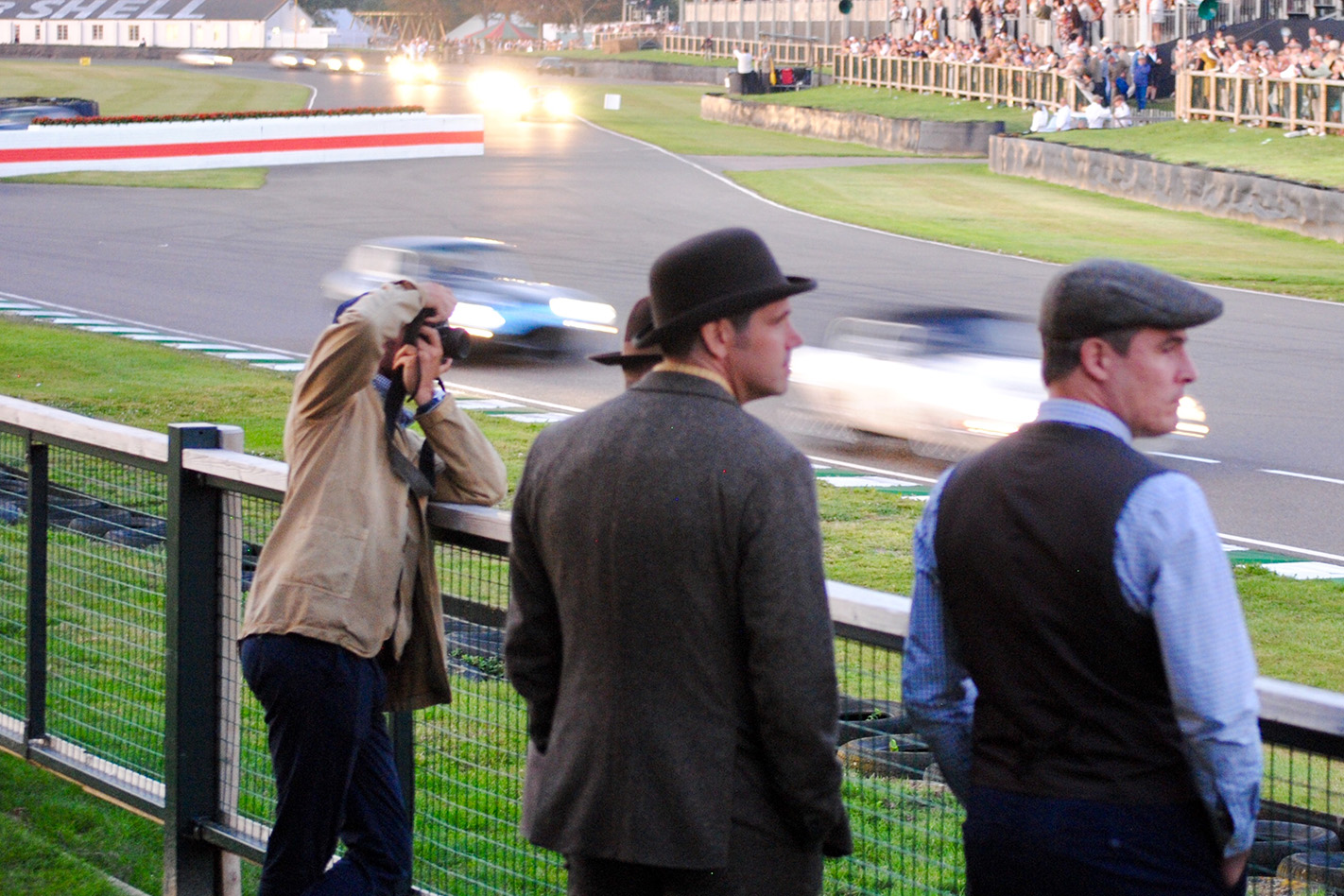
That is the thing about Goodwood Revival. Its magical vibe is infectious. In fact one couple we spoke to met at Goodwood Revival on the dance floor 6 years ago and brought their 11 week old baby girl this year. They are true aficionados. As they said “It’s not just a day out, it’s a way of life”.
If you take a break from the racing you are confronted by magnificent machinery at every turn. Behind a small grandstand was Ralf Lauren’s Ferrari 275 GTB/4 NART Spider gathering a healthy layer of dust from the passers-by. One of only ten in existence and worth dozens of millions. That sums up Goodwood Revival.
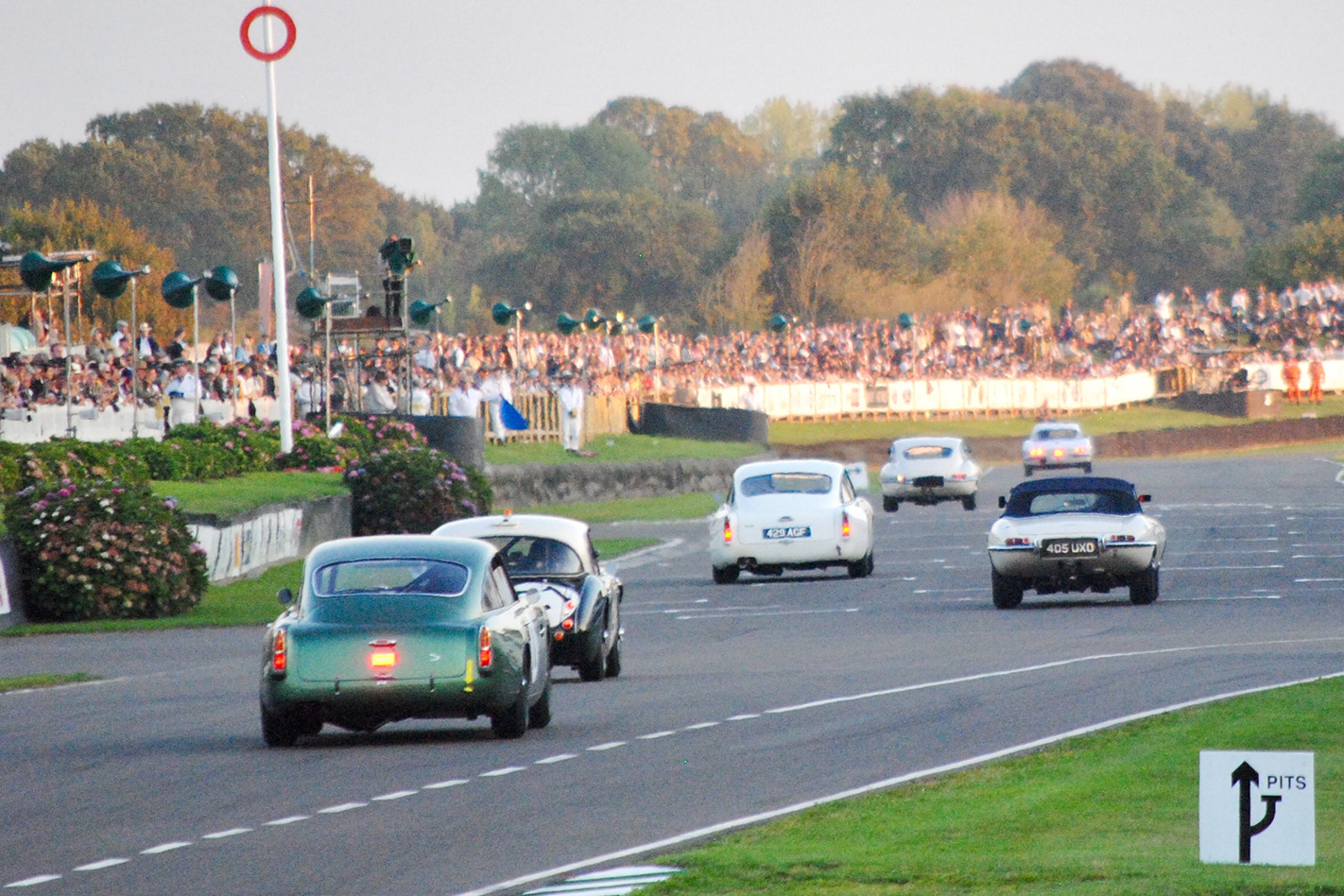
In the twilight, headlights blazing, Gary Pearson in the GTO replica holds off a hard charging Kristensen with the help of a fortuitous safety car. He claims the Kinrara Trophy. It’s an old fashioned hard but fair contest. Just the way the patrons like it. The podium gather at the start-finish line to receive their trophies. As with all 16 races, cigars are provided for the first three finishers. We can clearly see them happily puffing away in the cockpit as they complete a victory lap. Times change. But not here. Not this weekend.
Silicon valley, California. There are Teslas everywhere, the US electric upstart is evident in the traffic here. Elephant Racing, a Porsche specialist, is taking its traditional expertise and applying some new thinking – that’s how the idea of hybridising the existing 911 platform came about.
Doing so has seen the creation of Vonnen. The company has built a kit to make hybrid 911s using an electric motor to supplement the performance of the original engine.

The hybrid system is called Shadow Drive and it works by pushing drive through the gearbox, but without having to talk to the flat six.
This is a hybrid that’s been created for performance. What Vonnen has done is sandwich an axial flux electric motor between the gearbox and the engine. To do so it’s removed the flywheel and also thrown out the starter motor.
There’s been modifications to the structure ahead of the gearbox to make it all fit. The e-machine requires some batteries, situated under the floor in the luggage area up front, while there’s an inverter and additional cooling circuits for the different elements of the system.
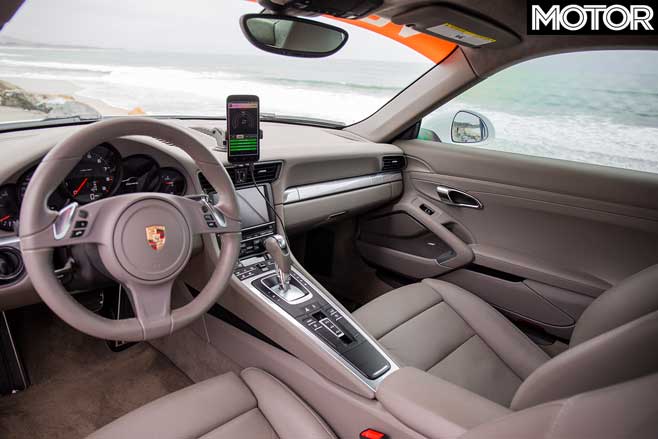
Shadow Drive adds a maximum of 200Nm of torque and 110kW to the 3.4-litre 991 Carrera’s stock engine power of 257kW and 390Nm. Those peaks need to be qualified, as not all the e-motor’s performance is used in the various driving modes.
There are three; Street, Sport and Overboost. Street adds 125Nm of torque from 40-60 per cent throttle, Sport adds 110Nm from 65-95 per cent throttle and Overboost adds the full 200Nm with the same accelerator application as Sport.
There isn’t any ability to run on the Shadow Drive alone and the system is entirely self-charging. The flat-six doesn’t know the electric motor is there. The PDK gearbox has had a re-flash of its software, but otherwise it’s stock.

Starting up the Vonnen-equipped 991.1 3.4 Carrera is no different from any other. In Street there’s no real change in character apart from masses of torque. Escape the CBD and the Shadow Drive’s assistance is more obvious. Sport mode seems appropriate, even if it dials back a touch of total output torque. Push past 65 per cent and Shadow Drive adds 110Nm, the e-motor’s operation is signalled by a not unwelcome electrical sound accompanying the familiar flat six.
The e-motor’s assistance is so well integrated that there’s no obvious kick, just more performance, more of the time. Overboost does as it says, giving the Carrera the sort of startling off-the-line performance that will impress.

It’s only when you switch Shadow Drive off that you realise how much help it’s been giving, the Carrera’s performance feeling a little inadequate.
Yes, it’s quick, but at around $108,000 fitted (you supply the 911), it’s a difficult improvement to rationalise, even if it’s a no-compromise fit that adds power, while retaining driveability/character. As proof that a hybrid 911 is something that works, it’s convincing. That’s Silicon Valley, one, Stuttgart nil, then.
VONNEN CARRERA 3.4 SPECS Engine: 3436cc flat-6, DOHC, 24v Power: 257kW @ 7400rpm (+110kW) Torque: 390Nm @ 5600rpm (+200Nm) Weight: 1550kg 0-100km/h: 4.7sec (standard claim) Price: $108,000 (for kit)
Like: Add an addictive surge of hybrid power; seamless integration; only adds about 77kg Dislike: The conversion isn’t cheap to do; can’t drive on battery power alone
Rating: 4 out of 5 stars
NSW lawmakers will wind back the contentious road rule that required drivers to slow to 40km/h when passing emergency vehicles – but it will still be in place.
A year-long trial of the rule concludes next week, after which an amended version will be made permanent.
The requirement to slow down to 40km/h on faster sections of road when passing emergency vehicles has been relaxed, but the definition of ‘emergency vehicle’ has been expanded to capture more roadside workers.
“This rule is being changed to improve the safety of emergency services personnel, tow truck operators and breakdown assistance providers working on the road, as well as the people they are helping,” read a statement from Transport NSW.
As the statement indicates, the definition of ‘emergency personnel’ has been expanded to capture any vehicle or team that is displaying a flashing light of any colour.
Tow trucks, roadside service vans and roadside maintenance teams will be regarded in the same way as fire, police and ambulance vehicles, and traffic will still be required to slow down when passing them.

However, the rule will be amended to prevent the need for vehicles travelling over 90km/h to slow down to 40km/h.
Instead, a driver will be required to “slow to a speed that is reasonable for the circumstances,” according to the statement.
However, at speeds from 80km/h and below, vehicles will still be required to slow to a mandated 40km/h, while also giving way to anybody on foot in the vicinity of a tow truck, breakdown assistance or emergency vehicle displaying flashing lights.
Previously, drivers could theoretically face fines of up to $2482 and the loss of six licence points from a total of 12 if caught travelling 45km/h over the posted limit.
Under the new legislation, the worst-case fine would drop to around $920 and incur a five-point demerit strike.
The changes will be welcomed not only by drivers who have experienced the chaos the 40km/h rule caused in freeway situations, but by emergency service workers who were put in danger by the rule.
The Police Association of NSW called for a change earlier this year, suggesting that the legislation wasn’t working as planned.
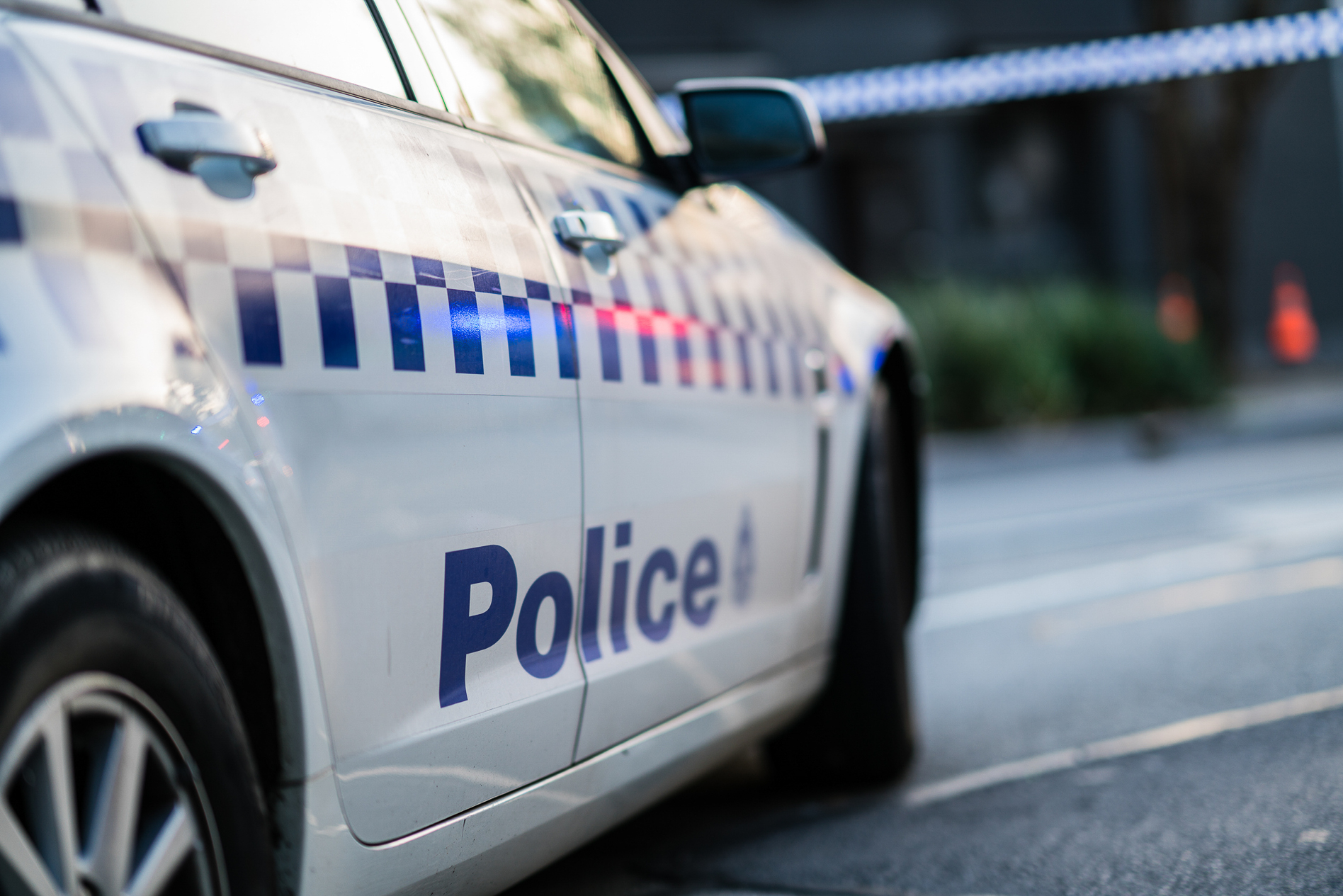
“We don’t want people to slow down to 40km/h; we just want people to slow down and be mindful that’s there’s people on the roadway,” said an association spokesperson in February.
A motorcycle police officer was injured the month previously after being struck while on the side of the road.
Other states including Victoria enforce slow-down rules around emergency roadside workers, but crucially don’t stipulate that a driver must specifically slow to 40km/h.
“Reducing speed, even if the vehicle does not get down to 40km/h, will still have safety benefits for law enforcement or emergency workers and will help drivers take evasive action if needed,” reads a VicRoads document.
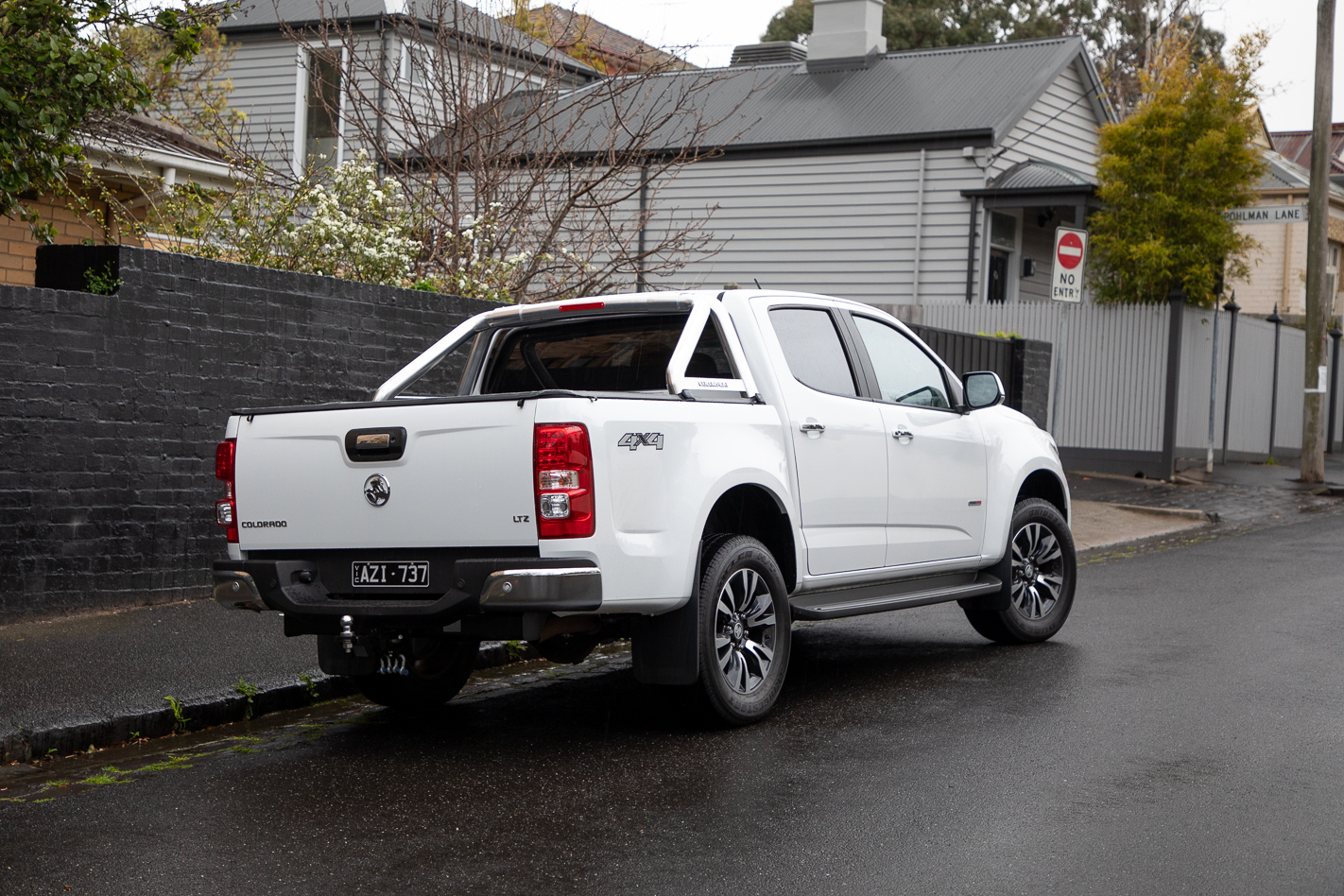
The Holden Colorado is now the unsung hero of the ailing Lion brand, and is still kicking strongly(ish) for a manufacturer who used to dominate the local sales charts.
While it is true that the Lion brand is suffering through its darkest days, let’s not dwell on that fact; the Holden Colorado is genuinely a shining star for the Aussie manufacturer.
What is it?
The Holden Colorado LTZ 4×4 automatic we have on test sits near the top of the range and is well-equipped for its asking price of $52,690.
For that spend the car comes well-appointed, receiving a very functional cabin with leather upholstery and a number of bells and whistles to play with.
The interior also boasts heated front seats, power-adjustable driver’s seat, automatic wipers and climate control. The Colorado’s infotainment is accessed by a larger 8.0-inch colour touchscreen that includes satellite navigation and smartphone mirroring tech for Apple CarPlay and Android Auto.
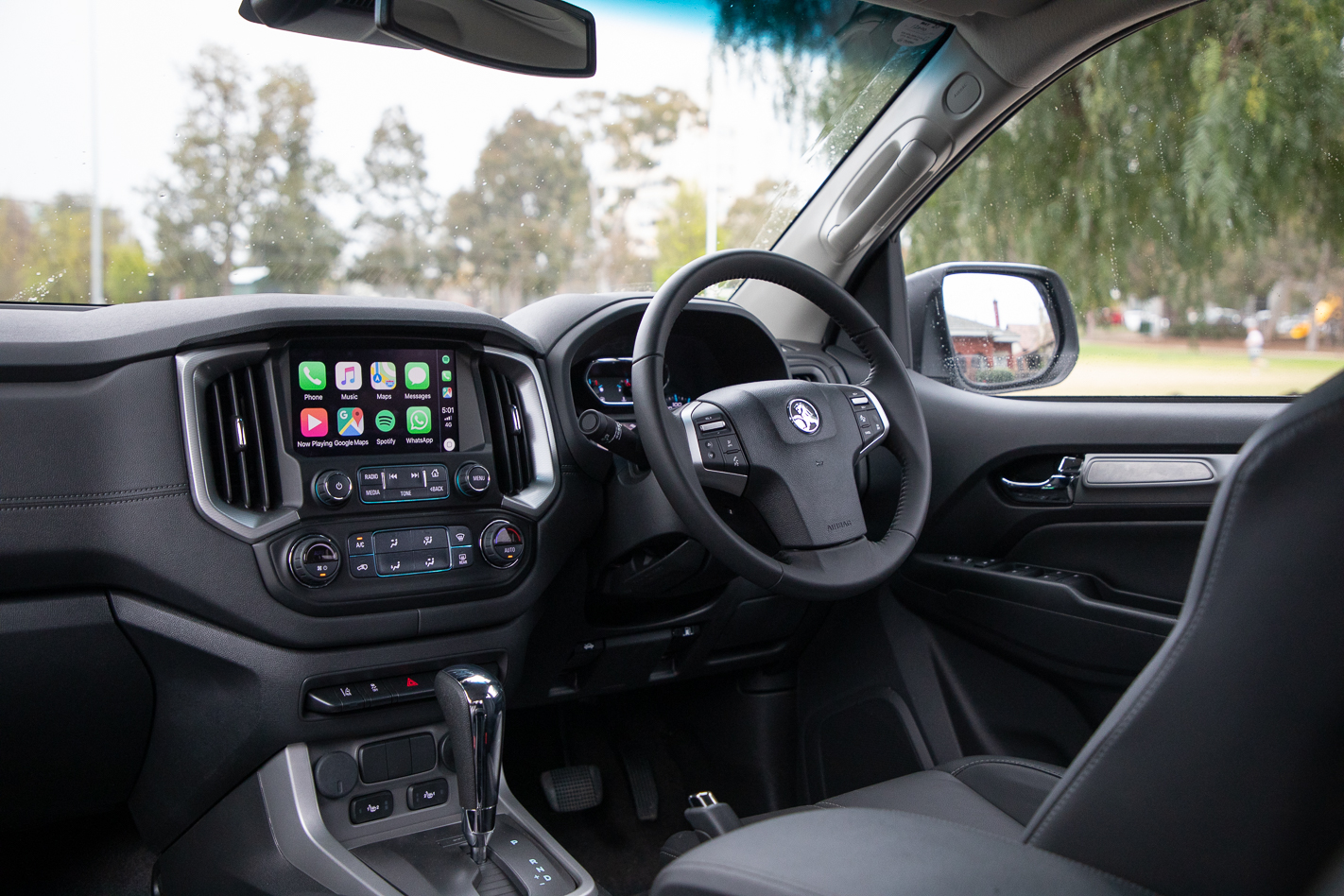
Inside you also get forward collision and lane departure warnings, remote start, tyre pressure monitoring and carpet for your floors.
Outside, front sensors join those at the back, 18-inch alloy wheels spruce up the outside appeal and fog lights are standard. Our Colorado also had a tow package which differentiates the LTZ and LTZ+, so technically we’ve got a LTZ+ on our hands.
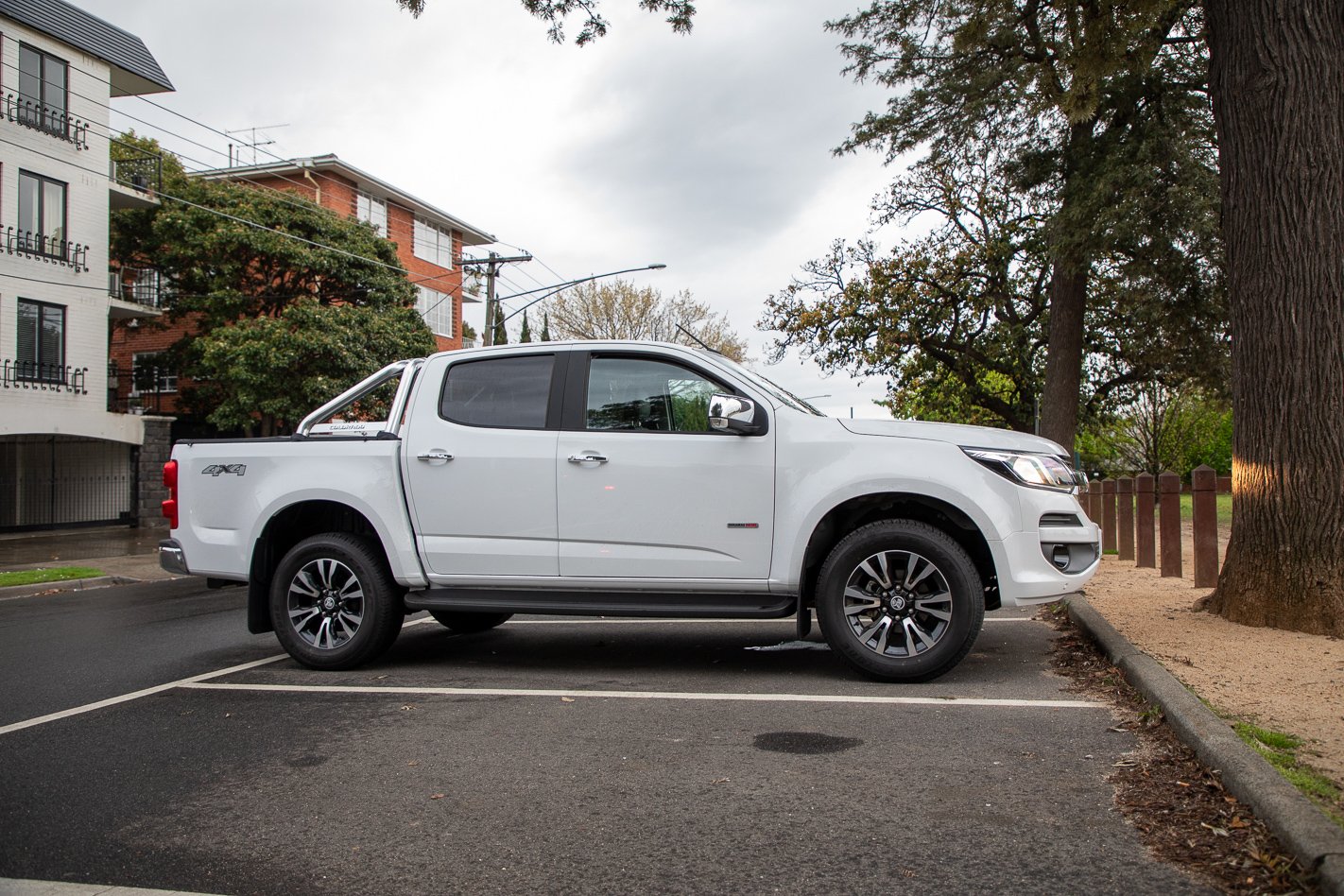
With all this gear and a booming dual-cab ute market, though, Holden can’t quite seem to capitalise on the buyers flocking to the segment as Toyota and Ford can. Is there something we’re missing?
What’s it like to drive?
The Colorado LTZ 4×4 is powered by a 2.8-litre turbocharged four-cylinder diesel engine that can send power to either just the rear or all wheels, thanks to an on-the-fly switchable drivetrain system.
As for the power, it puts out 147kW and 500Nm and it can haul a one-tonne payload or a 3500kg braked trailer.
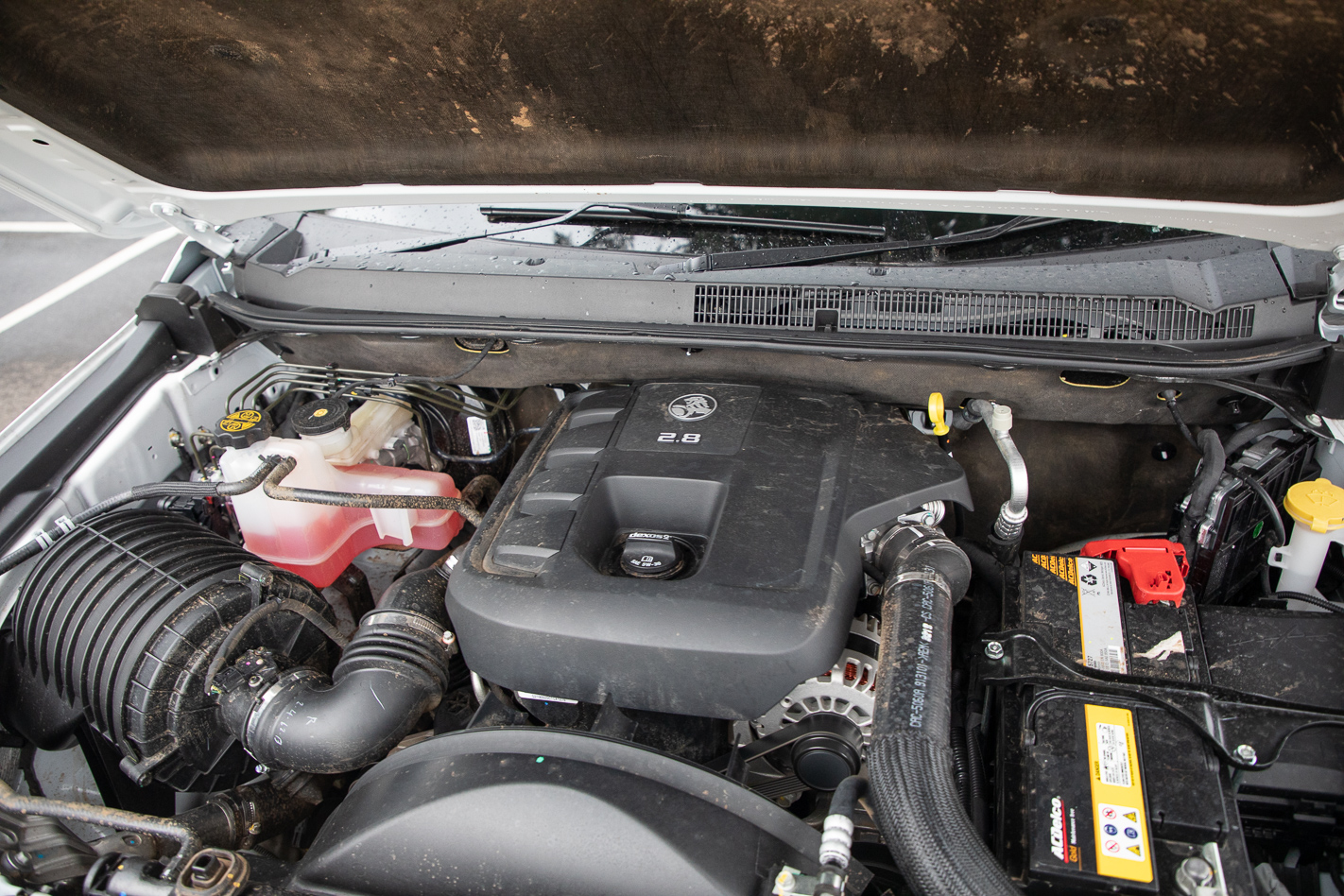
Forgetting the on-paper specs, though, the stand-out aspect we’re always quick to praise is the fulsome torque of the strong Duramax diesel.
The full 500Nm torque figure is available from 2000rpm and you really feel the engine pulling strong between each successive gear.
And in terms of on-road behaviour, the Colorado is generally a nice car to pedal along. It’s not especially unwieldy through corners and body roll is kept to a minimum, thanks to its Commodore-sourced steering rack and locally-tuned spring and damper tune.
It’s easily one of the nicer dual-cab utes to drive around town.
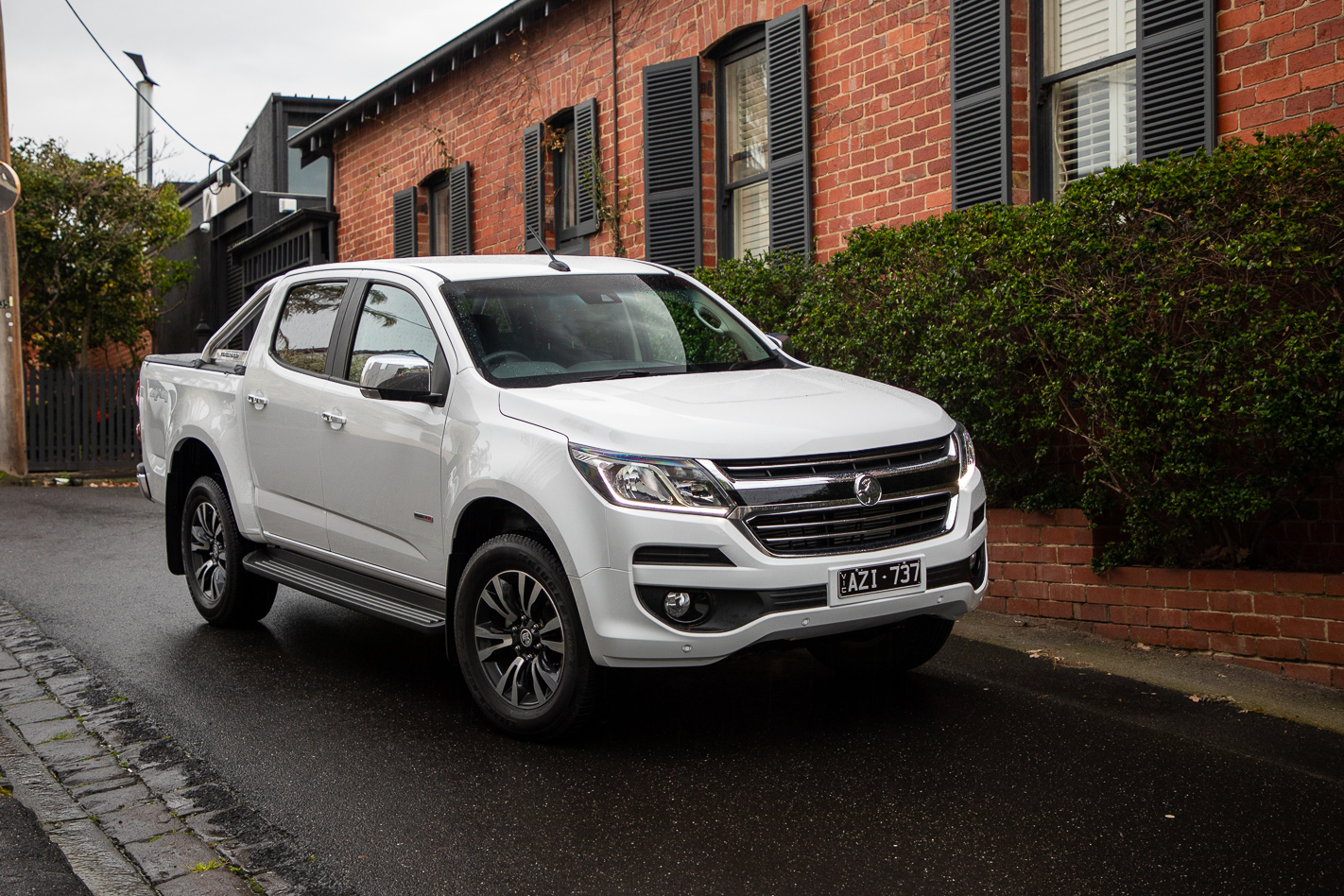
Big strides in refinement came to the Colorado as part of its 2016 refresh, and it shows with its noise and vibration kept to acceptable levels for a dual-cab ute. The diesel power unit does make itself heard at times but it doesn’t thrash and rattle like others.
While we didn’t venture off-tarmac this time with this Colorado, we’ve spent time in it on the rough stuff before and it can handle itself just fine.
It might lack a differential lock, but make the most of low range function and you should see yourself out of trouble.
What’s it like to live with?
While the Colorado might not be the last word in luxury, the interior is well thought out and all amenities are easily accessed.
The instrument cluster information can be changed using the indicator stalk to get information like trip data and tyre pressure monitoring, while the 8.0-inch touchscreen controls the stereo.
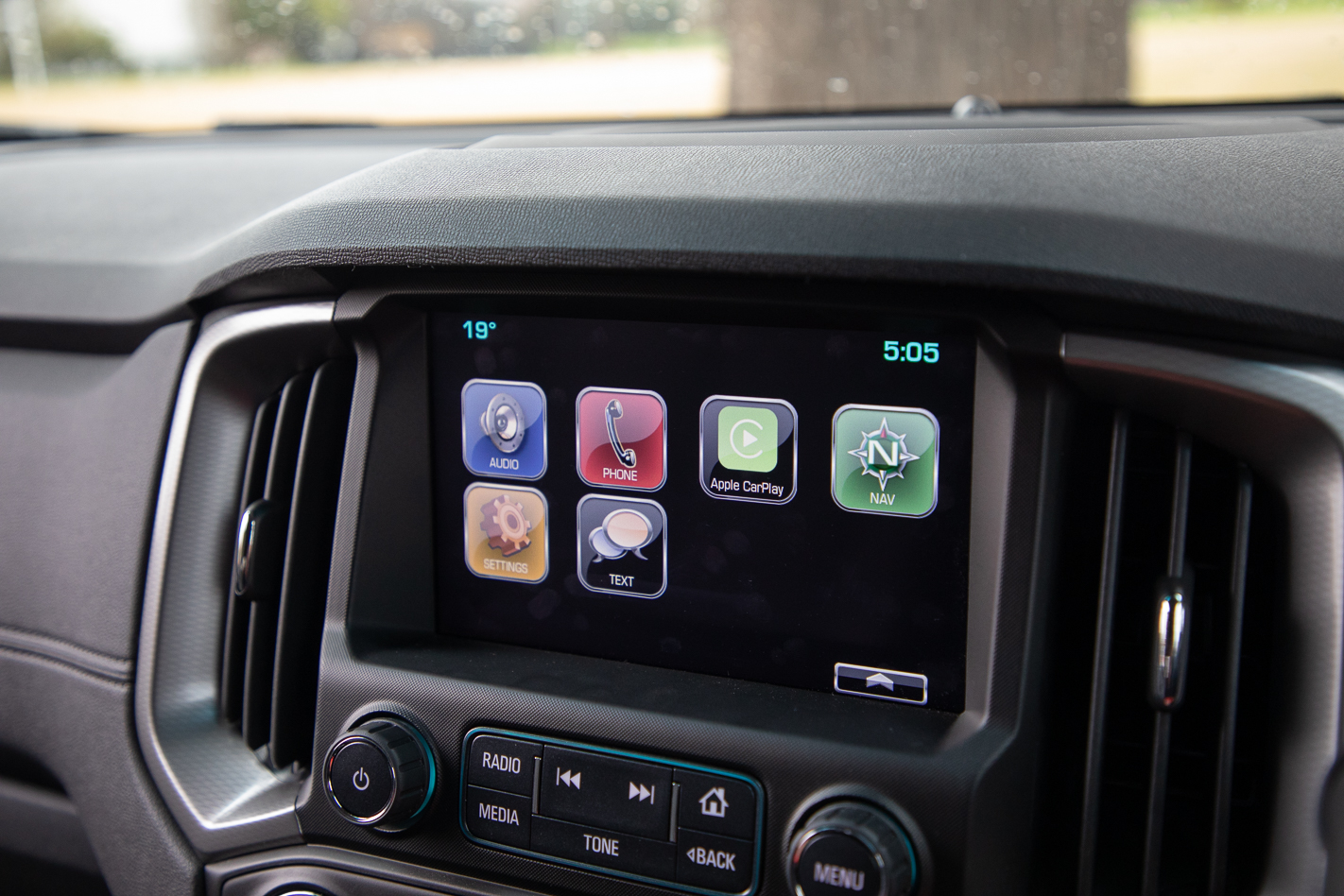
Holden’s infotainment isn’t the nicest thing to look at but it gets the job done, and Apple CarPlay/Android Auto is always available should you prefer to take things into your own hands.
The artificial leather seats offer a wipe-clean surface, while other trim materials offer a good combination of durability and good looks.
On the whole, you get the feeling that cabin components and materials will stand up to the test of time.
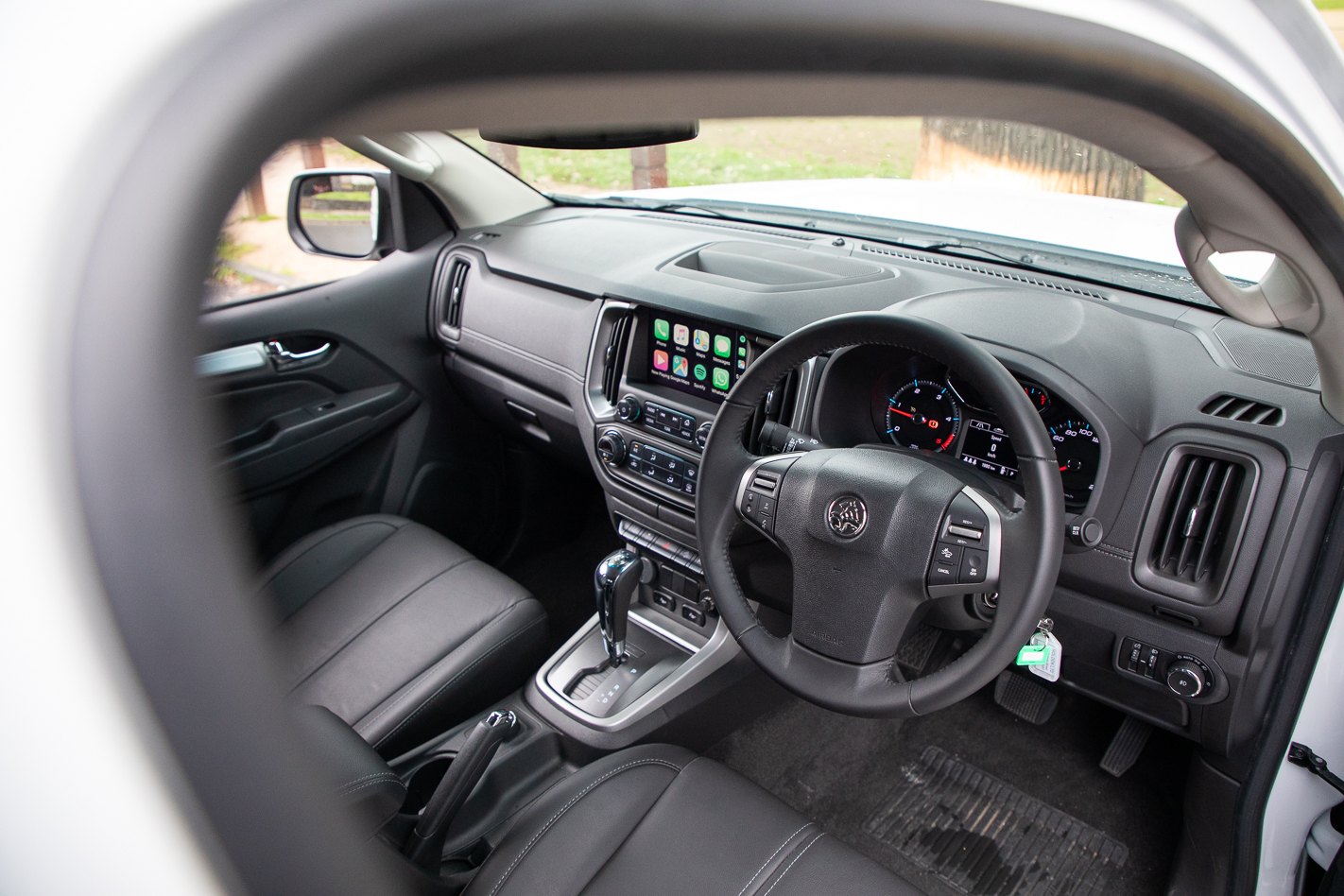
The seats themselves are comfortable although aren’t overly bolstered. They are electrically controlled and add two stages of heating for front passengers. The driver’s seat is mounted quite high which aids visibility, but it might cause issues for taller people.
Accommodation in the second row is generous, with adequate foot and headroom. An issue that could again plague taller passengers is the fact that the bench is positioned low, which could in turn force some knees into seat backs.
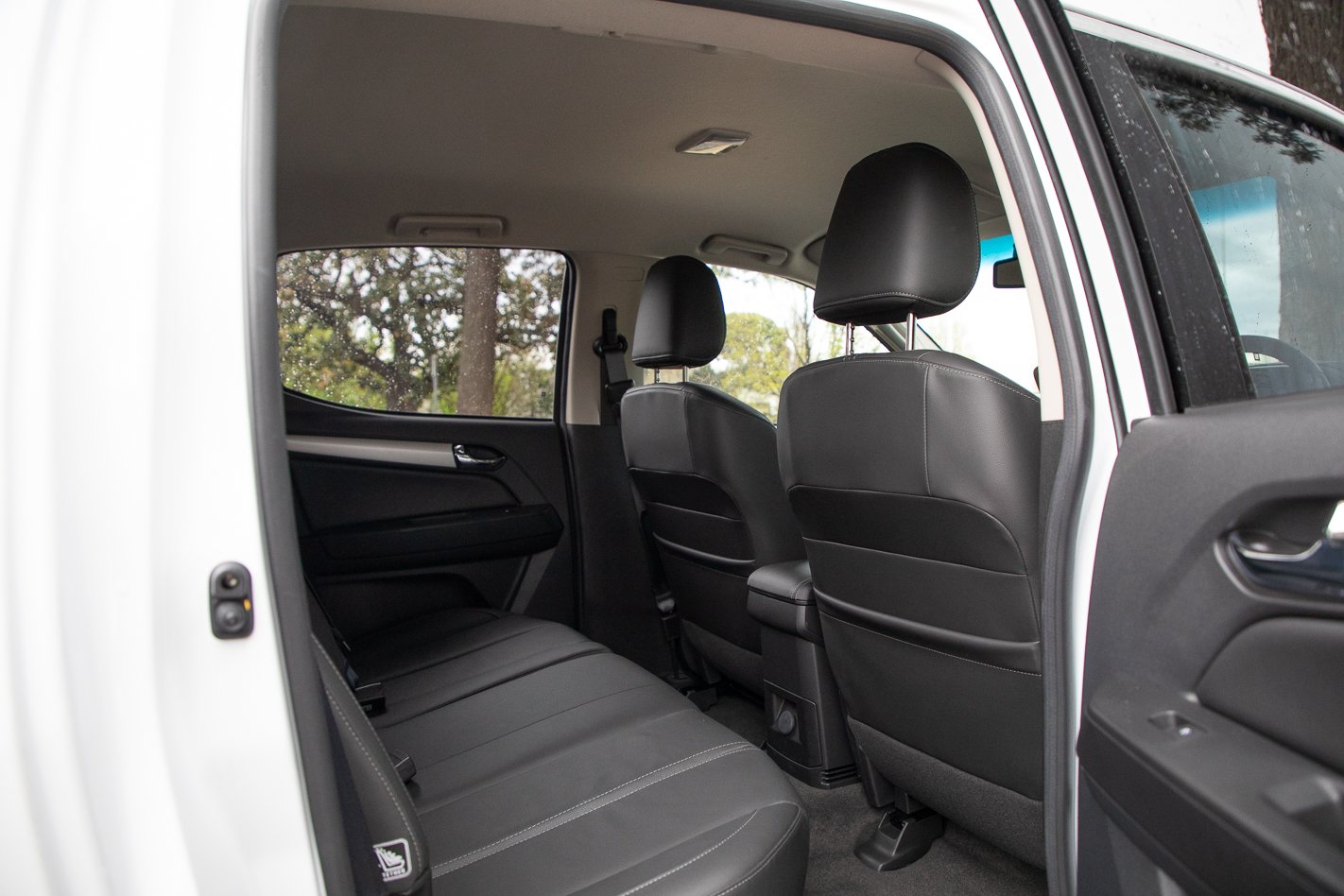
A few more storage cubbies throughout the cabin wouldn’t hurt – the second row lacks cupholders (apart from door bins) and there are no USB outlets in the rear, just a singular output in the centre console. The front lacks a spot to stash keys or a phone, with options limited to just the pair of cupholders.
In terms of running costs, our Colorado returned a fuel use of 10.7 litres per 100 kilometres which is a little up from its 8.7l/100km claim.
Holden offers a complimentary one-month service and then servicing costs are $319 for the first year (12,000km), $499 in the second year (24,000km) and $399 for the third year (36,000km).
Is it worth the money?
At the moment Holden is trying to clear old stock ahead of the new year, so you’ll likely get yourself a great deal if you bargain hard.

From a $52,690 (excluding on-road costs) retail price for MY20 cars, Holden is currently offering demonstrator crew cab models in a near-identical specification for $47,990 driveaway, which represents a massive saving. (pricing current as of September 2019)
It’s an unapologetically decent ute that, although lacking a few frills, will see you well into the future at a good price.
It’s very easy to live with, cost-effective and shouldn’t leave you wanting for more than it has.
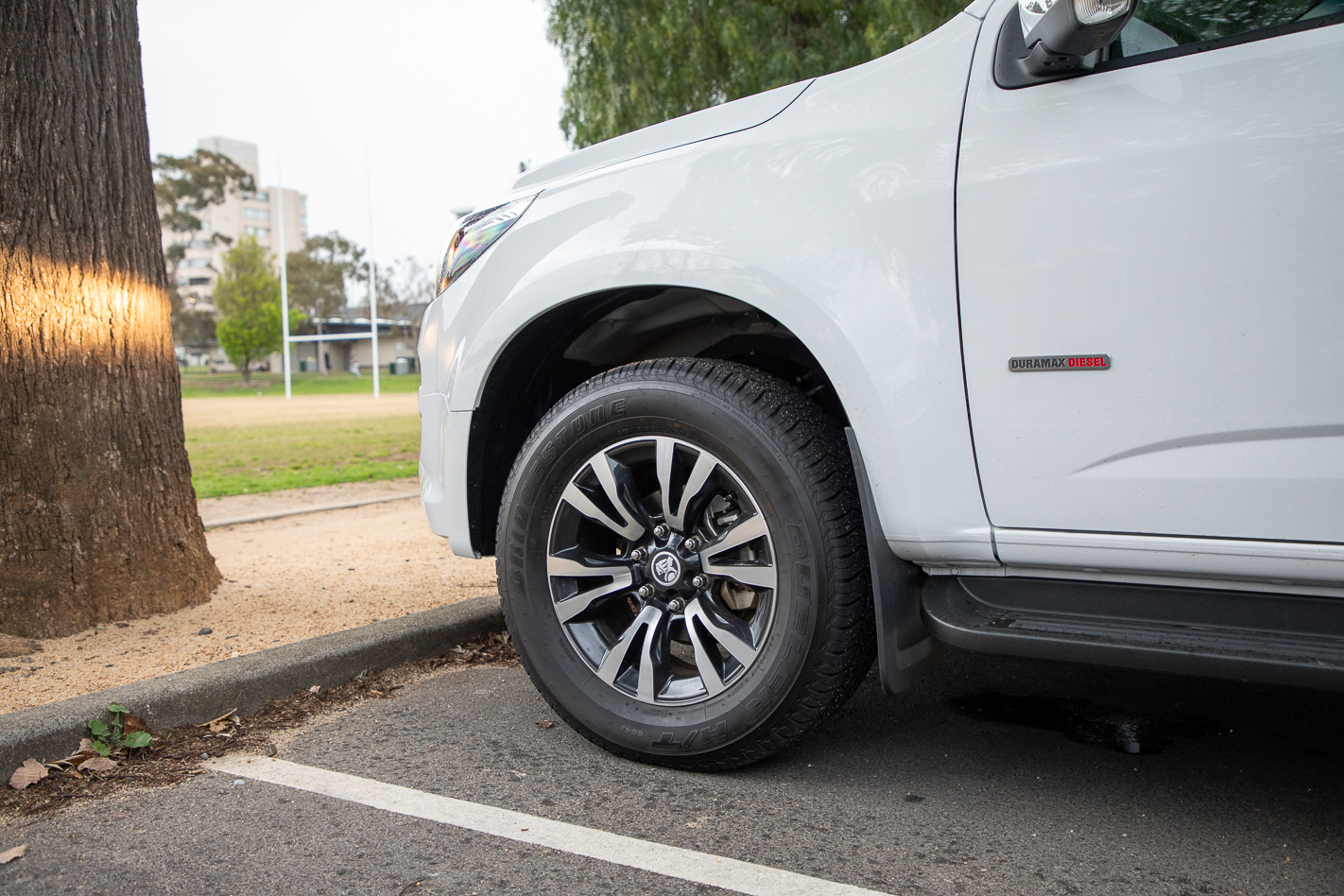
While some brands offer dual-cab utes that can jump off cliffs and others provide more power than you’ll ever need, the Colorado’s no-nonsense approach just flies under the radar, silently getting the job done.
But in a world of excess, that might be what’s actually holding it back from stardom.
Pros: Strong engine, sturdy interior, value for money Cons: Limited storage options, no reach adjustment for steering
RATING 3.5/5
When we first got our hands on the new Audi Q2 in 2016, the sole 1.4 TFSI front-wheel drive left us feeling a little cold. Certainly, its styling stood it apart from anything else in the market but its drivetrain rendered it probably more style than substance.
Then the Q2 2.0 TFSI quattro came along and changed everything. Now the Q2 was a proper red-blooded Audi with the same likeable styling but, this time, matched with all-wheel drive grip and 140kW/320Nm to play with.
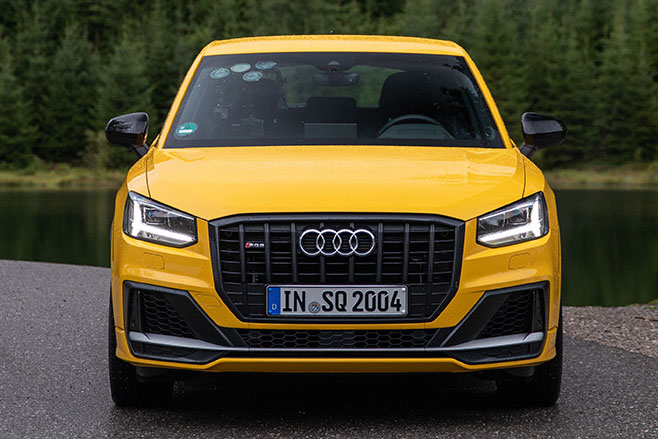
It’s called the SQ2 and it has the drivetrain of the Audi S3 hot hatchback transplanted into its compact SUV body, complete with 221kW/400Nm, all-wheel drive, tuned suspension and the muscle to get to 100km/h from standstill in less than five seconds.
At about this point you’ll probably be asking where you can get one, but the unfortunate news is that Audi Australia is yet to finalise this very special little SUV for Australian consumption.
Read on though because there is a glimmer of hope to tell, and after spending a few days with the SQ2 in Germany, we want to see this excitable all-terrain Audi in local showrooms more than ever.
For a start, it’s fast, but not just in the easily quantifiable 0-100km/h benchmark, but when you really wring the SQ2 out far beyond Australia’s national speed limit. Some hot hatches and warm SUVs are built to satisfy the traditional acceleration benchmark and drop off soon after, but not the little Audi.
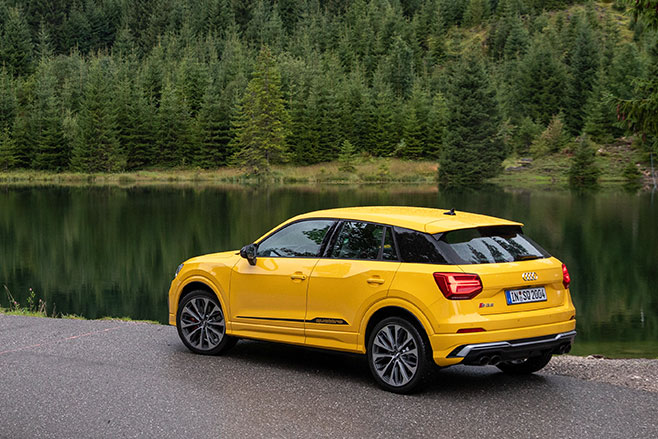
It has deceptively long legs and if you point it at a stretch of Autobahn, it’ll flash 250km/h at you faster than you though a compact anything could manage.
That’s thanks to a sublime powerplant that delivers torque as if it’s keeping some in reserve for higher speeds for a relentless sensation of progress.
Keep your toe pinned in the automotive playground that is Germany, and the SQ2 will keep pushing on ahead with a beautiful linearity and stoic performance.
It’s accompanied by a wicked soundtrack that is somewhere between lairy four-pot and five-cylinder yowl, enhanced by the wonderfully rapid dual-clutch transmission.
It also feels incredibly stable, particularly given its relative size. On an Australian road, it would feel on the small side but its ability feels anything but.
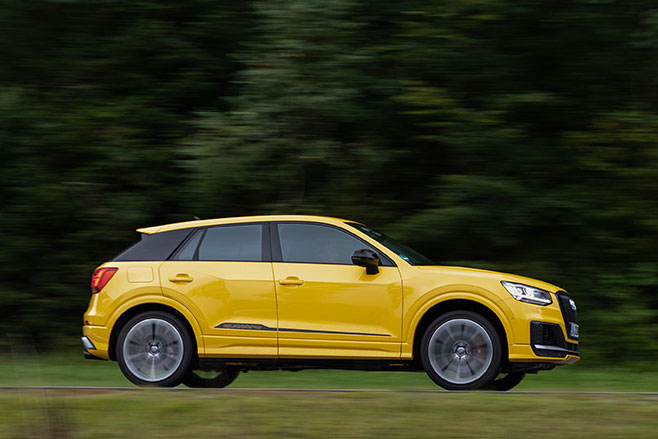
While the Australian-spec S3 gets a 213kW version of the 2.0-litre turbo, this Euro SQ2 has the full-fat engine that’s unfettered by recently revised climate restrictions.
Off the mark, the transmission and turbocharger conspire for a little lag, but once up and running, the power is almost completely uninterrupted.
Find a quiet road over the border to Austria, as we did, and the SQ2 is truly in its natural habitat. To many other marques, the deluge of alpine rain and accompanying temperatures would be intimidating, but this is quattro country and nothing to be feared.
There’s so much grip during both straight-line accelerating and braking, and laterally through corners of all speeds. Thanks to its shorter wheelbase, however, the little Q is more eager to change direction than some larger quattro models and you can’t help but fall in love with its obedient but mischievous manners.
At all the points of contact, the SQ2 feels right. Steering is light and smooth at low speeds but weights up as the speeds increase. The brakes are positive and progressive and the bespoke chassis tune (complete with 20mm lowering over the standard Q2) is communicative through supportive sports seats.
Perhaps our only bugbear is in the seating position, which is hard to adjust into a suitably reclined position without the steering wheel feeling like it is left up in the rafters. Beyond that, it’s easy to forget that you’re not in an S3.
I’d love to say that the SQ2 isn’t quite as sharp as the hatchback that lends its oily bits, but it’s bloody close, and there’s remarkably little body roll when you really push it. The S3 would certainly cross the chequered flag first on a circuit, but in grotty alpine climes and climbs, the hottest Q2 is arguably better.
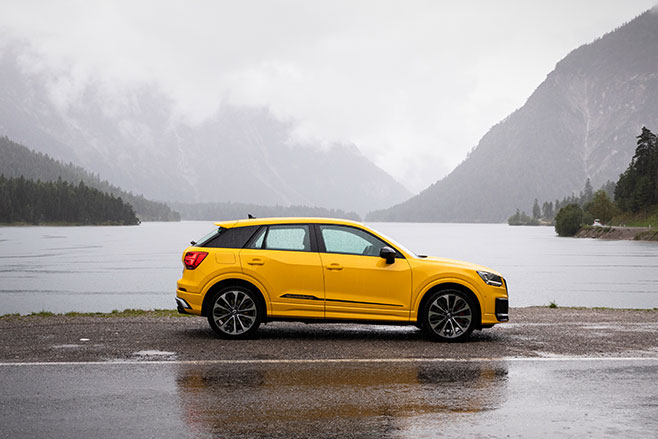
And if you needed to add any more value into the bargain then look no further than its lovely interior, where you’ll find space for four adults plus one jockey, typical Audi interior quality, and understated but sharp design.
We are particularly fond of the optional illuminated dash and knee pad trims.
Boot space is under-par for the segment, but you’ll likely forgive it for compact exterior dimensions that are easy to live with – especially when you’re trying to get used to the steering wheel on the opposite side.
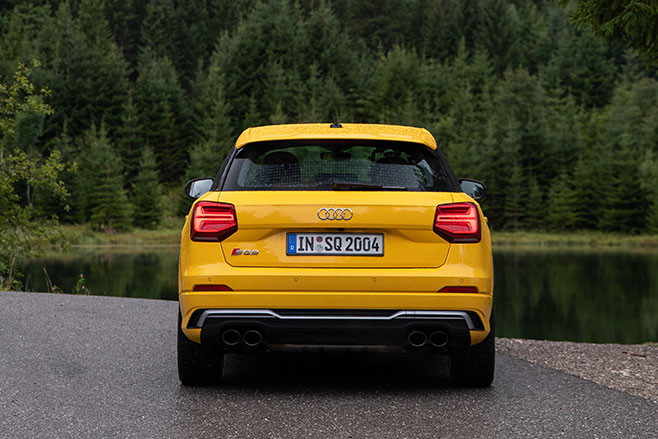
Speaking of which, the styling is also a big selling point with the Q2’s unorthodox design highlights enhanced with the addition of a fatter bodykit, strident quad exhausts that look almost RS in their bore and optional 19-inch wheels.
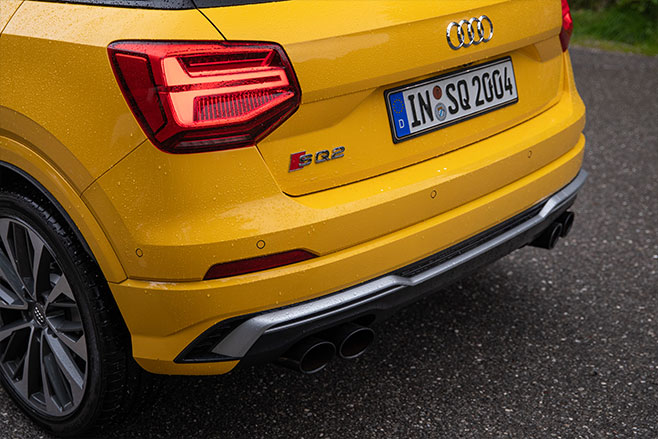
Despite its relatively tall SUV stance, the aerodynamic treatment has limited the SQ2’s drag to just 0.34Cd, which is pretty slippery. Drive more sensibly than it would encourage you to, and the SQ2 will return an average fuel consumption of about 7.0 litres per 100km.
So there you have it. The model that continues the Audi Q2’s evolution from initial novel design study, through realistic driving-enthusiast proposition, into outright Audi Sport graduate. And with that almost perfect scorecard, let’s talk about that glimmer of hope.
Audi is not yet able to confirm this little beauty for the Australian market, but it is currently crunching the numbers to see if it can work. In fact, an Audi Australia spokesperson revealed that the company is “hoping for 2020” to launch and, if given the green light, it will arrive at under $70,000.
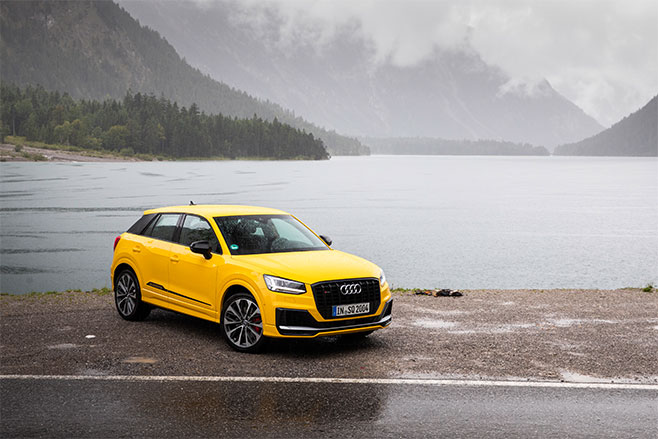
That might sound like a lot to pay for a little SUV but think of it like this. Signing on the line for an SQ2 is not a blind leap of faith into an unknown quantity.
Its drivetrain and dynamic credentials have already comprehensively proved themselves in the excellent S3, which kicks off from $63,000, plus the convenience and some added off-road promise of an SUV.
That’s a pretty compelling set of attributes worth keeping your fingers crossed for until next year.
PROS: Speed of an S3 with extra practicality; bold looks; great drivetrain
CONS: Tiny boot; driver’s position not perfect; not yet confirmed for Oz
RATING n/a
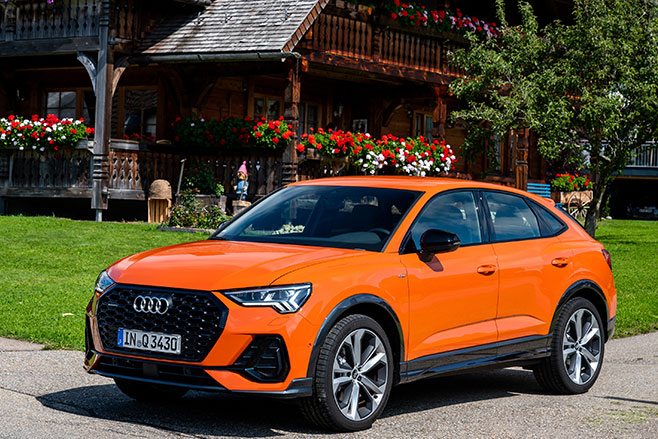
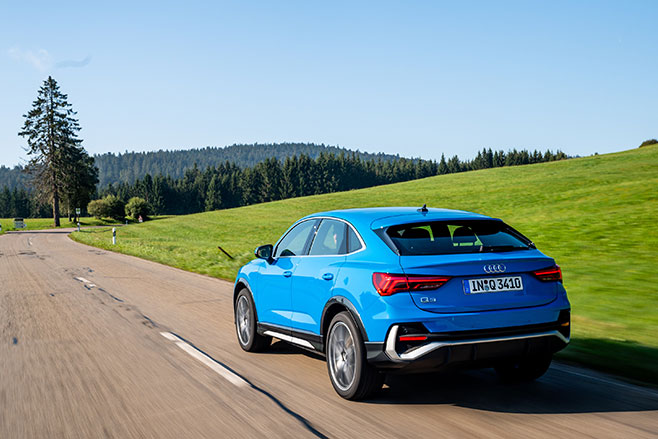
In the absence of any concrete pricing and features ahead of this car’s Australian launch in March 2020, the most important thing about it is the way it looks, so take a minute to fully appreciate its proportions.
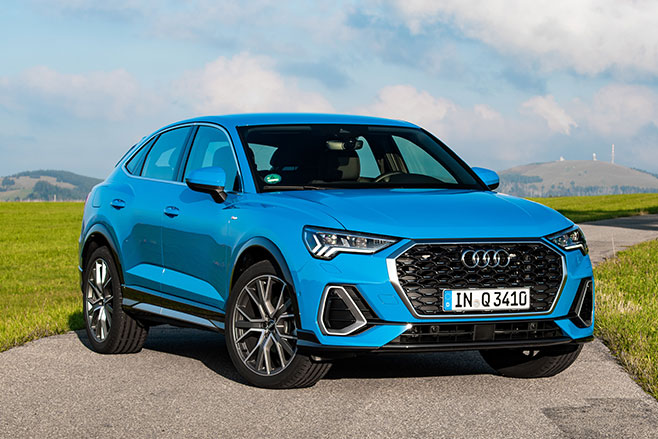
But when we eventually are able to give you the full run down of drivetrain options, extras packages and how much it costs, the Audi Q3 Sportback’s design will still be its most important attribute. That’s because it might very well be the best-looking Audi SUV to date.
Granted, the Q8 may have something to say about that but, while the Q3 Sportback’s bigger sibling is definitely handsome and imposing, there’s something just so damn charming about the smaller coupe-SUV’s proportions when you see them for the first time in person – as we did recently during the model’s global debut drive in Germany.
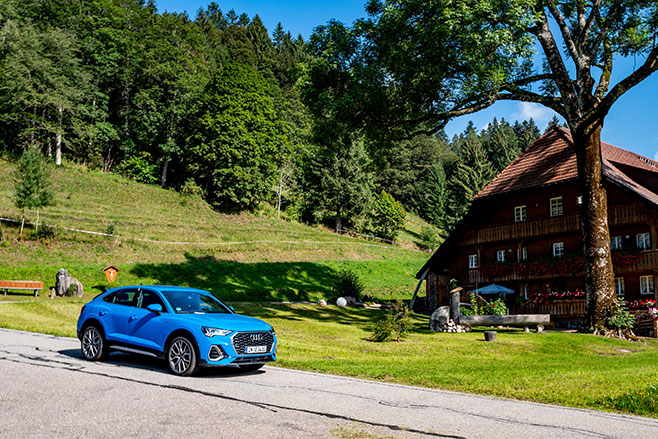
What we can confirm is that the version which arrives Down Under first will be the 35 TFSI. It represents the entry point of the range in Europe where there are four options on offer and it’s powered by a 1.5-litre turbo four-cylinder petrol engine with 110kW and a respectable 250Nm.
If you are familiar with Audi’s freshly introduced nomenclature system, you might assume that the 35 badge on its boot means the performance is adequate at best, and you would be right. A quick blast in the new model from Basel into Germany’s Black Forest revealed the free-revving nature of its relatively small engine and enough power to despatch a few overtaking manoeuvres.
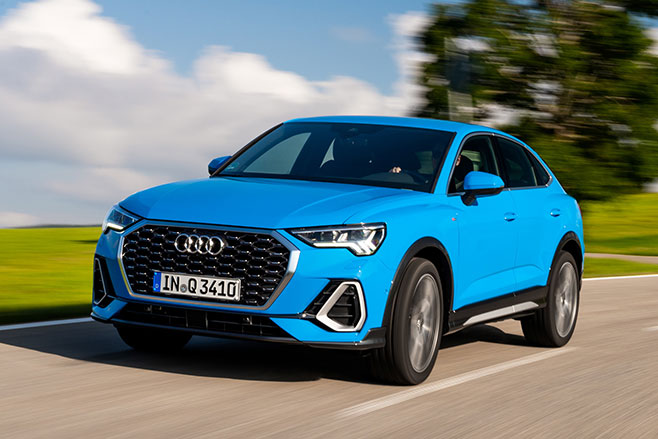
Significantly, the engine in our test steed has a version of Audi’s new mild hybrid system incorporated to the drivetrain allowing a small amount of energy that would be otherwise wasted in braking to be recovered as well as adding a little extra torque.
Apparently the extra 50Nm is delivered at low engine speeds but the little four-pot pulls strongly through the mid-range too. A reported zero to 100km/h figure of 9.6 seconds is far from fast but the 35 TFSI feels marginally more swift than that thanks to its decent mid-range performance.
Encountering a few twisty bits highlighted how its chassis is also completely fit for purpose. It’s certainly no RS but it isn’t trying to be either, and a front-wheel drive set up coupled to seven speed dual-clutch automatic transmission is involving enough to be fun.
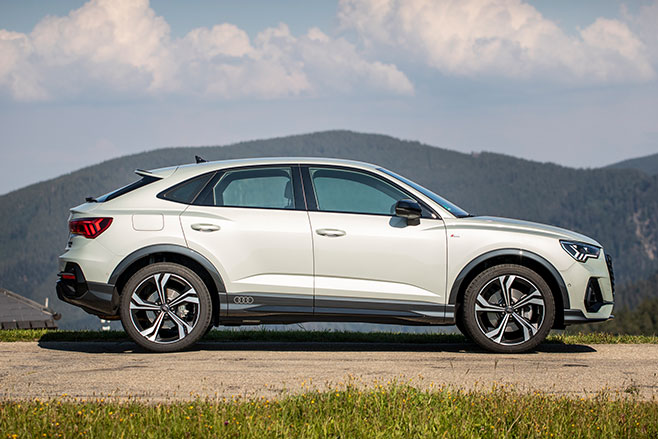
There is a six-speed manual that’s available to certain European markets without the mild hybrid system bolted to the engine, but we would be very surprised if this somewhat esoteric version was offered in Australia regardless of the price.
The Q3 Sportback that does arrive next year will be priced “in the early 50s” said an Audi Australia spokesperson and that positions it a little more expensive than the previous-generation Q3. When the new Q3 arrives at about the same time as the Sportback, expect it to be cheaper than the Sportback to the tune of about $5000, says Audi.
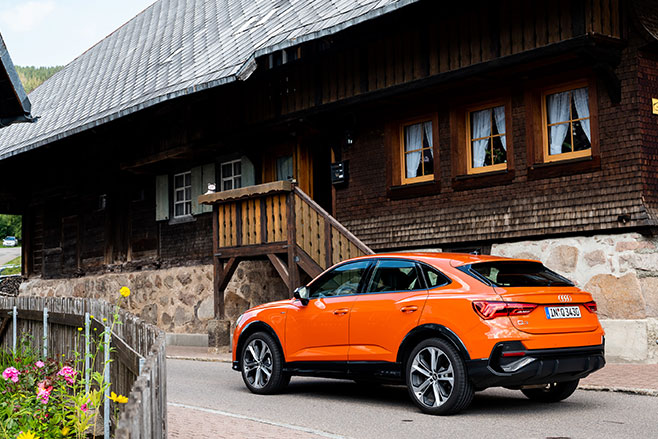
As you might expect from one of Audi’s most competitive rivals, that figure aligns closely with BMW’s coupe-profiled X2 compact SUV.
However, a few months after the model launches, Audi will introduce a second and perhaps third more premium Q3 Sportback variant. Exactly which variant/s are yet to be decided but the 45 TFSI quattro is certain, possibly joined by a diesel.
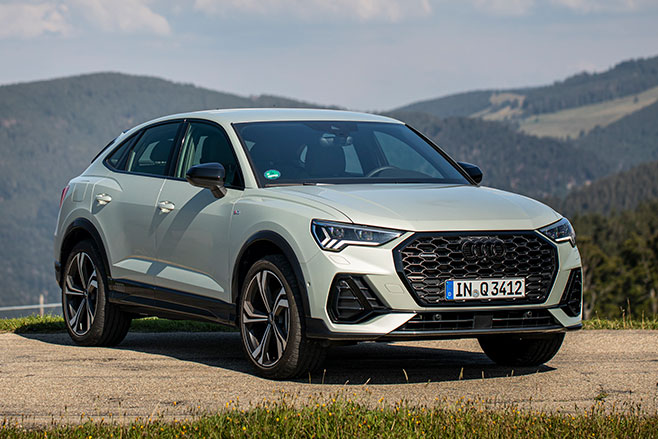
Just like Audi’s Q2 range, which kicks-off with a front-wheel drive but offers a more expensive but resoundingly better larger-engined quattro variant, the two Q3 Sportback variants are like chalk and chermoula.
With 2.0-litres of turbo power coupled to all-wheel drive, the 45 TFSI is a real hoot and absolutely the driver’s pick. Immediately there is more grunt off the mark and even though the front-drive version doesn’t try to break traction, the quattro all-wheel grip is beautifully paired with the more prodigious 2.0-litre’s 169kW and 350Nm. It’ll also appeal to those who want to leave the sealed road behind for a touch of mild off-roading.
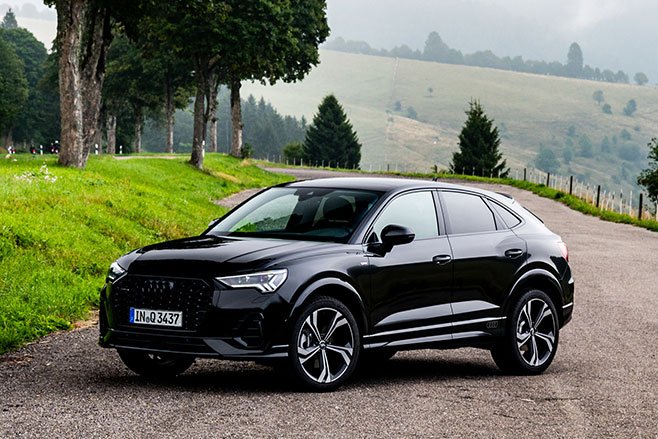
Opt for the quattro and you’ll despatch the 0-100km/h benchmark in 6.5 seconds, and fuel consumption is still a respectable 7.7-7.3L/100km depending on the specification. This compares with a reported 6.0-5.7L/100km for the 35 TFSI.
If none of these figures lights your fire then keep your hands in your pockets because a five-cylinder turbo RS Q3 Sportback is on its way, although details on that potent version are even thinner on the ground at this stage.
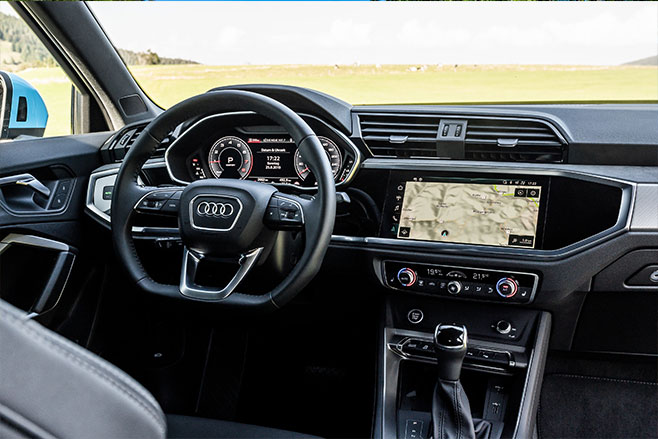
No matter which Sportback you pick, both versions we drove were decked out with the interior quality and design that Audi has deservedly earned a reputation for. It’s possible an Australian 35 TFSI will arrive with analogue gauges and a smaller 8.8-inch central information and entertainment screen, but the ones showcased in Germany were fitted with the company’s excellent Virtual Cockpit digital gauges complemented by a huge 10.1-inch MMI plus version. It will be worth forking out for these ambience-boosting extras.
Despite the more compact external dimensions, the Q3 Sportback’s cabin is surprisingly roomy – particularly in the second row of seating. Despite its prettier profile, there is enough headroom in the back for tall adults, although the view out is a little obscured by tightly spaced C- and D-pillars.
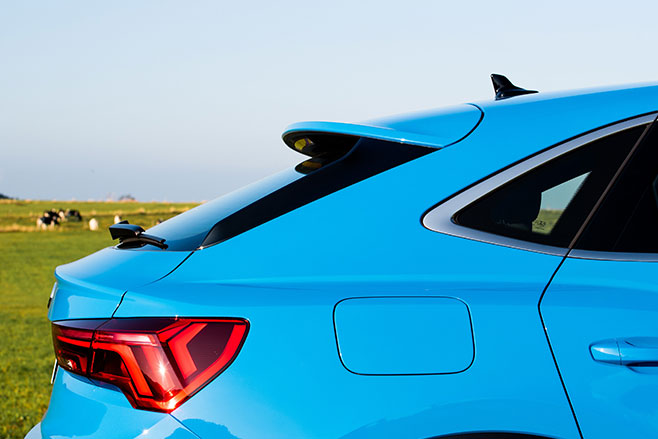
More impressively though, the Sportback loses no boot space with the rear seats in place when compared with the Q3 – 530 litres in both cases.
Optionally huge Audi Sport wheels carried a little more roar into the cabin than expected but overall, there’s very little noise to speak of even at German main road speeds. It might be one of the company’s smaller models, but the Q3 Sportback packs in a premium feel that you might have thought limited to bigger and more expensive options.
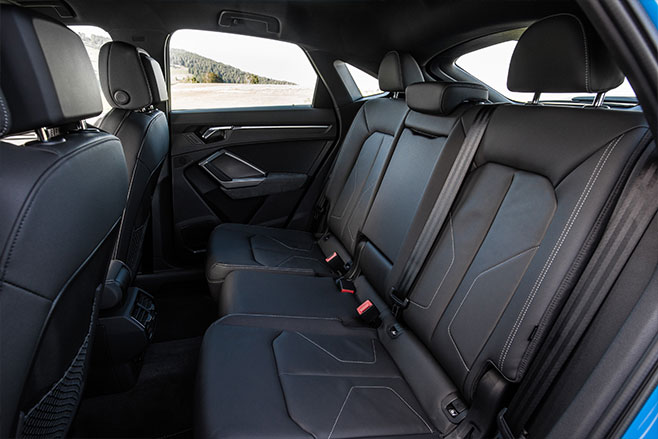
The verdict is simple, therefore. If you’re yearning for an example of Audi’s first Q3 Sportback for those attractive looks, the entry-level version will suit. For all the driving enthusiasts out there, wait for the second wave of quattro version/s and pay the premium. Quite what that premium looks like remains to be seen, however.
Either way, it’s likely a majority of customers will by signing on the line for not the Sportback’s performance credentials, but its lovely proportions and design, otherwise it makes more sense to simply go for its more wagon-like Q3 sibling, right?
Which begs the question, how much is too much for an added shot of panache?
For context, Audi’s A5 Sportback is $11,200 more than the equivalent A4 sedan, while the company will charge you nearly $16,000 more than the A6 55 TFSI for the A7 Sportback on which is based.
If Audi manages to reign in the forecast premium to about $5000 for the Sportback compared with its Q3 stablemate, the newest arrival in the Sportback family is going to make a lot of sense.
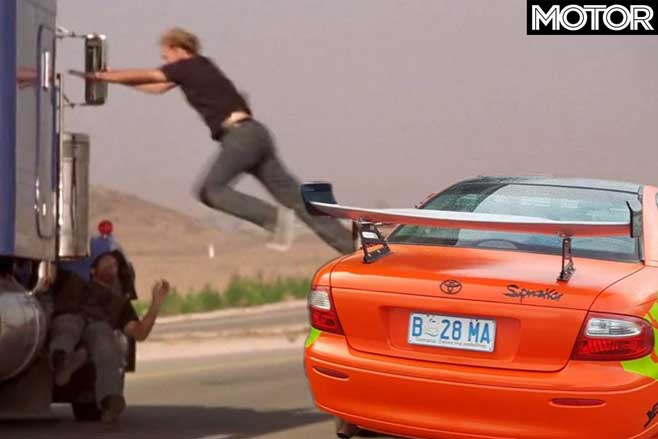
The Mk4 Toyota Supra is a bit of a legend, helped along by its appearance in the first of many (many, many) Fast and Furious films, but someone in Tasmania has paid a rather strange homage to the legend. This is the story of the Suprakar.
Now, clearly, it’s not a Supra. It’s a Holden VX Commodore, but within the world of ‘Suprakar’ it’s expected you play along with the game. On the Facebook page dedicated to this car, it’s ‘the real one from The Fast and the Furious.’
The owner, a Tasmanian man named Mohamad, told MOTOR how he ended up building the Suprakar.
“I’ve always loved cars thanks to my older car-obsessed mechanic brother, Ali,” he says.
“My brother, like most older brothers do, brainwashed me at an early stage in my life. So basically my whole life has been based around cars, cars, and some more cars with a sprinkle of more cars on top of that.
“I’m currently having 3 cars restored and, to be honest, it’s been a very slow process as funds are limited since it’s a hobby for me. I’ve been getting a bit bored in the meantime.
“I needed to feel the joy of building a car, the feeling of completion, standing back and admiring what you’ve built. It’s such a great feeling that many of us have felt before. So, I thought: ‘why don’t I build a car with my mates for shits and gigs?’
“Something cheap and quick, something affordable for a laugh. So, with the help of my brother and mates, that’s exactly what we did.”
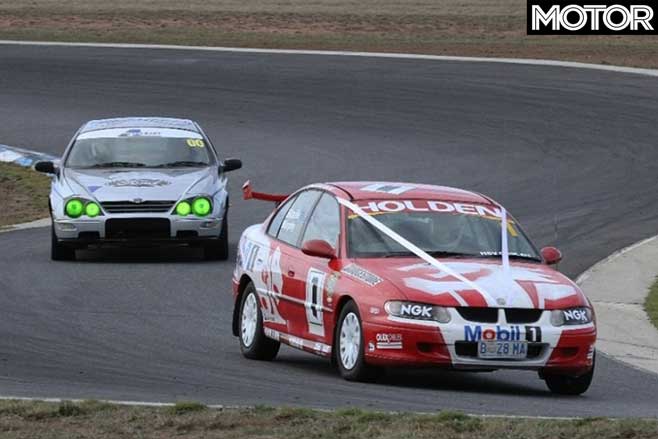
But before there was Suprakar, Mohamad’s first build idea was actually something relevant to the fact he was looking to buy a Commodore. He was going to replicate the HRT Commodore V8 Supercar of the same era. Sort of.
“My first job was to find a ‘rare’ Holden Commodore sedan. Luckily one of my mates was selling one at the time so it wasn’t a lengthy process at all to find one.”
“After many rolls of masking tape, newspaper, professionally made vinyl stickers, and a heap of red spray cans… all different brands, of course, the HRT Superkar was born!
“We deliberately spray painted the lion and helmet logo on the side of the car (with spray cans) to look like a bad attempt and to make people laugh, and that’s exactly what it did.
“My mates and I drove the HRT Superkar through the streets of Hobart and boy did we turn some heads!! For all the wrong reasons, of course.”
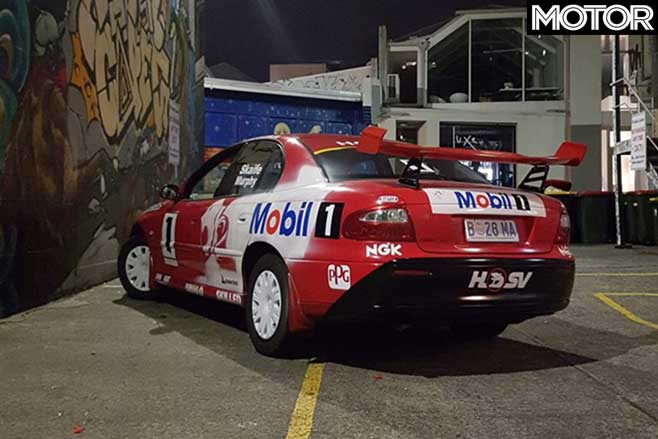
Mohamad says the build didn’t end with the paint, as he wanted it to make an audible impression as well as a visual one. But his idea wasn’t to make the car sound like a V8, he wanted it to have a contrasting Ferrari V12 soundtrack.
“But then I came up with an even better idea! I had one of my mates install a speaker above the rear muffler so people would think that was the real sound of the car. And it sounded that bad that it was hilarious.
“For extra exposure (that we didn’t really need), a mate of mine took the HRT Superkar to a burnout competition for a laugh. I gave him strict orders: ‘don’t wreck the car and don’t do a burnout, just go out there and screech the tyres for a laugh.’ This video had to be funny or there was no point.
“The video was posted online and it was hilarious, my mate did a great job and made everyone in the crowd and who viewed it online laugh… mission accomplished.”
“As we built this car the more things that went wrong the funnier it was. This was the complete opposite to restoring a car you love.”
Mohamad soon became fond of the idea of turning the car from just a laugh into something that could do a little bit of good in the world too.
“My idea was to raffle the car and donate all of the profits raised to help a charity and not only let this be a one off project, but to continue with it and aim to help different charities each time by building more cars and doing a raffle each time.”
But before that could happen to the HRT Superkar, it was time for an evolution. The idea was put into the public forum (the car’s Facebook page) and the votes decided that the Commodore was to become the Suprakar.
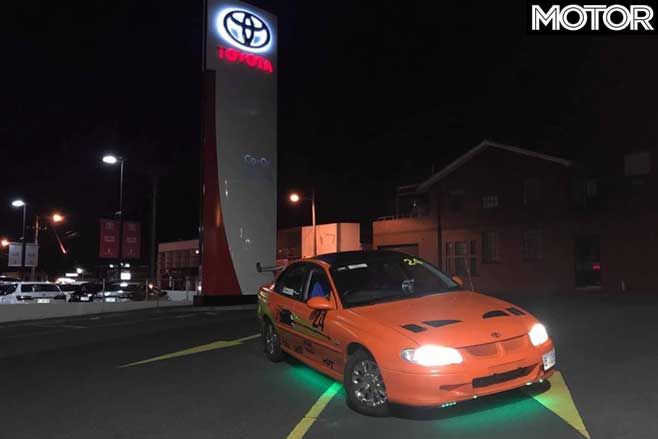
“More spray cans, masking tape, newspapers, mates, and some hand cut vinyl stickers later the Suprakar was born.
“We swapped the V12 external engine sound speaker for under-car neons and a monster tacho drilled into the dashboard, as this time we went JDM style.
“I ended up taking the Suprakar along to the Baskerville 1000, a 6 hour endurance race for cars that cost less than $1000, as a display car in the pit area to help promote the raffle.
“Just before the race started one of my mates came over to where we were spectating and told us his race car had broken down and his team couldn’t compete. He was gutted and I really felt bad for him and his team, as there’s a lot of preparation for these events.
“Without thinking twice, I reached into my pocket for the Suprakar keys and looked at him very seriously and said, ‘take it, just take it, who cares? What’s the worst that could happen?’”
“It was a Fast and Furious moment just like when Brian handed his Supra keys to Dominic Toretto at the end of the first movie.
“Not only did the Suprakar complete the 6-hour endurance race, they had a great time and finished pretty well for a car that wasn’t set up to race.
“I’ve had a lot of local businesses come forward and donate prizes towards the raffle so they could also help raise money for a great cause.”
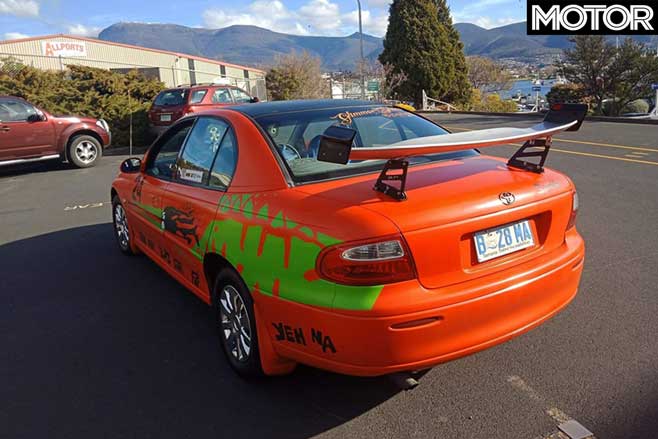
Mohamad says the charity he aims to help by raffling the Suprakar is a Tasmanian group called Speak Up, Stay Chatty. Stylised as ‘SPEAK UP! Stay ChatTY’.
“We want to help contribute to the ongoing awareness that the team at Stay ChatTY continue to spread across Tasmania.
“Stay ChatTY educates people on mental health issues through their school, sports and community programs.
“I think this is a great start and I’m looking forward to working with different charities for the next build.
“I really hope this gets people doing the same thing – groups of mates building cars and helping people in need.
“You can guarantee there will be a lot of laughs and memories made along the way.”
A study into mobile roadside drug testing used across Australia has revealed that the system isn’t always accurate.
The research, conducted by the Lambert Initiative for Cannabinoid Therapeutics at the University of Sydney, shows that two of the most-used devices generate a percentage of both false positives and false negatives. The units in question are the Securetec DrugWipe and the Draeger DrugTest.
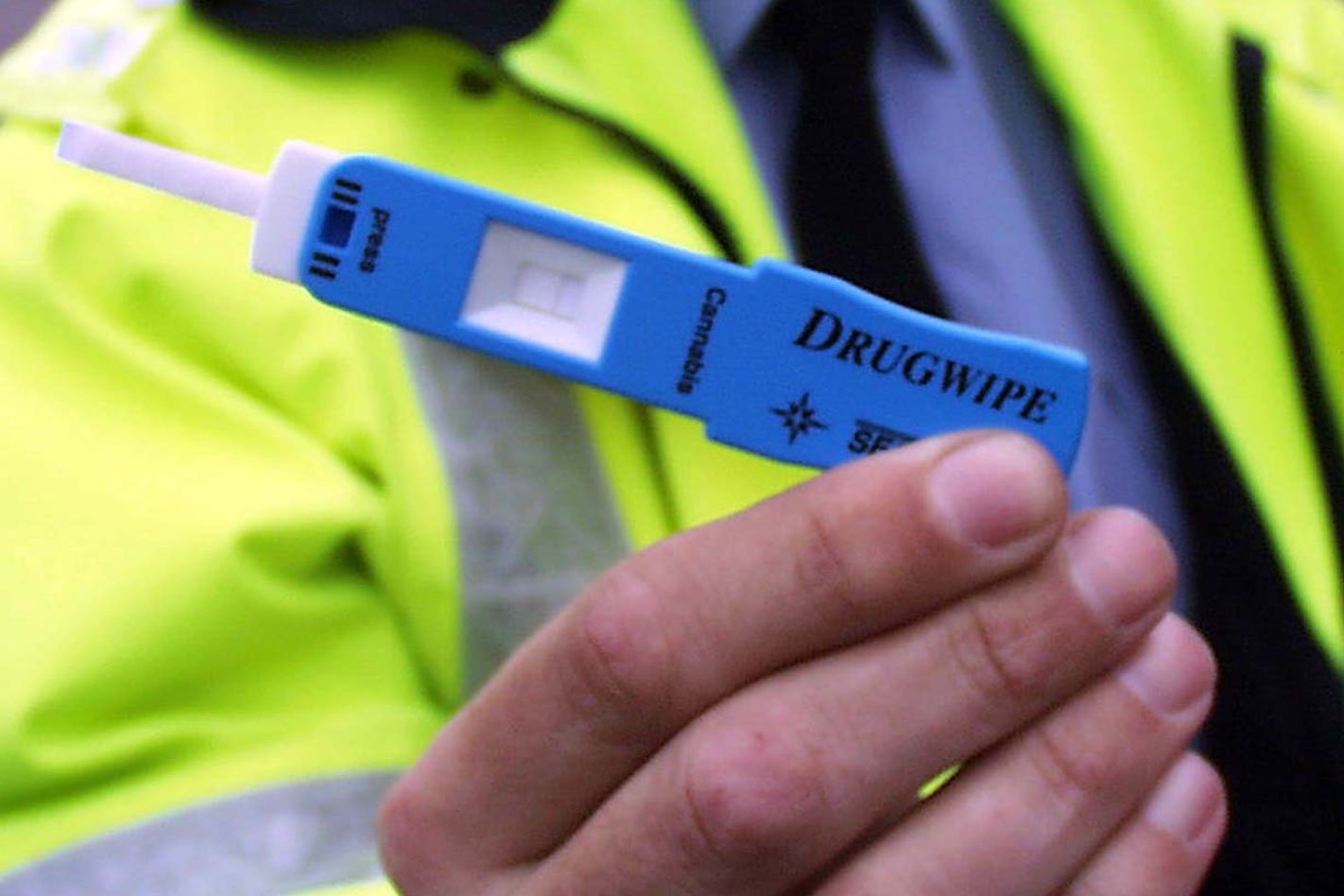
The study, led by PhD student Thomas Arkell and published in the journal Drug Testing and Analysis, uncovered the fact that high concentrations of tetrahydrocannabinol (THC) were frequently missed by the current regime. THC is the active ingredient in cannabis.
“What we found was that these test results often came back positive when they should have been negative, or conversely that they came back negative when they should have actually been positive,” Arkell said.
False negative rates were as high as 9 percent and 16 percent for the two testing instruments. On the flip side, they also gave a false positive when THC concentrations (found within saliva) were very low or insignificant at a rate of 5 and 10 percent. This falls well below what the European Union authorities recommend.
Senior author of the study and academic director of the Lambert Initiative for Cannabinoid Therapeutics, Iain McGregor, said that traditional blood alcohol testing provided more accurate results for alcohol levels.

“Imagine a breathalyser that 16 percent of the time didn’t detect that a driver was intoxicated, and 5 percent of the time pinged them if they were only at .01 or .02,” McGregor told the university.
He also moved to stress the importance of such testing in regard to the welfare of all drivers.
“Detecting impairment due to cannabis use is an important goal in promoting road safety, but using saliva tests to do this appears fraught with issues.
“We should instead be focusing on developing novel methods for detecting drivers who are actually impaired by cannabis,” McGregor said.
In 2020, NSW Police has announced that it plans to conduct 200,000 roadside saliva tests, while ABC News reports that the Victorian Government aims to increase its roadside testing to 400,000 over the next two years.
Almost 10,000 cannabis users have been prosecuted with the current devices up to 2016 (which is the last year of available data). Roadside drug testing was first introduced in Victoria in 2004 before filtering through to all Australian states and territories thereafter.
