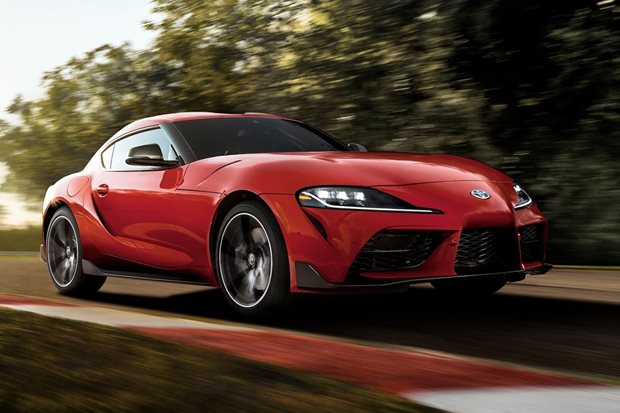
Yesterday Toyota Australia announced local pricing for the new 2020 A90 GR Supra at $84,900 for the GT and $94,900 for the GTS, which translates to driveaway figures of $93,730 and $104,379 respectively based on a Western Australian purchase.
Social media has subsequently exploded with comments, the prevailing sentiment seeming to be either surprise or anger that the price is approaching six figures, but realistically Toyota’s new sports car was always going to occupy this space. In fact, the real surprise is that it’s not more expensive than it is.
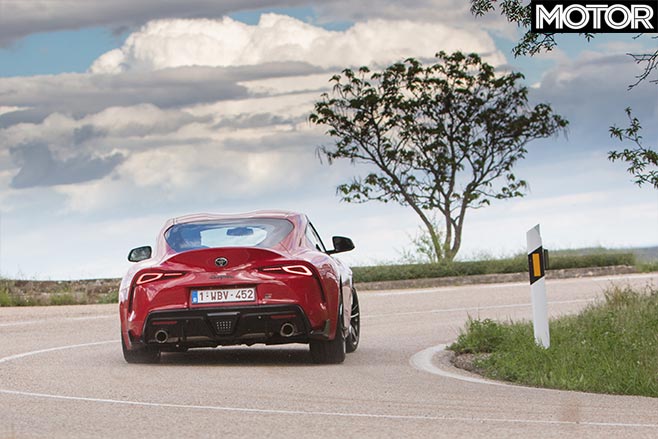
It’s common knowledge that the A90 Supra is closely twinned with the latest BMW Z4, sharing the basic platform – though each was developed independently – powertrain and electrical architecture. The two cars are also built side-by-side by Magna Steyr in Graz, Austria.
BMW lists the Z4 M40i at $124,900, so Toyota is offering essentially the same car, sourced from the same factory, for a $30K discount, or $40K if you include the lower-spec GT. The other key point to remember is that the Supra has never been an affordable car, sitting instead atop Toyota’s sports car line-up above the likes of the Celica and MR2.
In 1993, the last year the Supra was officially offered in Australia, a turbo, manual Coupe cost AUD$65,666. And this wasn’t even the bells and whistles 206kW 1JZ-powered model available in Japan, but the lesser 173kW 3.0 7M-GTE. Converted to 2019 money that’s $124,796, almost exactly equal to the current cost of the Z4.
It was a similar story in other markets. In 1994 the fourth-generation JZA080 Supra (again a turbo, manual Coupe) would set a UK buyer back £40,000 and a US buyer $US42,800. Converted to today’s money that equates to £77,508 and US$72,519, well in excess of the latest Supra’s pricing of £52,695 and US$49,990 respectively.
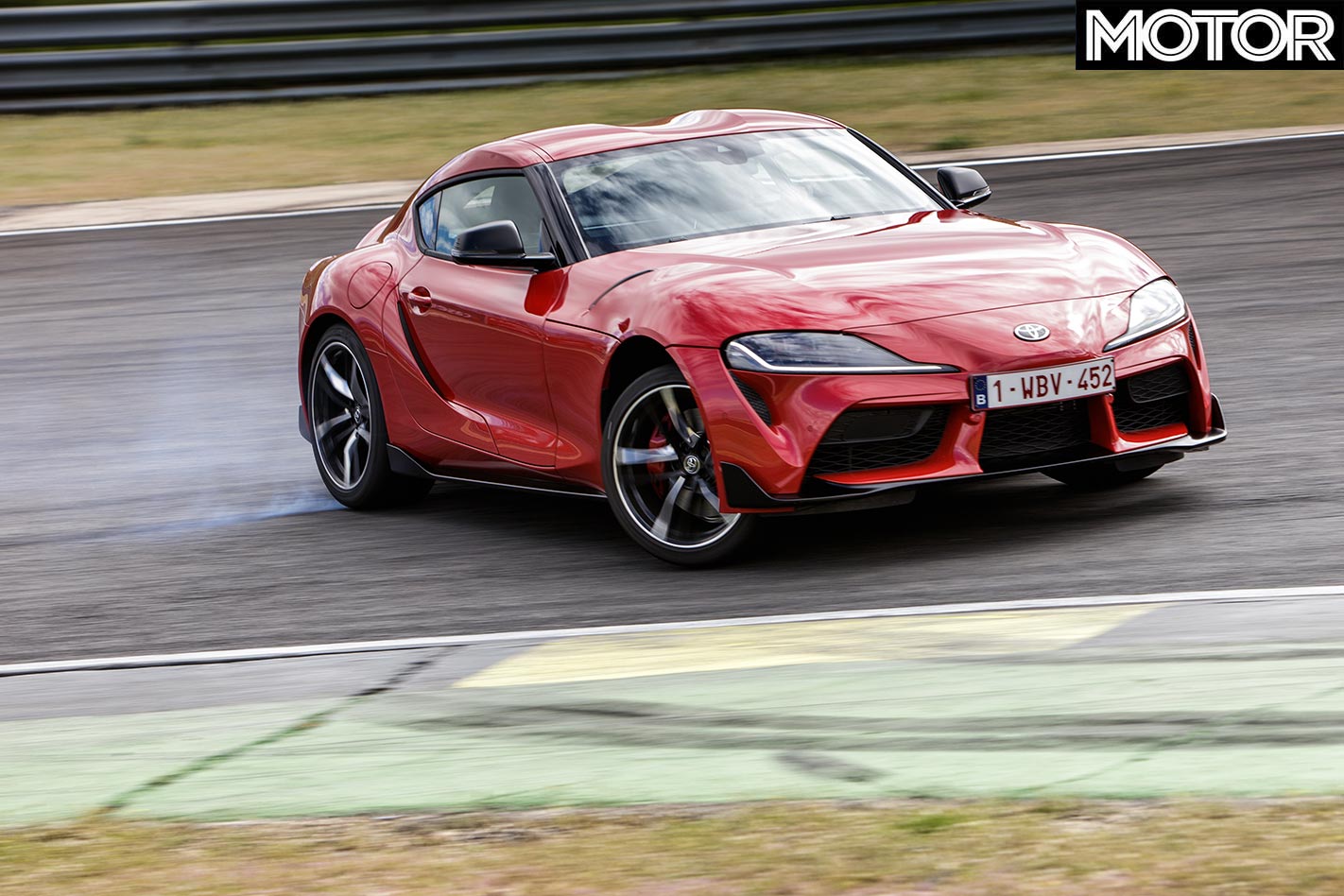
Locally, the Supra was actually by far the cheapest of the high-end Japanese sports car, though as a product of the mid-1980s it was also one of the oldest. In 1994 a Nissan 300ZX (non-turbo) cost $76,230, a Subaru SVX $78,070, Mazda FD RX-7 $80,025 and Mitsubishi 300GT $99,248 (all 1994 figures).
Of course, the price will be much less of an issue if the new Toyota Supra is fantastic to drive, but to answer that we’ll have to wait until its local arrival in Q4 2019.
In an email to staff, Ford CEO Jim Hackett detailed widespread job cuts to come at the Blue Oval, with plans to cull 7000 salaried positions or roughly 10 percent of the global salaried workforce.
The email states the job cuts will include “both voluntary and involuntary separations over the past year”.
Despite the international cuts, Ford Australia doesn’t expect a significant number of job losses locally, having already reduced the workforce in 2019.
Hackett’s justification for the job cuts is an aim to reduce bureaucracy within the organisation.
By the Blue Oval’s own estimations, the changes are set to save the company US$600 million (A$869 million) a year. These savings will be reinvested in increasing funding for “in-vehicle infotainment, software, electrification, and other areas”.
Ford says US employees set to lose their jobs will be informed by the end of the week, while other regions will know their fate by the end of August.
Locally, Ford Australia axed more than 200 jobs earlier in the year during a global restructure of engineering divisions. Approximately 90 contractors, 75 hourly workers and 40 salaried workers lost their jobs in January. Last week, it announced that it had finally sold its shuttered engine and vehicle assembly sites in Geelong and Broadmeadows.
More than 2000 people are currently employed by Ford Australia, with 1700 design and engineering staff, and approximately 300 head office workers.
Ford’s design and engineering workforce is the largest of its kind in Australia.
January’s job losses affected powertrain and chassis engineers whose roles have been moved to Detroit and other international proving grounds.
A Ford Australia spokesperson told Wheels that while more job losses could not be ruled out, it didn’t expect Aussie workers to be heavily affected by this latest wave of cuts because of the earlier restructure.
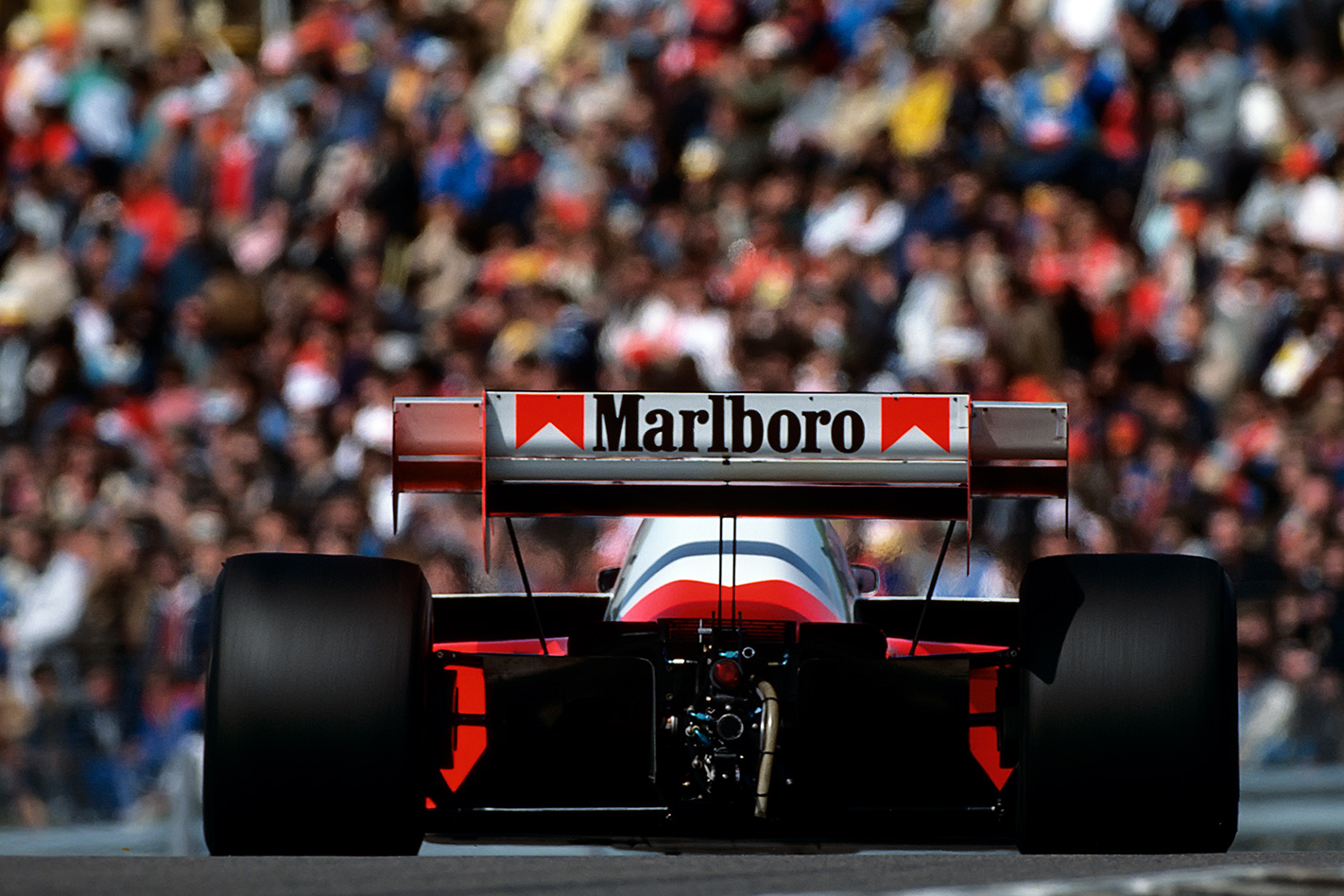
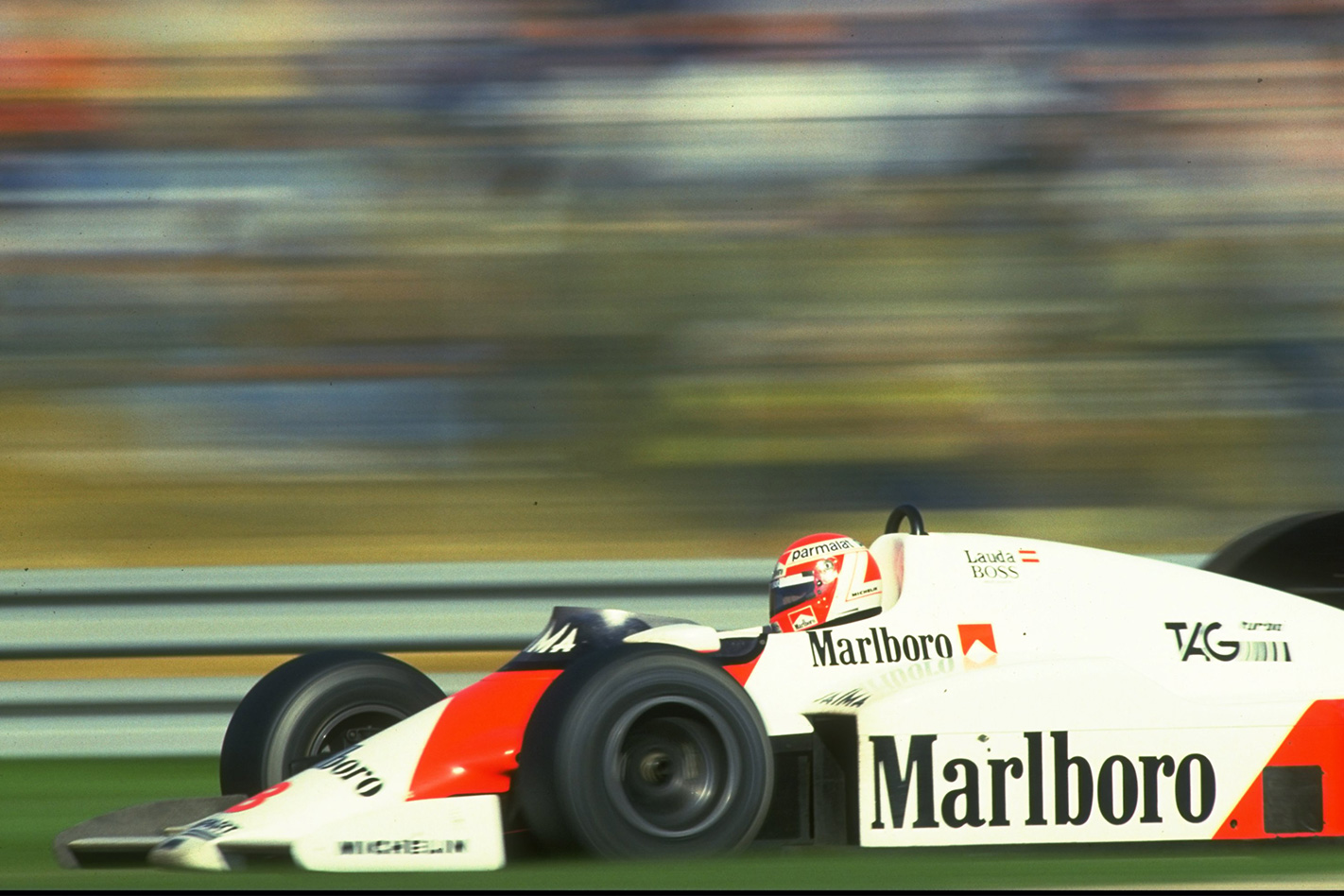
For the legendary Niki Lauda, the 1985 Australian Grand Prix was to be his last race before retiring. It became a memorable farewell, as the GP became a classic Lauda race.
Then Wheels Editor, Peter Robinson, was there.
“WHY ARE we waiting for the French clown?” Niki Lauda turns from the wheel of the Mercedes-Benz 280SE and repeats the question. Agnes Carrier, the Frenchwoman who runs Marlboro’s international relations, still doesn’t understand.
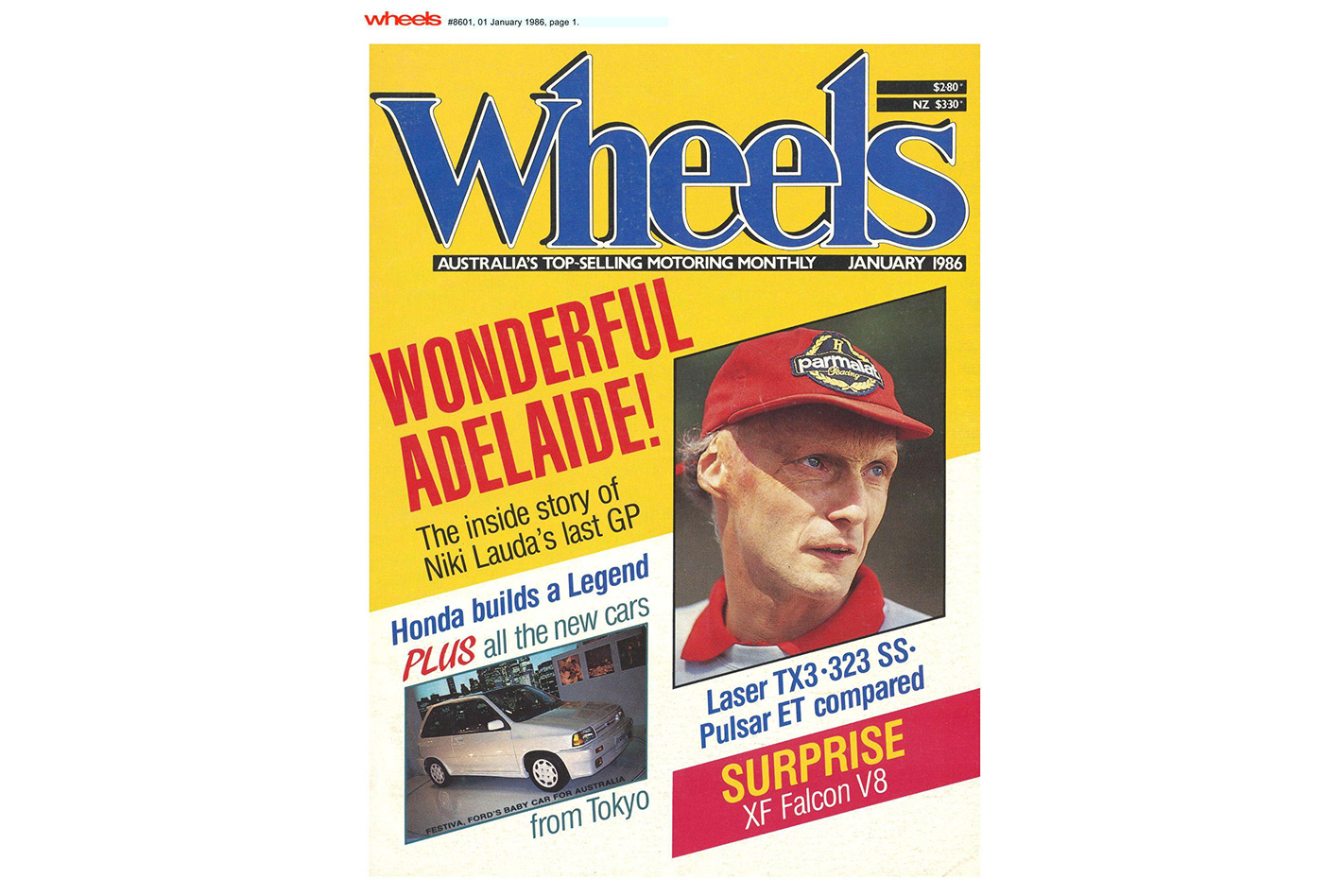
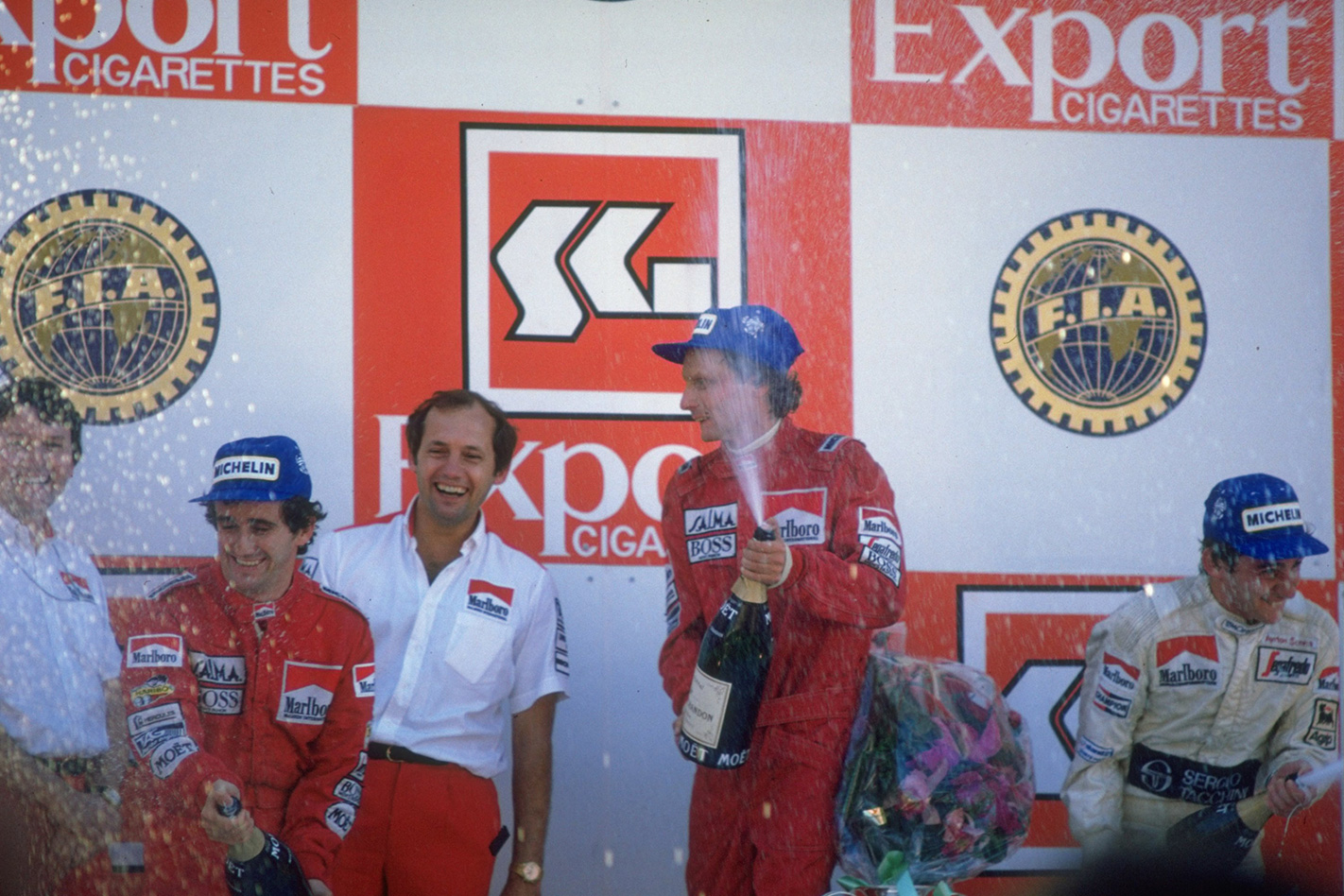
“He can come with me, now I’m ready,” he says with a broad smile. But Alain Prost, “the French clown” who also happens to be the 1985 World Drivers’ Champion, has already chosen to ride in the Mitsubishi minibus for the short journey from pits to media centre for McLaren’s press conference.
Niki Lauda, motor racing’s legend, is clearly in a good mood on this Wednesday afternoon in late October, only four days before his 171st, and last, Grand Prix. His small, short fingers glide the big car through the crowds, beside him sits Willy Dungl, his fitness instructor and masseur.
“This is my last. I am not racing next year.” The words come fast yet they are spoken softly, almost as a mumble in a mild Austrian accent.
The decision to retire at the end of the ’85 racing season had been announced in August, in front of his countrymen in Austria, and even a $US 5.5 million offer from Brabham’s Bernie Ecclestone hadn’t been temptation enough, though the rumours of a comeback continued until he reached Australia. “Money shouldn’t make a difference to a decision like this,” he says, and with no irony in his tone, though it comes from the mouth of the highest paid driver in the entire Formula One circus.
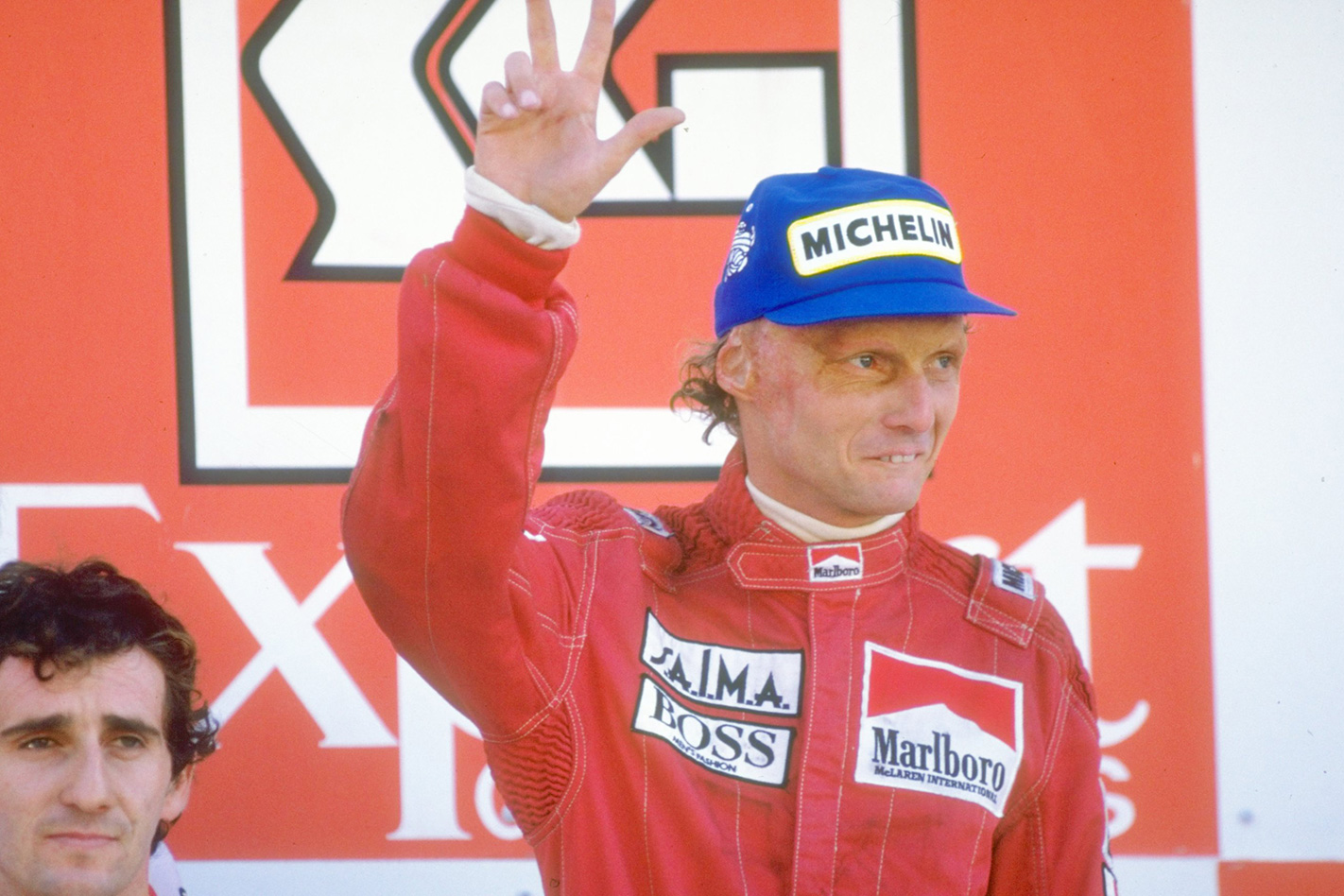
After winning his third world championship, by just half a point from team-mate Prost in 1984, 1985 has been a difficult year. Lauda has missed two races recovering from a strained wrist and scored points in just three events including that memorable win in the Dutch GP when he beat Prost by half a car’s length. And that had been the race right after he had announced he wanted to quit at the end of the season.
“My car wasn’t very motivated this year. There have been stupid little problems, but it is absolutely normal to have things go wrong in motor racing. This year I have had the problems,” he says with a shrug. “I have tried to do my best, to finish my last season doing my best.”
The press conference, shared with Prost and team boss Ron Dennis, is relaxed, the questions are fielded expertly.
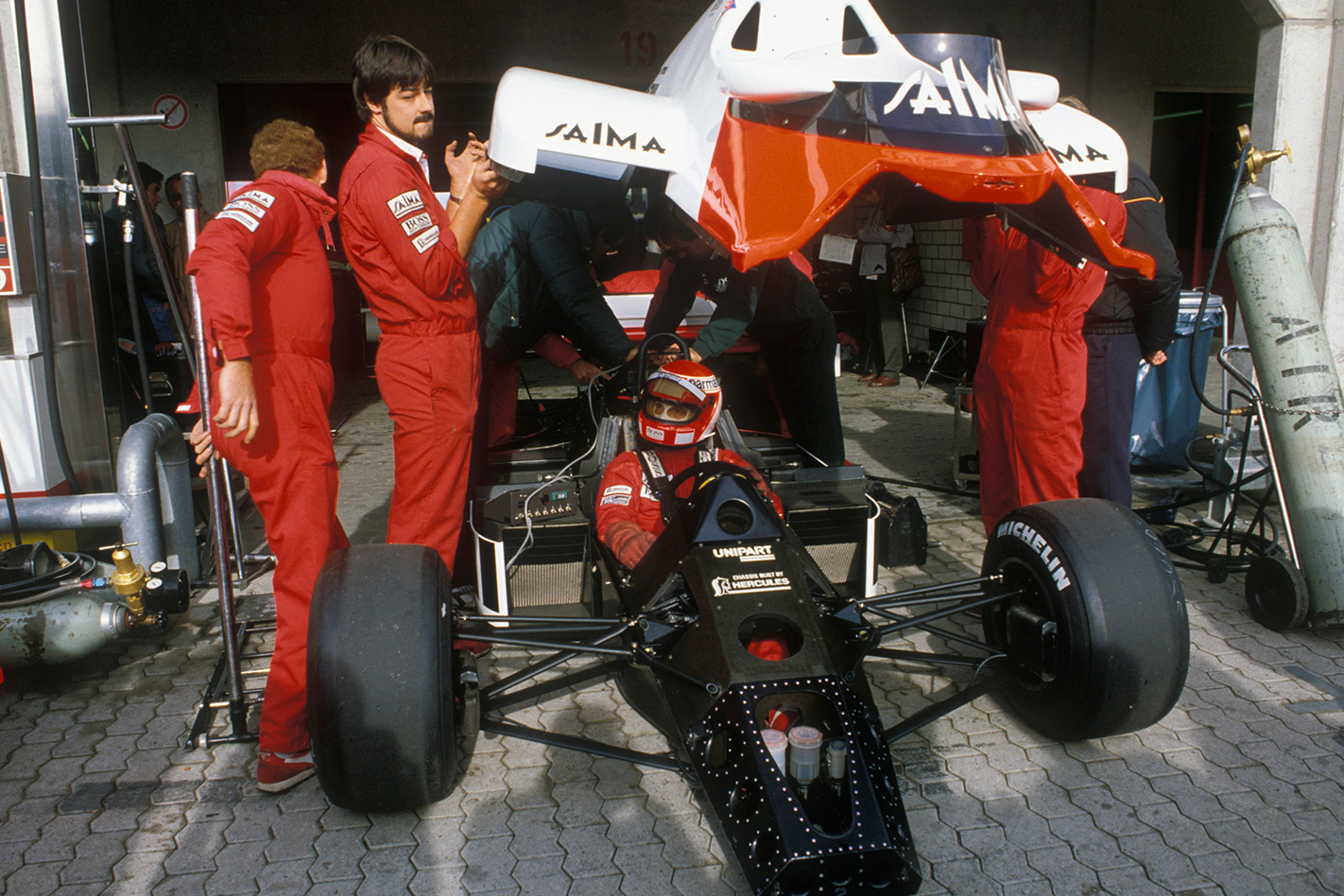
Niki has some nice things to say about the new Adelaide track. “It is the best road circuit in the world,” – and denies the stories spread by Austrian newspapers that his McLaren has been the subject of deliberate sabotage.
The two McLarens, we are told, are identical even to the way they are set up. Prost agrees that next year, when Keke Rosberg joins him as equal number one driver things will be different. Rosberg’s car will be tuned to accept his more difficult, oversteering driving style.
Niki, in jeans, sloppy and the ubiquitous red cap with the Parmalat insignia, is remarkably casual, and charming to a fault. When the formalities are over he and Prost go outside to meet the cameras, sign autographs for the normally cynical motoring press and answer the more persistent journalists’ questions. The patter is the same; he has said it all before, in a dozen different countries and in three languages. The two drivers leave together in the 280SE to go back to the Hilton Hotel and its pool. The Clown and The Rat.
THERE IS no practice on Wednesday and qualifying doesn’t begin until Friday, though the Formula One can be allowed out on the new track for two and a half hours on Thursday. Most of the cars arrived for Australia’s first world championship race on the previous Thursday, the drivers arriving in ones and twos over the weekend and during the early part of the week. Lauda arrives at 8.25 on Wednesday morning.
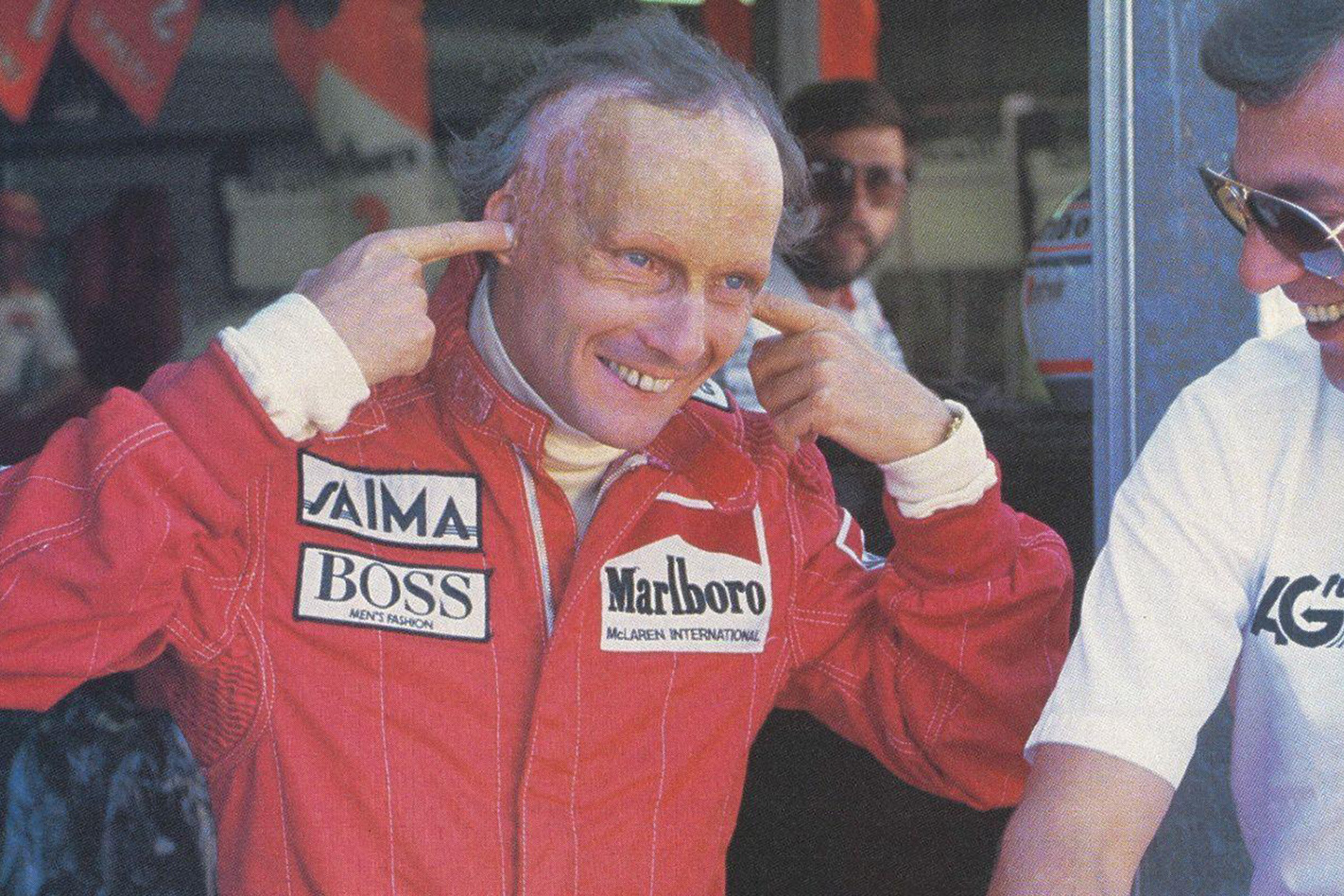
I’m waiting for him at 10.30 am the following day – having been told he demands punctuality – in the comfortable rest area behind the McLaren pit. Already I’ve been informed that Niki played up the previous evening. Agnes warns me gently, “Niki has a headache this morning, but it doesn’t matter.”
One of the team tells me in less guarded tones that Niki drank too much red wine last night at the $150-a-ticket ball (black tie affair or not, Lauda none the less appeared wearing that Parmalat cap), then went on to the disco. “We had to drag him back to his room at almost two this morning. It’s most unlike he’s normally in bed at nine.”
The world championship for 1985 has already been decided. The constructors’ title will go to McLaren unless there is a total turnaround in fortunes. It is clear that the friendly Adelaide atmosphere is infectious.
“Everyone on the team is enjoying themselves,” the McLaren PR man says. “Back home in England it’s pissing with rain. Here it is going into summer. It’s a great place for a race.”
At 11.00 am the little man (at 65kg, he is heavier only than Prost among the GP drivers) arrives alone, carrying a sports bag and wearing a sheepish grin that exposes those slightly buck teeth. “Morning,” he says to everybody in general. One of the team saunters over, lifts Lauda’s dark glasses and peers into those normally steely blue eyes.
“Not bad,” he says, “not bad,” and everybody laughs. Of tension there is none and you begin to wonder just how seriously the team is treating this final race of the season.
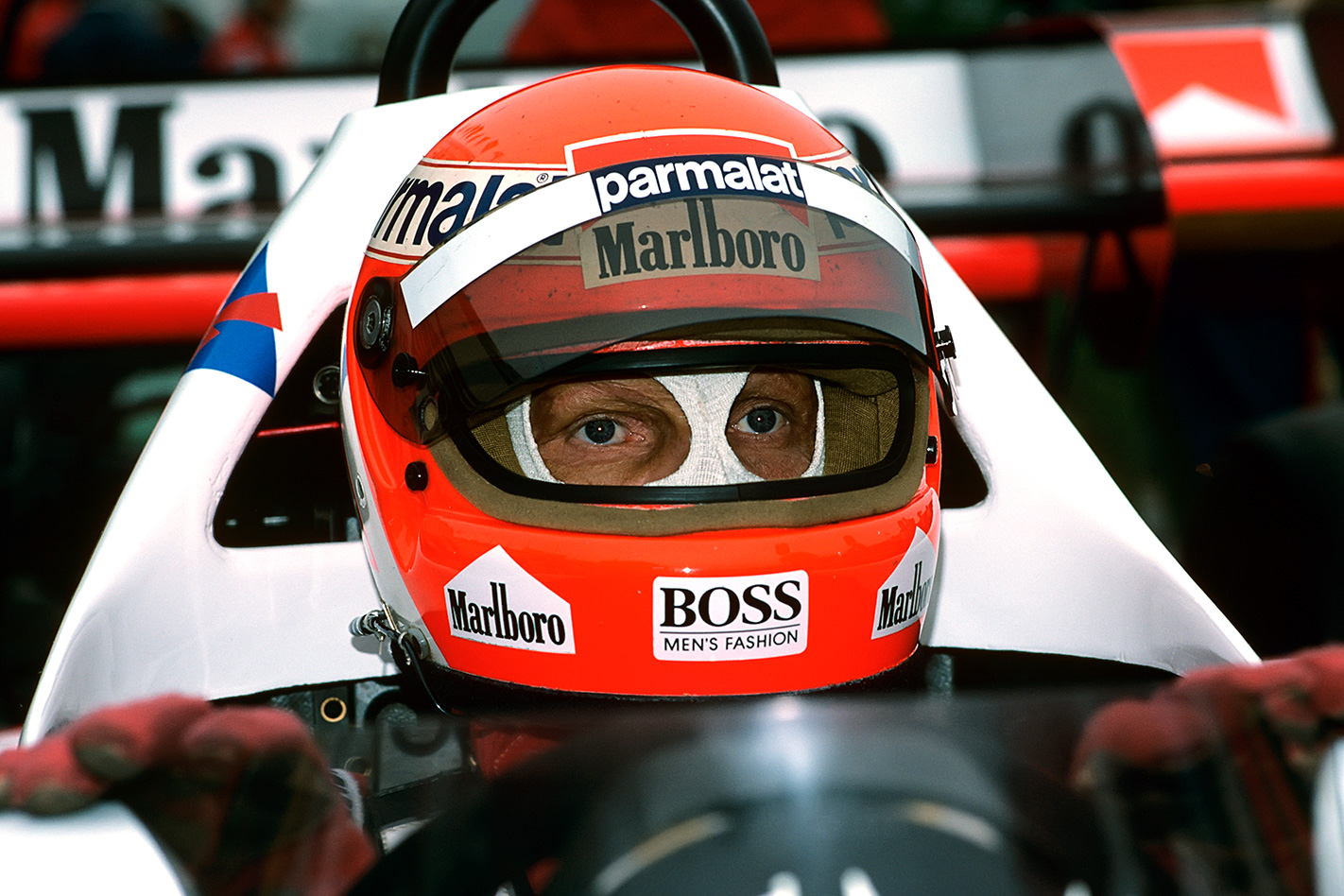
Niki is eating a salad when I’m ushered into one of the two rooms that serve the McLaren. The chat is friendly if predictable. “It is my own decision. I don’t retire from racing because I have to, retire because I want to. It doesn’t mean I’m retiring from life. I am doing something different. For me, there is no problem.”
It is obviously a very different, much-considered decision compared to the emotional, spur-of-the-moment act in Canada in 1979 when Niki walked away from his Brabham during his practice and barely said goodbye to the team. Then he was not enjoying himself; the motivation had gone. He doesn’t regret that retirement now, and the absence lasted just over two years before “the joy of driving” (and, is it cruel to add the money?) brought him back.
Air Lauda is prospering, with two aircraft already and a third Boeing 737/300 about to be delivered. Niki is fascinated by its new navigational system and intends picking up the plane after four weeks flight training in the USA, after the AGP.
But what of his greatest races?
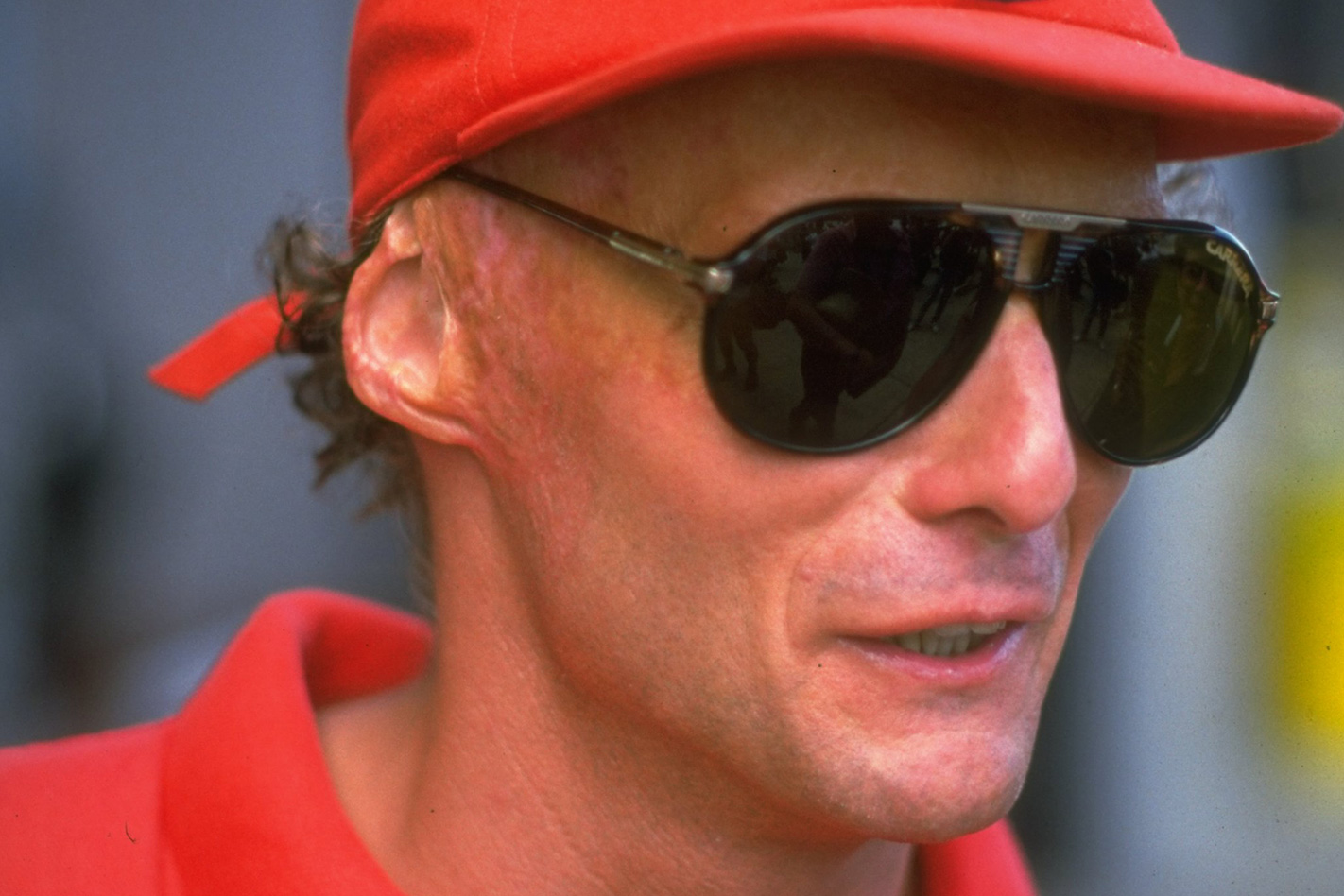
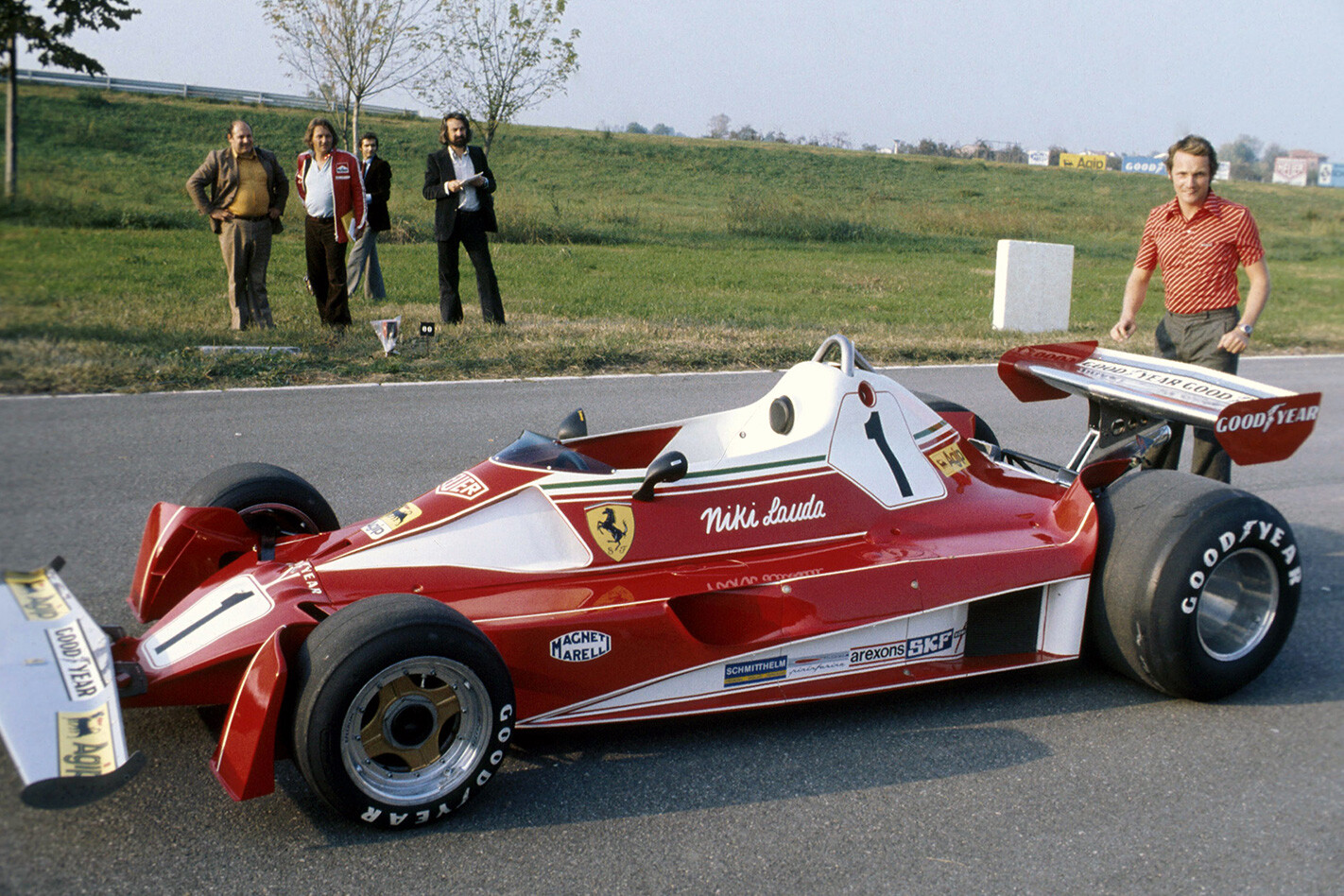
What of his incredibly courageous comeback at Monza just six weeks after the horrific crash at the Nurburgring in 1976, when his face was scarred for life, and he was given the last rites (“I was overwhelmingly afraid,” he said of that Monza race in a recent interview). What of his decision to pull out of the dangerously wet 1976 Japanese GP, and virtually hand the world championship to James Hunt? What of his drive to a second world championship for Ferrari in 1977, and of his superb race through the field to second place at Monaco in 1978?
For Niki there is no sentiment. The Viennese boy, born February 22, 1949, to a wealthy family and raised mostly by a nanny, now says, “I honestly believe only in today and tomorrow.”
His grand-children, he says, in answer to a direct question, won’t want to know about who he was or what he did.Yet if you press him he will admit, with his eyes alive, that he enjoyed beating Prost in this year’s Dutch GP. There were those who criticise him for not letting Prost through to get the extra three points for the championship but Niki, understandably, doesn’t agree. If he respects Prost, he also wants to beat him, and the Dutch GP, he knew, might be his last chance.
“He’s slowed down since winning the championship,” Lauda says. “You check the times in Kyalami.”
Steve Nichols,the American engineer in charge of Niki’s MP4 McLaren, says, “Niki doesn’t often show a lot of emotion. Last year after Estoril (the only time his wife Marlene has seen him race since his comeback) when he won his third world championship, he as really excited and beside himself with joy. And at Zandvoort, after that classic duel with Prost, he was very pleased. That is really quite an unusual state of mind for Niki.
Lauda has two lives and they seldom mix. At the races he is totally professional (despite the impression he gave at Calder for the for Formula Mondial cars when he stopped halfway through the race and drove off before the event was over), and yet the men he works with so much of the year have never met his children.
So there is the family, kept private and away from glare of publicity, and there is the world of racing.
Nichols respects Lauda, of that there is no doubt, but they are not close friends despite the intimacy of their working relationship.
“Having him go,” says Nichols, “brings out mixed emotions. He is a very interesting personality, much loved, a legendary figure. It has been an honour and a privilege to work with him, of course. From that point of view it is sad to see him go.”
THURSDAY MORNING the new track is unusually slippery, the Mondials and the Group A touring cars spinning frequently on the dusty surface. The Formula One men watch and reckon the circuit isn’t going to have much grip at all.
To Alan Jones falls the honour of doing the first lap in a Formula One car and he is alone on the circuit, hanging tail out on most corners – not deliberately, as the 25,000 spectators clearly think, but because the track is so slippery. Then out they all go. Brazilian Ayrton Senna’s Lotus is quickly in the 1m 24s bracket while Prost, Piquet, Mansell and many others spin on the glass-like surface. Some crash and damage their cars quite badly.
Niki is 11th fastest at the end of the day and reasonably pleased. He is home before dark. There is no wine on Thursday night.
FRIDAY THINGS begin to get serious, and in the pits there is an air of total competitiveness. Senna is aloof away from the track, astonishingly fast on the track, and it is soon clear that the Williams cars of Rosberg and Mansell and Senna’s black Lotus are going to be fighting pole. The untimed morning session is considerably faster than the previous day but the official qualifying session in the afternoon is on a track that has mysteriously lost some of its grip. The times are off. Laudu can do no better than 1m 24.6915 for 12th position and is 2.289s behind Rosberg, who is fastest.
Qualifying tyres normally only last for three laps, one to get them warm, then a flying lap and one slowing-down lap. Lauda says after practice, “I am doing six or seven laps round here before the tyres start to work properly, and then they come in very gradually.” Is he, the pundits ask, winding down into retirement; or is this a tribute to his ultra-smooth driving on the new circuit?
Prost comes into the pits during practice and runs too wide, sliding off the bitumen and into a barrier. It is an embarrassing moment for the new world champion. He returns to the McLaren pit with the front wheels splayed and immediately goes out in the spare car. His 1m 23.943s is seventh fastest.
SATURDAY BRINGS a tremendous battle between Senna and the two Williams drivers with Senna the first, and only, man to break the 1m 20s barrier with a superb 1m.19.843s.
Mansell is second with 1m.20.537s. Lauda is in trouble. There is an electrical fault which means his TAG turbo engine is cutting out at high revs, so he is in the spare car while the entire electrical system is changed. He had hoped to be seventh or eighth on the grid but now his chances are fading.
Finally, his time is a lowly 23.941s and he is 16th fastest. Prost is fourth, .002 behind Rosberg.
Niki doesn’t seem upset. This is, after all, a tight and demanding street circuit which is going to place more emphasis on brains than brawn, on finishing the full 82 laps rather than leading into the first corner. It is a situation made for Niki Lauda.
James Hunt, Lauda’s great rival of the ‘70s, suggests that it must be getting more difficult for Niki to find the motivation. “He has more money than he needs, why play his hand for yet another season?” he asks.
But the attraction is still there for the man who has won 25 Grands Prix equal to Jim Clark, one more than Fangio, second only to Jackie Stewart. A win today might, it seems, be enough to get him to change his mind and accept Bernie’s offer.
“I hope everything goes really badly for me in the race. I love racing so much that I want to leave racing with an unhappy memory of my final race. I don’t want to be lured back just by having a good result, which will make me regret my decision to retire. I want to pull through the field to third place and then have my engine blow up three laps from the end.”
ON SUNDAY morning, in the grandstand opposite the McLaren pit, hangs a sign that is impossible to miss. It is for “Always remembered, sadley missed, Niki farewell.”
Complete with spelling mistake, it is a reminder to the pits if they had forgotten that this will be the last race for the man who, in 1985, was reigning world champion.
The mood is electric, the urgency enormous. The drivers and the teams have much to prove before next season Adelaide is showdown ’85.
Grand Prix practice on Sunday morning is in race trim with the boost turned down and on race, rather than qualifying, tyres. It is a much more accurate guide to the relative merits of the cars that will line up on the grid in the positions decided on Friday and Saturday.
Nothing, however, can change the sheer speed of Senna and he is quickest with a time of 1m 23.854s. Lauda’s 25.633 is eighth fastest and he is satisfied. Yet there is concern over brakes. The McLarens run carbon fibre brakes that have benefits in weight saving, but the pads wear out much more quickly than pads used with the older cast-iron ventilated discs. Both Williams cars have chosen the metal discs, but de Angelis’ Lotus and Johansson’s Ferrari are the only other cars to switch from the carbon fibre brakes.
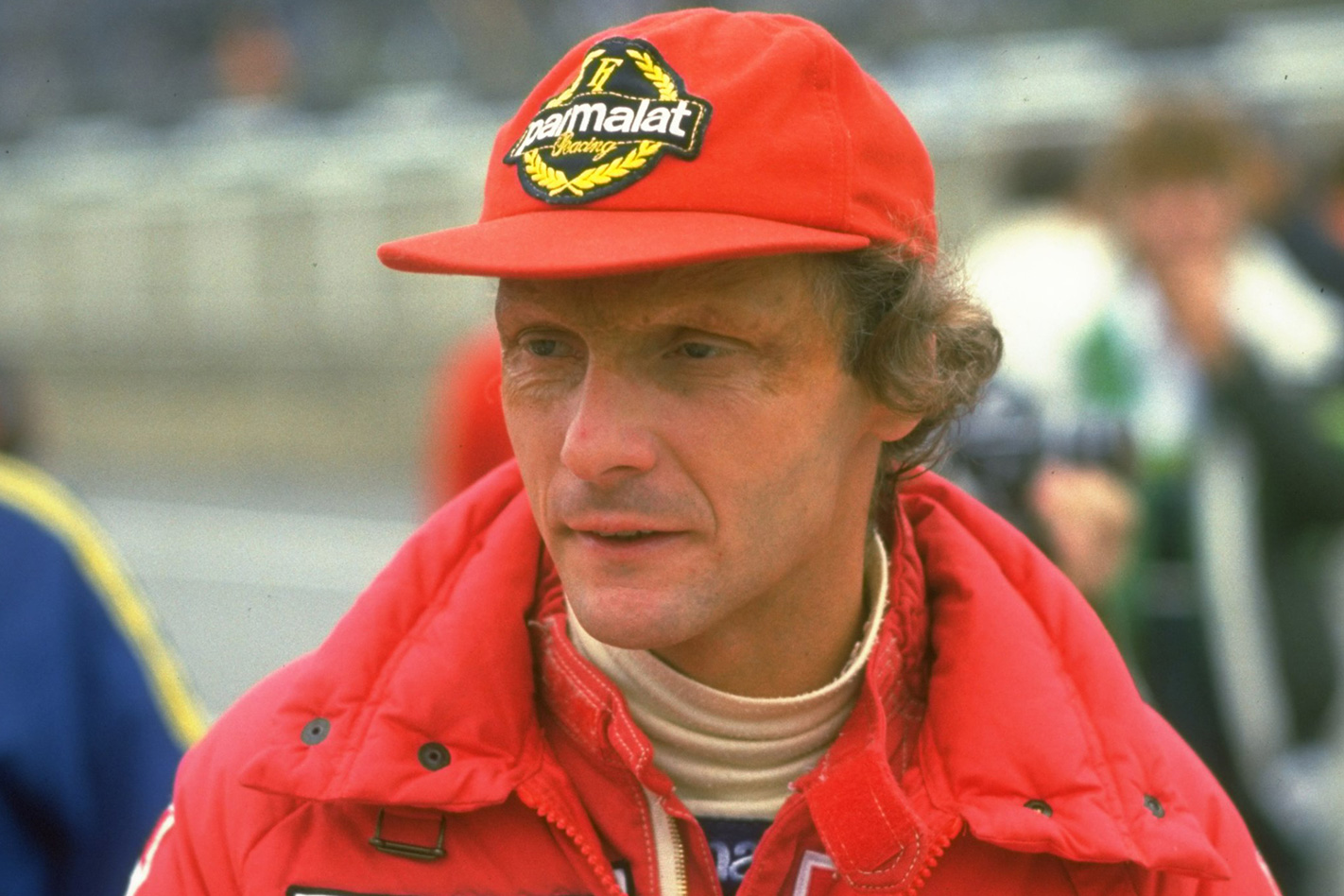
Lauda is still relaxed. After the Sunday practice he sits quietly in the McLaren pit taping up his helmet’s visor, the sweat already pouring off his face in the hot conditions.
“I think I have always been like this,” he says. “To me there is nothing different here. Another race.” The total control is incredible.
IT WAS a dramatic start, the cars thundering off to the first chicane and successfully sorting themselves out, much to the surprise of many people (including most of the drivers) who felt the inevitability of a first corner crash. Rosberg had even reckoned the corner should be run under the yellow flag (no passing) for the first lap.
Instead, the accident came on the third corner, when Senna and Mansell touched and the highly Favred – and now very angry – Williams driver was forced to limp back into the pits.
Lauda was 16th when they went over the line at the end of the first lap, and was 16th again on the the second. Then, as others fell out, crashed or were passed, he began a brilliant drive through the field. He was 15th on lap three, 13th on lap six, 12 on lap 10, 10th on lap 12, eighth on lap 13, seventh on lap 14, sixth on lap 15. Then the race stabilised for a few laps as Senna and Roseberg fought out the lead.
By half distance Lauda was third to Rosberg, but it was all happening up front. As Rosberg pitted for new tyres, Senna hit the tail of the Williams, losing part of his front wing and making the Lotus almost uncontrollable, although he took the lead. A few laps later, Senna with a new front wing, after a visit to the pits, was past Lauda again into second, but then Rosberg’s rear tyres went off and he had a long 23 sec pit stop and rejoined the race in third position.
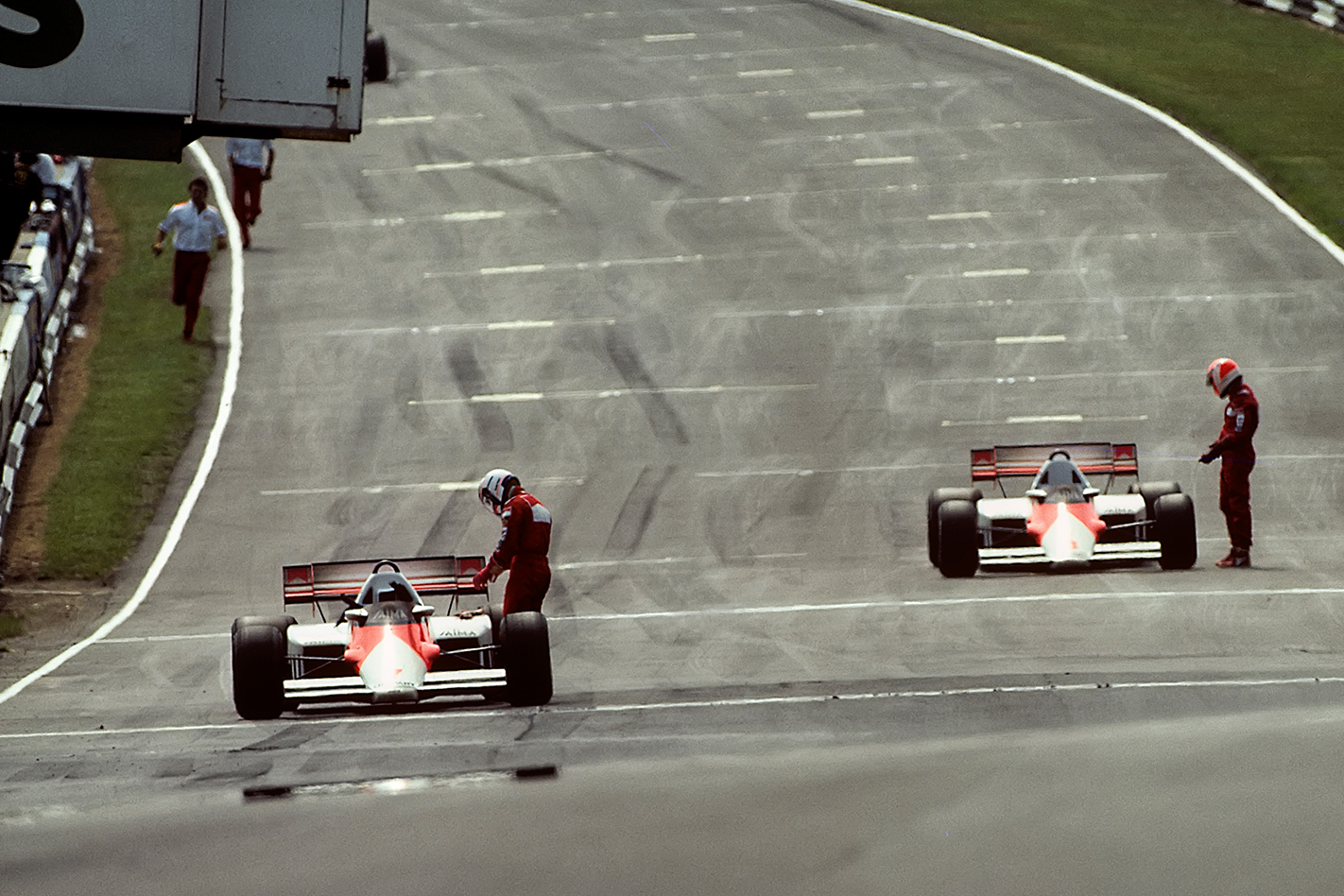
On lap 56 Lauda outbraked Seena at the end of Brabham Straight and took the lead in his last Grand Prix. The calm in the McLaren pit was broken by cheers and clapping repeated around the circuit. But Lauda’s McLaren was far from perfect: those brakes. Two laps later, the same place where he had passed SEnna, a rear wheel locked, the car swerved sideways and hit the concrete barrier head-first. The car was too badly damaged to go on. Niki Lauda climbed out, pulled off his helmet and began the long, sad walk back to the pits. The people rose, they cheered, they clapped, they whistled. They had seen the end of a champion’s career.
THERE ARE four of us waiting for Niki as he comes back, bitter disappointment written across his face. The team consoles him and we wait. Then he asks us in; his calm cool exterior has returned though he gulps at the mineral water bottle and his bare feet sweat. The other three journalists start question-time in Italian. “Ask in English,” he tells them, pointing to me.
“I had no brakes for the last 10 laps. The pedal it is hard, the it goes to the floor. I had to pump for that corner, then the backs locked and it was over. So that’s the end of it!
“With a big effort I could have finished, my tyres were okay.” He eats watermelon now, and strawberries.
“How much money I throw away, better to remember this than fly home and think, ‘Shit, I won, what am I doing retiring?’”
He looks for his shoes, finds them, goes off to a television interview. Then it is into the helicopter fora flight to the airport and the plane to Sydney for the long flight home.
“Now,” he says, as he leaves the McLaren pit for the last time, “now I grow up and do something useful with the rest of my life.”
Young adults don’t really care about getting their licence.
That’s according to recent data which shows that teens across Australia, Sweden, Canada, the UK and US are increasingly less likely to learn to drive, for a variety of reasons.
Advancements in technology and a general shift towards a more online lifestyle over recent years means that owning a car is no longer a priority for many people, particularly the young ones with better things to spend their money on.
And why should it be?
The fact that even moving out of home is a far-away notion for millennials these days is a likely contributor, meaning that the traditional ‘Mum and Dad’s Taxi Service’ still gets a solid workout.
Failing that, it’s likely a few Ubers are already circling your area and can be at the bottom of your driveway within five minutes.
It’s often said that if buying a house is the largest investment most of us will make in our lives, purchasing a motor vehicle is second (and weekly brunch dates are third). Learning to operate a car is, then, a pretty important skill, even if it’s not for yourself.
It’s always handy if someone in your circle of mates has a licence, especially if you’re all out for a night on the town and there’s a need for a designated driver.
Of course, if you live away from the big cities, or public transport can’t help you, chances are you’ve already gone through the pain of getting a licence.
But if you haven’t needed to own or even drive a car thus far, it begs the question: why should you have to deal with the stress of traffic and parking when someone else can simply do it for you?
Whatever the reason you’ve avoided it thus far, earning your licence is a life skill that we should all have a crack at.
Here are our top tips on how to nail getting your licence/Ps/gateway to freedom.
Don’t listen to your parents*
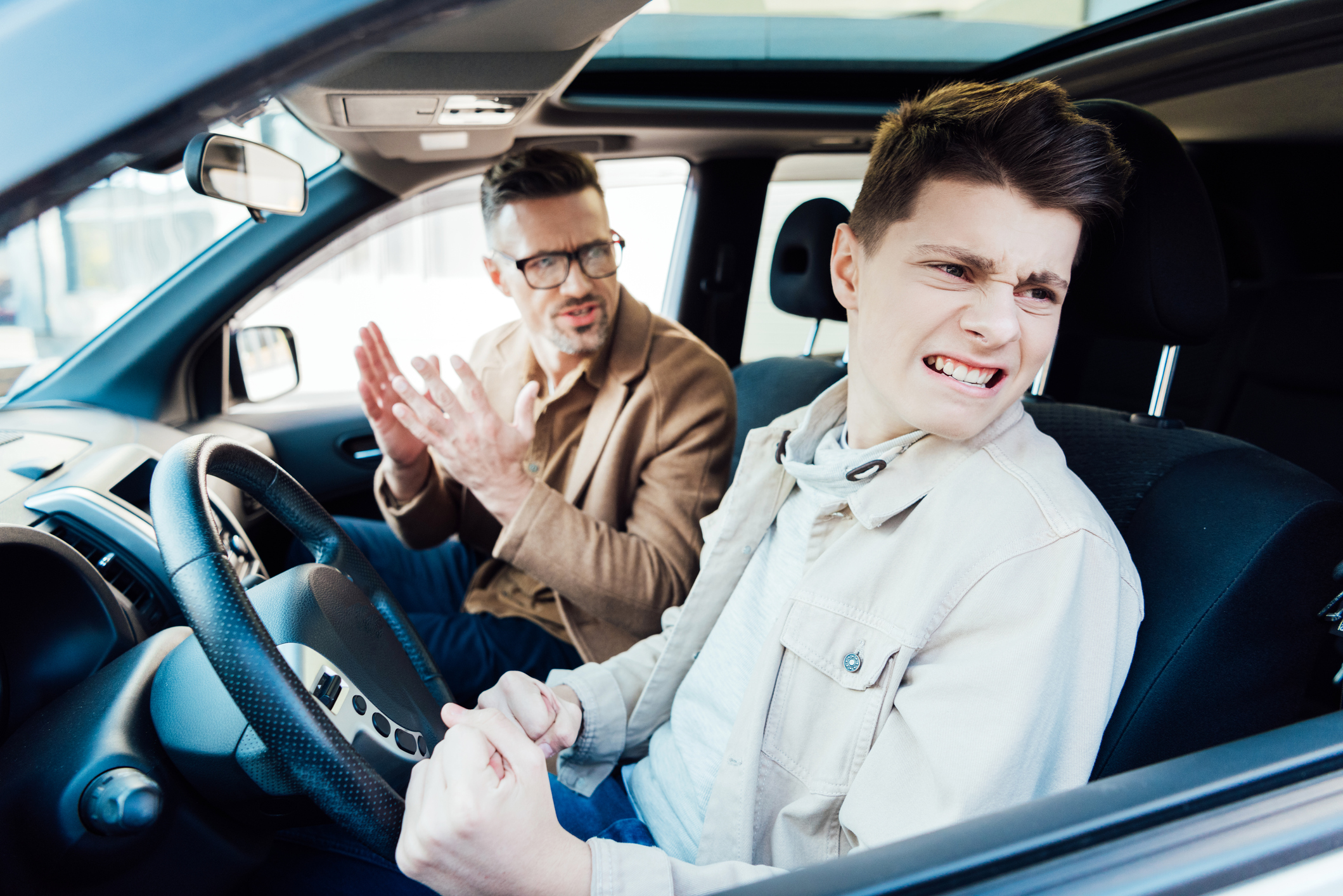
Unless one of your parents is a driving instructor*, it might actually be best to take on board most of what your parentals say… just not all of it.
Even with the advent of logbooks to record learner hours, it doesn’t change the fact that an impressionable teen is getting their instructions from someone who isn’t actually trained to teach them how to drive a motor vehicle.
You’re only ever going to be as good as the person teaching you, and if your mum or dad isn’t the best driver, then it’s not much good to you to have them pass on their bad habits to you.
As well, relationships between parents and kids can sometimes be… strained? This doesn’t bode well if you’re both thrown together in a stressful situation… just like learning to drive.
A good compromise is getting your parents to go through the basics with you – which pedals do what, how the family car’s wipers work and so on – before graduating to some carpark lessons on a quiet Sunday before tackling the mean streets.
Find a good driving instructor
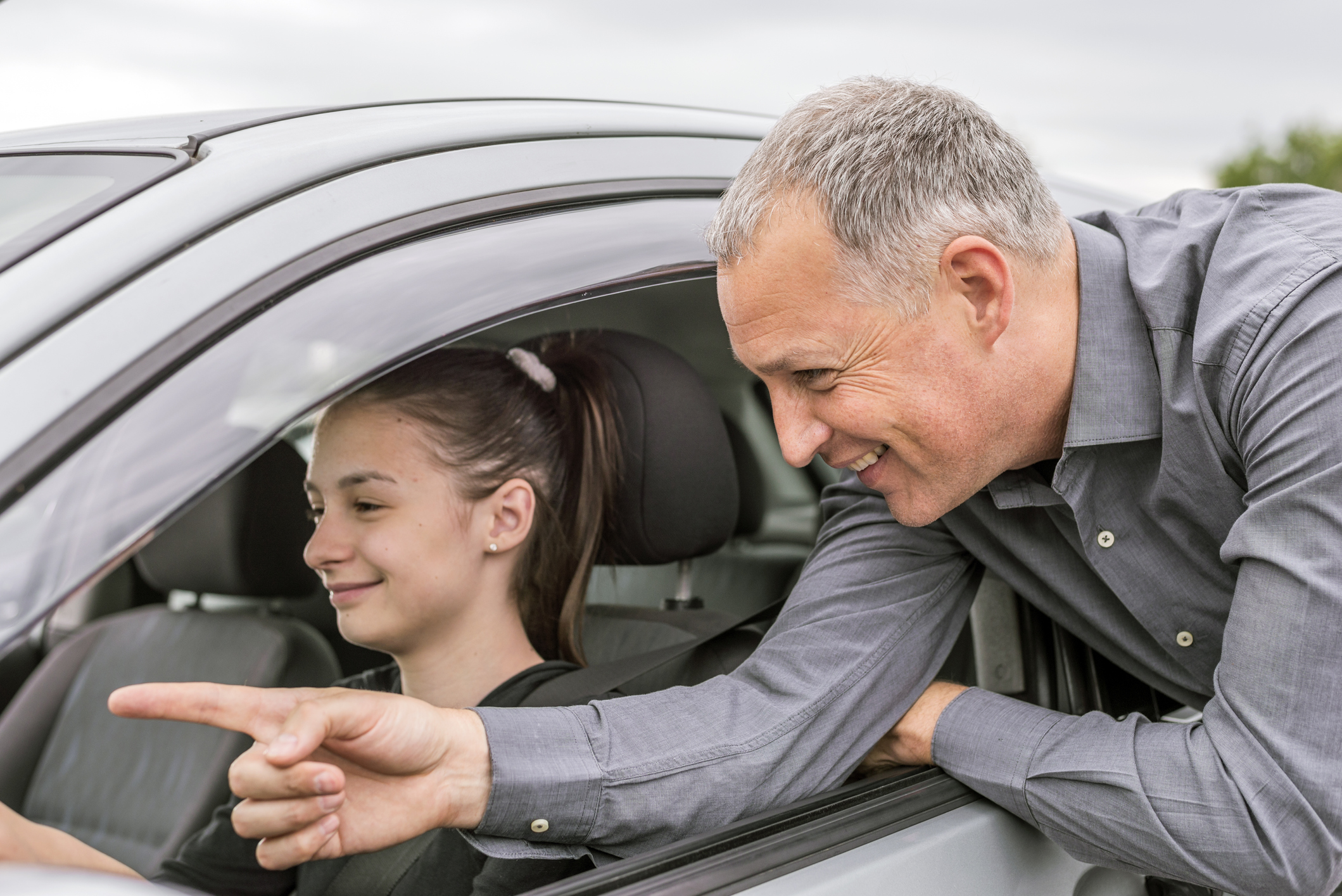
Driving with an instructor as soon as you get your Ls is the best way to make sure you pick up the correct driving techniques from the get-go. They’ll keep you calm AF when it feels like everything’s spinning out of control, too.
An instructor’s vehicle will also be fitted with dual controls to override any wayward accelerating, which can be reassuring.
They’ll also give you measured and balanced criticism, and you’ll need to take it on board, ’cause they’re not your parents and you can’t tell them to get out.
And, they’ll make sure you learn to drive the easiest and safest way. There are plenty of instructors around, too, so don’t be scared of ditching one to try another if the personality fit doesn’t work.
Practice driving a manual
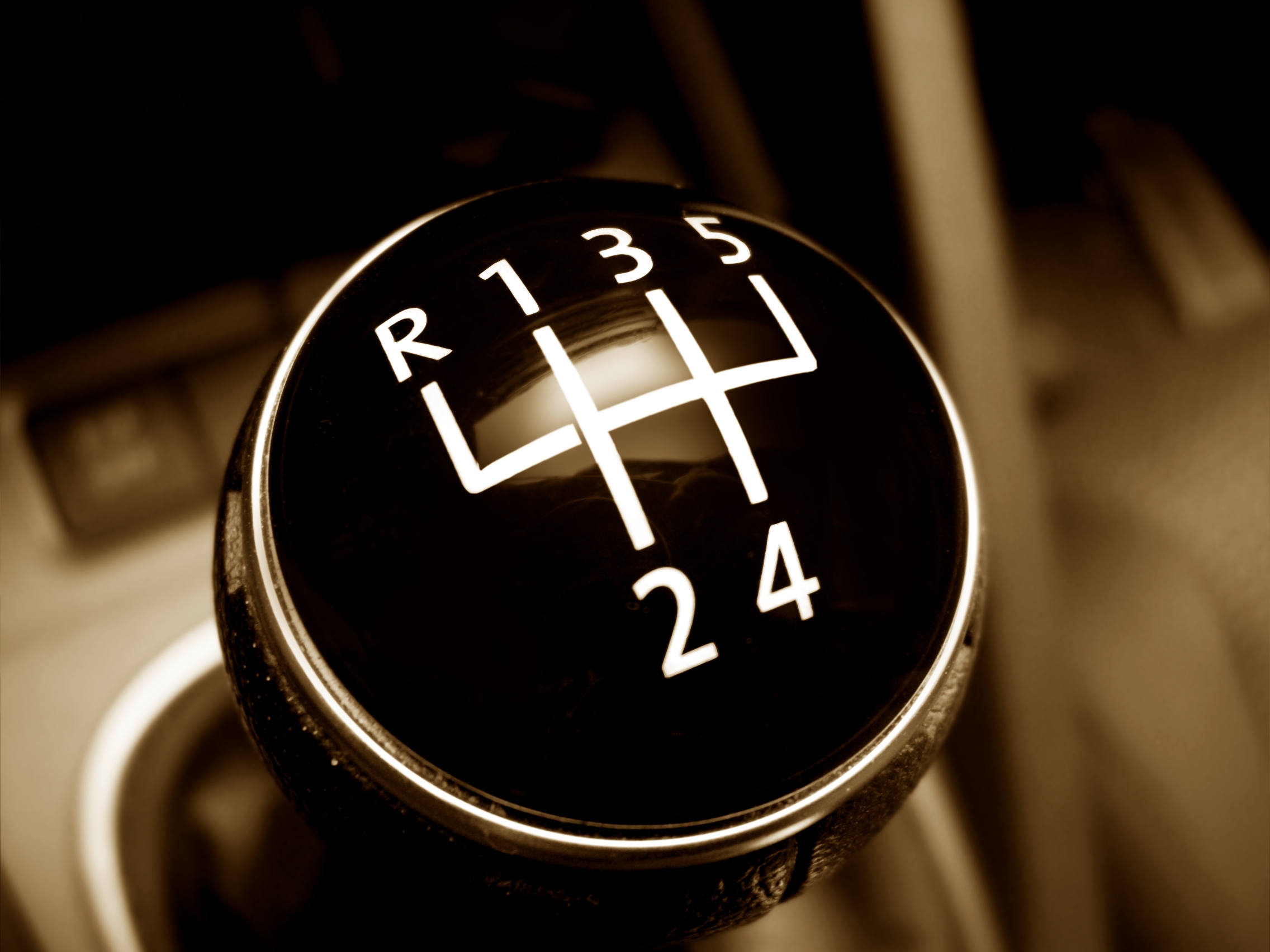
Even if there’s nothing more terrifying than the thought of three pedals beneath your fancy vegan slip-ons, it’s worth a try. Once you master it (and you will), it’ll be second nature and a skill for life.
Manual gearbox-equipped cars are generally cheaper and less popular to buy in the secondhand market, which means you’ll get more car for your money. It also makes you an invaluable addition to a party roster if you can drive everyone home from a party in the only available manual car.
Even if you’ve done your Ps test in a manual, you‘re good to either stick with it or venture back to the laz… I mean… easy option of automatic.
But do your test in an automatic, and you’ll be locked into that for at least another year (depending on which Aussie state you live in). C’mon guys – stretch your talents and learn to drive manual.
Do a driver training course
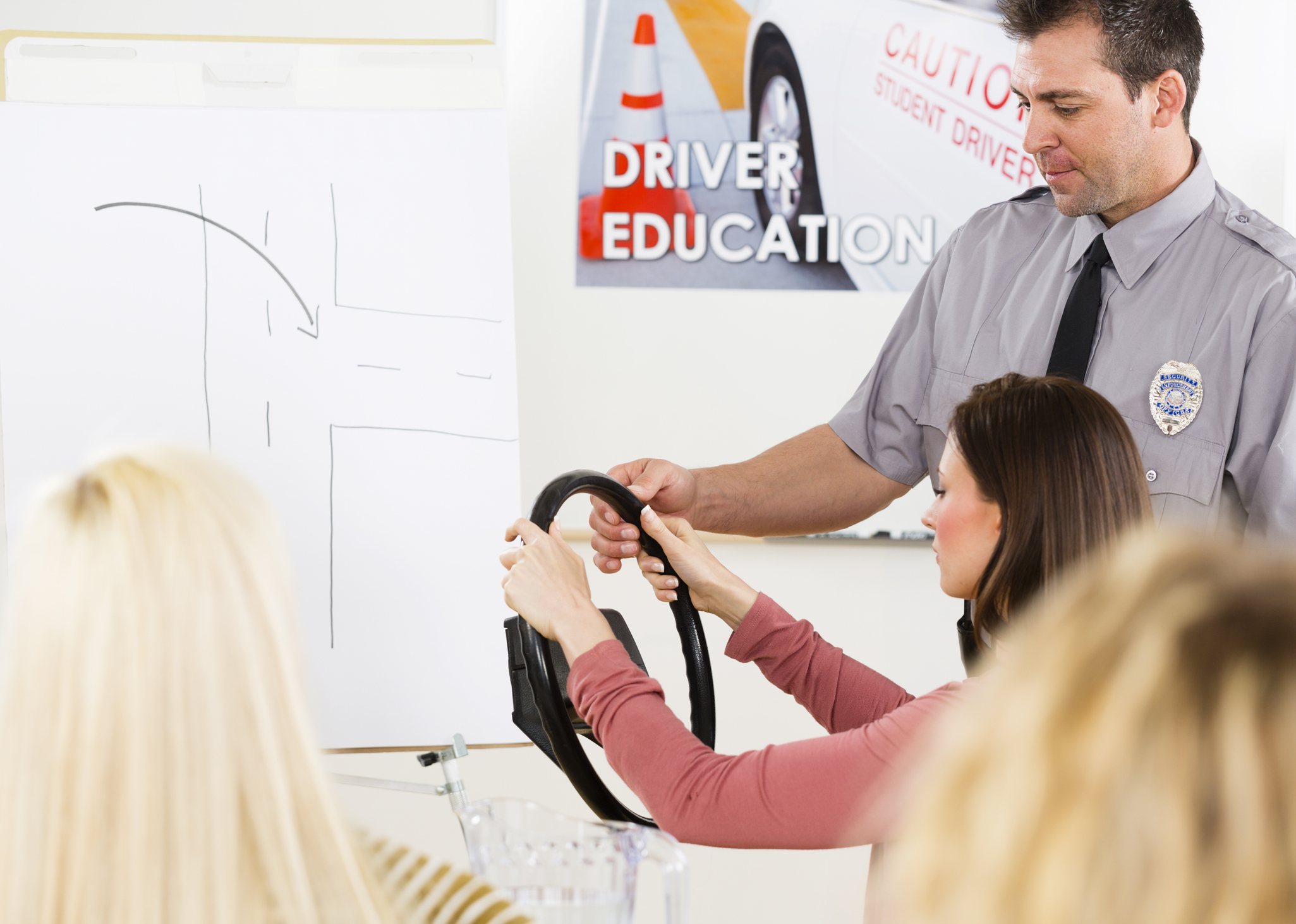
Practice instils confidence, and taking a defensive driver training course will do just that. It will teach you how to control your car in both wet and dry conditions, you’ll perform an emergency stop before you really need to actually do one, and you’ll become a better driver in general.
Beginner courses for learner drivers are often subsidised by councils, governments or even insurance companies so the cost can drop to as low as $150 for a full day course.
They are available for all levels of experience – so mum and dad can polish up on their skills, too.
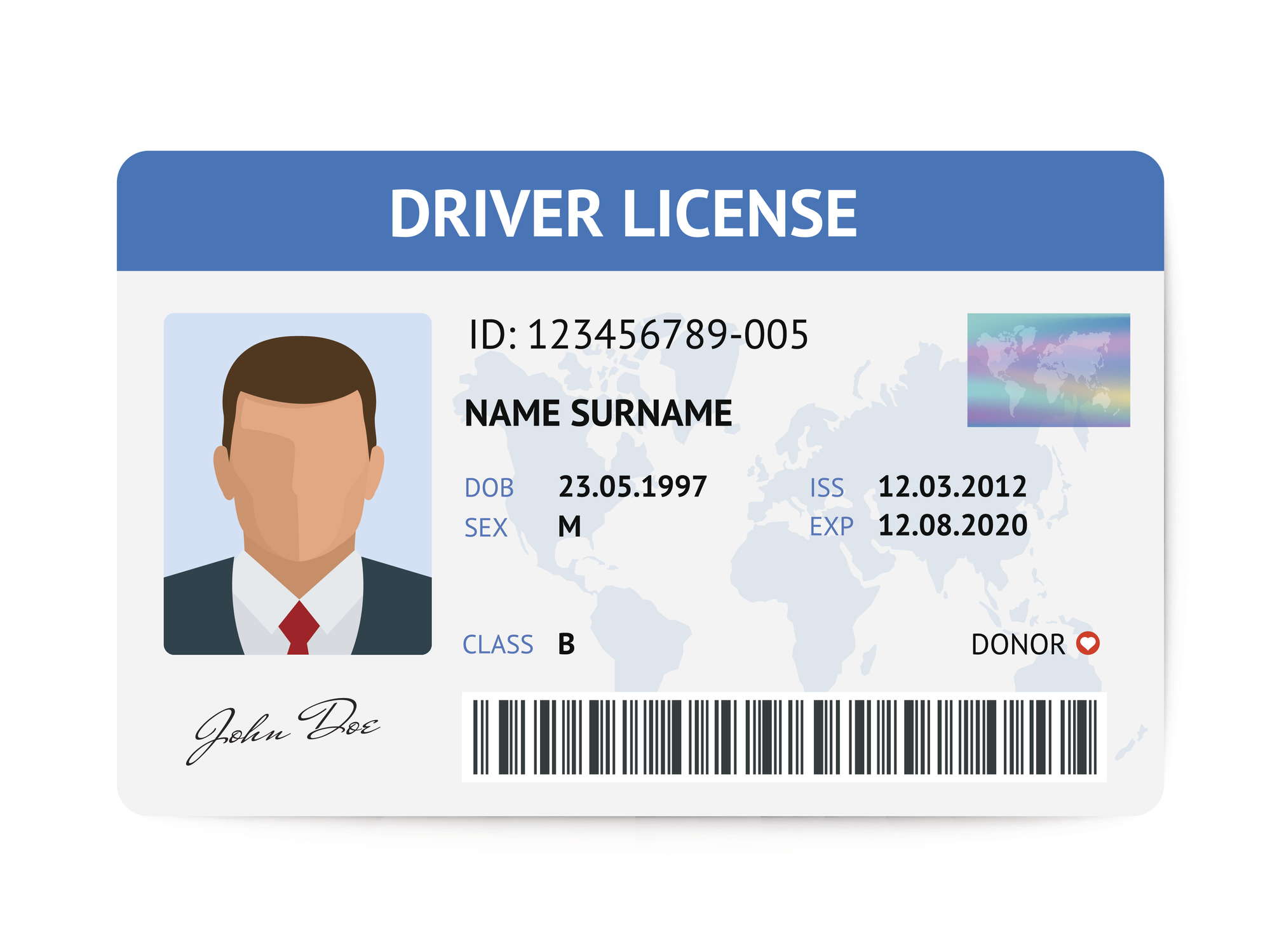
It’s a great form of identification
If you’ve got a licence, you’ve got identification. And with ID you can apply for a rental property (cause who can afford a house deposit these days?), you can get into clubs and buy alcohol (when you’re 18) and above all, you can just feel more adult-y.
Holding a valid form of ID also helps when you’re applying for bank accounts, passports, utility services and other stuff, as well.
Do you have any tips for getting your licence? Let us know in the comments below!
The 2019 Ford Mustang GT auto has come up short at both of MOTOR’s major award events, failing to complete the on-track component without overheating issues.
At Performance Car of the Year and Bang For Your Bucks, a pro driver completes two laps in each car to set a representative time, which is then used as a comparative tool at PCOTY and as part of the data set at BFYB.
In both cases, a GT auto was unable to complete the two laps without entering limp mode, significantly cutting power, revs and restricting gear changes, once at The Bend Motorsport Park’s West Circuit driven by Rick Kelly, the other occasion at Winton Motor Raceway driven by Warren Luff. Power was also restricted once on the road at PCOTY during a particularly long uphill test section.
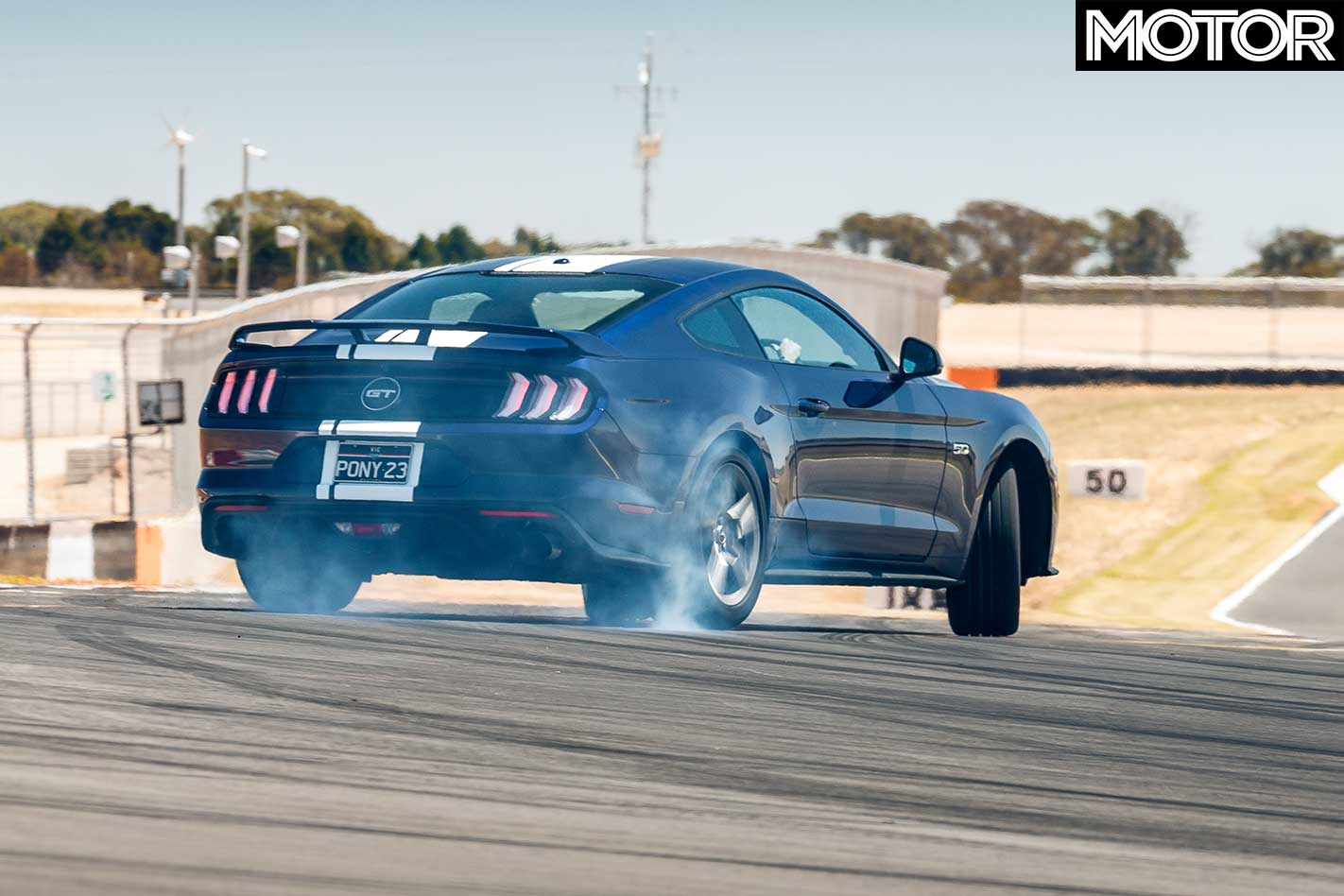
The overheating also restricted the judges’ ability to drive the car. As can be seen in the video above it takes only a lap and a half in damp conditions for the Mustang’s temperatures to climb into a zone the ECU deemed dangerous.
The video shows the amount of time since the car left the pits to the moment power was cut. Following two slow cooldown laps, another lap was attempted but could not be completed before power was once again decreased dramatically.
It needs to be made clear that as we have not sampled a manual MY18 Mustang on track our findings relate only to the automatic. However, based on MOTOR’s investigations, it may not be the transmission that is at fault, but the fact that the 10-speed auto works the engine harder by keeping it constantly in its peak power band.
The 5.0-litre V8 appears particularly temperature sensitive, with repeated quarter mile performance runs resulting in a gradual loss of trap speed unless time is taken to bring cylinder head temperatures down to below 100C between each run.
In response to MOTOR’s findings Ford Australia provided a statement: “The Mustang GT’s core role is not as a track car, but as a performance tourer designed for enthusiast driving on public roads. For higher-speed closed circuit driving, Ford Performance Parts are available for track-focused customers to better manage the increased loads of track work.”
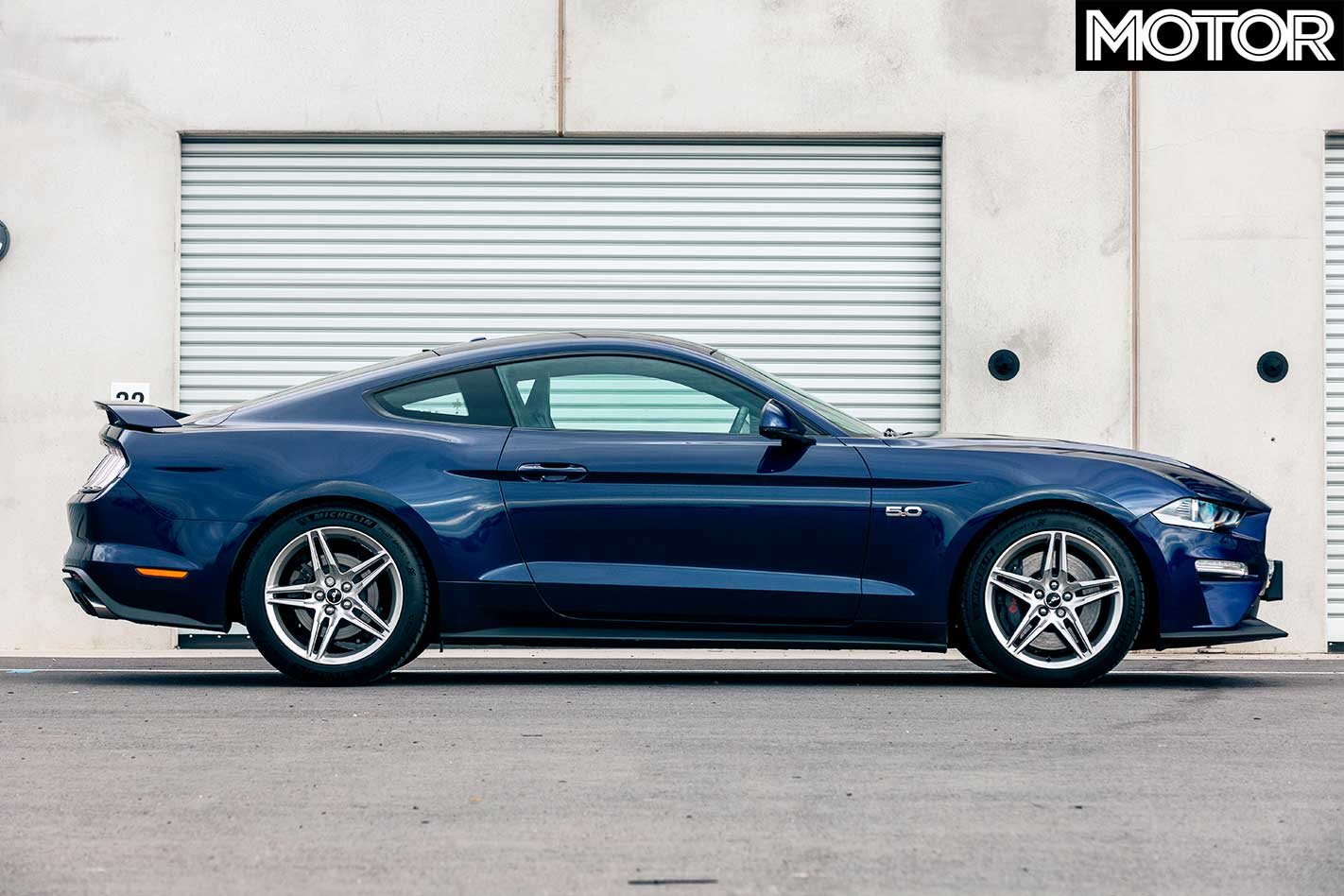
While the Mustang GT is not marketed as a racetrack-capable product in the vein of a Shelby GT350, we at MOTOR believe it is reasonable to expect any modern performance car, especially one with a dedicated Track Mode, to be able to withstand a handful of laps at a racetrack with no performance degradation.
Formula 1 legend and racing titan Niki Lauda has died at the age of 70, his family has confirmed.
“With deep sadness, we announce that our beloved Niki has peacefully passed away with his family on Monday,” his family said in a statement.
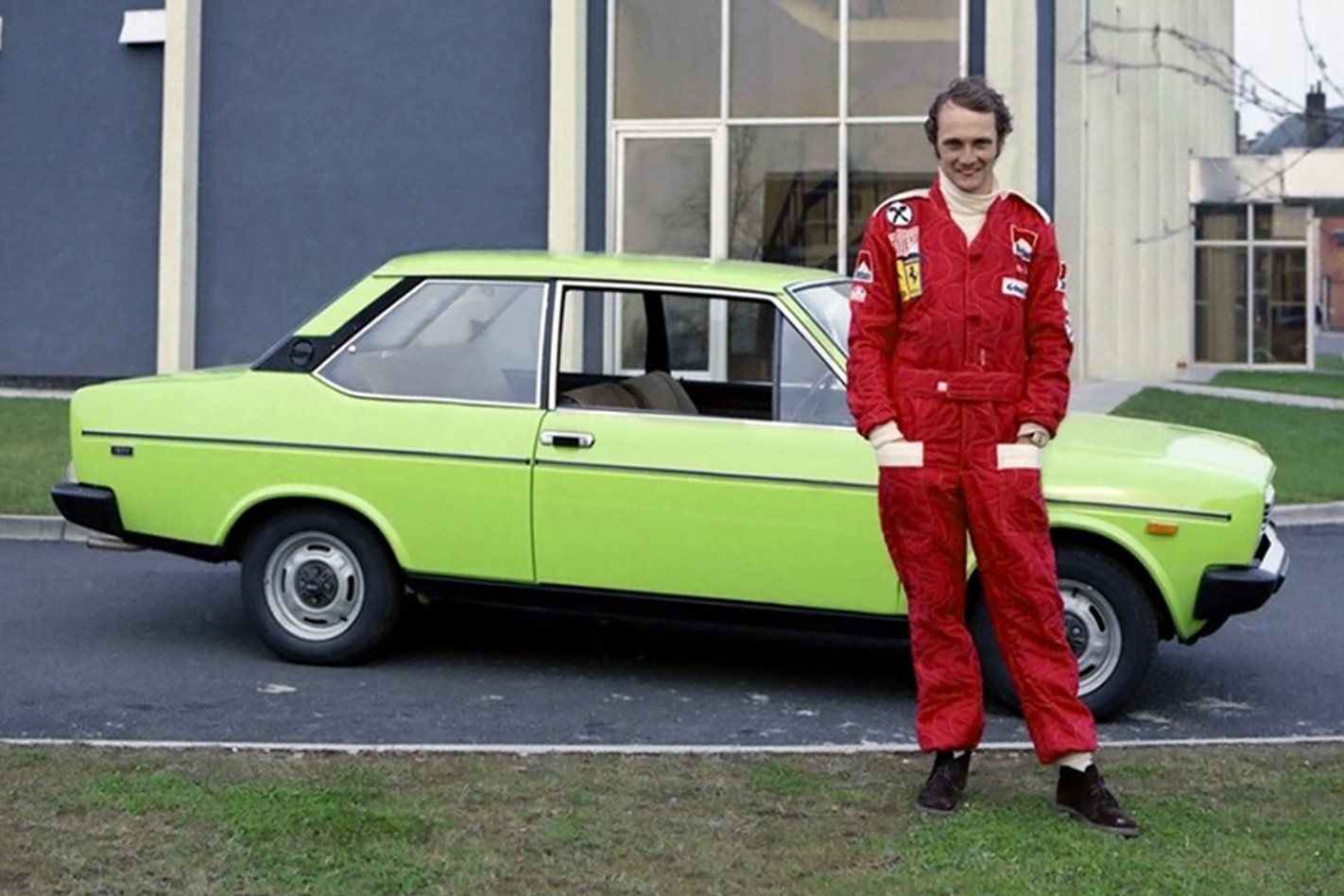
“His unique achievements as an athlete and entrepreneur are and will remain unforgettable, his tireless zest for action, his straightforwardness and his courage remain.
“A role model and a benchmark for all of us, he was a loving and caring husband, father and grandfather away from the public, and he will be missed.”
The Austrian’s battle with James Hunt for the 1976 F1 title is considered one of the greatest championship fights in the sport’s history.
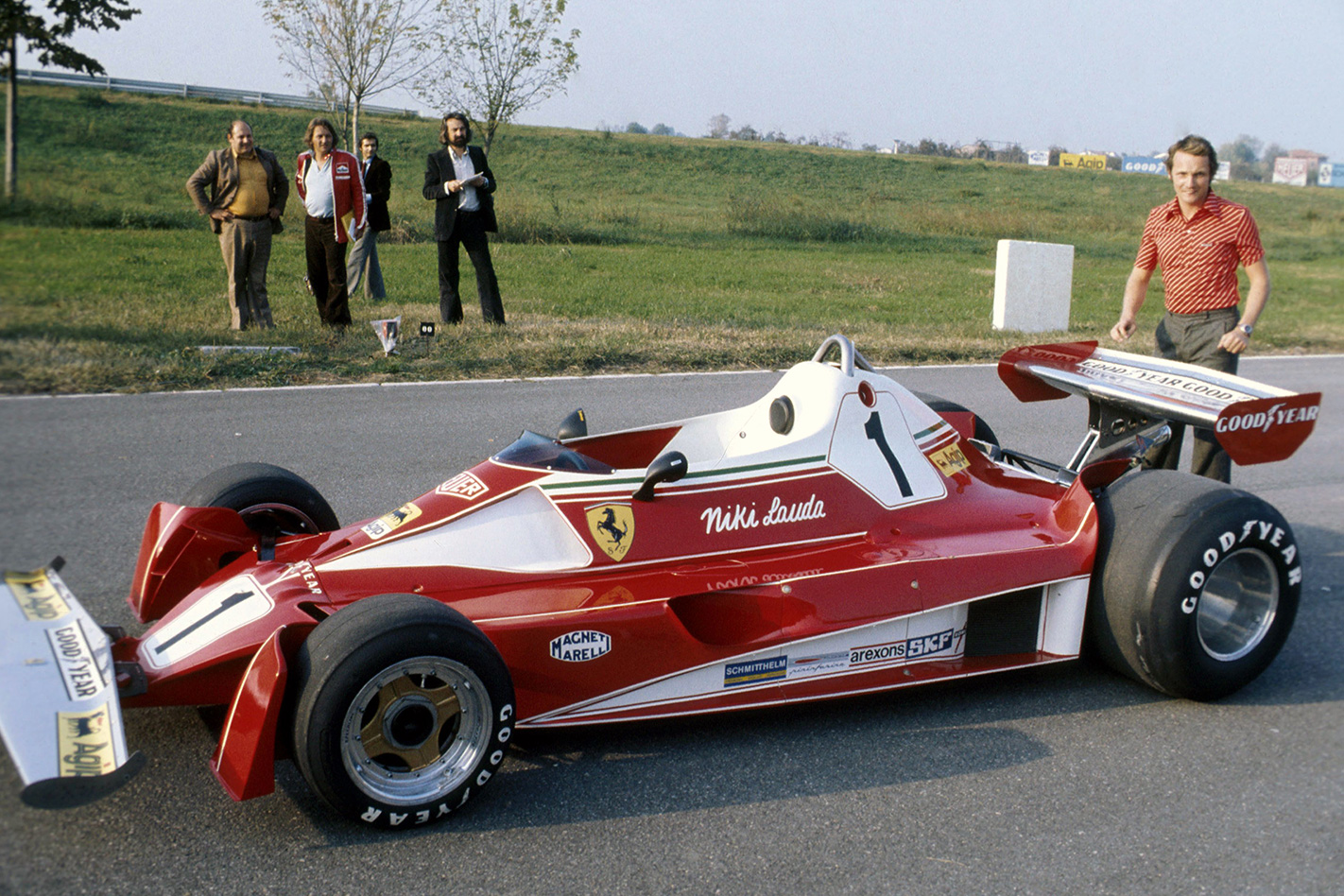
The then-defending F1 champion suffered a horrific crash at the ’76 German grand prix, but Lauda was back racing just six weeks later.
He won two further world titles in ’77, and ’84, and amassed 25 wins, 54 podiums, 24 fastest laps, 24 pole positions, and 420.5 career points across 171 race starts in F1.
Lauda’s career is also unique for his hiatus from F1 between 1979 and 1982, with the sport’s statesman returning from retirement to win a third championship with McLaren.
In recent years Lauda has become a stalwart of the Formula 1 paddock in his role as a non-executive chairman for Mercedes-AMG.
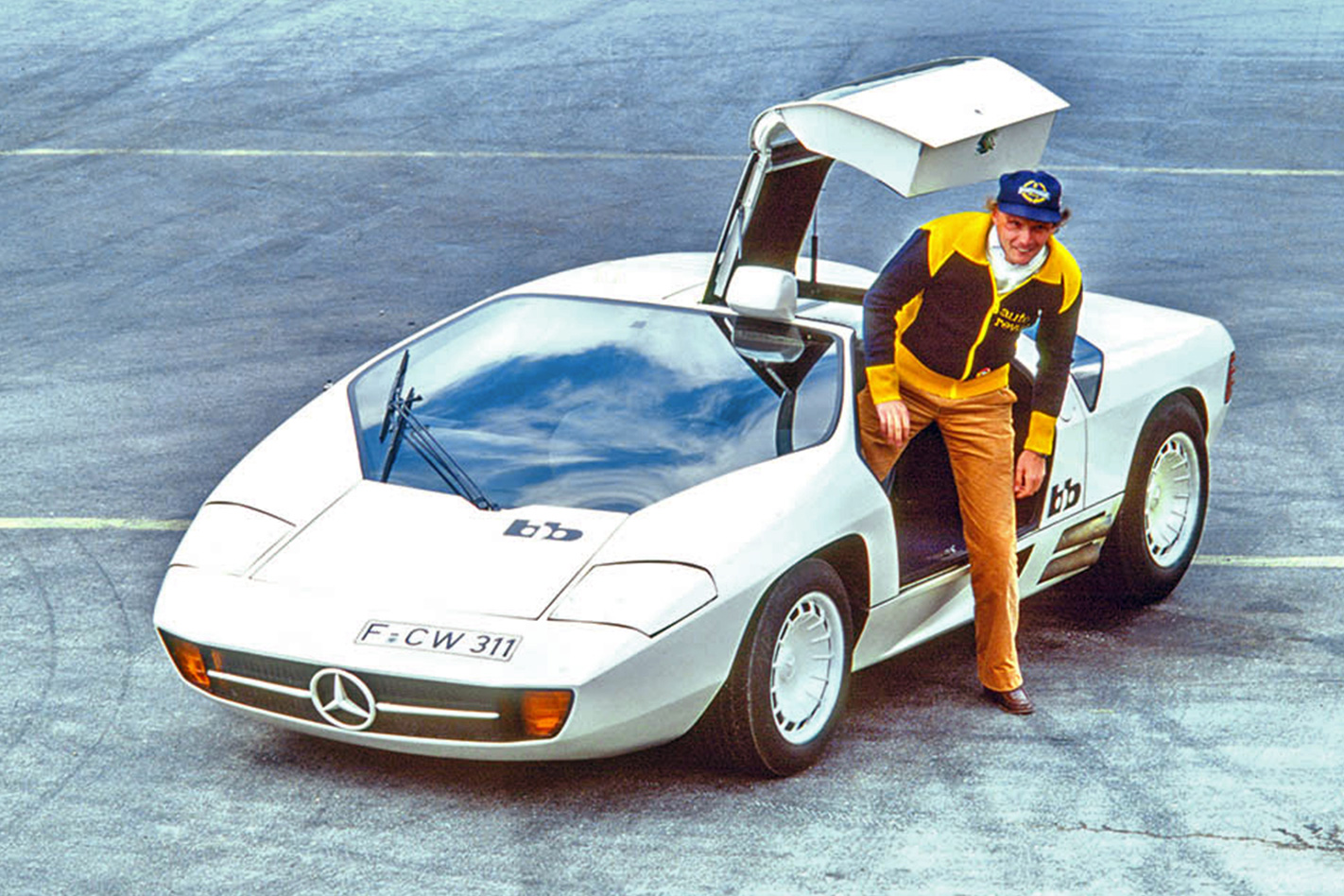
He joined the German manufacturer in 2012, and had a pivotal role in the team’s signing of Lewis Hamilton.
Lauda had undergone a number of surgeries recently, including a lung transplant five months ago.
According to reports from Europe, Lauda’s latest sickness began when on holiday in Ibiza. As his condition worsened he flew back to Vienna, and underwent an operation on his kidneys.
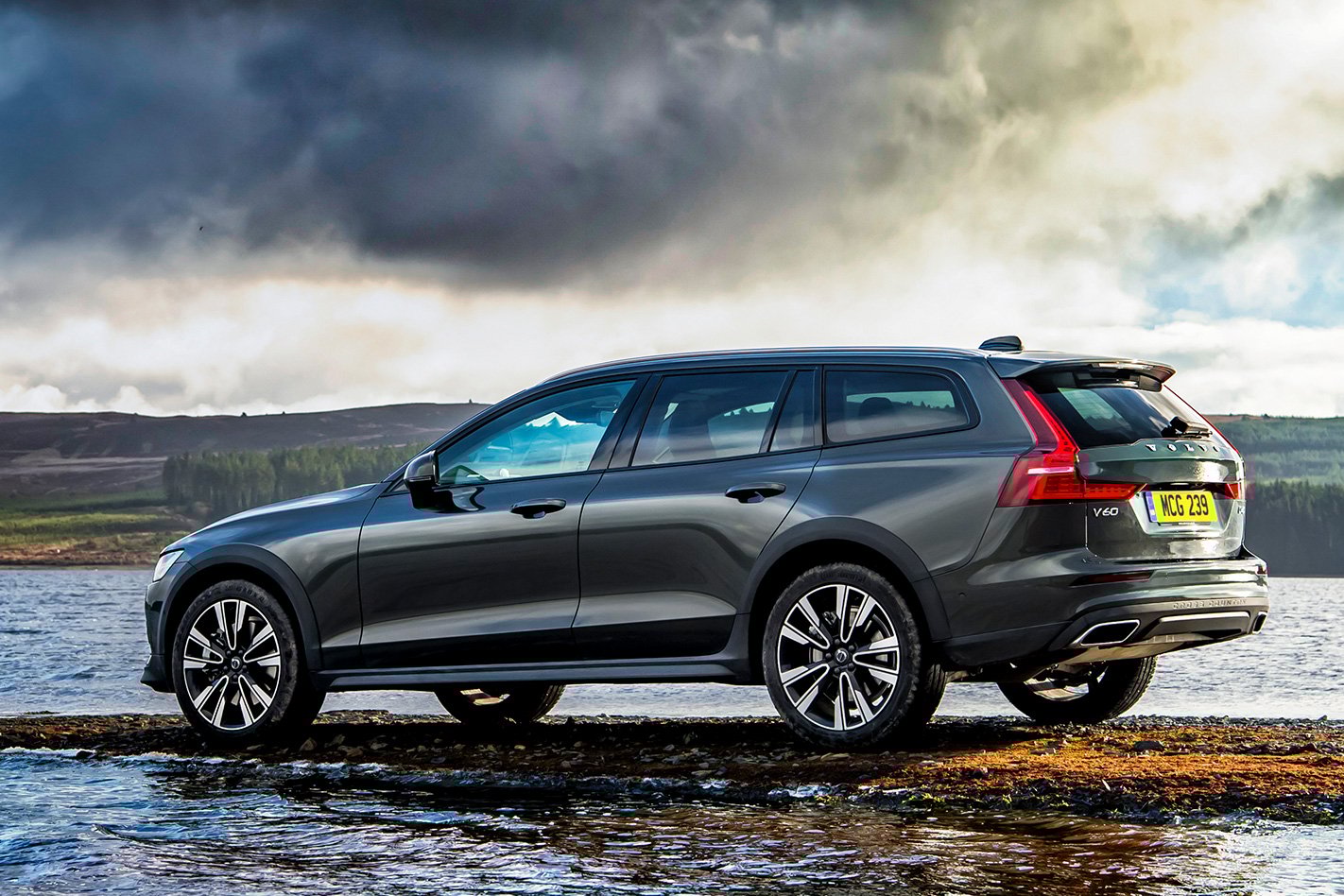
The Wheels Verdict: In a world where, for whatever reason, many large family-oriented cars ride on large rims with stiff suspension and prioritise style over substance, the V60 Cross Country seems to hit the nail on the head. It has a comfy ride, broadened ability, a big boot and tasty tech.
WHAT IS THE VOLVO V60 CROSS COUNTRY?
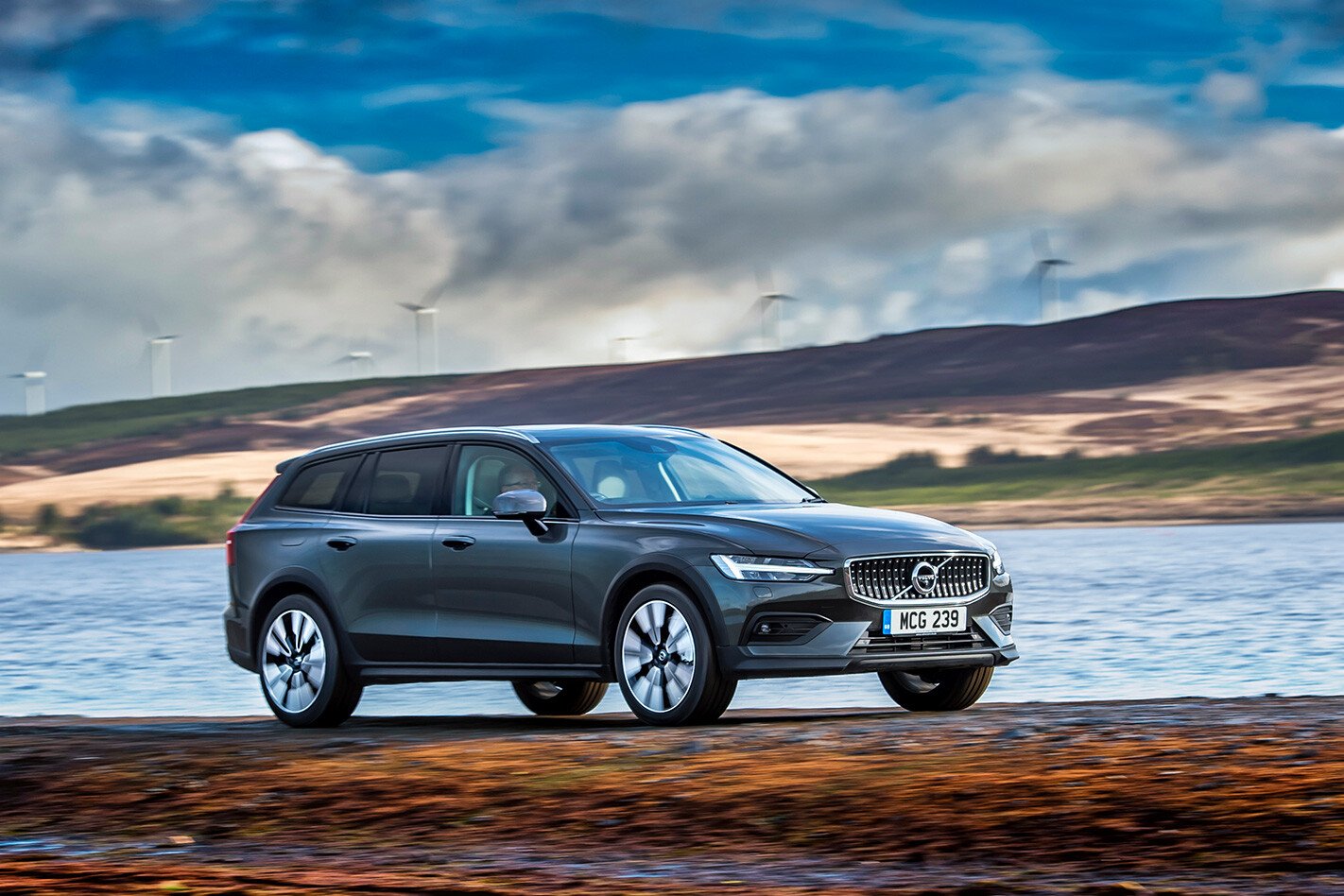
Take the V60 wagon, jack up the suspension and add some beefy cladding and you’ve got most of the ingredients required to call it a Cross Country. Taller and more off-road friendly, the Cross Country satisfies the romantic thoughts of being able to drive along reasonably rough tracks while keeping the ride tidy and value tight.
WHY WE’RE TESTING IT
This new generation V60 Cross Country is almost a certainty to arrive in Australia early next year, and as a potential diesel replacement for the next-gen Subaru Outback (which won’t have a diesel drivetrain), this could be an important model for many.
VOLVO V60 CROSS COUNTRY REVIEW
While it can’t claim that it was the world’s first pumped-up wagon, Volvo did beat European counterpart Audi to the punch when in 1996 (three years before the Allroad hit roads) the Swedes gave us the V70 Cross Country. Taller and more rugged than its estate counterpart, the Cross Country and, indeed, cars like the Allroad, could be considered the segue to crossover SUVs. The advertising was shot with rocks not roads, and the idea was that such a car was part of a family that enjoyed getting lost but coming back home on time, clean and comfortable.
Today, the SUV has undoubtedly taken that formula and run with it – successfully. But the new V60 CC’s SUV sibling, the XC60, is a much bulkier proposition. Not only does that extra metal cost you more money, it’s not always a case of bigger is better.
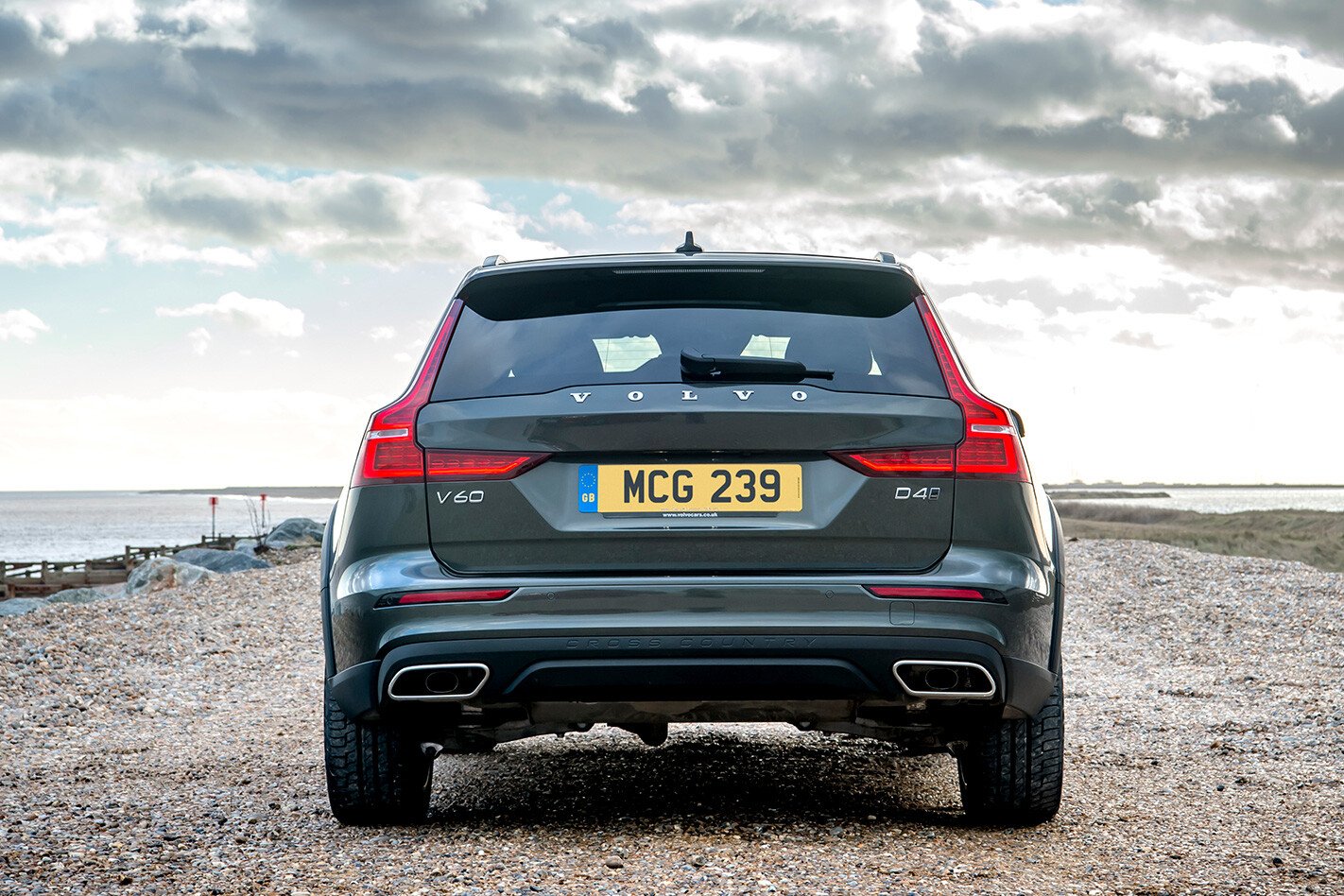
Benefitting from Volvo’s newfound knack for automotive design, the V60, like the S60, is very handsome. Adapting Thor’s hammer shape headlights that Volvo says are quintessential to its Scandinavian design language, the V60 is as thoughtfully modelled as German counterparts but with a softer elegance.
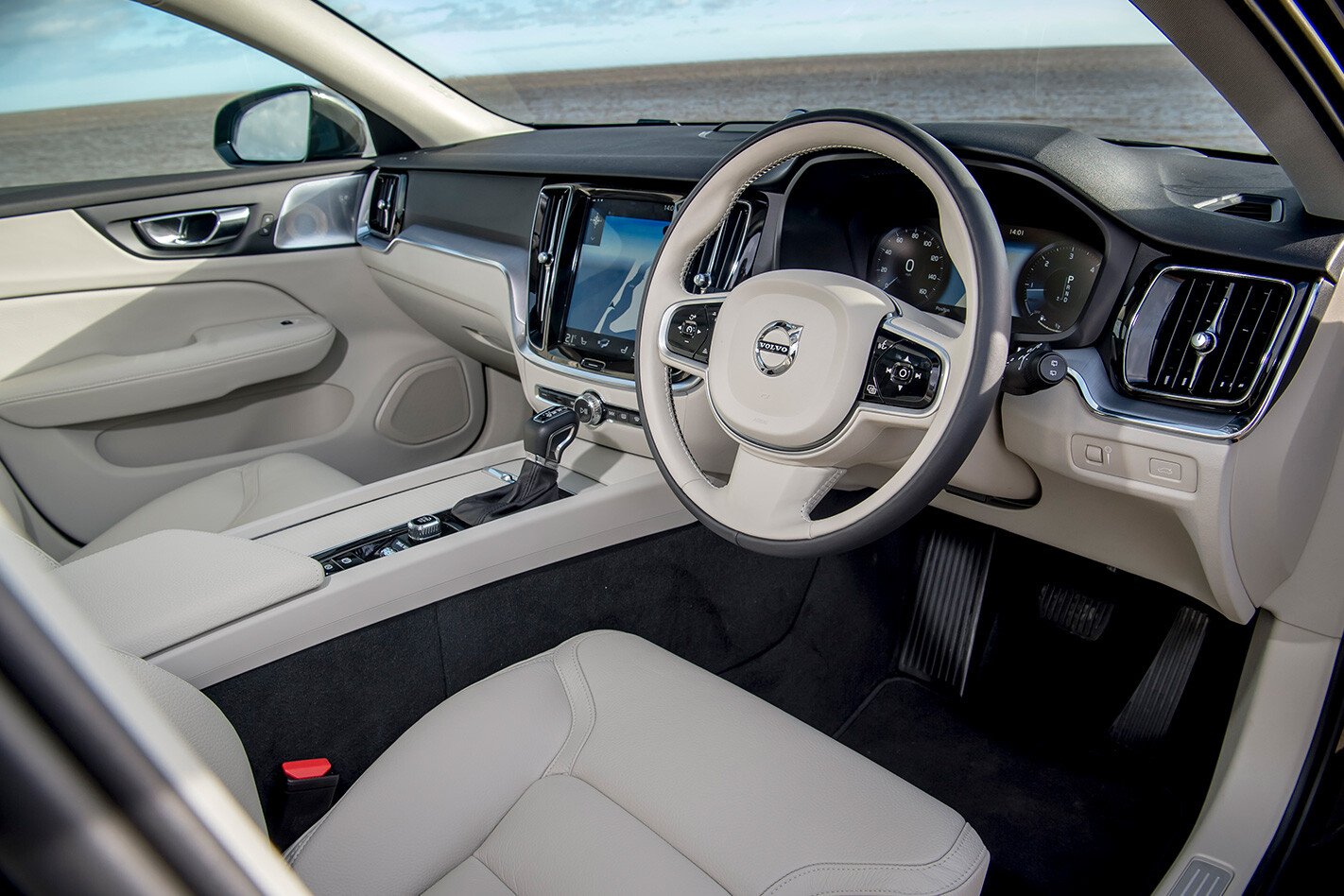
It’s a theme carried into the cabin which brings a unique identity while still clearly adhering to Volvo’s successful interior design language. Much of the cabin will be familiar to XC60 owners, sans a couple changes to the layout around the gearshift selector in the centre console. The portrait infotainment screen is an example of Volvo’s design nous, which manages to incorporate Apple CarPlay, climate control and complex driving aid settings all into the touchscreen display. Even the HVAC controls aren’t too involved – a common faux pas with many touchscreens – and CarPlay sits neatly on the lower half of the screen while car settings can be accessed in the top divide.
Best of all, it feels quick – like swiping around on your own smartphone quick.
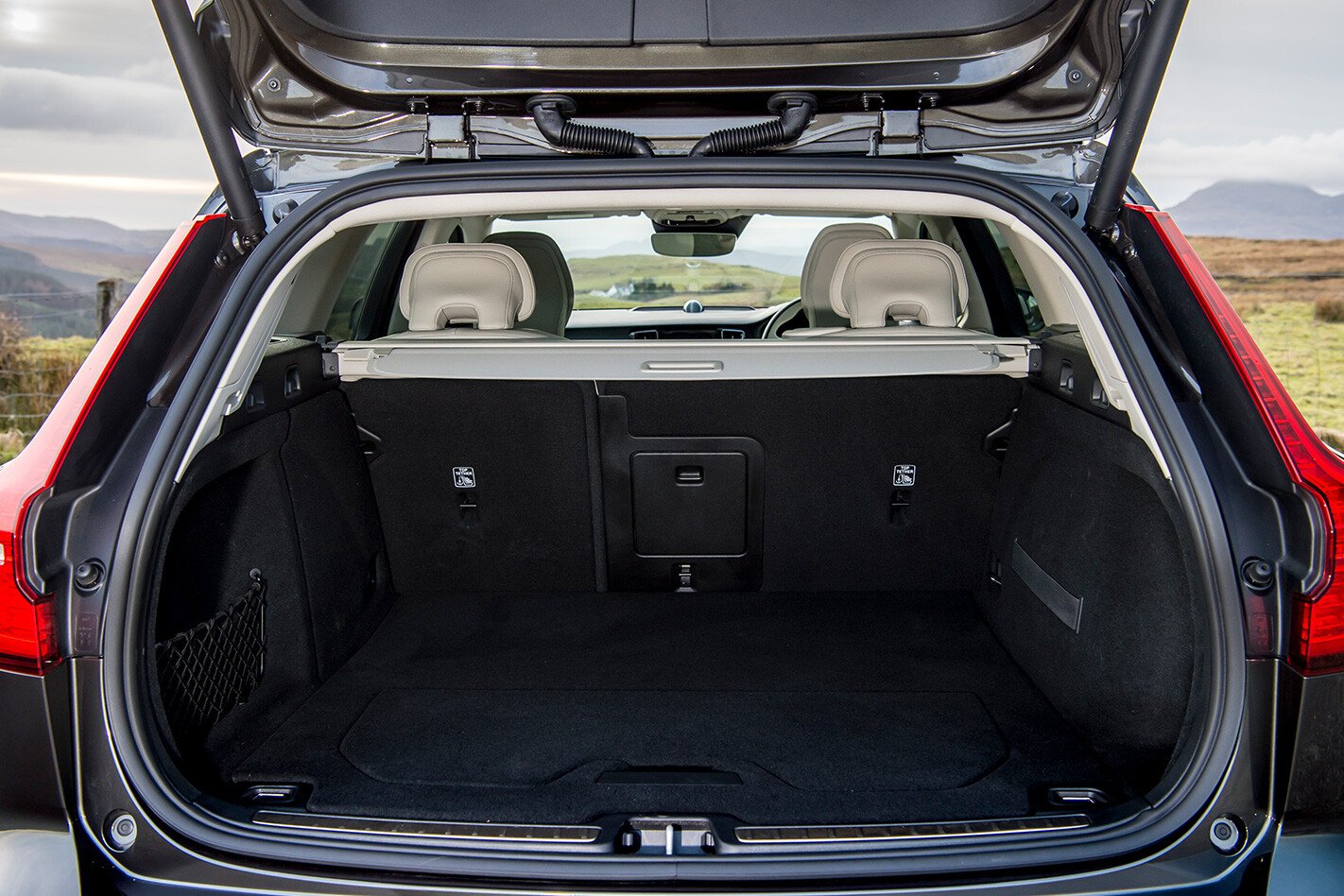
As for comfort, the V60 is roomy and plush, but not ostentatiously luxurious. It is perfectly apt for a long-haul drive, matching the aspirational image that the Cross Country nameplate should conjure. Kids will love legroom in the back row and adults will find it better than in many SUVs. Being all-wheel-drive, the driveline tunnel kills practicality on the middle seat but it’s a wide and tall interior dimensionally, so it feels pretty spacious. Add to that features such as rear seat heaters, electric folding seats (expanding the 529-litre boot to a flexible 1441L) and four-zone climate control and you have some of the ingredients of a terrific family wagon.
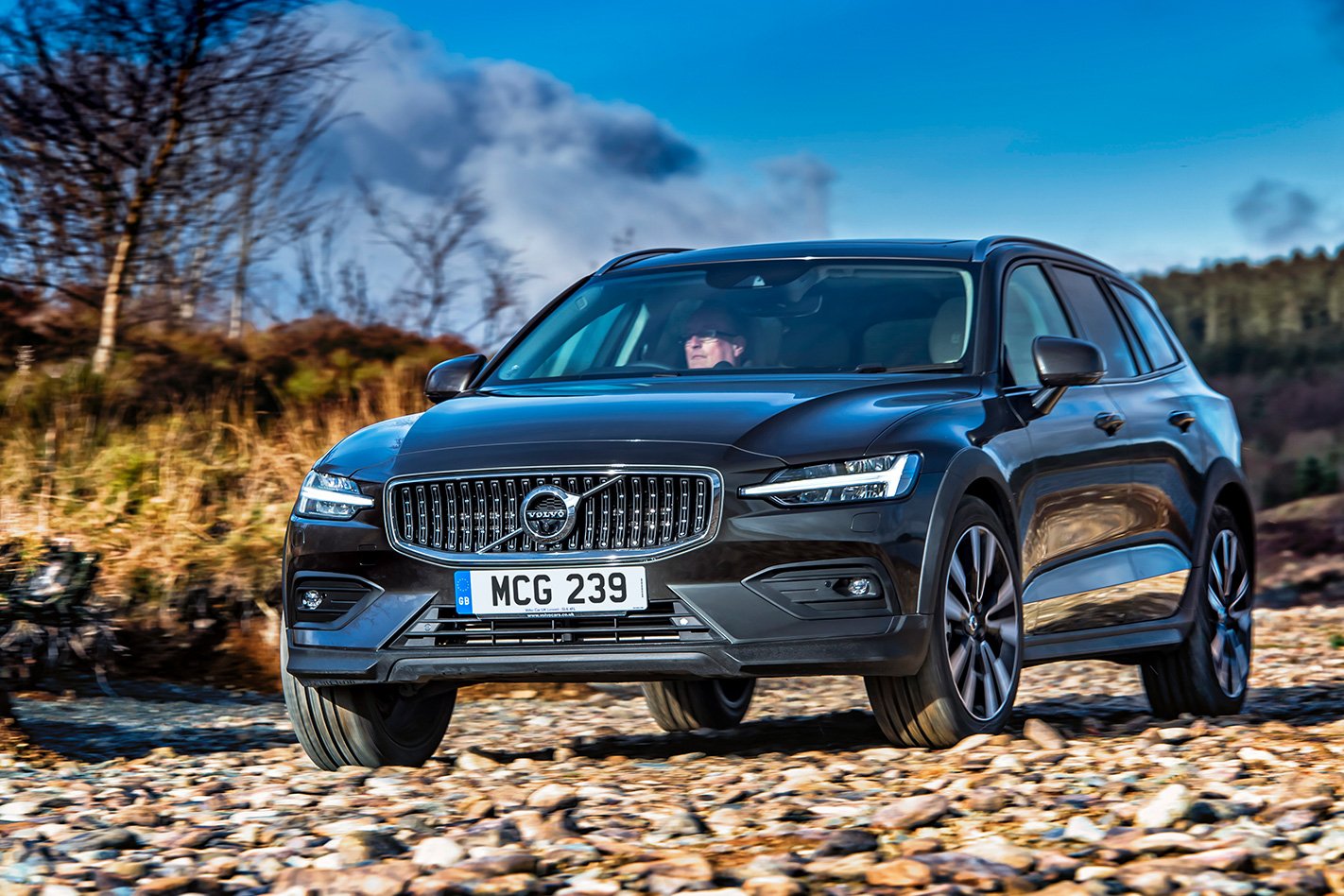
This feeling is amplified by the ride and handling tune. It never falls into the trap of trying to feel sporty and rides on softly sprung suspension which adds 60mm ground clearance over the normal V60 estate (201mm total), delivering a graceful, supple ride. We were restricted to the confines of a short Swedish testing ground for our first impression, but that first impression is that the V60 Cross Country should translate to a good ride on bumpy Aussie roads.
Our test vehicle was fitted with the smaller entry-grade 18-inch alloys, clad with Michelin Primacy4 215/55 rubber – Australian spec cars might differ, and probably will knowing how much buyers appreciate big alloy bling. Regardless, it’s obvious that Volvo have not applied the same train of thought as Audi with its Allroad wagon, that uses a more expensive air suspension system which can be low and sporty or high and ‘adventurous’, though the ride can be surprisingly terse when on stilts anyway. The Volvo, by comparison, lacks confidence when asked to quickly change direction, but does well to keep the ride smooth and compliant.
That brings us to ask how Volvo plans to position its Cross Country when it (likely) does arrive in Australia. Managing director of the local arm, Nick Connor, says it has ambitions to “suck up the Subaru Outback buyers,” suggesting a keen price point to compete near the Japanese rival. Given low volume, there probably won’t be more than one or two variants brought in. The diesel D4 engine would be a prudent choice for Volvo, as Subaru’s new Outback won’t arrive with an oiler – perhaps an important point of difference. But Volvo’s developing the same feeling towards diesel, and we might only get the T5 petrol.
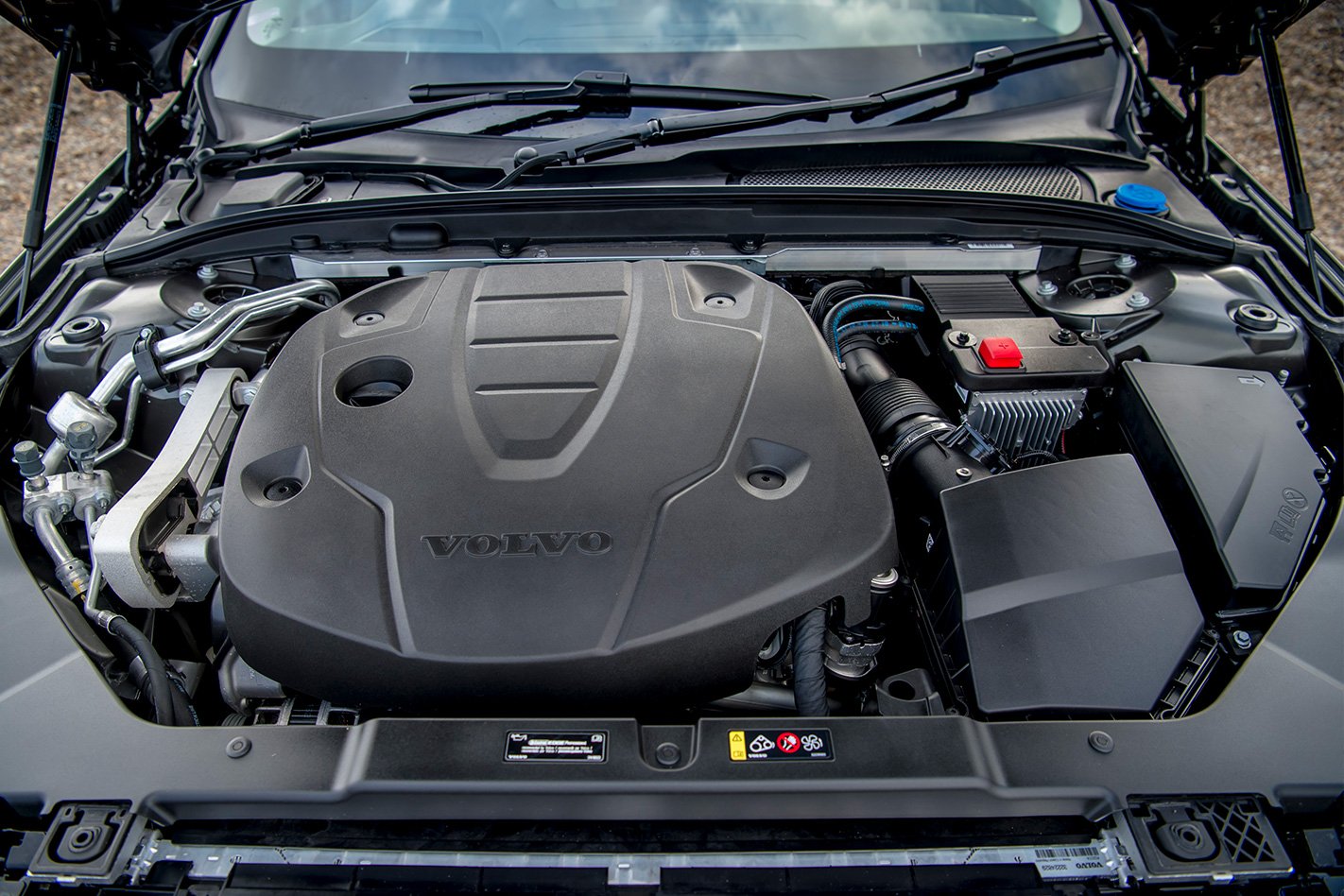
That’s a pity, as the D4 we drove was a thoughtful match to the car’s laid-back but purposeful personality. Smooth but grunty off the mark and lazy but quiet when cruising, it’s a refined mill that would appeal to many high-mileage drivers, yet is adept around town. The numbers the 2.0-litre turbo produces marry up with its real world performance: 140kW at 4250rpm and 400Nm at 1750-2500rpm. Fuel economy is a reasonable claimed 6.6L/100km on the combined cycle.
Like the updated S60 and V60, the steering benefits from the new Scalable Product Architecture (SPA) platform underneath. If we had to quibble, the brake pedal felt soft, but the new V60 feels like a significant improvement over the previous generation.
The Cross Country also brings an off-road mode to the V60, which is really just a more aggressive traction control setting across all four wheels. Hill descent control is another point of difference, but like so many SUVs, expect the Cross Country to be more of a soft-roader than off-roader, yet a bit better at both. That’ll be more than enough ability for the lion’s share of its target market.
VOLVO V60 CROSS COUNTRY VS RIVALS
Audi Allroad, Subaru Outback, Volkswagen Passat Alltrack
VOLVO V60 CROSS COUNTRY PRICE AND SPECS AUSTRALIA
Model: Volvo V60 Cross Country D4 Engine: 2.0-litre turbo diesel Max power: 140kW at 4250rpm Max torque: 400Nm at 1750-2500rpm Transmission: Six-speed automatic 0-100km/h: 7.9sec Economy: 6.6L/100km Price: $62,000 (estimated) On sale: 2020
“If I’d been in Bomber Command in 1943, I’d have bombed the Nürburgring every single night until it was gone.” It’s fair to say that James May hates the Nürburgring. He hates it for what he thinks it has done to the ride quality of modern cars and the effect it has on his chronic lumbago.
He’s also quite wrong.
The reason why should be self evident. The Nürburgring is a road, with all the accompanying cambers, crowns, variable surfaces and bumps. Anyone who has driven around it will be instantly aware that it’s about as far from a homogenous graywacke-surfaced Tilkedrome as your local pockmarked high-street is. It also includes, almost by chance, virtually every combination of gradient, corner radius and surface condition manufacturers could hope for, which makes its 20.832km lap an almost perfect laboratory for accelerated road testing. Saying that a car fettled at the Nürburgring makes for a bad road car is akin to saying that cars tested on the road make bad road cars. It’s clearly a nonsense.
Cars developed to eke very millisecond out of a Nürburgring lap are another thing altogether. Anything optimised for a lap record and then sold to the general public is likely to ride with all the suppleness of a trolley jack and it’s these cars that Captain Slow ought to be directing his ire towards.
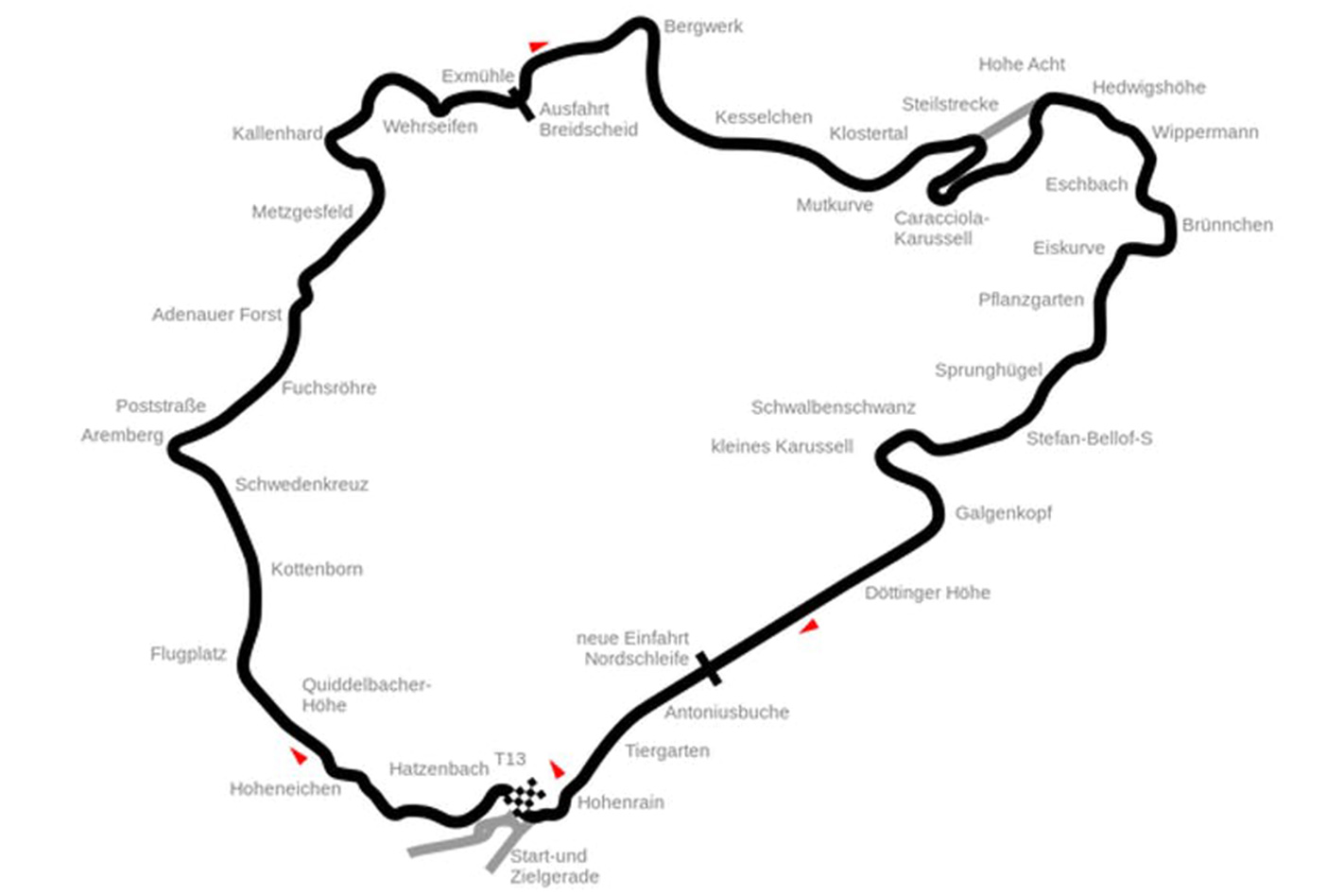
Such is the regard that the Nürburgring is held in that many manufacturers will program their chassis rigs with a virtual lap. I’ve seen a Mercedes-AMG at Affalterbach being pounded around a digital representation of the track. It’s quite amazing to see the front end dive as the car ‘brakes’ into Breidscheid, then squat at the rear under full acceleration before feathering the gas into Ex-Mühle and then ramping steeply up towards Laudalinks. The engineers there have never found anything better for durability testing.
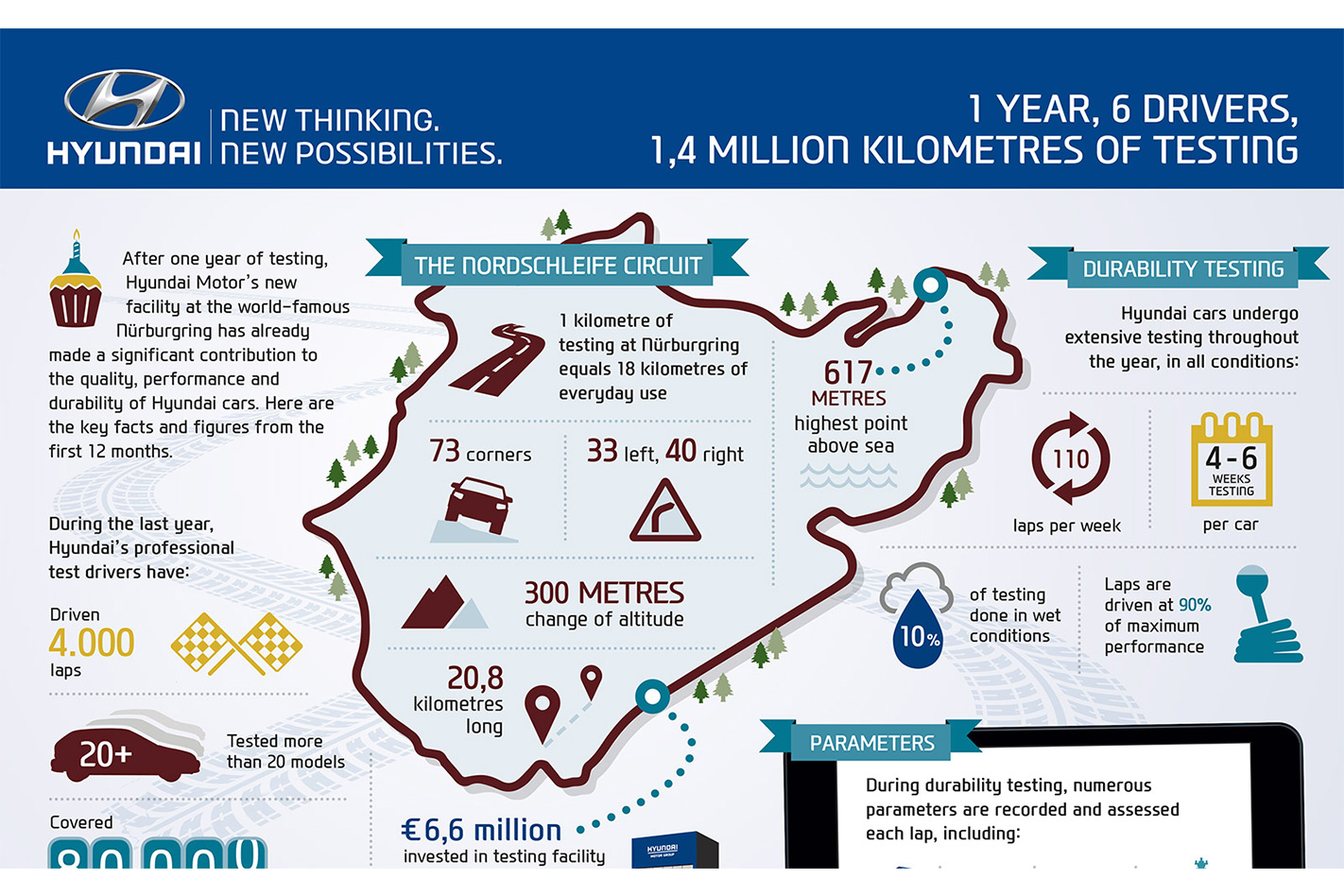
When Hyundai opened a vast four-storey test centre at the Ring, it didn’t do so to chase records. Some six years after it opened, Hyundai has yet to publish a single laptime. It understands that there are other benefits. Allan Rushforth, then Senior Vice President and COO of Hyundai Motor Europe, commented: “Quality is one of Hyundai’s core values and it is key to achieving customer satisfaction. The Nürburgring is the ultimate location to test vehicle durability, and we’re able to apply what we learn there to all of our vehicle development projects.” Note the word durability. Not ultimate speed, durability. Making products that stand up in the real world, for real buyers like us. Want the wheel bearings in your Tucson to last for 200,000+ kilometres? Thank Nürburgring testing.
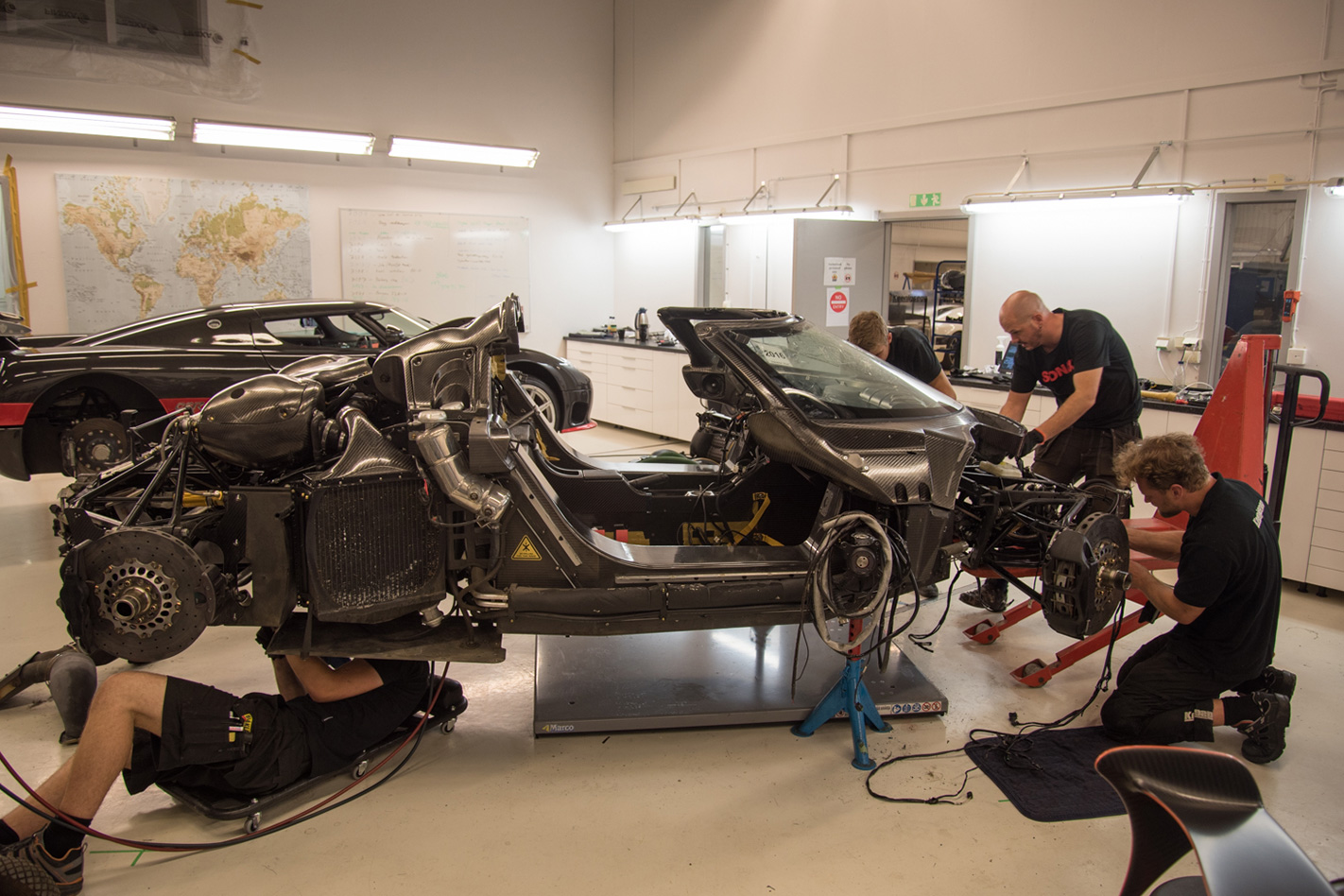
Sometimes the results aren’t pretty. Koenigsegg crashed a One:1 in 2016 after it experienced an ABS fault in the high speed Foxhole section. In a statement, the company said: “Our engineers spent several hours on Wednesday, July 20th, replicating the fault using a similar car at our factory test track. The left front wheel ABS sensor was disconnected and ABS-level braking force was applied. We found results that were entirely consistent with those experienced by the One:1 at the Nürburgring.”
In other words, the Ring exposed a safety issue that might otherwise have sneaked through to production.
Finally, it’s worth asking yourself exactly how relevant the much-vaunted laptimes are in any case. The level of preparation that goes into major manufacturer record runs is just berserk. Sticky tyres that you’d trash in one session on a circuit, gun drivers who spend days driving back and forth,learning each corner to millimetric precision, a cage in the car that stiffens its chassis (under the guise of driver protection) and a whole host of other factors combine to deliver a result for the marketing department that you could never hope to replicate.
So while the Nürburgring can be a valuable force for good in the development of durable, safe road cars, it can also be a corrupting influence. While not all TV hosts appreciate the difference, fortunately most car manufacturers do.
If I’m honest, there’s a little too much noise around the Toyota Supra. Sure, it’s the return of a legendary nameplate, an interesting collab between two of the world’s automotive superpowers and a pretty cool looking thing to boot.
But there are just 300 coming to Australia, in a market where more than a million cars are sold annually. And even if you have all the money in the world, you’re still not guaranteed of getting a Supra.
What’s more, the relatively small size of the Austrian production plant will naturally restrict build numbers, so meaningful numbers of Supras on suburban Aussie streets is actually a bit of a pipe dream.
So let’s imagine you’ve saved up the necessary coin on to buy one, but you’ve missed out. What are you going to spend your money on? Glad you asked!
Five days in a Formula One car ($14,999 x 5)
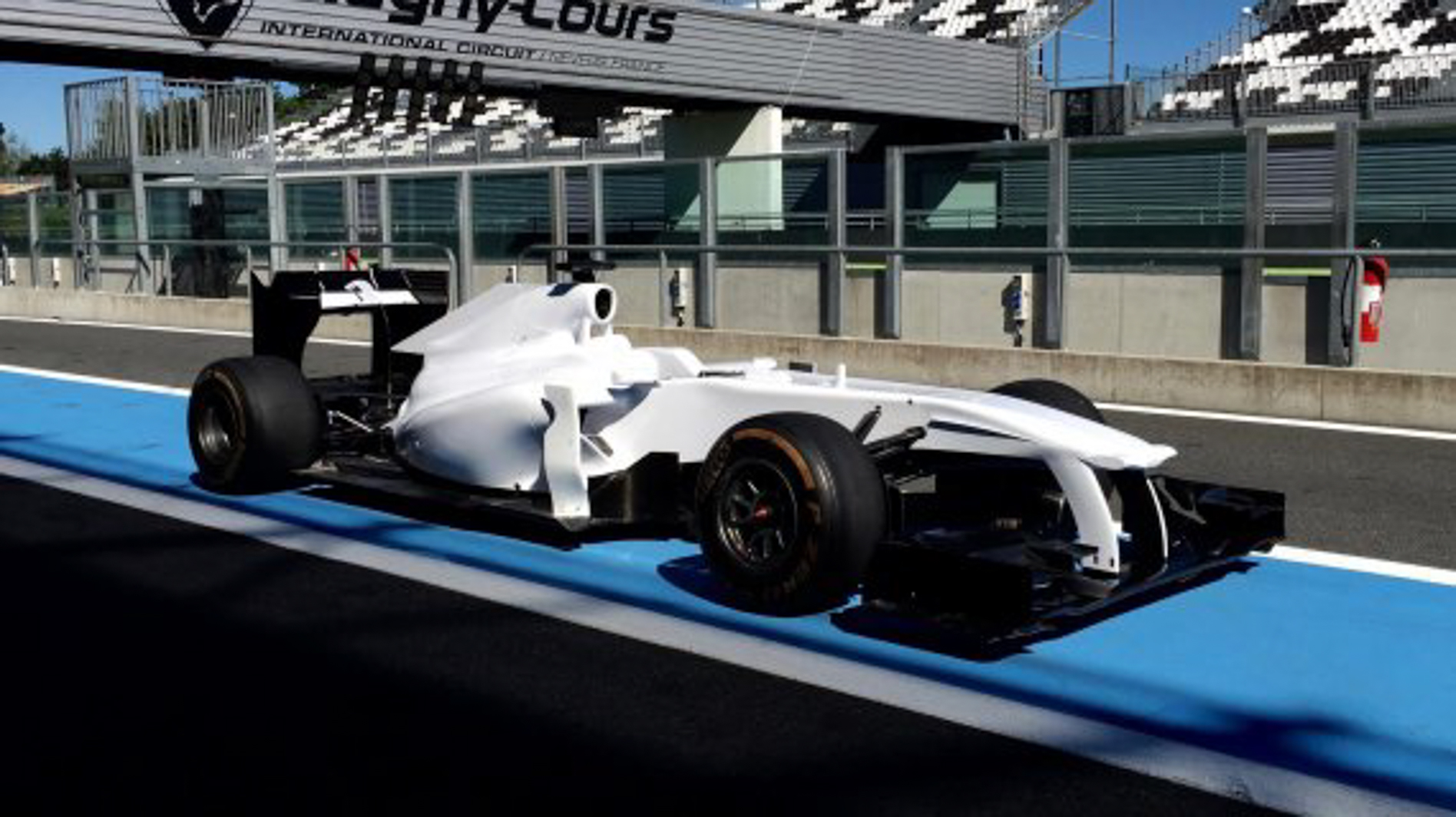
So the Supra isn’t as fast as a Formula One car. But if you’ve missed out on your dream car, console yourself by heading to France and sampling the power of a real Formula One car.
LRS Formula will take your hard-earned cash and plonk you in a 2011 Williams FW33, driving one of the world’s coolest race tracks, Paul-Ricard. The team will build you up to your F1 debut with multiple sessions aboard a Formula Renault, as well as plying you with, according to their site, ‘cakes and snacks, salty and sweet’.
And by the end of the fifth day, you’ll be a pretty handy steerer.
Three Toyota 86 GTs ($31,440 x 3)
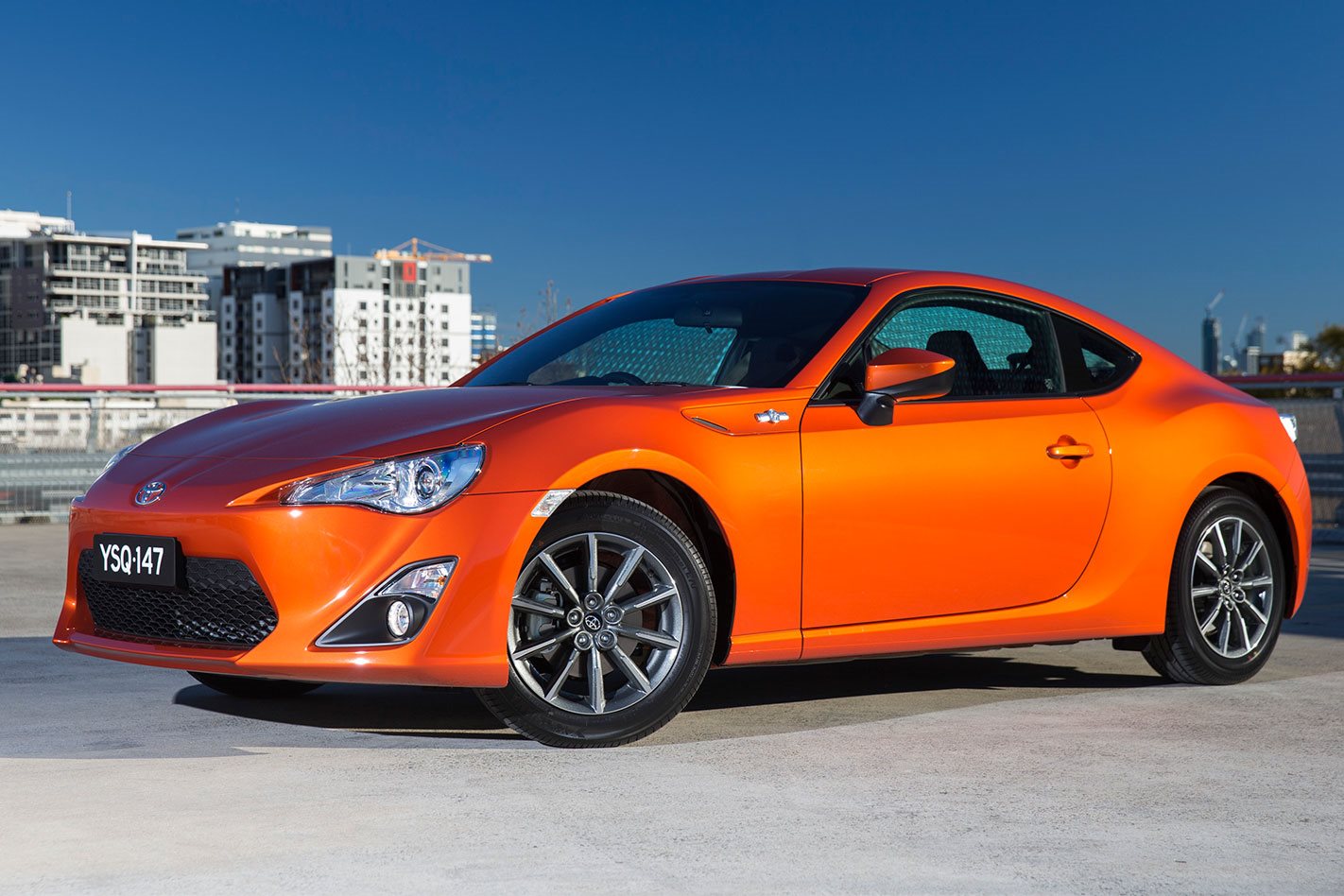
If your heart is set on a Toyota, why not have more than one? For the price of one top-spec Supra, you can purchase three of the company’s more affordable sportsters, the Toyota 86.
Just imagine… you can allocate one as your daily hack that never sees the inside of an automatic carwash, is parked with joyful abandon in a supermarket carpark and left overnight at dodgy airport parking centres. Drop a thick shake on the carpet? Who cares? You’ve still got your going-out 86, maybe in that resplendent burnt orange.
The third one? Whang some rally or circuit rubber on it, take off the number plate and go and thrash the crap out of it. Don’t forget, you’ve got a spare. Or two.
Audi SQ5 ($99,500)
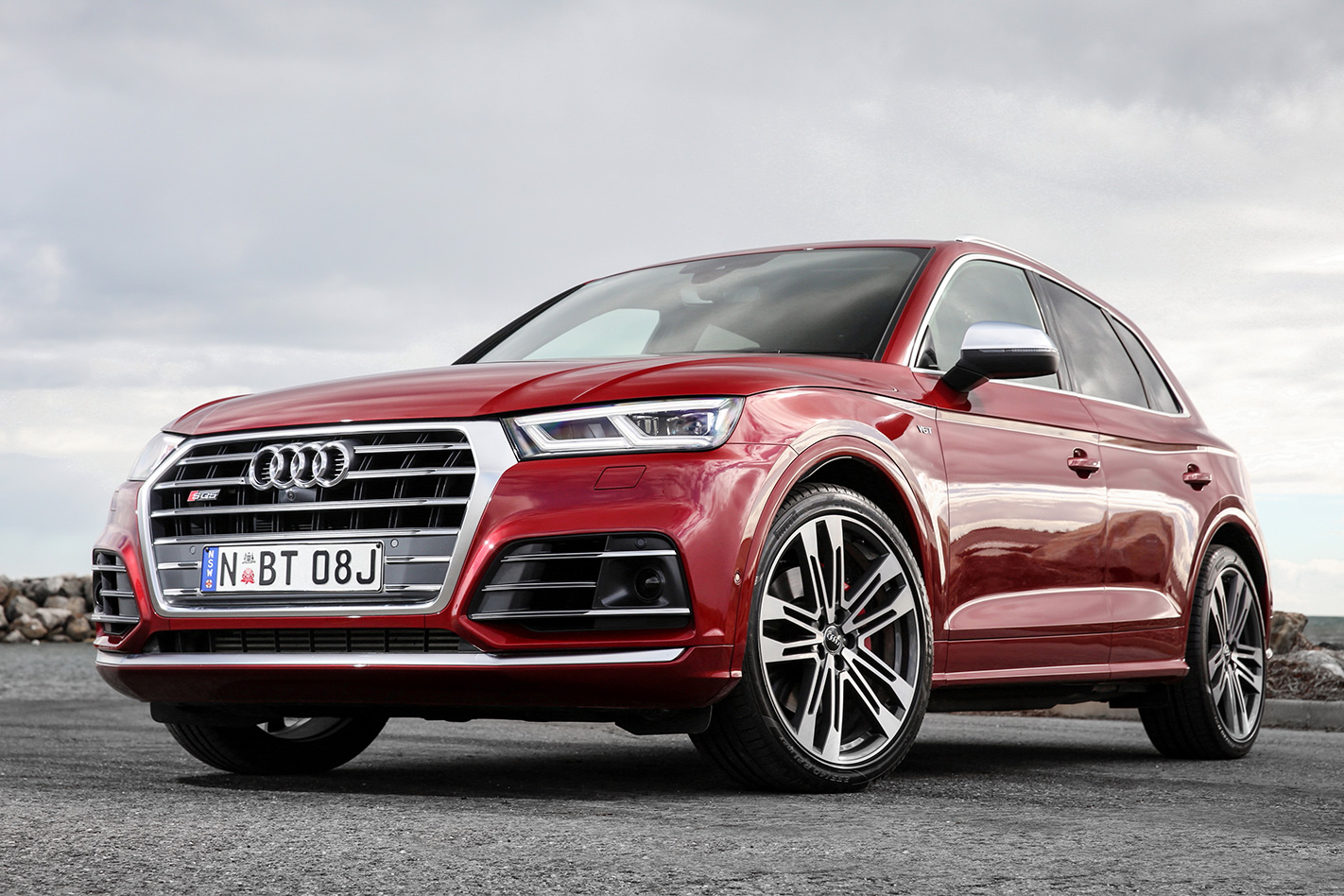
Sure, it’s not exactly in the same vein as the Supra, but with a petrol V6 engine placing 260kW and 500Nm at your disposal at all four wheels, the Audi SQ5 TFSI actually more powerful than Toyota’s reborn sportster.
You can also carry more people and stuff, travel longer distances thanks to a (theoretical) longer range and it’s got arguably more badge cachet to boot.
It’s not swoopy and spunky and new and sexy, but it’s a pretty good way to drop a few bucks.
Alpine A110 ($97,000)
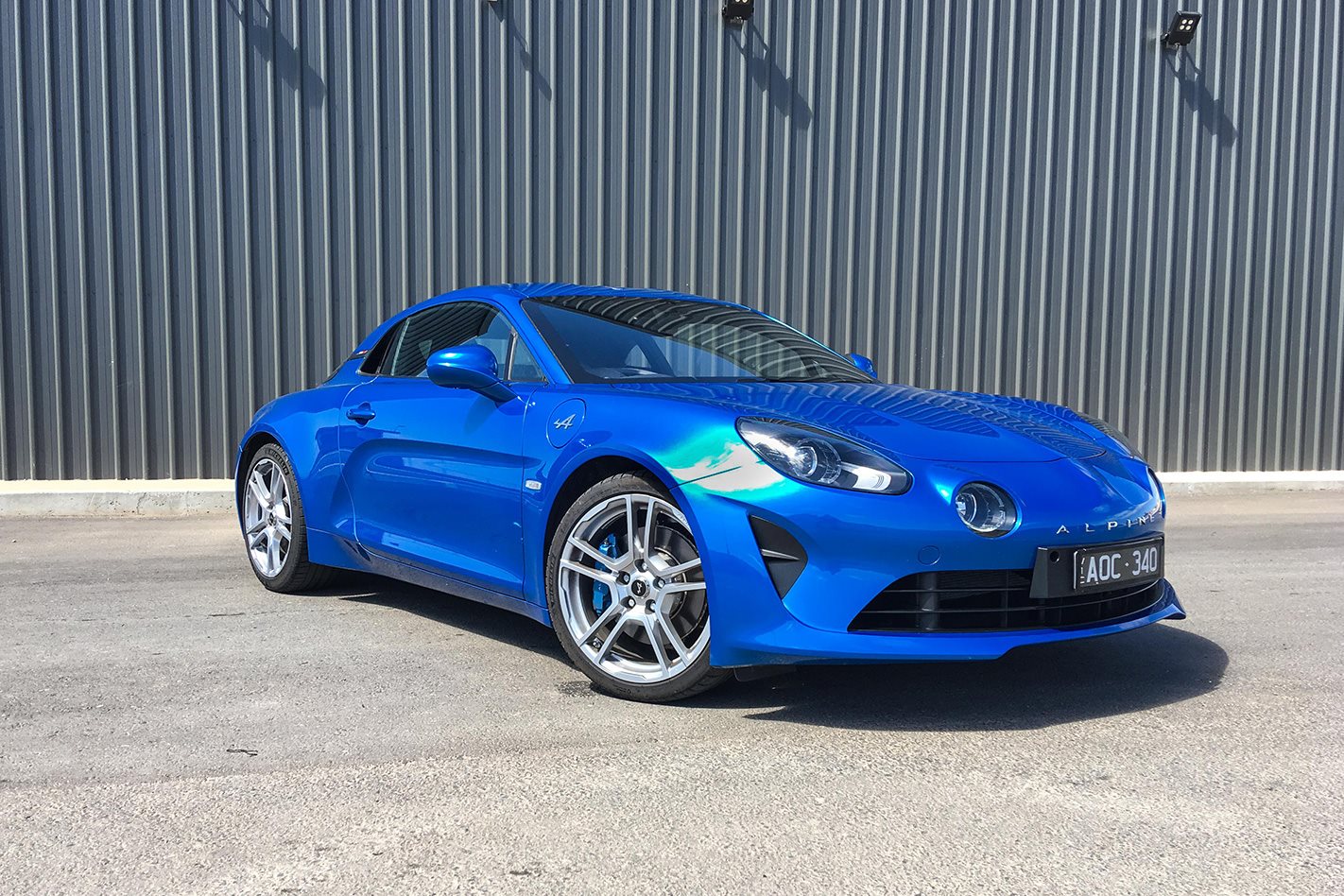
Look, the Supra is cool and all, but it still has a Toyota badge on it, right? Well, what about something that’s equally as polarising on the styling front, but wearing a brand of a maker than almost no one has ever heard of?
The Alpine A110 is equally as focused as the Supra in terms of being an extraneous spend on an extravagant little car, but it adds mid-engined, two-seat attitude to the mix. It’s as impractical as hell and it won’t be as fast in a straight line, but at least you can actually buy one…
An actual BMW Z4 (from $84,700)
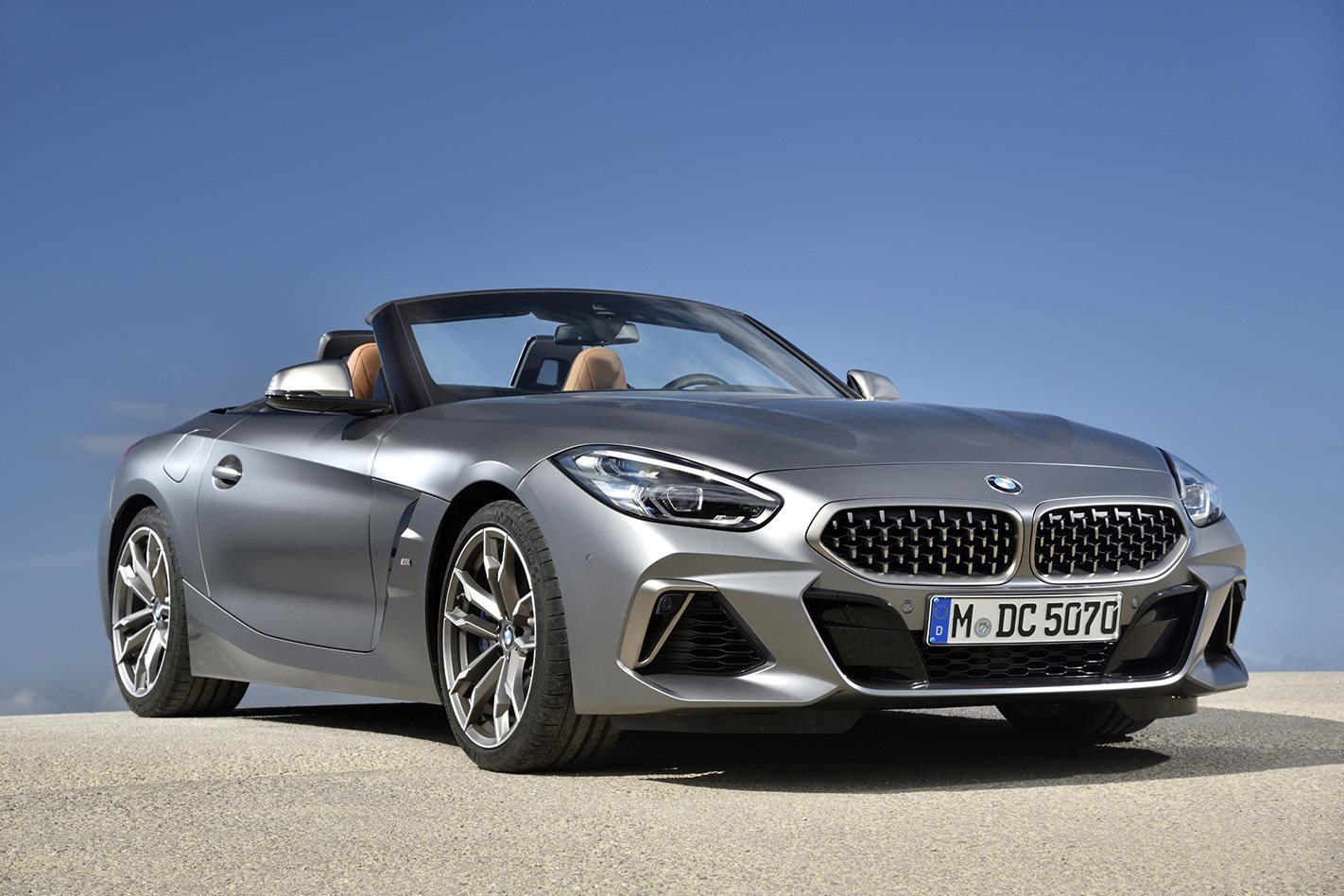
We all know that the Supra and the BMW Z4 are fraternal twins, sharing a rear-drive philosophy, a platform and a six-cylinder engine. If you’ve struck on a Supra, then, why not look at the drop-top BMW Z4 as an alternative?
The Z4 will kick off at a not-unreasonable $84,900, or about the cost of an entry level Supra GT. You don’t get the 250kW six-potter – that’s reserved for the $124,000 Z4 M40i – but you do get a very pretty two-seater with a folding top and a German badge.
A Rolls Royce champagne chest, and a Toyota Corolla ($65,000 + $30,000)
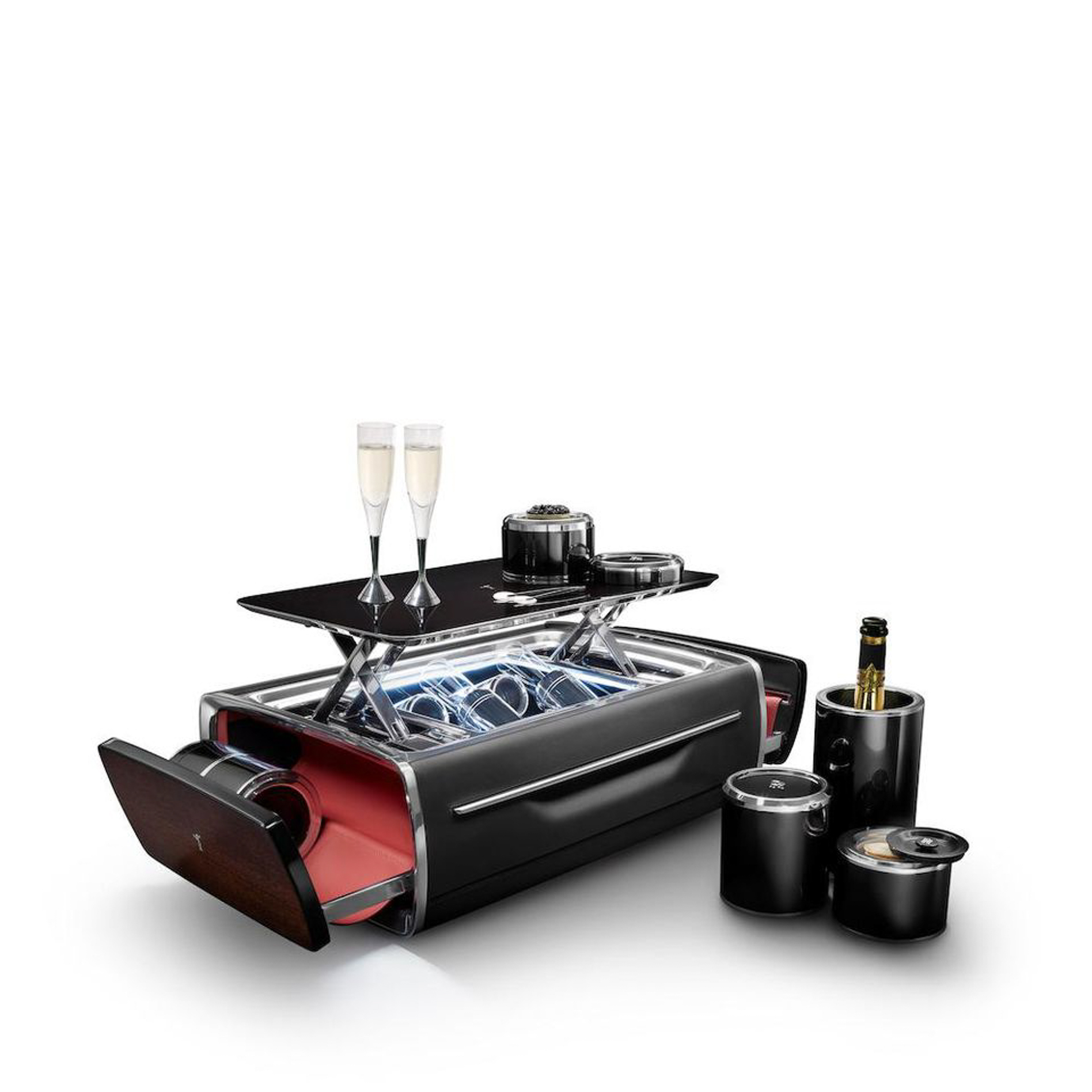
Sure, yep, look… it’s a stupid spend, but you’re inconsolable, you really like champagne and you really don’t want the tax office getting its hands on your earnings.
What better way to treat yourself than with a Rolls Royce champagne chest? Forming part of the brand’s Accessory Collection, the champagne chest looks like a briefcase but unfolds to reveal a laser-cut stainless steel tray under the Tudor oak lid, while two aluminium/mother of pearl spoons attach the to lid. For your caviar, see?
At $65,000, you can transport the case around in something a little more affordable. Like a Toyota Corolla ZR Hybrid. Oh, the delicious irony…
Refurbish your garage ($85,000)
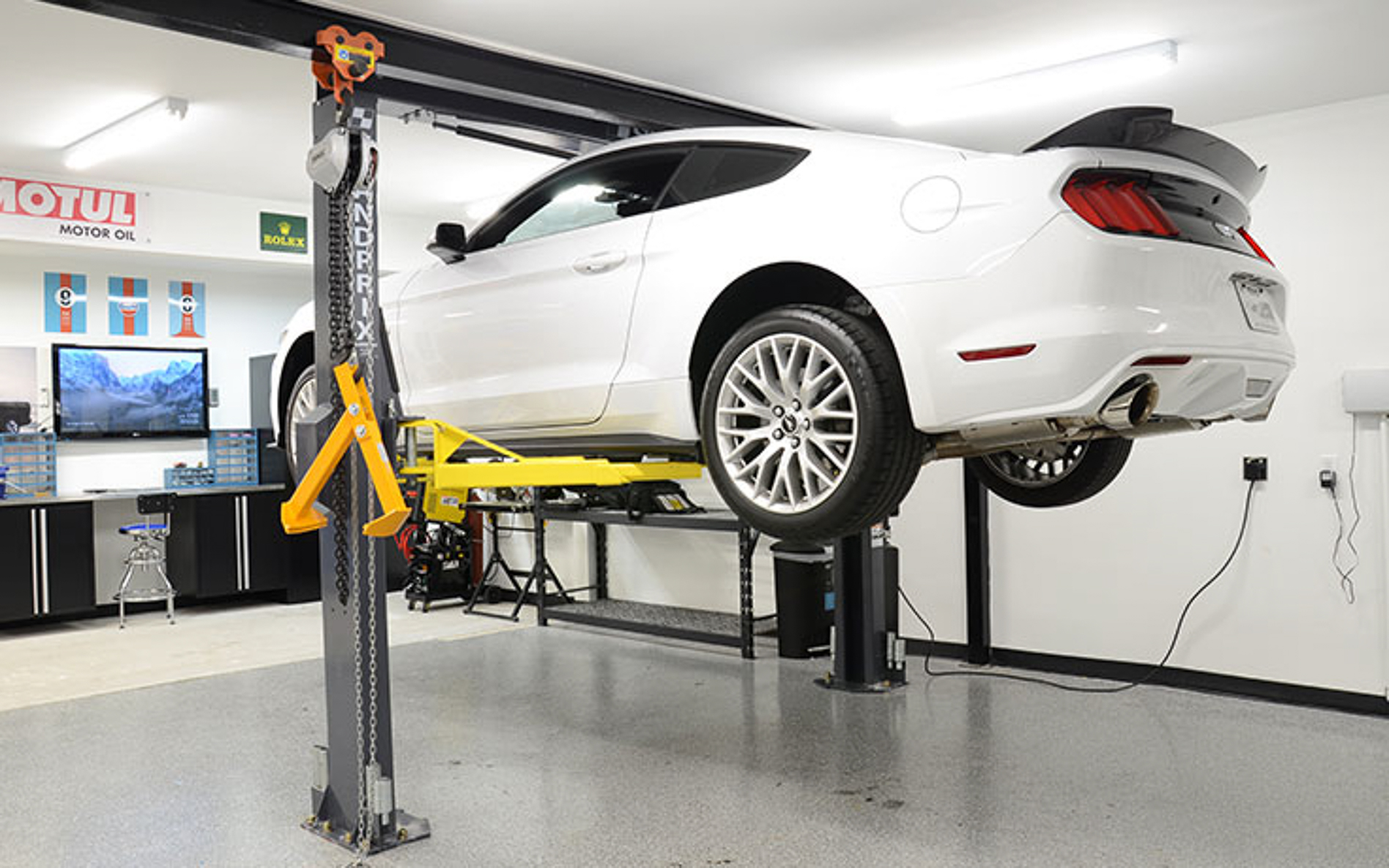
Imagine how far $90k could go in a garage?! Let’s start with a Bendpak hoist for $5000, a polished concrete floor at $15,000, and bespoke shelving for a sweet $10,000. We still have $50,000? Well, step this way, sir and madam – a second-hand racing car, in the form of a Formula Ford with a trailer.
This lovely little Mygale from 2011 will thrill you without the big bills, and you can stash it on top of your hoist and park your regular car underneath. Job done!
What else would you spend Supra money on? Tell us below in the comments!
HERE’S an SUV sure to score a 5 star ANCAP rating. Dubbed the Mercedes-Benz ESF 2019 concept, it previews more than a dozen cutting-edge safety innovations currently being explored to make our roads safer.
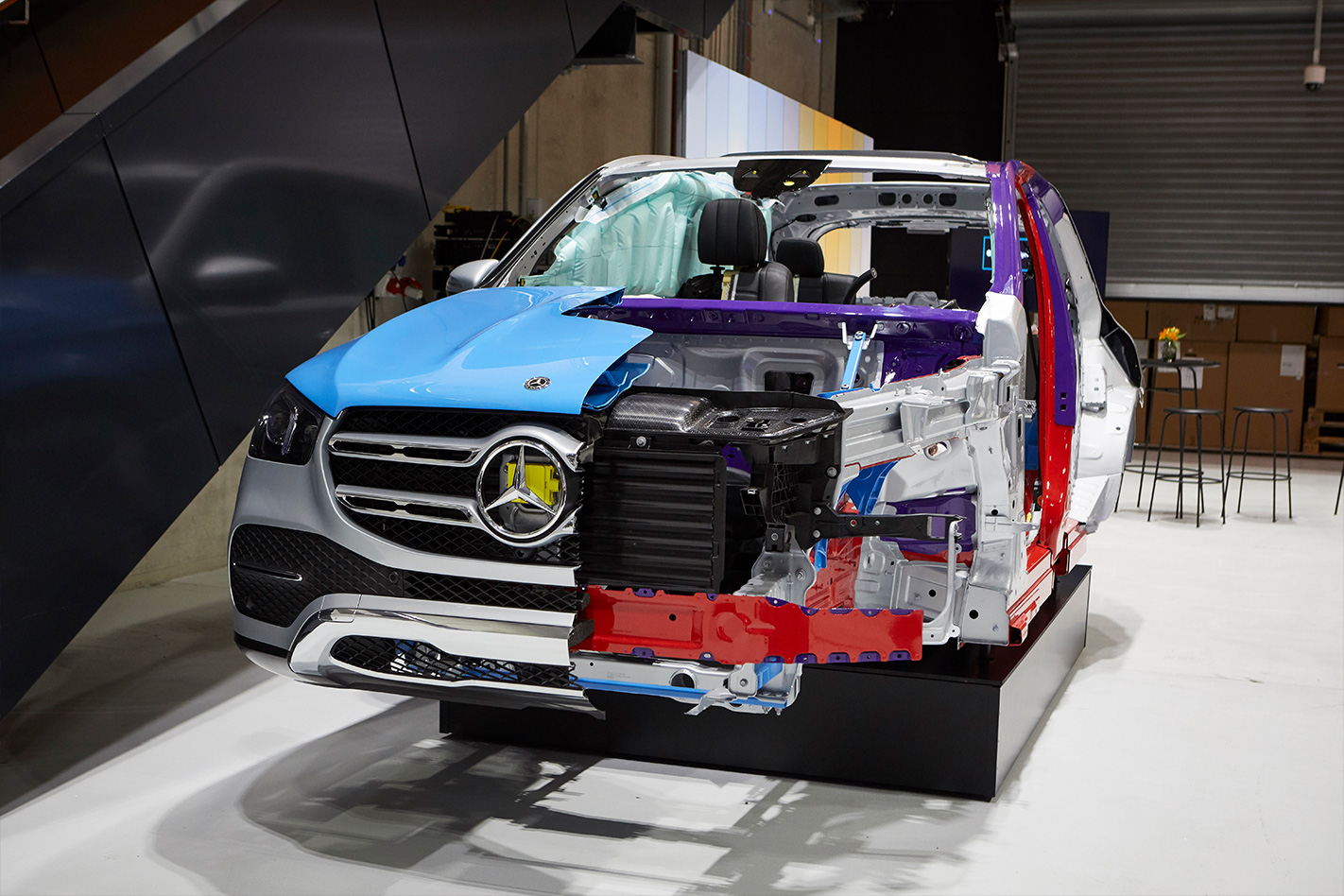
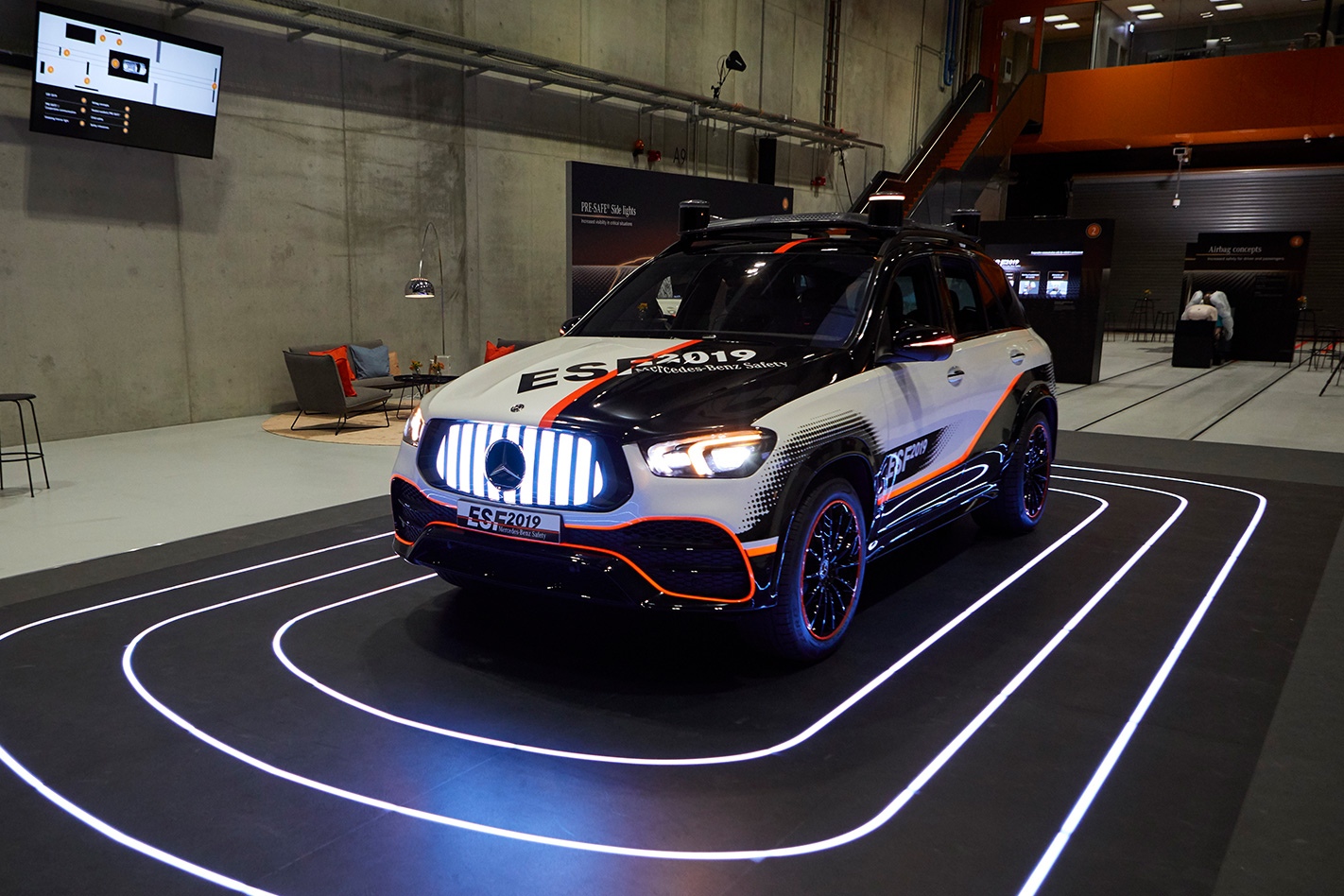
Based on the GLE SUV and fitted with a plug-in hybrid powertrain, the concept is capable of Level 4 autonomy and boasts a retractable steering wheel and pedals. It communicates with pedestrians and other road users via lights in the LED grille and on the roof, and even shouts audible warnings and flashes a special luminescent paint to alert others.
The audible warning is especially interesting. If the SUV detects a pedestrian or cyclist is about to step into a dangerous situation, it will shout “Watch out!” and shine the headlights on the hazard to warn other road users.
Another key innovation is the airbags. A problem with driverless cars is that the front-seat occupants mightn’t be in the ideal position for conventional airbags to be effective. They might be reclined, for example. Mercedes has sought to address this by fitting the airbag into the seat itself so the level of protection is unchanged even if the seat is moved.
The front seatbelts are integrated into the seat to improve the geometry of their mounting points if the seat is reclined. The GLE also debuts a new system dubbed ‘Pre-Safe Curve’ which integrates with the sat-nav and warns front occupants if they are entering a corner too quickly by lightly tightening the belt.
Common mistakes you’re making with your child’s car seat
Rear-seat passengers also score specially developed airbags, designed to reduce head and neck injuries in an accident. Unlike conventional airbags, those fitted to the rear only inflate the edge of the structure, while the centre is filled with a special fabric to minimise harm to young passengers.
Another innovative system is ‘Pre-Safe Impulse Rear’, which constantly monitors for rear-end collisions. If the system detects an accident is imminent, it autonomously moves the car forward to reduce the ferocity of the impact and the harm to occupants.
“This is a huge challenge for the sensors,” said one Mercedes engineer. “The car has to be sure the space in front of the car is absolutely free of things to hit, and then it provides maximum power and then maximum braking in an instant.”
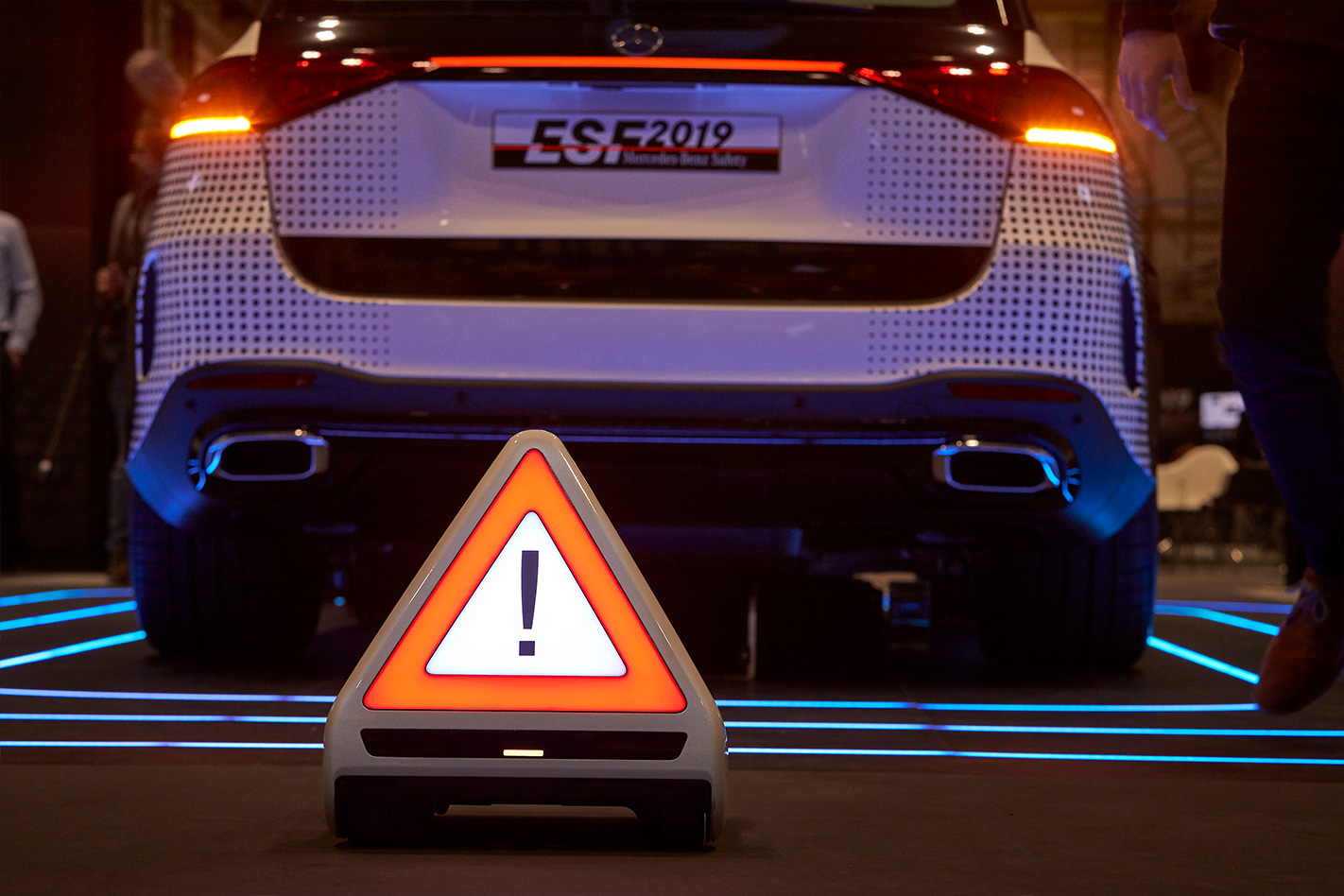
Another intriguing function is a small, autonomous robot that deploys from the rear of the GLE if an emergency situation is detected. The robot carries a warning triangle and positions itself on the road away from the car to warn others.
The ESF19 is the latest in a series of safety studies by Mercedes-Benz that stretches back nearly 50 years. The ESF (Experimental Safety Vehicles) program began in 1971 and has since helped develop key safety milestones now fitted to millions of car around the globe.