
Most people know to perform regular checks in the engine bay like checking coolant levels or topping up oil, but a quick inspection of the tyres is equally important to what’s under the bonnet. Aiden Taylor explains the checks that you should be doing regularly to ensure best possible performance from your rubber.
Introduction
Let me be straight-up – this is the toughest review I’ve done in recent years. When it comes to crossing – nay, defying trends, the Nissan Juke NISMO SR really is a riddle wrapped in an enigma.
It’s not especially new; the Nissan Juke itself launched in 2010 and arrived here in 2013. The NISMO version debuted in 2015, and only just arrived in Australia in October 2018.
On the surface, it’s a compact SUV that’s nearing high school age and which doesn’t sell very strongly for a company whose product line is, quite frankly, in the doldrums.
So what does Nissan do? It gives the Juke to its go-fast team NISMO, one of the most hallowed names in all of modified car history, to… what? Make it go faster? Be cooler? Sell more?
The crazy thing is that, as bad as this idea appears on paper, it’s a car that’s actually grabbed my attention… and dare I say a small piece of my heart.
Style
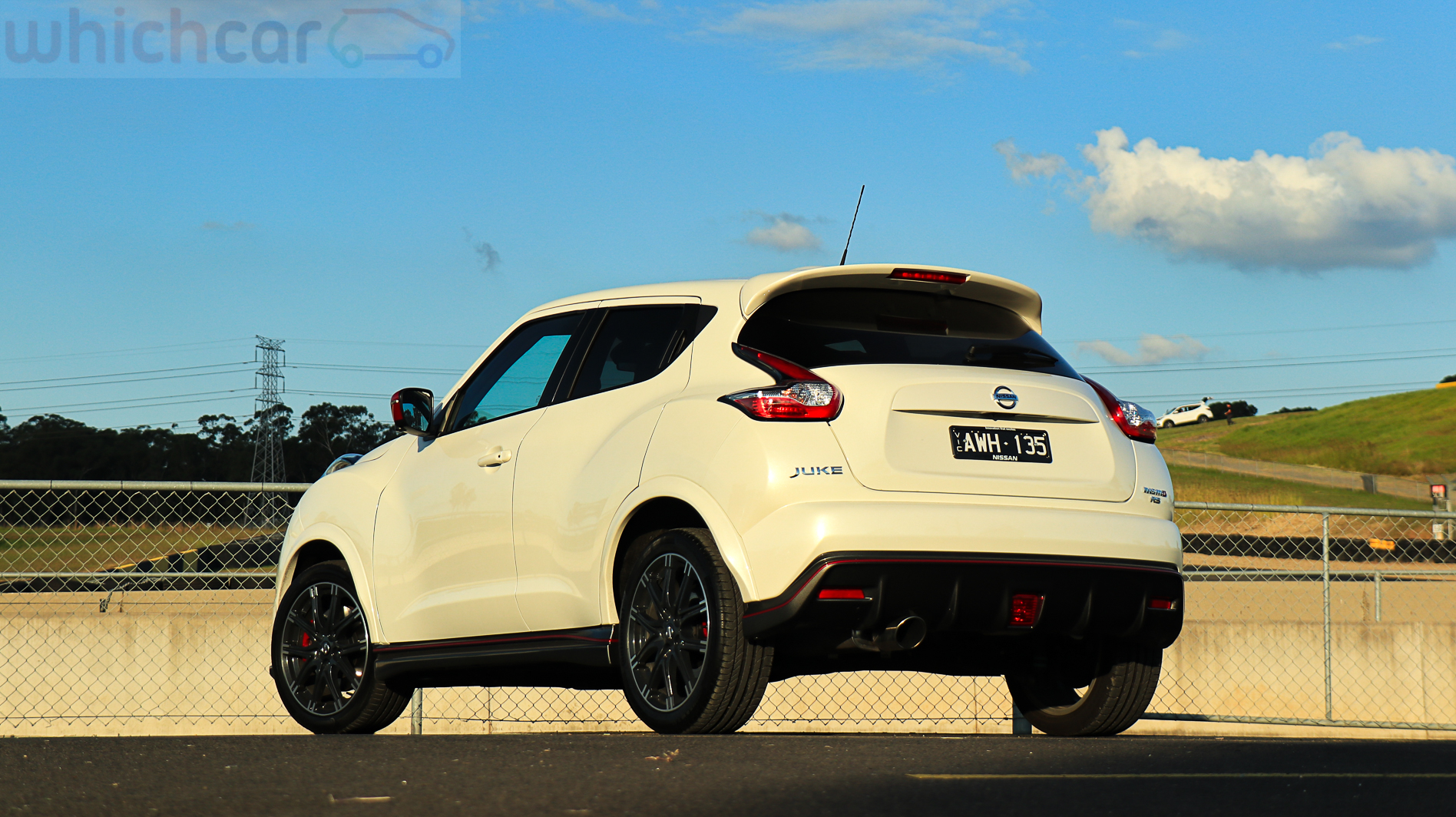
No doubt about it, the Juke is a love-it-or-leave-it deal. There’s no sitting on the fence when it comes to the multi-faceted front end with the double light treatment, or its squat, bulbous rear end.
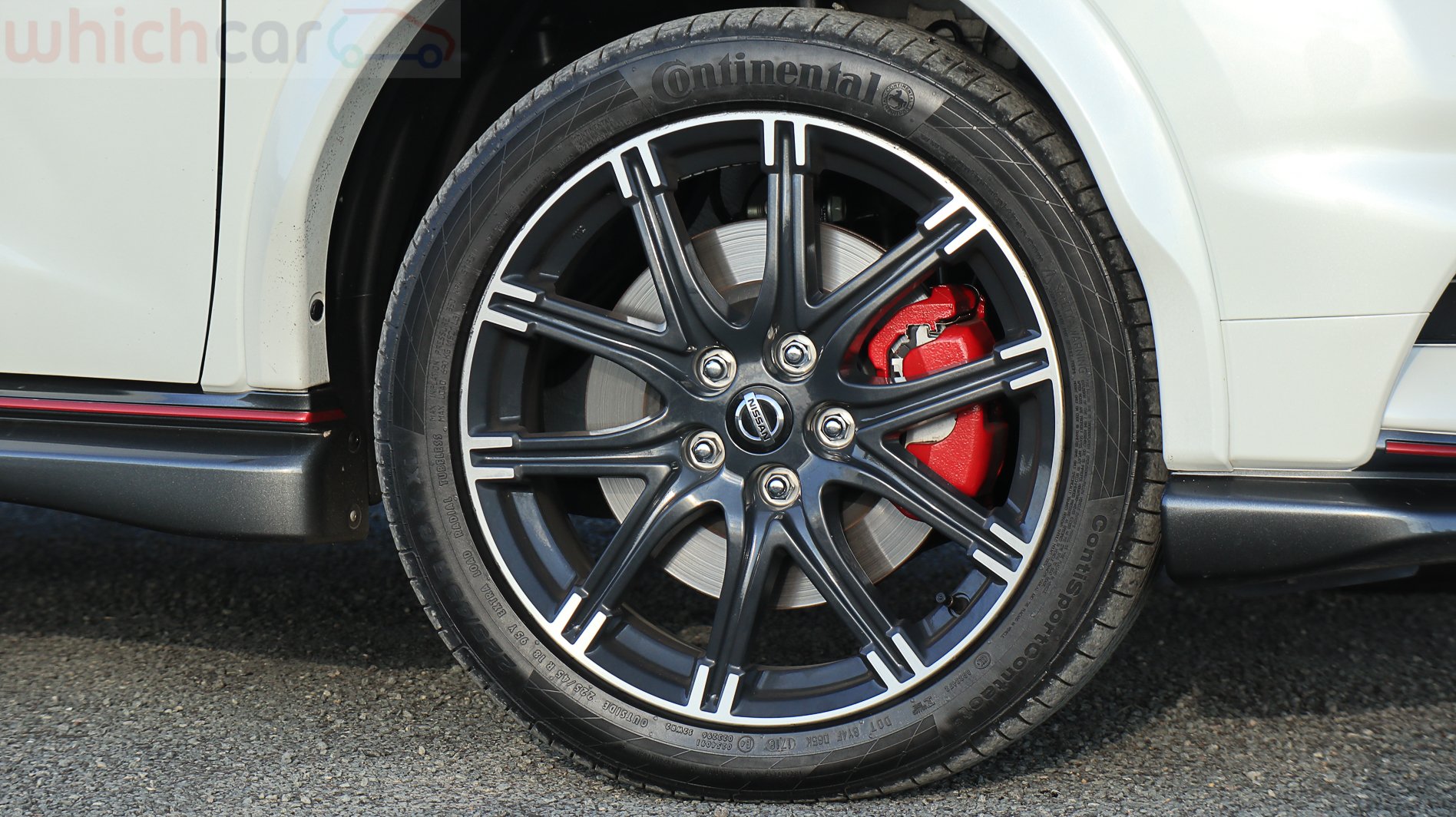
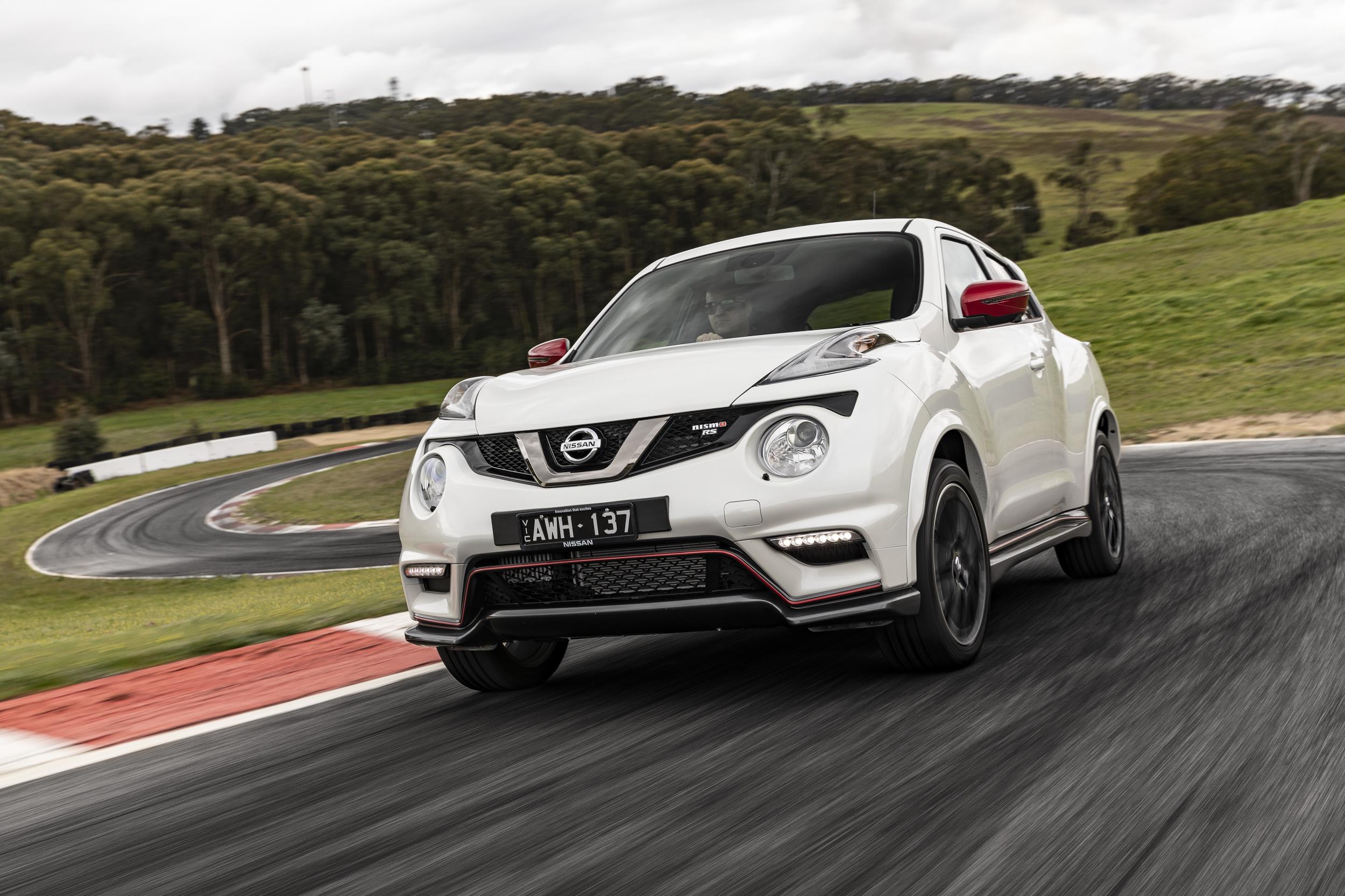
The NISMO RS scores lightly made-over front and back bumpers, as well as side skirts and a rear spoiler, faux rear diffuser and special 18-inch rims. The mirror caps are red, matching the pinstriping on the lower half.
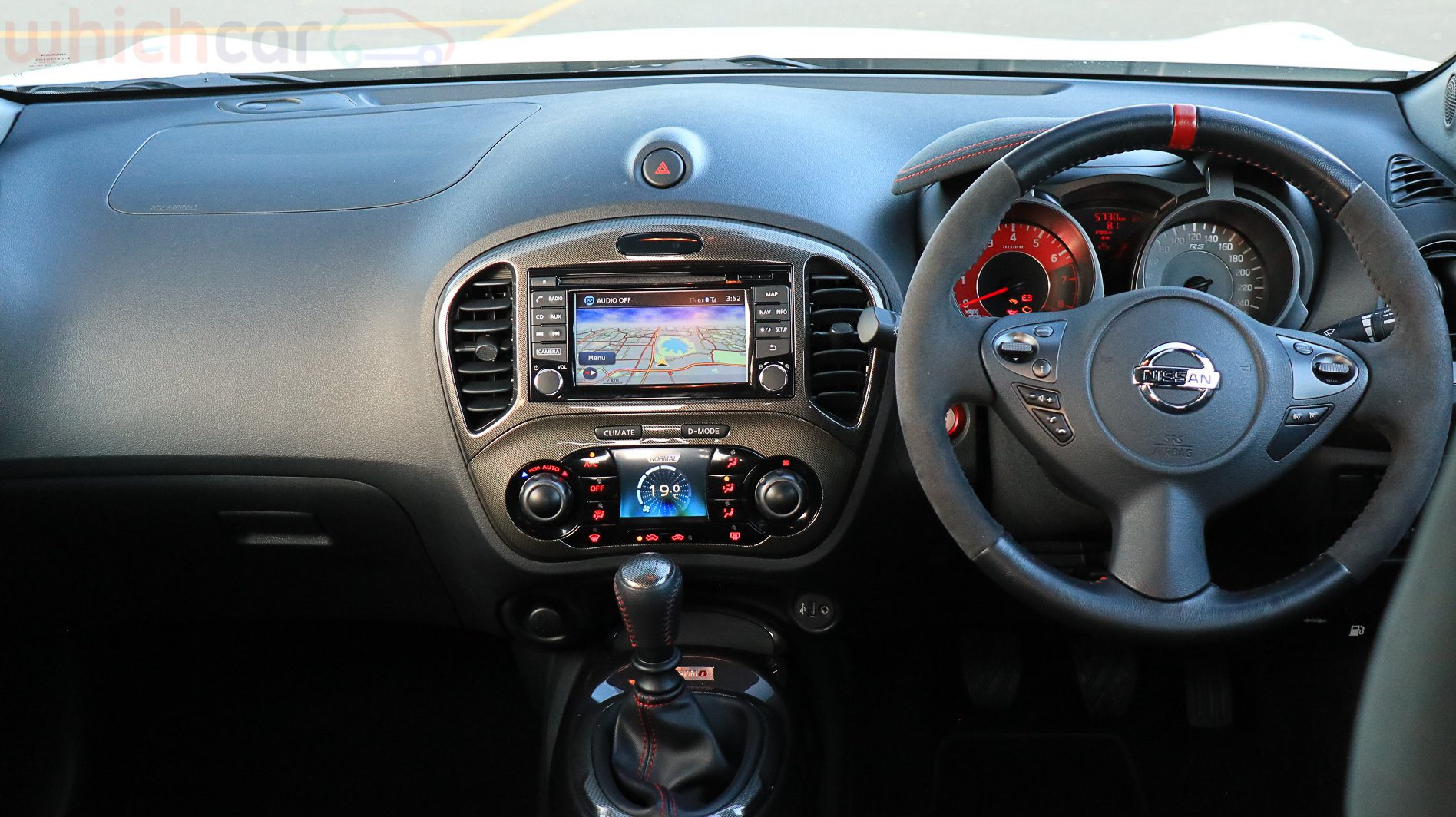
Inside, a pair of NISMO-branded sports seats are the highlight of a sombre cabin that’s been infused with hints of carbon and suede, including on the steering wheel, door panels and roof. The racy nicities can’t, however, disguise the fact that the Juke dates back to 2010. The switchgear feels gimmicky, for example, and the cabin feels a bit old-fashioned.
Price and features
Cheap the NISMO Juke is not; in the manual form tested here, its $37,790 price tag puts it more than $7500 clear of the next Juke in line, the Ti-S. You get a reasonable amount of stuff for the ask, though, including the sporty seats and trim, automatic headlights and wipers, sat nav, heated front seats.
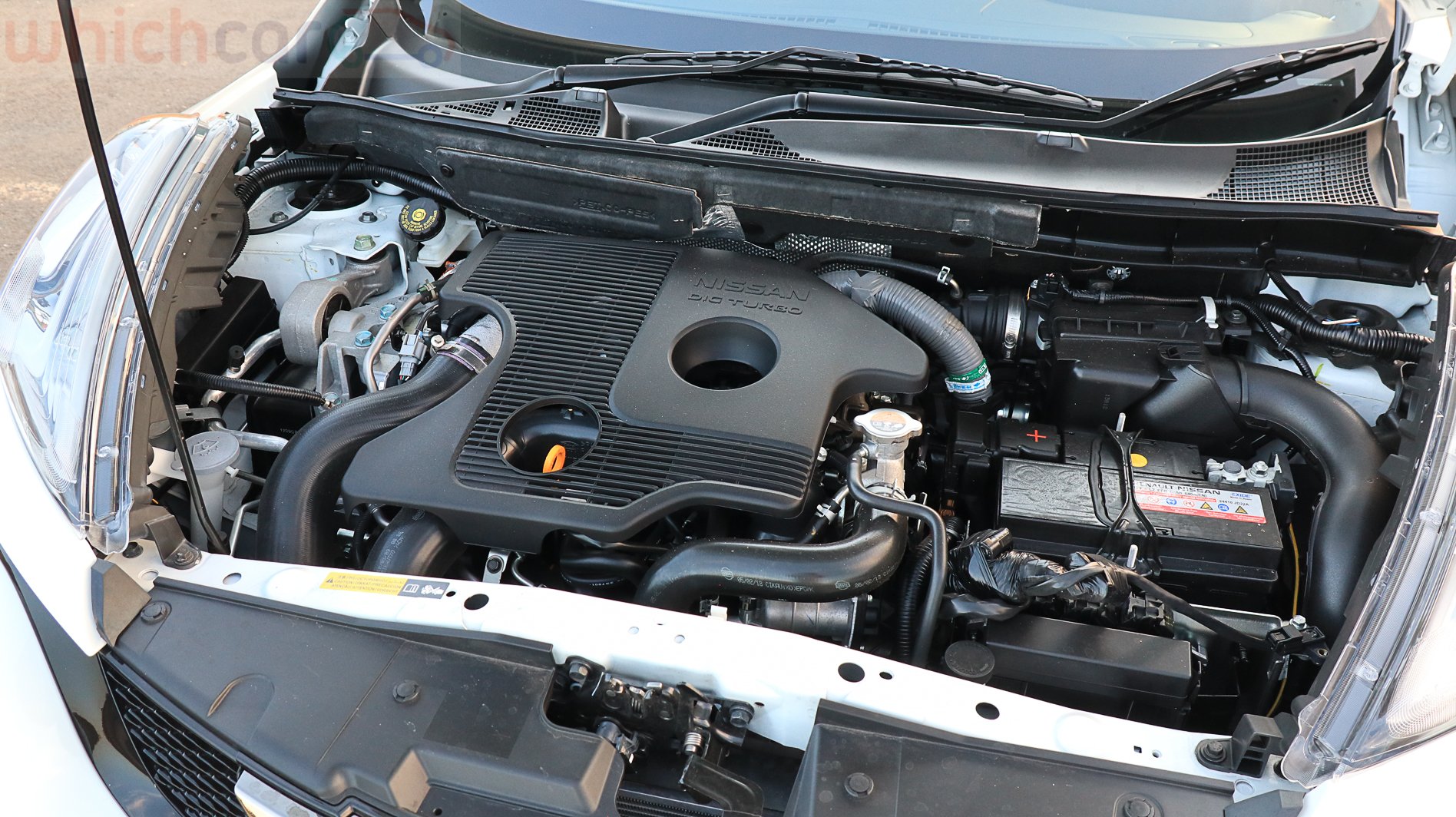
There are also mechanical upticks in the form of lowered suspension with revised springs and shocks, bigger brakes and more oomph from the 1.6-litre four-cylinder turbocharged engine. Thanks to engine computer and exhaust tweaks, it produces 160kW and 280Nm, which is 20kW and 20Nm more than stock.
Our manual tester also scores a revised gear set for its six-speed manual, a beefier clutch and mechanical limited slip diff.
One of the dramas for the Juke at this price point is that it’s starting to butt up against competitors like the Hyundai i30N hatch, which is only three or so grand more for a much more modern car with much higher levels of performance and more practicality.
Size
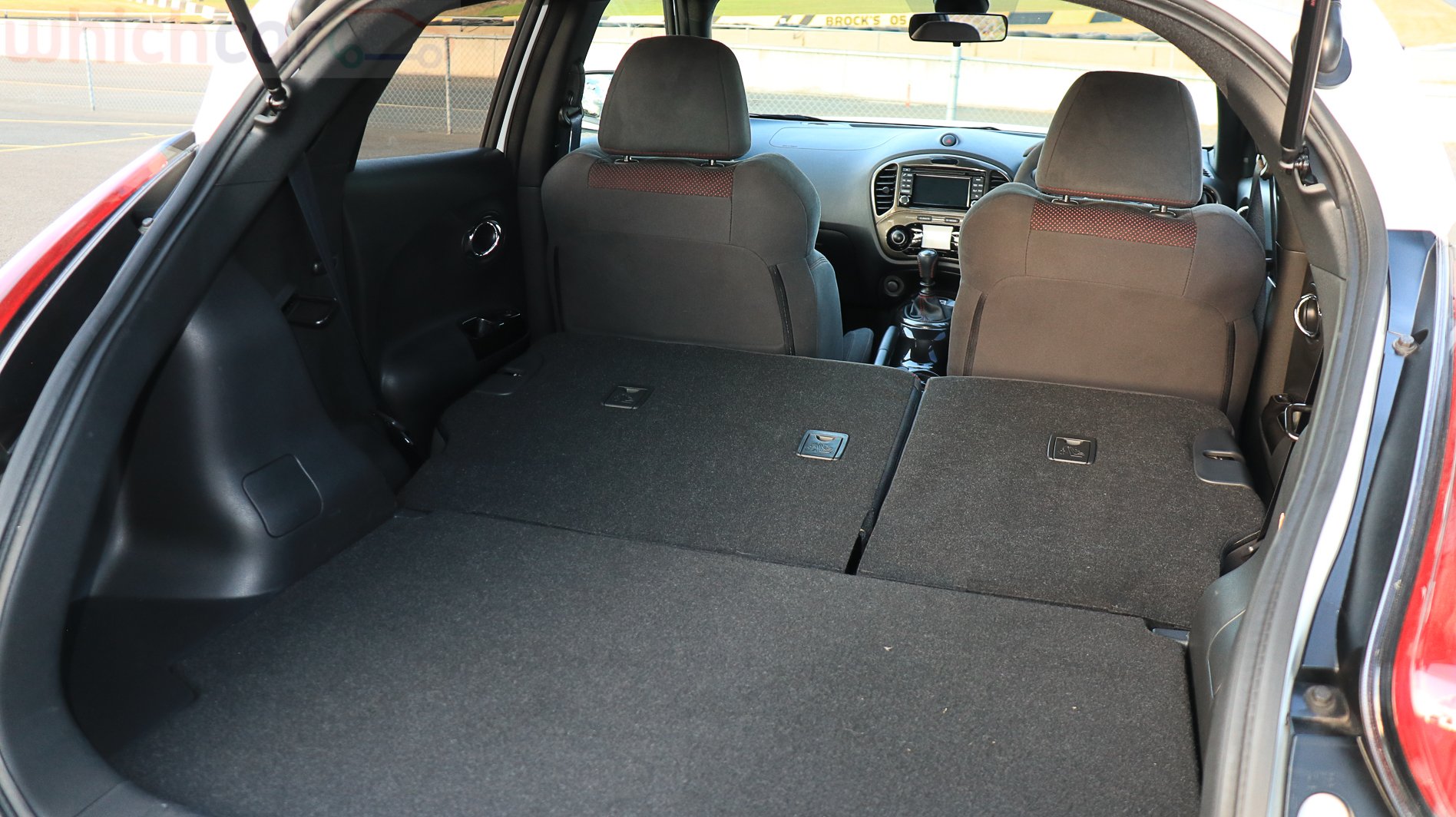
The Juke is a compact five-seat, five-door SUV, and it’s sized accordingly. The boot offers a false floor that, when dropped, means the Juke can carry 354 litres of stuff. That false floor needs to be slotted back in place to create a flat floor when the Juke’s seats are dropped, which liberates 1189L of carrying capacity.
It does hide a space saver under the floor, though, which is a nice touch.
Safety
This is where the Juke’s age plays against it, with a distinct lack of driver safety aids like AEB and adaptive cruise control. It does have a camera-operated lane departure warning system as well as a 360-degree camera and reversing camera, but it lacks front sensors.
It does, however, still come with a top five-star score from ANCAP
Warranty and running costs
At long last, Nissan has acquiesced and now offers a five-year, unlimited kilometre warranty on its cars. A fixed-price service regime means that the first six services will cost a total of $2197, with the cheapest costing $283 and the dearest $548.
A diminutive 46-litre fuel tank will cost about $75 to fill with the required 95 octane fuel, while its claim of 7.2L/100km combined fuel consumption isn’t far off the mark. We recorded 7.6L/100km over 410km.
Comfort
Big tick for the front seats. Despite squishy seat base bolsters, the sports seats are incredibly comfortable even over a longer stint. A minus, though, for the lack of steering wheel fore/aft adjustment.
The rear is pretty small, though headroom is okay for taller kids. There are two ISOFIX baby seat mounts on the two outside seats, but it’s a dark, enclosed space back there, thanks to the high-waisted doors
There is a dearth of storage holes and pockets which proved annoying, while the flat footrest for the driver’s left hoof could be more pronounced.
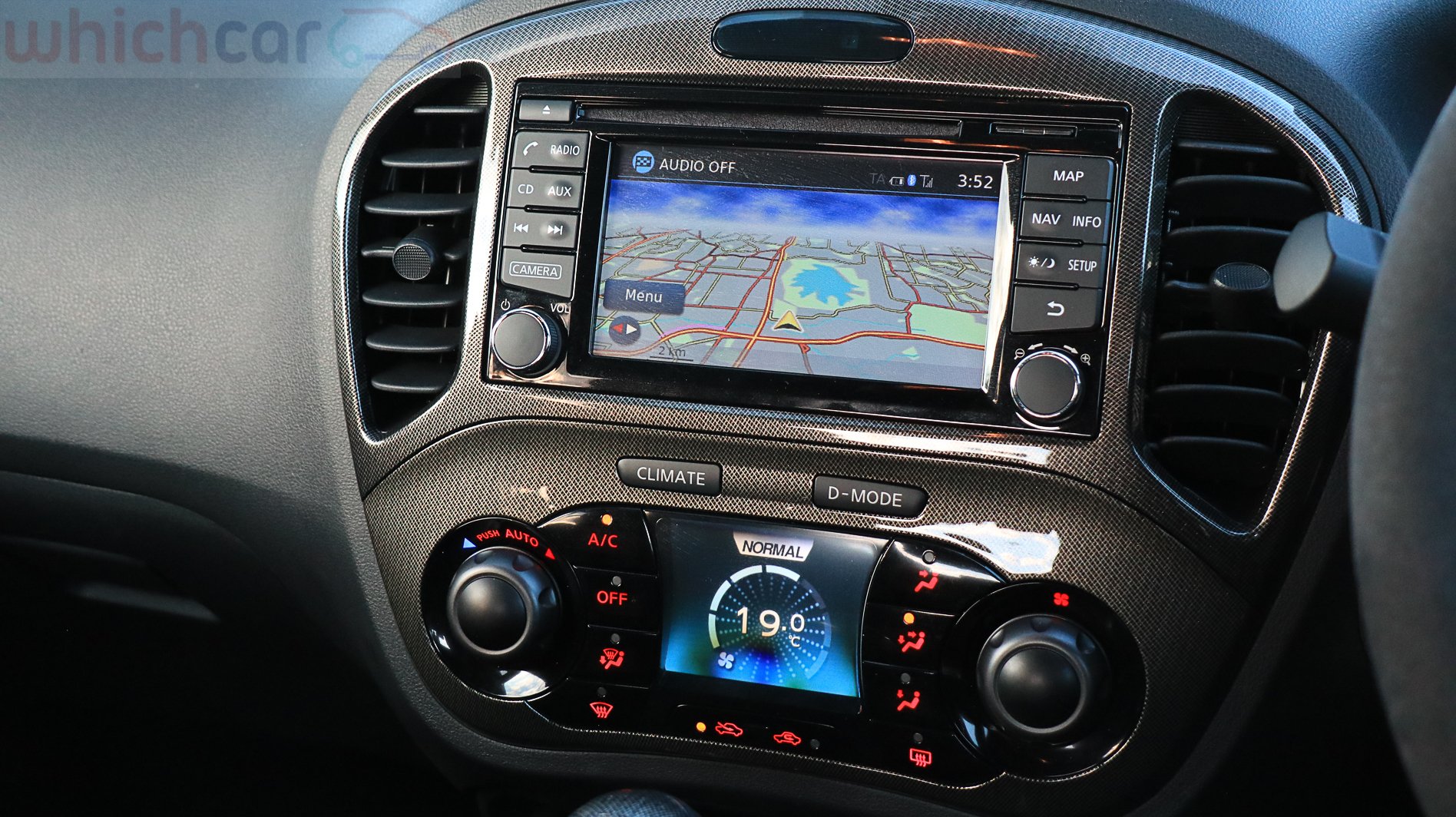
From the driver’s seat, though, the Juke NISMO is pretty good. The interchangeable climate and drive mode controls are quite novel, but the multimedia system is really showing its age, lacking Apple CarPlay and Android Auto functionality.
On the road
It’s here where the Juke’s weird charms come to the fore. My first new car was a Nissan Pulsar SSS, and the brand is responsible for many a decently handling affordable car.
The Juke invokes the spirit of those older-style hot hatchbacks, with surprisingly savage torque steer (where the engine’s power tugs at the steering wheel), a meaty clutch and hefty steering feel.
It’s also got a bold exhaust note that adds a bit of old school noise into the mix, though it thankfully fades away at cruising speeds.
Its suspension tune actually makes sense in the cut and thrust of inner-city warfare, where it can leap over speed humps and potholes with aplomb.
It makes less sense on longer highway runs, though, where the Juke’s short wheelbase and firm compression damping tune can make the ride a bit choppy. The drone from the 18-inch tyres also gets tiresome on longer drives.
Yet, despite the negatives, there is something that’s refreshingly old school about the NISMO’s demeanour. It reminded me of some of the mildly worked over front-drive hatches of my misspent youth, where a lack of polish could be hidden by a veneer of liveliness.
Of course, a modern hot hatch could knock it into the middle of next month, but the Juke NISMO won’t be on the shopping list of a VW Golf GTI driver, either.
Verdict
I despair for Nissan a little bit, to be honest. Its product catalogue can be measured with a sundial in terms of its age, for example – and the Juke is one of those long-in-the-tooth products that need replacing sooner than later.
This makes the notion of a NISMO-fettled version even stranger. Why invest the engineering resources into such an odd little critter? NISMO is about ultimate performance; isn’t the Juke diluting that heritage?
It’s a fair argument to make, but at the end of the day, the old, size-comprised, torque-steering, noisy Juke NISMO is more than the sum of its parts. It manages to exude a sense of personality and individuality that many other cars lack. It doesn’t make it a great car by any stretch, but it’s definitely one I’ll look up in twenty years’ time with some fondness.
Not everyone will get the Juke NISMO, but those who do will love it to death.
Model: Nissan Juke Nismo Engine: 1618cc 4-cyl, dohc, 16v, turbo Max power: 160kW @ 6000rpm Max torque: 280Nm @ 3600-4800rpm Transmission: 6-speed manual Kerb weight: 1281kg 0-100km/h: 7.1sec (est) Fuel economy: 7.2L/100km Price: $37,790 On sale: Now
What stands out?
The Toyota RAV4 kickstarted the whole city-focused SUV craze, and it remains one of the more popular. The fourth-generation model grew into a mid-sizer that rides nicely, corners well, has great front seats, and comes with autonomouos emergency braking as standard. Service costs are low, and resale values are reputedly strong.This review covers the later versions of the fourth-generation RAV4 sold between December 2015 and May 2019 and includes all features introduced after September 2016.A review of the all-new 2019 RAV4 is coming soon once we’ve had a chance to drive different variants.
What might bug me?
Driving at less than 80km/h on the space-saver spare, until you can fix your full-sized flat tyre (Unless you have a RAV4 GX and have ordered the full-sized spare, an extra-cost option available on those models only. Other RAV4s offer only the space-saver).(Unless you have a RAV4 GX and have ordered the full-sized spare, an extra-cost option available on those models only. Other RAV4s offer only the space-saver.)
What body styles are there?
Five-door wagon only.The RAV4 is available in front-wheel drive and in all-wheel drive.It is classed as a medium SUV, lower priced.
What features did all RAV4s have?
Standard equipment after the September 2016 update included active cruise control, which automatically matches the speed of a slower car ahead on the highway, resuming your preferred speed when the way is clear.A reversing camera, and reverse parking sensors. Seatbelt warning lights for all five seats.An audio system with radio and CD player, which can be operated from the steering wheel.A 6.1-inch touchscreen for controlling interior functions, with auxiliary and USB inputs, and Bluetooth connectivity. Main menu buttons down each side make it easier to toggle between different screens, such as audio and phone.Headlamps based on long-lasting and efficient LEDs. They can turn on automatically when it gets dark and the high beam turns off when sensing a vehicle in front. Daytime running lights (additional LED lights near the headlamps that make the car more visible).Roof rails. These act as mounting points for the optional roof racks. If you want to carry something on the roof, you do need the racks.Hill start assist, which controls the brakes so that it is easier for you to start from rest on a slope. A space-saver spare tyre (a full-sized spare is optional on the GX only).Automatic emergency braking, automatic braking, pre-collision warning, lane departure alert and automatic high beam.Seven airbags. Electronic stability control, which can help control a skid and is mandatory on new cars. (For the placement of airbags, and more on RAV4 safety systems, please open the Safety section below.)A capped price servicing scheme under which Toyota subsidises its dealers to service your car. It runs for the first three years or 60,000km, and means the RAV4 is cheap to service over that period.All RAV4s originally sold until the end of 2018 came with a three-year, 100,000km warranty. Toyota introduced a five-year, unlimited kilometre warranty in January 2019.
Which engine uses least fuel, and why wouldn’t I choose it?
The 2.2-litre four-cylinder turbo diesel uses least fuel, in manual form consuming 5.7 litres/100km on the official test (city and country combined), or as an auto 6.7 litres/100km.However, the diesel is the most expensive of the three engines offered with the RAV4, and is available only in all-wheel-drive (which lifts the price further).It performs well, and is easy to drive as an auto. Around town, it can be hard work with a manual ’box, because it requires you to change gear more often than a petrol engine would.Most buyers chose one of the petrol engines. The 2.0-litre petrol is fitted to all front-wheel drive RAV4s and is available as a six-speed manual or excellent CVT auto. Fuel use on the test is 7.0 litres/100km in auto form – about 10 per cent better than the manual version can do, and nearly as good as the (AWD) diesel.The 2.5-litre petrol is fitted to all AWD RAV4s, and is available only as a conventional auto. It offers about 25 per cent more power than the 2.0 in most driving conditions but also uses more fuel – 8.5 litres/100km on the test.In a real-world comparison conducted for the August 2014 issue of Wheels magazine, a RAV4 GXL with this engine averaged 13.0 litres/100km, placing it among the most thirsty of 10 mid-sized SUVs reviewed (an accompanying Nissan X-Trail and Subaru Forester with similar petrol engines consumed 11.5 litres/100km).The CVT, or continuously variable transmission, offered in front-wheel drive models is not restricted to a fixed number of gear ratios, and therefore can match the gear to the driving conditions more effectively. The design fitted to the RAV4 works particularly well. However, the six-speed conventional automatic in all-wheel drive versions also shifts smoothly and intuitively.
What key features do I get if I spend more?
The least costly, GX model, RAV4s roll on 17-inch steel wheels and come standard with a manual gearbox (auto is an extra-cost option) and the features supplied with all RAV4s.Step up to the GXL and auto transmission is standard, and you get lighter and better looking 18-inch wheels made from an alloy of aluminium. These are fitted with wider tyres of a slightly lower profile, which improve grip marginally on hard surfaces.The RAV4 GXL also has smart key entry (which allows you to unlock the car while the key stays secure in your pocket or handbag), windscreen wipers that operate automatically when it rains, and headlights that switch on by themselves when it’s dark. Dual-zone air-conditioning allows you to set a temperature for each side of the cabin. The steering wheel is trimmed in leather, and windows have been tinted to reduce sun penetration.Rear cross traffic alert is an additional active safety feature along with blind spot monitoring.An optional premium interior pack valued at $2500 was introduced for the GXL in October 2017 which adds partial leather trimmed seats (it’s a mix of real and fake leather), heated front seats and a 10-way power-operated driver’s seat with two-position memory.The most expensive RAV4, the Cruiser, adds the premium interior pack that’s optional in the GXL with three colour choices as standard. There is a sunroof, and a powered tailgate that can be opened remotely. And you can listen to music on a better sound system with 10 speakers rather than six.
Did any upgrade have a down side?
The sunroof in the Cruiser reduces head room up front by 24mm.White was the only standard colour: all others cost extra.Optioning the full-size spare tyre available with a RAV4 GX raises the floor height of the luggage bay, reducing load capacity from 577 litres to 506. Additionally, the load space will no longer be flat.
How comfortable is the RAV4?
The RAV4’s front seats are among the best fitted to any medium SUV, with great support that translates to good comfort over longer trips.The seating position is also good. Large side-pillars impede vision slightly.Circular air vents on each side of the dash seem retro on what is otherwise a modern-looking and generally classy cockpit layout. A small storage area above the glovebox is handy for odds and ends.The touchscreen can be fiddly when toggling between radio stations, because the virtual buttons are quite small.Suspension on the RAV4 has benefited noticeably from tweaks to springs and dampers introduced about December 2015, with the 2016 model-year facelift. That brought more compliance, particularly at speeds below 50km/h, translating to good ride comfort around town.The steering is light and the car has a tight turning circle, making it easy to park and to manoeuvre in traffic. The RAV4 is also quiet inside.
What about safety?
Autonomous emergency braking, lane departure warning, stability control, seven airbags, a reversing camera, rear parking sensors and rear seatbelt reminders are standard on all RAV4s.The RAV4’s auto braking relies on a front facing camera and radar sensor, and operates at city and highway speeds (up to 180km/h, Toyota says). The radar scans for obstacles ahead of you – typically another car that has slowed suddenly – and if it concludes a collision is likely, operates in three stages. First, it sounds and flashes a warning. If you ignore that, it ensures that if you brake subsequently it will be at maximum pressure. If you continue to ignore the warning it will apply the brakes automatically, with the aim of avoiding impact or reducing impact speed.Two of the airbags are placed directly in front of the driver and front passenger, and a third protects the driver’s knees. An airbag outside each front seat protects front occupants from side impacts at chest level. And curtain airbags extending down each side of the car protect front and rear occupants at head level.A lane departure alert uses a camera to monitor lane markings, and warns if you drift towards an adjacent lane without indicating – a sign of fatigue. (The car will also seek to steer you gently back on track, if necessary.)On the RAV4 GXL and Cruiser (only) you also get blind-spot monitor alerts you to the presence of another vehicle alongside you to the rear, which might not show in your external mirrors. And a rear cross-traffic alert warns you, when you are reversing, if another vehicle is about to cross your path.The Australasian New Car Assessment Program (ANCAP) has given the RAV4 its maximum five-star safety rating, most recently in October 2016.
I like driving – will I enjoy a RAV4?
Suspension and bodyshell changes for the 2016 model year improved not only ride comfort but also how the RAV4 tackles corners. It sits relatively flat through bends, and deals well with mid-corner bumps – settling quickly and moving on.The steering, too, has enough weight to ensure confidence if you step-up the pace. Grip from the 18-inch tyres on the GXL and Cruiser is good, and helps make the most of the RAV4’s dynamic ability.That said, RAV4 steering feels short on initial bite, requiring a large-ish input to get the desired result.Those chasing maximum performance will like the 2.5 litre petrol engine available with all-wheel drive RAV4s, which revs enthusiastically to reach its maximum output.For extensive country-road driving, the diesel partially justifies its price premium with lower fuel use and easy highway-speed cruising.The RAV4 in AWD form is a light-duty off-roader, intended for gravel or snowy roads, and easy tracks. Don’t expect it to follow other Toyotas (such as the Fortuner, Prado and LandCruiser) into the bush: it does not have the hardware for seriously rough terrain. And unless you have ordered a GX with the optional full-sized spare, you’ll be stuck – perhaps literally – with the skinny space-saver should you puncture a tyre.Nevertheless, the RAV4 is versatile for a car of its kind. Good suspension travel helps keep the wheels on the ground, and for slippery going you can lock the AWD system, which normally drives the rear wheels only when the fronts start to slip, so that it drives all four wheels at all times.
How is life in the rear seats?
The fourth-generation RAV4 seats three at the rear, for five seats in total. Rear leg room is good and the floor is almost flat, giving the person in the middle more space. The seats are fairly flat but comfortable.The seatbelt for the middle rear passenger is mounted on the roof, and therefore needs two clips into buckles to latch it.There are no rear air-conditioning vents.
How is it for carrying stuff?
The load space is fairly broad and helped by a 60/40 split-fold seatback. With seats up you get 577-litres though this is reduced to 506 litres if your RAV4 is equipped with a full-size spare wheel. Butting the rear seatbacks down increases load capacity to 1666 litres.There is a retractable luggage cover and some underfloor storage in which you can hide small but valuable items.The tailgate on the Cruiser can be opened from the remote keyfob.The RAV4 won’t tow as much as most other medium SUVs. The limit for 2.0-litre models is only 800kg. For the diesels it is 1200kg, and 2.5-litre models may haul up to a handy 1500kg.
Where does Toyota make the RAV4?
All RAV4s are produced in Japan.
What might I miss that similar cars have?
A third row of seats. The Nissan X-Trail and Mitsubishi Outlander each have a seven-seat option.Rear air-conditioning vents (standard on a Honda CR-V, Volkswagen Tiguan, Holden Equinox and Ford Escape, for example).A turbocharged petrol engine with more power, as offered on the Tiguan, Escape, and Subaru Forester, for example.A diesel engine with more power, also an option on some alternatives.The ability to display apps from your smartphone on the car’s touchscreen and control them from there, via Apple CarPlay or Android Auto. The Tiguan, Escape, Equinox and Kia Sportage offer this, for example.Other cars worth considering include the Hyundai Tucson and Mazda CX-5.
I like this car, but I can’t choose which version. Can you help?
Our reviewers liked the front-wheel drive GXL. The CVT transmission is standard, and this car uses less fuel than the AWD models. It costs thousands of dollars more than the GX but there’s some handy extra equipment, and the interior ambience is nicer.Some GXLs were fitted with a $2500 optional premium interior pack that added power-adjusted, leather seats.
When did Toyota update this RAV4?
The fourth-generation RAV4 went on sale in 2013 and more equipment was added in 2014.A facelift arrived in December 2015, and with it the reversing camera was extended to all models and suspension settings were revised – improving the low-speed ride, in particular. At the same time, autonomous emergency braking and other active safety aids were added to the Cruiser, and made available as an option for most GXLs.About September 2016, active cruise control, auto braking and other active safety aids were extended as bundled options to all auto-gearbox RAV4s, and manual GXL variants were dropped from the range.Auto braking and other active safety features became standard across the RAV4 range in October 2017 for the 2018 model year, along with satellite navigation.The all-new RAV4 arrived in May 2019, and is very different in terms of design and technology. The ruggedly-designed fifth-generation RAV4 is built on an all-new chassis and includes new hybrid powertrain option, a more refined interior and improved off-road capability that features in the range-topping Edge AWD.
Traditionally when you think of a track car, you imagine something low and squat to the ground, covered in carbon fibre, riding on sticky track tyres, with a clear and uninterrupted exhaust note and rocks audibly tickling the underbody in lieu of sound deadening being removed.
Fixed-back bucket seats, Alcantara in excess, perhaps a half-cage and adjustable suspension. And, if you’re really lucky, maybe some choice vents, some springy Lexan windows, a giant fixed rear wing and perhaps a jutting front lip.
Before we get to the Track Edition treatment, a refresher on the RC itself. Make no bones about it, this is an old car underneath and with this facelift, Lexus has popped it in the microwave for another 90 seconds. Parts of the RC platform – which is a current GS front and a current IS rear bolted together with the mid-section of the old IS – date back to 2005.
Same is true of myriad other components including the eight-speed automatic transmission, but one bit we’d be happy to have around for another 12 years would be that engine. Yes, the 2UR-GSE 5.0-litre, all-alloy naturally aspirated V8 might date back to the IS F’s debut in 2007, but what’s the saying, if it ain’t broke?
Indeed, if natural aspiration wasn’t becoming a ‘unique selling point’, we’d all rubbish the 2UR-GSE for being a breathless old nail. The compression ratio has crept up over the years, to now 12.3:1, but power of 351kW and 530Nm is unchanged in this facelift, and nothing particularly special in the specific power stakes as Ford will sell you a naturally aspirated 5.0-litre V8 Mustang with almost the same power/displacement as the RC F, and for a lot less money.
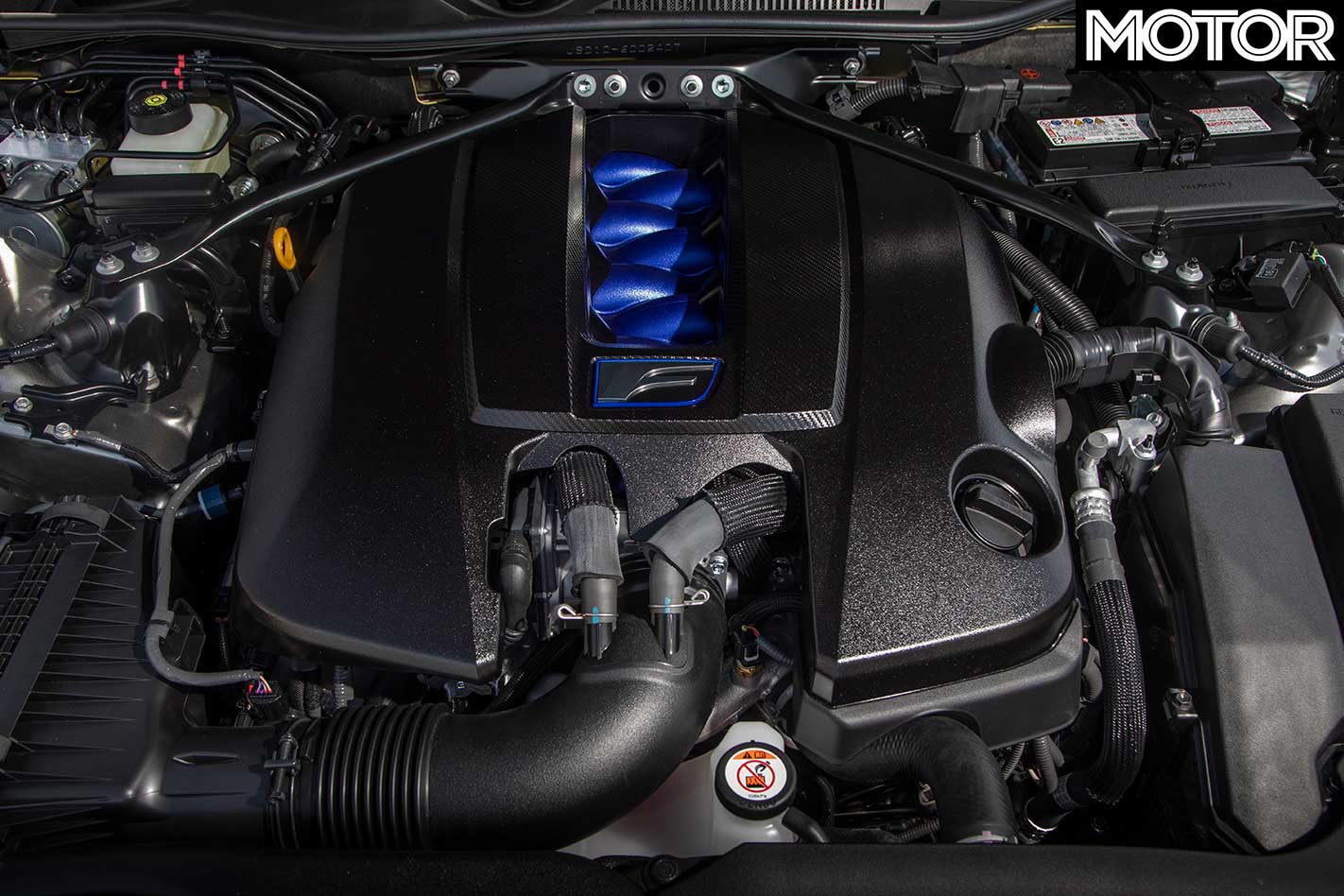
Instead of tipping development dollars into the deep, black hole that is getting more power from an atmo engine, Lexus instead did what it needed to do to make the 5.0-litre meet Euro 6 emissions regulations (it does, impressively) and focused instead on weight. Of which there was plenty to work with.
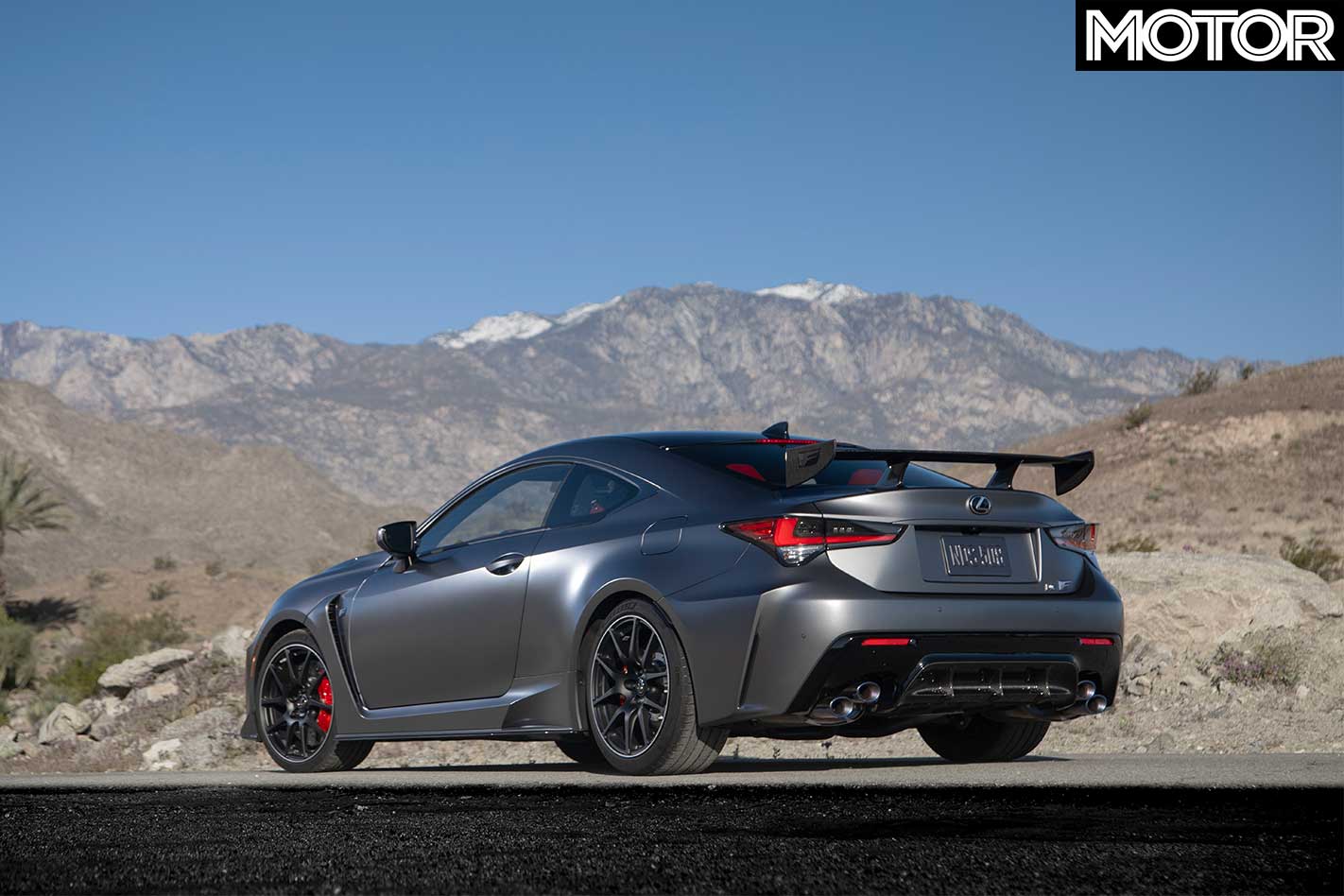
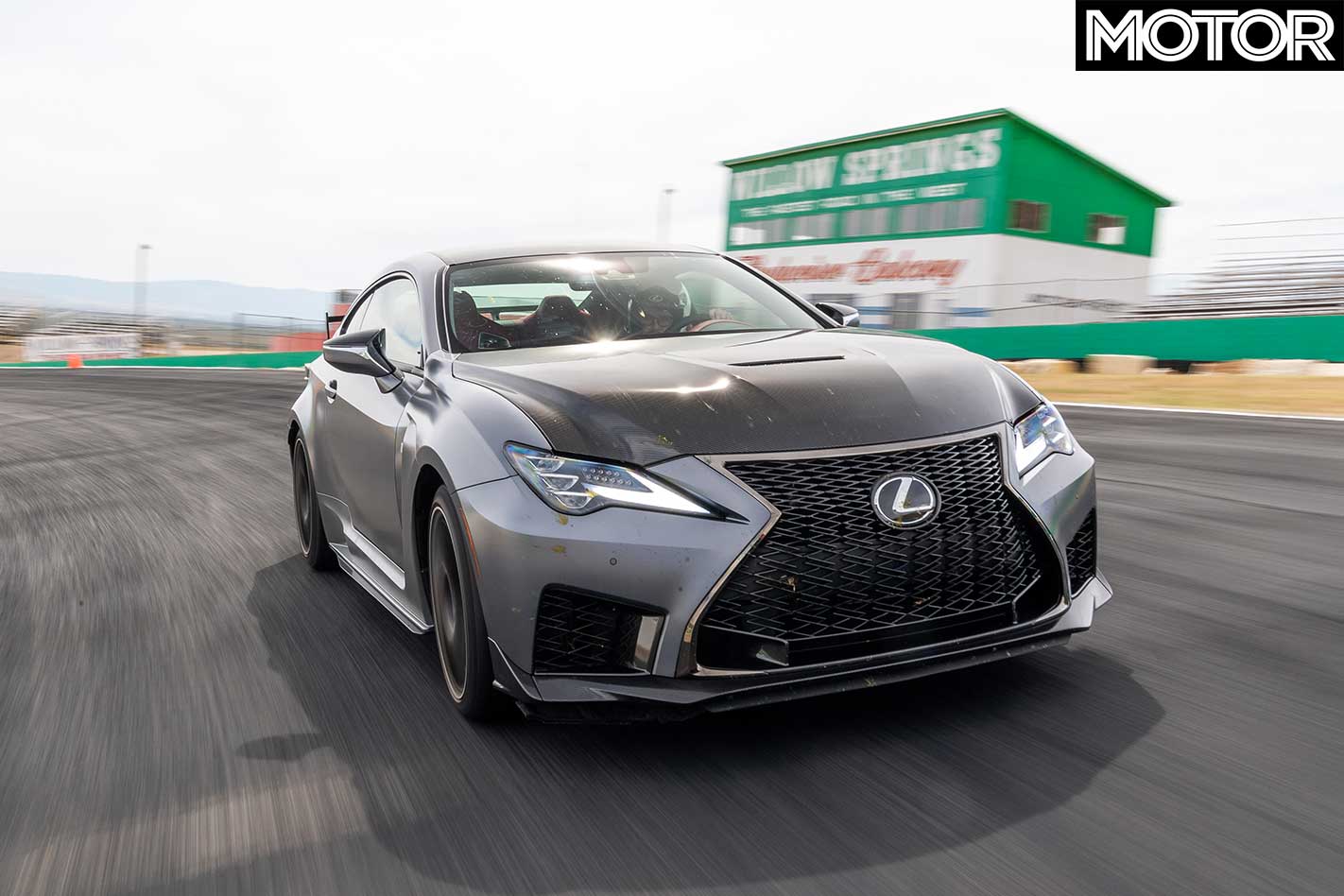
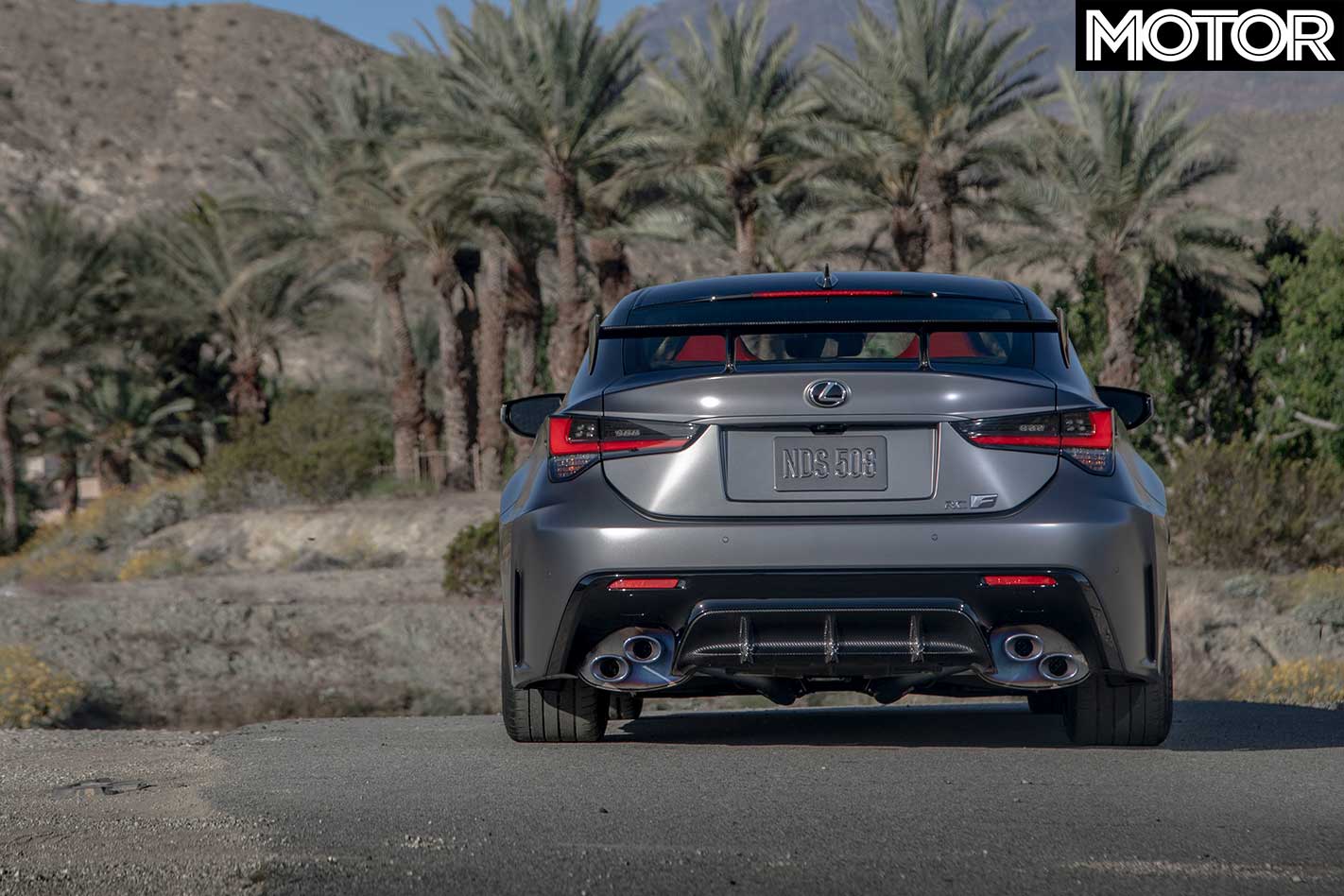
This is where the Track Edition comes back in. Turning to its experience with carbon fibre, gained from the LFA, Lexus has lavished the beautiful glossy black weave all over the Track Edition – the bonnet, roof and a new, gorgeous, almost artful fixed rear wing are all CFRP.
The wheels are spindly, forged BBS items hiding huge carbon-ceramic brakes (together reducing unsprung mass by 25kg), while the exhaust is now made from no less than titanium (saving 6kg), the tips with the trademark blue-purple discolouration.
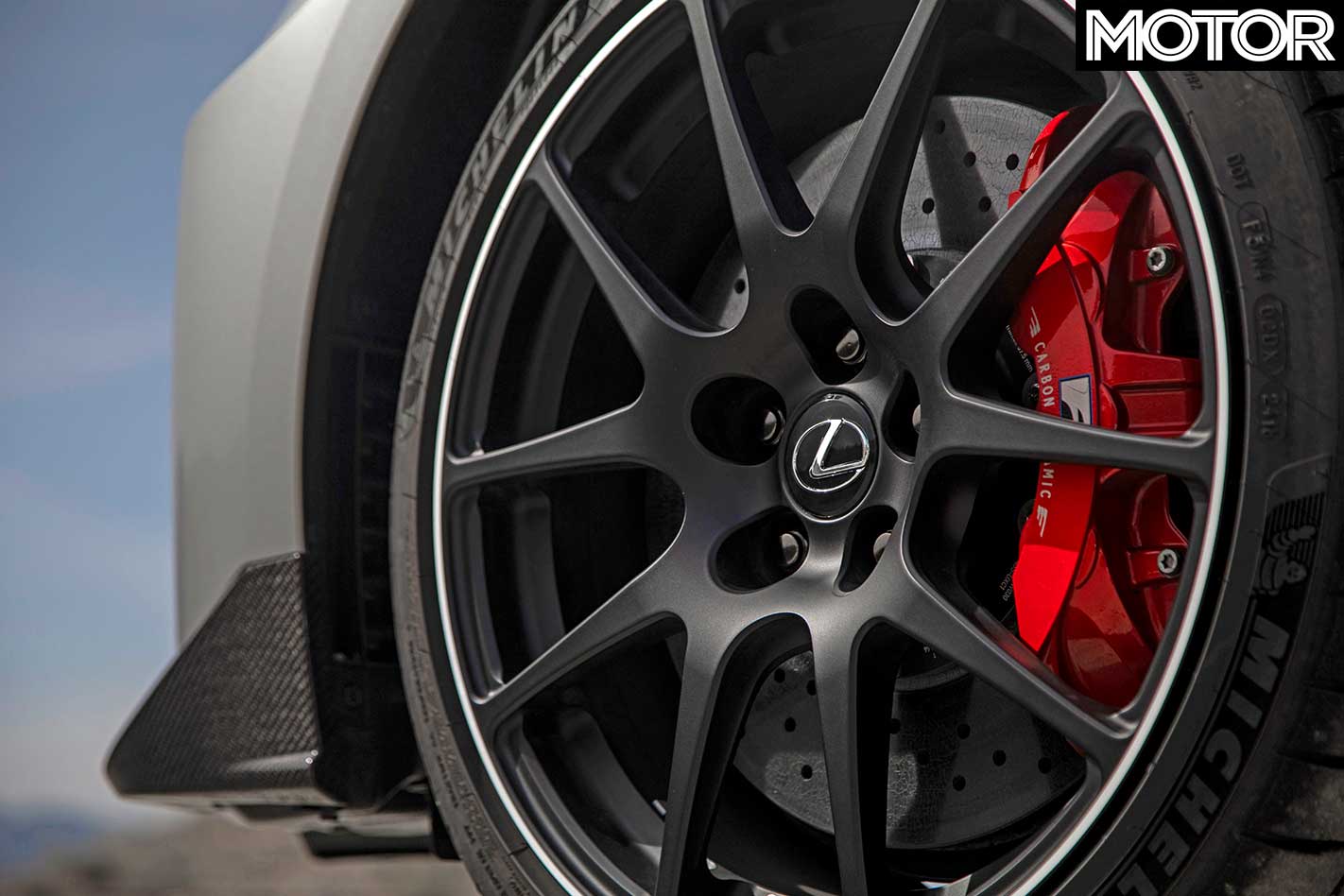
Lexus has also ditched the computer-controlled electronically locking ‘TVD’ rear differential for a simple Torsen mechanical LSD, saving approximately 35kg alone. With other small gains like a lighter, manually adjustable steering column and a newly hollow driveshaft, the RC F Track Edition’s weight has dropped 65kg to 1715kg – less than, the Japanese engineers will smirk, rivals like the Mercedes-AMG C63 S Coupe or Audi RS5 Coupe.
The Track Edition treatment improves the RC F’s power-to-weight from 197kW/tonne to 204kW/tonne, equivalent to another 12kW from the engine, forgetting all the other gains made in ride, handling, braking, economy and consumables likes brakes and tyres. More so, though, the gains are harder to measure in moving the RC F’s weight distribution in the right direction – backwards and downwards – with a focus on crucial unsprung weight.
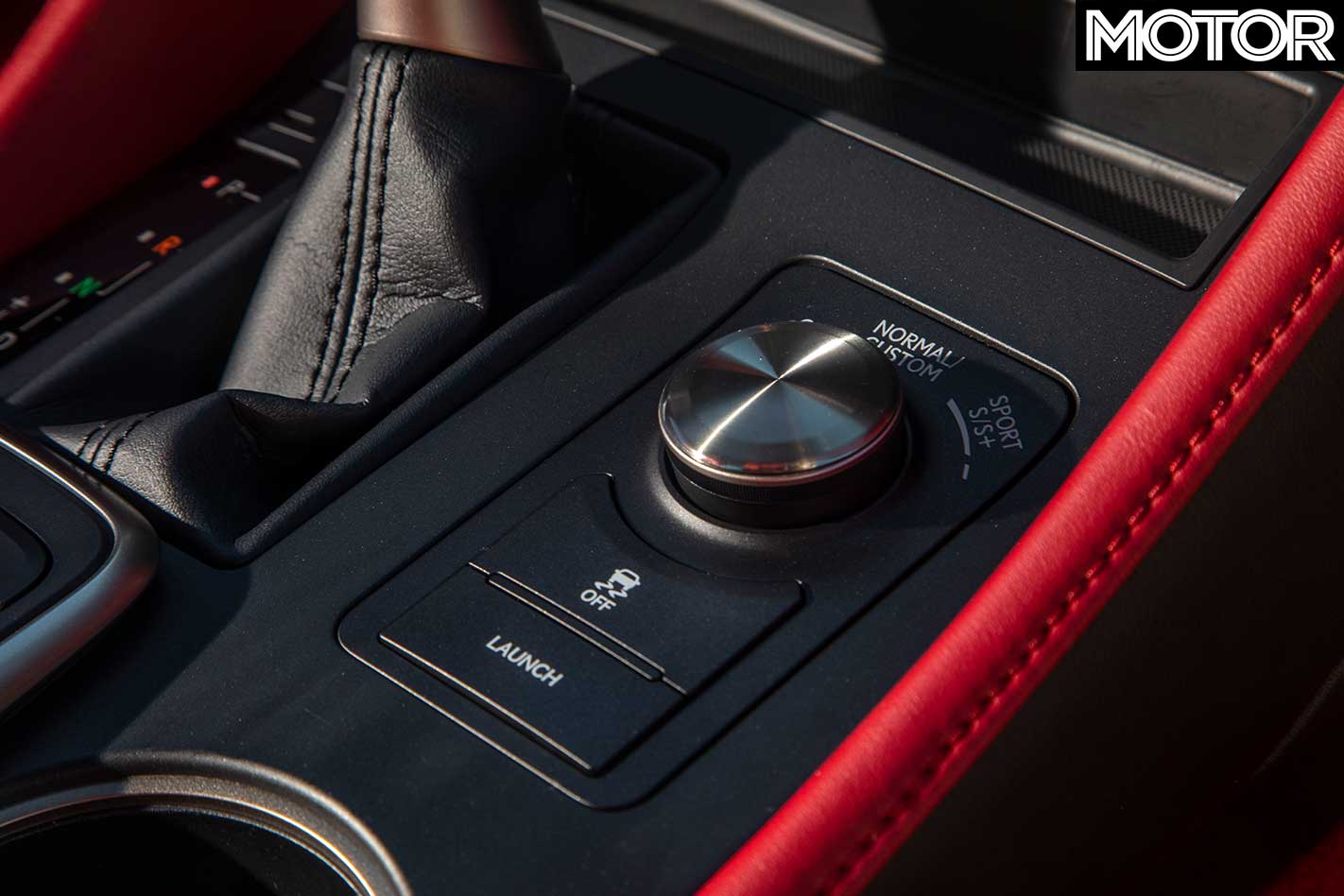
The torque converter auto now has launch control, too, the 0-100km/h time a claimed 4.3sec, two tenths quicker than the old RC F. The Track Edition also uses a passive damper set-up in place of the adaptive units of the more plush ‘base’ RC F.
Together with the new headlights – featuring DRLs that look like a swish of a samurai’s sword – the weight-saving measures are highly visible from the outside, creating a busily styled, but undoubtedly aggressive Japanese sports coupe with clear motorsport DNA – and one with some serious on-road presence.
Today, though, we’re only driving it on a track, which does seem fitting for a Track Edition. Willow Springs, about an hour and a half from Los Angeles, USA (Lexus is ostensibly more an American than Japanese company) is one of the oldest racetracks in the States. Its configuration has not changed since it opened in 1953, four kilometres long and nine turns, a former test track of CART during its halcyon days of the 1980s and ’90s.
This is a fast track; it’s a bit like combining the speed and long corners of Phillip Island with the tired, bumpy surface of Calder Park. And then made to look like a giant version of Wakefield Park dropped on the side of a bigger hill, in a dry and desert-like environment. Like Alice Springs.
Sitting in the RC F Track Edition is a bit like going back in time, the loud red and black treatment reminding us of the days Ford and Holden used to do the same with its own hotted-up Falcons and Commodores, many moons ago. There’s a curious blend of Toyota-derived bland switchgear and fonts combined with youthful, PlayStation-esque TFT graphics like the tachometer and instruments. And it’s just as well we’re on a track today and don’t have to interact, at all, with the notoriously fiddly infotainment system.
Blasting out of pit-lane, we are liking the RC F Track Edition almost immediately. Passion and effort is obvious everywhere, from the interior and exterior styling to the enthusiasm and noise of that atmo V8. If the RC F Track Edition was a person, it’d be very easy to like the cut of their jib.
The enthusiasm extends on track. The RC F feels energetic and agile from the off – a poofteenth more than what we remember of the old RC F – accelerating with a deep, loud, V8 intake note bubbling up as if from within the dash itself. In this age of turbochargers we forget that intake noise used to be a thing. The RC F sounds great, a highly strung, high-revving bellow making it in no way surprising the fact the engine was co-developed by a motorcycle company, Yamaha. This is indeed an engine that wants, and needs, to rev.
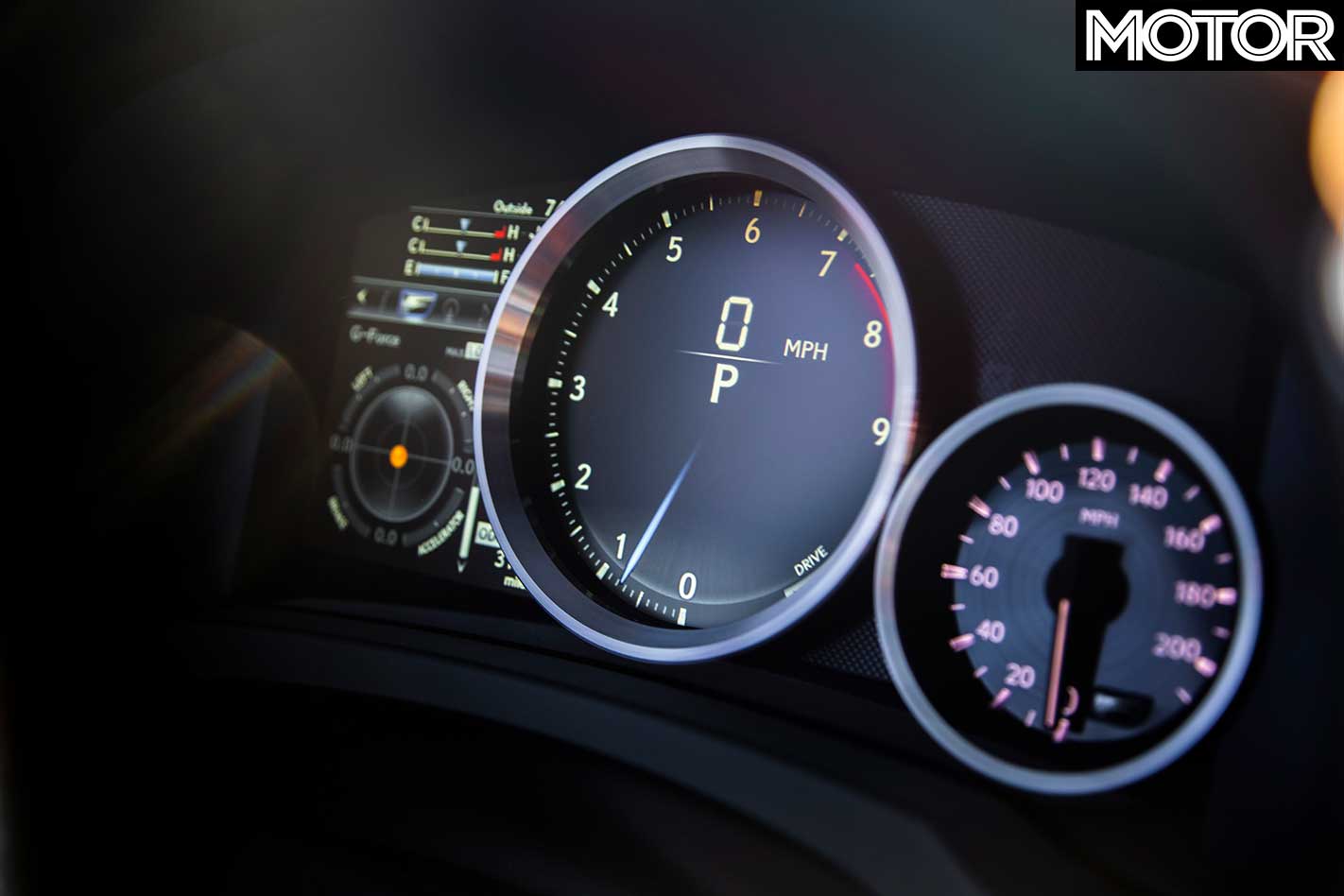
First big brake application and the carbon ceramics bite hard with confidence, although there is straight away the impression you need to be sensible about where you’re starting to brake from. The RC F Track Edition, with its free-revving engine – as if taken from a lighter car – can lull you into a false sense of security about how much it weighs.
It’s the grip of the new, specifically developed Michelin Pilot Sport 4S tyres that creates this sense of complacency. Lateral grip levels are through the roof, concealing just how much weight is moving about and making the RC F feel, mid-corner, about 100kg lighter than it is. Hence the need to remind yourself, as you barrel down the straight, that banzai braking is not as possible as the lateral grip of the last corner has led you to believe.
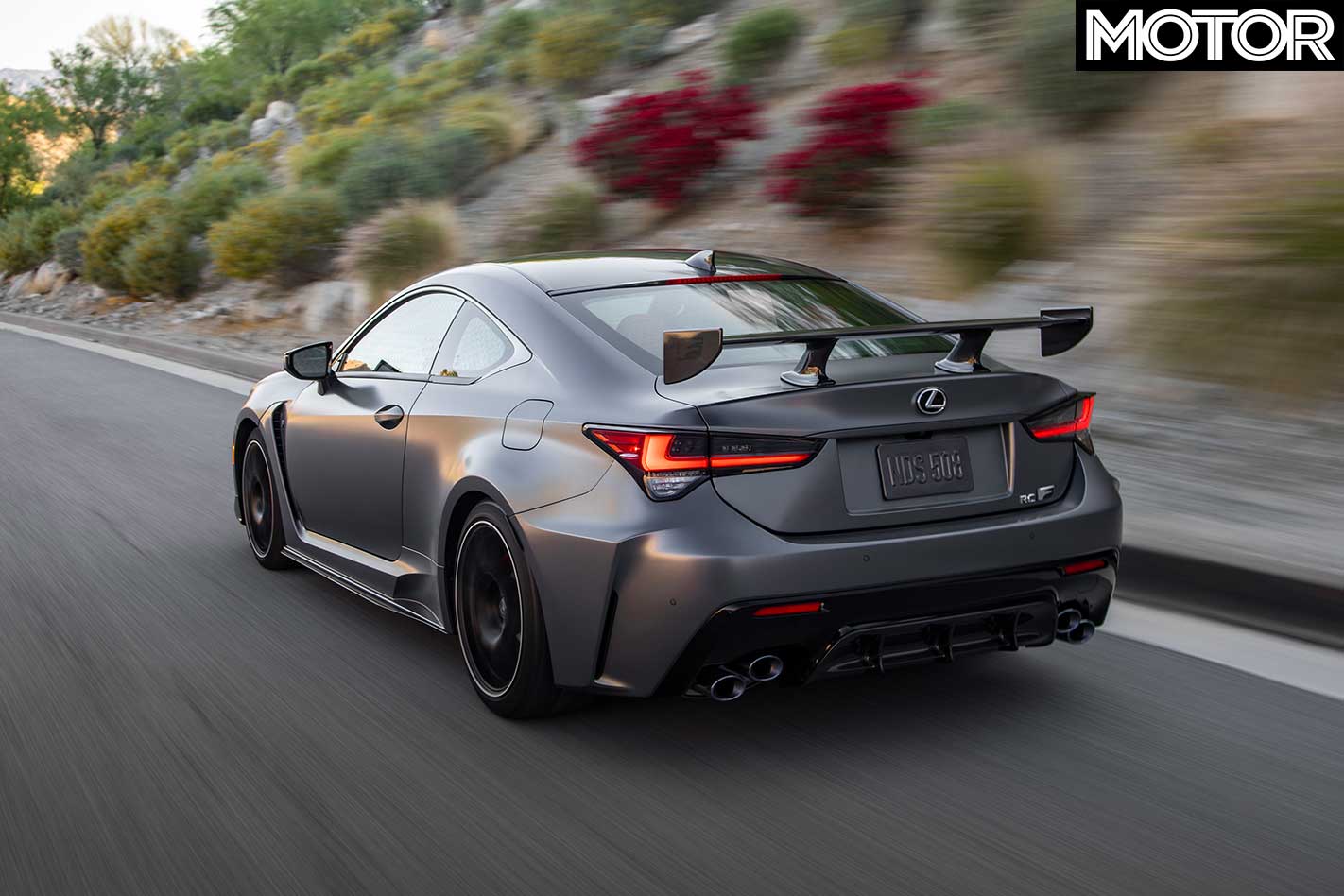
Front end? Does the job. The steering is quick of rack, sharp and eager, but typically numb and a bit forgettable to use. The transmission has come a remarkably long way, quick up the gears and not too bad back down them, but this is no twin-clutch ’box. Fortunately, it is super smooth at regular speeds.
Aero is not a thing on this car as well. The rear wing does create some downforce, Lexus says, although you’d be hard pressed to notice anything other than some extra stability at top speed on a German autobahn. Unlike something like a GT3 RS, which makes Cup Car-rivalling downforce, you are not emboldened to ‘hold it flat’ through faster corners where your brain is telling you not to. In the Track Edition it is still wise to listen to that voice.
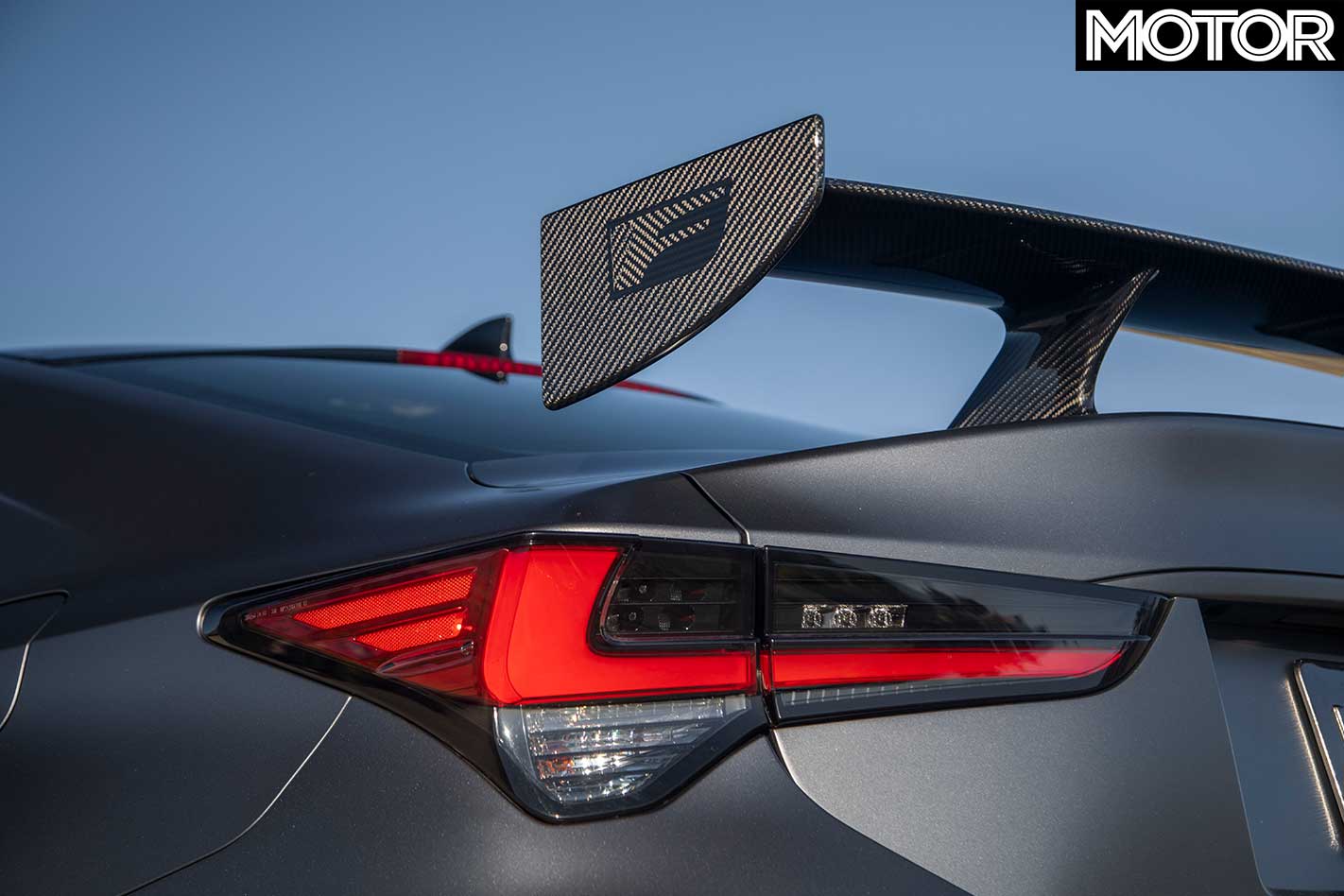
Belting around in the Track Edition, a few other things become apparent. First, longevity – on a warm day the RC F never gets upset, letting you go lap after lap at full noise, no issues whatsoever. The carbon ceramics hold up well, and no doubt the whole shebang is helped by a newly fitted transmission oil cooler. If a so-called Track Edition must be able to spend a whole day, no sweat, at a track day, this one ticks that box.
Another thought is the attitude you must bring to this car. It has a plush, full leather interior – and it is not a Porsche 911 GT3. Nor is it, frankly, a car the experienced track day addict buys to chip away at their PB, as the RC F’s omnipresent weight leads it to wilt if you are looking to spend most of your time at the very ragged edge.
No, it pays to keep in mind the philosophy of this car’s creator, which we are told about between sessions. Yuuichi Tsurumoto, chief engineer, likes throttle-steer, is big on playfulness, a classic-feeling mechanical limited slip diff, old-school passive dampers and in creating a car for someone who is new to track work. And the RC F Track Edition fits that bill easily.
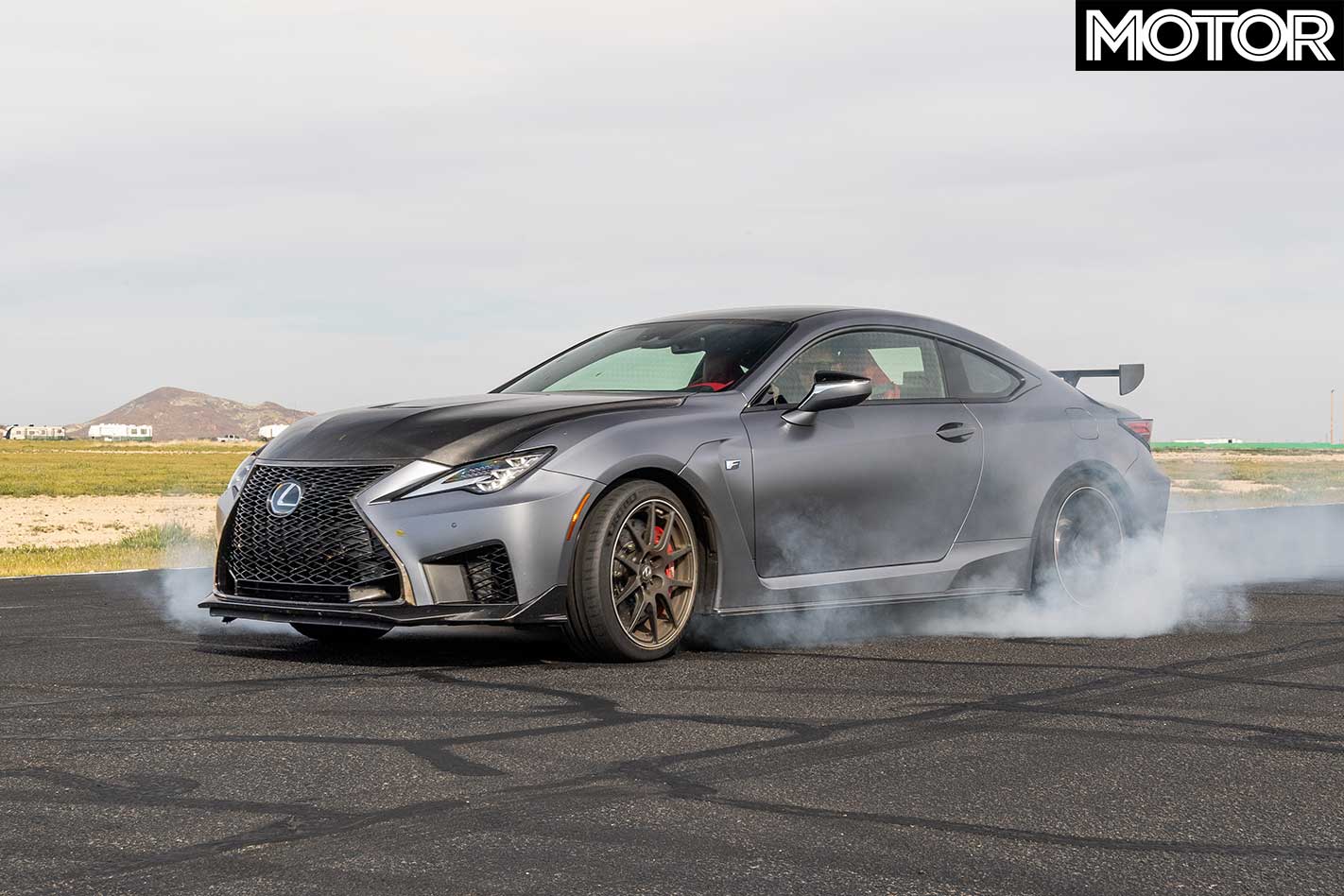
This is one of those cars that works hard to please you, and you end up liking it, even though you know it’s not objectively the best gadget around. It’s fast, but it doesn’t turn the knuckles white under acceleration like a BMW M4 or AMG C63, nor does it fry its rear tyres as easily as these cars.
In fact, on anything but a flat, or downhill corner, you will need to work fairly hard to overcome the grip of those Michelins to get the RC F Track Edition sliding, where a C63 will do it not even with full throttle. Undoubtedly, though, it’s a fun car, indeed playful, and it says much that we did not turn down a single opportunity to get another go in the RC F Track Edition around Willow Springs.
Another remark worth making is a sacrifice you may have to make in order to access the enhanced circuit ability of the Track Edition – ride quality. It seems Japanese engineers can still be a bit old school in approach, when it comes to increasing the sportiness of their sports cars, in that they aren’t shy to simply crank up the spring rates.
Until we drive it on the road we can’t say for sure, but this seems true of the Track Edition, to the point that we almost – guiltily – enjoyed more a base RC F that Lexus also let us drive on track. Its adaptive dampers worked the bumpy Willow Springs surface more confidently, even though its portliness was more obvious and the stock brakes were completely not up to the task. Undoubtedly, the RC F Track Edition would prefer a smoother track like Phillip Island.
Is the RC F just a sumo trying to be a ninja? No. It has proper track credentials, but it bespeaks the car’s actual intended purpose that the suspension is not a bit adjustable – a la other track-marketed cars – and Lexus does not offer something like a Michelin Pilot Sport Cup 2 as an option. Your mates in M4s and C63s might give you a hard time about buying an RC F Track Edition, but with less than 10 coming to Australia, the usual twin-turbo German coupes may as well be invisible parked next to the angriest Lexus since the LFA. And for some, that’s all that matters.
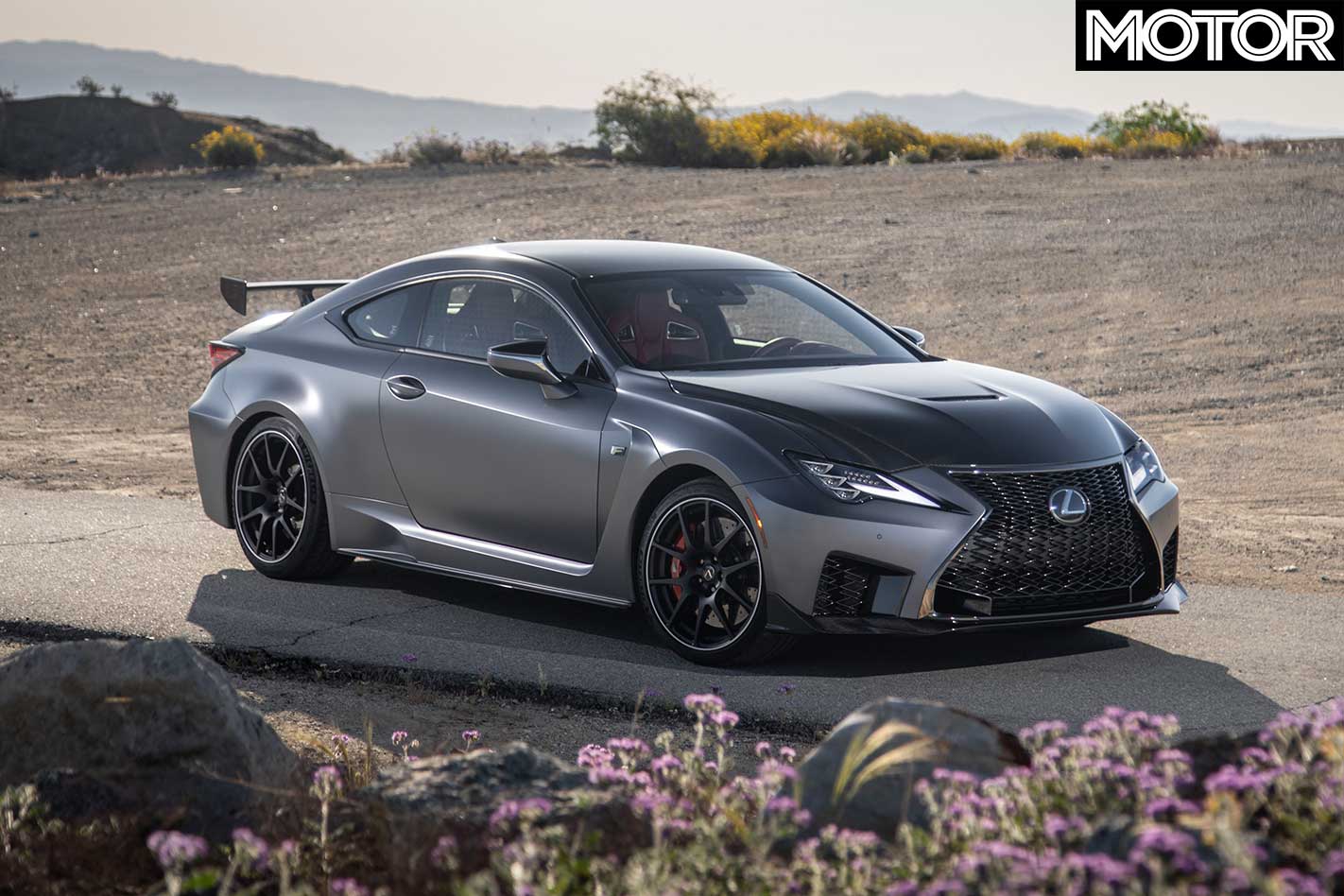
FAST FACTS 2019 Lexus RC F Track Edition BODY: 2-door, 2-plus-2 seat coupe DRIVE: rear-wheel ENGINE: 4969cc V8, DOHC, 32v BORE/STROKE: 94 x 89.5mm COMPRESSION: 12.3:1 POWER: 351kW @ 7100rpm TORQUE: 530Nm @ 4800-5600rpm WEIGHT: 1715kg POWER-TO- WEIGHT: 204kW/tonne TRANSMISSION: 8-speed automatic SUSPENSION: double wishbone, dampers, coil-springs anti-roll bar (f); multi-link, dampers, coil springs, anti-roll bar (r) L/W/h: 4710/2050/1390mm WHEELBASE: 2730mm STEERING: electrically assisted rack-and-pinion BRAKES: 380mm carbon ceramic discs, 6-piston calipers (f); 380mm carbon ceramic discs, 4-piston calipers (r) WHEELS: 19.0 x 9.0-inch (f); 19.0 x 10.0-inch (r) TYRES: Michelin Pilot Sport 4S, 255/35 ZR19 (f); 275/35 ZR19 (r) PRICE: $165,690
PROS: Fun; noise; response; durability; cool design details CONS: Still feels heavy and a bit old; turbo rivals are quicker RATING: 4 out of 5 stars
Willow Springs Lap Guide
4.0km, nine turns, RC F Track good for 1:37.18 with a pro at the wheel
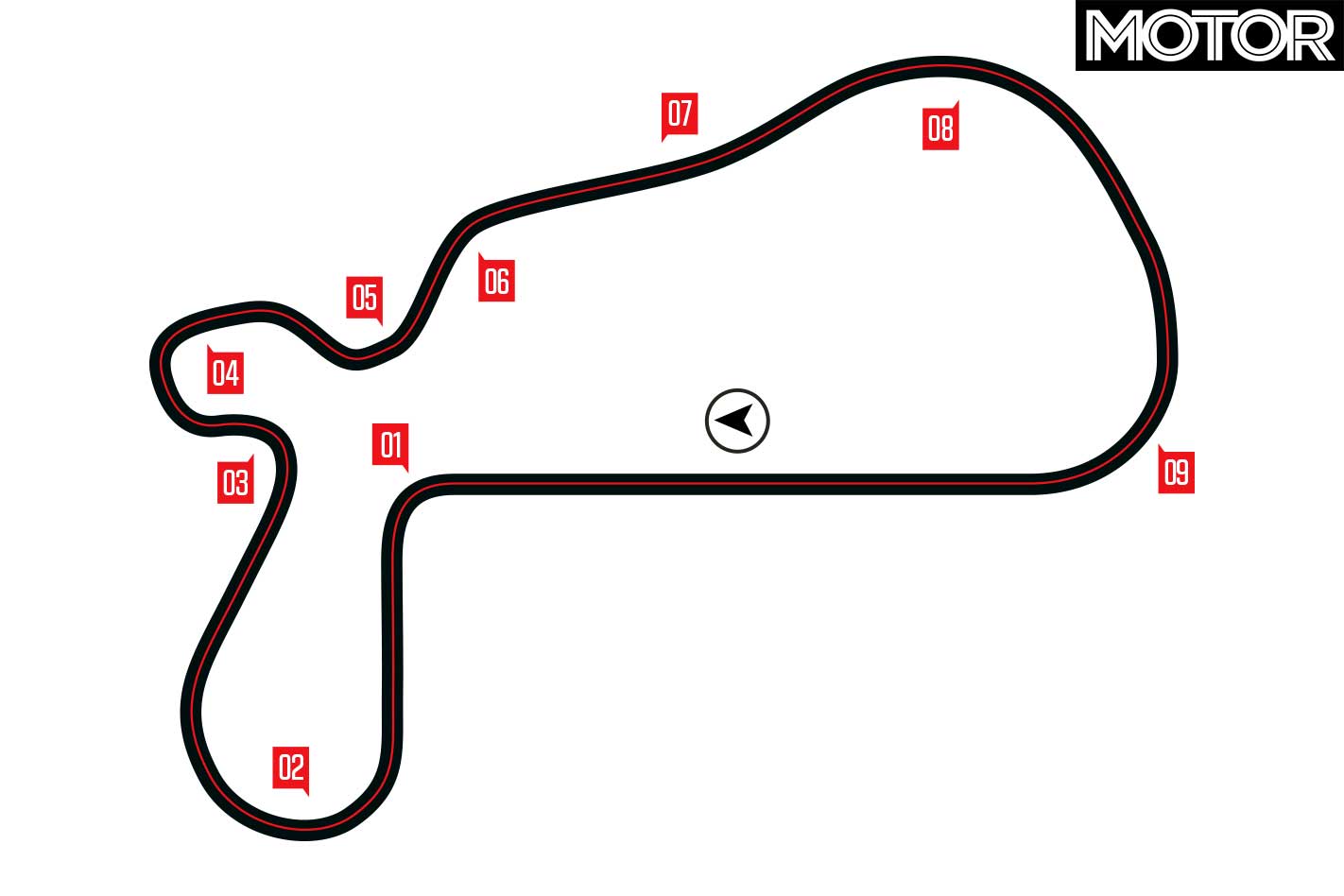
The Start: Turn 1 Braking from 225km/h in the RC F but not too much, leaning into the sticky Michelins and carrying a lot of speed into an early apex. Cracking the throttle aggressively and early as it opens up on exit, letting the car run right out Apex speed: 119km/h
Turn 2 Fast entry, this one goes on, and on, and on. Bumpy, requiring patience and a steady throttle, you could make a cup of tea in here it’s so long. Slightly blind exit, after a few laps you’ll figure out where you can pin the throttle Apex speed: 134km/h
Turn 3 Careful not to brake too late lest the heavy RC F’s front end ploughs wide. Goes up-hill on exit; use this to your advantage Apex speed: 85km/h
Turn 4 Brain says flow the car to the outside of track but actually hug the inside for the run back down the hill Apex speed: 81km/h
Turn 5 Careful of RC F’s fat bum under braking, keep the car a bit straight on the picks, keep ‘in’ and sacrifice exit for Turn 6 Apex speed: 93km/h
Turn 6 Right from the outside aim as straight across the corner as possible. Take a deep breath and hold it flat over a bumpy crest; track drops away but opens on exit, you’ll be okay Apex speed: 142km/h
Turn 7 Distraction as you try to remember Turn 8 Apex speed: 206km/h
Turn 8 Grow some balls. Bumps upset RC F Track Edition and rock your confidence but with bravery you can carry a lot of speed and make up time Apex speed: 184km/h
Turn 9 Corner that a lot of people crash on. Invites you to carry in a lot of speed but then tightens. But critical to get it right to maximise speed for the 800m front straight; feel like a hero when you nail it Apex speed: 135km/h
Aside from the fact that it’s hung, rather precariously, from the roof of a man cave tucked behind a strawberry farm in Cobram, Victoria, the twisted and demented XY body doesn’t look much different to every other clapped-out, rusted-through car carcass you’ve ever seen.
You could easily write it off as junk; a forgettable wreck with faded yellow paint and chipped black pinstripes. Until, that is, you read the sign that’s leant, almost apologetically, against the row of tightly stacked motorbikes parked below.
“This is the remains of the HO Down the Hume” it decrees.
That piqued our interest, too.
Few cars wield such significance in Australian motoring folklore as the Phase III, and even fewer still have the gravitas of the one driven down the Hume, at 141.5mph, by Wheels deputy editor Mel Nichols back in the October edition of 1971.
Mel’s masterfully crafted story, entitled ‘The Biggest Stick!’ remains one of the most significant features published by this magazine, yet the image that accompanied it, snapped by photographer Uwe Kuessner, achieved even greater notoriety. Shot from the backseat, it showed the Phase III’s speedo and Mel’s hands steadfast on the wheel as the then-single-lane Hume highway rushed through the screen.
So controversial was the image that Wheels’ publisher at the time demanded the dials be retouched to indicate a more modest velocity. But when readers finally learned the truth in 1975 – that Mel had run flat out with the speedo off the clock, the 351-cube V8 hard against the 6150rpm rev limiter and the “shaker cranked over in the bonnet by the torque” – it added yet another spark to the so-called ‘Supercar Scare’ controversy that rumbled through the Aussie landscape in the early ’70s.
I’ve been thinking about that ‘scare’ quite a lot this month. It was the inspiration for our ‘They should be banned!’ cover line, which riffs off the public outrage and government reaction caused by the now-infamous high-performance homologation specials being developed by the ‘big three’. It isn’t difficult to draw parallels between the Phase III, the XU-1 Torana, Valiant Charger, and even Ford’s stillborn Phase IV, with our cover stars.
Like their ancestors from the ’70s, the HSV Camaro ZL1 and Shelby GT500 are the pinnacle of their respective ranges. They’re also an astonishing reminder of just how far the modern muscle car has progressed in the intervening 50-odd years.
Where the Phase III shocked with its 283kW/515Nm 5.8-litre V8, its modern two-door cousin has double the power and 50 percent more torque (523kW/865Nm). And where Ford’s ’70s hero could hit 100km/h in a blistering, chassis-twisting 6.4sec, that number now seems quaint as the ZL1 and Shelby reach the tonne in just 3.5. And yes, there is almost certainly a portion of the general public who would deem that level of power and performance outrageous in this era of Nanny States and speed-camera infestations.
Then there’s the rest of us, who think this pair and their ilk are something to be celebrated. In today’s age of electrification and emissions controls, the ZL1 and Shelby are proof that the time-honoured, monster-grunt muscle-car recipe is continuing to thrive, at least for now.
And as for the trashed Phase III that Mel drove? The story goes that after being driven by the press, the GT-HO was stolen in Sydney and disappeared, only to be found by Ford enthusiast Darren Hayes while he was pig hunting on a property near Condobolin NSW, in 2015.
Hayes has done his research and tells us that a process of elimination has him convinced that his miracle paddock find is the stripped and butchered remains of the hero car from Wheels’ most famous photograph. We are following this up, so stay tuned.
One final topic I’d like to address regards last month’s magazine. I’m sure you noticed the lighter paper stock compared to our COTY edition, which debuted our new look and the move to heavier, glossier paper.
The flimsier stock was a mistake, and sadly one outside our control. It was a simple error by an employee at our printing house who fed the wrong paper into the machine. Happily, normal service has resumed this month.
Holden and HSV were giving Ford some terrible stick back at the end of last century. Not only was the AU Falcon a seriously homely son-of-a-bitch, the GM jokers had the mighty 5.7-litre Gen 3 at their disposal. And they weren’t afraid to use it. Clearly, something had to be done. The Ford Tickford Experience (FTE) was that thing.
Even though it sounded like a post-folk blues band, the FTE deal was Ford’s counter-punch to the all-conquering HSV. But right from the off, you kind of suspected Ford was deliberately aiming low. Where, for instance, was the wild body kit? Where was the sky-high power output? Where, in hell’s name, was the sexier XR Falcon front clip with its four headlights in place of the dowdy Fairmont nose?
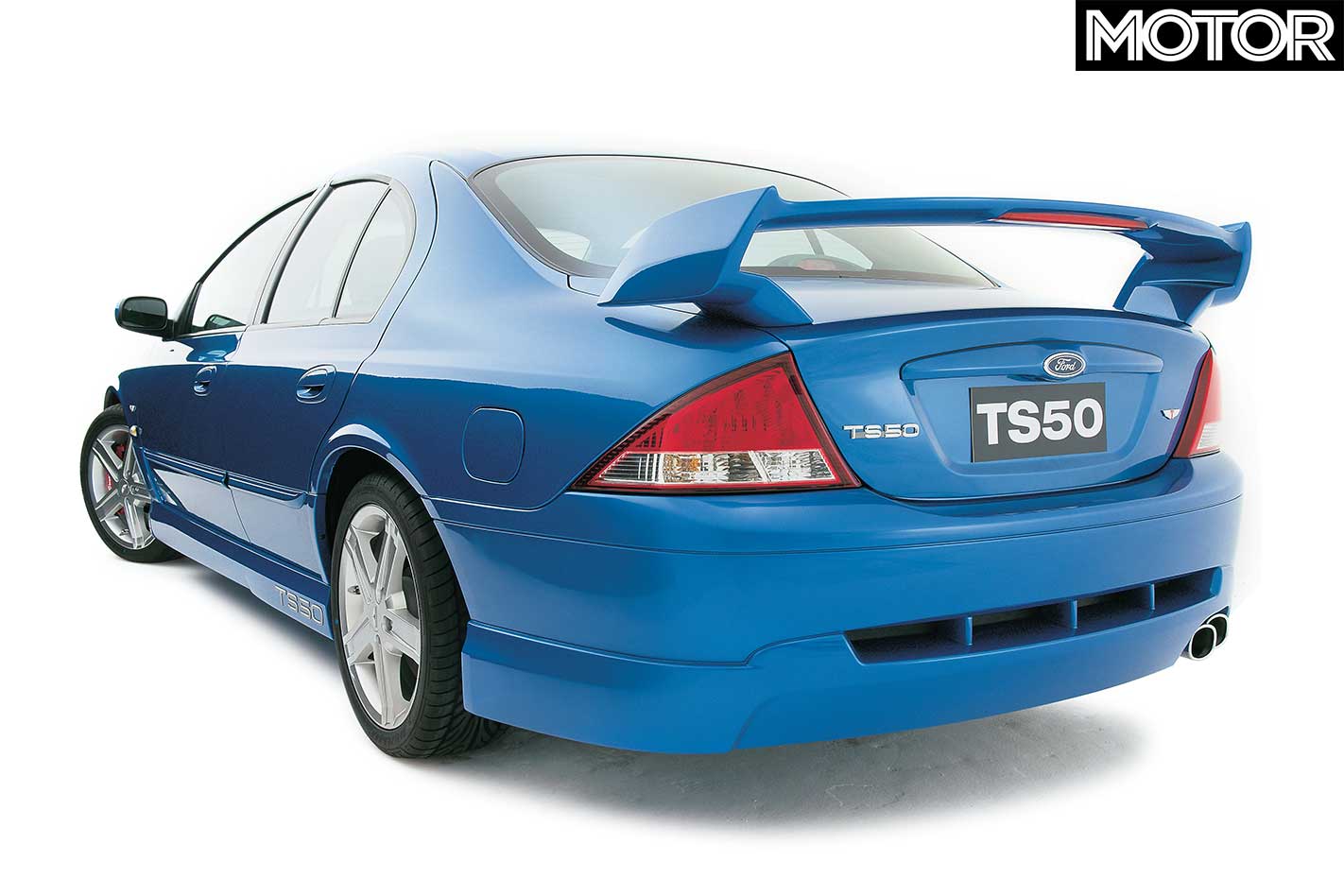
And let’s not forget that it was the FTE cars that introduced us to a local version of paddle-shifters (they were actually buttons and fairly useless, but anyway…) as well as a hand-made, alloy-headed version of the lovely old Windsor V8. And what about the locally developed 5.6-litre stroker that was as tough as anything else local doing the rounds in the first years of the new century?
Meanwhile, with their bigger brakes, firmer suspension and restrained presentation, these cars have emerged to represent the best of the pushrod Ford V8s. That they were based on the maligned AU didn’t do them much good back then, but now, as the AU is being remembered as the best steering Falcon ever, that grown-up demeanour is really working for them.
Used AU Falcon TS50 guide: Body and paintwork
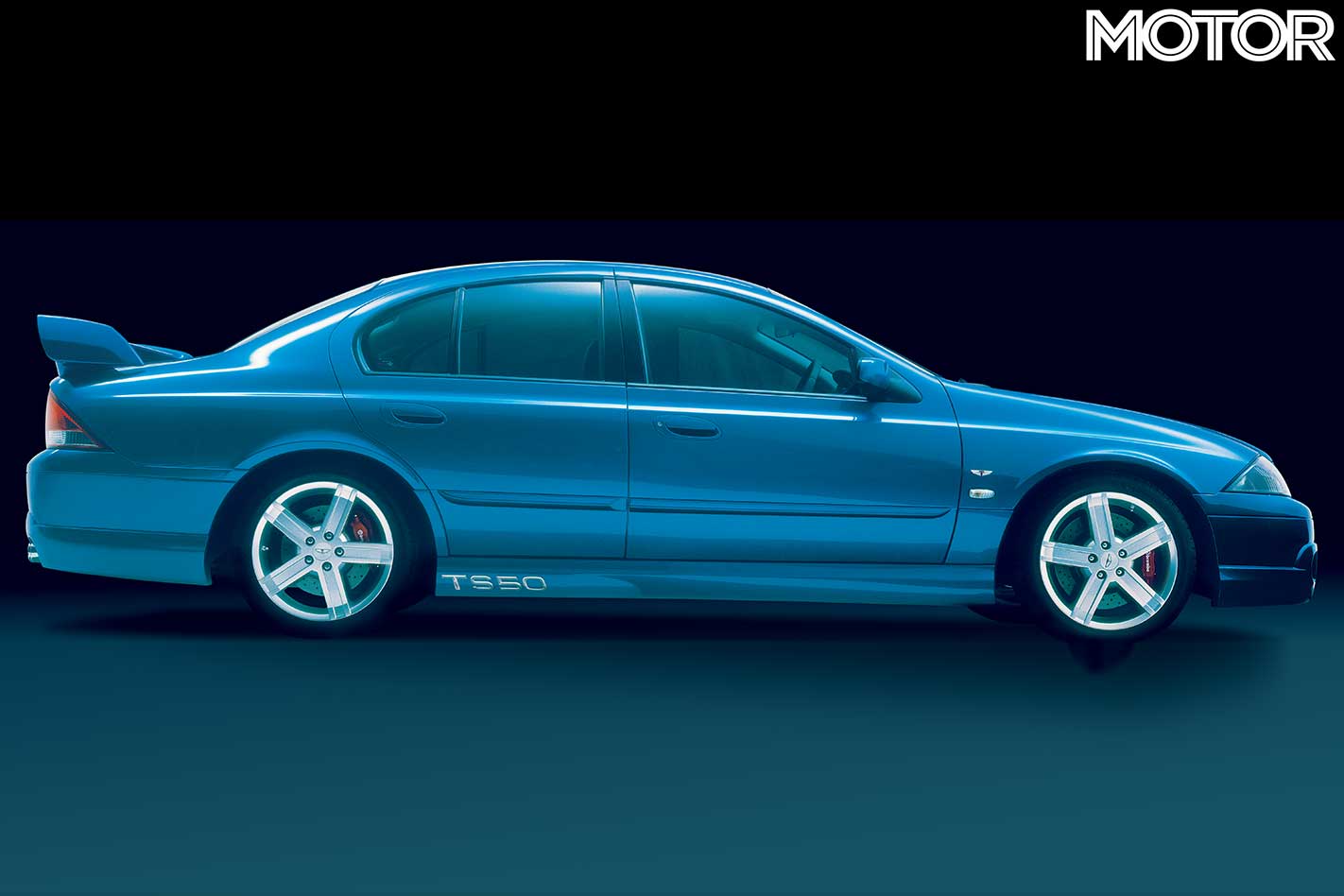
Lots of FTE’s cars were painted in (restrained) metallic colours at a point in history when Ford hadn’t really cracked paint tech. As a result, the paint fell off a lot of these things, so don’t be surprised to find that many of them are sporting a fresh coat of colour. If not, make sure you check the horizontal surfaces (roof, bonnet and bootlid) for early signs of the clear-coat becoming milky or opaque. That’s a sure sign that the paint is breaking down.
Ford’s build quality wasn’t great either, so make sure the panels line up, the crease-lines flow into each other and that the doors haven’t sagged. The slightly domed roof of the donor AU also seems susceptible to denting, so check it carefully.
Used AU Falcon TS50 guide: Mechanical
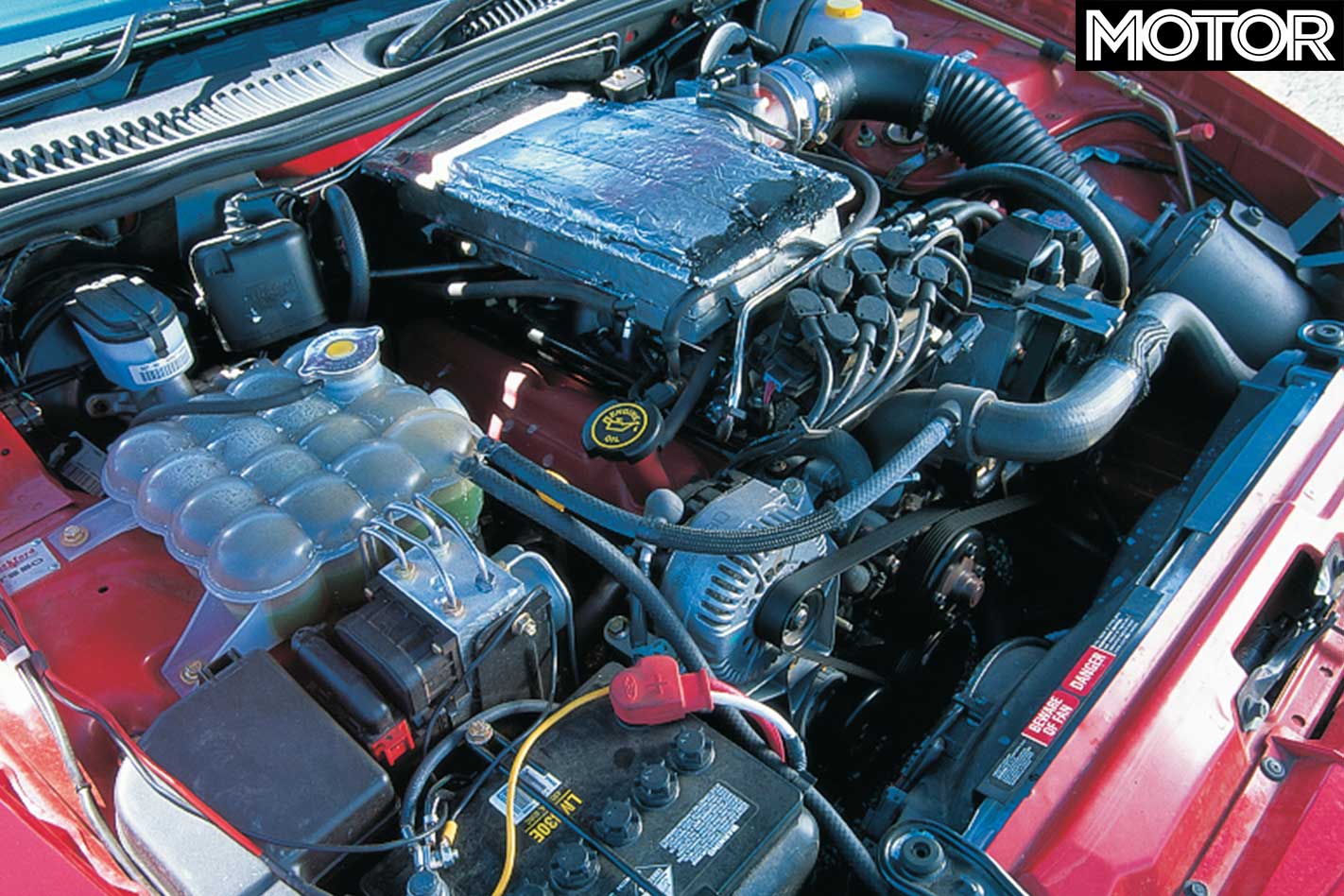
Plenty of XR8s from this era enjoyed a drop of oil between services, but an FTE car shouldn’t. That’s because the stockpile of Windsor V8s Ford was sitting on had been there for years and random engines developed a bit of rust in the bores that meant they were worn before they’d even been started the first time.
FTE’s solution was to strip the engines down, hone the bores and put it all back together as good as new. (The tighter-budget XR8 didn’t get the same love.) But you know what? A compression test would still be on our list of things to do before any money changed hands.
Don’t be put off if the later TS50 you’re looking at doesn’t have the alloy heads that bumped output up to 220kW. These heads were basically a stop-gap measure until a locally modified cast-iron head became available, and they were phased out as the local items came on line.
Speaking of local rarities, the 5.6-litre stroker needs a close going over by a specialist, as stuff like the crankshaft was a specific unit made only in small numbers for this very car. You won’t be tripping over them at Repco.
Make sure the automatic transmission picks up gears from Park promptly and that there’s banging or thumping on upshifts. A car with 170,000 or so on the clock could be ready for a new four-speed auto as this seems to be about the standard lifespan.
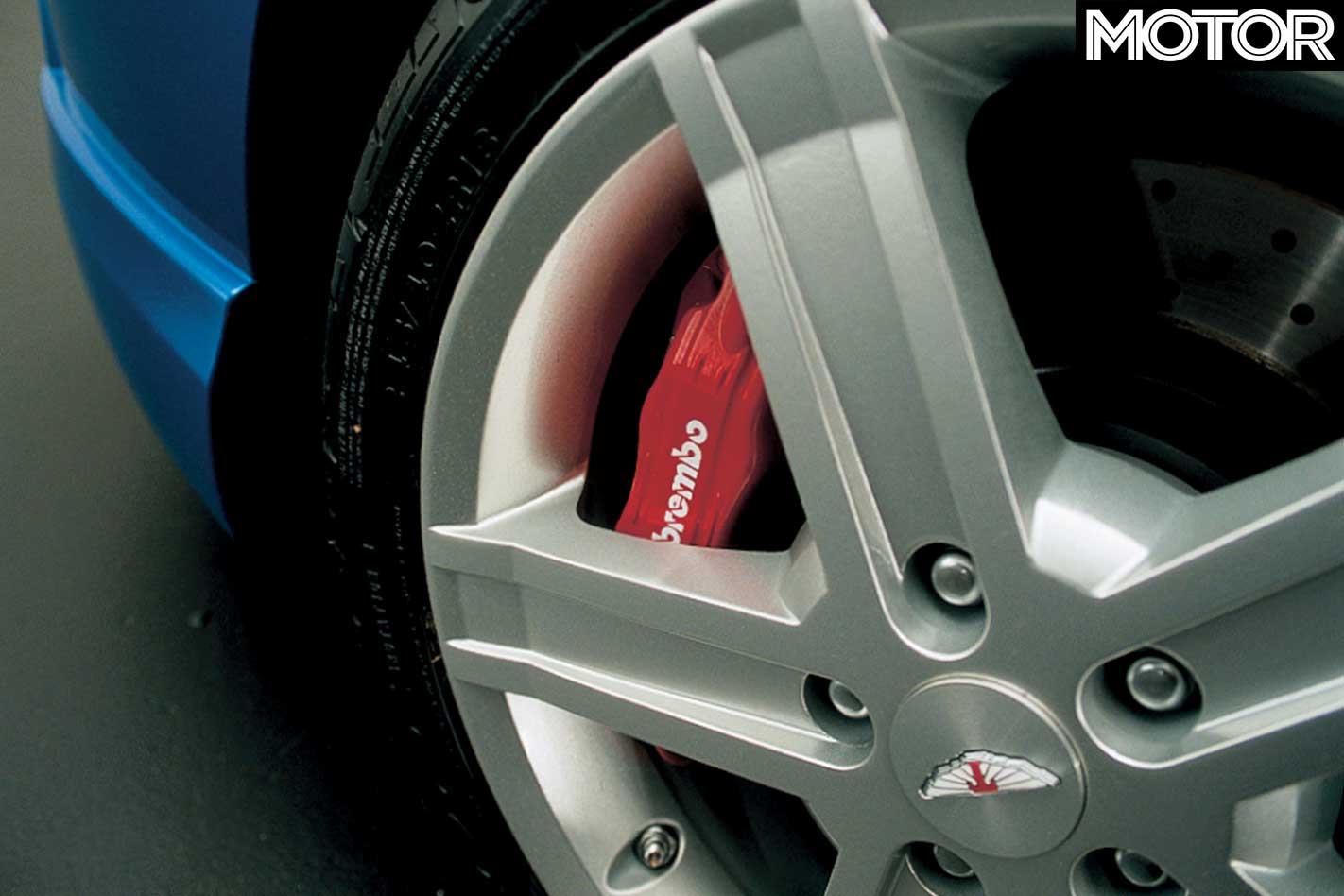
The bigger brakes fitted to the FTE stuff (before the Series 2 when the entry-level TE50 reverted to Falcon XR8-spec stoppers) need specific pads and rotors, so make sure there’s some meat left in them. If not, you’re looking at a decent bill to replace them (although aftermarket replacements are one solution). Reconditioning the calipers is definitely cheaper than replacing them.
Used AU Falcon TS50 guide: Interior
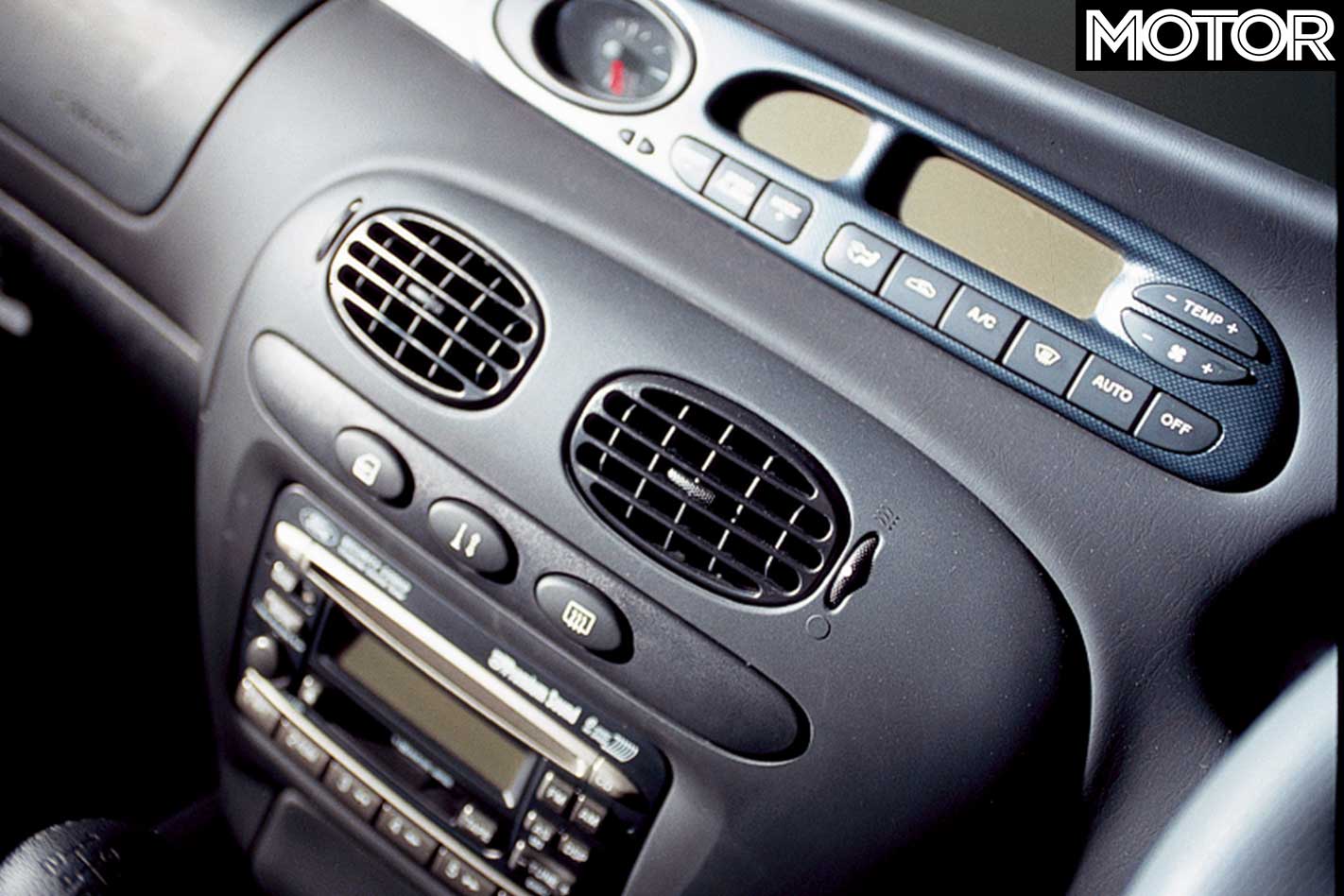
The big watch-out here is the electrical gear. Not necessarily the stereo (although we’d still check it) but more intrinsic stuff like the digital readouts for the trip-computer, odometer and climate-control gear.
There’s more of that sort of gear going on in the up-spec TS and TL50s with their high-line dashboard, but it all needs to be checked for correct operation as missing digits and readouts that intermittently fritz out will spoil the magic.
While you’re there, have a look at the leather trim. Back in 1999 the coloured leather inserts might have looked great (although I don’t remember that being the case) but a couple of decades of ground-in filth might have them looking pretty sad. Car seats are usually black or dark grey for a good reason.
If you want a piece of Ford Australia’s V8 history, we reckon now’s the time to pounce.
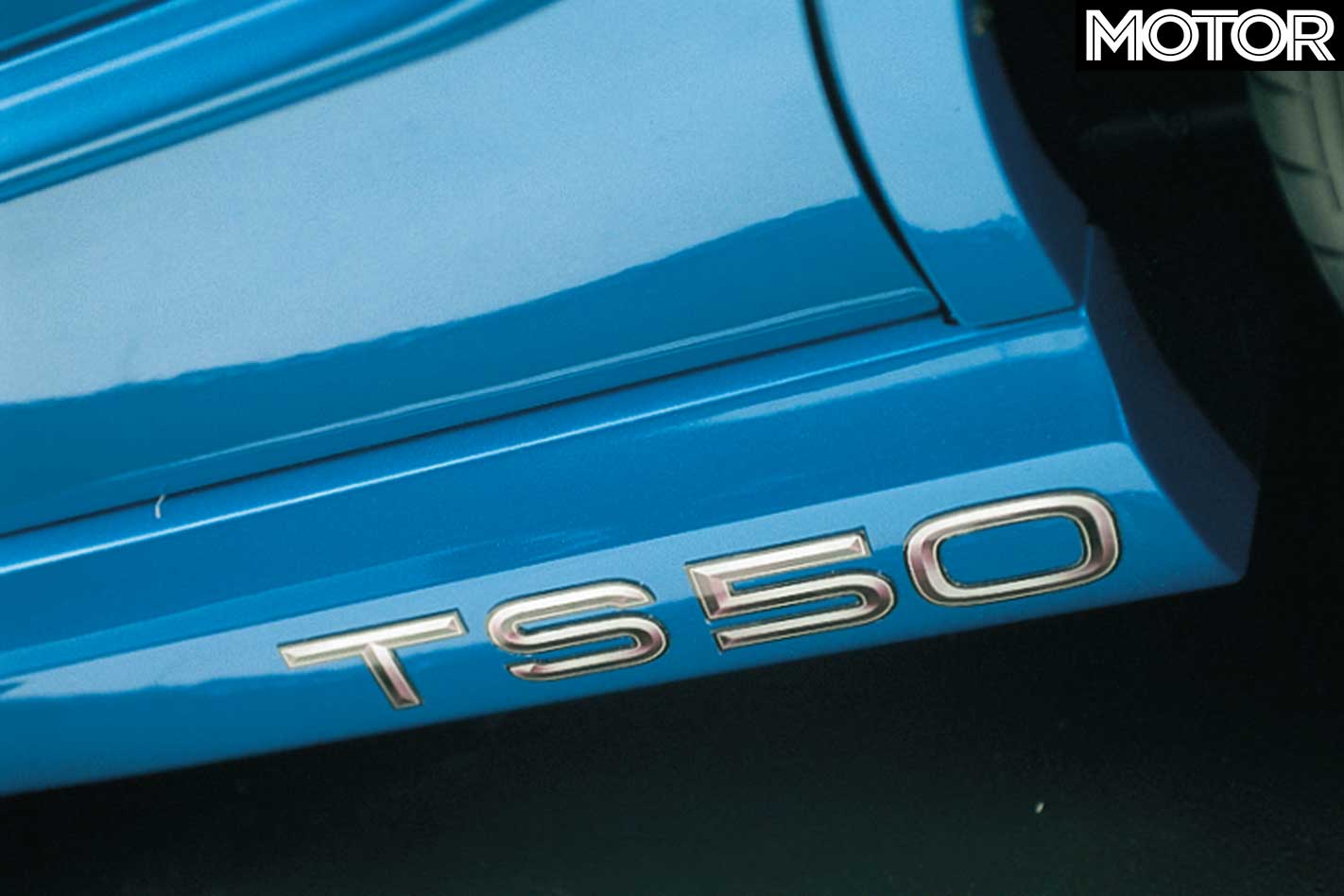
In Specs: FTE T3 TS50 Engine: 5605cc V8, OHv, 16v Power: 250kW @ 5250rpm Torque: 500Nm @ 4250rpm Transmission: 5-speed manual/4-speed auto Current price range: $20,000 to $45,000
Three reasons to buy a T-Series
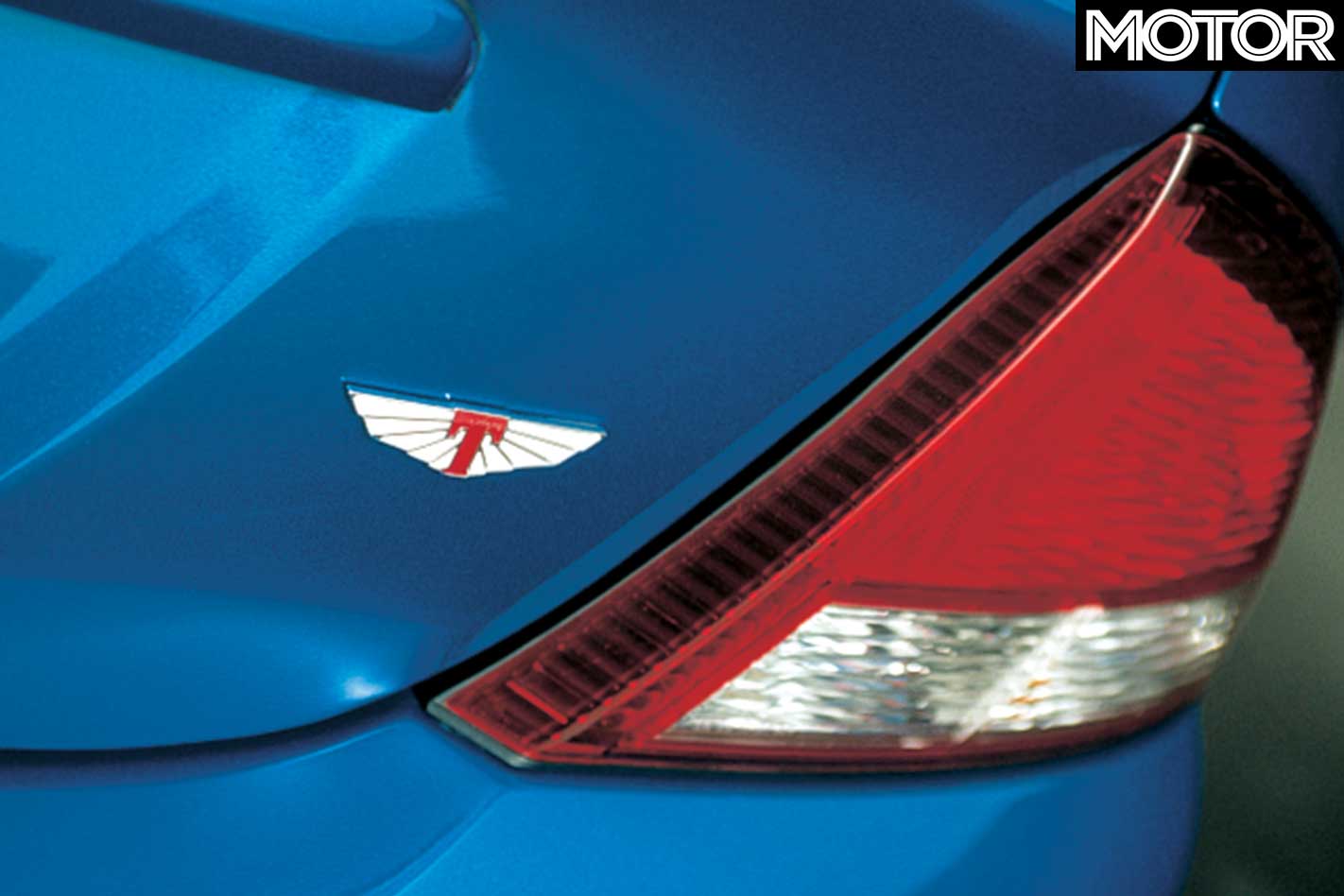
1 – Uncommon It’s rarer than an HSV. You won’t be passing your own car every day in traffic
2 – Grunt Two-fifty kilowatt tune of the stroker was surely the old Windsor’s finest hour. Utterly glorious.
3 – Good Steer Hi-fidelity steering of AU platform means these are some of the best driving Aussie Fords. Ever.
Three other options to consider
HSV Senator
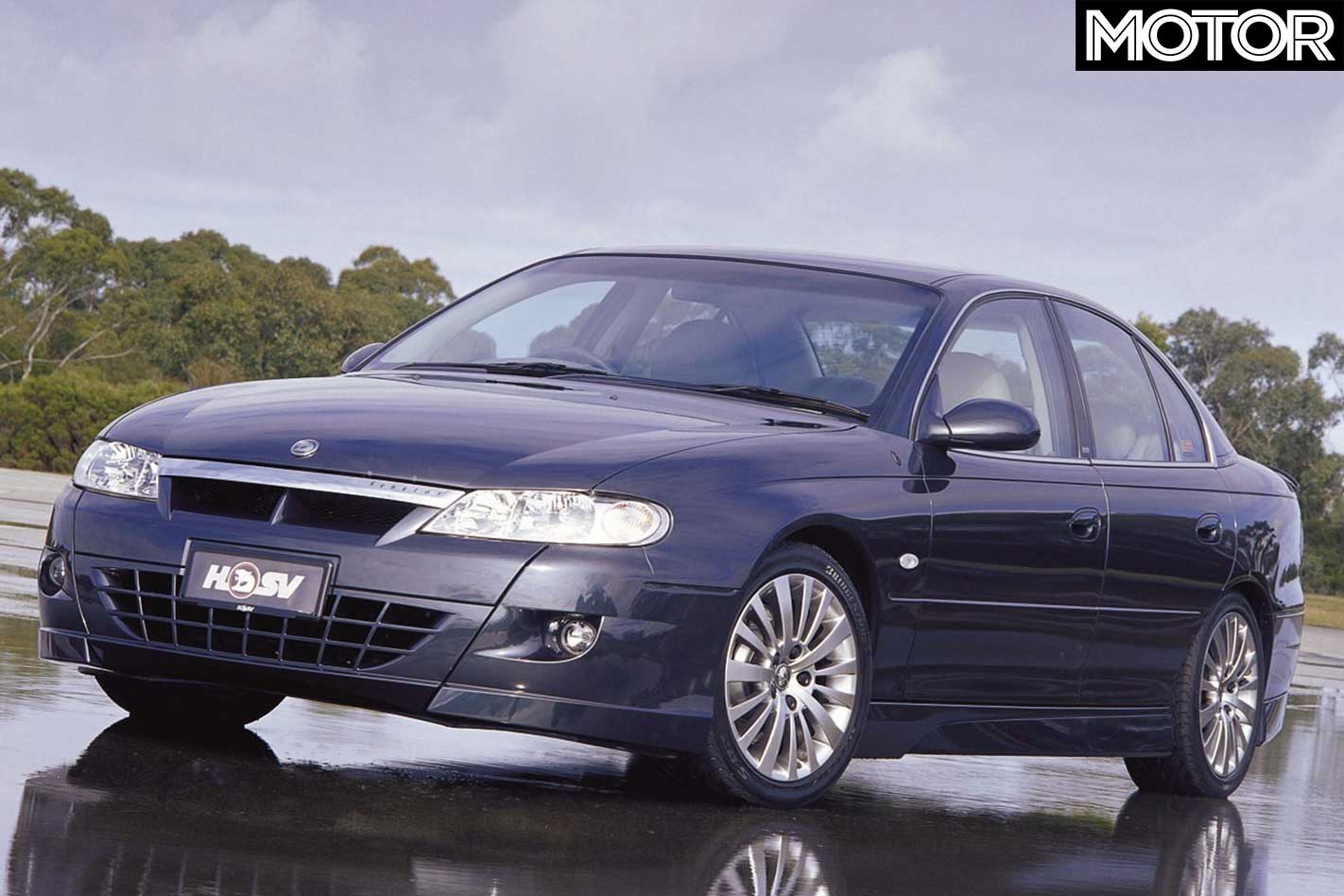
While Clubsport was a bit lairy, the Senator body kit from this era was rather more restrained. Lots of leather, auto trans and plenty of cred make it a bit of a trophy car these days. HSV also slotted in the 300kW Gen III from the GTS for fast luxury.
Chrysler 300C SRT-8
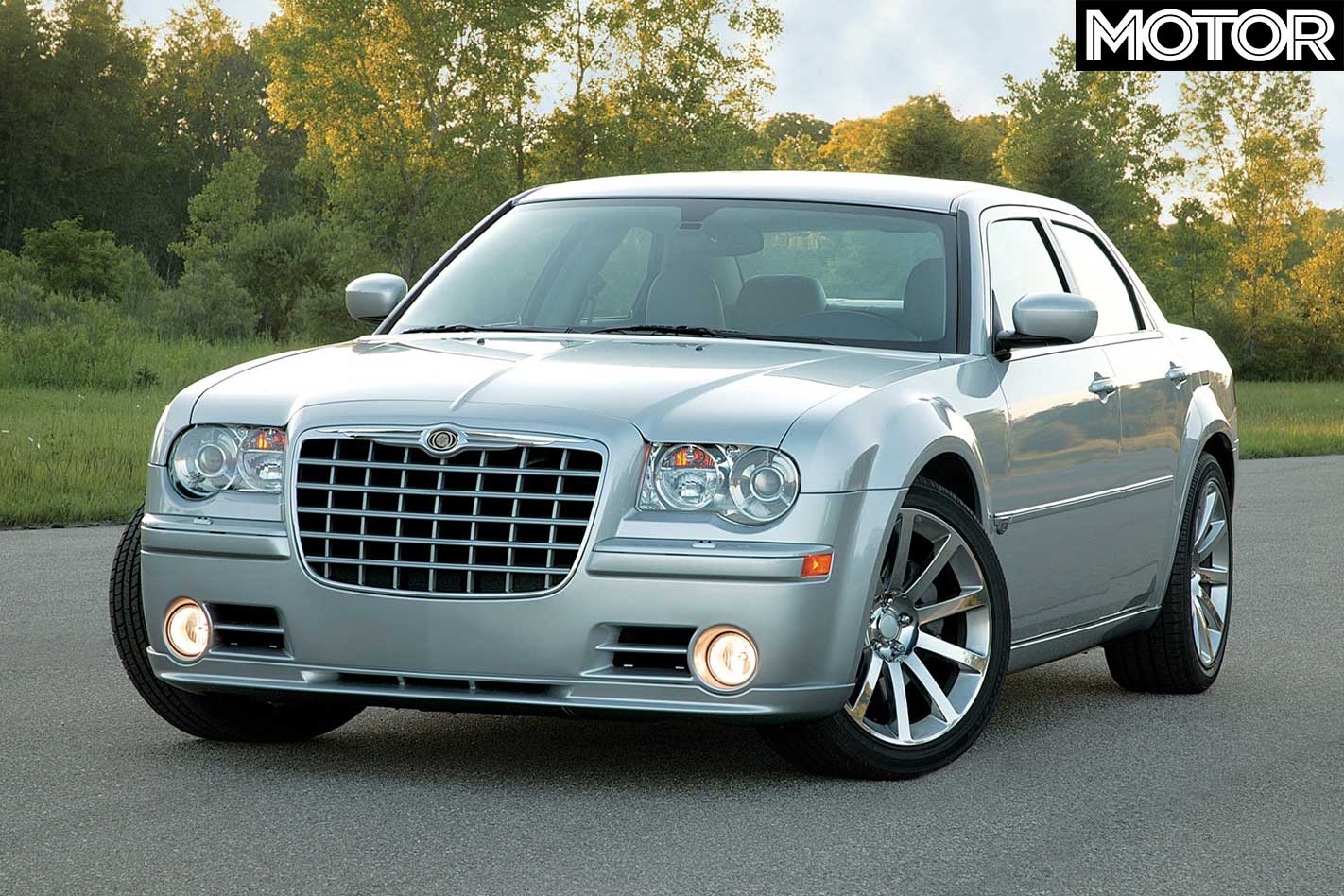
The 6.1-litre SRT-8 didn’t arrive until 2006, but when it did, it gave us a real option to the established V8 luxos. Gangsta looks have actually aged gracefully and the performance speaks for itself. That’s if you can live with the interior…
Ford AU Series 3 Falcon XR8
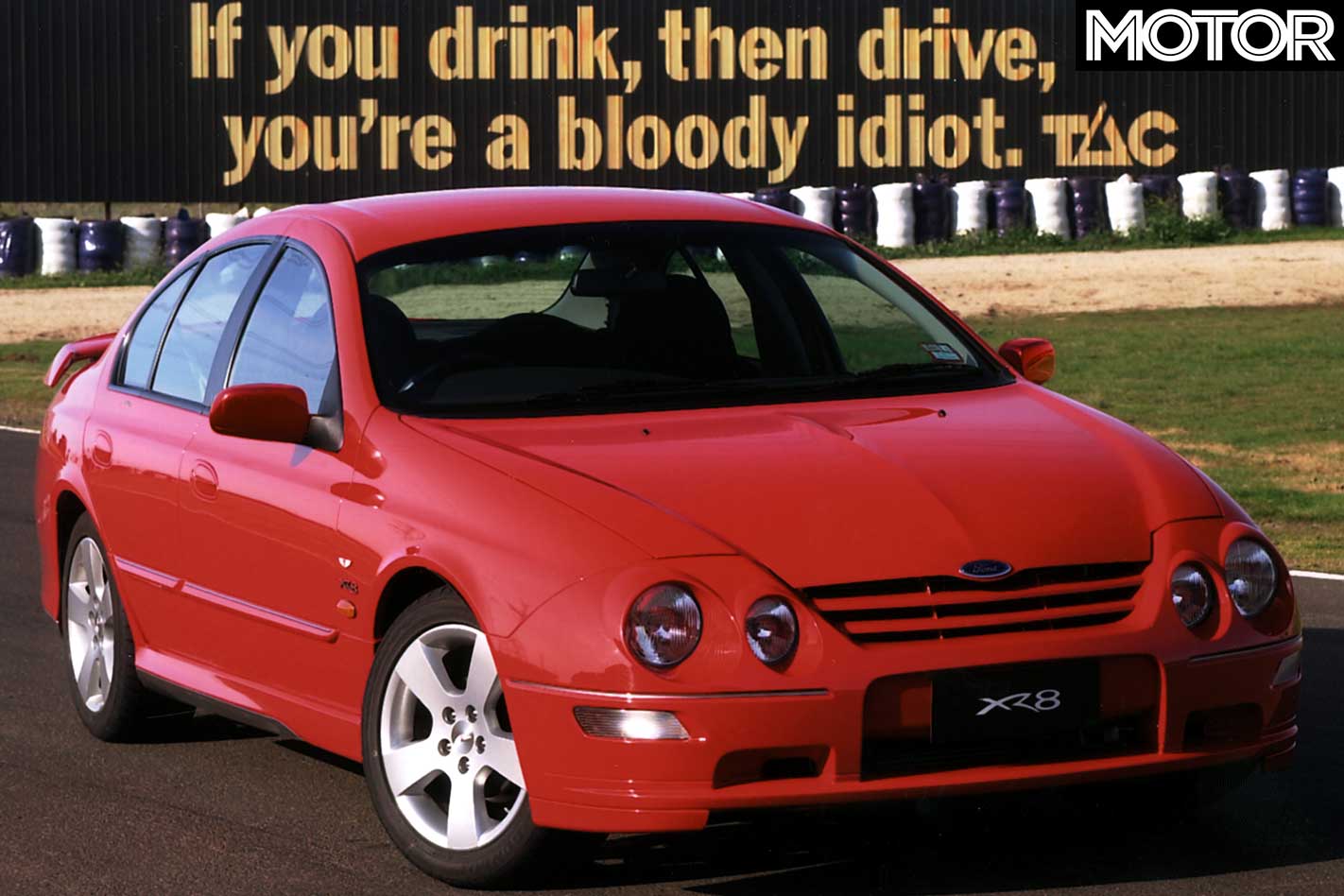
This was essentially a TE50 without the FTE badges. Body kit was better integrated than ever and the XR8 got the 220kW tune for the Windsor. Supple, balanced and utterly under-rated, would make a great second-hand buy.
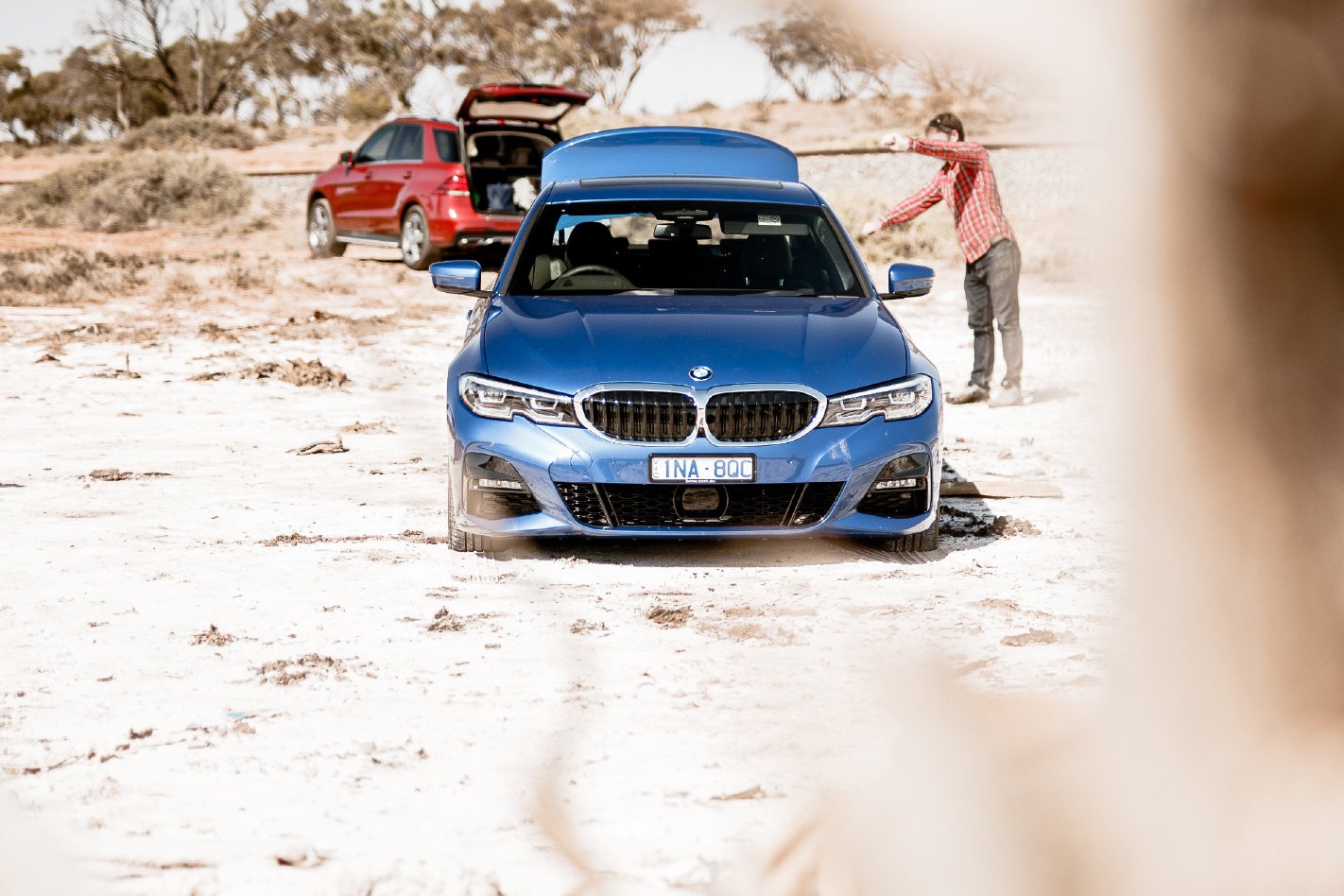
I SHOULD HAVE seen it coming. “Rock solid, this,” claimed photographer Alastair Brook, hacking his heel at the soda crust to show just how implacable it was. The only BMW 330i in Australia, entrusted to us ahead of launch by Munich, crept out onto the playa, inching out just a few metres for the photo before we’d roll it back to terra firma. We couldn’t exactly pinpoint the moment the creme brulee gave way beneath it, but it became apparent after some time that the car was imperceptibly sinking into a pit of brown ooze. This was going to take some explaining.
This was Alex Inwood’s idea. Our gallant editor’s plan was to take BMW’s box-fresh 3 Series and, over the course of three days, cover three states while putting it up against three of its sternest rivals. Granted, he left the route for the big drive up to us, but if the three-state thing was going to work it couldn’t really be Victoria, NSW and ACT. Entirely too pedestrian. The only other viable alternative ahead of the comparison test was the VIC/NSW/SA triple. We ought to get a decent read on the new 3 figured out after 1300km of tri-state testing.
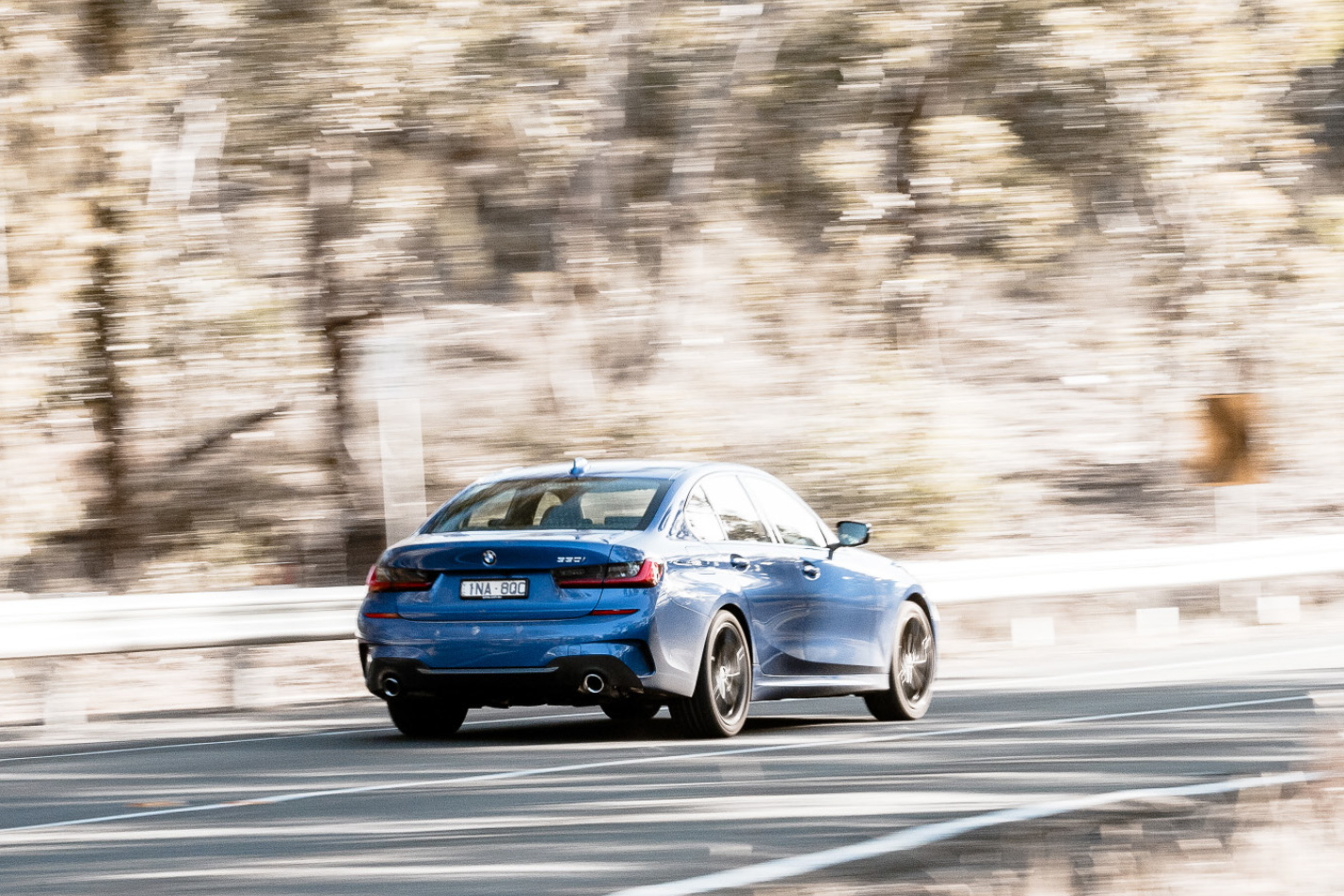
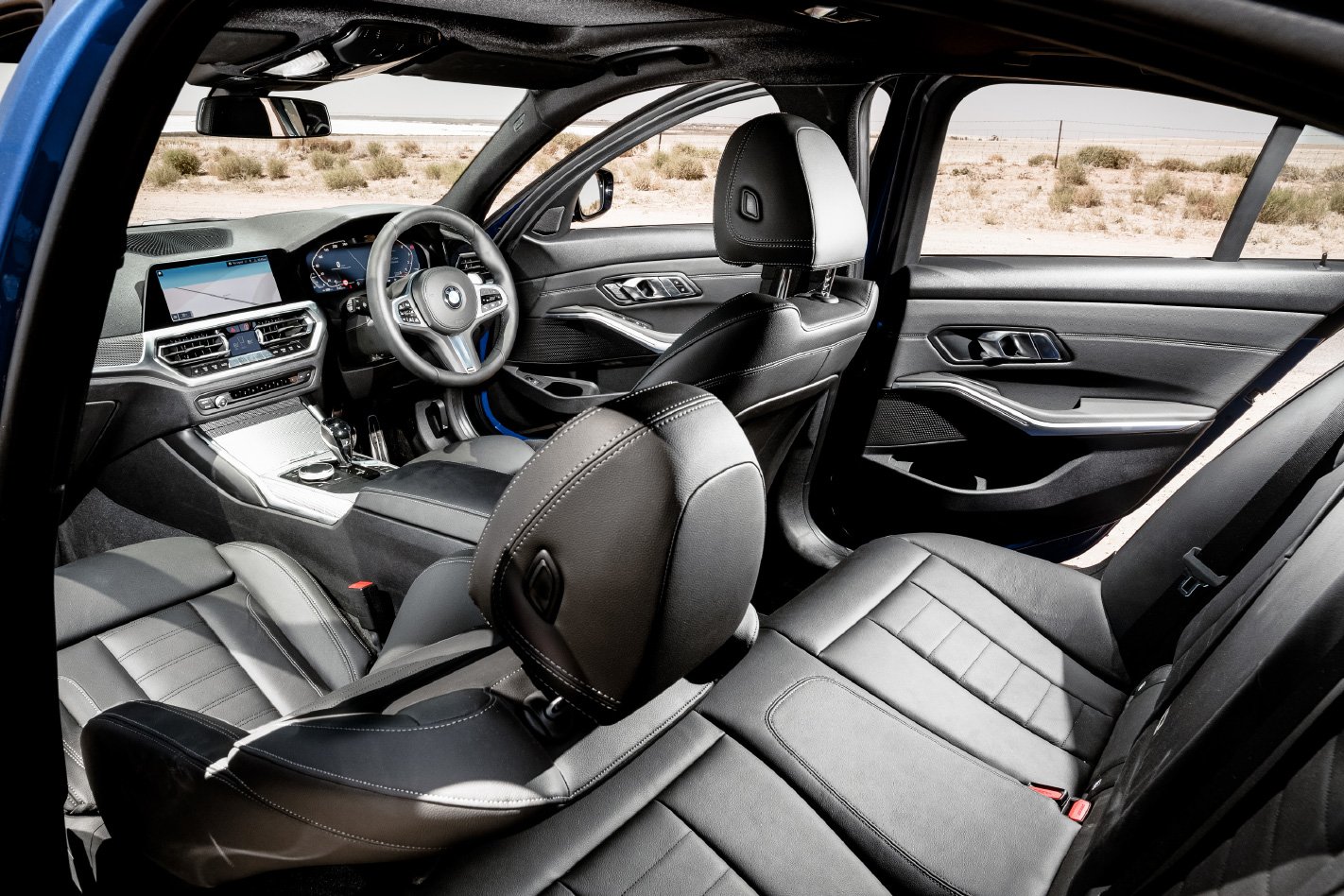
First impressions were good. Having just jumped out of the extravagantly focused M2 Competition, I expected the 330i to appear baggy and slow, but the major controls felt silky, the transmission calibration more polished and the 190kW 2.0-litre twin-scroll turbo four surprisingly perky. Like so many modern BMWs, the steering wheel rim’s thicker than Clive Palmer’s neck, but beyond that, the interior architecture has been cleverly and sympathetically updated for this seventh-generation 3 Series.
If the cabin is evolutionary, the bones beneath the car are all-new. BMW’s Cluster Architecture (CLAR) platform delivers a torsional-rigidity gain of 50 percent, a 30mm wider track and every 3 Series model enjoys the benefit of hydraulic bump stops – effectively a damper within a damper – for ride comfort improvements. It’s just a shame that these gains are partly undone by the fitment of unspectacular 19-inch Bridgestone Turanza T005 rubber; tyres that we’ve identified in the past as both noisy and of modest appeal for the keen corner carver.
The resonance of the run-flat tyres is a constant companion for the next eight hours: up a semitone on smooth bitumen, then back down on coarse chip. Ride quality on these arrow-straight roads is good, the adaptive damping on this M Sport model best set to Comfort to mop up the secondary chatter, but it rarely settles into a truly syrupy glide. Nervous would be too harsh but you’re constantly updated on surface nuance.
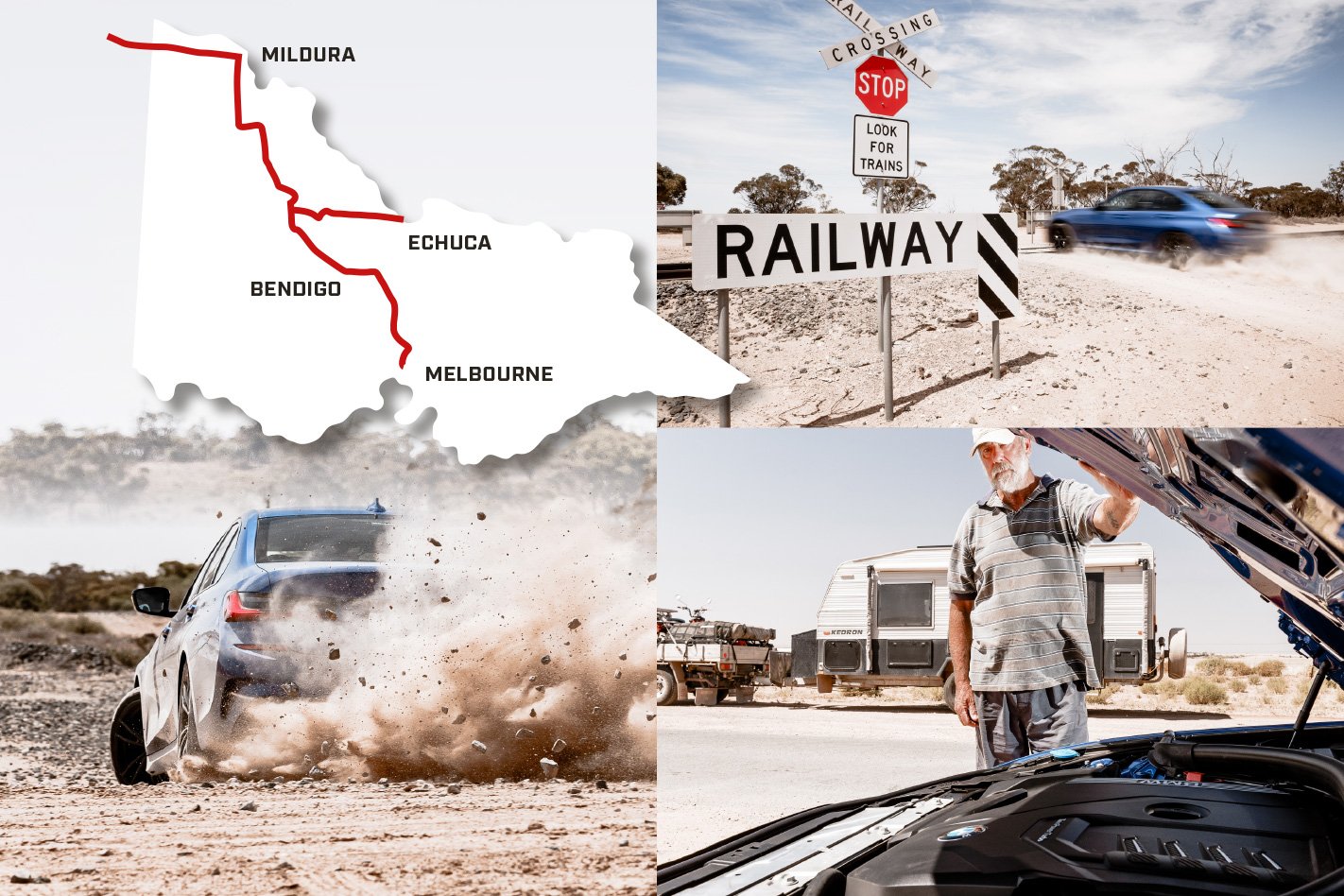
“Hey BMW, direct us to Mildura,” seems a long time ago. We’ve come a decent way up the Calder Highway and the landscape is turning increasingly sandy. Distant dry lakes beckon beyond the near horizons, huge mountains of mined salt shimmering in the 40-degree haze. We’re intent on putting the hammer down first to the fruit bowl of Australia before angling west to the South Australian border. The car averages 6.9 litres per 100km, giving it a range of comfortably over 800km, the leather sports seats are faultless and we imagine they’d offer decent support if we chanced upon a corner.
Brook’s lens seems to love the subtle G20 shape, although I wonder if it’s a little too low key for its own good. Whereas once a new 3 Series was quite the event, nobody has glanced twice at, much less commented on this newcomer. Has the detailing become a little too derivative, a little Peugeot front, Lexus rear?
The plastic trims that now accentuate the trademark Hofmeister kick of the rearmost side windows are a heavy-handed trompe l’oeil, but otherwise it’s a discreet and handsome thing. The way the horizontals at the rear accentuate its added width only serves to improve the optics. The M Sport kit drops it by 10mm, the wheelarches now shrouding the tyres nicely and we can but wonder what a G20 M3 would look like. Stunning, probably.
Apart from the sign and a lot of otherwise bored flies, there’s nothing at the border of Victoria and South Australia beyond Cullulleraine. We take some pictures, try not to get intrepid flies stuck in our sinuses and head back to Mildura. It seems odd that this sleepy country town is a hotbed of the Calabrian Mafia, but anywhere that fruit is grown in Northern Victoria, the ‘Ndrangheta will be there, parlaying grapes and oranges via bikie gangs into methamphetamine and MDMA.
It seems so incongruous, that this genteel town of spindly date palms, houseboats on the Murray, serried vineyards and suburban golf courses remains tainted by organised crime, but fruit is a big cash business and that attracts offers that don’t tend to be refused.
Friendly local Greg also has an offer that we’re not about to turn down. It involves attaching a 50 metre length of fencing wire to the towing shackles of his Mercedes-Benz GLE and hauling us out of a salt lick about 100km from civilisation. After numerous attempts to gain traction with sticks, stones, corrugated iron, foam padding and anything that delivered a higher friction coefficient than black mud, we’d resigned ourselves to the fact that help was required.
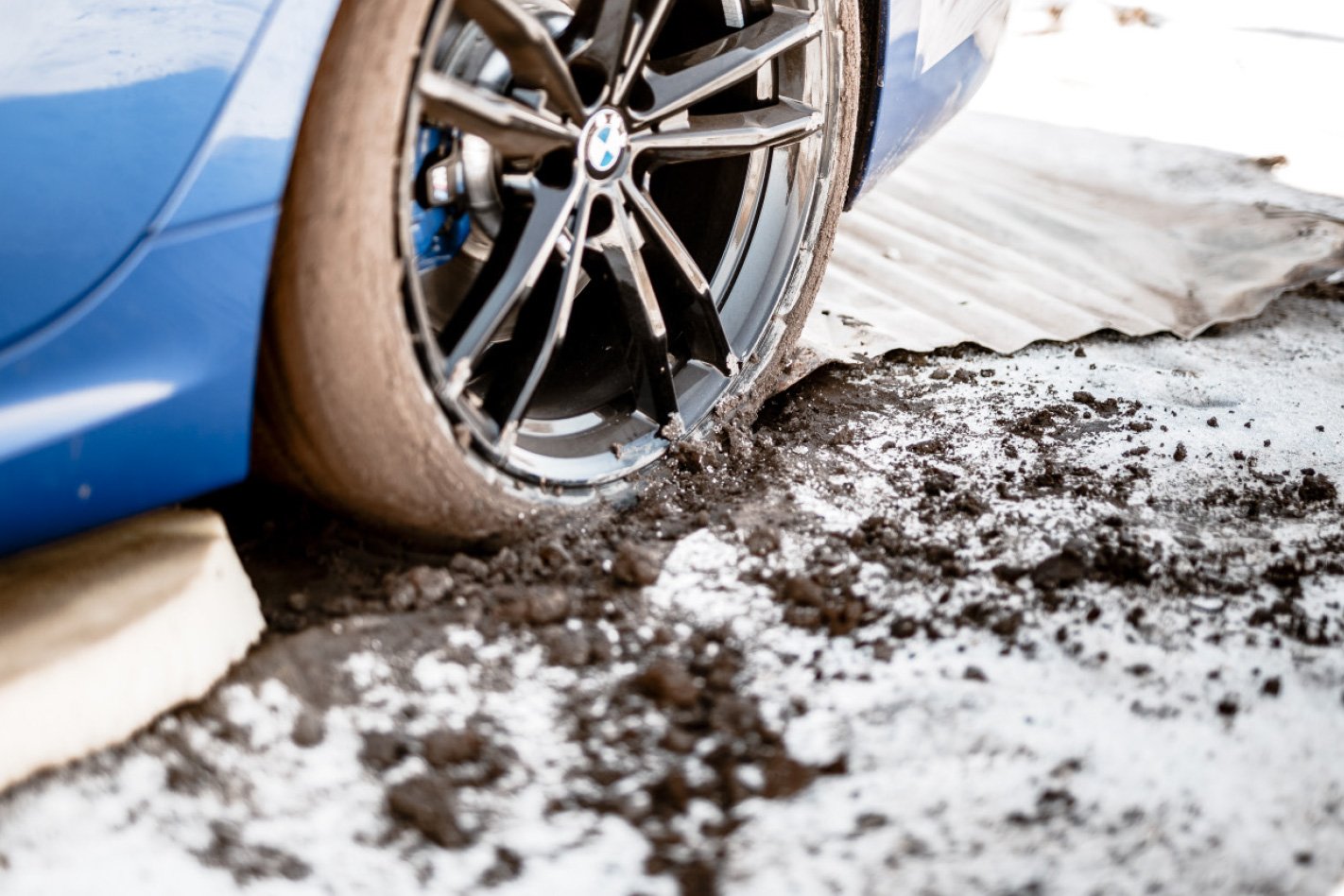
Gravity was infinitesimally claiming the front end of the 330i in the softer and deeper goop so Greg’s intervention was timely in the extreme. Standing, with hands on hips, it’s only a matter of time before good-natured Greg delivers the line. “You’re not local, are you?” he laughs. Guilty as charged.
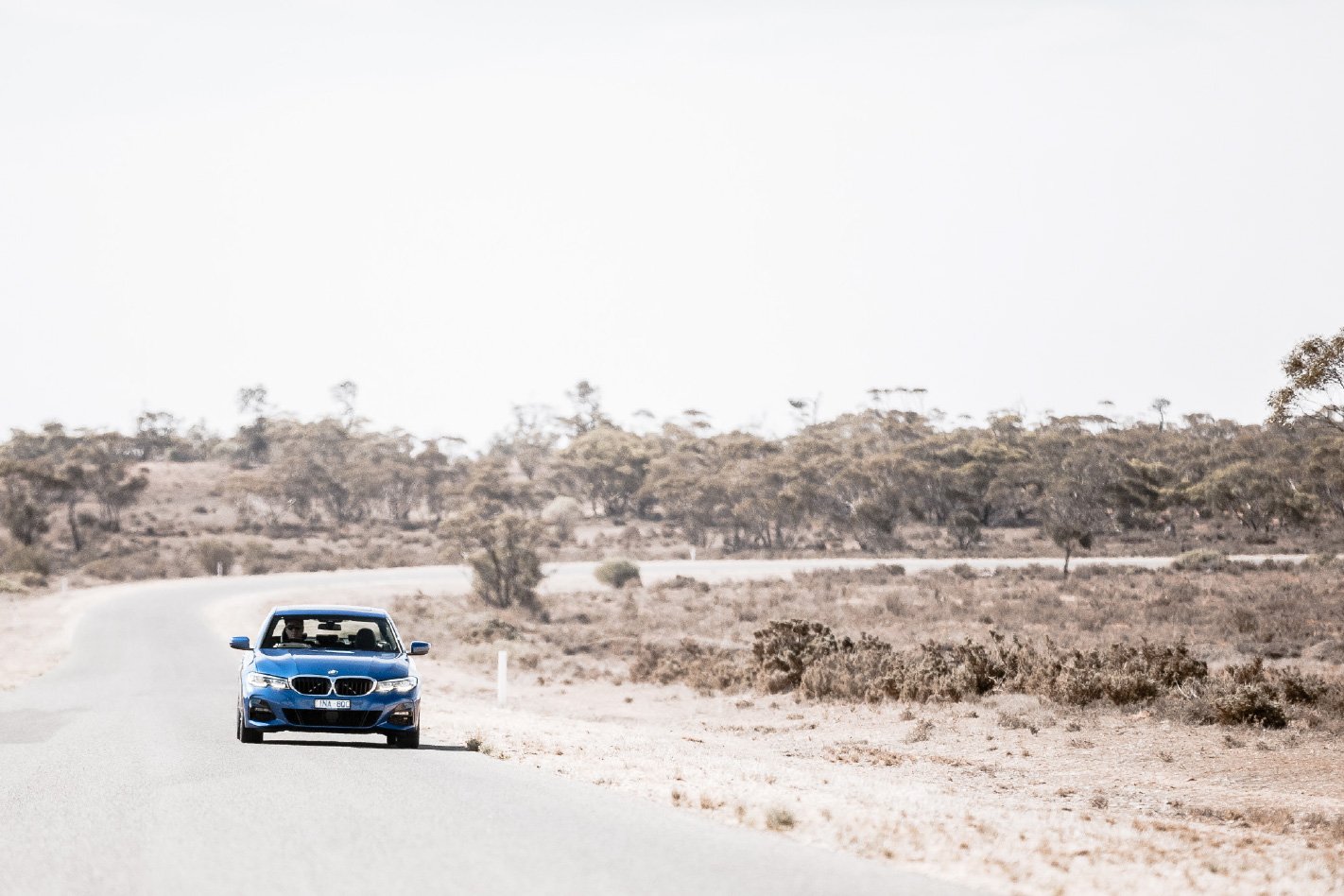
A certain paucity of local knowledge rears its head again at Lake Tyrell, another ‘dry’ lake bed a couple of hundred kilometres south. We sensibly vow not to go anywhere near the pan, but the road skirting it gradually becomes deeper and deeper sand. Employing the old mantra that speed is your friend in these conditions, we ensure that the car is as light and fast as possible in the stretches of loose, switching off the traction control and keeping the foot in. It’s huge fun and we can report that BMW’s dust sealing is impeccable.
Further south, we even manage to find a couple of corners to punt the 330i through. It’s a little more benign in roll than I was expecting. There’s notable lean onto the outside rear on corner exit but everything is predictable and reassuring. Fun, even. Only when driven really hard will the electronic diff and stability-control system occasionally send discrete chunks of torque to that tyre where a smooth pour would be more welcome. I’m left tantalised at the prospect of how effective the all-wheel-drive 340i xDrive on decent rubber would be.
The lack of weight in the nose of this 330i is an undoubted asset, though. There’s a lot to like about the G20’s basic ingredients. The cabin makes a decent fist of introducing modernity while sympathetically developing BMW’s existing design language. The digital instruments and big 10.25-in iDrive 7.0 display update the look and feel while the semi-autonomous drive assists work well.
The B48 engine pulls cleanly from 2000rpm to redline without ever sounding thrashy and the cabin’s bigger and more comfortable than ever. What’s more, many of this particular car’s shortcomings could be addressed with a better tyre. The G20 would undoubtedly be a beautiful thing to drive to work in, but as a weekend plaything, I’d want to see how its bona fides shape up against key rivals. The only sure way to establish those is to point its sculpted nose towards Echuca where a more definitive verdict awaits.
Hi WhichCar – I’m thinking about that Aussie Dream trip of heading from Melbourne to the top of Australia with the wife, the cavoodles and our dual-axle 2800kg Jayco caravan.
I need to update our tow vehicle and I’m going to splash out. I don’t have any bias for or against anything; petrol or diesel, dual-cab or wagon. The short list includes Ford Everest, Nissan Patrol Y62 and diesel Toyota LandCruiser 200 at GX/GXL level. Any thoughts?
Thanks
Barry, Geelong
Hi Barry,
Hmm, very good question. It’s a pretty big fan, and you’ll need also consider the weight of everything else you want to take, cavoodles included, so you don’t exceed your gross combined mass (GCM) figure of whichever vehicle you choose. This is the total weight of what you can carry and tow at the same time.
We won’t delve too deeply into exact facts and figures – our mates at 4X4 Australia have explained vehicle loading and GVM here – but let’s quickly assess the three choices.
We’d rule out the Everest first. Assuming you’re looking at the new 2.0-litre turbo diesel, its 3100kg towing limit leaves you a little exposed. The typical weight of an Everest is about 2400kg, and the GCM is 5800kg.
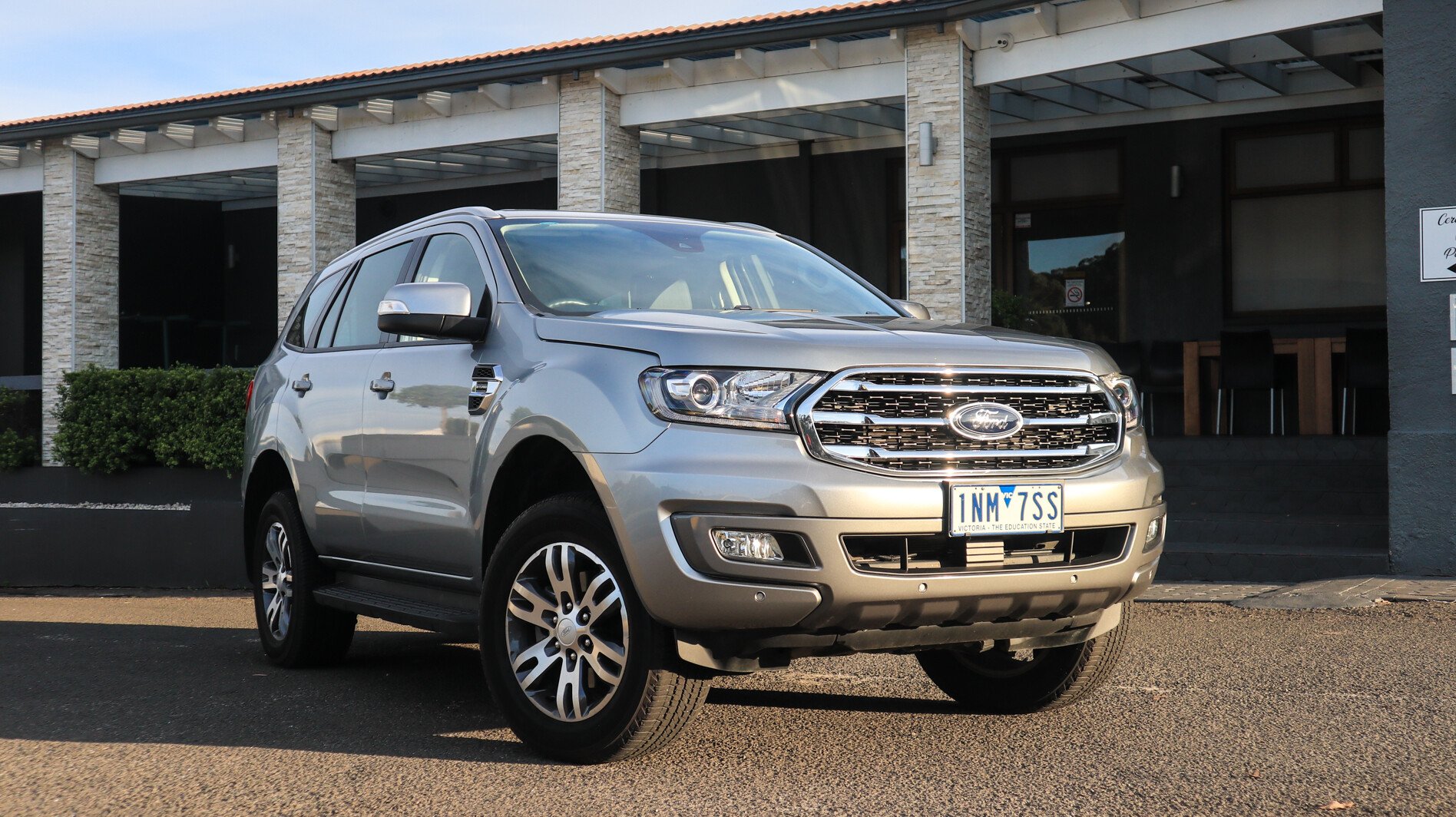
That still leaves you, in round figures, about 600kg for people, bedding, clothes, dogs, surfboards and the like, but this figure reduces as the weight on the towball increases. As well, the 2.0-litre/ten-speed auto combo isn’t, according to the 4×4 blokes, the best combo to tow with.
The Toyota LandCruiser is a well-known entity, and its popularity means that it’s better supported by a larger dealer network. A 6850kg GCM against a 2740kg kerb weight for the diesel GXL leaves about 610kg for gear.
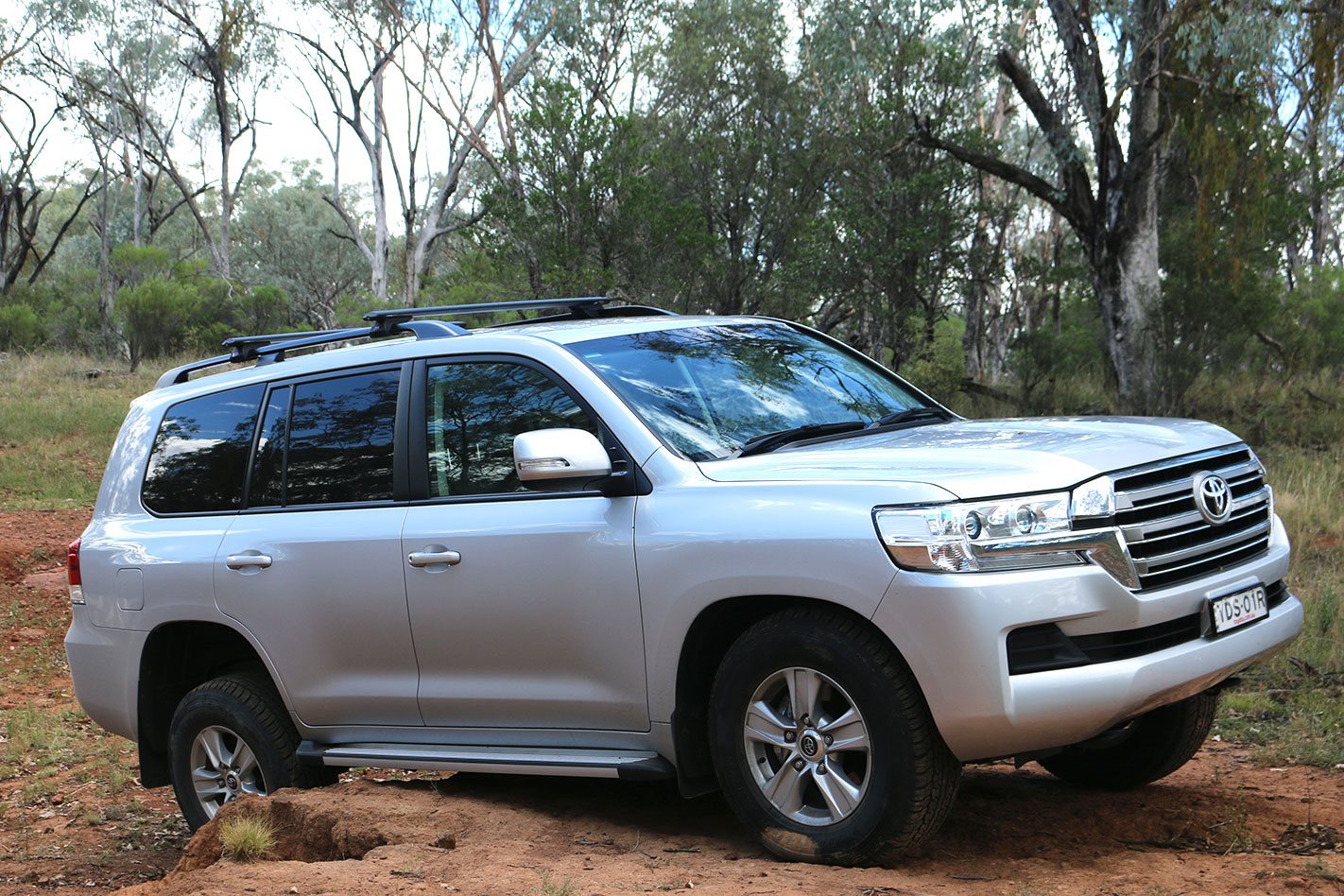
Its big diesel V8 is rated at 9.5L/100km, but this is a pretty optimistic figure in the real world, and it’ll jump considerably with a big trailer on the back.
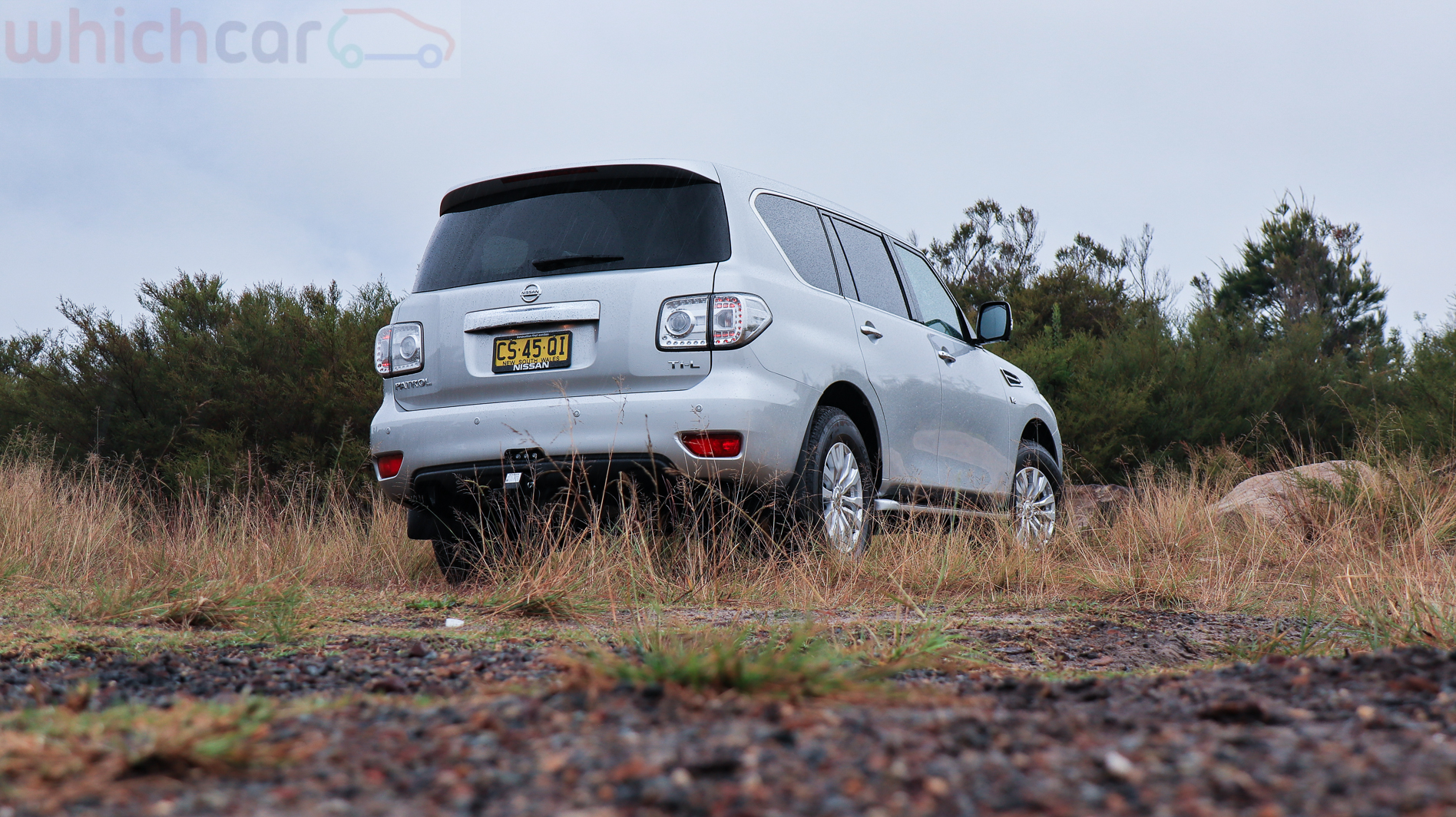
Finally, the Nissan Patrol is big, comfortable and quiet, has 3500kg towing capacity and a GCM of 7000kg, with a payload of 734kg. That’s a lot more dog food!
However, the caveat here is that the Patrol is only available as a petrol engine, which is rated at more like 14.4L/100km before a trailer is added. Nissan recommends 95 octane fuel as well, though anecdotal evidence from owners suggest the big 5.6.litre will run happily on even 91 octane. We’d expect a drop in performance, but this would open up the Patrol’s operating window.
A straw poll of the 4×4 Australia office saw a variety of opinions returned about the whole petrol versus diesel for towing debate.
“For a big trip like that, a turbo-diesel offers the best option if your concerns are based around fuel consumption (diesel will chew less fuel, towing or not towing) and/or touring range (distance between refills),” says 4×4 Australia’s senior journo Justin Walker. “At the moment, diesel is around 10c to 20c cheaper than 95/98. Diesel is also more widely available in truly remote areas.
“That’s not to say petrol wagons/utes cannot tow – of course they can, and they tow well – but they are generally thirstier doing it. Of course you can always carry extra fuel, and (this is anecdotal, to a degree) petrol engines seem to be a hell of a lot ‘simpler’, i.e. naturally aspirated so no additional plumbing like you have in a turbo/twin-turbocharged diesel, not to mention the additional emissions gear attached to diesel donks these days.”
Justin reckons that shorter trips might make it a different story.
“You would need to also factor in the purchase price,” he reckons. “A new Patrol is around $20k cheaper than an LC200, and that’s a lot of spare change in your pocket for petrol if you do go down that path.”
Meanwhile, the editor of caravan journal ROAM, Brendan Batty, doesn’t think the Patrol is even in the running.
“I’d get the Cruiser – they’re comfy, have a lazy capability and great towing cred,” he says. “However, given that we caravan to sit by fires and drink wine under awnings, not spend months driving on empty highways, the Everest is a more sensible choice, because it will still be good around town when you come back to reality.”
So… what’s our answer? It’s a tough call. All three have their upsides and downsides. The Patrol is beautifully smooth but is arguably less flexible than a diesel-powered car for true long-distance touring if you stick to 95 octane. The Everest is smaller and more nimble and is probably the pick if you’re not towing. The LandCruiser isn’t perfect, but its popularity stands it in good stead in remote areas.
We’d suggest you do the maths on what you can afford fuel-wise; the Patrol will arguably cost more to run than the LandCruiser – though diesels cost more to service – but you’ll be more comfortable and with more money in your pocket as a result.
The boss is telling us we have to pick one… so on price and comfort, we’ll go for the Nissan.
WhichCar recommends: Nissan Patrol Y62
Which car would you pick – or have you picked – for towing? Let us know below
You probably already have an opinion on the 2019 Lamborghini Urus, it’s not a machine that invites ambivalence or fence-sitting.
Its looks, its engine, its underpinnings, its very existence is contentious, but it’s doing what is required of it: drawing a new type of buyer into Lamborghini showrooms. Sant’Agata expects its sales to double, both globally and locally, off the back of the Urus which will generate crucial cash to develop its next-generation of super sports cars.
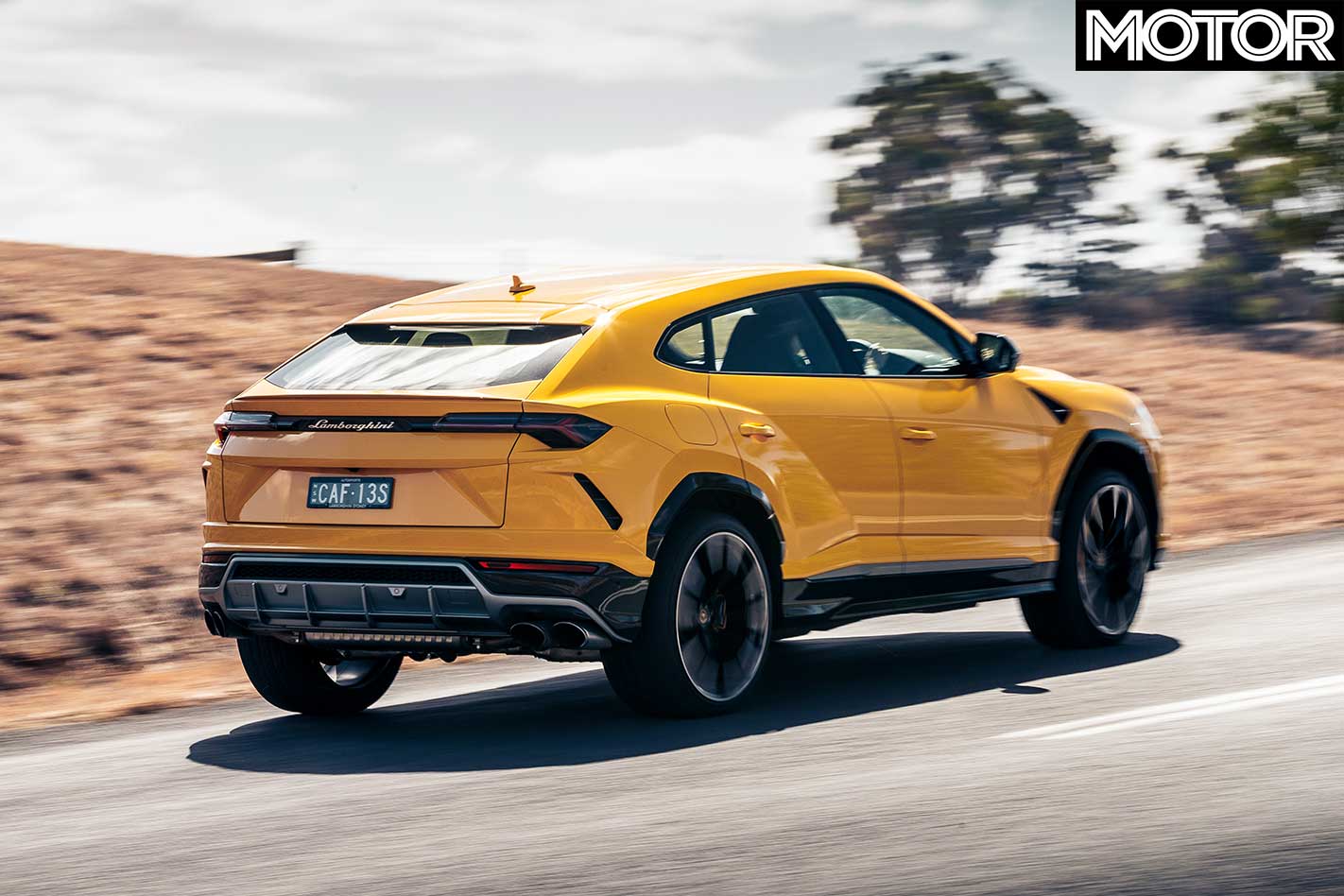
Lamborghini has prior off-road form, but re-imagining the rugged LM002 wasn’t going to cut it. According to its maker, the Urus is the world’s first SSUV – Super Sports Utility Vehicle – thanks to the “best power-to-weight ratio in the entire SUV segment” and “best-in-class driving dynamics”. We’ll get to that, but let’s start with the styling.
Design is purely subjective, but the Urus certainly makes a statement. What that statement is will depend on the observer, but ready yourself for constant “is that a Lamborghini four-wheel drive?” enquiries.
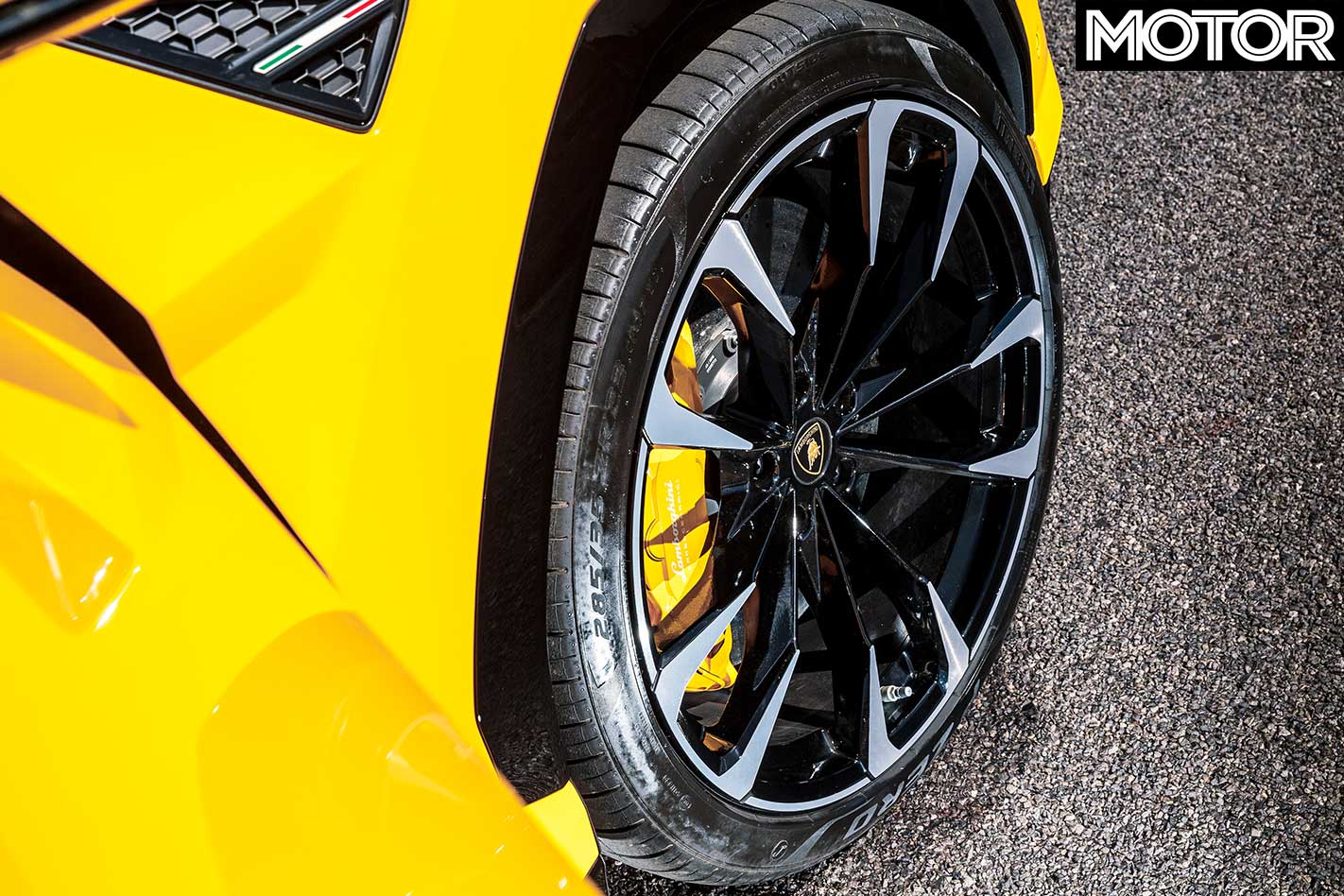
To our eyes it’s a very colour sensitive shape; the difference in desirability and impact between white with standard 21-inch rims and a bold colour with the optional 23s such as our ‘Giallo Auge’ test car is marked. Yes, 23-inch rims.
The reason such gargantuan wheels are required to balance the shape is because the Urus itself is enormous. It’s as long as an S-Class and as wide as an Aventador with a wheelbase to rival the dearly departed Holden Caprice.
The upside of its vast girth is plentiful interior space; my 180cm frame has ample head, elbow, leg and knee room in the rear. Combine this with a massive 616L boot (a Toyota Kluger offers 529L) and the Urus has family duties covered.
Especially as it’s a remarkably comfortable car. Even with wheels the size of planets and low-profile rubber (285/35 front; 325/30 rear) the ride is truly excellent. Whether soaking up pockmarked suburban streets or serenely smothering highway undulations, the combination of adaptive dampers and active anti-roll bars make the Urus a very relaxing way to travel long distances, not an adjective traditionally associated with Lamborghini. With the ‘ANIMA’ drive mode set to ‘Strada’ (street) the steering is light, the engine muffled and the Urus drives as easily as an Audi Q8.
Such a case of mistaken identity would be easy to understand as much of the Urus’s switchgear is lifted from its Ingolstadt sibling. Does it matter that so many bits – steering wheel, infotainment screens, window switches, fuel/temperature gauges, indicator/wiper stalks and more – are shared with more prosaic models? Perhaps the more relevant question is: will any Lamborghini buyer know or care? Doubtful. It looks good and works well, end of story. Less successful is Lamborghini’s addition of the barnacles installed at the base of the climate control touchscreen.
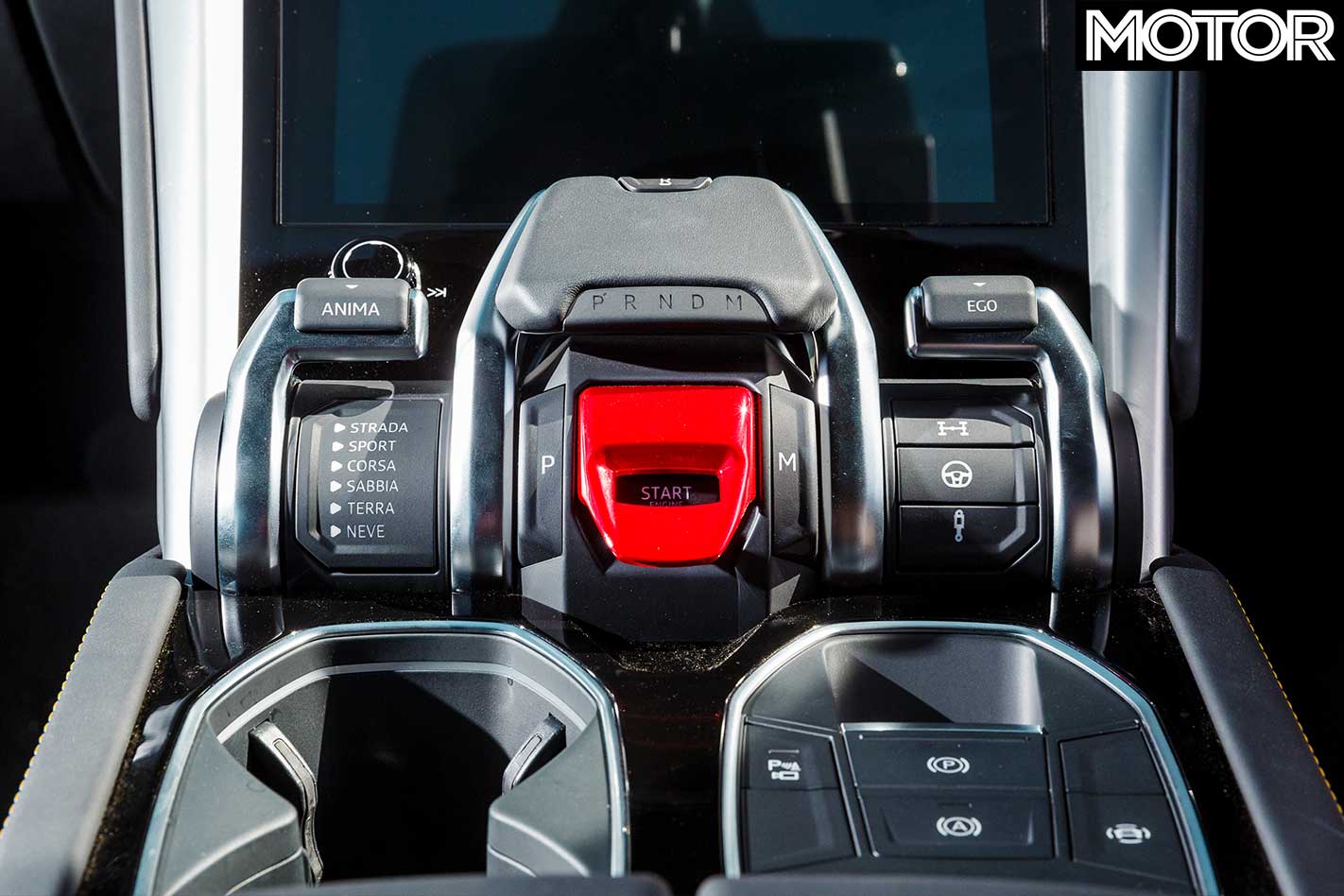
The left one cycles through the six drive modes – Strada, Sport, Corsa (race), Sabbia (sand), Terra (off road) and Neve (snow) – the middle section houses the fighter jet-style start button and gearbox controls and the right one allows the adjustment and activation of ‘Ego’ mode, a saved preference of steering, drive and damper settings. It all works well enough but looks unsightly and takes up an unnecessary amount of space for simple functions.
Furthermore, there are ergonomic oversights: you can only cycle through the drive modes one way (or hold the lever to return to Strada); if you want to return to Sport from Corsa you must cycle through every mode. Likewise, drive is engaged by the left-hand paddle rather than a button; not the end of the world, but it means the one function you need most isn’t housed with the other gearbox controls.
Still, if Lamborghini’s interior design team has struggled, its performance engineers have more than picked up the slack. No other car defies physics like a Urus. To do so it uses a mind-boggling array of technology, including a Torsen self-locking centre differential, torque-vectoring rear diff, rear-wheel steering and active anti-roll bars. These systems do not work unobtrusively because they act to confound your expectations. A car this size should roll heavily and push its nose wide mid-bend yet the Urus steadfastly refuses.
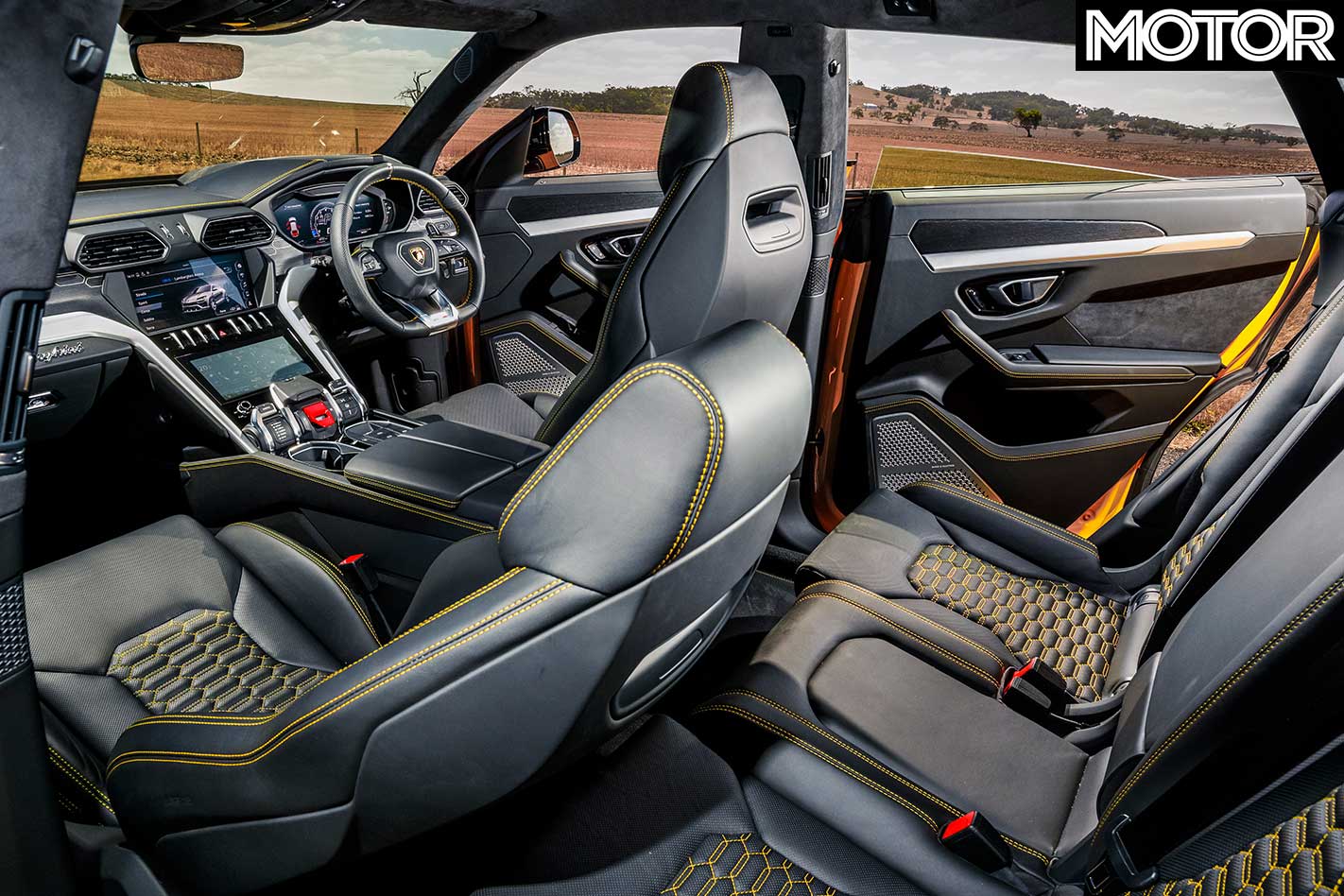
The active anti-roll bars keep the body level, removing a lot of ‘feel’ in the cornering process but ensuring all four tyres share the burden. Meanwhile, just as the weight threatens to overwhelm the outside front tyre the torque vectoring yanks the nose around like a dog that’s had its lead pulled to rotate the Urus towards corner exit.
In fast, open territory the speed and composure it displays is face-melting and its ability to stop is remarkable thanks to the largest brakes ever fitted to a production car: carbon-ceramic rotors measuring 440mm front and 370mm rear with 10-piston and single-piston calipers respectively.
In tighter turns it’s less comfortable. Despite Lamborghini’s claims of “a greater oversteer character” in Sport or Corsa there isn’t the throttle-steerability of a Range Rover Sport SVR or Mercedes-AMG GLC63; the electronics start to fight as physics finally make their presence felt. A better approach is to slow the Urus and then use its total traction to unleash the monster under that chiselled bonnet.
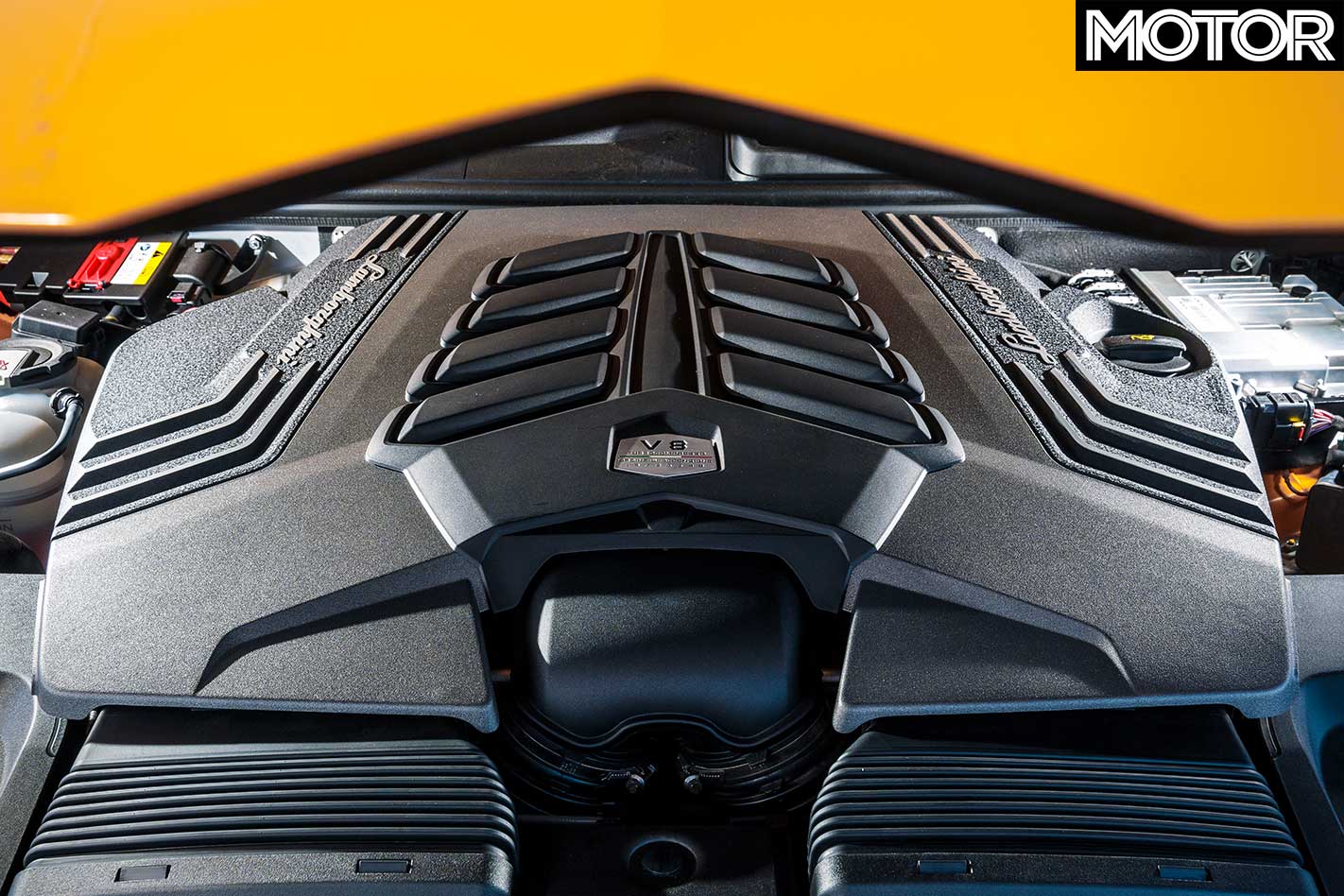
The 4.0-litre twin-turbo V8 is familiar from the Porsche Panamera Turbo/Porsche Cayenne Turbo/Bentley Bentayga V8 but in the Urus it’s at its most powerful (478kW/850Nm) and by far its most ferocious.
Lamborghini trades on its retention of naturally aspirated power for its supercars but the Urus proves a turbocharged Bull is nothing to fear – the prospect of this engine in a Huracan is a fearsome one.
Even in Strada mode it snarls and selecting Corsa seems to delete the mufflers completely, full-throttle upshifts becoming as conspicuous as the colour scheme. The sprint to 100km/h is claimed to take 3.6sec, 200km/h is reached in 12.8sec (0.7sec slower than the new 992 911) and top speed is a whopping 305km/h.
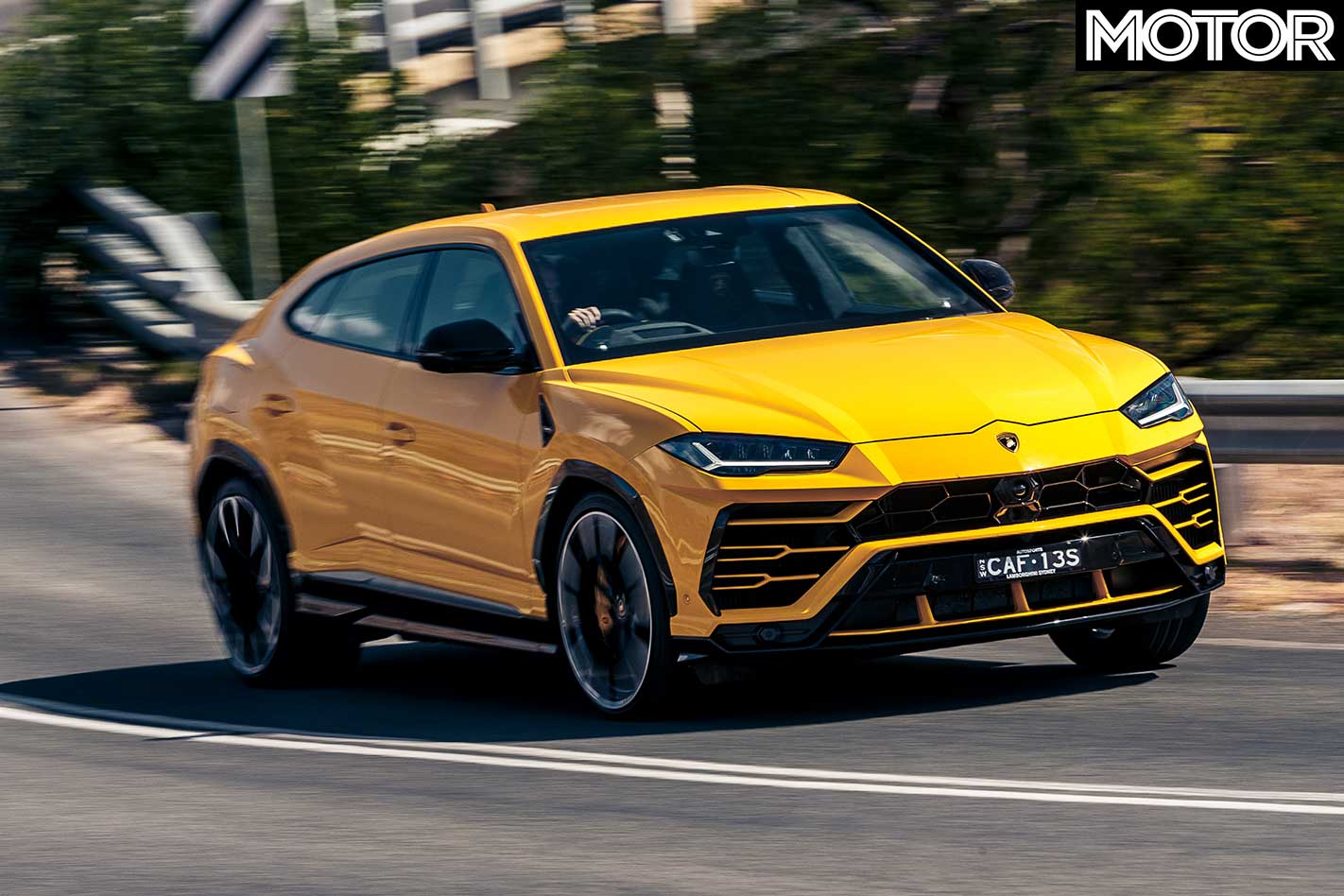
More important than the numbers, though, is the sensation; the powertrain is incredibly aggressive, yet the suppleness of the chassis allows Sport to be used as the default mode without the need to resort to Ego.
The Lamborghini Urus will not be for everyone. With an as-tested price of $463,701 that’s stating the obvious, but even those with the means are likely to be divided.
It’s brash and ostentatious, an automotive extrovert, but the subtlety of the suspension, its ability to comfort occupants rather than pummel them with ‘sportiness’, makes the Urus a purchase that can be made with the head as well as the heart. Or the ego. Whatever your opinion of it, the next-generation Aventador and Huracan will be better machines for its success.
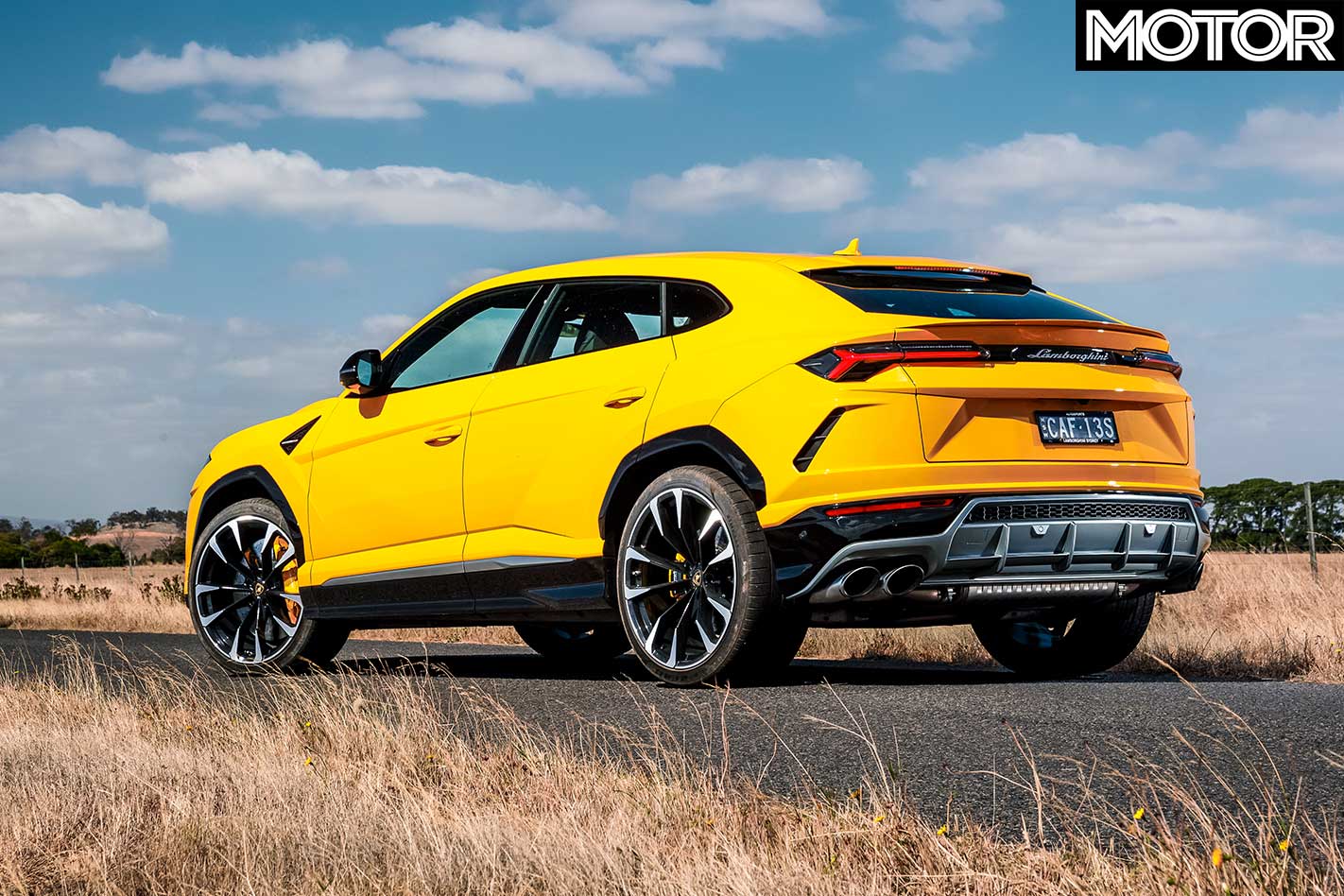
2019 LAMBORGHINI URUS SPECS Engine: 3996cc V8, DOHC, 32v, twin-turbo Power: 478kW @ 6000rpm Torque: 850Nm @ 2250-4500rpm Weight: 2200kg 0-100km/h: 3.6sec (claimed) Price: $390,000
Like: Aggressive powertrain; ride quality; interior space; insane performance for an SUV Dislike: Size tricky for urban living; interior appointments; image; electronic overload
Rating: 4 out of 5 stars
The Nemesis
Porsche Cayenne Turbo 4.0-litre twin-turbo V8, AWD, 404kW/770Nm, 0-100km/h 3.9sec 2175kg, $239,000
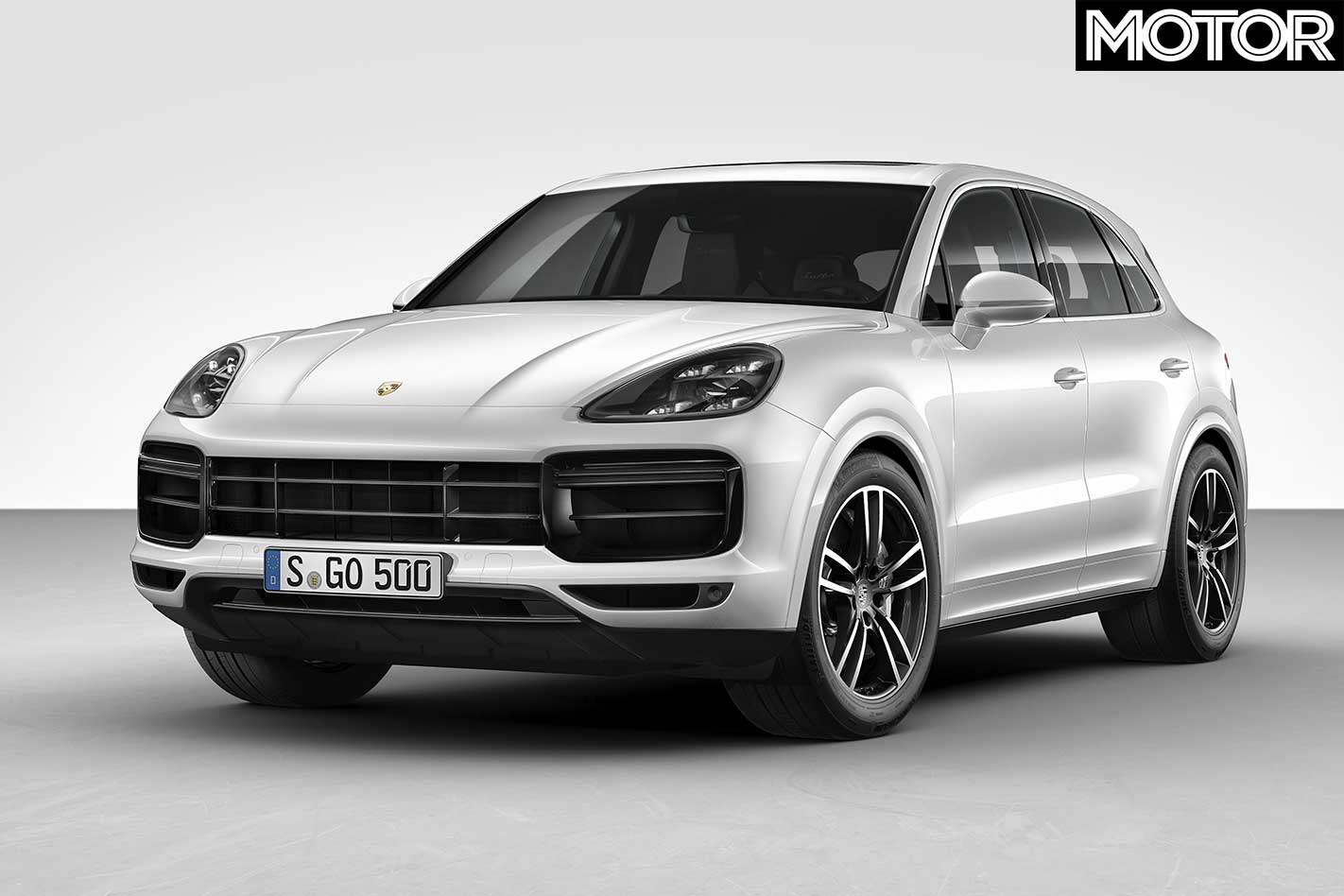
Built on the same MLBevo platform as the Urus but not as quick or as aggressive. Handles better at the limit with a nicer interior and also a couple of hundred grand cheaper.
I’ve been travelling to racing tracks for most of my adult life, and the day I don’t get a tingly sense of anticipation in my stomach – even if I’m going in the middle of the week – then I reckon it might be time to stop going.
On approach to Sydney Motorsport Park yesterday, I’m glad to report that the feeling was there in full. In fact, it’s been a while since I’ve been this excited to go to the track – and I’m not even driving.
The event that I’m so excited about is the Shannons Nationals, and the race I’m here to see is the debut of TCR Australia. It’s a pretty basic tin-top series, but there’s something about it which has caught the imagination of a lot of people.
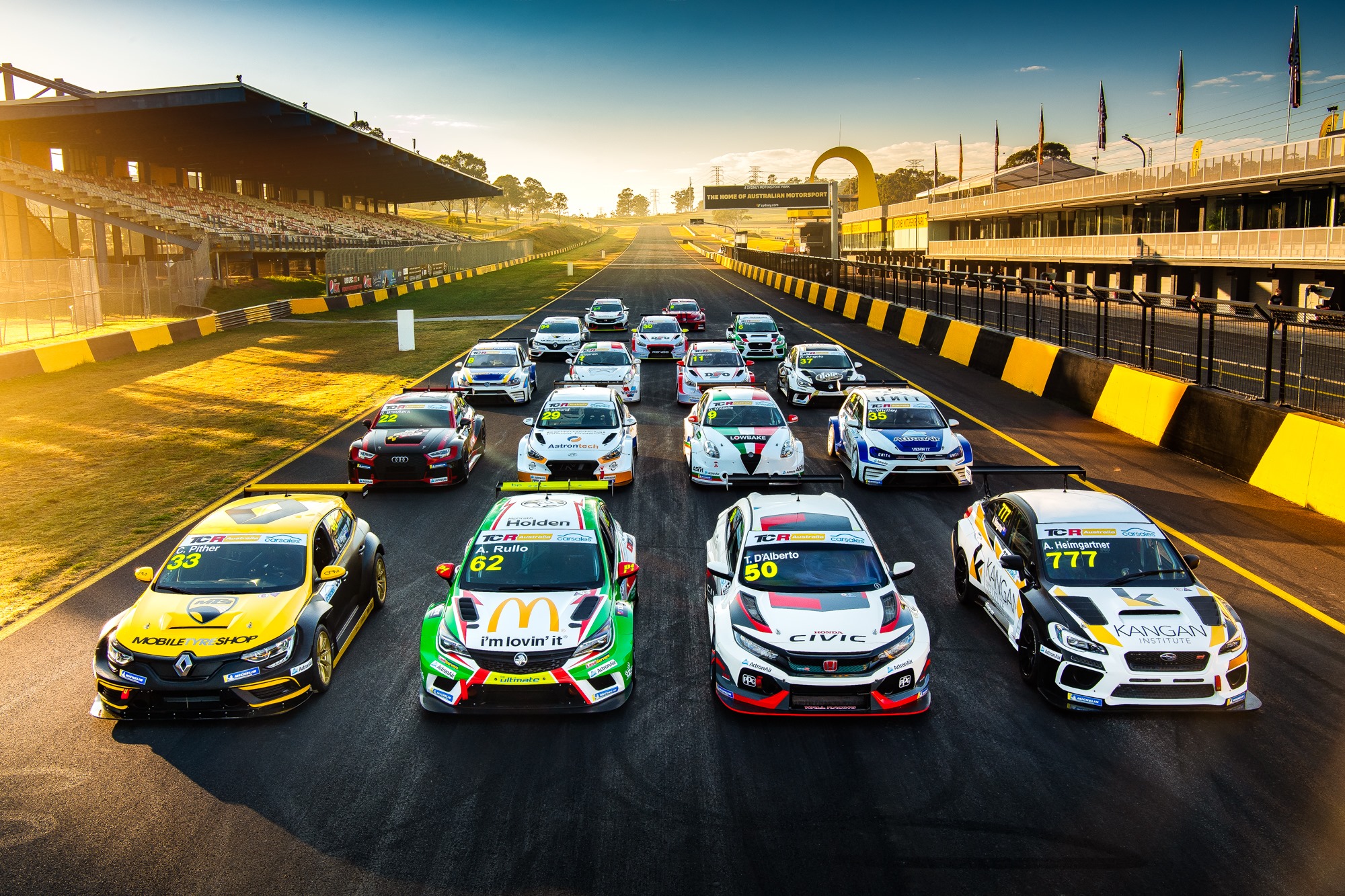
TCR has been running for about four years now, and is designed around loud, lairy hot hatches and sedans that we all know and love.
Run locally by the former boss of Volvo Australia, Matt Braid, the series will debut this weekend in Sydney with 17 cars and eight brands on the grid and a host of drivers from across the racing world, and the globe.
The cars are all based on C-segment front-wheel-drive hatches or, in the case of the Audi S3 and Subaru WRX, sedans, they all use a 2.0-litre turbocharged four-cylinder engine driving the front wheels, and they all use slick tyres, wide-body kits and big brakes.
The car industry is well represented, too, with cars from Renault, Honda, Volkswagen, Subaru, Alfa Romeo and Hyundai all on the grid with this weekend, with more cars expected to join.
Suprercars teams including Garry Rogers Motorsport, Kelly Racing and Matt Stone Racing are all involved.
There’s a price cap of $206,000 per car – which sounds steep, but several teams have sourced one-year-old cars from European series for far less.
Drivers, too, come from various disciplines across the racing world and, for the first time, there are three female racers in an Australian national category.
Friday’s opening day saw Adelaide Porsche Carrera Cup racer Michael Almond take the honours, in only his first ever drive in the category.
“They are fun to drive,” he told WhichCar. “It’s hard to get heat into the tyres, but they are a quick little thing, especially in the corners.”
Michael’s time of 1min 34.6sec is about four seconds slower than his usual Porsche 911 Carrera Cup car around the SMSP Brabham circuit, and just on five seconds slower than a Supercar.
That’s not bad, given the TCR car has about 260kW, versus the Porsche’s 357kW and the Supercar’s 450-plus.
“There’s more time to come,” says Michael, who reckons the cars are currently more suited to smooth European tracks rather than bumpier Aussie circuits.
Debutante Chelsea Angelo, who’s racing in a Holden Astra after stepping out of a Porsche, also reckons the cars are fun but challenging.
“It’s just a matter of chasing the set-up in the car at the moment,” she says. “I haven’t raced a front-wheel-drive car, so I have to adapt my style a bit as well. But they are a lot of fun!”
2016 Australian rally champion Molly Taylor is also part of the series, and she says she’s taking all one step at a time. Despite her vast rallying experience, this is her first ever circuit race.
“I’m in the deep end, for sure, but I’m getting more comfortable every lap,” she says.
Molly had some pretty awesome assistance, though, in the form of her mum, legendary rally co-driver Coral, and Neal Bates, a former Bathurst 1000 class winner in a Toyota Corolla and multiple Australian rally champion himself.
The boss of the series, Matt Braid, told WhichCar that free-to-air TV was a key driver for many of the new teams, and he expects more team to come about for 2020.
He’s also quick to suggest that TCR isn’t meant to take over from Supercars.
“We want to put on a professional touring car category that is an alternative to Supercars,” he says. “We don’t want to go head to head with them, and it’s never been our intention, but we believe there is a place for FWD hot hatches and sedans that are market-relevant to Australia.”
There will be three 30-minute races over the weekend. Stay tuned for more pics and vid from the event.
