
Hyundai has announced a moniker for its sub-Kona sized crossover, the Venue.
Suggested as a ‘place where people want to be seen’, the smallest SUV offering from the brand will buck the previous trend of Hyundai naming its crossovers after American cities, like the Kona, Santa Fe, Tucson and Palisade.
The Venue will – at long last – join the Hyundai range beneath the Kona, taking the accolade as the Korean brand’s smallest crossover to date. Battling the likes of the Suzuki Ignis, Mazda CX-3, Holden Trax and Toyota CH-R, the Venue is aimed squarely, according to Hyundai, at ‘”Urban Entrepreneurs” and symbolises a “trendy, unique style, perfect for Hyundai’s newest and smallest crossover.” Quite.
We still don’t know what it’ll look like, though, having only been teased with a badge photo, but the Accent-sized high-riding hatch could well become Hyundai’s most affordable car.
We can guess that it will be front-wheel-drive only, will seat five people, may come with Hyundai’s clever 1.0-litre three-cylinder turbocharged petrol engine and perhaps the 1.6-litre turbocharged four-cylinder engine.
The Venue has been a long time coming for Hyundai, which has never had an entrant in the hottest selling SUV class in Australia.
A full reveal is scheduled for the New York Auto show on April 17, ahead of its Australian unveiling in late 2019.
There’s so much to love the Toyota 86 and Subaru BRZ twins for, but most of it boils down to their delightfully balanced chassis and affordable price point.
So enamoured with the dynamic duo was Wheels, that we awarded them the Car of the Year gong in 2012. And with a new generation in the works, they could very well take out the prize once again.
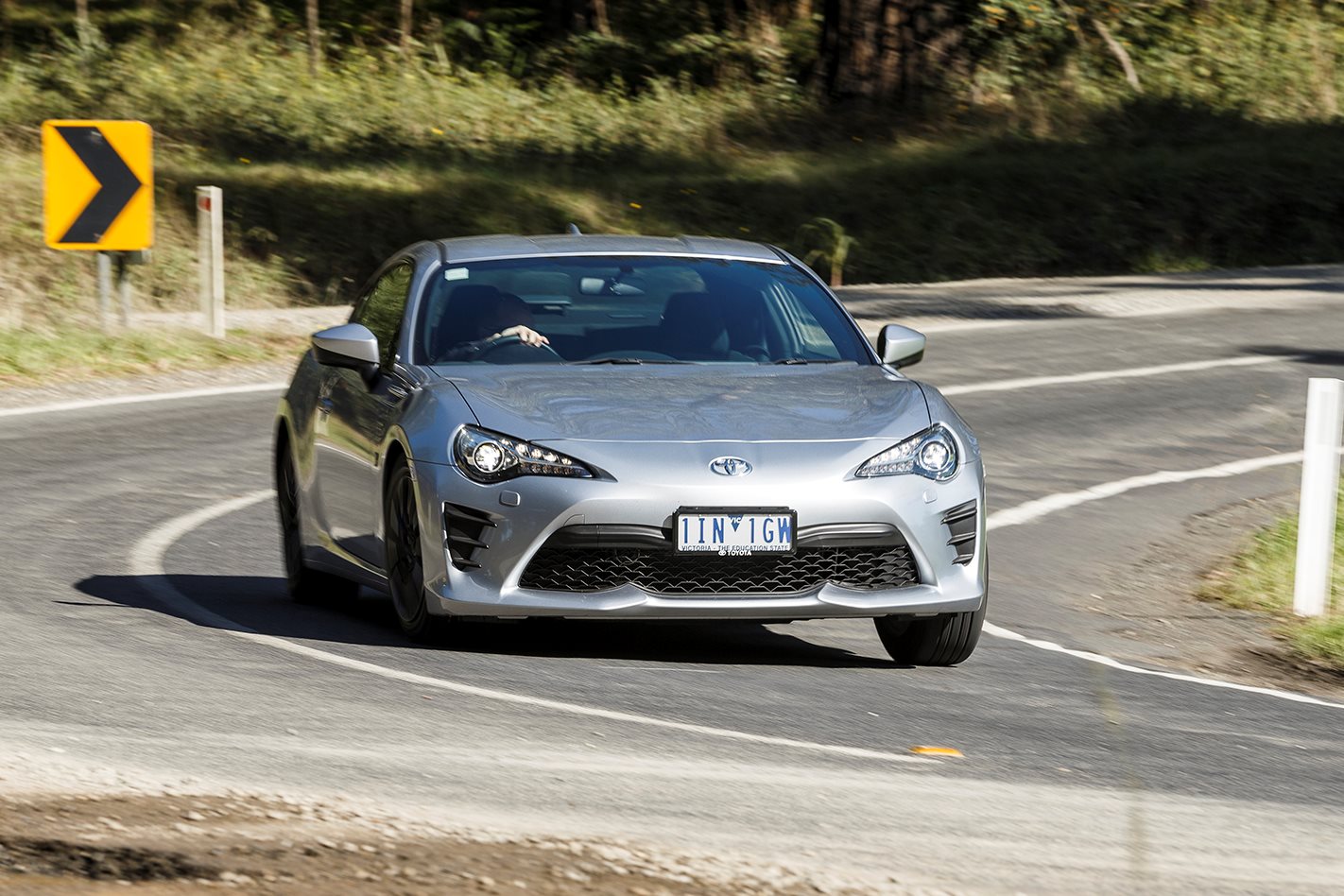
However, there’s been one gripe which has followed the 86 and BRZ for their eight years of existence like a big, dark cloud – the engine isn’t up to par with the rest of the car. The 2.0-litre naturally-aspirated four-cylinder boxer engine is a joint venture, with Subaru providing the core basics, while Toyota supplies the top end and ancillaries.
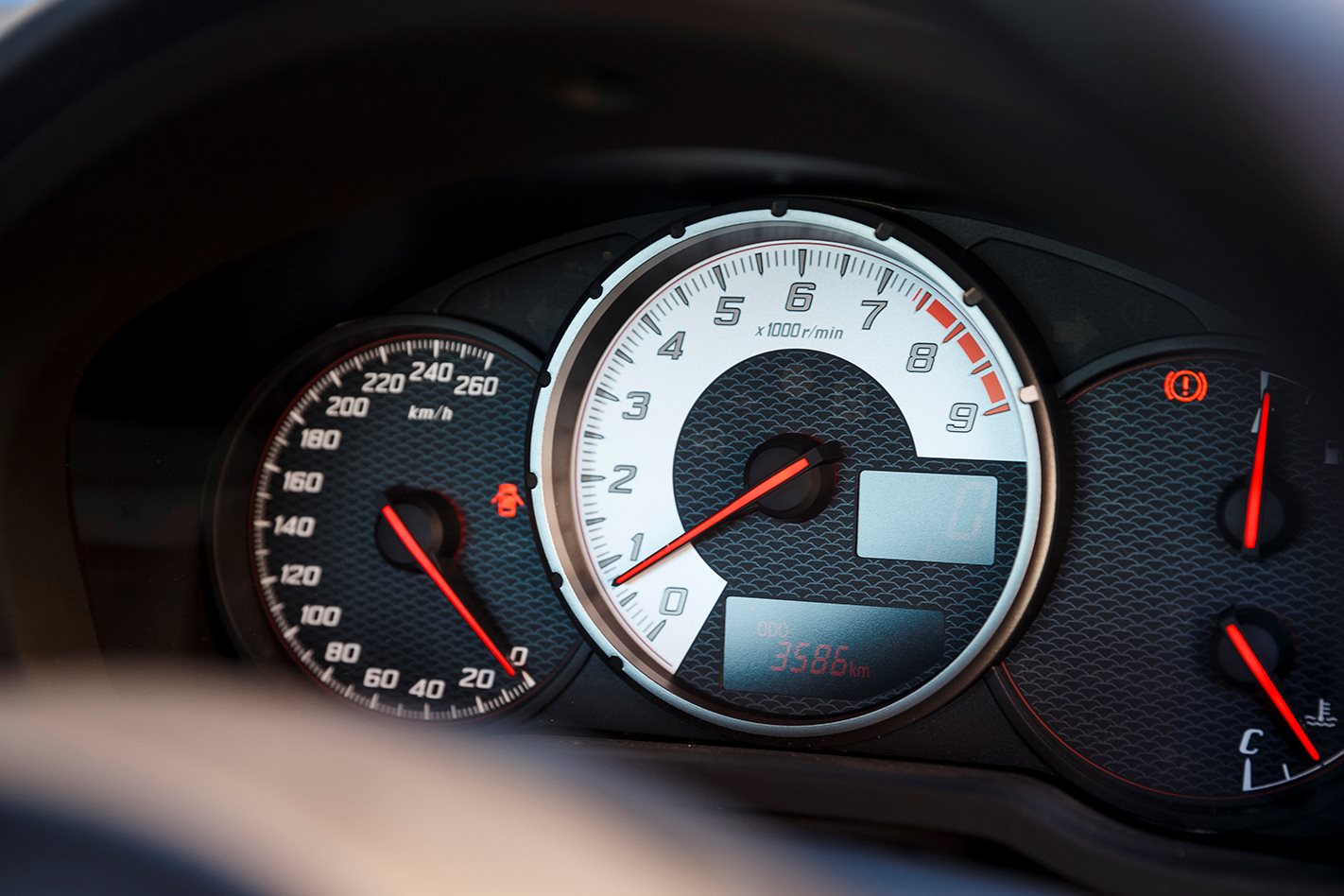
When it debuted, the 86/BRZ duo produced 147kW and 205Nm; Toyota has lifted that to 152kW and 212Nm for three-pedal variants in the most recent facelift.
Despite the power increase, the harsh truth is that the 86 and BRZ just aren’t as powerful as they need to be. We aren’t asking for a 300kW monster, but enough grunt to ensure the affordable sports coupe can fulfil its true potential.
The easiest solution? Add boost.
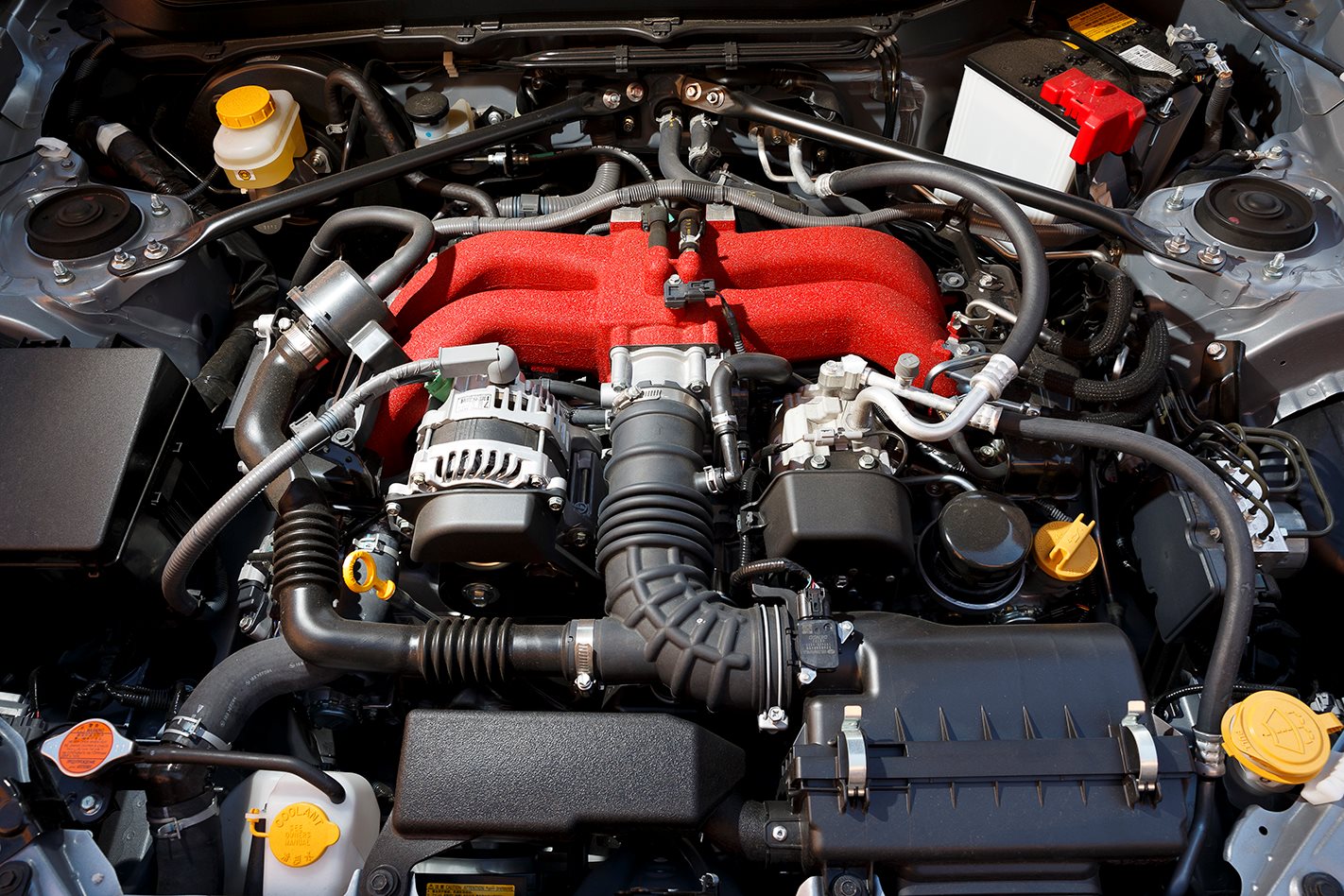
Aftermarket suppliers have been enjoying a gold rush with the 86 and BRZ, offering both turbocharger and supercharger kits to buyers that yearn for a few extra kilowatts.
Now, with a second-generation on the horizon, it’s time Toyota and Subaru boost the 86 and BRZ from the factory.
So, what do they have to choose from? Well, a The Japanese Times report from last year suggested the 2.4-litre turbocharged boxer from the Subaru Ascent could be used in the next-gen sports cars, due in 2021.
The Ascent’s engine produces 197kW and 376Nm, and would allow for the 86/BRZ to have a lower centre of gravity compared to the current model.
Subaru has two additional turbocharged boxer engines, in varying tunes, in its local line-up.
A 2.0-litre boxer turbo is fitted to the WRX, in 197kW/350Nm and 221kW/407Nm tunes. A smaller 1.6-litre is slotted under the Levorg Wagon’s bonnet, with a 125kW/250Nm output.
Due for an all-new generation soon, the 2020 Subaru WRX is expected to be fitted with a four-cylinder turbo-petrol boxer engine and hybrid or mild-hybrid power to further increase performance. A similar powertrain in a two-door sports car frame would be a delightful thing indeed.
However, Toyota will be wary not to step on the toes of its reborn Supra, which now sits above the 86, with both turbo inline-six and –four engines.
The Supra four-cylinder is available in two tunes, and “might” be coming to Australia. In its most powerful guise, the four-pot Supra will develop 190kW and 400Nm for a 0-100km/h sprint of 5.1 seconds. The less powerful option has claimed outputs of 145kW and 320Nm, and is good for 0-100km/h in 6.5 seconds, which still undercuts the 86/BRZ’s 7+ second sprint.
Then there’s the question of platforms. Both Subaru and Toyota have modular architecture with proven records for dynamic prowess. Reports suggest the 86/BRZ duo will continue to be built at Subaru’s Gunma factory, indicating it’s the ‘Subaru Global Platform’ which will get the nod.
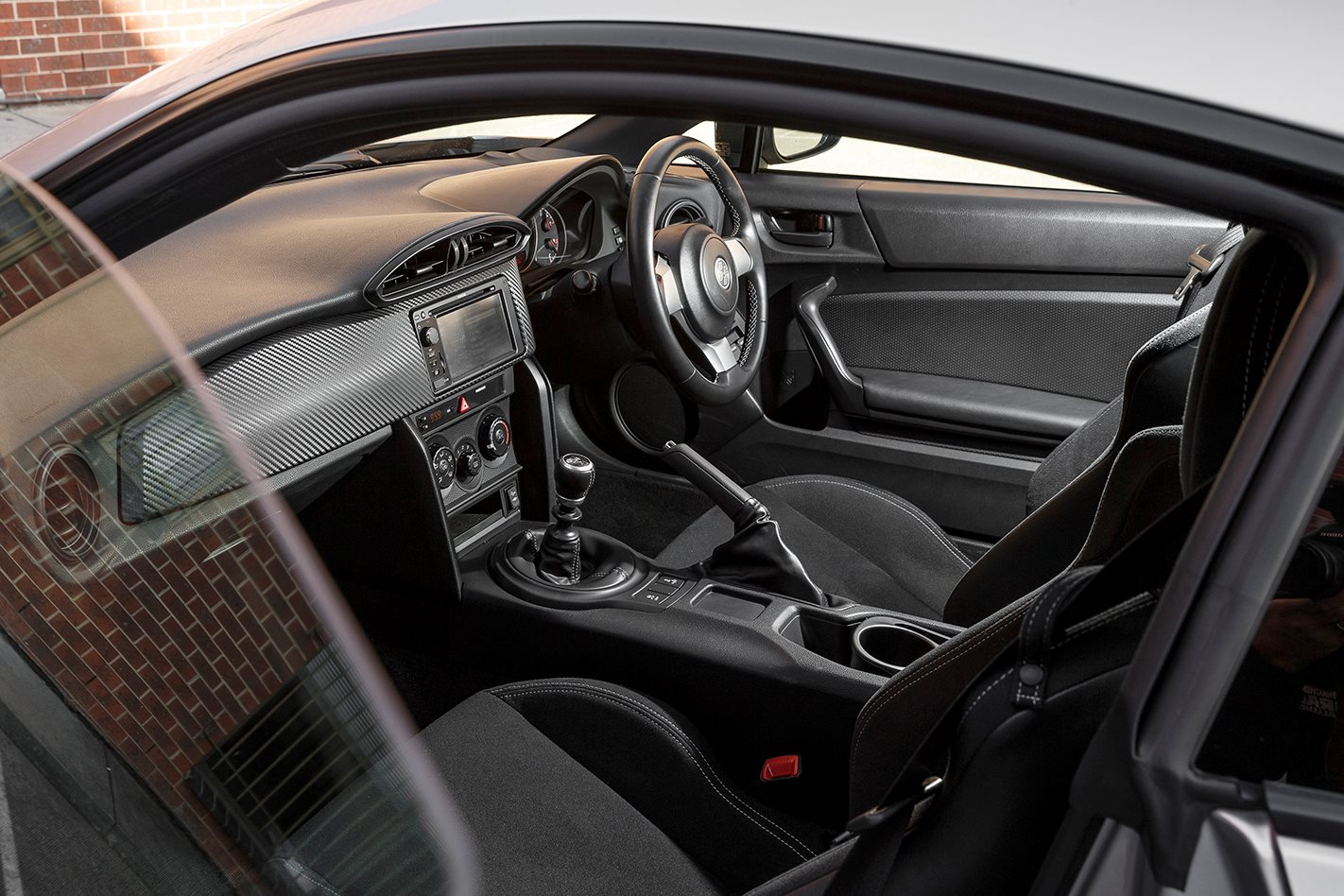
The 86 enjoyed one of the greatest debuts in modern car history; it has the same bombastic energy and relentless fun as the Beastie Boys’ first EP, ‘Licensed to Ill’.
But can the follow-up continue the tradition, and break new ground in the same fashion as the trio from New York’s ‘Paul’s Boutique’?
Reputations, like most things, are much easier to destroy than create. And we bet Kia thought long and hard about applying its GT badge to its humble Rio hatchback.
Understandably, for something built to fight Volkswagen Polos and Renault Clios, it instead chose its watered down ‘GT-Line’ badge to create the Kia Rio GT-Line.
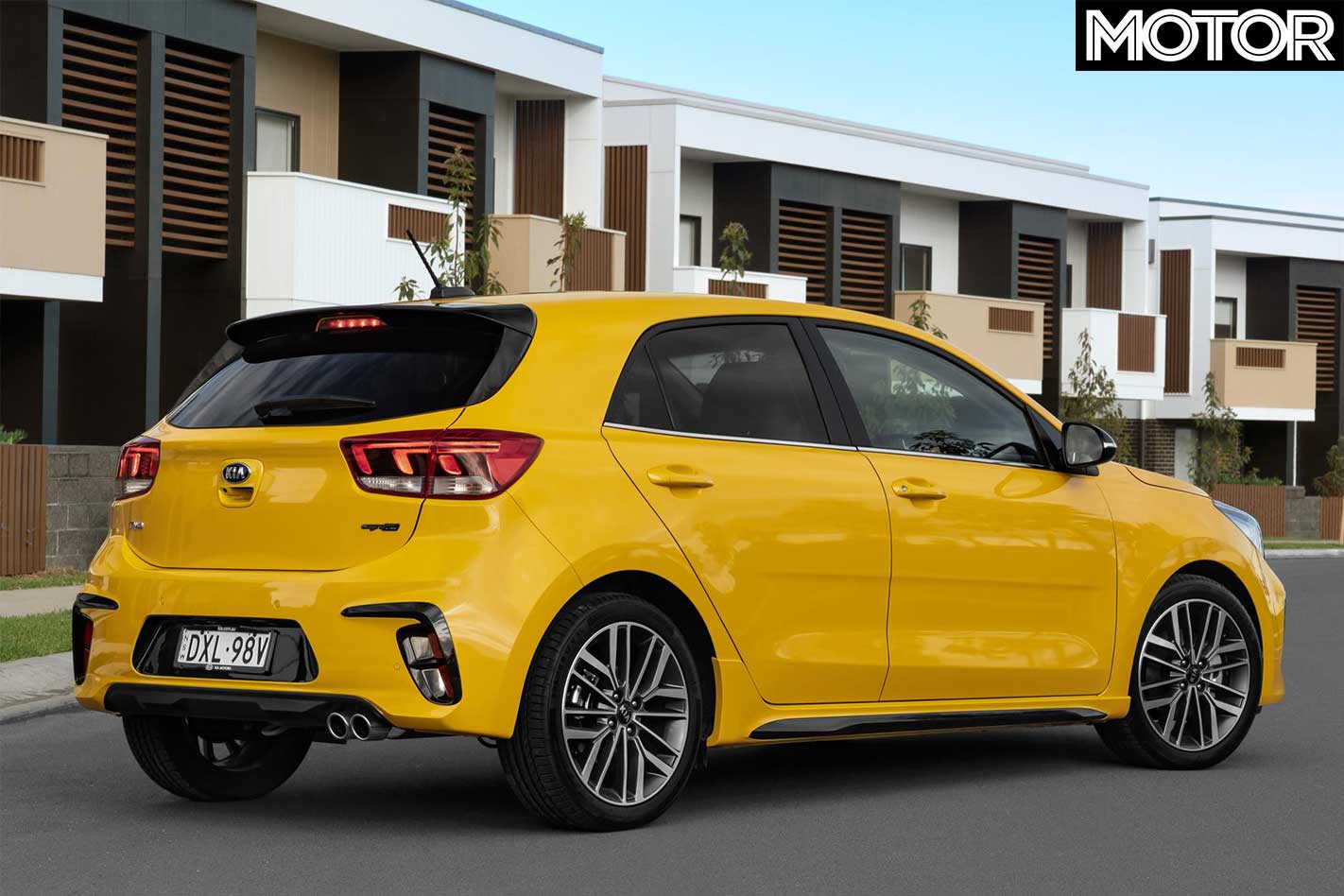
It still scores more grip and power, the biggest news being a turbocharged twin-cam three-cylinder engine that punches out 88kW/172Nm. It matches it to a seven-speed dual clutch transmission.
On one hand, that’s great news for anyone who finds the carried over 1.4-litre atmo four-cylinder sluggish or dated. And there’s a good chance you will when it’s putting 74kW/133Nm through a four-speed auto. The three-banger also spins with an interesting off-beat thrum.
Conversely, it’s still no power house. It ultimately sounds flat. And there’s the fact a dual-clutch gearbox, new safety tech and bigger front brake discs add 44kg to its kerb weight, blunting the turbo engine’s added 14kW/39Nm.
You only need to drive a Picanto GT fitted with the same engine to grasp the Rio’s shortcomings. Even though it’s burdened with an extra 169kg it gets only another 14kW and not one single newton metre. Extremely short gear ratios (first gear expires at 48km/h) don’t help either.
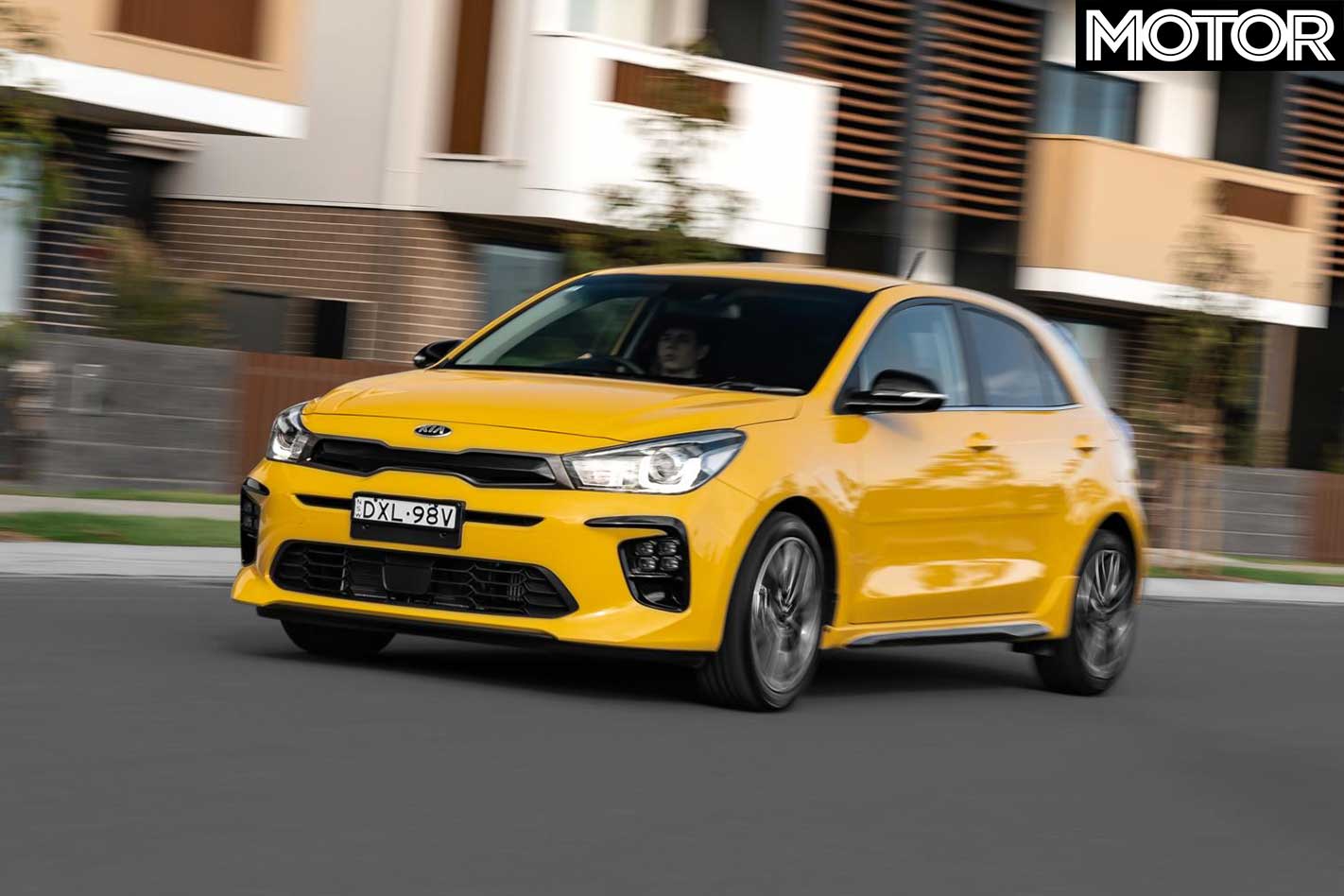
It never really feels like it’s moving at pace, no matter the environment. It’s tweaked chassis and steering fail to give you positive inputs and Continental Sportcontact 5s, while grippy, know nothing but understeer.
This would be fine if the Rio GT-Line delivered an enjoyable day-to-day experience, after all, at $21,990, it’s destined for an urban life. And it does, for the most part, impress with a spacious cabin, sold build quality and material finish that feels spot-on at this price point.
Yet, ironically, the features that suggest the Rio can be more than just cheap and cheerful transport are what come close to compromising that. The start-stop system cranks a fraction too slow but the transmission quickly tries to engage to match wheel speed to engine speed. The result is a jerky take-off from the lights.
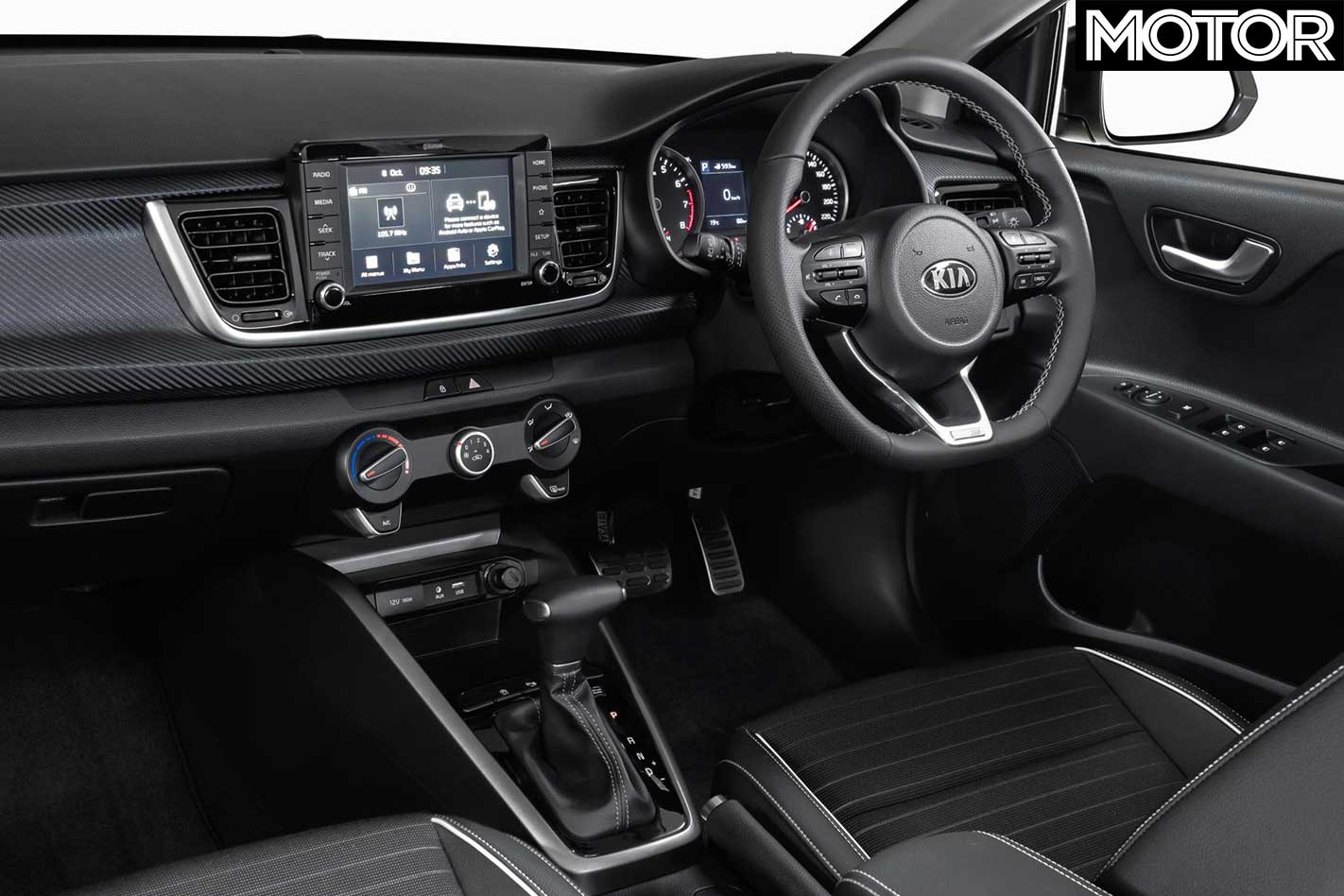
And while the transmission helps deliver an incredible 5.4L/100km claim even with tightly stacked gear ratios, we’d still prefer a regular automatic or manual transmission, neither of which are available with the three-cylinder engine.
Clearly no one’s going to buy the Rio GT-Line for its performance, but rather its full-fruit appeal in the range. In a broader sense, though, it has nowhere to hide against more accomplished rivals, like a Volkswagen Polo 88 TSI. And without the novelty factor that makes the Picanto so appealing, we can see why Kia gave the full-blooded GT badge a miss on this one.
2019 KIA RIO GT-LINE SPECS: Engine: 1.0-litre DOHC inline-three turbo Power: 88kW @ 6600rpm Torque: 172Nm @ 1500-4000rpm Drive: front-drive, open differential Weight: 1176kg Price: $21,490
A1:1 scale Lego McLaren Senna has been revealed by the Woking brand, two years after it did the same with its then-new 720S.
Weighing in at 1700kg, about 500kg more than the real car, the Lego Senna uses elements of the real car where Lego wouldn’t have worked, such as for the seats, pedals, and steering wheel.
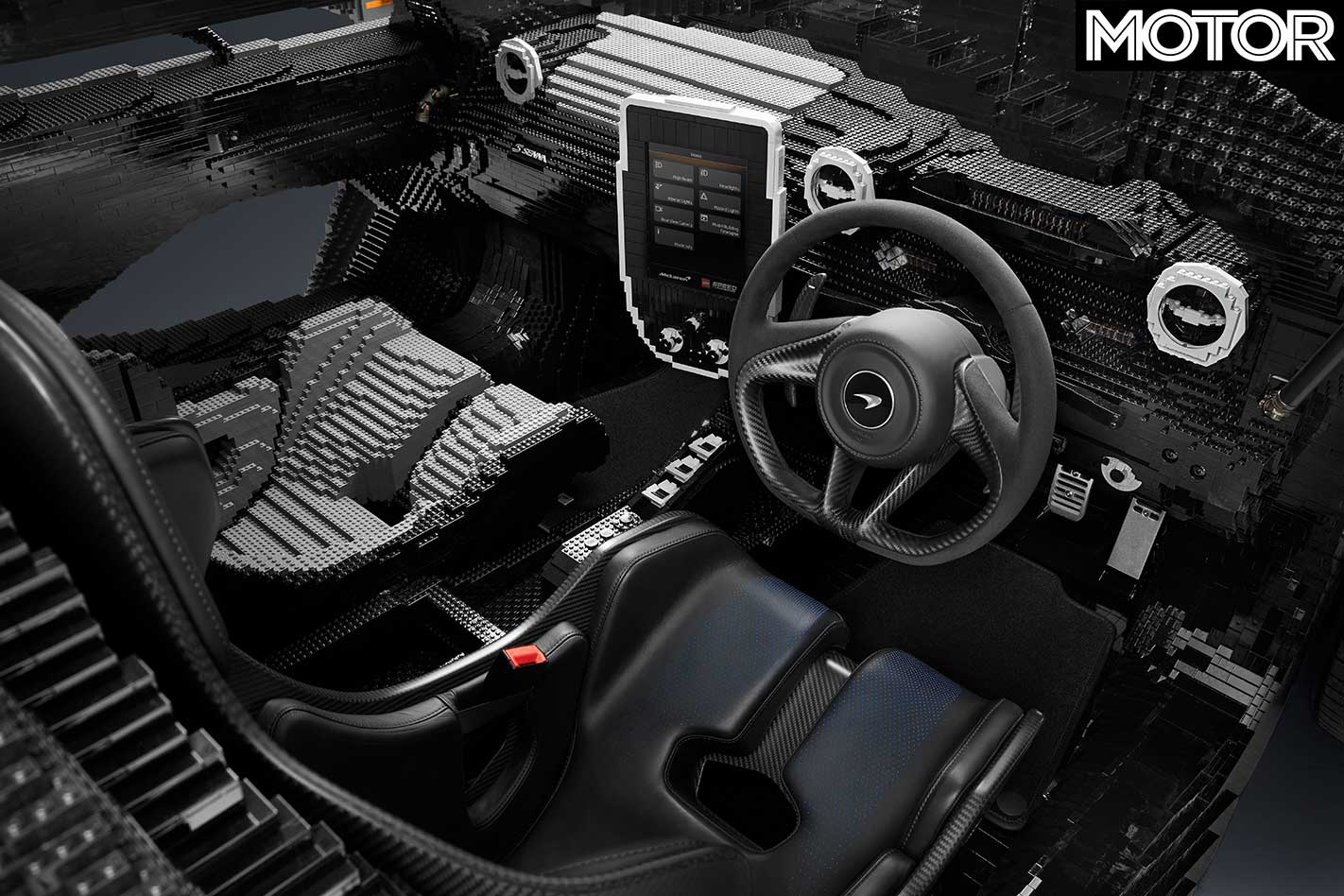
It also features a start button which begins an audio simulation of a real Senna V8 starting up. But it’s the Lego bricks that are the most impressive aspect of this build.
The Lego Senna uses almost half a million plastic bricks – 467,854 to be exact – and required teams of 10 builders to spend 2725 hours putting it together.
In that time, Mclaren says it could have built nine real Sennas at 300 hours each.
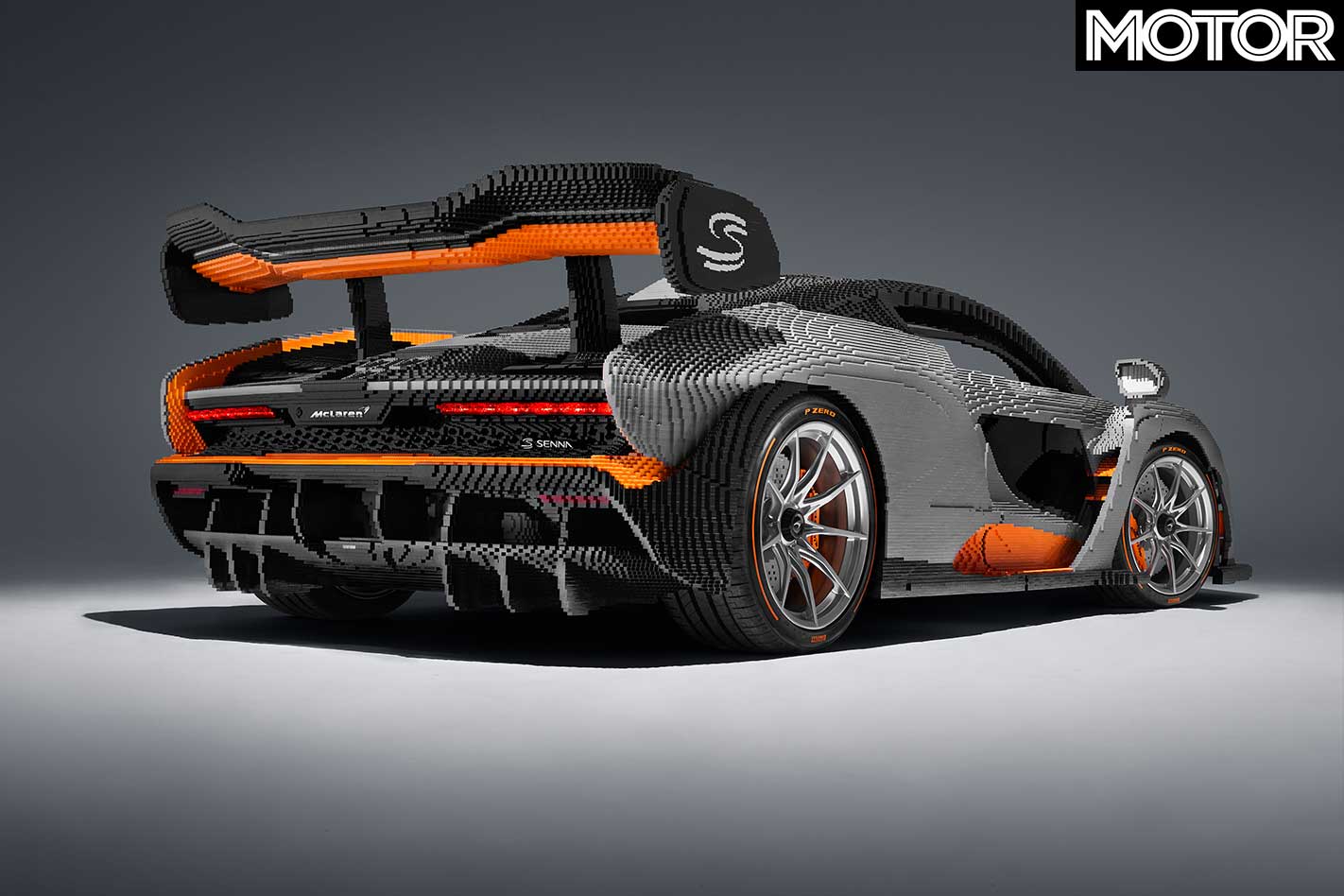
McLaren says it’s the most ‘ambitious’ and realistic car it has ever built in partnership with Lego, with 42 people putting in a total of 4935 hours of work including design and development.
“Pieced together from one metric tonne’s worth of LEGO elements, you may not be able to drive off in it but enthusiasts young and old can climb aboard, sit behind the wheel, push the start button in the roof and even hear a simulation of the 208mph car roaring into life.
“As well as this they can operate the working lights and infotainment system on the model.
“Fans of the famous brick, as well as fans of the McLaren Senna, will be able to see it soon at one of a programme of events across the world.”
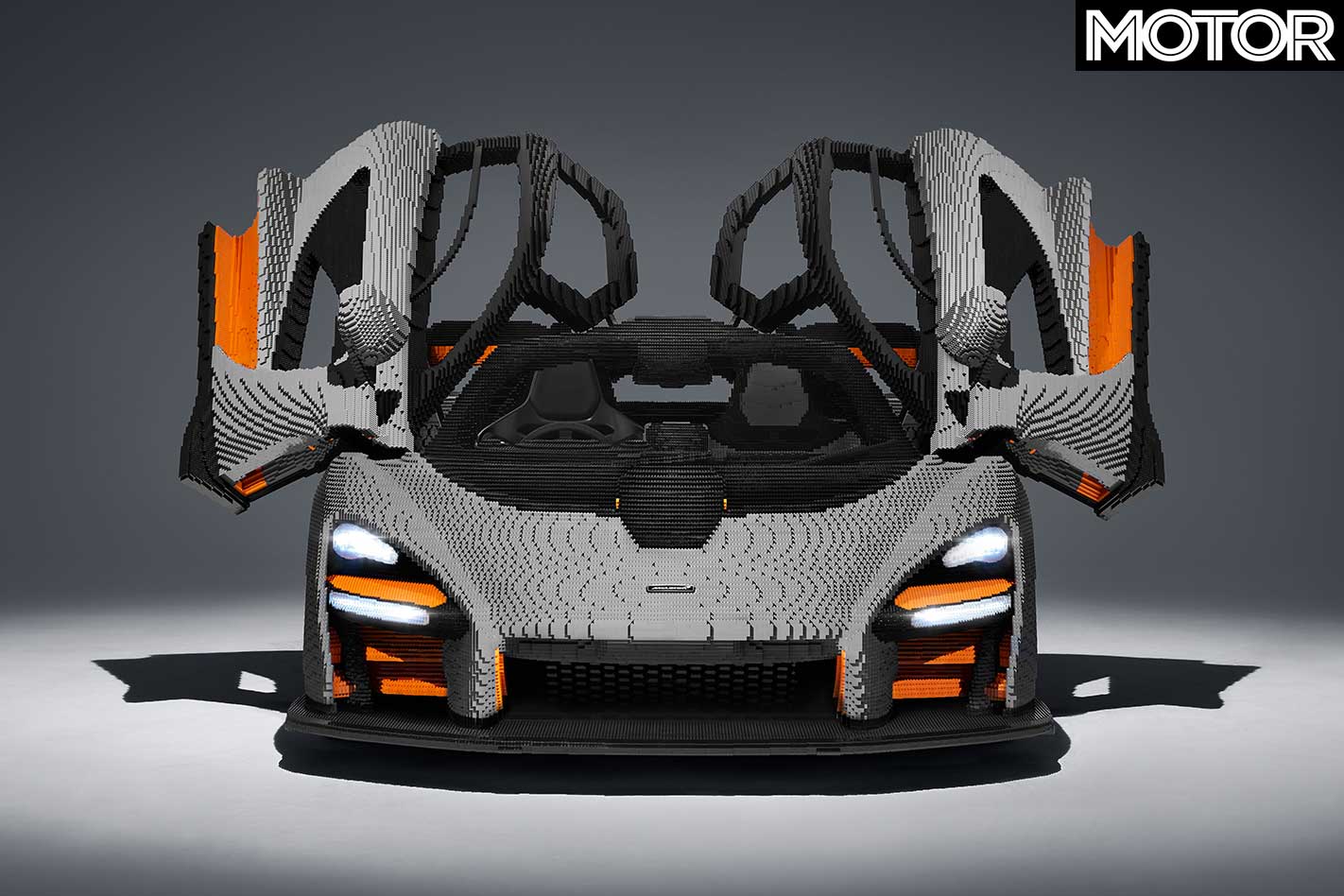
The first of those events, McLaren says, will be the Goodwood Festival of Speed which kicks off on July 4 this year.
A Netherlands fire department has doused a $318,000 BMW i8 in a tank of water for 24 hours to extinguish an onboard battery blaze.
Brandweer Nederland’s North Brabant station was called to a local BMW dealership, where a BMW i8 had started to smoke ominously from an unknown source.
The hybrid i8 was quickly moved outside, where the local fire crew had deployed a specially built truck to help contain the fire.
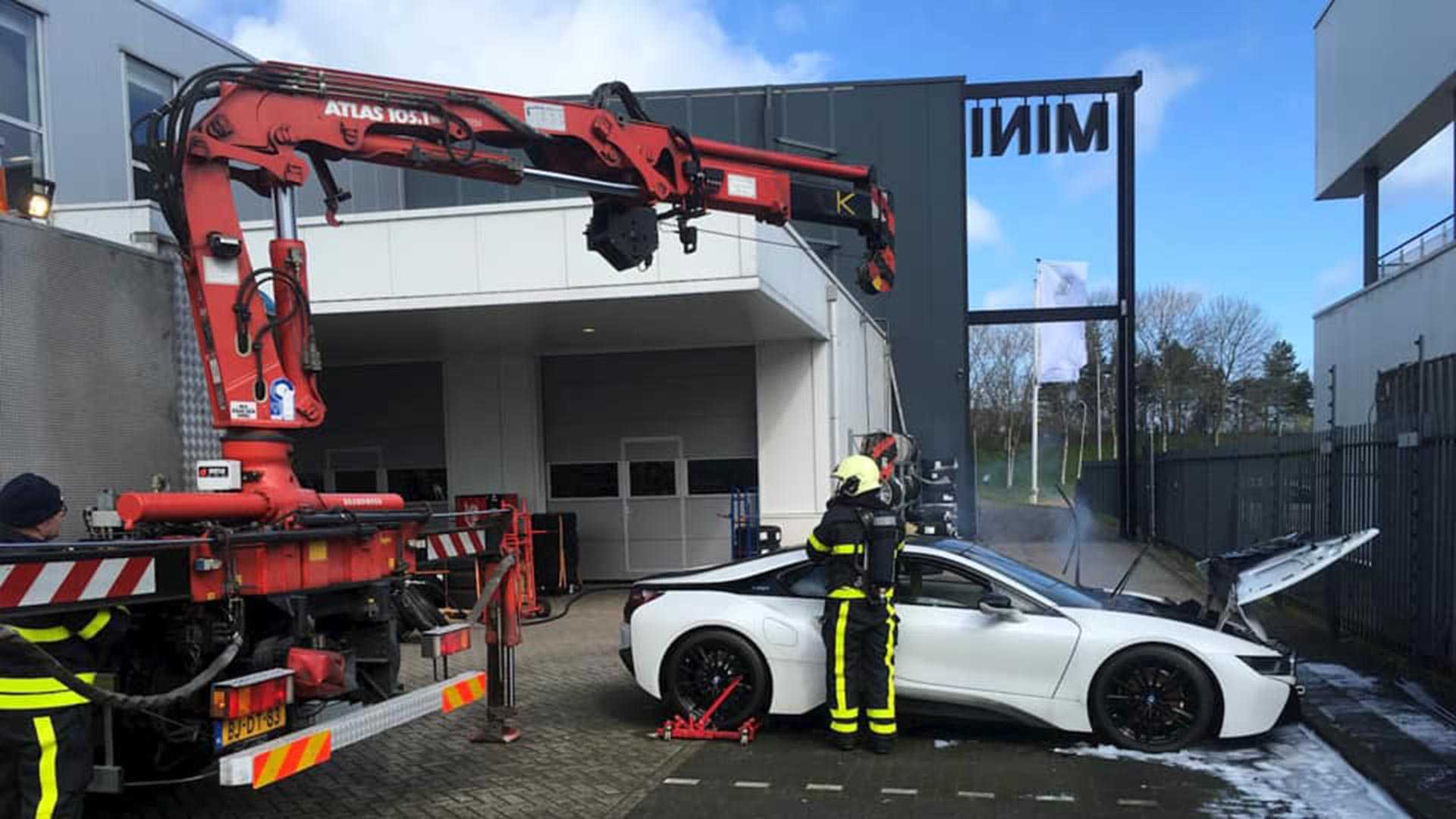
Our Dutch firey friends utilised a clever system to fight electrical fires, though. A flatbed truck equipped with a crane and a large container of water was dispatched to the dealership. The container was swung off the truck, and the crane was then used to lower the offending vehicle into the water, where it stayed for at least 24 hours.
“This morning an electric car started to smoke in a showroom,” reads a report on the fire station’s social feed. “The employees of the garage and the fire brigade acted quickly to drive the car outside. Because it is an electric car, inventive action was necessary.”
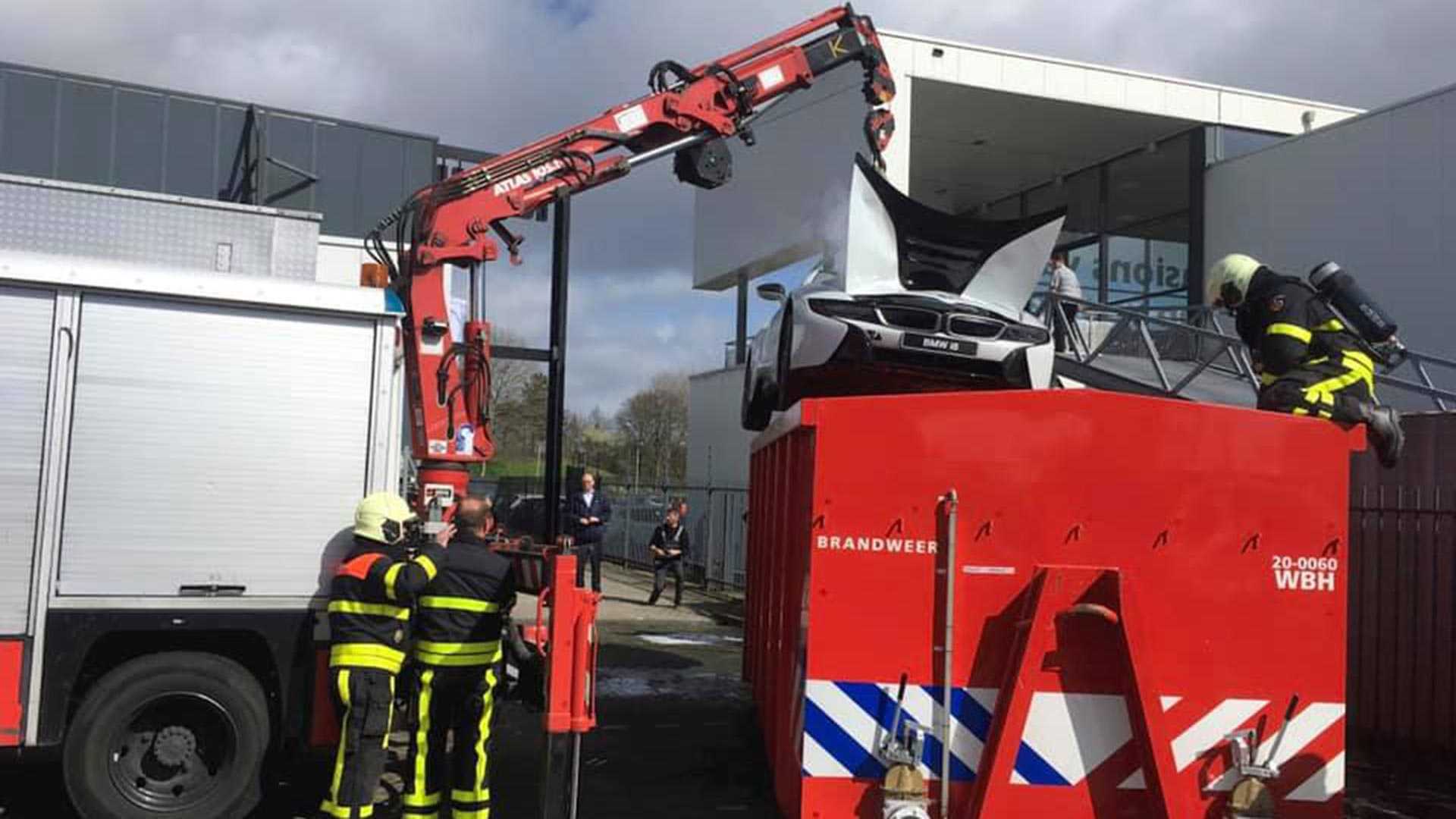
The brand new two-door i8 coupe, of course, was a complete write-off.
Electrical fires are notoriously hard to put out, with copious amounts of water required to extinguish them. Tesla, for example, advises that a battery fire could take 24 hours to put out and could require up to 11,000 litres of water.
Despite that, a damaged battery may re-ignite after it has been extinguished, as evidenced by fires breaking out in crash-tested EVs stored in holding yards. Tesla has reportedly donated hundreds of vehicles to emergency response teams in its home state of California in order for training to be carried out.
Emergency response teams are also receiving training around the world to deal with the high-voltage cabling that EVs are equipped with. Standing instructions include avoiding large orange cables aboard current EVs, as they are capable of carrying up to 400 deadly volts of current.
As vehicle electrification becomes more common, the dangers of high-voltage chargers will need to be taken into account, as well.
Porsche, for example, has already had to recall a brace of high-output 800v chargers because the cables were melting – and this is well before the launch of the brand’s Taycan sportscar, which Porsche claims can be charged to 8-0 percent capacity in 15 minutes.
Audi’s flagship electric car won’t spark in Australia until next year, with WLTP issues and smelly insects delaying shipments of three key new models.
The German maker has been hit by the same stink bug that’s affected shipments from parent-company Volkswagen Group out of Europe, causing frustrating delays since last year. However, according to Audi Australia corporate communications manager Shaun Cleary, the interruption to stock from the little critter is minor compared to the backlog it faces as headquarters prioritises other markets in the wake of WLTP testing.
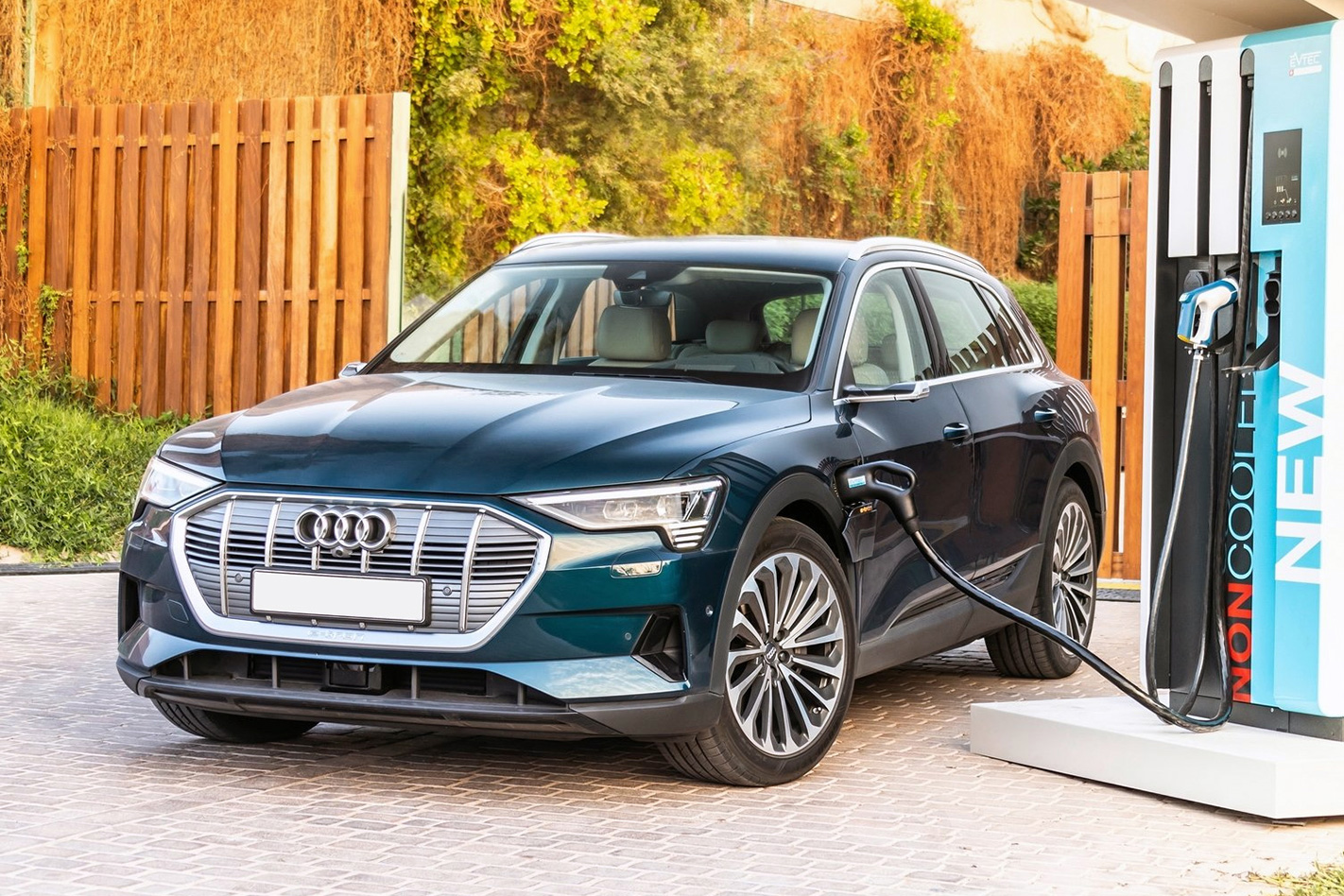
“We’ve had some product delays,” Cleary told Wheels. “Specifically, we’ve had [the new] A1 and Q3 that’ve been moved to fourth quarter of this year, and we’ll also see the E-Tron launch early next year which is delayed from where it was.”
Audi was originally planning to launch its first electric SUV within months, but a long process to homologate the vehicle to new WLTP regulations and Audi shuffling the international pecking order have delayed action until January 2020 at best. It’s a pain for Volkswagen Group, which has had to restructure model lines around the world. It’s a further frustration for Audi Australia that will miss the jump on Mercedes-Benz, launching its electric SUV, the EQC, in Australia later this year.
“While WLTP does not specifically relate to Australia, it’s the accepted homologation standard for Audi… with the onslaught of product that is being rolled out globally, it’s a task to get all those models homologated.
“Naturally, the priority falls to the bigger markets with greater volumes, as you can imagine, which means there have been some delays for us.
“It [E-Tron] has to be homologated in the same way – things like how much electric current and capacity you use, total range, and how far it can drive.”
However, there’s a silver lining, as planning a compatible rapid charging network for the E-Tron and ‘wall kits’ for home use will be better established once it does launch. It could be an important selling point for Audi which uses the latest-generation rapid charging technology.
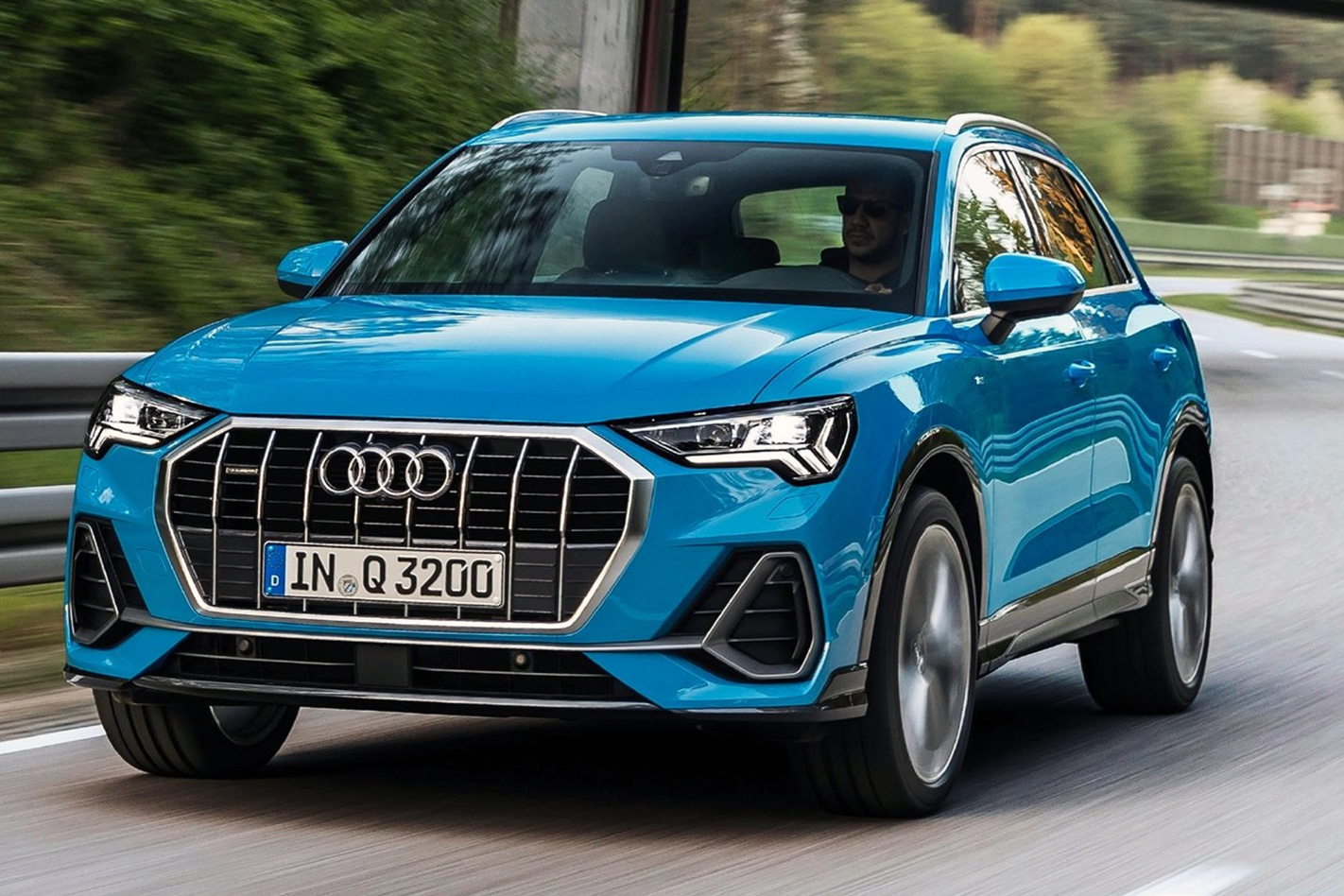
“Bear in mind, because we were planning to introduce it mid-year [2019], we’re a long way down that road with planning. With charging infrastructure in terms of a customer solution, we’ll be offering the option to package with a partner of ours and to install some suitable charging equipment in their house.
“In terms of charging between city and house, there are a number of destination chargers rolling out. We’re a founding partner of the Chargefox network which is a big part of a network rolling out a lot of charging stations, such as those high capacity chargers that are really important for Australian use. And the E-Tron is the fastest charging EV on the global market at the moment, able to charge 80 percent capacity in 30 minutes.”
How to find an end-of-year new car bargain
But Cleary is unsure what Audi Australia’s electric future will look like after the E-Tron. Though a flurry of plug-in hybrid ‘TFSI e’ models have been revealed – the Q5, A6, A7 and A8 – and future products previewed like the Q4 E-Tron, Audi appears to be waiting on response to the bigger SUV first.
“The Audi brand strategy is that there is going to be 30 models electrified models by 2025. That’s a lot of models and that’s a key part of our strategy which we’ll certainly support in Australia. For us at the moment, the focus is on E-Tron, which will be the first fully electric car.
“We’re evaluating those models and future ones that have not been announced, being 30 of them. We’re certainly looking to support and we will be engaged with the overall electrification strategy over the coming years,” said Cleary.
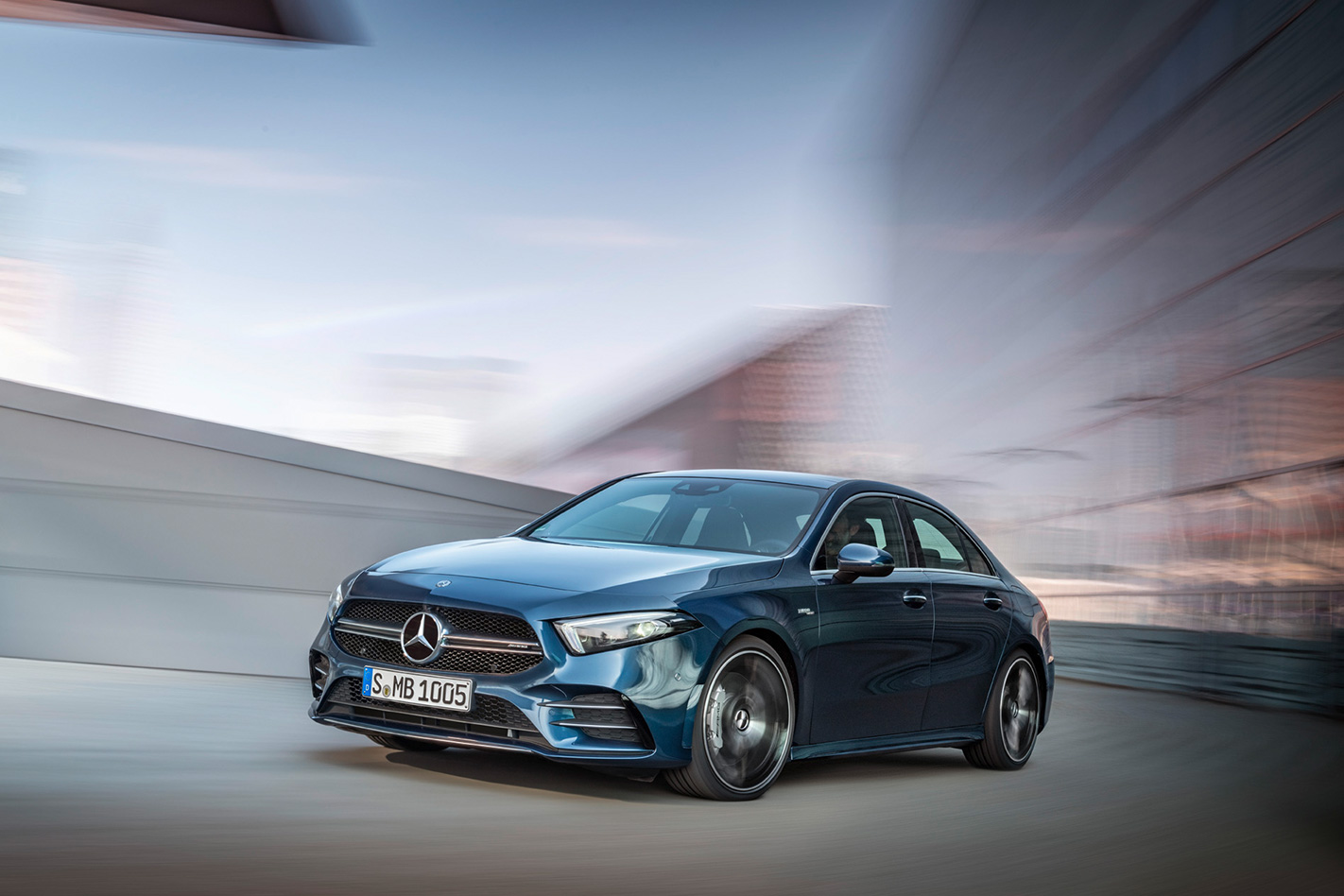
Mercedes-AMG has revealed the A35 sedan, the follow up to the hot hatch already unveiled. It is the second new model to arrive on the A-Class’s all-new MFA2 architecture platform and provides Affalterbach with a rival to go up against Audi’s S3 saloon.
Like the A35 hatch, the new entry-level AMG is more affordable than the previous A45 but brings a hotter flavour than usual, accelerating from 0-100km/h in 4.8sec, just 0.1s slower than its sibling.
“Following the very successful launch of the hatchback model, things are moving along dynamically in the compact class segment at AMG,” said AMG boss Tobias Moers.
“Sport saloons are the origin of Mercedes-AMG and part of the brand’s core. With our new A35, we are transporting this history into modern times in the form of a very attractive model that serves as a point of entry into the world of AMG and also appeals to new customer groups.”
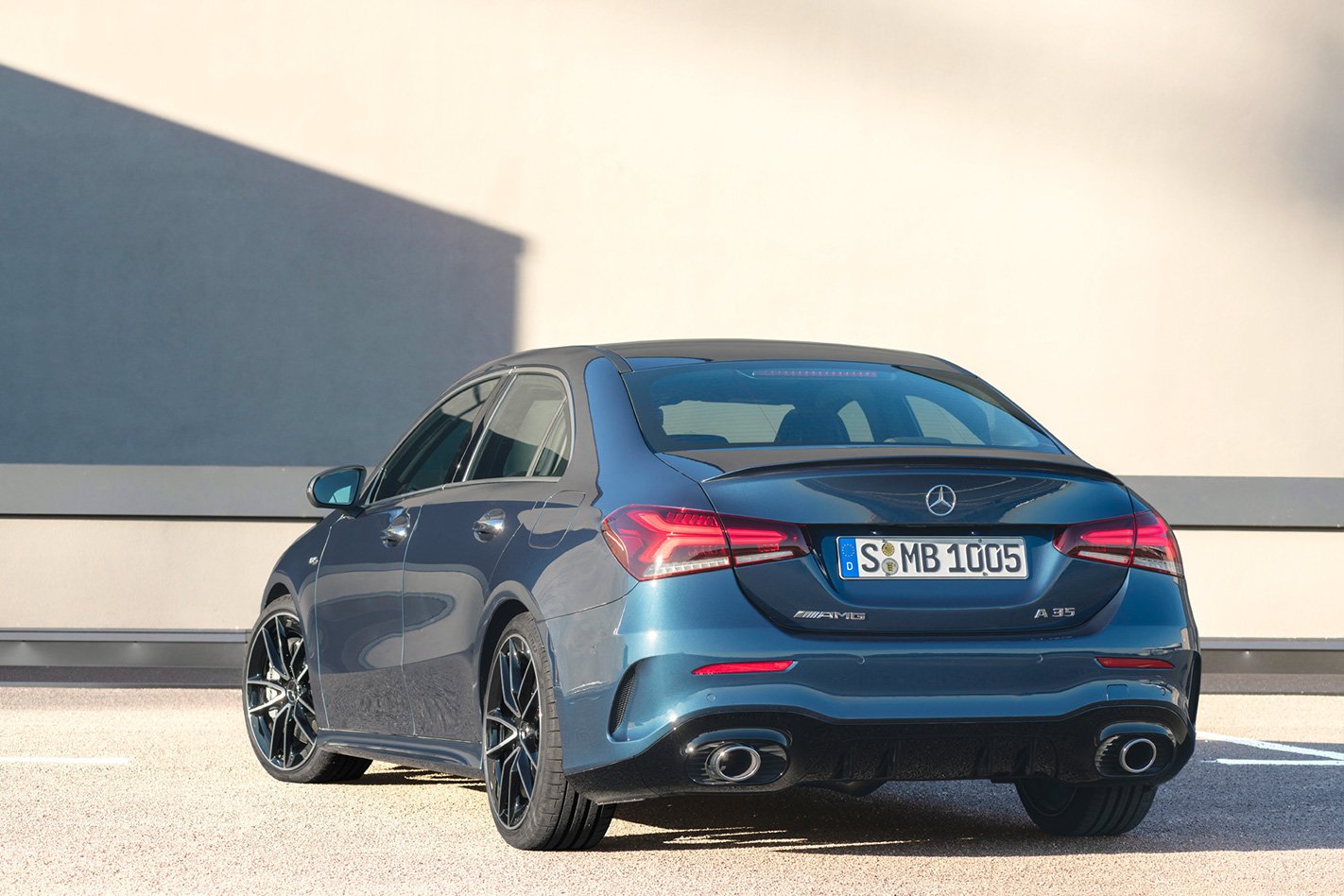
Powered by a 2.0-litre twin-scroll turbocharged petrol engine, it develops 225kW at 5800-6100rpm and 400Nm from 3000rpm. Power is sent through a seven-speed dual-clutch automatic transmission to the 4Matic all-wheel-drive system that can split up to 50 percent of torque to the rear axle. Stopping power is from large 350mm front and 330mm rear brake discs behind standard 18- or optional 19-inch alloys.
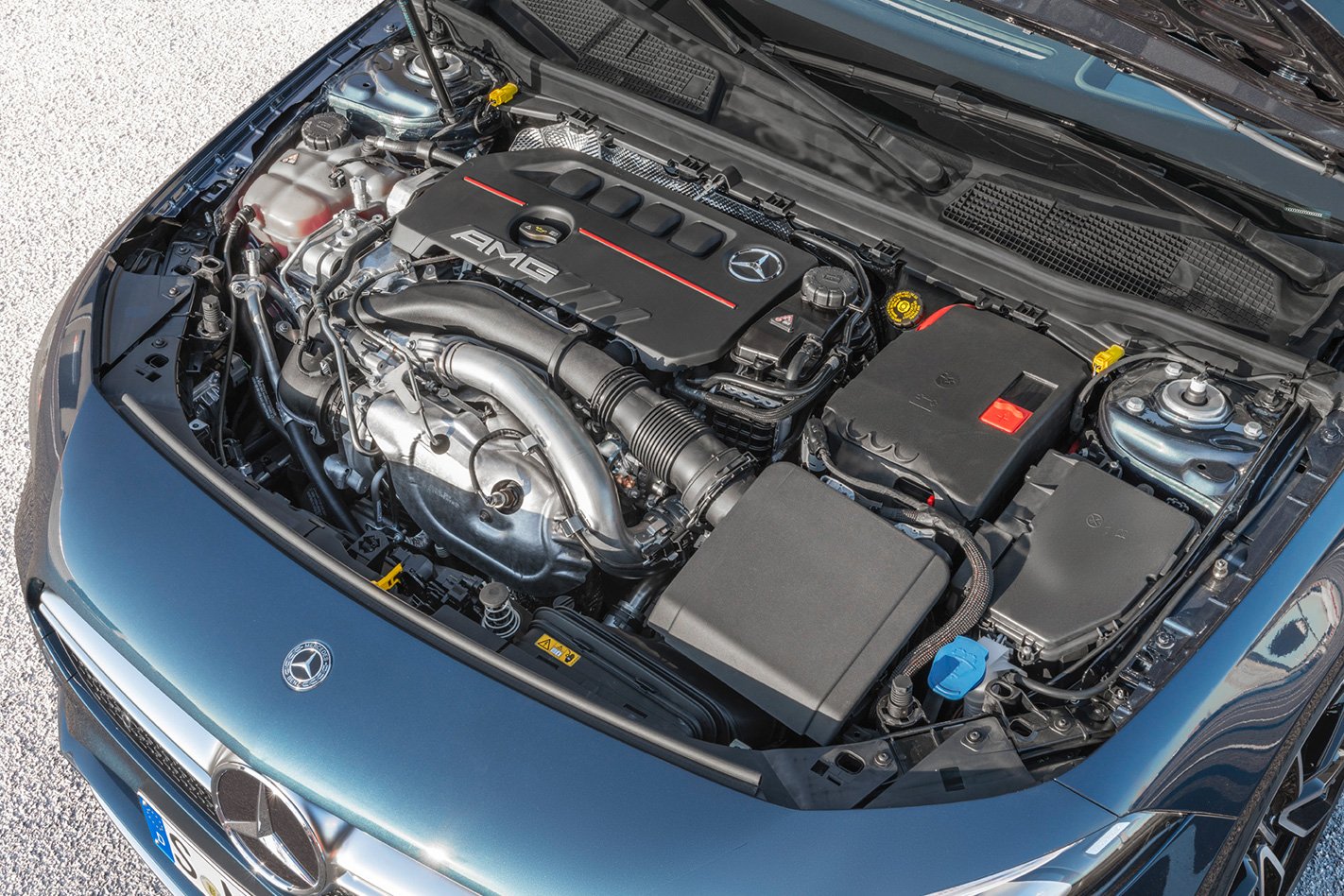
AMG tweaks include sports-tuned three-way adaptive dampers on the McPherson front and four-link rear suspension points, recalibrated electronic stability control settings and a variety of drive modes; Slippery, Comfort, Sport, Sport +, and Individual settings change the cars attitude for throttle response, speed sensitive steering, and exhaust note.
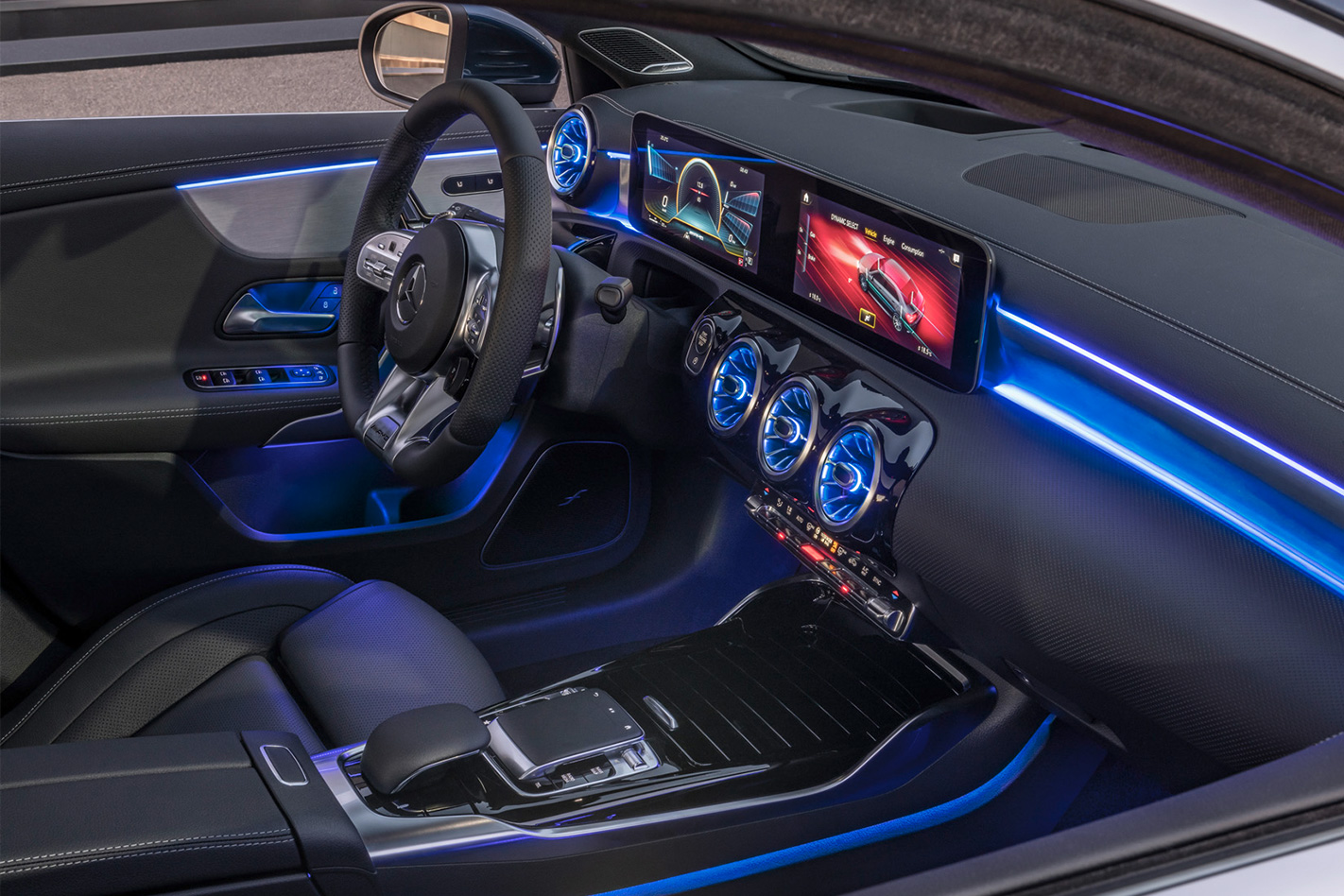
More practical than the baby back ’35, the sedan’s boot measures 420 litres, up from 370 in the five-door hatch. In the cabin is the same design we’ve already seen, with a wide AMG-specific twin-screen MBUX system, sports seats finished in faux leather, microfiber sports steering wheel with touch capacitive buttons and red seat belts and contrasting trim elements available.
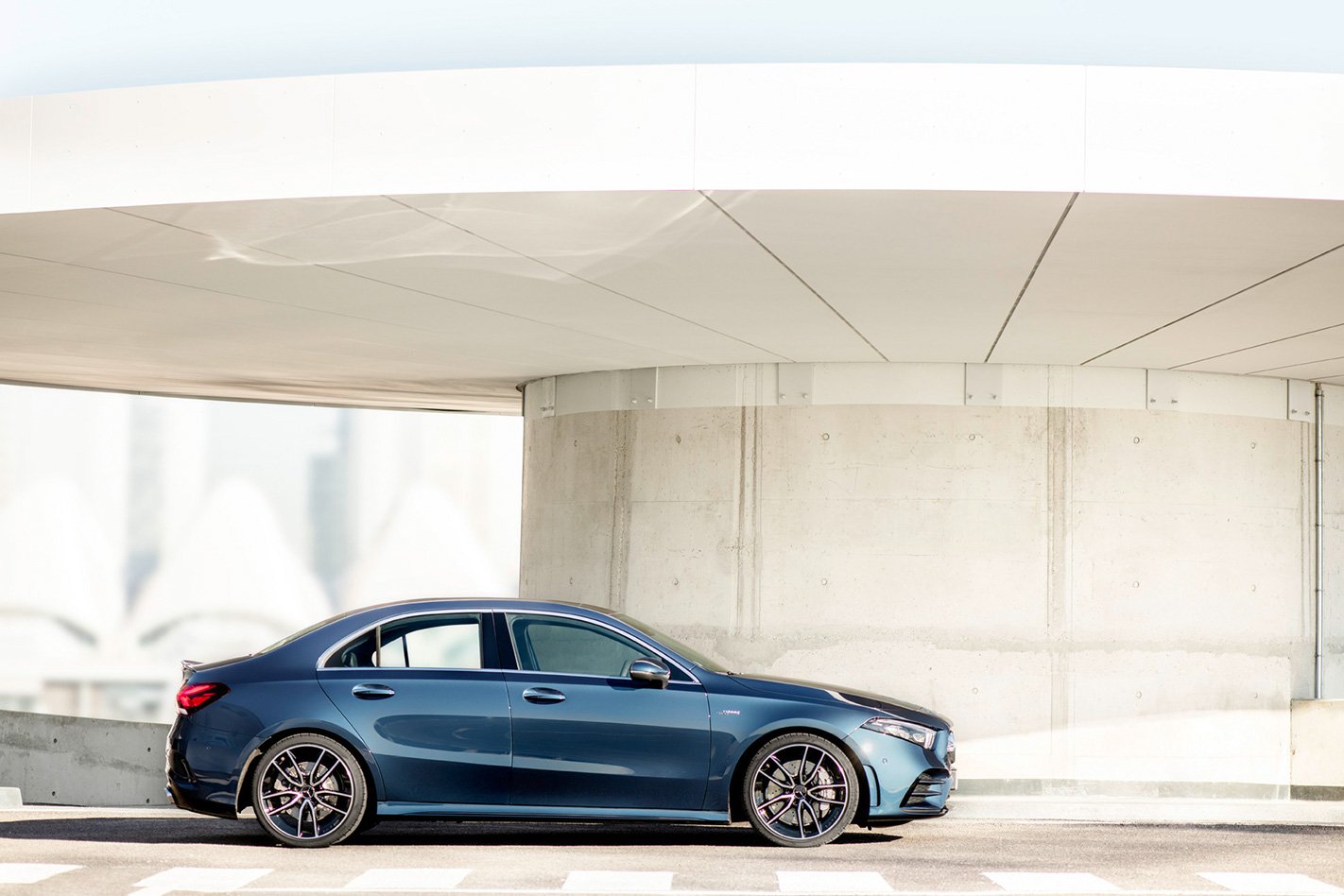
Speaking to Wheels, a Mercedes-Benz spokesperson confirmed that the A35 sedan will arrive in Australia this year alongside the hatch. Both cars expected to land around September.
The BMW M2 Competition is a car with few faults. You don’t come runner-up at PCOTY – and within a hair’s breadth of beating a $750K 911 GT2 RS – without being an exceptional motor car. But no car is perfect. The M2C’s ride is pretty firm but arguably its biggest downfall is that it looks a bit plain.
BMW clearly spent the entire development budget on the mechanicals – which is how it should be – and had precious little left over to jazz up the exterior and/or interior. If you find yourself in the camp of wishing your new sports coupe stood out a bit more, help is at hand courtesy of BMW’s M Performance Parts package.
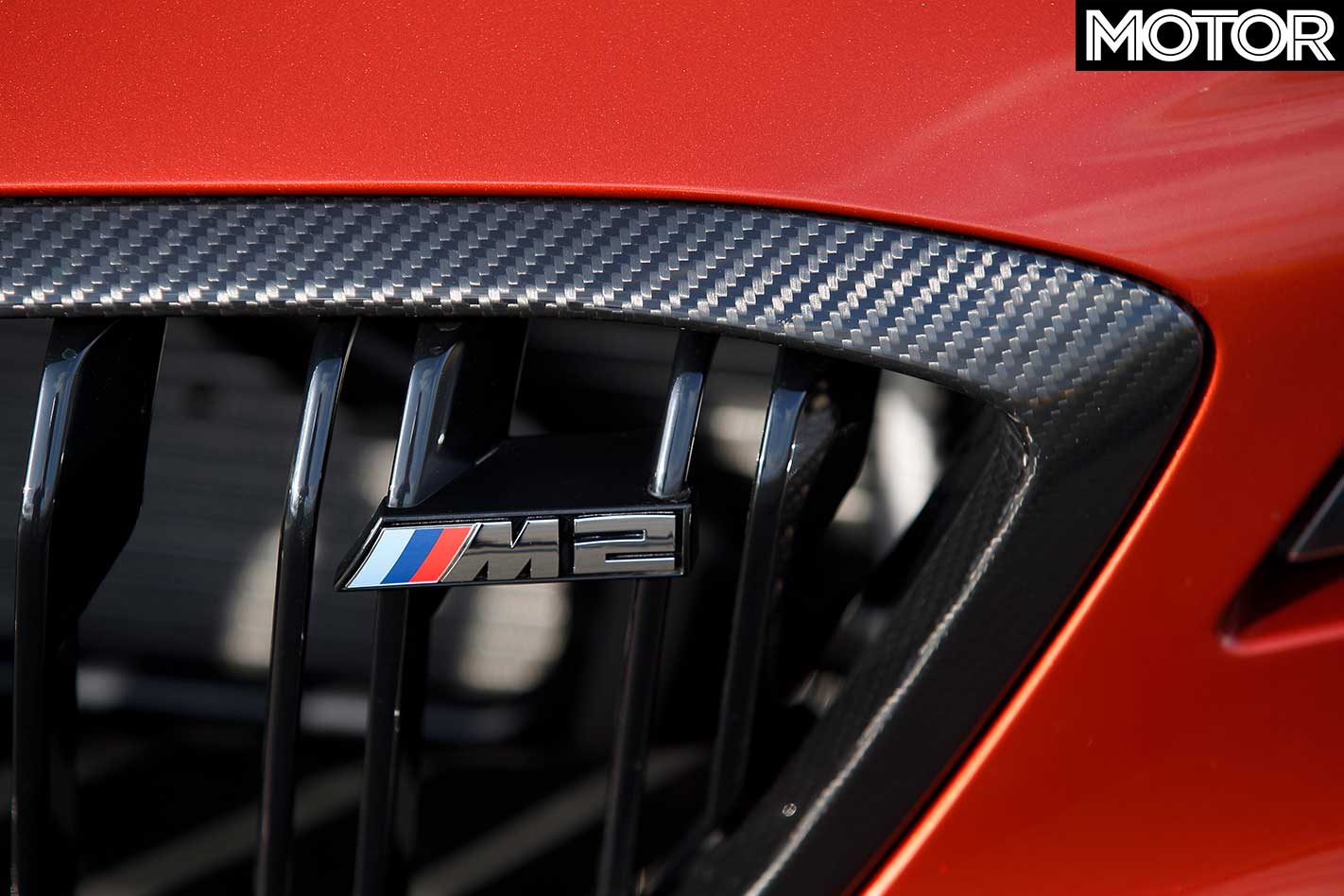
It consists of carbon, carbon and more carbon with a dash of Alcantara and hint of aluminium. There’s a carbon front splitter, bonnet, grille, rear lip spoiler, diffuser, side bars (for the front guard vents), sill attachments, mirror caps, entrance sills and interior trim, while aluminium pedals and an Alcantara-shod steering wheel completes the set.
It isn’t a cheap exercise. The complete package costs $15,990 (fitted) but when you take into account the fact that selected individually the bits would set you back $23,470 the value proposition strengthens. Our Sunset Orange test car had the works and certainly turned heads, but you can pick and choose the bits you like. Least appealing is the steering wheel, primarily due to BMW M’s propensity to design their wheels for gorillas. The rim is way too fat and oddly shaped to be comfortable for human hands.
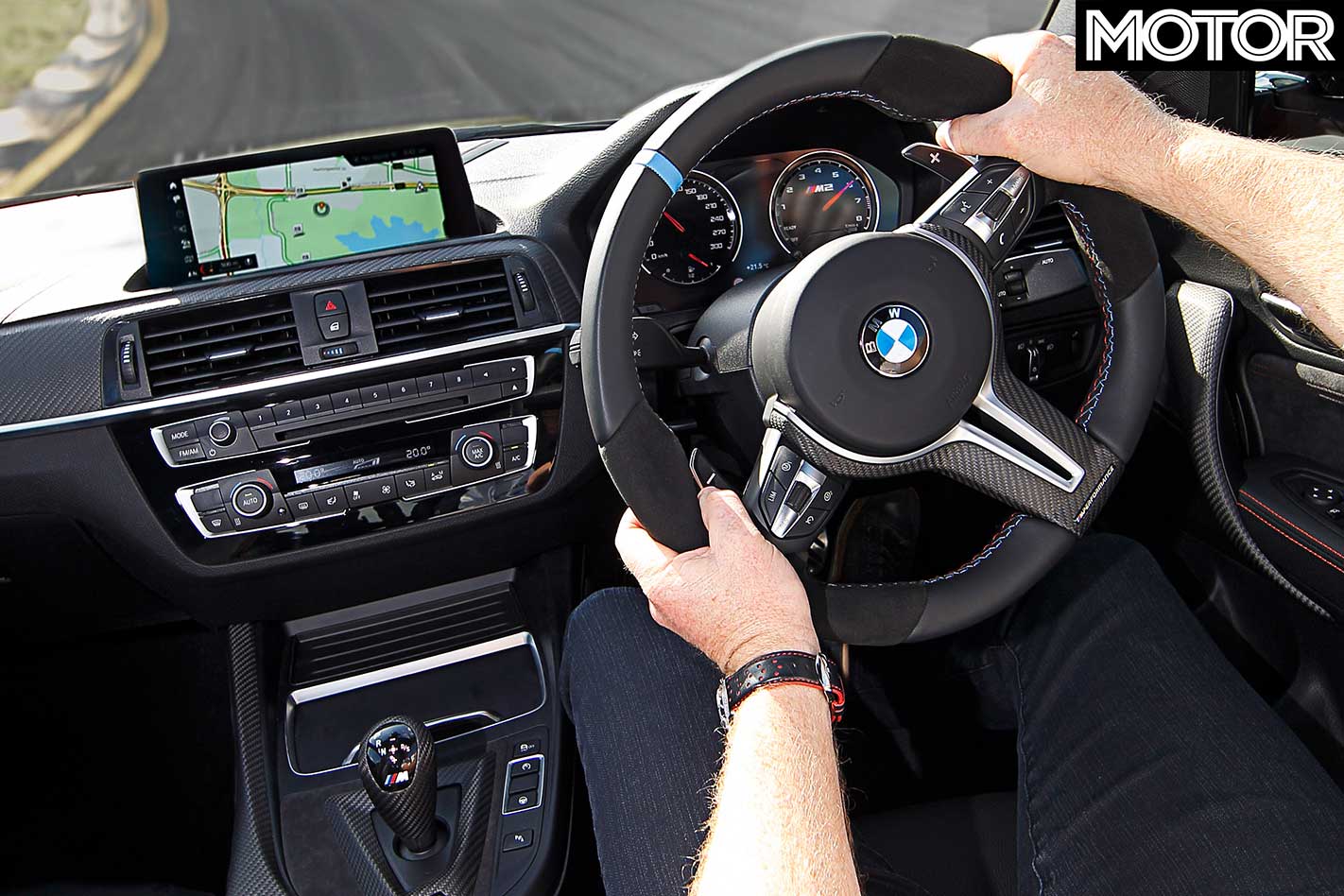
It’s impossible to make a recommendation on the exterior bits as it’ll be purely subjective: how much do you want to stand out? Personally, I’d take the carbon bonnet as it adds an M3-style bonnet bulge, the rear lip spoiler and subtler parts like the side bars and front grille. For my taste the front splitter and sill attachments are a little Fast and the Furious, though topped off with a nice GT wing it would certainly make a statement.
All the carbon bits might shave a few kilograms off the standard car, but effectively they have no effect on how the M2 Competition drives. It’s not a car that really needs improving. For those who prefer to drive with finesse, the ultimate 2 is maybe not for you, though it’s certainly capable of going unbelievably quickly when driven neatly.
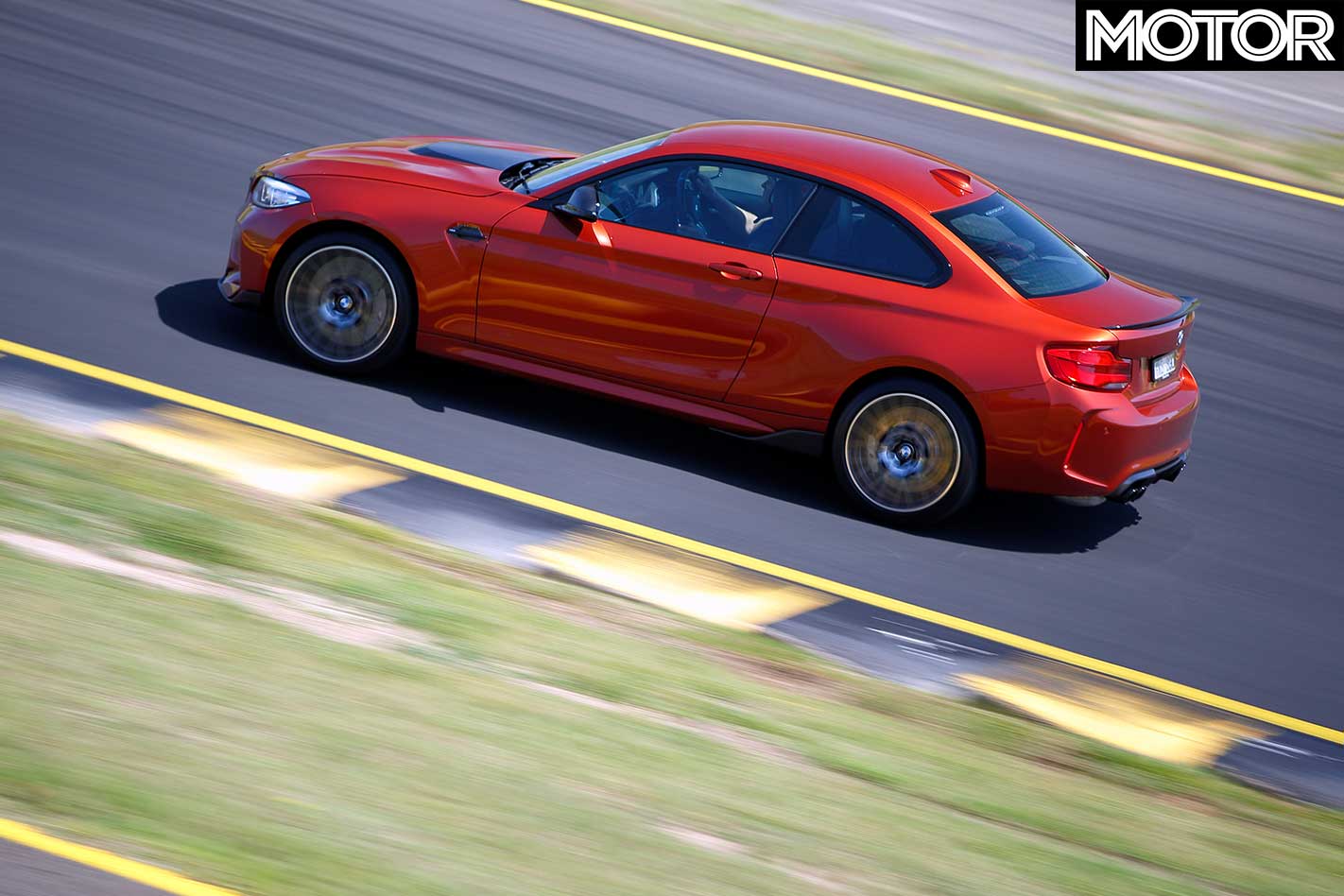
It’s a hoon at heart, and feels happiest when the driver is working up a sweat, flinging the car in to test the grippy front end before using the throttle to point it towards corner exit, the rear tyres over-rotating on the way out. It’s playful without being edgy, adjustable without being nervous, you just want to drive and drive until the fuel tank is dry (which doesn’t take very long).
2019 BMW M2 COMPETITION w PERFORMANCE PARTS PACKAGE SPECS: Engine: 2979cc inline-6cyl, DOHC, 24v, twin-turbo Power: 302kW @ 5250-7000rpm Torque: 550Nm @ 2350-5200rpm Weight: 1575kg 0-100km/h: 4.2sec (claimed) Price: $123,890 (as tested)
Likes: Makes your M2 Competition stand out Dislikes: Upgrades aren’t cheap
Rating: 4.5 out of 5 stars
The X5 has been a staple part of BMW’s showroom ever since the first-generation model arrived back in 2001, and has arguably played a pivotal role in defining the large luxury SUV category since.
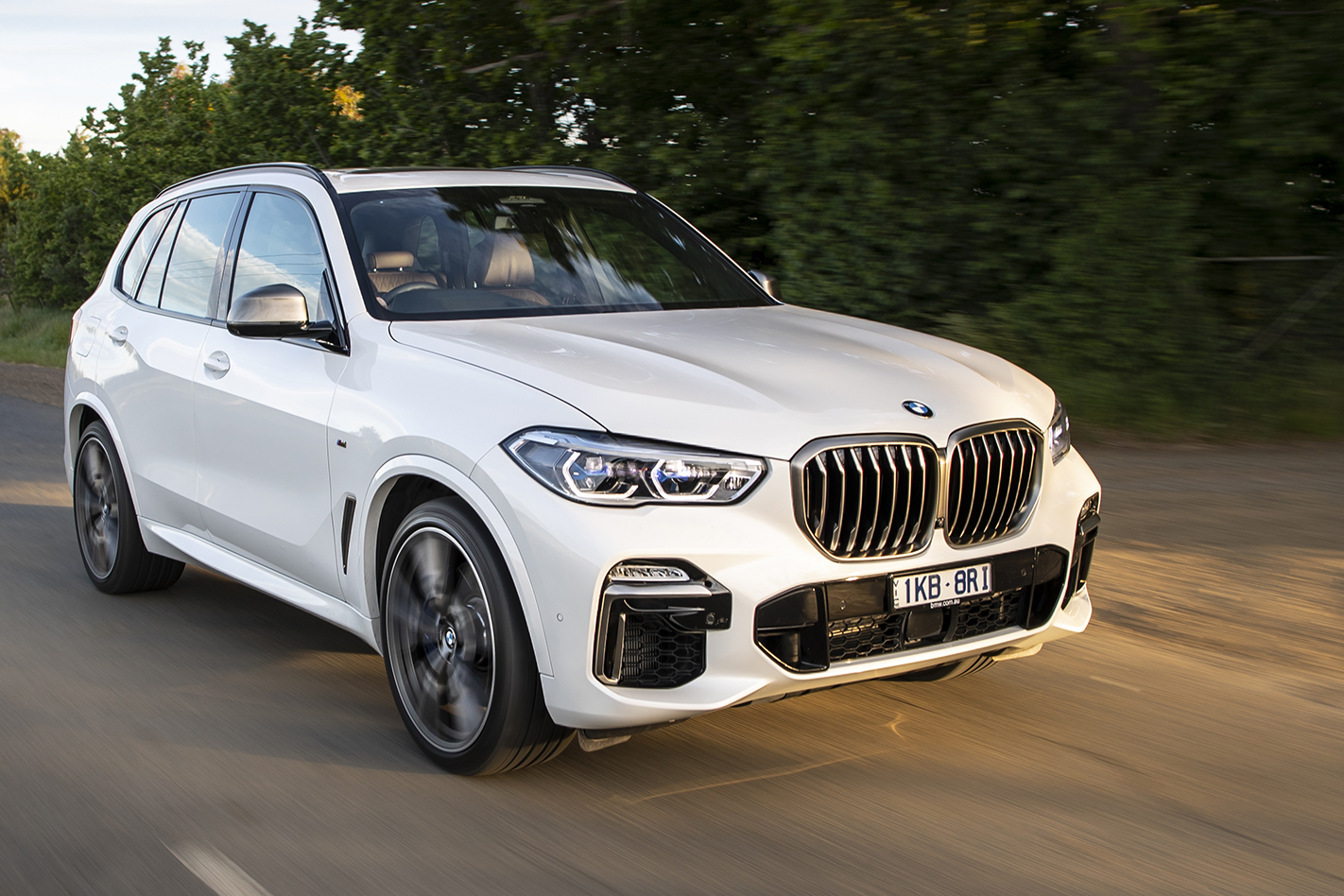
And now we have a new one. The X5 has grown up (and outward) with the arrival of the fourth-generation ‘G05’ range, and it now plays host to an impressive array of in-car technology. On top of that, the new X5 boasts one of the most spacious and luxurious cabins of any BMW. It’s deeply impressive even before you hit the starter button, but are there any chinks in the 2019 BMW X5’s gleaming armour?
We hit the roads of Tasmania behind the wheel of the entry-level X5 xDrive30d and its performance-oriented M50d sibling to find out.
VALUE
Right now the range begins at $112,990 for the 3.0-litre turbo diesel X5 xDrive30d, the same price as its predecessor but the value equation has been sharpened by the addition of a swathe of new equipment. We’ll get to that in the next section.
In the first quarter of next year a 3.0-litre turbo petrol inline six will become available in the form of the xDrive40i, which will offer the same level of equipment as the 30d – but at a slightly higher price of $115,990 and with more performance (250kW/450Nm and a 0-100km/h time of 5.2 seconds, versus the 30d’s 195kW/620Nm and 6.5-second 0-100km/h).
Until the eventual arrival of the next X5 M, the range-topper of the 2019 X5 range is the $149,900 M50d. Like the 30d, the M50d’s standard specification also rises (not to mention its price, which lifts by just under $5000), and it now sports a wild quad-turbo 3.0-litre diesel inline six with 294kW/760Nm rather than the triple-turbo unit of its predecessor.
Wondering where the previous model’s rear-wheel drive, sub-$100K, four-cylinder sDrive20d variant has gone? It’s not currently confirmed for the new-gen X5 in this country, however we’re told it’s on the cards for a local launch sometime later in 2019.
STANDARD FEATURES
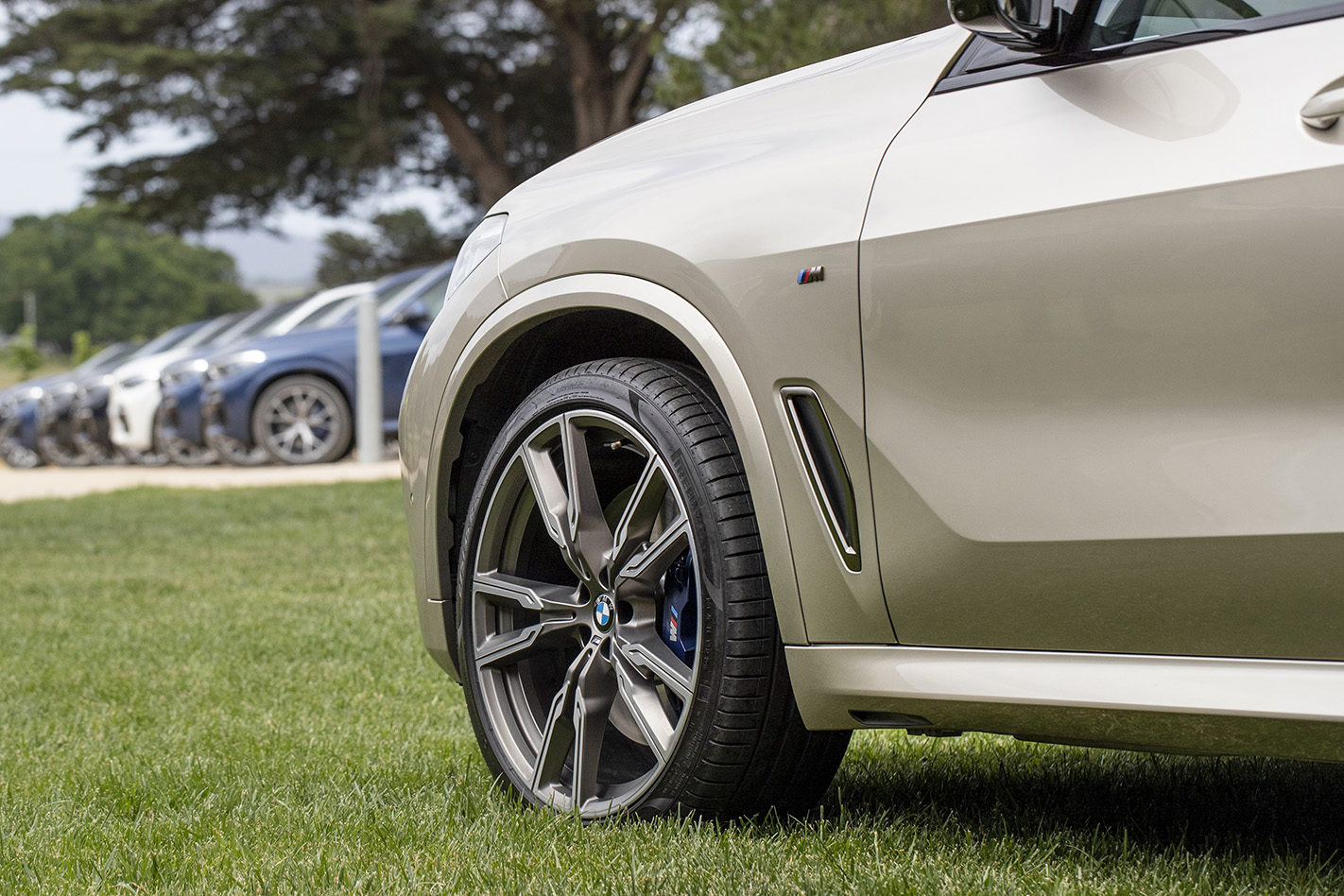
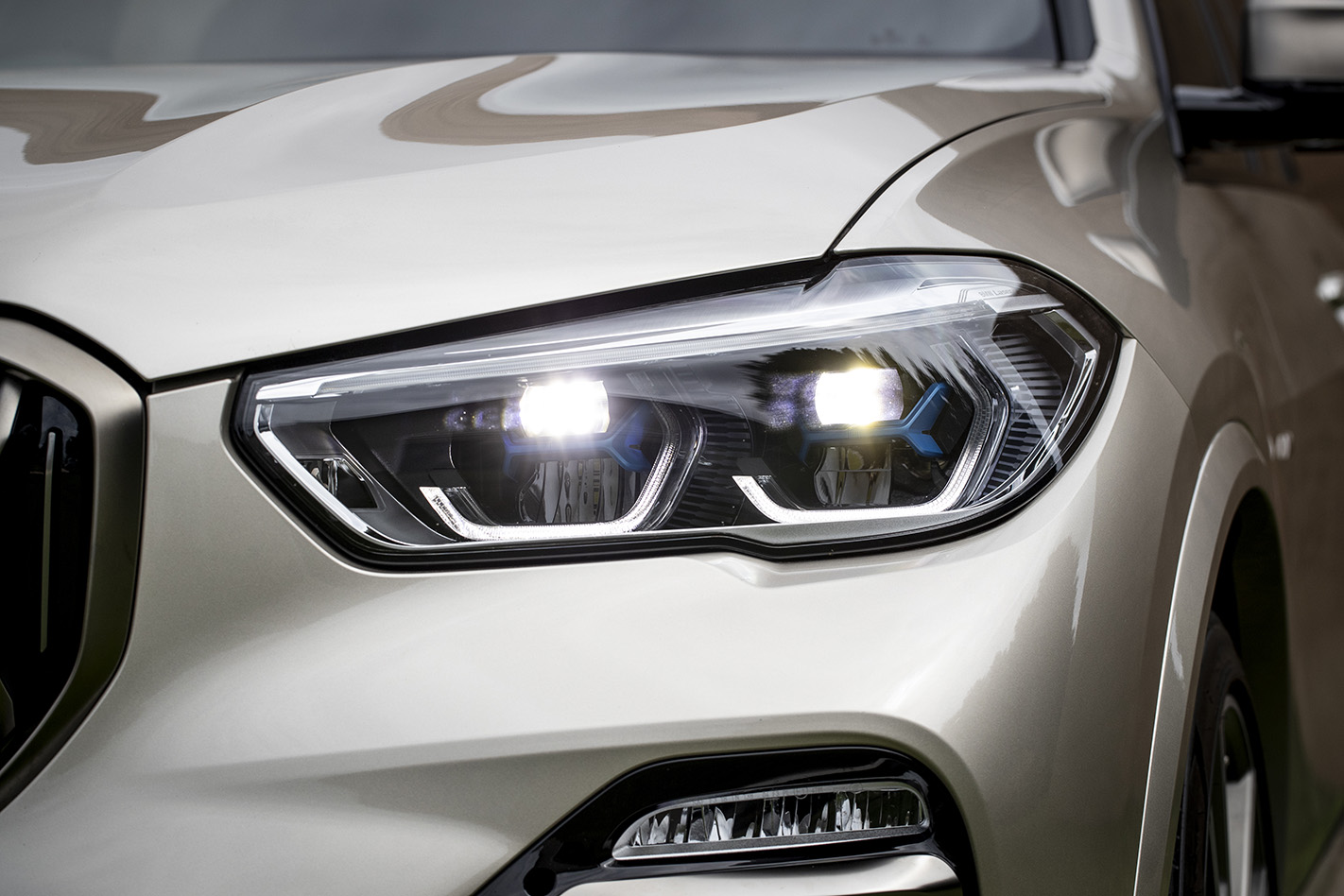
Relative to the outgoing 30d, the 2019 model adds paddle shifters for its eight-speed automatic, keyless entry and ignition, adaptive LED headlamps, 20-inch alloys, sports seats, gesture control, BMW’s seventh-generation infotainment system, advanced driver assist features and BMW’s cool screen-based ‘Live Cockpit’ instrument panel as standard.
All new X5s will also boast a park assist feature that automatically remembers the last 50 metres of the car’s route before parking, and can retrace its exact path in reverse without any steering input from the driver. Handy, if you had to drive into a tight carpark.
That’s on top of carry-over features like a powered tailgate, panoramic glass sunroof, leather upholstery, digital radio, a head-up display, self-dimming mirrors, internet connectivity and power-adjustable seats. Not bad for a ‘base’ model.
The M50d range-topper goes even further, with standard features including an M Performance bodykit, brake package, exhaust, high-trim instrument panel, 22-inch alloys, a high-end Harman/Kardon stereo system and metallic paint.
The arrival of the G05 model also sees laser headlamps, four-zone climate control, adaptive M suspension, rear steering, heated and cooled front cupholders, an active rear differential and soft-closing doors added to the standard equipment list. Are options even necessary anymore? That’s perhaps debateable, however the 30d, 40i and M50d can nevertheless be optioned up to an even higher level. For example, there are 11 wheels designs to choose from, in sizes ranging from 19 to 22 inches, along with 9 leather upholstery options, eight exterior colours and seven cabin trim choices.
SIZE
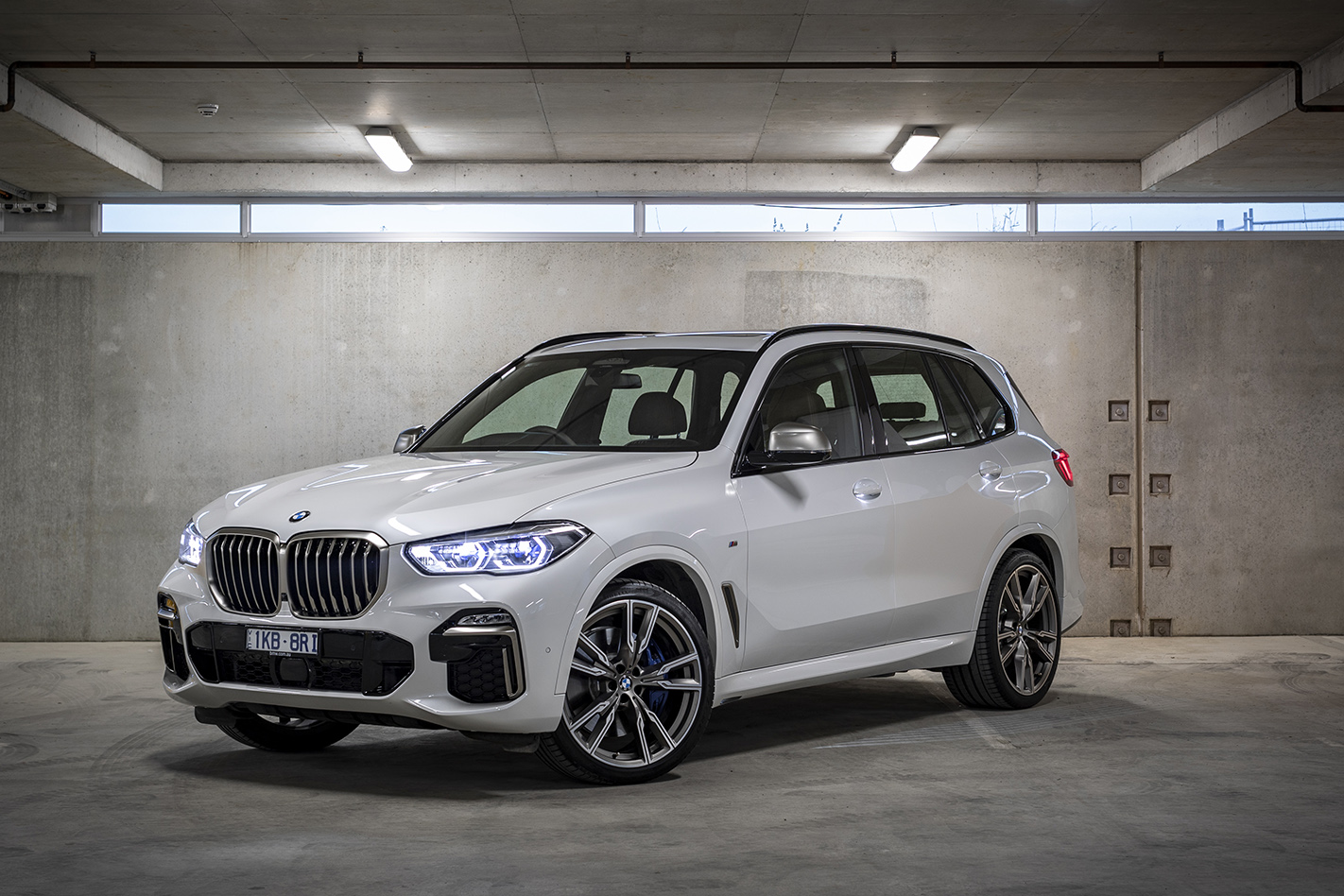
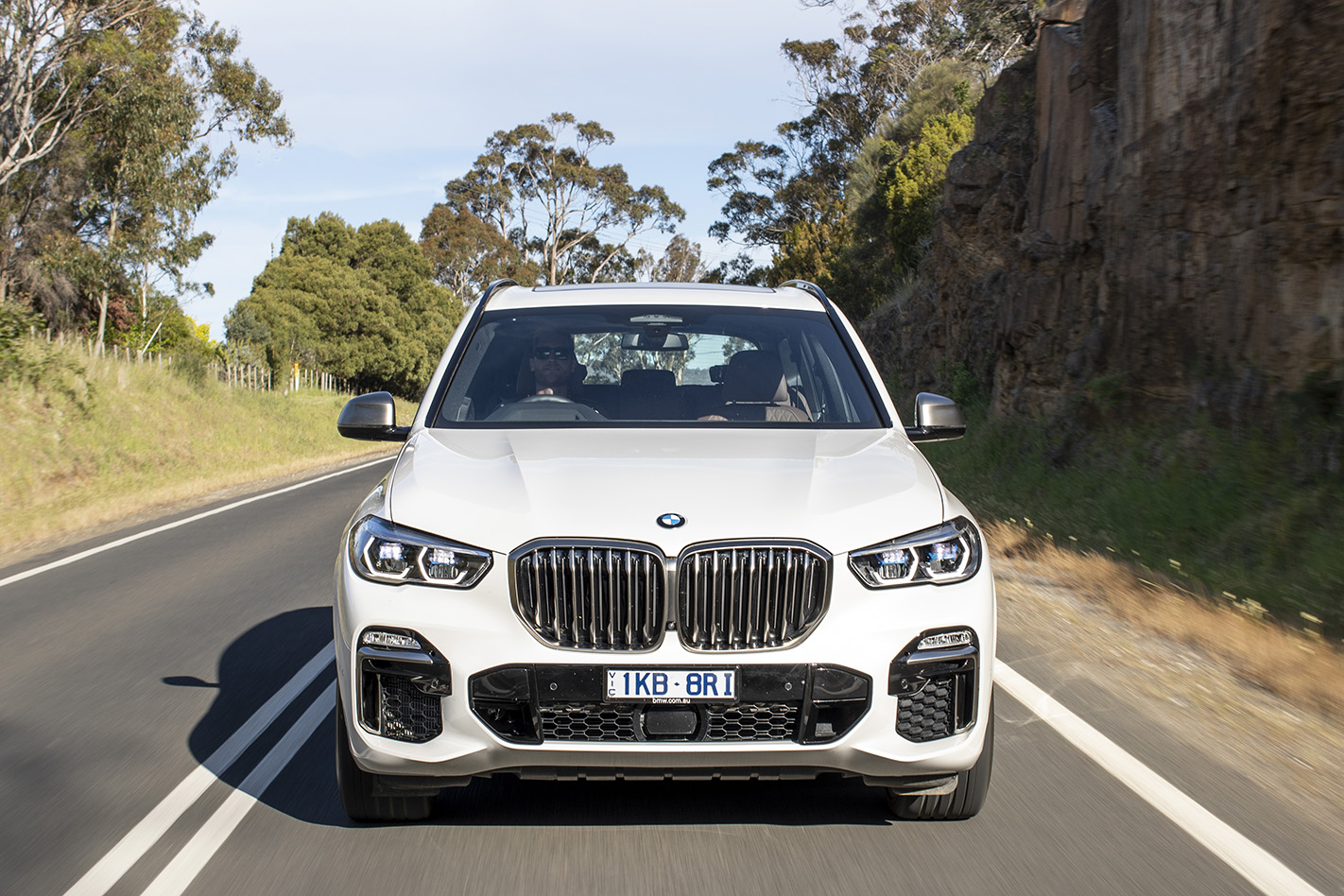
The X5 was already a sizable thing, and it’s now bigger than ever. Width is increased by 66mm to breach 2 metres, while length is up by 36mm, making the X5 close to 5 metres long overall. What’s more, its weight has swollen too – 2110kg for the 30d, and 2275kg for the M50d.
Height is also slightly up, but perhaps the most important measurement is the new X5’s wheelbase, which has grown by 42mm to sit at 2.975 metres long. That helps liberate more cabin space for passengers, though primarily for those in the first and second rows of seating. While a fold-out third row is still available as an option on the X5, those extra seats are still more suited to kids than they are to adults.
Boot sizes of Australia’s best-selling SUVs
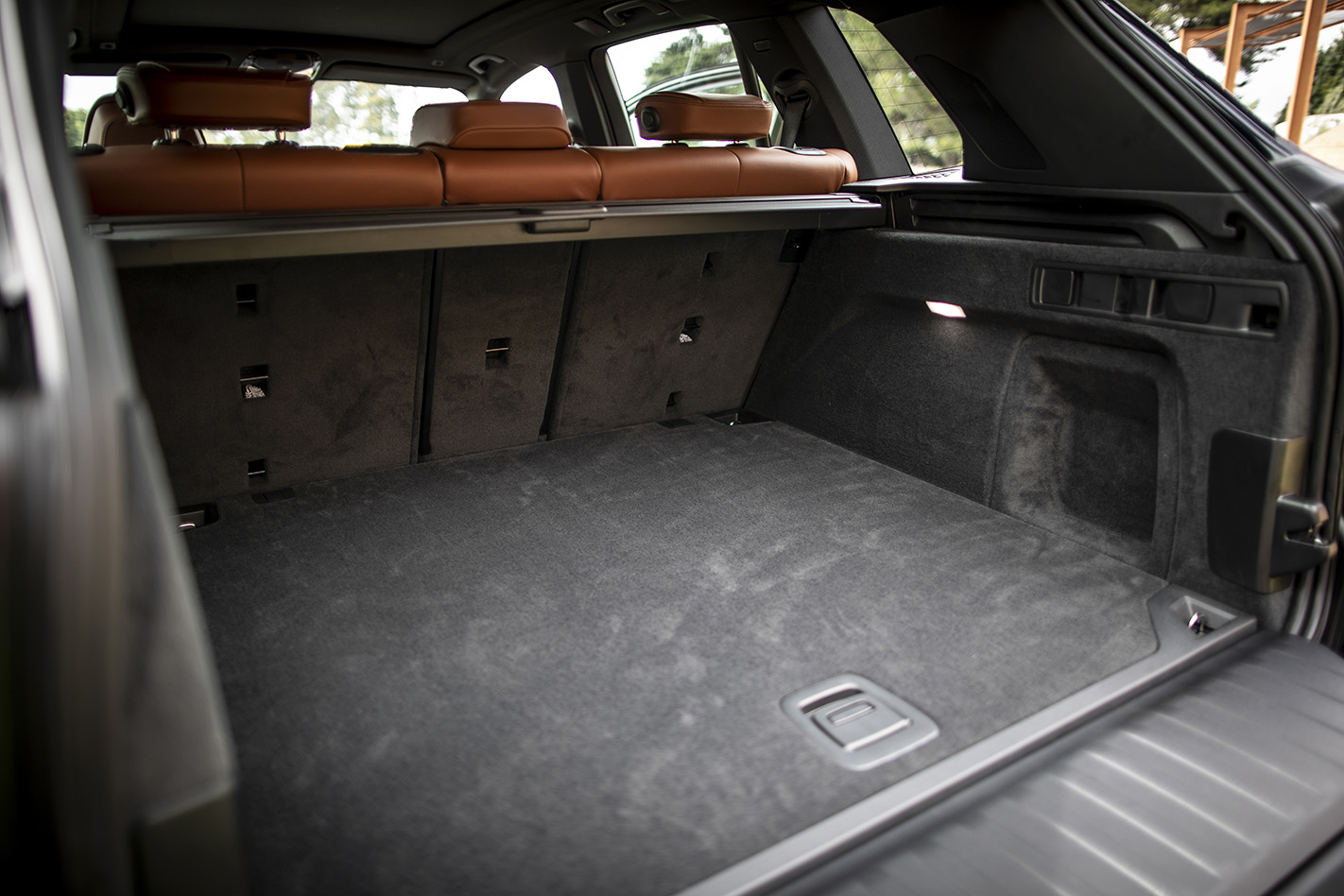
The boot remains at 650 litres with the second row raised, increasing to 1870 litres with those seats folded down. As with the outgoing X5, that area is accessed via a horizontally-split tailgate.
COMFORT
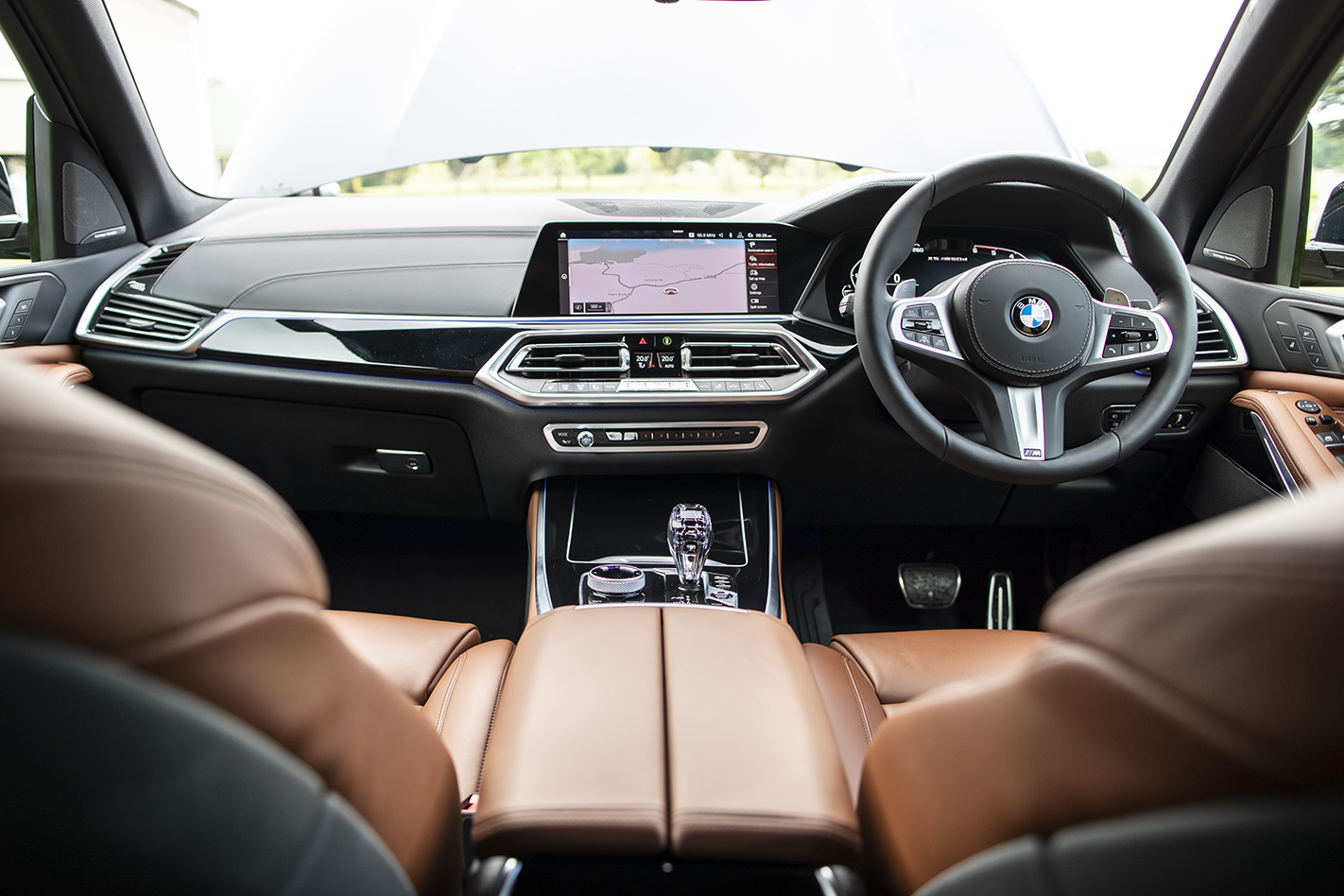
The first thing that hits you when you enter the new X5 is the sheer premium-ness of its presentation. Everything looks high end, from the graphics of the 12.3-inch colour LCD that replaces the traditional instrument cluster through to the knurled radius of the volume knob, and more importantly it all feels high-end too. Even on an option-less 30d.
But there’s scope to wind up the luxe too. A cut crystal gear lever, starter button and iDrive dial have significant bling appeal, and there’s an extensive menu of leather options that feel softer and smell nicer the further up you go. Of course, these don’t come for free.
However the good news is that even if you can’t spring for an option pack or two, the X5 still feels like a significant step forward from its predecessor. Cabin comfort is excellent, with even more space in the rear seat and comfy sports seats at the front, but the technology on offer helps make it even more pleasant.
Integrated mounts for tablet holders and other accessories are fitted to the rear of all X5 front seats, and come with a USB-C charging port as standard. There are further device charging options in the centre console too (as well as an available wireless charging pad), while a large head-up display helps keep the driver’s eyes on the road, where they belong.
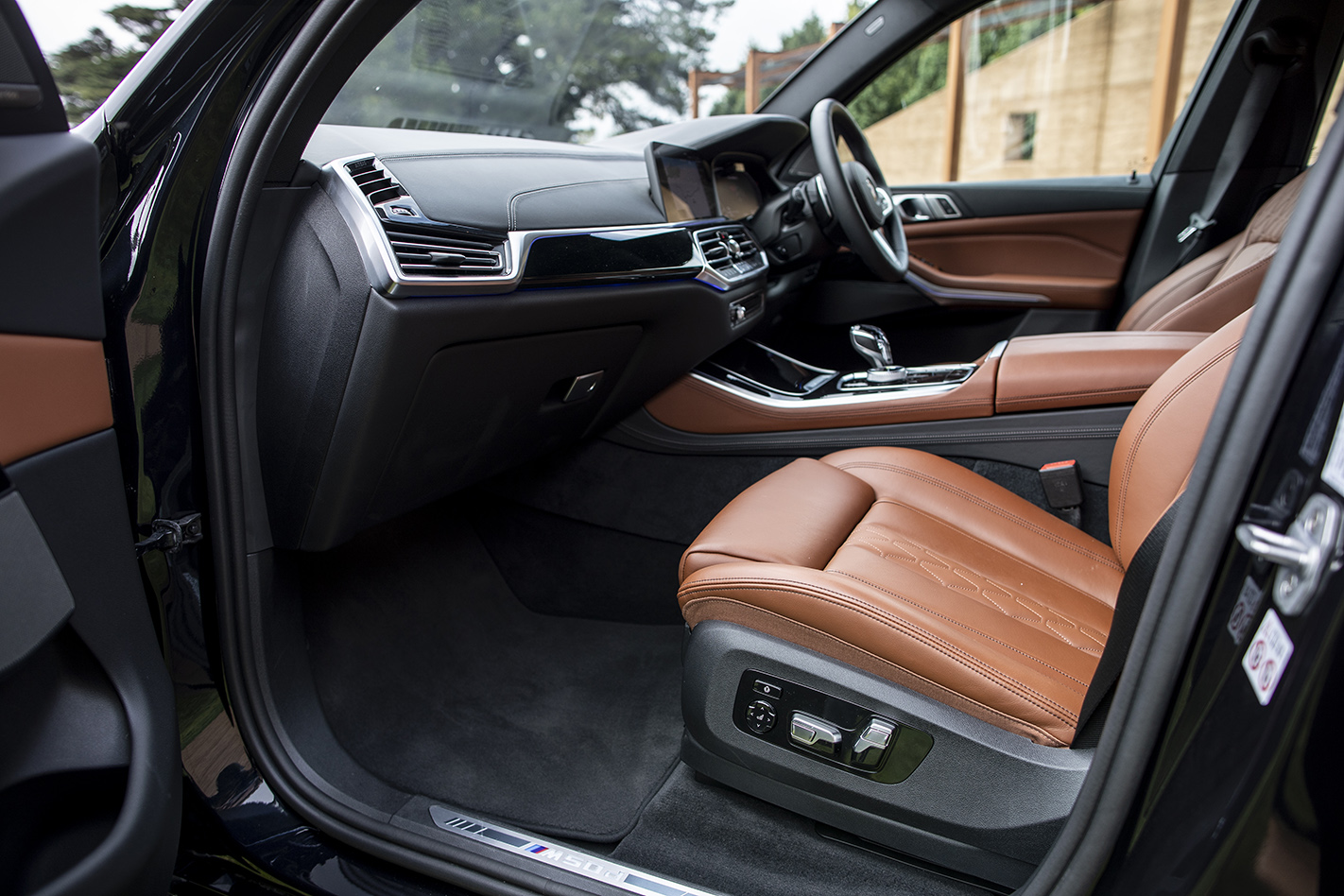
The new all-electronic instrument panel may lack the customisability of what some rival brands offer – principally Mercedes-Benz and Audi – but the graphics are crisp, clear, and it’ll also repeat the sat-nav display between the speedo and tachometer. BMW’s new voice assistant is also a nifty feature, with things like the lighting, audio and climate control able to be changed entirely by speech commands.
However when it comes to ride comfort the new X5 delivers a patchier report card. On the standard steel springs and 20-inch alloys of the 30d it rides fairly well, if a little sharp-edged, however that sharpness only becomes more pronounced when you step into the M50d (which also rides on coil springs, but with adaptive dampers and 22-inch wheels). It’s acceptable in most conditions, but on properly choppy roads its impact harshness can wear thin after a while.
And that makes the optional two-axle air suspension a box worth ticking. It’ll add $2300 to the retail price, but it transforms the X5’s ride from “slightly brittle” to “definitely brilliant”. Unfortunately, the cushy air-sprung option isn’t compatible with the M50d’s performance-oriented suspension hardware.
ON THE ROAD
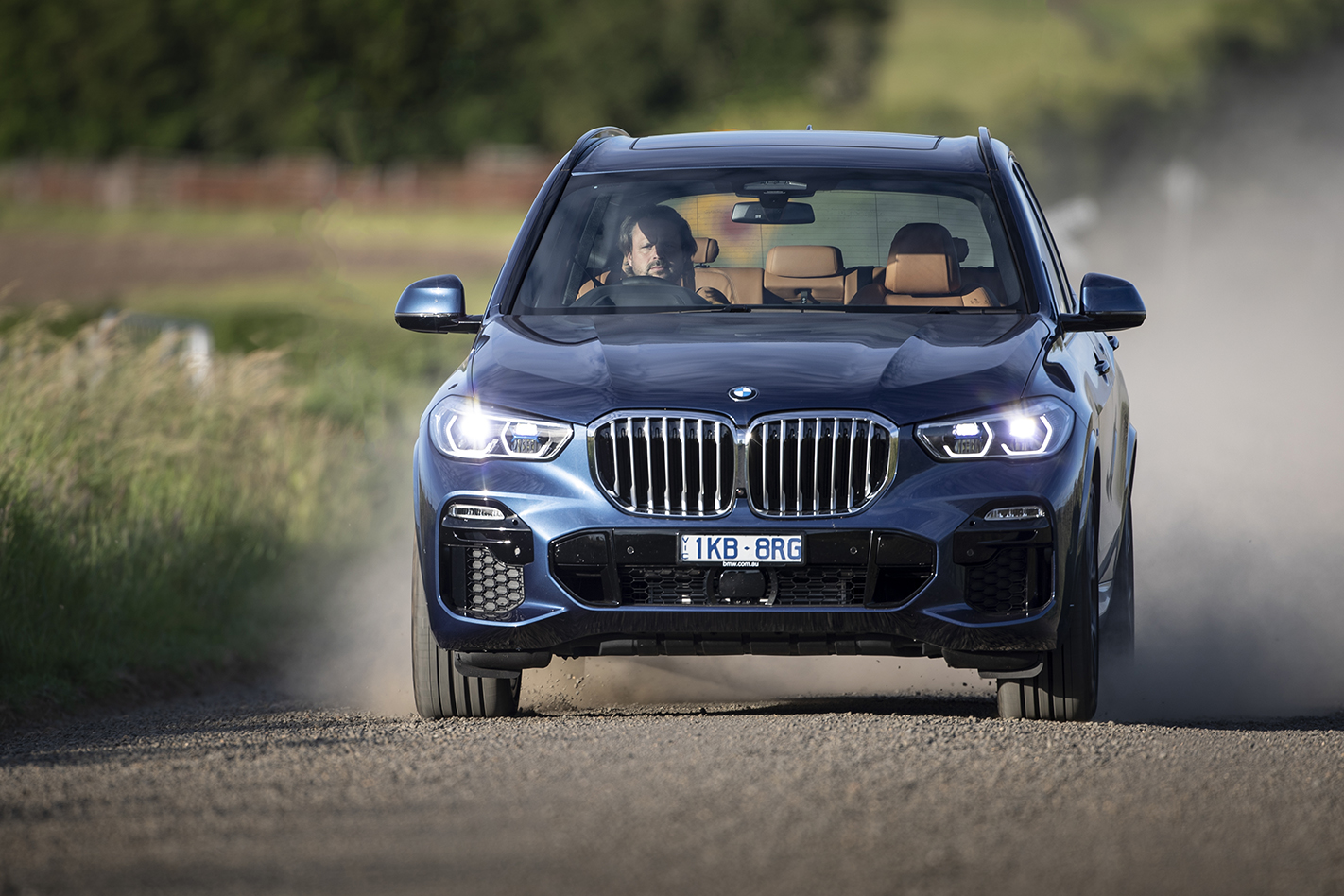
You wouldn’t think it of a two-tonne-plus large SUV, but the new X5 actually delivers plenty of driving joy. Even the 30d drives well, with light but accurate electric steering and an authoritative front end providing confidence-boosting levels of cornering ability, while also providing a turning circle tight enough to easily position the hulking X5 in a crowded carpark.
The M50d, naturally, boasts even more handling talent courtesy of its adaptive dampers, low-profile tyres, torque-vectoring rear differential, active roll stabilisation and rear wheel steering. It seems inappropriate to drive a large SUV like a sportscar, but the M50d makes it possible. The upcoming X5M should be properly mega.
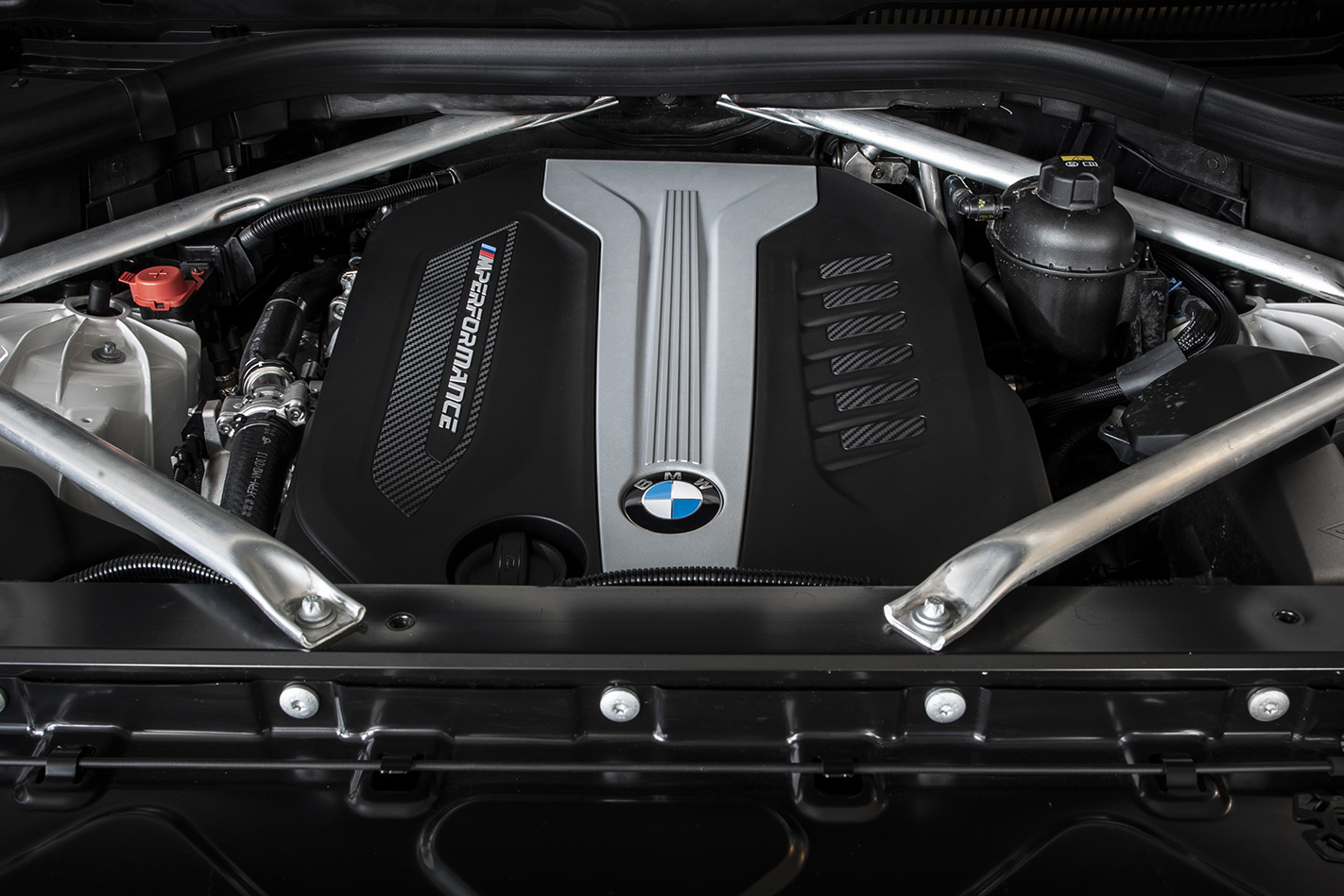
The underpinnings are certainly impressive, but the real stars are the engines. Whether in single-turbo 195kW/620Nm 30d form or the quad-turbo beast that is the 294kW/760Nm M50d, the 2019 X5’s 3.0-litre turbo diesel powertrains are exceptionally tractable and astonishingly refined. Throughout the entire rev range there’s barely a hint of their diesel nature, that’s how hushed they are. In fact, the biggest clues of their diesel diet is the 5000rpm redline and meaty low-end torque delivery – sound and vibration are at petrol-like levels.
And the thrust they deliver is superb. Few will be left wanting by the 30d, and few will fail to be impressed by the M50d’s muscularity. Both are backed up by a smooth-shifting eight speed auto that offers similar refinement, and the X5’s mechanicals are in their element when cruising at highway speeds.
VERDICT
It may look familiar from twenty paces, but the X5 has certainly come a long way over the past three generations and 17 years.
It’s the most technologically advanced BMW on sale, and if it’s a preview of what’s in store for future new models then the Bavarian brand is appears to be on a good trajectory. Beyond that, however, it fulfils the brief of being a generously-equipped, family-sized, premium SUV admirably well, while also mixing in plenty of driver engagement too.
The sometimes harsh ride can be a drawback, but it’s remedied easily by going for the optional air suspension on the 30d. The M50d is unable to enjoy that level of suppleness, but we’re going to assume that if you’re gravitating toward that quad-turbo monster, ‘ride comfort’ likely isn’t all that high on your list of priorities.
It’s present-day technology with a Jetsons flavour, and if you deploy it the right way it can make your day-to-day life a smidge easier. Self-parking systems – which help you slot your car into a parking space at the push of a button – might seem like a bit of an indulgence, but for those with large cars or a fear of parallel parking they can be a godsend.
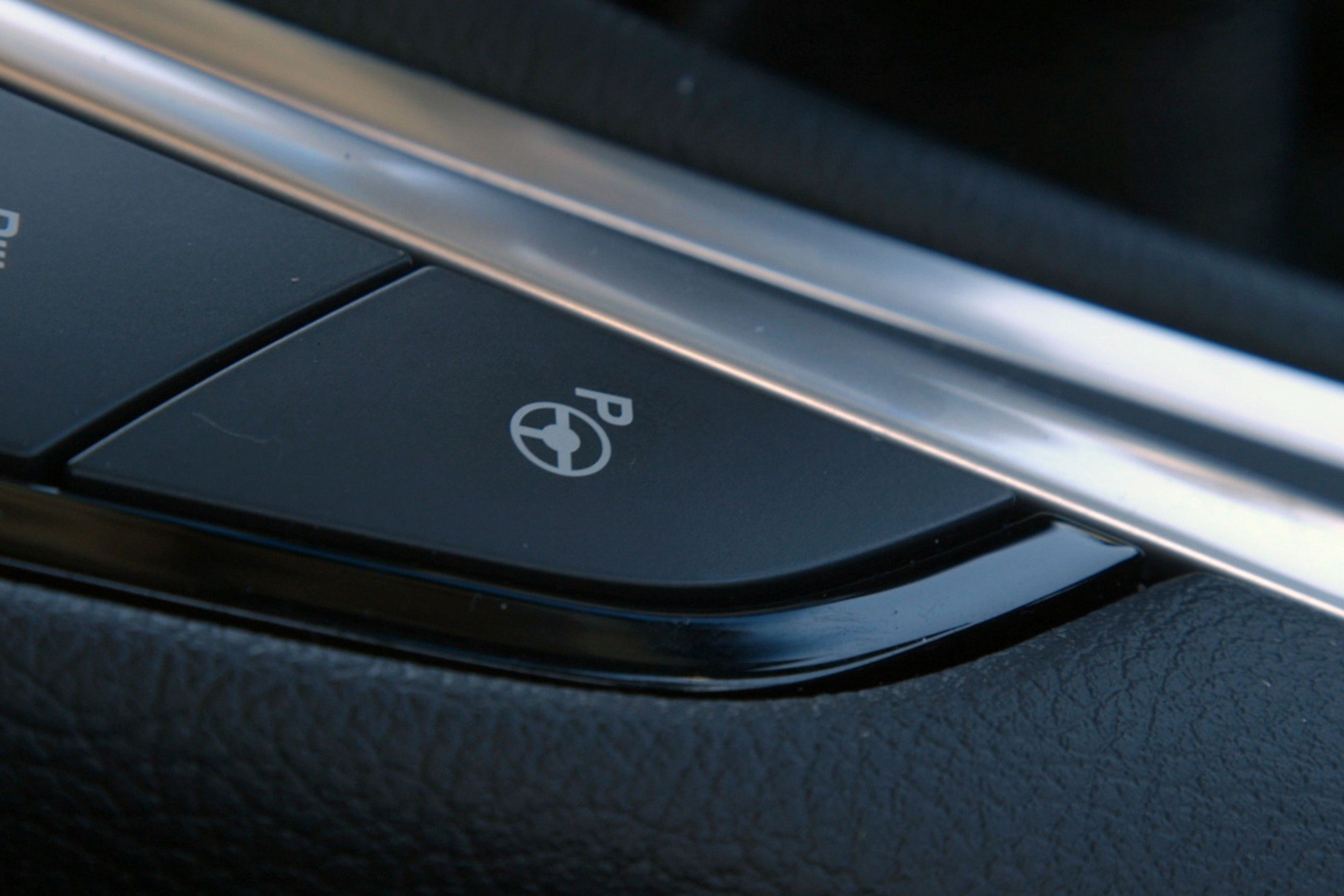
But how do these systems work, and what do you need to know about them in order to get the best result? Read on.
What is self-parking?
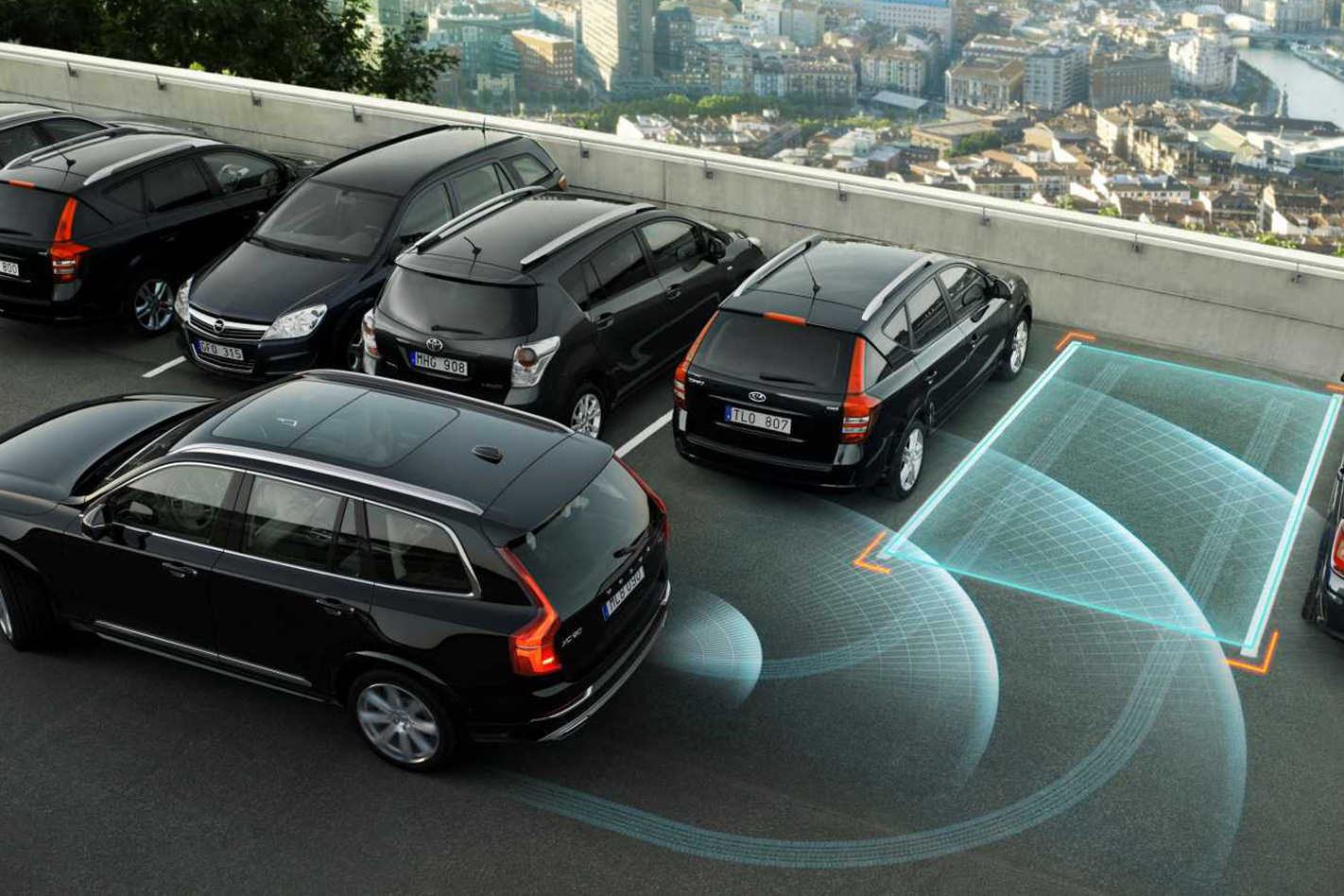
Okay, let’s start with the easy stuff. It’s pretty self-explanatory: self-parking systems enable the car to park itself. Not all of them are created equally though, with some only able to simply steer the car into a parallel park (with the driver working the accelerator and brake), and other more sophisticated systems able to do the whole procedure without any driver intervention whatsoever – and are able to deal with parallel parks, 90-degree parks and angle parks without a problem.
What cars have self-parking?
You might think that self-parking cars are the realm of the luxury segment, but not so. The technology hasn’t taken long to trickle down to mainstream vehicles, and manufacturers that offer self-parking systems in their road cars include the likes of Ford, Volkswagen, Hyundai and Holden. Of course there are plenty of luxury carmakers on the list too, with Mercedes-Benz, Lexus, Audi, BMW and more offering the tech.
How does self-parking work?
Want the quick version? Watch our instructional video above.
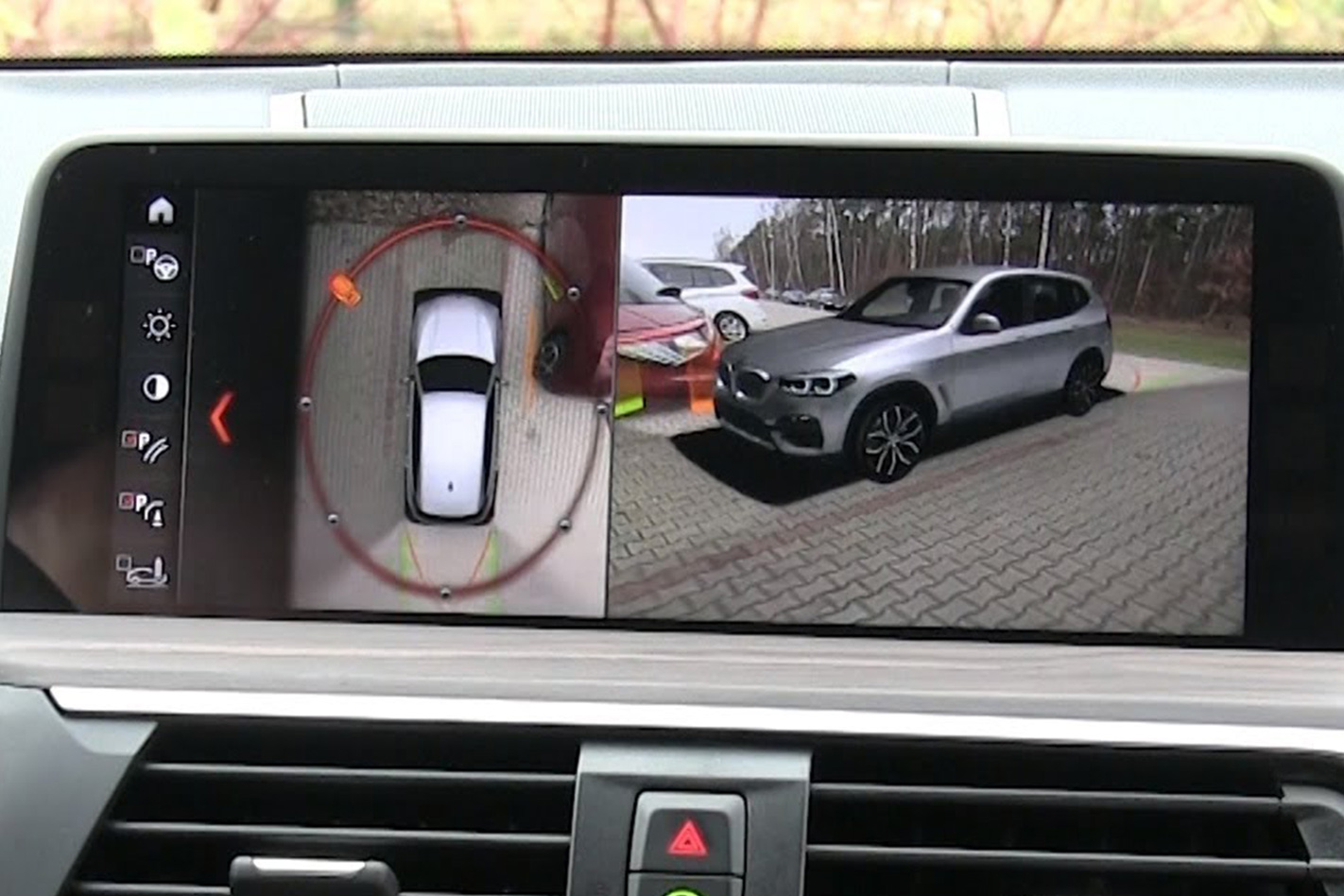
Simply put, the system uses a range of on-board sensors to gauge the size of car spots as the vehicle drives past them. The parking sensors (sometimes with a dedicated side-facing sensor) are the principle sensor used, while some cars also combine the electronic ‘picture’ assembled by the parking sensors with an actual picture from a camera (or cameras). If the system calculates that there’s a space big enough for the car to easily park itself, it’ll alert the driver and obtain their permission to commence the manoeuvre.
How to use self-parking:
The precise steps involved differ from manufacturer to manufacturer, but generally it follows a pattern like this:
- Activate the system, usually by pressing a button on the dashboard. Some systems will self-activate if you coast forward at a low speed, but that’s not universal. Consult your manual.
- Once running, the system will begin scanning areas to the side of the car to see if it can detect a spot. Some vehicles may require you to tell it whether it should be looking for a parallel or a 90-degree (or other) type of space.
- When a space is detected, you should receive a prompt on the dashboard or infotainment screen asking you to authorise it to commence the self-parking function. Depending on the car, this may then require you to shift into reverse and control speed with the accelerator and brake as the car works the steering for you. Other systems are entirely automated, and able to control your speed and self-brake without your intervention.
- It can be spooky watching your car drive itself while mere centimetres from other vehicles, but if you ever get the sense that contact with another car or the kerb is about to occur just hit the brake! This will cancel the manoeuvre, and you can either start again or continue manually. Always be on alert – the sensors may not be able to react in time if, say, a pedestrian or animal decides to walk between your car and another while self-parking is in progress – keep your eyes up, this feature isn’t there so you can start playing with your phone!
- Once completed the car should give you another alert to say it’s now safe to put the vehicle in Park and switch it off.
Do self-parking cars actually work?
The video proof is at the top of the page! Earlier systems were a little less reliable – and sometimes prone to kerbing a wheel – but the technology is at a fairly mature stage these days. That said, they do perform differently from model to model, so it’s something you’ll need to test in a safe area like a quiet carpark before you try and use it on a busy street or crowded shopping centre.
