
Are we looking at the next-generation Holden Trax?
The Chinese Government, of all sources, has released preview images of the new 2020 Chevrolet Tracker that will debut in that market later this month.
Produced and sold in China alongside its platform sibling, the Buick Encore, the Tracker is also sold in other markets under the Trax nameplate. The new Encore II update was also leaked overnight, but unlike the new Tracker, it won’t leave China.
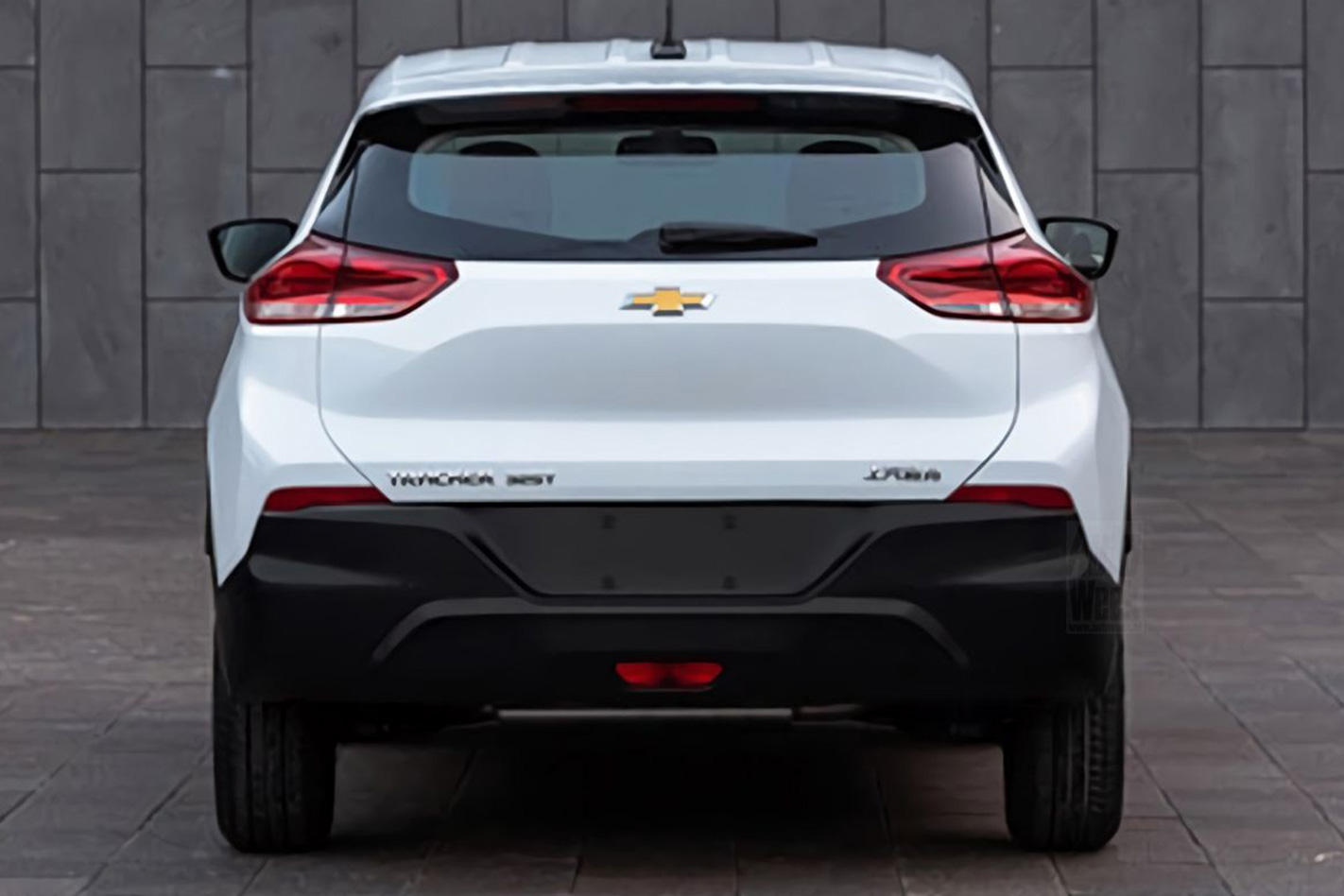
Scheduled to make its official debut at the Shanghai motor show, General Motors remains silent on what markets the new Tracker/Trax model will launch in. It will go on sale in North America later this year, however, spy shots from the US show a slightly different looking car, with a front-end similar to the Encore and rear-end like that of the Chinese Tracker.
Holden currently sources its Trax model from South Korea, but GM has been tightening its belt in the Asian country, closing a facility in Gunsan where the Holden Astra sedan was previously produced (and has since quietly left the line-up), and laying off workers. So it’s entirely possible we’ll see the next Holden Trax imported from North America, with the US version tipped to unveil itself at the upcoming New York motor show.
In China at least, it will be powered by a 1.0-litre three-cylinder engine producing 85kW through a six-speed dual-clutch automatic transmission, but will likely be replaced with a more powerful unit in the US. The new model measures 4270mm long over a 2570mm wheelbase – 4mm and 15mm longer than the current Holden – and around 50mm lower in height.
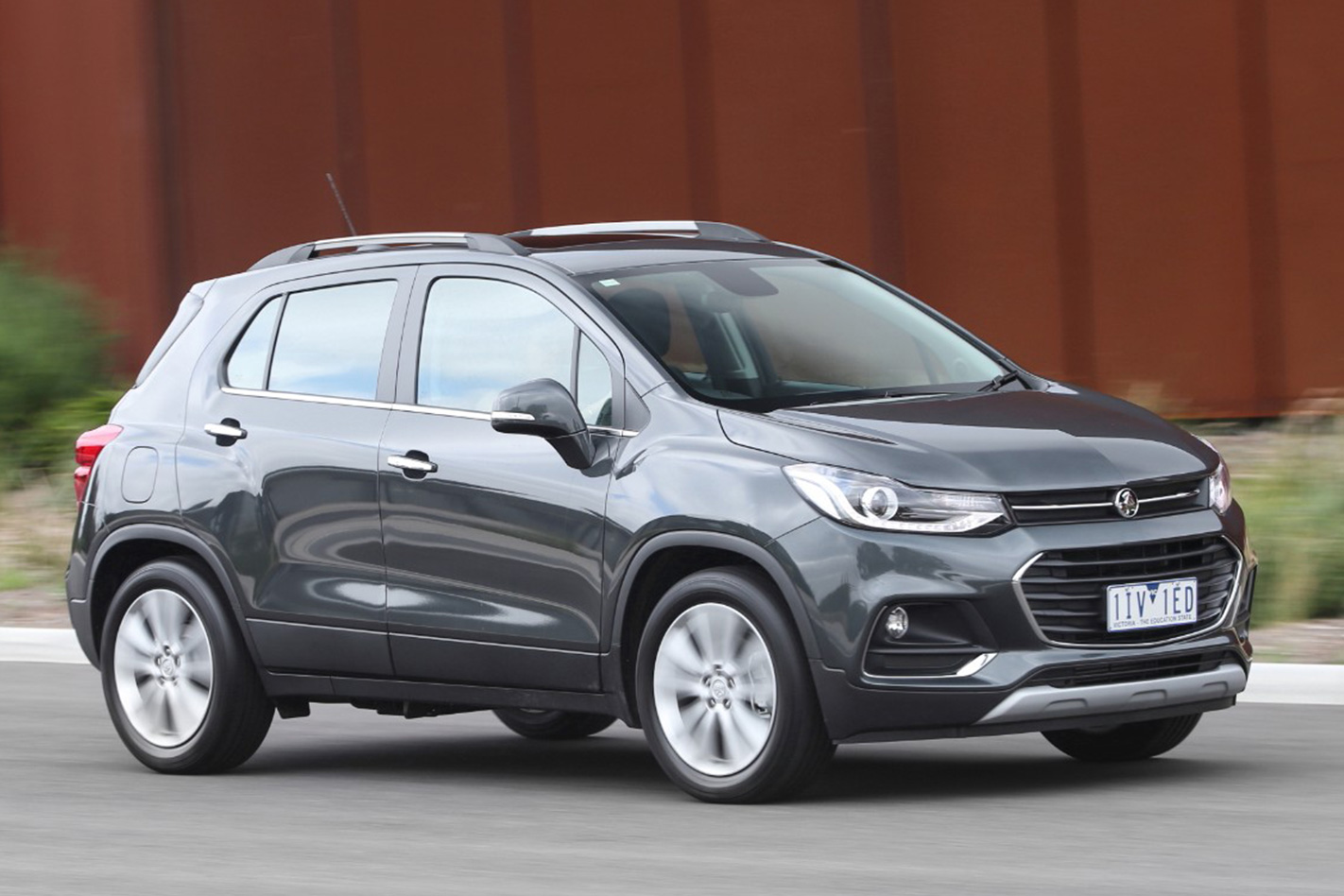
Holden recently unveiled its new SUV campaign that seeks to build on its evolving position from successful passenger car maker to an SUV challenger brand. Wheels asked the lion brand for comment on the potential upcoming compact crossover replacement, but a spokesperson said it would not comment on future product.
The recently updated GLC SUV’s coupe cousin has joined in for a mid-life facelift, toting new engines, better tech and smarter safety systems.
It gains the same design tweaks we’ve already seen – a shapely diamond-pattern grille split by the one louvre fin, full trim chrome elements, rectangular exhaust tips, new alloy wheel designs in a range of sizes and a new shade of grey called ‘magma’. And of course, that roof line continues to drop down over the rear in a blend of SUV function with sporty form.
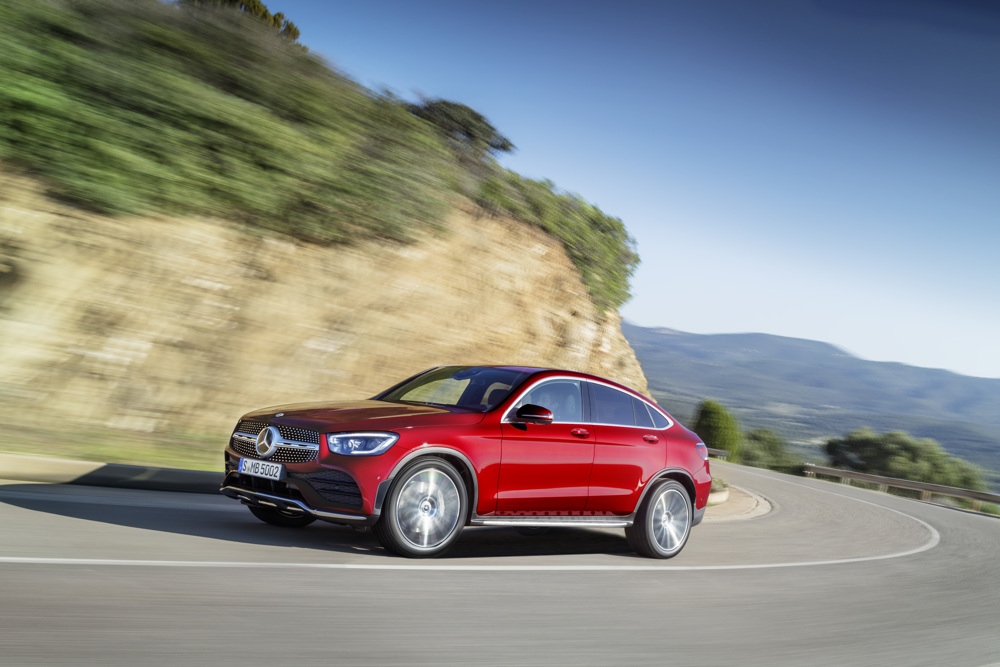
But updates to the 2019 GLC Coupe run deeper than pure cosmetic puff, with a range of new engines and technology bolstering it against rivals such as the new BMW X4 and Alfa Romeo Stelvio.
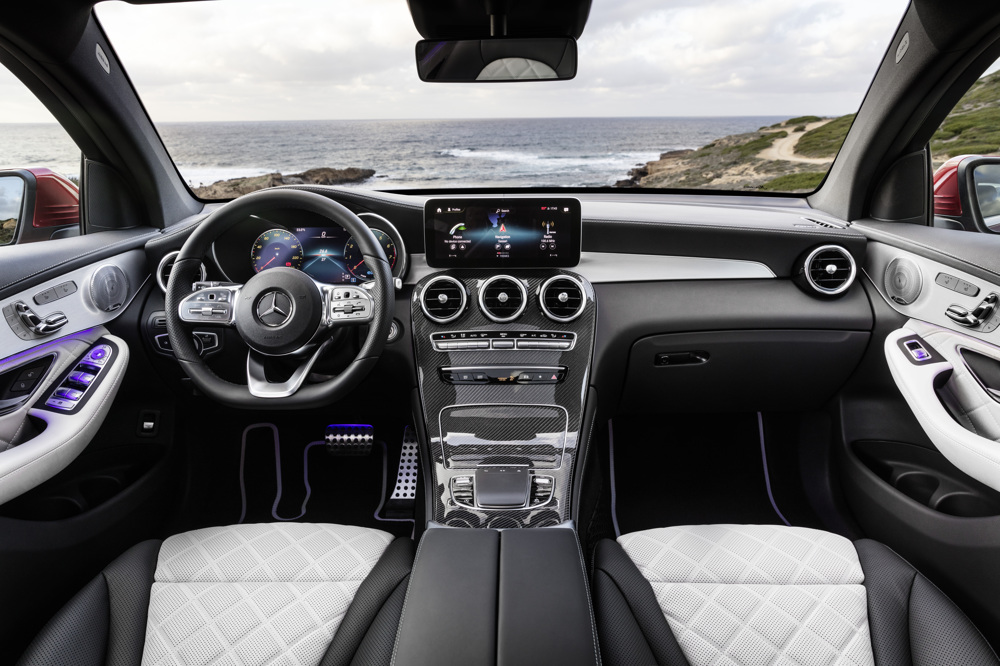
The interior cabin houses the same layout as before but with a new multi-function steering wheel for controlling the latest MBUX entertainment system. However, unlike newer generations of the three-pointed star’s models, it does not join two large widescreens together across the dash.
Instead, a 12.3-inch fully digital driver’s display sits inside the cowl, in place of a traditional needle-and-fascia binnacle cluster. A 10.25-inch central infotainment screen is the hub for MBUX, presenting graphics in a fairly dense 1920 x 720 resolution, while base models get a smaller 7.0-inch unit. Control of the system is via the updated touch pad, natural voice command (Hey, Mercedes!) or gesture control. Benz has also brought in its Energizing Comfort system that automatically adjusts the ambient lighting, music selection and message function seats to suit the mood.
Active safety systems get a boost, with exit warning, emergency-corridor function and tail-end-of-traffic-jam all additions to the mid-life update. Also making an appearance is trailer manoeuvring assist that provides trailer-angle information via sensors in the ball head and magnetic ring. Active steering assist, adaptive cruise control and a 360-degree birdseye view camera carry over.
All models available at launch feature the 4Matic all-wheel-drive system and two-way adaptive dampers. Further suspension options are Dynamic Body Control with ‘infinitely adjustable dampers’ and Air Body Control that uses air suspension for an even softer ride.
The initial model line-up will consist of five four-cylinder engine options – two petrol and three diesel. The GLC200 and 300 gain the new 2.0-litre ‘EQ Boost’ engine with 48-volt belt-driven integrated starter-generator, producing outputs of 145kW/320Nm and 190kW/370Nm respectively. The electric motor provides only a mild 10kW of additional power but 150Nm of torque, reducing fuel use and helping achieve the claimed combined fuel consumption of 7.1-7.4L/100km.
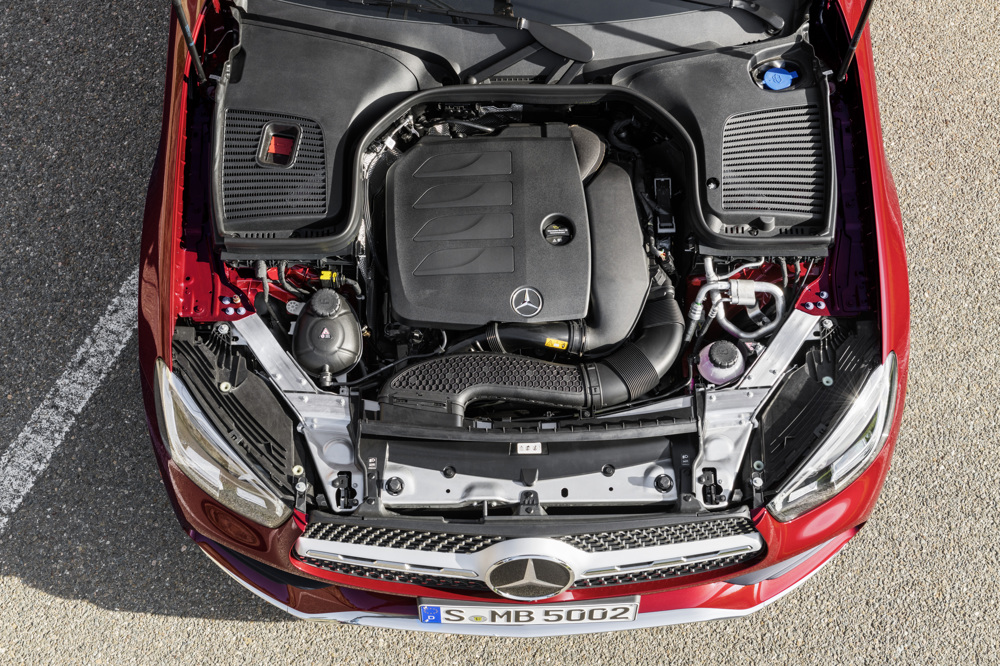
The three diesel options are all Euro 6d compliant, the new emissions standard which will come into effect from 2020. The 200d, 220d and 330d produce increasing outputs of 120kW/360Nm, 143kW/400Nm and 180kW/500Nm each. All engines are mated to a nine-speed automatic transmission and have a claimed combined fuel consumption of 5.2-5.5L/100km (200d, 220d) and 5.8L (300d).
Though limited to a four-pot line-up initially, Mercedes will add further driveline options after launch.
Scheduled to hit the road in Europe soon, Mercedes-Benz Australia confirmed to Wheels that it expects the facelifted model to arrive in the fourth-quarter this year, after it launches the more conventional-looking GLC SUV in September.
Wheels‘ first drive review of the all-new 2019 Porsche 911 Carrera S Cabriolet is in, and Ben Barry declared that it might just be the most versatile 911 you can get. But don’t take our synopsis as gospel – read the full review here after you’ve finished flicking through our image gallery of the German maker’s gorgeous new drop-top.
2019 Porsche 911 Carrera S Cabriolet Specs
Model: Porsche 911 Carrera S Cabriolet Engine: 2981cc flat-six bi-turbo, dohc, 24v Max power: 331kW @ 6500rpm Max torque: 530Nm @ 2300-5000rpm Transmission: 8-speed dual-clutch auto, rear-wheel drive Weight: 1585kg 0-100km/h: 3.9 sec Economy: 9.1L/100km (combined) Price: $310,663 On sale: Now
We’ll admit, the Camry does carry a bit of a negative stigma in some circles. Being the vehicle of choice for salespeople, taxi fleets and the elderly may have something to do with that. Nevertheless, even at the bottom end of the Camry family tree Toyota’s humble sedan still has a lot working in its favour – and not just its stellar sticker price.
What is it?
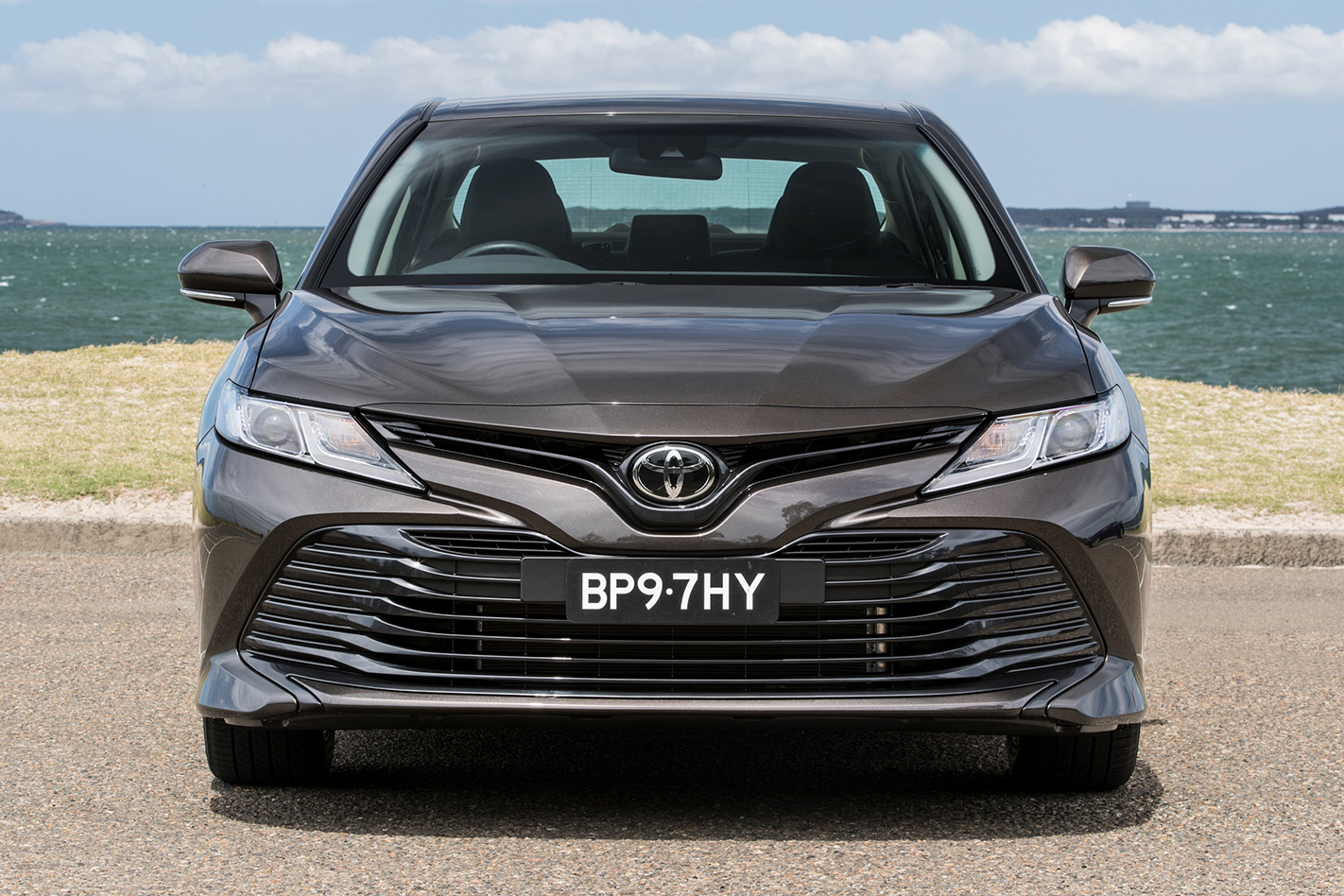
This is the four-cylinder petrol-powered Toyota Camry Ascent, the entry-level variant of the Camry range and one of three in the family to retail for less than $30,000. In sheer metal-for-money terms, it’s one of the best value offerings on the market right now.
How much is the Toyota Camry Ascent?
Retailing at $27,690, the base petrol version of the Camry Ascent (a petrol/electric hybrid option also exists for the Ascent grade) is a sharp deal right from the get-go. Few of its mid-size sedan competitors can come close to its bargain pricetag – in fact just one, the Skoda Octavia, manages to sneak lower than the Camry.
Who is it for?
Low-specification Camry variants have traditionally been favoured by fleet operators, but even private buyers looking for a maximum of cabin space and comfort for as few dollars as possible should find themselves drawn to the Camry Ascent. Not bothered if you don’t have the latest gadgets and mod-cons? The Ascent grade might be your jam.
Is the Toyota Camry Ascent easy to live with?
The current Camry’s classification as a mid-size car is a red herring. It straddles the line between medium and large, and one need only step into its spacious rear cabin to realise the sheer amount of room on offer.
Seating five adults in reasonable comfort and four in great comfort, the Camry’s interior is packaged to preference its human occupants.
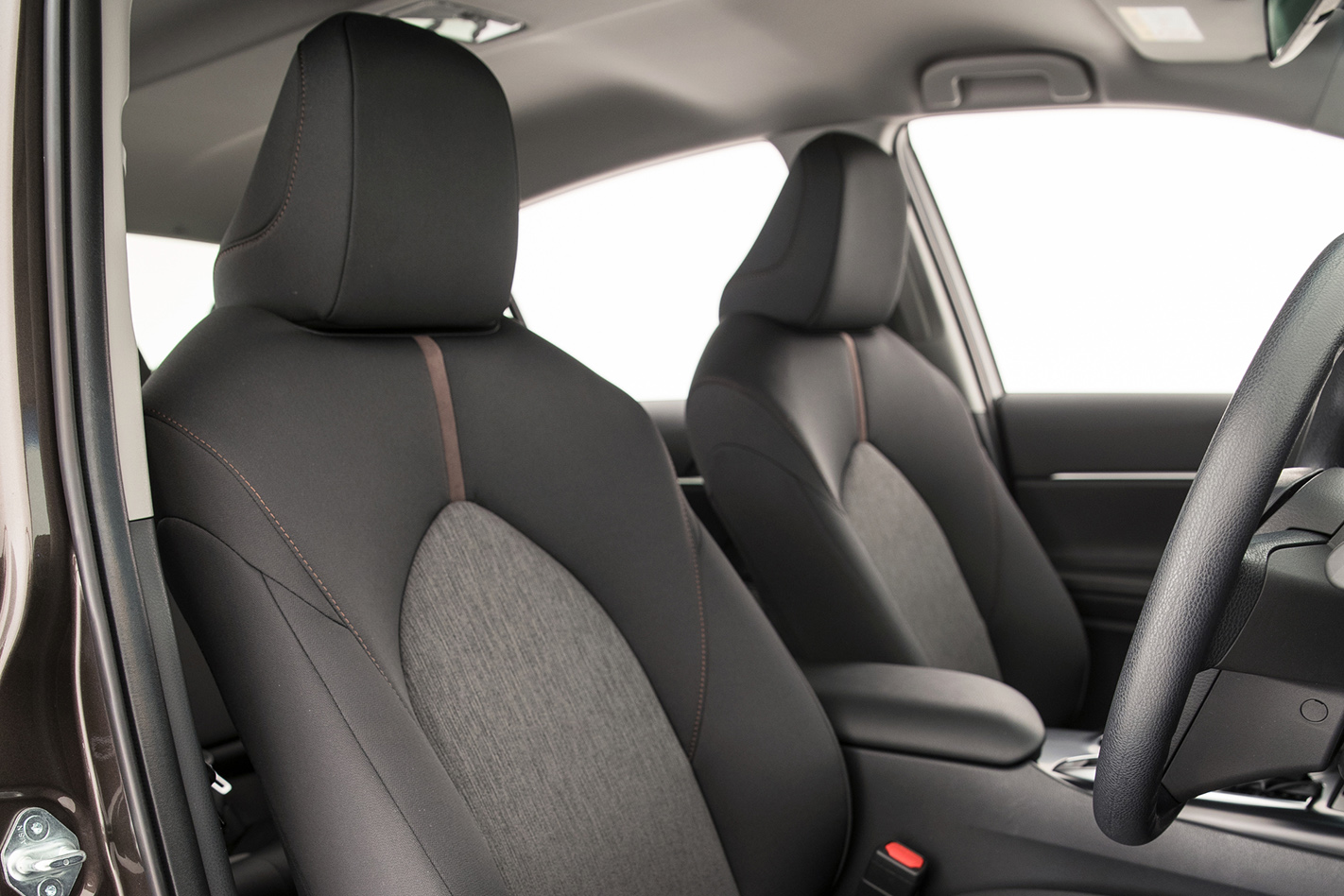
Backseaters get heaps of legroom and their own air vents, while the driver’s seating position is especially good with a low-ish seat mounting and a steering wheel/pedal relationship that’s just about perfect for the average body.
The asymmetric centre stack does mask some of the forward storage cubbies from the front passenger, but otherwise there are few ergonomic – or quality – fails here.
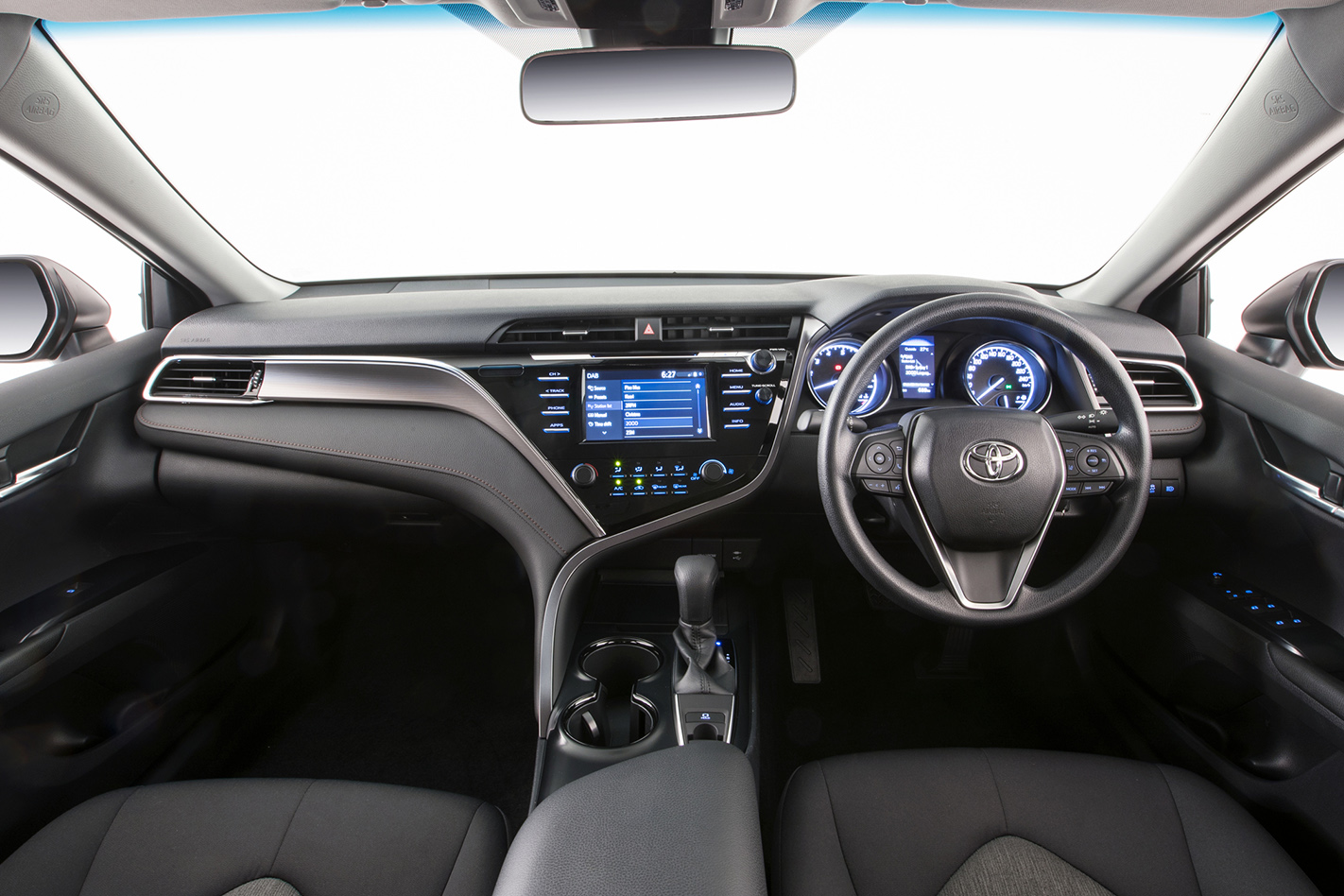
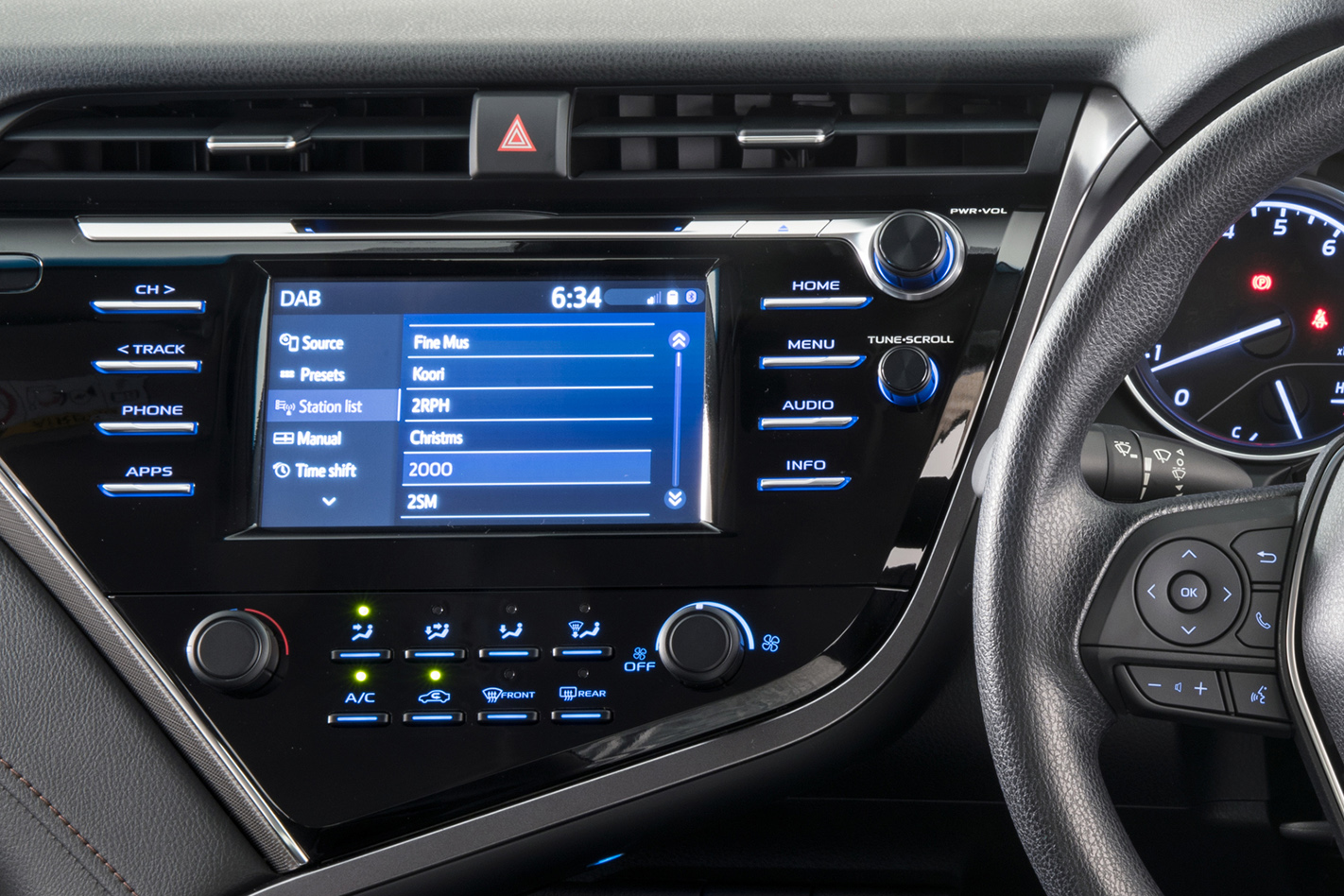
However, the sad-looking non-GPS infotainment screen and bare urethane steering wheel are constant reminders that you’re riding in the cheapest Camry of the lot. Infotainment, in particular, is one area where Toyota could gain a lot of ground, given most rivals now offer Android Auto and/or Apple Carplay smartphone mirroring at a minimum. It’s a step above being forced to suction-cup your phone to the windshield.
One other thing to note, though, is that the Ascent petrol carries a full-size spare wheel under its boot floor rather than the space-saver of other variants, which trims boot capacity to 493 litres (a 31-litre loss).
How well does the Toyota Camry Ascent drive?
This might sound odd, but in our opinion, the Camry Ascent is actually one of the nicest of the Camry variants when it comes to driving.
It has a lot to do with the tyres. While the rest of the Camry family roll on 18-inch wheels or receive a slightly sportier suspension calibration (the Camry SX), the base Ascent forgoes that in favour of modest 17-inch alloys and chubby tyre sidewalls. As a consequence ride compliance and refinement are superb and coupled with the Camry’s well-tuned suspension delivers exceptional comfort regardless of the road surface.
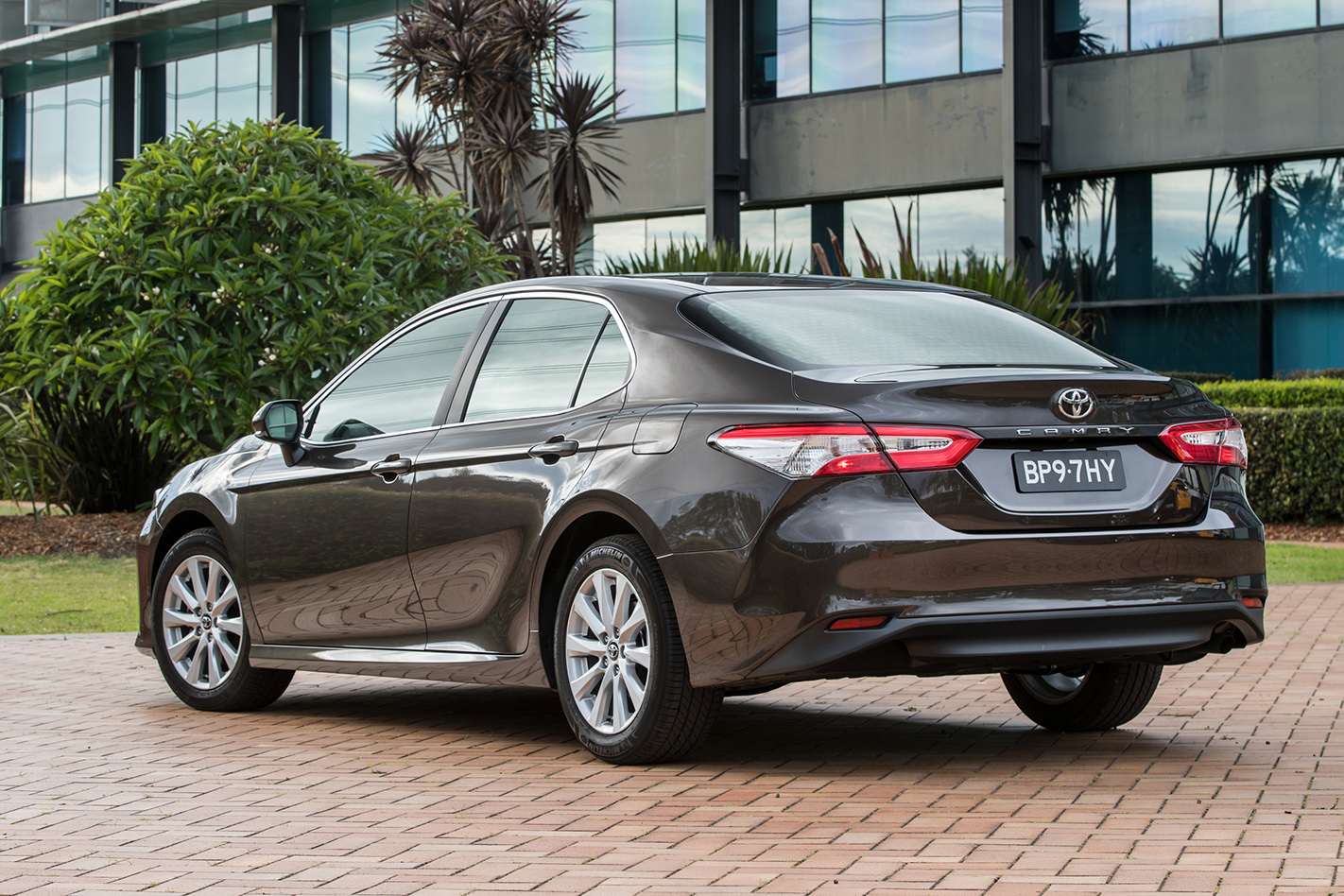
The 2.5-litre petrol engine and six-speed automatic are a good pairing, though obviously not overburdened with power – 133kW and 231Nm are the peak outputs, and the gearbox’s preference for high gears means you’ll really need to press the accelerator to feel either of those figures. It gets the job done though, and rarely feels flustered or overwhelmed by urban or highway driving.
In fact, it feels very much at home on the highway, with exceptional stability and direct (but not ultra-sharp) steering making it easy to drive at high speed. The suspension’s cushiness also comes to the fore in this environment, with just enough compliance to dispatch rougher country B-roads without being floaty and loose.
Verdict:
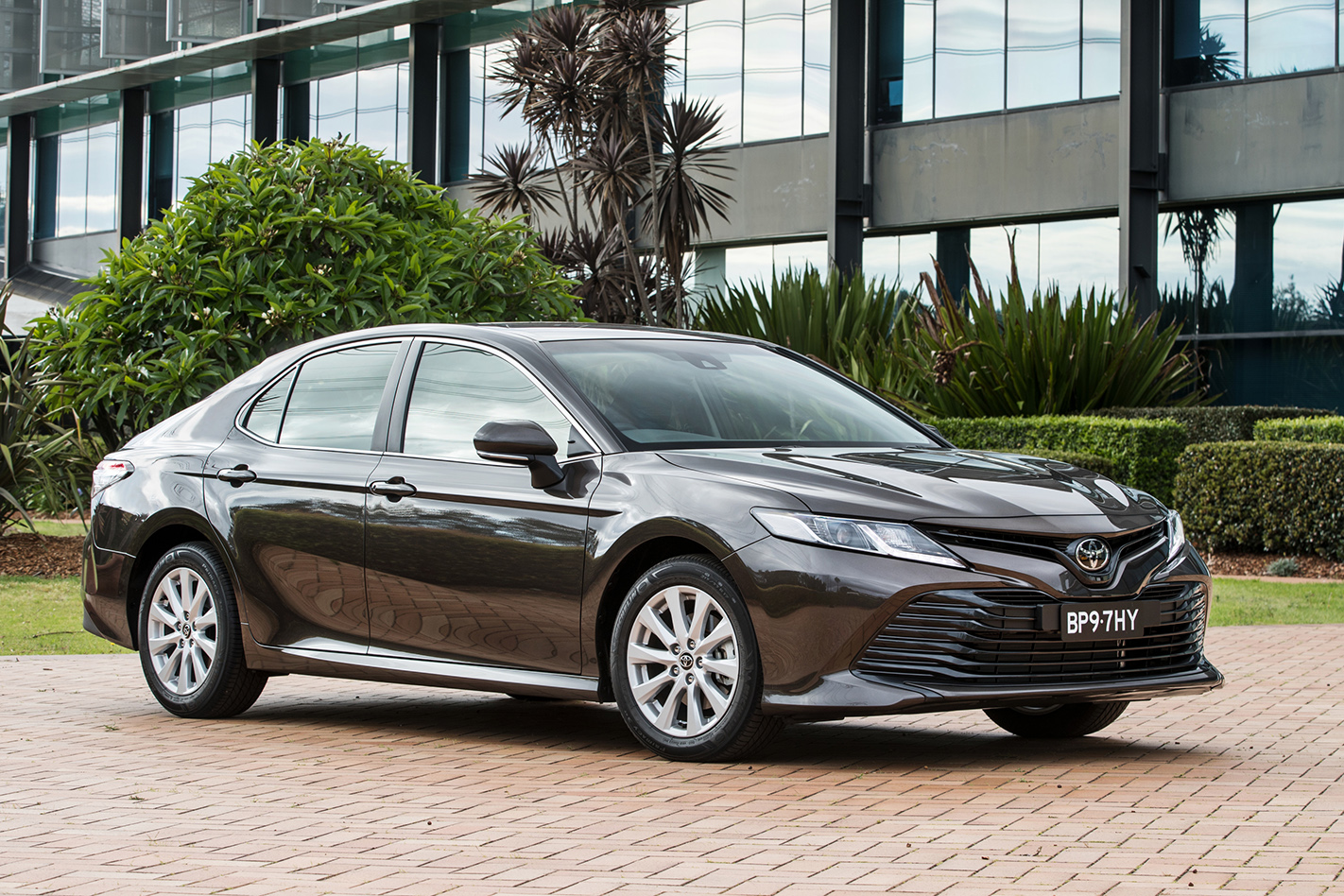
It seems strange to walk away from the cheapest Camry and be so impressed with it, but that’s how our week with the Camry Ascent ended. Normally the entry-level model of, well, anything, tends to leave you wanting, but we admire the Ascent’s ability to satisfy the core needs of those who simply want a spacious sedan that’s not just easy to drive, but above-par.
It could be better, though. A sportier transmission mode to help driver’s bypass the ordinarily snoozy gearbox calibration would be welcome, and a more modern infotainment fit-out would be even better. That aside, the Camry Ascent has all of the basics covered, and its long-distance comfort is truly exceptional. All that, and it’ll cost you under thirty grand.
BMW’s inline-six engines have earned the Bavarian marque a place as one of the greats when it comes to powerplants. The M3 has, for three of its five generations, been the flagship of BMW’s inline six-cylinder performance engines, and it seems the next engine is going to continue that lineage in a rather spectacular fashion. A 375kW-plus, 7200rpm fashion.
But the engine set to power the ‘G20’ M3 (and its eventual M4 sibling) once it’s revealed has already been dropped into another model. It’s still one of M’s creations, but it’s not a hardcore sports car as would traditionally debut a new high-powered M motor. It’s an SUV. Specifically, it’s two variations of the ‘same’ SUV platform, BMW’s X3 M and X4 M.
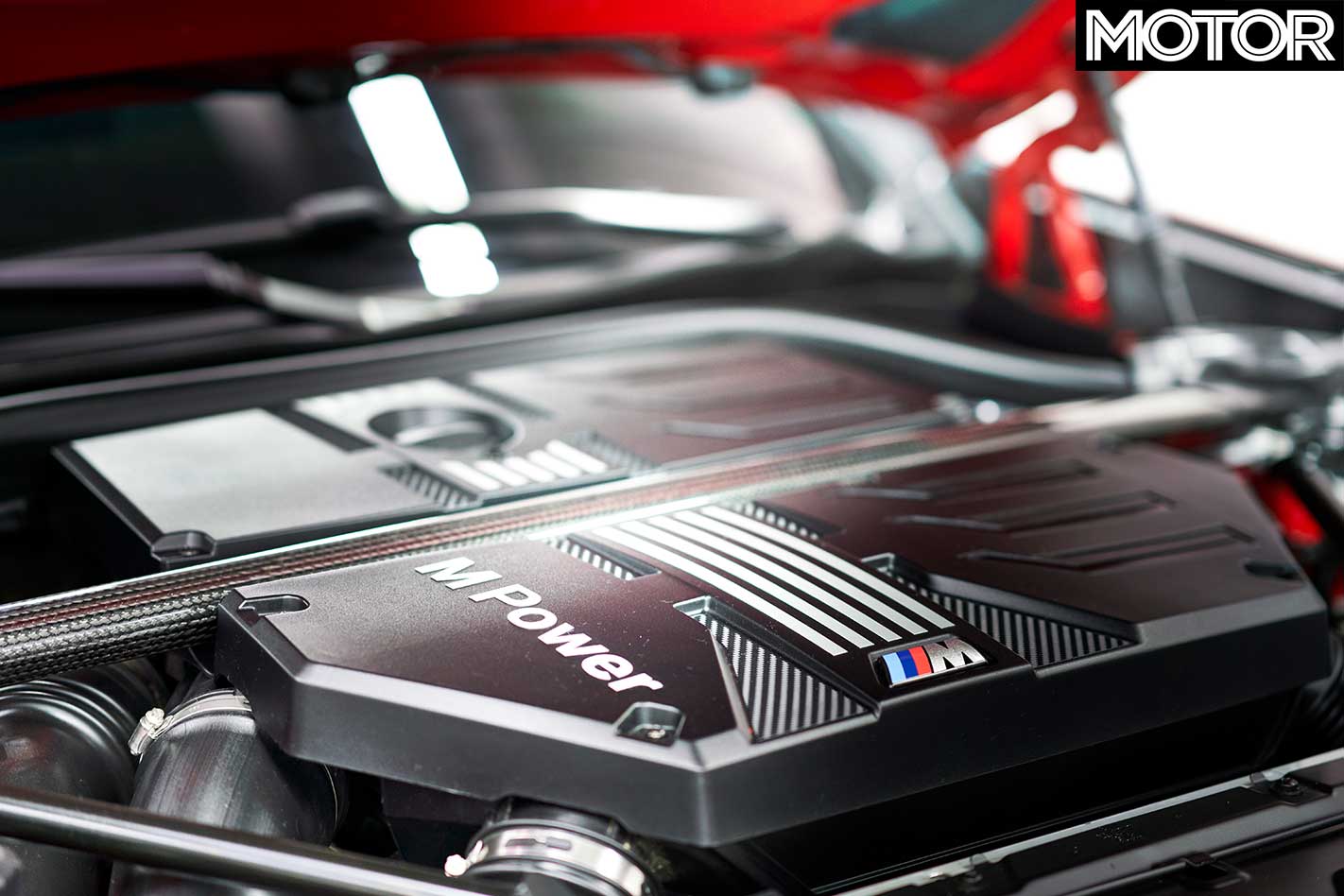
That previous engine, the S55, has been around for about half a decade now, and is based on the N55 which is double that age. Perhaps one of the most impressive aspects of the new engine is the massive advance in output figures, while becoming more efficient and meeting those emissions targets. BMW has managed to include in the engine’s peripherals four catalytic converters and two petrol particulate filters.
All four versions of the M SUV, standard and Competition for each body style, produce only marginally more carbon dioxide than the much smaller and less powerful BMW M2 Competition. That’s not taking into account the new, harsher tests under the WLTP, which the M2’s tests preceded.
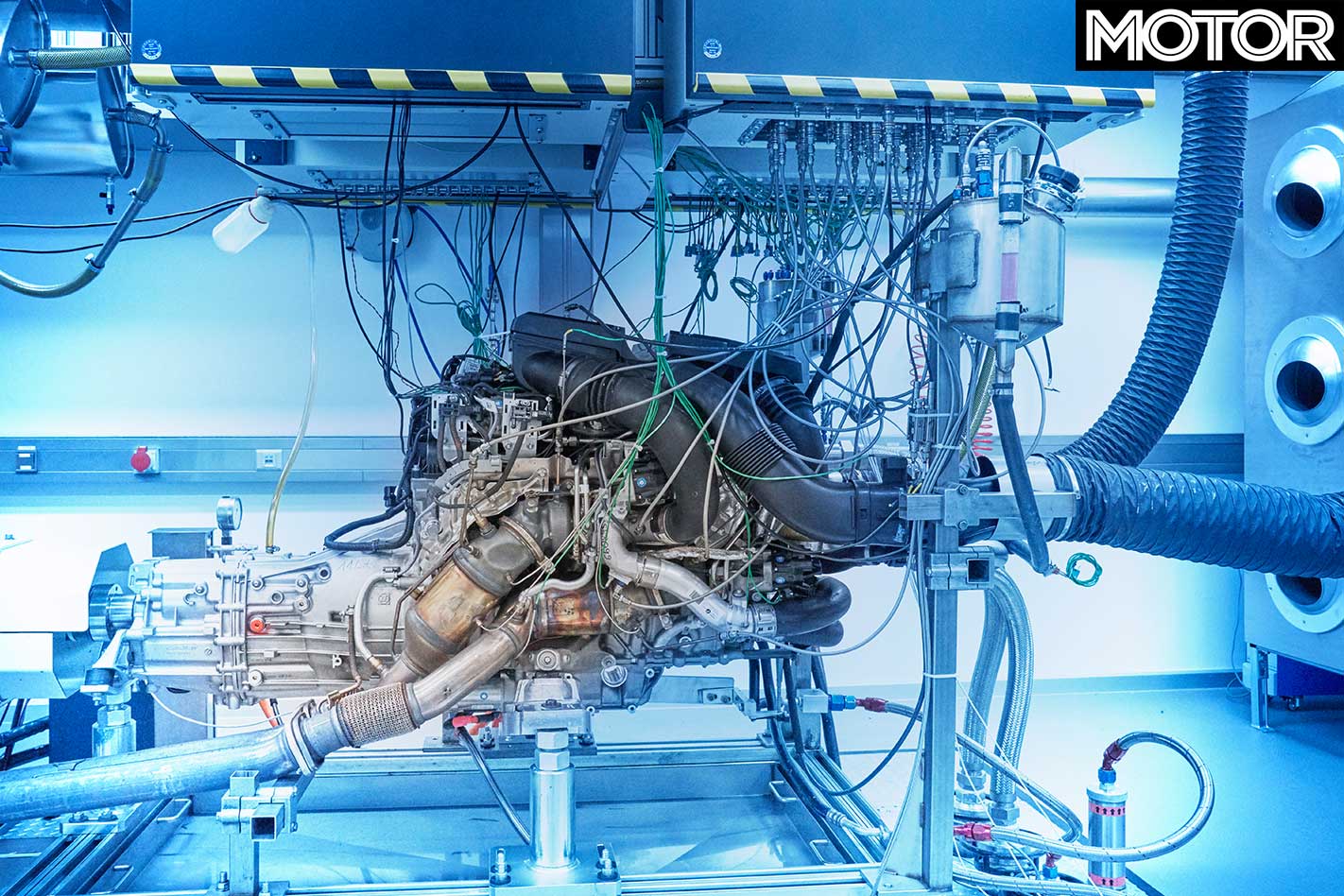
What’s more, it’s not unreasonable to expect more to come from the S58. It’s unlikely BMW would bring a new engine out of the gates without leaving some headroom for facelifts and powered-up models later in its life.
Advances in the production process for the engine have also allowed BMW’s engineers to create what it claims is a stronger engine block, with a closed-deck crankcase design and a 3D-printed cylinder head core allowing higher internal engine pressures without adding more weight to the engine. Some of that extra pressure is coming in via the new ‘TwinPower Turbo’ setup which BMW claims now loses less pressure than it previously did thanks to a new intake.
Fuel injection pressure also gets a boost, from 200 bar to 350 bar, or over 5000psi. The higher pressure more finely ‘atomises’ the fuel resulting in lower emissions, BMW says, especially under full load and at high engine speeds. If driving faster is greener, we’re happy to oblige.
S58 in detail
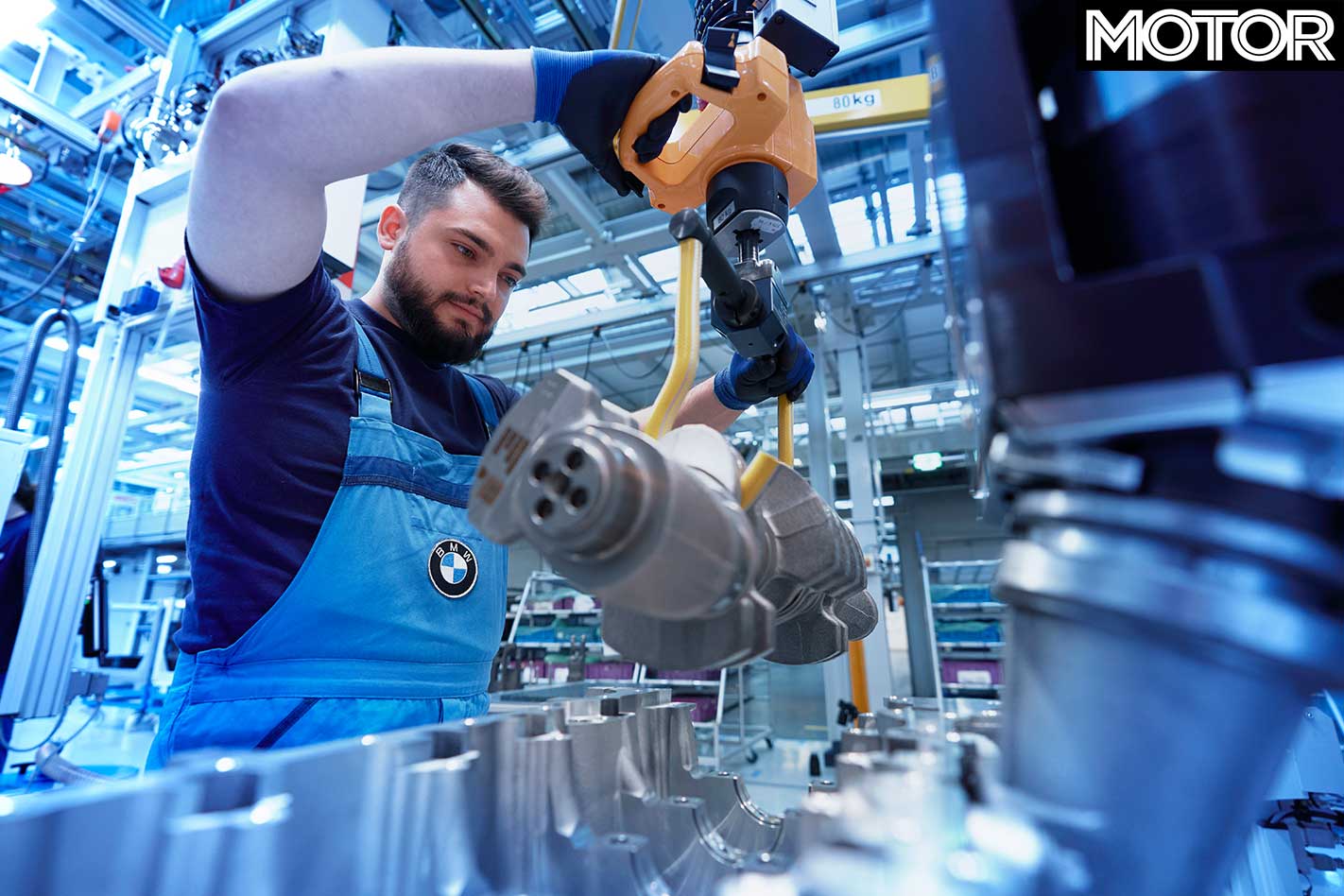
More Torque Outgoing S55 has a reputation for incredible low-down torque, yet S58 produces peak torque a substantial 1400rpm lower. This is comparing the M3 CS S55 calibration to the new S58 as seen in the X3/X4 M Competition, both 600Nm. Peak power of S58 same as S55, 6250rpm.
More Cubes While both are “3.0 litres”, S58 uses a slightly longer stroke (0.4mm) for a 14cc increase in capacity over S55 (2993cc vs 2979cc). Meanwhile compression ratio lowers from 10.2 to 9.3, presumably to facilitate a higher boost strategy.
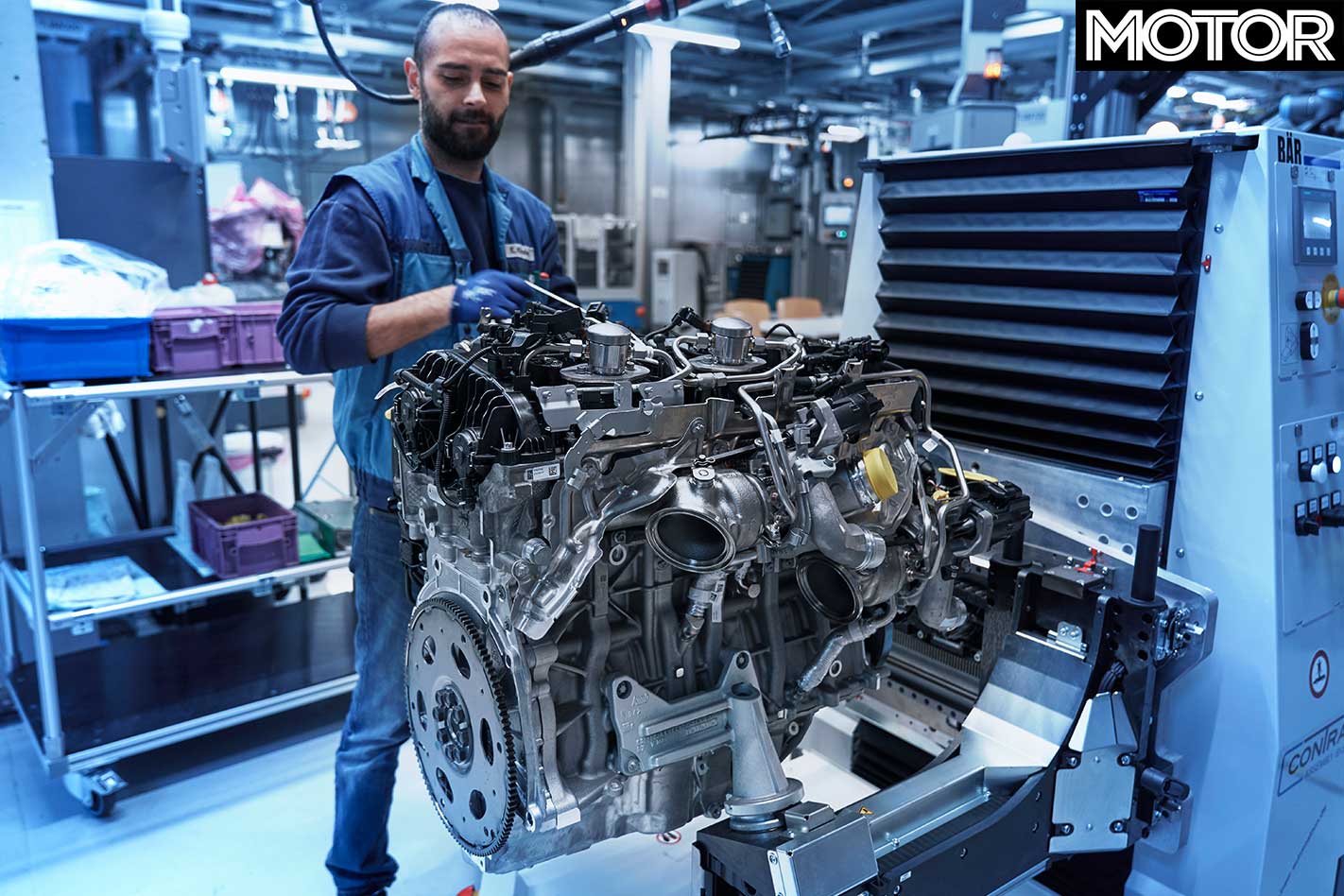
Keep Cool Motorsport-derived indirect intercooling keeps the high-power engine cool, with one main radiator and two smaller units flanking it. With these are a separate engine oil cooler and another unit to focus on cooling the transmission oil.
Revs Down S58’s maximum engine speed a respectable 7200rpm, although this is down 100rpm on S55. More importantly, in Competition spec, S58’s specific power a stonking 125kW/litre, one of the best of any new car on the market, with more to come.
It’s over-size and about to be over here, so could BMW’s flagship SUV be your new luxo seven-seater family hauler? Ash Westerman delivers the Wheels verdict
WHAT IS IT?
BMW’s new flagship SUV.
WHY ARE WE DRIVING IT?
BMW’s USA-based launch program saw waves of journalists driving a fleet of X7s from Florida to Palm Springs in California over six weeks. Wheels was given the 550km leg from Baton Rouge in Louisiana to Houston in Texas. No alligators were harmed in the making of this review, but a couple of racoons were not so fortunate.
MAIN RIVALS
Mercedes-Benz GLS; Audi Q7; Range Rover
THE WHEELS REVIEW
Whoever coined the adage about death and taxes being the only certainties in life clearly didn’t have much of a clue about BMW’s SUV range. With a line-up currently spanning X1 to X6, the arrival of a flagship X7, to give BMW a rival for Mercedes-Benz’s GLS and L-R’s Range Rover (and a larger, roomier alternative to Audi’s not exactly diminutive Q7), was a certainty waiting to happen.
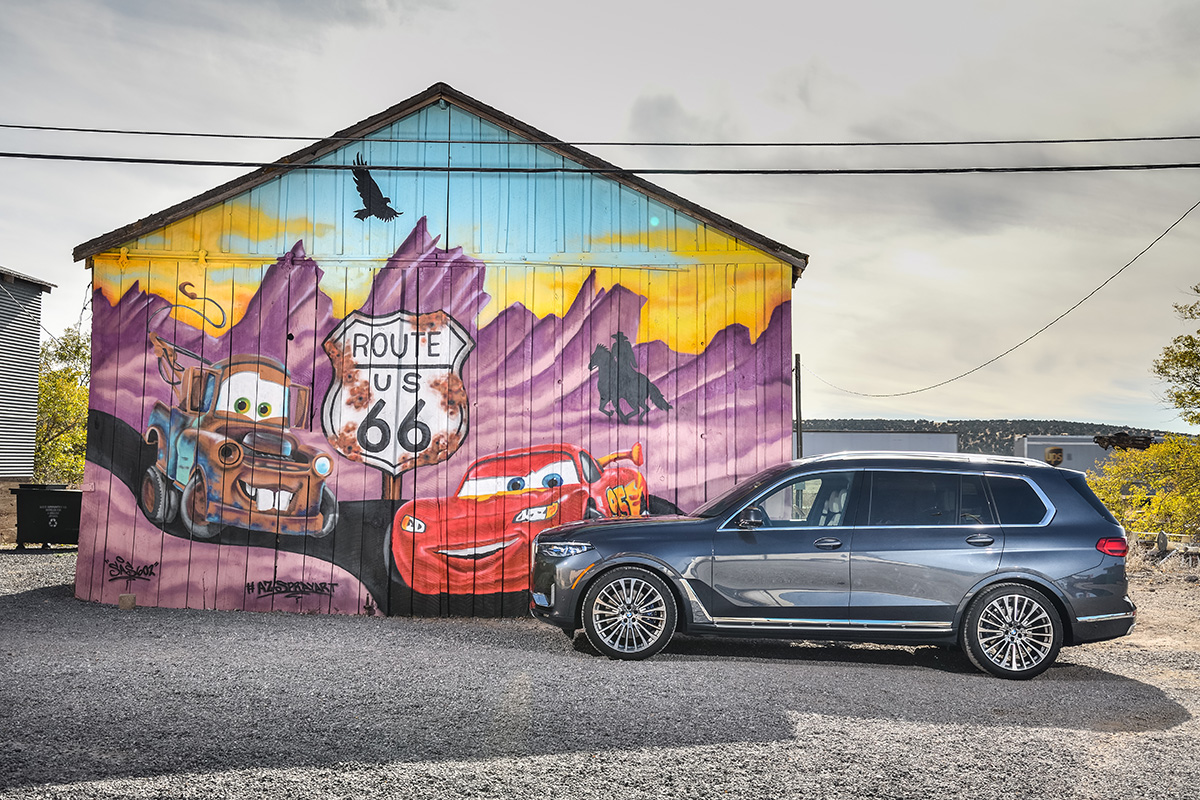
You’ll need to crane your neck to take in all of the new model’s hulking exterior. At 5151mm, it’s around 230mm longer than the X5, and rides on a wheelbase stretched by 130mm. Make up your own mind about the styling, but its sheer presence, especially on the 22-inch wheels fitted to all the test cars at the launch in the USA, is indisputable. And aerospace enthusiasts may be interested to learn that NASA has confirmed that yes, the huge double-kidney grille can be seen from beyond the Earth’s atmosphere.

Don’t, however, be misled by the 7 in the nomenclature, as there’s really nothing specific to the 7 Series sedan that has found its way into X7. Instead, it shares some component sets with X5, but according to X7 project manager Dr. Jörg Wunder, around 60 percent of the underpinnings are new and specific to X7. Included in that is the self-levelling air suspension and a whopping 80mm of adjustable ride height.
Four engines will be offered globally. We drove the two petrol variants through Louisiana and Texas – the 3.0-litre turbo-petrol (250kW/450Nm) and the 4.4-litre twin-turbo V8 (340kW/650Nm), however, these won’t be available to Australians, at least not initially. Instead, we’ll get a choice of two diesels (which we didn’t drive, as they’re not offered in the USA). The two diesels are both 3.0-litre straight sixes, one with twin turbos making 195kW and 620Nm, and priced keenly at $119,900. The other, a quad-turbo beast making 294kW/760Nm and badged M50d, pushes the price to $169,900.

This latter engine employs two variable-vane turbochargers combined with two conventional huffers to extract those remarkable numbers, which are enough to hustle the circa-2500kg SUV from 0-100km/h in just 5.4 seconds.
Probably more relevant to most customers, though, will be the packaging of X7, given it’s pitched at those for whom the optional third-row seat in an X5 is just too squeezy. The first point to note is that electric adjustment for all seats is standard, and there are buttons specifically assigned to raise or lower both middle and third rows in one hit, making it simple to configure the cabin into 2120-litre hauler mode. Or, if you want to lower the third row to expand luggage capacity from 360 litres to 750 litres, sensors first check to ensure the adjustable second row isn’t too far rearward, and adjusts it if necessary.
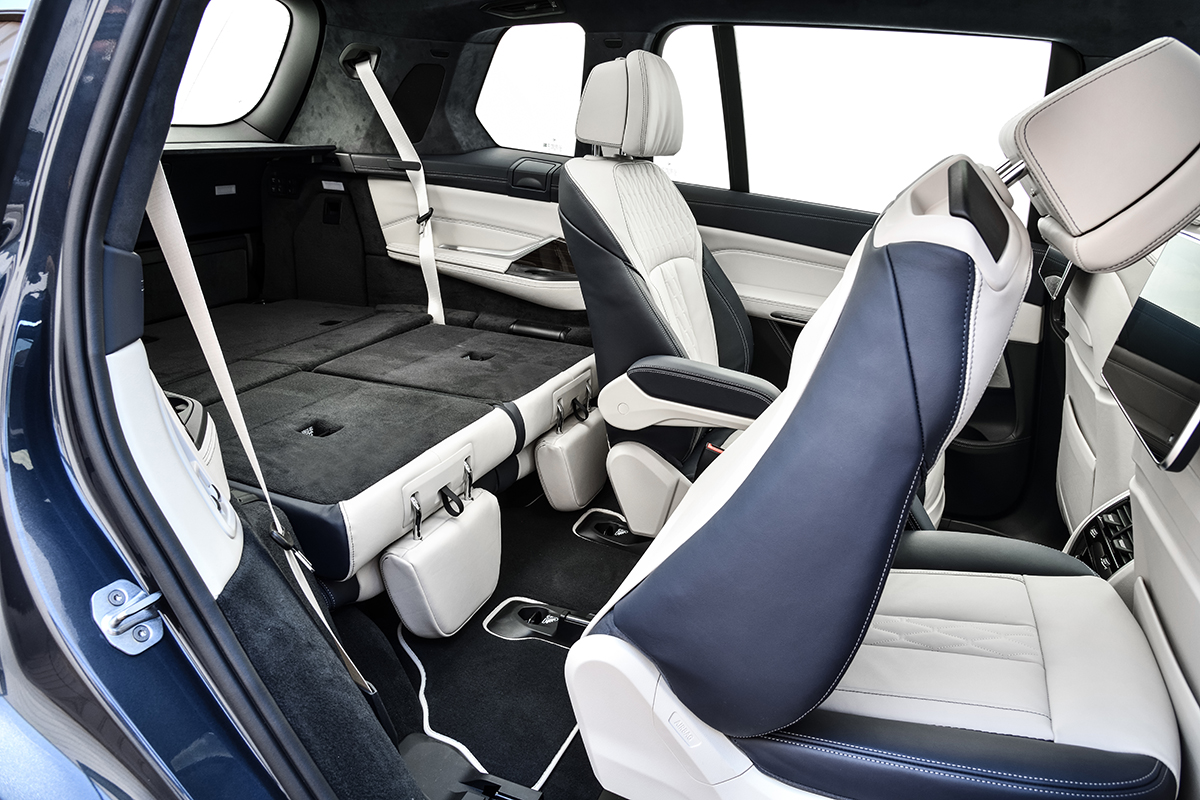
That’s good news. Less great is the time it takes to access the third row – 11 whirring seconds. Once back there, though, passengers can appreciate their own (optional) climate-control system, as well as USB ports and cupholders. A glass roof panel is also available, easing life for claustrophobes.
As for legroom, that really depends on the position of the second row. If it’s in its most rearward position, things are tight for average-sized adults. But if second-row passengers concede around 30-40mm, suddenly the third row becomes perfectly acceptable for adults, or very kid-friendly.
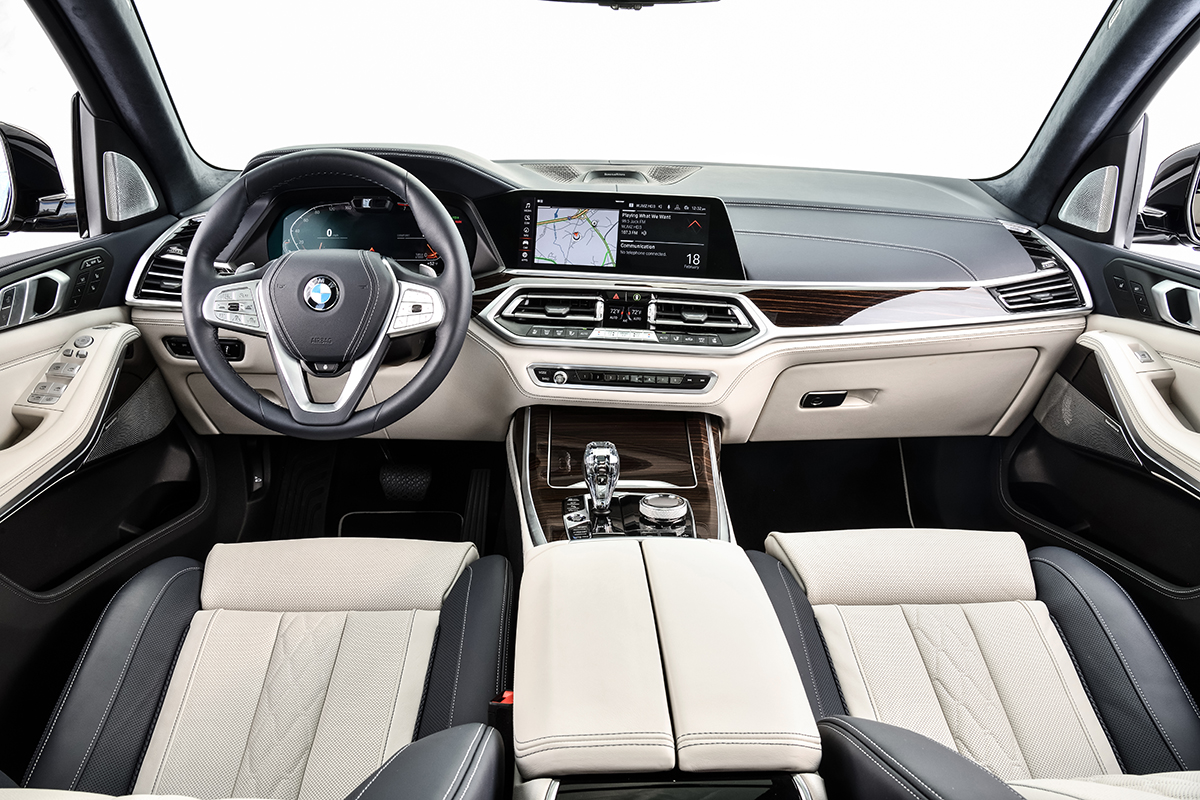
As for the rest of the interior, the test cars were highly specced with extended leather, Alcantara roof linings and sublime, multi-speaker B&W audio, but even without that stuff, the superb front seats, digital instruments, head-up display and 12.3-inch multimedia screen all create an impression of lavish luxe.
I ask Dr Wunder what was the biggest challenge faced by his team in creating the X7. “To make it still feel and drive like a BMW,” he says. “Despite the size and weight, it still had to have an identifiable BMW character.”
On first impressions, I’m unsure if he’s nailed it. The steering isn’t quick, at 2.8 turns lock-to-lock, and its change in weighting as speed rises is too obvious for my taste. The air suspension gives a wafting, pillowy ride, but is calibrated with quite a slow rebound damping in Comfort mode, so it all feels a bit languid and not especially alert.
The Sport mode goes a fair way to readdressing this without ruining the ride, but the reality is that managing this much weight and the vast unsprung mass of those 22-inch wheels means the X7 much prefers you to coax it into corners then exploit the lateral grip and power-down ability. Even with the addition of active anti-roll and rear-wheel steering, it doesn’t really dig being flung around.
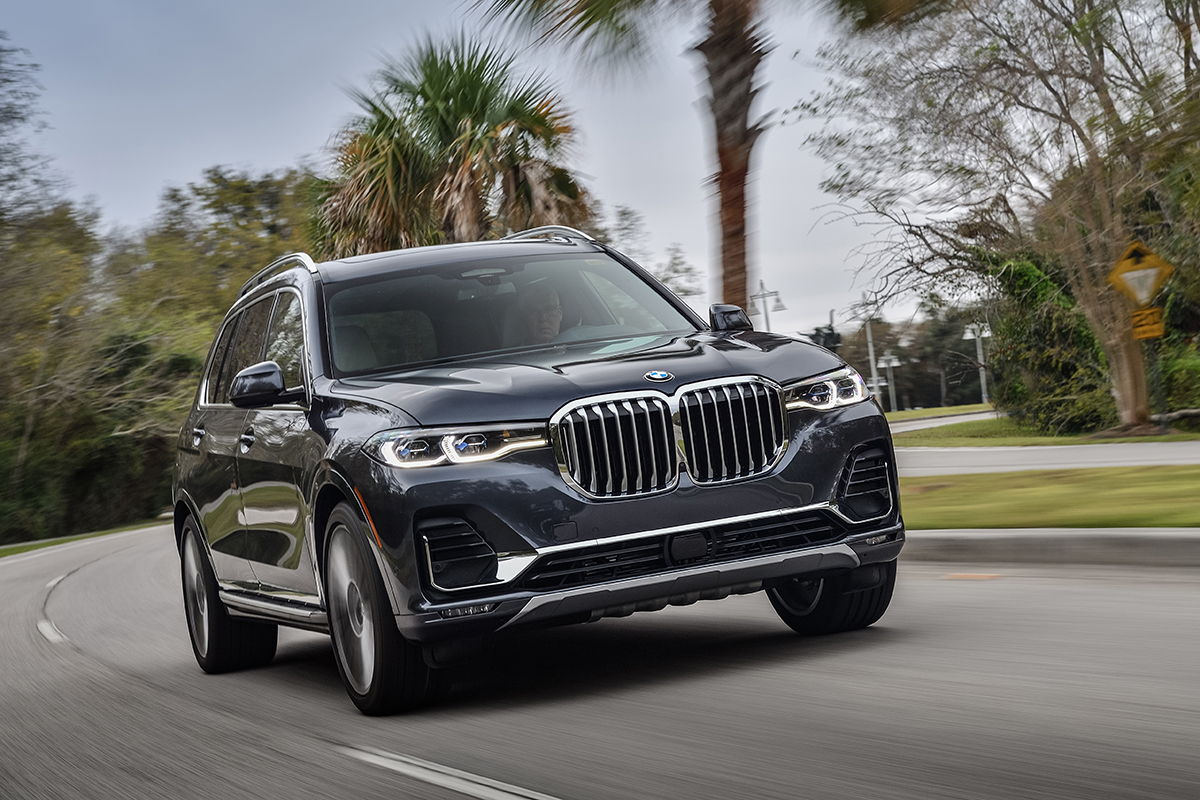
On smooth roads, it’s a swift, quiet, imperious cruiser, but hit sharp edges and broken bitumen and the massive run-flat rubber (325mm rears; 275mm fronts) reacts with a flurry of irritated thunking that’s more heard than felt.
Given Aussies’ love of AMGs and performance variants generally, the M50d may be more to our tastes. Its firmer chassis tune, faster steering response, limited-slip diff and fruitier exhaust note has the potential to change the X7’s character significantly.
As it stands, BMW’s flagship SUV feels tailored to please mostly American and Chinese customers, rather than having a real crack at resetting dynamic benchmarks in the large-SUV segment.
THE WHEELS VERDICT
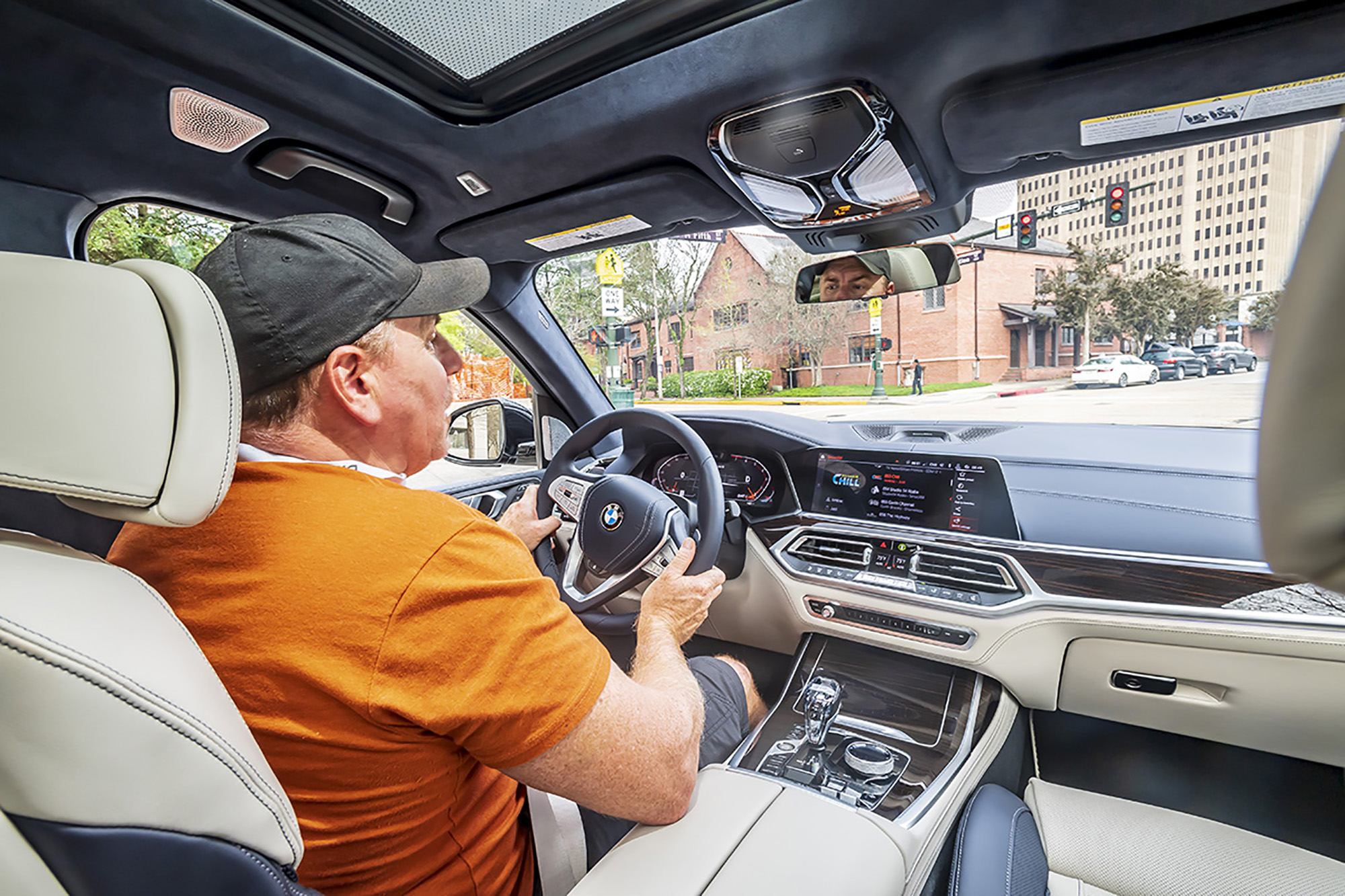
Generous accommodation for seven, loads of luxury appointments and a calm, compliant ride appear to be the primary targets of the X7, and first impressions are that it mostly nails them. The flagship M50d, which we didn’t drive but is coming to Australia, has the potential to be a far more connected, sporting driving experience, despite the broader market nose-turning towards oil-burners.
PLUS: Cabin space and presentation; sharp entry price; cruising refinement
MINUS: Towing ability; slow rear seat access; requires a precise, patient hand when driven quickly
SPECS
Model: BMW X7 xDrive 30d
Engine: 2993cc 6cyl, dohc, 24v, TTD
Max Power: 195kW @ 4500rpm
Max Torque: 620Nm @ 2200rpm
Transmission: 8-speed automatic
Weight: 2460kg
0-100km/h: 7.0sec (claimed)
Fuel economy: 6.5L/100km
Price: $119,900
On sale: May
INTRODUCTION
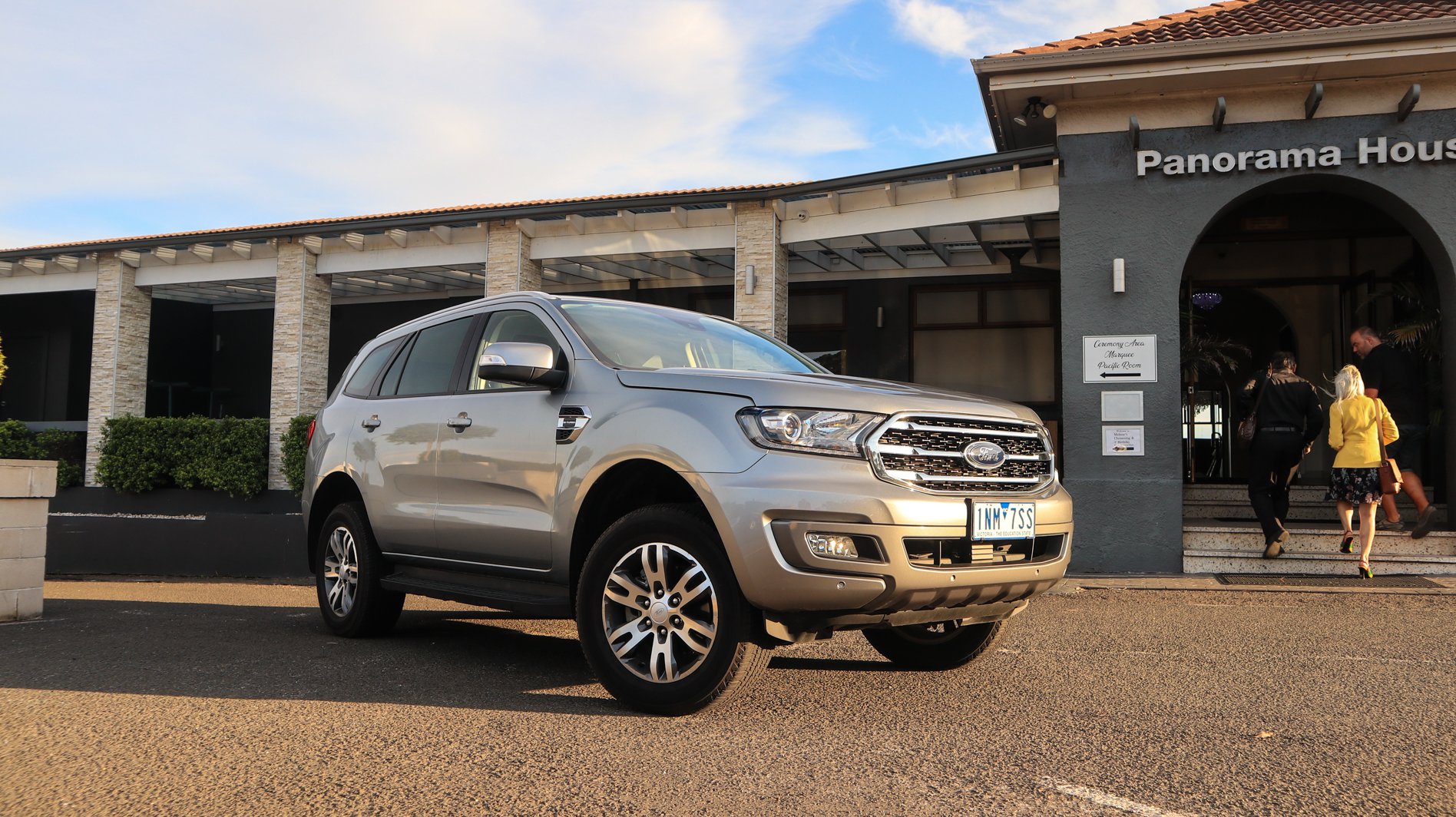
If ever there were an SUV to fit the stereotypical Aussie outback narrative, the Ford Everest is it. Along with a host of 4×4 ute-derived competitors like the Holden Trailblazer, Mitsubishi Pajero Sport, Isuzu MU-X, SsangYong’s new Rexton and the Toyota Fortuner, the Everest offers real ground clearance, proper off-road ability and diesel dependability for the adventure-loving family.
The reality, of course, is a little different, but the 4×4 wagon has found favour with long-range towing tourers looking for something that’s more practical and comfortable than a dual-cab ute.
STANDARD FEATURES
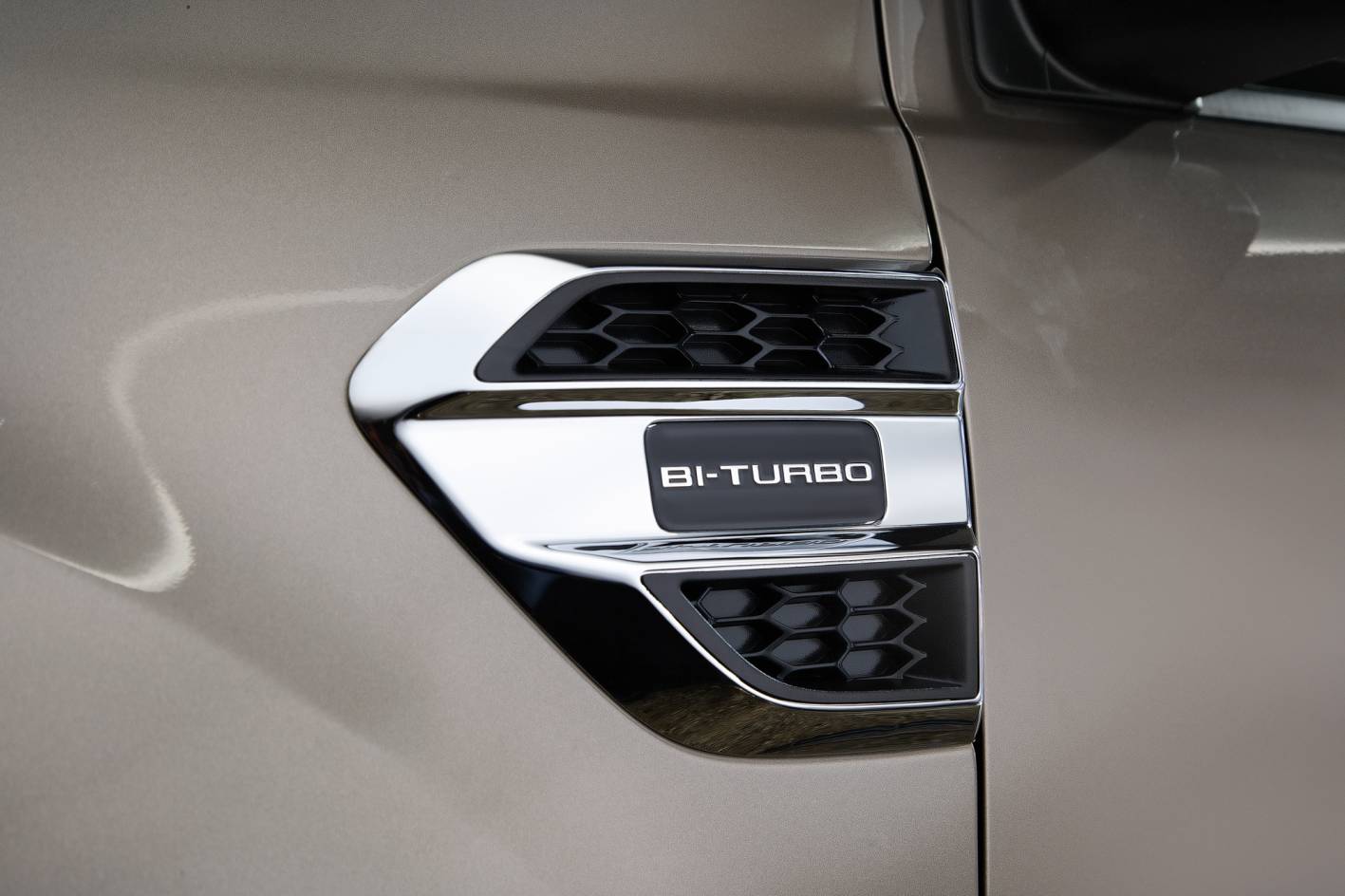
Our Everest Trend 4×4 tester comes complete with Ford’s newest 157kW/500Nm 2.0-litre four-cylinder twin-turbo diesel engine and ten-speed automatic gearbox, four-wheel-drive and seven seats.
It’s equipped with extras like automatic headlights and wipers, adaptive cruise control, lane departure assist and AEB, as well as a programmable keyless entry, 18-inch alloys and more.
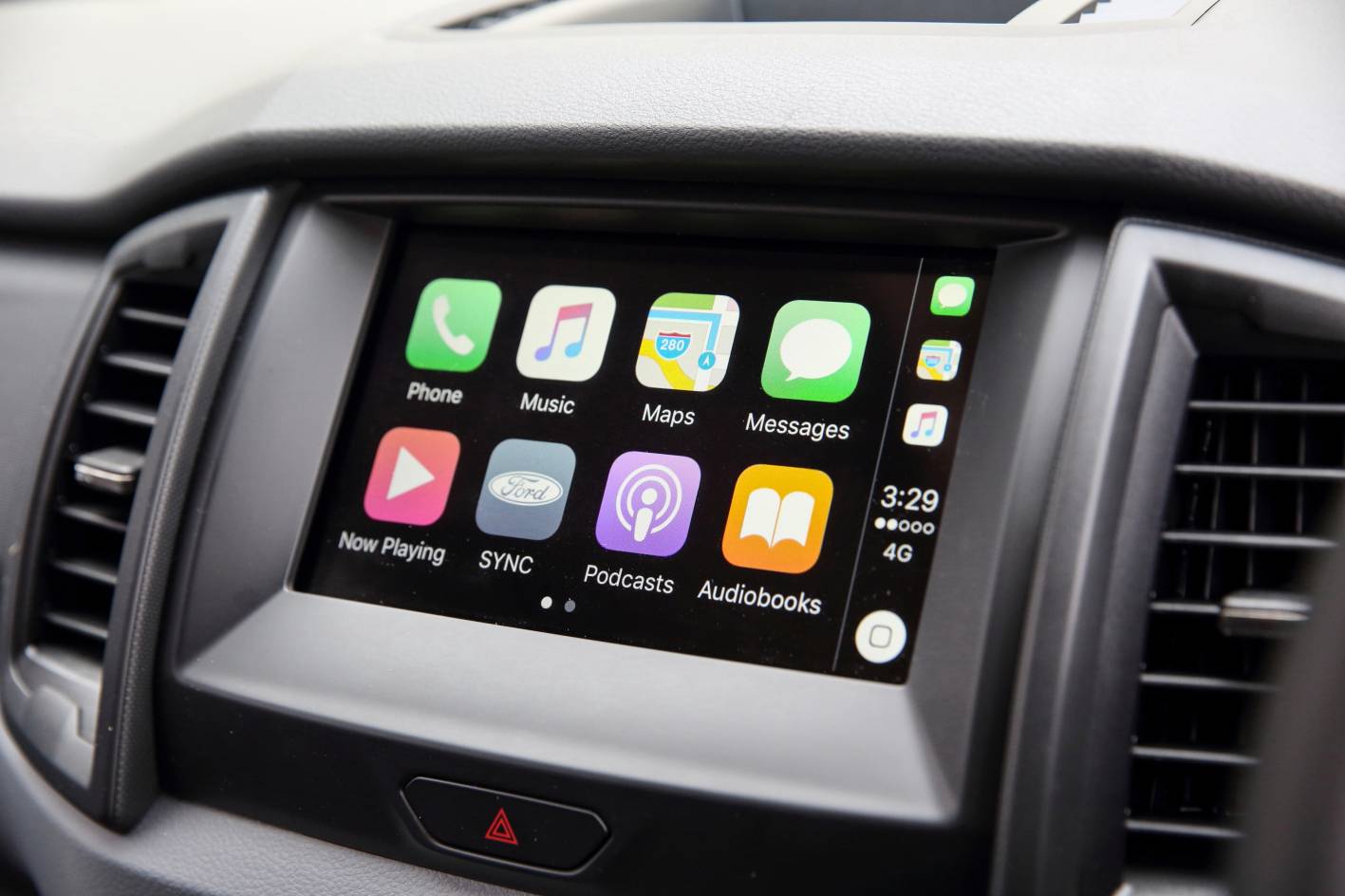
Its Sync 3 multimedia system offers Apple CarPlay and Android Auto functionality and runs through an 8.0-inch touchscreen. LED lighting features throughout the car, too, and there’s a powered tailgate.
VALUE
The Achilles heel of the Everest, though, is its high price. At $61,491 RRP before on-road costs, it’s the priciest in its sub-sector by some margin.
A quick look at some 4×4 wagon rivals shows just how over the odds the Everest’s pricing is compared to some of similarly specced 4×4 wagons. Holden’s Trailblazer Z71, for example, is $53,490, the Isuzu MU-X LS-T is $48,900, Mitsubishi’s Pajero Sport Exceed is $54,200 and the Toyota Fortuner Crusade is $56,990.
Ford insists that the Everest should be pitched against rivals like the Toyota Prado, but like-for-like, the Everest shares more in common with other body-on-rail wagons that can trace their origins to a commercial pick-up.
READ MORE Ford Everest Trend v Mitsubishi Pajero Sport
SIZE
It’s a big rig, so the Everest is not surprisingly generous in its interior dimensions. Three people can sit across the middle row with ease, and there is also plenty of headroom for even the tallest passengers. There are two ISOFIX baby seat mounts for the outside pair of seats.
The cloth trim seats are deep and comfortable, though they are a little lacking in side bolster padding. There is a pair of USBs under the dash along with two 12 volt power points and a multimedia touch screen system.
There are plenty of places to stash stuff within the Everest, including twin bottle holders in each of the doors, a pair of cup holders in the front centre as well as a pair in the centre in the second row. And you can even stash a 15-inch laptop in the huge glove box, and you can charge it from the 230v inverter socket in the second row.
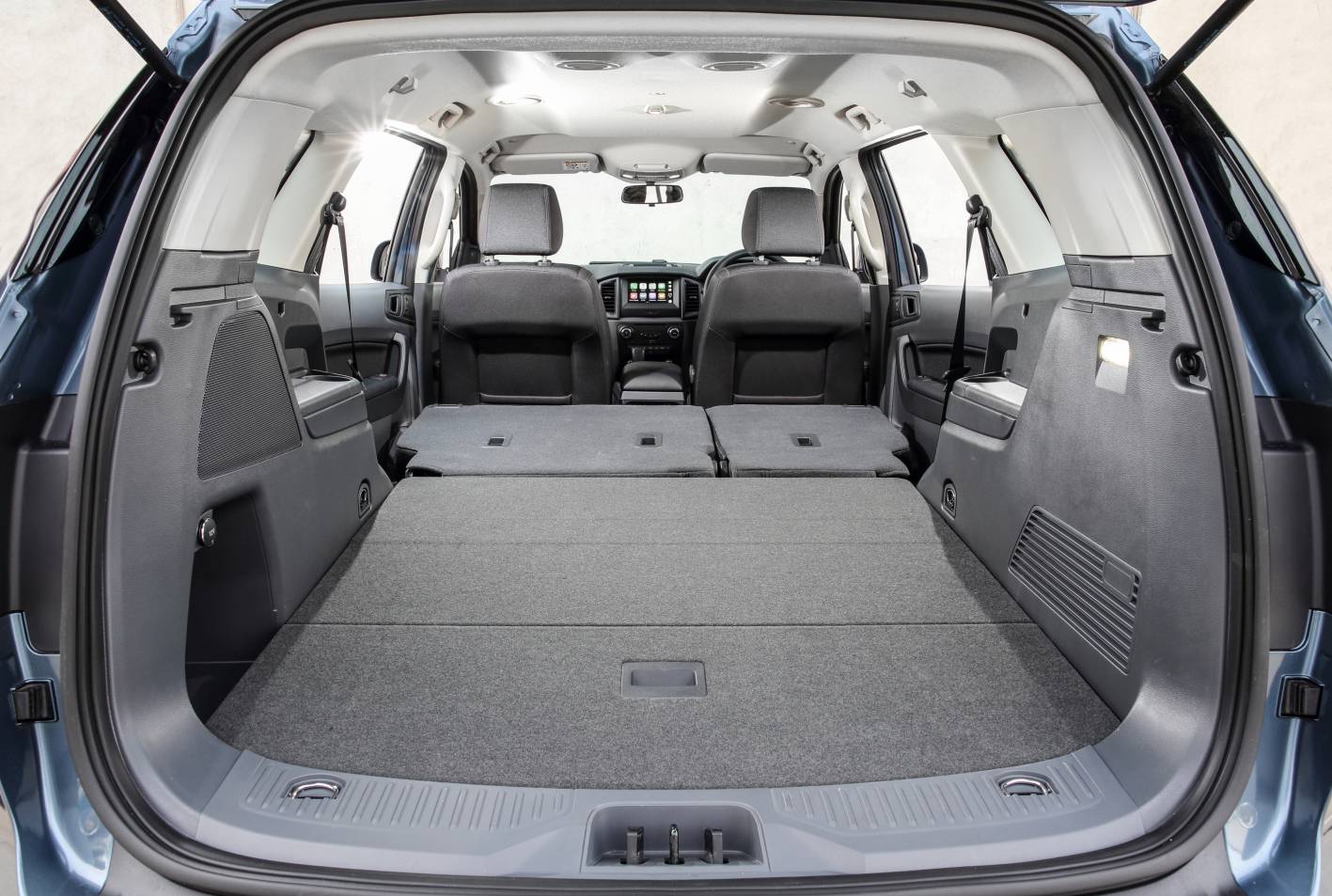
All seats fold down quickly and easily to reveal a large cargo space of 2010 litres up to the roof, although the large rear wheel arches do get in the way for awkward loads like bikes. The gap between the rear floor and seat fold is a little annoying, too.
Folding just the third row of seats down reveals 1050 litres of boot space, and there’s 450 litres of space with the third row of seats in place.
Another annoyance; it’s too easy to trap the seat belts in the seat fold, which means you have to undo the seat again to sort it out.
SAFETY
There are seven airbags including full-length curtain bags fitted as standard to the Everest, along with AEB, lane-keep assist, a rear-view camera and sensors, adaptive cruise control and (overly active!) front collision warning system, which all contribute to a five-from-five ANCAP safety rating for the Everest Trend.
WARRANTY AND RUNNING COSTS
The Everest is covered a five-year/100,000km warranty, while servicing is recommended every 15,000km or 12 months. Its fuel tank holds 80 litres of diesel, which should cost around $120 to fill (March 2019).
You’ll also have to budget for AdBlue diesel emissions additive as well, though a tank of AdBlue lasts around 15,000km and it costs about $60 to fill the Everest’s 18-litre tank.
The price of the first service is capped at $360, the second at $585, and the third is $470. It then rises to $585, before falling back to $360 for the five-year service.
COMFORT
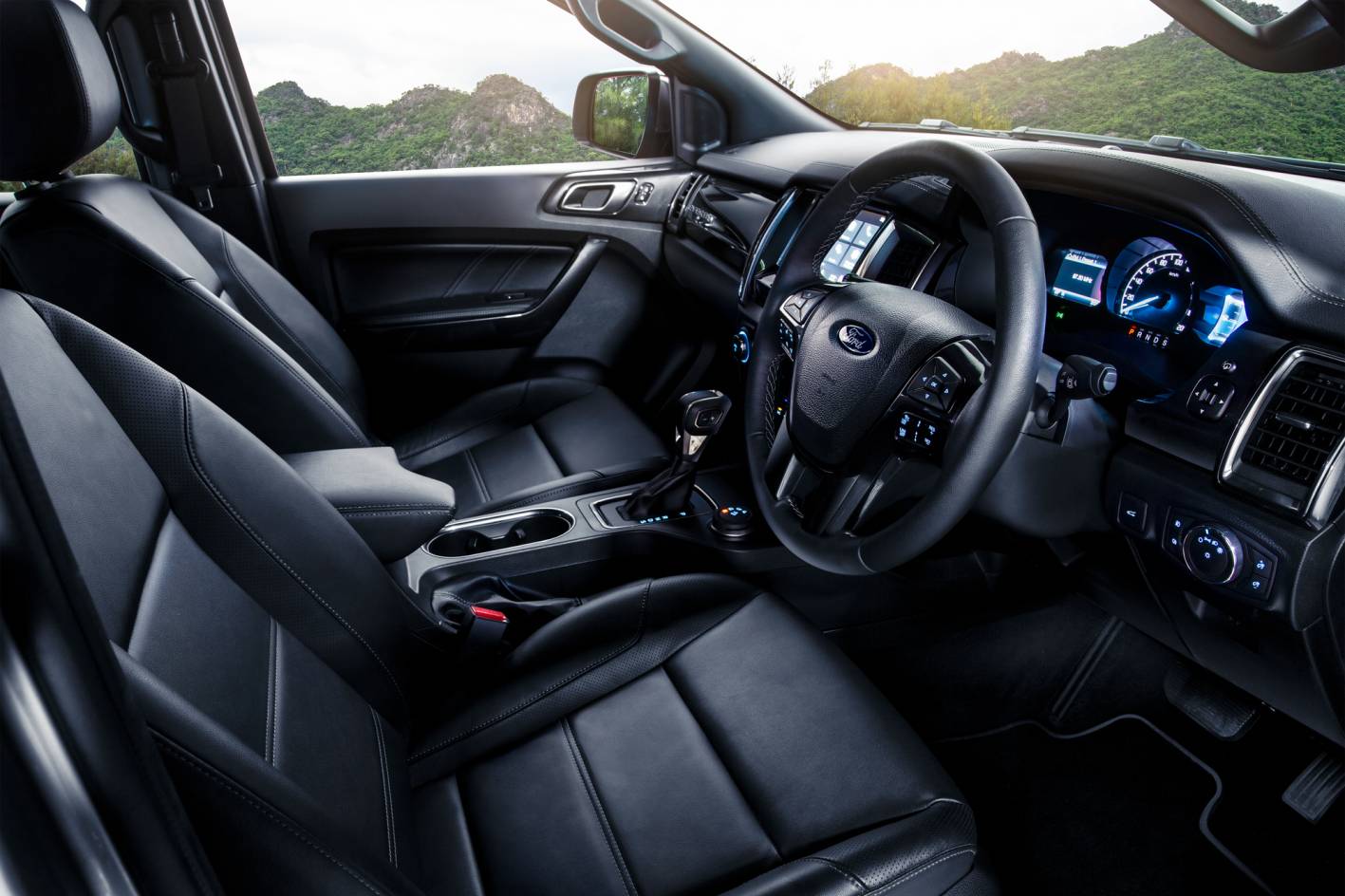
The leather seats of the Everest Trend are wide and reasonably deep, while the driver’s seat has an impressive height range. There’s no height adjustment for the passenger side, though. The second row is wide and roomy, while the rear two fabric seats are easy to erect and are reasonably sizable.
The 60/40 split middle row slides forward to allow relatively easy ingress, too, and there are cup holders for the third row. It’s not a space for adults, but it’s bigger than some of its rivals including the Fortuner.
Extra sound deadening and a clever noise attenuation (using the same principle as noise cancelling headphones) keeps the cabin quieter than the donor Ranger, although the large door mirrors do allow for a little bit of wind noise at highway speeds. The new diesel, too, is quiet and composed.
ON THE ROAD
The Everest uses coil springs in the rear in place of the Ranger’s leaf springs, which gives it a much more car-like ride.
The steering, too, is surprisingly light and easy to use for such a tall, long 4×4, though the long, soft brake pedal isn’t a personal favourite.
There’s no hiding that it’s nearly 2.4 tonnes of wagon out on the open road, though. The ride is soft and supple over all surfaces, verging on too soft in body roll control at times. Of course, it’s not meant to be hurled around corners like a Mustang, either.
With 225mm of ground clearance, good articulation from its coil-sprung suspension and short front and rear overhangs, the Everest’s off-road prowess is formidable, too.
A limited run on a mixed gravel road reveals a wagon with excellent cruising abilities over unsealed surfaces, thanks to that softer, more compliant coil-sprung ride. There’s also a comprehensive terrain management system coupled to a low-range 4WD mode if you’re really keen to get out in the wild.
The engine – also used in the 4x4OTY winning Ford Ranger Raptor – is flexible, quiet and refined, and while its 500Nm is enough to propel it at sufficient pace across level ground, it can be caught off guard by rolling hills, where it falls out of its power band a bit too easily if the revs drop away.
The 10-speed auto is a great match for the engine’s output, but it too gets caught flat-footed by the odd steep incline, taking a moment too long to drop down to a more suitable cog. It can also be slow to engage when you’re asking for a hurried reverse.
Having said that, a brief tow of a 1900kg trailer combo revealed no shortcoming in the smaller engine’s ability – the Ford Everest is rated to tow 3100kg, 100kg more than the 3.2-litre five-cylinder version. It can also carry a little more payload (713kg vs 692kg), thanks to the lighter engine.
We saw a dash-indicated fuel economy figure of 7.9 litres per 100km over 434km of testing, against a claim of 7.1L/100km. A cruising range of around 1100km is theoretically possible aboard the Ranger.
VERDICT
The Ford Everest 4×4 Trend is expensive when directly compared with its most immediate rivals – in fact, Ford prefers us to compare it with things like the Toyota Prado – but it’s a quiet, competent, roomy seven-seater with decent towing capacity, reasonable fuel economy and good levels of equipment.
It’s also got genuine off-road chops and a cutting-edge drivetrain.
If you can handle the cost of entry, the Everest’s versatility can really help to justify the fiscal stretch.
2019 FORD EVEREST TREND SPECS
Engine: 1996cc bi-turbo diesel Max power: 157kW @ 3750rpm Max torque: 500Nm @ 1750-2000rpm Gearbox: 10-speed auto Crawl ratio: 42.2:1 4×4 system: On-demand with low range Construction: 5-door wagon on ladder chassis Front suspension: Coil spring IFS Rear suspension: Coil spring multi-link live-axle with Watts link Wheels/tyres: 18×8.0-inch alloy with 265/60R18 tyres Kerb weight: 2387kg GVM: 3100kg Payload: 713kg Towing capacity: 3100kg (braked) GCM: 5900kg Seating capacity: 7 Fuel tank capacity: 80L ADR fuel consumption*: 7.1L/100km
Check out all our Ford Everest reviews and videos here
Seven people will face court today after NSW Police executed a massive drug bust yesterday, in which a Ford Falcon V8 Supercar was seized.
The BA Falcon is dressed in the colours of Craig Lowndes and Jamie Whincup’s 2006 Bathurst 1000 winner, however that specific vehicle (chassis 888A-010) is in a separate collection.
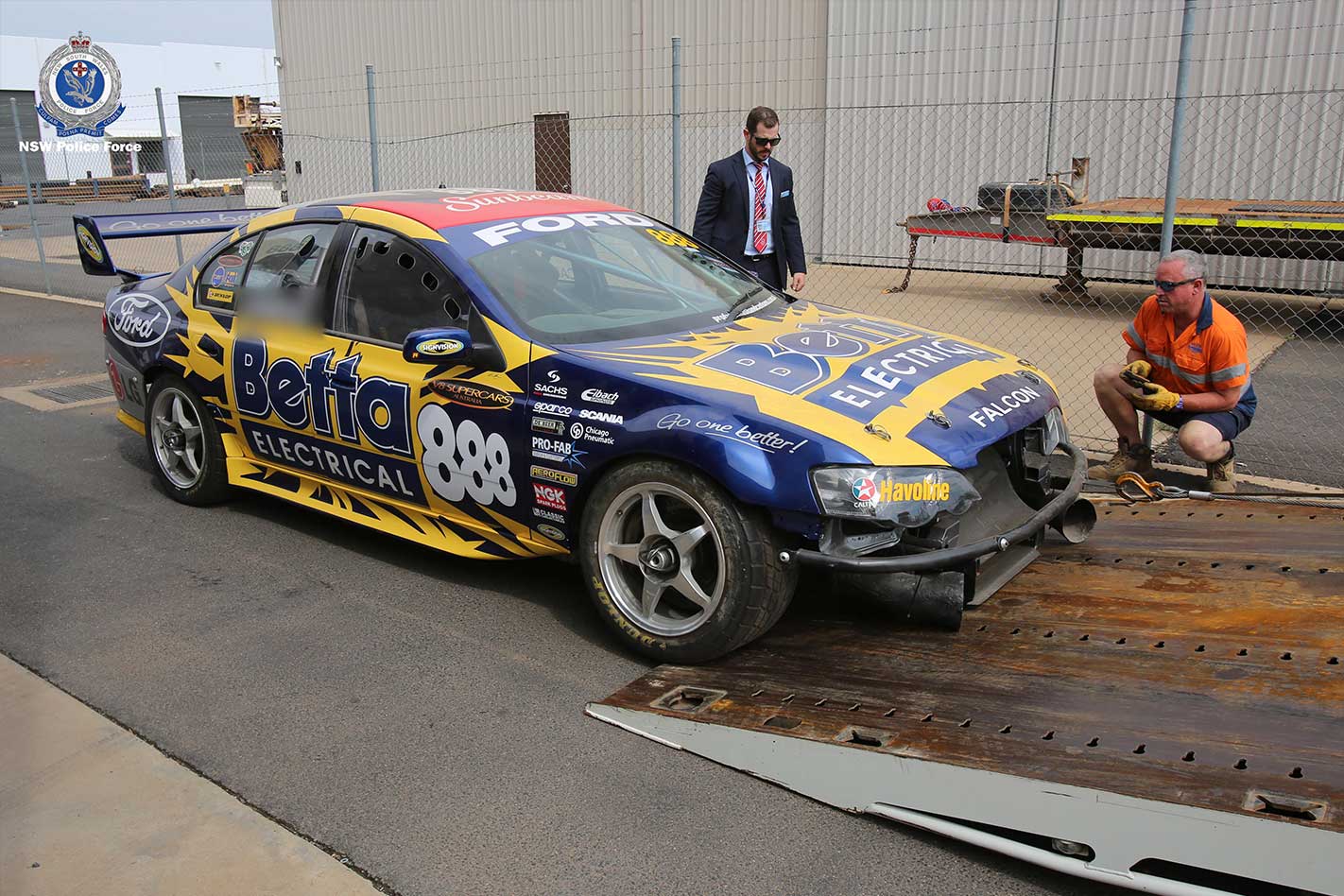
Other notables seized alongside the V8 Supercar were seven motorcycles, more than $140,000 cash, three more cars, a tractor, a quad bike, and a Holden HT Monaro GTS.
“Strike Force Bato was formed in July 2018 by officers attached to Orana Mid-Western Police District targeting the commercial supply of cannabis from the Newcastle, Hunter Valley and Dubbo areas,” NSW Police says.
“Following an eight-month investigation, strike force investigators executed five search warrants at properties at Dubbo and two search warrants at properties at Cessnock yesterday, Monday 18 March 2019.
“The operation consisted of more than 80 officers from Orana Mid-Western Police District, Hunter Valley Police District, Western Region Enforcement Squad, and the Dog Unit, as well as Australian Border Force and the NSW Crime Commission.”

NSW Police adds that it has seized cannabis, 40 kilograms according to a Fairfax article which quotes District commander Superintendent Peter McKenna, from with an estimated potential street value of almost $900,000.
“Eight people were arrested during the operation and taken to local police stations.
“Police will allege in court that this operation has resulted in the dismantling of an organised criminal enterprise involved in the commercial supply of drugs.”
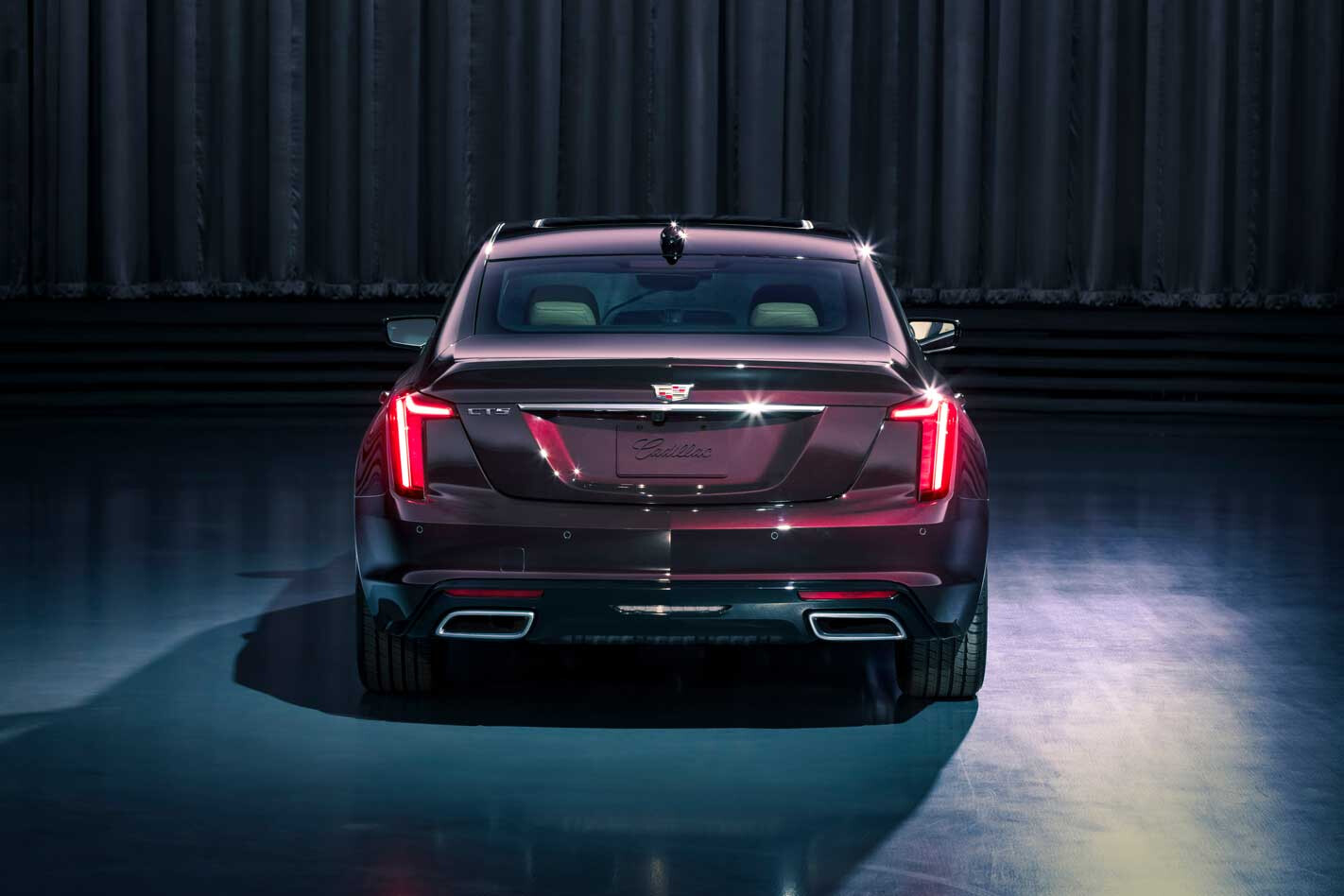
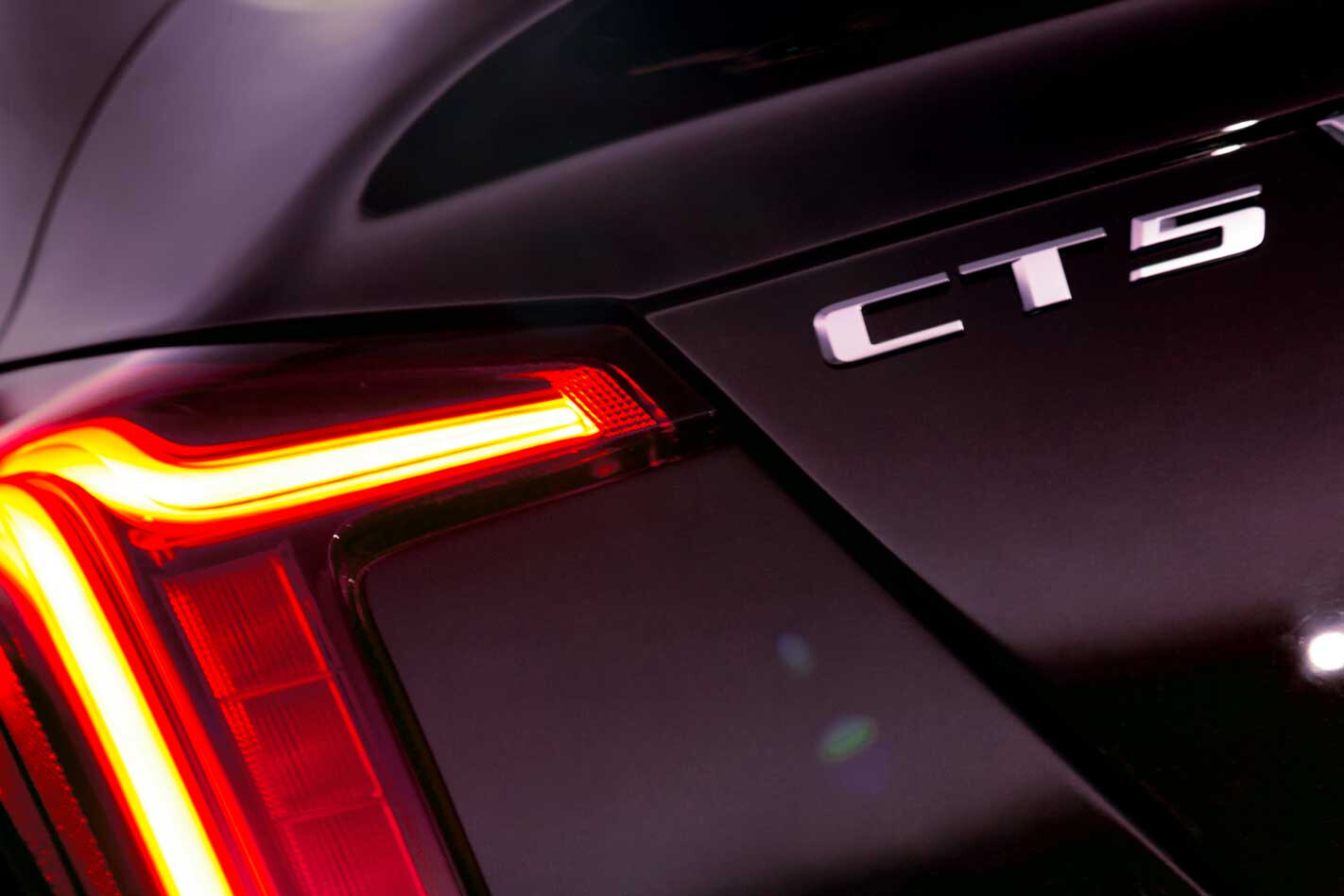
Cadillac has revealed a new sedan overnight, the CT5, and it’s already in the country.
A smaller sibling to the CT6, Caddy’s new baby sedan is designed to rival Europe’s executive cartel, which includes the Audi A4, BMW 3 Series, and Mercedes-Benz C-Class.
Keen-eyed travellers in Melbourne’s outer suburbs are likely to have already seen the CT5’s shapely haunches as it drove on public roads. That’s because the car has been undergoing development work at Holden’s Lang Lang proving ground.
Replacing the outgoing CTS and ATS sedans, the CT5 straddles the pair in terms of size, and is built on an evolution of the Alpha architecture that underpinned both. There’s no word on right-hand-drive capability.
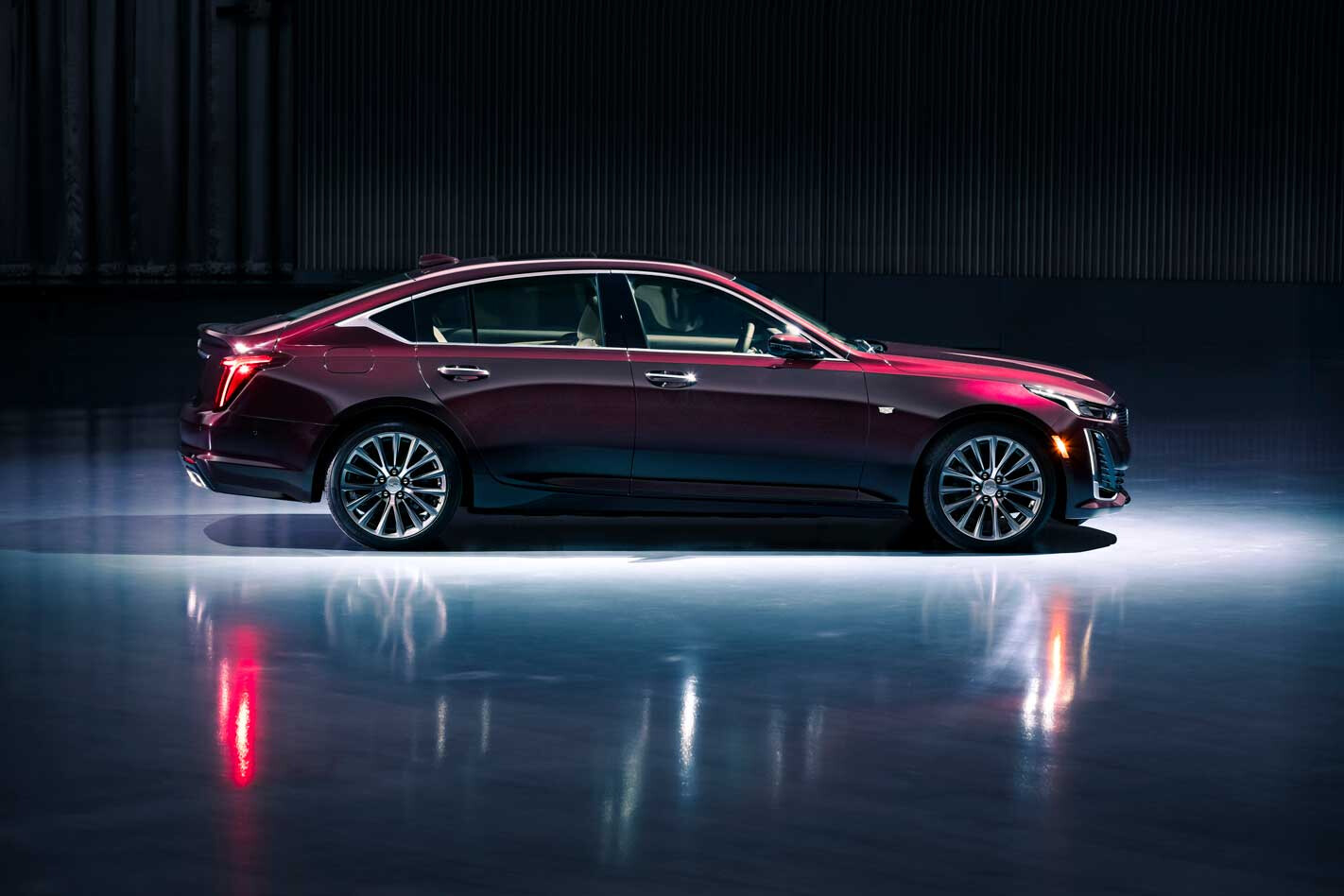
The standard engine for the CT5 will be a 2.0-litre four-cylinder turbo, with an optional 3.0-litre twin-turbo V6 offered with “unique sound calibrations”. Each is paired with a 10-speed automatic transmission.
No further information has been revealed for both engines, though it’s likely they will match the outputs found in the CT6, at 176kW/350Nm and 301kW/542Nm respectively.
While the Cadillac CT5 is currently unlikely for Australia, don’t rule it out completely. General Motors president and former managing director of Holden, Mark Reuss, instructed the Lion’s current boss Dave Buttner to do an appraisal of the Cadillac brand locally.
When speaking to Wheels last year, while in his then role as GM’s product development boss, Reuss hinted that right-hand-drive engineering work for Cadillac is currently underway, stating: “It’s up to Dave but we’re certainly capable of doing that … it could be an opportunity for us.”
A Holden spokesperson told Wheels that seeing a camouflaged Cadillac on Australian roads wasn’t necessarily an indicator that the vehicle would be sold locally.
“All sort of testing for all sort of things are tested at Lang Lang”, they said. “However, the super-secret ones stay inside the proving ground.
“Some models do venture onto public roads for engine and transmission calibration, but that’s all it is.”
The CT5 will be revealed in the flesh at the 2019 New York Motor Show, which starts April 20.
Cadillac has traditionally designated its most hard core models with a ‘V’ badge suffix, like the CTS-V and ATS-V which boasted 477kW and 855Nm outputs thanks to a supercharged 6.2-litre LT4 V8.
While there is no official word on a ‘V’ version of the CT5, former head of Cadillac Johan de Nysschen told Jalopnik that the then unconfirmed CT5 would have a focus on driving dynamics.
“It will certainly lap the Nurburgring faster than any one of our competitors in that category, if they care about that,” he said.
The performance halo for the CT6, the CT6-V, has a 4.2-litre twin-turbo V8 which produces an ‘estimated’ 410kW and 850Nm.
If fitted to the CT5, it’d result in a rear-drive performance sedan, with M3-rivalling power. Now, where do those kind of products sell well?
Fourteen thousand dollars. That’s how much the wheels on this Honda Civic Type R cost.
They’re part of an option Honda Australia calls the ‘Type R Deluxe Pack’, and there’s another $10,000 worth of carbon fibre styling fitted. On a car that costs $52,000 before on-roads.
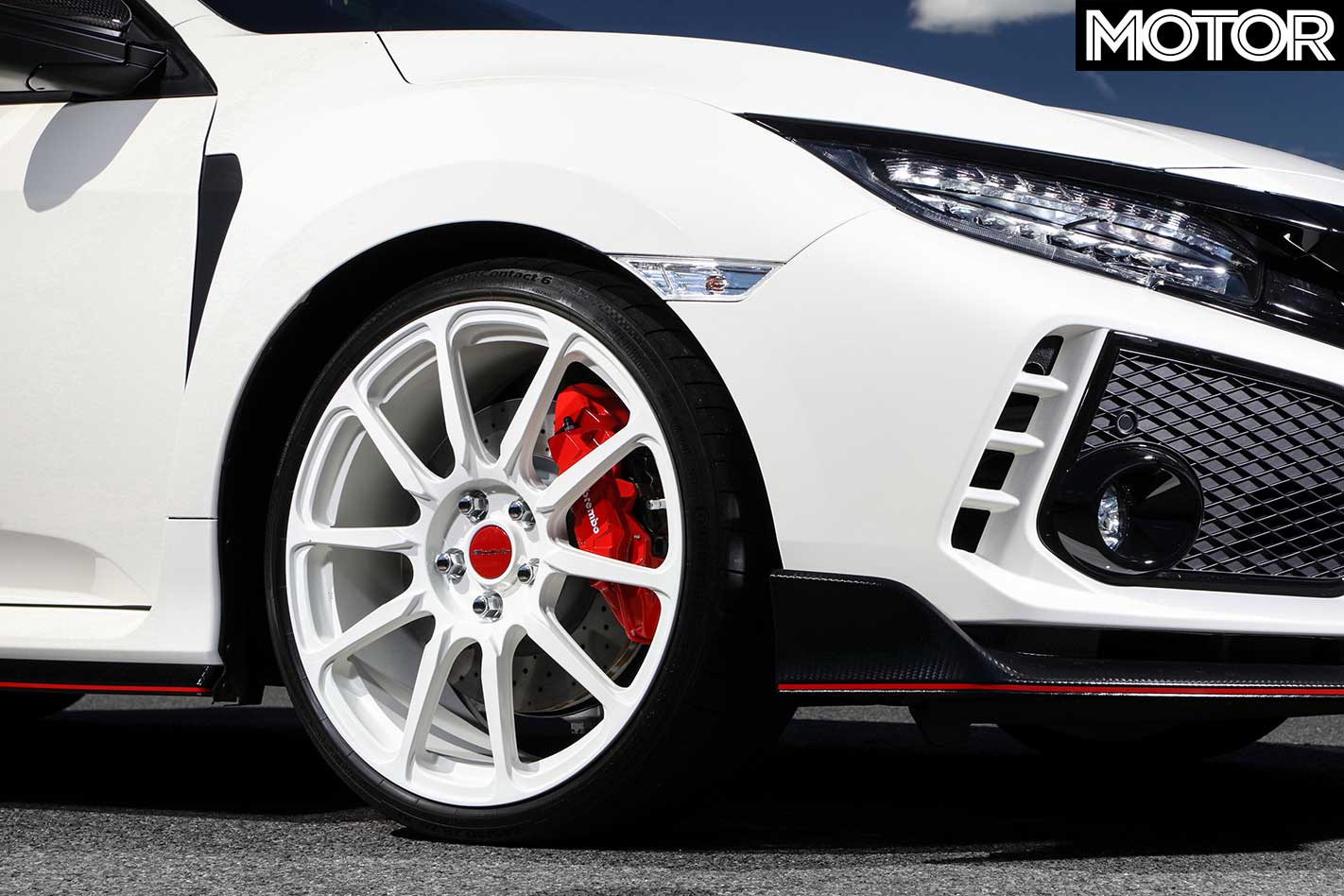
So, what does paying for an extra half-a-Honda get you? The 20-inch wheels, which are 2.1kg, lighter each than the stockers, plus a carbon wing spoiler, mirror caps, sill trim, diffuser, and interior accents.
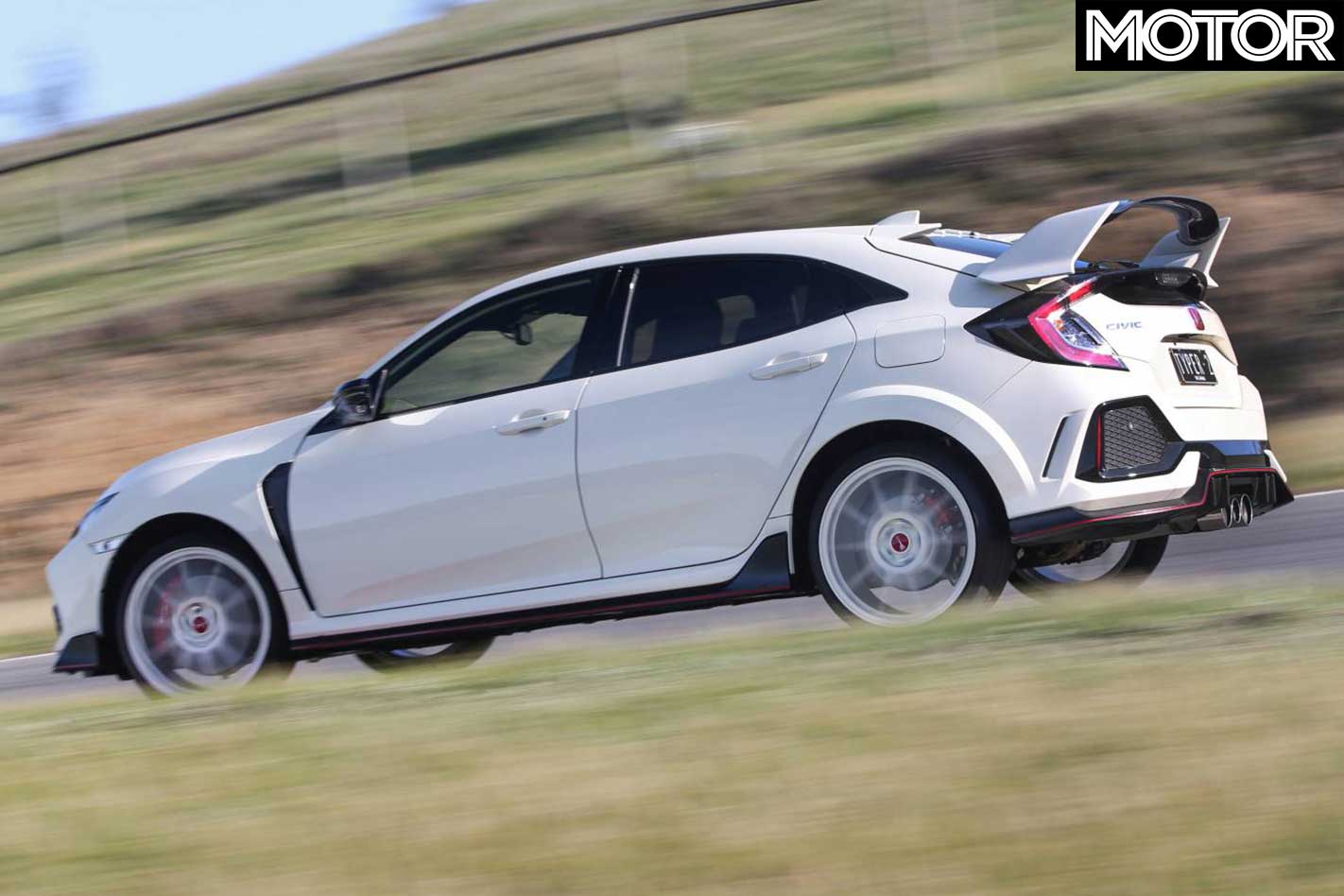
We took this BMW M240i-priced Honda to the Bryant Park hillclimb track, a.k.a Haunted Hills, to film a television segment. While we were there, a few test lap were conducted.
Not only is the Civic Type R still as good as we remember it being at Performance Car of the Year 2018, which it won, but the track is an excellent fit for the sharp-nosed front-driver.
Wide tyres grip for as long as you could need them to, or want them to, and the steering is excellently weighted to turn hard without needing to cross arms too far. Not to mention the incredibly willing 228kW/400Nm turbocharged engine pulling out of corners harder than a front-driver feels like it should.
But we could say all of this about at standard Type R. In fact, we have many times in the past.
While the lighter wheels should provide, at the very least, a slight improvement in performance for the almost eight-and-a-half fewer kilograms, you’d need to drive this car back-to-back with a standard Civic on the same road or track to notice.
Even the ride isn’t affected, as the stock wheels are the same size.
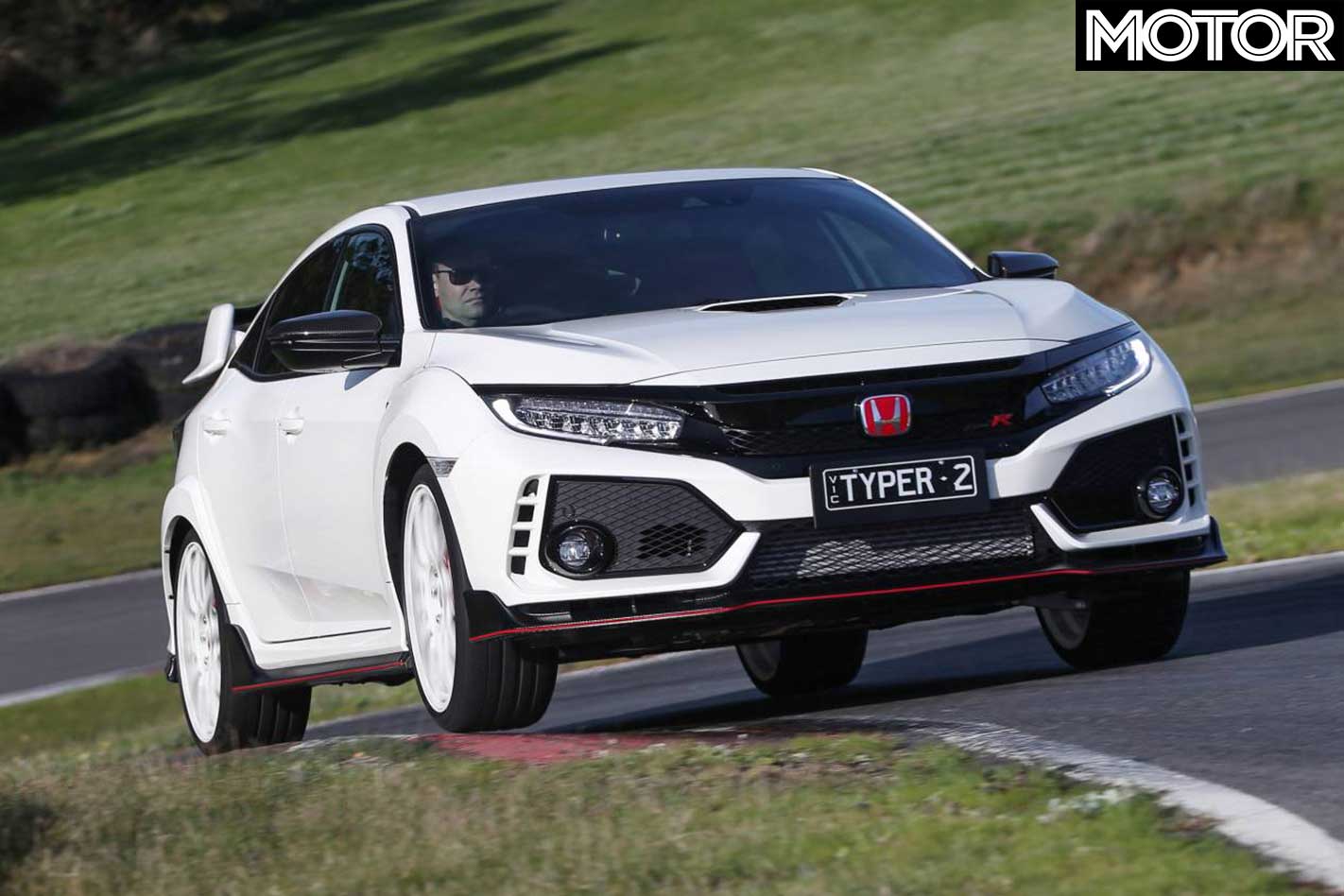
The point can be made that, if you’ve got the money, the Civic looks better with the DC2 Integra Type R-inspired wheels on a white car. You could also say you really like carbon fibre. But enough to pay the price of a Suzuki Swift Sport? We’d rather a second car in the garage.
2018 HONDA CIVIC TYPE R SPECS Engine: 2.0-litre inline four, DOHC, 16v, turbo Power: 228kW @ 6500rpm Torque: 400Nm @ 2500rpm Kerb weight: 1380kg Top speed: 272km/h L/W/h: 4557/1877/1434mm Brakes: 350mm ventilated four-piston calipers (f); 305mm solid discs four-piston calipers (r) 0-100km/h: 5.68sec (tested, Oct ‘18) Price: $76,920 (car and options)
