
SUBARU has issued a recall for 121,754 cars sold in Australia to replace a potentially faulty brake light switch, which can cause brake light failure or, in some cases, immobilise the vehicle.
According to the Japanese car maker, the component in question can allow the ingress of external contaminants, which insulate the switch contacts and prevent brake light illumination.
Curiously, the contaminant in question is not a harsh solvent or acid, but present in common scented household products including fabric softener and cleaning agents. Unofficially then, owners with a penchant for fluffy, pleasantly perfumed brake pedals are at greater risk.
Unfortunately, in the case of automatic vehicles, the same electrical signal also tells the ignition system if the driver has applied the brakes for starting the engine. If the switch fails, owners may be unable to start their car.
The good news is that the potential fault cannot cause brake failure and the remedial fix involves a simple switch replacement that should take no longer than 30 minutes.
Affected models include:
- MY13-15 Forester 39,121
- MY09-14 WRX 6,853
- MY11-14 WRX STI 708
- MY09-16 Impreza 36,820
- MY12-15 XV 38,252
If you think you might be the owner of a vehicle that is the subject of any recall, you can find all the details at the Australian Competition and Consumer Commission (ACCC) website accc.gov.au, where all local recall campaigns are listed. Alternatively, customers can contact the Subaru Customer Service Centre on 1300 550 994.
Subaru’s allergy to fabric softener is not the first recall curio we have encountered and only last month we reported on a strange fuel pump problem which caused frequently washed Hondas to catch fire.
But at least the respective manufacturers are monitoring the safety and performance of their vehicles and fulfilling their obligation to inform owners when problems arise so they can be resolved before causing any major incident or inconvenience.
In this alternative energy special, Tony delves into the fascinating world of electric power for your car.
After a cross-section of all the hybrid and electric vehicles currently available, Tony takes a look at one more option and a hydrogen fuel cell powered Hyundai that’s coming to a showroom near you.
But if all that seems like too much sensible, emissions-free fun, Alex takes three exotic supercars for a blast to see which is the best hyperbolic convertible money can buy – for now. Can a pair of German drop-tops compete against arguably the most famous supercar name in the business?
On-air: Channel Ten, Mar 10 (AU) / Mar 17 (NZ)
Catch-up: Watch at tenplay.com.au (AU) or primetv.co.nz (NZ)
There’s a school of thought that plug-in hybrids are merely tech for ditherers. Drive one on battery power and it’s lugging a dead anvil under its bonnet. Likewise, drive it on liquid hydrocarbons and you’re hauling around a bilgeful of battery ballast. For the purist, a plug-in hybrid is a mealy-mouthed, worst of both worlds fudge. They’re right as well.
2019 EV Megatest: Introduction
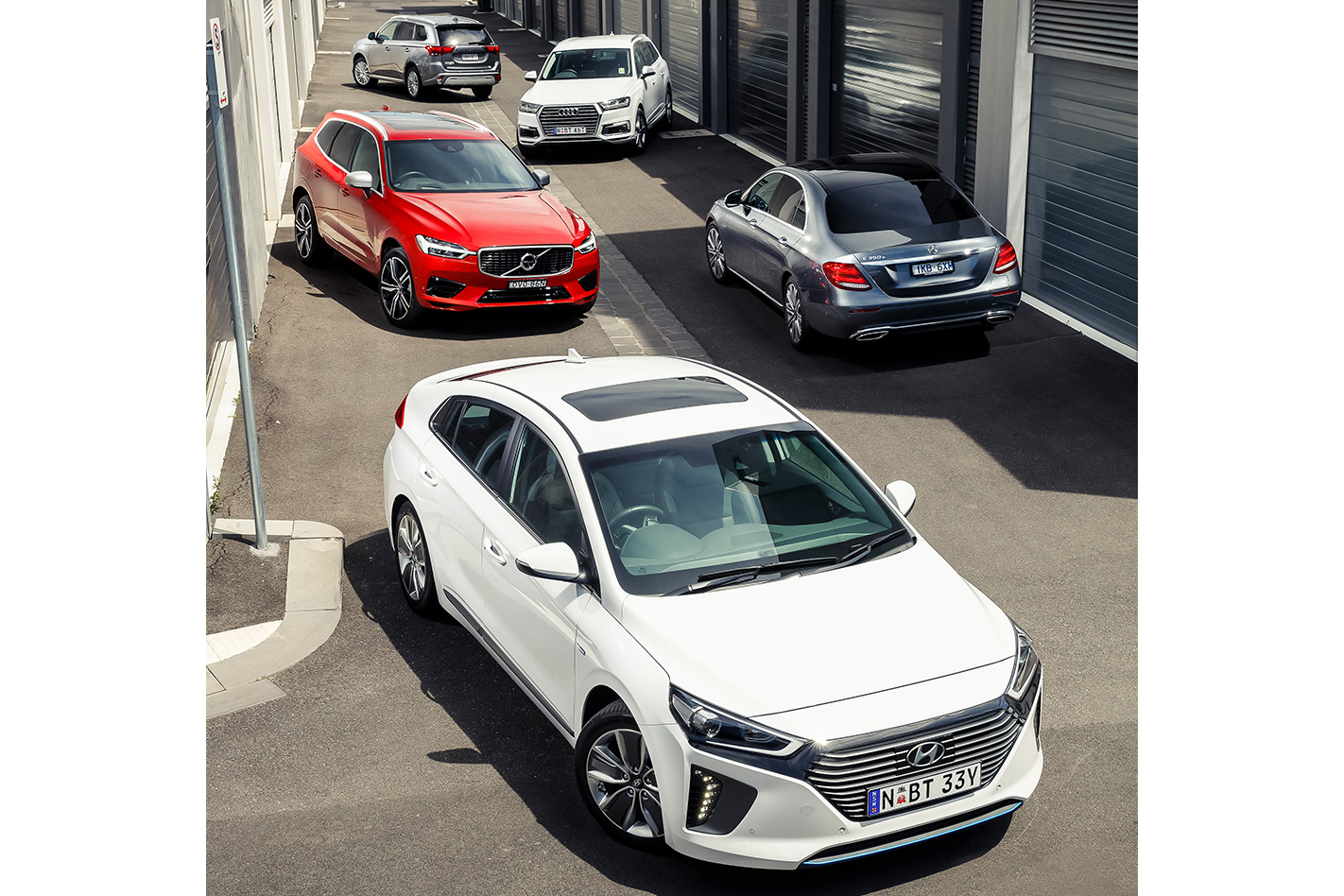
The annoying part of this – for those hooked on dogma at least – is that for a small percentage of Australians, they work. Sales of the Mitsubishi Outlander PHEV have proven this fact. Yet enumerating the benefits of such cars – and the Outlander PHEV is a hefty $20K more than its solely petrol-powered counterpart – brings us back to intangibles to justify the purchase. Factor in fuel, residuals, insurance, servicing and everything else and Mitsubishi’s PHEV still can’t make the numbers.
So why should we buy them? There’s certainly a relaxing serenity to commuting on battery power alone, knowing that should charge drop to zero, a flatbed isn’t in your immediate future. Then there’s the addictive urge of battery plus petrol in a car like the Volvo XC60 T8. The subtle differences in how the tech is leveraged make plug-in hybrids fascinating. The purists may well rail against them, but if you’re prepared to pay for the privilege, cakes can be had as well as eaten.
Stay tuned over the next week to read more about the Wheels Plug-in hybrid Megatest
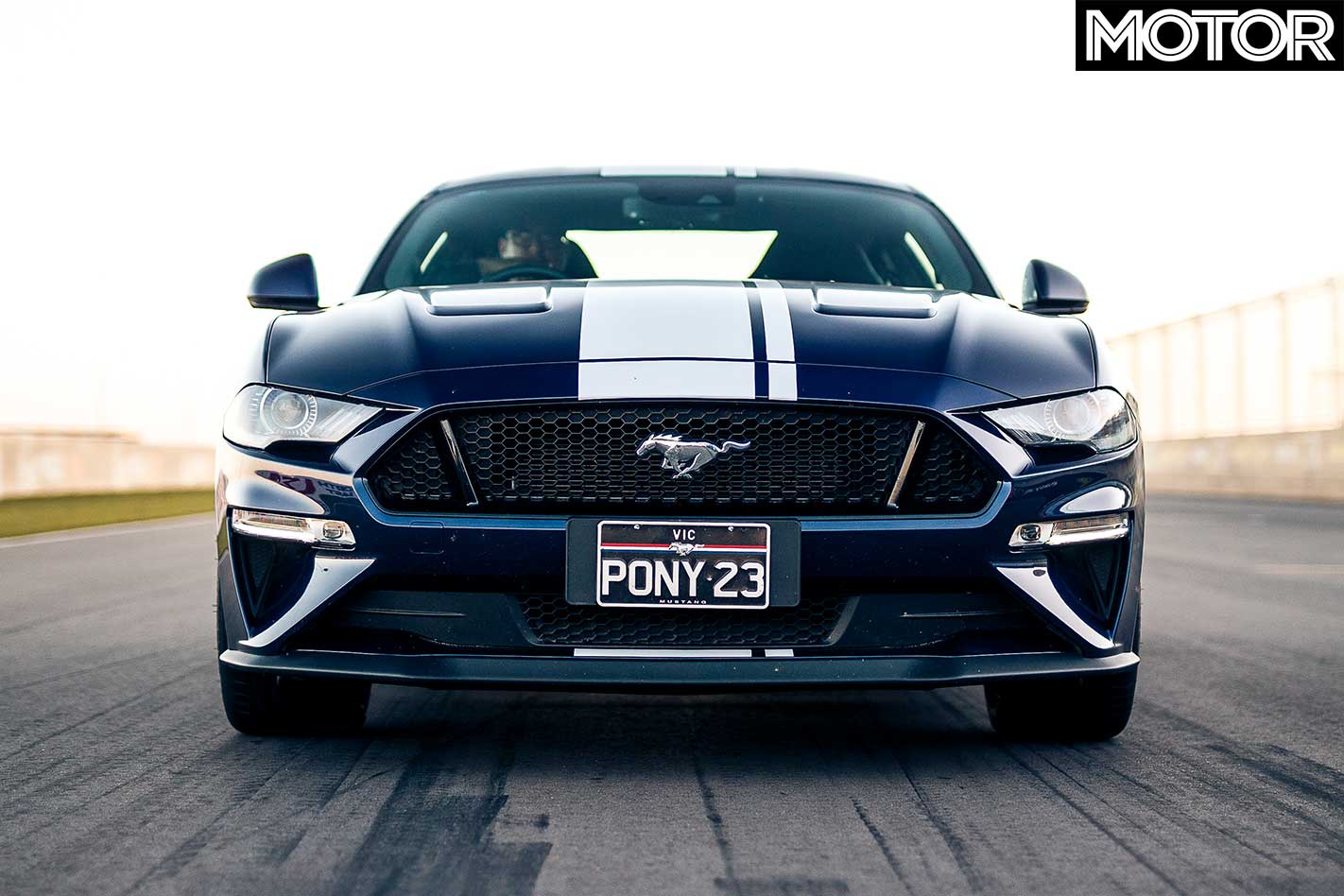
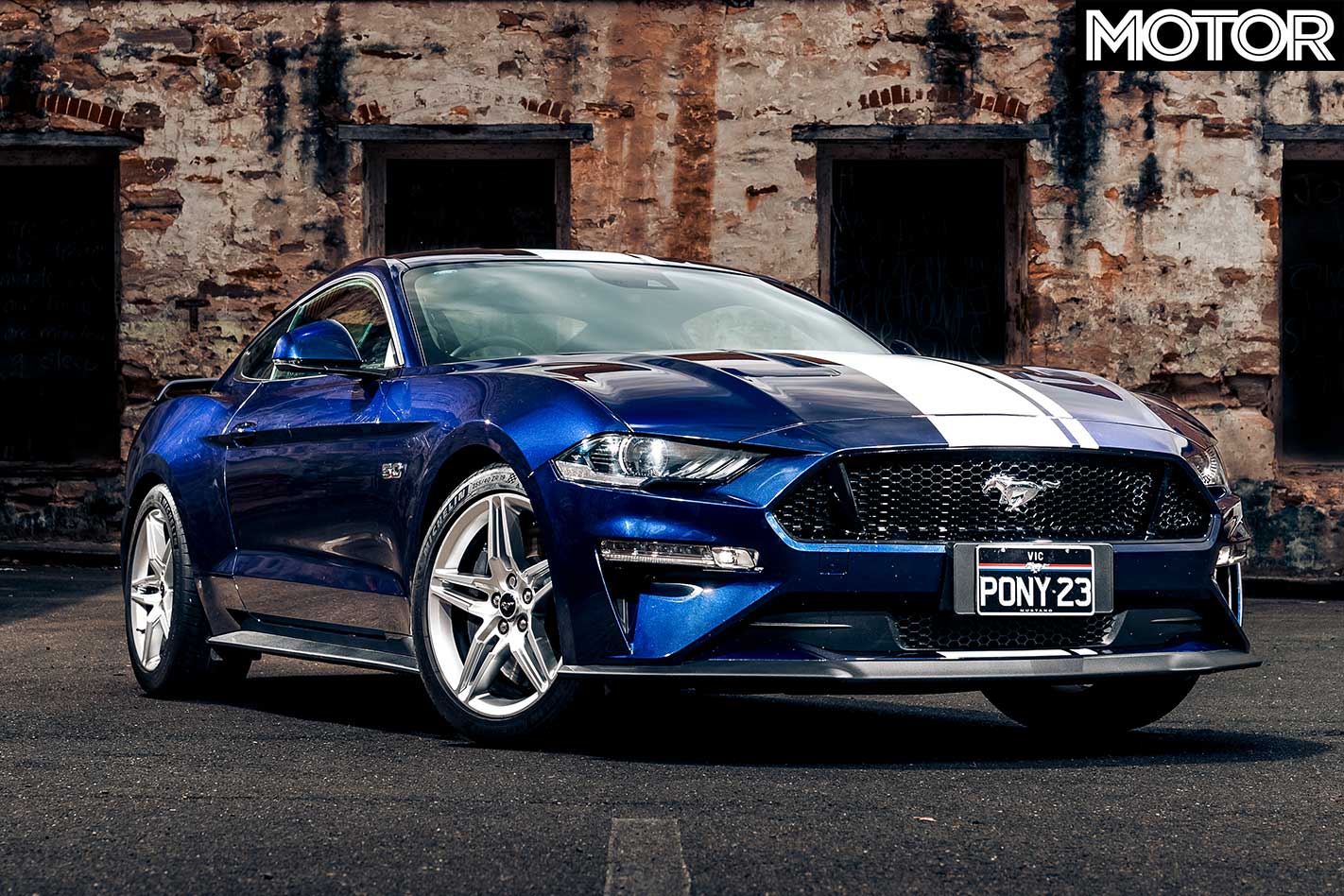
It’s clear that if popularity decided the results at PCOTY this blue-collar hero would swagger its way up the rankings. For Ford, selling a rear-drive atmo 5.0-litre V8 in a rig this sexy is yielding the same kind of success as culling ’roos with a Minigun.
We were reminded of this when, with the 911 GT2 RS and Audi R8 V10 RWS in clear sight, a punter at The Bend picked it as the one car he would want a ride in.
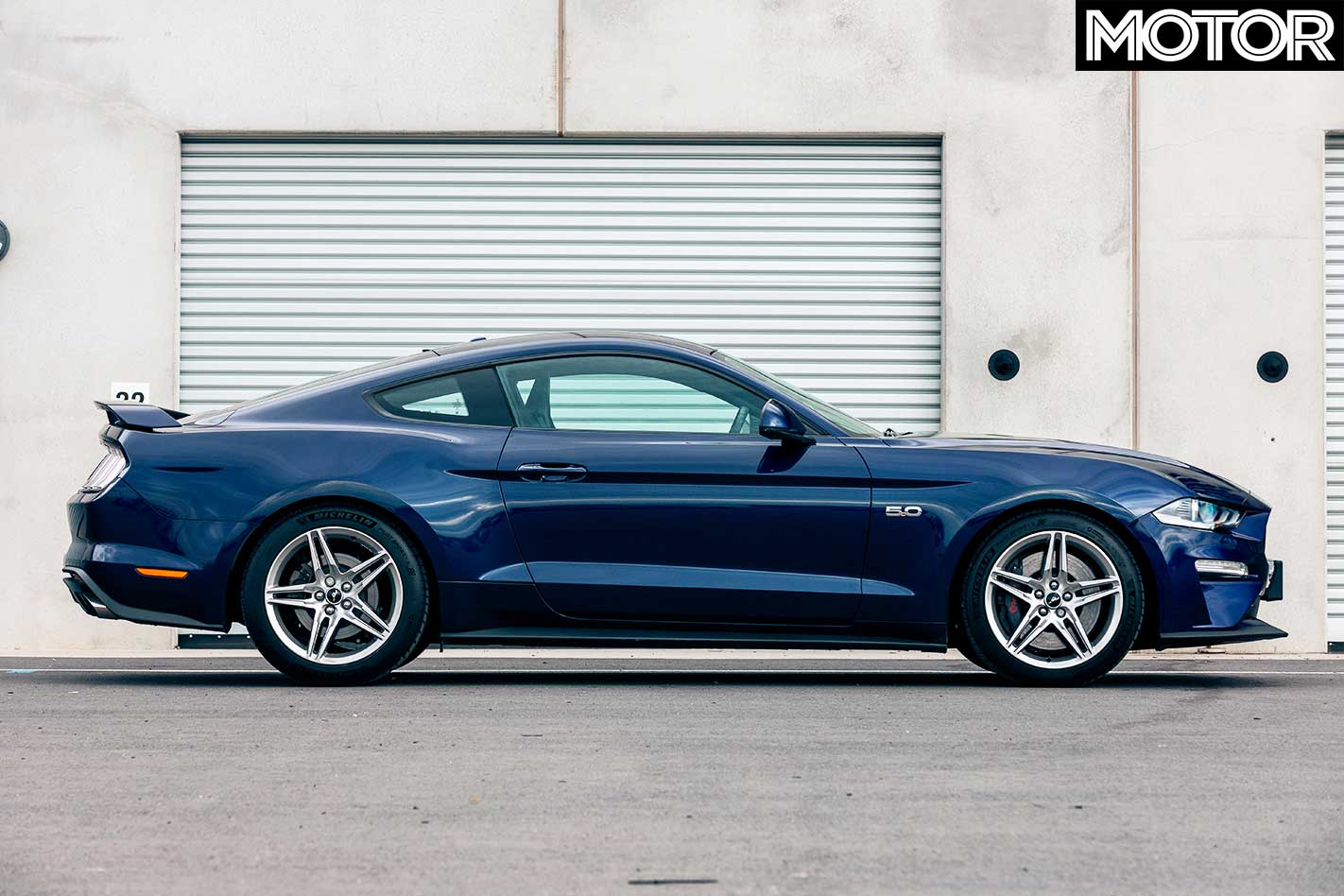
We couldn’t grant the poor bloke his wish, as the Mustang GT completed its hot laps a little too literally in Rick’s hands and went into ‘limp mode’ after setting a respectable lap time. But he would have been a happy man hearing its engine rap its warcry off pit wall from the passenger seat. It’s arguably the best sounding car for under $100K.
Upgraded heavily in 2018 form with better breathing and optimised internals its Coyote V8 revs to 7400rpm with the 10-speed auto. That’s almost as hard as the fancy DOHC unit you’d find in a Lexus RC F twice its price, while 339kW and 556Nm means it’ll give it a proper arm wrestle, too.
Although the new transmission couldn’t hack the heat, it certainly delivered the goods when it counted on the strip. On the road you need to dig in the spurs for it to respond, and it’ll fire down through the gears during hard braking, but it can also fumble with what gear to give you (can you blame it?) when pootling around at half attack.
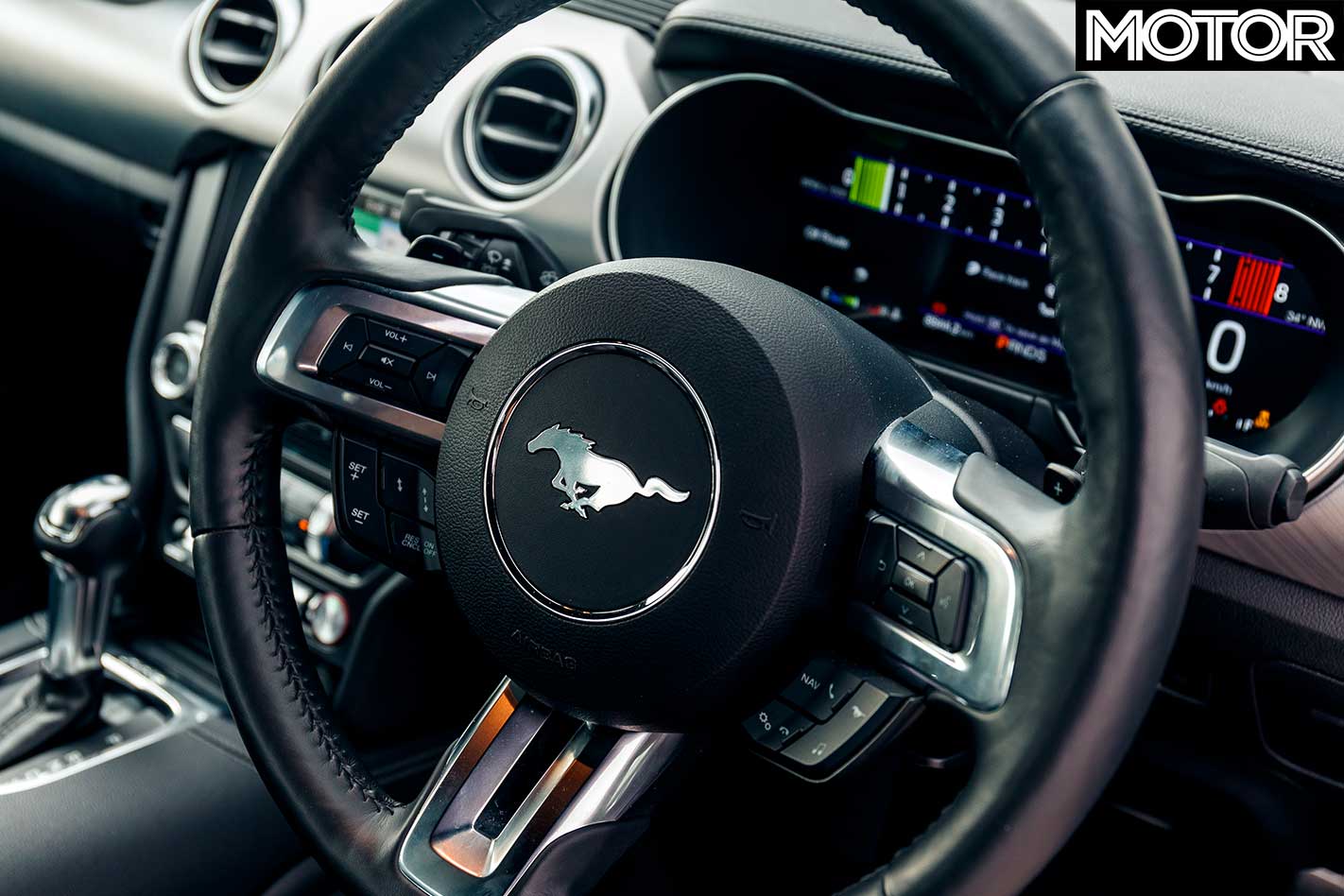
Opinions divided on its handling. There’s not much information coming through the tiller, despite the darty front-end, and its big rear Michelin Pilot Sport 4S tyres dominate the grip balance. Rick liked the predictability of its understeer into and out of corners, but the tied-down rear-end and lofty power peak means only the brave will try hang it out from the rear.
It’s clear from the scores the judges rated it for value. But mystery surrounded whether the adaptive dampers make enough of a difference for $2750. They hold the car well laterally and add front purchase. However, it’s hard to tell how much this car’s optional forged alloys had to do with the improved ride over the standard suspension.
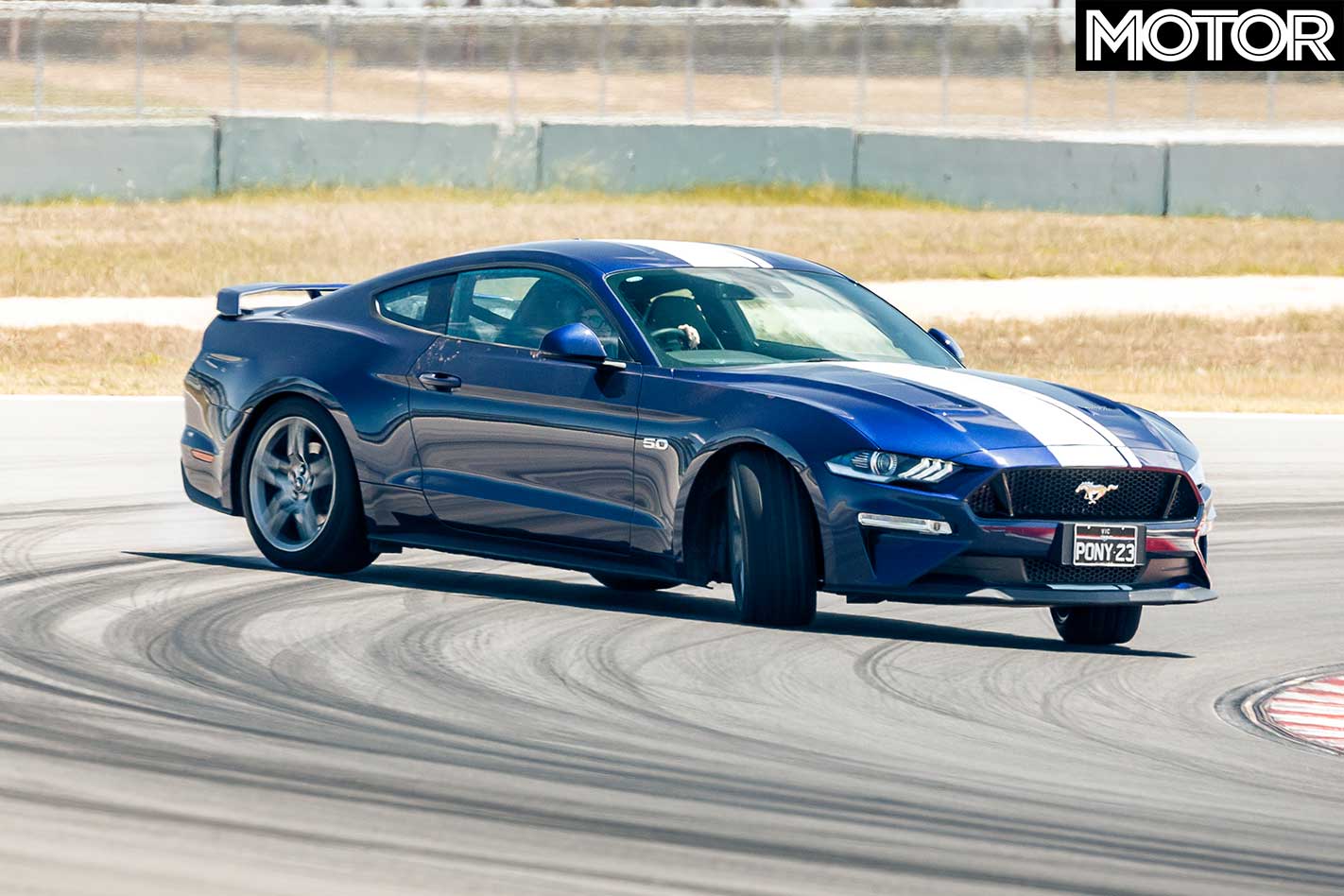
Technology crippled the Mustang’s fun in the end. And herein lies its philosophy – peel back the fancy hardware and you’ll find an honest, good looking and great sounding ponycar. But as the results show, even with movie-star looks and down-to-earth credentials, the judges didn’t love it as much as the punters might.
The Numbers
2019 FORD MUSTANG GT SPECS: Engine: 5038cc V8, DOHC, 32v Power: 339kW @ 7000rpm Torque: 556Nm @ 4600rpm Weight: 1742kg 0-100km/h: 4.65sec 0-400m: 12.64sec @ 188.91km/h The Bend lap time: 1min 34.0sec Price: $75,640
Judge’s Rank
Dylan Campbell – 9th “Good, but still not as dynamically capable as the VF II SS-V Redline was. And it should be.”
Louis Cordony – 10th “Cooler than Ice Cube at the North Pole, but still no stunner to drive. “
David Morley – 10th “Extra power hard to reach and new auto leaves me wondering.”
Scott Newman – 10th “Impressive pace useless if you’re unable to use it.”
Rick Kelly – 4th “A head-turning daily driver that’s great value for money.”
PCOTY 2019 Scoring
| Judges | DC | LC | RK | DM | SN | Total |
| Performance | 15 | 11.5 | 16 | 15 | 13 | 70.5 |
| Dynamics | 14.5 | 11.5 | 14 | 15 | 14 | 69 |
| Accessibility | 7.5 | 4 | 8 | 7 | 8 | 34.5 |
| Liveability | 8 | 6 | 6 | 7 | 7 | 33 |
| Value | 7.5 | 6 | 10 | 7 | 8 | 38.5 |
| X Factor | 7.5 | 8.5 | 6 | 7 | 7 | 36 |
| Total | 59 | 47.5 | 60 | 58 | 57 | 281.5 |
Hyundai in MOTOR? Yep, indeed ’tis. But doesn’t Hyundai make boring little grocery-getters with sharp drive-away prices and not much else? And aren’t Hyundai showrooms full of track-suit-wearing pensioners all looking for their terminal car?
This feature was originally published in MOTOR’s May 2005 issue
Yep, but those popular views about what Hyundai is and what it makes ignore the fact that within about four years of the brand launching here (in 1986) there was an alleged sporty model in the local Hyundai line-up.
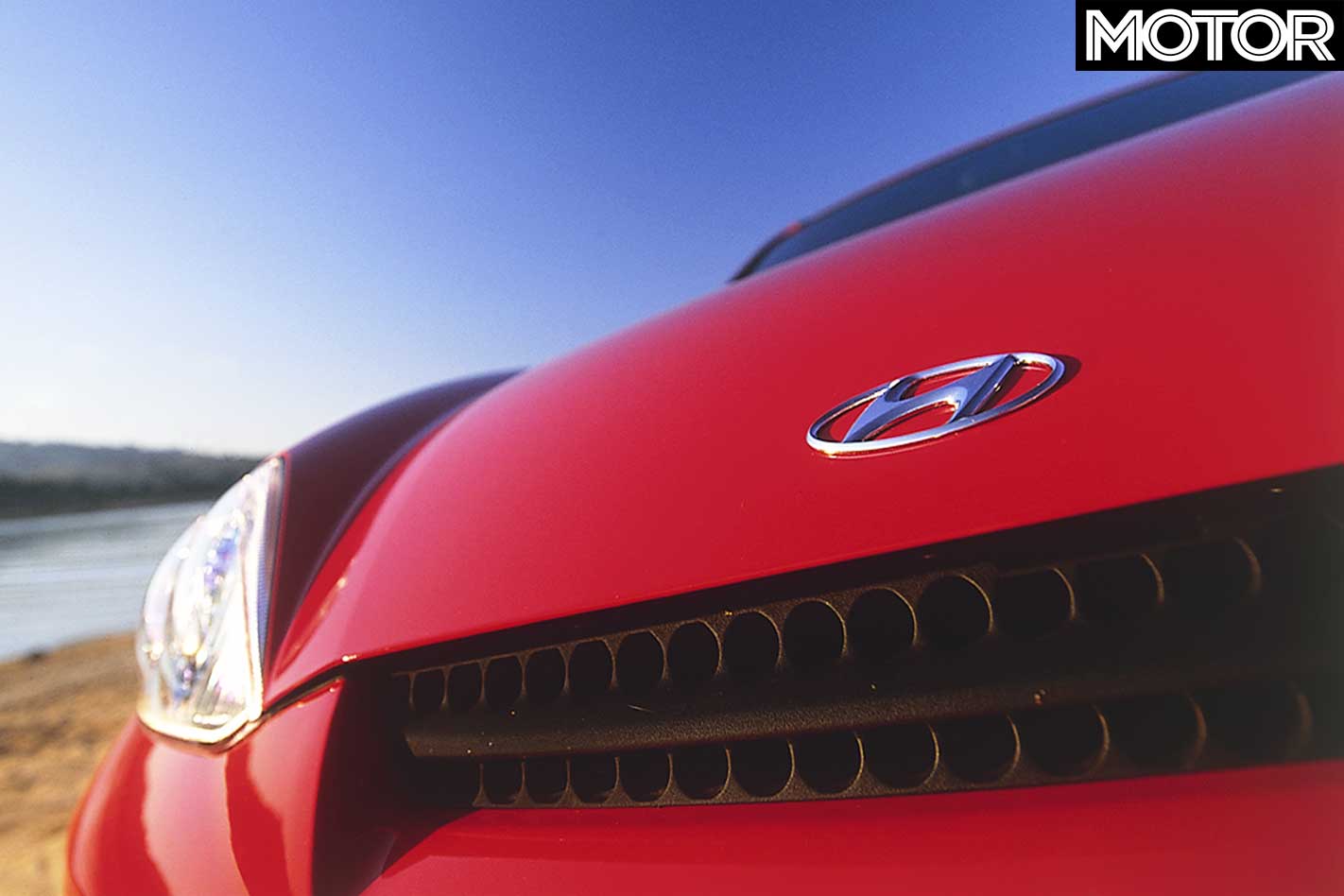
The blown S Coupe lasted until the mid-90s when its flimsy little carcass was replaced by another, bigger two-door by the name of Coupe SX. This time, Hyundai’s track-weapon (stay with me) ran a 1.8-litre four-banger with DOHC and four-valves per pot (the S Coupe was a three-valver).
There was also a version called the Coupe SFX which got a 2.0-litre mill and the whole plot went through a facelift or two to emerge as the goggle-eyed bloke we know and, largely, ignored.
The model petered out in 2002 and at that time, Hyundai gave us the most serious performance coupe we’d ever seen from any South Korean car-maker. Called Tiburon (it’s Swahili – or something – for shark) the new car was bigger, more aggressively styled and – yes, dammit – sportier than anything that had gone before it.
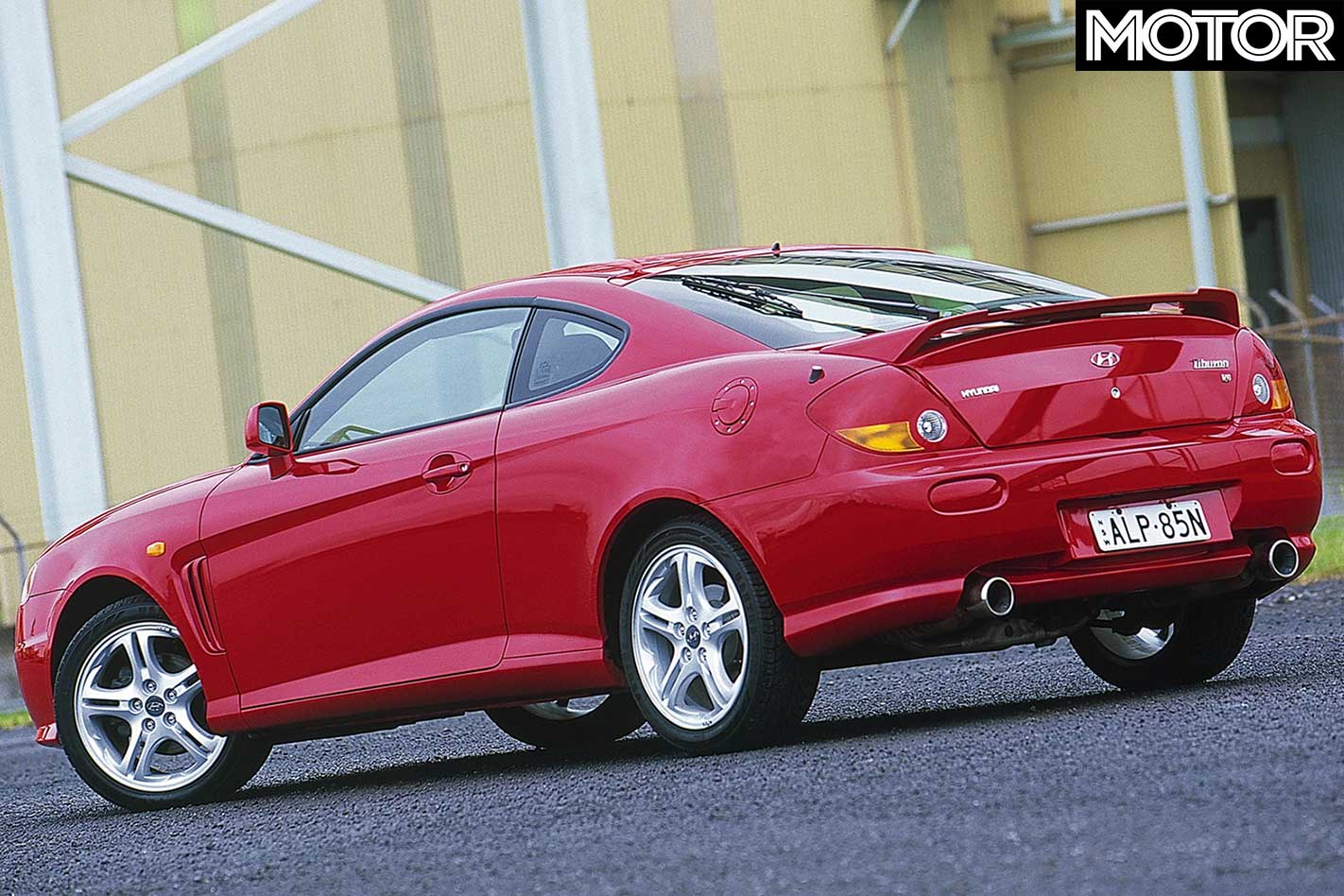
Significantly, it was also available with a V6 engine and a six-speed manual gearbox. Did this, however, suddenly mean Aussie performance-car pervs were suddenly switching on to the whole Hyundai thing? Er, no, actually, and while the Tiburon deserved to be taken at least a little seriously, it managed to sink without a trace.
Well, the unloved, and under powered four-cylinder version did, last year in fact, while the V6 is still selling brand-new – and has just undergone a minor mid-life facelift. It’s just that not too many folks out there seem to be handing over the readies. And that’s despite the price of the V6 Tiburon falling from a you’ve-got-to-be-kidding $41,880 in 2002 to its current $32,990 (in V6 manual form).
So why’s it such a showroom stalemate? Well, you need to look at the whole mid-sized coupe market to find the real answer. See, it isn’t just the Tiburon that has flopped in the sales race over the last 10 or 15 years.
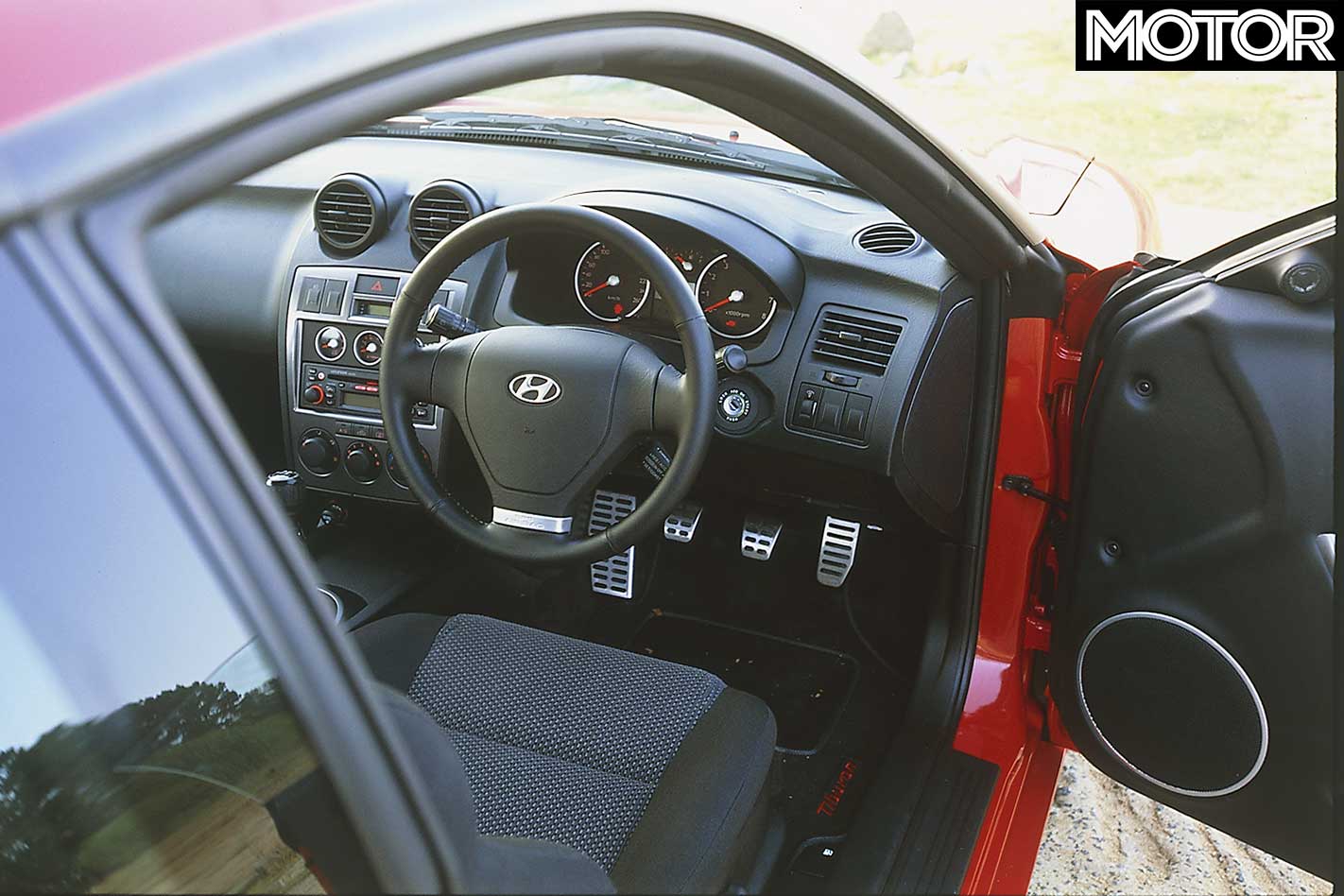
We’ve seen the Holden Calibra, Ford Probe and Cougar, Mazda MX-6 and others all fall on their shapely little butts. And they weren’t bad cars. They were available with V6 engines and they were tidy handlers with good spec levels. But two main things have worked against them: Stand up Toyota Celica and the now defunct Honda Prelude.
Without wishing to oversimplify things, it would appear that the buyers of such coupes are two things: possessed of a pack mentality, and; dimwits.
Okay, so the Prelude has always been a bit edgy, but the Celica – bar the current model – has for many years been a limp-dick special with Camry engines and Camry handling. But oh how we bought the things. In fact, anybody else who has ever tried to launch a competitor to the dyslexic duo have found to their cost that the market is pretty well wrapped up.
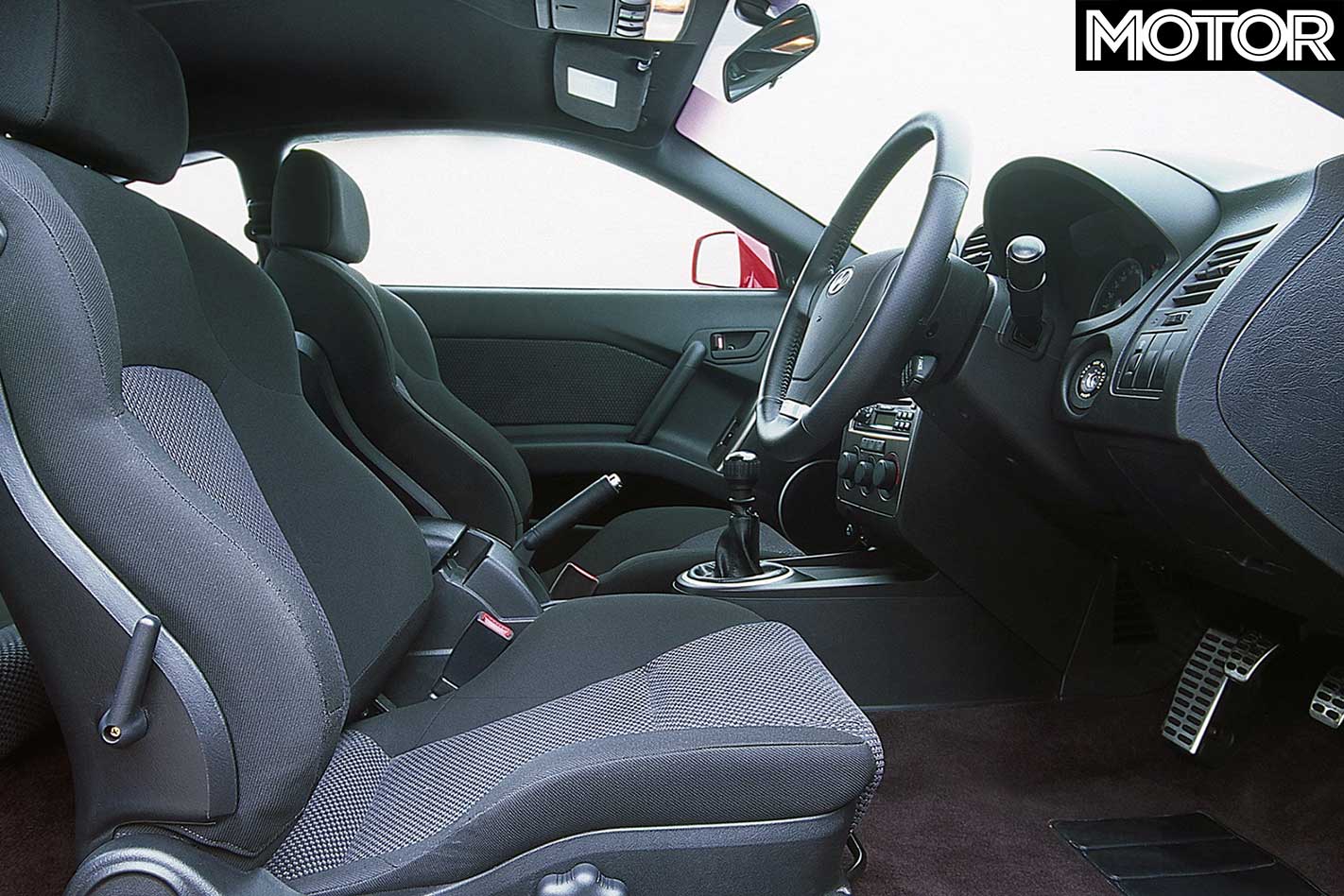
But what was the Tiburon really like? Did it deserve to attract an audience and, more importantly, is it a viable second-hand way into a swoopy coupe? Well, given the importance potential buyers place on the appearance of a personal coupe, the Tiburon was, from some angles at least, a bit of a long shot.
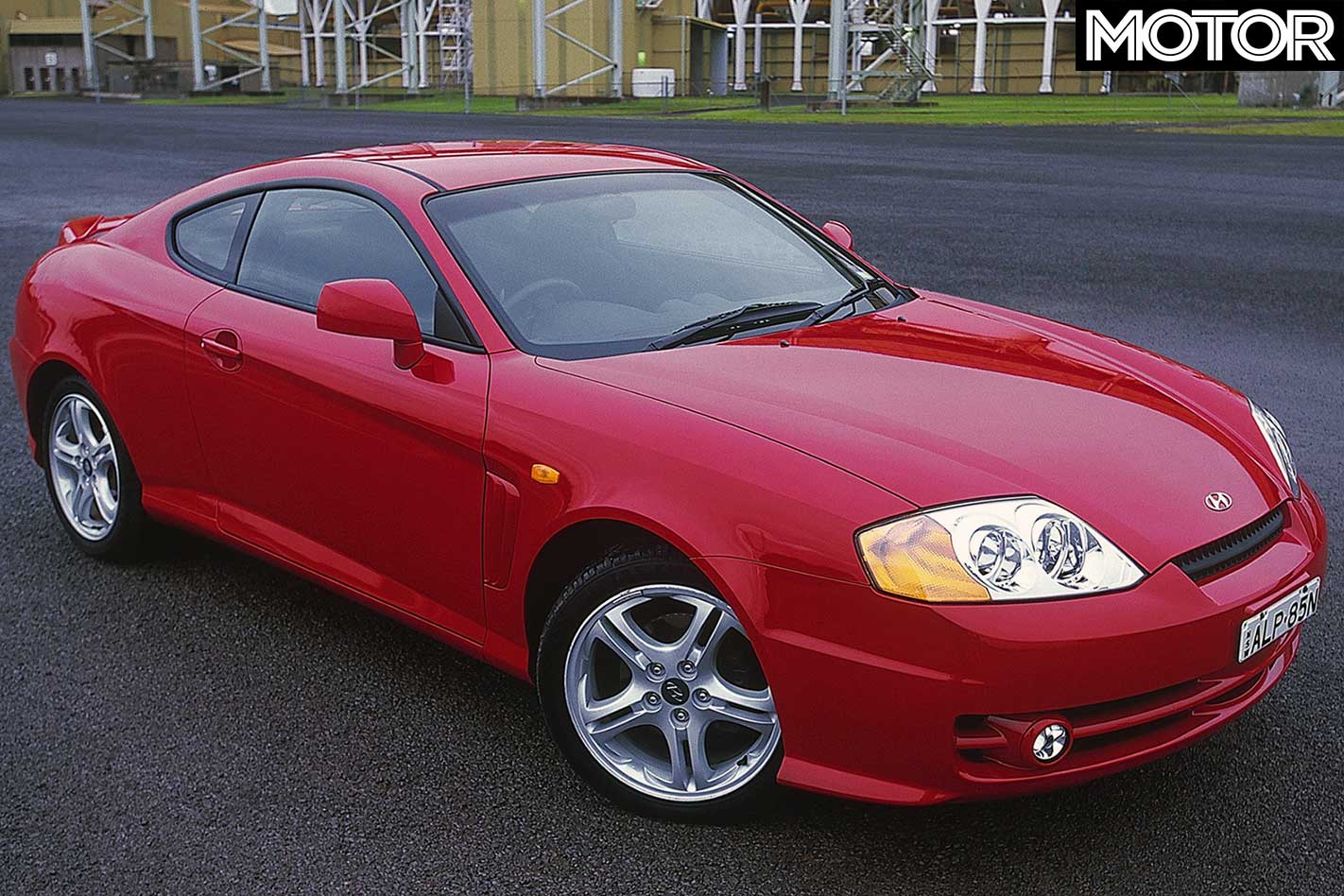
The car’s most ungainly angle is probably from dead ahead where the pert little grille and slightly-startled headlights are at odds with the under-bumper grille complete with fog-lights. Round the back, it’s a cleaner look with a smooth overall shape and big, twin tailpipes to set the pulse a-racing.
From the side, things get a bit more derivative with very Mustang-like indents in the flanks and those big orange indicator lenses also look like they were pinched from the previous-Mustang. But the overall proportions bear at least a passing resemblance to the – shock, horror – Ferrari 456.
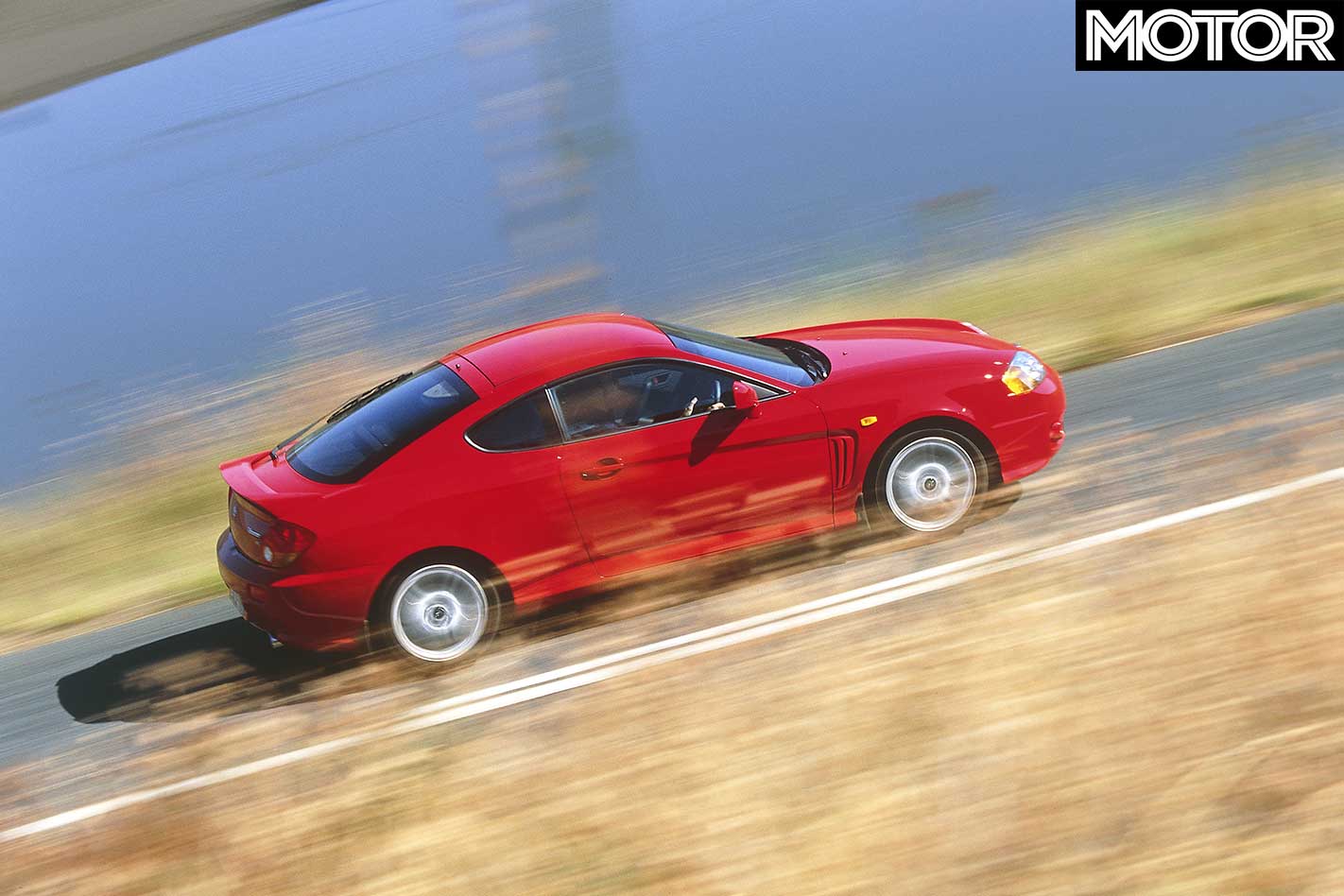
Okay, okay, it’s a looooong bow to draw, but the short rear overhang, long nose and general window line all suggest something from the Maranello region rather than the Dickensian shipyards of Pusan in South Korea. Chassis-wise, the Tiburon was better than most people expected. Like a lot of cars, however, it relied on tyre grip rather than huge reserves of natural talent.
Push it too far, and it’d start to understeer, gradually at first, but with determination towards the bitter end, although a quick lift off usually had the chassis back on your side.
For all that, though, the ride was pretty uncompromising and short, sharp bumps and craters quickly destroyed any notion that the Tiburon was a great piece of kit for less-than-perfect roads. Given some of the barges Korean engineers have lumbered us with in the past, maybe the Tib wasn’t as bad as all that, but it still smelled of having way too much spring and not enough sway-bar.
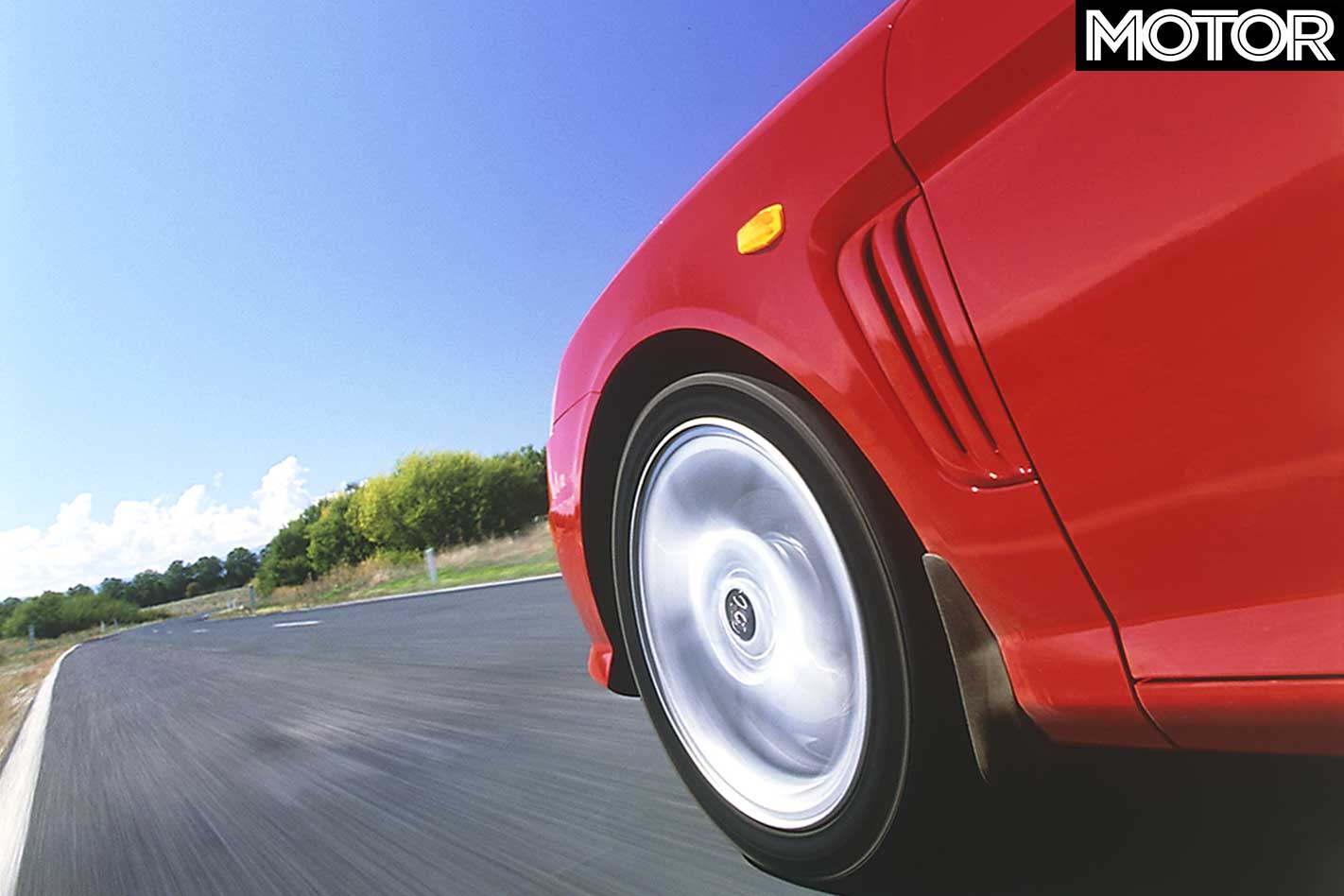
The brakes, too, were not without cause for criticism and as well as not having the outright bite most people would like, they were also operated by a very wooden pedal. Hyundai’s adaptive four-speed auto was available on both four-banger and V6 and while it works okay with the torquier six, it’s best avoided on the little ’un.
Either way, the six-speed is the way to go with four bottom ratios stacked pretty tight and the top two being overdriven for leggy freeway work. Only catch there is that the clutch lacks any real feel or feedback.
The V6 engine is not a bad thing and is light on the vibes and reasonably flexible. It’s not, however, one of those motors that makes you want to get up in the middle of the night and go for a blat for the sheer joy of it. The four-potter? Forget it.
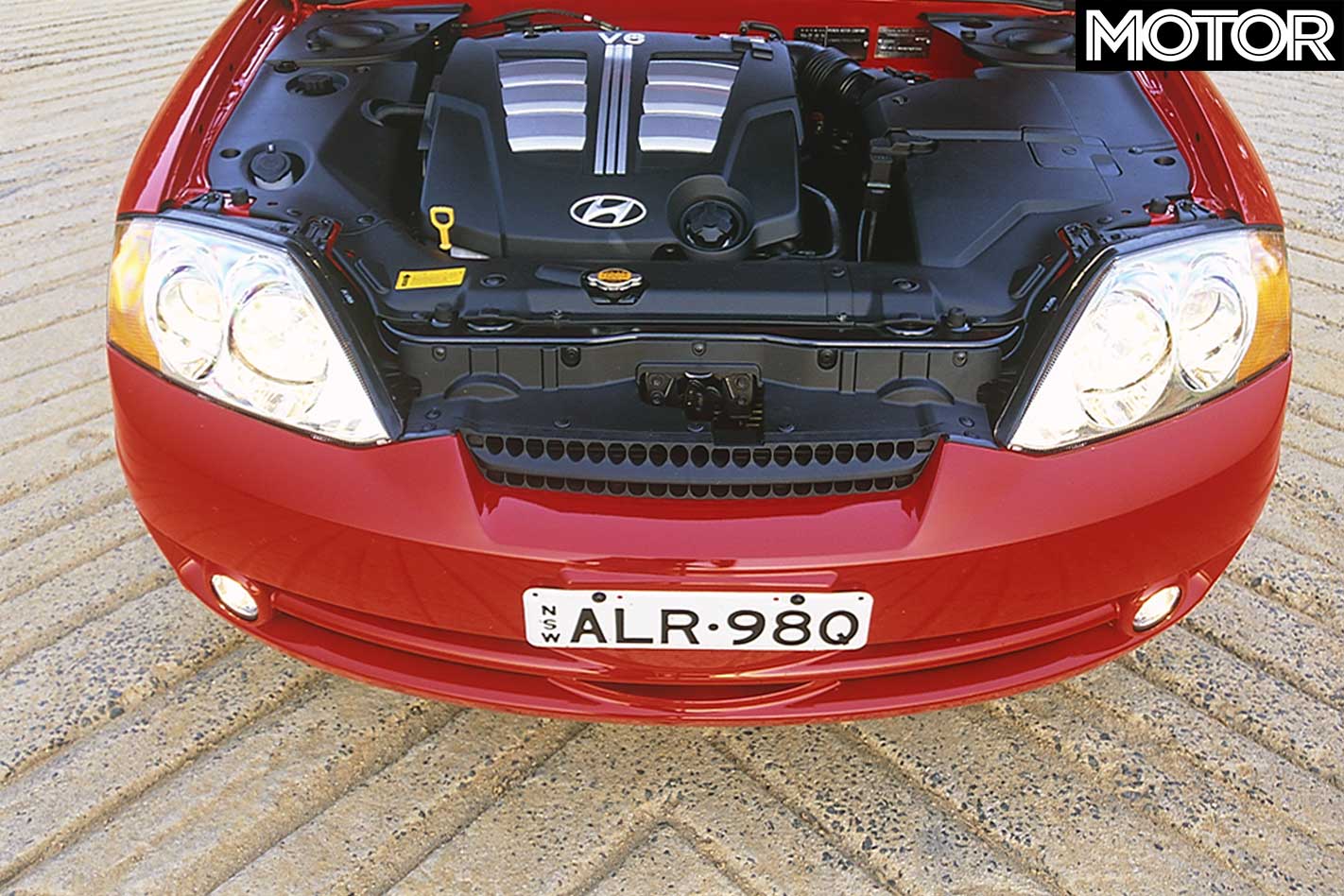
Getting more from a Tiburon is probably missing the point of the car. It’s an easy-to-drive contraption that offers nothing too confronting in the way of either maintenance or quirks. That said, a big-bore exhaust can add a little to the end result, although that’s mainly in terms of the noise it makes.
You could opt for a piggy-back computer and no doubt someone, somewhere makes a cold-air box for the thing. But honestly, you’d be better off adding a heavier rear sway-bar and the snottiest tyres you can find and try to dial out some of the understeer that’s part of the Tiburon experience.
The dead clutch and lifeless brakes you probably can’t do much about, all of which means the car is not for the hard-core maniacs out there. Watch out for Tiburons that look like they’ve been through the mill, because they probably have.
We haven’t heard of anything major cropping up as a persistent problem, so it’s really the basic service stuff that you need to check up on. Make sure the coolant is the right colour, the oil is clean and all the gears slot in easily and without expensive graunching noises. The clutch shouldn’t slip or shudder and any wobbling or shuddering through the tiller under brakes suggests warped rotors.
On the up-side, the average Tiburon probably won’t have been caned to death, so if it looks and feels okay, it probably is okay. Which is not something you could say about the average Nissan 200SX or Integra Type R, now is it?
FAST FACTS 2002 Hyundai Tiburon V6
BODY: 2-door coupe DRIVE: front-wheel ENGINE: 2.7-litre V6 DOHC, 24-valve POWER: 127kW @ 6000rpm TORQUE: 245Nm @ 4000rpm COMPRESSION: 10.0:1 BORE/STROKE: 86.7mm x 75.0mm WEIGHT: 1295kg POWER-TO-WEIGHT: 98kW/tonne TRANSMISSION: six-speed manual SUSPENSION: MacPherson struts, coil springs and anti-roll bar (f); multi-link, coil springs, anti-roll bar (r) L/W/h: 4395/1760/1330mm WHEELBASE: 2530mm TRACK: 1490mm (f & r) BRAKES: 280mm ventilated discs, single-piston calipers (f); 260mm solid discs, single-piston calipers (r) WHEELS: 17 x 7.0-inch (f & r) alloy TYRES: Kumho Ascent Supra, 215/45 ZR17 (f & r) FUEL: 55 litres, ULP PRICE: $41,880 (July 2002)
What we said?
“The barrel-chested V6 produces a deep snarly note under load. Unfortunately it also uses dead dinosaur essence quicker than the Arabs can dig it up. Over our 600km test loop, the Tiburon averaged a disturbingly high 17.1 litres/100km, proving our 22l/100km on the launch was not miscalculated. ” Jesse Taylor, July 2002
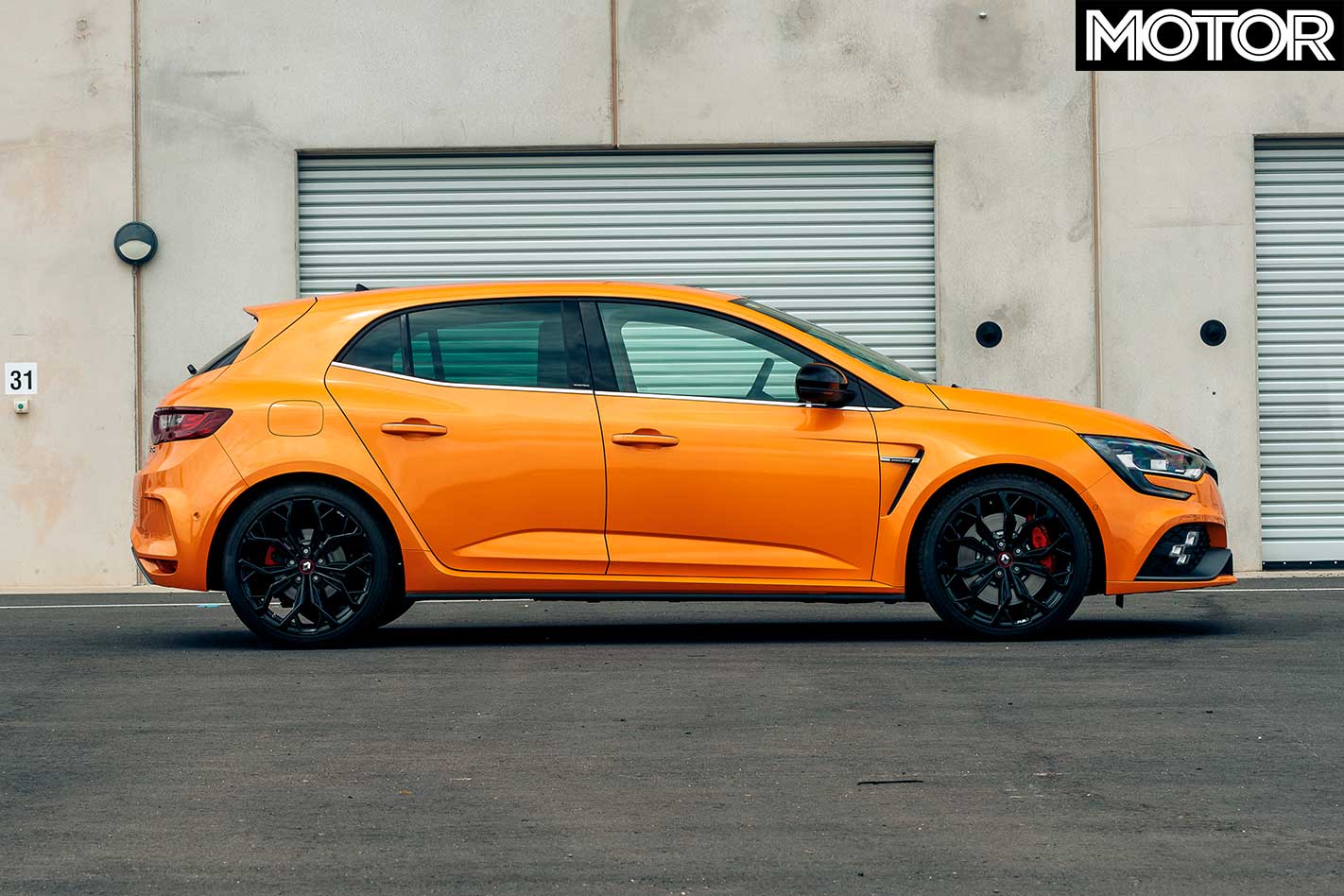
If Renault Sport was a restaurant, it’s attracted a horde of return customers with its signature dish: the hot hatch. With a flavour and spice unlike anything else in town, this was one joint where you took your mates – and then later saw them bringing their own.
So imagine your horror if suddenly the food started tasting… different. And not good different. Perhaps it’s here we can introduce the MkIV Clio RS, a car whose broadened appeal meant presumably more sales but a shift away from the core values of the enthusiasts to whom it owed its cred.
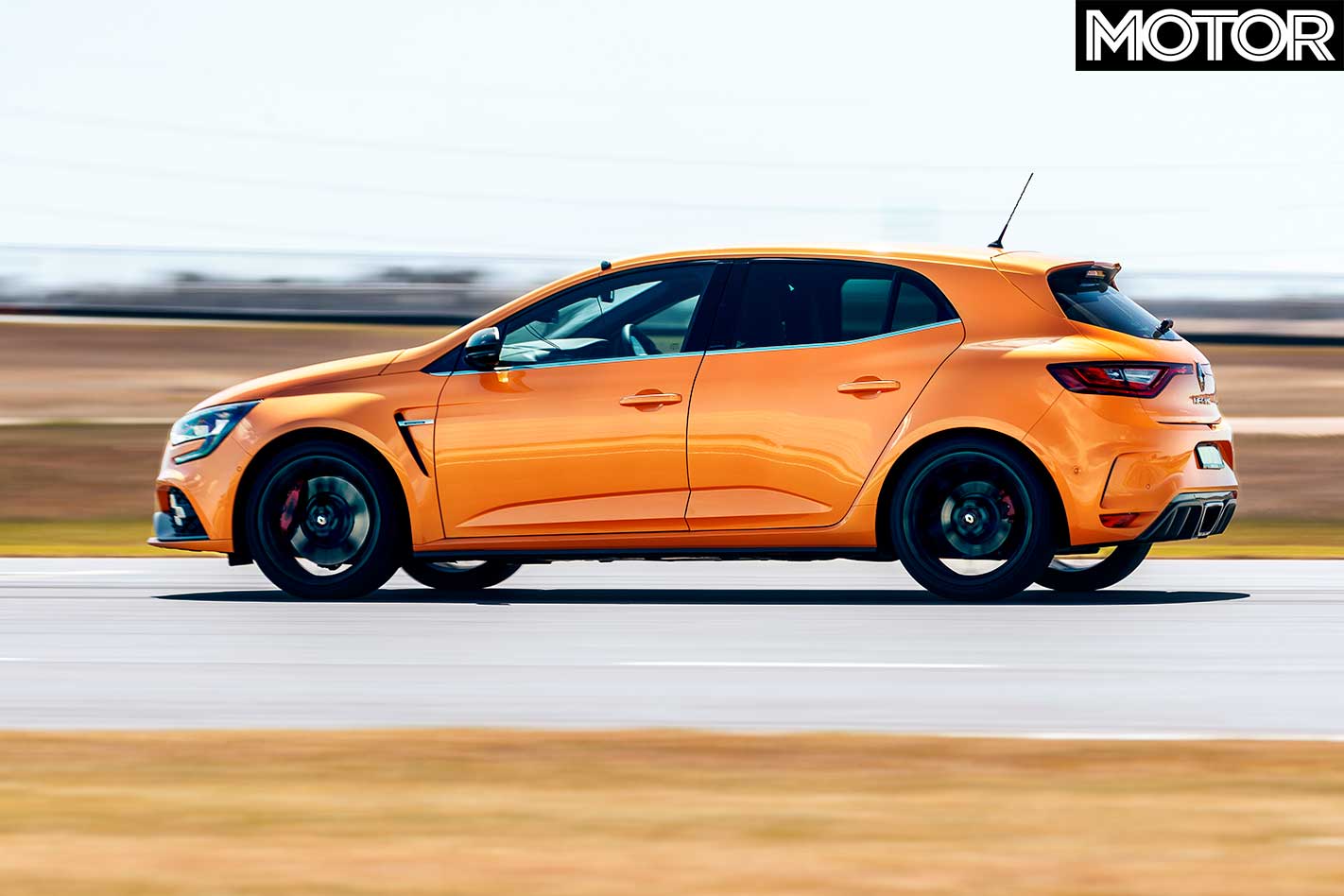
Never mind, we had the Megane RS, one of the most involving hot hatches ever made. Eventually, though, there was going to be a new one, and we were all secretly worried it’d be a bit like just a bigger MkIV Clio RS.
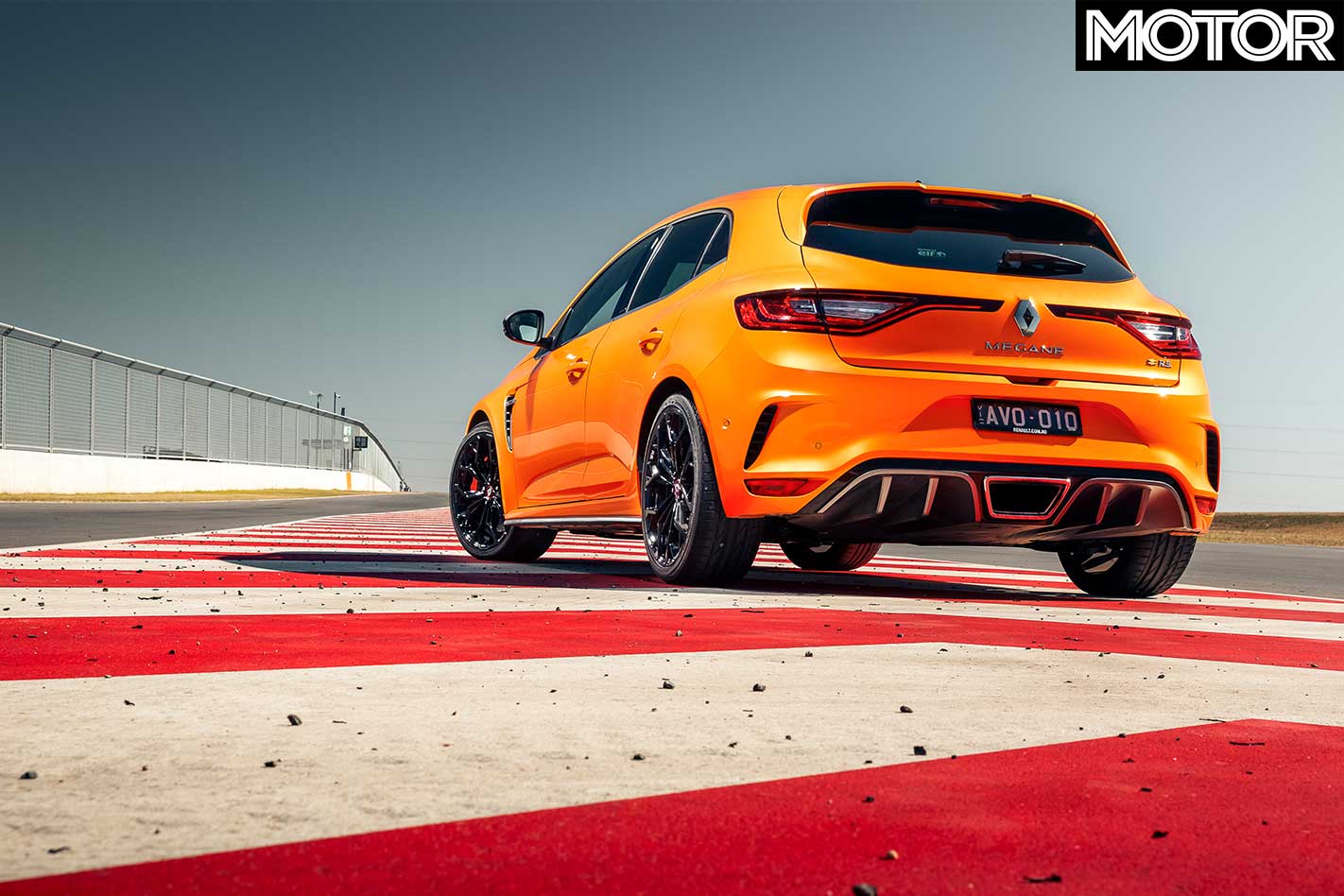
Well, that’s kind of what’s happened – the Megane RS is no longer the hot hatch benchmark. In fact, and it pains us to say this, it’s far from it. And this is reflected as much in its lowly 10th place finish, not really acceptable when a hot hatch – the Honda Civic Type R – managed to nab top honours at this very heated competition just last year.
It’s not from a lack of pace – the Megane RS280, in more focused Cup guise as tested here, and six-speed manual, is a fair weapon on track, a whole second quicker than the i30 N – itself not a slow car. The Megane RS is also stable and loves the high speed stuff, and begs you to drive harder and harder into its chassis where huge grip abounds. It’s just that it’s all become a little… functional, rather than fun.
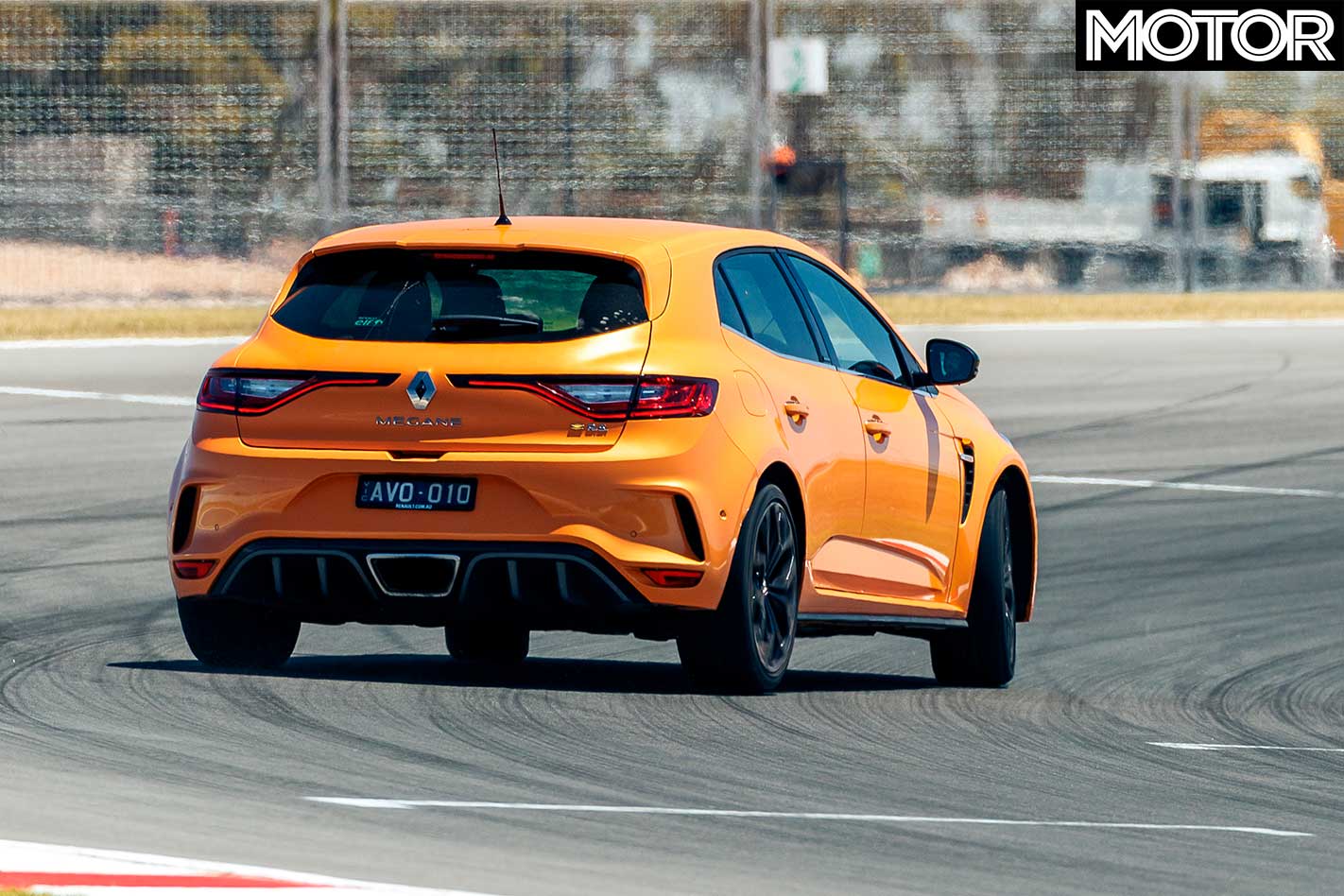
Personally, I desperately wanted to love the Megane RS, but struggled. I drove it repeatedly, and in as many different ways as I knew, trying to find the old magic. I glimpsed some fleeting remnants, but never tapped any vein. And neither really did the other judges.
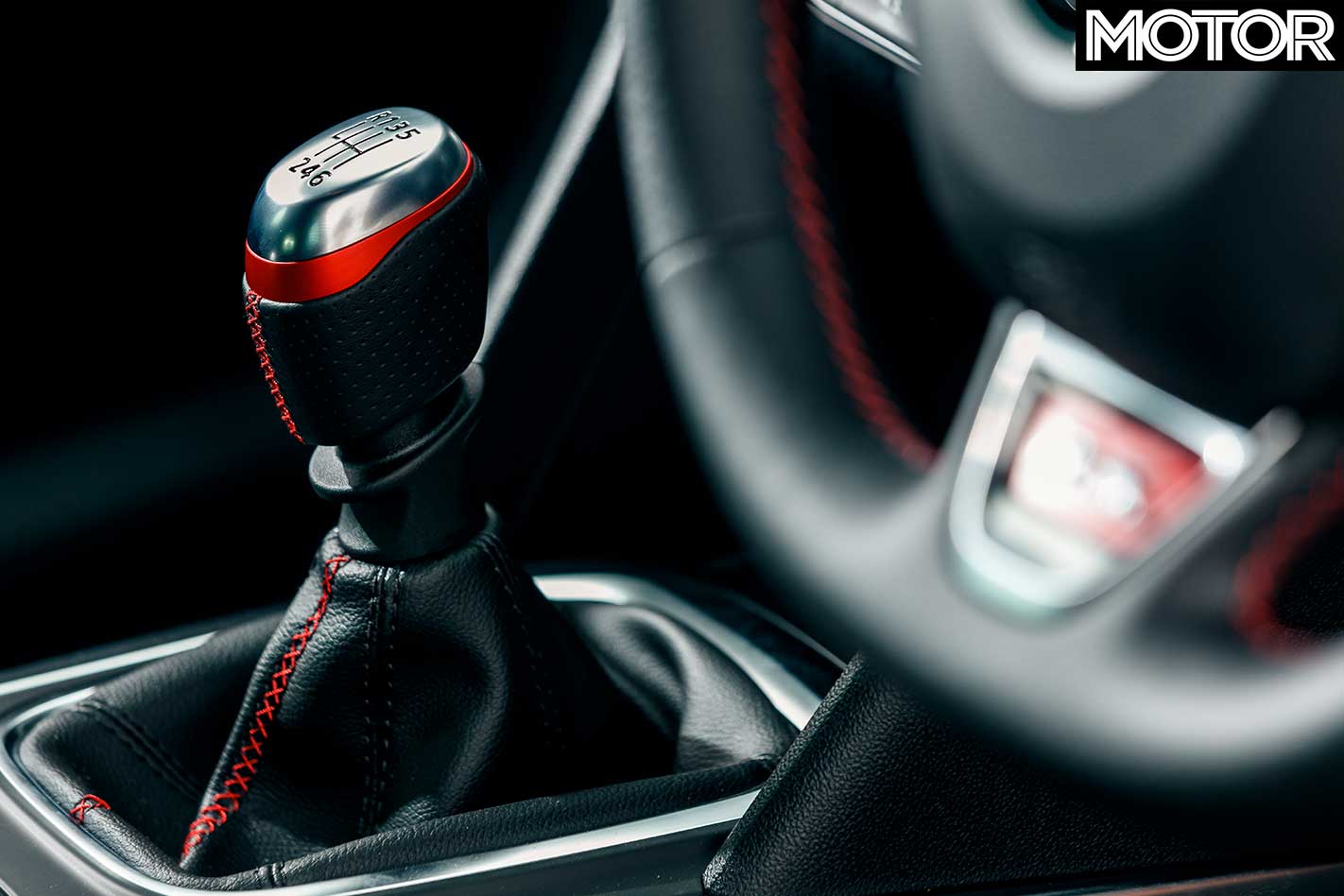
That’s not to say the Megane RS is a bad car, it just doesn’t have the fizz of the old one. The engine is a bit flat and the handling a bit serious. The seating position is hard to like. The manual gearchange and clutch feel make you curious about the EDC, and the ride is a bit old school stiff.
There are redeeming virtues. Is this currently the best looking hot hatch on sale? It’d run it close, with those pumped guards, flush wheels and rear diffuser with a bit of inspo straight from Danny Ric’s F1 racer. But sexy as it is, it’s a bit of a new thing to buy a Megane RS just to look at. Yet, you don’t really itch to drive this one. And isn’t that what made the Megane RS so great to begin with
The Numbers
2019 RENAULT MEGANE RS280 CUP SPECS: Engine: 1798cc inline-4, DOHC, 16v, turbo Power: 205kW @ 6000rpm Torque: 390Nm @ 2400-4800rpm Weight: 1407kg 0-100km/h: 5.98sec 0-400m: 14.22sec @ 166.02km/h The Bend lap time: 1min 36.3sec Price: $47,860
Judge’s Rank
Dylan Campbell – 11th “I was scared they’d do a MkIV Clio RS. They did a MkIV Clio RS.”
Louis Cordony – 9th “Accomplished. Yet I want to like it so much more than I do.”
David Morley – 9th “Outshone by the Hyundai with change for beer and pies.”
Scott Newman – 11th “Good, but not great. Engine feels flat, average brakes and chassis lacks cohesion”
Rick Kelly – 9th “Friendly, predictable, but needs more performance to match its looks.”
PCOTY 2019 Scoring
| Judges | DC | LC | RK | DM | SN | Total |
| Performance | 14 | 11.5 | 12 | 16 | 14 | 67.5 |
| Dynamics | 15 | 14 | 14 | 14 | 15 | 72 |
| Accessibility | 7 | 6 | 8 | 7 | 7.5 | 35.5 |
| Liveability | 6.5 | 5 | 8 | 7 | 6 | 32.5 |
| Value | 7.5 | 6 | 8 | 8 | 7 | 36.5 |
| X Factor | 6.5 | 5.5 | 4 | 8 | 6 | 30 |
| Total | 56.5 | 48 | 54 | 60 | 55.5 | 274 |
“IF YOU don’t come away frightened, then there’s something wrong with you.”
That’s the warning Cosworth MD Bruce Wood gave media before his company’s 6.5-litre V12, built for the Aston Martin Valkyrie, was unleashed on an engine dyno for a huddled mass.
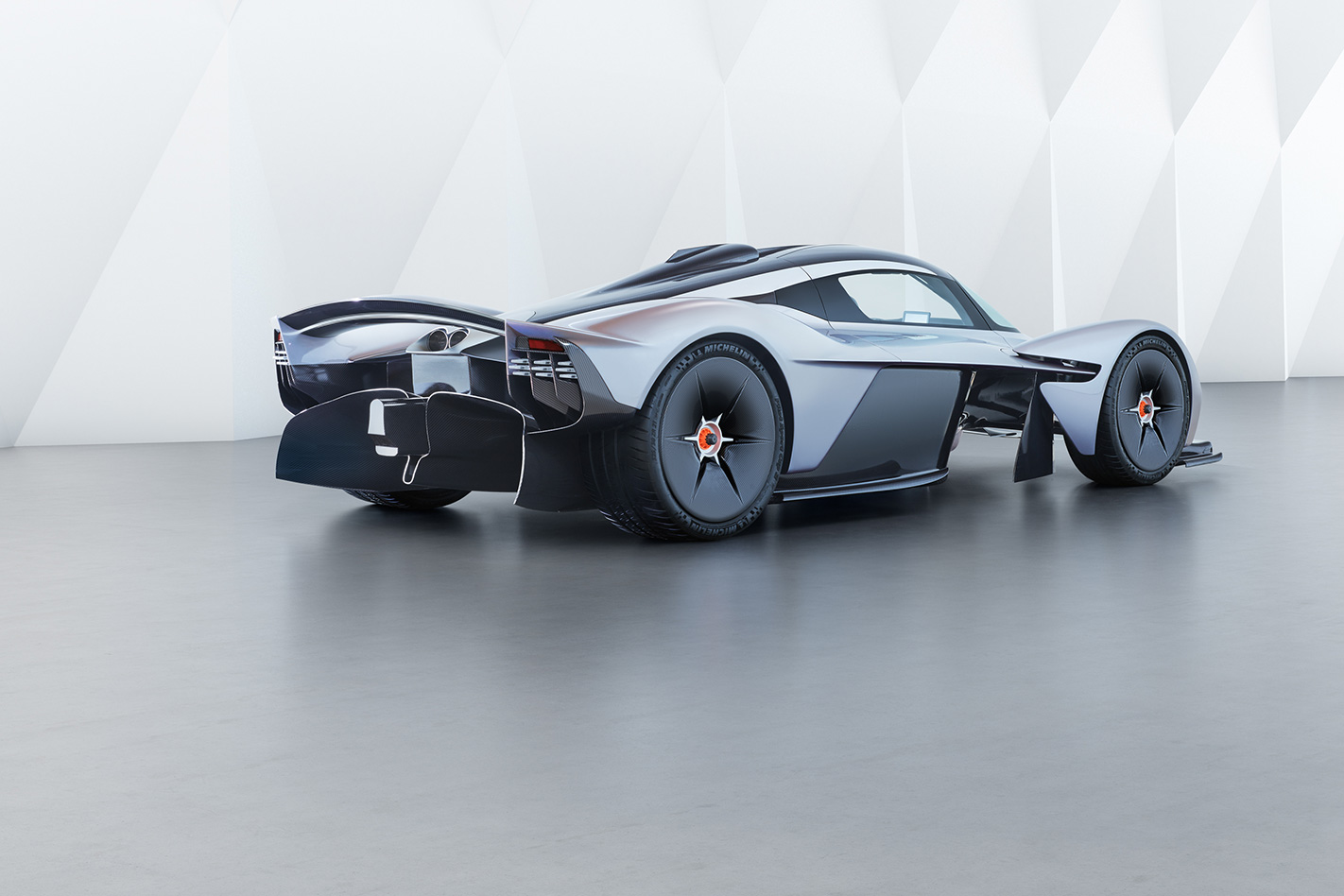
Producing 735kW and 740Nm, with a redline of 11,100rpm, the Valkyrie’s engine is something to be both feared and celebrated.
In an era when internal combustion is being threatened, Cosworth has created what could well be the greatest engine of its kind. The Valkyrie’s powerplant is the most powerful naturally aspirated V12 ever produced, including dedicated racing units.
Valkyrie is a collaboration between Aston and the Red Bull F1 race team, spearheaded by Adrian Newey. The design guru’s famed attention to detail went so far as to ensure the 130-gram lacquer on the engine’s intakes be an optional extra due to its added weight. Newey’s target for the V12 was 200kg (80kg less than the 7.3L V12 in 2009’s Aston Martin One-77), which Cosworth missed by just a couple kilos.
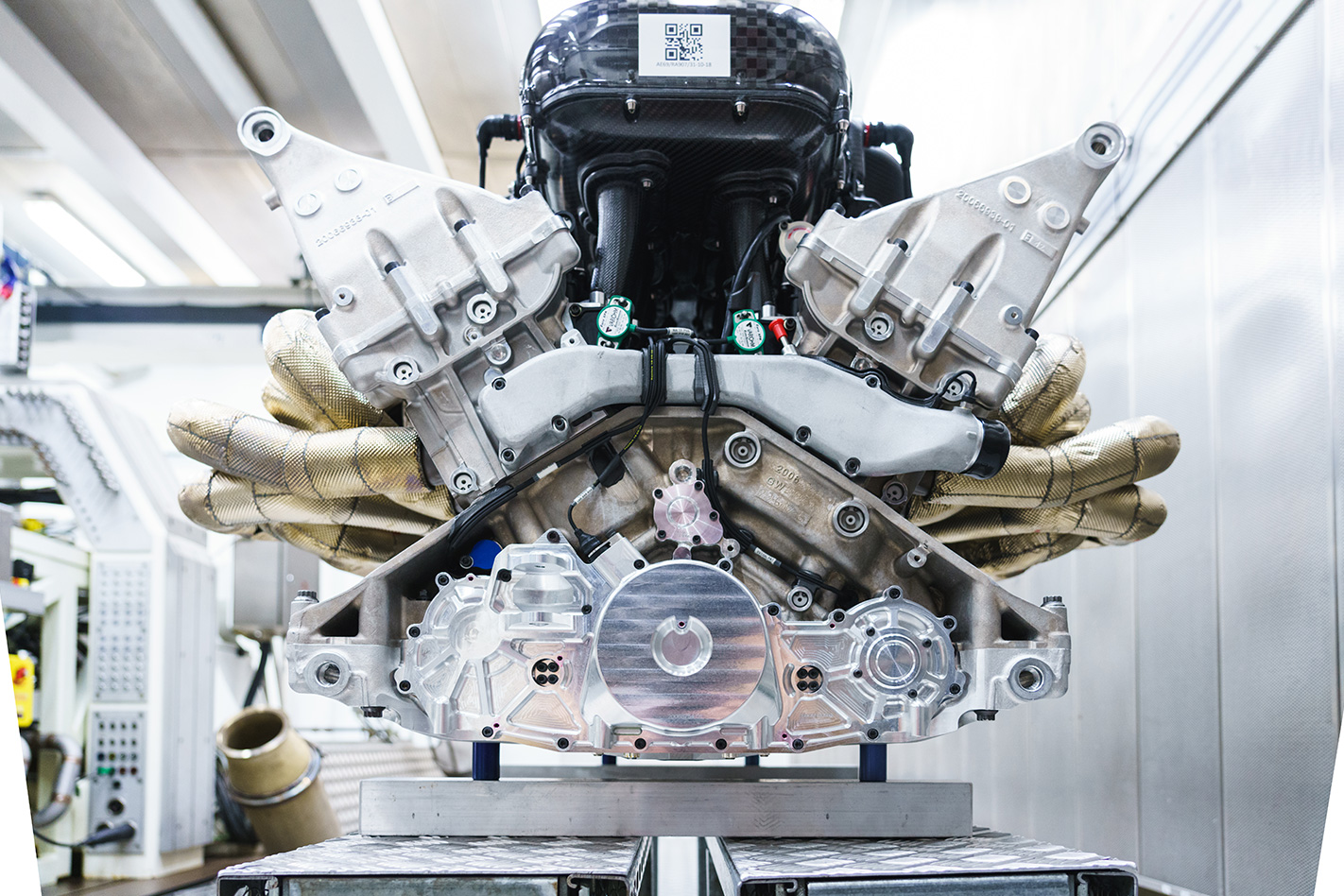
In order to build such a lithe product, there are no liners in the engine, with plasma coating used on the cylinder walls. When spun near redline, the Valkyrie’s 12 pistons are each travelling upwards of 90km/h. Allowing the engine to spin at a rate well beyond even the 911 GT3’s 9000rpm redline is the use of tech traditionally reserved for race cars. The Valkyrie’s four cams are driven by gears, not chains, as the latter suffer reliability issues above 10,000rpm.
Aston Martin’s Valkyrie interior revealed
Other concessions were needed for reliability – it has variable valve timing, but not variable lift, as the latter can’t react fast enough high in the rev range. The crankshaft is milled from solid steel, while aerospace-quality materials are used for the alloy heads and titanium rods and valves, with Cosworth shunning more exotic options as they couldn’t ensure long-term reliability.
While performance was clearly a key design brief, so to was the engine’s lifespan, with Cosworth eager to point out their creation will require less maintenance than the 1.6-litre turbo V6 F1 engine fitted to the Valkyrie’s German rival – the Mercedes-AMG One – which is being developed just 34 kilometres down the road.
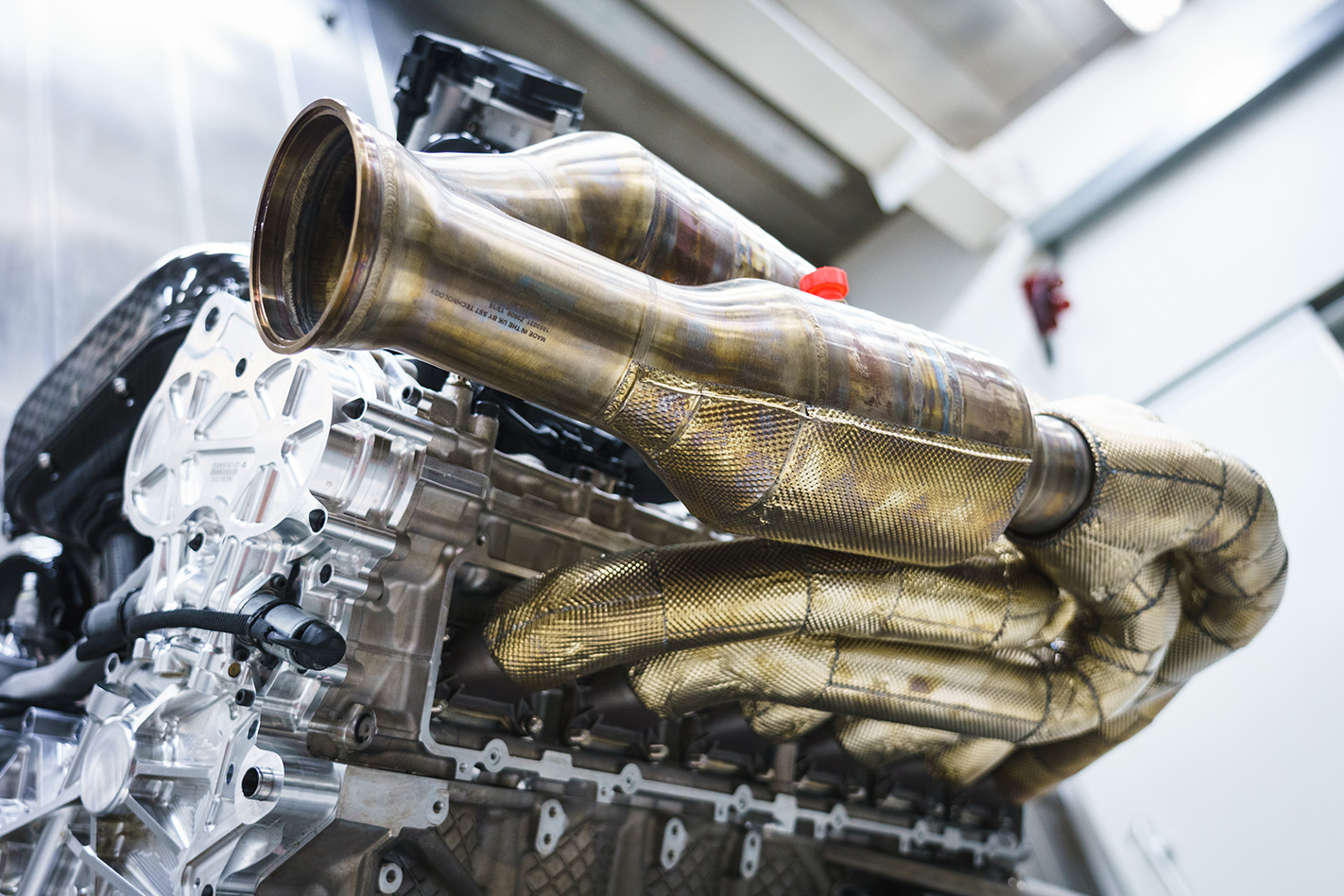
Cosworth has put the V12 through over 200 hours of dyno testing, much of it at full throttle, replicating 160,000-kilometres of driving. Oil changes are needed every 5000km.
Boosting performance further, and aiding low-speed tractability, is a single-motor KERS (kinetic energy recovery system) being developed by Croatian company Rimac. The entire powertrain will drive the rear wheels exclusively, with the combustion unit channelled through a Ricardo-built single-clutch transmission.
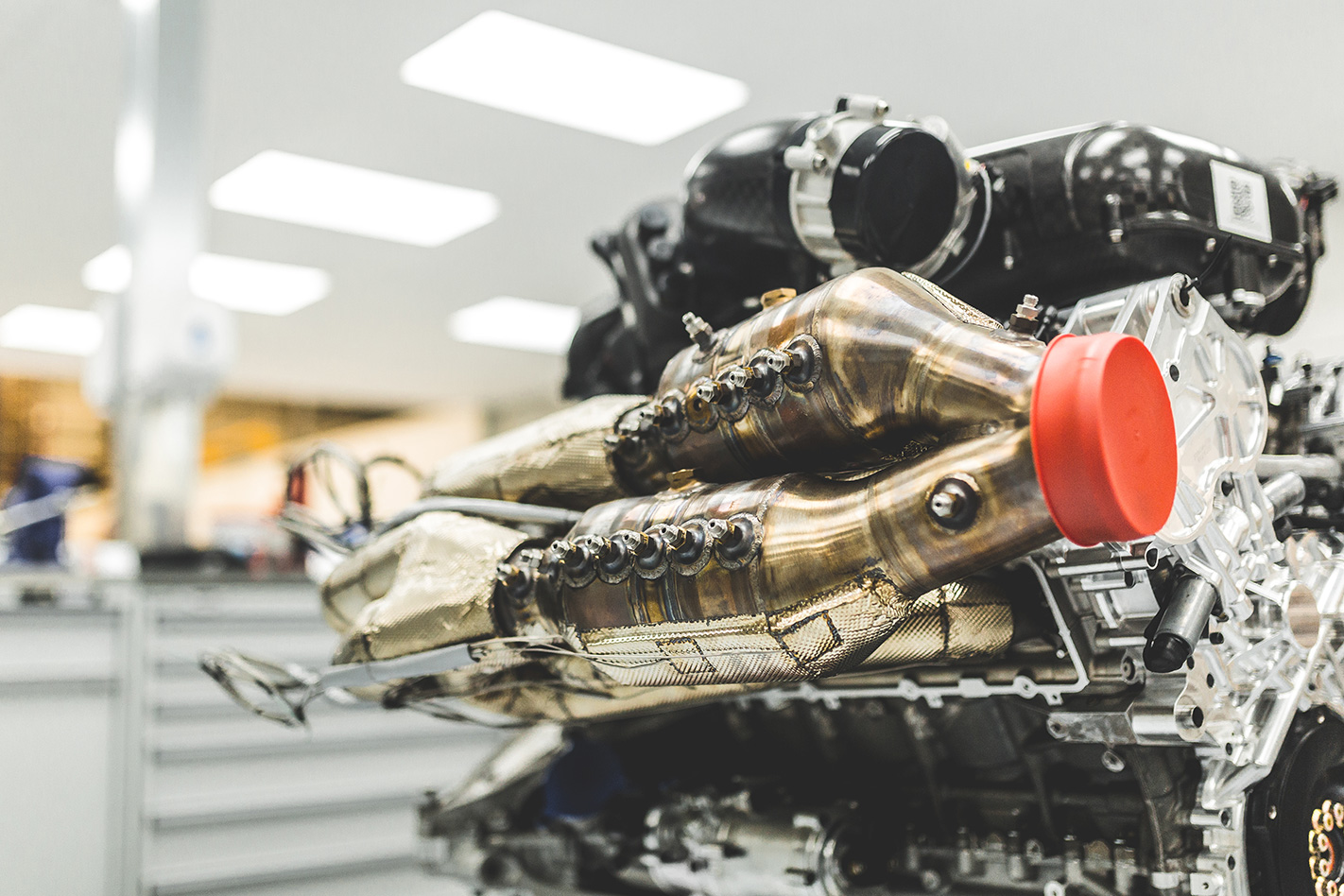
Consider its visual beauty, stratospheric performance and pioneering engineering, and the Valkyrie’s V12 is at the same time both outlandish old-school tribute and sophisticated, cutting-edge design.
PERHAPS it’s apocryphal, but Richmond football club’s Jack ‘Captain Blood’ Dyer is said to have hated local rivals Collingwood so much that he refused to watch black and white television. I’m guessing the man who broke the collarbones of 64 opponents probably wouldn’t have approved of the colour scheme of the newest resident of the Wheels garage, a Range Rover Velar P300 R-Dynamic SE.
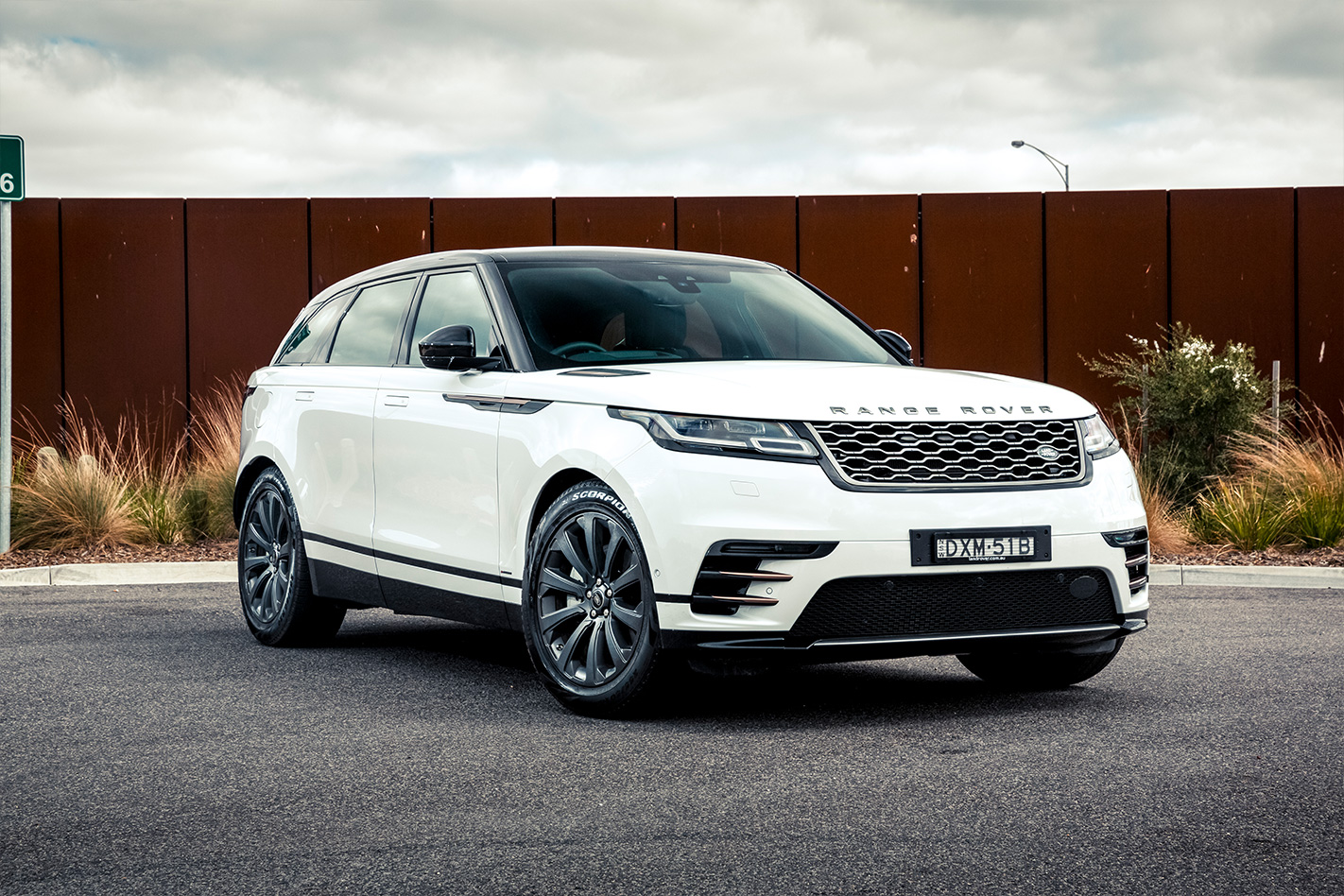
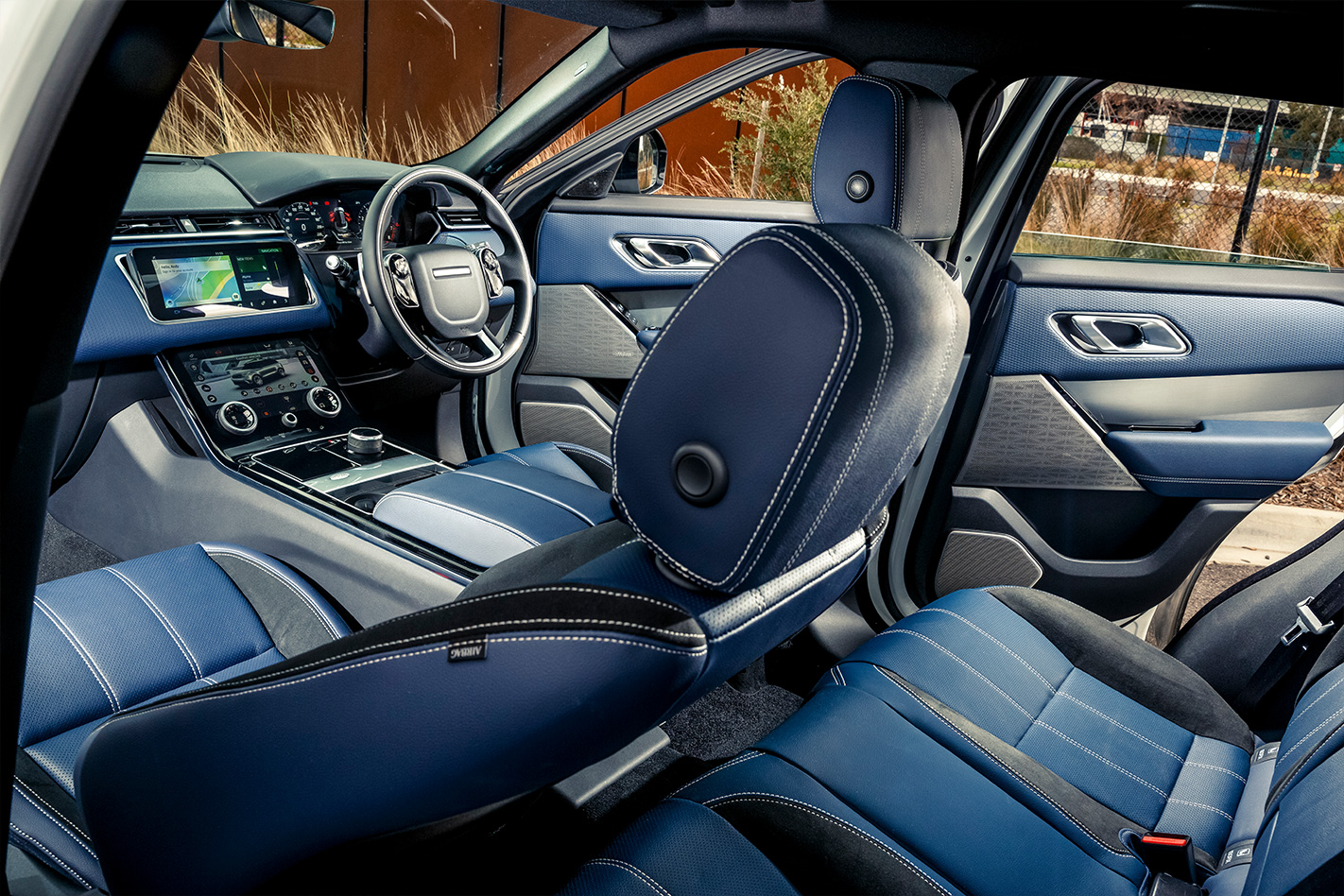
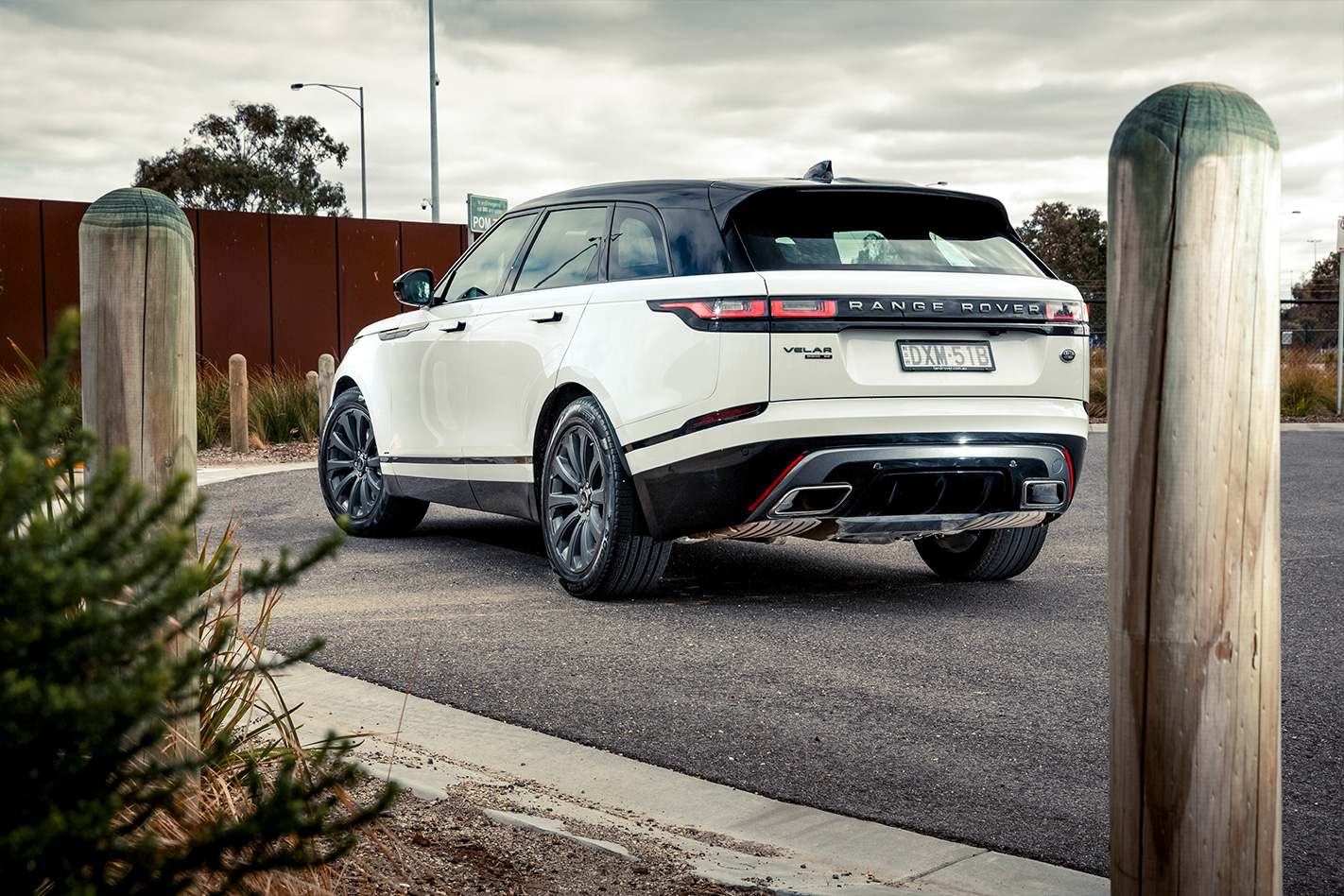
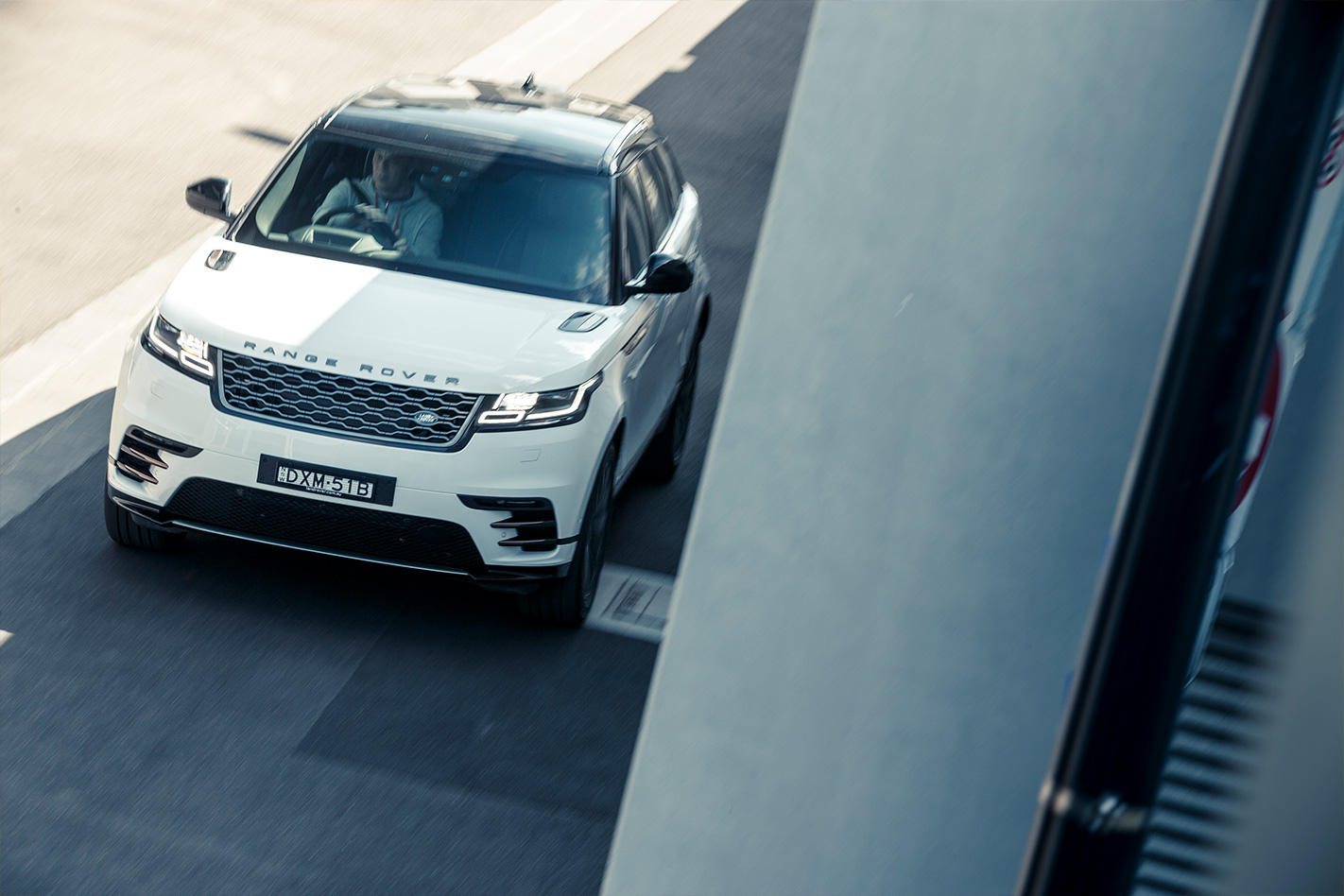
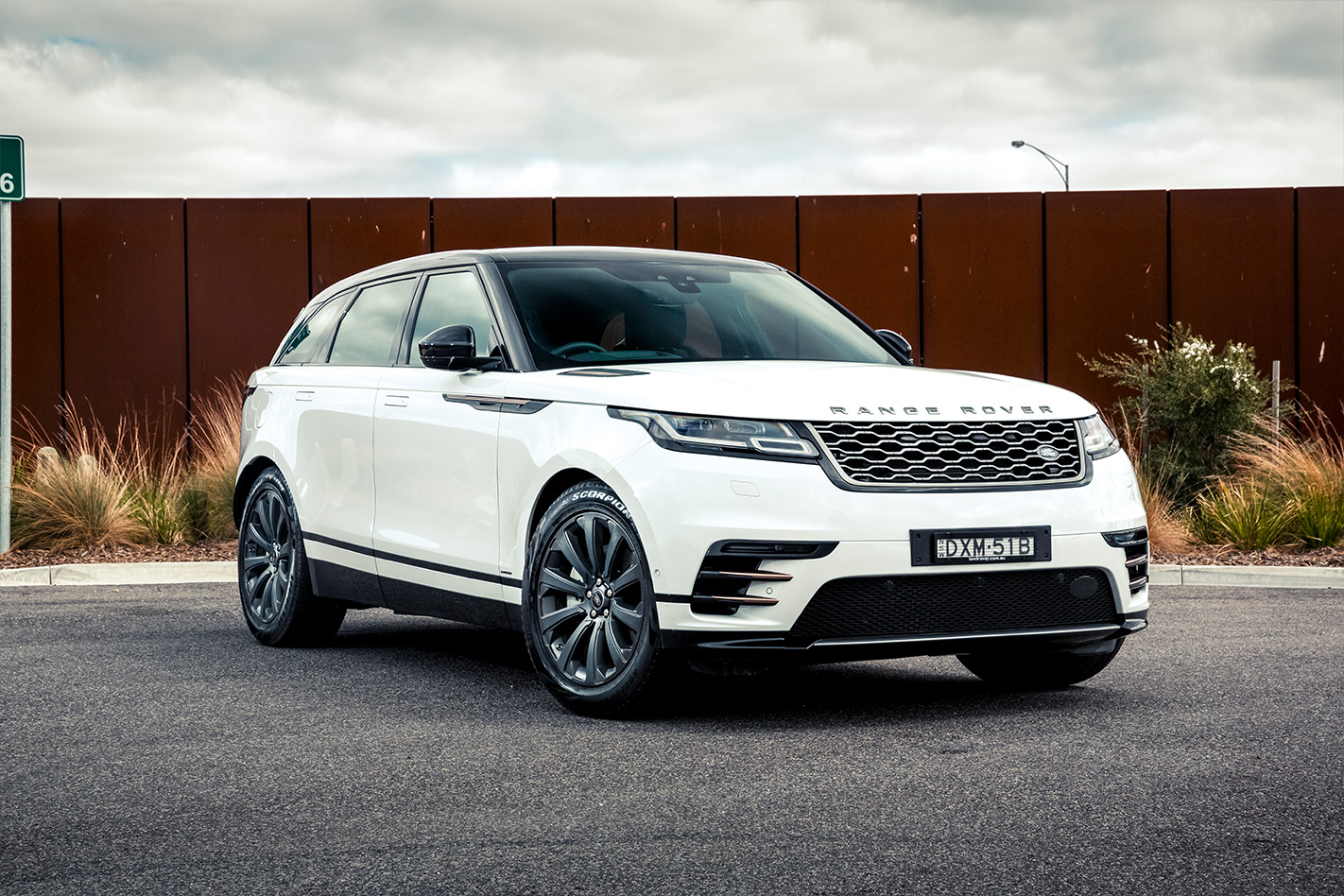
Nicknamed ‘The Stormtrooper’ by the Land Rover press office, this particular example seemed like the departing Nathan Ponchard’s idea of a horrible joke. “Yeah, it’s white with 20-inch black alloys and a blue interior,” he enthused. I didn’t want to sound unappreciative of his efforts in securing my next long termer but, frankly, it sounded hideous. When it arrived, I was pleasantly surprised. I’d toyed with the idea of asking for smaller wheels and beefier mud and snow tyres, but I’ve since seen a Velar on 18s and they look ridiculous.
I’d also envisaged the blue interior being something like the shiny, overstuffed lounge in royal blue that I used to sit on while visiting my aunt, miserably pretending that I wasn’t repulsed by her inept baking. Instead it’s a technical finish on the dash and perforated leather with black suede and neutral stitching on the seats, nicely counterpointing the brutalist monochrome of the exterior. Chapeau, Ponch.
Most intriguing of all is the engine choice. That P300 designation means it’s a petrol engine that makes an honest 300PS (221kW) driving all four wheels, so if you’re that way inclined – and I am – it’s easy to imagine there’s something akin to a Lancer Evo or an Impreza STI lurking beneath, only driving through an auto ’box and lugging a bunch more weight. All of which sounds like a recipe for utterly catastrophic fuel economy, but the initial signs are good. Returning a little over 10 litres per 100km isn’t at all bad, and one of the very first trips I took in the Velar was a 150km shakedown on some of Victoria’s most horrific dirt roads, out through the snow to Woods Point, a community that seems to largely consist of people who never want to come under public scrutiny.
With the drive mode set to Grass/Gravel/Snow, the Velar softens the throttle response, speeds up gearshifts and sharpens the traction control to prevent tyre slip. This car also has the $940 Configurable Dynamics option which is a boon on road – this allows you to mix and match the steering, suspension, gearshift and engine characteristics between sporty and soft, something we’ll touch on next month.
It’s part of a fairly hefty sweep at the Land Rover options list that tacks just over $15,000 onto the asking price of $104,750. The fixed glass panoramic roof is the big ticket item at $3550, but it also seems a little rich to have to option adaptive cruise and AEB ($2850) onto a $100K+ car. Likewise paying an extra $850 will net you heated seats, albeit with 10-way adjustment and driver memory function. The excellent head-up display adds $2420, the black contrast roof sets you back $1260, the waterproof Activity Key that you can wear on your wrist is another $960, while a DAB+ radio costs $940. All Terrain Progress Control – almost like a low-speed off-road cruise control – is $850, the solar attenuating windscreen $560, and a pair of levers to flip down the rear seats from the luggage bay is $300.
The Velar’s in the garage for four months, during which time I’ll be able to get a handle on what’s worthwhile and what’s just window dressing. First impressions are good. I just need to figure out how to get those bright central screens to dim when – to use a Dyerism – “it’s as dark out there as the Black Hole of Dakota”. Any tips most welcomed.
Update #2
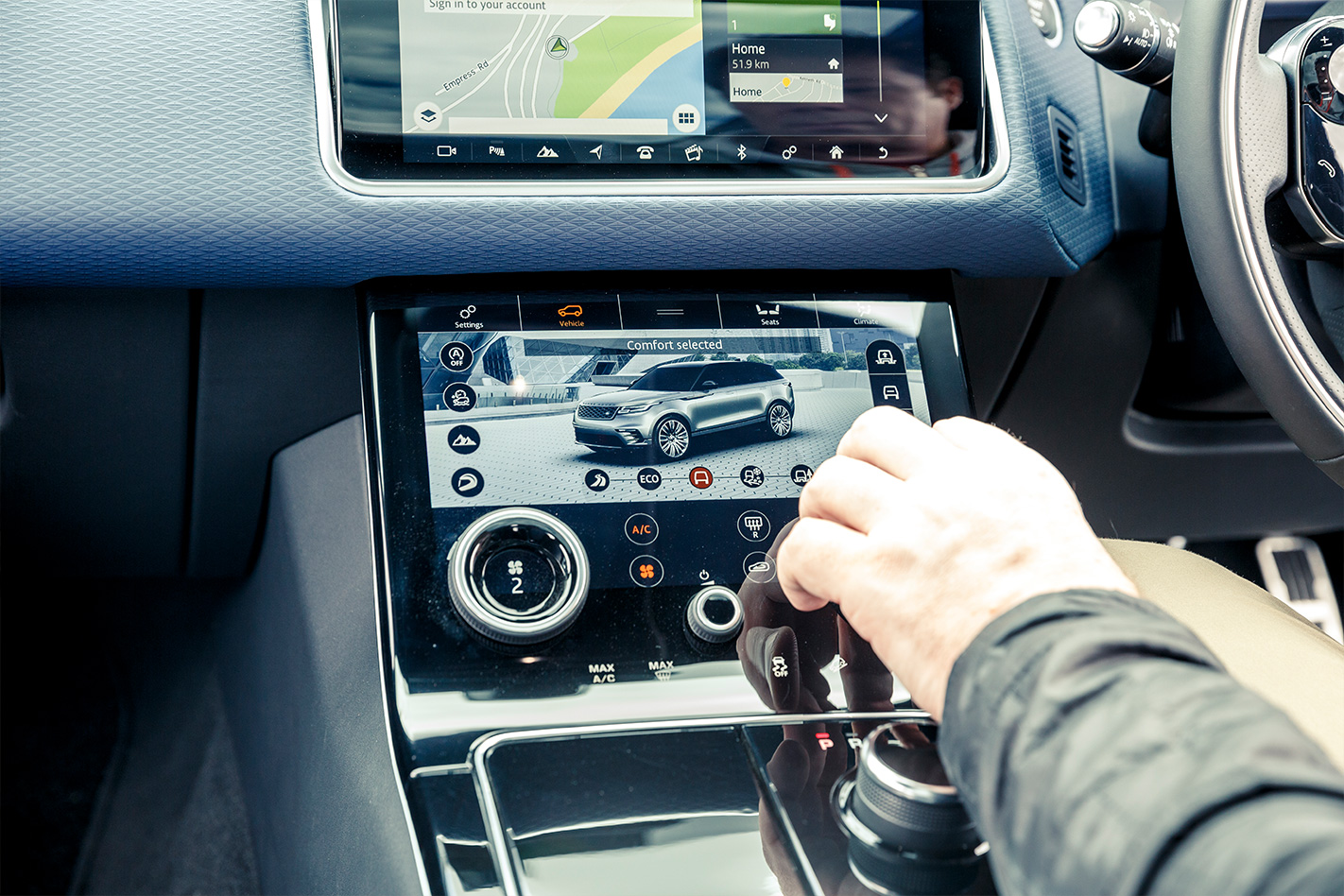
KNOW THIS. Because they control virtually everything on the vehicle, should the Touch Pro Duo screens on your Range Rover Velar go down, things go south pretty quickly.
Drive modes, navigation, air conditioning settings and the ability to escape Mick Molloy on the radio are no longer within your aegis. Such a fate has befallen our Velar a couple of times this month, leaving us feeling about as hamstrung as the Newcastle Jets when the realised their marquee signing for 2014 was Emile Heskey.
On the first occasion the main screens both went blank and, upon a hard reboot, the supervision screen between the main clocks locked itself into Dynamic mode and refused to budge, no matter which drive mode the vehicle was actually set to. It’s an unfortunate blip on what has thus far been an enjoyable tenure, the Velar impressing with its dynamic sang froid. Put simply, the Velar can do almost anything you ask of it, short of only the most extreme dynamic assignments. It’s easy to see why it’s proving such a sales hit for the marque worldwide, taking up the slack against declining Evoque and Discovery Sport figures.
This month has seen another couple of thousand kays tick onto the clock, supporting Wheels photoshoots, repeatedly returning Ozito tat to Bunnings and serenely negotiating the giant gongshow that is rush hour on Melbourne’s Monash freeway. It’s easy to forget quite what a looker the Velar is, other gridlocked motorists giving it the once over as you let the adaptive cruise do its thing while you ponder the next nasal excavation exercise.
After some experimentation, I think I’ve hit upon the sweet spot for the various dynamic modes. Basically, you need to jump into the custom mode, marked by a Stig-like white helmet icon, and amp everything up to its sportiest setting aside from the dampers, which are best left in Comfort. The racier damper setting doesn’t actually afford you that much additional composure through corners but comes with a hefty penalty in terms of ride quality. The difference in steering between the disconcertingly oleaginous Comfort mode and sharp-witted Dynamic is night and day.
We’ve had some pretty tasty metal through the office in the past few weeks, filming for the forthcoming WhichCar TV show on Ten, yet the Velar hits the mark of a good long termer insofar as no matter what you’ve been flinging round a track or up a mountain road, getting back in after a long day still feels good. Screen burps aside, it’s settling in well.
Update #3
“THAT thing is bloody lovely,” reckoned Peter Elliott, WhichCar TV’s lead presenter. I’d lent him the Velar while I was judging Wheels Car of the Year and it’s fair to say he was fairly taken with it. Fairly taken with the loud pedal too, recording the Velar’s worst average consumption of 11.5L/100km during his tenure. That’s still not too bad for a 1900kg petrol SUV packing 221kW, but the overall figure’s since come back down to Sean Connery’s preferred racquet sport: tennish.
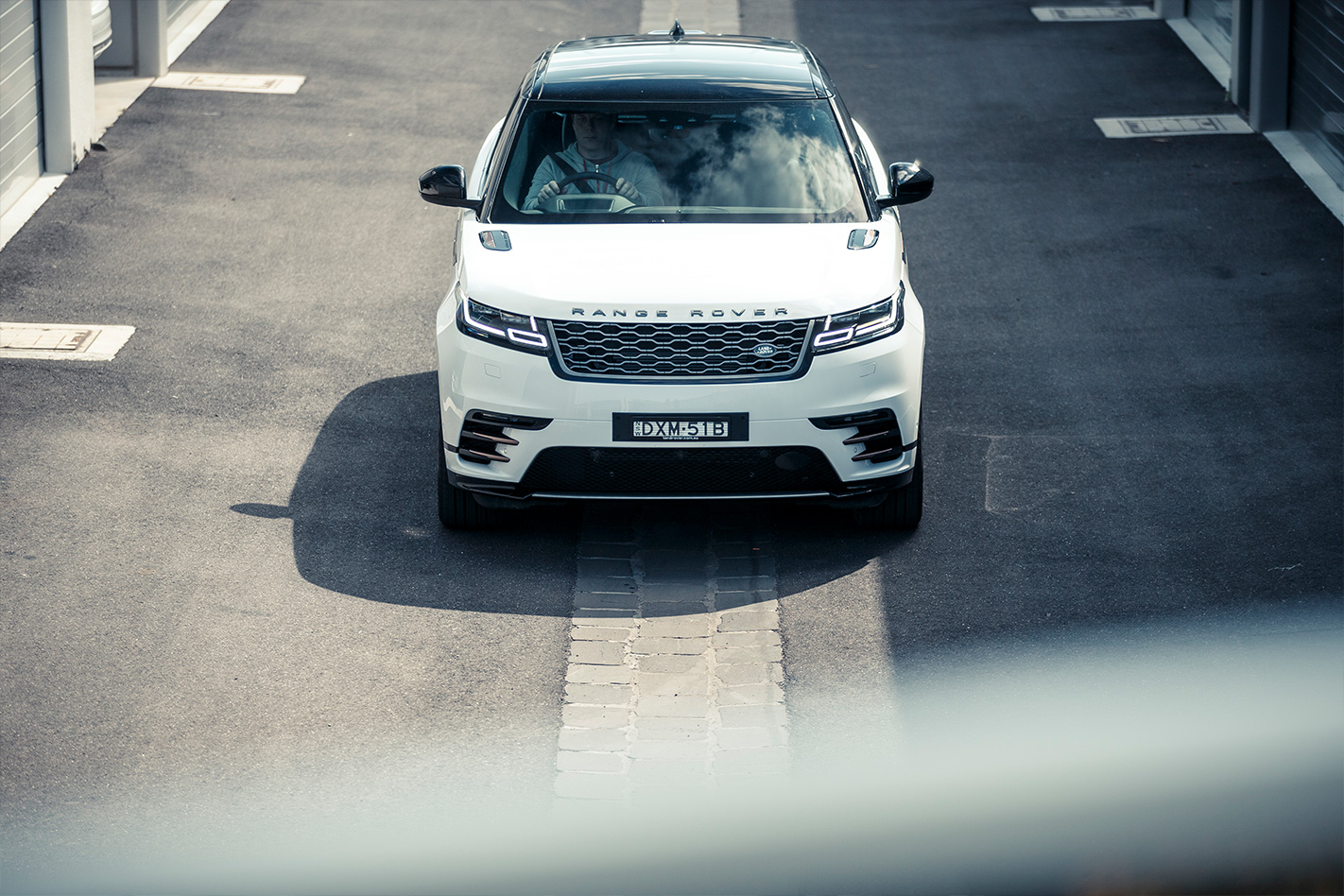
COTY aside, where the Velar was on camera car duties, it’s been an eventful few weeks. The Rangie was even pushed into service as an ambulance, rushing a fledgling peregrine falcon to surgery after its first flight resulted in a broken leg. It’s also taken a run up to this year’s Targa High Country event, the route from south east Melbourne up through Healesville, the Black Spur, the Cathedral Range, Bonnie Doon and Mansfield being about as pleasant a touring route as Victoria offers.
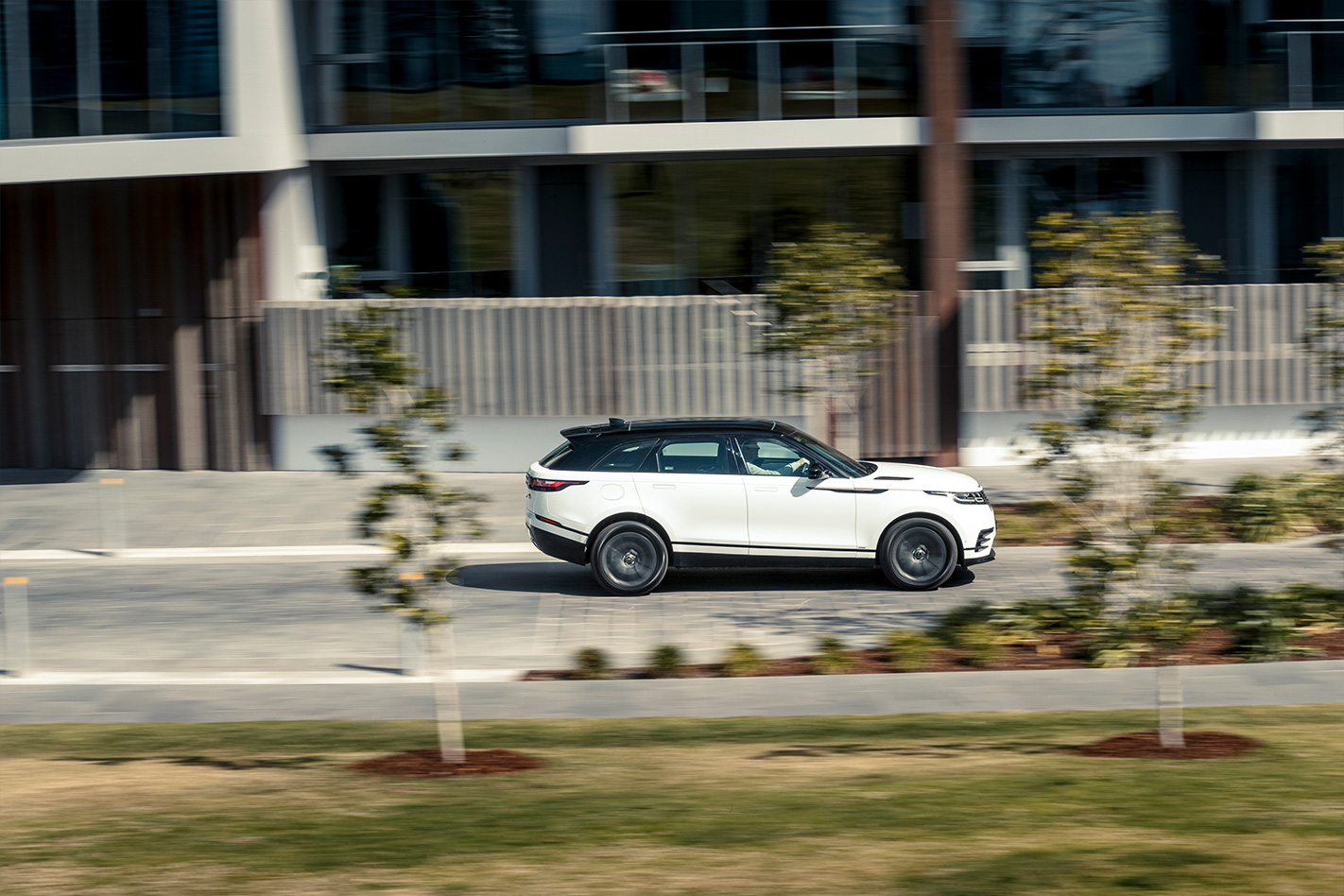
I encountered an exceptionally well-driven ND MX-5 on the return over the Black Spur, both of us safely enjoying our cars, although I hope I wasn’t curtailing the Mazda driver’s fun by holding him up. Having an energetic pedal through the twisties in the forest was almost as enjoyable as driving an Alpine A110 at Targa and while the Velar packs on a few more kegs than the French coupe, there’s something to be said for being able to adapt your driving techniques to the limits of your car.
The howling Pirelli Scorpion Verdes made the hairpins sound a good deal more dramatic than the modest speedo reading suggested, but the Velar’s body control – even with the suspension set to Comfort – was predictable and progressive. When was the last time you had a good-natured dice finished with a cheery wave? Good stuff.
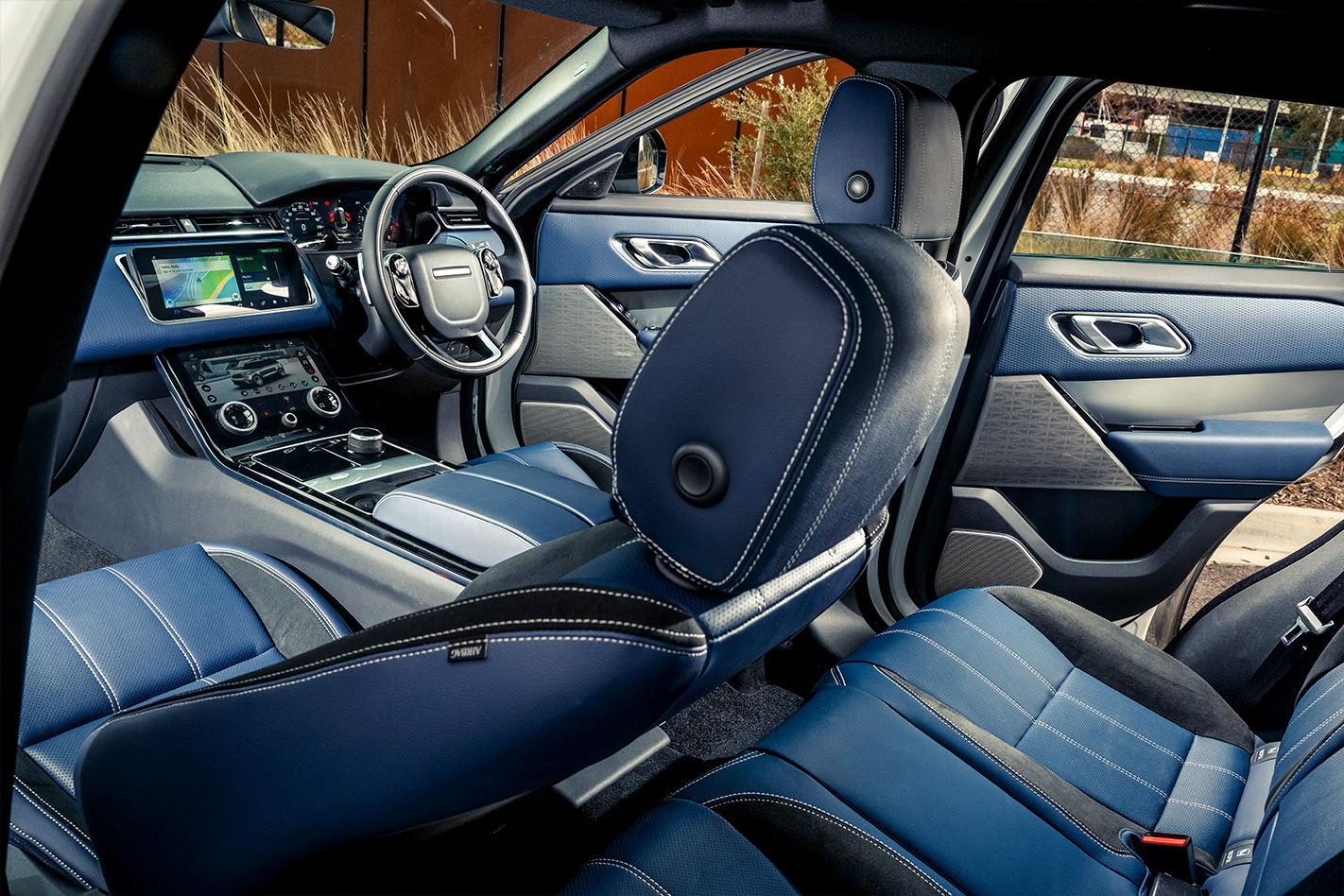
Last month we reported on a couple of electronic issues that have since cleared up, replaced by other random quirks. The Velar cleared down all the memory settings for the seats and mirrors and then the touch panel that included the screen demister temporarily failed to function. Like its previous glitches, they’ve been transient, but could knock confidence with owners. We’ll continue to monitor them.
Farewell
I DIDN’T really get a firm date to return the Velar to Land Rover, but the guilt of just keeping hold of it hoping the press office wouldn’t notice got to me surprisingly quickly.
After sending a breezy email asking if I could keep it over Christmas, my plans were shot down in flames by the somewhat brutal response that it was due at a car auction in four days. That didn’t leave a whole lot of negotiating room. Still, my loss is set to be some bidder’s gain, because its first 10,000km have run it in rather nicely.
As much as I admired the Velar, the relationship never really blossomed any further. Perhaps it was the constant niggling screen freezes or the minor annoyances like having to wait for the screens to wake up before being able to select my custom drive mode, kill the idle stop and then navigate to the climate display every time I started the car. As the weather’s warmed up here in Melbourne, the gauzy sun blind feels a little superficial and the air conditioning can be a bit slow on the uptake. Couple that with a chrome bezel that runs around the rim of the steering wheel that has you wishing you’d packed oven gloves at times.
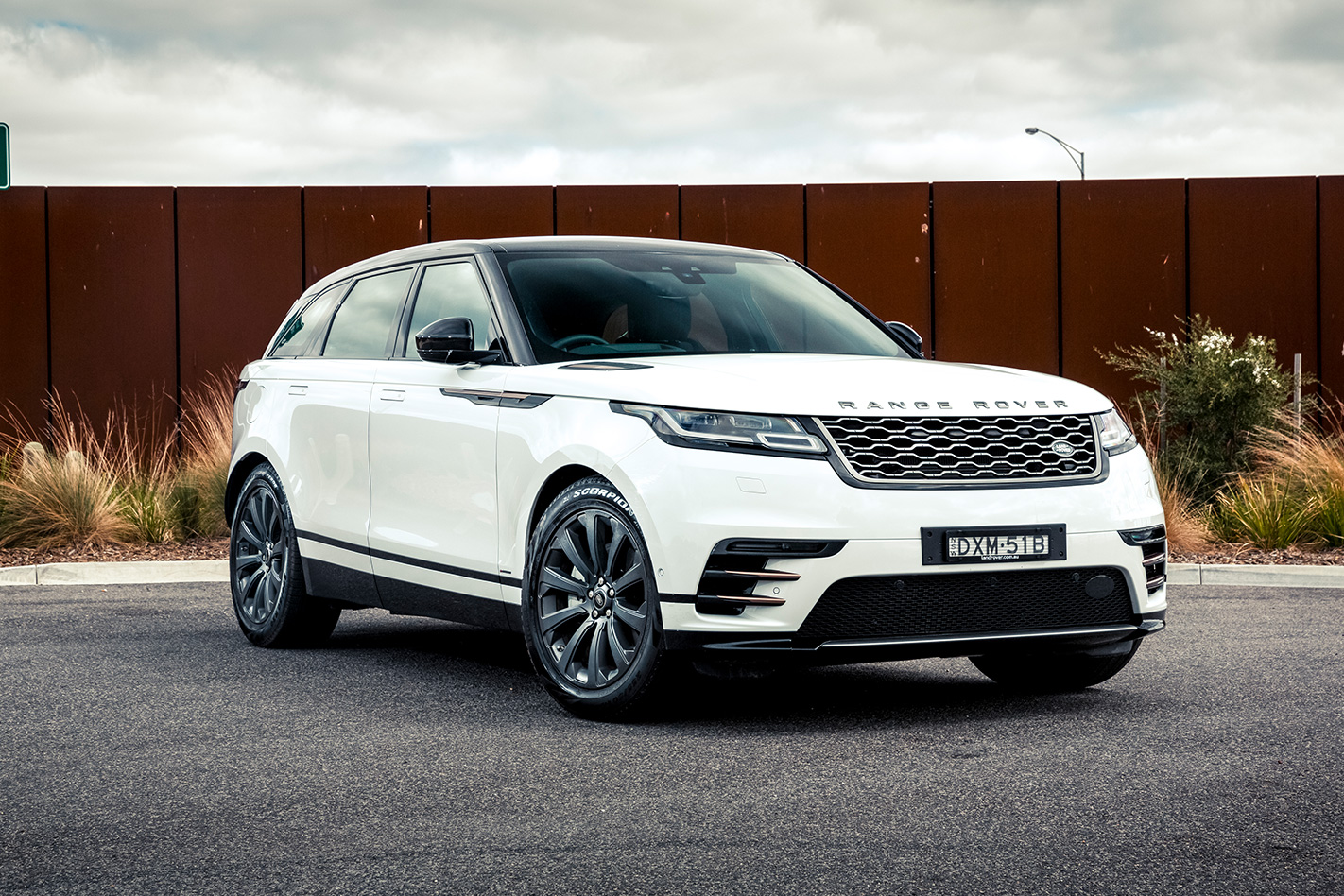
Much of these grumbles get burnished away to background chatter when you pause to look at the Velar. It’s undeniably got presence and enough character to allow you to forgive it its quirks. It was the perfect companion to indulge my wildlife photography hobby, taking me on plenty of dirt roads into the wilder parts of Victoria. Although the ride quality of the Velar is never quite as syrupy as you’d expect from a big SUV on air springs, it earns a lot of credit on account of its off-road ability.
The Velar has negotiated soft sand in the Little Desert, deep snow up on Mt Matlock and axle-deep flood water. The most satisfying part of these trips was when the inevitable bearded sprout in a high-lift, balloon-tyred LandCruiser gesticulated wildly to indicate that your vehicle was inadequate for what was ahead. It wasn’t. Ever.
The positive side of the ledger nevertheless outranked the niggles. I loved the sat-nav’s uncanny ability to know your destination (no matter how obscure), the concise and clear head-up display, and the indestructible feel of the cabin materials. The Ingenium four-cylinder engine delivered a surprising turn of pace when prodded, the powerplant loosening up and returning better economy with every tankful.
Over four months, I averaged 9.5L/100km in the 221kW Velar, which is exactly the same as we managed in a 121kW Peugeot 3008 weighing half a tonne less. True, I did more freeway miles, but that’s still a credible showing.

Having run it for four months, I’m a little torn as to whether I’d recommend the Velar to a friend. It’s undoubtedly striking and delivers a sense of occasion that, in some ways, justifies that price tag. Until sales in China recently nose-dived, the Velar’s global popularity spoke volumes. But what separates a great car from a merely good one is the last couple of percent of polish, and that’s where the Velar sometimes came up a little short. As enjoyable as the past four months have been, I won’t be wielding a bidding paddle when DXM-51B rolls onto the auction block.
With the 2019 Geneva Motor Show just around the corner, we’re compiling a list of what we already know, and what we expect to find out during the event.
Our list of cars here will be updated as cars are revealed.
Aston Martin ‘Project 003’
Aston Martin’s Project 003 hypercar, reportedly known internally as the ‘Son of Valkyrie’ is expected to debut at Geneva this year.
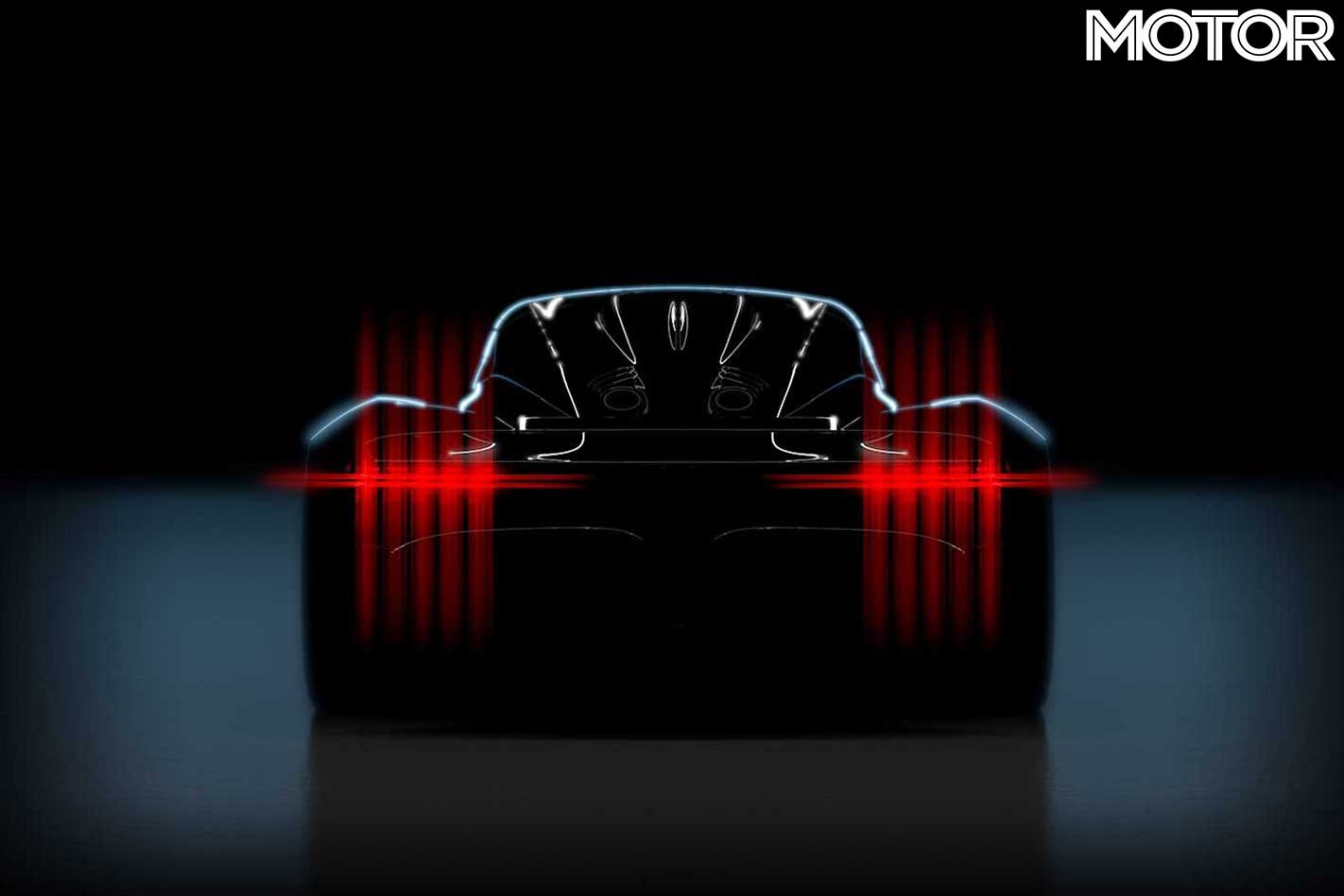
The turbocharged hybrid from Aston will, according to prior interviews between MOTOR and the company’s design boss Marek Reichman, rival the equivalent mid-engined supercars of the day – i.e. the Ferrari 488 replacement (see below) or the McLaren 720S.
Bugatti’s Atlantic ‘revival’
Bugatti is creating a car to pay homage to the missing Type 57 SC Atlantic once owned by Jean Bugatti.
The original car, known as ‘La Voiture Noire’ will heavily influence the new car’s design.
https://www.instagram.com/p/BubgF_jljOa/?utm_source=ig_embed&utm_medium=loading
It’ll likely remain a one-off, but its reveal should reinforce Bugatti’s place as a builder of beautiful cars if the teasers are anything to go by.
Ferrari F8 Tributo
Effectively an extensive facelift of the Ferrari 488 GTB, the F8 Tributo takes the performance of the 488 Pista and applies it to a heavily redesigned body.
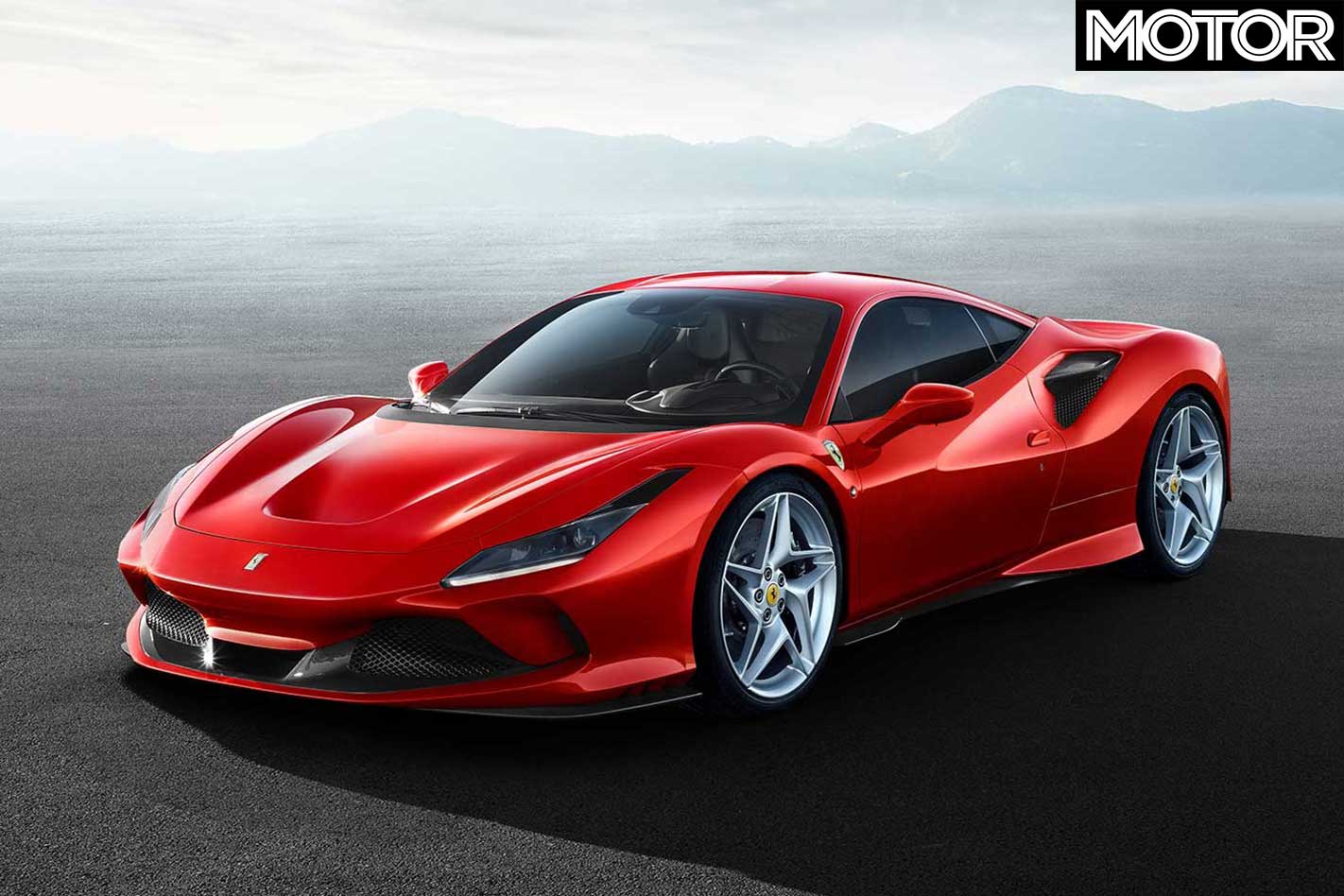
The same 3.9-litre twin-turbo V8 as seen in the Pista features, but 530kW (at 8000rpm) and 770Nm (at 3250rpm) are the headline figures.
Expect the first F8 Tributos to arrive in Australia towards the end of 2019 for around $500,000.
–Scott Newman
Koenigsegg new model
With a seven-month headstart on teasing the new model’s arrival, it would make sense that Koenigsegg’s next model – likely a Koenigsegg Agera RS replacement – will be revealed at Geneva.
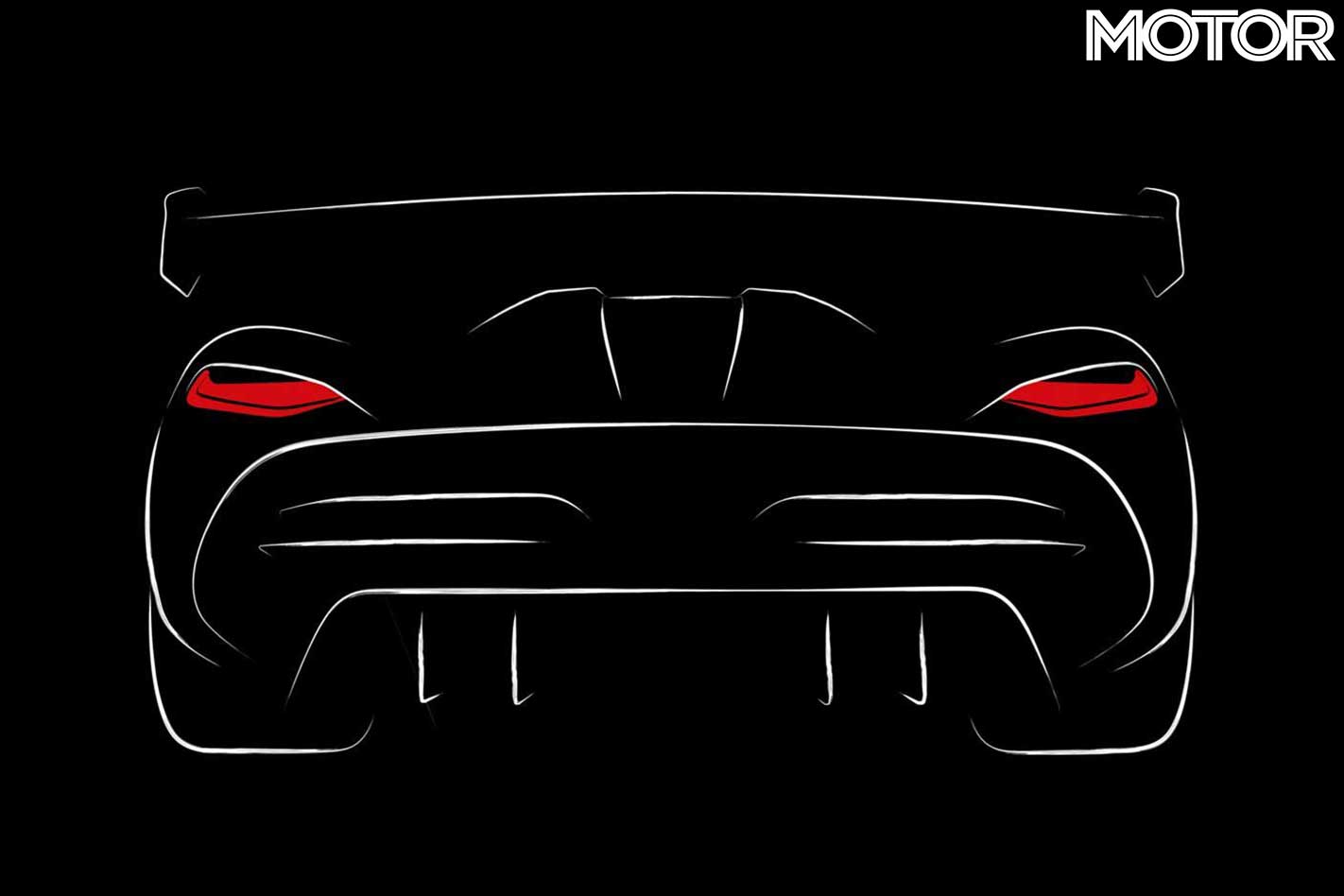
While we know almost nothing about this car yet, we can be sure it’ll be no slowpoke.
Lamborghini Huracan EVO Spyder
It’s new new Huracan Evo, minus the top.
The same 470kW/600Nm naturally aspirated 5.2-litre V10 is found in the rear, but more than 100kg in rigidity strengthening means an extra two tenths to 100km/h – now 3.1 seconds.
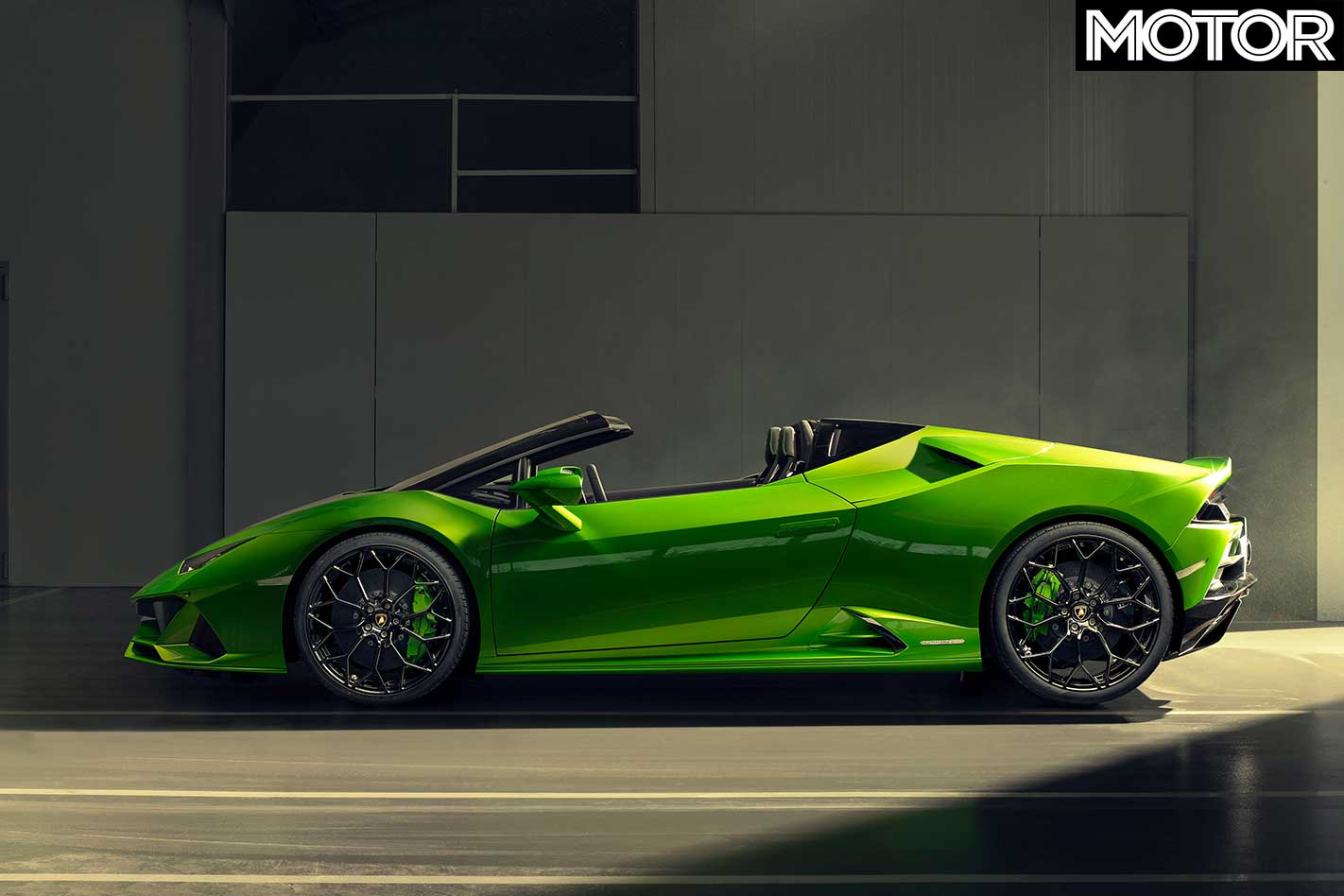
Top speed remains the same as the coupe at 325km/h.
At long last, Tesla has finally delivered on its promise of a US$35,000 (A$49,400) Model 3, but it’s come at a heavy price for Tesla’s retail workforce.
Company founder Elon Musk said that Tesla will move its sales online, and will look to close an unknown number of its retail outlets as a result.
“There’s no other way for us to achieve the savings required to provide this car and be financially sustainable,” he said in a press call. “I wish there was some other way, but unfortunately, it will entail reduction in force on the retail side. There’s no way around it.”
There are six retail outlets in Australia (two in Melbourne and Sydney, one in Brisbane) and a store in New Zealand. Tesla’s Australian office has been contacted for comment.
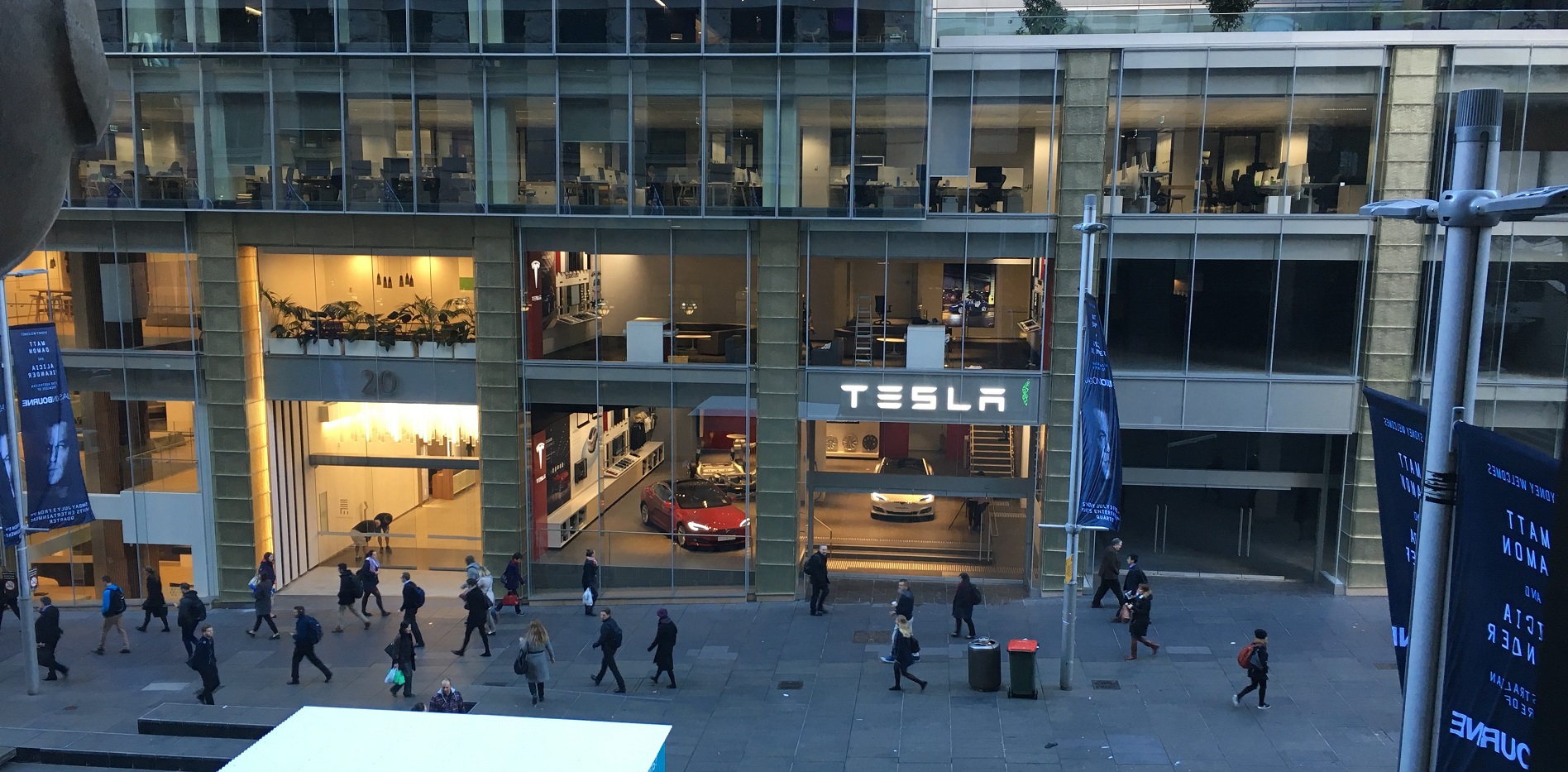
Tesla’s store in Martin Place, Sydney
The US electric car company announced on Friday that it has opened orders on the Model 3 Standard, promising delivery in the United States within four weeks.
The Standard is the car that Musk used to lead the Model 3 marketing push in 2016, with thousands of people placing deposits on the car. However, only high-spec Model 3s have been produced to this point, and none in right-hand-drive.
The Standard features a smaller battery, less range, a simpler interior treatment including cloth seats and a de-contented multimedia screen in order to hit its price point. It will also forego powered front seats, but it will keep the glass roof that’s fitted as standard to higher grade cars.
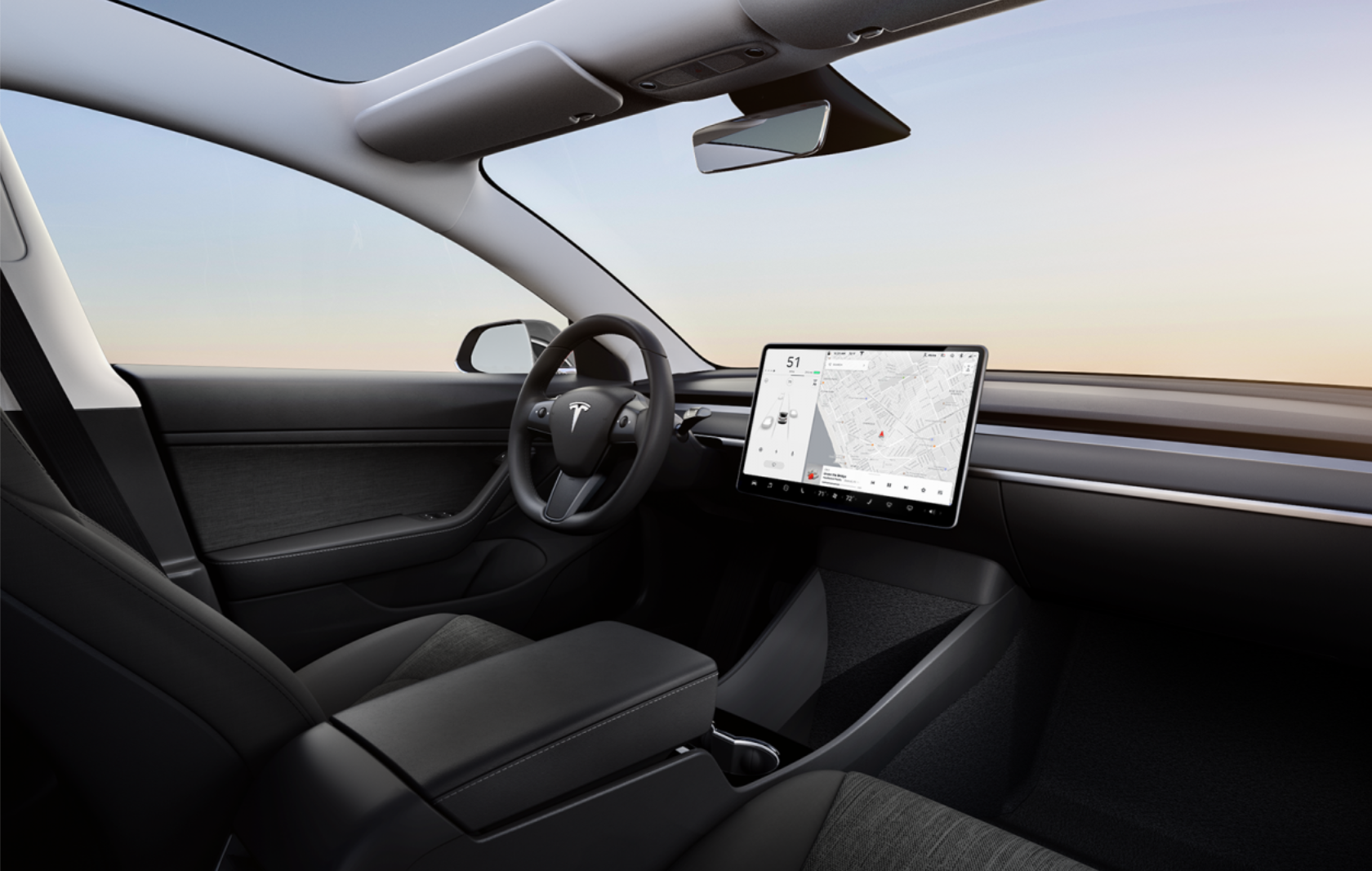
Tesla Model 3 Standard interior
It will also come with dual zone climate control.
The Model 3 Standard will offer a claimed 354km range. The Model 3 Performance, by way of comparison, offers a claimed 500km range.
Tesla will offer the Standard in a Standard Plus version, which increases range slightly to 386km, while improving its performance figures. It will do 0-100km/h in a claimed 5.3sec, where the Standard is 0.3sec slower.
Numerous options, including Tesla’s so-called Autopilot, can be added, with Autopilot costing A$4200, and its full self-driving suite more than A$7000.
As well as the Model 3 Standard, Musk said that prices would be dropped on Model X and Model S cars in line with the new online sales strategy.
The news of the retail store closures comes after Musk announced in January 2019 that more than 3000 workers would be let go.
The cost of the Model 3 and other models is under external pressure, thanks to the pending elimination of United States government tax breaks applied to the purchase of electric vehicles.
The federal tax incentive drops from $US10,000 to $US5000 ($12,000 to $7000) in July this year, before disappearing completely on December 31.
There is still no firm delivery date on the Model 3 for Australian customers, though the local website now says deliveries will start in the “second half” of 2019.
