
Often, when speaking with silly old bastards, I’ll trot out a particular recollection from the Australian Bicentennial Rally (Wheels, May 1988).
Mercedes-Benz entrusted me with a near-priceless 1927 Mercedes-Benz 680S to join about 300 other vintage and veteran cars on the Victorian leg of the rally.
The 680S was the road-going basis for the fabled SS and SSK racers. It weighed 1.9 tonnes, had non-assisted (left-hand drive) steering, a non-synchro gearbox and a supercharger that whined like an air raid siren. Add in a pedal configuration with the throttle in the middle and the brake on the right.
Being a psychologically unstable 25-year-old, I could adapt instantly.
At a stop in the Victorian coastal town of Sale, all the cars were lined up on a sports oval. As a grandfather and grandson approached along the row of upright-grilled, wire-wheeled, fabric-roofed old-timers, I overheard grandpa lamenting how all modern cars look the same.
“But grandpa,” said the kid, “all these cars look the same.”
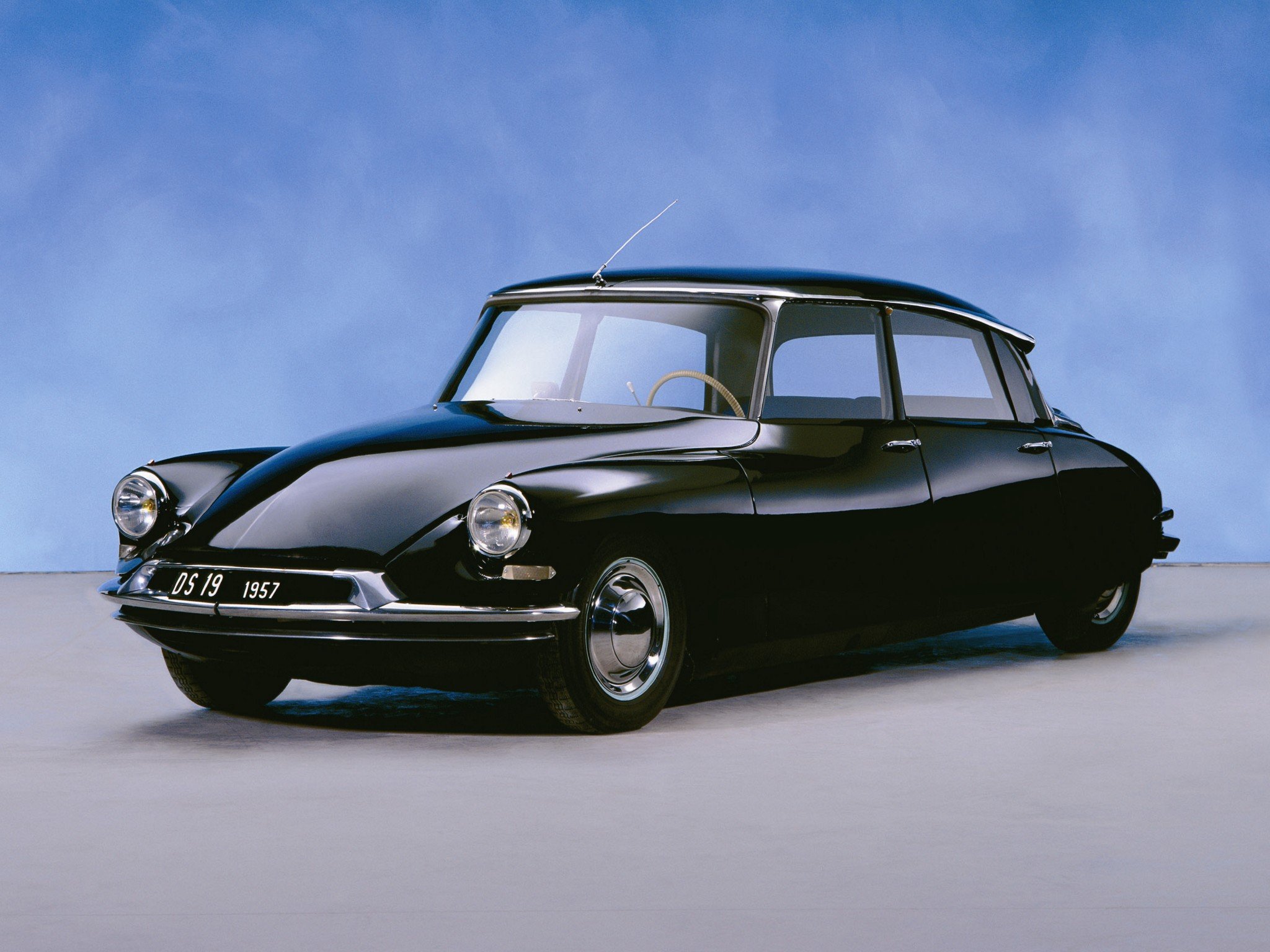
I’ve been guilty of saying the same thing, certainly about those cars, and more recently about the soft shapes of the 1990s-2000s. When I think of peak styling diversity, I go to an age I wasn’t even around for: French cars in the 1950s-60s. Cars like the Panhard Dyna Z, Renault 4CV, the organic Dauphine, the Citroen Ami, the other-worldly DS and the hatchback-hatching Renault 4 were all on the market at the same time.
None looked like its direct competitor. Well, at a stretch, maybe the Dyna and the Dauphine – but then again, while both were 850cc sedans, one was a two-cylinder, front-wheel drive and the other, a rear-engined four-cylinder.
It’s logical to me that ever-tightening emissions and safety legislation, answered by the same computer software, would inexorably force cars towards an optimum, universal and boring-as-batshit outcome. But right now, that doesn’t seem to be the case at all. We may even be in a golden era of automotive styling diversity.
Oh, forget the mechanical side of things, where segment commonality is already rife and ubiquitousness simply accepted among EVs (think: TVs). In the absence of brand-identifying engineering features, styling is becoming all that’s left as a differentiator.
An unfortunate example that first comes to mind is BMW’s overblown, Bucky Beaver grille. BMW, along with Mercedes-Benz, was once an exemplar of design identity. Punch Bucky in the teeth and you’d have to really know your Hofmeister kinks to pick a BMW (especially an SUV) from any number of competitors.
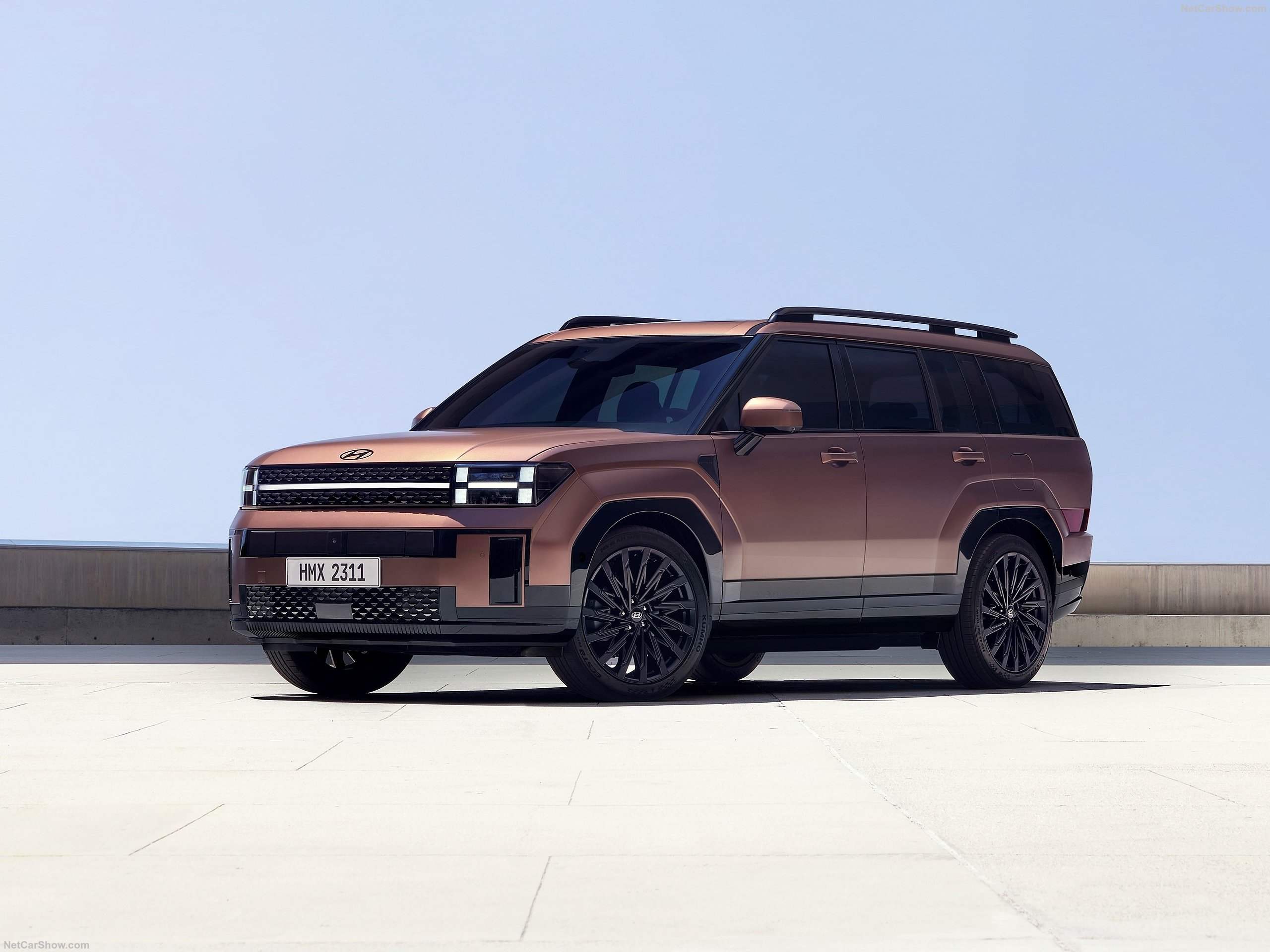
However, the current Hyundai Santa Fe (above) blows my mind; it’s brave and out-of-the-box, as was the IONIQ 5 a few years ago, looking like an Atari game console from the 1980s. Neither of these siblings looks at all like the other – nor the even weirder IONIQ 6.
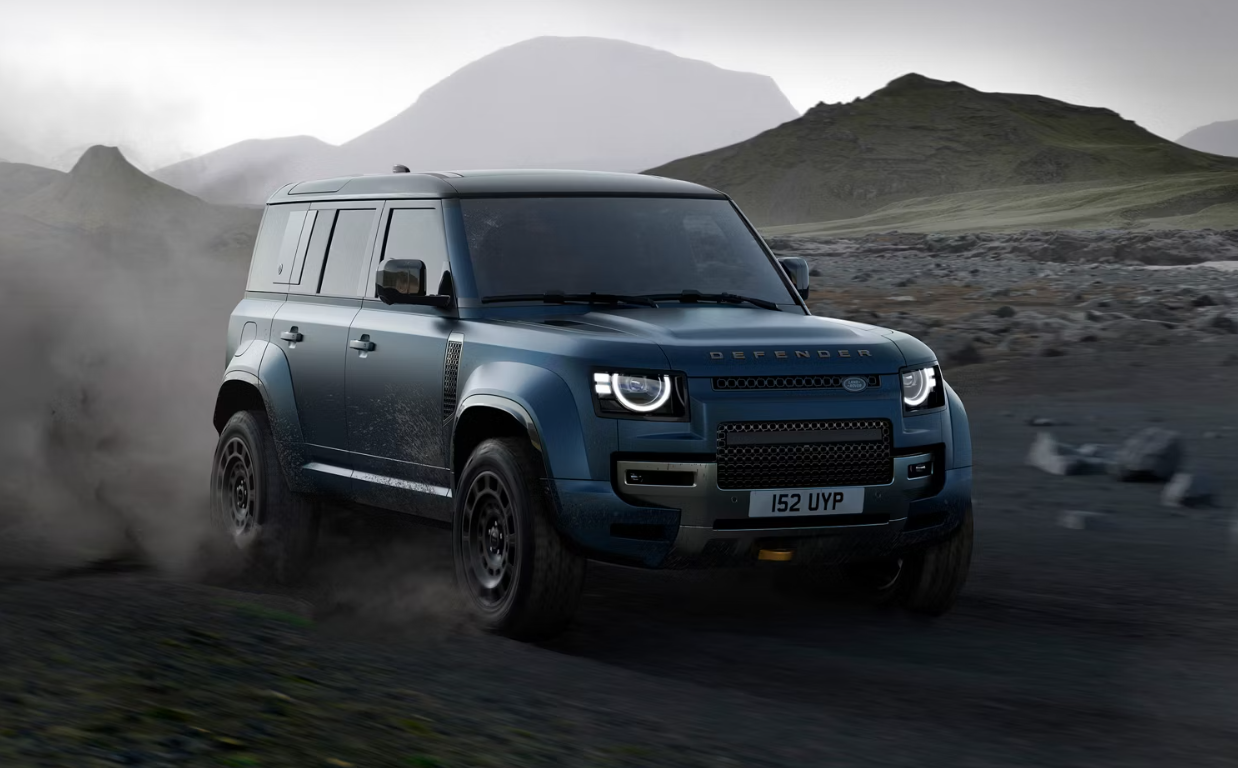
The Land Rover Defender (below) introduced a new language that’s equal parts aggressive and utilitarian. Sibling Range Rover’s coachbuilt curves seduce like vintage silverware. Very different from both are Toyota’s LandCruiser and Prado, which give me a modular-storage-solution vibe that also speaks of comfortable practicality.
My great mate Robert Cumberford, who’ll be turning 90 about the time you read this, kicked off his automotive design career under Harley Earl at General Motors in 1954. We have regular, rambling discussions about cars, so I ran my observation past him. He mostly disagreed.
“At any given time, most cars will look like each other,” he said. “Competitors look more like each other than their own ancestors. That’s down to legislation, fashion, tooling technologies … and fear on the part of (manufacturers’) directors, who often are just assholes climbing the ladder.”
Tesla, he pointed out, had a whole new EV platform and no emotional baggage. But all we got was “aggressively anonymous”.
If we are in a bit of a golden era, Robert reckons it’s not going to last. “Designers are now trying to make sure that the envelope can house EV, hybrid and ICE power,” Robert said. “You have an each-way bet, a sort of generic look that can accommodate all the technical solutions.”
This article originally appeared in the August 2025 issue of Wheels magazine. Subscribe here and gain access to 12 issues for $109 plus online access to every Wheels issue since 1953.
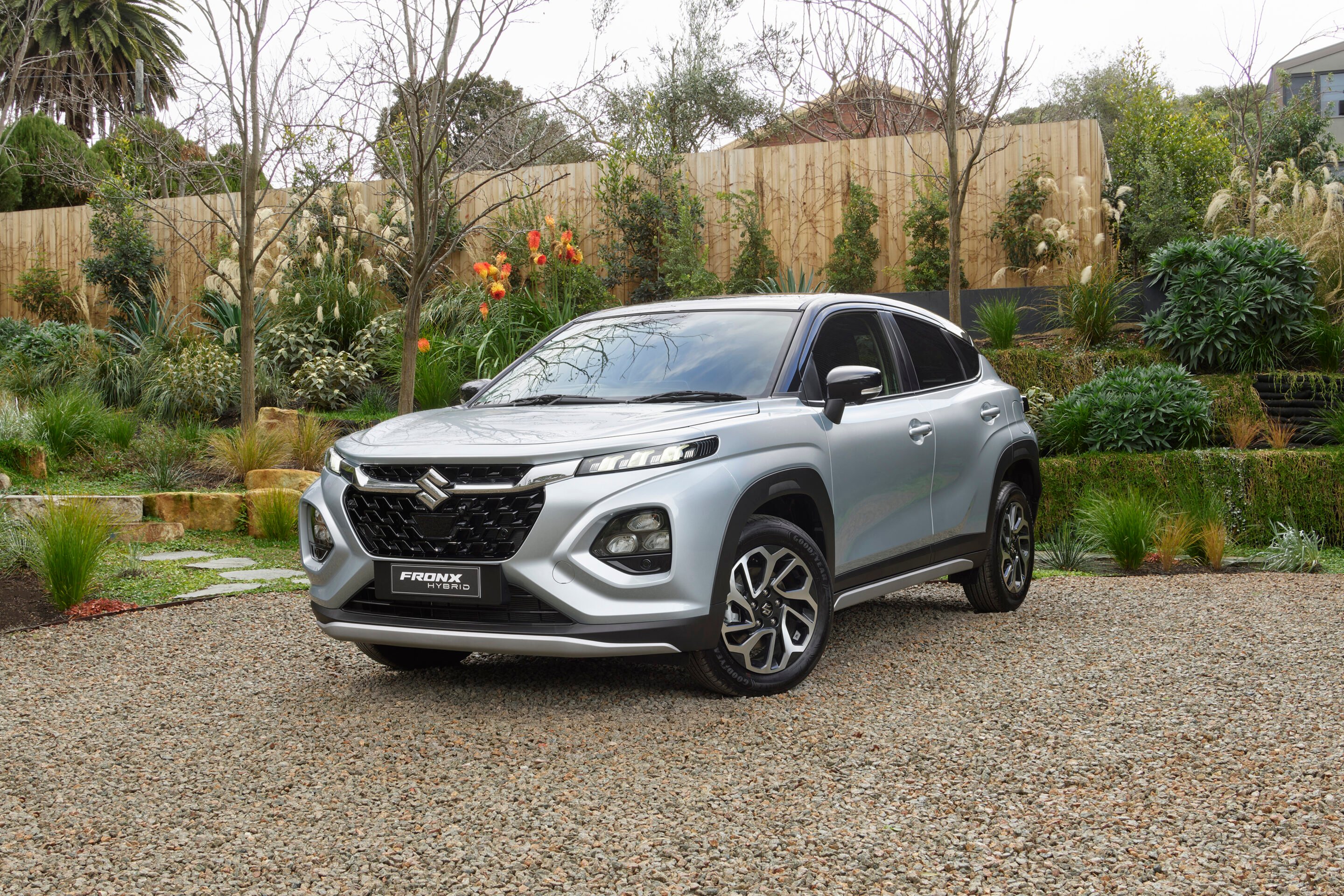
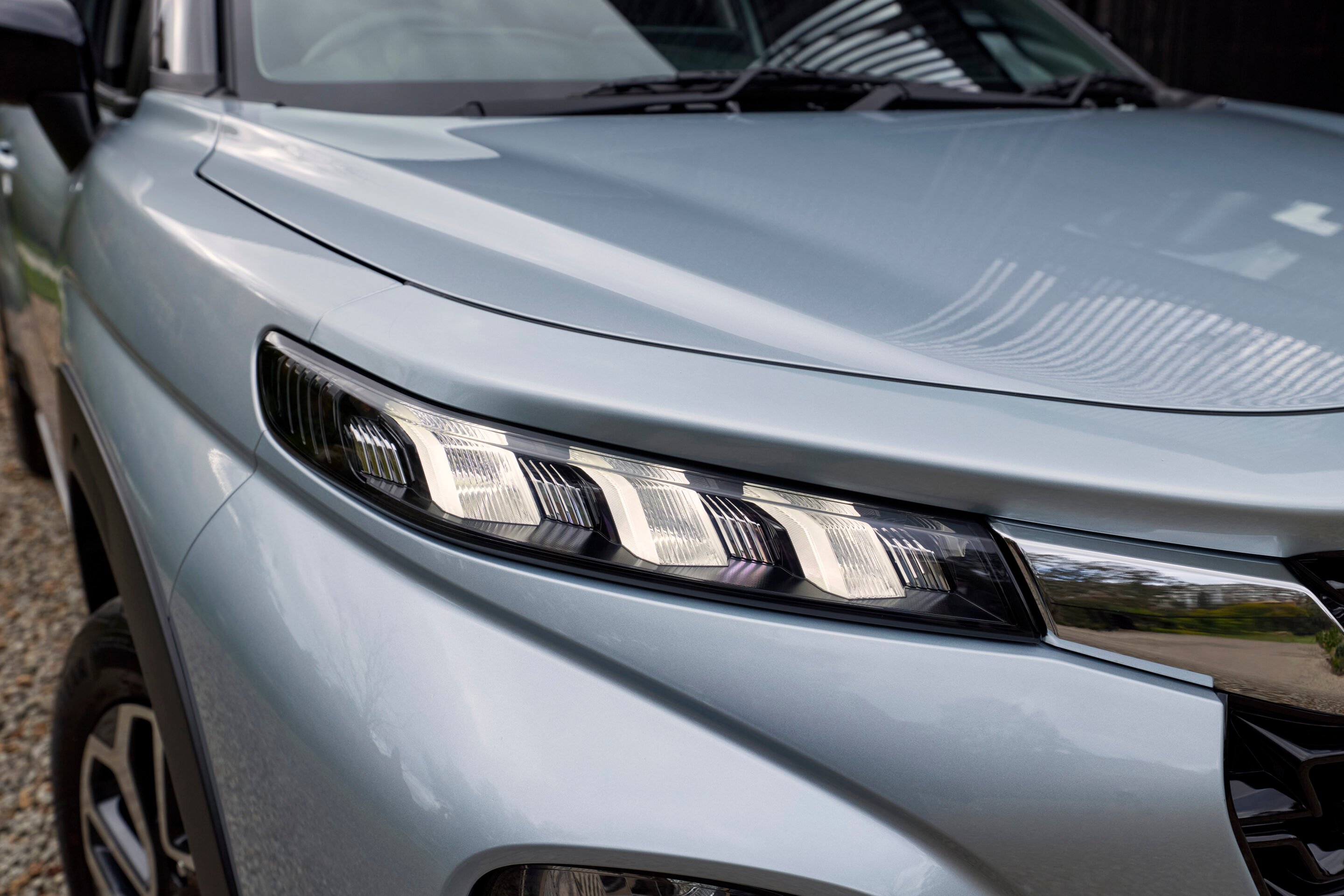
Suzuki Australia has launched the All-New Fronx Hybrid, a budget compact SUV taking on the likes of the Chery Tiggo 4, MG ZS and and Mahindra XUV 3XO. It marks the brand’s first new nameplate in over a decade. Blending a sleek coupe-like silhouette with a mild hybrid powertrain, the Fronx is a significant development in Suzuki’s SUV story.
Set to arrive in Australian showrooms from September 1, the Fronx Hybrid is now available for pre-order, priced at $28,990 RRP plus on-road costs. Offered only in a top-grade automatic variant, the Indian-built model brings sporty design, premium tech, and compelling value to the light SUV segment.
At the heart of the Fronx is a 1.5L Smart Hybrid Vehicle by Suzuki (SHVS) engine, paired with a 6-speed automatic transmission. Its mild-hybrid setup includes an integrated starter generator for smooth electric assistance of the petrol engine and stop-start functionality, achieving fuel efficiency of just 4.9L/100km. Drivers can also activate Sports Mode for sharper throttle response and enhanced performance.
Inside, the Fronx Hybrid delivers a refined cabin experience with accented leather seats, heated front seats, a 9-inch infotainment unit, wireless phone charging, Apple CarPlay and Android Auto, and an innovative Heads-Up Display projecting key driving data directly into the driver’s line of sight.
Safety systems include Dual Sensor Brake Support II, Blind Spot Monitor, Adaptive Cruise Control, 360-degree camera, Lane Keep Assist, and Traffic Sign Recognition.
The Fronx has already proven a global hit, with over 229,000 units sold across 52 countries since launch. It has claimed titles like India’s Subcompact SUV of the Year, and was a 2024 World Car Awards finalist.
Available in a range of vibrant colours, including several two-tone options, the Fronx Hybrid combines smart tech, strong design, and the reputation for reliability Suzuki has built its name on.
Features
- 1.5L DualJet Hybrid Engine
- 6 Speed Automatic
- 16” Polished Alloys
- Heads-Up Display (HUD)
- 360-degree view camera
- Electric Parking Brake
- 9” Audio Infotainment Unit
- Wireless Apple CarPlay & Android Auto
- Wireless Charger
- 4 x Speakers
- 2 x Tweeters
- Heated Front Seats
- Centre Console Armrest
- Accented Leather Seats
- LED Headlamps
- Leather, Tilt & Telescopic Steering
- Keyless Entry & Push Start
- Climate Control A/C
- Sports Mode
- Shark Fin Antenna
Safety
- Dual Sensor Brake Support II (DSBS-II)
- Front and Rear Parking Sensors
- Adaptive Cruise Control
- Lane Keep Assist
- Lane Departure Warning
- Rear Cross Traffic Alert
- Traffic Sign Recognition
- Blind Spot Monitor
- Weaving Alert
- High-Beam Assist
Colour options
- Splendid Sliver Pearl Metallic + Bluish Black Pearl (two-tone)
- Opulent Red Pearl Metallic + Bluish Black Pearl (two-tone)
- Lucent Orange Pearl Metallic + Bluish Black Pearl (two-tone)
- Celestial Blue Pearl Metallic
- Bluish Black Pearl
- Grandeur Grey Pearl Metallic
- Arctic White Pearl
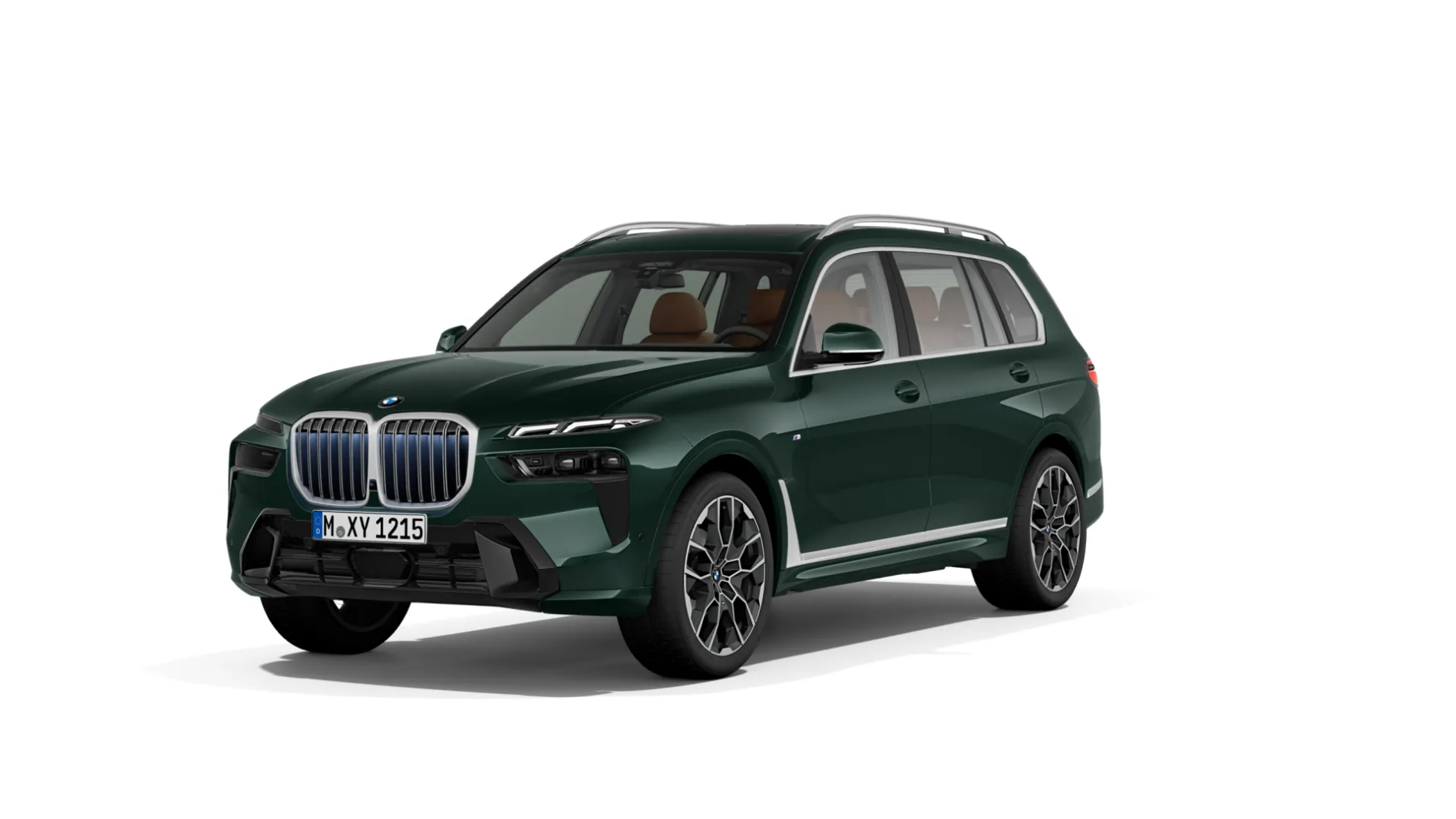
BMW Australia has unveiled an enhanced online vehicle configurator, allowing customers to personalise their dream car with a wide selection of BMW Individual special exterior paint finishes – all from the comfort of home.
The updated tool, available at bmw.com/en-au/configurator.html, provides users with an immersive and intuitive interface that showcases each colour option – ranging from classic hues to the brand’s latest standout finishes. Customers can view their chosen model from multiple angles, zoom in for detail, and even adjust lighting by turning the headlights and taillights on or off to see how each shade performs in different conditions.
Beyond the exterior, the configurator lets users explore various interior upholstery options, which are displayed in real-time from the exterior perspective. Different alloy wheel designs can also be selected, enabling a fully bespoke visualisation of each vehicle.
This upgrade is part of BMW Australia’s broader push to improve the digital customer experience. Recent innovations include a BMW Lifestyle online store, offering convenient ordering and delivery of branded merchandise and accessories to a customer’s preferred dealership or home.
Additionally, BMW has introduced a real-time vehicle tracking portal that allows buyers to follow their car’s journey from the production line to the showroom – including its progress while being shipped on an allocated vessel. Meanwhile, the My BMW App has also been enhanced with a pre-delivery feature, allowing owners to configure settings and prepare their vehicle before it even arrives.
With the new paint configurator and supporting tools, BMW Australia is demonstrating its commitment to personalisation, transparency, and convenience.
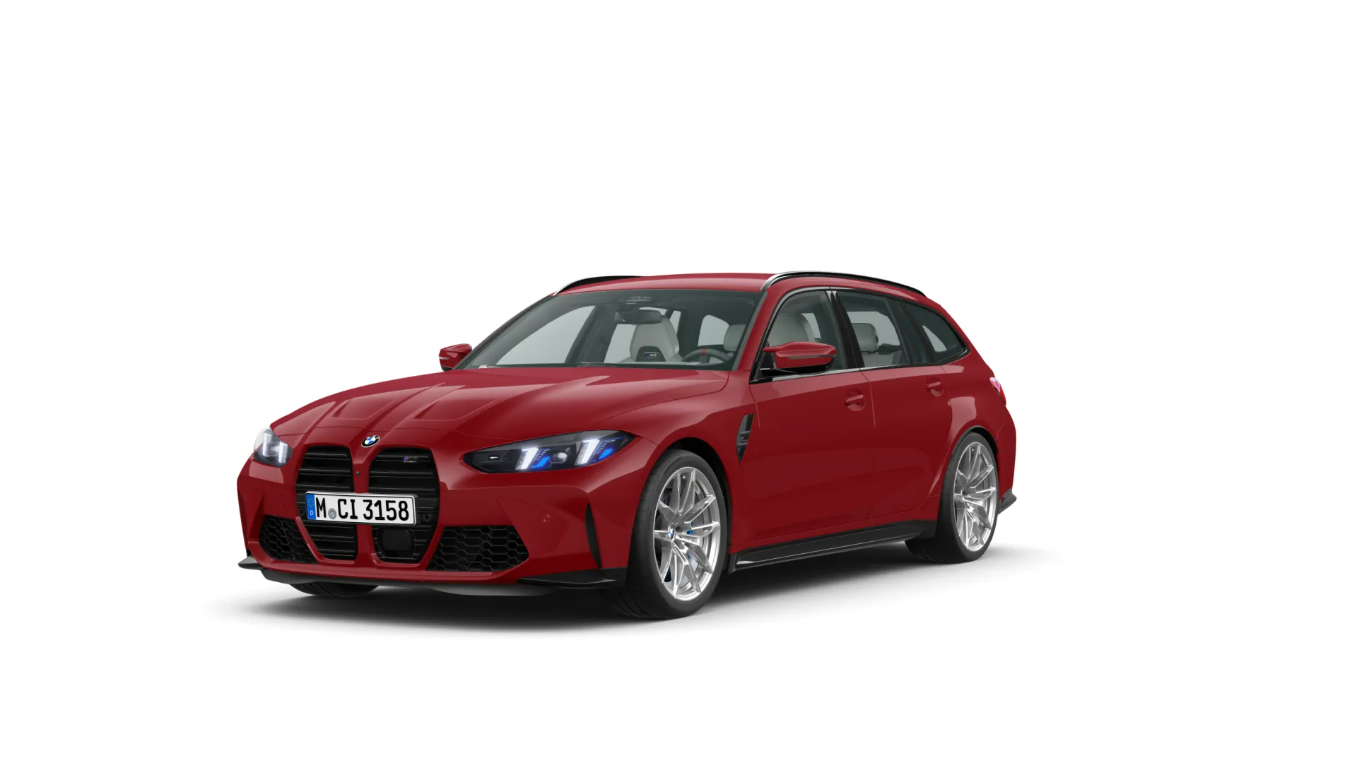
So far the highest-selling Chinese brand in Australia in 2025, GWM – or Great Wall Motors – is on a roll. Thanks to a flurry of new product, including the Cannon Alpha PHEV ute and Tank 300 diesel off-road SUV, the brand has aspirations of selling 50,000 cars locally this year and it’s currently on track to do so.
While the Haval Jolion small SUV has been the highest-selling GWM product locally this year, its H6 larger sibling isn’t far behind and plays in what is now the most competitive car segment in Australia: the mid-size SUV.
Armed with a comprehensive update, including styling, technological, drivetrain and value upgrades, is the updated Haval H6 a serious mid-size SUV player?
Price and equipment
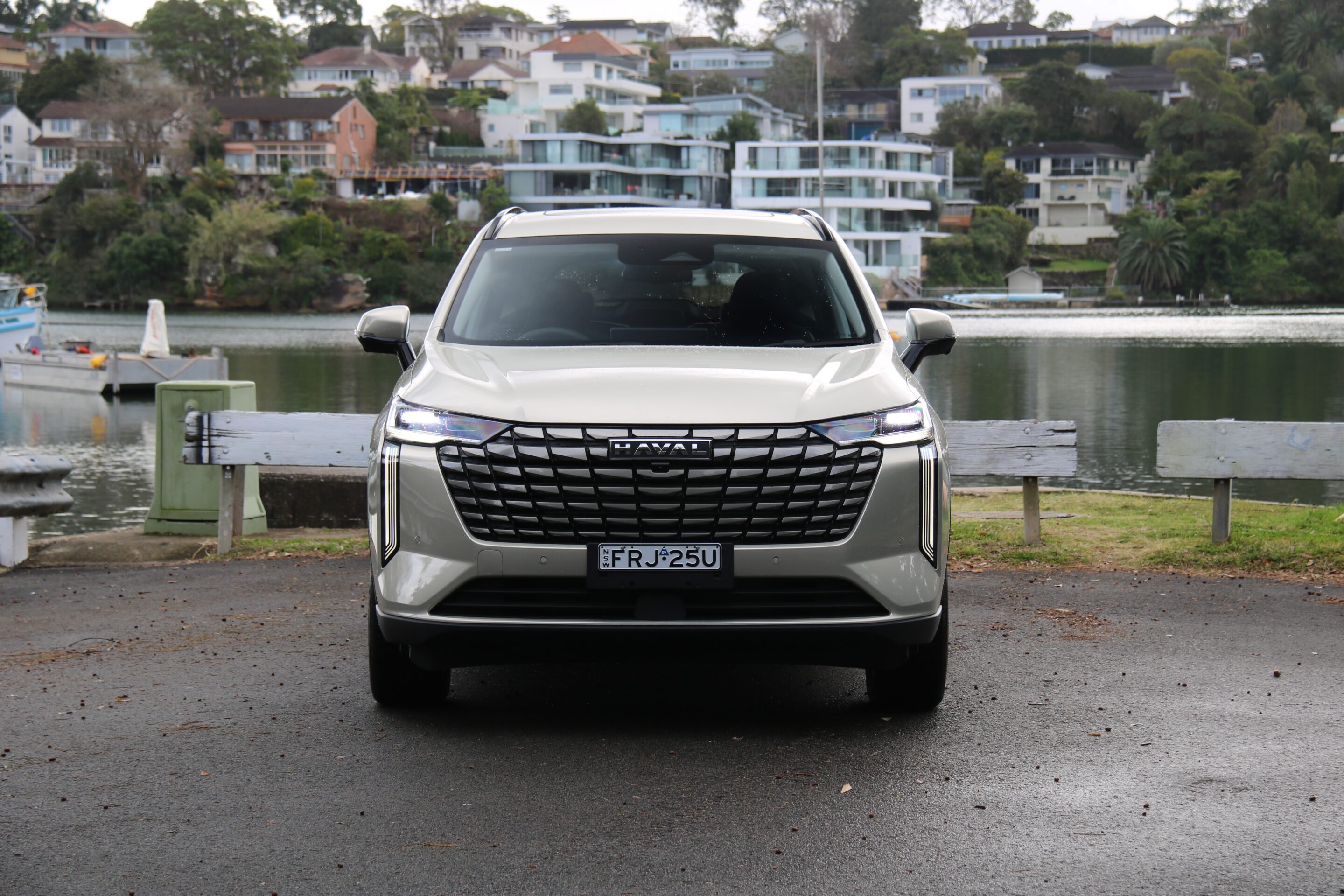
GWM Australia recently launched the facelifted Haval H6 range into Australian showrooms, with the hybrid drivetrain available now, the 2.0-litre turbo-petrol landing next month and the new plug-in hybrid in September.
GWM also rejigged the H6’s model line-up, with only two models now available and a base price increase by $2000 thanks to the culling of the former base model. That makes it sound more expensive, but it isn’t: some models are up to $4000 cheaper than before. In all, the keen value that GWM is known for is maintained with the updated Haval H6.
2025 GWM Haval H6 pricing (drive away)
| Lux 2.0T | $35,990 |
|---|---|
| Lux Hybrid | $40,990 |
| Ultra 2.0T | $38,990 |
| Ultra Hybrid | $43,990 (tested for this review) |
| Ultra Plug-in Hybrid 2WD | $47,990 |
| Ultra Plug-in Hybrid AWD | $50,990 |
H6 Lux standard equipment:
- 19-inch black alloy wheels
- Dusk-sensing automatic LED lighting
- Rain-sensing automatic wipers
- Keyless entry and push button start
- Heated and auto-folding mirrors with puddle lamps
- Electric tailgate with kick-to-open functionality (hybrid)
- Leather steering wheel
- Synthetic leather upholstery
- 6-way electric driver seat adjustment
- Dual-zone automatic climate control with rear air vents
- 10.25-inch digital driver’s display
- 14.6-inch touchscreen
- Wireless Apple CarPlay and Android Auto
- AM/FM/DAB+ digital radio
- Wireless phone charger (50W)
- 4x USB outlets
- 2x 12V sockets
- Eight-speaker sound system
- Auto-dimming rear mirror
Haval H6 safety features:
- 7x airbags
- Autonomous emergency braking (AEB) with pedestrian, cyclist and junction assistance
- Lane keeping assistance
- Adaptive lane guidance
- Adaptive cruise control with traffic jam assist
- Traffic sign recognition
- Driver fatigue monitoring
- Auto high beam
- Blind-spot monitoring with rear cross-traffic alert
- Rear parking sensors
- 360-degree camera
- Tyre pressure monitoring
The pre-facelifted H6 earned a five-star ANCAP rating in 2022, and a rating for the updated model is reportedly due soon – we’ll update this review when it’s announced.
H6 Ultra model adds over Lux
- Head-up display
- Rear privacy glass
- Panoramic sunroof
- Driver seat memory and lumbar adjustment
- 4-way electric front passenger seat
- Heated and ventilated front seats
- Heated steering wheel
- Upgraded sound system (hybrid features eight speakers, with petrol and PHEV variants adding an extra one for nine in total)
- Front parking sensors (excluding PHEV)
- Automatic parking (excluding PHEV)
- Stainless steel front scuff plates
Interior, practicality and boot space
The interior of the Haval H6 received a comprehensive update aimed at keeping it fresh inside. The centre console has been redesigned for more storage with the gear selector now located on the right-hand stalk behind the steering wheel. A huge new 14.6-inch touchscreen now features too, and the finish throughout is still impressive for the price with a lot of soft touch materials and synthetic leather trims that feel like the real thing.
One change inside that many will overlook is the steering wheel. While the design appears to be similar to the pre-updated model, GWM has given it a thicker rim and that small change has made a for a big improvement: it now provides more confidence from behind the wheel and is much more natural to hold than the thinner wheel presented in the older H6.
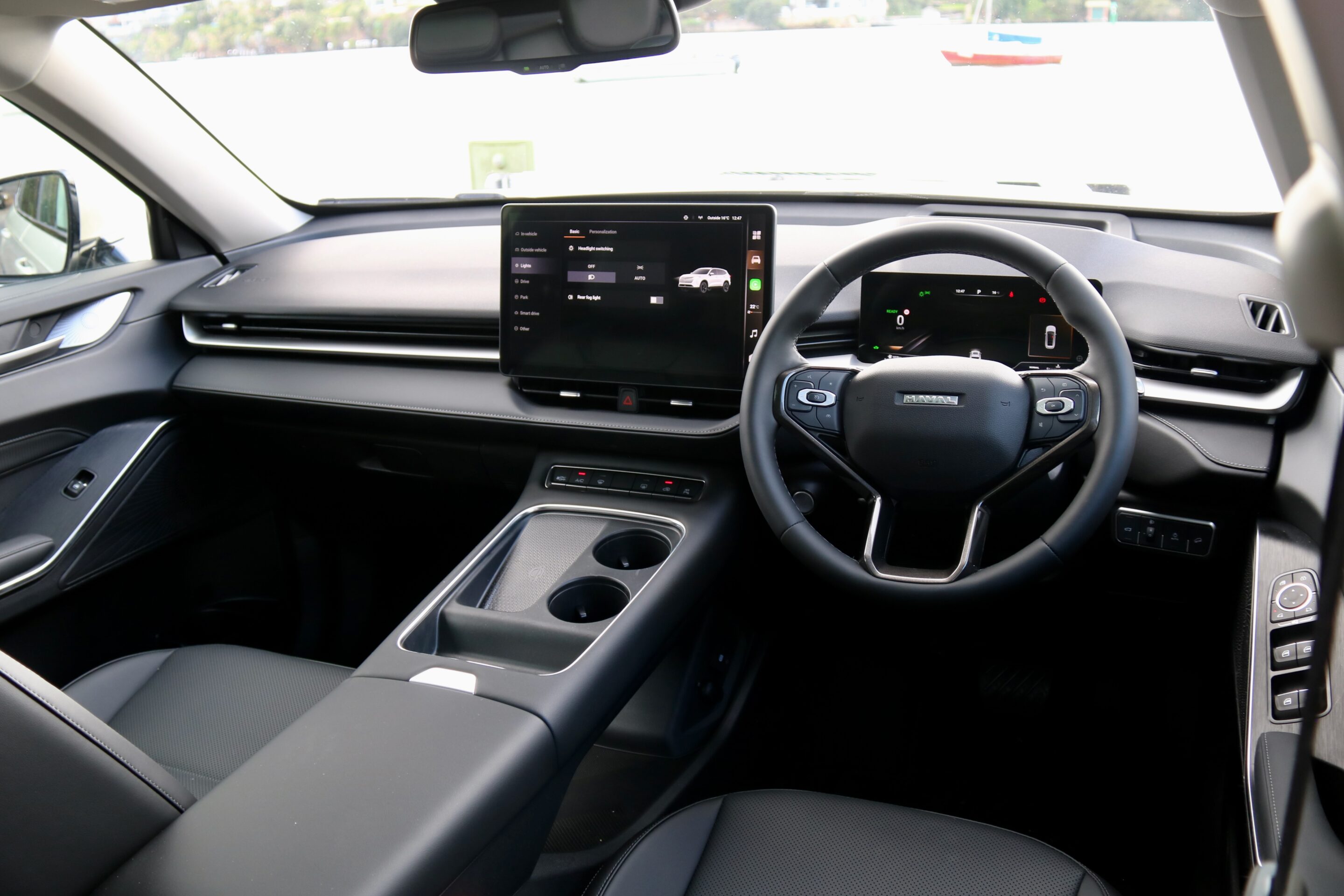
The biggest technological change in the facelifted H6 is a new 14.6-inch touchscreen that features on all models. It uses the same software as other new GWM products, such as the Cannon Alpha, and is easier to use and faster than the pre-updated model’s 12.3-inch unit. It now features wireless smartphone mirroring that was mostly reliable in our time with it, though there’s still no inbuilt satellite navigation for those who live in areas with poor phone reception.
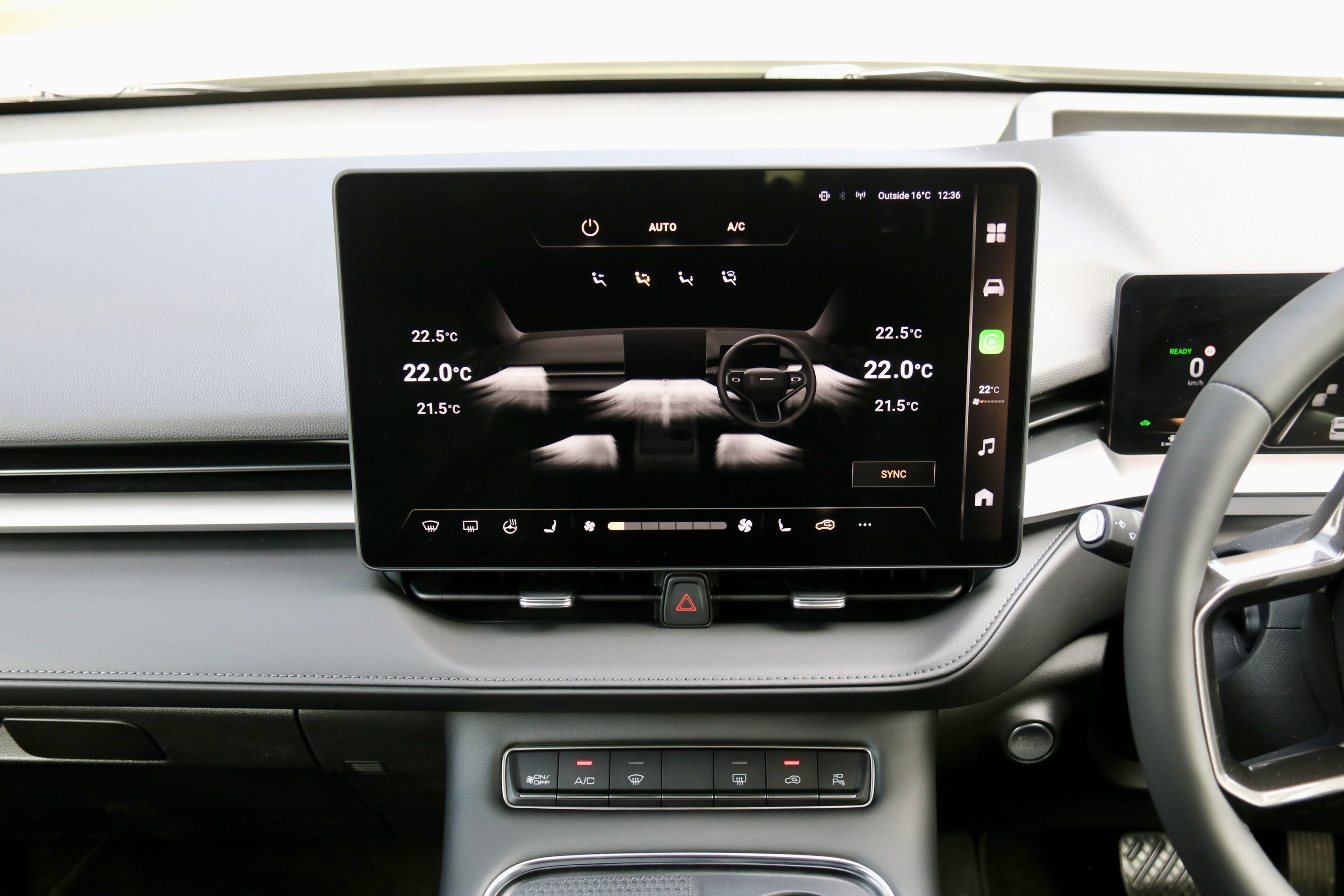
Annoyingly, the pre-updated H6’s lack of physical buttons has continued with the new model. While there are shortcut buttons on the centre console for turning on the HVAC system, the demisters and 360-degree camera, there’s no volume knob and physical home button so that even just getting to the home screen from phone mirroring takes at least a few screen pushes.
There’s a blank shortcut button on the centre console, and we think it’s the perfect spot for a home button. A permanent bar on the bottom of the home screen to more easily adjust the HVAC system would also be a great idea too, so that adjusting the temperature was made much easier.
The headlight controls are also now located in the screen, which would be fine if you could set them to auto to cover all driving situations, but they still aren’t rain-activated, requiring a few screen presses to turn them on. They also don’t switch off automatically when the car is turned off.
You can’t fault the storage in the H6 however, with sectioned door bins and a huge tray underneath the centre console that’s great for a handbag, while the new open-tray design is well thought out and the box underneath the central armrest is large too.
The rear seat and boot of the Haval H6 are mostly unchanged compared with the pre-updated model and that’s a good thing as the rear seat in particular was one of the roomiest and most practical in the mid-size SUV segment. Two tall adults will fit fine thanks to the commodious rear leg- and headroom, and the flat floor only enhances the available space. Amenities include door and map pockets, a central armrest, air vents and two charging ports – though no integrated sunshades, third climate zone or heated seats like some rivals offer.
The boot of the Haval H6 Ultra hybrid measures a healthy 560 litres with the seats up and 1445 litres with them folded, which they do almost flat. The Ultra hybrid doesn’t feature a spare wheel, however, and there’s no under-floor storage or bag hooks either, just some side storage. The boot is a great size, but could do with some more clever features to increase practicality even further.
Under the bonnet
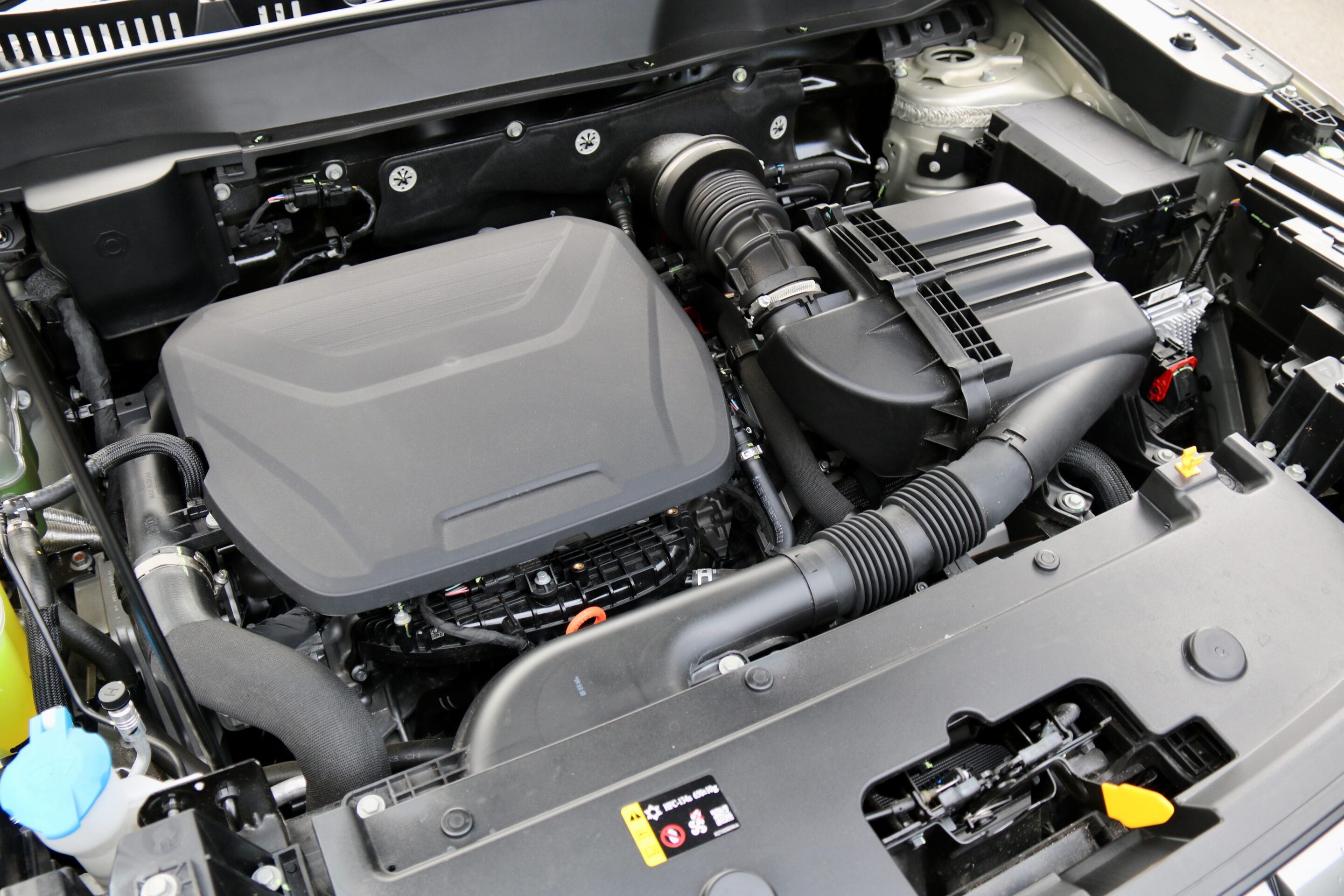
There are four drivetrains available in the updated H6 range: a 170kW/380Nm 2.0-litre turbo-petrol, a 1.5-litre turbo-petrol hybrid and two plug-in hybrids centred around another 1.5-litre turbo-petrol engine. One is front-wheel drive making 240kW/540Nm and the other is all-wheel drive making 268kW/760Nm for a claimed 4.8-second 0-100km/h sprint.
The hybrid produces 179kW of power and 530Nm of torque, and sends grunt to the front wheels through a ‘Dedicated Hybrid Transmission’. While the company doesn’t provide a claimed 0-100km/h time, it’s got more than enough grunt for everyday use and we’d guesstimate it to complete the benchmark sprint in the eight-second bracket.
GWM claims combined fuel consumption of 5.2L/100km and CO2 emissions of 120g/km, placing it only 0.5L/100km above the top-selling and less powerful RAV4 hybrid. We achieved 6.2L/100km in mixed driving, but our test car was brand new with less than 1000km on the clock, so the fuel consumption should improve with more distance.
On the road
Mechanically, the updated Haval H6 hybrid hasn’t seen the same level of change as the rest of the car with identical outputs to before, but they were already healthy in the segment. The H6 hybrid switches between petrol and electric power and does so in a smoother fashion than a RAV4, for example, and aside from the little EV icon on the driver’s display, you’d be hard pressed to tell thanks to its excellent engine noise suppression. Road noise levels are also impressively low, and as we’ve come to expect from Chinese cars – the H6’s refinement is excellent.
The hybrid drivetrain is also quietly grunty, making little noise but satisfying oomph from when the throttle is pressed, with the full 530Nm hitting not far from a start. Because of that, the H6 hybrid will chirp its wheels at full throttle, though changing the driving mode to eco dulls it a bit. At higher speeds, there’s more than enough grunt, with the H6 hybrid cruising at 110km/h effortlessly. The H6 is a reasonable handler for a mid-size SUV, though sporty it is not (and that’s fine, too).
If there is a caveat from behind the wheel, it’s the ride quality – the H6 just isn’t as comfortable as it should be. The 19-inch wheels are standard across the range and make the low speed ride sensitive to even smaller bumps, so much so that it never settles properly in urban driving. It’s more comfortable at higher speeds, but the low speed ride needs finessing. The steering is quick, but too light and offers precious little feel.
Where GWM has made improvements, however, is with the updated active safety systems. Features such as the lane keeping assistance are now less intrusive than before and more effective as well. The adaptive cruise control is still a bit too conservative and will stay too far back from traffic for our taste, but unlike a lot of modern cars, the speed limit warning can be shut up permanently. Hooray! The 360-degree camera is also impressively high definition.
Service and warranty
The H6 is covered by a seven-year/unlimited km warranty with an eight-year/160,000km warranty for the battery, five years of roadside assistance and five years of capped price servicing.
Five years/70,000km of servicing the H6 hybrid costs $2145 ($429 per year) with the first service due in 12 months or 10,000km (whichever comes first) and every service afterwards a further 12 months or 15,000km (again, whichever comes first).
Verdict: Should I buy a GWM Haval H6?
It’s great when a car maker launches a facelift that actually improves it, instead of just making it seem new, and the updated GWM Haval H6 is a great example of that as its cabin is now more attractive, it’s more practical and its value equation has been improved further. A top-spec hybrid costs under $44,000 drive away, or $20,000 less than equivalent top-sellers in the segment. We’ve only tested the hybrid variant so far, but it’s expected to be the biggest seller of the facelifted range and we can see why: it’s easy to drive, provides more than enough performance and great real world fuel economy.
Where the H6 needs improvement is in the ride quality, which is just not comfortable enough, and the user-friendliness of the infotainment system, where more physical buttons would greatly improve the experience. Plus, the front seats are still too flat and there’s no spare wheel for hybrid models. But there’s no doubt that the Haval H6 is a better product than before, offering even more value as well, enough so that we think it will see GWM’s 2025 50,000 sales target easily met.
GWM Haval H6 rivals
Specs
| Model | GWM Haval H6 Ultra Hybrid |
|---|---|
| Price | $43,990 drive away |
| Drivetrain | 1.5-litre turbocharged four-cylinder engine + electric motor |
| Engine outputs | 110kW/230Nm |
| Electric motor outputs | 130kW/300Nm |
| Combined outputs | 179kW/530Nm |
| Transmission | Dedicated Hybrid Transmission |
| Fuel consumption (claimed/as tested) | 5.2L/100km, 6.2L/100km |
| CO2 emissions | 120g/km |
| Fuel type, tank size | 91RON regular unleaded, 61 litres |
| Boot size | 560 litres (seats up), 1445 litres (seats folded) |
| Kerb weight | 1720kg |
| On sale | Now |
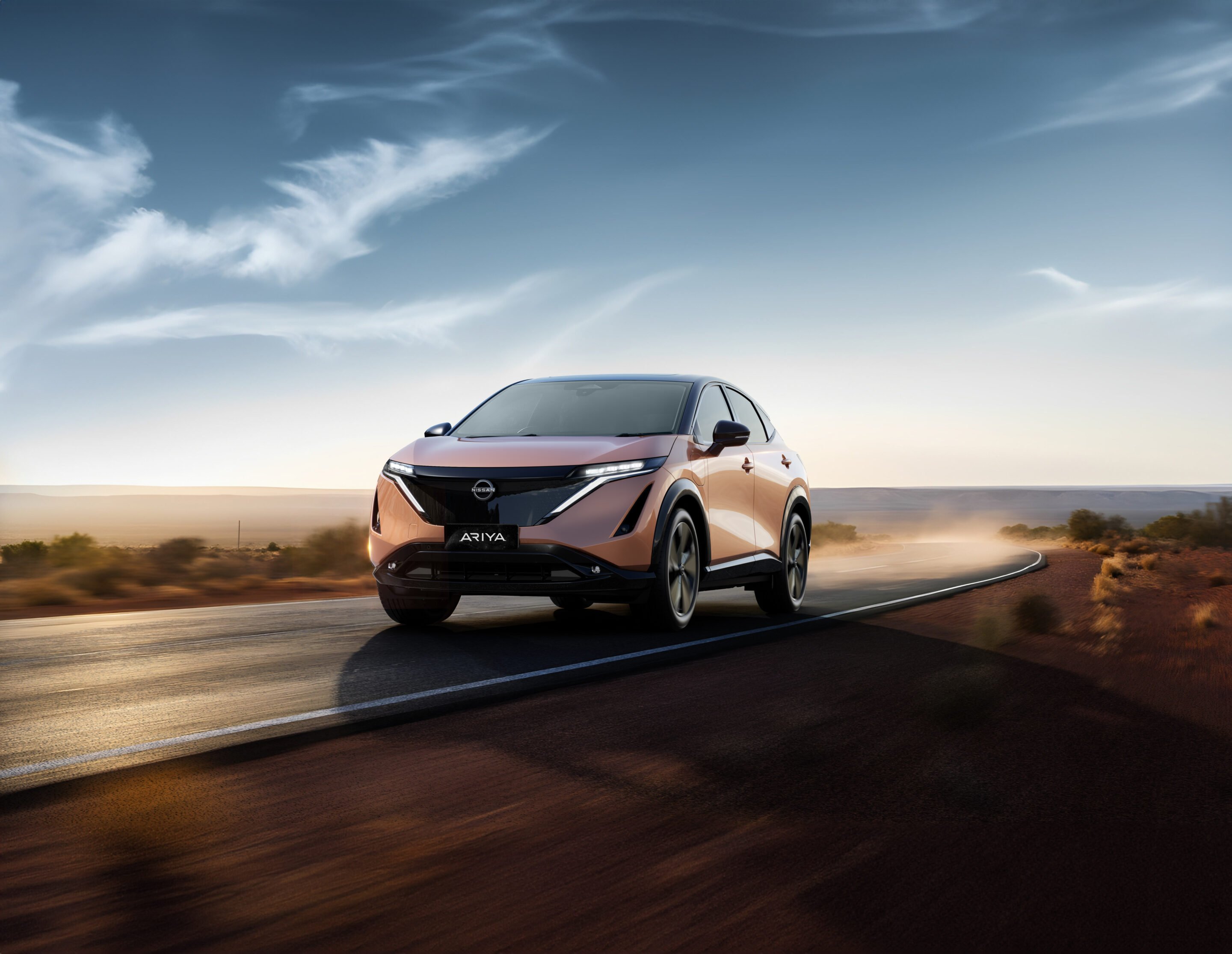
Nissan will launch its all-electric Ariya SUV for the first time in Australia, the compact crossover available here from September 2025.
Available in four trim levels, the Ariya will offer 63kWh and 87kWh battery options, as well as the option of front- or all-wheel-drive. With a driving range between 385km and 504km depending on the variant, and fast-charging support (up to 130kW DC), the Ariya is designed to suit both urban drivers and those who travel longer distances. A 10–80 per cent charge takes just 35 minutes using a high-speed charger.
Engage and Advance variants produce 160kW and 300Nm, with three Drive Modes (Eco, Standard and Sport), while the Advance+ increases power to 178kW.
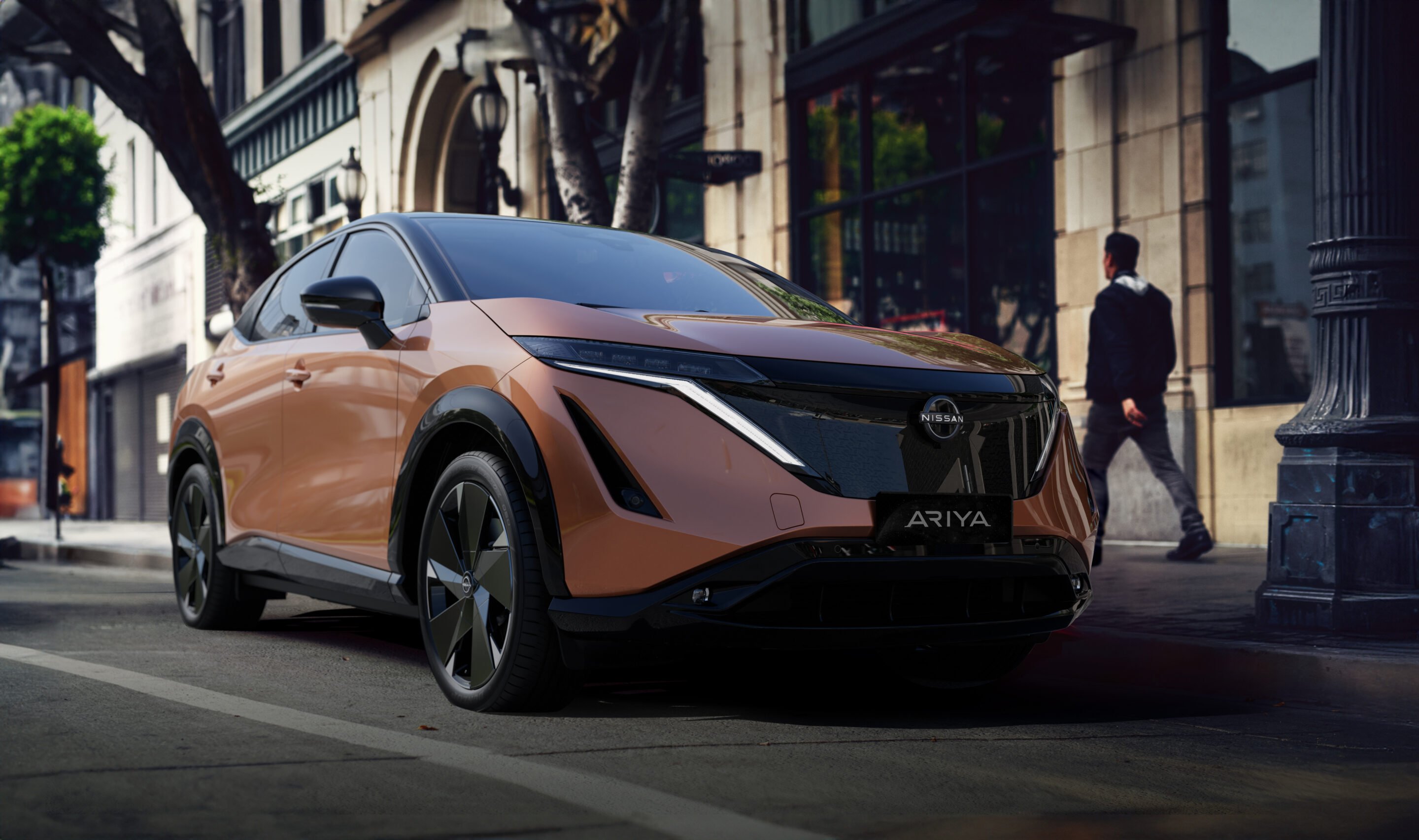
At the top of the range, the Evolve e-4ORCE variant introduces Nissan’s dual-motor all-wheel-drive system to Australian EV buyers for the first time. This advanced setup balances power between all four wheels, improving traction and driving comfort across varied conditions. With a total output of 600Nm, the Evolve sprints from 0–100km/h in a claimed 5.6 seconds, and offers a braked towing capacity of 1500kg.
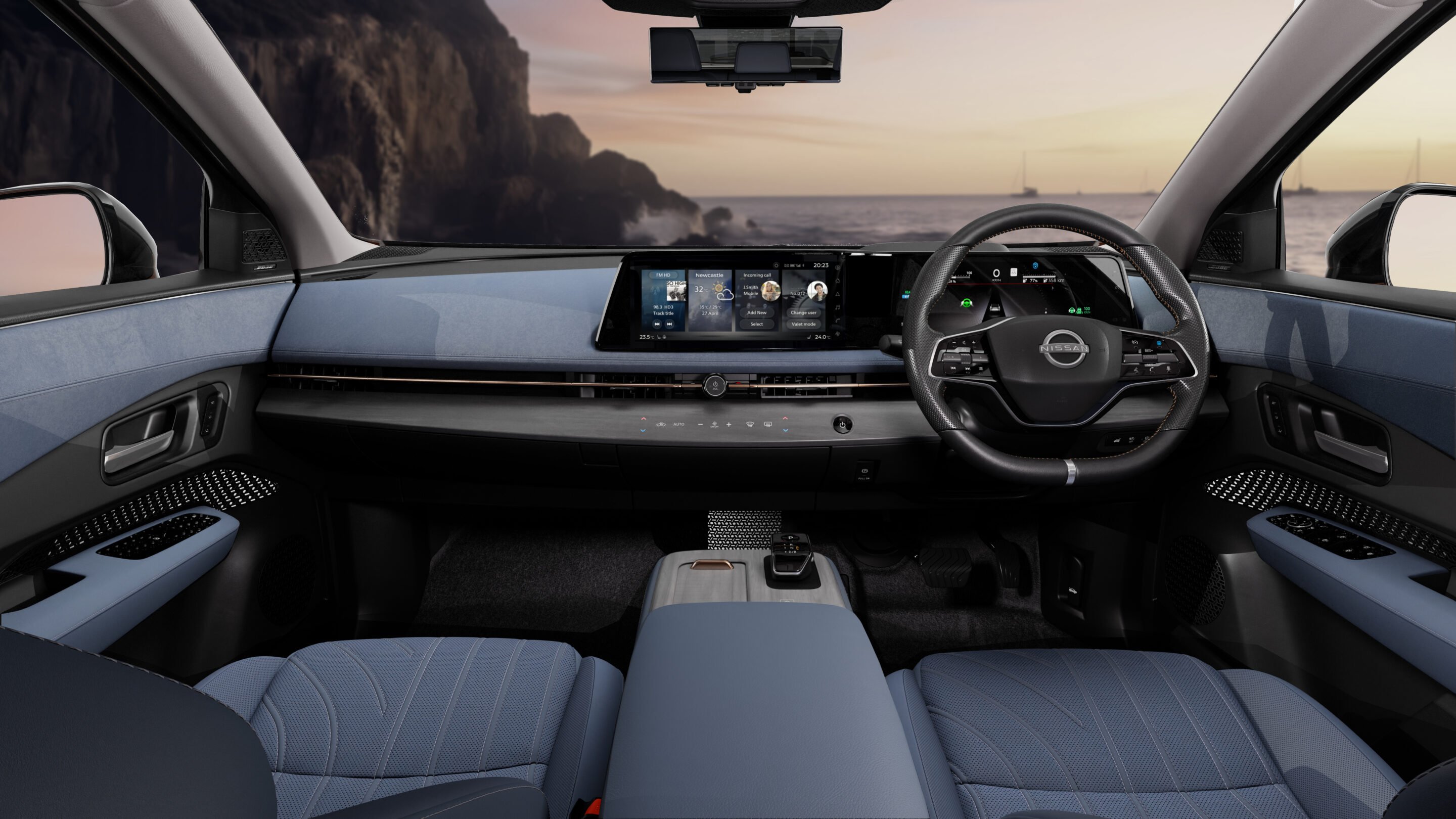
The Ariya’s aesthetic reflects Nissan’s “Timeless Japanese Futurism” design philosophy. Outside, the clean body lines are complemented by a V-motion ‘shield’ in place of a traditional grille. Inside is a minimalist dash with concealed haptic touch controls. Higher trims offer luxury finishes such as wood-grain panels, Nappa leather seats, and a sliding centre console.
Tech-wise all variants features dual 12.3-inch displays, wireless Apple CarPlay, wired Android Auto, wireless phone charging, and four USB ports. Safety features are standard across the range, including ProPILOT+ semi-autonomous driving, Emergency Braking with Pedestrian and Cyclist Detection, Blind Spot Intervention, and pedestrian alert sound systems.
Nissan backs the Ariya with a 10-year/300,000km warranty when serviced at a Nissan dealer, along with five-year flat-price servicing and a battery capacity warranty covering eight years or 160,000km.
Pricing
| Nissan ARIYA ENGAGE | $55,840 |
|---|---|
| Nissan ARIYA ADVANCE | $59,840 |
| Nissan ARIYA ADVANCE+ | $63,840 |
| Nissan ARIYA EVOLVE e-4ORCE | $71,840 |
Manufacturer Suggested Retail Prices (MSRP) do not include premium paint, statutory charges or other on-road costs.
With striking looks, next-gen EV capability, and a premium yet practical interior, the 2025 Nissan Ariya arrives as a compelling new contender in Australia’s growing electric SUV market.
Nissan ARIYA ENGAGE
- Drive mode selector (Eco, Standard, Sport)
- 750kg braked towing capacity
- 19″ alloy wheels
- Independent strut front suspensions
- Independent multi-link rear suspensions
- Front and rear stabiliser bars
- Electric power steering
- Electric park brake with auto-hold
- Automatic dimming frameless rear view mirror
- Intelligent key with approach unlock and walkaway lock function
- 6-way Manual adjustable front seat
- Automatic dual-zone climate control
- Power adjustable/ folding, heated door mirrors with LED turn indicator
- Andon illumination (footwell & front doors)
- Leather-accented steering wheel
- Multi-function steering wheel controls
- Vanity mirrors with illumination
- “Follow Me Home” Headlights
- 60/40 split folding rear seats
- Intelligent Cruise control
- Rain-sensing wipers
- 12.3″ touchscreen infotainment system
- 12.3″ TFT digital driver screen
- Satellite navigation
- Wireless Apple CarPlay and wired Android Auto~
- Wireless phone charger
- 6 speakers
- 12V accessory socket
- AM/FM radio & DAB digital radio
Safety
- ProPilot (Lane Keep Assist)⁺
- Rearview camera
- Front and rear parking sensors
- Front, front side and curtain airbags
- Predictive Forward Collision Warning
- Forward Emergency Braking with pedestrian and cyclist detection
- Lane Departure Warning and Lane Departure Prevention
- Blind Spot Warning & Blind Spot Intervention
- Tyre pressure monitoring system
- Traffic Sign Recognition
- Rear Seat Alert
- Driver Attention Alert
- Rear Cross Traffic Alert and Back-up Collision
- Vehicle Dynamic Control (VDC)
- Traction Control System (TCS)
- Anti-lock Braking System (ABS)
- Electronic Brakeforce Distribution (EBD)
- High Beam Assist
- High-mounted LED rear stop light
- Seatbelt reminder (all rows)
- Vehicle sound for pedestrians
Nissan ARIYA ADVANCE adds:
- Black cloth and synthetic leather-accented< seats
- Heated front seats
- Heated steering wheel
- Intelligent Around View Monitor+ with Moving Object Detection
- Hands-free automatic opening power tailgate
- Bose® 10-speaker premium sound system Ω
- 6-way power adjustable driver and front passenger seats
- 2-way power lumbar driver seat
- Rear privacy glass
- LED Front fog lights
Nissan ARIYA ADVANCE+ adds:
- Battery usable capacity: 87kWh
- Power: 178kW
- Range: 504km**
- 0-100: 8.1 seconds
- Optional 3-Phase AC Onboard Charger
- Black synthetic leather< with Ultrasuede® inserts seats
- Windscreen Head-Up Display
- Panoramic glass roof
- Power sliding centre console
- 8-way power adjustable driver and front passenger seats with memory function
- 4-way power lumbar driver seat
- Ventilated (heat and cooled) front seats
- Heated rear seats
- LED front and rear sequential turn signal
Nissan ARIYA EVOLVE e-4ORCE adds:
- e-4ORCE dual motor (AWD)
- Power: F 160kW / R 160kW
- Torque: 600Nm
- Range: 487km**
- 0-100: 5.6 seconds
- 3-Phase AC Onboard charger Standard
- 1500 kg braked towing capacity
- Drive mode selector (Snow)
- 20″ x 8.0″ alloy wheels with 255/45 R20 tyres
- Blue Nappa leather< seat trim
- Intelligent Rear View Mirror
- Side window surround – matte chrome
- Automatic LED headlights with Adaptive Driving Beam
- Power adjustable, power folding, heated door mirrors with memory function and tilt to reverse
- Power Tilt and telescopic steering wheel adjustment with memory function
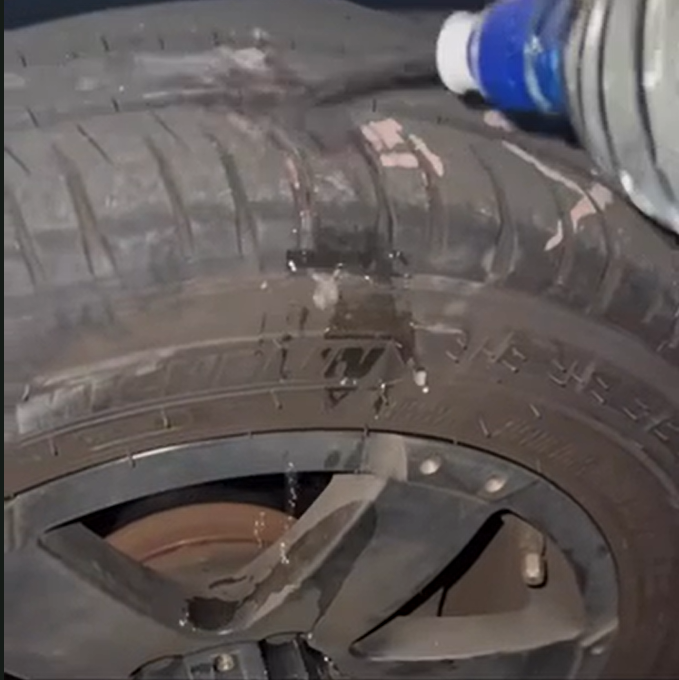
Motorists are being cautioned against a viral ‘parking hack’ that could result in a hefty fine — or even criminal charges – if caught.
A growing number of Australian drivers are boasting online about removing chalk marks from their tyres with water to avoid time-limit parking fines. These chalk lines, placed by council officers, help enforce parking durations. If a vehicle remains in the same position beyond the posted limit and the chalk is still visible, a fine may follow.
However, legal experts are warning that tampering with these marks isn’t a clever loophole – it could actually be considered interfering with official enforcement tools, which is against the law.

“Removing chalk off a tyre could be seen as attempting to pervert the course of justice,” Astor Legal‘s Avinash Singh told 9News. “This is because the removal of chalk would hinder a parking ranger from carrying out their duties and prevent them from issuing a fine.”
The buzz around the issue picked up after videos surfaced on social media showing drivers removing chalk with tissues, by spraying the marks with water bottles, or even repositioning the car slightly to hide it. Some celebrated their success at dodging fines – but lawyers and councils aren’t amused.
In New South Wales, deliberately interfering with parking enforcement processes can attract a $750 fine, while in Victoria, the offence can carry a penalty of up to $1800.

In Victoria, penalties can reach $1849 under local laws that prohibit interfering with parking enforcement, while in Queensland fines vary depending on the council, but drivers risk being charged with wilfully obstructing a local law officer, with penalties up to $3,096 in some cases.
In South Australia, tampering with markings or enforcement tools may breach council by-laws, with penalties up to $2500. According to Yahoo News, Section 174AB of the Road Traffic Act 1961 in SA makes it an offence to remove a parking inspector’s chalk from a vehicle with a maximum fine of $750 if taken to court.
While there’s no specific national law against wiping off chalk, each state has regulations about obstructing council officers. Authorities are now reminding drivers that it’s safer – and ultimately cheaper – to follow parking limits rather than risk criminal charges for minor infringements.
In short, what might seem like a harmless trick could land you with a serious penalty.
As one local council put it: “We encourage people to do the right thing – and avoid unnecessary fines or legal trouble.”
Recently we tested the new BMW M235 Gran Coupe, the sporty version of the updated version of BMW’s smallest sedan. It’s a compelling package that’s fast, great quality and good to drive, but also priced too close to the 3 Series which offers a more well-rounded package. How does the entry-level 218 Gran Coupe compare instead?
Priced from a far more reasonable $60,400 plus on-road costs, the 218 Gran Coupe trades the M235’s 233kW 2.0-litre four for a 115kW 1.5-litre turbo three-pot, and unlike the M235, is front-wheel drive. In Australia, the 218 features the M Sport styling package as standard, so when it comes to appearances, it at least looks like its more expensive sibling.
Despite being the entry level BMW sedan, the 218 Gran Coupe is well equipped with 18-inch wheels, automatic LED exterior lighting with adaptive high beam, ‘Veganza’ synthetic leather upholstery, heated electric front seats, a 10.7-inch touchscreen with BMW’s new OS9 software, wireless smartphone mirroring, a head-up display and a long list of active safety kit.
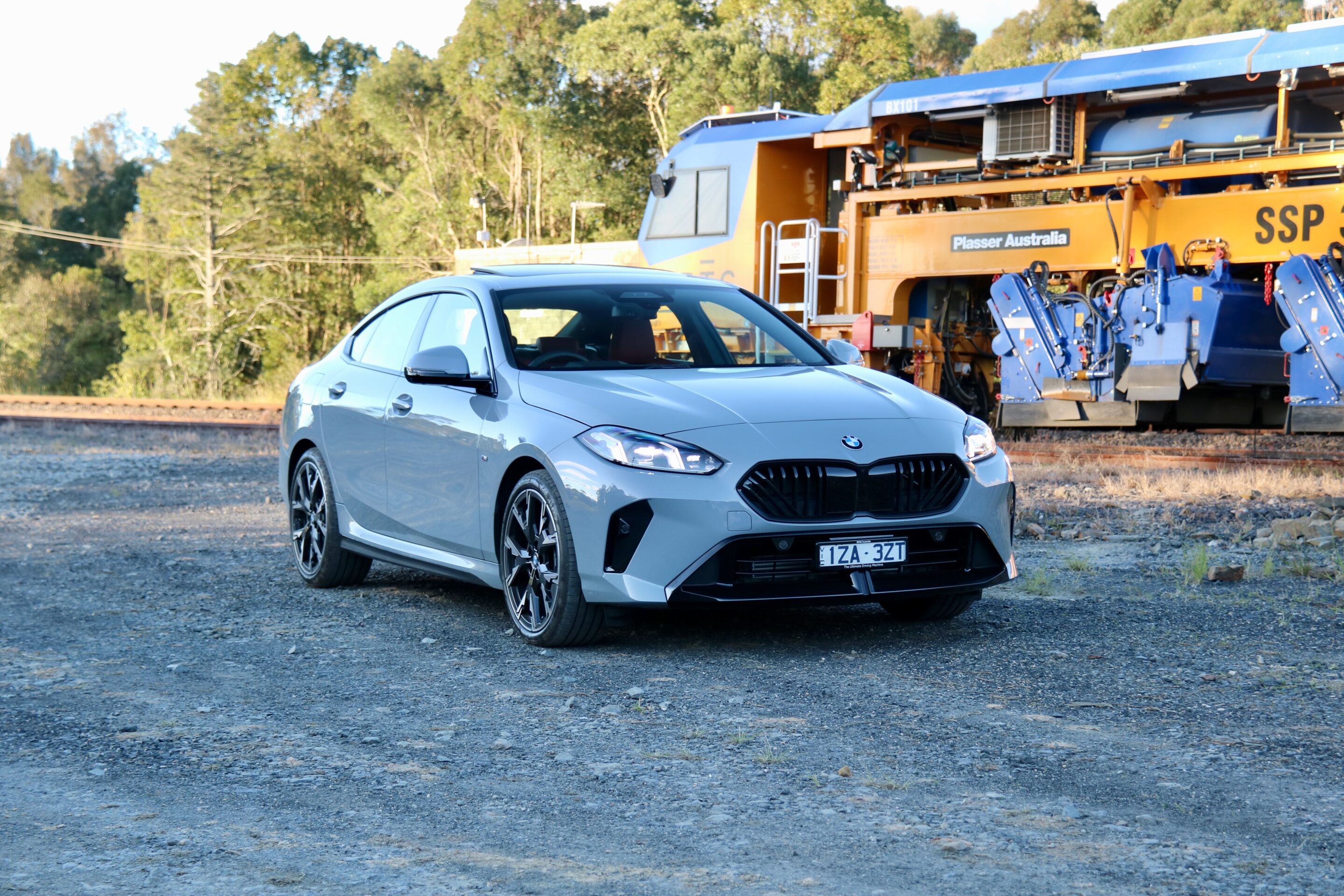
Only a few options are available, including the $5154 Enhancement Package with 19s, a panoramic sunroof, 12-speaker Harman Kardon audio, adaptive lane guidance and a heated steering wheel, as well as a $2462 M Sport Package Pro with upgraded brakes, sporty-looking dark exterior trims and sports seats, plus various paint and trim options as well.
We’d tick the Enhancement Package, but even without it, the 218 Gran Coupe is comfortably better value than its Audi A3 35 TFSI and Mercedes-Benz CLA 200 key rivals. The A3 is less expensive upfront, but optioned to the BMW’s equipment level makes it around $2200 more expensive than the 218, while the CLA 200 starts $12,800 higher and needs a $5000 option package to match the BMW’s equipment levels.
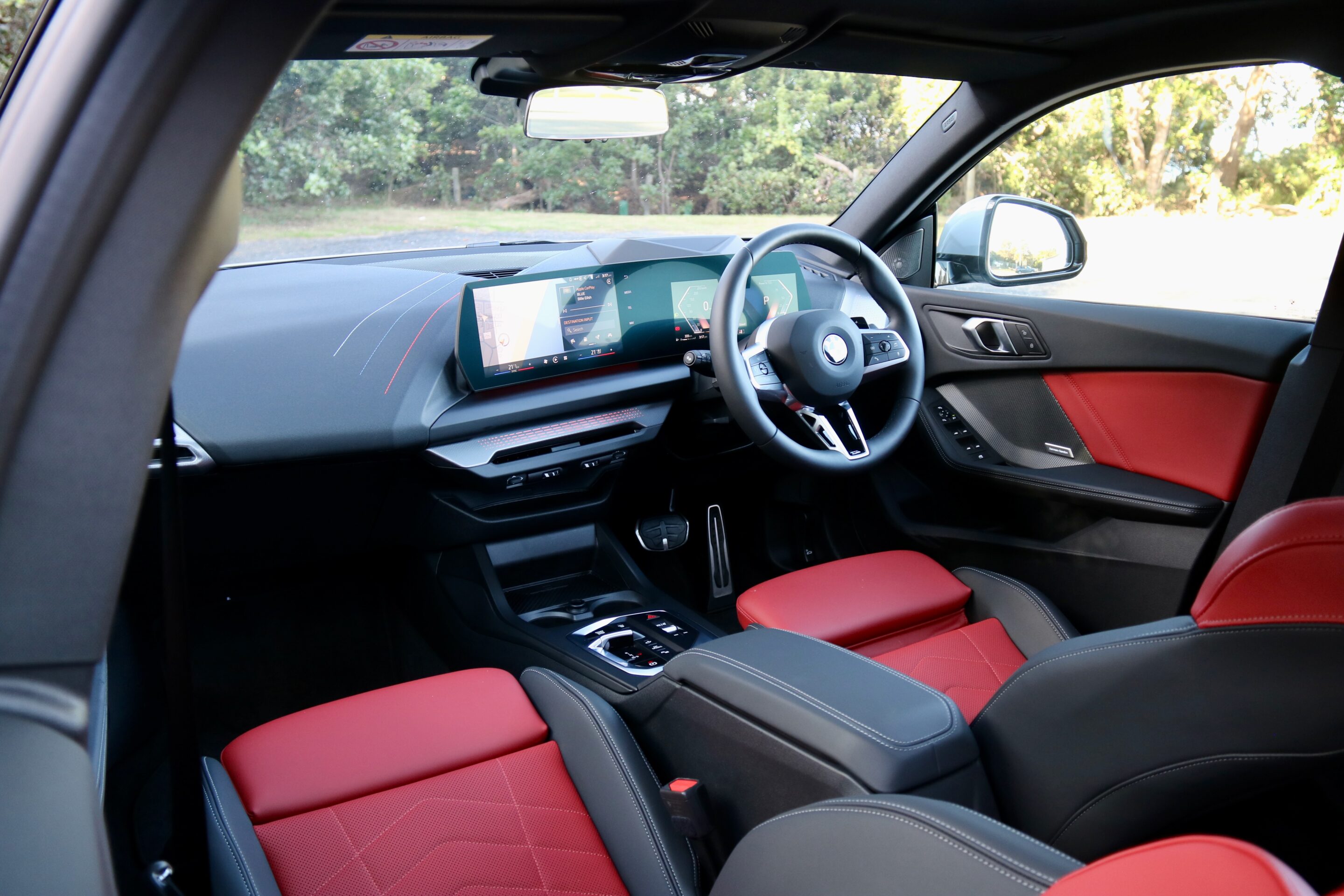
Whereas the A3’s cabin quality leaves a lot to be desired, the materials used in the 218 feel quite premium. While the leather trim is fake, it does a commendable job in feeling like the real thing and, in the no-cost optional red colouring of our test car, certainly made us feel expensive.
The switchgear, steering wheel and plastics inside the 218 all feel higher than its asking price suggests. Impressively for those with a budget that doesn’t stretch to the M235, the 218’s cabin is nigh on identical to its faster sibling.
Open the rear door to the 2 Series Gran Coupe and you’ll find that its rear seat just isn’t as roomy as the Audi A3 sedan – blame the ‘coupe’ part of the name – and six-footers will feel cramped with a bit of legroom but no headroom. Rear amenities include door pockets, a central arm rest, air vents and charging ports but no climate zone, heated seats or map pockets.
The 430-litre boot is more positive thanks to a big under-floor storage area and a few clever features such as hooks and side storage, though its small opening restricts what can be put in there. For longer items, the rear seat also folds 40:20:40.
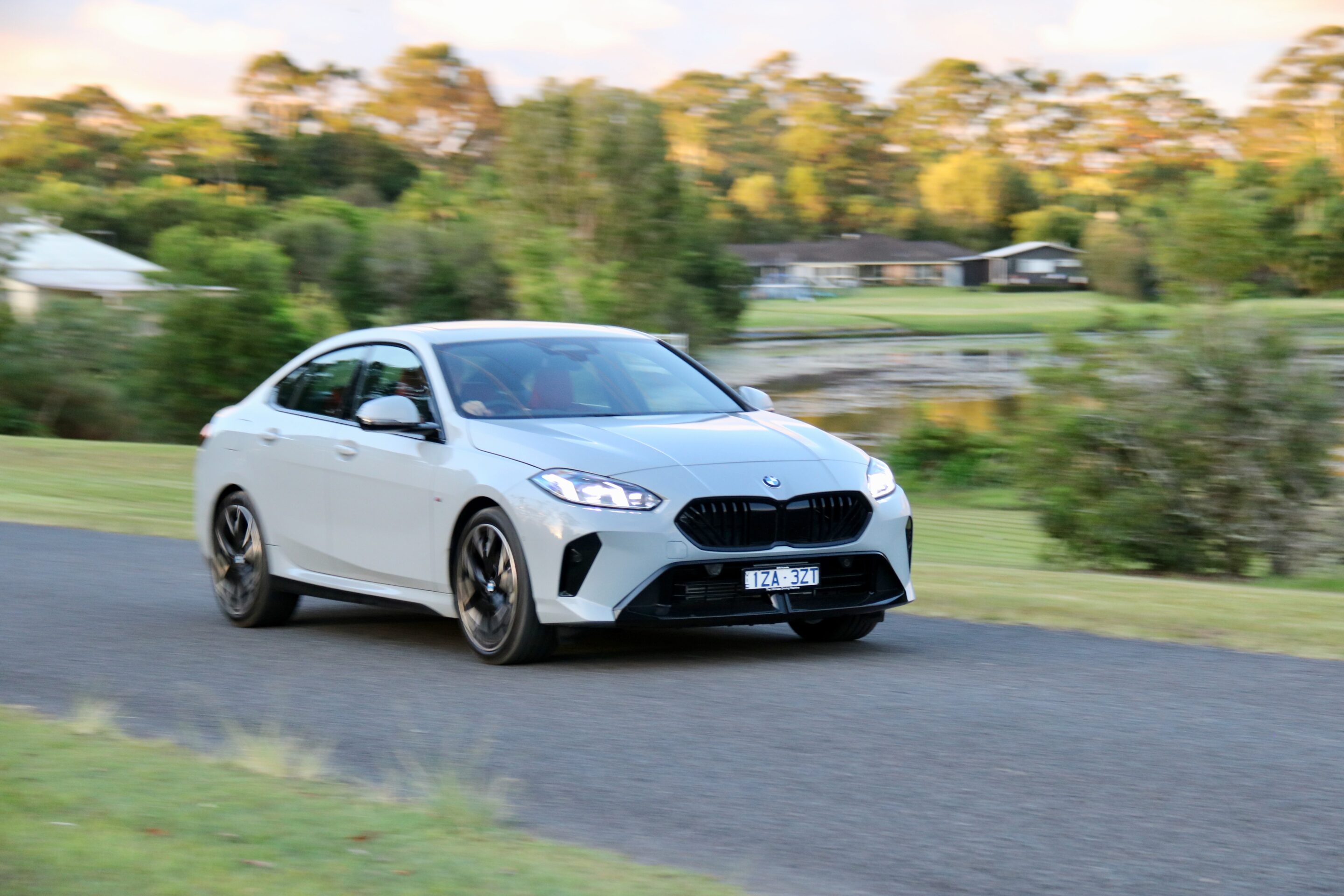
On the road, the 218 is nowhere near as fast as the M235 but it’s still fun to drive with a lovely chassis, quick front end and balanced feel. Whereas the M235’s all-wheel drive system adds weight and dulls the fun factor a bit, the 218 feels lighter on its feet. On a highway drive, the 218 is also an excellent long-distance tourer, though it’s still a bit too firm on the Enhancement Package’s 19-inch wheels.
The turbo three-pot used in the 218 is a great entry-level engine: raspy and characterful, if not a complete powerhouse. BMW claims it hits 100km/h in 8.6 seconds, which is more than adequate for most – it also claims that it’ll use 6.3L/100km on a combined cycle, but we achieved 5.2L/100km in our testing that skewed towards highway use. On a trip from Sydney to Coffs Harbour and back, it returned an impressive 4.7L/100km.
As we saw with the M235, the BMW 218’s active safety features are impressive, with everything from the adaptive lane guidance to adaptive high beam providing genuine assistance.
The heavy update for the BMW 2 Series Gran Coupe has made it better than ever, and it makes a lot more sense as the entry-level 218 than the M235. Removing almost $27,000 from the price tag improves the value equation significantly, yet the 218 doesn’t feel like less car than the M235. Sure, it’s nowhere near as quick but it’s actually more engaging to drive, its quality is identical and it’s still a comfortable, well equipped, tech-rich and accomplished product.
Specs
| Model | BMW 218 Gran Coupe |
|---|---|
| Engine | 1499cc turbocharged three-cylinder |
| Peak power | 115kW (4900rpm – 6500rpm) |
| Peak torque | 230Nm (1500rpm – 4600rpm) |
| Transmission | 7-speed dual-clutch automatic |
| 0-100km/h | 8.6 seconds |
| Top speed | 230km/h |
| Fuel consumption (claimed/as tested) | 6.3L/100km, 5.3L/100km |
| Claimed CO2 emissions | 143g/km |
| Fuel type/tank size | 95RON premium unleaded, 49L |
| L/W/H/WB | 4546/1800/1445/2670mm |
| Boot space | 430 litres |
| Kerb weight | 1420kg |
| Warranty | 5-year/unlimited km, 3 years of roadside assistance |
| 5-year service cost | $2380 |
| Price | $60,400 plus on-road costs |
| On sale | Now |
This review first appeared in the August 2025 issue of Wheels magazine, on sale now.
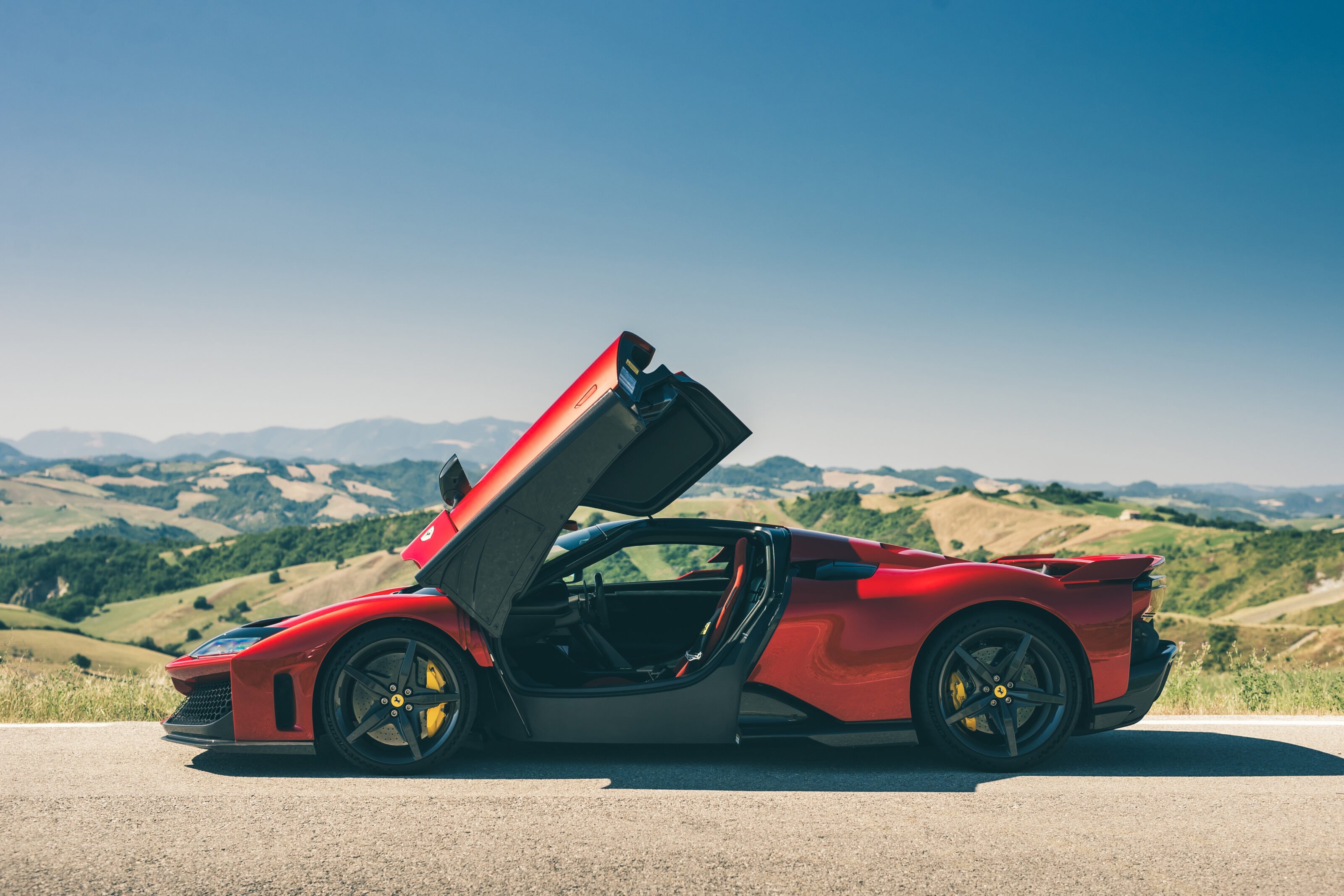
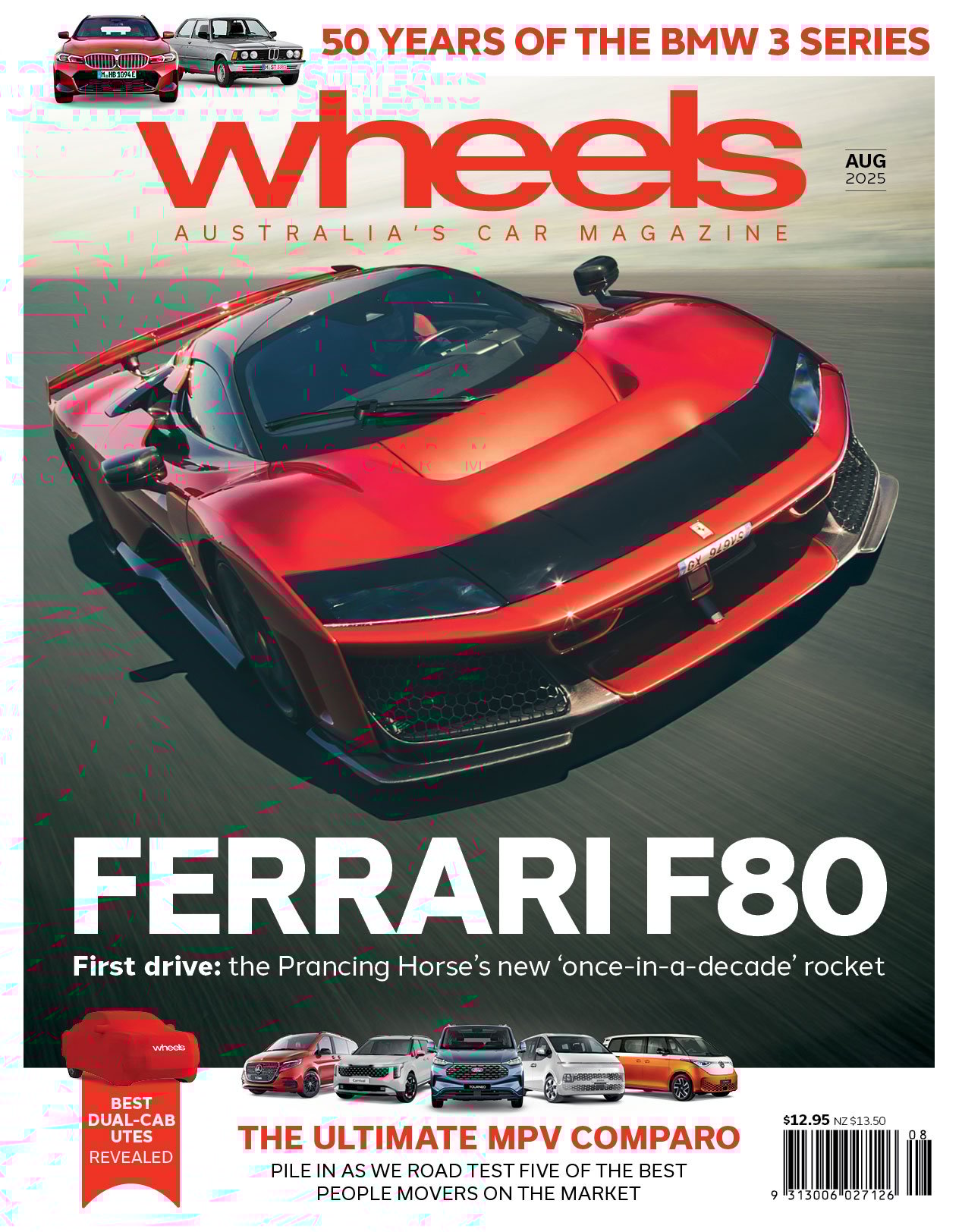
The August 2025 issue of Wheels magazine is now available, packed with new road-tested cars, exclusive insights and a once-in-a-decade car on the cover.
That would be the Ferrari F80, which Matt Prior calls a “masterpiece” in a thrilling first drive in Europe.
Elsewhere, Andy Enright takes the Mercedes-AMG E 53 Hybrid on his favourite roads, exploring the hybrid sedan’s dynamic versatility and emotional appeal.
This month also shines an overdue spotlight on some of the best people movers on the market, with a comprehensive test of the Kia Carnival, Ford Tourneo, Mercedes-Benz V300d AMG, Hyundai Staria, and Volkswagen ID Buzz – proving that practicality doesn’t have to be dull.
Paul Gover travels to India for an exclusive behind-the-scenes look at Mahindra HQ, uncovering the brand’s ambitious plans for Australia after 20 years of local presence.
There is also an in-depth interview with legendary automotive craftsman Brian Tanti. While Tanti modestly refers to himself as a “coach builder,” Paul Gover uncovers why he is widely regarded as one of the true master artisans of the global car scene.
Other highlights include a fascinating retrospective on the Porsche 968 Club Sport, the 50-year legacy of BMW’s 3 Series, and an array of first drives, including the MG QS, Hyundai i20 N, BMW 218 Gran Coupe, Jeep Avenger Summit, and Skoda Octavia.
Either on stands or by subscribing here, Wheels August 2025 is a must-read for car fans everywhere.
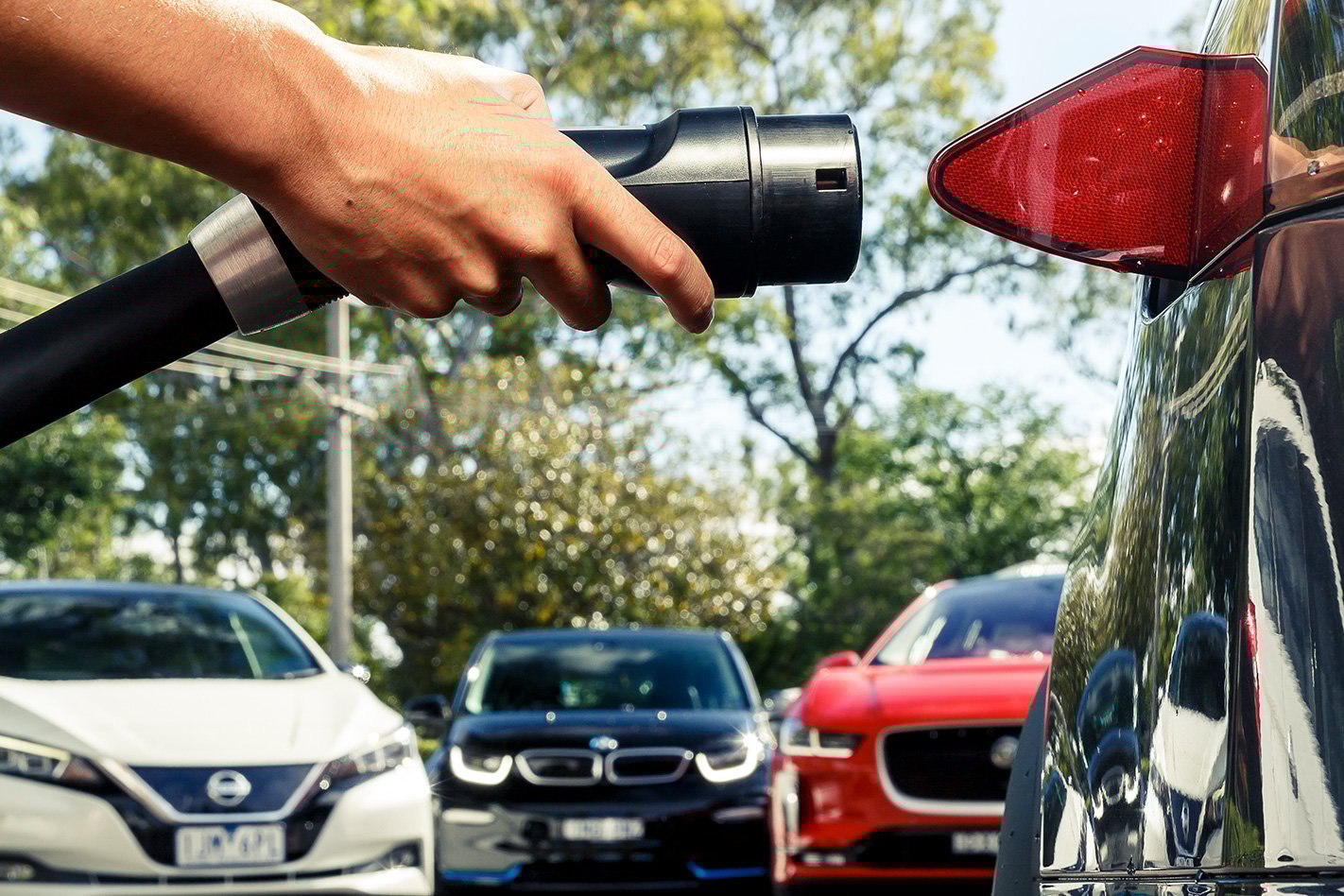
Many motorists are unaware of a unique road rule in New South Wales and the ACT that gives electric vehicles a surprising advantage: EVs can use transit lanes at any time, no matter how many people are in the car.
Traditionally, transit lanes – clearly marked as T2 or T3 – are reserved for high-occupancy vehicles to encourage carpooling and reduce congestion. As their names suggest, a T2 lane requires at least two occupants, while a T3 lane requires three or more.
Buses, taxis, motorcycles, and bicycles are also permitted to use these lanes freely, while solo drivers of conventional vehicles face restrictions unless overtaking or preparing to turn, and even then only for short distances of up to 100 metres.
Under a policy introduced in 2022, electric vehicles with official blue EV labels on their plates are granted unrestricted access to T2 and T3 lanes, even if only the driver is present. The exemption is part of a broader initiative by both state governments to support the shift to zero-emission vehicles by providing practical, real-world benefits to owners.
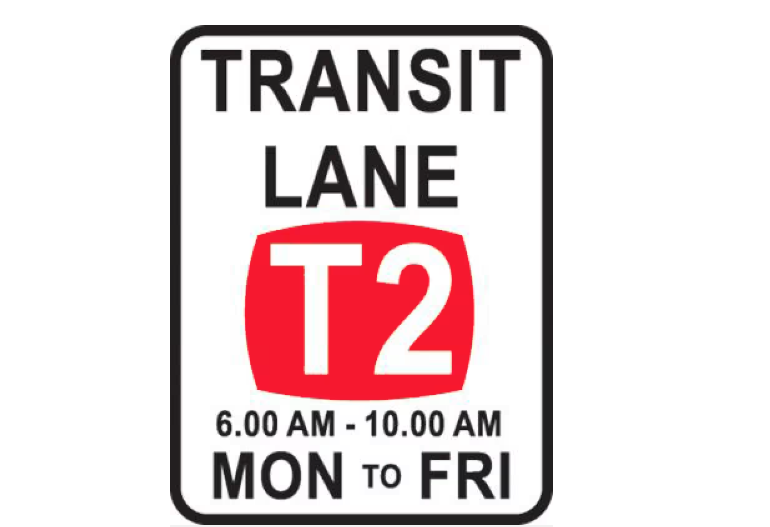
The scheme was recently extended in NSW until 30 June 2027, notes Yahoo News, allowing EV drivers to continue enjoying faster commutes on major roads. However, similar concessions are not available in other states like Victoria or Queensland, where EV owners must follow the same occupancy rules as everyone else.
Transit lanes were introduced to keep traffic flowing during peak hours by rewarding vehicles that carry multiple passengers. The concept aims to:
- Promote ride-sharing and carpooling, reducing the total number of vehicles on the road.
- Improve travel times for high-occupancy vehicles and public transport services.
- Lower emissions by easing congestion and cutting idling time.
While the EV exemption may seem to run counter to the idea of rewarding shared trips, authorities argue that the environmental benefits of encouraging EV adoption outweigh the potential downsides.
For full details on the rules and signage for bus, tram, truck, and transit lanes, the NSW Government’s official guide can be found here.
Inflated prices for new cars in Australia are a major point of contention for consumers… but there are still sub-$35,000 vehicles out there, most notably in the small SUV segement.
SUVs now account for almost 60 per cent of new vehicle sales in Australia to the end of June, 2025, so if their utility, practicality and added ride height are all the things you’re after – but money is tight – here’s WhichCar’s guide to your best options in this part of the market.
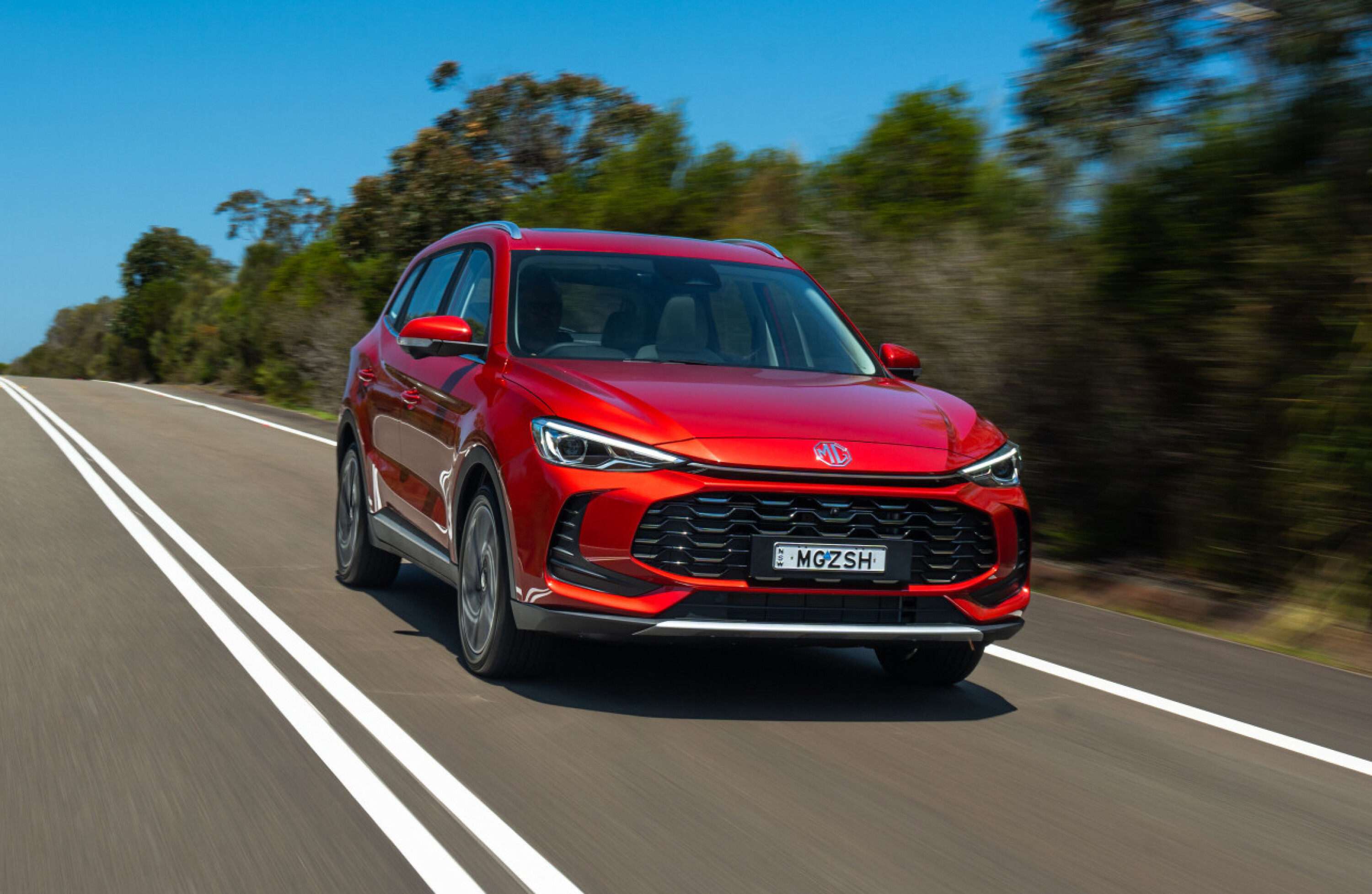
MG ZS Hybrid+
Price: From $32,990 drive away (Excite)
Drivetrain: 1.5L 4-cylinder hybrid, 158kW/465Nm, 3-speed + CVT hybrid auto
Combined fuel economy, CO2 emissions, fuel type: 4.7L/100km, 110g/km, 95RON
Boot size: 443L (seats up)/1457L (seats folded)
Warranty: 7-year/unlimited km
Five-year service cost: $1,995 ($399 per year)
Things we like
- Big improvement over the last ZS
- Enlarged size adds more interior space
- Enlarged size adds more interior space
Not so much
- Intrusive safety systems
- Too much reliance on touchscreen
- No reach steering wheel adjustment
The MG ZS Hybrid+ recently won Wheels’ Best Small SUV for 2025 and while it’s a big improvement on the previous-generation ZS, the hybrid edition’s value equation is its most impressive aspect. Priced from just $32,990 drive away for the entry-level Excite, the upper-spec Essence still sneaks in under our $35,000 ceiling at $34,990 drive away.
While not as cheap as the ZST it replaced, the new ZS is better equipped and it’s also both larger and more refined. The cabin is more modern with higher quality materials, while the growth spurt has allowed for a larger rear seat and boot – the size has increased from a healthy 359 litres to a large 443L with the seats up, for example.
The infotainment system has upgraded to MG’s latest unit, which is much easier to use than the system in the ZST and while it doesn’t feature smartphone mirroring that’s wireless, it’s still got sat-nav, digital radio and access to the company’s ‘iSmart’ live services so that owners can lock and unlock the car, turn on the climate control to warm or cool the car before getting in and even check where the car is.
On the road, the new ZS Hybrid+ presents a compelling option in the small SUV segment as it’s more comfortable than the ZST and CX-3, and is a generally relaxing car to drive. The 1.5-litre hybrid drivetrain is powerful, making 158kW, yet also efficient, rated at just 4.7L/100km. The only annoyance comes from the lack of steering wheel reach adjustment – just like the ZST – and the overactive speed limit assistance, which makes a fuss if you travel even 1km/h above the speed limit.
But the new MG ZS Hybrid+ is a big improvement on the car it replaces and for under $35,000 drive away, it’s an excellent choice. It offers more space and more equipment than a lot of rivals, an industry-leading warranty and cheap servicing, now with 15,000km intervals.
Chery Tiggo 4
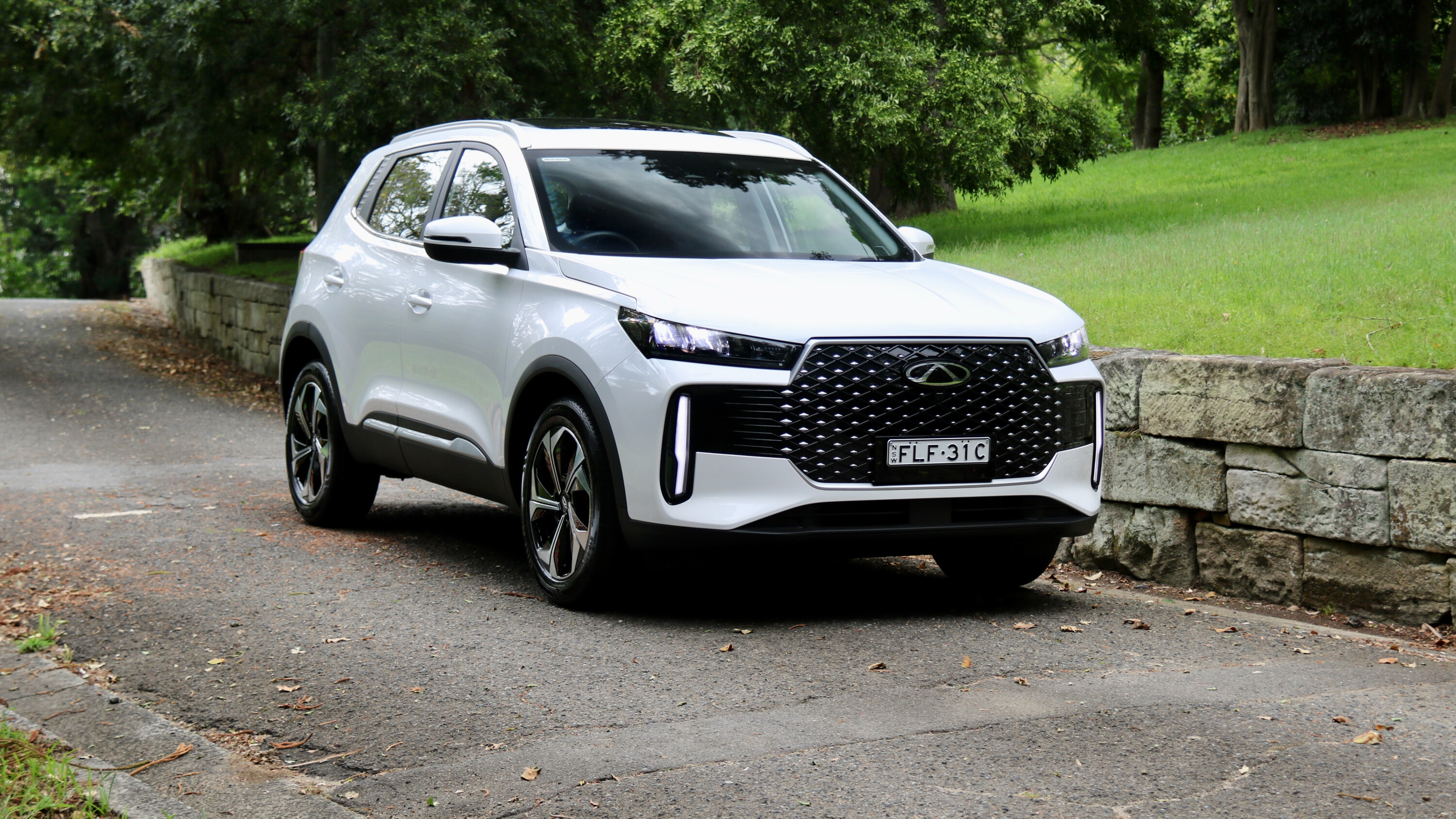
Price: From $23,990 drive away (Urban), $29,990 drive away (Urban hybrid)
Drivetrain: 1.5L turbo 4-cylinder petrol, 108kW/210Nm, CVT auto or 1.5L 4-cylinder hybrid, 150kW/310Nm, hybrid transmission
Combined fuel economy, CO2 emissions, fuel type: 5.4-7.4L/100km, 123g-166g/km, 91RON
Boot size: 380L (seats up)/1225L (seats folded)
Warranty: Seven-year/unlimited km, up to seven years of roadside assistance if serviced at Chery
Five-year service cost: $1,400 ($280 per year)
Things we like
- Amazing value for money, new hybrid model
- More practical than its size suggests
- Excellent warranty and service package
Not so much
- Turbo petrol engine thirsty in the real world
- Soft driving experience
- Overactive safety systems
It’s only been on sale less than 12 months but the Chery Tiggo 4 Pro is already making waves in the Australian new car market, with over 8000 units sold this year to the end of June, making it the country’s fourth most popular small SUV. So what appeals to buyers about the Tiggo 4 Pro?
Well, it’s undoubtedly an excellent value-for-money proposition. Pricing starts at just $23,990 for the entry-level Urban – that’s drive away, as well – with the top-spec Ultimate adding only $3,000 to the price. Even with premium paint, the most expensive Tiggo 4 Pro is comfortably under the $30,000 threshold – and unlike the pricing of most rivals quoted here, that includes all on-road costs.
Want a hybrid drivetrain? Chery has you covered there as well. For an extra $6000 – which is too much, in our opinion – or $29,990 drive away, the Tiggo 4 hybrid makes 150kW of power and yet, officially uses just 5.4L/100km on a combined cycle. While that’s 1.6L/100km more than a Yaris Cross, the Tiggo 4 does make almost double the power.
The Tiggo 4 Pro’s seven-year/unlimited km warranty with up to seven years of roadside assistance is long, too, while the first five years of servicing only costs $1,400 for the petrol engine. In addition to that, even the entry-spec car is well equipped with features like automatic LED lighting, a dual 10.25-inch screen layout and dual-zone automatic climate control.
Away from the value equation, there’s still lots to like about the Tiggo 4 Pro. Its cabin is good quality with lots of soft touch surfaces, it’s more practical than its small size suggests with a 380-litre boot (1225L with the rear seats folded) and it was also recently awarded a five-star ANCAP safety rating with impressive scores in each category.
Only the Tiggo 4 Pro’s overactive safety assist, too-soft driving experience and thirsty petrol drivetrain count against it. But if you’re value focused, the Chery Tiggo 4 Pro is a great option and we expect even larger sales numbers from it moving forward.
Skoda Kamiq
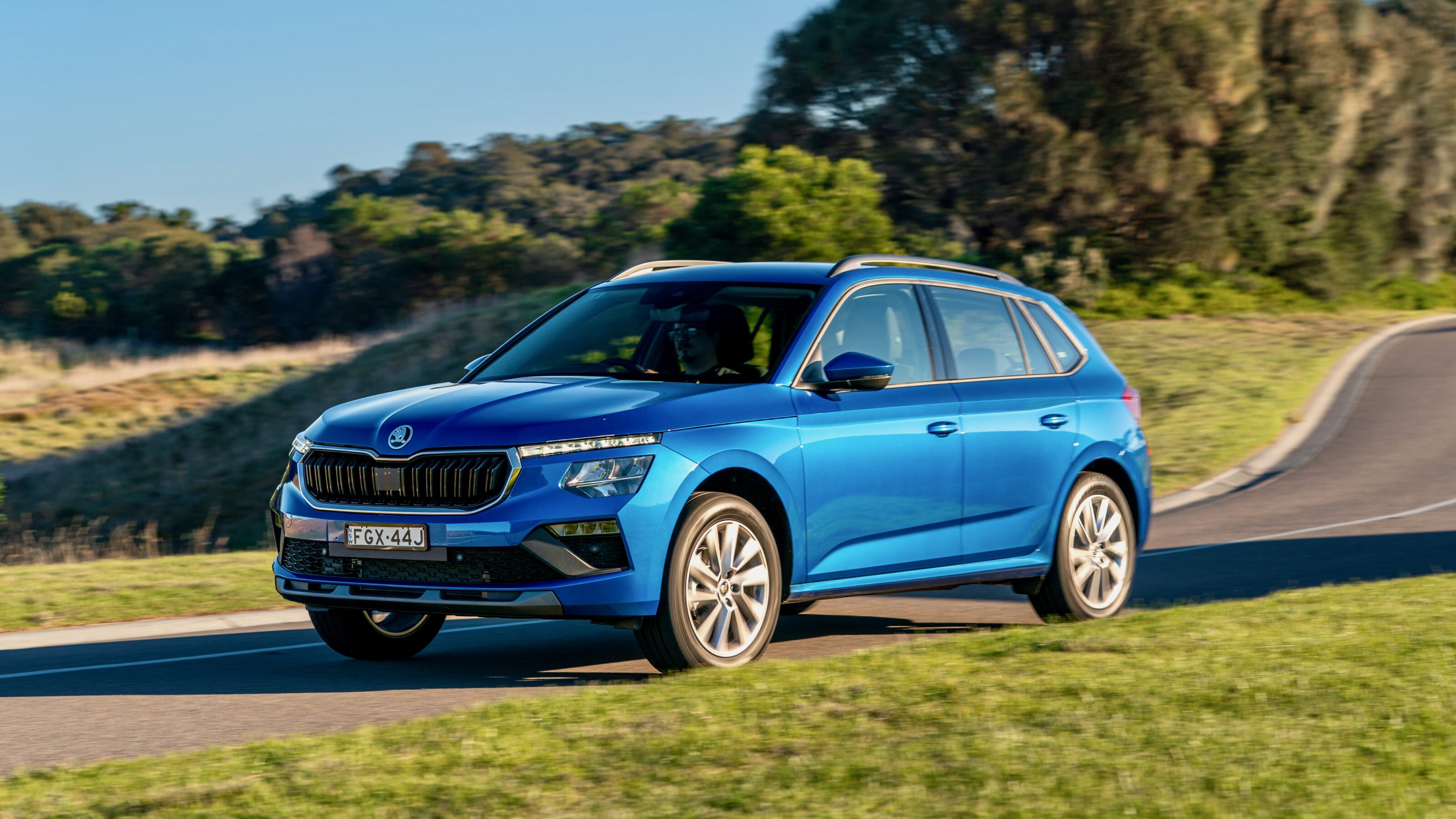
Price: From $29,990 drive away (Select)
Drivetrain: 1.0L turbo 3-cylinder or 1.5L turbo 4-cylinder petrol engines, 85kW/200Nm (1.0T)
or 110kW/250Nm (1.5T), 7-speed dual-clutch auto
Combined fuel economy, CO2 emissions, fuel type: 5.5-5.6L/100km, 125-126g/km, 95RON
Boot size: 400L (seats up)/1375L (seats folded)
Warranty: Seven-year/unlimited km, 12 months’ roadside assistance with each dealer service
Seven-year service cost: $3,650 ($520 per year)
Things we like
- Great value for money at the entry point
- Seven-year warranty unique for a Euro car maker
- Practical and good quality interior
Not so much
- Big price gap between the two available variants
- Larger engine is expensive to buy
- Not cheap to service
With the seemingly inexorable rise in new car pricing that we’ve experienced over the past five years, a European-built practical small SUV with a seven-year warranty priced at under $30,000 drive away sounds like a pipe dream, right? Wrong, because that’s the Skoda Kamiq Select, which is priced at $29,990 drive away.
The Kamiq is offered in two models: base model Select and top-spec Monte Carlo, with the latter comfortably over $40,000 drive away. But even the Select is richly equipped with features such as 17-inch alloy wheels, LED exterior lighting, auto lights and wipers, dual-zone automatic climate control, a lot of safety equipment – though not adaptive cruise control – and Skoda’s ‘simply clever’ features such as an umbrella in the driver’s door.
Those wanting more kit can add the $5200 Signature Package with features such as the aforementioned adaptive cruise control, adaptive lane guidance, larger 18-inch wheels and an electric tailgate and still keep the price around the $35,000 mark (drive away).
The Kamiq Select uses a torquey 1.0-litre turbocharged three-cylinder petrol engine mated to a seven-speed dual-clutch transmission, which is refined and fuel efficient as well. The Kamiq is not the most dynamic option in the small SUV segment, but it’s very comfortable and rides quite well.
The Kamiq’s cabin is one of the best for quality in the segment, with soft touch materials and warm, attractive cloth and suede trimmings abound. Its body gives excellent interior space, with ample room for four adults and their luggage.
While the Kamiq’s service pricing isn’t cheap, it is covered by a seven-year warranty, and Skoda is the only European brand in Australia with such long coverage. Add in the attractive, practical and user-friendly cabin, gutsy turbocharged engine and low drive away pricing and it’s easy to recommend the Skoda Kamiq as a great value SUV under $35,000.
Toyota Yaris Cross
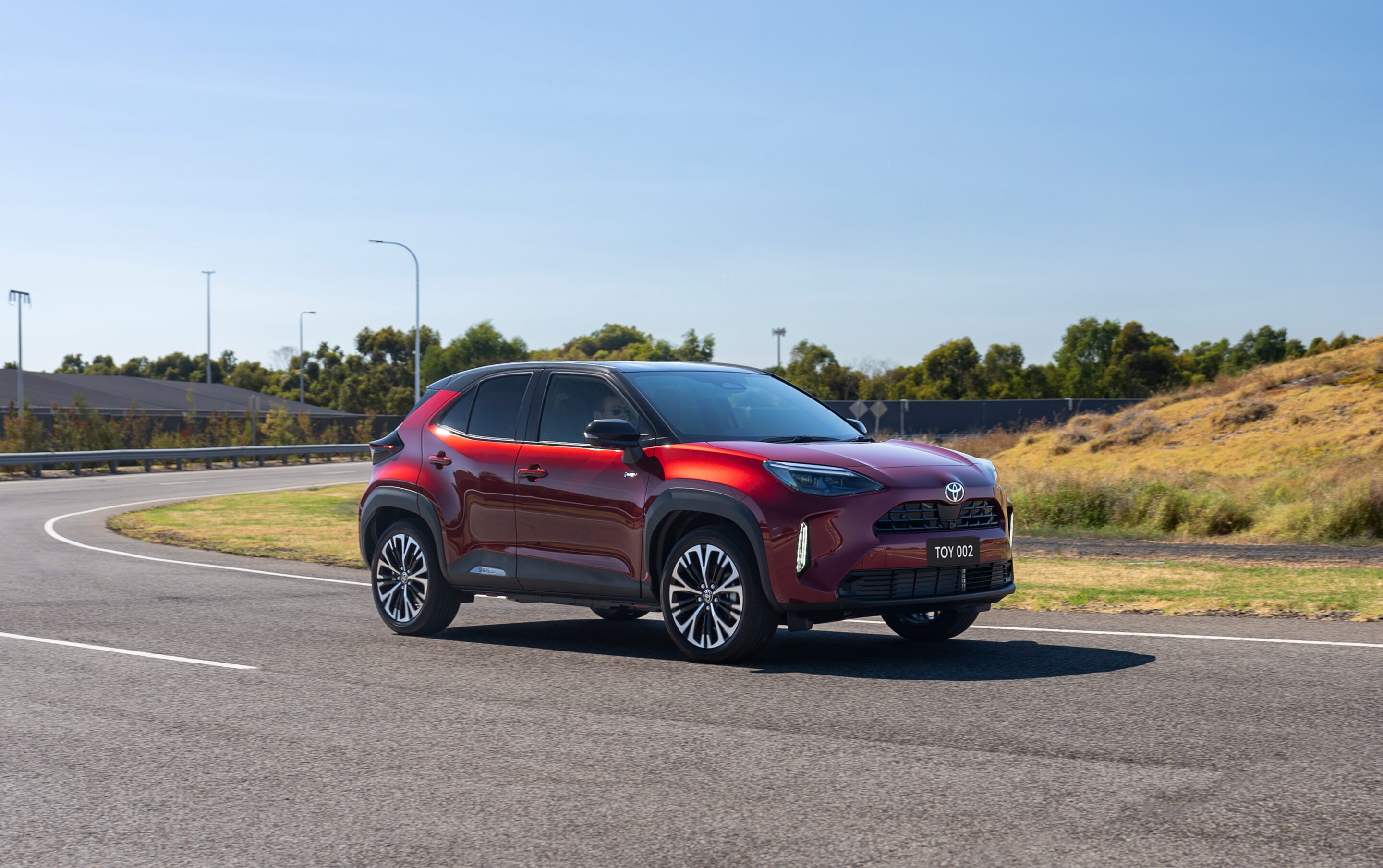
Price: From $30,900 plus on-road costs (GX 2WD)
Drivetrain: 1.5L 3-cylinder hybrid, 85kW, CVT auto, 2WD or AWD
Combined fuel economy, CO2 emissions, fuel type: 3.8-4L/100km, 86-90g/km, 91RON
Boot size: 314-390L (seats up)/1097L (seats folded)
Warranty: Five-year/unlimited km and 8-year/160,000km battery, no roadside assistance
Five-year service cost: $1,275 ($255 per year)
Things we like
- Excellent fuel efficiency, even in the real world
- Practical interior details such as split boot floor
- Even the base GX is well equipped
Not so much
- European models get more equipment
- Refinement could be better
- Small rear cabin
The Toyota Yaris Cross is the smallest SUV that the company sells in Australia. The Yaris Cross is like its Corolla Cross sibling: larger and more practical, though using the same name as the car on which it’s based – in this case, the Yaris hatchback.
Pricing for the Yaris Cross starts at $30,900 plus on-road costs for the entry-level GX and like all other non-performance/4WD/commercial Toyotas sold locally, the Yaris Cross is now only offered in hybrid form. That makes it more expensive than the MG ZS Hybrid+ at a drive away level, but the Yaris Cross has a lot going for it that makes it worthy of consideration.
Under the bonnet is a 1.5-litre three-cylinder hybrid drivetrain making 85kW, which sends power to either the front or all wheels via a CVT gearbox. The Yaris Cross is the most fuel efficient non-EV/PHEV SUV on sale in Australia, with a claimed fuel consumption of just 3.8L/100km for 2WD models to 4L/100km for the slightly heavier AWD model, which is excellent. You’ll likely get similar consumption in real life too.
On the road, the Yaris Cross impresses with solid driving dynamics and a comfortable ride quality, though refinement could be better as both engine and road noise make themselves known. The cabin of the Yaris Cross is good quality and funky, and a recent update gave it a digital driver’s display and new infotainment software to make it more modern and user-friendly inside.
There are multiple storage spots, while the new central armrest has made it more comfortable. While the back seat isn’t huge, it will take two adults fine. The 390-litre boot is actually larger than all-wheel drive Corolla Cross models, though it shrinks to 316L with its own AWD system fitted.
Like the Corolla Cross, five-year servicing for the Yaris Cross is cheap and both its mechanical and battery warranties are extended by servicing through a Toyota dealership. Overall, the Yaris Cross is an excellent entry-level SUV that’s very fuel efficient, nice to drive and good quality, though it could be more refined and cheaper across the range.
Hyundai Kona
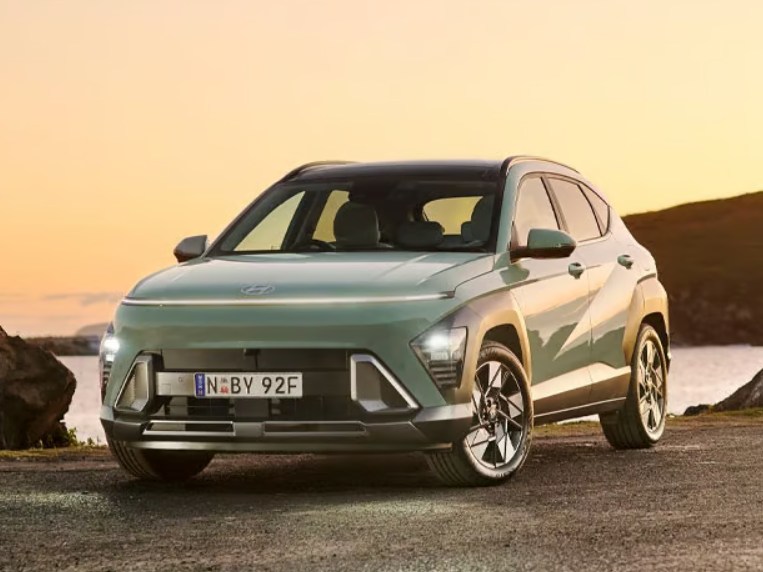
Price: From $32,700 plus on-road costs (Kona 2.0L petrol)
Drivetrain: 2.0L petrol or 1.6L hybrid 4-cylinder petrol engines, 110kW/180Nm (2.0L) or
104kW/265Nm (hybrid), CVT (2.0L) or 6-speed dual-clutch auto (hybrid), 2WD
Combined fuel economy, CO2 emissions, fuel type: 3.9-6.6L/100km, 88-154g/km, 91RON
Boot size: 497L (seats up)/1241L (seats folded)
Warranty: Five-year/unlimited km and 8-year/160,000km battery, 12 months’ roadside assistance
with each dealer service
Five-year service cost: $2023 ($404 per year) – $2639 ($528 per year)
Things we like
- Wide range of variants and drivetrains
- More practical than the last Kona
- Well equipped across the range
Not so much
- Petrol engine can be thirsty
- Cabin quality could be better
- Hybrid expensive to service
The second-generation Hyundai Kona has been on sale in Australia for over a year now and, like its predecessor, is proving popular with over 17,000 sold last year alone. The new Kona is more mature, more refined and features an optional hybrid drivetrain for the first time locally. Priced from just $32,700 plus on-road costs, the Kona is good value for money and even in entry-level form, is quite well equipped.
Where the Kona has seen the biggest improvement is in its interior design. It’s now more up-to-date than the previous edition, which felt dated in comparison to newer Hyundai models. The Kona’s cabin could be better quality, but there’s no denying the awesome practicality and pleasing ergonomics throughout.
The rear seat of the new Kona is larger than the old one and two adults will fit perfectly fine this time around. The boot is also larger now at 407 litres seats up and 1241L with seats folded, while there are some clever tricks like a dual-level boot floor to help practicality further. Impressively, all models feature a spare wheel.
There is now a choice of two drivetrains: a naturally aspirated 2.0-litre petrol, a 1.6-litre hybrid, both mated to automatic transmissions – being CVT and dual-clutch, respectively. The 146kW 1.6-litre turbo-petrol engine with all-wheel drive was recently cut from the line-up, but there will still be some in stock if you’re quick. But regardless of drivetrain chosen, the new Kona drives well with a great ride quality and improved refinement as well, especially with road noise.
In short, the new Hyundai Kona is a worthy competitor in the small SUV segment thanks to its all-round ability: it’s much more practical this time around, good to drive, cheap to service and – finally – offers a hybrid choice. As you’d expect for a Hyundai, its value equation is also great, and it presents an excellent sub-$35,000 SUV choice.
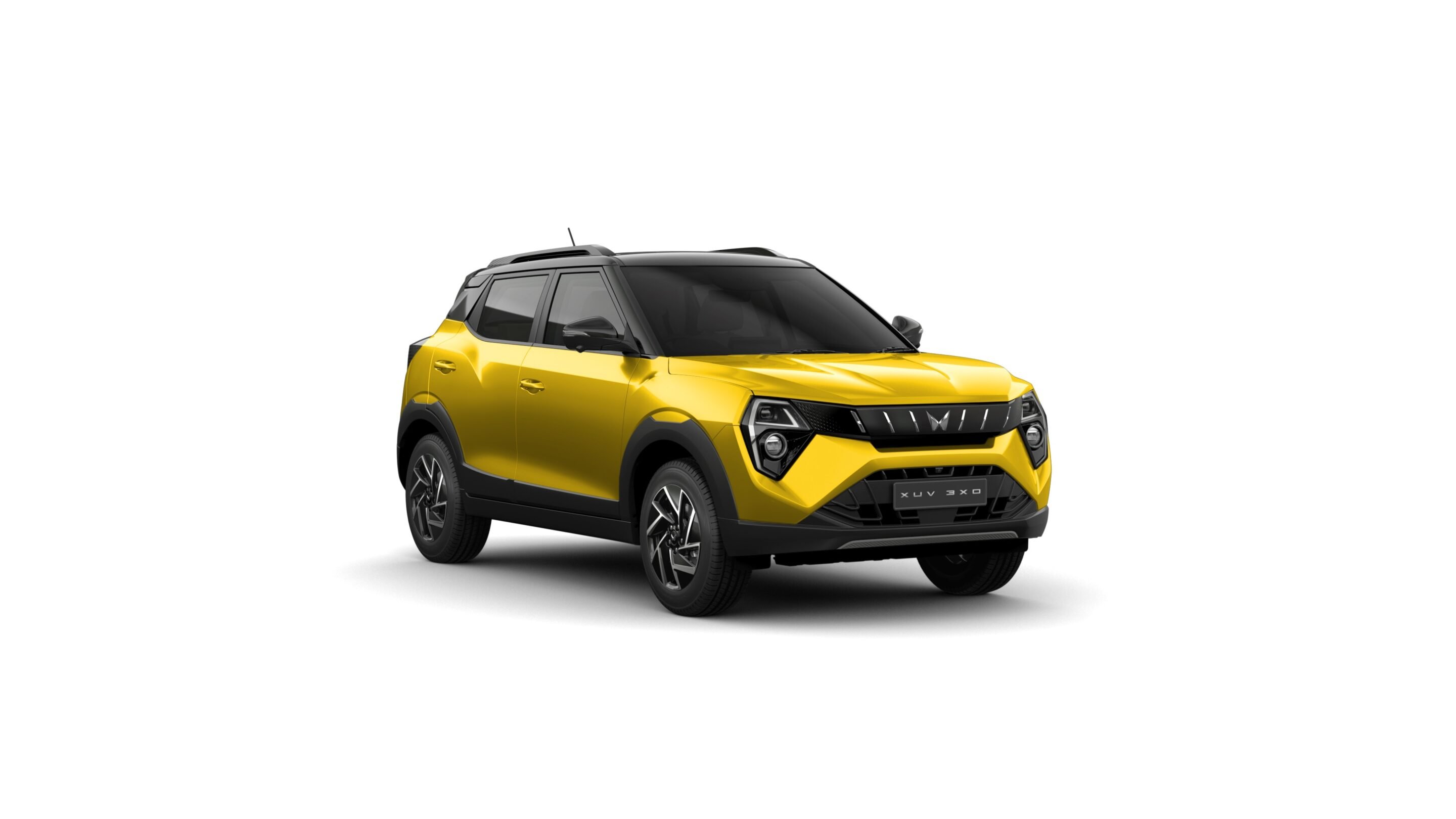
Mahindra XUV 3XO
Price: From $23,990 drive away ($23,490 until August 31)
Drivetrain: 1.2-litre turbo 3-cylinder, 82kW/200Nm, 6-speed auto
Combined fuel economy/CO2 emissions/fuel type: 6.5L/100km, 137g/km, 91RON regular unleaded
Boot size: 364 litres (seats up), unknown folded
Warranty: Seven-year/150,000km
Five-year service cost: $1595 ($319 per service)
Things we like
- Very well priced and equipped
- Comfortable to drive
- Spacious for its size
Not so much
- Higher-output engine not offered locally
- Lots of piano black trim inside
- Blind-spot camera is handy, but not the real thing
Mahindra recently launched its new XUV 3XO small SUV in Australia priced from a very low $23,490 drive away ($23,990 from September 1), making it the cheapest SUV in Australia for the moment. As we’ve seen from the larger XUV 700 mid-size SUV, the XUV 3XO is more than just its keen value equation, with a pleasant driving experience, more interior space than you’d expect and covered by a long seven-year/150,000km warranty.
Rivalling the Chery Tiggo 4, the XUV 3XO is very well equipped across the range, with even the entry-level AX5L kitted out with automatic LED exterior lighting, dual-zone automatic climate control, dual 10.25-inch screens with wireless smartphone mirroring, a sunroof and safety features such as autonomous emergency braking, adaptive cruise control and a reversing camera.
Australian XUV 3XO models use a turbocharged 1.2-litre three-cylinder petrol engine making 82kW of power and 200Nm of torque, which is more than enough grunt for its size, particularly in urban conditions. The engine is mated to a six-speed automatic transmission, which shifts smartly and intuitively, and on the road, the XUV 3XO is very comfortable, tackling bad roads really well and driving more maturely than you’d imagine for such a small vehicle.
Inside the XUV 3XO is a well-trimmed and modern cabin that offers more space than you’d expect for its size as two adults will be more than comfortable in the rear seat, with amenities such as air vents and a central armrest with cupholders on offer. The front cabin is practical and also features two 10.25-inch displays for the infotainment and driver’s display, with the former featuring wireless smartphone mirroring across the range. The upper-spec AX7L features a punchy Harman Kardon sound system as well.
If you’re searching for a great value small SUV, the Mahindra XUV 3XO is definitely worthy of consideration as it’s low priced and it’s quite well equipped. But it’s also covered by a long warranty with cheap servicing, and it’s also very comfortable and easy to drive. While the more powerful engine is yet to surface in Australia, and it should feature proper blind-spot monitoring and not just a camera, it’s a good all-rounder in the small SUV class that just also happens to be the cheapest to buy.
