
How much does the BYD Shark 6 cost to buy?
Now comprising three model variants, the Shark 6 range still remains easy to decipher. The cab-chassis model – called Dynamic – now kicks the range off, starting from $55,900 before on-road costs. In other words, it undercuts the regular Shark 6 that you’re familiar with by $2000. Above that sits the Premium, which has been on sale for nearly two years now, starting from a still-competitive $57,900 before on-road costs. Then there’s the range topping Performance, new with this update, starting from $62,900 before on-road costs.
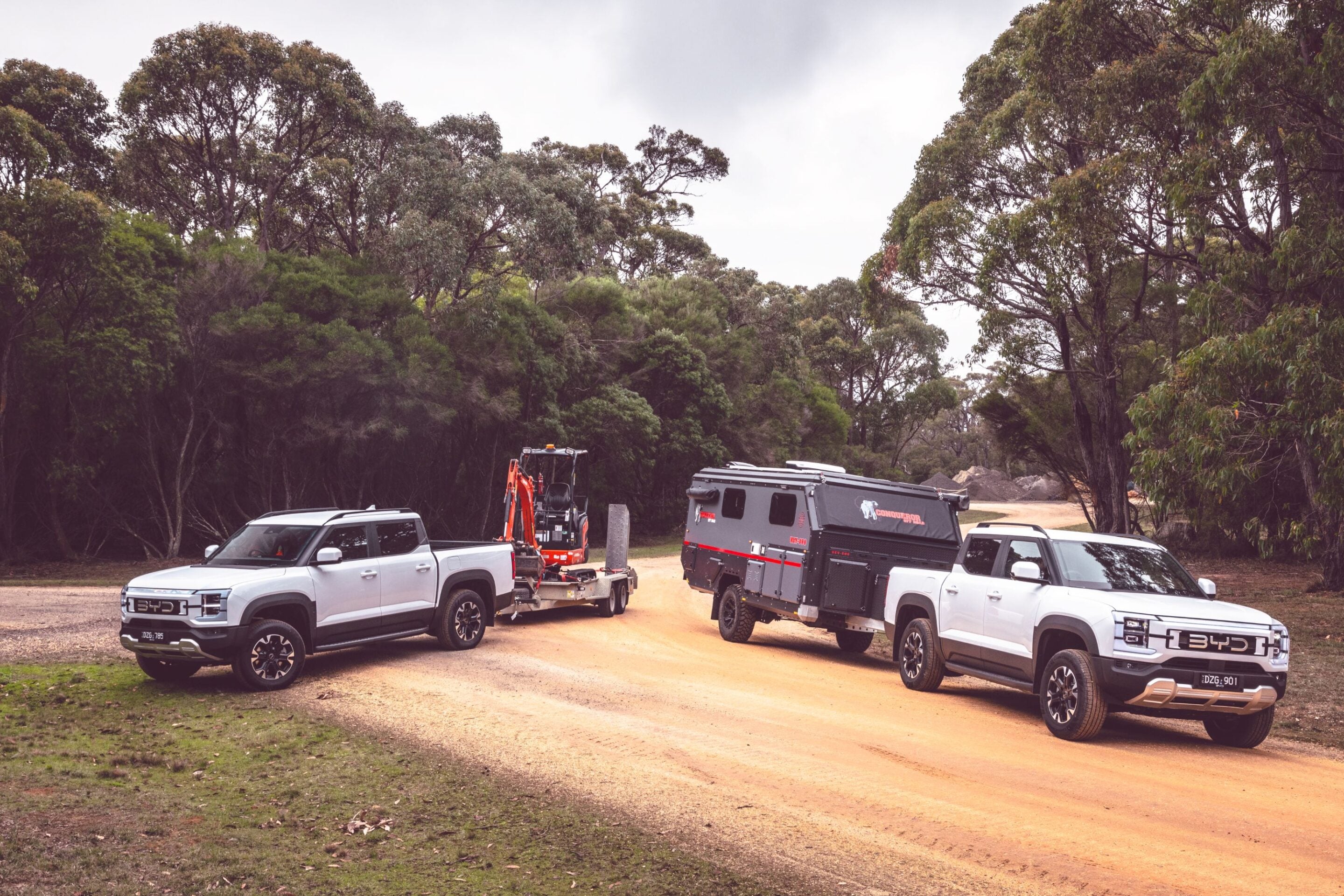
Across that model range, the buying choice is clear, even though two new variants have been added. If you need your dual-cab to work, as many BYD buyers are increasingly requiring, the Dynamic is the choice. Dropping some luxury features like the head-up display and large screen, it adds a solid and functional Ironman tray with a 935kg payload, and retains the Premium’s 2500kg braked tow capacity.
The Premium, which has been on sale for nearly two years and was BYD’s first dual-cab, remains, and retains the tub rear, the long list of standard features it’s had since launch, and shares the 1.5-litre, turbocharged petrol four-cylinder and dual electric motors of the workhorse variant. If you’re buying a dual cab to use mostly as an unladen daily driver, it’s the Premium which suits that best.
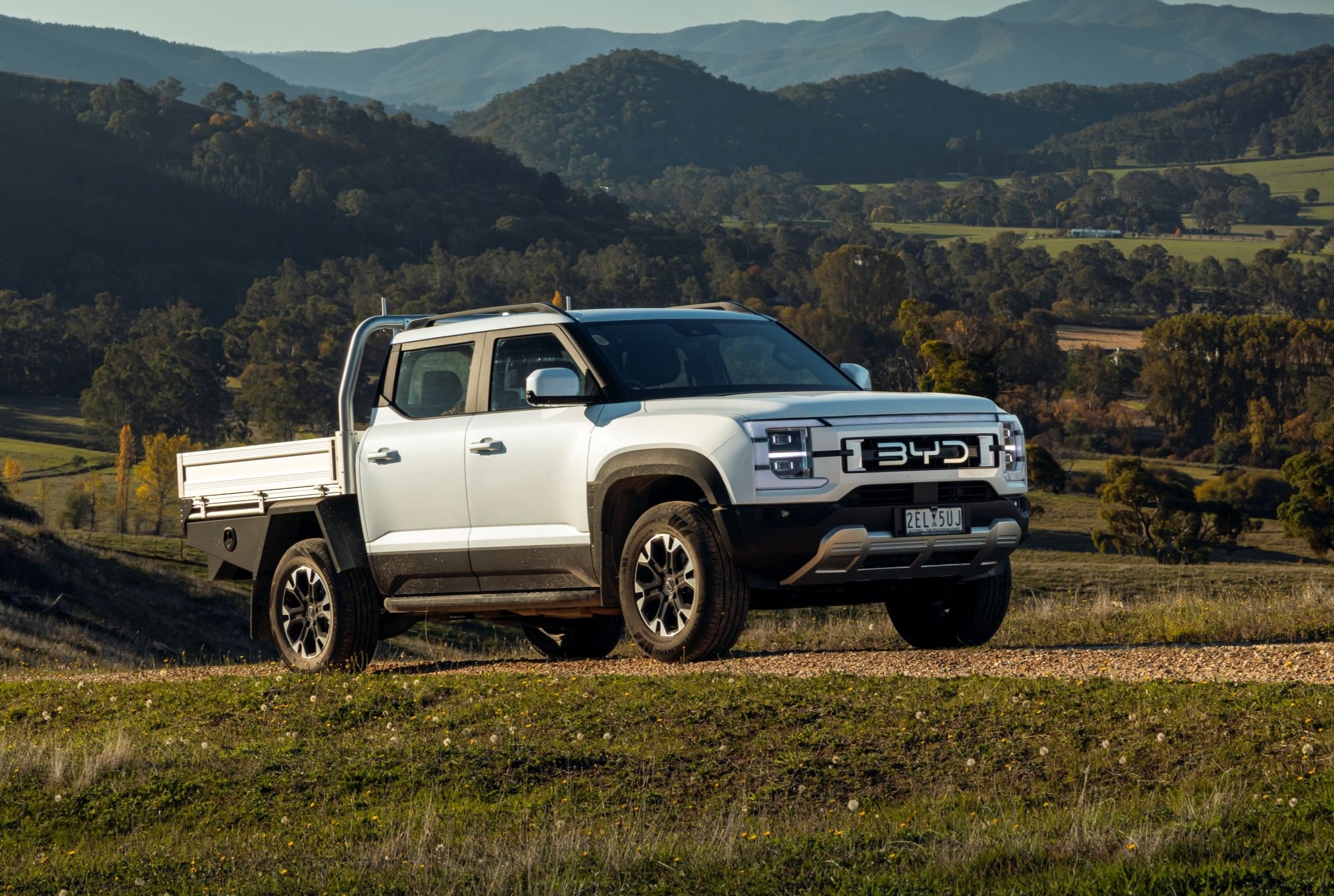
But BYD has now added an even more capable model above the Premium, the Performance, which is still more affordable than a Toyota HiLux SR5. The flagship hits the market looking identical to the Premium, but running a 2.0-litre, turbocharged petrol cylinder, with dual electric motors for combined outputs of 350kW and 700Nm, up from the Premium’s already impressive 321kW and 650Nm. Crucially, the added power means the Performance gets a 3500kg braked tow rating. Therefore, if you’re towing or touring, it’s the Performance that will best suit your needs.
How fast is the BYD Shark 6?
While the headline figure of the two new models is the power and torque of the Performance, that only tells part of the story. In essence, all three Shark 6 variants are ‘fast’ in the traditional sense. Dynamic and Premium both make the run to 100km/h in just 5.7 seconds, while the Performance drops that to 5.5 seconds.
The difference between the 1.5-litre powertrain and the 2.0-litre is enough to ensure the Performance feels faster everywhere, not just on the run to 100km/h. The 1.5-litre makes 135kW against the 2.0-litre’s 180kW, while maximum power and torque from the front and rear electric motors are both higher for the Performance. That means combined outputs for the Performance rate at 350kW and 700Nm, against 321kW and 650Nm for the other two models.
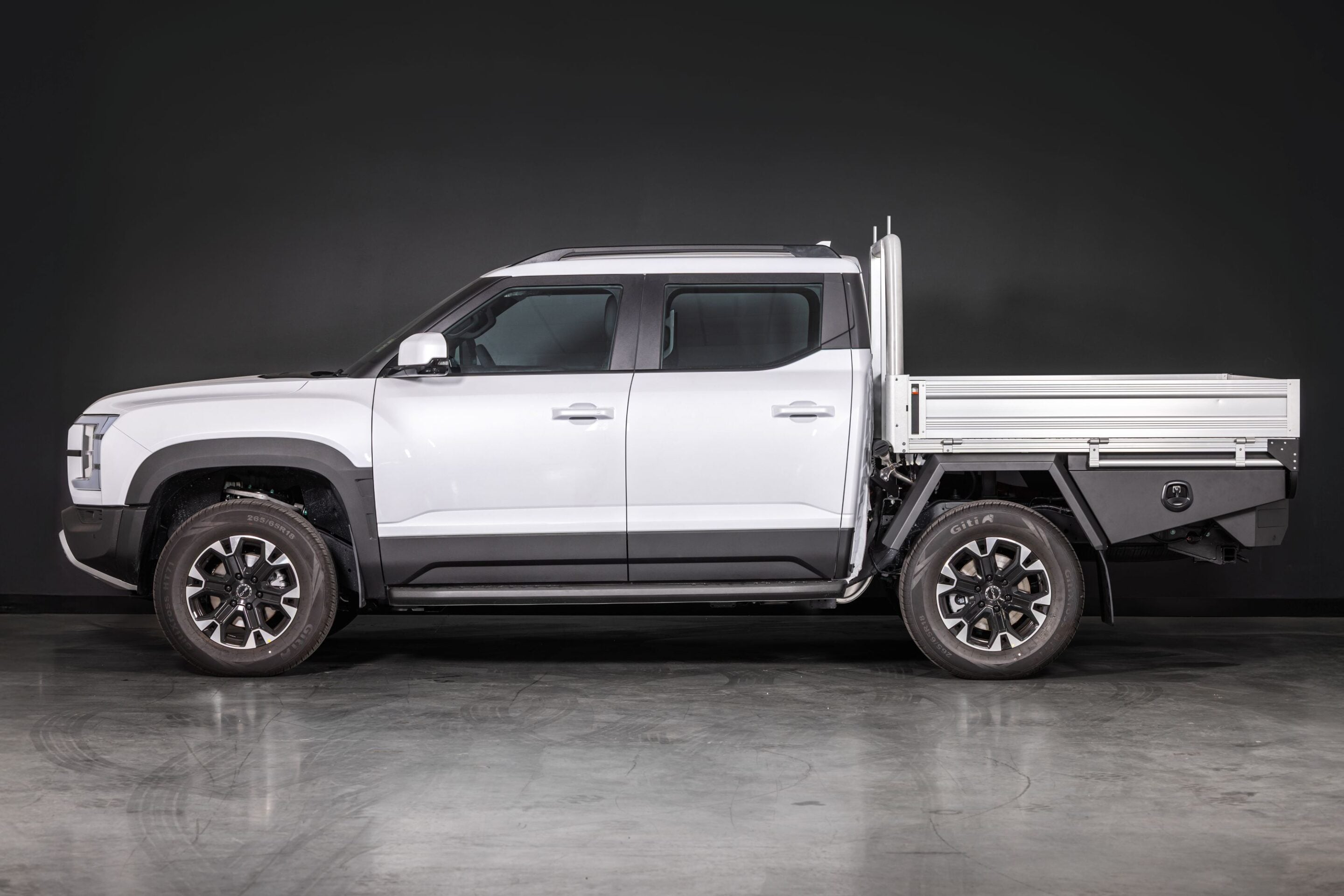
All three models have 6.6kWh vehicle to load (V2L) capability, and the cab-chassis has its charge port relocated in a waterproof storage box under the tray, rather than forward of the wheel arch like the regular models. V2L adds a dimension for regular campers, where the BYD’s 29.6kWh ‘Blade’ battery – standard across all three models – can be used as your power source once you get to where you’re going.
Crucial to this model update, and additions to the range, are tweaked electronic systems that make the Shark 6 more capable off-road, and the upgrading of the tow capacity to 2500kg for the Performance. That comes with a 350kg download weight for the towball, while Dynamic and Premium retain the 250kg rating.
Shark 6 retains its 60-litre fuel tank and low claimed fuel consumption, given the 100km of the test cycle is largely effectively conducted under electric power. The claims are 2.0L/100km (Dynamic and Premium on the NEDC test cycle) and 1.3L/100km (Performance on the WLTP cycle), with the battery pack at more than 25 per cent, while they climb to 7.9L/100km (NEDC) and 10.5L/100km (WLTP) respectively with the battery below 25 per cent. We’ll test these figures out in the real world, especially towing, post launch, but it’s worth noting we’ve routinely covered between 85 and 90km in pure EV mode in testing, before the battery reached its 25 per cent state of charge rating.
There will be a lot of talk post launch about the power and capability of the new Performance variant, but the more practical assessment is the touring range, which as per BYD’s claim sits somewhere between 640km and 800km, as tested by either the NEDC or WLTP cycle. Anything around the 700km mark is useful for those of you heading off on a long roadtrip, and the benefit of the PHEV platform is you don’t need to worry about charging until you get to where you’re going if you don’t want to.
How fast can the BYD Shark 6 charge?
The Shark 6 can accept AC charging up to 7kW and DC fast charging up to 55kW. In effect, the smartest way to use a PHEV like the Shark 6 is to charge it every night at home, so that you leave each day with a full charge on board. BYD’s battery tech is clever and makes the most of the available charge, too, and if you live in the city, the majority of your running around will be done on electric power.
It’s worth noting, too, that you don’t need expensive charging infrastructure at home. A regular power point will charge the Shark 6 in around 15 hours worst case scenario. Given most of you won’t end up back at home fully depleted, it’s likely to fully charge overnight on a regular power point without any issues. A 7kW AC home charger will take 5 hours, while it’s only 30 minutes at the maximum rate to get from 30 to 80 per cent on a public, fast charger.
Is the BYD Shark 6 practical?
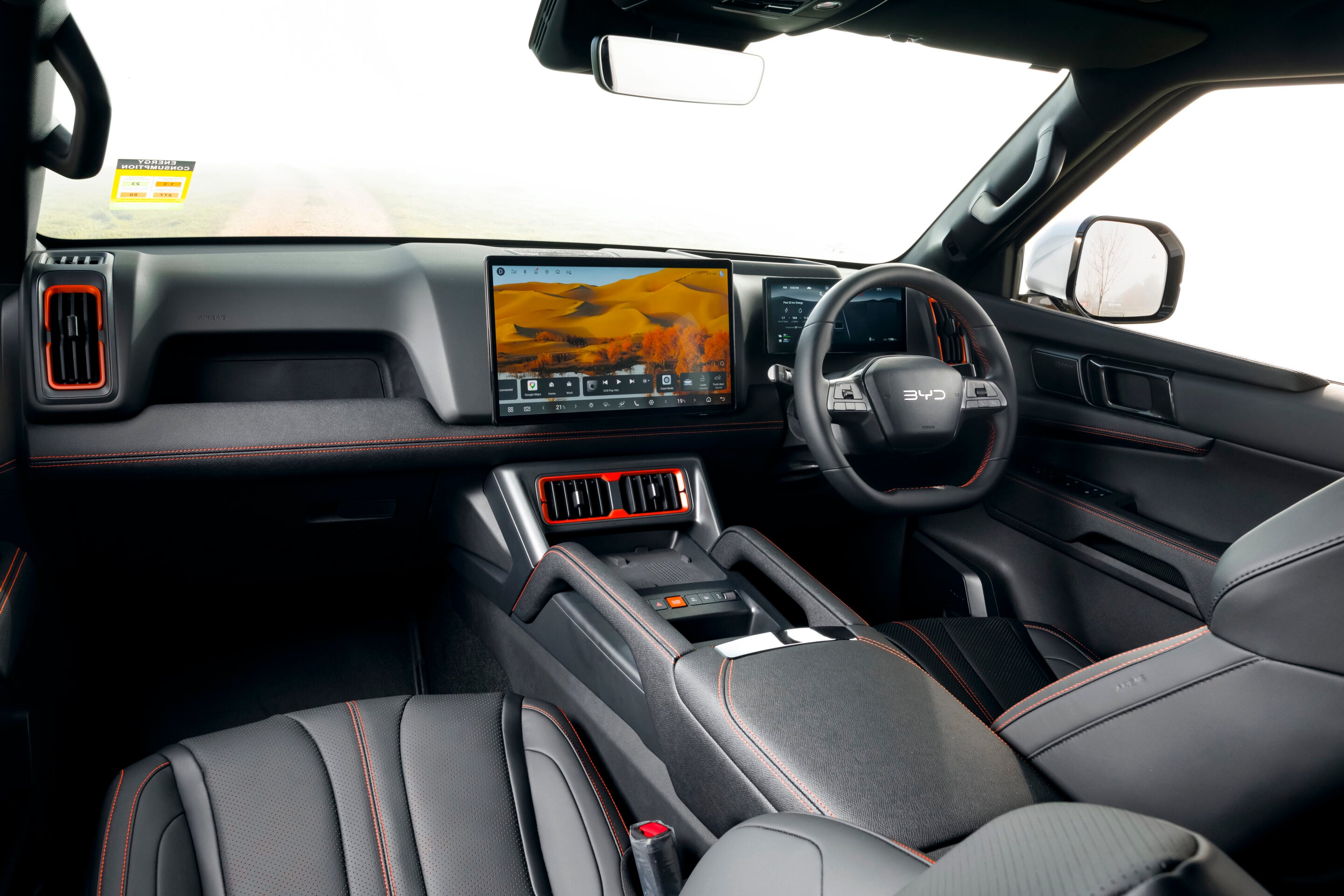
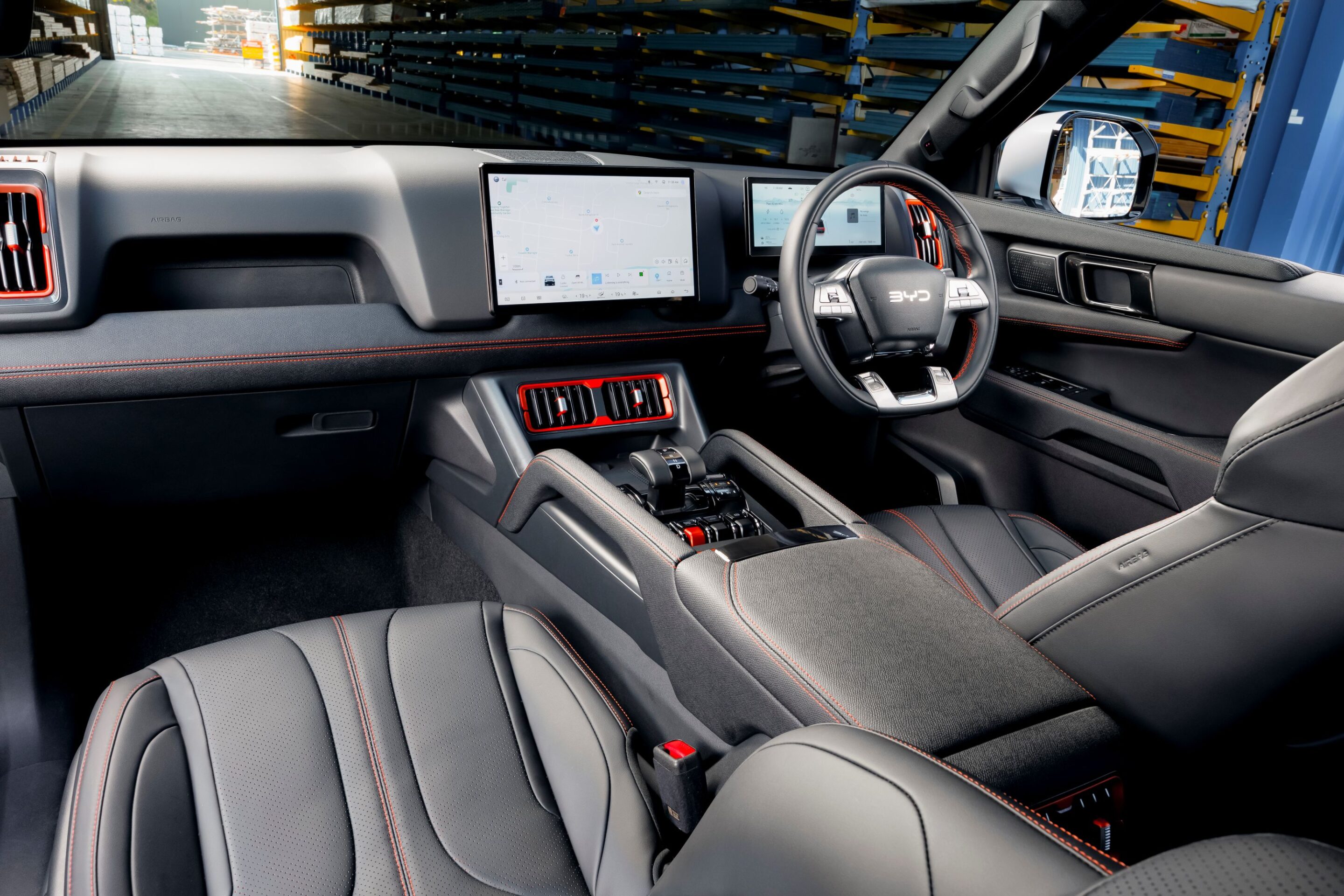
Across the two new model variants, the noteworthy points of the Shark 6 remain. Compared to even the best in segment from the traditional brigade, Shark 6 delivers a premium cabin experience. The choice of materials, attention to detail, fit and finish, and placement of the major controls, all combine to ensure it feels like a premium place to be, regardless of model choice.
Even the work-focused Dynamic, which loses heated and ventilated front seats, head-up display, and privacy glass, and reverts to a 12.8-inch screen rather than the 15.6-inch unit in the two models above, retains a quality feel, especially from behind the wheel.
The driving remains, as it always did, excellent, especially when you’re moving under electric power. Given the Shark 6 gives you the feel of driving an electric car but with the lack of range anxiety that comes with a petrol engine, you’re effectively getting the best of both worlds. While a PHEV won’t necessarily work for everyone, it does provide a genuine step from the old way of doing things.
These are heavy dual cabs, with curb weights of 2600kg, 2710kg and 2775kg across the range, and they will feel that way sometimes, especially if you need to brake heavily.
However, the Shark 6 – in any guise – rides nicely, and handles our typical urban and outer urban fare, with ease. The Dynamic – like just about every dual-cab on the market – rode even better loaded down. BYD Australia reps told us the weight was between 400kg and 450kg, and while that represents only half its quoted payload, it did make a difference to the bump absorption.
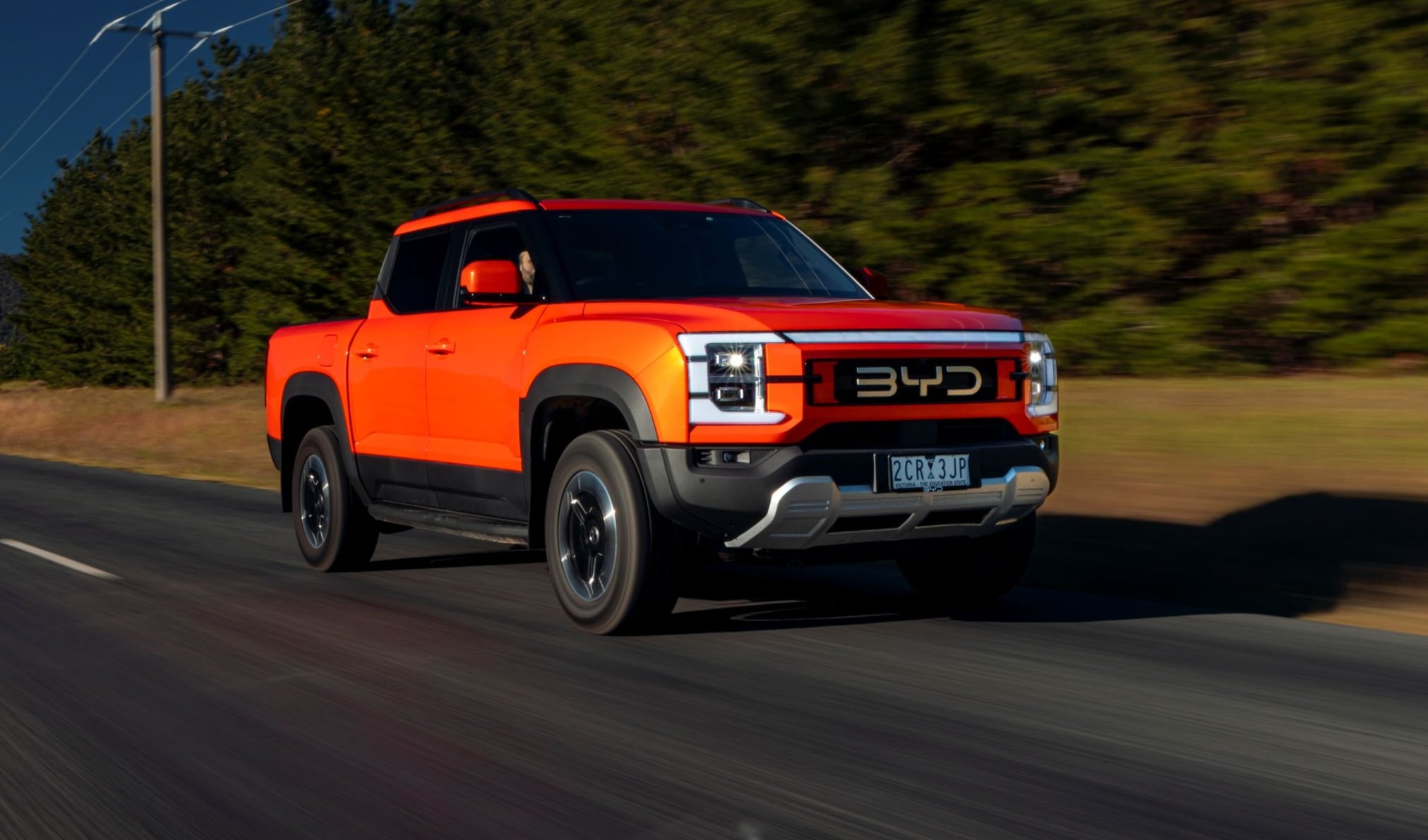
Three driving modes remain, familiar from the model we’ve tested before – EV Pure Electric mode, HEV Series mode and HEV Parallel mode. In EV mode, the petrol engine is switched off and the Shark 6 drives like an EV. That’s the mode we’d recommend for your daily commute. In HEV Series mode, the petrol engine kicks into life but doesn’t power the wheels. Rather, it acts a generator to charge the battery pack, while the electric motors drive the wheels. Then there’s HEV Parallel mode, where the petrol engine and electric motors work together to drive the wheels at the same time. If you’re towing, or covering long distances on the highway, this is the mode that makes the most sense.
Australia’s rural road network provides the kind of patchwork that is beautifully suited to unsettling an unruly dual-cab and yet in any guise, the Shark 6 remains composed. Grip is always good on any surface and while the steering doesn’t feel as sharp as an SUV might, it doesn’t feel too light either. The transition from region braking to friction braking remains smooth, and the all-round driving experience is a good one.
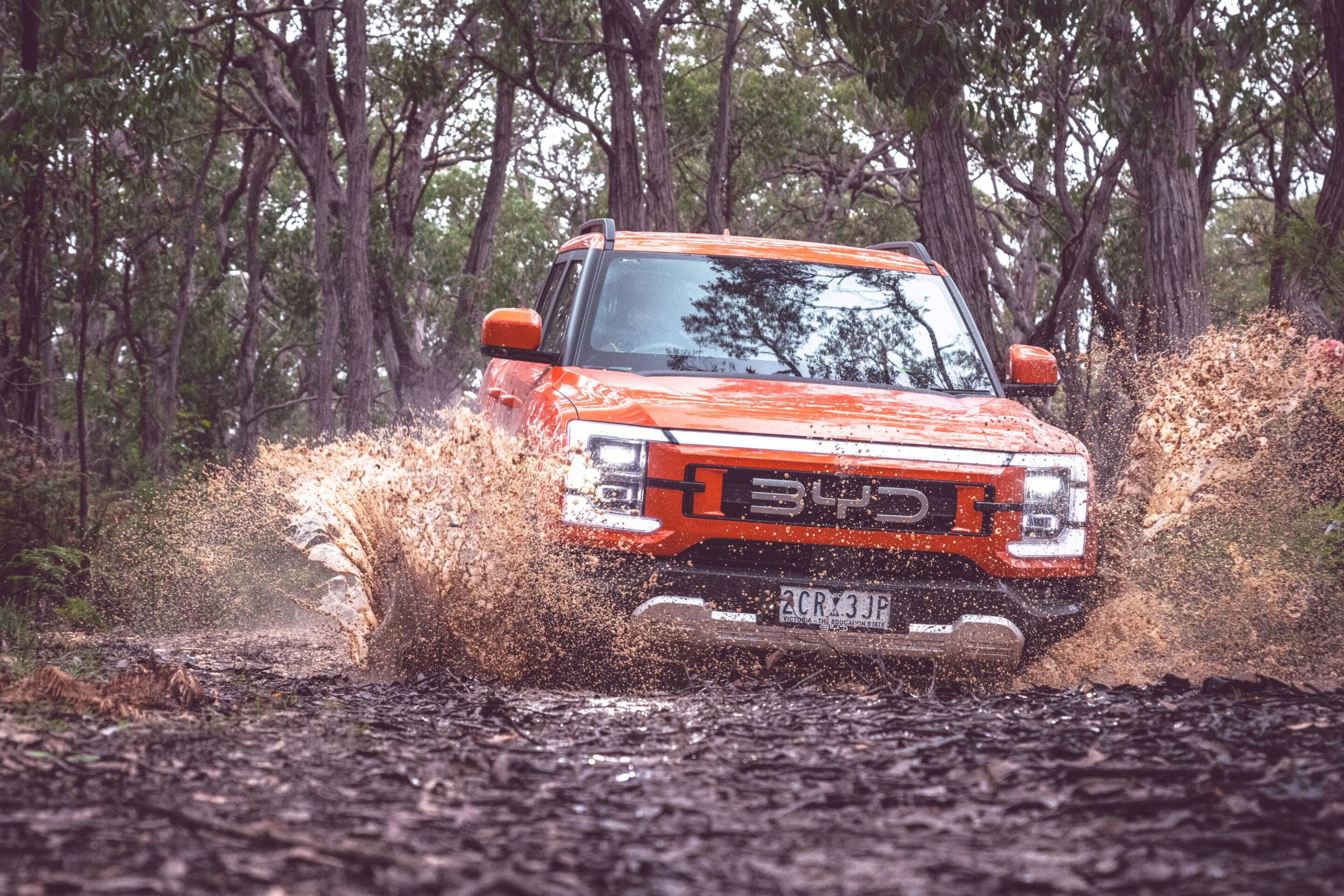
Off-road, changes to the electronic system tuning mean the Shark 6 is better able to cope with scrabbly climbs and slippery descents, with both hill-climb assist and descent control working reassuringly well at launch. Performance Shark 6 debuts a new ‘Crawl’ mode, which will be available as an over-the-air update for Dynamic and Premium owners later this year. For those of you not widely skilled in off-road driving, like most dual cabs these days, the Shark 6 will make most things challenges look decidedly easier than they otherwise might.
The cabin remains a Shark 6 strong point, even in the work-focused Dynamic cab-chassis. If other dual-cab manufacturers aren’t taking notice, they should be. When we speak to Shark 6 owners, the cabin is the strongest draw to the brand. Many who enter the BYD showroom via a five to seven-year-old dual cab, are immediately impressed with the space, amenity and design execution of the Shark 6 cabin, and it’s very hard to argue that point.
What warranty covers the BYD Shark 6?
All Shark 6 variants get a full five-star ANCAP safety rating, and a six-year/150,000km warranty. Service cost clarity runs out to 11 years/220,00km if you want, and that’s another strong point for buyers. For the first five years, you’ll pay $2489, a full 11 years will cost $6077 – the certainty of that alone is a smart way to attract buyers.
Should I buy a BYD Shark 6?
Given more than 24,000 Australians have done just that, in less than two years, there’s little doubt the Shark 6 is worthy of consideration. If you’re heading off on a lap of Australia, or looking to tour our most remote off-road tracks, a more conventional diesel is a smarter, safer choice.
However, the overwhelming majority of us aren’t doing that. We live in the city, we drive in the urban confines, and we are able to do nearly all of that on electric power alone. Therefore, if you want to make the move to an EV, but want to retain some of the security of the old way of doing things, the Shark 6 provides the platform.
When you factor in the strong warranty, long list of standard equipment, and the quality of the driving experience, its not hard to see why so many Aussies have opted for a Shark 6. Add in the explosion in dealership growth – up to 150 by the end of 2026 – and BYD’s presence is growing by the day.
Standard features
- 29.6kWh battery
- 800km NEDC driving range
- 2500-kilogram braked towing capacity
- Proprietary satellite navigation
- Over-the-air software updates
- Synthetic leather steering wheel
- Synthetic leather seats
- Five-star ANCAP safety rating
- 12.8-inch infotainment touchscreen
- 10.25-inch LCD instrument cluster
- Wireless Apple CarPlay and wired or wireless Android Auto
- Dual Mode off-road Super Hybrid AWD
- LED headlights, tail-lights and daytime-running lights
- Eight-way adjustable electric driver seat
- Six-way adjustable electric passenger seat
- Dual-zone climate control
- BYD Cloud services
- Keyless entry and start
- Auto-dimming rear-view mirror
- Power-folding side mirrors
- LED interior lighting
- Interior household power outlet (vehicle-to-load)
- Front and rear parking sensors
- 360-degree camera
- Autonomous emergency braking
- Lane-keep assist
- Adaptive cruise control with stop and go
- Blind-spot monitoring
- Rear cross-traffic alert
- Traffic sign recognition
- Front-centre airbag
Specs: BYD Shark 6 Dynamic
| Price | $55,900 plus ORC |
|---|---|
| Engine | 1.5-litre turbocharged petrol four-cylinder |
| Drivetrain | Dual-motor electric, all-wheel drive |
| Peak outputs (Petrol) | 135kW/260Nm |
| Combined outputs | 321kW/650Nm |
| Transmission | Single-speed multi-mode hybrid transmission |
| Claimed | 0-100km/h 5.7 seconds |
| Battery | 29.6kwh |
| Claimed NEDC range | 800km |
| Maximum DC fast charge speed | 55kW |
| Claimed 30-80% charge time | 30 minutes |
| Dimensions (l/w/h/wb) | 5413mm/1971mm/1925mm/3260mm |
| Tow rating | 2500kg (braked) |
| Ball weight | 250kg |
| Kerb weight | 2600kg |
| Warranty | 6-year/150,000km |
| 5-year service cost | $2489 |
| On sale | Now |
Lexus Australia is welcoming competition from a host of challenger brands from China which are increasingly entering the luxury car space.
While cars made in China continue to sell in ever-increasing numbers, rapid technological and engineering advancements have seen them encroaching into the high-end segments previously dominated by legacy car makers from Europe and Japan.
However, newly-appointed Lexus Australia CEO Jack Hobbs, welcomed the increased competition, telling Whichcar by Wheels it was “good for the market”.
“I think we respect the competition. We welcome it, actually. I think it’s good for the market in general, because it gives the customers more choice.
“That said, our focus is going to really be doubling down on what we do and what we do best .. I think our loyalty is the reward for the way we’ve done it in the past. And certainly, we’ve got good plans for our future to continue to have organic growth.”
Hobbs added that Lexus customers were doing more than just buying a new luxury car, citing the Japanese brand’s well-known after sales experience such as its Encore program as providing a point of difference.
“I think if we keep focusing on that … Lexus is not just a brand you buy, but it’s a brand that you belong with. And we want to continue expanding that space through our lifestyle activations, through our Encore membership, and some of the other things that we offer other than just really good product.”
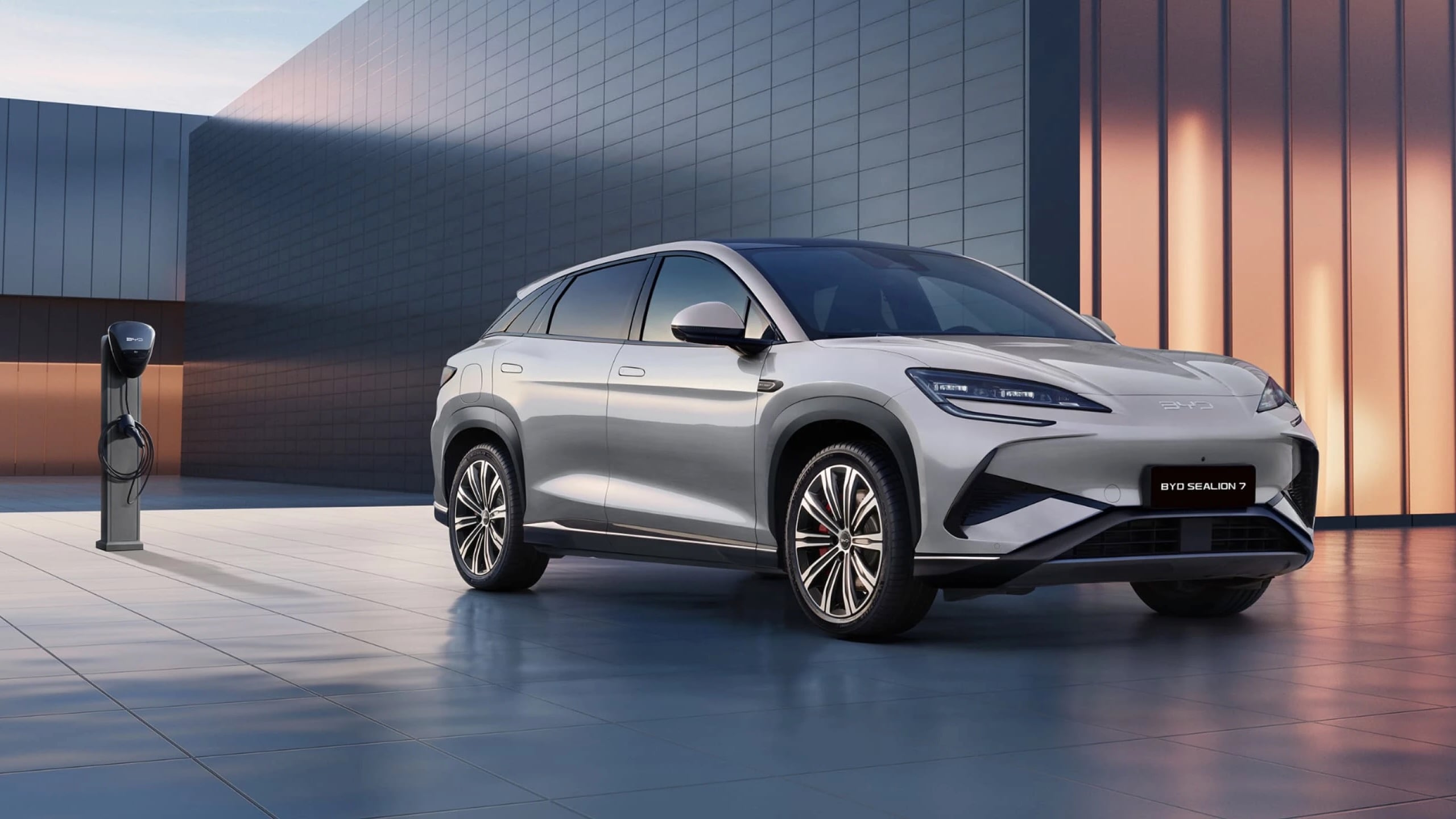
Challenger brands from China, like BYD, are growing in the luxury car space, often under-cutting legacy brands on price while offering the same levels of equipment
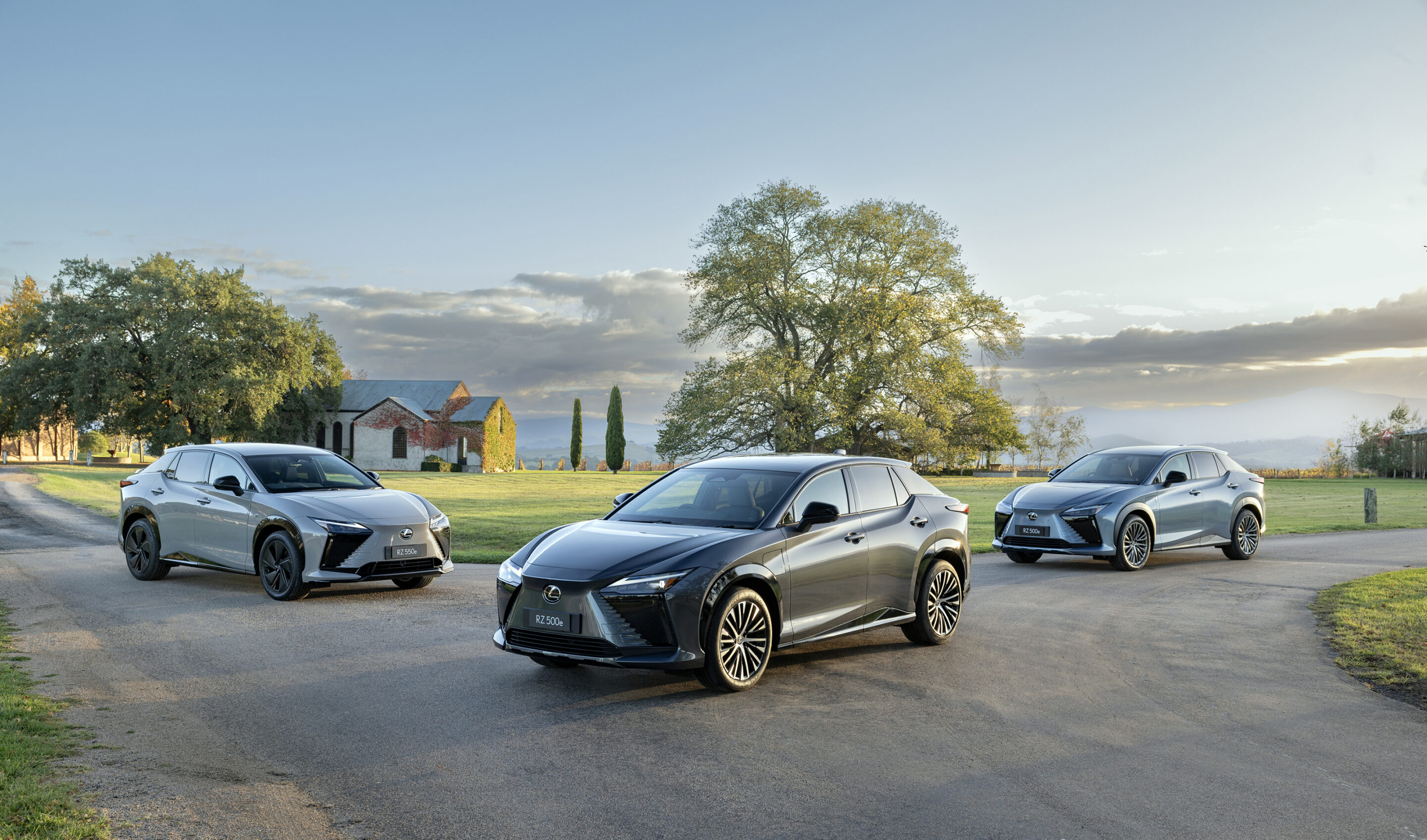
But Hobbs said he would not engage in a price war with luxury brands from China, despite recently slashing the price of the updated Lexus RZ electric mid-size SUV by around $40,000.
“We always want to make sure we look at what the market’s doing,” he told Whichcar by Wheels. “And we don’t want to race to the bottom per se, but we want to make sure that we’re offering really good value for what we do offer in the market.”
Lexus Australia continues to target modest growth in electric vehicles as the Japanese luxury brand continues its measured roll-out of its zero emissions vehicles, starting with the heavily-updated RZ medium SUV to be followed by an all-new ES luxury sedan.
Newly-appointed Lexus Australia CEO Jack Hobbs told assembled media – including Whichcar by Wheels – at the recent launch of the brand’s updated RZ mid-size electric SUV that he expected sales of “well over 300”.
If Lexus does achieve that conservative sales target, it will eclipse the pre-updated RZ which accounted for just 256 sales over a two-year period from 2024-25.
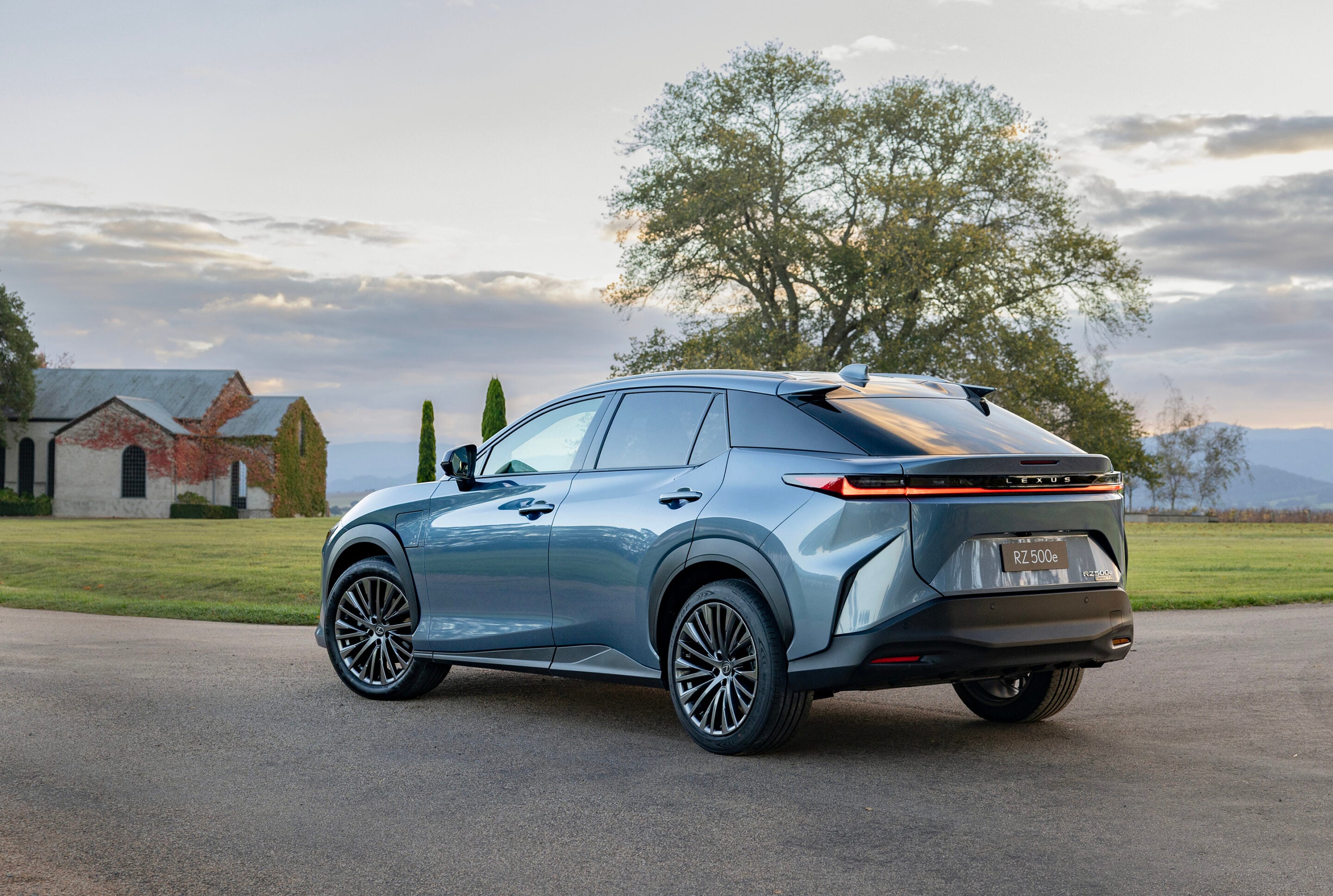
While not explicitly stated, its lacklustre sales can be attributed – at least in part – to the pre-updated model’s high pricing in a segment dominated by far cheaper medium SUVs from a host of challenger brands from China and the dominance of Tesla Model Y.
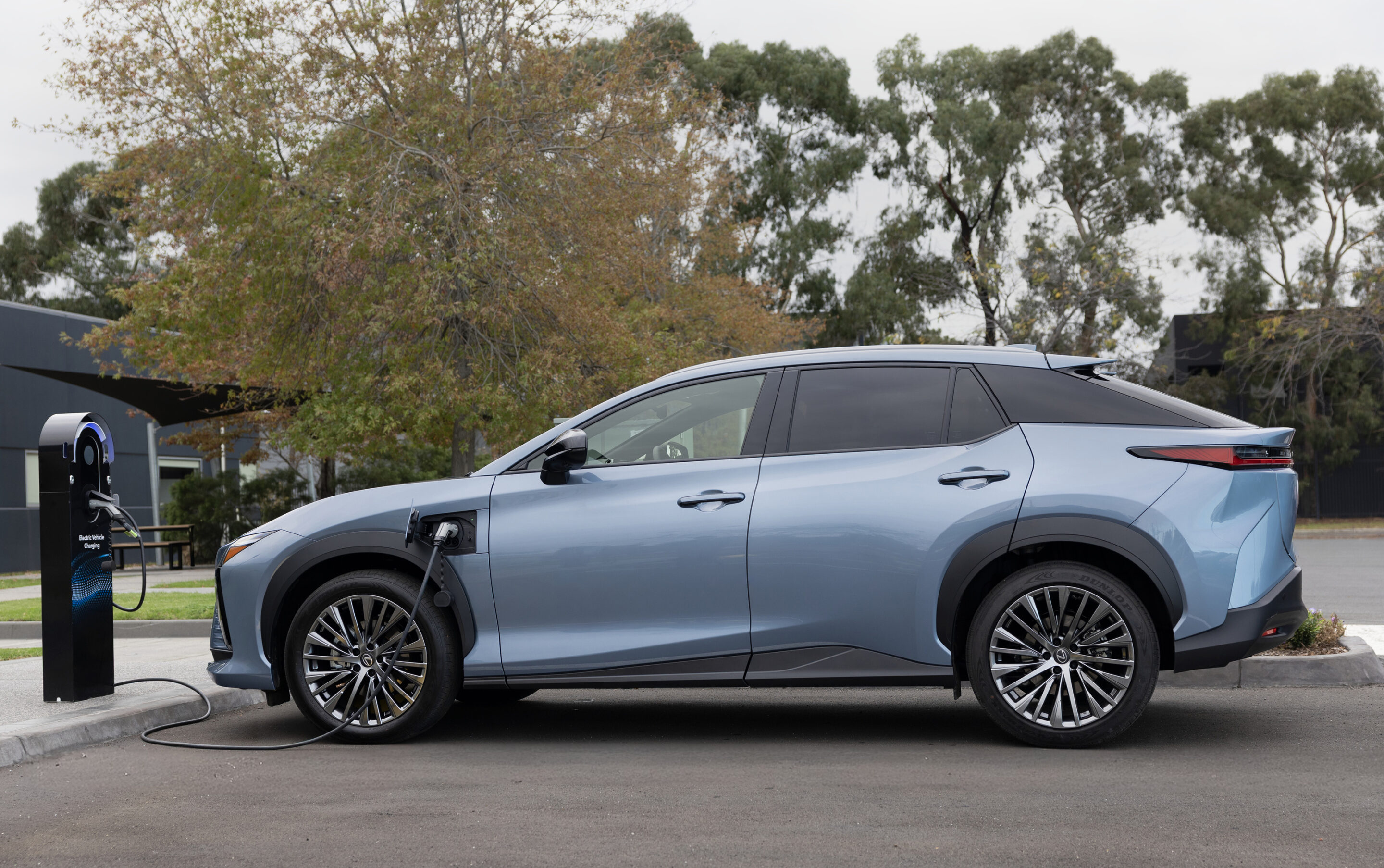
In response, Lexus has slashed the pricing of its updated RZ for the 2026 model year, now priced from $84,500 before on-road costs, a massive reduction of $36,559 over the older model.
That’s been driven by two factors, according to Hobbs, who told Whichcar by Wheels that consumer sentiment and the rapid advancements in EV manufacturing contributed to the price reduction.
“There’s a combination of the factors,” Hobbs said “Both of those come into play. Certainly, the technology and efficiency in battery manufacturing is moving fast. And that does help us with that repositioning, but also … the market’s also moving very fast.
“We need to position ourselves in that space to make sure that we’ve put an appropriate offering that still gives the technology, the craftsmanship, et cetera, that we’ve enjoyed. So, I’m pretty sure, I think we’ve settled on a pretty good mark.”
Hobbs added that early customer interest for the updated RZ remained good and that he would continue to work with Lexus in Japan to ensure a steady supply of the new model into Australia.
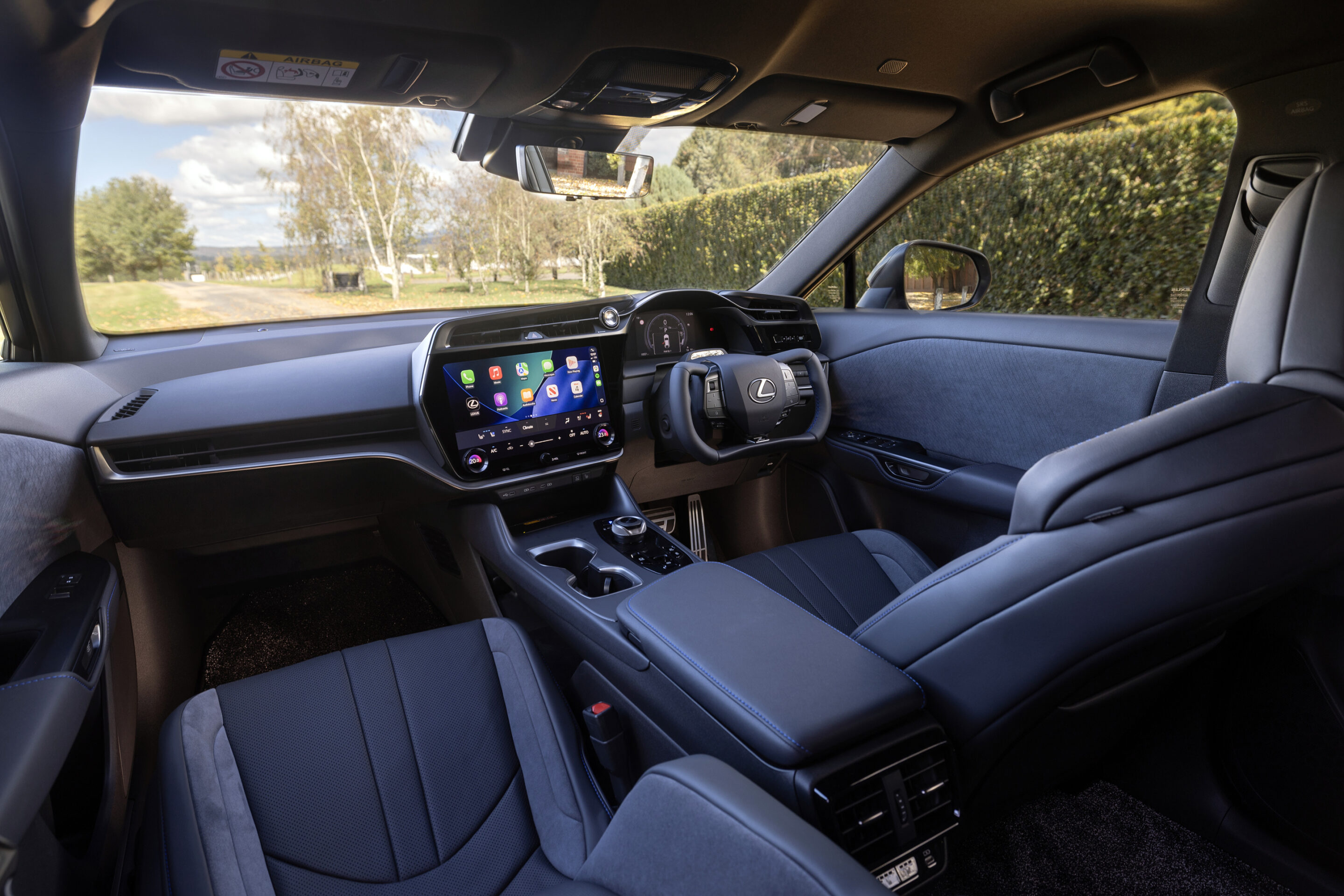
“I’m not sure we’d get thousands,” he said. “We will definitely see how things go. The early signal is there’s some quite good interest out there. So we’ll take it as we go, month by month, and see how it builds.
“Production [is] still relatively tight. We think that there’ll be good demand for the product. And we will continue to work with our team in Japan to try and get as many as we can.
“We don’t tend to focus too much on numbers, and we do have another BEV product coming later this year in a couple of months, which is the ES [mid-size sedan]. Those two together, we think, can swell our numbers of pure BEV sales this year.”
A Lexus Australia spokesperson confirmed to Whichcar by Wheels that it was projecting battery-electric vehicles sales to reach five per cent of total Lexus sales by the end of the year, with regular hybrid accounting for 60 per cent, plug-in hybrid 22 per cent, with traditional internal combustion making up the balance of 13 per cent.
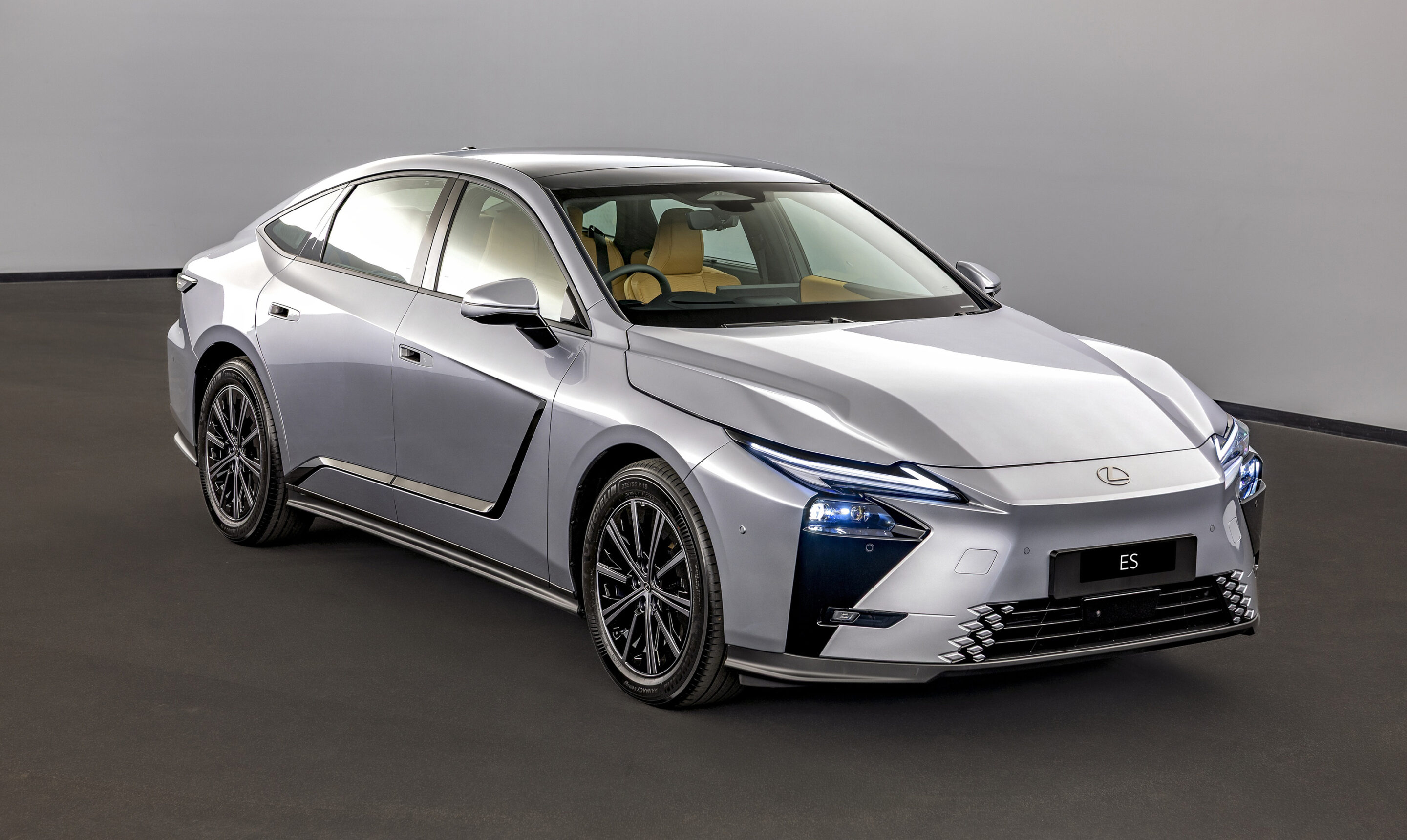
The updated Lexus RZ medium SUV will be joined in the brand’s line-up of BEVs by a new generation ES luxury sedan which will be available in both regular hybrid, and for the first time, battery electric variants. Technical details and pricing are still to be confirmed but it’s expected to hit local showrooms in the second half of 2026.
Ferrari has unveiled its first fully electric production car, the Luce, marking one of the most significant shifts in the company’s history as the Italian brand moves into the EV era without abandoning its traditional combustion models.
Revealed in Rome at the Vela de Calatrava sporting complex, the new four-door Luce combines supercar-level performance with grand touring practicality and introduces a radically different design approach for Ferrari.
The Luce has been in development since 2021 and is underpinned by a newly developed EV architecture featuring four electric motors – one driving each wheel – alongside a 122kWh battery pack and 800-volt electrical system.
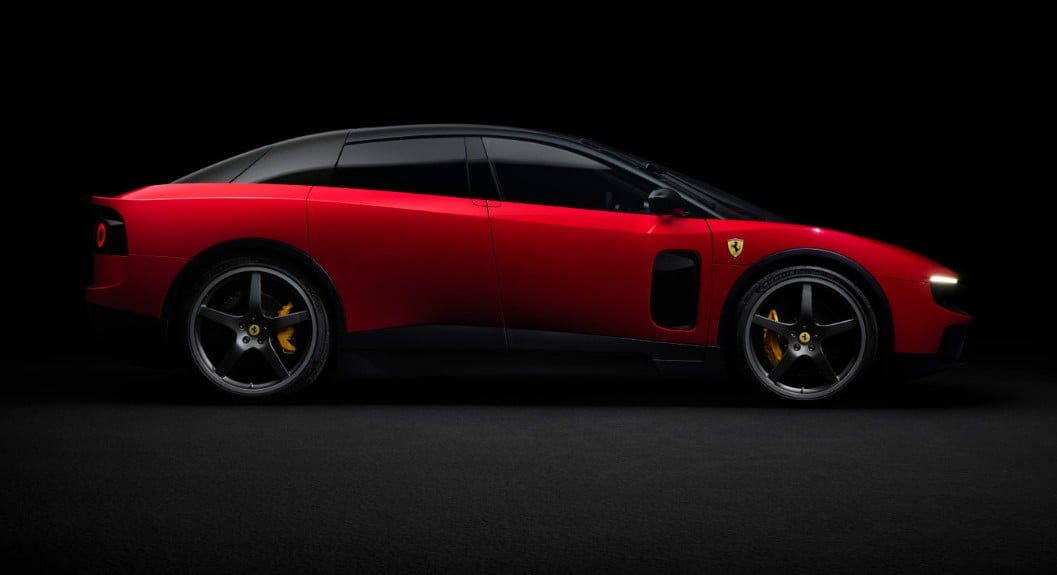
Maximum output reaches 1035hp (772kW) in launch control mode, allowing the Luce to accelerate from 0-100km/h in a claimed 2.5 seconds. Ferrari quotes a top speed of 193mph (310km/h) and an estimated driving range of 329 miles (529km).
Fast charging capability of up to 350kW is also supported.
Unlike some rival manufacturers that have attempted to replicate internal-combustion engine sounds artificially, Ferrari says the Luce generates an EV-specific soundtrack derived from the electric drivetrain itself. The car also introduces “Torque Shift Engagement”, a system using steering-wheel paddles to alter regeneration levels and power delivery in an effort to make the driving experience feel more interactive.
The Luce’s styling is likely to prove divisive. At more than five metres long, it becomes the largest Ferrari ever built and adopts a low-slung four-door layout with rear-hinged back doors and seating for five passengers – another first for the brand.
Design work was carried out in collaboration with LoveFrom, the creative collective founded by former Apple design chief Sir Jony Ive and designer Marc Newson. The interior places strong emphasis on physical controls and tactile materials rather than touchscreen-heavy interfaces.
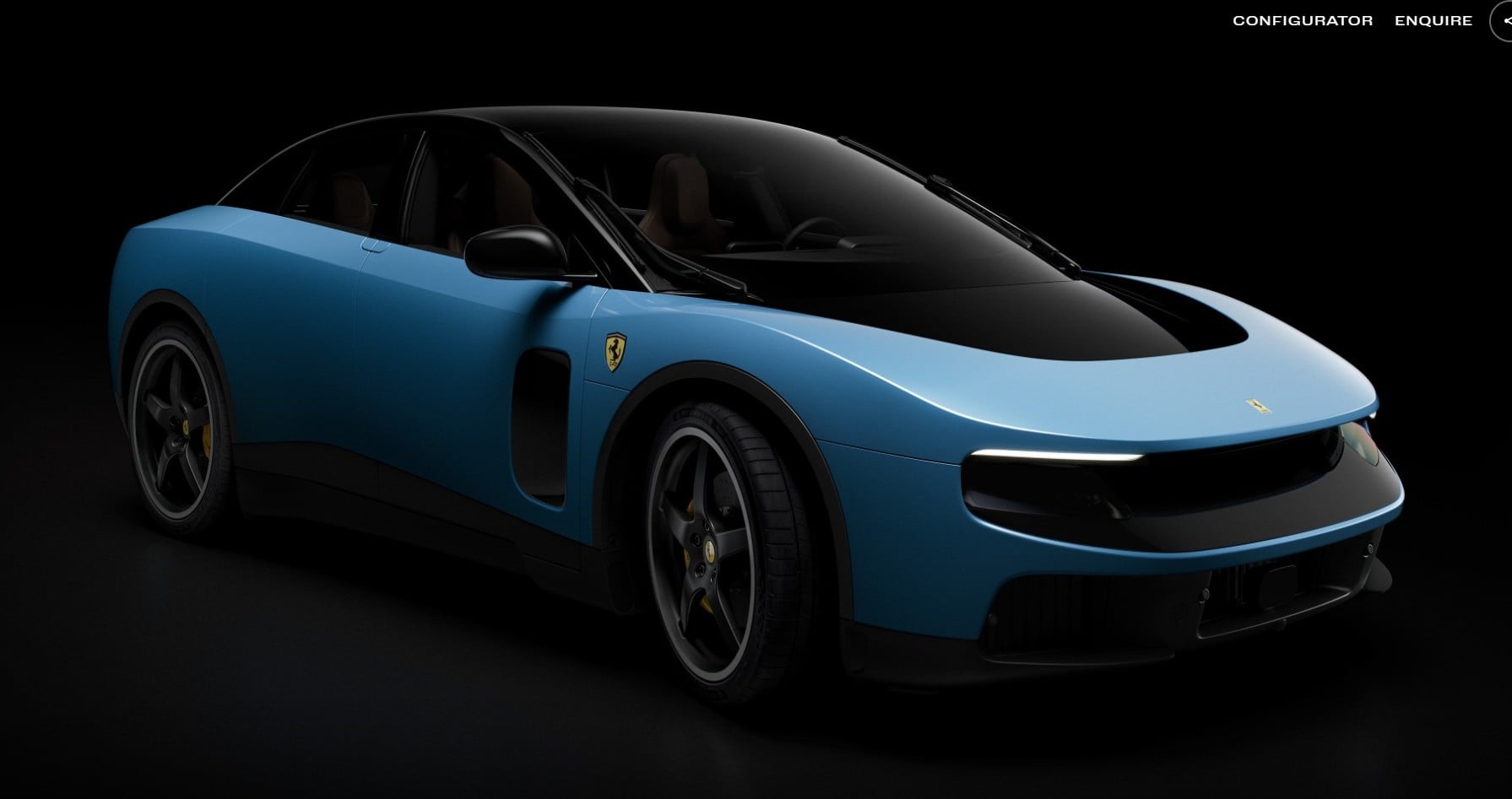
A rotating central infotainment display, aluminium switchgear, analogue-inspired instrumentation and aviation-style details aim to preserve a sense of mechanical interaction despite the car’s electric powertrain.
Ferrari says the Luce will sit alongside, rather than replace, its V12 and hybrid-powered models as part of a broader “multi-energy” strategy.
The company has previously confirmed that combustion engines will remain a key part of its future line-up despite tightening global emissions regulations and growing EV competition.
The Ferrari Luce is expected to begin customer deliveries in early 2027, with pricing in Europe expected to start at around €500,000 ($A941,555) before options.
Canberra has been identified as Australia’s most electric vehicle-friendly capital city in a new nationwide study examining charging infrastructure, ownership rates and EV adoption growth.
The report, compiled by insurer ROLLiN’, analysed Greater Capital City Statistical Areas (GCCSAs) across four key measures: the availability of charging infrastructure, public charging costs, current EV ownership levels and the pace of adoption growth since 2021.
The ACT topped the rankings with a score of 84.37 out of 100, driven by the country’s highest EV uptake and strongest charging network density. According to the study, more than three per cent of registered passenger and light vehicles in Canberra are electric, while the city offers more than 80 charging connectors per 100,000 residents.
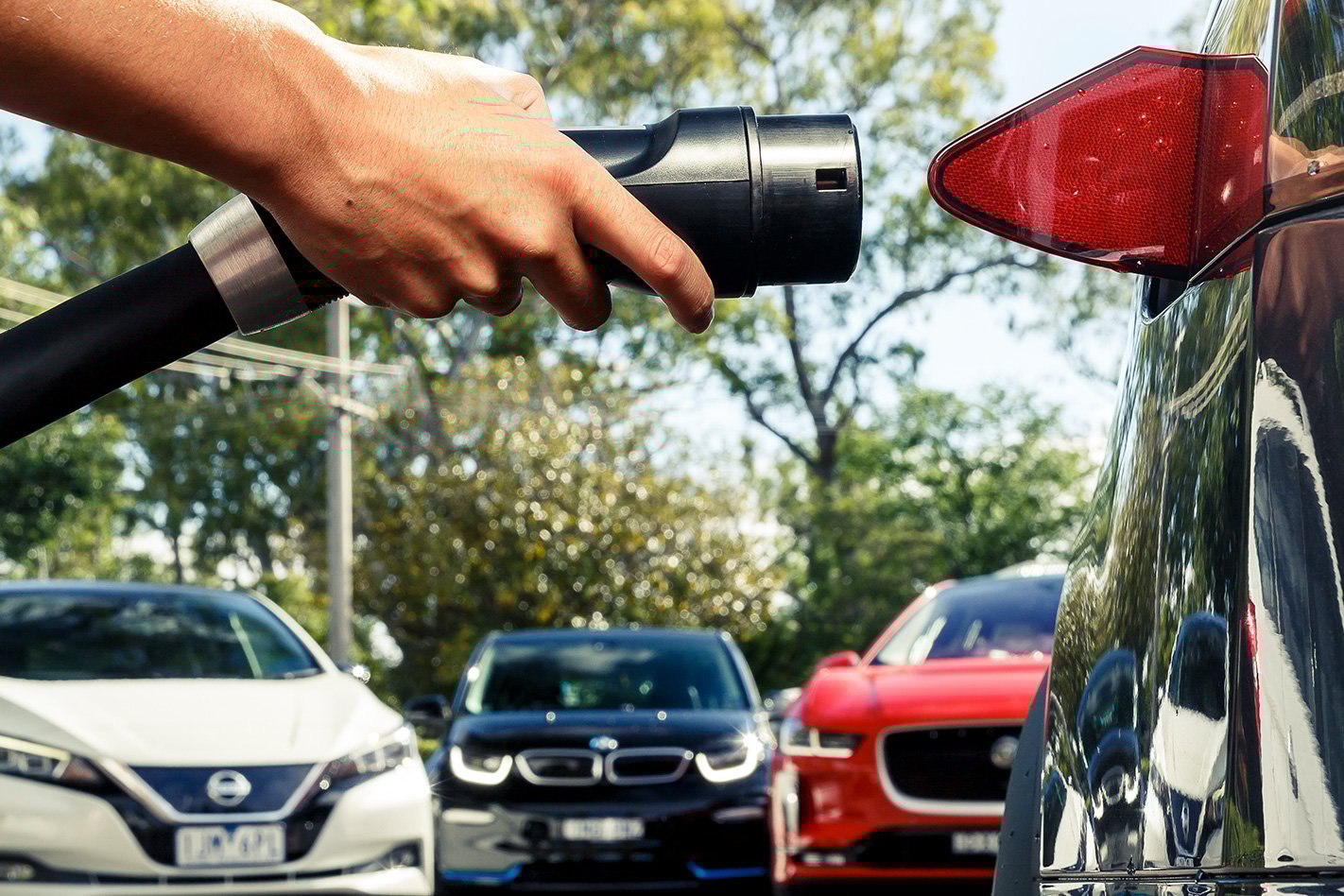
The findings come as electric vehicle adoption in Australia continues to grow. Earlier this year, the Federal Chamber of Automotive Industries reported that one in every six new vehicles sold nationally was electric, reflecting changing consumer priorities around fuel costs, emissions and long-term running expenses.
Perth and Sydney ranked second and third respectively in the study. Both cities recorded EV ownership rates above one per cent of registered vehicles and relatively moderate public charging costs.
The report also found EV adoption is growing rapidly across most Australian capitals, with annual market growth in Perth and Sydney ranging between 95 and 115 per cent since 2021.
Melbourne and Brisbane occupied the middle of the rankings, benefiting from expanding charging infrastructure but facing increasing pressure on charging demand as EV ownership rises.
At the other end of the scale, Darwin ranked eighth overall with a score of 12.01 out of 100. The Northern Territory capital recorded the country’s highest average charging costs at $0.77 per kWh, alongside relatively limited charging infrastructure and EV ownership below one per cent of registered vehicles.
Despite those challenges, Darwin showed the fastest EV adoption growth nationally at 130.5 per cent, suggesting strong emerging interest despite its smaller market size.
| Rank | Greater Capital City Area | Charge Connectors Per 100,000 Population (#) | Weighted Mean Price of Charging ($/ kWh) | EV Share of Registered Vehicles (%) | Growth of EV Share 2021-2025 (CAGR %) | Index Score/100 |
|---|---|---|---|---|---|---|
| 1 | Canberra, ACT | 83.78 | $0.57 | 3.06% | +96.3% | 84.37 |
| 2 | Greater Perth, WA | 63.81 | $0.50 | 1.33% | +107.4% | 62.57 |
| 3 | Greater Sydney, NSW | 46.92 | $0.53 | 1.76% | +95.6% | 53.43 |
| 4 | Greater Adelaide, SA | 43.19 | $0.42 | 1.07% | +108.9% | 48.09 |
| 5 | Greater Brisbane, QLD | 38.26 | $0.60 | 1.67% | +107.2% | 42.69 |
| 6 | Greater Melbourne, VIC | 32.08 | $0.51 | 1.55% | +96.4% | 37.63 |
| 7 | Greater Hobart, TAS | 45.84 | $0.67 | 1.32% | +82.4% | 35.21 |
| 8 | Greater Darwin, NT | 33.90 | $0.77 | 0.63% | +130.5% | 12.01 |
The study noted that charging accessibility remains one of the key barriers to wider EV adoption in Australia, particularly outside metropolitan centres and major highway corridors.
ROLLiN’ executive manager Brendan Griffiths said EVs had shifted from being a niche purchase to a more mainstream transport option, but local infrastructure continued to heavily influence ownership decisions.
“EV-friendly areas are those that support everyday driving with accessible charging, manageable costs and growing local adoption,” Griffiths said.
The report also highlighted ongoing differences in public charging pricing between states and territories, with energy costs and infrastructure rollout continuing to shape the overall ownership experience for Australian EV drivers.
MG Motor Australia has expanded its growing electric vehicle line-up with the launch of the new MGS6 EV, a mid-size electric SUV positioned above the smaller MGS5 EV and MG4 hatchback.
The new model arrives in two variants, with the rear-wheel-drive MGS6 EV Essence priced from $49,990 drive-away, while the dual-motor all-wheel-drive version starts from $56,990 drive-away.
The MGS6 EV becomes MG’s third fully electric launch in Australia during 2026 and continues the company’s push into higher-volume SUV segments as competition intensifies among affordable and mid-priced EV brands.
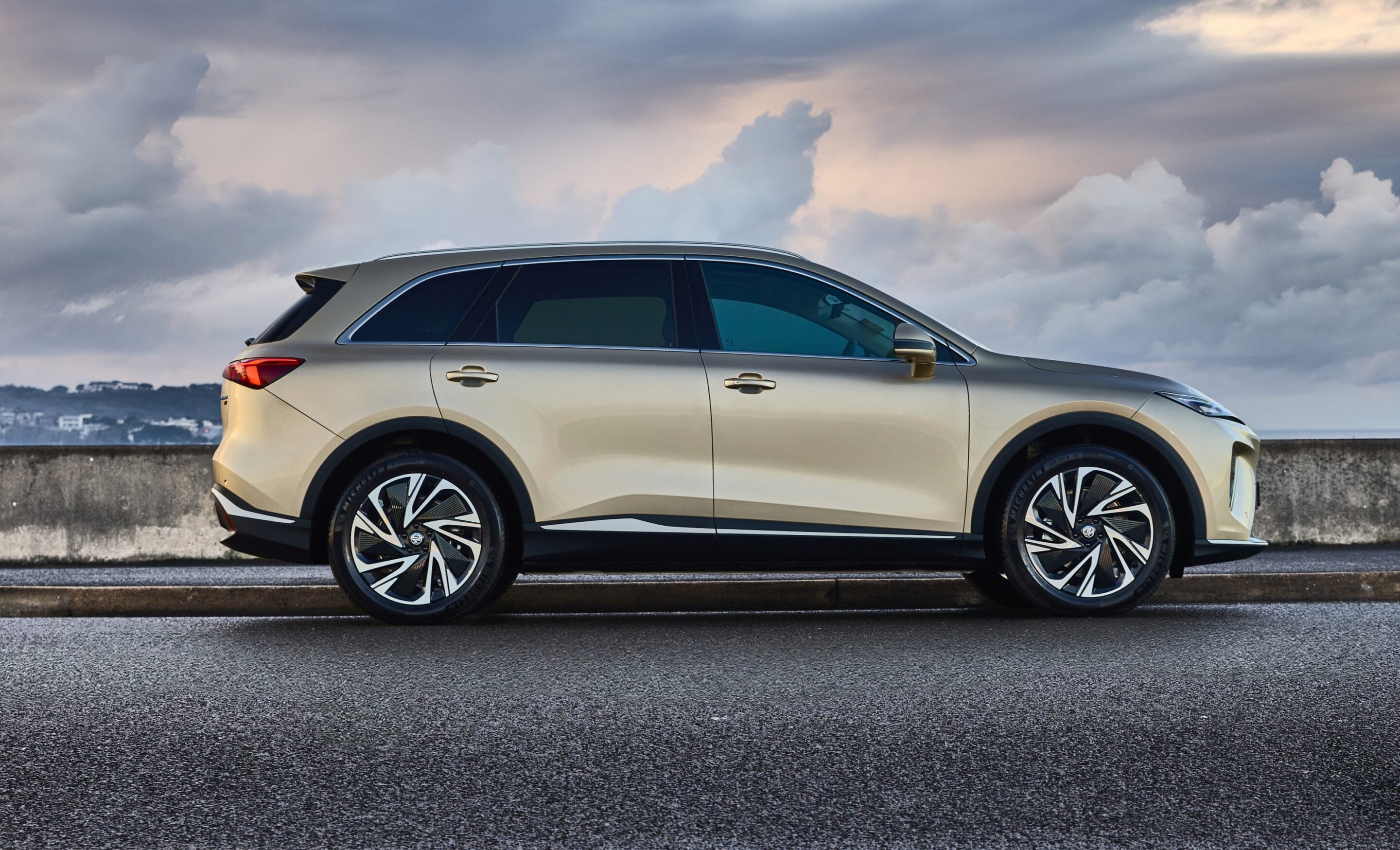
Dimensionally, the SUV measures 4708mm long, 1912mm wide and 1664mm tall, placing it into the heart of Australia’s popular medium SUV category alongside vehicles such as the Tesla Model Y, BYD Sealion 7 and Hyundai Ioniq 5.
Power outputs differ significantly between variants. The rear-wheel-drive model produces 180kW, while the all-wheel-drive version combines two electric motors for a total output of 266kW. MG claims the flagship AWD model can accelerate from 0-100km/h in 5.1 seconds, compared with 7.3 seconds for the RWD version.
Claimed driving range under WLTP testing stands at 530km for the rear-wheel-drive model and 485km for the all-wheel-drive variant. MG says both versions support DC fast charging at up to 144kW, allowing a claimed 10-80 per cent recharge in 38 minutes using a compatible 150kW charger.
The SUV also includes a heat pump, adjustable regenerative braking and one-pedal driving functionality as standard.
Inside, the MGS6 EV adopts a dual-screen dashboard layout featuring a 12.8-inch central touchscreen and 10.25-inch digital instrument display. Wireless Apple CarPlay and Android Auto, a 50W wireless phone charger and voice-control functionality are included.
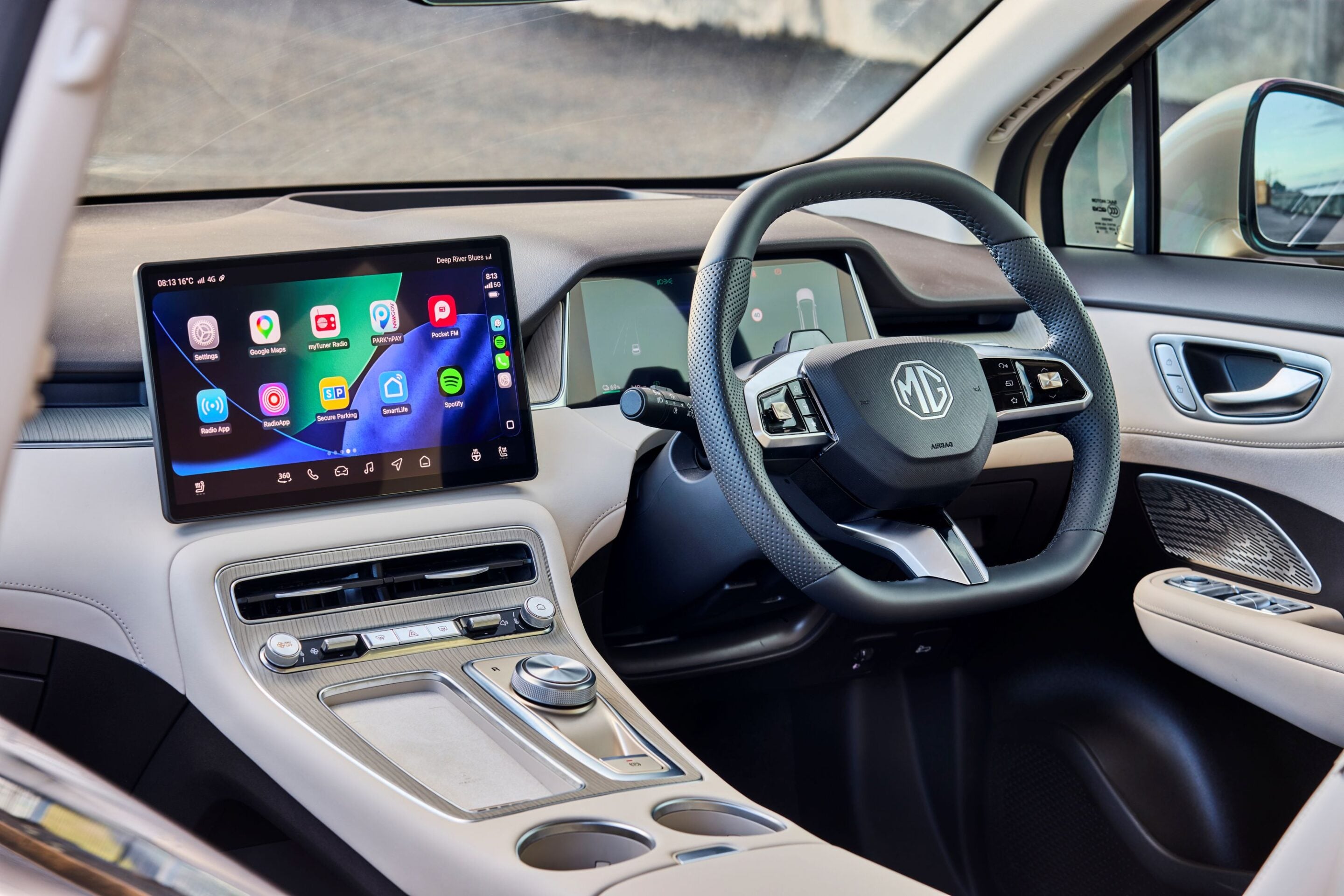
Other equipment includes heated and ventilated front seats, heated outer rear seats, ambient lighting and an 11-speaker audio system with subwoofer.
Storage capacity includes a 581-litre rear boot, plus a front storage compartment ranging from 67 litres in AWD models to 86 litres in rear-wheel-drive variants. Total cargo capacity expands to 1690 litres with the rear seats folded.
MG says the MGS6 EV also offers a 1500kg braked towing capacity.
Safety systems include adaptive cruise control, blind-spot monitoring, lane-departure warning, autonomous emergency braking and a 360-degree camera system.
The MGS6 EV is available in Australian dealerships from today and is covered by MG’s seven-year unlimited-kilometre warranty, alongside an extended service-activated warranty program of up to 10 years or 250,000km.
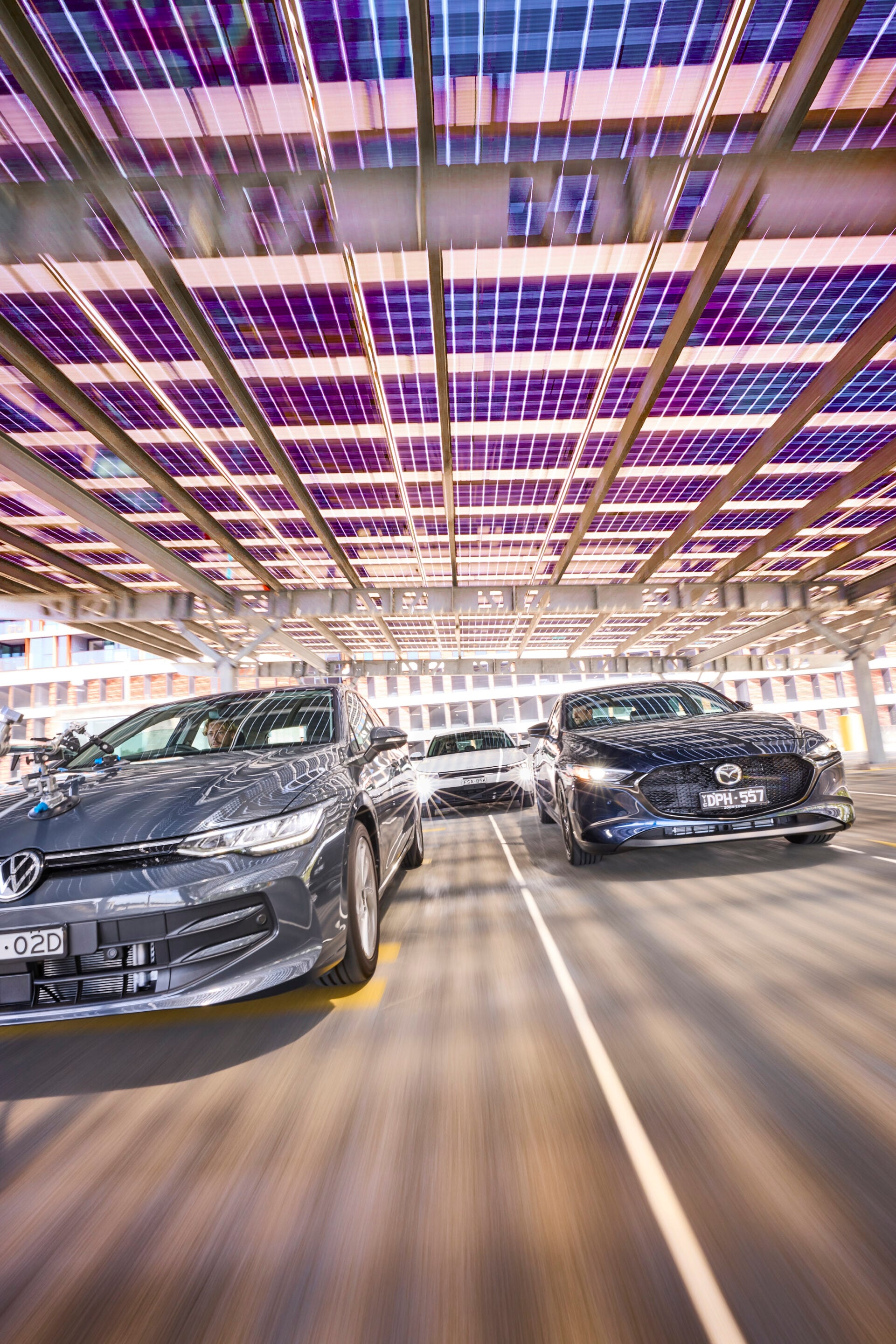
As ever, Wheels was there for the entry for all three of these cars as they first hit the road in Australia. In the case of the Volkswagen Golf, it was our road test in April 1976, while August 1977 saw our first test of the then-new Mazda 323. In December 2010, it was Kia’s turn, with its Cerato hatch. Wheels had tested the Cerato sedan in 2009, but the hatch arrived later.
And here we are decades later with the spiritual successors of those three vehicles – in the case of the Mazda and Kia, changed in name rather than objective. It’s worth revisiting Wheels’ first thoughts, too.
“Brilliant was the word that kept coming back to us during the full road test of the exciting new VW. Brilliant and versatile, and safe and fun… need we go on?” – Peter Robinson, April 1976.
“It’s a good little car. It’s fit to be judged in practicality on the same terms as the most advanced small cars from Europe and it yields nothing to them in economy and not all that much in road behaviour. The Mazda 323 is probably THE outstanding small car buy in Australia right now.” – Steve Cropley, August 1977.
“Cerato is an altogether more cohesive steer thanks to unique-for-Oz springs, dampers and anti-roll bars. For now, the five-door hatch is the better-driving, more versatile, arguably better-looking Cerato.” – James Whitbourne, December 2010.
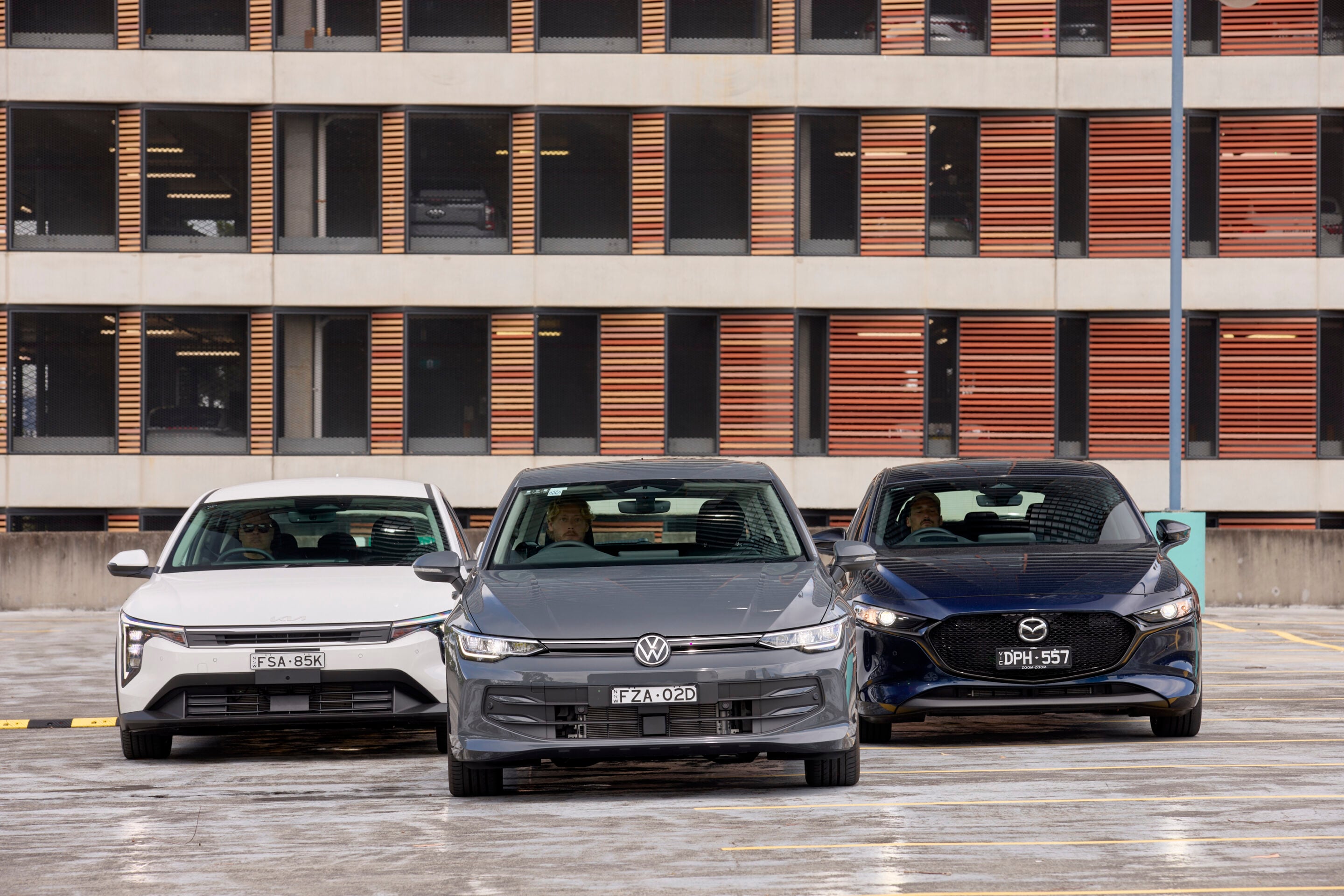
If you focus on sales figures, small hatches aren’t as influential as they used to be. In the case of some manufacturers, a hatch is no longer the entry point into the brand either. In 2025, there wasn’t a small car of any kind in the top 10 – which was dominated by dual-cab 4WDs and SUVs. However, for so many Australians, the small car, often in hatchback form, is the smartest way to start their driving journey, end their driving journey, or serve time as a second car in the family garage. In many ways, they remain as vital in a manufacturers’ showroom as they ever were. pricing of the trio
Wheels has assembled the three models as closely on price and standard specification as we could. That’s more difficult to do than ever before, too, as this segment has diverged widely as the manufacturers look to take advantage of their respective strengths. For some, tech is the key inclusion, for others it’s the way the vehicle is packaged and drives. And then there’s the ‘load it with as much standard equipment as possible’ theory for others.
Those differences have created a very broad church, where you can, in effect, part with a similar amount of money to get a significantly different vehicle. Looking at what you get for the money, though, provides the sharpest comparison you can make.
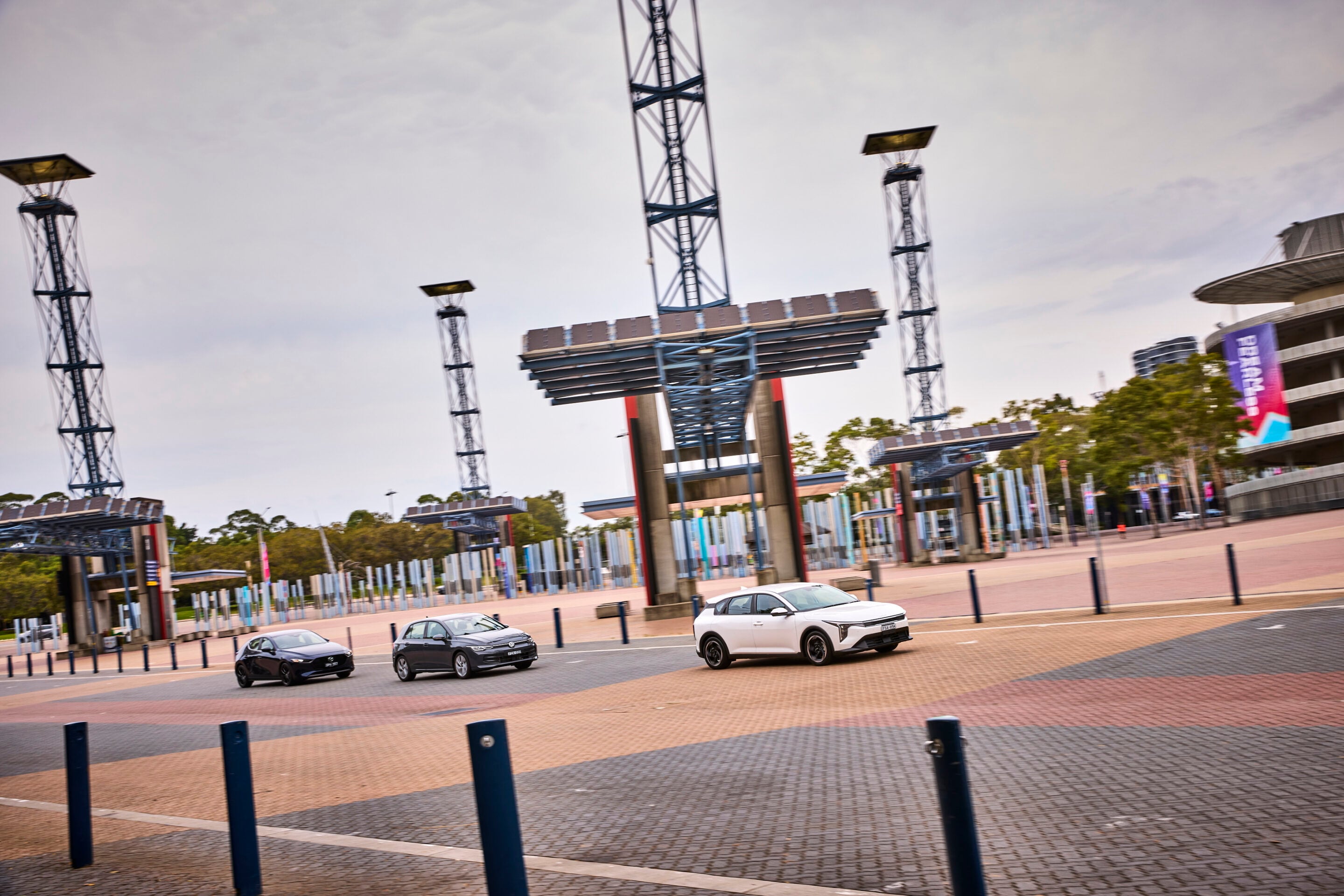
With that in mind, the way each variant sits in its broader range is slightly different as well. For example, the Volkswagen Golf 110TSI Life we have is the entry point to the Golf range, while the Mazda 3 G25 Evolve SP sits on the higher side of the middle of the range, while the Kia K4 Sport+ is second from the top.
The Golf starts from $39,290 before on-road costs and is covered by a five-year/unlimited kilometre warranty, with the first five years of servicing, setting you back $3094. Mazda’s 3 starts from $37,410 before on-road costs and also gets a five-year/unlimited kilometre warranty, with servicing across the first five years costing $2294. Kia’s new-gen K4 starts from $39,090 in this specification, before on-road costs, and wins the warranty battle with Kia’s standard-setting seven year/unlimited kilometre coverage. Five years of servicing for the K4 will set you back $2322.
Spec shakedown
Let’s first look at the features these three share. They include: automatic dusk-sensing LED headlights, automatic wipers, keyless entry with push button start, wireless Apple CarPlay/Android Auto, AM/FM/DAB+ digital radio, auto-folding mirrors, manual front passenger seats with height adjustment, rear air vents, rear central armrests with cup holders, smartphone app connected services, autonomous emergency braking with pedestrian/cyclist detection, adaptive cruise control with stop-and-go, adaptive lane guidance, traffic jam assist, blind-spot monitoring, rear cross-traffic alert, tyre pressure monitoring, front and rear parking sensors and rear-view camera.
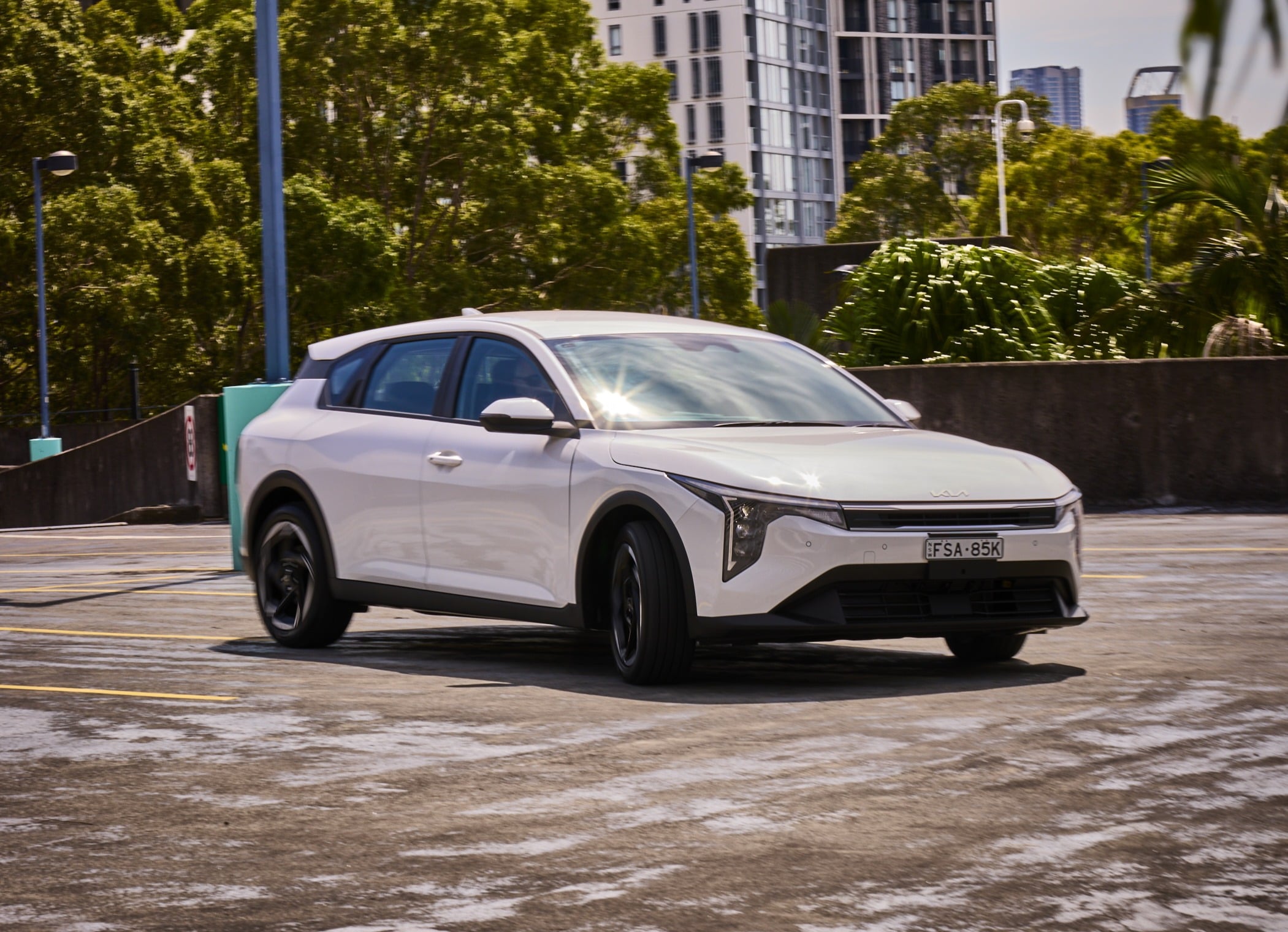
Standard K4 features that Golf and 3 don’t get include: front and rear LED daytime running lights, synthetic leather upholstery, heated front seats, larger 12.3-inch touchscreen, larger 12.3-inch digital driver’s display, ‘Eco’ driving mode, and over-the-air updates. Compared with the others, however, the K4 does miss out on a leather steering wheel, and wireless phone charging.
Move over to the Golf and the equipment it gets that you won’t find in the others includes: rear ski pass through, wiper-activated automatic headlights, Emergency Assist automatic slowing and stopping when driver is unresponsive, rear fog light, rear side airbags, 10-colour cabin ambient lighting, lumbar adjustment, semi-autonomous automatic parking (steering only), and an auto-dipping passenger mirror in reverse.
Compared with the others, Golf misses a few key functions, with only single-zone climate control, no native satellite-navigation, and no drive modes.
Mazda 3 doesn’t miss this battle either, and adds over the other two: 18-inch wheels, a 360-degree camera, head-up display, two extra speakers (eight in total), driver’s knee airbag, and front cross-traffic alert. Mazda 3 does, however, miss out on rear charging ports, only has halogen DRLs, no alarm, has a 7.0-inch part-digital driver’s display and no heated mirrors.
Power Struggle
You’d assume that some five decades after first releasing the Golf, Volkswagen knows a thing or two about packaging the right engine into this segment, and you’d be right.
The 110TSI is so-named for its 110kW at 6000rpm and it also generates 250Nm between 1500rpm and 4000rpm. The 1.4-litre, four-cylinder is turbocharged and demands 95 RON petrol.
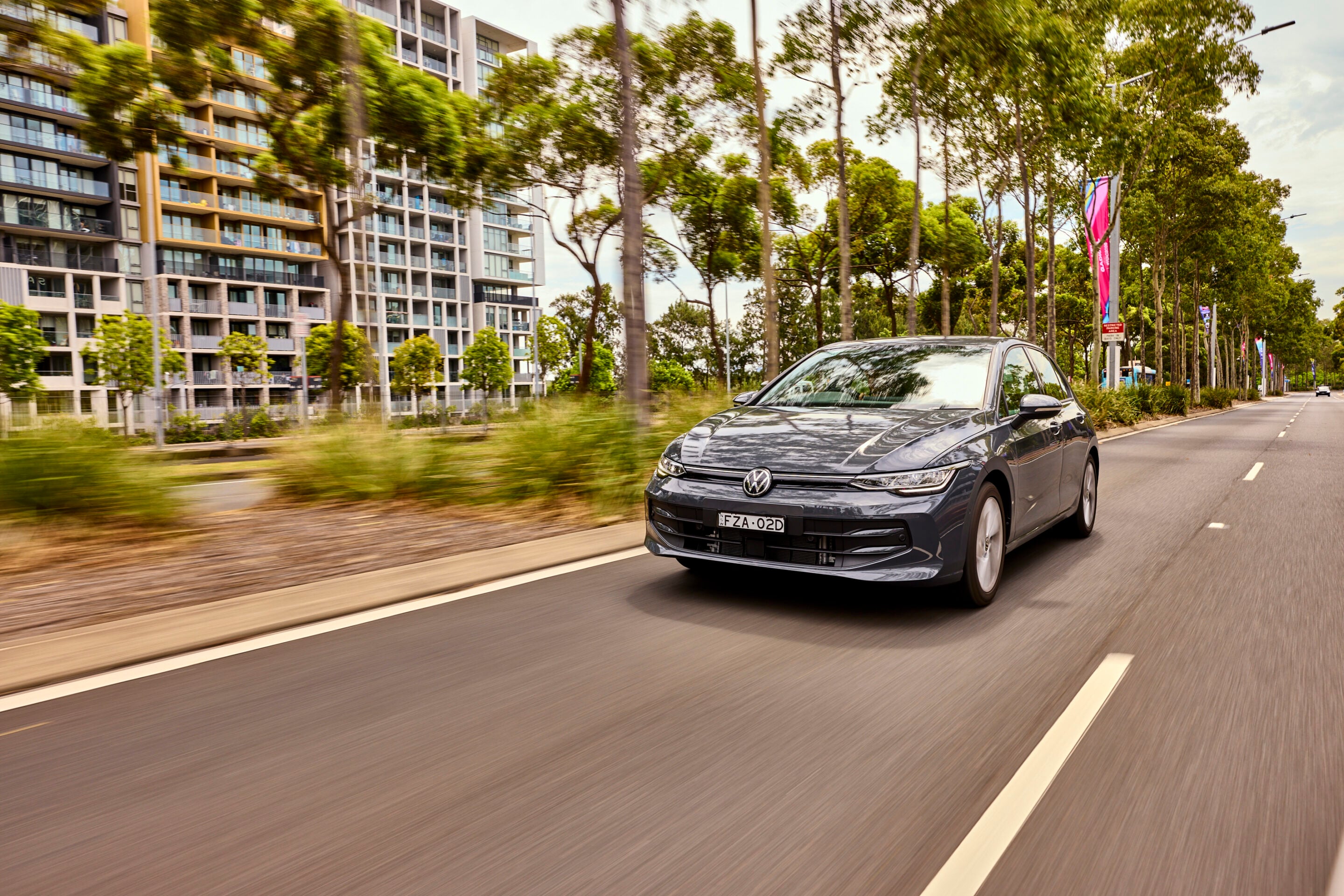
Driving through the front wheels, Volkswagen has opted for the excellent eight-speed automatic, a choice that’s far smarter when it comes to smooth driving than a sometimes-untidy DSG.
VW claims 8.5 seconds to make the 0-100km/h dash, and a combined fuel consumption of 6.3L/100km. On test, over more than 300km, the Golf used 8.0L/100km.
Interestingly, Volkswagen has fitted Nexen NFera Primus rubber to the Golf – 225/45/17 in size, where you might have expected a more premium offering.
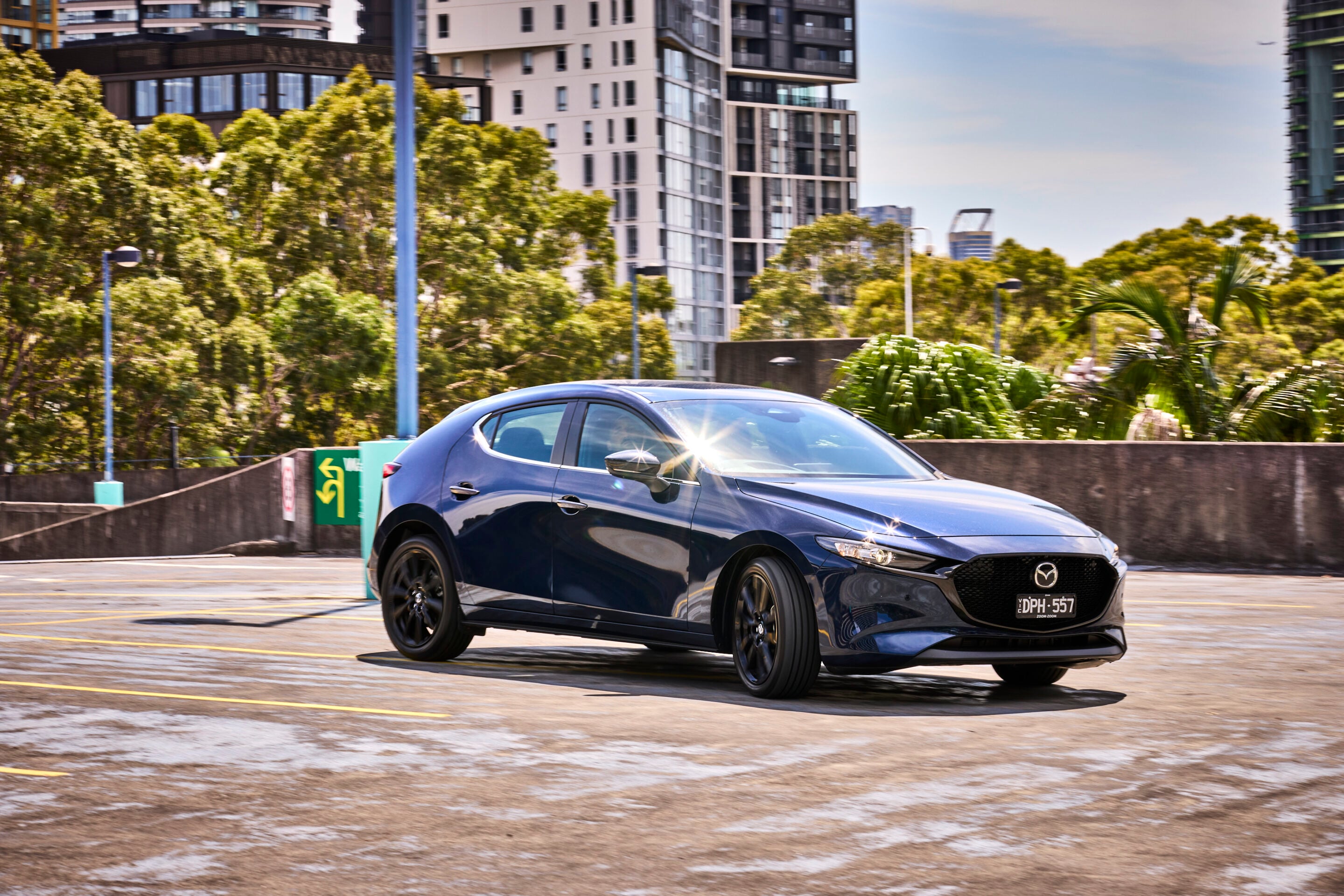
Mazda’s 3 has, like the Golf, been subtly tweaked and improved across its lifespan, making for a hatch that gets better with the launch of every new variant. The current G25 is powered by a naturally-aspirated 2.5-litre, four-cylinder petrol engine, generating 139kW at 6000rpm and 252Nm at 4000rpm. Mazda has opted for a six-speed automatic, and FWD, with a 0-100km/h time of 7.8 seconds and a claimed fuel use of 6.6L/100km on the combined cycle. Requiring only 91 RON, on test, the Mazda consumed 8.2L/100km.
Mazda has plumped for the best tyres of the three, with 215/45/18 Bridgestone Turanza rubber delivering quality feedback through the steering wheel.
Kia’s K4 engine is also naturally-aspirated, 2.0 litres in capacity, has four-cylinders and requires 91 RON fuel. Power and torque weigh in at 110kW at 6200rpm and 180Nm at 4500rpm, and while Kia doesn’t quote a 0-100km/h time, the estimate is 10 seconds.
Kia’s claimed fuel use is 6.1L/100km on the combined cycle and on test, the K4 used 8.5L/100km.
Like the Golf, K4 gets Nexen rubber, this time NFera Sport, sized 225/45/17.
All three hatches tested here have five-star ANCAP ratings, although the Mazda’s is the oldest, tested back in 2019. K4 has the most recent, tested in 2025, while the Golf was assessed in 2022.
Internal affairs
We’ll start with the K4 here, because even though its overall length and wheelbase are both shorter than the Mazda 3, it almost feels a quarter or even half a segment larger than it is. That’s especially so in the second row, where there is more room, despite the hard back of the front seats not feeling as plush as the other two.
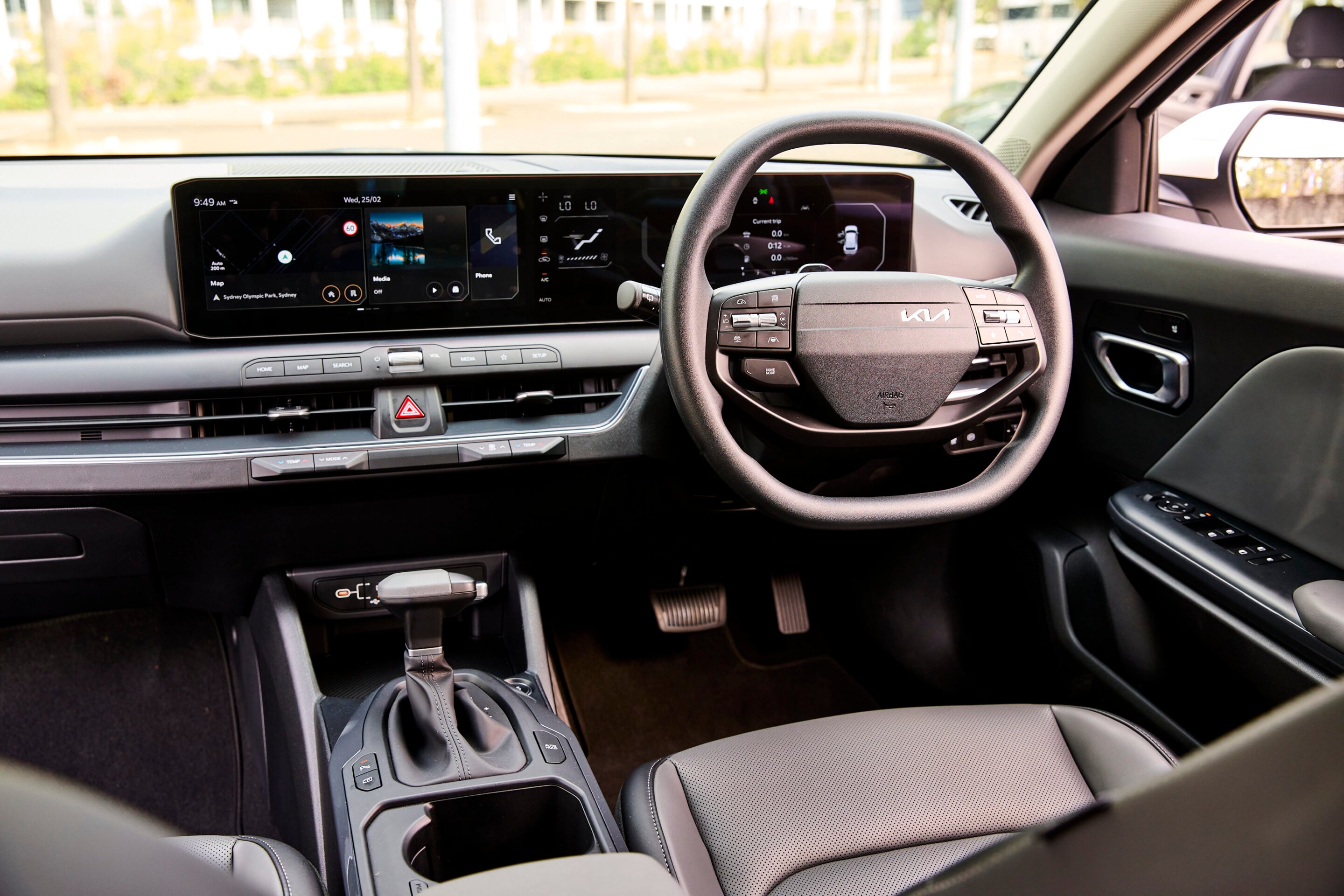
I’m not a fan of fake leather trim and would rather quality cloth, but Kia’s choice isn’t a bad one, and it does – to the eye at least – add a premium layer of gloss to the otherwise conservative cabin.
Certainly once inside the K4, the cabin execution is nowhere near as edgy as the external design would suggest it might be. The heated front seats are comfortable, providing plenty of adjustment, but Wheels didn’t like the urethane ‘squircle-shaped’ steering wheel. When you’re approaching the forty grand mark before on-road costs, a plastic steering wheel is edging close to a deal breaker – certainly in this competition.
Under the 508L boot floor, there’s a space-saver spare, meaning the K4 is road-trip ready, an important consideration for most buyers in this segment.
Kia’s switchgear, in both layout and style, is as good as any, and when you need to make changes to any of the major controls on the move, it’s an intuitive exercise. The cabin design, in the main, is quite contemporary, despite the presence of some hard plastics, although the step from Sport to Sport+ brings with it the soft touch inserts.
Kia, despite the muted tones and feel of the cabin, delivers contemporary technology that works easily, and is a cinch to get comfortable with. Comfort is key, too, and it’s worth reiterating the extra room in the second row, especially to those of you who use it more regularly.
The Volkswagen Golf gets leather trim on the steering wheel, something we’d like to see on the K4,
especially given the fact it’s the one thing you interact with all the time when driving.
Golf’s second row is better than the Mazda, but can’t match the spacious K4, and the two-stage boot floor, which holds 374 litres at the top setting, also hides a space-saver spare.
While the second row isn’t as roomy as the K4’s, it’s still comfortable for adults on longer trips, adding to the real-world practicality.
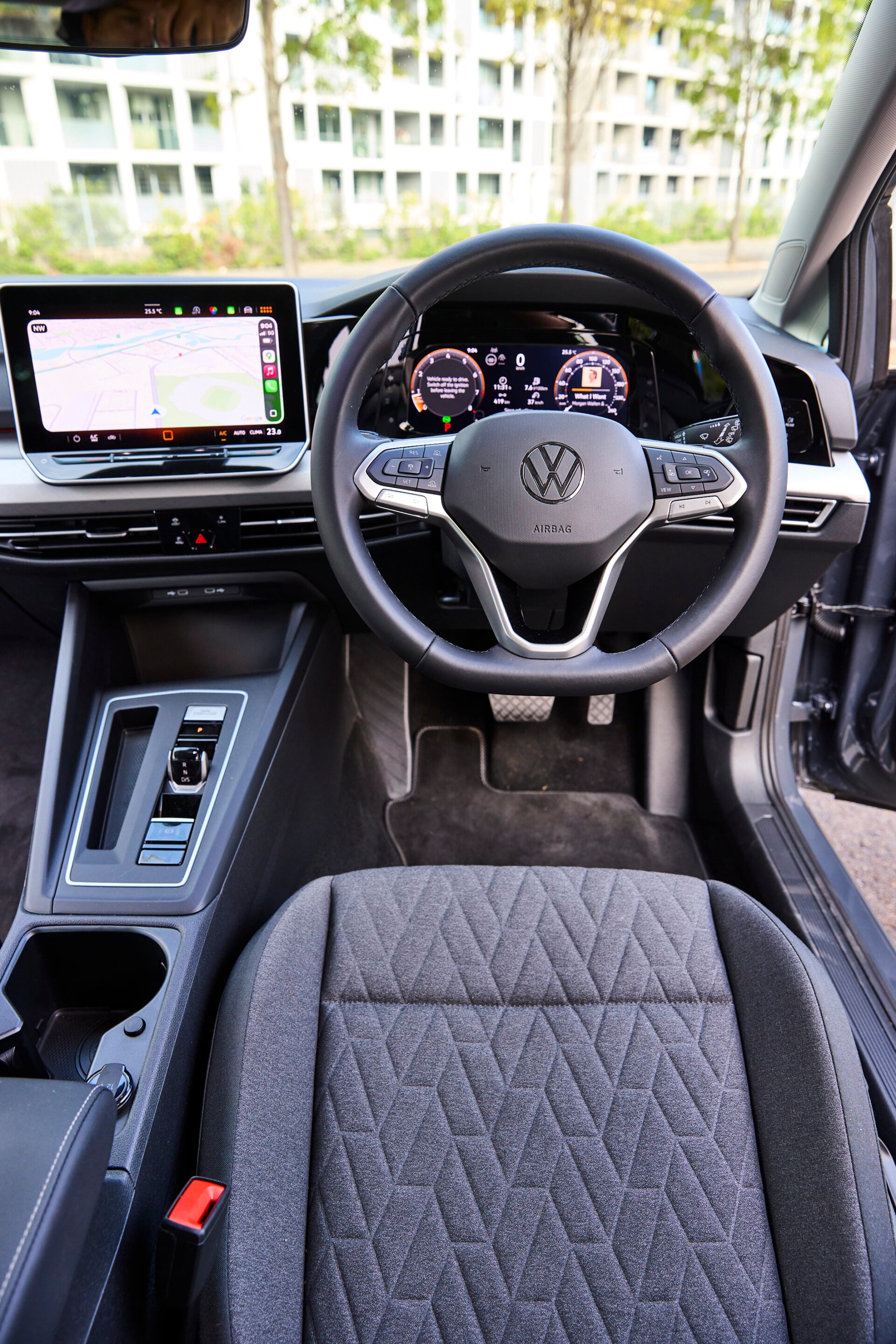
We liked VW’s use of robust-looking grey cloth trim, but the brand isn’t immune to the inclusion of hard, scratchy plastics either, such is the way of this cost-cutting world we live in. The seats themselves are excellent, comfortable and easily set into a position that affords the best visibility for pretty much any driver.
While the Golf’s screen isn’t as large as that in the centre of the K4’s dash, there’s something premium about its appearance that is hard to define. VW’s latest-generation infotainment system is faster, easier to use, and more intelligent. The issue that still needs to be addressed is the depth of control functionality that must be accessed via the touchscreen, rather than physical dials or switches. Wheels could live with the smaller screen, if you had to use it to do less.
What’s most evident in the Golf cabin, is the insulation once you thud the door closed. There’s a muted calm with the windows up and the AC running, delivering a premium feel neither the Mazda nor the Kia can match. It’s always been a measure of Golf’s polish – cabin ambience and insulation – and this current model is no exception.
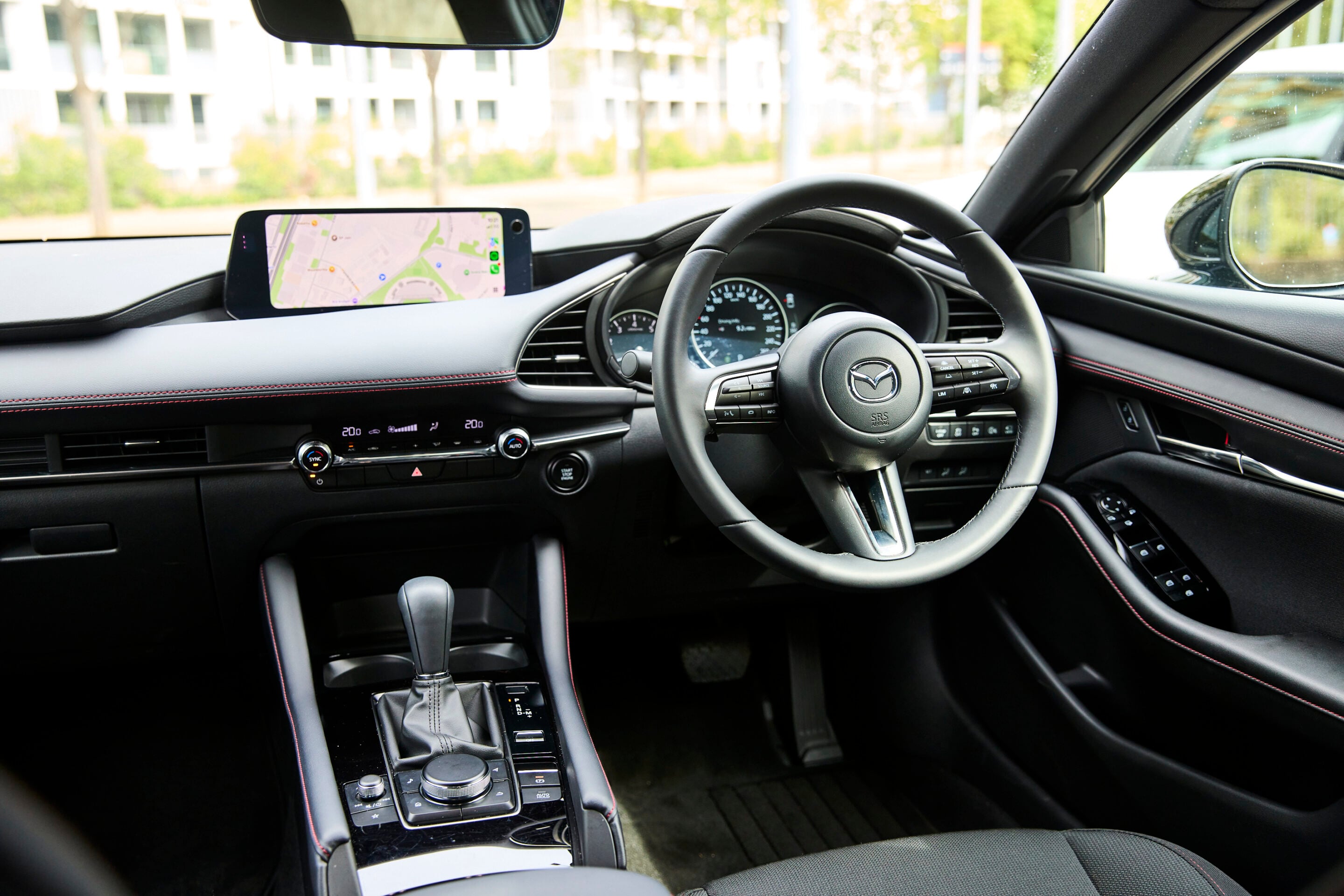
As one of the stalwarts of this segment, Mazda also knows a thing or two about packaging as much into as little as possible. Mazda’s second row, however, is unequivocally the tightest of the three, ensuring that it’s not as comfortable for taller occupants, noticeable even on short trips.
There’s a driver-focused sportiness to the Mazda’s cabin that rewards the driver with a feeling that the interior is focused on their amenity, wrapping around them. That’s not to say the rest of the cabin isn’t tastefully executed, just that Mazda manages to imprint its sporting DNA on anything, even if it isn’t an MX-5.
The Mazda 3 has always presented itself as a driver’s hatch, even if you’re looking at the least sporty model in the line-up. Like the Golf, the leather-trimmed steering wheel also beats the K4’s plastic offering.
Mazda’s 295-litre boot also hides a space-saver spare, and the quality and execution of the cabin entices the idea of road trips. Plenty of soft-touch surfacing is present, even the dash has a nicely padded covering, and all the touch controls and switches have a reassuring, mechanical click to them.
There is some hard, scratchy plastic in play, and the doors don’t deliver the hefty thud of the Golf’s, but once seated, the Mazda 3’s cabin delivers on the premium on a tighter budget vibe. Certainly at this end of the pricing spectrum, anyway.
Mazda’s seats are almost Euro-firm, similar to the Golf, but nicely supportive, and you won’t struggle to get comfortable before you set off. Electric seat controls are a nice touch in this company.
Mazda’s updated infotainment system is a good one, with the 10.25-inch screen once again not as large as Kia’s but crisp, easy to see in any light and, thankfully, features legitimate touch functionality. In this company, the head-up display is a notable inclusion, too.
On the road
The K4’s is a polarising design, of that there’s no doubt, with some loving it and others hating it. For what it’s worth, it grew on the Wheels team over our time with it. And it looks sharper as a hatch than it does as a sedan, in our opinion. At 1388kg, it’s a light car, and it feels light on its tyres, too; nimble, sharp and easy to work around town in tight spaces.
That light weight assists the 2.0-litre to do its best work, with 110kW and 180Nm ensuring you’ll have to work it harder than either the Golf or Mazda to keep up with them on a B-road dash. While the Golf makes the same power, for example, its heftier slab of mid-range torque – 250Nm versus K4’s 180Nm – means the Golf feels more effortless just about everywhere.
Mated to the CVT that Kia has chosen for Sport+, the engine has been polished over its lifespan, ensuring what you’re getting is as good as it currently gets from the South Korean manufacturer. However, some of its precision is dulled somewhat by the CVT – Wheels asserts the eight-speed auto offered further up the range is the transmission to have. And while the engine is no powerhouse, it’s very sharply positioned to deliver what the intended buyer will expect.
What that buyer might not appreciate is the level to which the Australian-tuned suspension system beneath the Kia has enhanced what might otherwise be an uninspiring ride and handling package. No matter how nasty the surface beneath the tyres, the K4 soaks it up, remaining settled and composed at any speed. The torsion beam rear end, especially, does an exceptional job, despite its packaging and budgetary focus, and the chassis is overall, controlled, stable and responsive.
In short, if you don’t try to drive the K4 like a hot hatch, it’s a fantastic car for the daily grind. Even though the steering is nicely weighted so as to attract more enthusiastic driving, that isn’t the K4’s strong point. Rather, its ability to traverse the urban road network, fuss and thud-free, well insulated and composed, sits it with the best in the segment.
Mazda has, once again, delivered a driving experience that defies the otherwise mundane nature of this segment. Hot hatches aside, this segment could be boring, staid and the opposite of engaging, but hatches like the Mazda 3 ensure it isn’t. Some of this hints at the sporting DNA, but it’s also an intrinsically competent engine, in an intrinsically competent chassis – things that can’t be papered over with power and torque.
This is an engaging and enjoyable hatch to drive on any road, at any speed. It’s as competent hooking into a corner, as it is rolling around town negotiating the patchwork of speed humps and potholes of our major cities. If you’re looking to scoot away from the lights rapidly, you’ll need to work the 2.5-litre up to redline, but it loves that work, and delivers its power smoothly right up to that point.
Interestingly, the Mazda, taut and sporty as it is, does ride on the firmer side of the ledger compared to both Kia and VW. Kia has the advantage of local suspension nous, and there’s nothing tooth-chattering about the Mazda’s ride, but it is firm. Counter that, though, with the sharpness to all the inputs whether that be accelerator, steering or brake, and you’re getting a rewarding driver’s hatch that’s affordable. And what’s not to like about that?
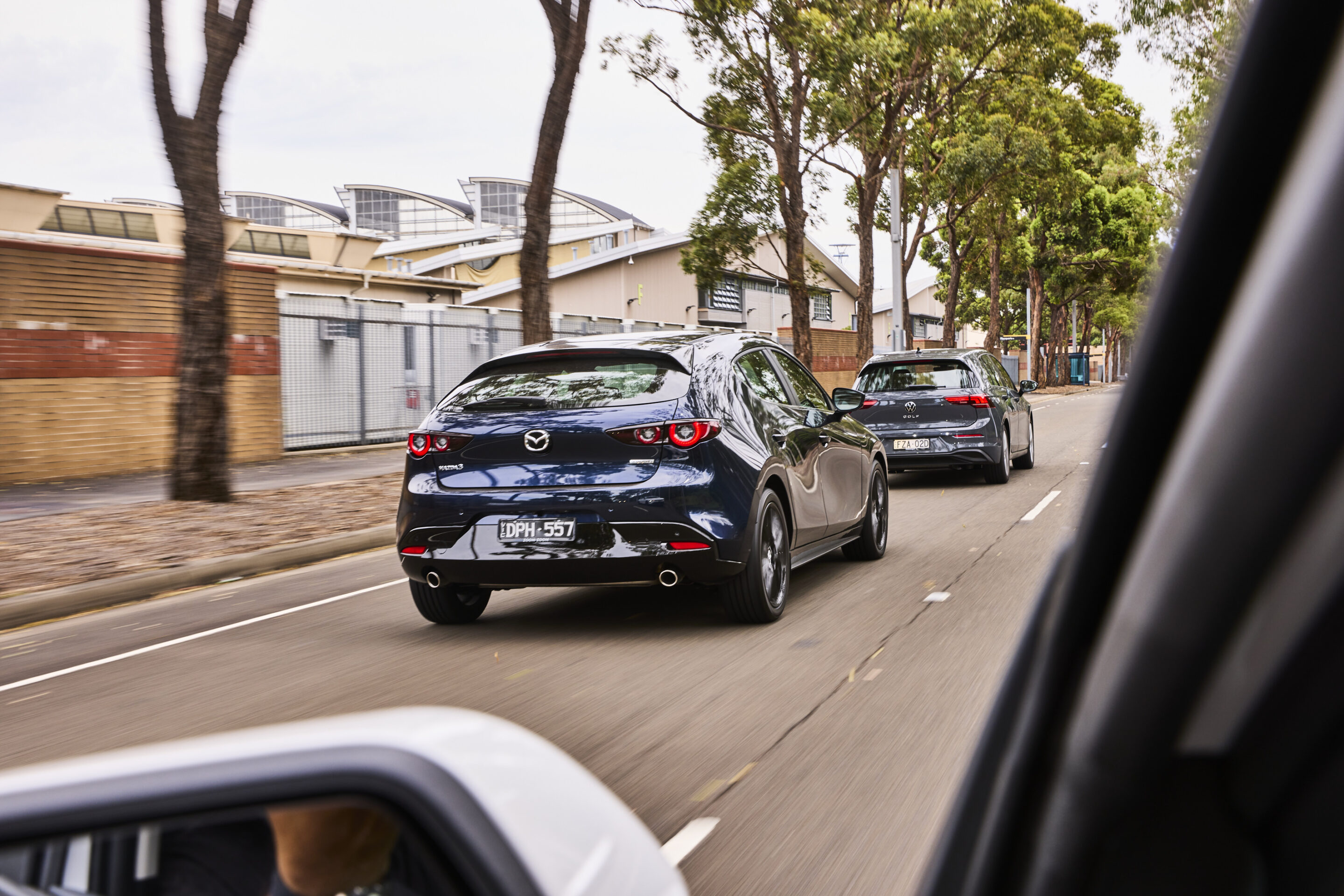
At speed on the highway, the Mazda is the noisiest of the three, with more wind noise especially seeming to enter the cabin, but that’s us looking for fault. The 18-inch rubber insulates the cabin from as much noise as possible, a bugbear with previous Mazdas we’ve tested. Part of the refinement expectation is cabin ambience on the move, after all.
While the six-speed automatic Mazda has used isn’t as responsive and precise as the Golf’s eight ratios, it betters the CVT in the K4 in regard to kick down response and snappy shifting across the broad range of road speeds the city demands. And, while the Mazda 3 is undoubtedly at home in the city, it’s the type of hatch that settles easily into a fun drive on a twisty road when the mood desires.
Generationally, the Volkswagen Golf is a hatch that has evolved in the same way a Porsche 911 never veers too far from the brief, but just keeps getting better. “Well, it’s another leap forward from the old model.” That’s the most common first-up assessment you’ll hear from the Wheels judges every time they exit the Golf after the first taste.
Why it’s so good and keeps getting better is as much to do with legacy as it is engineering prowess and attention to detail. And, on the move, the Golf shines the brightest.
It’s punchy, effortless, quiet and refined, and seemingly at the ready to deliver exactly what the driver wants, all the time, at the right time. If you need to crawl through peak hour, it does so with ease, but it reaches its pomp on a twisty road when you unleash all of its 250Nm through the mid range.
The Golf, even at this entry point, delivers a layer of polish all other hatches aspire to. And as proficient as they get, the King still occupies the throne.
Numbers on paper only tell part of the story, and while the Mazda makes a fair dollop more power and slightly more torque, it never feels that way in the real world. The Golf always feels effortless, and the lightest weight on the throttle gets the roarty 1.4-litre cranking, and the speed piles on.
Ride quality is excellent, while bump absorption, ability to settle quickly, insulation into the cabin, and composure are all first-rate. There’s an intangible element to the way the Golf rides, steers, brakes, and turns that all come together to ensure you are impressed by it every time you drive it.
No car is perfect, nor is that likely to happen in an environment driven by everything except automotive perfection. Given emission constraints, barriers to development depth, and engineering and manufacturing limitations, it’s unlikely a petrol powered small hatch will ever get to that near-mythical state, certainly not now. As a package however, the Golf remains the standard by which all other small hatches should be judged. And that’s never more evident than from behind the wheel.
The Verdict
While all three approach the target in their own country-of-origin way, they all offer flexibility, space and driving ability that you’d expect of larger vehicles, despite their still-compact exterior dimensions. That’s a key factor that continues to ensure the hatchback’s popularity as a viable platform in this market.
However, as tight as this tussle is, it’s the Volkswagen Golf that edges the Mazda and Kia in this test. The Golf is a clear automotive case of evolution rather than revolution – each subsequent update is ever so slightly more polished than the model before. And it’s that polish that makes the Golf so appealing.
Volkswagen is already building on an exceptional platform, there’s a carved-from-stone sense to the Golf when you’re seated in the cabin, and the way it responds on the road is with the composure and sure-footedness of a larger, heavier car. Volkswagen has set the standard for decades with Golf now, and while the chasing pack are closer than they’ve ever been, they haven’t quite caught up.
Volkswagen’s Golf, at any price point, in any specification, is an exceptional car to drive, providing comfort, quality, and attention to detail. While there’s good news in this comparison, regardless which hatchback you prefer, it’s the Volkswagen Golf that gets the Wheels vote.
Specs
Kia K4 Sport+
| Price | $39,090 plus on-road costs |
|---|---|
| Engine | 1999cc naturally aspirated DOHC four-cylinder |
| Power | 110kW @ 6200rpm |
| Torque | 180Nm @ 4500rpm |
| Transmission | CVT automatic, front-wheel drive |
| 0-100km/h | 10 seconds (est.) |
| Combined fuel consumption (claim) | 6.1L/100km |
| CO2 emissions | 143g/km |
| Fuel required/tank size | 91 RON unleaded, 47 litres |
| Dimensions (L/W/H/WB) | 4440/1850/1435/2720mm |
| Boot | 438 litres (seats up), 1217 litres (seats folded) |
| Tare mass | 1388kg |
| Warranty | 7-year/unlimited km |
| 5-year service cost | $2322 ($465 per year) |
| On sale | Now |
| Rating | 7.7 |
Volkswagen Golf 110TSI Life
| Price | $39,290 plus on-road costs |
|---|---|
| Engine | 1395cc turbocharged DOHC four-cylinder |
| Power | 110kW (@ 6000rpm) |
| Torque | 250Nm (@ 1500rpm-4000rpm) |
| Transmission | 8-speed automatic, front-wheel drive |
| 0-100km/h | 8.5 seconds (est.) |
| Combined fuel consumption (claim) | 6.3L/100km |
| CO2 emissions | 143g/km |
| Fuel required/tank size | 95 RON premium unleaded, 50 litres |
| Dimensions (L/W/H/WB) | 4282/1789/1480/2631mm |
| Boot | 374 litres (rear seats up), 1230 litres (rear seats folded) |
| Tare mass | 1345kg |
| Warranty | 5-year/unlimited km |
| 5-year service cost | $3094 ($619 per year) |
| On sale | Now |
| Rating | 8 |
Mazda 3 G25 Evolve SP
| Price | $37,410 plus on-road costs |
|---|---|
| Engine | 2488cc naturally aspirated DOHC four-cylinder |
| Power | 139kW (@ 6000rpm) |
| Torque | 252Nm (@ 4000rpm) |
| Transmission | 6-speed automatic, front-wheel drive |
| 0-100km/h | 7.8 seconds (est.) |
| Combined fuel consumption (claim) | 6.6L/100km |
| CO2 emissions | 154g/km |
| Fuel required/tank size | 91 RON unleaded, 51 litres |
| Dimensions (L/W/H/WB) | 4460/1795/1435/2725mm |
| Boot | 295 litres (rear seats up), 1026 litres (rear seats folded) |
| Tare mass | 1340kg |
| Warranty | 5-year/unlimited km |
| 5-year service cost | $2294 ($458 per year) |
| On sale | Now |
| Rating | 7.8 |
This story first appeared in the May 2026 issue of Wheels magazine, now on sale. Subscribe here and gain access to 12 issues for $109 plus online access to every Wheels issue since 1953.
Some of the most memorable icons from Australian motoring history came with top-tier performance, courtesy of legendary V8 engines.
But, for the brands competing Down Under, the ‘big Aussie six’ was where the money lay. Holden and Ford cornered that market for almost 70 years, and over the decades, plenty or rivals tried to grab a slice.
Some failed spectacularly, like Leyland, who fumbled the ball so badly with its large car rival in 1973 that when Wheels awarded the coveted Car of the Year trophy, it was explicitly for the V8 version only.
From families to fleets, travellers to taxi drivers, the six-cylinder engine was the driving force behind Australian traffic for decades.
Not all were legends, but some carried extra spice, be that horsepower, handling or styling. Here is a list of 10 of the best six-cylinder Aussie cars that you might have overlooked.
Nissan R31 Skyline Silhouette GTS
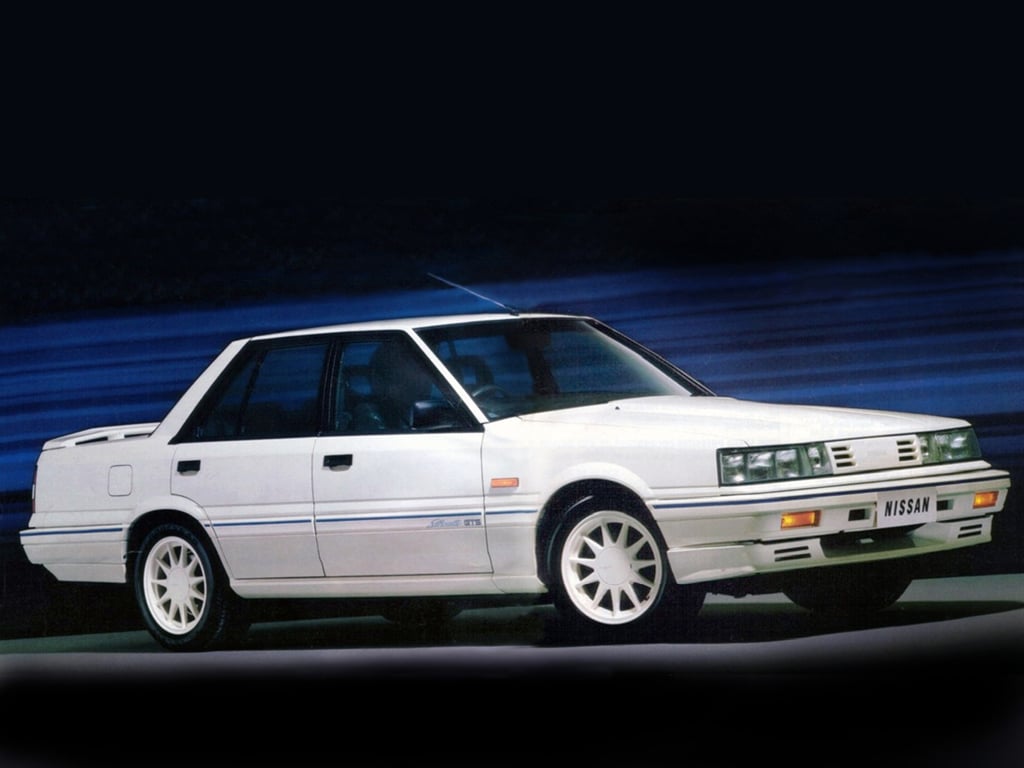
Only one generation of Nissan Skyline was assembled in Australia, and as was so often the case for cars from foreign brands, some of the more high-tech components (like four-wheel steering) were swapped for more reliable, hard-wearing items better suited to Australian conditions.
Local production also meant local development, and Nissan Australia created a Special Vehicles Division tasked with honing the Skyline Silhouette GTS into something to cause Ford and Holden some sleepless nights.
While the smaller Skyline couldn’t match the Falcon or Commorore for size, it went after them on styling and sophistication, with upgrades like a limited-slip differential, bigger brakes, Bilstein dampers, 16-inch wheels, sports seats by Scheel, and an exotic Momo steering wheel.
Under the bonnet, Nissan turned up the wick, bumping power from the 3.0-litre six-cylinder engine from 114kW to 130kW in the first run, and 140kW after that, almost enough to catch the 150kW turbocharged version of the same basic 3.0-litre in the VL Commodore, but without a turbocharger in sight.
Holden EH S4 Special
While it may look tame by modern standards, Holden’s EH S4 was a very specifically race-prepped homologation special. Sold to the public in line with racing regulations of the era, but designed to withstand the pressures of endurance racing.
A ban on motorsport participation by Holden’s parent company, General Motors, meant the S4 project needed to be handled delicately. Holden had to use what was already available.
The EH already had a new engine compared to the EJ before it, so starting from scratch there was out of the question, but specially selected internals like cranks, rods, and pistons were hand-assembled and balanced to give sharper throttle response. The Stromberg carburettor was also fine-tuned.
A bigger radiator, heavy-duty clutch, and a strengthened transmission were all equipped to withstand the high temperatures and hard use demanded of racing. A shorter diff ratio improved acceleration, a larger fuel tank reduced the need for time-sapping pit stops, and a range of other detail changes were made to make the S4 fit for racing.
Mitsubishi TJ Magna Ralliart
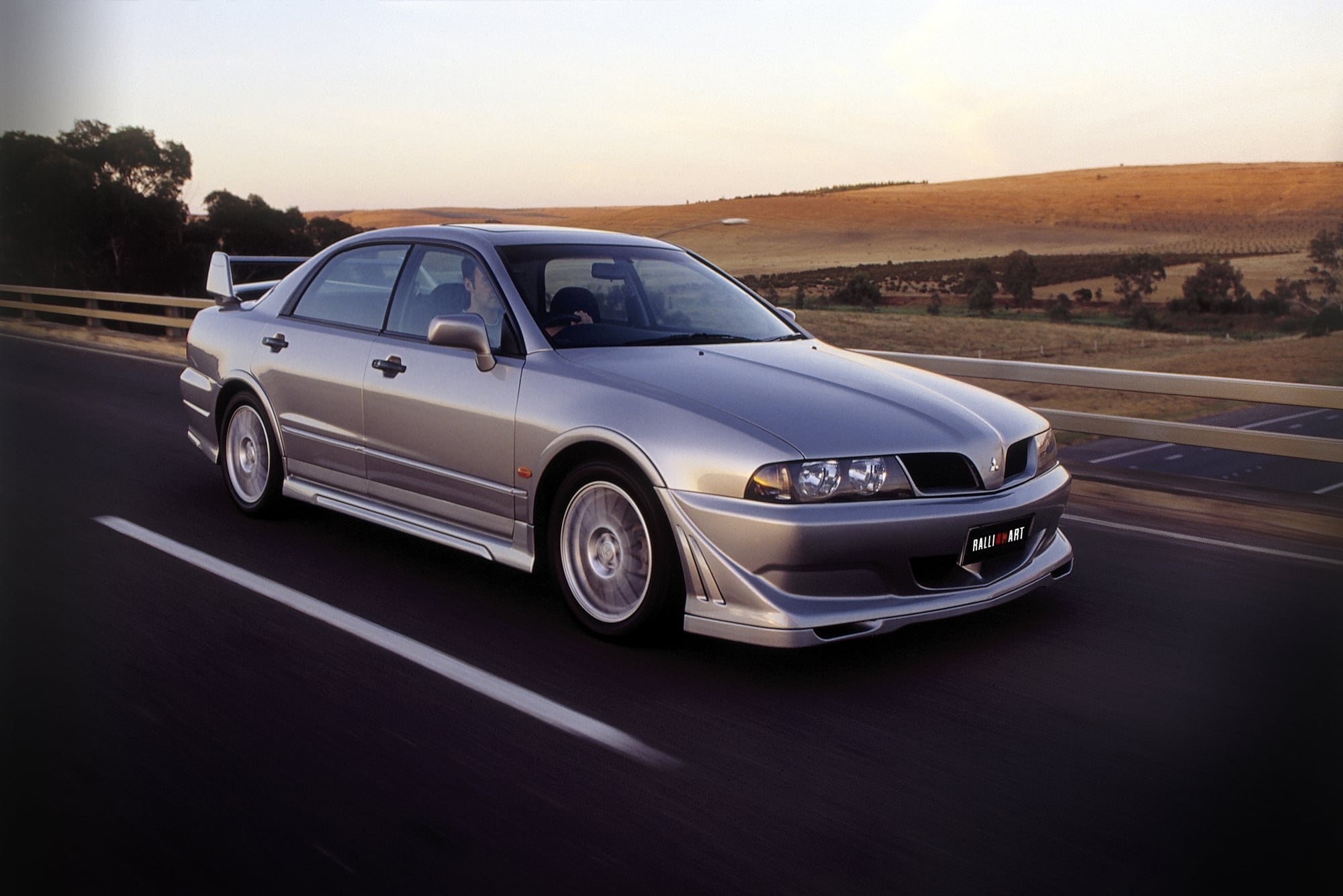
The Mitsubishi Magna was always seen as competent and subtle, but never particularly adventurous or aspirational. That is, until Mitsubishi took its first real crack at the performance market with the WRC-inspired Magna Ralliart.
Designed to look as close as possible to the Lancer Evolution, but engineered in a very different way. A naturally aspirated 3.5-litre V6 did the heavy-lifting, tuned up to 180kW over the regular 163kW Magna VR-X thanks to a remapped ECU to work with changed to the heads, cams, and exhaust.
Goodies included 17-inch Enkei alloy wheels, Pirelli tyres, a massive bi-plane rear whing, Koni dampers, and on manuals a torque-steer-taming limited-slip differential. As good as the Ralliart Magna was, its showcar progenitor also had all-wheel drive, a supercharger, and Recaro seats that left the eventual production version looking a little timid.
TRD Aurion 3500
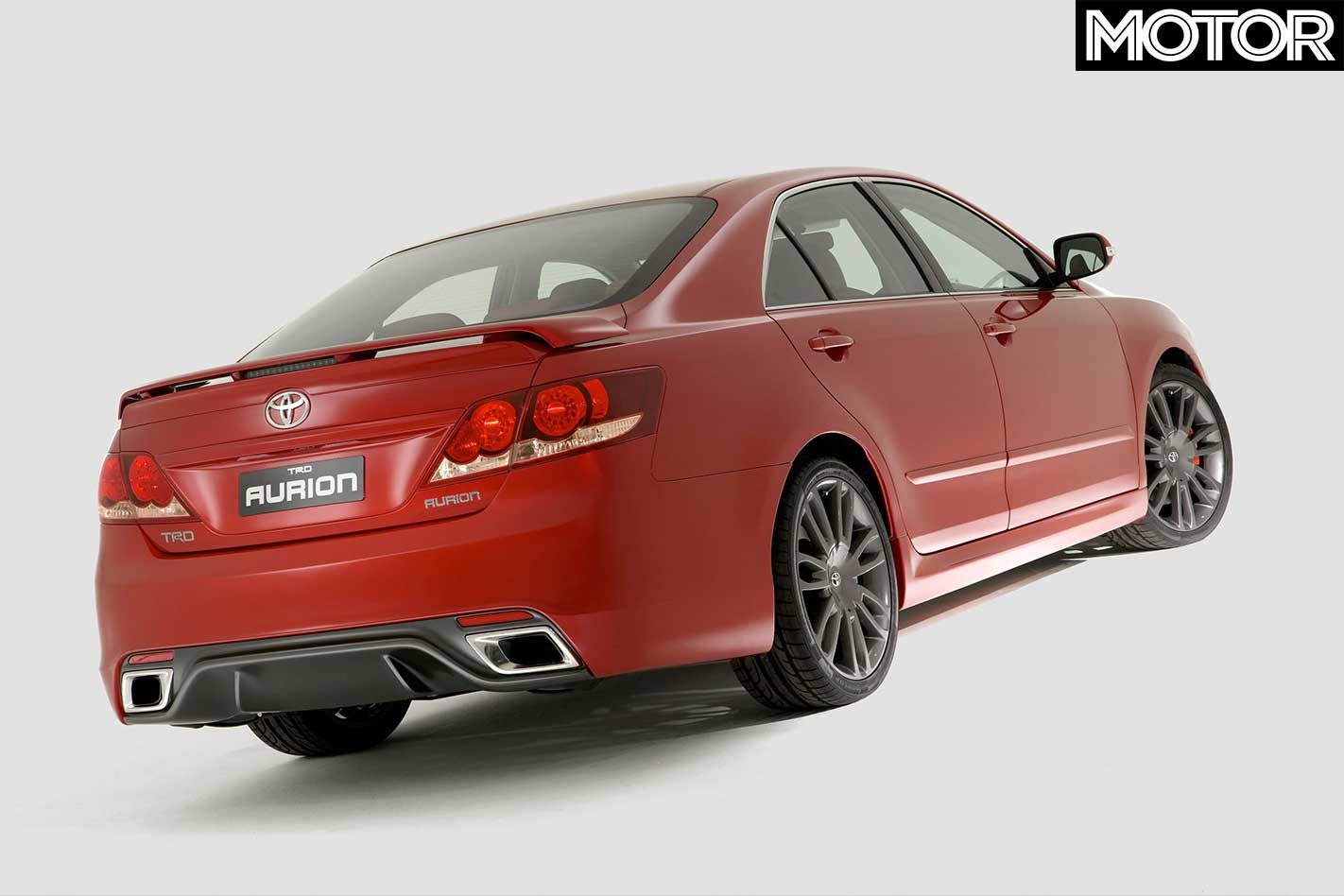
Toyota was not prepared to watch HSV and FPV corner the Aussie performance car market, and in 2007 launched TRD, Toyota Racing Development, as its local hot shop.
Like the local rivals, Toyota took its big sedan, the star bowls clubs parking lots, and made it go much, much faster. The 3.5-litre V6 Aurion was treated to the usual upgrades: bigger wheels, bigger brakes, and buttoned-down suspension.
Oh, and an Eaton supercharger to take the 200kW/336Nm Aurion V6 up to 241kW and 400Nm.
The handling upgrades worked incredibly well, and the supercharger whine incentivised rigorous use of the accelerator, but while it was the best of the Aurion’s breed, its front-drive underpinnings and open differential made it a hard sell to Aussie enthusiasts, not to mention the availability of cheaper V8 alternatives.
Holden LJ Torana GTR XU-1
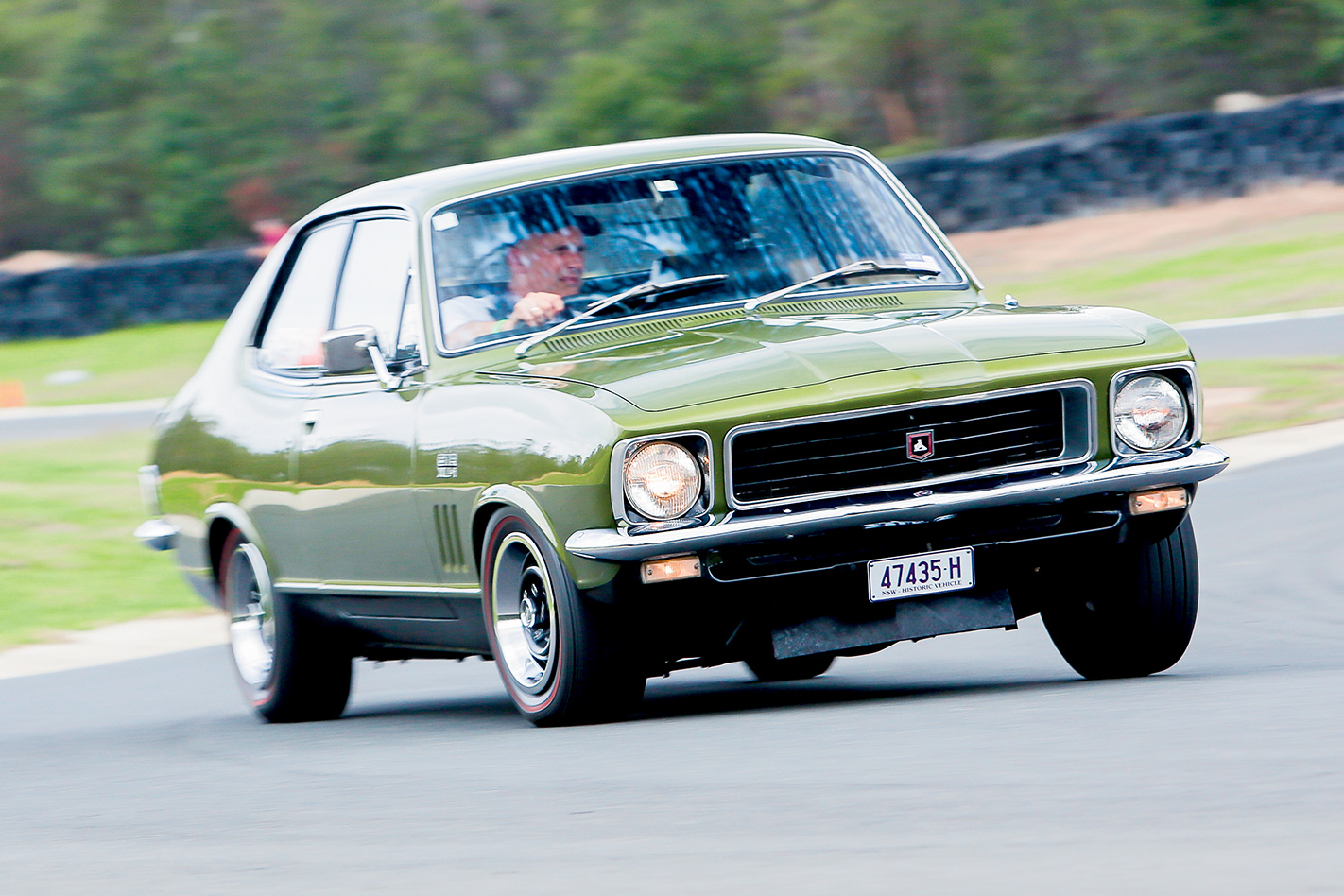
The small car, big engine format has seen many a lightweight sports car punch above its weight. At a time when V8s were seen as the ultimate option for conquering Australian touring car racing, Holden’s much smaller Torana, with a potent six-cylinder was a surprise option.
Power-to-weight became the obsession. If Holden couldn’t outgun Ford’s thunderous GT-HO Falcons, it could outmanoeuvre them with a lighter car that handled better and used less fuel, saving on downtime in the pits.
The LJ Torana XU-1 was the culmination of years of track development of the Torana GTR. A bigger 3.3-litre six-cylinder engine, aggressive cams, a higher compression ratio, upgraded Stromberg carburettors, and a close-ratio gearbox were part of the package.
Mitsubishi TMR 380
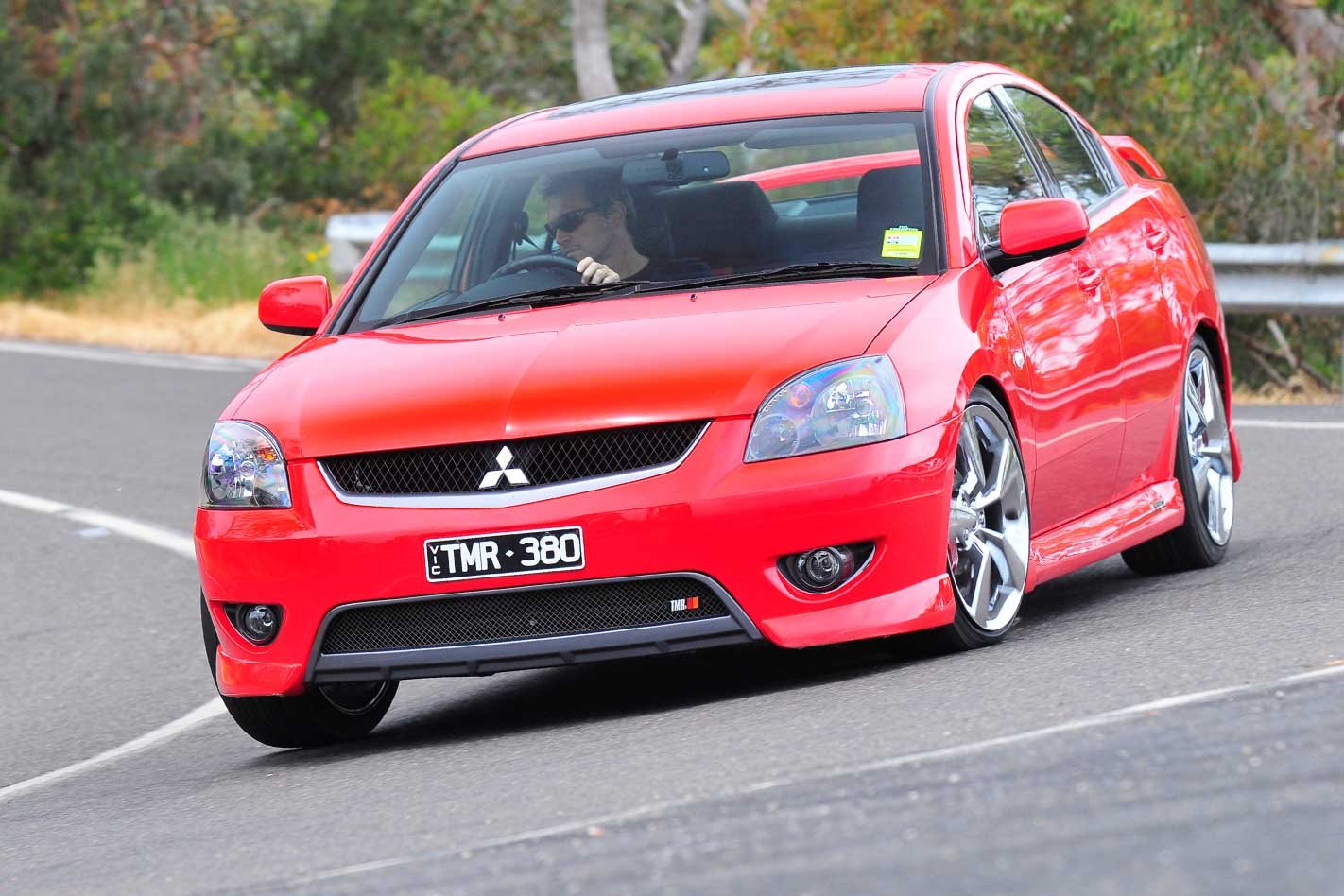
In 2008, Mitsubishi decided the front-wheel-drive supercharged V6 market was not Toyota’s to keep, and launched its response: The Team Mitsubishi Ralliart 380.
While the Magna-replacing 380 itself had been on sale for a few years, its performance hero was slow to catch up, but when it did, it came with huge six-piston front brakes, overhauled Koni suspension, a free-breathing exhaust, and a Sprintex supercharger to boost the 380’s 3.8-litre V6 from 175kW/343Nm to 230kW/442Nm.
Styling was relatively tame for the era, but if you knew, you knew. Shockingly, in the same year Mitsubishi Australia launched the TMR 380, its Japanese parent company pulled the pin on local production, leaving just 20 production examples in the wild.
Valiant VH Charger R/T E49
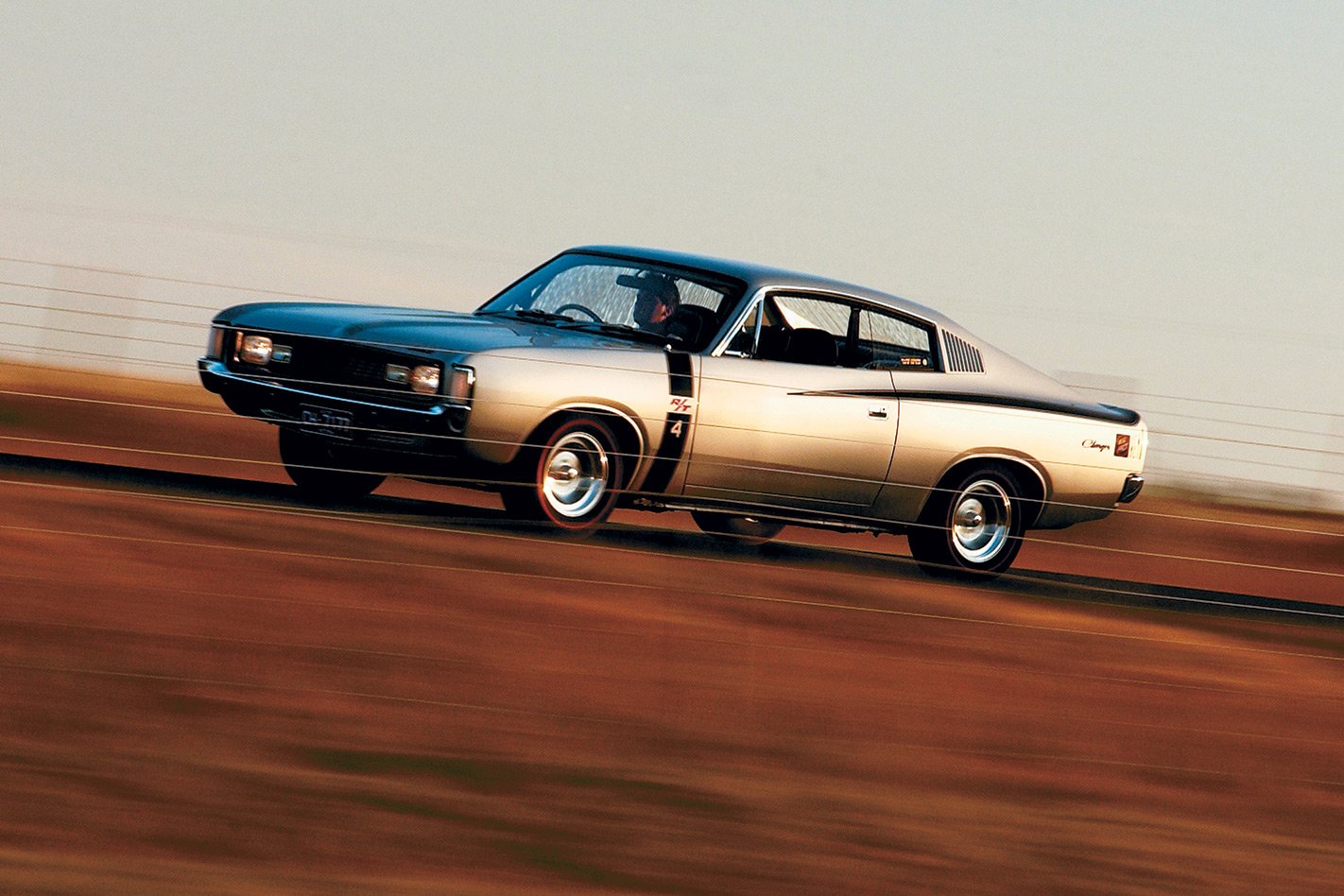
You could option the arresting Charger coupe with a V8, but Chrysler’s six-cylinder engine was the powerhouse. More powerful, lighter, and cheaper than the V8s it sold alongside.
Hardly small, at 4.3 litres, the potent Charger E49 Six Pack with its trio of Weber carburettors pushed out an impressive 225kW and added a four-speed manual, giving it an edge ove the 210kW, three-speed E38, and elevating above even the most powerful 205kW V8 Charger at the time.
In 1971, the Charger was awarded Wheels Car of the Year, and in testing, Wheels declared the E49 the fastest-accelerating Australian muscle car to date, outpacing the Falcon GT HO Phase III. A shorter wheelbase than the Valiant sedan it was based on, plus quicker steering and more roll-resistant suspension, helped things along on the track, but despite this, the E49’s best finish at Bathurst was a third-place in 1972.
Ford EB Falcon S XR6
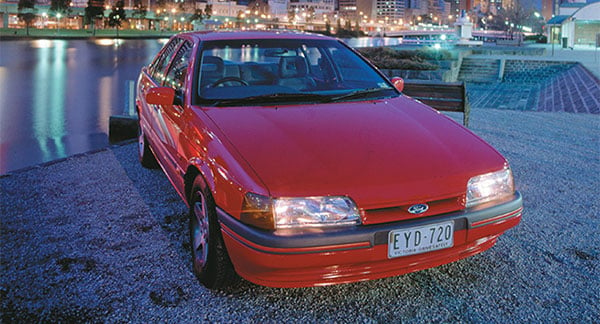
The return a V8 engine to he Falcon line-up after a nine-year absence overshadowed one of the EB series’ hidden gems, the high-output XR6. Launched as part of the Series II EB update, the XR6 saw the 4.0-lite Falcon six spit out 161kW, 13kW more than the standard six, and just 4kW shy of the 5.0-litre V8.
Tickford-tuned handling helped deliver a more planted package, coupled with range-wide improvements to the EB over its EA predecessor. A shorter diff ratio made the extra urge even more urgent, and meant that, off the line, the XR6 was quicker than the XR8.
Visually, the EB S XR6 is as tame as you’ll find, with standard alloy wheels the key difference, plus the subtlest front bumper and rear bootlid lips to set it apart. It wasnt until the ED came along that the iconic XR quad light face, and more concentrated effort to give the XR6 and XR8 either own identity, was established.
Holden VL Commodore and Calais Turbo
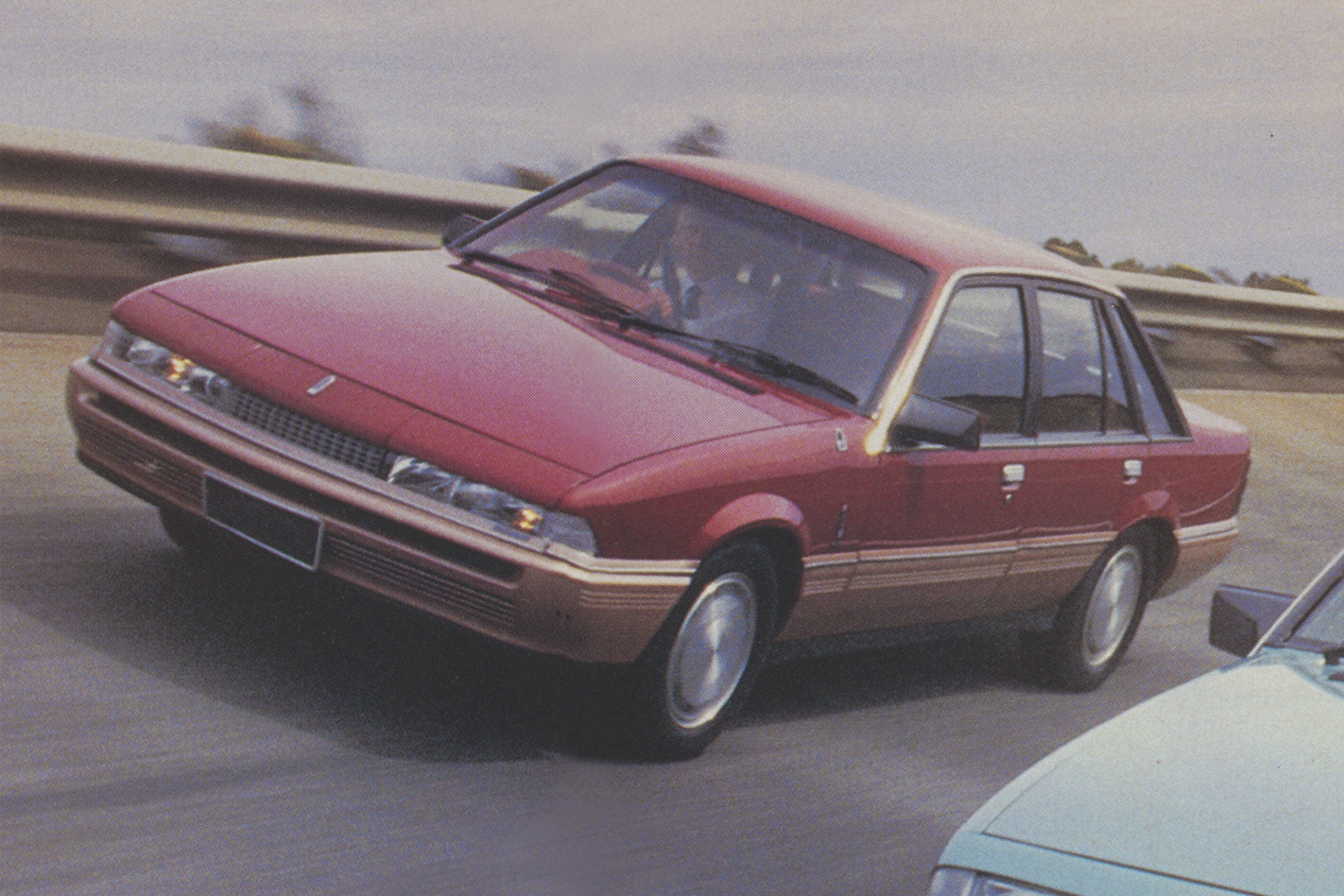
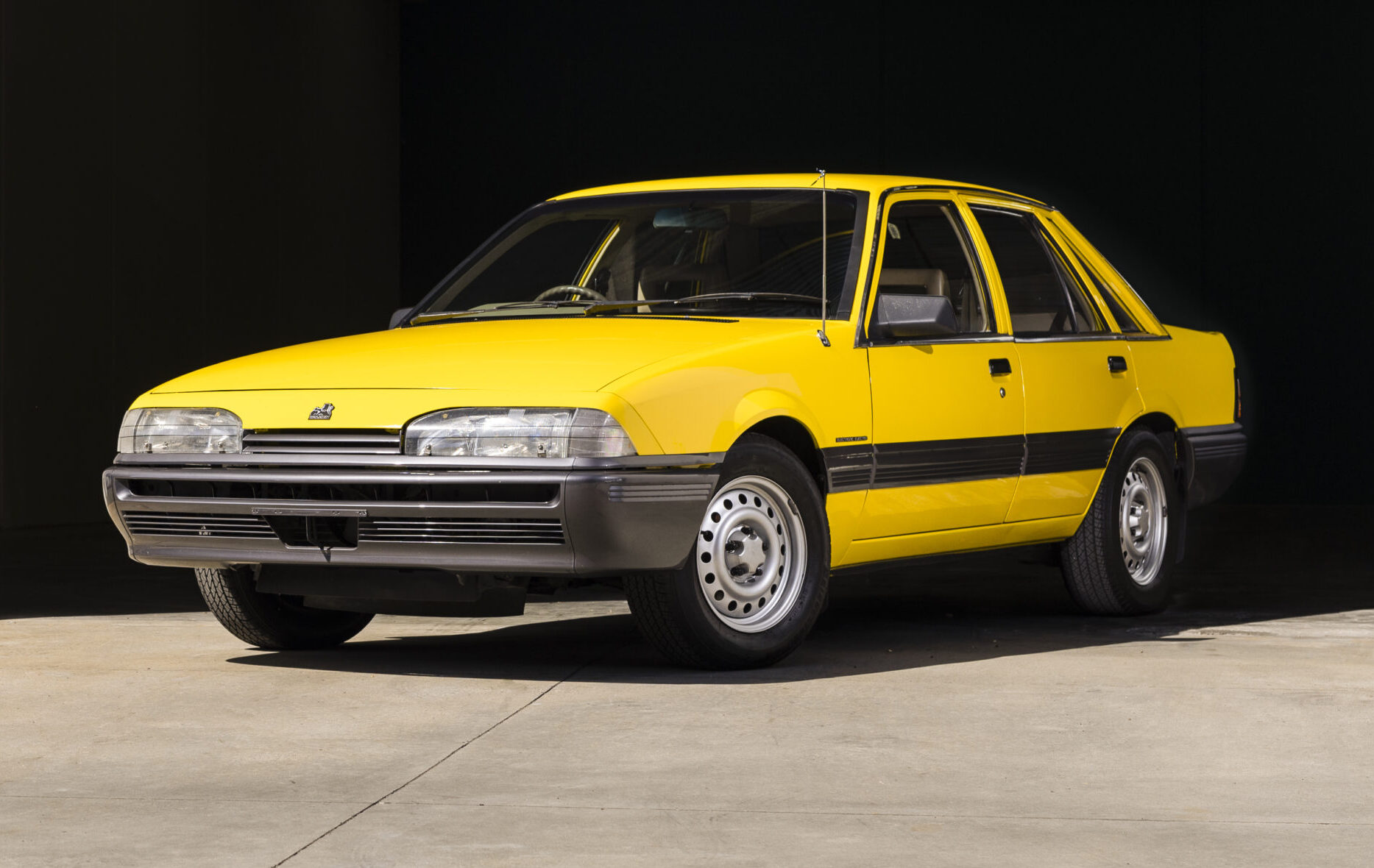
In the mid-80s Holden faced a decision to pour money into its ageing inline six-cylinder engine, with a basic design that stretched back to 1963, to make it unleaded compatible – or find an alternative.
The alternative won, and a Nissan-supplied 3.0-lite six shared with the Skyline appeared under the bonnet of the VL, and with it, a Holden-only version with a turbocharger. With 150kW it outgunned the available V8 with 122kW, but held back on torque, rated at 296Nm, compared to the V8’s 323Nm.
For the buyers who could see past displacement as the only option, the VL Turbo – available on everything from a fleet-pack Sl to a highline Calais – also bundled-in bigger brakes and firmer suspension to keep things pointing in the right direction. This wasn’t always the case as the Turbo unlocked power the first-generation Commodore platform was never really designed to cope with.
Ford FG X XR6 Sprint
Pic: https://media.whichcar.com.au/uploads/2025/02/39819dfd-ford-falcon-xr6-sprint-front-driving.jpg
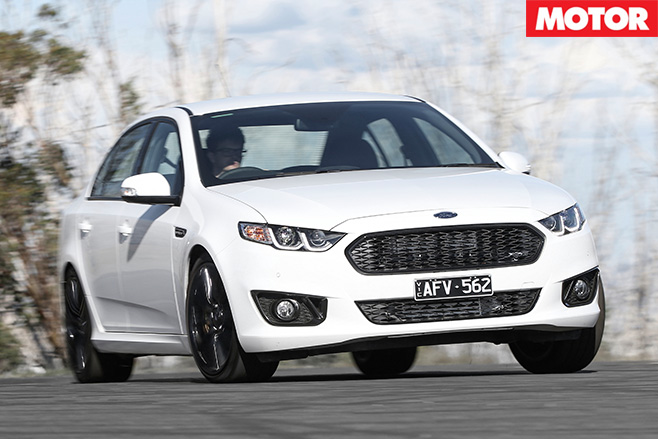
After Holden’s short-lived VL Turbo, Ford gave Australians the BA Falcon with a turbocharged Barra 240T, starting a wave of increasingly more powerful versions across the Ford and FPV line-up from 2002 until 2016, culminating with the final FG X XR6 Sprint.
Essential an FPV engine in a Ford wrapper, after the performance division was wound up, the XR6 Sprint’s 325kW/576Nm turbo tune was a healthy 55kW more robust that the startard XR6 Turbo and G6E Turbo, with the ability to reach 370kW/650Nm with a ten-second overboost function.
Acceleration was a claimed 4.6 seconds to 100km/h, and Sprint upgrades saw wider staggered Pirelli P Zero tyres and bigger six-spiston Brembo brakes join the package as Ford farewelled its local sixc-ylinder hero with a subtly-styled send-off that packed a ferocious punch. All the more impressive when you consider Ford’s inline six family tree can essentially trace a straight line back to its 1960 origins.
Just 550 FG X XR6 Sprints were built for Australia and New Zealand, and seeing one that’s not tucked away for the sake of collectabiloty can be a rare sight on the road.
The federal government is indicating Australia’s temporary fuel excise cut is unlikely to be extended beyond June 30, even as global supply concerns continue to place pressure on fuel markets.
Energy Minister Chris Bowen said the Albanese Government still viewed the measure as temporary, despite Prime Minister Anthony Albanese declining this week to rule out an extension.
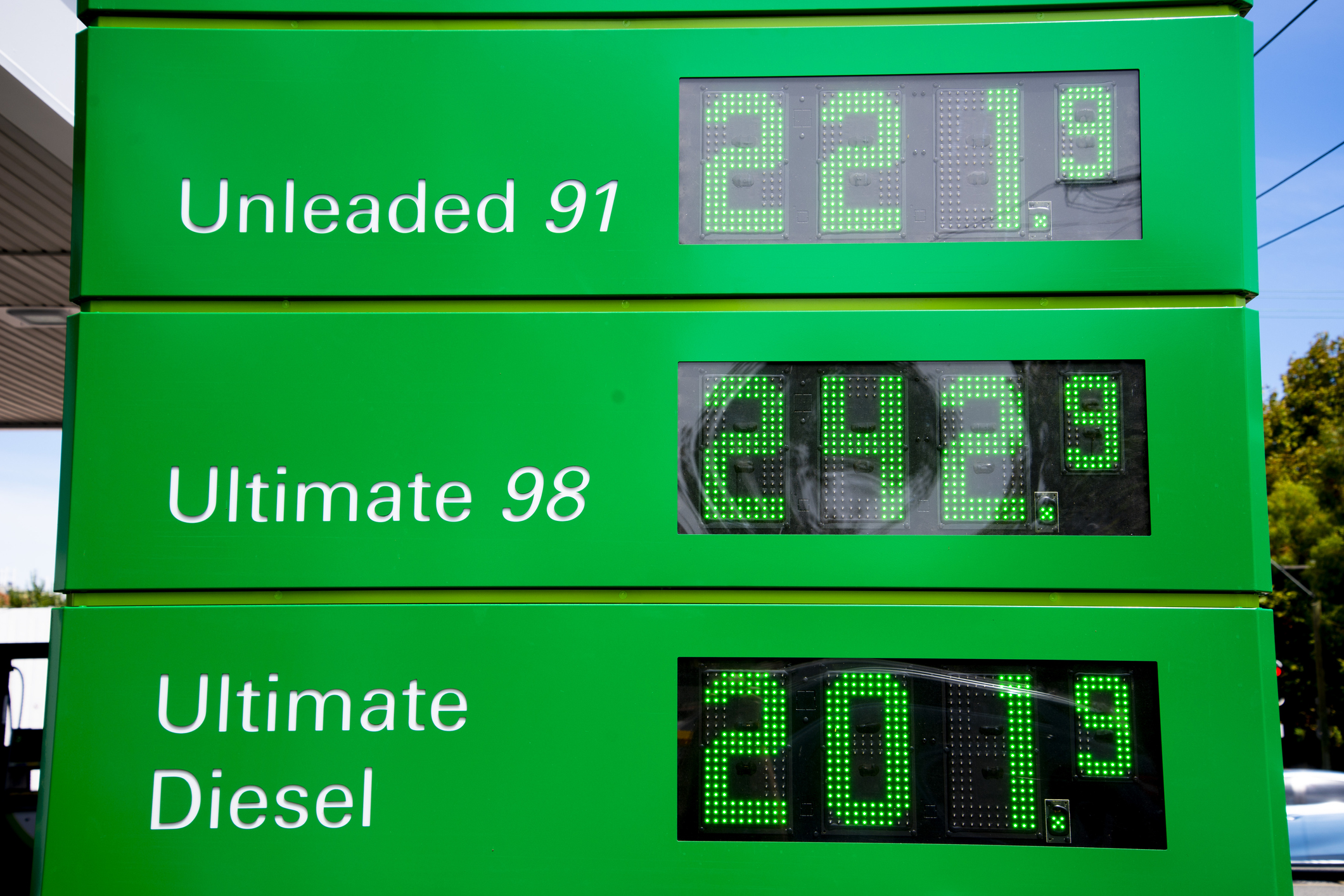
The three-month reduction, introduced in April in response to rising global oil prices linked to conflict in the Middle East, cut the fuel excise by 26.3 cents per litre and reduced the cost of filling a typical family SUV by almost $19.
Speaking to reporters on Saturday, Bowen said the government would continue monitoring global conditions but suggested motorists should not expect the relief to become permanent.
“The excise was a temporary measure and we envisage it being a temporary measure,” Bowen said.
The comments came as the government confirmed two additional emergency fuel shipments had been secured for Australia, including 50 million litres of diesel bound for Western Australia’s Kwinana terminal and 50 million litres of jet fuel destined for Sydney’s Port Botany.
Those deliveries lift the total amount of extra fuel arranged by the government since the crisis began to 800 million litres, with Bowen warning there remained “real international supply chain pressures” despite improving stock levels.
Australia activated a four-stage fuel contingency framework earlier this year after conflict involving Iran disrupted shipping through the Strait of Hormuz, one of the world’s most important oil transit routes. Bowen said the country was currently operating under Stage 2 of the plan but did not expect fuel rationing would be necessary.
The fuel excise reduction has cost the federal budget about $2.9 billion, while the May federal budget also included funding for a larger government-controlled fuel reserve.
Economists remain divided over the measure, with some warning cheaper fuel could place additional pressure on inflation and interest rates by encouraging higher spending elsewhere in the economy.
Despite that, public support for extending the excise cut appears strong, with recent polling showing a large majority of Australians favour continuing the relief beyond June.
To what extent are you still a car enthusiast?
That’s a good question. With a certain type of car, very enthusiastic, but I really struggle to be enthused or excited by anything on the market today. Anything that bongs and beeps at me or takes control of the steering or the braking, I’m just not interested in that. I had a car the other day, told me to sit up straight. It was a Toyota. What? Sit up straight. What’s next, clean your teeth? And so I’m infuriated by that. I find quite a lot of the cars very similar. When I was much younger, I used to be able to drive down the motorway at night and even when the taillights were 200 yards in front of me, I knew what [type of] car it was. And as often as not, whether it was an L or a GL or a GLS. Whereas now, even in broad daylight, when I’m six feet away from a car, I wouldn’t be able to tell you what it was. So I’m enthusiastic about cars that I remember.
You can get rid of the bongs and beeps though, can’t you?
It just takes time. When I get into the car, if I’m going over to the brewery or work stuff going round the farm, I really don’t have the time to faff about on the touchscreen, turning everything off. That’s why my Range Rover is 18 years old. It doesn’t bong at me. Don’t even have to wear a seatbelt in that, which, when you’re on the farm, is an absolute blessing.
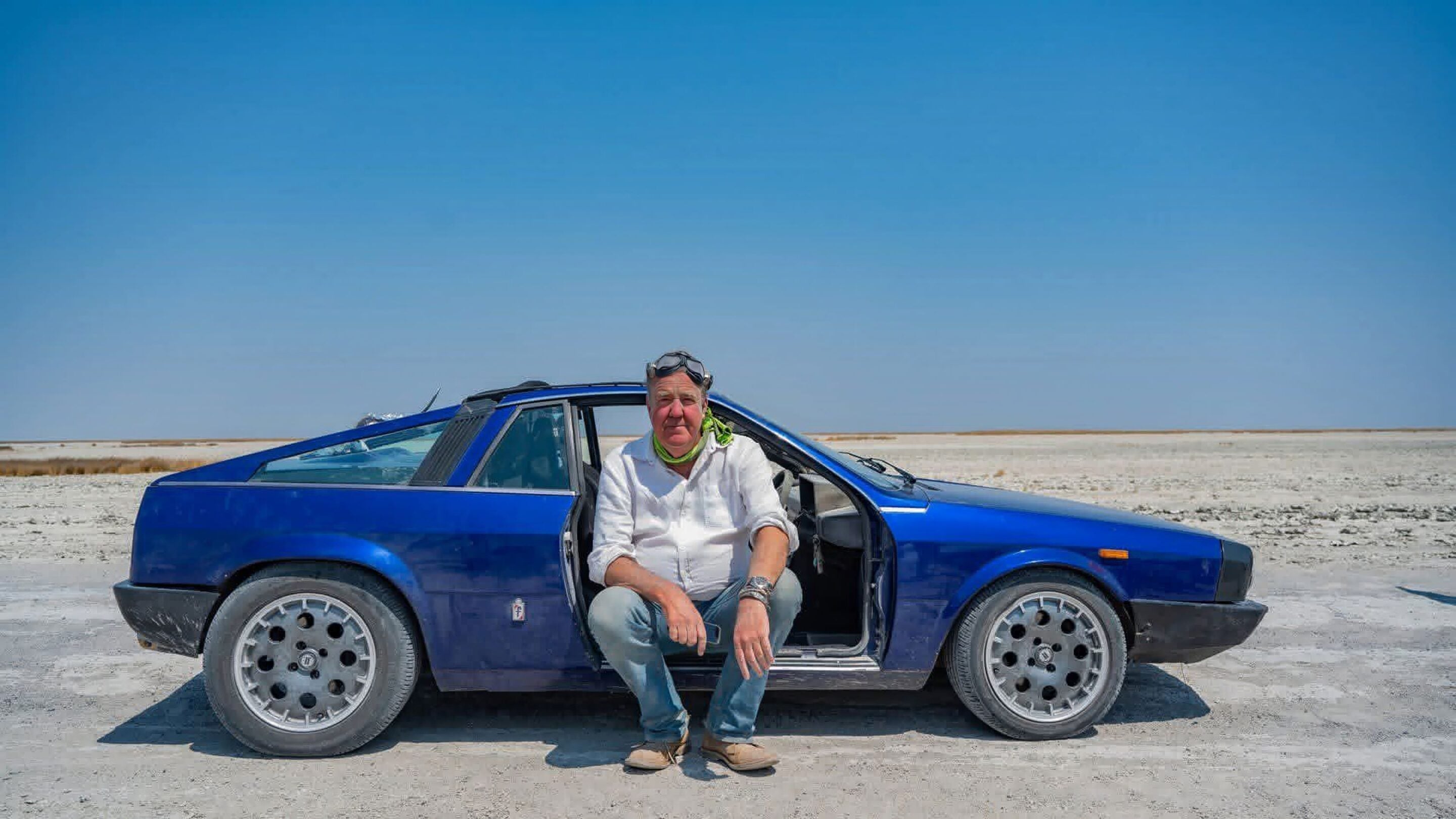
There’s a celebrated piece of video, isn’t there, where you and (evo magazine founder) Harry Metcalfe do a bit of a love-in with the [Range Rover] L322…
Well, it’s interesting that we’re both in very much the same line of work. You know, we both write about cars, talk about cars, and we both have a farm each. And yet both of us drive the same-coloured Tonga Green L322. And both of us agree it has – I think it was Harry that came up with the line – the DNA of a Transit van. I could take it to London and park it outside the Royal Opera House. Not that I ever would go to the Royal Opera House, but you know what I mean.
When you talked about your car enthusiasm, we assumed you were going to say, ‘I’m a bit on the backburner now because I do so much other stuff…’
But you can still be interested. It’s really strange. I don’t know whether it’s the same for you, but there used to be the thing about working in a chocolate factory when if you went to work for Cadbury’s or Bournville or whoever it might be, they allowed you to eat as much chocolate as you liked, on the basis that after a week, you would never want to put chocolate in your mouth ever again. I’ve been doing it since I was 28, but I still haven’t lost the thrill of a good car.
You’re still a good reviewer. There’s a lot of people in newspapers who wouldn’t know a good car if you drove it up their backside.
It’s very kind of you to say that I can still review them because I look at hybrids and I have no clue. I don’t know what a kilowatt hour is. No clue.
But you do it from the point of view of the reader, don’t you?
You should know how the car was put together. I think if you’re a really good reviewer. I’ve never forgotten that CAR magazine piece about the drive back with the Lambos (‘Convoy!’, in the February 1977 issue of CAR, about driving in a convoy of three Lamborghinis from Italy to the UK – Ed)
That was (former Wheels writer) Mel Nichols…
That was proper motoring journalism. That was a man who understood how those cars worked, understood why they had those V12s and the firing order written out on the top of the engine and so on, and made it live and made the drive so that you felt, oh my God, I wish I could drive a Lamborghini across Europe.
Do you still read much about cars?
No, I don’t read car magazines anymore. I think for a frighteningly large number of the population there’s still mass confusion about EVs. I’m forever running into people who say, ‘I’ll never get into one.’ Or get cross with me for not having got into one.
Do you imagine one in the family?
No, never. I’ve never had an electric car. Not in a million years. I don’t understand them and I don’t like the driving characteristics. I think if you take a car’s engine away, you’ve taken away its soul.
Do you collect cars?
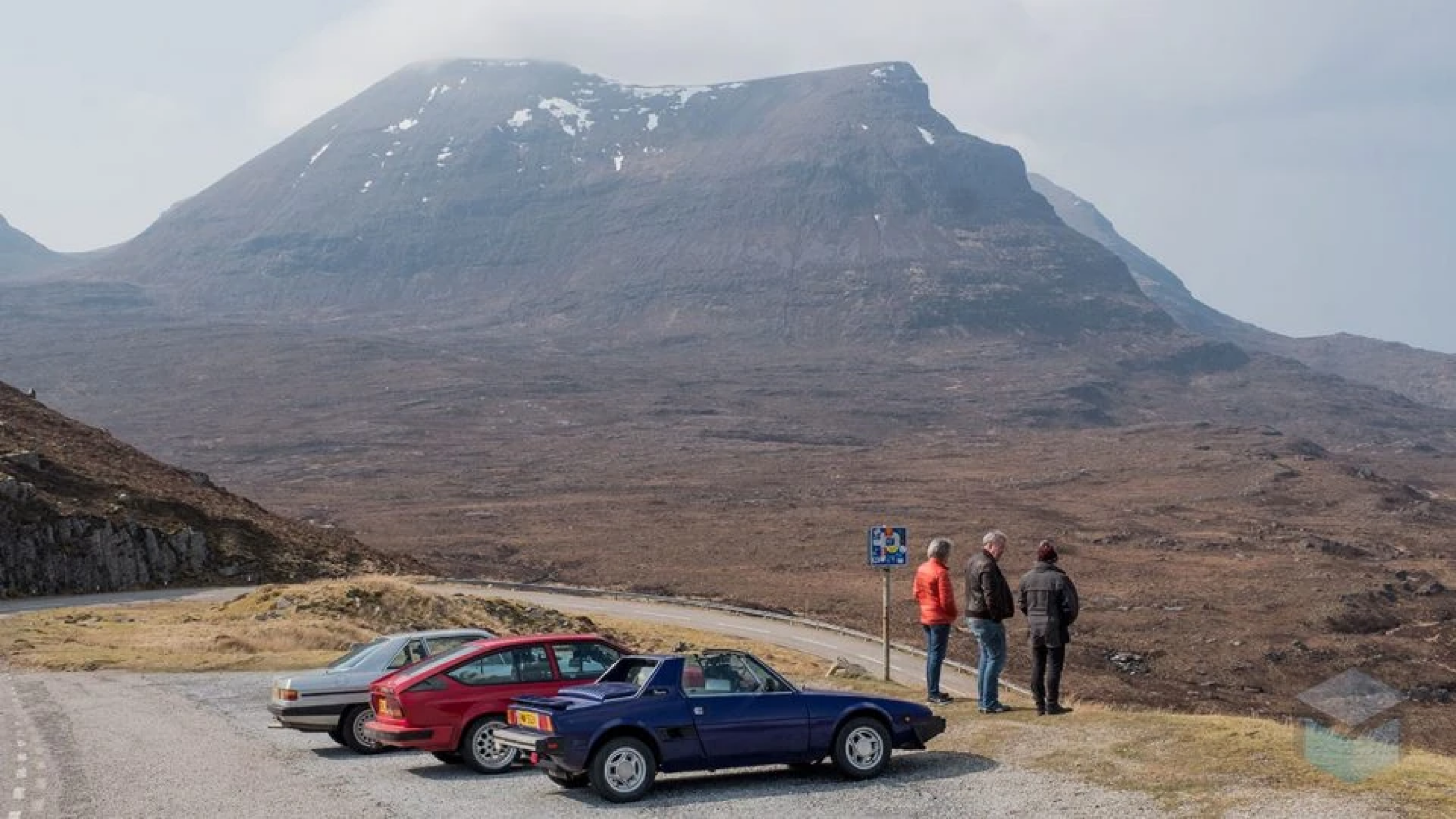
I’ve got a few relics from The Grand Tour that I didn’t want to just say goodbye to. So I’ve got the GTV6 that we used in Scotland and I’ve got the Monte Carlo.
You got a door on it again?
The door’s back on it and it’s been mildly put back because it was fairly battered when it got back. It sort of works. It’s not restored by any means, but you can pootle around in it and it’s fun. And then I’ve got the Lincoln Continental that we used on The Grand Tour. I’ve got a Mercedes Grosser, I’ve got a Mini. So I’ve got a few cars. I don’t go out and buy them, I just inherited them. And obviously no more Grand Tours now. No more inheriting old interesting cars that cost a fortune to insure and run. It’s amazing how cars go wrong when you’re not looking at them…
Are you sorry The Grand Tour is over?
Not even slightly. I don’t miss it. I’m glad we did it. We had an enormous amount of fun doing it, but it’s quite physical. It’s much harder to do than you might imagine. And the world is a much smaller place now. Think of the trips we’ve done over the recent past: Ukraine, can’t go there anymore. Russia, can’t go there anymore. We landed in Iran, drove into Turkey, down through Syria, through Homs, into Jordan, into Israel. Can’t do any of that. No, the whole of North Africa, with the exception of Morocco, is gone. We’ve done Namibia, we’ve done Mozambique, we’ve done Botswana.
Tell us about your first car.
A Ford Cortina, 1600E. Ten years old when I got it. My dad had one and I loved it. Amber gold. And it was the later one where the dash dipped down.
Did you crash the car?
I crashed my mother’s Audi 36 hours after passing my driving test. When the examiner said, ‘Well, congratulations, you passed’, what I heard was, ‘Congratulations, you are literally the best driver I’ve ever seen in my life’. And then 36 hours later, just by Town Hill in the Yorkshire Dales, I proved demonstrably that I was not the best driver.
In the ditch?
No, it sort of went through a ditch and then over a little jump and both front wheels came off. It was a good crash. Actually, they didn’t come off. They were bent like that. So I got out on my side and I thought, ‘There’s no damage, I’ve got away with it.’ And a friend of mine got out on the other side and he’s going, ‘Oh yeah, no, nothing on here.’ So we thought, we can go back home. Nobody need know about this.
Where did your cars go from there?
I got a job selling Paddington Bears and I had a Scirocco Mk1 GLi. People think of them as GTis… but the original Mk1 Scirocco.
Was that a lower tune than a GTi?
No, it was a GTi engine, 1588cc, 110 horsepower. You know, the same as you got with the Bosch K-Jetronic in the original Golf GTi, but it was called a GLi. Then I had a Mark II Scirocco. Then I had a CSL. BMW sold that for £3250. Then an Alfa GTV6. I did a few long termers when I was doing car magazine stuff. And then I sort of bought that Range Rover.
How long ago?
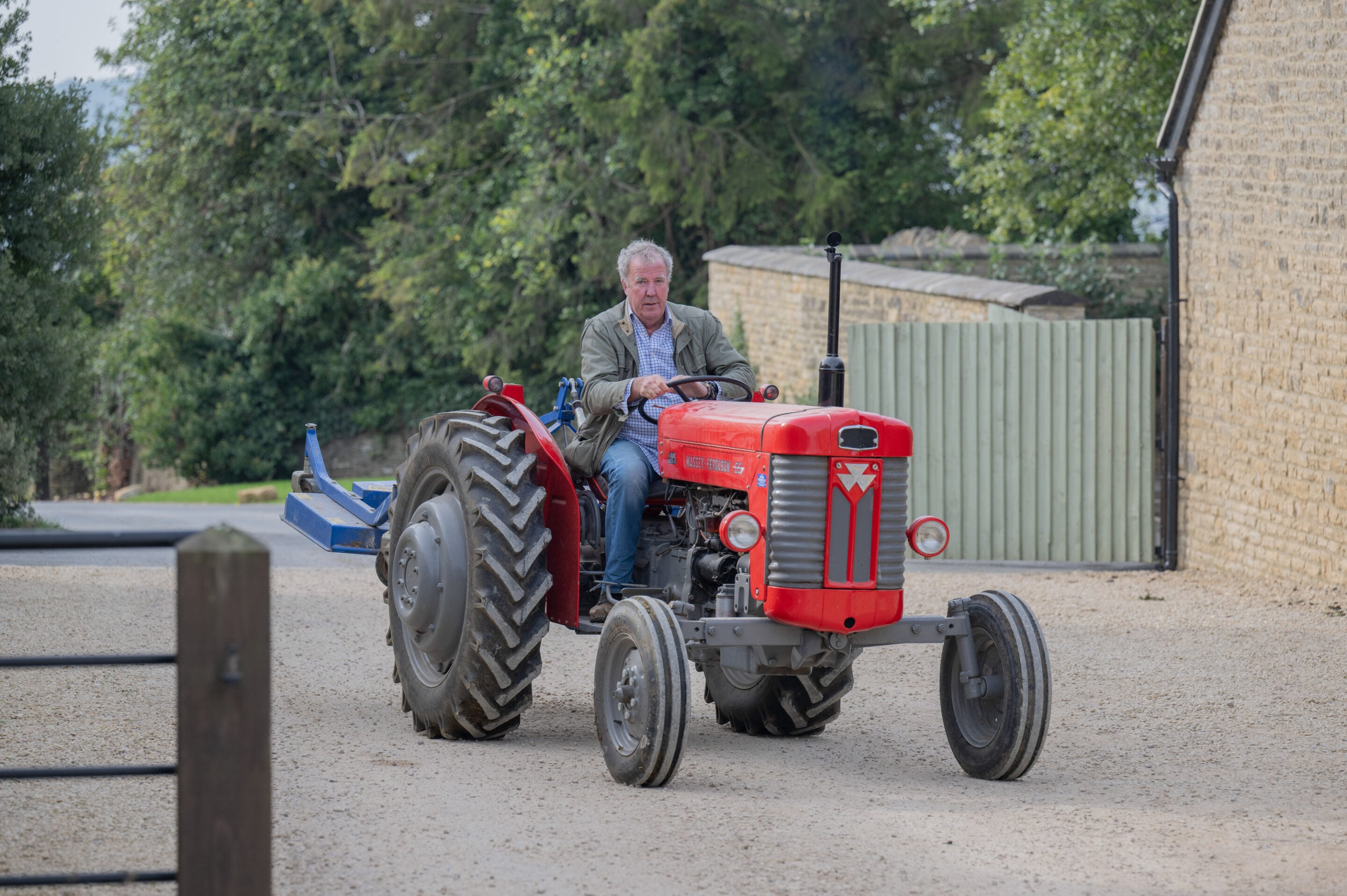
Eighteen years I’ve had that.
How long have you had this farm?
[In] 2008 I bought the farm. I’ve lived in this neck of the woods for 30 years. Well, between here and
London, whereas now it’s here and I go to London once a fortnight.
Just talking about cars and buying them. Is there anything that you’d like to own?
Yes, LFA and a Lamborghini Revuelto, which actually is the exception that proves the rule on new cars, because I truly love that thing. It’s just so unbelievably exciting. It’s what a Lamborghini should be. I’ve always liked Lambos.
You owned one.
I did, I had a Gallardo. I had a Ferrari about then as well. And a Ford GT. My mid-engine supercar phase. I’m never going back there.
You can’t see out of them, can you?
You can’t see out of them. I loathe putting luggage in the front of a car. It’s just wrong. And then every time you pull up somewhere, you just feel a little bit embarrassed. We wax lyrical about the gullwing doors on an SLS Mercedes. I can remember once sitting in London waiting for there to be nobody walking by before I got out of it because in a minute I’m going to do that with the door and everyone’s going to think, ‘what an ass that man is’. And so you have to wait for no one to be looking before you get out.
Would there be a plan for you to buy a Lambo?
No, no, an LFA still lives in my head. The LFA has got a Zippo lighter for a fuel tank. It’s honestly more practical having an electric car than one of those, you just have to stop all the time. It’s the sound it makes, goes back to the engine.
Beautifully made, though, don’t you think?
Stunning. And I got the loveliest letter from the kid who engineered it. He’s the young guy at Toyota who they put in charge of the project. And when the LFA came out, the reviews were kind of…
I can remember us not getting excited.
Nobody did. CAR, evo, nobody got excited about it at all. And then I drove it and I was priapic, it was astounding. The sound. The ‘wounded bear’ is how I described it, the wailing noise. This is just perfection. And it was front engined. I thought, oh my God, this is absolute joy. And I got the loveliest, loveliest letter from the guy. He said ‘nobody really got my car until you came along’.
How did your newspaper career writing about cars come about?
I was in Wallingford, selling Paddingtons [and] was utterly miserable. There was a local newspaper office at the lights, the Wallingford Gazette or whatever it might have been. I was thinking, ‘I wonder if they’ve got a motoring correspondent’. You know, it’s just what I wanted to do. I thought, well, they won’t have. And then I thought, no local newspaper has, not little ones. So why don’t I set up an agency that can write one road test and then sell it to them, quite cheaply. This didn’t go down well with our colleagues. Jonathan Gill and I set up the Motoring Press Agency. We did that for quite a number of years with absolutely no success initially.
But it worked out in the end, didn’t it?
We were working in Jonathan’s house, and then we’d take a photograph of whatever car we had that week, and we’d go all the way up to the West End to have the photographs printed, and we’d write the review and then put it in an envelope to the Wolverhampton Express or Lincolnshire Life or whatever it might be, and then go and drink in the pub until it was time for Dangermouse. And then we’d watch Dangermouse, by which time the pub was open again. There were two of us, and I think the first year we made £1800 between us. So we weren’t terribly successful, but I did watch a lot of Dangermouse.
What do you reckon there is to look forward to in coming years?
In the world of cars? I despair. You very rarely see a government going, ‘oh, let’s give everyone a bit more freedom’. They don’t. They take a bit and then they’ll take a bit more. Somebody once said that if the motorcar had been invented today, no government in the world would allow ordinary citizens to drive it. You want to drive a 250-mile-an-hour, two-tonne box? Not a chance. I don’t see the point of self-driving cars, just can’t understand them at all.
There are a whole crop of cars now that if you park them nose to tail, it’s very difficult to tell one from the next. But we still hope…
You look at China and BYD has gone from nothing… well, unheard of three or four years ago, to becoming gigantic, bigger than Tesla, in no time at all. And they will dominate. And the Chinese, if you look at the interesting car makers over here in Ferrari, Aston, Bentley, Rolls… their sales are in freefall now in China. They’ve got tariffs in America. There’s a whiff of socialism all around Europe. You know, it’s just slightly not the done thing to be driving a fancy car anymore. And if you take the fancy cars out of the equation, the ones that interest us, you’re left with Volkswagen Touaregs. Well, Volkswagen is not in a million years going to be able to compete with Geely. They don’t have access to the cobalt. They don’t have access to the raw materials that they need. They’ve got styling and heritage, and that’s no match for half the price.
Plus the weight of cars these days. No wonder there are more potholes… how are they around here?
Sometimes you get caught out, but I do know where the nasty ones are. One of the happiest moments I’ve had in motoring in a number of years [happened recently]. It was a horrible wet, cold day and I was driving through Charlbury Village not far from here, and there was a really old man coming along, shuffling along, bent over double and he saw the E-Type. He stood up straight and beamed. And it brought such joy. It was a great moment because you think everywhere you go in a nice car, you tend to get called names. Not necessarily very nice names. It was so nice to see somebody genuinely just so happy. You just know he’d be going home to wherever he lives and saying, ‘you won’t believe what I’ve just seen…’
You don’t get that in a modern supercar but you do in a nice restomod…
You definitely don’t get let out of side junctions in a Porsche. You’re going to be there a lot longer than if you were in a Renault Five.
Have you ever owned a Porsche?
No. I sort of rather took up against James and Richard on that one. They love the 911, so it was sort of my duty to not love it, even though actually, I think they’re pretty good cars. Lisa really wants one.
Richard claims that his 911 got him the job on Top Gear.
No, no, it was him being funny [that] got him the job. I thought it was ridiculous, a left-hand drive 911 SC. Terrible, rusty old heap. it demonstrated that he was committed, that’s for sure. I just thought it was a Beetle. No, he was funny, that’s the main reason, it’s the most important thing you can be.
This story first appeared in the May 2026 issue of Wheels magazine, now on sale. Subscribe here and gain access to 12 issues for $109 plus online access to every Wheels issue since 1953.
