
There was always going to be an issue with the name. ‘Goggomobil’ may have been cute in German, being originally derived from a child’s nickname, but in Australia it may as well have been called a Schitzengiggle.
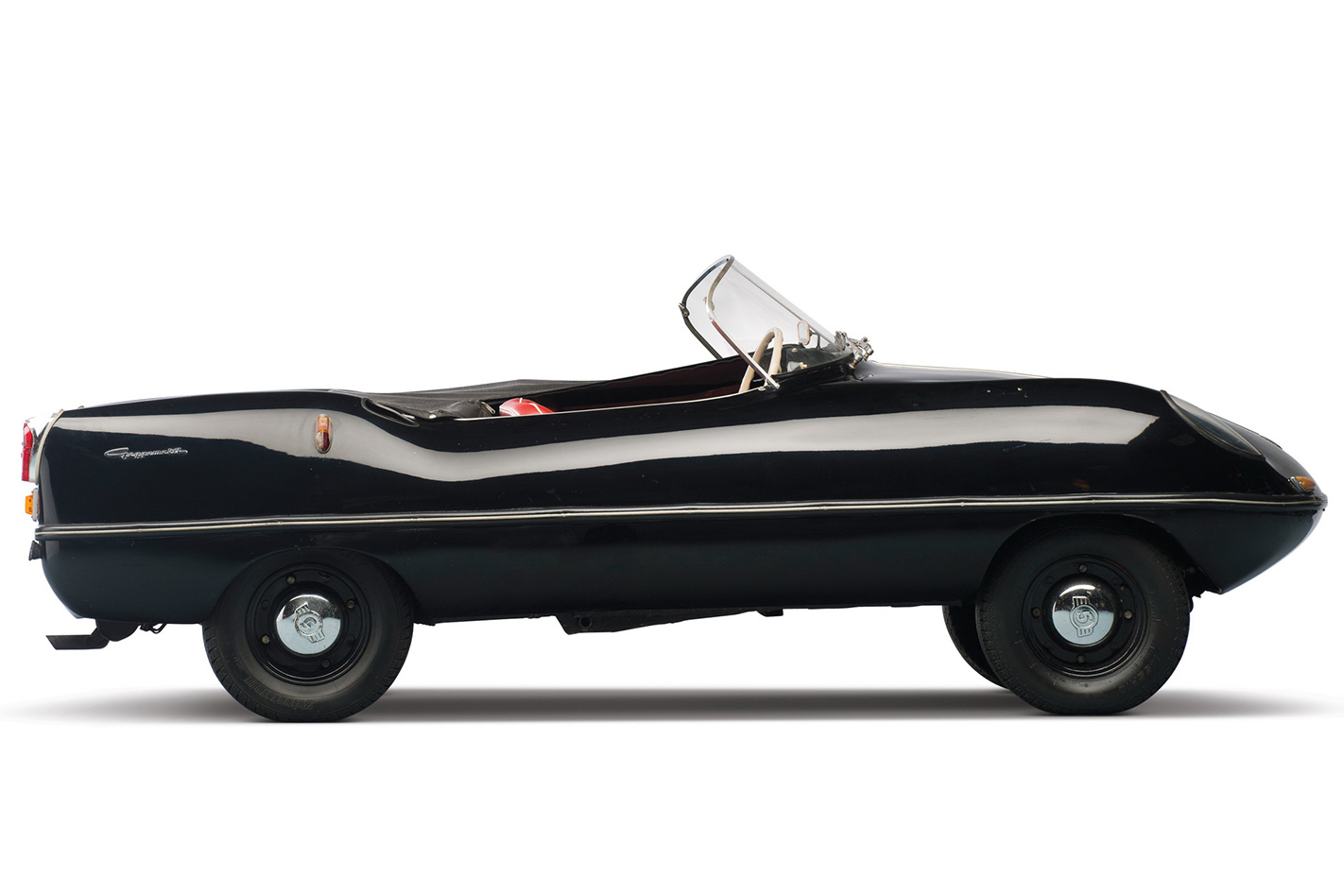
Hans Glas’s farm equipment business had expanded post-WW2 into motor scooters (the ‘Glas-Goggo motorroller’) and then microcars. The first four-wheeler was the Goggomobil T sedan of 1954, a two-door bubble-car initially powered by a rear-mounted, 250cc two-stroke scooter engine, with larger 300 and 400cc versions in 1957.
A world away, Sydney racing driver and car dealer Bill Buckle was looking to augment his successful De Soto, Citroen and other franchises with small, economical cars. In 1958, Buckle went to Glas’s factory in Dingolfing with an ingenious deal.
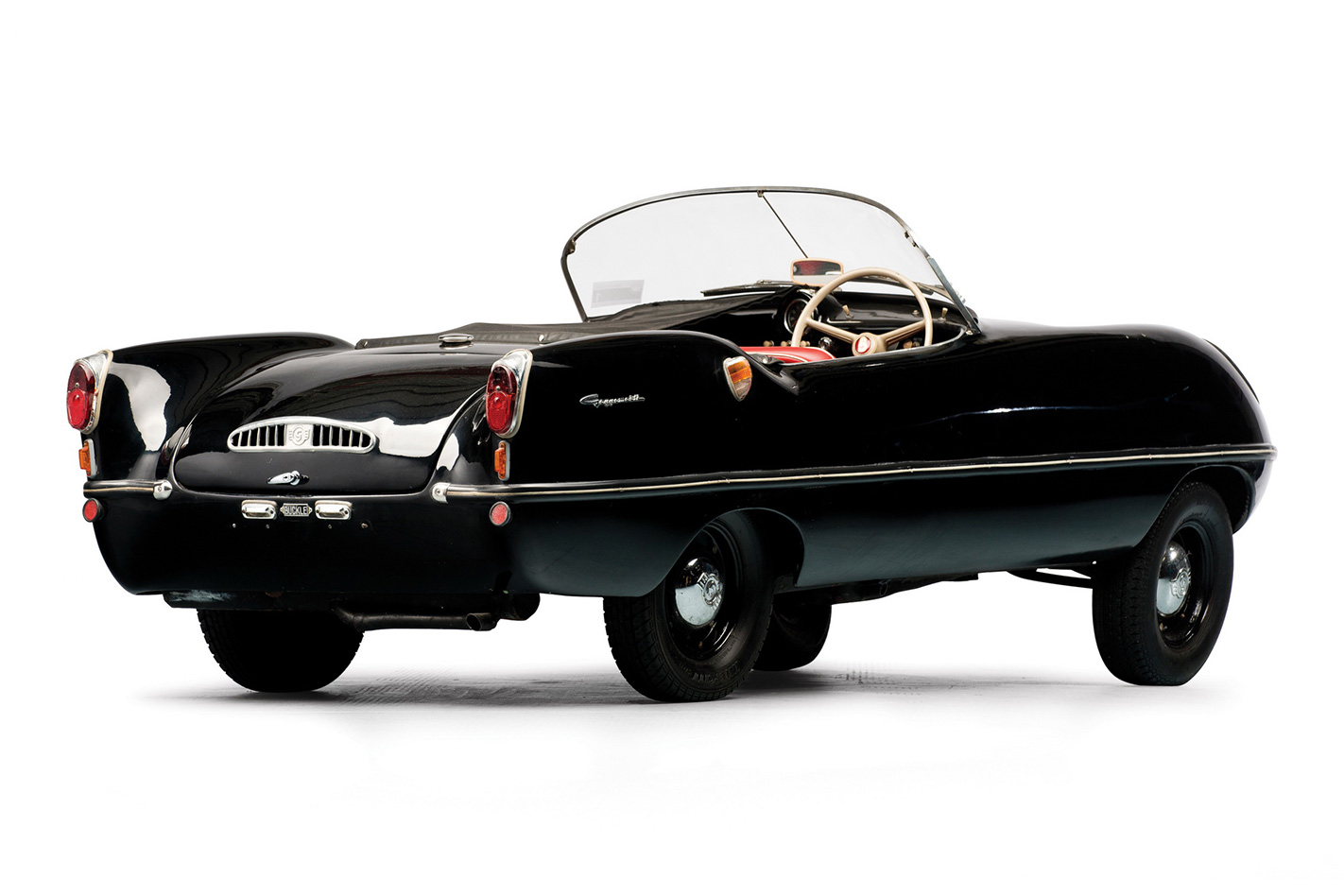
Buckle was an early adopter of fibreglass, having produced a handsome, Ford Zephyr-engined coupe in 1954 and eventually building 20 examples of the Buckle 2.5 Coupe (aka Buckle GT) from 1958-’60. Familiar with Australia’s stiff tariffs on complete cars, Buckle arranged with Goggomobil to import only CKD (completely knocked down) chassis kits; he would replicate the steel body locally in fibreglass. Thus, in 1958, began Australian assembly of Goggomobil sedans and coupes.
Buckle was soon inspired to add a two-seat roadster. Sketching it himself, it was refined by Stan Brown, an ex-Lotus panel man who built the prototype body in aluminium. The production Dart was a doorless monocoque, with separate mouldings for the rear engine lid and dash panel. Just five months elapsed from pen to prototype.
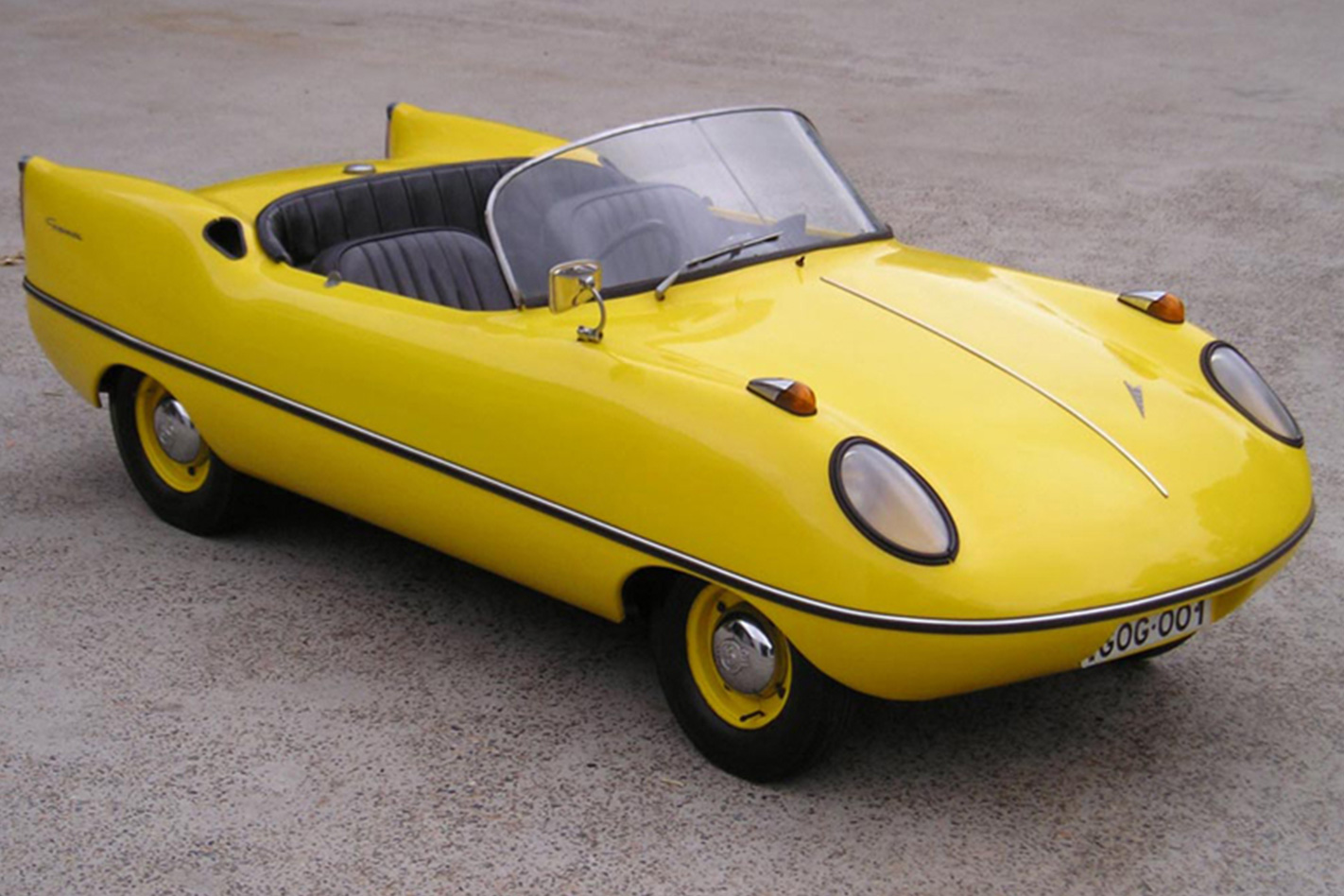
Launched in 1959 with a 295cc engine, the Goggomobil Dart drew sniffs from sports car snobs – and was loved by younger buyers. Paint schemes were often bright, two-tone or GT-striped. And the price was right: when a 1.0-litre Austin-Healey Sprite cost about £1175, the Dart was just £685.
People forgave the smoking exhaust and sundial-calibrated performance for the fun of driving and being seen in it. Production, which began in September 1959, was soon at seven cars per day – and couldn’t match demand.
Only a fortnight earlier, however, the death knell for the microcar had begun to ring in distant England. The BMC Mini would bring four seats, four cylinders and affordable fun to the masses. Buckle had produced about 5000 local Goggomobils – sedans, a rare van, and just over 700 Darts – before closing production in September, 1961.
In Germany, meanwhile, the over-ambitious Glas went from almost taking over struggling BMW and Audi in the late-1950s, to being absorbed into BMW in 1966.
More mini than Mini
At 2895mm overall, the Dart was about 160mm shorter than a BMC Mini, which also dwarfed its 1797mm wheelbase. Dart sat on the Goggo’s pressed steel structural platform, with simple swing-axles front and rear, coil springs and telescopic dampers, and good drums within 10-inch wheels. Quick rack-and-pinion steering and a featherlike 360kg made the lively handling quite controllable.
No hurry, then
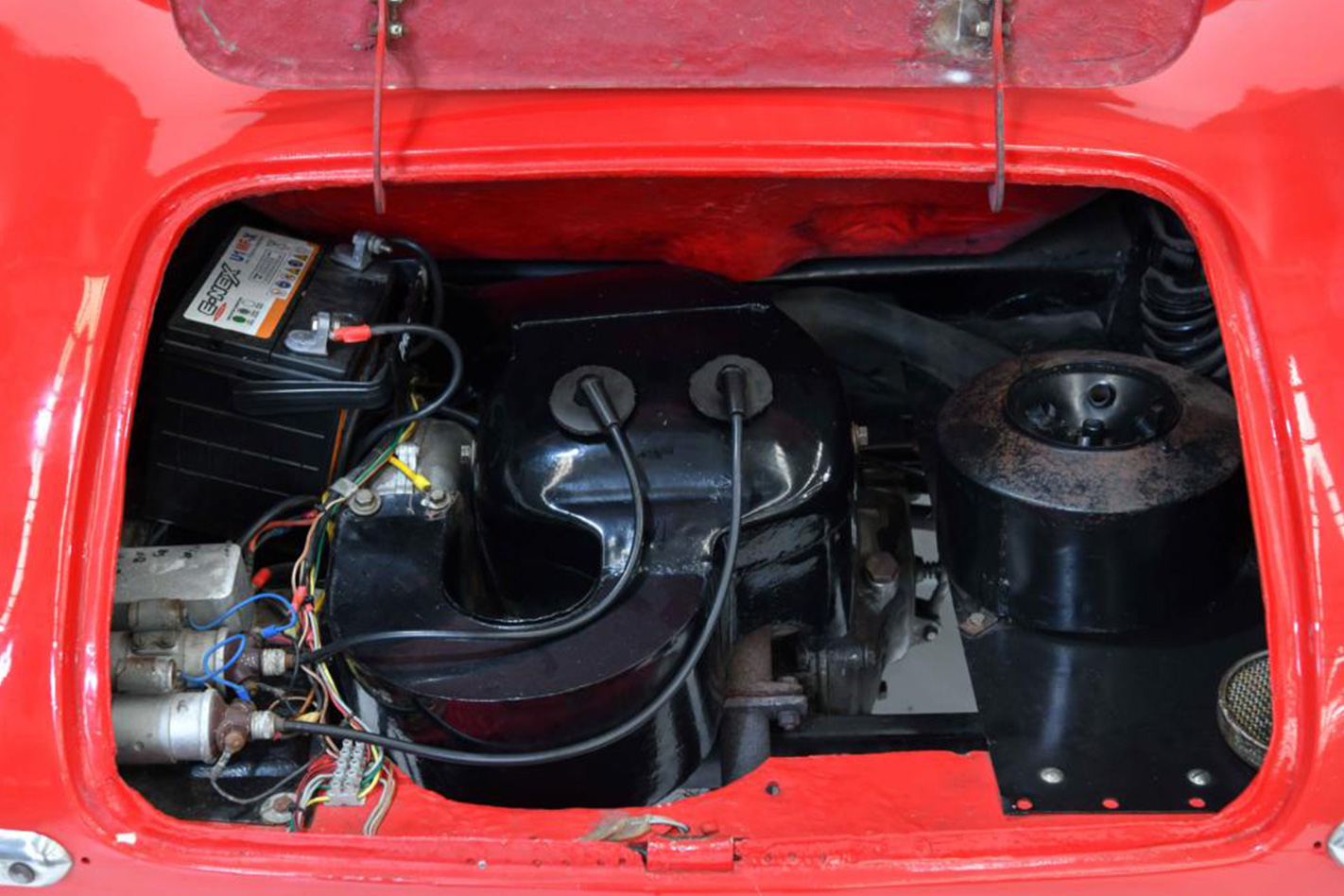
Goggomobils were, uhh, motivated by a rear-mounted, air-cooled, two-stroke parallel twin with single carb and a four-speed gearbox in-unit (like a motorcycle). Early 295cc version had 11.1kW/27.4Nm; later, bored 394cc version offered 13.8kW/28.4Nm. Acceleration tests on the 295cc car yielded 0-80km/h in 27 seconds and a standing 400m in 25.1 seconds.
Strip show
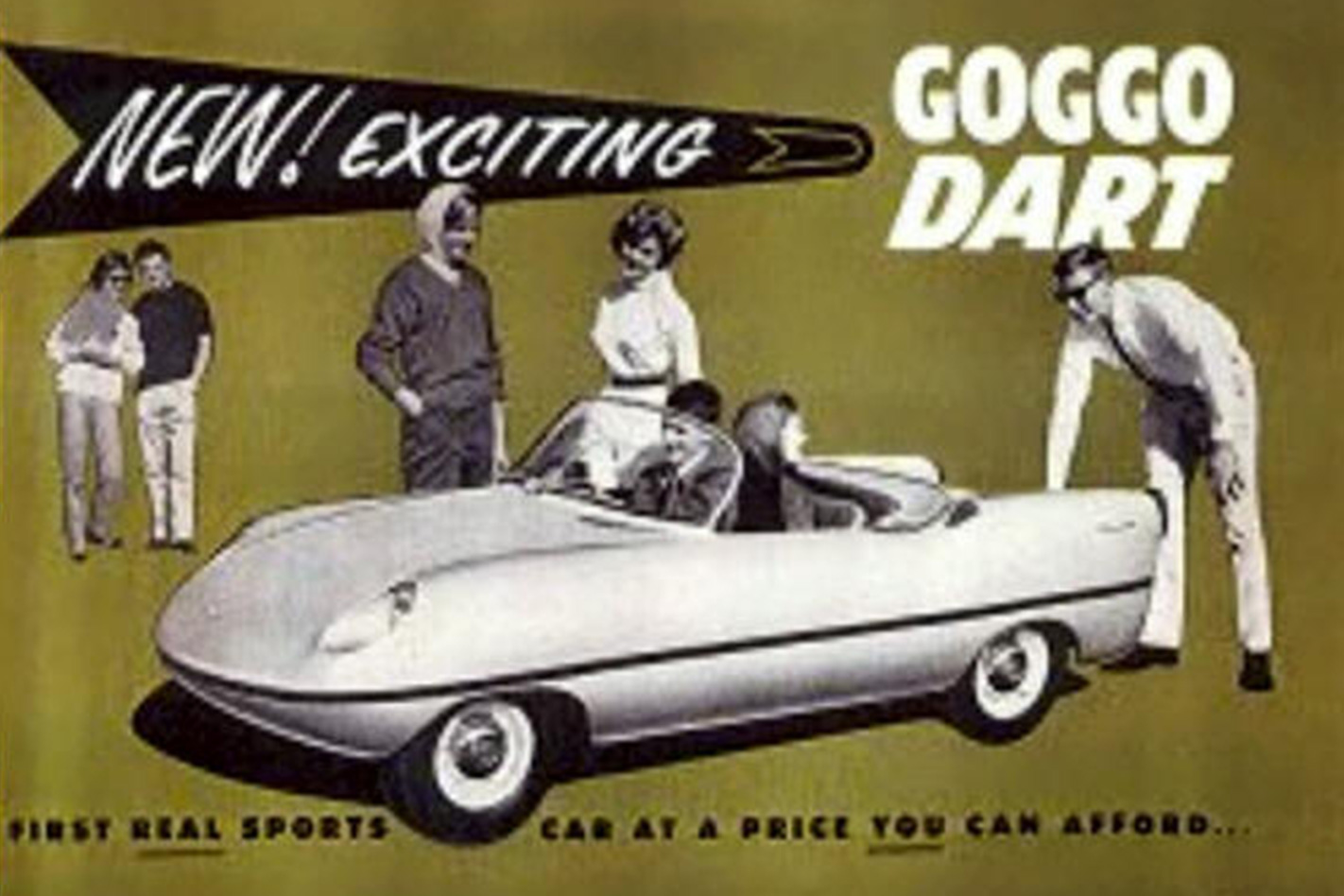
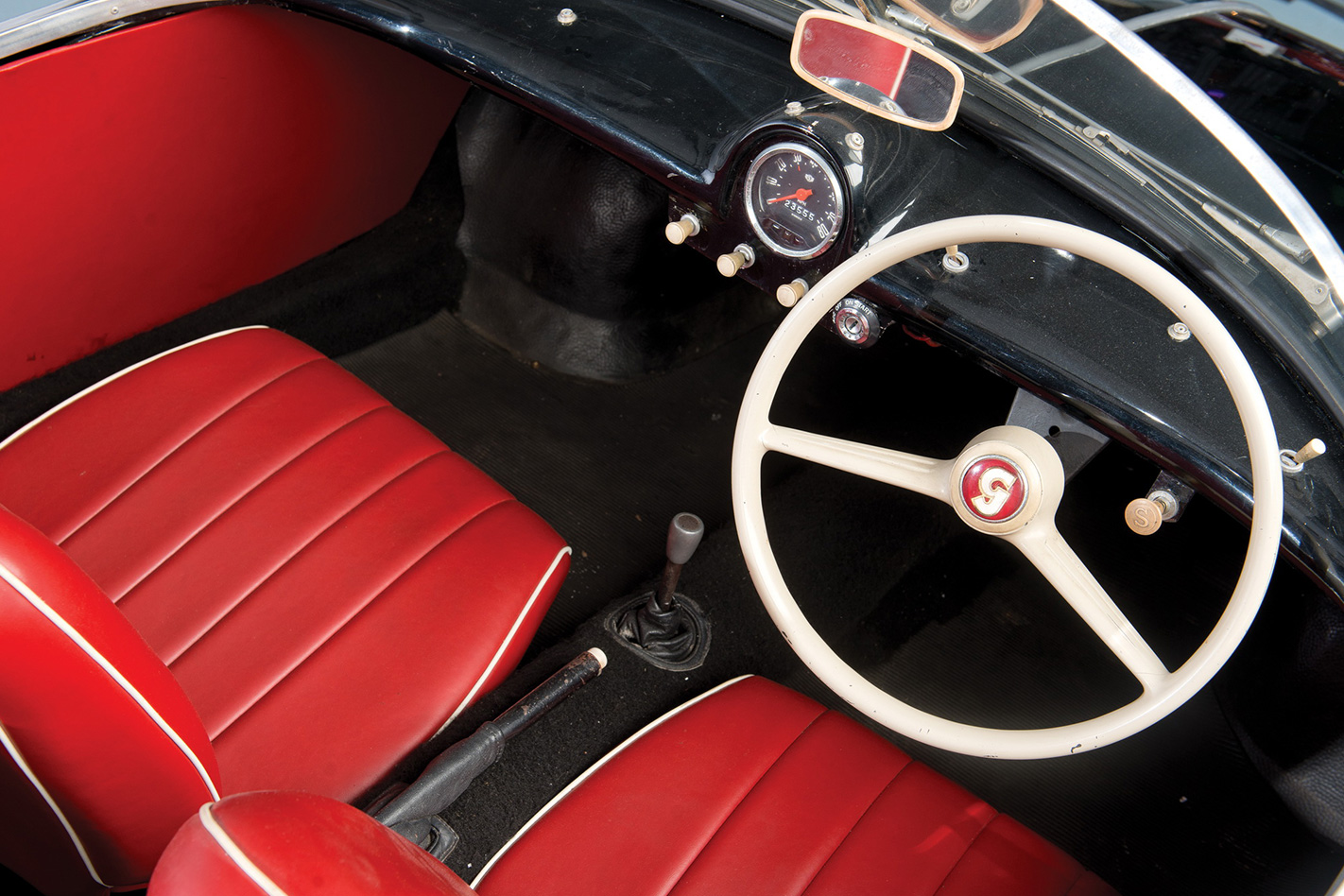
Dart was long on fun but short on comfort, lacking doors, windows and instrumentation beyond a central Kienzle speedo. Wet weather meant attaching the (included) soft-top with side curtains, all fixed in place with hardware store fasteners. Nicely vinyl-trimmed interior had rubber floor mats and basic bucket seats that hinged up and back for step-in access. There was no luggage boot; but frog-eye Sprite didn’t have one, either.
Do you miss the Skoda Yeti? Sadly, the Czech brand’s quirky and characterful small SUV is long gone, but Skoda has a newer and slightly bigger option for those shopping for a five-seat high-riding wagon – the Karoq.
All-new and designed to sit beneath the Kodiaq seven-seater in Skoda’s modern range, the Karoq competes in the ultra-competitive small-to-medium SUV segment against cars like the Hyundai Tucson, Mazda CX-5 and Nissan Qashqai, thus making it an attractive proposition to young families and downsizers. Being so new, though, it’s something of an unknown quantity. How does it stack up?
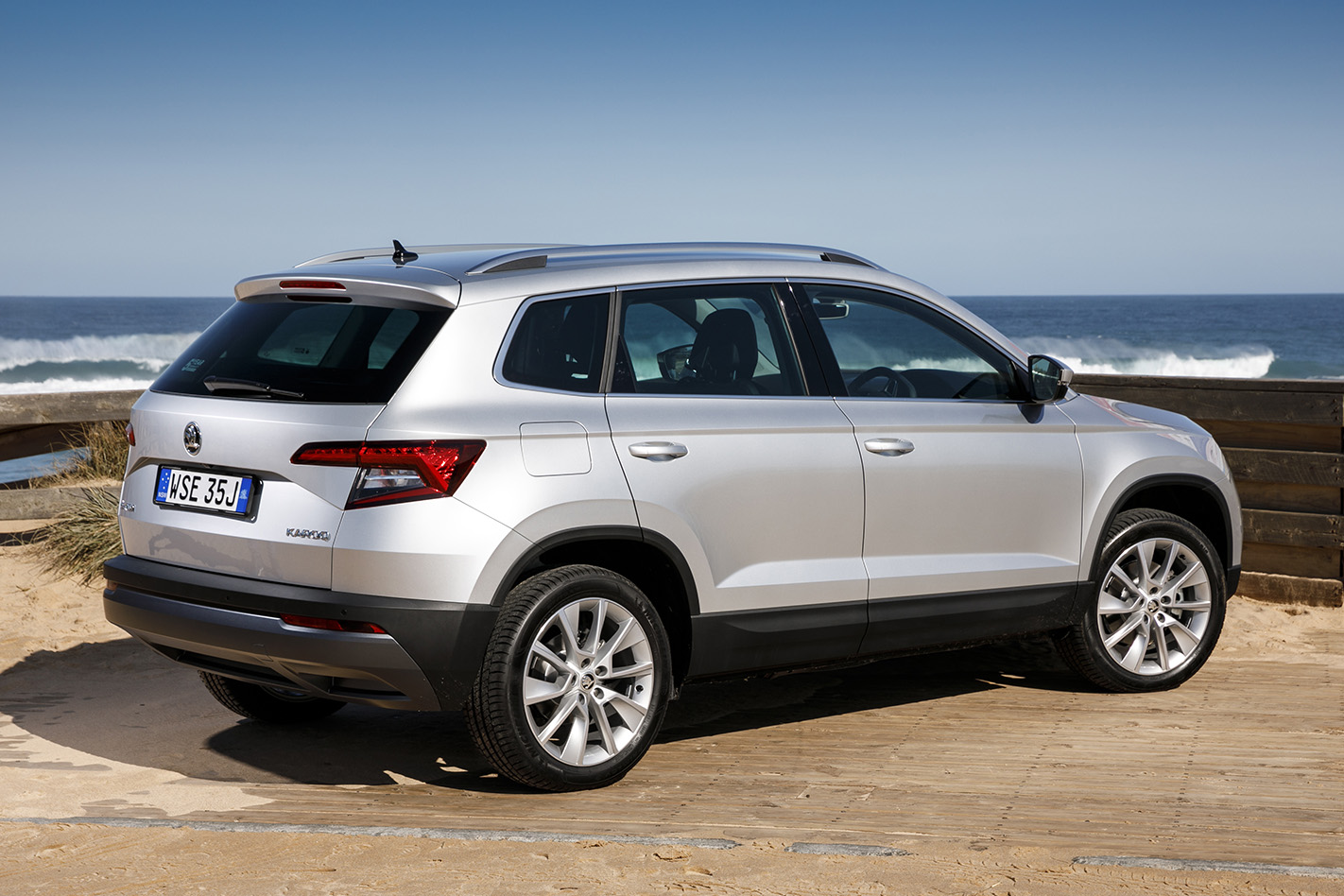
The Karoq starts at $29,990 in manual form and is only available in one ‘grade’, and opting for the seven-speed automatic brings that up to $32,290. The car we have on test here also boasts the $1700 Travel Pack, the $3600 Premium Pack, and metallic paint, which takes the total as-tested retail price to $38,290.
That puts it in the upper end of the medium SUV bracket if you get busy with the option list, but considering its European origins it still stacks up as reasonable value – especially if you keep it closer to its ‘standard’ specification.
Fuel bills won’t hurt you much either, with Skoda claiming an average consumption of 5.8L/100km, though it requires more expensive 95-octane fuel at a minimum.
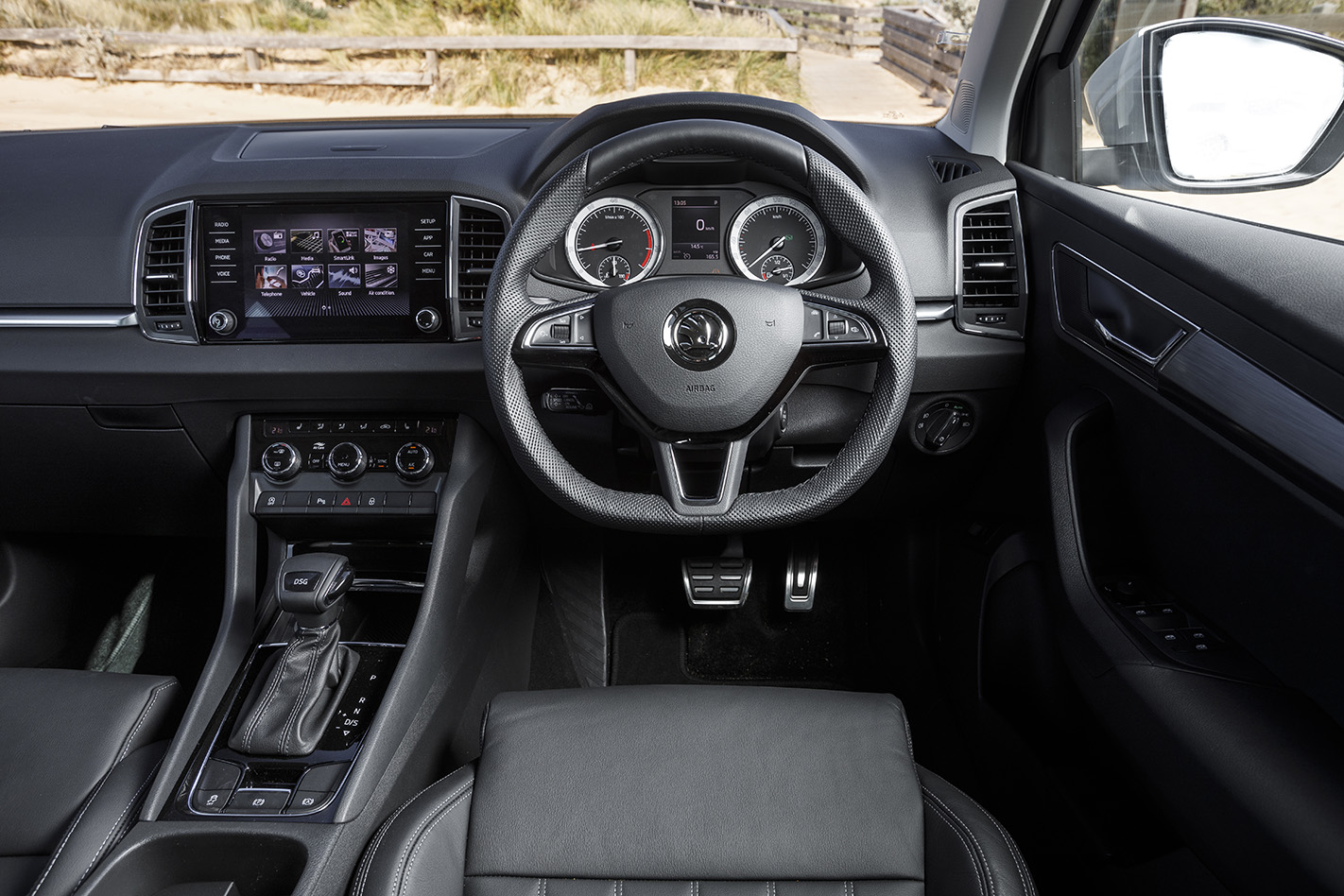
In its base form, the Karoq comes with the basics well catered for. An 8-inch colour touchscreen is the primary infotainment interface, while standard kit includes keyless entry and ignition, adaptive cruise control, rear parking sensors, dual-zone climate control, rain-sensing wipers and dusk-sensing headlamps.
With the Travel and Premium packages our car had, the equipment list swells further with a powered driver’s seat, heated front seats, LED headlamps, leather-appointed upholstery, a powered tailgate and front parking sensors.
With this level of features, the only thing that’s notably absent is a built-in satellite navigation system – though the standard smartphone mirroring capability offers a workaround via Apple CarPlay or Android Auto.
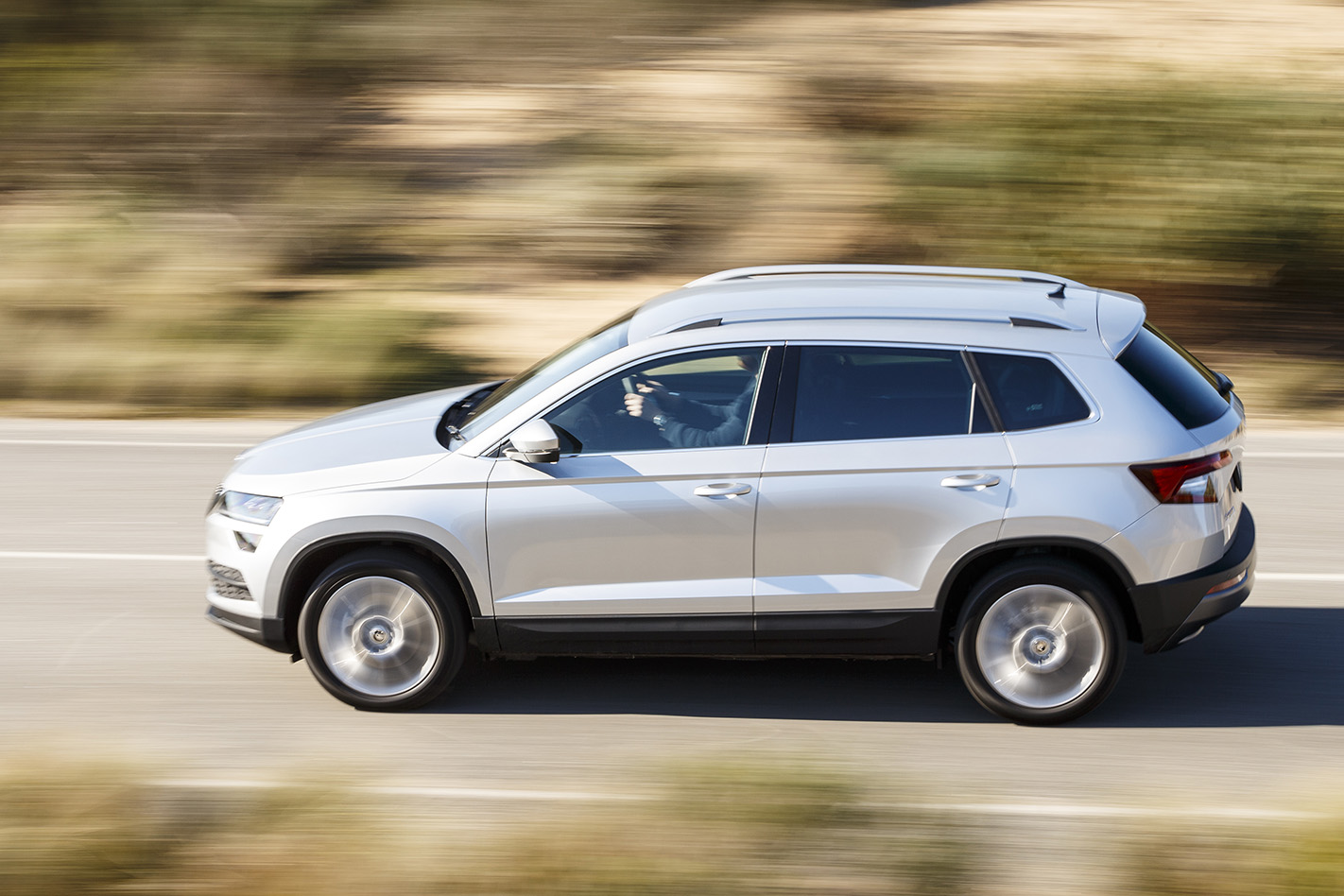
At 4382mm long and 1841mm wide, the Karoq is actually on the small end of the scale for a medium SUV. Conversely, it’s at the large end of the spectrum for a small SUV, and as such compares most directly with other segment-splitters like the Jeep Compass.
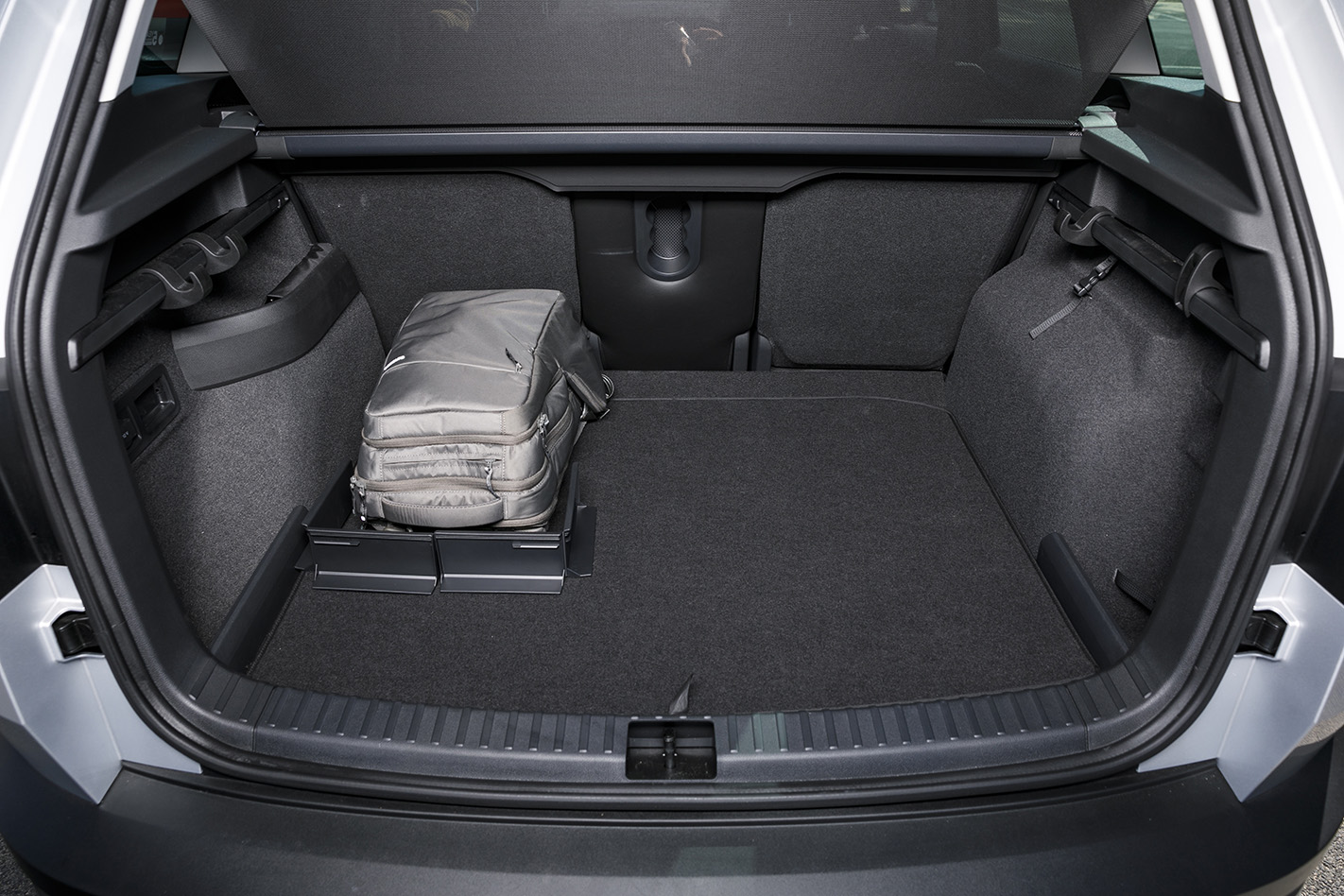
It feels bigger on the inside though, thanks to a large glasshouse and versatility-boosting features like its removable second row of seats. That’s right: not only do the rear backrests fold down to enlarge cargo capacity, but the seats themselves can be folded forward against the front seats or even removed altogether.
That effectively transforms the Karoq from a five-seat wagon into a two-seat van. Moving house? A Karoq might be all you need. Seats-up it offers an already-generous 479-litre capacity, with that figure exploding to 1810 litres with the second row removed entirely.
All Karoqs come equipped with a strong safety suite. A frontal collision warning is a potential life-saver and so is autonomous emergency braking, while stability control, traction control and ABS round out the rest of its standard electronic safety aids. The optional Travel pack adds lane keep assist and blind spot detection.
Occupants are protected by seven airbags and three-point seatbelts on all seats, along with anti-whiplash headrests on the front seats. A rear view camera and reverse parking sensors are also standard on the Karoq
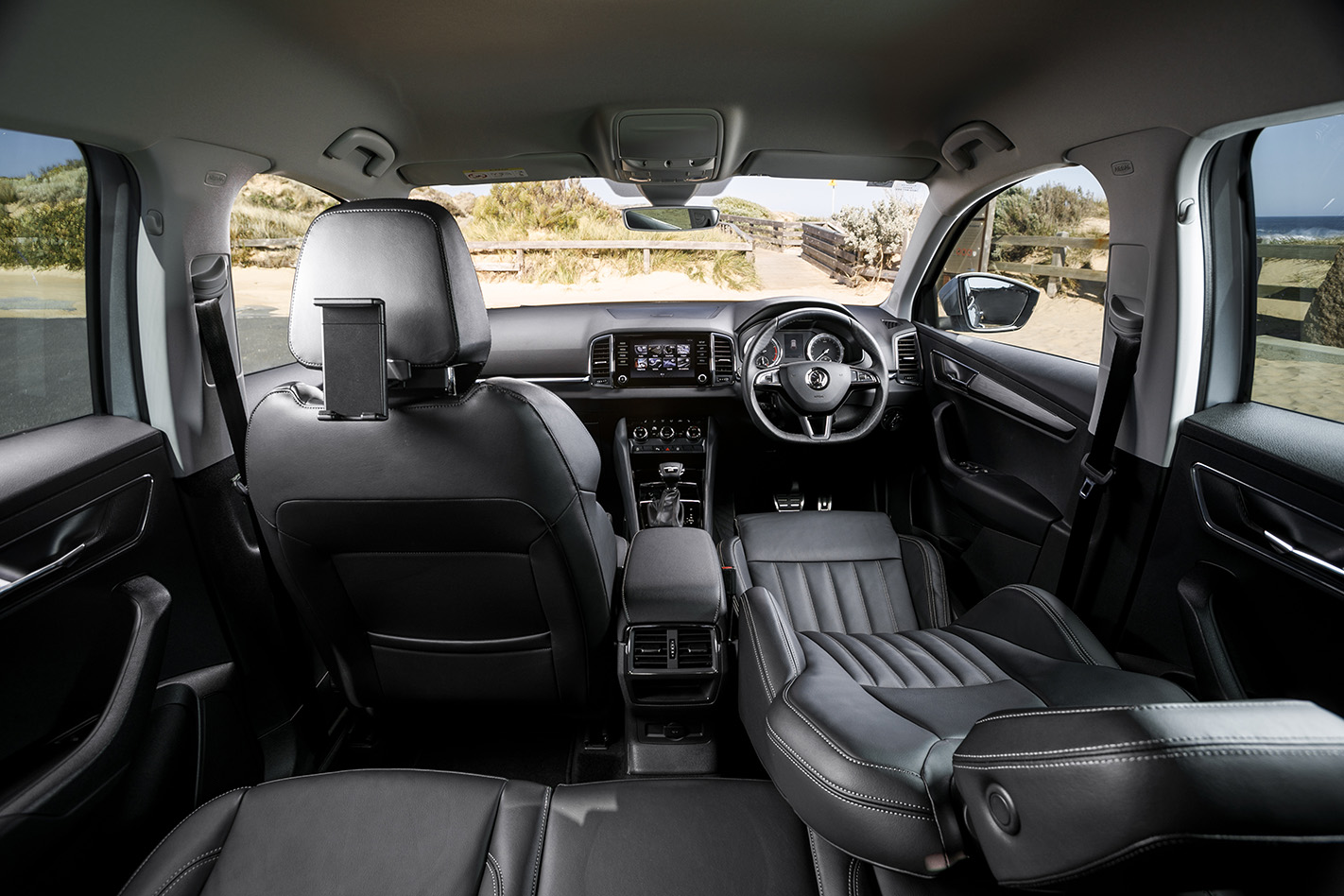
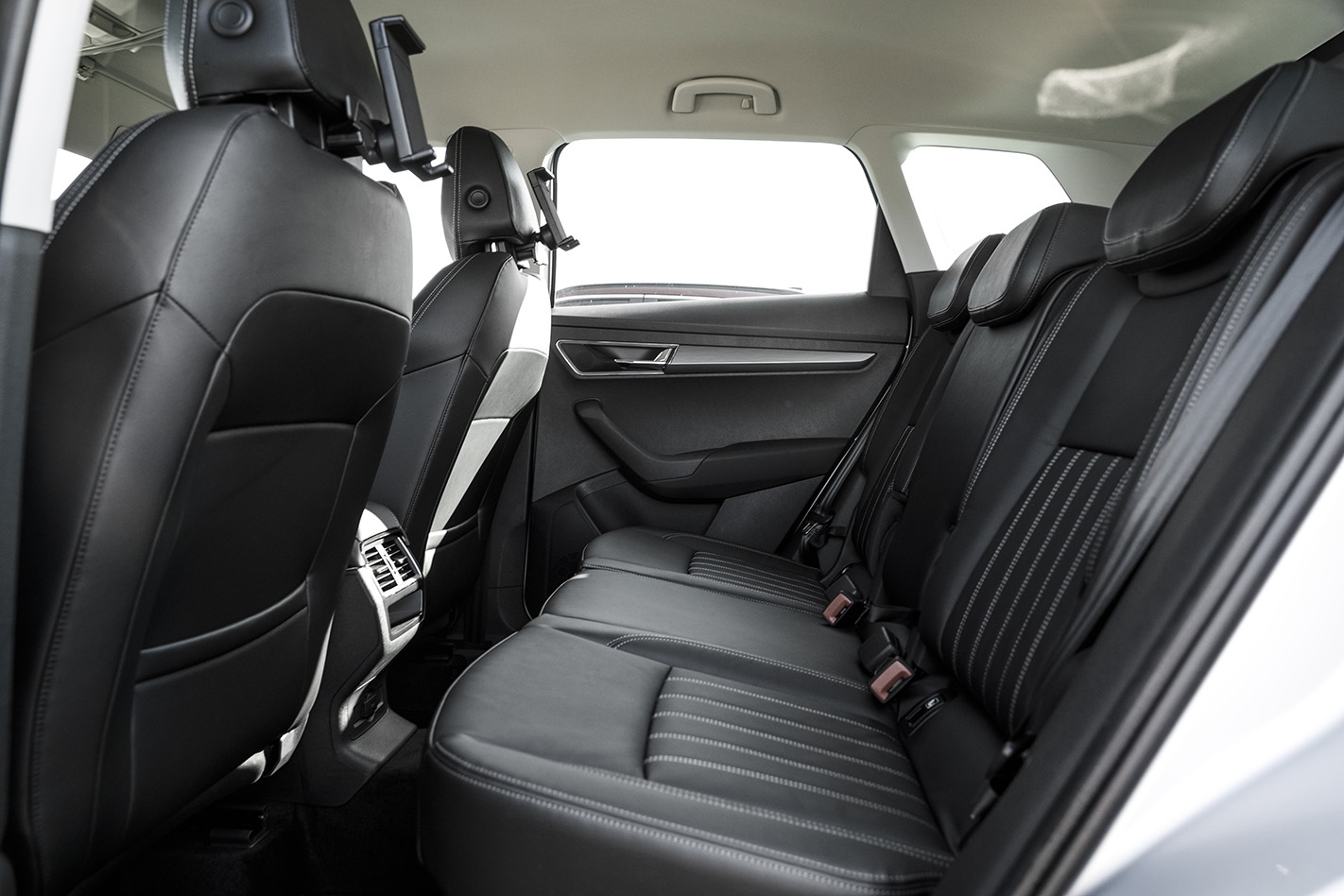
The Karoq is a winner as far as in-cabin comfort goes. The front seats offer excellent support and comfort, while the outboard rear seats are contoured to allow a relaxed posture and good under-thigh support. The rear backrests are also individually adjustable for recline, and big rear doors ease entry and exit.
But most importantly, it feels commendably spacious thanks to plenty of headroom and a big ‘glasshouse’. Face-level air vents for the back seat are another plus too, and the overall ambience borders on premium thanks to clean, minimalist design, solid build quality and high-grade materials.
It’s quiet when travelling at speed, even in the back seats, and the Skoda’s ride quality is generally firm but with a compliance that sees it knock the harsher edges off of bumps and potholes.
The Karoq only comes with one engine, but the 110kW/250Nm turbocharged 1.5-litre four-cylinder is not wanting for mechanical grunt. Its maximum torque figure is available from 1500-3500rpm, which translates to strong acceleration from just off idle that doesn’t taper off until quite high in the rev range – perfect for getting around town smartly without having to work the engine hard.
With seven speeds, the Karoq’s dual-clutch automatic is fast-shifting when in motion but can occasionally execute a jerky shift when in heavy traffic. There are few complaints about how it handles or rides, however, thanks to light but authoritative steering and a suspension tune that balances grip and cornering capability with comfort quite admirably.
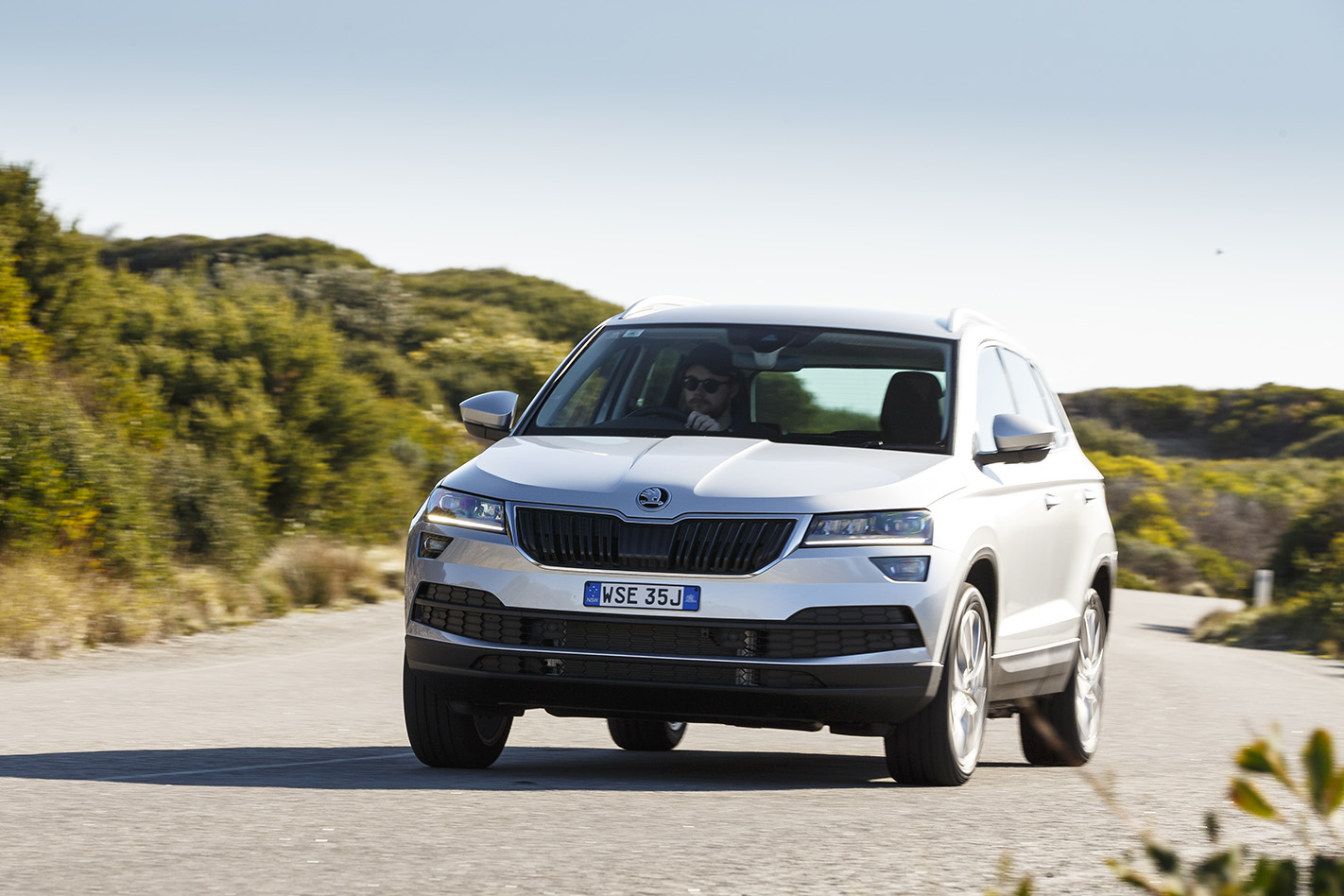
The Skoda Karoq is a surprise package, one that feels tailor-made for the needs of the average Australian motorist. Its cabin versatility is impressive and unique within its segment, while it’s easy to drive, fuel-efficient, well-built and well-equipped.
Couple those attributes with its five-seater SUV form factor – which is fast becoming the go-to choice for Aussie car buyers – and Skoda is onto a winning formula with its Karoq.
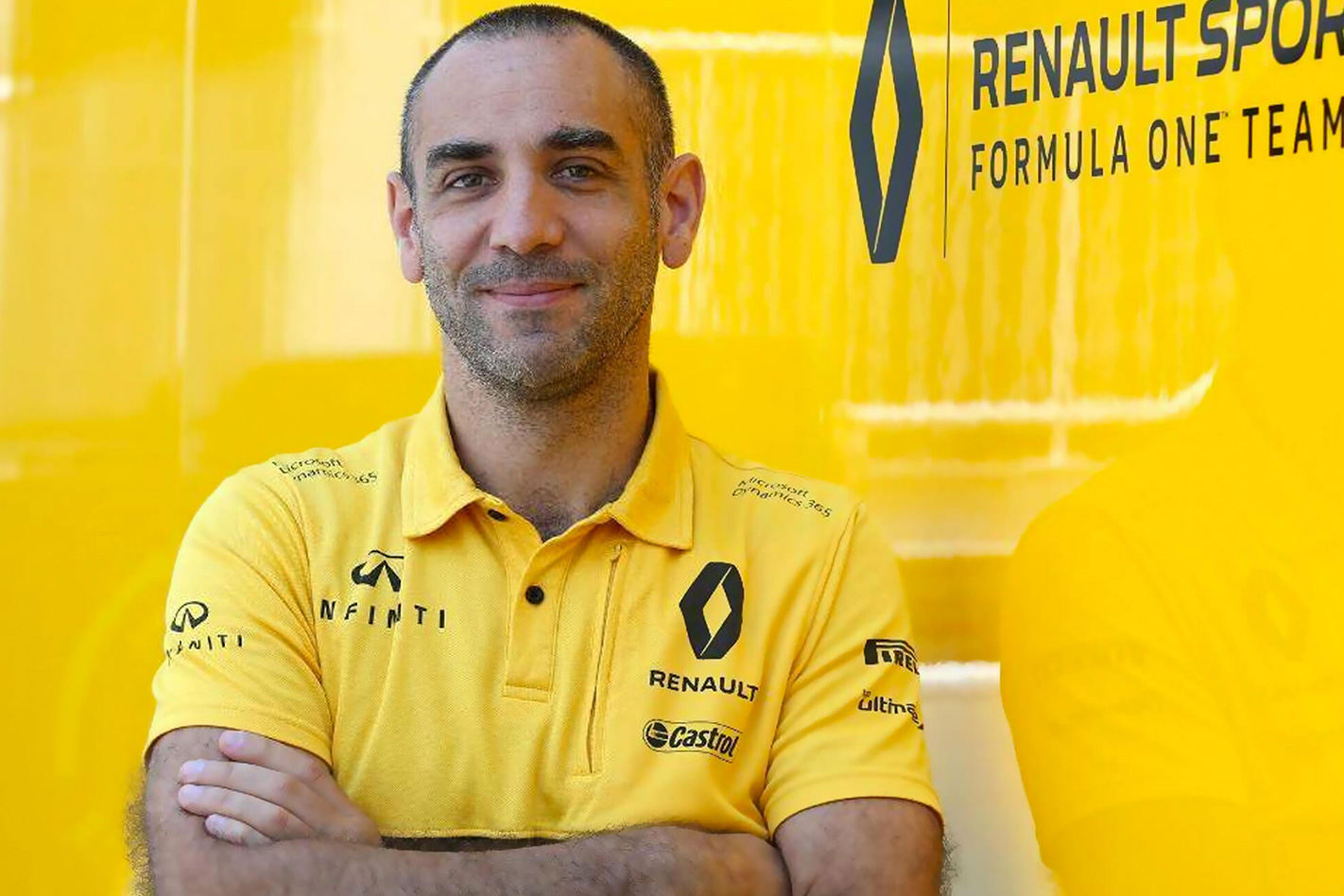
SEVEN-TIME Formula 1 grand prix winner Daniel Ricciardo has been told by his new Renault Sport F1 boss that he should not expect to win races with the team until 2020 at the earliest, and that a championship won’t be on the cards until at least 2021 – that’s if the Aussie stays on.
“We sold him the goal of fighting for championships [driver and constructor] in 2021, and to start winning, I hope, in 2020, but not before,” Renault Sport F1 managing director Cyril Abiteboul told French newspaper Auto Hebdo.
Ricciardo made a shock decision at the start of the European summer break to leave Red Bull Racing and take up a two-year deal with the French outfit starting next year. He ousts Spanish driver Carlos Sainz (who has since gone to McLaren) and picks up Nico Hulkenberg as his teammate.
Renault has been on a warpath to re-establish itself as a race-winning force in F1 since it bought out Lotus F1 and returned as a works outfit in 2016. The signing of a personality like Ricciardo appears to be a key part of the ongoing ascendancy plan.
“[Ricciardo] has also been sold a role that goes beyond that of a simple pilot, but that of someone who participates in building a team,” said Abiteboul.
“His commitment to us proves our willingness to accelerate the recovery process. It’s also recognition of the work we’ve done over the last two and a half years. Daniel’s talent and charisma are a great bonus for us. We have to reciprocate that confidence by giving him the best possible car.”
The deal will put Dan back on the driver market for 2021, coinciding with a major revamp of the sport’s technical regulations that could shuffle the current pecking order of teams. Other expiring driver contracts at that time will potentially open up seats at Ferrari, Mercedes and even back at Red Bull, or Dan may choose to re-sign with Renault if the year ahead looks promising.
Renault has employed hundreds of additional staff and ramped up its rate of development since its return; from 475 people at the end of 2015 to 640 earlier this year, with a target of 700 by 2019. Reliability of its own race cars has been good so far this season, and far better than that of engine supplier Honda, who will be providing power units to Red Bull and Toro Rosso next season.
“Our choice is to become a top team,” Abiteboul told ESPN earlier this year. “To become a top team we need to be integrated, but in order to be integrated it takes a bit of time.”
Renault’s last victory at a Formula 1 race was the Japanese Grand Prix in 2008. Its two constructor championships were won more than a decade ago (2005 and 2006) when Fernando Alonso was driving for the team. The desire to be back on top appears strong, and the team’s progression has been impressive, so much so Williams F1 deputy principal Claire Williams described it as “phenomenal”.
Abiteboul says, “Last year we managed to out-develop all teams, including the top teams. We started two seconds off the pace from the top teams and we finished the season one second away from the top teams.”
As it stands Renault sits a distant fourth in the constructor championship behind Red Bull, Ferrari and Mercedes-AMG.
“If we also manage to out-develop like we did last year, the target that we have set ourselves of finishing half a second away from them by the end of the year is an achievable one.”
In January Renault announced the controversial appointment of Marcin Budkowski to oversee its Enstone factory. Budkowski was formerly head of the FIA’s technical department, and had his start at Renault delayed by months due to objections from teams fearing he would divulge their competitive secrets. He has since begun work in the new role.
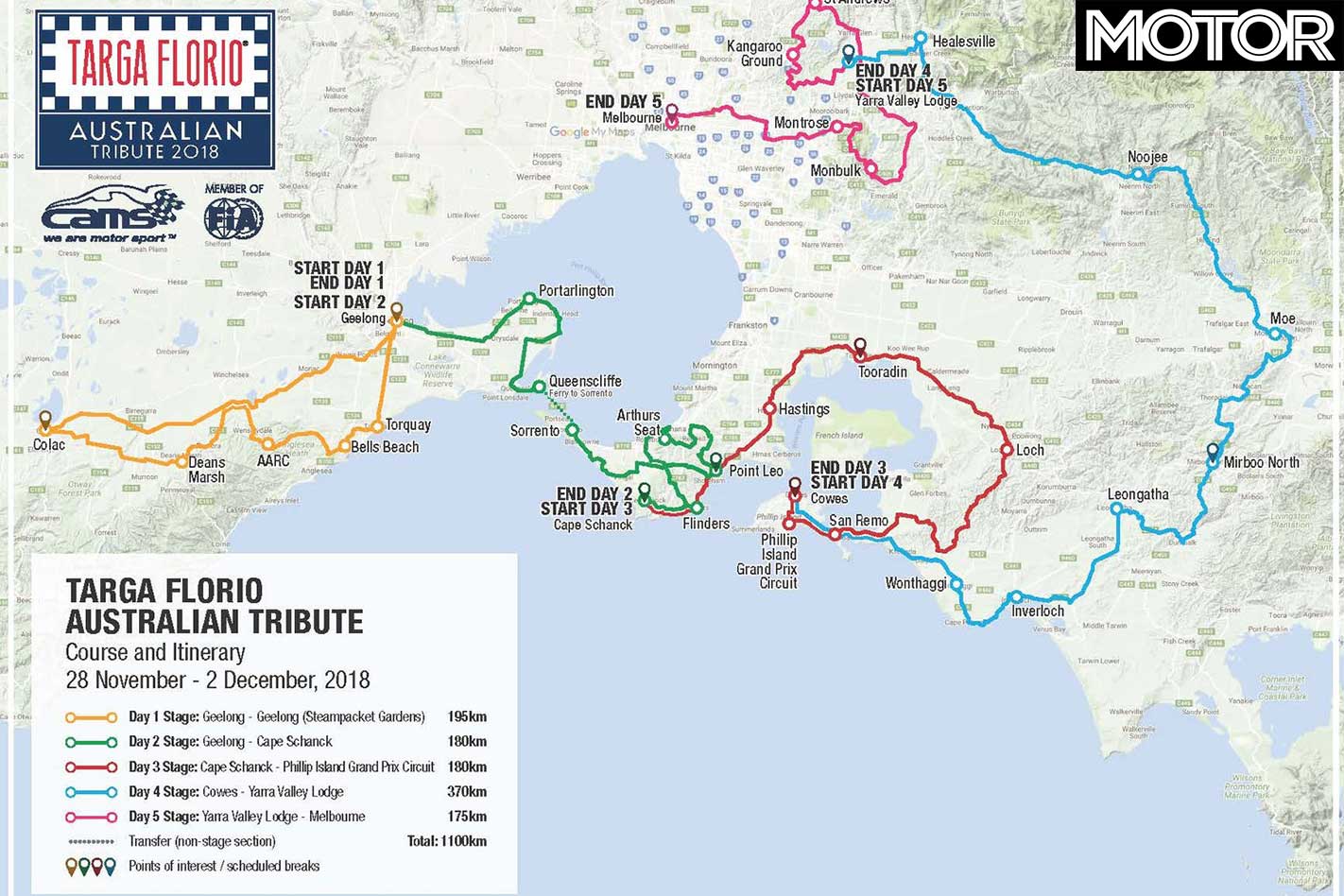
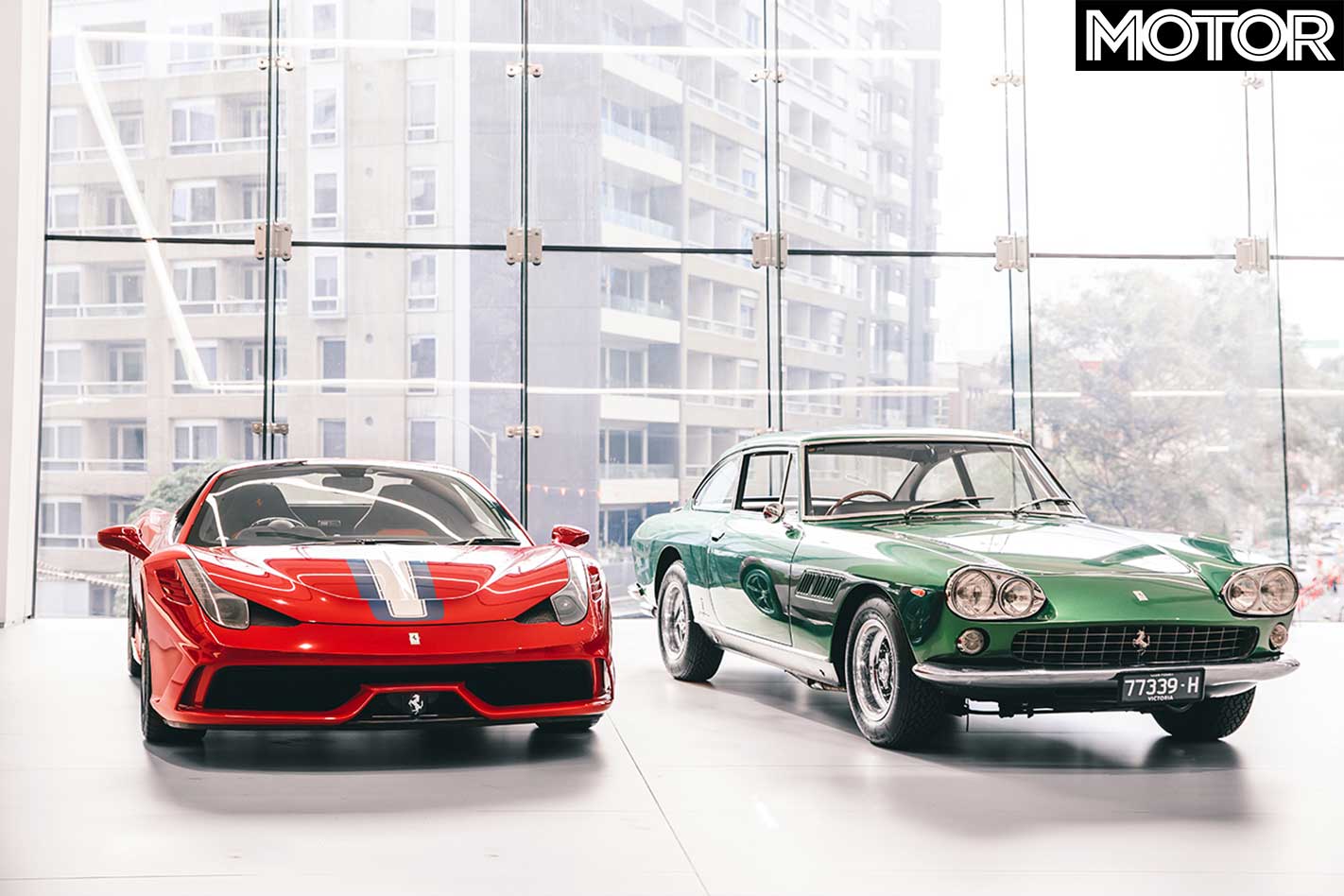
Ferrari has announced it will officially participate in the Targa Florio Australian Tribute 2018, a road regularity event which is set to take place around Victoria late this year.
For Ferraris, the event is open to cars produced between 1947 and 1976 in the Classic category, and Ferraris built from 1977 onwards with the introduction of the Ferrari Tributo category.
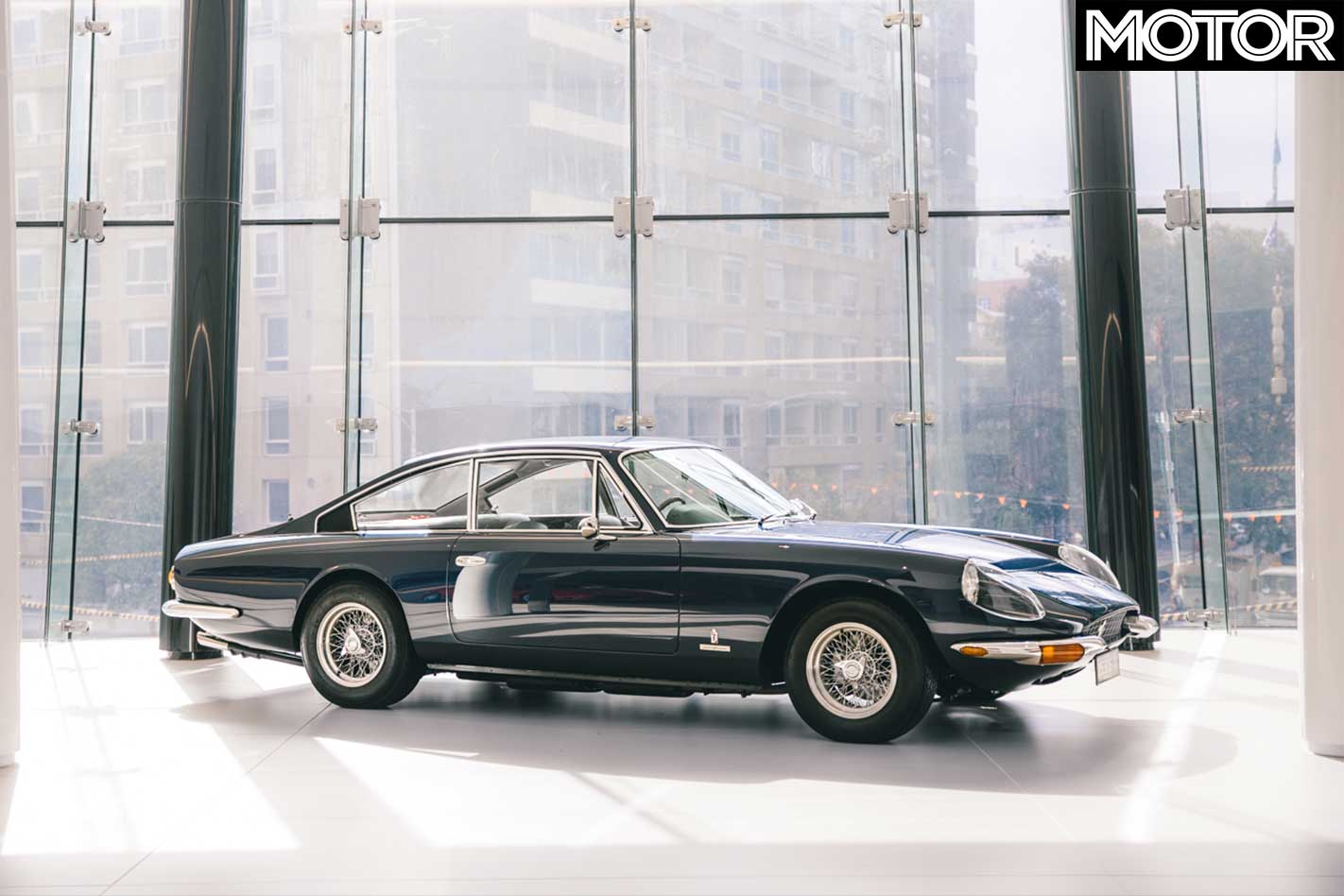
Outside of the Ferrari categories, cars built between 1907 and 1976 are eligible for the 2018 Classica Trophy. In total, the event’s four stages cover 1175km.
Ferrari Australasia CEO Herbert Appleroth says the legendary Italian event is a perfect fit for the Italian brand, especially to Australian Ferrari fans – Ferraristi, as he calls them.
“Ferrari is thrilled to be officially celebrating this major event with our friends and fans in Melbourne and its regions,” says Appleroth.
“The spectacular roads of Victoria will provide a stunning backdrop with which to illustrate our longstanding Targa Florio history and underline the affinity Australia has with Ferrari.
“We are excited to share this racing heritage with our Australian Ferraristi and encourage everyone to join us for the celebrations.”
Event director of the Targa Florio Australian Tribute John Caniglia says the addition of Ferrari’s support of the event raises the event’s prestige and reinforces the Italian heritage of Targa Florio.
“We are both excited and very proud that Ferrari will officially participate in Targa Florio Australian Tribute in 2018,” Caniglia says.
“Victoria has so much to offer participants that are seeking the best roads and luxury lifestyle experiences.
“However, having Ferrari involved will also add immense value for the public and spectators and really underline the Italian heritage of our event.”
The event will take place across Victoria from 28 November to 2 December 2018, though competitors must still follow Victorian road rules throughout its duration.
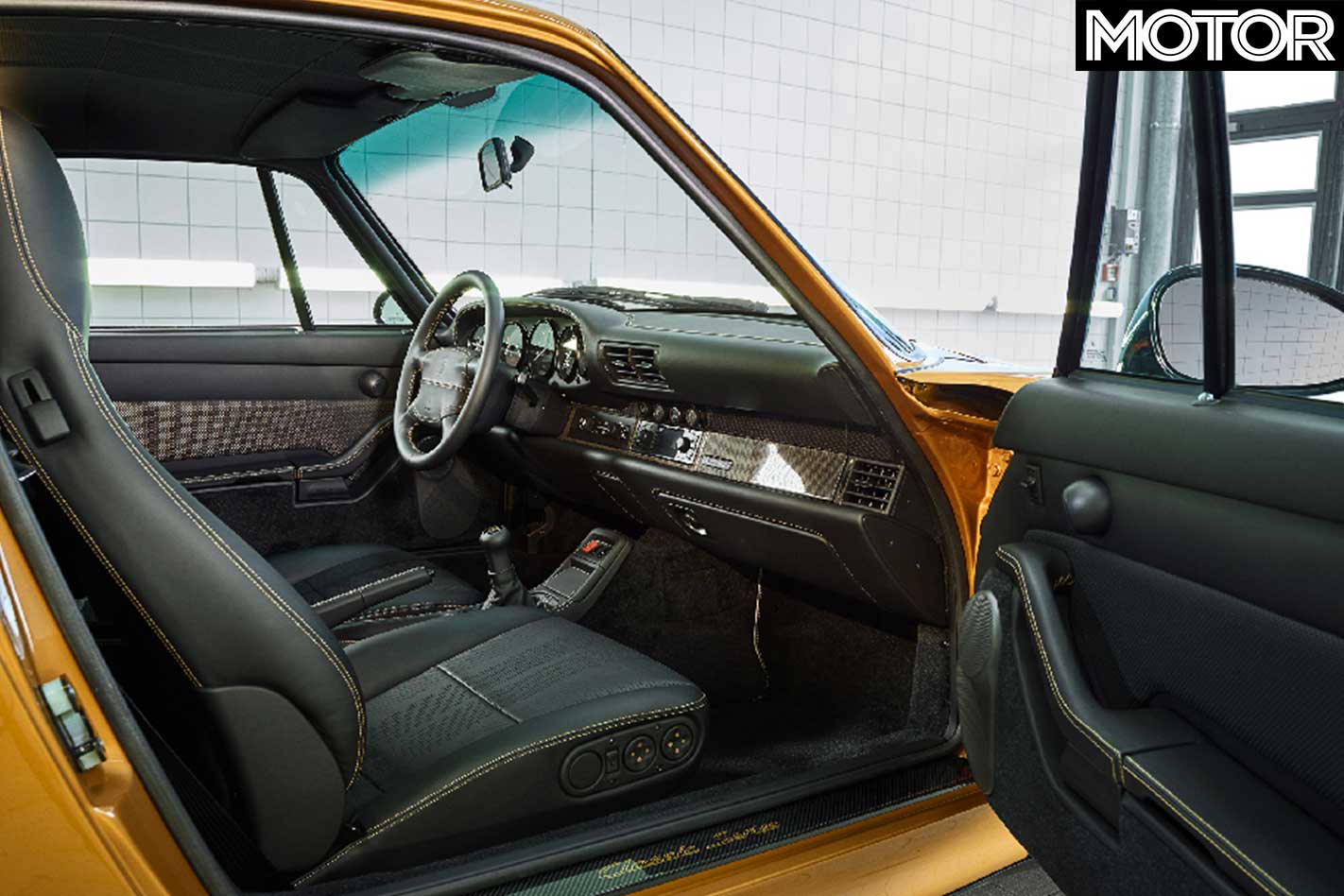
Porsche has revealed the fruit of its ‘Project Gold’, a ‘new’ Porsche 993 911 Turbo which has been restored using the original shell of a 993-gen Turbo, and a plethora of Porsche’s genuine parts.
It’s painted in Golden Yellow Metallic as a reference to the 2018 911 Turbo S Exclusive Series, a limited series of 500 cars built by Porsche Exclusive Manufaktur, which also helped Porsche Classic with the 993 seen here.
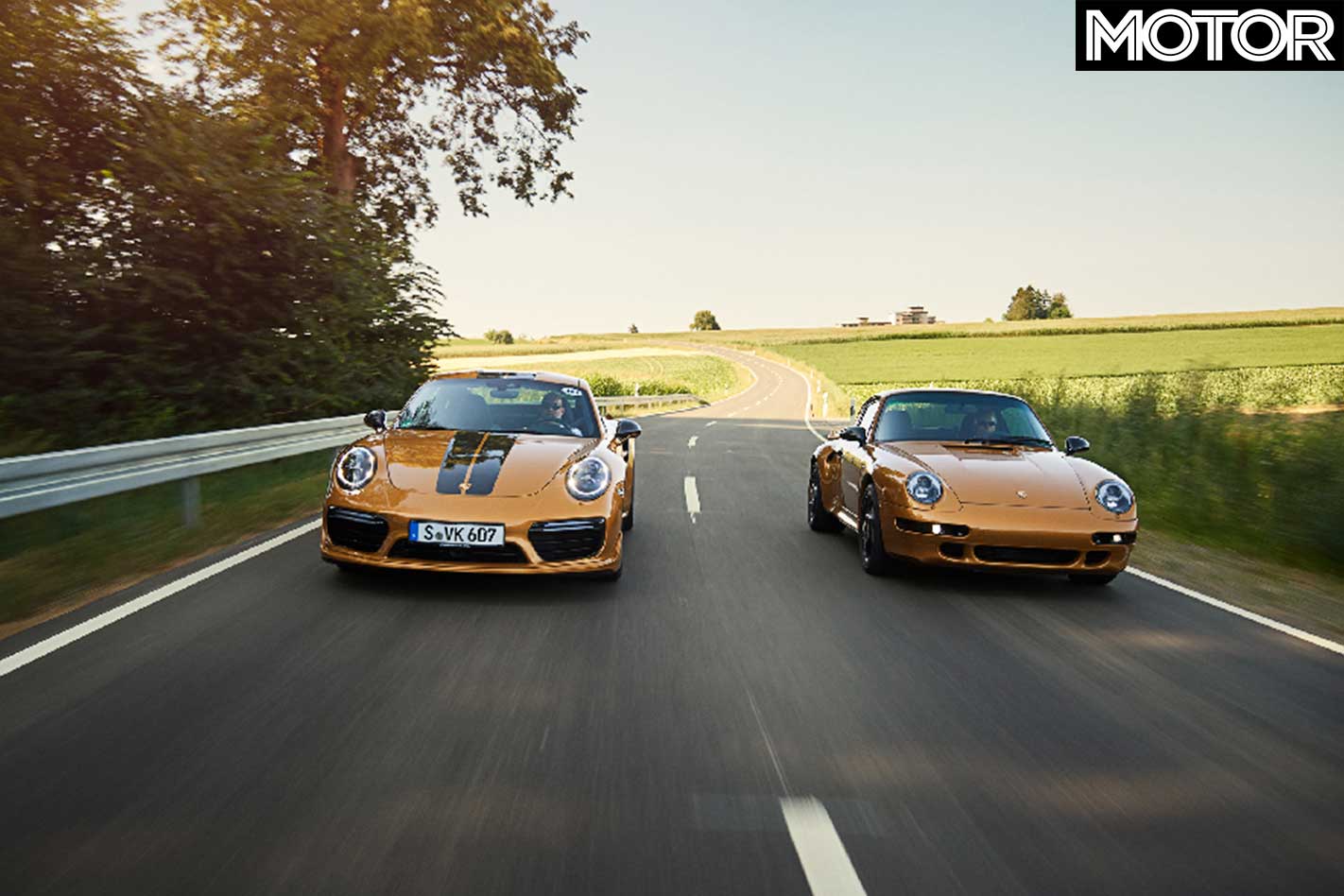
Porsche granted the rebuilt 993 a 3.6-litre twin-turbo flat six producing the same 331kW as the original 993 911 Turbo S. Porsche adds that the manual transmission and all-wheel drive were also sourced from the Porsche Classic range of genuine parts.
It also features a VIN that follows on from the last 993 turbo built in 1998.
Porsche board member for sales and marketing Detlev von Platen says the project intends to show Porsche’s passion for its history, at a time when the future is so important.
“Project Gold” showcases the comprehensive skill of Porsche Classic in fascinating fashion,” says von Platen
“This project clearly demonstrates our strategic approach. Although we are starting a new chapter in our sports car history with the Porsche Taycan, the story of how the company evolved is no less significant.
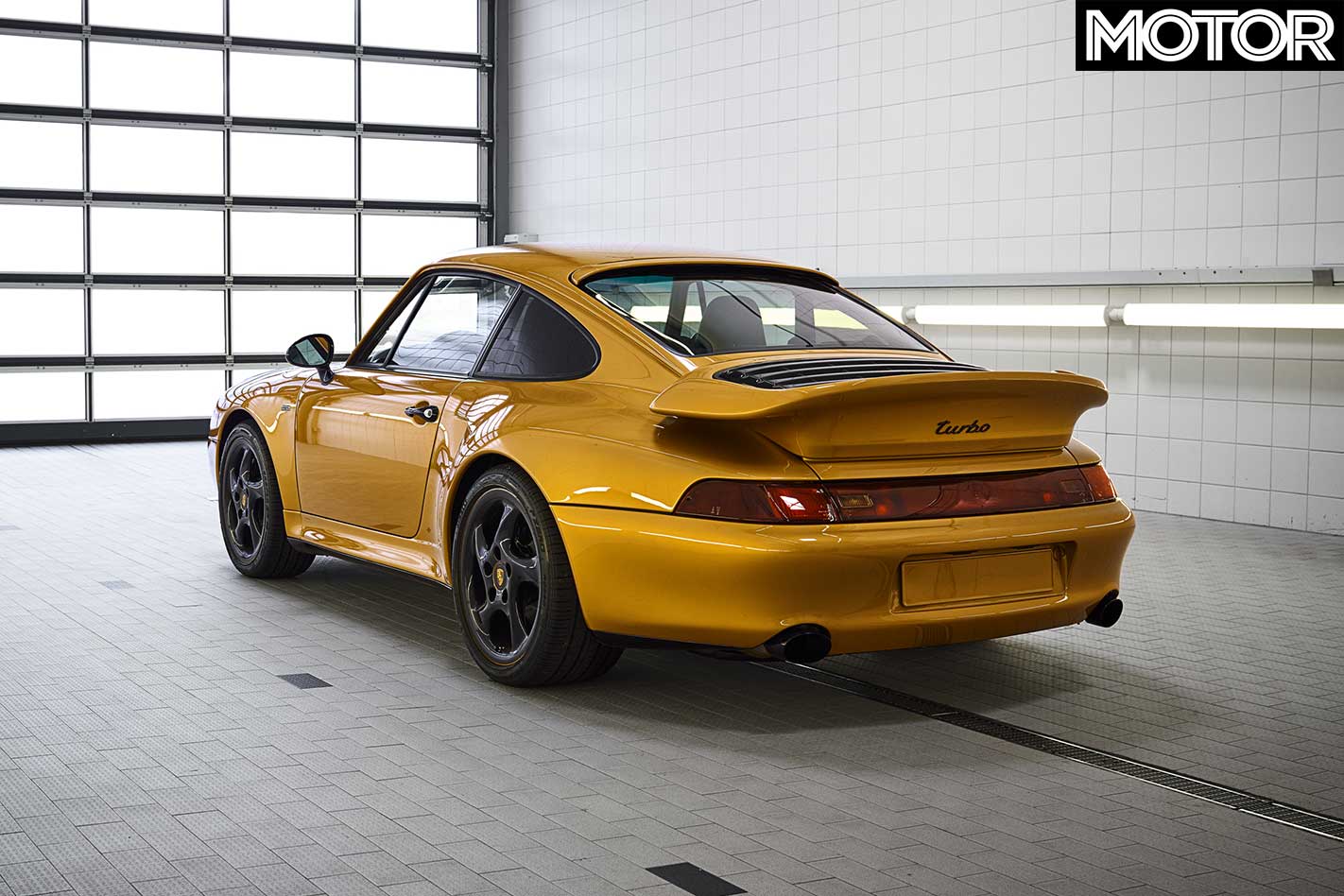
“On the contrary, this Golden Yellow 993 demonstrates how incredibly passionate we are about the tradition of our brand.”
After Porsche is finished with ‘Project Gold’, it’s to be auctioned by RM Sotheby’s at the Porsche Experience Center in Atlanta in October with profits to be donated to the Ferry Porsche Foundation.
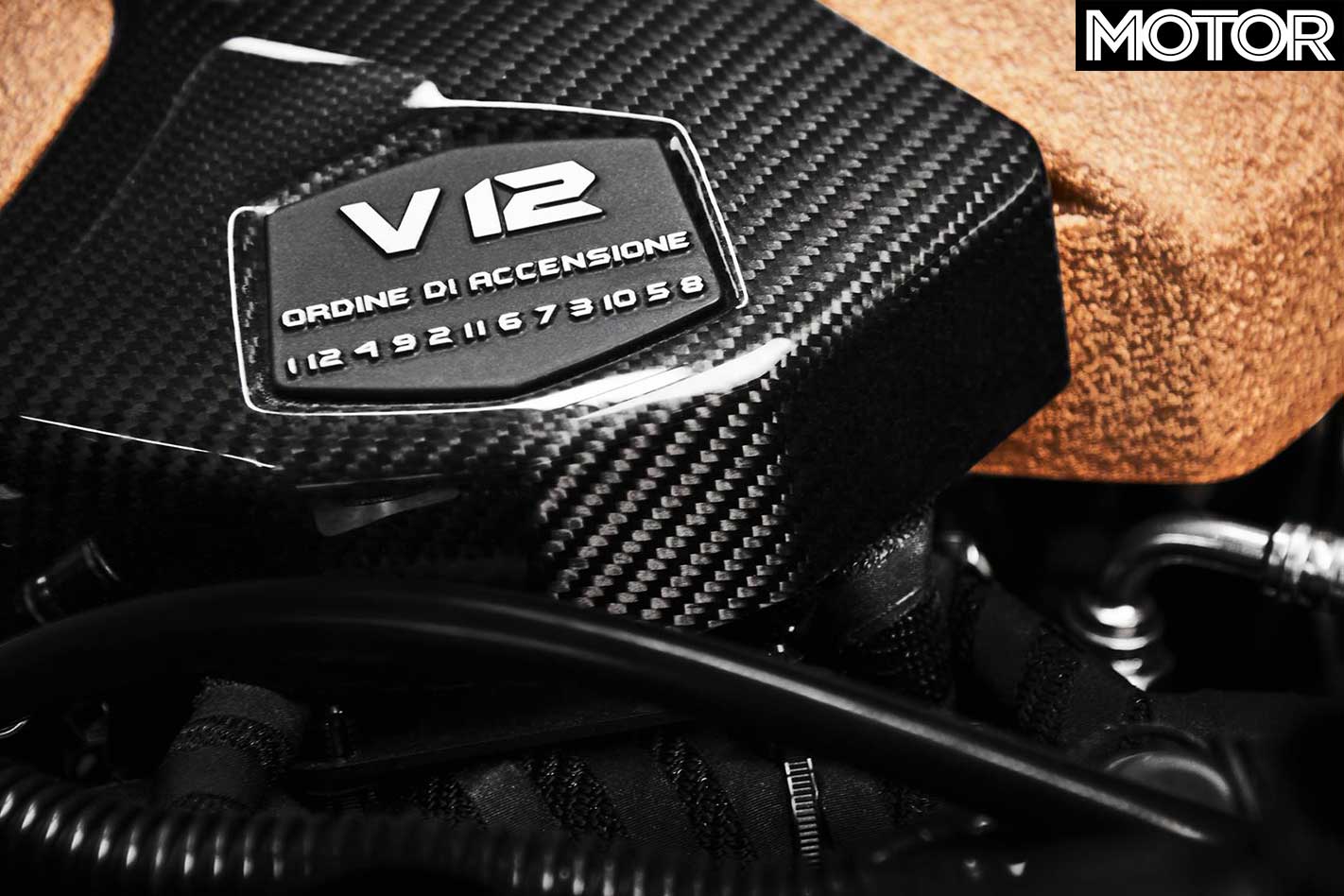
The 2019 Lamborghini Aventador SVJ has been officially revealed at The Quail during Monterey Car Week.
Aside from an image leaked this morning by a UK-based dealer for the brand, this is the first time the much-anticipated supercar has been seen by the public without camouflage.
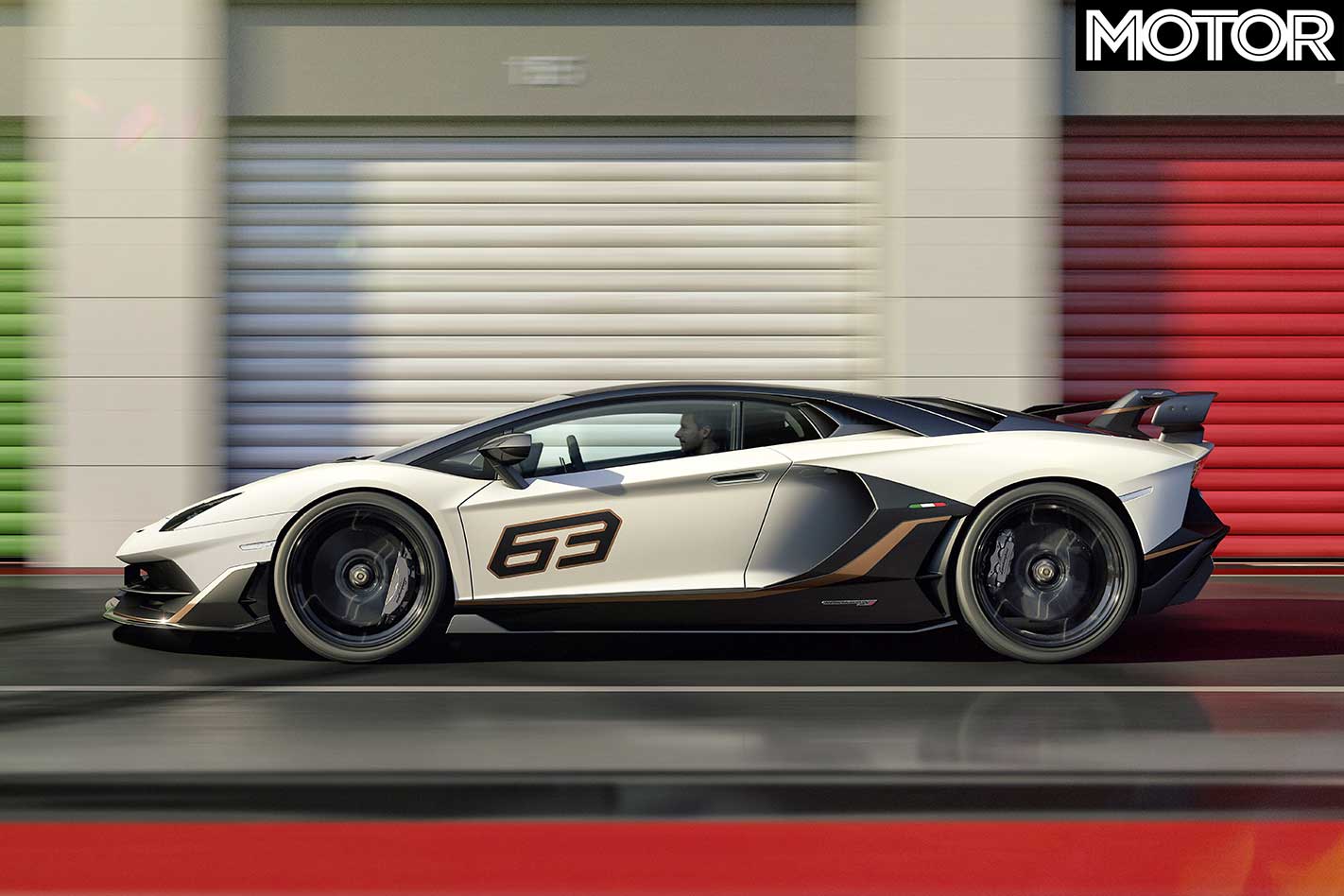
Lamborghini says 200km/h arrives in 8.6 seconds, and a top speed of more than 350km/h is where it’ll run out of puff.
The SVJ receives a lot of improved equipment over the Aventador SV, including 40 per cent more downforce on both axles and a drag coefficient 1 per cent lower.
After its 6:44.97 lap of the Nürburgring, it also now holds the production car record for the world’s longest and most famous permanent race circuit.
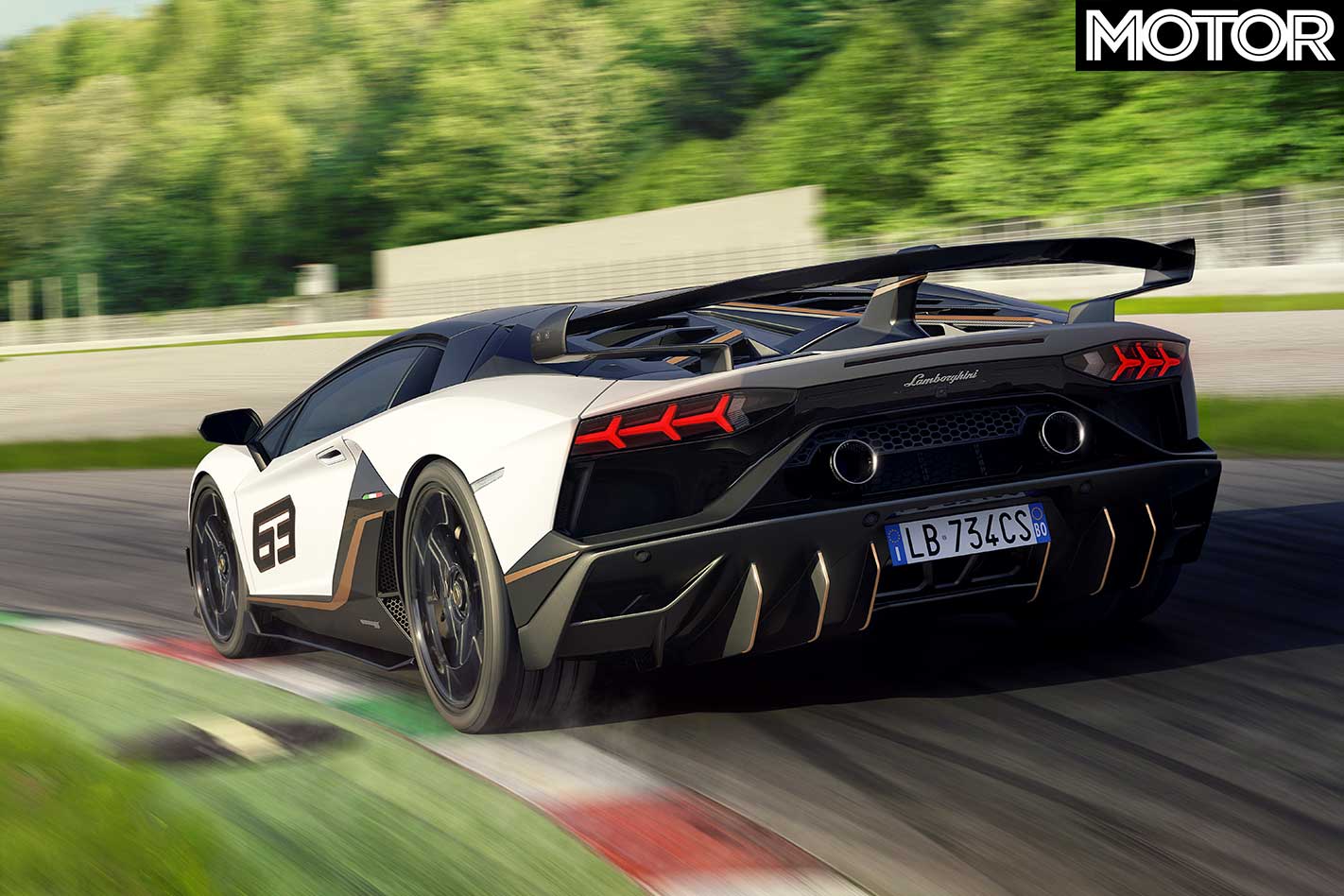
As well as the SVJ, a special edition called the SVJ 63 will be released to celebrate the founding year of Lamborghini, 1963, as a limited run of 63 cars on top of the SVJ’s 900 units.
A spokesperson for Lamborghini tells MOTOR that local and New Zealand customers will take first delivery of the Aventador SVJ in Autumn 2019. Pricing for Australia is set at $949,640 plus on-roads, while NZ customers pay NZD$818,864 for their SVJs.
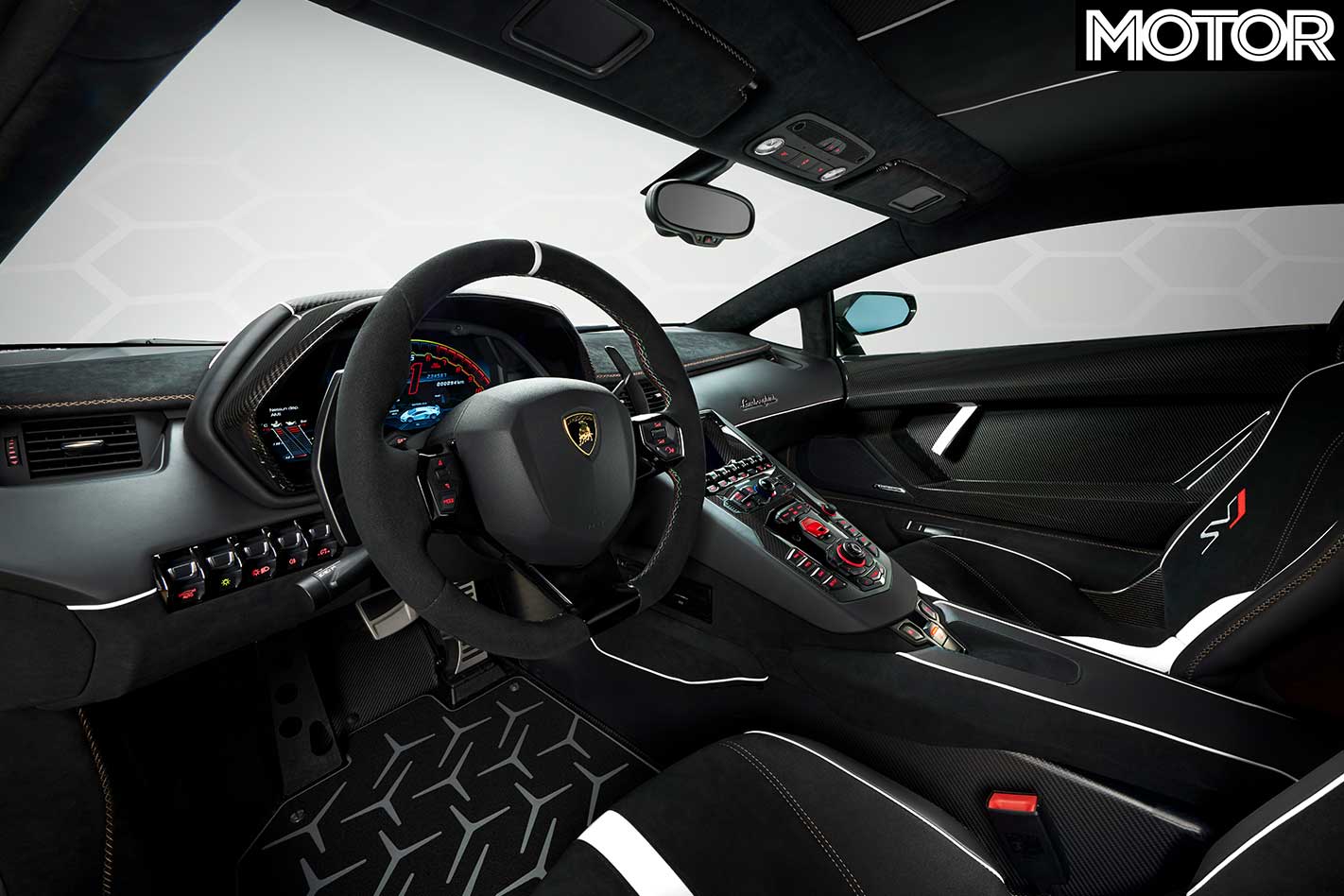
Only 900 units of the ‘super sports car’ will be produced worldwide, with pricing in the US at USD$517,770, and GPB291,667 in the UK.
Lamborghini CEO Stefano Domenicali says the SVJ represents the ‘absolute pinnacle’ for not only Lamborghini’s V12, but its entire range.
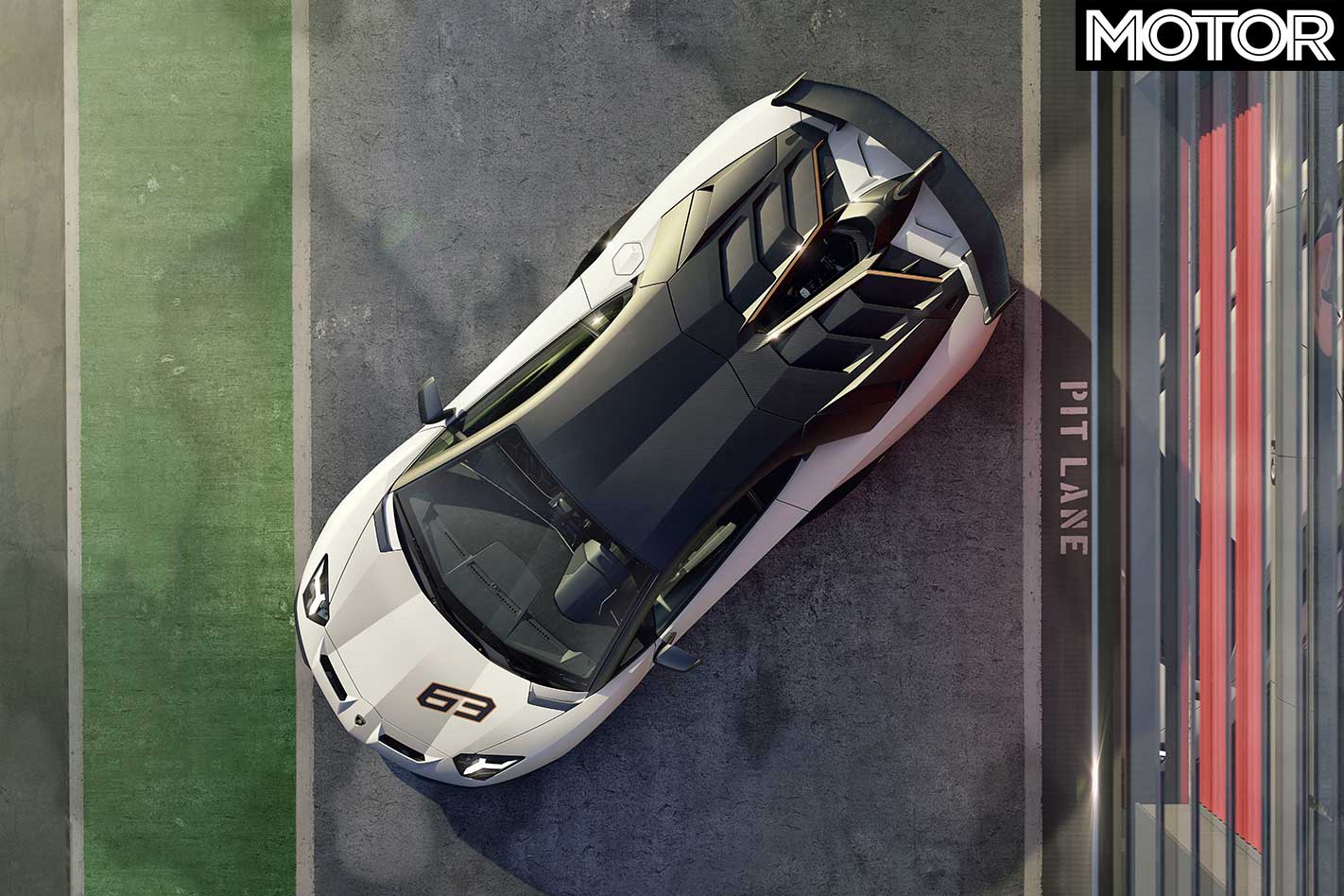
“The Aventador SVJ is an innovative car and represents the absolute pinnacle of our super sports car product range,” says Domenicali.
“The challenge to Lamborghini designers and engineers was to improve the purest essence of the Lamborghini super sports car, drawing on every inspiration from a space ship to a jet fighter: all the most exceptional examples of super-fast, super-athletic, aerodynamic superiority.
“The Aventador SVJ takes another step into the future, shaping the potential for super sports car development.”
FORD’s Everest has clocked up just over 12,000 sales since it was introduced at the tail end of 2015. And that doesn’t seem much to brag about. By contrast, Toyota’s Prado shifted almost 16,000 units in 2017 alone. The Everest sold a quarter of that.
Ask Karen Larkin, the Product Marketing Manager if she’s at all disappointed by Everest sales and you get an interesting response.
“It’s always difficult to establish a new nameplate in a market,” she explains. “It takes a little while for customers to get used to it, and Everest sales have grown year on year since 2015.” That much we knew.
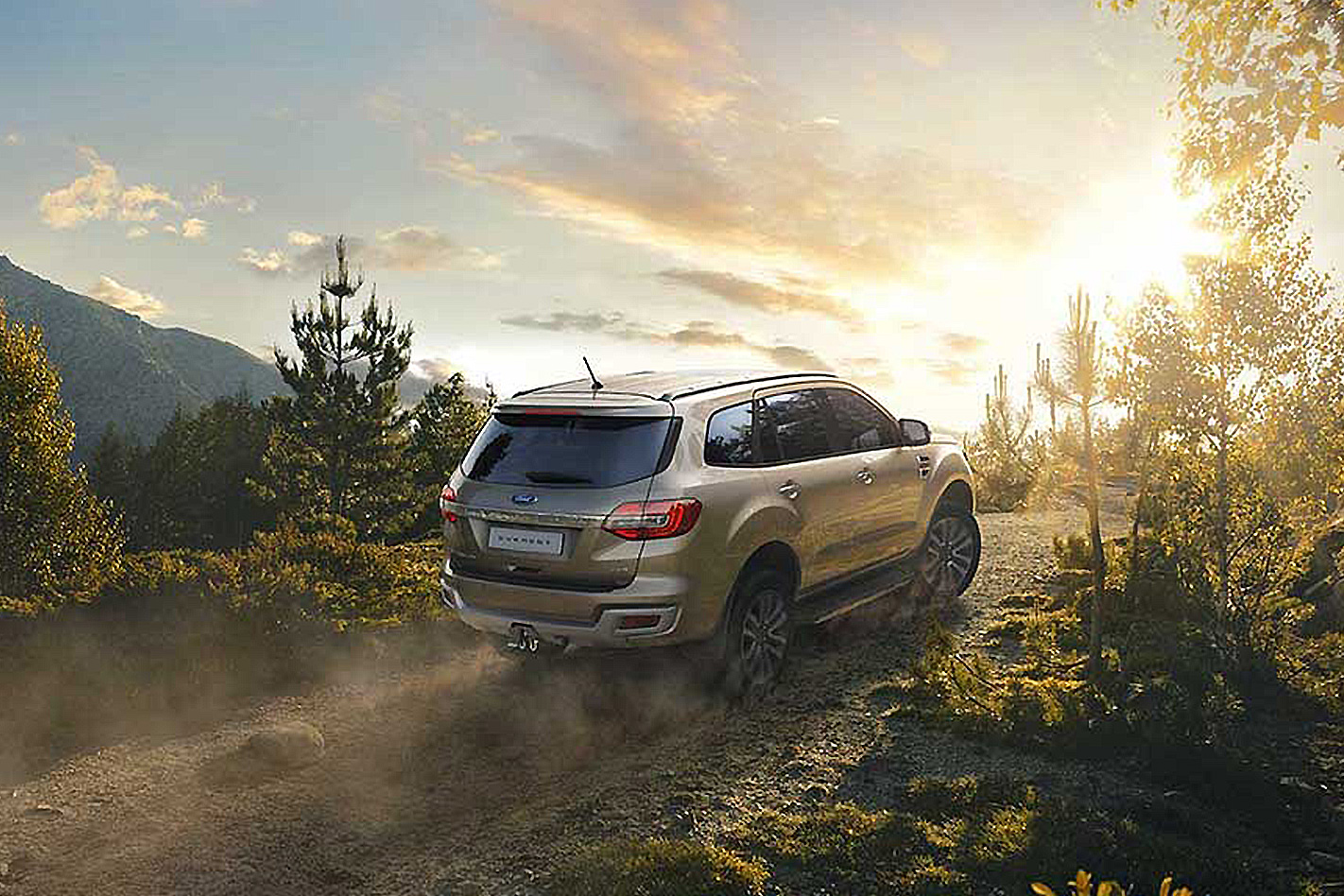
“We wanted some sort of reference point for this, so we looked at when Ranger was first introduced to the Australian market back in 2006,” she explains. “We then plotted the trend line on a graph and then overlaid that data with Everest sales. So far, the two models are building sales at an absolutely identical rate, so we’re optimistic about Everest.”
That suggests quite some potential for the big SUV. Last year, Ford shifted nearly 43,000 Rangers in Australia, and it’s also worth bearing in mind that all vehicle sales took a knock post-GFC, so there’s potential for the Everest to outstrip Ranger’s first five years.
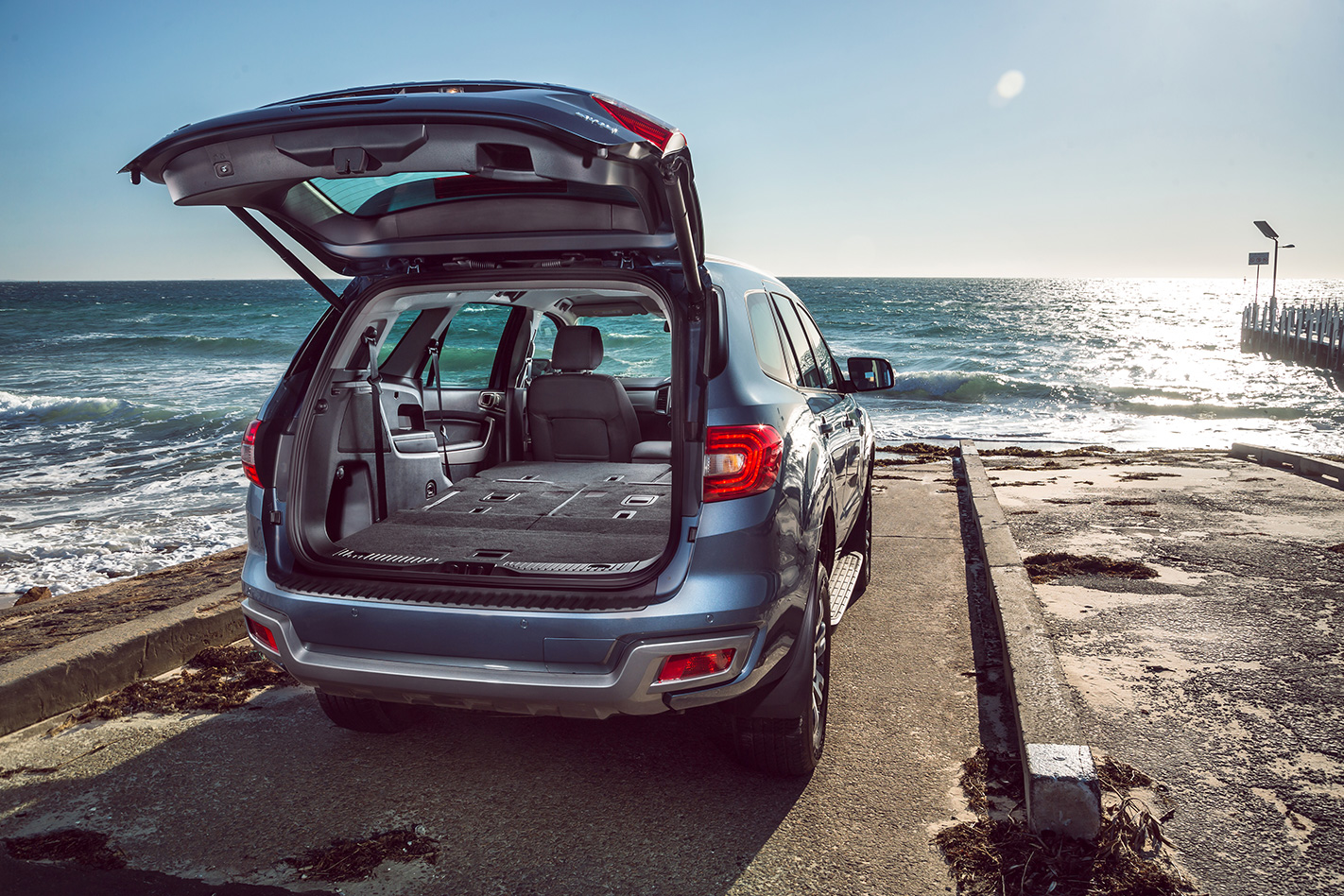
With SUV sales growing by 5.6 percent last year alone, there’s some headroom in the market, but the Ford Ranger has had more than a decade to establish its bona fides.
The Everest still has a lot of heavy lifting to do given that the Ranger commanded 57.7 per cent of total Ford sales in Australia last year. The introduction of the new Raptor-engined Everest with the latest facelift will doubtless give the 2019 model year Everest a shot in the arm, but it’ll be interesting to see if the launch of the five-seat Endura softens its numbers in any significant fashion.
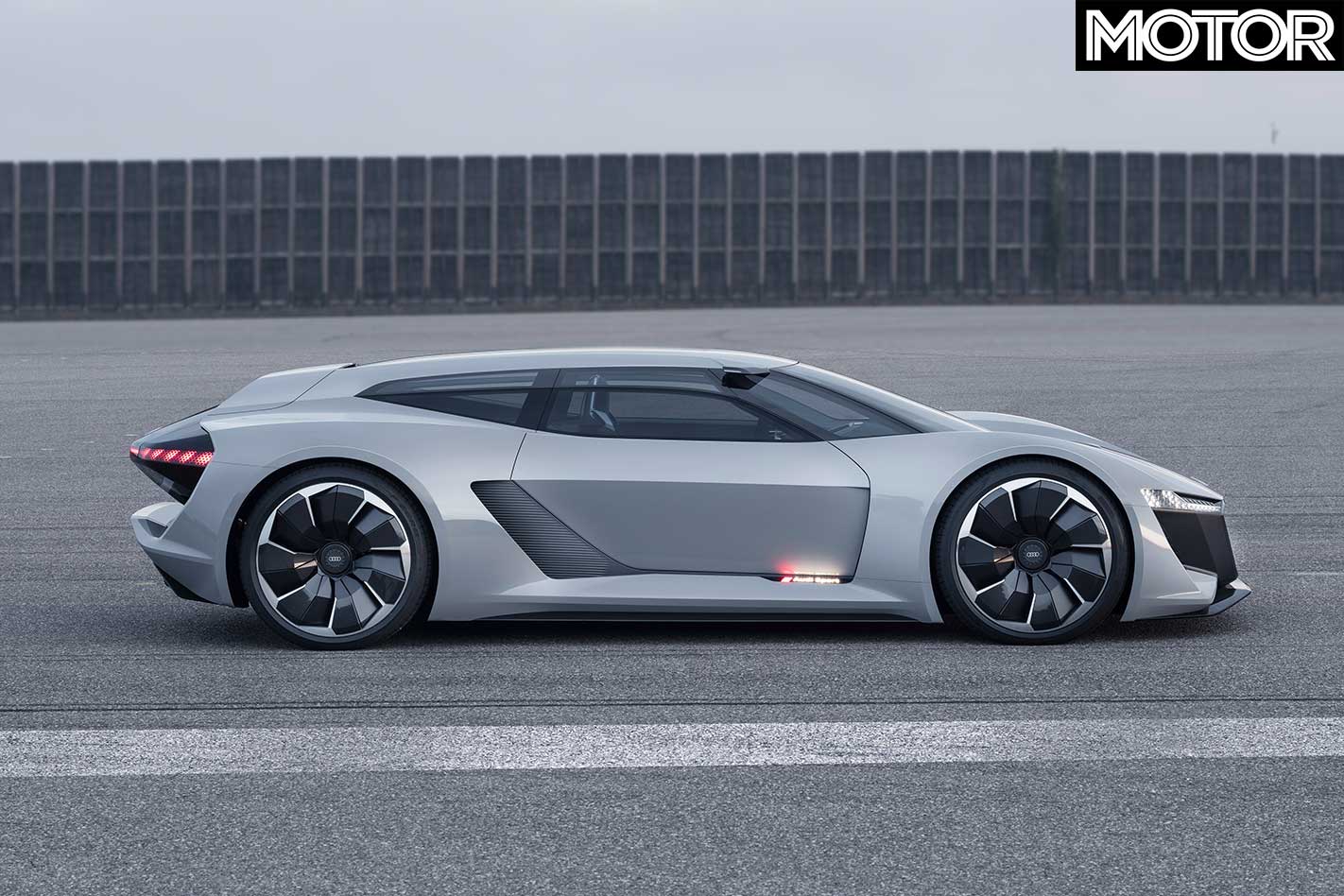
The Audi PB18 e-tron concept has made its debut at the Pebble Beach Car Week in Monterey, California.
As the car that may pave the way for the next R8, it’s under plenty of scrutiny. So here are the most important figures, courtesy of MOTOR’s European Editor Georg Kacher.
Its all-wheel drive three-motor system (two rear, one front) is usually able to top 500kW with up to 450kW able to head rearward, though on overboost it’ll have temporary access to a cumulative 570kW of poke.
Primary braking is undertaken by the electric motors to recover energy, though hydraulic brakes are activated under heavy braking pressure.
Similar to Porsche’s Taycan EV, the PB18 should be capable of a 500km trip on one charge, with charging capacity for 800 volts. Audi claims 15 minutes for a full charge.
Thanks to a lightweight mix of aluminium, carbon fibre and composites, the Audi tips the scales at 1550kilos.
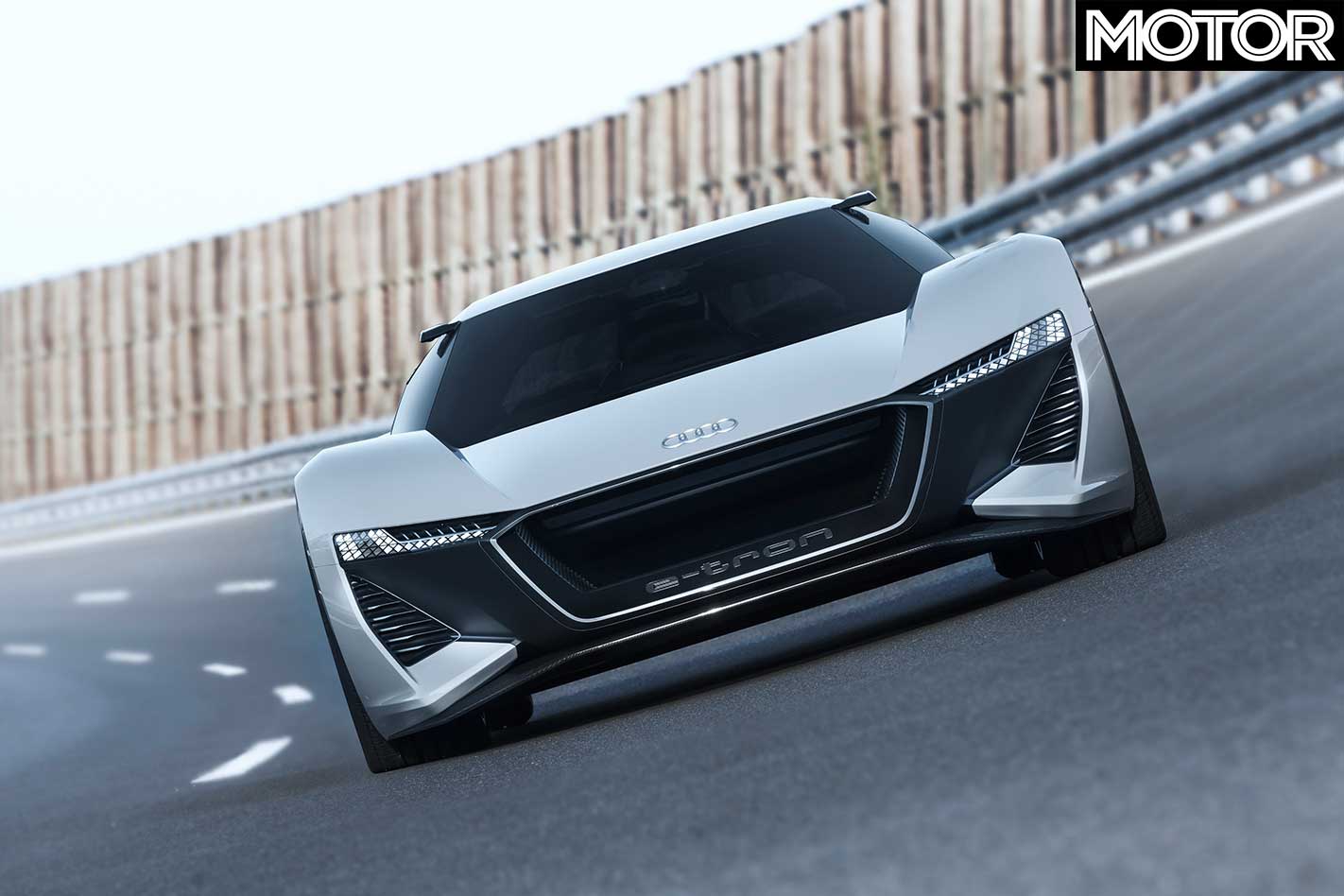
Its packaging concept does not differ much from the R8 – only that the position of the V10 is now occupied by the compact battery pack.
The suspension consists of double wishbones all-round, with pushrod and pullrod (front and rear respectively) elements supported by adaptive magnetic ride shock absorbers. By and large, the chassis was inspired by the R18 e-tron quattro race car.
But as the images suggest, this concept is no more a coupe than it is a shooting brake.
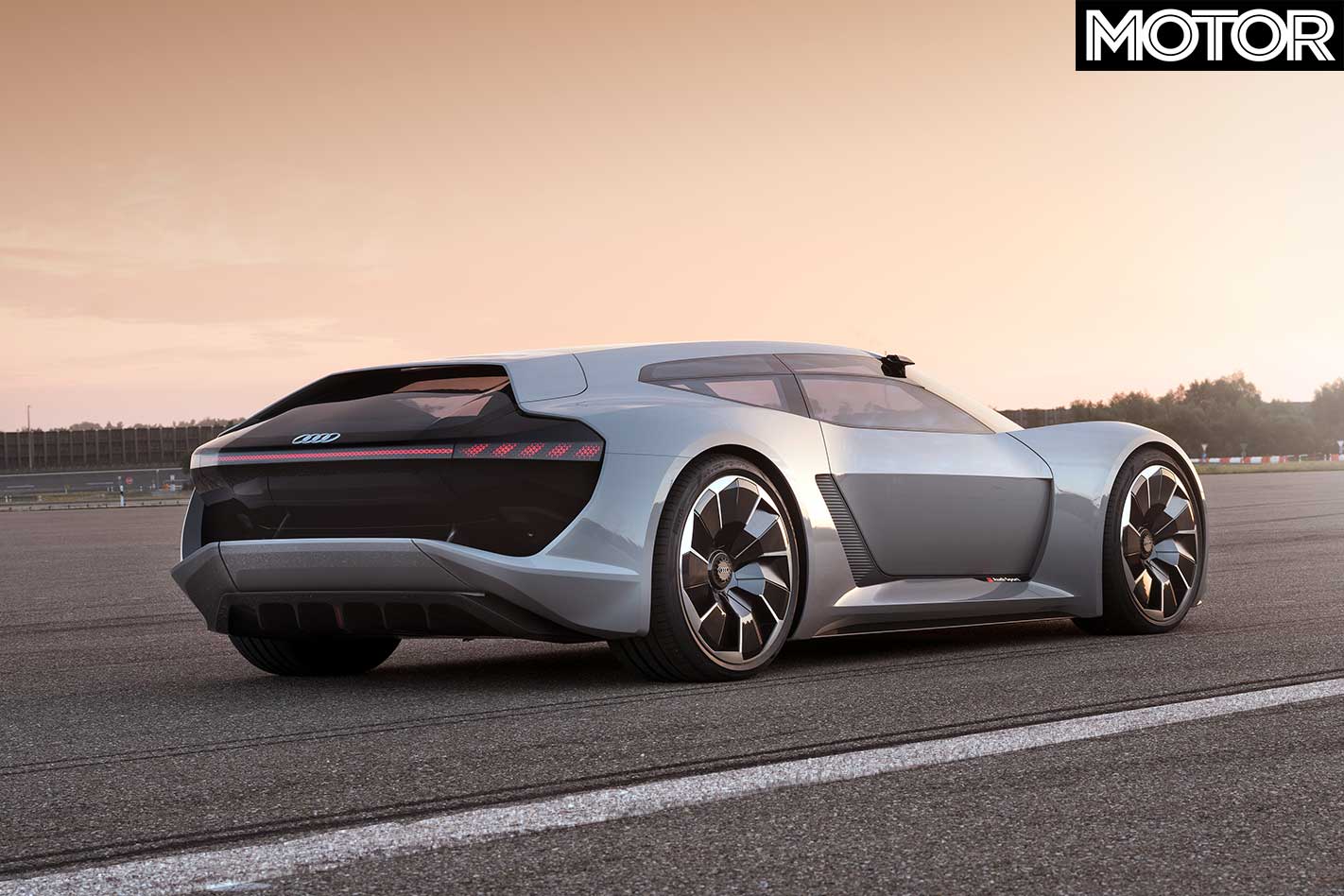
“The outline drops sharply just before it reaches the relatively slim C-posts,” Georg Kacher tells us.
“The massive U-shaped roof-mounted wing extends automatically at speed, the rear side windows stretch all the way to the chunky rear end, the compact liftgate provides remote-control access to a deep and wide cargo deck which holds 470litres.”
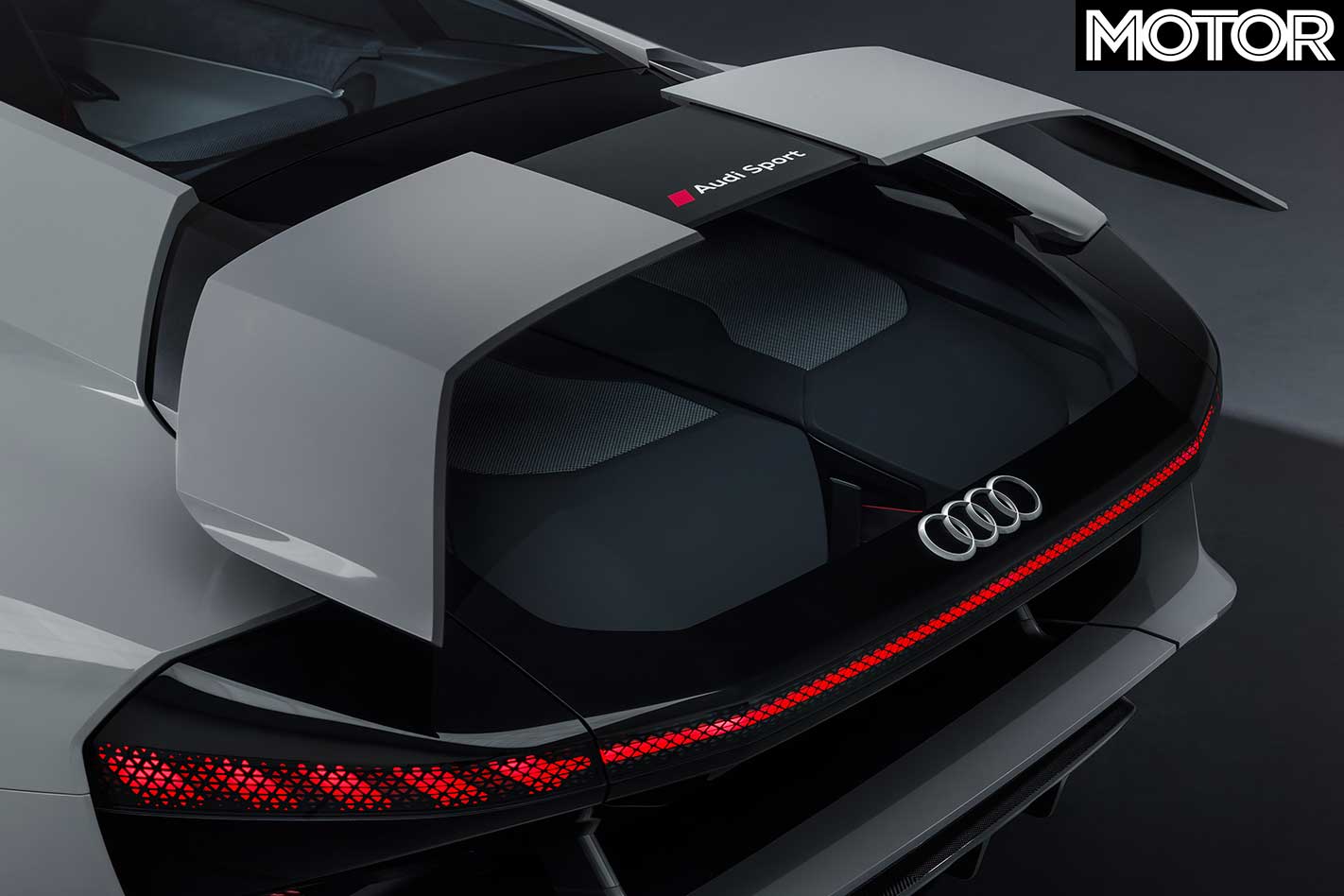
“At the trailing edge of the flush-fitting underside, we find a similar ground effect arrangement governed by an adjustable flap positioned above the diffusor.
“PB18 sits on a 2700mm wheelbase, measures 4530mm in length, is 2-metres wide and 1150mm low.
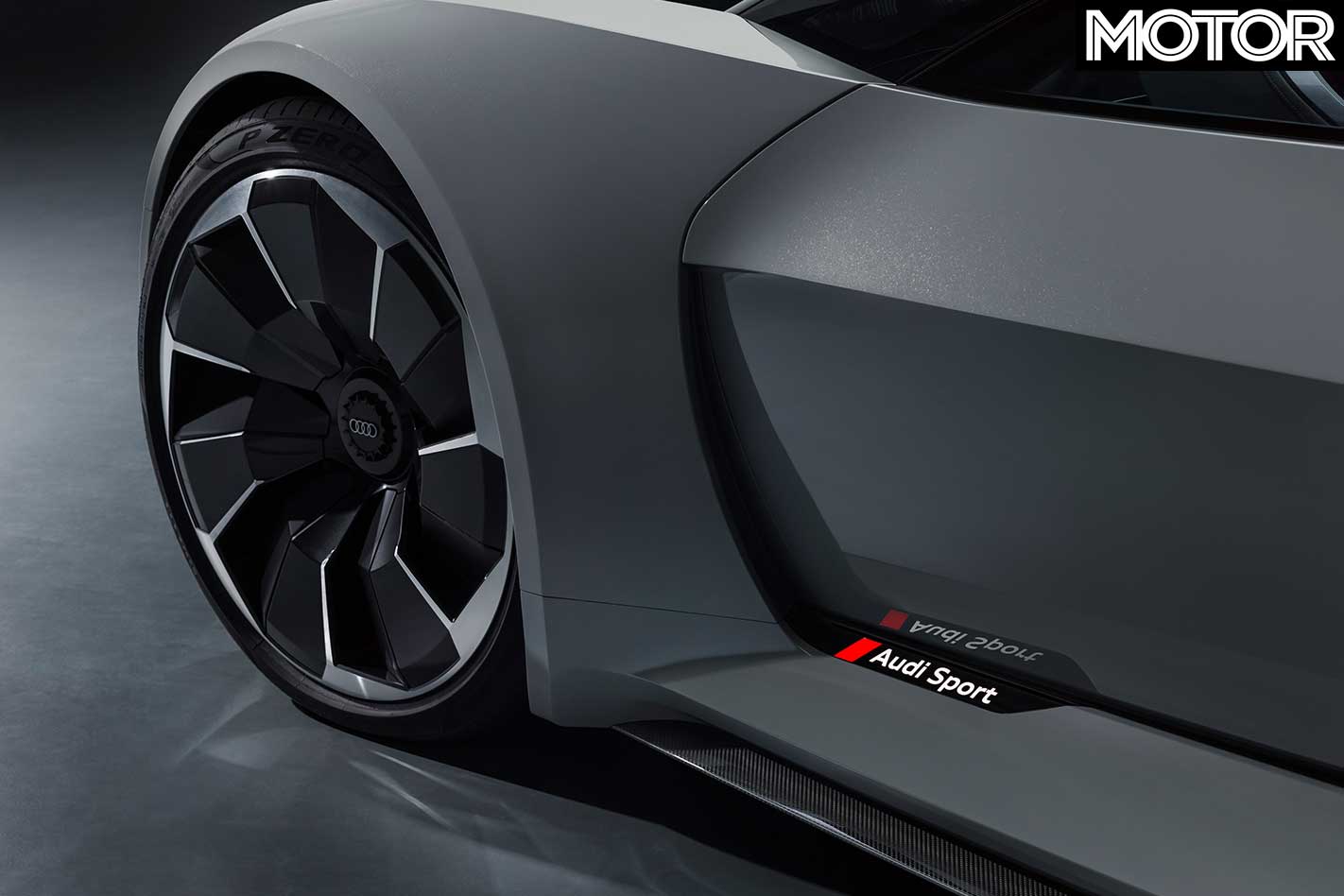
“Filling the pleasantly subtle quattro blisters are 22-inch wheels with active blades for optimized aerodynamics and brake cooling.”
Kacher spoke with Audi California design loft head Gael Buzyn and passed on the knowledge he gleaned regarding the PB18.
“PB18 and the Aicon [Audi’s autonomous concept] are the bookends of Audi´s e-tron product strategy,” explains Buzyn.
“While the sports coupé is a level zero BEV with no assistance systems at all, Aicon is a fully autonomous level five long-distance cruiser.”
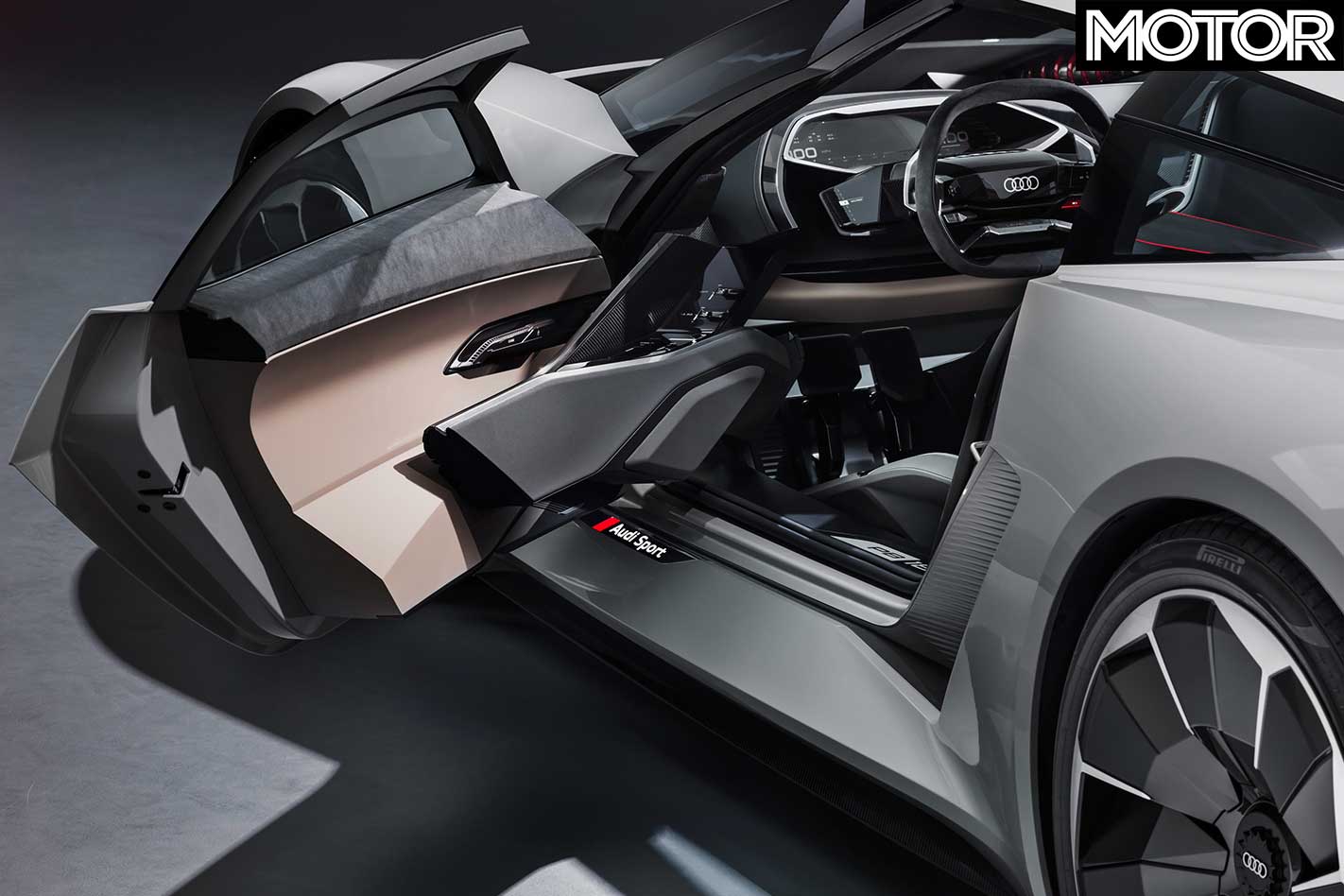
Next year, Audi will likely show two more concept cars relaying its visions for level three and four, namely a compact city cruiser and a midsize crossover.
“The role of PB18 is to transfer automotive passion to the age of electrification. Our first over-the-ocean project was kicked off on May 18 this year.
“While the design work was done in the US, the car was taking shape in Ingolstadt where our modellers would complete a full-size clay in only two days. Progress was monitored simultaneously on both sides of the pond via VR googles.
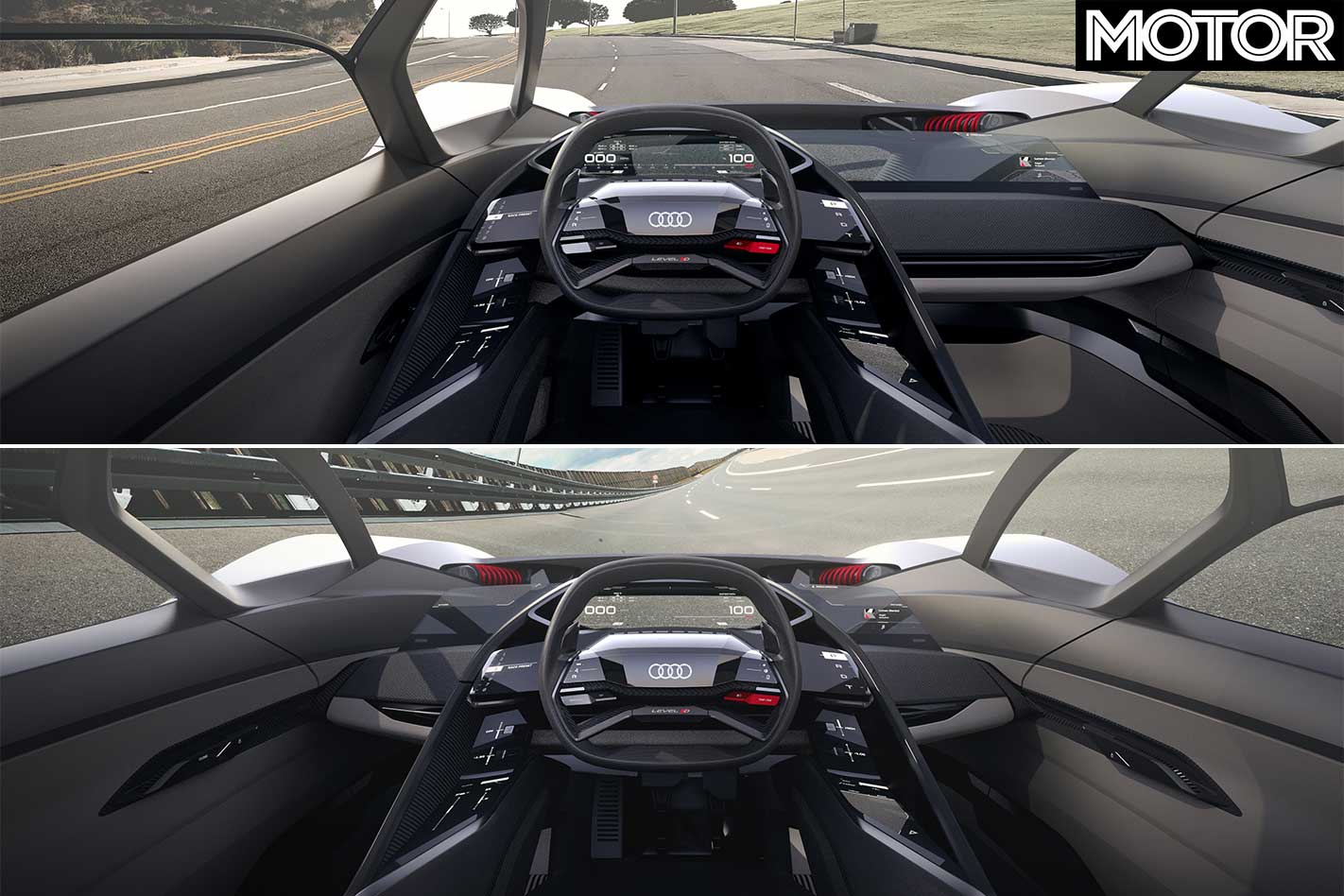
“The almost fully functional show car was built in record time by a specialist near Ingolstadt. What makes me particularly proud is the fact that this is not a rebodied Lamborghini or a blueprinted Porsche.
“PB18 is a proper Audi from bottom to top, unique in terms of content and appearance.”
For those wondering, Audi says the ‘PB18 e-tron’ moniker “refers both to the Pebble Beach venue for the premiere and to the technological DNA it shares with the successful LMP1 racing car, the Audi R18 e-tron.”

Finally, Georg Kacher reveals some more knowledge from the inner circle.
“What Audi doesn´t want you know at this point is that PB18 sits, by and large, on the brand-new PPE platform co-developed with Porsche.
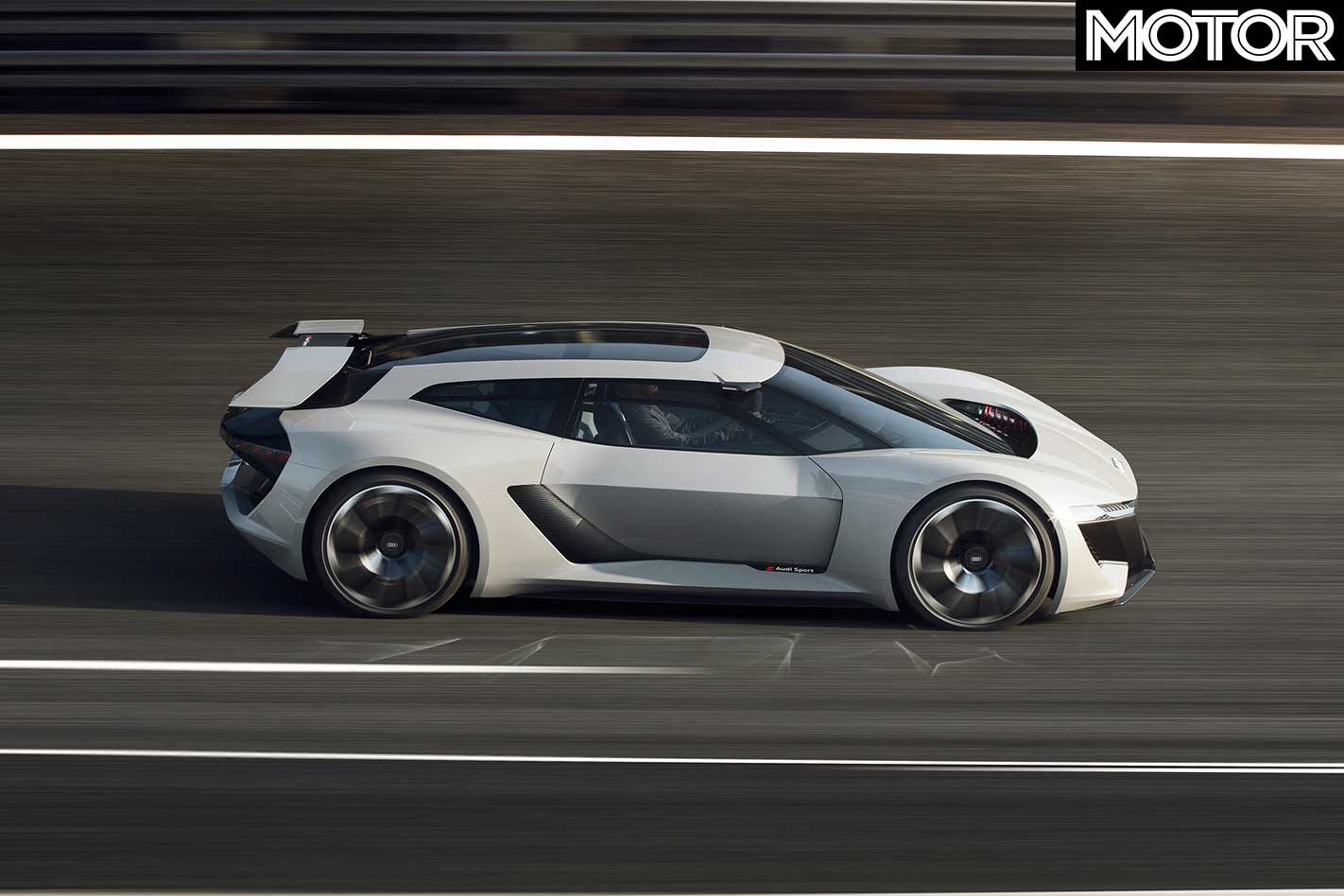
“No, this is not yet the next R8 by any stretch of the imagination, but given the potential commonality in terms of hard points and componentry, phase two should only be a formality.
“Since the R8 will definitely not be replaced with another R8, this remarkably coherent all-electric concept car may be a timely substitute come 2021 or 2022.”
A Lamborghini dealership in the UK has released a full image of the Lamborghini Aventador SVJ, or Super Veloce Jota, a car the brand has been trying to keep under literal wraps for some time.
The Nürburgring production car lap record holder (once it goes into production, anyway) had only been seen in full camouflage or as small close-up images released by Lamborghini, as a way to build excitement for its imminent reveal at the Monterey Car Week, currently taking place in the Californian town.
The dealership, H.R. Owen Lamborghini, has a page on its website for the SVJ where it reiterates some of the already-known details about the SVJ, such as the power exceeding that of the Aventador SV’s 559kW (expect 567kW), and weight being lower than 1525kg.
“Lamborghini won’t be releasing full details of the Aventador SVJ until its official launch at the Monterey Car Week in August,” The dealership states.
“But some details are now public following the announcement of the record-breaking Nürburgring lap on July 26th.”
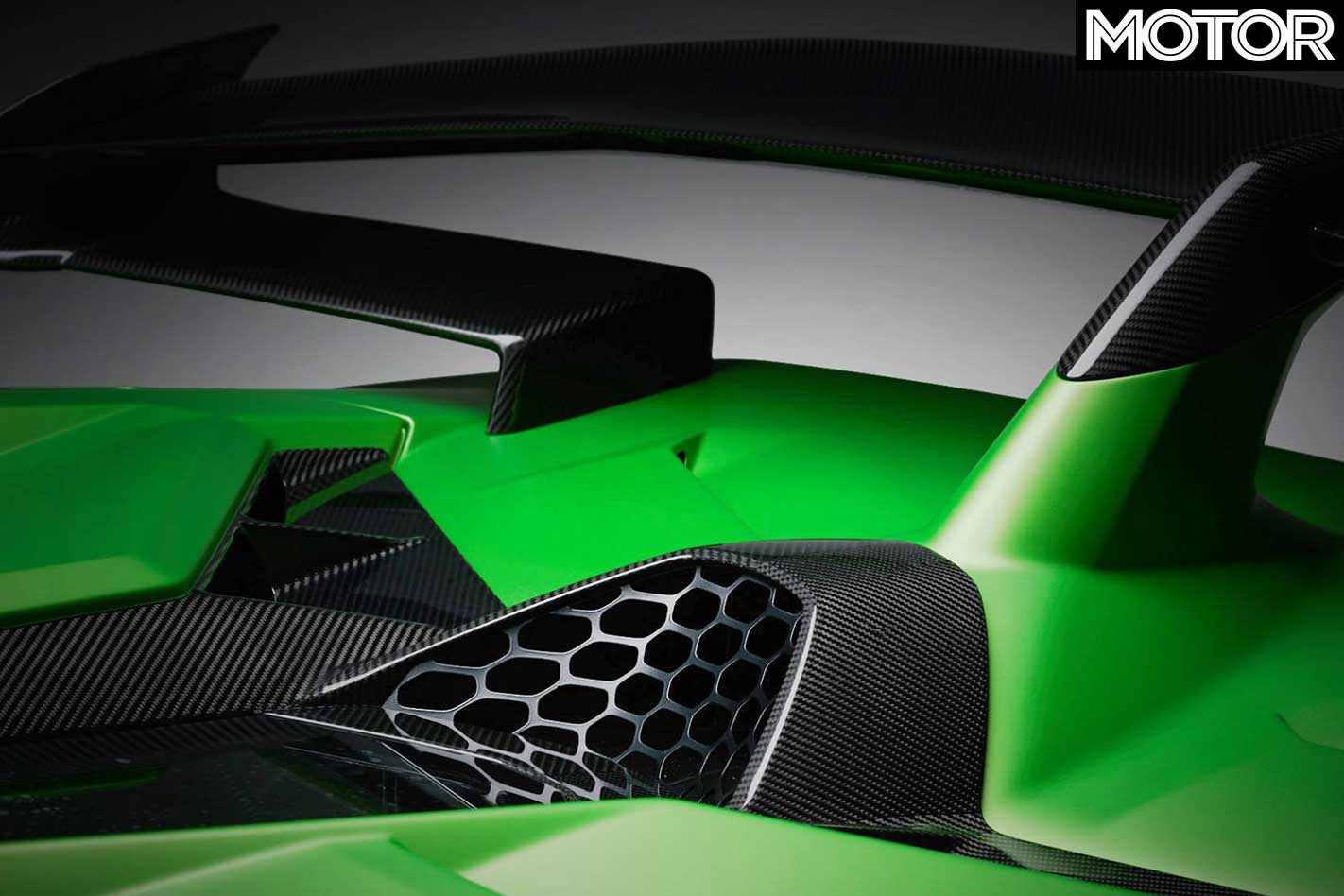
The post made by H.R. Owen Lamborghini on Instagram, which reveals the car in full from the front, is accompanied by a caption which suggests the dealership might have been given permission to post it.
“Not long to go until the official unveiling at Monterey Car Week; here is an exclusive preview of the Aventador SVJ.”
It’s expected the SVJ will be offered in extremely small numbers, given the limited nature of any Lambo wearing the Jota badge.
Stay tuned as MOTOR follows the happenings of the Monterey car week over the coming days.
Porsche took a 911 Turbo, fitted a pair of larger variable-geometry turbochargers and upped the boost to 1.55 bar (22psi) to create a 3.8-litre flat-six engine with a 515kW output.
But then, in an apparently stark-raving-mad move – but one true to the DNA of this beastly machine – the engineers took out the front driveshafts so that the task of transmitting all that power fell only to the rear tyres. Presumably they then cocked their heads back and laughed maniacally.
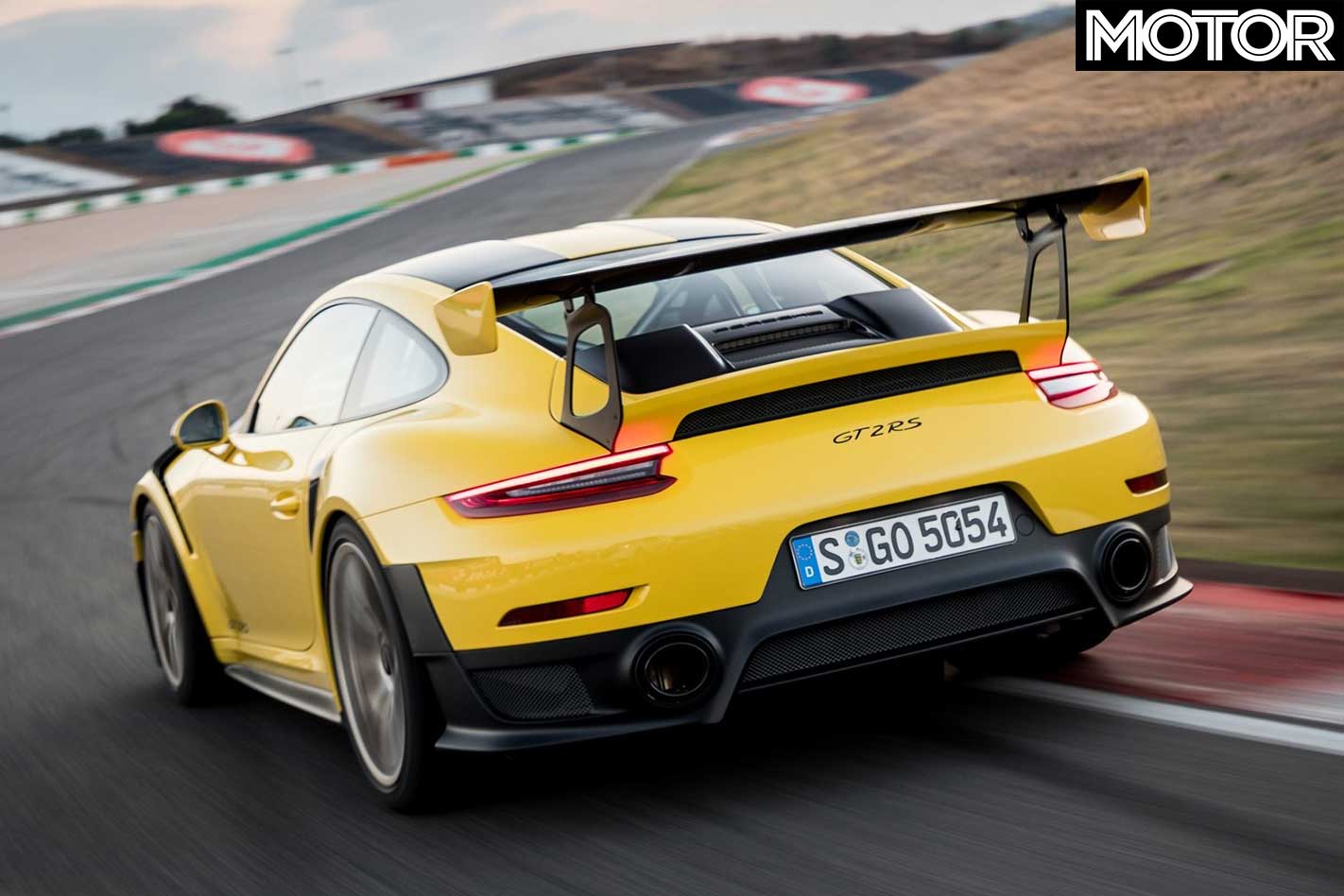
They called their creation the 991.2 GT2 RS, not just the fastest production 911 in history around the famed Nürburgring Nordschleife (with a lap time of 6:47.3), but also the fastest-lapping road-going Porsche road car ever around that circuit, quicker than even the 652kW 918 Spyder hypercar (6:57).
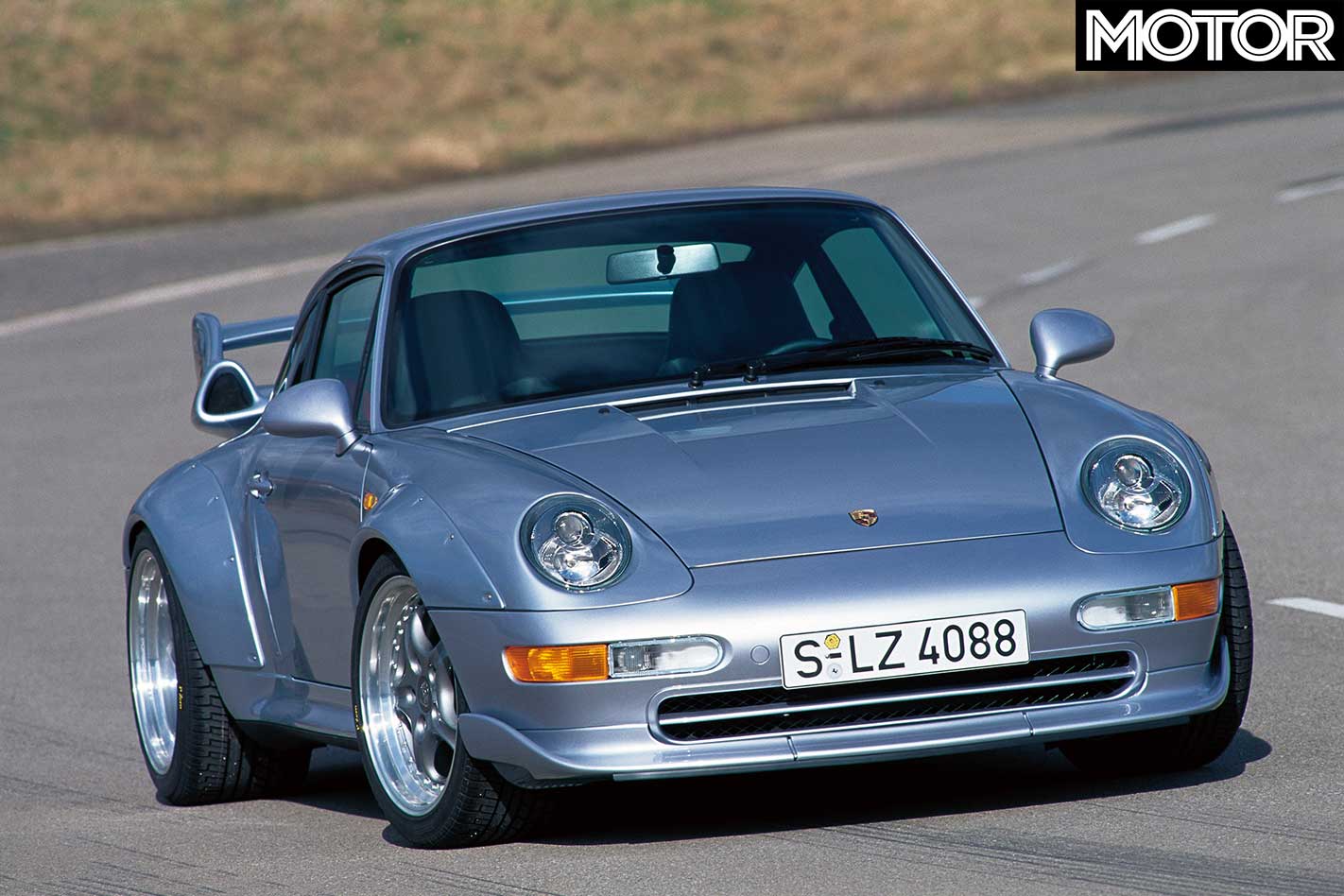
The 991.2 GT2 RS is the latest in a 911 dynasty that has earned a frightening reputation as “the widow maker” for combining truly enormous amounts of turbocharged power with rear-wheel drive. The first GT2, not an RS, arrived with the 993 in 1995, built as a homologation car for the GT2 category of motorsport.
Just 57 were made, seven in right-hand drive, and these days command an awesome premium to own.
Two more GT2 iterations followed – 996 in 2000 and 997 in 2007 – until Porsche cooked up the first RS, in 997.2 guise, in 2010. With 456kW and 700Nm transmitted through two tortured rear tyres – this is an animal that would bite up to the elbow – the 997.2 GT2 RS stormed to 100km/h in 3.5 seconds on to a 330km/h top speed. All with a manual transmission.
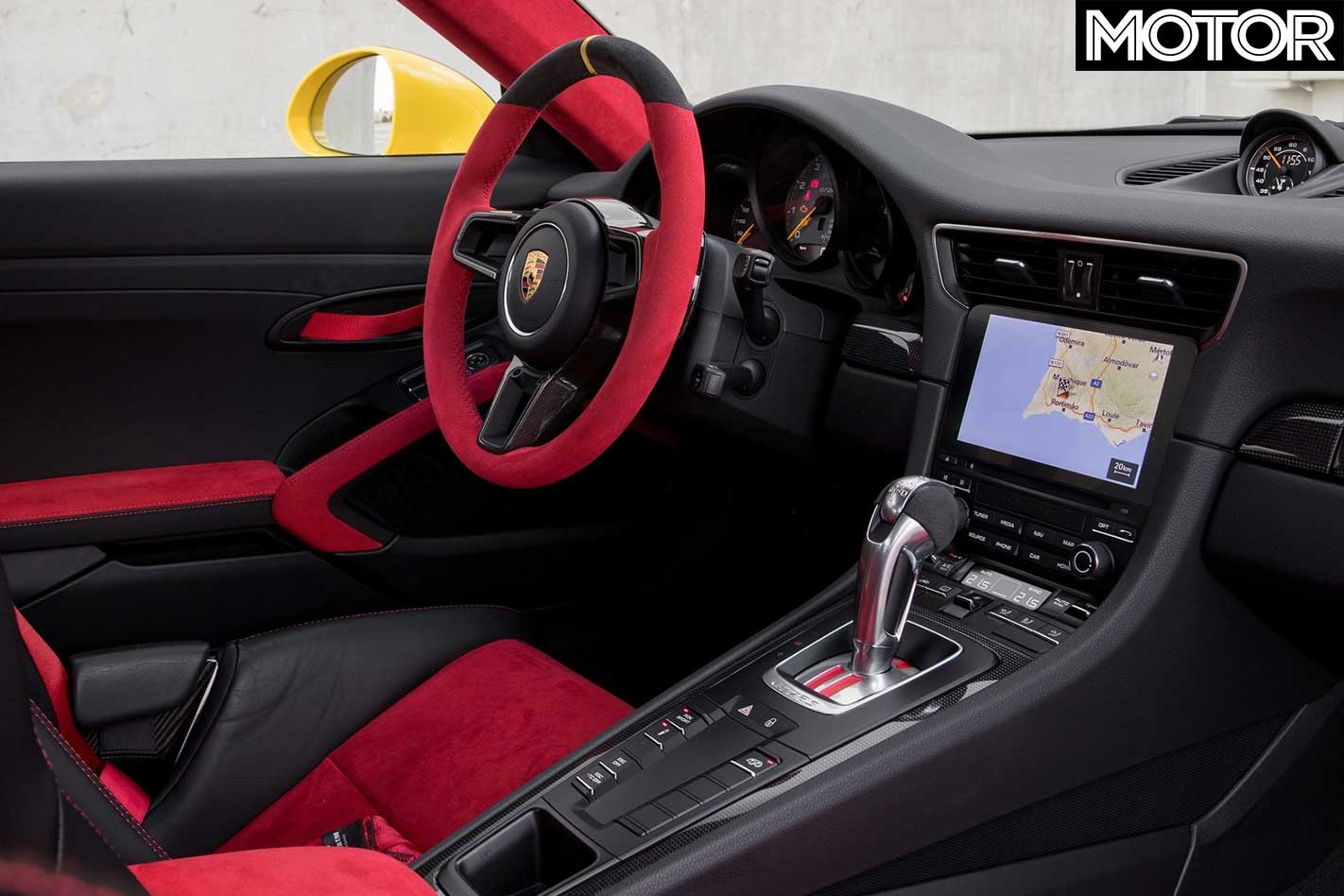
For the 991.2 you see here, the latest in this line of wicked 911s, Porsche decided a manual transmission was too cuckoo and fitted the lightning-fast Porsche Doppelkupplung (PDK) twin-clutch transmission instead. Basically out of the 918, the beefed-up auto helps the latest GT2 RS hit 100km/h in 2.8 seconds, 200km/h in 8.3 seconds on to a top speed of 340km/h. Sub-10 second quarters? We’ve heard of this car doing them.
That’s thanks to launch control and fat, 325mm-wide gumball rear tyres (either Dunlop Sport Maxx Race 2s or Michelin Pilot Sport Cup 2s) and putting physics to work, the exaggerated squat of a rear-engine 911 pummelling the rear tyres into the bitumen the harder you accelerate.
According to legend, all-wheel drive was briefly considered early in development, but quickly dismissed, the inherently strong rear-engine traction considered sufficient.
Back behind those rear wheels, it wasn’t just bigger turbos and more boost Porsche used to get that epic power figure, but also lower compression pistons (by 0.5) permitting the GT2 RS to rev to 7200rpm.
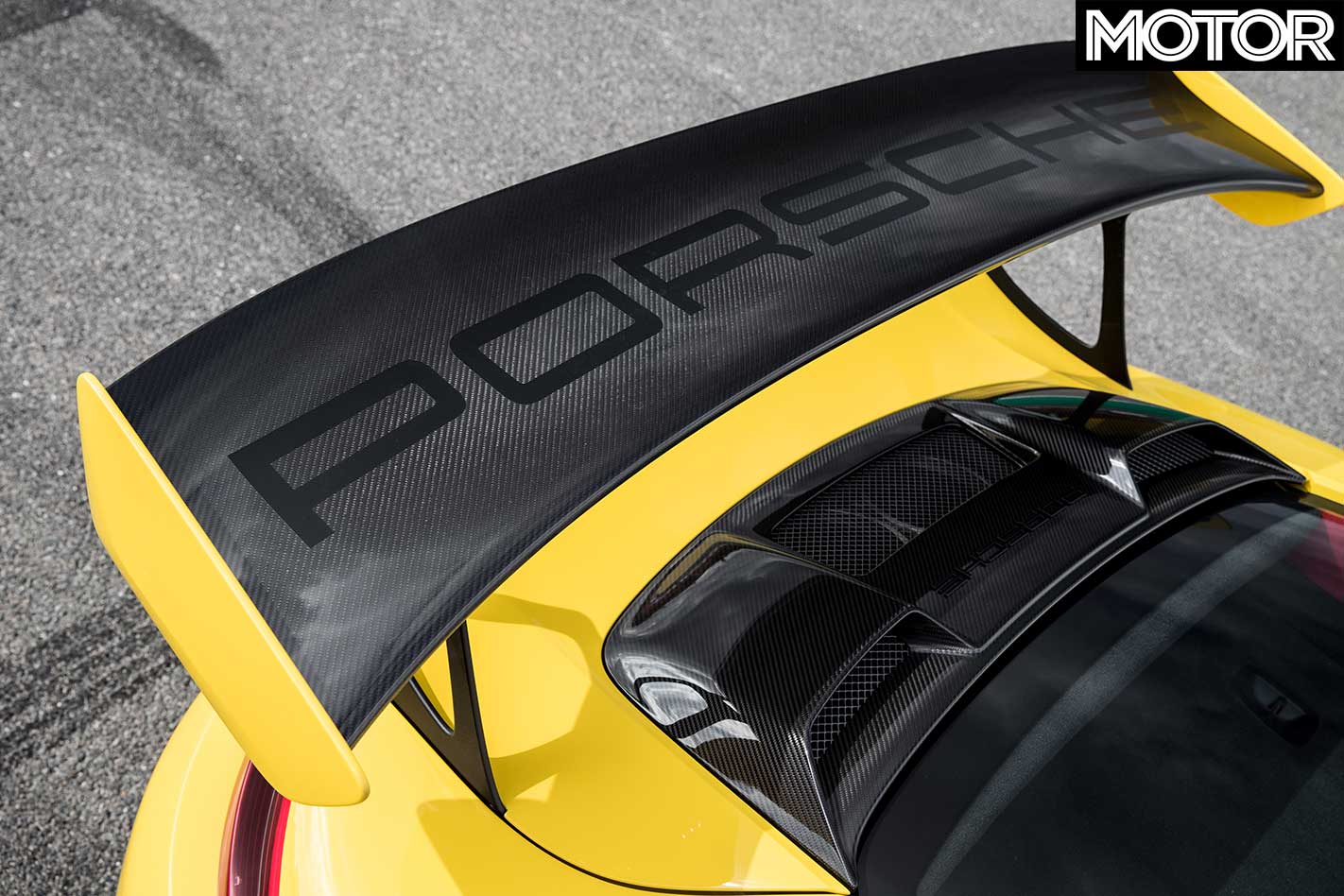
There’s also a reshaped carbon fibre air inlet, improved filter and freer-flowing ultra-lightweight titanium exhaust. A water-to-air intercooler set-up is complete with nozzles that spray the radiators to reduce charge temperatures by a further 20 degrees, supposedly a bit of a secret weapon for achieving that Nürburgring lap time.
Obviously the rest of the car has received the GT Divison treatment. Every suspension joint is solid mounted. There’s rear-steering that subtly steers against the front wheels at low speeds for spooky agility; or with the front wheels at high speeds for a long-wheelbase-like stability.
There are helper-springs on the front MacPherson struts and also at the rear, a signature Porsche GT-car upgrade. Suspension height and camber is adjustable, as are the anti-roll bars.
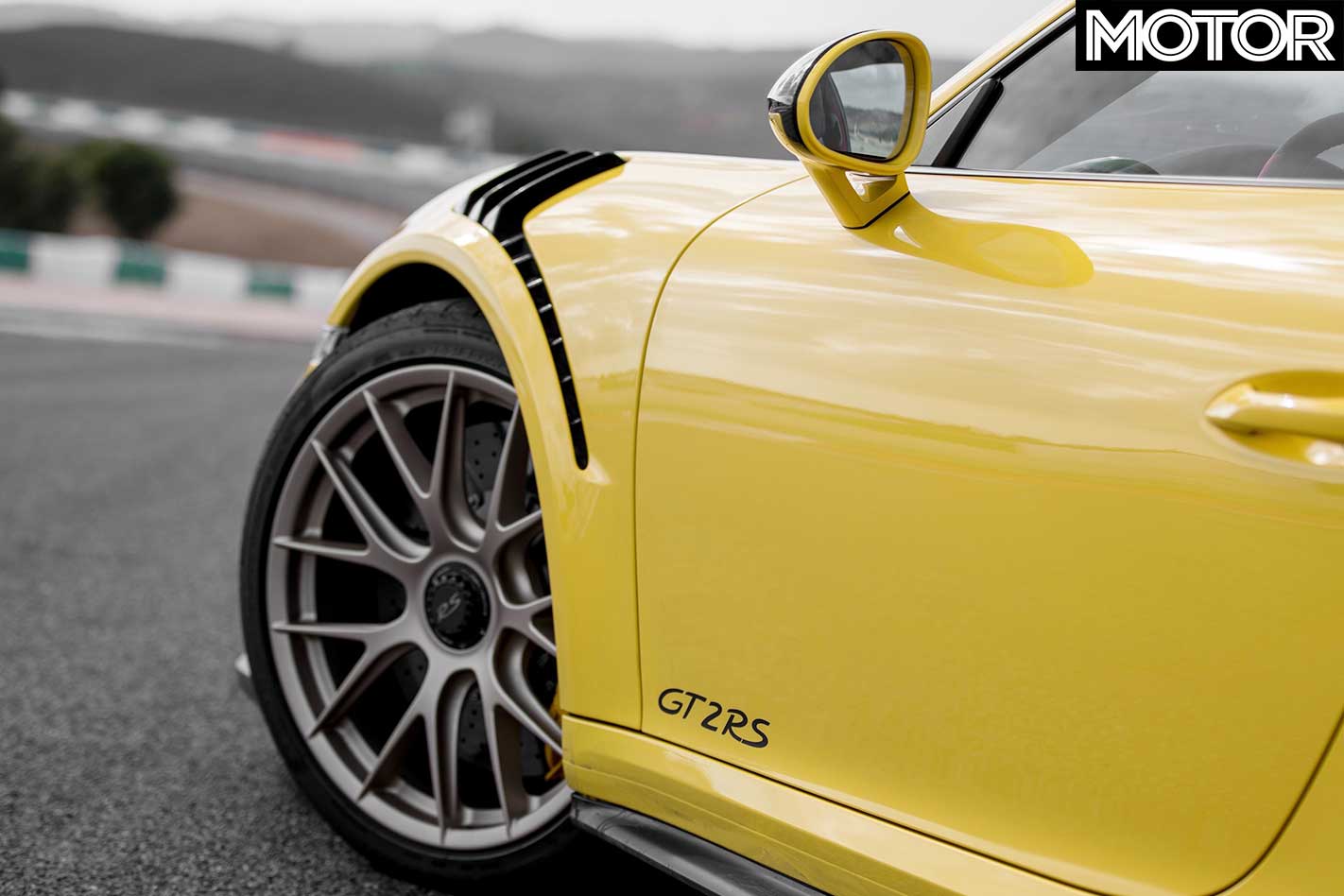
Plainly, this is a car that advertises its intent in the way it looks. The huge front bar openings are required to meet the equally huge cooling requirements. Bonnet NACA ducts send cool air to the front brakes.
Grab the optional Weissach Package and you’ve got yourself the most extreme and focused 911 ever. Carbon fibre is everywhere, including suspension components, and forged 20/21-inch magnesium wheels from the 918 contribute to a 30kg weight saving.
All a bit stark raving mad? Welcome to the GT2 RS.
PORSCHE 911 GT2 RS SPECS Engine: 3800cc flat-six, twin-turbo Power/Torque: 515kW/750Nm Transmission: 7-speed dual-clutch Drive: rear 0-100km/h: 2.8sec Price: AUD$645,400
