
AT THE TURN of the century, the AU Falcon was the forefront of the Aussie Ford sedan. But its styling was divisive, and the VT Commodore looked, well, better. There was potential in the AU, and Ford could see it. Luckily, someone else had an idea which Ford could get behind, a two-door version of its flagship badge.
Danny Williams, then head of the Sprintex supercharger division of a company called Advanced Engine Components (AEC), had caught wind of a hand-built, two-door AU Falcon in NSW thanks to the Hillier brothers, Clayton and Troy. Williams was working on a supercharged version of the Ford Mustang 4.6-litre V8, and it was in need of a car to live in. A two-door seemed more than appropriate.
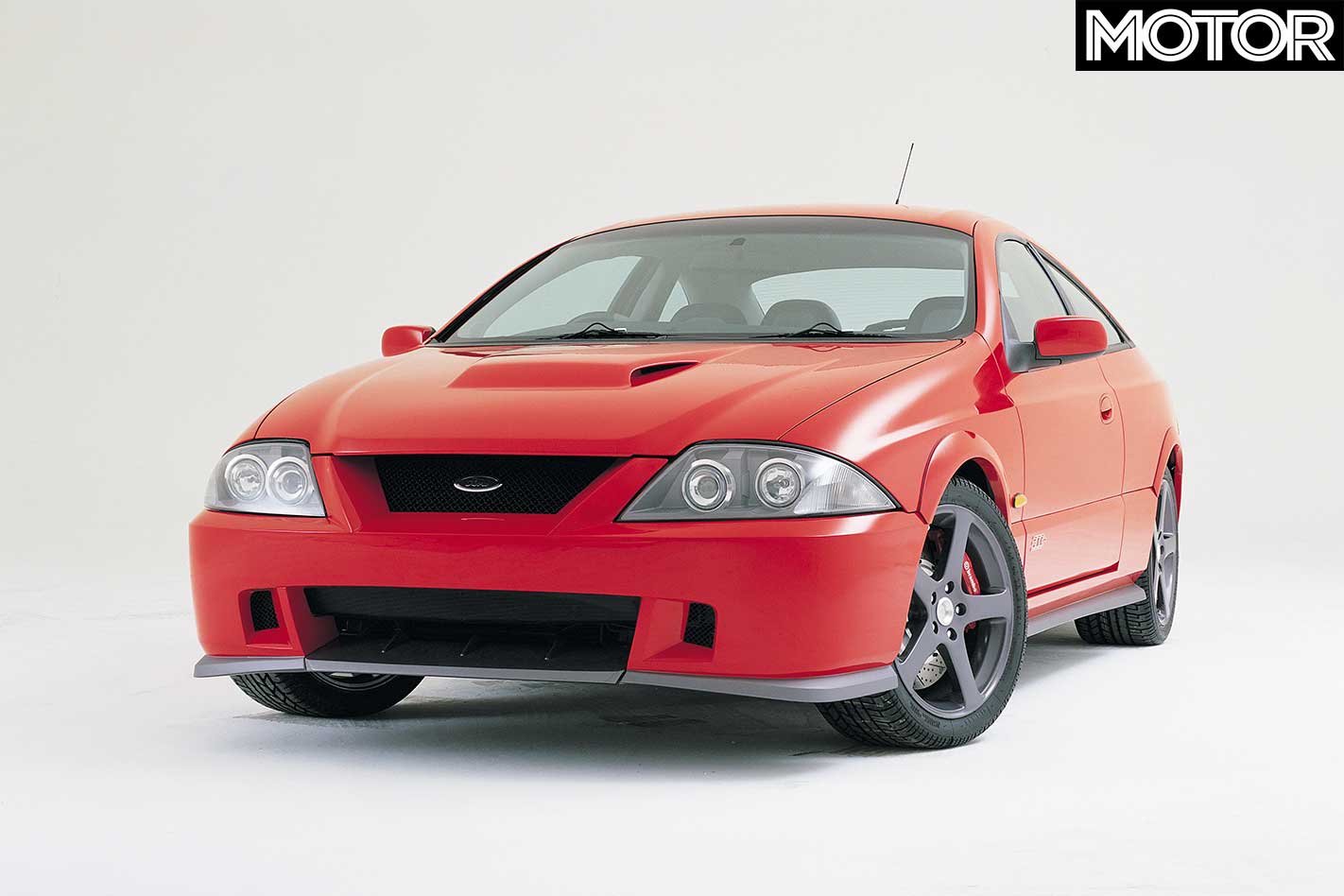
The project was soon brought to Ford’s attention which took it on and passed the job of ‘polishing’ the work already done by the Hilliers on the 300+ to a firm called Millard Design. The story goes that within only a couple of months of work beginning, the job was finished a mere four hours before then Ford president Geoff Polites unveiled the 300+ at the 2001 Melbourne Motor Show on March 1.
What resulted wasn’t just a car that even those averse to the AU’s design could get behind, but also a faster and fitter machine. From the outside, the 300+ was sleeker than the AU sedan, with wider guards, more aggressive front and rear bars, and a good-looking set of 18-inch wheels. Underneath, however, the 300+ was packing heat.
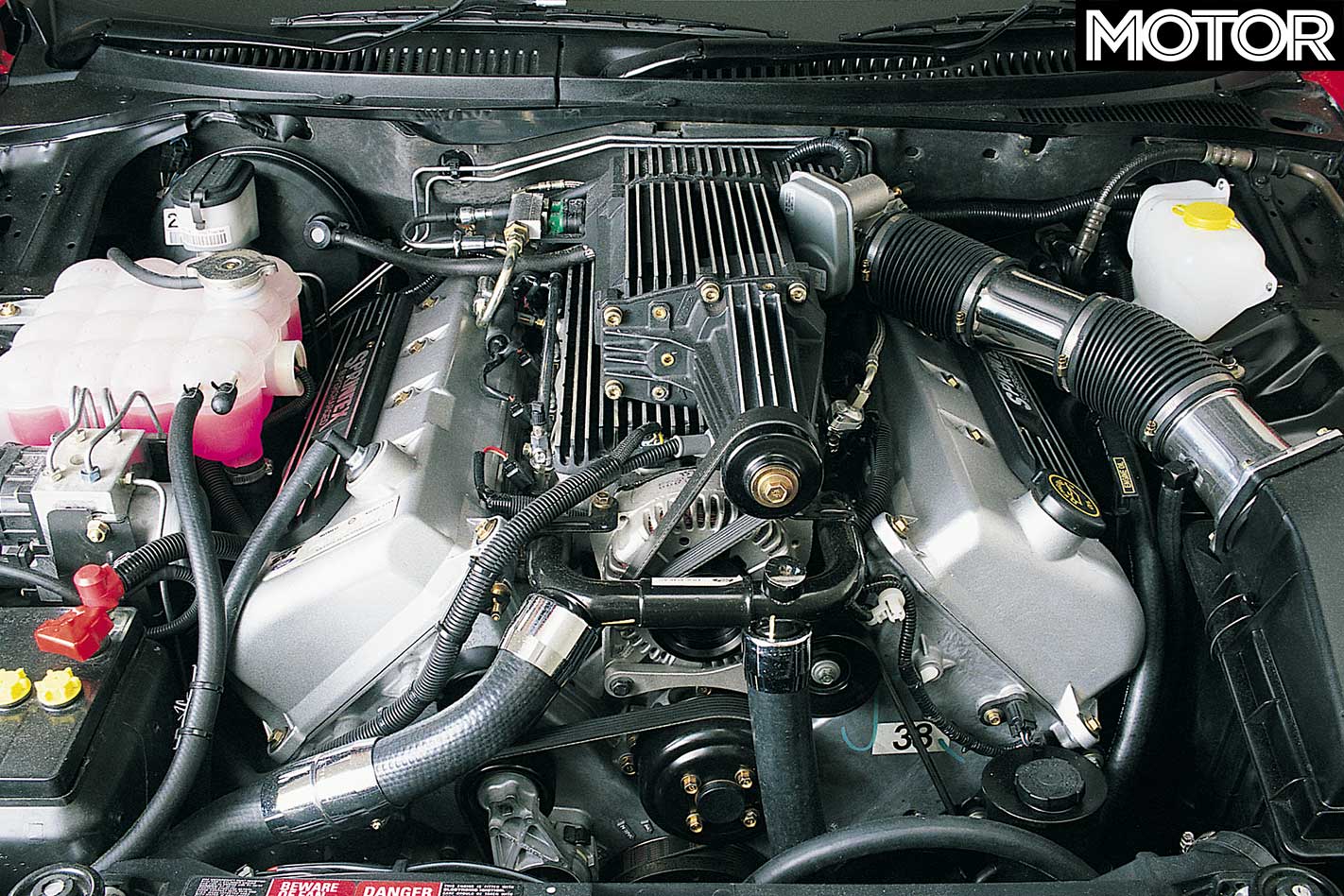
The Mustang’s 4.6-litre V8 is actually the reason ‘300+’ came about. The ‘plus’ stands for the extra few kilowatts over the 300-mark (10, to be exact) that the engine grants the car, in part thanks to the AEC-developed Sprintex supercharger, which forced air into the bent eight.
The current whereabouts of the 300+ remain a mystery to us, though a car claimed to be the original show car appeared for sale online a couple of years ago. Chances are, whoever’s got it is keeping it a closely guarded secret.
Rumour Mill
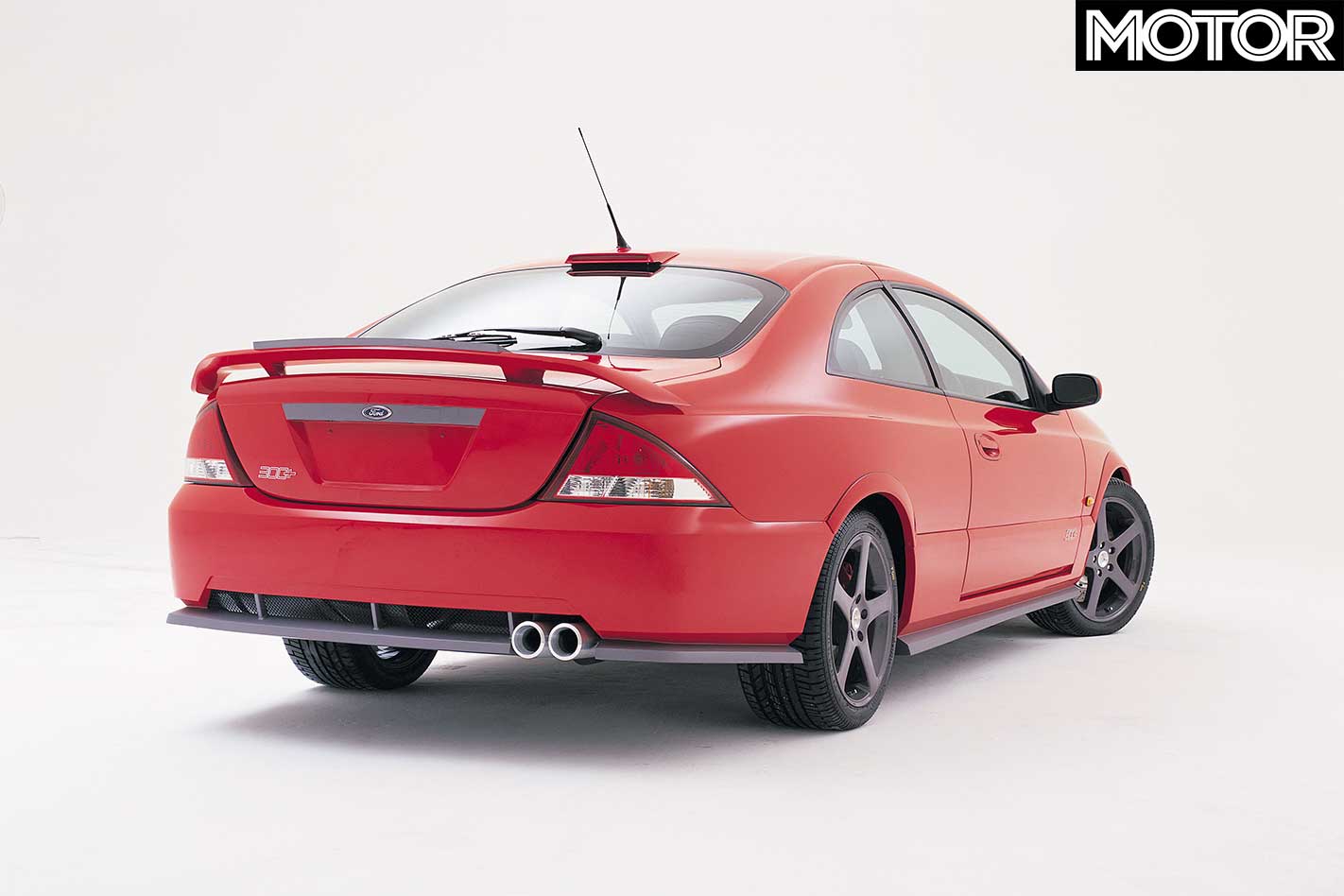
Whispers of multiple versions of the 300+ have been seen popping up occasionally online, as is the way of the internet, though they’re unconfirmed. It’s widely accepted that there was only ever one genuine 300+ built by Ford, AEC, and Millard, even if others have gone on to try and replicate it.
2001 FORD 300+ COUPE SPECS Engine: 4601cc V8, DOHC, 32v, supercharged Power: 310kW @ 6200rpm Torque: 575Nm @ 3750rpm 0-100km/h: 4.6sec (claimed) Price: $100,000 (estimate when new)
A decade after the 1963 Frankfurt show debut of Porsche’s new sports coupe, the model that came to be regarded as the definitive 911 arrived, born out of motorsport homologation.
The Neunelfer (nine eleven), had evolved from sketches done by Ferdinand ‘Butzi’ Porsche in 1959 and was intended as a larger, more powerful 356 successor. It soon established a reputation as one of the world’s most successful racing cars.
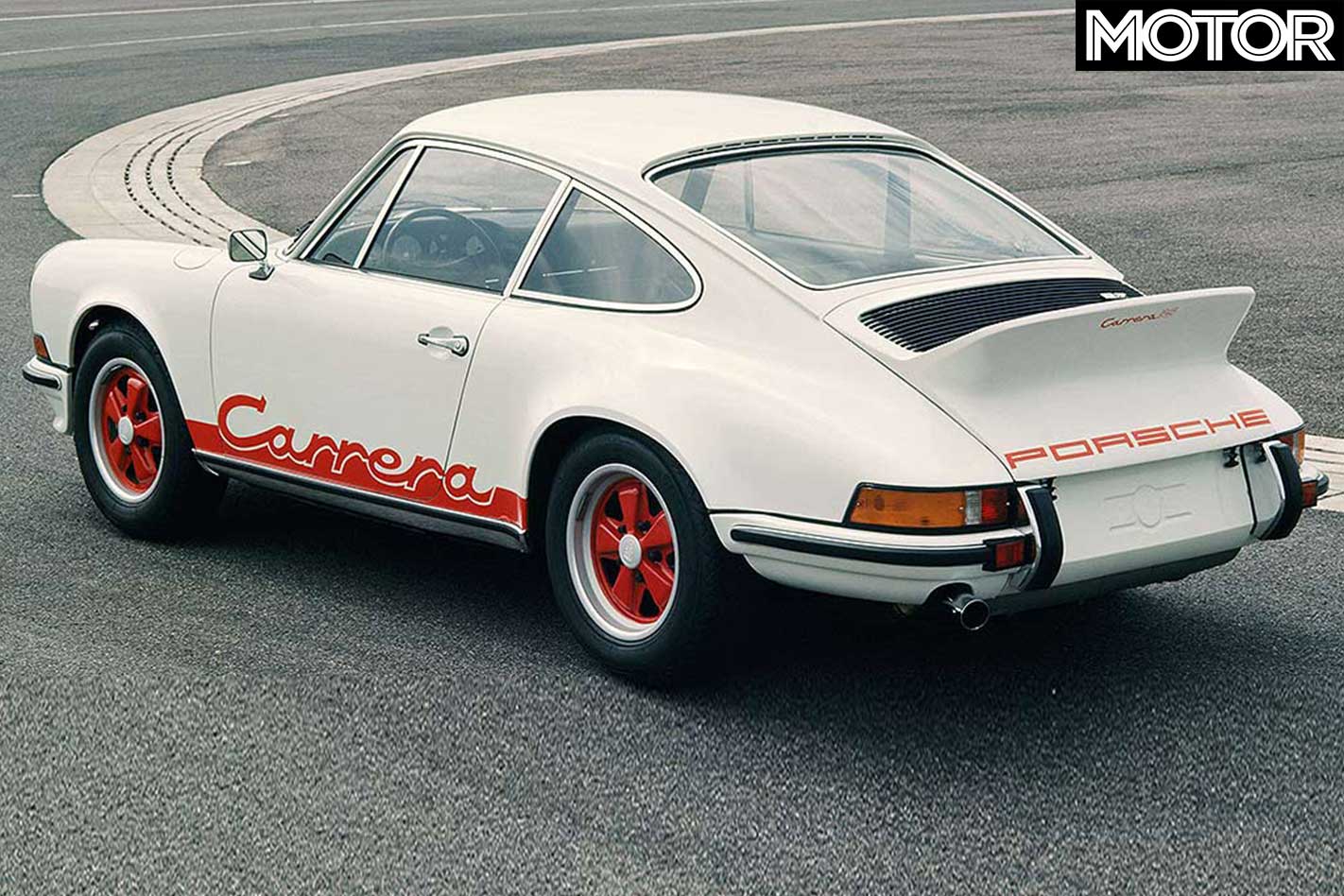
RS stood for the German Rennsport (‘racing sport’) and the Carrera 2.7 was homologated for the FIA Group 4 Grand Touring category, which called for the production of 500 cars. Based on the contemporary 911S, the RS 2.7 is the classic ‘big engine in a small car’ approach to building a racecar for the road.
A fibreglass front bumper/chin spoiler and rear ‘duck-tail’ spoiler/engine cover created the unmistakable RS 2.7 silhouette and broader wheel arches allowed an increase in rim size and larger disc brakes. Revised, stiffer suspension lowered the RS’s centre of mass.
Completing the power-to-weight puzzle is a 2687cc, Bosch Kugelfischer mechanically fuel-injected flat-six (346cc larger than that of the 911S) producing 154kW.
In ‘M472’ RS Touring form the Carrera weighed just 1075kg, but the ‘M471’ Sport Lightweight option trimmed a whopping 100kg. Gone were underbody coating, sound insulation, rear seats, passenger sun visor, coat hooks, clock, door sill trims, door handles, glovebox lid and carpet and the windscreen was made of thinner glass.
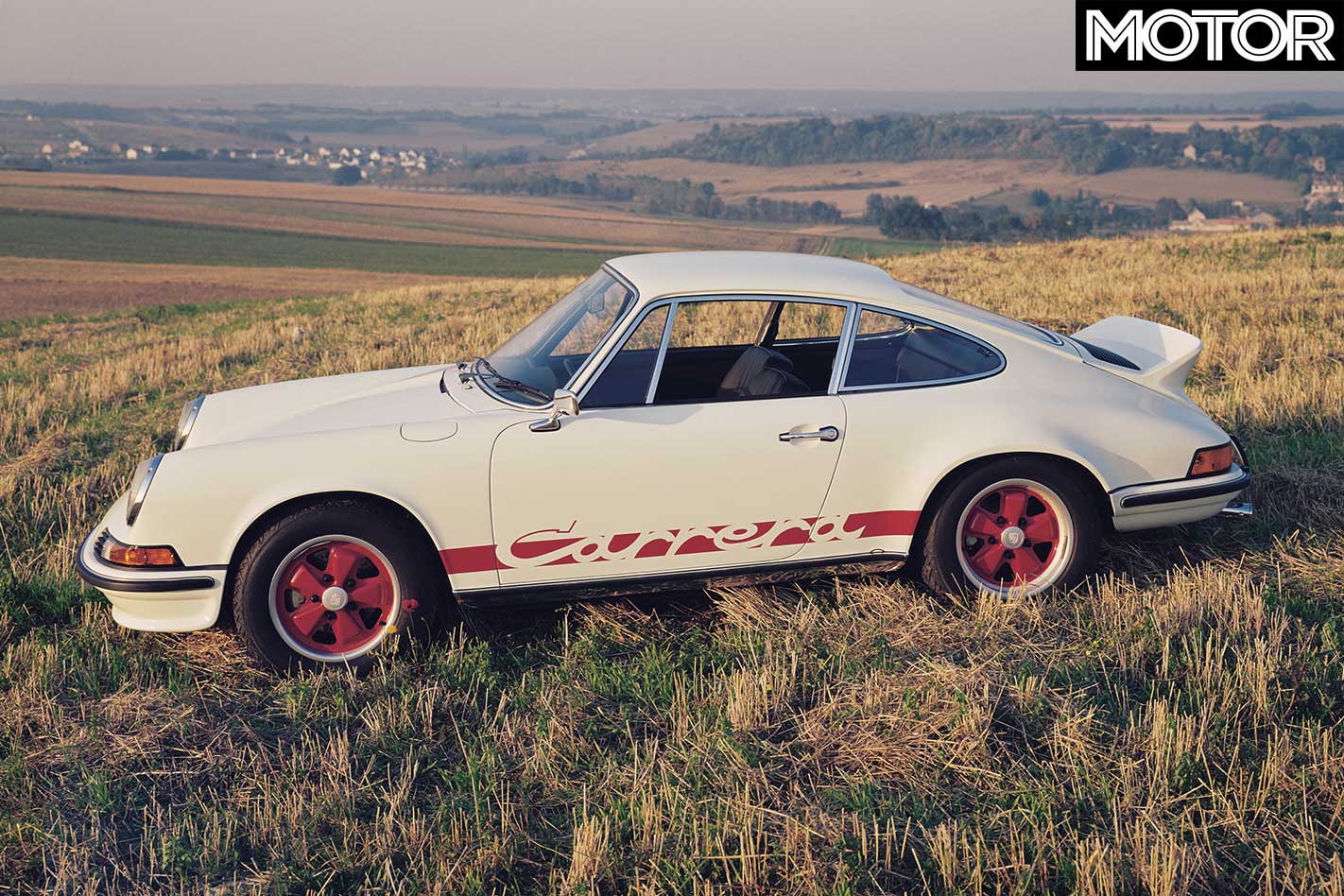
Early RS 2.7’s also got slightly thinner 0.8mm gauge steel in the body instead of the 0.88mm steel used in later cars.
Porsche initially took orders for just 51 Carrera RS 2.7’s when it was shown at the 1972 Mondial de l’Automobile in Paris, fueling concern about selling a stripped-out racer as a road car. And could they shift all 500 without the key US market where the RS did not meet emissions legislation?
But the first 500 sold and Porsche learned that buyers will pay extra to join an exclusive club. Still, nervousness about the bare bones RS was obvious because the more richly upholstered 911S interior and luxuries like a sunroof and electric radio antenna were options. A total of 1580 RS 2.7’s were built and today the 200 lightweights command top dollar.
Yet they were basic transport, and there was a distinct lack of equipment in the black-on-black RS cabin, just a thinly padded bucket seat, plain four-spoke steering wheel and a simple spherical knob topping the gear lever.
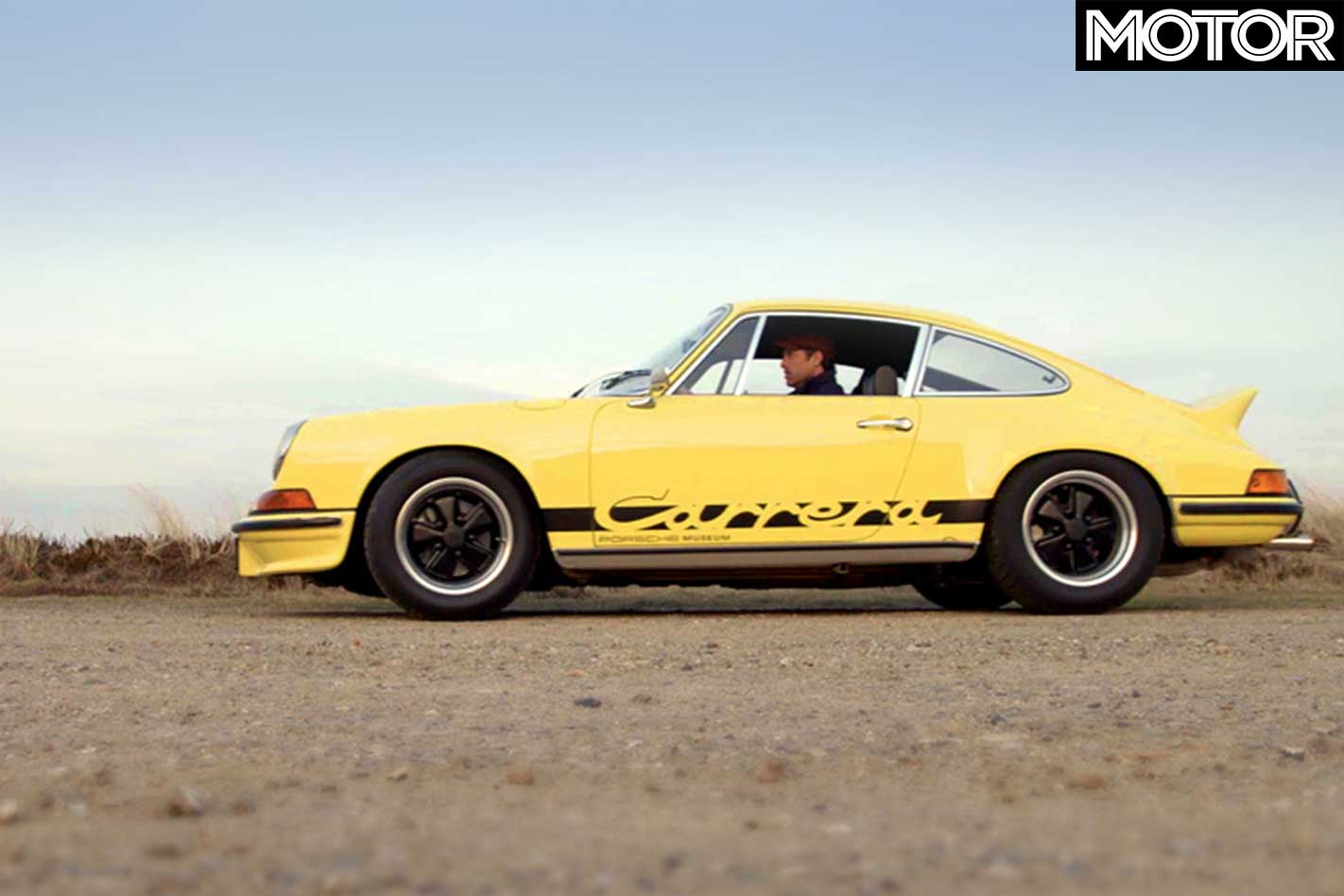
However, a twist of the key brings that evocative, guttural exhaust note and the sound of a belt-driven fan whirring away behind the cabin, keeping the engine cool.
At speed there’s an unmistakable rear-engined feel to the RS 2.7’s handling that demands a different driving style. A judiciously timed lift on corner entry to shift weight forward and provoke oversteer, sets up the car to hit apexes in style.
The flexible flat-six generates surprising mid-range acceleration, aided by the car’s low weight. Power out is modest by modern standards and you must use momentum to unstick the rear before adding throttle from the apex to maintain cornering attitude and power out in a gentle drift, inside front wheel cocked as the RS squats on its outside rear.
In funky, bright ’70s colours with classic Fuchs wheels, duck-tail spoiler, and (optional) Carrera decals, the 911 Carrera RS 2.7 is a pure driver’s car and the quintessential 911.
PORSCHE 911 CARRERA RS 2.7 SPECS Year: 1973 Production: 1580 Engine: 2687cc flat-six, rear-mounted Power/Torque: 154kW/255Nm Transmission: 5-speed manual Drive: rear 0-100km/h: 6.3sec Price: AUD$27,000 (new, approx)
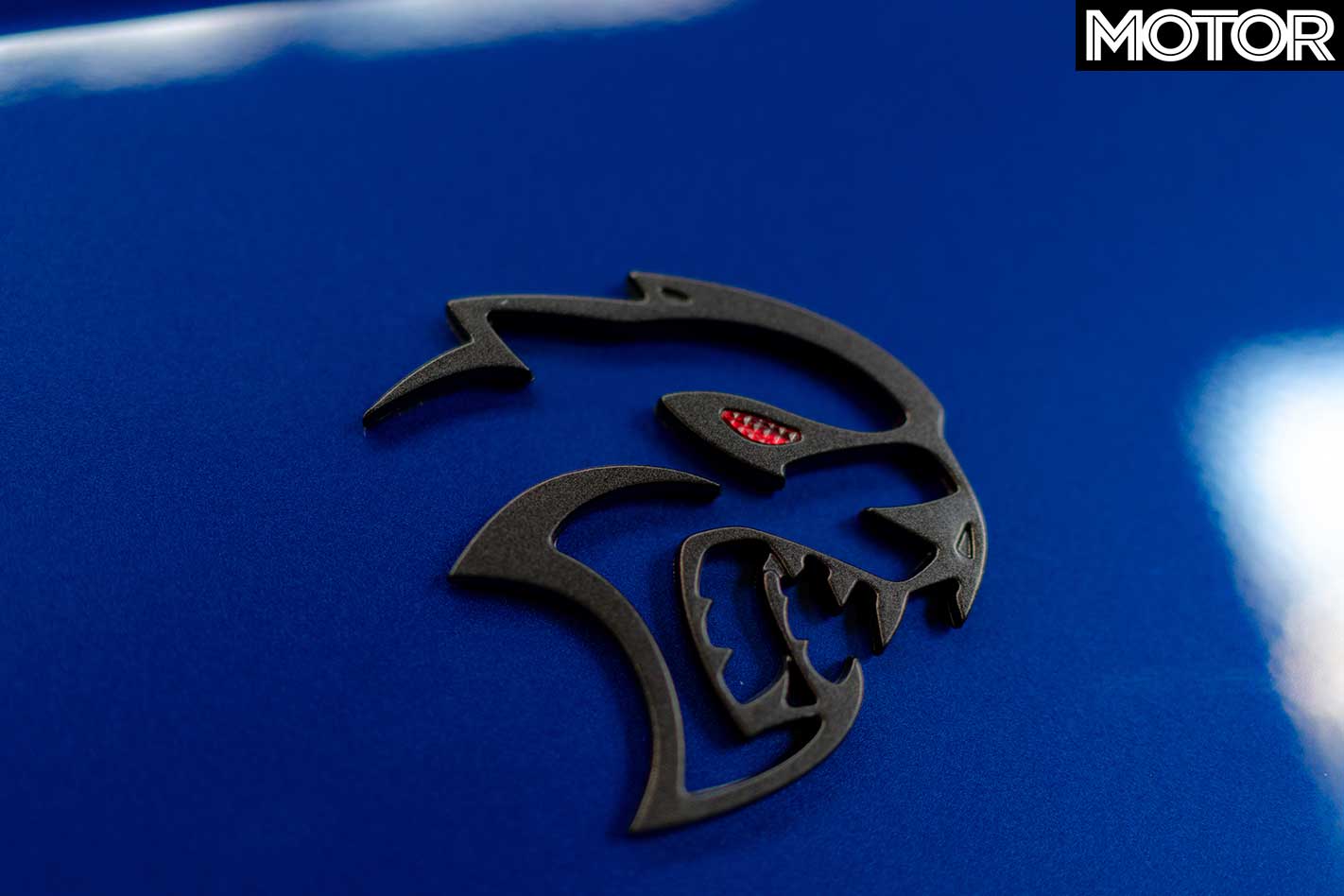
It might have one of the longest model names in the world, but the Challenger SRT Hellcat Redeye is not trying to oversell itself. It’s just Dodge being specific. And with 15 variants in the US line-up, it needs to be. You don’t drive just an SRT Challenger these days. You drive a Hellcat, a Demon – if you’re very lucky – or, new for 2019, a Redeye.
Better still, thanks to Crossover Car Conversions (CCC), you can get your hands on the Redeye for about $228,000 (including the conversion, but not on-roads) in Oz. You’ll have to wait about six-to-eight months for the full right-hand-drive switch to be completed, but some pre-orders have already been taken.
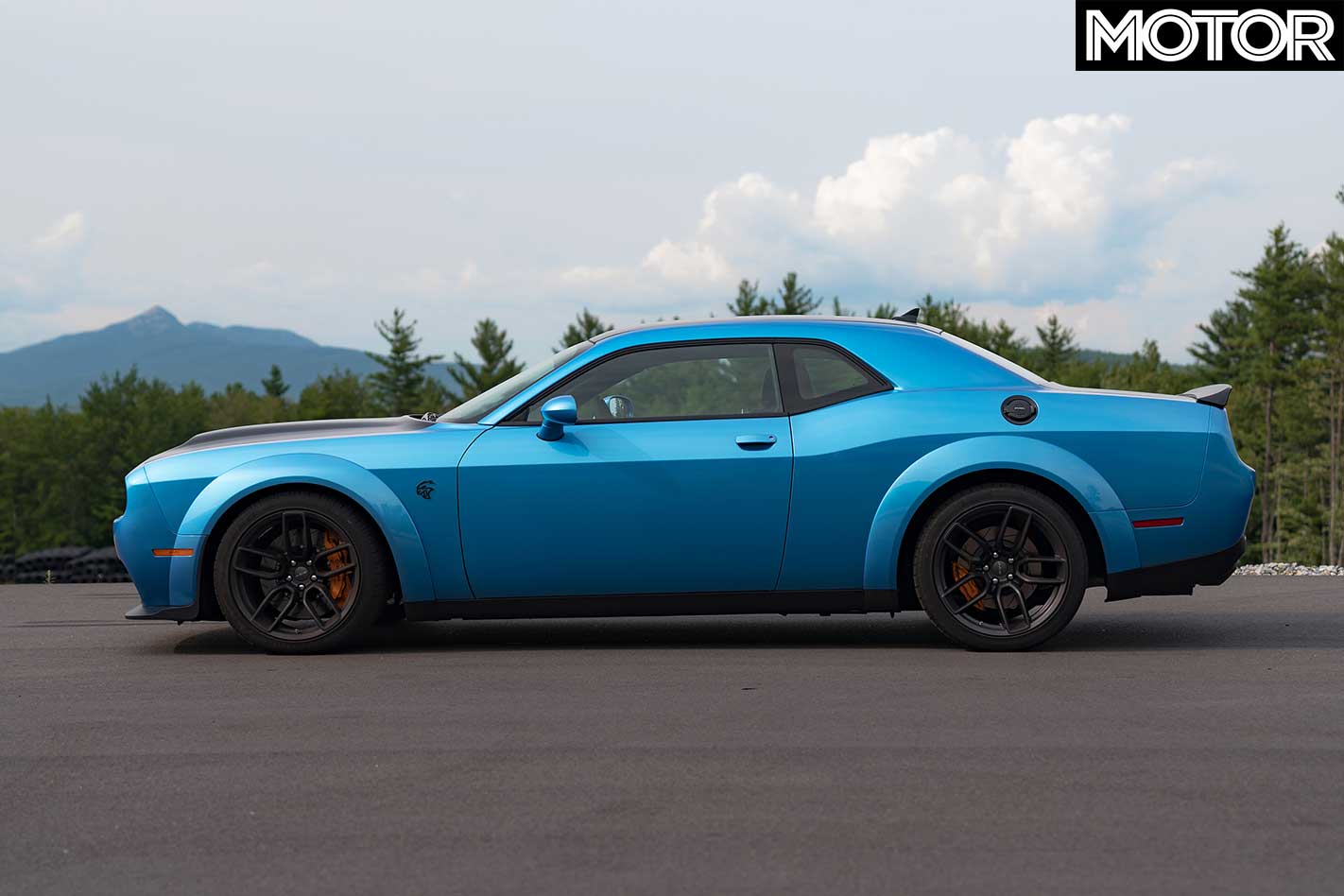
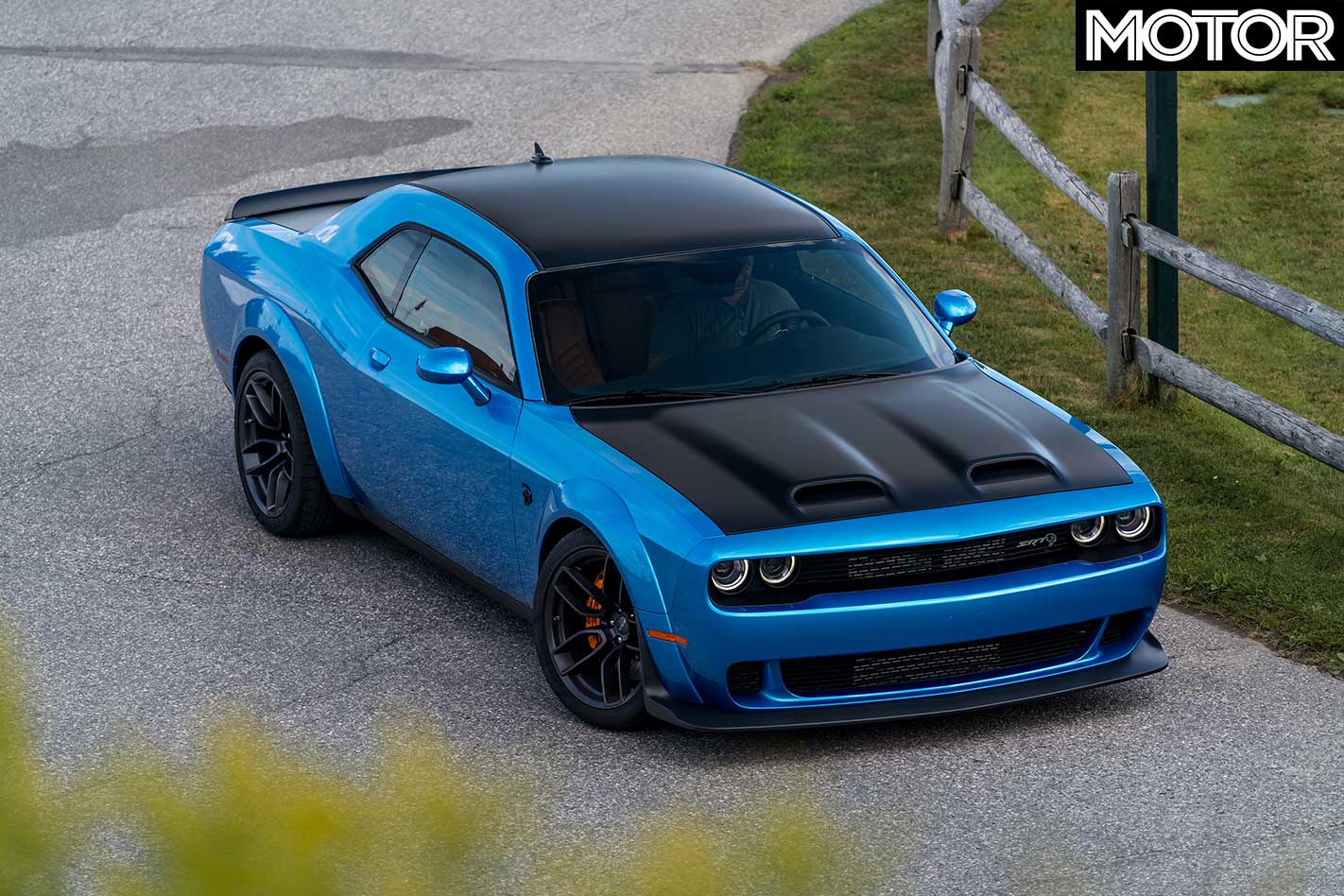
So what are those buyers getting – what exactly is a Redeye? Good question. It’s the 327km/h love child of the Dodge Hellcat and its big brother, the Demon. It swaps the Hellcat’s uprated-for-2019 535kW supercharged V8 and replaces it with the high output version of the engine used in the drag-tuned Demon.
So it gets an intake and post-run intake chiller, plus all the stronger parts. But not the huge, single-intake hood scoop. Despite growing new double nostrils on its bonnet it flows less air, which shaves off a few kilowatts. The Redeye posts a max of 594kW/959Nm instead of the Demon’s 626kW/1044Nm… But I’m sure you’ll manage.
What might cause a few head scratches is specifying the body to house the engine. That’s because you can now get your Hellcat Redeye in narrow, normal body form, or with an 88.9mm wider widebody option. There are a lot more than cosmetics to consider.
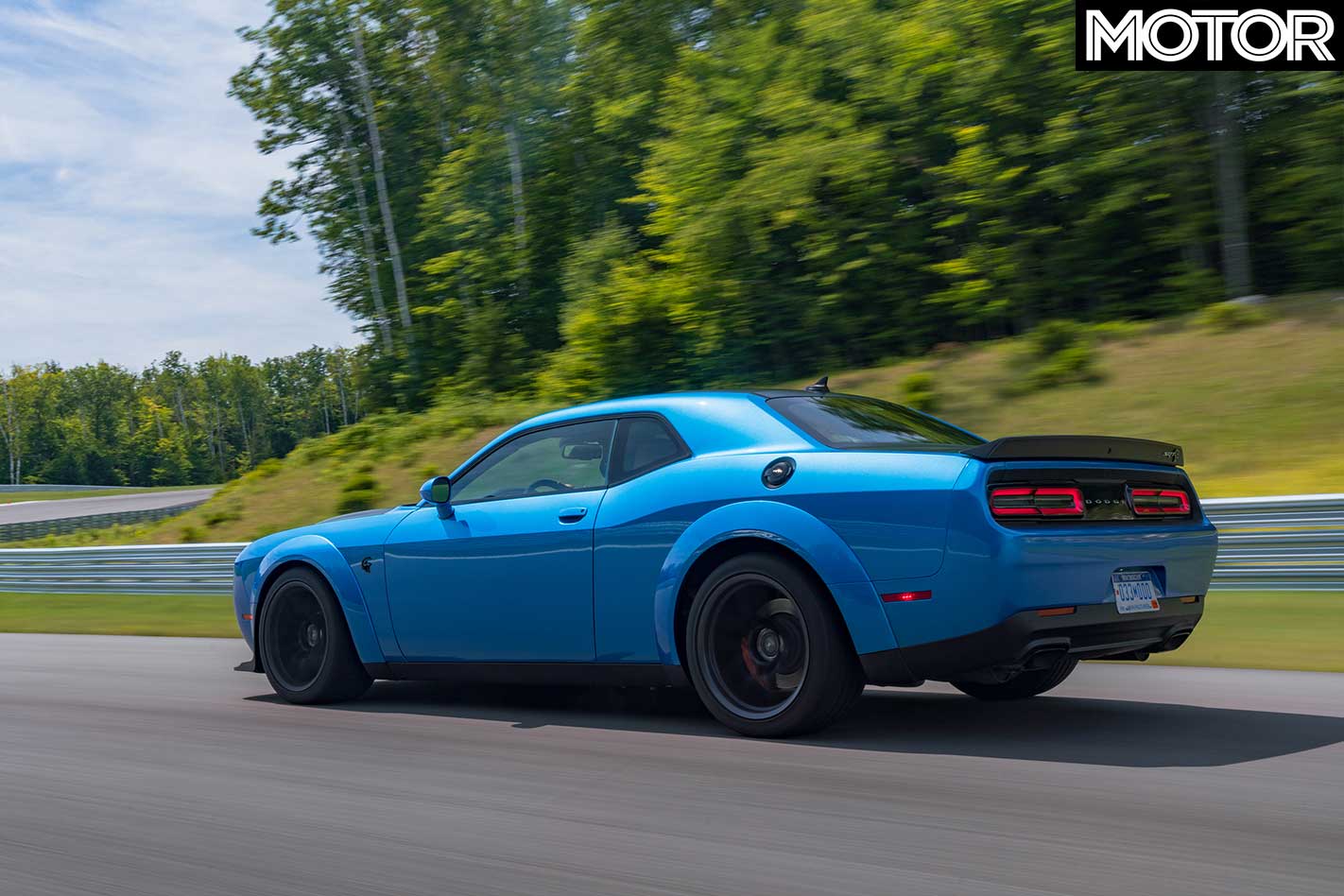
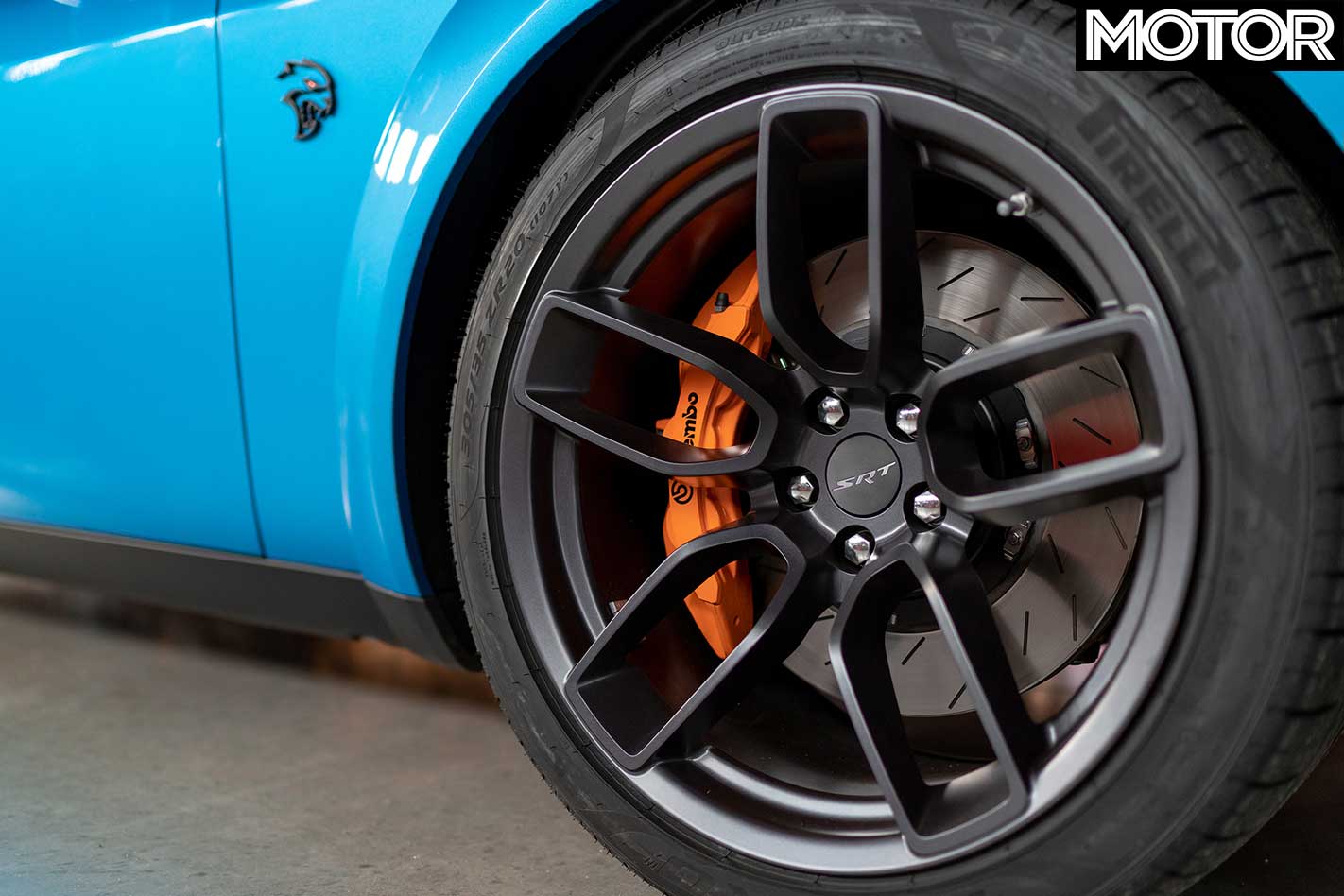
With the best part of 600kW trying to find its way to the road – via just two contact patches – you really need the biggest ones you can get. Since the widebody cars come with 305-section 20-inch tyres instead of the standard 275s, they should be a default choice, even if the package does add a significant price premium.
Other than the Air Grabber bonnet, what the Redeye does not get from the Demon is all the specialist drag kit – the drag-tuned Bilsteins and software, the transbrake, the set of skinny front wheels and the bespoke crate packed with other drag-strip accessories.
But, unless you are planning to really use the car at the strip, that’s probably no great loss. Plus, there is also a skimmed-out version of the Demon, the R/T Scat Pack 1320 coming soon, which has a lot of that clever stuff. Expect to pay around $190K through CCC to have this parked in your Aussie driveway.
The benefit to the Redeye of deleting all the Demon drag paraphernalia, but notably the squashy Nitto drag radials, is that its top speed is not tyre-limited to 270km/h. It’s Pirelli P Zeros are good all the way to more than 327km/h whenever the time place and occasion should arise. It also gets six-piston front calipers instead of the Demon’s lighter weight four-pots.
We drove the cars on some pockmarked roads and a super smooth racetrack hacked into the side of a mountain. Neither allowed us to experience the upper reaches of the car’s top speed, but we did get enough time behind the wheel to discover it still has a surprising amount of poise and balance. You steer as much with the throttle as the steering wheel, as per normal Hellcat duty. But the way it warps down the straights and flattens hill climbs is on a new, faster level.
On the road it still couldn’t be much more civilised, comfortable and easy to drive. The 0.3-litre larger – than the standard Hellcat – supercharger only fills the cabin with its slightly more baritone shriek when you really get stuck into the right pedal.
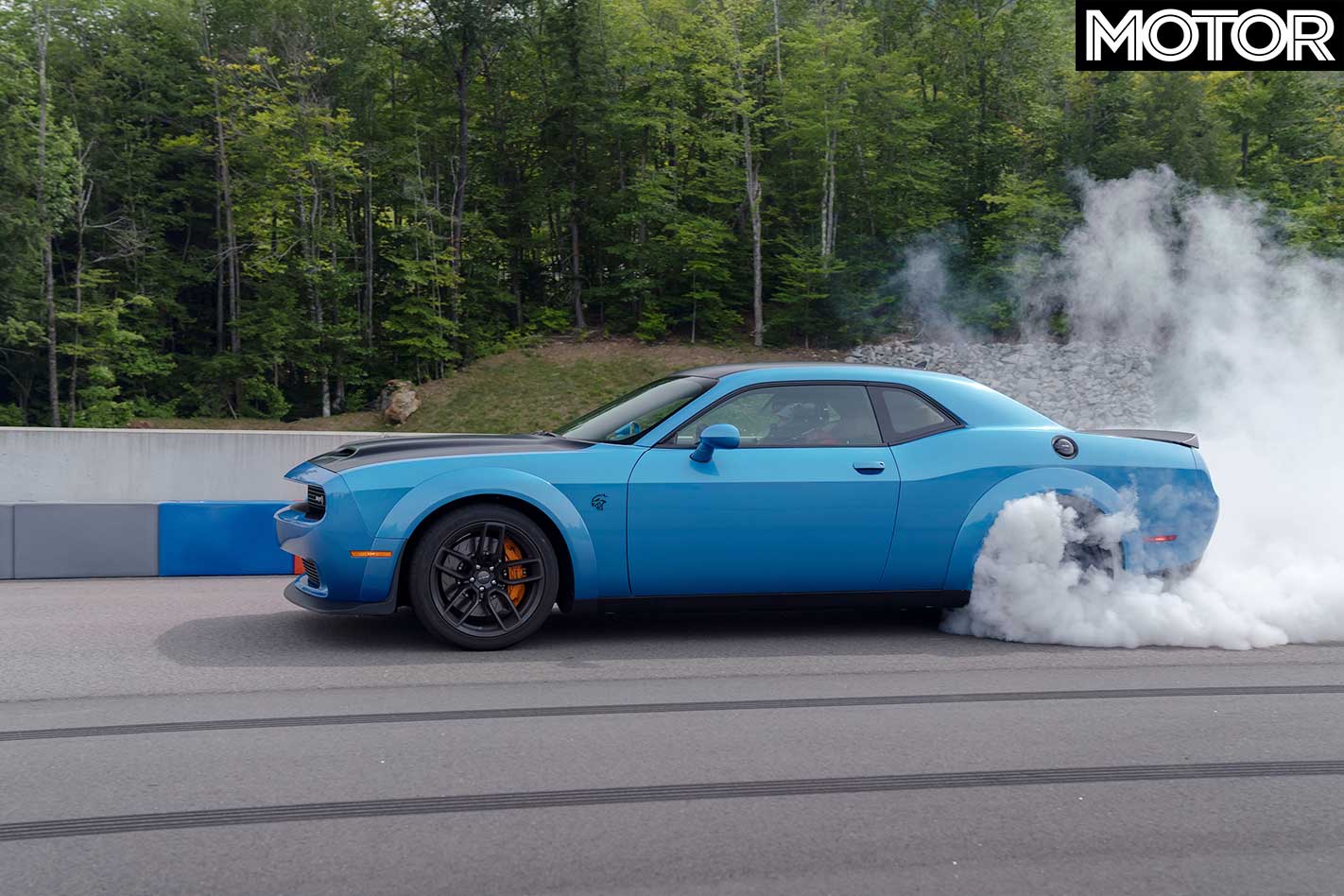
Cruising at 100km/h in eighth (top) gear, the ZF box drops no fewer than four gears when you mash the throttle. At that point, you are in no doubt which Challenger you are in.
Ultimately, the chances of seeing a Redeye, let alone buying one, in Australia are few right now. Luckily, the aforementioned Crossover Car Conversions can make the dream a reality – and the delivered cars will comply with our strict ADRs. They will charge you for the work, but the good news is that the Redeye retails in the US from $69,650.
Even with the conversion done, you’ll be hard pressed to find a car with not just a longer name, but also more power per dollar.
2018 DODGE CHALLENGER SRT HELLCAT REDEYE SPECS: Engine: 6200cc V8, OHV, 16v, supercharged Power: 594kW @ 6300rpm Torque: 958Nm @ 4500rpm Weight: 2019kg 0-100km/h: 3.4sec Price: USD69,650
Like: Speed and power; comfort and utility; rugged muscle car looks and sounds Dislike: Fuel consumption; tyre wear; limited availability Rating: 4.5 out of 5 stars
HOW we cooed at the elegance and proportions of BMW’s 6 Series Gran Coupe when it rolled out in 2012. Then we went all gooey again for the reveal of is smaller 4 Series Gran Coupe sister, and it looks like we’re about to get a third sibling in the family of lookers, with a 2 Series equivalent on the way.
A disguised car that’s purportedly a four-door version of the 2 Series coupe, has been snapped by bimmertoday.de testing on German public roads, and its fastback tail hints at the styling treatment applied to the existing Gran Coupe models, albeit the smallest version yet.
If it’s cast from the same furnace as the other Gran Coupes, the new 2 Series derivative will sandwich a four-door cabin between the long sportscar snout and tucked tail of the coupe, moulded with a more elegant roofline than a conventional sedan.
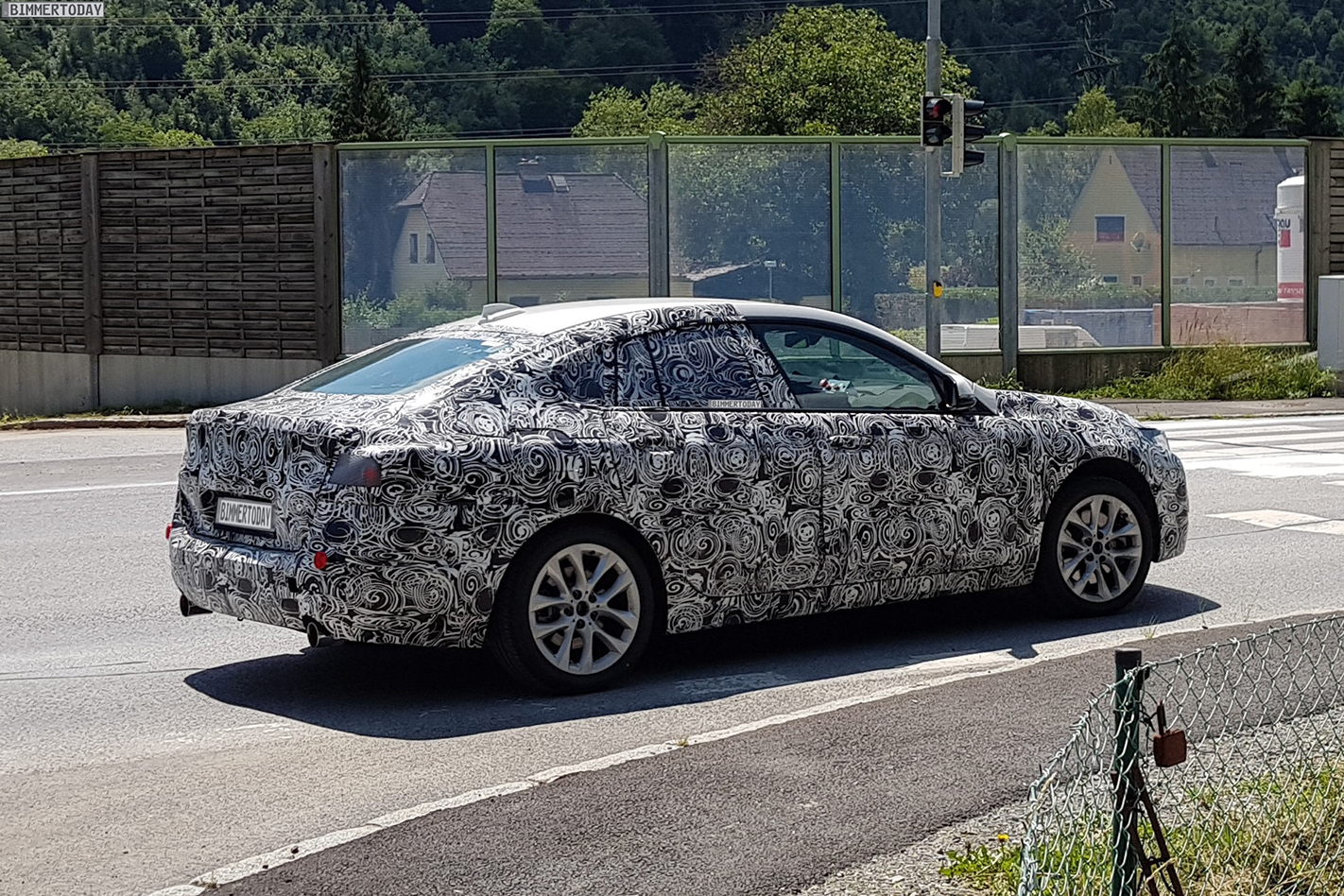
Importantly though, while the 6 and 4 Series Gran Coupes have corresponding and closely related 5 and 3 Series sedans, the 2 Series does not. That means a 2 Series Gran Coupe would be the closest thing yet offered to a 1 Series sedan (not counting the China and Mexico-only models).
Until now, arch rivals Mercedes and Audi have been thumbing their noses at BMW in the small luxury sedan market, but a 2 Series Gran Coupe will mean the Munich manufacturer will, at last, have the hardware to compete against the CLA and A3 sedan.
The mounting evidence pointing towards a 2 Series Gran Coupe comes as BMW looks increasingly likely to kill off the awkwardly styled 3 Series Gran Turismo (GT). If the big-booty 3 Series is put out to pasture, it would appear to indicate a shift in BMW buyer behaviour to more style-driven models like the Gran Coupe line-up.
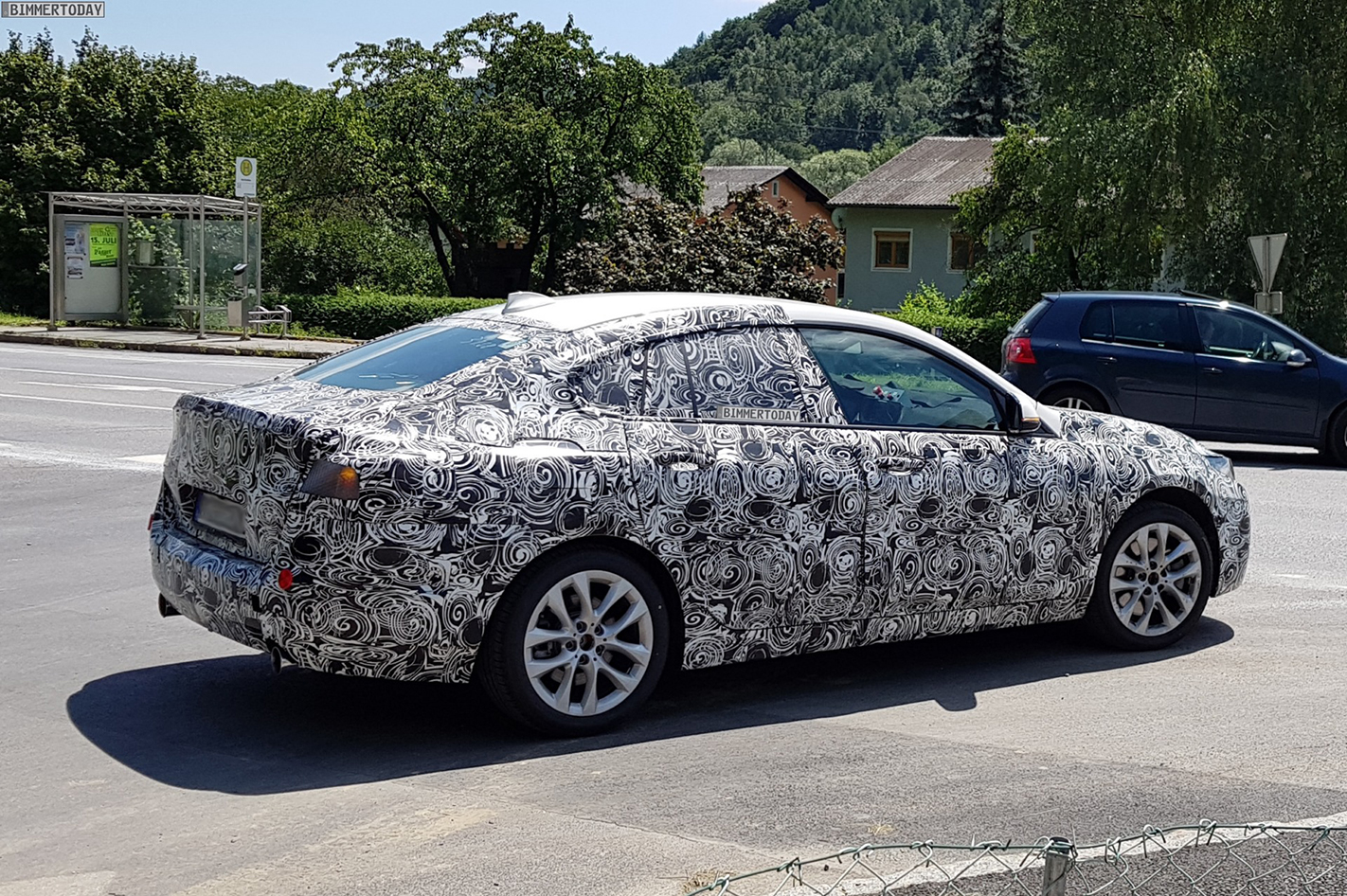
A GC version of the 2 Series would take the family to four models alongside the coupe, convertible and Active Tourer people mover, and would up the company’s Gran Coupe tally to four as the smallest version underneath the 4 Series, 6 Series and more recent (but also unconfirmed) 8 Series.
Expect 2 Series Gran Coupe powertrains to align with the current coupe line-up including four- and six-cylinder turbo petrol engines driving the rear wheels for Australian versions, although left-hand drive markets are more likely to get diesel and all-wheel drive options.
A full-fat M2 Gran Turismo is also a possibility and would introduce a small four-door M-powered model the likes of which hasn’t been seen in BMW showrooms since the E36 M3 sedan.
It’s now cheaper to buy into the Hyundai Kona range, with the Korean car maker adding a new entry-level Go variant that headlines the small-SUV’s first update.
Priced from $23,500, the Kona Go kicks off the 2019 range for $1500 cheaper than the 2018 line-up, while adding a new 8.0-inch navigation system with SUNA live traffic updates, and an eight-speaker Krell premium audio to the Active, Elite and Highlander variants.
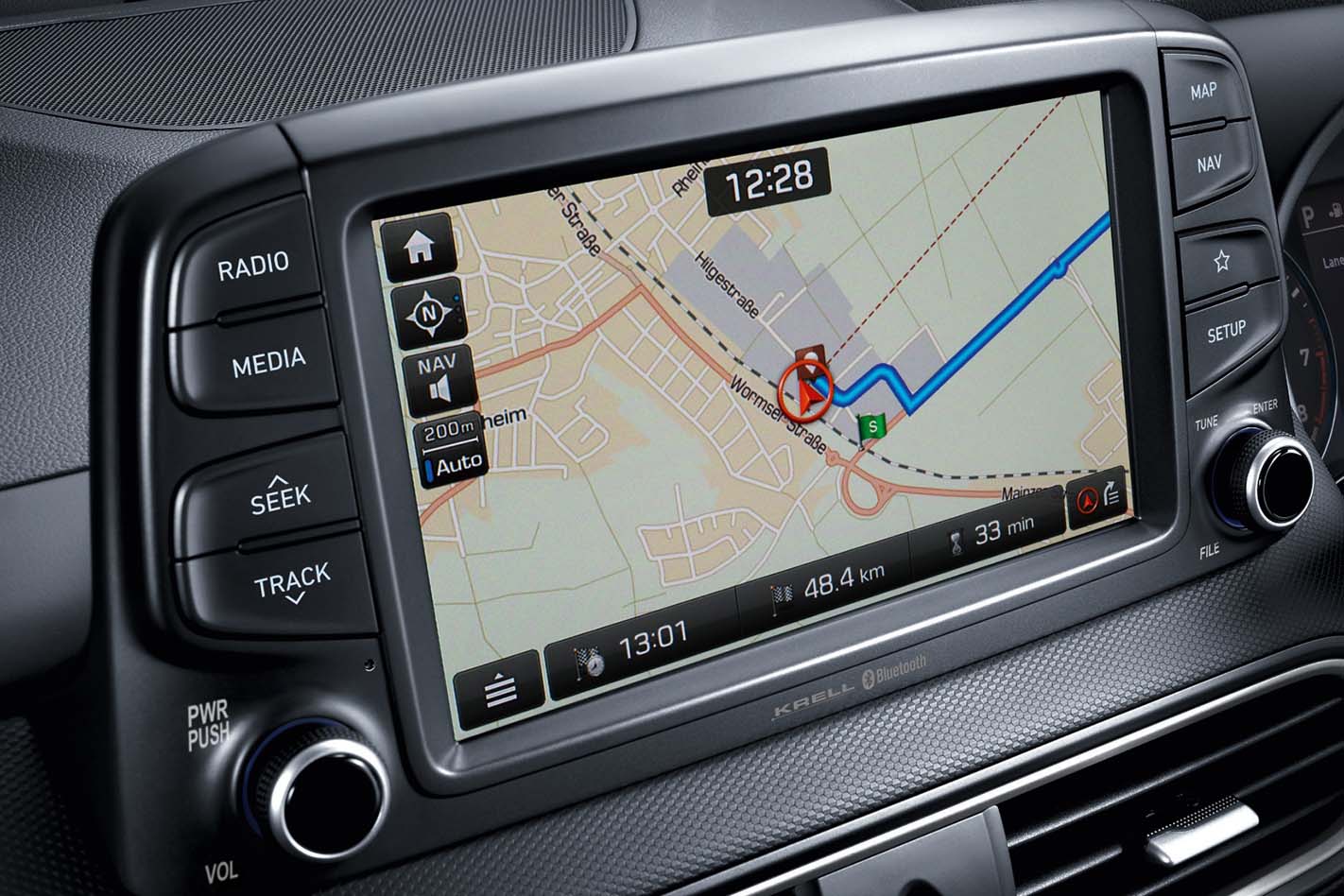
Available as the base 2.0-litre petrol FWD and 1.6-litre turbo-petrol AWD, each Go will be $2000 more affordable than their 2019 Active counterpart. Pricing has been trimmed by replacing the 16-inch alloy wheels with steel rims, and shedding kit such as rear parking sensors, second row fold-down armrest, fancier leather appointed steering wheel and the new sound system with 8.0-inch navigation.
But it’s still reasonably equipped, with a 7.0-inch infotainment unit including Apple CarPlay/Android Auto, reversing camera, dusk-sensing headlights and hill-start assist.
Active safety such as autonomous emergency braking, blind spot monitoring, lane-keep assist and rear-cross traffic alert are also available as part of the $1500 Hyundai SmartSense package, which can also be added to the Kona Active (Elite and Highlander get this as standard).
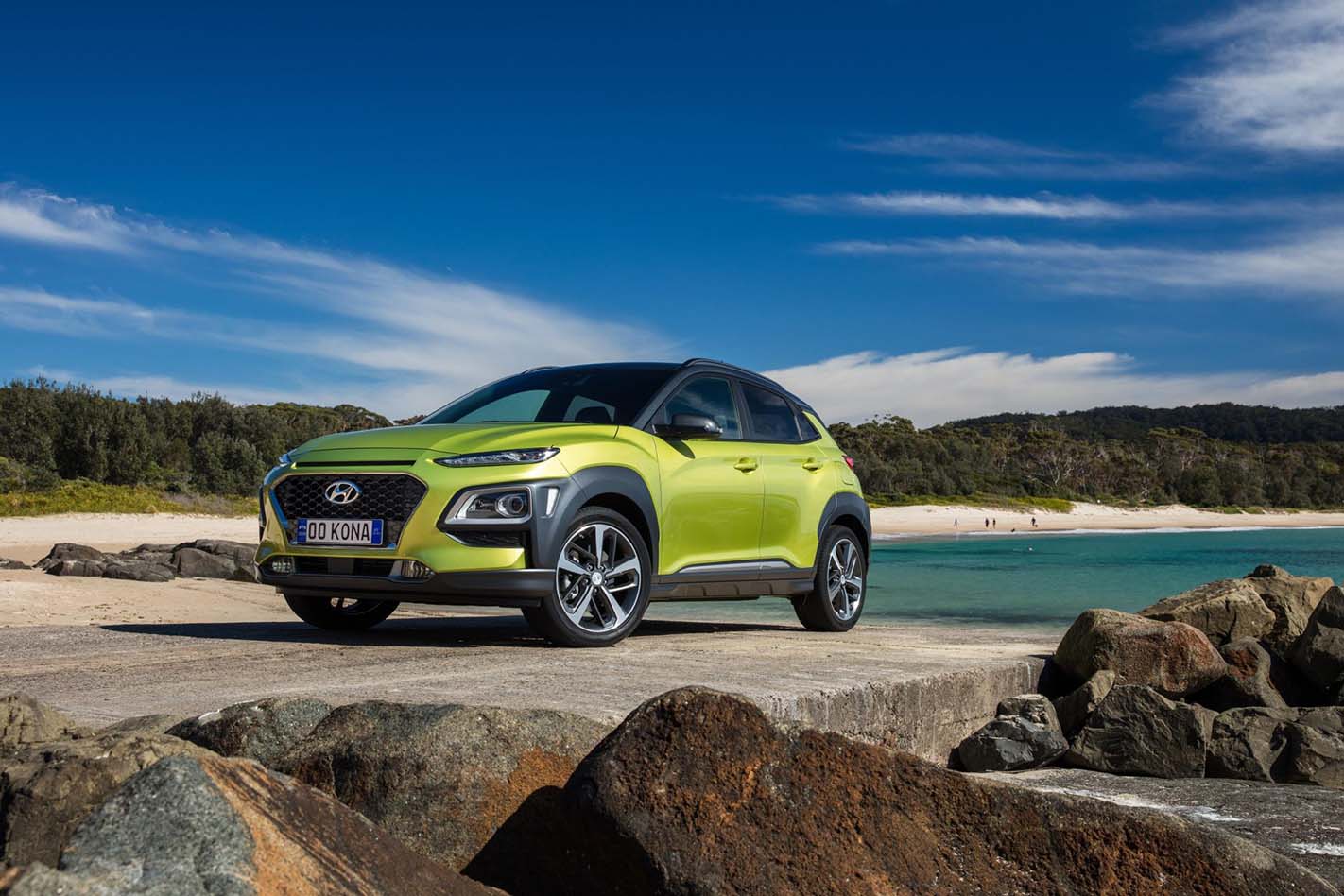
Other changes to the 2019 Kona range include an additional USB port in the centre console bin that’s accessible to rear-seat passengers. The Elite and Highlander score digital radio (DAB+), while the Highlander also gains a power-operated sunroof as standard.
All Kona variants come with a choice of powertrains; the 2.0-litre petrol, FWD with six-speed automatic transmission, and the gutsy 1.6-litre turbo-petrol AWD with seven-speed dual-clutch auto that attracts a $3500 premium.
The 2019 Hyundai Kona is now available at Hyundai dealerships around Australia.
2019 Hyundai Kona pricing
- Kona Go 2.0-litre, FWD – $23,500
- Kona Go 1.6-litre turbo, AWD – $27,000
- Kona Active 2.0-litre, FWD – $25,500
- Kona Active 1.6-litre turbo, AWD – $29,000
- Kona Elite 2.0-litre, FWD – $29,500
- Kona Elite 1.6-litre turbo, AWD – $33,000
- Kona Highlander 2.0-litre, FWD – $35,500
- Kona Highlander 1.6-litre turbo, AWD – $39,000
- SmartSense package (Go and Active) – $1500
- Premium paint – $595
MORE: Hyundai Kona Range Review MORE: Hyundai Kona Specs, Range & Price
FOR more than fifty years, the Aston Martin DB5 has remained the ultimate Bond car.
Its turn in 1964’s Goldfinger cemented its iconic status and now, having completed the DB4 continuation project, Aston Martin is turning its hand to building another 25 DB5 models, but this time, they’ll be Bond specials, finished in Silver Birch and priced at $4.8m before taxes.
In collaboration with EON Productions, the rights holders to the Bond franchise, the cars will be built at Aston Martin Works in Newport Pagnell – the original home of the DB5.
Many of the gadgets that were seen in the movie will be included in the cars, including revolving number plates. The gadgets will be co-developed with Chris Corbould, the Oscar-winning special effects supervisor from the Bond movies.
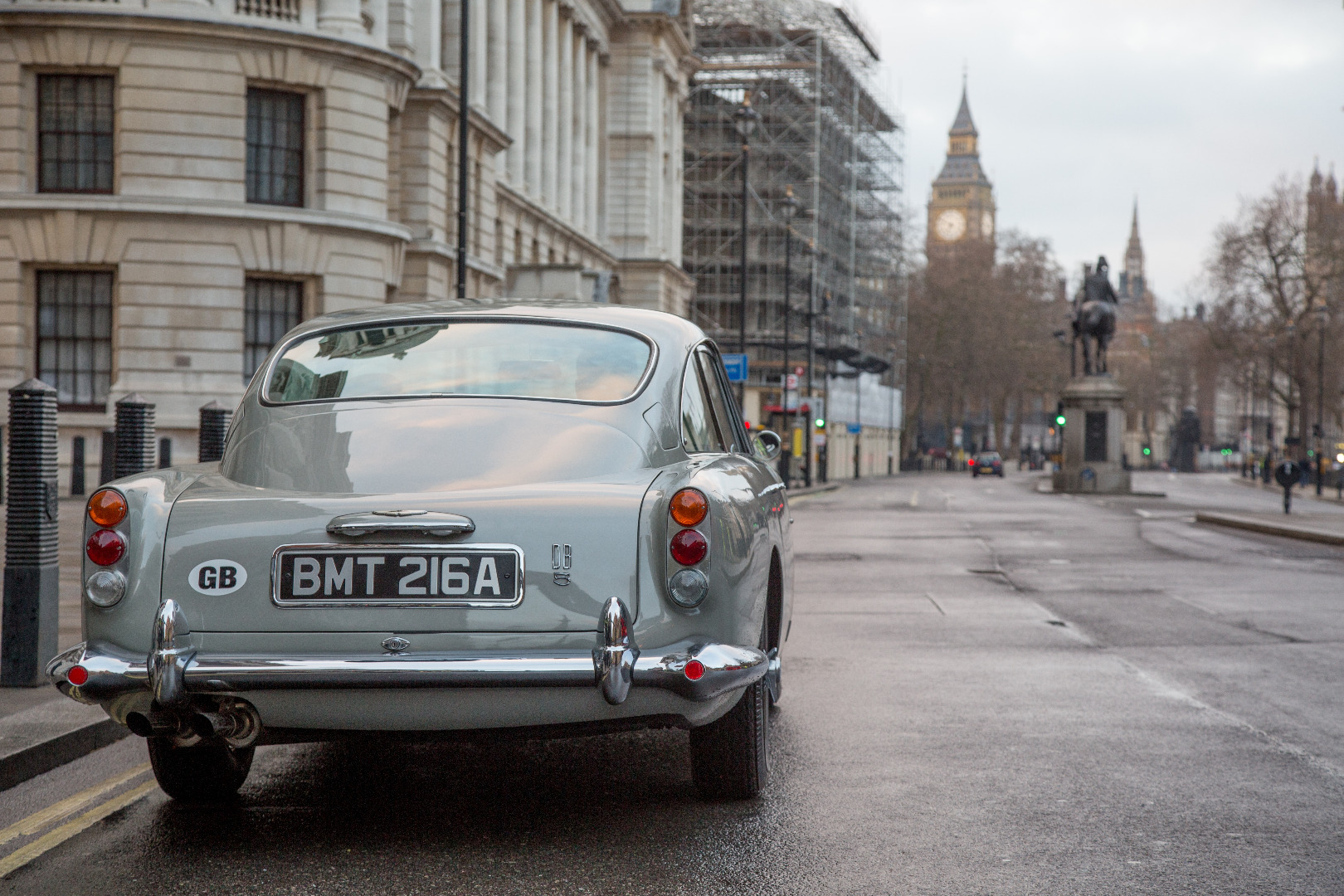
The 25 customer cars will be joined by three specials; one for Aston Martin, one for EON and another that is set to be auctioned for charity.
Andy Palmer, President and Chief Executive Officer, Aston Martin, said: “The connection between Aston Martin and James Bond is something of which we are very proud and it is remarkable that the DB5 remains the definitive James Bond car after so many years.
“To own an Aston Martin has long been an aspiration for James Bond fans, but to own a Silver Birch DB5, complete with gadgets and built to the highest standards in the very same factory as the original James Bond cars? Well, that is surely the ultimate collectors’ fantasy.
“The skilled craftspeople at Aston Martin Works and the expert special effects team from the James Bond films are about to make this fantasy real for 25 very lucky customers.”
The DB5’s role in Goldfinger is the stuff of legend. Production designer Ken Adam chose the car because it was Aston Martin’s latest and greatest at the time production began, but the Newport Pagnell management took some convincing of the merits of product placement.
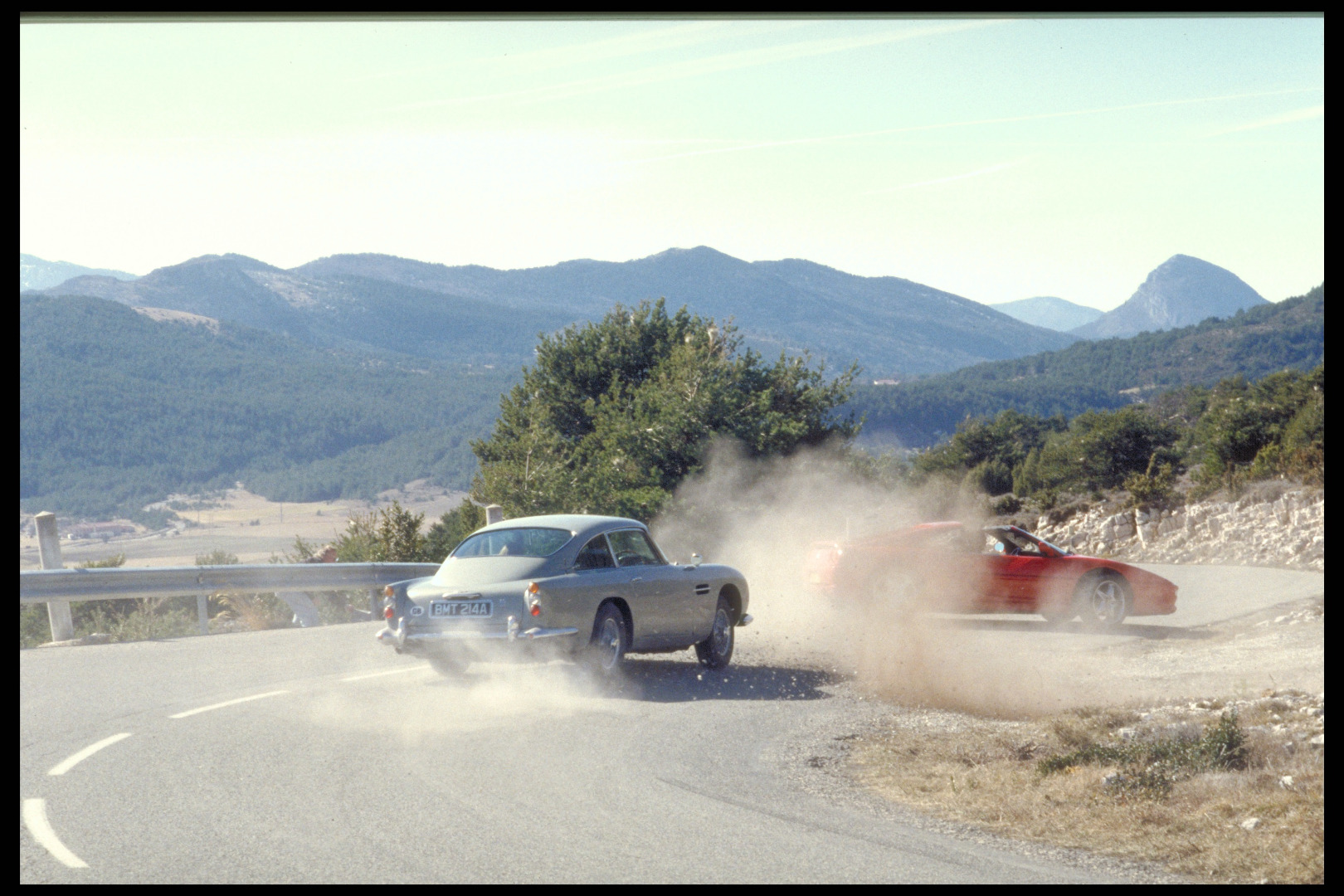
Eventually two cars were provided. In the original film script, the only gadget fitted to the car was a smoke screen, but crew members began suggesting more and more modifications. The revolving plates and the oil spray were fitted to the car, with the wheel spikes and ejector seat being created in-studio.
The car chase scenes with Tilly Masterson were filmed on a road near the village of Realp in Switzerland, with the scene where Tilly Masterson attempts to shoot Goldfinger with a sniper rifle being filmed on the nearby Furka Pass. The exterior of the Pilatus aircraft plant in Stans served as the set for Goldfinger’s factory. The climactic – and hilariously sped-up – crash scene is filmed on one of the Pinewood Studios back roads, now called Goldfinger Avenue.
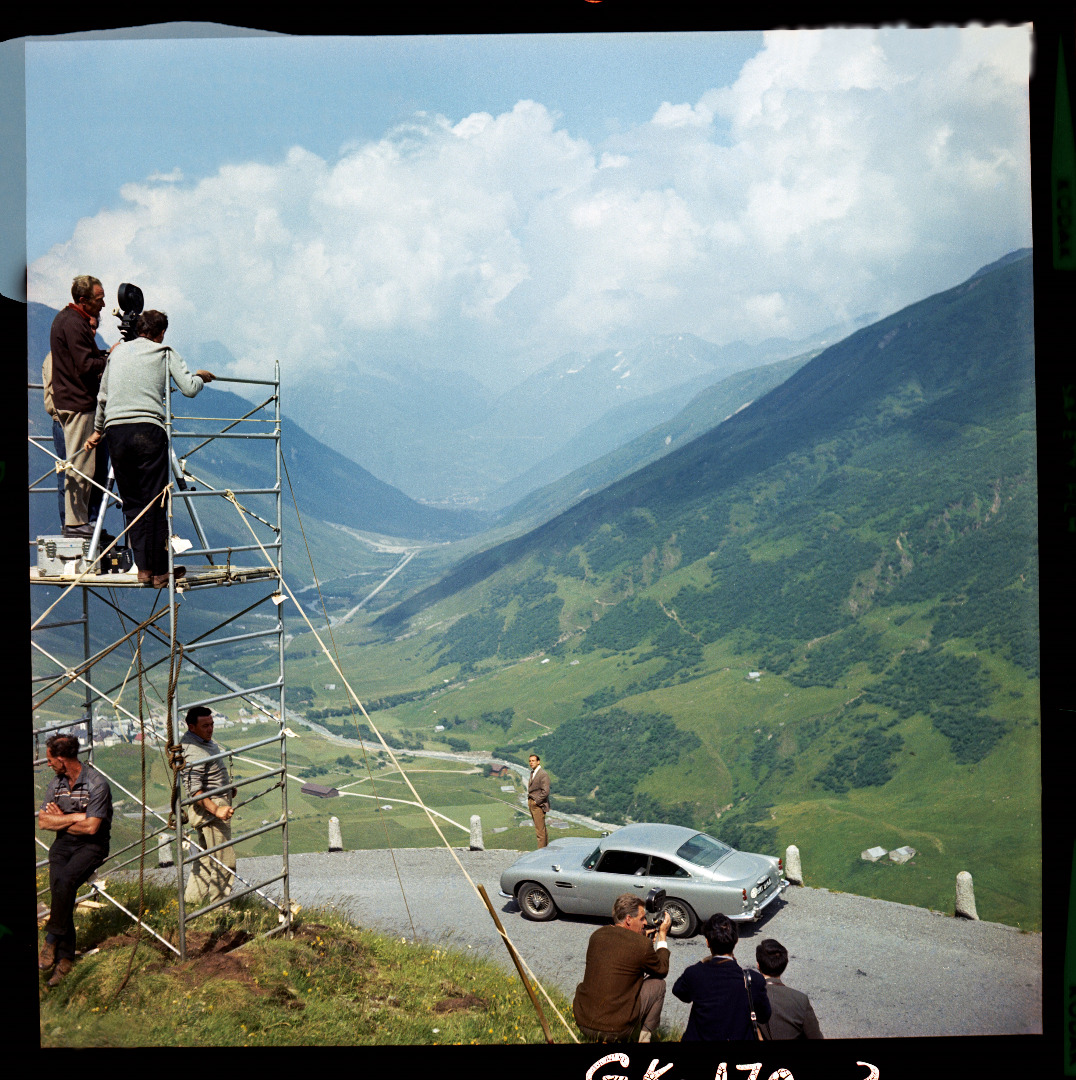
If you were one of those kids who grew up with a Corgi DB5 and now have the means to buy the real thing, you’ll need to be quick getting your order in. We can imagine quite a few collectors who could certainly find a place for one of these cars in their ultimate garage.
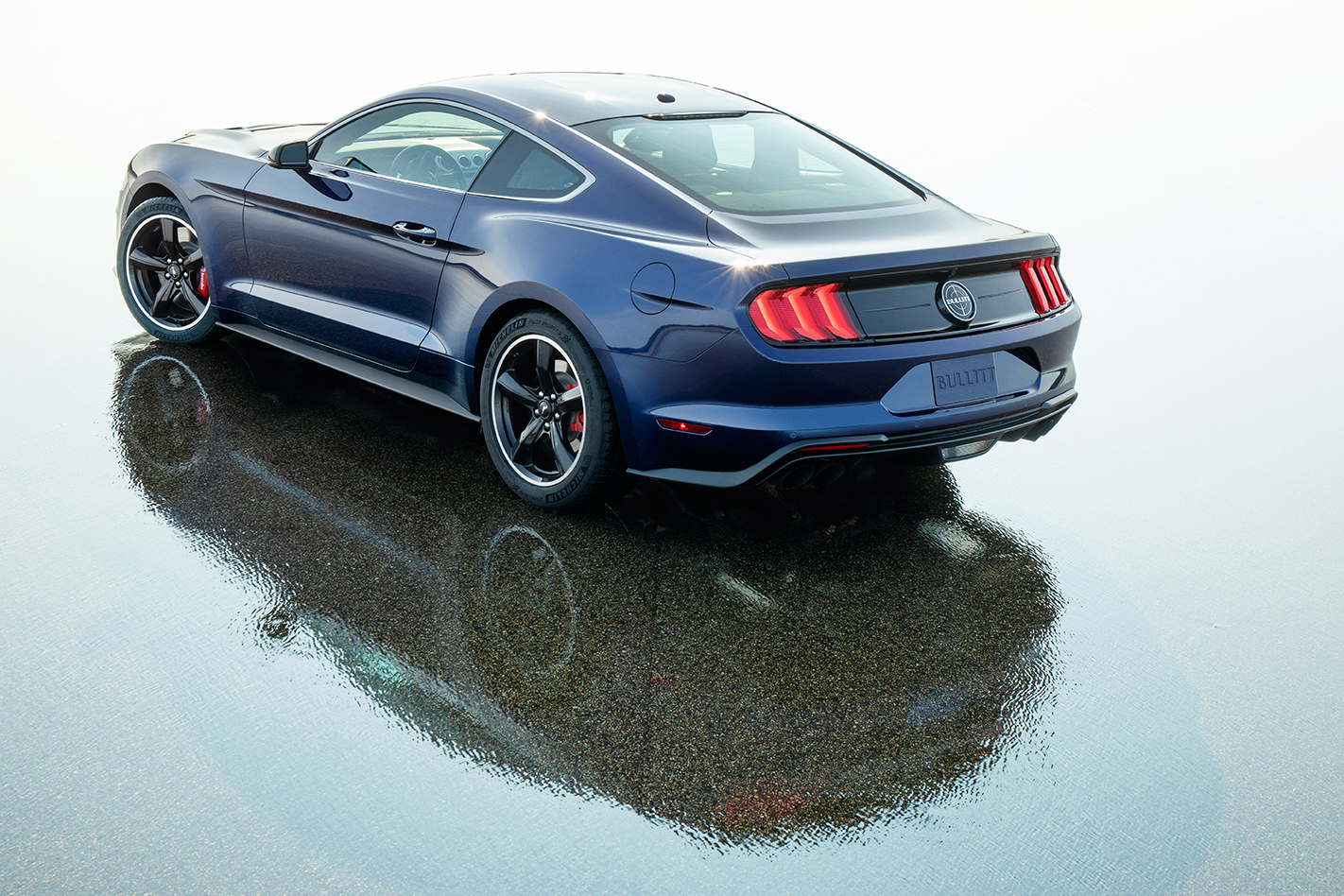
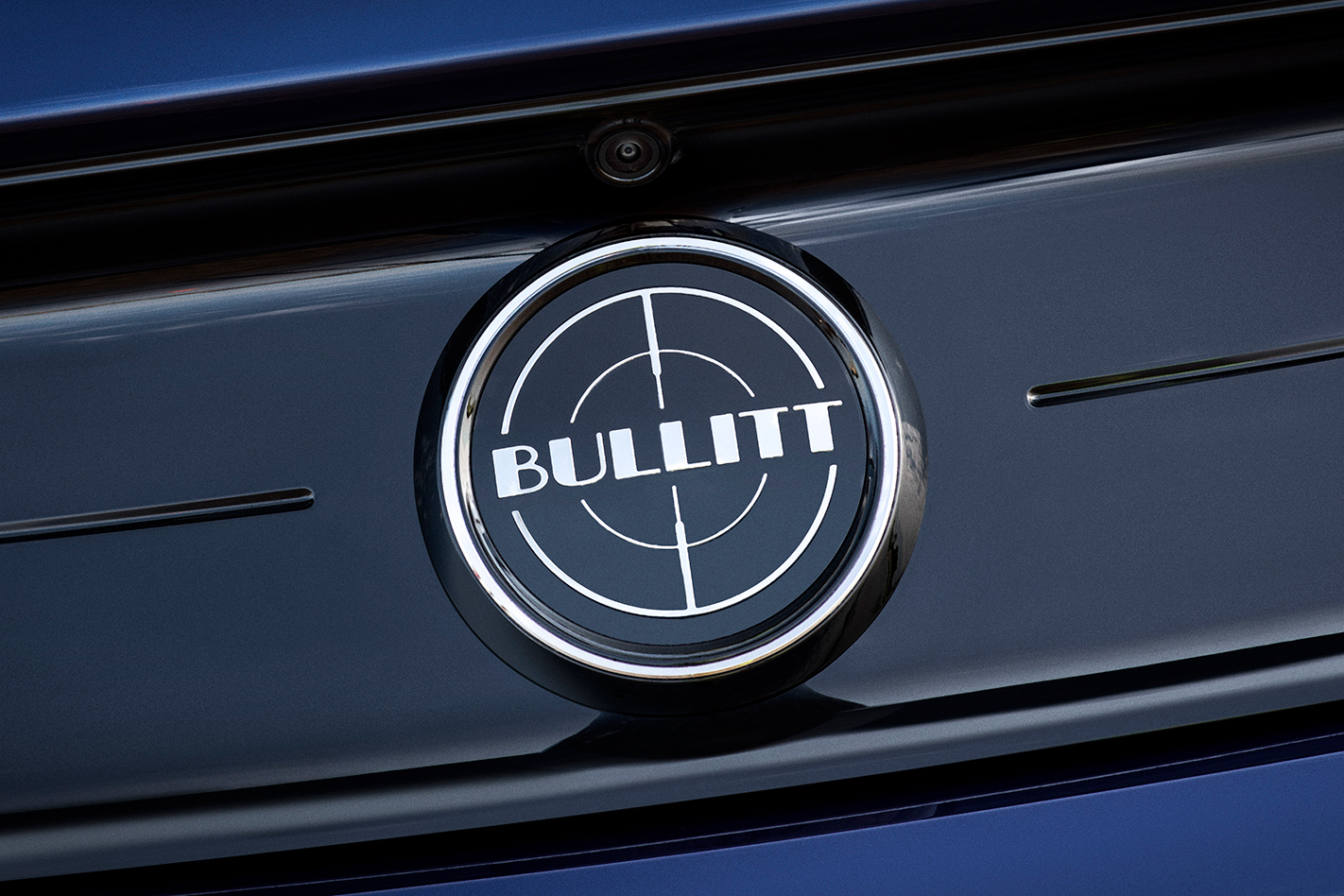
TAKE a good hard look at this Mustang Bullitt, because it is the only ‘Stang of its kind, and it’s being raffled for a good cause.
In America the Steve McQueen-inspired Mustang is available in just two hues, Highland Green and Shadow Black.
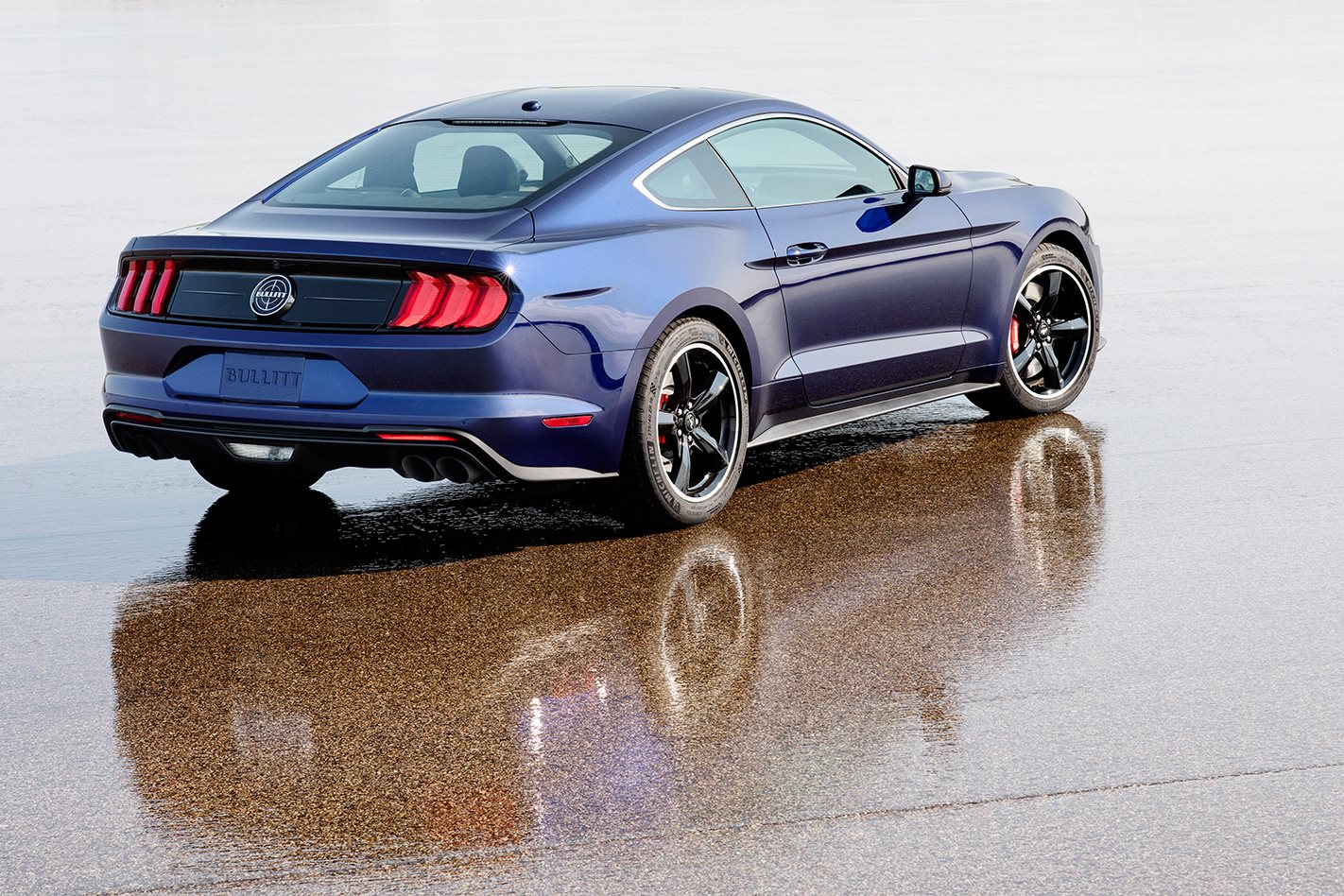
You’ll notice that this example isn’t presented in either colour, instead wearing a deep Kona Blue paintjob. And that’s what makes this Mustang Bullitt unique, as it’s the only one of its kind.
Revealed at the Woodward Dream Cruise in Detroit, the Kona Blue Bullitt will be auctioned for a charity raffle benefiting the Juvenile Diabetes Research Foundation in the US.

Ford will raise $600,000 (A$821,940) for the charity by selling 60,000 tickets at $10 (A$13.70) a pop ahead of the November 13 draw.
Further differing it from ‘standard’ ‘Stang Bullitts are grey wheels (instead of the traditional black), while the cabin will feature blue accent stitching.

Other than the visuals, the Kona Blue Bullitt is mechanically identical to its siblings, with 385kW being sent to the rear wheels via a 5.0-litre naturally aspirated V8 and six-speed manual transmission.
The very first ’19 Mustang Bullitt was auctioned at a Barrett-Jackson Auction in Scottsdale, Arizona, raising $300,000 (A$410,970) for the Boys Republic.
Boys Republic is a school and treatment community for troubled youth that Steve McQueen himself graduated from in 1946.
All 700 Australian-delivered Mustang Bullitts will be finished in Highlander Green.
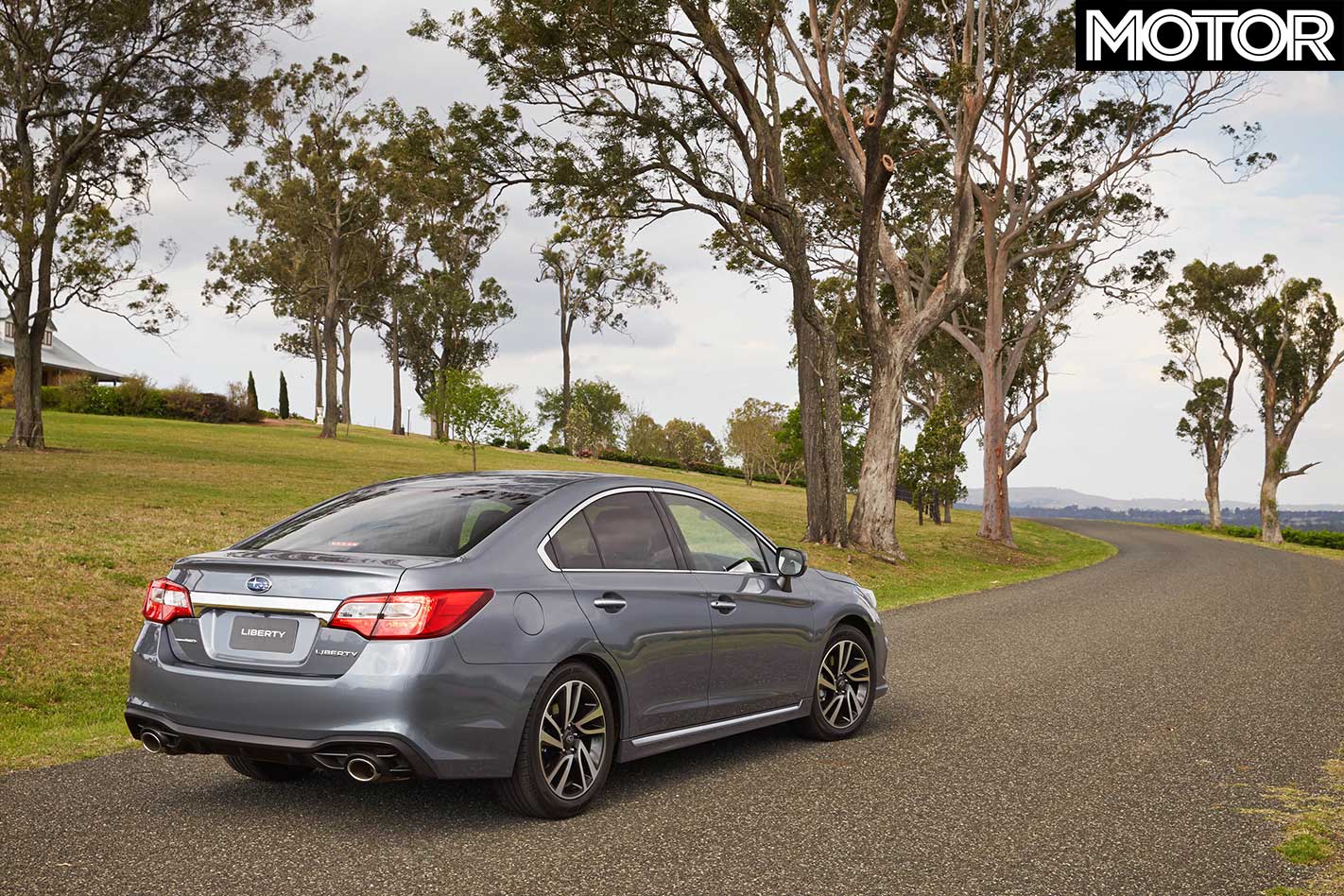
An atmo flat-six with 191kW and 350Nm sounds pretty good doesn’t it? However, in the case of the 2018 Subaru Liberty 3.6R, it doesn’t sound like much.
From the driver’s seat of the top-spec Liberty sedan, there’s not a lot to listen to except for road noise on some of our rougher Aussie roads – or whatever you’ve got playing through the speakers.
But the Liberty 3.6R is actually a good car. In fact, on a highway with a long drive ahead, it ticks quite a few boxes. It’s comfortable thanks to soft suspension, holds on well with wet or loose surfaces, pulls up faster than it feels it should, and when the CVT puts revs in the right place, will overtake with no problems.
Unfortunately, some of these traits also have a trade-off. It’s not a very fun car to drive.
The engine feels like it’s not using all of its power, which often comes down to the CVT feeling sluggish in its responses. Subaru’s SI-Drive goes some of the way to addressing this with “S#’, or sports sharp mode, though this turns the throttle into a very touchy, almost binary thing.
The dampers, while comfy, make the Liberty feel a bit muted and remove some of the confidence an AWD system grants you. Capable Dunlop SP Sport Maxx tyres go some of the way to remedying this, but it’s not going to raise the adrenalin.
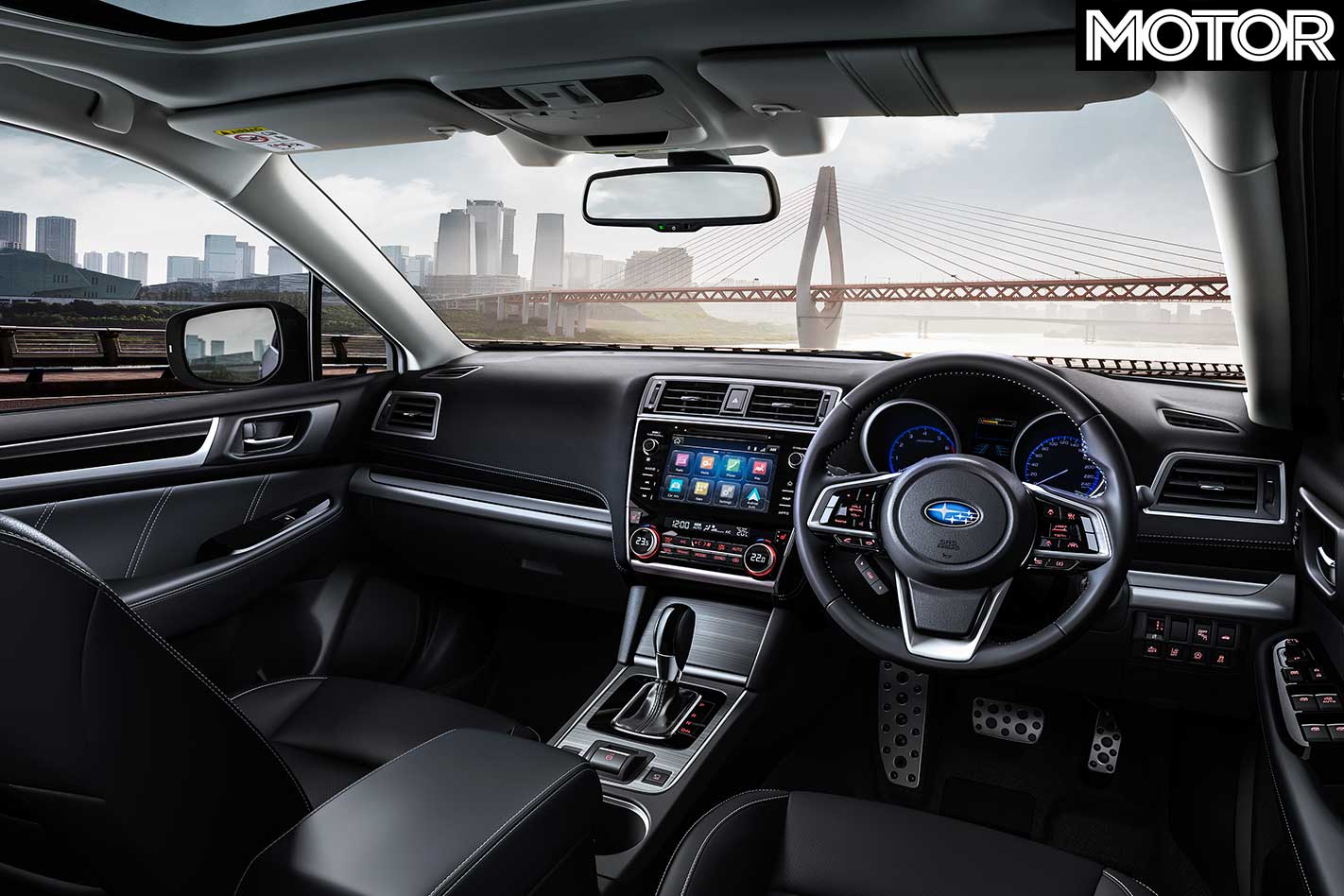
But that’s okay, because the interior doesn’t make you feel like you’re in a fun car, rather a nice, cushy car. Its styling is inoffensive, and the touch points are all well thought-out.
It’s not MOTOR’s cup of tea for hard driving, but it’s difficult to argue with a car that feels pleasant if you’re not in a rush.
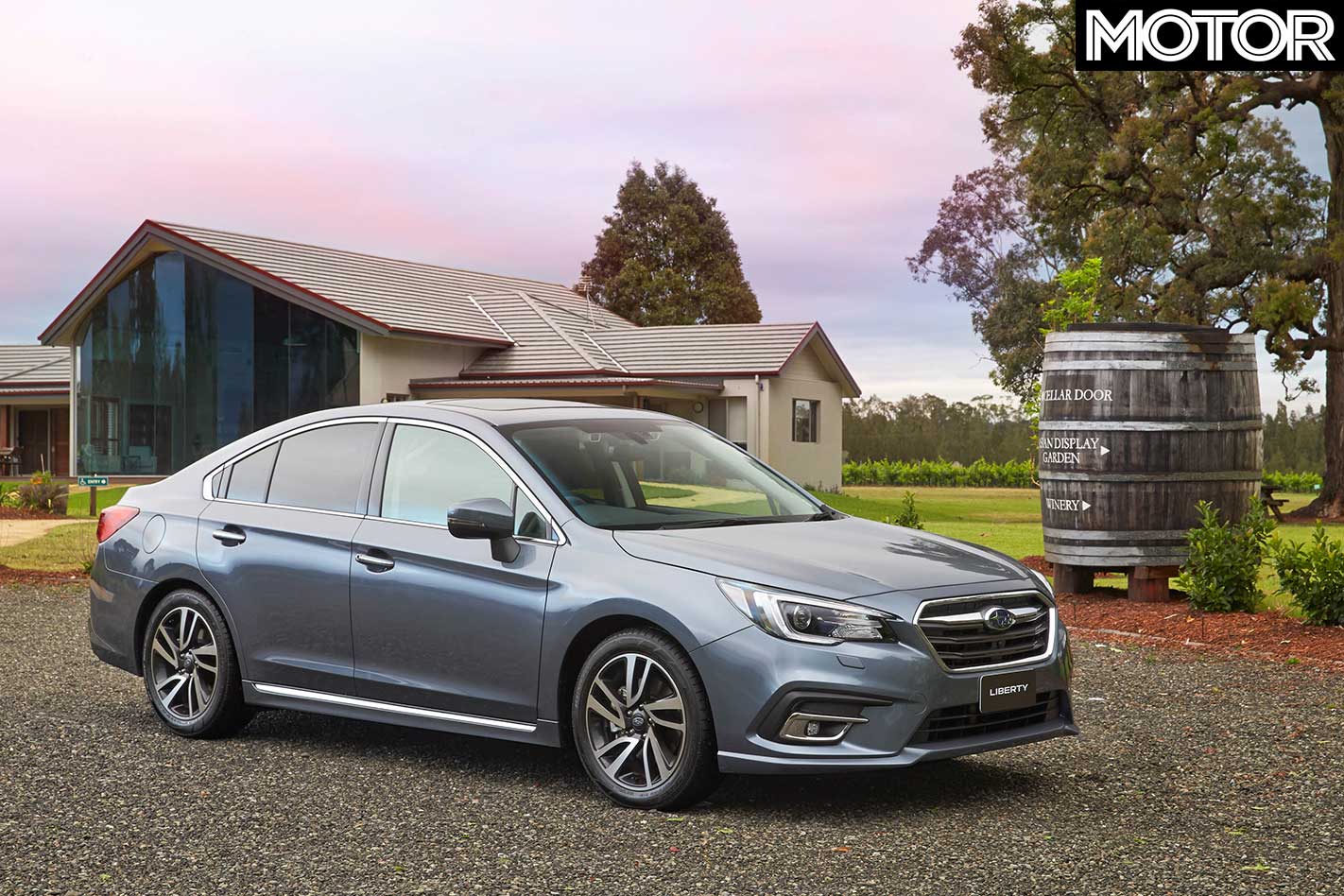
2018 SUBARU LIBERTY 3.6R SPECS: Engine: 3630cc flat-6, DOHC, 24v Power: 191kW @ 6000rpm Torque: 350Nm @ 4400rpm Weight: 1659kg 0-100km/h: 7.2sec (claimed) Price: $43,140
Had me cousin on the blower the other day. Figured that, bein’ a farmer/grazier, I’d have me head ’round utes. And bein’ a bit of a hoon in me yoof, I’d have me head around big-motored V8 utes.
This feature was originally published in MOTOR’s March 2004 issue
He’s on the money, too. V8 utes are a sprog rocket, mainly, and me and me mates outgrew ’em yonks ago. Out here, proper utes are Cruisers and Patrols and HiLuxes and stuff – it’s muddy when it rains, bulldust when it doesn’t.
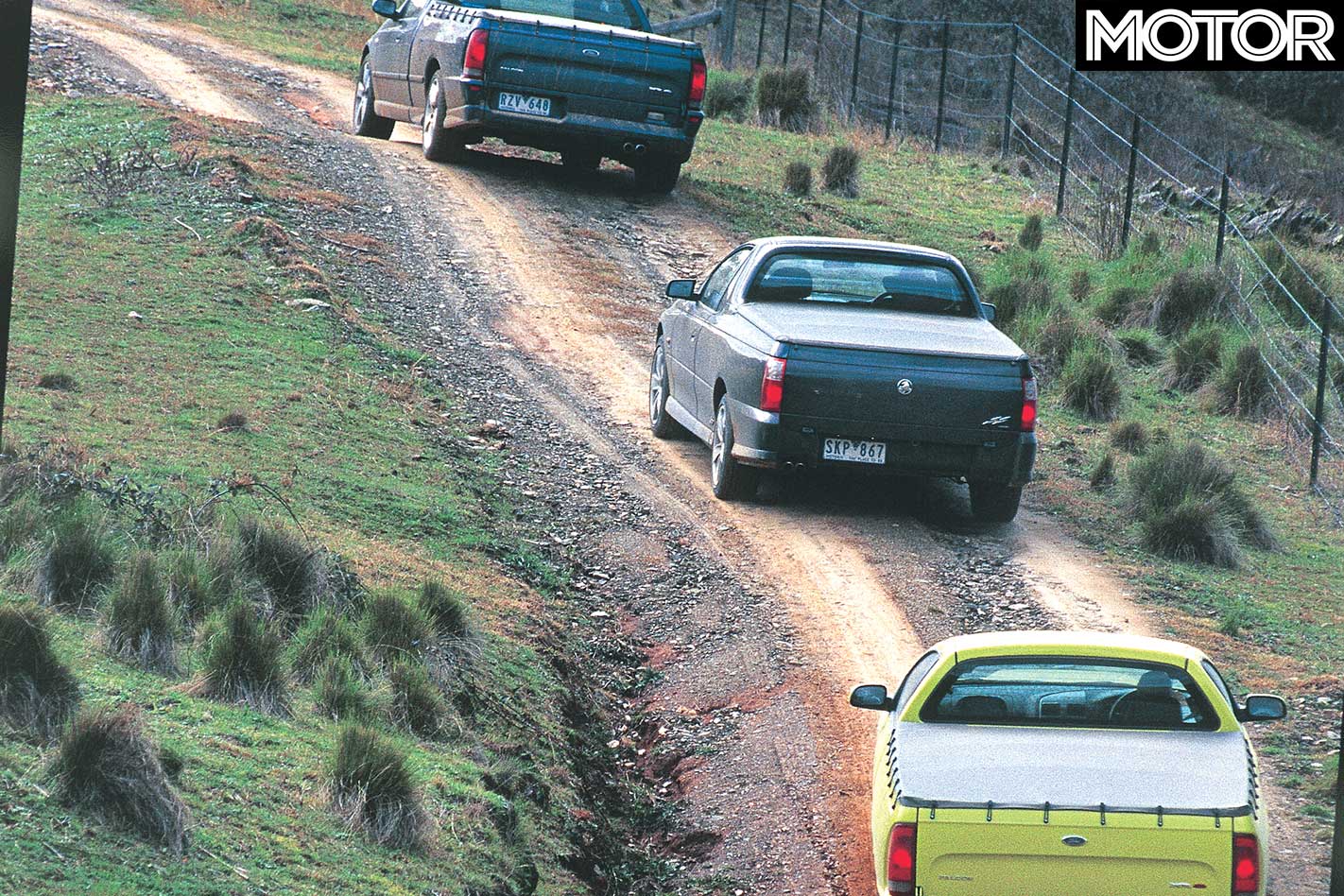
He’s a disappointment to the family, really, that cousin of mine. The rest of his mob are proper farmer/graziers like m’self, builders, doctors and the like. Not him, always flittin’ about in flash cars and bludging off the world. But he used to have some idea before the city turned him into a poof, and he reckons that utes aren’t real any more. He wants me to sniff around, seeing as how I know utes and all.
He reckons on ’em going all soft, so to speak. Reckons they aren’t for shootin’ or fishin’ any more. Reckons – get this – they’re not even built to carry gear in the back much! Only part time! Rough-and-tumble barstard’s sports car, he says. Goose.
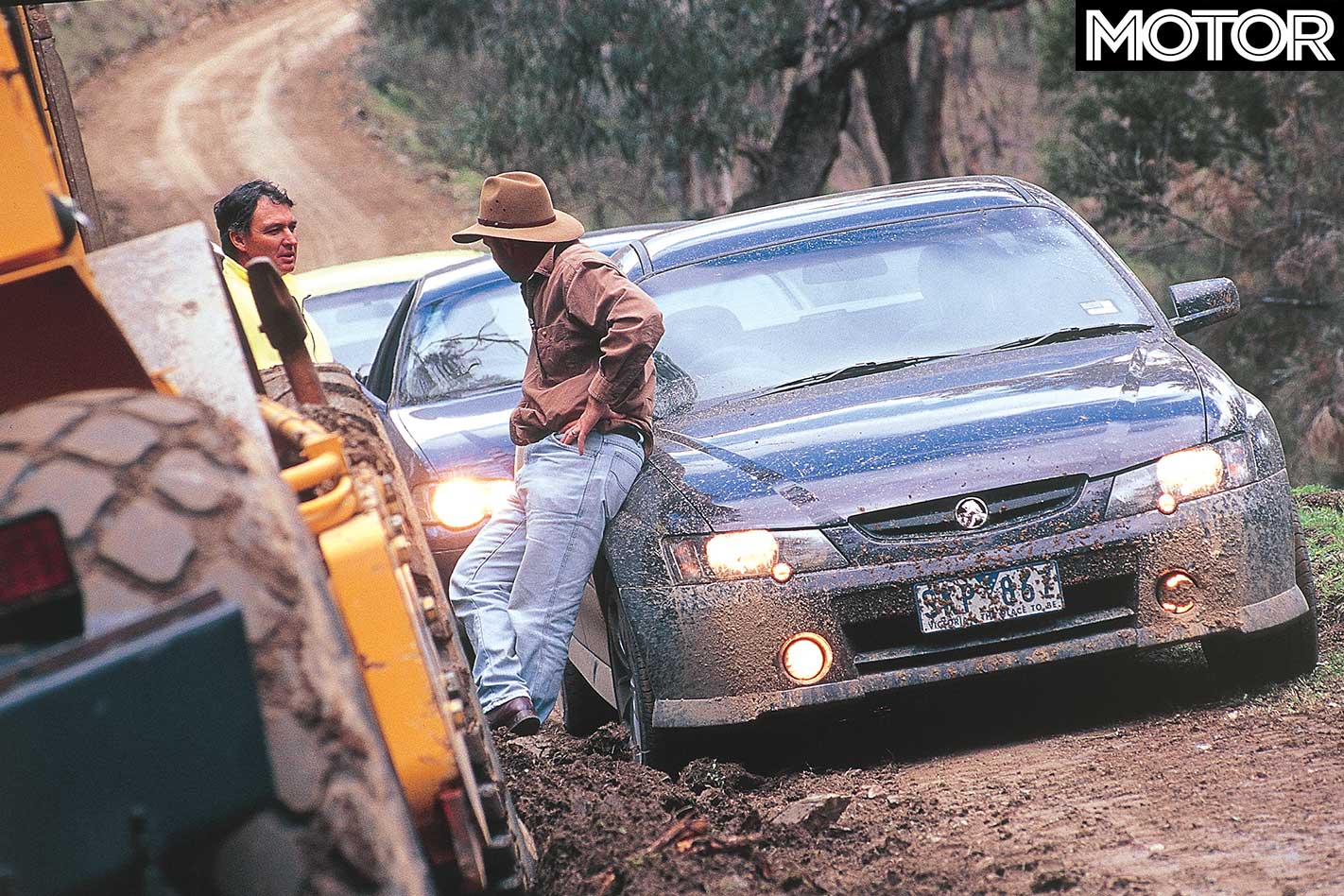
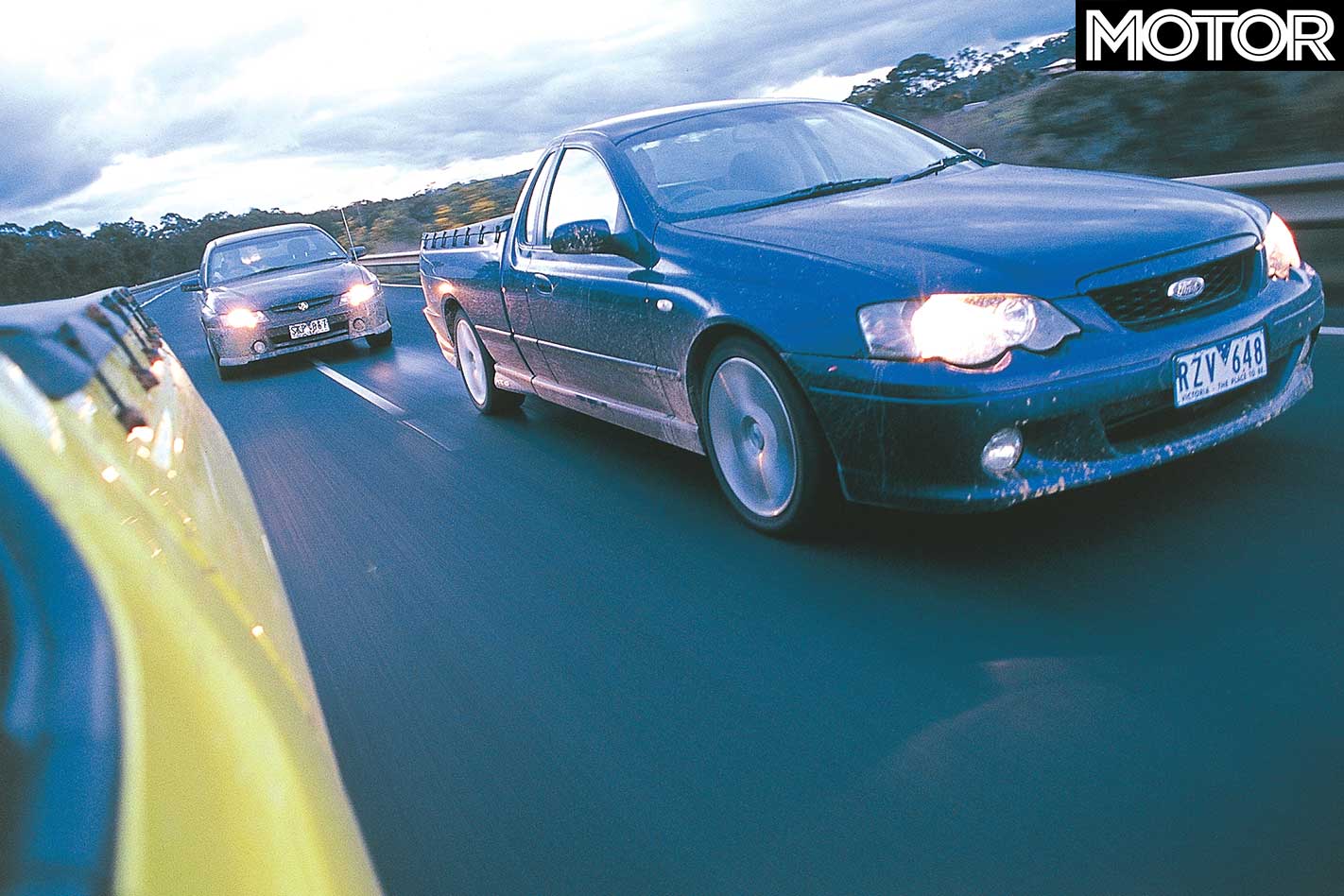
So he’s sent three of these things out for a bloke to check up on for him. A Holden SS and two Falcons – an XR6 Turbo and an XR8. And, because I’m just a slow-talkin’, simple cove, he’s made sure they’re autos. He tells me the auto’s the best ’box in the Fords, especially the six, but it doesn’t much matter which of the ’boxes you stick behind the Commodore motor, it’s still gunna feel ordinary. Struth!
Worse still, he’s sent ’em out with two of the most laughably pointless, no-hoper city slickers you’ve ever seen. The one they call Dean’d be the only seven-foot, 100kg-plus boofhead you could call a sheila and still expect to win the stoush, and I dunno where to start on the little fella. How he sees over the dash has got me buggered.
And I’ll bung on a t-shirt and a proper shirt when she’s a bit brisk, but, fair dinkum, I know which order they’re s’posed to go in! Coupla bum nuts shy of an omelette, I tell ya.
The cousin justifies having a pair of café crawlers wasting my time by telling me Dean’ll be handy because he knows all the tech stuff about these cars and steers all right. Fair enough, I s’pose. Then he reckons Marcus will be useful because he lives in five-star hotels and speaks fluent German – which is dead handy here. When he translates For The Fallen at 9pm at the RSL, it goes over like a greenie in an abattoir.
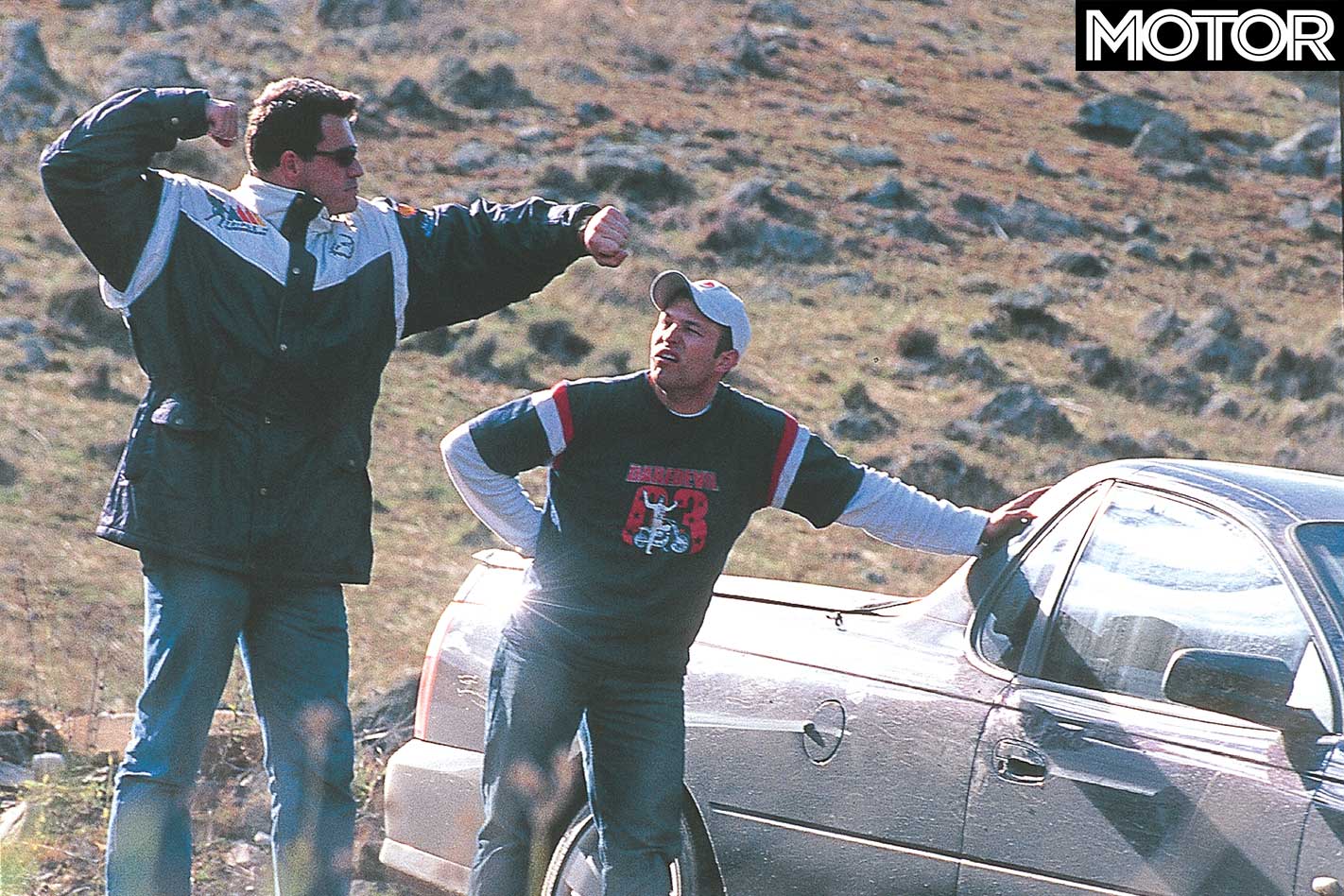
Still, it’s all a far cry from me old WB, I tell ya. Used to reckon that was sharp, but even the slowest of these things rattles its dags hard. Wasn’t that long ago you killed plenty of clutches not getting to a 14.9sec quarter. Now it’s the slowest ute here – and it’s automatic, so all you do is stand on ’er and go!
Makes no sense that it’s the slowest, either, because the XR8 sounds like a ball tearer when you’re sinking the Blunnie into her. From halfway through its rev range, she swings into it like buggery, howlin’ and snortin’ and singin’ like Dad after his 50th birthday morning glory. Except it’s in tune, and it’s a more pleasant thing to remember during those long, lonely nights on the harvester.
It doesn’t shudder or pick up any vibrations while it’s ripping into it, either, and that seems pretty impressive from a big 5.4-litre V8 that does all of its work in the stroke. Maybe I’m being a bit harsh here, but the XR8 somehow doesn’t feel that quick. What would I know – I wouldn’t have 260kW if I added up everything in me shed – but she feels like she’s making no more than a good, solid 220kW to me.
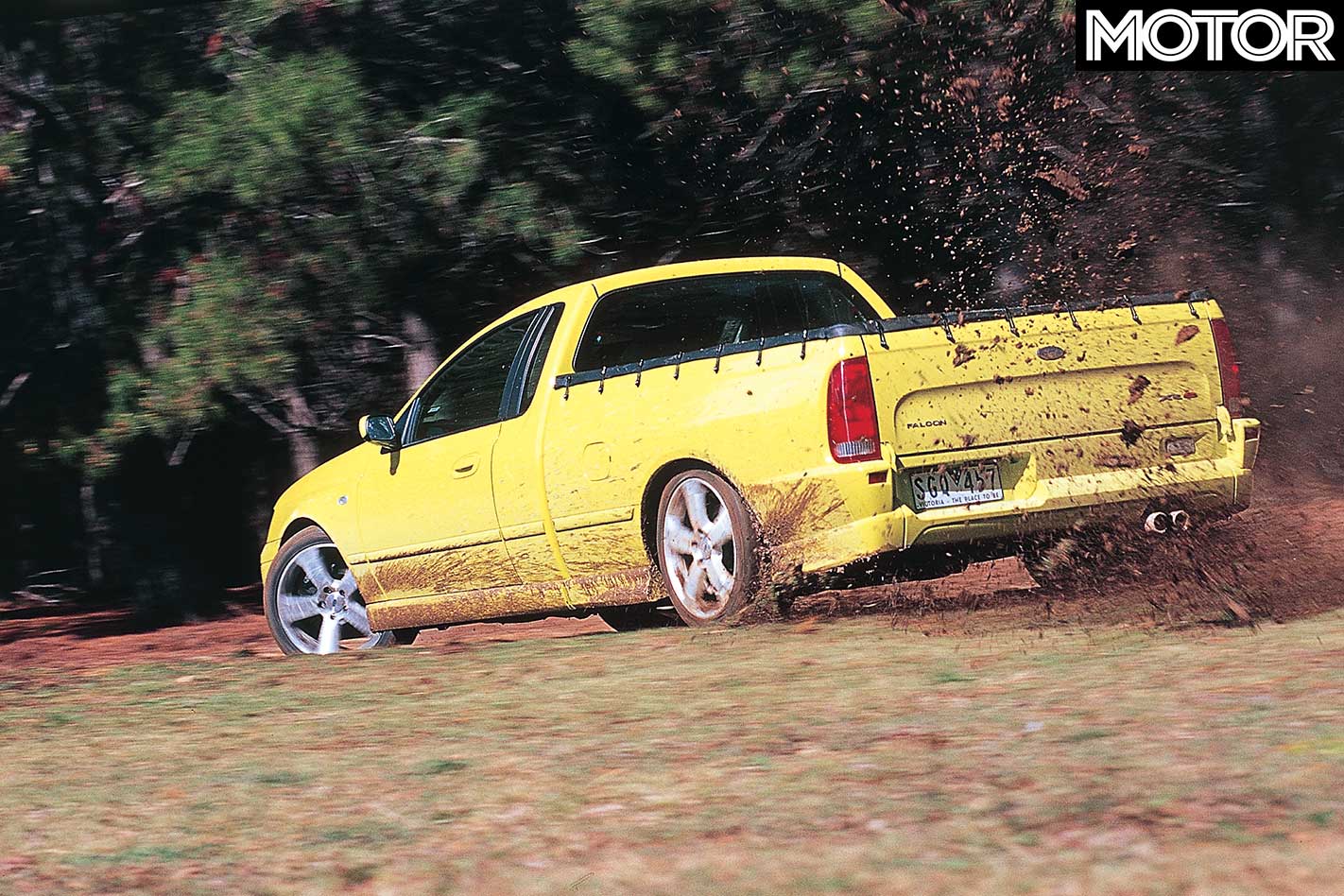
Maybe it’s just gettin’ into it after driving the SS – ’cause that thing goes like a blue heeler after a Mormon. And Holden reckons it’s got 15kW less grunt than the XR8!
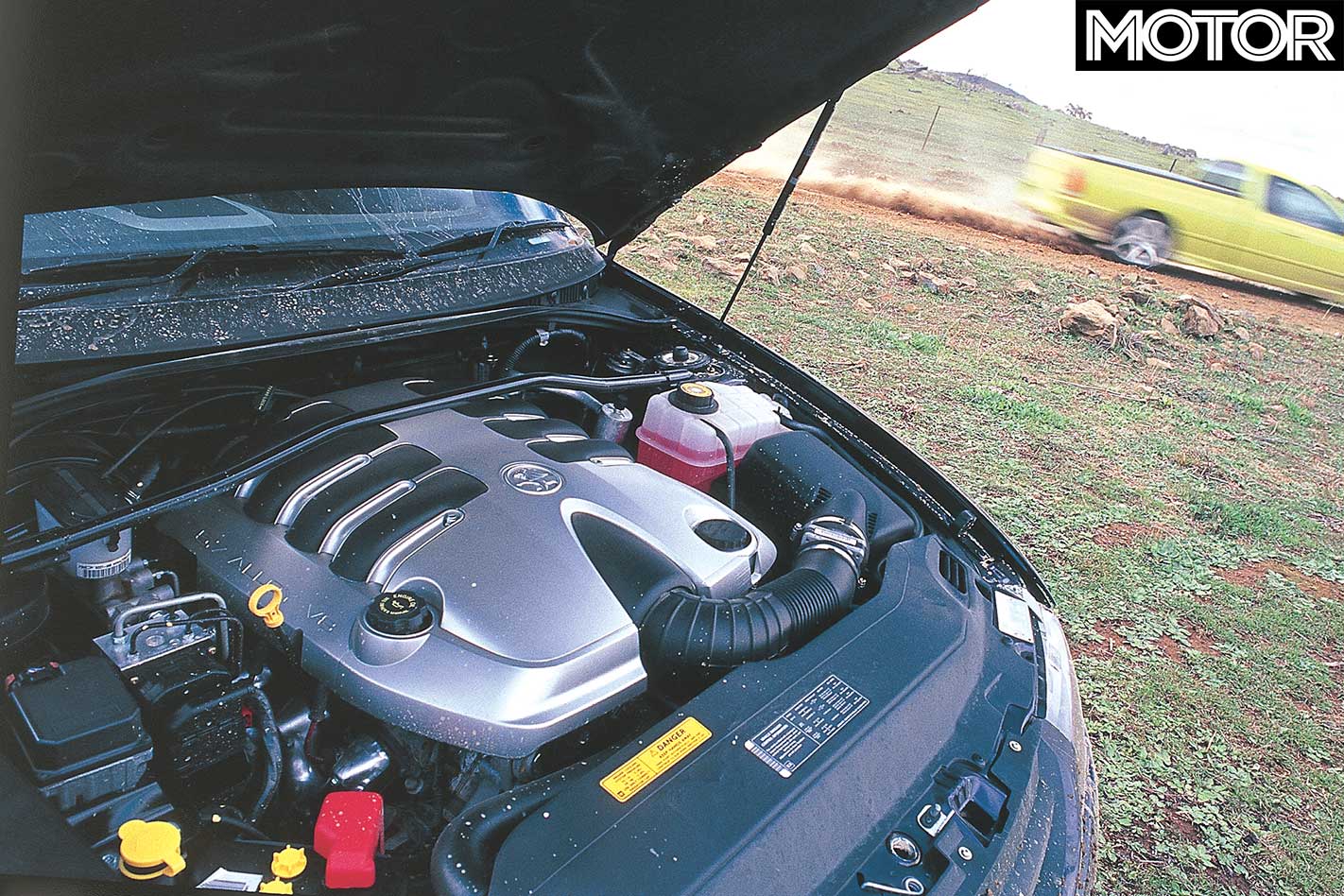
Trouble is, it feels like it should live up in me workshed. I’ve got 15-year-old chainsaws that are more appealing to the ear when you’re getting them stroppy. And from outside it sounds like it’s dropped a cylinder whenever somebody feeds her the berries.
Deano tells me it’s the new exhaust system they bunged underneath it to get it to 245kW (s’pose he’d know), but me old 4.2 shat on it for engine noise – and so does that bent eight Falcon.
Then there’s the XR6 Turbo. When I was a young bludger playing footy, the whole team used to reckon that only pansies or tradies (sometimes both at the same time, if you know what I mean) drove six-pot utes. Gotta tell ya, I don’t reckon that any more.
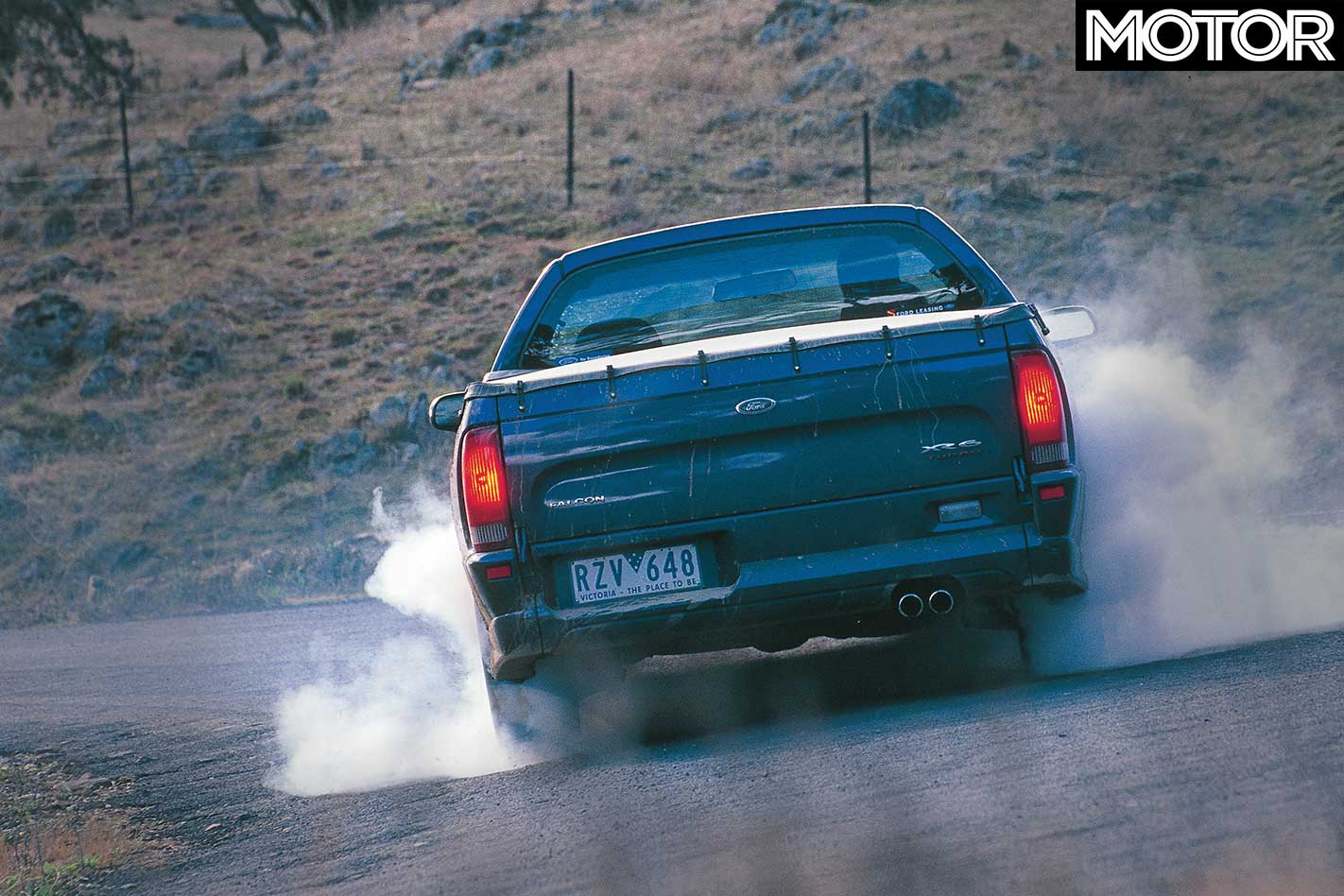
This thing’s a poofteenth quicker than the Holden to 100 kays, a beezy faster to 400 metres, sounds heaps better, runs smoother. Geez, that’s some good donking, Ford. Doesn’t matter if you’re goin’ berko or bein’ lazy, it’s a bottler. It’s not as in-ya-face as the others, but it’s sort of subtle and menacing and gets on with it. Could be louder, though.
You’d never know she was a turbo, though. My missus couldn’t drive a nail through balsa wood, but you could fire her off to the Chin Waggers Association in it and she’d never be scared. And I’d never be scared to know she’s driving it, because it’s so friendly that it keeps you out of strife.
I only drove a couple of older-style turbos, and by cripes they frightened some fearfully blue language out of me. If you were unlucky, all their power arrived at the wrong time, just when you were halfway out of the corner.
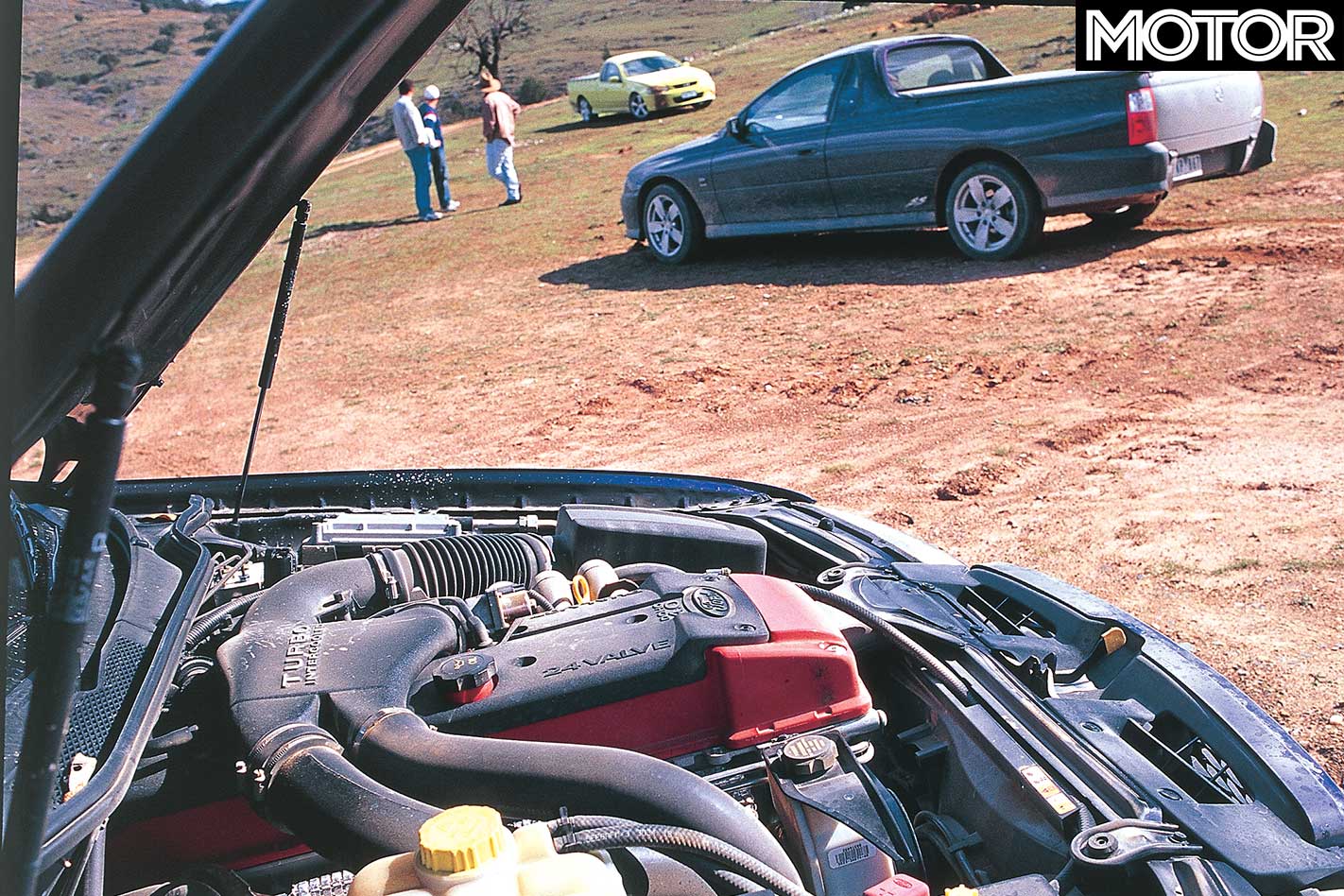
Old turbos drank heaps of juice and you’d get pickpocketed by those insurance bastards as well. Old turbos were all nothing, then they’d whack you in the back of the head. These days, that’s more the Commodore’s go, I reckon, not the XR6 Turbo’s. If you ask it to go, she just goes, doesn’t matter where it is in the rev range.
Doesn’t hurt that Ford actually gave it a gearbox, not that cacophony of clunks Holden stuck in the ute. Dean reckons Holden also sticks it in the export Caprice, which is a bit of a surprise. The camel jockeys (alright, the Chinese and Indians, too) shepherded the intellectual achievements of the entire species during the Dark Ages, so I can’t believe they’re happy about being lumped with this thing. I can understand the Seppos not knowing any better, though…
Not only is it crook, but I don’t reckon the ratios do it any favours – not with the way the V8 delivers its urge, anyway. For all of its other cog-swapping faults (and Dean tells me to calm down; it’s all been said before), second gear feels bloody tall, or the torque is less than you reckon it should be. Or both at the same time.
That makes it doughy out of low-speed corners, then the bastard kicks down into first, just when you’re feeling like you need a bit of care. And when it kicks down, it upsets your world more than seeing the Pope in a condom factory.
It gets unsettled and the weight transfers all over the joint. If you wanna get all Friday-night troppo, it’s best to hold it in gear, because at least that way you’re in charge of the looniness. Otherwise, it can happen involuntarily, and through no fault of its suspension set-up.
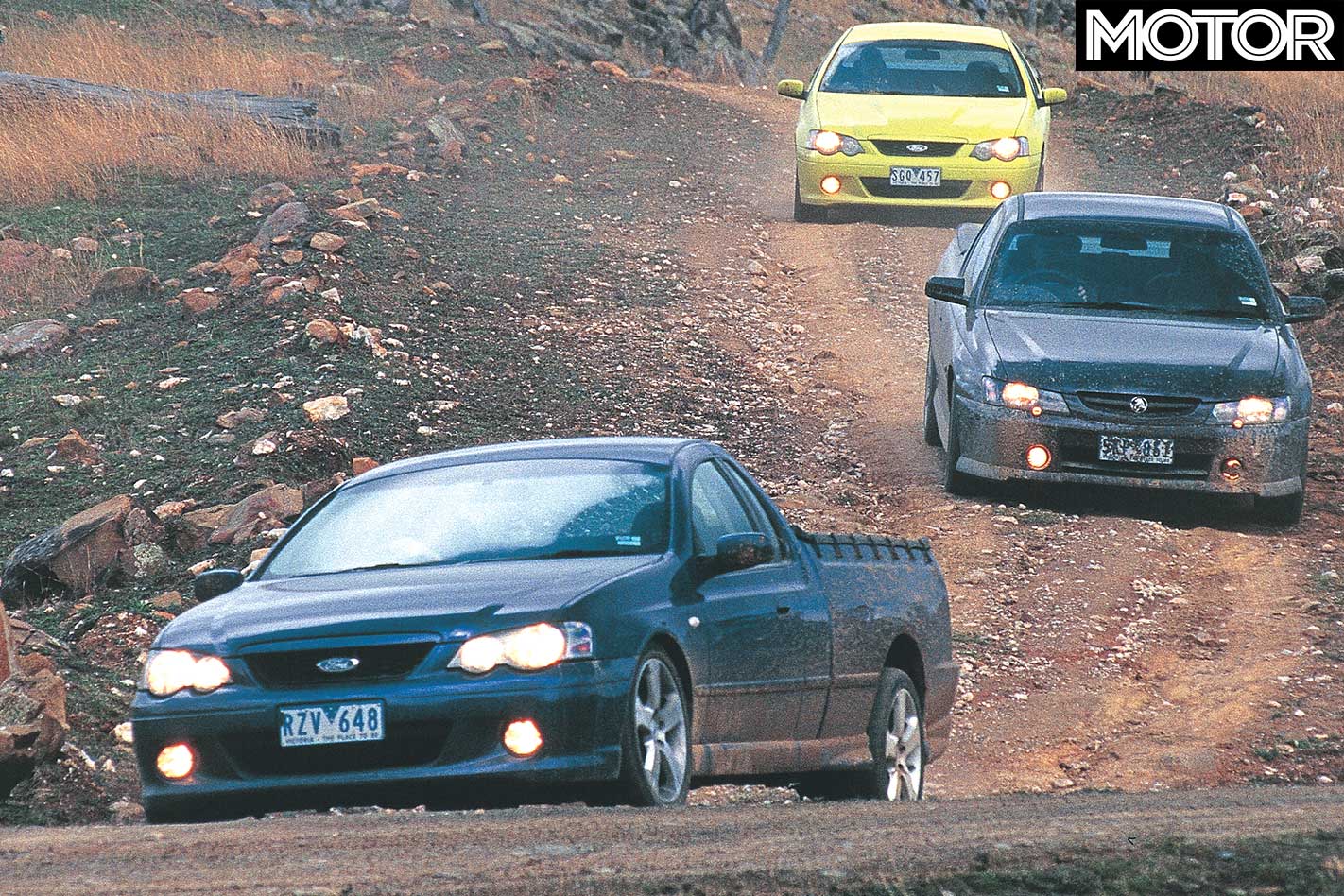
Part of the XR6 Turbo’s charm is that, with so much torque at low revs, the gearbox isn’t inclined to hunt. Doesn’t need to. That single fact helps instill the calming feeling that the car’s doin’ it easy, no matter how hard you’re beltin’ it. The ’box does whine a bit, but the shifts are definitely smoother when it kicks down, and they’re slicker on the way up the cogs as well.
Theoretically, that’s gunna be the same in the V8 Falcon. And it sort of is, sort of isn’t. It is, because it’s got the same smooth shifts. It isn’t, because the V8’s got bugger all worth wondering about under 3500rpm, and that makes the ’box hunt more behind this engine than it does behind the other one.
In spite of its bunkum ’box, the SS is the quickest thing out here between the corners, through the corners and out of ’em again. It’s just got more grip. It feels nailed down, it won’t buck the line in bumpy corners and it is, if anything, more neutral mid-corner than the sedan. At least, it is on bitumen. It’s less inclined to rub its snout across the road, but she’s definitely a bloke’s truck.
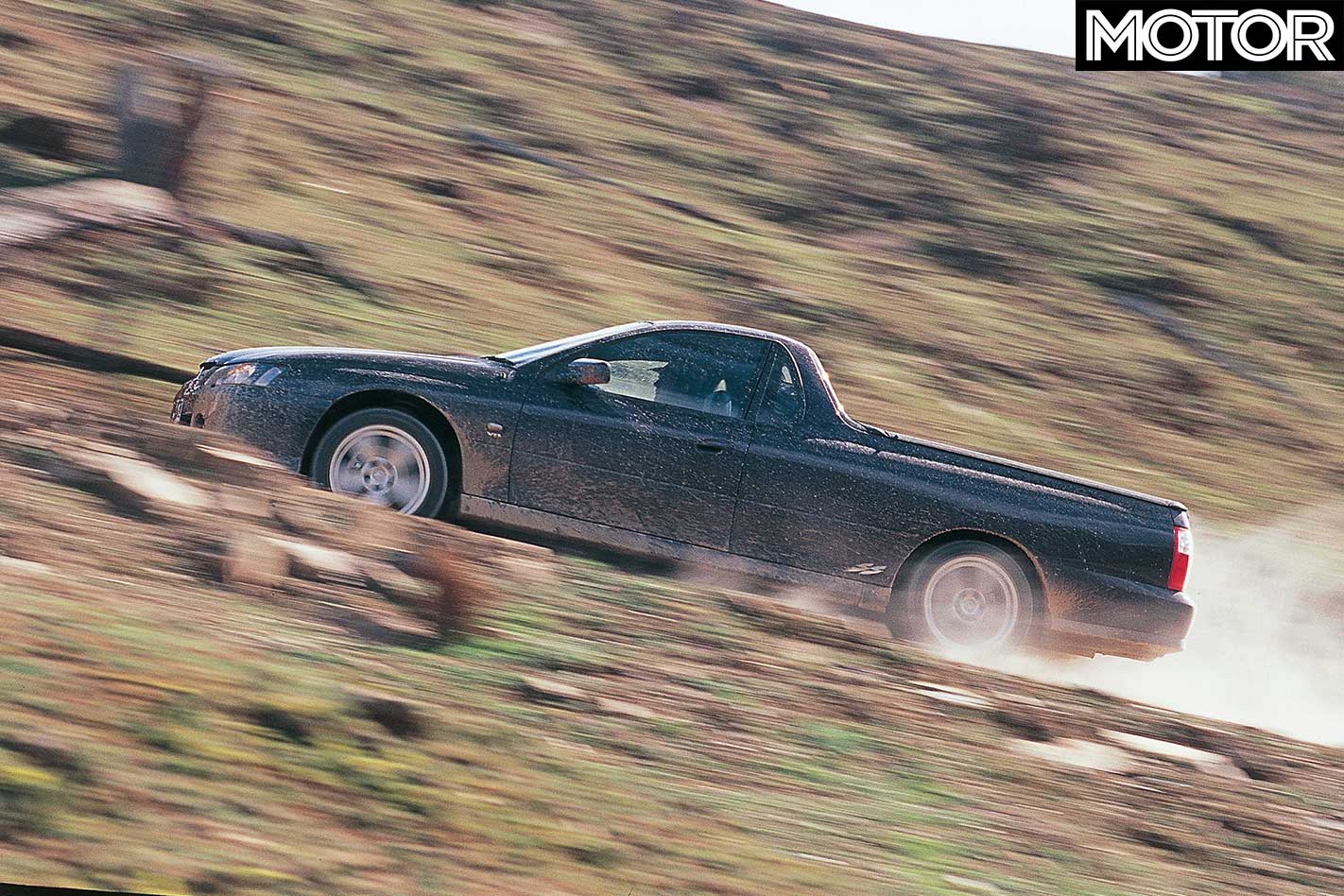
The steering weight and pedal feel are both fairly hefty and meaty and, it should be said, a bit spongy with it. The trade-off for bein’ quick is that the ride feels like havin’ a bouncer drag you down the pub stairs on your freckle – or what I imagine that might feel like.
If you’re taking the missus on a long haul, get her to put one of those fancy sports bras on first – you know, the kind the Williams sisters probably should start wearing.
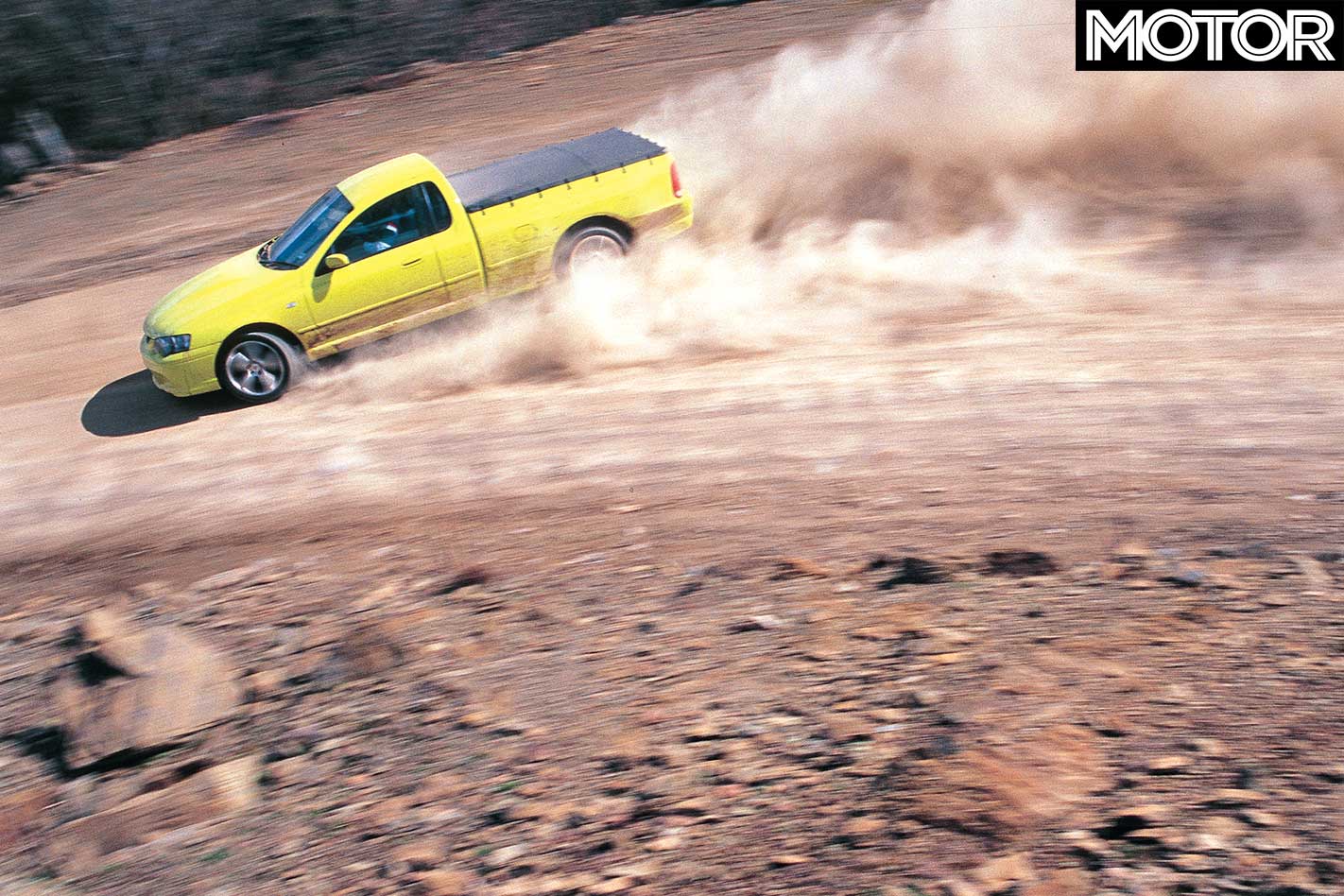
The six-pot is heaps softer, especially in the way it deals with low-amplitude bumps. It’s got more initial compliance and feels to have more travel, too, especially in the front end. It takes a bit of familiarity to get the best out of, which may or may not explain why it spent most of the week sideways out here. Prob’ly not, actually.
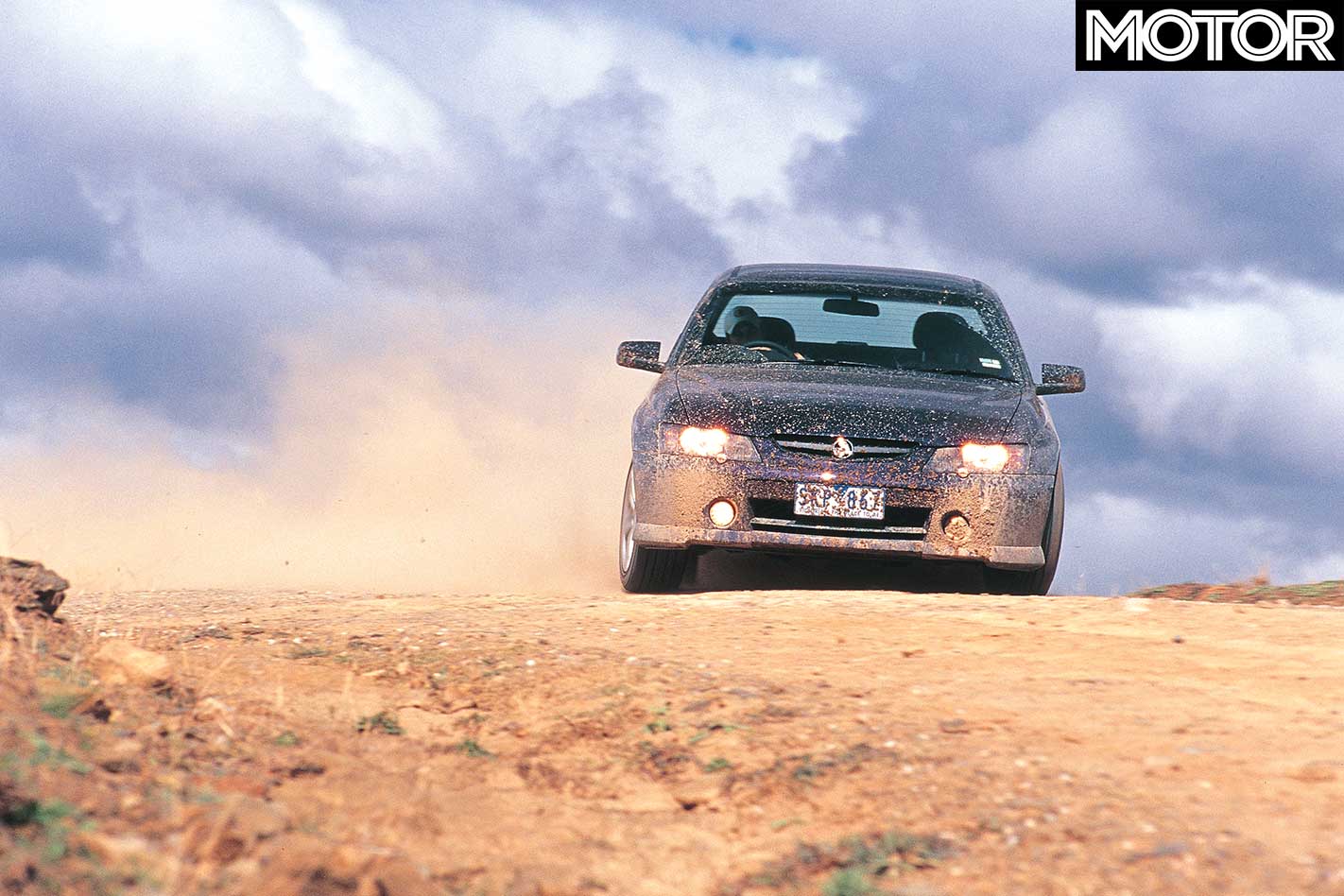
The steering is very, very quick, but you’ve got to be inch perfect and careful, because it’s also lighter than a Bob Carr promise and you can easily give it inputs you didn’t intend. The tail hops and skips a bit over bumps, which is to be expected given that it runs a proper ute (read: solid beam) axle, but that can make the steering feel even flightier.
Like little Marcus, the back end’s all talk and no action. It wiggles a bit, but that’s it. Also like Marcus, you can generally ignore what it’s doing and carry on with your business, and it can still be driven with a fair degree of accuracy.
This leaves the V8 Ford a bit out of sorts again. Not only is it slower than the others in a straight line, but its chassis feels the least sorted of them, too. It doesn’t feel awful, to be honest, but it sits in the shade of its little brother, and it’s just skippier than the six, for reasons related to the different spring rates it needs to counteract the weight over the nose. She feels oddly floatier and heavier up front and the back never feels quite as in harmony with the world as it does in the six.
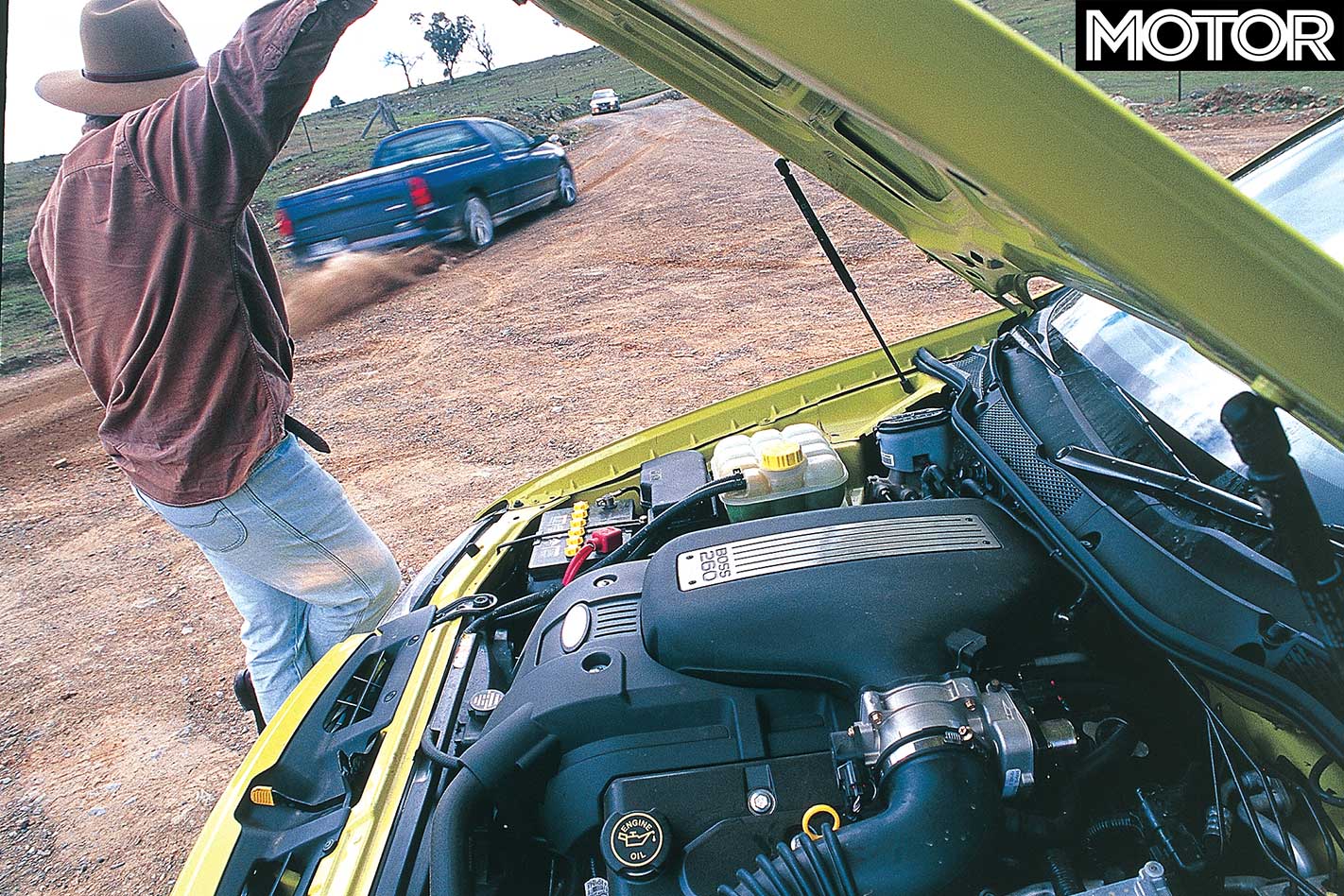
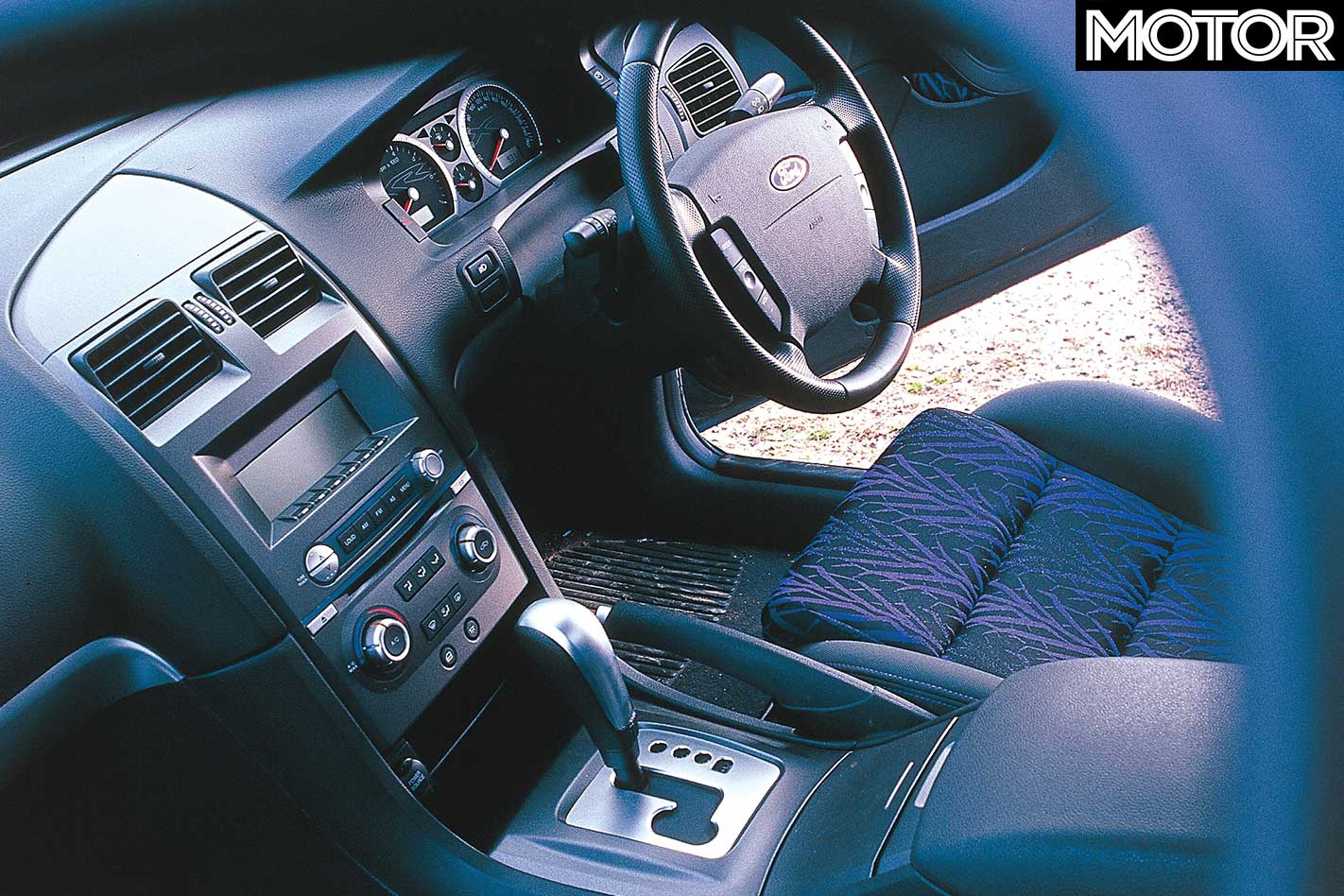
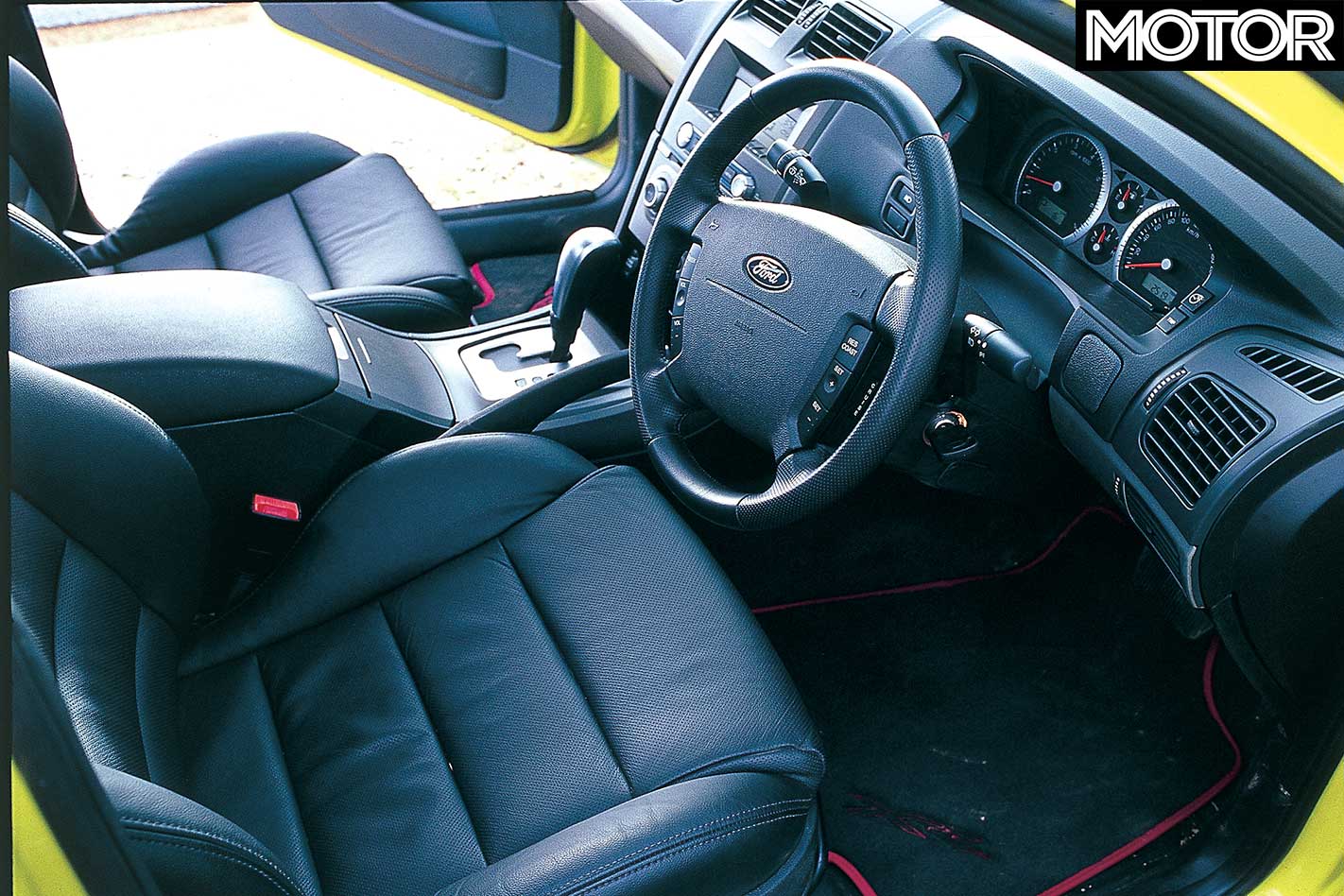
A look around the ins and outs shows that the cousin may be onto somethin’ after all. The XR6’s cabin is the drummiest of the three and its seats and doors are covered in what Ford calls “Purple Riverweed”. No, fair dinkum. I looked it up. Bodgy bamboo, I call it, but you can’t hose it out, so it’s not aimed at the bush.
The XR8 stumps are even better than the six’s (yay, the XR8 wins something!), but there’s not much different between the two other than that. And both the Fords have sunvisors full of mirrors. Mirrors! Lah-de-bloody-dah! Wouldn’t be so bad if it was all flash, but there’s a fair bit of agriculture around the Fords if you look close enough.
Geez, the first time you fill ’er up, the spell gets broken. They’re just dodgy – you can see right through the hole to the ground and the neck’s just wobblin’ in the breeze. While we’re at it, it’s bloody messy around the rear wheel arches, too, with a view through to the chassis and all of the pipes and lines and stuff they strap onto it. And the footrest? Am I supposed to knock one up and bolt it on m’self?
At least the Falcon’s tailgate panel is neat, which is more than you can say about the Holden, with its arse sittin’ up high, spot welds in the tin exposed willy-nilly and looking for all the world like somebody at the design shop forgot something. Doesn’t help, apparently, that the tailgate’s rising 14 years old now. How can a tailgate design last longer than a kelpie?
The six-pot Falcon’s the best of all of them, by some considerable margin, I’d reckon. Fair enough, the Holden’s gunna blow it away through the twisty country, but you can put a proper load in the “little” Falcon, you’ll have just as much fun in it and it’s got the best of all three engine/gearbox combinations. And it’s got the nicest balance.
There are a lot of reasons to like the SS, too. Opinions about looks are bodgy at the best of times, but the old blokes outside the Vic Hotel like the Holden. So do the flatbellies at cricket and the gals at Ruth’s Hair Emporium. And it’s bloody fast. Buggered if I know what the XR8’s all about, but I guess some blokes like Fords and V8s and they want what they want.
It’s not crook; the other two are just better. I’d pension it off, m’self, but Dean reckons other coves can get more grunt out of it. Why wouldn’t Ford just do it in the first place, but? Pains me to say it, but me cousin’s right. These things aren’t bush bashers any more. But he’s also wrong.
They’re better for it and if you don’t have billy lids or bludging mates, they’re still all the car anybody’s going to need. Bushie or slicker.
Fast Facts
| u00a0 | Holden Commodore SS ute | Ford Falcon XR6 ute | Ford Falcon XR8 ute |
| Body | two-door ute | two-door style-side ute | |
| Drive | rear-wheel | ||
| Engine | 5.7-litre pushrod 16-valve V8 | u00a04.0-litre DOHC 24-valve inline six, turbo | u00a05.4-litre DOHC 32-valve V8 |
| Compression | 10.1:1 | 8.7:1u00a0 | 9.5:1u00a0 |
| Bore x Stroke | 99.0mm x 92.0mm | 92.3mm x 99.3mmu00a0 | u00a090.2mm x 105.8mm |
| Power | 245kW @ 5600rpm | 240kW @ 5250rpm | u00a0260kW @ 5250rpm |
| Torque | 465Nm @ 4000rpm | u00a0450Nm @ 2000-4500rpm | u00a0500Nm @ 4250rpm |
| Weight | 1618kg | 1755kgu00a0 | 1750kg |
| Power to weight | 151kW/tonne | u00a0137kW/tonne | u00a0149kW/tonne |
| Transmission | four-speed auto | ||
| Suspension (f) | MacPherson struts, coil springs, anti-roll bar | double wishbones, coil springs, anti-roll bar | |
| Suspension (r) | Semi-trailing arms, coil springs, anti-roll bar | live axle, leaf springs, anti-roll bar | |
| L/W/h | 5049/1845/1484mm | u00a05077/1870/1479mm | u00a05077/1871/1479mm |
| Wheelbase | 2939mm | 3096mm | |
| Track | 1569mm (f); 1587mm (r) | 1566mm (f); 1547mm (r) | |
| Brakes (f) | 296mm ventilated discs, two-piston calipers | 325mm ventilated and grooved discs, two-piston calipersu00a0 | 325mm ventilated discs,u00a0two-piston calipersu00a0 |
| Brakes (r) | 286mm solid discs, single-piston calipers | u00a0303mm solid grooved discs,u00a0single-piston calipersu00a0 | 303mm solid discs,u00a0single-piston calipers |
| Wheels | 17 x 8.0-inch (f & r), alloy | 18 x 8.0-inch (f & r), alloyu00a0 | |
| Tyres | Bridgestone Potenza, 235/45 VR17 (f & r) | Dunlop SP Sport 9000, 245/40 ZR18 (f & r) | Dunlop SP Sport 9000,u00a0235/40 ZR18 (f & r)u00a0 |
| Fuel | 70 litres, ULP | 80 litres, PULP | |
| Price | $41,140 | $40,595 | $41,845 |
Five SSomebody stop me! – Proper coupe ute (Fords are actually tray backs) – Once again, the quickest on test, even in auto – Why does a two-seat ute need four drink holders? – Because, with this gearshift, you could easily spill that many! – Not offered with official factory gun rack
Fast Figures
| u00a0 | Holden Commodore SS uteu00a0 | Ford Falcon XR6 ute | Ford Falcon XR8 ute |
| 0-50km/h | 2.88sec | 2.84sec | 2.98sec |
| 0-100km/h | 6.76sec | 6.53sec | 7.05sec |
| 0-130km/h | 9.78sec | 9.82sec | 10.25sec |
| 0-400m | 14.70sec @ 160.5km/h | 14.62sec @ 161.6km/h | 14.93sec @ 160.5km/h |
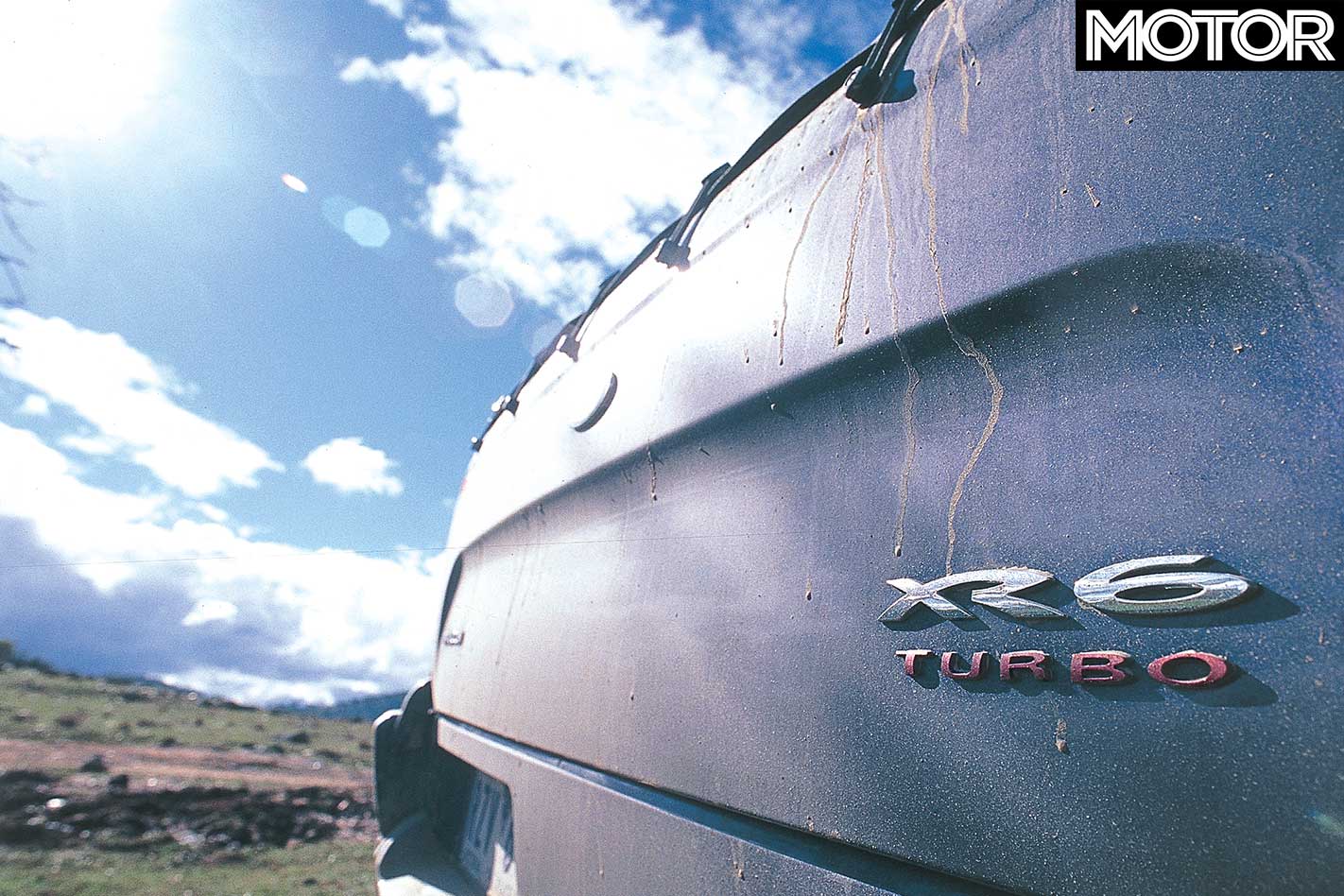
Five Ticks on the Turbo list – XR6T is a hotbed of aftermarket tuning action – Expect FPV to have a go. F6 Typhoon will be 280kW – It’s actually got real torque from just off idle, where the V8s struggle down low… – …but auto box isn’t standing up to aftermarket urge… – …neither’s the manual, though it’s just getting noisy
Inner Sanctum
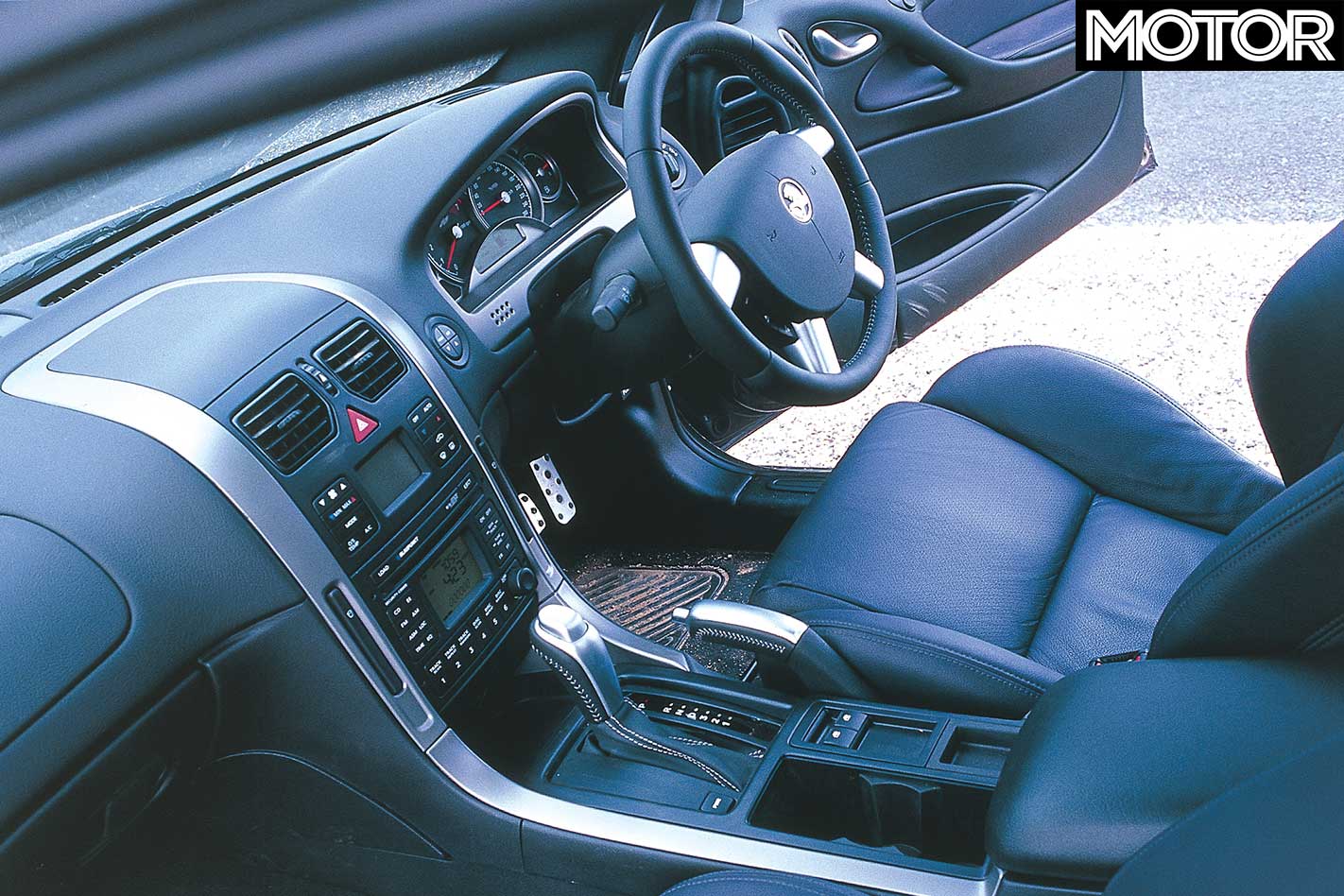
If me old man saw me in one of these things, he’d laugh, I tell ya. I mean, we had to get the homestead revalued when we got the new radio (so we could hear Tim Lane and Stackie), and now you get radio buttons on the steering wheel and right flash chilled air blasting out at yer face!
The only leather seat I’ve ever perched on is a saddle, so I couldn’t believe me eyes at the XR8 and SS stumps. They’re a damned sight more comfortable and all, I can tell you.
Don’t mind the Fords, and the little piano keys for the radio are prob’ly easier to use, but I’d have to give the cabin prize to the Holden – but if you need to bung some gear behind the seats, then you’ll have to take one of the Fords.
Ford’s stuck with the old finger-twistin’ tonneau tie-downs. Fair enough, because it’s reliable, but the Holden system is easier, neater, looks like a pearler and you can rip it up quicker than the temper on a cross-bred ram.
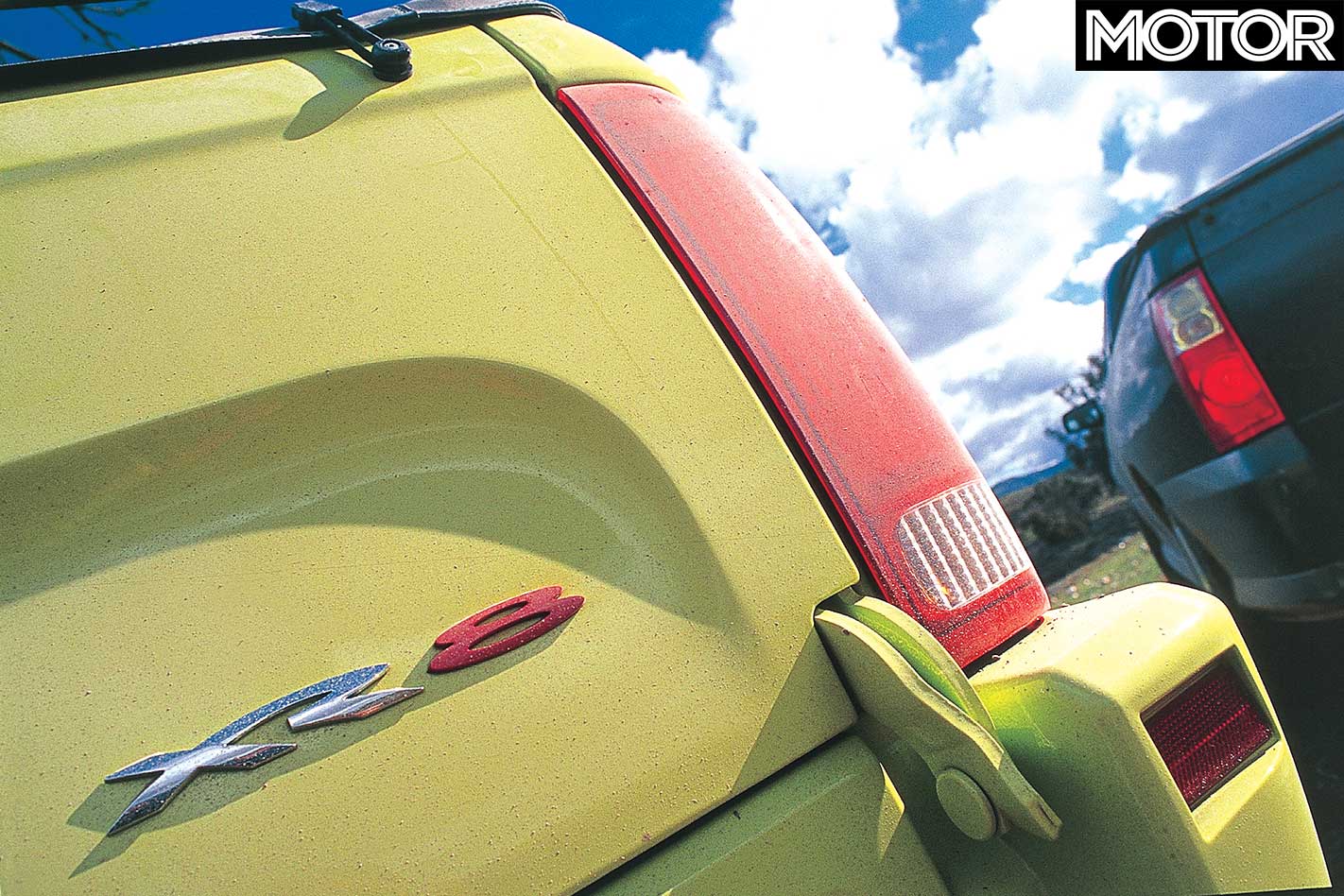
Five Pieces of XR Eight – The smoothest V8 motor you can buy in an Aussie car – But hardly a thrill a minute under 3500rpm – Plenty of blokes have ways to fix that for you, though – Including FPV. The Pursuit is the quickest stock ute in the land, with 6.02 to 100 kays… – …Which knocks off Maloo (6.37) and CSV Bullet (6.68)
Racing relations
To the cultured V8 Supercar fan, V8 Brutes racing is a bit, well, brutal. No panel is spared, no pass completed without significant paint exchanges, tempers are more frayed than hemlines at a hippy commune. And all of this seems to go on with the consent of CAMS – yep, the same CAMS that won’t let you walk trackside to offer somebody a friendly wave after they’ve turned you into the wall.
AVESCO tried to ban Procar from using the ‘V8’ term to promote the Brutes, claiming it had the Australian rights to the term. Yeah, right, which is roughly what the judge said, too.
It’s been dominated recently by Wazza Luff, who’s been promoted to A grade with DJR. Brutes ain’t as easy as being quick and talented, though. The top 10 grid spots come out of a barrel draw. It means you can be among the rats and mice lickety split, and that gets very ugly.
PURVEYOR of ultra-fast automobiles, Bugatti, is building a new monster for the world to drool over, with an enigmatic variation of the mighty Chiron in the works that hunts corners not horizon.
No technical details have yet been revealed but the iconic brand has at least started the hype machine with the announcement its coach-built machine will wear the moniker Divo, honouring pre-war grand prix racer Albert Divo, who won the Targa Florio twice for Bugatti in the 1920s.
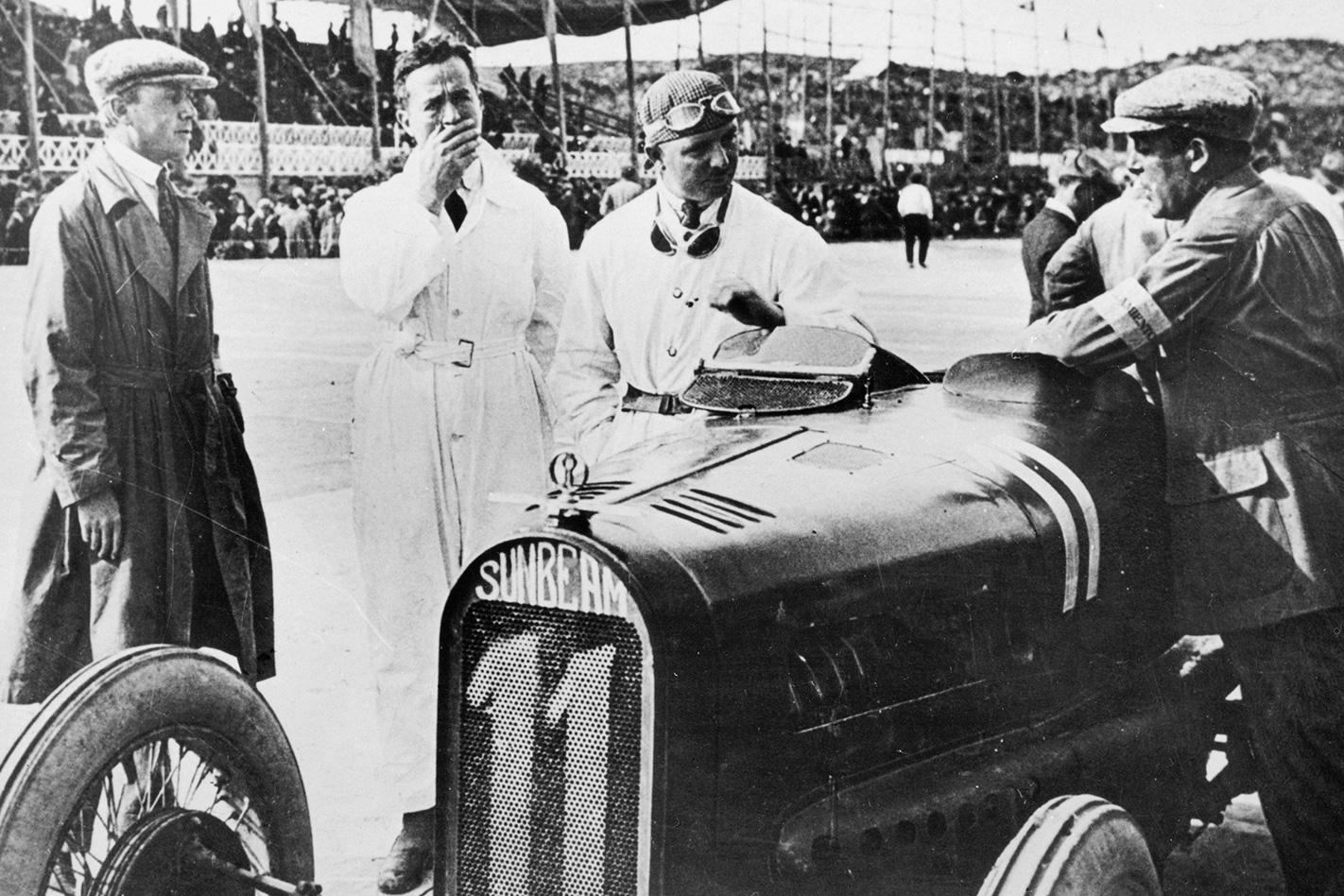
Unlike the Chiron and Veyron, the Divo usurps the traditional top-speed focus of previous Bugatti hardware, and is instead engineered to attack apexes at with more vigour than its straight-line speed siblings.
Bugatti claims the Divo will “be light and nimble and will boast enormous downforce and G-forces” and have “outstanding” handling.
Each Divo will be built atop the same chassis and powertrain as the Chiron, which means the limited-edition Bugatti will be afforded 1102kW of shove to attack corners with, although the engineers might not be able to resist turning up the taps a little further.
The Divo will reportedly cost $7.9m to buy, is limited to just 40 cars globally, and is due to be revealed to the world at California’s Quail motorsport meet in California.
We are sure the world’s ultra-rich will be waiting with open cheque books in hand.
Bugatti boss Stephan Winkelmann said the Divo will help Bugatti break free of the V max prism within which it is most often viewed.
“With the Divo we want to thrill people throughout the world,” he explained.
“With this project, the Bugatti team has an opportunity to interpret the brand DNA in terms of agile, nimble handling in a significantly more performance-orientated way.”
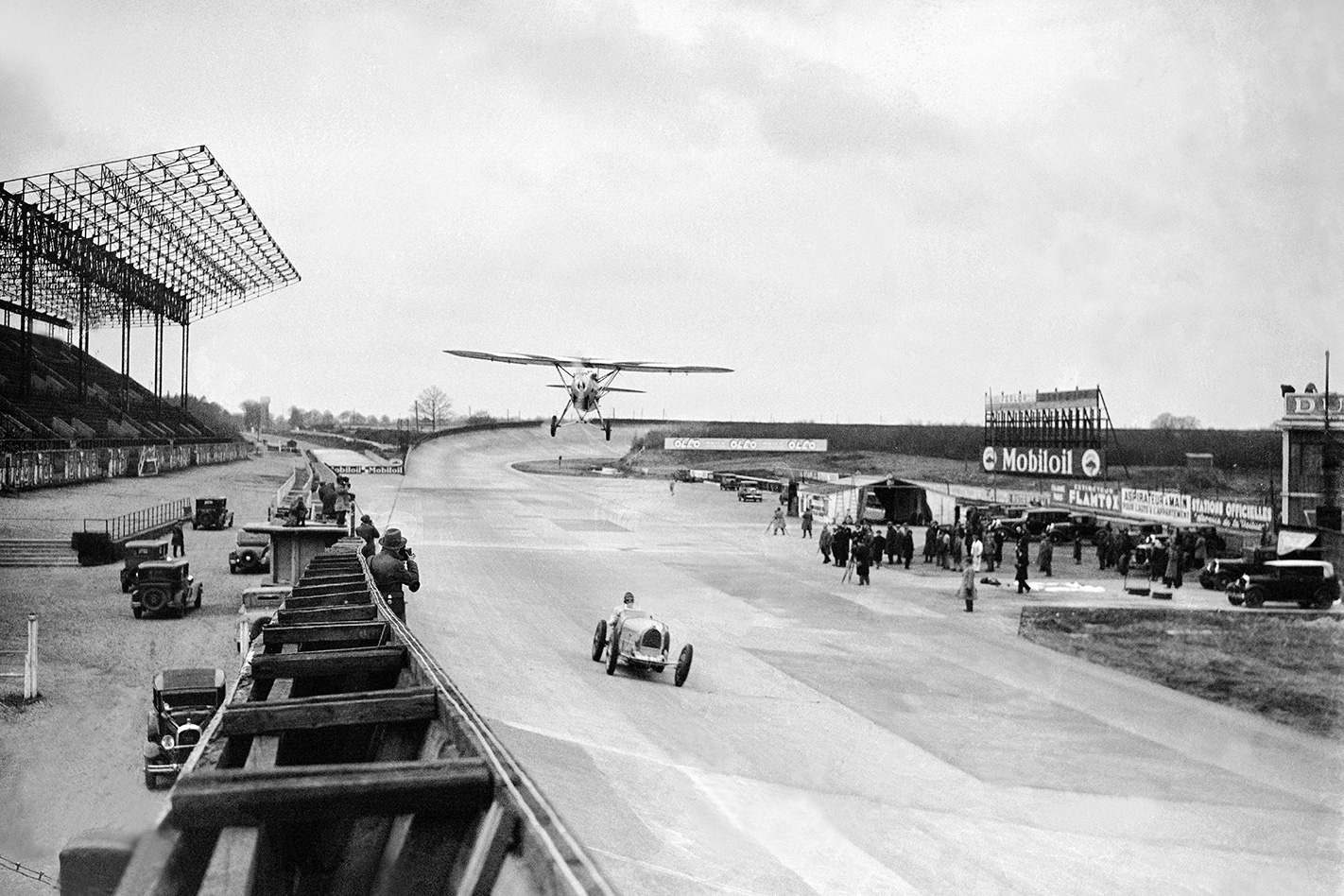
Albert Divo once competed against a plane in a Bugatti T51 to promote the new Circuit de Montlhery in 1932 but , unfortunately, the plane won. Time for a modern-day rematch?
