
TWO months into 2018 and mainstream manufacturers are pushing the Australian new-car market up by six per cent year-to-date (YTD), while premium brands and sports cars are in significant decline.
With each percentage decline in brackets, Aston Martin (-4.0), Audi (-9.3), Bentley (-7.7), BMW (-0.2), Infiniti (-64.3), Jaguar (-45.5), Land Rover (-18.8), Lamborghini (-17.9), McLaren (-0.7), Mercedes-Benz (-0.7) and Porsche (-5.8) show the consistency of the February YTD drops.
In total, sports cars under $80K and over $80K were down by a quarter, too, with only a couple of Italians – Alfa Romeo (+57.6) and Ferrari (+65.4) – bucking the trend in the declining premium space.

Even from a sizeable base, Honda soared (+43.2), while Toyota (+16.4), Mitsubishi (+14.5), Kia (+12.3), Hyundai (+10.4) and Subaru (+5.1) chipped in with rises as well.
Ford, Mazda and Volkswagen have flatlined, while Holden dropped dramatically (-19.4). Caught between the arrival of new ZB and run-out VF Series II, the Commodore shed over half its YTD volume, with sales of 1608 versus 3526.
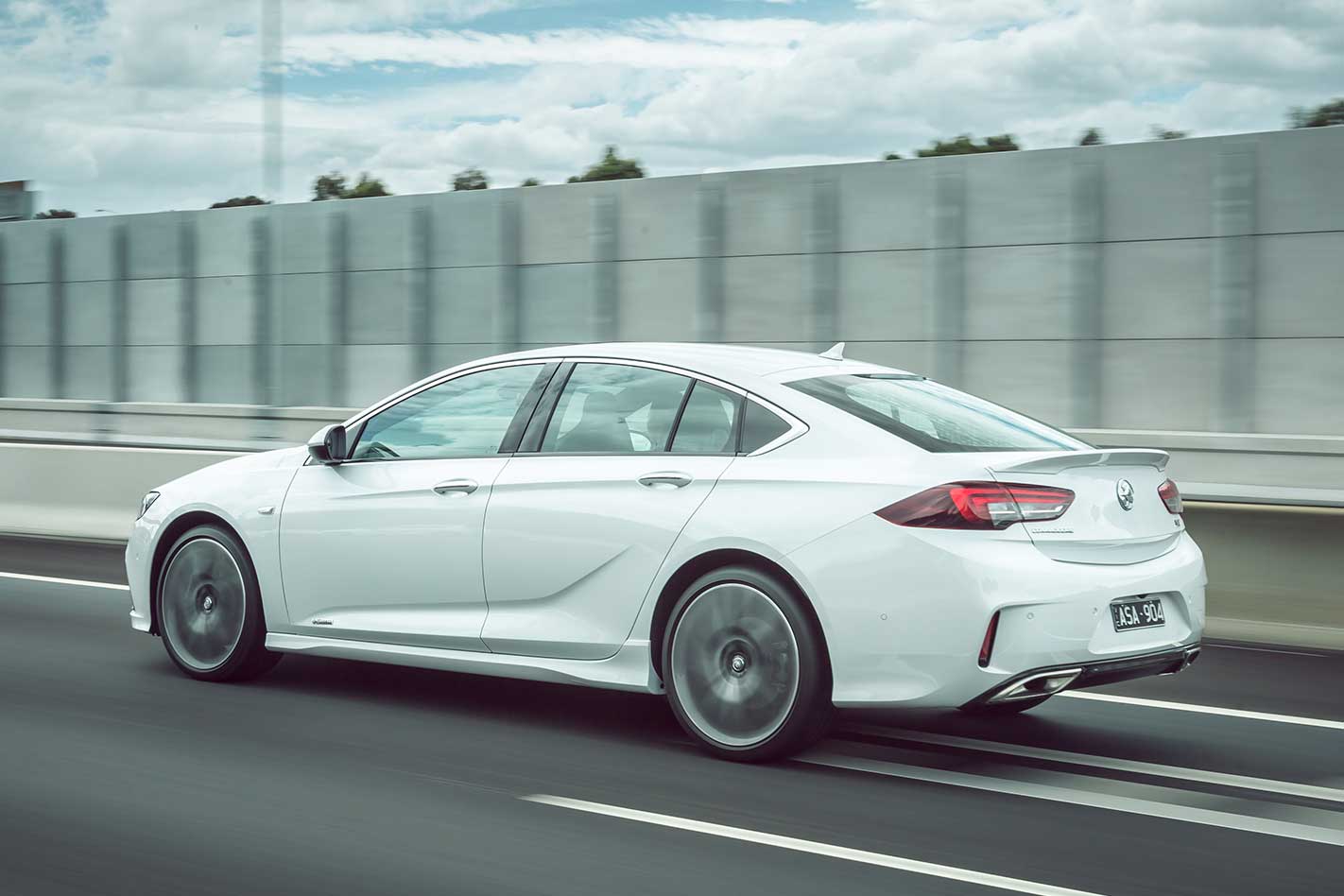
In February alone, Holden sold 4689 vehicles, allowing what once was the unthinkable to almost occur – Kia (4664) fell just 25 vehicles short of beating it, while Nissan (4863), Honda (4962), Ford (6059), Mitsubishi (7142), and Hyundai (8001) breezed into higher positions. And, of course, Mazda (9913) and Toyota (18,281) remained at the top.
Buying a Toyota in New Zealand will now be a haggle-free process, with dealerships moving from a traditional sales commission arrangement to a retail service model.
Dealerships will now be called Stores, and vehicles will come with fixed driveaway prices. Sales staff will be called product specialists and paid a set salary with bonuses awarded based on customer satisfaction.
The move potentially means an end to pushy sales tactics, and to showroom negotiating, which may not please those who are skilled in the art but would be music to the ears of anyone who has felt intimidated by the car-buying process.
Toyota New Zealand believes the scheme, called the ‘Drive Happy Project’, will result in price reductions for all new vehicles and reduced pressure to sign on the dotted line.
“When we asked customers what the worst bits were about buying a new car, the most common response was concern about the price negotiation. Customers told us they didn’t like to haggle, or even if they felt comfortable with negotiating they were never sure that they got the best deal,” said Toyota New Zealand chief executive Alistair Davis.
“Customers also worried about what motivated a salesperson to push a particular car: is this really the best car for me and my needs? Or is there some other motivation? Is there something wrong with it?”
According to Davies, the new Toyota Stores will have demonstrator models for people to inspect, but all new sales stock will be held elsewhere, meaning no pressure on the sales people to shift any slow-movers.
“A vehicle will only be shipped to a store when it has been ordered by a customer. This has the added benefit of giving customers far more choice of vehicle – they won’t be choosing from the 20-30 vehicles on a dealership’s yard, but from the several thousand in Toyota’s national stock.”
Davis said the sales team will be paid a benefit for selling cars based on how happy customers are at the end of the process.
“The commission-only salesperson is a thing of the past. Our staff are rewarded for having happy customers (determined by way of customer surveys), not just for their sales numbers,” he explained.
“Sure, a store and a salesperson will still only get paid if they sell cars (that is true of any business – you have to sell something to earn income), but the focus is shifting to rewarding staff for happy customers who return for service and future sales.
“Our focus needs to be on making the process as easy, transparent and welcoming as possible.”
Private demand for diesel passenger cars and SUVs continues to fall, with VFACTS automotive sales figures for March 2018 showing year-to-date sales of diesel vehicles down by more than 11 percent from this time last year.
The drop is biggest with diesel passenger cars – rather than high-riding SUVs – which are down by more than 23 percent both year-to-date and against March 2017.
If you adjust that, based on a 9.4 percent total drop in private car sales in the first quarter of 2018 compared to the same period last year, the slide in diesel demand is still a significant 14.2 percent. By comparison, petrol car sales suffered just a 0.2 percent drop based on the same adjustment.
The number of privately registered diesel SUVs also dropped 10 percent for the first quarter of 2018, despite sales in that market segment growing by 4.6 percent.
And it wasn’t just privately registered vehicles affected, with commercially registered diesel passenger cars recording an 11.7 percent drop so far this year. Business-registrations for diesel SUVs went up 1.1 percent, though there was a 7.1 percent rise in sales for that segment last month compared to March 2017.
While the Dieselgate saga has had an impact on the fuel’s popularity here, the downturn is more likely due to a broader choice of small, but powerful turbocharged petrol engines.
The number of diesel variants across all model ranges is also down slightly from 2017, about 340 from 370, with a lot of the remainder found in the line-ups of pricey large and/or premium SUVs.
Of the 20-most popular passenger vehicles sold in March 2018, the Volkswagen Golf is the only non-SUV to offer a diesel powertrain. And though the Nissan X-Trail, Mazda CX-5, Toyota RAV4, Mitsubishi ASX, Toyota Prado, Hyundai Tucson and Mitsubishi Outlander offer the option of a diesel engine, the Prado is the only model where it’s the dominant seller.
Diesel power remains strong in the light commercial segment though, with private buyers lapping up trade utes such as the Toyota HiLux, Ford Ranger and Mitsubishi Triton, which accounted for three of the top-four biggest-selling vehicles during March.
The private light commercial segment is up 5.0 percent this year, with diesel sales up 8.3 percent, while petrol vans and utes dropped by 30.8 percent.
Private passenger car sales, Jan – March 2018 / 2017
- Diesel – 1087 / 1422
- Petrol – 54,199 / 59,978
- Hybrid – 834 / 553
- Electric – 56 / 45
- Diesel – 15,626 / 17,369
- Petrol – 50,312 / 45,656
- Hybrid – 158 / 138
- Electric – 34 / 66
- Diesel – 15,972 / 14,748
- Petrol – 937 / 1355
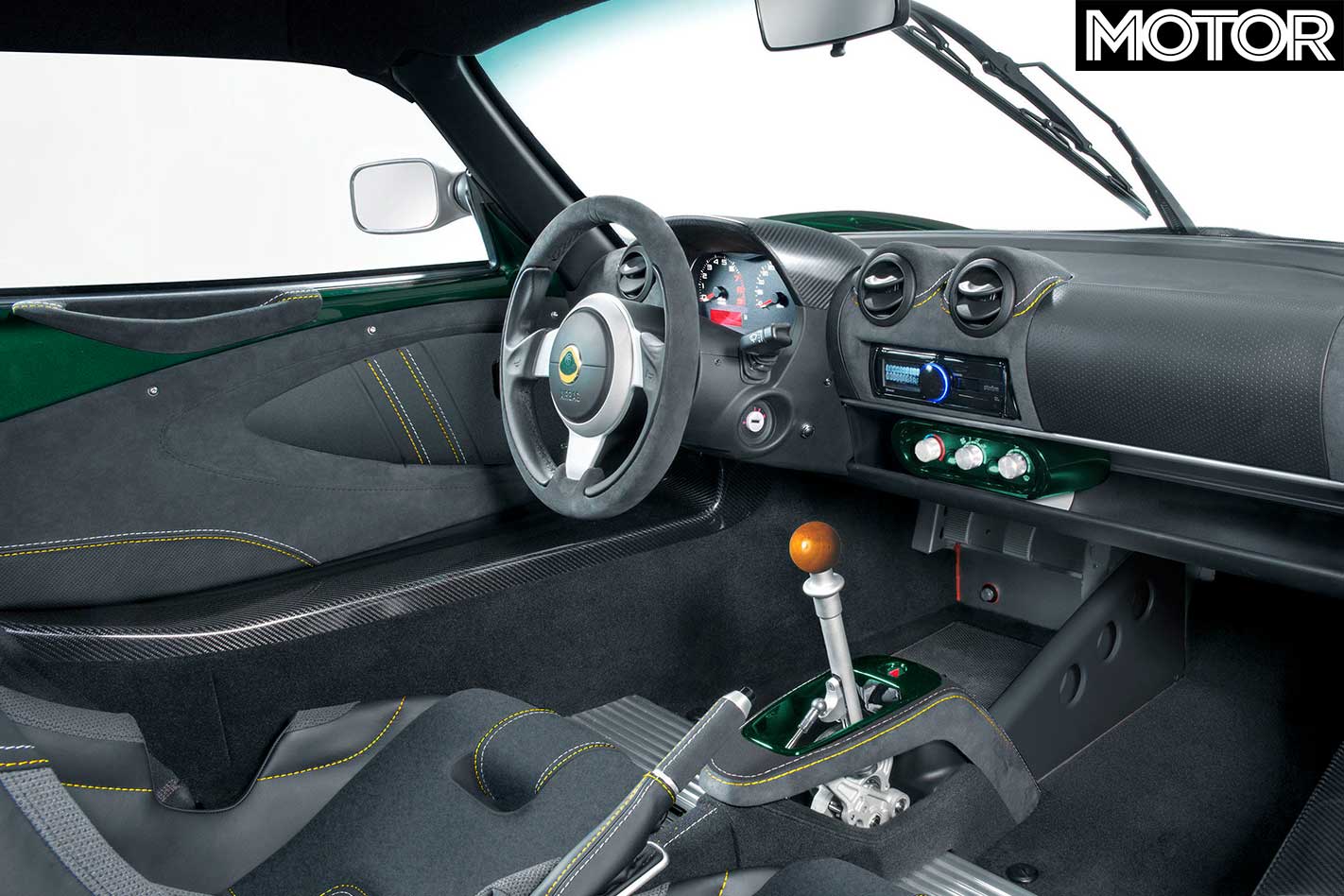
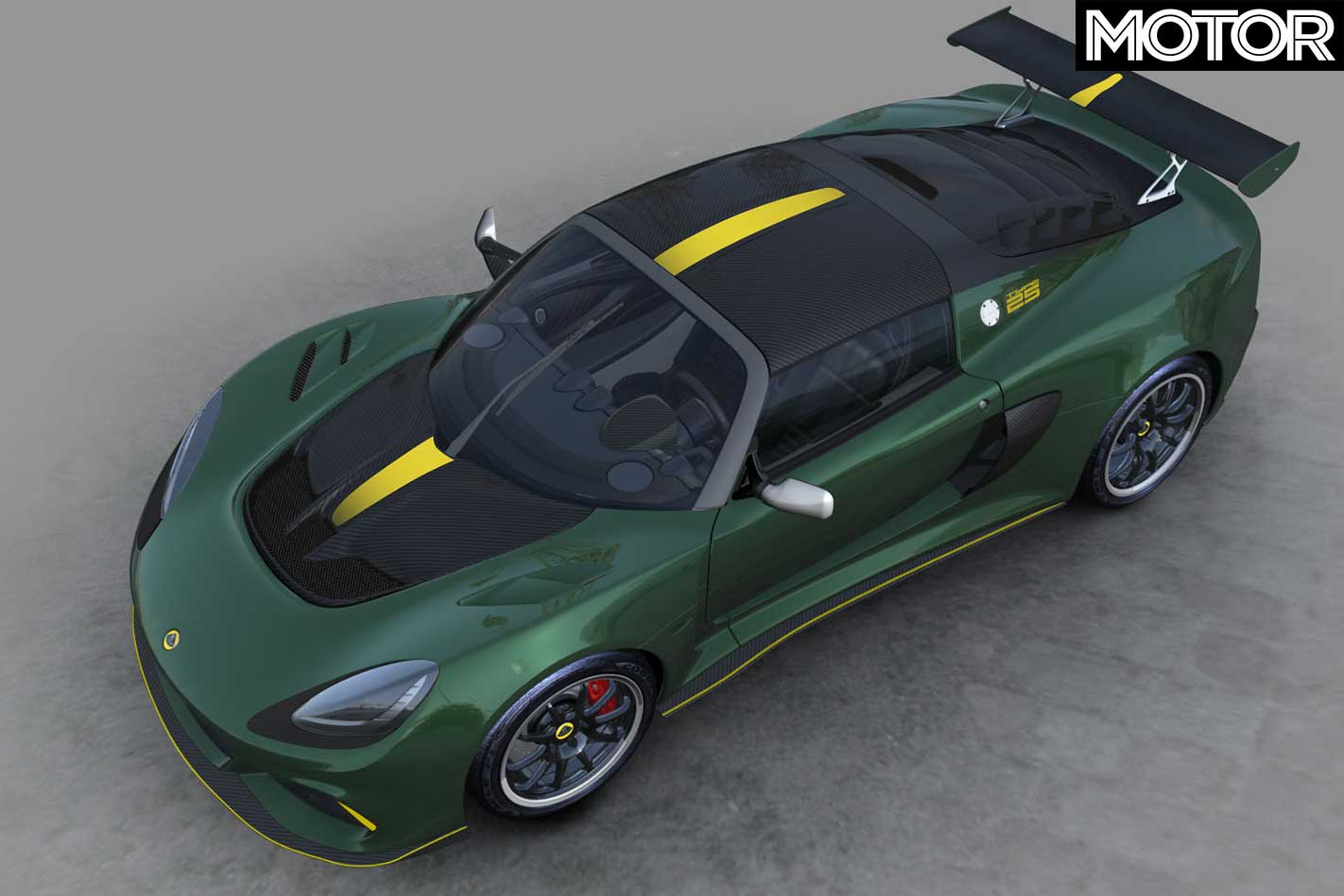
Lotus has revealed the limited edition Lotus Exige Cup 430 Type 25, named for the first F1 car to win Lotus a Constructor’s World Championship.
The likes of Jim Clark, Mike Hailwood, Chris Amon, and Richard Attwood took the wheel of the original Lotus Type 25, and only a few people more than that will likely ever drive this car. Only 25 of the collector’s edition vehicle are to be built.
Based on the Exige Cup 430 (though with extras, we’ll get to that), the Exige Type 25 boasts 321kW from its 3.5-litre supercharged V6, in a car weighing only 1056 dry. 97km/h (60mph) arrives in just 3.2 seconds.
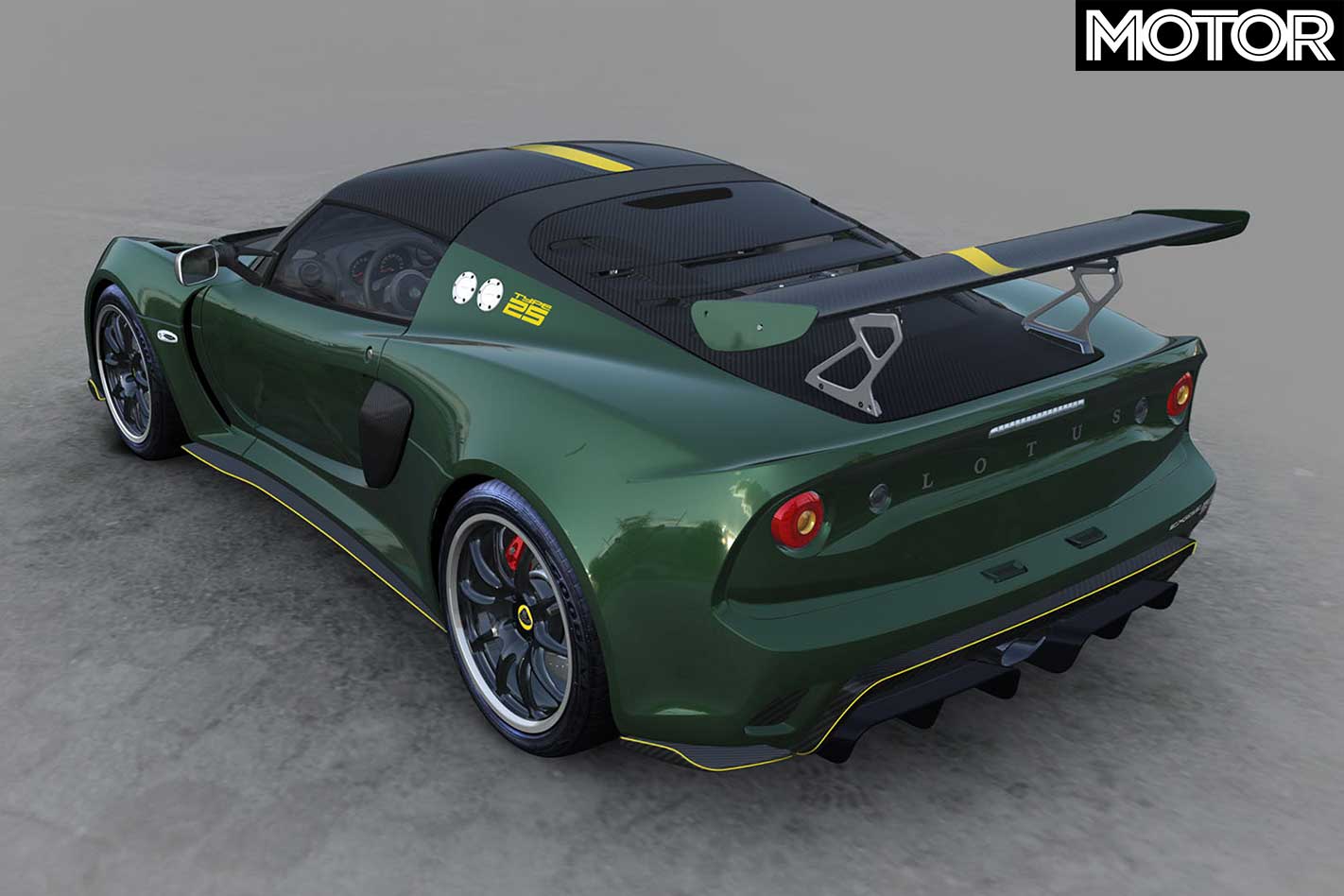
Three-way adjustable dampers, adjustable front and rear anti-roll bars, Michelin Pilot Sport Cup 2 tyres, forged aluminium wheels, and AP Racing brake calipers all ensure it’ll handle a day at the track.
Lotus CEO Jean-Marc Gales calls this Lotus’ ultimate two-seater, though we’re not sure if that means it overtakes the 3-Eleven 430 which he called the “ultimate weapon in focused road driving and track work.”
“It was revolutionary when introduced and the first car to win Lotus a Constructor’s World Championship, the first of seven.
“It is a perfect example of Lotus’ design philosophy – light, yet incredibly strong and peerless on the racetrack.
“Combined with a class-leading balance in handling and agility, it’s our point-to-point two-seater sports car.”
“SENNA has 800PS on 1200kg, that’s about the power to weight that we’re looking for.”
That’s Jens Ludmann, chief operating officer at McLaren Automotive, and he’s talking about the ideal specifications of what he hopes will be the marque’s first purely electric road car. We’ll save you the number-crunching: 800PS is 588kW, a phenomenal amount of power for something that weighs the same as a Toyota 86.
For McLaren, any less than that wouldn’t be sufficient for a proper EV supercar. It’s also coincidentally nearly the same power-to-weight ratio as enjoyed by the Rimac Concept One, but McLaren wants to do things a little differently to the Croatian supercar start-up.
“We are investigating the pure electric technology for our products,” said Ludmann, speaking to Wheels at the Geneva motor show.
“We very closely look at what the technology can deliver, however we think for a pure electric vehicle the technology is not yet mature enough – and that has to do with the battery performance.”
Energy density is the issue. According to Ludmann, current battery technology is more than sufficient for everyday driving, but can’t manage the extreme charge/discharge requirement of racetrack use while also remaining light enough to preserve chassis agility.
Supercapacitors are off the menu too – McLaren is only looking at chemical batteries for energy storage. The tipping point of battery tech becoming viable for a McLaren EV seems distant.
“With pure EV, here at McLaren we still want our customers to be able to do 10 laps at a racetrack with full power on, power off, all the time,” he said.
“To do that you need a certain energy level in the battery and a certain power level that the battery can absorb and discharge. You need a very capable technology, and the battery technology today is not there for that requirement.
McLaren starts work on fully electric prototype
“To cruise in normal traffic for a certain distance you can do with today’s batteries, but again they’re very heavy so the power to weight is not very good – it’s not as agile.”
“To talk in numbers, the battery technology should achieve 500 watt-hours per kilogram. That is a level where it really makes sense. Today we are around 180 watt-hours per kilogram. So there is significant improvement required to get it where we want it to be.”
To put that into context, the 4.5kWh battery pack developed in 2015 by Rimac for the Koenigsegg Regera – and touted as the world’s most energy-dense automotive battery at the time – weighed 75kg, giving it a power-to-weight of just 60 watt-hours per kilo.
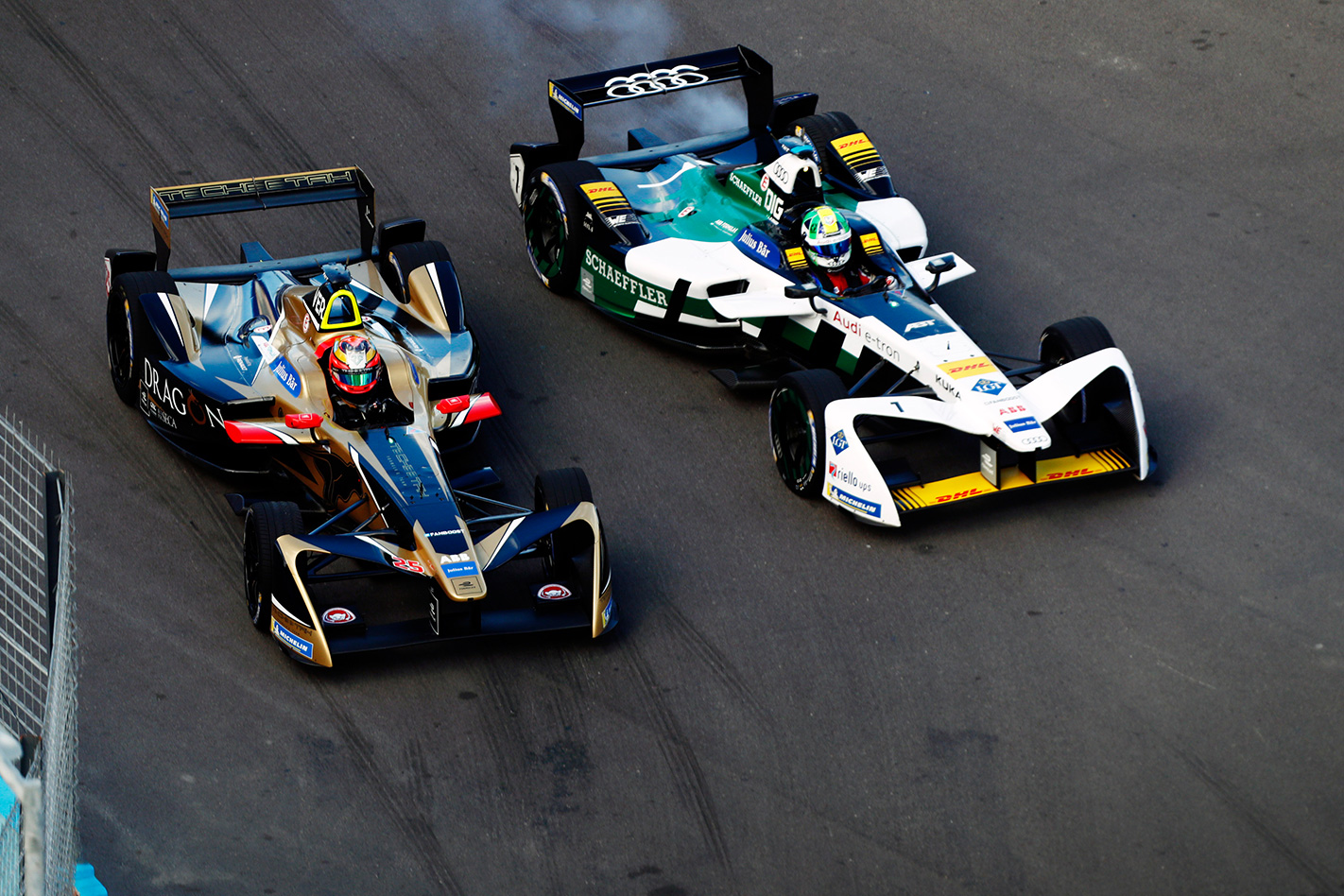
McLaren Engineering provides batteries for the current season of Formula E that boast an energy density of 216Wh/kg – but they’re purpose-built for those electric racecars with properties that are unsuitable for a road-going application. Achieving 500Wh/kg in a street-able vehicle looks like a tall order for the near future.
McLaren BP23 sculpture teases hyper-GT’s three-seat interior
When will battery tech advance to the point McLaren’s engineers are satisfied? Ludmann says battery cell suppliers are estimating a five- to ten-year timeline on high-discharge rate, high energy density power storage. According to Ludmann, it’s the only thing holding a McLaren EV back from becoming production reality – every other aspect of the hardware, from motors, suspension and braking, is already sorted.
“It’s all resolved – easy. That’s not a problem at all, all the rest is not a challenge,” he said.
“But speaking of challenges, there’s a customer expectation question on the NVH behaviour: how does the car sound?
“If you do a pure electric car, what sound can you expect? That’s another question for the products that we do. The other cars that do pure electric are just for transportation purpose. Our cars are for entertainment purposes.”
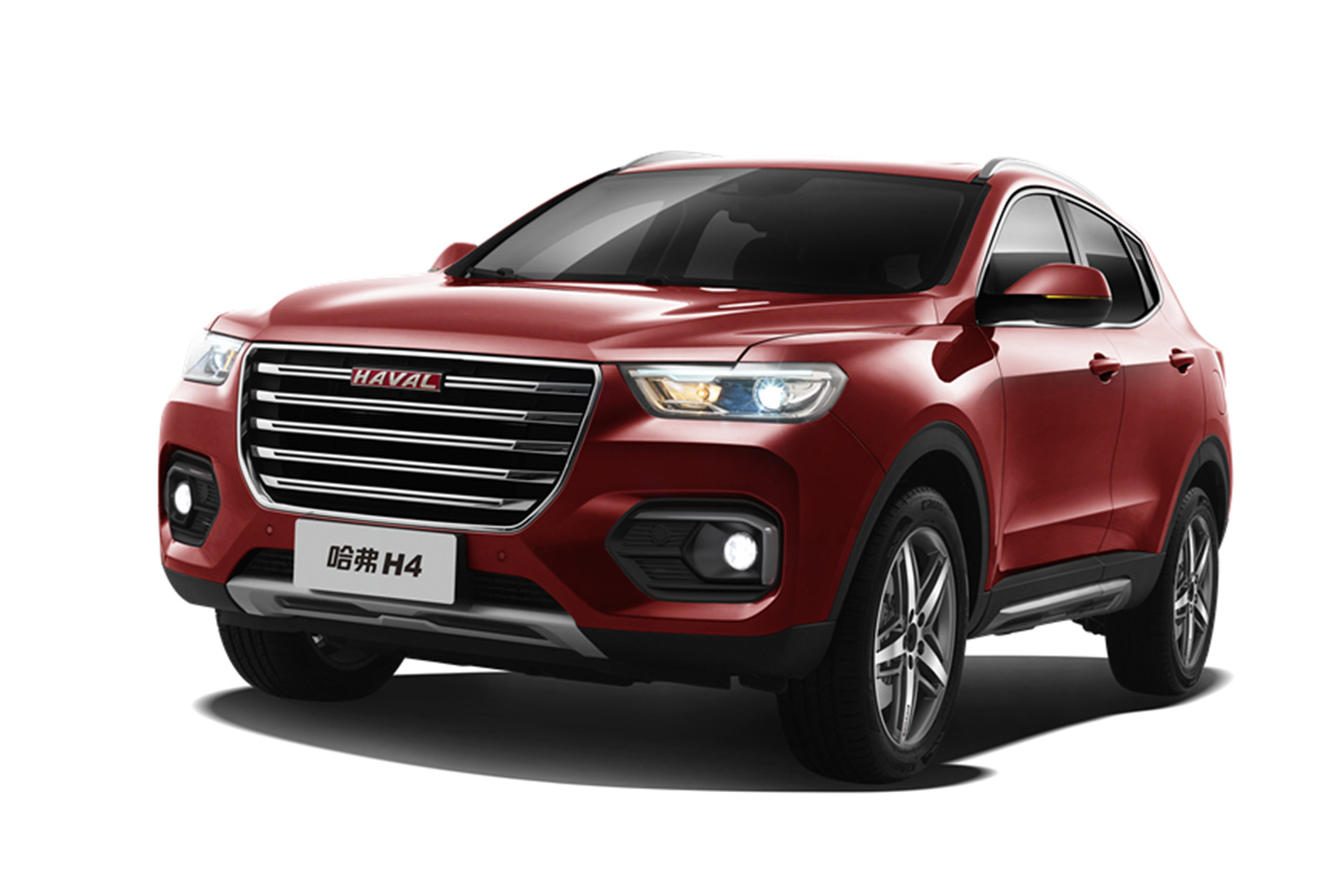
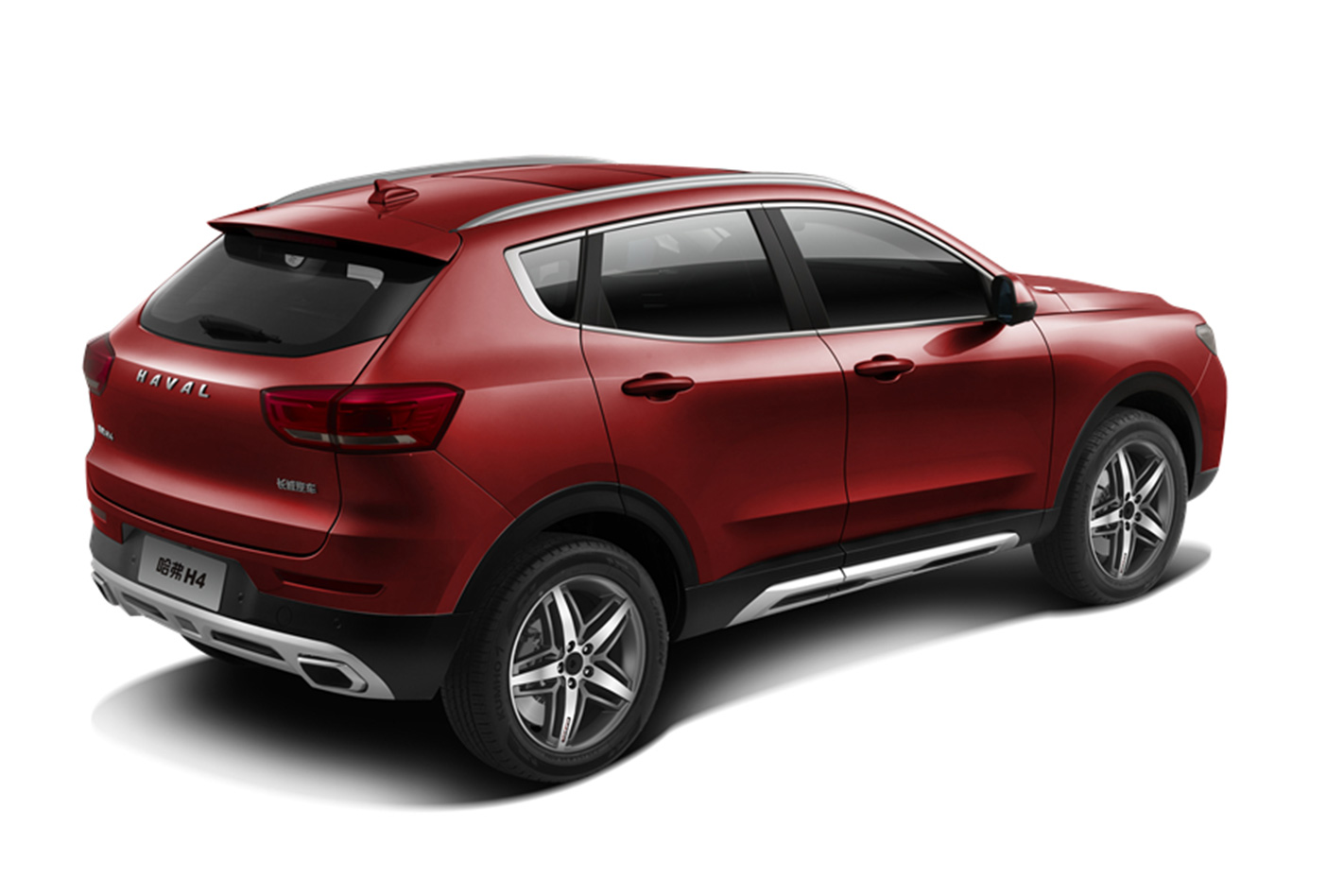
HAVAL Australia is keeping up the pressure on global parent Great Wall to continue the introduction of fresh metal to Australian showrooms, including a right-hand drive version of the all-new H4 mid-sized SUV that is due to make its debut at the Beijing motor show later this month.
Until the Chinese brand announces a right-hook version, the H4 will be limited to its native markets, but the model could offer a glimpse at how the local line-up will evolve, according to the company.
When asked if the H4 would neatly fit into the Australian range, Haval Motors public relations and product planning manager Andrew Ellis replied “Absolutely” and explained that, even though no right-hand drive production was chalked, the car represents the local outfit’s vision of the future.
Ellis revealed that as more right-hand drive markets offer the Haval brand, the business case to broaden the model line-up for Australia makes more sense.
The larger H7 was due to join the current stable alongside H2, H6, H8 and H9 models but the plan was axed following confirmation global production of the seven-seater was due to cease.
According to Ellis, the H7 shutdown is necessary to lay the foundations for the forthcoming 2020 platform, with the Australian outfit setting its sights on the resulting new hardware instead.
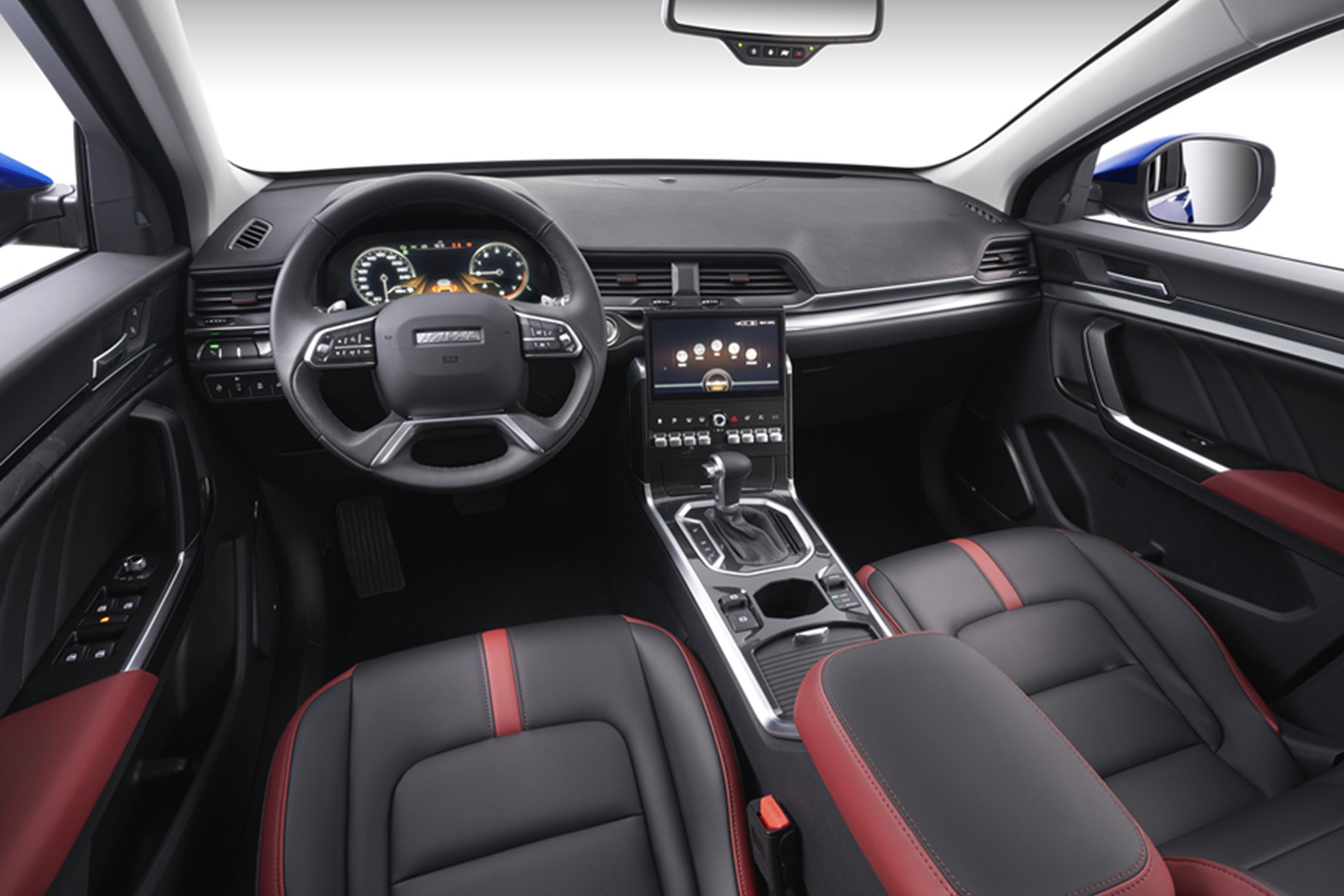
There’s also more driver assistance kit including lane departure warning, lane change assistant and tyre pressure monitoring.
Haval’s Connected technology completes the suite of new features and allows smartphone mirroring, emergency assistance, security monitoring and fault diagnosis remotely.
The H4 rolls out to the public in Beijing at the end of April.
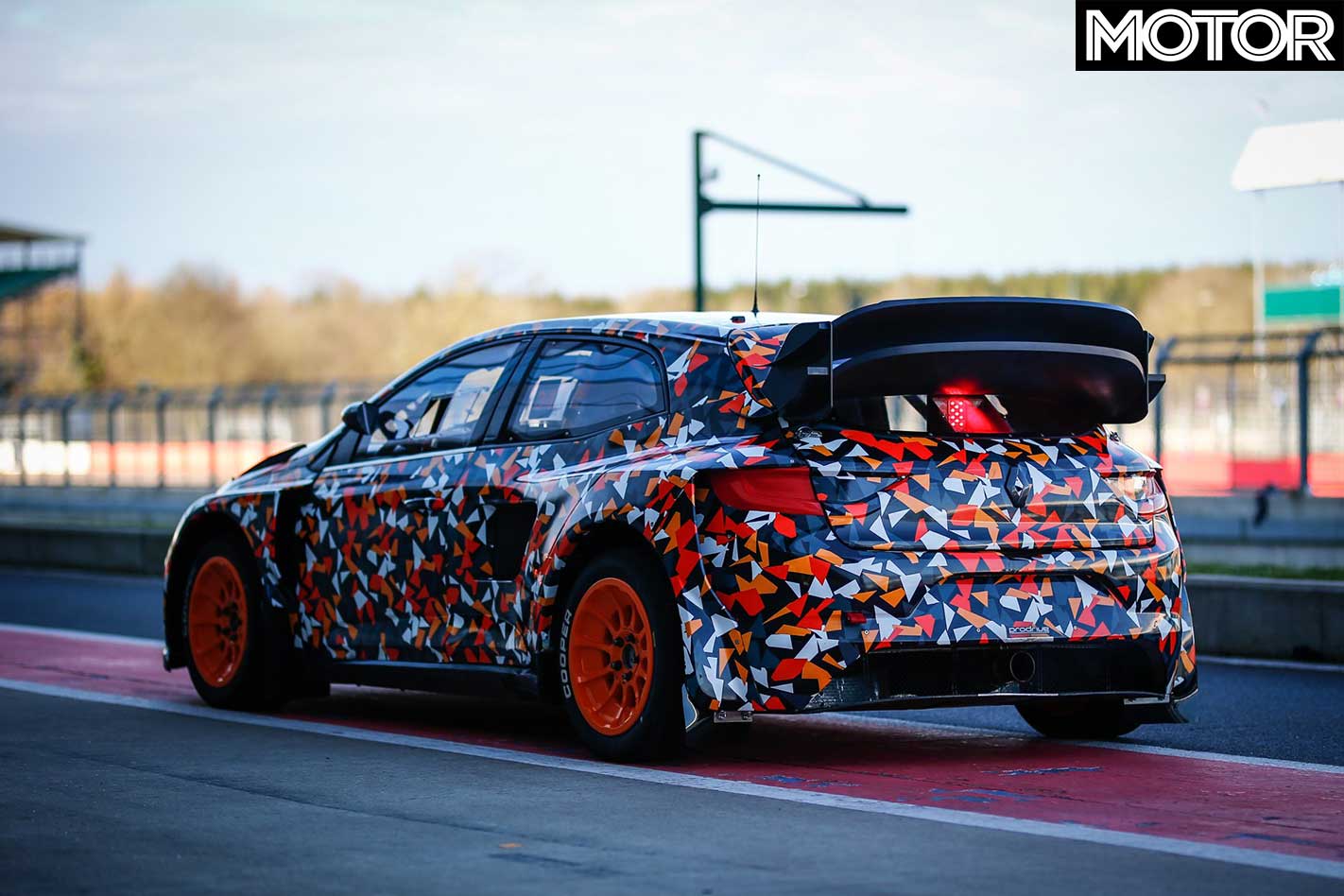
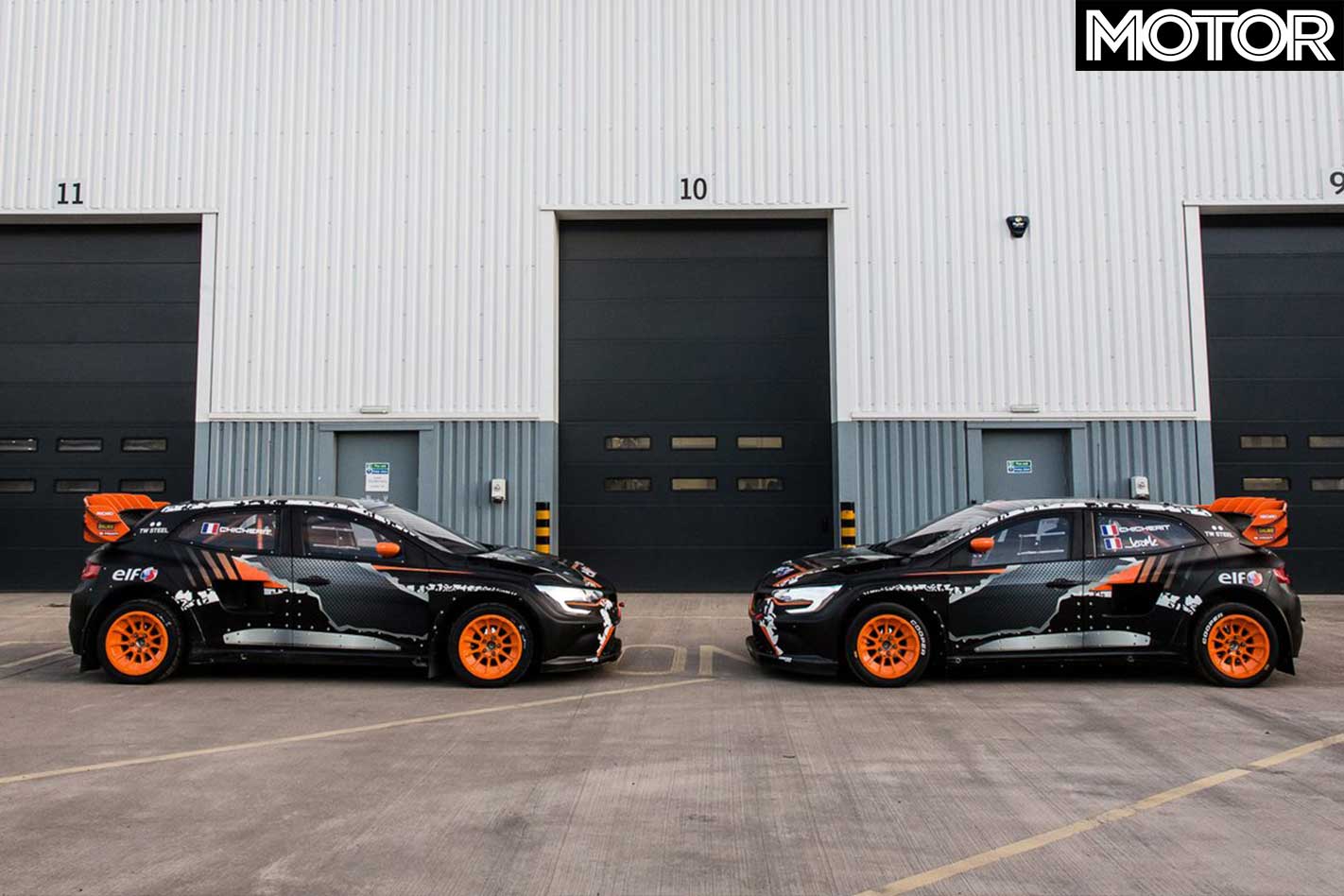
Prodrive has built a new rallycross weapon for Guerlain Chicherit’s GC Kompetition team – a Renault Mégane R.S. RX
It’s powered by a bespoke 2.0-litre four pot engine which puts out almost 450kW, built by Prodrive, and fitted with the firm’s own anti-lag tech. it does sport an engine management system from Cosworth though.
The engine is hooked up to a 5-speed sequential longitudinal gearbox developed with Xtrac,
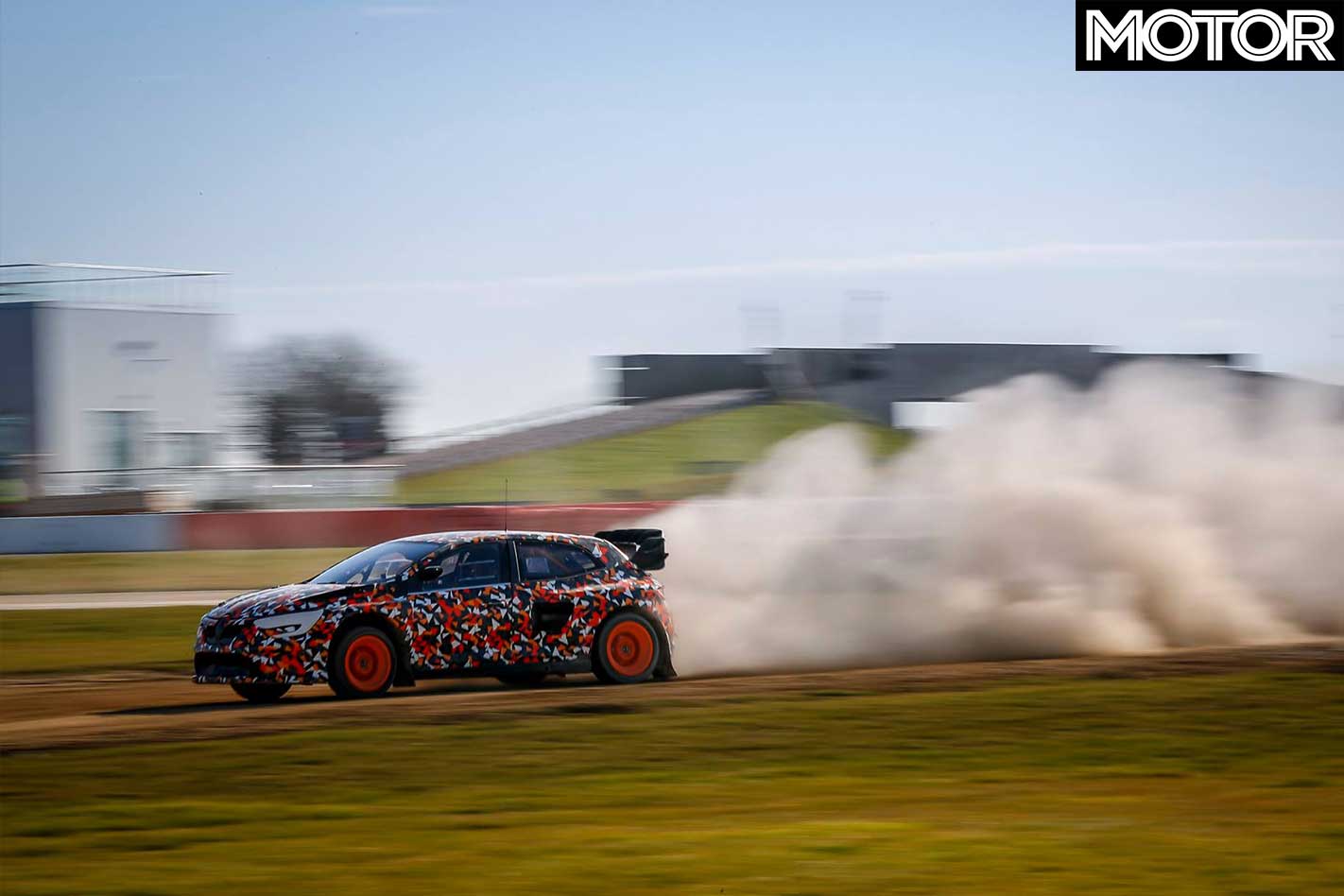
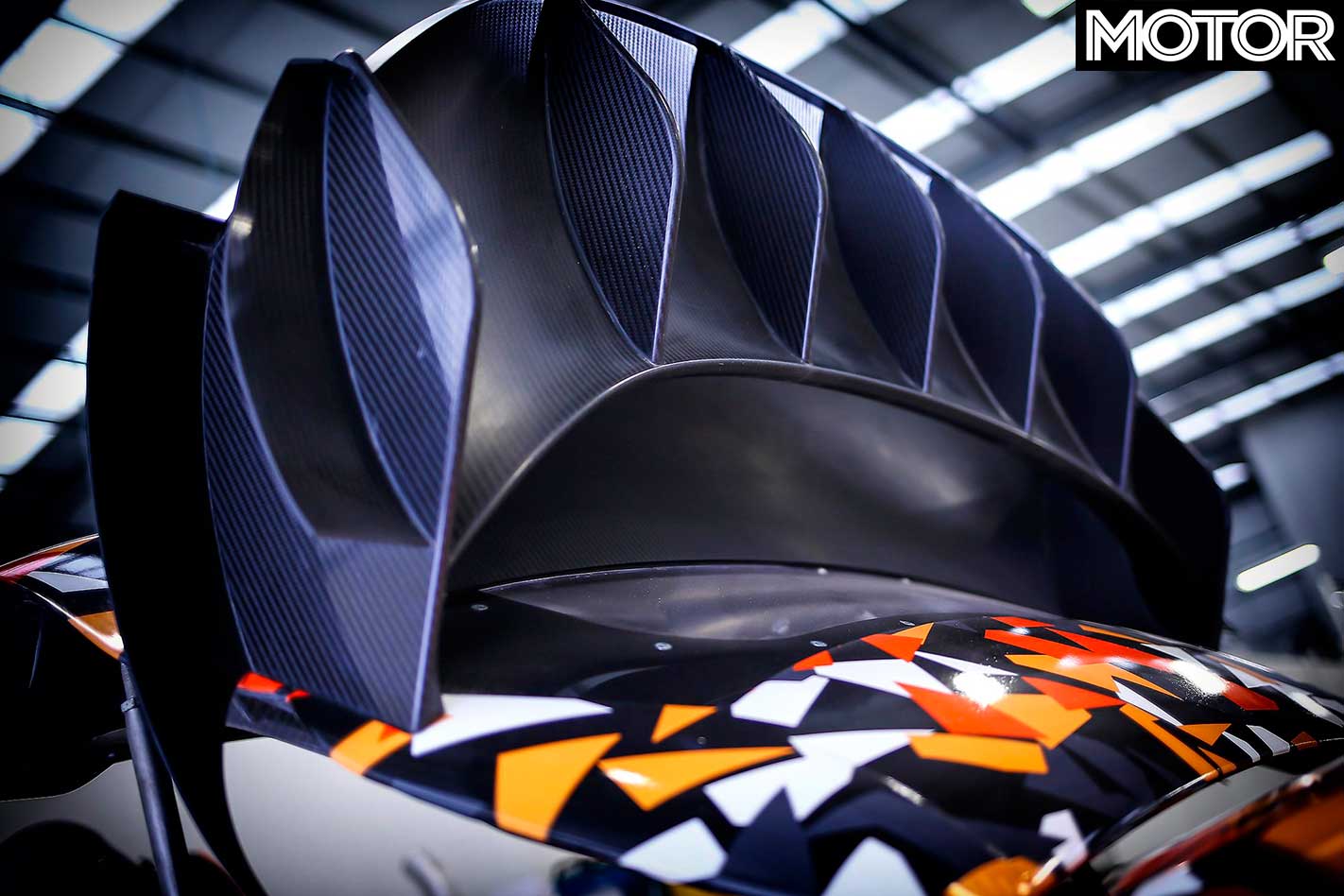
Much like rival Rallycross constructor Audi, Prodrive has put in plenty of time perfecting the car’s aero. The most obvious example of this is its carbon-composite rear wing.
Prodrive Motorsport managing director John Gaw says it’s been one of Prodrive’s biggest projects in terms of internal hype.
“The design team have thought about every aspect and introduced ideas never before seen in motorsport.
First wet test day in the Renault Megane R.S. RX ✅@GChicherit @JeromeGJ #ChangingTheRules pic.twitter.com/hePOSGBecp— GCK (@GCKRX) March 29, 2018
“I truly believe this is a game-changer in RX.”
“I’m really excited to see where the Mégane RS RX will come out when the lights turn green in Barcelona.
“Personally, I’m more confident than ever going into an event as Team Principal and driver of GCK, and whilst debuting a brand new chassis & custom engine that has seen a lot of time and energy go into its innovative design.
“I have an awesome team in Prodrive and GCK around me to really push me, and hopefully the car, to the limits this season.”
The Mégane RS RX will make its debut at the opening round of the World Rallycross season in Barcelona on April 14-15.
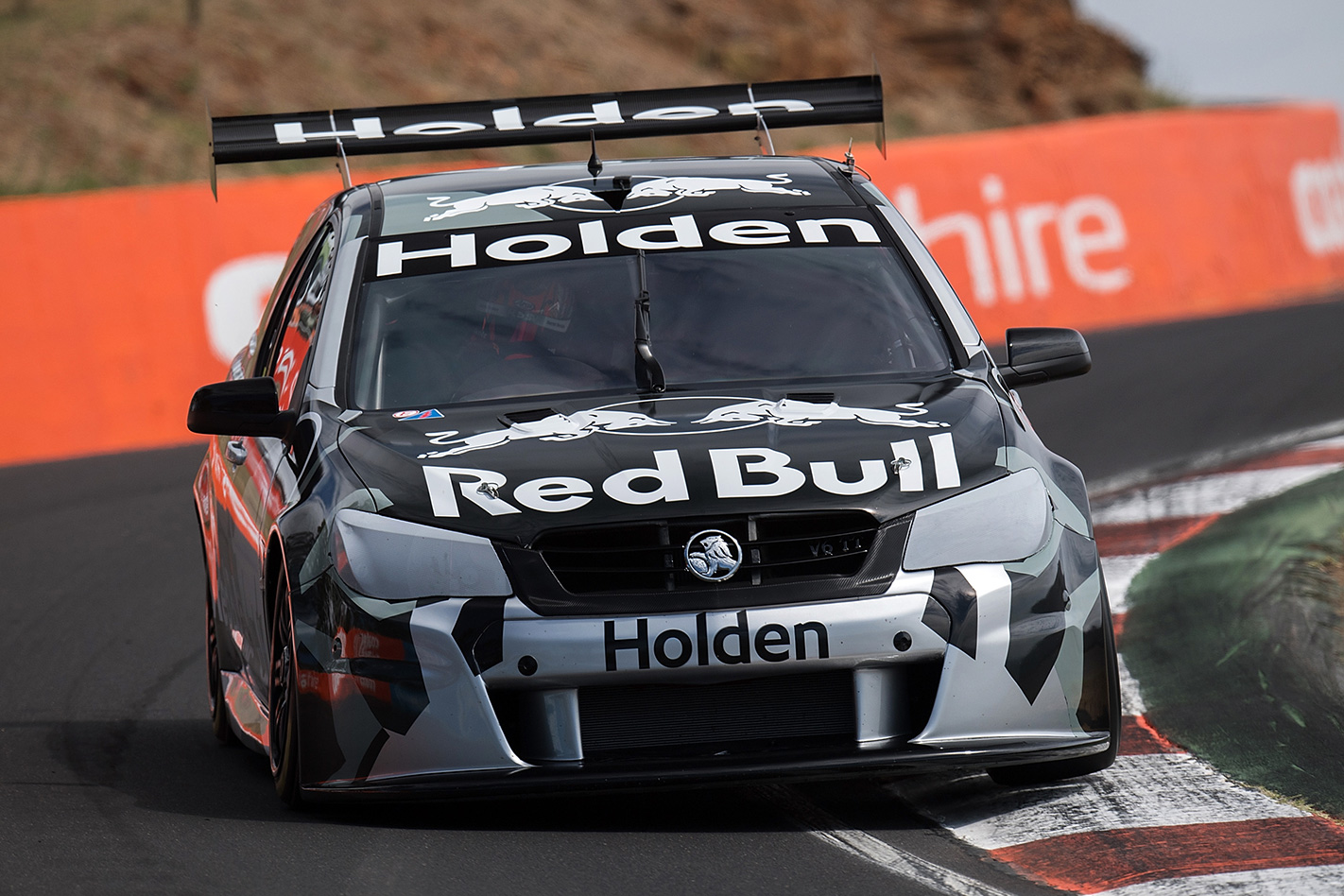
HOLDEN has announced a halt on the development of a twin-turbo V6 engine for Supercars, effective immediately.
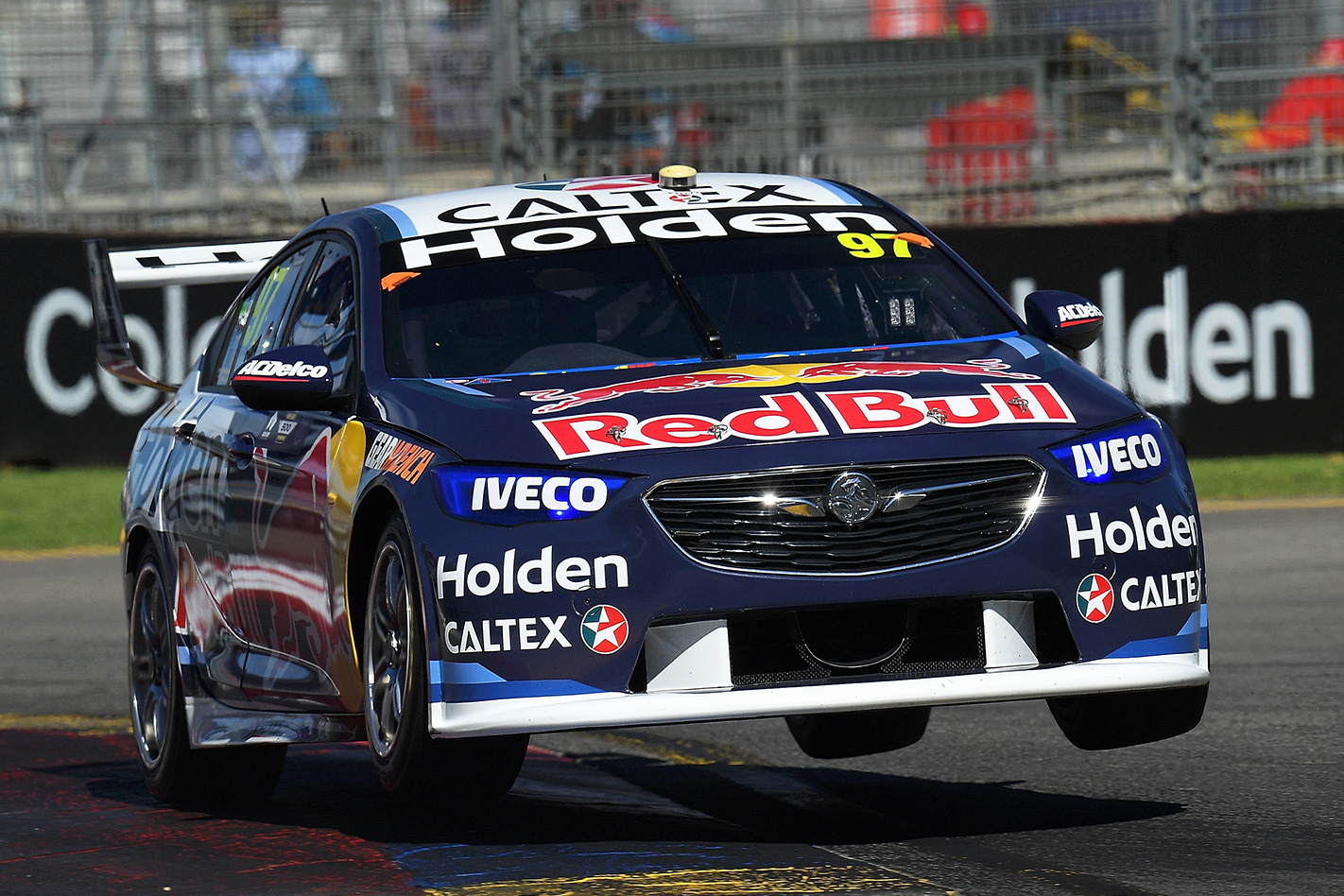
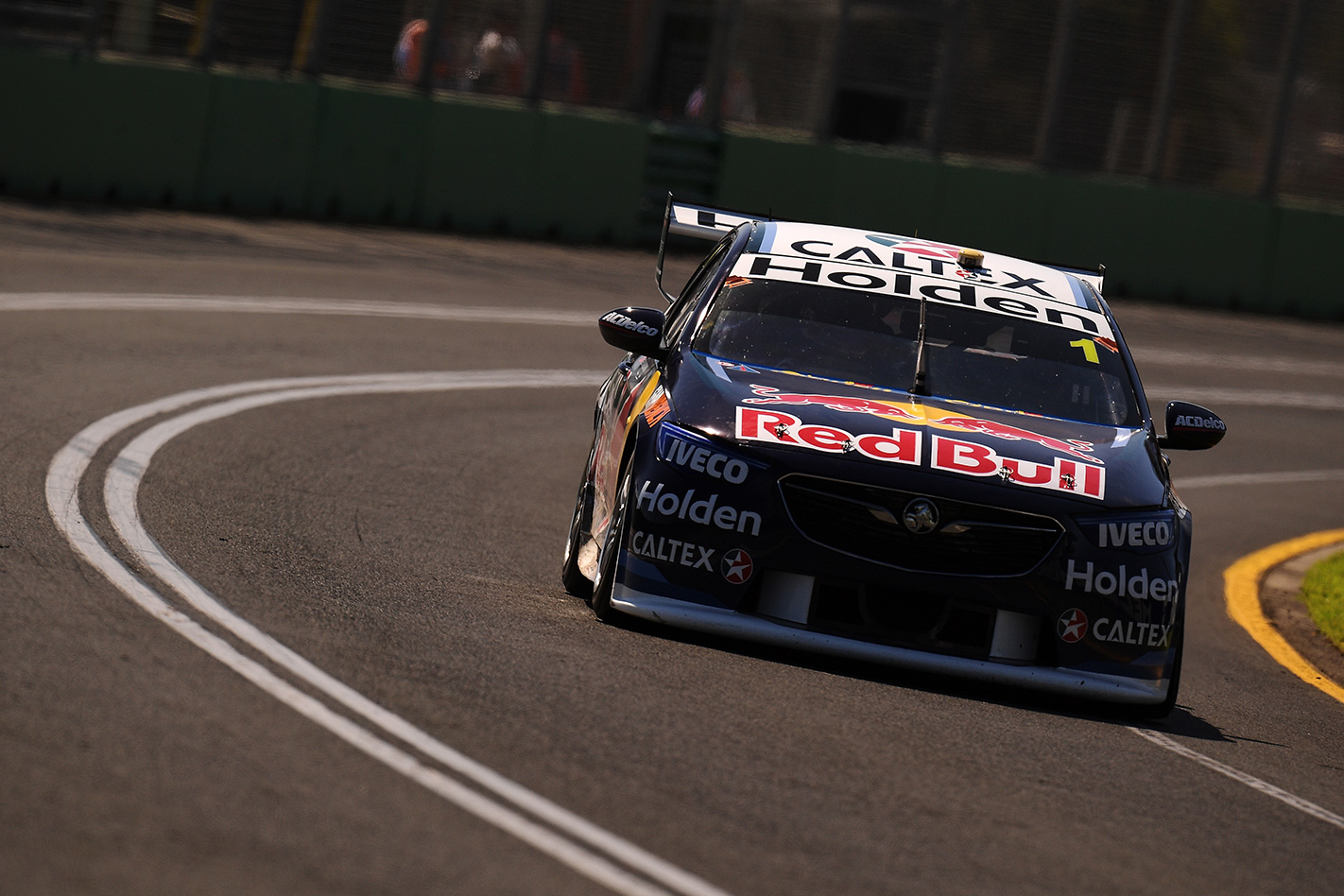
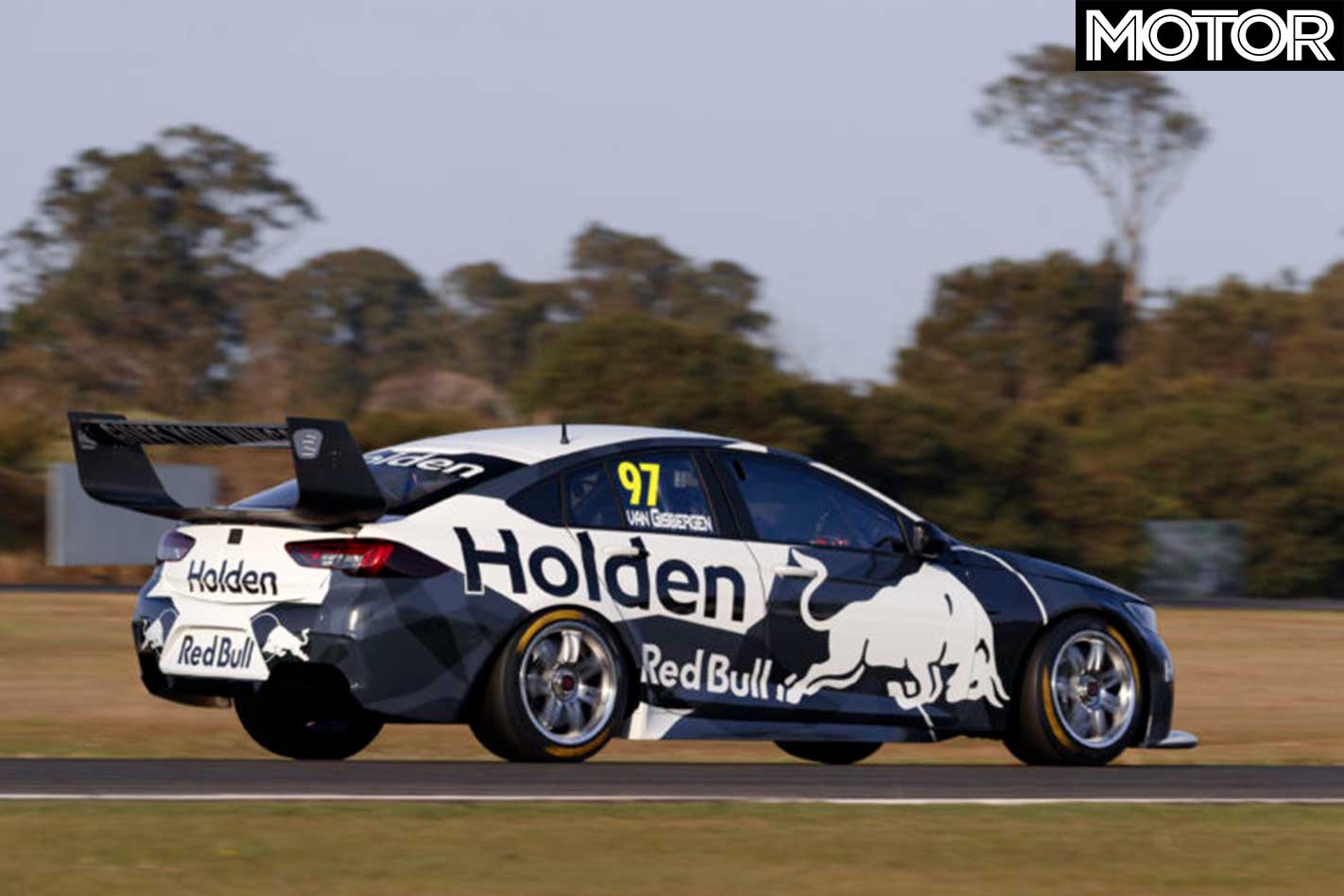
The surprising news means the racing version of the 2018 Holden ZB Commodore will compete in the series with a 5.0-litre V8 engine for the foreseeable future.
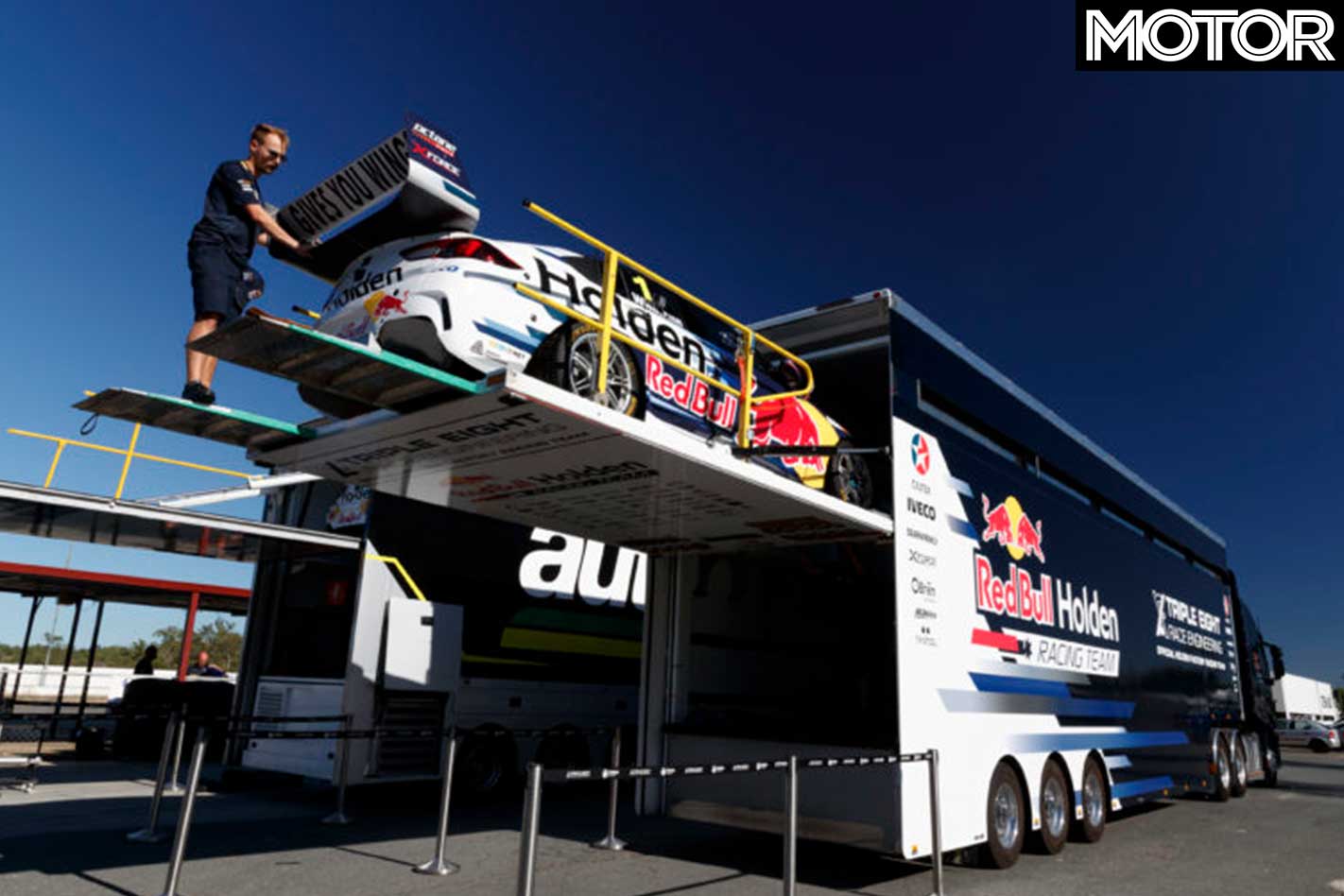
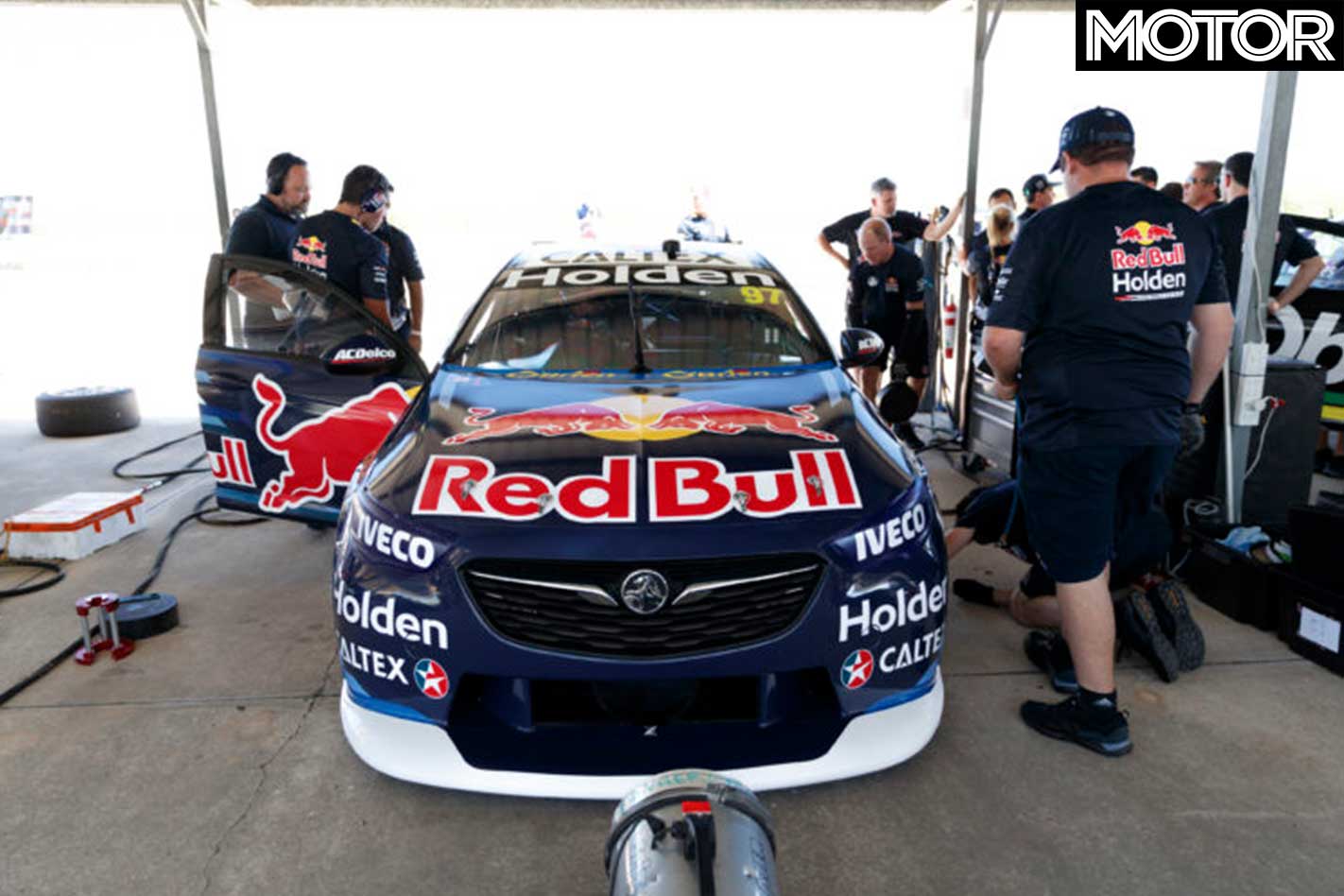
Holden’s factory race team, Triple Eight Race Engineering (branded as the Red Bull Holden Racing Team), was developing a new twin-turbo V6 for the series, which was slated to compete as a wildcard at a number of rounds this year, ahead of a full-time assault on the series in 2019.
“After working closely with all Holden teams we have decided to put a hold on the development of the V6 Supercars engine,” he said.
“We are 100 percent committed to motorsport and our sponsorship of the Red Bull Holden Racing Team and supporting all Holden teams in both the Supercars and SuperUte paddock.”
The 3.6-litre twin-turbo V6 engine started development in 2016, with GM Racing’s engine facility in Michigan working with local parties to meet performance requirements. The V6 program began with then-factory Holden team Walkinshaw, and more recently moved to Triple Eight and its engine partner KRE in Queensland.
The ZB Commodore then made its debut in Supercars this year, racing with a continuation of last year’s 5.0-litre V8 engine.
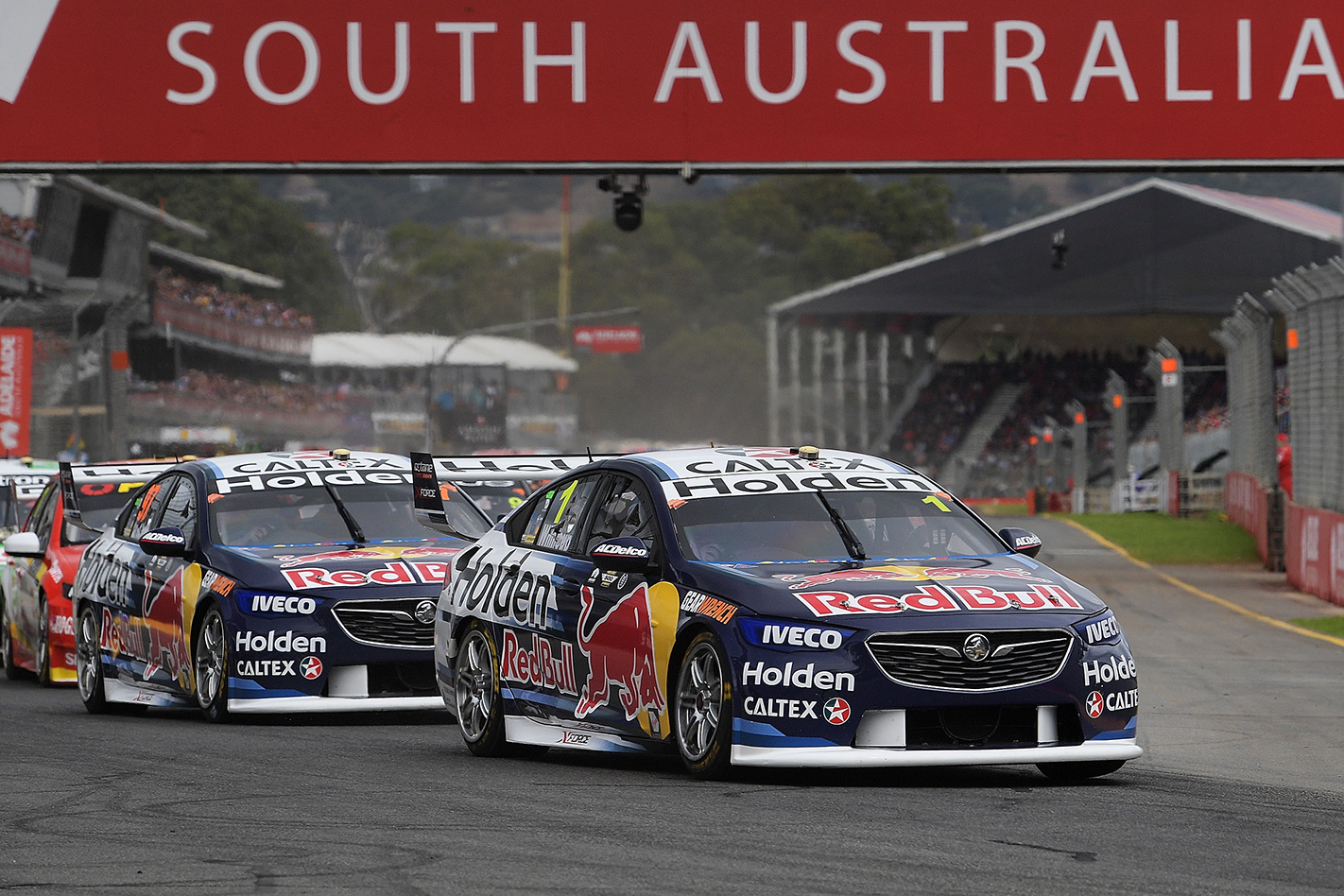
Triple Eight boss Roland Dane said the decision to scrap the V6 engine program was made to help the team focus on winning races with the current V8/ZB package, which clean swept its first ever round in Adelaide at the hands of Shane van Gisbergen.
“We’re very confident that the package would have been fully competitive and know that we have an extremely valuable bank of knowledge to refer to as and when a different engine platform is explored again in the future.
“For now we can turn our focus solely onto ensuring that the all-new 2018 Commodore is a race-winner for not just Triple Eight, but for our valued customers, partners and fans as well.”
The six-cylinder engine was poised to be the first to take advantage of Supercars’ Gen2 regulations which allow engines other than V8s, and body styles outside the current sedan formula.
Supercars’ CEO Sean Seamer emphasised the Gen2 rules could open doors for different engines and bodies in the series.
“So, while the ZB won’t have a turbo engine configuration at the moment, it’s important that we, as a category, continue to build our learnings and expertise on forced induction.
“We look forward to continuing our great relationship with both Holden and the teams, irrespective of what engine they choose to run.”
Former factory Holden Racing Team boss Ryan Walkinshaw, now director for the rebranded Walkinshaw Andretti United team has backed the decision to retain the V8.
“The V8 engine is synonymous with this category, there is so much history and passion surrounding it, so it’s fantastic to see Holden and the sport listening to the fans,” he said.
“With a strong engine program, it’s great to be able to remove the uncertainty surrounding the future of the V8, now being able to continue to focus on the revival of our team, as Walkinshaw Andretti United.”
Holden is putting its twin-turbo V6 Supercars engine project on the back burner for now.
A statement from Holden Motorsport reveals that Holden will continue to run its 5.0-litre naturally aspirated V8s until it decides to revive development of the V6.
The statement cites Holden’s “five wins from the opening six races” of this season as one reason it’s going to focus on the V8-powered ZB Commodore.
“After working closely with all Holden teams we have decided to put a hold on the development of the V6 Supercars engine.
“We are 100 per cent committed to motorsport and our sponsorship of the Red Bull Holden Racing Team and supporting all Holden teams in both the Supercars and SuperUte paddock.
“This is thanks to the monumental effort Holden and Triple Eight have put into engineering and developing the Holden Supercar and we remain committed to that advancement of motorsport engineering in what is one of the most technically advanced motorsport categories in the world.
“It’s a great car and we’re proud of it.”
The V6 engine was derived from the 3.6-litre powerplant from Cadillac’s ATS-V.R GT3 racer, though it was tuned by GM Racing in Michigan to meet Supercars’ Gen2 standards.
“We’re very confident that the package would have been fully competitive and know that we have an extremely valuable bank of knowledge to refer to as and when a different engine platform is explored again in the future.”
Dane wanted to introduce the V6 as early as this year as a wildcard entry to compete with the V8 cars, though that’s no longer the case given this change of plans.
A NEW York-based Chevrolet Corvette department manager attending a Vegas-based dealer function has fuelled the mid-engined fire, posting on social media that he’d caught a glimpse of the next-gen coupe that looks “very mid-engined”.
“Caught a glimpse of the next gen Corvette at Chevy’s Find New Roads dealer conference,” Van Bortel Chevrolet employee Nate Chandler posted on Facebook. “It is coming, it looks very mid-engined! The teaser was part of the General Session where phones and recording devices were not permitted. I can’t wait to find out more!”
Not happy with spilling his guts on social media, Chandler posted more details to a Corvette enthusiast blog. “I just left the General Session presentation by GM/Chevy at the “Find New Roads” Dealer’s Conference at Mandalay Bay, Las Vegas,” he wrote. “We got a glimpse of the C8 Corvette. It is coming. GM called it a super car. The 2 pictures we saw showed very little, but I’m thrilled to share I caught a glimpse of the production car. It definitely looked mid-engined. The front hood reminded me of a Lotus. Front bumper cover reminded me of the 2019 ZR1. Time to go party at the reception. If I bump into Brian Sweeny, US VP of Chevy, or other GM Execs, I will ask some questions and report back!”
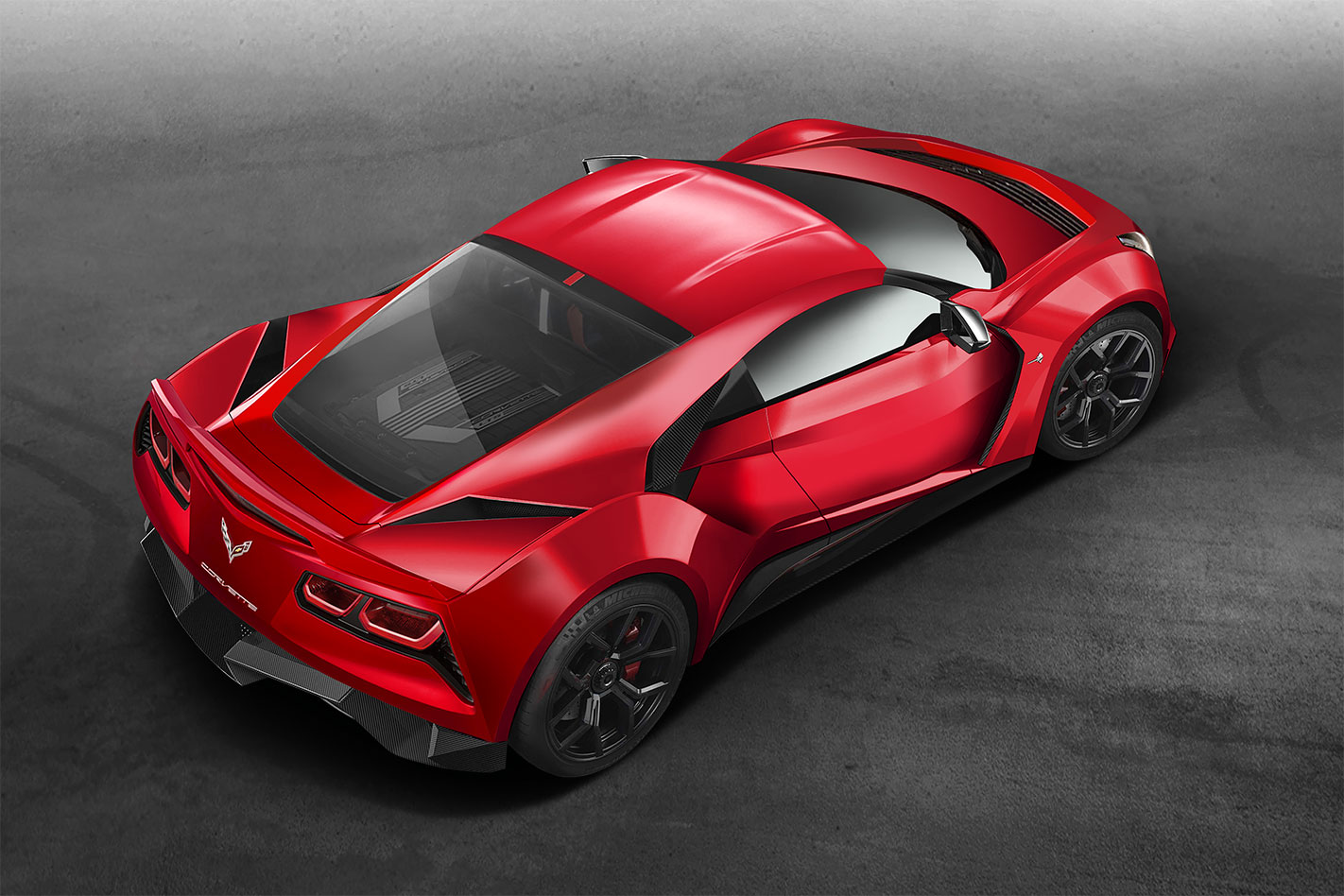
The supporting evidence hinting at the performance-oriented layout is all there, too. GM has trademarked “Zora”, a direct reference to Zora Arkus-Duntov, who shaped the Corvette into a highly desirable performance coupe and made no secret of his wish to create a mid-engined version of it. And CAD drawings that found their way online showed what was said to be the Corvette’s rear subframe, engine, and suspension system.
Adding weight that it will be a global product – including right-hand-drive markets – GM has fought hard in Australia to trademark the Corvette’s twin-flag logo, which was deemed to have ran afoul of the Geneva Convention after assessors said the Chevrolet bowtie one of the flags wore too closely resembled the heavily protected Red Cross symbol.
The Corvette is tipped to be Holden’s long-promised V8-engined, rear-drive hero, offered to the brand’s rusted-on fans in the wake of the loss of the V8-engined Commodore.
There’s also last week’s global launch of a new 4.2-litre twin-turbo small-block V8, which will be built inside the same Bowling Green factory as the next-generation Corvette. The V8’s New York Motor Show reveal wrapped the 410kW-plus/850Nm dohc powerplant in a rear-drive Cadillac CT6 body, and GM attempted to create a diversion by saying the engine was earmarked exclusively for its luxo sub-brand.
Corvette fans with way too much time on their hands have noticed GM has been very busy expanding its Bowling Green facility about the same time as order books for the last of the current C7 Corvettes closed. Satellite images taken over time show a major expansion of the site’s “paint shop” facilities.
The move to the mid-engined layout gives Chevrolet more wriggle room to ensure the Corvette builds on performance. The car’s chief engineer is on record saying the current C7-based, track-ready Z06, with its 485kW/881Nm supercharged 6.2-litre LT1 V8, is about as far as the front big block-engined, rear-wheel tyre frying concept can be stretched.
Chevrolet is yet to say when it will launch the new Corvette, which is likely to hit showrooms in 2019. The performance coupe has missed both the Detroit and New York motor shows, meaning the earliest we could see it revealed on US home turf is November’s Los Angeles Motor Show. A January 2019 Detroit Motor Show appearance seems more likely.
