
The Infiniti QX80 has only been in Australia for three years, but in that time it has earned the unenviable reputation of being one of the least attractive SUVs of modern times.
Granted, the world of offroaders isn’t exactly jam-packed with beauty queens, but the Infiniti QX80’s bulging Beluga forehead and droopy-eyed headlamps stood out from the crowd for all the wrong reasons.
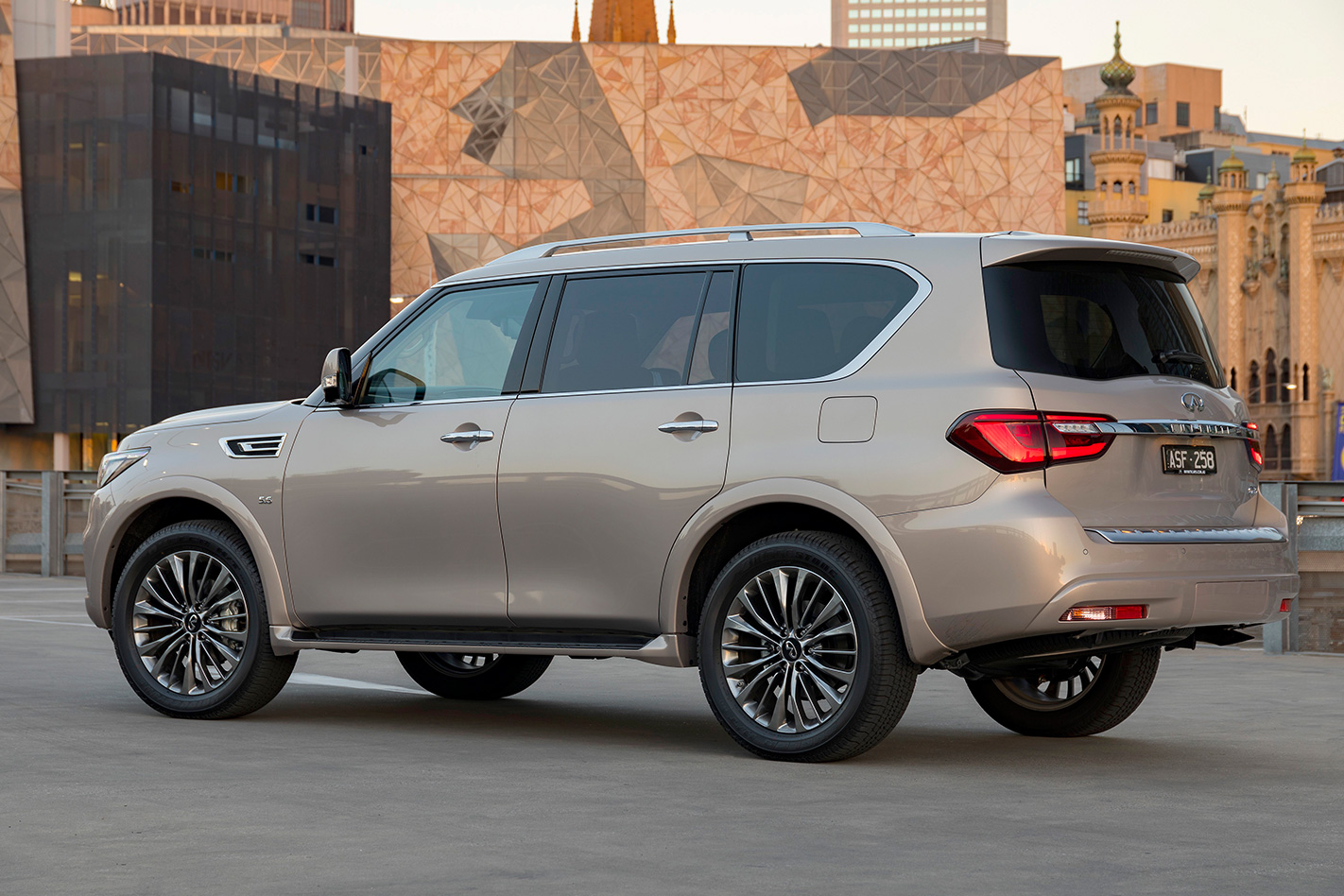
Mercifully, that’s changed. A mid-cycle facelift rectifies all of the aesthetic complaints we had about the exterior, and actually gives the QX80 a face that’s not just more handsome than before, but one that actually appears premium. That’s something that was sorely needed to separate the Infiniti from the Nissan Patrol that it’s based upon.
Other updates are minor, and the QX80 still doesn’t spoil buyers with choice – there’s just one spec grade on offer, and one petrol engine. That said, there are still more than a few reasons to look in the QX80’s direction.
STRENGTHS
- Appearance – say what you will about the pre-update QX80, but the newly-arrived model is genuinely good-looking from most angles. Sure, it shares a lot of its side sheetmetal (not to mention its entire mechanical package) with the Nissan Patrol, but the front-end makeover is unique to the Infiniti and brings distinctive LED headlamps and a more pronounced ‘jawline. Meanwhile the reshaped tailgate, tail lights and rear bumper cap off what is a greatly-needed aesthetic upgrade.
- Value – This is a serious amount of car for your money. The pricing remains the same at $110,900, which is a properly sharp deal against the $142,741 Lexus LX570 that is the QX80’s primary rival. It’s even cheaper than a petrol-engined Toyota LandCruiser Sahara, while also boasting significantly more power and torque.
- Refinement – There’s a quietness to the QX80’s cabin when travelling at highway speed that belies its size, and some of that has to do with the addition of more sound-absorbing material around the updated QX80’s cabin. Isolation from outside sources of noise is good, which makes for a comfortable cruiser on long-distance drives.
- Powerful engine – The QX80’s 5.6-litre naturally-aspirated V8 may be a low-tech option by today’s standards, but its 298kW/560Nm outputs are certainly generous. It also happens to sound glorious under hard acceleration, while also being happy to lope around at low rpm. For those curious, the QX80 will sprint to 100km/h in just 7.5 seconds.
- Smooth gearbox – A seven-speed conventional automatic is the only transmission offered in the QX80, and it works admirably well. Shifts are silky, it preferences tall gears to take advantage of the engine’s abundant low-rpm torque, and it intelligently holds gears when going up hills.
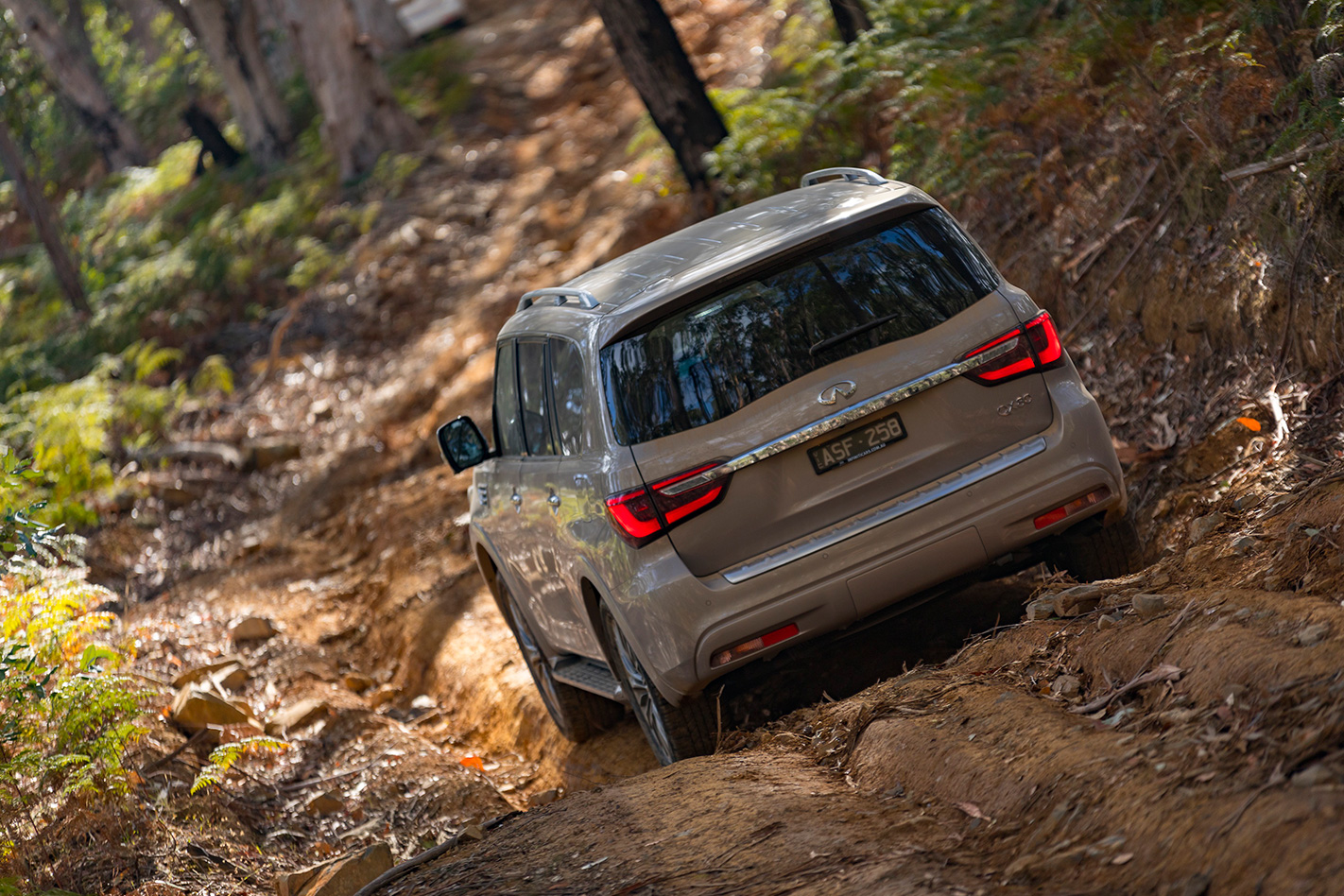
- Offroad credentials – This isn’t your average Toorak Tractor. The QX80 makes full use of the Patrol’s offroad running gear, and brings a genuine low-range transfer case, locking rear differential, huge ground clearance and a bevy of off-road modes for its traction control system to ensure you rarely get stuck.
- Size – The QX80 is massive, and when it comes to carting around seven people without much squeezing it’s got space to spare. The only downside is making sure you’ve got a driveway big enough to park it in.
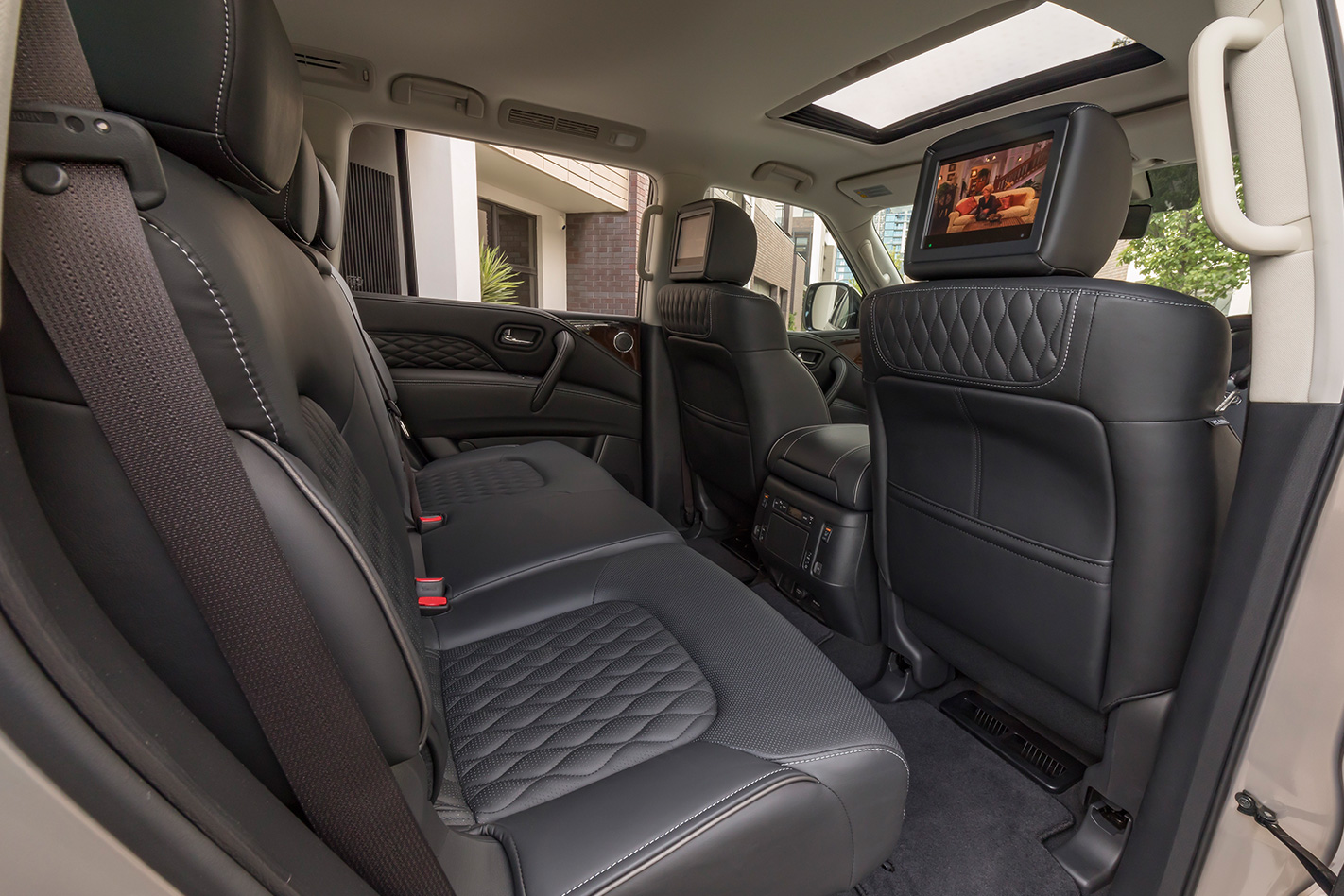
- Entertainment options – The rear seat screens, mounted in each front headrest, are now upsized to 8 inches and can play different videos – perfect if one of your backseaters isn’t into the same kind of shows as their companions. Wireless headsets, USB charging points and rear seat climate controls also help keep your passengers happy on long journeys.
WEAKNESSES:
- Suspension sensitivity – Infiniti has retuned the suspension, cutting damper forces by 30 percent all around to help introduce a more comfortable ride. While it dispatches bigger bumps well and generally does a good job of riding smoothly, lightly corrugated roads introduce some jiggliness to the QX80’s chassis that takes a little the shine off an otherwise cushy suspension.
- Steering – Over-assisted and with many turns of lock, there’s not much of a sense of connection to the front wheels. Not a huge issue in a lumbering offroader, but it does reduce the driver’s confidence in how much grip remains at the front end.
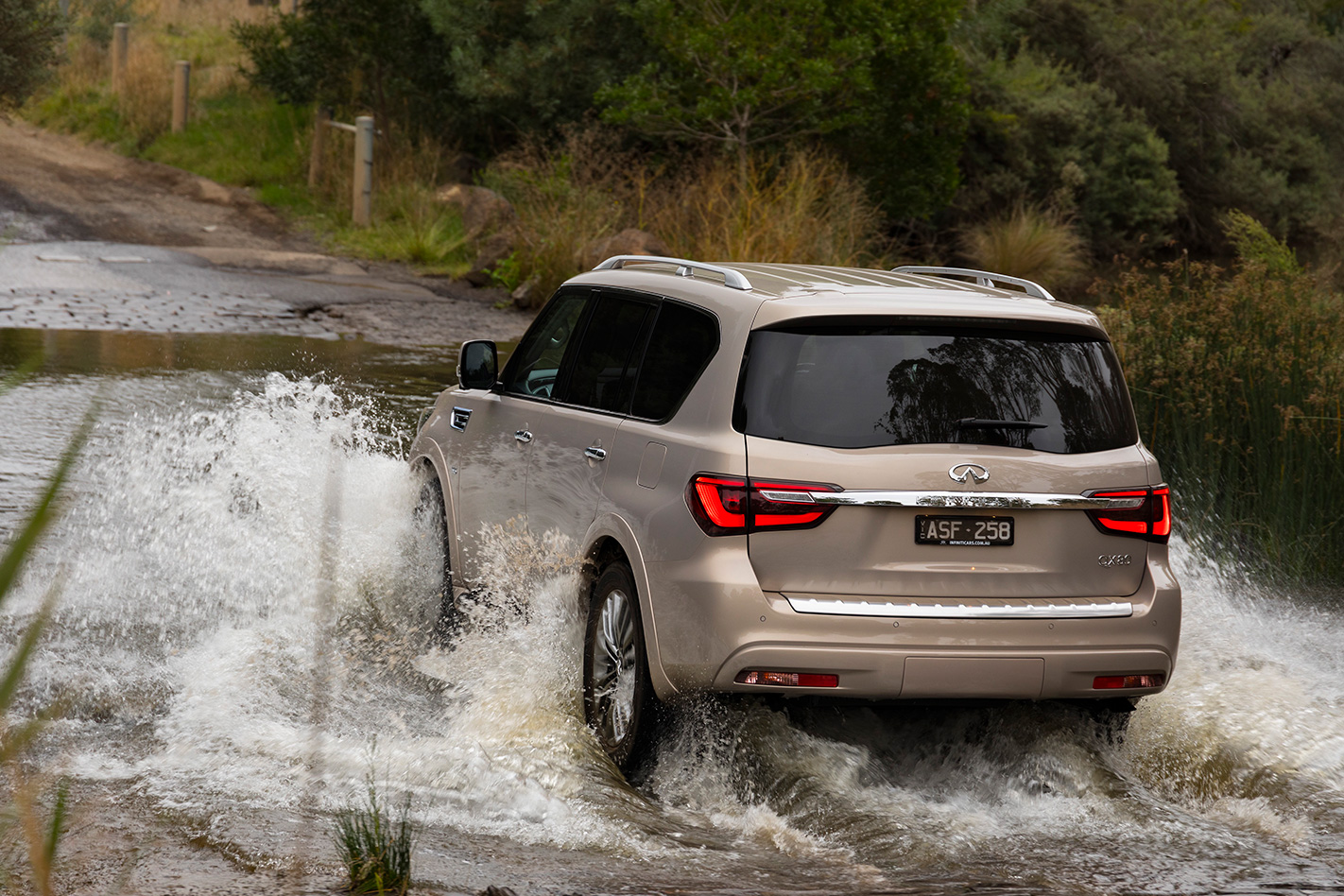
- Thirst – There’s no diesel option – nor will there ever be for the QX80 – and with the only powerplant being a naturally-aspirated V8 that means the 2.8-tonne QX80 sucks down lots of fuel. We averaged around 16L/100km during the launch event, and Infiniti themselves claim an average burn of 14.5L/100km.
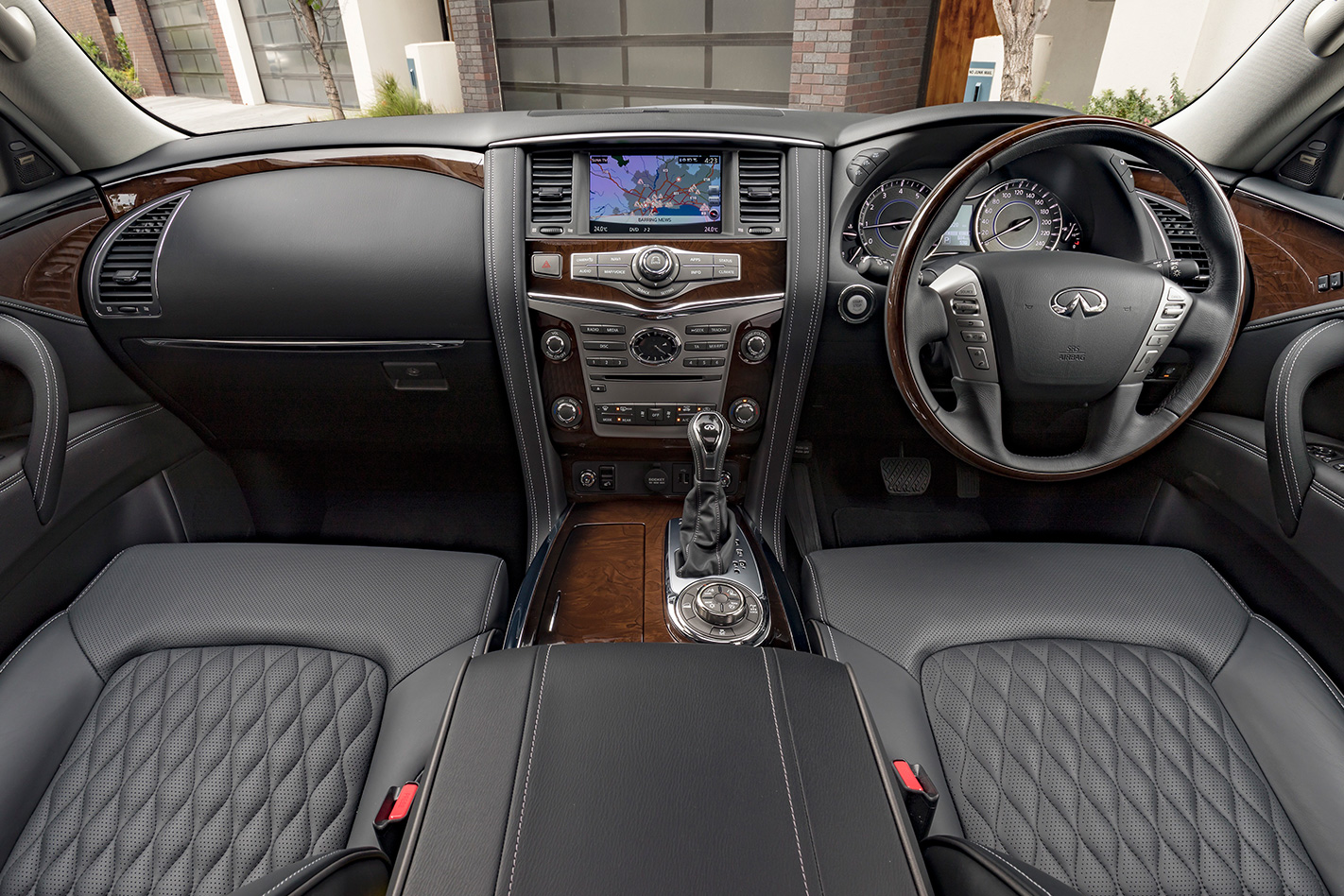
- Interior changes – They’re only minor. It’s more expensive for a car company to make sweeping changes to a vehicle’s interior furniture than its exterior, so the QX80 update sees the same dashboard, centre console, centre stack layout and instrument panel carry over with only minor alterations to trim materials.
ANY RIVALS I SHOULD CONSIDER?
The more expensive Lexus LX570 compares well on size and performance, but scores higher marks for interior presentation. Other options include The $117K Mercedes-Benz GLS 350d and Audi Q7 3.0 TDI.
On September 2, 2019, Infiniti Australia announced it will fully withdraw from the Australian market by the end of 2020. For more information, head here.
AN ALL-NEW Nissan Altima has arrived at the 2018 New York Motor Show. But what’s more tasty than its chiselled form and more premium interior is the technology that will power it.
Under its bonnet, the Altima will use a variable-compression turbocharged 2.0-litre four-cylinder engine, which Nissan claims can “continuously adjusts its compression ratio to optimise power and efficiency”.
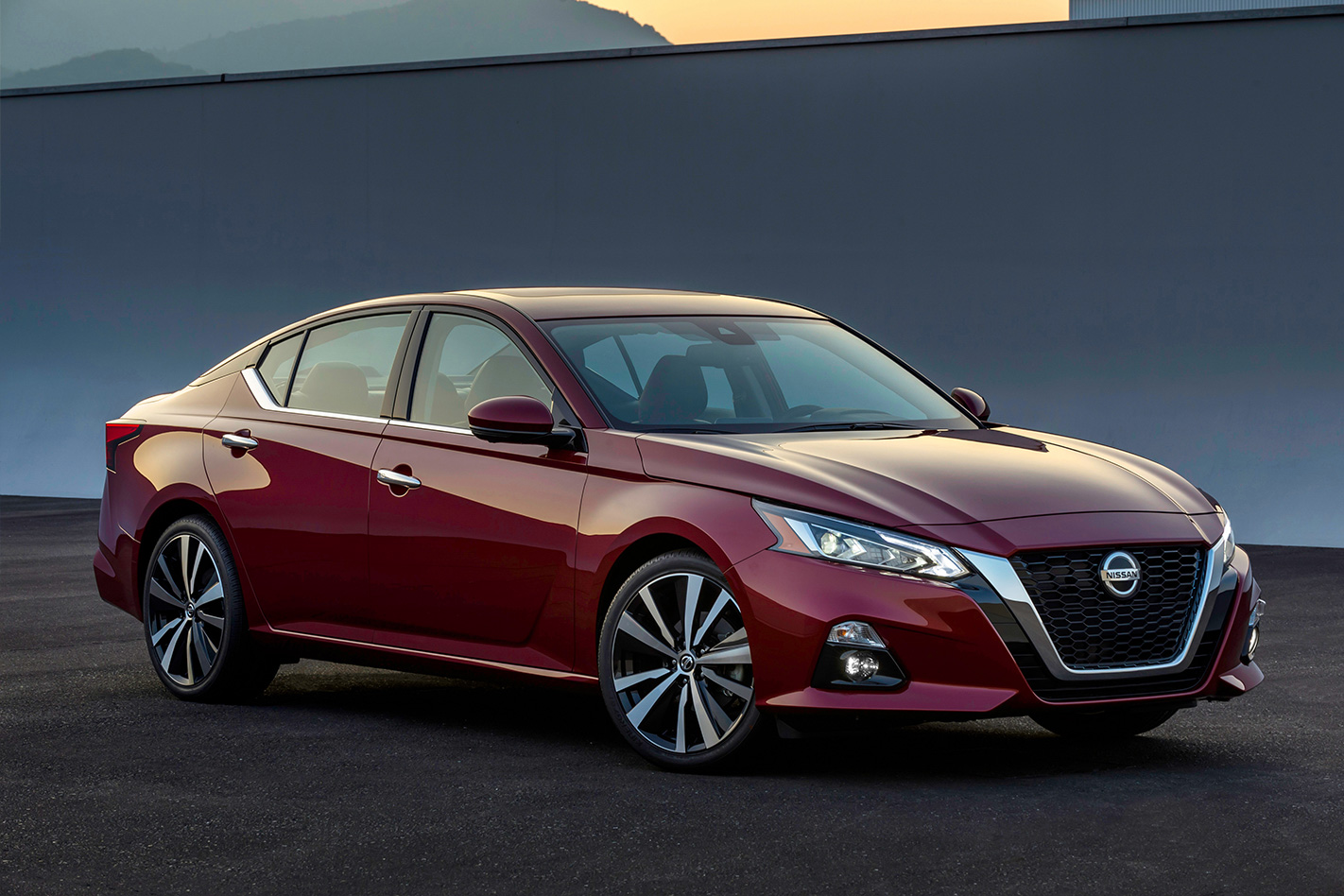
The 185kW “MR20 DDT” variable compression engine was initially developed for Nissan’s luxury brand, Infiniti, and can provide a compression ratio of between 8:1 (performance) to 14:1 (fuel economy).
Sitting alongside the variable compression engine is a revised version of the 2.5-litre engine that will power lower-spec versions of the Altima. Nissan claims this engine is 80 percent new, and much quieter and smoother than before, and should add about 7kW to the current Australian-spec engine’s 126kW performance serve.
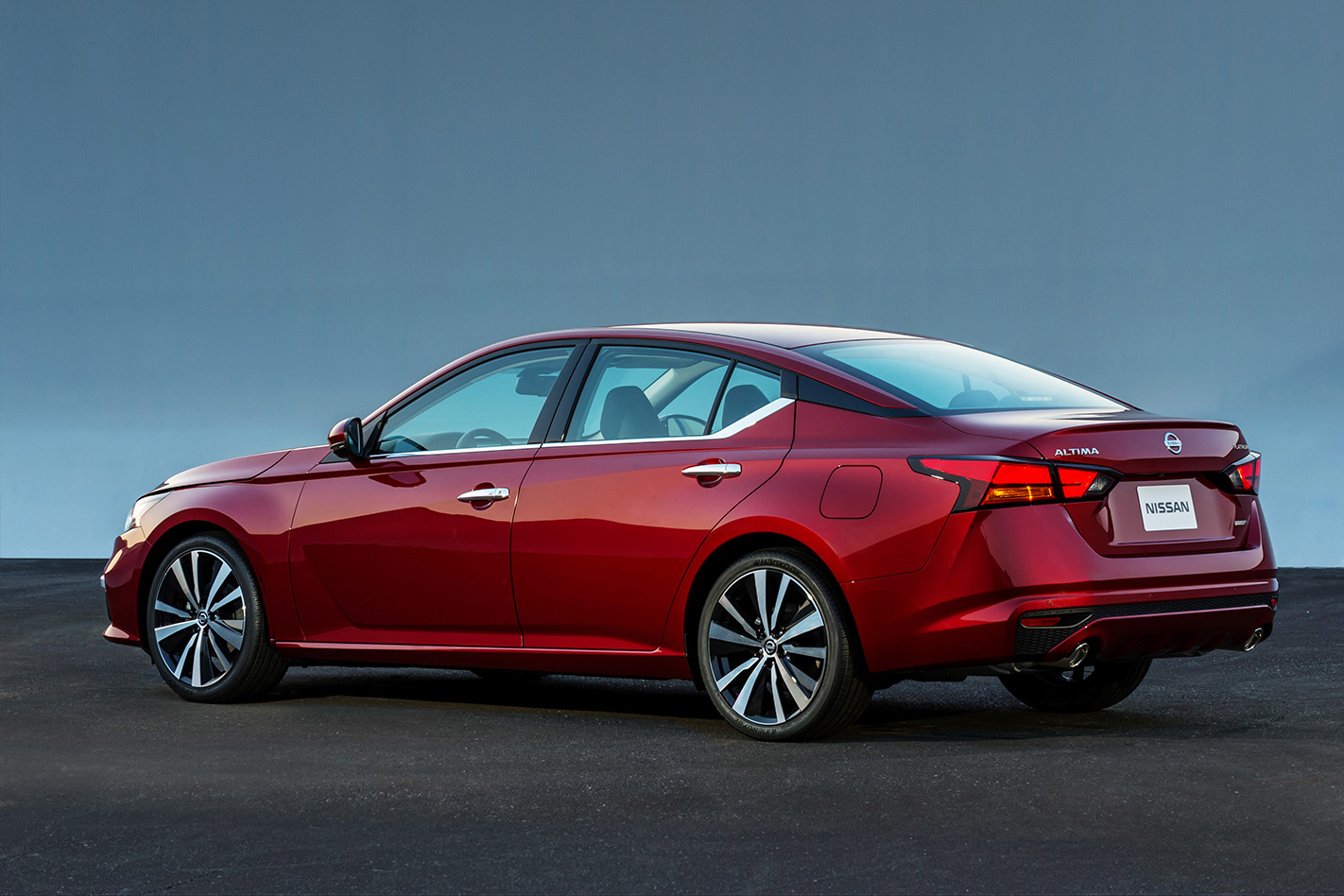
The new mid-sizer will go on sale in the US in the third quarter, followed by other global markets – but not yet Australia, where the reintroduction of the Altima is still a bit of an open wound: “Nissan Australia will consider all new products as they become available,” a spokesman said, “however at the moment there are no current plans to reintroduce Altima.”
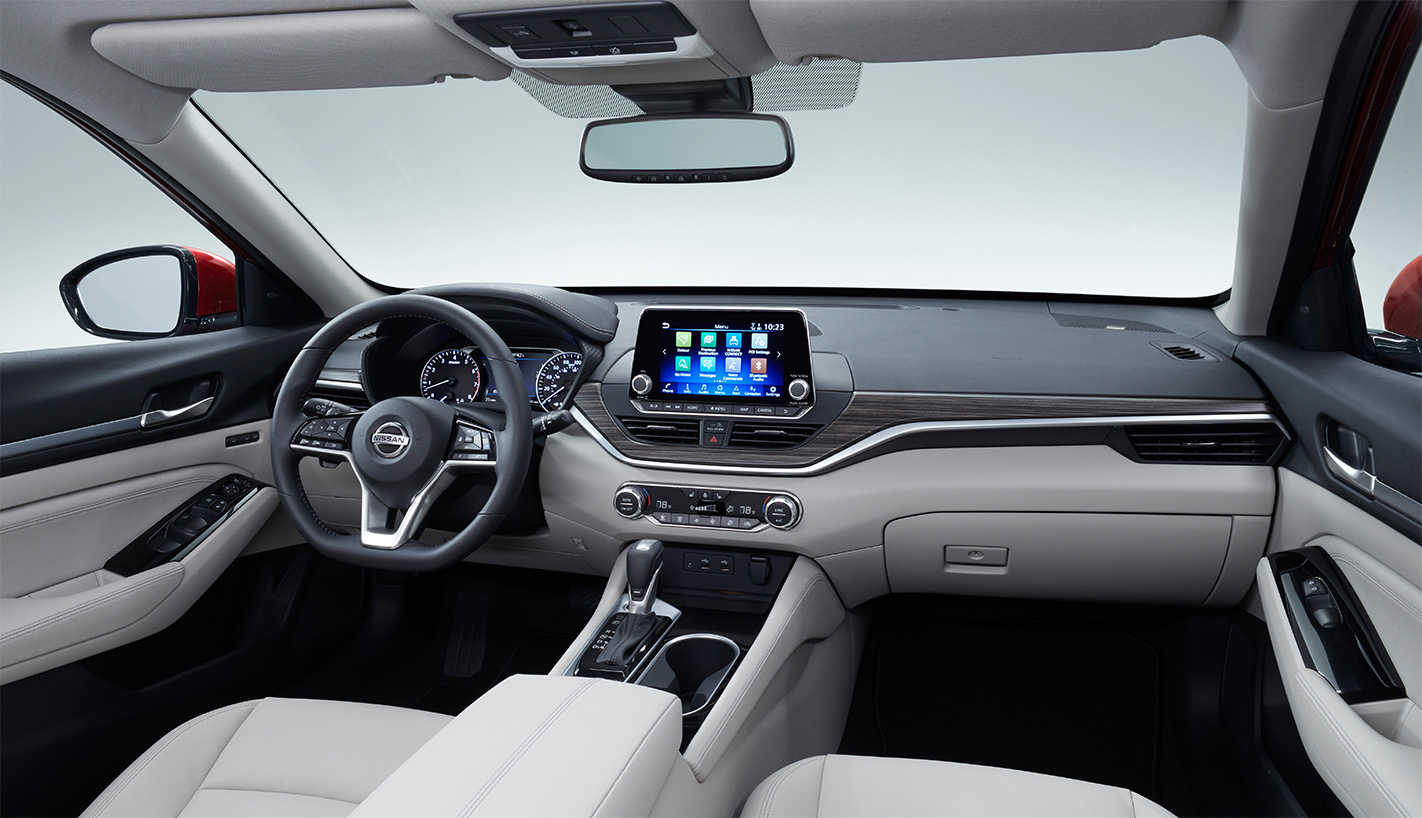
Inside, the instrument panel adopts what Nissan calls a wide “gliding wing”. The car maker has attempted to make the Altima’s interior more premium compared with the previous generation.
A new electric performance concept from Genesis, the Essentia, has debuted at the New York Motor Show.
The brand’s first battery electric vehicle takes a performance GT approach to functionality, with a four-seat interior laid out to be minimalistic but luxurious. Yes, there’s a steering wheel.
Genesis says the Essentia isn’t just a design concept, but a taste of what the future might bring in terms of performance.
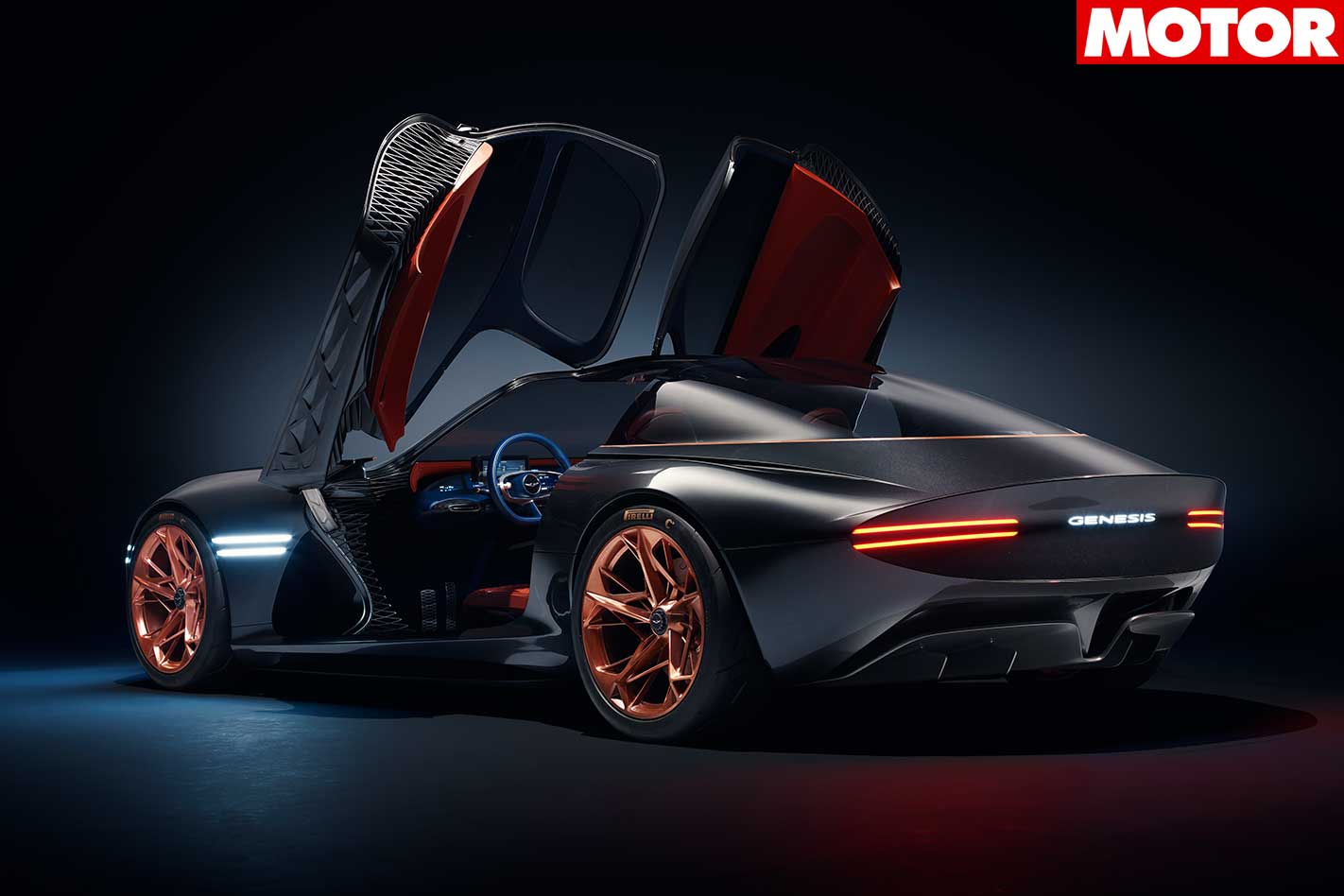
“It is the brand’s initial concept for a true GT car and challenges the status quo as the ultimate manifestation of Genesis design and engineering.
“The battery pack is housed in the centre tunnel in an I-shape structure, as opposed to underneath the passenger compartment.
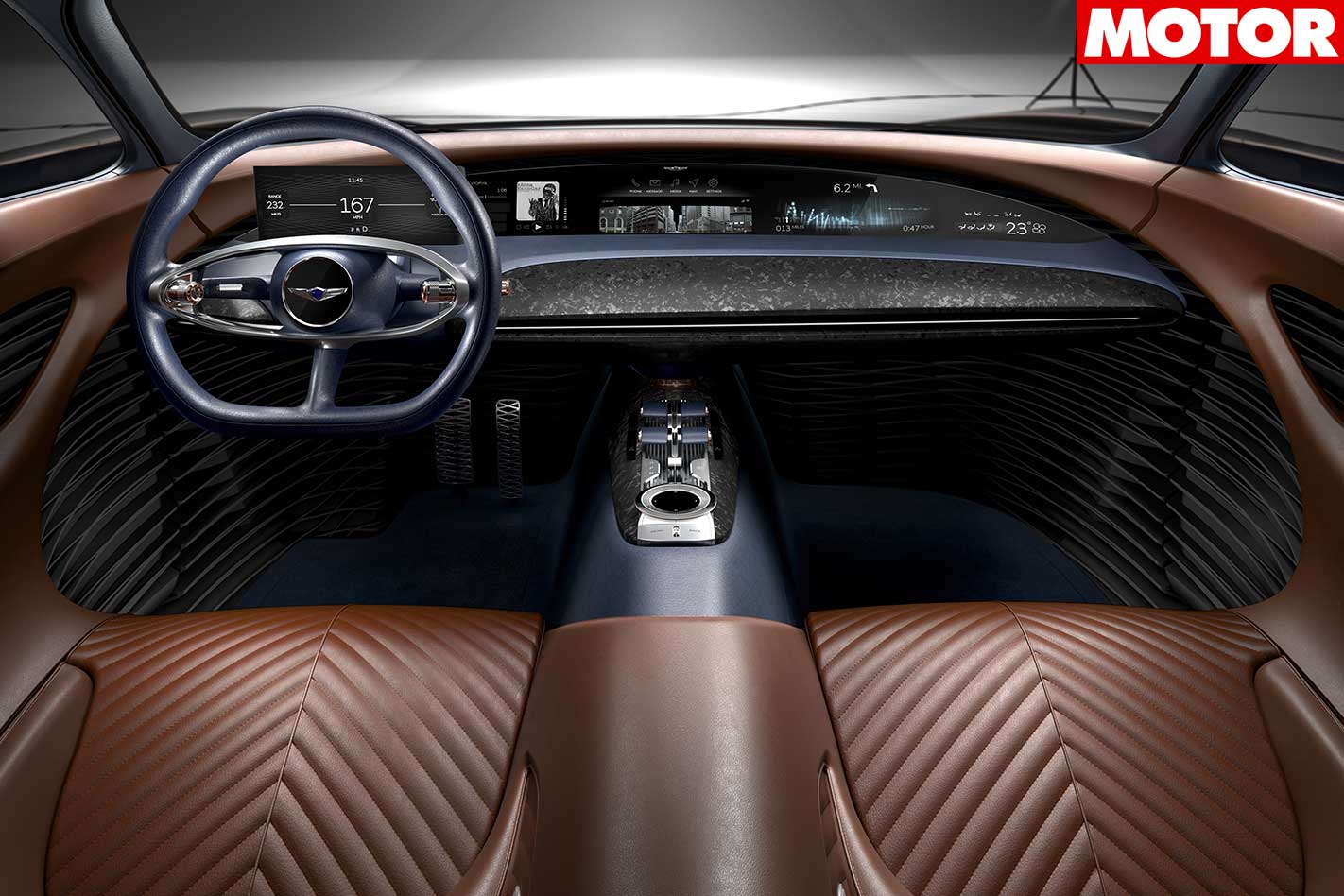
“With an estimated 0-to-60mph [0-97km/h] time of 3.0 seconds, Essentia brings sports car-level performance to the realm of electric luxury coupes.”
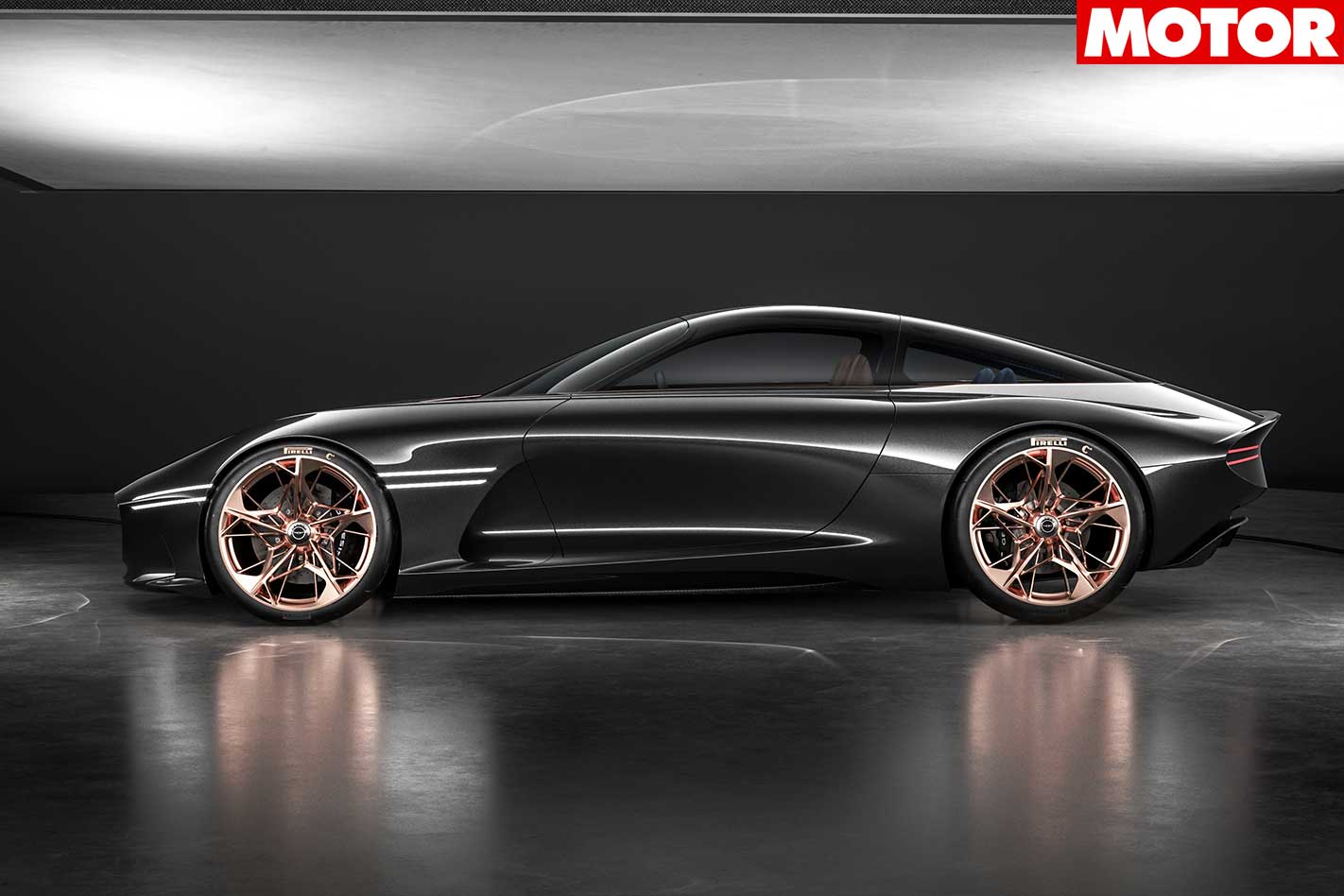
“We understand our obligation as a luxury car manufacturer to create objects of desire, sparking passion and inspiration by emphasizing a culture while exceeding expectations in terms of technology and connectivity, bringing our outside world seamlessly to the inside of the vehicle,” says Fitzgerald.
“This is what the Genesis Essentia Concept is all about, and we are thrilled to introduce our interpretation of an all-electric, two-door Gran Turismo here in New York.”
Autonomous cars are the hot topic of the moment, with every manufacturer keen to show off its vision of letting technology take the wheel.
Such talk paints a fairly dystopian future for driving enthusiasts, who risk seeing their passion regulated out of existence, but not every manufacturer is willing to entirely hand over the keys to computers just yet.
Infiniti’s vice president of global product and programs and motorsport, Francois Bancon, has promised the company’s policy will be to let drivers choose when and if the autonomous driving aids will take control.
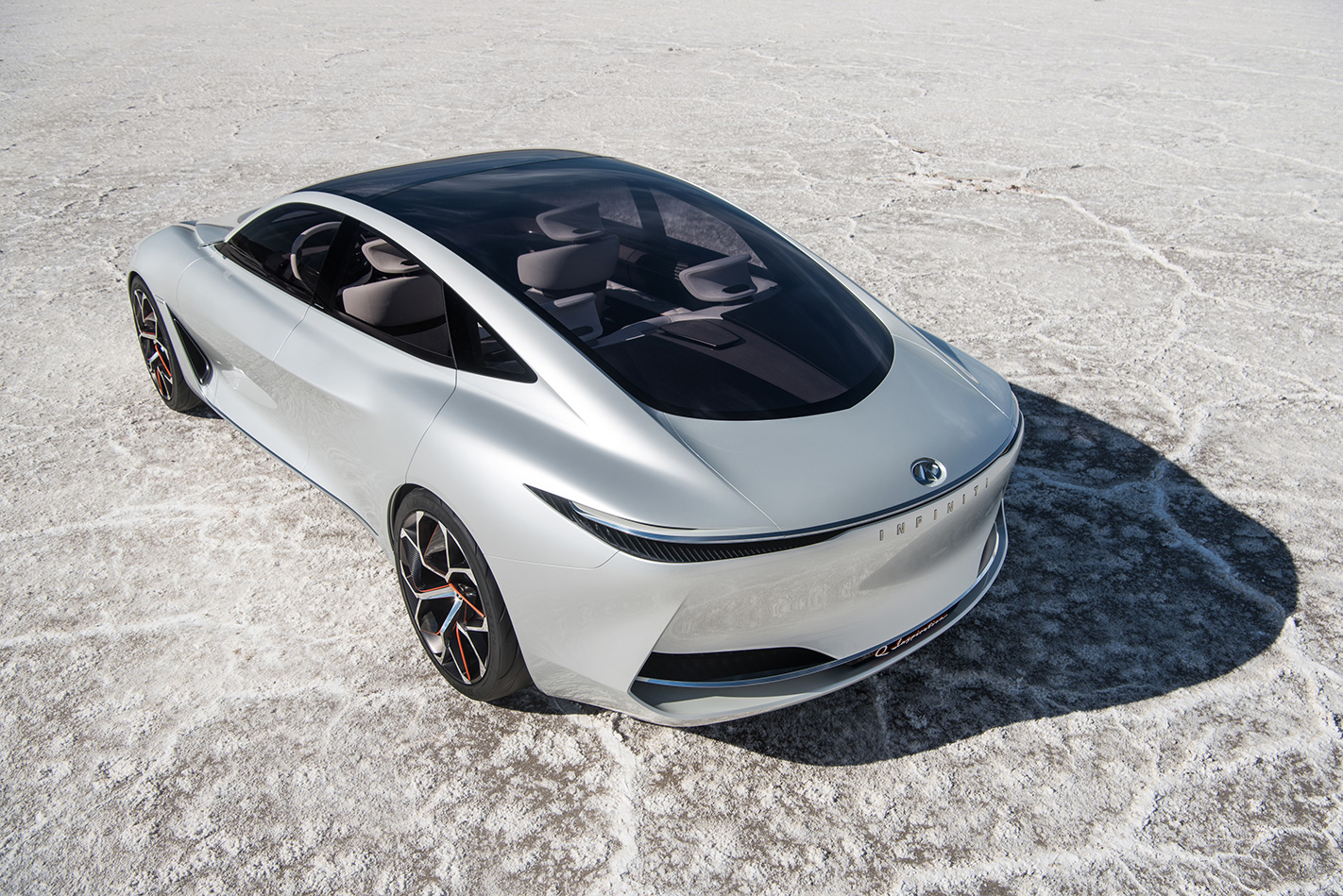
Despite being a self-professed car guy, Bancon acknowledges the advantages of autonomous driving: “You just came here with the traffic jam – 50 per cent of the time it’s just annoying to drive! We have to give time back. We already have AD (autonomous driving) first generation, we’re going to have second generation soon, mainly highway or big freeway context, because this is probably the easiest part and less risky, including lane changes so you can just relax.”
Nonetheless, Bancon is adamant higher levels of autonomy that will allow drivers to turn off completely (level four or five) are still some way off. Currently, Audi’s new A8 is the only production car available with level three autonomy, which means it can manage most driving conditions, but the driver must be able to take over at any time. Even then, the A8’s abilities are hamstrung by regulation.
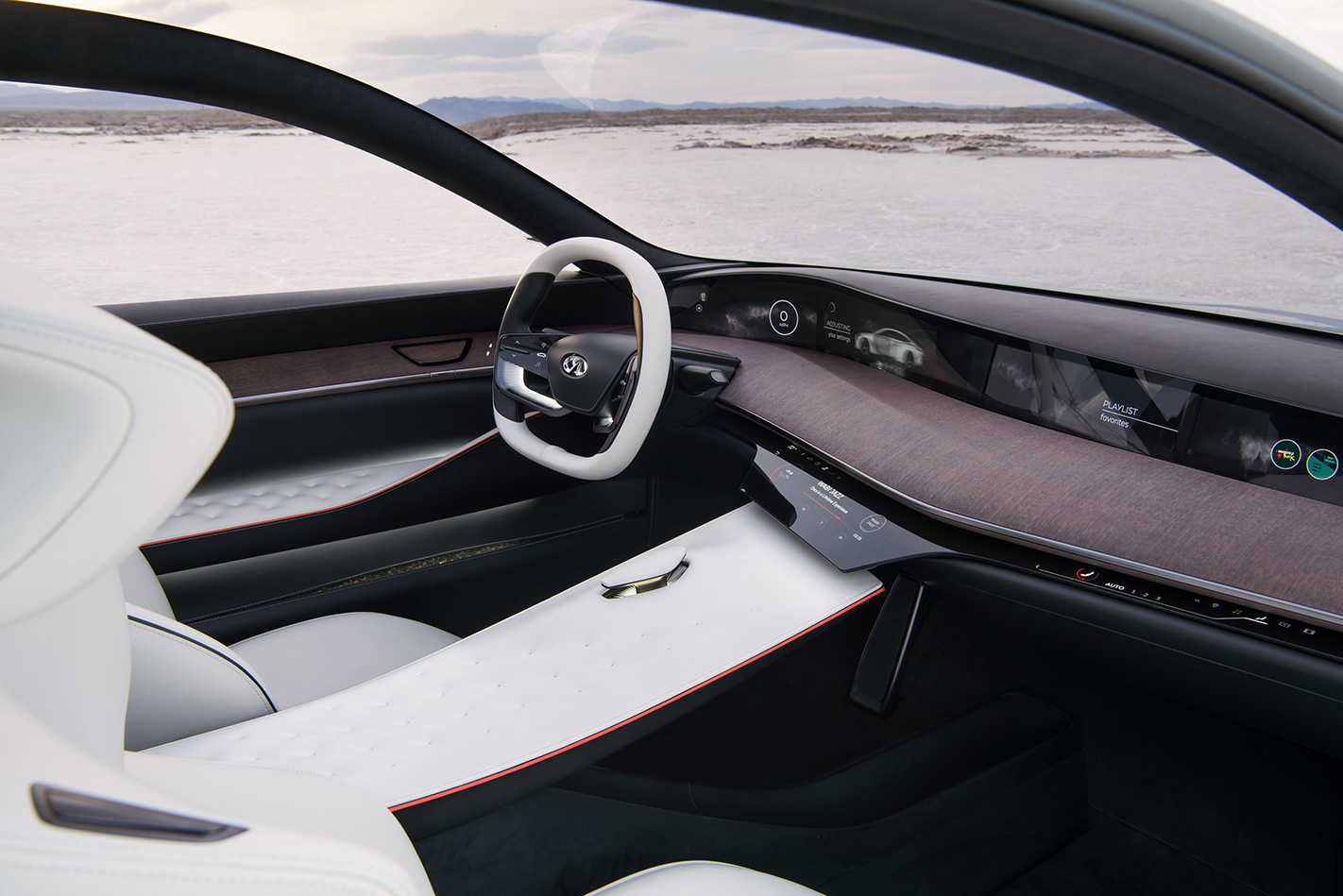
“To make a system beyond level three, you need a connection car-to-car, you need a connection car-to-city – who’s going to pay? The city? There is no standard at the moment, there is one in the US but it’s a premature system.
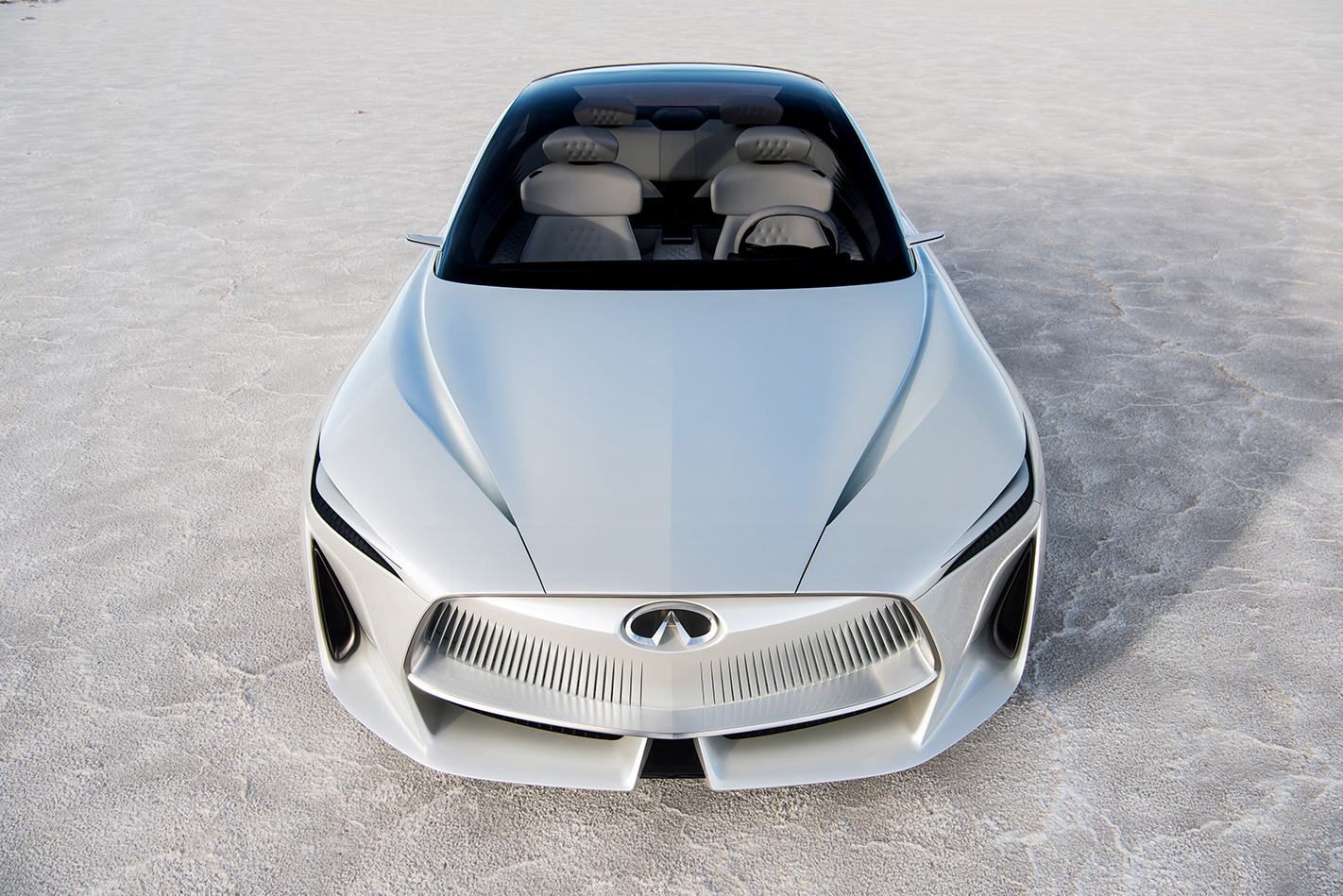
The big question might be whether regulations allow Infiniti to fulfil its promise.
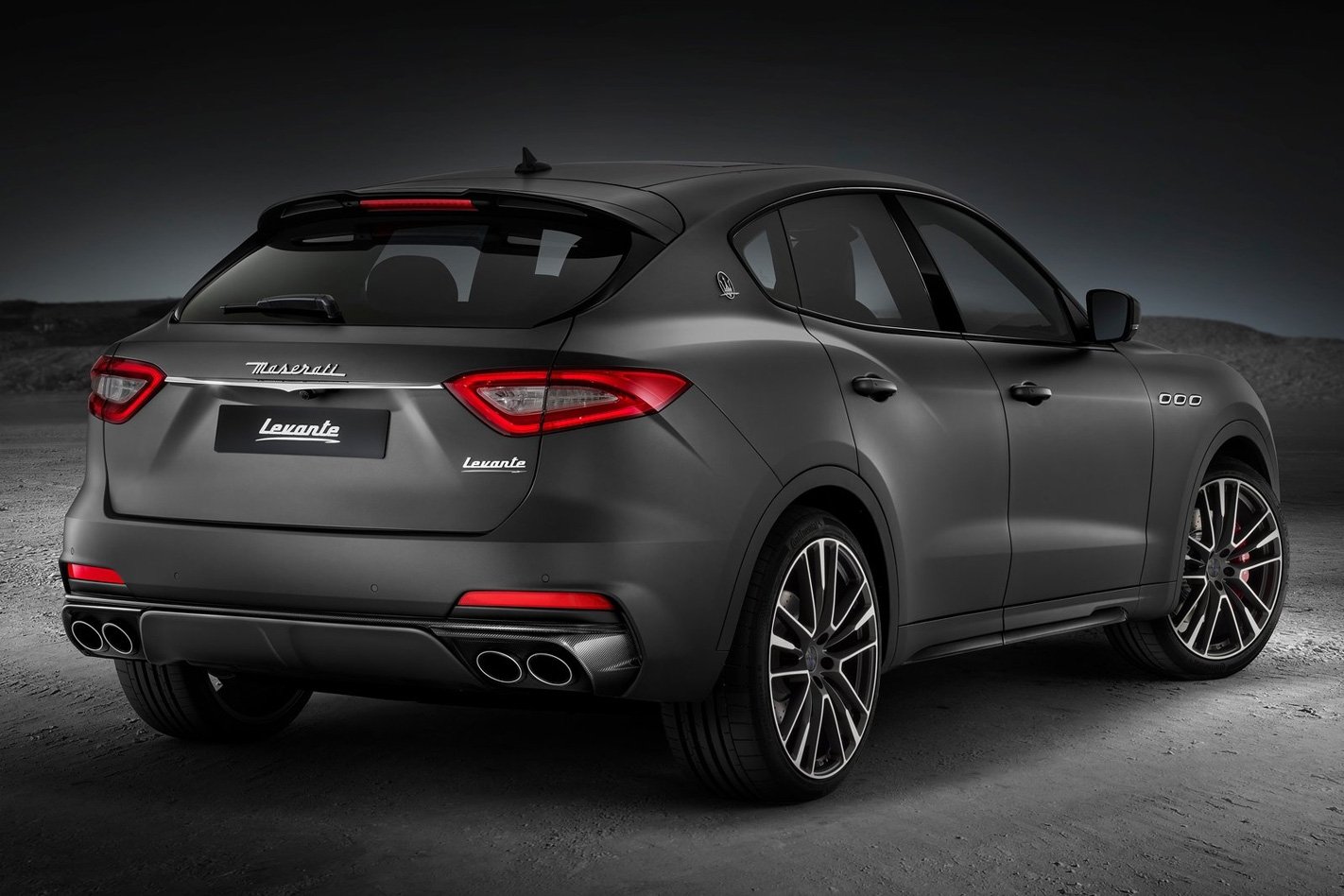
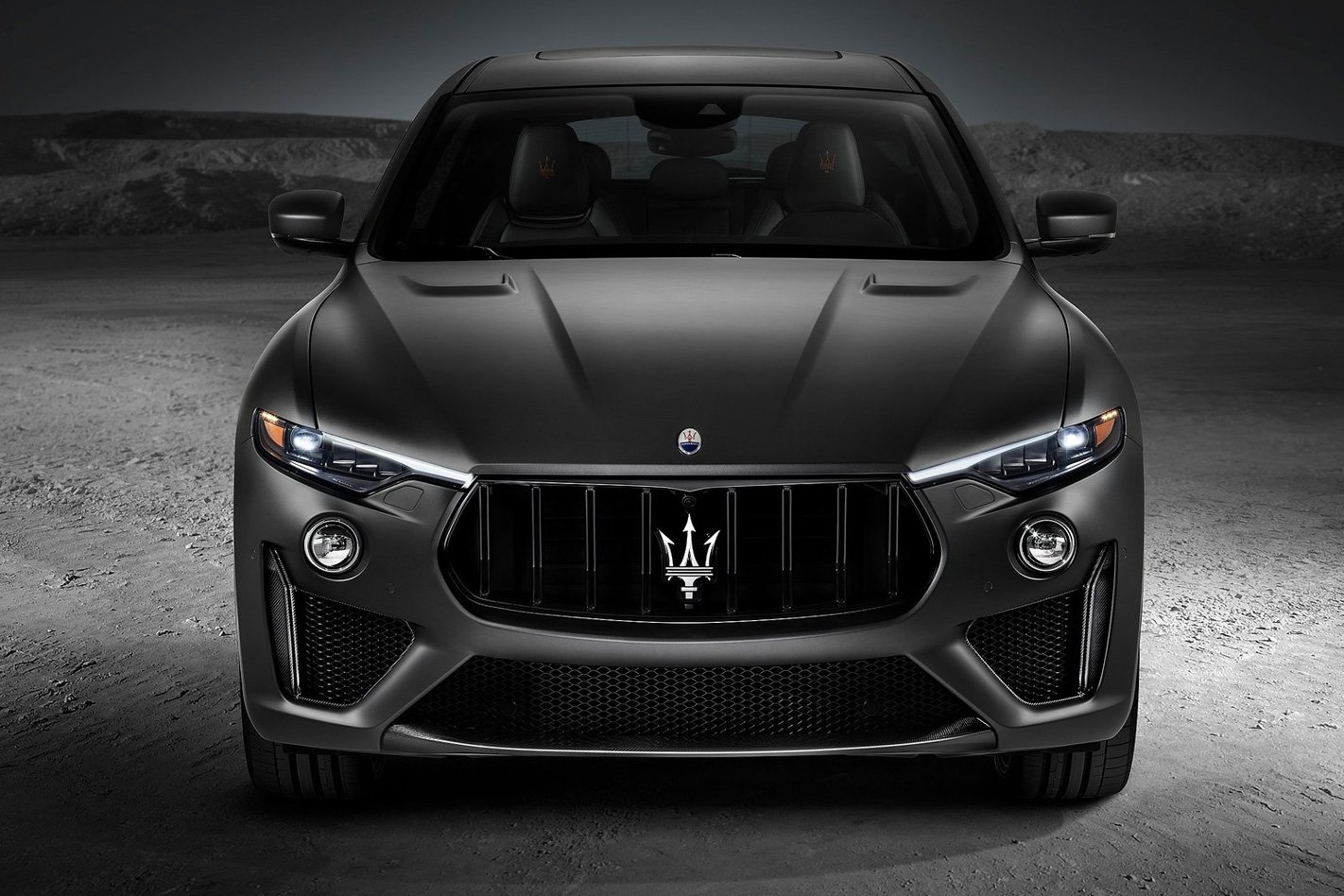
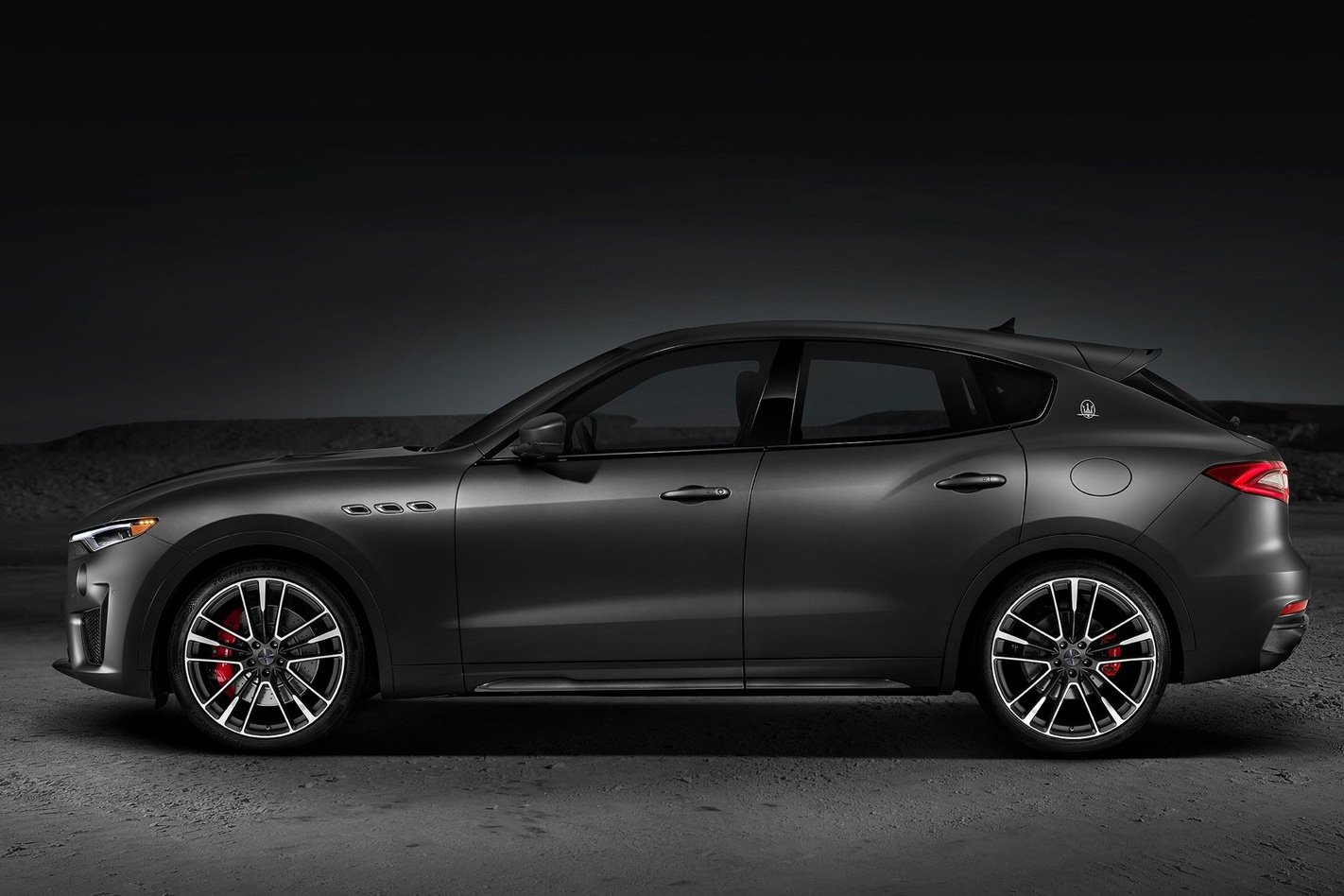
MASERATI has lit the touch paper on a new Trofeo version of its Levante large SUV, slotting a Ferrari-built 3.8-litre turbo V8 under its high-riding snout, for a peak output of 440kW/730Nm and the muscle to get to 100km/h from standstill in 3.9 seconds.
With a mighty forced induction bent eight powering all four wheels, the ‘roid-pumped Levante Trofeo only narrowly misses out on the Italian company’s title as fastest and most powerful production car to date, not bad for its off-road foray.
Astonishingly, it is only the viciously expensive and rare Ferrari Enzo V12-powered Maserati MC12 super-coupe of 2004 that can better the latest Levante, with 460kW and a 0-100km/h dash of 3.8 seconds.
From the German manufacturers, BMW’s X5 and X6 M twins and the Mercedes-AMG GLE 63 put up a fight, with acceleration to 100km/h in 4.2 seconds. Fellow Italian Lamborghini Urus does the dash in a best-in-class 3.6 seconds (albeit for a $390,000 price), while the Alfa Romeo Stelvio QV sets a time of 3.8 seconds.
Acceleration and power figures are strong on paper but the Trofeo can also brag a serious v-max of more than 300km/h.
Of the current Maserati range, the Trofeo becomes the fastest model wearing a trident badge, beating the Quattroporte GTS to 100km/h by a tenth, which uses a less powerful version of the same Maranello-made 3.8-litre V8. It also trumps the GranTurismo MC Sportline, which shares the GTS’ 0-100km/h time.
Beyond the Trofeo’s mighty engine centrepiece, the hottest Levante has a number of upgrades over its V6 siblings, including a chassis that has been fettled to manage the extra grunt.
‘Finely tuned’ double wishbone suspension looks after the Levante’s front end, while a modified multi-link system takes care of the stern, and a weight-distribution of 50:50 adds to the sharpened chassis.
Twenty-two-inch forged aluminium wheels are the most generous yet fitted to a Maserati and are offered in polished or matte finishes but can be swapped for 21-inch alloys with all-season tyres. They connect to the engine and eight-speed automatic transmission via the company’s Q4 all-wheel drive system.
A further Corsa mode offers the maximum throttle response, lowers the suspension, optimises the Integrated Vehicle Control (IVT) settings, reduces gear-shift times and opens exhaust valves for a more obvious and sporty V8 report.
Trofeo varieties are immediately identifiable from lesser Levantes with a number of exterior changes. At the front and rear ends, the bumpers and fascia have been redesigned with honeycomb grille and larger more aggressive vents with carbonfibre splitter.
Side air intakes have been re-sculpted for a more ‘aggressive’ look, while more carbon for side bezel blades and quad exhaust completes the look.
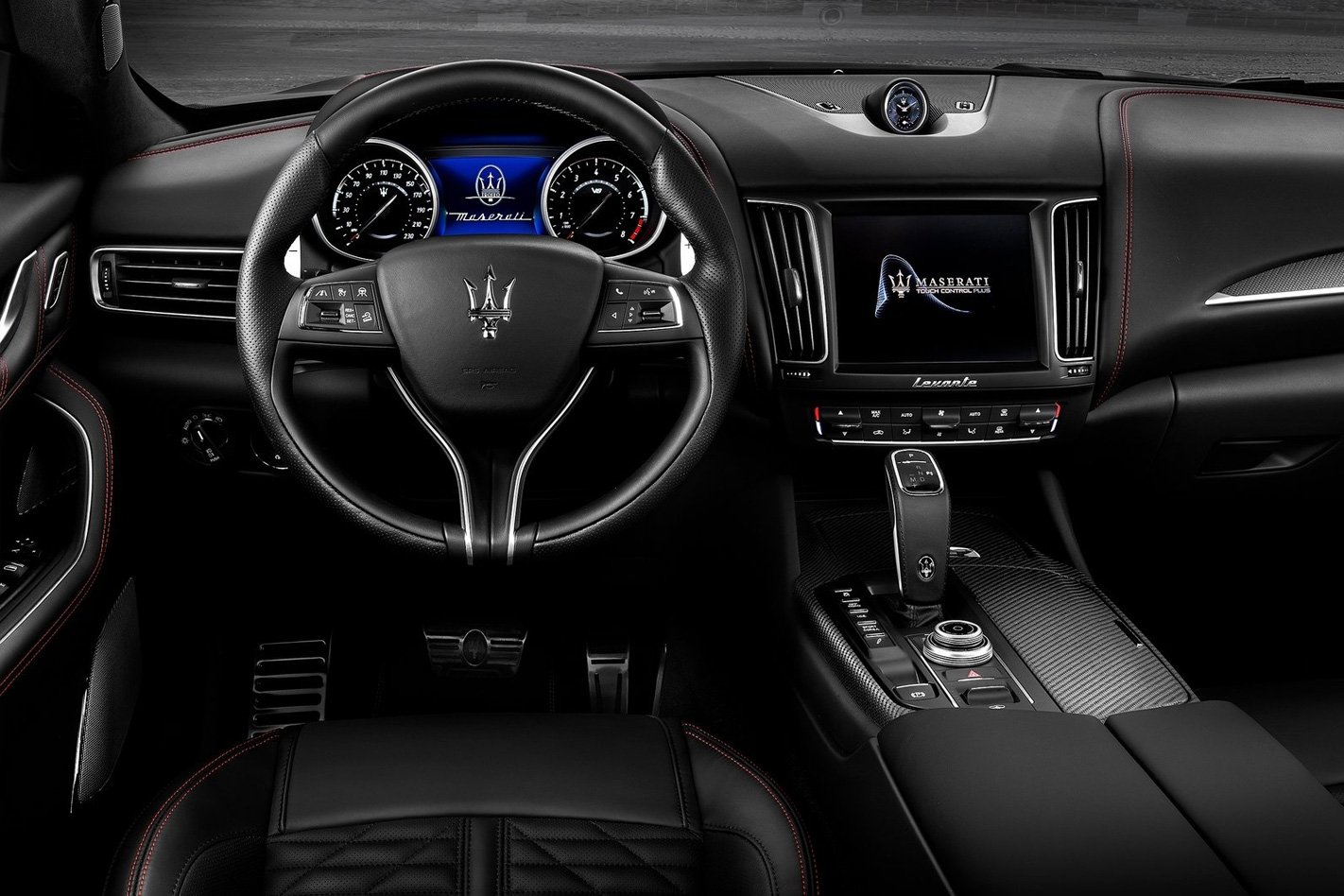
Production starts this year and, although local pricing and specification is yet to be finalised, the Trofeo will be offered to Australia’s power-hungry petrolheads.
The New York show car that will be revealed to the public on March 30 is dressed up in limited launch edition extras, but the special version will be offered to the fastest acting US and Canadian customers only.
Infiniti is committed to the Australian market, despite struggling to make an impact in the five-odd years since its introduction.
Infiniti Australia Corporate Communications Manager, Tony Mee, told MOTOR: “Infiniti in Australia is here for the long haul. There are no plans to exit, there are no plans to downgrade; it’s all about the future, we’ve got some great technologies coming out, we’ve talked about the new design language that’s coming though. All these new technologies and new initiatives are designed to take Infiniti into the future.”
The premium brand sells well in the US but has struggled to replicate that success in other markets. It arrived in Australia in mid-2012 but sales have been dismal, with just 3048 vehicles being sold in total in almost six years.
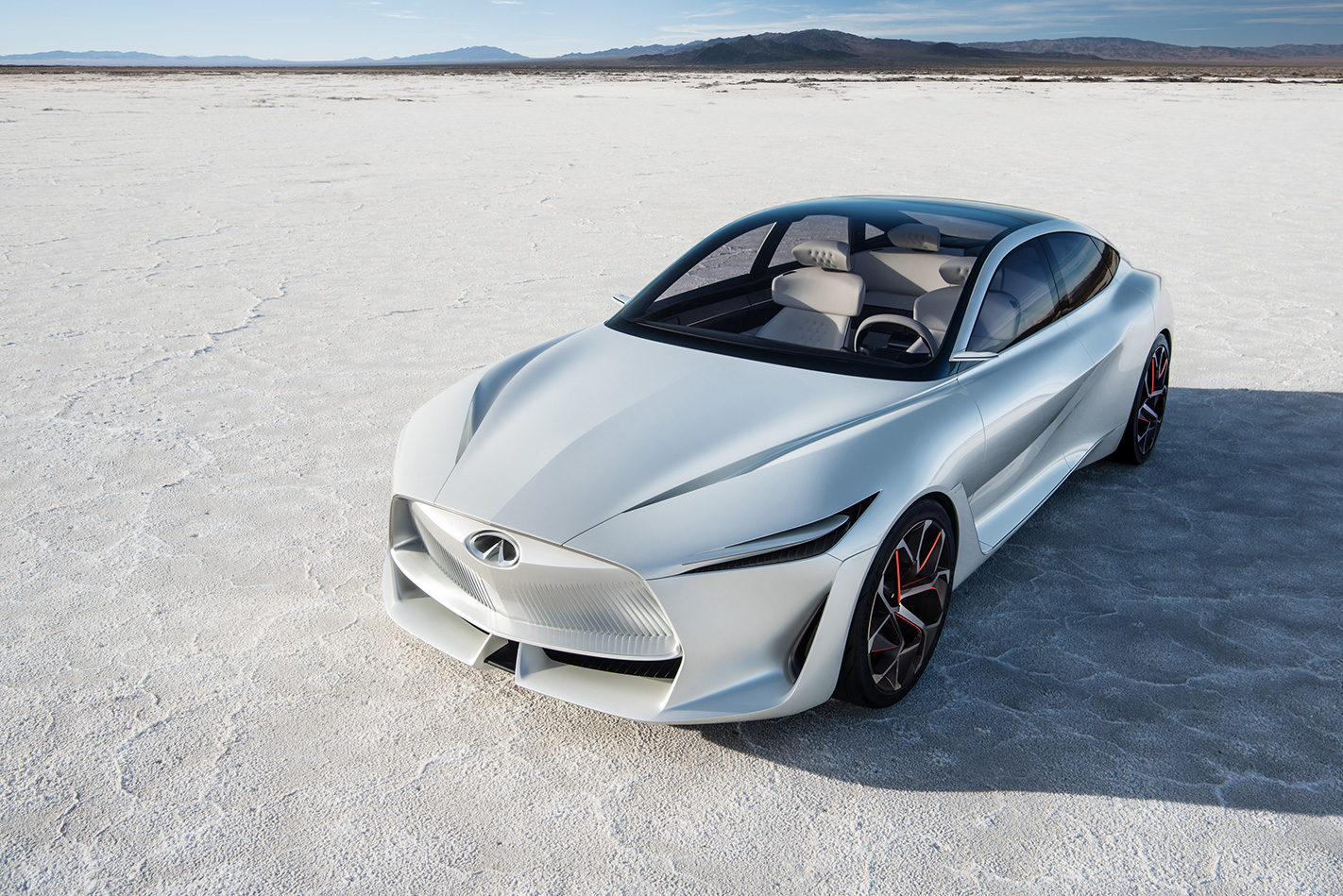
In a recent chat, Infiniti’s Vice President of Global Product and Programs, Francois Bancon, explained some of the brand’s challenges: “Australia is not an easy market, first because it’s highly competitive, the prices are not that high and the expectations are very high. The problem with Australia is very simple, it’s a right-hand drive market, so this requires a dedicated investment.
“I have to say we didn’t prioritise Australia, we have to be honest. Now we do. We are a global brand, we cannot ignore a country even if they are small. We want to grow [in Australia] for many reasons; it’s probably one of the last countries in the world where people love to drive – they love power, they love the ‘primitive’ part of the drive. It’s a significant market, because people love cars.”

The reason manufacturers spend billions of dollars in F1 is mainly to sell cars, but also to develop future technology.
It was for this reason that F1 adopted the current controversial hybrid powertrains in 2014, in an effort to appease manufacturers and provide the road relevance missing with the previous high-revving naturally-aspirated V8s.
Renault was one of the biggest proponents of the new regulations and its premium partner Infiniti has now revealed it is undergoing a study to evaluate the possibility of using F1 technology to develop a hybrid halo car.
The base for the project is the Black S Concept revealed at the 2017 Geneva Motor Show, which promised an F1-style hybrid system boosting power from the standard Q60 Red Sport’s 298kW to 373kW while also being able to meet increasingly stringent emissions regulations.
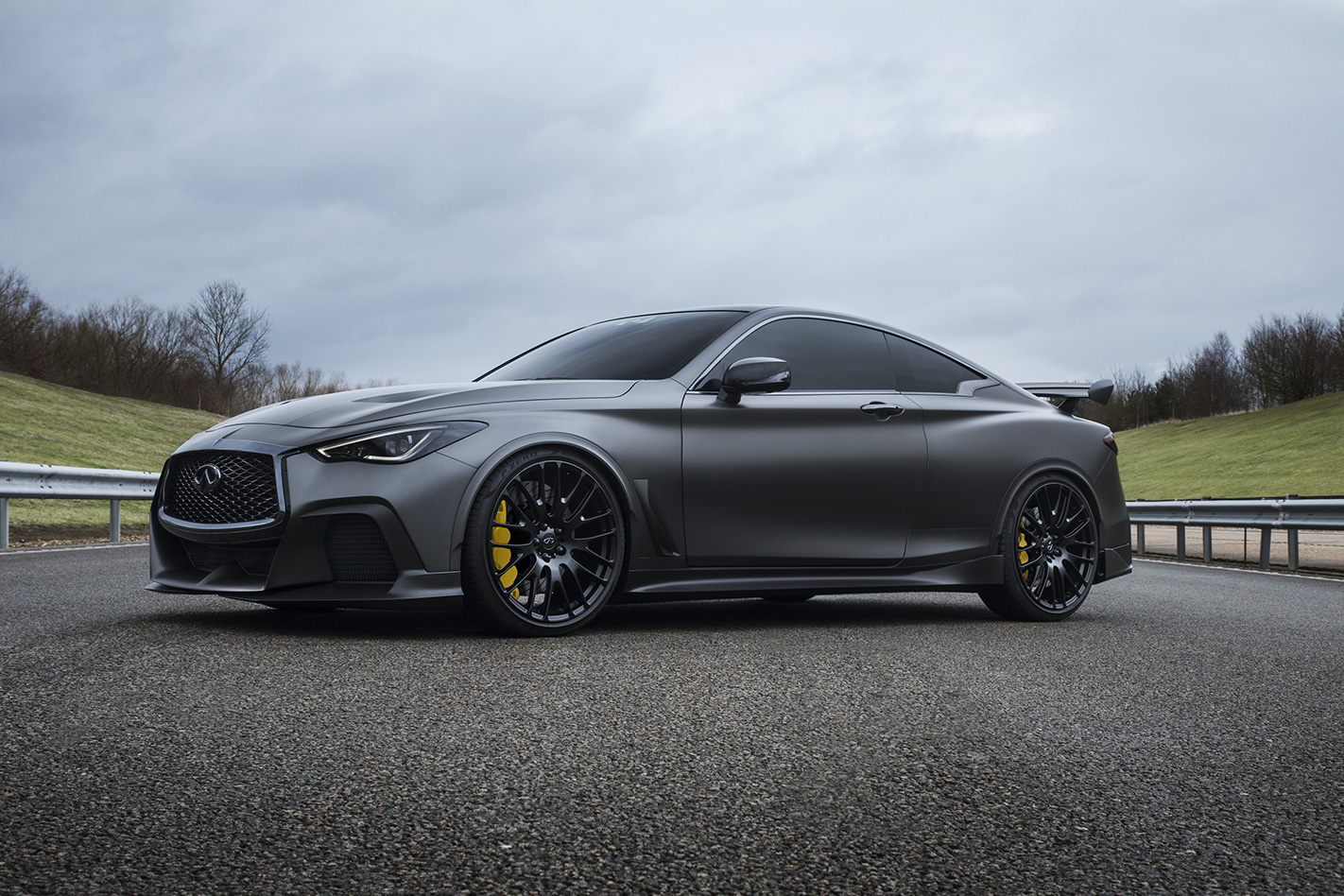
“On the Black S my idea was: we have a partnership with Renault F1…how can we make a halo car based on this technology? I’m not telling you we’re going to produce it, but it’s a very, very traditional study – step-by-step we are validating the technology.
“If it doesn’t work I want to understand why. The study we are doing is on the current Q60; if we would go to production there are (sic) going to be a very limited production.”

The ability to amortise development costs across the group could be key for the production viability of the technology, as Infiniti’s size and sales volume makes it difficult to develop new technology solely for its own use profitably.
According to Bancon, a working concept will be driven by select media in 2019 to determine interest in the project.
THE Volkswagen Amarok is by far the most polished of the current crop of dual-cab utes offered in Australia, but the Atlas Tanoak concept, unveiled at the New York motor show, takes the polish to a new, previously unseen lustre.
VW’s official position is that there are no production plans at this stage, but that position is very much a USA-centric one, where Hinrich Woebcken, CEO of Volkswagen North America, is on record saying he’s not interested in selling a dual-cab ute in the US market, citing the loyalty of American buyers to the current crop of large (read: oversize) ‘trucks’ and the need to prioritize growth in other segments.
But Woebcken does want to monitor the reaction to Atlas Tanoak, and send a message to the US market that VW is about more than just small cars.
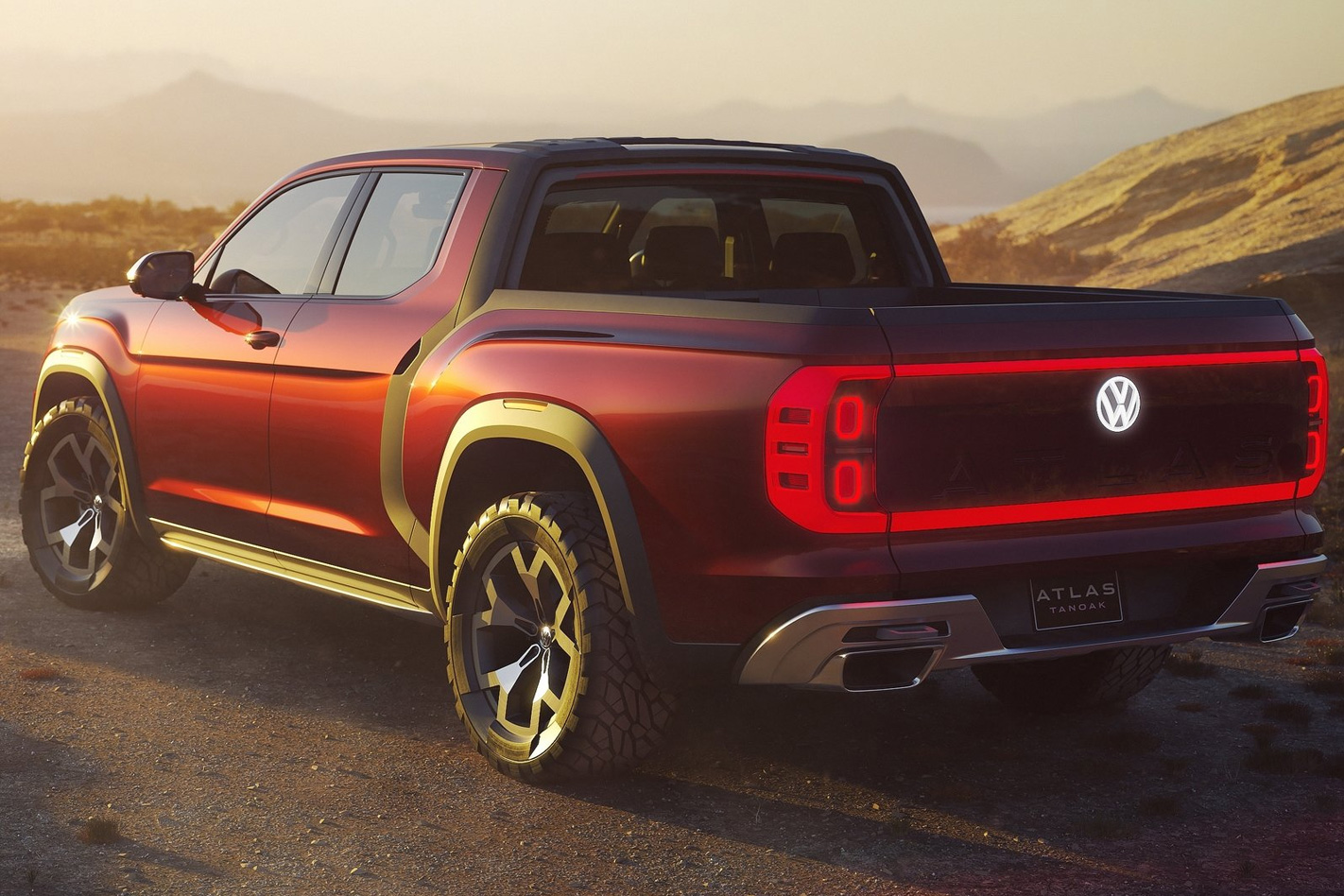
However, plenty of US observers are not buying VW’s coy approach, and reckon production is a cert. Regardless, what about elsewhere for a production version of Atlas Tanoak? In a market like Australia, there’s no question that a dual-cab ute of this calibre would quickly find a strong following.
There’s real design flair to elements of its exterior, evident in the sharp crease lines defining the wheel arches at each end, and the concealed handles for the rear doors.
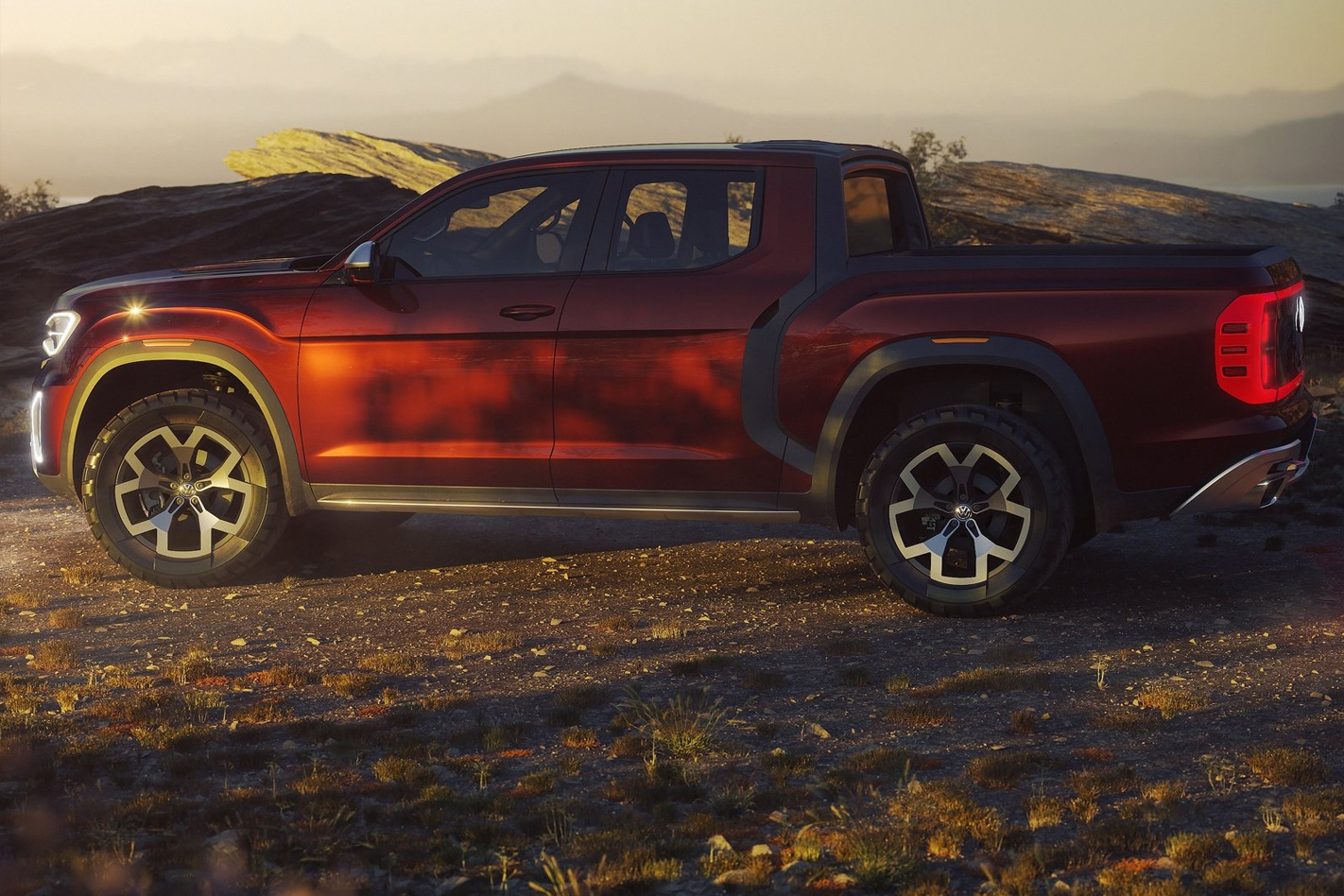
Atlas Tanoak is 5438mm long, which makes it around 300mm longer than the Atlas seven-seater SUV, and enough to consider it, in the US at least, “a large midsize pickup.” The wheelbase, likewise, is 280mm longer than the already-pretty-big Atlas.
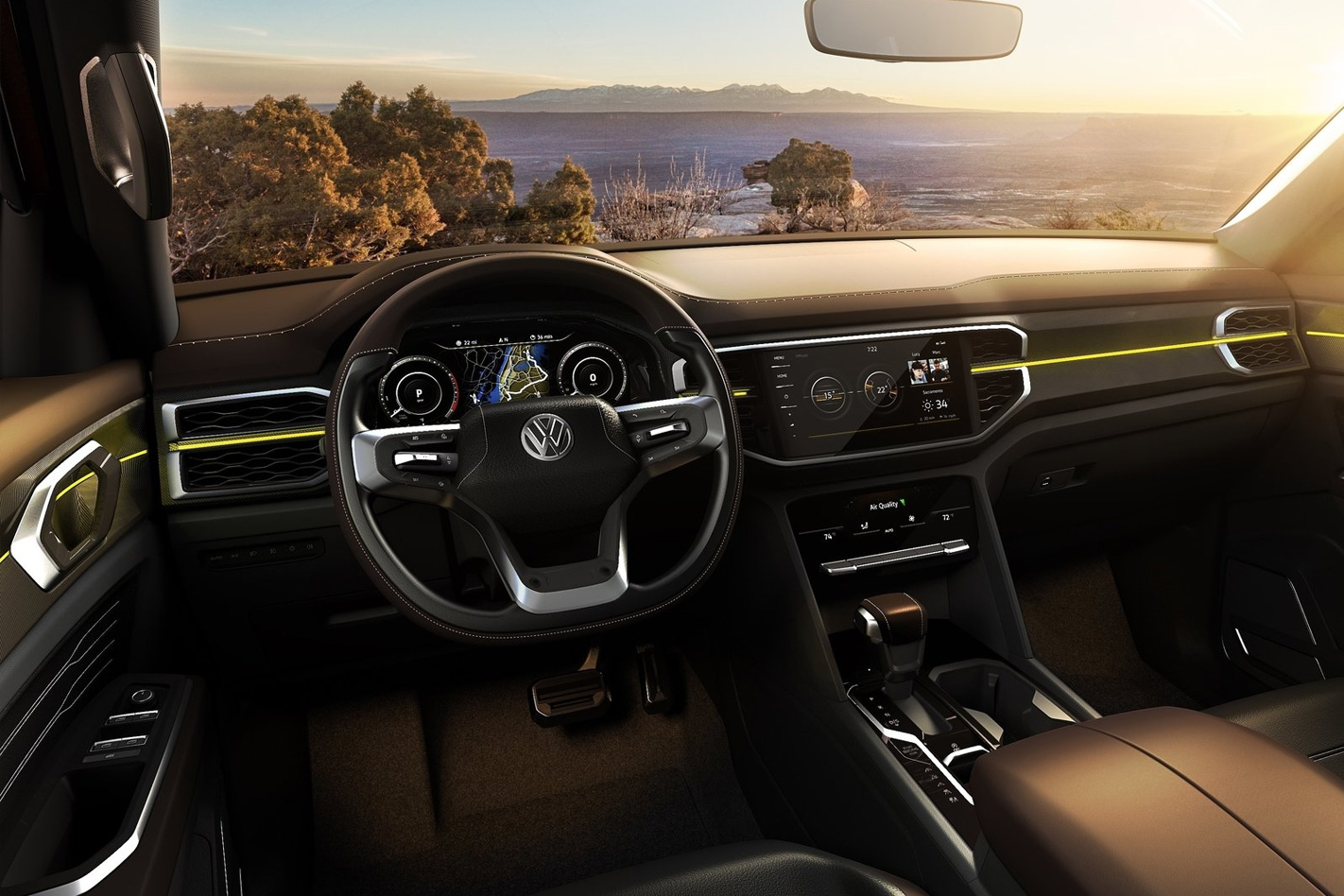
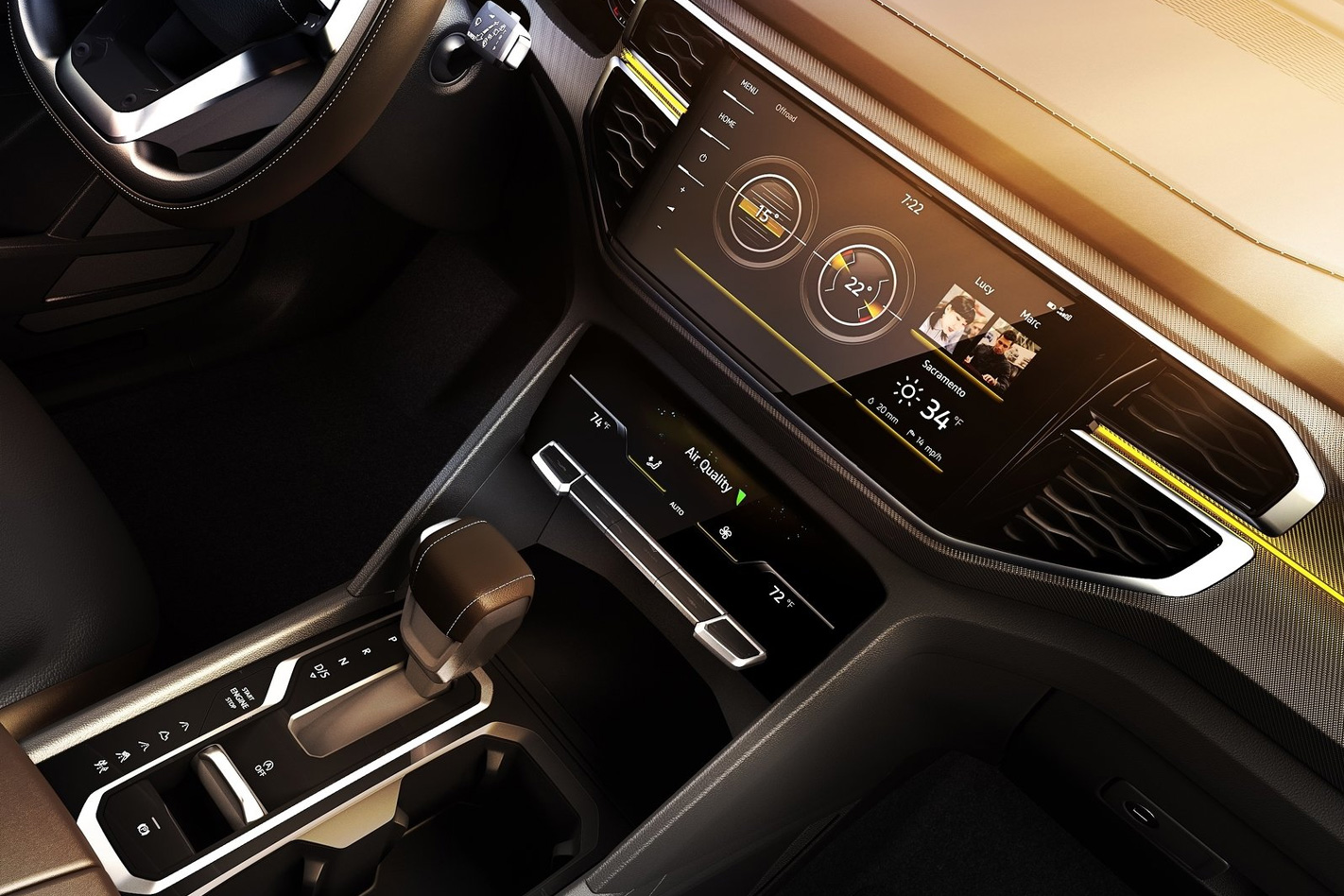
The dash display is of the digital variety, the seats are deeply sculpted, and the multimedia system integrated with flush seamlessness into the centre stack. Key changes to the production Atlas interior are aimed at usability: a new transmission shifter and revised drive-mode selector knob are visibly chunkier so they can be used with gloves, for example.
Similarly, the drivetrain of the concept is pretty much production Atlas, being a 3.6-litre V6 delivering 206kW and 360Nm, fed through an eight-speed automatic transmission to VW’s 4Motion all-wheel drive, with various off-road modes available for use on loose terrain.
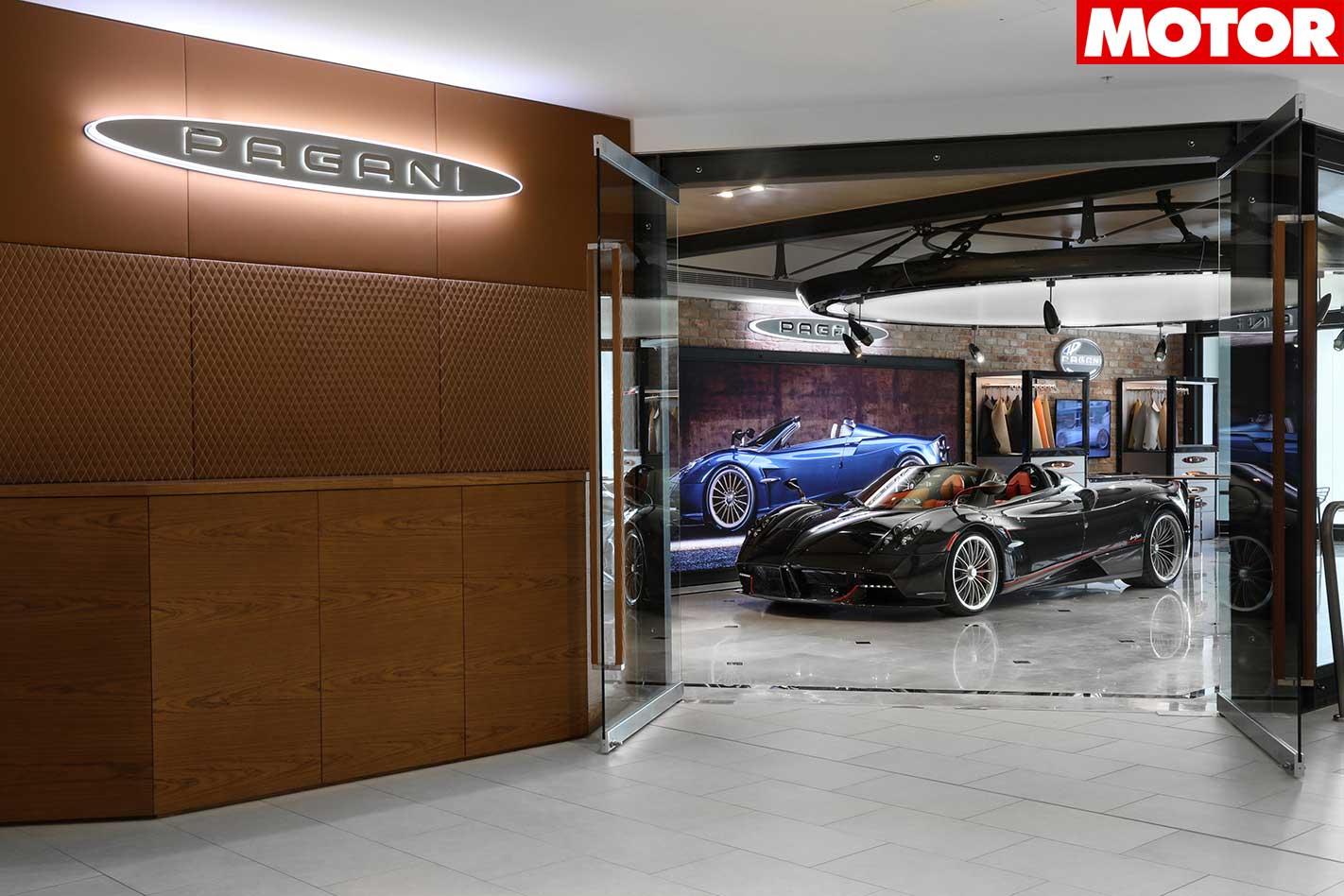
Pagani Automobili now has an official presence in Australia, with its first dealership opening locally in Melbourne.
And the first vehicle to be made available through this dealership – which was officially opened in the presence of founder Horacio Pagani – is the Pagani Huayra Roadster.
And it’s priced at $5.5 million.
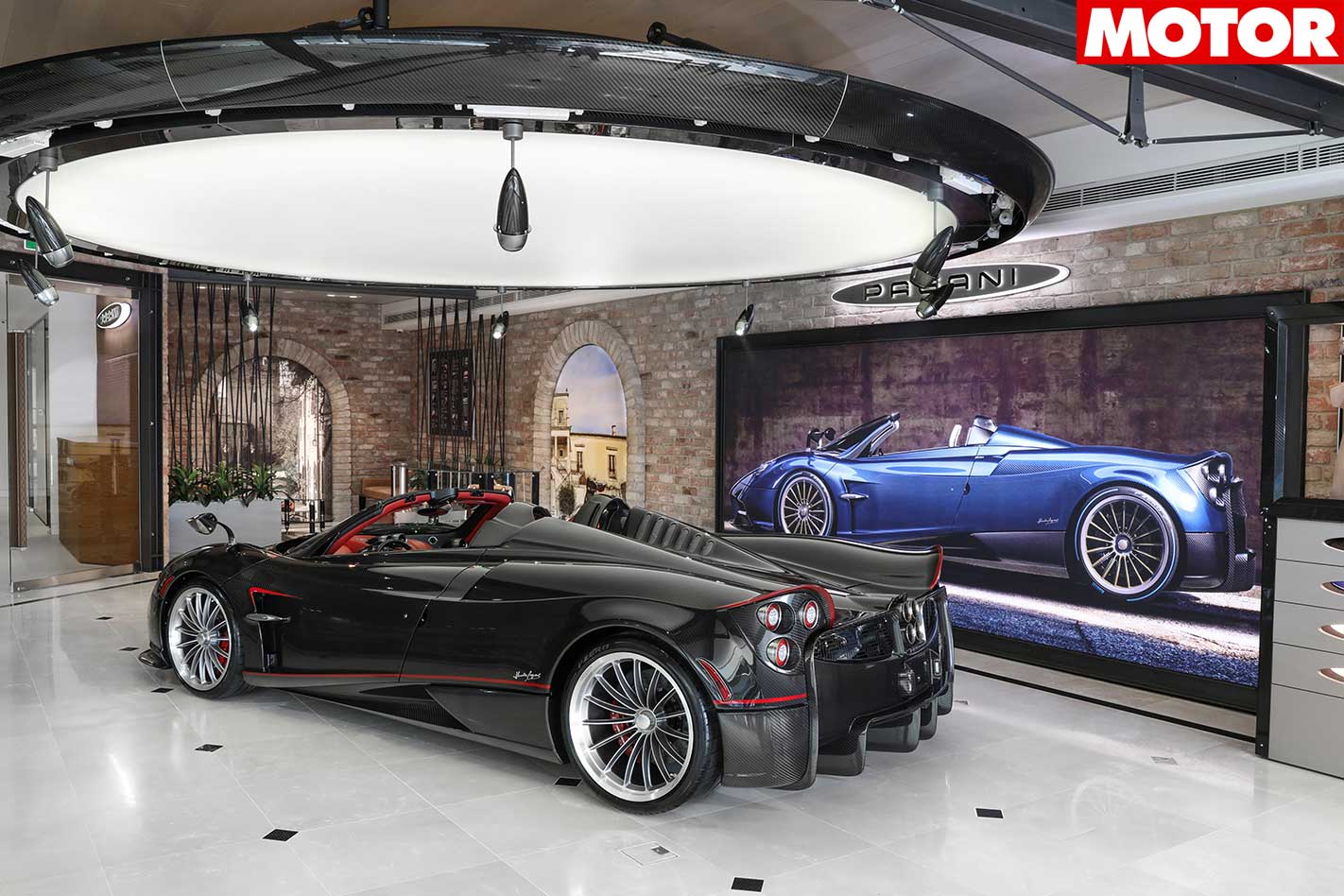
“If we think of the Huayra Coupe as a personification of elegance and timeless lines, the Huayra Roadster was to be the rebellious sister, shapely and beautiful, but with a sharp edge for those who are careless,” says its creator Horacio Pagani.
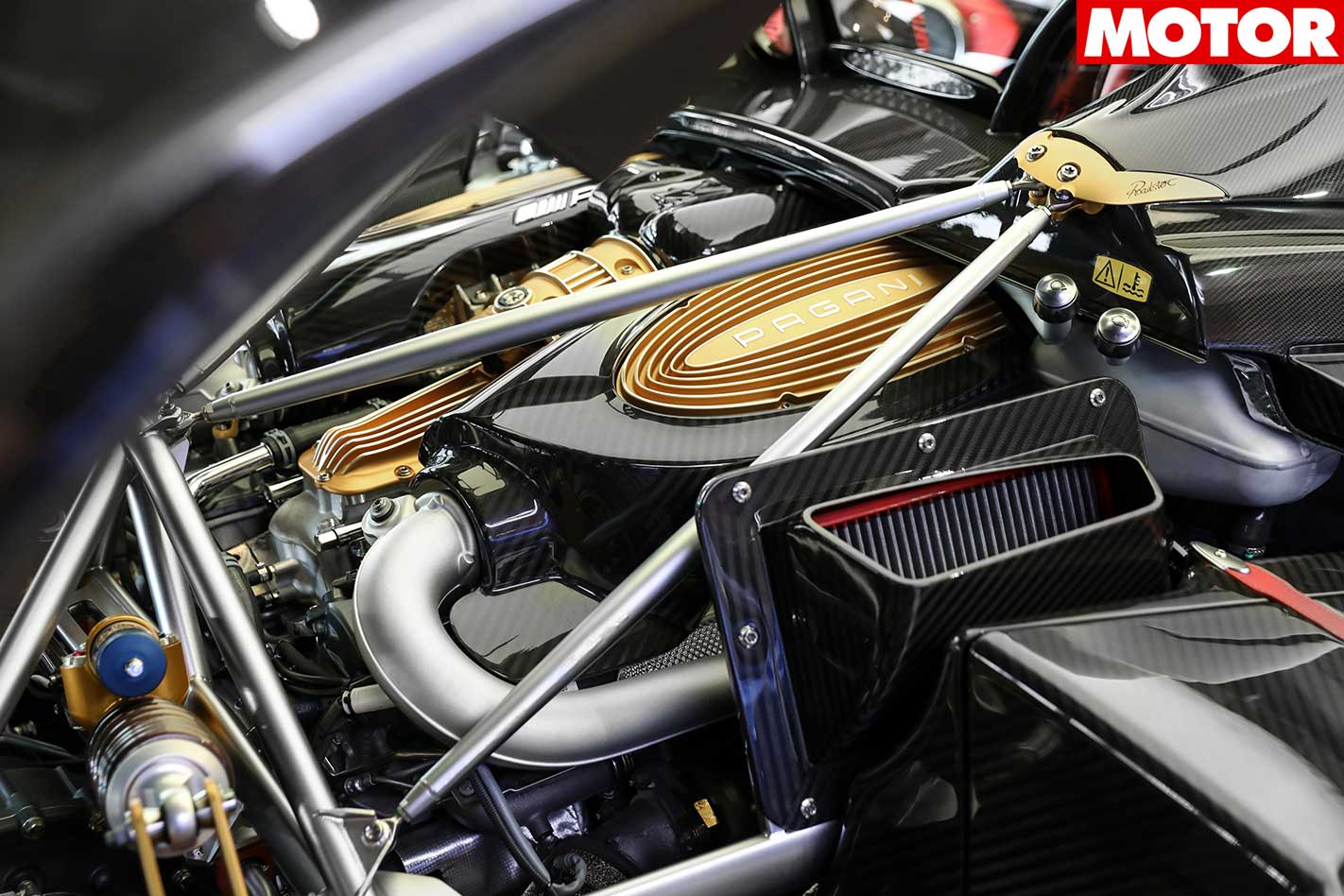
The 562kW/1000Nm+ Roadster is powered by the Mercedes-AMG M158 engine, a 6.0-litre V12 hooked up to a 7-speed auto.
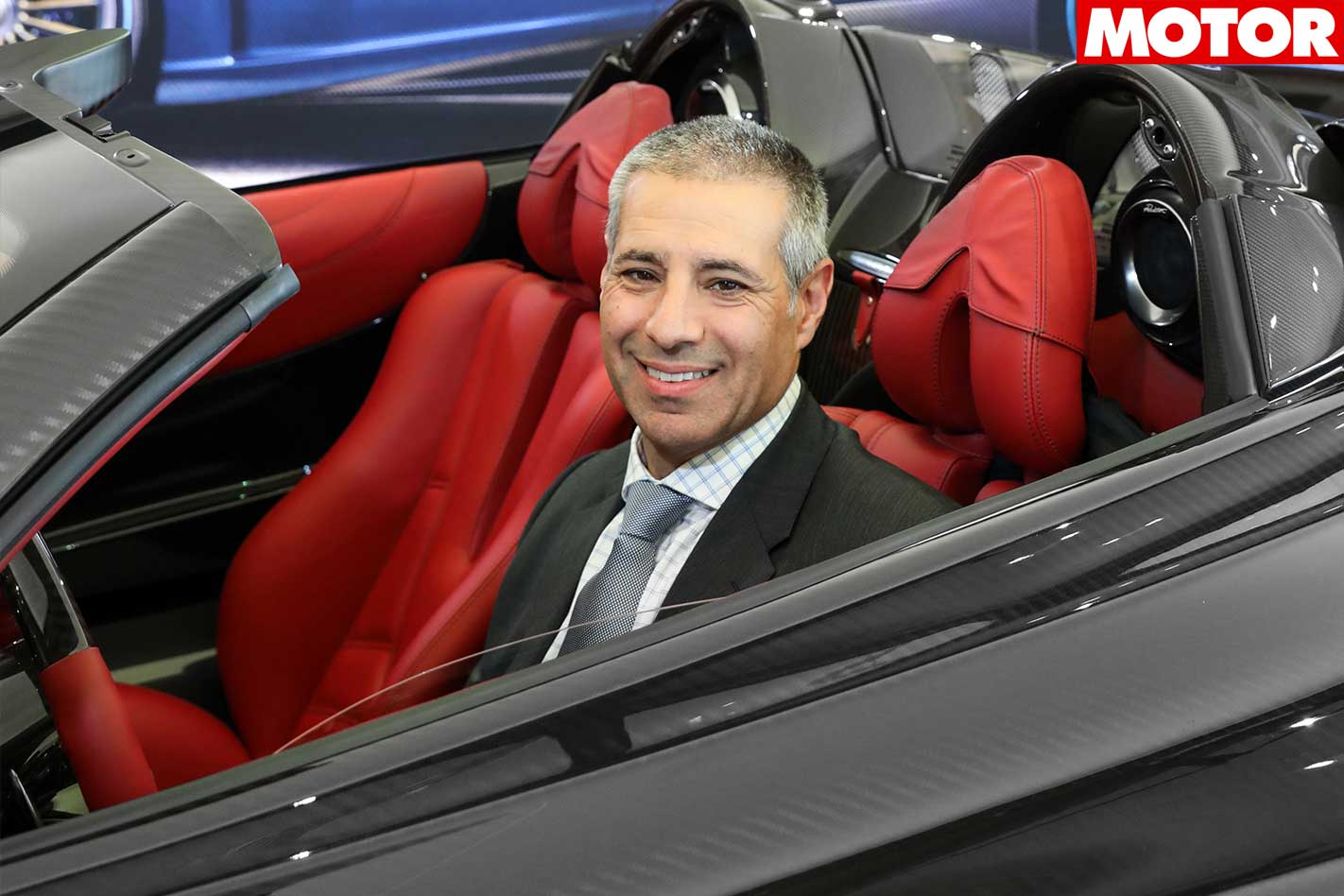
Zagame Automotive principal Bobby Zagame says his fascination with the Pagani brand was a strong influence in his pursuit of opening an Australian dealership as part of his network of outlets.
“When I visited the Pagani factory almost 15 years ago in Italy not long after the company was born, and then drove its first creation the Zonda, I dreamt back then of one day bringing Pagani to Australia,” Zagame says.
“You need to inspect a Pagani to appreciate its breathtaking audacity.
“There are visible layers of craftsmanship in every little detail and an unmatched ambience from behind the wheel, not to mention a stupendous level of road performance and a symphony from the engine that stirs your soul every time.”
A very limited number of right-hook Huayra Roadsters will be available locally, with no more Pagani models confirmed for Australian deliveries yet.
BMW’s aggressive pricing strategy for M Division cars has paid off in early sales results, but the brand still lags behind arch-rivals Mercedes-AMG.
The latest M Division car to have its price slashed is the M3 Pure, with a limited drive-away offer of $119,900.
The cheapest member of the M3 family usually has an MLRP of $129,900.
M3 sales are up 14.3 percent year-to-date compared to 2017, and up 44.4 percent compared to the same month last year with 64 sales in February.
However, the M2 – priced at $93,300 for the Pure, and $99,900 when equipped with a DCT transmission – remains the most popular M product in Australia.
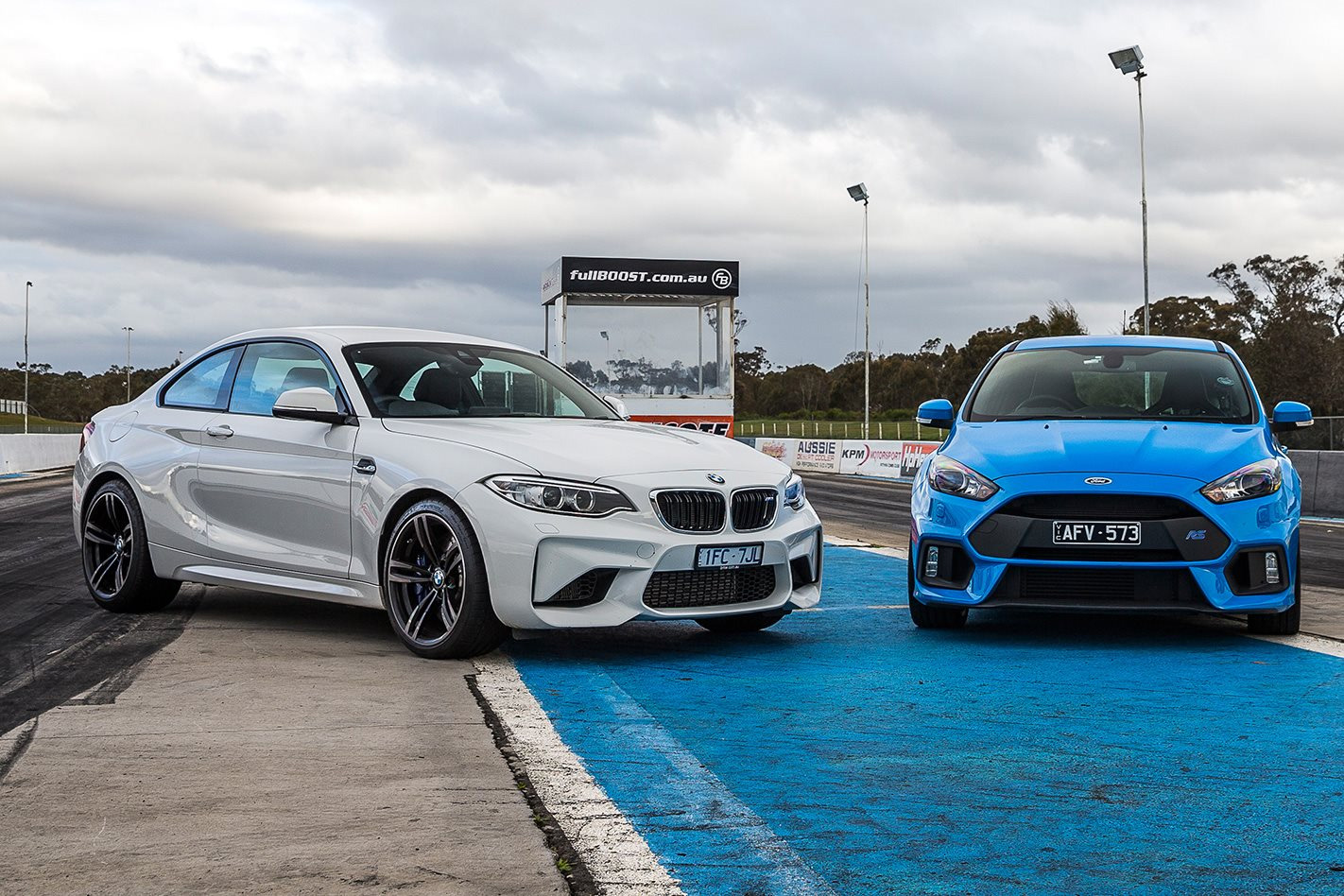
That said, it’s not exactly comparing apples with apples, given that the C63 is offered in a popular wagon form as well as the coupe, sedan and Cabrio versions that tally up to M3/M4 models. A Mercedes-Benz spokesperson estimated the company sells on average 150 C63 variants each month in Australia.
Sales figures supplied to Wheels by BMW Australia shows BMW sold 53 M3 and M4s (coupe and convertible) in February this year.
A total of 12 M4 sales for the month represented a 40 percent downturn compared to February 2017.
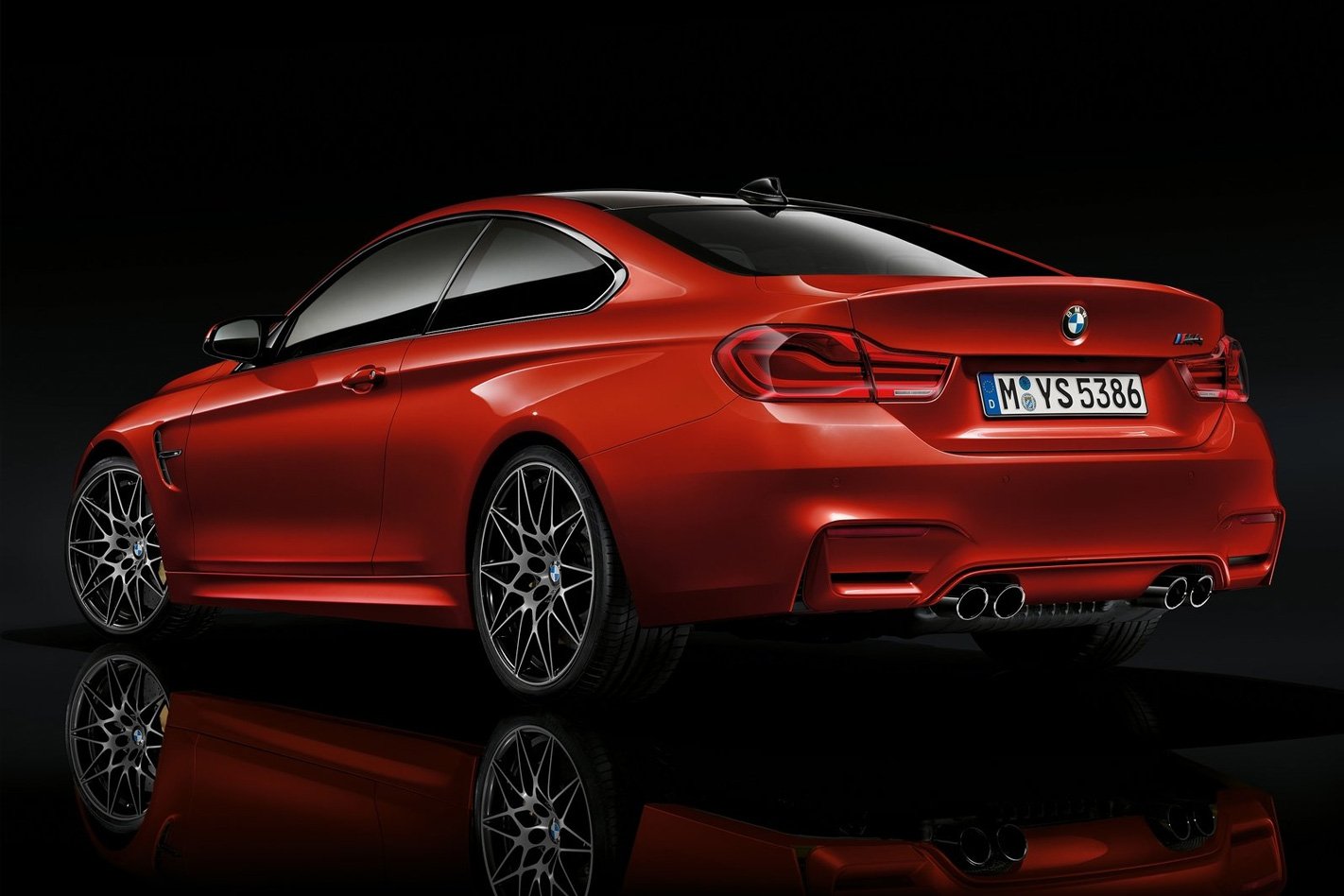
“I think the aggressive pricing strategy we have pursued locally, first with M140i then with M3 Pure and flowing onto the M5 at under-$200K, is paying dividends and making M more accessible, with no dilution of performance the key,” they told Wheels.
The Mercedes-Benz Australia spokesperson explained the performance sedan market is not driven primarily by price, with customers instead preferring to buy on features and specifications
BMW’s M Performance models have been a highlight for the company locally, with 72 cars from the range being sold in February.
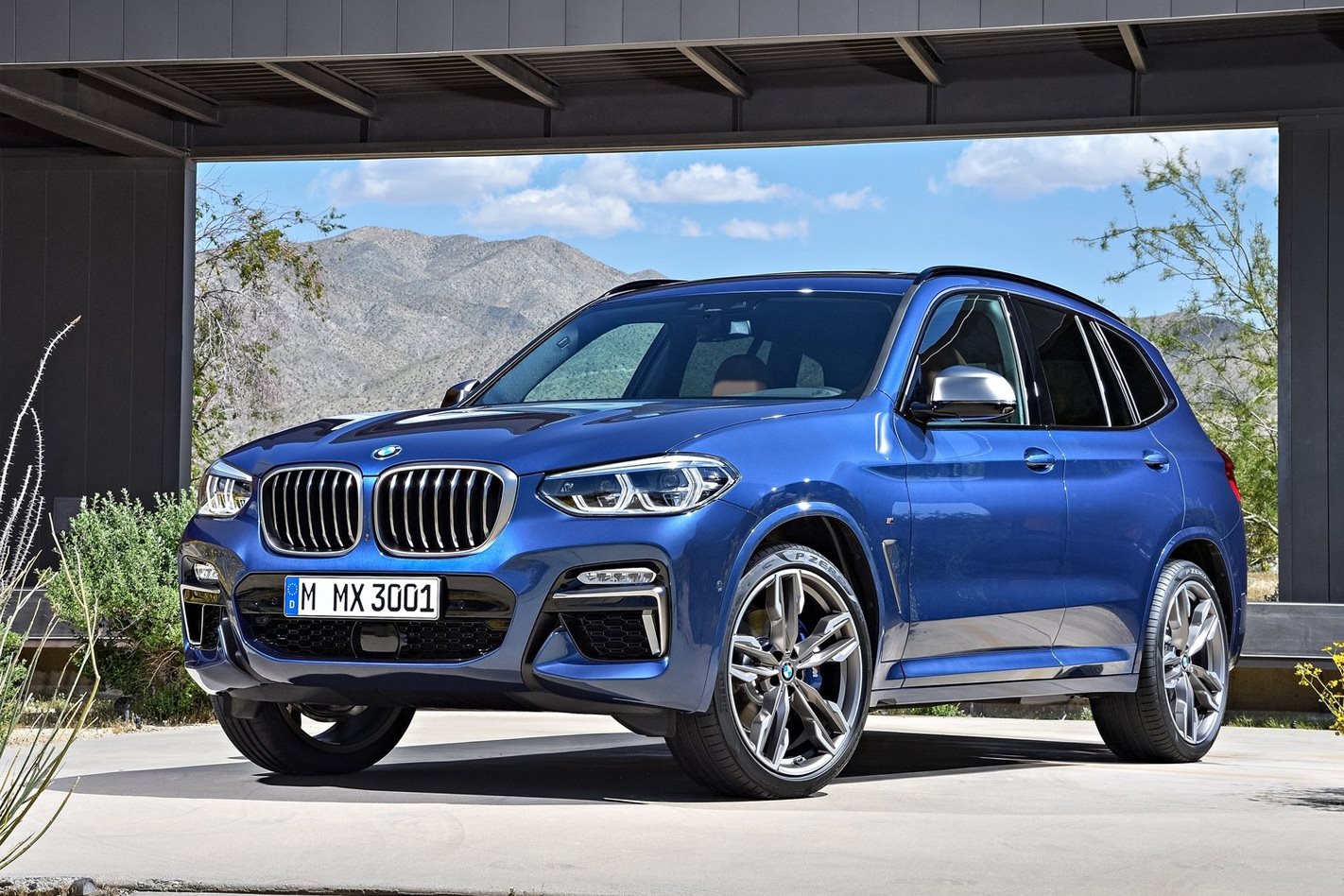
M3 CS and X3 M40i will go on sale locally later this year, and will likely further boost BMW Australia’s sales figures. But it remains to be seen if the company can match their German performance rivals.
