
A BEACH in northern New South Wales was the unexpected venue selected by Ferrari for the Australasian premiere of the all-new Portofino, its open-top front-engine V8 GT car.
Sharing its name with an Italian seaside village, the Portofino is Ferrari’s entry-level model – or what it refers to as the ‘everyday Ferrari’ – but with new engine tech derived from the 488 supercar the Portofino is anything but a base model.
Power comes from a 3.9-litre twin-turbo V8 producing 441kW. It’s a proper Ferrari engine with a flat plane crankshaft and its own distinctive exhaust note, and a 760Nm maximum torque hit, but only in top gear. Like the 488, Ferrari’s Variable Boost Management stages the delivery of torque by ramping up boost pressure from third gear through to seventh for an escalating feeling of thrust.
Redline is 7500rpm and Ferrari says there’s zero turbo lag. A redesigned intake with larger diameter piping and a new intercooler help with that. Acceleration takes 3.5sec to 100km/h and 10.8sec to 200km/h.
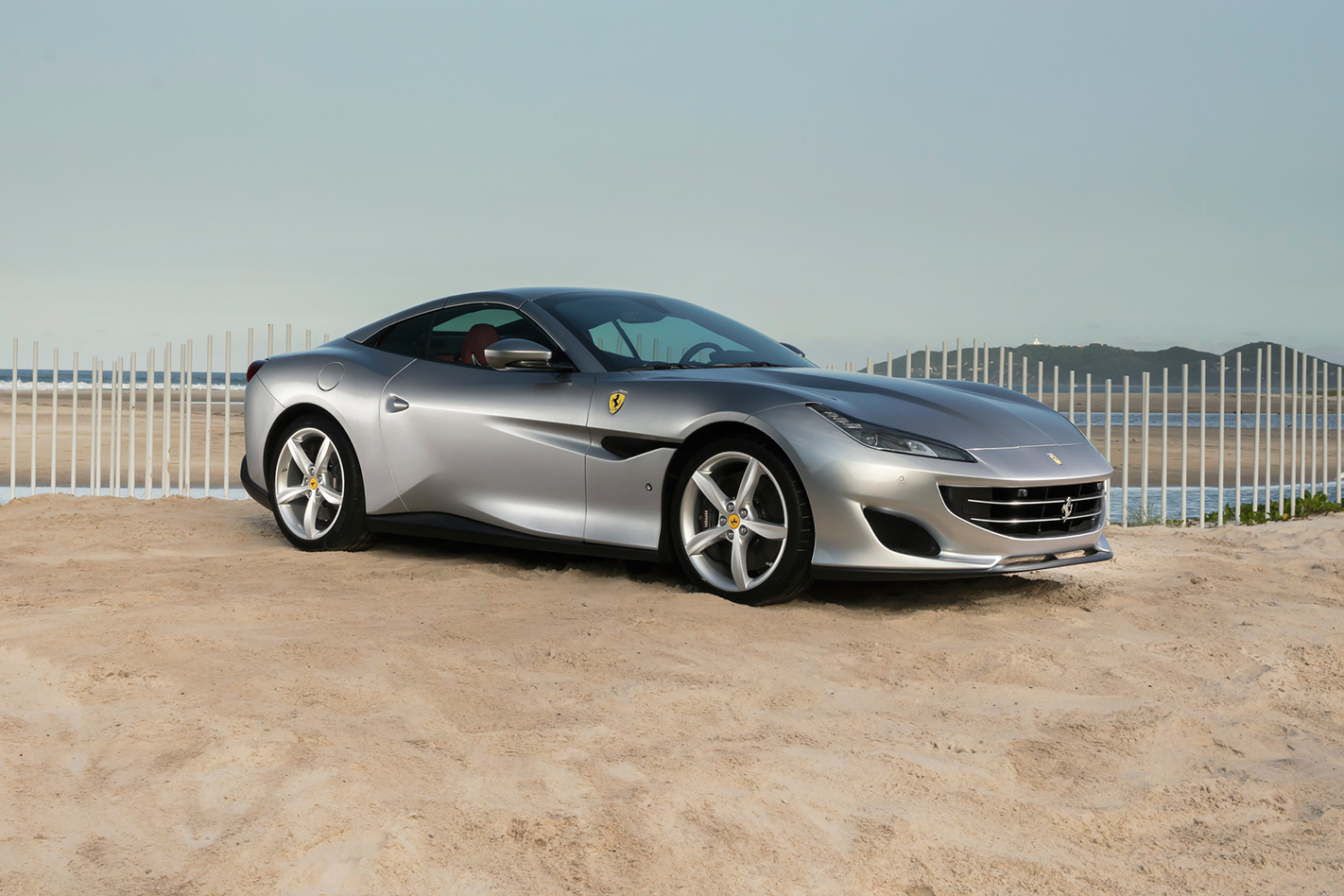
A seven-speed dual-clutch transaxle with an electronically controlled differential sits between the rear wheels to distribute weight more evenly. The chassis itself is new, and made with more aluminium to drop overall mass by 80kg compared to the outgoing California T. Torsional rigidity rises by 35 percent at the same time. Kerb weight sits at a respectable 1664kg, even with the retractable hardtop’s complex folding mechanism.
It takes 14 seconds to open or close the lid, which can be operated when moving at speeds up to 40km/h. Having the roof up leaves more room in the boot for luggage, though Ferrari says a pair of carry-on bags will still fit when the roof is down.
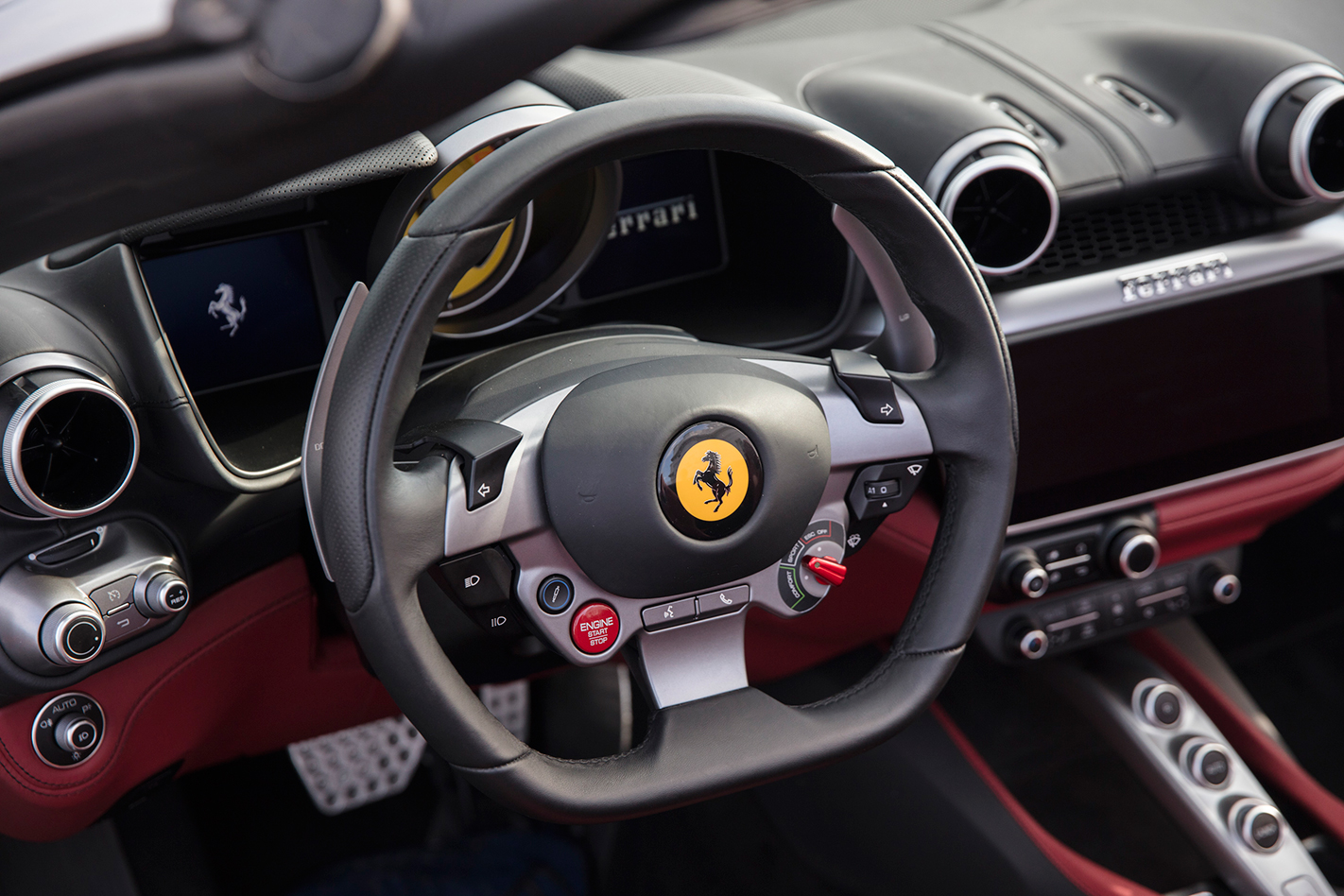
Portofino is effectively the third-generation of the California that launched almost 10 years ago. The original naturally-aspirated California was replaced in 2014 by the sportier, turbocharged California T, and now the Portofino takes over from that model. According to Ferrari more than 70 percent of people who bought Californias and California Ts in Australia had never owned a Ferrari before, so this car plays a significant role in bringing new customers to the Ferrari brand.
Aerodynamic development of the taut bodywork has reduced drag by 6 percent over the old model, while improving engine bay cooling without increasing the size of the radiator.
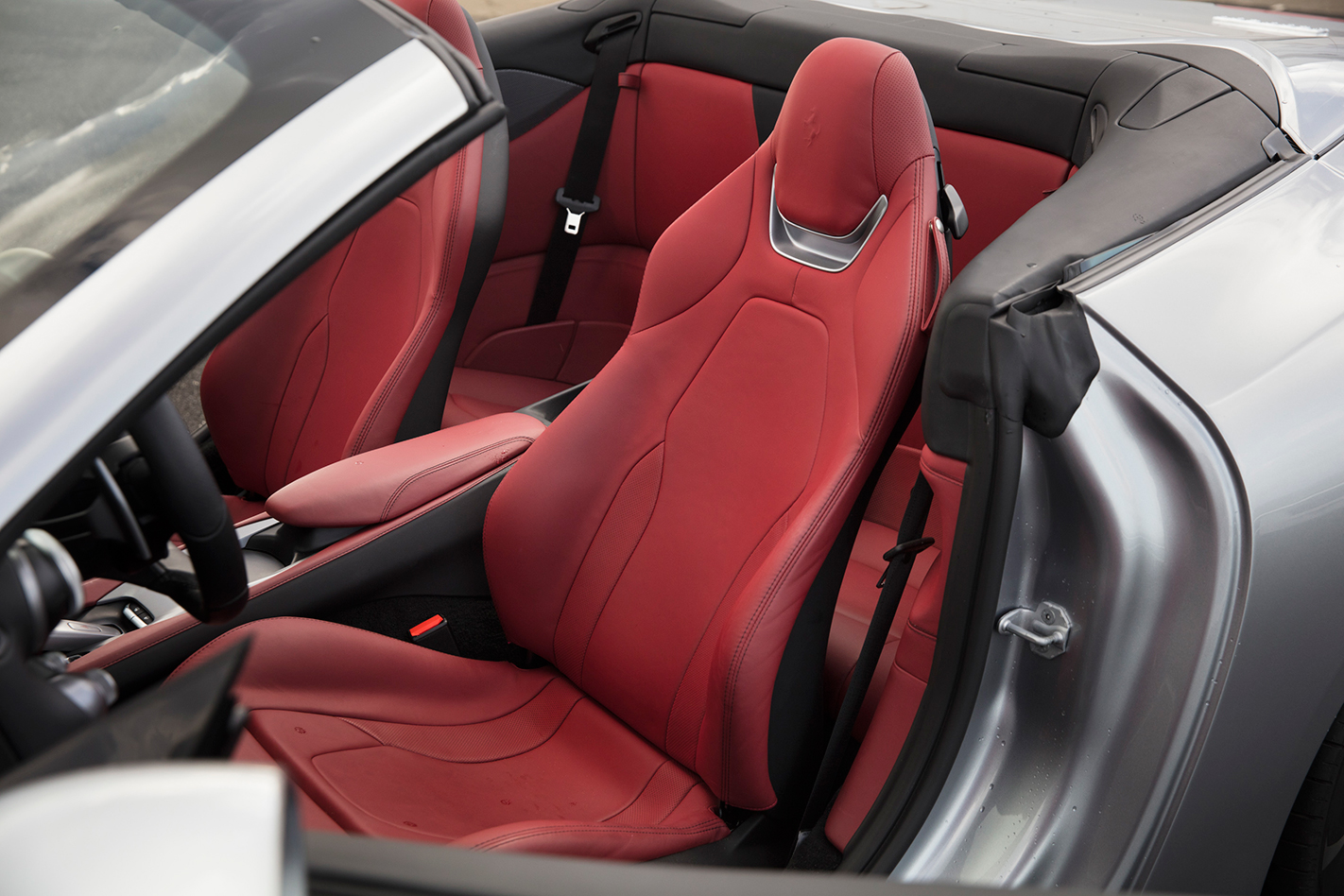
It’s 8dB quieter inside than before, according to Ferrari, and there are some lightweight tricks that you can’t see, including magnesium alloy seat structures instead of the usual steel.
Getting into one costs $399,888, meaning Ferrari has in fact cut some off the top of the old car’s ticket price. Buyers have a huge assortment of trim options available to personalise their purchase and customer deliveries are scheduled to start in the fourth quarter of this year.
THE final 3 Series has rolled off BMW’s South African production line bringing to a close 35 years of sedan and coupe production and a run of 1,191,604 vehicles.
As a sign of the times and a shifting global sales trend from passenger vehicles to SUVs, BMW is repurposing the Rosslyn plant to knock out its new third-gen X3 mid-sized SUV, ending the factory’s 3 Series relationship.
Production at the Rosslyn site started with the E30 second-generation BMW 3 Series and continued on through E36, E46 and E90 to the last F30 that rolled out this week, but the factory has produced a number of local specialities you might not have heard of.
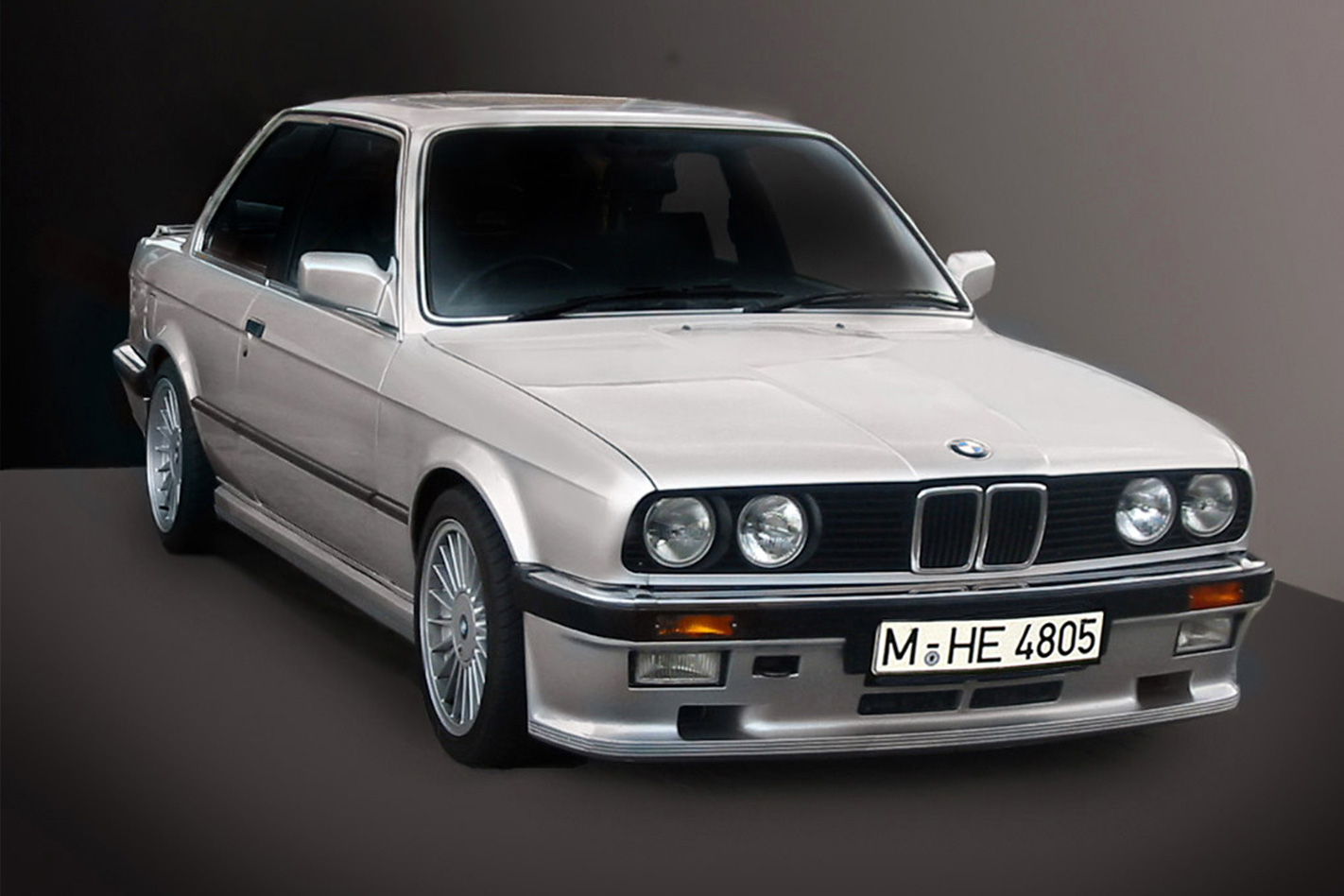
South Africa was never offered the incredibly accomplished E30 M3, but local demand for a pumped up variant pushed BMW SA to take matters into its own hands.
1990 325is Evo I
Like the facelifted E30 325is that was offered in Australia and as the 325i Sport in the UK, the initial South African version was a standard 325i with a bodykit, LSD and sport suspension and interior, but the Saffers demanded more power and BMW obliged.
Standard versions were powered by a 2.5-litre six-cylinder petrol with 128kW but the updated Evo I version pinched the 2.7-litre version of the M20 (‘little six’) engine that Alpina had developed for its E30-based C2.7 with 147kW.
The front suspension was transplanted from the E30 M3 as were the rear brakes, but even more surprisingly, BMW remanufactured the bonnet, bootlid and front guards in aluminium.
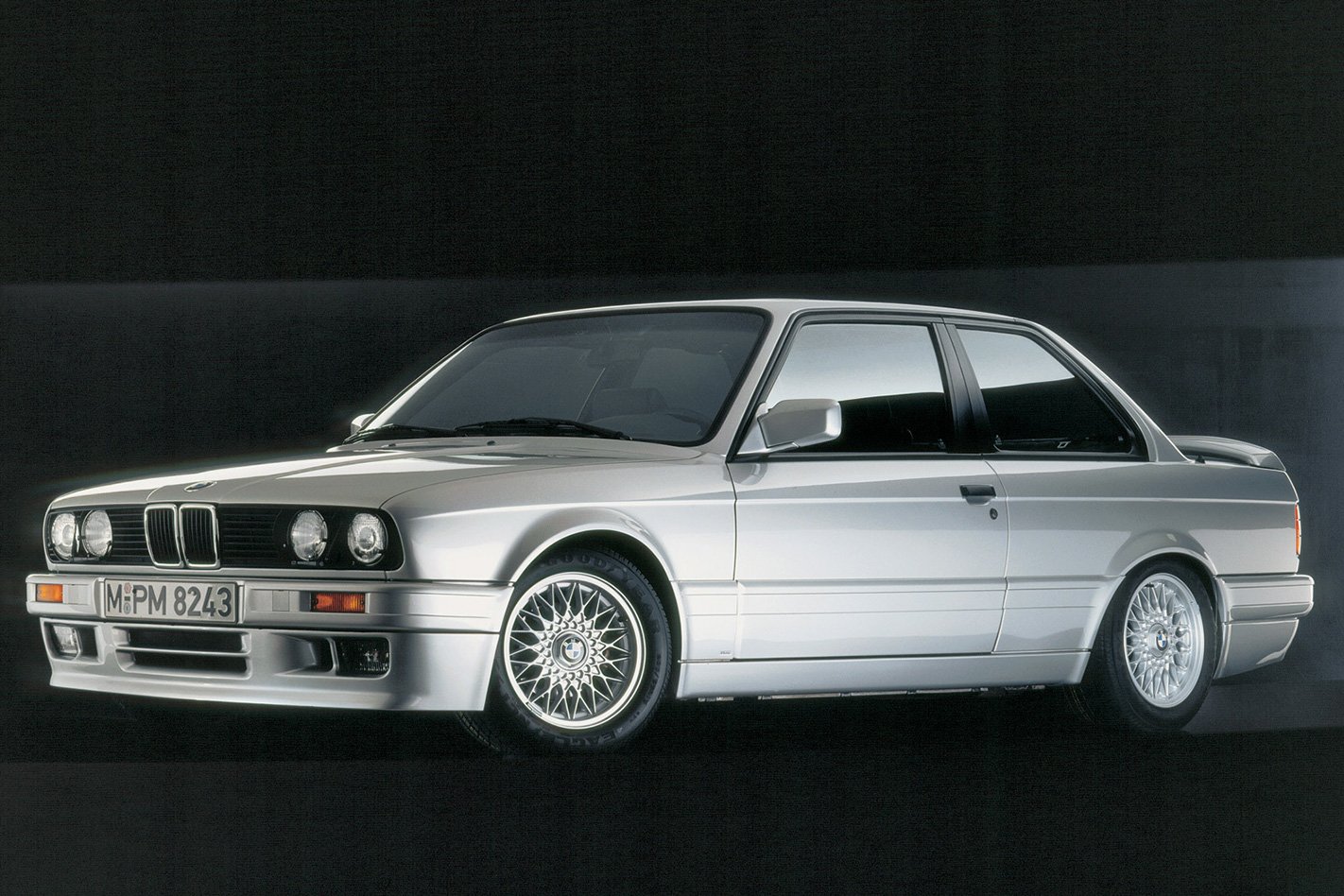
A year later, the model was updated for even greater performance potential. A larger air mass meter and throttle body donated by the 535i allowed the 2.7-litre six to breathe easier and, in combination with a sportier camshaft, power rose to 157kW.
The third-gen 325is also gained stiffer anti-roll bars front and rear (also from Alpina), 10mm lowered suspension and a subtle black lower front spoiler.
An official zero to 100km/h acceleration time was never published but owners reported figures about the 7.5-second mark.
1985 333i
Unlike the 325is, which was created in consolation for the lack of E30 M3 availability, the South African 333i was born from motorsport connections.
Originally conceived to fight in the South African Group One touring car series, the 333i took the 3.2-litre M30 (‘big six’) that powered the 733i, 633i and 533i and slotted it under the pre-facelifted E30 bonnet.
The lightly modified engine produced 145kW which was significant for the lightweight 3 Series, but its wholesome 285Nm and flatter torque curve made the 333i properly quick. When Car Magazine tested the 333i in 1986, they clocked a 7.2-second 0-100km/h acceleration time and a 1000m sprint in 28 seconds.
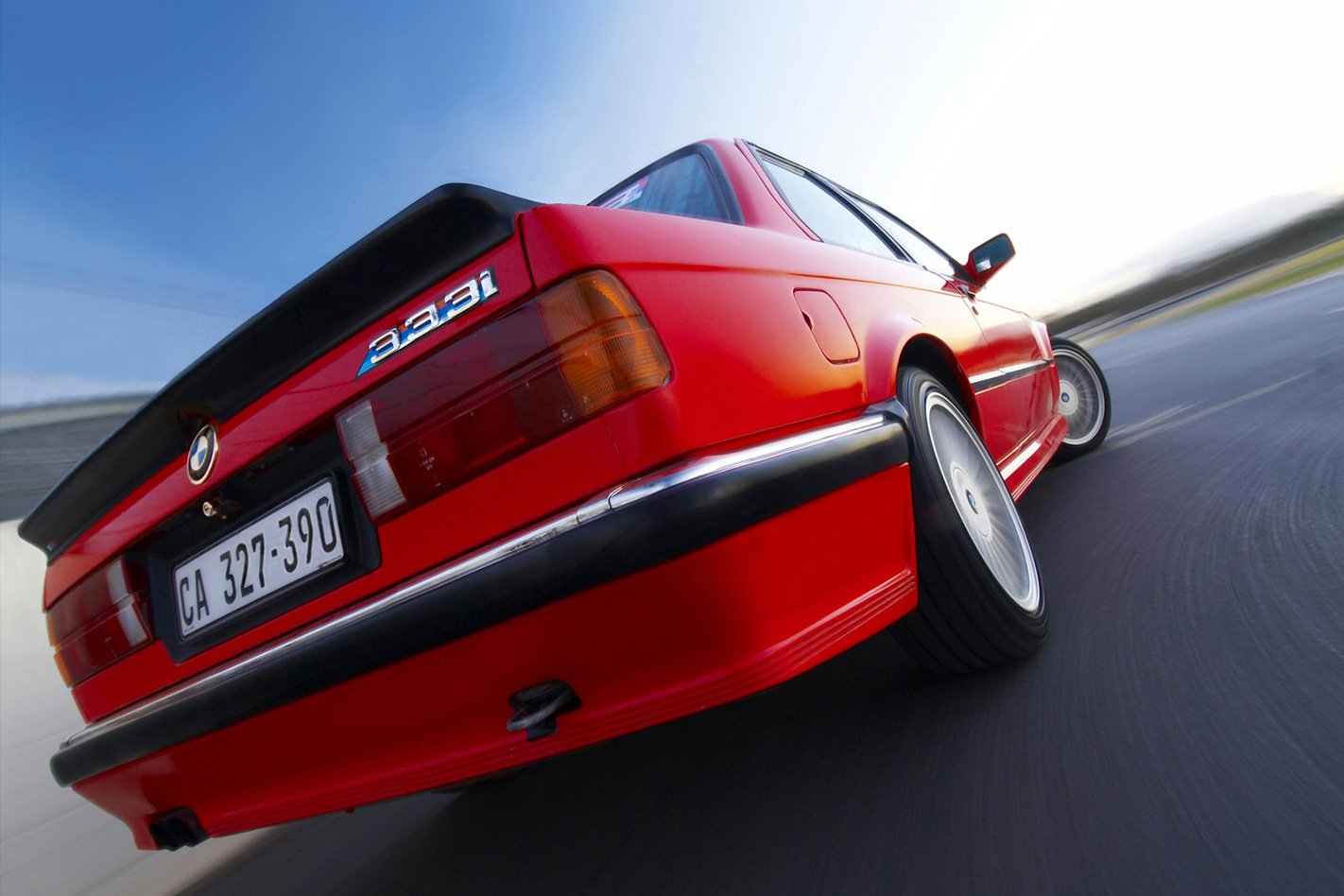
A bodykit made the special versions stand out but its 333i badge which was imposed over the BMW Motorsport colours was a dead giveaway.
The Group One racing league was cancelled in the same year 333i production started and only 204 were produced.
333i Turbo
Just a handful of monstrous turbocharged 333is were built using a modified version of the E23 754i engine (also a South African special) for a mad model that is even rarer and significantly faster than the others above.
No more than five are thought to have existed and it is not known where the survivors are now if any live to this day at all.
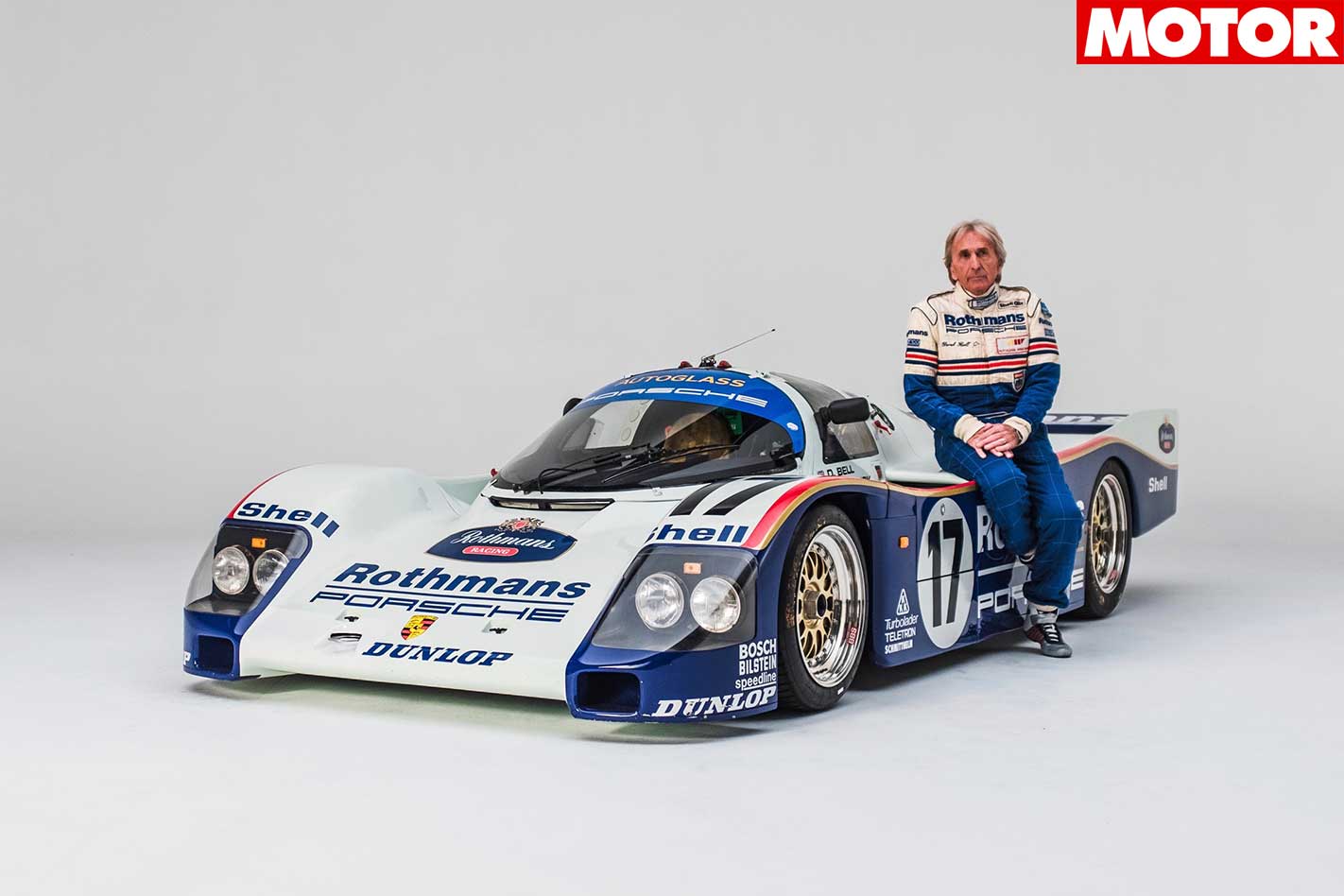
Derek Bell, five-time Le Mans champ and Bathurst 1000 competitor in in the late-‘70s and early-‘80s, presents Porsche’s most iconic racers in a video released by the brand.
The cars, chose by Porsche, are primarily from Porsche’s earlier days of sports car racing, with Bell having even competed in one entry to the list in his hey-day alongside Hans-Joachim Stuck.
He starts with the Porsche 911 GT1 at the ‘bottom’ of the list in 5th place, being the most modern vehicle on the list.
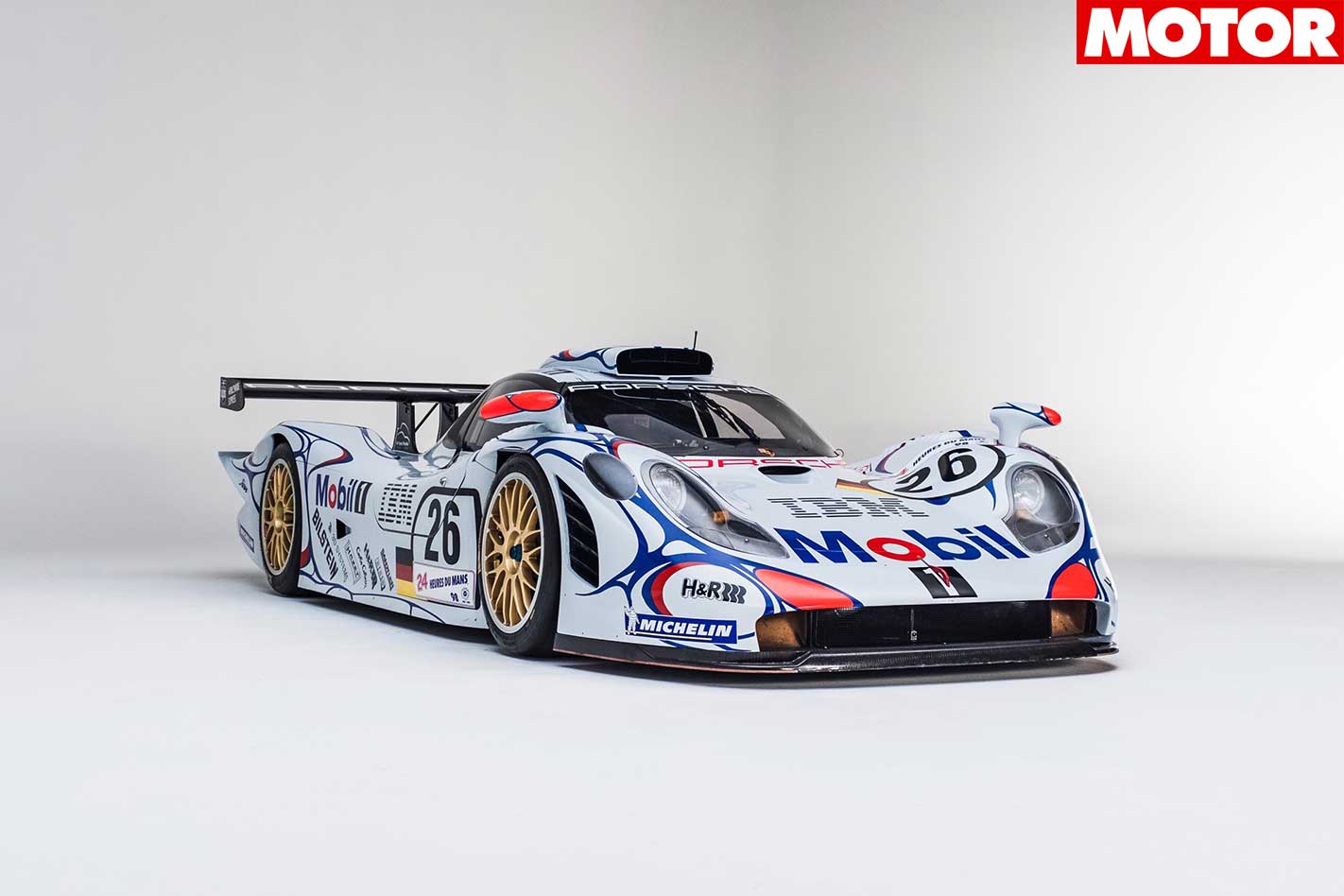
Its 3.2-litre twin-turbo Flat-6 eventually proved enough to take the Le Mans victory outright in 1998, though only weighing about one tonne probably helped.
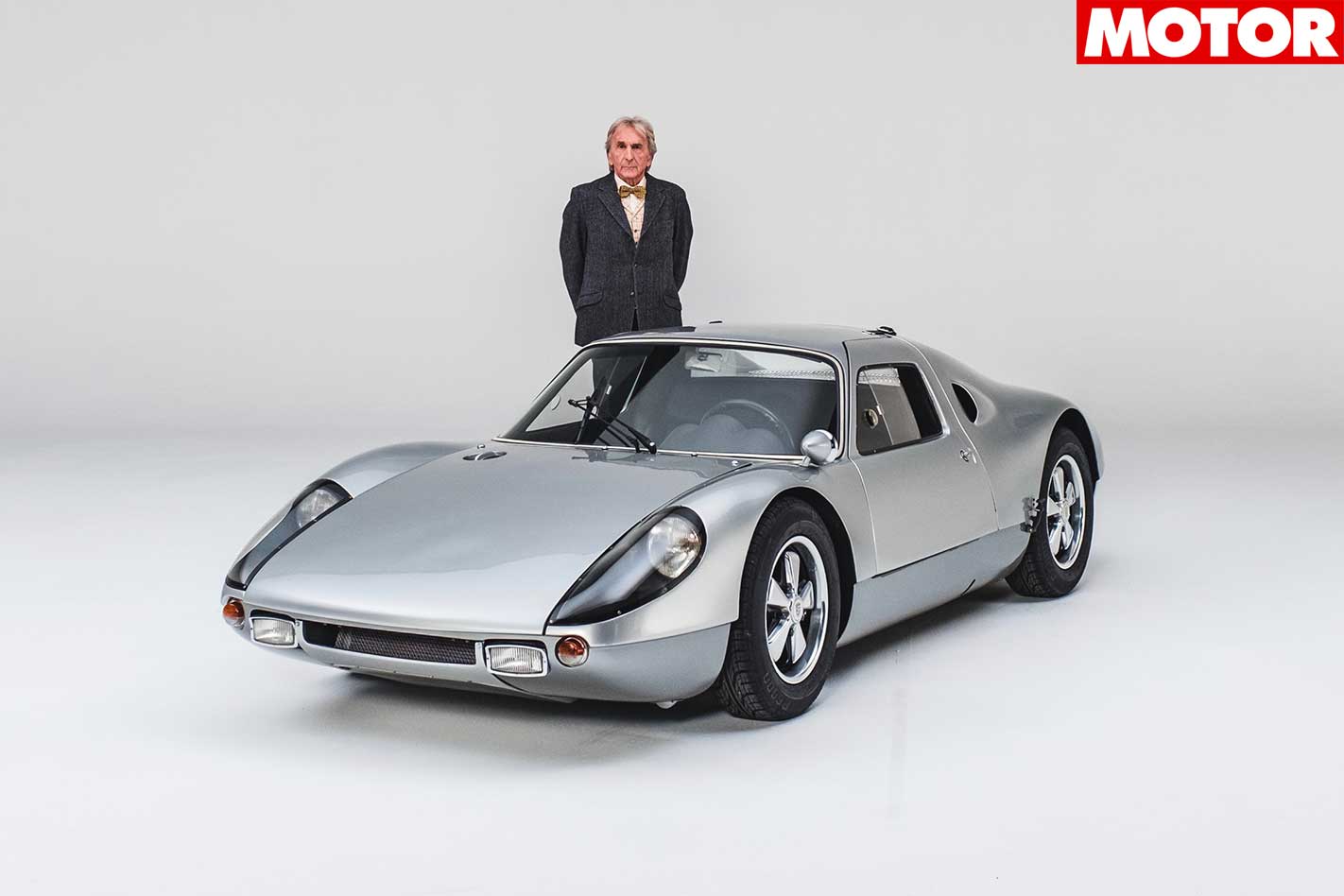
The 904 Carrera GTS comes next on the list, with the car used in the video actually having belonged to Ferdinand Porsche.
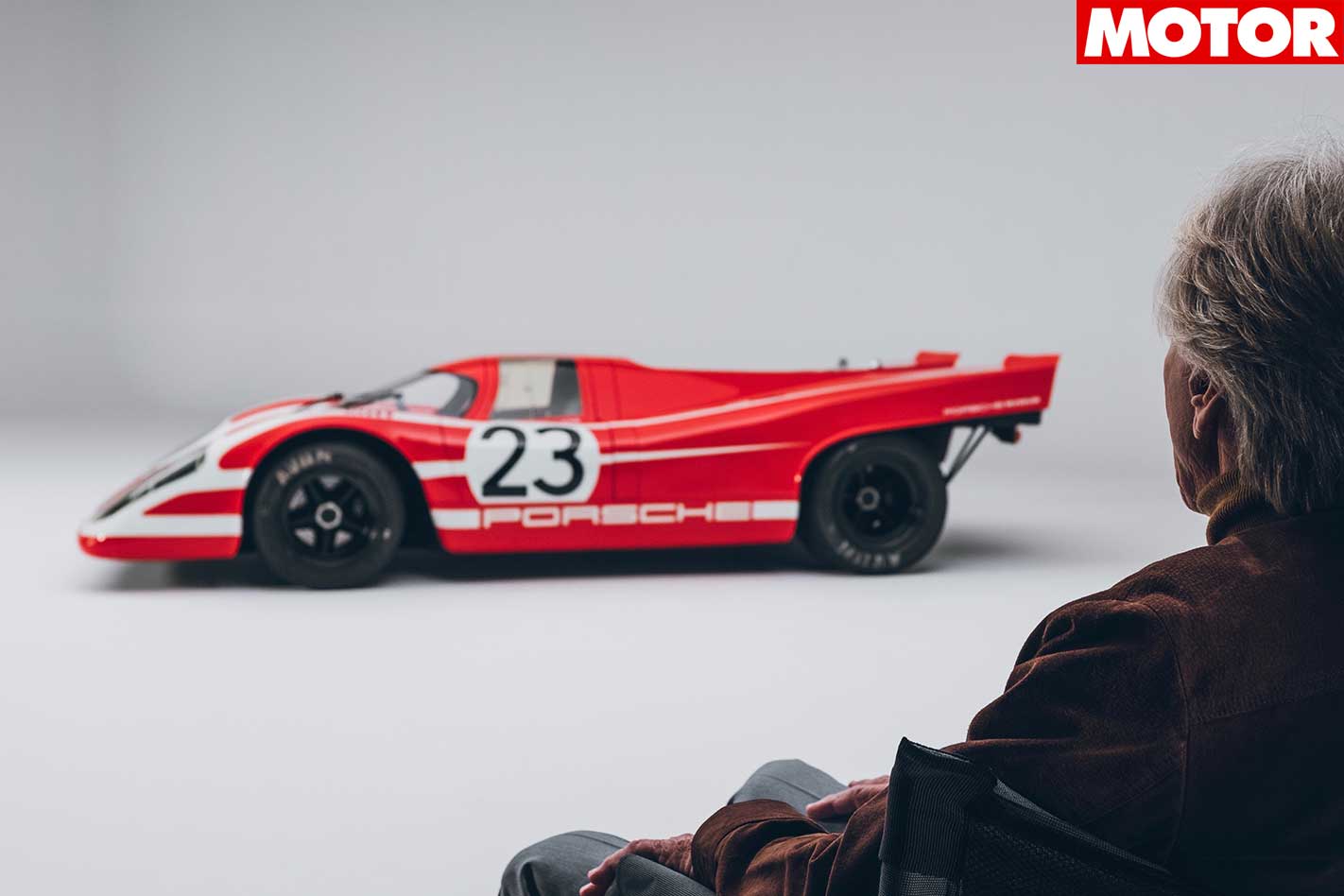
The 917KH is next, a car which this author chose as ‘most beautiful’ in a recent article put together by MOTOR staff.
The air-cooled flat-12 is good for around 450kW, as opposed to what Bell states in the clip, and weighs only 800kg.
He even drove another version of the car with none other than former Top Gear and Fifth Gear host Tiff Needell.
Here’s your weekly dose of the weird and wonderful finds on TradeUniqueCars.com.au.
You know the drill by now, so let’s get to it.
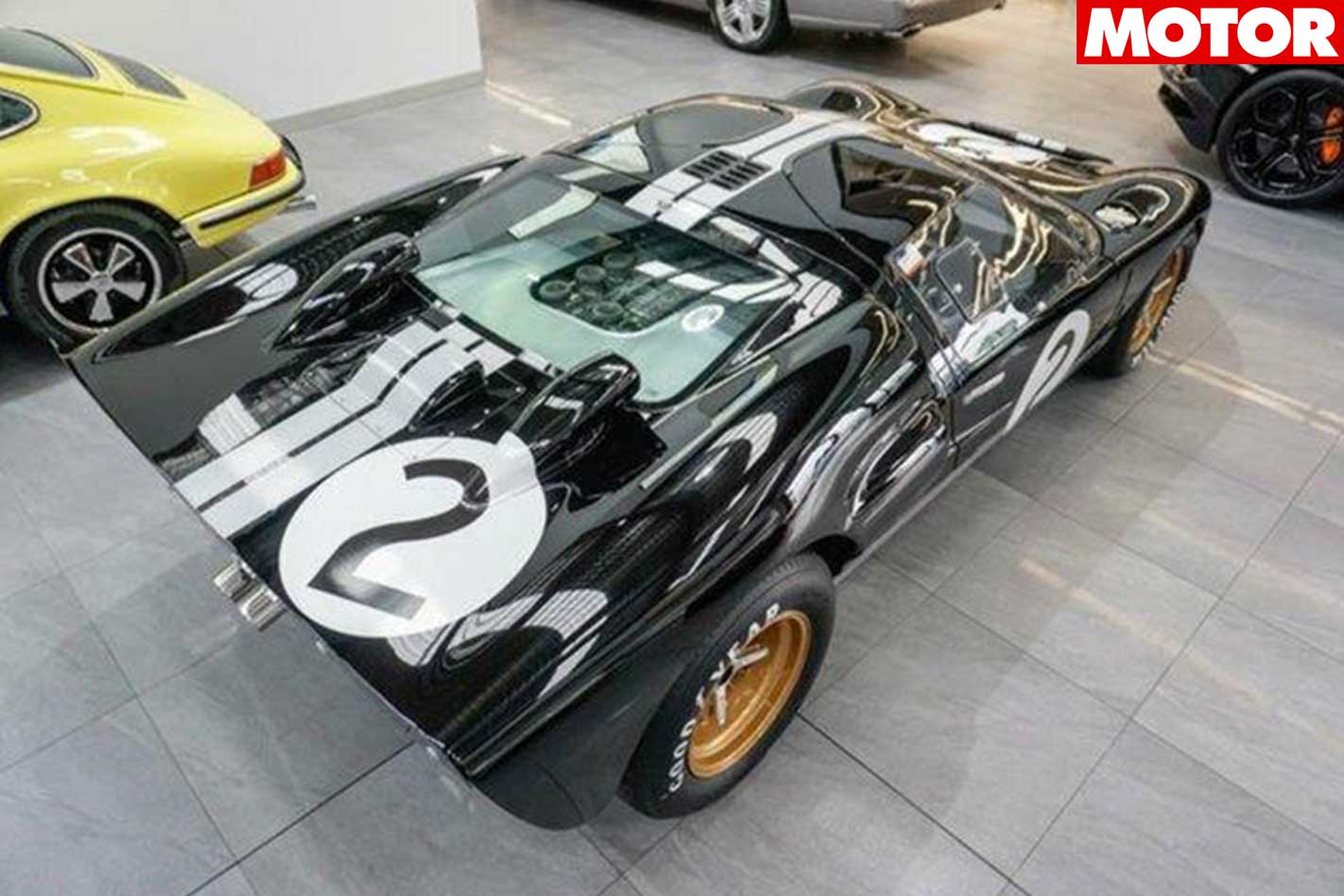
2016 Ford GT40 (classic replica) – $395,000
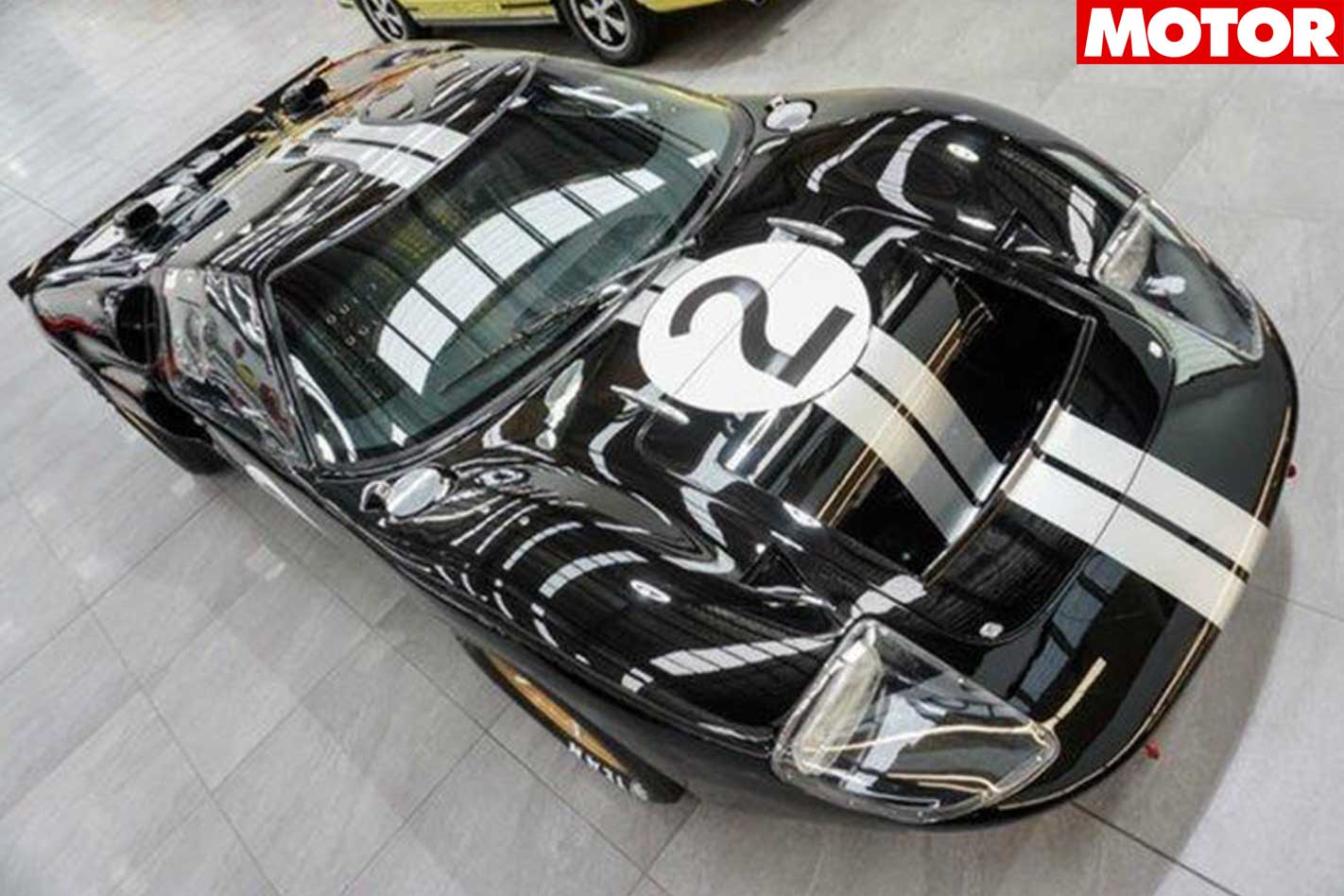
At $395,000 this replica by Chris Hines is fitted with a custom V8, manual 6-speed, and was only built in 2016.
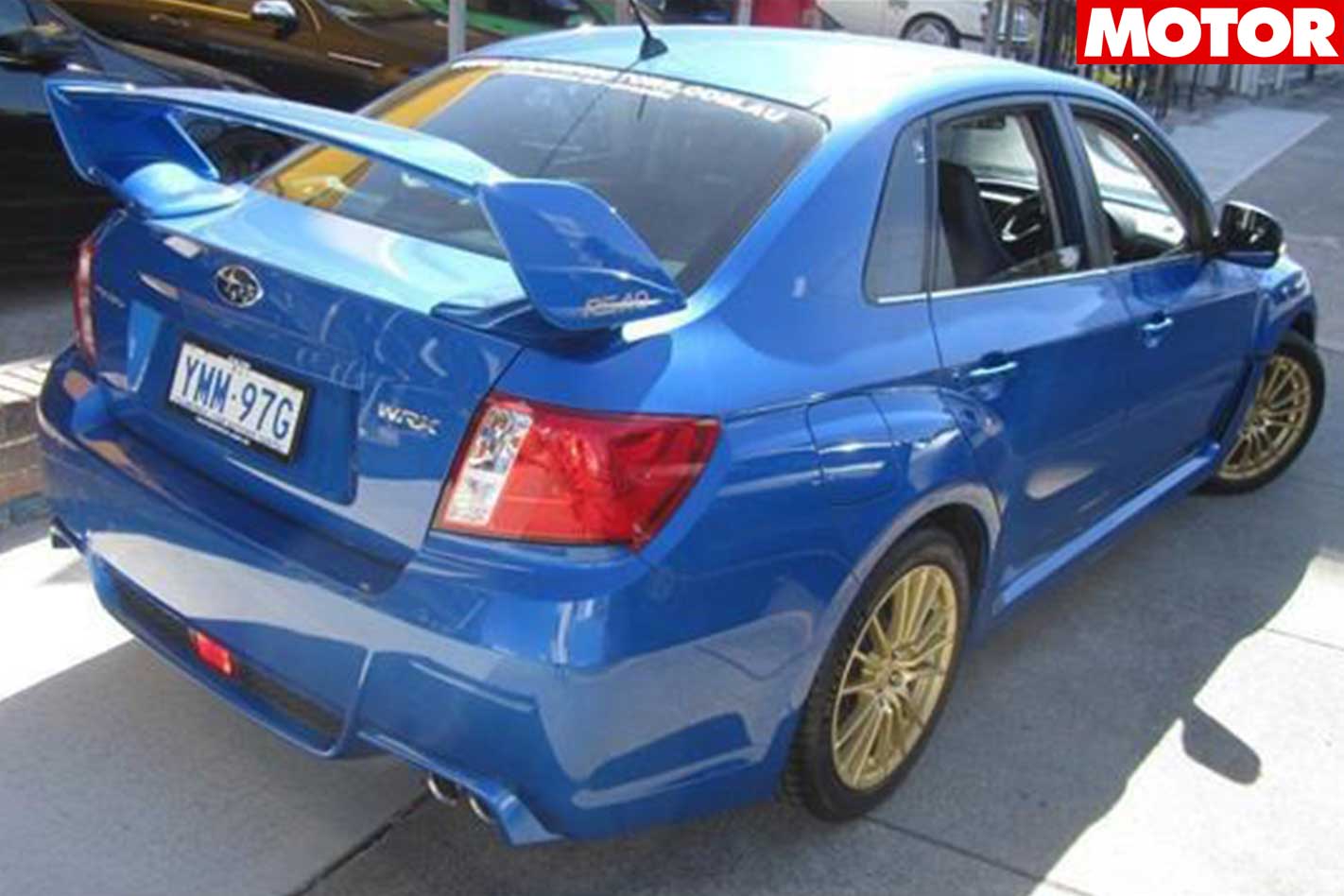
2013 Subaru WRX RS40 – $32,990
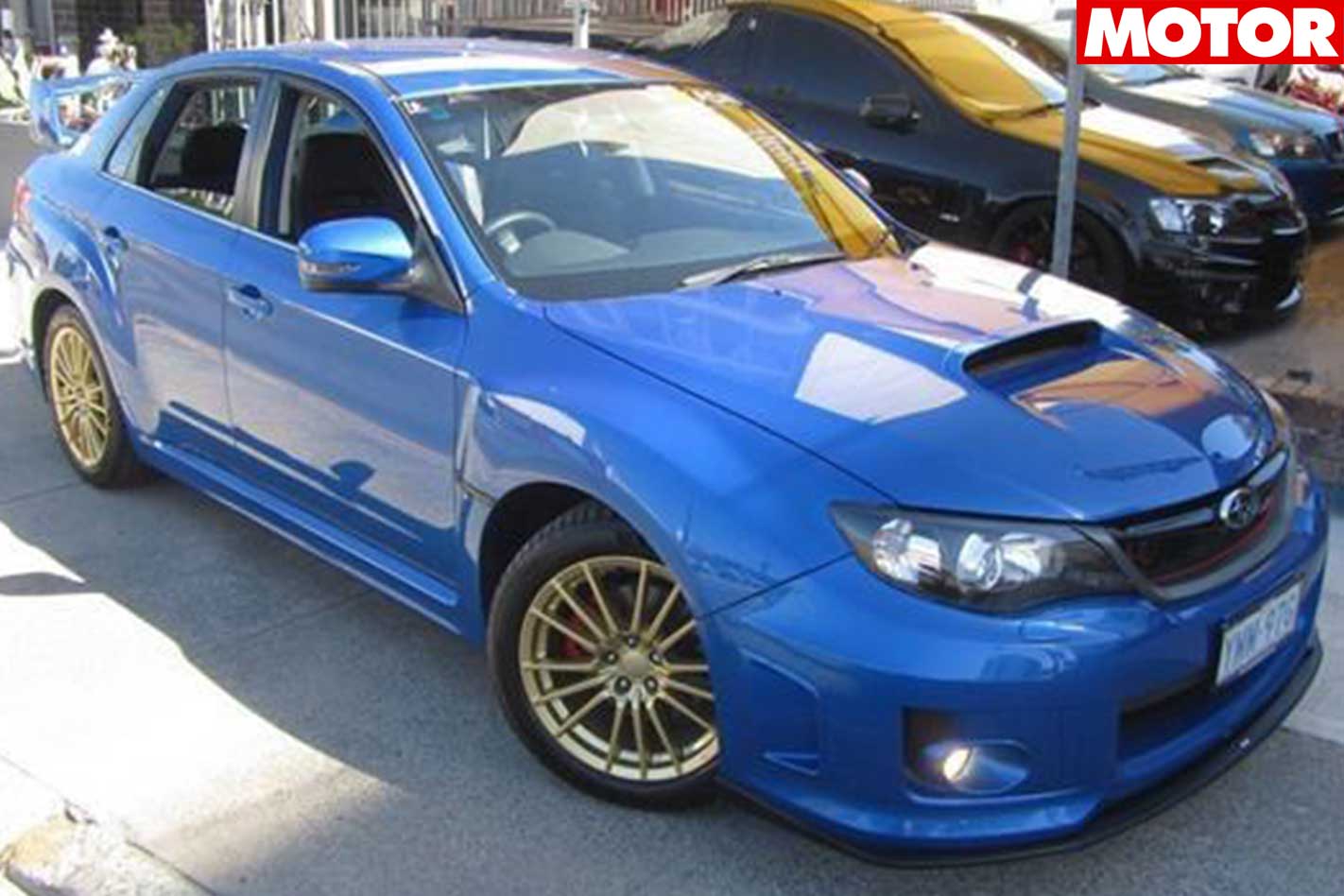
This one’s sporting a 95,644km figure on the odometer, which is a fair bit of travelling for a 5-year-old car, but it’s one of only 300 (number 75, to be exact) and seems to be well cared for.
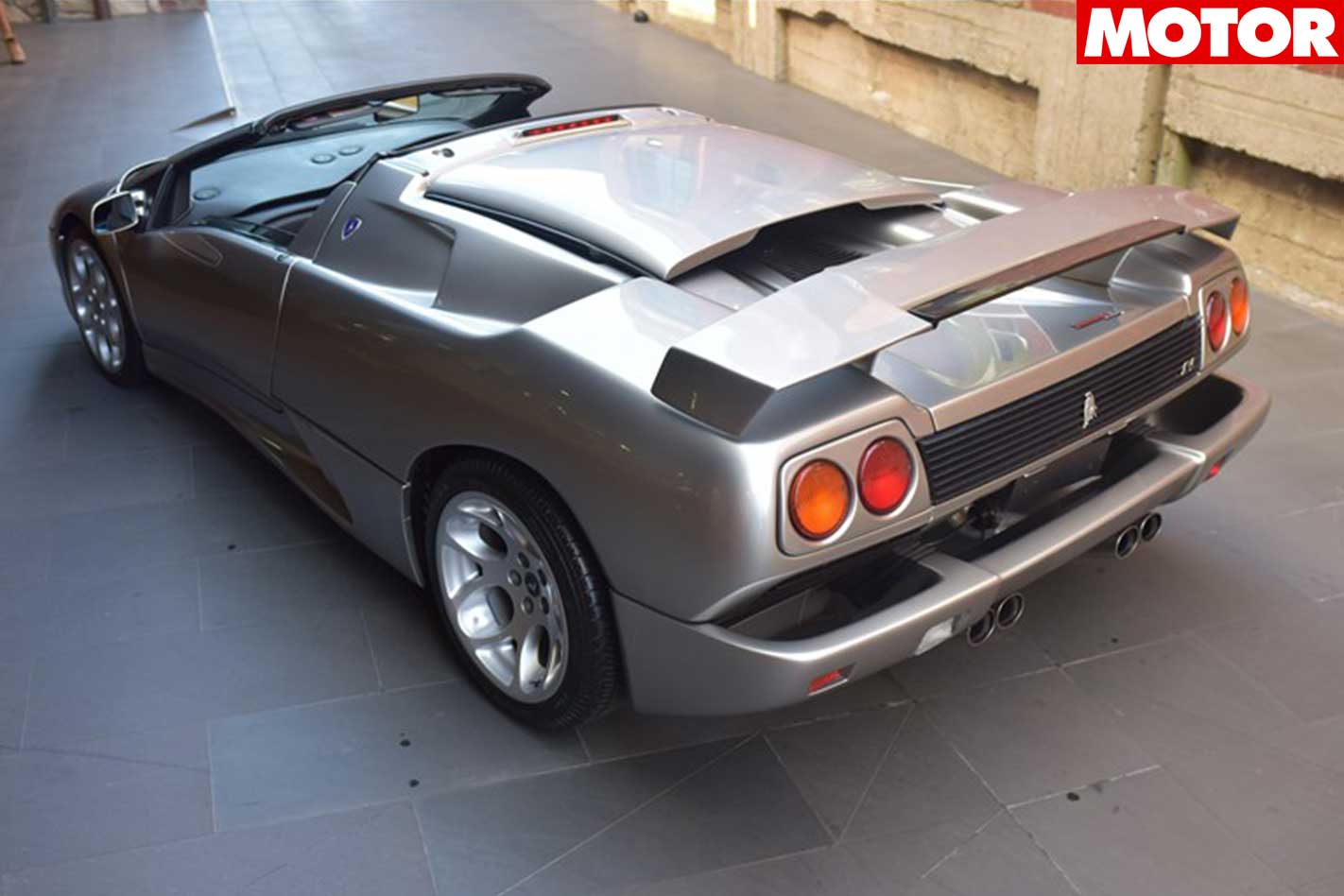
1999 Lamborghini Diablo SV – $489,990
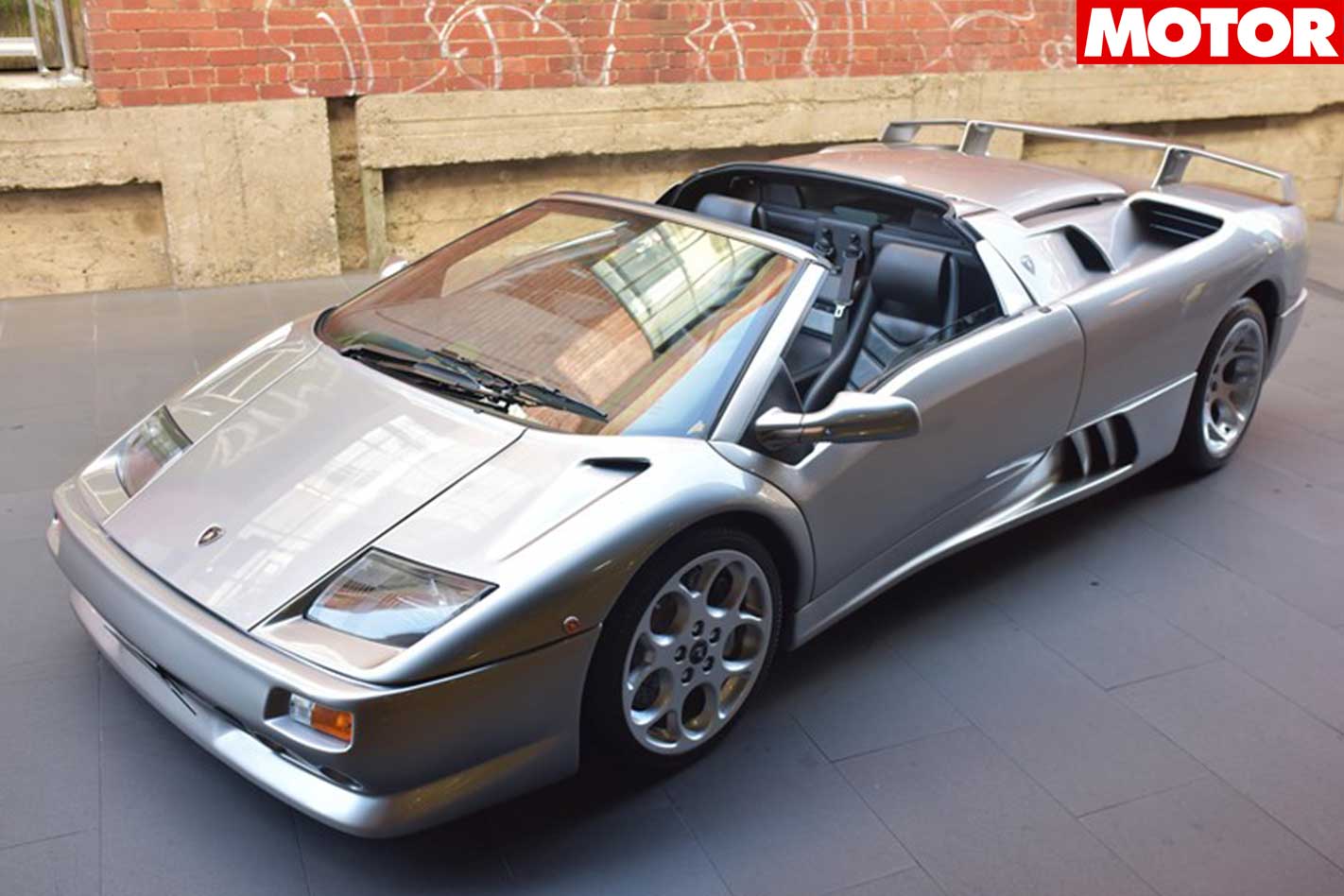
Locally, this is the only one around, so getting your hands on it means visiting Dutton Garage in Richmond with a $489,990 cheque-in-hand.
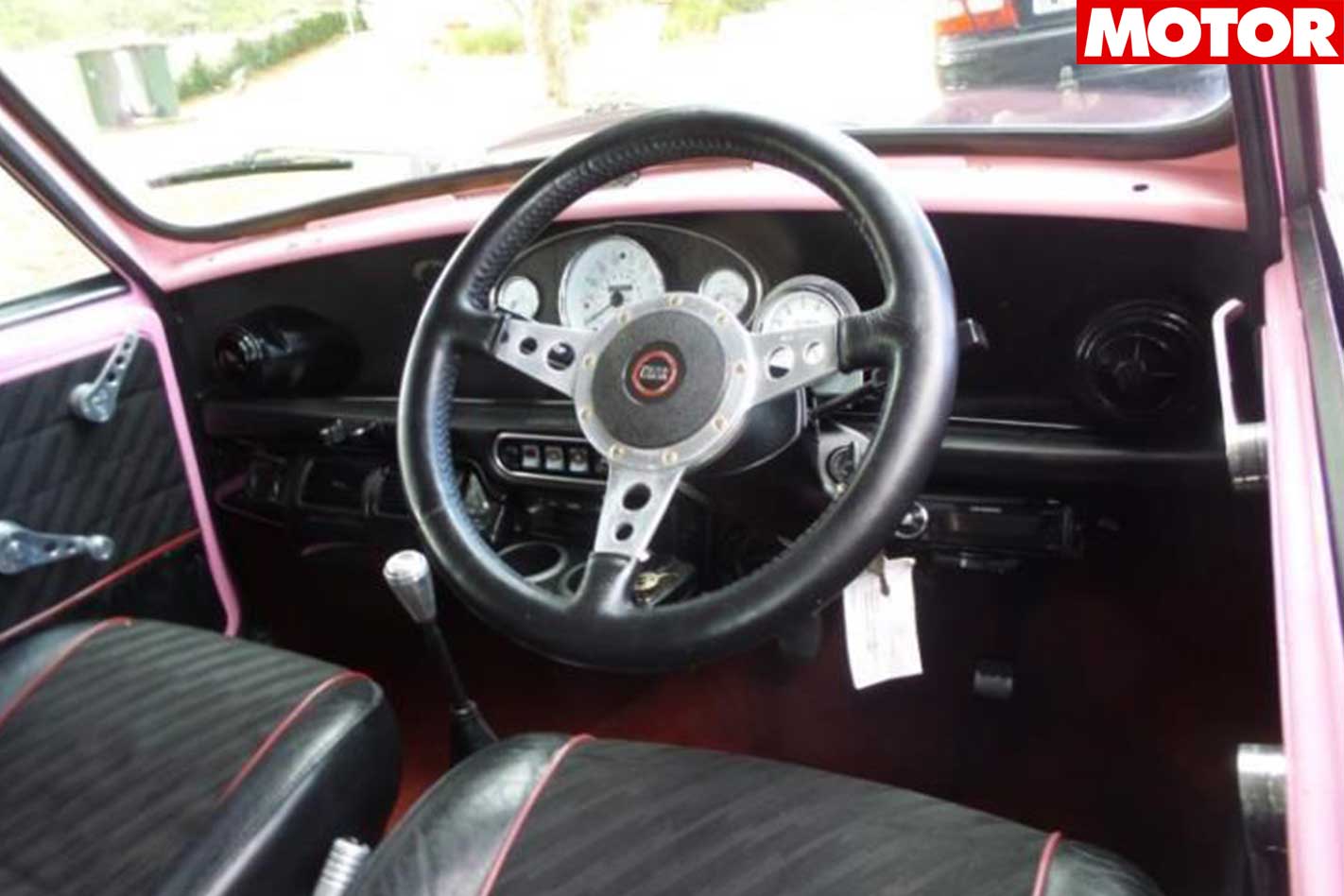
1993 Rover Mini Cooper S – $19,888
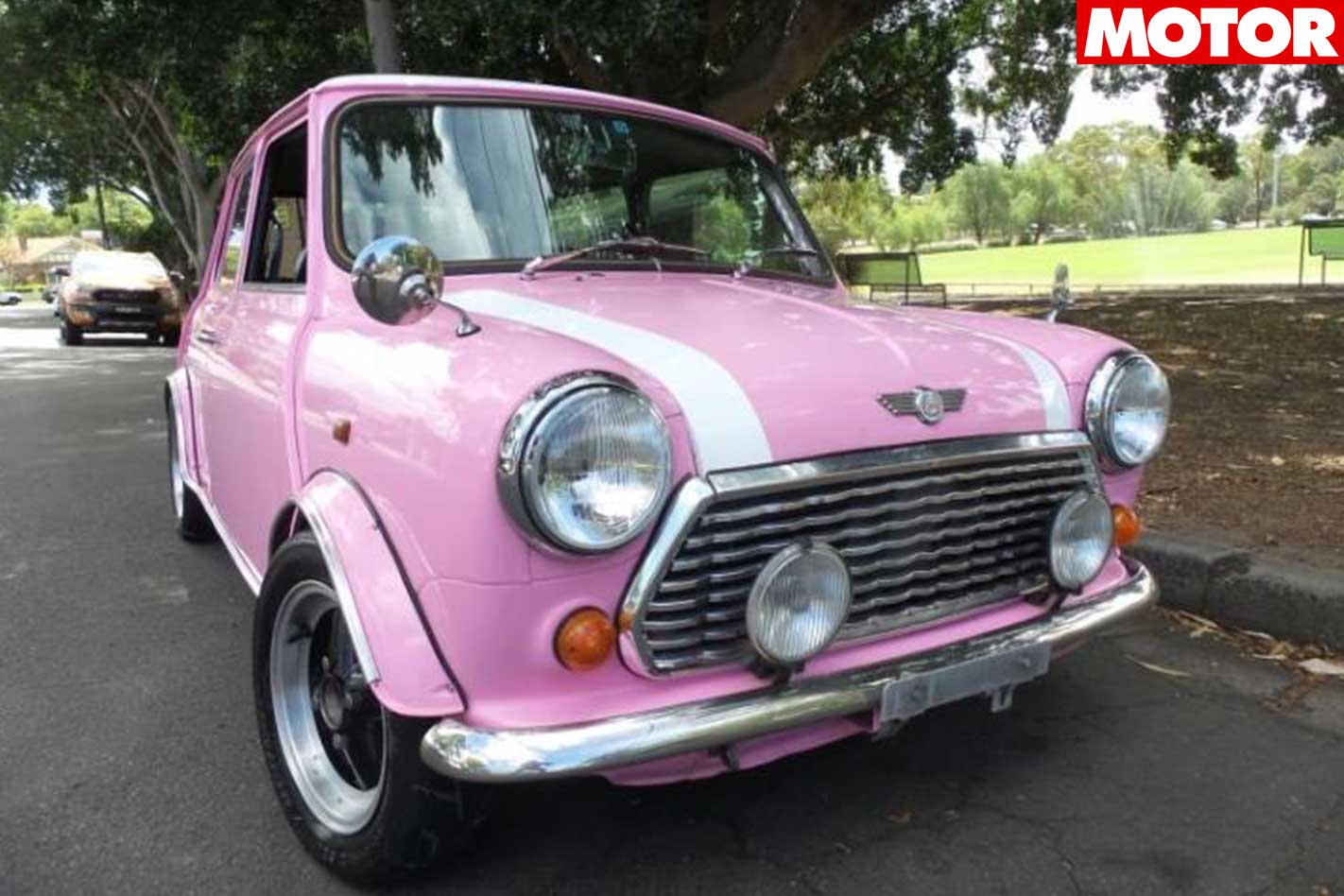
Sure, this car – or colour – might not be for everyone (the latter isn’t this author’s cup of tea), but seeing it pop up was quite the surprise.
2017 BMW M4 DTM Championship Edition – $309,990
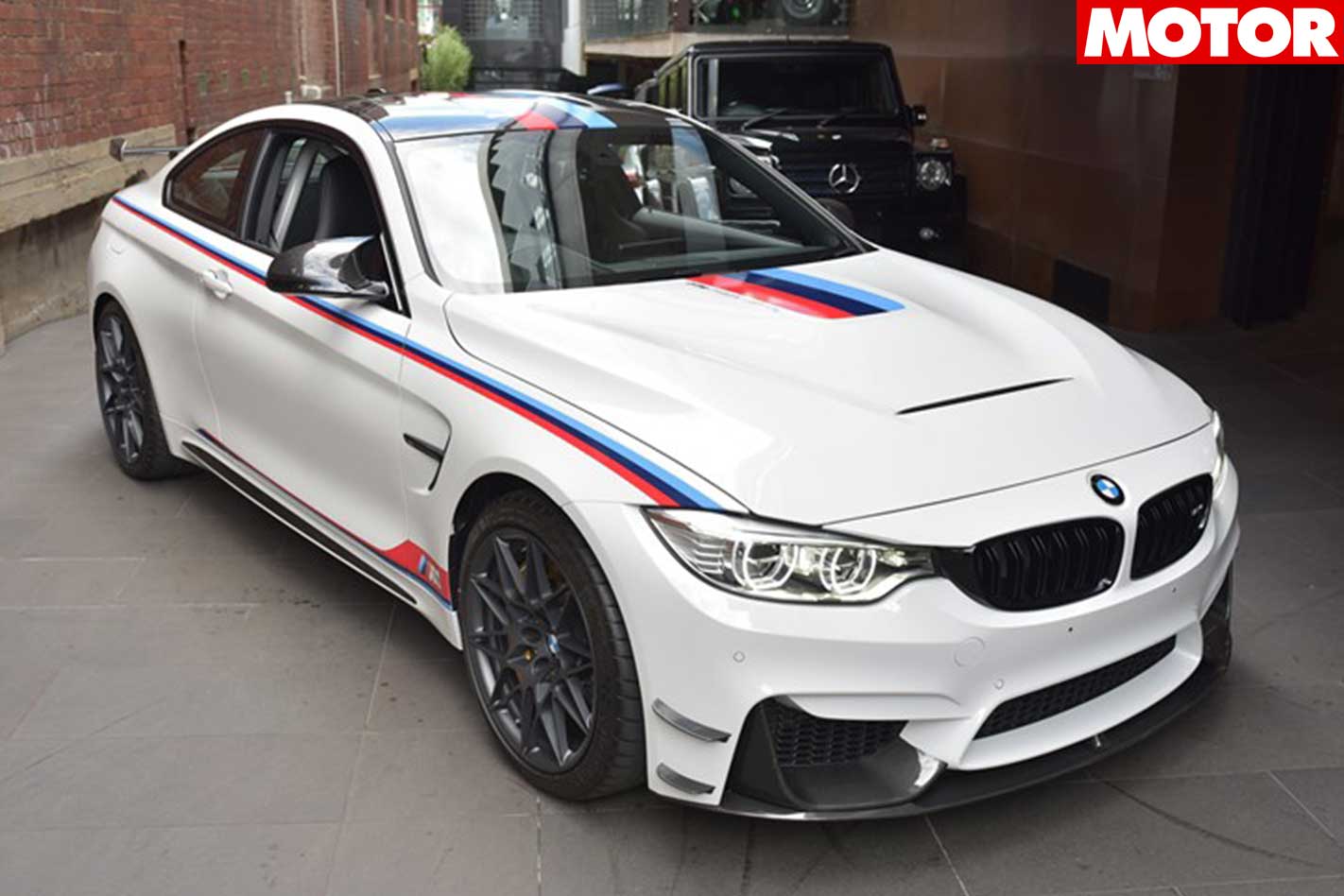
It’s also got the arsenal of the M4 GTS at its disposal, good for 368kW and 600Nm, as well as racing seats and plenty of carbon fibre.
Dutton is asking $309,990, slightly north of its original $295,000 asking price.
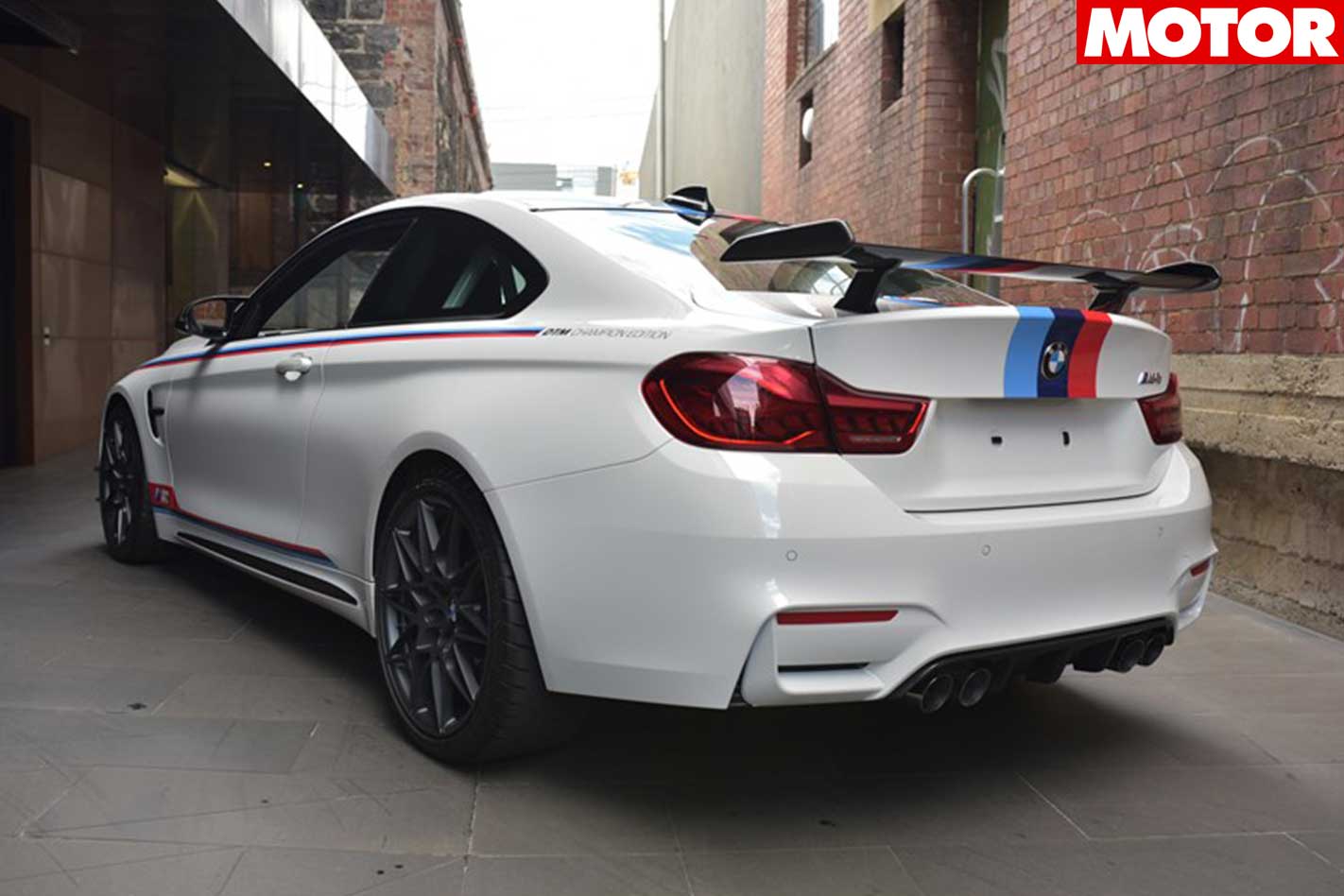
FUEL retailers have gone to war against the consumer watchdog over claims the industry has gouged buyers in the lead-up to Christmas.
The latest quarterly Australian Competition and Consumer Commission report claims fuel retailers have enjoyed their fattest profit margins in 15 years, prompting it to encourage drivers to fight back.
However, fuel retailers have hit back, claiming the ACCC does not understand how the retail fuel industry works, and has based its assessment on flawed figures.
According to the Australian Competition and Consumer Commission report, the average gross retail margin in the three months to the end of December was 14.2 cents a litre, the highest since the fuel prices advocate started monitoring them in 2002.
The quarter saw average petrol prices in Sydney, Melbourne, Brisbane, Adelaide and Perth increase by 12.6 cents a litre in the quarter to 135.1 cents a litre, it said.
“Higher international crude oil and refined petrol prices and a lower AUD-USD exchange rate contributed around two-thirds of the increase in retail prices,” the ACCC said. “The rest was due to high gross retail margins.”
Fuel retailers are less than happy with the ACCC’s findings. The Australasian Convenience and Petroleum Marketers Association said while the ACCC had noted higher world oil prices and the lower value of the Australian dollar relative to the US dollar, it had no evidence that retailers were gouging on prices.
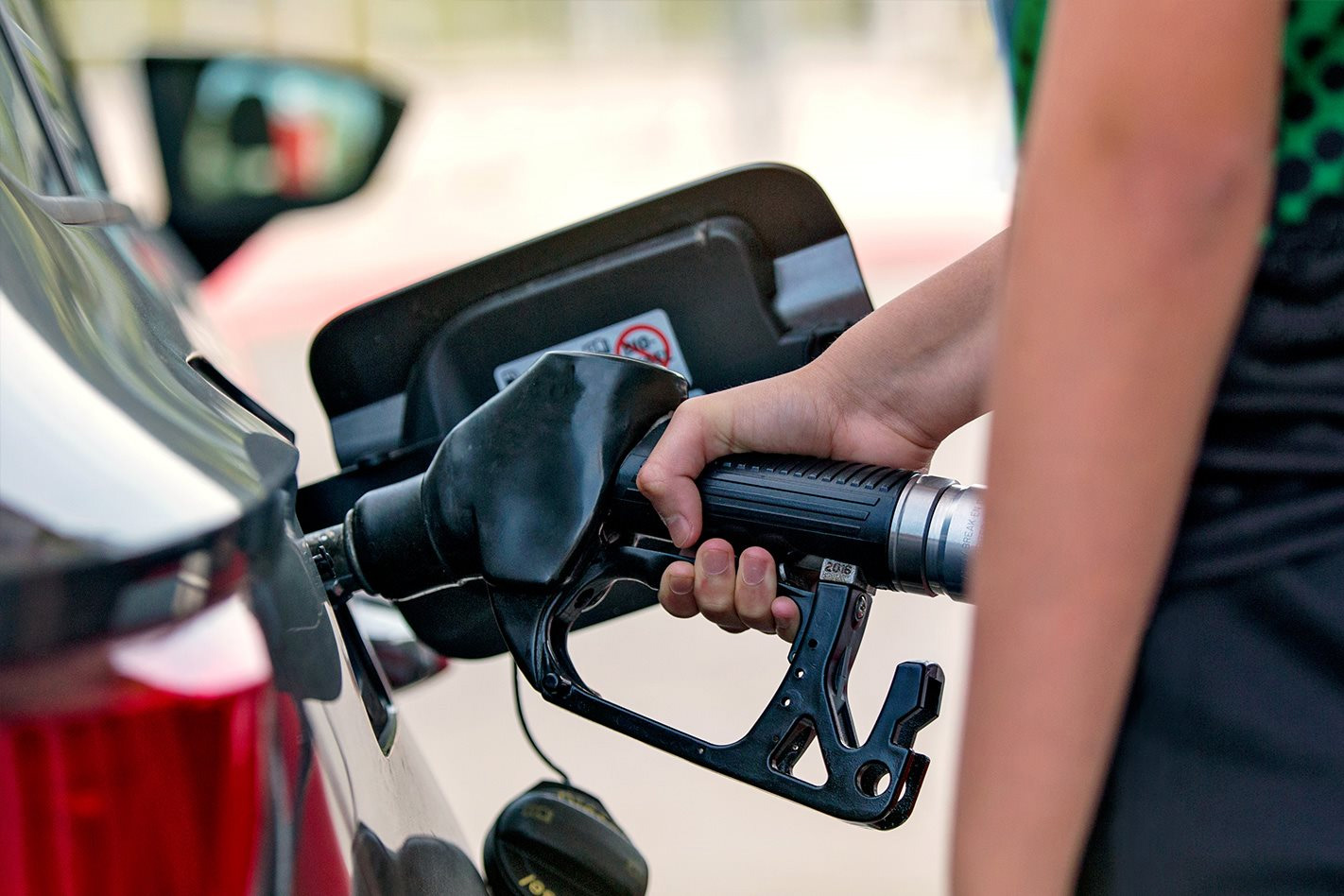
However, ACCC chairman Rod Sims said retail margins for petrol were the highest they had ever been, and motorists were paying for it. “Last quarter alone, average gross retail margins in the five largest cities were 14.2 cents per litre, an increase of 3.9 cents per litre from the previous quarter,” Sims said.
“The ACCC accepts that some of the increase in gross retails margins has been due to increased costs; the information we have, however, indicates that this contribution does not explain the bulk of the increase.”
The ACCC report – it has regularly monitored fuel prices since 2002, and was given a federal government mandate to continue its oversight in December last year – said gross retail margins last year were more than four cents higher than the eight-cent average margin for the last 15 years.
“Assuming similar margins for sales of all petrol types across Australia, this represents an additional cost to motorists of over $750 million per year,” it said.
McKenzie said the ACCC’s report appeared to suggest that fuel retailers – most who are small to medium businesses – should be able to sell fuel at, or very near to the cost they paid for it at the refinery gate.
“But fuel retailers must pay costs on top of this refinery price”, he said. “These costs include the cost of transporting the fuel to their service stations, paying wages to service station staff, paying for the electricity needs to operate their service stations and meeting the rising cost of regulation and compliance.”
According to the report, Brisbane motorists paid the most, with prices at the pump an average of 3.3 cents higher over an eight-year period than Australia’s four other big cities.
Meanwhile, rural buyers benefitted hugely in the quarter, with the average price falling to 1.4 cents a litre – 5.2 cents a litre below the previous quarter’s average. However, that saving didn’t extend to Darwin, where the average fuel price increased “significantly”.
Sims encouraged drivers to use fuel price transparency schemes that show the lowest fuel prices in areas as a way to fight back against the higher profit margins.
“Motorists can fight back against these high prices by using fuel price websites and apps to shop around,” he said. “Consumers can save significantly by timing their purchases during the price cycle, which encourages retailers to be more competitive.”
In our first instalment of $5000 driver’s cars we chalked up the Ford Fiesta XR4 and BA Falcon XR6 Turbo, and BMW E46 3 Series coupe, as fitting used performance buys.
So let’s reiterate the brief for another three: $6000 car bargained down to $5000 on the nose, fun to drive, less than 20 years old, and with fewer than 250,000km. Let’s go…
#1 Sports sedan: Early-2000s Holden VT Commodore SS
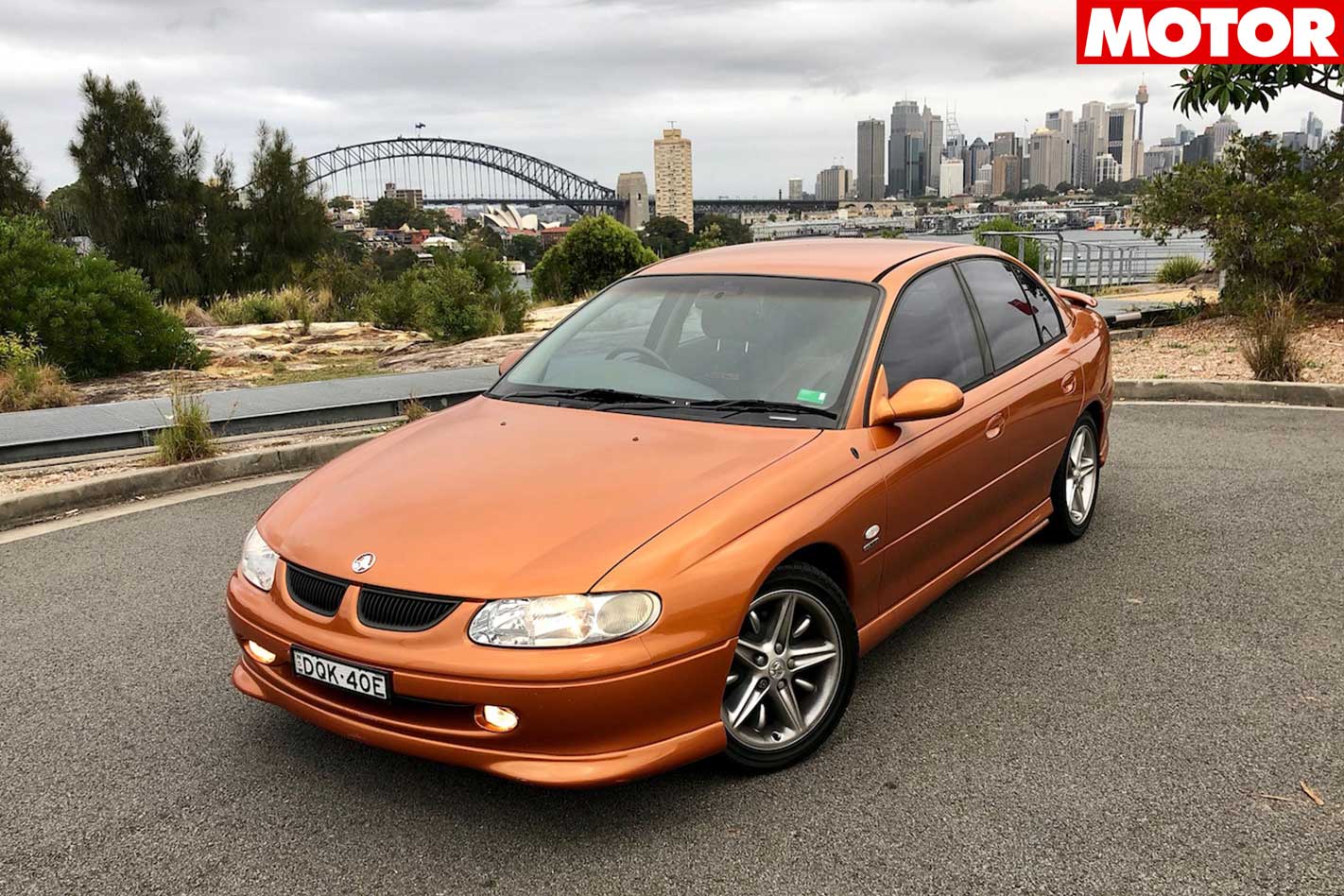
Sure, the steering is a bit loose and the manual shift makes a Scania truck’s seem slick, but the Gen III – originally criticised for being too soft compared with the Aussie 5.0-litre it replaced – actually now appears silky and toey, and more in harmony with its mid-6.0-sec 0-100km/h than if it was simply shoutier. And the ride and handling has actually stood up pretty well, backed by a standard limited-slip differential (LSD).
They still look great and are unlikely to fall further.
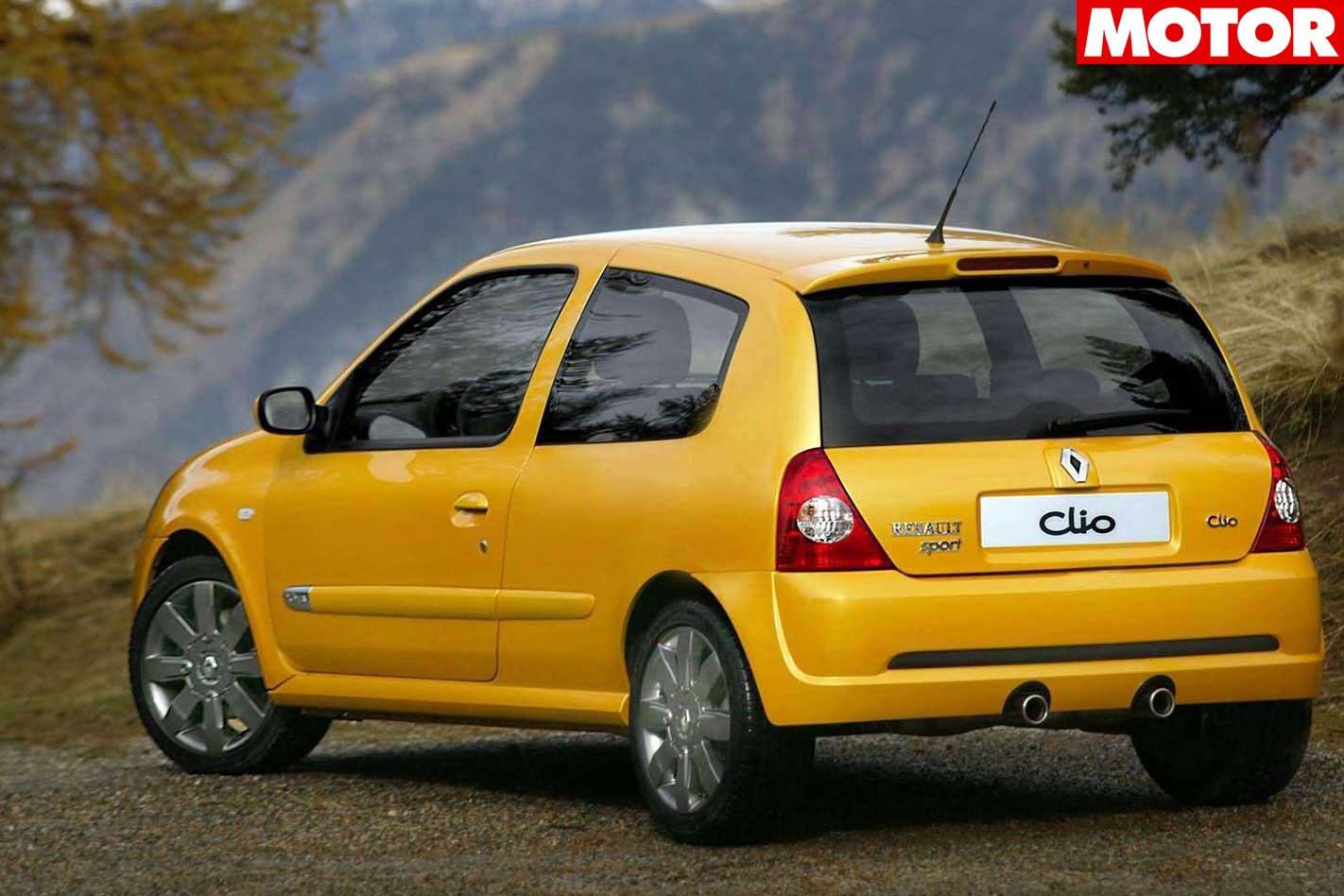
#2 Hot hatch: 2005 Renault Clio II RS 182
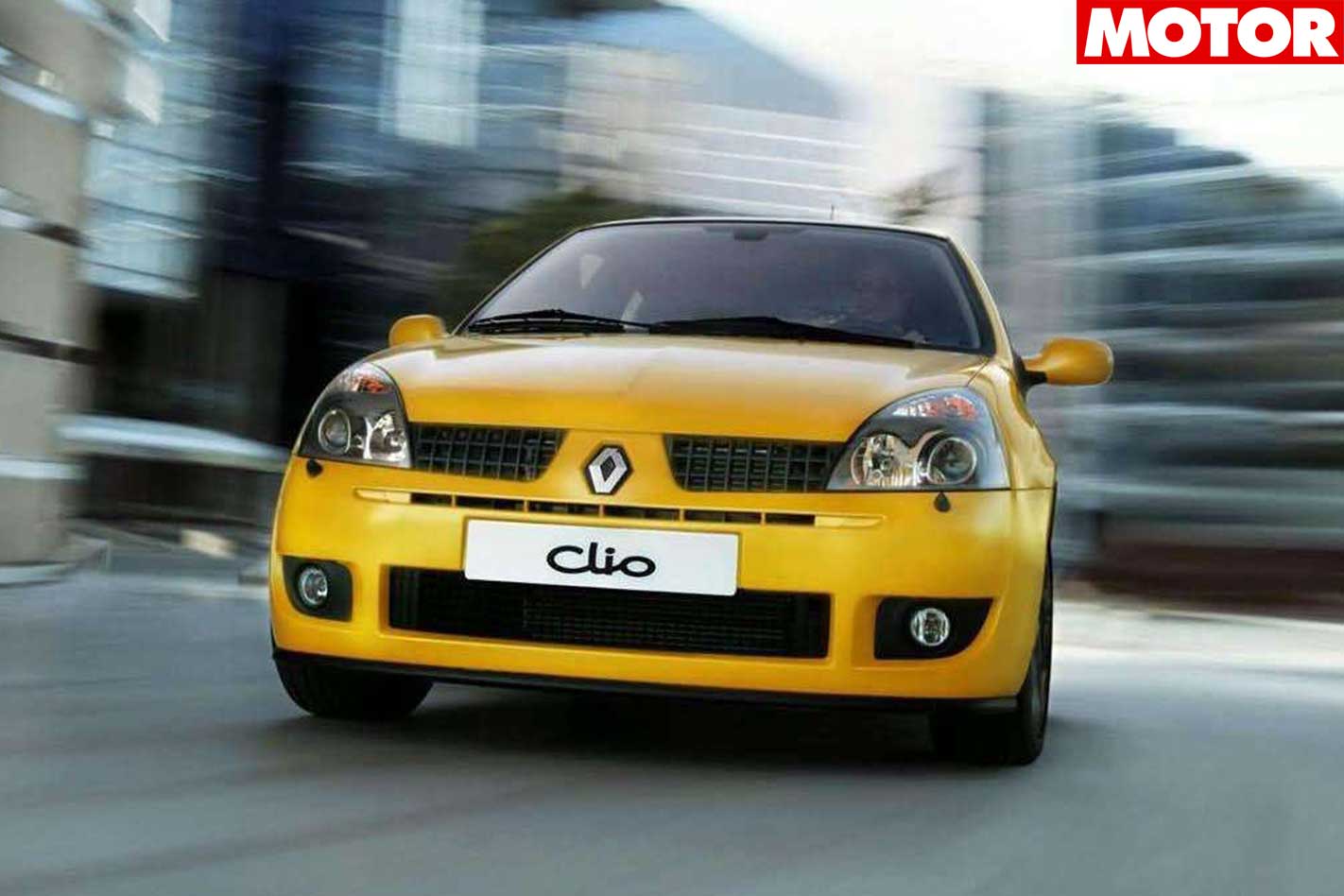
Although a couple of years older than a Ford Fiesta XR4, these are faster, lower and ultimately more fun.
#3 Sports wagon: Skoda Octavia RS 147TSI
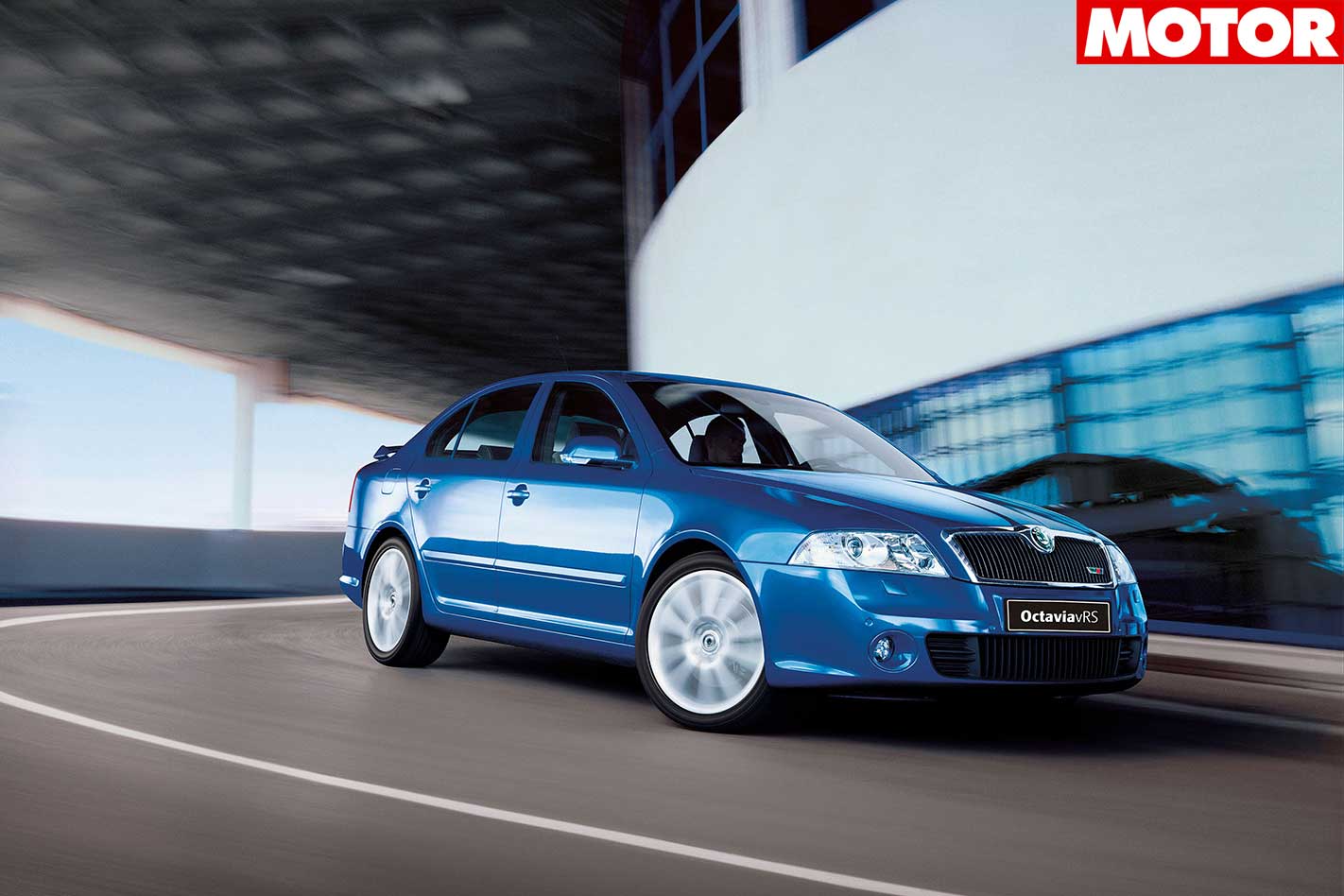
And indeed the Octavia RS launched that year as a poor man’s Mark 5 Golf GTI both in looks and trimmings.
Thankfully, we’re also talking a poor-man used car budget here, and these 147kW 2.0-litre turbocharged four-cylinder liftbacks (and, crucially, wagons) are now going for around $6000 – or $1000 less post bargaining.
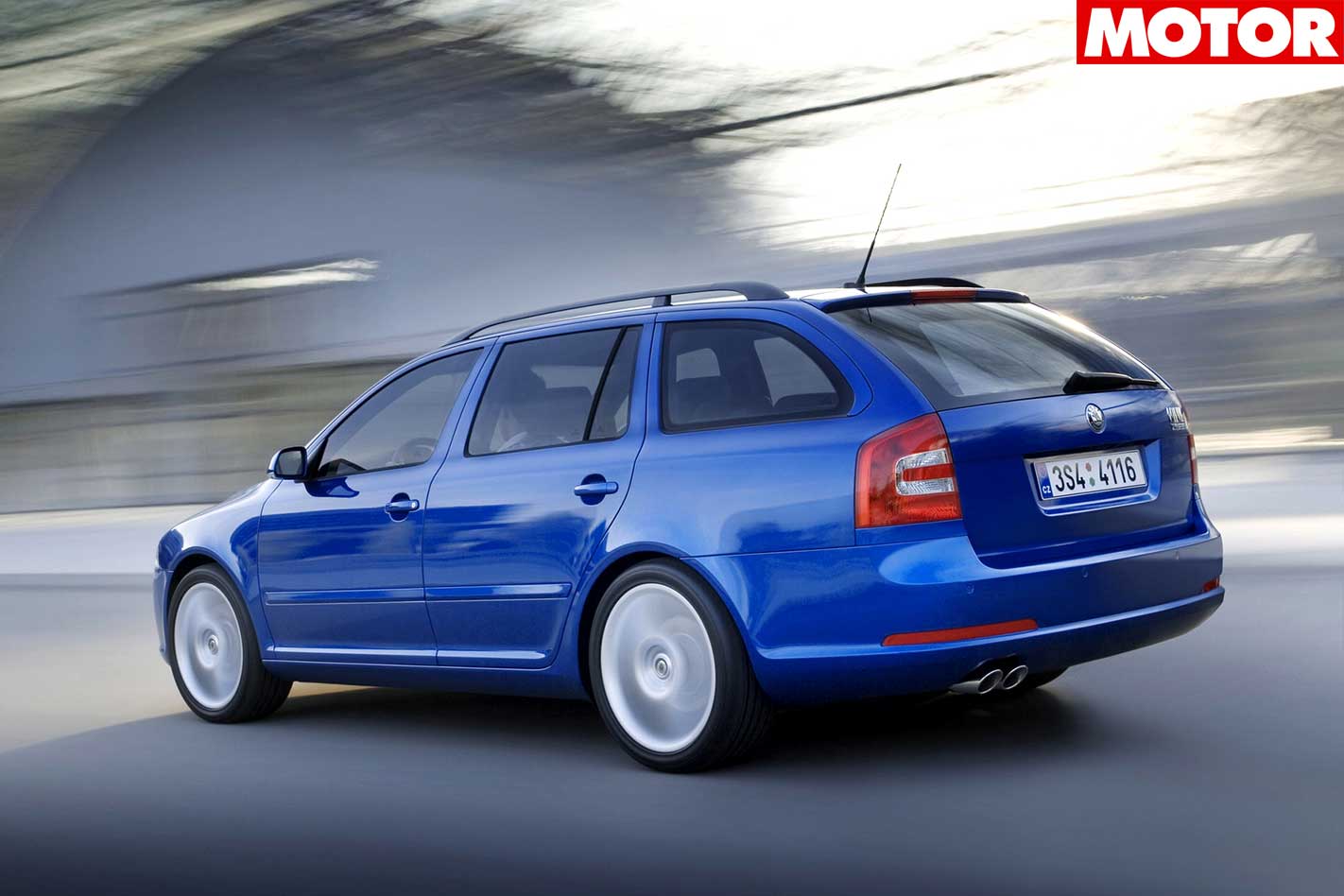
Three pedals also came with wagon space, like a Subaru Liberty GT wagon – a close second for us here.
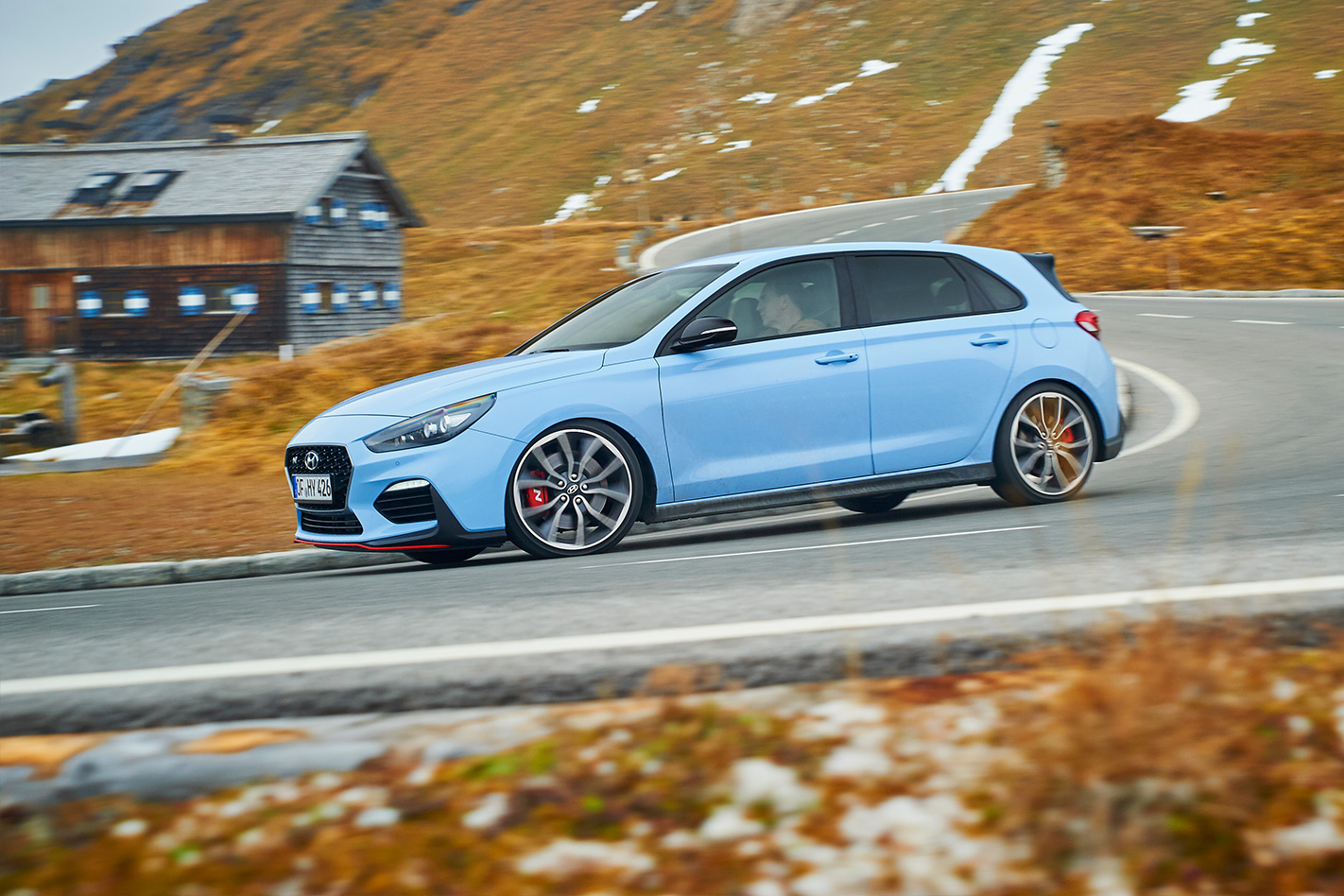
HYUNDAI is getting serious with its assault on the Australian hot hatch market, with a sub-$40K price confirmed for its i30 N scorcher, ahead of its arrival in mid-April this year.
Wearing a razor-sharp price of $39,990, the hot Hyundai i30 N will be a full $1500 more affordable than the segment benchmark, the Volkswagen Golf GTI, but will pack a punch almost as hard as its more muscular Golf R stablemate.
While the Volkswagen performance halo has 213kW and 380Nm the Hyundai snaps at its heels with 202kW and 353Nm (and up to 378Nm on overboost) – way ahead of the standard GTI’s now piddly-looking 169kW/350Nm.
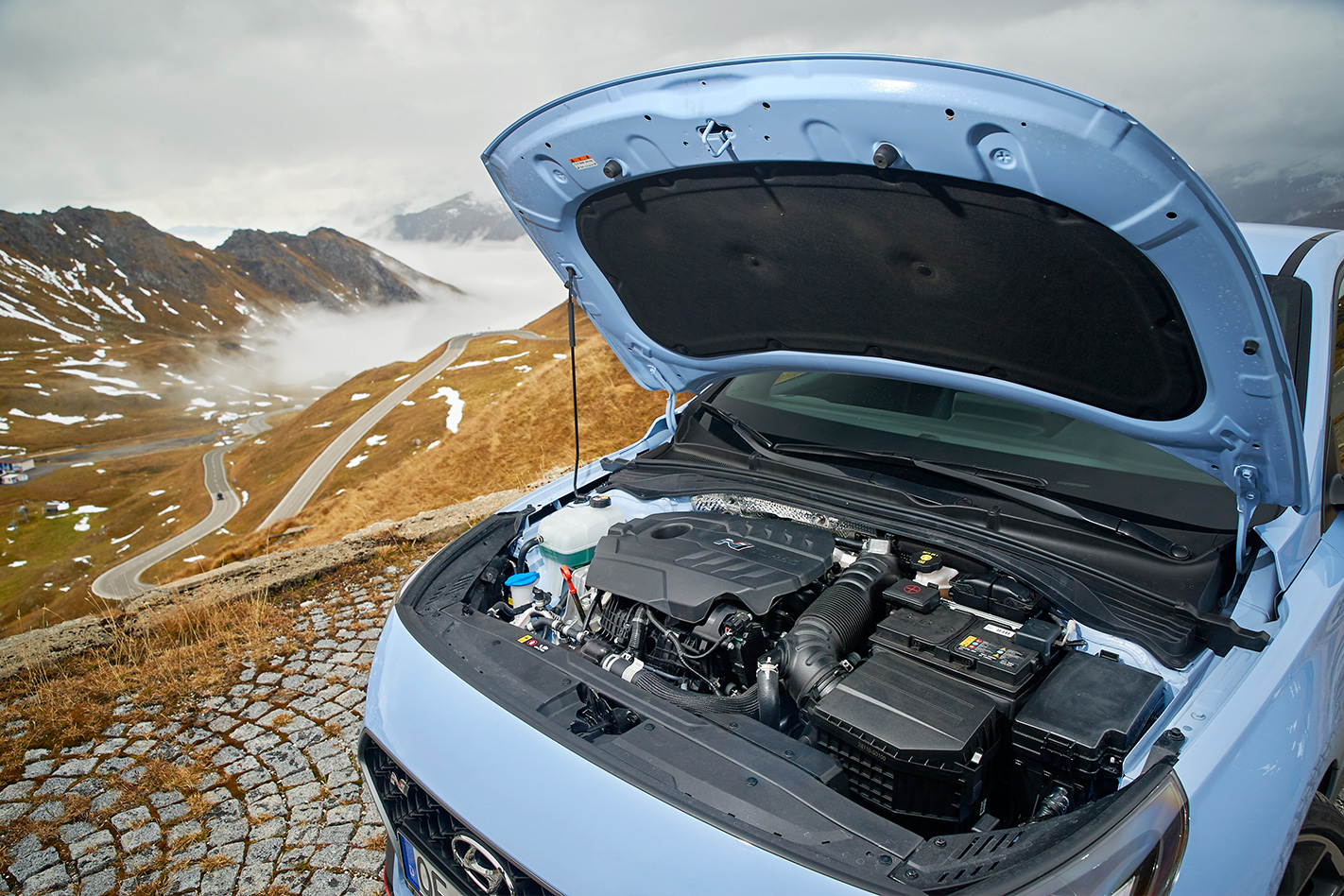
The i30 N will sell in two grades in other global markets, offering a choice of power and performance, but for Australia’s more performance and equipment-demanding buyer, only the most potent version will be offered – effectively making the Performance Pack offered as an option overseas as standard kit here.
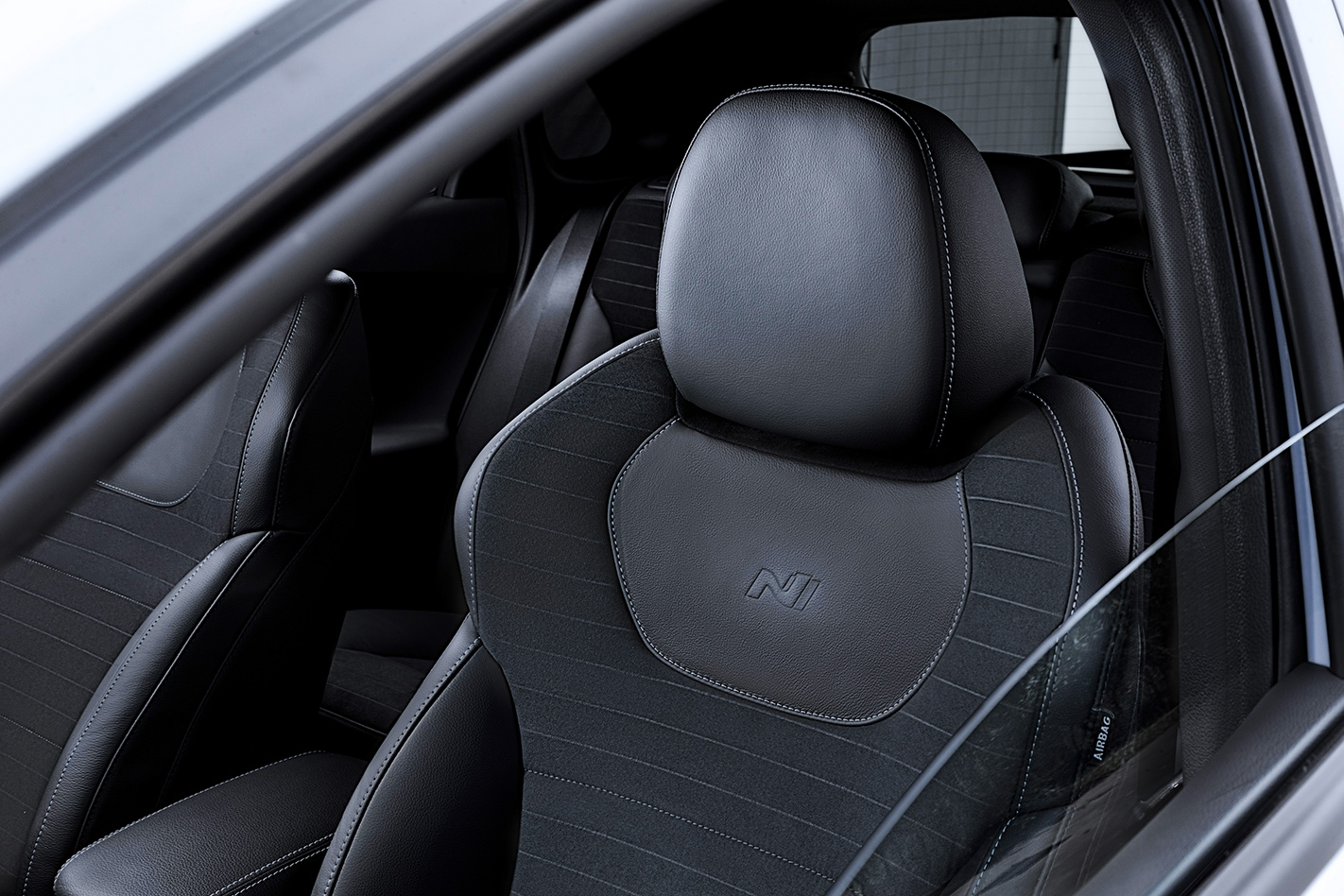
Aussie Hyundai customers will have the option to delve deeper into their pockets and add a dose of luxury to their i30 N via a $3000 package.
The glazing also gets an upgrade with a ‘solar control’ windscreen and rain-sensing wipers, privacy glass for rear-seat passengers, power folding mirrors and a self-dimming rear-view mirror. Front parking sensors are added to the standard rear ones, and the i30 N also gains LED puddle and courtesy lights, wireless device charging and keyless entry and start.
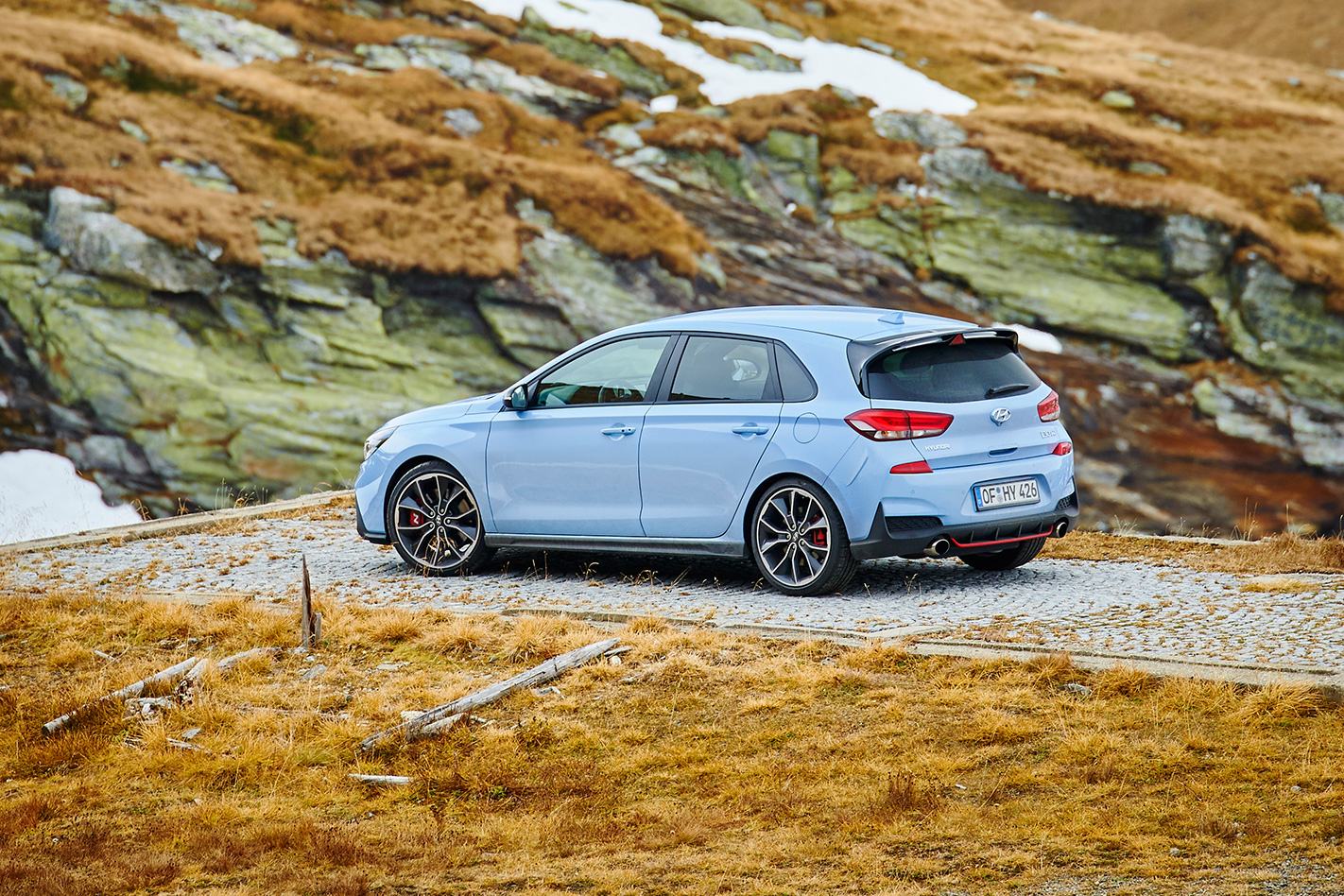
Standard performance-enhancing kit highlights include an active exhaust, adaptive suspension, electro-mechanical LSD, launch control, uprated brakes housed in 19-inch wheels (shod in Pirelli P Zeros) and a rear strut brace.
Also differentiating the high-performance halo are sportier front and rear bumpers, a different grille, rear spoiler, gloss black trims and side skirts, as are a number of metallic/mica paint options that add another $495 to the bottom line.
Hyundai’s i30 N is here. Well, sort of.
Actually due in mid-April, order books for the i30 N are now open, with Australian pricing set at $39,990.
That’s in the sweet-spot to lure buyers away from the less powerful $37,490 Golf GTI Original, or the slightly pricier Peugeot 308 GTi 270, which now sits at $45,990.
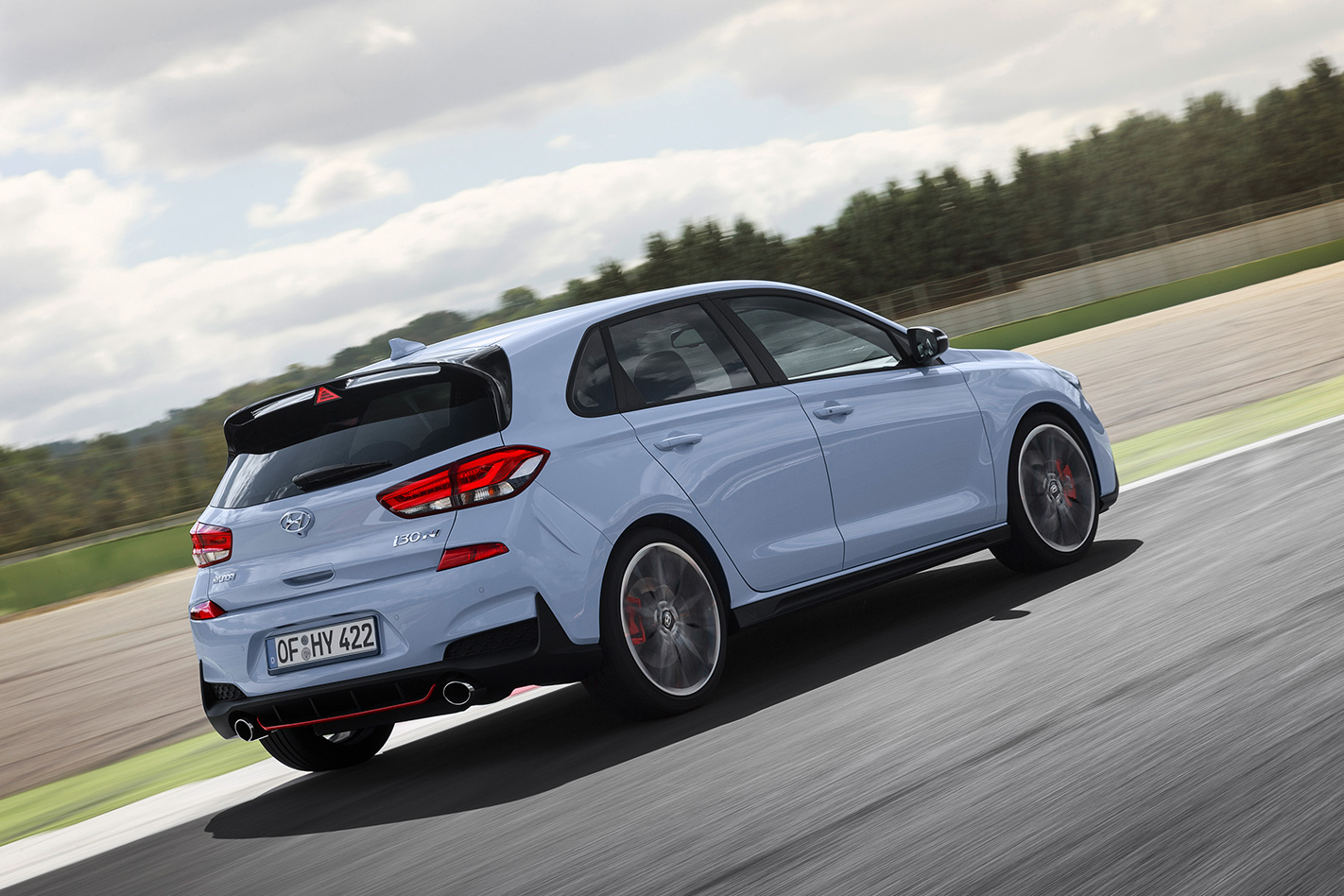
With 202kW and 378Nm on over-boost, the i30 N is likely to have rivals worried at track days.
In addition, an option pack is available to make the N a little more comfortable to live with as a daily driver.
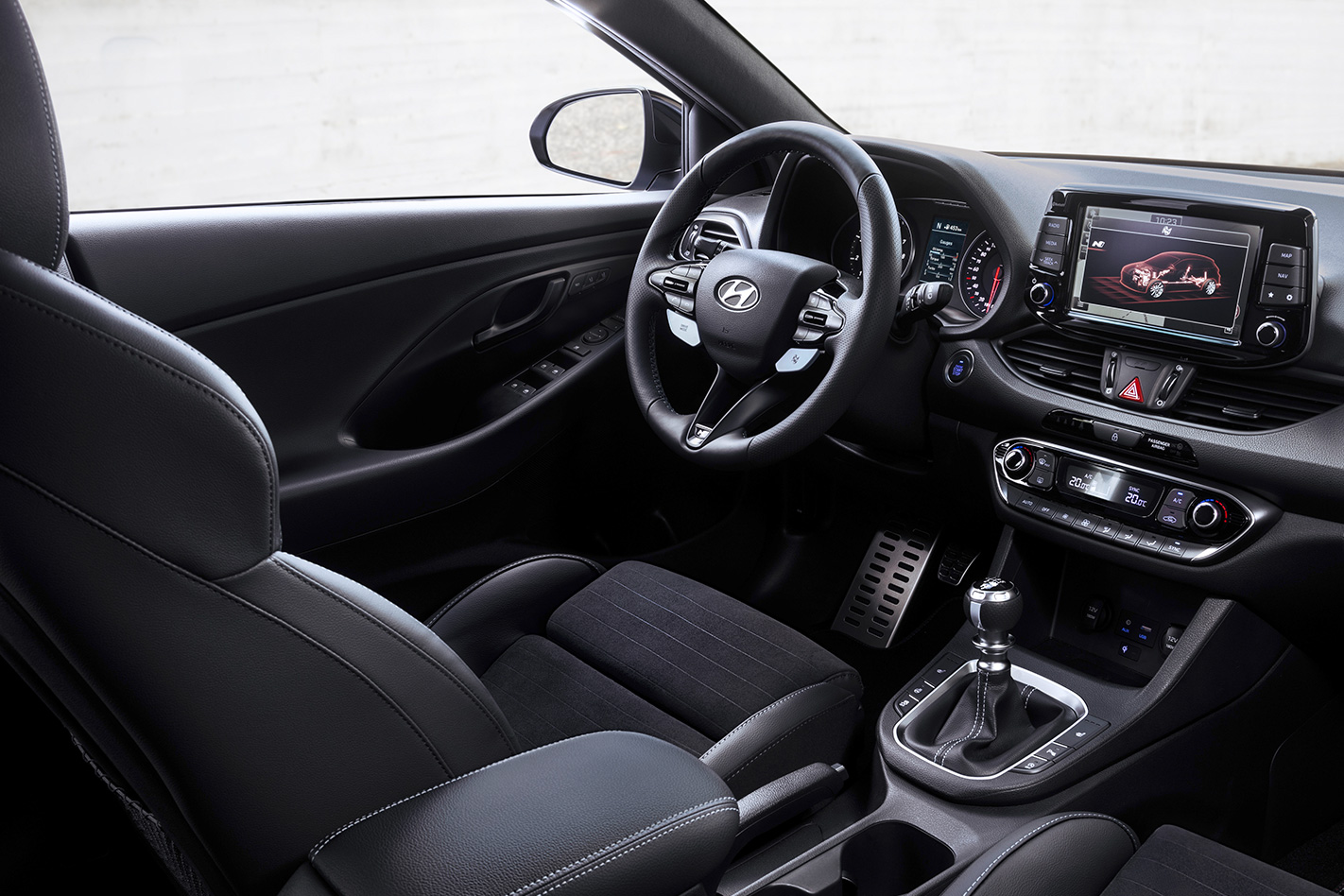
For an additional $2000, you can also add a panoramic sunroof.
Hyundai Australia CEO JW Lee says he’s “confident in the i30 N.”
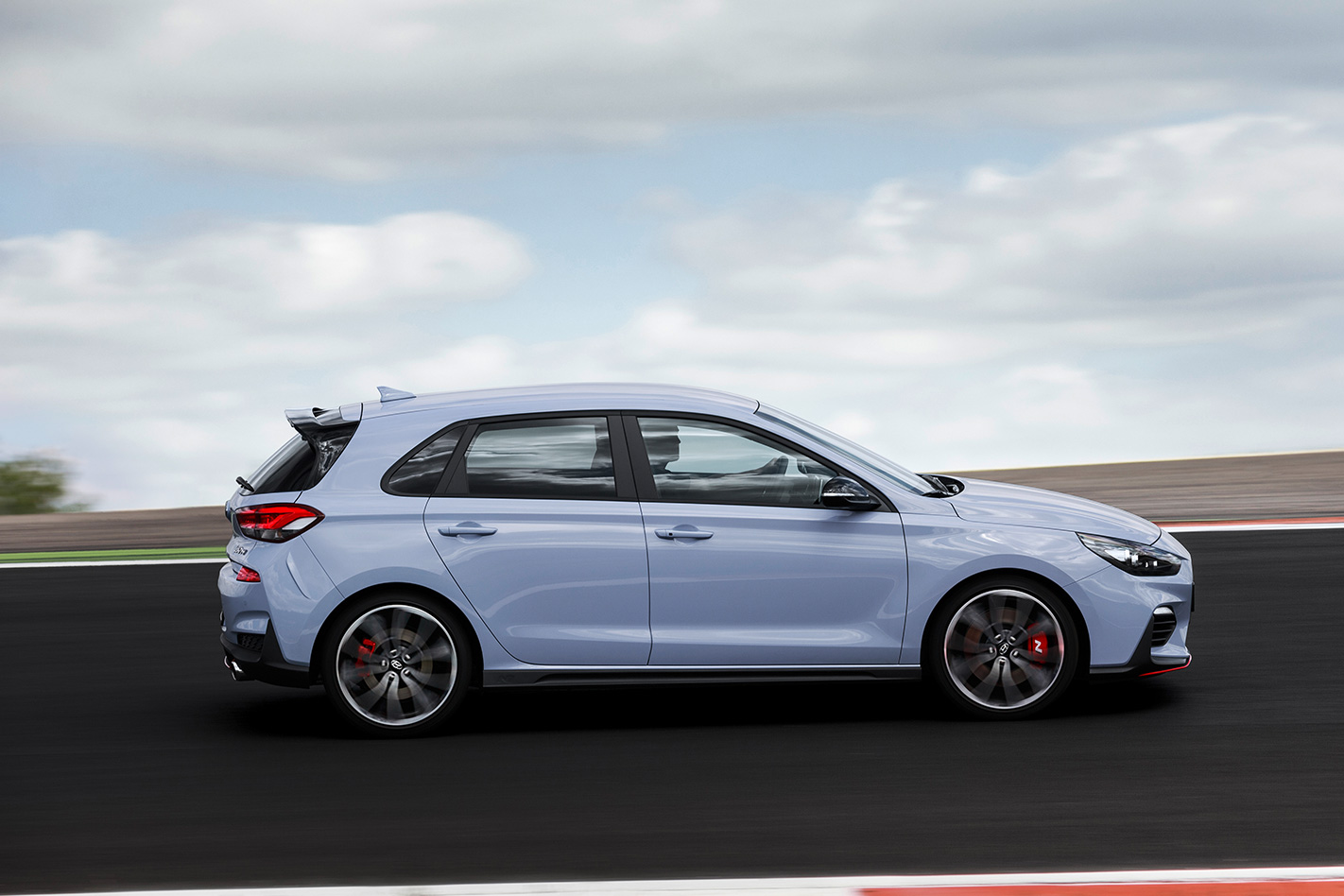
“Given the way i30 N looks, sounds and drives, we believe it will make a compelling case against its strongest competitors, regardless of price.”
Hyundai ‘N-Division’ boss Albert Biermann says the i30N was designed to be as fun as possible, at an affordable price, rather than chasing performance markers, which makes cars more expensive.
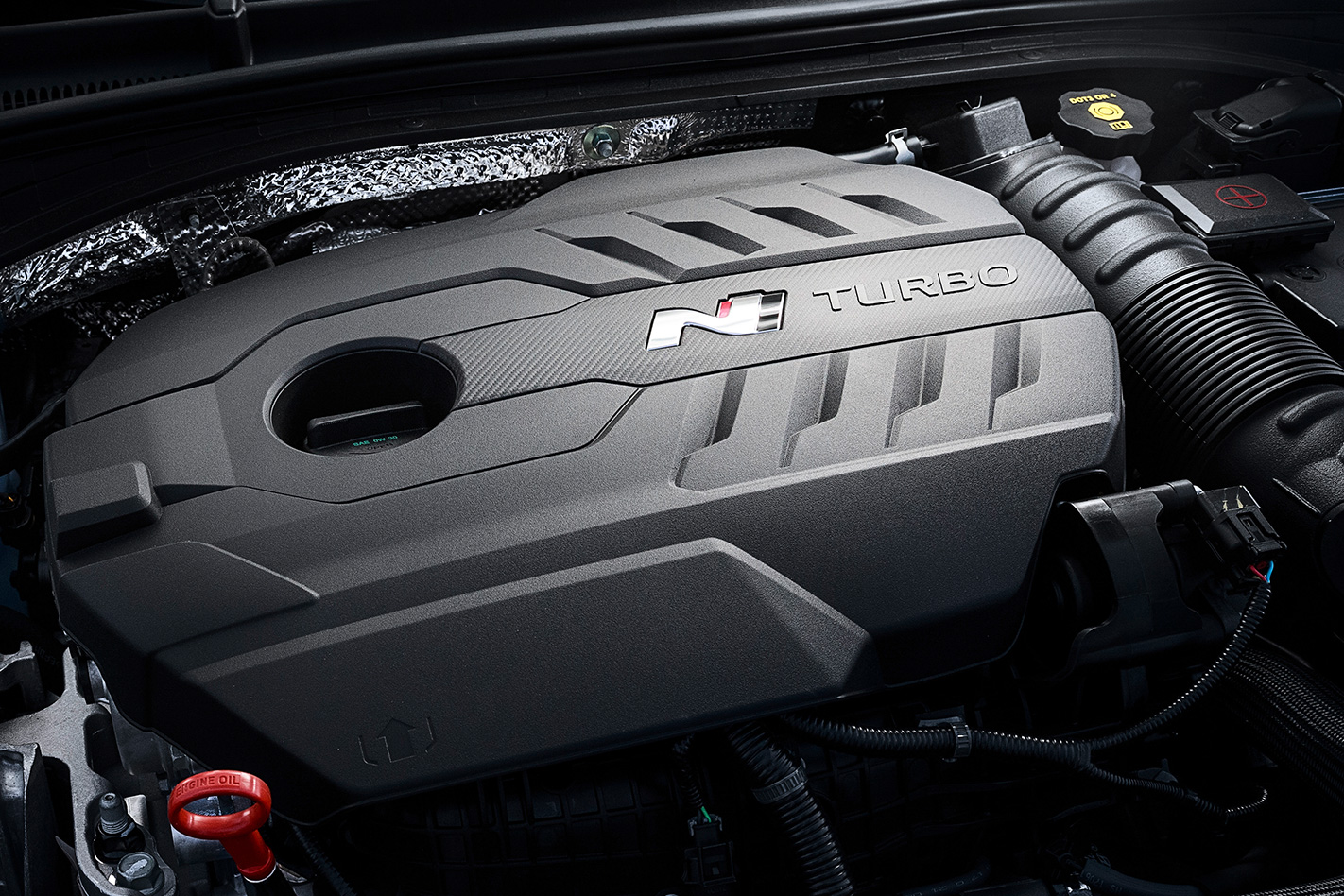
“With the high-performance N models we will enhance our brand’s appeal with emotional products that cater to the needs of people who love to have a smile on their face when they drive their car on a winding road and listen to the sound of the engine.
“That’s why we measure high-performance in BPM, heart beats per minute instead of only RPM.”
Though we’ve already driven the i30 N locally on track, stay tuned for MOTOR’s first drive on Australian roads.
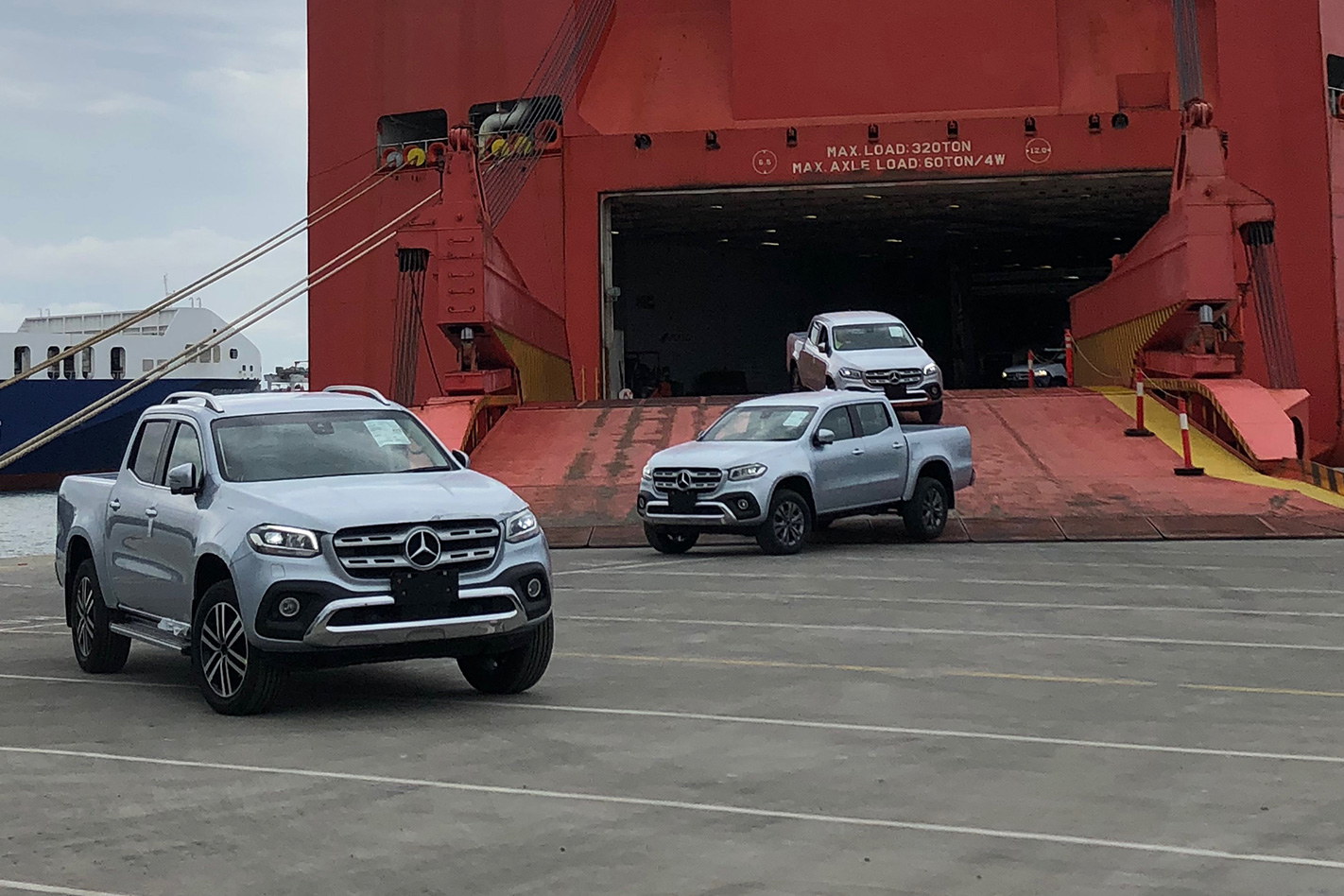
THE first of the Mercedes-Benz X-Class workhorses have been caught slipping into Australia ahead of an April launch of the luxury-badged trade ute.
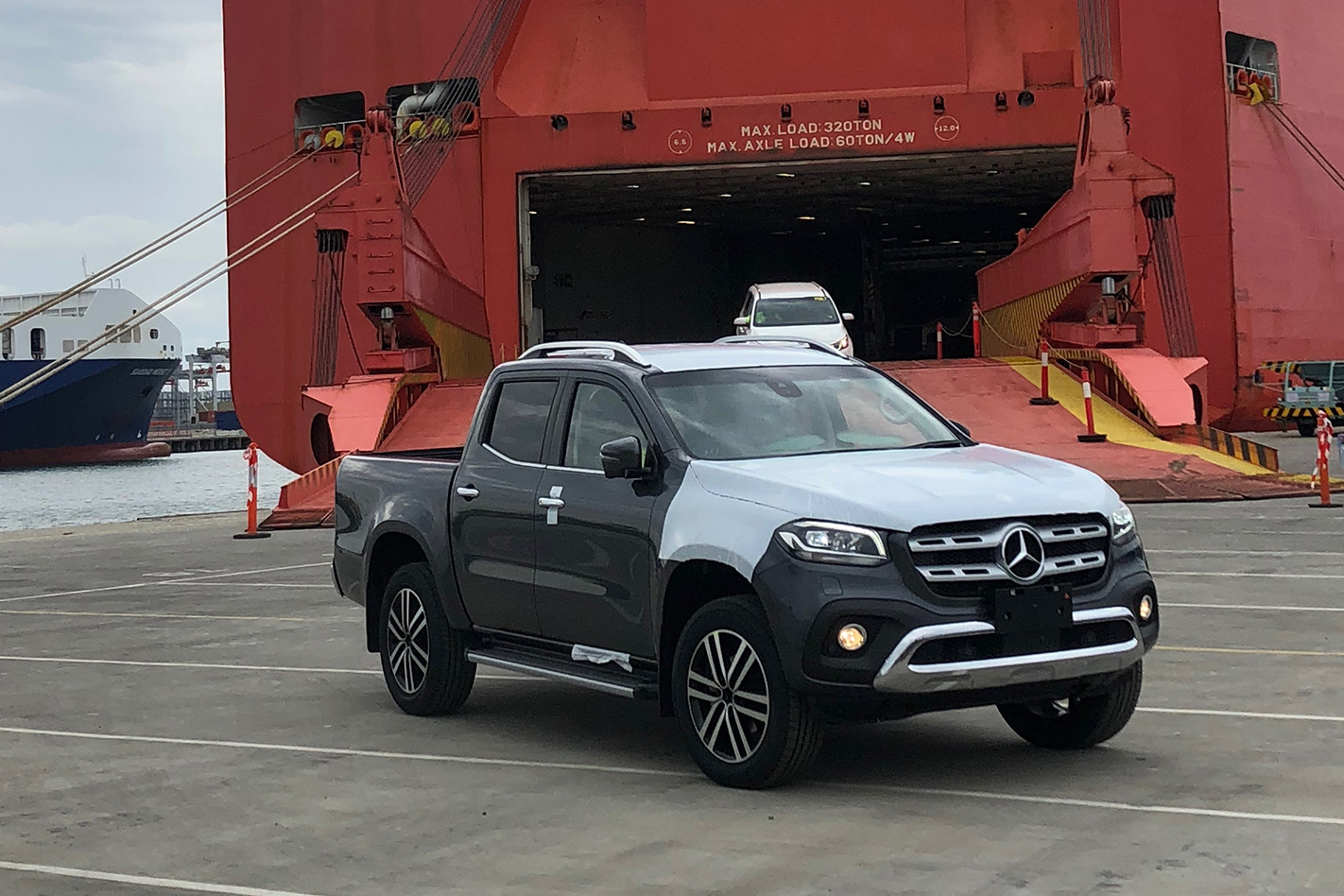
Spied by reader Wayne Renfrew close to Mercedes-Benz’s Australian headquarters in the south-eastern suburbs of Melbourne, it’s our first look at the local specification X-Class that will add a bit of cashed-up tradie toff to the worksite.
These utes wear the X250d 4matic badge. The lack of chrome trim on the rear bumper marks them as “Progressive” variants, featuring four-cylinder twin-turbo diesel engines with either a six-speed manual gearbox or seven-speed automatic transmission, and costing from $54,900.
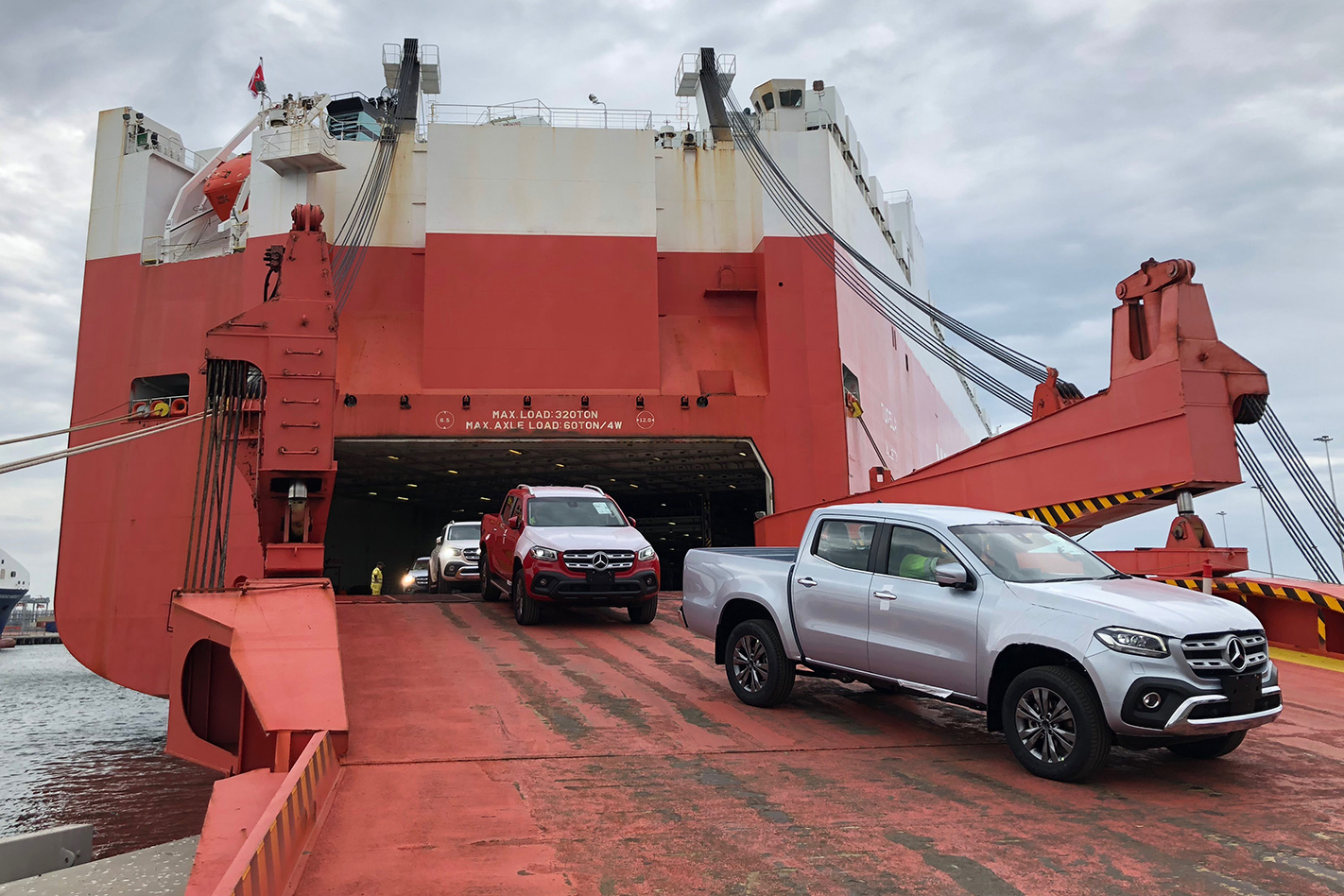
Mercedes-Benz commercial vehicles spokesman Blake Vincent said Wayne had caught the first shipment of 35 production-ready X-Class utes arriving in Australia ahead of their on-sale date.
“We have a fleet of vehicles that are coming in to support local launch activities, which happen in April,” he said. “There’s [also] some final fitting of accessory parts and some final testing to make sure everything is right to go to launch.”
The luxury-focussed X-Class arrives ahead of the highly anticipated Ford Ranger Raptor, a hi-po 156kW/500Nm twin-turbo 2.0-litre diesel version of what last year was Australia’s best-selling 4×4 trade ute. In comparison, the twin-turbo 2.3-litre X-Class will produce 140kW/450Nm. The similarities don’t end there; like the Raptor, the top-end X-Class variants are expected to feature coil-sprung rear suspension replacing the load-bearing leaf springs, adding a new level of driver involvement.
The V6-engined version of the X-Class, producing an anticipated 190kW/550Nm, should provide even more performance punch than the Raptor. Adding weight to the thought that we will soon have a trade ute performance war on our hands, Mercedes-Benz hasn’t ruled out one day doing an AMG-fettled version of the X-Class that will compete for the hearts and wallets of high-end ute buyers more interested in more go than show.
Have spy pics of your own? We’d love to see them. Just email them to [email protected]
FORD has named a new chief for its North American operations, less than a day after sacking the old one over allegations of “inappropriate behaviour”.
His name? Kumar Galhotra, a longserving Ford veteran credited with helping to turn the idling Lincoln luxury sub-brand into the domestic powerhouse it is today.
“Ford Motor Company today announced key changes to its senior management team as it continues to strengthen its automotive business, improve the company’s operational fitness, and accelerate a strategic shift to capitalise on emerging opportunities,” the car maker said in a release that makes the best of the previous day’s turd sandwich.
Galholtra will be responsible for leading all aspects of Ford’s North American business, Ford said. He will report to Jim Farley, Ford’s executive vice-president and president of global markets.
“Kumar is an incredibly talented executive with a special feel for product and brand. He is also a seasoned leader who knows how to drive a business transformation,” Farley said.
“Kumar is the right person to lead our North American business to new levels of operational fitness, product and brand excellence, and profitability.”
Galholtra’s elevation has opened the door to Joy Falotico, the former chairman of Ford’s finance division who now becomes the group vice president, Lincoln Motor Company. She is tasked with “leading the continued evolution of Lincoln as a world-class luxury brand”.
The man Galhotra has replaced, Raj Nair was unexpectedly and summarily dismissed from his position heading up Ford’s North American operations yesterday after what appears to be an embarrassing turn of events for the company.
Nair’s departure came after what Ford said was an “ internal investigation into reports of inappropriate behaviour” that were “ inconsistent with the company’s code of conduct”.
