
MAZDA has announced it will showcase the updated Mazda 6 wagon at next month’s Geneva Motor Show, with the big-booted midsizer set to share the stage with the facelifted Mazda 6 sedan revealed at the LA Motor Show late last year.
Though the 6 wagon sits on a slightly shorter wheelbase than the sedan (in deference to the wagon’s European market focus), the menu of upgrades will be largely the same. New body plastics see the front bumper’s grille opening grow and fog-light recesses disappear, while reshaped headlamps and the addition of a chrome bar beneath them result in a more upmarket ‘face’.
Inside, the dashboard has been completely reworked to sport a bolder, more horizontally-oriented layout with a suede-clad trim panel running almost its entire width, interrupted only by the steering column. The design is also complimented by Japanese-style wood trim in high grade variants.
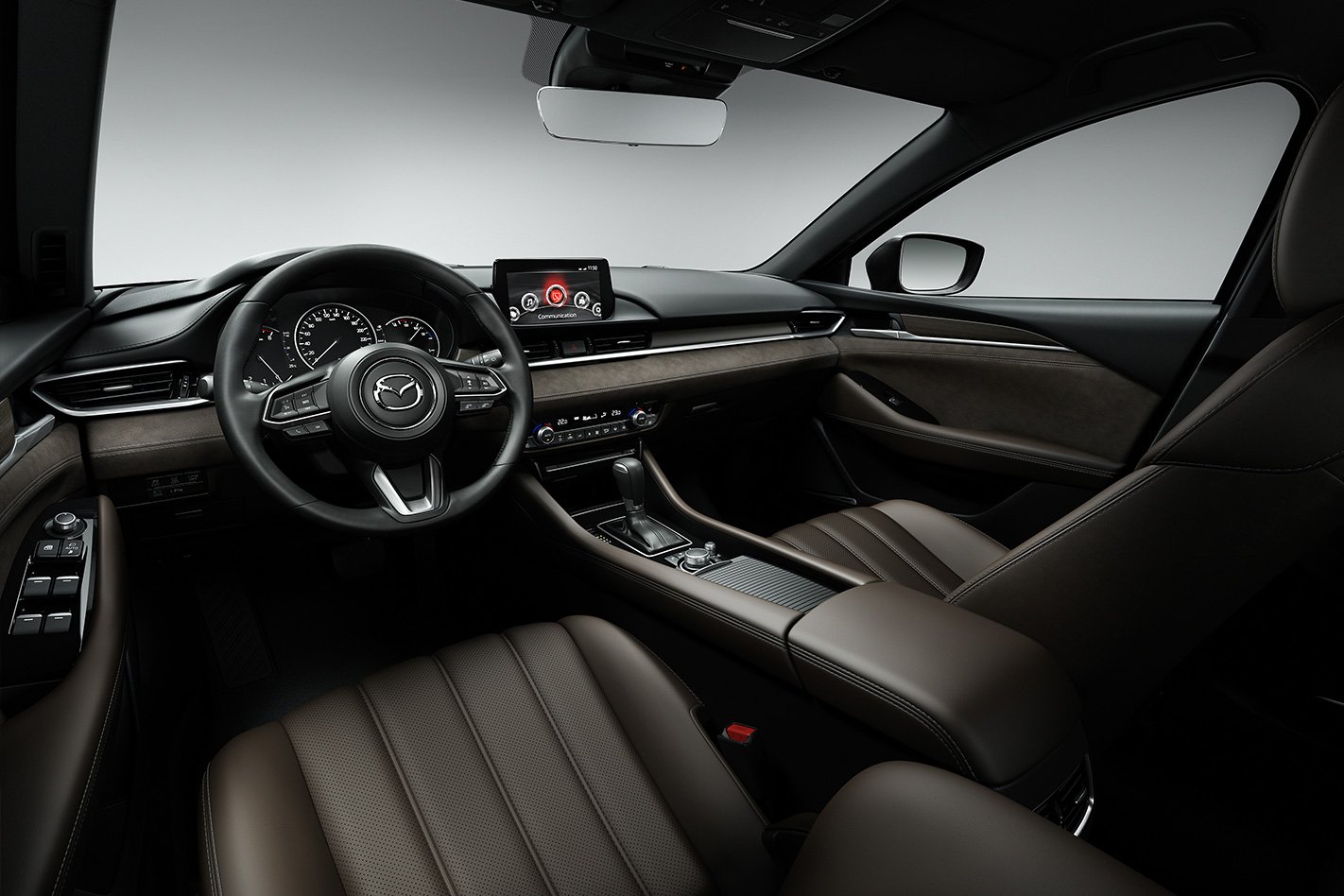
As with the sedan (pictured below), Mazda will also give the 6 a comprehensive under-bonnet rejig for 2018. The 2.5-litre atmo option gains a cylinder deactivation capability to boost fuel efficiency while cruising, by shutting down two cylinders, while GT and Atenza models will be available with the 170kW/420Nm 2.5-litre turbo petrol from the CX-9.
The latter engine is the one that might excite the most, however Mazda isn’t posturing it as a performance model. The days of the Mazda 6 MPS are long gone.
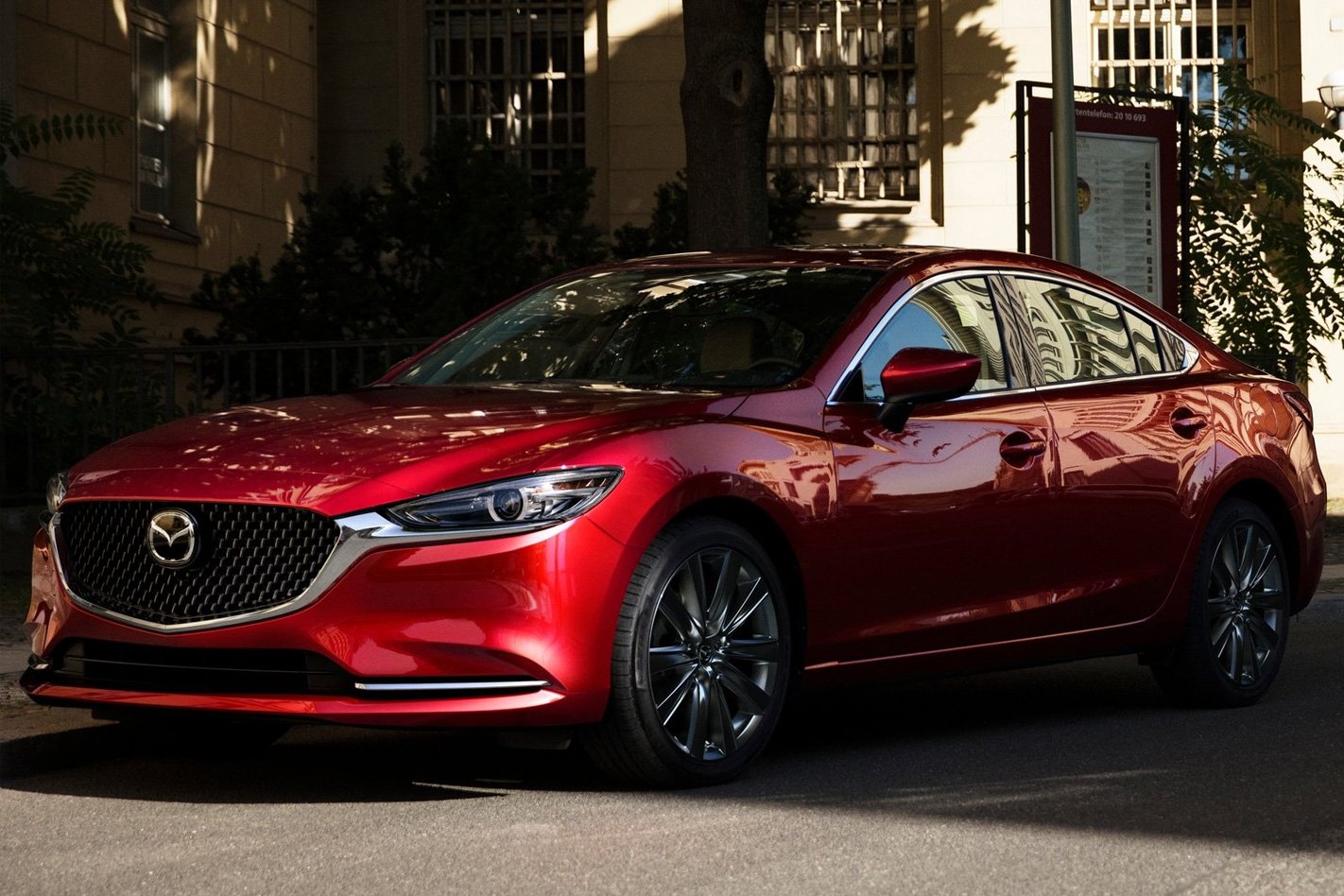
The refreshed Mazda 6 range is set to go on sale locally around the middle of this year. Full specifications and pricing will be announced closer to launch.
BMW has confirmed its most powerful X3 SUV yet is coming to Australia later this year to take on its local rivals in terms of performance and pricing.
The highly-anticipated BMW X3 M40i will arrive priced from $99,900, placing it right in the mix with the boosted V6 powered Audi SQ5 and Mercedes-AMG GLC 43.
Powered by a 3.0-litre turbocharged straight-six petrol engine, the X3 M40i produces 265kW and 500Nm, sending power to all four wheels via an eight-speed torque converter automatic gearbox.
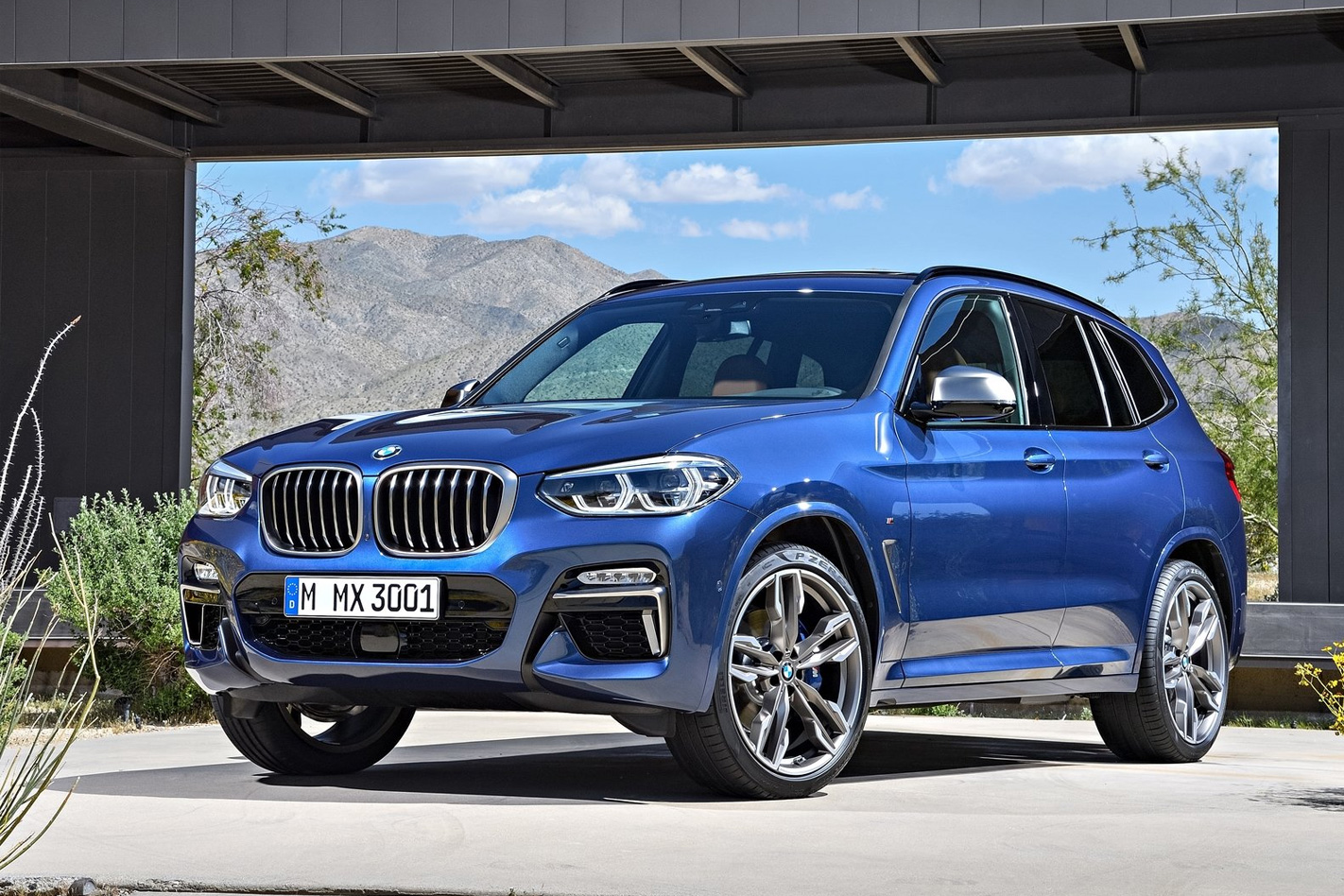
Performance wise, that represents pretty good value when you consider the SQ5 will sprint to 100km/h in 5.4-seconds, and cost $99,611, while the Mercedes-AMG GLC 43 will break the tonne in 4.9-seconds, while setting you set you back $102,111.
The first M-badged X3 sits atop the new range of mid-size SUVs from BMW, which currently consists of the sDrive 20i ($66,900), xDrive20d ($69,900), xDrive30i ($76,900), and xDrive30d ($84,900).
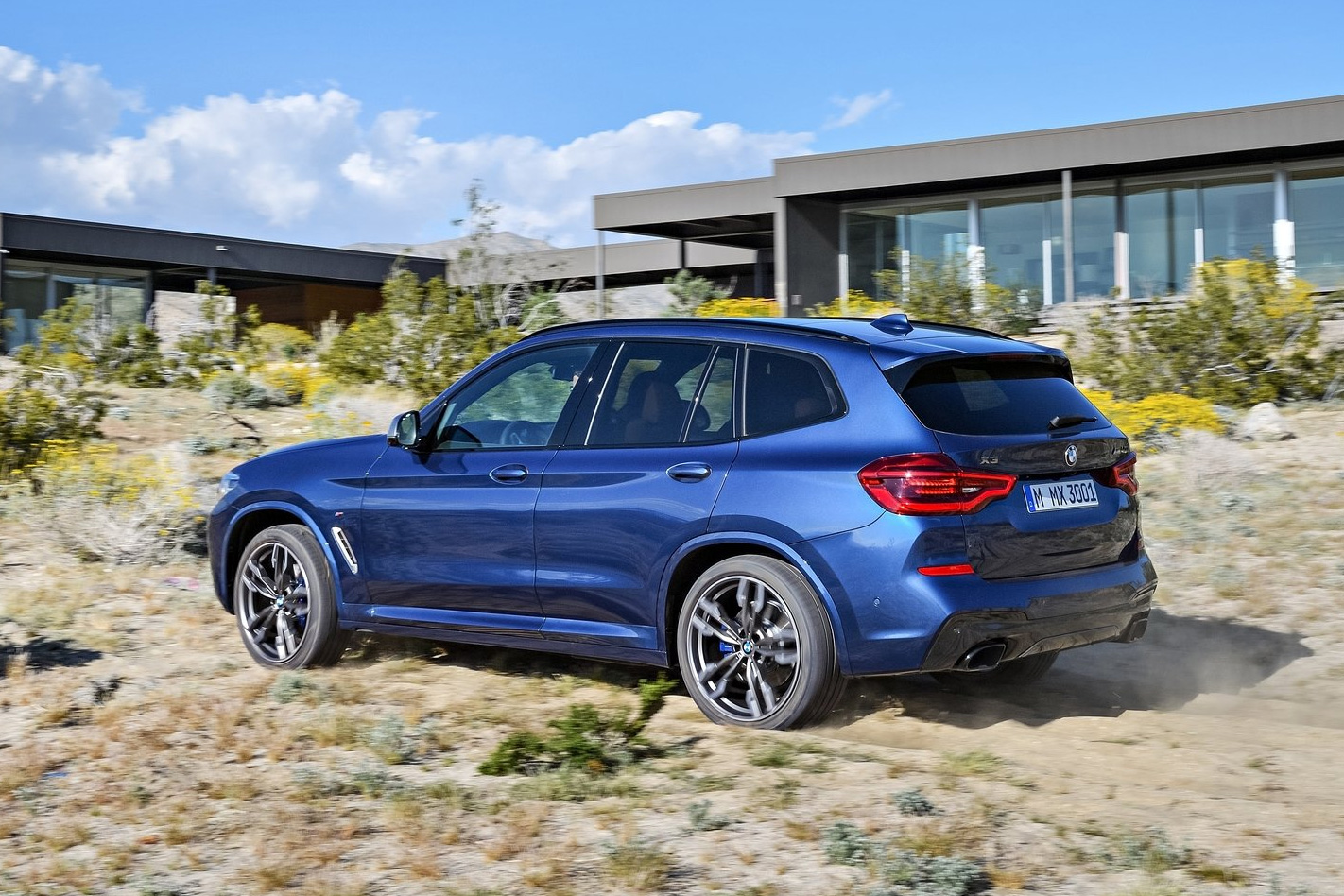
Four different driving modes are offered (Eco Pro, Comfort, Sport, and Sport+), while the cabin features a 12.3-inch digital instrument display, and 10.25-inch touch screen infotainment unit featuring the iDrive 6 system.
Along with the performance comes BMW’s full Driving Assistance Plus active safety suite, which includes active cruise control, front cross-traffic warning, steering and lane control assistant, and lane keeping assistant with side collision warning.
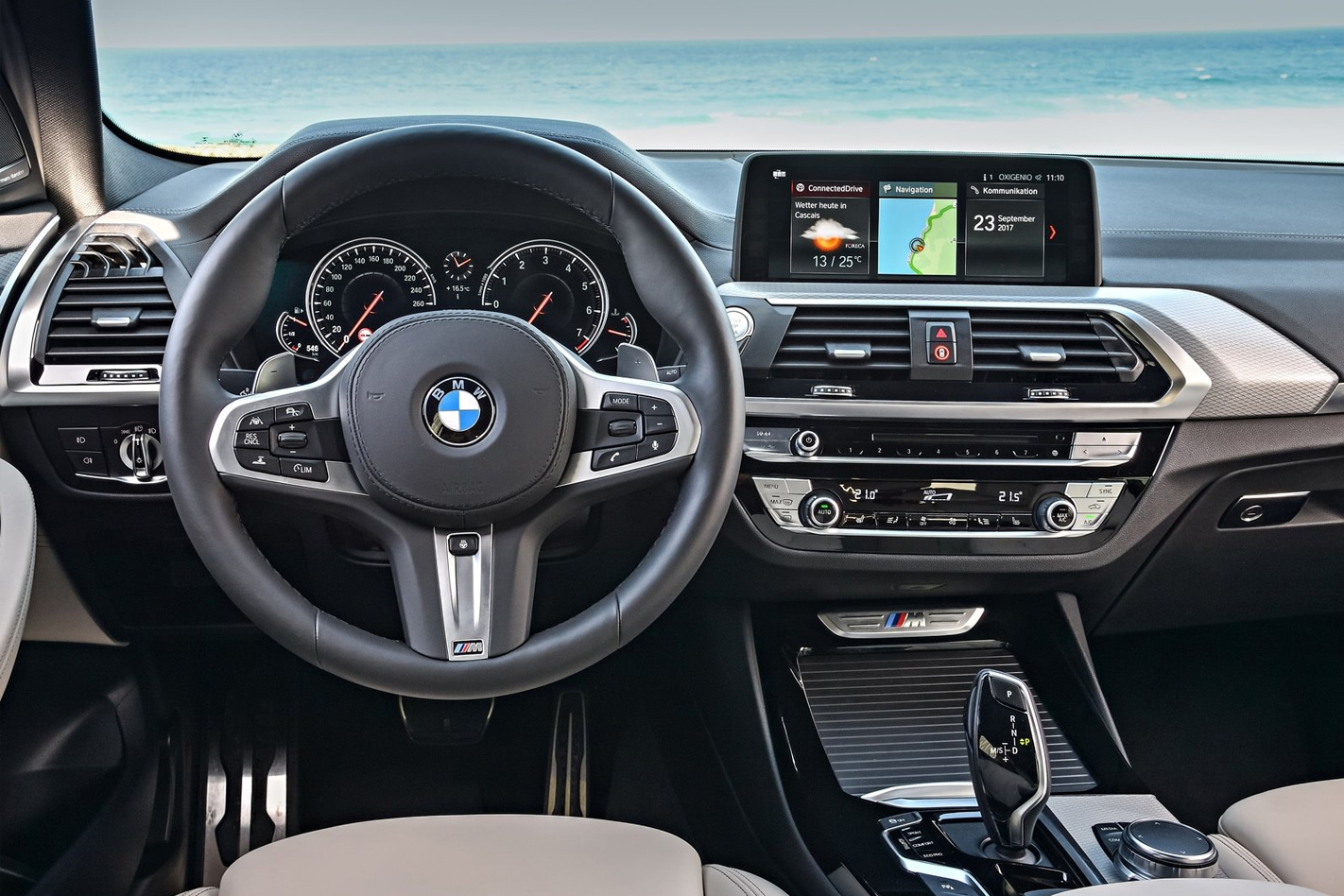
“With that wonderful BMW turbocharged six and a distinctive M Performance look and feel, the M40i is a fantastic combination of versatility, luxury, dynamics and sensational performance” he added.
Hyundai released detailed images of its all-new Santa Fe ahead of the official debut at next month’s Geneva Motor Show.
As previewed in a series of sketches last week, the new Santa Fe adopts the Korean carmaker’s new SUV design language, which debuted on the Kona, with a separate headlight system featuring narrow daytime running lights sitting above and main headlights embedded in recesses either side of a raised trapezoid grille.
While real thing isn’t quite as audacious as it appeared on paper, it’s bolder than the current model and only the badge betrays the fact it shares DNA with the dour-looking second-gen Santa Fe that hauled pre-teen millennials around a decade ago.
It’s bigger too. At 4770mm it’s 70mmm longer than the current model resulting in a longer wheelbase. Hyundai promises extra rear legroom, but is yet to reveal details about third-row spacing.
A premium-look interior, with uncluttered dashboard and floating touchscreen, echoes Kona and i30.
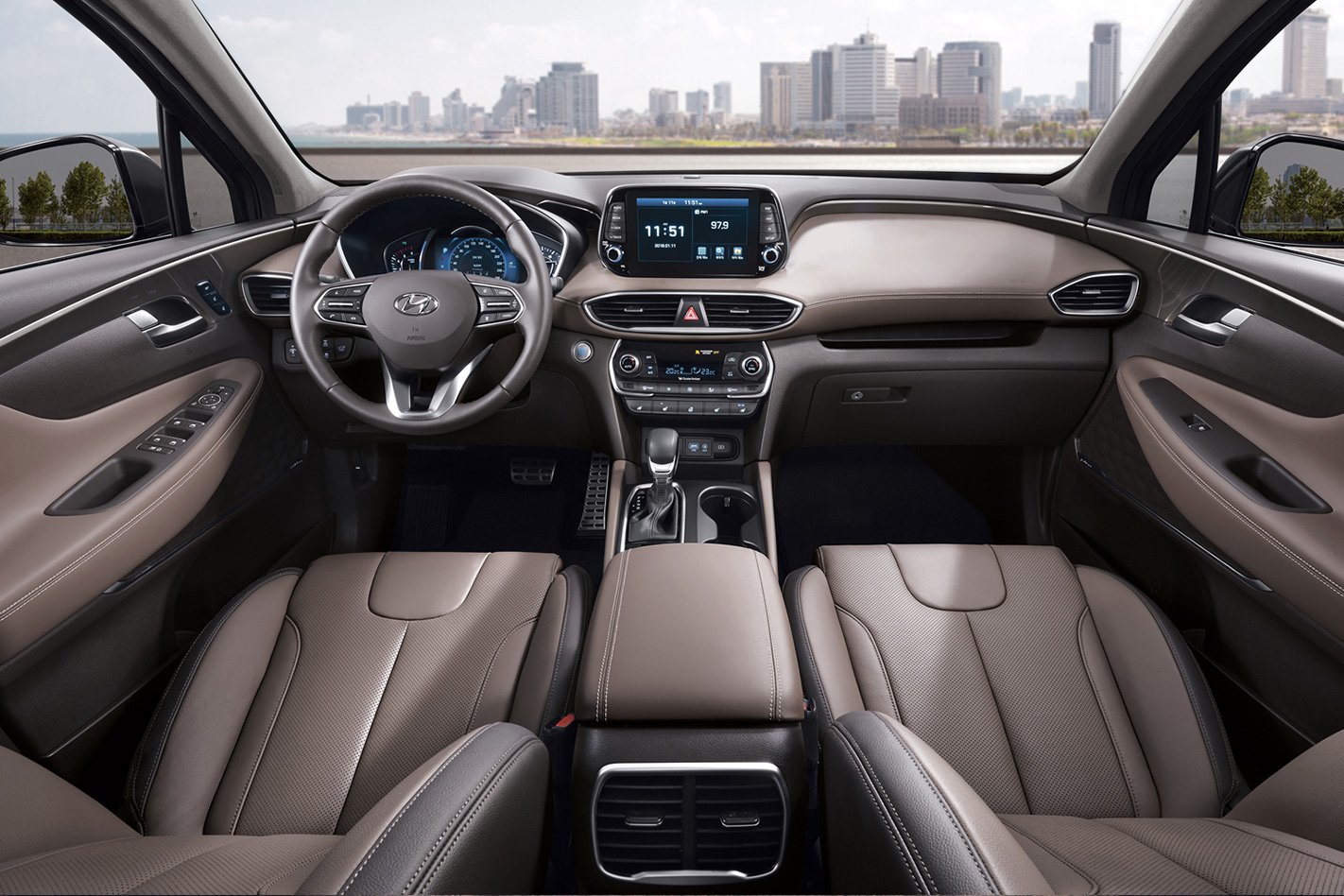
Technology also takes a generational leap, with autonomous emergency braking and lane keeping assist standard across the range. Other active safety features include Rear Cross-Traffic Collision-Avoidance Assist, which warns the driver if vehicles approach from the side while reversing and automatically applies the brakes if a collision is imminent. And blind spot monitoring is taken an extra step with Safety Exit Assist, which temporary locks the door if a vehicle is approaching from behind to prevent passengers stepping out into their path.
The 2018 Santa Fe also brings Hyundai TRACtion (HTRAC) electronic four-wheel-drive system, which has so far been exclusive to Hyundai’s Genesis premium sub-brand. HTRAC provides multiple driving modes, which suggests a boost to the Santa Fe’s off-road credentials.
New 2.0-litre turbocharged petrol and diesel engines are expected to be added to the Santa Fe, joining the current 2.2-litre turbo diesel, with each powertrain to include an eight-speed automatic gearbox.
Further details of new generation Santa Fe will be disclosed at the world premiere in February, with Australian pricing and specifications revealed closer to its local launch in the middle of the year.
BMW Australia has announced its first performance X3, the 2018 BMW X3 M40i, will cost less than $100,000, and will be available from July 2018.
At $99,900 before on-road costs, the M40i sits at the top of the X3 range, with the next-most expensive being the $84,900 xDrive30d.
The turbocharged 3.0-litre inline six in the 265kW/500Nm SUV will propel the X3 M40i along to 100km/h in just 4.8 seconds, BMW says, helped along by its ‘X Drive’ all-wheel drive system and launch control. Its eight-speed automatic gearbox can be manually controlled with paddle shifters.
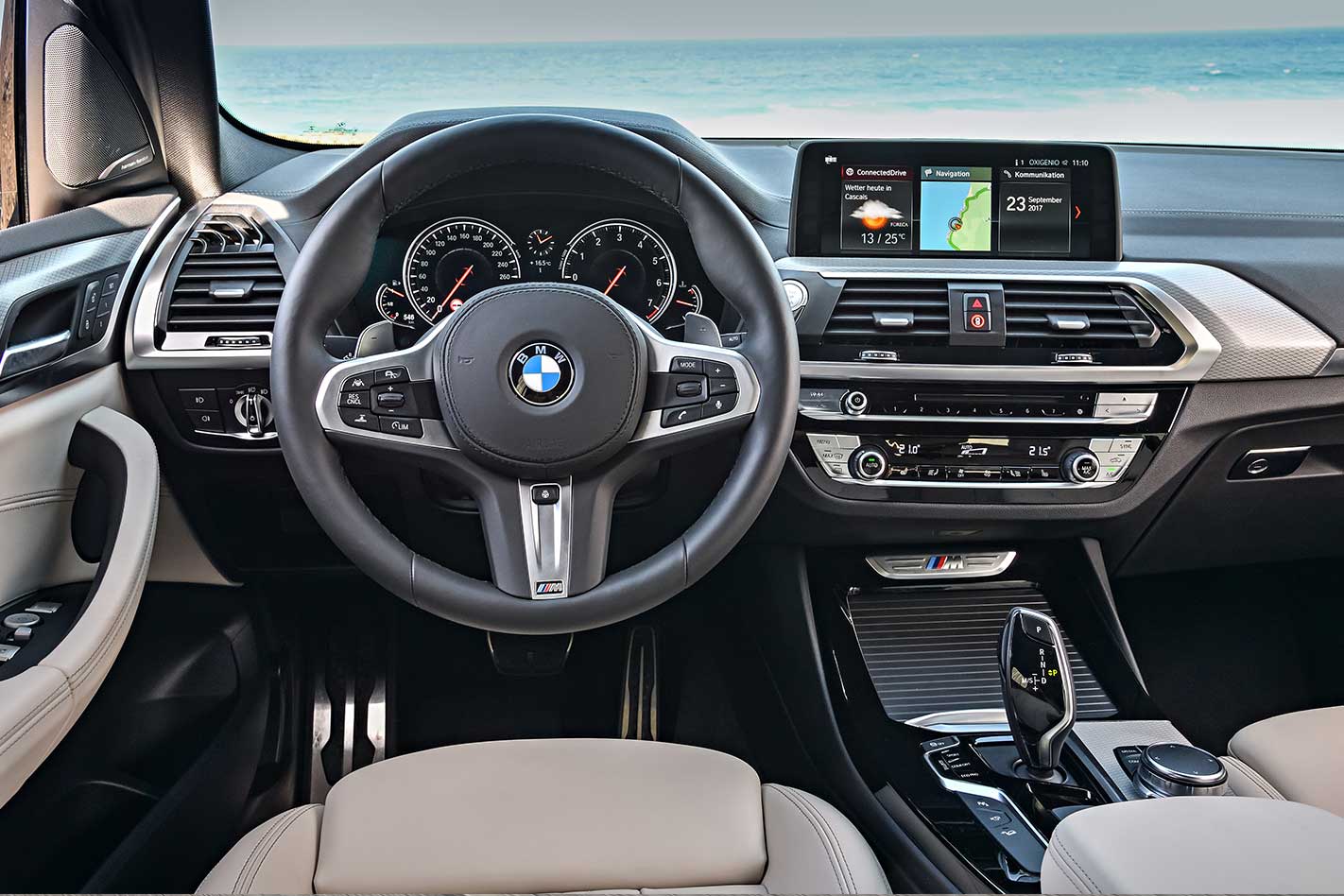
Adaptive M suspension is standard for the M40i, while M Sport brakes to help bring the SUV to a stop quickly.
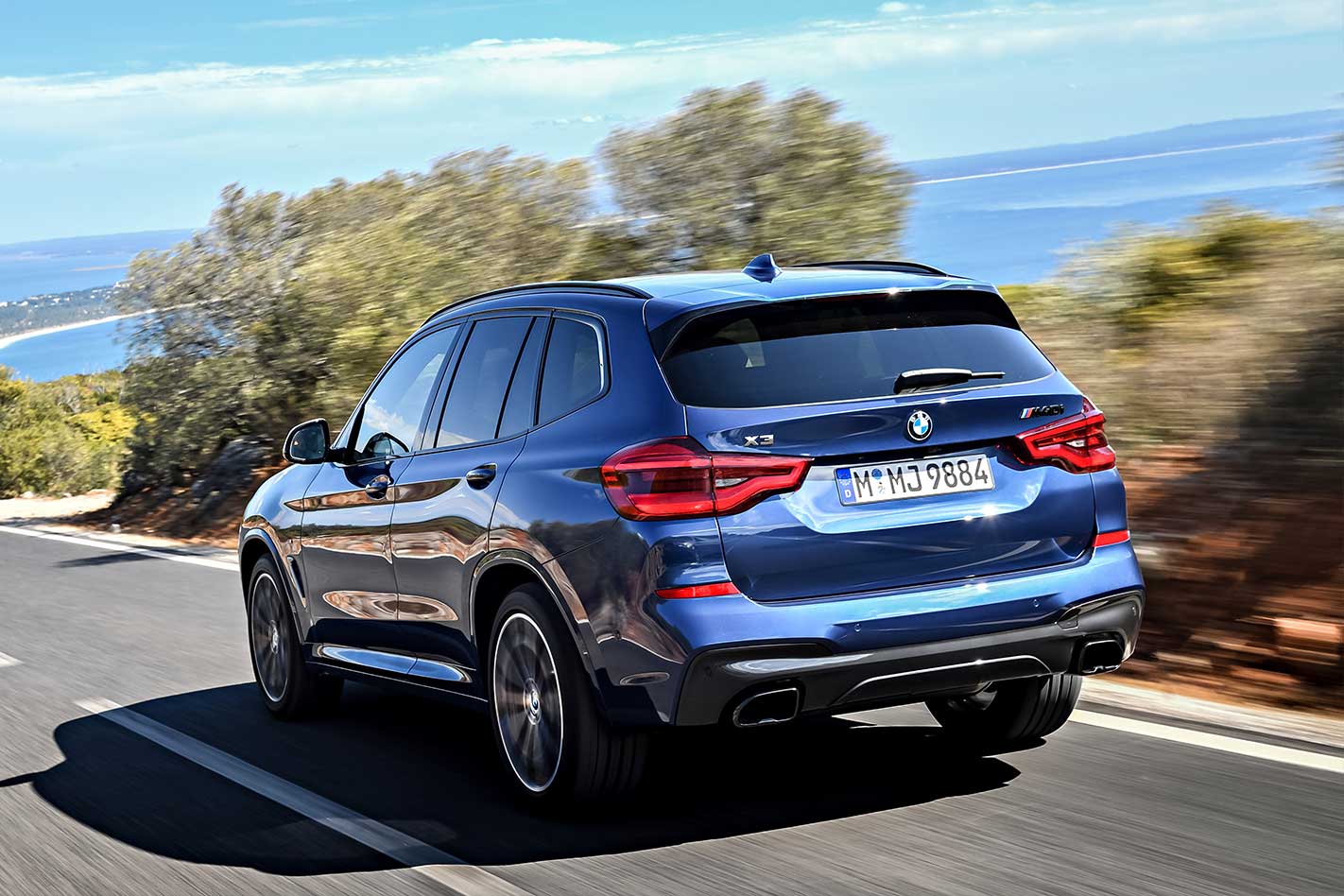
“The high-gloss Shadow Line exterior trims and roof rails have been sourced from the BMW Individual collection to complete a sophisticated, sports-oriented look.”
BMW Australia CEO Marc Werner says he hopes the M40i variant of the X3 will be a strong unit in a competitive SUV-hungry market.
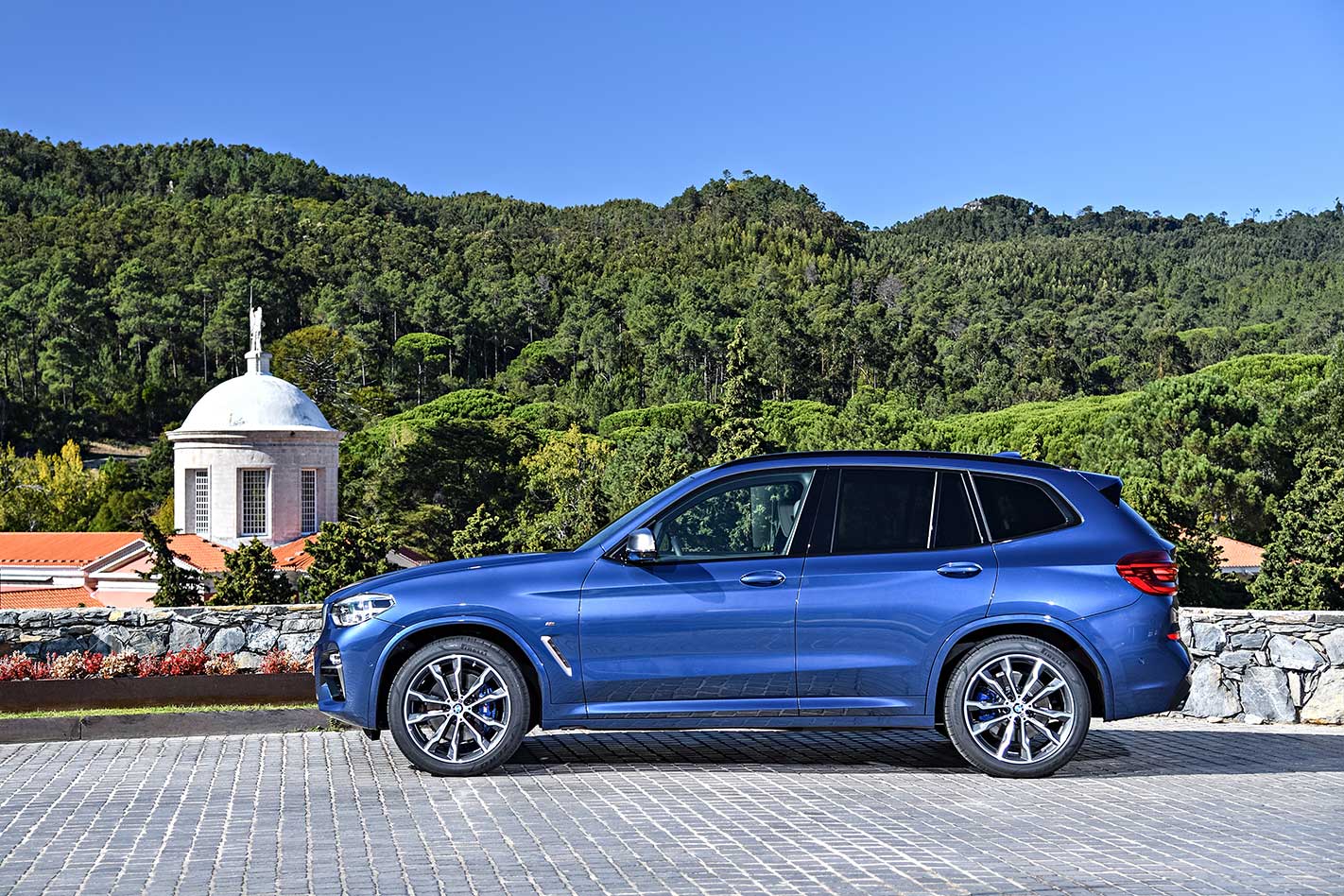
“We welcome the first-ever M Performance version of the X3, the M40i, to what is a highly competitive market in Australia,” says Werner.
“With that wonderful BMW turbocharged six and a distinctive M Performance look and feel, the M40i is a fantastic combination of versatility, luxury, dynamics and sensational performance.”
I SPENT two weeks on Indian roads in November – and, initially, a lot of it peeking between my index and middle finger, doing so many Hail Marys I was getting a repetitive stress injury.
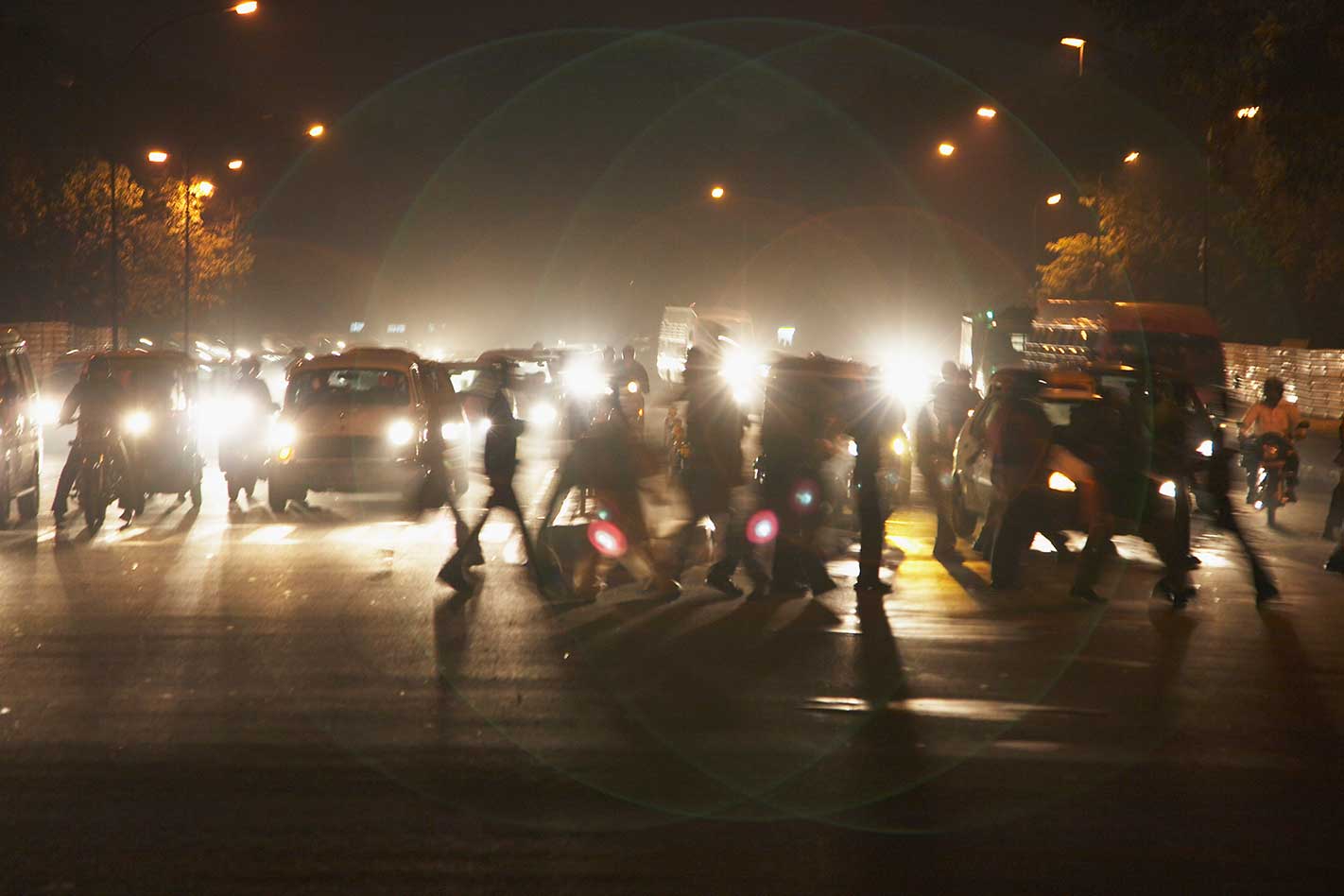
The roads are a total circus, a mess of vehicles from huge trucks to cows to tuk-tuks and everything in between. Lanes are ignored. Horns are used more than mirrors. It is initially terrifying, but then, as you notice nobody is crashing into each other anywhere near as much as you think they should be, it becomes exciting.
There’s a system and it somehow works. Yet don’t be misled, Indian roads are dangerous, killing 150,785 people in 2016 alone.
The best Indian drivers – and the majority were excellent, aware and alert – were paying so much attention to the road and task at hand, it would be impossible for them to follow a talkback radio show or podcast. Inattention would be deadly. And it made me think.
In Australia, despite incredible advancements in vehicle safety, safer roads and barriers, lowered speed limits and, in Victoria’s case, an established hidden speed camera network, the national road toll remains largely steady year-on-year. In some cases, it’s risen – and shockingly so.
Last December saw a 25 per cent increase in fatalities compared to the December national average of the previous five years. Police were angry, and mystified. But I’m not quite sure why we keep scratching our heads.
We all want to see the road toll decrease, and it’s a huge and fiendishly complex problem to which I make no claim of being an expert, but at what point do we change tack from putting in another speed camera, or lowering another speed limit? I am personally baffled at how we ignore what is an epidemic of inattention on the roads. I see it all the time – daydreamers, wandering minds, not concentrating on the task at hand.
In the land of automatics, people, broadly speaking, seek to expend the bare minimum mental energy operating their two-tonne projectile of metal and glass. And yet we continue to wonder why they keep driving into each other, or off the road, and killing themselves or some other poor bastard minding their own business.
Speed only increases your chance of death if you have an accident. Why are we doing literally nothing to prevent accidents from happening in the first place, when the cause is so obviously operator error? I don’t pretend to have the answer, short of abolishing lanes and letting cows wander city streets. But it would certainly have people paying more attention when they drive on Aussie roads – something in seriously short order if you ask me.
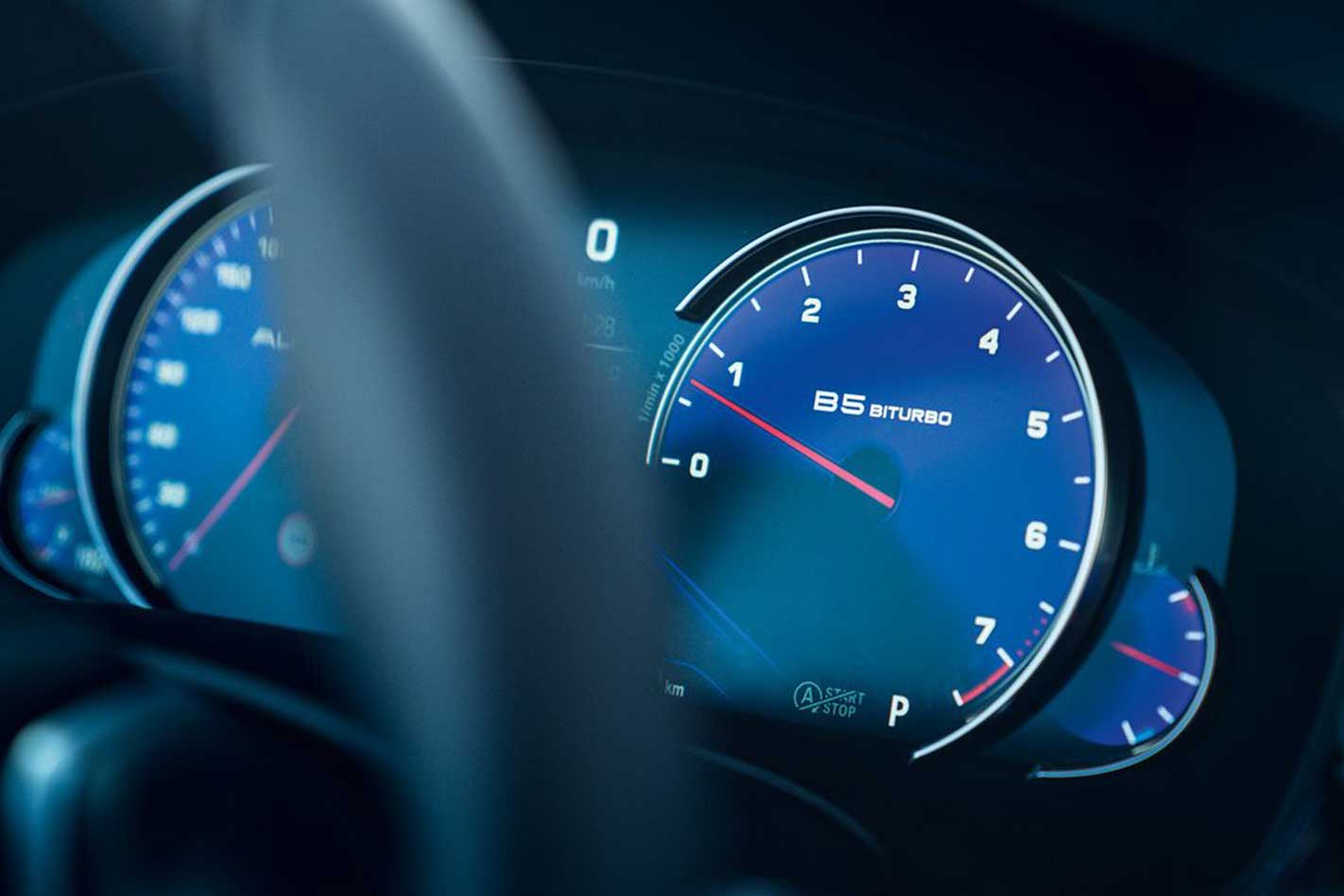
The Australian arm of Alpina has confirmed it’s reducing the price of the incoming Alpina B5 from $239,000 before on-roads to just $210,000.
The $29K drop comes just a short while from its April launch in Australia.
With less than 1800 units being produced per year across its entire range worldwide, Alpina is still a little-known badge in Oz.
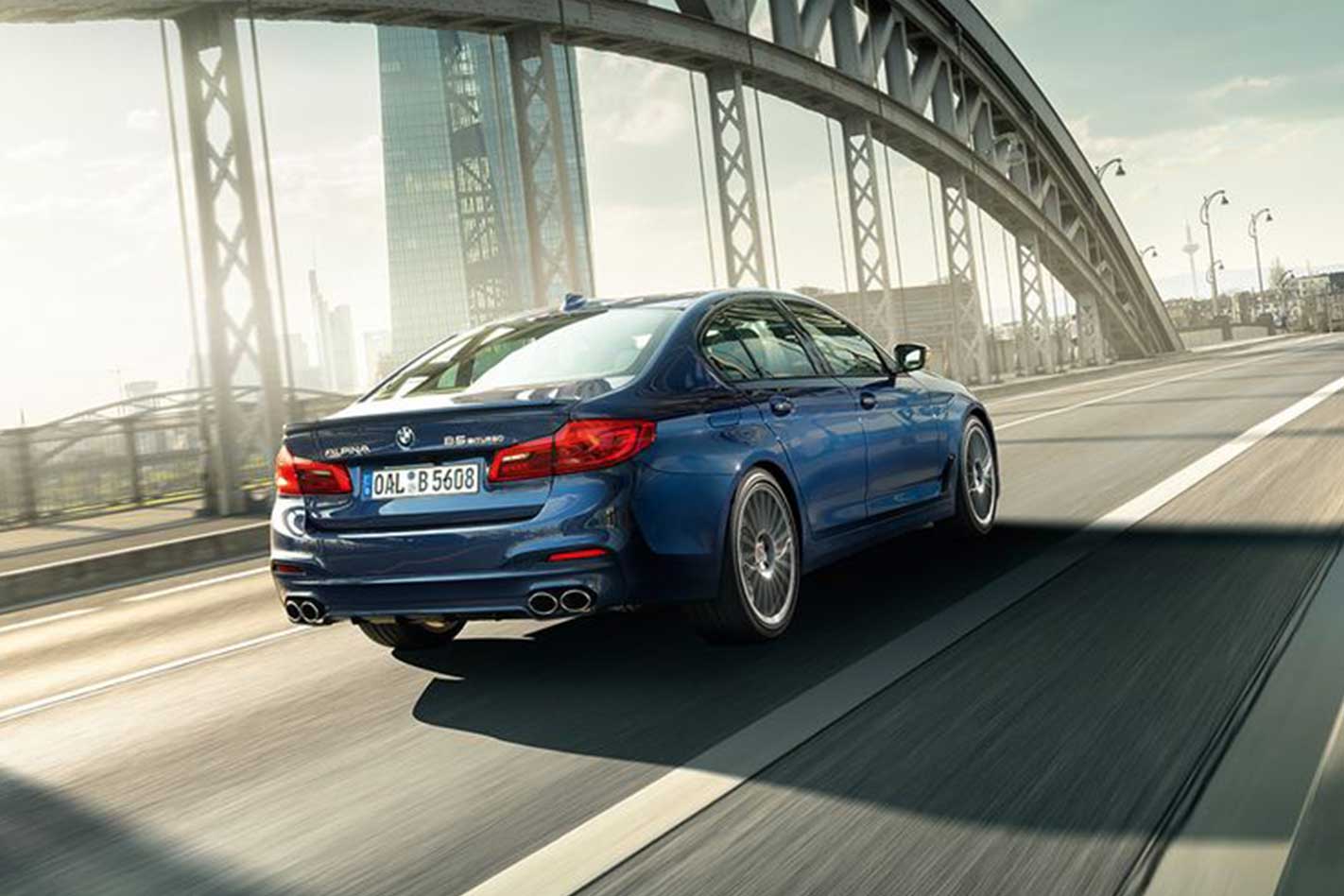
Australian sales manager for Alpina, Phil Jeffery, told MOTOR the price shift is intended to ensure the B5 remains an option for Australian buyers.
“Rather than being a reactive move, we wanted this to be a more proactive approach to pricing,” Jeffery says.
“This repositioning should have the B5 sitting in line with the expectations of Australian buyers.
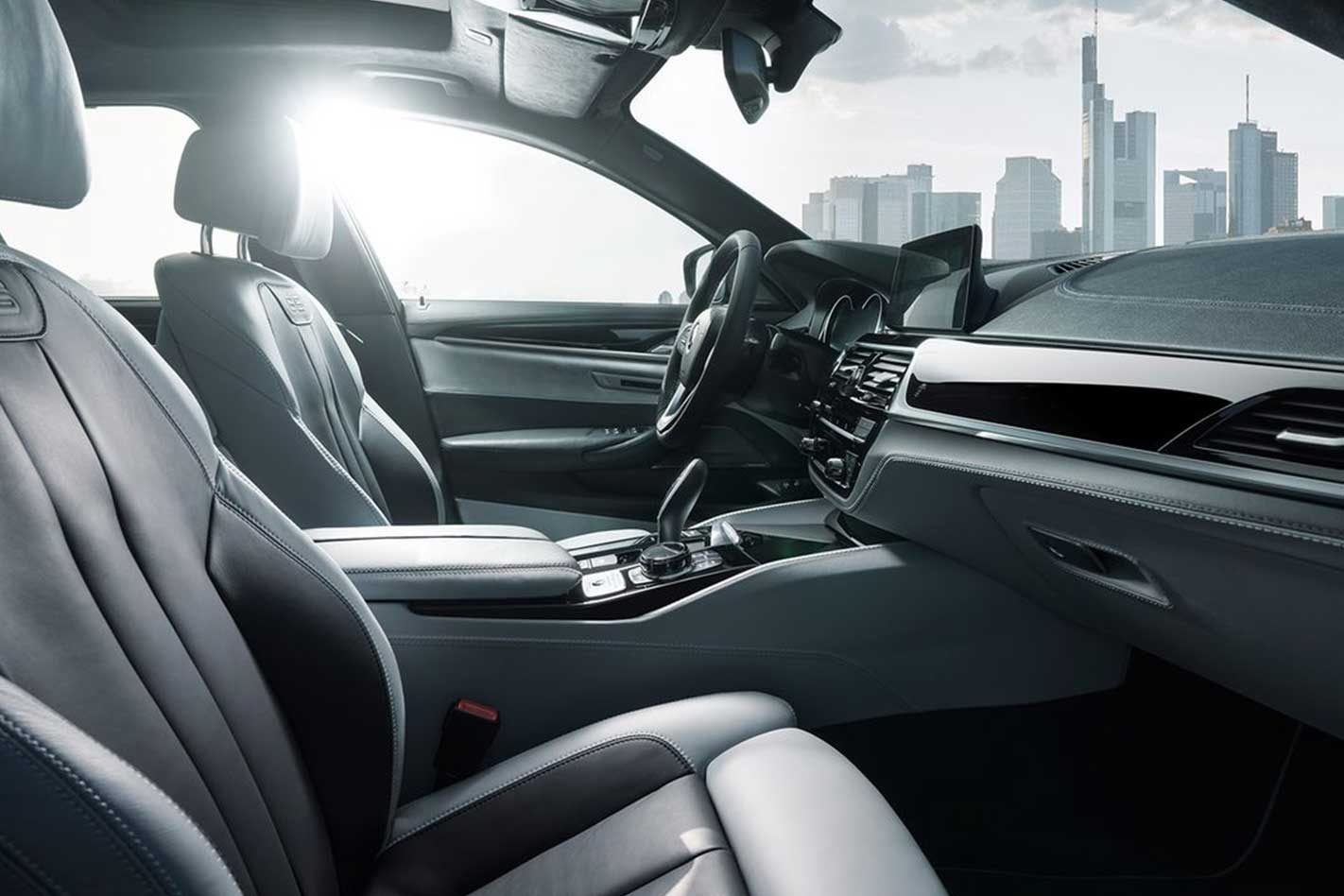
“The M5’s pricing is very sharp, but we don’t see it as a competitor to the Alpina. The B5 is more of a complimentary vehicle to the BMW.
“People know that the M5 is a more track focused performance car, where the B5 is a more grand-touring style of performance. B5 buyers will be looking for something different from the M5.”
The B5 is expected in Australia before the BMW M5 makes landfall Down Under.
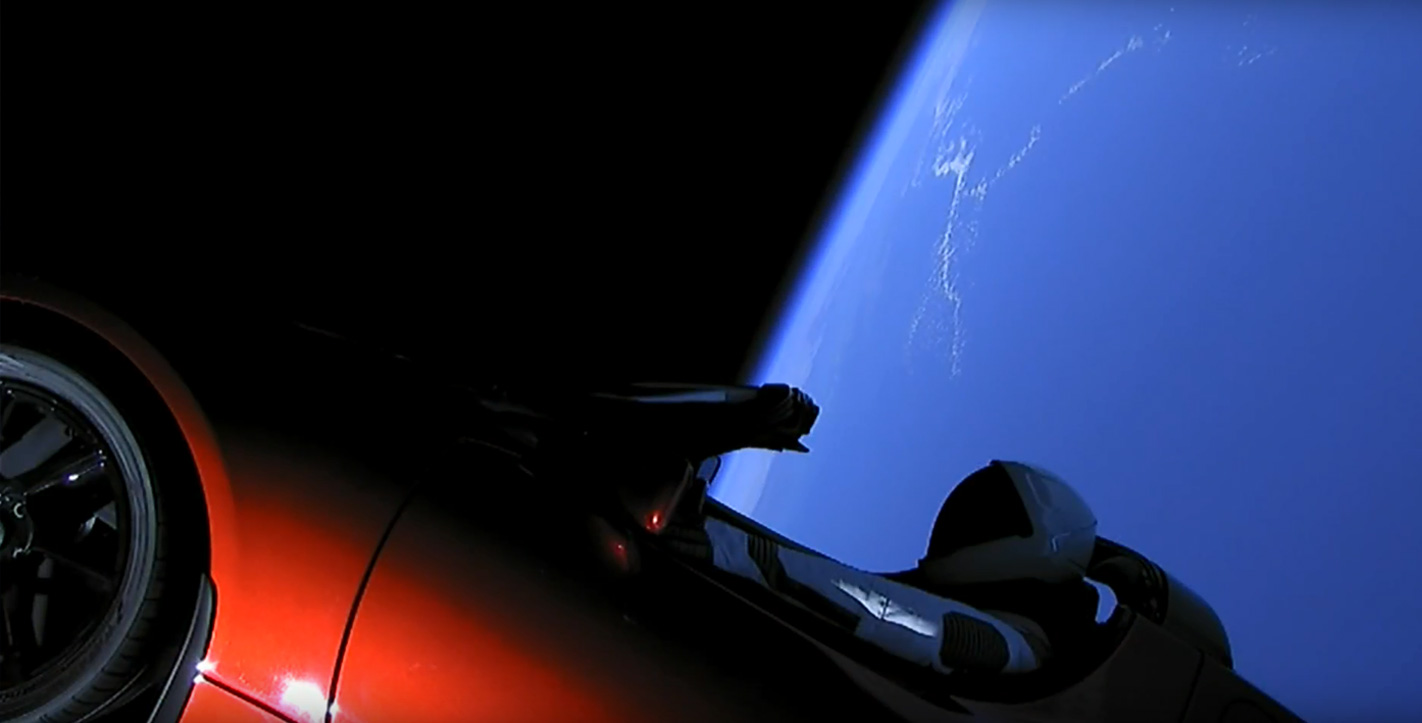
ELON MUSK has made good on his pledge to launch his personal first-gen Tesla Roadster into space, with the car sent beyond Earth’s atmosphere atop a SpaceX Falcon Heavy rocket launched from Cape Canaveral this morning.
It’s astonishing what can be achieved when you’re an eccentric billionaire genius with a space fetish.
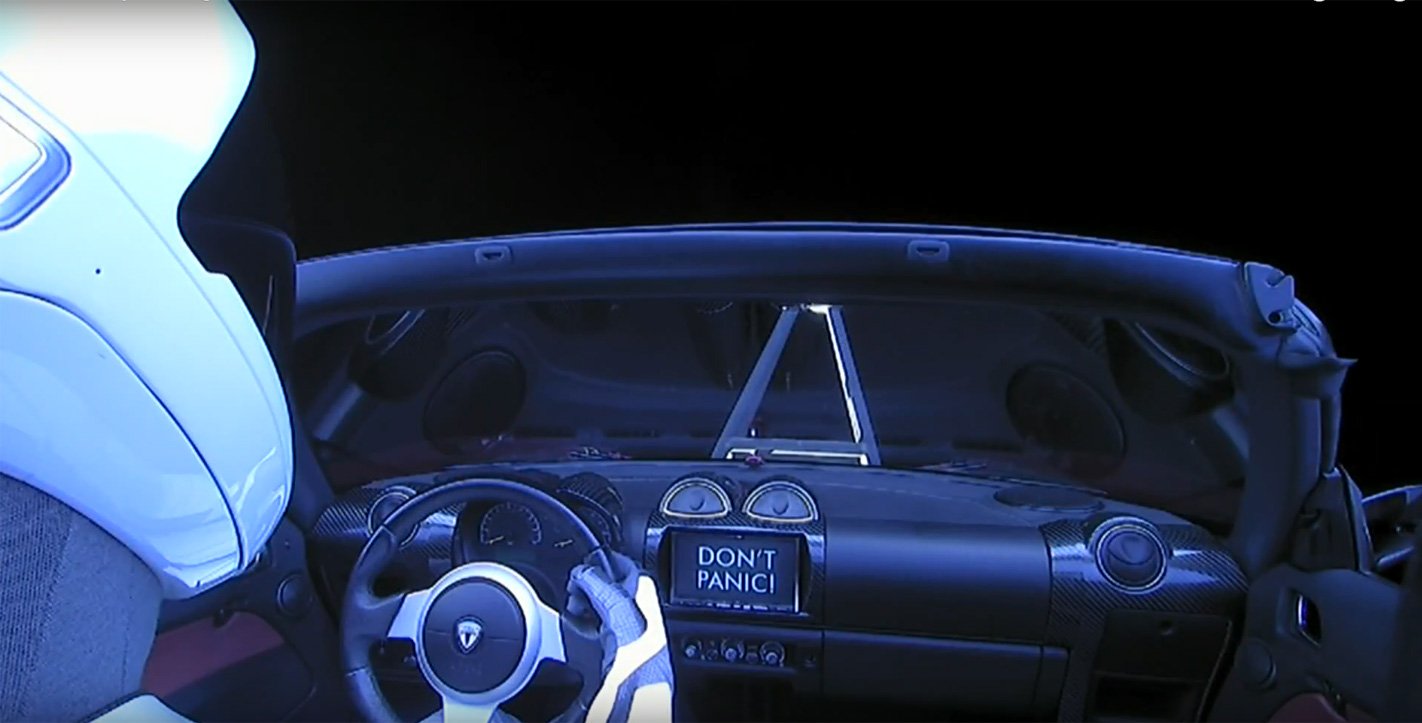
As this is the Falcon Heavy rocket’s first launch – a test run – the 1.3-tonne electric sports car was selected to simulate a load of cargo. Launching actual multi-million dollar satellites on a test flight is too risky, but Musk declared the usual ballast of steel or concrete blocks to be “too boring” for the Falcon Heavy’s first run.
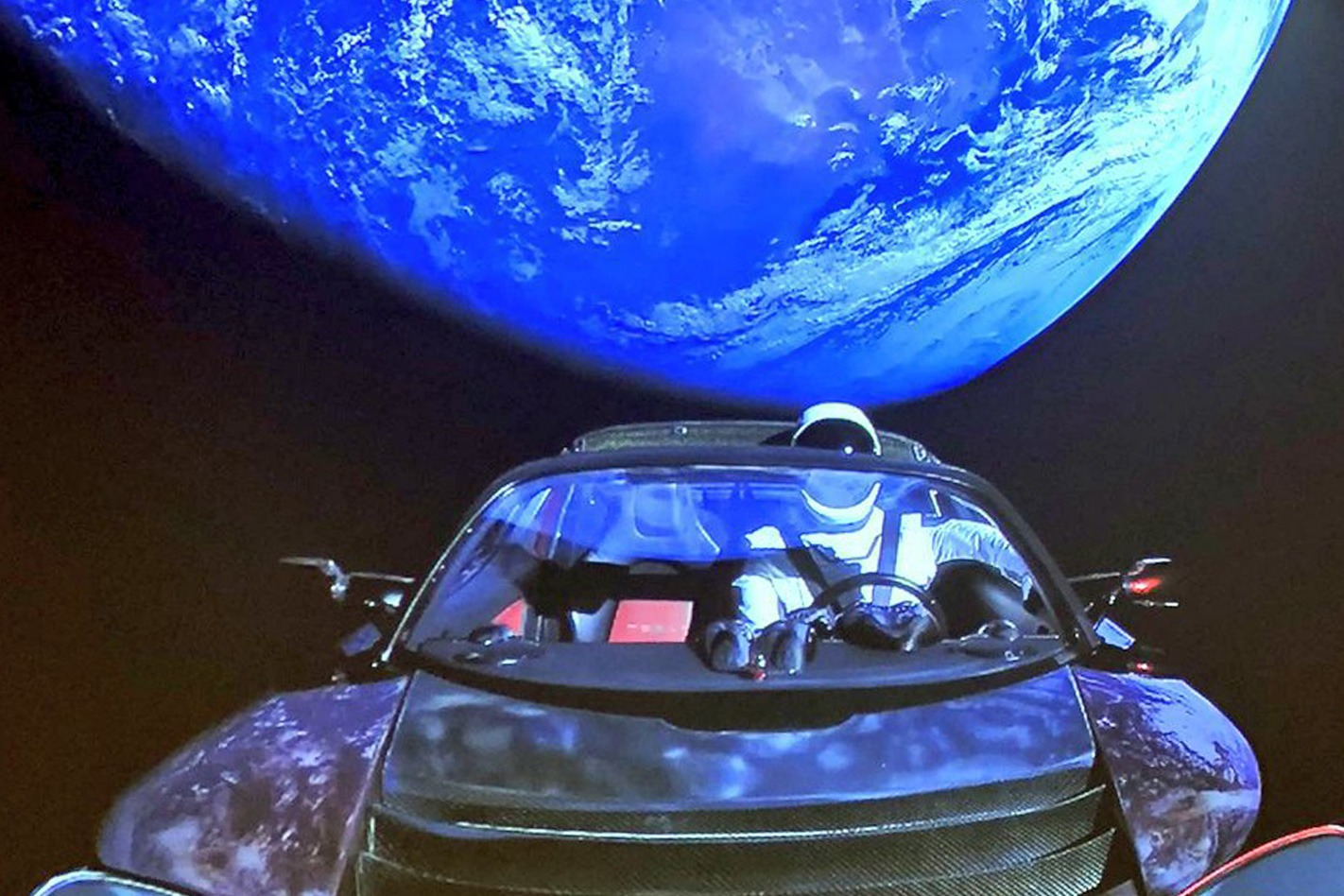
But Musk’s Roadster isn’t the first car in space, nor the first electric vehicle. Sitting abandoned on the moon’s surface are three NASA lunar rovers, which were used during the Apollo programme in the 1970s and developed jointly by Boeing and General Motors.
THE Hyundai i30 is a Korea best. It’s more accomplished than anything the country’s biggest car maker has done before.
“Hyundai at last comes of age,” noted Mathioudakis. His fellow judges wouldn’t disagree.
This is a range of good-looking small hatchbacks from a car maker that’s finally reached maturity, after a long and spotty puberty.
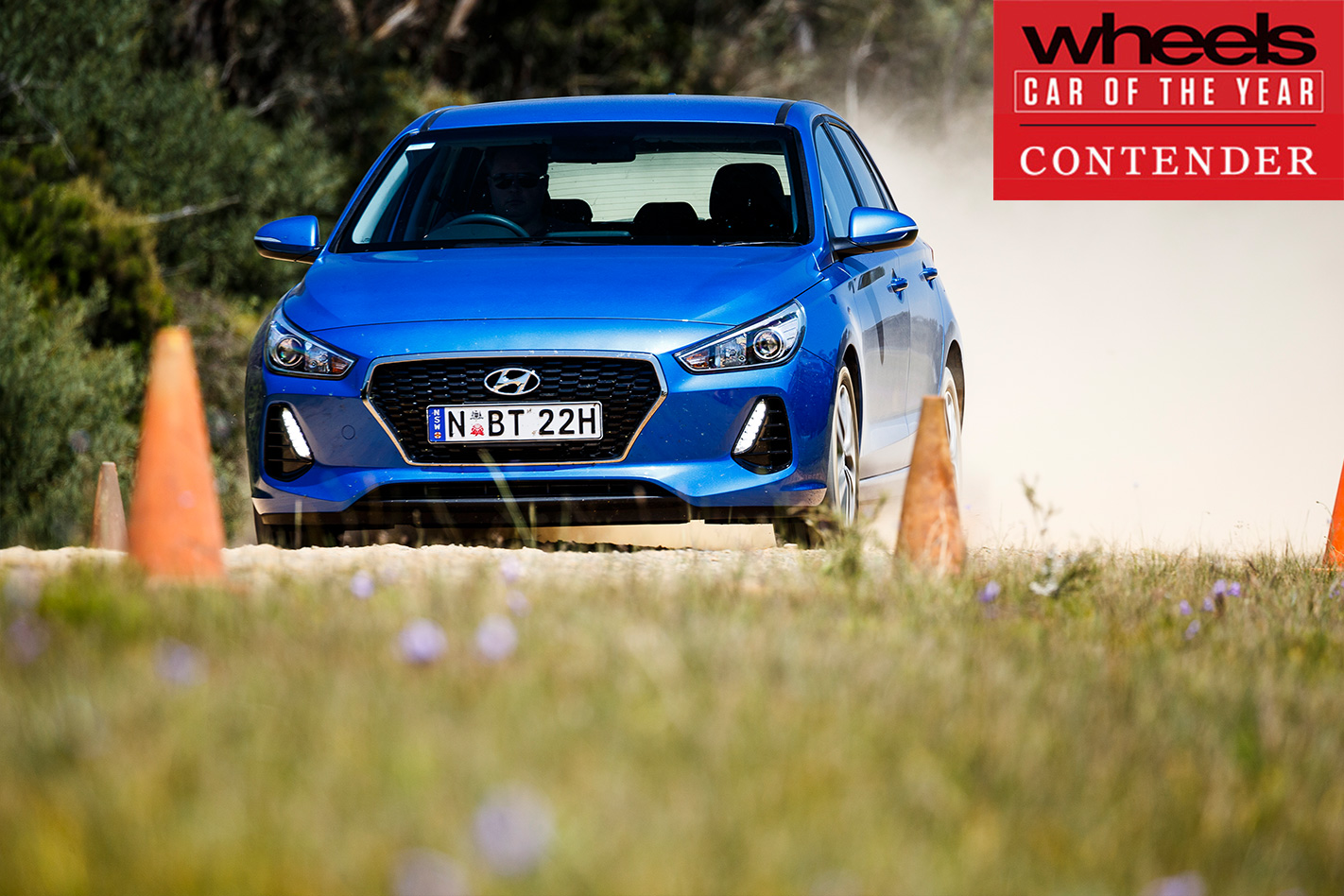
There’s very lively performance, delivered in a refined fashion, to go with a chassis that neatly blends agility and comfort.
While the ride and handling of third-generation i30 models with turbo power is a cut above the rest, all benefit from suspension and steering tuned in Australia specifically for our market.
Hyundai offers two other engines, a 2.0-litre direct-injection four and a 1.6-litre turbo-diesel. Both these are equipped with a simpler and less costly torsion-beam rear suspension that’s unable to quite match the dynamic finesse of the multi-link-equipped models.
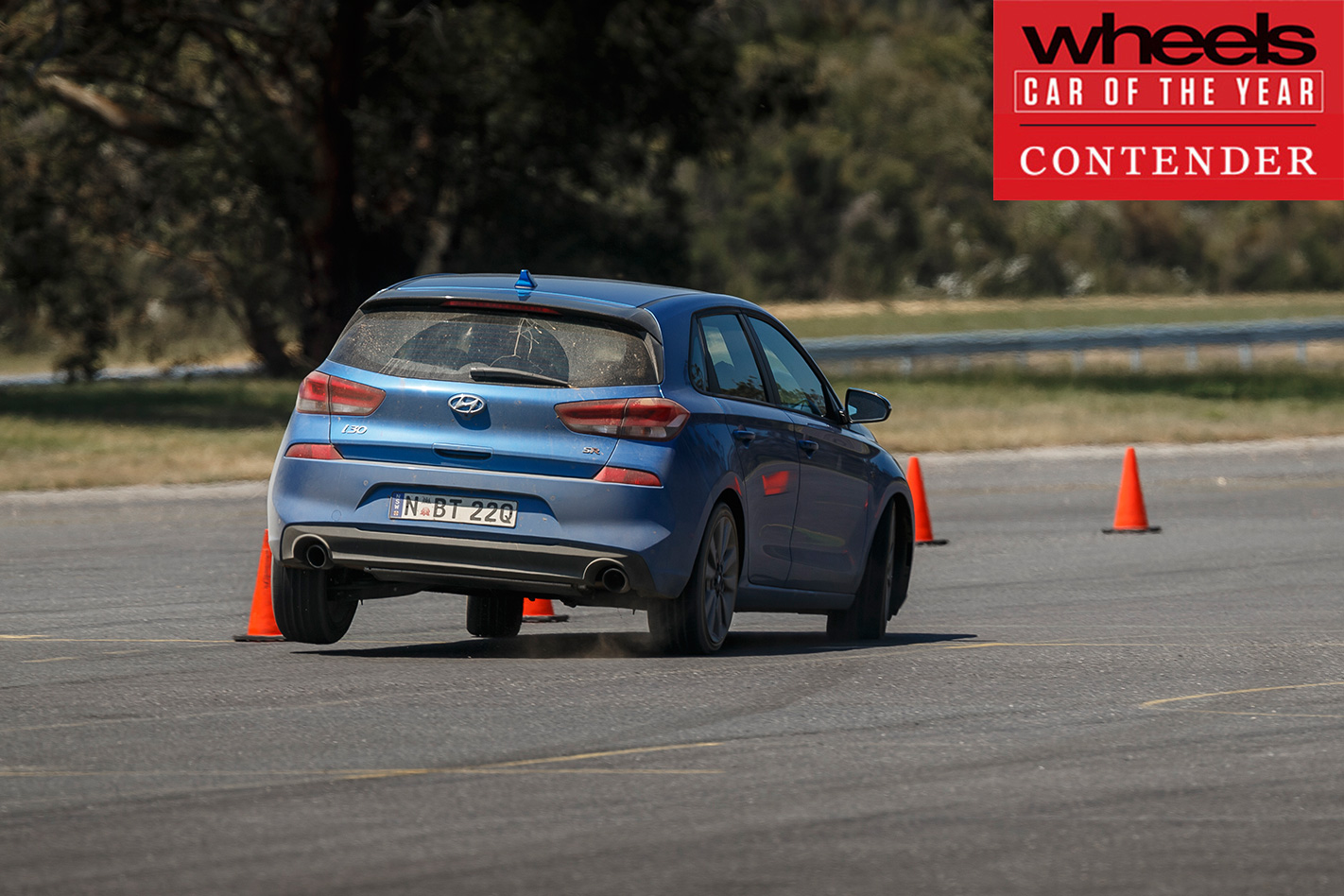
The poor rubber on the 2.0 GDi Active auto at COTY was noted by judges. Also noted was the good stopping power of the 1.6 CRDi Elite and 1.6 T-GDi tested, both of which have broader and better tyres.
Hyundai’s 2.0 GDi engine is fiesty but not as smooth as the 1.6 T-GDi. The turbo-diesel 1.6 CRDi delivers adequate performance. While a six-speed manual is offered in combination with all engines, the vast majority of customers will choose the automatic option. Or, rather, options. The 2.0-litre GDi with a conventional six-speed auto, the turbo petrol and turbo diesels with a seven-speed dual-clutch transmission.
Efficiency isn’t a strong point of any of the i30 drivetrains. All of them, according to official ADR81 tests, use more than their equivalents in Corolla, Golf and Mazda 3 line-ups.
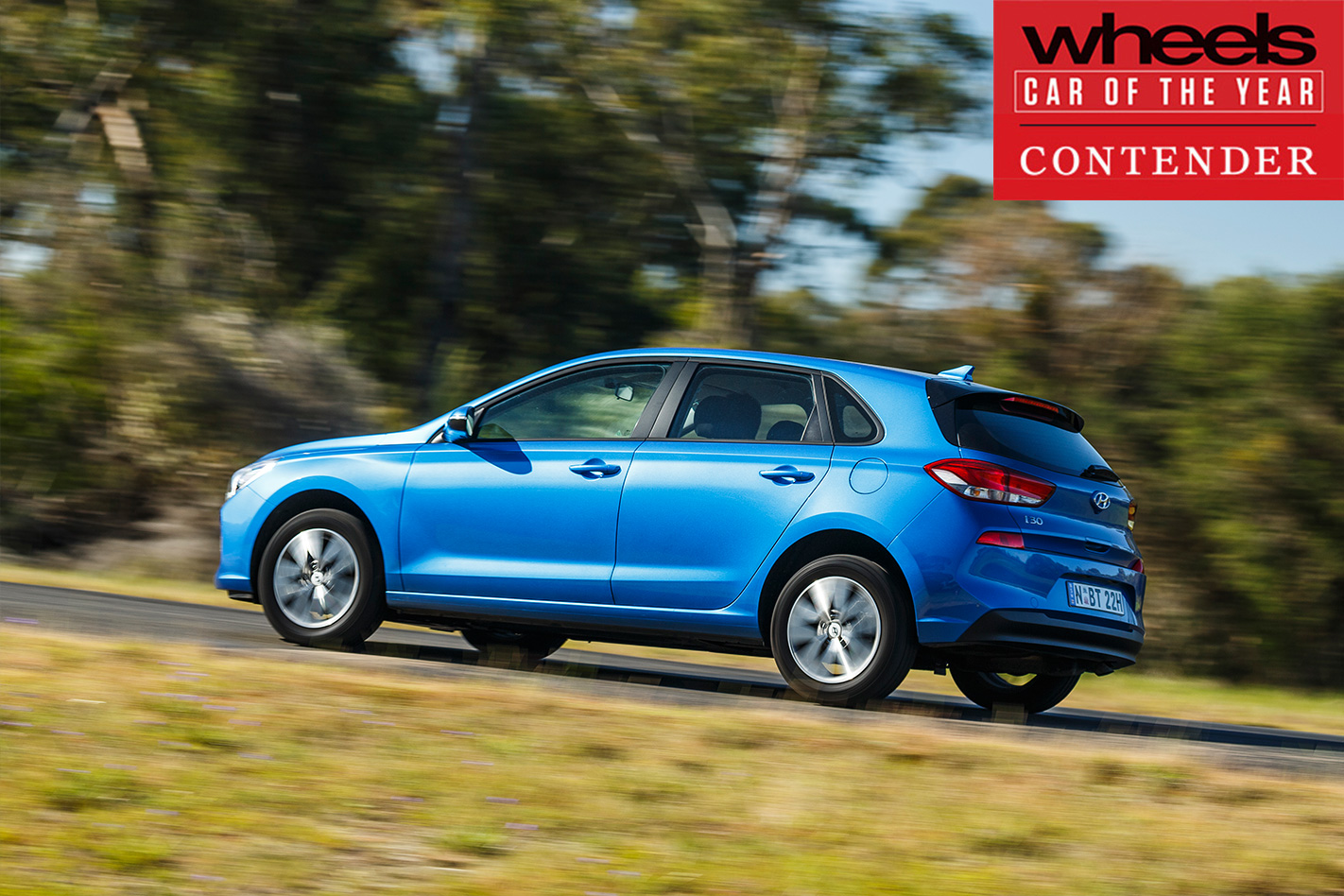
The same is true of the engine range. There’s no emphasis on lightness or advanced drivetrain tech. In other areas the i30 is more competitive. The interior, at least in the equipment grades above Active, is a pleasant and comfortable place to spend time. In all, the cabin has decent rear seat and cargo space.
Pricing across the range is competitive, but the quick, capable, refined and well-equipped SR is obviously the model that stands out for value. The base-grade Active also stands out, though not in a good way. Its lack of AEB, in a segment where this important safety technology is increasingly common, was one of the main reasons the i30’s COTY campaign came to an early end. For technical reasons, AEB is also missing in the manual version of the likeable SR.
There’s still a little way for Hyundai to go to reach the very top of the class. But the i30 shows it’s now getting very, very close.
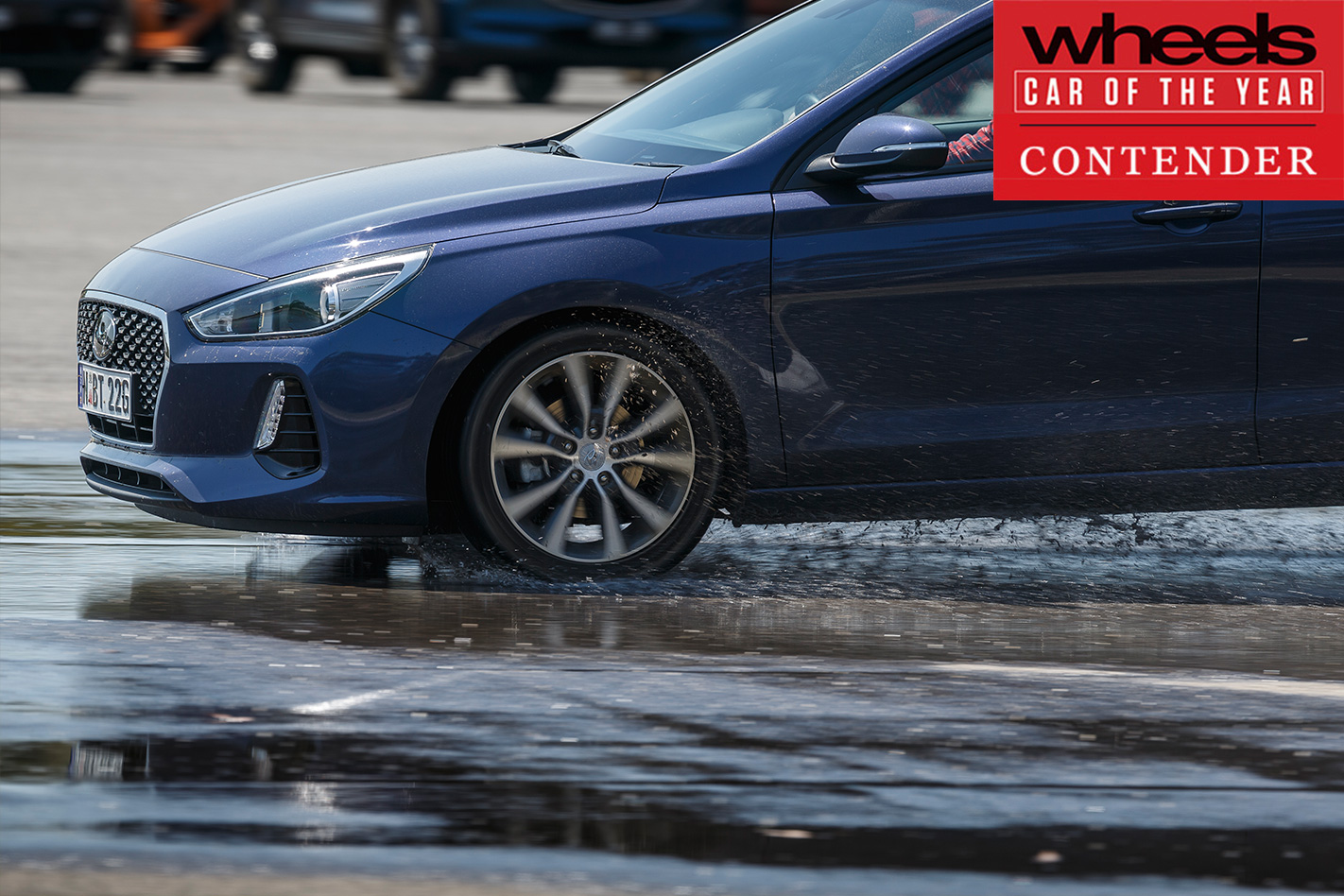
The clean looks of the i30 are a consequence of Hyundai’s ambition. The big Korean aims to become the best-selling Asian automotive brand in Europe. The i30 will play a big role in delivering this status step-up. Not only was it designed in Europe, it’s also made there. All the i30s out of Hyundai’s Czech factory get multi-link rear suspension, and autos are all seven-speed dual-clutch, unlike Australia’s Korean-sourced cars.
WHAT IS IT?
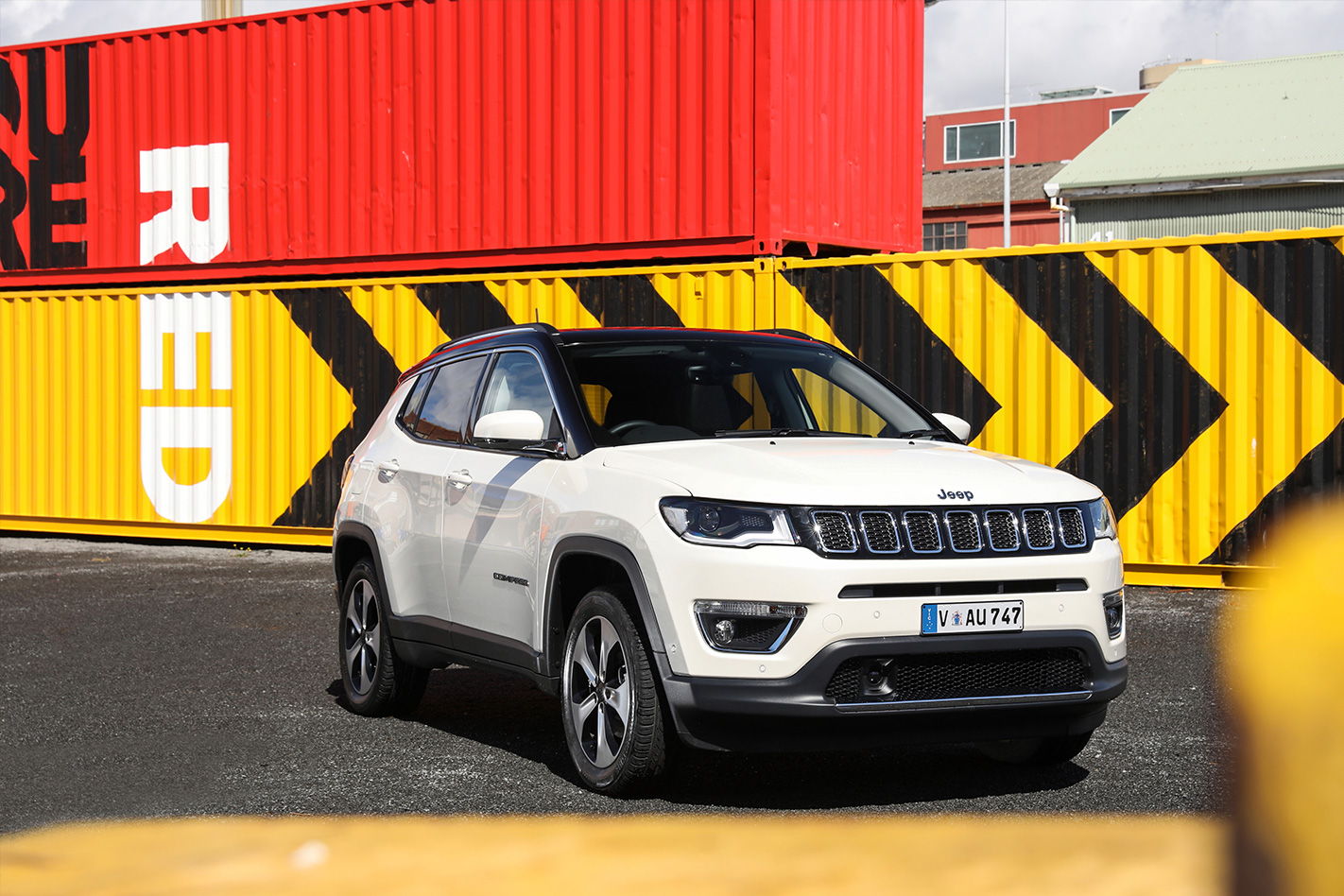
The second-generation of Jeep’s first crossover. Gone are the frumpy looks, questionable build quality and woeful dynamics, replaced by a ground-up overhaul that introduces diesel power, a family resemblance and genuine off-road promise.
WHY WE’RE TESTING IT
From a heyday only a few years ago, Jeep’s sales have taken a slide as the choice and quality of rival SUV brands blossoms. At the mid to large end of the scale, the Cherokee and Grand Cherokee continue to draw a majority of the attention but at the smaller end, an expensive Renegade and hugely outdated Compass and Patriot are struggling to pull their weight.
MAIN RIVALS
Hyundai Tucson Elite CRDi; Volkswagen Tiguan 132TSI Comfortline
THE WHEELS VERDICT
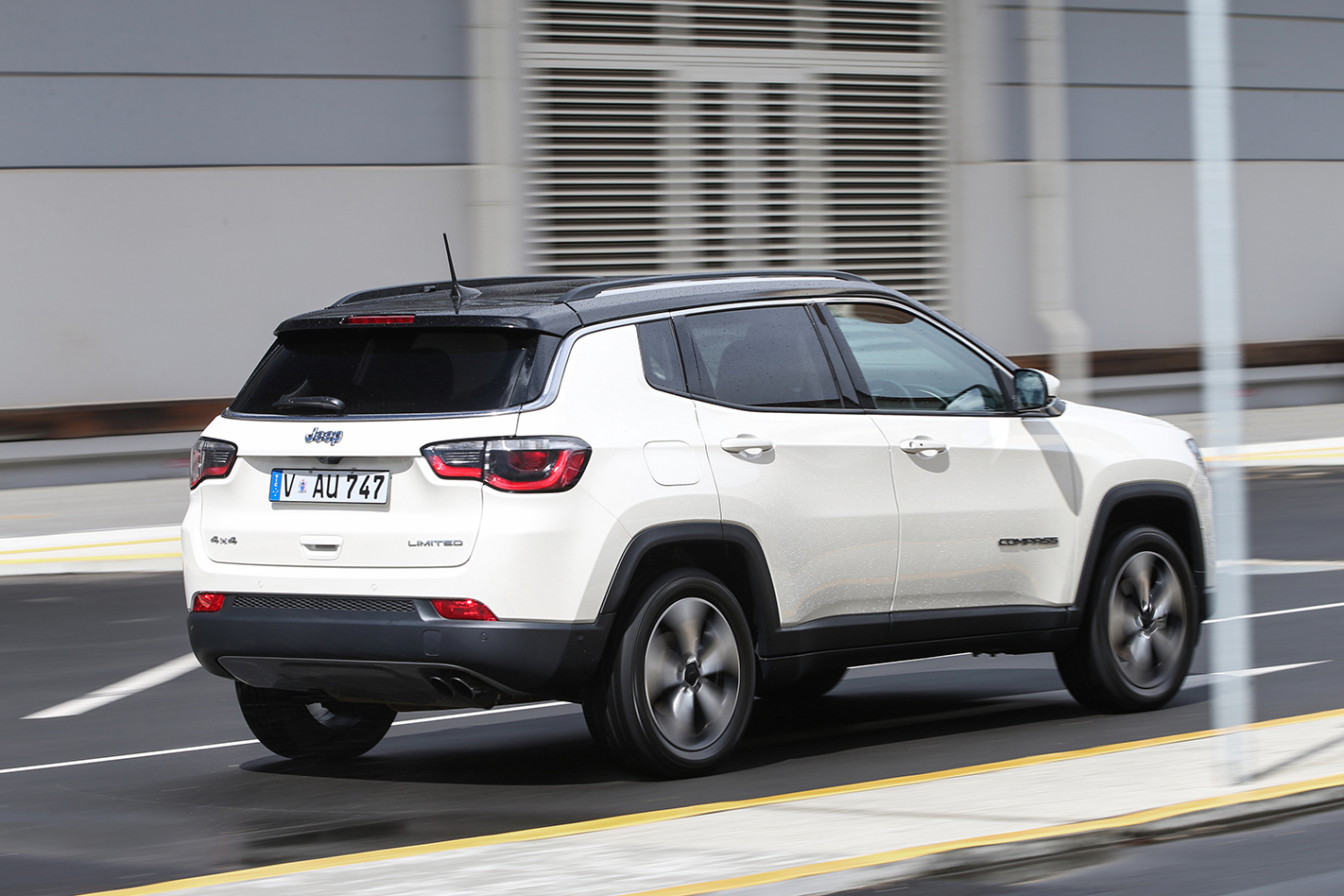
Such are the improvements to the 2018 Compass compared with the first-generation version that its hard to tell the two models are form the same family, or even brand.
Not only does the new Compass take an immeasurable step up over the outgoing version, it also sets a new standard of quality, styling and on-road manners for the entire Jeep line-up. Only the Grand Cherokee comes close.
If the long-term ownership experience turns out to be as inviting as the initial package appears, the 2018 Compass has the potential to put Jeep back on the map and reverse the slipping sales trend.
THE WHEELS REVIEW
BACK in the late 1940s, hardly anyone could have imagined the responsibility that the original Willys all-terrain vehicle would carry. Not only would its devastatingly effective recipe of simple but revolutionary design allow the tiny four-by-four to lug countless tons of troops, equipment, and supplies, but its name – General Purpose, shortened to GP or Jeep – would go on to be the placard of an institution.
Flash forward more than 70 years and this car – the second-generation Jeep Compass – is charged with a similarly hefty responsibility. From a sales peak in 2014 when the Grand Cherokee was flying off showroom floors faster than any other large SUV, the seven-slot grille brand is in need of help and this all-new small-to-mid sized SUV could be the charging cavalry.
Unlike the smaller Renegade that rolled in two years ago with sizeable promise but then disappointed with a price tag almost as big as its personality, the Fiat Chrysler Automobiles (FCA) Australia team toiled to sharpen the Compass’ local price – and succeeded.
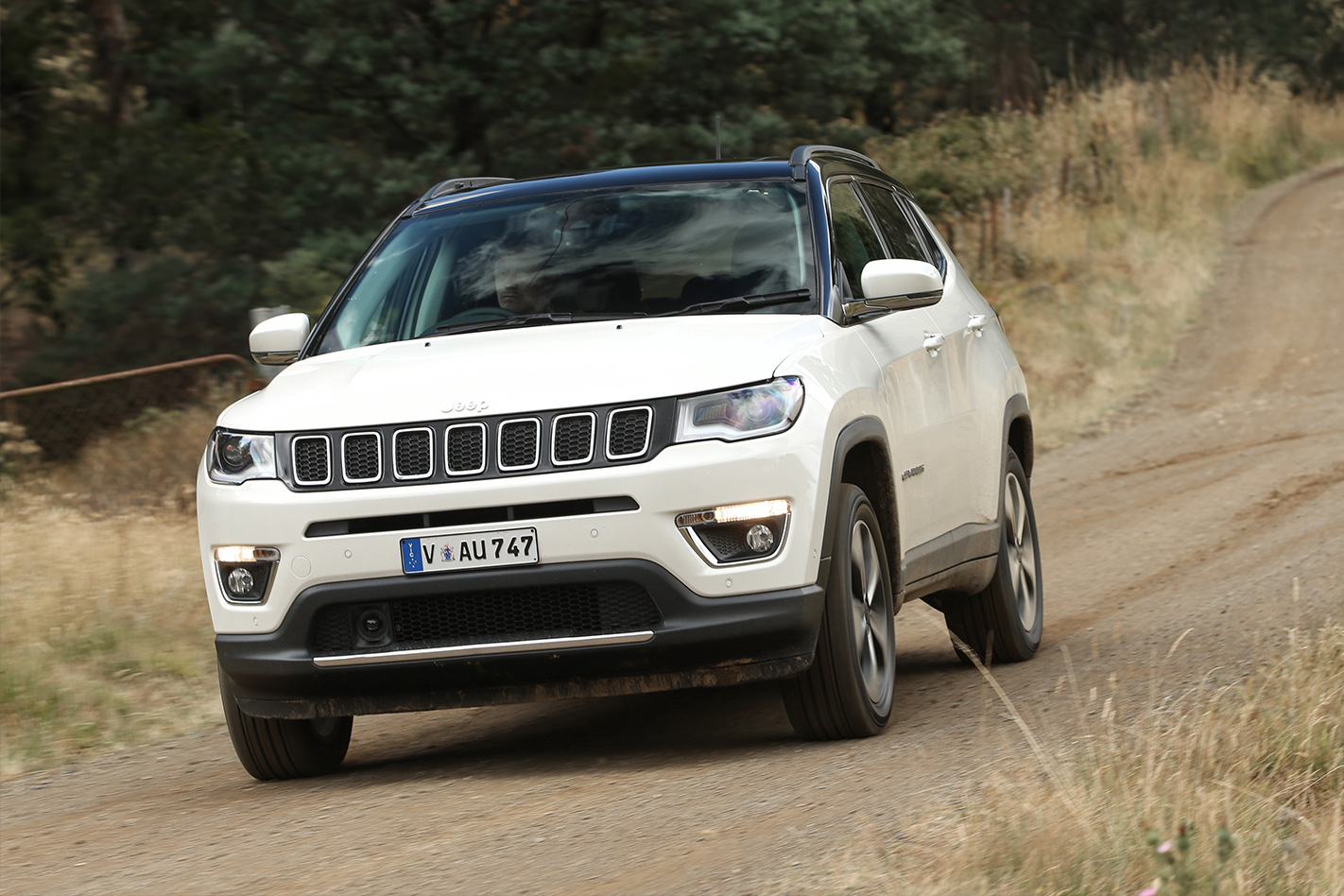
Move up the range, though, and you find yourself at the more generously equipped Limited and the option Jeep says will be its Compass cash cow. Let’s make it very clear at this point that what follows is a first steer of the highest grade Compass and we will reserve judgement of the Sport and Longitude variants until Wheels gets its meat in their seats.
At first glance, it might make sense to compare the new Compass with the original but it doesn’t take long to realise that exercise would be as valuable as comparing A Ford Mustang with a P51 Mustang. Yes, both cars share the same name but the new Compass couldn’t be more different to the first-gen crossover. And that’s a really good thing.
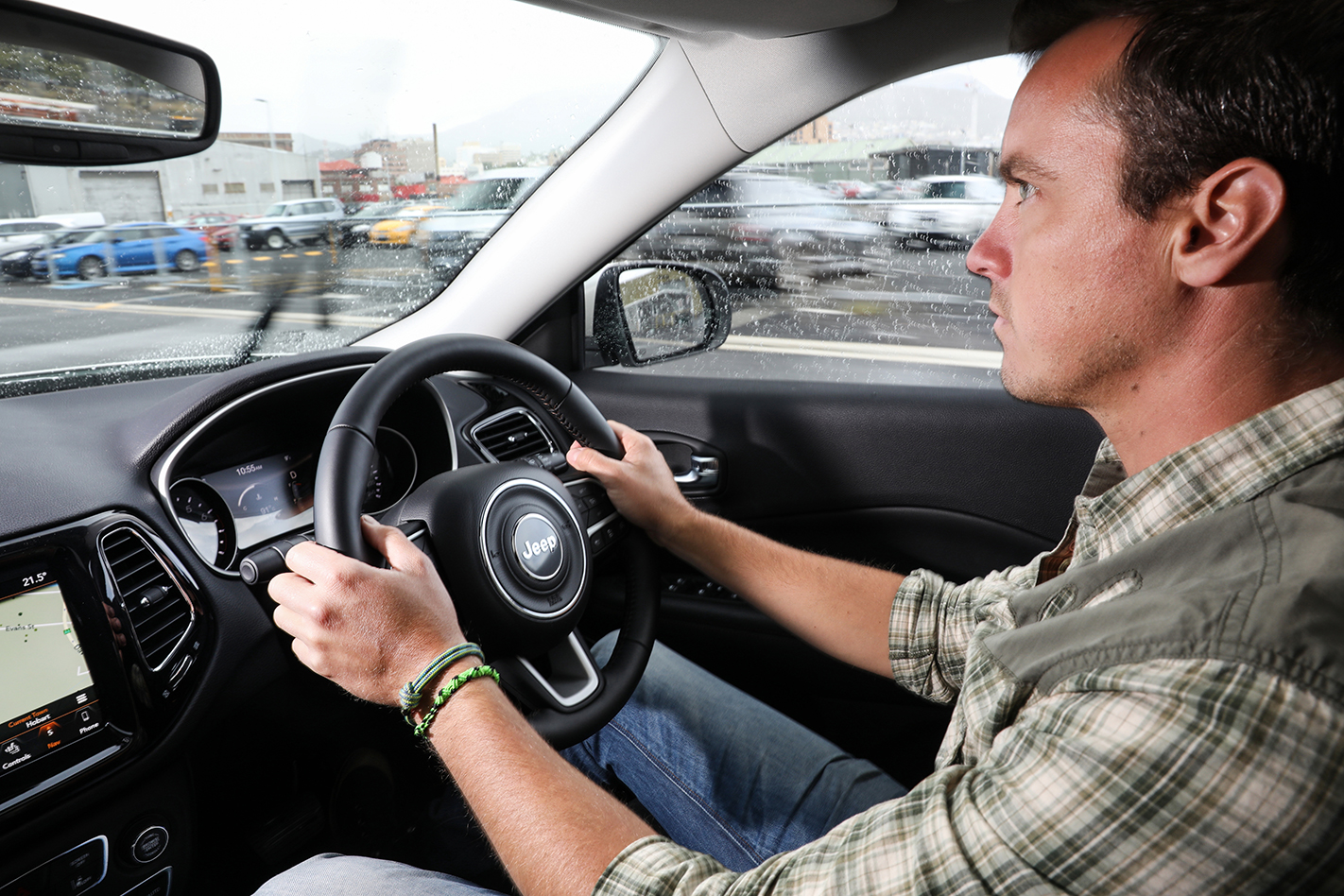
Then there’s the way it drives. The original felt as if it was based on a car but then jacked up to acquire SUV aesthetics at the cost of all driving enjoyment – because that’s exactly what it was. The new version however, was designed as an SUV that strikes a fine balance between on- and off-road motoring.
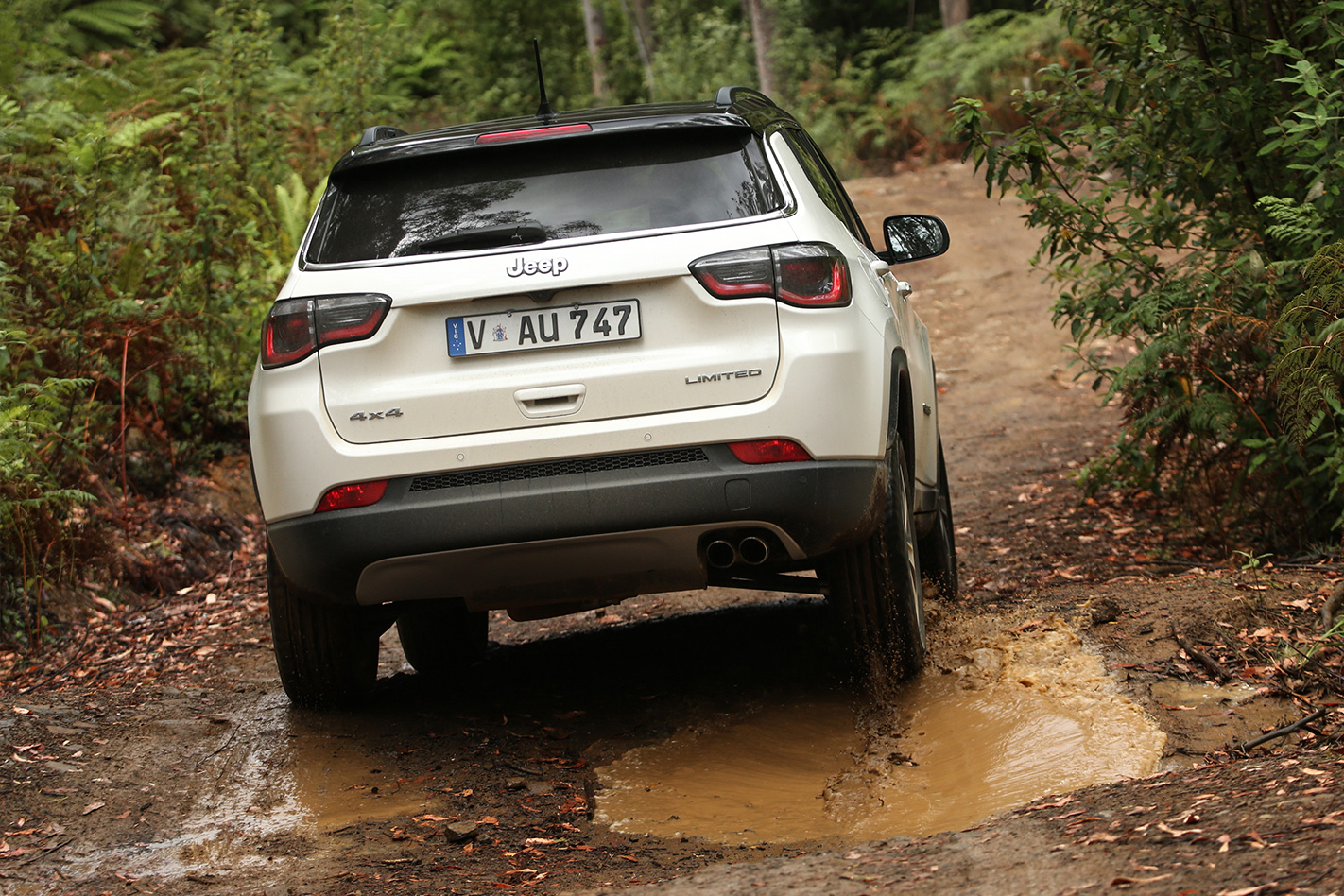
Off-road, the Limited might live up to its namesake, but only in the shadow of its Trailhawk sibling. In its own light, the Limited has surprisingly good all-terrain ability and can despatch significant rocks and mud with little fuss.
You might expect that to come as a compromise to road driving but you’d be wrong. In fact, it’s better. Ride quality is excellent and we can’t believe we’re saying it, but the Compass is even fun in the corners. Better seat ergonomics would improve all-round comfort but that’s a small point. Rear seat comfort is better with generous space for adults.
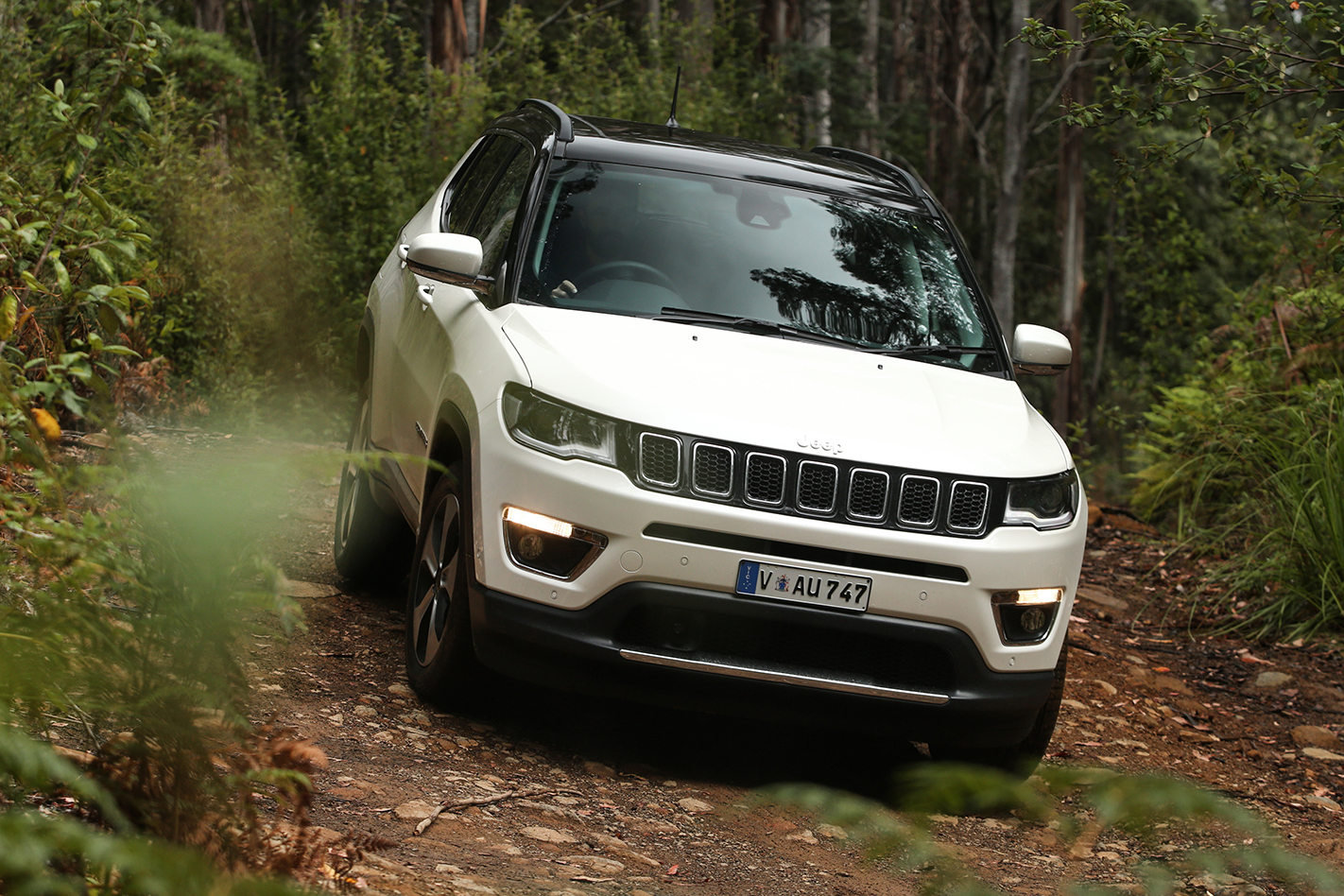
Our only other main criticism regards active safety equipment, which is only available in the highest grade as a $2,450 option.
Compare not then the new Compass with its woeful predecessor, because this is the first small Jeep that should be compared with the segment leaders in its class. It will be worrying all of them.
SPECS
Model: Jeep Compass Limited 2.4 4×4 Engine: 2359cc four-cylinder, dohc, 16v Max Power: 129kW @ 6400rpm Max Torque: 229Nm @ 3900rpm Transmission: 9-speed automatic Weight: TBC 0-100k/h: 10.1s Fuel economy: 9.7L/100km Price: $41,250 On sale: December 2017
IT LOOKED like the perfect drift. The all-new BMW M5 was travelling at an impressive velocity, with large angle, and more smoke than the Superbowl half-time show.
At the wheel was Timo Glock, the ex-Formula 1 driver turned factory BMW racer – and he claims he can do it all with a hand tied behind his back.
Glock’s Formula 1 CV records three podiums, but the German is arguably most (in)famous for his role in the 2008 championship when he was passed in the final corners of the final race by Lewis Hamilton, allowing the Briton to claim the crown by a single point.
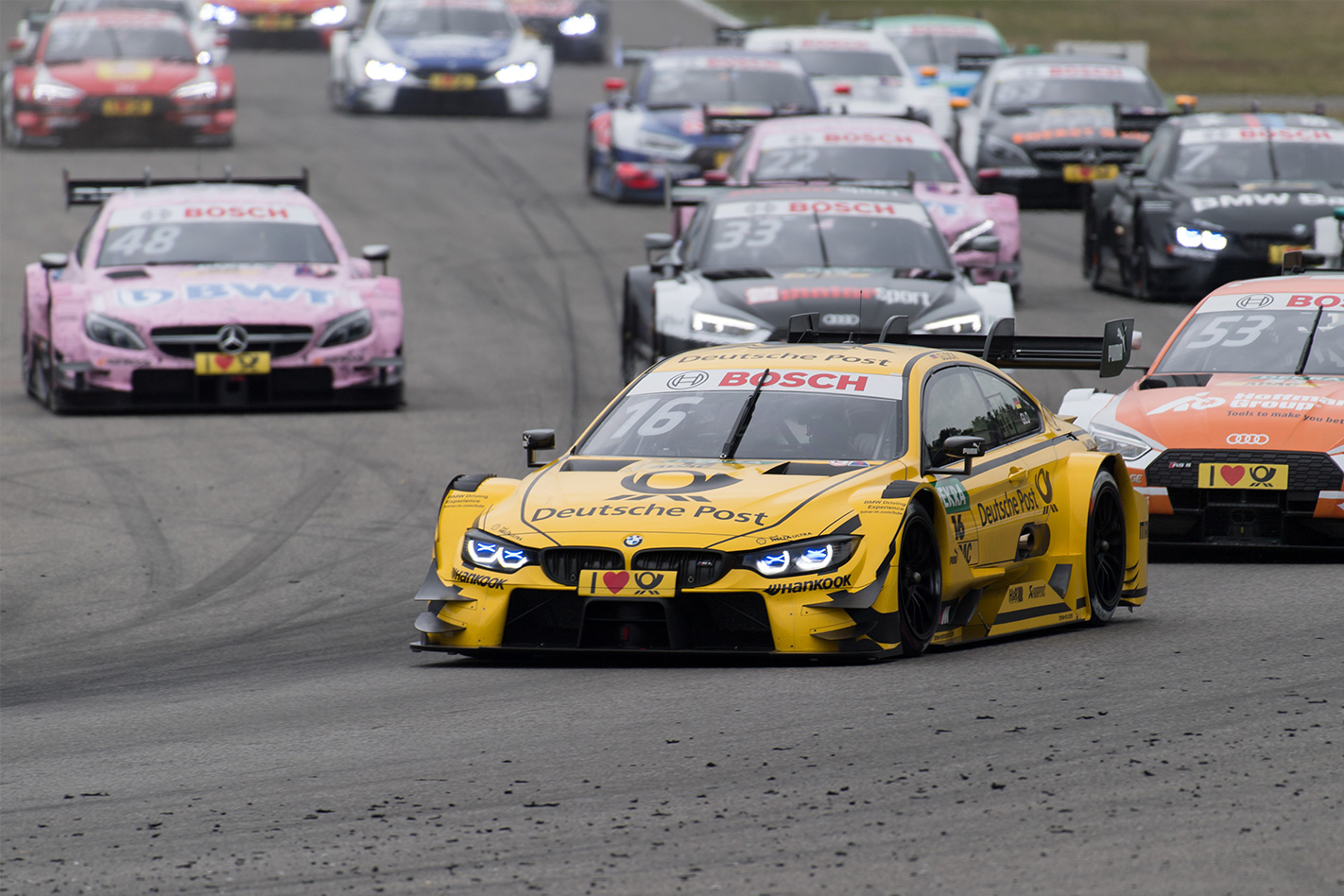
The all-new F90 BMW is powered by a 4.4-litre twin-turbo V8, sending 441kW and 750Nm to all four wheels via an eight-speed torque converter automatic. The car’s party piece for automotive hooligans is the ability to switch off the AWD and send all that power directly to the rear wheels – the hallowed Drift Mode.
And at the launch of the new M5 in Spain, footage emerged of Glock making the most of the car’s 2WD function to destroy treads in large smokey slides.
“The two days I was driving the M5 I had the biggest smile on my face. I went around the Estoril racetrack many times with big smoke. It was fun,” Glock tells Wheels.
“There are cars like the M4 and M3 which are a bit more edgy, but still controllable. But the M5 is on another level. You can drift that car one handed without a problem.”
The German racer explained the M5 provided him with the confidence required to perform the impressive manoeuvres with minimal seat time.
“Those sort of moves are possible if you can jump in the car and straight away you feel at home – if the car gives you the feeling you can do everything in a controlled way,” he added.

“You know exactly what is going to happen in the next 10 to 50 metres, and that is what makes the difference.”
“That is why you can very easily drift the M5 like I did at Estoril.”
BMW recently broke the world record for the longest continuous drift with the M5, sliding for an astonishing 374 kilometres, taking 8 hours. You can watch footage of that feat below, just don’t try it at your nearest suburban roundabout. At least not with just one hand.
