
Bear with me for a minute. Remember Stanley Meyer? The guy who invented a water fuel cell that allowed cars to run on tap water, then was mysteriously murdered and had his research confiscated by the US government? In case any shadowy government operatives are reading this, I would like to state for the record that story is completely NOT TRUE. Wink wink.
In fact, remember Rudolf Diesel? “Rudolf Diesel” sounds like the star of a Christmas-themed Fast & Furious spin-off, or maybe a male stripper that Mrs Claus slept with on her hen’s night, but no – he is, of course, the bloke who invented the diesel engine… except that he proposed that it be run on peanut oil instead of fossil fuels… and then he mysteriously disappeared while aboard a steamship to England. His body was found floating near Norway 10 days later, so badly decomposed that they never did an autopsy. And after that, diesel engines ran on fossil fuel.
Getting the picture? Remember Pacific Electric, the system of electric street cars that criss-crossed Los Angeles? No, of course you don’t, because you’re not a 90-year-old Yank – but they did, before they were bought up by a conglomerate of car makers and oil companies, and scrapped. The companies were fined under anti-trust laws, but by then it was too late – Los Angeles became an autotropolis.
Oh yes, there have been automotive conspiracy theories for as long as there have been cars.
In the spirit of tin-foil hat-wearers everywhere, why haven’t we heard more crazed fever-dreams about the problems at the Tesla plant? Tesla is the modern-day version of the water-powered car or the peanut-powered truck – disrupting the established players, and making the oil industry fatcats nibble nervously on their cigars.
Let us not forget that Tesla boss and all-round mega-brain Elon Musk predicted his Fremont, California, factory would be turning out thousands of Model 3s by late 2017. And then they ran into some “production bottlenecks”, which is a polite euphemism for “we made about three cars by hand”. Tesla’s high-tech automated manufacturing line is, to use some technical jargon, a bit rooted.
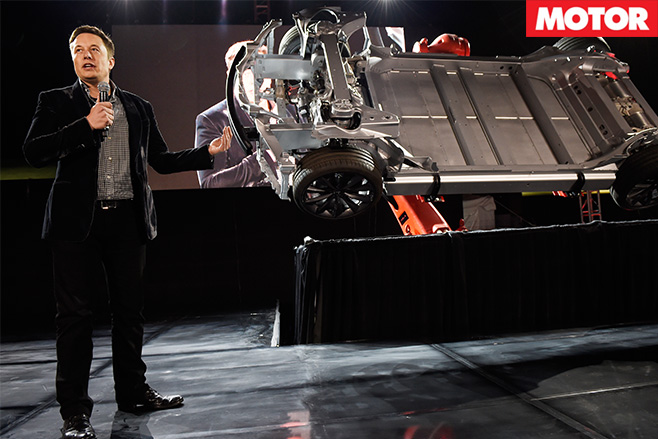
Die-hard conspiracy theorists, in between searching the skies for con-trails and bio-scanning politicians to uncover lizard people, will recall that the automated manufacturing line at Tesla’s Fremont factory is made of robots – specifically KUKA industrial robots. KUKA is one of the biggest suppliers of industrial robots, especially to the automotive industry – and was recently bought by the Chinese mega-conglomerate Midea Group. It’s Midea’s first foray into robotics – their main business is making air-conditioners. In fact, Midea makes billions of dollars a year from selling air-conditioners – a figure that will only grow if global warming continues… and one of the ways to ensure that happens would be to ensure that electric cars never replaced fossil-fuel burning cars.
Is it a zany theory that only basement-dwelling crazoids would believe? Sure – just like the theory that the world’s richest and most powerful men gather once a year to perform pagan rituals under a giant owl statue at a secretive getaway called Bohemian Grove, which is also where the Manhattan Project that created the first atomic bomb was created. Except, oh yeah, that one’s true.
Don’t worry, Tesla will surely figure out how to escape its production hell – probably just in time for the robots to start an uprising to take over the Earth and enslave humanity. No wonder Elon Musk is also feverishly building rockets to escape the planet with his Space-X company.
In case any shadowy government operatives are reading this – perhaps even robotic operatives, sharpening their hydraulic pincers – I would like to state for the record that this entire column is NOT TRUE. Wink, wink.
Though for a different explanation, read just the first letter of each paragraph.
SURVIVOR CARS and Shannons are set to display a genuine ‘barn find’ Ford XA Falcon GT, which has sat idle for 35 years.
It will be the star of the first Survivor Car & Barn Find Show Spectacular, held March 3 and 4 at Shannons Melbourne showroom.
More than 100 vehicles will be showcased at the event, including ‘survivor’ cars and several unseen barn finds.
Survivor cars are unrestored vehicles with low mileage, and are the perfect reference for those restoring a car. A number of low-mileage survivor cars will be seen for the first time in public at the event.
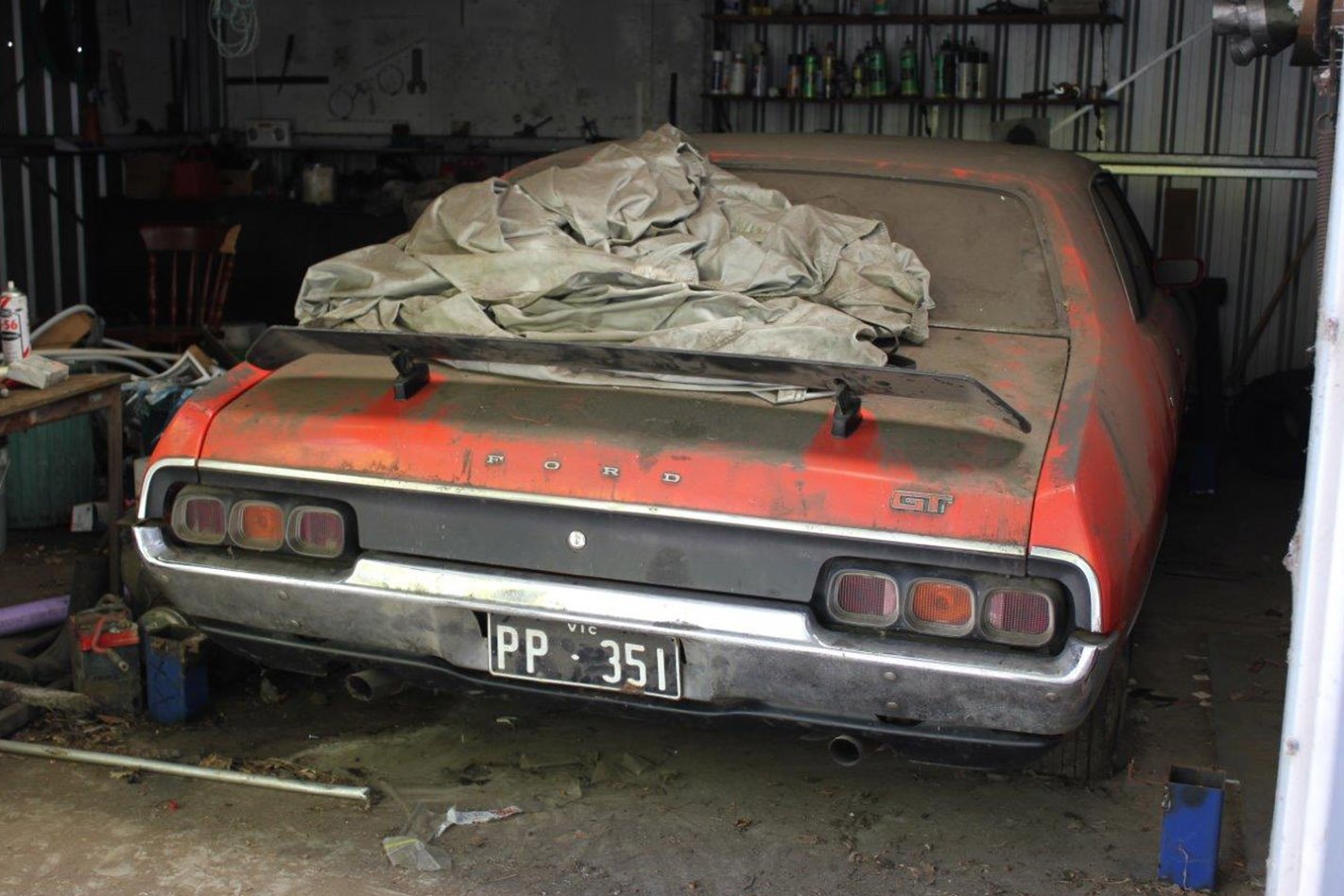
Dubbed ‘Mothball’, the star of the show is an XA Falcon GT which has been covered in dust and cobwebs, and will be displayed in the condition it was found. The survivor car cult has seen cars in pure original condition, often with cracked seats, a patina of age about the paintwork and interesting histories fetch more than fully restored models.
Starting at 9am on Saturday, March 3, the show runs all weekend with special guests, giveaways and plenty of entertainment for kids.
Admission is $20 for adults, with children under 16 free.
The Shannons showroom is located in Melbourne’s south-eastern suburbs at 40 Corporate Drive, Heatherton, Victoria.
Five cars, all very different from each other, and all for sale in Australia right now.
Here are the car ads we think are worth some attention (for better or worse) this week, thanks to Tradeuniquecars.com.au.
2017 Lamborghini Aventador LP750-4 Superveloce – $1,295,000

This. This is how. It’s only been driven 175km, and has 12 Italian cylinders waiting for your right-footed commands.
2000 Ford Falcon XR8 AU11 – $11,250
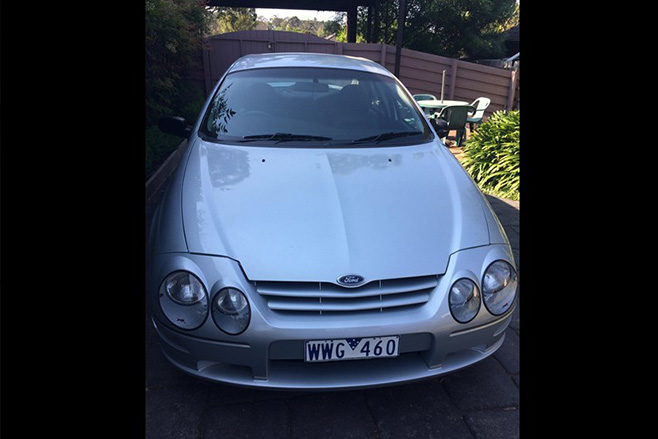
If you feel like spending around eleven big ones on what has become a literal internet meme, the AU XR8 is for you.
This one has also been photographed lovingly, with ‘portrait’ being the orientation of choice for this avid photographer. At least the car’s only sporting 119,000 on the odo.
2001 Toyota Chaser Tourer V – $29,990
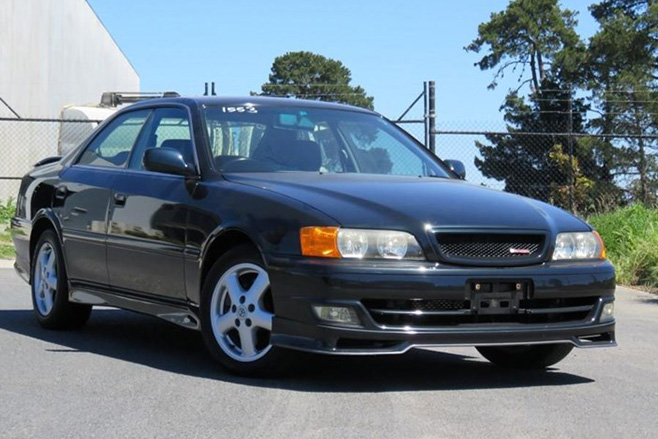
If you want to take it back to its former 206kW glory, the straight six should only need a few tweaks.
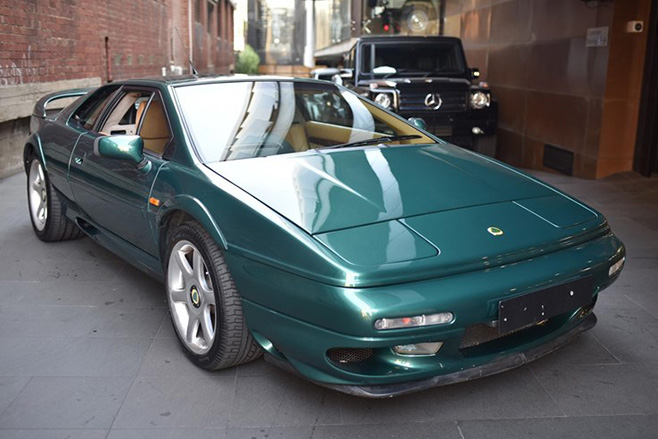
Well looked after, and it should repay its price in smiles. If it has a rough history, you’ll have a rough future.
1987 AC Cobra Autokraft Mk.IV – POA

It also only has 27234km on the odo, but its ‘POA’ tag is ominous.
The large SUV segment is among the biggest in the Australian passenger car market, but our three SUV picks aren’t the bestsellers in the class. Rather, they’re the three that road-test experience suggests offer the best blend of practicality, value and driving enjoyment.
The likes of the Subaru Outback and the Toyota Prado and Kluger command the biggest slice of sales, but the Hyundai Santa Fe and Kia Sorento have longer warranties.
The Koreans’ other strengths include seven seats and powerful and economical turbo-diesel engines and terrifically well-equipped top-level versions with lashings of convenience and safety extras, including a crash-preventing autonomous emergency braking system.
Meanwhile the award-winning Mazda CX-9 is about as polished and pleasant to drive as SUVs get.
Hyundai Santa Fe
Price range: $39,350 – $57,090
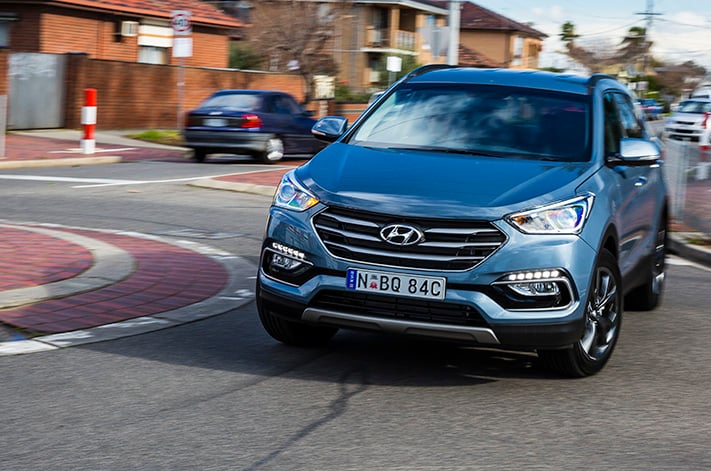
Like the Kia and Mazda, the Santa Fe is a great alternative for those who need seven seats, on a realistic budget, and don’t wish to venture into the unfashionable people mover realm. Our pick of the line-up is the V6 petrol Active X which brings plenty of style, luxury, power and driver assistance tech.
Pros: Terrific turbo-diesel engine; stylish interior Cons: Petrol engine works hard on hills or with a full load.
Kia Sorento
Price range: $42,990 – $58,990
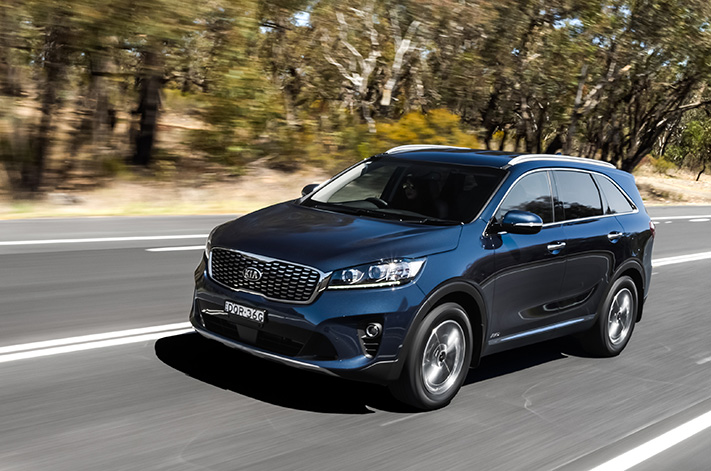
The Sorento and Santa Fe, from Korea’s Hyundai Kia Automotive Group, are similar machines, although the Sorento is more refined and comes with plenty of standard equipment including automatic emergency braking and active cruise control.
Pros: Well-built and well equipped; industry- best seven-year warranty; gutsy yet smooth turbo-diesel Cons: Thirsty petrol V6, no petrol AWD
Mazda CX-9
Price range: $43,890 – $64,790
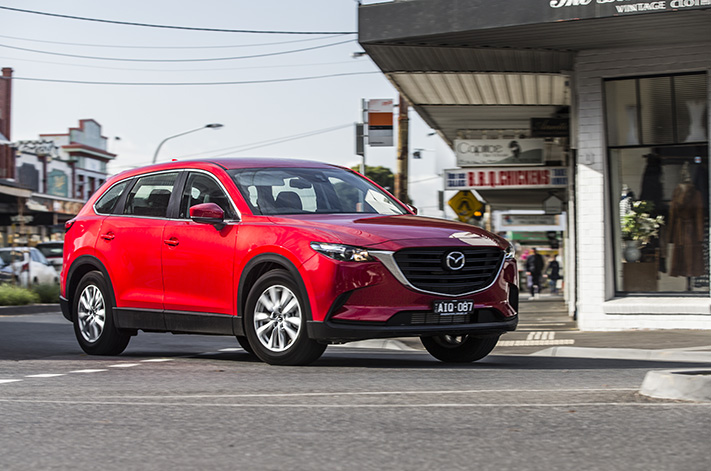
Since the dawn of the “zoom-zoom” era at the beginning of the noughties, Mazda has put few wheels wrong. But the previous CX-9 was less convincing. That’s all changed with the spacious and classy new model, which has taken all before it including 2017 Wheels Car of the Year.
Pros: Attractive exterior styling with a stylish cabin; refinement; road manners; engine performance Cons: Lack of a diesel engine alternative; no air-conditioning outlets for third row.
“STINGER is unlike any Kia you’ve seen before. It’s a statement from the brand about what they want to achieve, and plays to a new market they want to appeal to.”
So says Wheels editor Alex Inwood, describing how Kia’s rear-drive experiment brashly elbowed its way into the final six cars vying for the 2018 Wheels Car of the Year award.
The Kia Stinger caught our attention the day it was flagged in concept form. Its long bonnet, sweeping roofline, bulging haunches and short overhangs alluded to the classic front-engine, rear-drive layout beneath. Two years later, we would learn that the Ford Falcon and Holden Commodore, the two cars that long satisfied our appetite for what is a true driver’s formula, would meet their demise.
In the scheme of things, Kia’s timing for the Stinger’s arrival couldn’t have been more perfect.
Powerful, tail-happy – especially in V6-engined mode – shapely, rich in gear, and supported by an unrivalled seven-year warranty, the Stinger presents itself as a compelling package for rational enthusiasts.
Ultimately, though, the Stinger will be judged against Car of the Year criteria, and not the ghosts of our past. Can it pull off the ultimate coup and take home Kia’s first COTY crown?
REJOICE, for the Motorsport off-season is nearly over.
For the racing mad, a summer diet of sprintcars and the Dakar rally can soon be pushed to the side to make room for a full buffet of door-bashing goodness.
We’ve covered the two biggies already, with season previews for both Formula 1 and V8 Supercars, so let’s look at some of the less popular motorsports you should be watching this year.
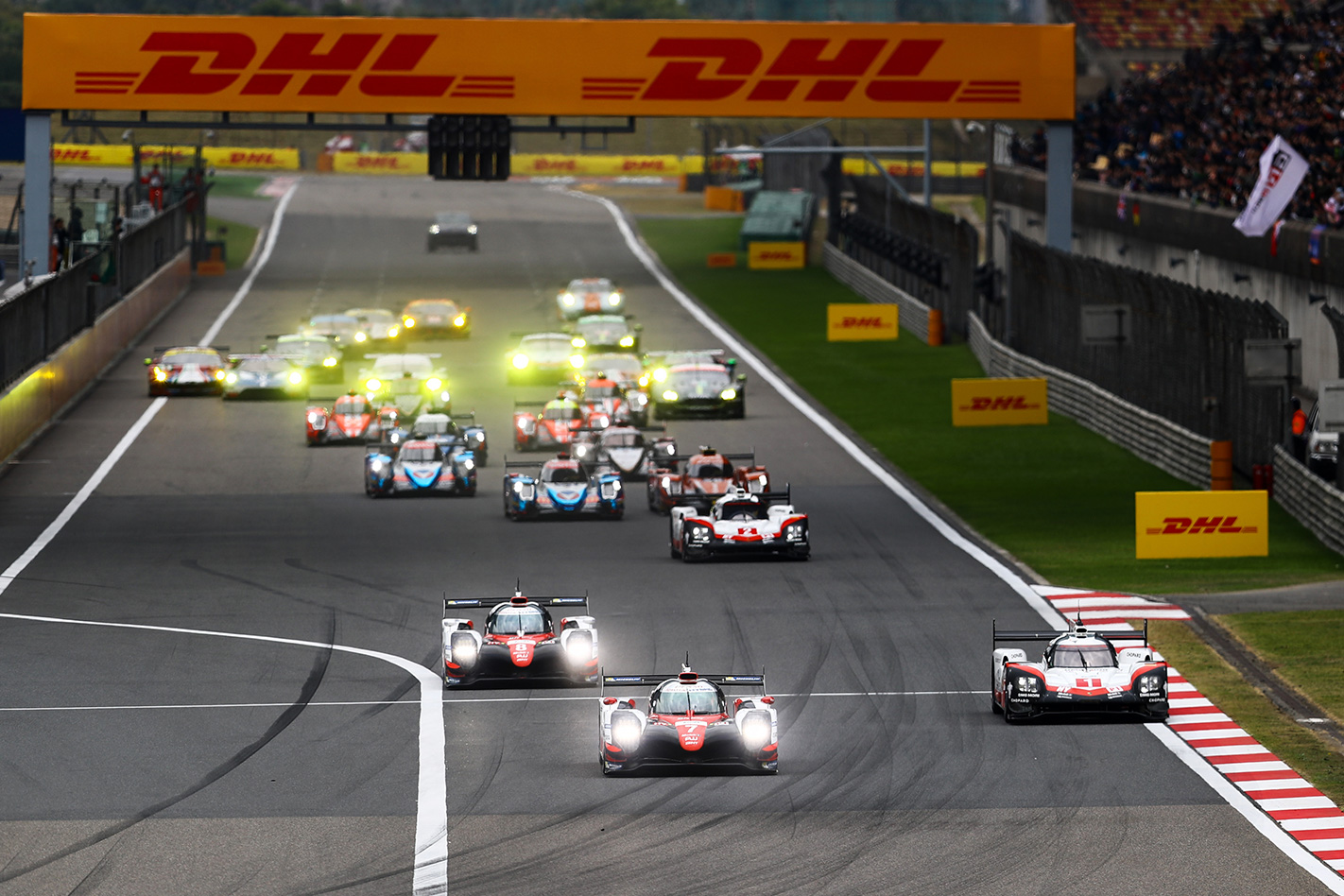
Prototypes
Okay, so less popular is a little unkind, but there is no denying the WEC (namely, LMP1) has had a hard time lately. First Audi, and then Porsche ditched the category, leaving just Toyota. But a major reshuffle of the calendar, which will now stretch for 18 months and open and close with the 24 Hours of Le Mans, means it’ll be a mammoth seasons well worth tuning in for. Prototype race cars are cool, especially when they have 745kW+ hybrid powertrains, and are forced to weave in and out of traffic for six hours or more.
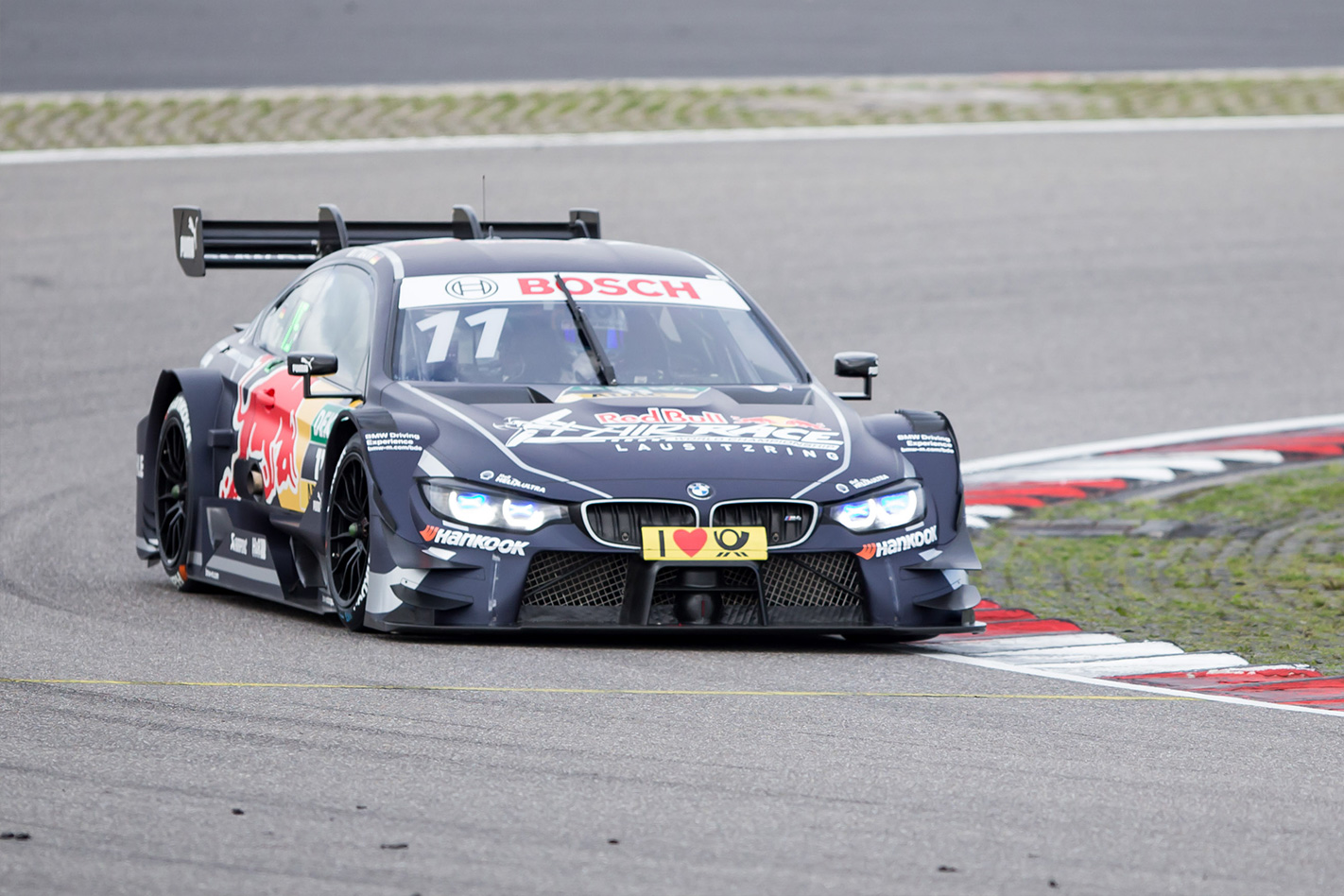
If you like your motorsport with a semblance of road-going relevance, then these are the championships for you. At the extreme end of the touring car spectrum is DTM and SuperGT’s GT500 categories. Both have bodies which look like road cars after spending time in Frankenstien’s laboratory. Think big wings, stretched bodywork, fattened arches and exhausts which exit through the door. Yes, the door.
Too extreme for you? Try the British Touring Car Championship for a more traditional touring car serving. These Britons won’t shy away from bending body panels, and racing is always entertaining.
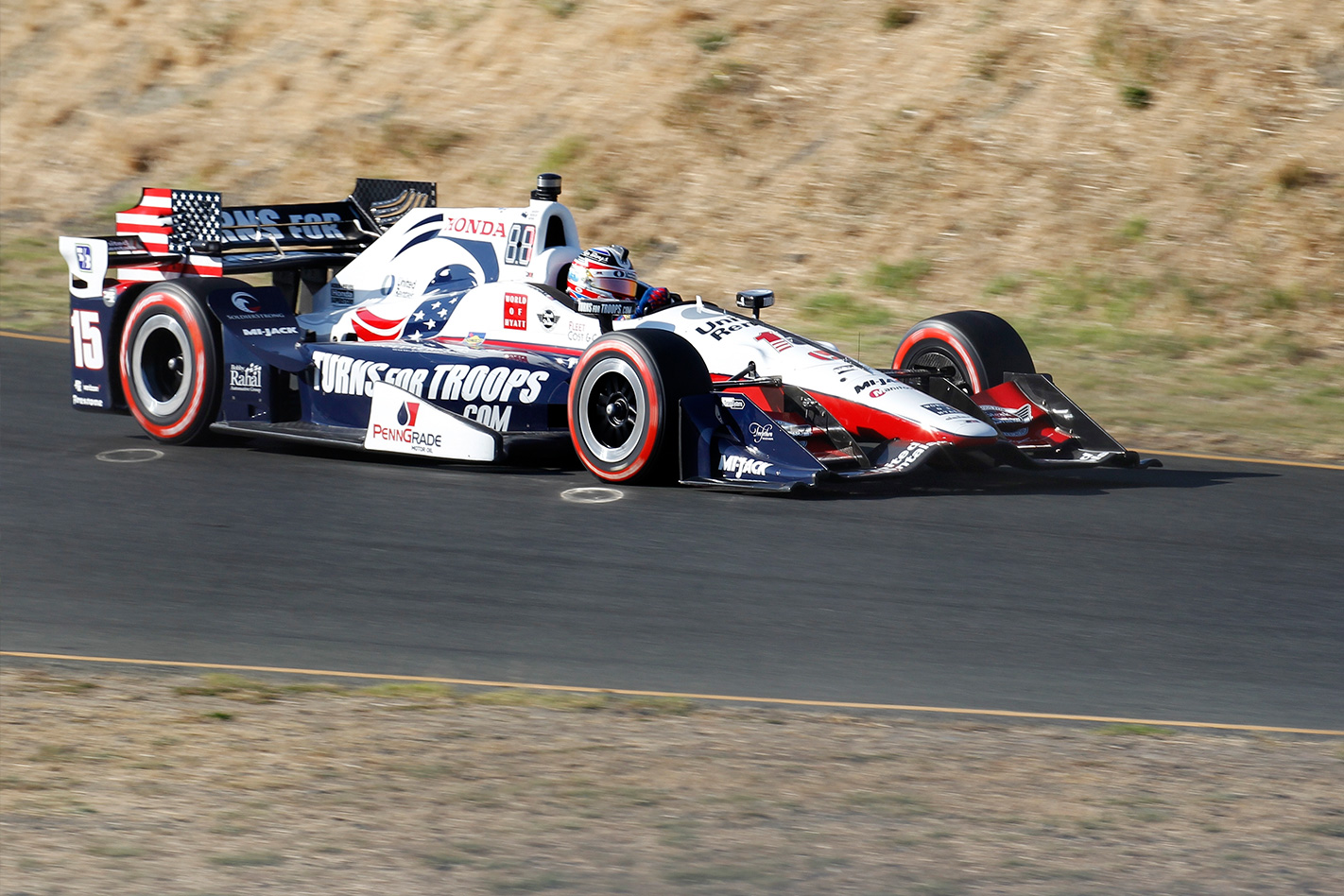
The land of the free and turning left really, really fast. The American traditions of IndyCar and NASCAR are both great options for your motorsport viewing.
IndyCar has new bodywork this year, and is looking better than ever (and is arguably the best-looking open-wheel category around). If you can’t suffer all the season’s early AM wake ups, tune in for just the Texas and Indianapolis oval races, trust us.
Want your motorsport with a side of carnage? NASCAR is for you. While stereotypes suggest the kings of biff can be a bit of a snooze fest, there are actually fascinating strategy battles playing out in almost every race. Oh, and the crashes are guaranteed to be spectacular, followed by four hours of replays.
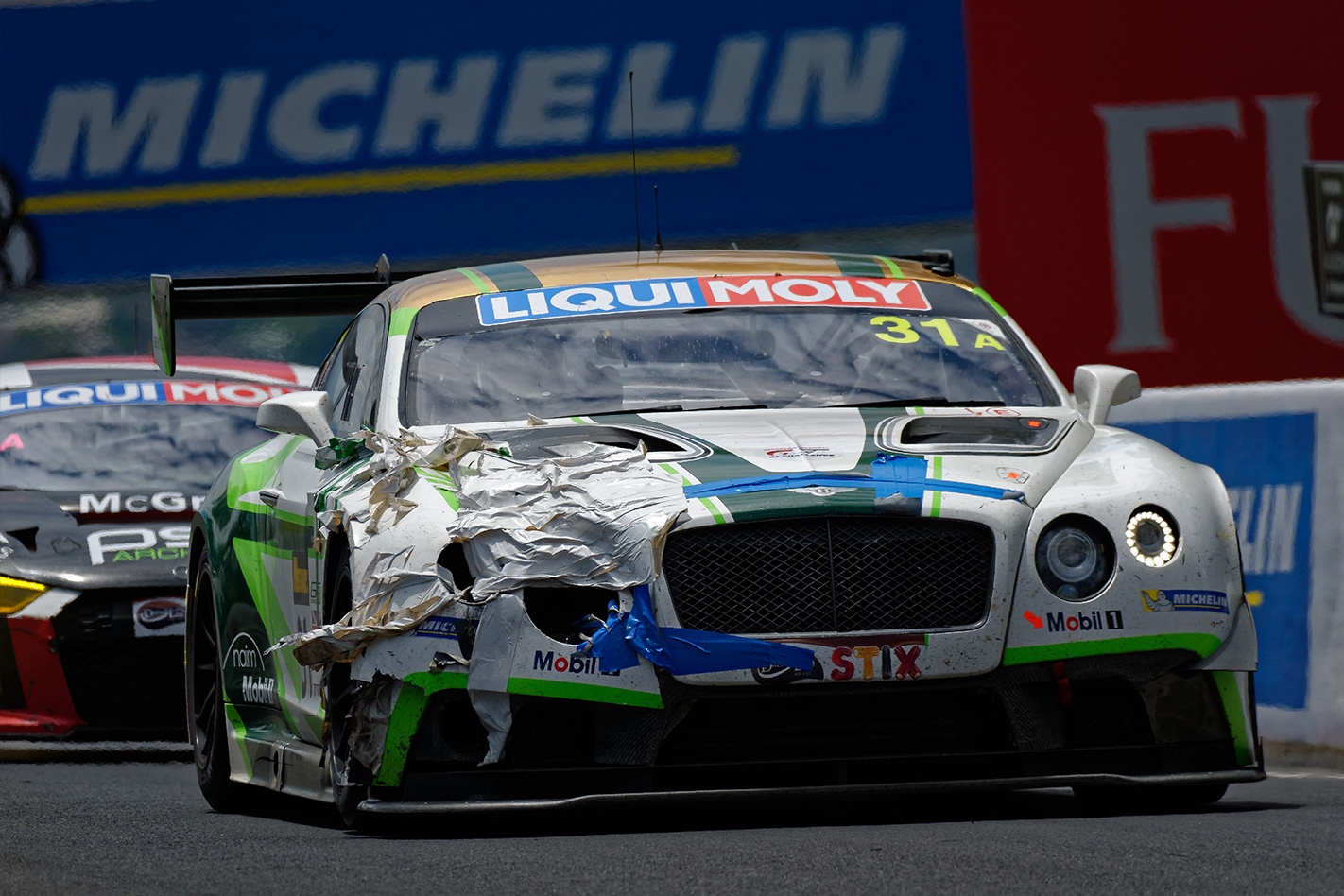
Want some Exotica on home turf in your life? Step this way. Starting at Mount Panorama in February with the Bathurst 12 Hours, GT3 racing is boomin’ and is a safe bet for brilliant racing. Evenly matched cars and drivers, with vehicles that have strengths in different areas means on-track battles can be multi-lap dogfights. The fact it is a Ferrari 488 diving down the inside of a McLaren 650S makes it just an extra measure of thrilling.
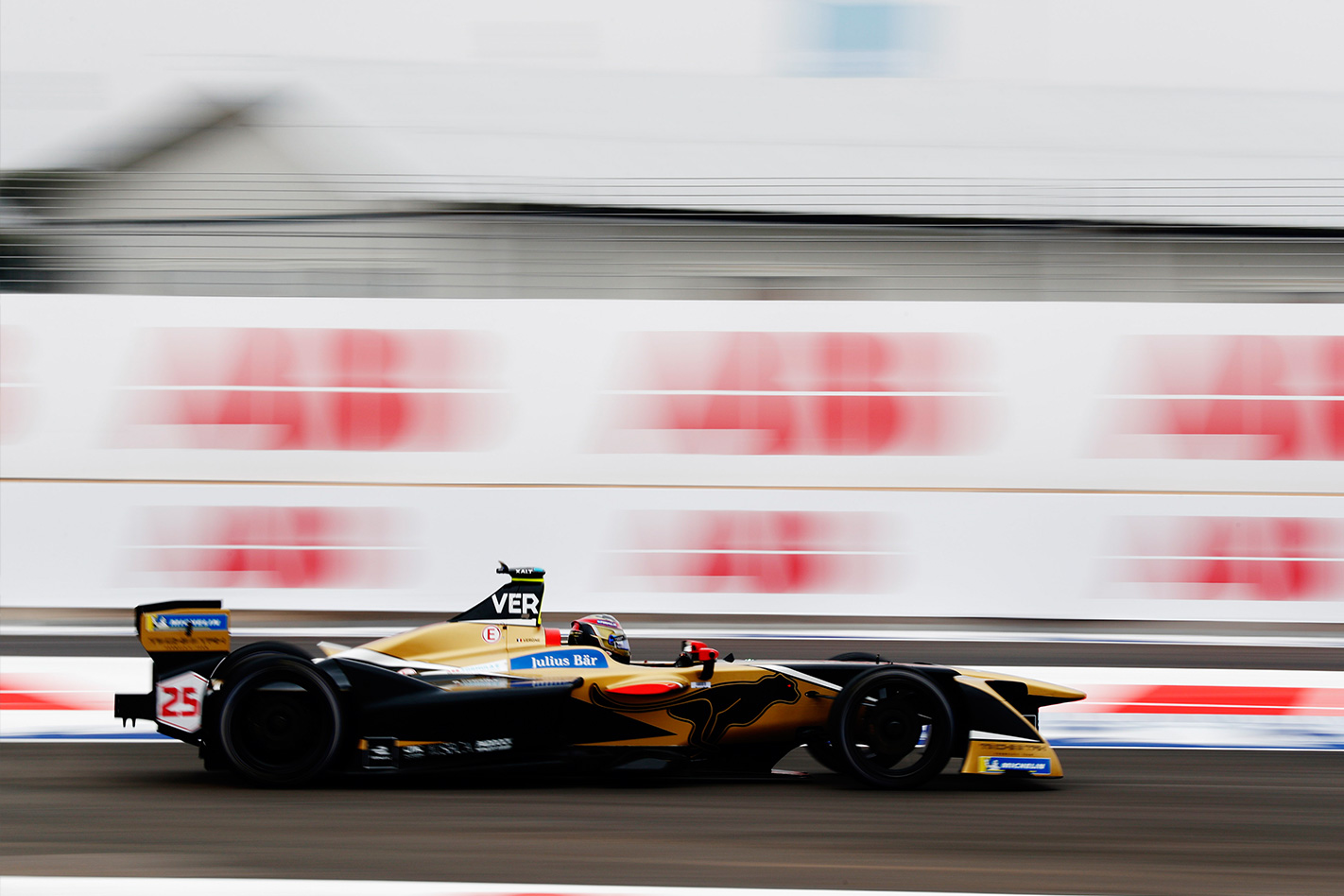
It’s still polarising as a concept, but the all-electric Formula E championship can make for decent racing. Incredibly tight street circuits, mixed with low-grip tyres, highly skilled drivers, and a mandatory mid-race car swap results in races that can often be decided on the final lap. Give it a go, we promise not to tell your mates.
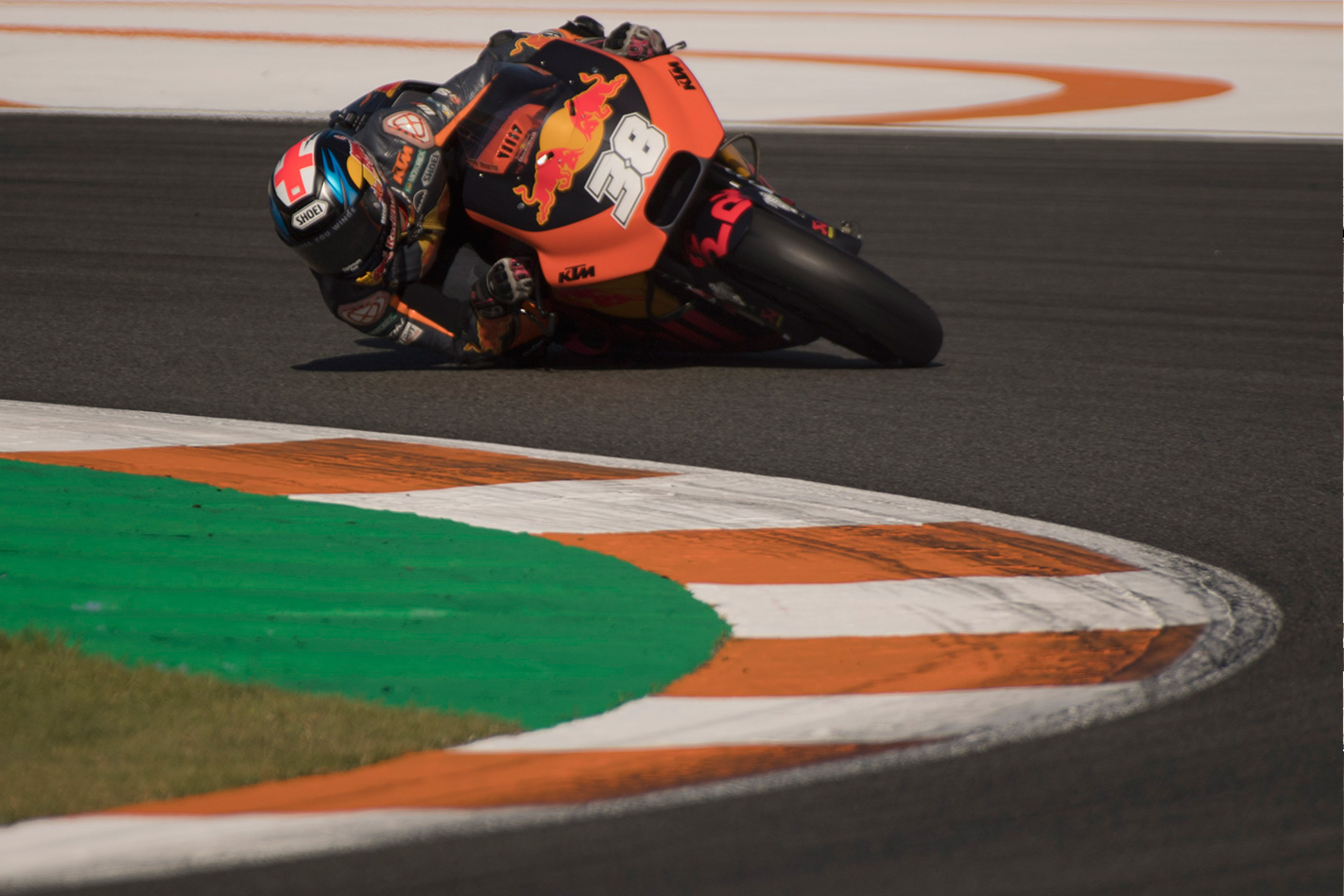
Don’t forget our motorcycle brethren when it comes to your motorsport viewing this year. MotoGP has been electric (not in the Formula E sense) the last several years, with large personalities, and edge-of-your seat races. It’ll be worth the late nights and lost sleep to watch the world’s best rubbing elbows at over 300km/h.
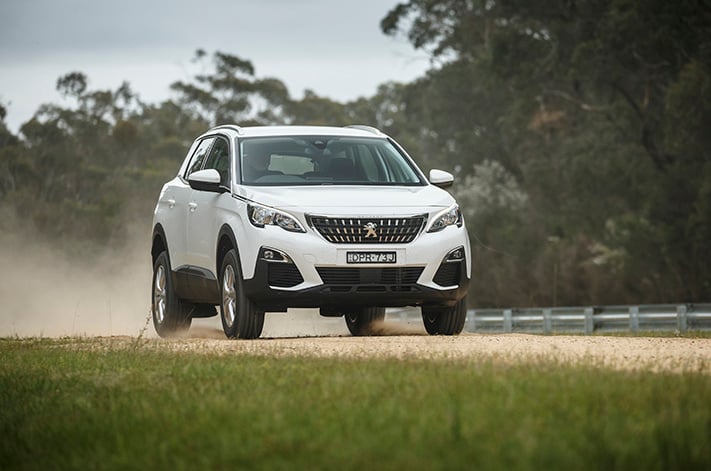
All Peugeot cars and SUVs sold in Australia will soon come with automatic emergency braking (AEB) as standard for no extra cost.
Peugeot’s new Australian distributor, Inchcape, is making AEB – already available across the mid- and high-spec variants – standard equipment at the lower end of its 208, 308, 2008 and 3008 ranges.
This includes the 208 Active, which is the only model to undergo a price change – a $200 reduction to $21,990.
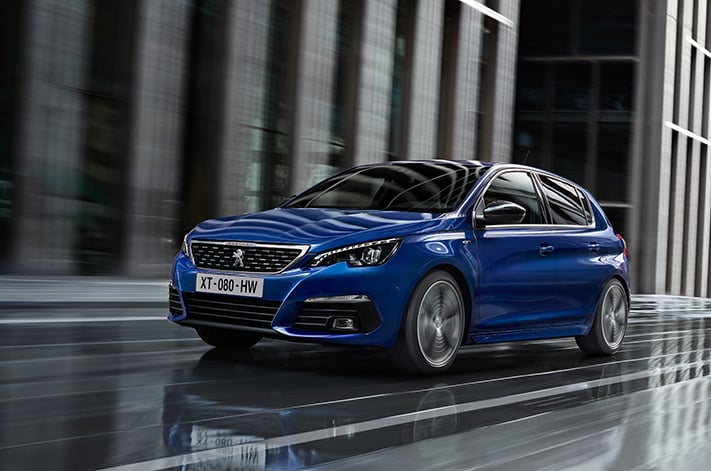
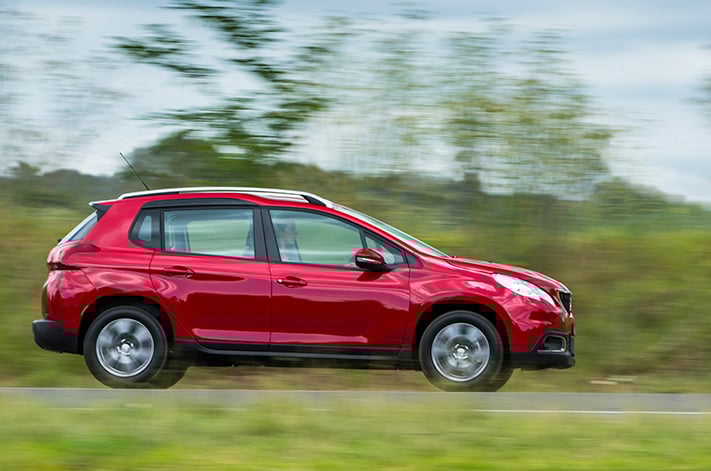
The 2008 Active small SUV also gains the AEB previously only given to its more expensive stablemates, as do the recently facelifted 308, and 3008, Active and Allure.
The 308 Active also gets driver attention detection, high-beam assist, speed limit recognition and lane departure warning without adding to its $26,990 price tag, while the 3008 Allure picks up active cruise control.
A Peugeot Australia spokesman told WhichCar the company believed AEB was something all cars should have, and it was delighted to offer such a safety feature to all its cars with no price increase.
He said the changes apply to 2018-plated cars, and could take a little time to filter through the network as stocks arrive.
This is a welcome move from UK-owned Inchcape, which took over Peugeot and Citroen distribution in Australia last year from Malaysian-owned Sime Darby, adding to its Subaru distributorship here.
One of its first moves here was to cut Citroen warranties from five to three years, while rationalising its dealership network “to help increase the overall financial viability of the dealer network and to consolidate the Peugeot and Citroen brands”.
The rationalisation meant the company would only support dealerships that sold both Peugeot and Citroen models, and mostly affected standalone Citroen dealers.
But with new models including the Citroen C3 crossover and rejuvenated Peugeot 3008, the company is hopeful to build on the French brands’ long histories in Australia, which included local assembly of Peugeot models between the late 1960s-’70s.
The Toyota Kluger range has added more active safety, with all variants now equipped with automatic emergency braking as standard.
Previously exclusive to the range-topping Kluger Grande, Toyota’s suite of advanced driver assistance features, which also include a pre-collision system, active cruise control, lane departure warning and auto-high beam, have rolled out to the GX and GXL.
The mid-spec GXL also gains rain-sensing wipers, blind spot monitor and rear cross-traffic alert.
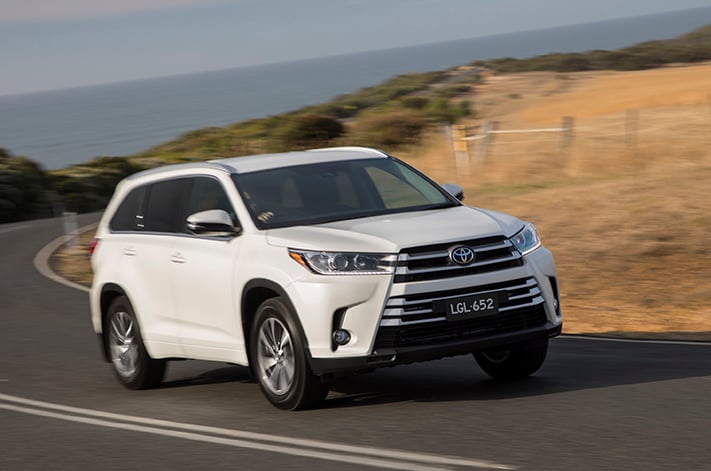
The tech upgrade means the entry-level GX’s price goes up by $950 fopr both front- and all-wheel-drive versions, while the extra features in the GXL attract a $1400 premium. The changes and price rises apply to both front- and all-wheel-drive models.
Kluger Grande pricing remains unchanged.
Toyota’s pre-collision safety system uses a camera and radar to monitor the road ahead, and was updated to enable detection of pedestrians as well as other vehicles.
If the system detects there is a risk of a collision with either, it uses audible and visual warnings to prompt the driver to brake. It also primes the brakes to provide extra stopping force when the driver presses the brake pedal.
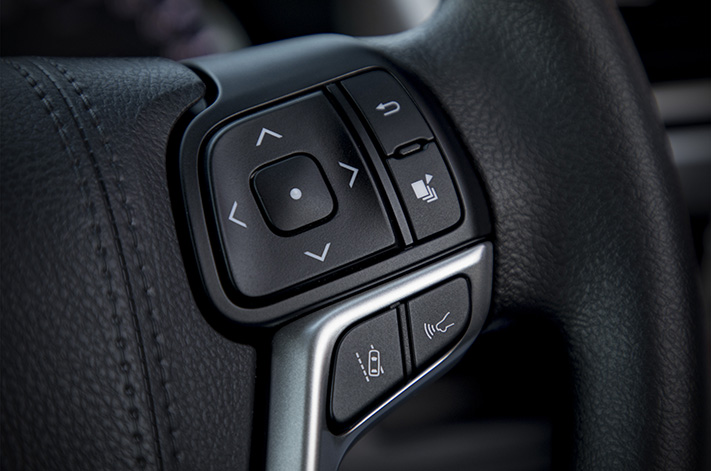
If the driver fails to respond to the alerts, the system can automatically apply the brakes to help prevent a collision or reduce the force of impact.
No other changes have been made to the Kluger, which is still relatively fresh from a 2017 upgrade that brought stronger performance, improved fuel economy, fresh styling and more features.
The Toyota Kluger is the second-biggest selling large SUV in Australia after its more off-road focused LandCruiser Prado stablemate, with 12,509 sold last year.
2018 Toyota Kluger pricing*
- GX FWD – $44,500
- GX AWD – $48,500
- GXL FWD – $54,950
- GXL AWD – $58,950
- Grande FWD – $65,646
- Grande AWD – $69,617
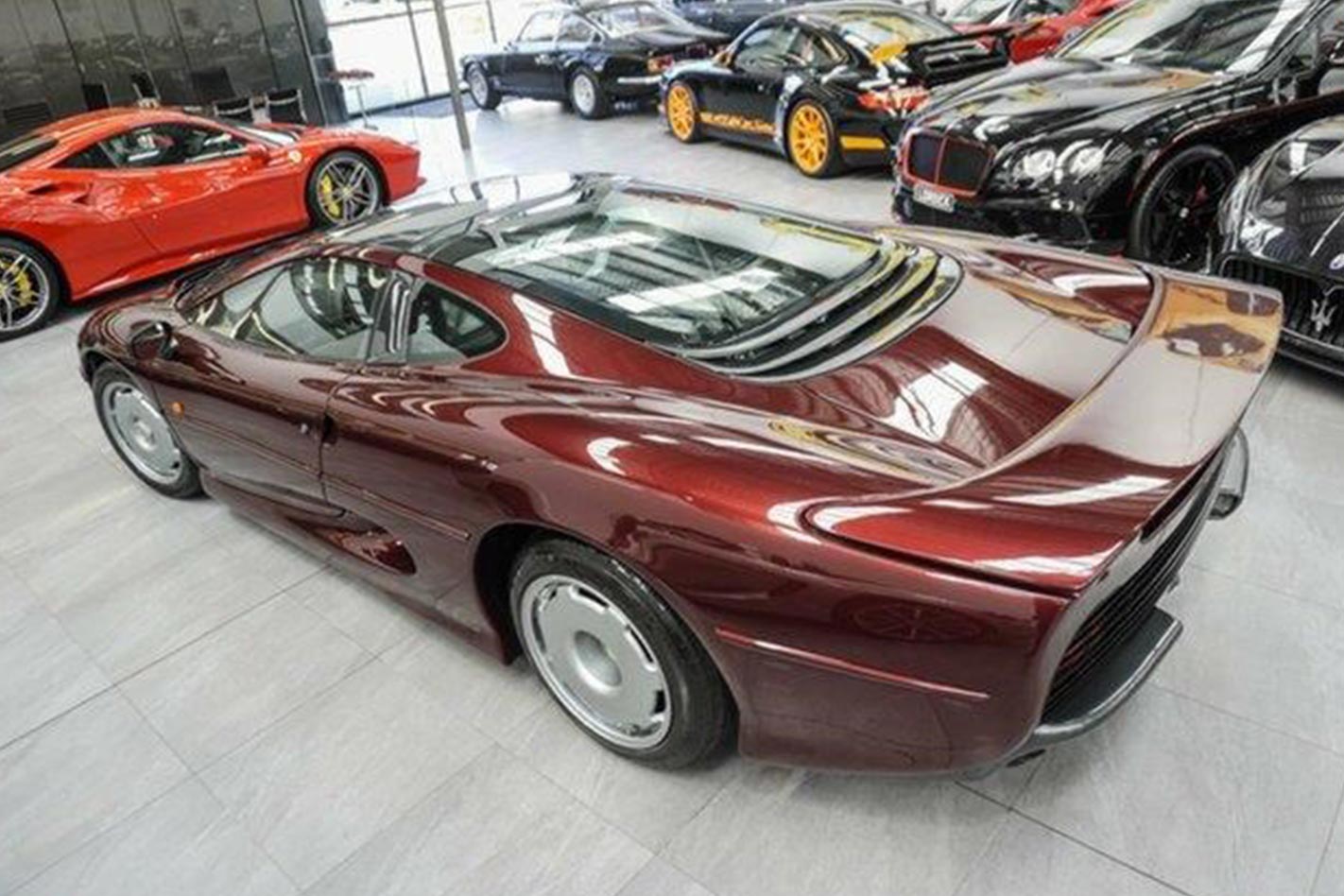
In 1990, Jaguar built a car that hit 299km/h. That car was the Jaguar XJ220.
It then went on to hit 343km/h in 1991. One year later, Jaguar was building production models for the buying public.
Some of those even went to Australia, and were very hard to come by. This is one of those cars.
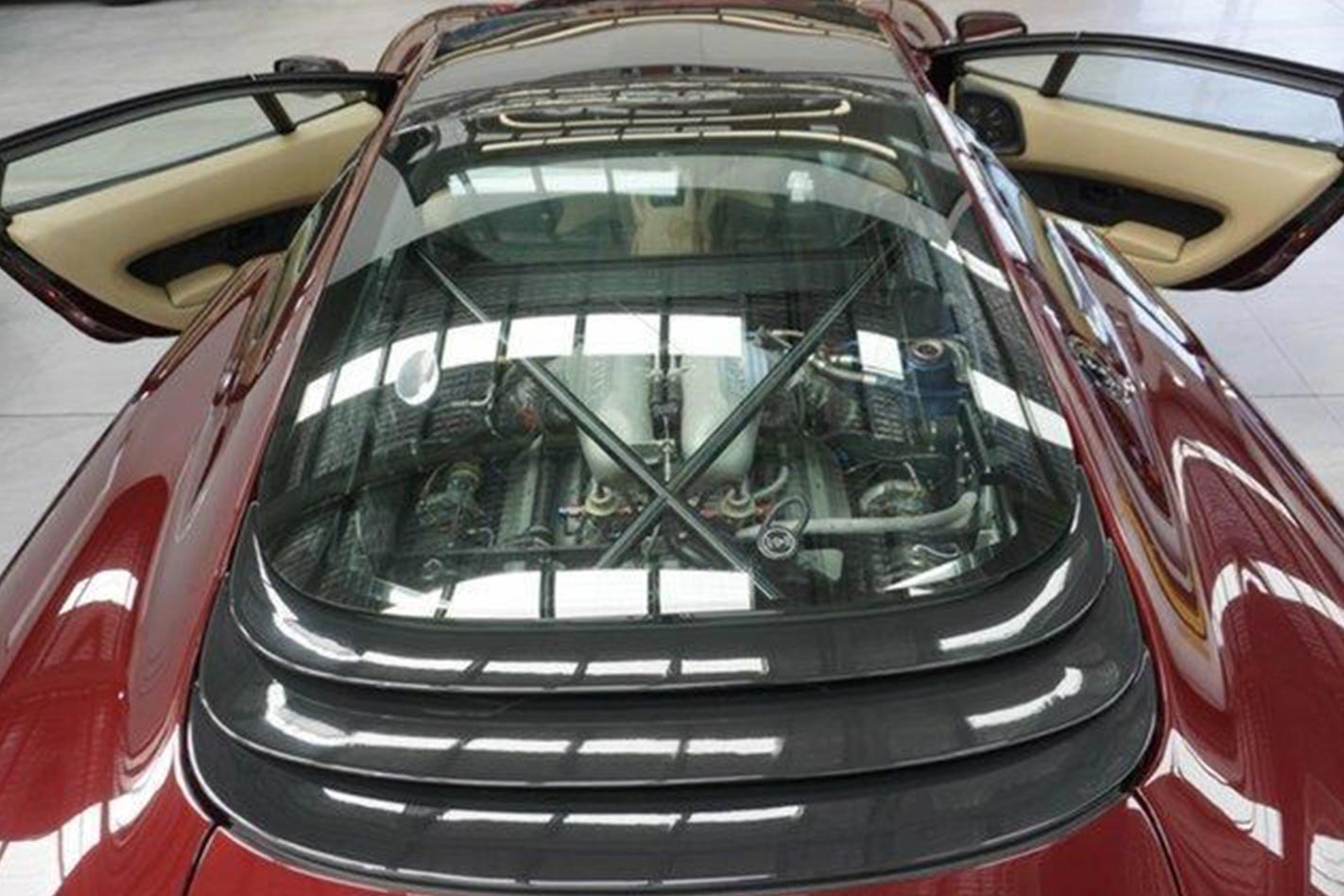
Number 120 of 275 is this Monza Red XJ220 with a cream, or ‘Sand’ leather interior, and it’s currently for sale.
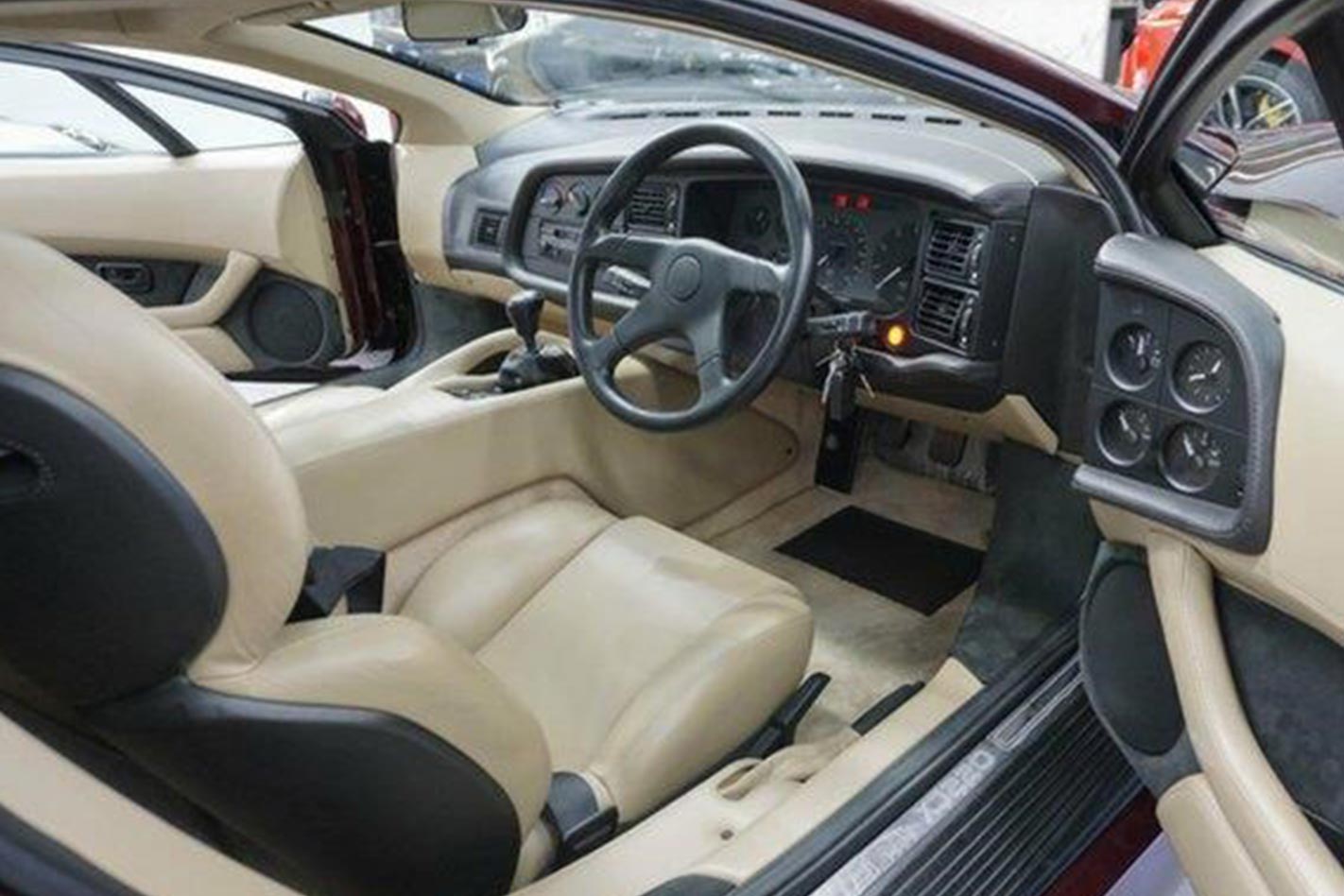
Its 3.5-litre twin turbo V6 is still yet to be worn in enough to access the full potential of 405kW and 644Nm,which allowed a 0-97km/h (or 0-60mph) sprint of less than four seconds.
The speed was achieved by CAR magazine in the UK, and this speed was reportedly accepted by the Guinness Book of World Records until the McLaren F1 came along to cut the 220’s grass.
“The JaguarSport guys must have been disappointed – they all really wanted to see 220… Yet they now knew… that they were about to launch the fastest production car to hit the road.”
This example has likely not seen such high speeds, and is looking quite tidy with everything original and intact.
Right now, it’s sitting in Lorbek’s showroom in Port Melbourne, waiting for its next millionaire owner.
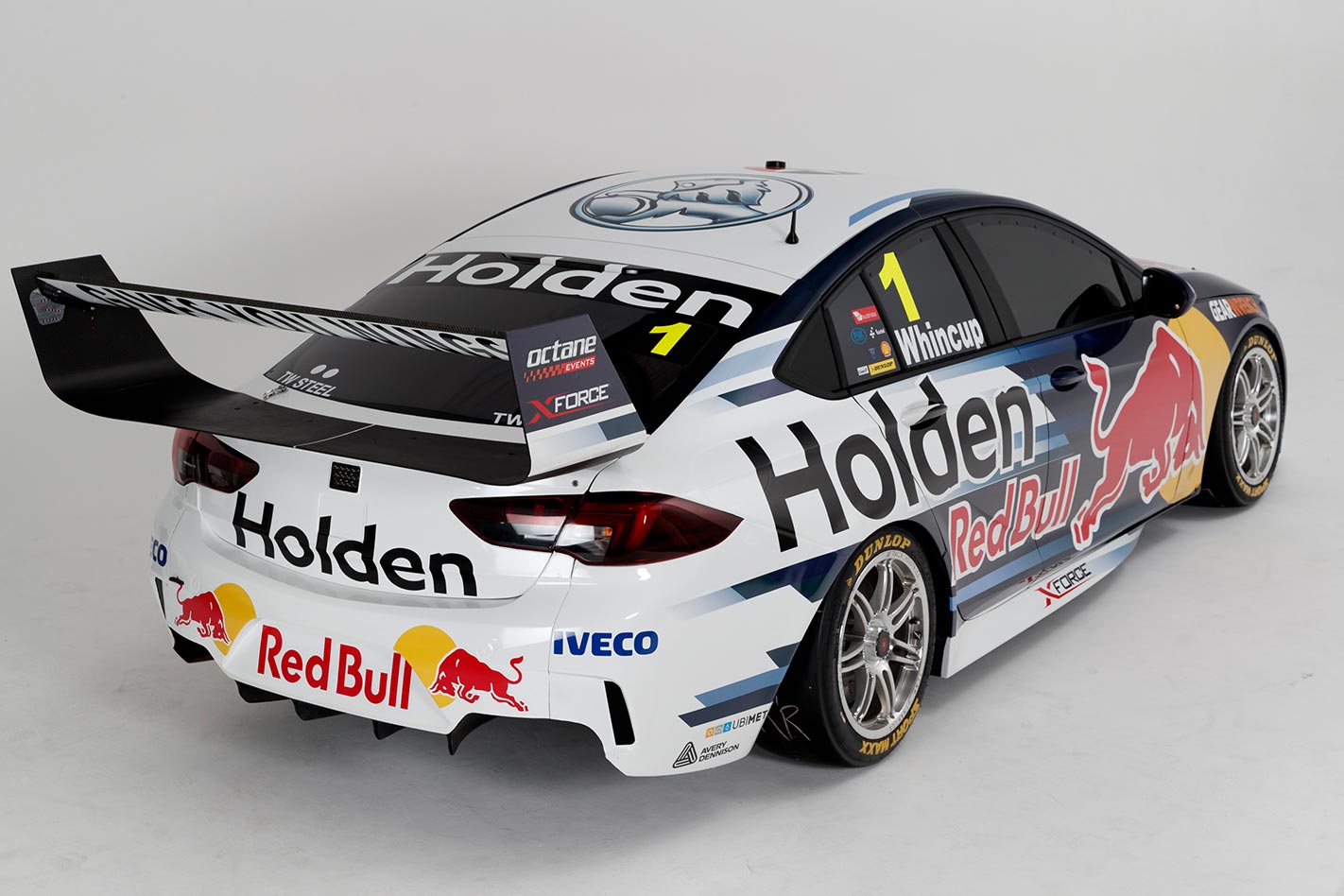
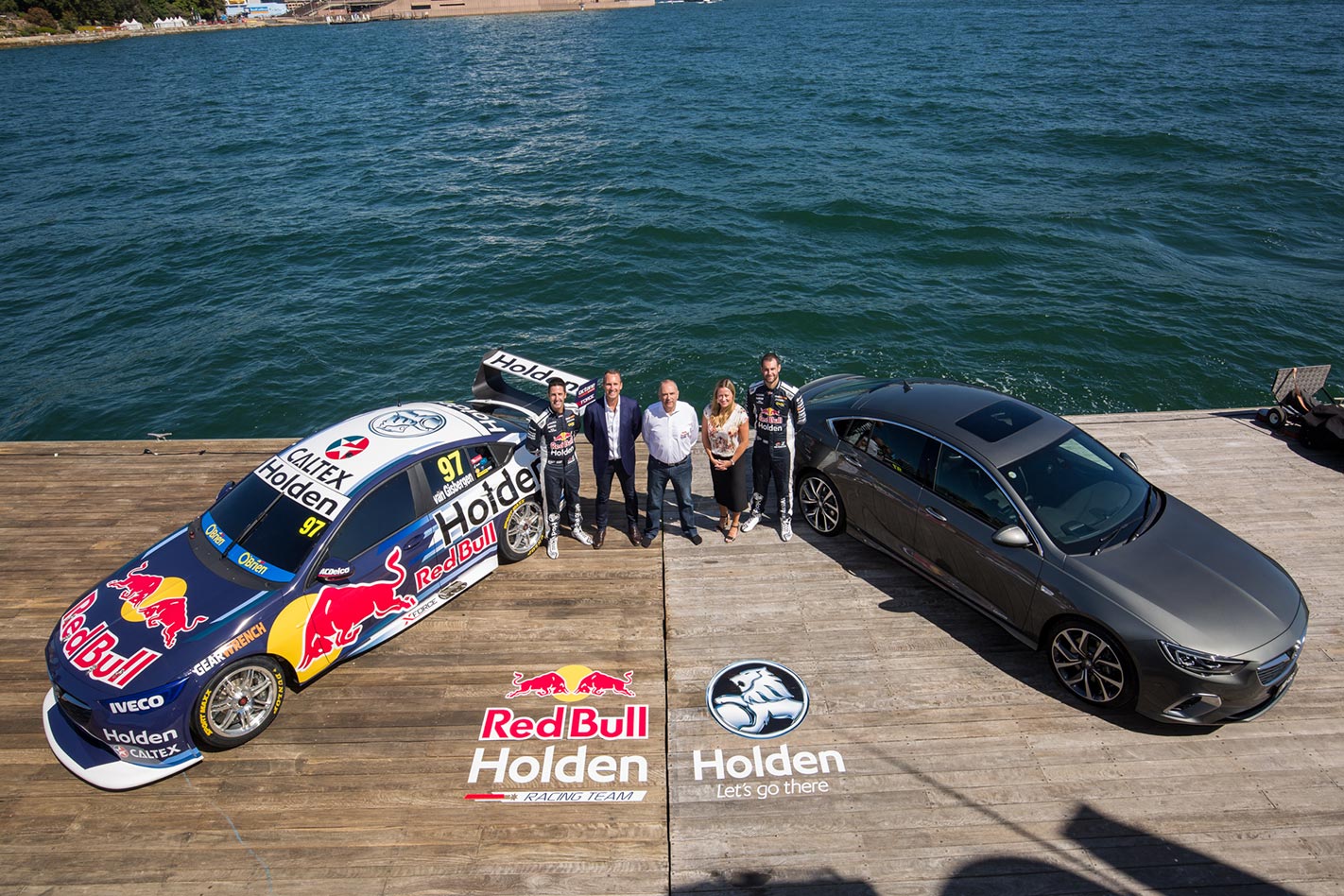
Red Bull Holden Racing Team today unveiled its new Commodore Supercar at a reveal event on a barge in Sydney Harbour.
The car was revealed by current Supercars champion Jamie Whincup and 2016 champ Shane van Gisbergen, who will be seen behind the wheel of the new body shape.
Based on the now-imported Commodores, the 2018 Supercar will still feature a V8 engine, though twin-turbo V6s will constitute the cars’ running gear next year.
Reigning champ Whincup says the new car is an exciting challenge, though the visual livery change is something he’s pleased with too.
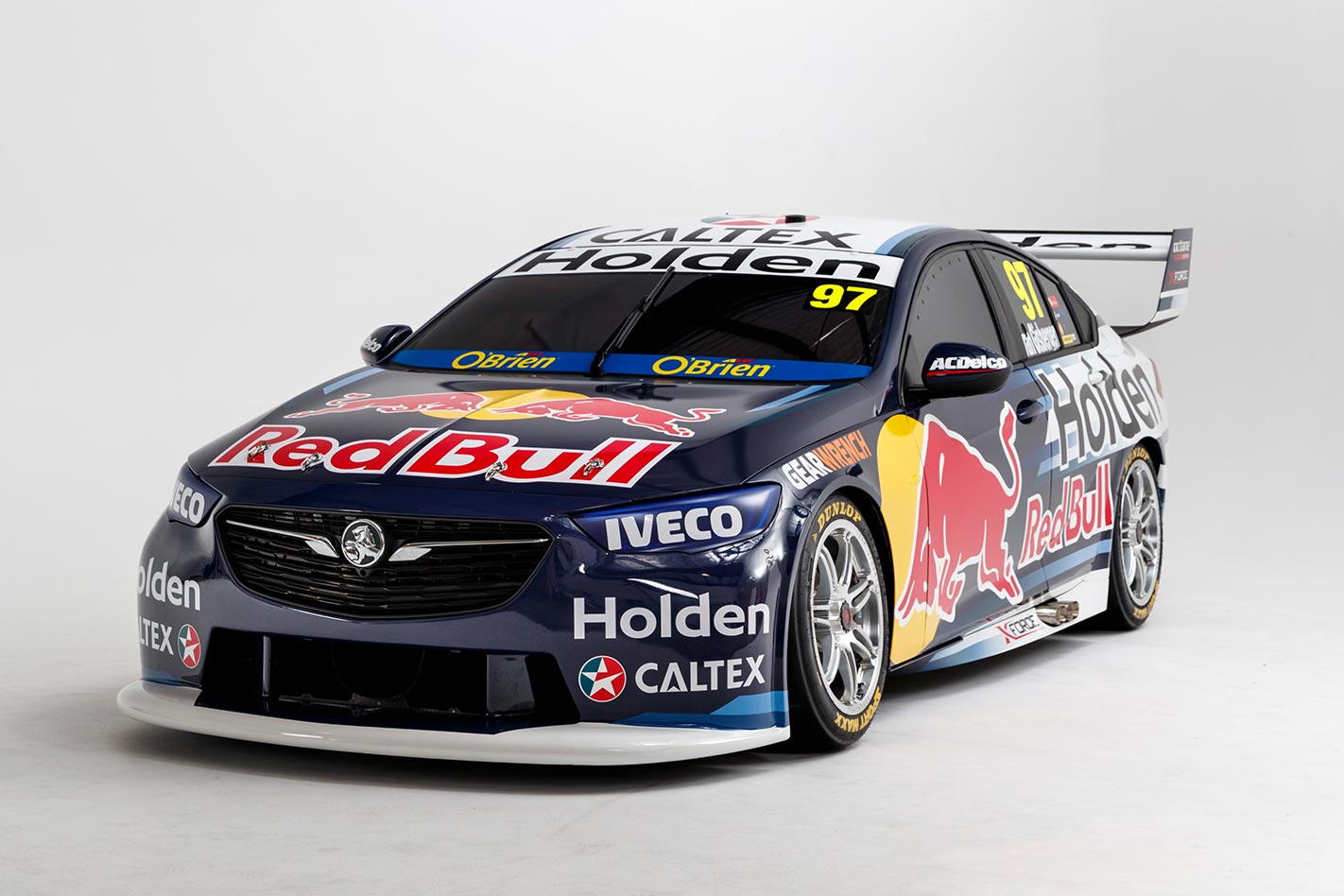
“We’ve decided to really change it up with the colour scheme this year, which looks awesome on the new body shape. We’re obviously hoping it’s a rocket, but I guess we’ll find out in Adelaide in just a few weeks’ time.”
“I’ve been with Triple Eight for a long time now and we’ve achieved a lot together, but at the same time still feel we have so much more to prove.
“I’m rapt to be staying within the family for at least the next couple of seasons and massively looking forward to the challenges that the new Commodore and then the V6 engine next year will present.”
Van Gisbergen added that he’s looking forward to make 2018 a more successful year for himself than 2017 was.
“Last year’s championship obviously didn’t go to plan for me with too many mistakes, so I’ll be aiming to get back up there this season and hopefully we have two Red Bull Holdens fighting it out for the title at Newcastle.”
The cars will debut at the Adelaide 500 at the first weekend of March.
