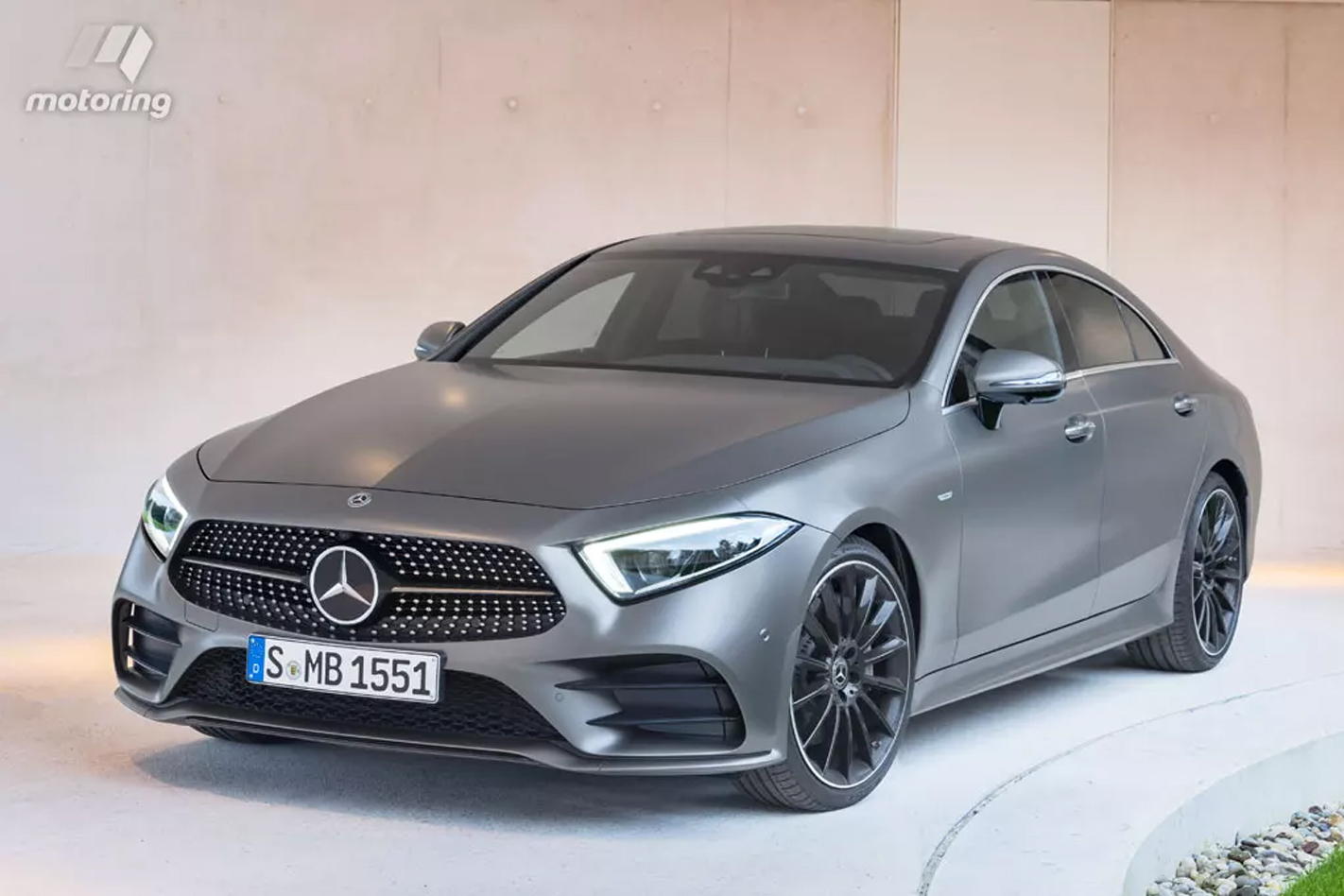
HERE it is, days before its official LA Motor Show release. Images of the 2018 Mercedes-Benz CLS-Class four-door coupe have leaked online ahead of the flagship fastback’s official US reveal.
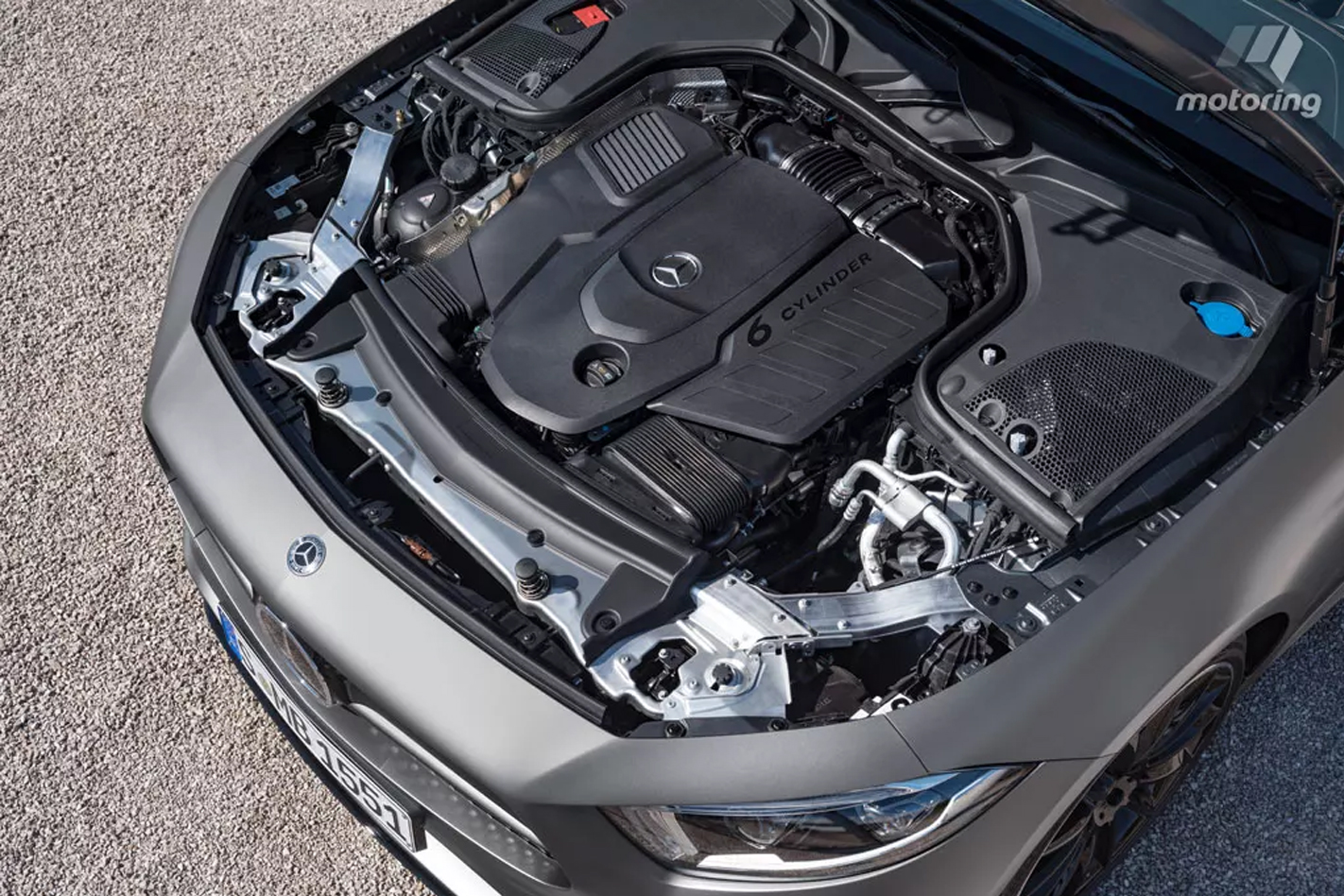
A story that appeared briefly today on an Australian motoring website before it was taken down reported that the CLS-Class, due on sale in Australia midway through next year, will introduce a 270kW 3.0-litre turbo-petrol straight-six engine and a pair of turbo-diesel powerplants, all sending drive to the rear wheels.
The headline act, though, is that petrol engine. It adds a 48-volt electrical system that can help the CLS deliver short bursts of torque that increase pulling performance to 750Nm. The website reported that the CLS 450 4MATIC’s 2999cc engine “typically generates 500Nm of torque by itself, but gets a helping hand from an integrated starter-generator that can add 16kW of power and 250Nm of torque, and an extra lithium-ion battery”.
The CLS-Class also becomes a genuine five-seater for the first time, abandoning the old four-seat layout. The website says the CLS will gain a 40:20:40 split folding rear seatback to improve interior versatility and access to the 520-litre boot space.
The all-new CLS-Class retains much of the styling cues that made the first-generation four-door coupe a hit; a design that has been adopted elsewhere, such as the Volkswagen Arteon, and even in-house mini-me, the CLA-Class.
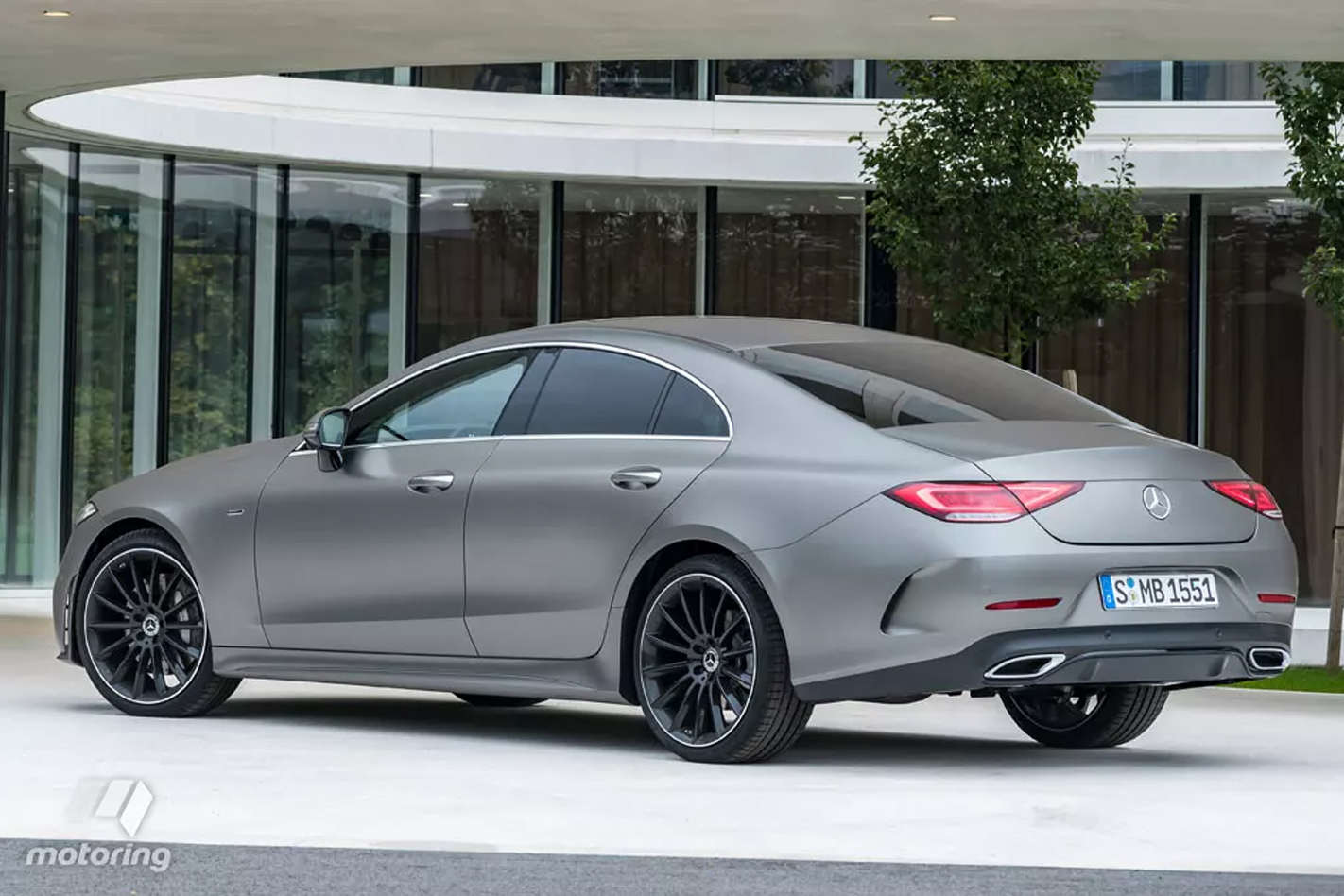
The new fastback sedan is built on the same platform as the E-Class, and is expected to share the same nine-speed automatic transmission, as well as its strut front and multilink rear suspension systems. Base cars will ride on steel springs, while the more expensive models will come with air suspension, it said.
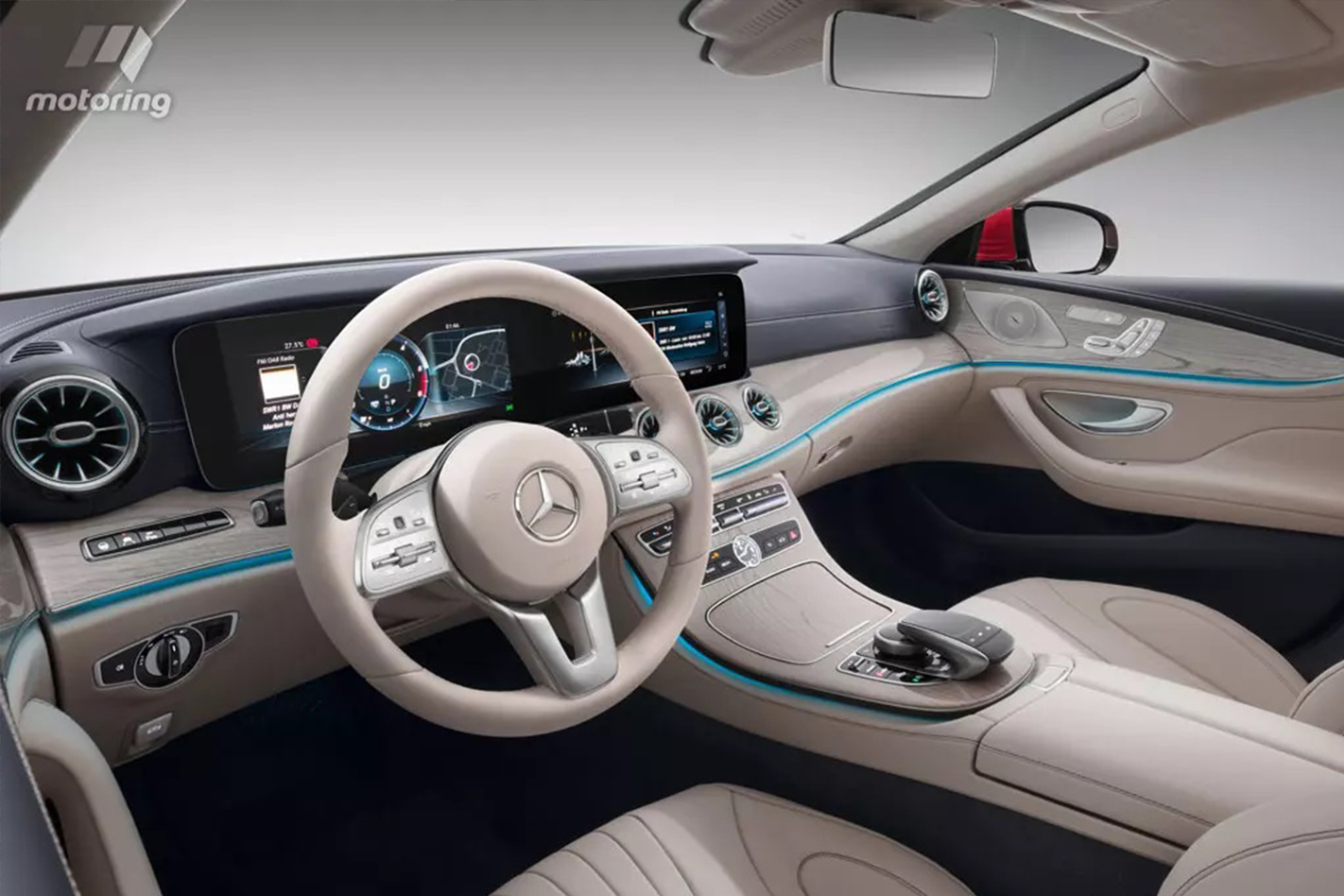
Inside, the CLS-Class adopts the twin-screen system that made its debut in the S-Class, featuring a pair of 12.3-inch colour screens framed behind a single piece of glass extending across the dash. Like the S-Class, the heavily visual element the screens give is needed for the amount of autonomous tech the CLS-Class is likely to introduce.
“The new CLS is a design icon as the archetype of the four-door coupe,” the site quoted Daimler’s chief design officer, Gorden Wagener, as saying.
“In line with our hot and cool design philosophy, we have reduced its DNA to an extremely puristic level while emotionally charging it with an almost erotic beauty.”
For the most part, the facelifted Octavia RS doesn’t appear to be too different from its predecessor, but there are a few small visual changes to distinguish it as a new model.
The clearest change is the headlights’ shape, which is divisive in more than just the physical sense. From the driver’s seat is where you’ll notice the key differences. Most of the top-spec kit from the previous-gen RS230 has now trickled down to be available on every RS model.
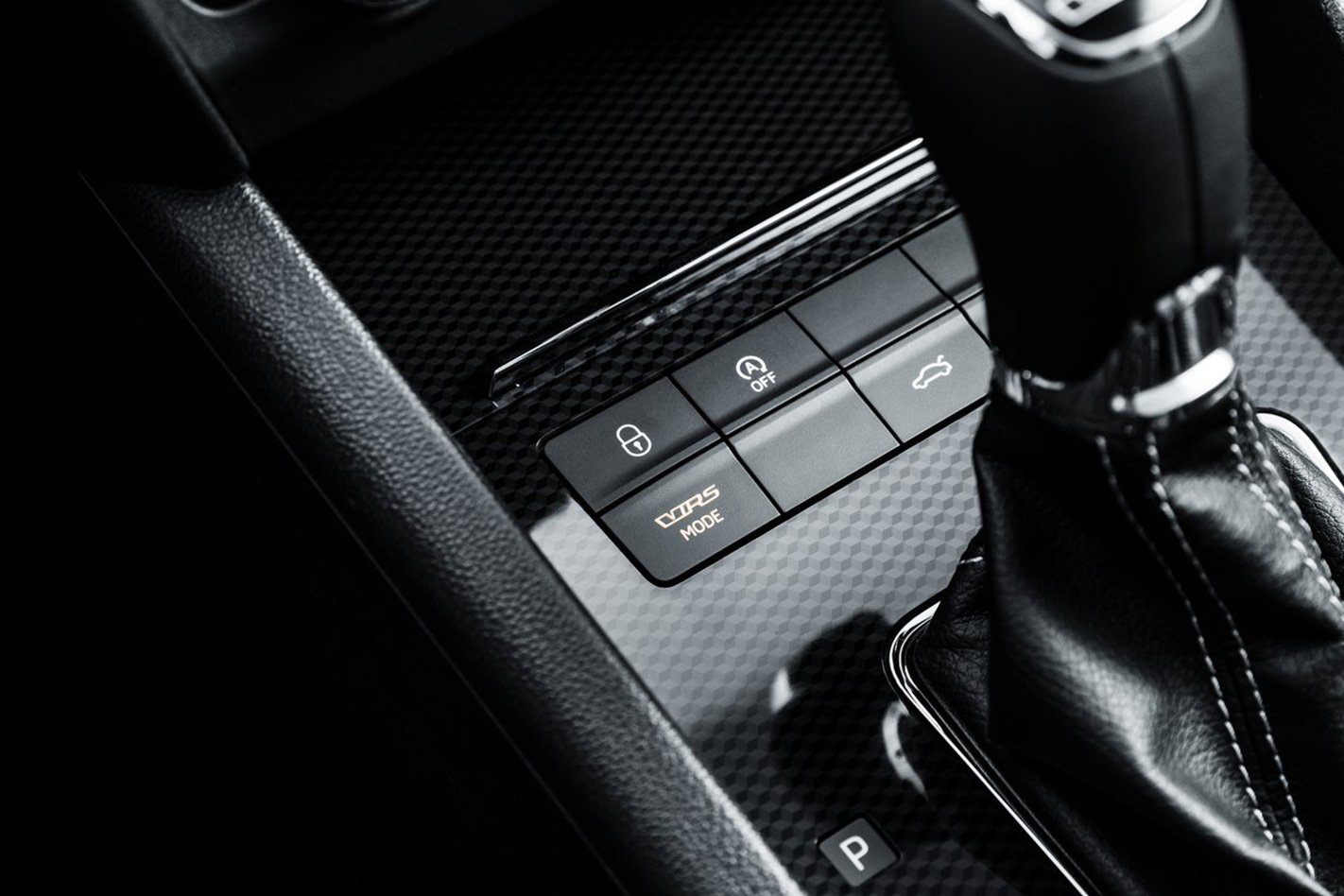
It does, however, become more liveable due to the addition of some well-calibrated adaptive dampers, something the last generation was lacking. In addition, the dampers (as with everything from steering to exhaust sound) can be adjusted individually thanks to VW’s customisation system, which Skoda now uses.

It also means you save $2500. There’s a lot to like about the updated Octavia, but if you’re looking for something to take hunting out twisty roads each Sunday, it’s worth waiting to see how the more powerful, LSD-equipped RS245 compares.
2018 Skoda Octavia RS Liftback Specs: Engine: 2.0-litre turbo four Power: 169kw Torque: 350nm Weight: 1350kg (EST.) 0-100km/h: 6.8sec Price: $41,390
Holden has announced it is investing $150 million across its Australian assets, including a new network of ‘Dealerships of the Future’ and a $7 million upgrade to its Lang Lang proving ground.
The Victorian testing facility turns 60 this year, and GM has already invested in its new emissions lab, but Holden is also set to resurface the 4.7km circular track.
Lang Lang will also continue to be used as an engine and transmission calibration facility for international markets catered to by Chevrolet, GMC and Cadillac.
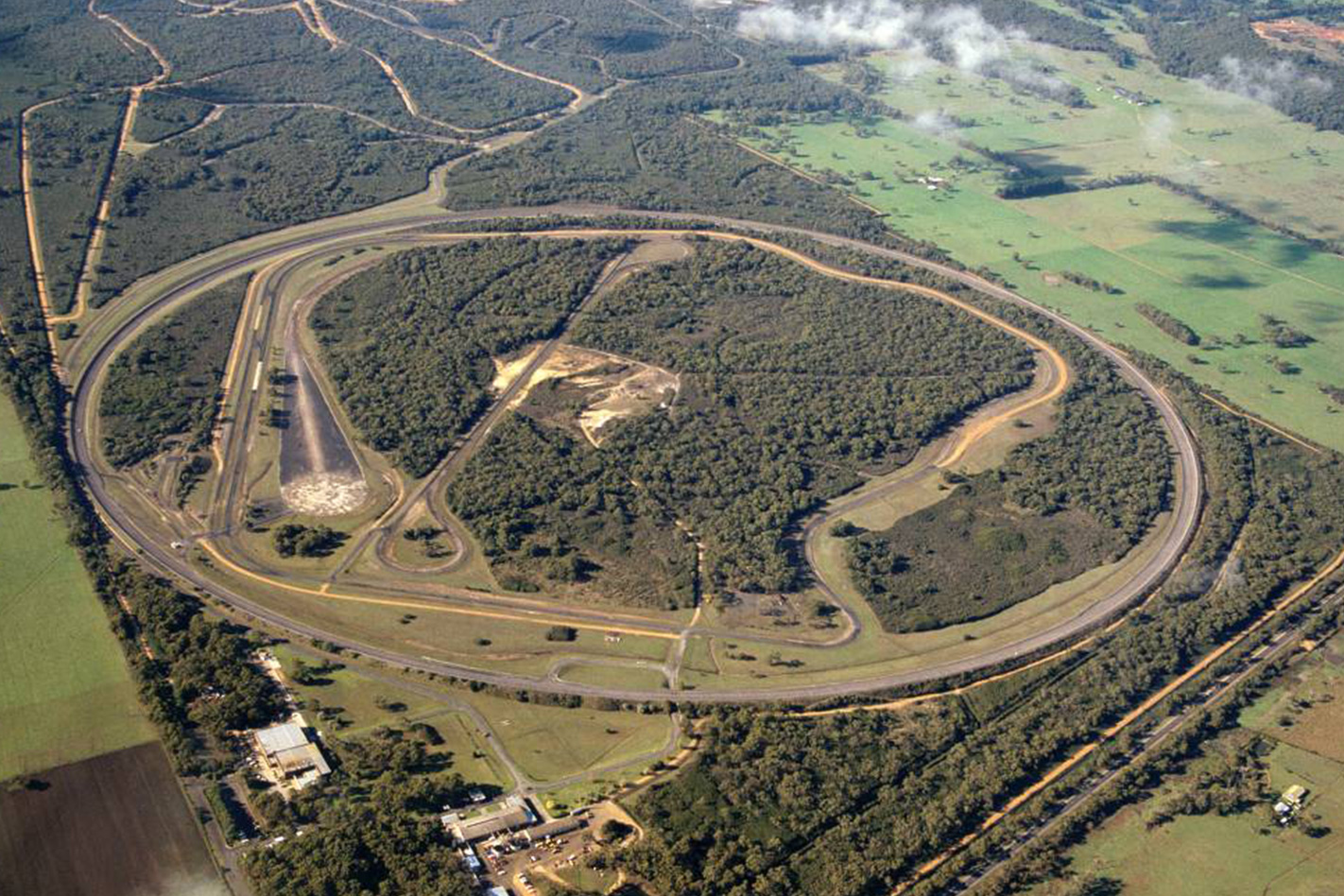
“Every vehicle wearing a Holden badge has been tested at Lang Lang. Holden vehicles will continue to be tuned and tested at our proving ground for Australian conditions and this track investment is a demonstration of how central Lang Lang is to Holden’s ongoing localization capabilities,“ Bernhard says.
Opinion: The Holden Commodore’s future
In addition, Holden is set to build new-look Holden dealerships (pictured below) which Holden says will be a more welcoming place for customers with an “airport lounge-style layout, and “giant-size LED screens,” which will help customers make purchasing decisions.
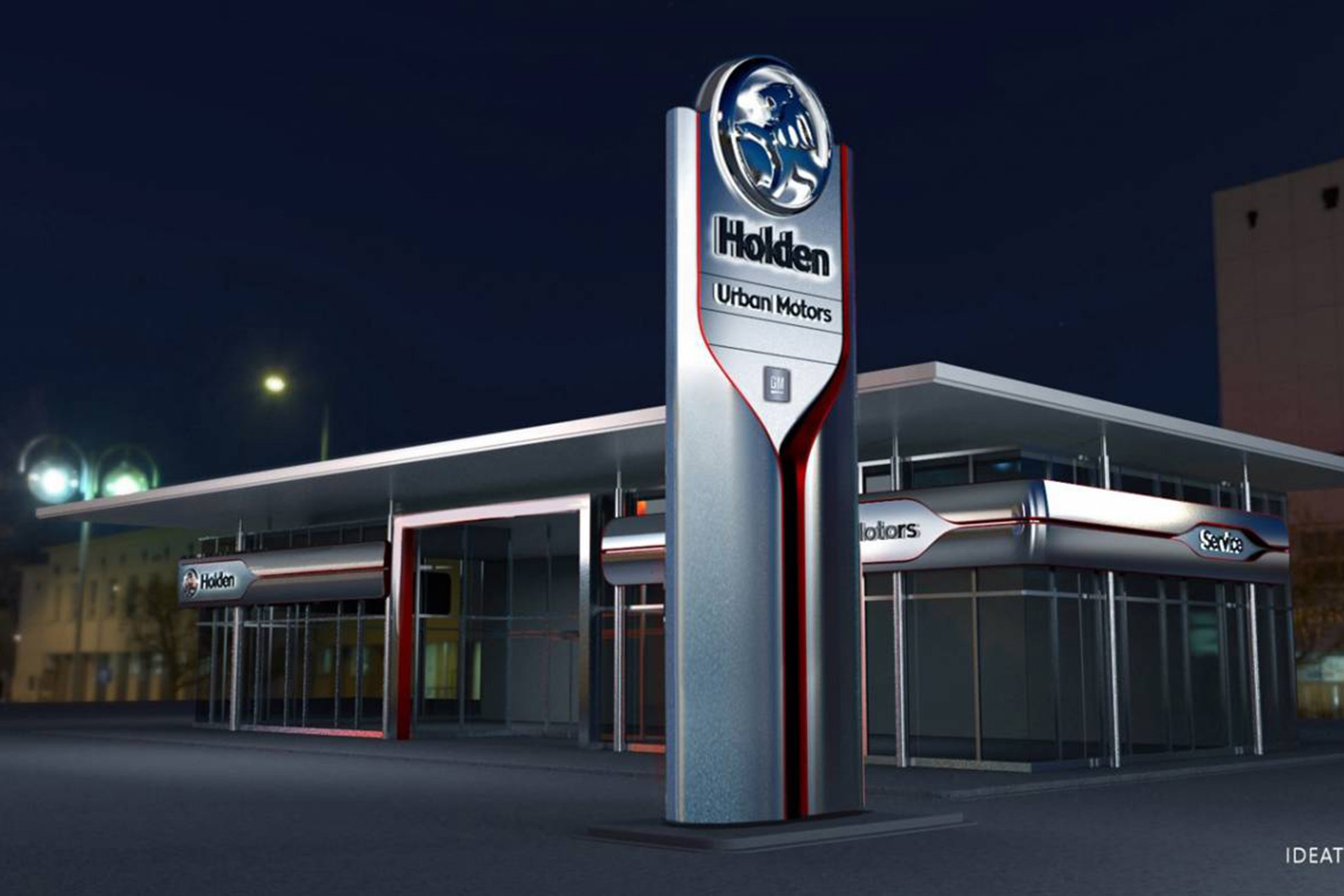
“The experience people have at Holden dealerships is a key part of repositioning the brand in the hearts and minds of today’s Australians.
“Our ‘Dealership of the Future’ project is our opportunity to re-imagine these retail spaces and create a competitive advantage through exceptional customer experience and design.”
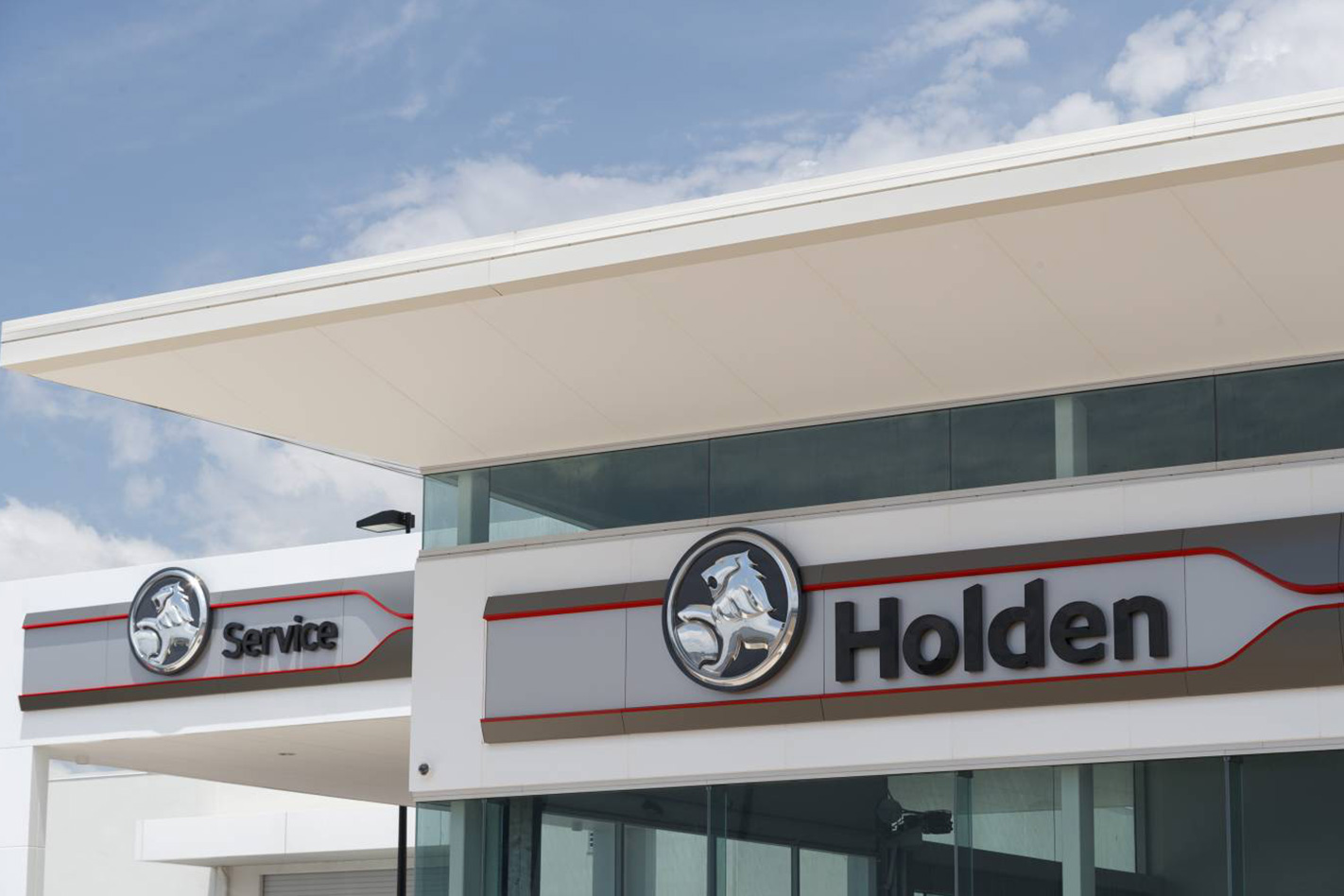
Holden says they’ll also feature Nespresso cafes and concierge services.
Don’t blame us. If there was any predictability to this year’s winner, it wasn’t exactly our fault.
This article was first published in MOTOR magazine’s March 2005 issue.
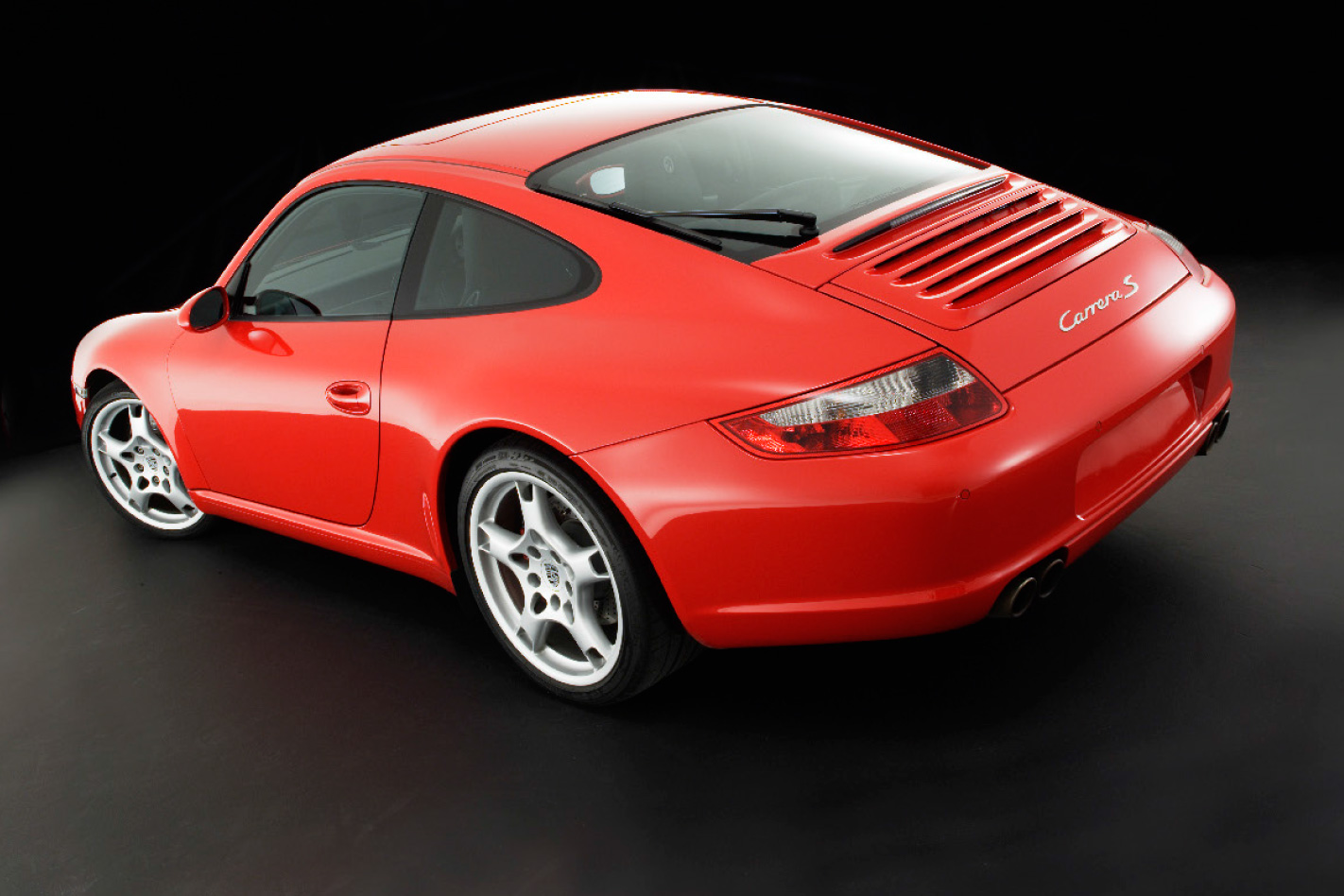
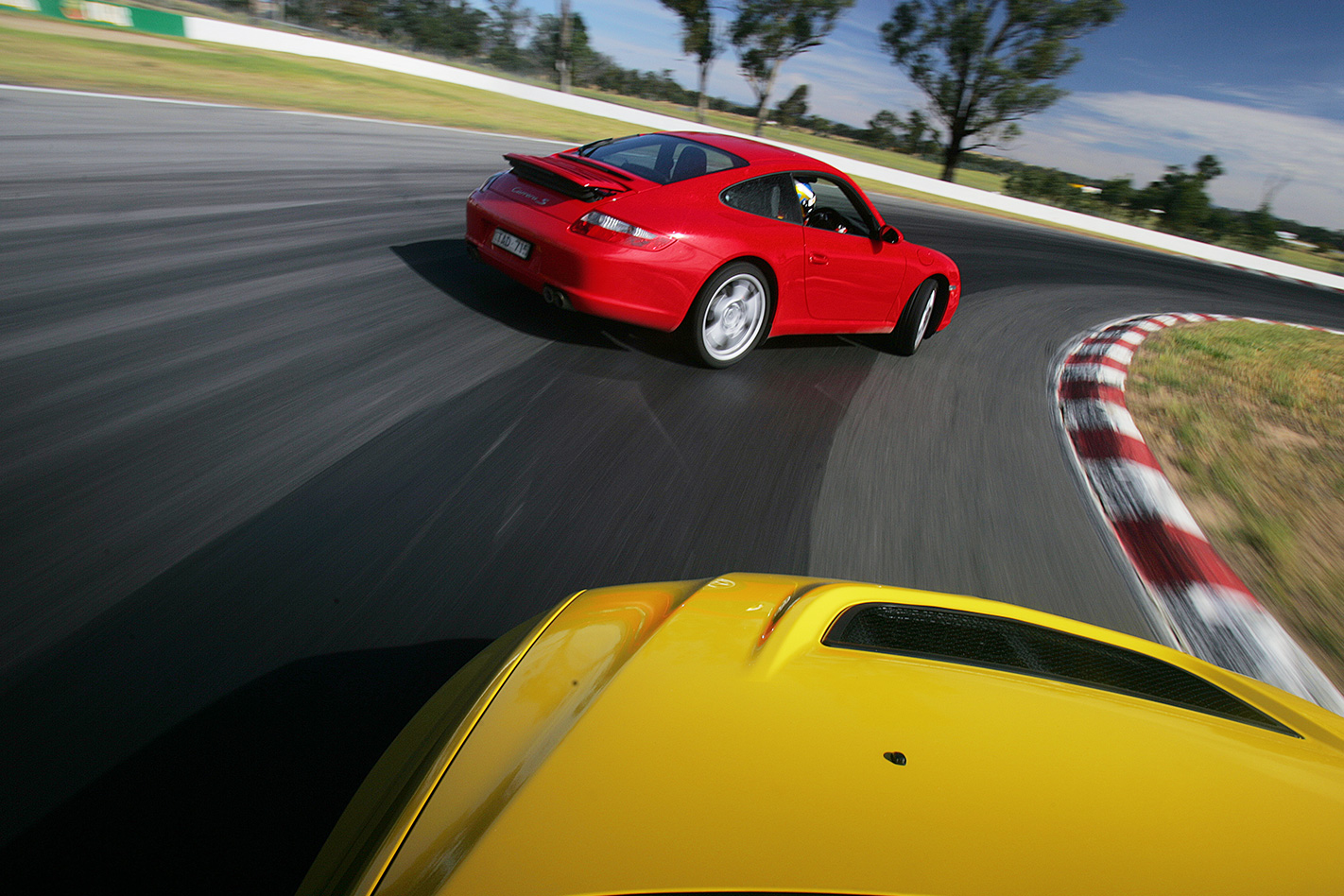
There just isn’t anything about what the 911 Carrera S does that dips down to even Very Good, let alone Mediocre. Porsche just, consistently, builds better performance cars at this sort of money than anybody else.
Porsches have lost at PCOTY in living memory (911 Turbo, 911 GT2, 911 Carrera and 911 GT3), but they’ve (almost) never lost for lack of urge, integrity, balance, engineering depth or the astonishing manner in which they communicate with the driver.
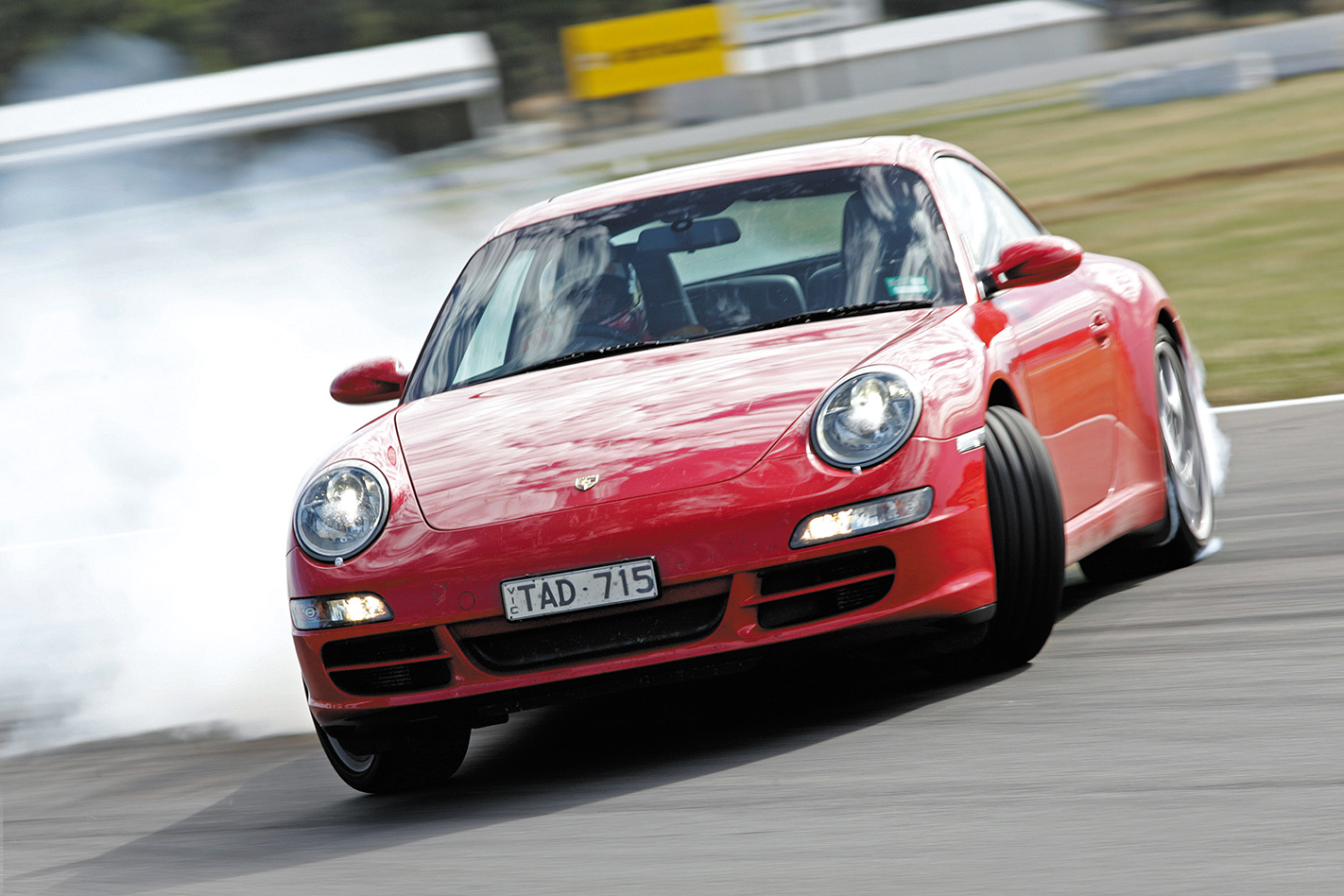
This will go down as the PCOTY that was dominated from the first turn of the key by one car. At least, that’s how my memory has it recorded. After day one, the 997 911 Carrera S was proudly laying open its heart, soul and ability to the judges, daring them to find fault enough to hand the trophy to something else.
And the judges tried to take up the challenge, heavily considering every other top six car, even in the most unrealistic of positive lights, in an effort to get something to bridge the gap and take up the challenge. Nothing did. Perhaps the EVO VIII came closest, with its endearing mix of sheer speed, low cost and hard-won attitude.
But the margin in quality, class and driving purity was too large to be bridged by a car which, no matter how clever the driveline and chassis engineering, remained a lot of fancy gear plonked into a chassis full of mass-production compromises. Such engineering compromises just don’t happen in proper (read: non-Cayenne) Porsches, and it shows.
Perhaps now, finally, the one-size-fits-all seating is starting to feel like it could use more lateral support. And, perhaps now, these are piddling, picky flaws arrived at mostly through the need to find fault to make the car seem, well, less dominant. Less than perfect.
On the track, it’s hard to criticise. It picks up the track-spec Exige’s challenge and belts it by almost a second a lap. Then it comfortably drives off into town, leaving the Lotus pilot jiggling, trying to crank the stereo to counteract its lack of sound deadening. The brakes just don’t go away – and at 1420kg, the 911’s not as light as once it was.
This isn’t the stock 911 – the Carrera S has a bigger 3.8-litre flat six, and it now has 261kW and 400 of the sweetest, smoothest Newton-metres to ever turn a flywheel. By any measure, it’s a fast car. Not supercar quick, perhaps, but then $221,000 isn’t supercar money, either.
Anyway, it ties a 575M Maranello to 100km/h (in 4.85 seconds), wallops the impractical M3 CSL to run a 13 flat standing quarter mile and, of the cars that have crossed the standing kilometre faster, only the supercharged E55 AMG is anywhere near the money.
But the straight-line speed comes, truthfully, as an addendum and maybe even a bit of a surprise. It’s a total package, and the acceleration numbers don’t seem that important when you’re driving it. Instead, it’s an experience dominated by feel, by solidity of engineering, by balance, poise and sheer class.
The engine is something else; it’s flat in the torque curve with just the right menacing hint of vibration to tingle the driver whenever it’s idled, let alone stirred to anger. And the harder it’s driven, the less vibration there seems to be.
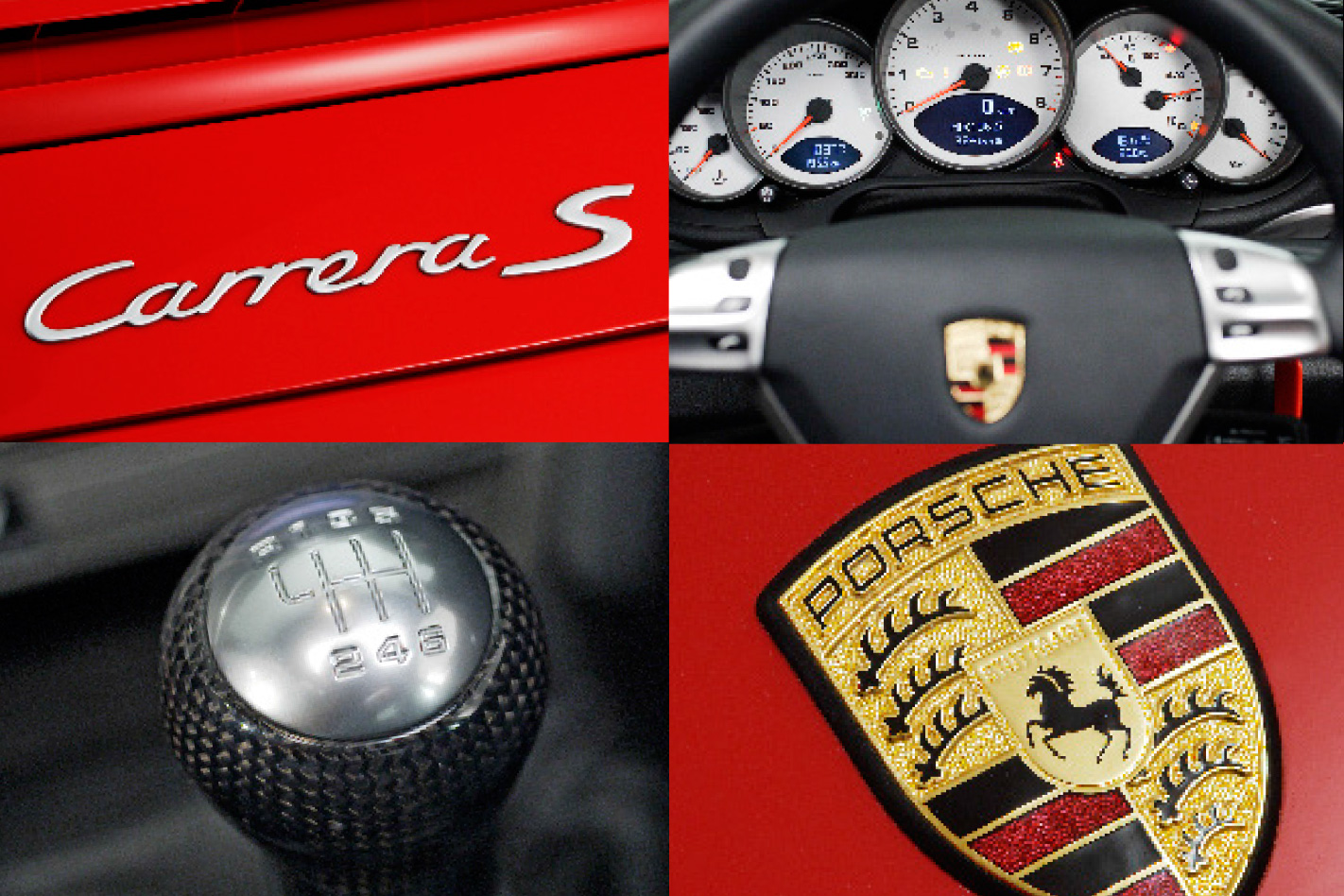
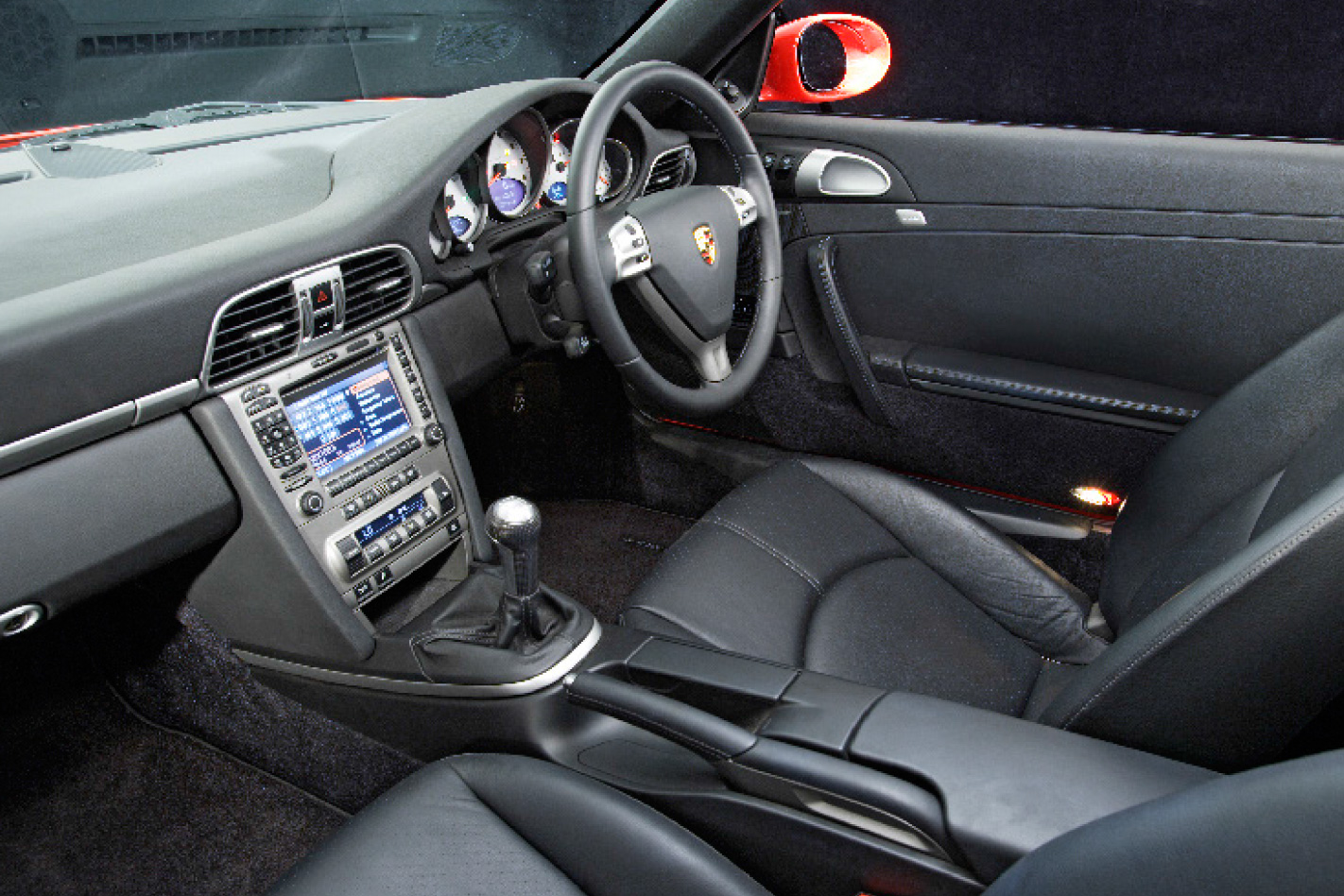
But the shift action, and perfect ratio spacing, compensates you for the theft. The lever moves almost without effort, through nothing more than instinct, through gates sculpted to be unmissable and that you use again and again for no other reason that it gives you pleasure and appreciation of craftsmanship to do so.
Then there’s the chassis, engineered to death to keep a relatively impractical design at the forefront of the world’s leading sports cars. Nothing else available this side of a Gallardo gives the same constant stream of information back to the driver – and does it in a manner simultaneously so masculine and so unambiguous.
It’s both strong and subtle, and it needs to be, because with grip like this, the stakes are incredibly high and the desire for accurate feedback becomes a demand. So beautifully crafted is this car that, in the end, it isn’t dominated by any single component.
The engine, too, is so linear in its delivery and strongly torque dominated that there’s always enough urge – and intuitive levels of throttle response – to drive it on the throttle everywhere, under any circumstance. The brakes, too, can be modulated to within poofteenths of perfection.
Why? Because they’re forever telling you how much grip is left, how much pedal pressure to use and making you look good. Also, they just never, ever go away. The steering wheel is nigh on perfect for diameter and thickness, and swamps you with everything you’d want to know about the road beneath you, including the names of the guys who built it and where they had smoko.
The bloody thing’s also got the hide to ride better than half the cars we had on PCOTY, even if there’s a fair whack of rear tyre noise. It’s a great car. Not quite perfect but bloody hell, it’s getting close. And it’s more than good enough to clean sweep PCOTY 2005.
JUDGES NOTES
JESSE TAYLOR– A brilliant package with no one dominant area. It doesn’t quite supplant the Gallardo as the best car I’ve driven, but it runs it tight. That’s my new fantasy garage. I voted the Lancer EVO VIII into second and gave the HSV ClubSport the bronze medal. MICHAEL TAYLOR – How could this not be the PCOTY? It’s so comprehensively brilliant that it would have, almost certainly, won any of the last 10 PCOTYs. Its only credible competition, we’ve since figured, might have come from the stock 911 Carrera. But it wasn’t here. DAVID MORLEY – Two things took the 911 to number one for me: pedigree and sex appeal. Okay, so it’s still pretty much a two-seater and the luggage space isn’t huge and it’s tricky to get in and out of and it’s expensive, but to hell with that. This is the best 911 yet. DEAN EVANS – I bet $1 the Exige would be fastest around Winton. And the Carrera S just blitzed it! I love the underdog, but the 911 does everything – it’s hard to fault. But $220,000? Nah, I’ll have a C55, STi, ClubSport – even a base Carrera on 19s – and pocket the change. TIM ROBSON – Feeling hard done by the Carrera S’s win? Get over it. It’s quite simply one of the best cars I’ve ever driven. The much vaunted rivalry with the EVO VIII didn’t materialise, the Carrera S was just too damn good in every respect. Is it our fault the 997 is so right?
Porsche 911 Carrera S specs: Drive: rear-wheel Engine: rear-mounted 3.8-litre DOHC 24-valve flat-six Power: 261kW @ 6600rpm Torque: 400Nm @ 4600rpm Weight: 1420kg Transmission: six-speed manual Fuel economy: 20.0 litres/100km (64L tank) Price: $221,500
Performance: 0-100km/h: 4.85sec 0-400m: 13.01 @ 177.9km/h 0-1000m: 23.42 @ 234.1km/h Winton lap time: 1:38.25 Winton top speed: 188km/h
GENERAL Motors is tipping $7 million in investment into Holden’s Lang Lang proving ground, hinting that there is more in store for its far-flung top secret test base than the former car maker has let on.
The global car maker reversed an earlier announcement from Singapore-based GM International Operations in 2013 that it would shutter the proving ground, instead saying the 877-hectare site would remain open to tune a suite of new products to Australian conditions.
However, the presence of a large number of Cadillac development vehicles running between the proving ground and Holden’s Port Melbourne-based head office suggests Australia’s legacy of a large rear-drive car development homeroom will carry across to GM’s luxury brand.
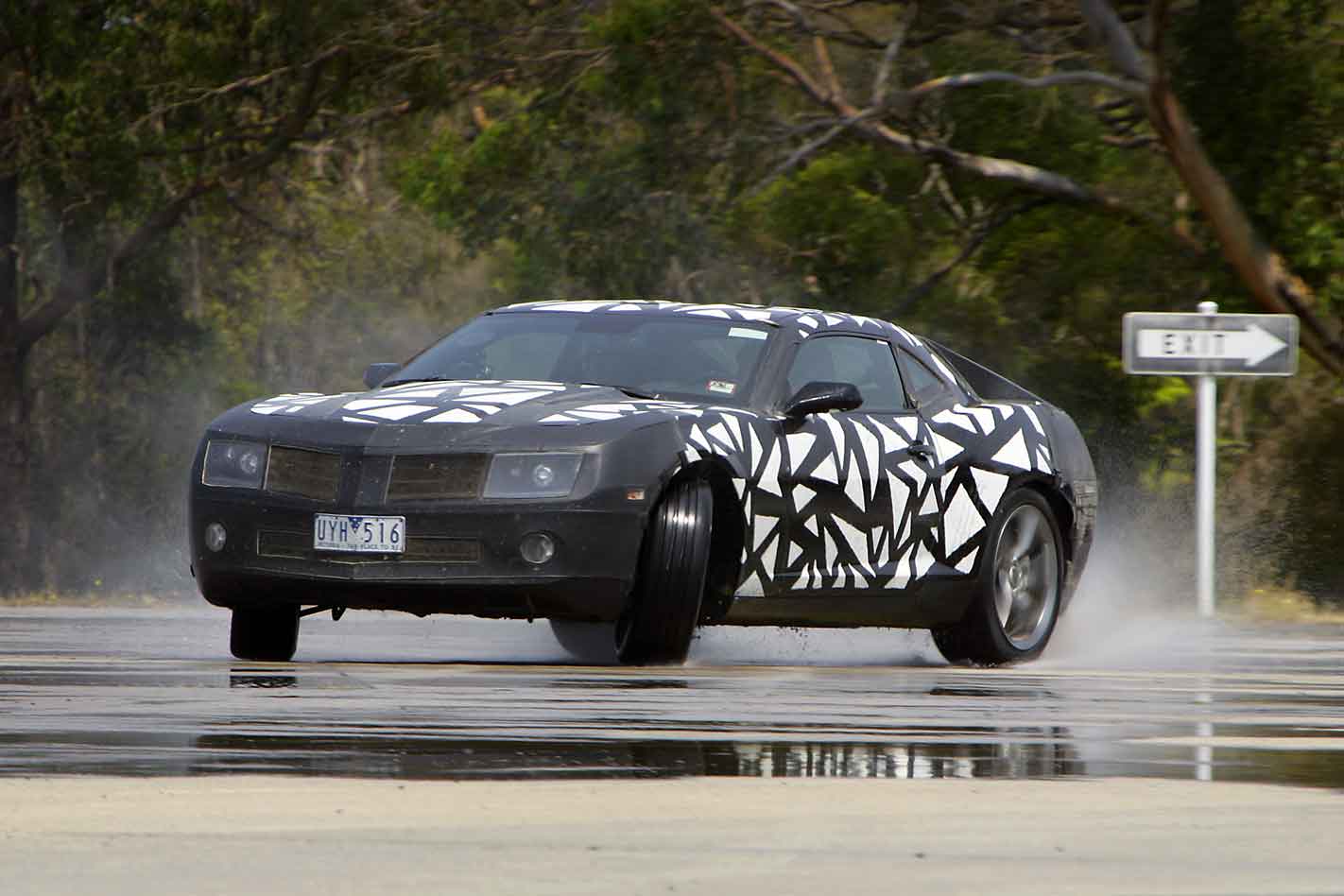
The high-speed circular track has four levels, with the outermost section a highly banked lane that allows a vehicle to sit on about 160km/h with minimal steering input from the driver.
Holden chief executive Mark Bernhard said every every vehicle wearing a Holden badge had been tested at Lang Lang. “Holden vehicles will continue to be tuned and tested at our proving ground for Australian conditions and this track investment is a demonstration of how central Lang Lang is to Holden’s ongoing localisation capabilities,” he said.Holden said Lang Lang played “an important role” for GM globally, providing “engine and transmission calibration for global markets; currently Holden’s Lang Lang’s team is working on global programs for Chevrolet, GMC and Cadillac”.It said the upgrades to the emissions cell allowed Holden to test products that would need to meet tightening emissions standards in Europe and North America, and China.
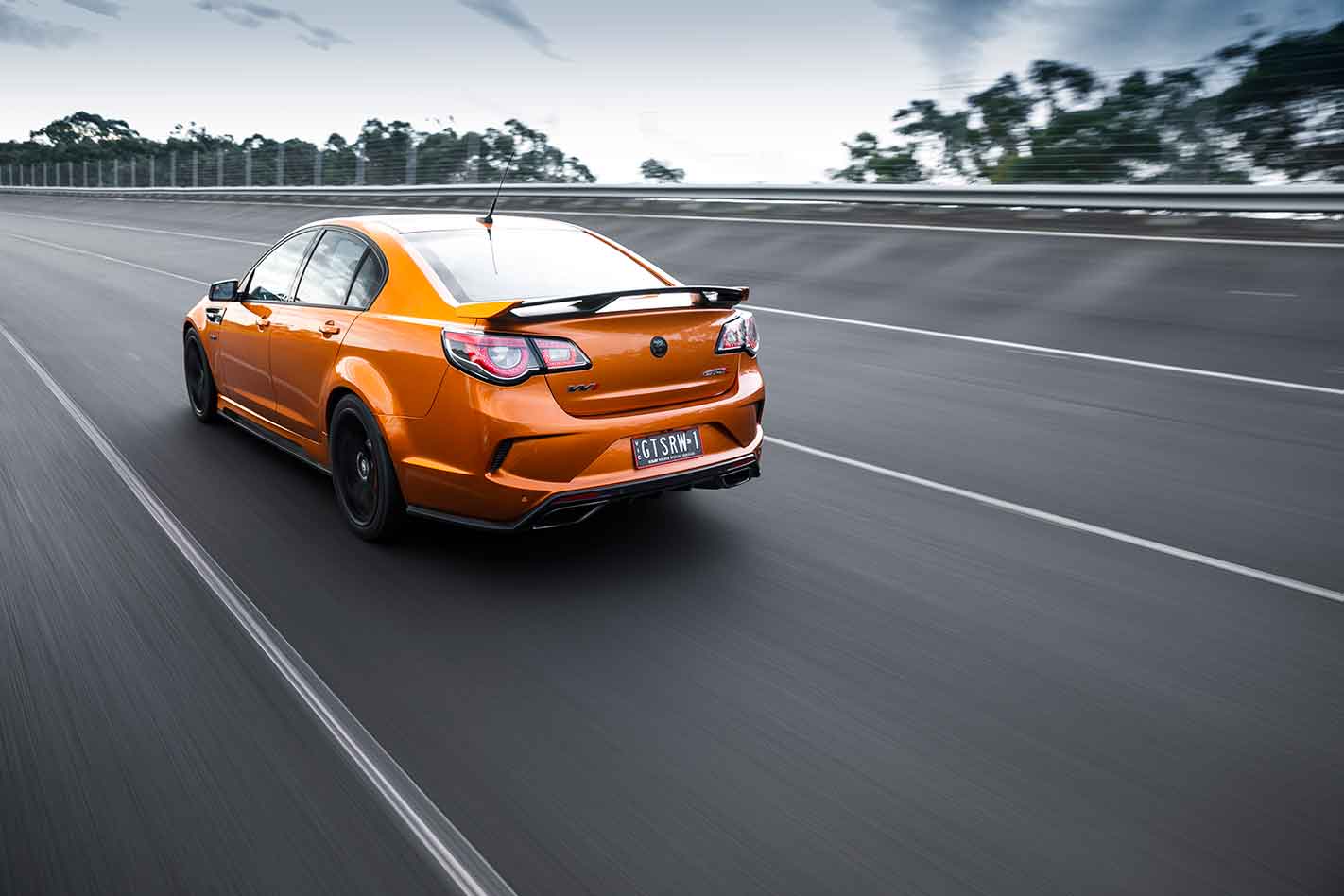
Holden went on a recruitment drive earlier this year, searching for engineers and drivetrain calibration specialists to work on what at the time was said to be just future Cadillac and Buick-badged vehicles.
“Our powertrain calibrators are obviously very expert at rear-wheel-drive applications, so they do a lot of that work for GM,” Holden Spokesman Sean Poppitt told Wheels at the time. “It’s why you’ll see a lot of Buicks and Cadillacs on our roads as our guys do lots of calibration work.”
However, Holden’s priority for Australia is finalising the development of a localised version of the now French-owned Opel Insignia, a mid-size, front-drive car that will wear both the Holden and Commodore badges when it goes on sale here early next year.
With only 550 miles, or 885km on the clock, this Porsche 911 GT3 RS is almost new.
What’s more, it’s spent a good portion of its life literally wrapped in a bubble – a dehumidified bubble at that.
It’s up for grabs in a rather impressive Bonhams auction, which also features Astons and Bentleys formerly owned by the likes of Paul McCartney and Elton John.
The Porsche, however, has had no such fame, being stored away since its odometer clicked over its 500th.
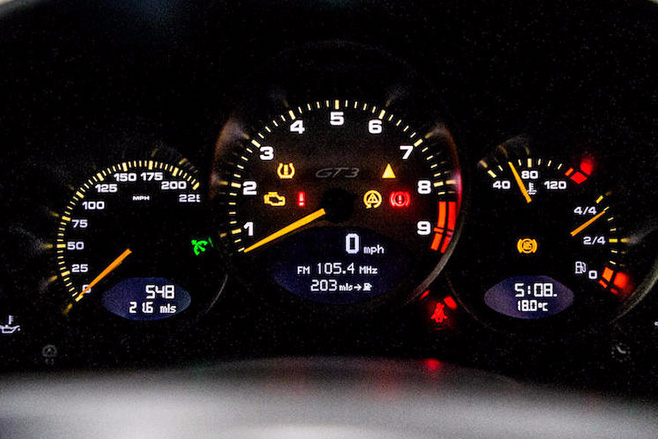
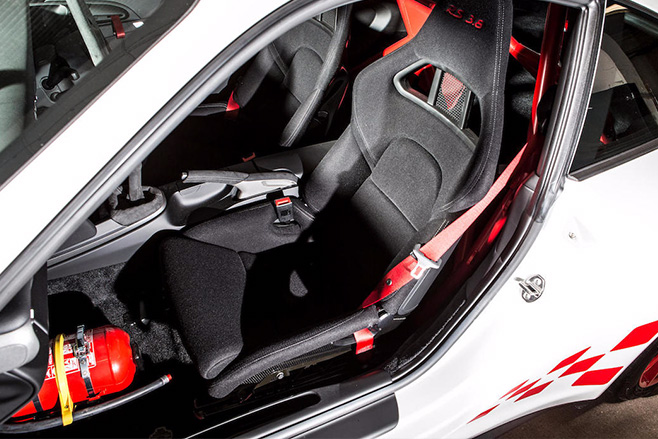
As you’d expect, everything’s original from the Guards Red roll cage to the colour coded floor mats.
1995 McLaren F1 and 2015 McLaren P1 for auction
Bonhams says the car was recently serviced at a London Porsche specialist, and has all of its documentation and tools.
For a quite reasonable estimate of AUD $440,000 to $520,000, this Gt3 RS is set to sell on December 2nd.
A 1986 Ford RS200 Evolution, with 447kW+ engine built by Geoff Page Racing in the UK, is set to sell for somewhere between $310,000 and $420,000.
It’s one of the rarer Group B cars born of the ‘80s, and this one comes with “a substantial amount of documentation together with the original leather-bound owner’s manual.”
Next, one of only 400 Ferrari Enzos will go under the hammer, this one built in 2004. It’s Ferrari Classiche certified, and has only 7800km on the clock.
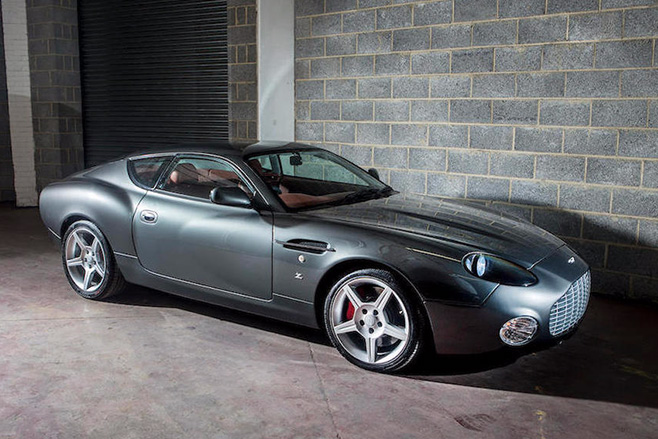
Finally, a rare Aston Martin DB7 by Zagato, one of only 99, will sell for between $560,000 and $630,000 if Bonhams is correct.
Its 6.0-litre V12 has only travelled 14,300km, all of which is fully documented.
TELL ME ABOUT THIS CAR
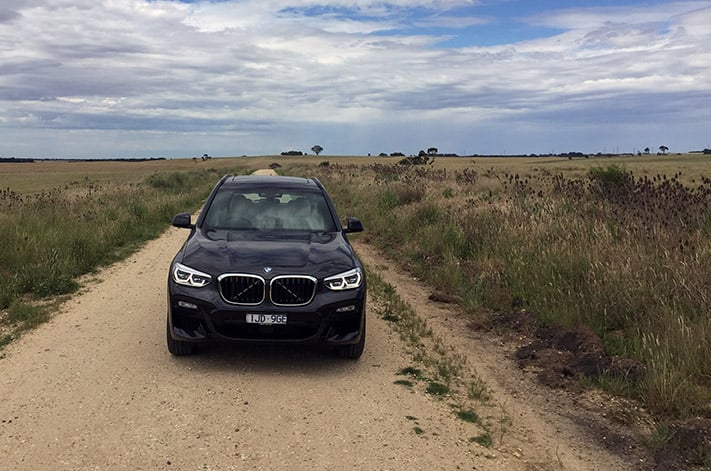
BMW’s all-new mid-size luxury SUV makes considerable gains over its predecessor in terms of equipment, ride refinement and interior space. Priced between $68,900 and $83,900 before options, it arrived with an initial choice of three, all-wheel drive (xDrive in BMW parlance) models, including the entry-level X3 20d and 30d diesels.
Sitting in the middle is the sole petrol variant, the X3 xDrive 30i, which features a gutsy but quiet 185kW/350Nm 2.0-litre, four-cylinder turbo engine coupled with an eight-speed automatic transmission. The new X3 is comfortable and spacious while maintaining a small enough external footprint for easy parking.
Priced at $75,900, the BMW X3 comes with an impressive list of standard features. Out test car came with the $3800 M Sport package, which added sporty interior and exterior enhancements, and a string of other options including 21-inch wheels, front seat lumbar support, metallic paint, ambient lighting and panoramic sunroof, taking the retail price to $92,220.
STRENGTHS
- The 2.0-litre turbo petrol engine in the 30i is quiet even at higher speeds, helped by the fact that its eight-speed auto preferences lower rpm to take advantage of the powertrain’s meaty mid-range torque. It’s capable of 0-100km/h in 6.3 seconds too, with equally impressive acceleration when you’re already at speed.
- Ride is good on the adaptive dampers that come as part of the M Sport package. In default Comfort mode it feels silky smooth around town and doesn’t do too much wrong over rougher surfaces, whether in Comfort or Sport. It was surprisingly composed on the big 21-inch wheels, which are a $1300 option, though road noise can be an issue on coarse surfaces.
- It’s spacious. The new X3’s wheelbase and overall length is 54mm longer than the previous model, and the car itself is actually bigger than the original X5 large SUV. There’s a heap of elbow room up front and the rear seats offer plentiful legroom and a wide enough bench for three adults.
- Rear seat passengers have their own air-conditioning controls and a 12-volt socket to charge their devices.
- The exterior, which was penned by Aussie-born BMW designer Calvin Luck, is still small enough to make parking easy and has sharper looks than the previous model.
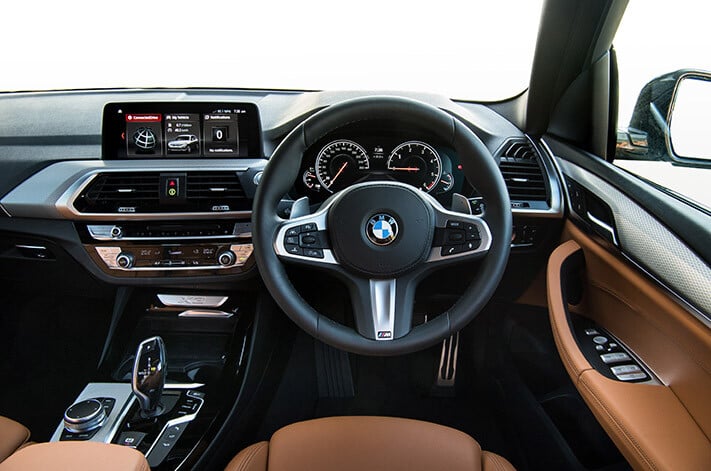
- The cabin quality and ambience is excellent even before you start ticking option boxes. The car we tested felt particularly plush with the panoramic sunroof, ambient lighting, Vernasca leather seats in Canberra Beige and Poplar Grain Grey fine-wood trim.
- Buttons and controls are intuitively placed, easy to use and pleasant to touch thanks to their metallicised coating.
- Standard equipment includes a 10.25-inch display, high-level infotainment, automatic tailgate, adaptive LED headlights, head-up display (HUD), panoramic and 3D view parking camera, digital radio, 12.3-inch digital instrument display, auto parking assist and wireless phone charging.
- As well as telling what speed you’re doing, the coloured HUD provides plenty of information without being too cluttered. Information includes speed limit and the current speed which changes from white to red if you’re going too fast. It also displays cruise control info and provides route guidance info when you’ve set a destination in the sat-nav.
- The satellite navigation system is one of the better ones, with a high-resolution map display and easy to set destinations. It even understood voice commands on the first try.
- The X3 comes with a suite of advanced driver assist features as standard including auto braking, active cruise control, front cross traffic alert and lane-keeping assist with side collision warning.
WEAKNESSES
- The leather seats are comfortable, but don’t offer much by way of lateral support so you may feel like you’re going to slide off while negotiating bends.
- It could be because of the seats, but body roll on sharper bends felt pronounced even for an SUV.
- The panoramic sunroof fitted as a $3000 option adds to the ambience, however opening it results in irritating wind buffeting even at lower speeds.
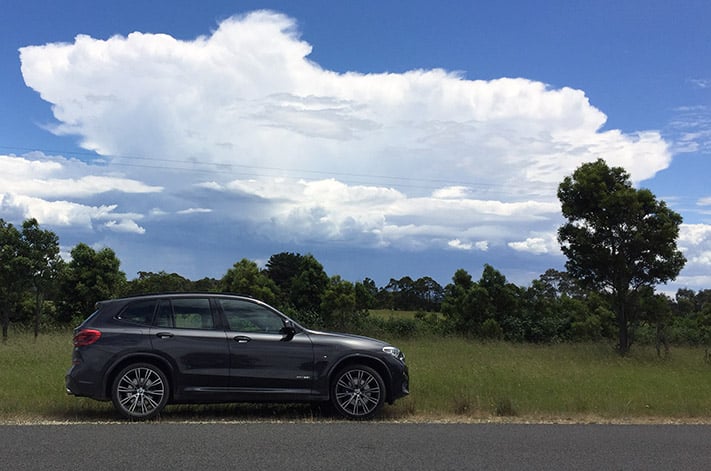
- The door mirrors are large and give a great view of what’s behind you, but produce noticeable wind noise.
- Despite the extra length, the boot size is 550L, which is exactly the same as before (though still above-average for a medium SUV). Fold the seats down and you’ll be able to fit a considerable 1600 litres, but those expecting better cargo capacity than the outgoing model may be disappointed.
ARE THERE ANY RIVALS I SHOULD CONSIDER?
Audi Q5 2.0 TFSI quattro Sport, Mercedes-Benz GLC250, Range Rover Velar P250 S,
Ever sat in a Mercedes-Benz A-Class and thought that it didn’t quite align with the rest of Mercedes’ passenger cars as far as quality and design was concerned? Did that iPad-esque infotainment screen, seemingly slapped onto the dashboard as an afterthought, ever jar you?
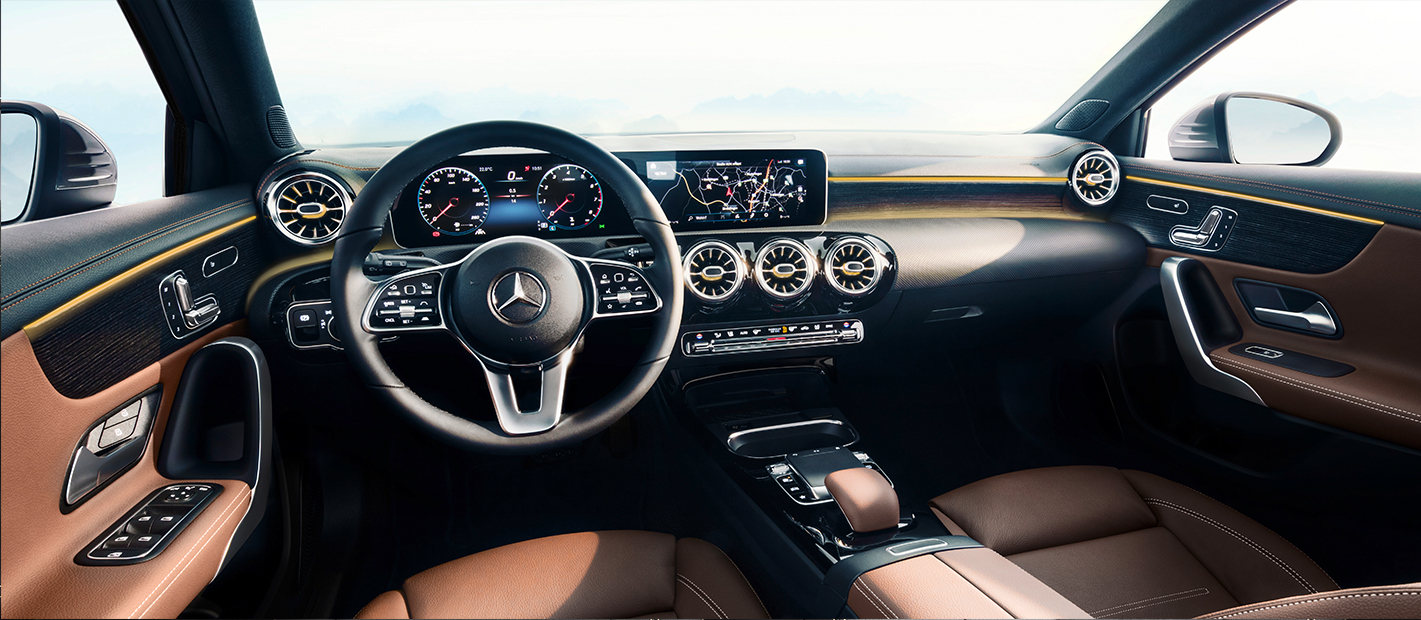
Well take a good look at the cabin of the next-generation A-Class. Set to arrive in Australia around the middle of next year, the new A-Class will add a sedan bodystyle for the first time in the nameplate’s history and kick its interior presentation to new levels of luxury.
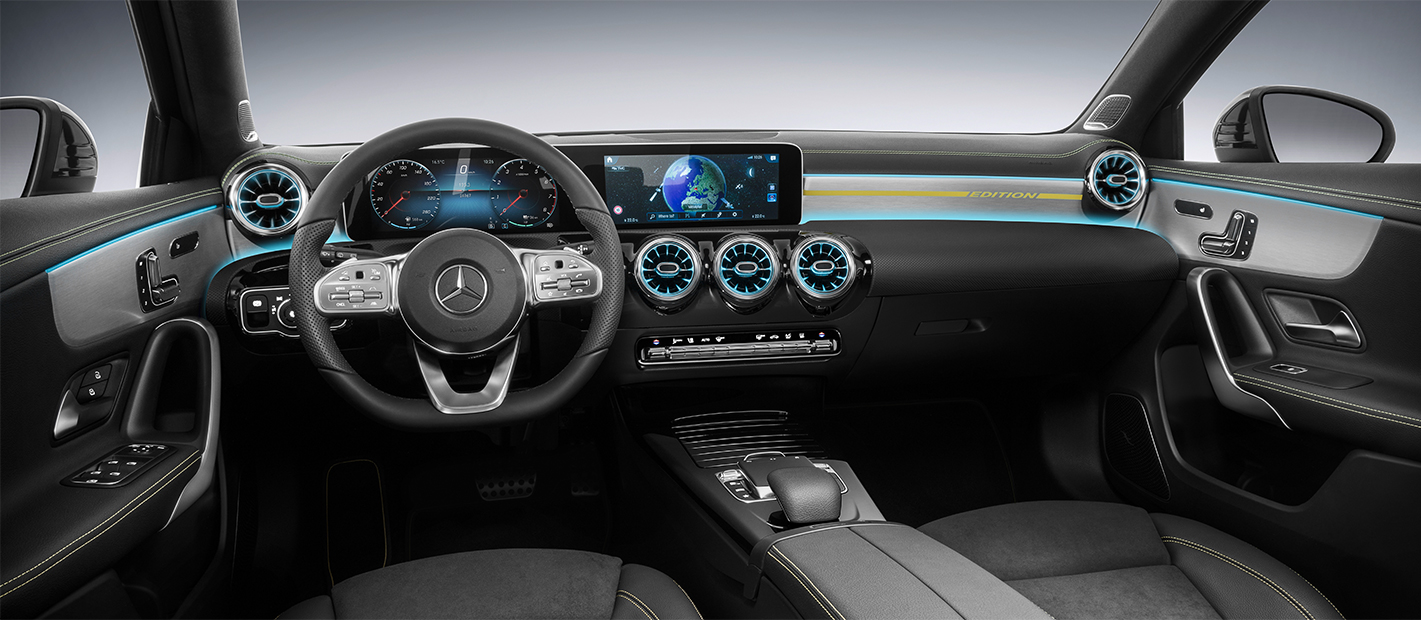
While it won’t carry the same sloping centre stack design that Benz has applied to the C-Class, E-Class and S-Class, the A-Class will benefit from plenty of trickle-down luxe elsewhere in its cabin. The jet tailpipe-like air vents, for example, should be familiar to anyone who’s been in an E-Class or S-Class, while the twin-screen instrument panel and infotainment display treatment is another E- and S- hallmark – albeit without the binnacle enclosure to shield those big high-res screens from the sun.
The infotainment interface has also been comprehensively rejigged, with the familiar Comand jog dial replaced with a flat touchpad surface on the centre console. A slimline ventilation control switch block sits between the cupholders and centre vents, and the steering wheel is an S-Class item.
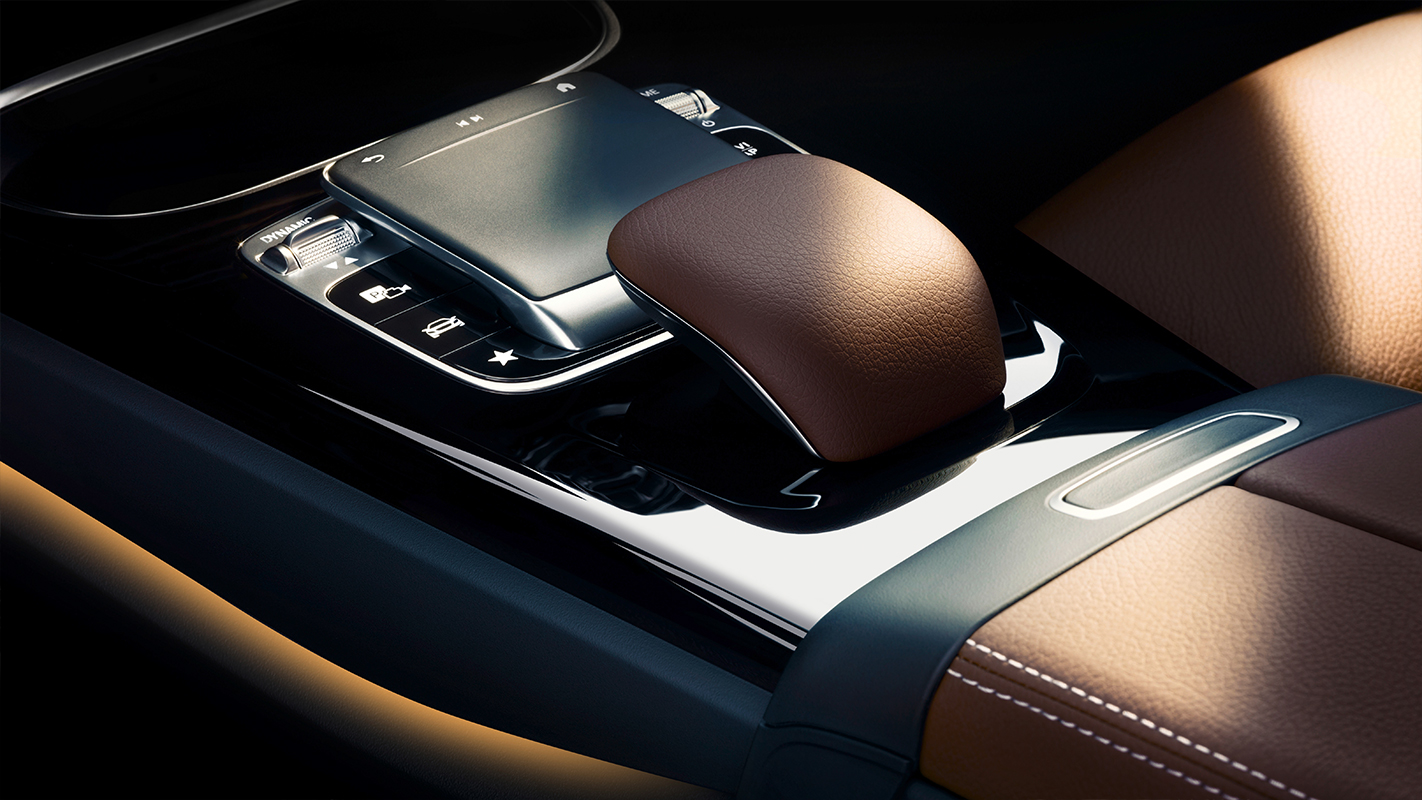
The dashboard demos Mercedes used to tease the new A-Class are, of course, intended for high-grade variants, however it’s expected that all variants will utilise a twin-display configuration – it’s just the size of the screens within it that will vary, with base grades receiving seven-inch displays, mid-spec variants getting a seven- and ten-inch combo and flagship models taking a twin ten-inch setup.
Cooled seats will also be available for the first time in an A-Class, but Benz hasn’t just focused on toys and gadgets. Responding to criticism of the current car, it has pledged that the new A-Class will boast more rear seat legroom, improved outward visibility and more luggage space than before.
This one’s hard to watch if you’re a Prancing Horse fan.
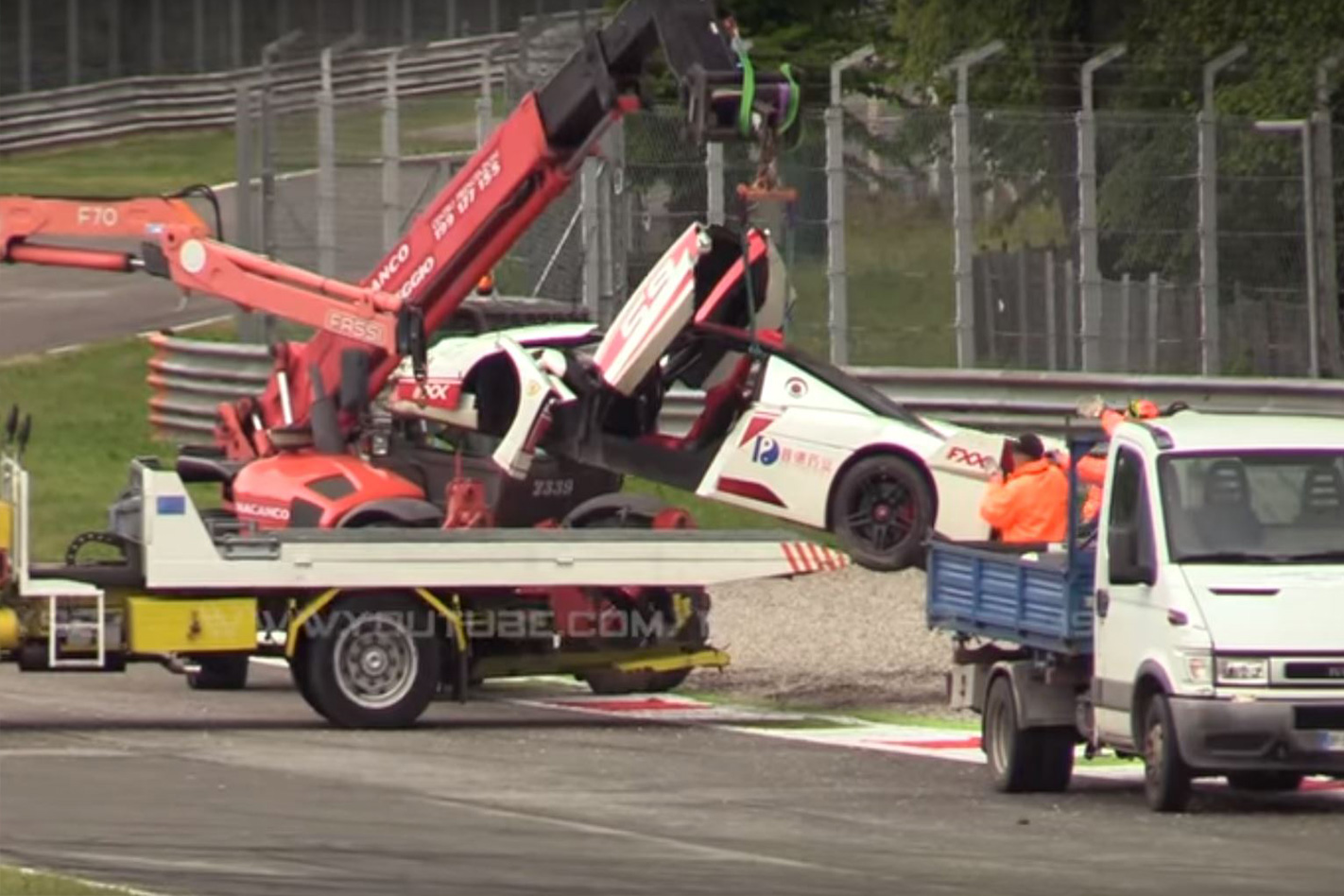
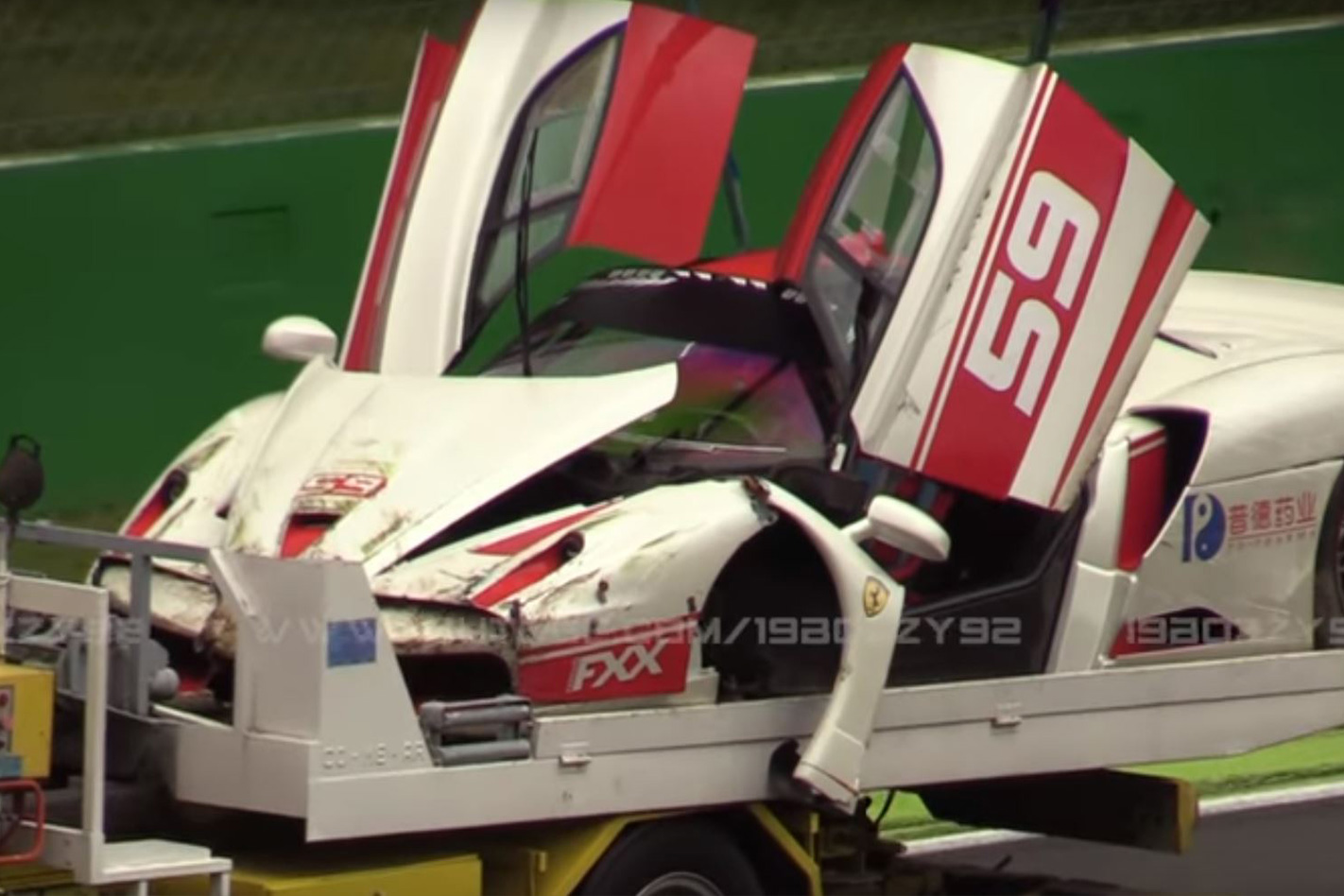
Seeing a Ferrari FXX Evoluzione on track is nearing the peak of what constitutes joy for a Ferrari geek, but seeing it flung head-first into the barrier is at the other end of the scale.
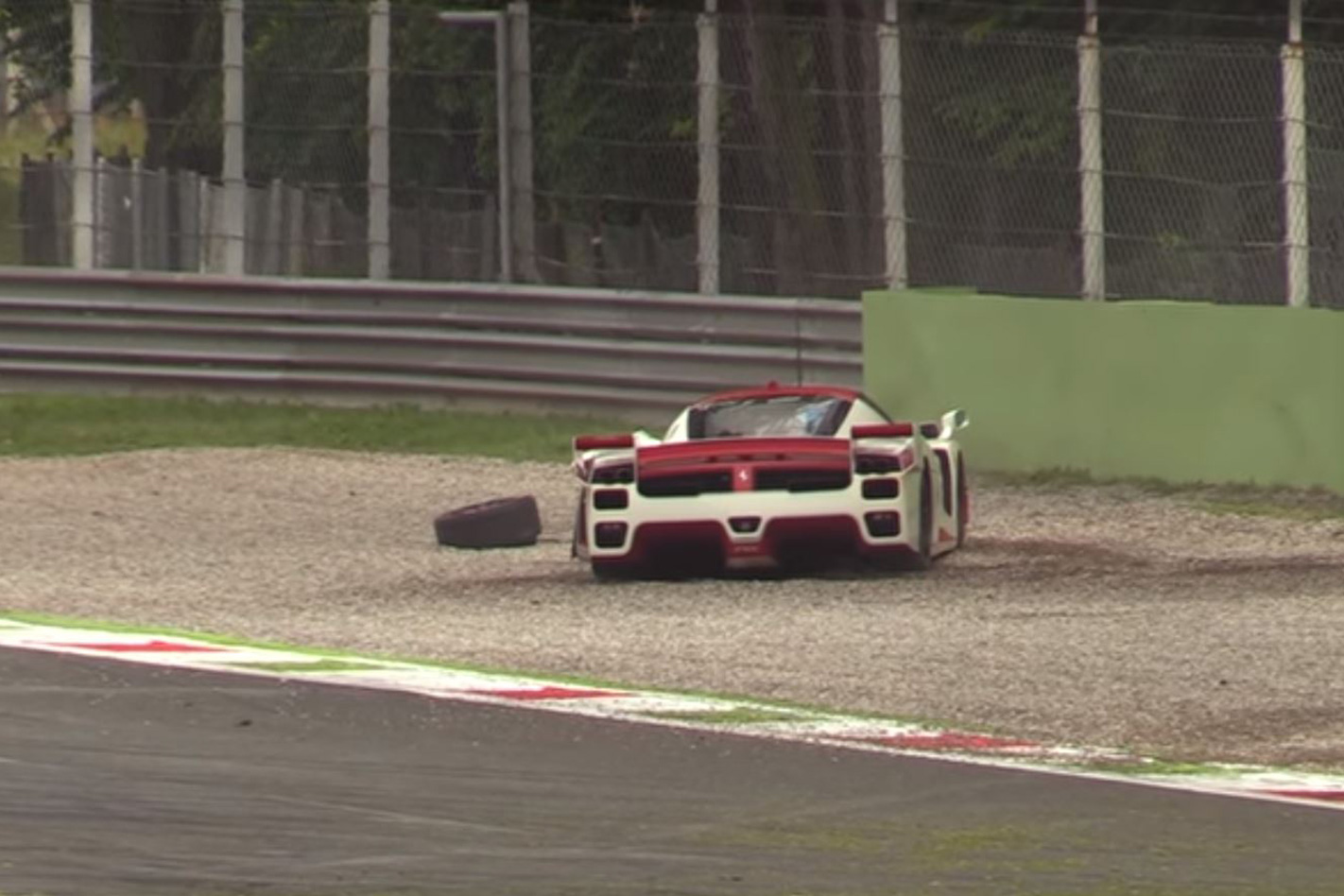
In the last several years, prices of FXX Evoluziones have swung from $1,950,000 to $2,532,000 at auctions held by RM Sotheby’s, and we can’t imagine putting the front of it into a wall of tyres is good for resale.
But that’s what happened at a Ferrari track day held at Monza during the year, and footage of the incident has just been released by car-spotting YouTuber 19Bozzy92.
The Ferrari FXX-K Evo has been announced
You’ll feel so very bad for the owner – especially since there were reportedly only 38 built.
The uploader says the track wasn’t in the best condition on the day, as it was humid and wet.
“As soon as he pressed the brakes all four wheels locked and the car started to slide on the track without decelerating at all.
“150m before turn 1 it started pointing towards the concrete wall on the right, started sliding on the wet grass, cutting the first chicane and then you can see the rest from my video.”
Each month the Federal Chamber of Automotive Industries releases its accumulated statistics of the number of cars sold in Australia. And each month we dive into the numbers in an attempt to divine meaning, showing how buyers’ tastes change over time.
October’s sales data show there were a number of cars scored just a single sale in October 2017, but slow sales don’t necessarily mean an inferior product or a stratospheric price-tag. We try and delve into why some cars sold in October – deservedly or otherwise – missed out on a bigger number.
Audi A8
This is Audi’s flagship limousine. The cheapest one on sale starts from $198,855 and ranges up to the powerful, range-topping S8 Plus priced from $329,927 – which may go some way to explaining why it is such a slow seller in the first place.
But counting against the big hero of the German luxury car maker’s line-up is an all-new one due in the first half of next year. We’ve already driven it overseas and come to the not-unexpected decision that if you’re in the market for a large luxury limousine, it’s probably worth waiting for – which means holding off on buying the current model.

October’s result, which comes in the wake of the new version’s global reveal, is something of an anomaly for the A8, which has sold 27 units over the first 10 months of this year. In contrast, BMW’s fresh-look flagship 7 Series saloon has attracted 145 buyers – five in October alone – and the similarly stately Mercedes-Benz S-Class 105 units, with five of them falling in October.
It’s a shame the sales numbers are tapering off, because while its rivals create good-looking car interiors, Audi does them brilliantly. And that’s where you spend most of your time looking at your car.
BMW i8
Looking something like a science experiment, the futuristically styled BMW i8 plug-in hybrid is a hero car for the German luxury brand. Priced from $303,300, only the most affluent, tech-focussed buyers will be willing to take the plunge on one.
Underneath its carbonfibre skin fitted with scissor-lift doors, the i8 is a plug-in hybrid car featuring an all-electric mode and a range-extending 1.5-litre three-cylinder engine that’s used mainly to recharge the batteries. Despite its price and looks, the i3 is far from an exotic niche seller; so far this year it has had 21 buyers lining up for it.
A roadster version of the i8 with a removable roof joins the coupe version some time next year, so expect a bump in sales as sun-loving technobeatnicks queue up for the new one.

Hyundai Genesis
Hyundai has had a crack at creating a large, rear-drive sedan that tries to span the divide between affordable, good quality cars and the more premium segment. The result is the Genesis, a not-quite-cheap, not-quite-luxury offering that has probably swung into significance in the wake of the Australian car industry’s demise.
A V8 version of the Genesis is available overseas, but isn’t available here because it is yet to be tweaked for right-hand drive. But sister brand Kia has launched the Stinger rear-drive liftback sedan with a twin-turbo V6, so watch this space.
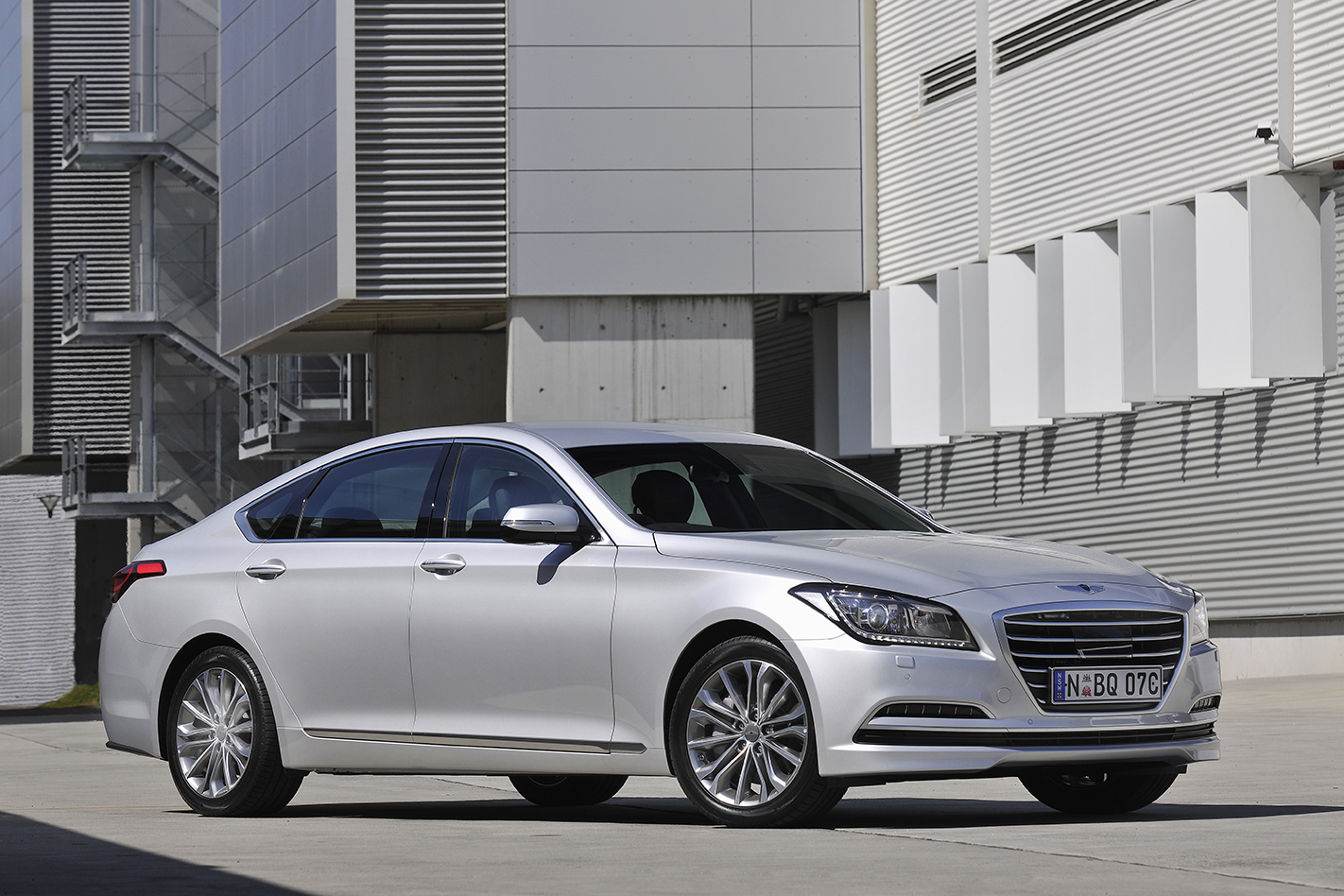
The $61,500 Genesis’s trump cards is that it lands in Australia with a long list of standard equipment, and at a price that will rub the BMW 5 Series and Mercedes-Benz E-Class up the wrong way.
Hyundai will soon spin the Genesis name off as a standalone luxury brand, much like Toyota has Lexus and Nissan has Infiniti. With it will come a new version of the Hyundai Genesis – known as the G90 – and the slightly smaller G70 that’s related to the Stinger.
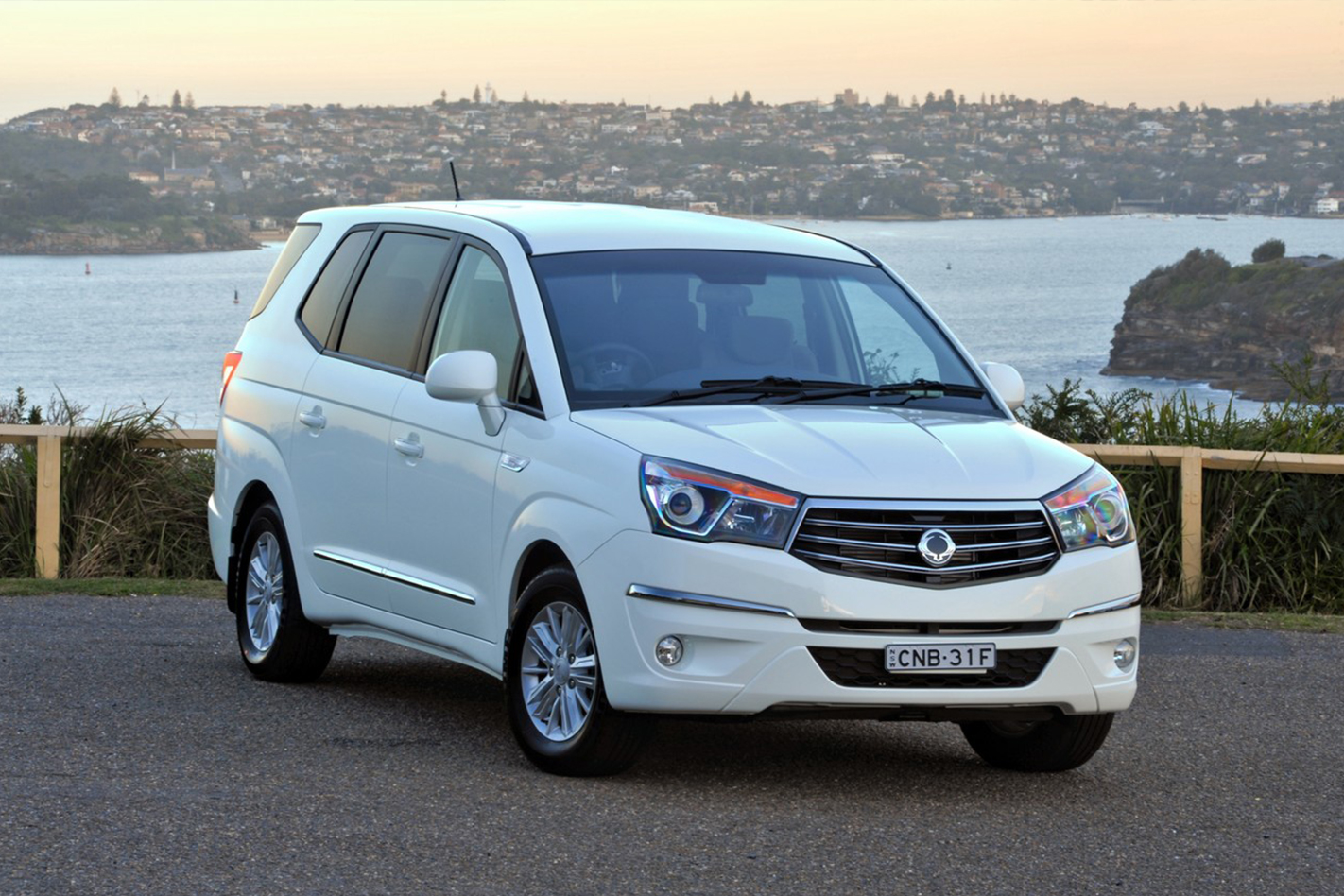
SsangYong Stavic
It’s not the prettiest seven-seat SUV on the market, but it’s one of the cheapest. The Stavic sells from $29,990 drive-away, and is decent value for the money. Unfortunately, we’ve not driven one, so we can’t give you any advice on what you need to look out for when it comes to ride quality and handling.
Under the bonnet is a 2.0-litre four-cylinder turbo-diesel engine that should make the Stavic fairly cheap to run. Just 22 Stavics have sold so far this year.
Volvo S90
This is Volvo’s flagship sedan, sold as either a front- or all-wheel-drive four-door. It’s built on the Chinese-owned Swedish brand’s all-new platform that will underpin a suite of future large cars – some of which are already here.
The sub-$80,000 sedan is not the most advanced model in the line-up – that honour goes to the closely related Volvo XC90 large SUV and just-launched XC60 mid-size SUV that both have the T8 petrol-electric drivetrain featuring a turbocharged and supercharged 2.0-litre engine hooked up to electric motors that can recharge via a normal household powerpoint.
Volvo has always been something of a niche player in Australia, crossing the ground between premium and luxury. That shows in the S90’s sales numbers, which over the first 10 months of this year have numbered just 40.

Volvo V90 CC
Not everyone likes a jacked-up SUV. That’s good, because it means there’s still a place in this world for the more aesthetically proportioned SUV-styled station wagon.
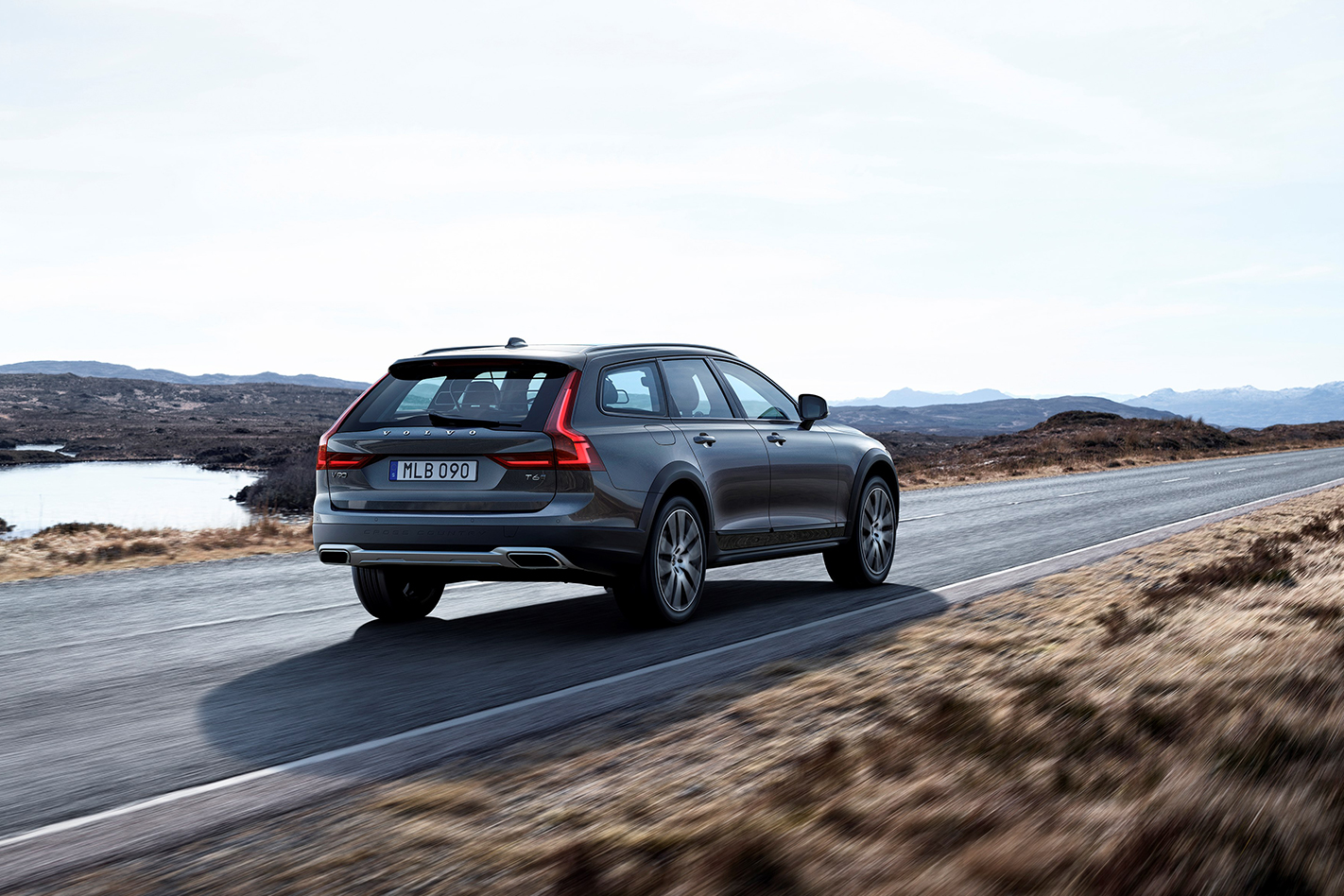
The $99,900 V90 CC – think “Cross Country” is a wagon version of the S90. Plastic cladding around the wheel wells and along the sills give it a high-riding look. Under the bonnet is a twin-turbo diesel engine producing a tow-friendly 480Nm. A very recent addition to the Volvo line-up, the V90 CC has found 36 buyers in the first 10 months of this year.
Mercedes-Benz has recognised this as a viable niche and jumped on the popularity of the more suburban-friendly SUV with the E-Class All-Terrain. But the trend all started with the Audi A6 Allroad.